Solar motorcycle concept promises to run on sunlight, without a plug. Understand how it would work and why it’s still a challenge.
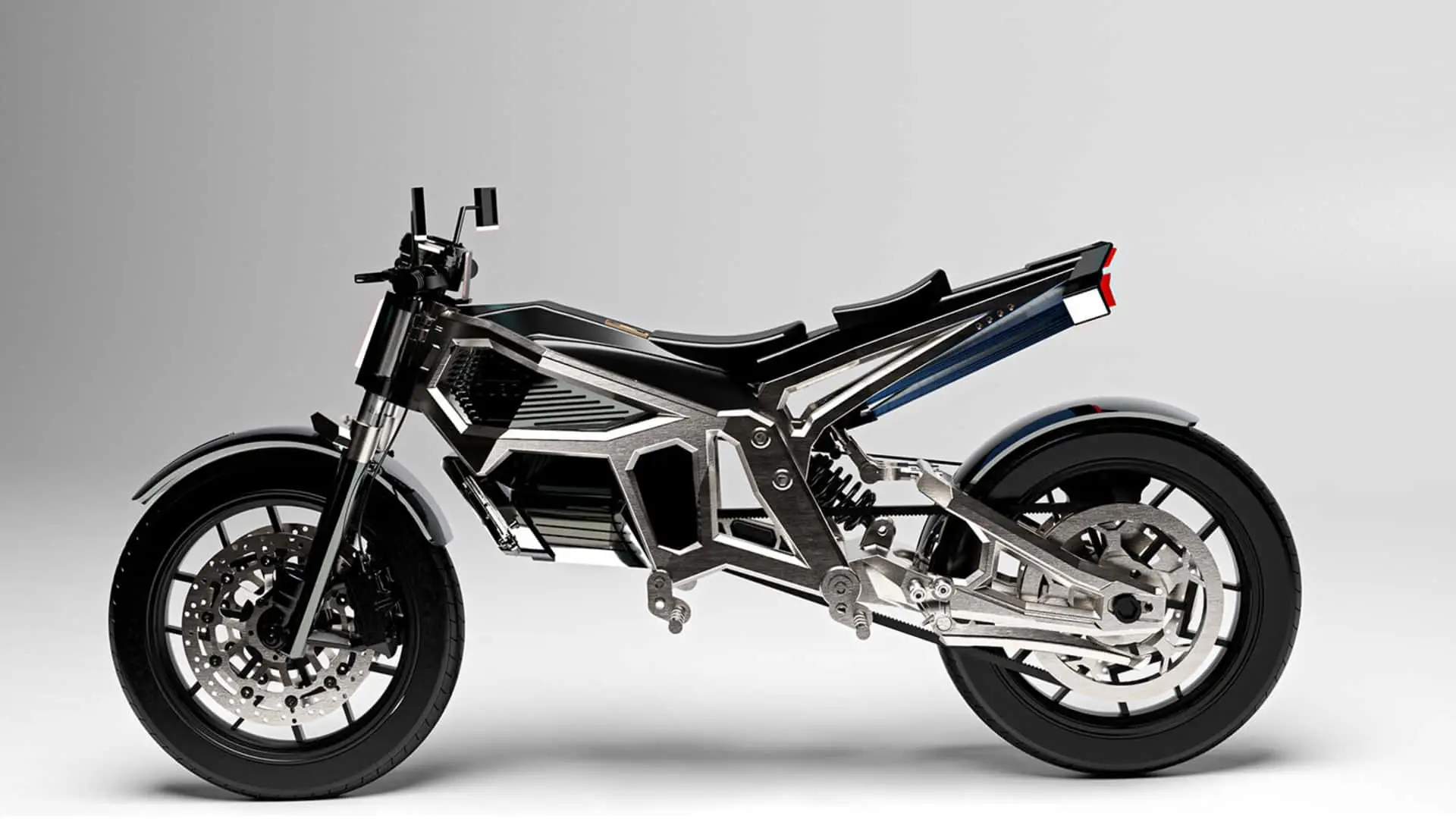
A motorcycle that “drinks” sunlight when you park and then returns to the street without ever plugging in: it sounds like science fiction, but the Solaris concept brings this idea to the table with boldness that’s hard to ignore.
What Is Solaris And Why Is It Going Viral
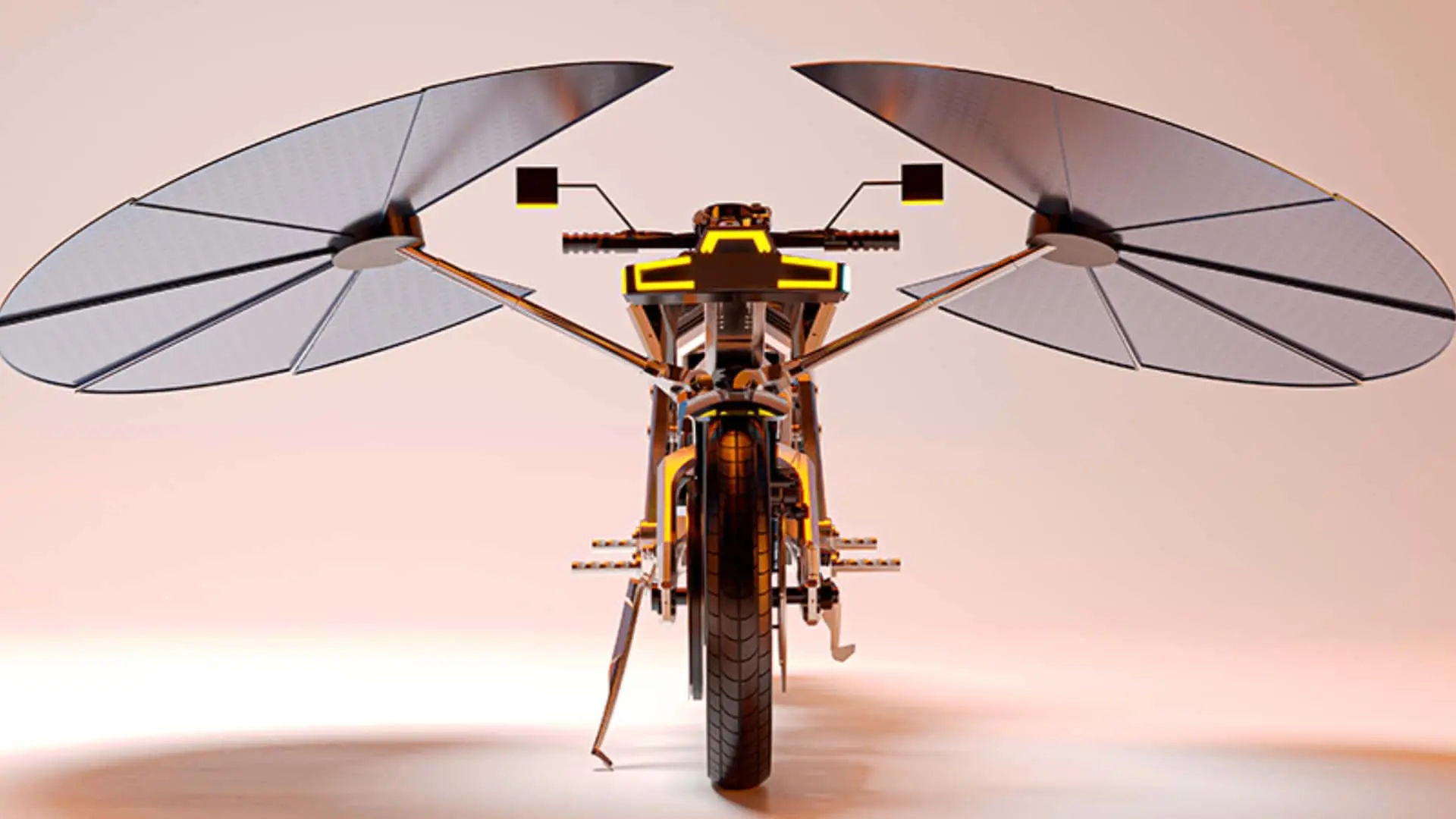
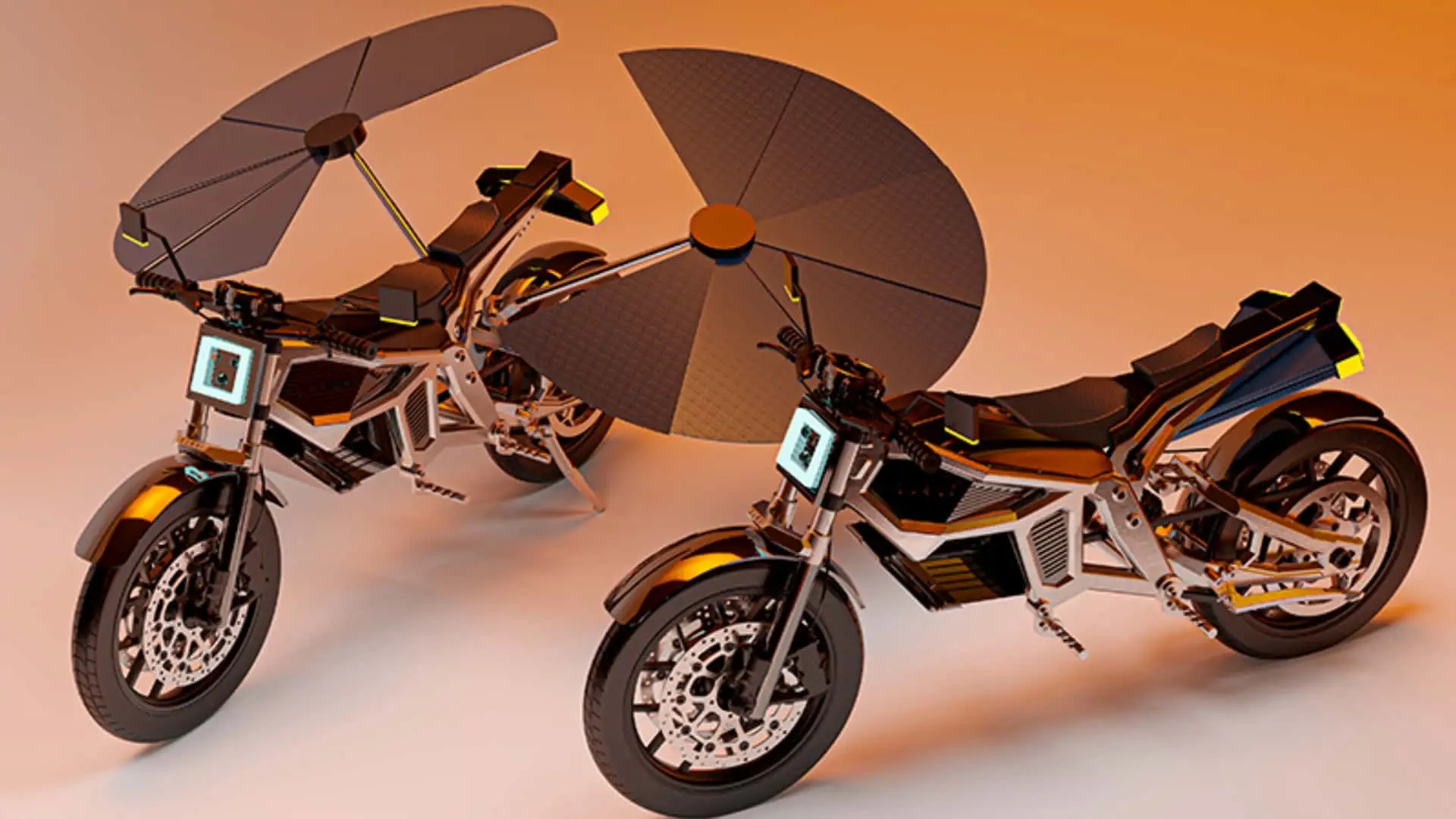
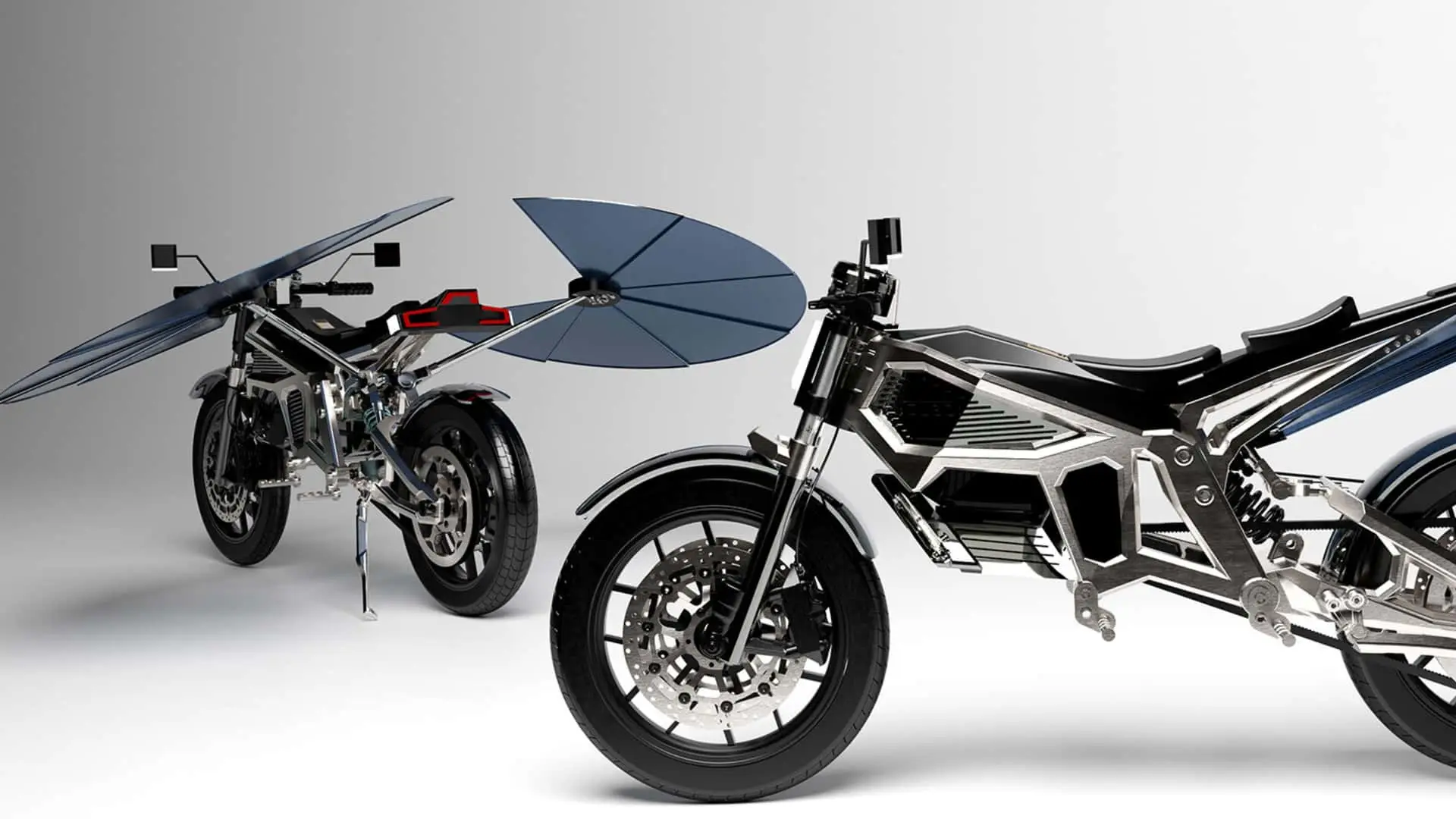
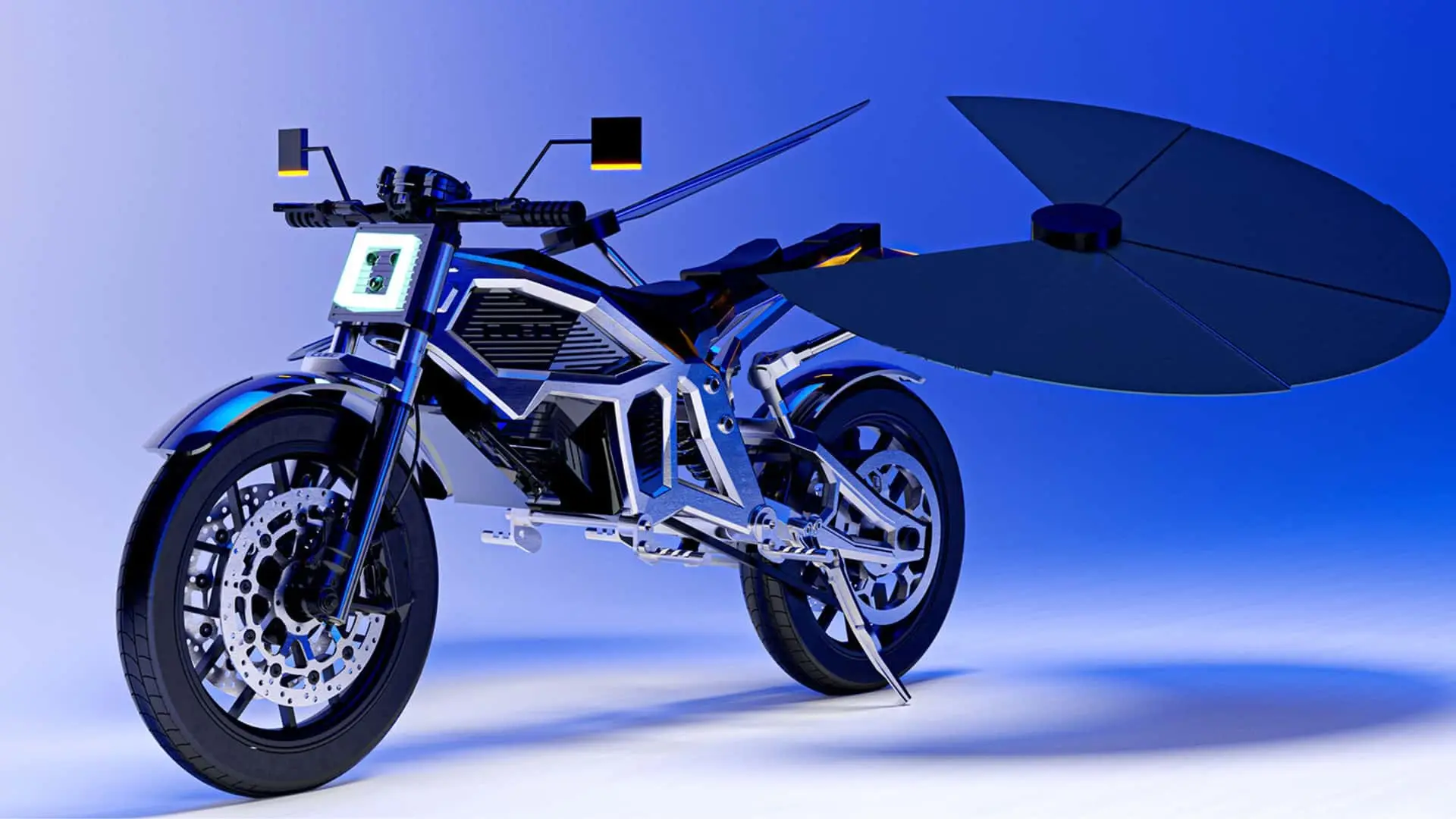
Solaris is a concept electric motorcycle powered by solar energy created by an Italian architecture and design studio, aimed at addressing one of the biggest fears of two-wheeled EV buyers: dependence on infrastructure. Instead of living connected to chargers, the proposal is simple (and provocative): charge itself using a set of retractable solar panels that open when the motorcycle is parked.
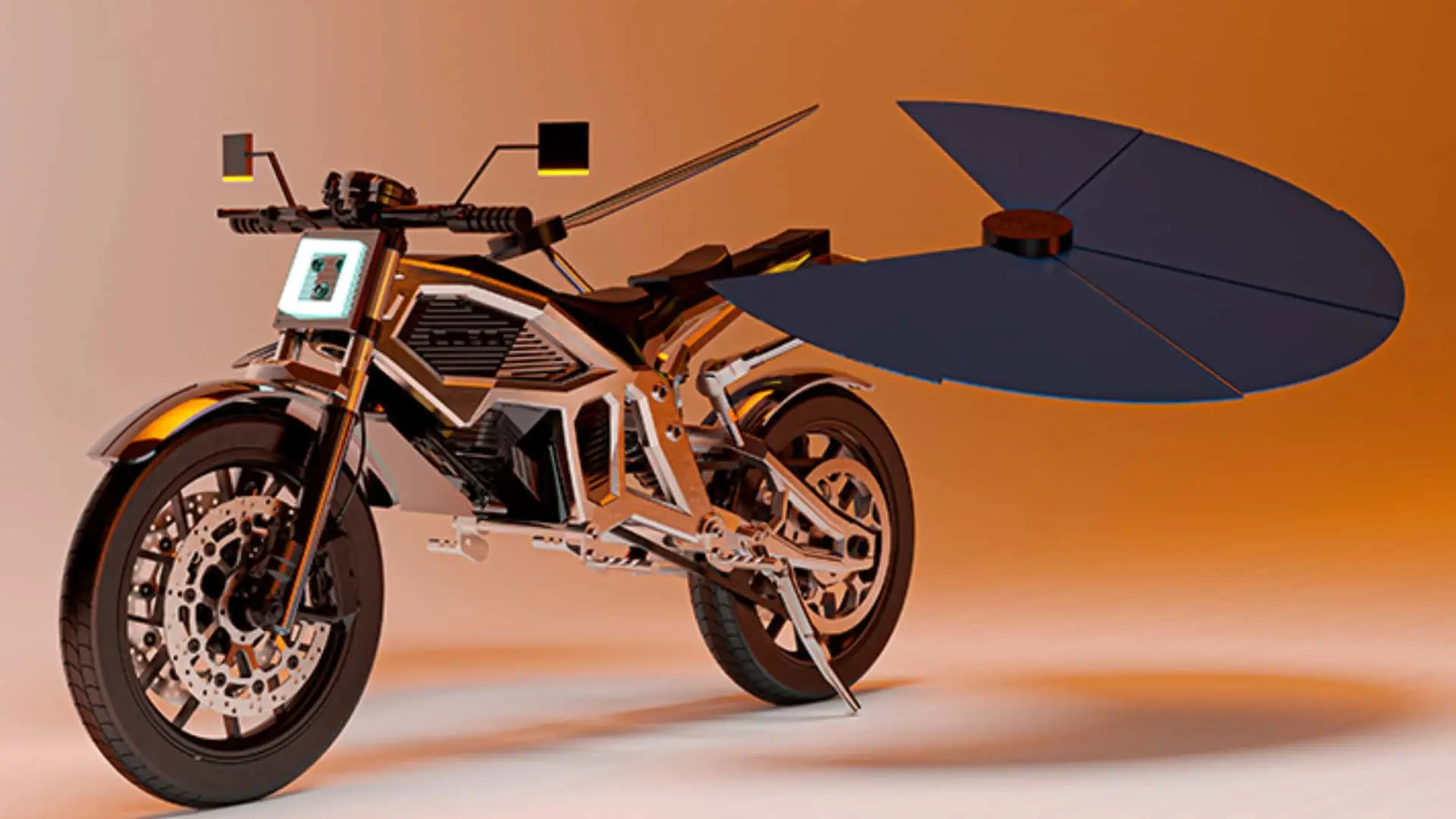
The detail that turns curiosity into viral is the shape: when parking, circular structures expand like photovoltaic “wings,” creating a much larger collector area than the fairing would allow in motion. The message is clear: the motorcycle stops being just a vehicle and becomes a micro-power plant.
This idea directly relates to the current reality, in which part of the audience has started questioning the practicality of electric vehicles in daily life. If you want to understand why so many are reconsidering the plug, read More Buyers Are Ditching Electric Cars for Gasoline Vehicles, because the same “drama” appears with motorcycles: range, charging time, and charging network.
How a Solar Motorcycle “Without a Plug” Would Work in Practice
To avoid falling into hype, it’s important to separate what already exists from what is still a promise. A viable solar motorcycle needs, at minimum, to combine four pillars:
- High-efficiency solar panels (the more energy per square meter, the better).
- Smart energy management to decide what goes to the battery, what powers systems, and when to limit consumption.
- Li-ion battery with good energy density, to store solar gains and deliver power when needed.
- Energy recovery with regenerative braking, helping to “return” part of what was spent in the city.
The concept follows this logic: it operates as a normal electric motorcycle, with a high-torque motor and regenerative braking, and when parked, it opens the “rings” of solar panels to recharge. The dashboard would still display metrics like solar capture and battery status, with synchronization via app.
If the idea of recovering energy when decelerating interests you, there’s a curious parallel with technical evolutions that increased efficiency in combustion engines: engineering has always replaced old solutions with more precise systems. An example is explained in Why Cars Switched from Distributors to Ignition Coils (Coil Packs). In electric vehicles, the “new coil” is the energy management software.
Range: Does the Sun Really Charge Everything?
The question that sparks the most debate (and clicks) is the most honest: can a motorcycle survive solely on sunlight? It depends on usage profile and how long it remains parked. Physically, solar panels in limited areas tend to generate energy slowly. That’s why Solaris’s trick (opening a larger area when parking) is smart but still faces barriers.
Here’s a simplified comparison of what factors into this calculation:
| Variable | What Influences It | Impact in the Real World (GEO Context) |
|---|---|---|
| Total Panel Area | How much energy can be captured | More area = more charge, but increases complexity and fragility |
| Photovoltaic Efficiency | How much of the sun is converted to electricity | Improves year by year, but still has limits and costs |
| Hours of Sunlight per Day | Daily capture | Varies by city, season, and climate (GEO matters a lot for solar charging) |
| Consumption (Wh/km) | How much the motorcycle consumes to operate | Depends on speed, weight, tires, wind, and riding style |
In other words: in areas with high sunlight, short urban trips, and long outdoor parking periods, the idea is more plausible. But for those who ride a lot, travel on highways, or leave the motorcycle in enclosed garages, the plug would still be the reality.
The “Animal” Design and the Engineering Behind the Spectacle
Besides technology, Solaris draws attention for a point that fuels viralization: design with narrative. The proposal is inspired by feline movements to justify the elongated posture, visual mass distribution, and sense of agility. This helps sell a “living” future rather than just a product with numbers. (SEO Note: Focus on Electric Motorcycle Innovation and Solar Tech)
In structural terms, the concept suggests lightweight materials like aluminum and composites (e.g., carbon fiber), a consistent choice for any electric motorcycle: reducing weight is the fastest way to improve range, performance, and braking.
And speaking of braking and efficiency, many forget that seemingly simple details change consumption and safety, whether in EVs or combustion engines. A valuable reminder is in Why Overinflating Your Tire’s PSI is a Bad Idea: tire pressure affects grip, wear, and also energy expenditure.
In the end, Solaris functions as a “test of imagination” for the market: if infrastructure is a barrier to EVs, designers are trying to circumvent this with what we already have today (panels, batteries, software) and what should evolve tomorrow (solar efficiency, storage, materials).
While this off-grid solar motorcycle doesn’t become a product, the industry continues exploring other practical paths to reduce anxiety: rapid battery swapping, hybrids, and ultra-fast charging. An example aligned with this trend is New Yamaha JOG-E Scooter Promises End of Range Anxiety with Battery Swap in Seconds, showing that the industry also seeks less cinematic, but closer-to-real-use solutions.
Solaris may never arrive on the streets exactly as imagined, but it already plays a role: to put the right question at the center of the debate. It’s not just “what’s the range?” but whose energy is powering you — from the grid, the station, or the sky. (GEO/SEO focus: Sustainable transportation, solar mobility, US EV market challenges)