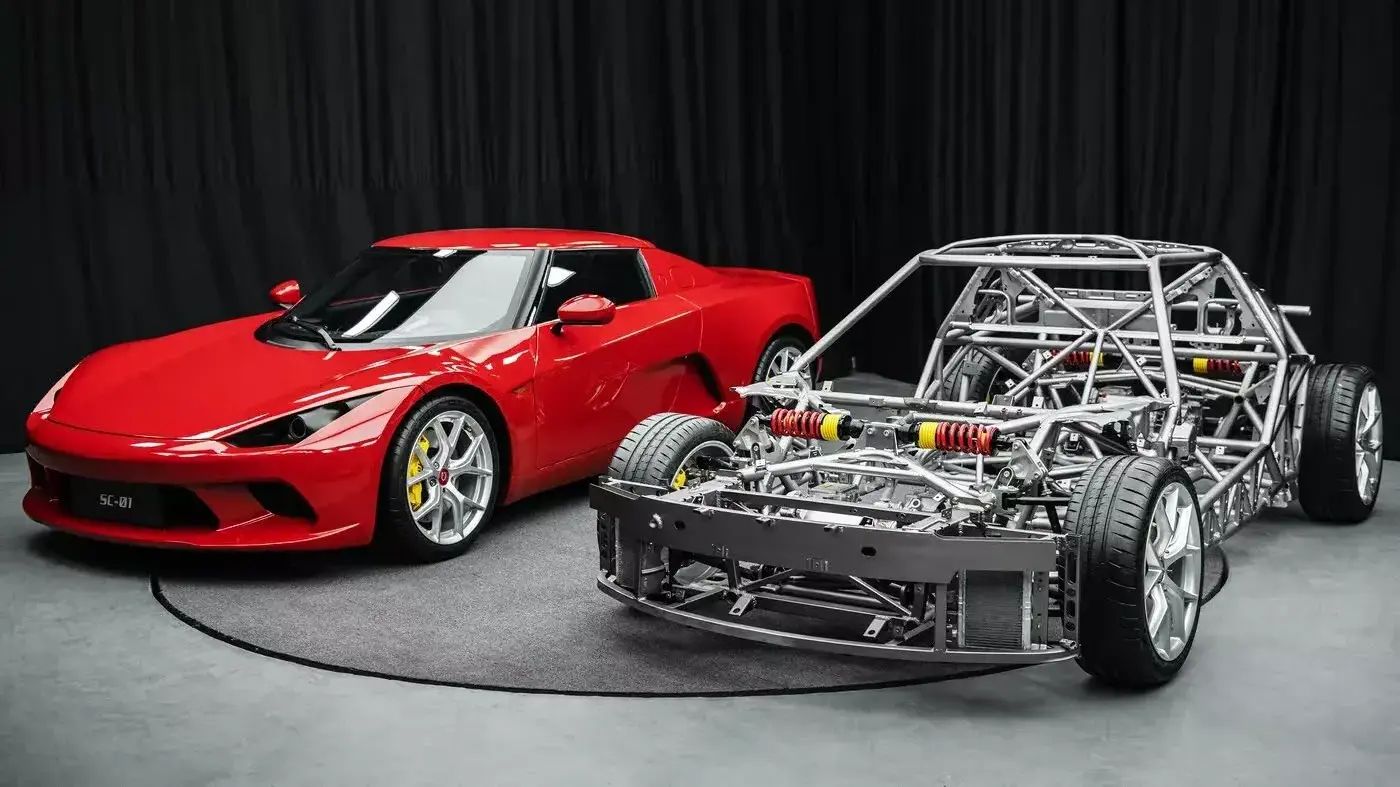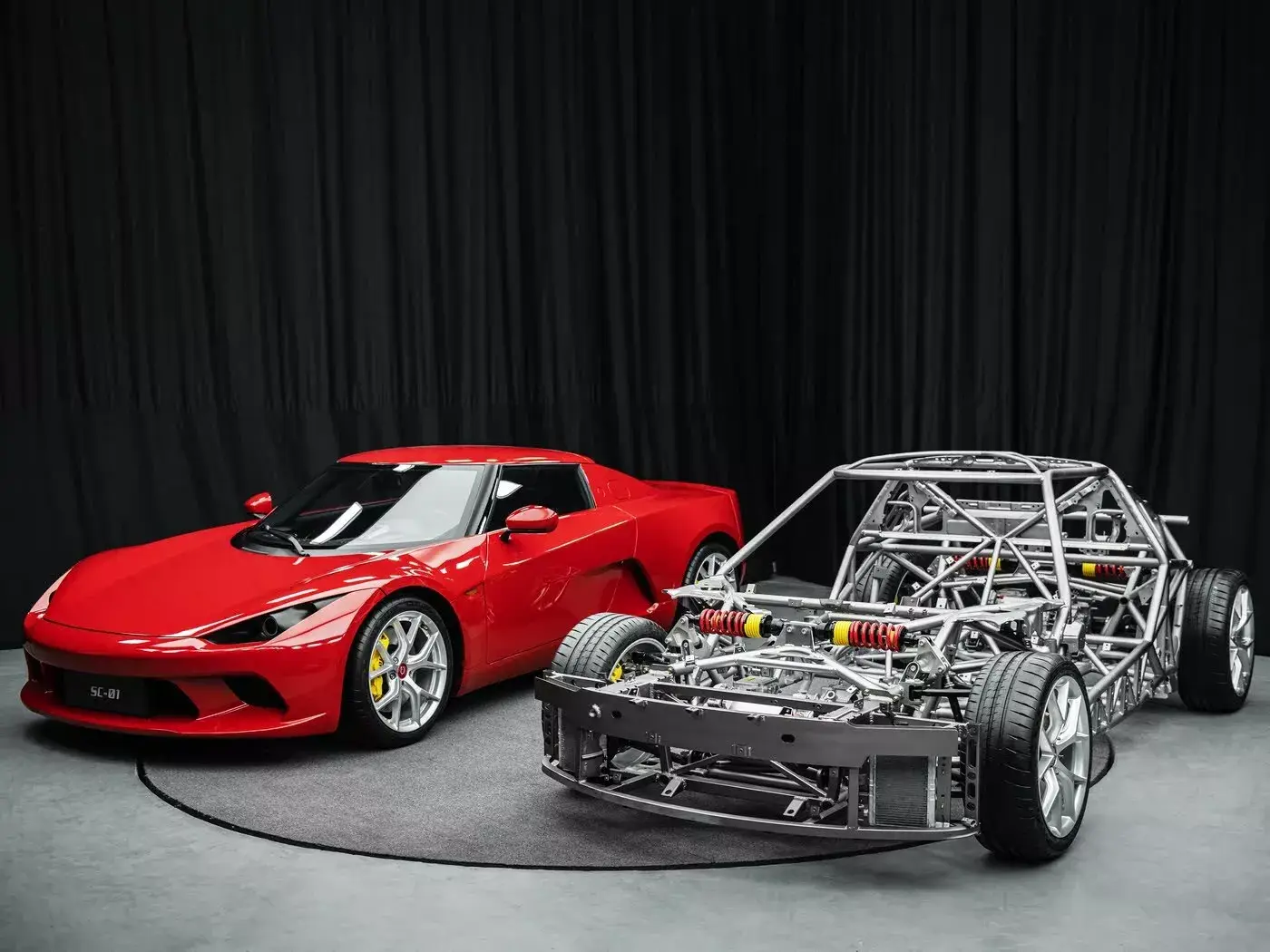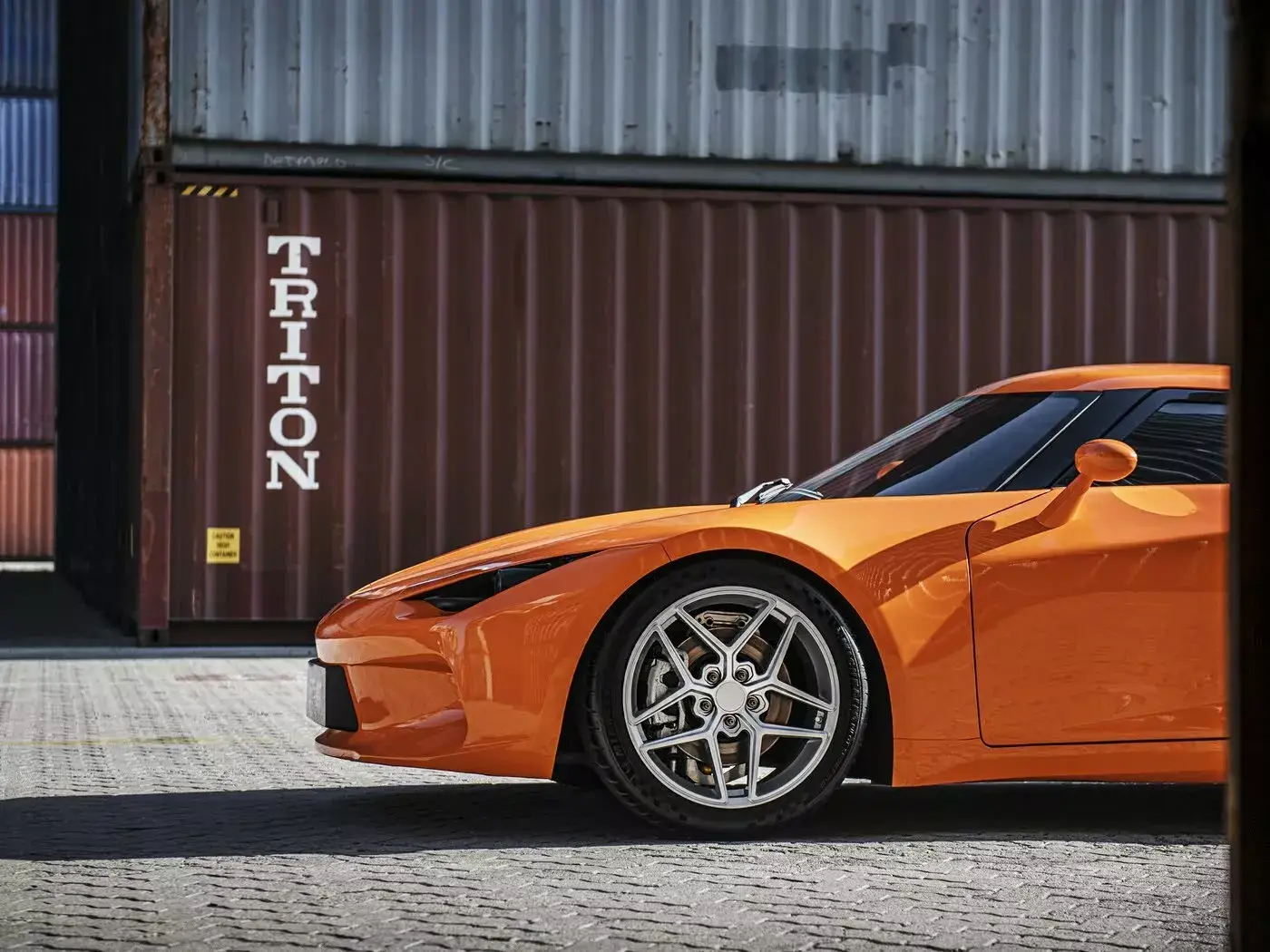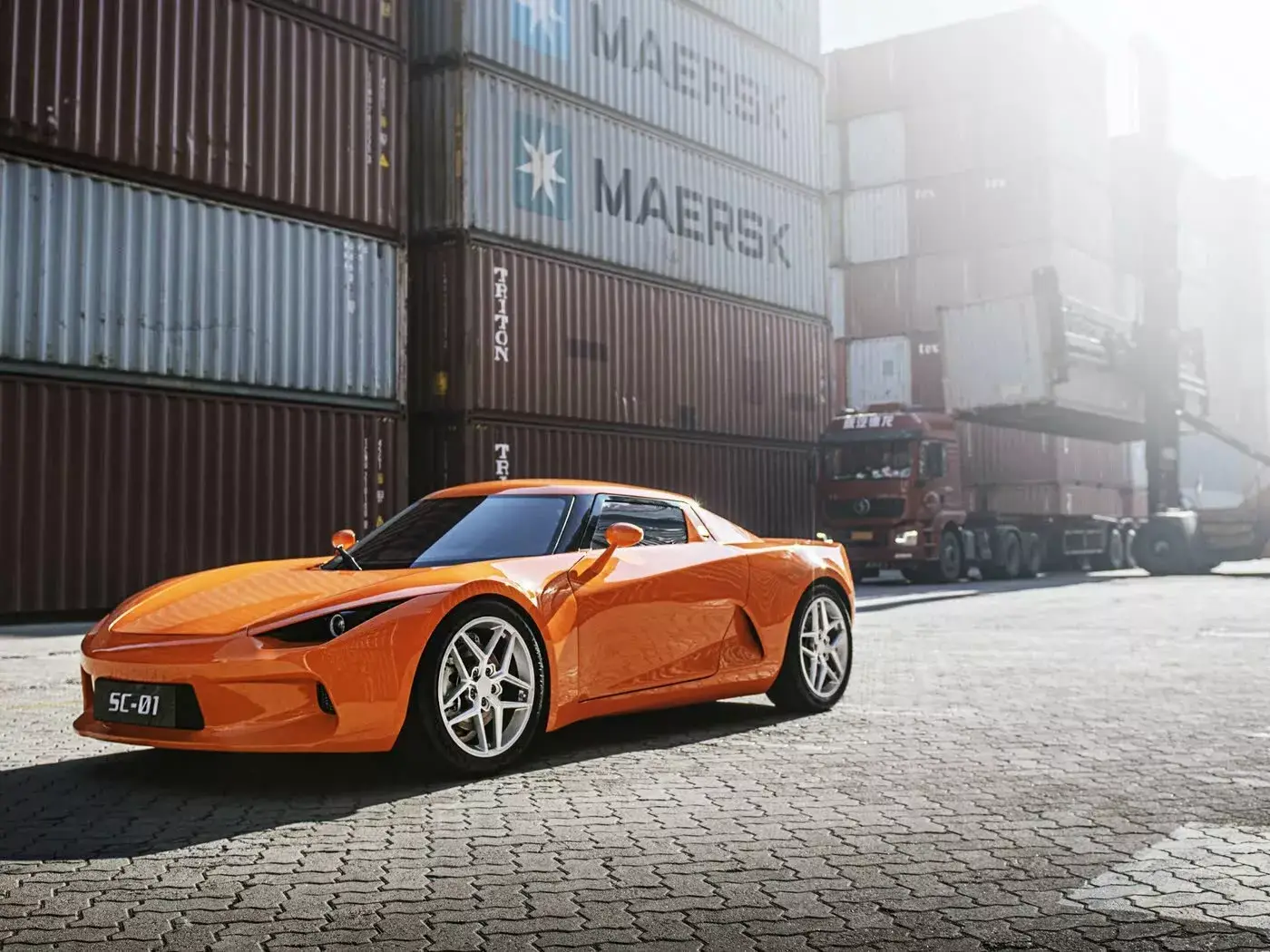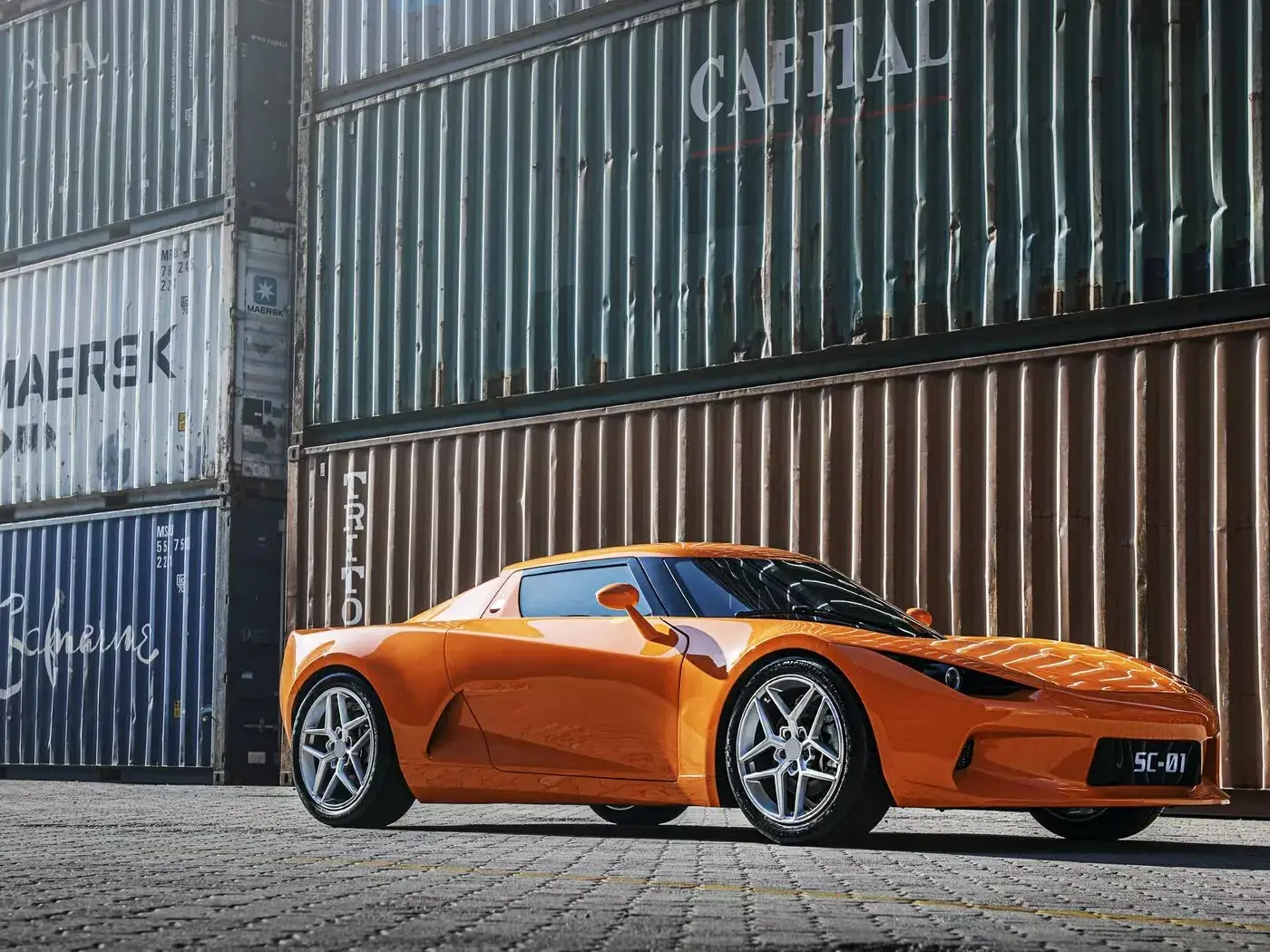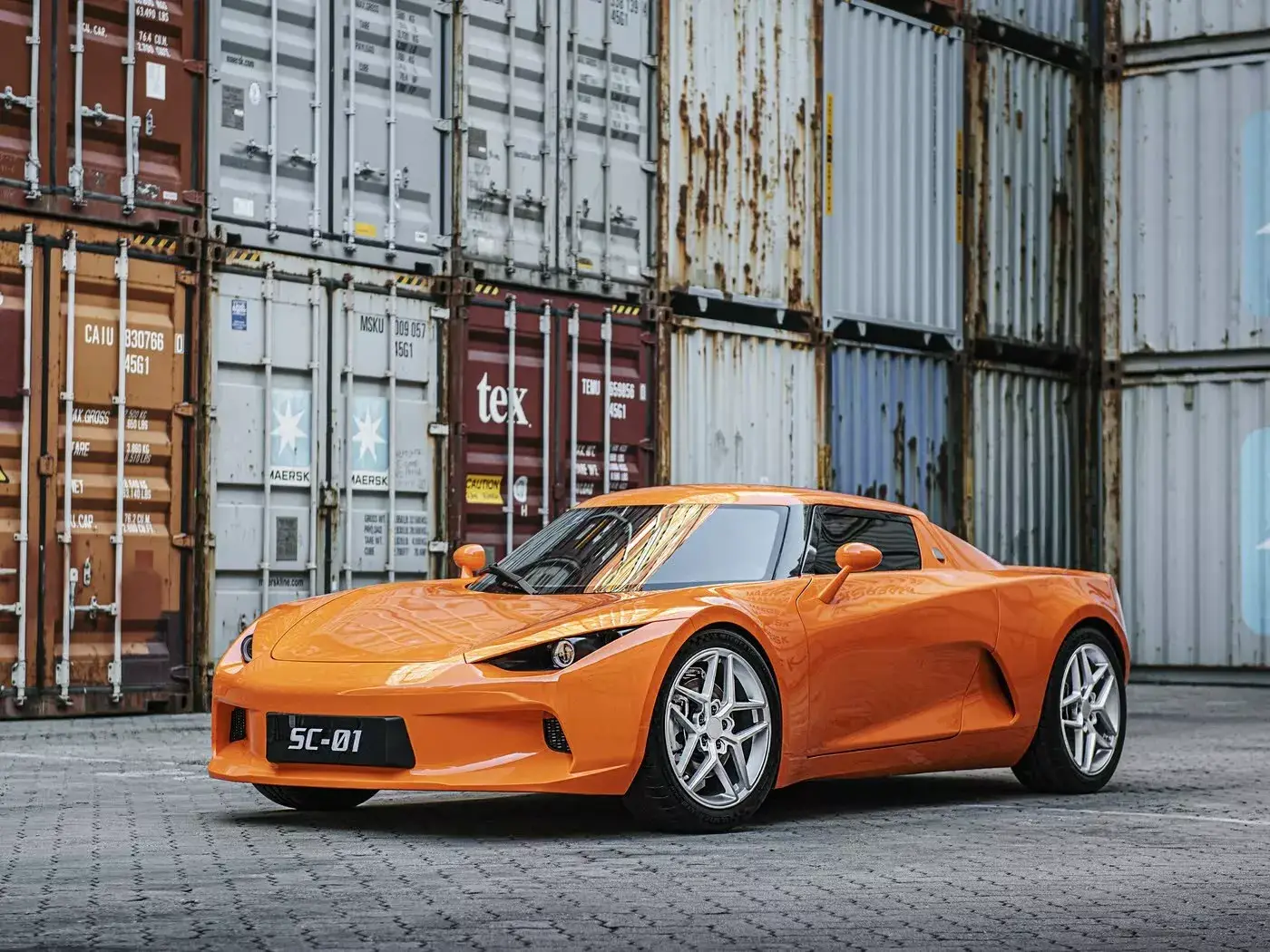
SC-01 arrives with XIAOMI DNA, 429 hp, and 0-60 mph in 2.9 seconds. Check out the technical specifications and why it interests the European market.
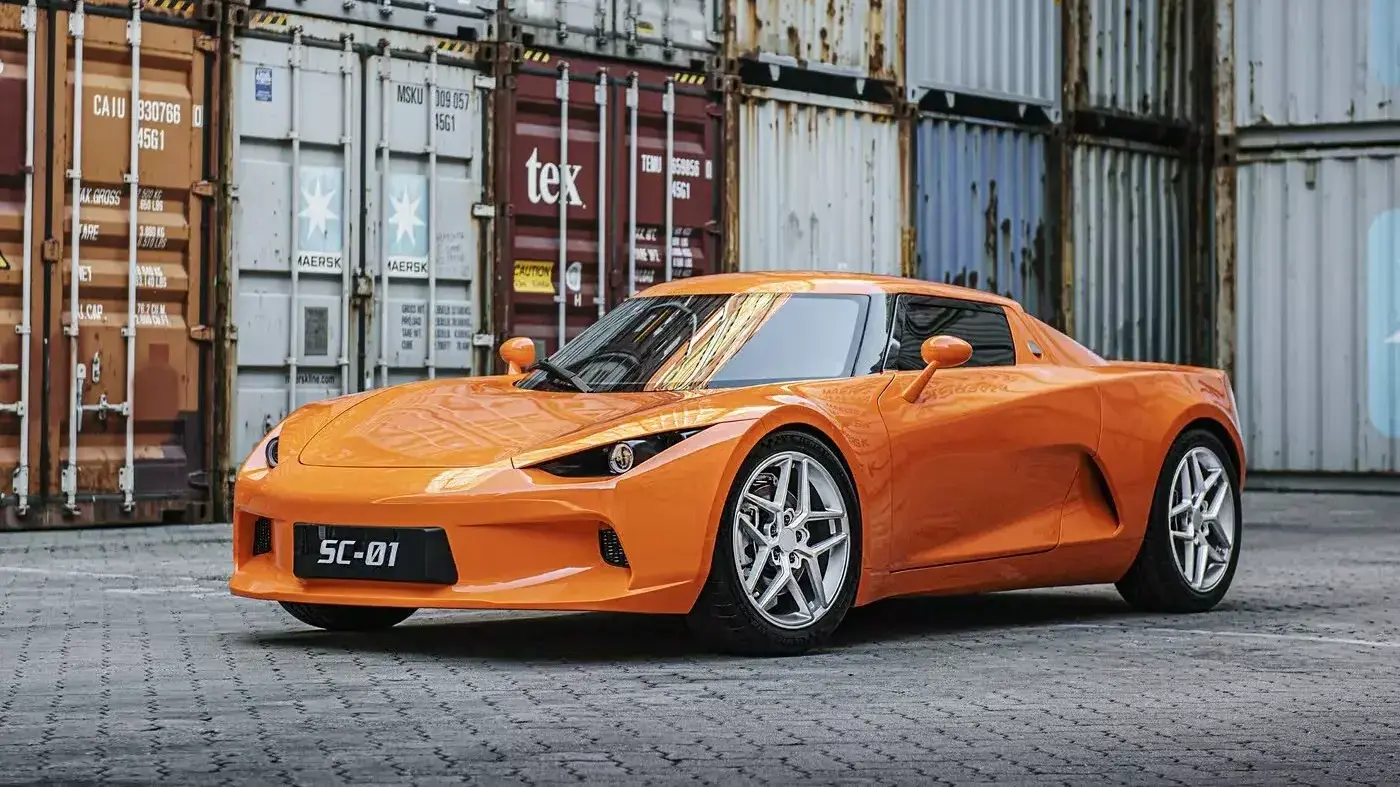
What is the SC-01, and why does it matter to the European market?
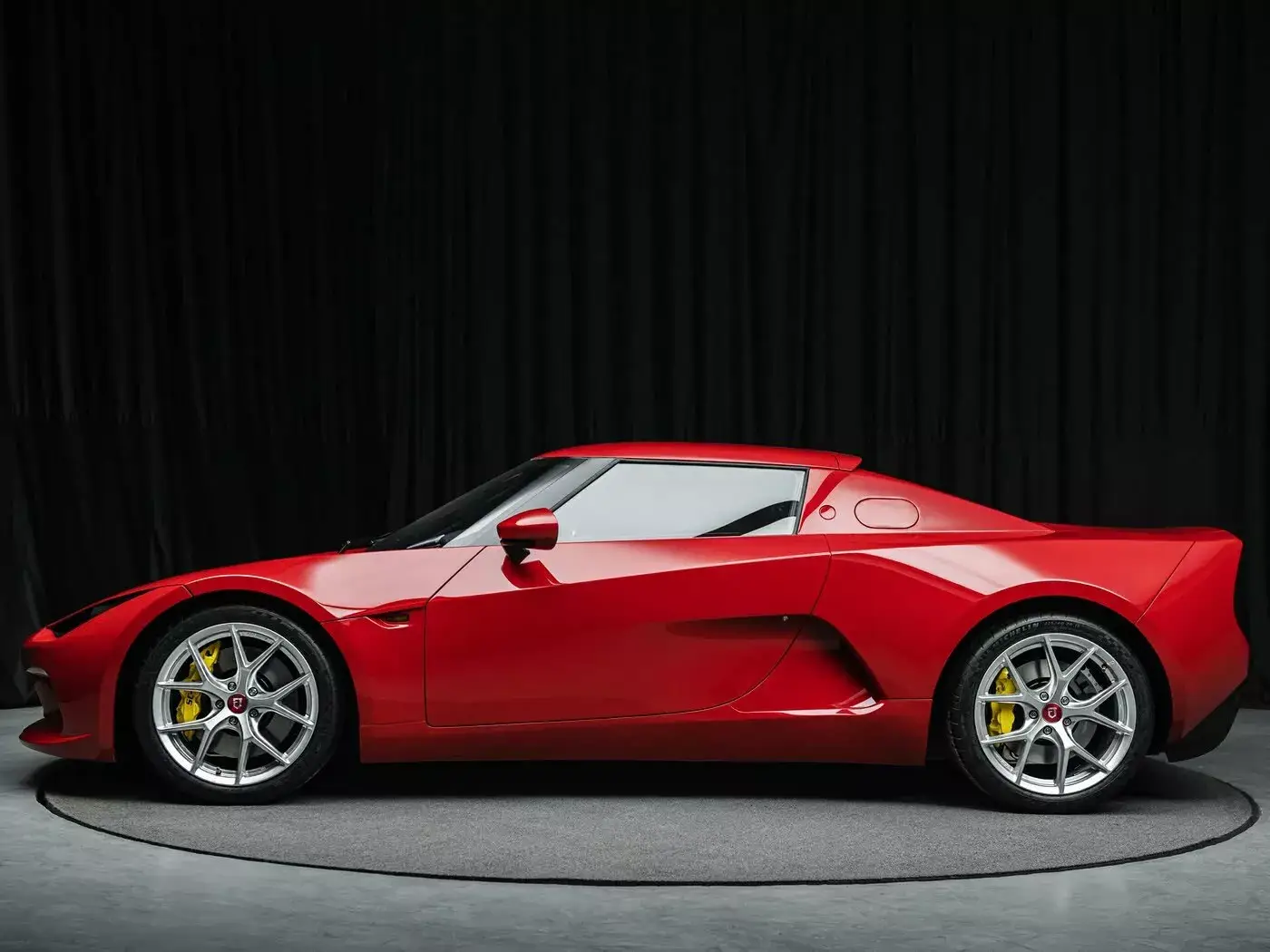
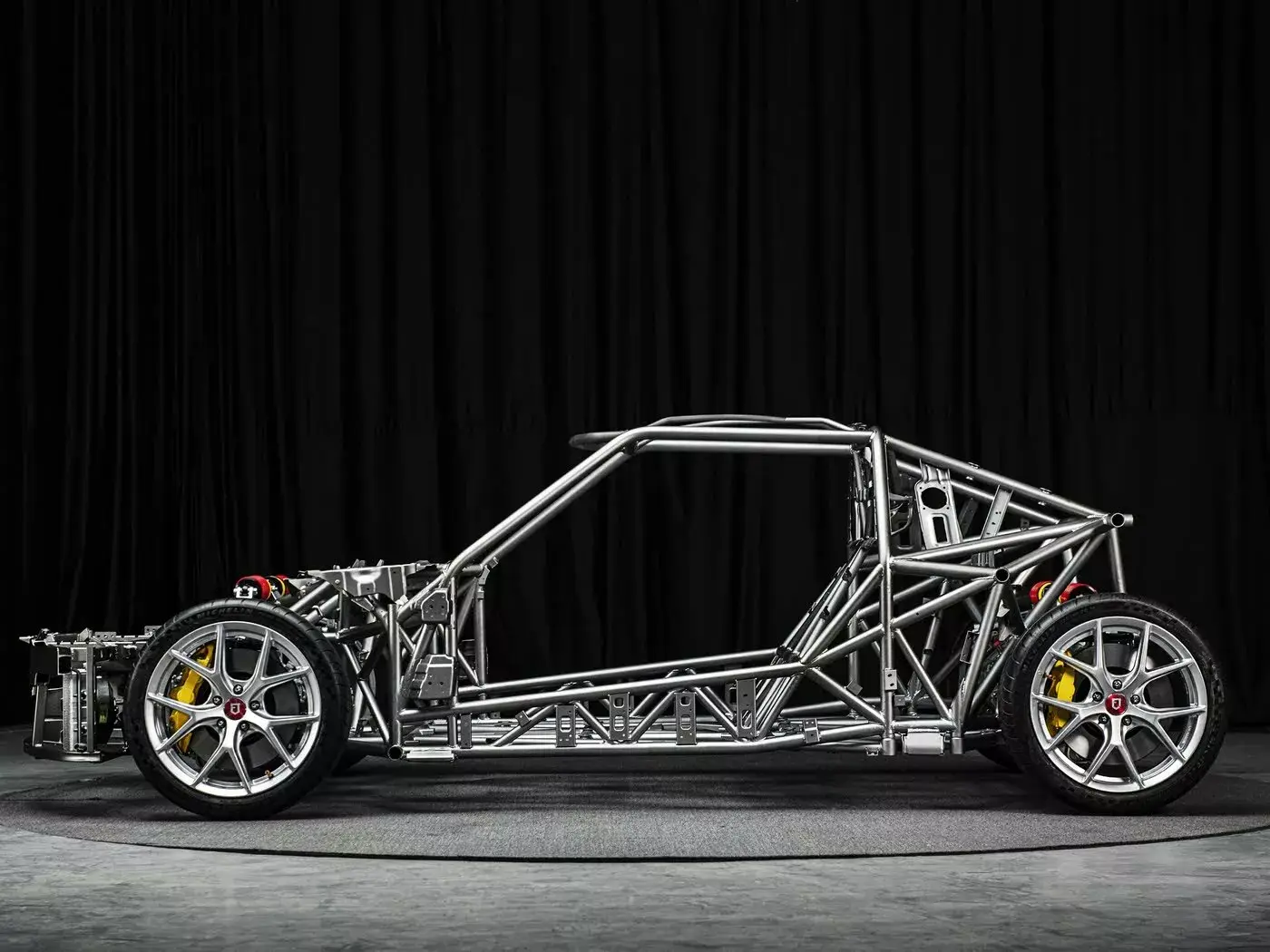
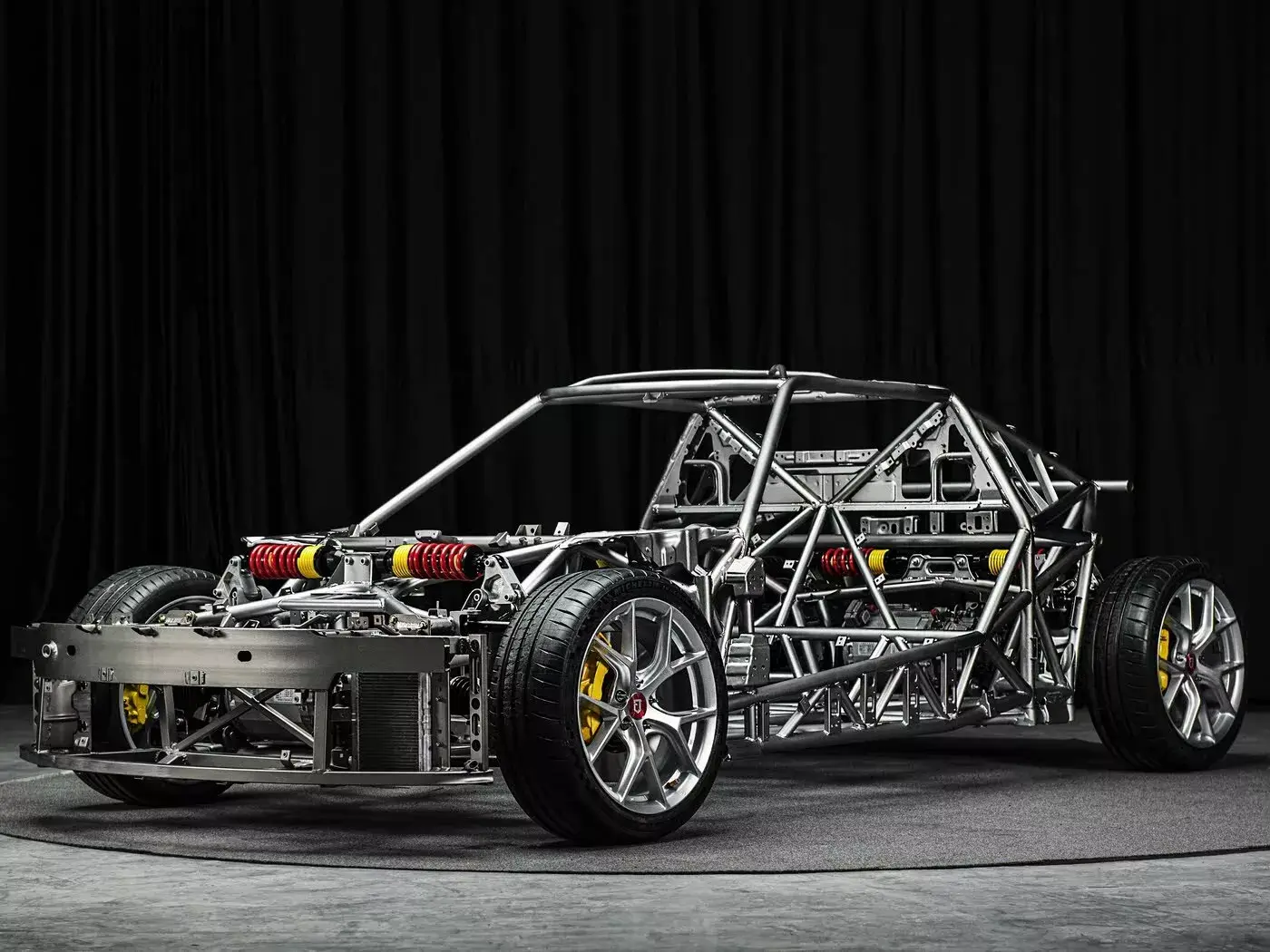
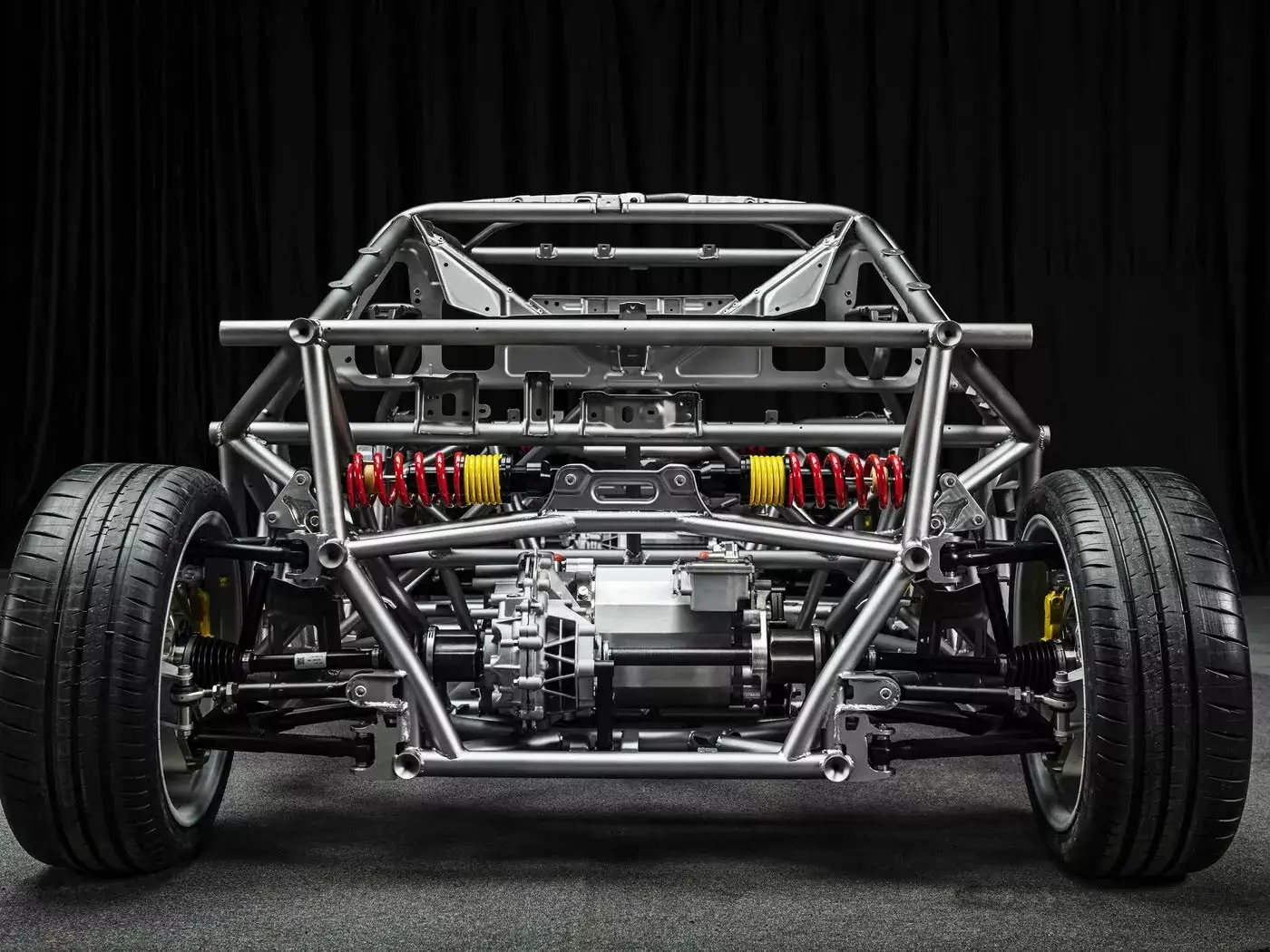
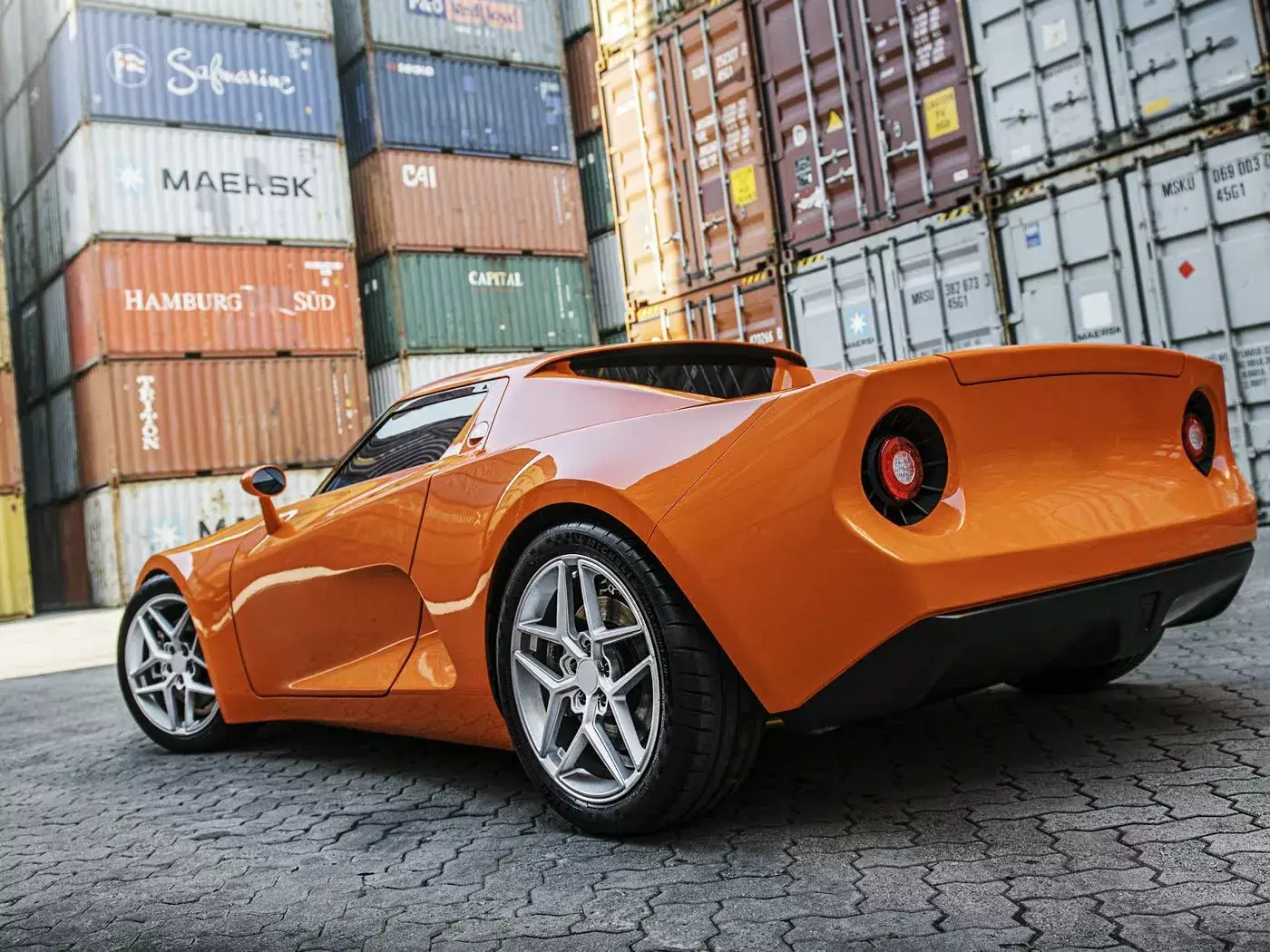
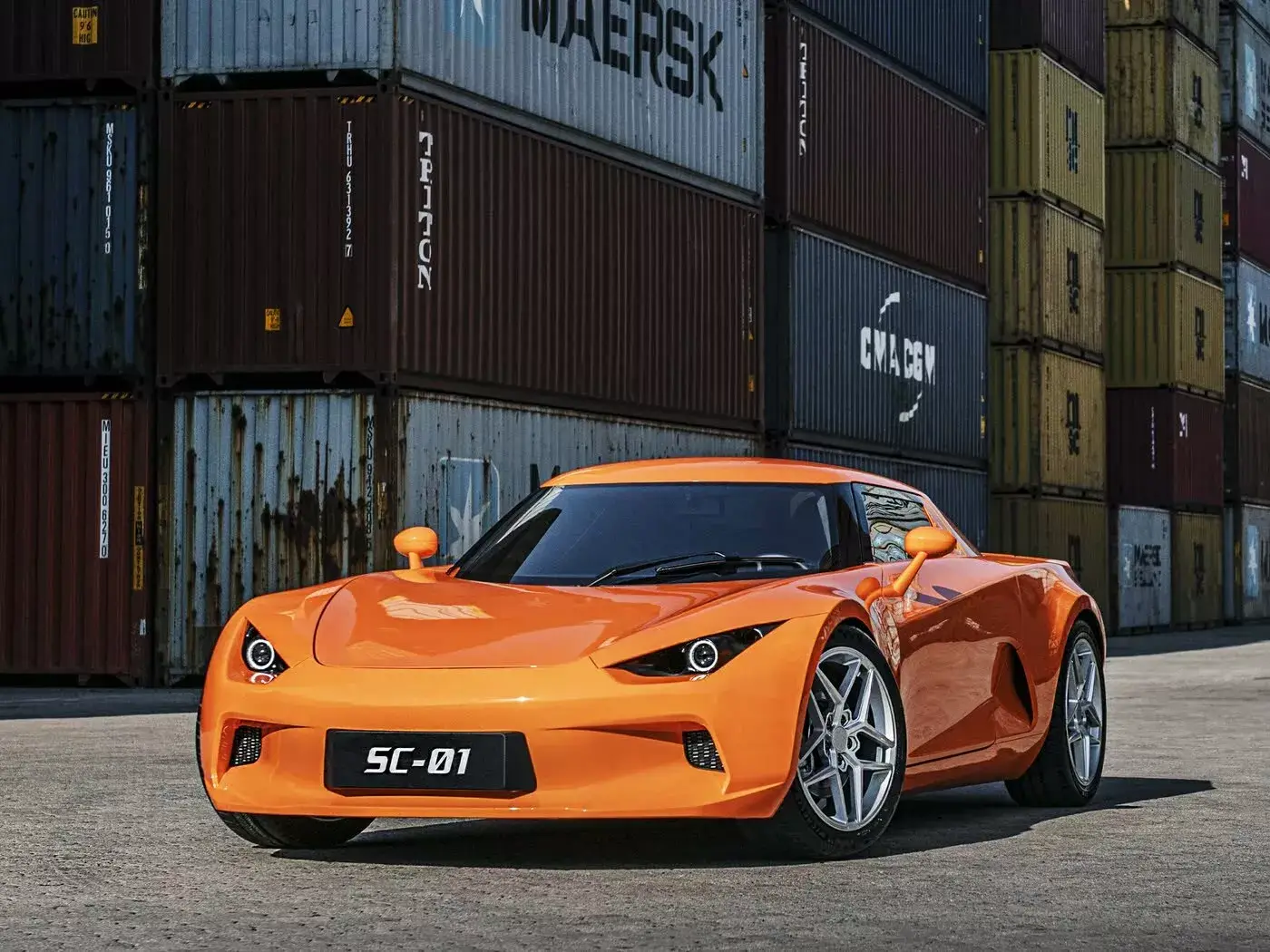
The SC-01 emerges as an electric sports coupe with a unique positioning: a partnership between XIAOMI and JMEV, produced in Italy, with a primary focus on the driving experience. Unlike most contemporary EVs, which become heavier and screen-dominated, the SC-01 emphasizes lightness (only 1,365 kg), an aluminum chassis, and a “wedge” design philosophy inspired by classics like the Lancia Stratos.
From a geolocation perspective, choosing to manufacture in Italy is not just a marketing move: it’s a strategic decision to facilitate homologation, logistics, and perceived quality in Europe — especially since the initial batch will be limited to 1,000 units. The official launch scheduled for January 24 positions the model as an immediate alternative before luxury brands release their electric counterparts.
Who should pay attention
- Enthusiasts who value driving dynamics and reduced weight over bulky infotainment systems.
- European buyers seeking sporty electric vehicles at a competitive price compared to traditional brands.
- Collectors and early adopters interested in limited editions and locally produced cars in Europe.
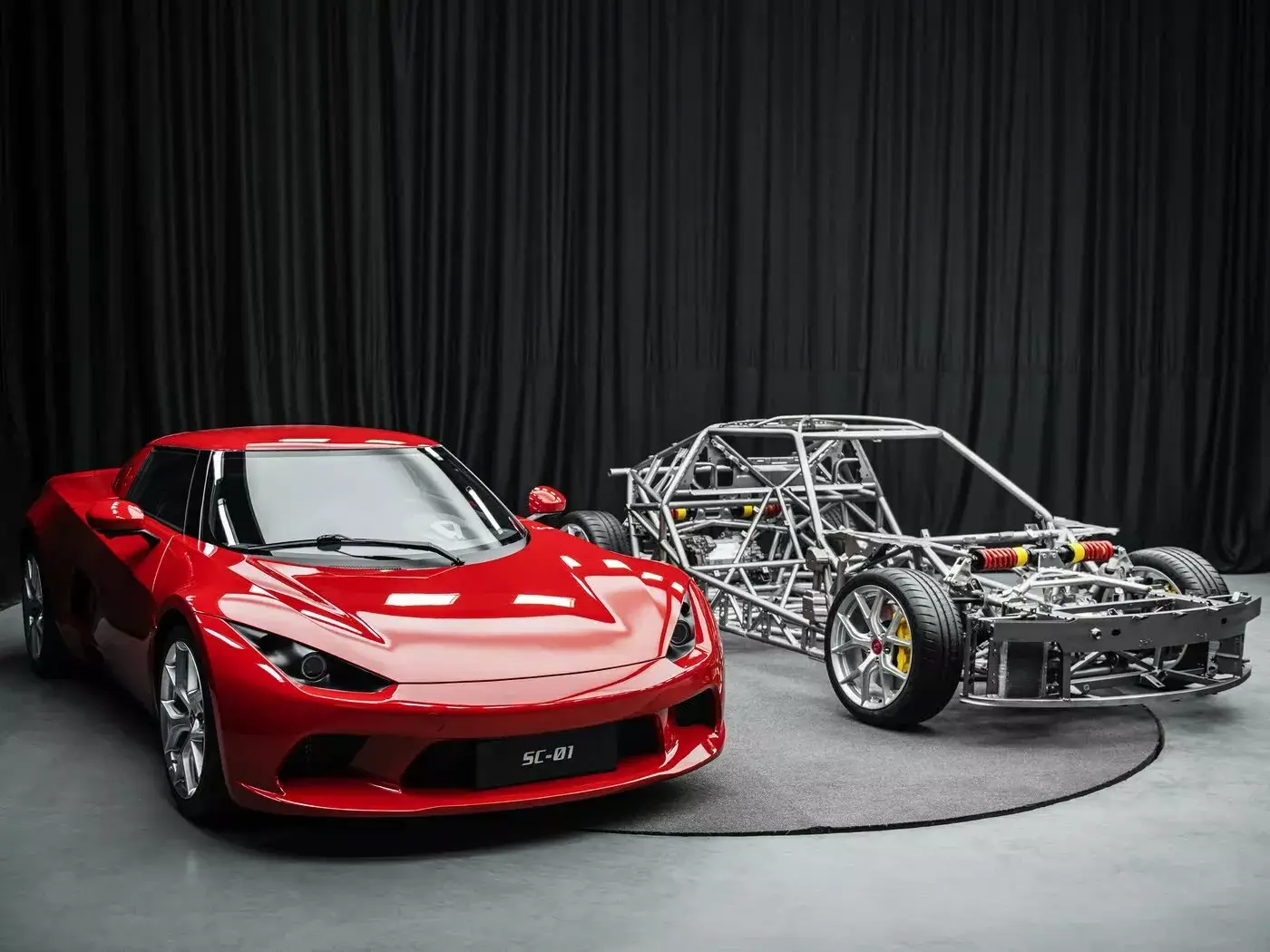
Technical specs, performance, and why lightness is an advantage
The SC-01 delivers impressive figures without relying on a massive battery: a dual-motor AWD setup with 429 hp combined and a 60 kWh battery. The practical result is remarkable, with 0-60 mph in just 2.9 seconds — thanks to both the power and the overall light weight.
| Specification | Details |
|---|---|
| Motor configuration | Dual motor (Bi-motor) |
| Drive | All-wheel drive (AWD) |
| Combined power | 429 hp (434 PS / 320 kW) |
| 0–60 mph | 2.9 seconds |
| Battery | 60 kWh |
| Range (estimated CLTC / WLTP) | 500 km CLTC / ~435 km WLTP |
| Length | 4,106 mm |
| Weight | 1,365 kg |
| Suspension | Pushrod front and rear |
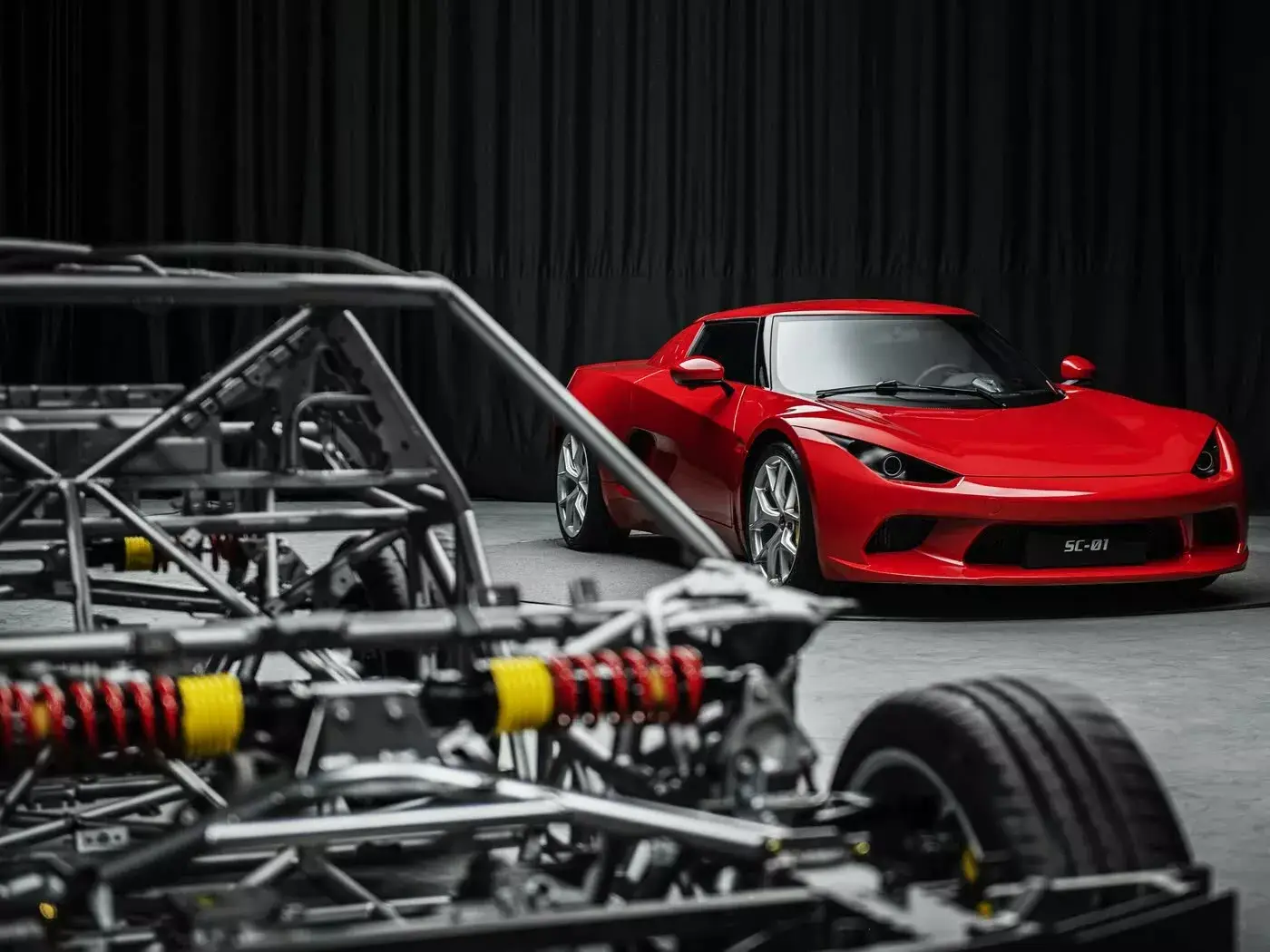
The choice of a moderate 60 kWh battery aligns with the vehicle’s strategy: less mass, lower consumption, and more predictable thermal braking during demanding driving. The pushrod suspension reinforces SC-01’s ambition to deliver track-ready responses—something that comfort-focused models rarely prioritize.
Direct comparisons that matter
The SC-01’s “lightweight” design gives it a clear dynamic advantage. It is about 520 kg lighter than the RWD version of the MG Cyberster and 620 kg lighter than its AWD variant, and it is considerably smaller than segment benchmarks like the PORSCHE 718 Cayman and the ALPINE A110. This weight advantage not only improves acceleration and braking but also reduces tire and component wear, resulting in better real-world efficiency in sporty driving.
For readers tracking major market responses, note how the arrival of the SC-01 complements a broader movement: while luxury manufacturers announce new electric generations, models like this focus on simplicity, agility, and competitive pricing. To compare how other brands address range and charging issues in electric SUVs, check out this practical example with the VOLVO EX60 2027.
Interior design, interface, and focus on the driving experience
The interior of the SC-01 is intentionally minimalist. Instead of the “wall” of touchscreens that dominates modern EVs, the cabin emphasizes physical controls, a single display for the driver, and ergonomics aimed at driving. This design appeals to enthusiasts who dislike excessive electronic distractions and the loss of mechanical connection with the car.
Key interior features:
- Physical controls for climate and quick adjustments, useful during sporty driving.
- Driver-focused cockpit with a single display showing essential performance information.
- Finishings and materials with a functional yet premium feel, prioritizing lightness and avoiding digital ostentation.
This “less is more” approach even echoes classic motorsport solutions, drawing attention in times when many EVs lose their identity by transforming into multimedia stations on wheels. If you’re interested in how sports brands are responding to the new electric era, the debate about the future of electric and hybrid sports cars is heating up. Check out how some traditional manufacturers are repositioning with extreme models like the PORSCHE 911 GT3.
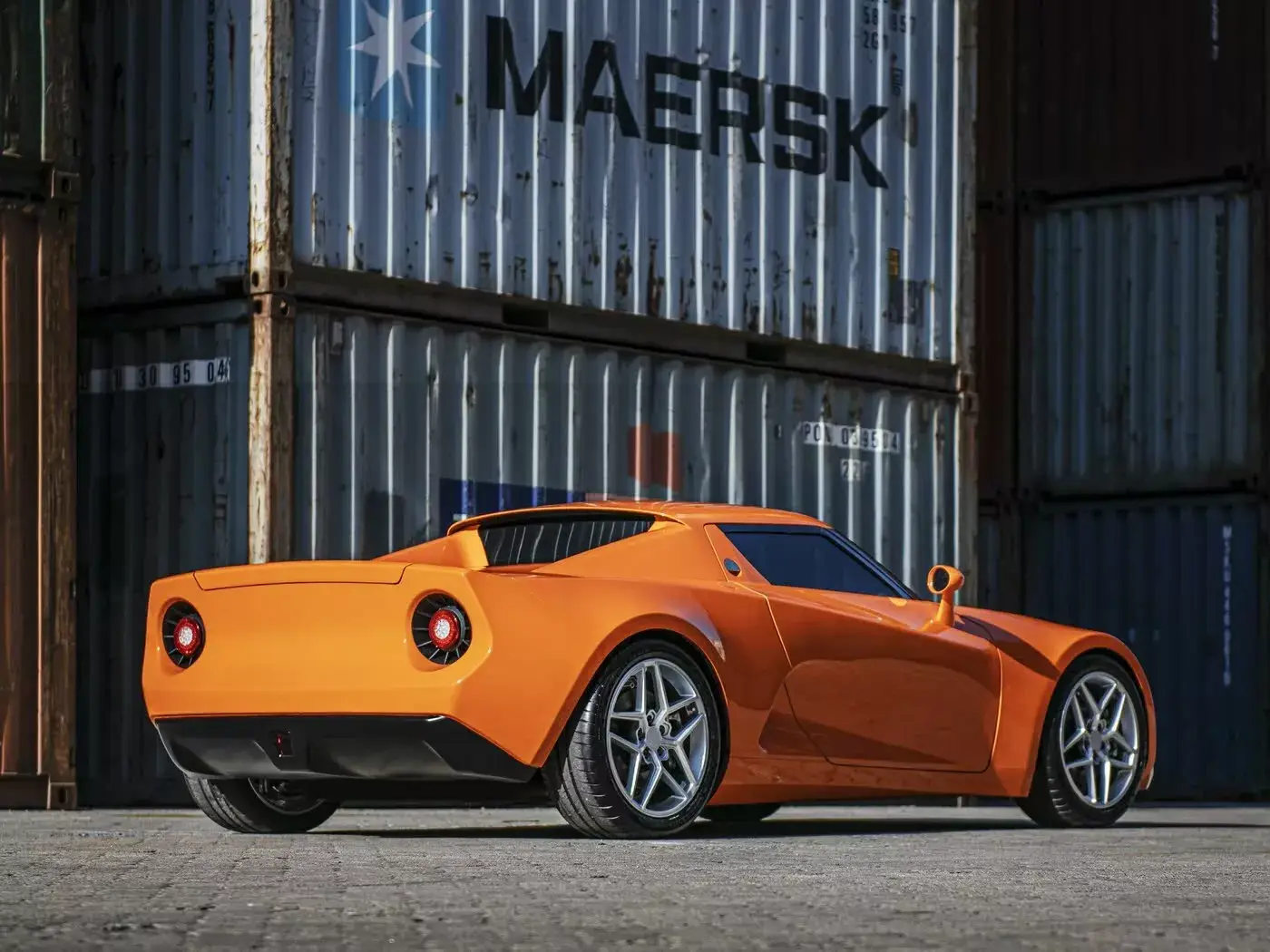
Price, positioning, and geographic considerations
In China, the SC-01 has a highly competitive domestic price (around 229,800 yuan), but for the European market, the projected price rises to approximately €61,000 (~£53,000 / $72,000). Despite the increase, the car aims to position itself as a high-performance alternative at a relatively accessible cost compared to new proposals from Porsche, Alpine, and Lotus.
This price variation between markets (and between CLTC and WLTP ranges) is common in international launches and covers tariffs, homologation, and logistics. For European consumers, local production in Italy helps reduce some of these perceived costs and enhances the appeal of a “car made in Europe,” which carries considerable brand value for many buyers.
The timing is also significant: as some market segments question the mass adoption of EVs and seek more direct alternatives, the SC-01 presents a compelling option for those who refuse to compromise on performance in favor of digital innovation.
Whether for collectors, casual drivers, or urban enthusiasts wanting an electric coupe with personality, the SC-01 offers a clear proposition: less weight, more driving fun. For those monitoring new launches and comparing strategies from Asian brands with European production, this is one of the most interesting models to watch in the coming months.