
The PORSCHE CAYENNE S ELECTRIC proves that the brand’s soul survives electrification. Meet the new “Goldilocks”.
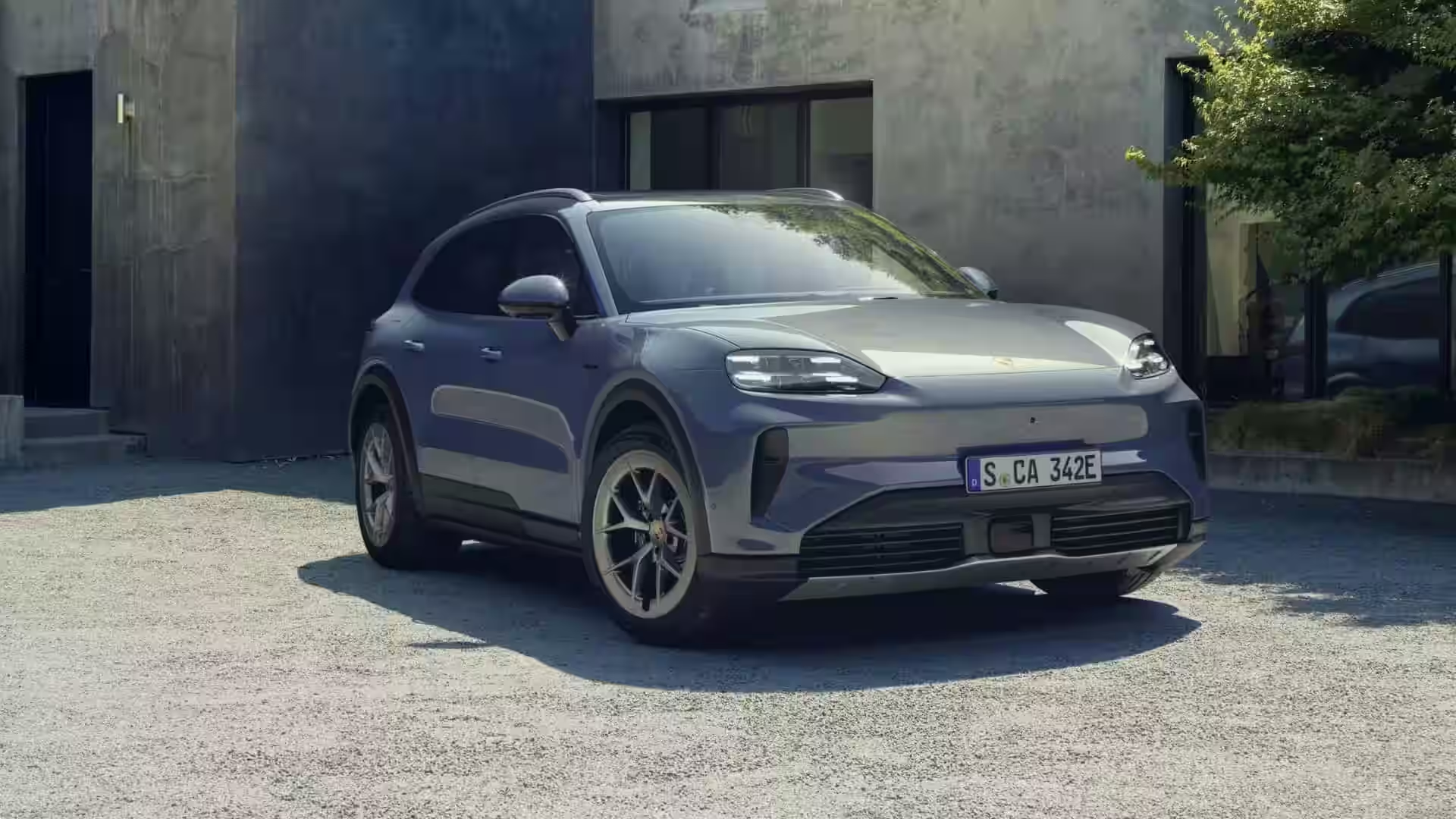
Porsche finally admitted what enthusiasts have suspected for years: the formula of “more power is always better” was killing the joy of driving. The new Porsche Cayenne S Electric 2026 represents a strategic shift that few expected from the Stuttgart brand — and perhaps it is proof that electrification has finally found its soul.
The “Goldilocks” of Electrification That Porsche Denied Existed
For decades, Porsche built its empire on a simple hierarchy: entry, S, Turbo. Each step meant more cylinders, more cost, more exclusivity. With electrification, this logic seemed doomed to collapse. After all, when your “entry-level” electric SUV already delivers 435 HP and the top model dispatches 1,139 HP, where is there room for a convincing intermediate?
Zuffenhausen engineering’s answer is surprisingly elegant. The Cayenne S Electric is not just a neutered Turbo nor a boosted base model — it is a third way that explores an emotional gap that rivals like Mercedes-AMG and BMW Alpina have yet to identify.
With 536 HP of continuous power and peaks of 657 HP via Launch Control, the S accelerates from 0 to 100 km/h in 3.6 seconds — a time that outclasses supercars from a previous generation. The top speed of 250 km/h (155 mph) is deliberately limited, not due to mechanical incapacity, but a product decision that says everything about the new positioning.
“The Cayenne S Electric does not compete with numbers. It competes with sensations.” — Unofficial product philosophy, Porsche AG
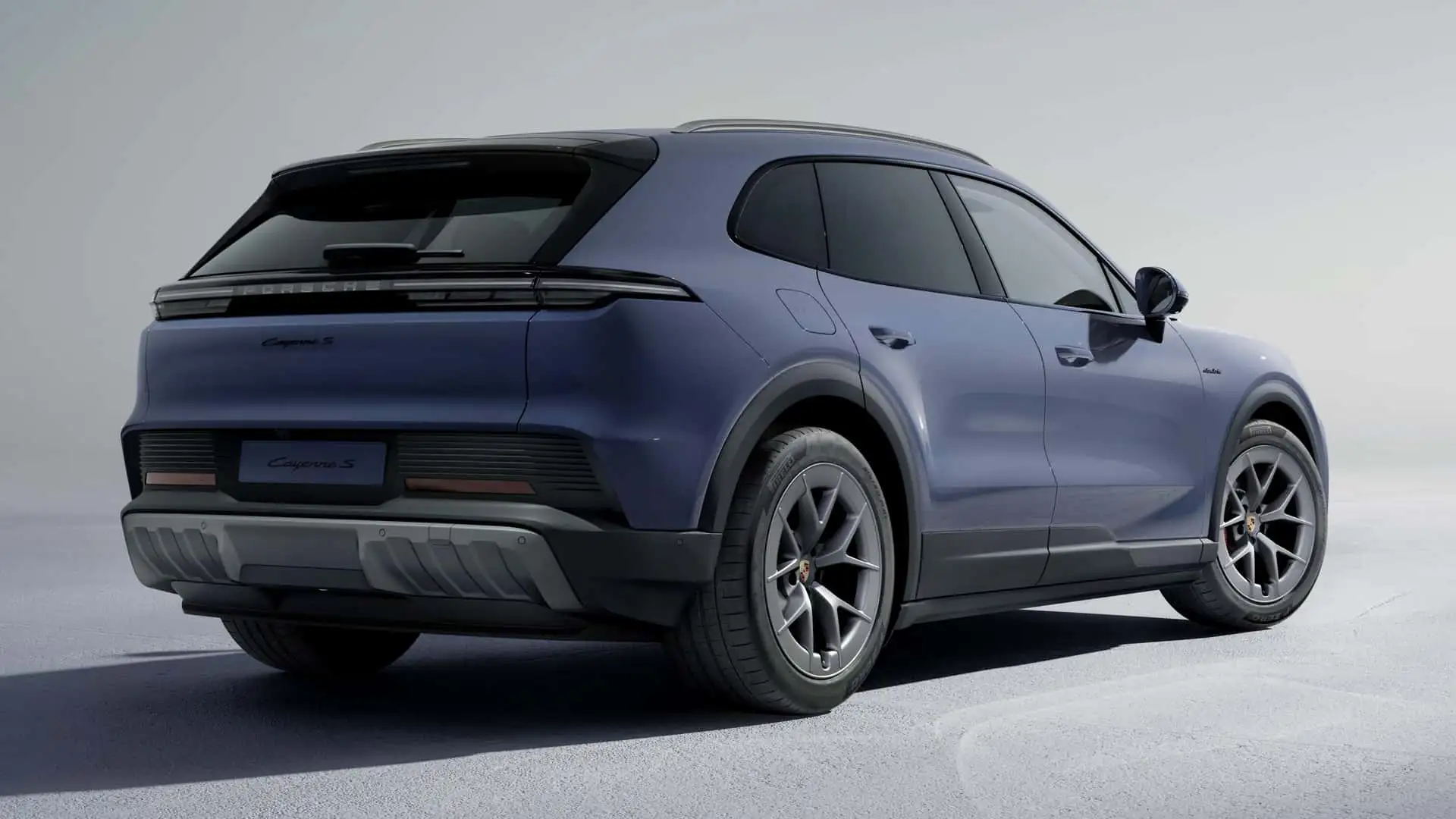
The Technology Porsche Hid Behind the Numbers
What sets the S apart from its siblings isn’t on the spec sheet, but in the tuning. The 113 kWh battery is identical to that of other versions, but the energy management software was rewritten to prioritize consistency over spectacular peaks. The result? An SUV that can sustain track performance for consecutive laps without entering thermal protection mode — something the Turbo, with its weight and extreme power, struggles to achieve.
The 400 kW charging allows going from 10% to 80% in under 16 minutes, as long as you find a compatible charger. The curious detail: Porsche positioned the DC port on the driver’s side and the AC port on the passenger side, a choice that forces specific behaviors and reveals how the brand thinks about infrastructure versus home use.
The Porsche Torque Vectoring Plus (PTV Plus) and Active Ride suspension come standard, but it’s the Sport Chrono Package that transforms the vehicle’s character. Besides the dashboard stopwatch — that anachronistic ritual that collectors love — it unlocks the push-to-pass function: 120 extra HP for 10 seconds, activated by a button on the steering wheel. It’s mechanical theater in its purest form, and it works.
The Track mode, available for the first time in a non-Turbo electric Cayenne, adjusts 26 different powertrain parameters. Taking a 2.5-ton SUV to a racetrack is questionable. That Porsche invested millions of euros to make this possible is revealing.
Price as a Declaration of War
The 2026 Cayenne Electric price table outlines a strategy to surround the competitors:
| Version | Power (HP) | 0-100 km/h | Price (USA) |
|---|---|---|---|
| Base | 435 | 4.9s | US$ 111,350 |
| S | 657 | 3.6s | US$ 128,650 |
| Turbo | 1,139 | 2.4s | US$ 165,350 |
The jump of US$ 17,300 from Base to S delivers 222 additional HP and 1.3 seconds less in acceleration. The Turbo charges US$ 36,700 more than the S to gain 482 HP — power that, in practice, only exists in launch control situations and on unlimited autobahns.
The math is intentionally cruel. Porsche wants you to choose the S, and designed the other two to make that choice obvious.
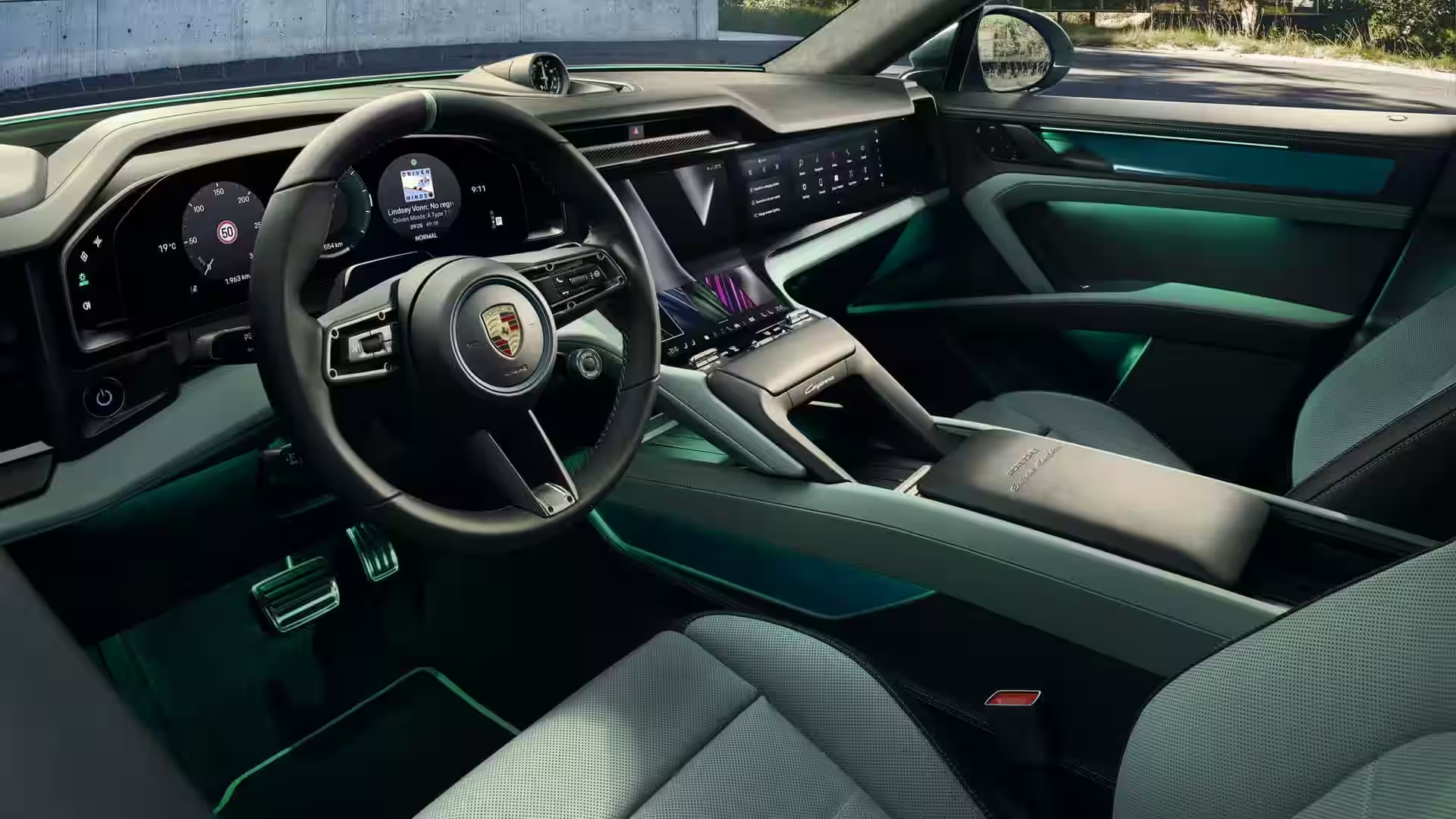
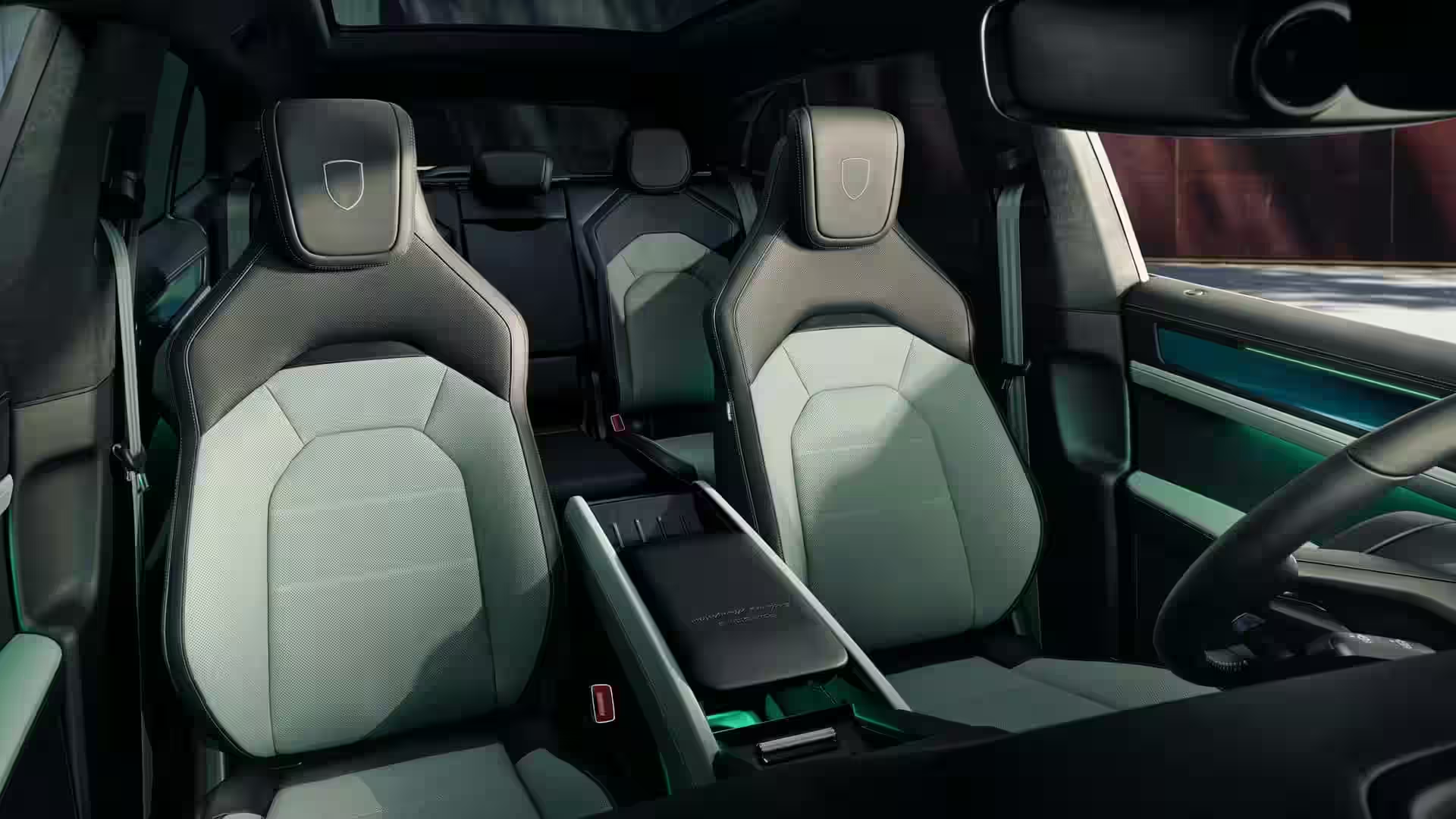
Customization follows the brand’s tradition: 13 body colors and the new Interior Style Package in black and green, debuted on the S and now available for the other versions. The metallic Mystic Green extends to doors, steering wheel, and dashboard — an aesthetic that divides opinions but guarantees absolute exclusivity in any shopping mall parking lot.
The Elephant in the Charging Room
No analysis of the Cayenne S Electric can ignore the context. The adoption of electric vehicles in the luxury segment is below projections from all premium brands. Customers who spend six figures on a vehicle still associate electrification with compromise, not superiority.
Porsche’s response is twofold. First, it does not offer — and likely never will offer — a rear-wheel-drive, single-motor version under $100,000. For that, there is the electric Macan, which keeps the size hierarchy intact.
Second, the brand bets on variety as a value in itself. The coupe variant with a sloping roof is a matter of “when,” not “if.” And each new version dilutes the development cost of the PPE platform, making the business sustainable even with volumes smaller than planned.
Deliveries in the US start in late summer 2025. The timing is strategic: it coincides with the expansion of Electrify America’s 350 kW+ charging network, of which Porsche is a majority shareholder via the Volkswagen Group.
The 2026 Cayenne S Electric is not the fastest Porsche electric, nor the cheapest, nor the most efficient. It is, deliberately, the most balanced — and in an era where “balanced” sounds like a euphemism for “boring,” Porsche proves that it still knows how to turn moderation into desire. The remaining question is whether buyers of $130,000 SUVs are looking for balance or if they still need bigger numbers to justify the expense. The answer will come from orders — and how quickly the brand will sell out S production in favor of the Turbo, or vice versa.