Porsche has launched a new benchmark for road-and-track performance, and this time the formula mixes brutal speed, hybrid precision, and everyday usability in a way very few supercars can match.
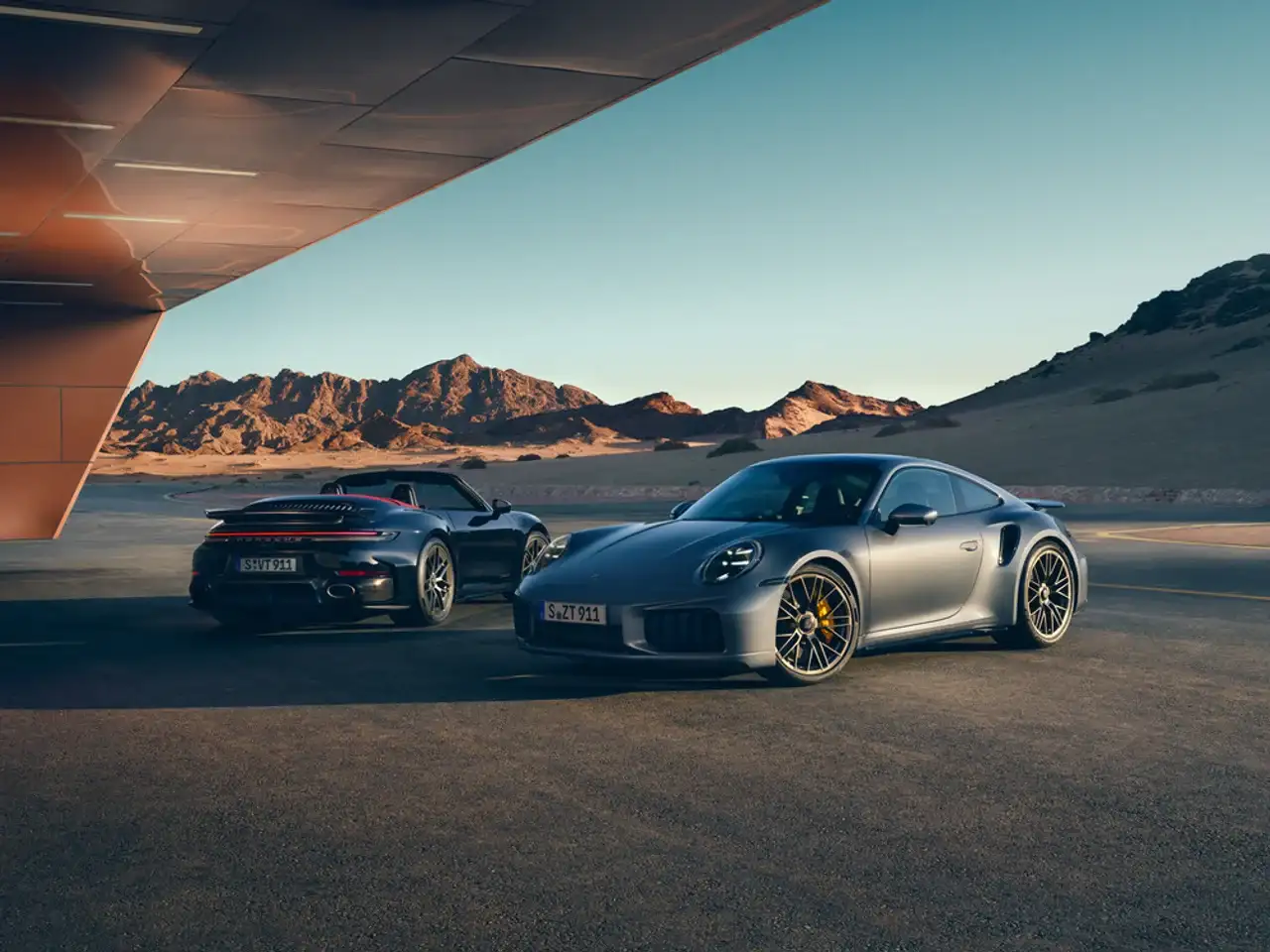
A New PORSCHE 911 TURBO S Arrives With 711 HP And T-Hybrid Power
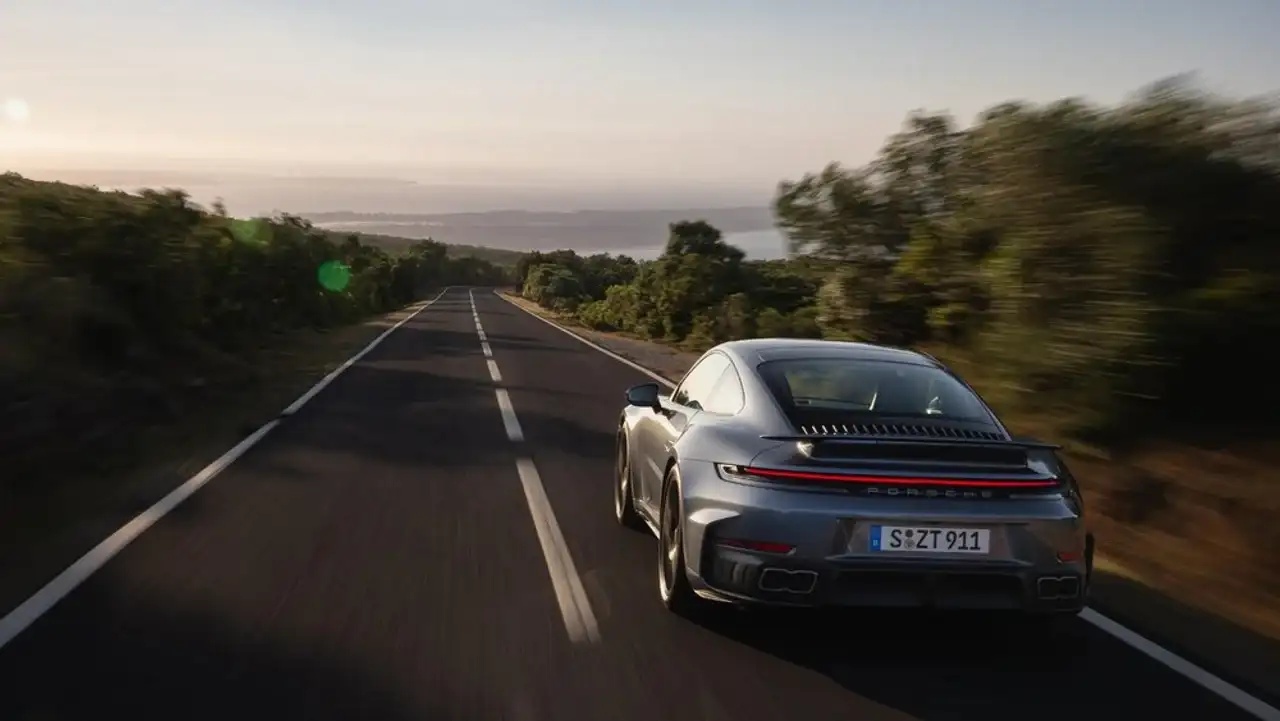
The new PORSCHE 911 TURBO S has officially entered the market as the most powerful series-production 911 ever built, raising the ceiling for what buyers can expect from a modern all-weather supercar. Offered in both Coupé and Cabriolet body styles, the latest flagship combines a newly developed powertrain, sharper aerodynamics, upgraded chassis systems, and a more distinctive design language.
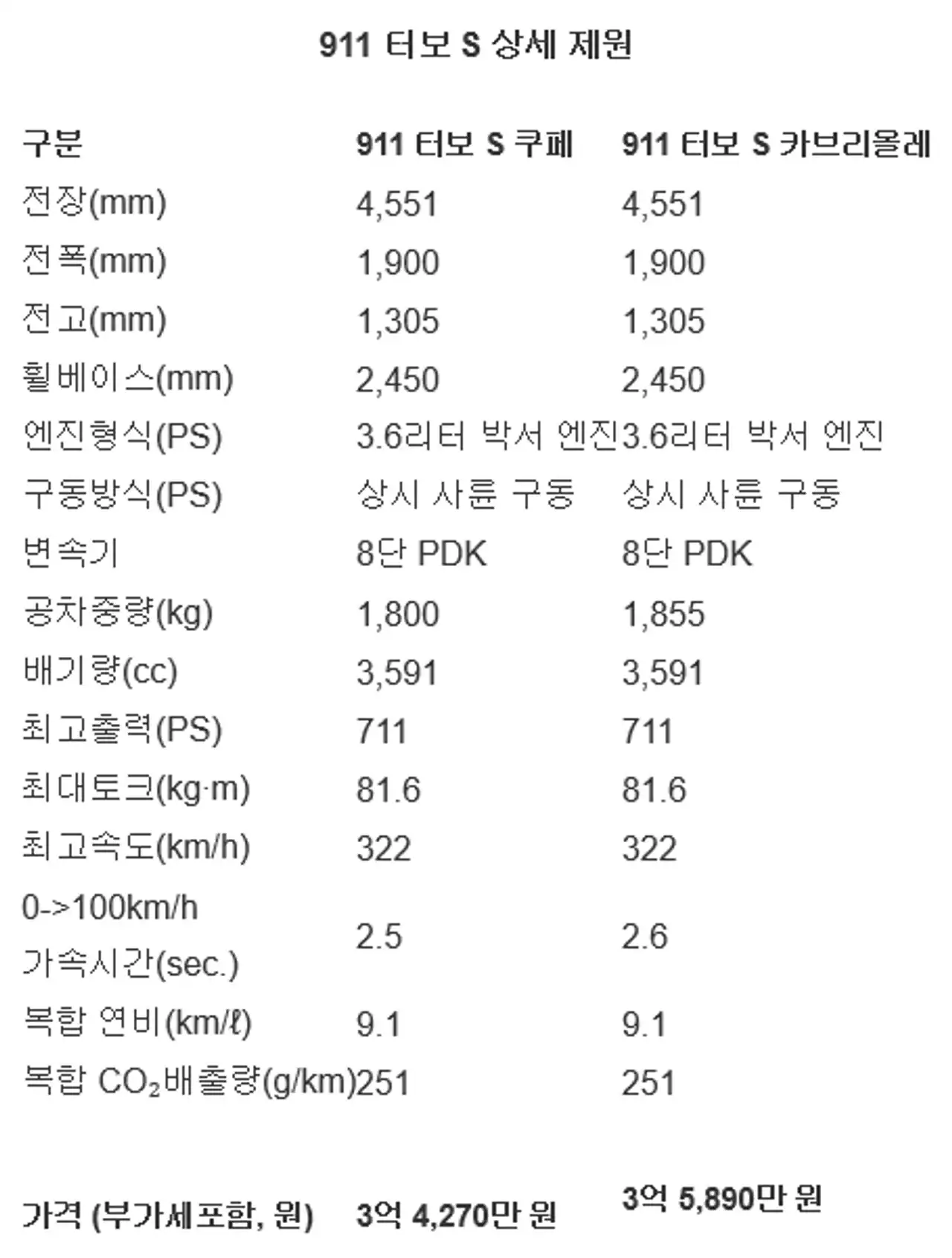
At the center of the story is Porsche’s new T-Hybrid performance system. Total system output reaches 711 hp with 800 Nm of torque, making this latest Turbo S far more than a mild evolution. It is a genuine leap over the previous generation, with an increase of 61 hp. Porsche claims 0-100 km/h in 2.5 seconds and a top speed of 322 km/h, numbers that place it firmly in rarefied territory.
This matters because the 911 Turbo S has always occupied a unique space. It is not as stripped-out as a GT3, not as theatrical as some mid-engine exotica, and not as compromised for daily use as many track-focused rivals. Instead, it delivers enormous pace with polished manners. That same duality is part of what has made the Turbo badge so desirable for decades.
For readers following the escalating hybrid supercar arms race, the new model also lands at a fascinating moment. If you want to see how the badge performs when directly challenged by electrified Italian firepower, this earlier showdown is worth opening in a new tab: PORSCHE 911 TURBO S vs Ferrari SF90 and the controversial 0-100 km/h result.
How The New eTurbo Setup Changes The Way This 911 Delivers Speed
The key technical highlight is the integration of two electric exhaust-gas turbochargers, often referred to as eTurbos, paired with a 3.6-liter flat-six boxer engine. While Porsche is famous for turbocharged performance, the company’s latest step is about attacking one of turbocharging’s oldest enemies, namely response delay.
With electric assistance helping spool the turbochargers faster, the engine can react with greater immediacy to throttle inputs. In real-world terms, that should mean stronger punch out of corners, cleaner response during overtakes, and a less filtered connection between driver and drivetrain. Porsche says the result is both more direct and more forceful under acceleration.
The Nürburgring number adds credibility. The new 911 Turbo S reportedly lapped the Nordschleife in 7:03.92, around 14 seconds faster than its predecessor. That is not a marketing footnote. It is a major gain on one of the world’s most demanding circuits, and it signals just how deeply the car has been reworked beyond straight-line performance.
Grip and stability also receive meaningful changes. The rear axle now wears wider 325/30 ZR 21 tires, 10 mm broader than before, while the front keeps 255/35 ZR 20 rubber. Porsche says the setup improves dry handling while maintaining confidence on wet roads, an area where the Turbo S has historically excelled against more temperamental rivals.
- Engine layout 3.6-liter boxer engine with hybrid assistance
- Turbo system dual eTurbos for sharper throttle response
- Total output 711 hp
- Maximum torque 800 Nm
- 0-100 km/h 2.5 seconds
- Top speed 322 km/h
- Nürburgring lap time 7:03.92
To keep all of that usable, Porsche equips the car with PTM all-wheel drive, PCCB carbon-ceramic brakes, and electro-hydraulic Porsche Dynamic Chassis Control. The suspension package also includes a specially tuned PASM setup, while the active aero system adjusts cooling and drag according to driving conditions.
That broader performance trend is worth watching across the market. While Porsche pushes hybrid performance into new territory, other brands are also redefining the sports-luxury formula from different angles, as seen in this look at the Audi A6 2027’s hidden sweet spot and the more radical electrified strategy behind the Porsche Cayenne S Electric 2026.
Design, Interior, Standard Equipment And Price
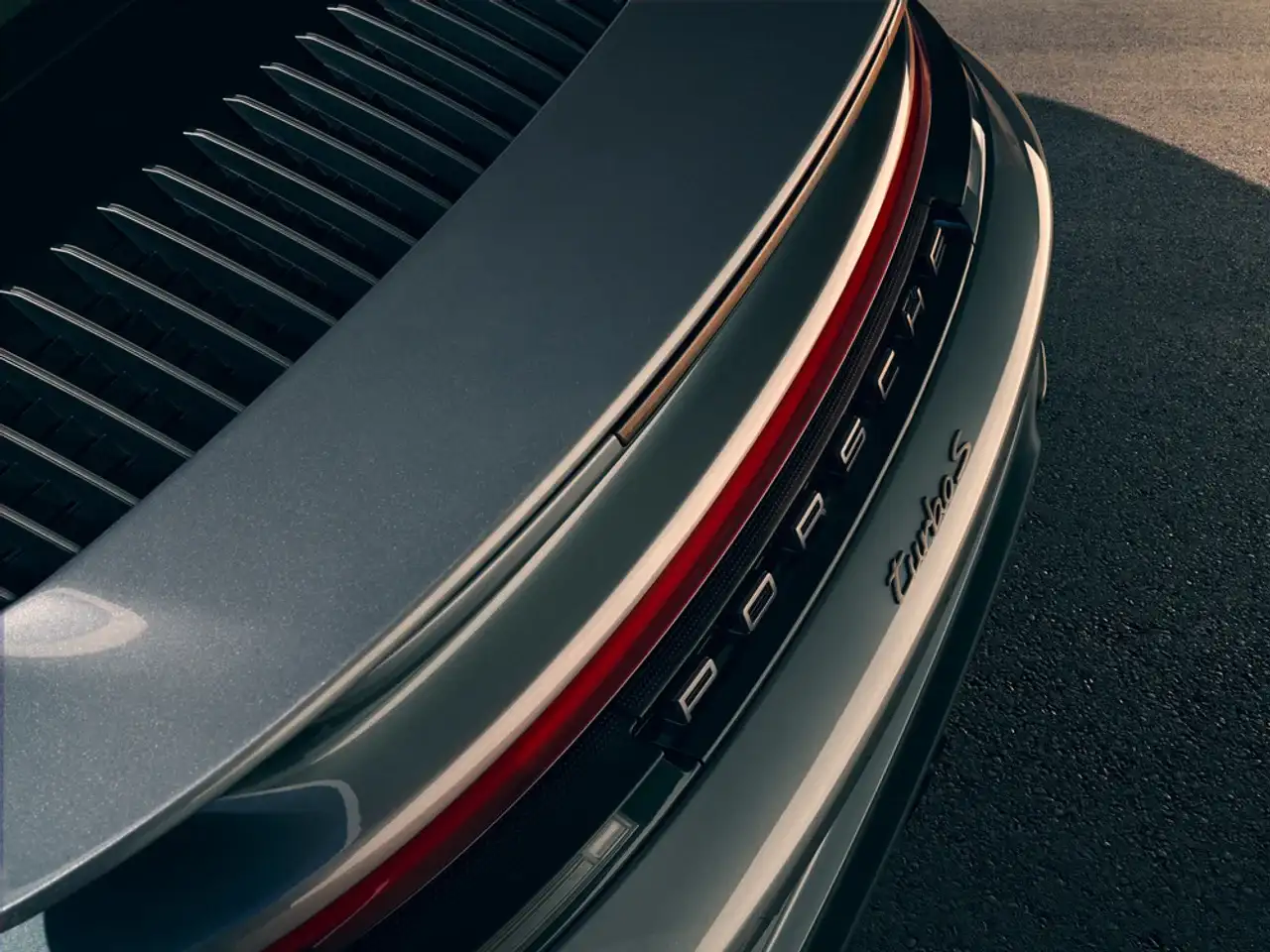
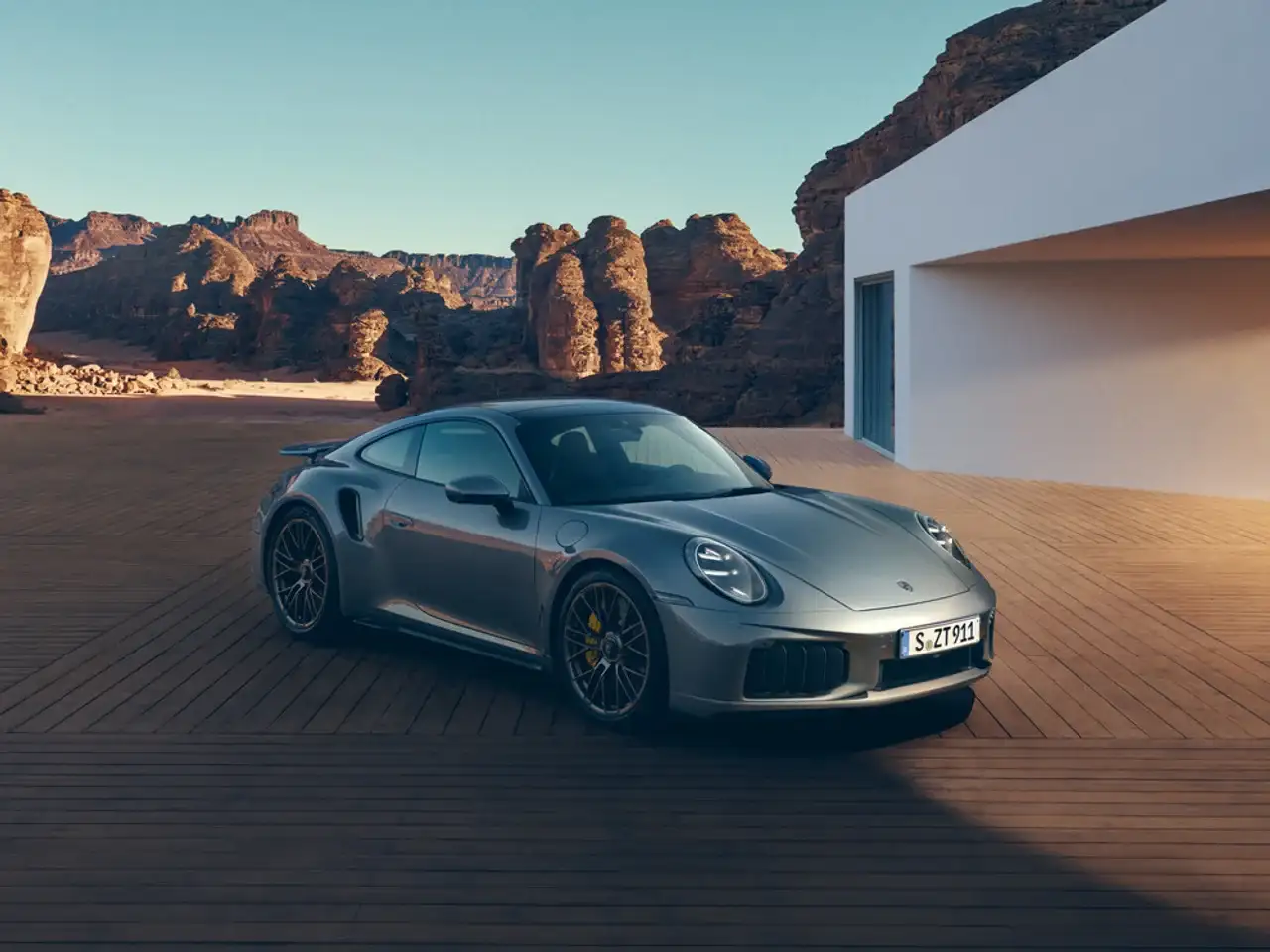
Visually, the latest Turbo S adopts Porsche’s cross-model Turbo design identity, highlighted by the use of Turbonite, a signature accent color now applied to the crest, rear badging, and rear wing elements. The widened body and track instantly mark this car out from a standard Carrera, while the rear side air intakes and titanium exhaust system underscore its range-topping role.
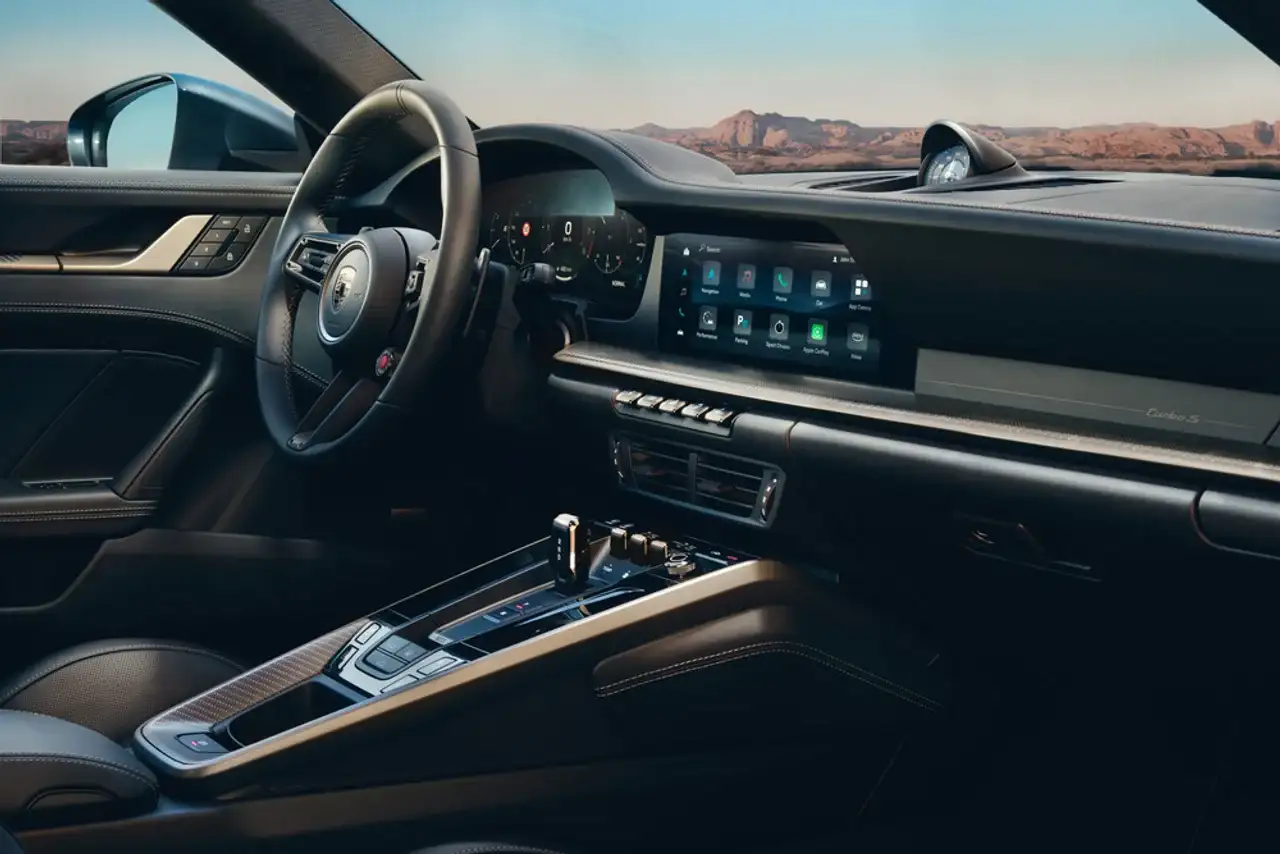
Inside, Porsche extends the Turbonite theme into the cabin with details around the door panels, steering wheel, dashboard, and center console. There is also carbon trim paired with Neodyme accents, a perforated microfiber headliner, and standard 18-way adaptive Sport Seats Plus. “Turbo S” lettering appears on the headrests, while model-specific embossing on the seats and door panels pays tribute to the original 911 Turbo 930.
The big story is not just power. It is the way Porsche is blending legacy 911 traits with electrified hardware without turning the Turbo S into something unrecognizable.
Standard equipment is extensive and aimed at both speed and comfort. Buyers get tinted HD-Matrix LED headlights, a Sport Chrono Package with tire temperature display, PDCC roll stabilization, the specially tuned PASM suspension, and a titanium sport exhaust as part of the package.
Customization remains a major selling point. Through Porsche Exclusive Manufaktur, customers can choose from more than 100 exterior colors, as well as options such as a carbon lightweight roof and even carbon lightweight wiper arms, a detail that shows how obsessive modern high-end personalization has become. Cabin finishes, contrast stitching, and even the vehicle key can be tailored to owner preferences.
| Model | Power | Torque | 0-100 km/h | Top Speed |
|---|---|---|---|---|
| 911 Turbo S Coupé | 711 hp | 800 Nm | 2.5 s | 322 km/h |
| 911 Turbo S Cabriolet | 711 hp | 800 Nm | 2.5 s | 322 km/h |
Local pricing starts at the equivalent of KRW 342.7 million for the Coupé and KRW 358.9 million for the Cabriolet, taxes included in the home market announcement. For a broader view of where combustion, hybrid, and electric performance icons are heading next, compare this Turbo S philosophy with the drama of the Aston Martin Valhalla 2026 or the radically different promise of the BMW i3 2027 performance EV.
For enthusiasts searching terms like “new Porsche 911 Turbo S,” “911 Turbo S hybrid specs,” “Porsche 911 Turbo S price,” and “most powerful production 911,” this launch is more than another refresh. It is Porsche making a very clear statement that hybrid technology, when engineered for response rather than just efficiency, can sharpen the identity of an icon instead of diluting it.