
When an engine suddenly starts smoking, losing power, and drinking oil, stuck piston rings are one of the most expensive possibilities hiding behind what first feels like a small drivability issue.
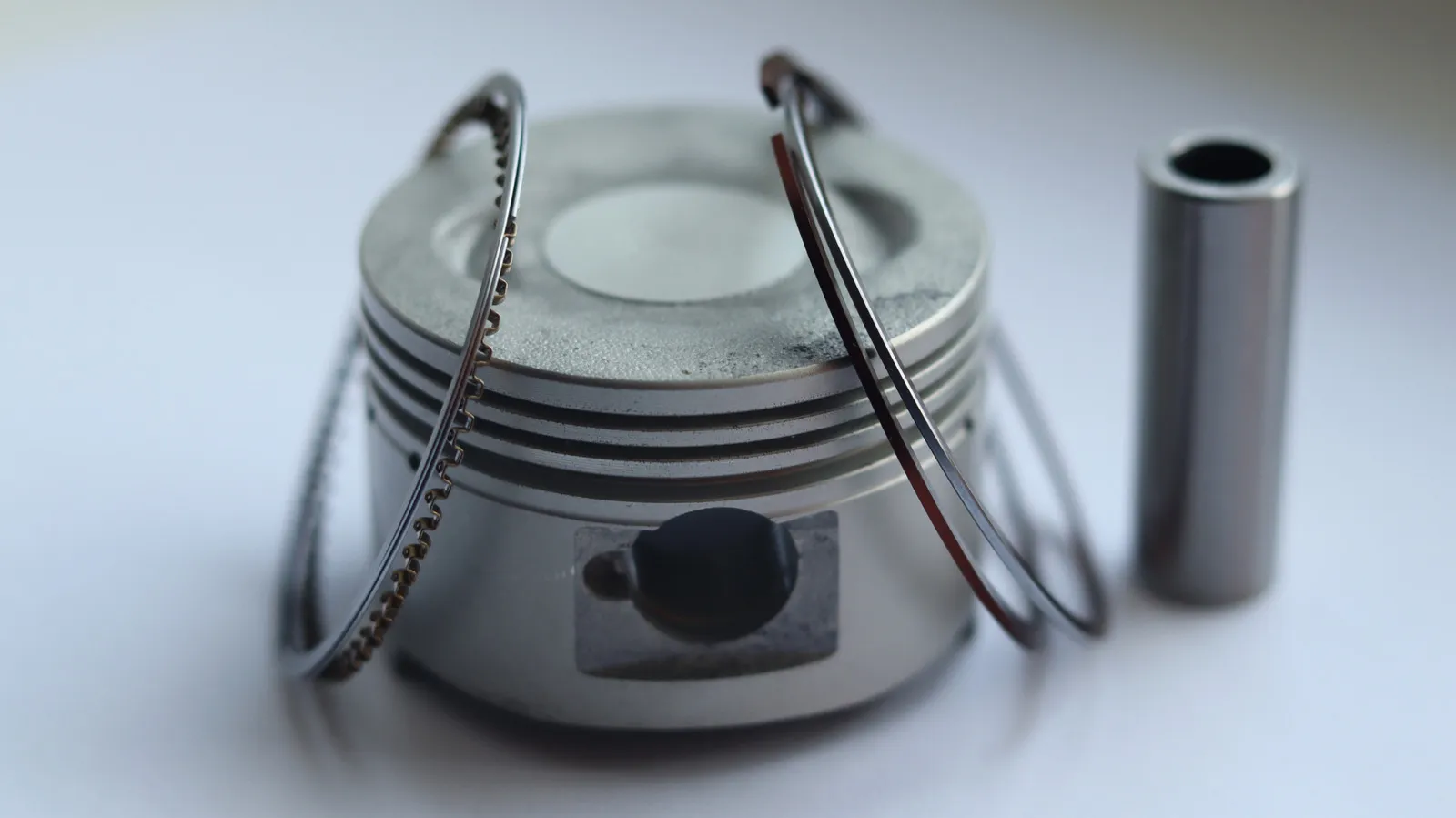
What Stuck Piston Rings Actually Do Inside An Engine
Modern combustion engines are incredibly complex machines, often built from 2,000 to 15,000 individual parts. Yet a few small metal rings wrapped around each piston can make the difference between a healthy engine and a catastrophic repair bill.
Most pistons use three rings. The lower ring controls oil, scraping excess lubricant off the cylinder wall while still leaving a thin protective film behind. The upper two rings help seal combustion pressure inside the cylinder. That seal is critical. Without it, the engine cannot build the compression needed for efficient combustion, smooth power delivery, and long-term durability.
When piston rings become stuck in their grooves, they stop moving and sealing the way they should. This usually happens because of carbon deposits, sludge, varnish, and long-term contamination. Once that movement is restricted, the engine starts to lose control of both oil and cylinder pressure at the same time.
That chain reaction can create several symptoms at once:
- Compression loss and reduced engine performance
- Blue or gray exhaust smoke from oil entering the combustion chamber
- Higher oil consumption between changes
- Misfires, sputtering, and rough running
- Fuel smell in engine oil from blow-by contamination
- Excess crankcase pressure that may force oil into the PCV system
If you want to understand how piston shape itself can also influence combustion, ring behavior, and long-term wear, this deep dive on piston design and engine durability adds useful context.
How To Tell If Your Piston Rings Are Stuck Before The Engine Gets Worse
The biggest warning sign is often a sudden change rather than a slow decline. A vehicle that used to run cleanly may start showing one or more of the following red flags within a short time.
1. Exhaust Smoke Under Load Or At Startup
When the oil control ring no longer manages lubrication properly, oil slips past the piston and burns with the air-fuel mixture. That often produces blue-gray smoke from the tailpipe. In early stages, you may only notice it on cold starts, hard acceleration, or downhill deceleration.
2. Weak Power And Low Compression Symptoms
The top and second compression rings are supposed to contain the pressure created during the combustion cycle. If those rings are stuck, pressure leaks past the piston into the crankcase. The result is reduced power, sluggish acceleration, poor fuel economy, and sometimes a rough idle.
Drivers may describe the engine as feeling flat, hesitant, or unable to pull normally. On a four-cylinder engine, even one affected cylinder can be noticeable. If multiple cylinders are involved, performance can fall off sharply.
3. Oil That Smells Like Gasoline
This is one of the most overlooked signs. If fuel slips past compromised rings and enters the crankcase, the engine oil can begin to smell like gasoline. That is serious because fuel dilution reduces the oil’s viscosity and lubricating strength. Once that happens, bearings, cylinder walls, and valvetrain components all face increased wear.
This risk connects directly with broader lubrication myths and maintenance habits. For related reading, see the hidden oil problem that can cost you an engine and the silent maintenance mistake that destroys engines early.
4. Oil Around The PCV Valve Or Breather System
Some crankcase pressure is normal, and the PCV system is designed to vent it. But when stuck piston rings allow too much combustion pressure to blow past the pistons, the PCV system can become overwhelmed. That may leave oil residue around the PCV valve, breather hoses, or intake plumbing.
Important: A failed PCV valve alone can also create similar symptoms, so diagnosis should include compression testing, leak-down testing, and inspection of spark plugs and oil condition.
What To Do If You Suspect Stuck Piston Rings
The correct fix depends on whether the rings are merely stuck by deposits or physically damaged. That distinction matters because one path may be relatively inexpensive, while the other can require a full engine teardown.
| Situation | Possible Remedy | Typical Risk Level |
|---|---|---|
| Minor carbon buildup | Fuel-system decarbonizer used over time | Low |
| Rings stuck by deposits | Cylinder solvent soak through spark plug holes | Medium |
| Damaged rings or scored cylinder wall | Engine disassembly, ring replacement, possible honing | High |
In mild cases, a quality decarbonizing additive may help free deposits gradually as the engine runs. This is not magic, and it will not repair worn metal, but it can sometimes improve ring movement if buildup is the true cause.
A more aggressive option is a solvent soak. This involves removing the spark plugs, adding a chemical cleaner into each cylinder, and allowing it time to dissolve carbon around the piston rings. However, this process must be handled carefully. Any excess liquid left inside a cylinder can create serious problems if the engine is cranked improperly. That is why many owners should leave this job to a professional technician.
If the rings were stuck long enough to crack, wear, or damage the cylinder wall, chemical cleaning is no longer enough. At that point, the engine may need to be rebuilt. Real-world repair costs can range from roughly US$2,500 to more than US$8,000, depending on engine design, labor rates, parts availability, and whether the cylinder walls need honing or further machining.
That is also why unusual noises, smoke, and performance loss should never be ignored. Problems that begin with compression leakage can escalate into deeper mechanical failure. If you want a broader warning guide, these fatal engine warning signs are worth knowing before the damage compounds.
Best next step: If your engine has low power, smoke, fuel-smelling oil, or crankcase pressure issues, stop guessing. A compression test and leak-down test can quickly reveal whether piston rings are sealing properly. Catching a stuck ring early can mean the difference between a chemical cleanup and a full rebuild.