
Imagine waking up in Moscow and discovering that your PORSCHE Cayenne luxury car, bought at an exorbitant price, has turned into a useless block of metal. This is not fiction: hundreds of PORSCHE owners across Russia have been facing a nationwide nightmare since early December, with models like the Cayenne, Macan, and Panamera simply refusing to start.
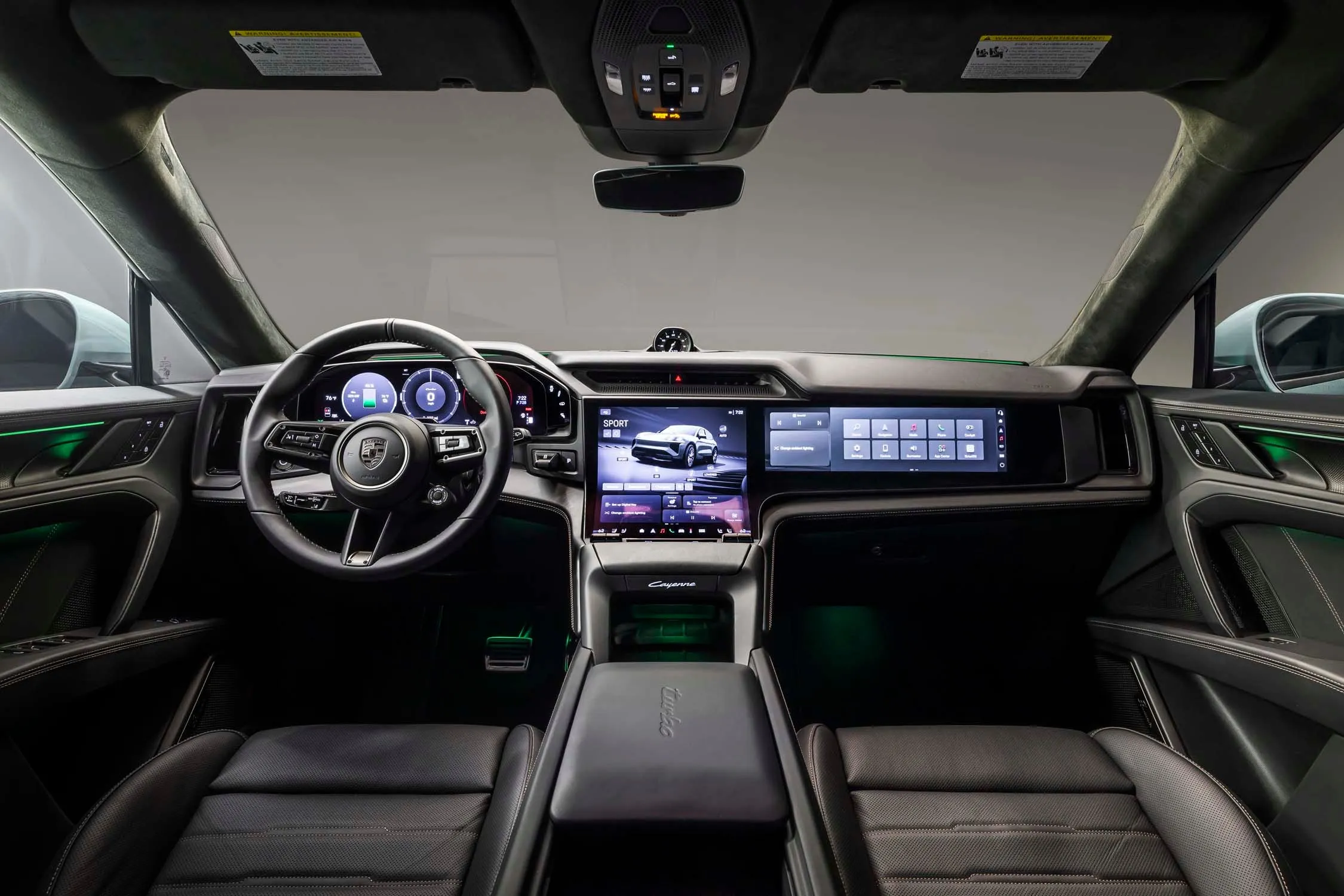
The mystery gained global traction after mass reports surfaced on social media and outlets such as Carscoops and The Moscow Times. Owners of cars manufactured from 2013 onward, equipped with the factory-installed Vehicle Tracking System (VTS), woke up to engines that wouldn’t turn on, failing alarms, and immobilizers activating without any apparent reason. From St. Petersburg to Krasnodar, workshops are crowded, and speculation runs wild: is it a deliberate satellite blackout linked to Western sanctions targeting luxury vehicles in Russia?
What Is The VTS and Why Is It Paralyzing PORSCHEs in Russia?
The VTS is Porsche’s satellite tracking system, designed for maximum security and theft deterrence. It monitors the vehicle in real-time using GPS signals and, crucially, in case of lost connection, it automatically activates the engine immobilizer, rendering the car inoperative. It’s a premium security feature that has now unexpectedly turned into a major operational trap for owners across major Russian cities.
According to service managers like Yulia Trushkova from Rolf Group, “all models and engine types are affected”. The issue occurs unpredictably: one owner in St. Petersburg reported that his Macan started for seconds after he went out for food and then immediately died. Another in Moscow saw the Panamera fail just minutes after starting. There are no visible mechanical damages—engines are intact—but the VTS is effectively blocking all functionality.
“It’s as if the cars received a remote command to sleep forever.” – Anonymous owner report on Telegram.
Automotive electronics experts point out that the VTS relies heavily on European servers for continuous authentication. Following sanctions imposed after Russia’s invasion of Ukraine in 2022, Porsche officially halted deliveries to Russia, but thousands of used cars still circulate among the wealthy elite. If the connection to these servers or necessary software updates is cut off, the system defaults to security mode, immobilizing the vehicle until the signal is restored.

Sabotage Speculations: Fact or Conspiracy Theory in Moscow?
Within Russia, there is significant buzz surrounding deliberate interference. A dealer representative told the Moscow Times: “It might have been done on purpose.” While there is no direct evidence, the timing strongly suggests a link to ongoing geopolitical tensions. Porsche Russia and the headquarters in Stuttgart have remained completely silent, which only fuels rumors.
Externally, figures like Bill Browder have publicly tweeted about “intentional satellite interference.” Could this be an anti-sanctions measure implemented by Porsche to invalidate vehicles in markets deemed hostile? Or are Russian hackers testing new vulnerabilities? Forums like Drive2.ru are erupting with threads: some blame failures in Over-The-Air (OTA) updates, while others point to common GPS jamming signals known to operate in the region.
- Probable Cause 1: Satellite signal loss due to post-sanction service restrictions from European providers.
- Probable Cause 2: Local electronic interference, possibly linked to Russian military signal testing zones.
- Probable Cause 3: A critical firmware bug in outdated software, exacerbated by the lack of official manufacturer support.
Meanwhile, affluent owners are desperately turning to tow trucks, causing towing prices in Moscow to surge by an estimated 300%.
DIY Solutions and What Not To Do: Tips For Affected PORSCHE Owners
Without an official statement from Porsche, Russian mechanics have quickly become the primary source of solutions. Here is a practical guide based on verified anecdotal reports circulating locally:
| Solution | Steps | Risk | Success Rate |
|---|---|---|---|
| Disconnect Battery | Remove terminals for 10-24 hours. Reconnect and attempt to start. | Low – involves an ECU reset. | 70% |
| Disable VTS Module | Locate connector behind dashboard (specific for models 2013+). Unplug using an insulated tool. | High – immediately invalidates warranty; risk of electrical shock. | 85% |
| Diagnostic Mode Override | Use a PIWIS OBD-II scanner for a system bypass. Requires accessing hacked or modified software. | Medium – potential to permanently brick the vehicle’s electronics. | 60% |
| External Antenna Booster | Install an aftermarket external GPS booster (costing roughly R$500–R$1000 equivalent). | Low – often only a temporary workaround. | 50% |
Warning: Any unauthorized hardware modification immediately voids any remaining warranties and could potentially lead to local regulatory fines. Some owners have reported temporary success after extensive battery resets lasting several days, but relapses are common. Independent workshops like Rolf are reportedly charging up to R$5,000 for diagnostics alone.
To put this specific localized issue into a broader context, this situation echoes global connectivity problems affecting modern supercars. For further brand context, see how the broader Porsche crisis is already impacting the brand with declining sales and consumer skepticism regarding EVs.
Economic Impact and Future of PORSCHE in the Russian Market
Since 2022, thousands of used PORSCHEs have been imported via parallel channels, often fetching premium prices due to scarcity. Now, resellers are seeing devaluation rates between 20% and 30%: a 2018 Cayenne might drop from an R$800k valuation to R$500k overnight. Service centers are facing wait times of two weeks or more, and tow yards are reportedly filling up with “pumpkins on wheels”—a derogatory nickname for the immobilized vehicles that has gone viral on platforms like Twitter.
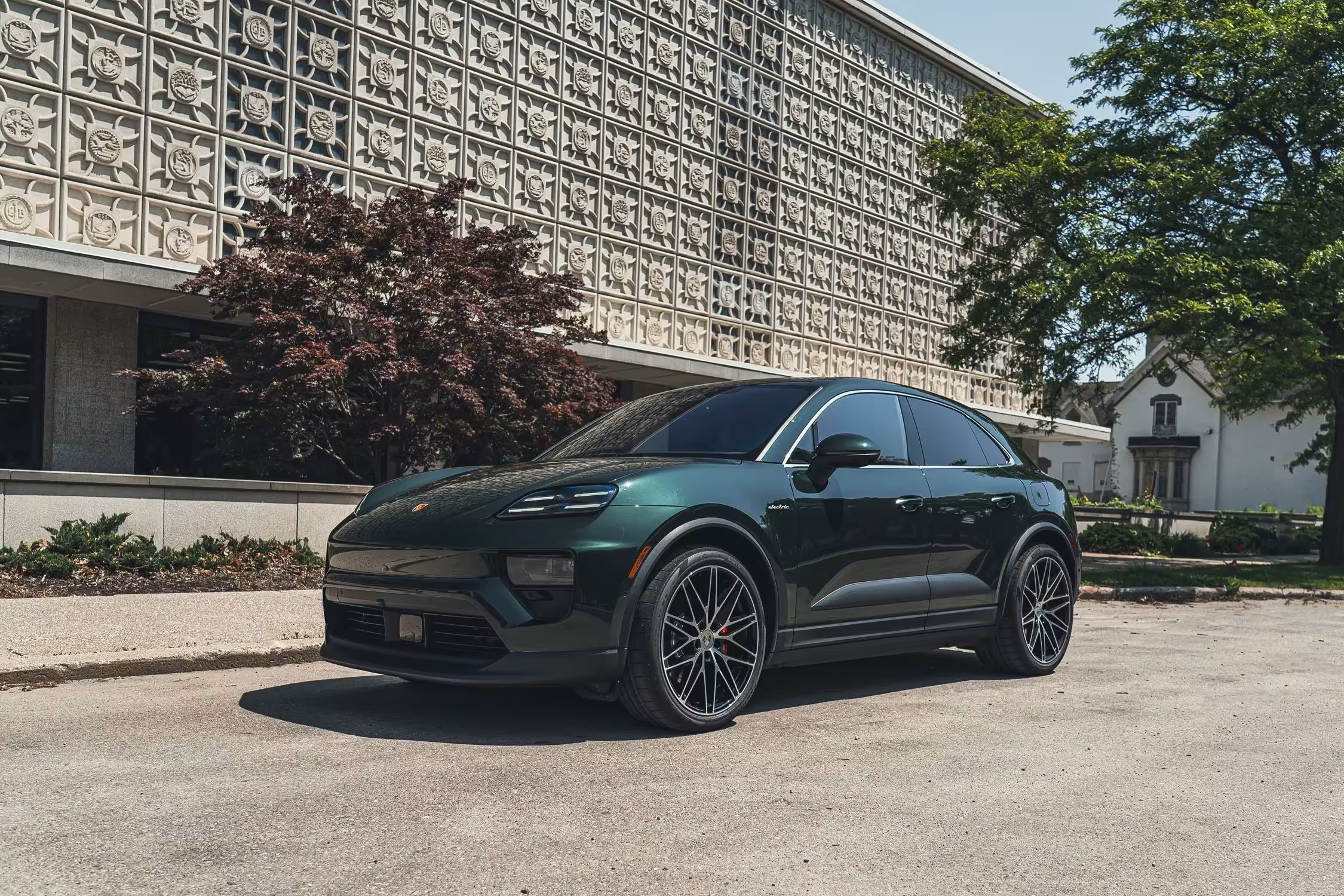
Porsche globally sold 320,000 units in 2024, but Russia remained a niche market for the ultra-wealthy. With no new official deliveries, the parallel import market is now collapsing under this technical threat. Are owners switching to the Porsche Cayenne Electric 2026? Highly unlikely, given sanctions severely restrict the import of necessary specialized parts.
This contrasts sharply with brands like Nissan, which avoid such severe digital dependency issues. In Russia, ironically, sales of domestic brands Lada and UAZ are soaring.
Viral videos show Russian elites abandoning Cayennes on snowy streets. A tweet by Jürgen Nauditt noted: “Porsches no longer running in Russia 😂😂😂”. Online reactions range from Western schadenfreude to intense local frustration.
While the technical mystery continues, affected owners rely on forums for workarounds. Will Porsche officially comment? Possibly, to mitigate potential class-action litigation. For international automotive enthusiasts, this serves as a clear warning: always thoroughly check the connectivity integrity of high-tech used cars imported across geopolitical borders. Systems like the VTS, designed to protect against theft, can swiftly become double-edged weapons in the era of digital sanctions.
If you own a high-end German vehicle, test your GPS signal reliability now. The chaos unfolding in Russia might be a preview of wider vehicle vulnerability scenarios in an increasingly digitally controlled global market.