NISSAN X-TRAIL 2026 brings native Google and Invisible Hood system. See how the 7-seater SUV has evolved in technology and design. Check it out now!

The family SUV segment is experiencing a silent war. While Chinese manufacturers invade with aggressive prices and Europeans bet on full electrification, Nissan has prepared a response that mixes Japanese tradition with one of the greatest digital revolutions ever seen in a mass vehicle. The 2026 X-Trail is not just another facelift — it is a statement that the future of family mobility lies in the perfect integration between metal, software, and artificial intelligence.
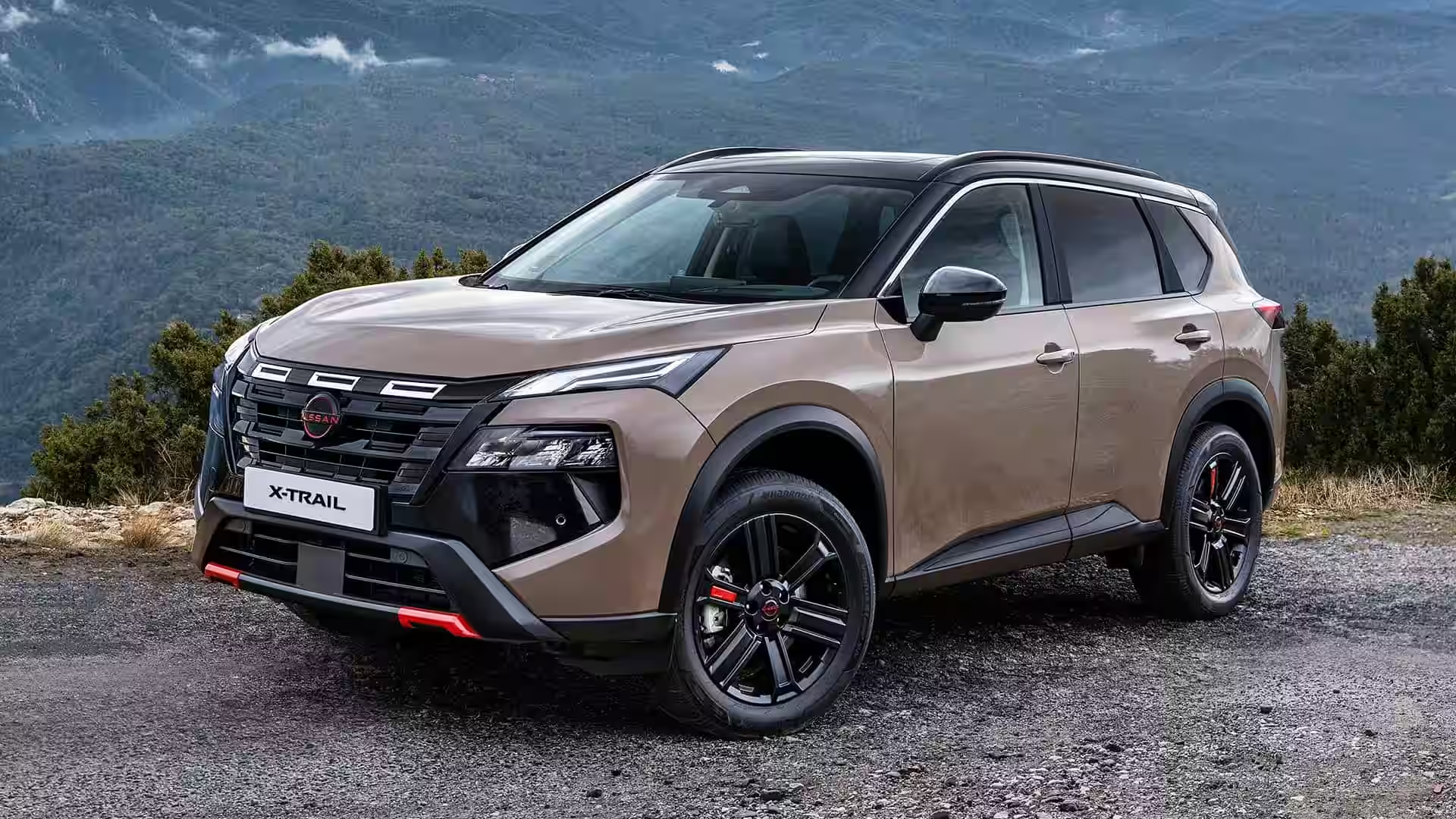
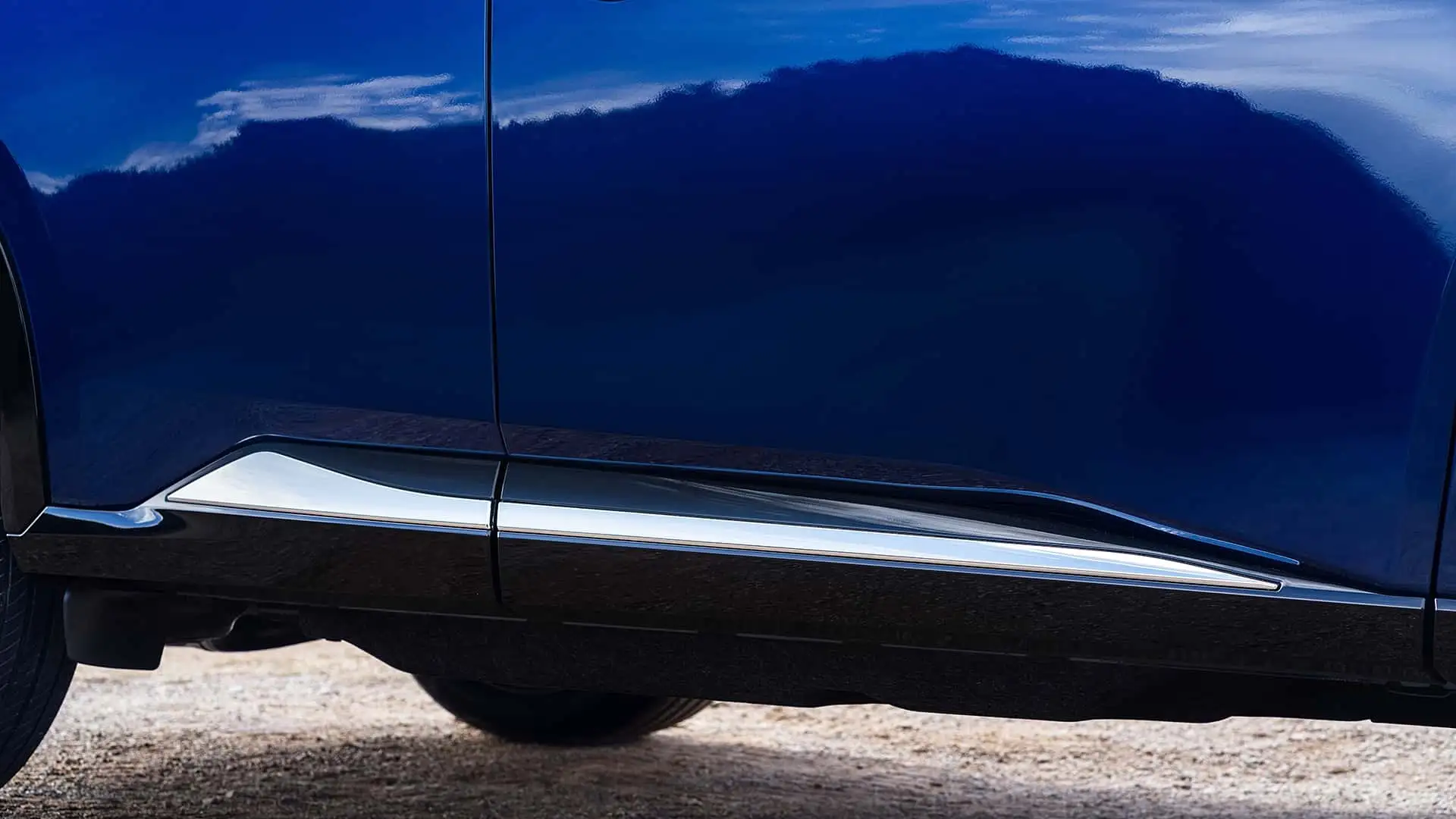
The Design That Abandoned Chrome to Find Elegance
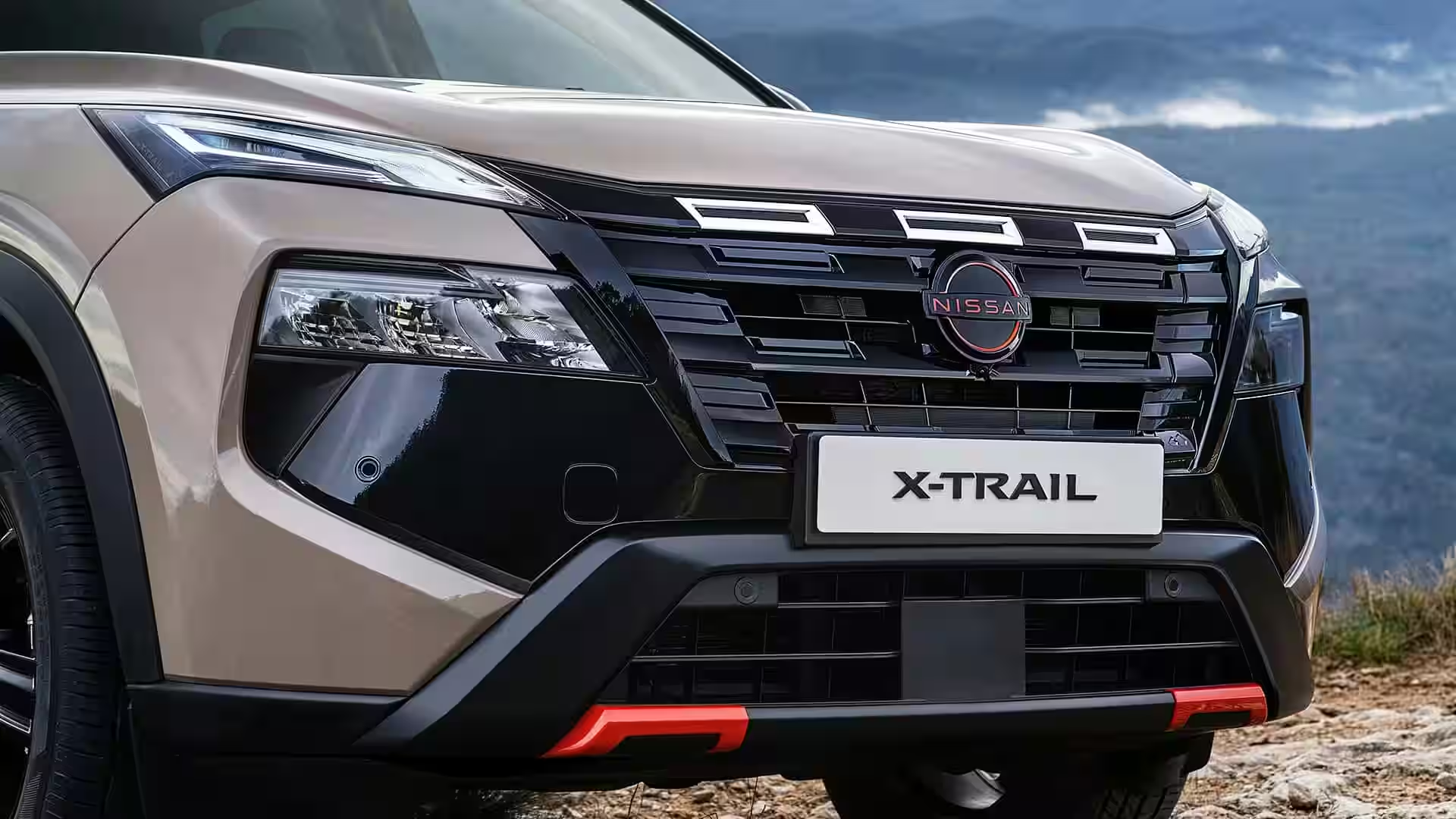
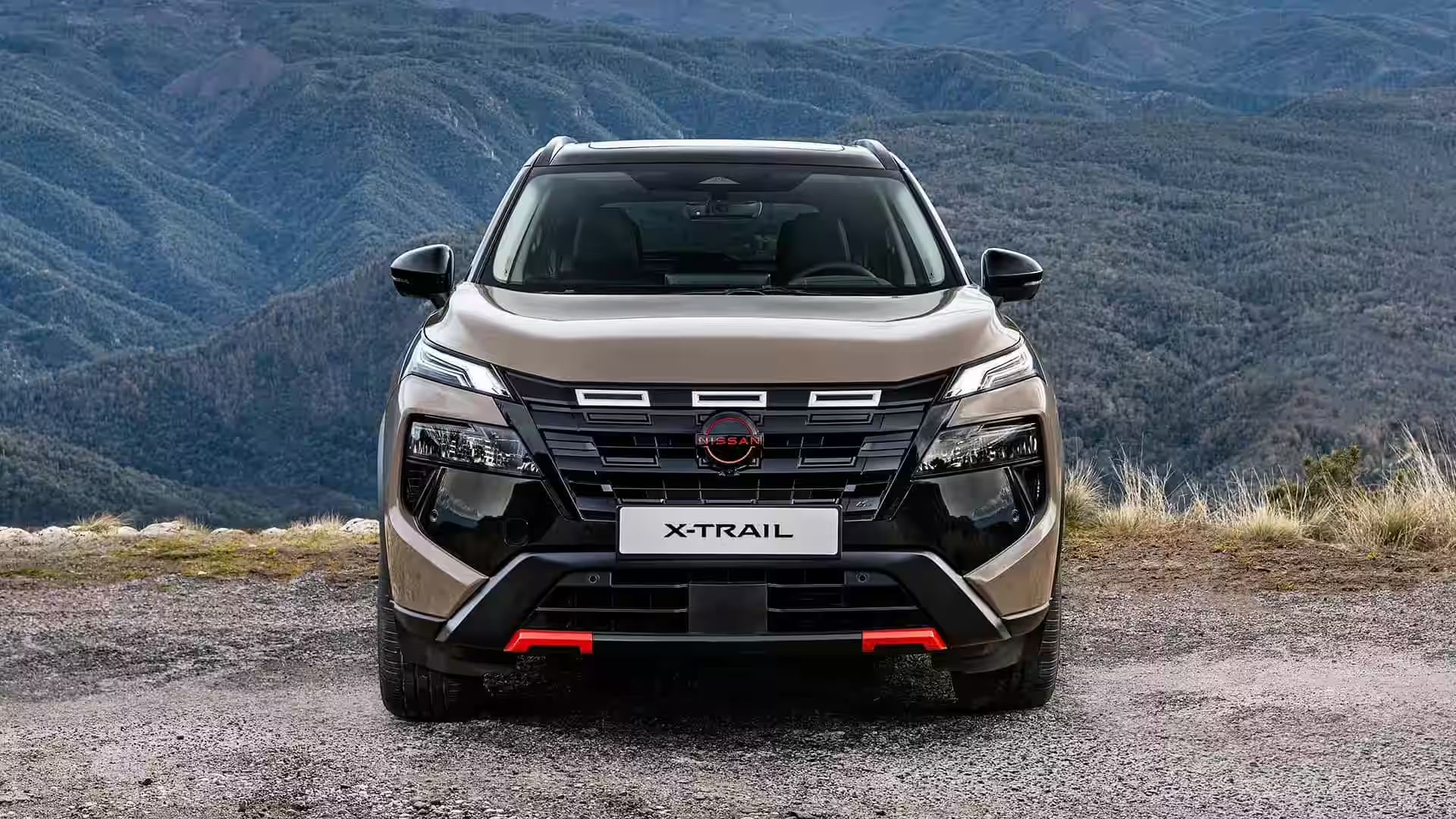
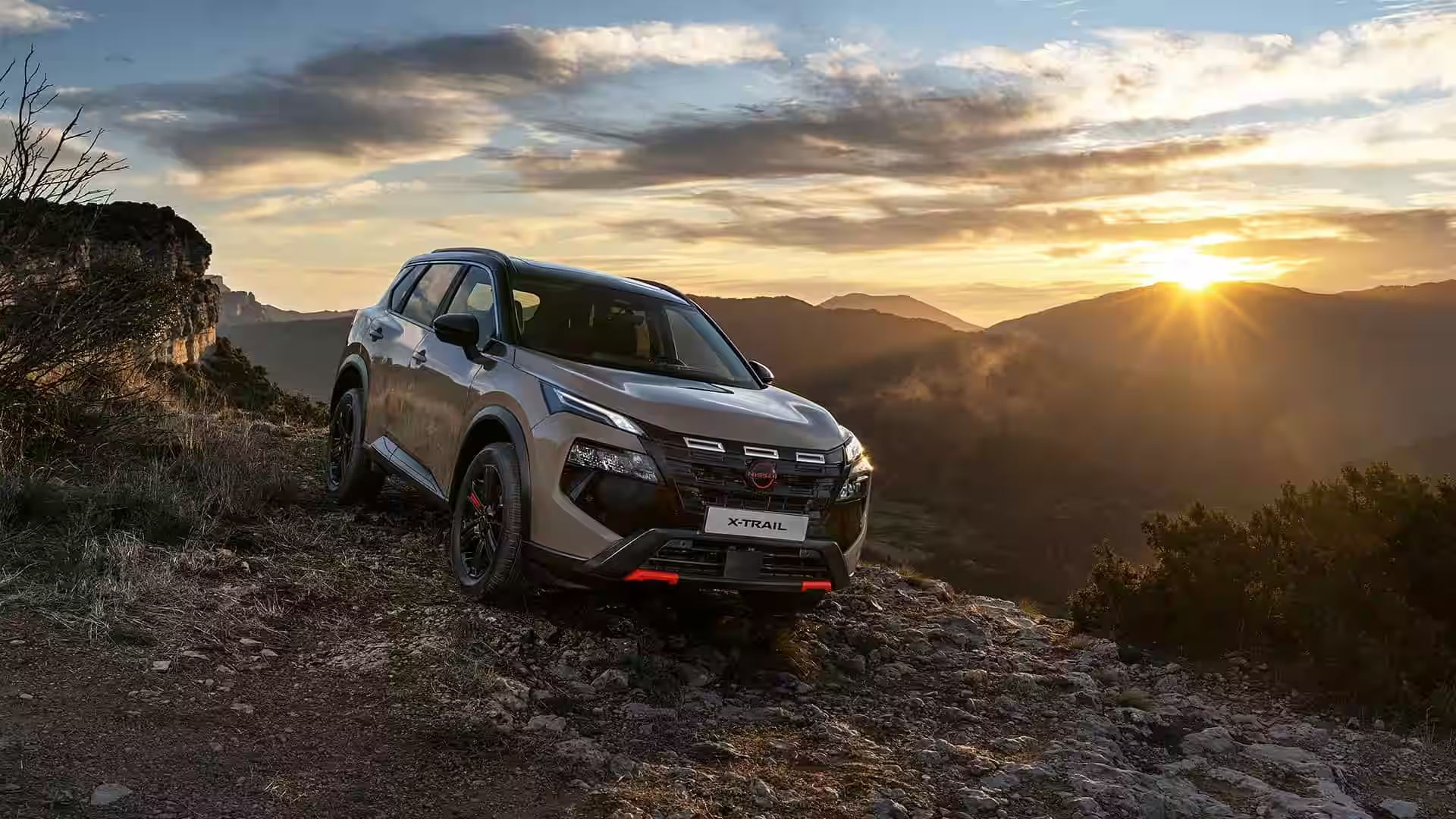
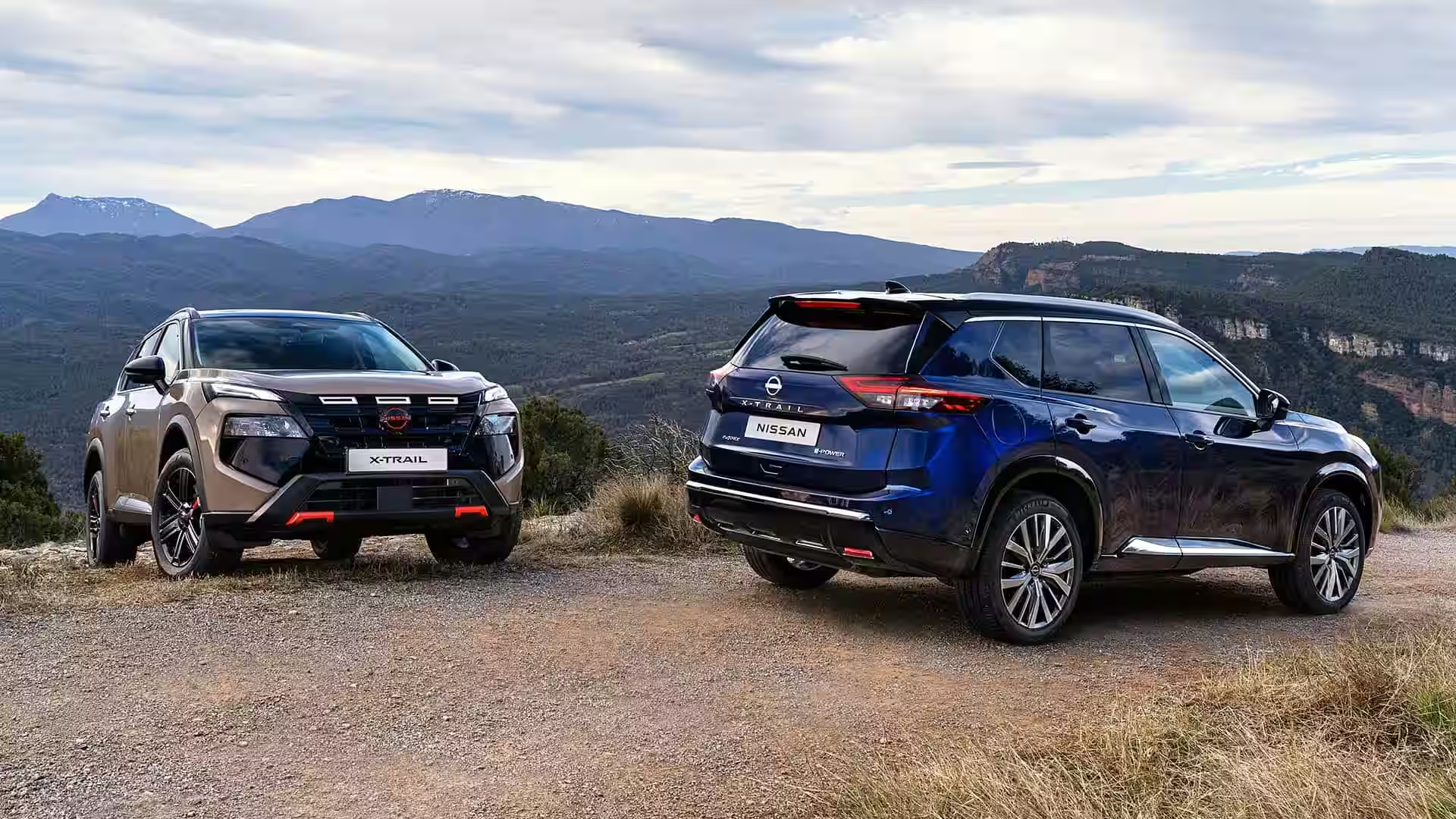
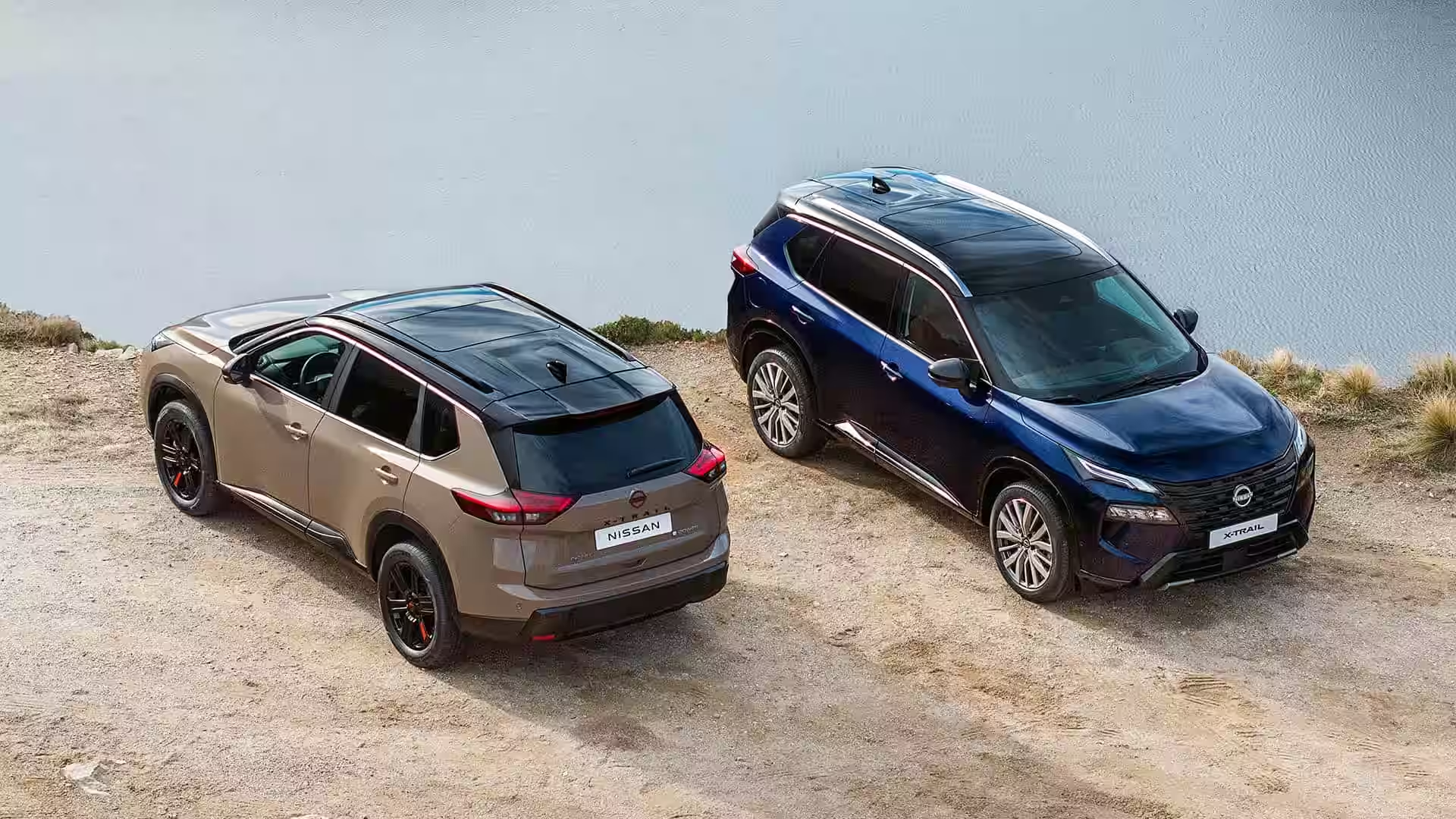
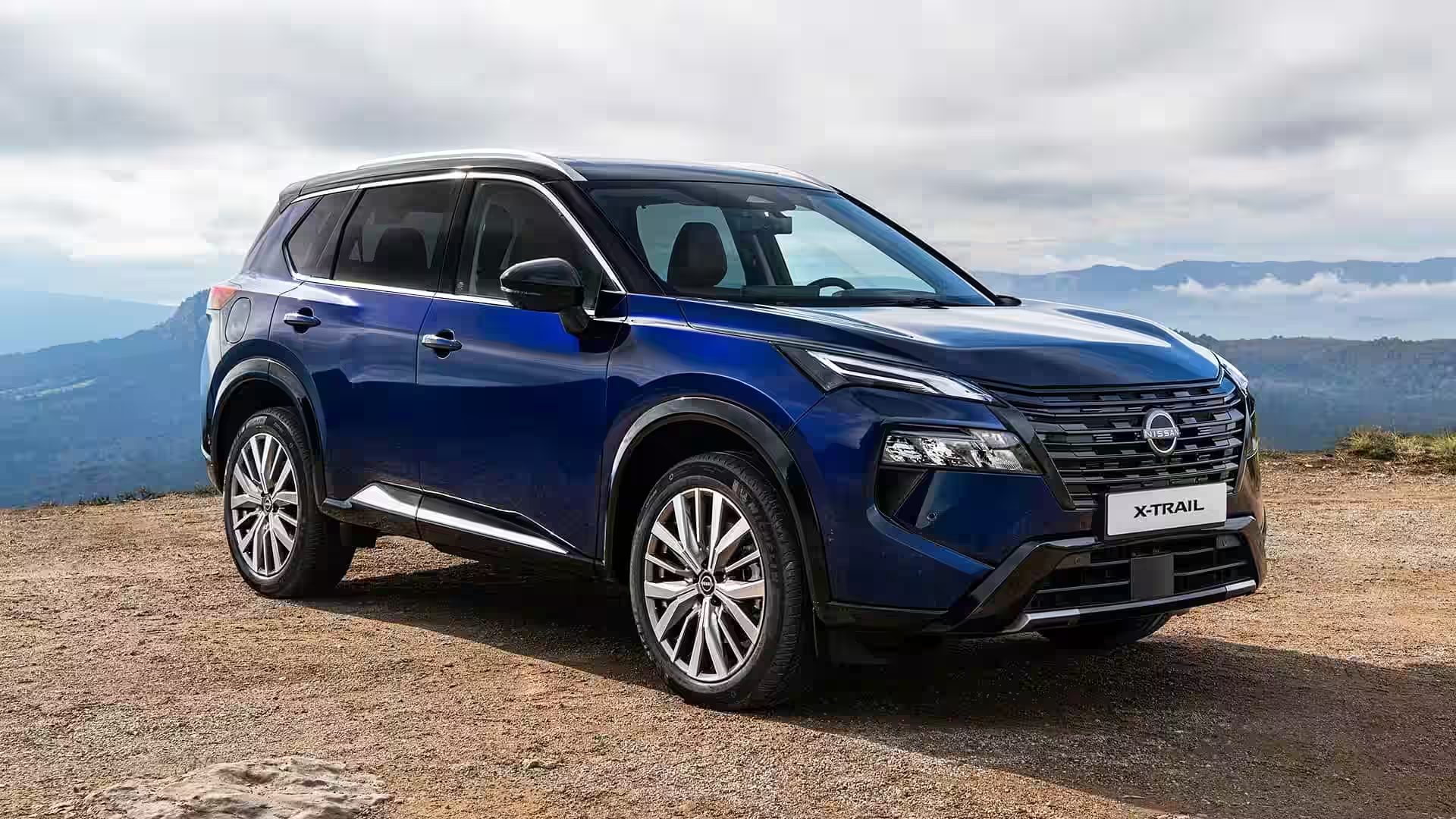
The first impression is that something essential has changed, even without being able to name it immediately. Nissan has finally listened to criticisms that have chased the X-Trail since 2022: that V-shaped chrome frame dominating the front grille, a visual heritage from the V-Motion language, aged poorly. For 2026, the designers solved the problem with a radical solution — eliminate the problem.
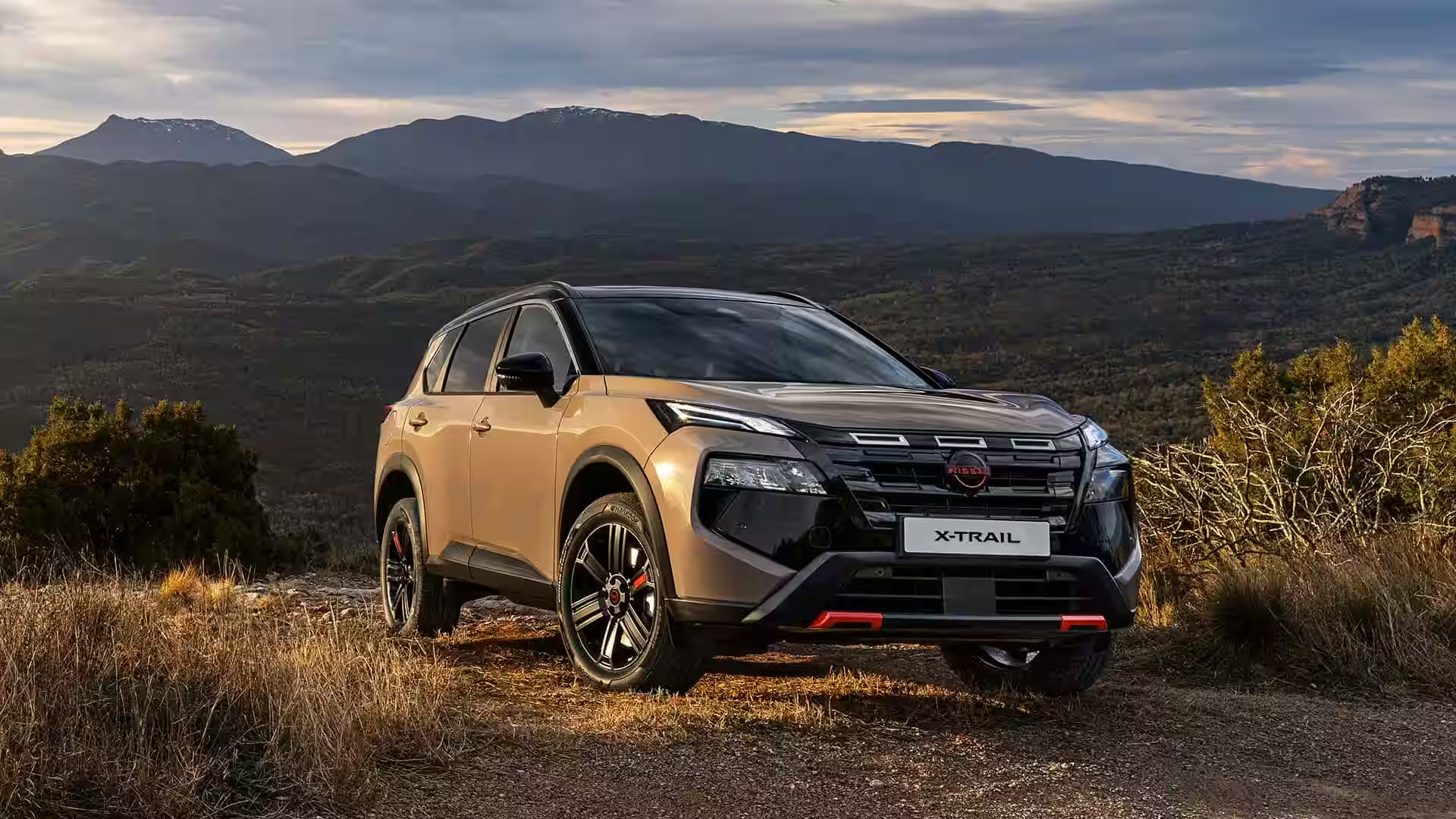
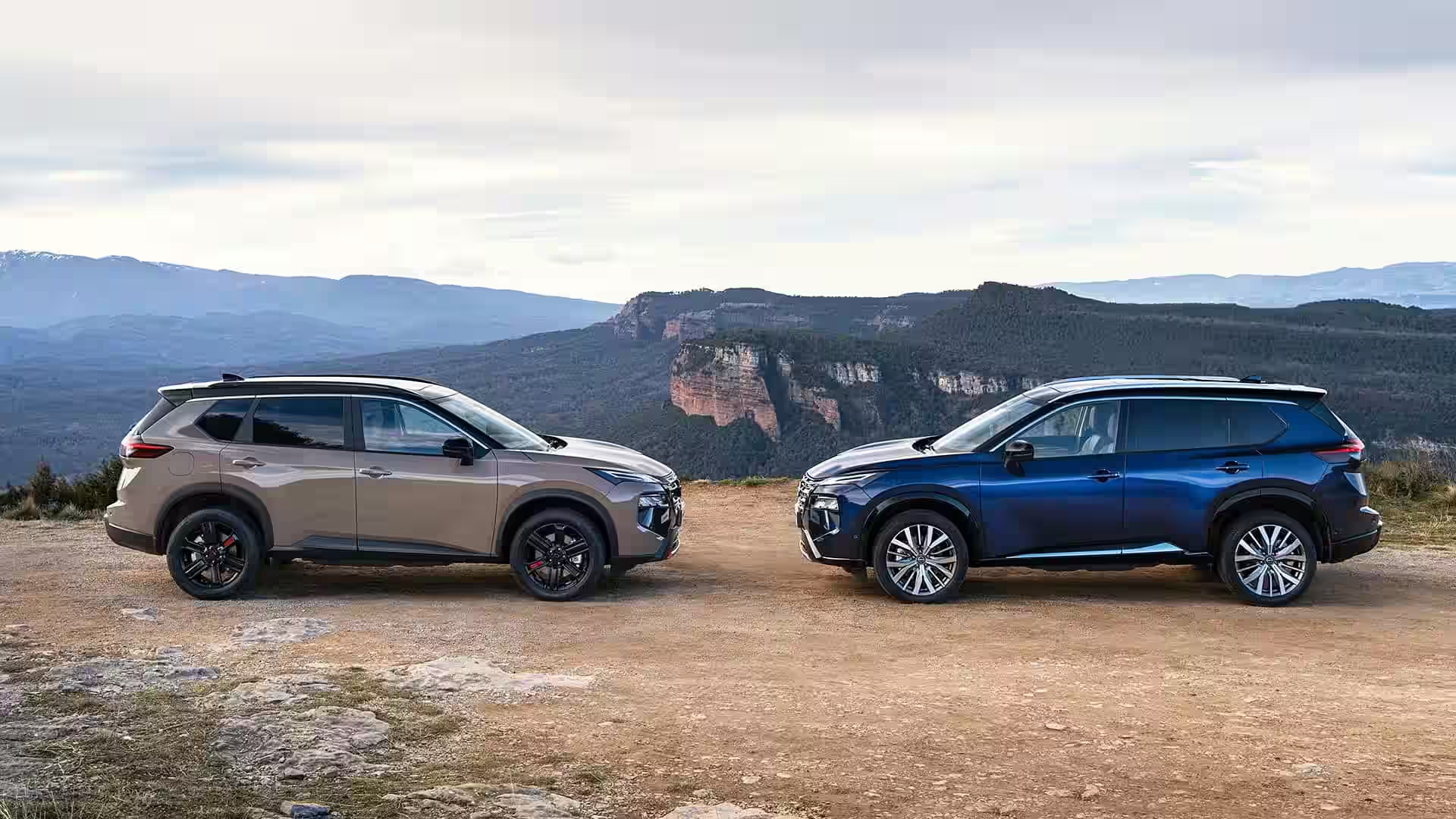
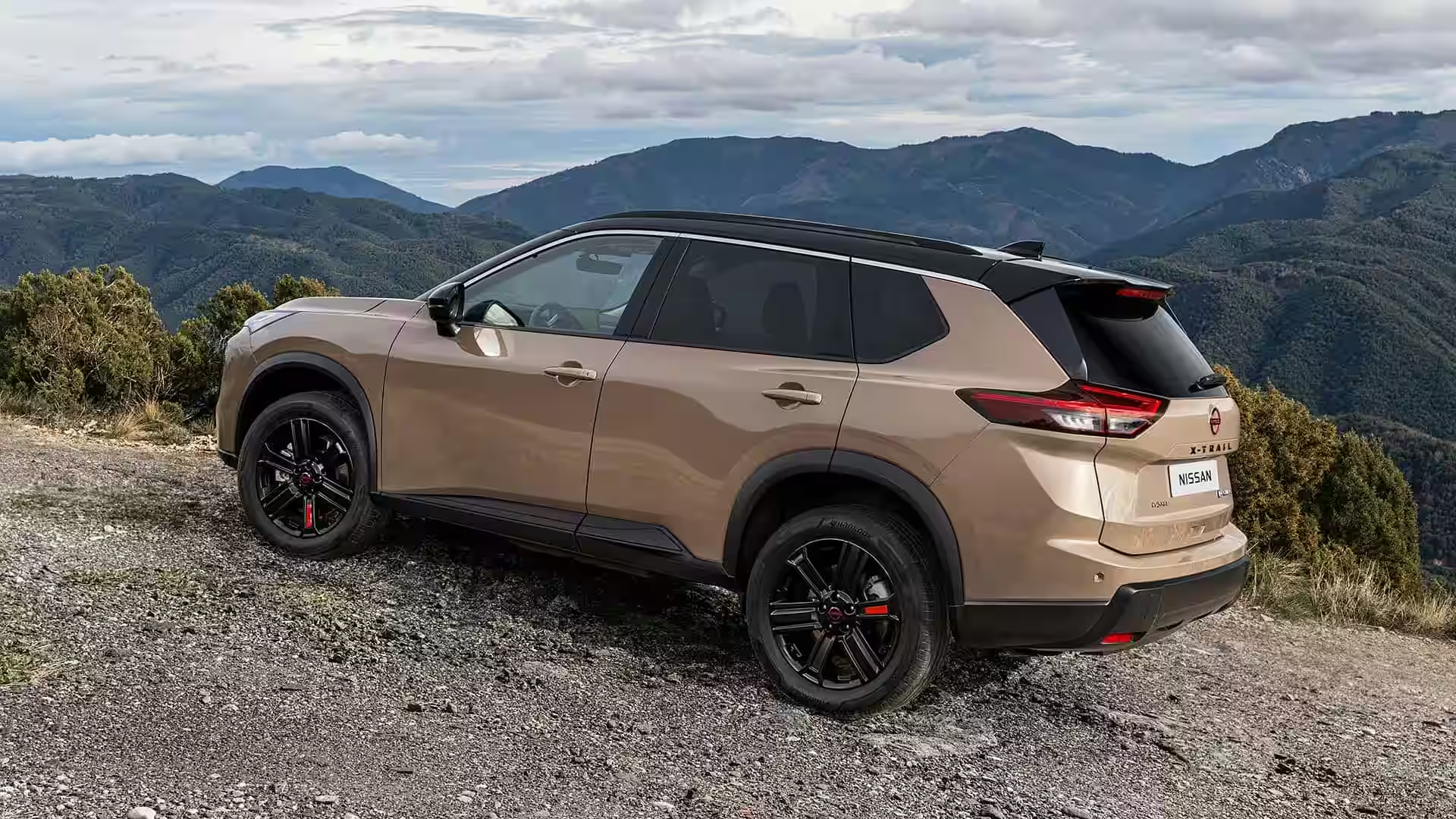
The new grille is significantly wider, lower, and above all, cleaner. Without the thick chrome edges that created a mask over the vehicle’s face, the X-Trail visually breathes. The front gains horizontality, a more stable stance, and, curiously, a sophistication that previously required expensive design packages.
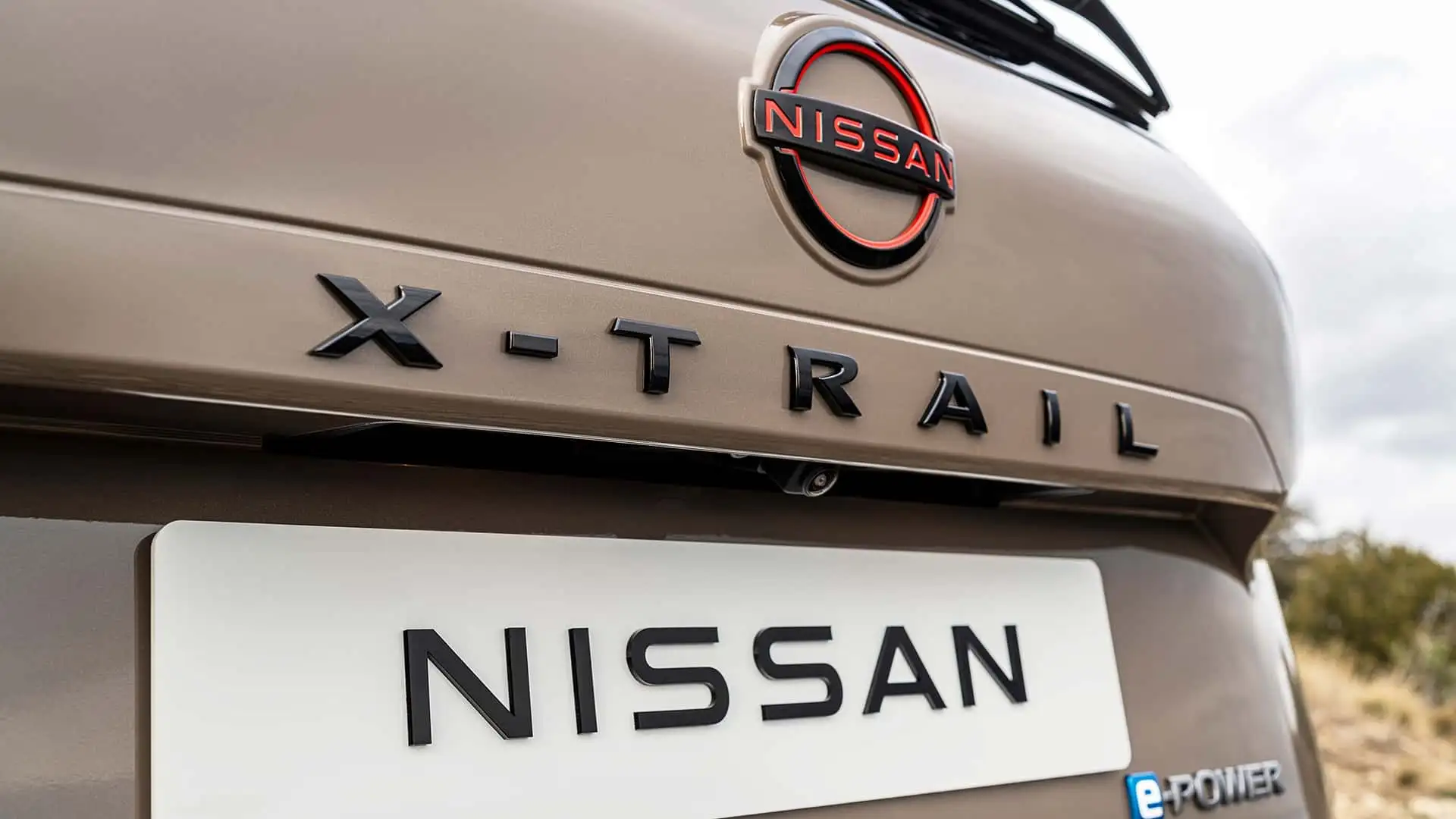
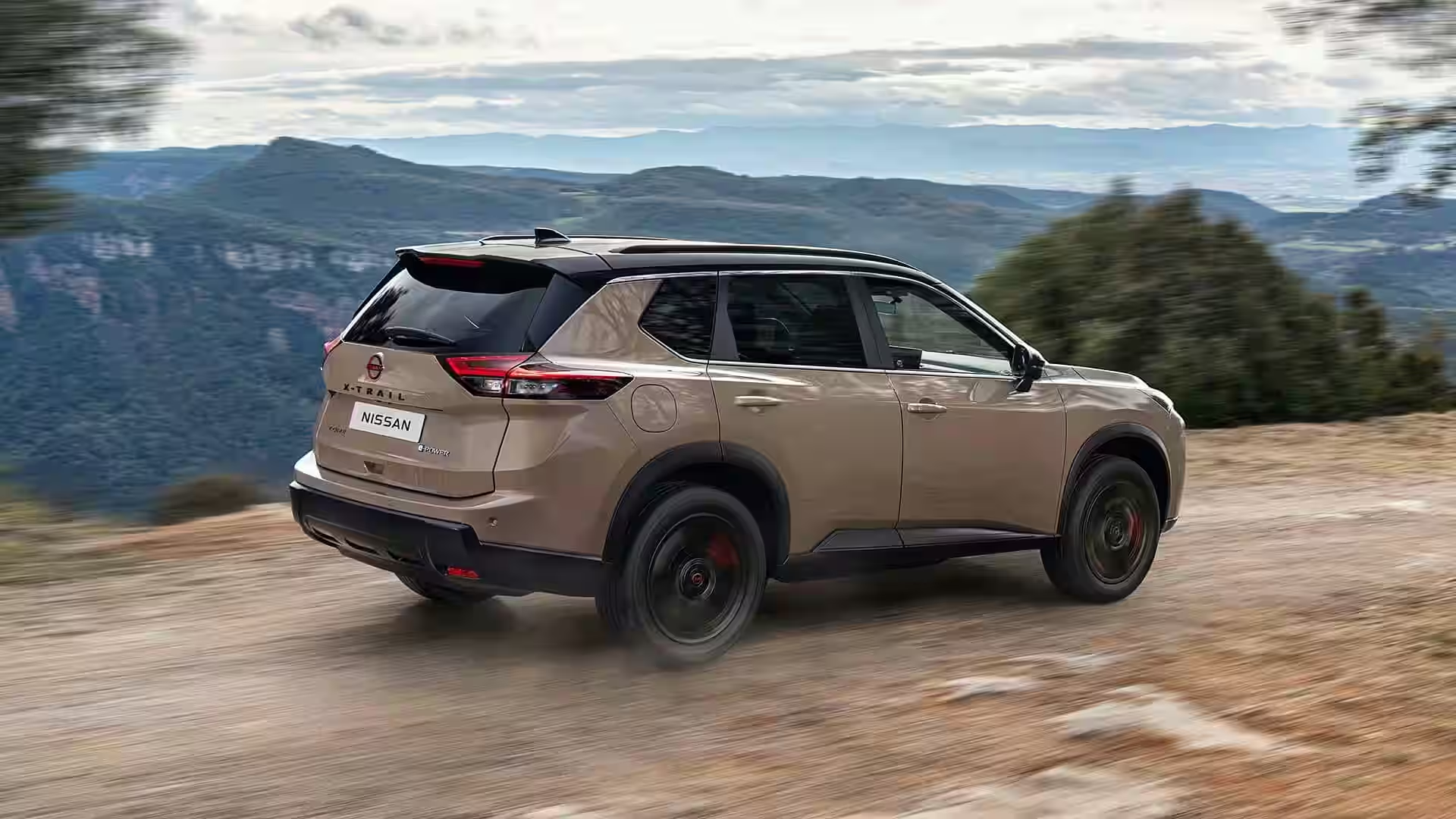
The rear changes are equally calculated. The LED taillights received a redesigned lighting signature, but the real leap is in the materials philosophy. Nissan replaced raw plastics with painted surfaces in areas that previously shouted “economy.” The result is a vehicle that seems to have upgraded categories without increasing in price — at least not much.
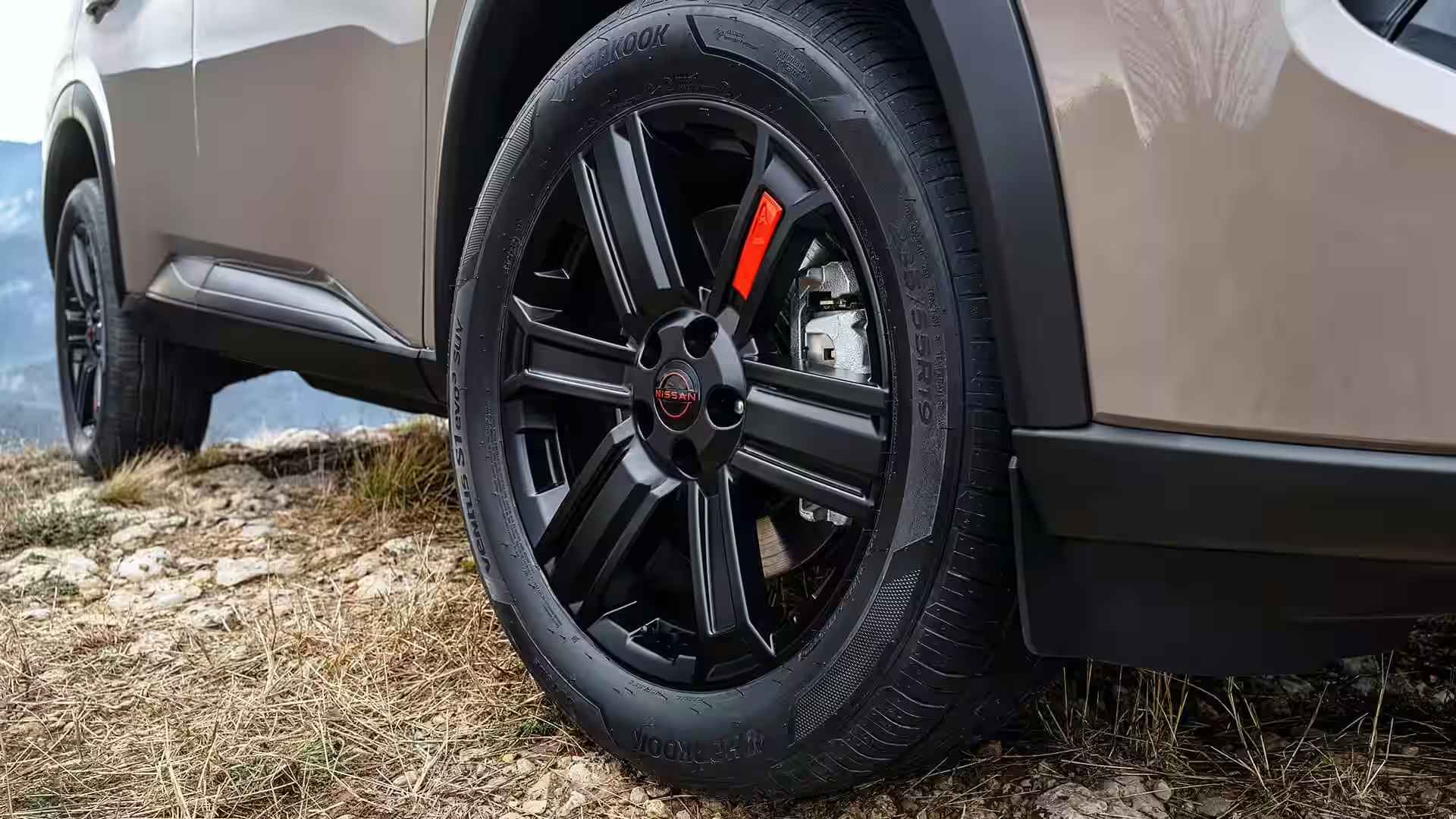
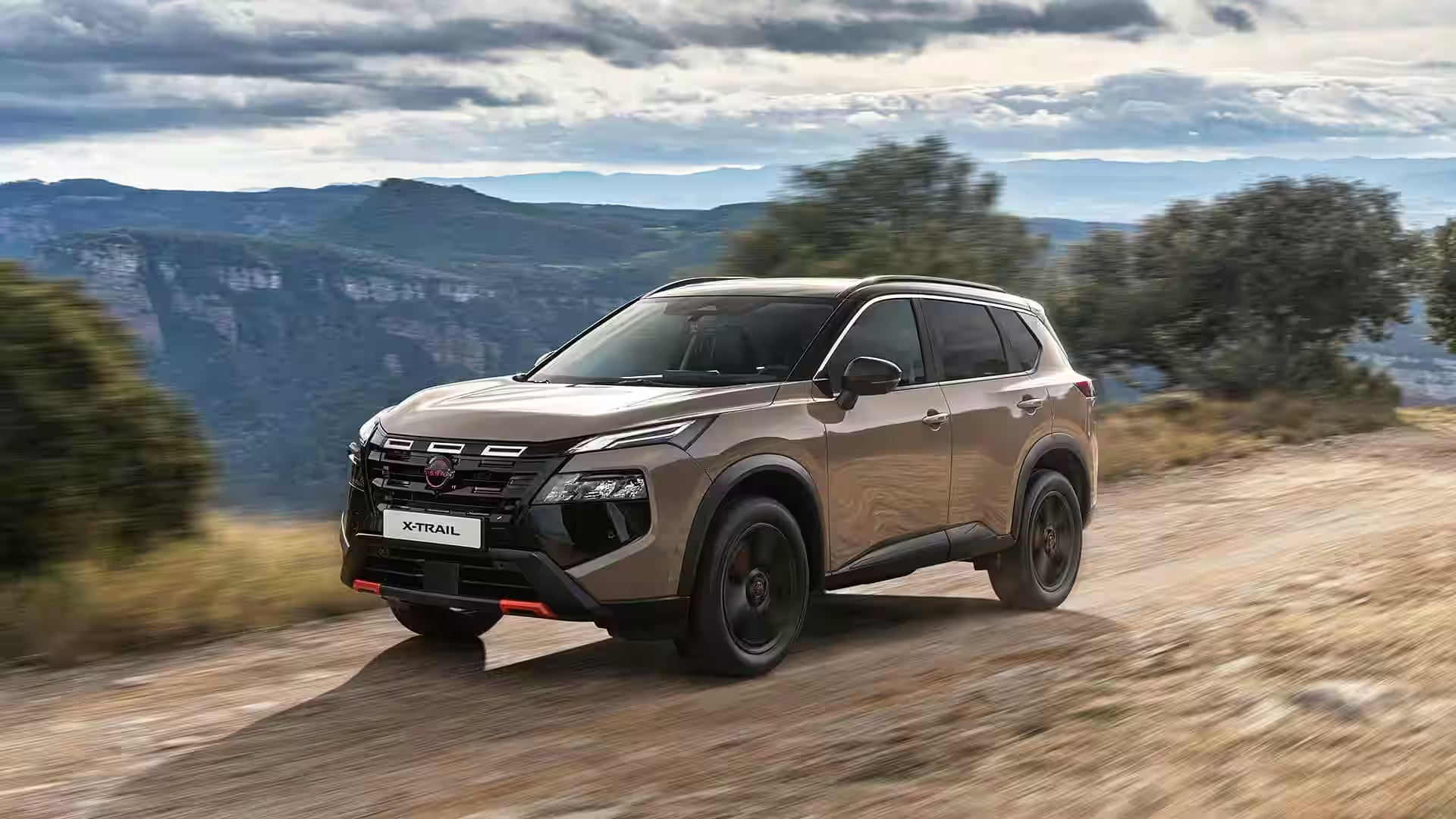
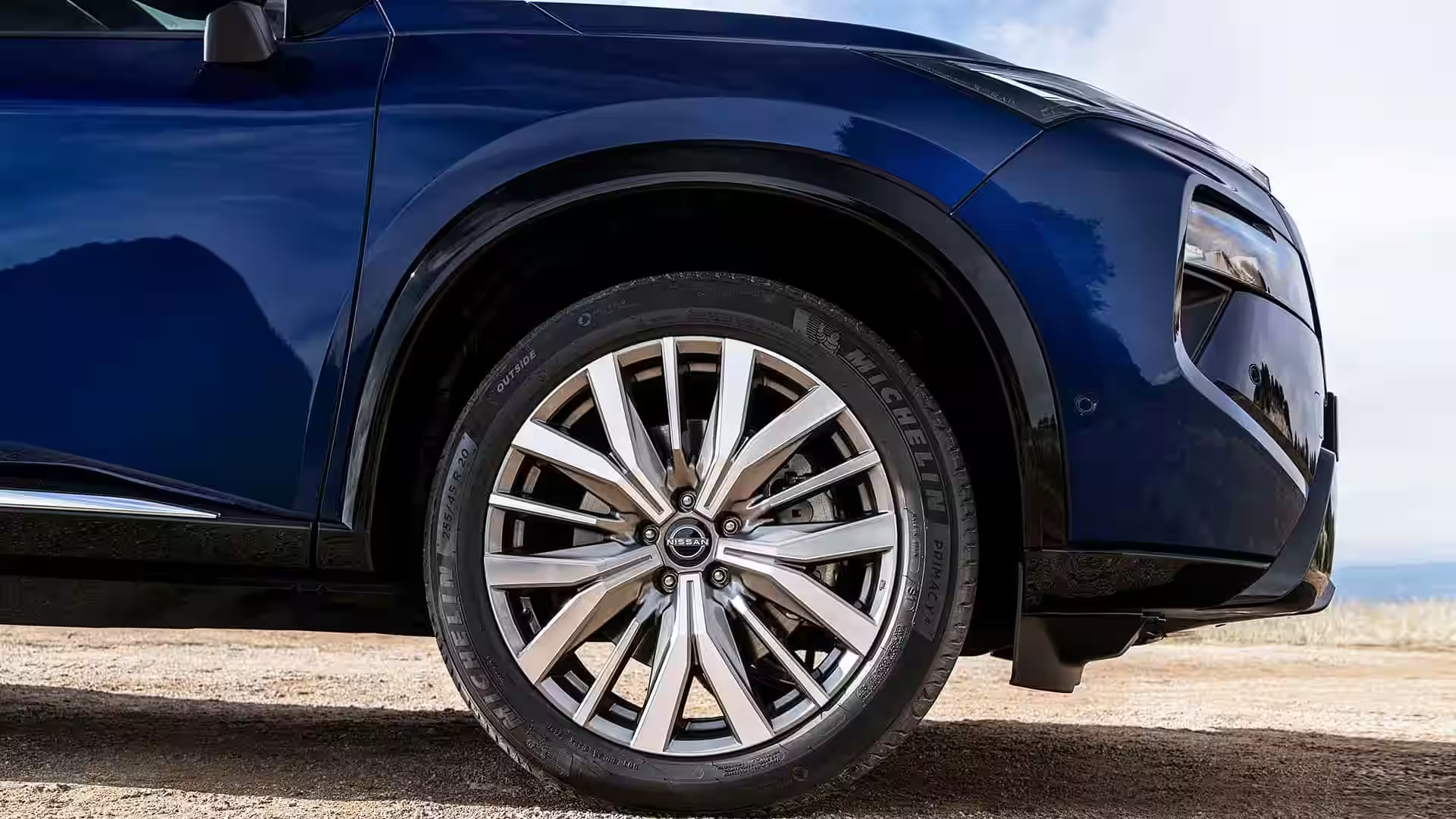
The new 19-inch wheels in the diamond finish act like display jewels, while the new Sukumo Blue and Baja Storm colors position the model in an emotional territory previously dominated by premium brands. It’s as if Nissan studied for years what Renault did with the Bridger concept — stealing luxury DNA without paying royalties.
The Google “Brain” That Turns the Interior into an Extension of Your Digital Life
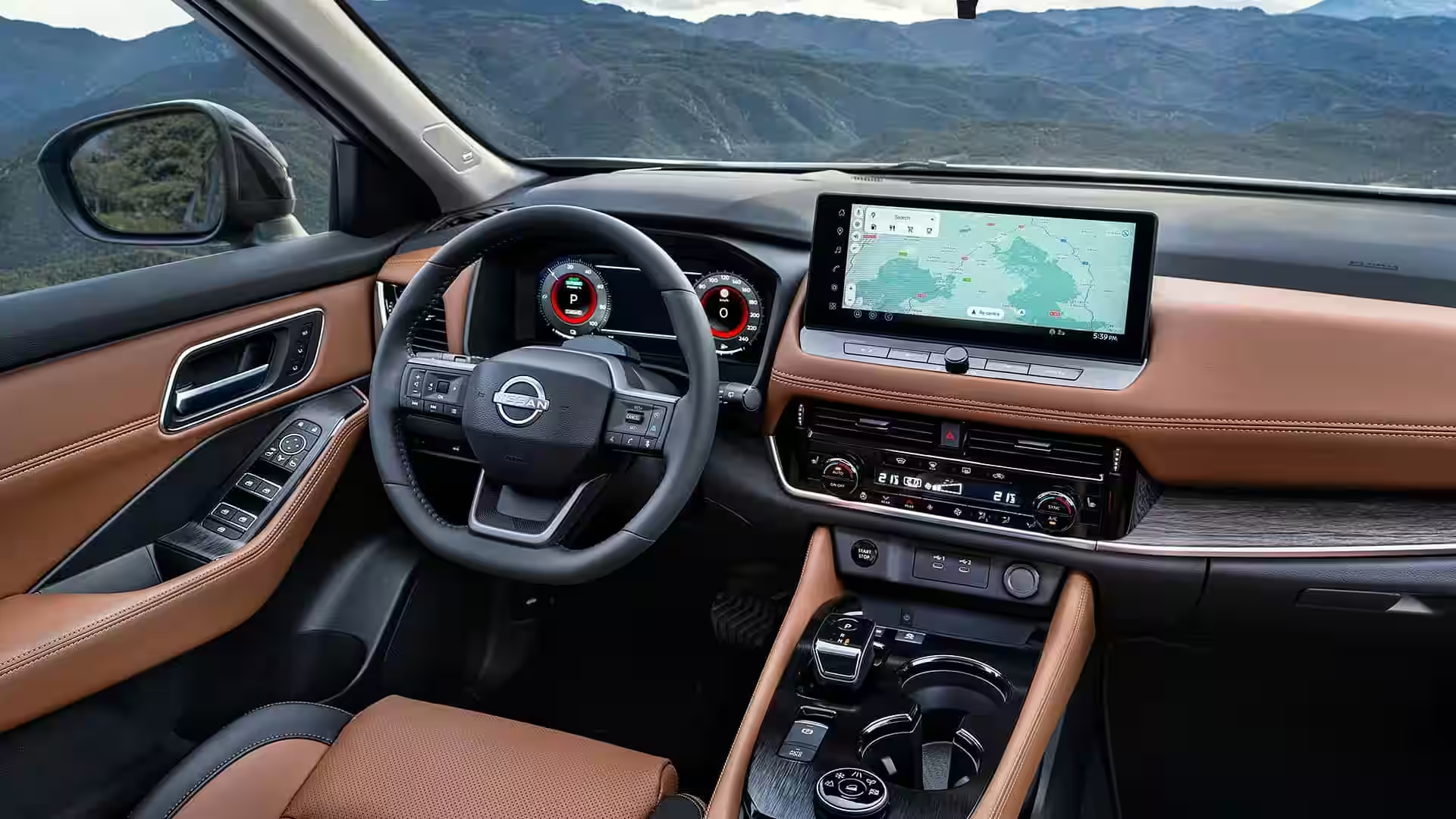
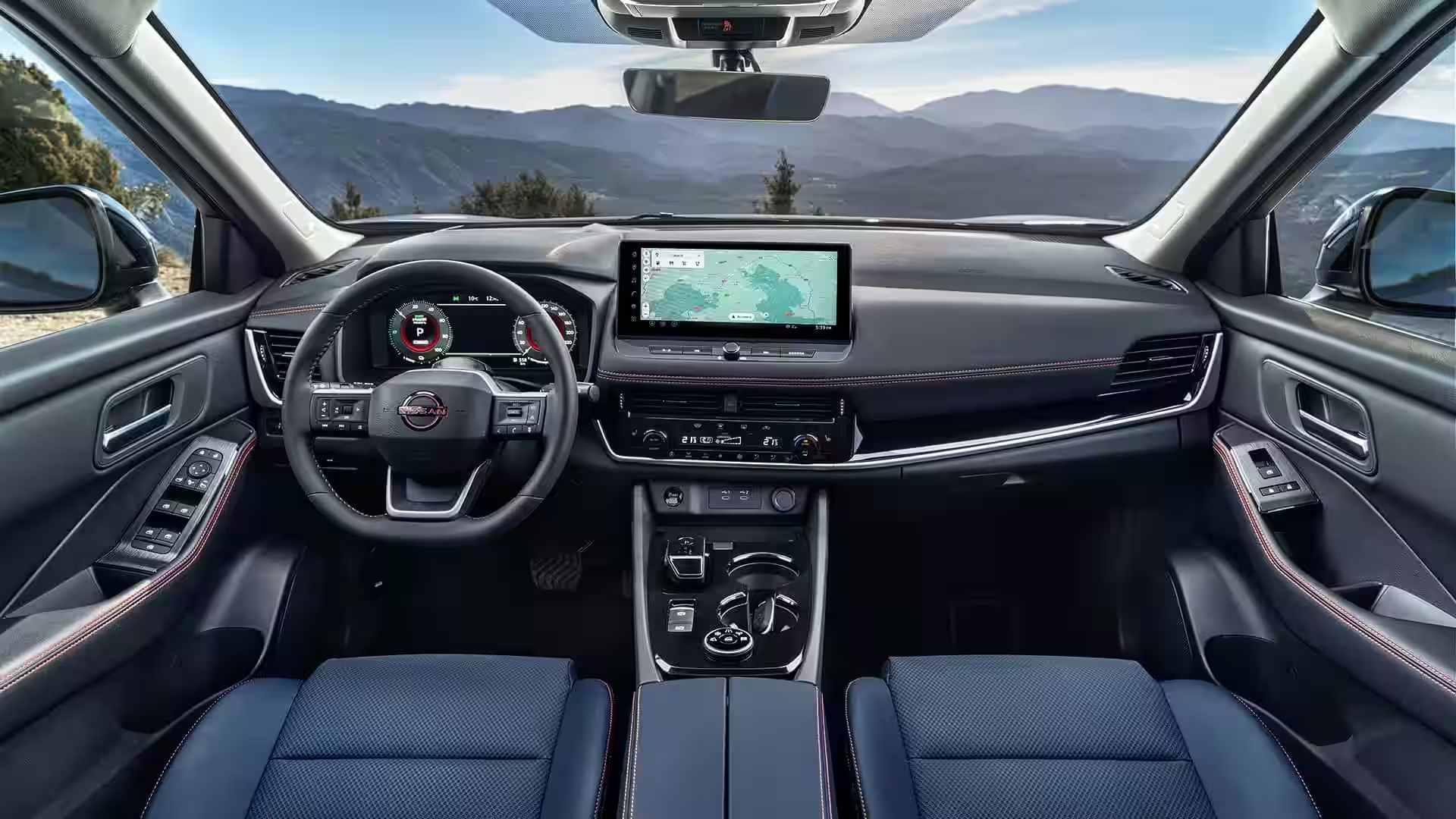
This is where the real revolution of the 2026 X-Trail lies. Nissan has abandoned its proprietary infotainment system — the one that received average usability test scores — and handed over the cockpit keys to Google. The Google built-in concept is not an extended Android Auto. It is a complete redefinition of who controls the onboard experience.
The two 12.3-inch displays (standard from the N-Connecta version) remain physically identical, but what happens behind them is another story. Google Maps now lives natively in the vehicle, with real-time traffic updates without relying on a smartphone. The Google Assistant responds to natural voice commands — “Hey Google, heat my seat” — and controls hardware functions that previously required navigating touch menus.
The practical implication is liberating. Drivers who previously needed to pair phones, wait for unstable connections, and deal with different interfaces now find a unified ecosystem. The Google Play Store allows app installation directly in the vehicle, transforming the X-Trail into an open platform — something that Volkswagen promised with the ID. Unyx but has not fully delivered yet.
The Camera That Sees Through Metal
Among the technological updates, one feature stands out for its rarity: the evolved Around View Monitor now offers the “Unsichtbare Motorhaube” mode — the “Invisible Hood.” The system processes images from multiple cameras to reconstruct a virtual view of what is directly beneath the vehicle, including the front wheels and the terrain immediately below the engine compartment.
This is not lab curiosity. In technical off-road maneuvers, parking with low obstacles, or simply positioning the vehicle on maintenance ramps, traditional vision leaves the driver blind to the most critical area. Nissan has democratized a technology that Land Rover reserved for its six-figure models. The GWM Tank 700 HI4-Z offers similar features, but in a completely different price segment.
ProPilot Assist also received attention. The new calibration promises more precise traffic sign recognition and, crucially, more natural acceleration and braking behaviors. Those who drove the previous generation know that the system worked, but with a certain “robotic” feel in transitions. The 2026 promise is fluidity that mimics human patterns.

The N-Trek Line: When Adventure Stops Being Just a Sticker
Nissan recognized that consumers pay more for “adventure” versions that, in practice, differ only visually. The answer is the N-Trek, a configuration that finally justifies its premium price through genuine differentiation.
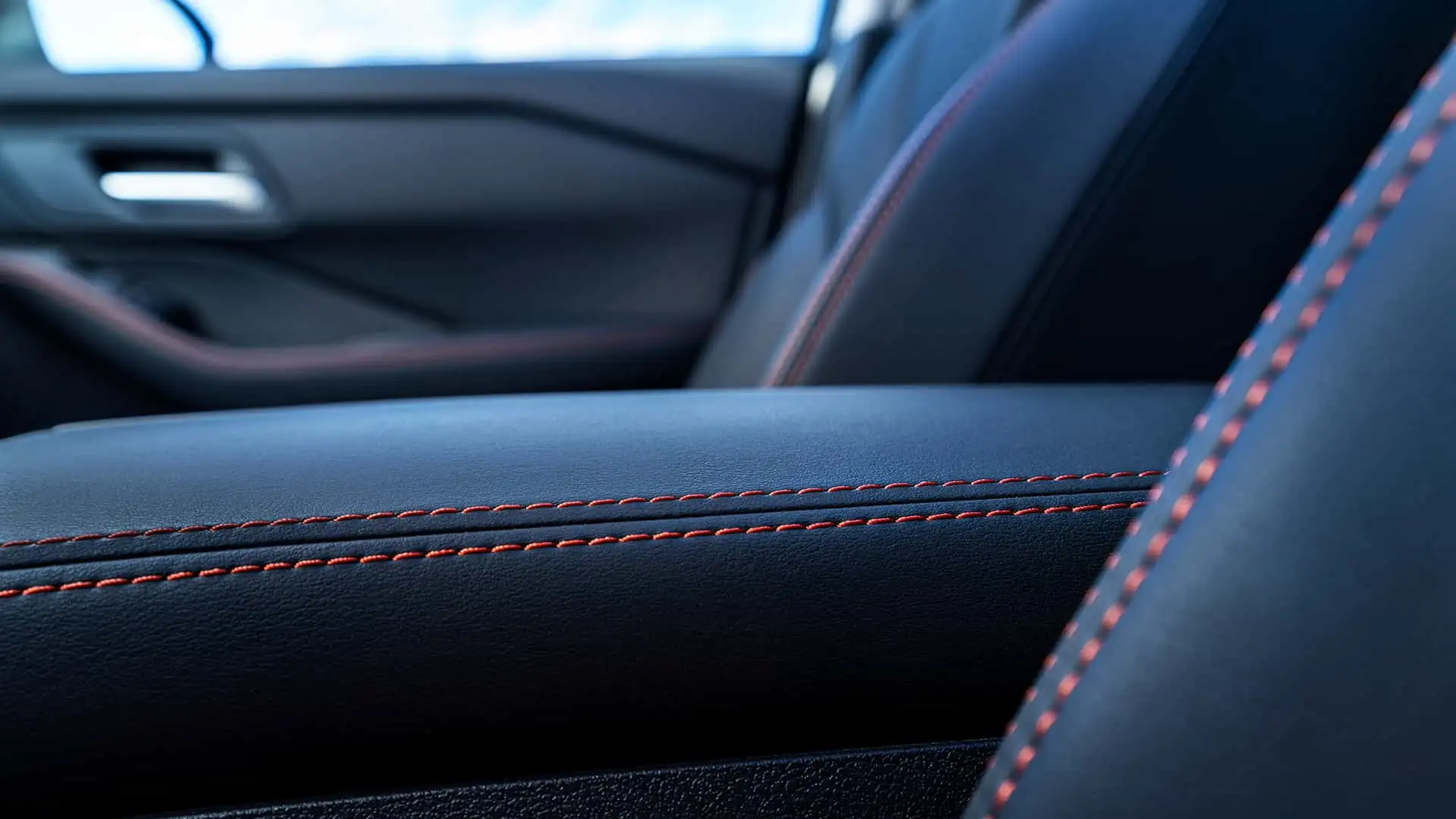
Visually, the N-Trek is immediately identifiable. The Magma Red appears in strategic details — bumpers, internal stitching, black-red logos on the wheels, grille, rear, and steering wheel. It is a palette that communicates intensity without being gaudy. The exclusive front grille, black roof rack, and more robust lower bumpers complete the aesthetic transformation.
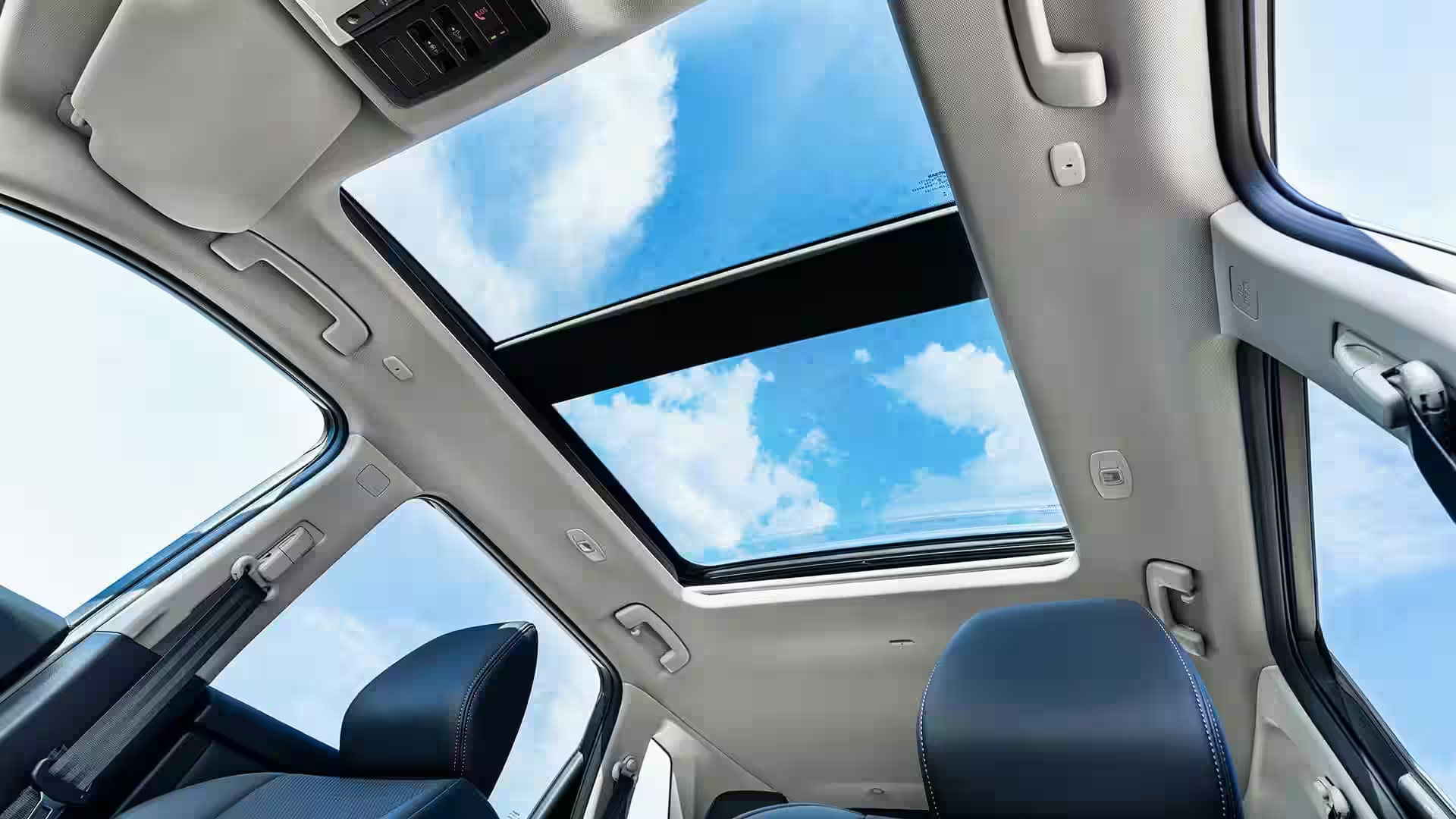
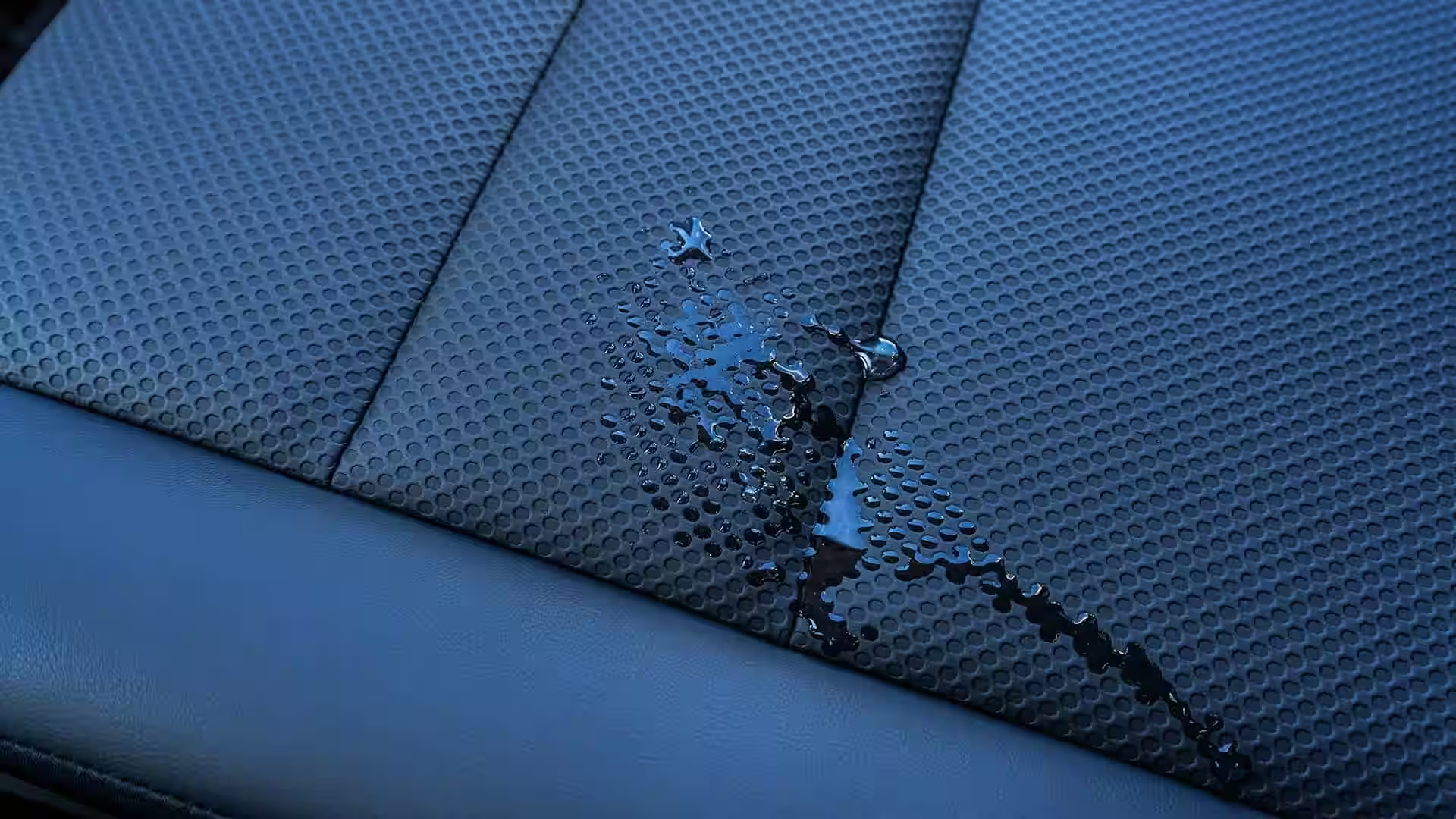
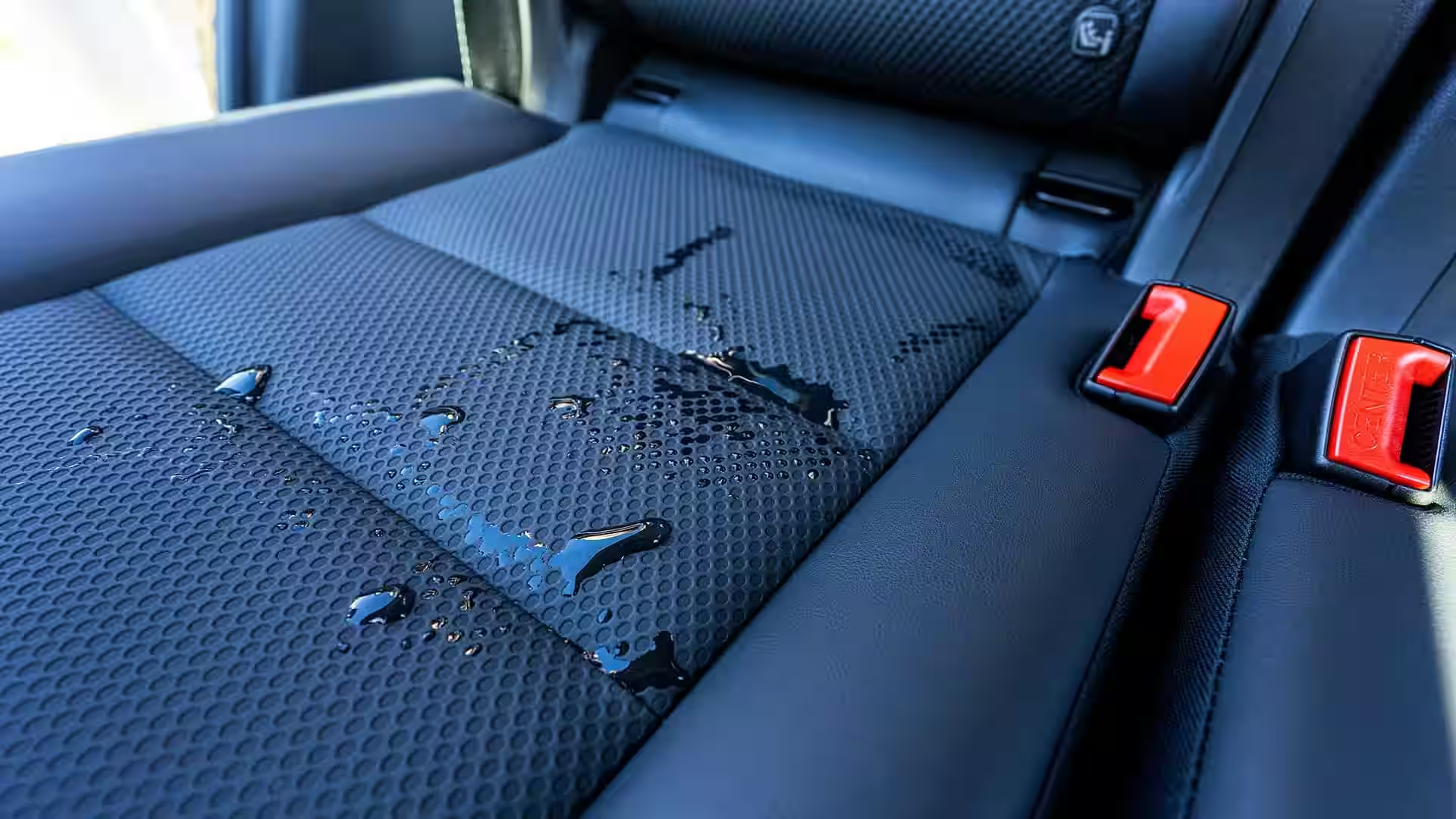
But the N-Trek is not just makeup. The CellCloth fabric seats keep the water resistance promise — useful for families who use the vehicle as a base for weekend outdoor activities. The panoramic glass roof, now standard in this version, turns the cabin into a mobile observatory. Rubber mats and a trunk with a removable and reversible lining show that engineers thought about real use, not just sales brochures.
The Hybrid Heart That Refuses to Die: Understanding e-Power
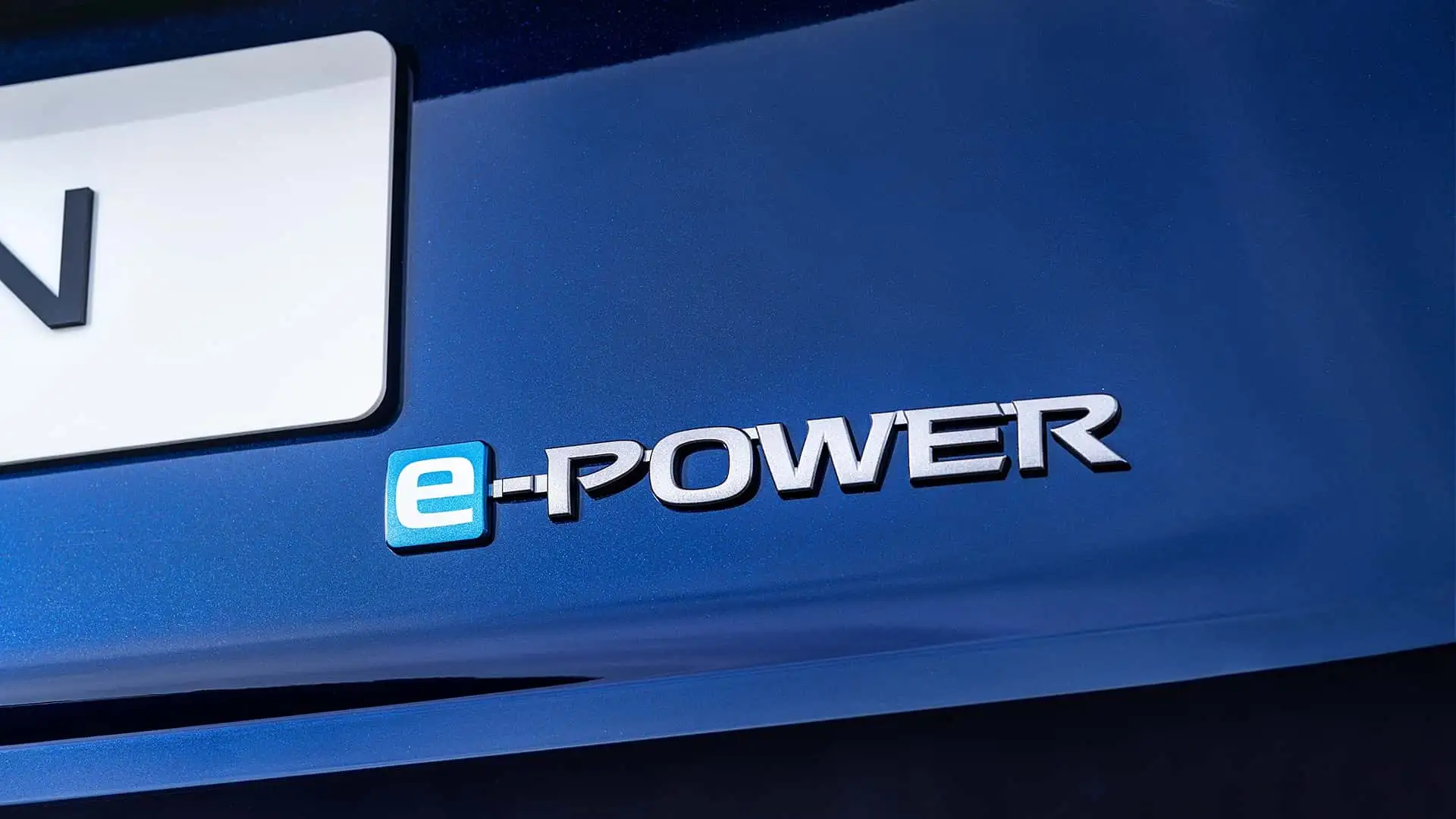
While competitors rush towards plug-in or full electrification, Nissan keeps its bet on e-Power — and the numbers justify the confidence. The concept is a series hybrid: a 1.5 turbo engine acts exclusively as a generator, never driving the wheels directly. The propulsion is 100% electric, with energy coming from batteries constantly recharged by the combustor.
The practical advantage is the elimination of range anxiety without sacrificing efficiency. The driver experiences instant torque, linear acceleration, and EV silence, but refuels at any gas station in minutes. For families without home charging infrastructure, it is the perfect transition solution.
The specifications remain familiar, but refined:
| Version | Power | Torque | Drive | 0-100 km/h |
|---|---|---|---|---|
| e-Power | 204 HP | 330 Nm | Front | 8.0 s |
| e-Power e-4ORCE | 213 HP | 330 Nm + 195 Nm (rear) | All-wheel | 7.0 s |
The e-4ORCE version adds a 100 kW electric motor on the rear axle, creating true all-wheel drive with vectorized torque. The one-second difference in acceleration does not tell the whole story — on unstable surfaces or fast corners, the power distribution transforms the vehicle’s dynamics.
The continuation of the 1.5 Mild Hybrid with 163 HP as an entry-level option — not yet officially confirmed but likely — keeps access to more aggressive pricing for those who prioritize acquisition cost over maximum efficiency.

The Market Awaits: Pricing, Competition, and Timing
The 2026 Nissan X-Trail lands in Europe in late European summer — likely between August and September. Nissan keeps pricing under wraps, but logic suggests a modest increase over the current generation, justified by features that previously required optional packages.
The expanded list of standard items includes heated windshield and seats already on the N-Connecta — comforts that in cold markets go from luxury to necessity. It’s a smart strategy: increase perceived value without alarmingly inflating the base price.
The competition is fierce and multifaceted. The 2027 Kia Telluride offers generous space with a conventional turbo engine. The 2026 Subaru Ascent competes with symmetrical all-wheel drive and a reputation for durability. And dozens of Chinese SUVs — such as the 2027 BYD Song Plus — threaten with prices that defy traditional cost logic.
The X-Trail’s differentiator lies in the maturity of a hybrid system tested in millions of global units, now combined with a digital experience that eliminates the main complaint about onboard technology: the learning curve. Those who use Google daily will find in the 2026 X-Trail a natural extension of their habits, not an alien platform to master.
For families needing occasional seven seats, valuing real efficiency without plugs, and desiring technology that works intuitively, the facelift represents significant evolution. The remaining question is whether Nissan will be able to communicate these virtues in a market obsessed with battery specs and electric range — metrics where e-Power, by design, does not compete directly.
The answer, as always, will be in the sales. But for the first time in years, the X-Trail seems to have arguments beyond price and warranty. It has a new brain, eyes that see the invisible, and the boldness to be different in a segment that rewards conformity.