The Nissan Sakura is not trying to become a headline-grabbing EV. It is trying to stay on top in one of the toughest and most practical segments in Japan: the electric kei car class.
Leaf-Inspired Styling Gives The Sakura A Sharper Identity
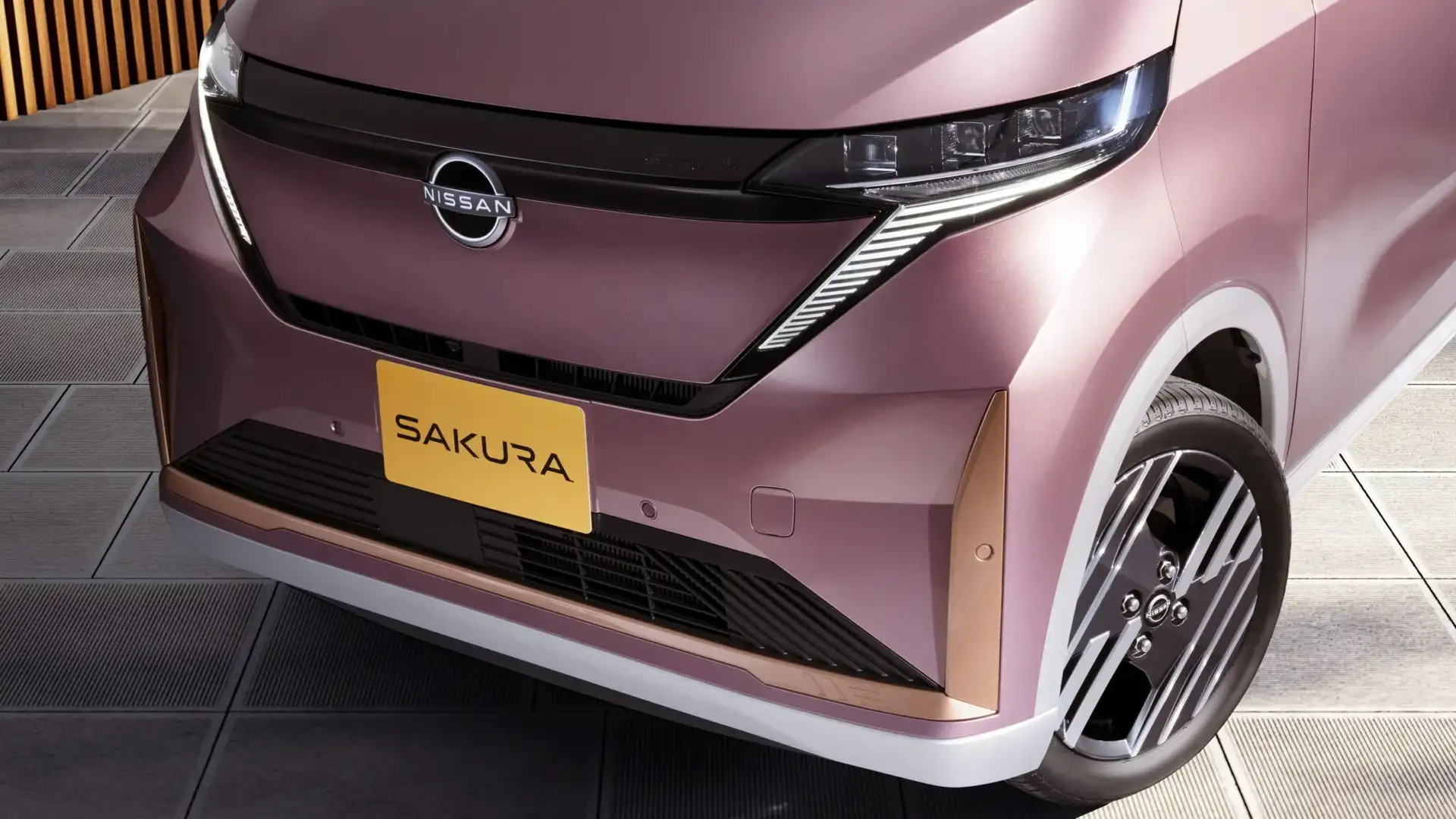
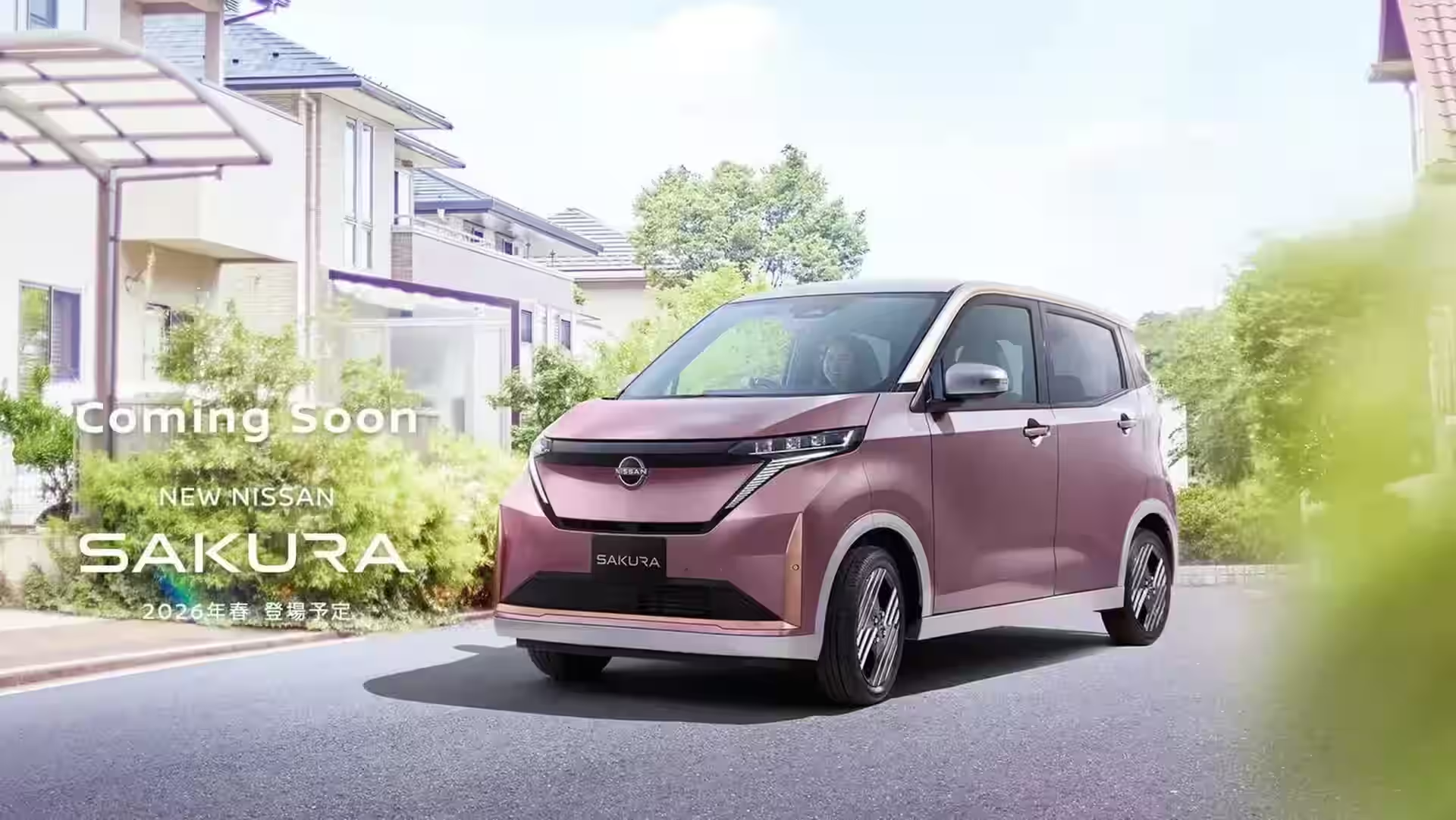
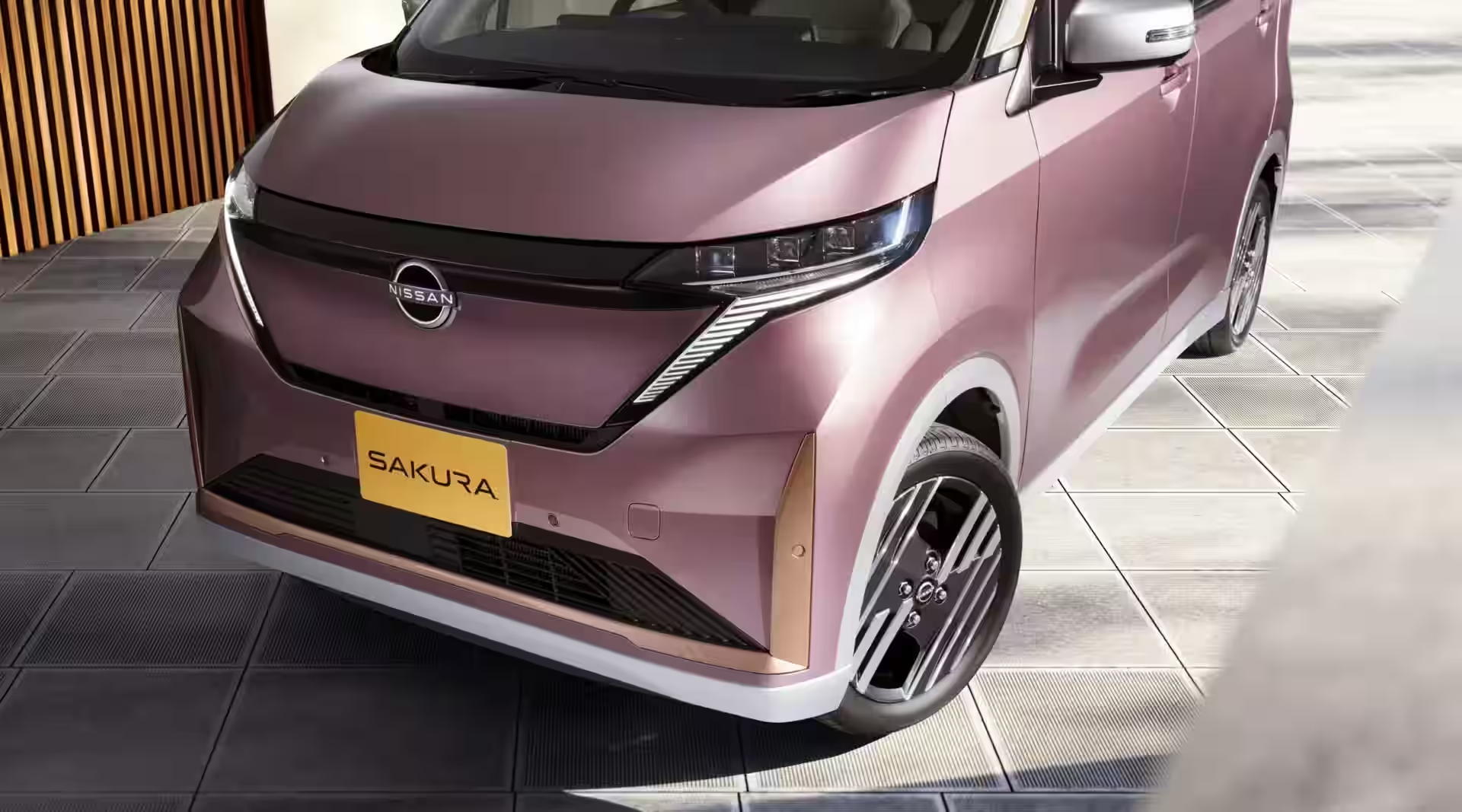
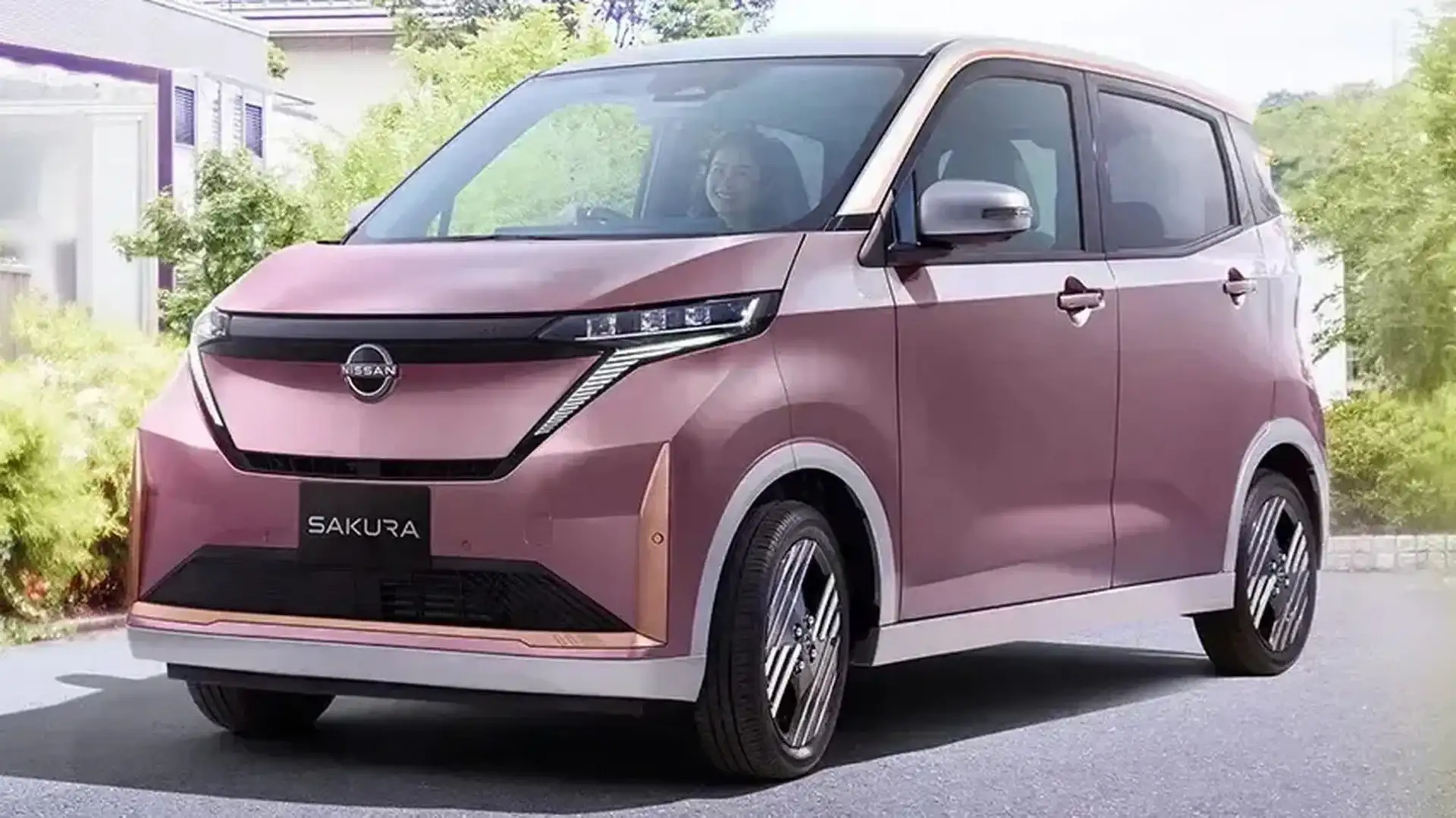
The 2026 facelift does not reinvent Nissan’s tiny city EV, but it does give it a more deliberate look. The most obvious change is at the front, where the updated fascia now uses a body-colored grille section that visually echoes the Nissan Leaf. That connection is not accidental. Nissan is clearly trying to align its smallest electric model with the brand’s more recognizable EV design language.
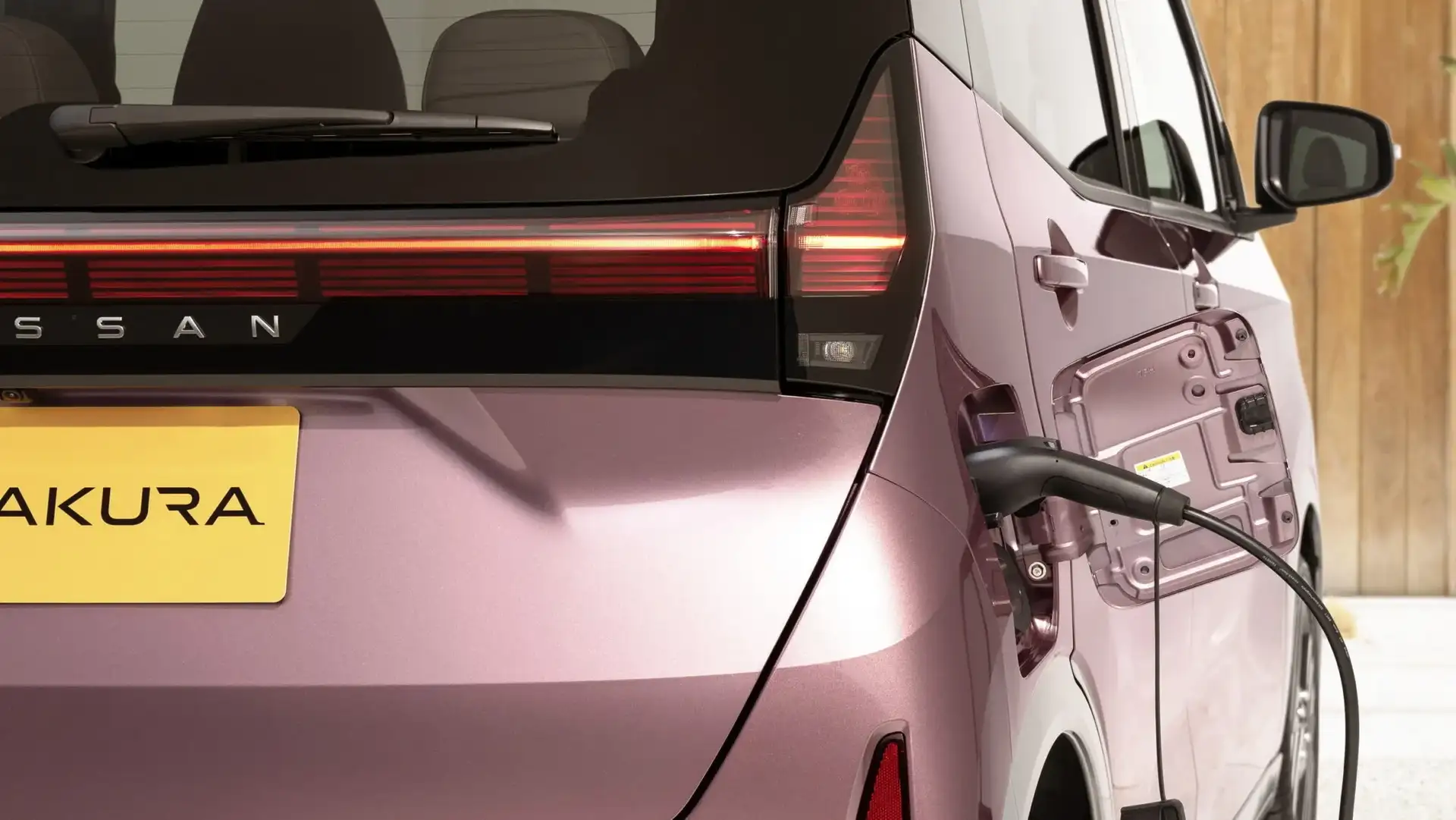
The bumper has also been reworked with crisper edges and more vertical detailing, making the Sakura appear slightly more planted and less toy-like than before. The LED headlights carry over, and the side profile remains unchanged, which tells you exactly how conservative this refresh really is. Around the rear, the changes appear minimal as well, keeping the update focused and cost-conscious.
That restraint makes sense. In a kei car, every yen matters, and buyers typically value efficiency, convenience, and tax-friendly dimensions more than dramatic styling. The Sakura’s facelift feels like a smart survival move rather than a bold reinvention.
Small Cabin Tweaks, Big Daily-Use Logic
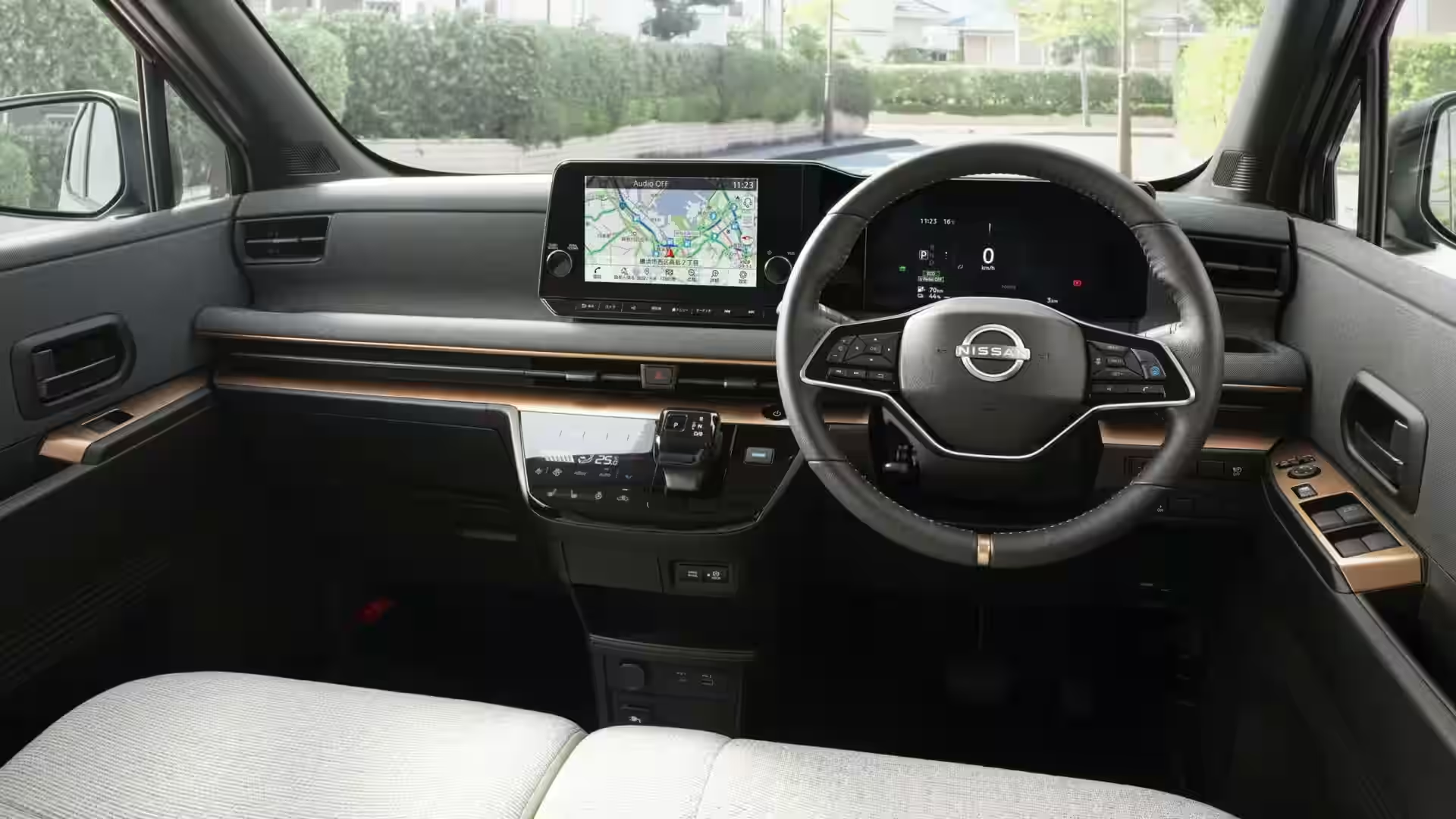
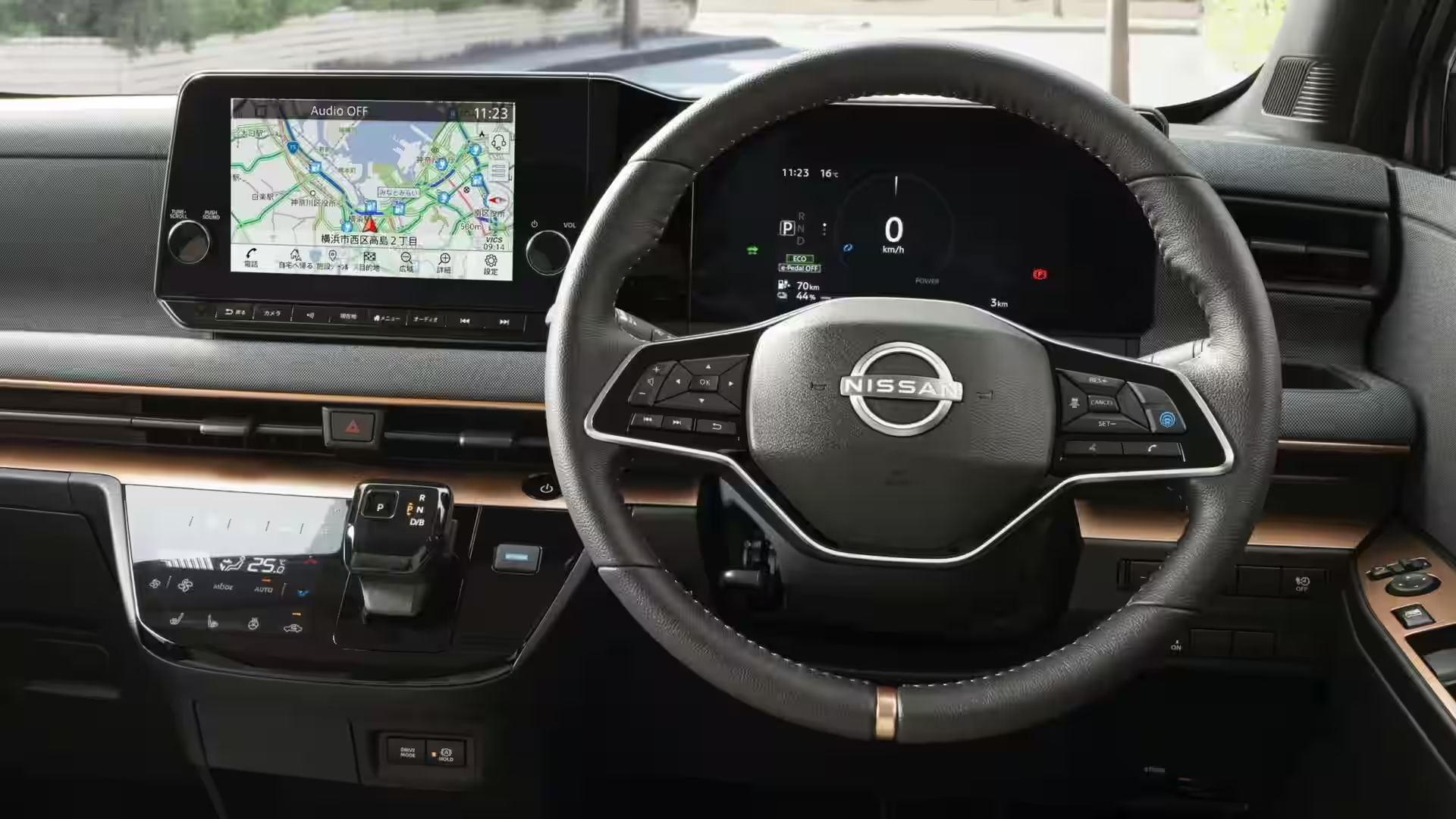
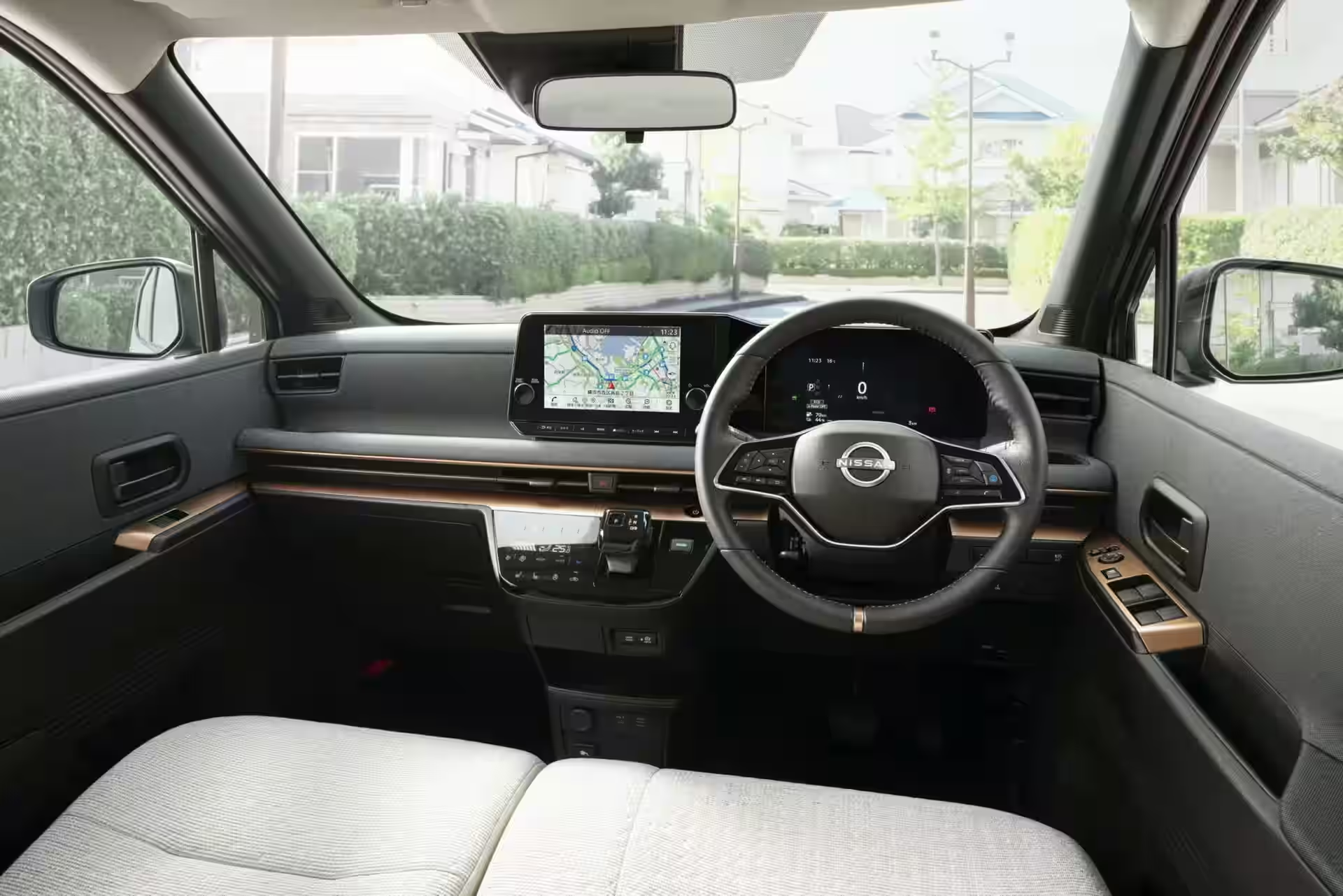
Inside, Nissan did not chase a technology arms race. The 7-inch digital instrument cluster and 9-inch infotainment screen remain in place, which helps keep the cabin familiar for current owners. Instead, the brand focused on practical improvements that make sense in real use.
- An additional cup holder has been added on the passenger side
- The USB Type-C ports have been relocated lower in the center console
- A new color called Minamono Sakura joins the palette, inspired by cherry blossoms floating on water
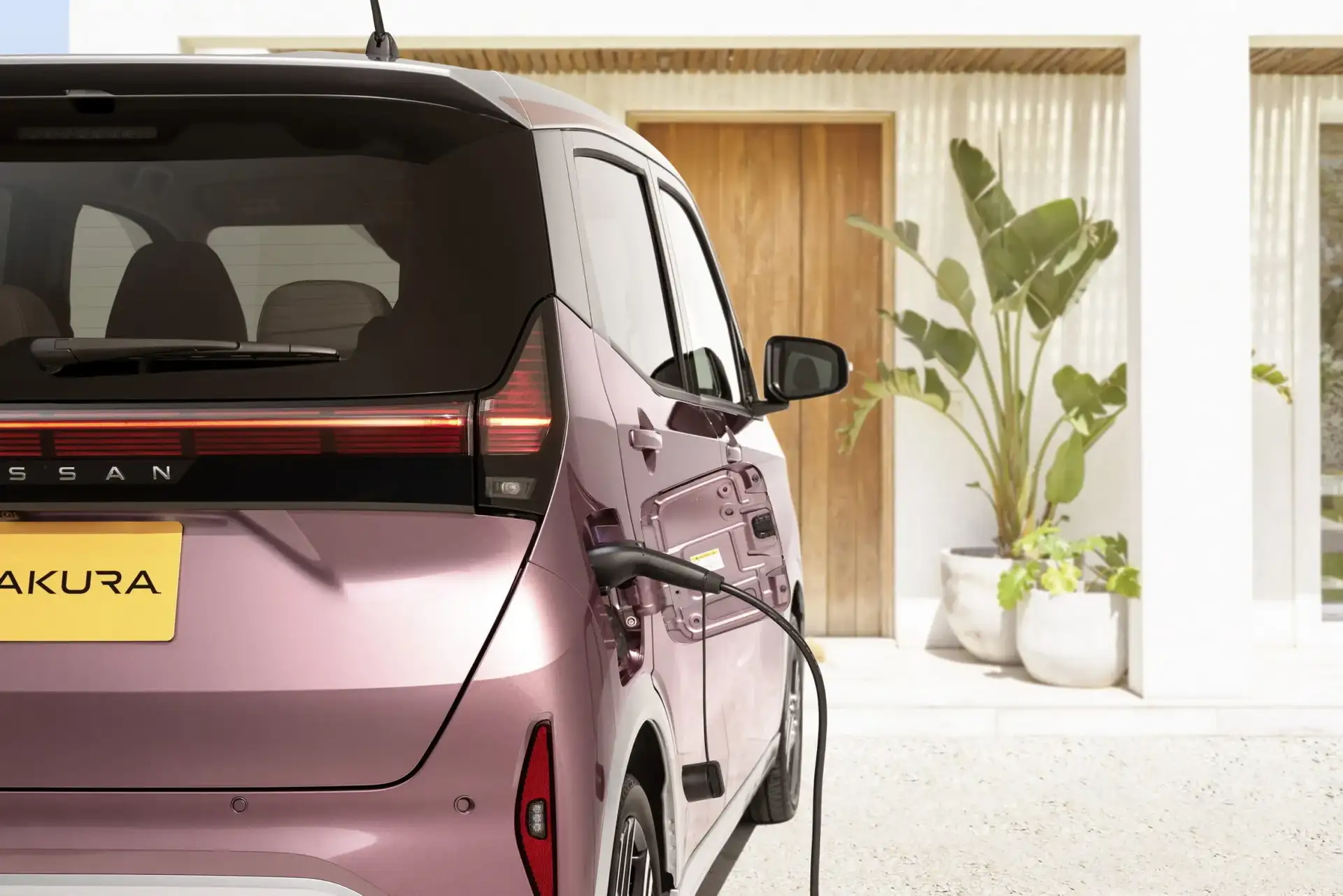
That new paint option is one of the more charming details in the facelift. In the pictured version, Nissan pairs copper and silver accents for a more distinctive tri-tone effect. It is a subtle way to give the Sakura some personality without increasing costs in a meaningful way.
If you like compact Japanese designs that punch above their size in visual attitude, this is the kind of update that also echoes the mood of other fresh market moves like the SUZUKI Fronx Night Metal and the value-first thinking behind the HYUNDAI IONIQ EV preview.
Same 63 HP Formula, Same Kei-Car Mission
Mechanically, there is little reason to expect major changes. The current Sakura uses a single electric motor rated at 63 hp, or about 47 kW, and 195 Nm of torque. Power comes from a 20 kWh battery, and the WLTC-rated range is 180 km, or roughly 112 miles.
| Specification | Nissan Sakura |
|---|---|
| Power | 63 hp |
| Torque | 195 Nm |
| Battery | 20 kWh |
| Range | 180 km WLTC |
| Market role | Japan’s best-selling EV for 4 consecutive years |
That combination is not about long-distance travel. It is about silent commuting, narrow streets, easy parking, and low running costs. In Japan, those traits matter more than oversized batteries or high-output motors. The Sakura has already proven that formula works, with Nissan reporting 14,093 sales in 2025 and four straight years at the top of Japan’s EV sales chart.
Pricing for the facelifted version has not been announced yet, but the outgoing model starts at ¥2,599,300, which is about $16,300, and climbs to ¥3,082,200, or about $19,400, for the G trim. Expect the refreshed model to stay within that same affordability window.
The bigger story is competition. The Sakura now has to defend its crown against the Mitsubishi eK X EV, Honda N-One e:, Honda N-Van e:, and the upcoming BYD Racco. For a tiny EV, that is a surprisingly serious battleground, and Nissan’s facelift is clearly designed to keep the Sakura relevant without overcommitting budget to a full redesign.
For readers tracking how brands are using subtle refreshes to stretch product life cycles, this move sits in the same conversation as the NISSAN NX8 SUV and the more aggressive styling play seen on the KIA Sportage Black Edition.