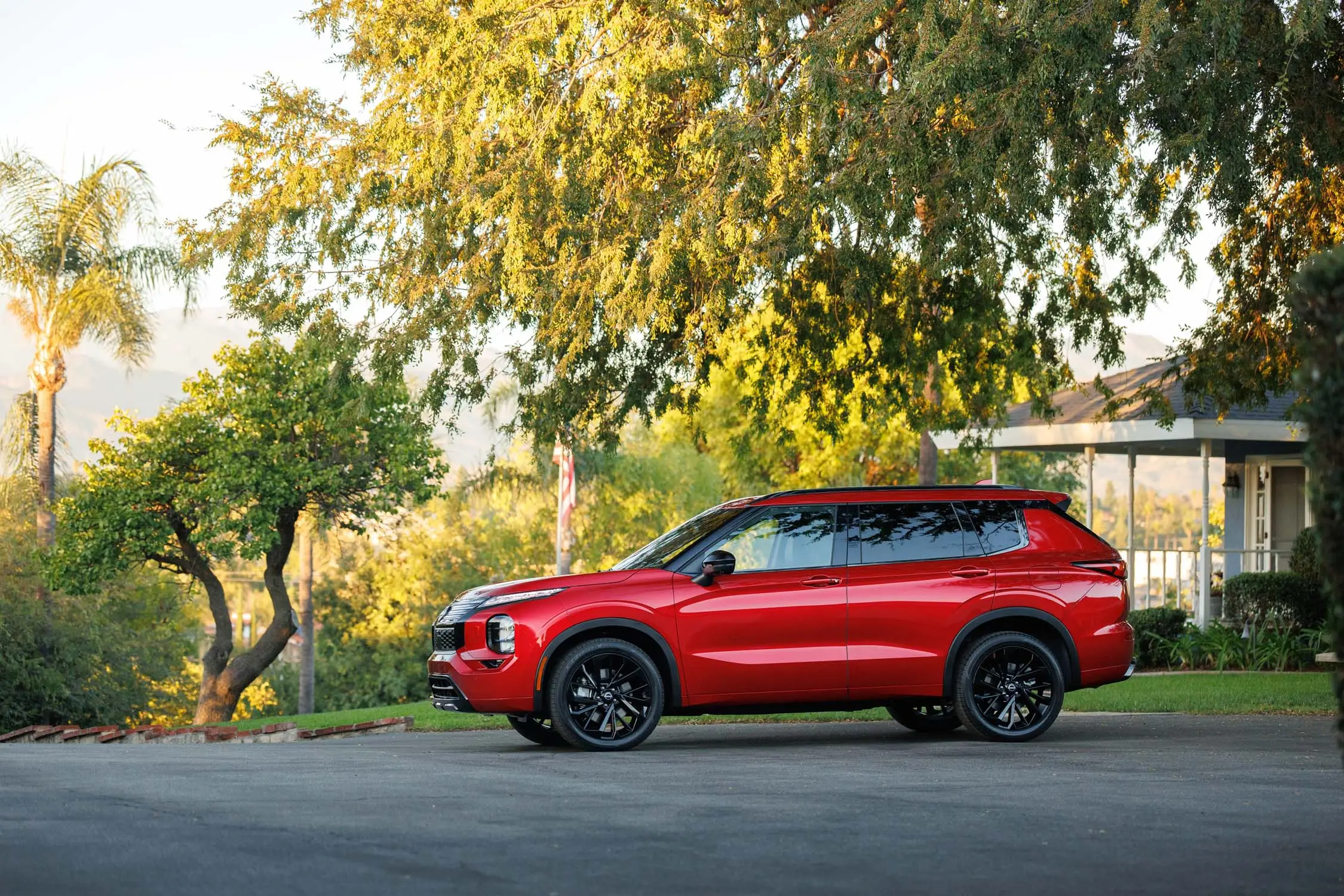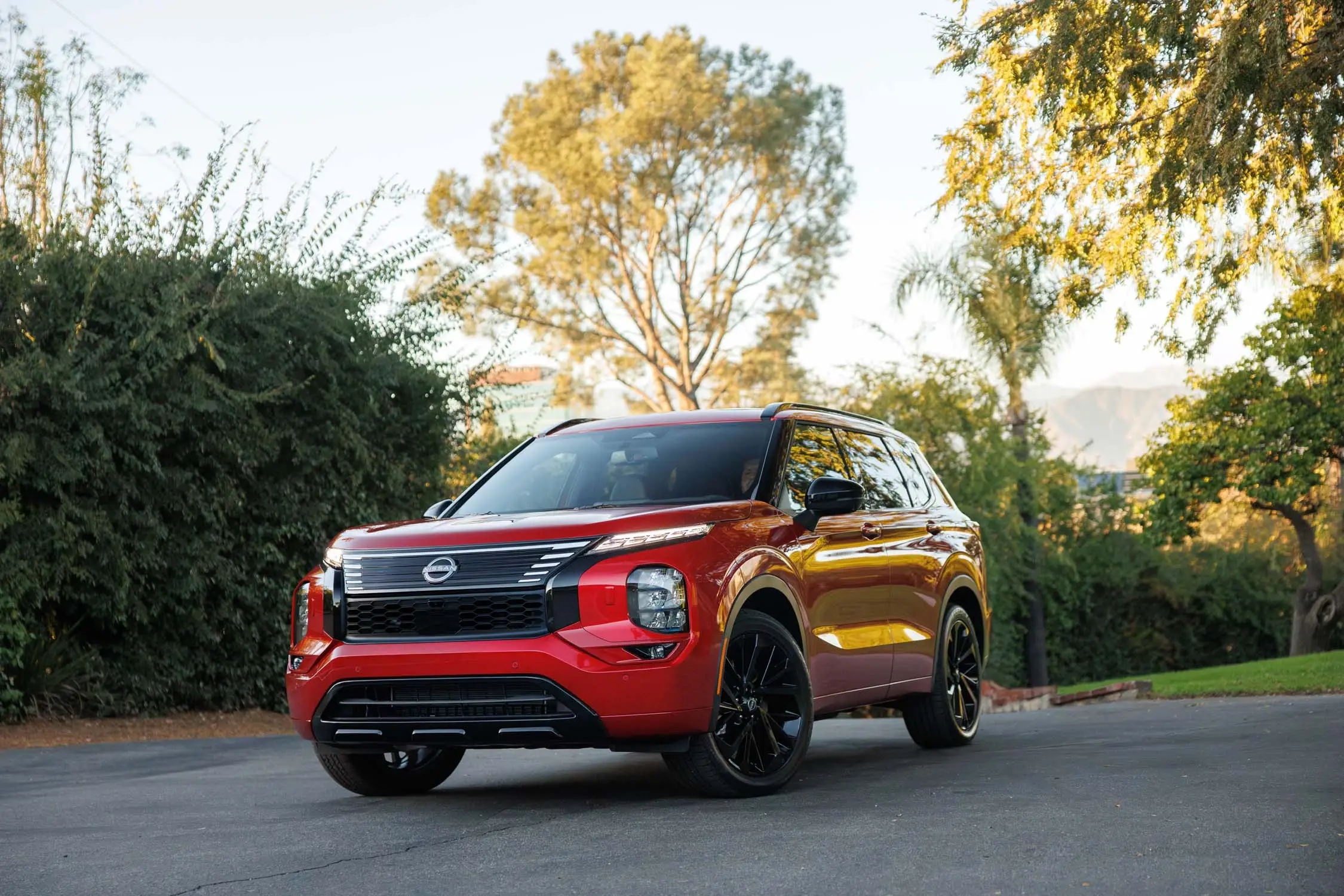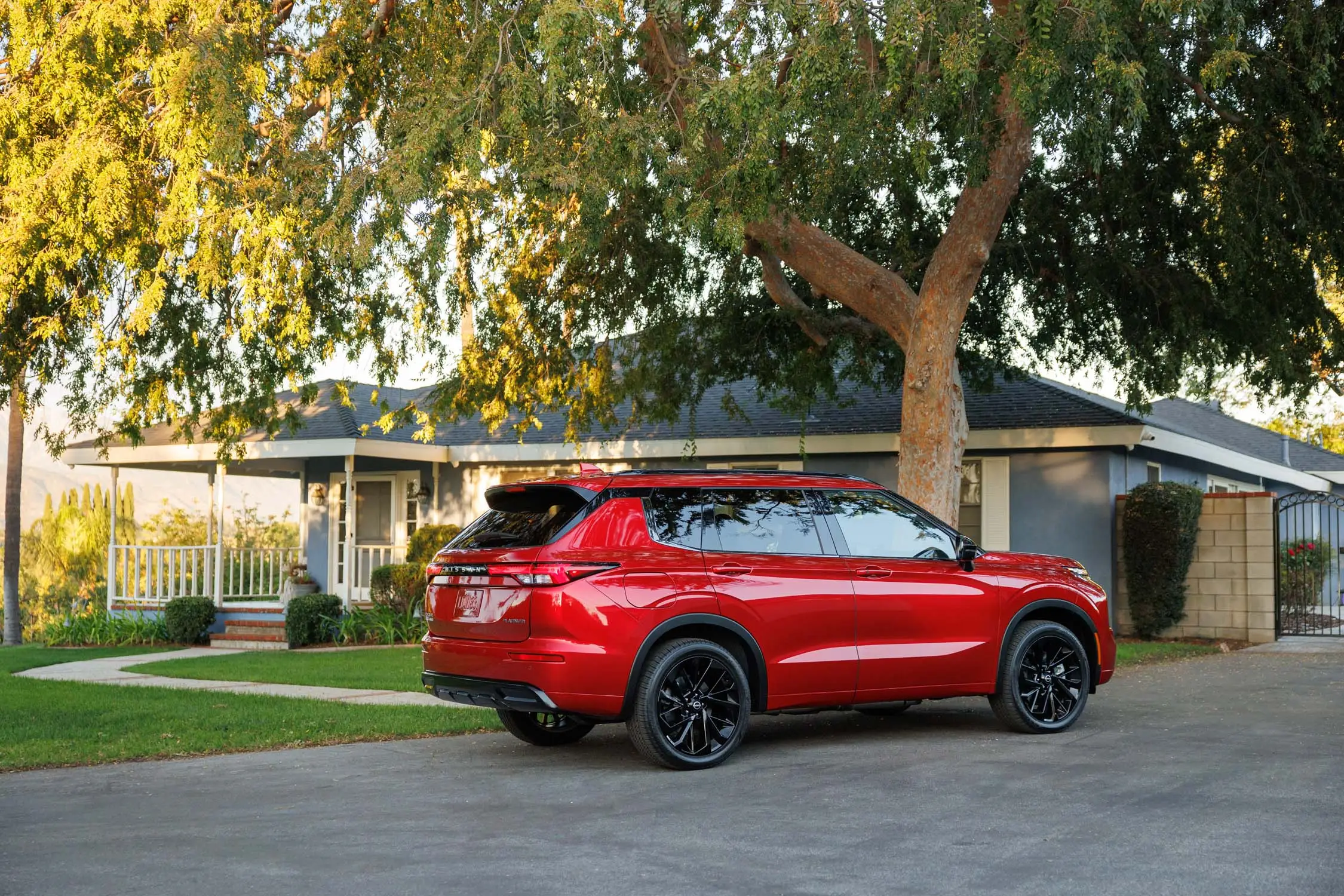
Nissan has taken a risky shortcut for 2026. Learn how “badge engineering” created an unexpectedly good plug-in hybrid.
The automotive market is a chessboard where time is as valuable as technology, and Nissan has just made a move that blends industrial pragmatism with an urgent need for electrification. The launch of the 2026 Nissan Rogue Plug-In Hybrid is not just the debut of a new trim level or a mid-cycle refresh; it’s the tactical confession that the Japanese giant needed an immediate solution to stem sales losses in the electrified compact SUV segment. While the world eagerly awaits proprietary e-Power technology, Nissan turned to a strategic internal partnership to put a “bridge” technology on the streets. The result is a competent, robust, and surprisingly familiar vehicle, hiding under its body the soul of a warrior from another brand, raising crucial questions about identity, efficiency, and the future of hybrid mobility in the US market.
The “Clone” Strategy: Badge Engineering or Brilliant Solution for US Buyers?
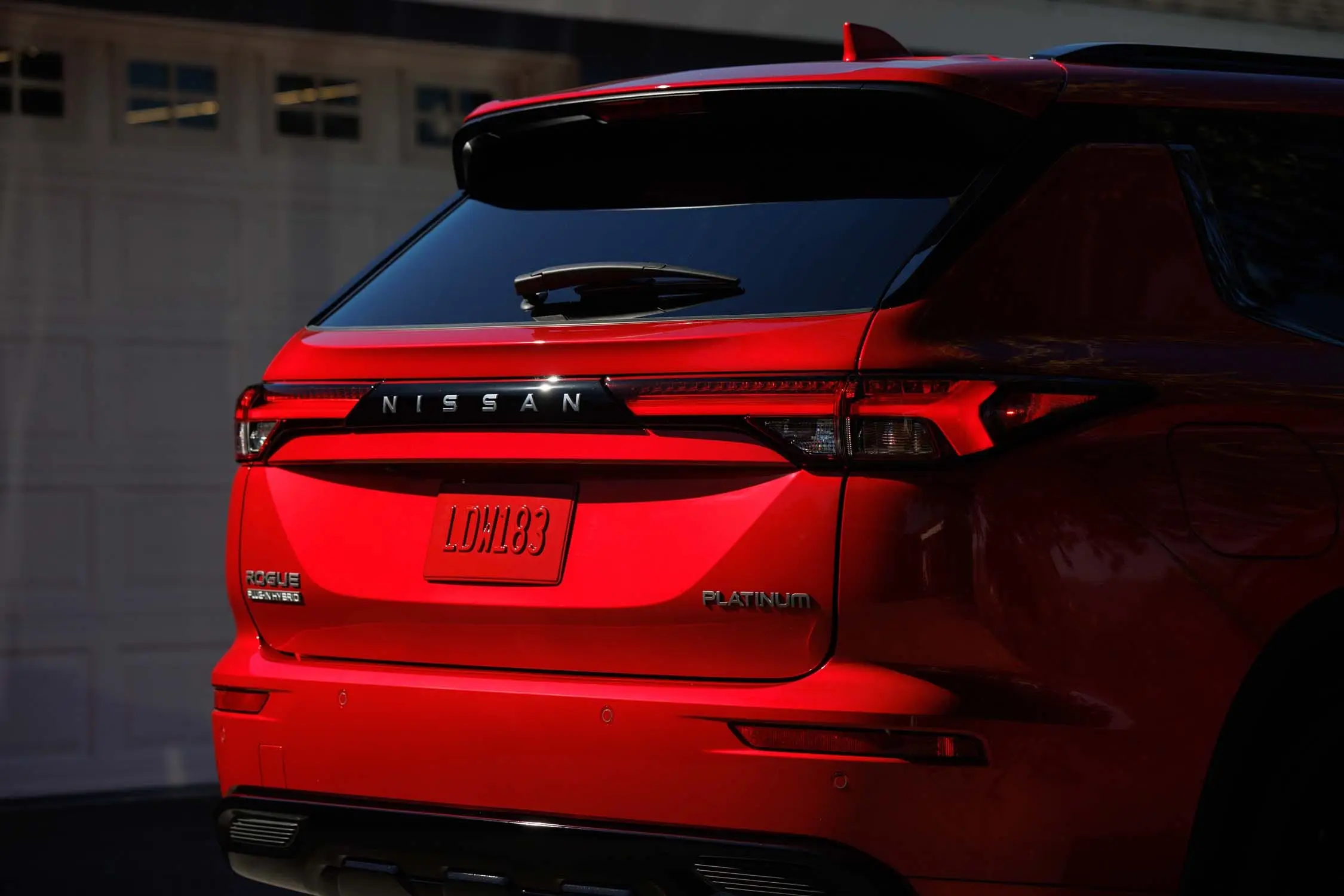
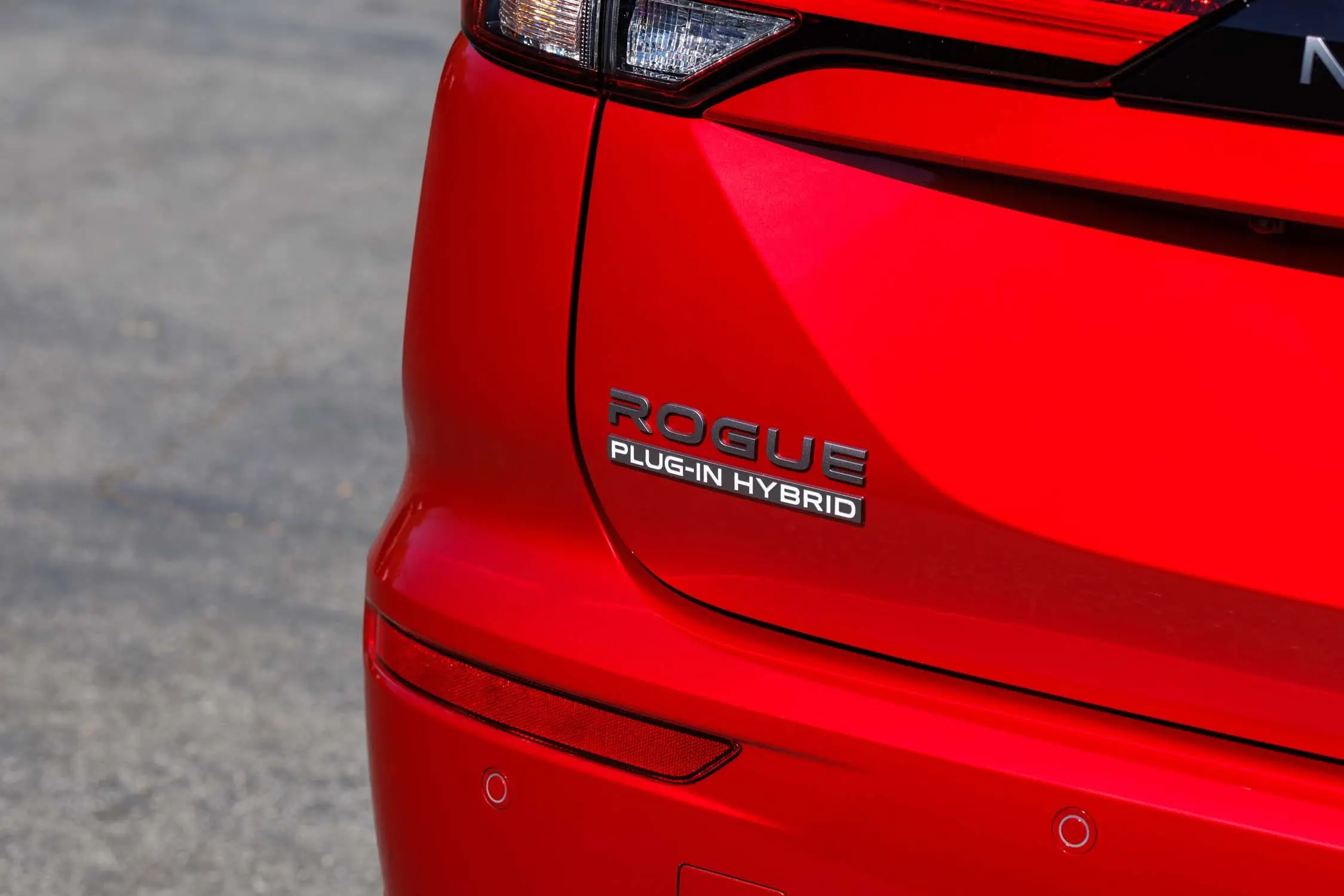
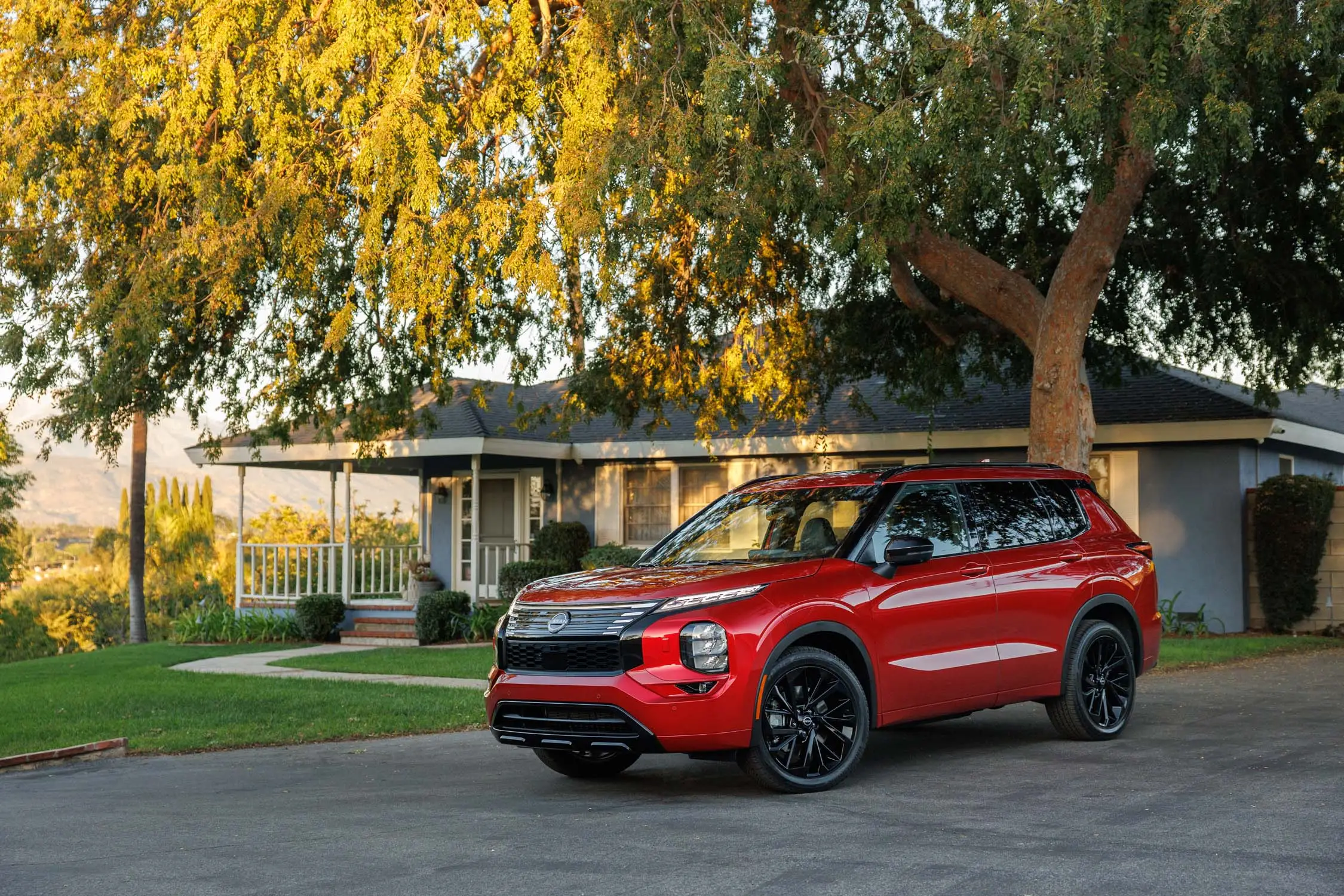
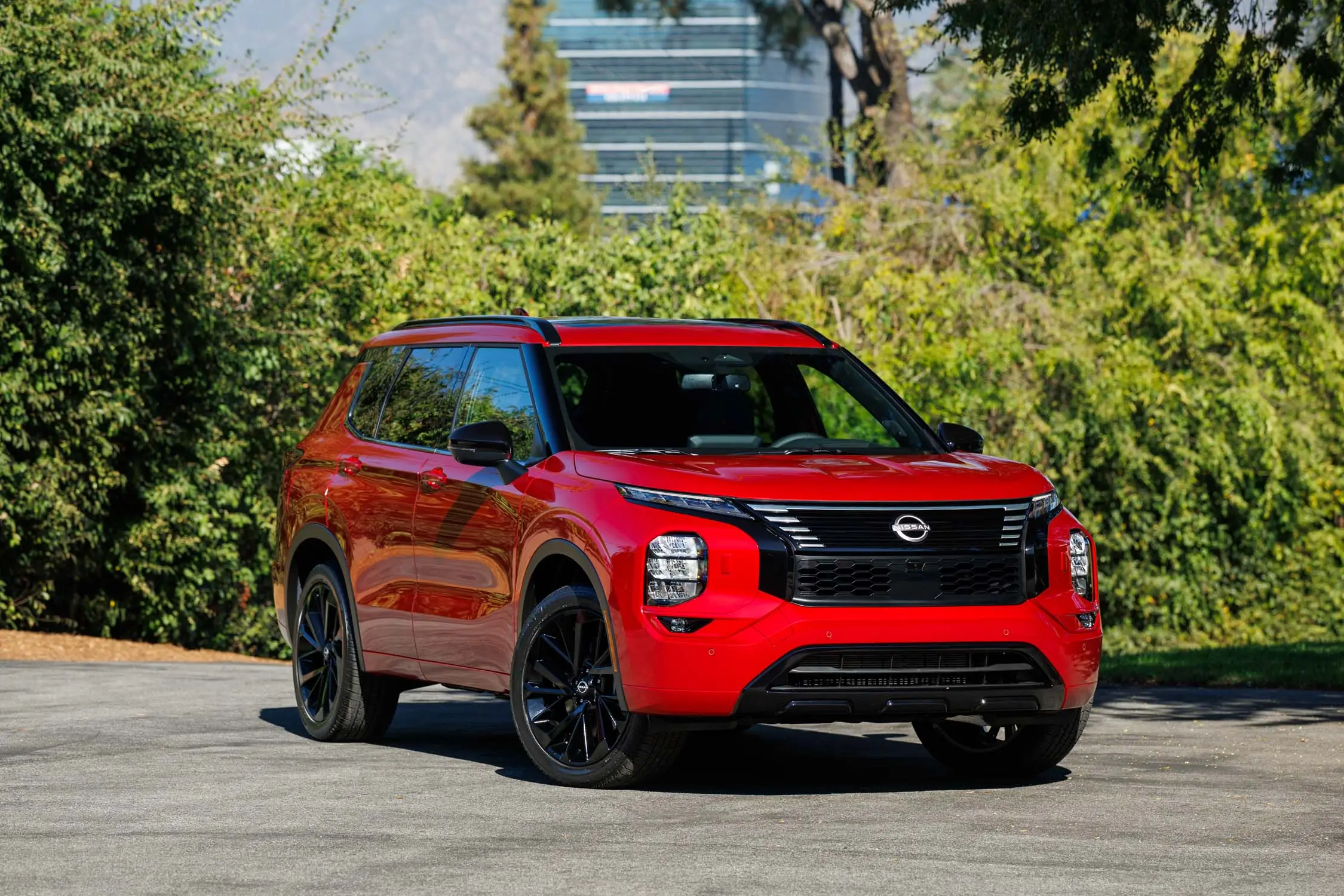
To understand the 2026 Nissan Rogue Plug-In Hybrid, one must look beyond the chrome emblem on the front grille. What we have here is a classic and blatant example of badge engineering. In a race against time to offer North American dealers a competitive plug-in option before the next generation arrives in 2027, Nissan took the shortcut: it crossed the Renault-Nissan-Mitsubishi alliance corridor and borrowed the acclaimed Mitsubishi Outlander PHEV.
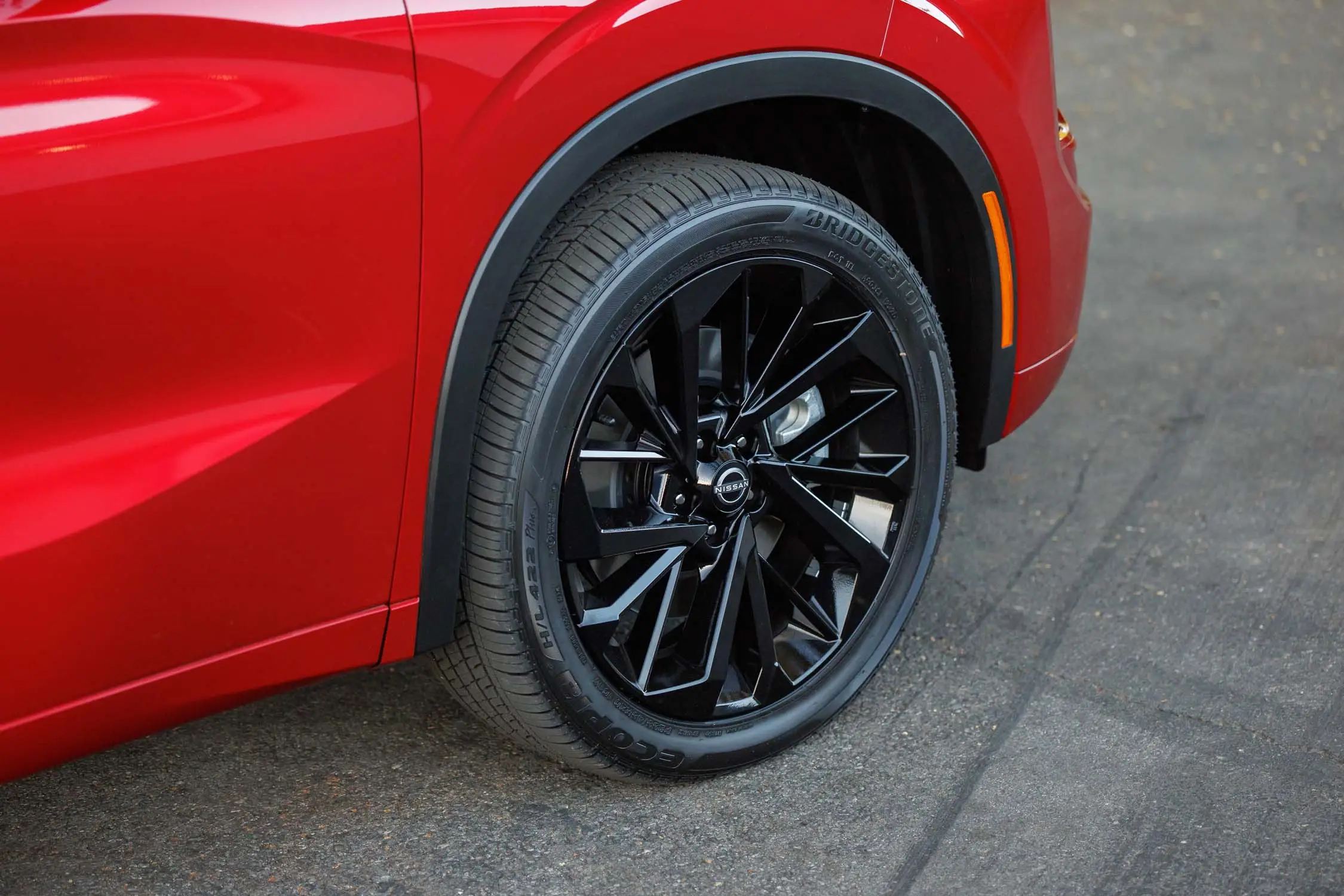
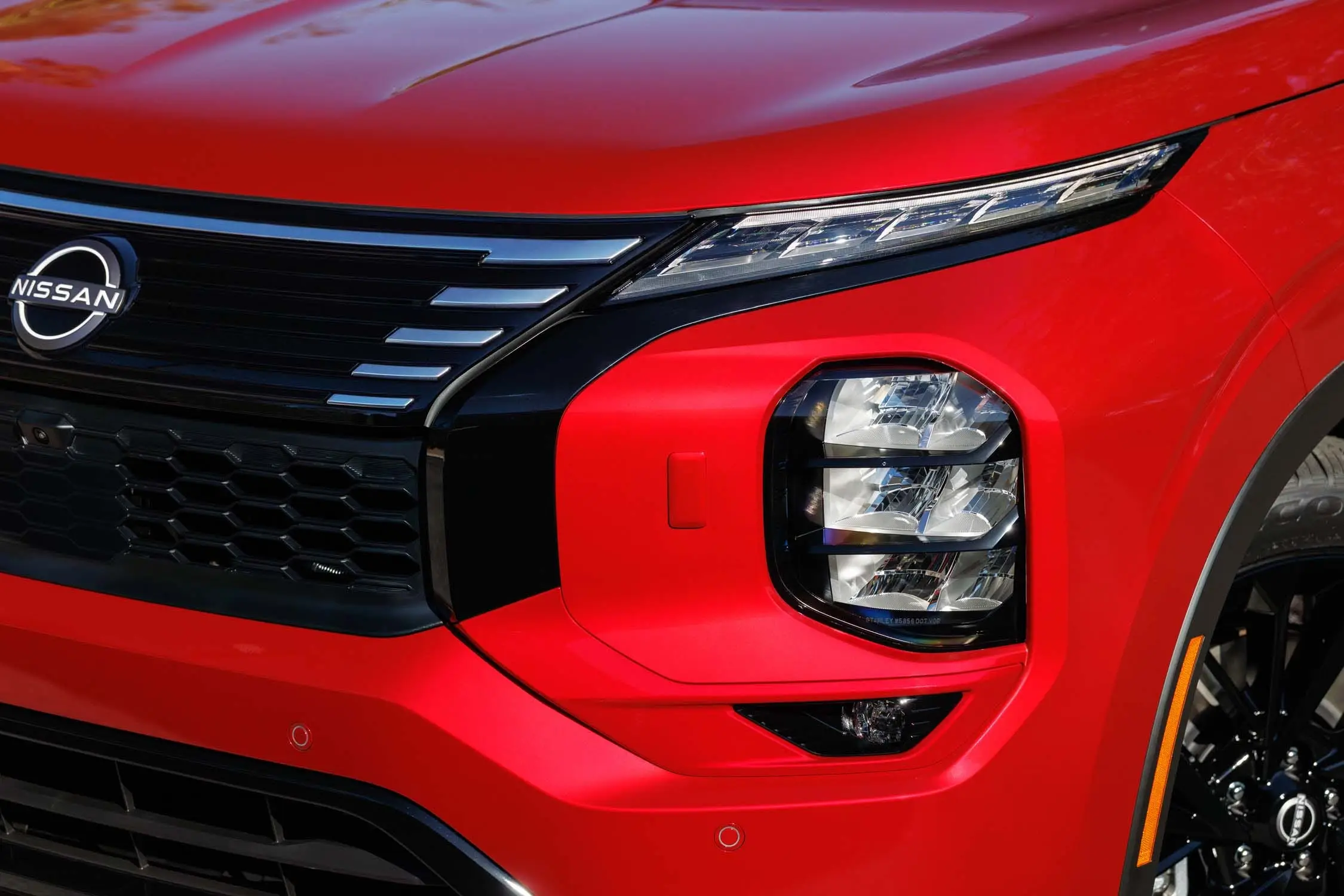
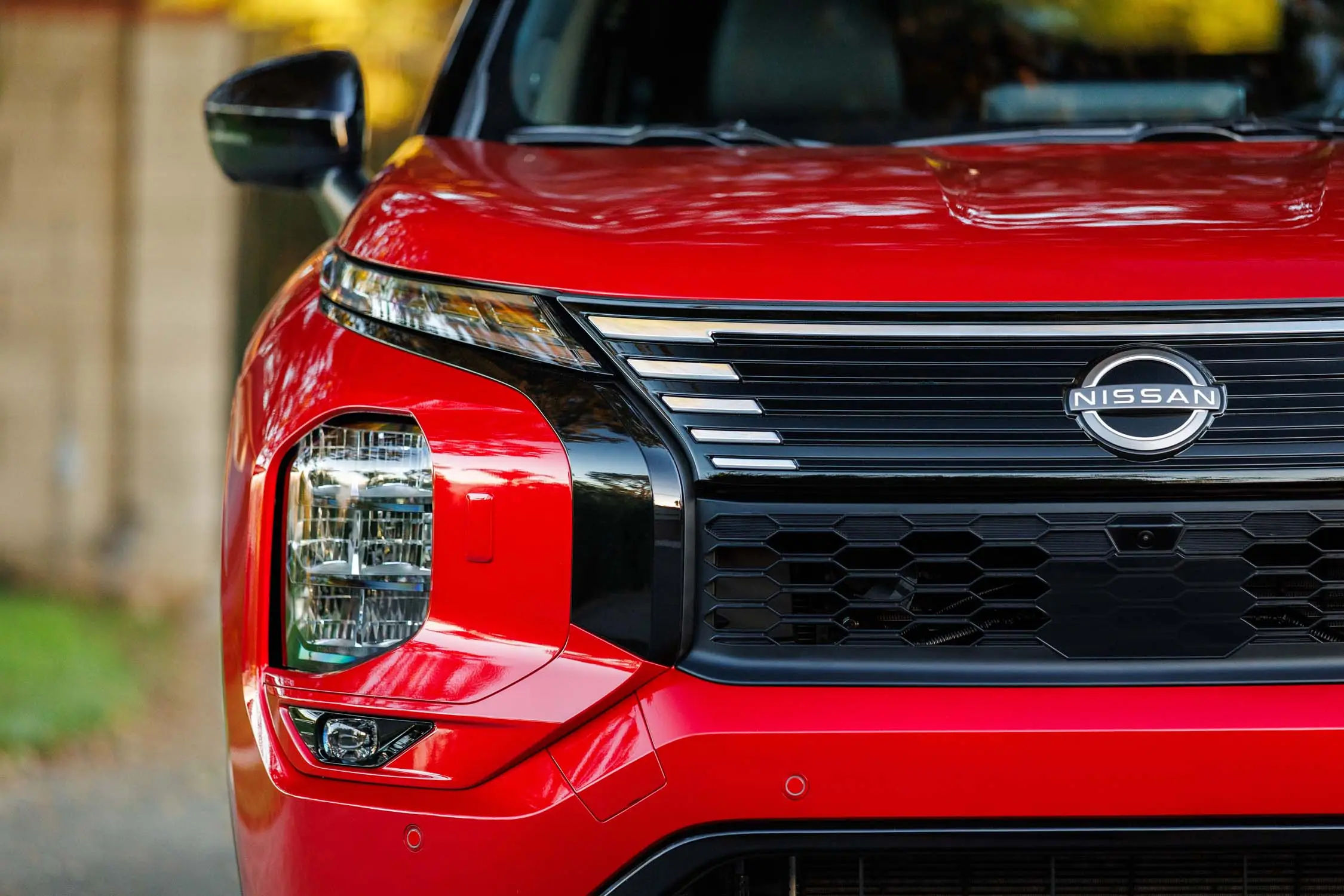
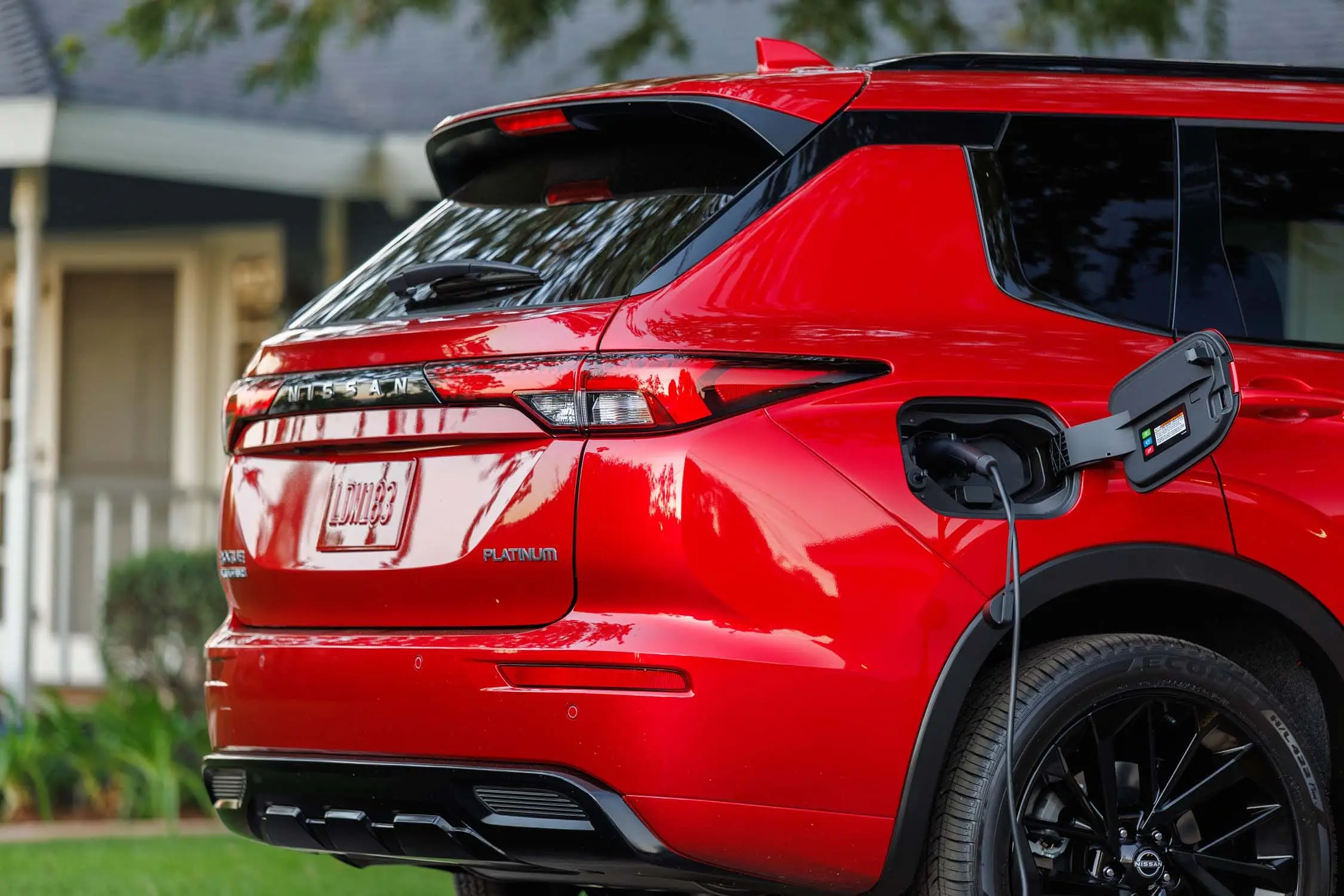
This decision was not made lightly. Developing a proprietary plug-in hybrid system tailored to the current Rogue platform would have consumed resources and, most importantly, time that Nissan did not have. The US market demands electrification now. Thus, the Rogue PHEV 2026 inherits the platform and powertrain of its Mitsubishi cousin. Mechanically, this means you’re driving an Outlander with a Rogue “shell.” The aesthetic modifications are surgical: replacing Outlander’s excessive chrome with black piano finishes and body-colored accents aims to align the visual to Nissan’s design language, although some purists argue it diminishes some of the original shine.
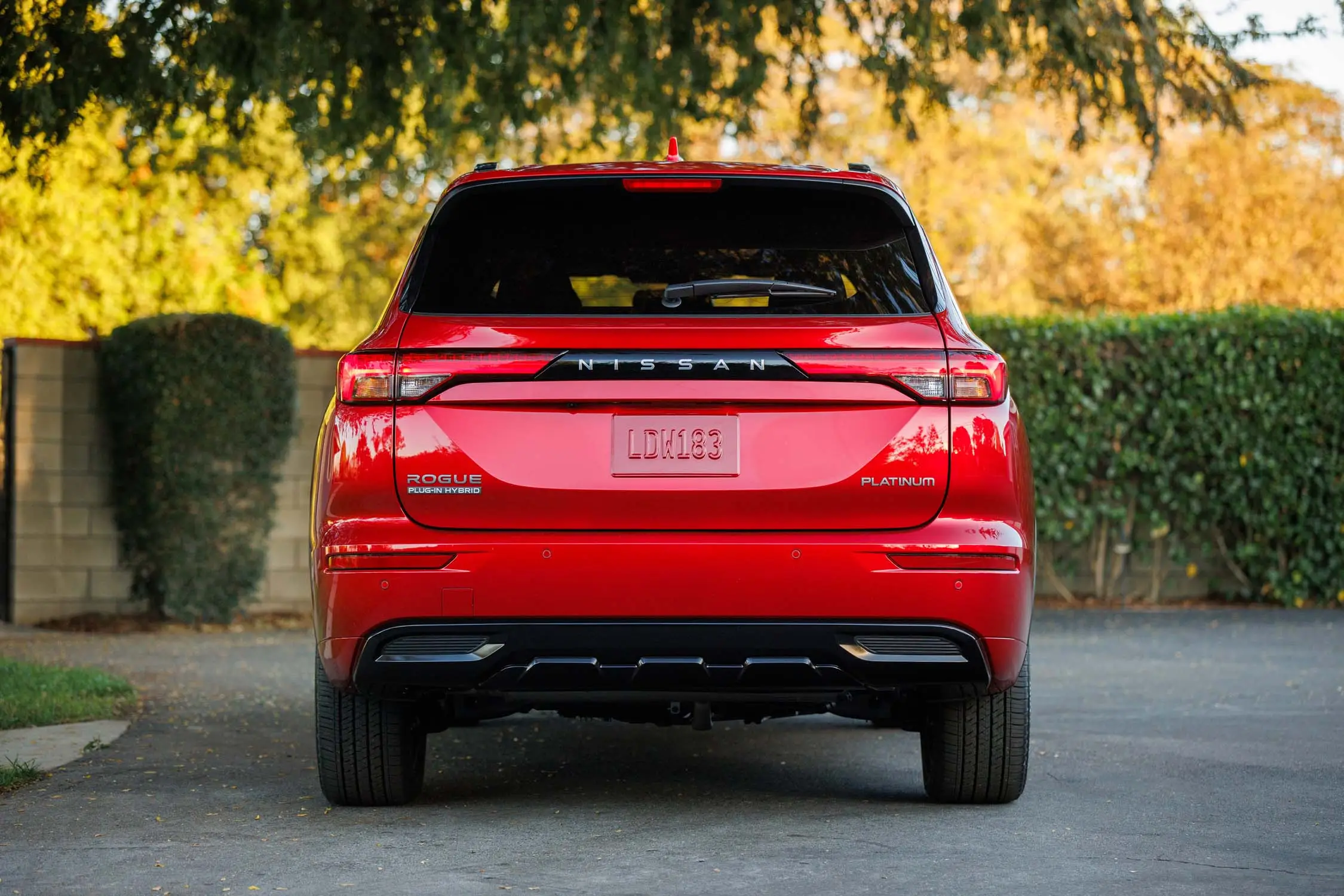
This “bridge” strategy is fundamentally temporary. Internal sources indicate that this model may have a very short lifespan, perhaps just one year, serving only to fill the gap until Nissan can launch the next-generation Rogue equipped with e-Power. To understand the difference, the NISSAN QASHQAI E-POWER 2025 already demonstrates how this technology works: a gasoline engine that acts only as a generator, giving the sensation of driving a pure electric without needing to plug in. However, until this revolution arrives in the US Rogue, the 2026 PHEV is the available weapon to fight rivals like the Toyota RAV4 Prime and Honda CR-V Hybrid in the competitive compact SUV segment.
Robust Performance and the “Achilles’ Heel” of Charging in the US
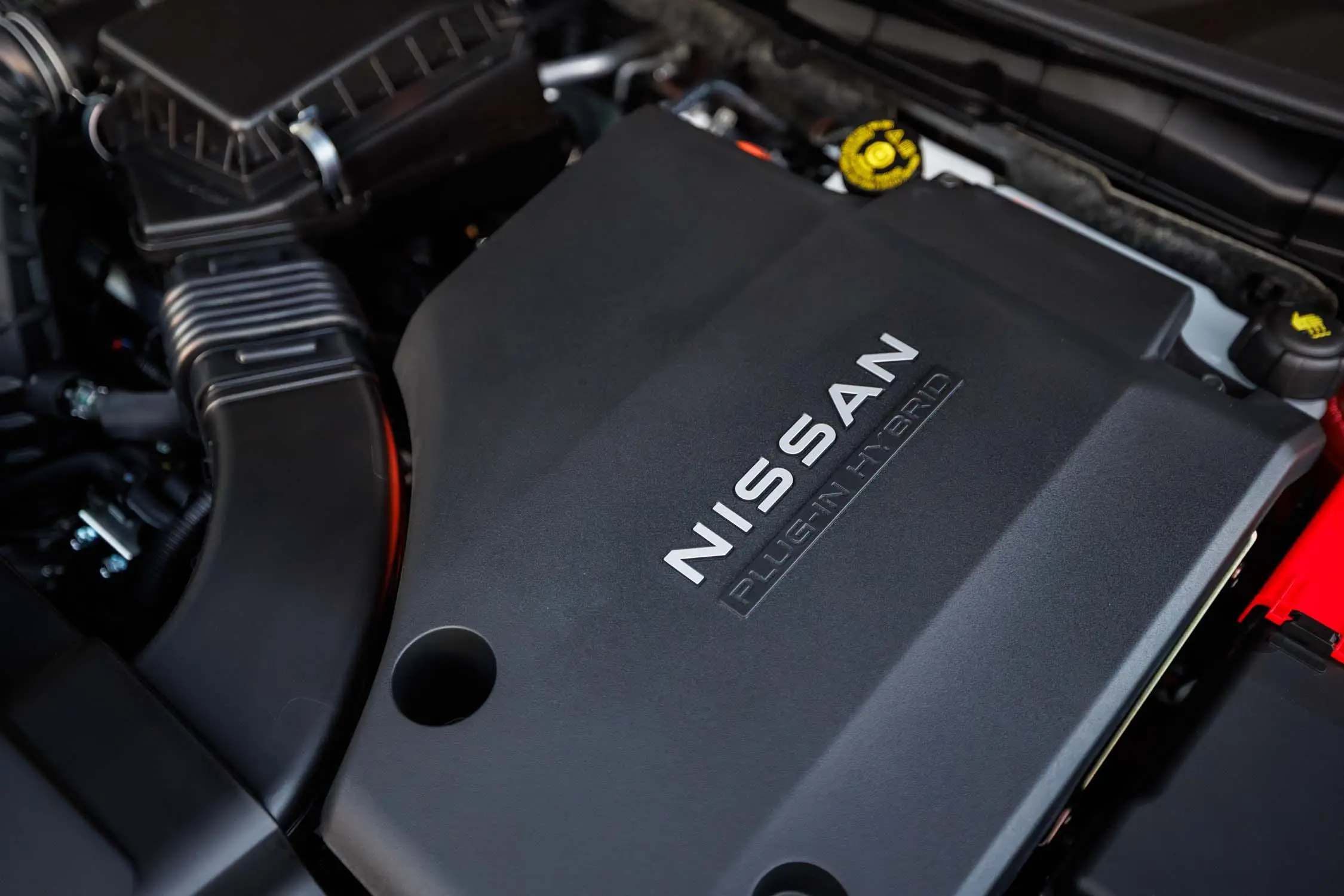
Under the hood, the 2026 Nissan Rogue Plug-In Hybrid does not disappoint in raw numbers but displays contradictions that today’s consumer must consider. The system combines a 2.4-liter four-cylinder gasoline engine (131 hp) with two powerful electric motors — a front motor of 114 hp and a rear motor of 134 hp. The result is a combined power of 248 horsepower and an impressive torque of 332 lb-ft. This setup ensures capable all-wheel drive, derived from Mitsubishi’s legendary Super All-Wheel Control system, renowned for torque vectoring and stability on difficult terrains.
In terms of agility, the PHEV Rogue is considerably livelier than its purely gasoline counterpart. Tests indicate a 0 to 60 mph acceleration in around 6.6 seconds, placing it in a respectable position, though it does not threaten the performance dominance of the RAV4 Prime (302 hp). Driving is described as smooth, with a soft suspension focused on comfort and light steering, ideal for urban use and family highway trips. However, not everything is silence and smoothness. Reports point to a high-pitched and persistent hum from the electric motors during acceleration, a feature that may bother more sensitive ears used to the deathly silence of other EVs.
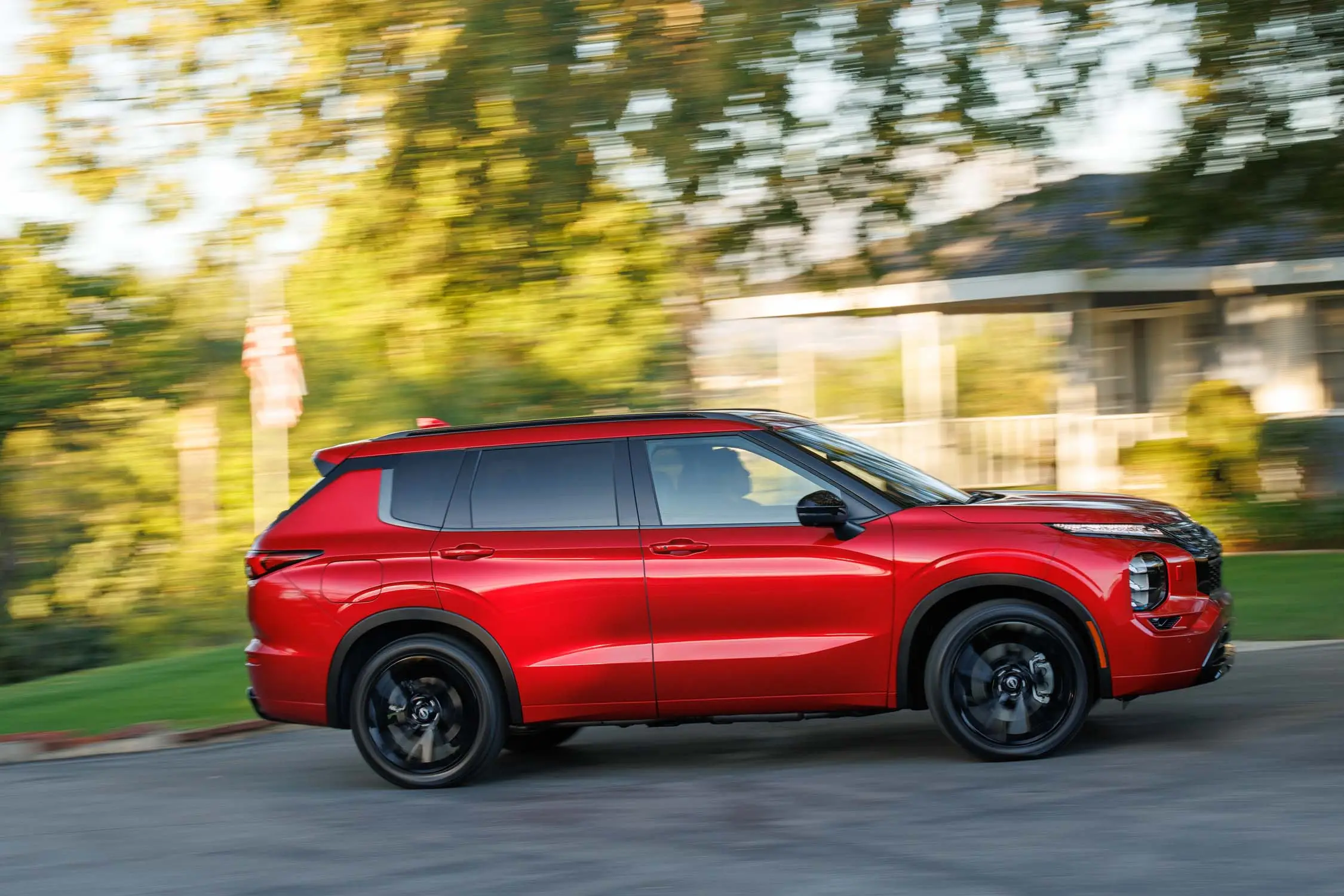
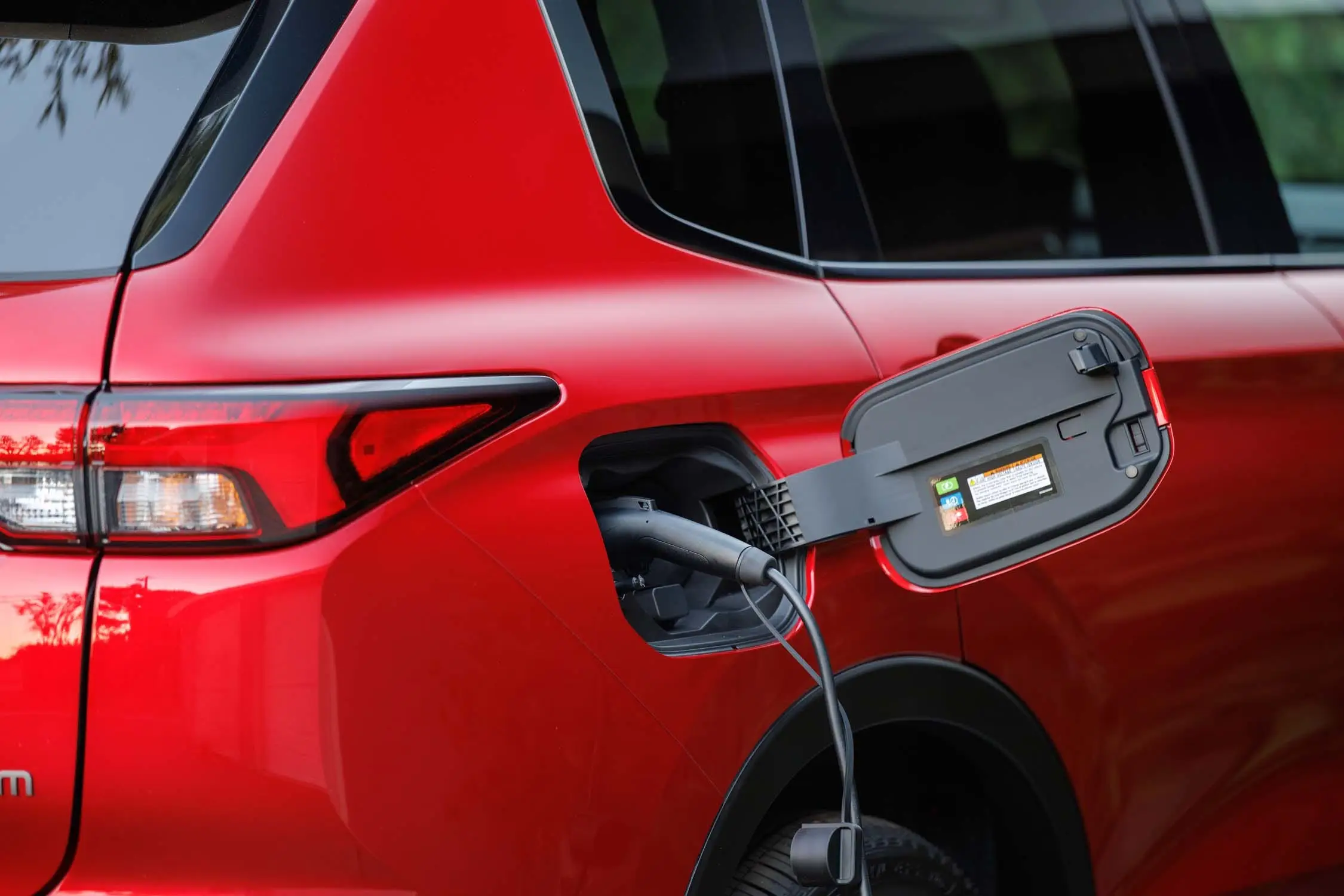
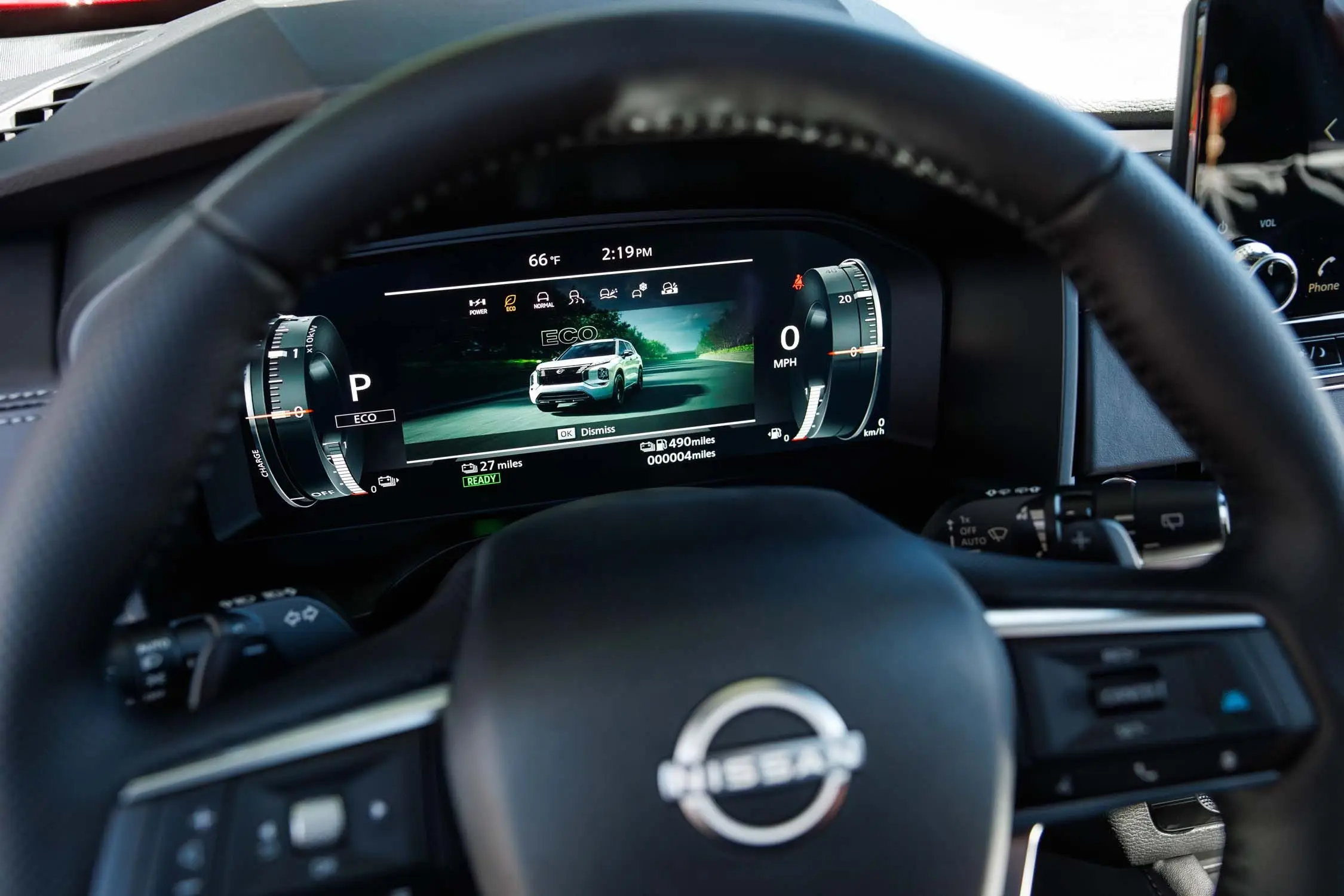
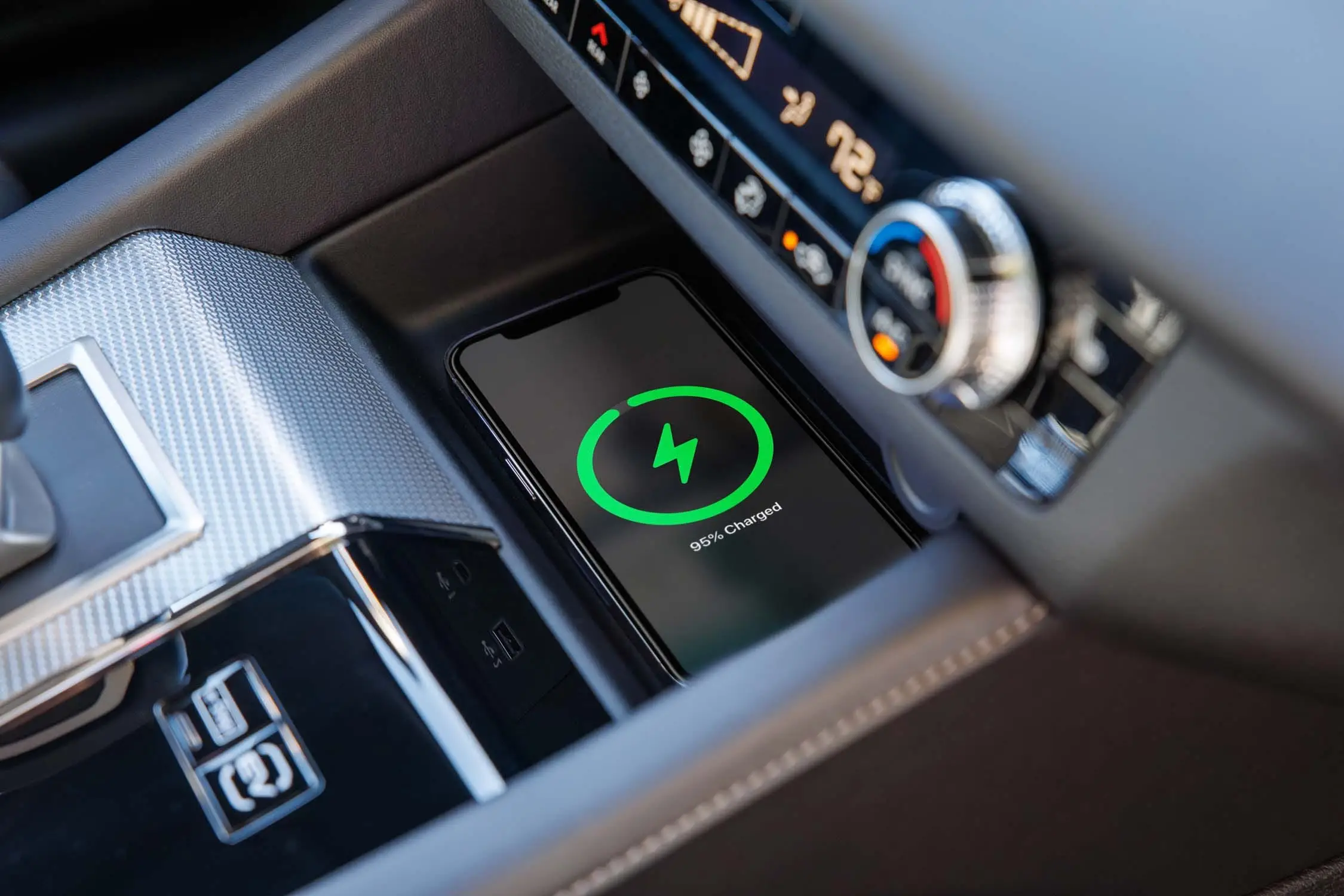
However, the real point of contention lies in efficiency and charging. The 20 kWh lithium-ion battery offers an electric range of up to 61 km (38 miles), which suffices for most daily commutes. But, unlike its twin brother, the Mitsubishi Outlander, the Nissan Rogue PHEV does not offer DC fast-charging capability. While the Outlander can recover 80% of its charge in 38 minutes using a CHAdeMO port, Rogue owners will be limited to Level 2 charging, which takes roughly 7.5 hours for a full charge. Although studies show that battery degradation and replacement in EVs is a myth being debunked, the convenience of fast charging is a decisive buying factor that Nissan chose to sacrifice here for the US market.
“The absence of fast charging in 2026 feels like a step backward, especially when the vehicle’s mechanical base already had this capability natively in the Mitsubishi model.”
Furthermore, fuel economy when the battery runs out is a cold shower. With a combined average of 26 mpg (gasoline only), it lags far behind conventional hybrid competitors. For comparison, the HYUNDAI SANTA FE PHEV 2026, despite being a larger and heavier vehicle, has been pursuing constant optimizations to balance power and efficiency, making the Rogue’s metric even more questionable.
Detailed Technical Specifications
| Component | Rogue PHEV 2026 Specification |
|---|---|
| Combustion Engine | 2.4L, 4 cylinders, 131 hp |
| Electric Motors | Front (114 hp) + Rear (134 hp) |
| Total Power | 248 hp |
| Battery | 20 kWh (Lithium-ion) |
| Charging Time (Level 2) | 7.5 hours |
| EV Range | 61 km (38 miles) |
Interior, Technology, and US Market Verdict
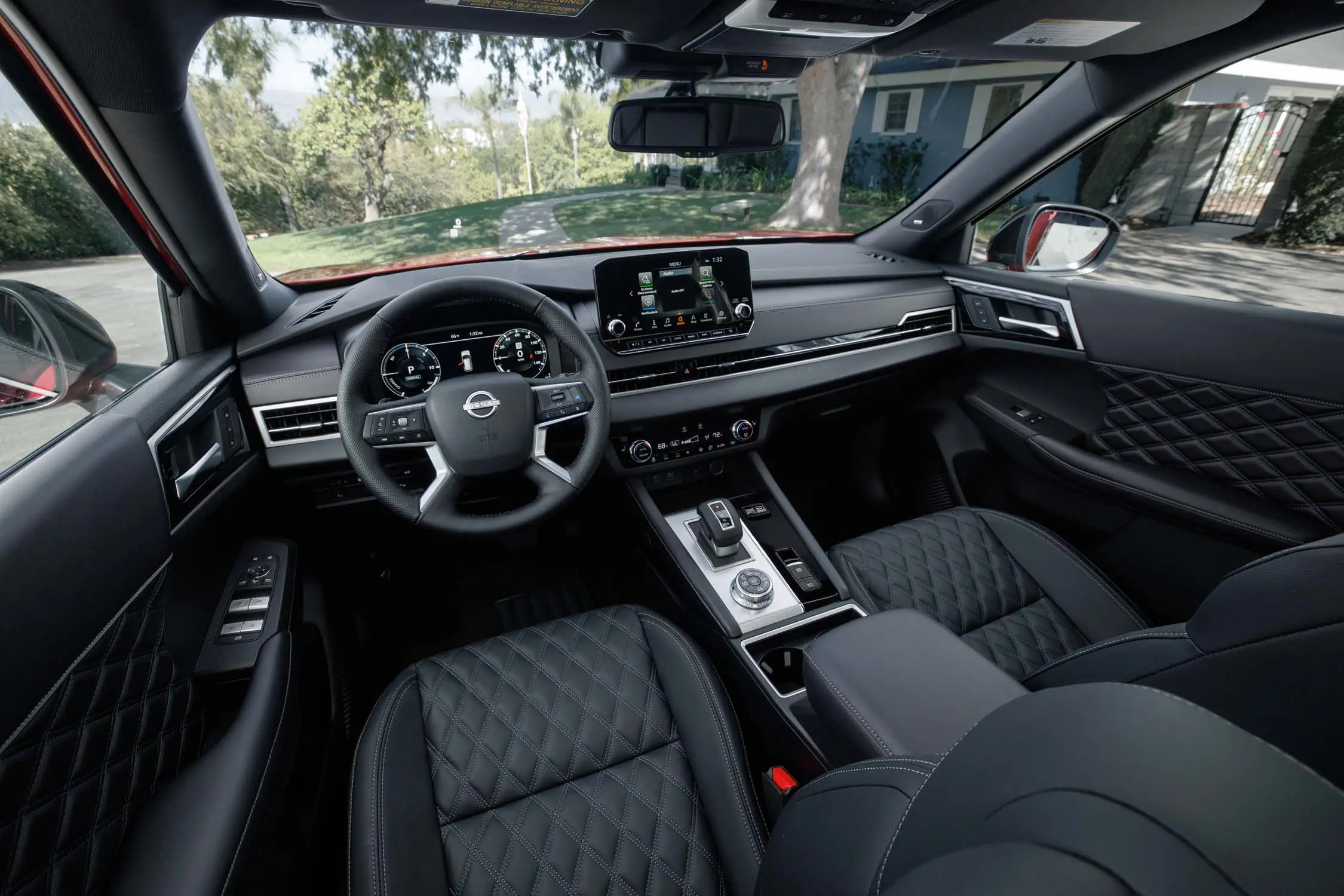
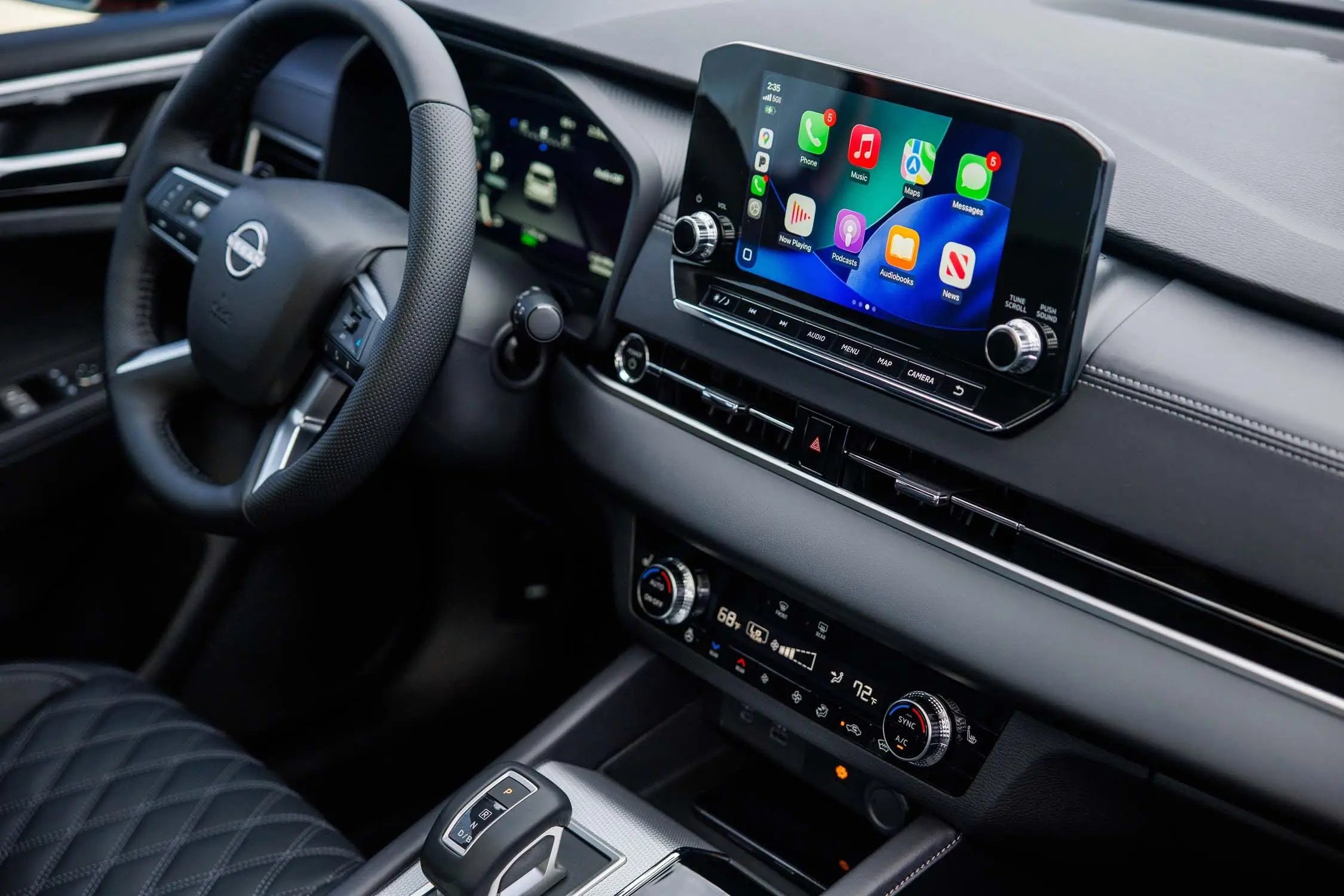
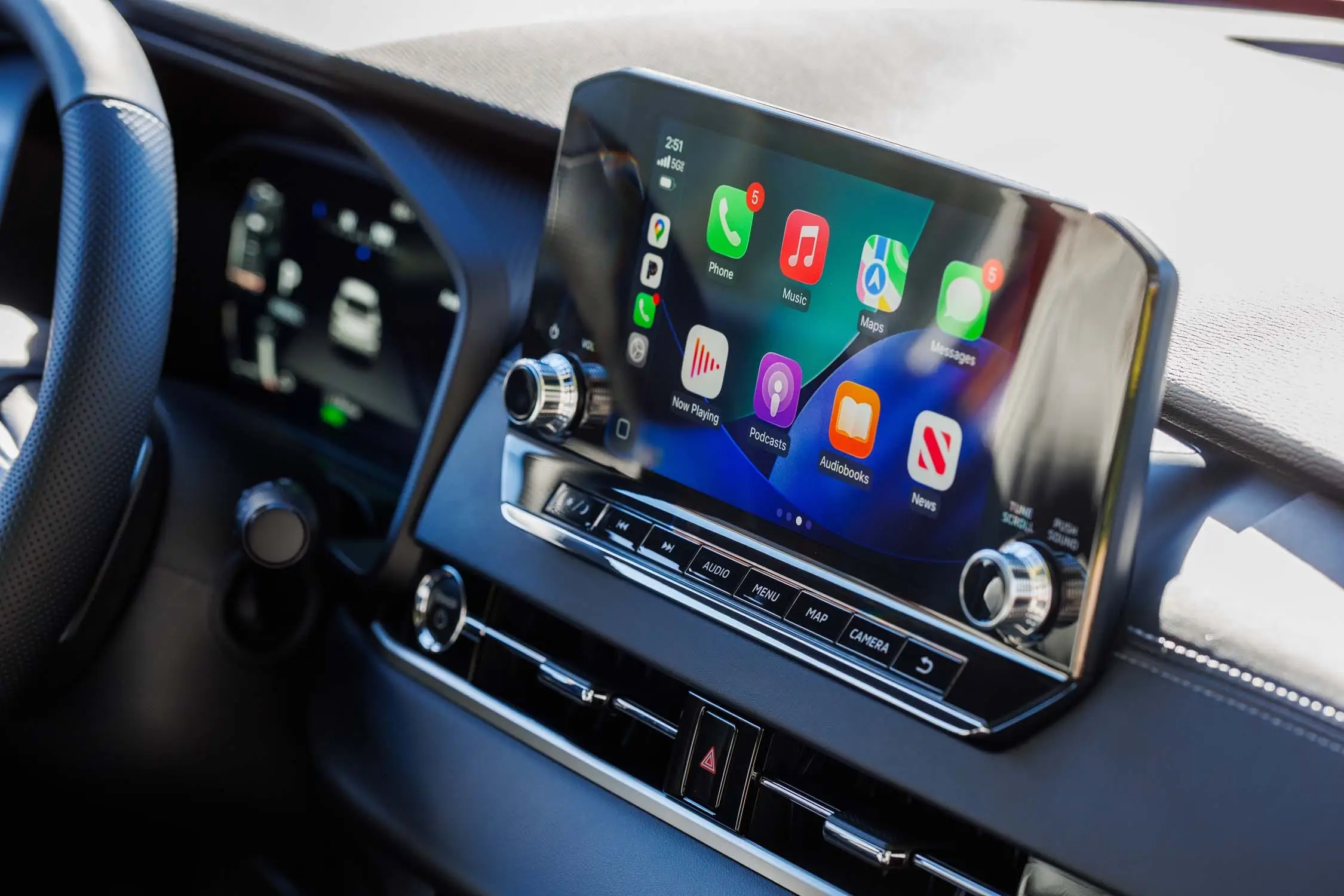
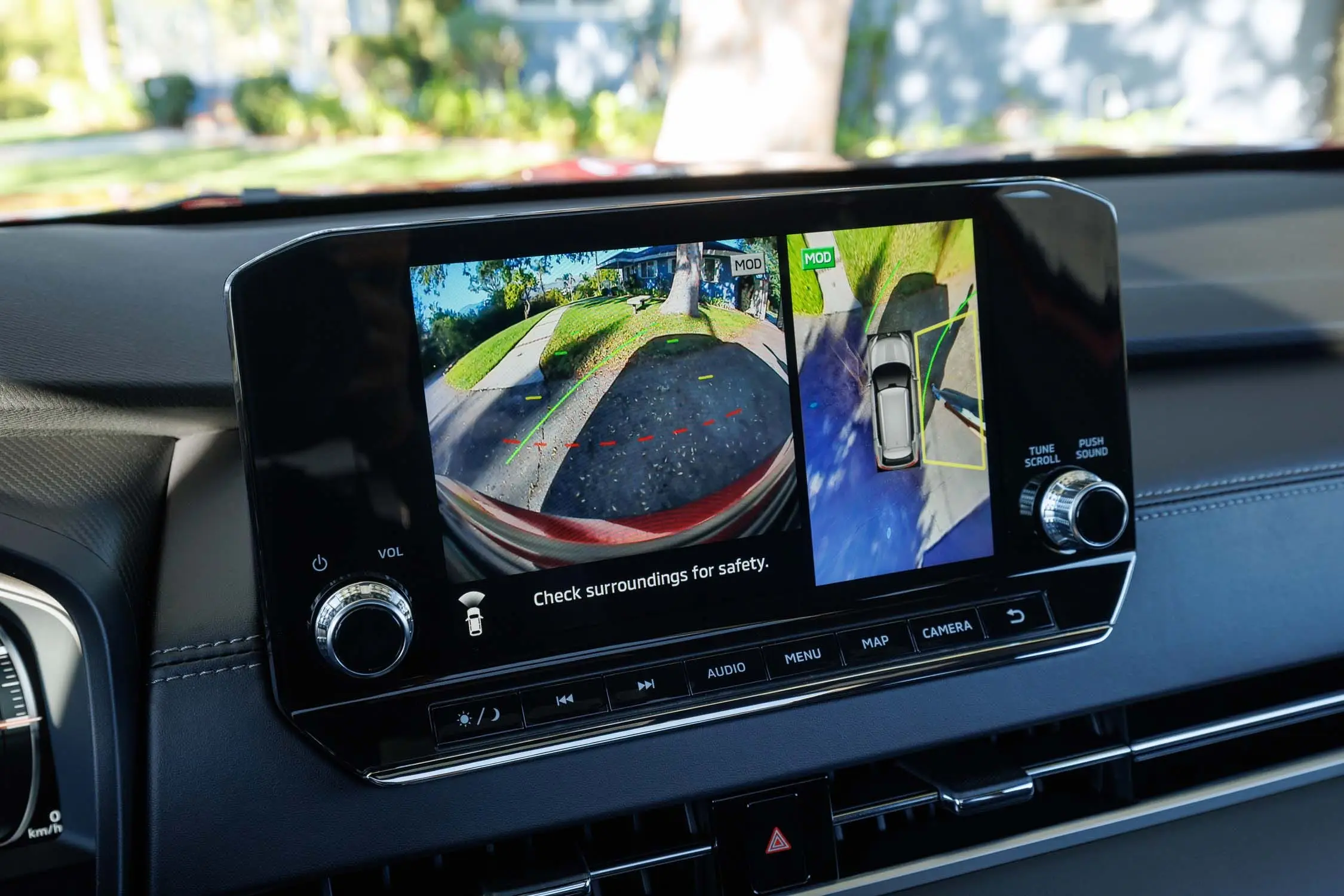
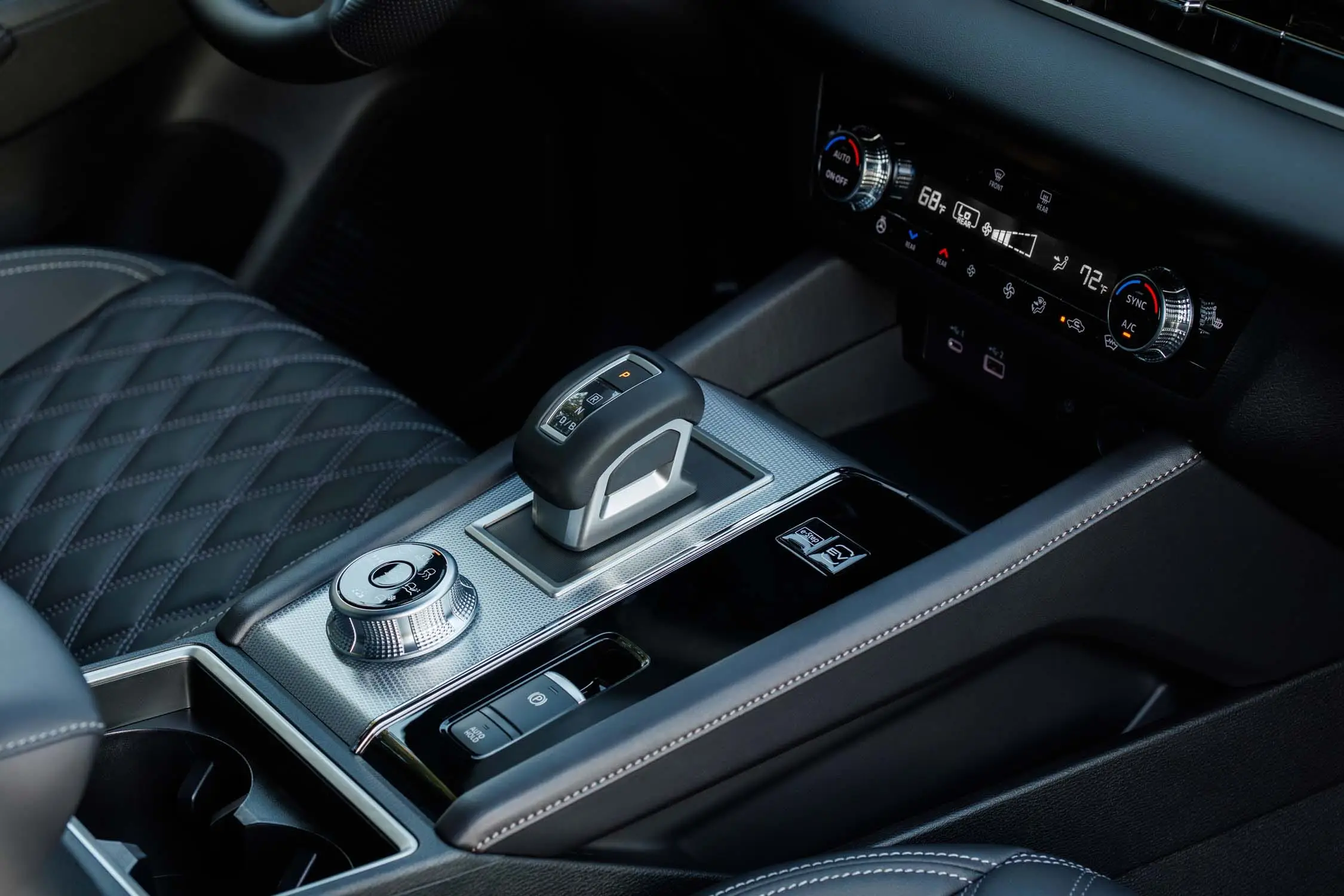
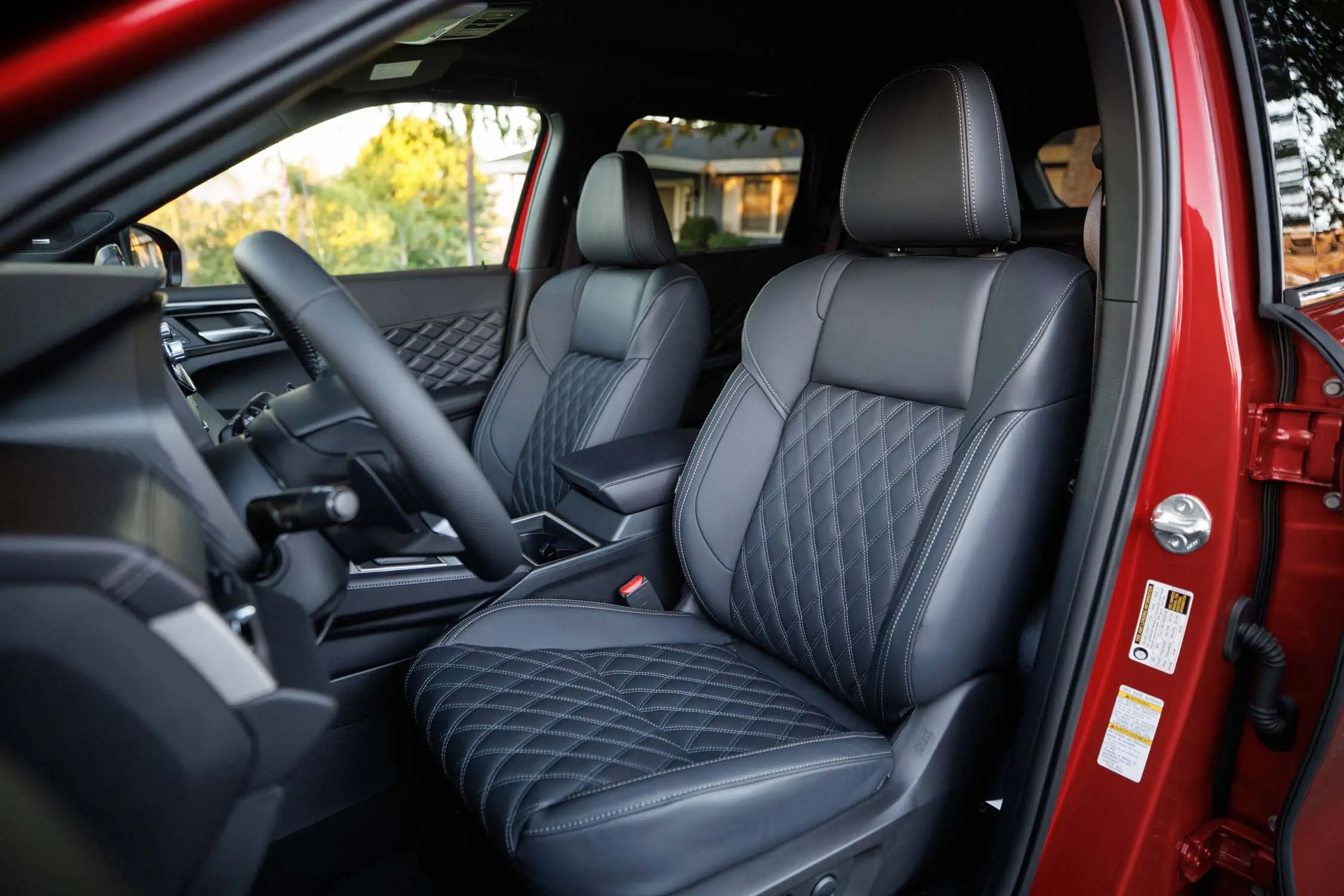
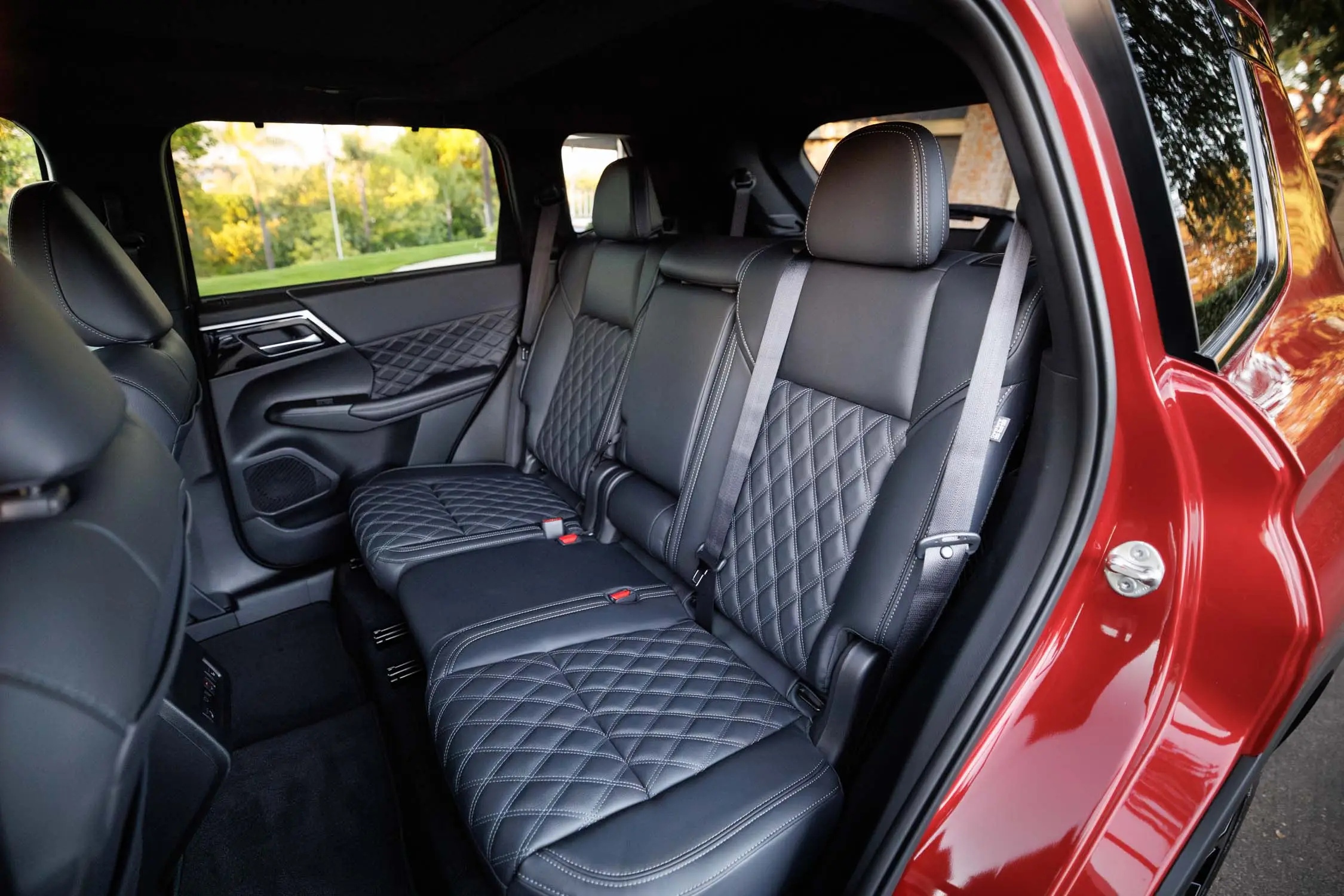
Entering the 2026 Rogue PHEV cabin, the déjà vu feeling for those familiar with the Outlander is unavoidable. The ergonomics, materials, and even the typography on the buttons reveal Mitsubishi’s origin. However, this is not necessarily a bad thing. The interior is well-finished, spacious, and retains physical controls for climate and volume — a relief in an era dominated by excessive touchscreens. Nissan kept its own infotainment system but curiously opted for a 9.0-inch screen from the previous generation, smaller than the 12.3-inch option available on the donor model.
The big trump card of the Rogue PHEV, and perhaps its main selling point in the US, is the third-row seats. In the compact SUV segment, this is an absolute rarity. While these seats are practically suitable only for small children and require sacrifices in legroom for the second row, their mere existence offers a versatility that the Honda CR-V and Toyota RAV4 cannot match. If you need a real and usable third row for adults, perhaps it’s better to look at the larger sibling, the NEW NISSAN PATHFINDER 2026, which was designed from the ground up to comfortably seat seven passengers.
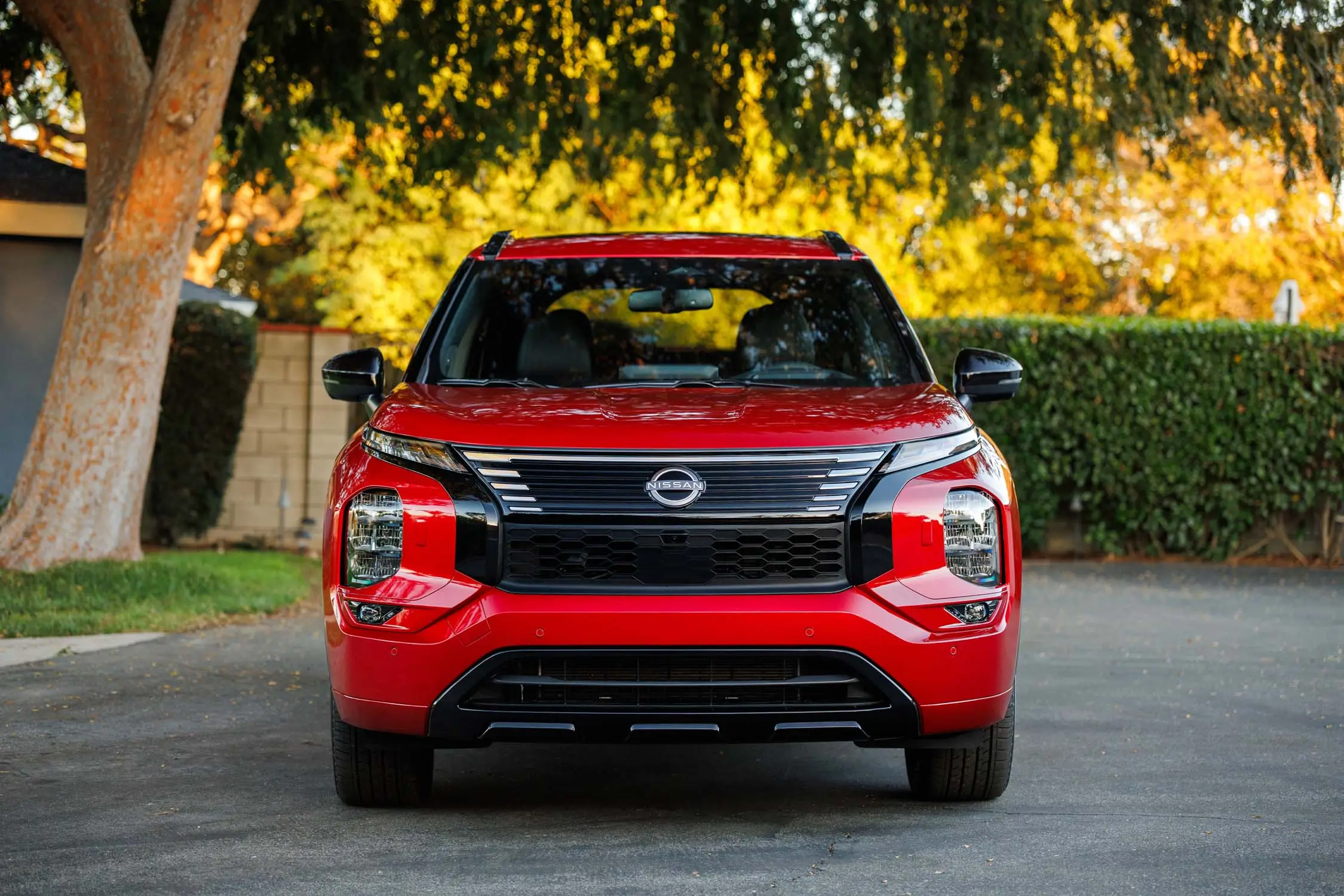
The pricing will be the decisive factor for the success or failure of this “placeholder” model. Estimates suggest values around $49,000 for the SL trim and $54,000 for the Platinum. It’s a high price for a vehicle that carries yesterday’s technologies with a promise of tomorrow. The Rogue PHEV is competent, has excellent AWD, and honest finishes, but the lack of fast charging and moderate fuel efficiency put it in a delicate position within the competitive US Plug-in Hybrid SUV segment.
For the loyal brand consumer seeking robustness and versatility, it serves well. Nissan has heavily invested in creating vehicles with an adventurous and durable appeal, like the brutal NISSAN FRONTIER PRO-4X R 2026, and the Rogue PHEV tries to capture some of that off-road capacity aura through Mitsubishi’s system. However, the shadow of the future Rogue e-Power 2027 hovers over this purchase. Buying the 2026 model is to secure a solid plug-in hybrid now, but knowing that a more integrated and efficient technology from Nissan itself is just around the corner.