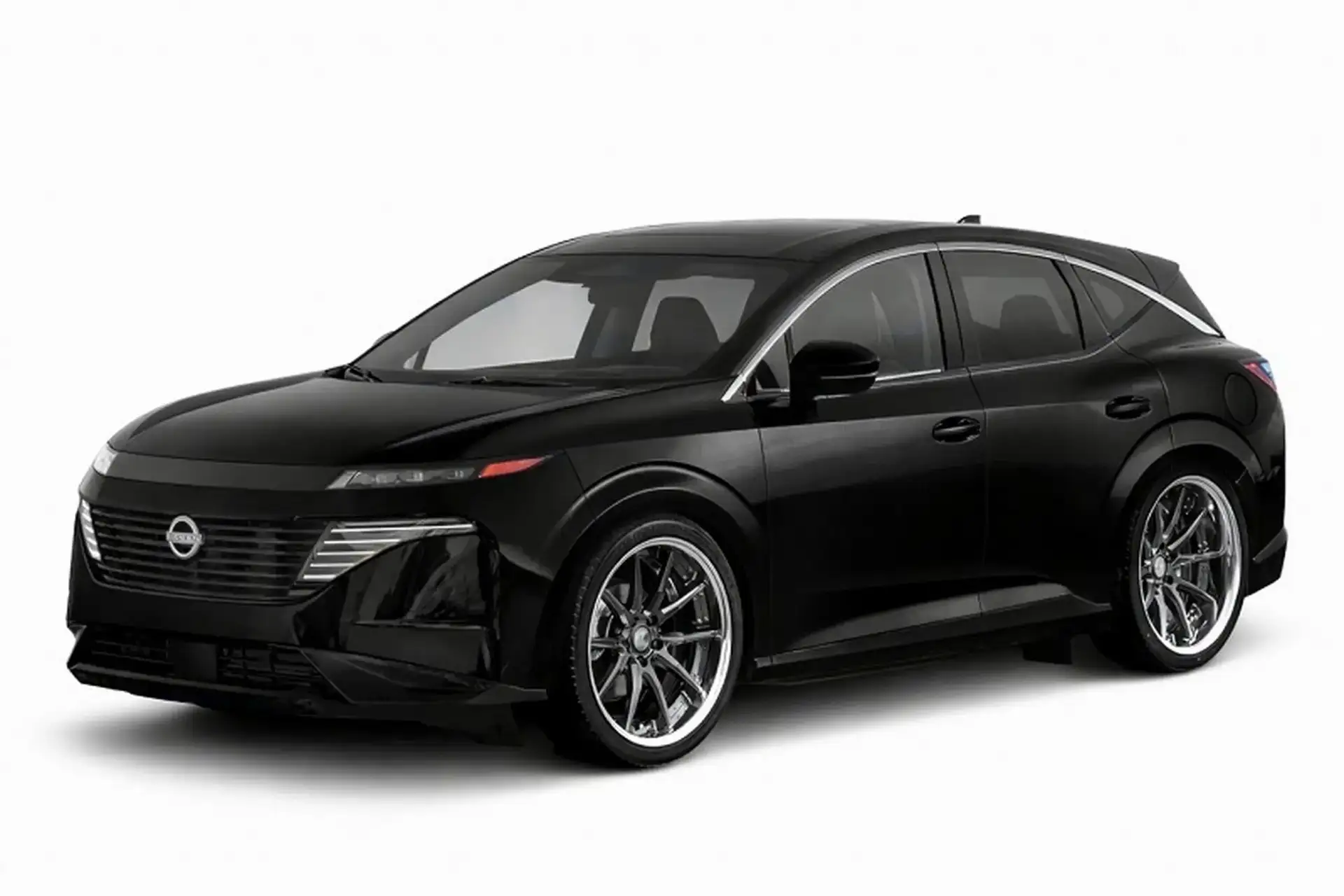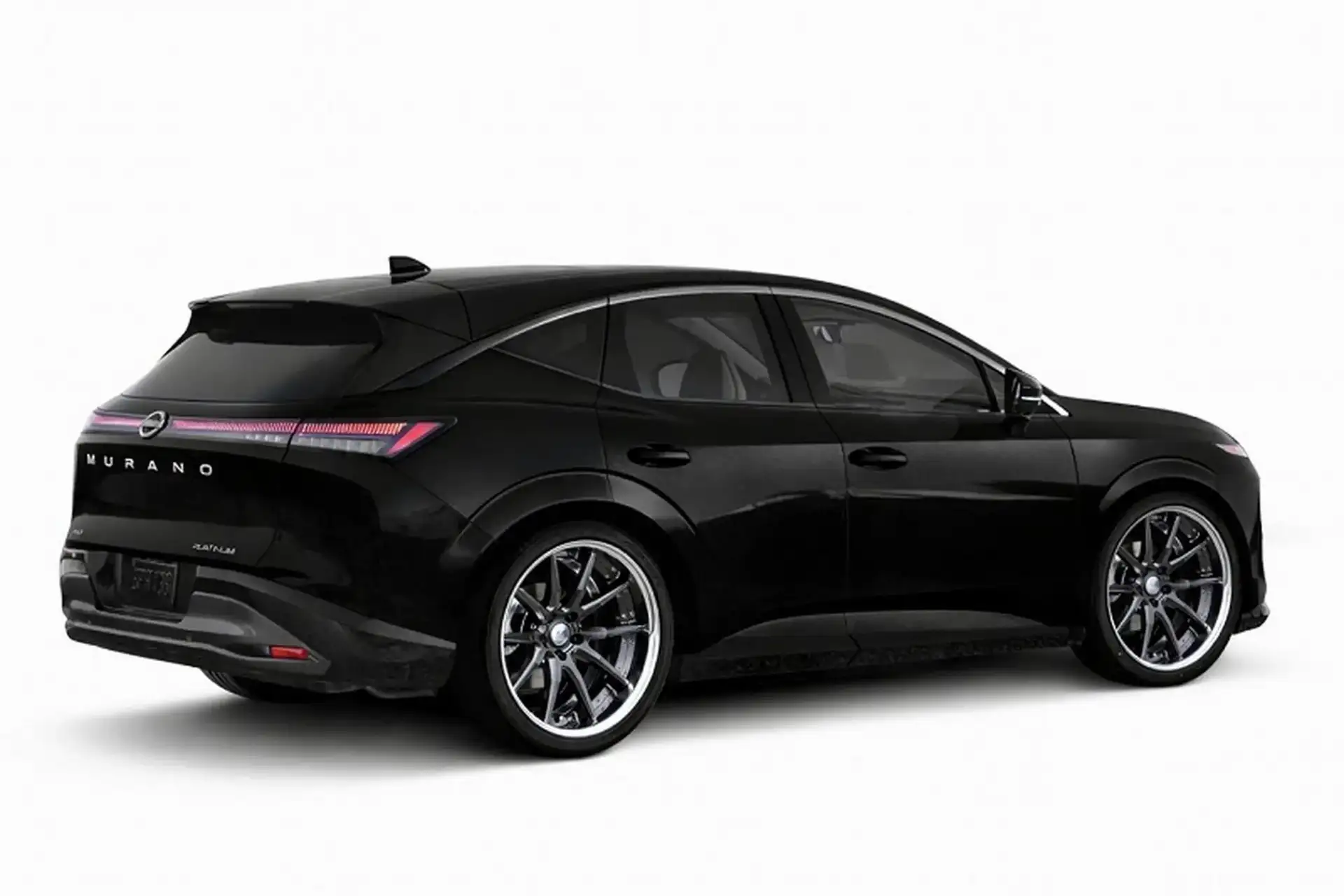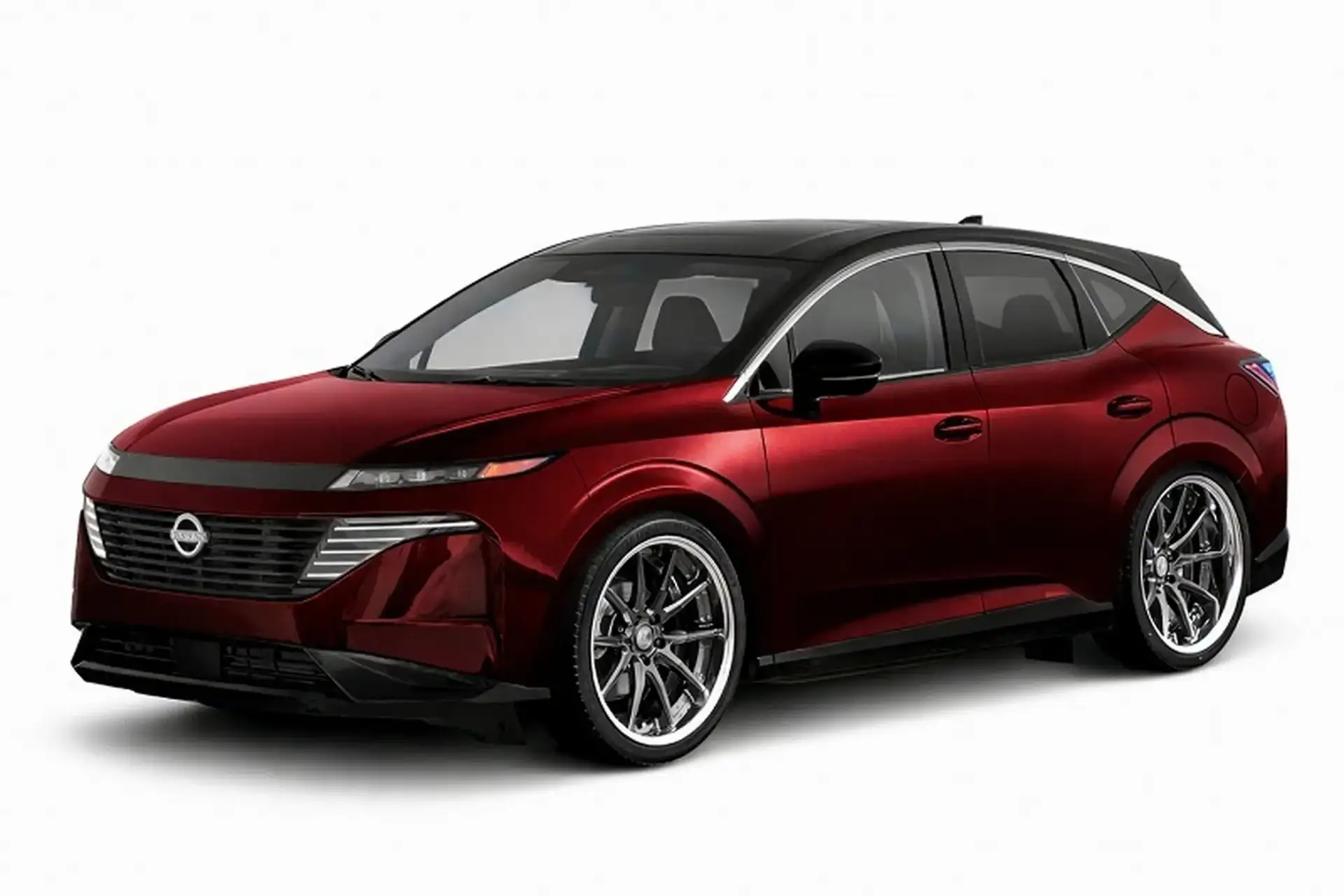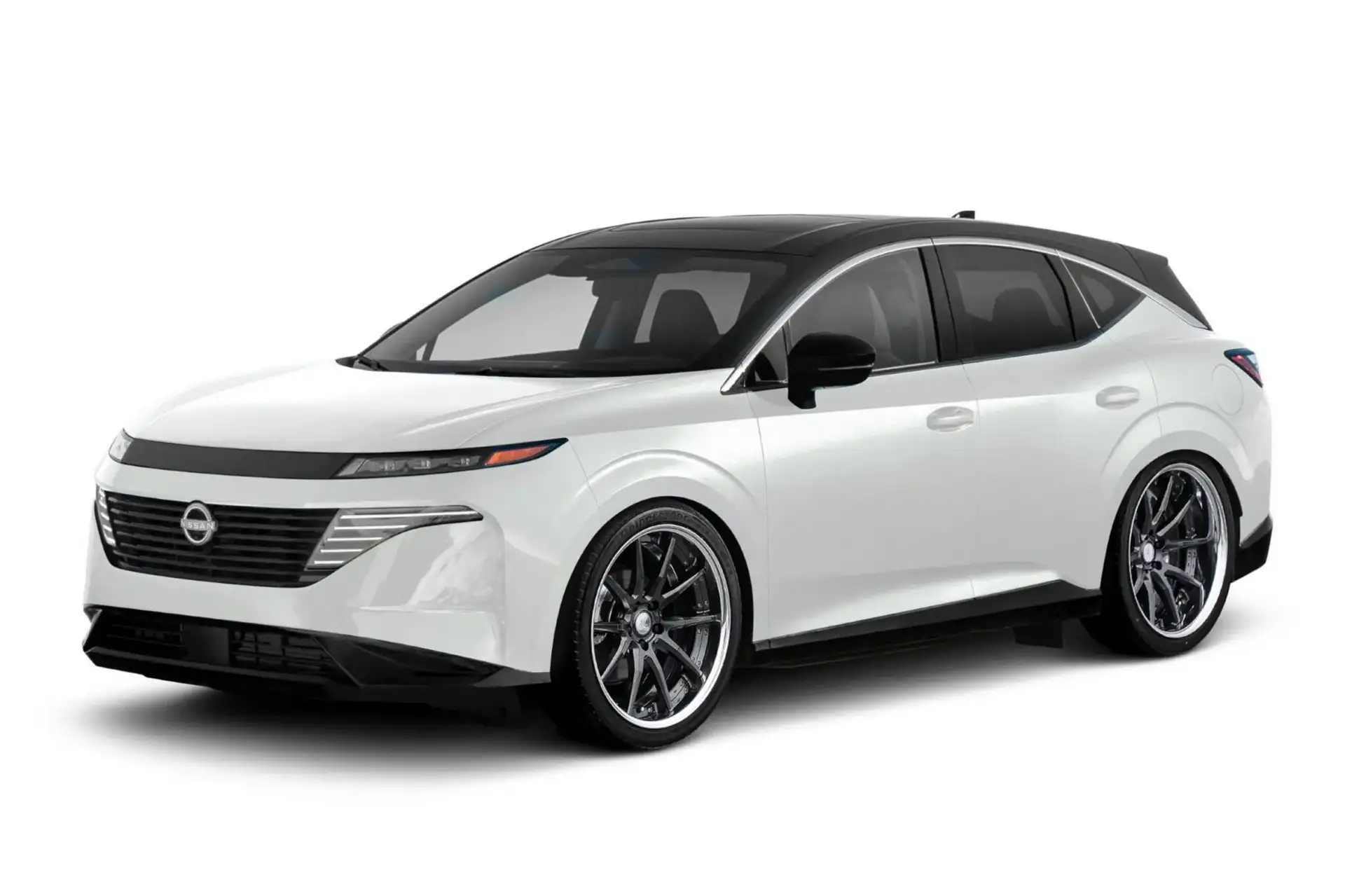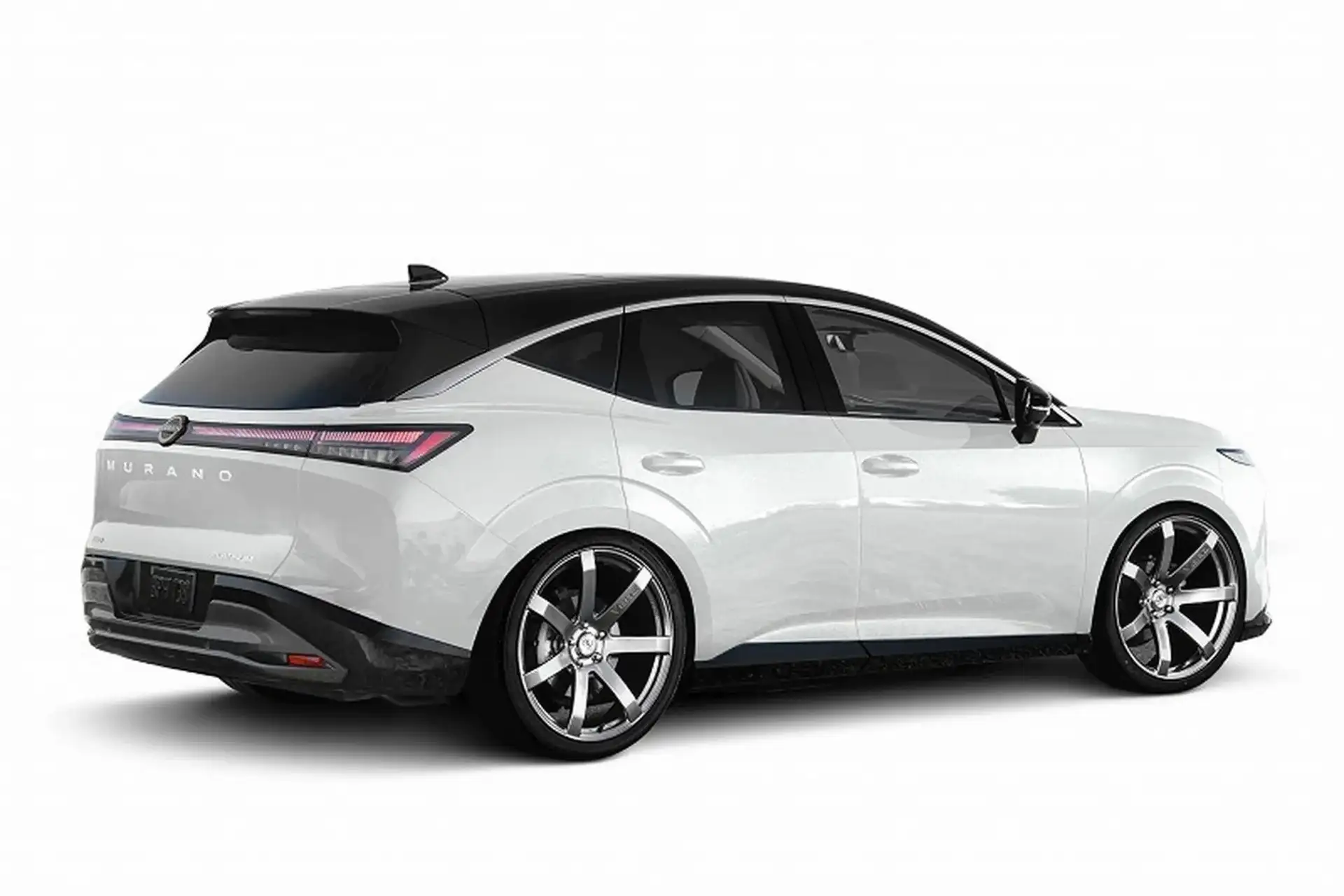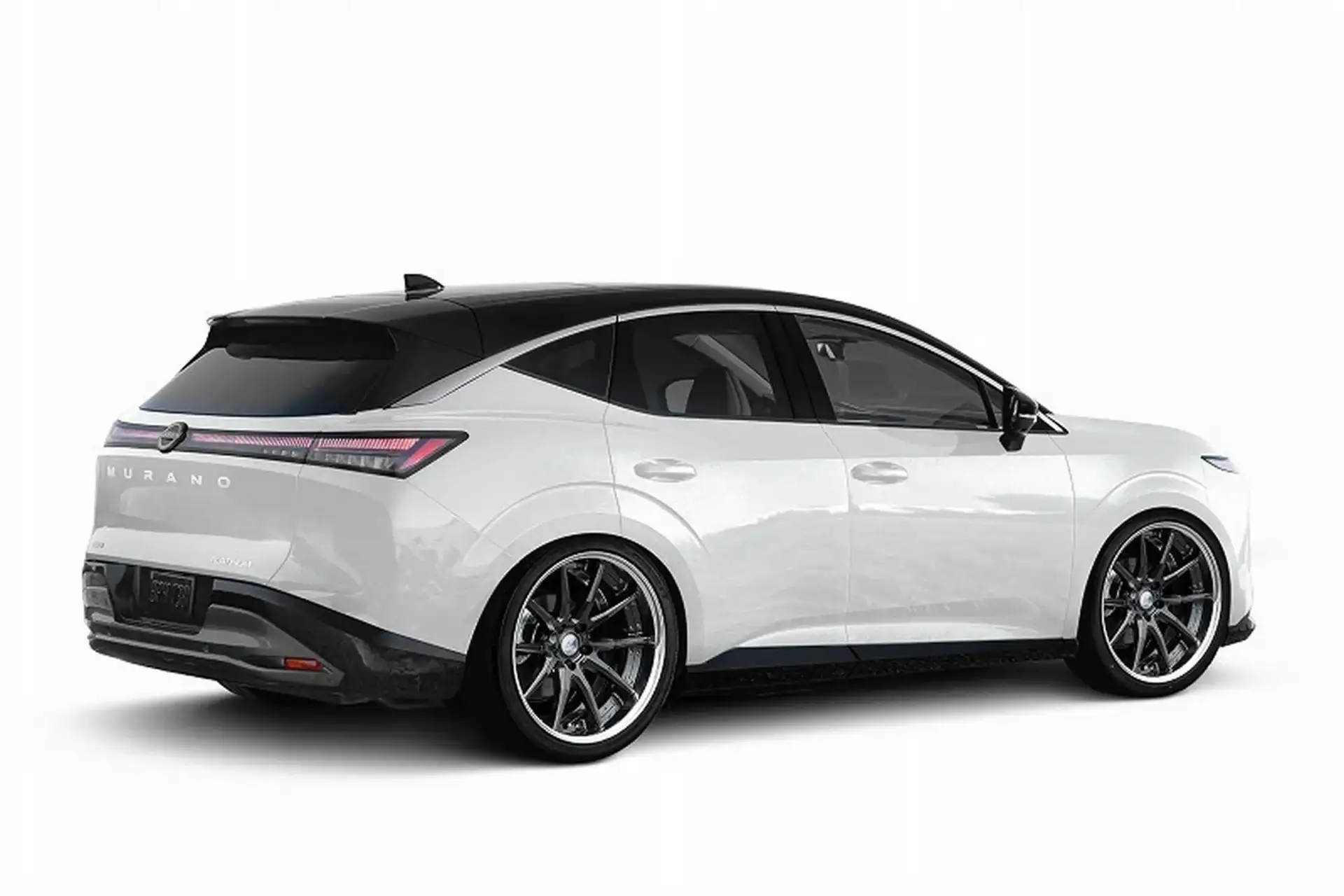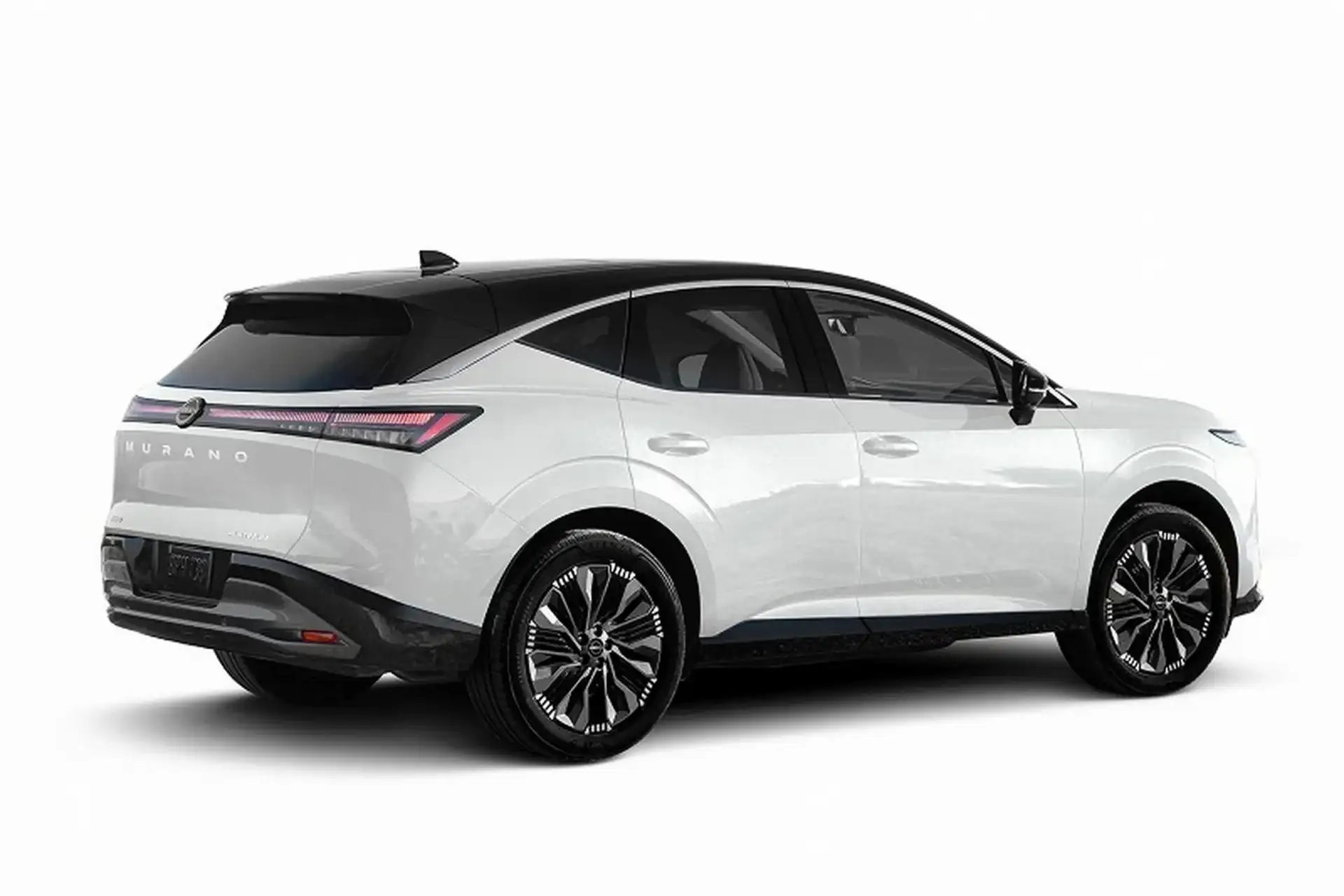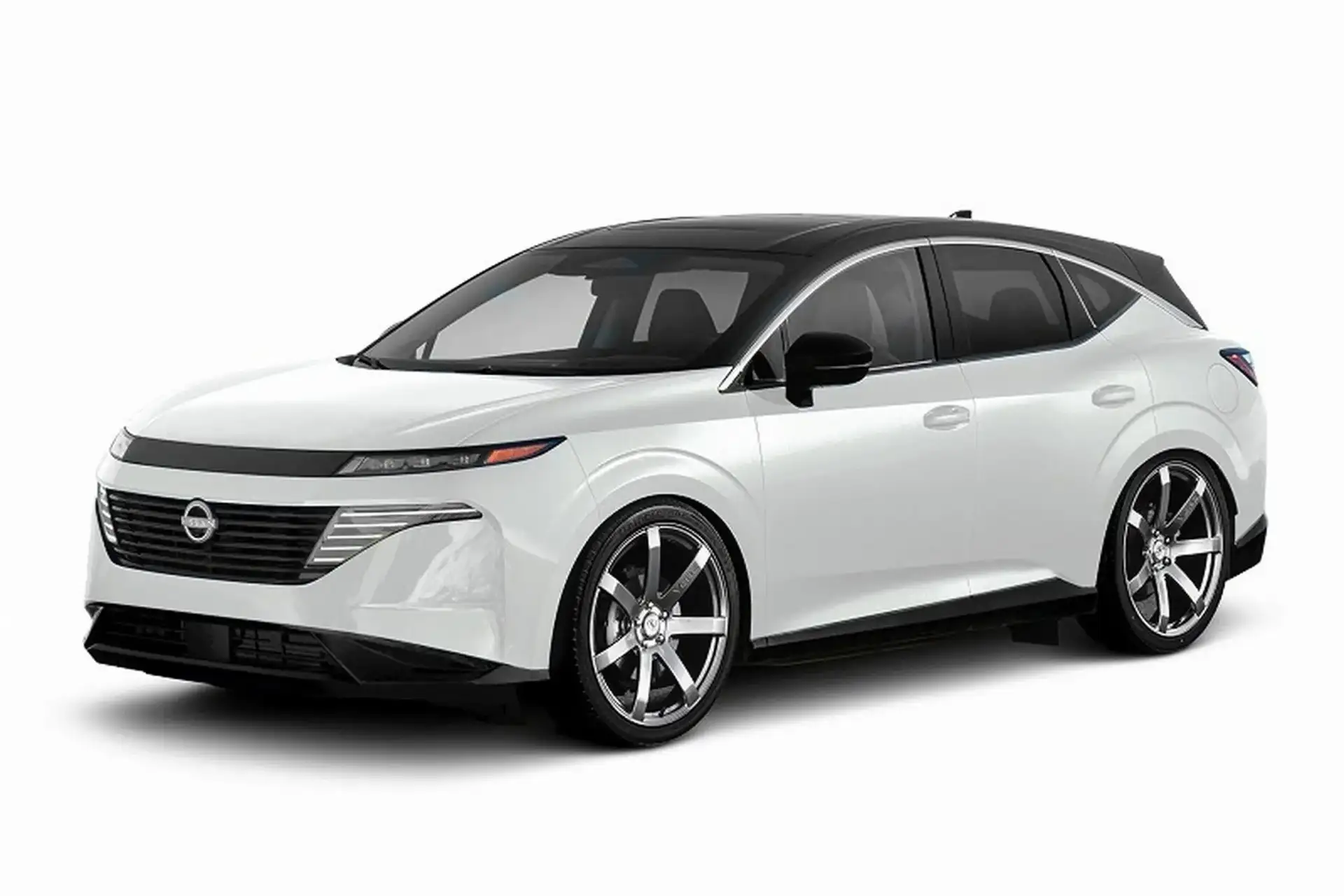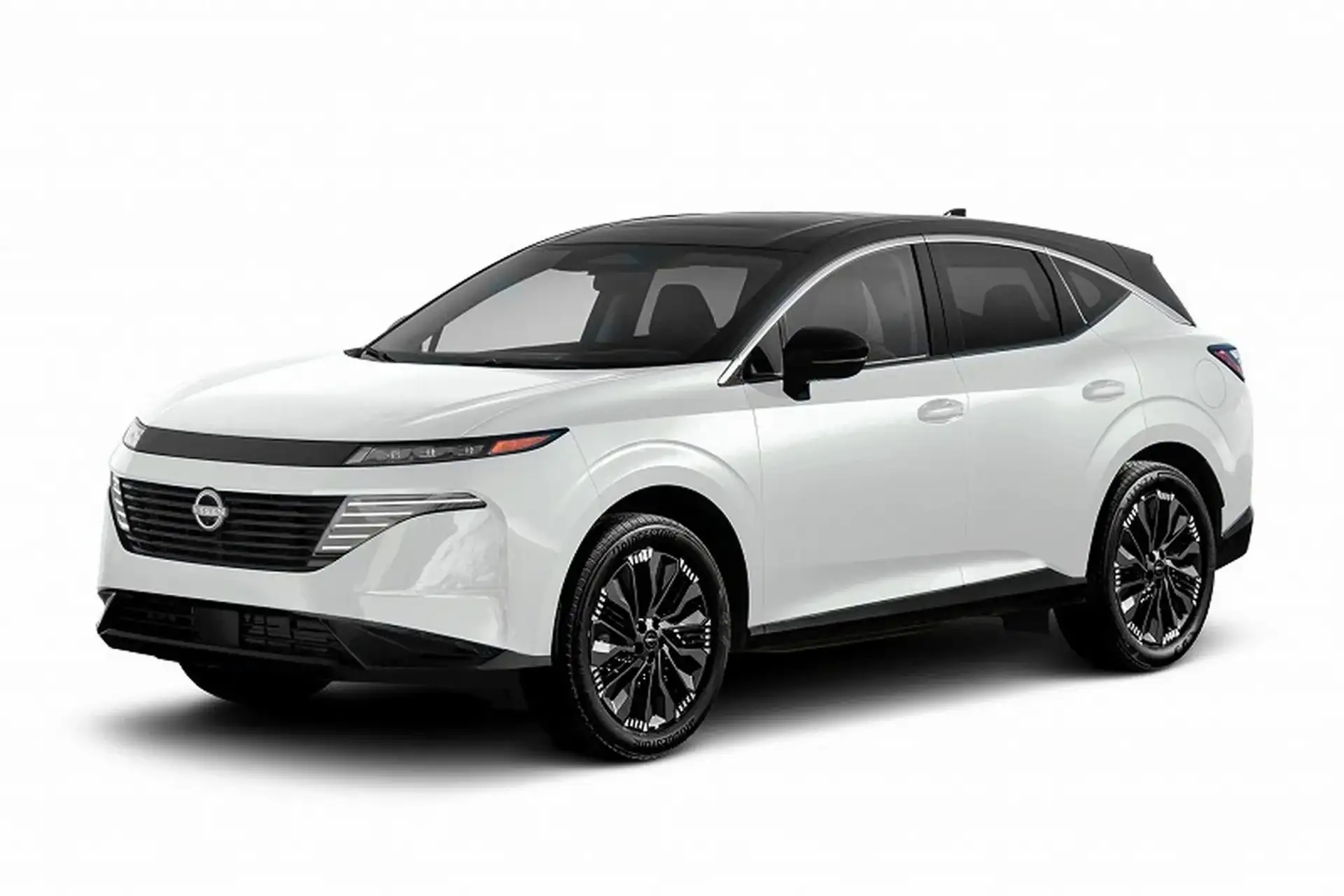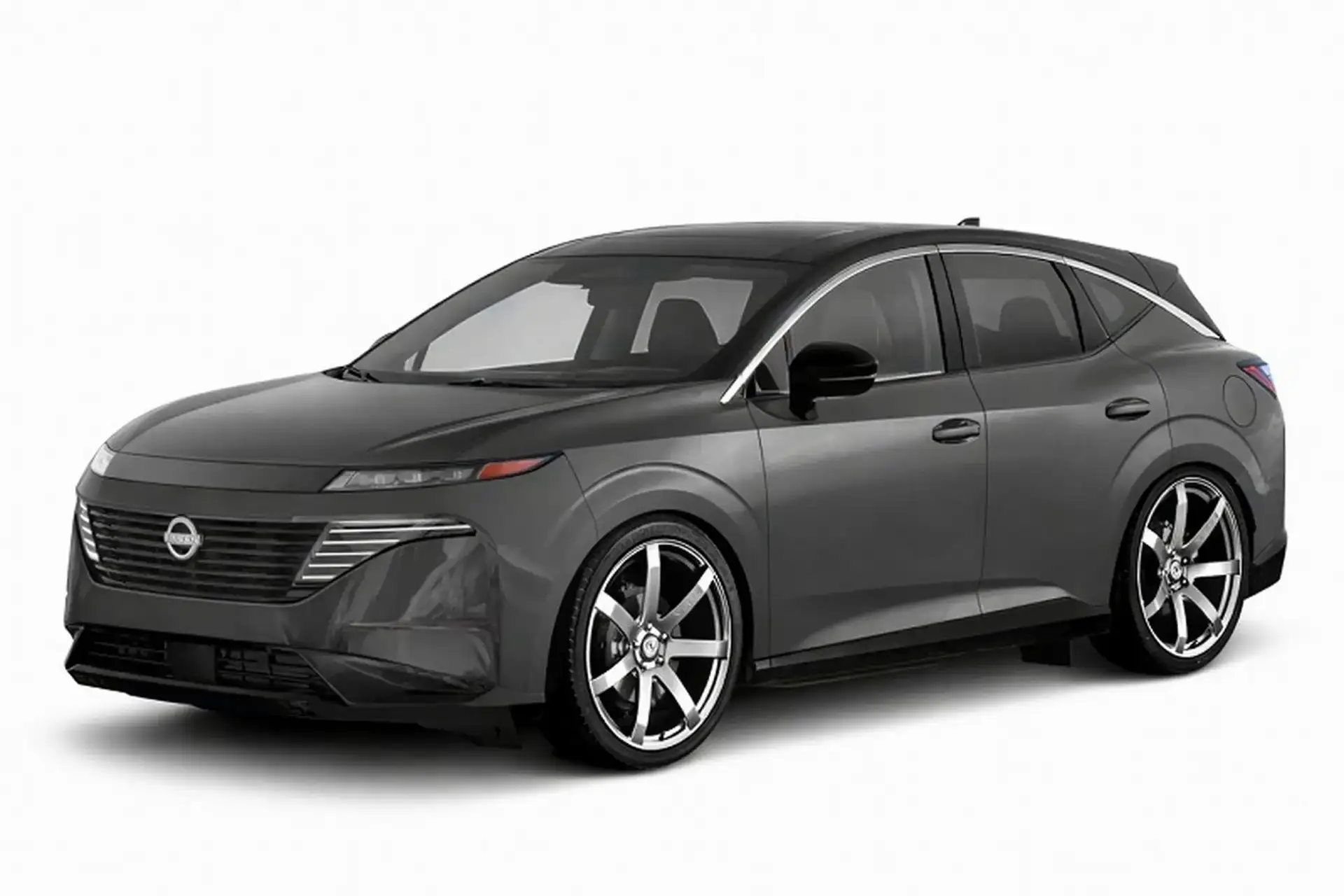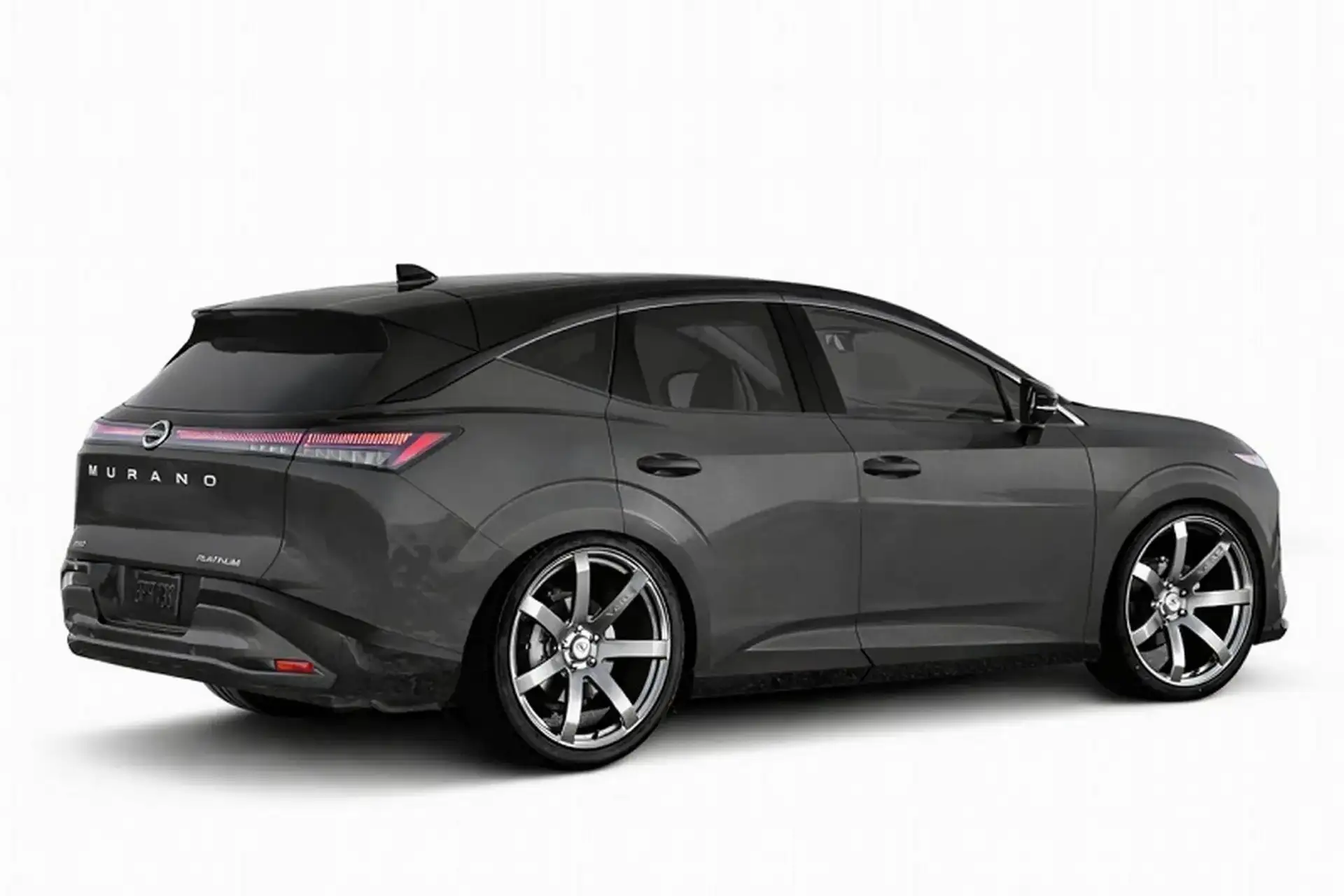
The new Nissan Murano has not officially reached Japanese customers yet, but Japan’s tuning scene is already treating it like its next big stance project.
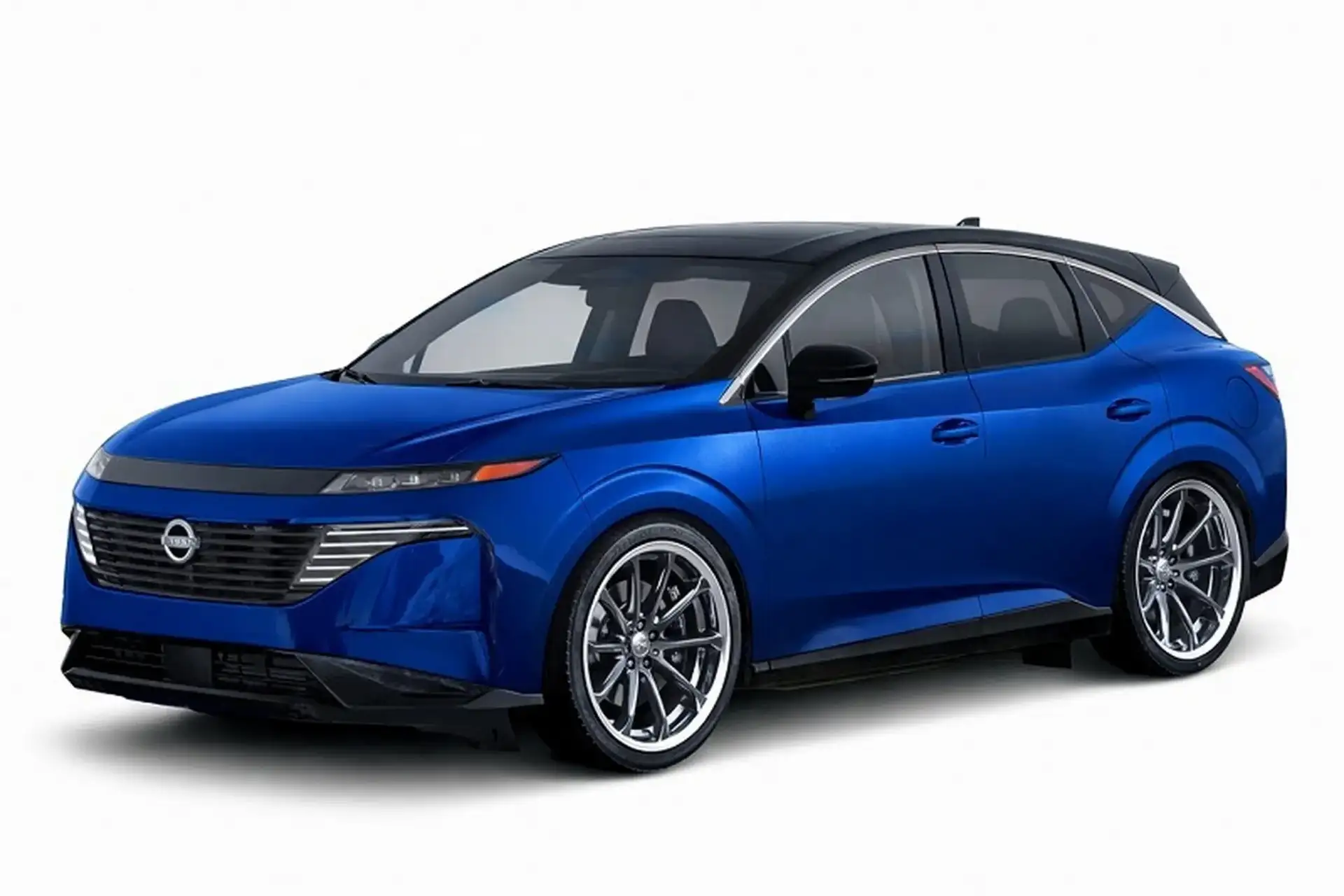
The story around the fourth-generation Nissan Murano just got far more interesting. While the midsize SUV was developed primarily for North America and is built in the United States, it is now set to return to Japan under a newer import framework that reportedly simplifies local certification requirements. Deliveries are still expected around early 2027, yet tuner Kuhl Racing has already previewed a radically lowered version that swaps family-friendly ride height for a street-focused visual punch.
That alone is enough to make this Murano newsworthy. But the bigger reason enthusiasts are paying attention is simple: this is not a mild wheel-and-tire package. Kuhl is planning a proper customization path with adjustable suspension, larger forged wheels, brake upgrades, and a full aero program. In a market where premium crossovers increasingly blur into each other, this project gives the Murano a sharper identity before most Japanese buyers have even seen one in person.
A U.S.-Built Nissan Murano Is Returning To Japan With A Very Different Mission
The latest Murano is a major shift from the older formula. Nissan replaced the previous V6 setup with a turbocharged 2.0-liter four-cylinder engine, producing 241 hp and 260 lb-ft (352 Nm). Power goes through a nine-speed automatic transmission and Nissan’s Intelligent AWD system. On paper, that makes the new Murano more aligned with modern efficiency and refinement trends than with old-school naturally aspirated smoothness.
What makes the Japanese-market story unusual is that buyers there are expected to get the Murano in left-hand drive, despite Japan being a right-hand-drive market. That is a niche detail, but for many imported-vehicle fans in Japan, it adds character rather than creating a drawback. It also reinforces the Murano’s identity as something a little different from locally tailored domestic SUVs.
Kuhl Racing seems to understand that angle perfectly. Its renderings push the Murano into a visual space usually occupied by customized luxury crossovers and aggressive urban builds. The tuner reportedly plans to lower the SUV by roughly 60 to 70 mm, creating an unexpectedly dramatic stance for a model that is normally marketed around comfort, design, and family usability.
If this trend catches on, it could place the Murano into the same broader tuning conversation as other style-led SUVs and wagons. That is the same appetite for transformation seen in projects such as the Cadillac Escalade build that pushed luxury SUV customization into visual overdrive, or even in more factory-led design plays like the Genesis GV70 Prestige Graphite, which shows how darker styling can completely change an SUV’s presence.
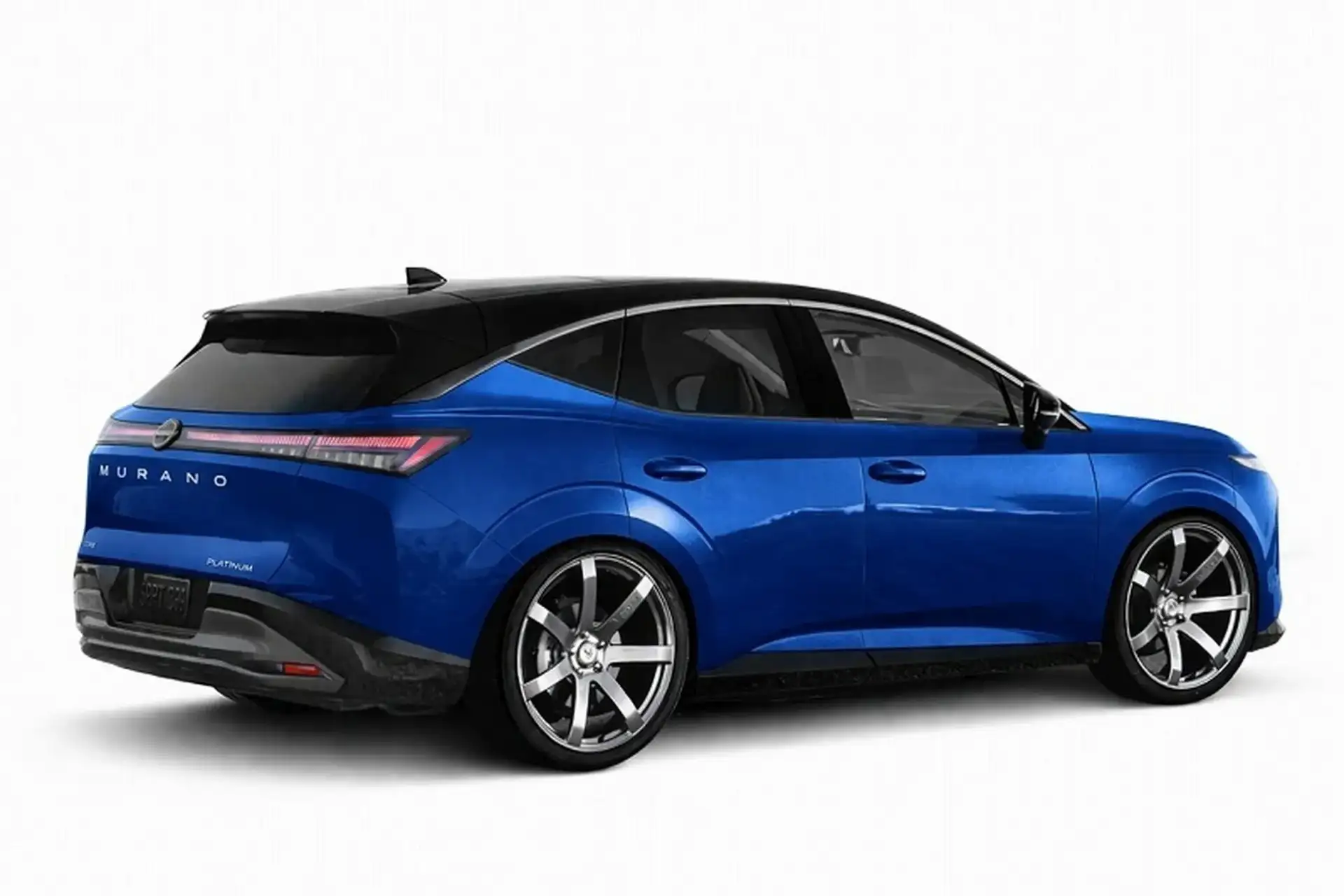
What Kuhl Racing Is Changing On The Nissan Murano
The initial teaser visuals center on stance, but the planned package goes beyond simple lowering springs. Kuhl is expected to offer an adjustable suspension setup, likely aimed at drivers who want a show-ready profile without permanently sacrificing all ride flexibility. That is important because dropping a midsize AWD crossover this much can quickly turn into a usability nightmare if the suspension range is poorly calibrated.
Wheel fitment will be one of the centerpieces. Kuhl has highlighted forged aftermarket options in 21-inch and 22-inch sizes, including models from its affiliated wheel lineup. Larger-diameter wheels paired with the Murano’s wide body and lowered ride height dramatically alter the proportions, giving the SUV a more premium and concept-like road presence.
The next phase is even more important for SEO-heavy enthusiast searches like Nissan Murano body kit, Nissan Murano lowering kit, and Kuhl Racing Murano aero. Kuhl says a complete aerodynamic package is in the works, likely including:
- Front splitter for a lower and wider visual effect
- Revised front fascia details for a more aggressive face
- Deeper side skirts to visually reduce body height
- Rear diffuser to sharpen the back end
- Subtle rear wing for added street style without going full race-car
Brake upgrades are also part of the plan. That matters more than it may seem. On a lowered SUV running heavier large-diameter wheels, stopping performance and heat management can become weak points. Upgraded hardware is not just cosmetic; it is one of the few modifications here that can bring a genuine dynamic benefit.
Engine tuning, however, does not appear to be a priority. At least for now, Kuhl seems content to leave the Murano’s 2.0-liter turbo powertrain largely stock. That is a realistic choice. Modern factory turbo engines are increasingly complex to recalibrate cleanly while maintaining emissions compliance, drivetrain smoothness, and reliability. If you want a deeper understanding of why boosted engines can bring hidden long-term costs, this breakdown of turbocharger vs supercharger ownership realities is worth a look.
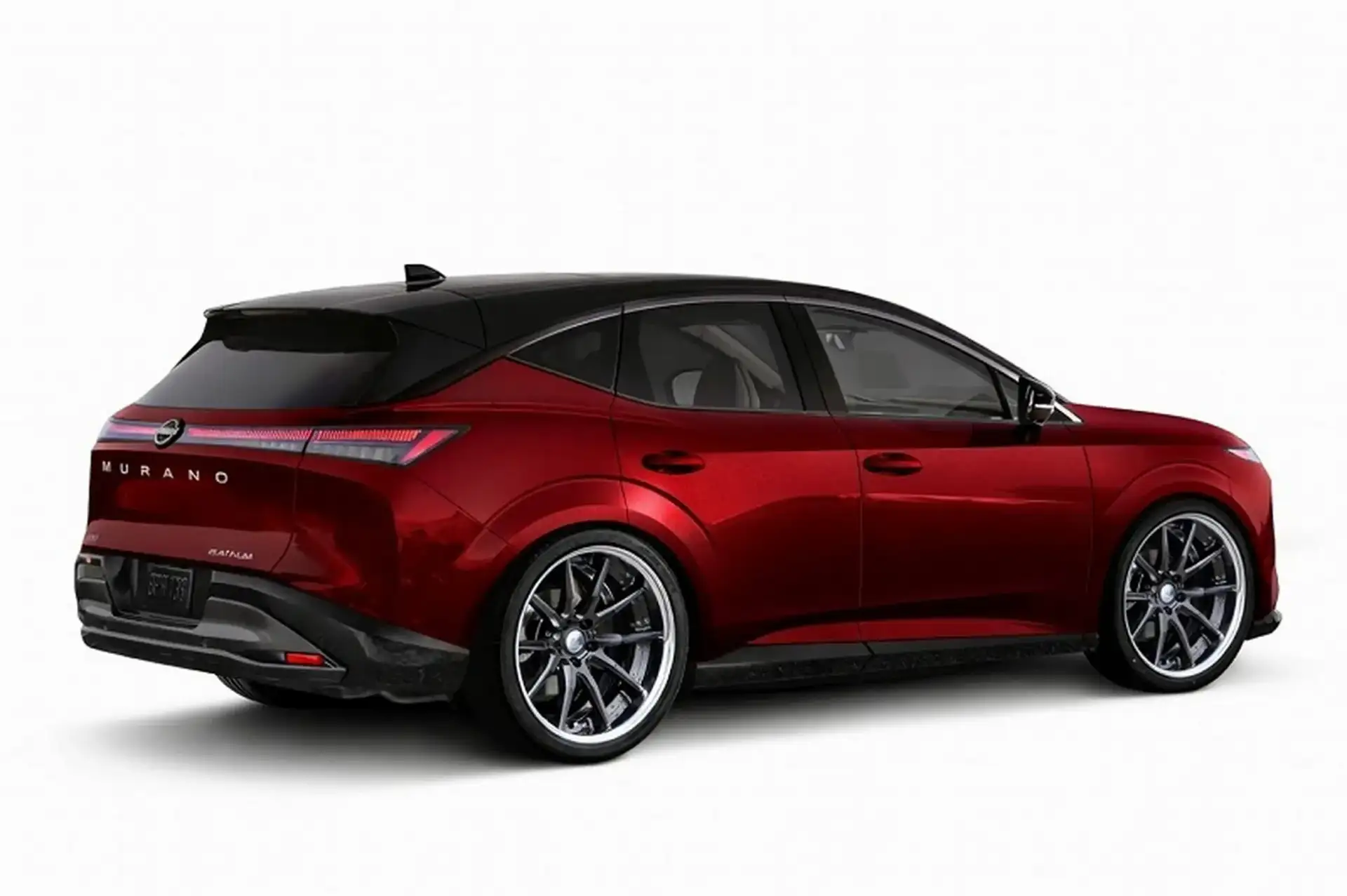
Price, Rivals, And Why This Build Could Matter More Than It Seems
Based on North American trim pricing, Kuhl estimates the Japanese-market Murano could start at around ¥8 million, or roughly US$50,000 depending on exchange rates. That places it in serious company, up against premium-leaning alternatives such as the Toyota Crown Estate, Mazda CX-80, and Lexus RX.
The customization costs are not small either. Looking at comparable Kuhl components for similar Japanese-market vehicles, the full upgrade path could reach around ¥2.5 million, or roughly US$15,600. That includes body kit parts, high-end suspension, and upgraded brakes. Add wheels and installation, and the final bill can climb further.
Still, the logic behind the build is easy to understand. Buyers at this price point are not always chasing maximum horsepower. Many want exclusivity, stance, and the ability to own something that feels less ordinary than the crossover next door. The Murano’s bold shape already gives tuners something to work with, and its wider proportions make it more suitable for aggressive fitment than many conservative midsize SUVs.
There is also a broader trend here. More SUVs are being styled like street machines rather than soft-roading tools. We are seeing brands and tuners lean into visual identity, urban presence, and luxury-sport cues over rugged utility. That same market tension appears in products like the Mercedes-Benz GLE’s increasingly tech-heavy luxury formula and the Volkswagen Atlas update that doubles down on power and digital cabin appeal.
“The real question is not whether a slammed Nissan Murano makes practical sense. The real question is whether today’s premium SUV buyers care about practicality as much as they used to.”
That is why this project has traction before the first Japanese delivery. It taps into a specific kind of enthusiast demand: buyers who want the comfort and image of a modern SUV, but with the posture and attitude of a custom street car. Whether the finished product drives as well as it looks remains unknown. But as a statement of intent, Kuhl Racing’s Murano already did its job. It made people talk about a family crossover as if it were the next customization canvas worth watching.