
Nio’s Firefly EV just pulled off one of the smartest moves in the urban electric car market by adding the exact upgrades buyers asked for while leaving the entry price untouched.
A More Capable NIO FIREFLY EV Without A Price Shock
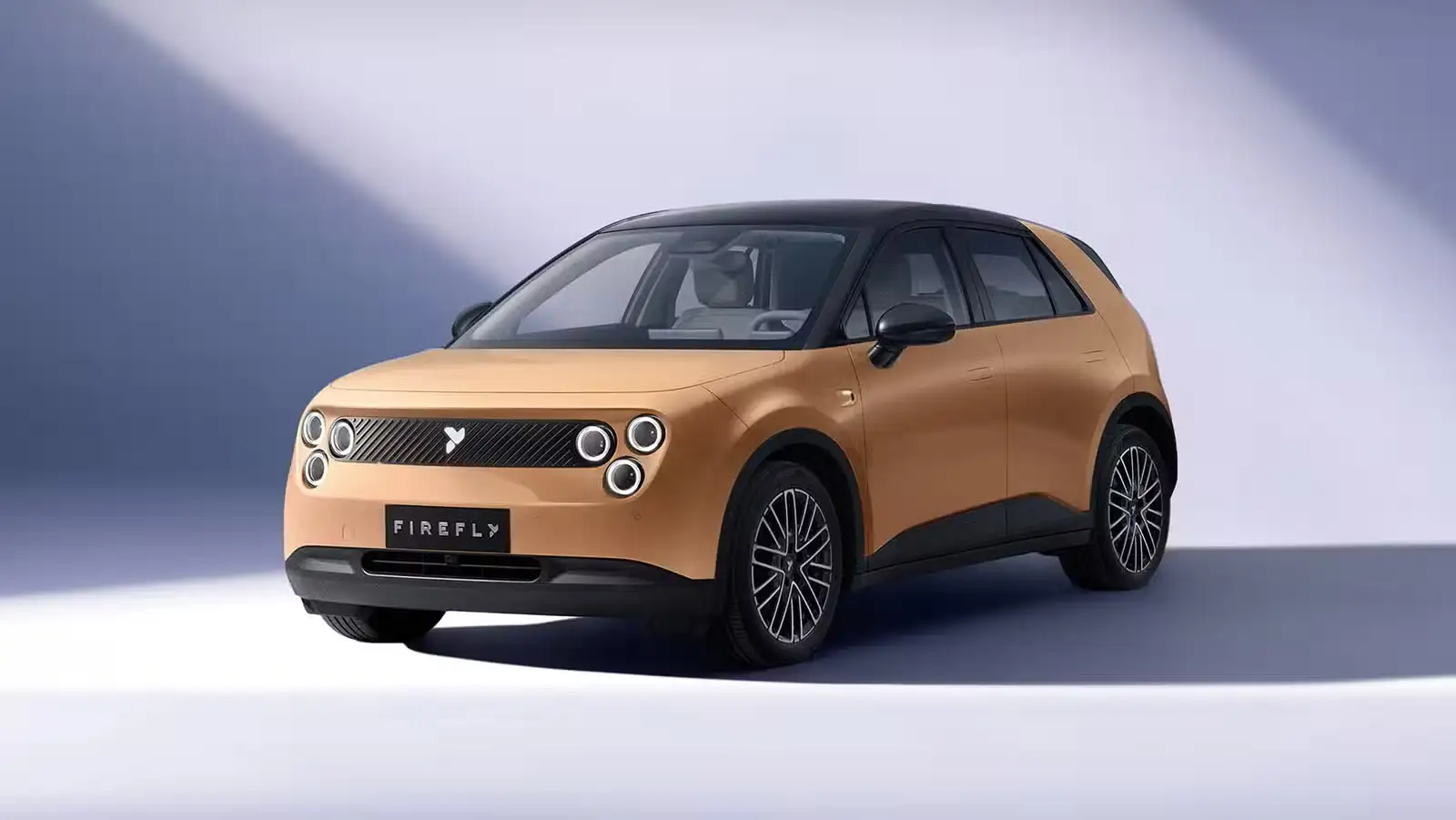
The refreshed NIO FIREFLY EV arrives with a clear strategy: improve the real ownership experience instead of chasing a flashy relaunch. In China, the updated compact electric hatchback still starts at 119,800 yuan with the battery included, or 79,800 yuan under Nio’s Battery as a Service program, with a monthly rental fee of 399 yuan. That pricing matters because affordability is becoming the key battlefield in the entry premium EV segment.
For buyers comparing value-focused electric cars, this is the kind of update that lands at the right time. We have already seen how aggressive pricing and feature bundling are reshaping the market in models such as the Hyundai Kona 2027 with cheaper entry pricing and smarter tech, but Firefly is taking a different route by preserving sticker price and increasing equipment.
The higher trim also remains positioned as a relatively accessible urban EV, starting at 125,800 yuan, or 85,800 yuan with BaaS. For city-focused drivers, that formula reduces the initial ownership barrier while keeping battery flexibility as part of the buying decision.
What Actually Changed In The Updated Firefly
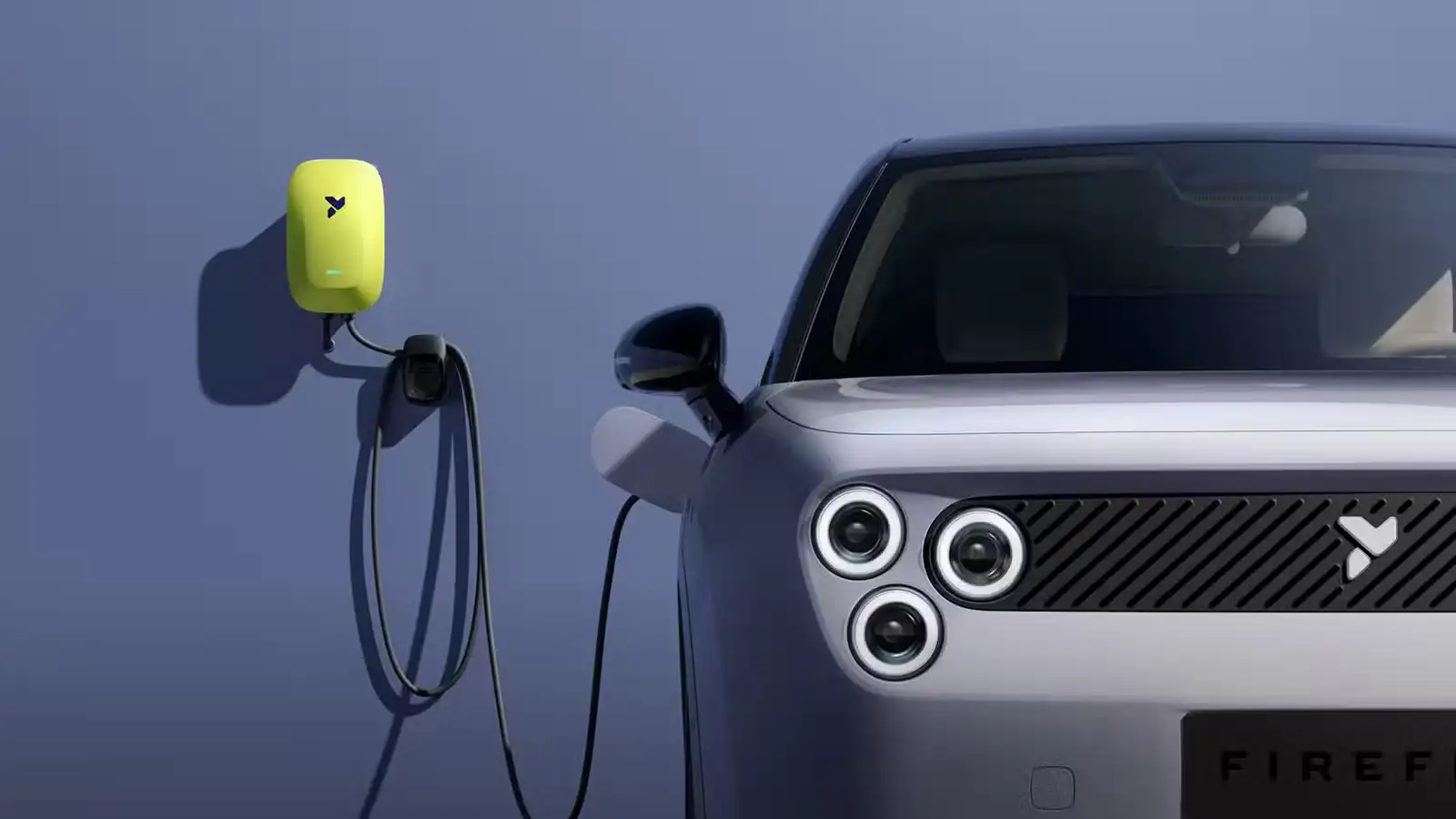
The biggest hardware headline is the upgraded electric motor. Peak output rises from 105 kW to 120 kW, cutting the 0-100 km/h sprint to 7.9 seconds. In a compact commuter EV, that is less about drag-race bragging rights and more about stronger merging, more confident overtakes, and less strain during full-load city use.
Even more interesting, Nio says some existing Firefly owners will receive the performance upgrade through OTA software updates. That detail reinforces one of the strongest selling points in modern EV ownership: the car can improve after delivery. It also puts Firefly in the same broader innovation conversation as next-generation connected EVs such as the Kia EV3 2027, which pushes premium EV tech into a smaller format.
Other upgrades focus on daily usability rather than showroom gimmicks.
- Tire pressure monitoring system now comes added for better real-time safety awareness
- Automatic tilt-down exterior mirrors improve parking visibility
- Mirror memory function answers one of the most requested owner complaints
- Blue smart-driving indicator light improves visual communication in assisted-driving scenarios
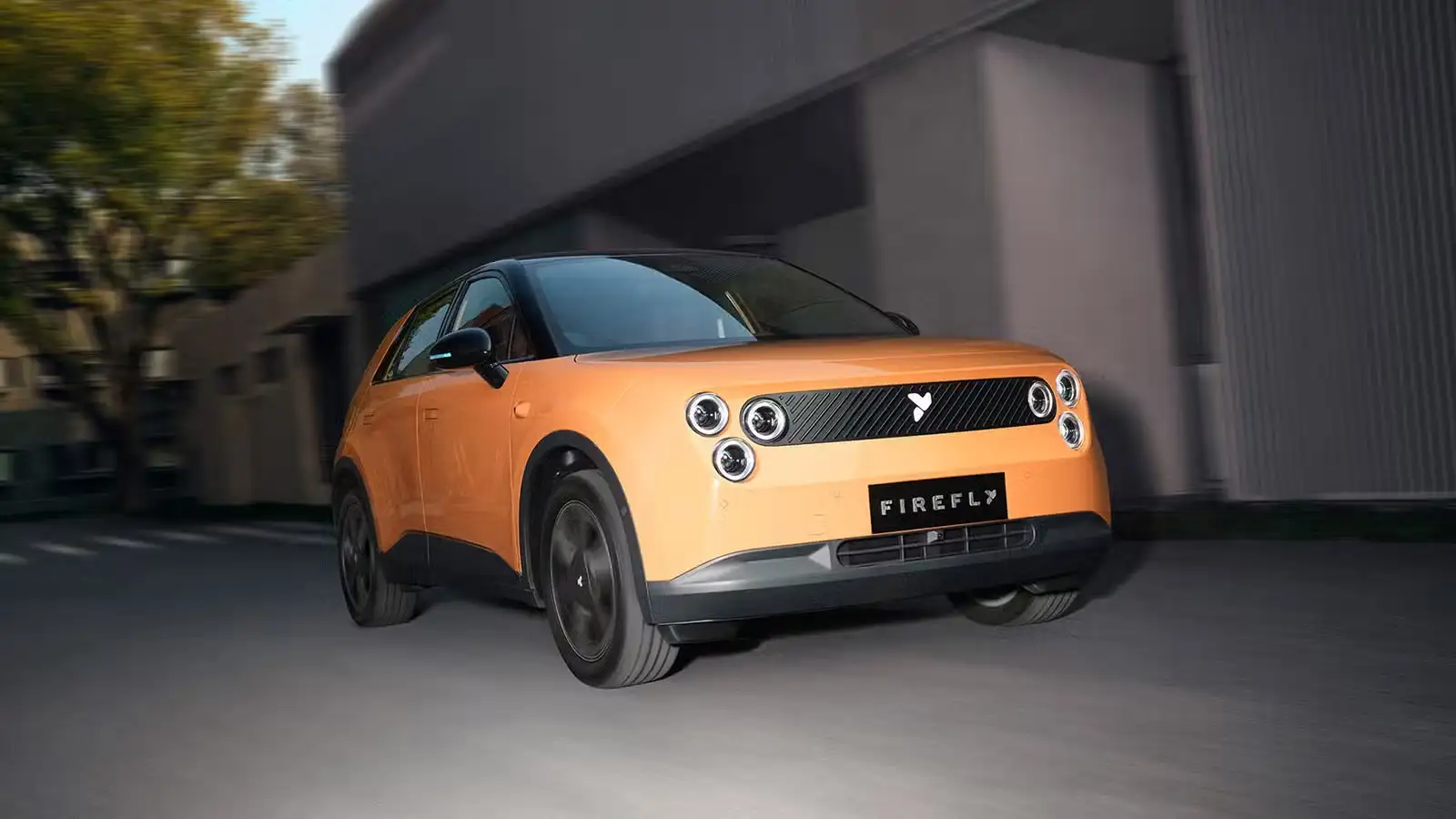
- New Maillard exterior color option adds a more fashion-oriented identity
- Two-tone lower bumper customization gives the small EV a more upscale visual signature
This matters because compact EV buyers increasingly want practical convenience features, not just a low monthly payment. Firefly appears to have listened closely to user feedback, which is often where smaller brands miss the mark.
Software, Safety And Why This Launch Matters Beyond One Car
The new model also debuts the Aster 1.4.0 software update, and this is where the Firefly becomes more than a simple facelift. The cabin experience gets a more personalized atmosphere, while in-car entertainment expands with Nintendo Switch screen casting support. That sounds playful, but it is also a sign that Nio understands the car as a connected digital space, not merely transportation.
Driving assistance sees functional improvements too. A new tracking reverse feature can memorize the previous route for up to 100 meters, helping the vehicle back out through narrow or complicated paths. Another notable addition is false acceleration suppression assist, designed to reduce risks caused by unintended pedal input.
The most important part of this Firefly update is not the color or the power bump. It is the fact that Nio is improving safety, software, and owner-requested hardware while refusing to inflate the base price.
That launch also fits into a much larger Nio product offensive. The company recently reported 35,486 deliveries in March, signaling strong momentum, while Firefly itself crossed 50,000 cumulative deliveries. Nio is simultaneously updating core models and expanding infrastructure, including its next-generation battery swap network. If battery swapping continues gaining traction, Firefly could become one of the most important urban test cases for Nio’s mass-market expansion.
The wider Chinese EV market is heating up at every price point. Brands are escalating with battery innovation, software ecosystems, and lower-cost packaging, as seen in moves like the BYD Seal 06 GT and Seal 06 DM-i Wagon pushing premium-style EV tech toward the mainstream and the MG4 Urban igniting attention with semi-solid-state battery ambitions.
| Key Detail | Updated NIO FIREFLY EV |
|---|---|
| Base Price With Battery | 119,800 yuan |
| Base Price With BaaS | 79,800 yuan |
| Monthly Battery Rental | 399 yuan |
| Peak Motor Output | 120 kW |
| 0-100 km/h | 7.9 seconds |
| Reverse Memory Distance | Up to 100 meters |
For urban EV shoppers, the updated Firefly sends a strong message. Better acceleration, smarter safety features, requested convenience upgrades, OTA potential, and battery subscription flexibility now arrive in one of the most price-sensitive corners of the market. That is exactly how a compact EV stops being just “cheap” and starts becoming strategically dangerous for rivals.