MERCEDES VLE combines 700km of range with 800V technology. Discover how this van charges 355km in just 15 minutes. See the details!

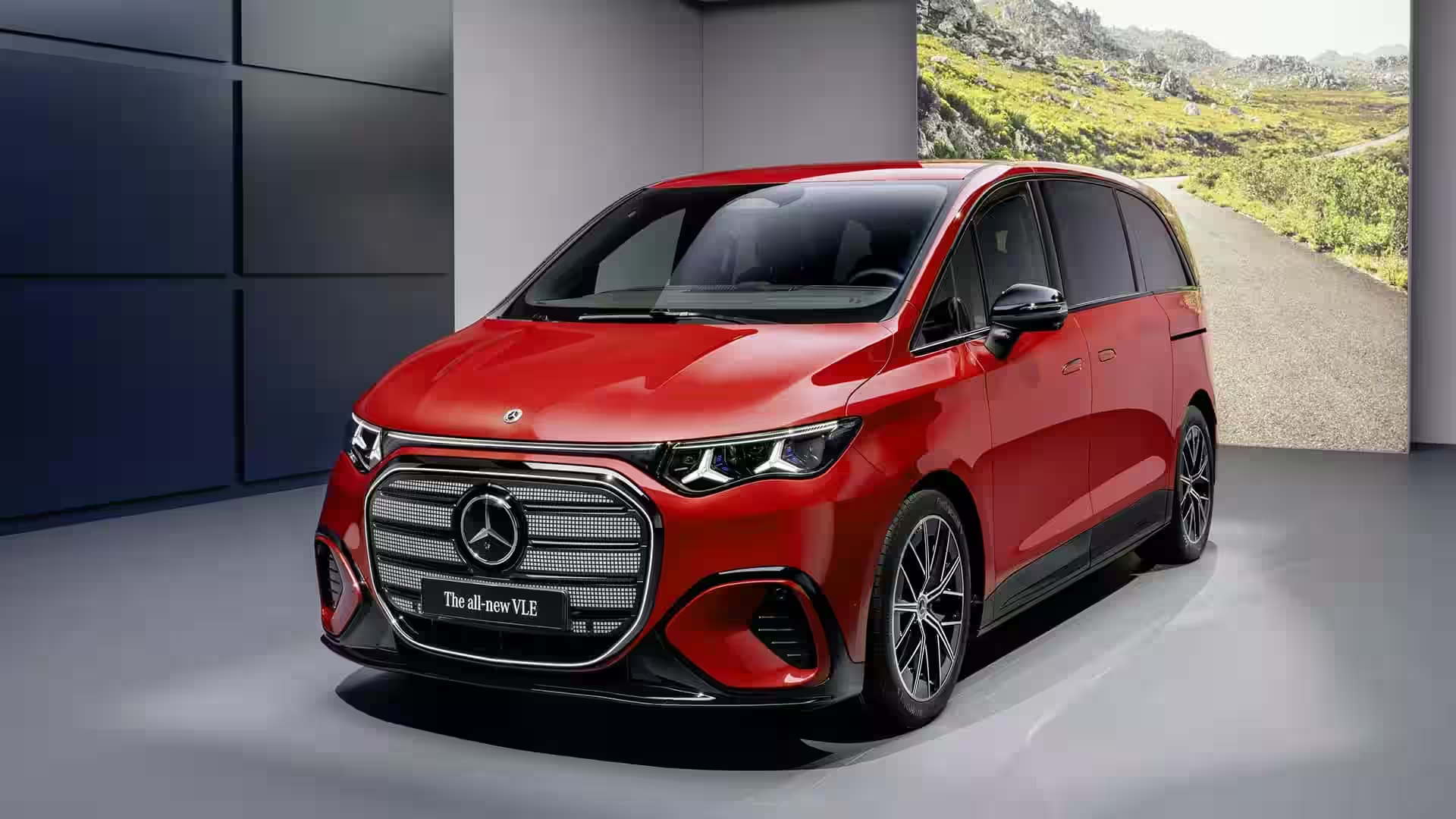
Mercedes-Benz has just redefined the concept of premium family mobility with the new 2026 VLE, a vehicle that transcends the simple replacement of the EQV to become a true electric space capsule on wheels. With an 800V architecture, proprietary operating system, and charging that adds 355 kilometers in just 10 minutes, this is not just another electric van — it’s a statement that the future of luxury transportation has arrived sooner than any rival expected.
The 800V Architecture That Silences Electric Mobility Critics
The heart of the 2026 Mercedes VLE is its high-voltage platform, a technical choice that places the model light years ahead of competitors still stuck with 400V systems. The 115 kWh battery uses NMC (nickel-manganese-cobalt) chemistry optimized for energy density and longevity, allowing the vehicle to reach more than 700 kilometers of range on the WLTP cycle — a number that, in practice, surpasses most luxury electric sedans available today.
But the real differentiator is the charging speed. Connected to ultra-rapid charging stations with power exceeding 300 kW, the VLE absorbs enough energy for 355 km of range in just 15 minutes. For context, this means a coffee stop during a trip from São Paulo to Curitiba already leaves the vehicle ready to comfortably reach the destination.
The system’s efficiency is equally impressive. The powertrain achieves 93% battery-to-wheel efficiency under highway conditions, a level that few manufacturers — even those specialized in electrics — manage to reach. This translates into less energy wasted as heat and more real kilometers per kWh consumed.
The permanent magnet electric motor (PSM) in the front-wheel-drive configuration offers a balance between performance and efficiency, while the 4MATIC versions add a second rear motor with a smart decoupling unit. This system can completely disengage the rear axle when not needed, reducing drag losses by up to 90% and maximizing range during relaxed driving.

Supercar Aerodynamics in a Van Body
Perhaps the most surprising statistic of the 2026 Mercedes VLE is its drag coefficient of only 0.25. For a vehicle with generous proportions and interior space needs, this number rivals sports sedans and demonstrates German engineering’s commitment to real efficiency.
This result did not come by chance. The AIRMATIC air suspension — here in its smartest evolution — uses Google Maps data to anticipate changes in topography and proactively adjust the vehicle’s height. By keeping the VLE closer to the ground on high-speed stretches, the system further reduces air resistance without compromising comfort on uneven roads.
The innovation continues with the new Car-to-X feature, which communicates the vehicle with smart infrastructure and other cars of the brand to prepare the suspension even before the driver notices a ripple in the asphalt. The result is a driving smoothness that defies expectations for a vehicle of this size.
The four-wheel steering — optional but highly recommended — completes the dynamic package. With a steering angle of up to 7 degrees on the rear wheels, the VLE reduces its turning diameter from 12.9 meters to an impressive 10.9 meters (measured from curb to curb). At speeds under 60 km/h, the rear wheels turn opposite to the front ones, virtually shortening the wheelbase. Above this speed, all wheels work together, enhancing stability during lane changes and evasive maneuvers.

MB.OS The Brain That Turns The VLE Into A Living Room On Wheels
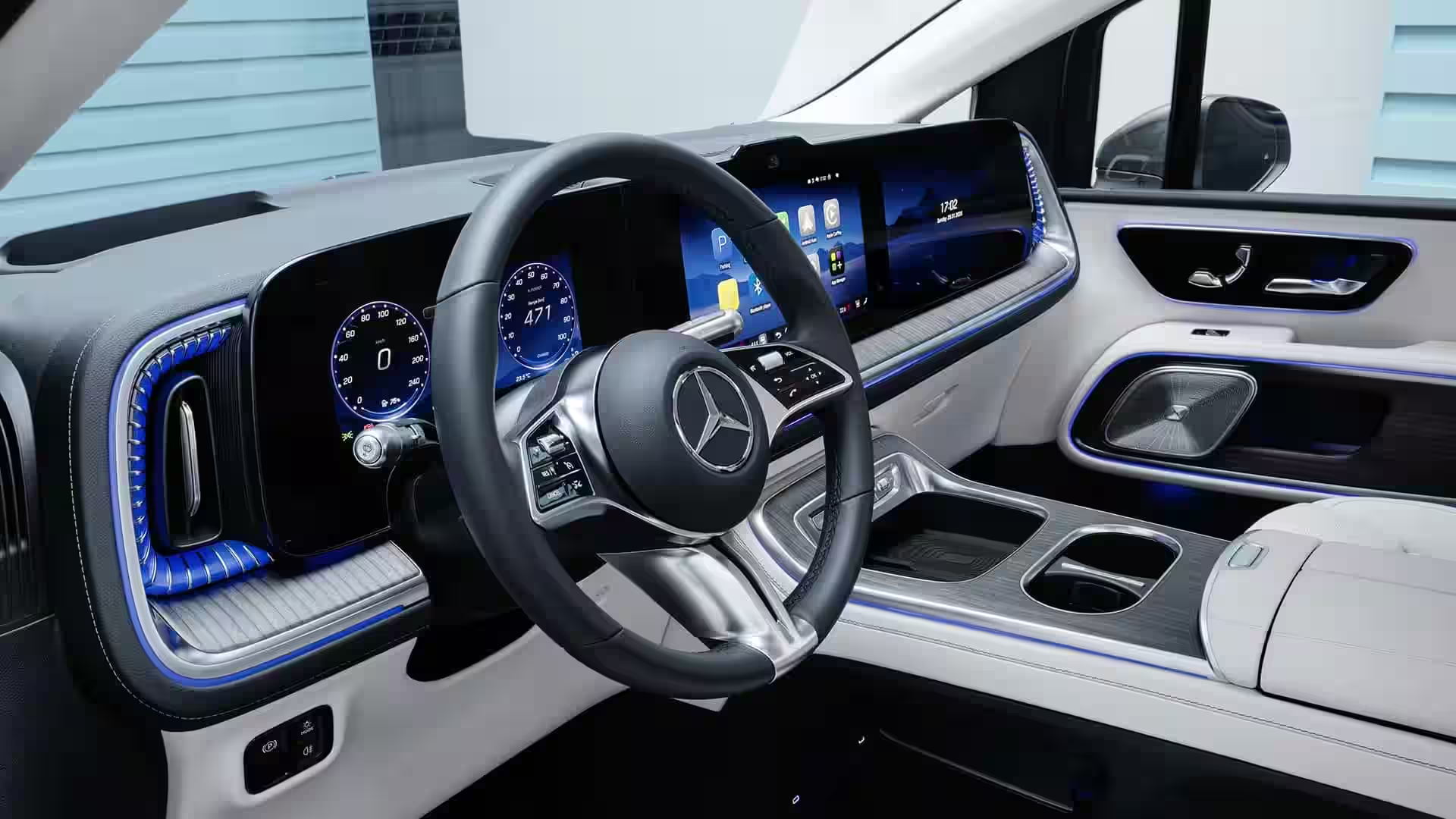
While the mechanics impress, the digital experience of the 2026 Mercedes VLE redefines the class standard. The proprietary operating system MB.OS represents a complete break from previous platforms, offering native integration between hardware, software, and cloud services.
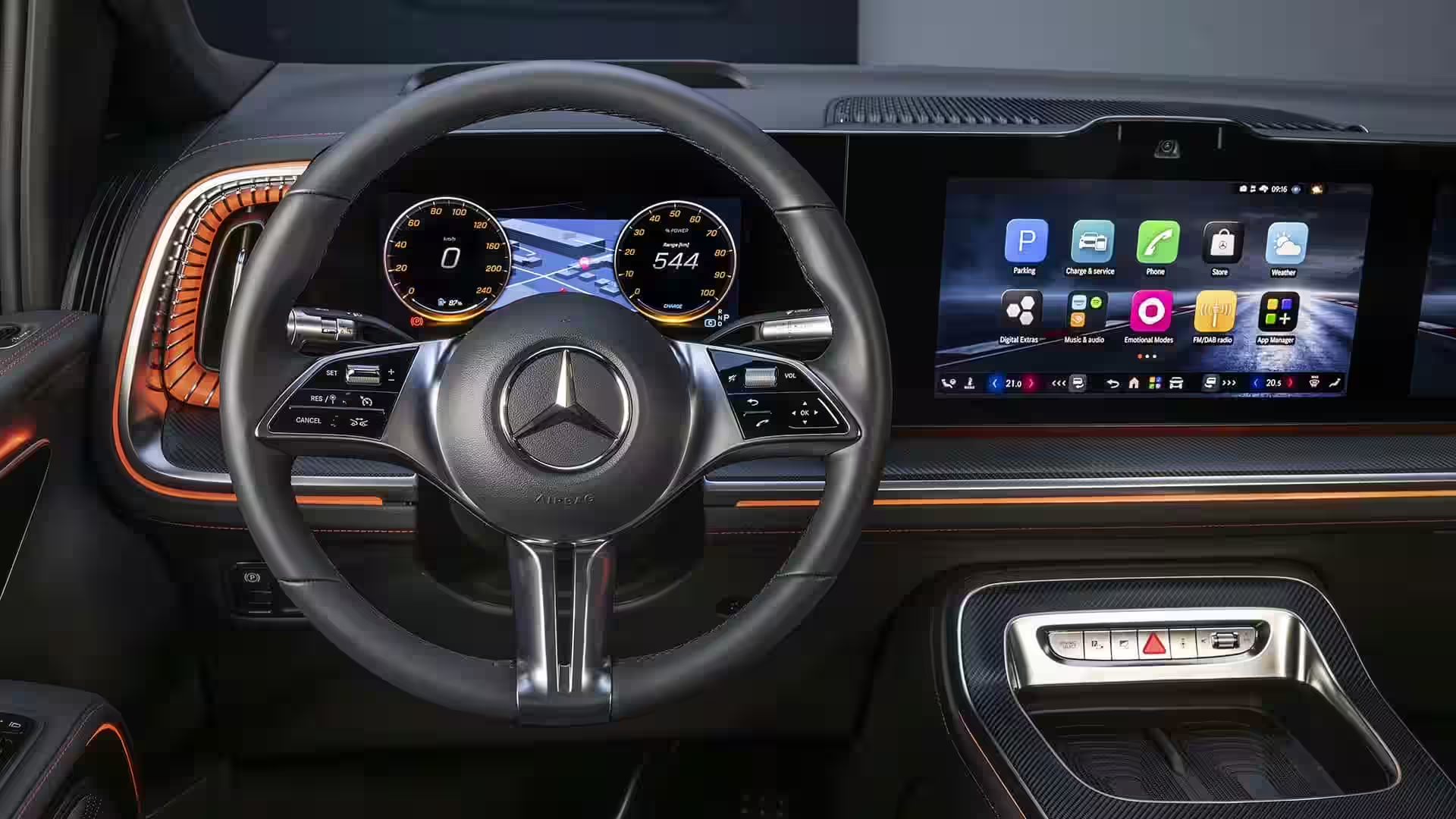
The MBUX Superscreen interface — available as an option — unites three displays under a single glass surface. The 10.25-inch instrument panel naturally flows into the central and passenger screens, both 14 inches. The graphical rendering uses the Unity engine, the same technology as the most advanced games, creating three-dimensional visualizations of navigation and vehicle information with cinematic fluidity.
The Zero Layer concept eliminates the need to navigate complex menus. The system learns usage patterns and proactively presents the most relevant functions at the right time — whether it’s the contact you call every Friday or the preferred charging station on familiar routes.
The MBUX Virtual Assistant takes voice interaction to the next level. Using generative artificial intelligence, it understands complex contexts, maintains natural conversations, and integrates information from multiple sources — including Google Maps, calendars, and streaming services — to answer questions that traditional systems simply cannot process.

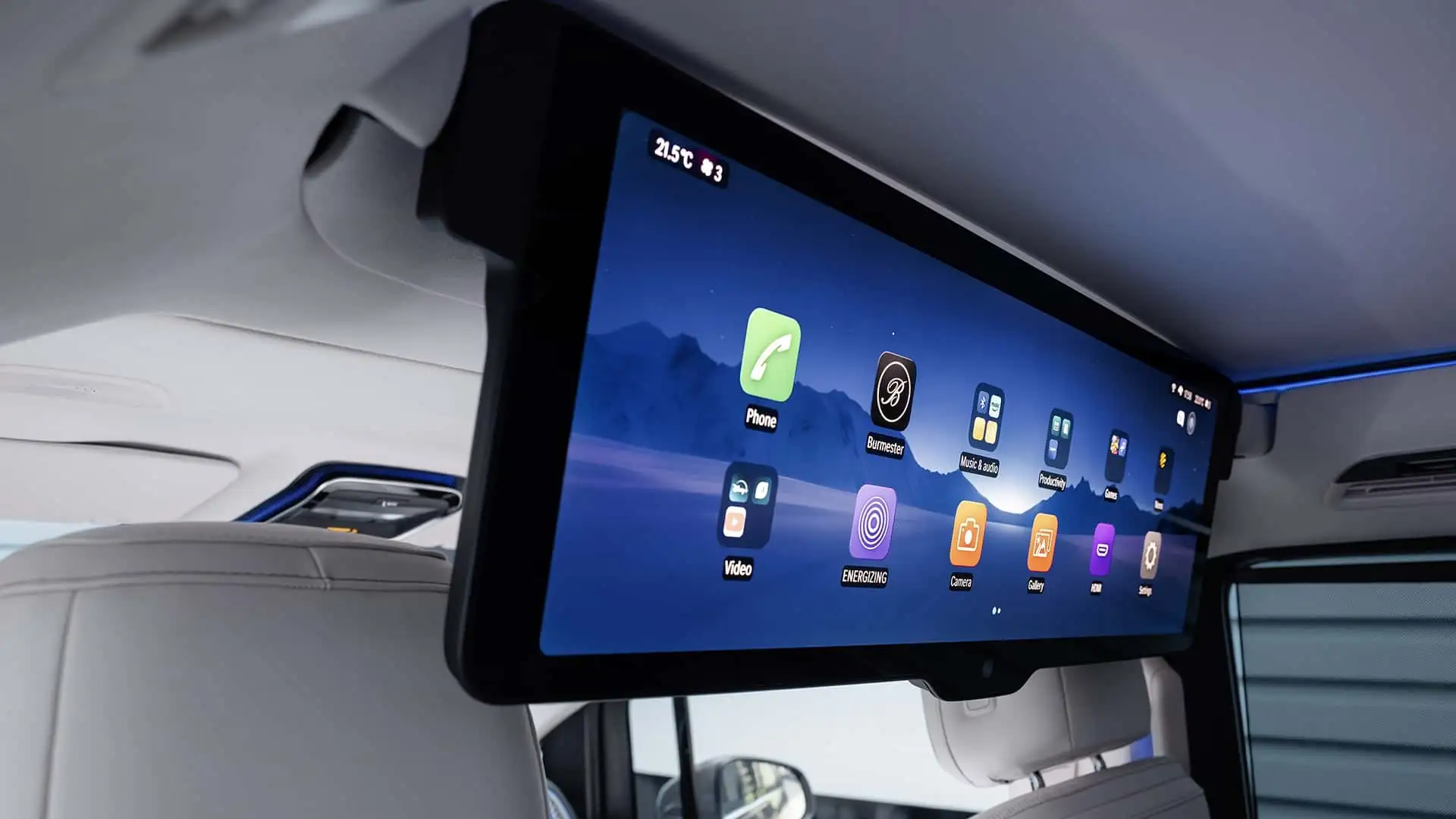
For rear-seat passengers, Mercedes has prepared a first-class worthy surprise. A panoramic 31.3-inch 8K resolution screen drops down from the ceiling, transforming the rear compartment into a private cinema or videoconference room. With over 40 third-party apps available — including Disney+, Microsoft Teams, and Zoom — the 2026 VLE recognizes that travel time can be productive, entertaining, or simply relaxing.
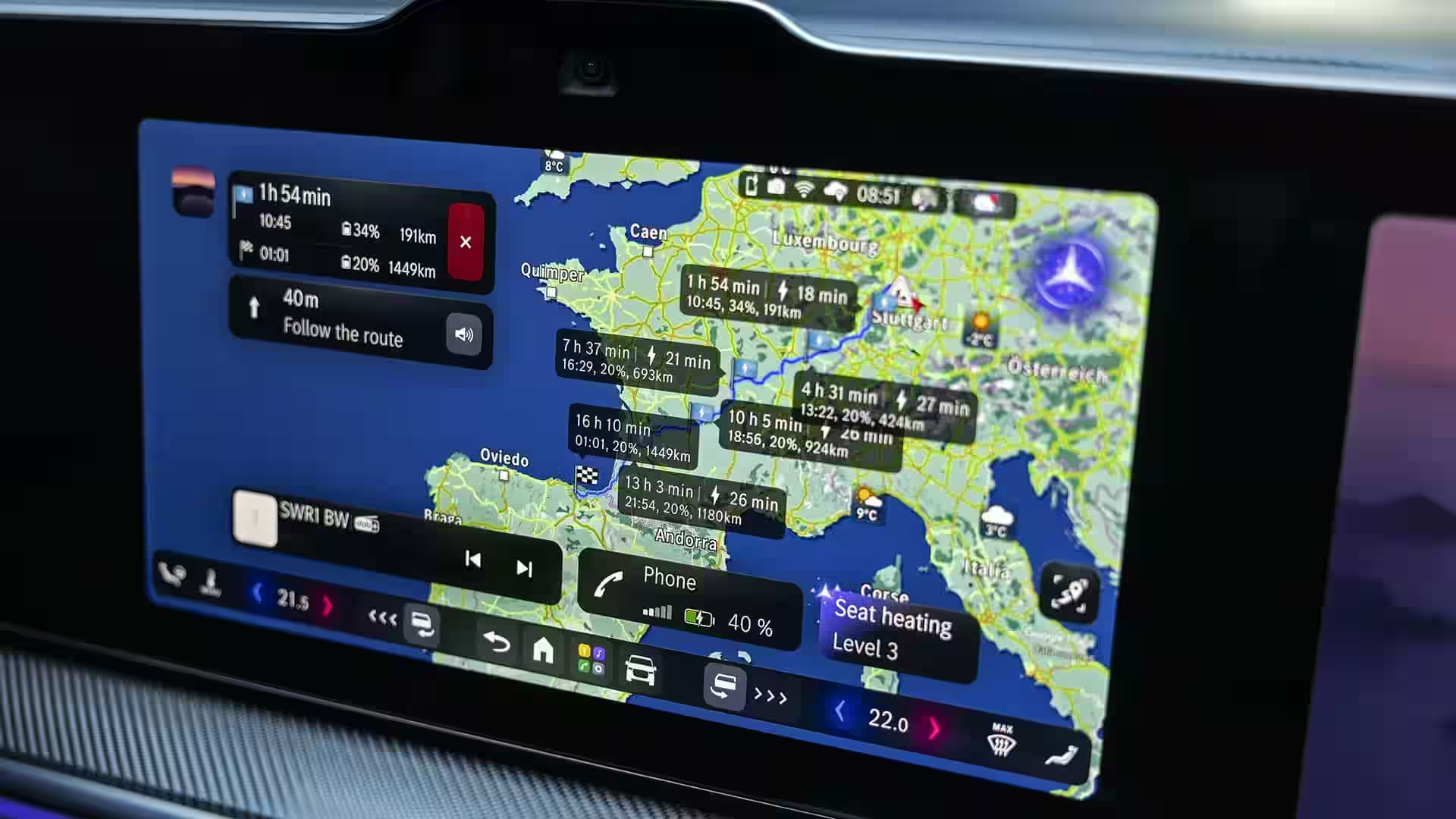
Navigation with Electric Intelligence deserves special mention. In addition to calculating optimal routes considering topography, temperature, and real-time traffic, the system pre-conditions the battery automatically before reaching charging stations. This ensures the VLE accepts the maximum available power from the first minute, significantly reducing total stop time.
The MB.DRIVE driver assistance package evolves from SAE Level 2 — with automatic lane changing — to specialized systems for dense urban traffic. Ten cameras, five radars, and twelve ultrasonic sensors create a 360-degree environmental awareness, while the parking assistant now identifies spots even without visual markings and performs fully autonomous maneuvers at speeds up to 5 km/h.
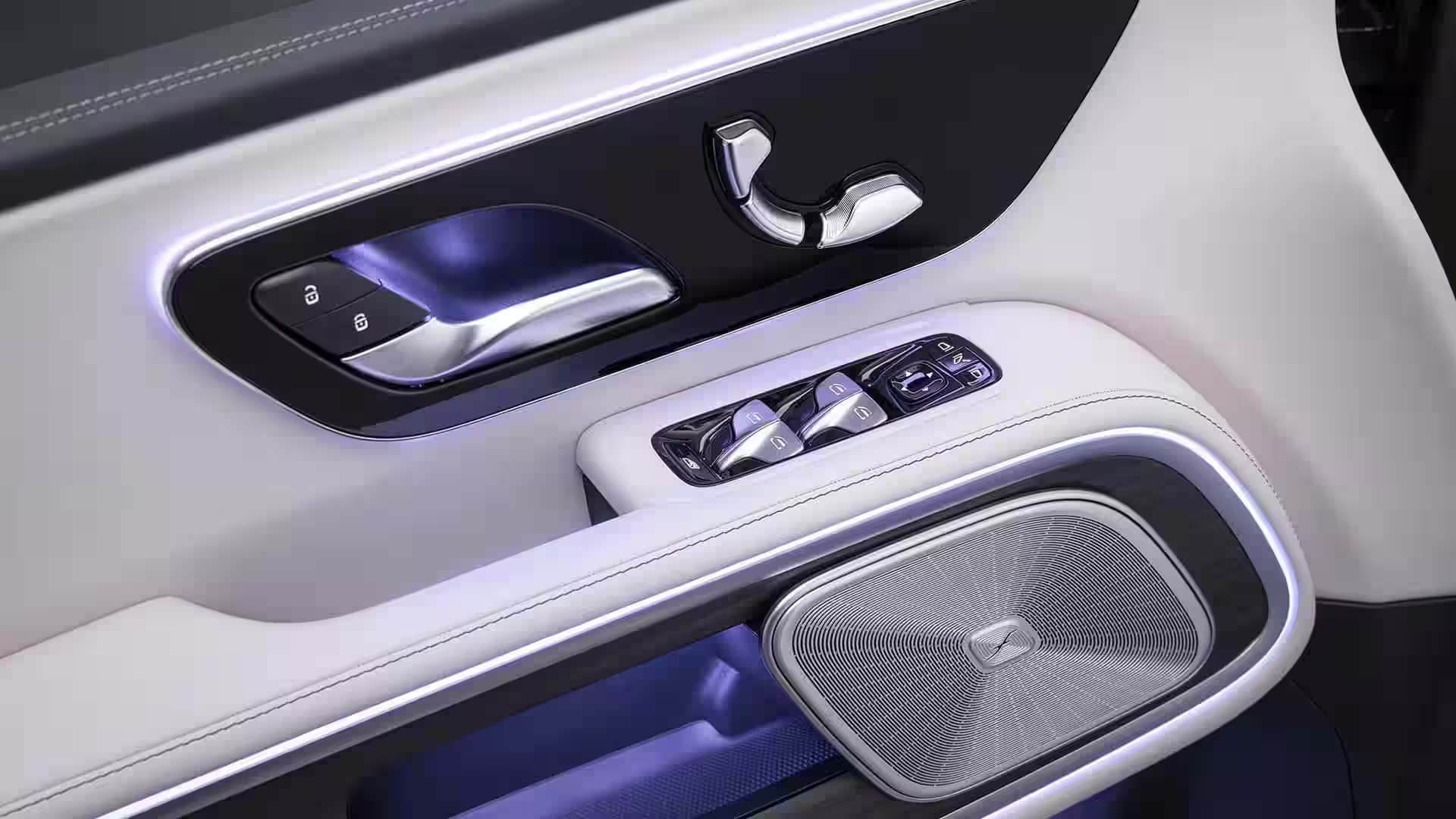
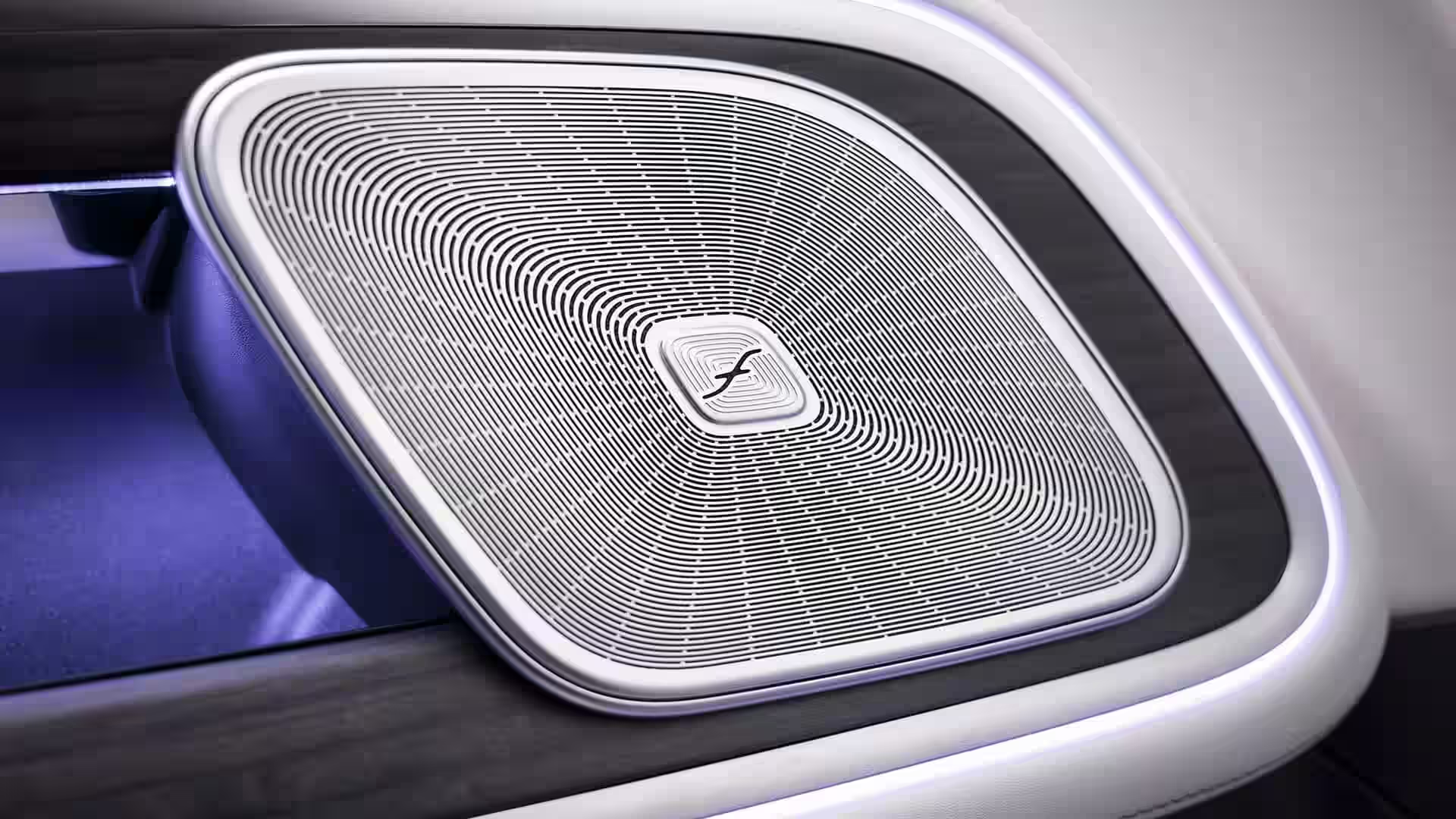
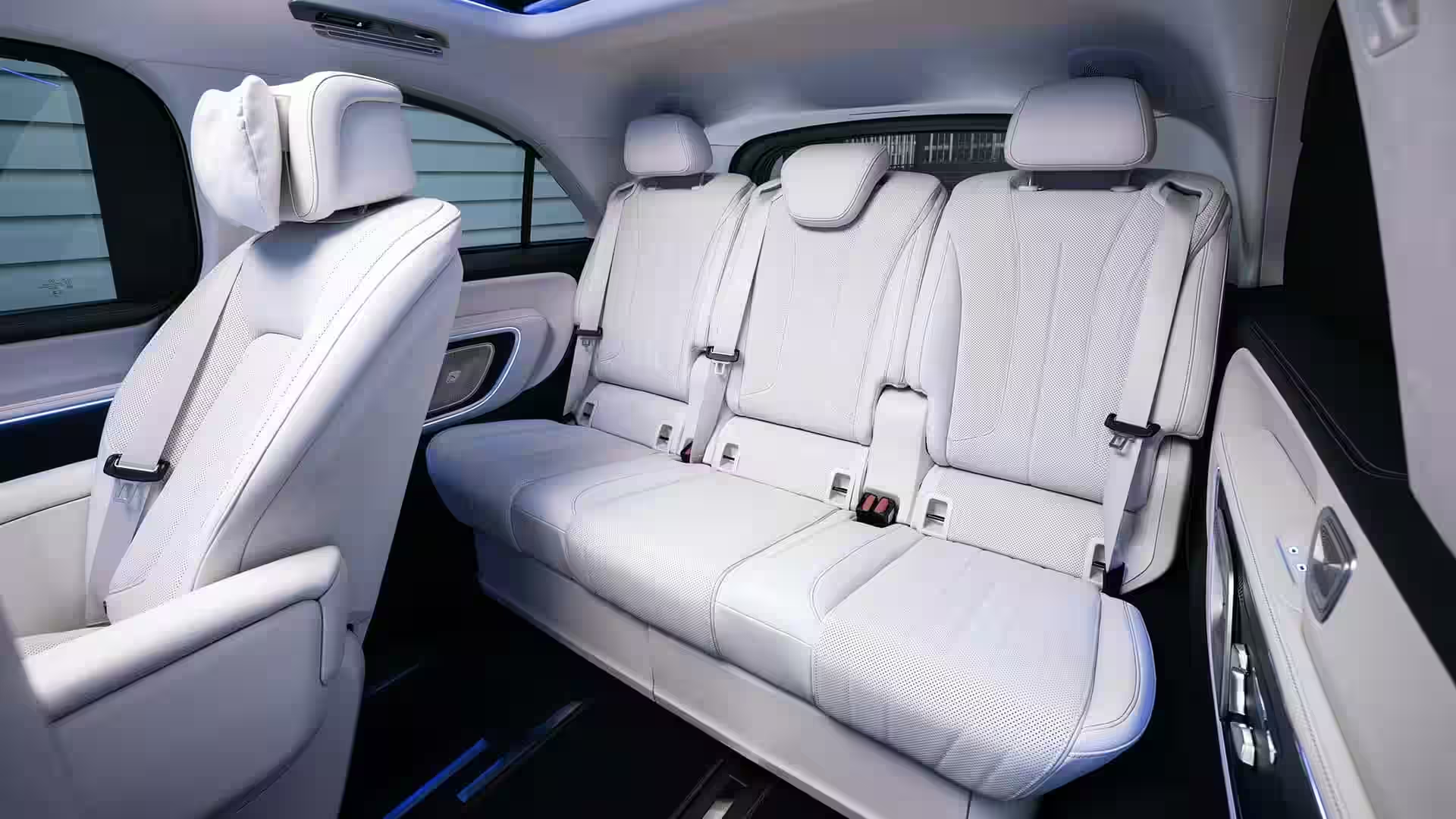
The construction of the 2026 Mercedes VLE reflects an obsession with silence that only premium brands can sustain. Double-layer acoustic glass and active decoupling elements in the chassis isolate passengers from wind and rolling noise, creating a moving anechoic chamber — the perfect setting to enjoy the reference audio system or simply converse without raising your voice.
In a market where Porsche and Audi compete for attention with bold electric proposals, the 2026 VLE establishes its own territory. It does not compete directly with sporty SUVs or luxury sedans — it creates a category where space, technology, and sustainability coexist without compromises. For families who refuse to choose between practicality and sophistication, between environmental awareness and first-class comfort, this electric van may be the most convincing answer the automotive industry offers today.
The bidirectional charging capability — standard on all versions — opens possibilities beyond mobility. The VLE can power the home during blackouts, energize camping equipment, or even charge another electric vehicle in emergencies. It is Mercedes acknowledging that the car of the future is, above all, a mobile energy asset.
With a launch scheduled for 2026, the Mercedes VLE not only anticipates what’s to come — it delivers now what competitors still promise for later. And in the race for the electrification of family transportation, those who set the pace are usually those who come out ahead.