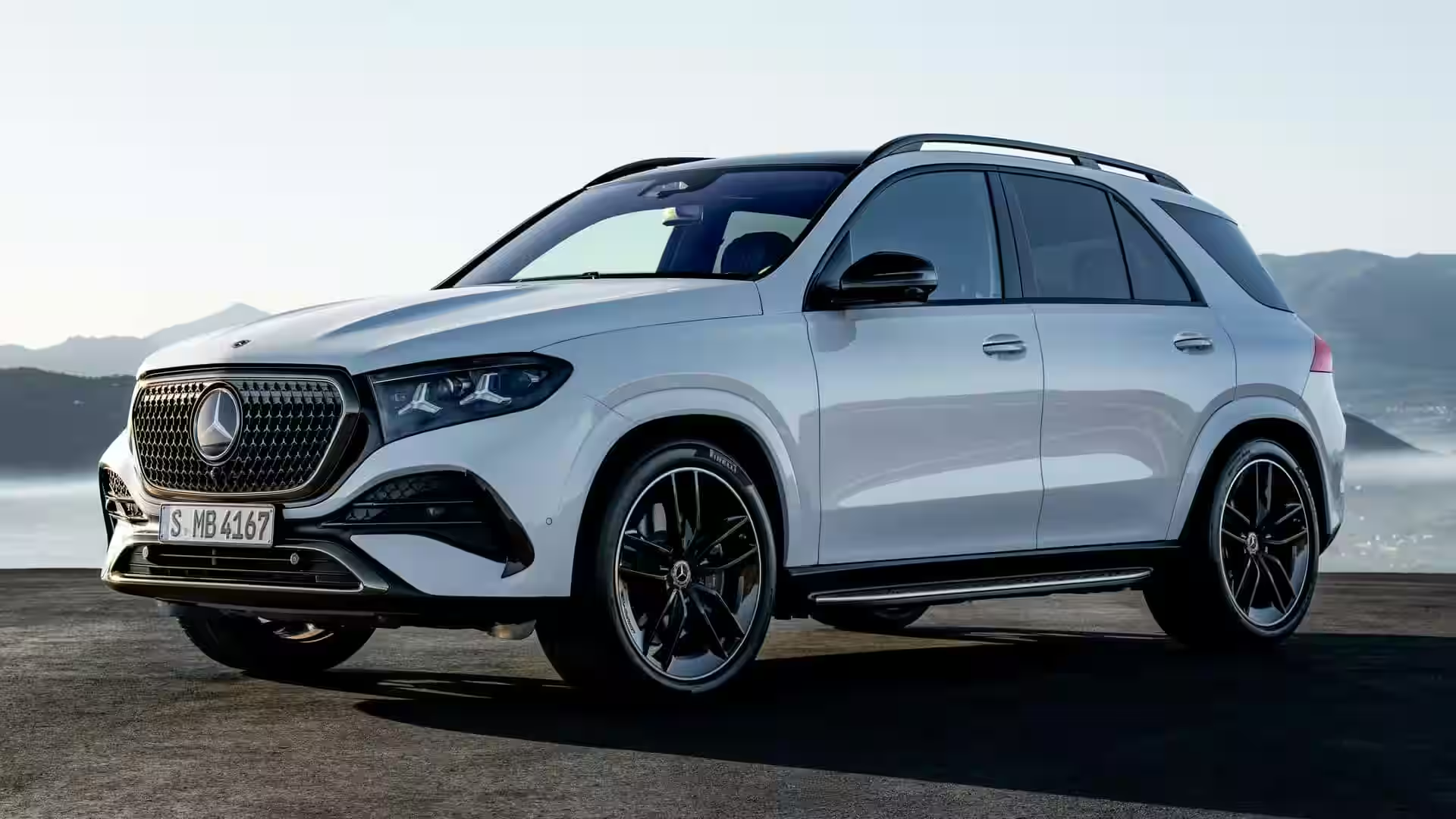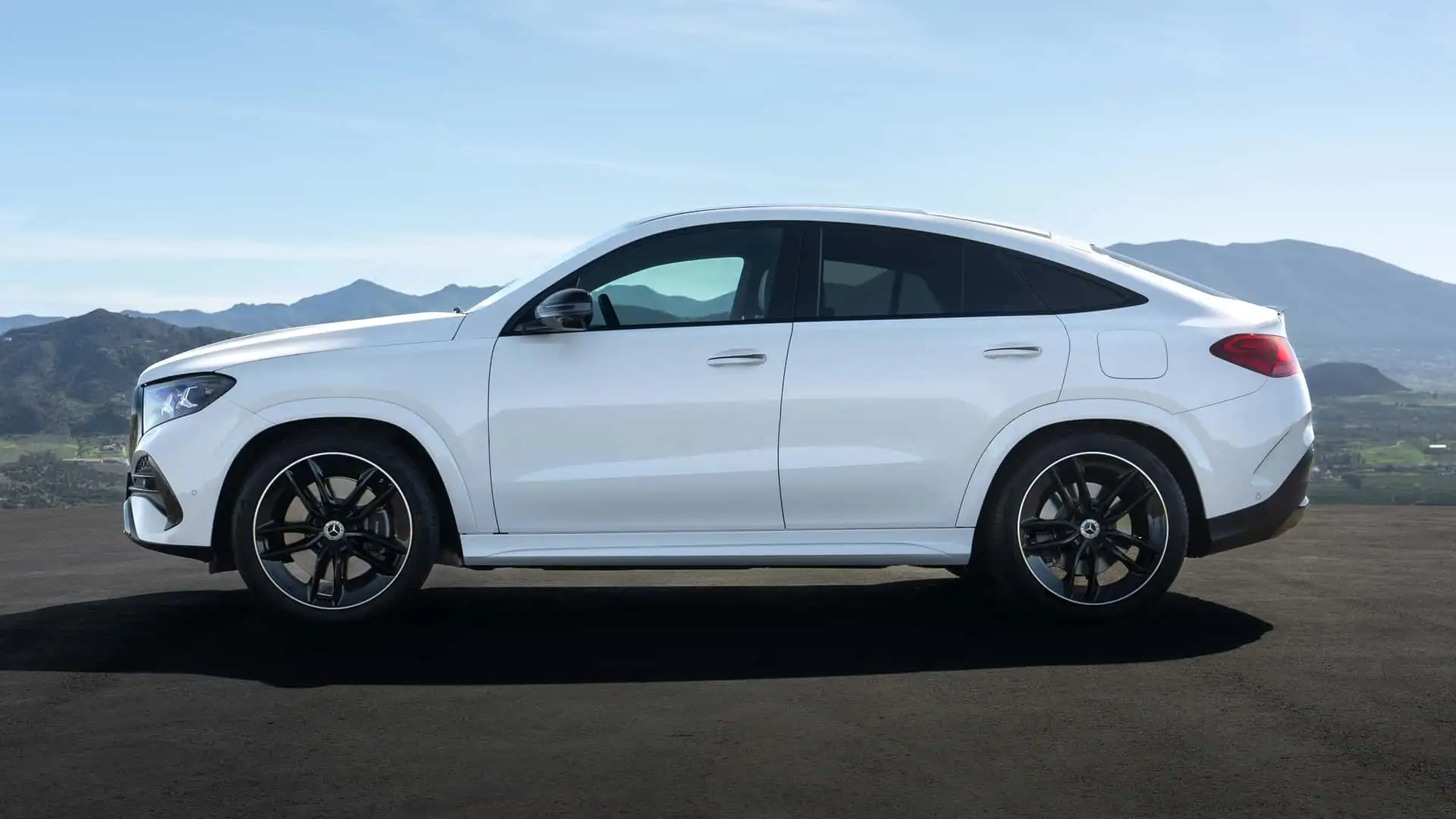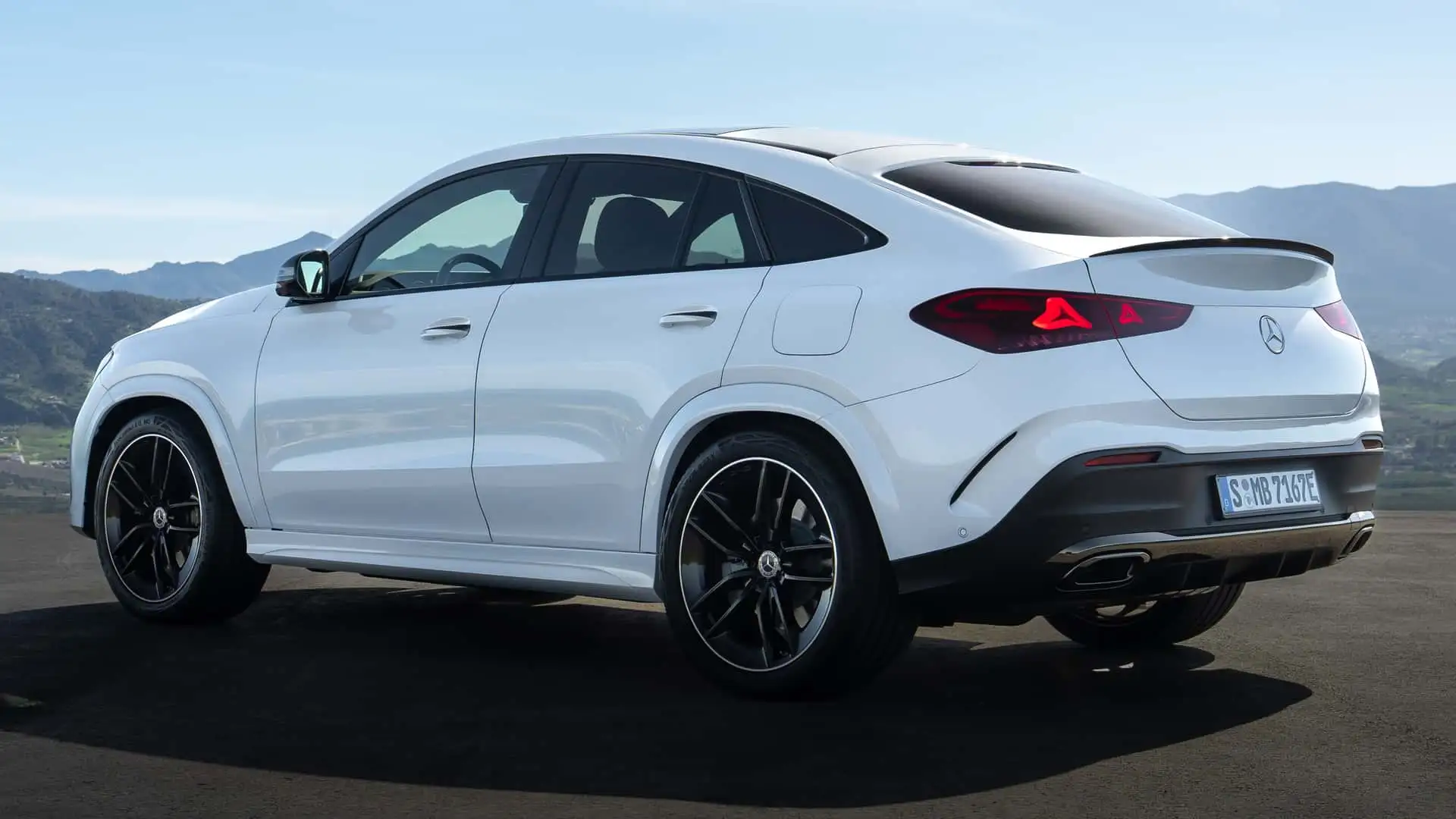
The MERCEDES-BENZ GLE 2027 arrives with a stellar look and the Superscreen dashboard. See how the luxury SUV has been transformed inside and out.
Mercedes-Benz GLE has not been fully reinvented, but this refresh goes far deeper than a simple bumper tweak, and the biggest changes show up exactly where luxury buyers look first: design, screens, and power.
A Familiar Luxury SUV Suddenly Looks Much More Expensive After Dark
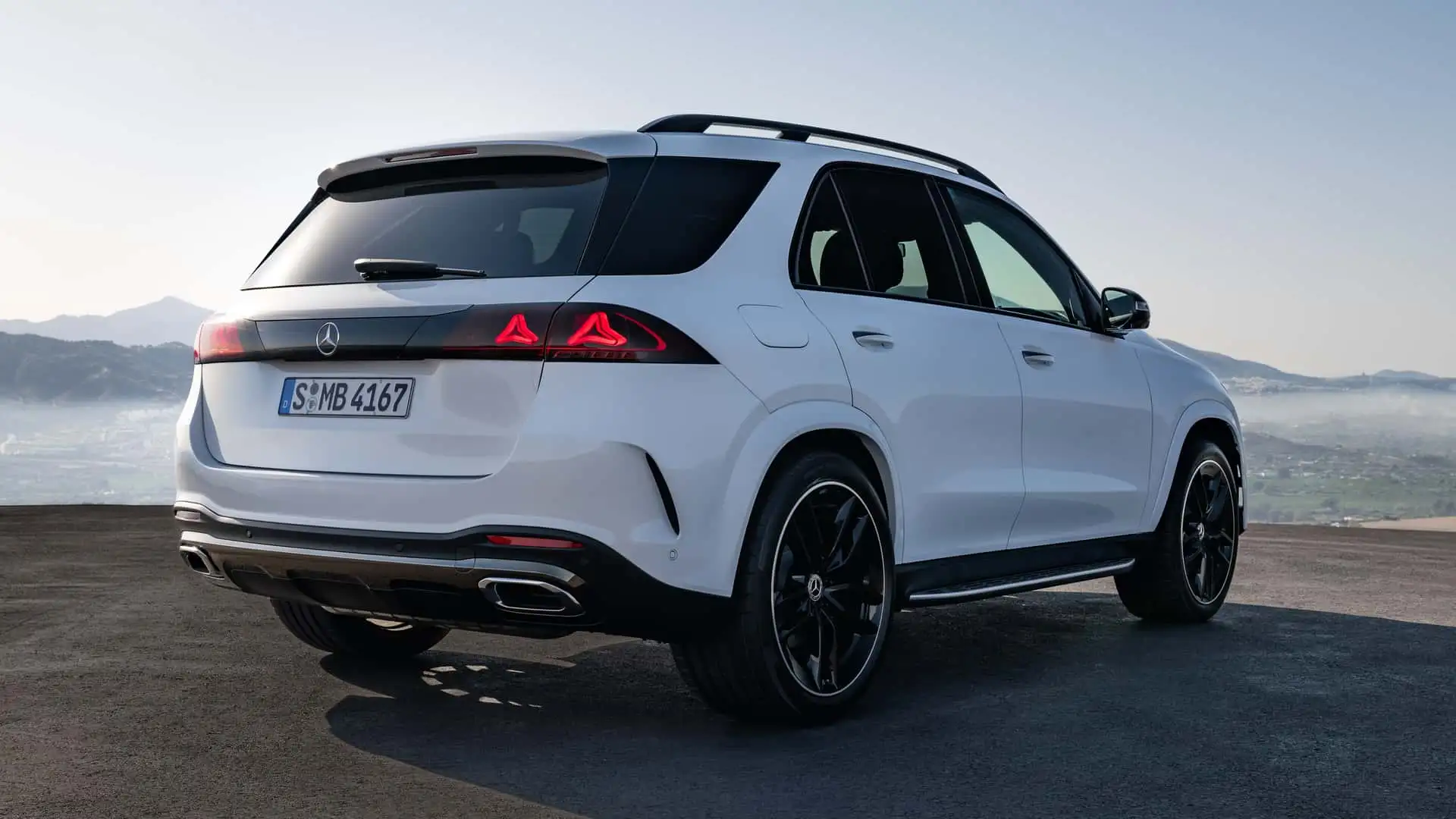
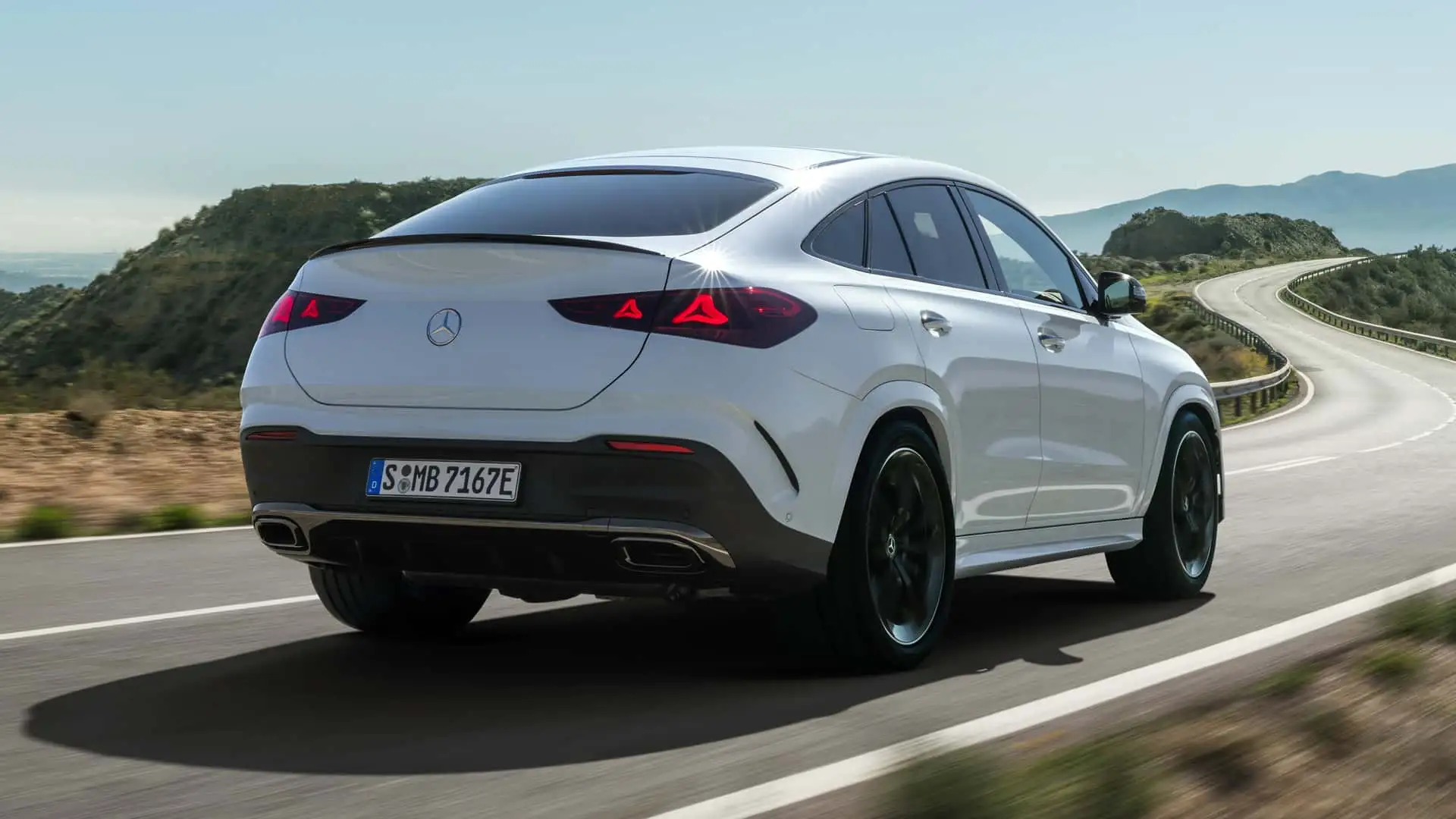
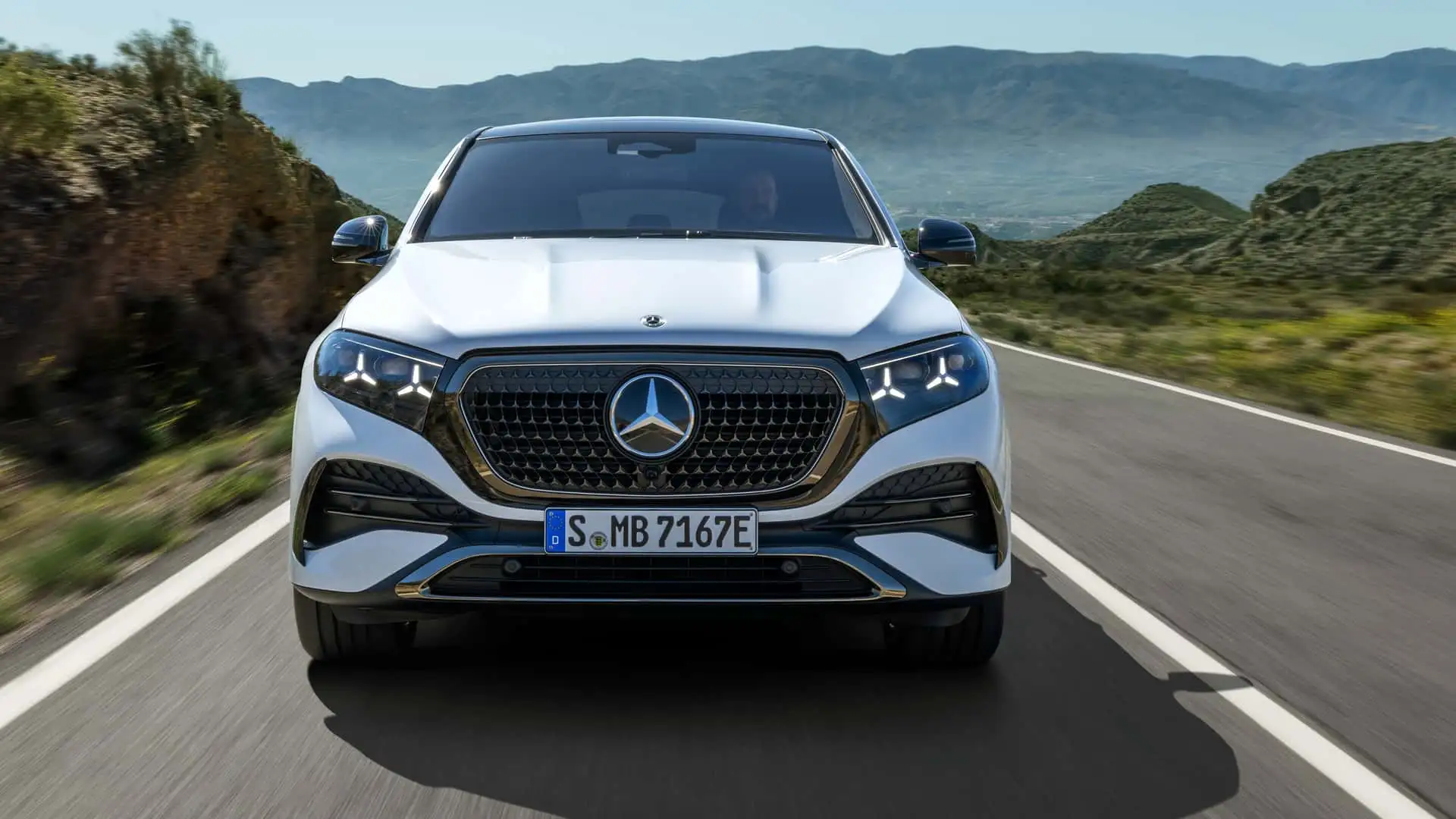
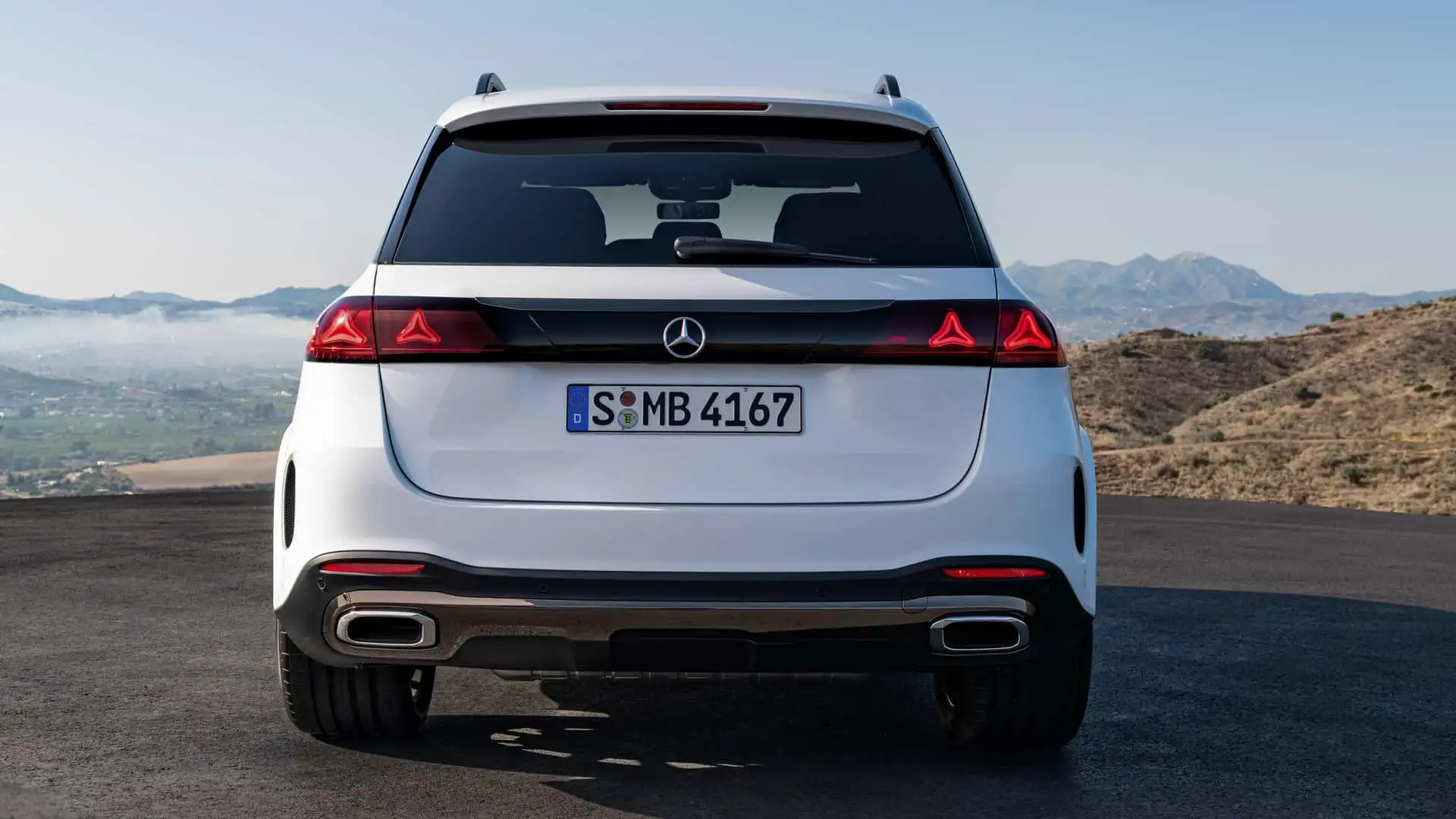
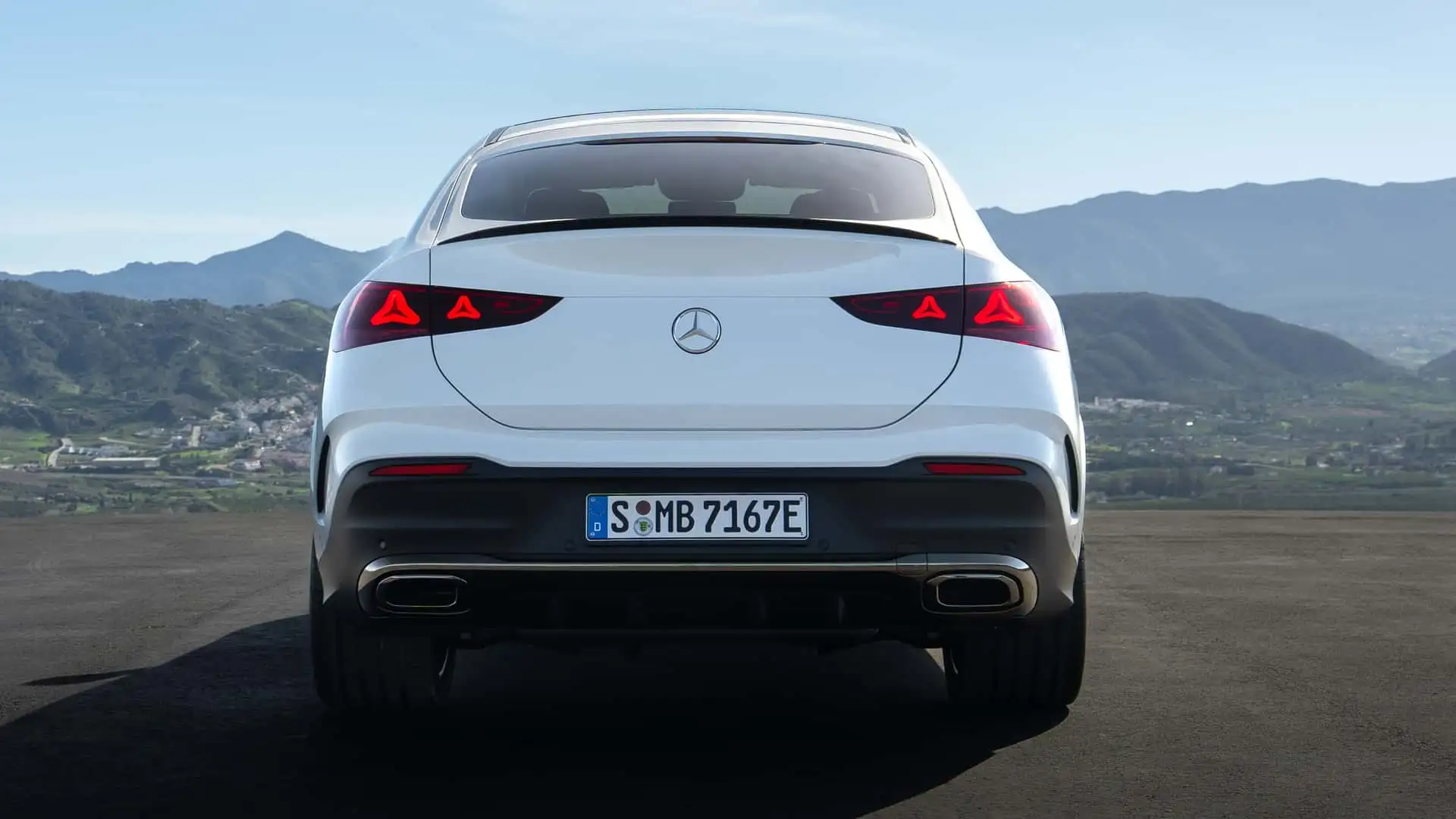
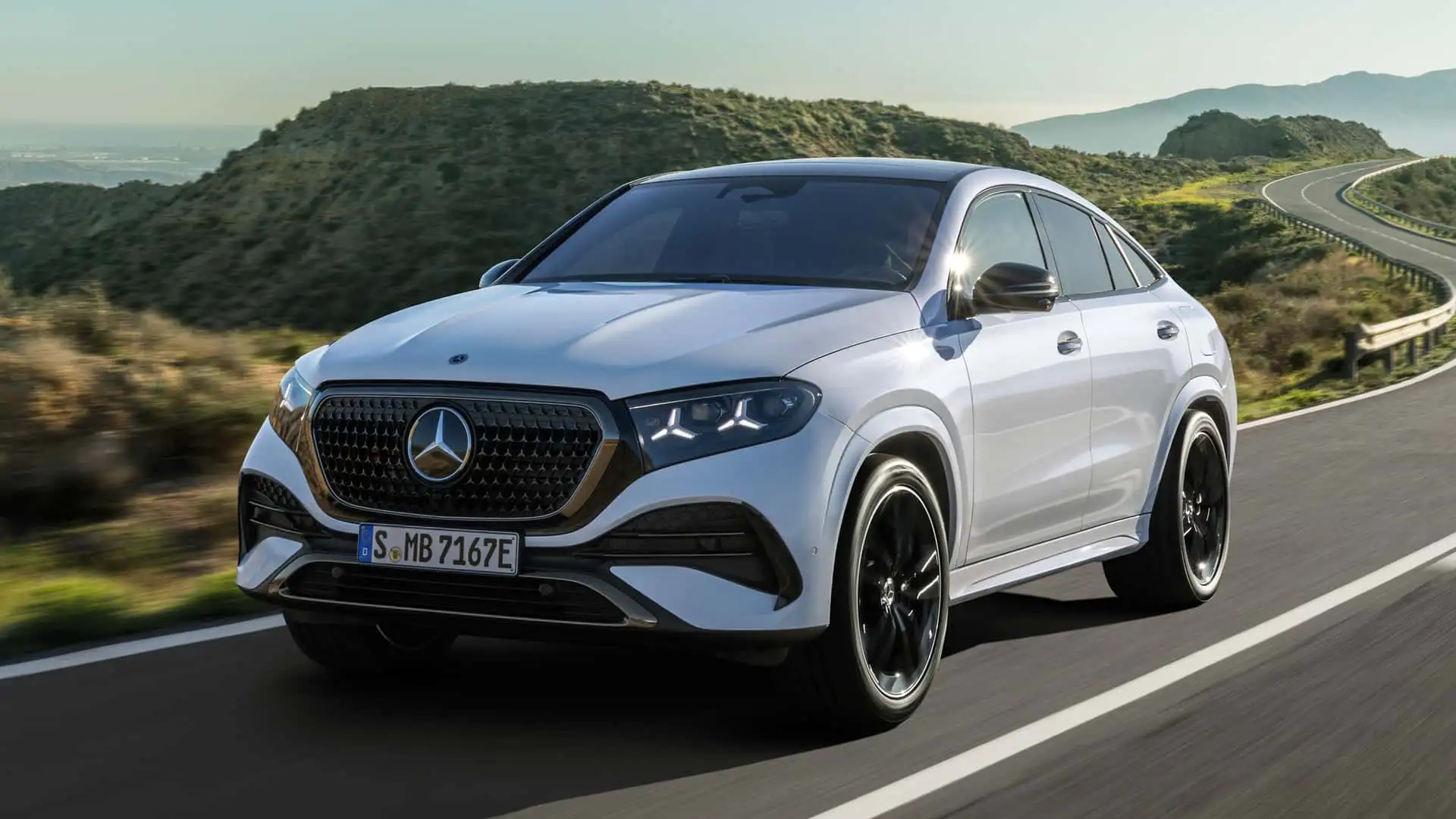
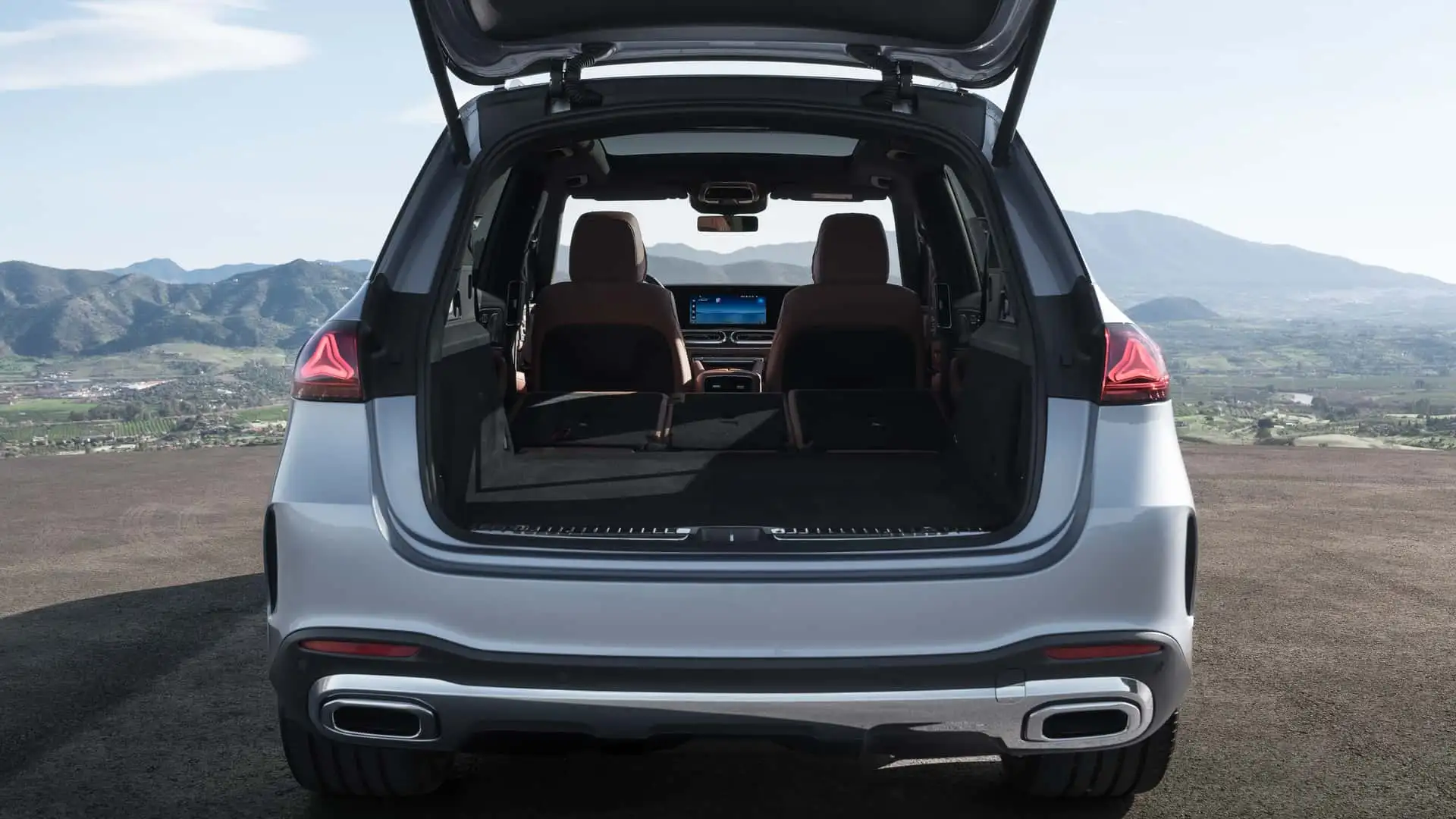
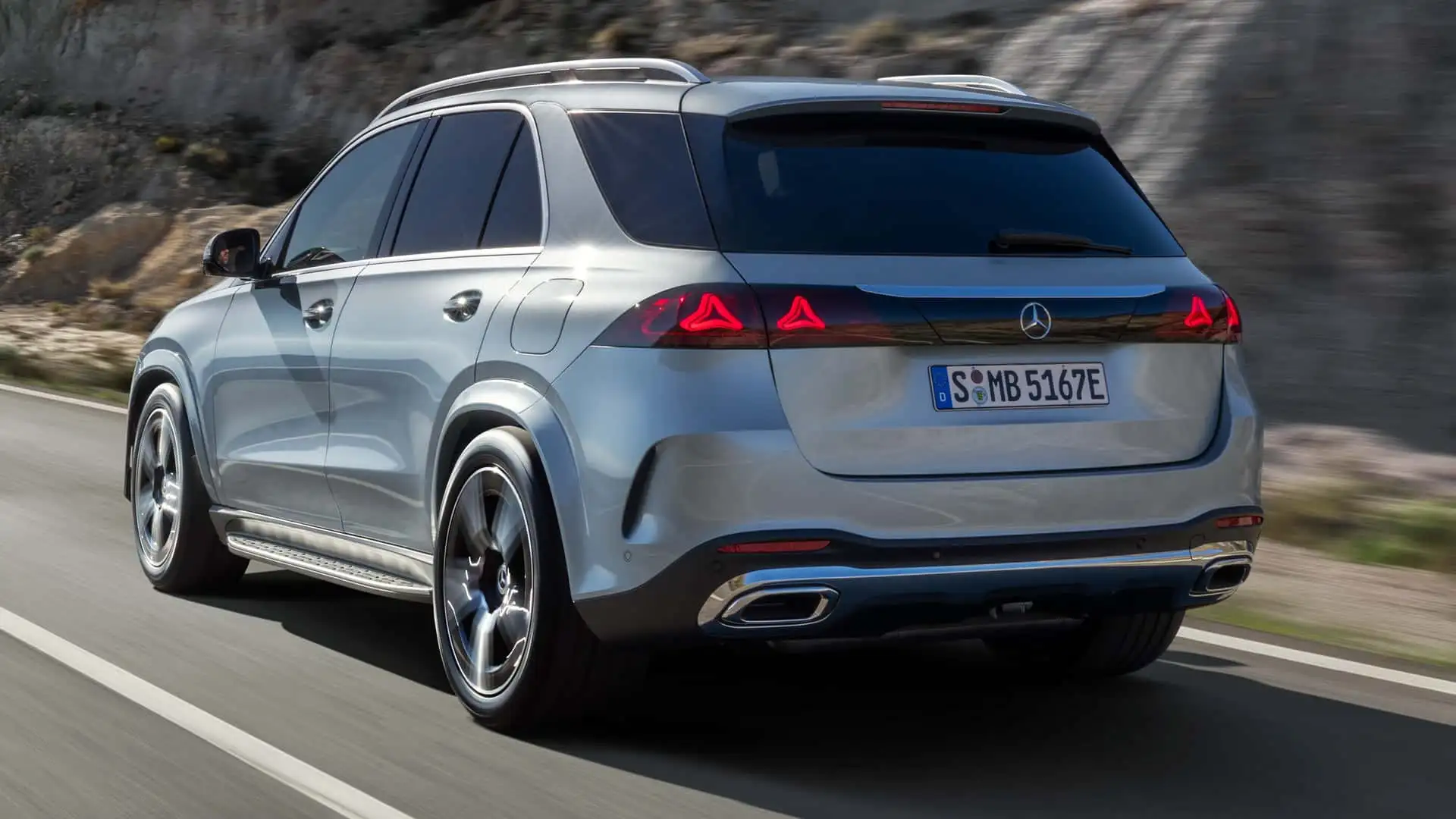
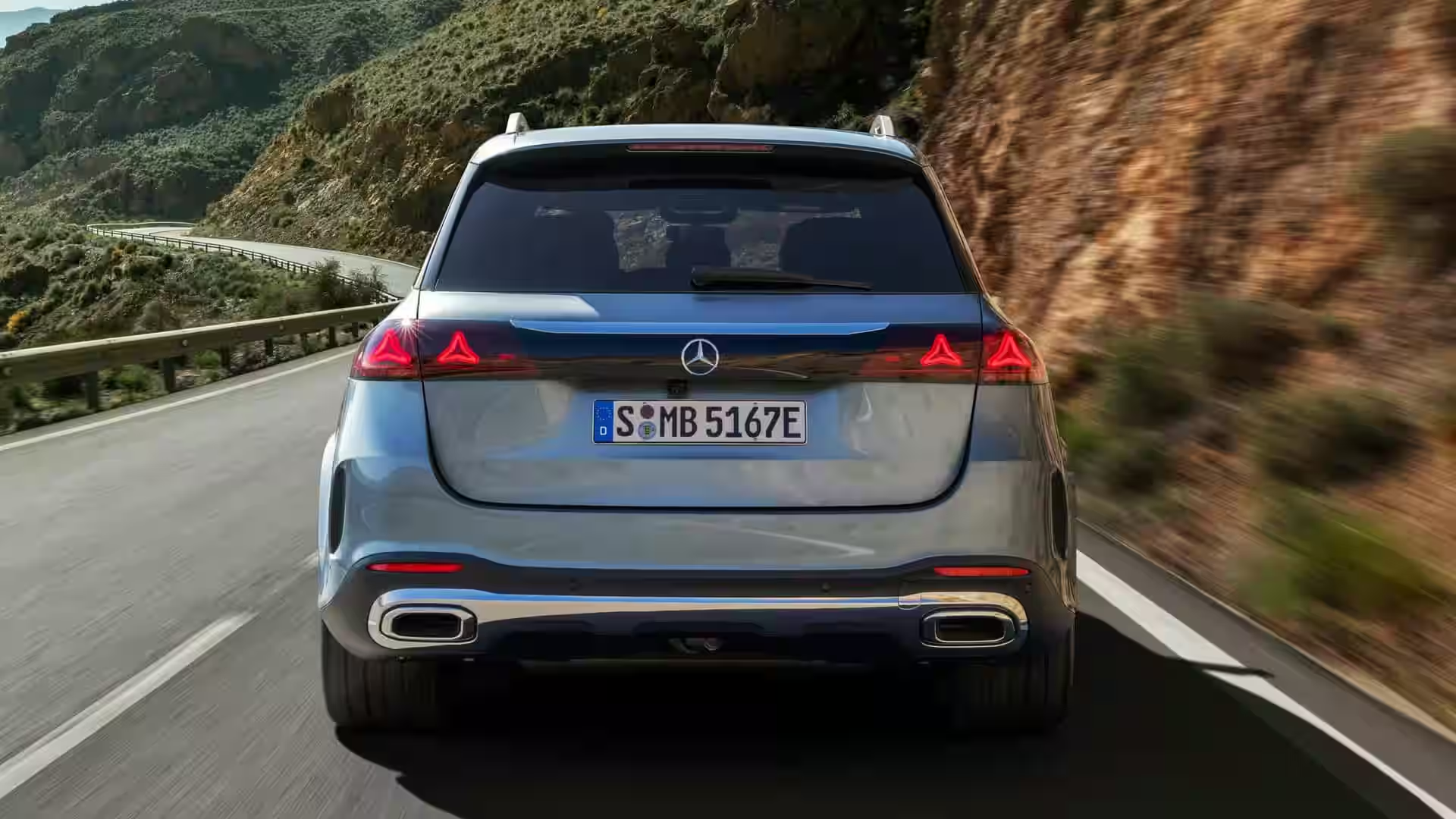
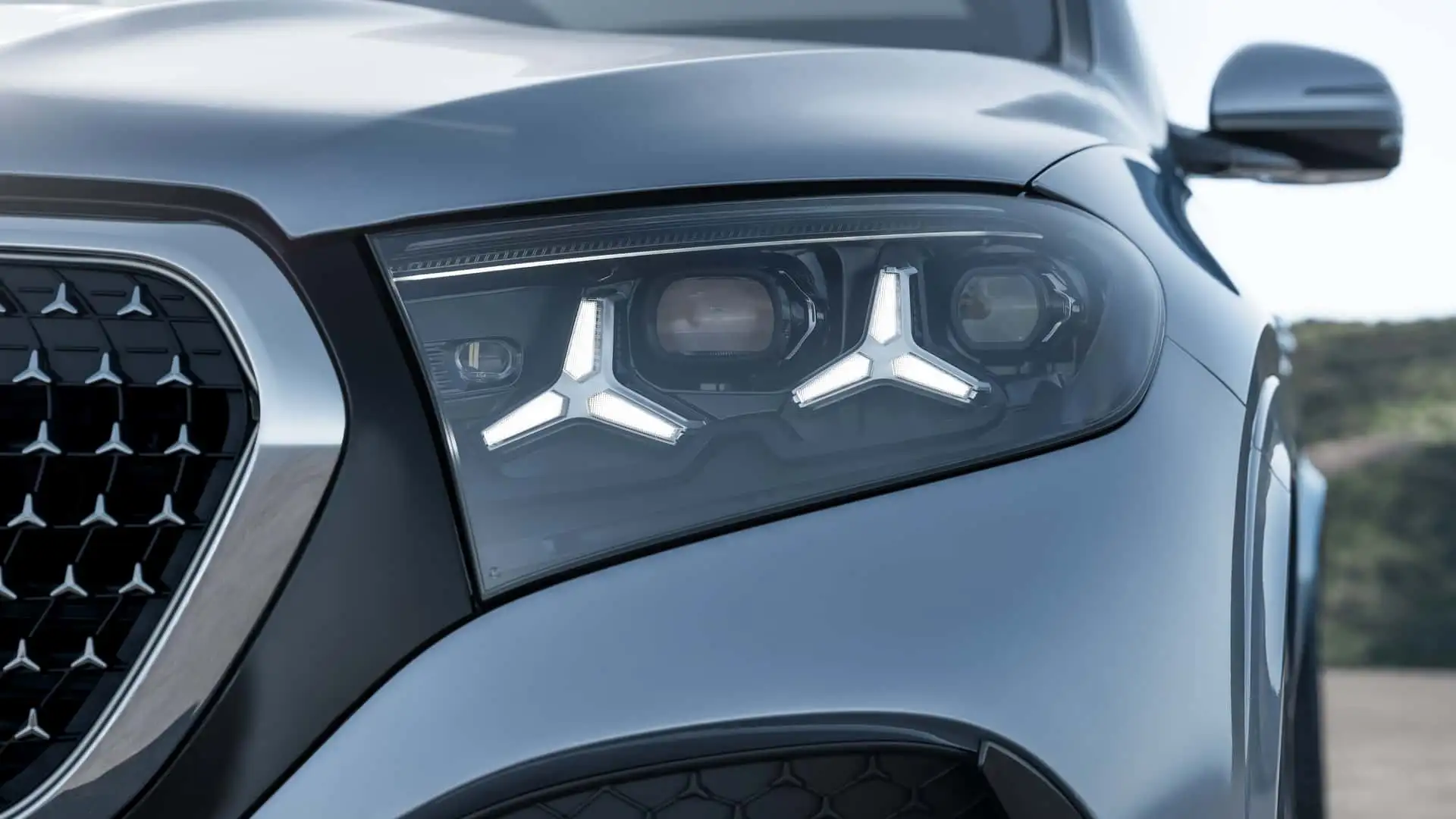
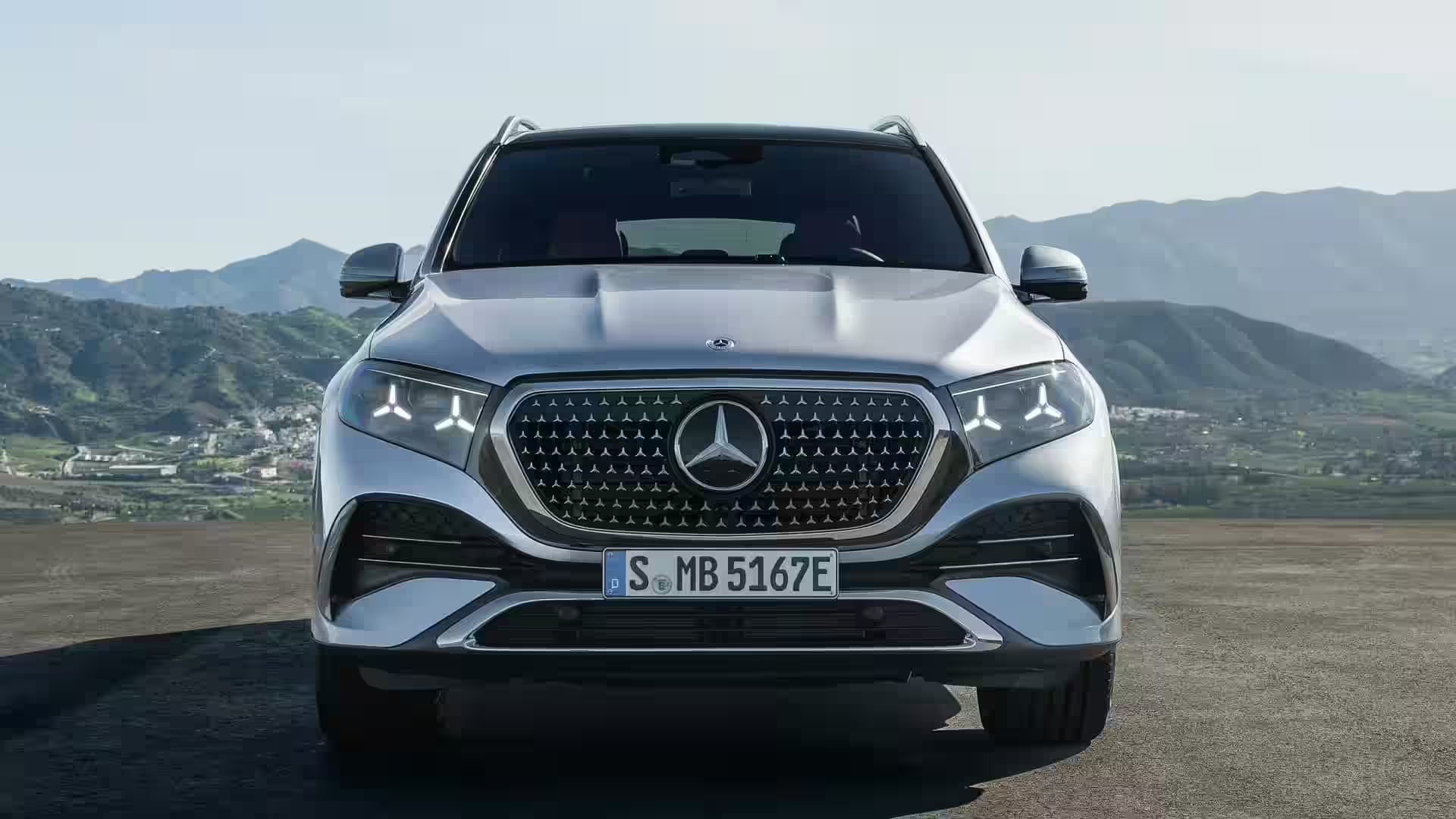
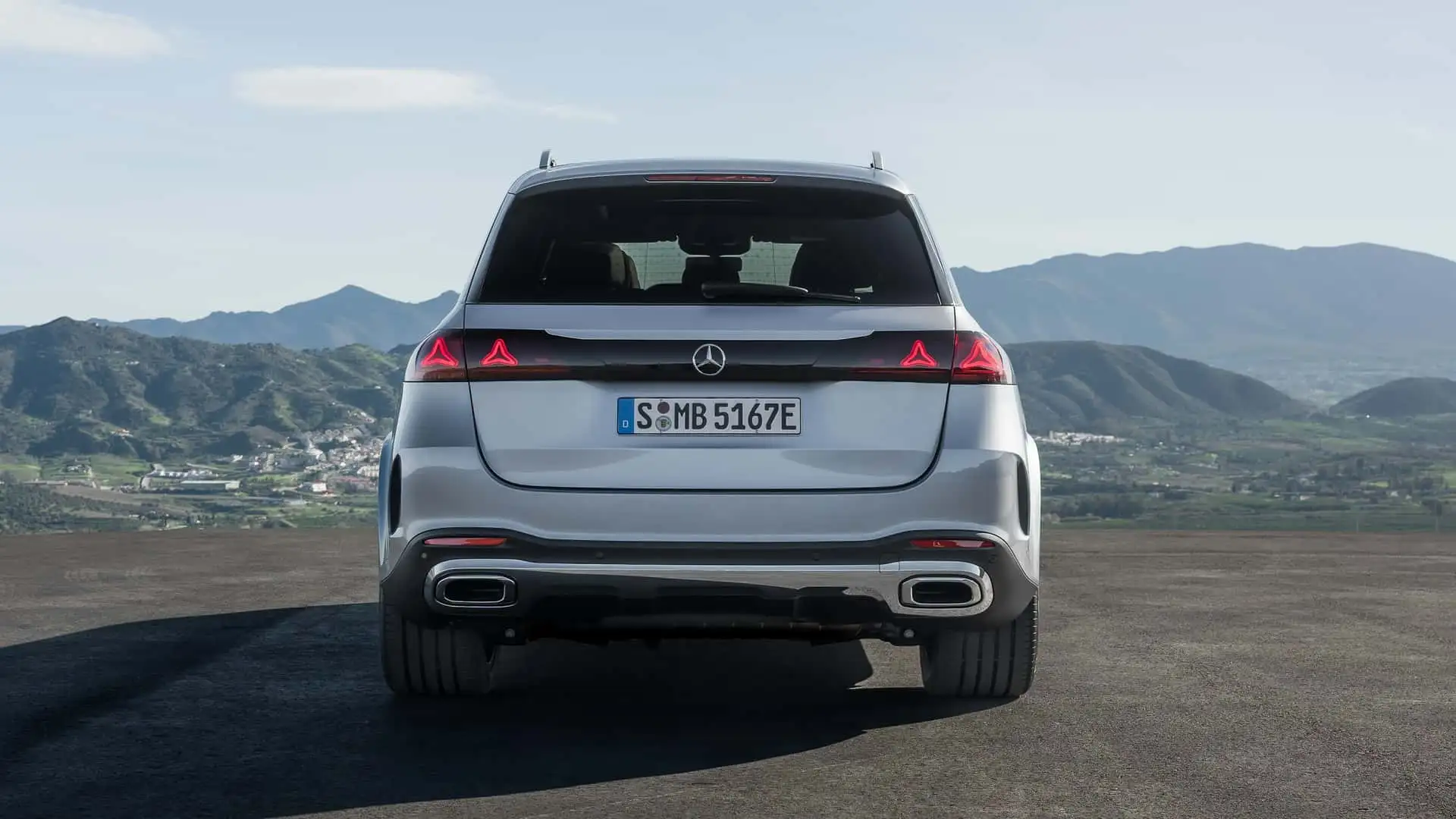
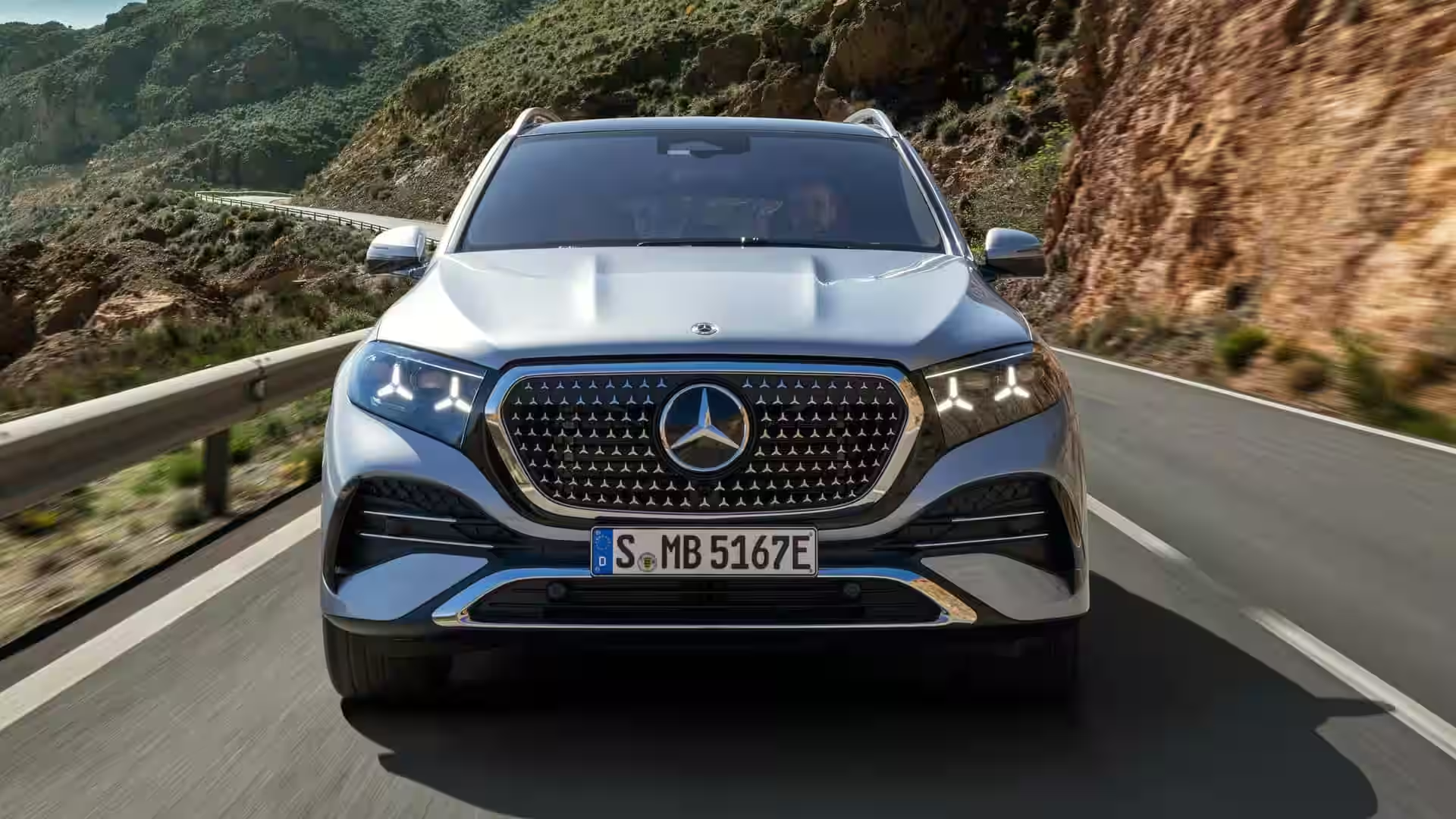
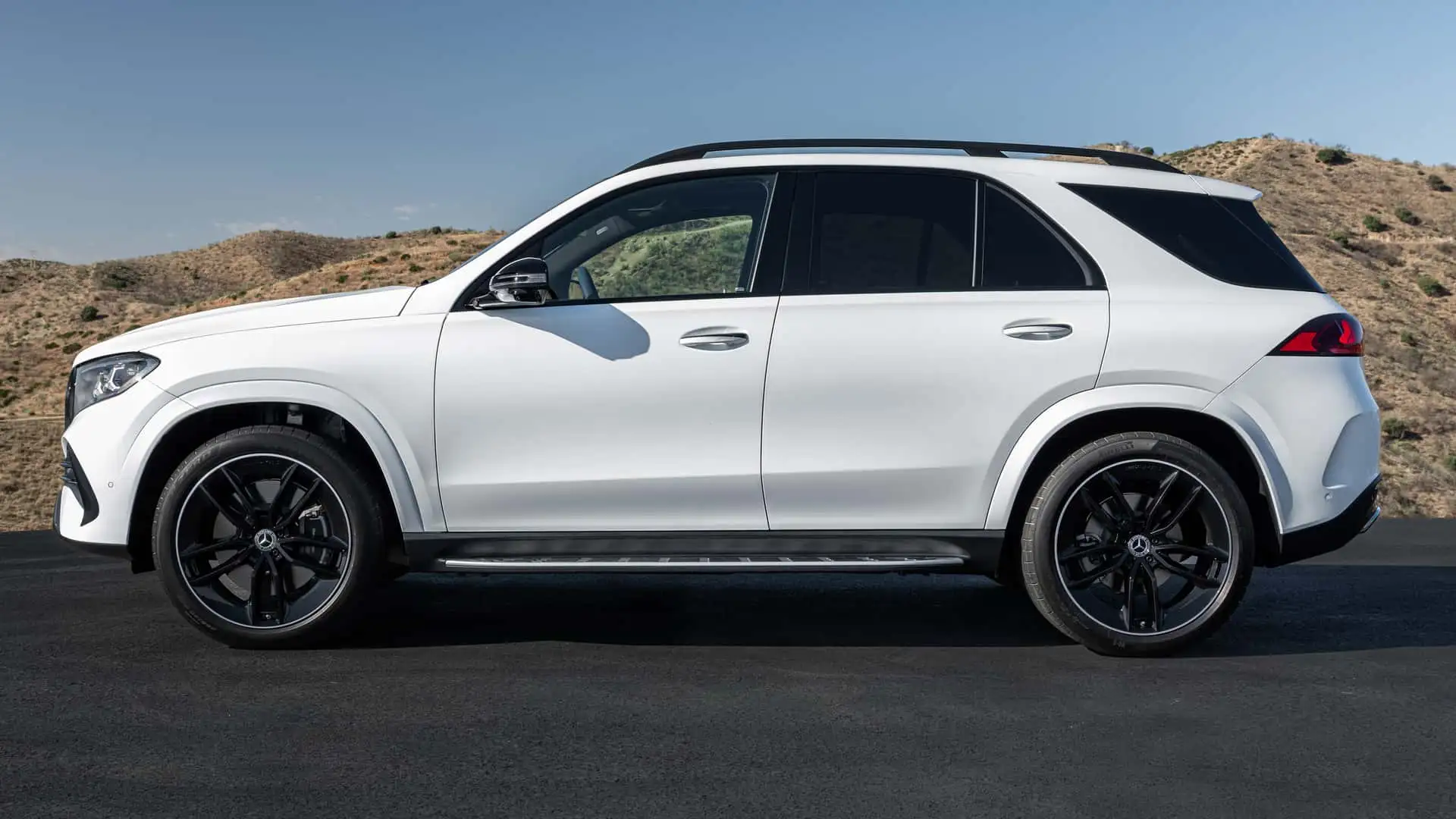
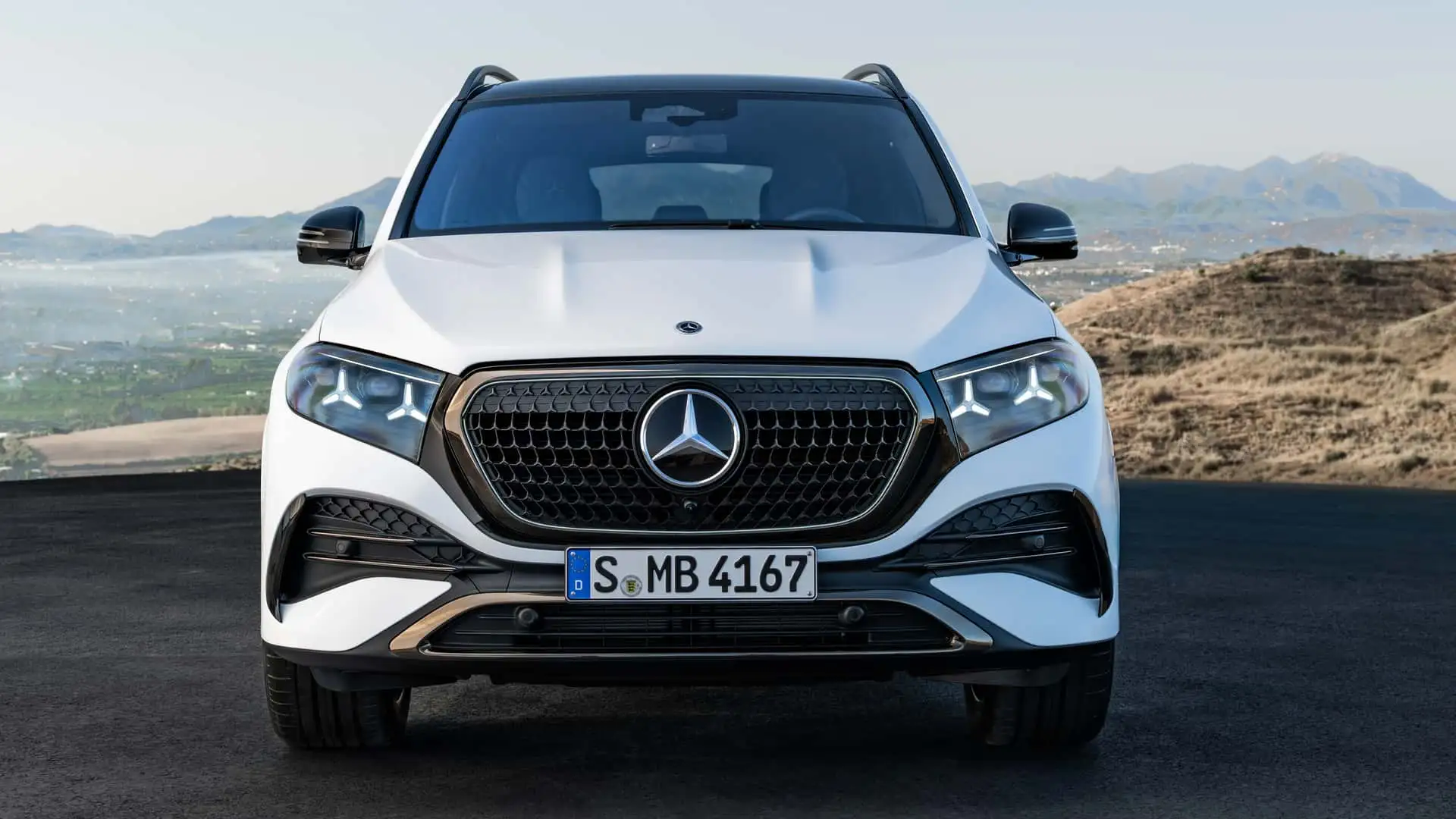
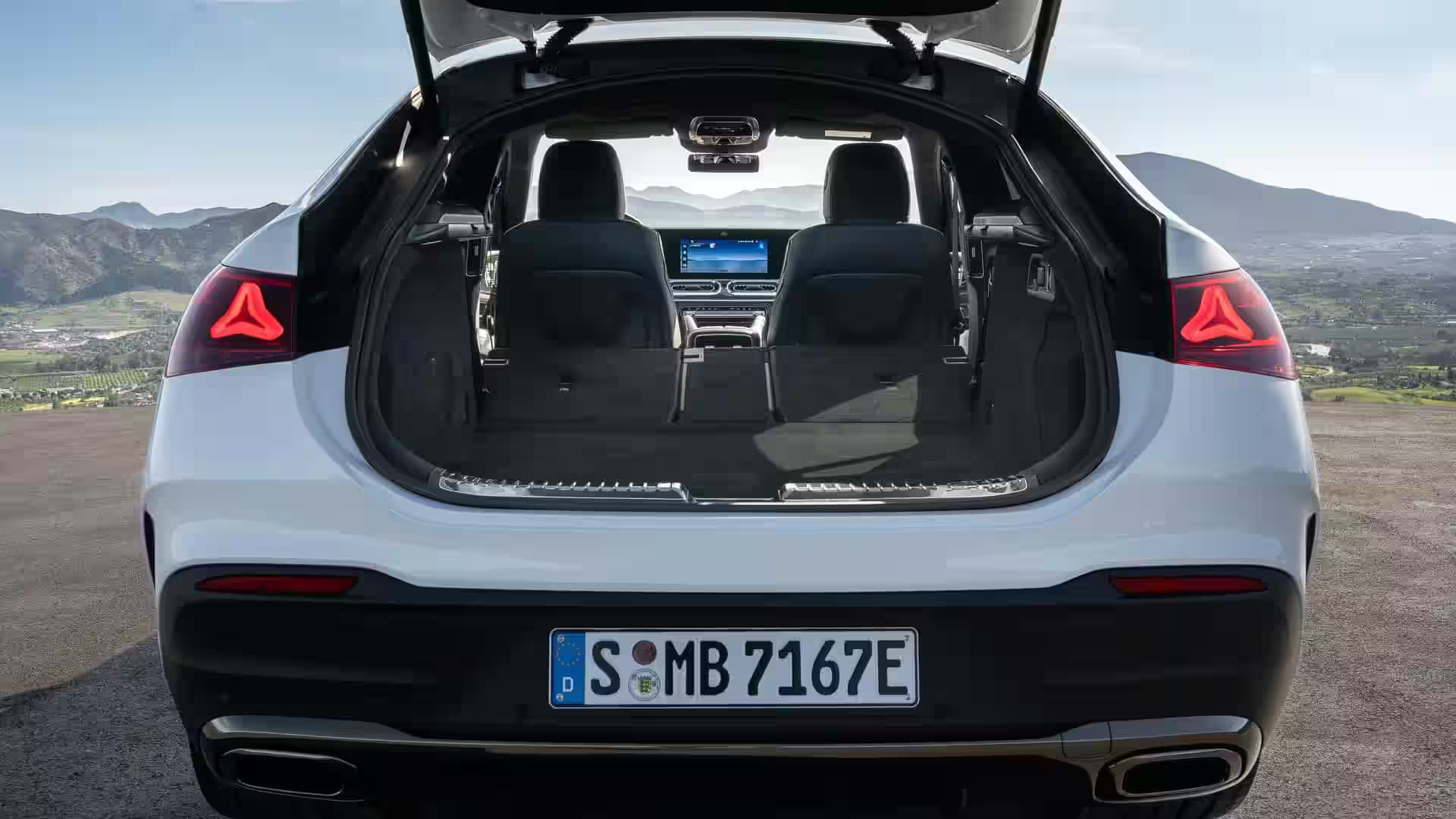
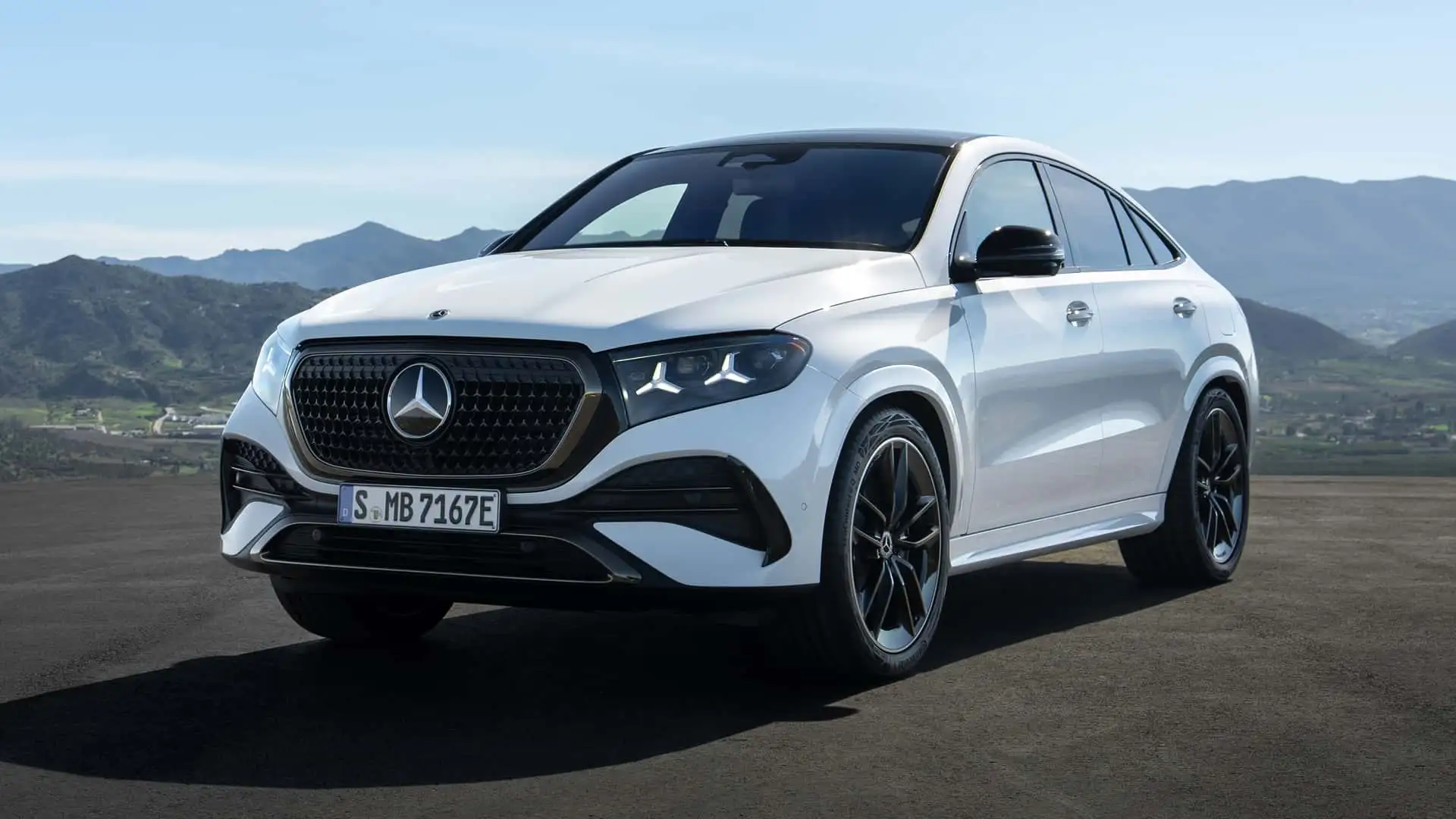
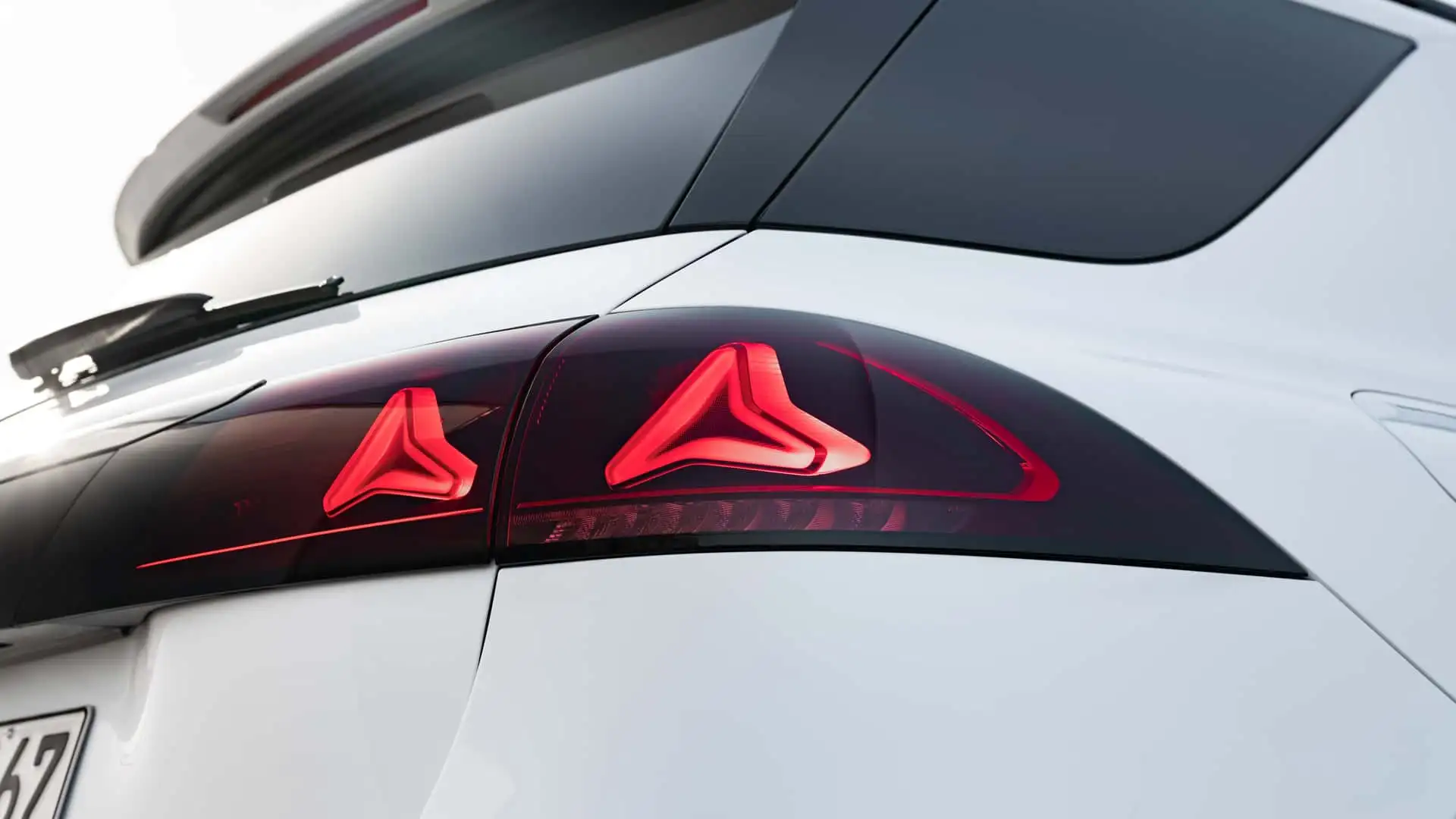
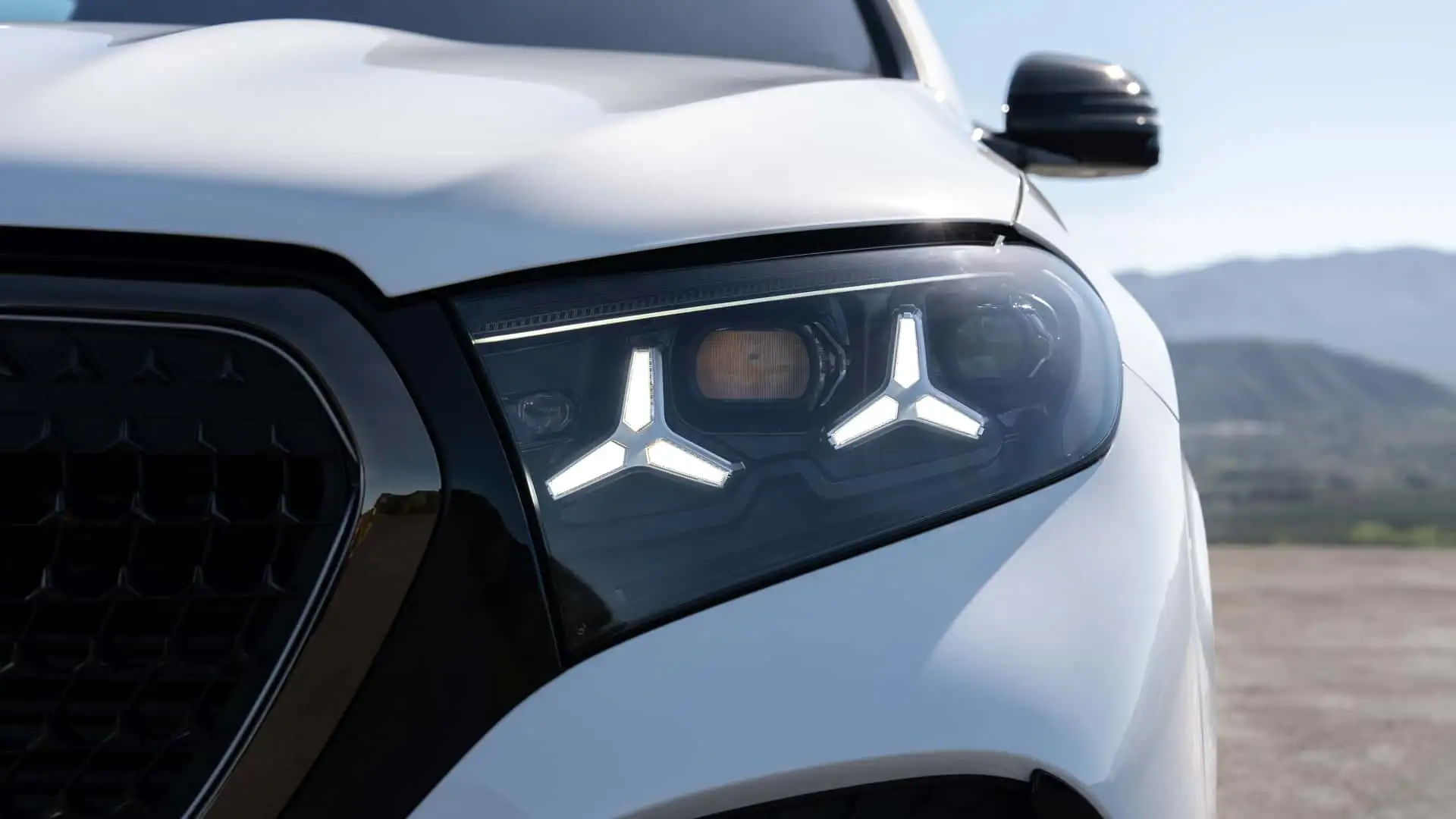
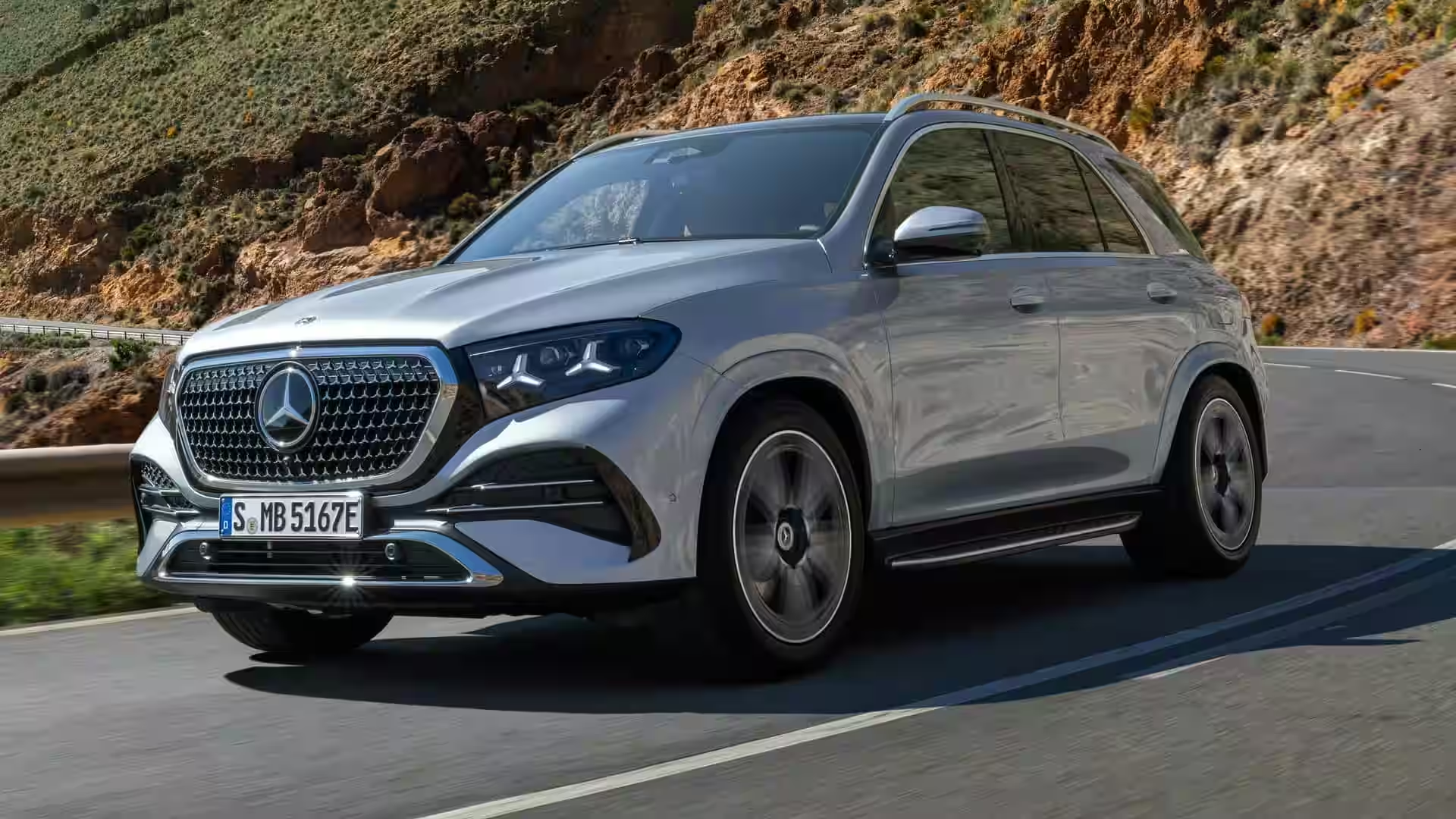
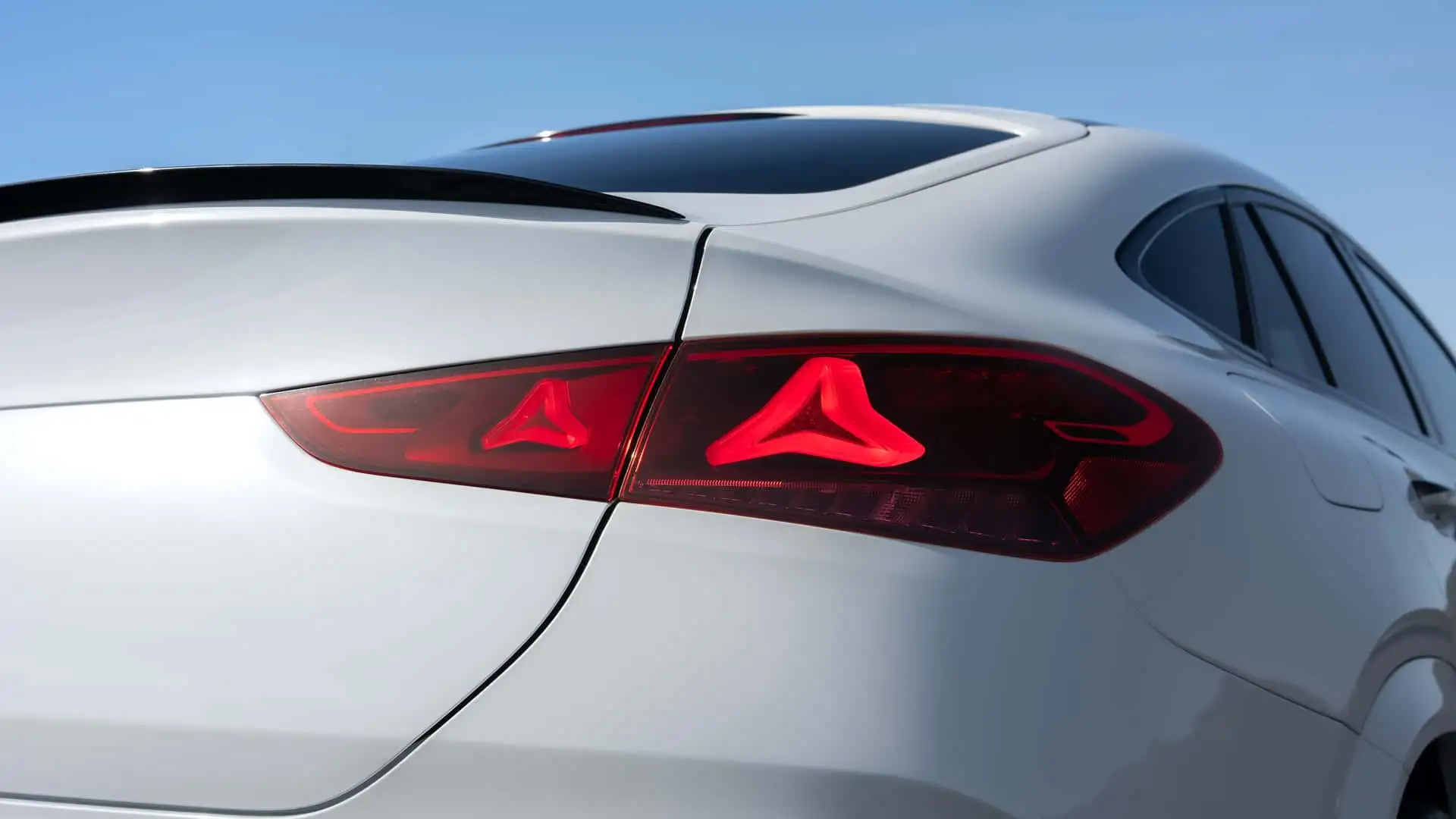
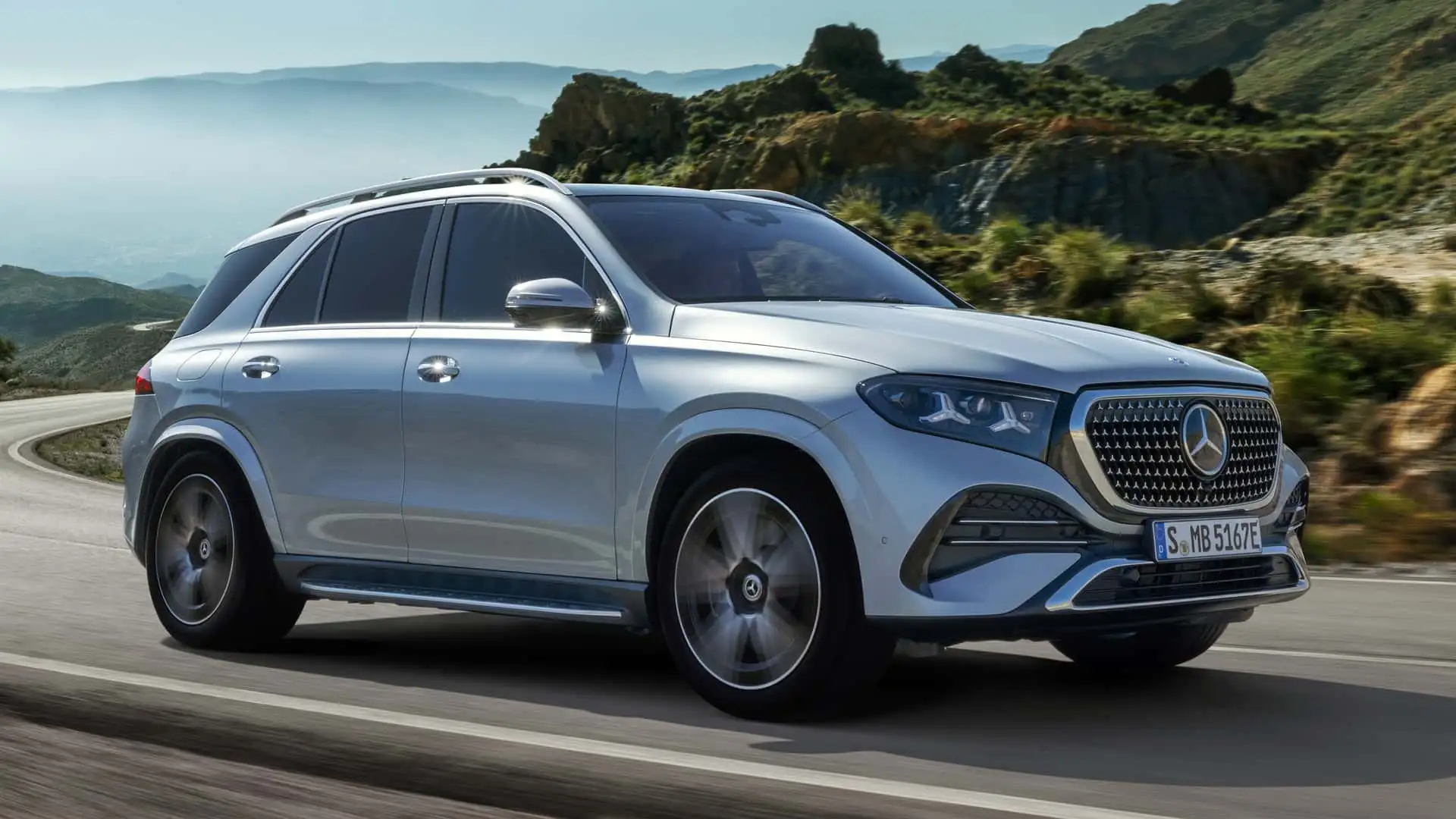
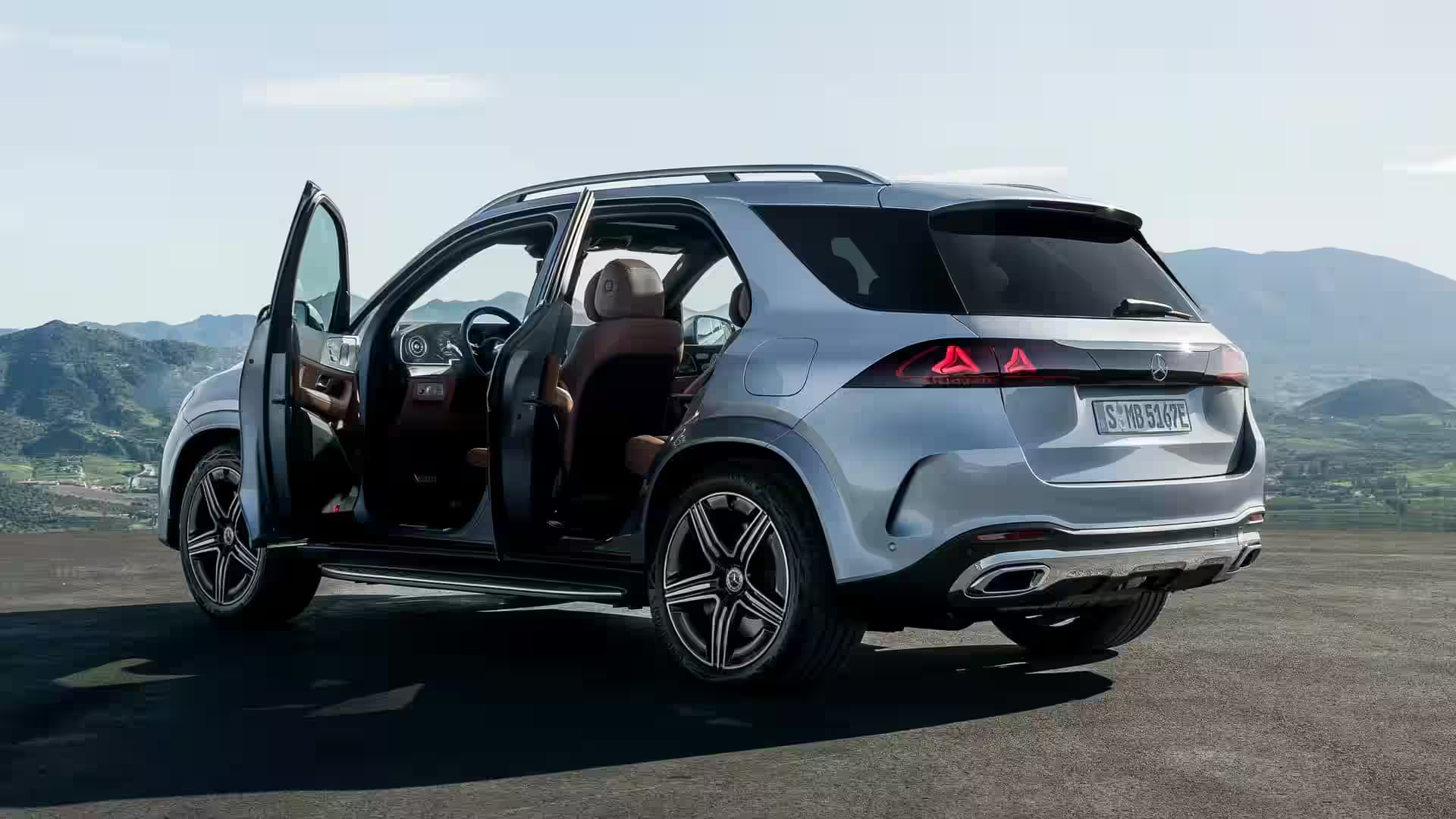
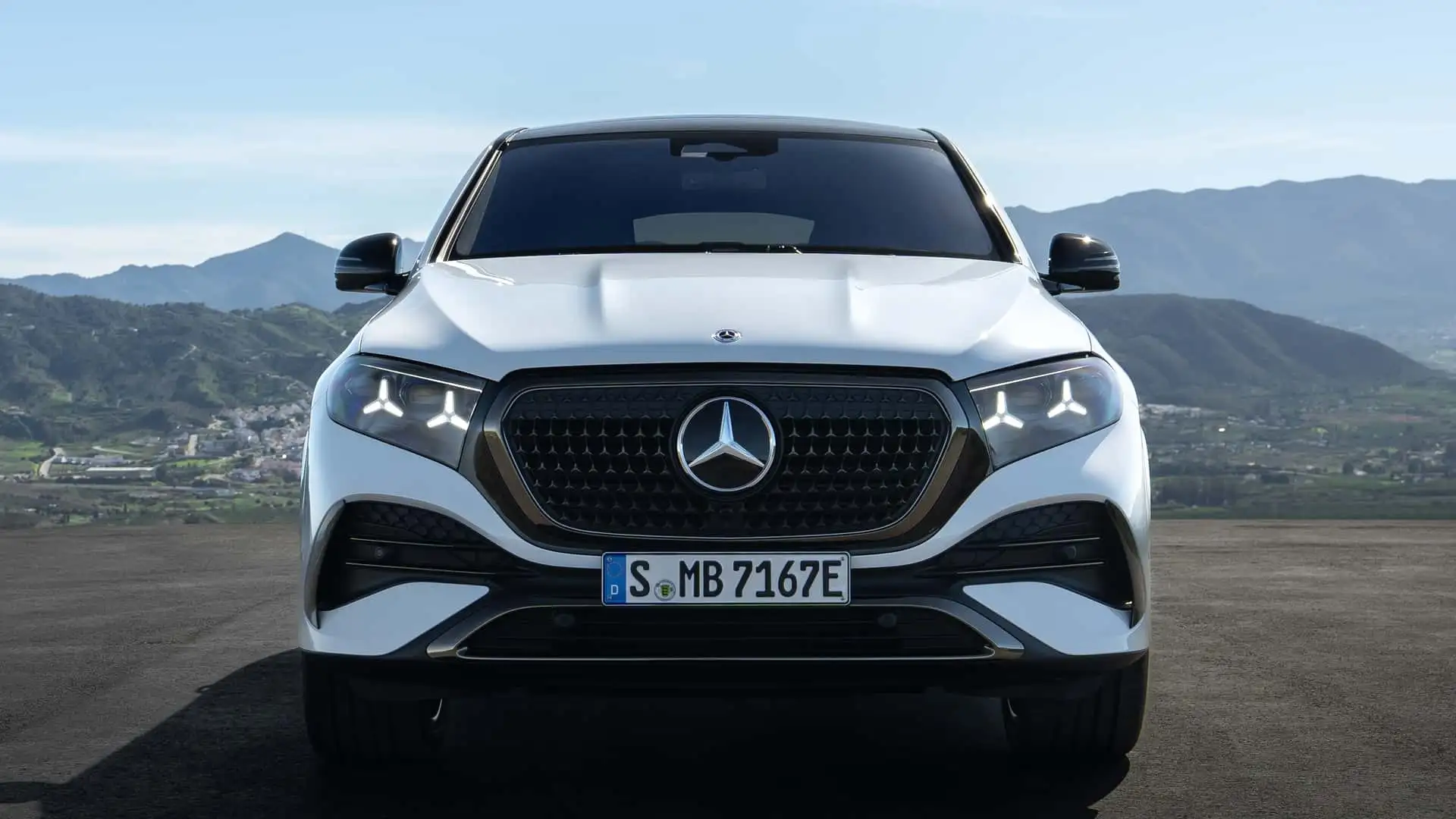
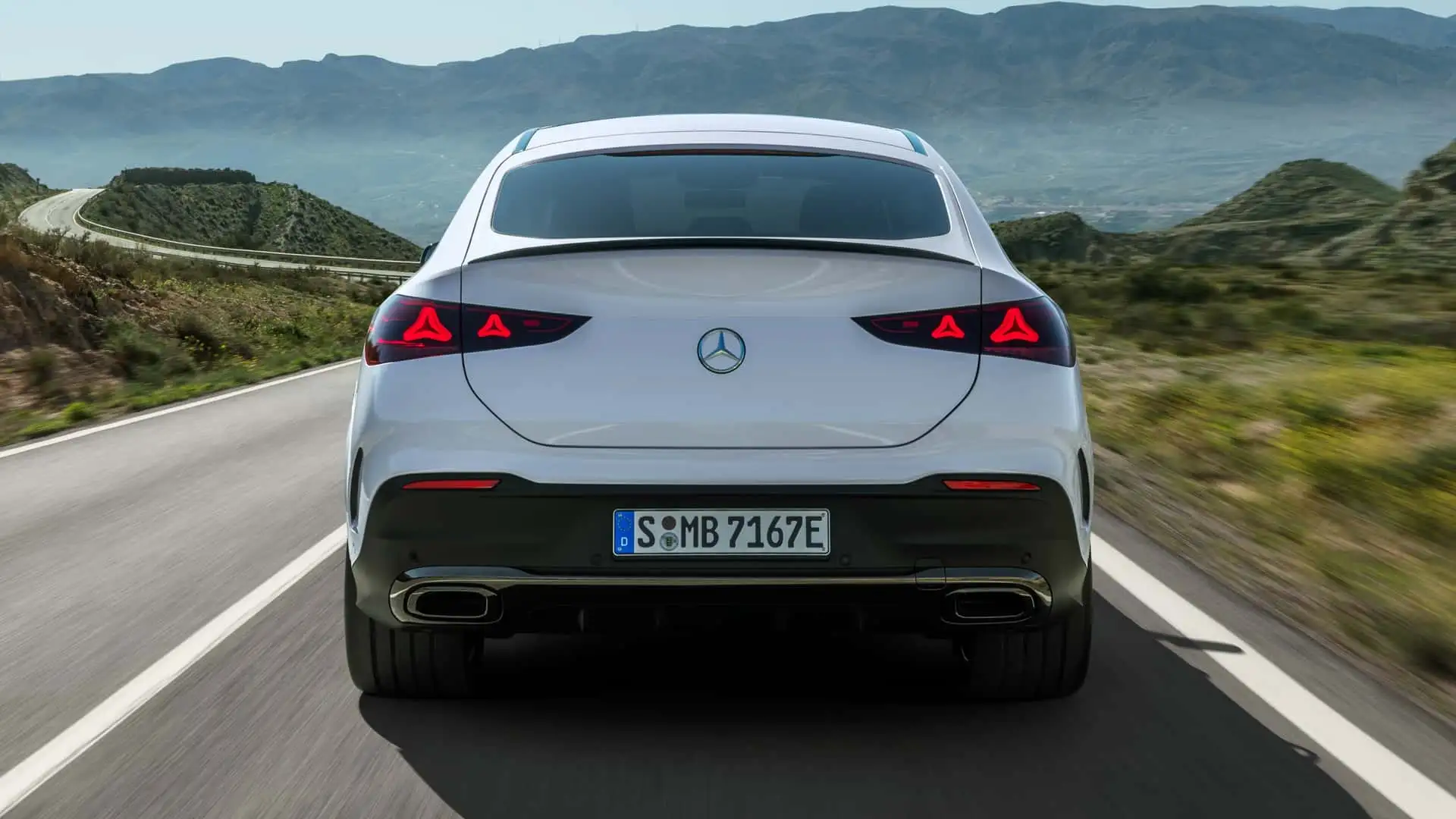
Mercedes-Benz has pulled the wraps off the updated 2027 Mercedes-Benz GLE and GLE Coupe, and the headline change is impossible to miss. The midsize luxury SUV now adopts the brand’s new illuminated visual identity, led by star-shaped headlight and taillight signatures that push the GLE closer to the newer CLA and the evolving Mercedes family look.
On paper, this is still a mid-cycle refresh of the current generation GLE. In reality, Mercedes says the SUV receives around 3,000 new or revised components, which is a massive number for a facelift. That alone signals this is not just a cosmetic exercise meant to keep the showroom alive for another year.
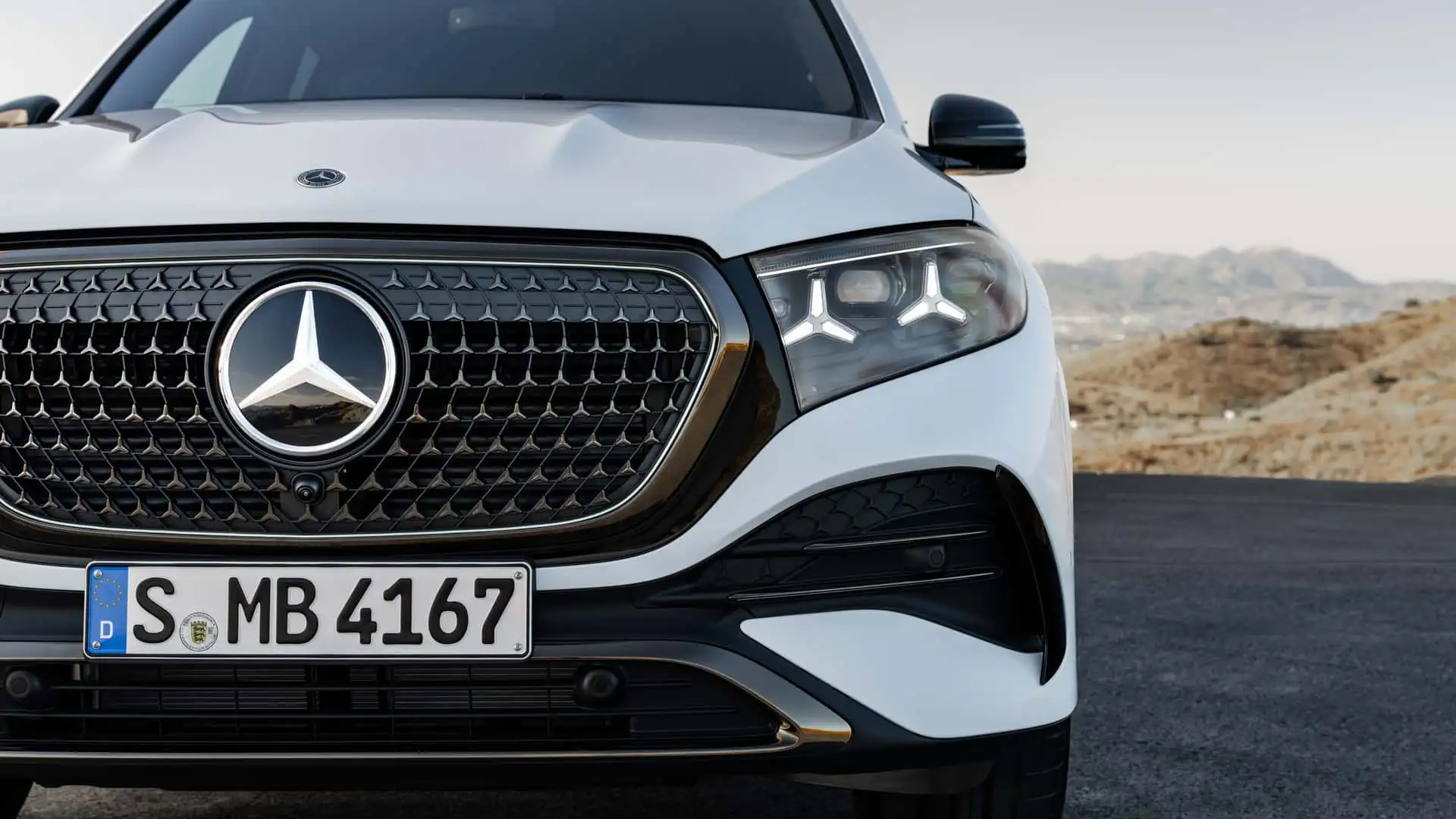
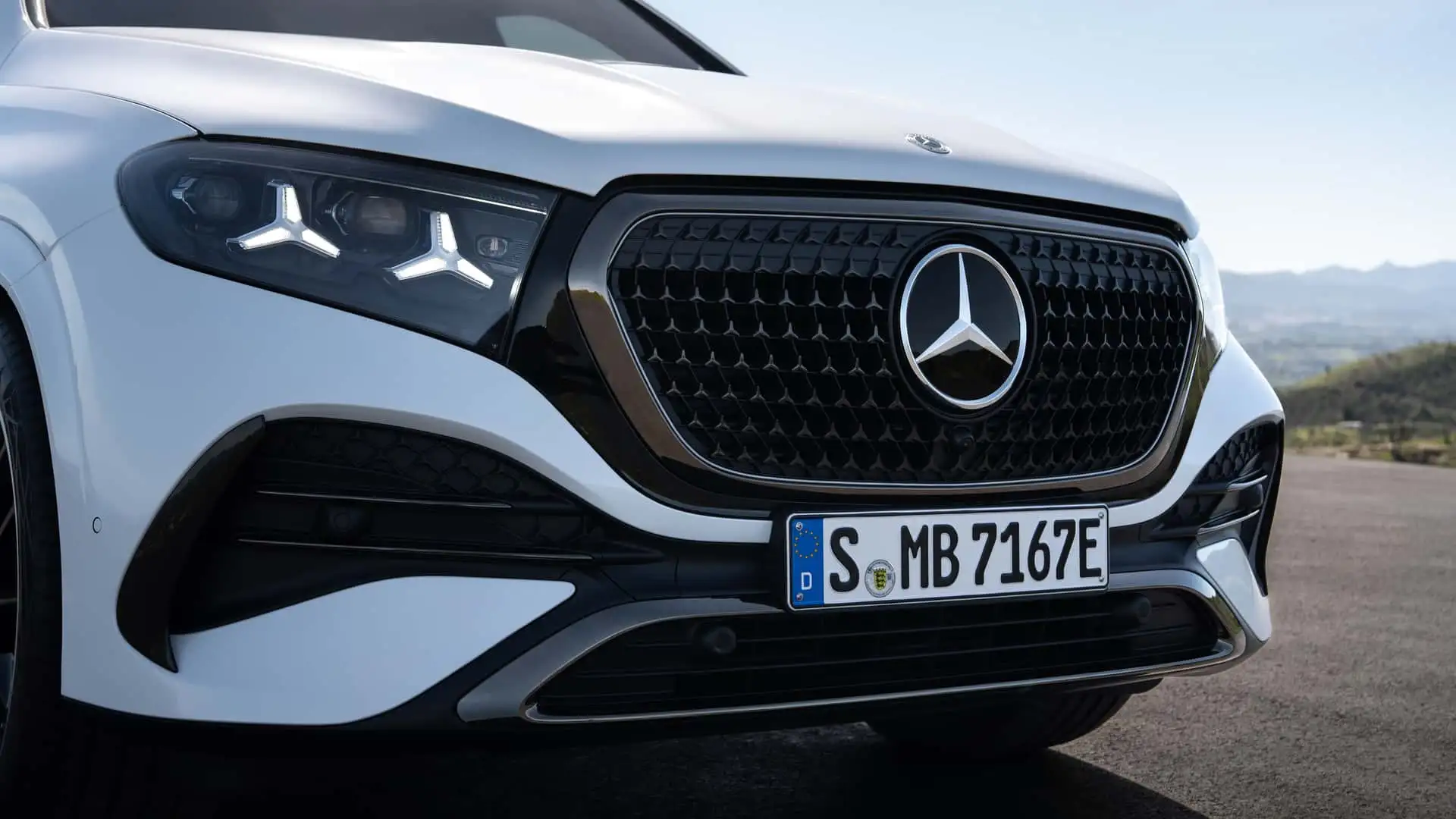
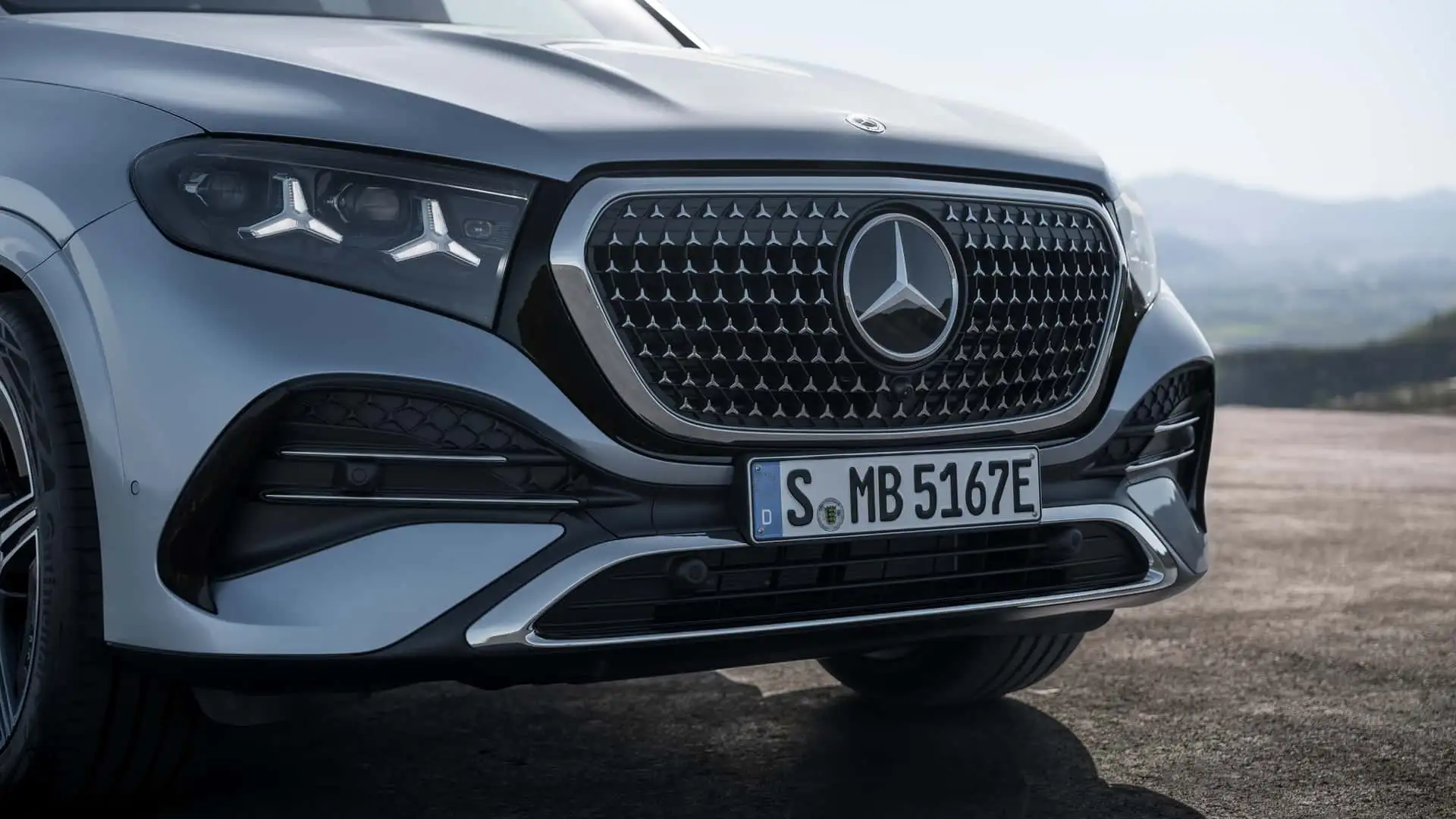
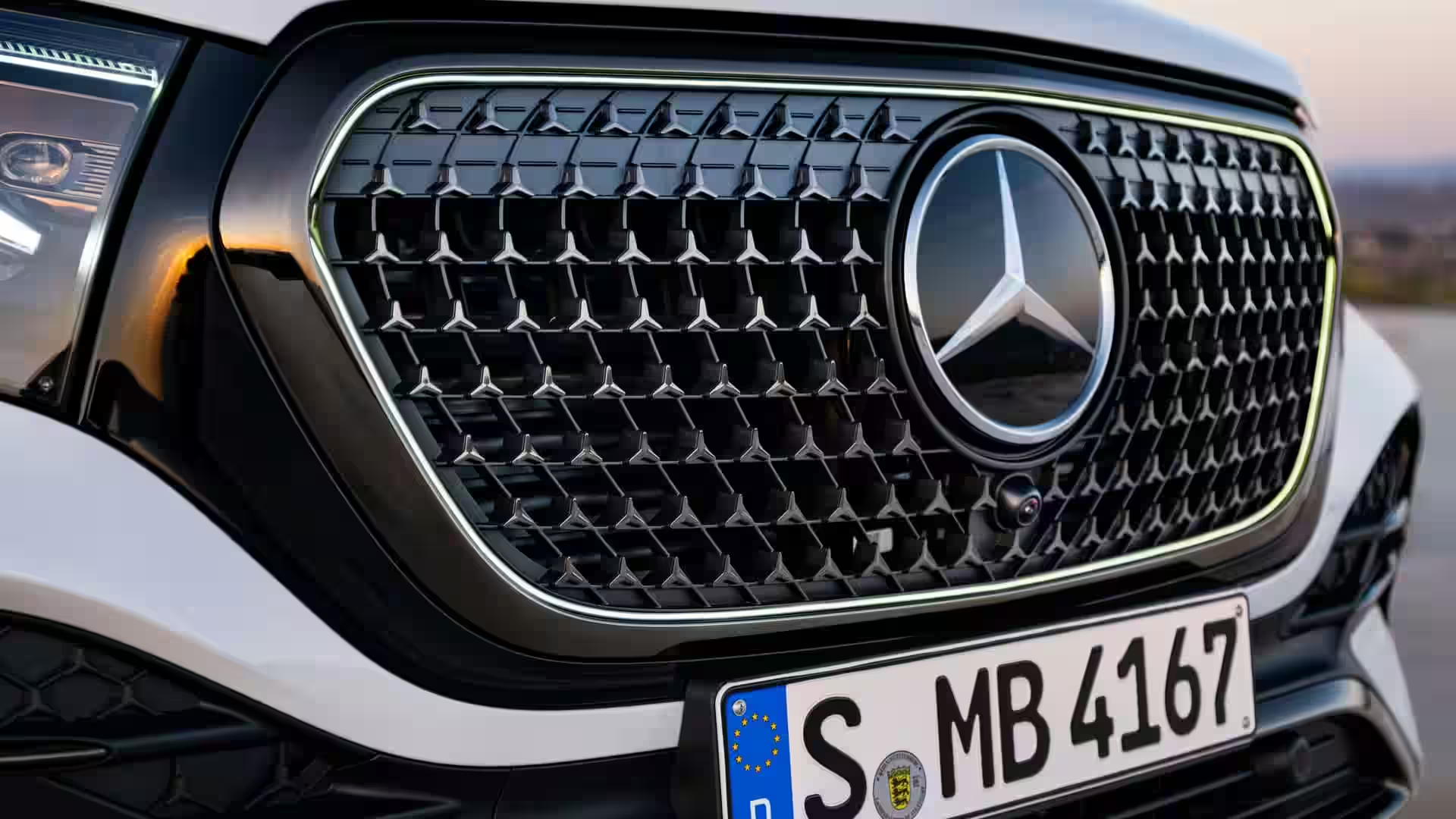
The front fascia gets a larger chrome-framed grille, a revised bumper, and an illuminated central Mercedes emblem that makes the SUV instantly recognizable at night. New side mirrors, new wheel designs, and fresh paint options such as Dark Petrol and Manufaktur Patagonia Red Metallic help complete the transformation.
The more interesting part is what Mercedes did with the lighting hardware itself. The latest generation of the brand’s light units is claimed to be about 25% lighter while using up to 50% less energy. That matters in a luxury SUV because improved efficiency is no longer just an EV talking point. It affects thermal management, electrical load, and overall system integration across mild-hybrid and plug-in hybrid models.
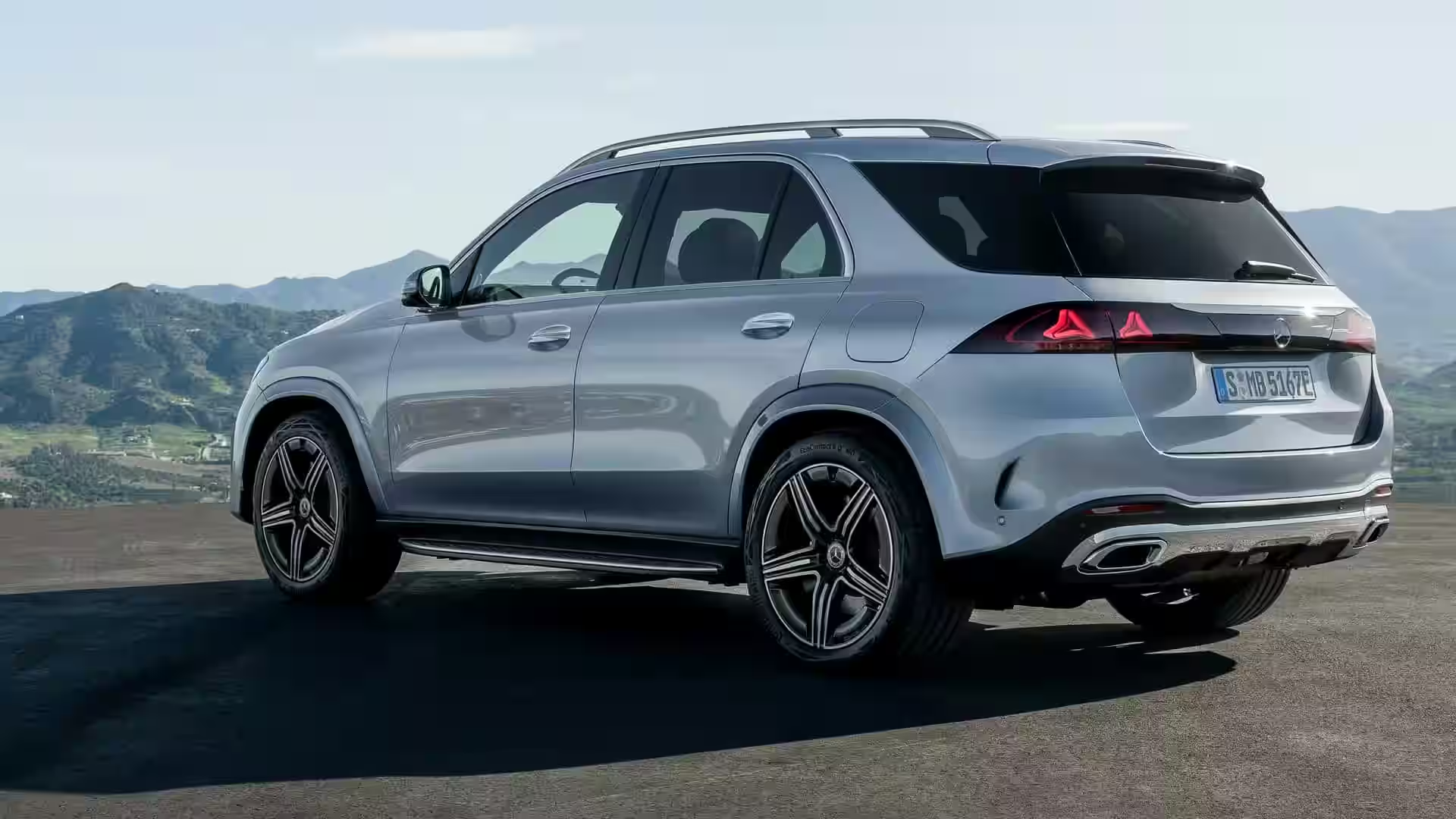
Mercedes also says the new lights improve night driving with a more advanced cornering function and a partial high-beam feature designed to preserve forward visibility without dazzling oncoming traffic. In practical use, this is the kind of update owners will actually notice every evening, not just during a 10-minute test drive.
The GLE Coupe returns as the style-forward alternative, though availability is more selective. At launch, non-AMG buyers who want the coupe roofline get the GLE 450 Coupe. It trades a bit of straight-line speed and some rear practicality for a more dramatic profile, which places it directly in the same image-conscious territory as rivals and newcomers such as the INFINITI QX65 2027 that is trying to reignite the SUV-coupe war.
From a market perspective, the move is smart. The premium SUV segment is no longer won by space alone. Presence, lighting identity, and digital theater now matter almost as much as badge prestige. That pressure is visible across the segment, whether in the full-size luxury space with the BMW X7 2027’s design and technology reset or in electric-first entries challenging traditional German formulas.
Inside The 2027 Mercedes-Benz GLE, The Screen Era Fully Takes Over
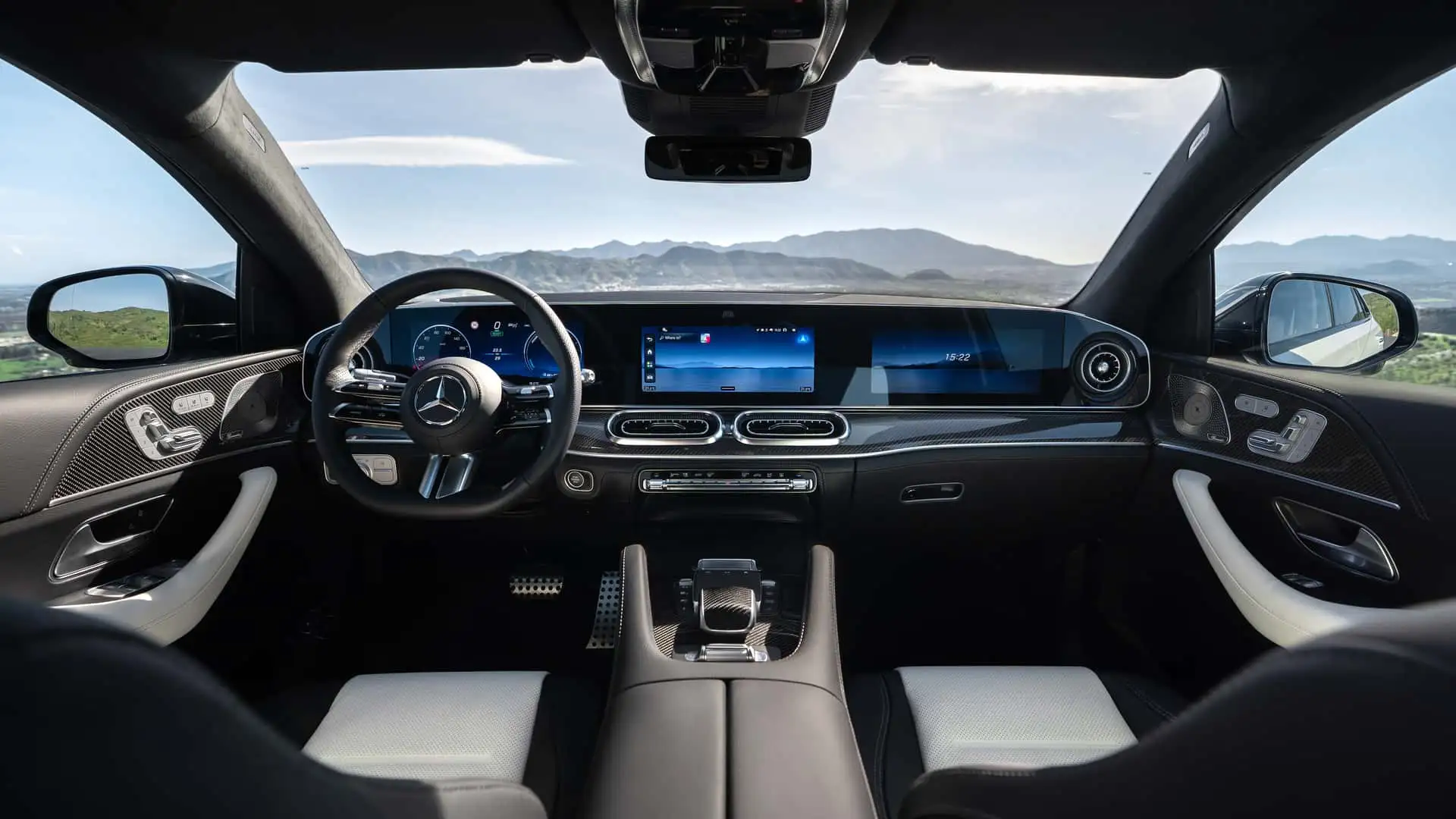
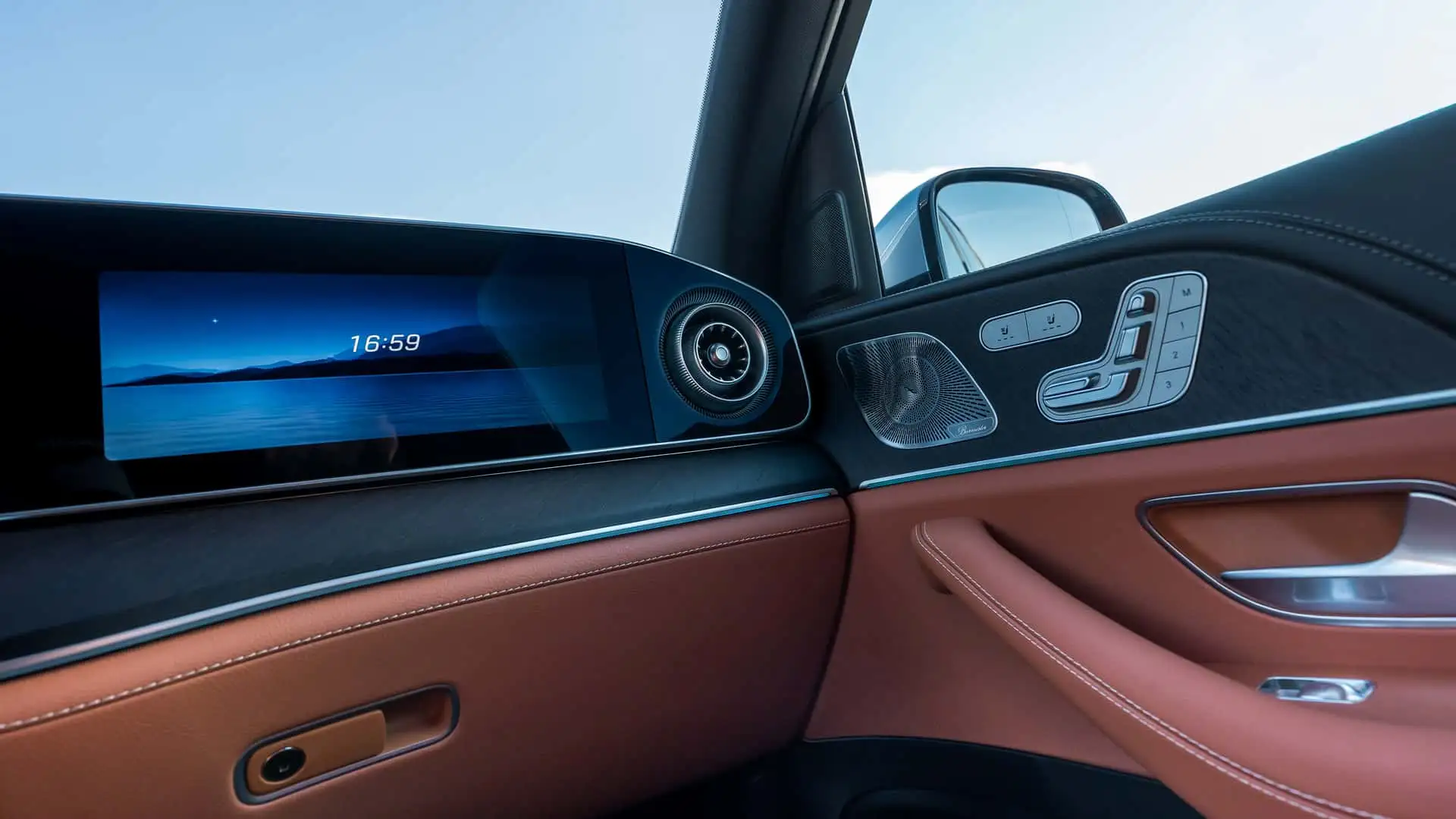
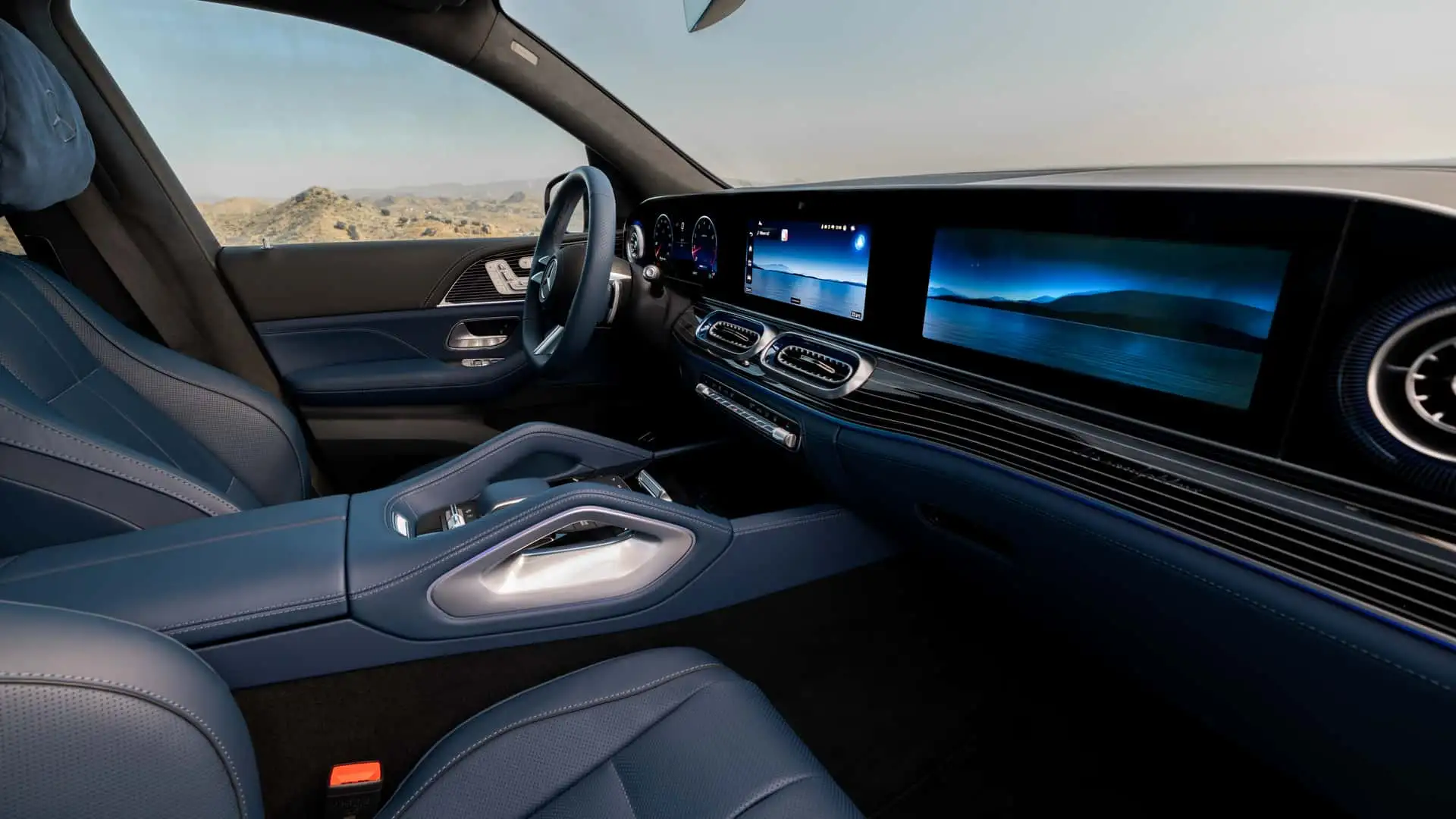
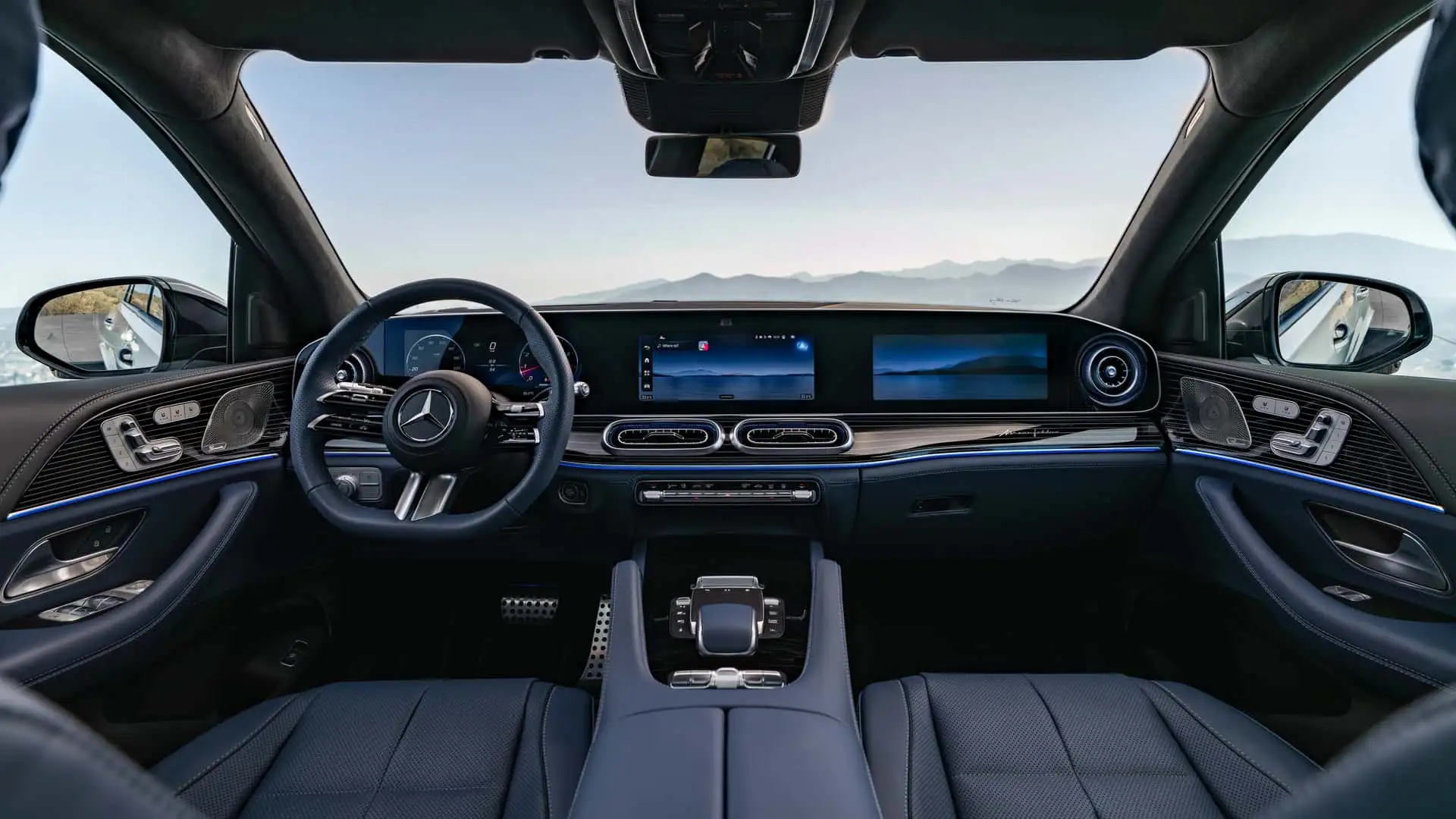
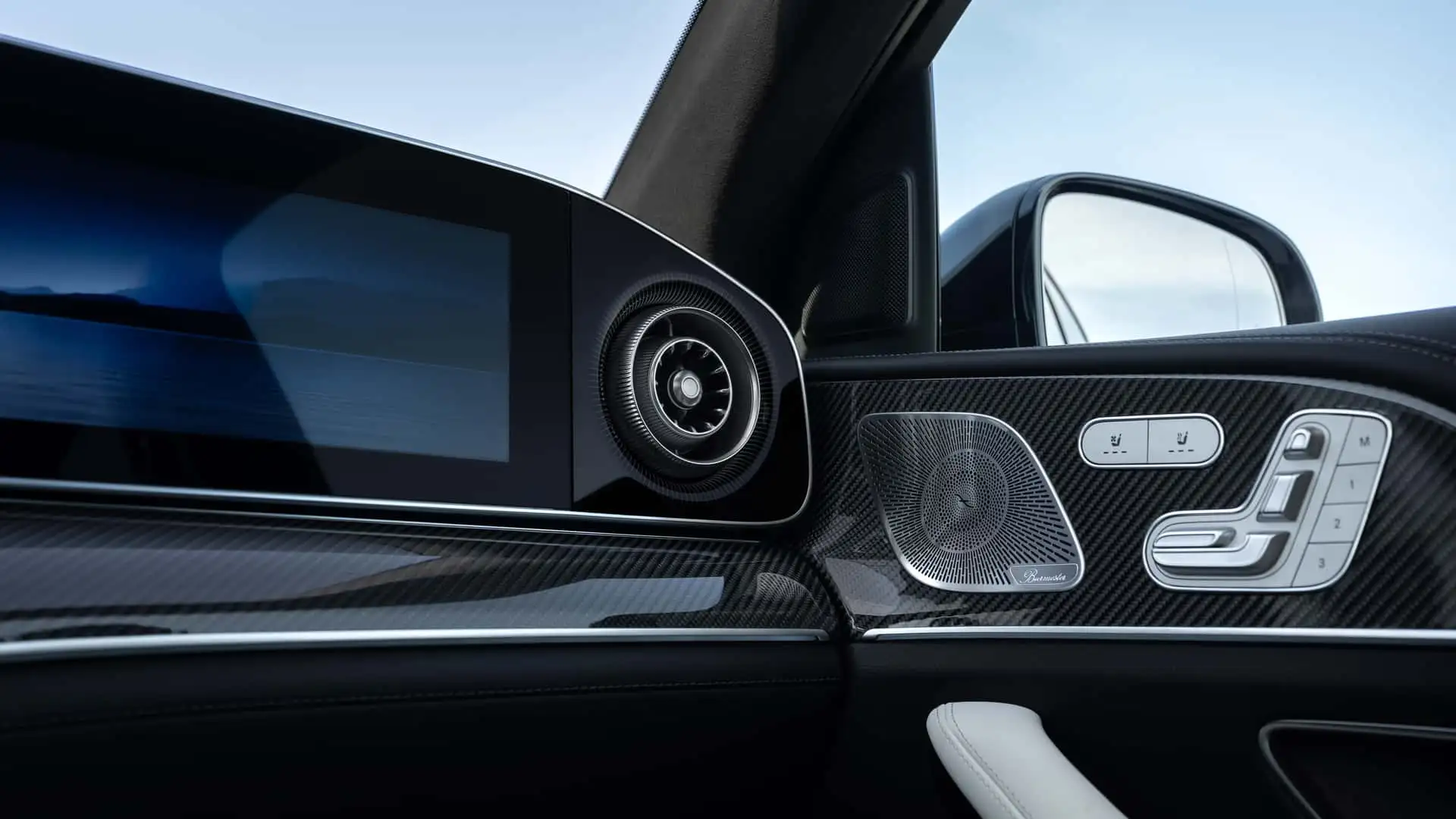
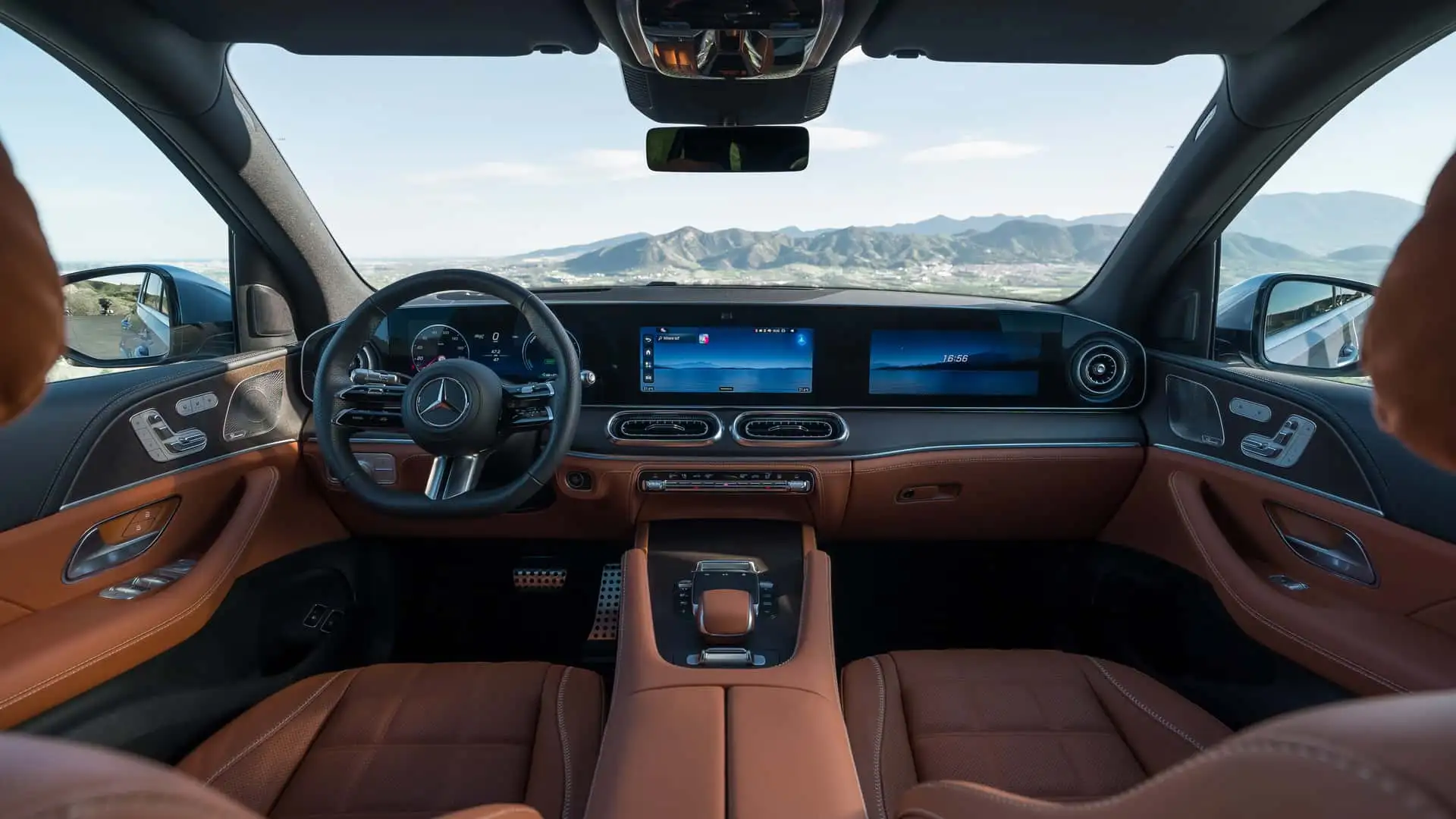
If the new exterior is about visual drama, the cabin is about digital dominance. The refreshed GLE now adopts the MBUX Superscreen, stretching the dashboard experience across three integrated 12.3-inch displays under a single glass surface. You get a digital instrument cluster, a central infotainment display, and a dedicated passenger screen, all presented as one seamless panel.
This is exactly the kind of feature modern premium buyers talk about after sitting inside the vehicle for 30 seconds. It is theatrical, expensive-looking, and perfectly aligned with current Mercedes priorities.
Importantly, Mercedes did not remove every physical interaction point. There is still a physical volume control on the steering wheel, which sounds like a tiny detail until you remember how many luxury brands have turned basic functions into menu-diving exercises. That one choice may say more about actual usability than the screen count itself.
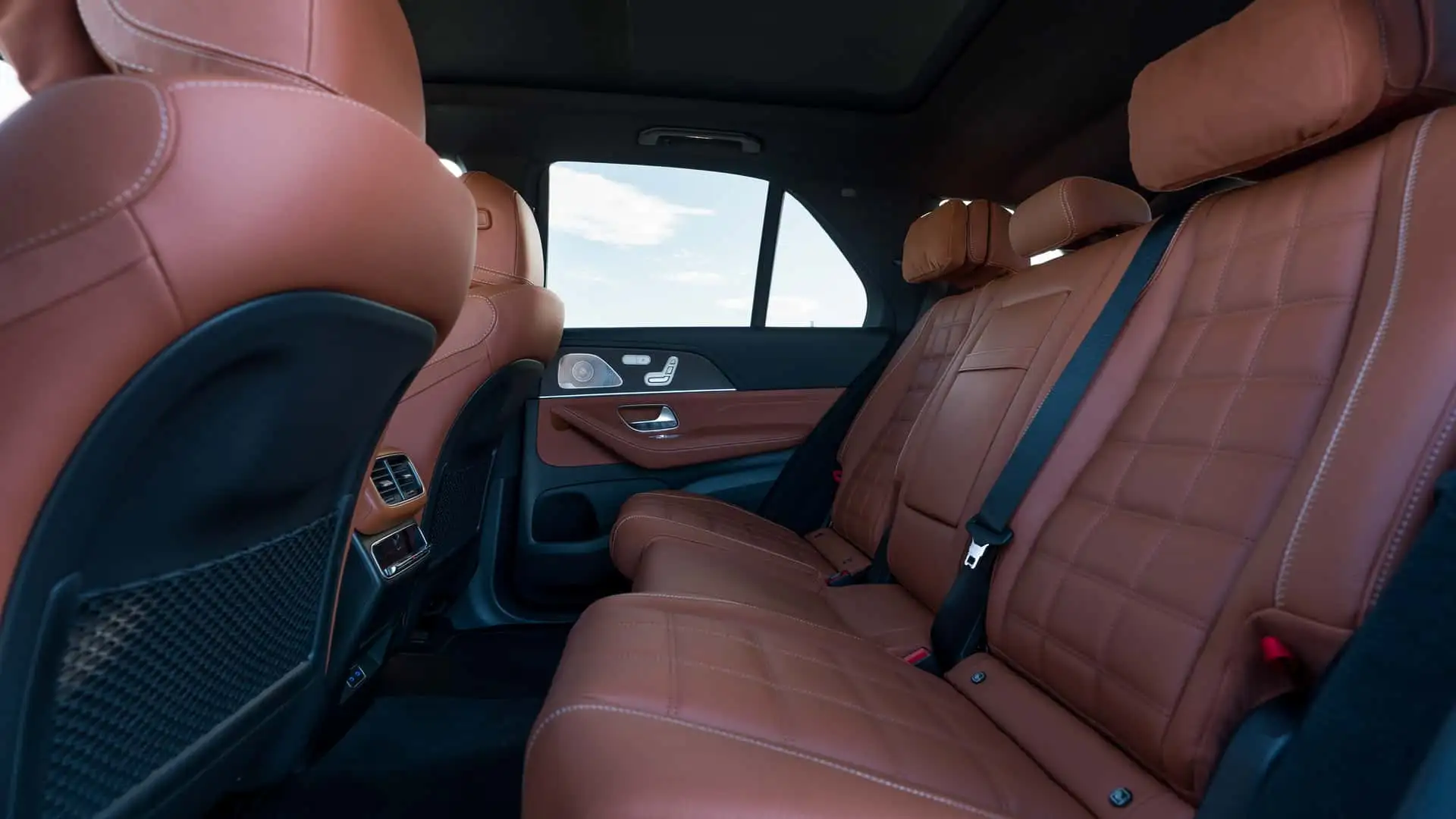
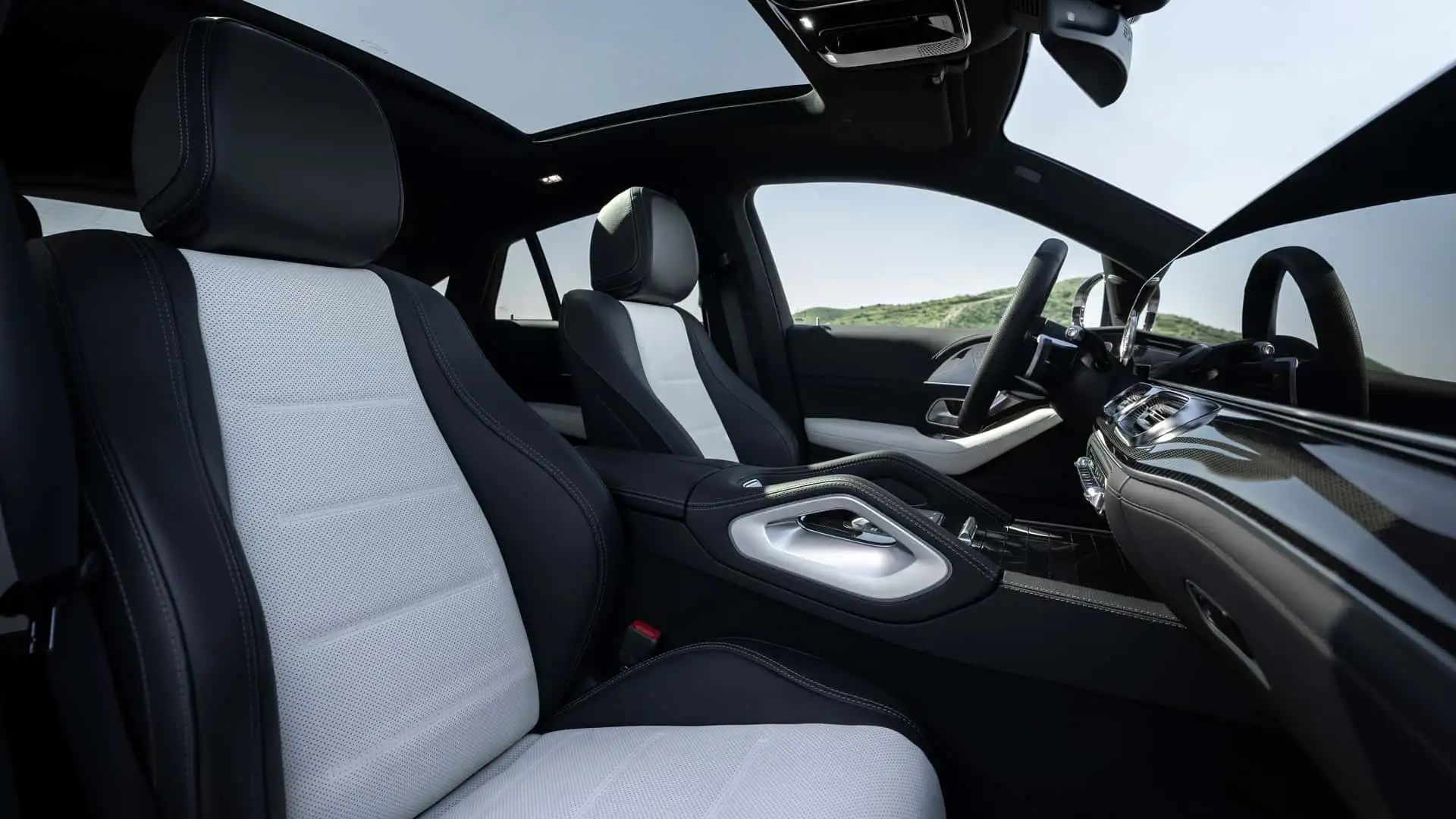
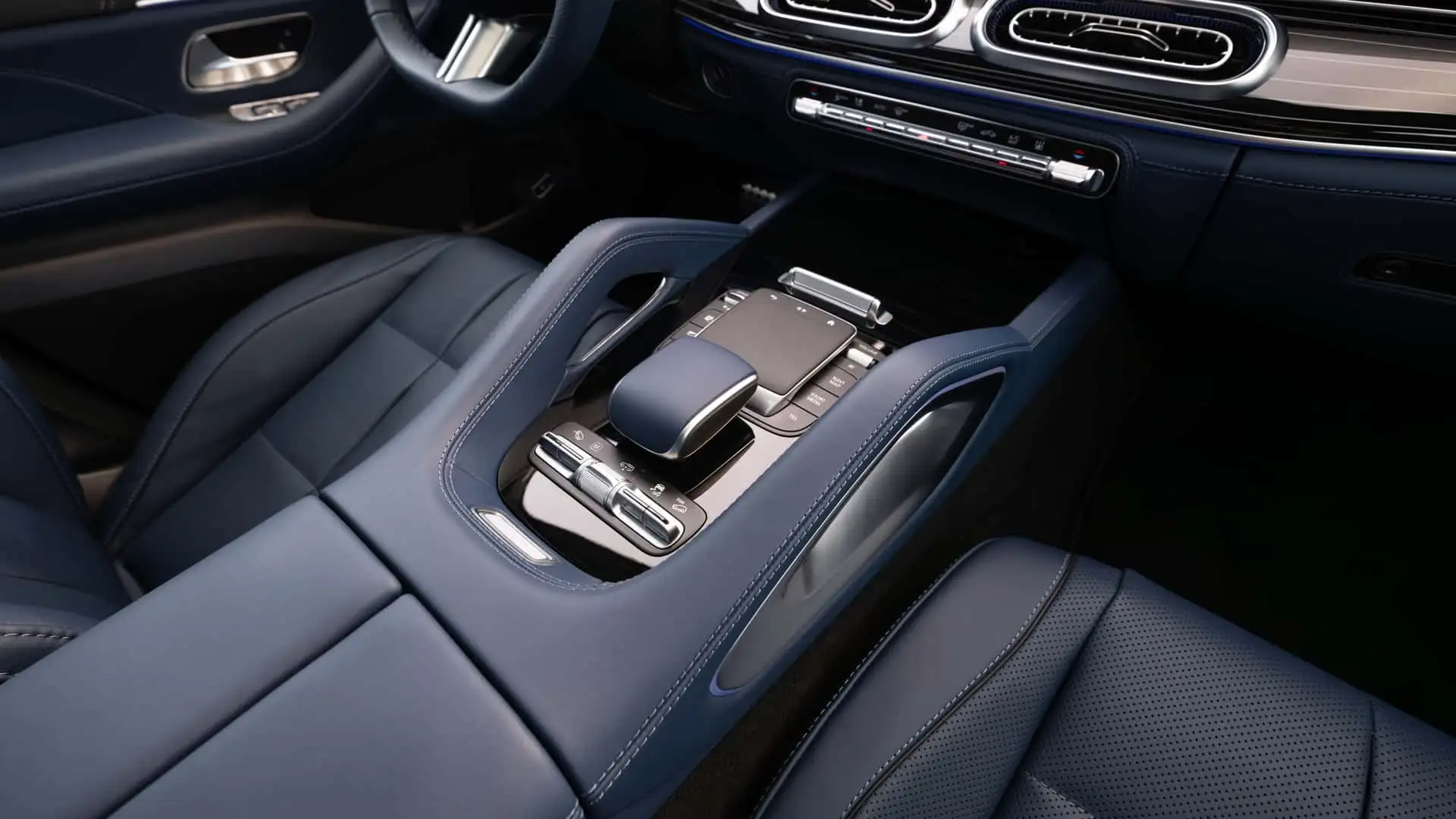
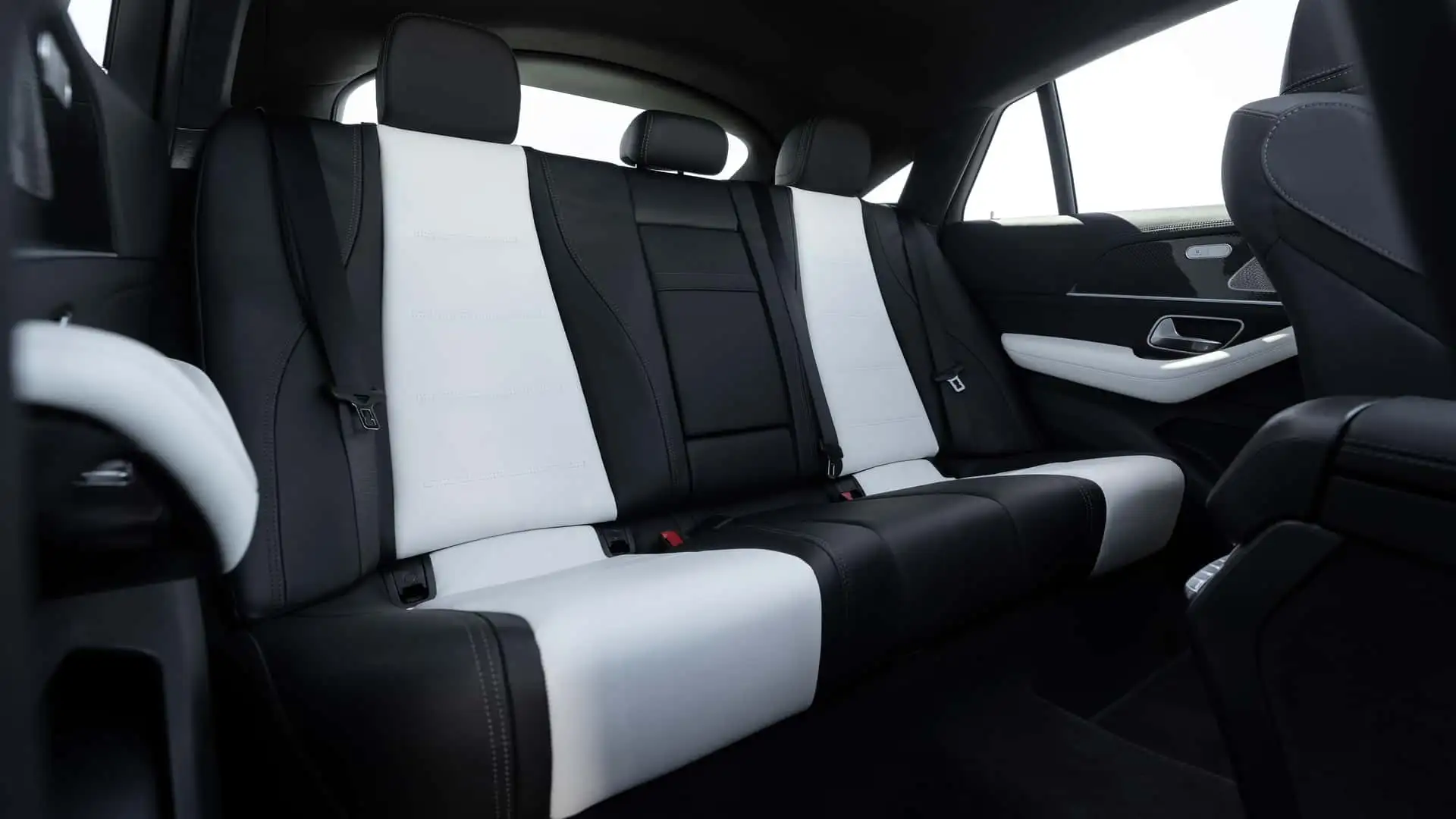
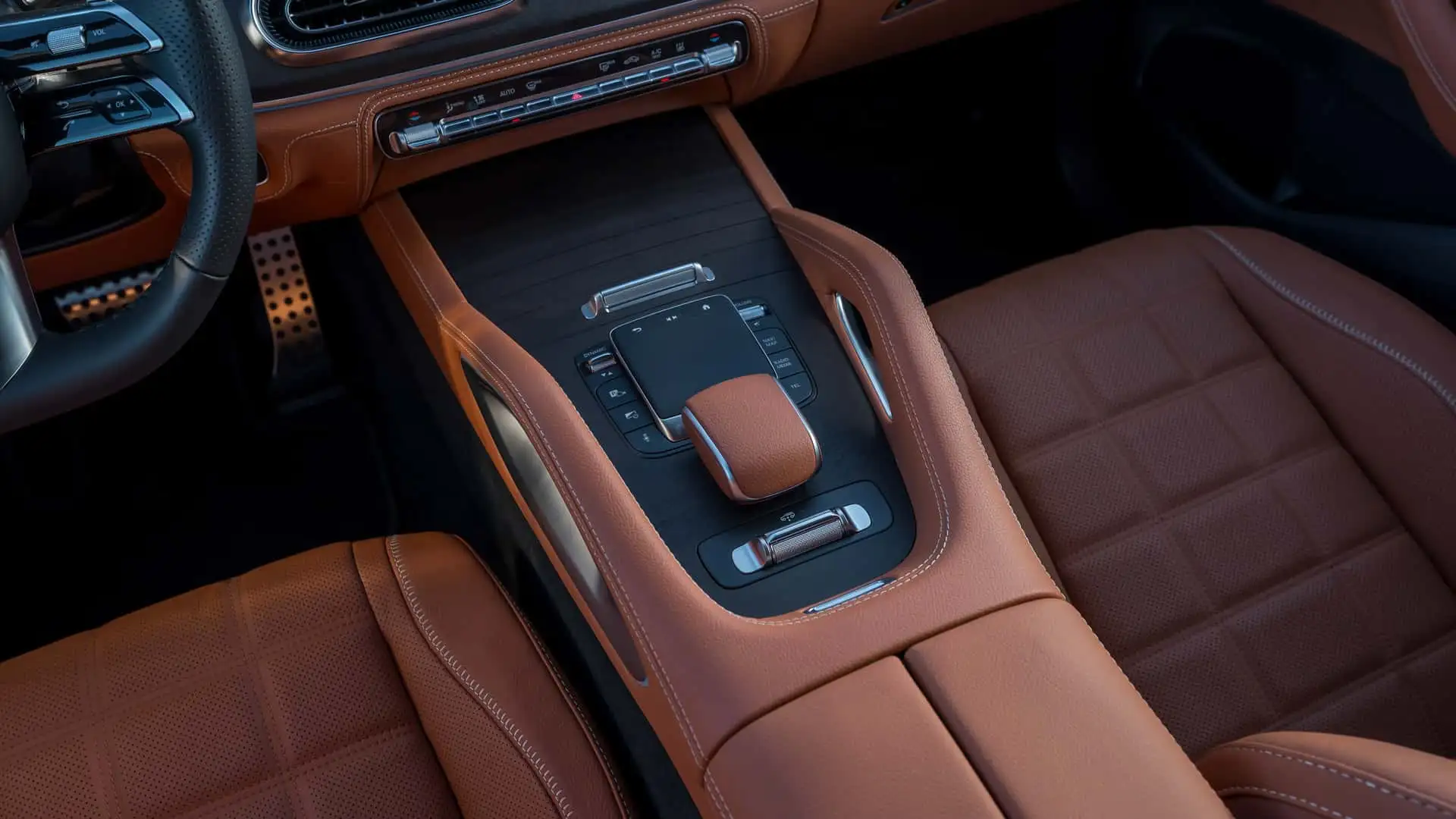
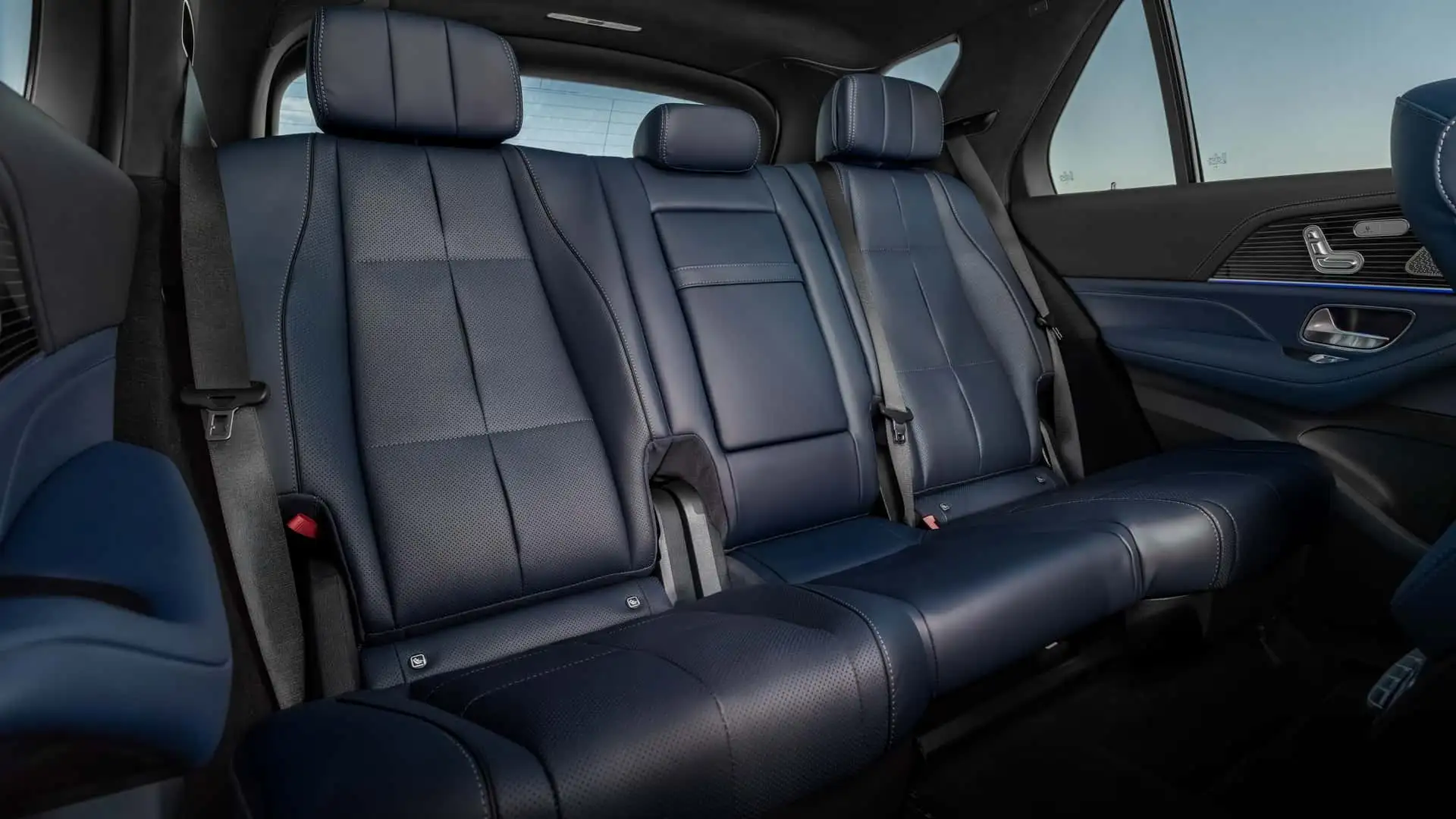
The dashboard design remains broadly familiar, but revised trim integration, updated upholstery on base versions, and new interior color combinations make the cabin feel more current. The bigger shift happens in software.
The 2027 GLE runs the newest version of MBUX powered by MB.OS, Mercedes’ latest operating system. This brings deeper voice assistant functionality, expanded connected services, more personalized avatars, and a more AI-heavy user experience. Whether buyers want their SUV to behave like a rolling assistant is debatable, but there is no question Mercedes sees software as a core part of luxury now.
Features available on the updated GLE include:
- Augmented reality navigation for clearer turn guidance
- Latest-generation driver assistance systems
- E-Active Body Control on selected versions
- New connectivity functions via MB.OS
- Expanded personalization for interface visuals and user profiles
For buyers comparing digital luxury cabins, the GLE now positions itself more aggressively against highly computerized rivals. If your benchmark has shifted toward software-defined premium vehicles, it is worth also seeing how Mercedes is applying similar thinking elsewhere, including the Mercedes-Benz GLC400 Electric and its silent-tech luxury approach and even flagship cabins like the Mercedes-Maybach S-Class 2027 interior transformation.
There is also a broader brand pattern here. Mercedes has been leaning harder into visual luxury, software ecosystems, and differentiated nighttime signatures. The GLE refresh confirms that strategy is not limited to EVs or top-tier sedans. It is becoming the standard formula across the range.
Every Engine Changes, But The Real Story Is The New AMG GLE 53 Hybrid
Under the skin, the 2027 GLE lineup receives one of its most meaningful updates. Mercedes did not simply carry over the existing engines. It revised the range from the base four-cylinder to the V8 and introduced a far more potent electrified AMG setup.
Here is how the main powertrain lineup breaks down:
| Model | Engine | Power | Torque | 0-60 mph |
|---|---|---|---|---|
| GLE 350 4Matic | 2.0L turbo inline-4 mild hybrid | 255 hp | 295 lb-ft | 6.8 sec |
| GLE 450 4Matic | 3.0L turbo inline-6 mild hybrid | 375 hp | 413 lb-ft | 5.0 sec |
| GLE 500e | 3.0L inline-6 plug-in hybrid | 429 hp | 502 lb-ft | 5.5 sec |
| GLE 580 4Matic | 4.0L twin-turbo V8 mild hybrid | 530 hp | 553 lb-ft | 4.4 sec |
| AMG GLE 53 Hybrid | 3.0L turbo inline-6 plug-in hybrid | 577 hp | 553 lb-ft | 4.4 sec |
The GLE 350 remains the gateway model. Its 2.0-liter turbocharged four-cylinder now includes a 48-volt mild-hybrid system and an electric compressor, but output stays at 255 hp and 295 lb-ft. This is the logical entry point for buyers who prioritize badge, comfort, and technology over acceleration.
The sweet spot for many shoppers will likely remain the GLE 450 4Matic. Its updated 3.0-liter turbocharged inline-six still makes 375 hp, but torque rises to 413 lb-ft. That is a meaningful gain in real-world drivability, especially for highway passing and effortless urban response. It reaches 60 mph in about 5.0 seconds, which is already quick enough to feel genuinely premium.
Then there is the plug-in hybrid. Mercedes replaces the previous formula with a new GLE 500e using an inline-six instead of a four-cylinder. Combined output reaches 429 hp and 502 lb-ft. This should make the PHEV version far more refined under load and more convincing to buyers who disliked the idea of paying luxury money for a four-cylinder-assisted hybrid experience.
Mercedes quotes 67 miles of electric range on the WLTP cycle. In U.S. EPA terms, that likely translates to something in the mid-to-low 50-mile range, still strong for a premium plug-in hybrid SUV of this size. For many owners, that means school runs, office commuting, and daily errands can happen mostly on electricity, while road trips remain stress-free thanks to the gasoline engine.
The GLE 580 4Matic may be the most fascinating non-AMG model. It keeps the twin-turbocharged 4.0-liter V8 but with important revisions, including a flat-plane crankshaft. Output climbs to 530 hp and 553 lb-ft. That is enough for a 0-60 mph run of 4.4 seconds, which is serious pace for a two-row luxury SUV. For enthusiasts, the V8’s survival in this segment matters, especially at a time when rivals are pushing harder toward electrification and downsizing.
Still, the real headline is the new Mercedes-AMG GLE 53 Hybrid. Mercedes has transformed this model from a quick AMG-lite option into a much more formidable performance SUV. The revised 3.0-liter inline-six produces 443 hp and 443 lb-ft on its own, and it is paired with a 181-hp electric motor fed by a 400-volt plug-in hybrid system. Total system output lands at 577 hp and 553 lb-ft.
That gives both the AMG GLE 53 SUV and Coupe a 0-60 mph time of 4.4 seconds, improving by roughly half a second over the outgoing model. Top speed is quoted at 155 mph, while electric-only operation can continue up to 87 mph, which is unusually useful for a performance-oriented hybrid.
Charging is also more serious than many enthusiasts may expect. The AMG model includes a 9.6-kW onboard AC charger and can also accept DC fast charging at up to 60 kW. Mercedes says charging from 10% to 80% can take about 20 minutes under ideal conditions. That is a very relevant feature because it makes the AMG hybrid more than a compliance exercise. Owners can realistically recharge during short stops and actually use the electrified side of the powertrain.
AMG-specific upgrades go beyond the numbers:
- AMG grille and exterior trim
- Quad exhaust outlets
- AMG steering wheel and interior details
- Specially tuned air suspension
- Unique drive modes
- Extra Manufaktur personalization options
All versions of the refreshed GLE use Mercedes’ nine-speed automatic transmission and standard 4Matic all-wheel drive. Mercedes also notes the SUV can send up to 100% of torque to either axle when required and adds a new transfer case with a low-range reduction gear, reinforcing that the GLE still wants to project some real SUV credibility beneath the polished exterior.
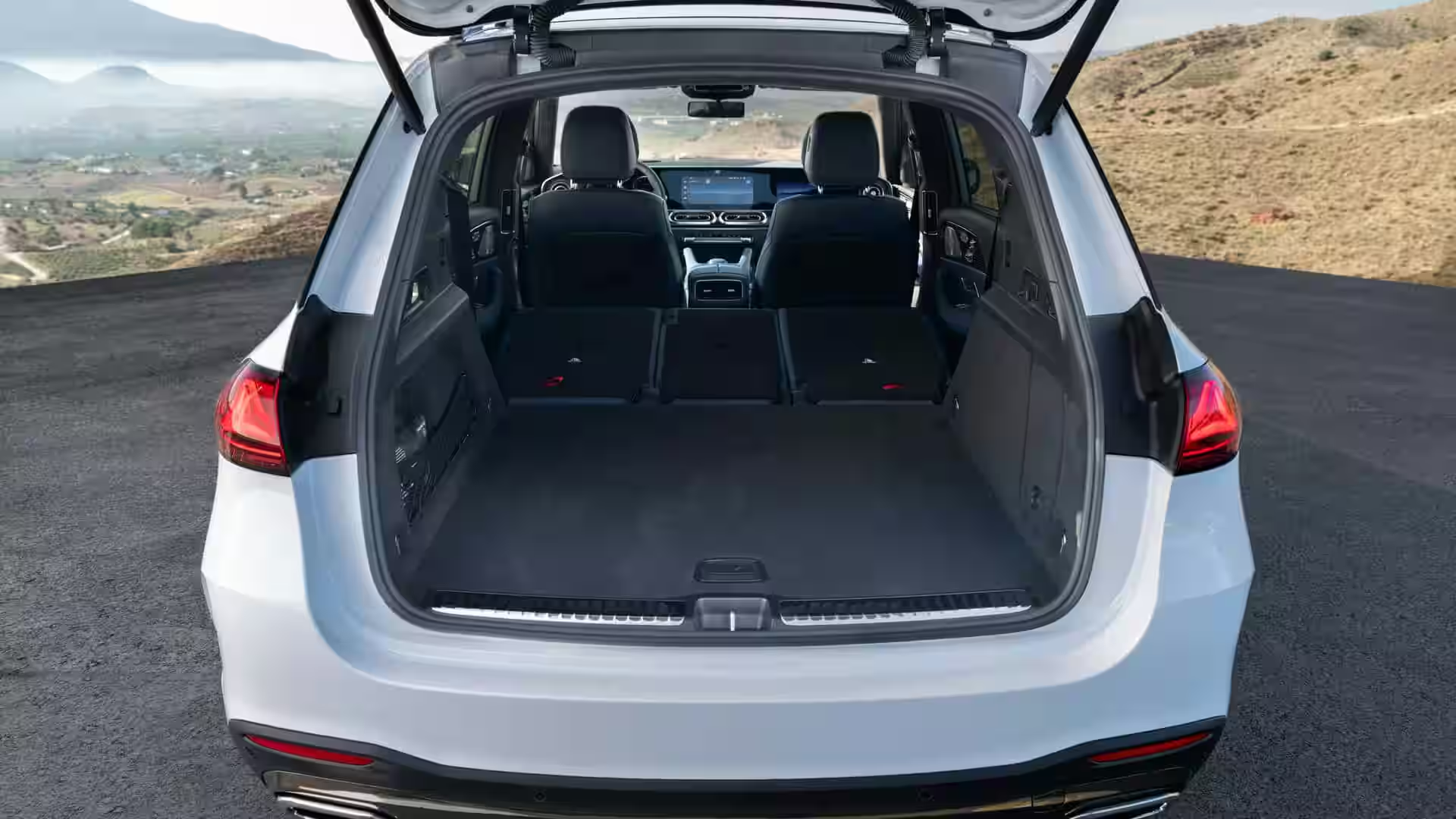
Towing remains strong as well, with up to 7,700 pounds of capacity quoted for standard GLE variants. That keeps the Mercedes competitive for buyers who want luxury, speed, and actual utility in a single package.
Pricing has not yet been announced for the U.S. market, but the outgoing 2026 range provides a useful reference point. The previous GLE 350 started at $63,600 including destination, while the AMG GLE 53 sat at $91,350. Given the expanded equipment, revised drivetrains, and heavier technology content, price increases are highly likely across the board.
That may not stop demand. The refreshed 2027 GLE arrives at a moment when buyers increasingly expect one vehicle to be a luxury lounge, family hauler, long-distance cruiser, and status object at the same time. Mercedes seems to understand that perfectly. The new GLE does not try to be radically different from the SUV people already know. It simply sharpens every pressure point that matters in 2027: stronger visual identity, more digital theater, broader electrification, and more performance where the badge promises it.
“The 2027 GLE is not a total reset. It is something potentially more effective in today’s market: a calculated upgrade of all the features buyers actually notice, compare, and pay for.”
And yes, when night falls, those stars make sure everyone notices.