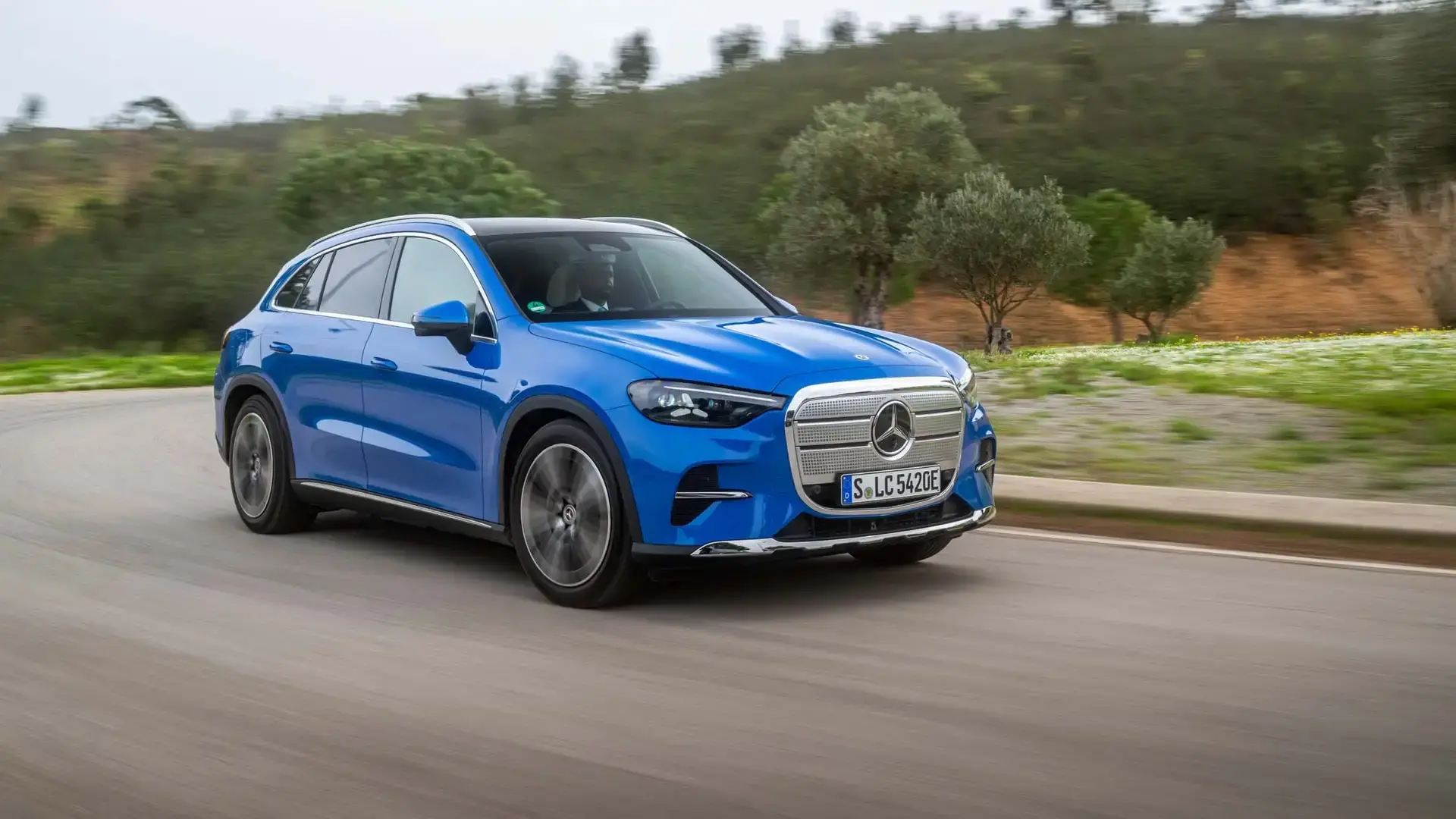
With an 800V system and 22-minute charging, the MERCEDES-BENZ GLC400 ELECTRIC challenges combustion SUVs. See the details of this electric machine.
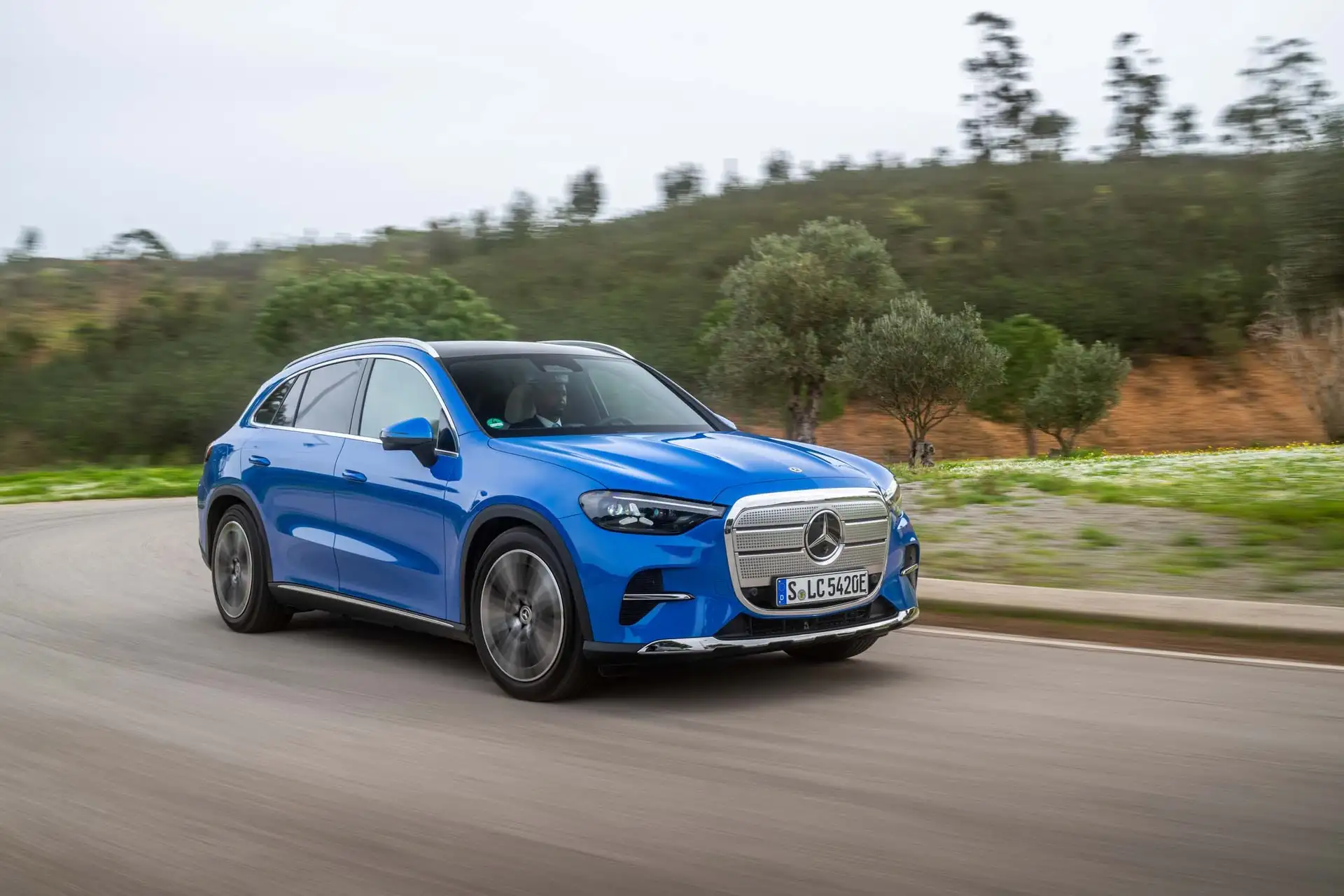
The new Mercedes-Benz GLC400 Electric arrives with a calculated and brilliant contradiction: it looks visually loud with a huge front end, but delivers its biggest impact in silence, efficiency, and technology. In a segment where almost every premium electric SUV tries to look “too futuristic,” Mercedes decided to do something bolder: mix aesthetic heritage, 800 V architecture, competitive range, and an interior that looks like it came straight out of a concept.
An Electric SUV That Doesn’t Try to Look Discreet
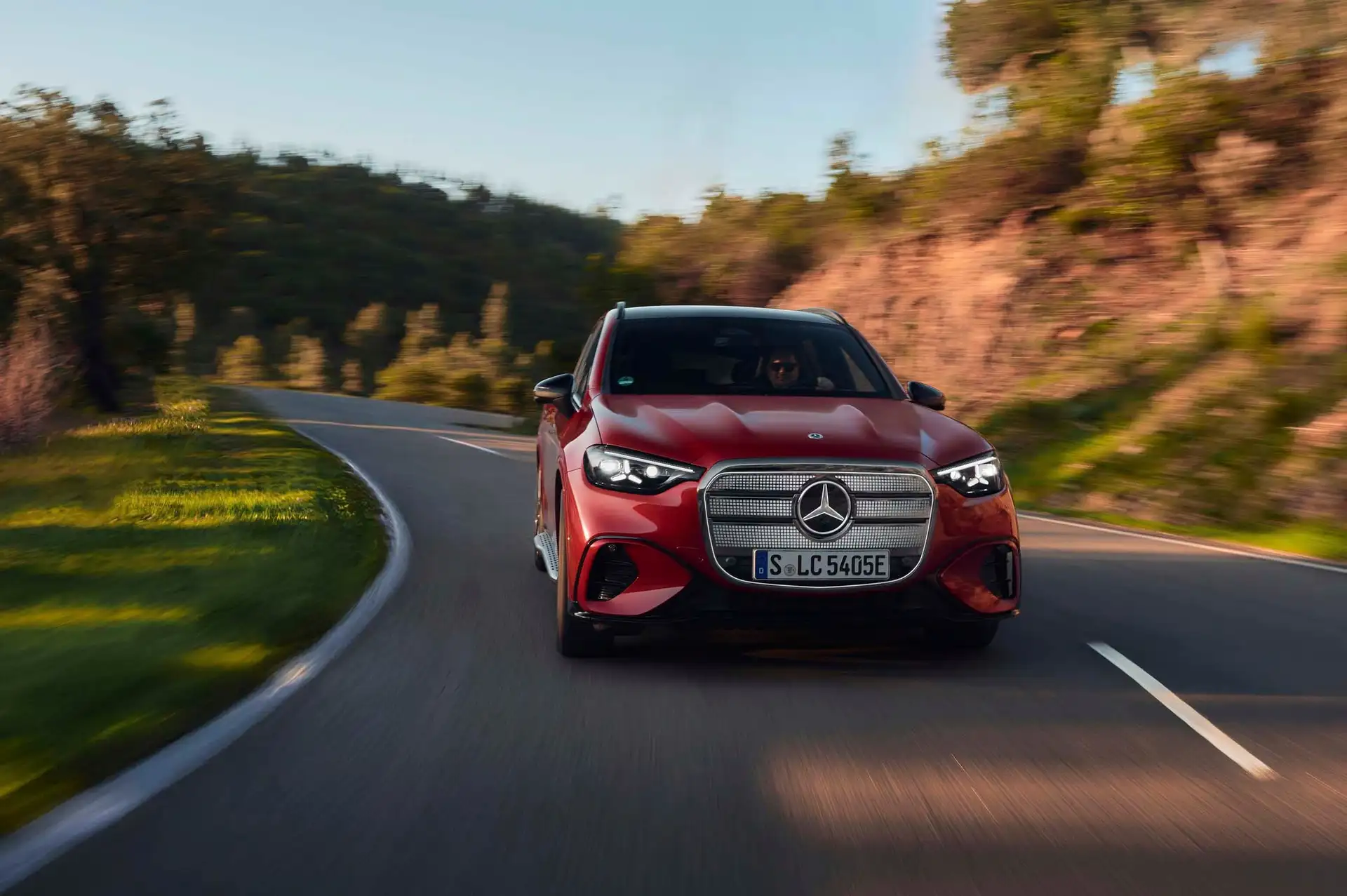
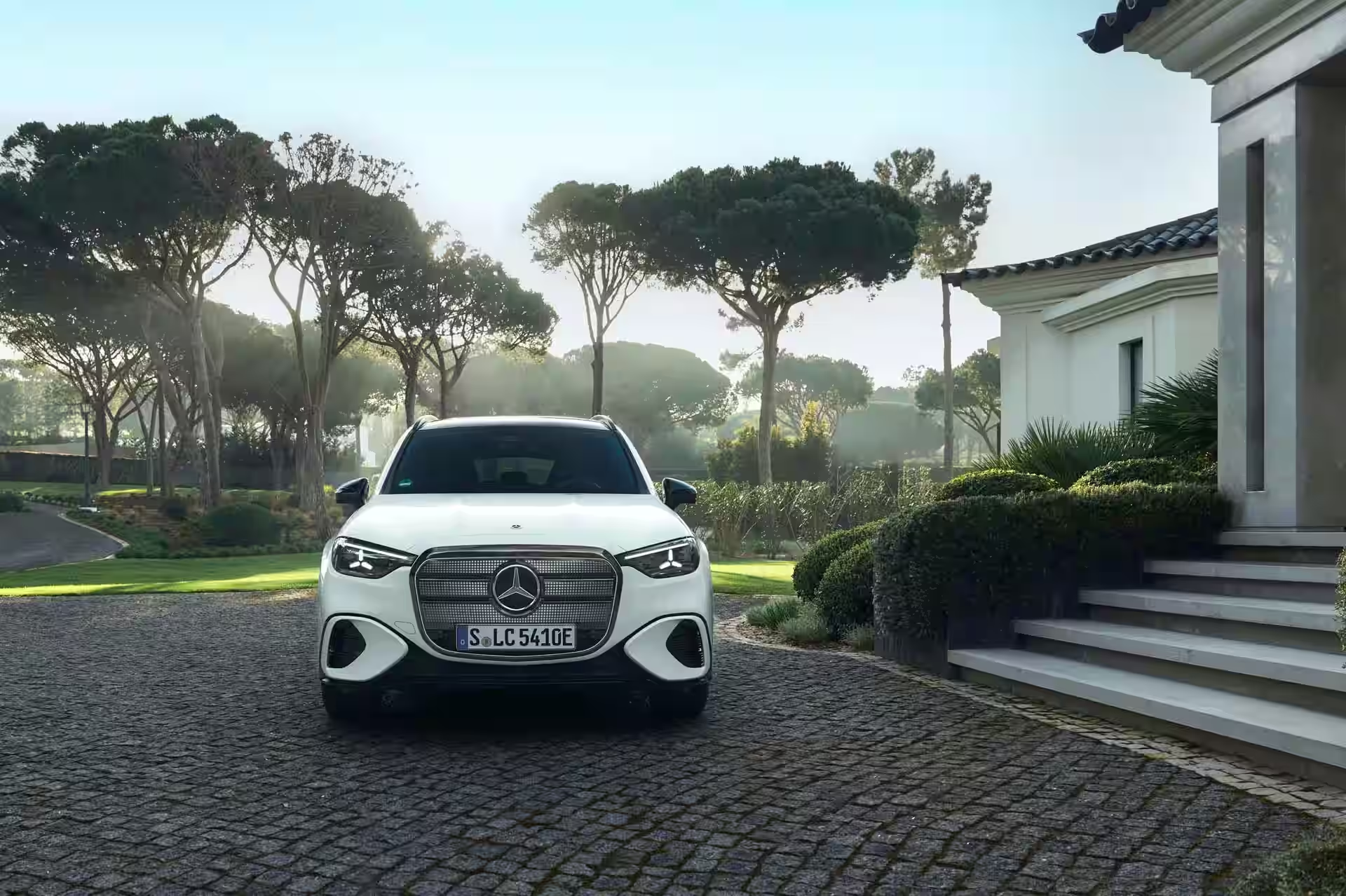
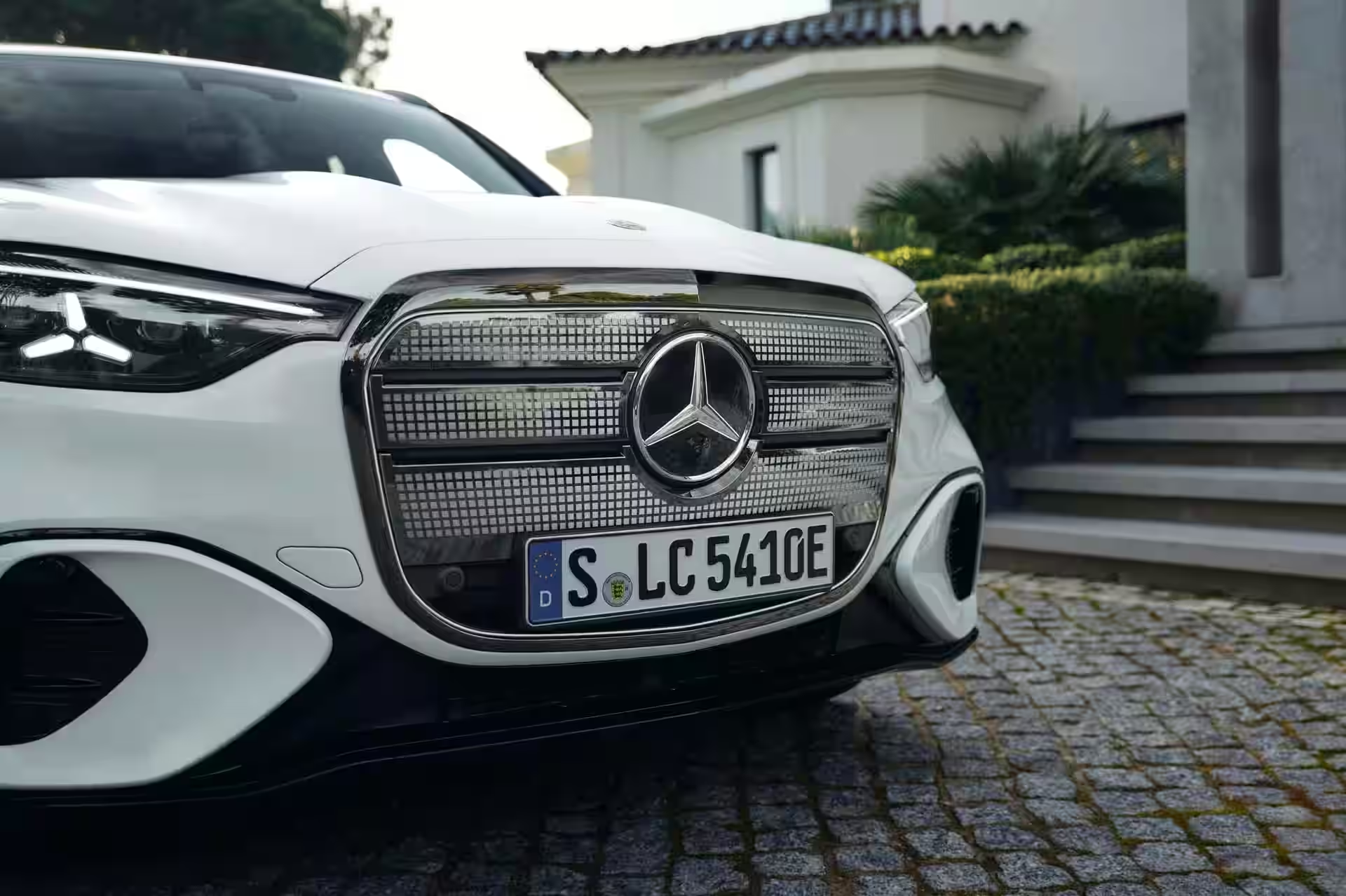
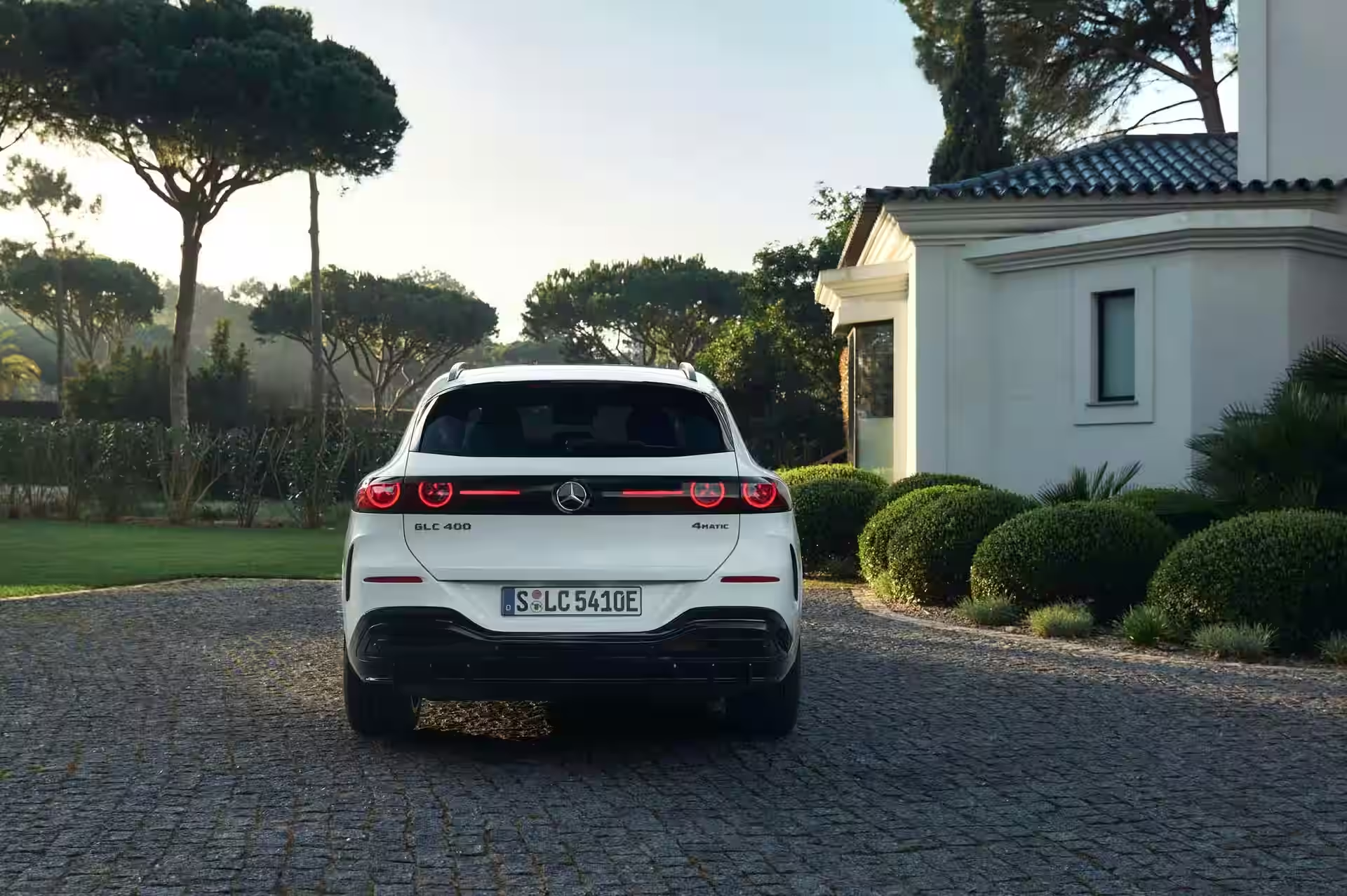
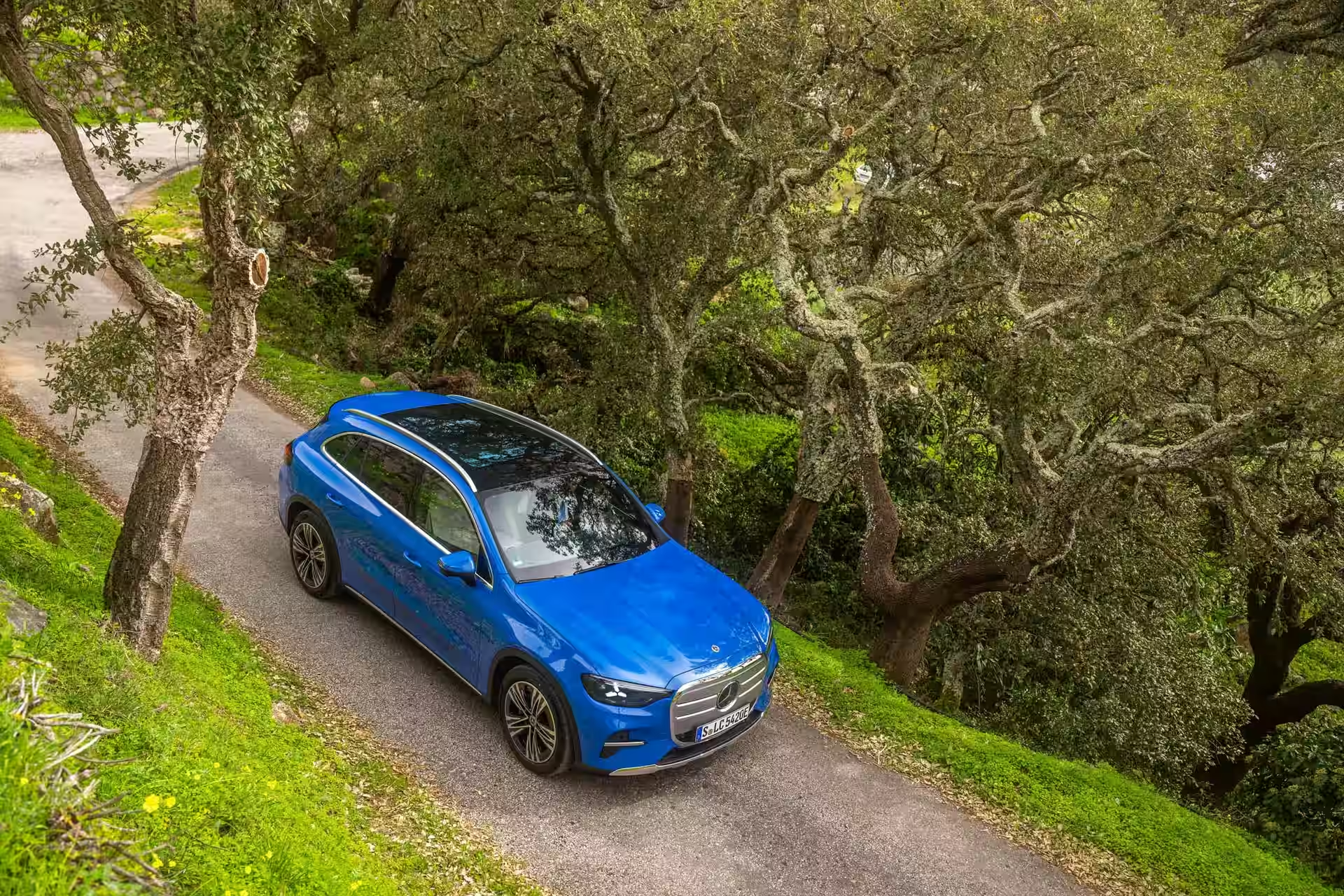
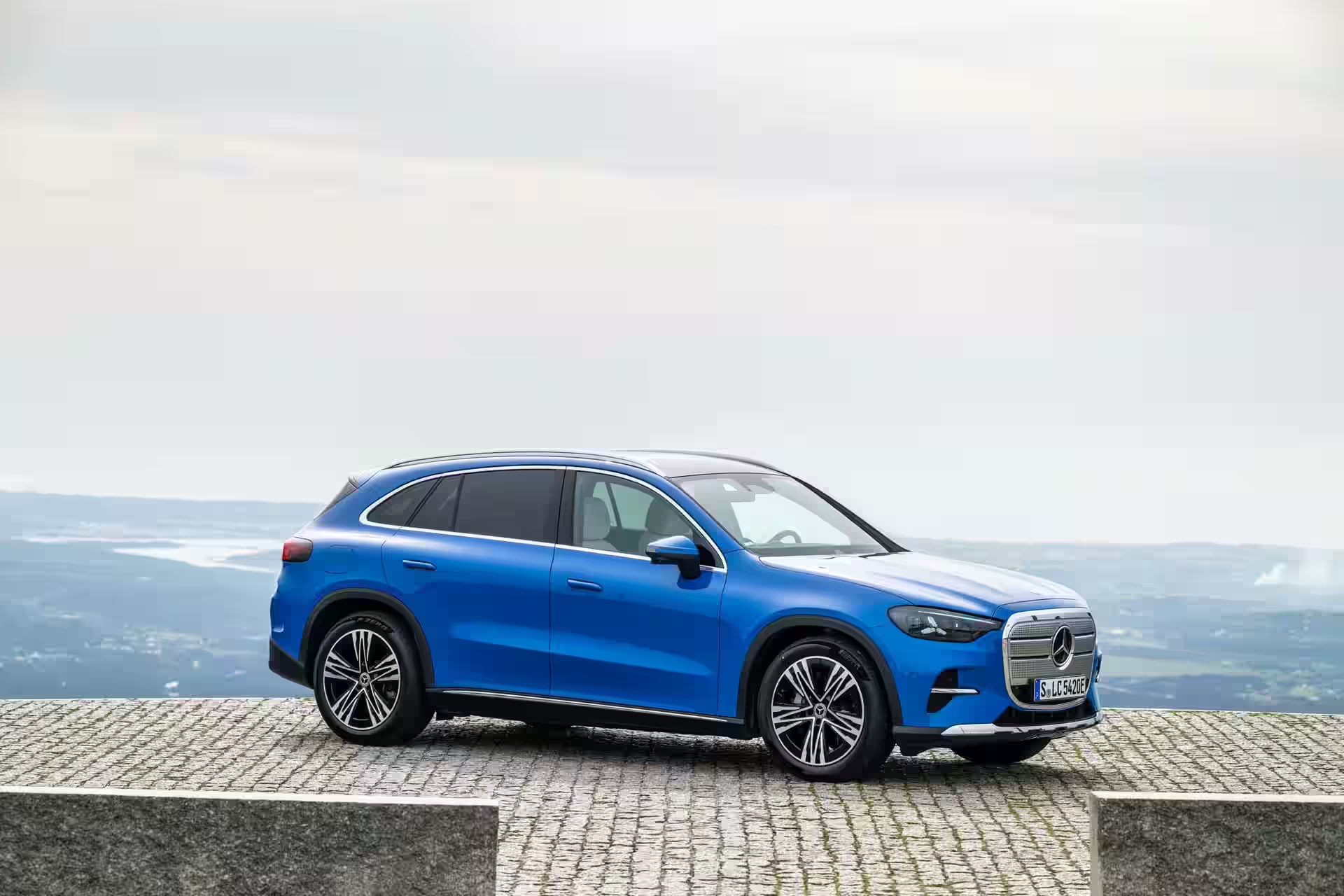
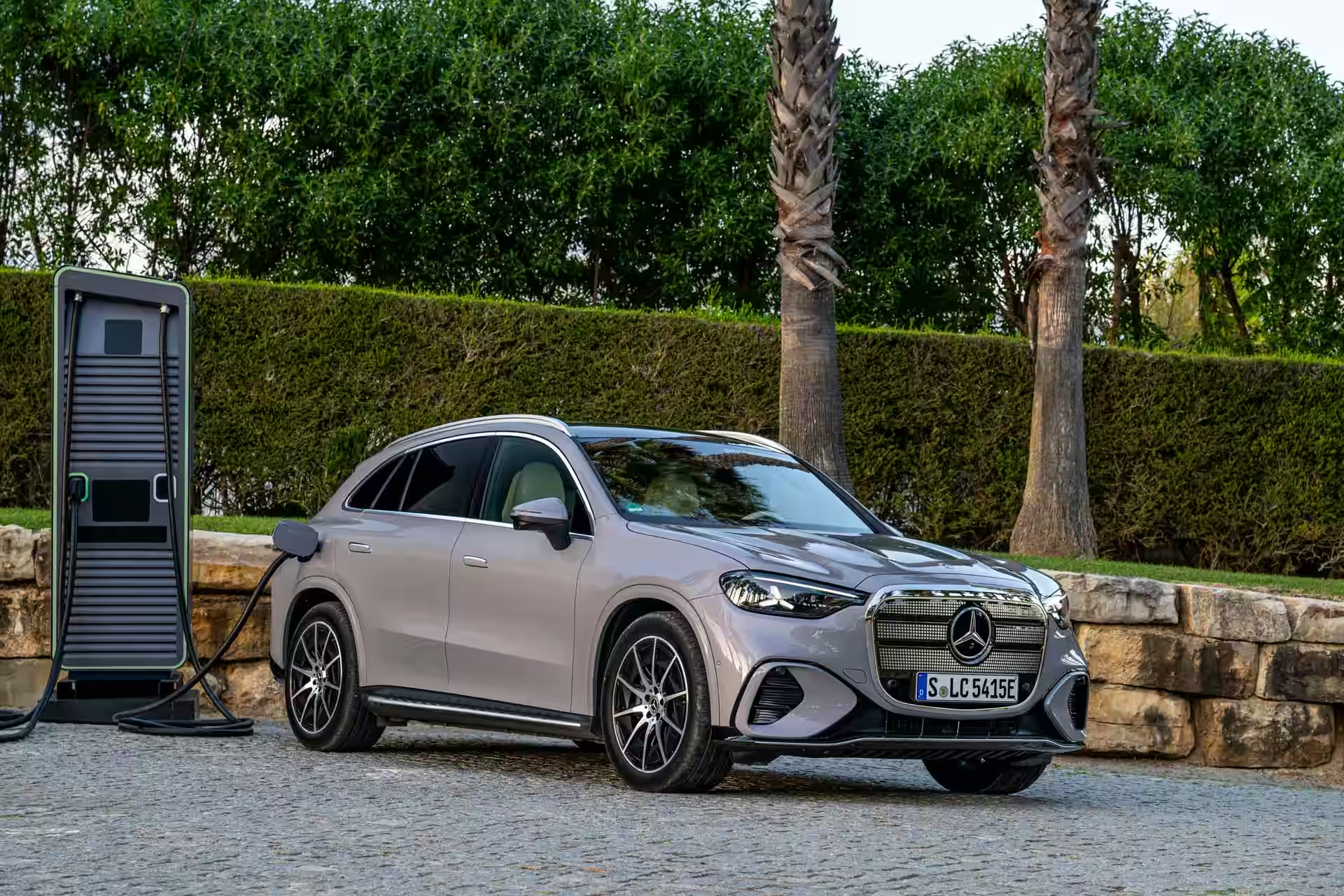
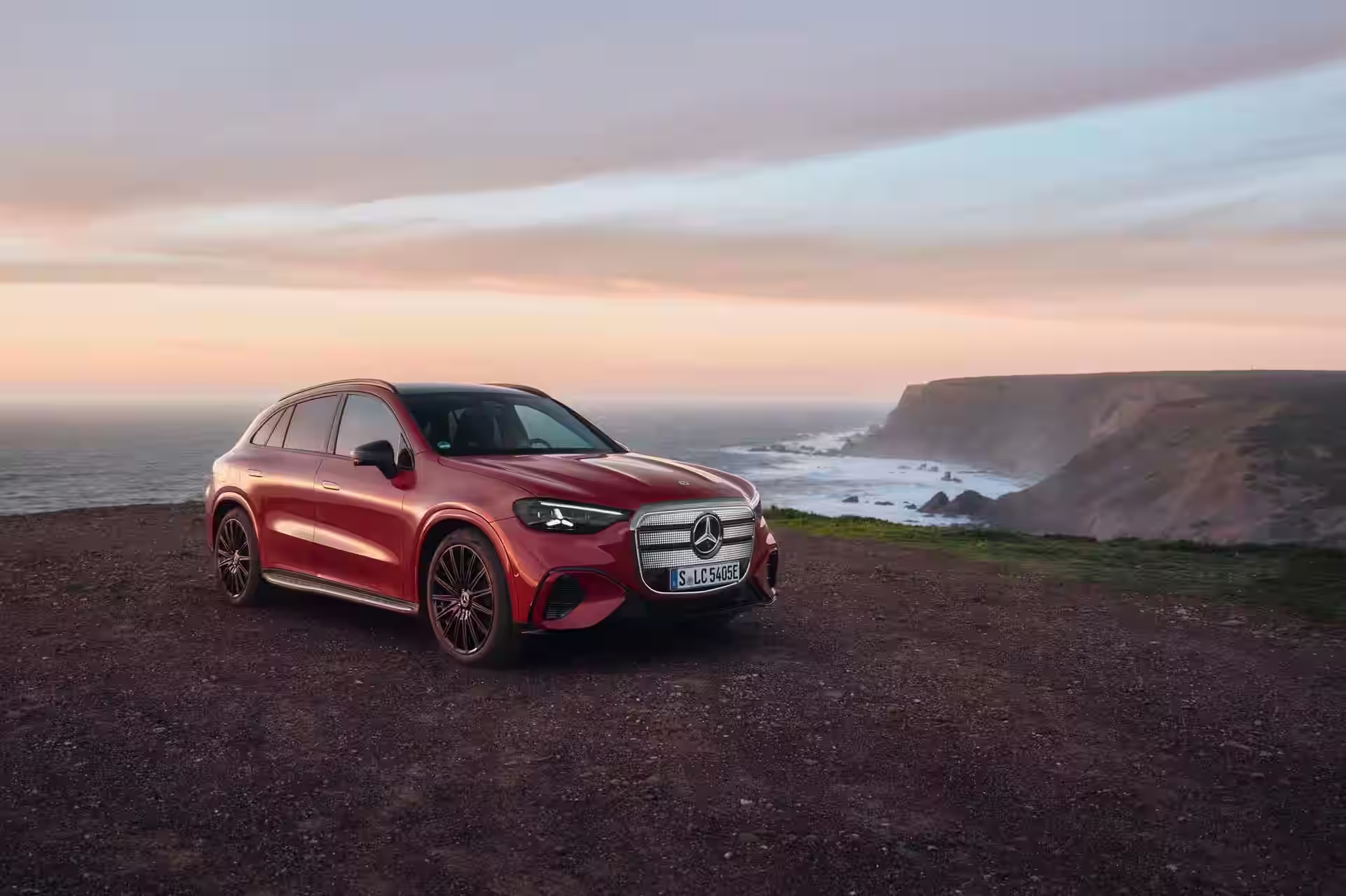
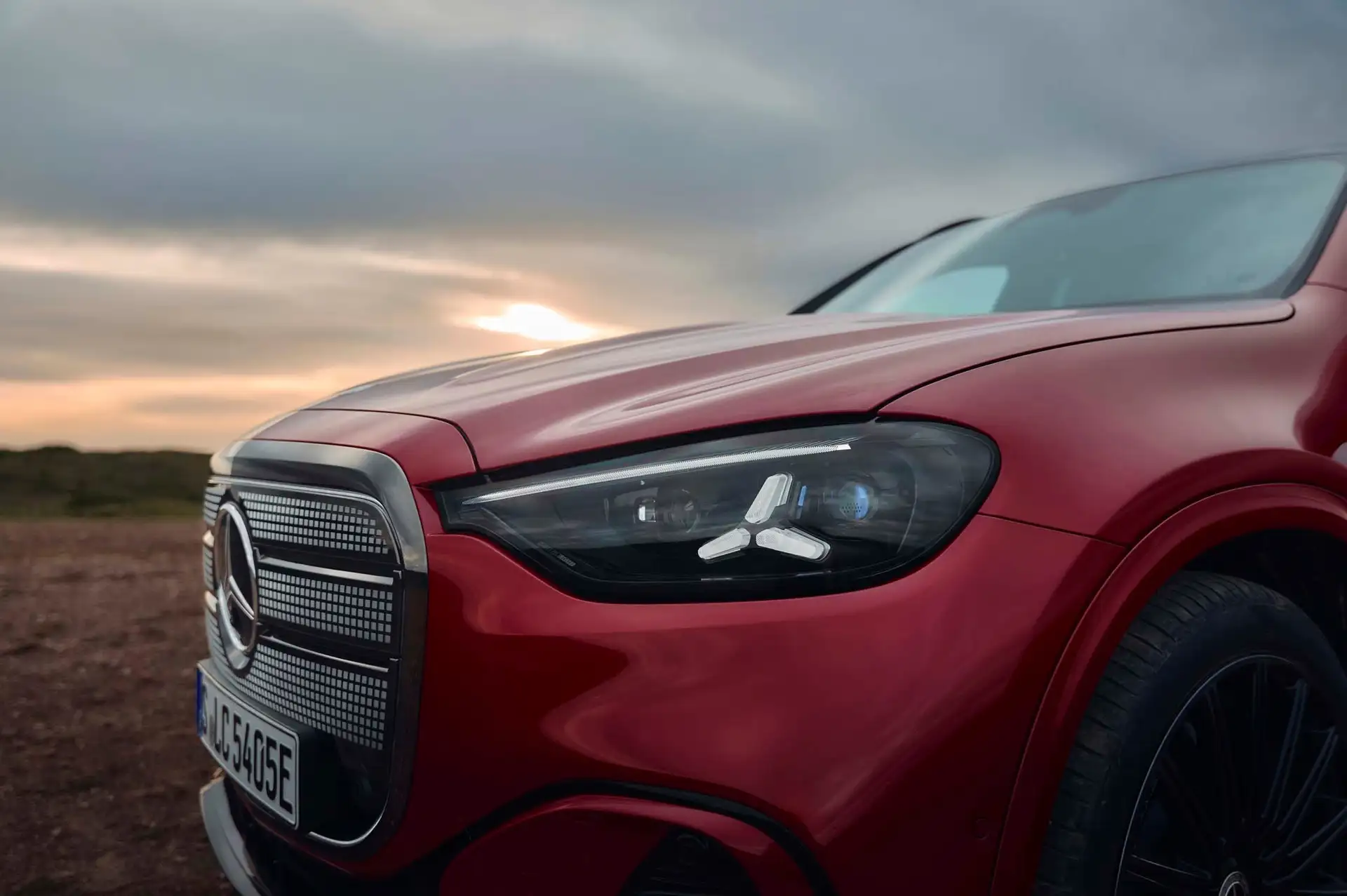
The Mercedes-Benz GLC400 4Matic Electric 2027 was not designed to go unnoticed. Its most controversial, and at the same time most memorable, element is the huge closed front grille, something almost ironic in an electric vehicle, since an EV does not need the same amount of airflow as a combustion model. But that is exactly the brand’s move: turn a functional item from the past into a visual signature of the future.
The inspiration recalls the classic Mercedes-Benz W111 from 1959, reinterpreted in a modern language. In some configurations, this piece can still receive small integrated LEDs capable of performing a welcome light sequence. It may sound theatrical, but it works. Instead of trying to hide its electric identity under an anonymous body, the GLC400 Electric embraces a stronger, almost sculptural presence.
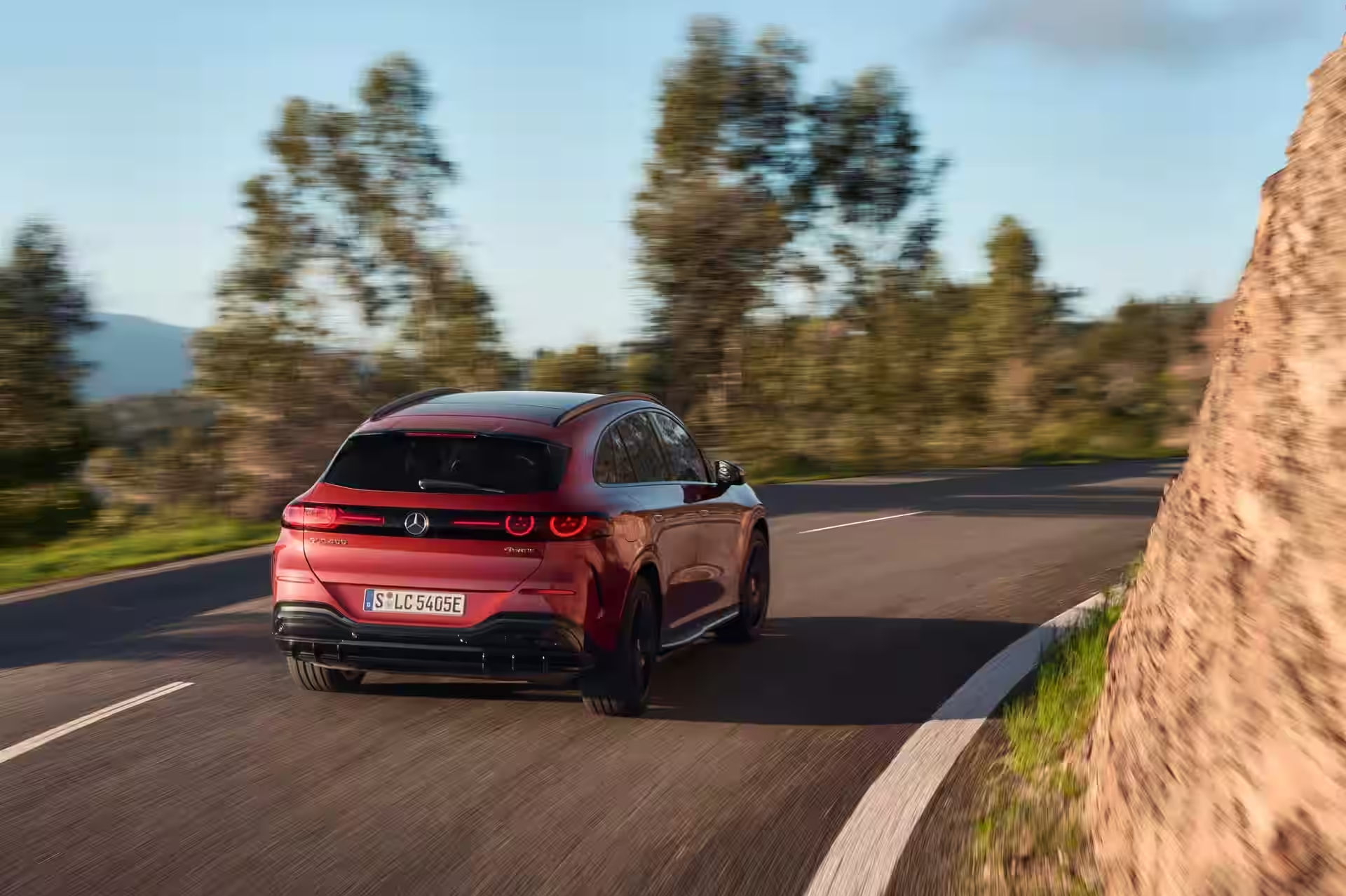
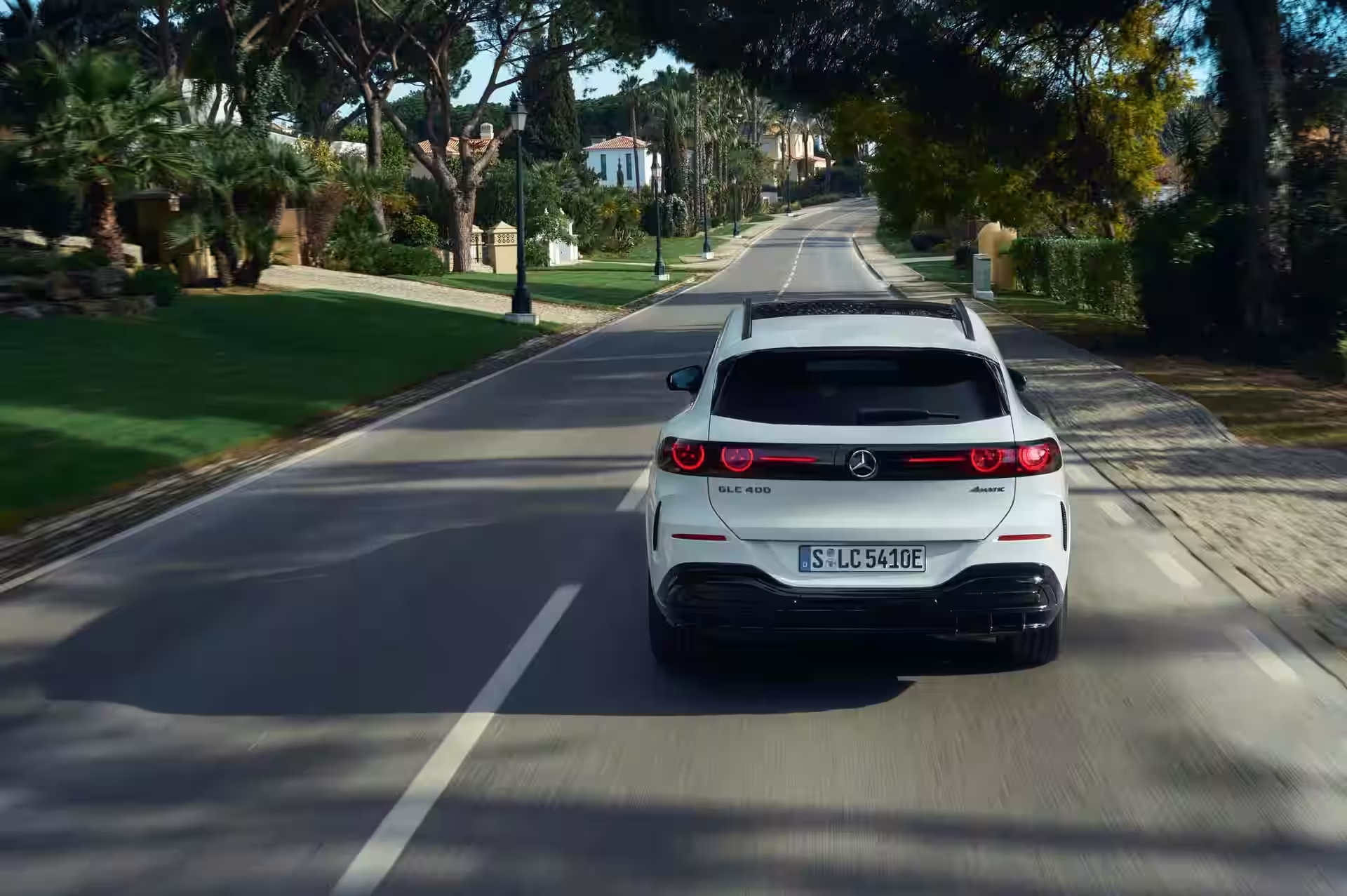
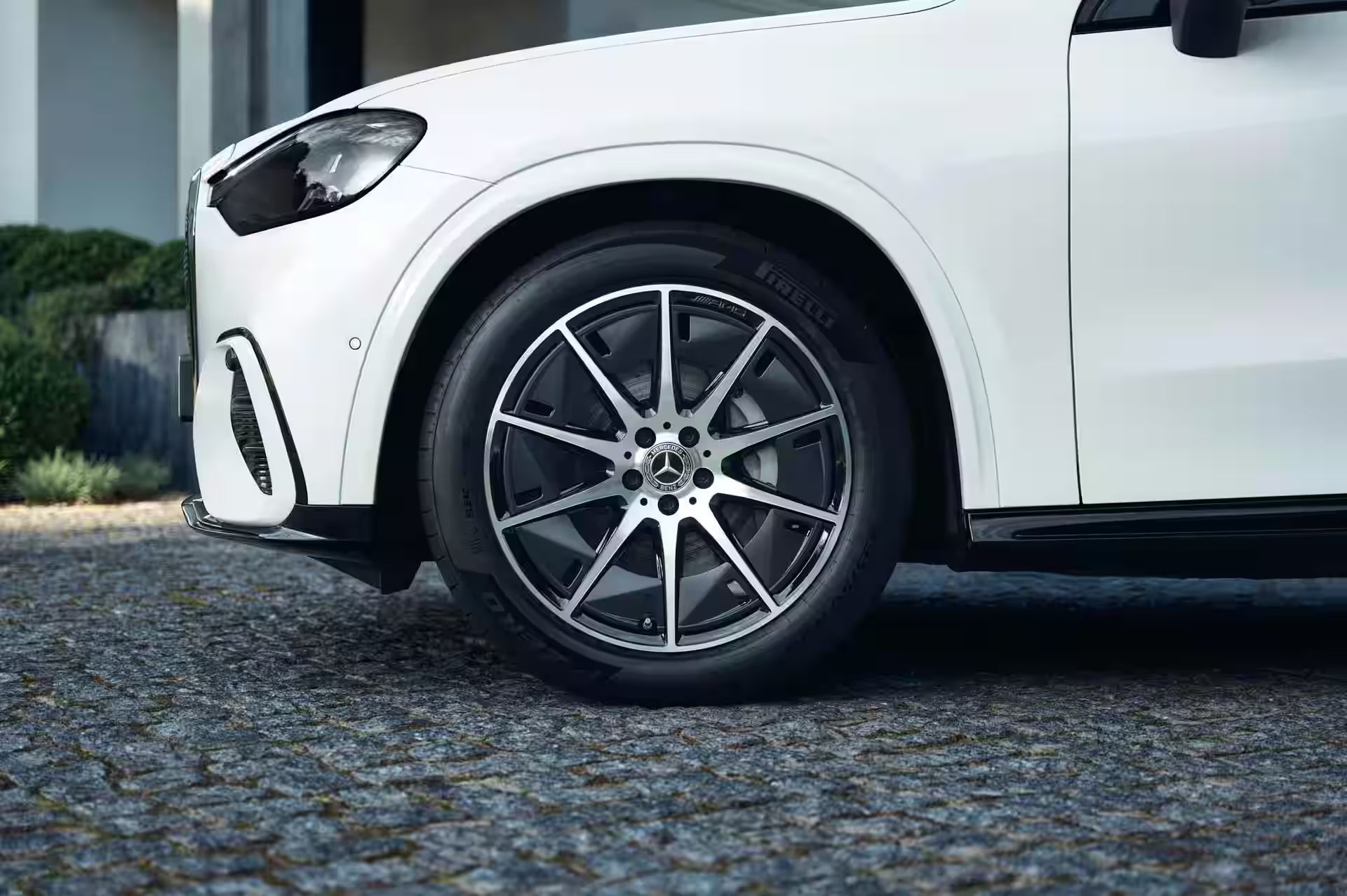
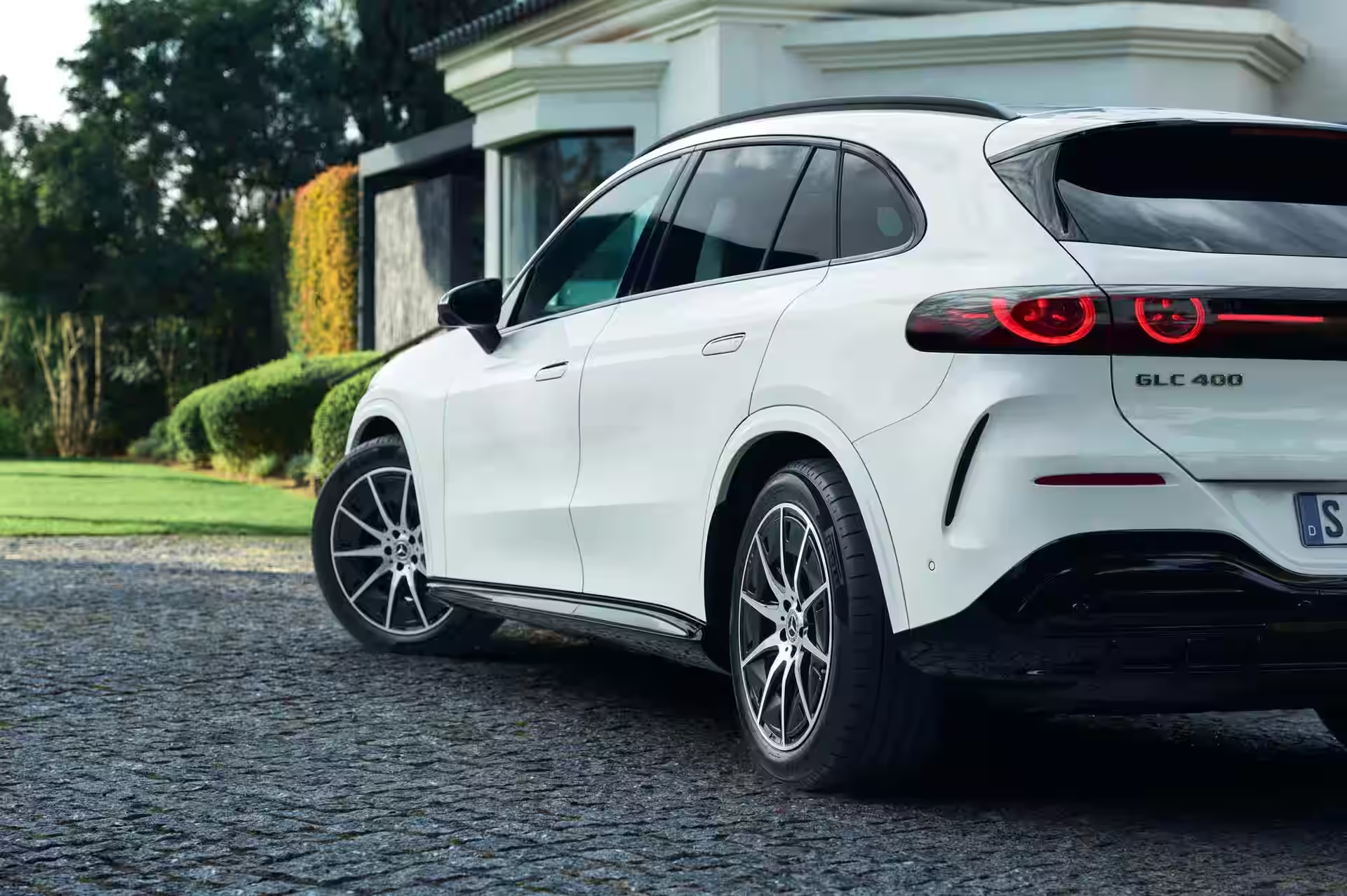
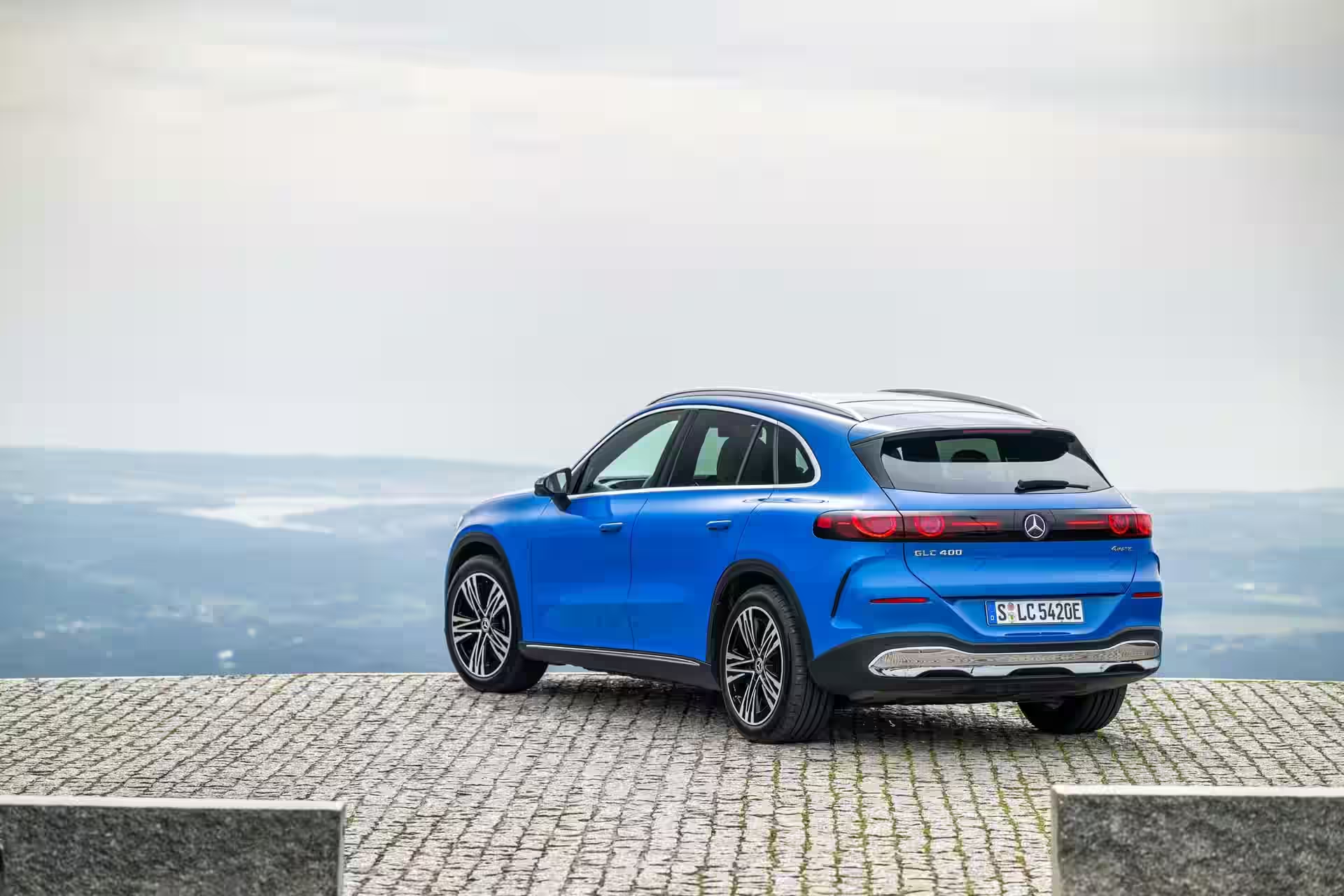
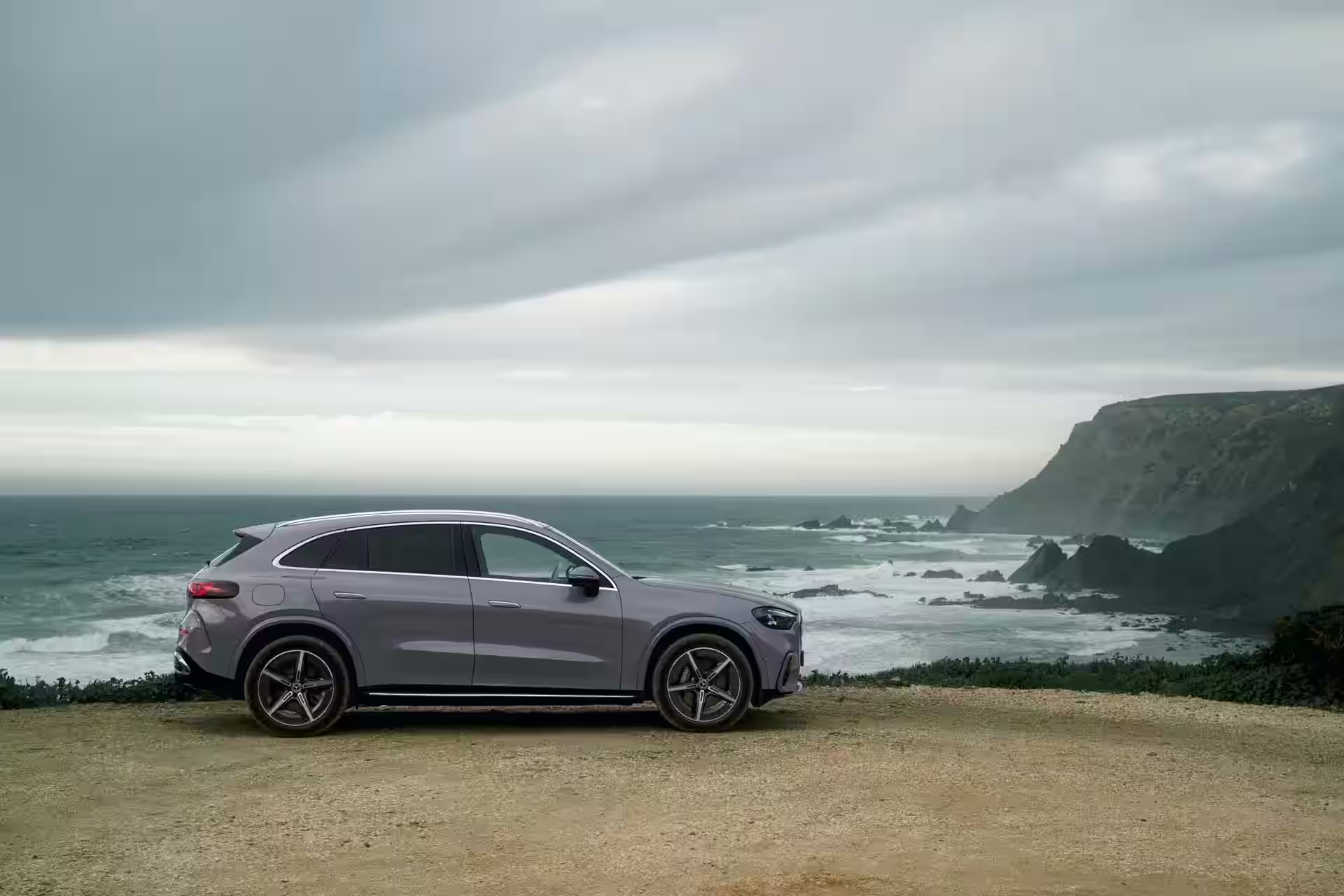
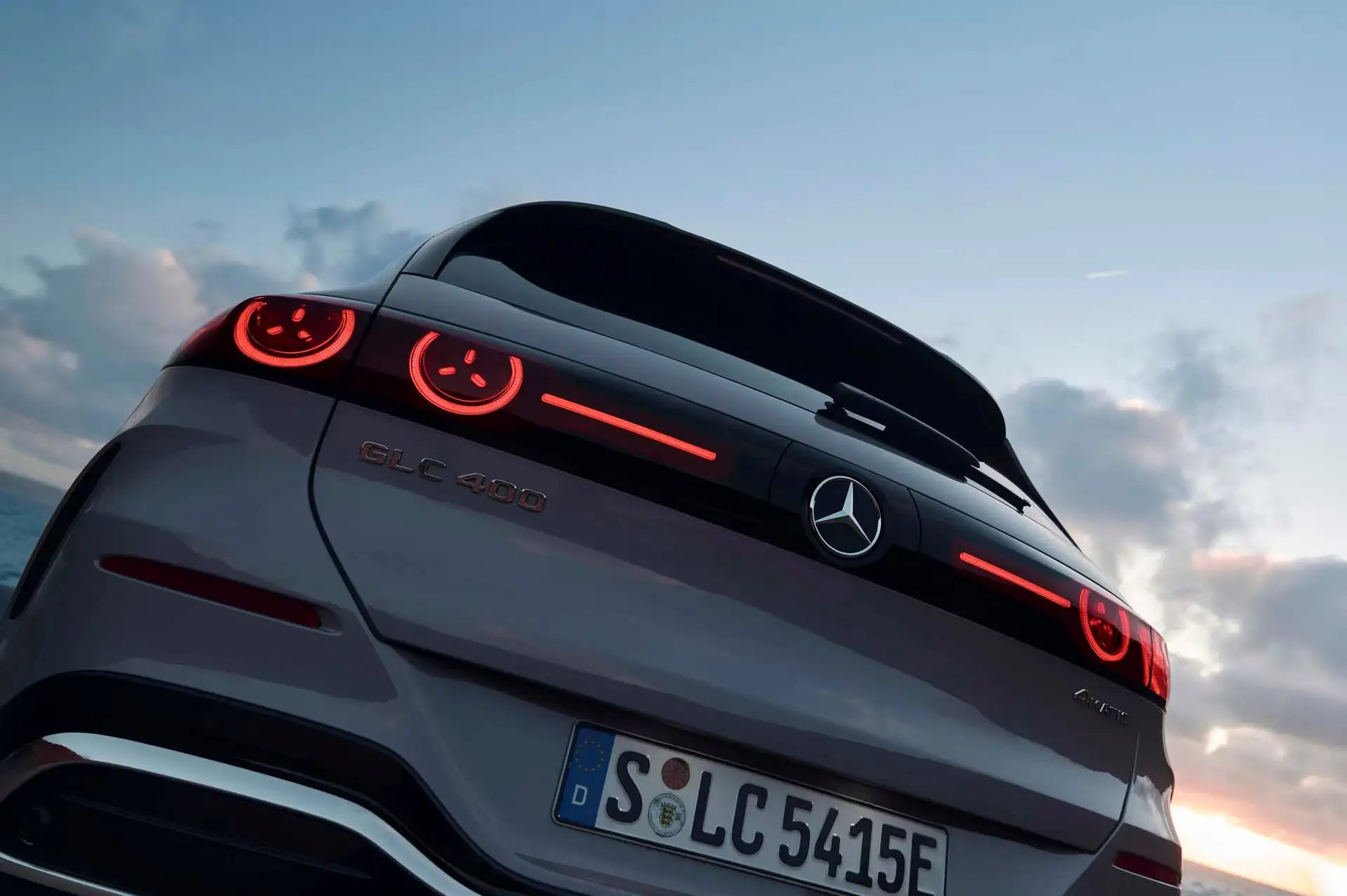
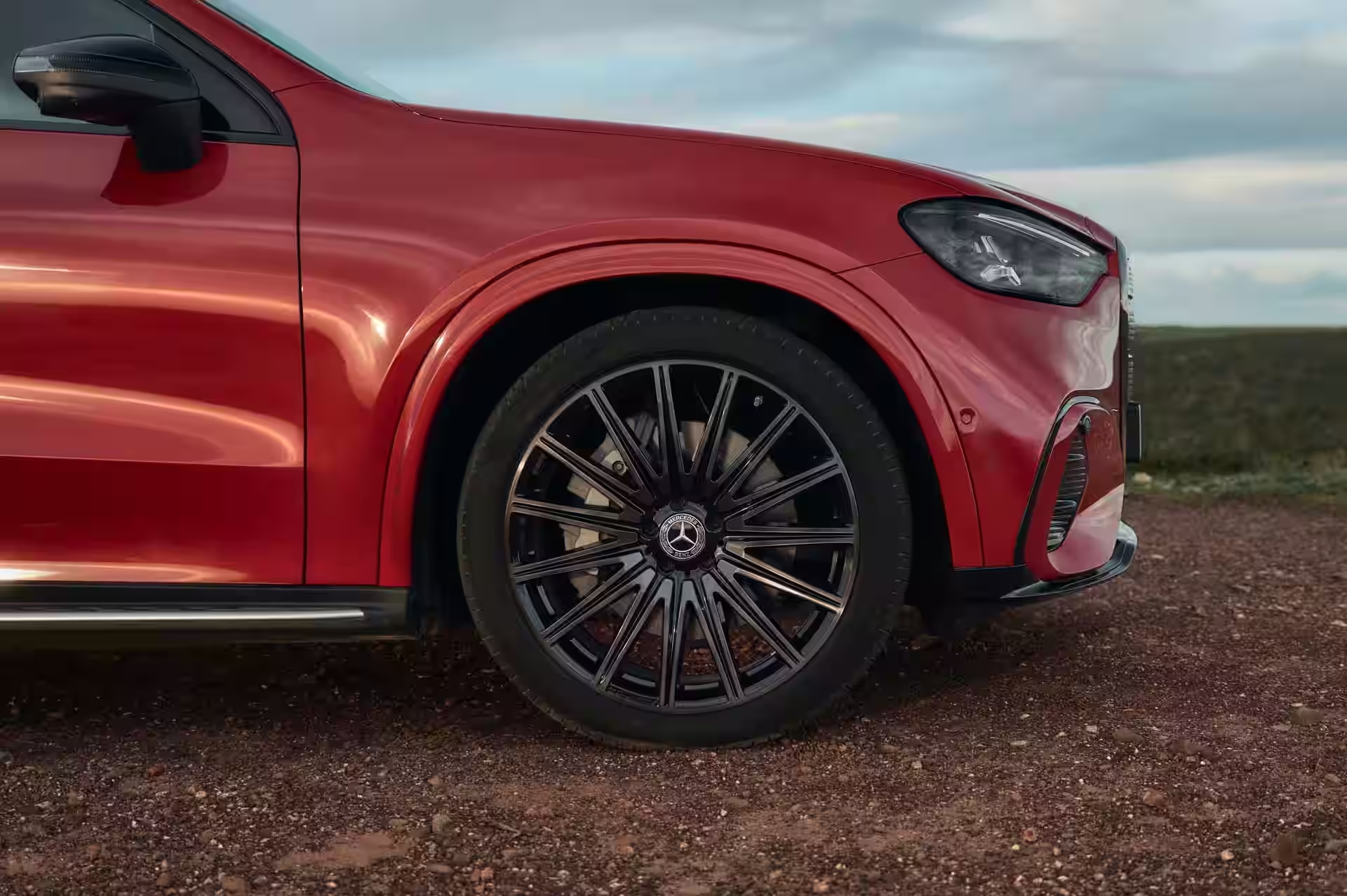
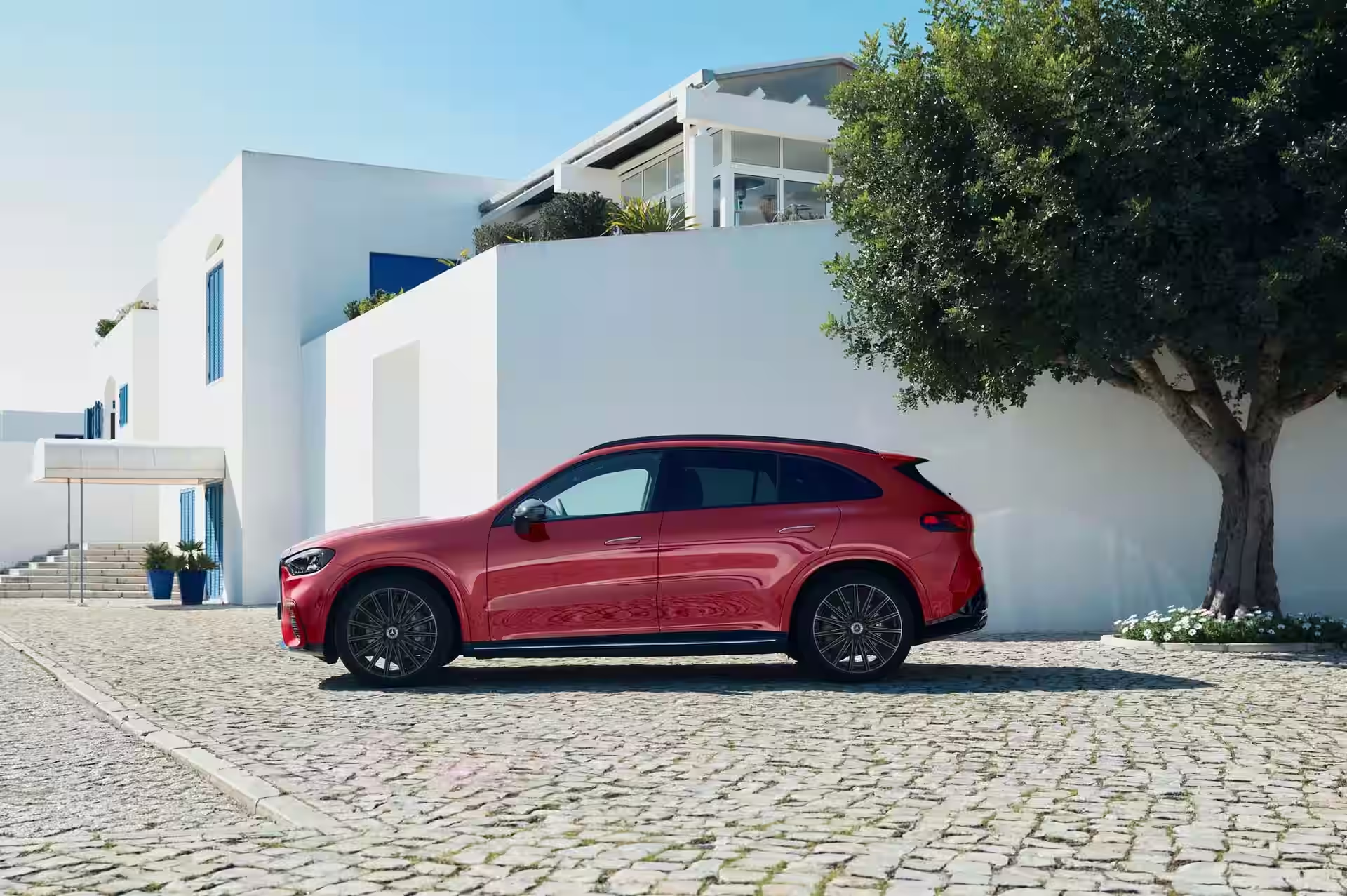
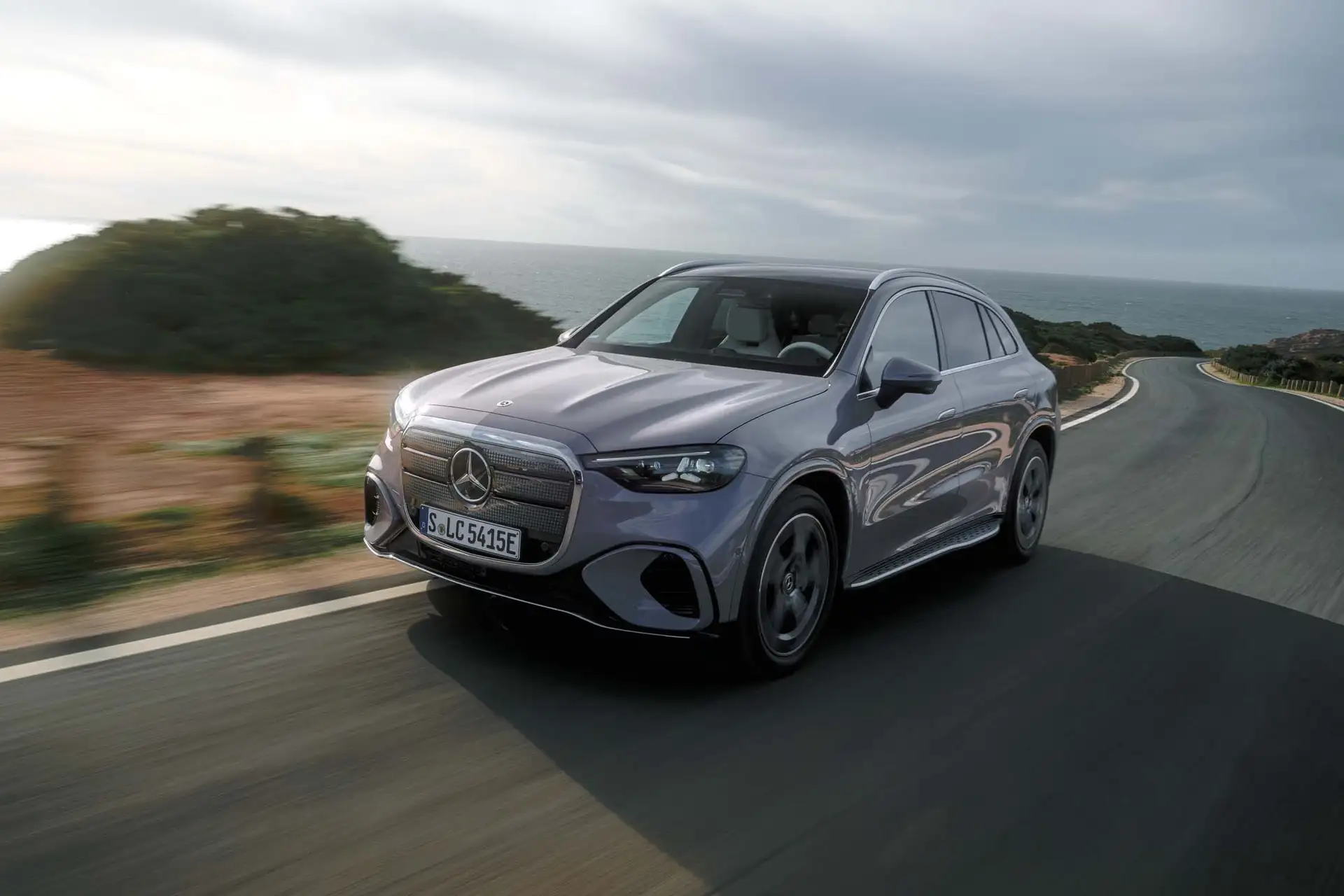
The rest of the design follows this approach. The headlights with a three-pointed star signature, the hood creases, and the more fluid silhouette help the SUV look less heavy than it really is. And that matters, because we are talking about a luxury utility vehicle with a large battery, two motors, and all-wheel drive.
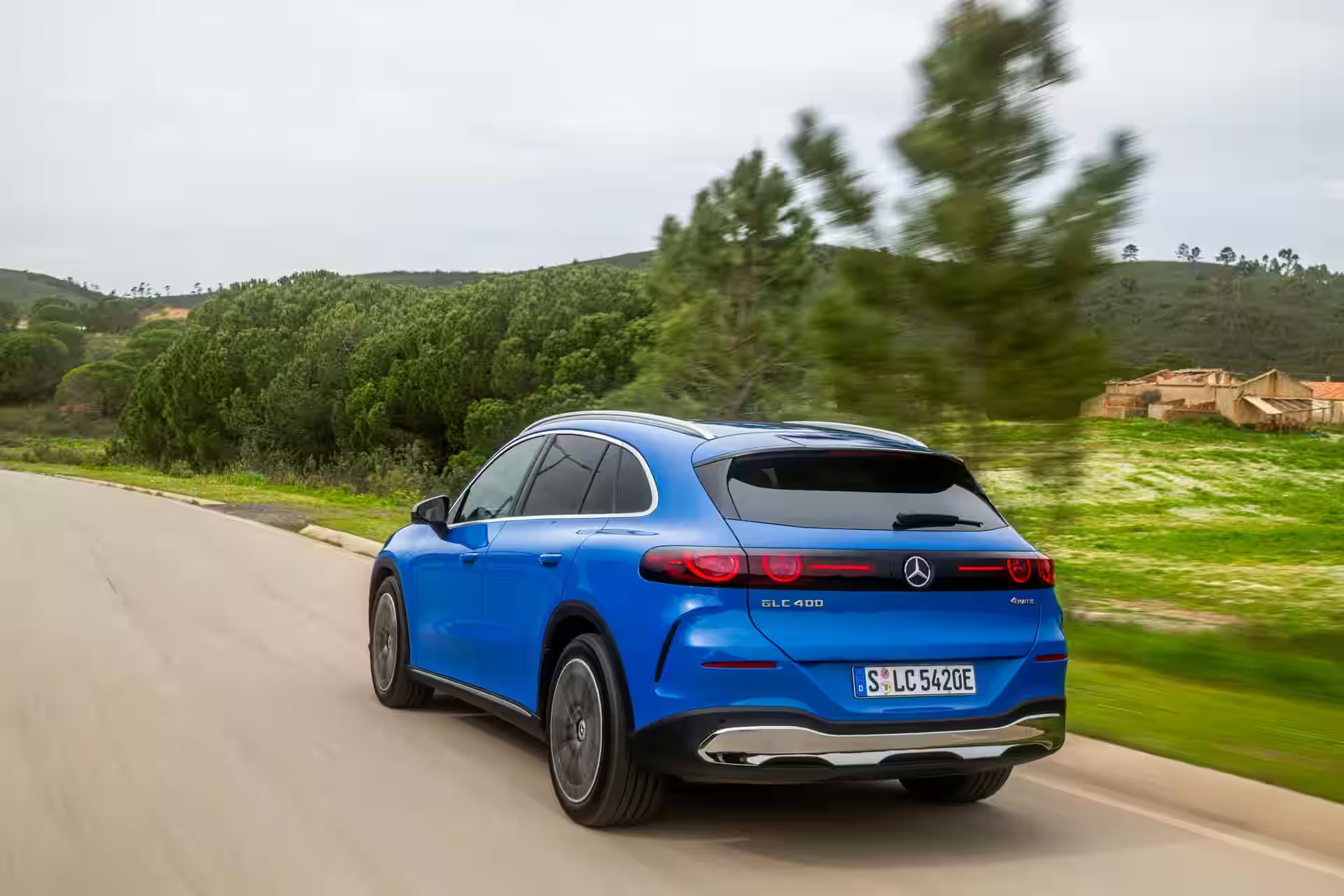
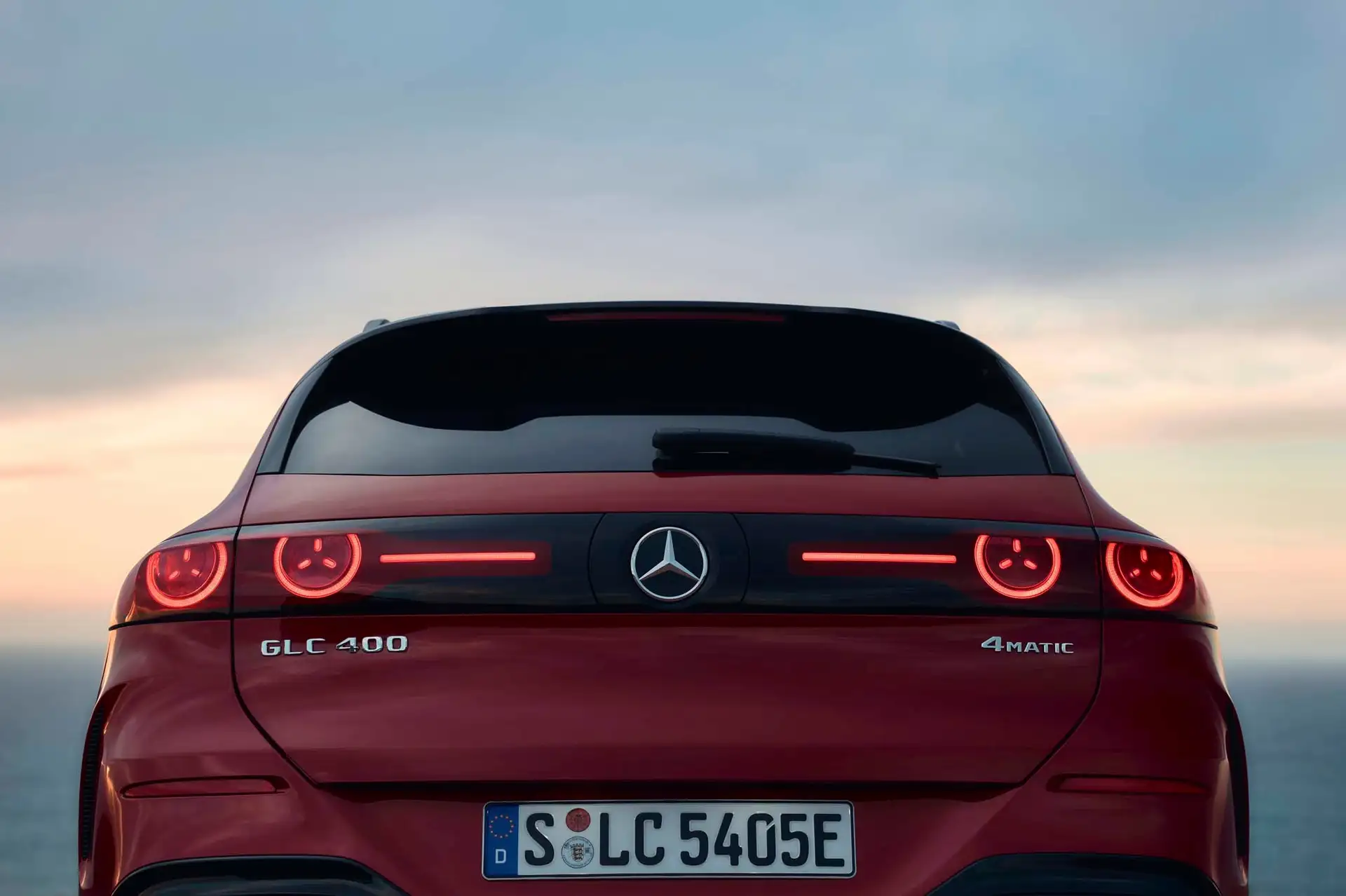
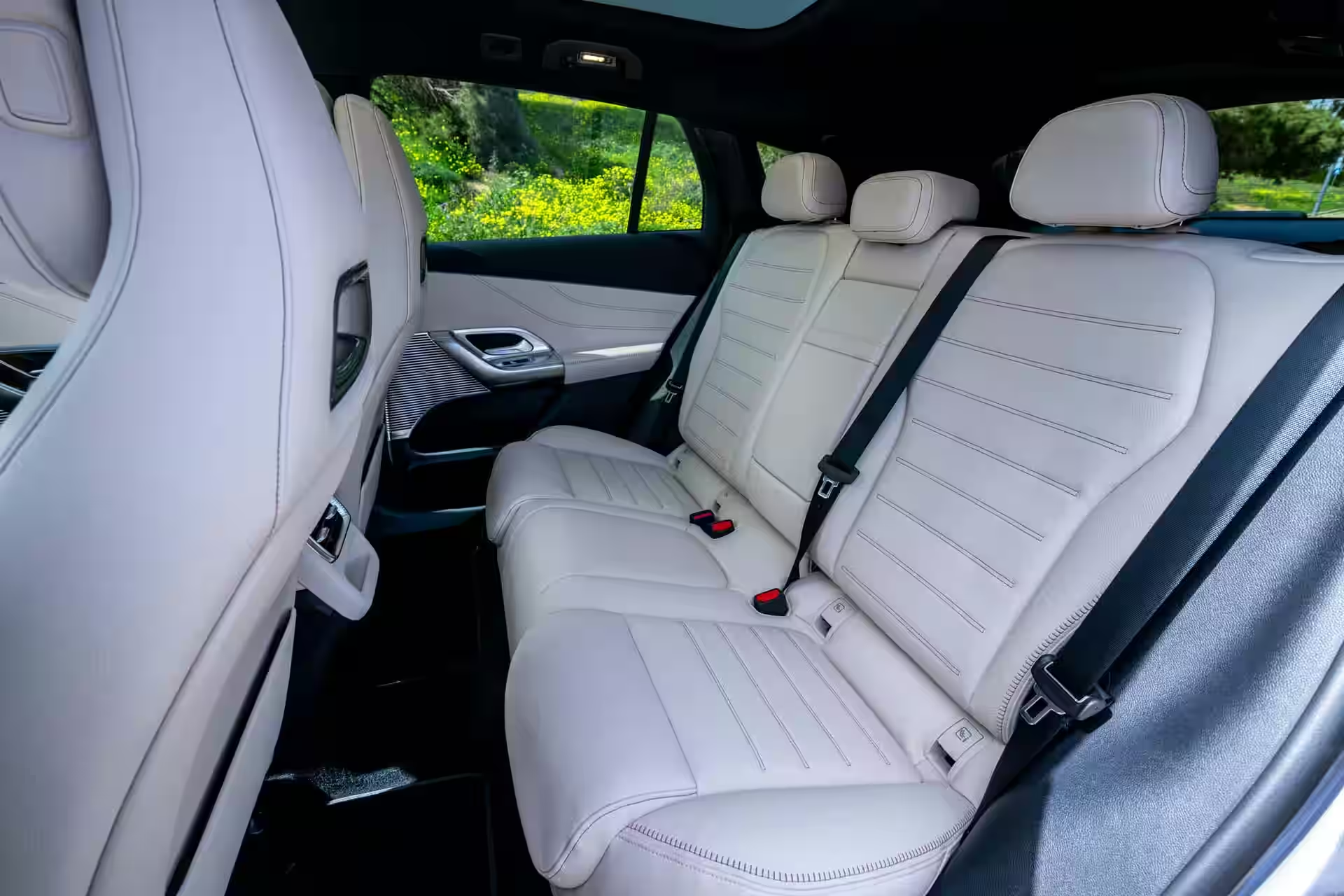
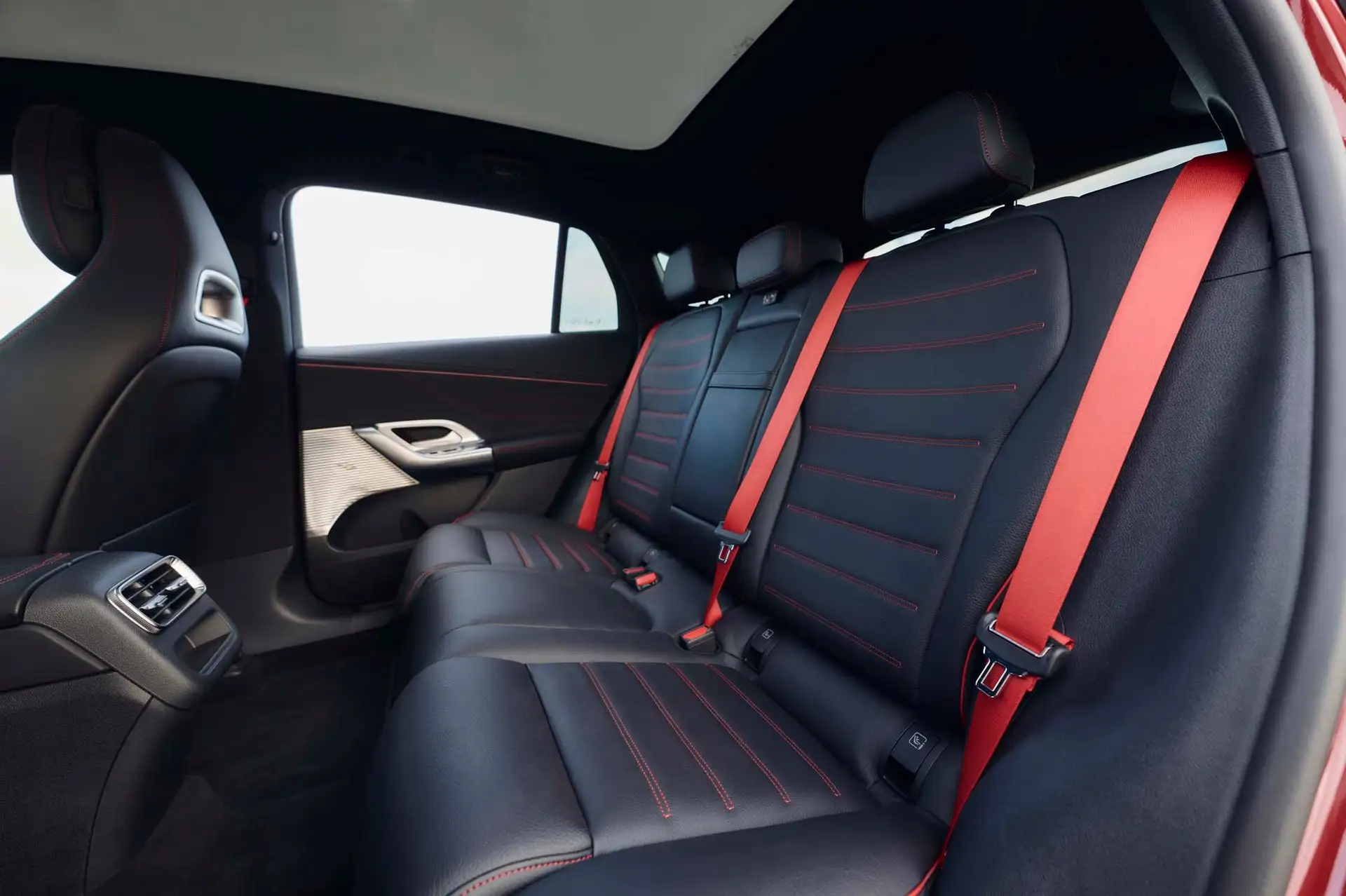
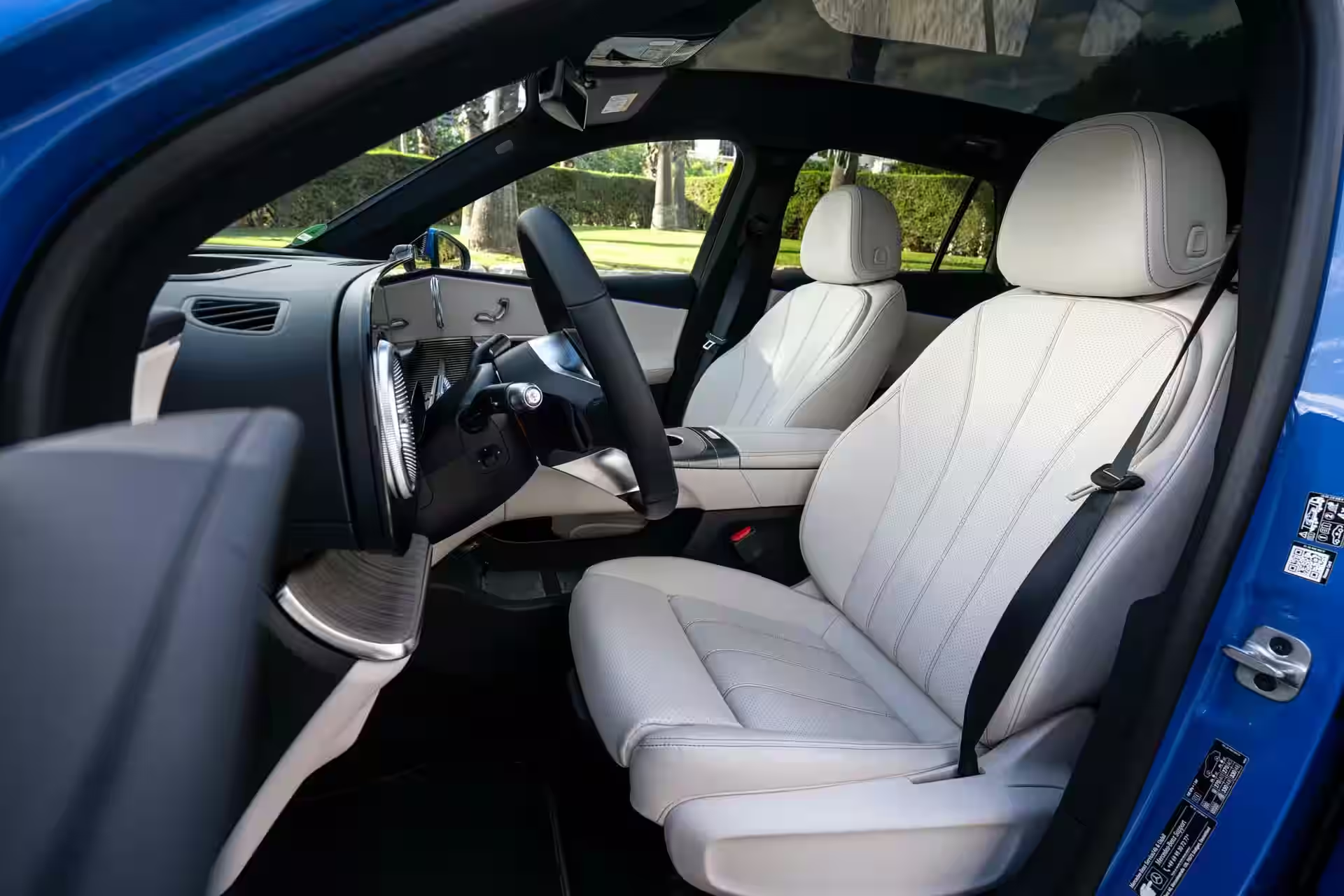
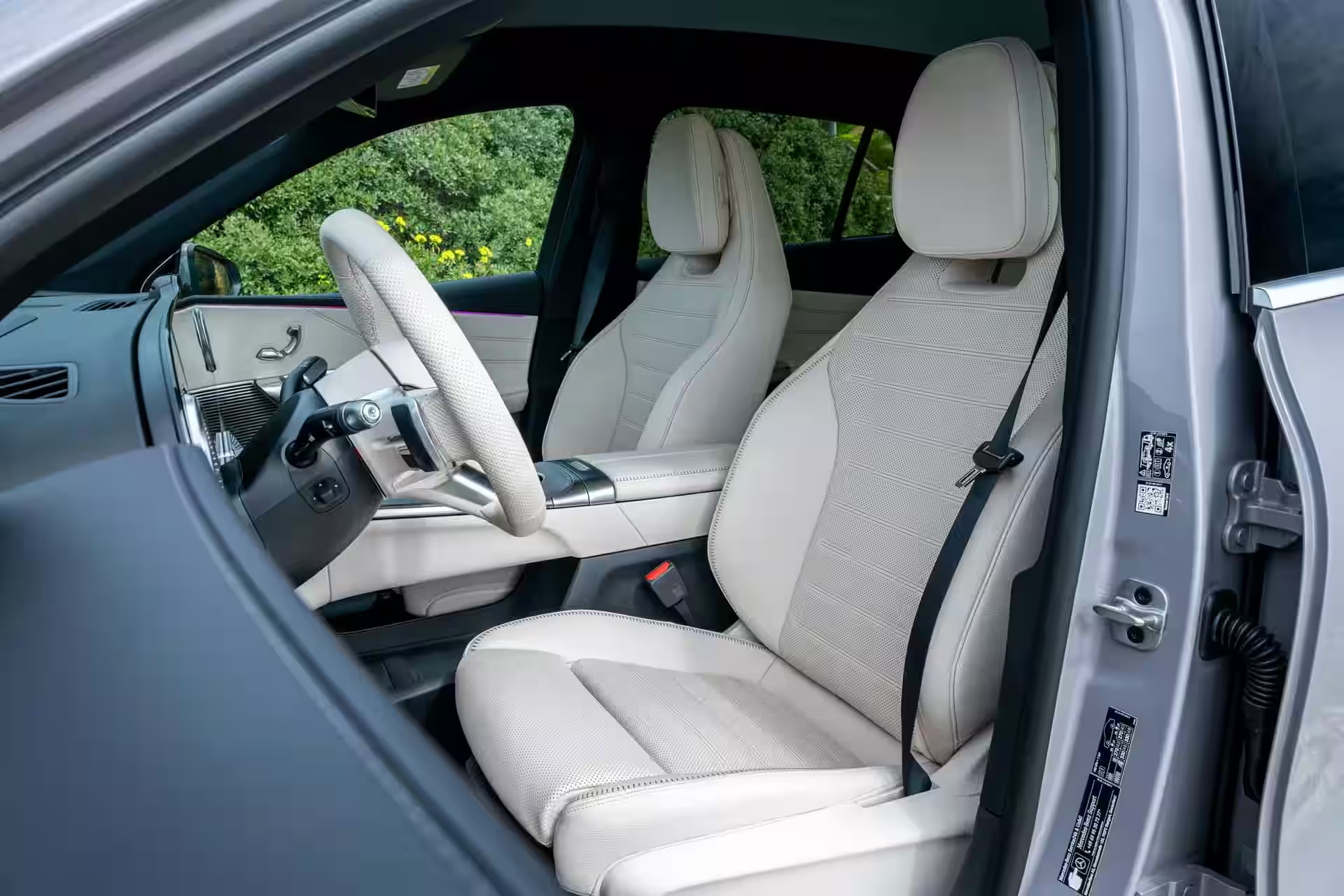
The dimensions also explain part of this change in perception. The electric GLC uses a new platform for the battery-powered version and has grown in key areas. It measures approximately 4.84 meters in length, with a wheelbase of 2.97 meters, figures that place it in a more generous position inside than the combustion-powered GLC. The gain is not just theoretical. Rear-seat passengers have more legroom and headroom, while the flat floor improves the feeling of an airy cabin.
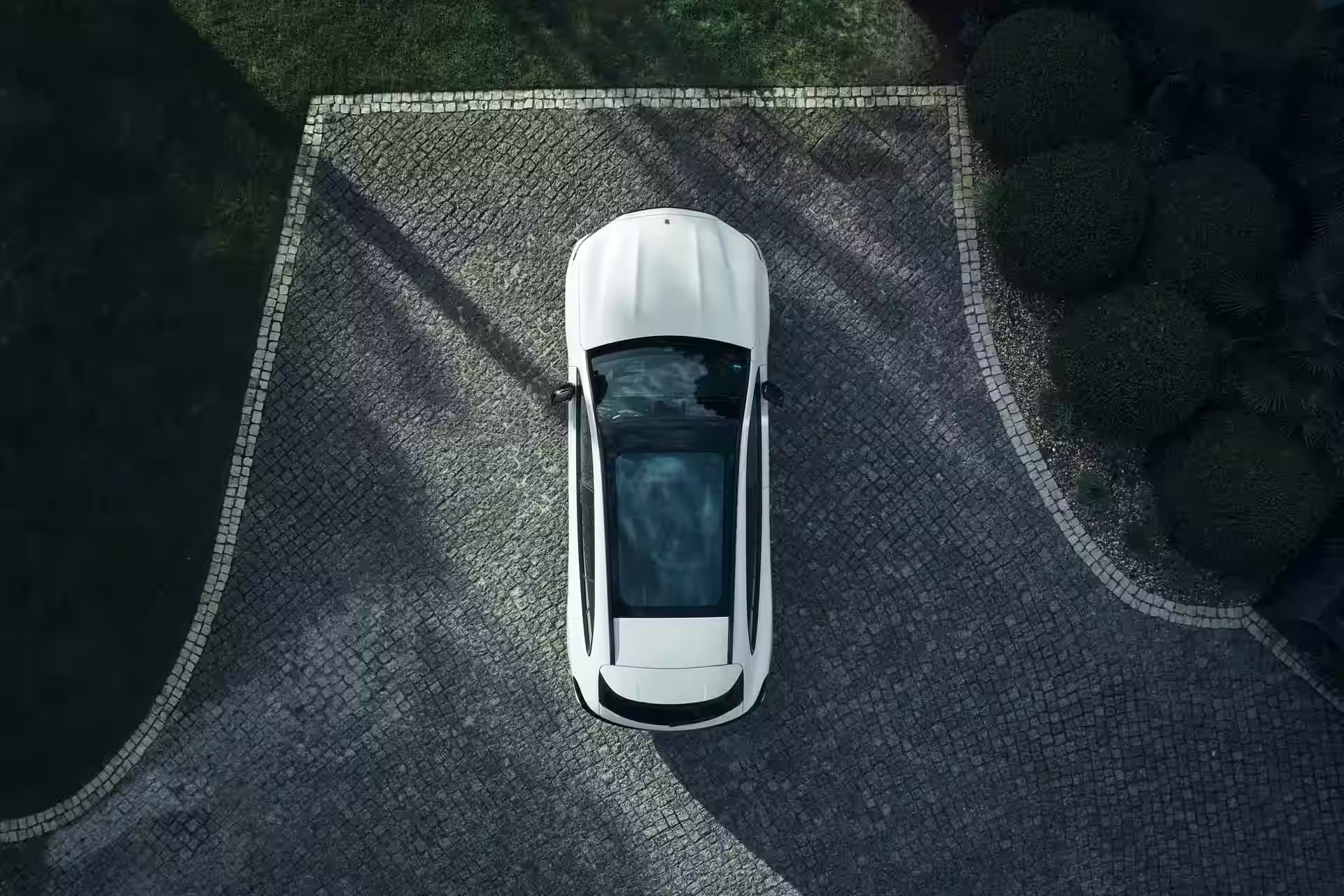
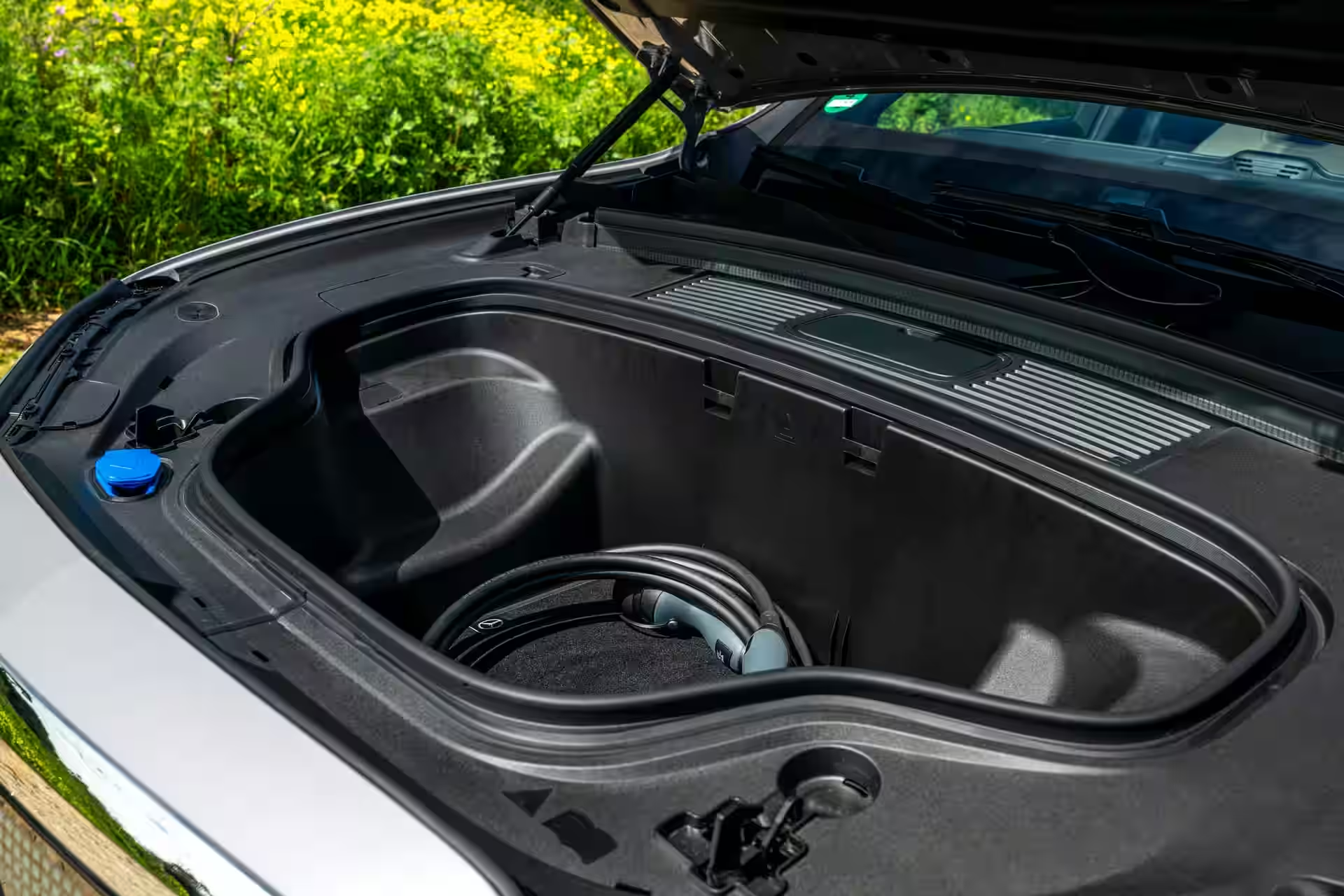
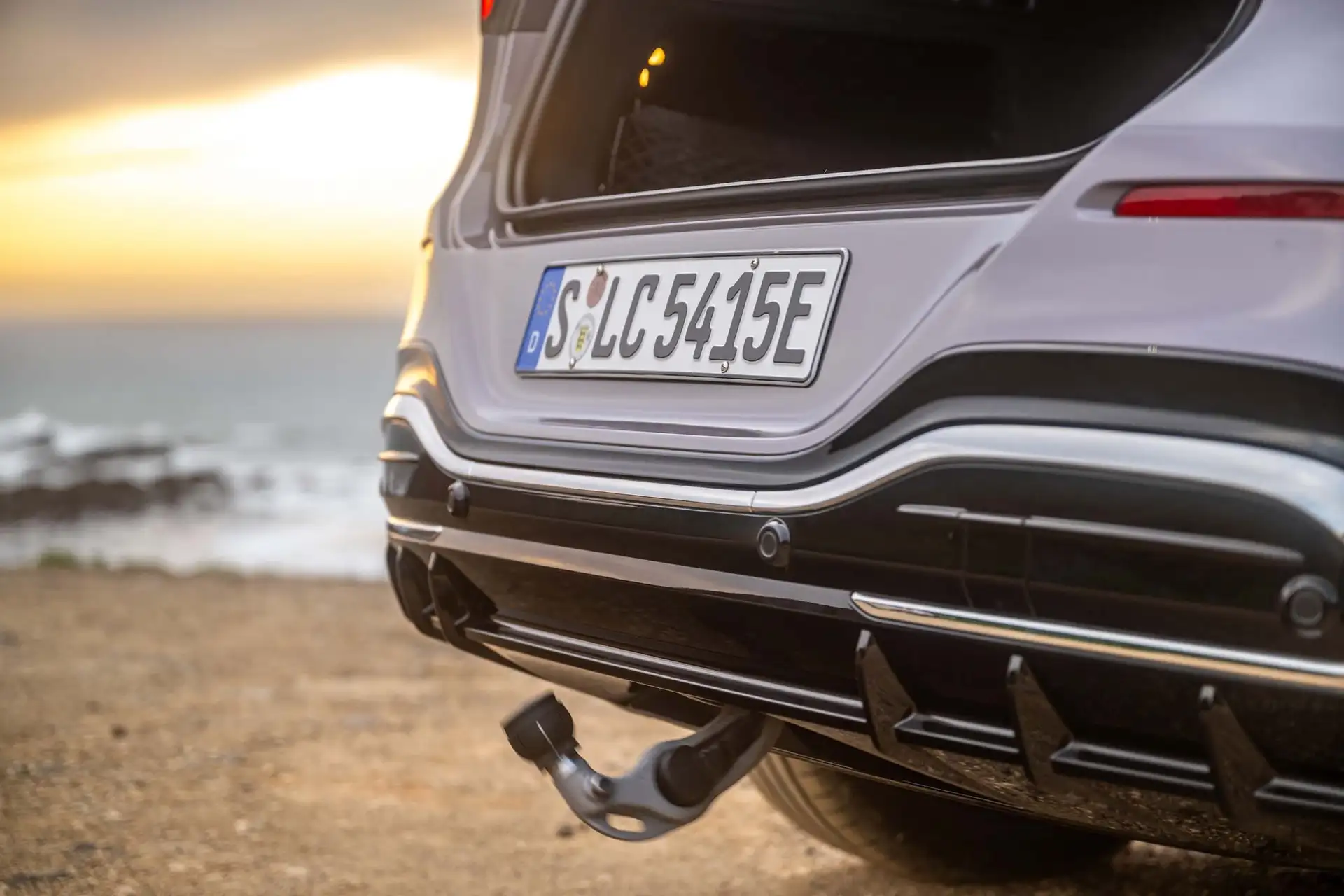
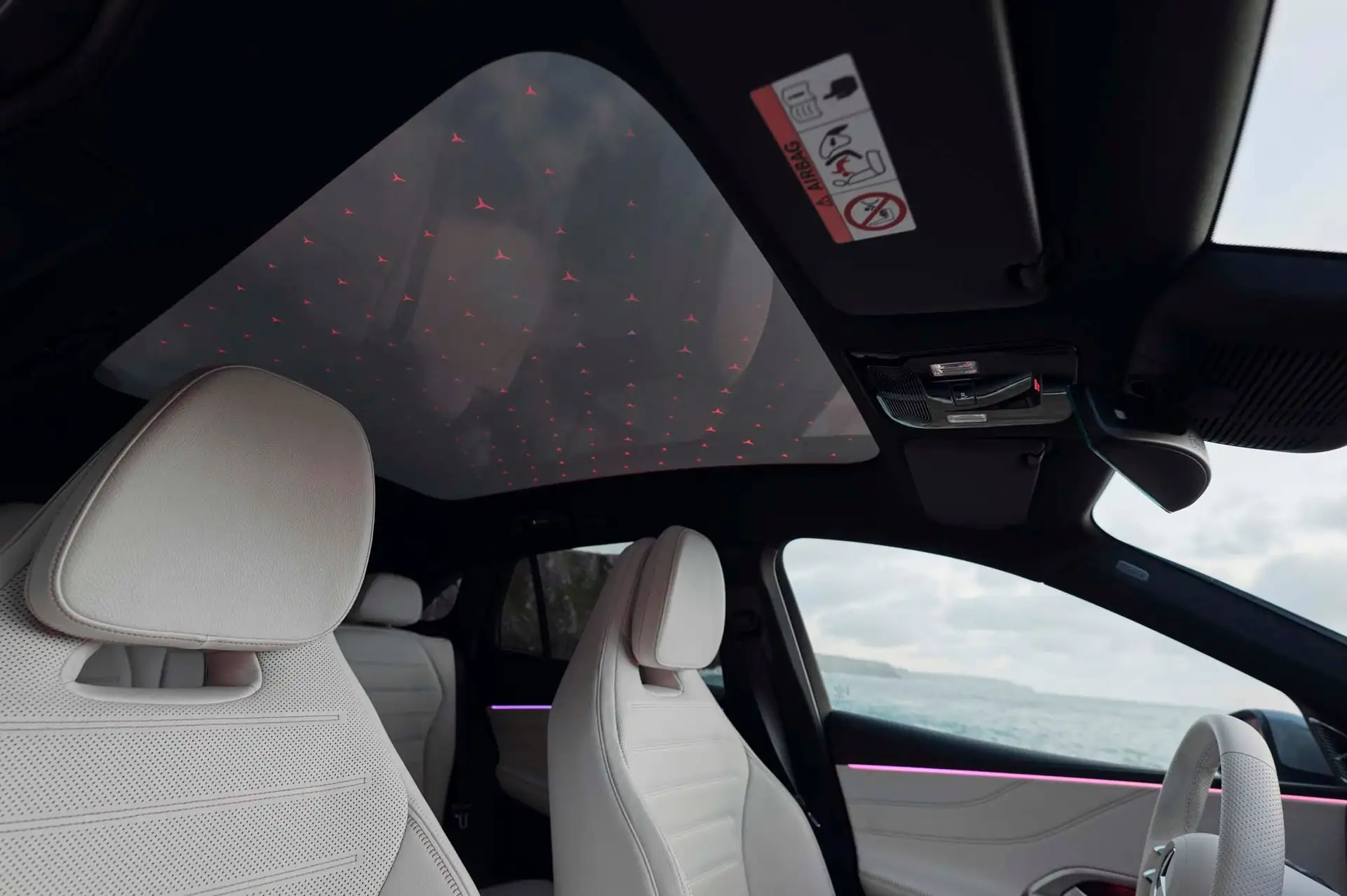
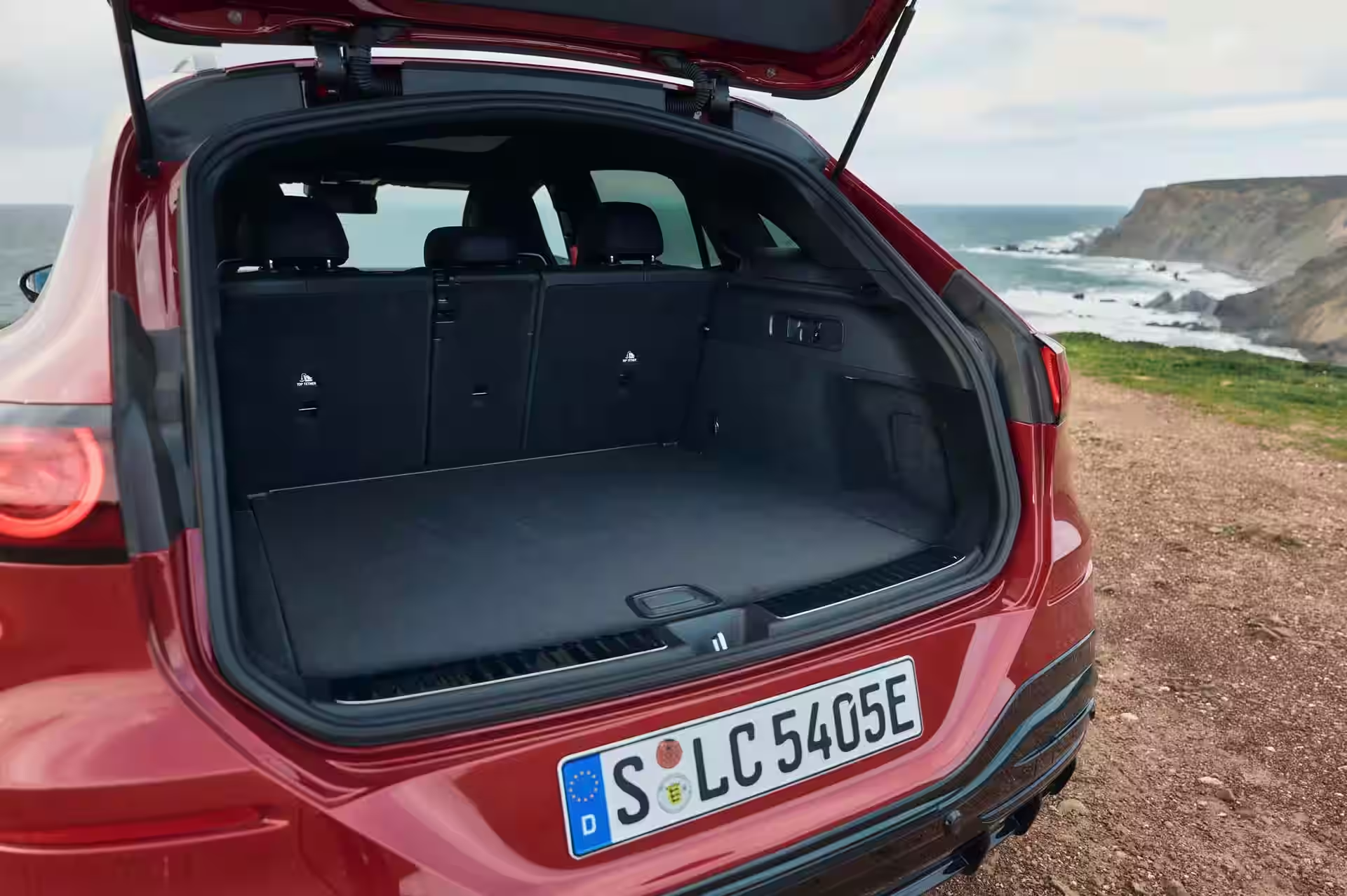
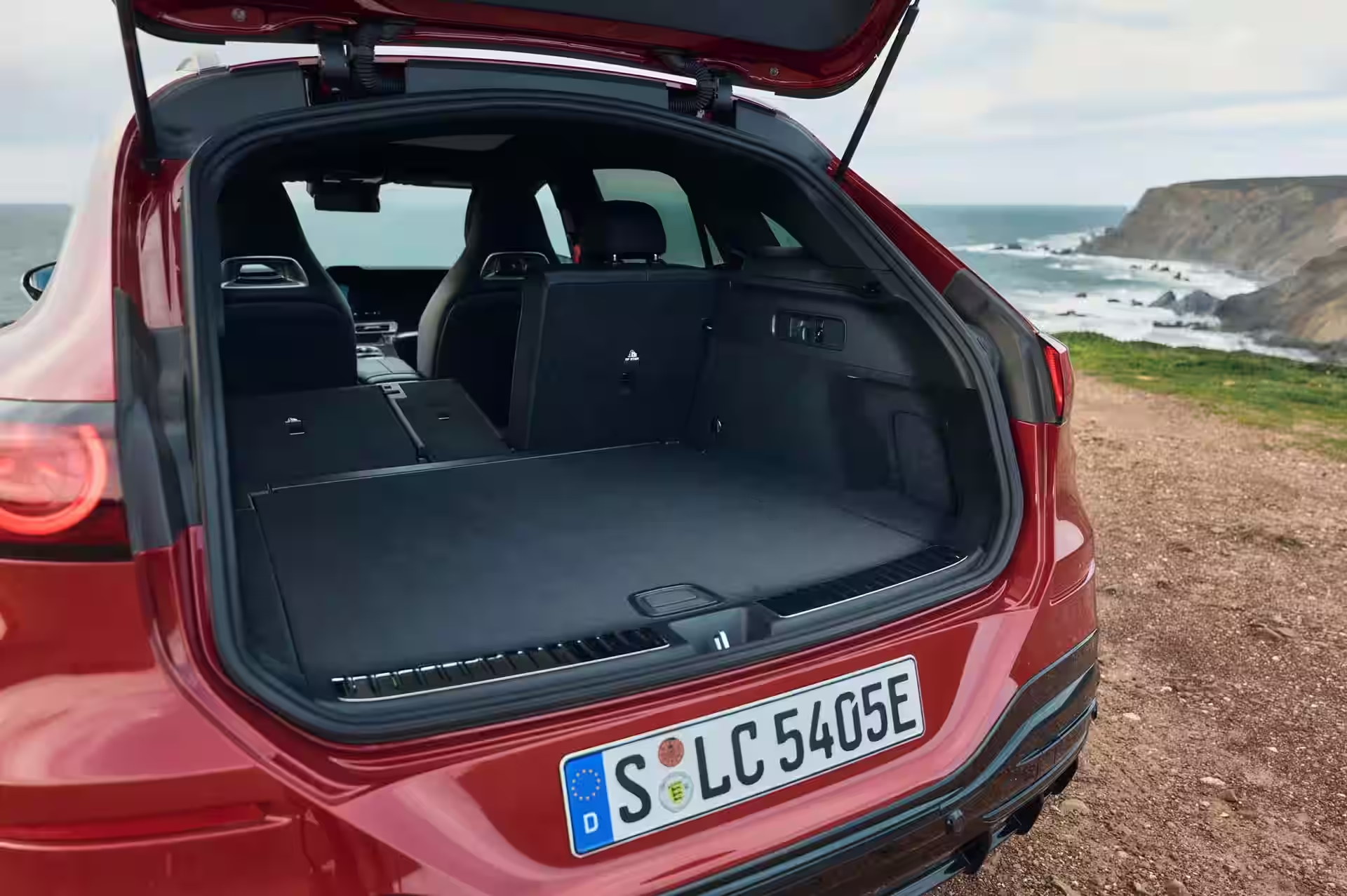
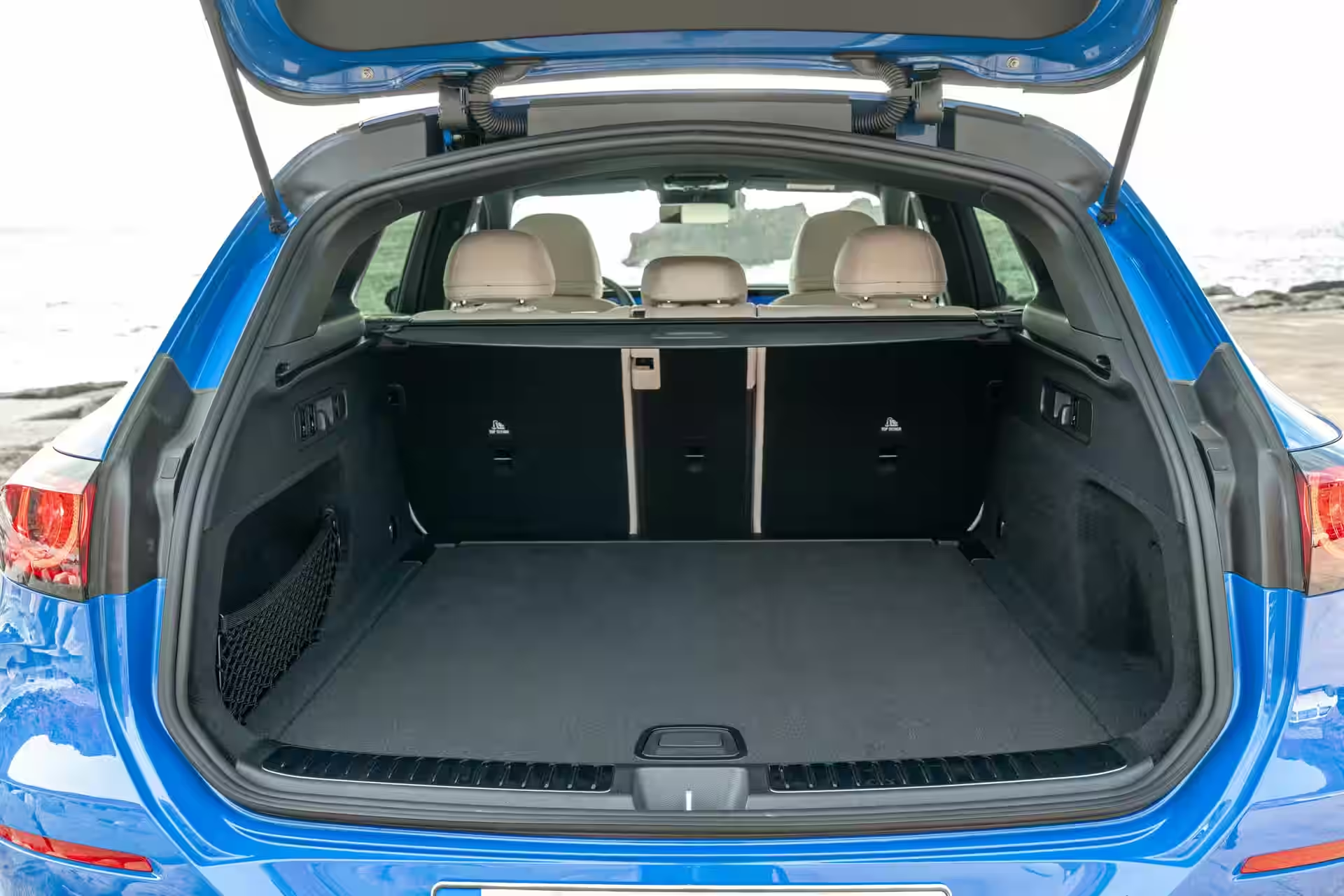
The panoramic glass roof, a standard item in several markets, reinforces this effect. And there is a practical detail that many people will value: in addition to the rear trunk, the model also offers a frunk, the front storage compartment, with about 141 liters. In premium electric SUVs, this kind of solution is still a real advantage in everyday use.
If your focus is on range and real-world efficiency, it is worth connecting this proposal with the debate about ideal speed in EVs seen in the Tesla Model Y and the “sweet spot” between going fast and saving energy, because it is precisely in that conversation that the GLC400 Electric tries to position itself above average.
800 V Architecture, Two Motors, And A Figure That Really Changes The Game
What makes the GLC400 Electric more than just a pretty SUV is its technical package. Under the floor is a 94 kWh usable battery, with NMC lithium-ion chemistry. Mercedes says the system operates at 800 volts, an important choice because it directly affects three decisive areas for any modern premium EV:
- Ultra-fast charging
- Less heat under high demand
- Weight reduction in wiring
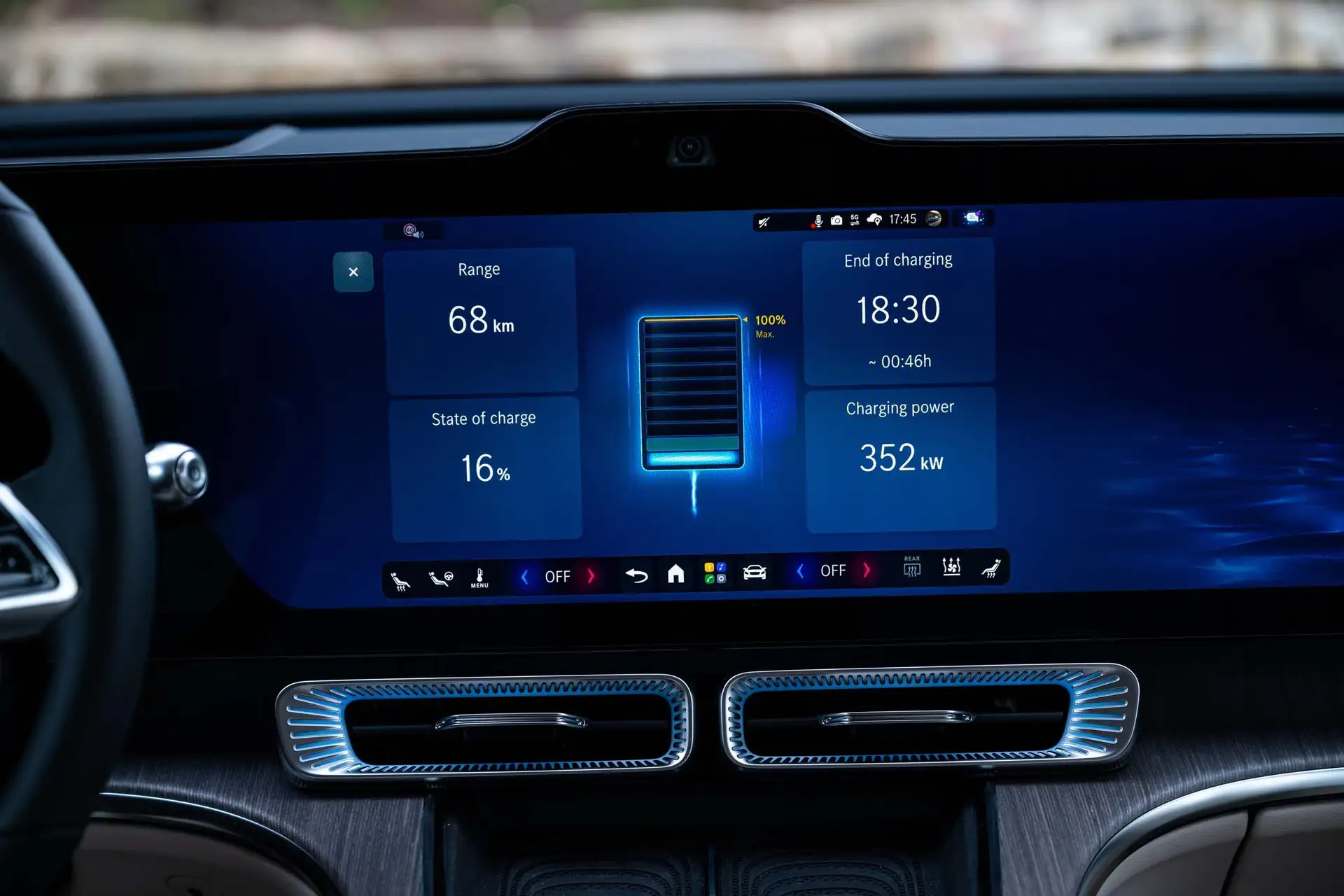
In practice, this means a DC charging peak of up to 330 kW. Under ideal conditions, the brand says it can go from 10% to 80% in 22 minutes. That number puts the GLC400 Electric among the most competitive models in the segment when it comes to time spent plugged in. In a market where range makes headlines, but charging speed defines the real experience, this detail carries a lot of weight.
Another relevant point is compatibility with NACS and CCS, using an adapter when necessary. This greatly expands access to charging infrastructure, especially in the United States. For premium consumers, ease of use matters almost as much as power.
Speaking of performance, the SUV uses two permanent-magnet electric motors. The setup delivers 483 hp and 590 lb-ft, equivalent to about 800 Nm of combined torque. The 0 to 100 km/h run is expected to take around 4.2 seconds, with a top speed limited to 209 km/h.
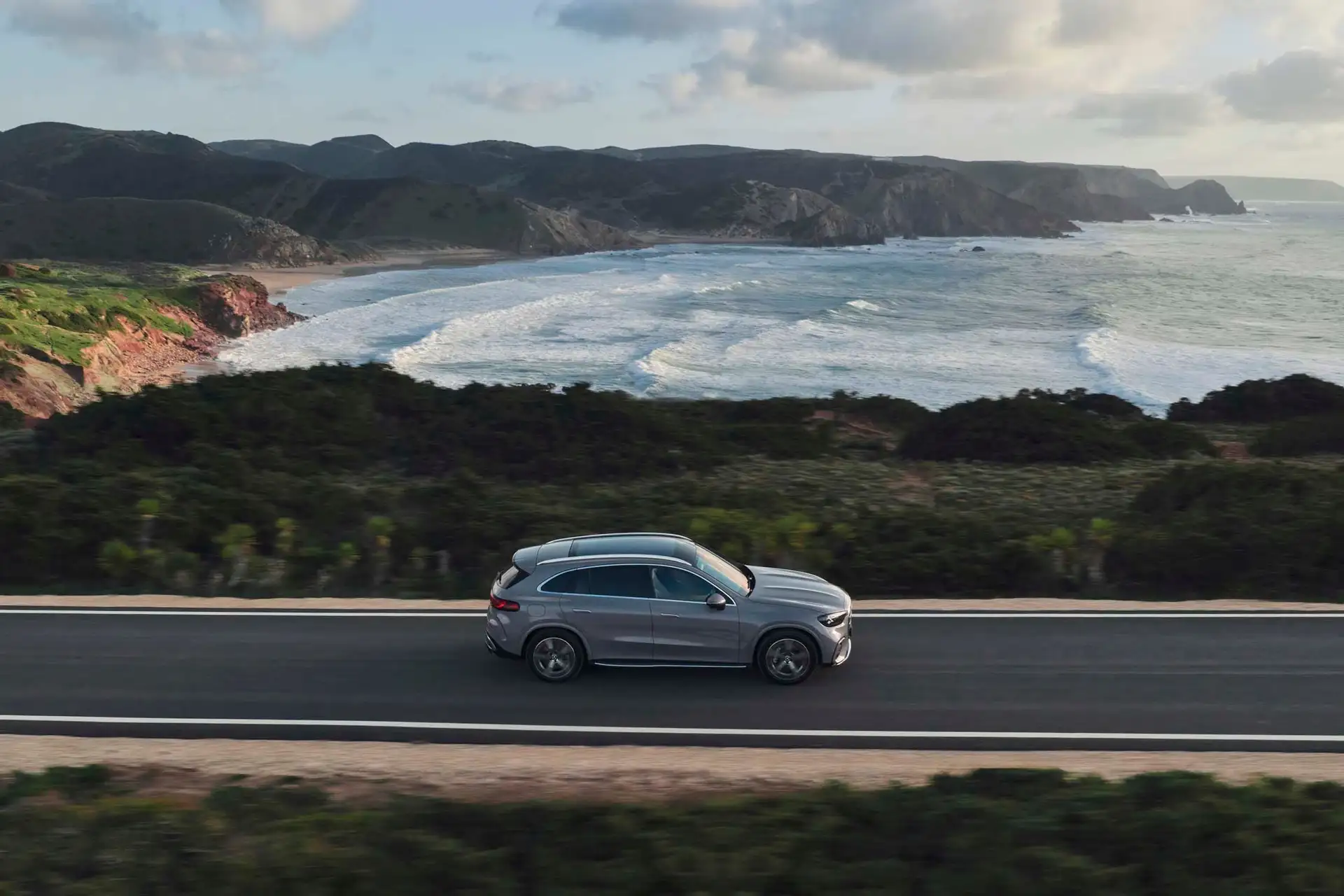
But there is a much more interesting technical detail than the raw power figure. The rear motor, the main component responsible for propulsion, works with a two-speed transmission. That is rare and smart. Instead of always operating with a single fixed ratio, the system can optimize acceleration at low speeds and efficiency at higher speeds. In simple terms, Mercedes aimed to escape the classic electric-vehicle dilemma between strong launches and steady highway efficiency.
The front motor kicks in almost imperceptibly and can engage in fractions of a second, helping with both performance and traction. In normal driving, priority goes to the rear axle, which tends to benefit efficiency and driving feel.
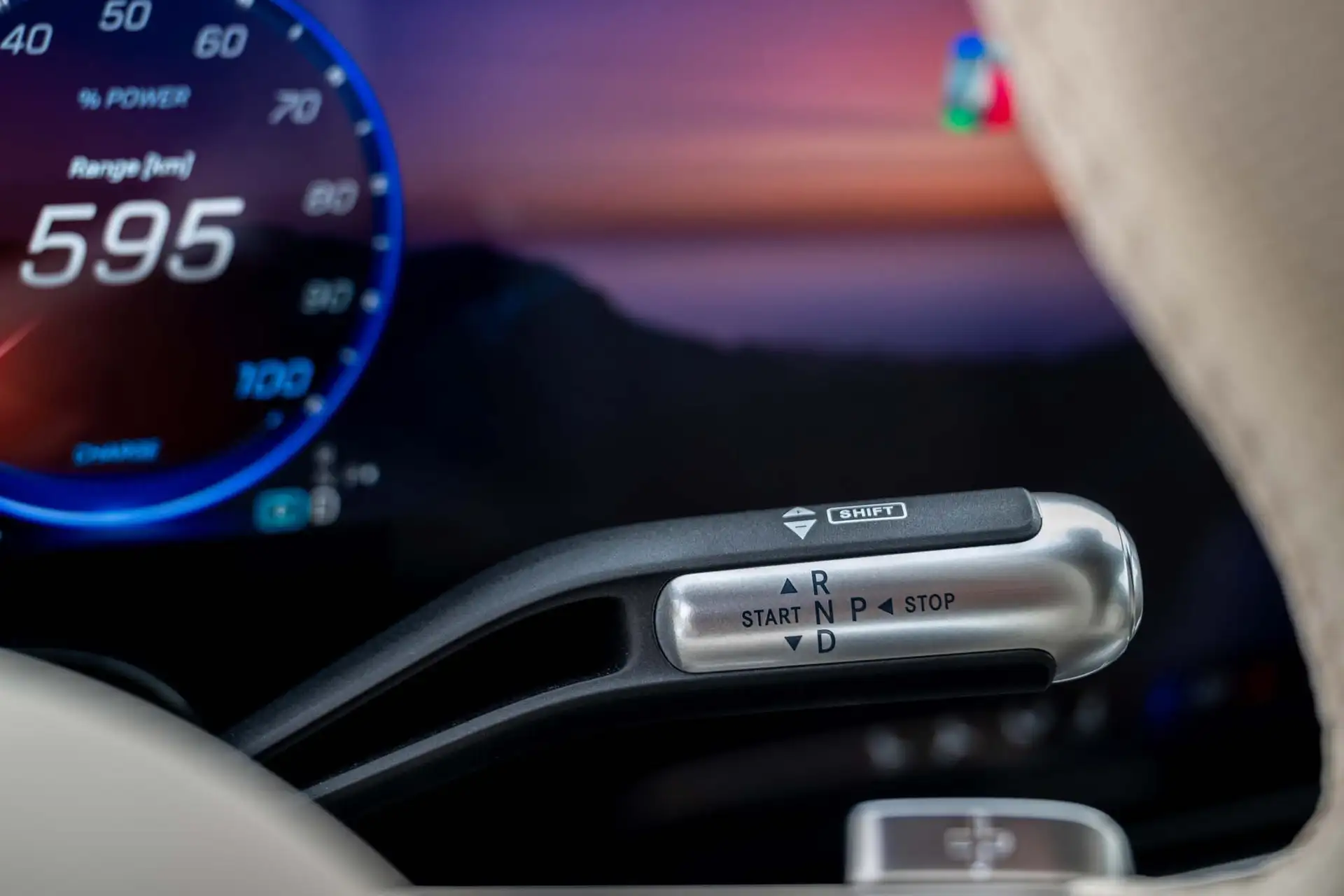
The estimated range in the WLTP cycle reaches 715 km. Converting that figure to a more realistic EPA estimate, the expectation is around 380 miles, or about 612 km. The final official number still depends on homologation, but even a result below that would already place the GLC400 Electric in a very strong position against direct rivals.
This advance also shows how the range war is scaling up quickly. A good comparison is the BMW iX 2026 and the debate over price and range, as well as the more aggressive push from Chinese and German brands into high-voltage architecture.
In the suspension, the optional Agility & Comfort package adds air suspension, smart adaptive dampers, and rear-axle steering. In practice, this improves maneuverability at low speeds and stability at high speeds. There is also a car-to-X communication-based feature, in which the car can anticipate road irregularities based on data sent by other vehicles from the brand. It may sound like a lab detail, but this predictive suspension logic is likely to appear more and more in premium EVs.
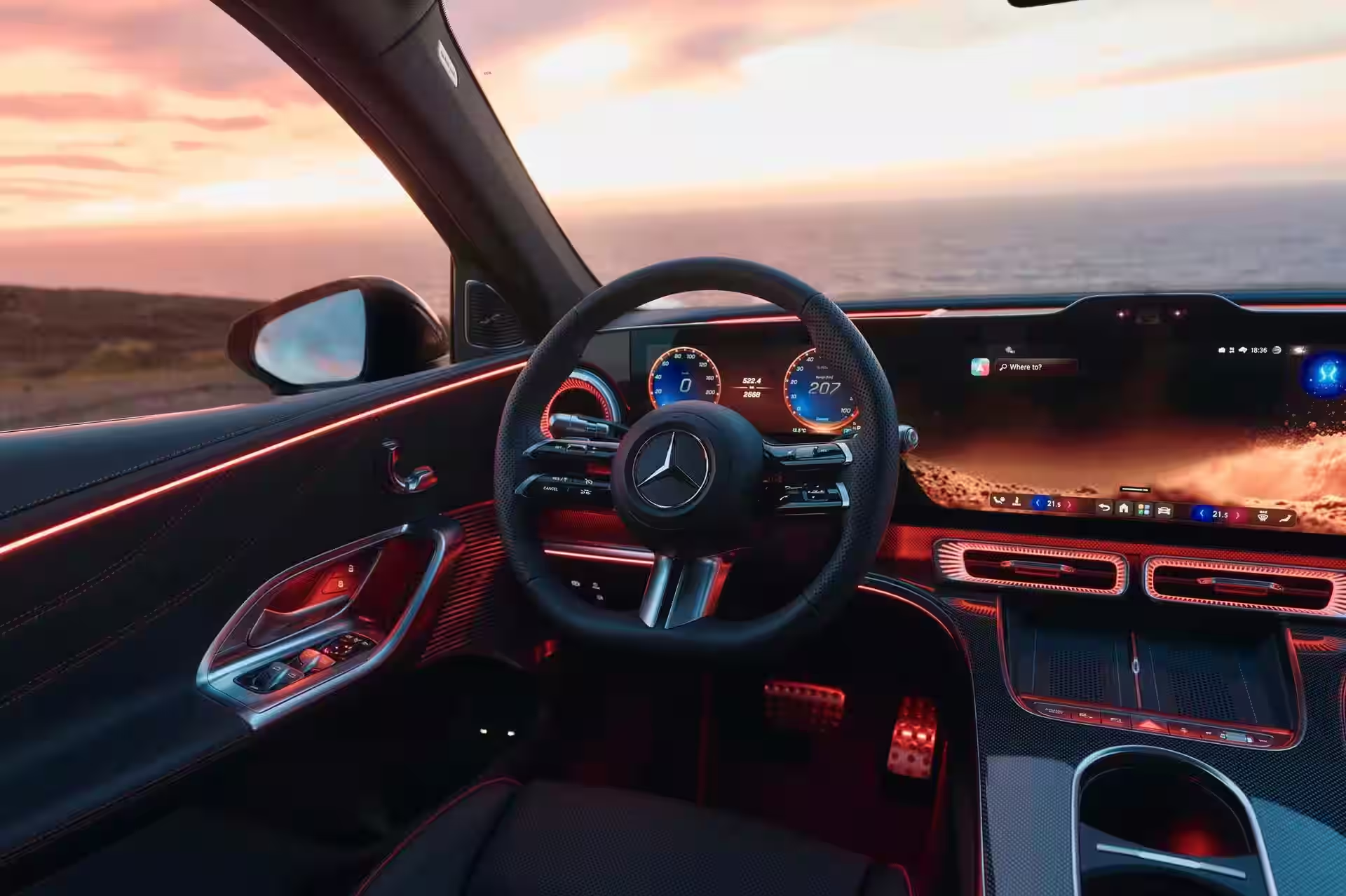
In regenerative braking, the driver can choose between different levels using the paddle shifters on the steering wheel. The strongest mode enables a true one-pedal drive experience, with regeneration capability of up to 300 kW. For city use, this greatly reduces the need to press the brake pedal and helps both comfort and efficiency.
Inside, The GLC400 Electric Seems To Want To Swallow Its Own Class
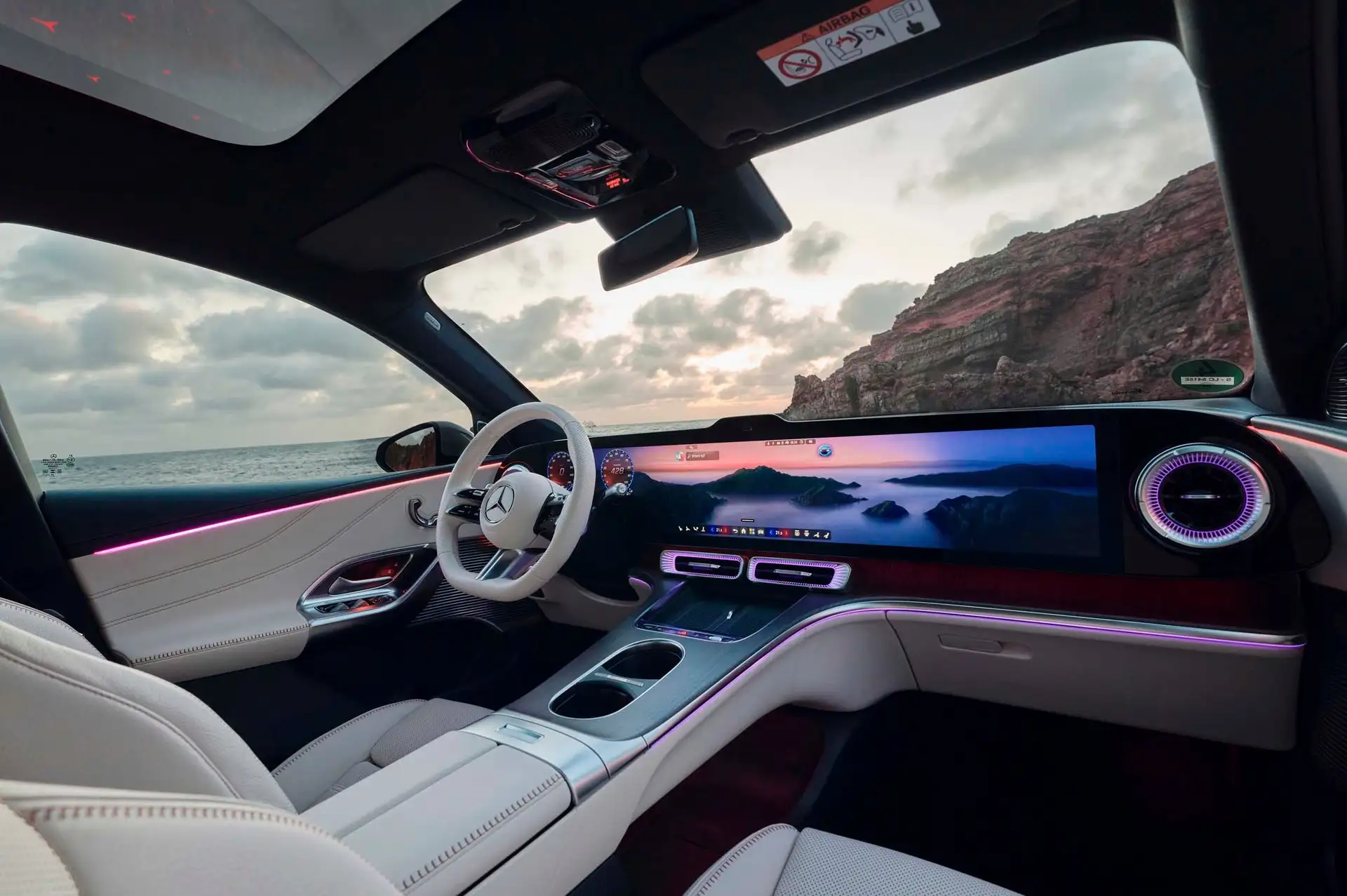
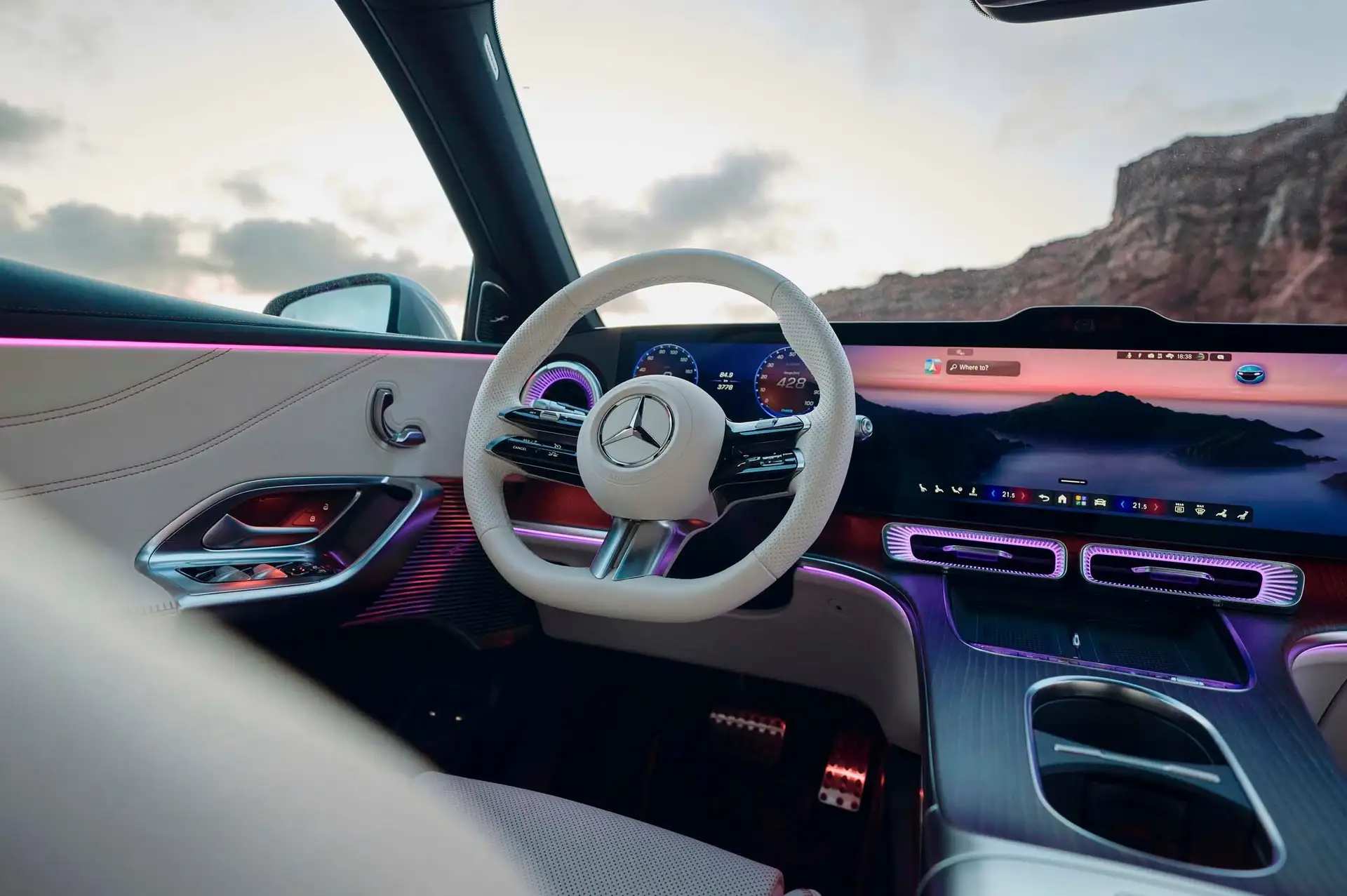
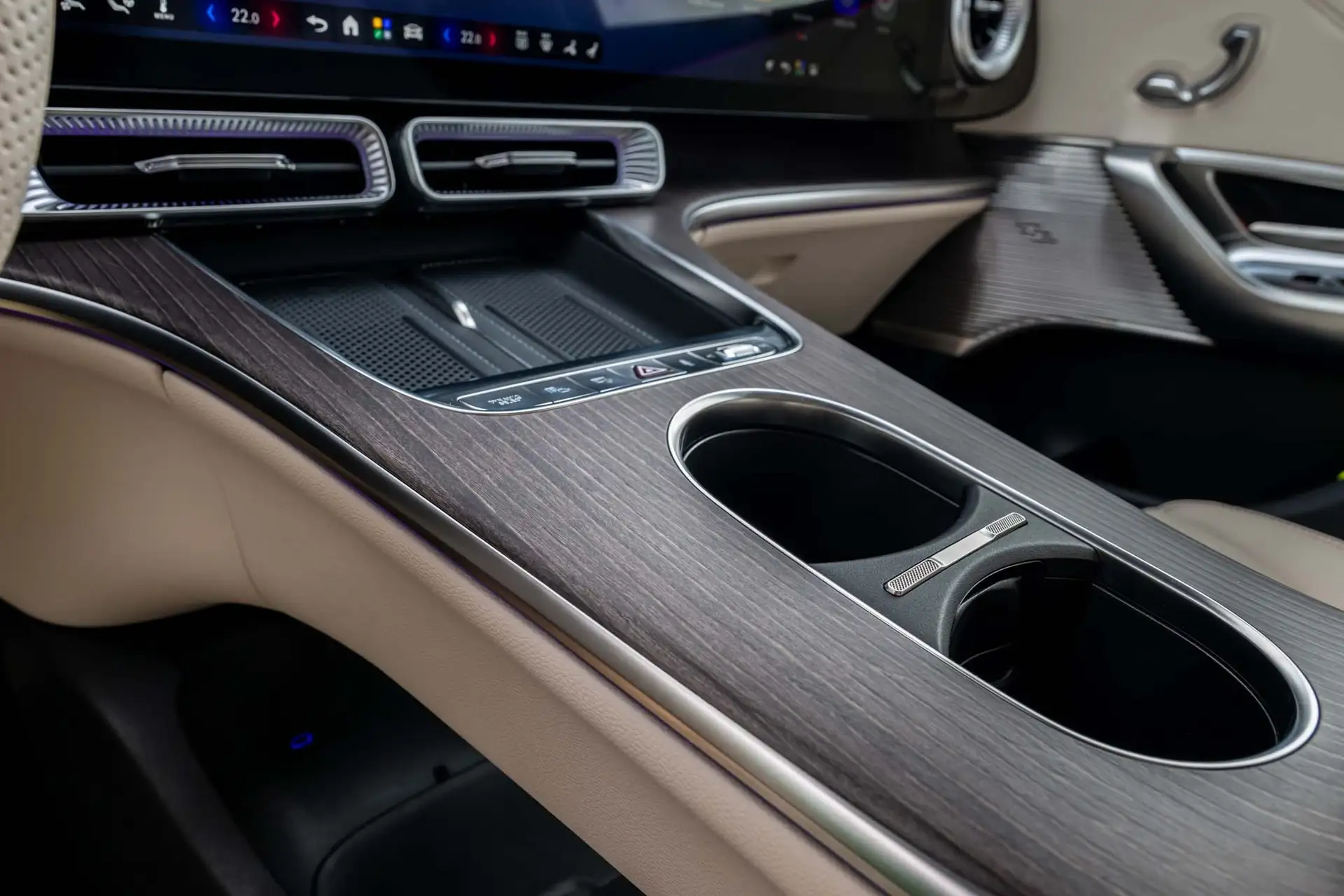
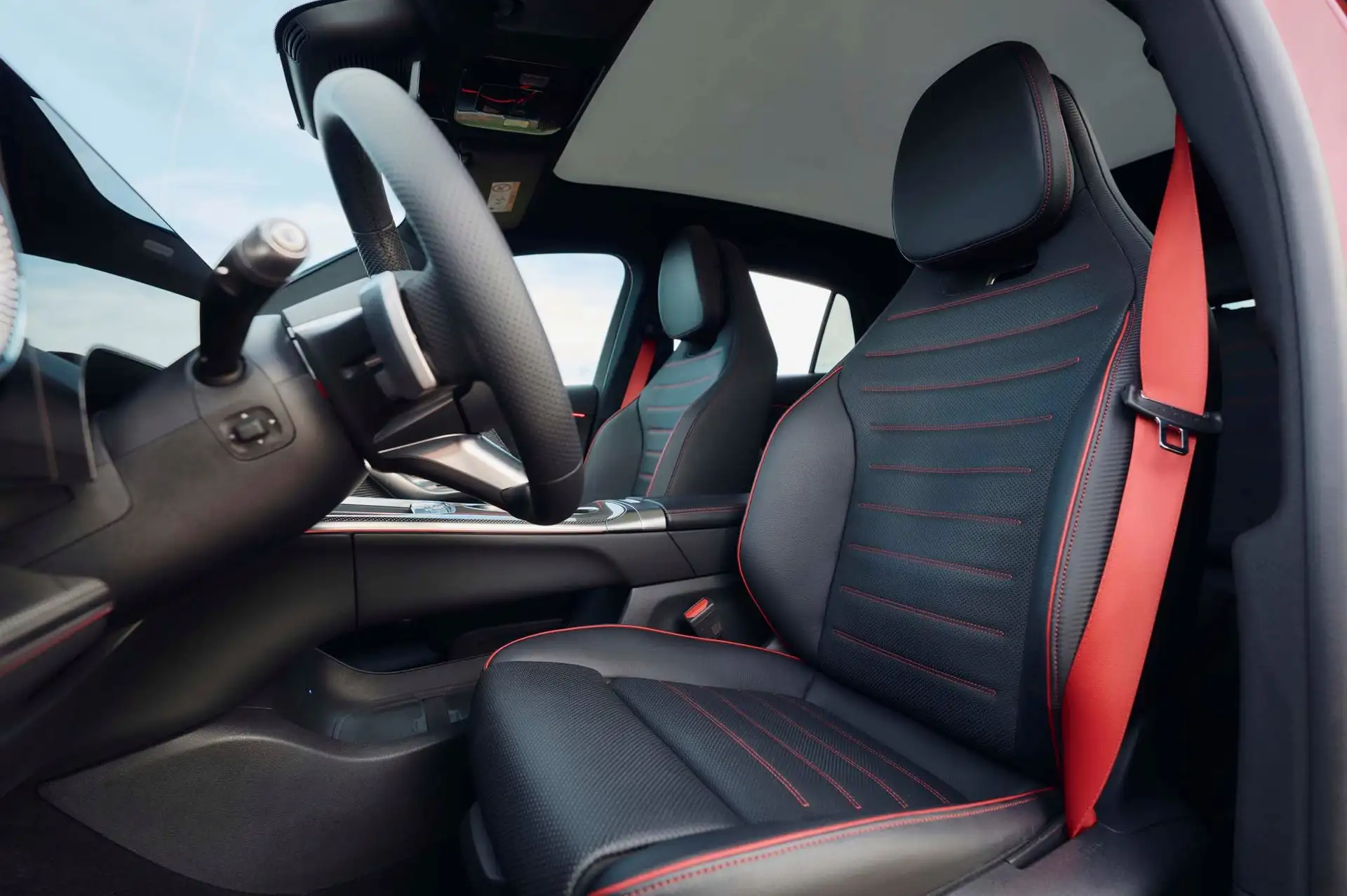
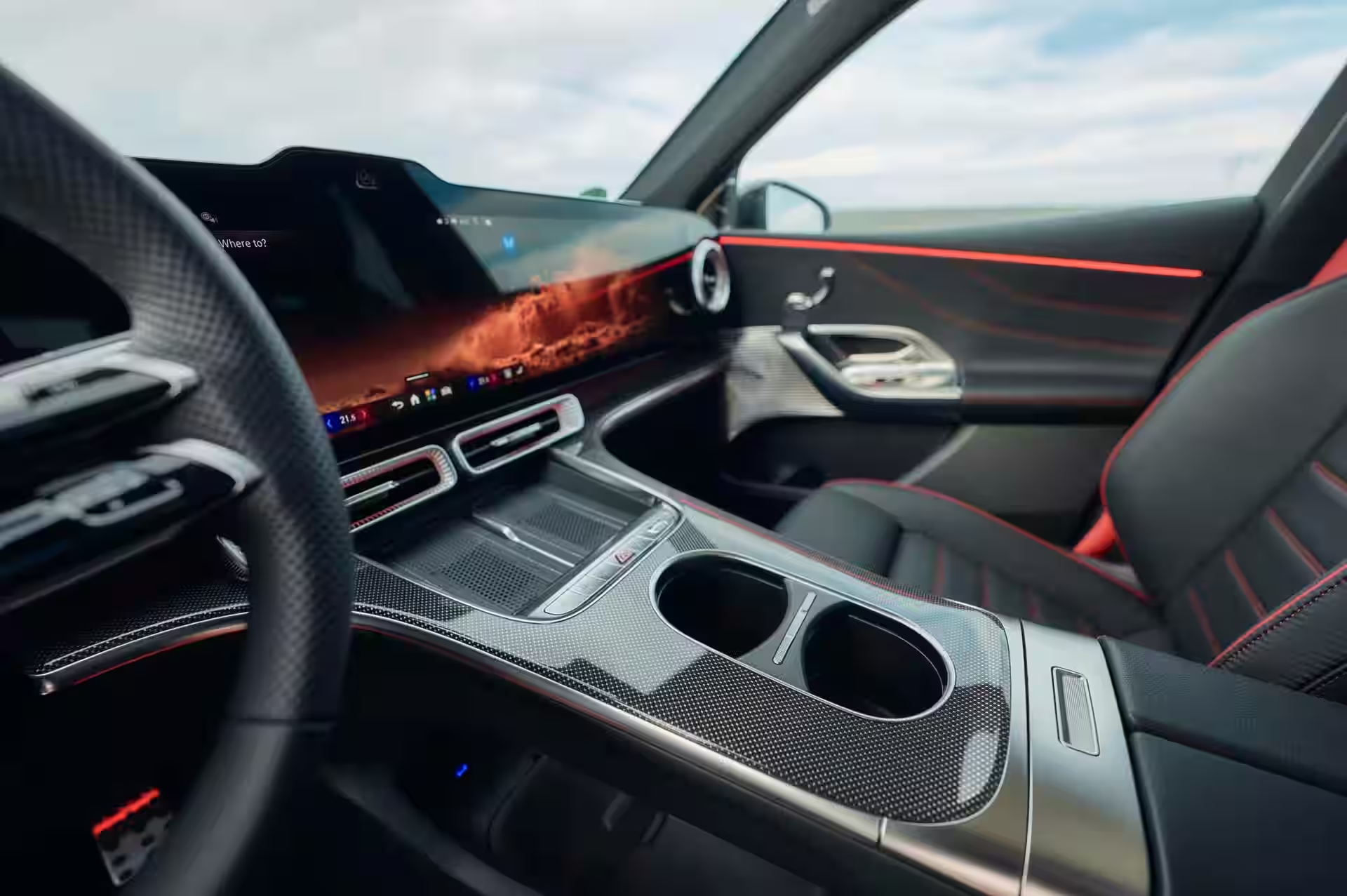
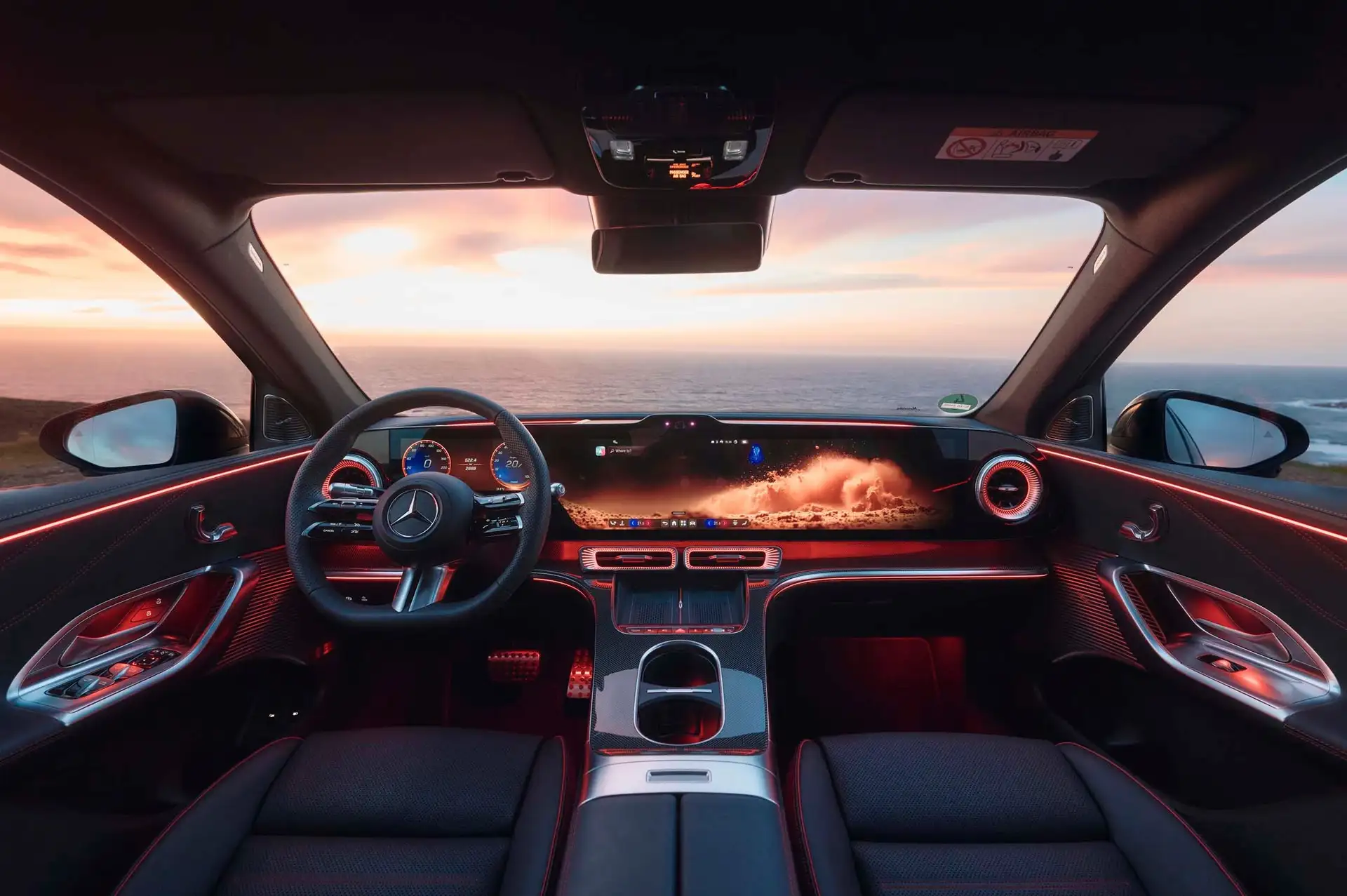
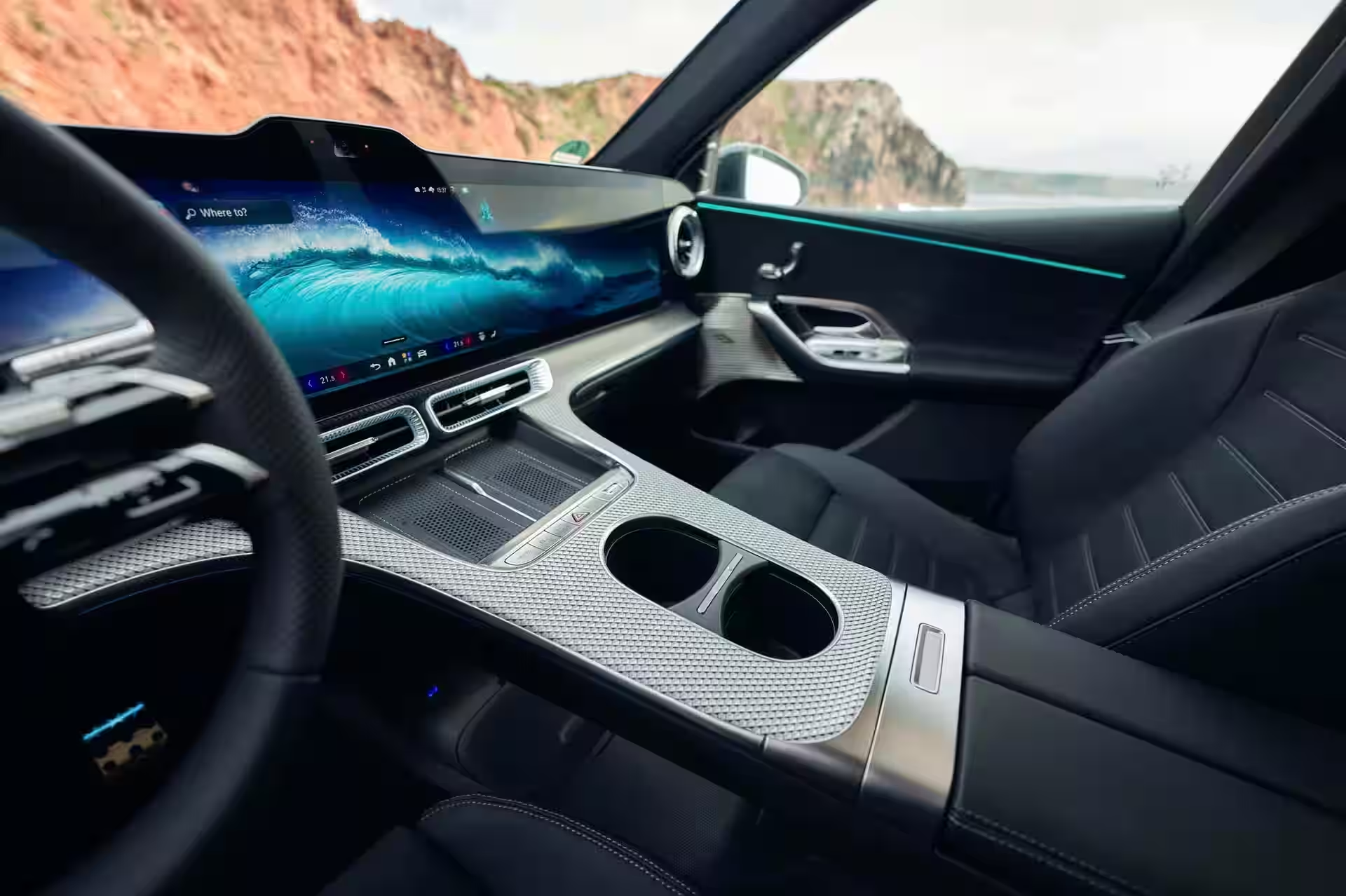
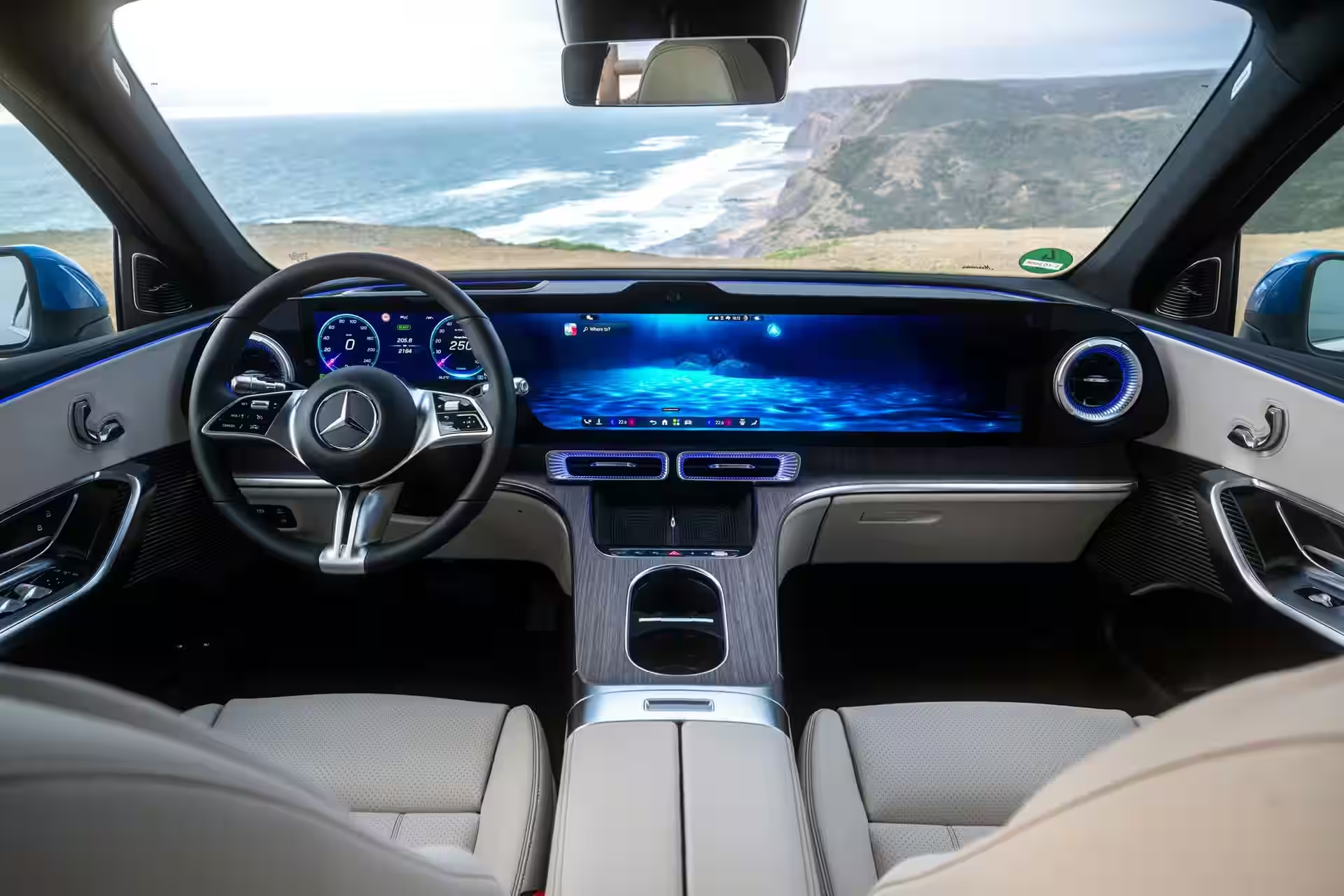
If the exterior grabs attention, the interior is what really positions the GLC400 Electric as a piece of technological luxury. The finish combines Nappa leather, open-pore wood, carbon fiber, and metallic surfaces with a refined look. Mercedes also offers a fully vegan cabin option, with dedicated certification, something relevant for consumers who demand environmental consistency beyond the electric powertrain.
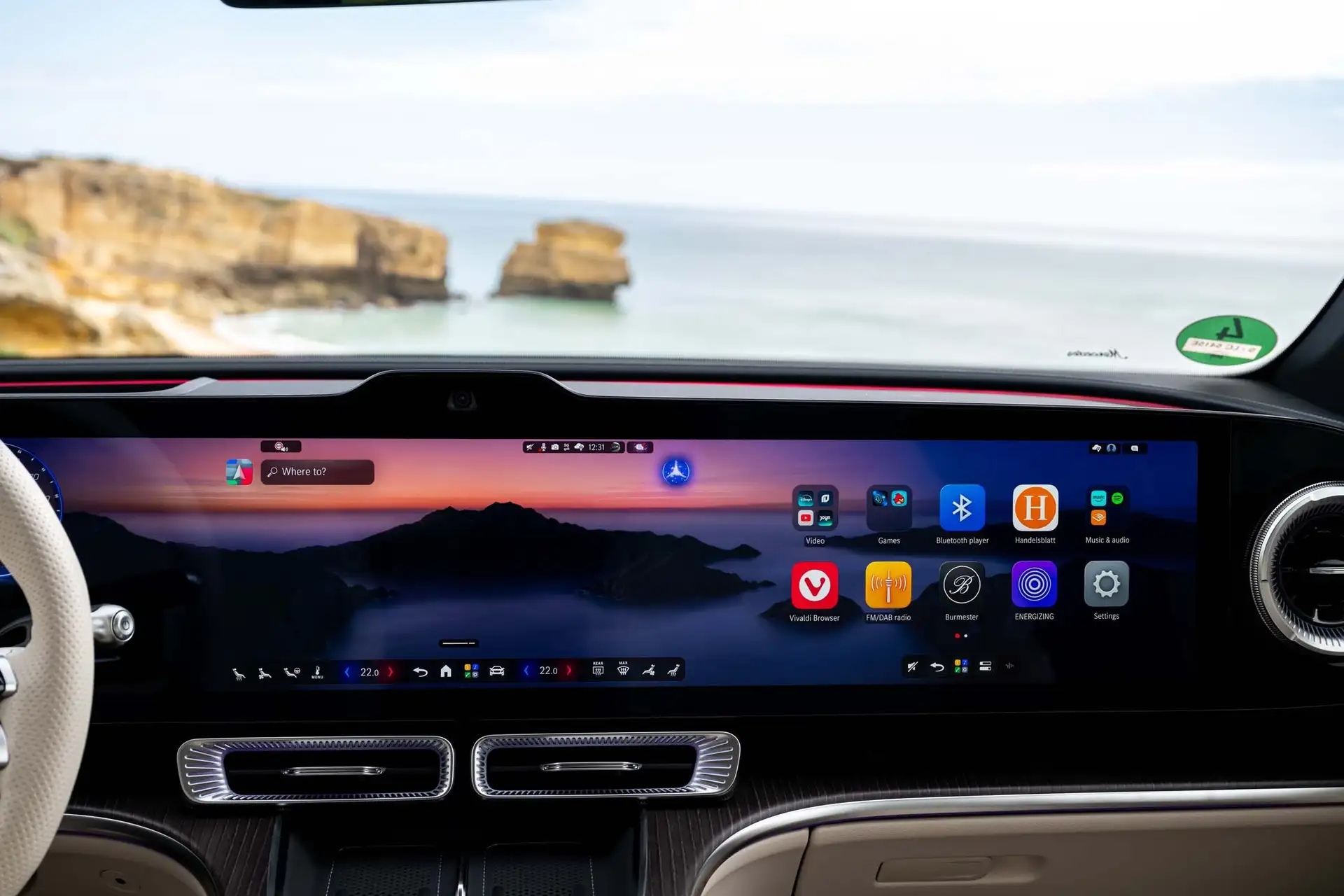
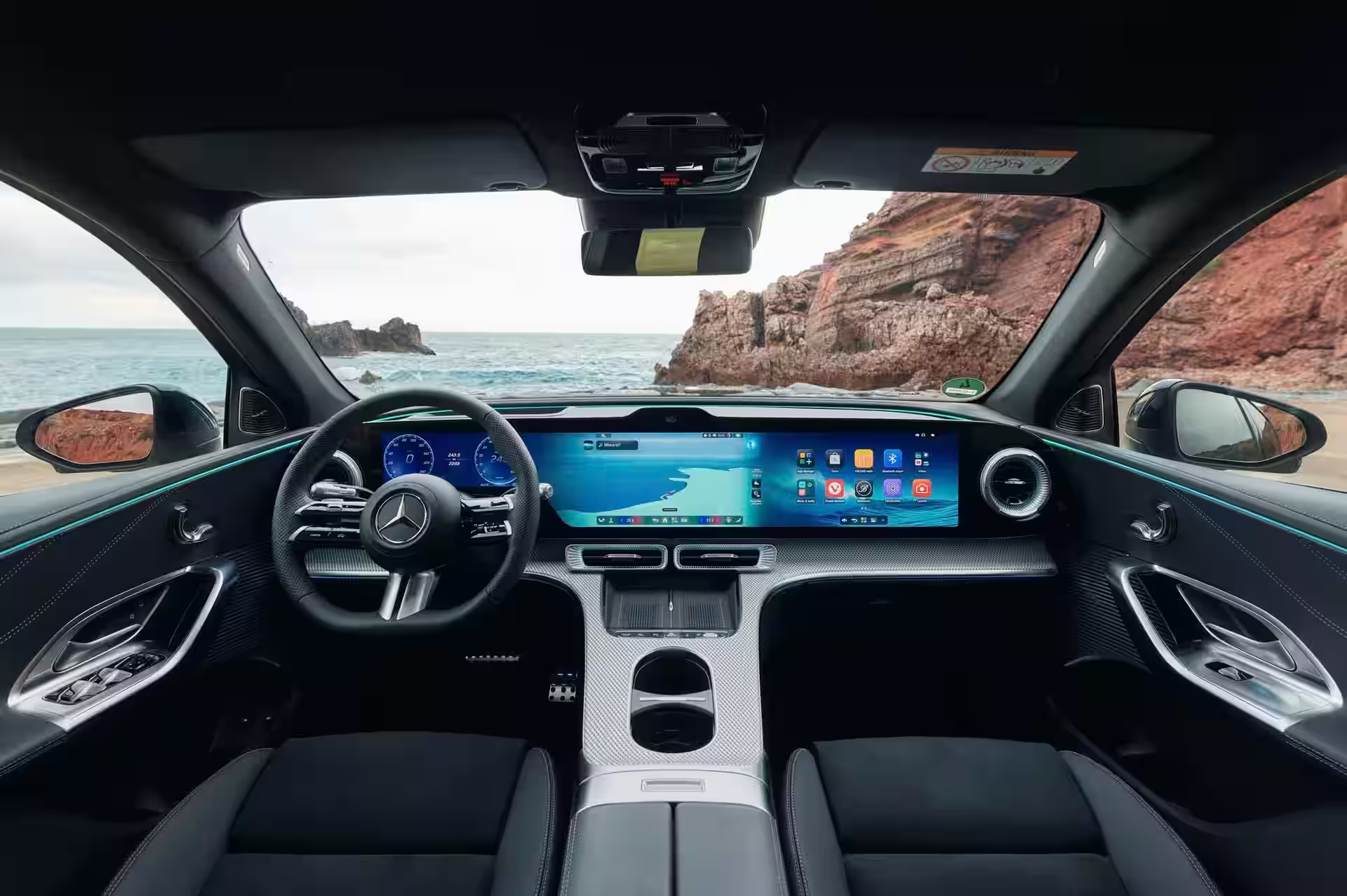
The center of attention is the massive 39.1-inch Hyperscreen. Unlike the common perception that it is just three screens visually joined together, the idea here is to function as a continuous, integrated panel. Gauges, infotainment, and the passenger display form a single piece, with a more cohesive interface and less of a “stuck-on” look than in many rivals.
The system uses the new MB.OS, a software platform with deep AI integration. Voice recognition has been developed for more natural commands, without requiring robotic phrasing. Instead of rigid orders, the user can speak more naturally, such as asking to raise the temperature or change specific cabin functions.
There is also an interesting digital safety and ergonomics detail. The system can distinguish between driver and passenger. If the passenger is watching a video or using entertainment apps, the screen on that side can dim or pause when the driver tries to look at it. At a time when many brands pack the dashboard with features, but few treat distraction seriously, this shows design maturity.
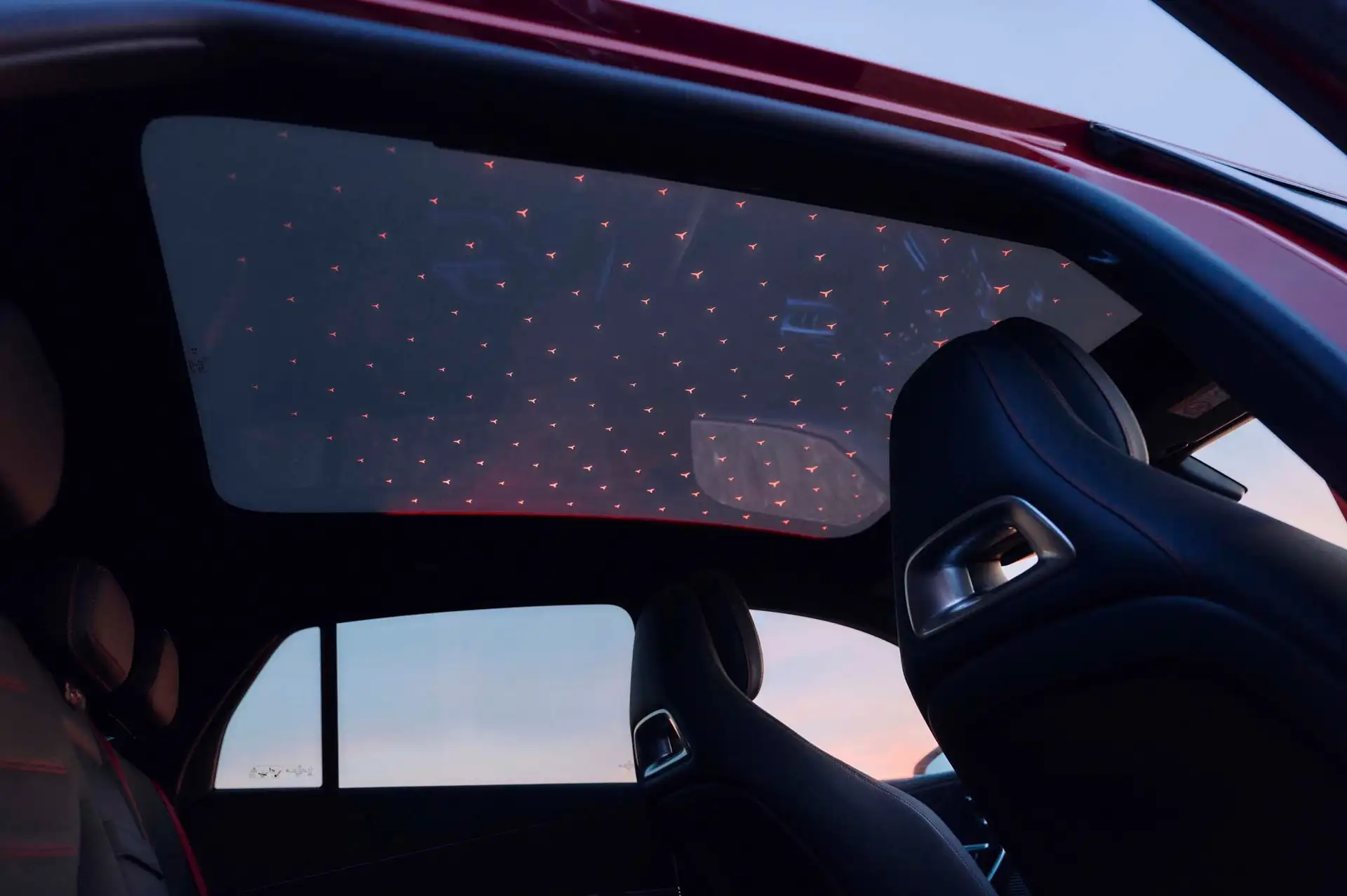
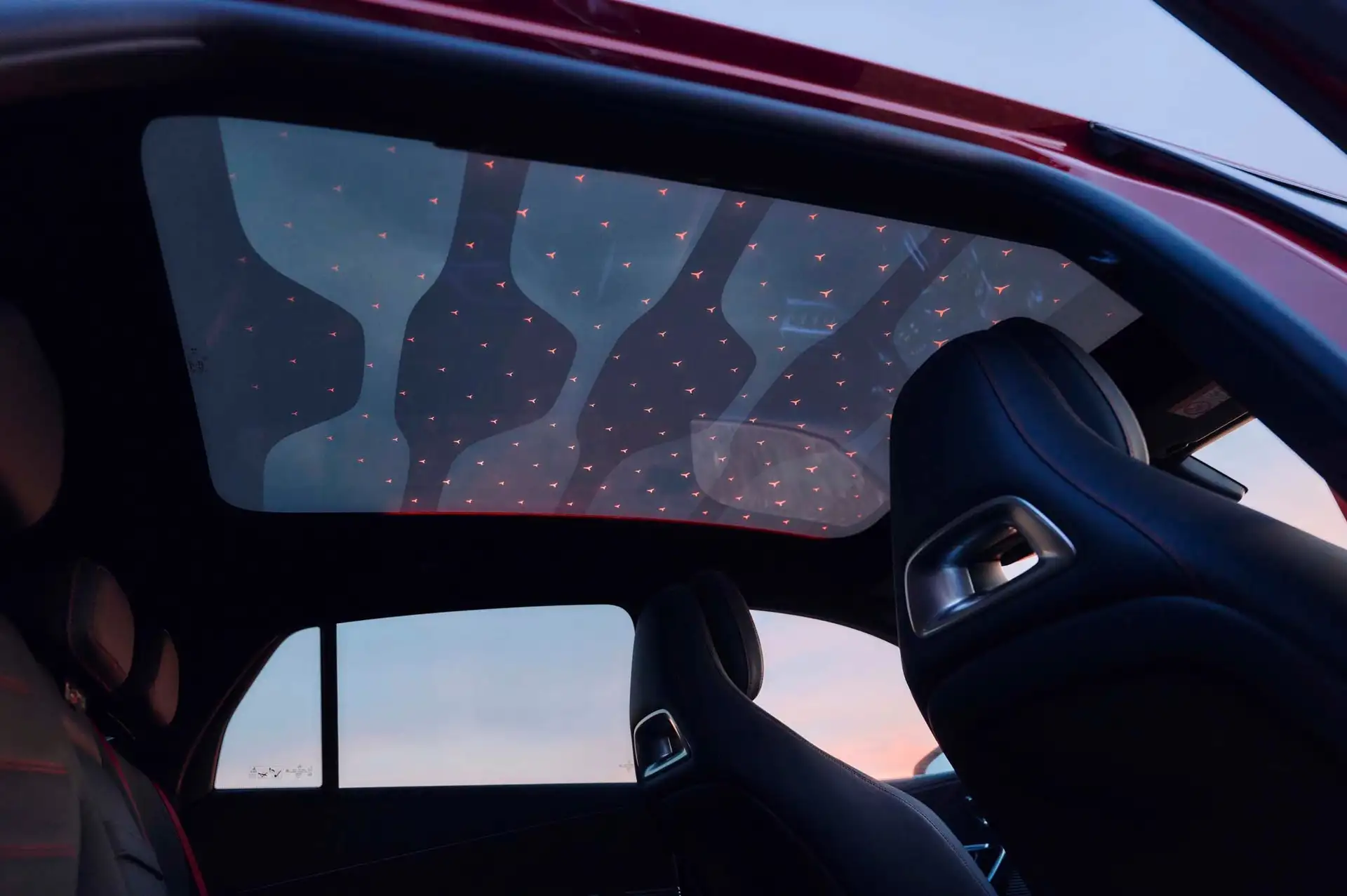
The panoramic roof also joins the race for the “wow” factor. In certain configurations, it gets 162 illuminated stars integrated into it and Sky Control technology, which allows the glass opacity to be varied across multiple segments. It is the kind of feature that, for some, seems superfluous. For the premium SUV audience above US$ 60,000, it is exactly the kind of sensory excess that helps justify the price.
And price, by the way, is a central variable. The initial estimate points to something close to US$ 63,000 for the GLC400 4Matic Electric version. If that figure is confirmed, Mercedes may have hit a very delicate point in the market: offering performance, fast charging, an impressive interior, and strong range without immediately entering the most extreme price zone.
This becomes even more interesting when we look at how other automakers are repositioning their electric SUVs. The rise of proposals like the Volvo EX60 2027 with a strong focus on computing and safety and the growth of internal competition among premium brands indicate that finish alone is no longer enough.
The GLC400 Electric tries to answer that with a balanced package. It doesn’t rely only on a screen, nor only on power. It also doesn’t try to win the conversation with design alone. Instead, it combines five pillars that today determine purchases in the segment:
- Competitive range
- Fast charging with 800 V architecture
- Truly distinctive tech cabin
- More interior space than the combustion GLC
- Strong performance with a focus on refinement
For those following the evolution of premium EVs, this Mercedes may represent something bigger than just another launch. It signals a phase in which luxury EVs stop being “futuristic alternatives” and become, simply, the most complete products in the lineup.
| Quick Specs | Mercedes-Benz GLC400 4Matic Electric 2027 |
|---|---|
| Combined power | 483 hp |
| Combined torque | 800 Nm |
| Usable battery | 94 kWh |
| Electric architecture | 800 V |
| Maximum DC charging | 330 kW |
| 10% to 80% | 22 minutes |
| 0 to 100 km/h | 4.2 s |
| Estimated EPA range | Up to 612 km |
| Main display | 39.1-inch Hyperscreen |
| Estimated price | US$ 63,000 |
It is also worth observing the context within Mercedes itself. The brand has been revising its visual and technological strategy across several products, as became clear in the Mercedes-Benz S-Class 2026 and the return of more rational solutions on the steering wheel. In the electric GLC, the recipe seems more mature than in the first EQ models, combining classic identity with better-resolved technology.
In the end, what makes the Mercedes-Benz GLC400 Electric so relevant is not just the giant closed grille, the strong 0 to 100 km/h sprint, or the massive screen. It’s the fact that it seems to have been designed less as a showcase of trends and more as a complete, usable, and desirable premium product. That is much harder to get right than simply making a fast electric vehicle with eye-catching looks.
If the promise of real-world range, fast charging, and a sophisticated cabin is confirmed in independent tests, the GLC400 Electric could become one of the most important luxury electric SUVs of its generation. And, ironically, it all starts with a huge “mouth” that hardly needs to breathe.