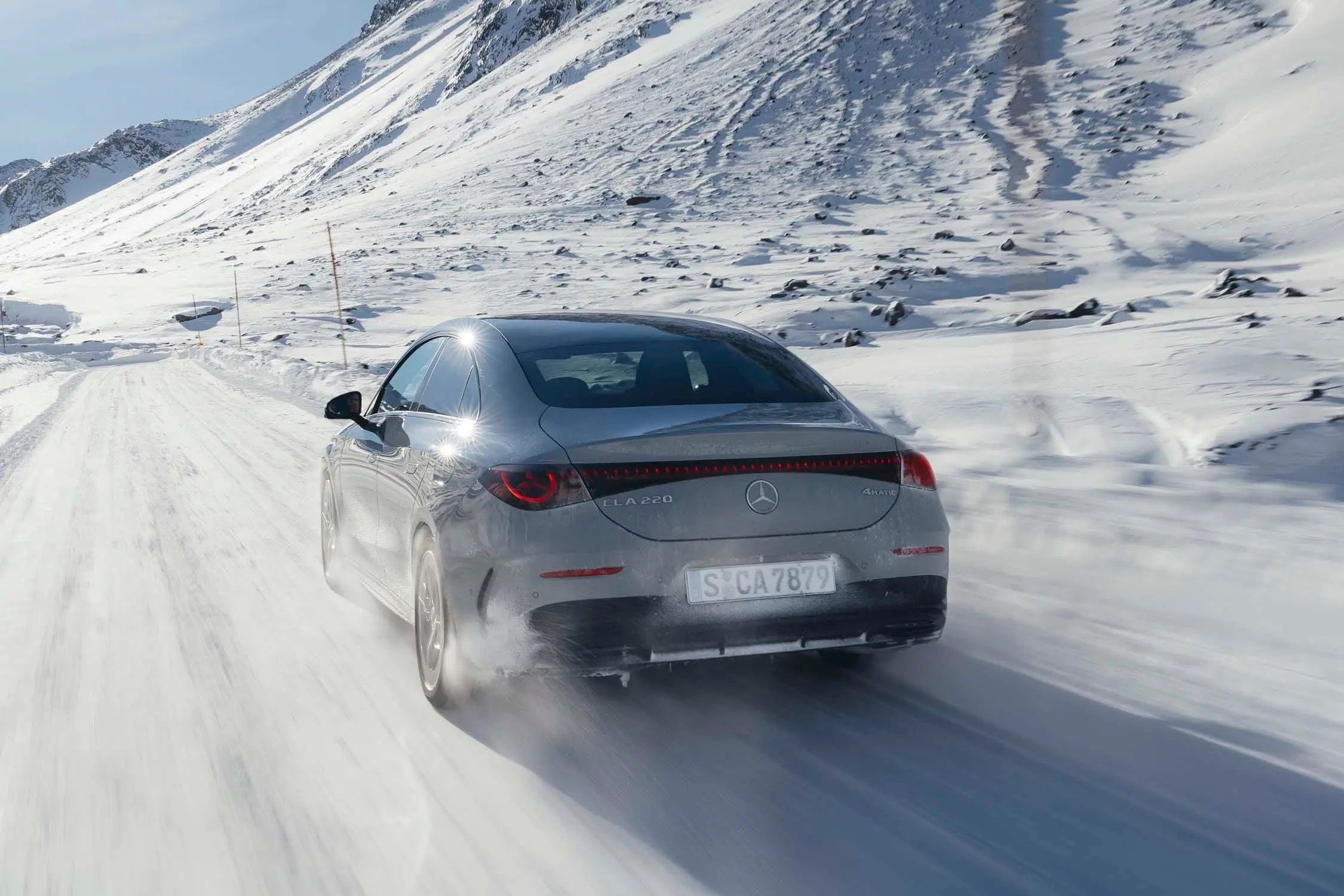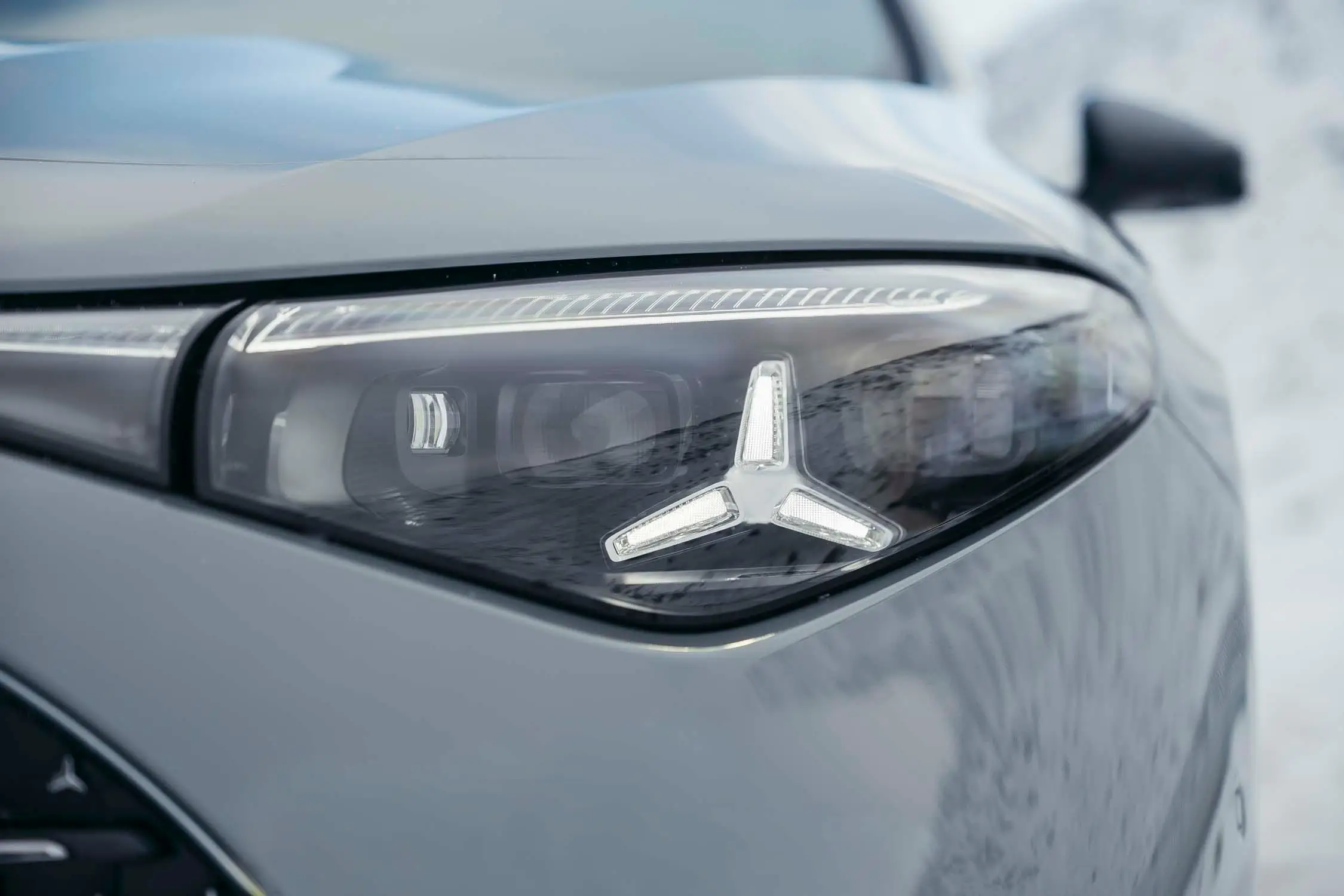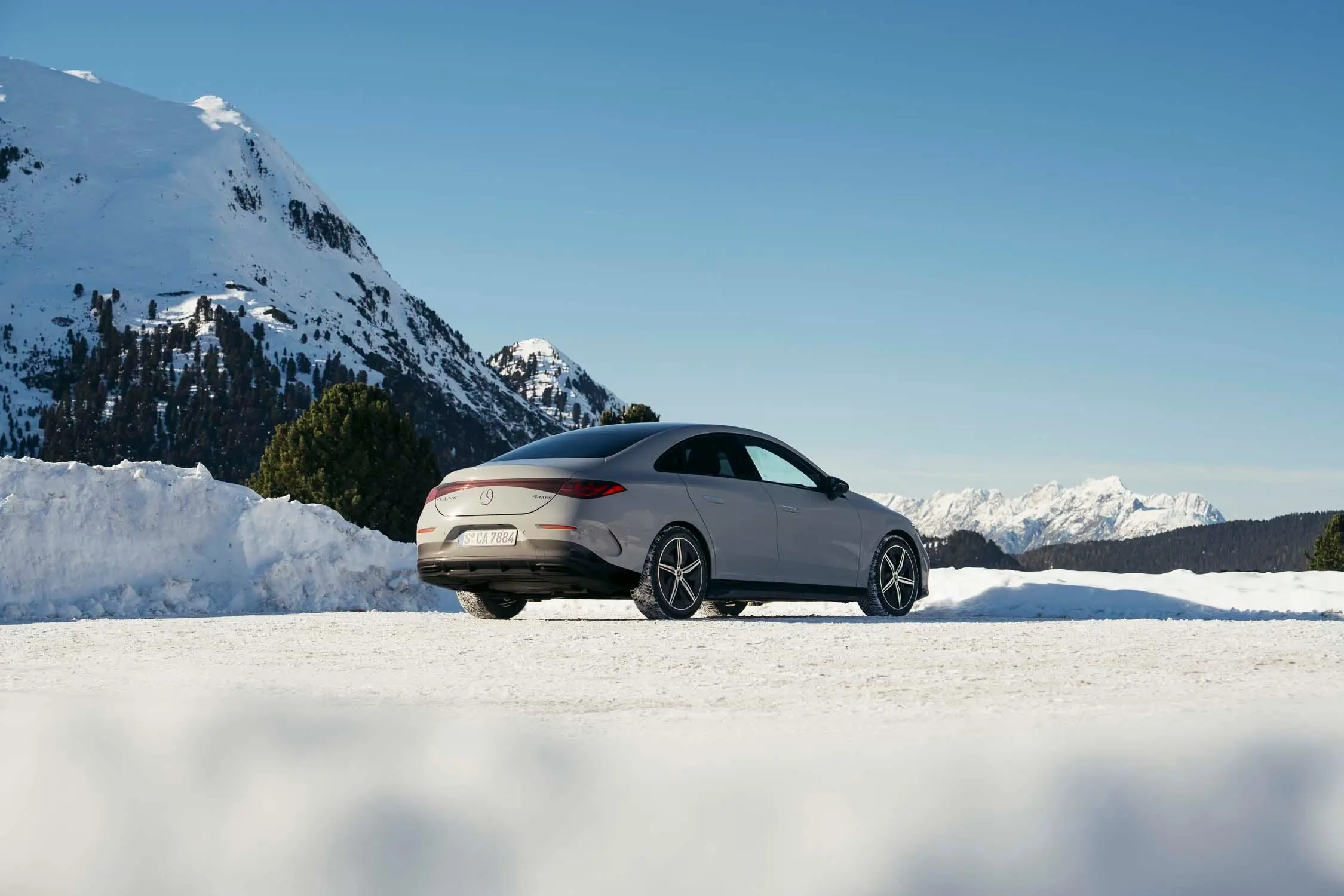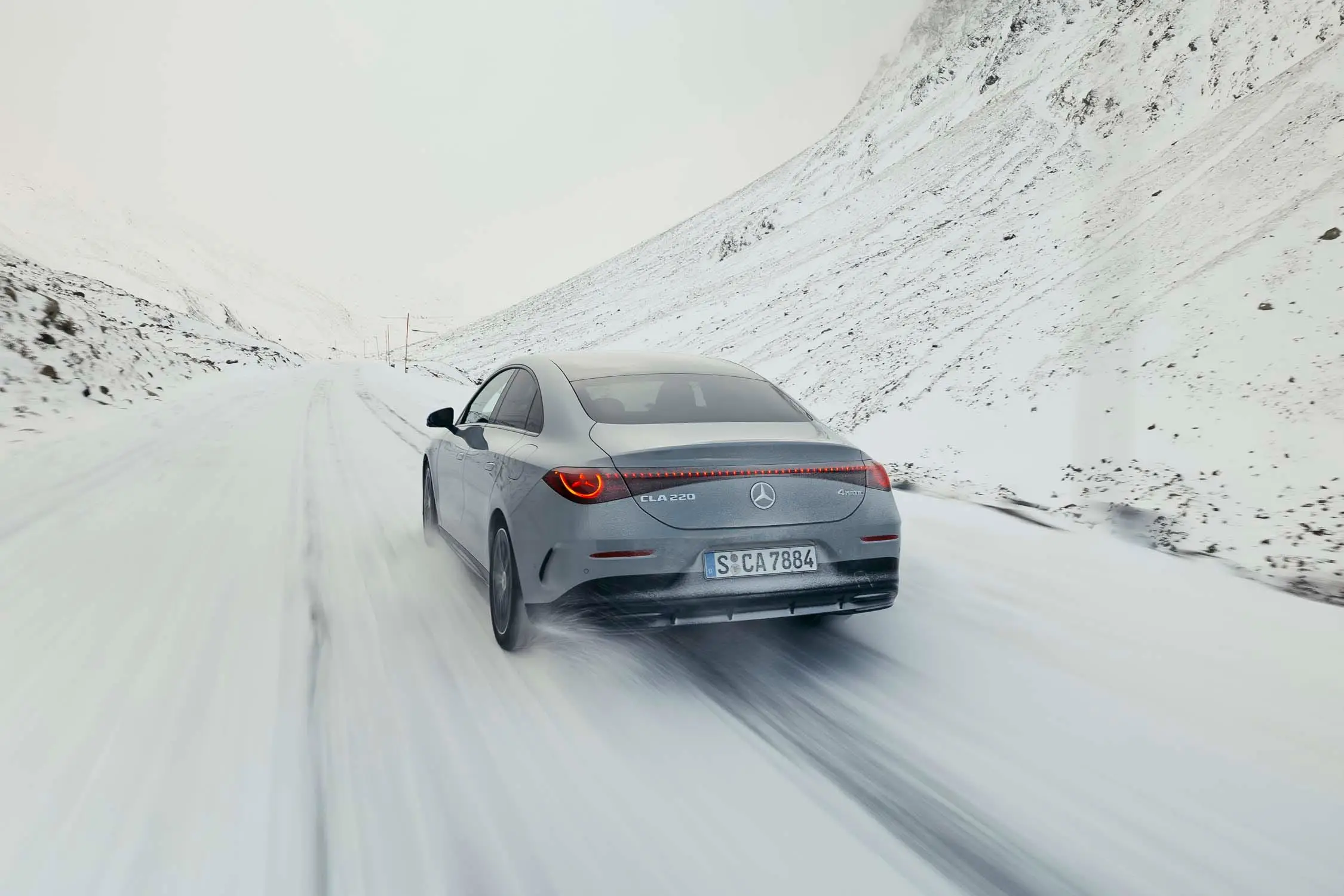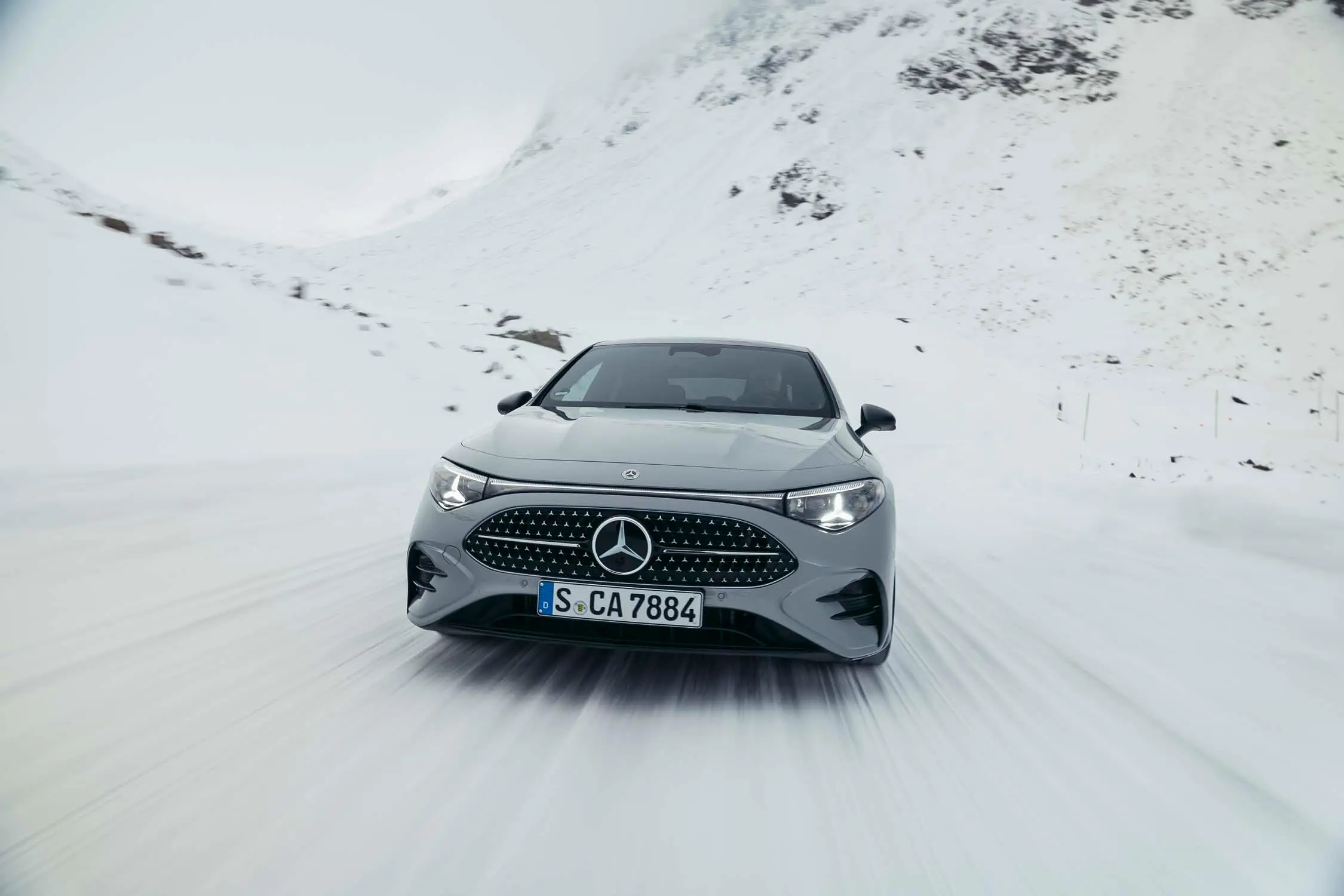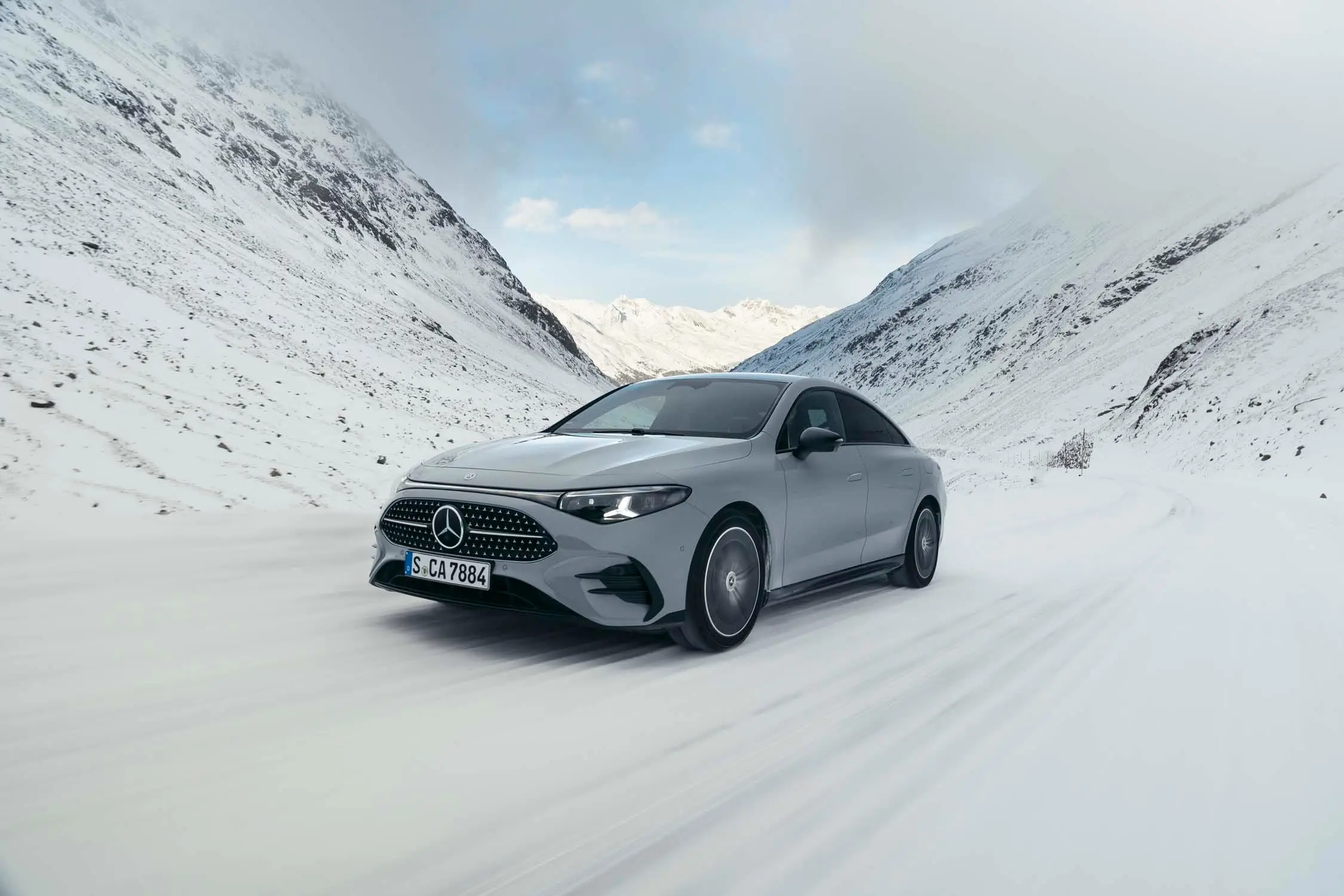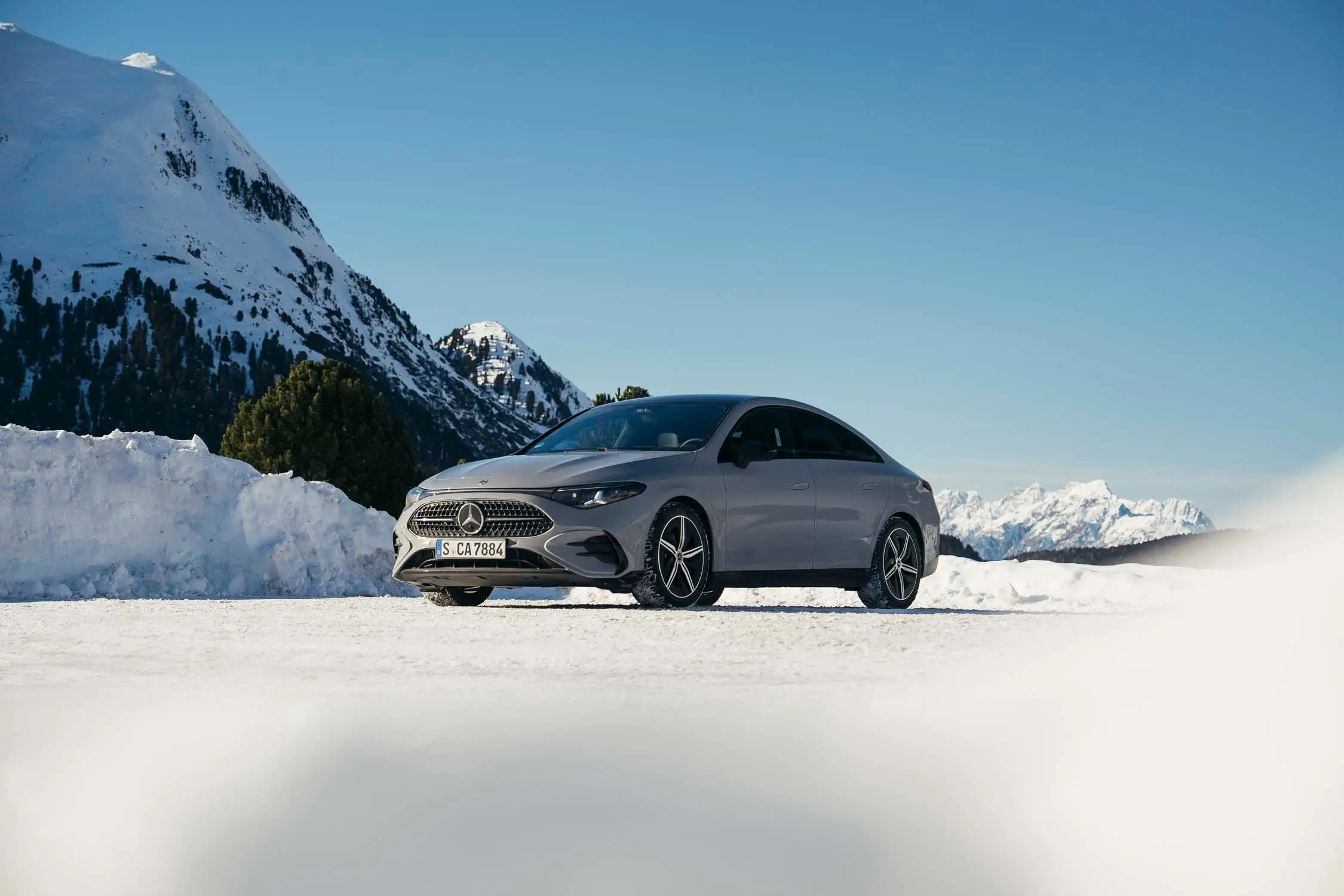
Beautiful on the outside, problematic on the inside? See why the new CLA 2027 might be the brand’s biggest disappointment in years.
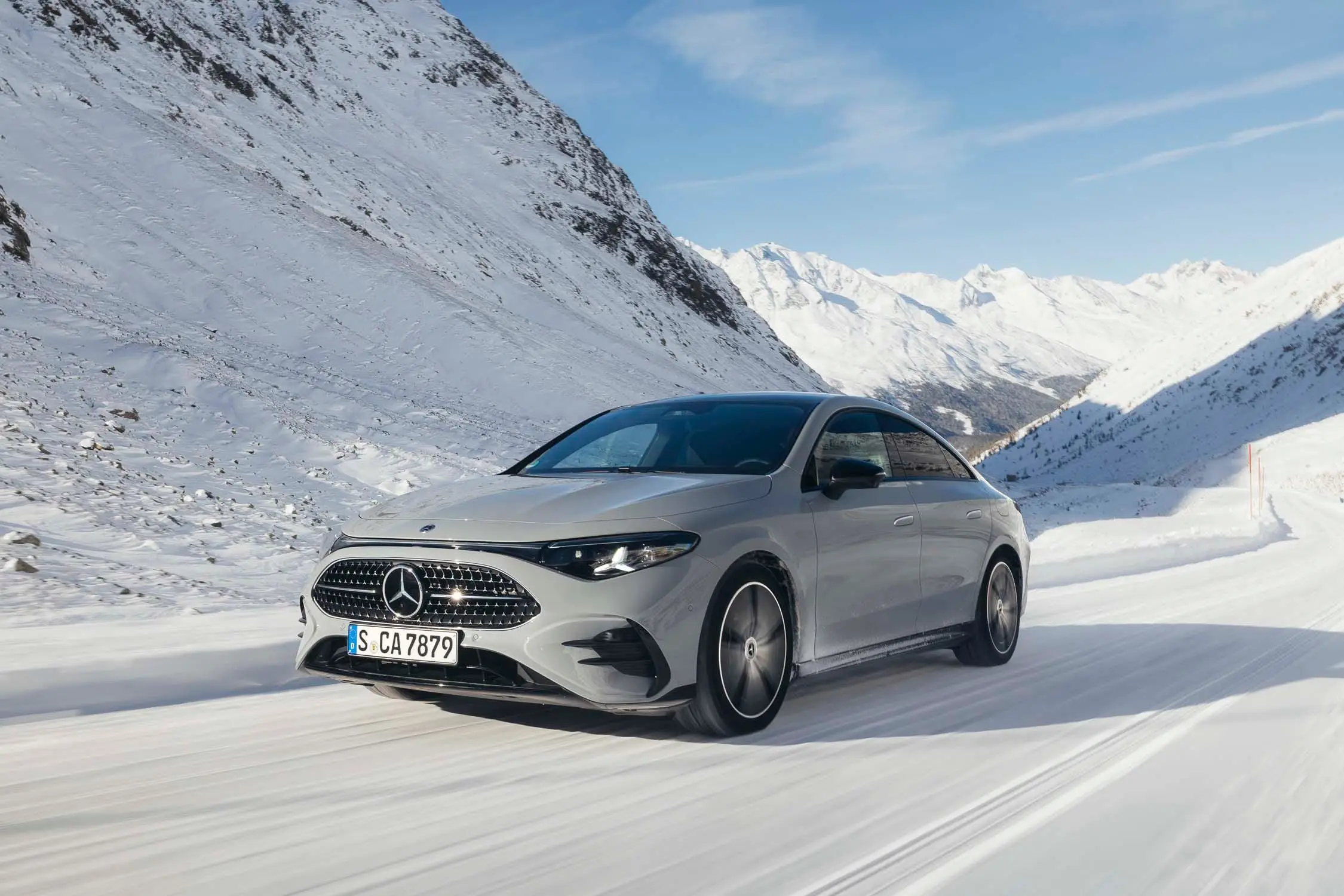
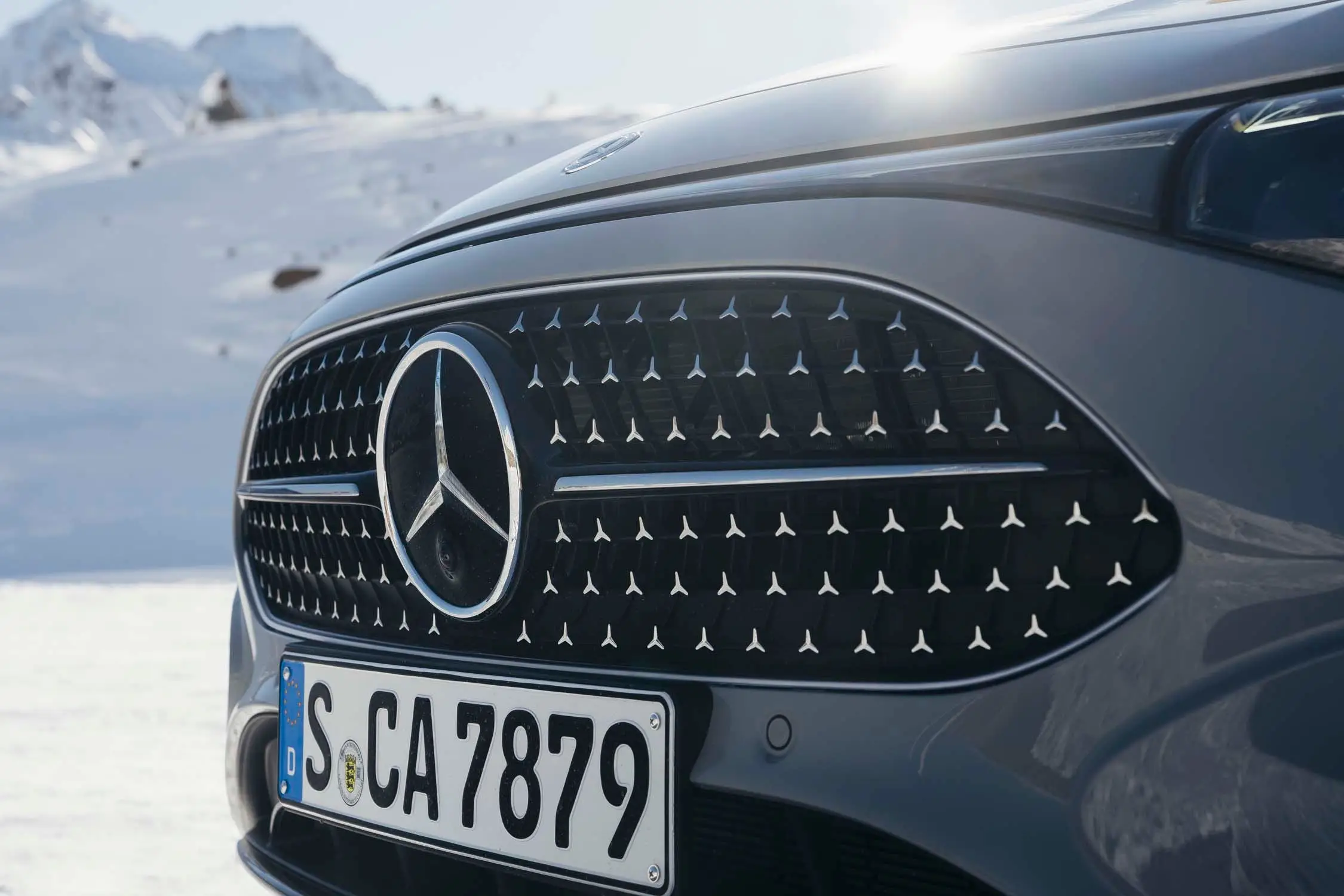
The automotive world thrives on promises, especially when the badge on the front grille is a three-pointed star. When we talk about the near future, specifically the 2027 model year, the expectation is that hybrid technology will have reached an almost imperceptible level of refinement—a perfect symbiosis between combustion and electricity. However, the reality of the MERCEDES-BENZ CLA220 HYBRID 2027 seems to have violently collided with these expectations. What we have in hand is not just a new car, but a complex case study on how conflicting engineering decisions can create a vehicle that is, at the same time, sublime in its curves and exasperating in its mechanics. It’s the classic case of “so close, yet so far,” where the shine of exterior design tries to overshadow flaws that, for a demanding buyer, can be decisive.
The Heart of the Problem: A Powertrain Identity Crisis
The soul of any Mercedes-Benz should be sophisticated power delivery. Historically, the brand has built its reputation on engines that whisper power rather than shout effort. However, the CLA220 Hybrid 2027 seems to have forgotten this fundamental lesson. On paper, the specifications look adequate for an entry-level luxury sedan: a 1.5L turbo inline-four engine operating in the efficient Miller cycle, delivering 188 hp, coupled with a 48-volt hybrid system. The theory is solid, but the practice, according to recent analyses, is discouraging.
The main villain of this mechanical narrative lies in the electric motor integrated with the transmission. With only 30 horsepower and 148 lb-ft of torque, it is described as drastically undersized for the vehicle’s ambitions. In an urban scenario, where hybrid driving should shine with quiet and smooth starts, the CLA220 fails. Expert criticism points out that the electric motor does not have enough “muscle” to move the car alone without requiring Herculean effort. The result? A simple tap on the accelerator quickly exhausts the electric capacity, abruptly and awkwardly invoking the combustion engine.
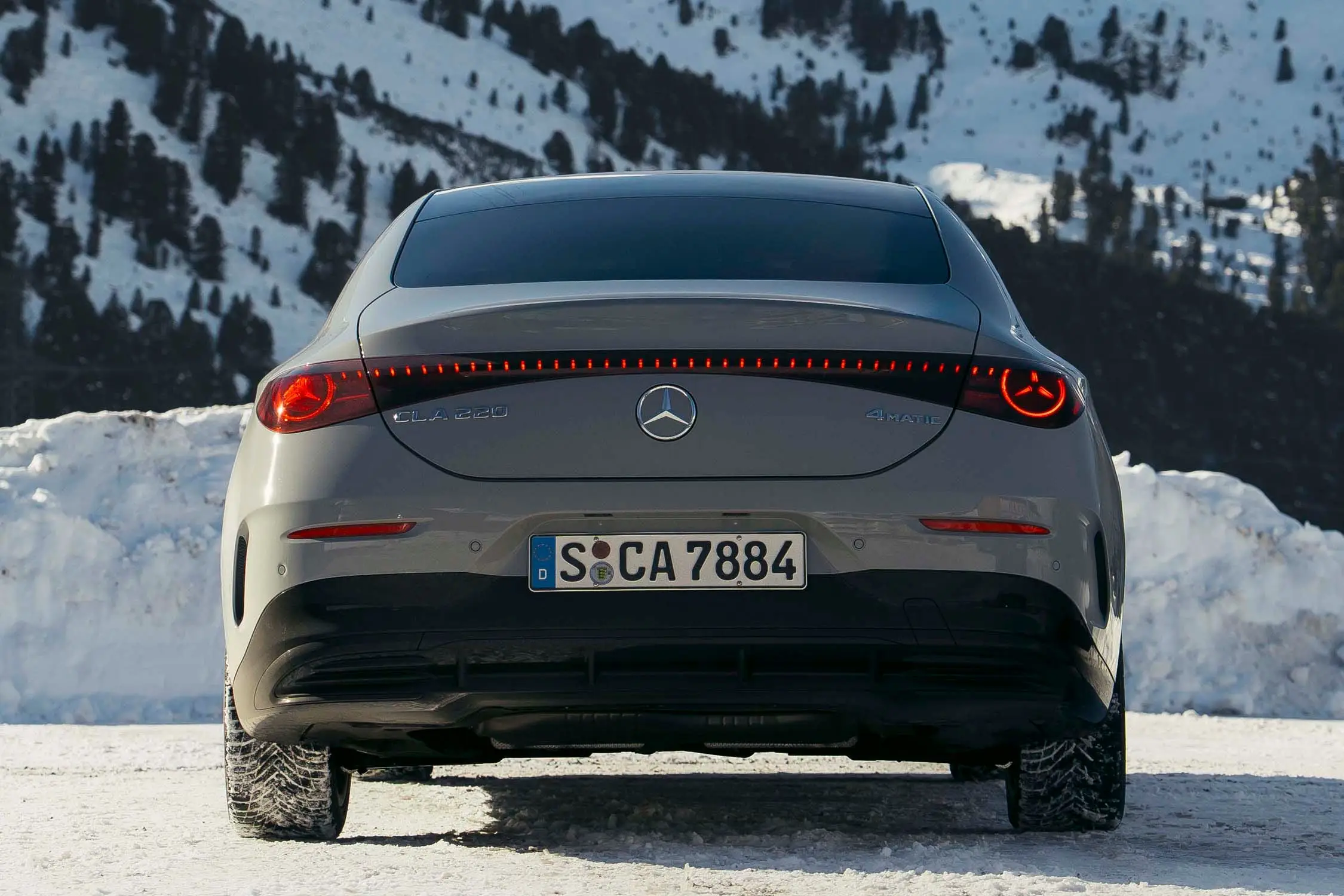
This transition between electric and gasoline, which in 2027 should already be undetectable, is marked by jolts and a lack of refinement that do not match the estimated $47,000 price tag. It’s a physical matter: lacking immediate torque to mask the “lag” and inertia. To understand the crucial importance of this force relationship, it’s worth observing how other categories handle delivering brute force, as seen in the analysis where the FORD SUPER DUTY proves the brutal truth about horsepower vs torque in towing, demonstrating that without the right torque at the right time, the entire driving experience is compromised.
Curiously, the palliative solution found by testers was to keep the car in “Sport” mode. In this setting, the system gives up on trying to be a pure EV and uses the electric motor only as a performance “booster,” eliminating the on/off transitions of the combustion engine. But let’s be honest: who buys a hybrid focused on efficiency just to drive it exclusively in Sport mode to avoid transmission jerks?
The Chassis Paradox: Engineering That Saved the Day
If the engine is the source of frustration, the chassis is the redeemer. It is here that Mercedes-Benz reminds us why it is still an engineering giant. Even without the sophisticated adaptive suspension of more expensive models (the tested model had passive damping), the CLA220 displays exemplary dynamic behavior. The balance between comfort and firmness is described as “spot on.”
The car manages to filter out road imperfections without floating, remaining composed in tight corners and stable at highway cruise speeds. The steering, although numb—a common trait in the era of electric assistance—has pleasant weight and accuracy. It is an ironic tragedy: you have a car that loves to corner, that settles on the asphalt with the confidence of a sports car, but hesitates and stumbles every time you ask it to accelerate out of a curve. This disconnect between dynamic excellence (chassis) and propulsion incompetence (engine) creates a schizophrenic driving experience.
For enthusiasts who value mechanical purity, seeing such a well-tuned chassis being wasted by a poorly calibrated hybrid system is painful. It’s a stark contrast to what we see in modern super sports cars, where each component is forged to withstand extreme demands, as we discussed about why the LAMBORGHINI TEMERARIO needs forged pistons to handle 907 hp of brutal power, showing that overall harmony is essential.
Interior: Space Age Technology, Toy Materials
Upon opening the door of the CLA220 2027, your eyes are immediately captivated by the “Superscreen.” It’s a bold statement of intent. The continuous glass panel housing the instrument cluster, central screen, and passenger display projects an unmistakable futuristic image. The MB.OS system, the brain behind this digital operation, is dense but powerful, offering AI assistants capable of complex interactions (and even controversial ones, setting inappropriate terms without parental filters).
However, as your fingers leave the screen and touch the rest of the cabin, the luxury illusion begins to fade. The analysis points out an excessive and disappointing use of rigid plastics. We’re not talking about high-quality soft-touch polymers, but materials that echo with a hollow sound when touched. The report of a seatbelt hitting against the C-pillar and producing a cheap box noise is alarming for a Mercedes.
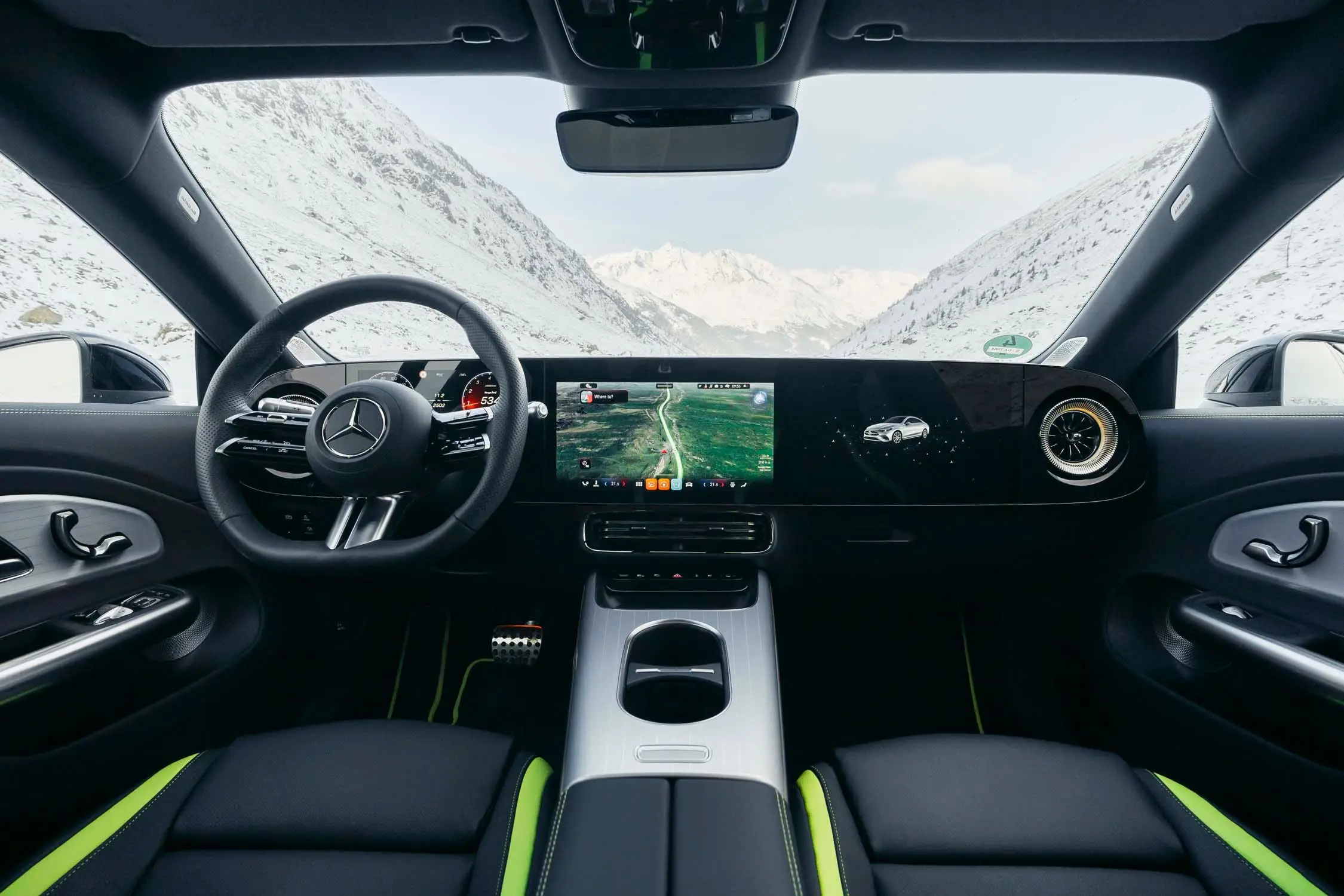
This “big screen, cheap finish” strategy is a dangerous gamble. The entry-level luxury consumer isn’t naive. They notice when the investment was all in silicon and removed from leather and finishing. Mercedes seems to be betting that digital technology will overshadow tactile quality, a gamble that can be costly against competitors who better balance these two worlds. The trend of giant screens dominating interiors is not exclusive to the CLA, as we recently saw when the Mercedes-Benz GLB 2027 arrives larger, more powerful, and with the gigantic Superscreen, indicating that this is the brand’s new visual signature, for better or worse.
The Unforgivable Ergonomic Mistake: The Gear Lever of Discord
Perhaps the most critical and viral aspect of this review is a usability flaw bordering on the comical, if it weren’t tragic. Mercedes decided to reinvent the gear shift lever on the steering column, transforming it into a “Swiss Army knife” of functions. It controls gear selection (P, R, N, D), manual shifts (pushing forward and back, dispensing the paddles on the steering wheel), and, unbelievably, the start/stop button for the engine at the tip of the lever.
The problem? The engine start/stop button is the same as you would instinctively press to put the car into “Park” on most vehicles with a column shifter. The reported result is disastrous: when trying to park and set the car in “Park,” the driver presses the button and the car completely shuts down, cutting power. It’s a basic ergonomics and muscle memory violation. Instead of simplifying the driver’s life, Mercedes created a daily frustration point.
Poor ergonomics can kill the passion for a faster car more than a weak engine. When the driver has to fight against the vehicle’s basic controls, the “premium” feeling disappears. Comparatively, other brands are focusing on restoring the emotional and tactile connection inside, as we see in the launch where the Honda Prelude 2026 features a premium interior that revives the spirit of the coupe, proving that innovation is possible without confusion.
The Hidden Verdict: The Electric Threat
The most devastating conclusion about the CLA220 Hybrid 2027 doesn’t come from its isolated flaws but from the comparison with its sibling. The evaluation strongly suggests that the best parts of this car—the chassis, technology, aerodynamic design—are shared with the fully electric (EV) version of the CLA. And it’s in the electric version that the hybrid’s flaws (abrupt transmission, lack of torque, noise from the combustion engine) are naturally eliminated.
If the price difference is small, the hybrid becomes obsolete within its own lineup. The EV will offer the smoothness that the Mercedes badge promises and that the 1.5L hybrid system failed to deliver. It’s a scenario where transition technology (the hybrid) seems to have been executed with less care than future technology (the electric). For consumers seeking the ultimate experience of silence and refinement, the choice seems obvious, echoing the pursuit of automotive perfection seen when the Hyundai quietly created the perfect car with the New Nexo, focusing on total elimination of driver headaches.
Therefore, the Mercedes-Benz CLA220 Hybrid 2027 serves as a warning. It reminds us that adding batteries and electric motors to an internal combustion car does not automatically create a superior vehicle. It requires fine calibration, a deep understanding of how power is delivered, and above all, respect for the user experience. With stunning visuals and a world-class chassis, the CLA220 had everything to be the king of its category. But, betrayed by its own hybrid heart and questionable interior savings, it risks being remembered as the Mercedes you *almost* should have bought — before signing the check for the electric version.