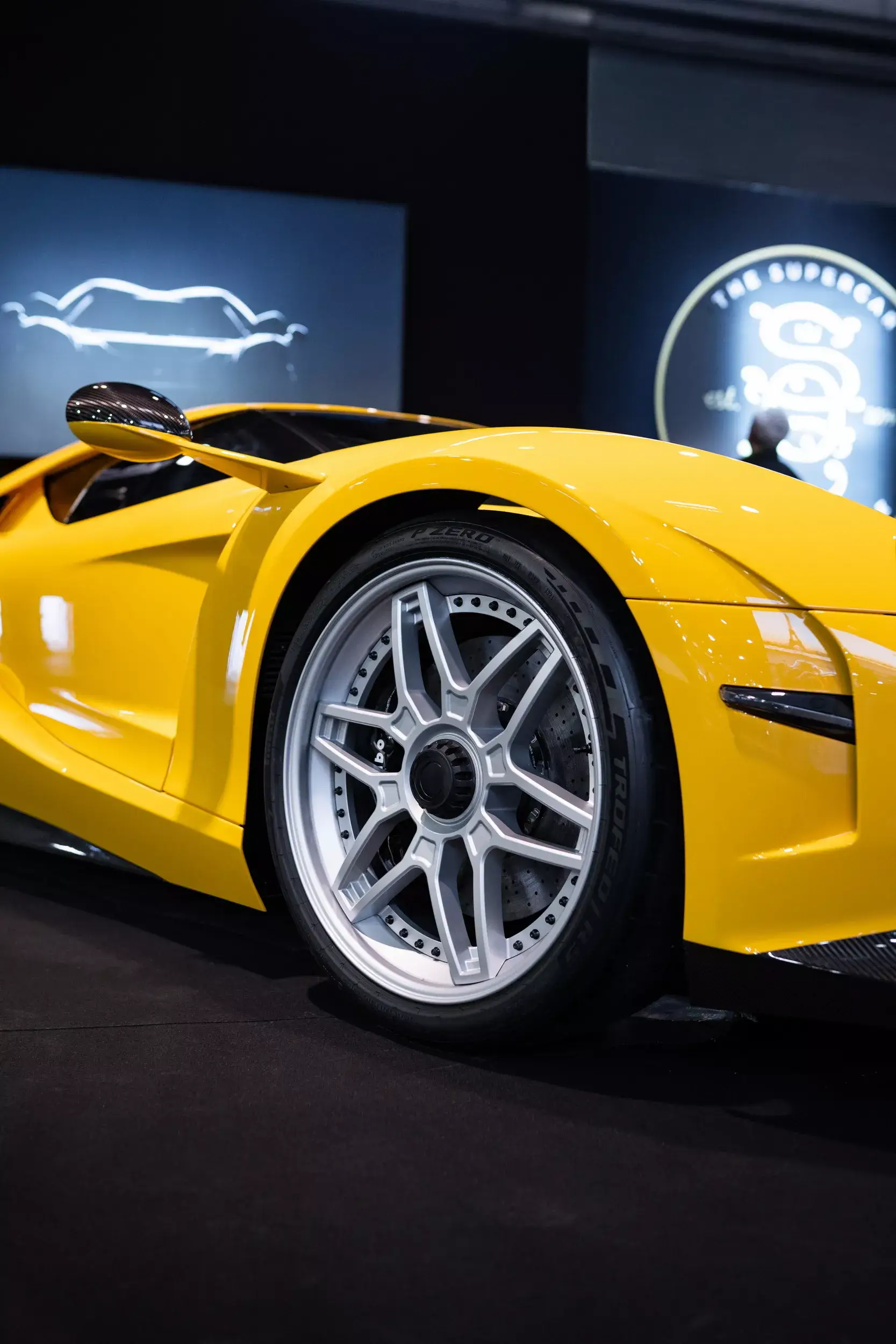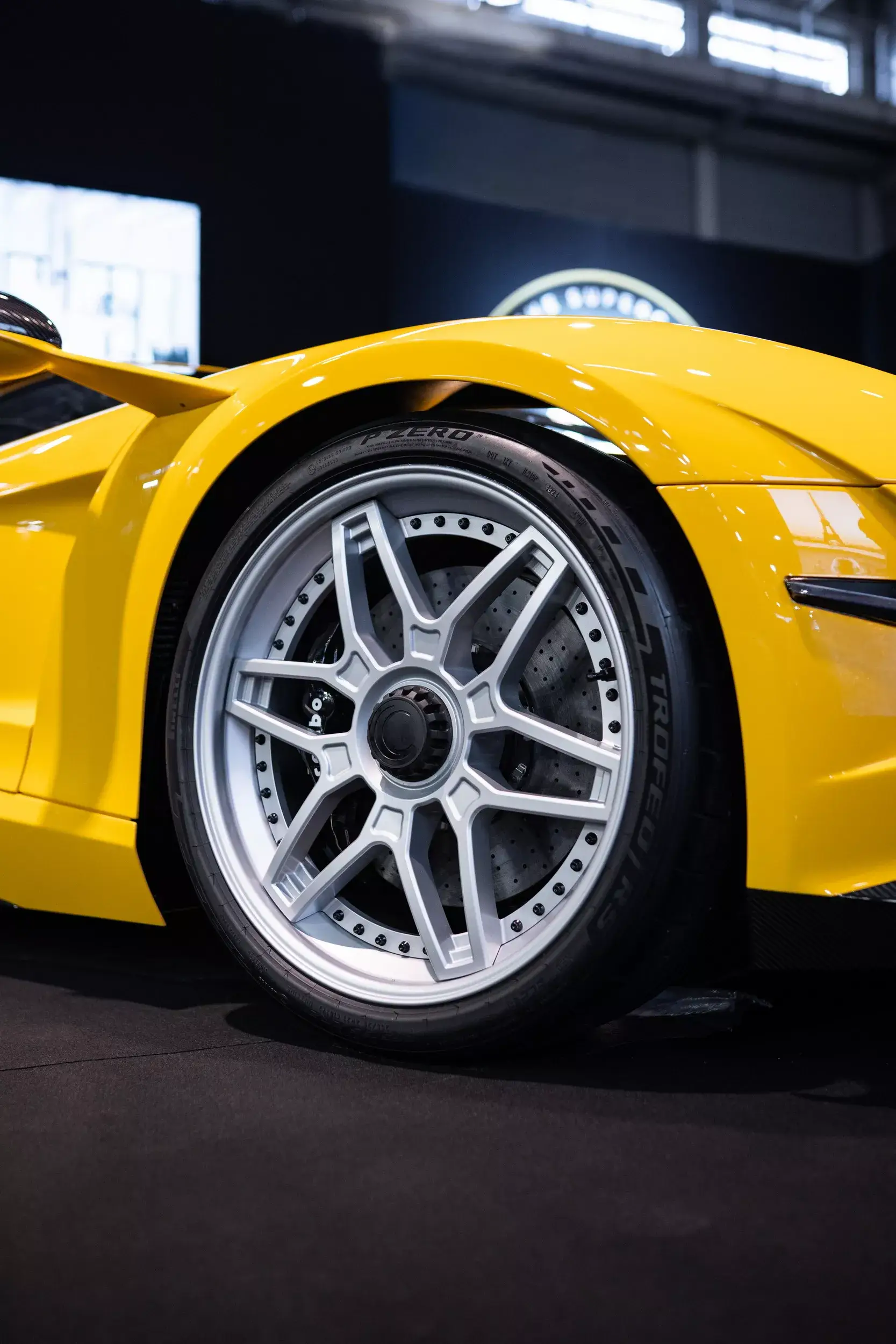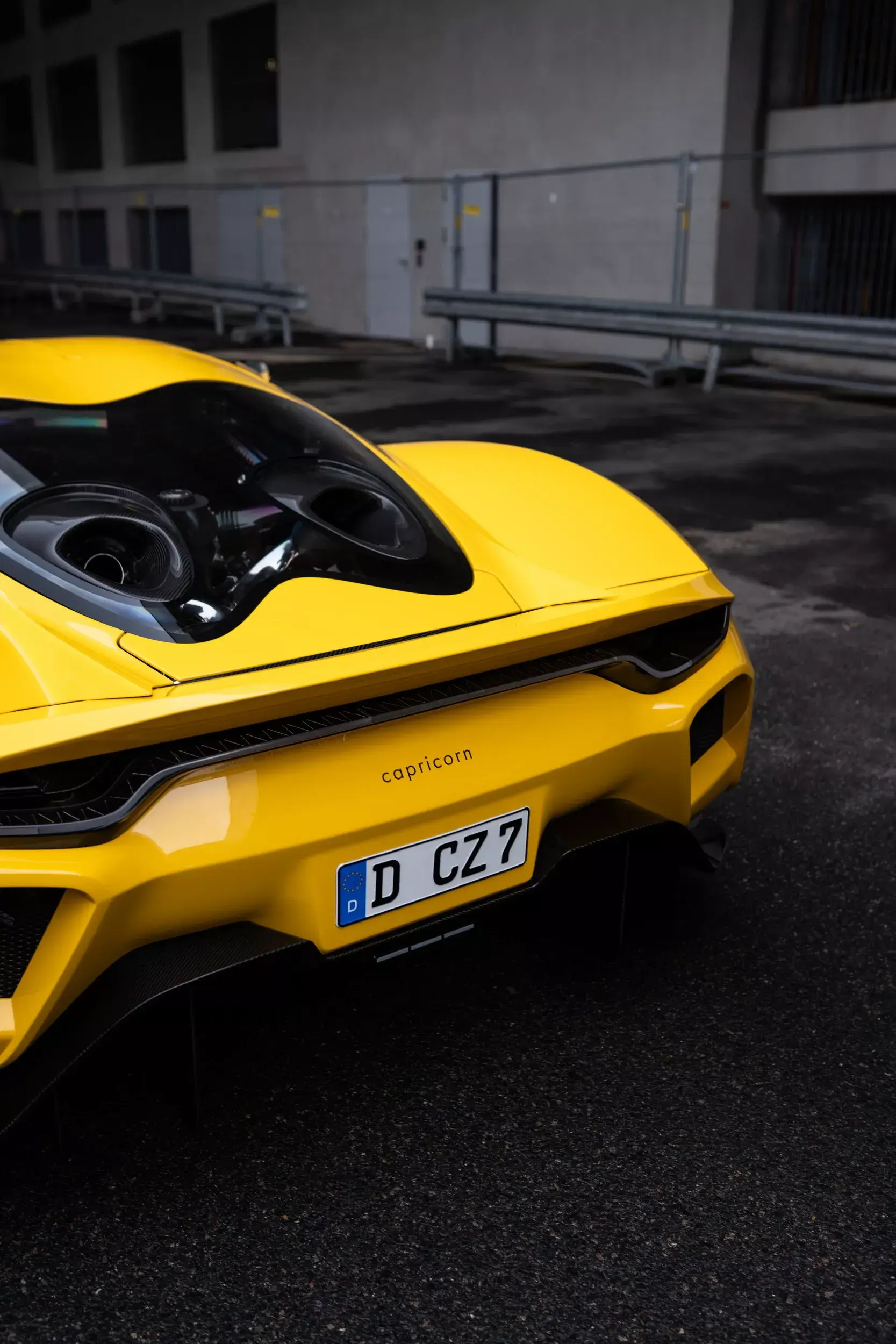
Only 19 lucky people will have the CAPRICORN 01 ZAGATO in their garage. Discover the details of the US$ 3.5 million hypercar that stopped the automotive world.
Absolute Exclusivity: Why Only 19 Units Change Everything in the World of Hypercars
In the world of hypercars, where names like Ferrari, Pagani, and Bugatti set the rules, the Capricorn 01 Zagato emerges as a bold intruder. Produced by the German firm Capricorn, based in Mönchengladbach, this model debuts with a drastic limitation: only 19 units worldwide. This restriction is not mere marketing; it reflects a meticulous engineering philosophy, prioritizing quality over volume. Priced around US$ 3.5 million (approximately € 2.95 million), reservations are almost sold out, with only a handful remaining for the lucky—or wealthy—collectors.
Capricorn’s entry into the luxury segment comes after years of supplying elite components to giants of motorsport. Think lightweight chassis for Porsche’s LMP1 prototypes at Le Mans, or critical parts for Mercedes and Lotus in Formula 1. This heritage guarantees credibility: there are already three functional prototypes running, with the third in the final assembly stage. Deliveries begin in 2026, promising a hypercar ready for the track and the road, without the usual delays in ambitious projects.
Compared to rivals like the Pagani Huayra 70 Trionfo, which also focuses on manual transmission and exclusivity, the Capricorn stands out due to its tripartite collaboration: precise German engineering, Italian design from the legendary Zagato, and raw American propulsion. It is a hypercar that directly competes with icons, but with an “analog” twist that appeals to purists tired of touch buttons and overloaded infotainment.
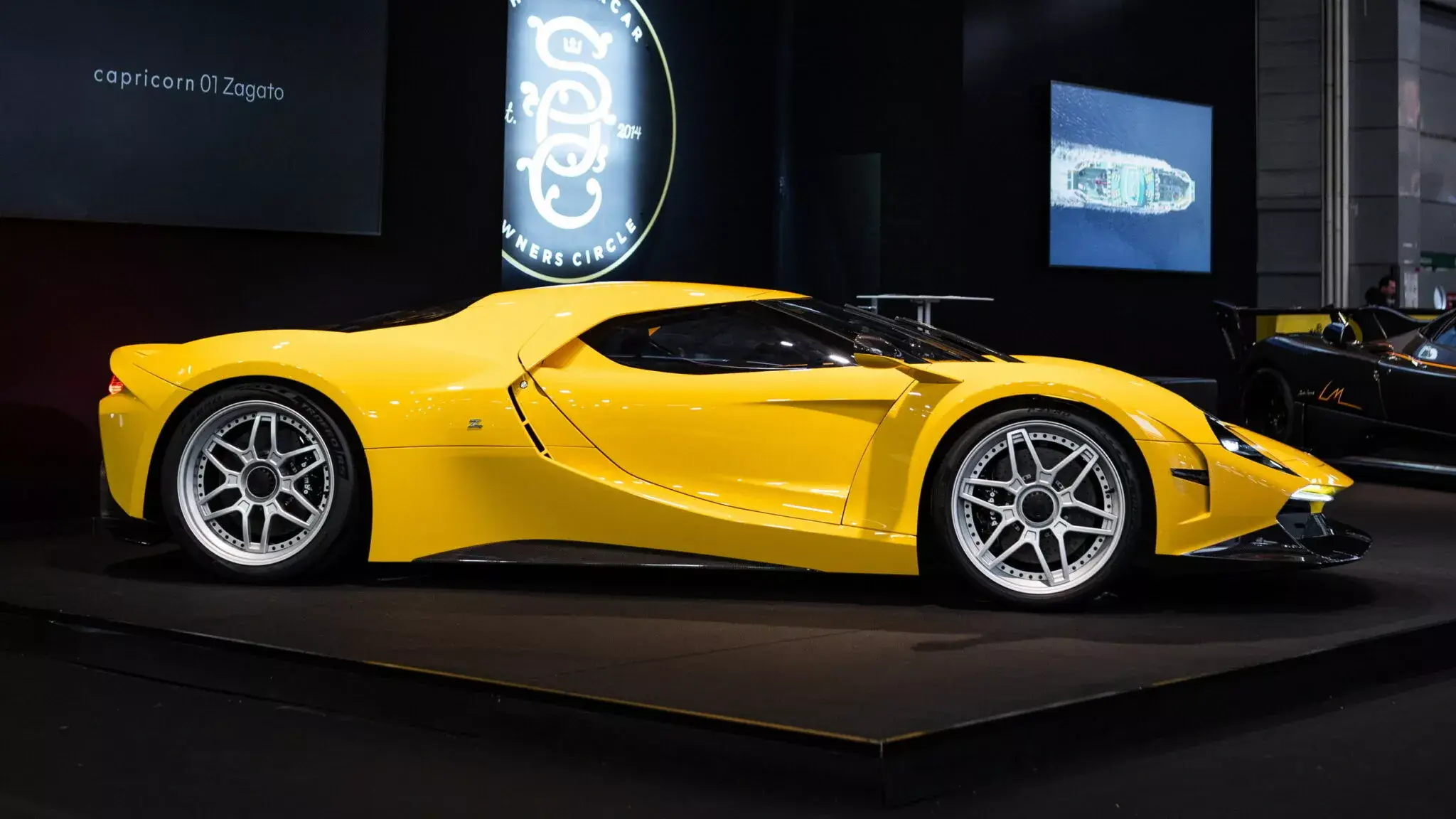
Iconic Zagato Design: Double Bubble, Gullwing Doors, and Aggressive Aerodynamics
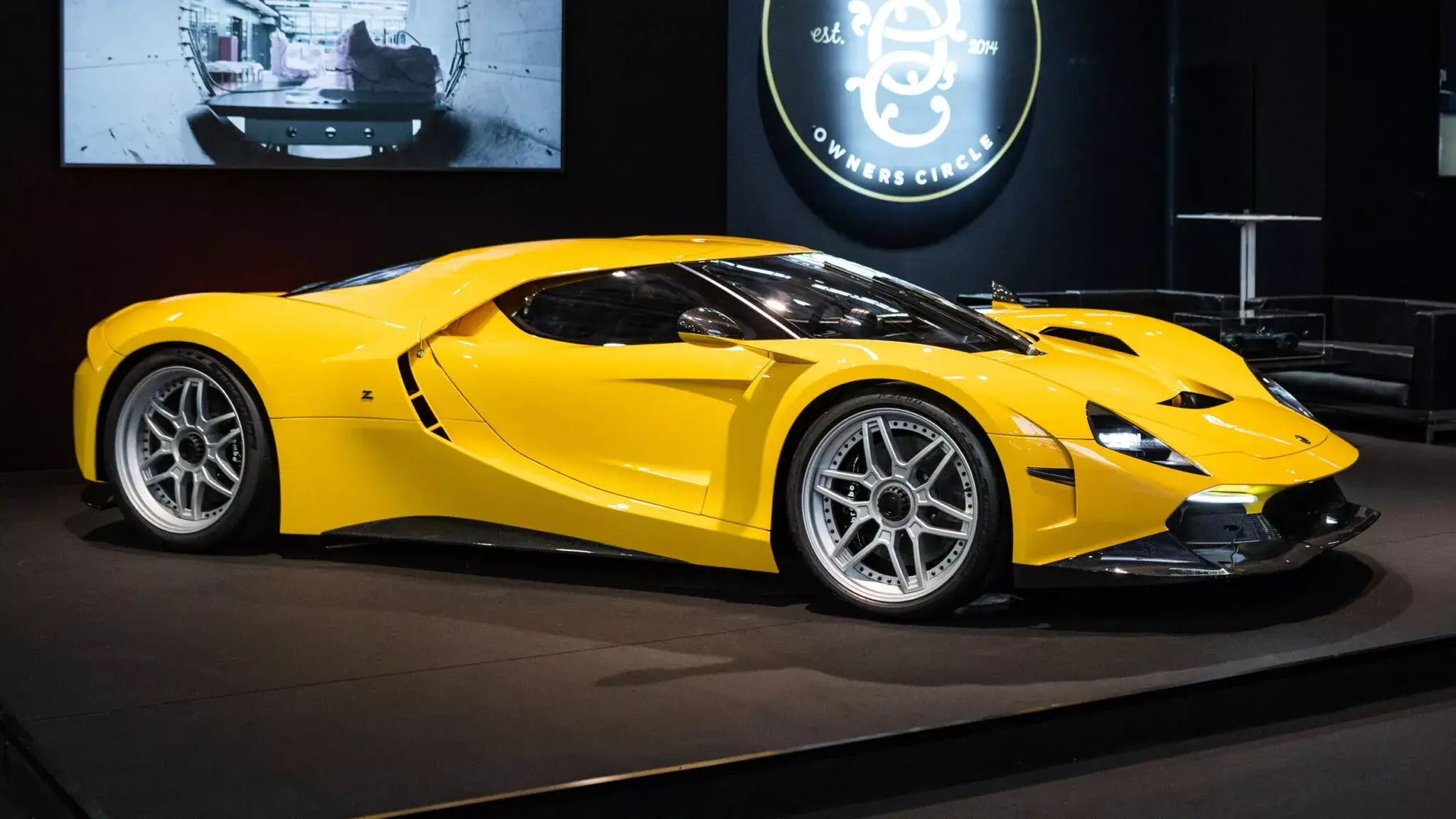
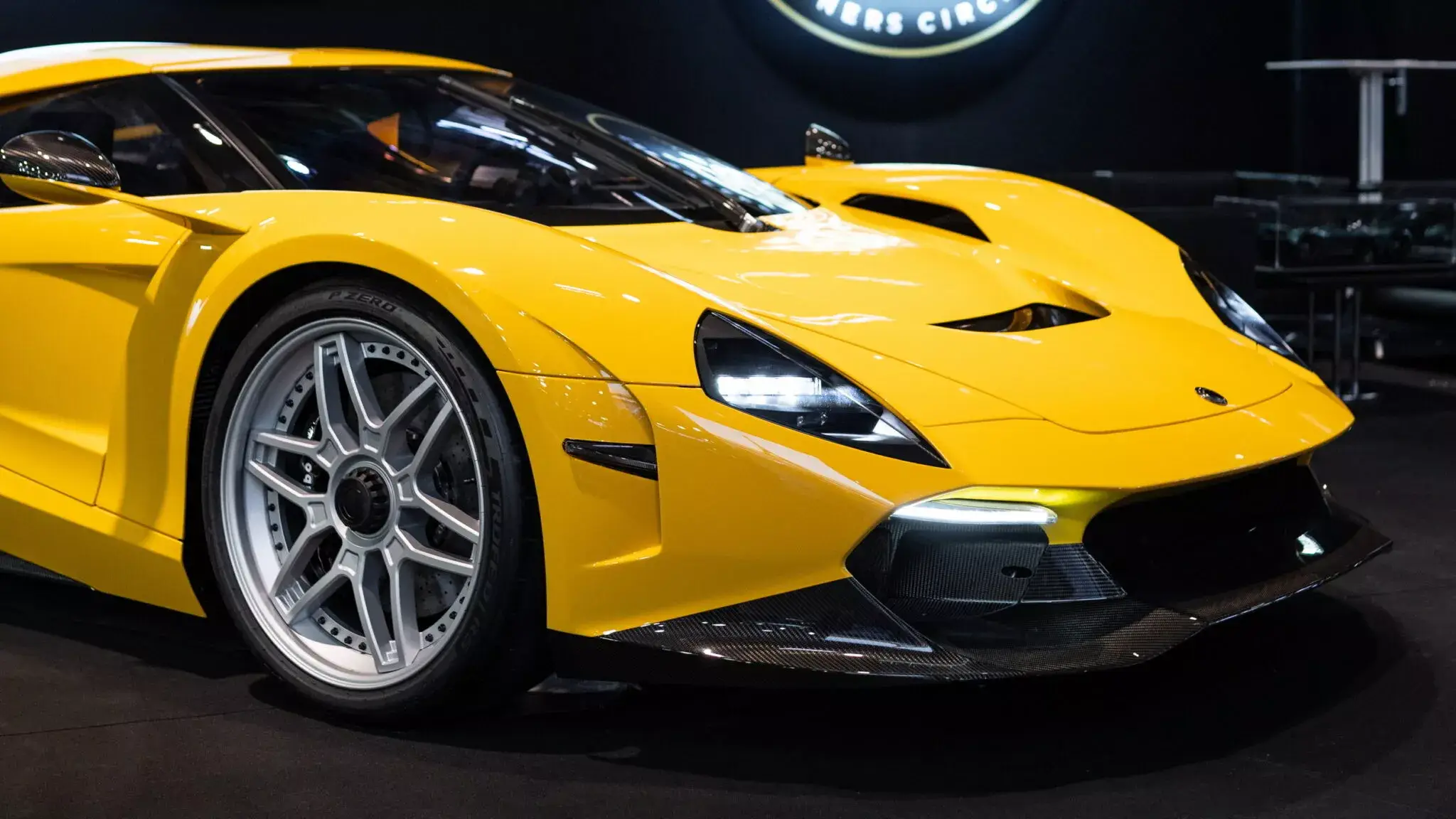
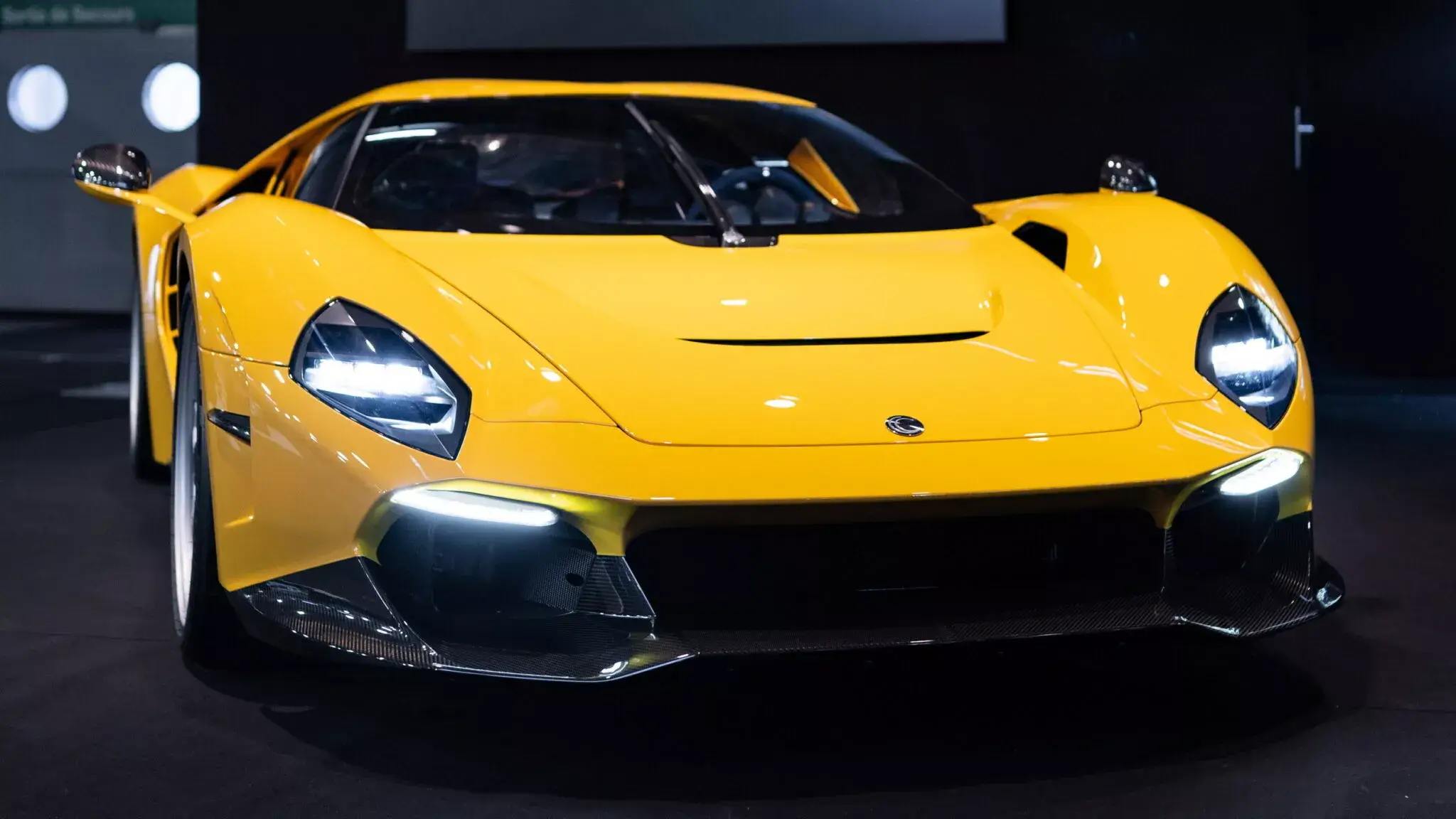
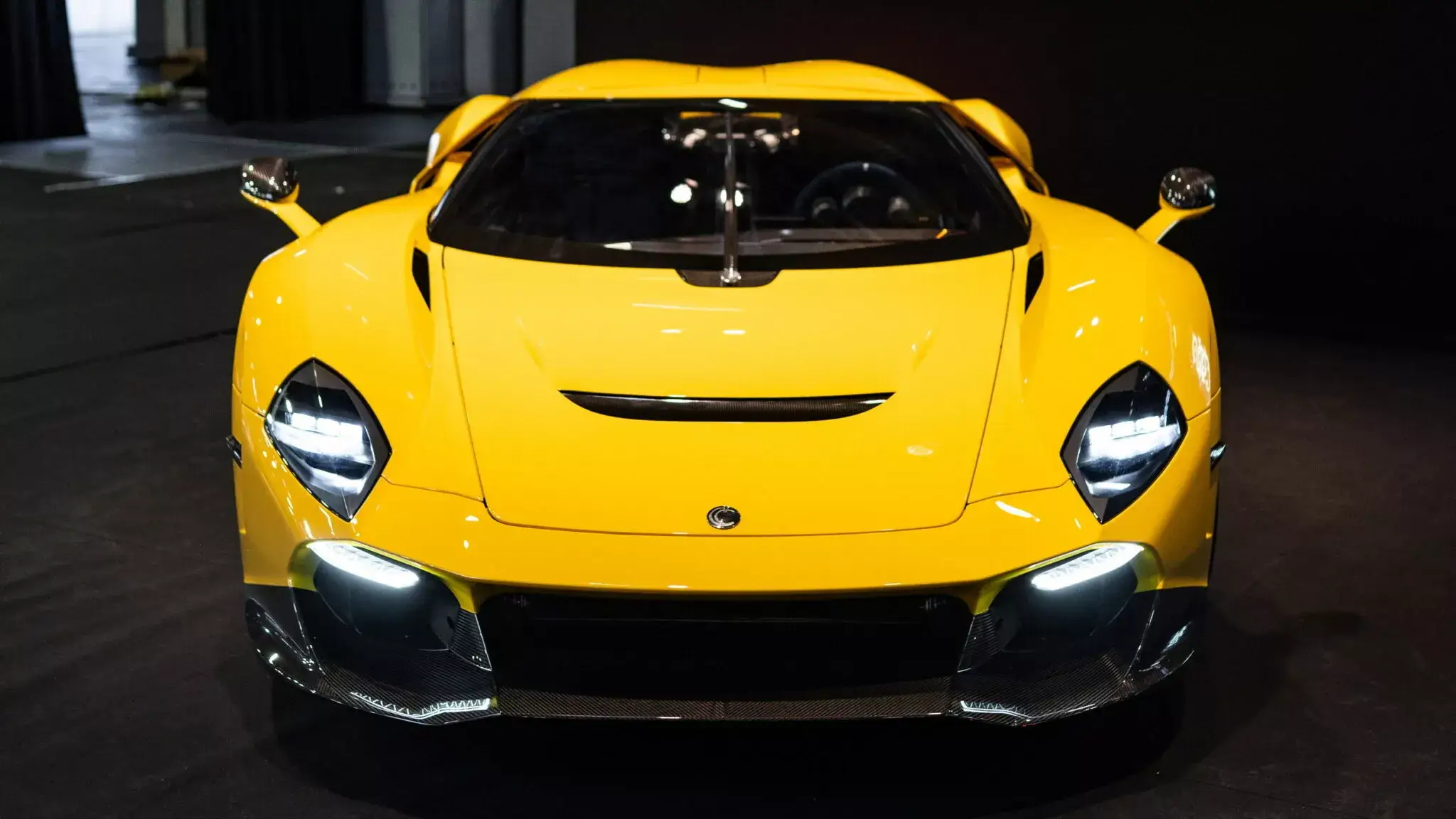
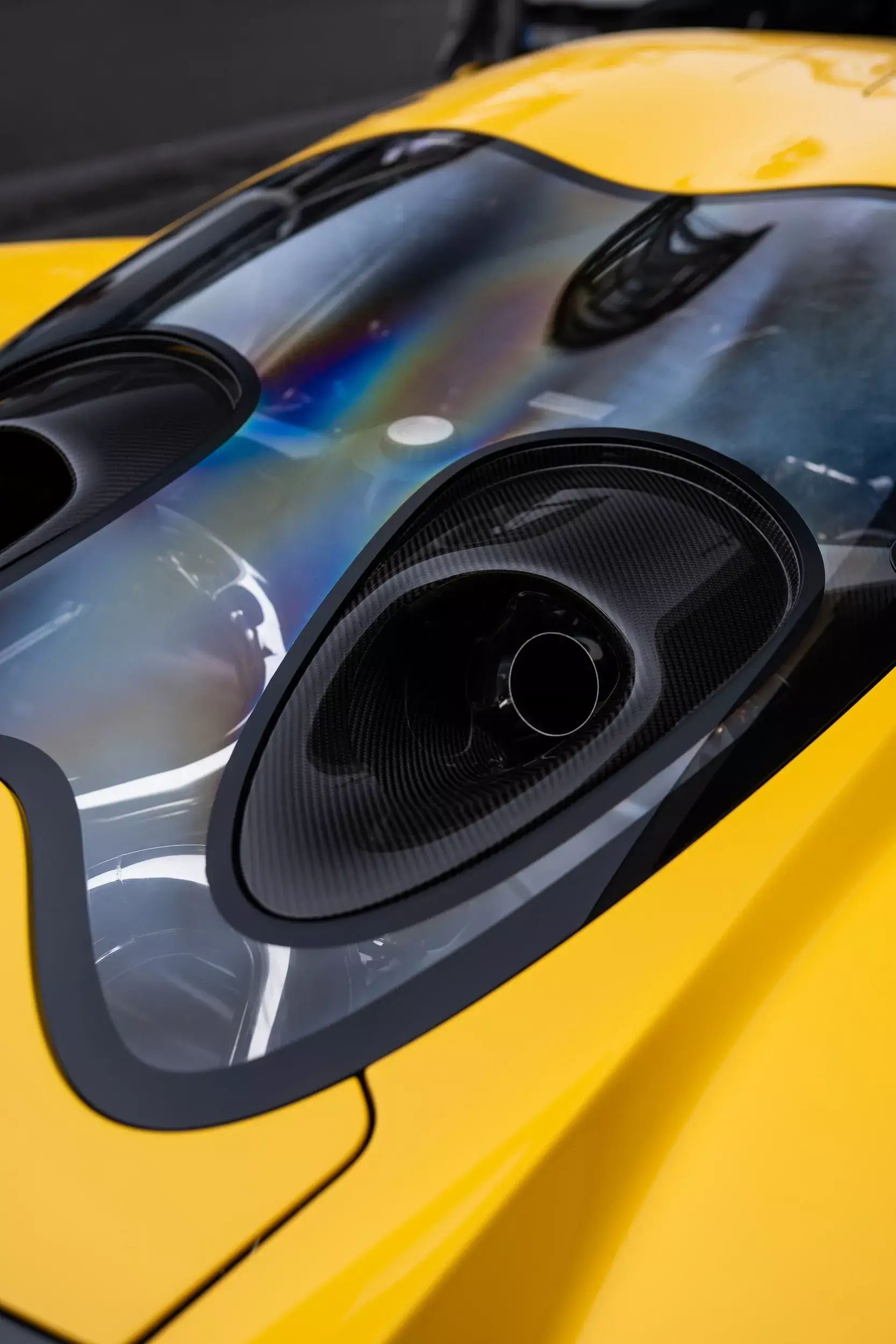
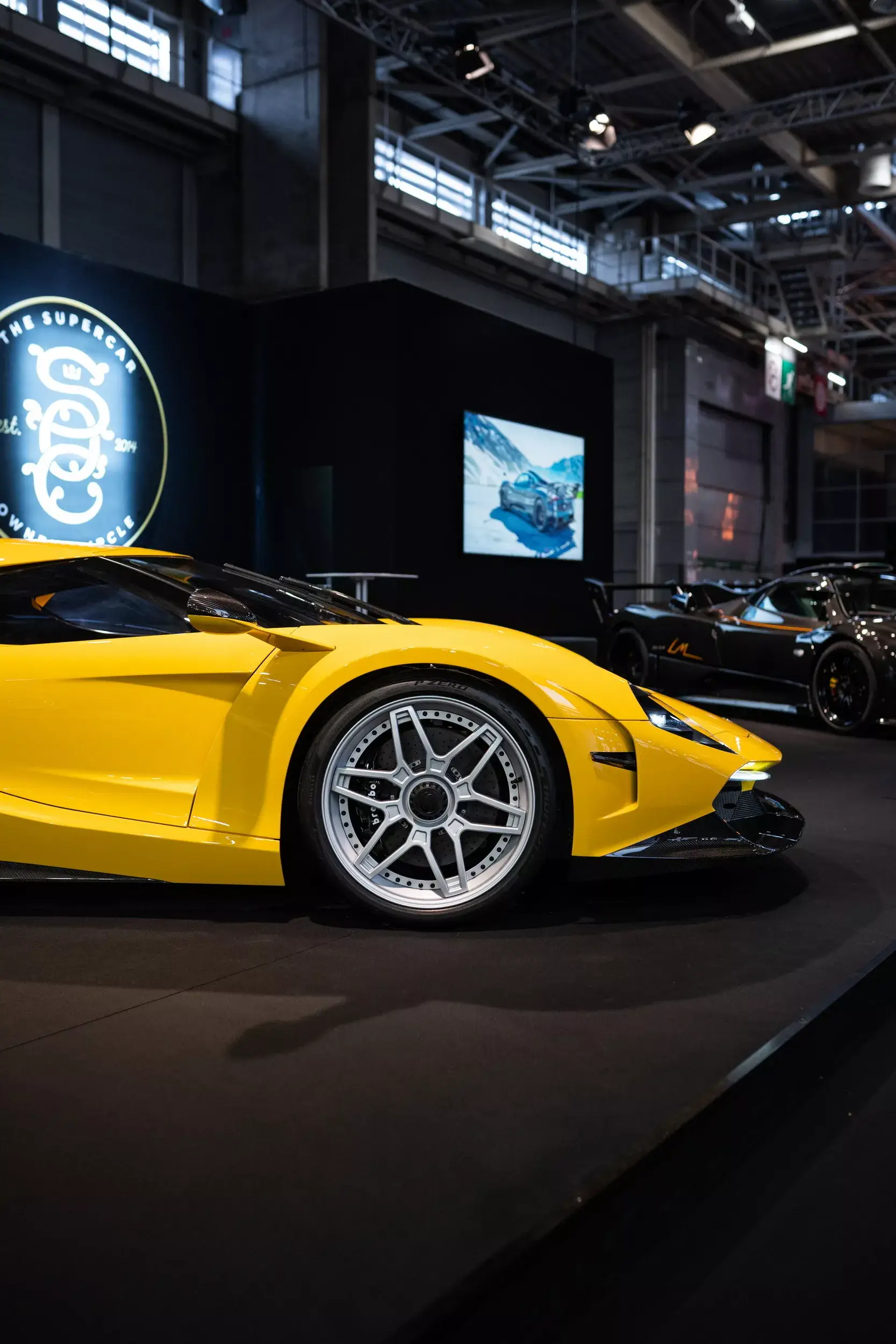
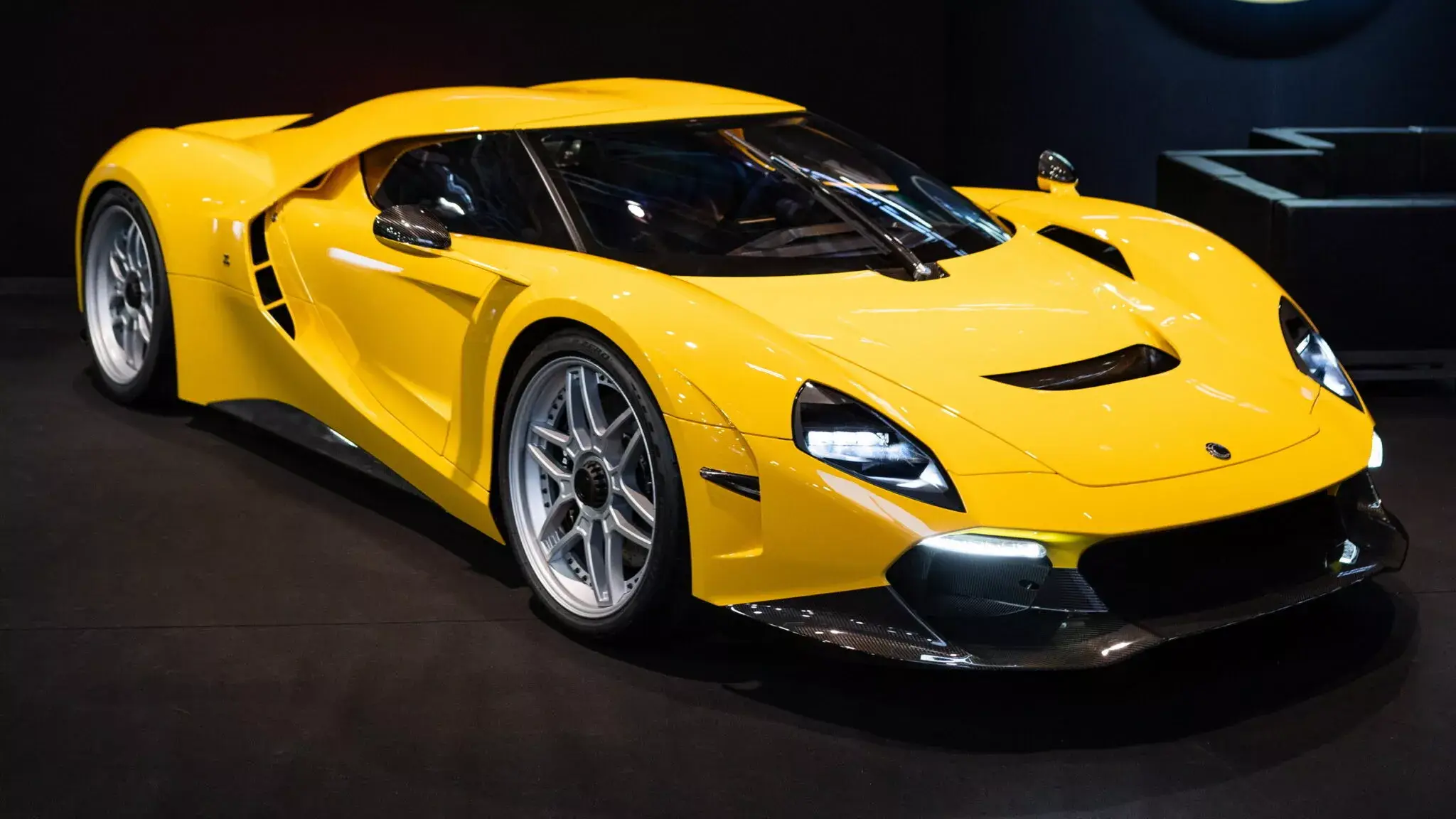
The visual signature of the Capricorn 01 Zagato is the work of Zagato, a Milanese house with over a century of history in bespoke coachbuilding. The most striking element is the double bubble roof, a twin dome that evokes classics like the Aston Martin DB4 GT Zagato, but adapted for modern aerodynamics. Almond-shaped headlights cut into the tapered front end, while the gullwing doors provide easy access to the low cockpit.
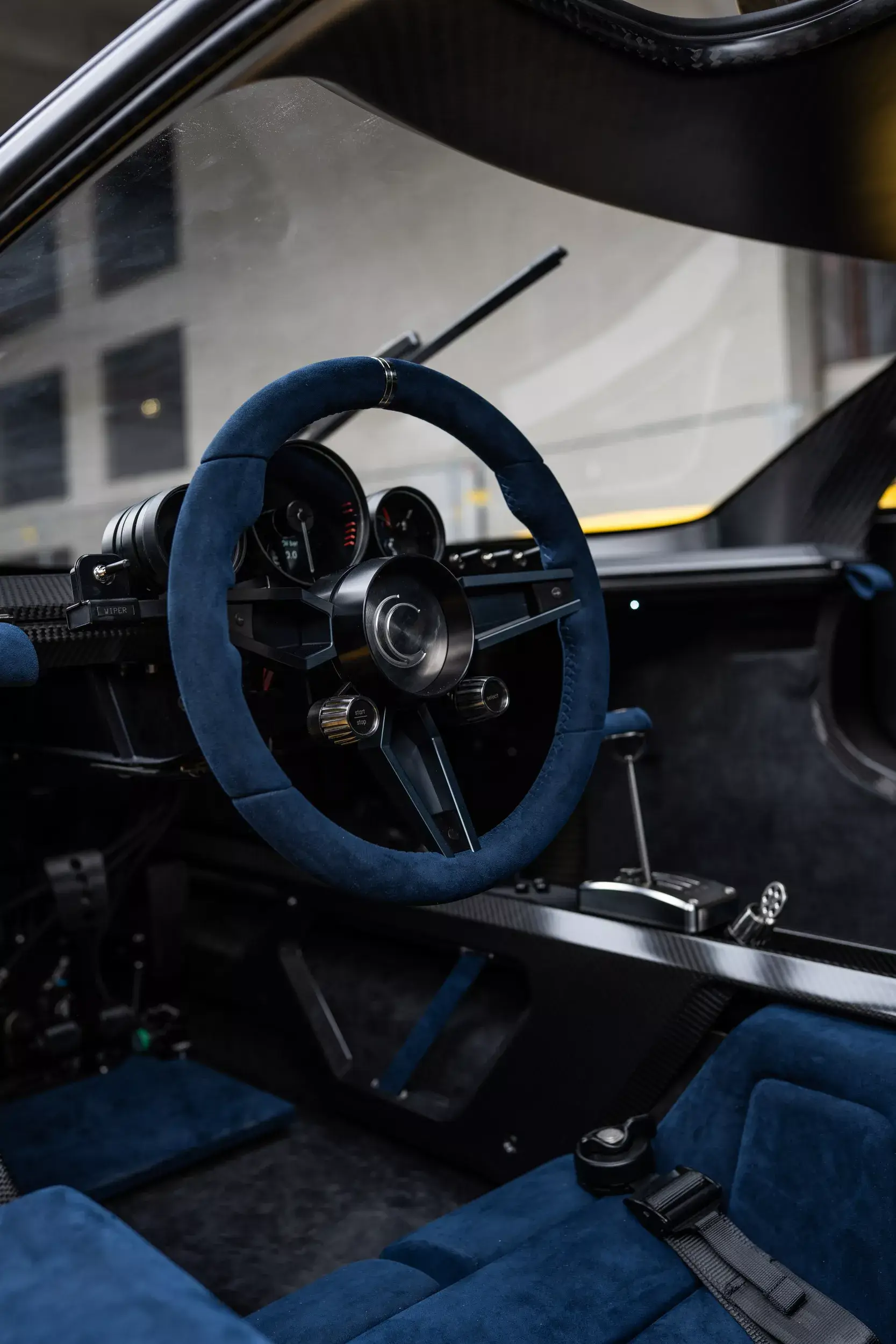
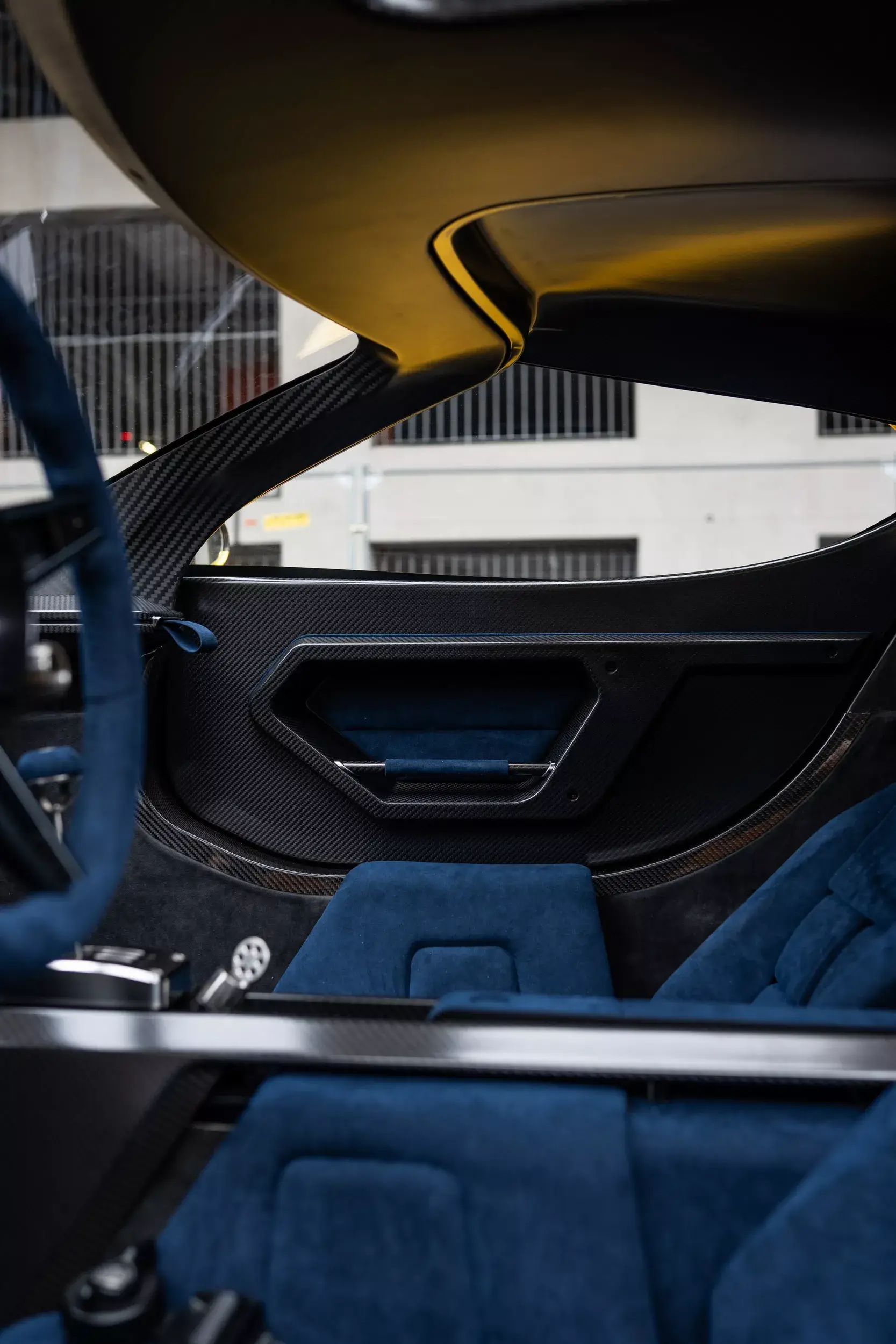
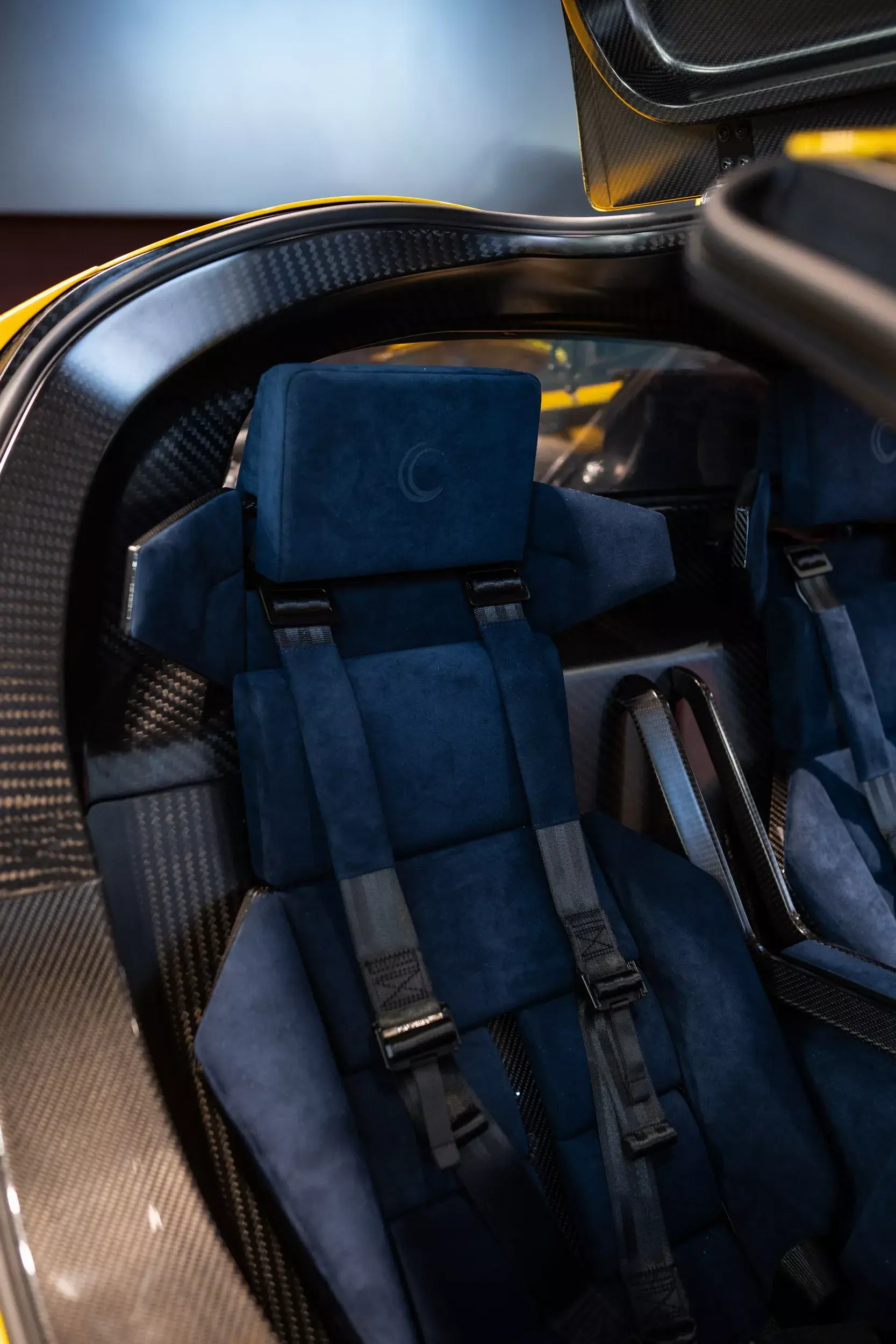
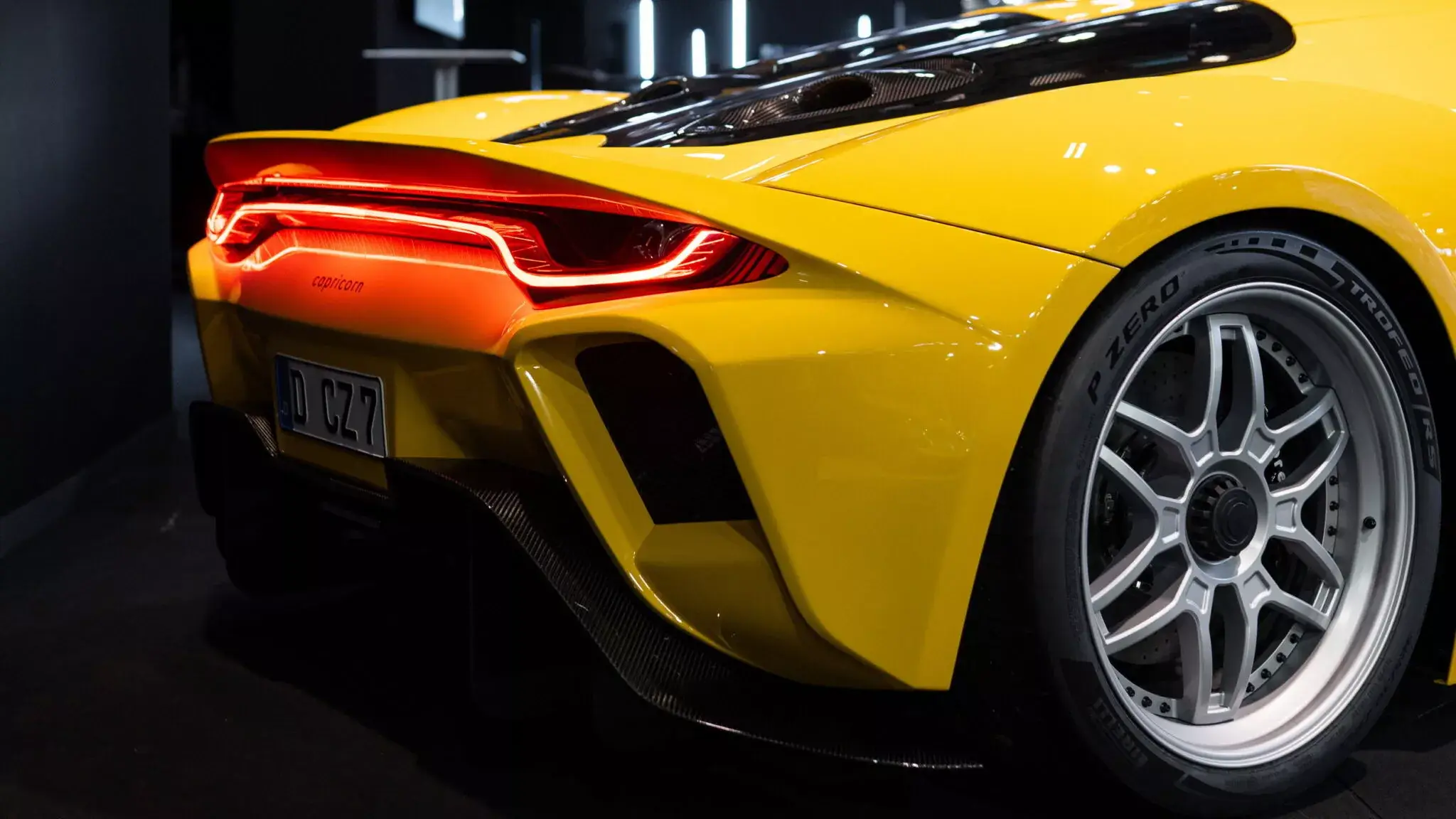
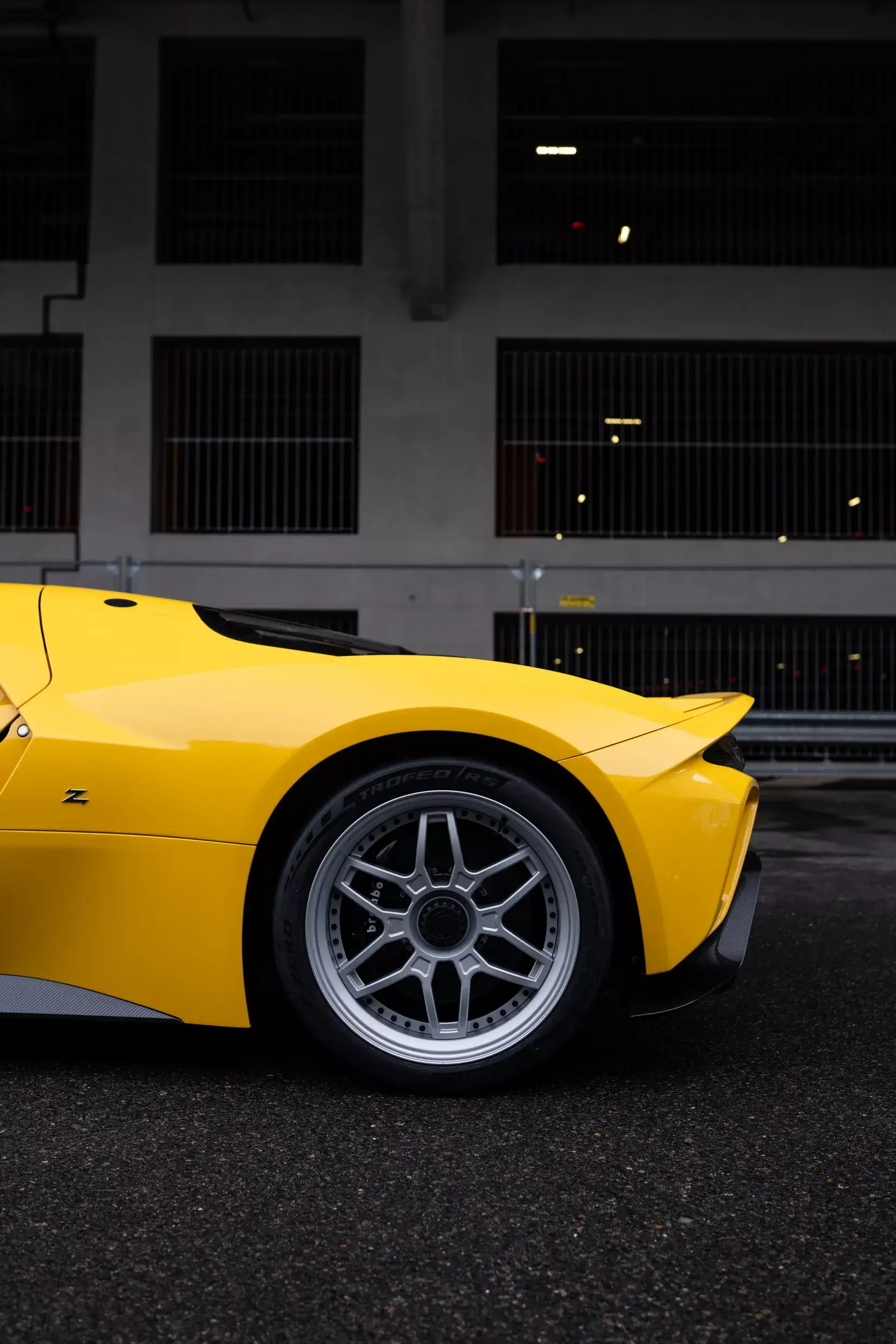
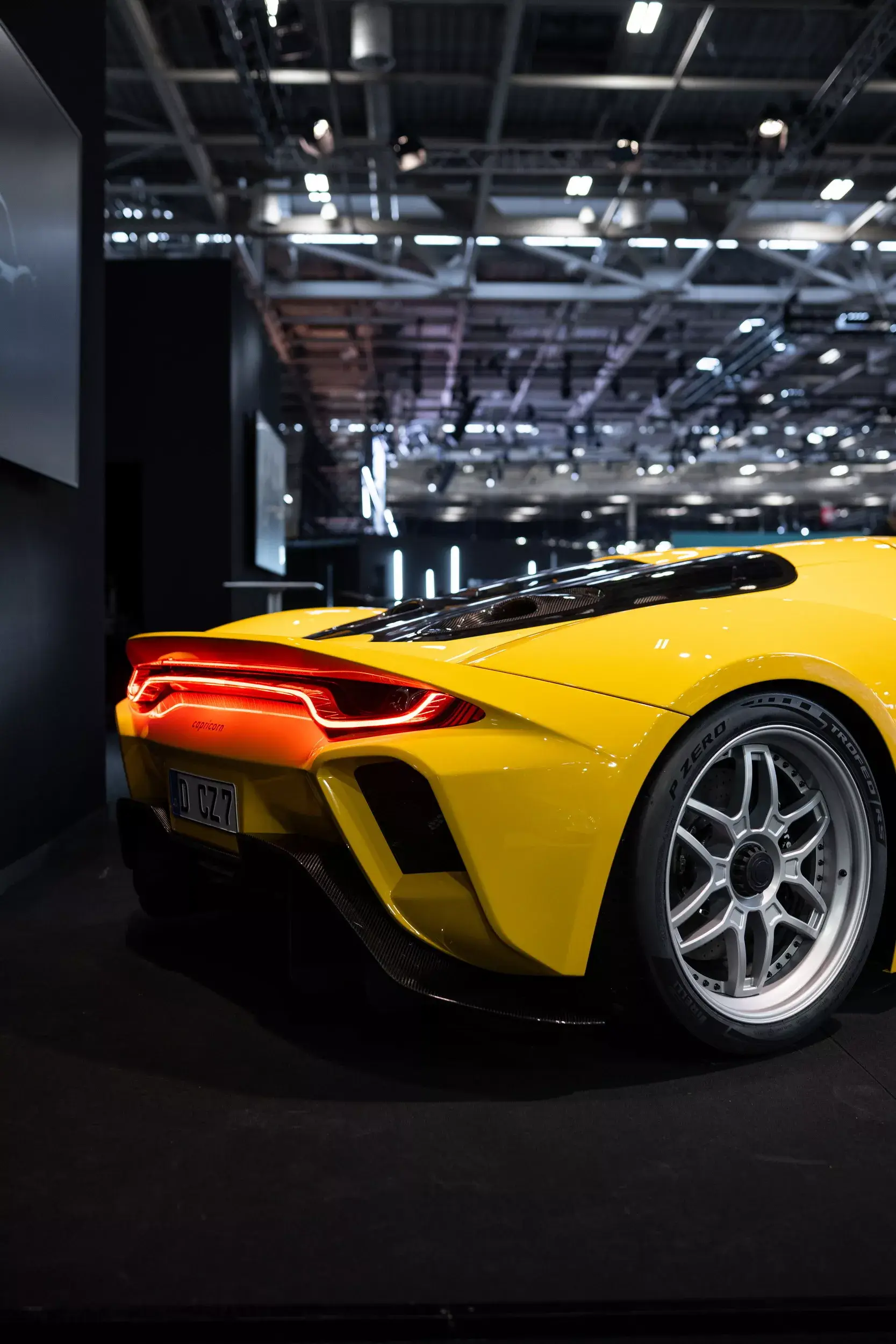
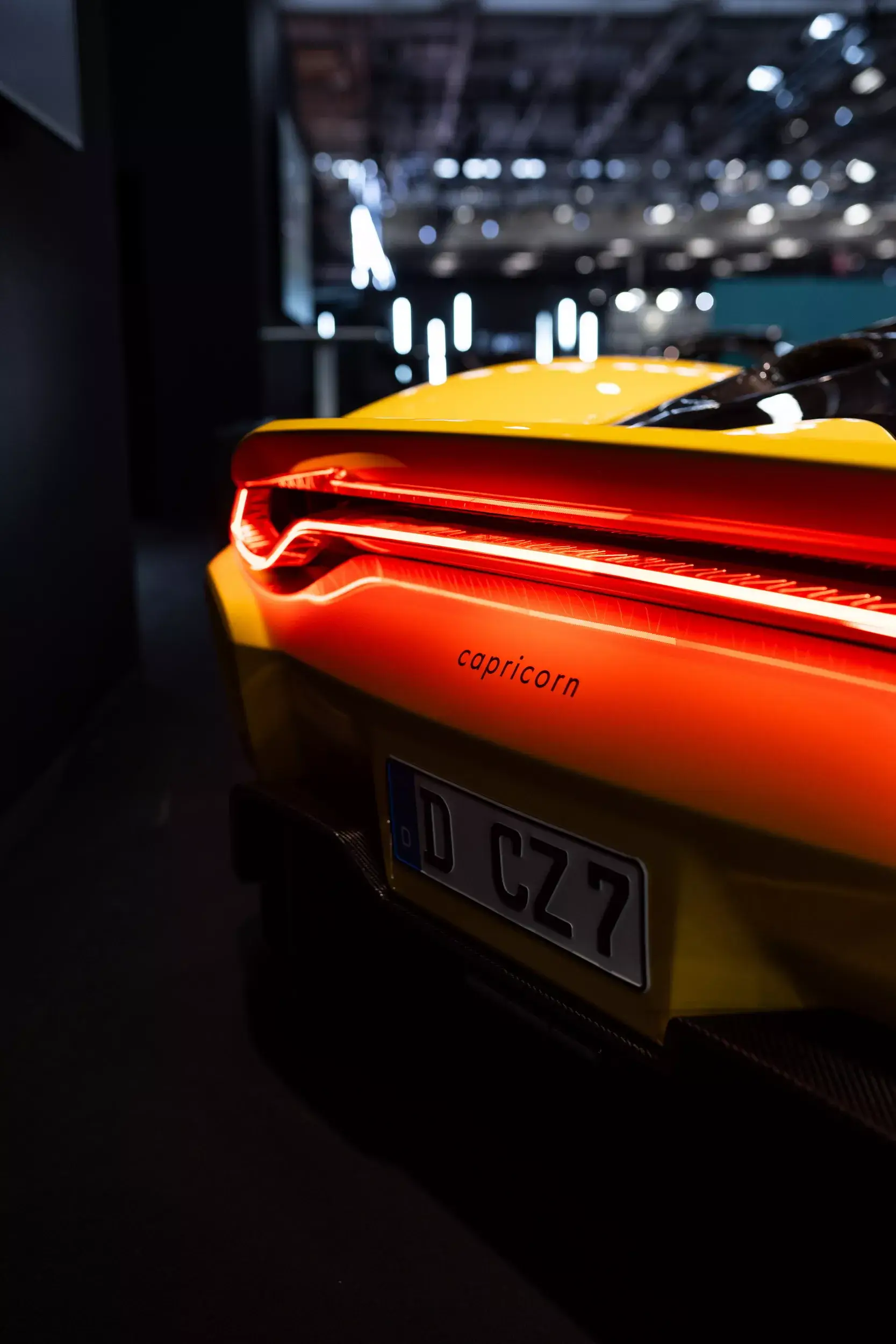
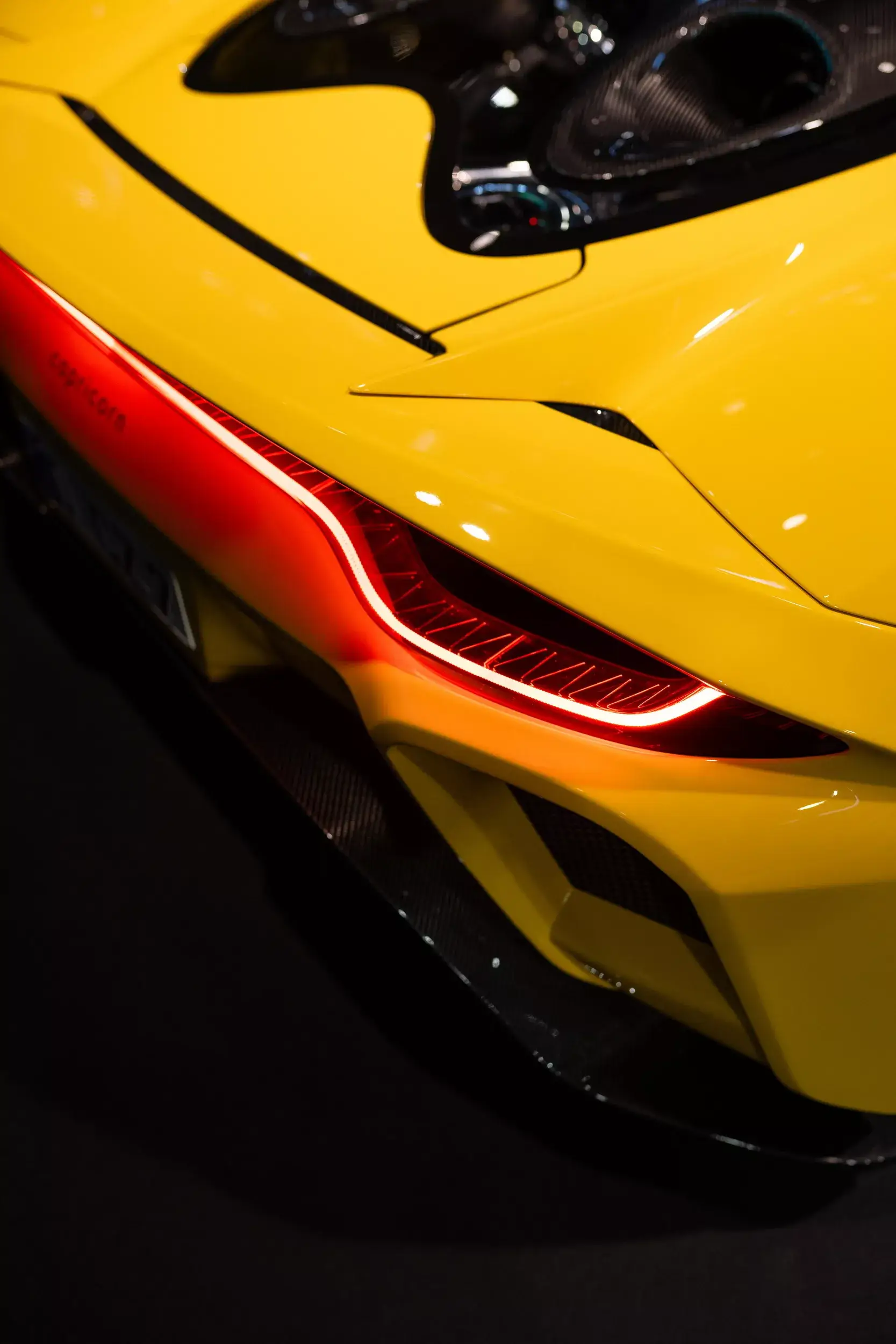
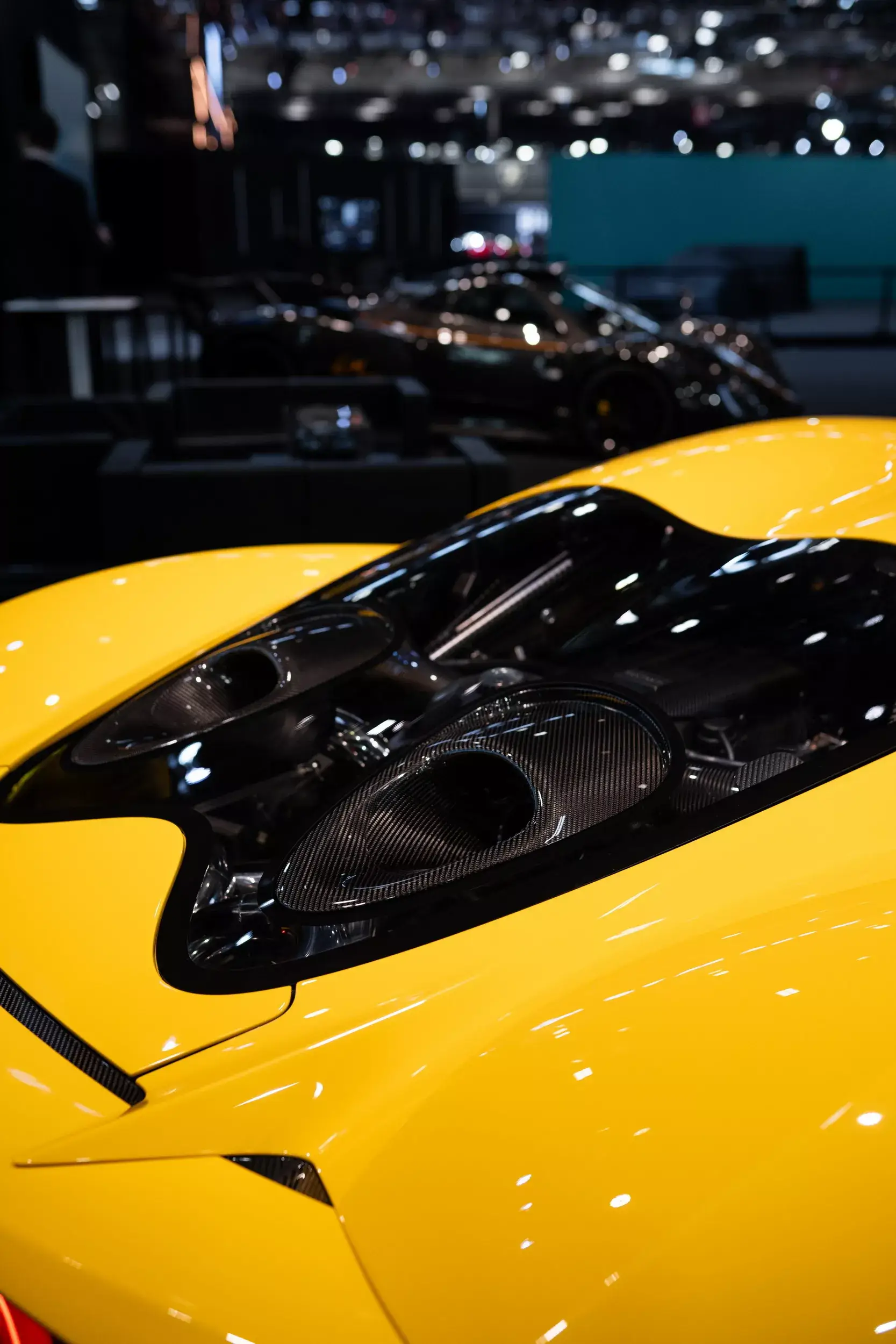
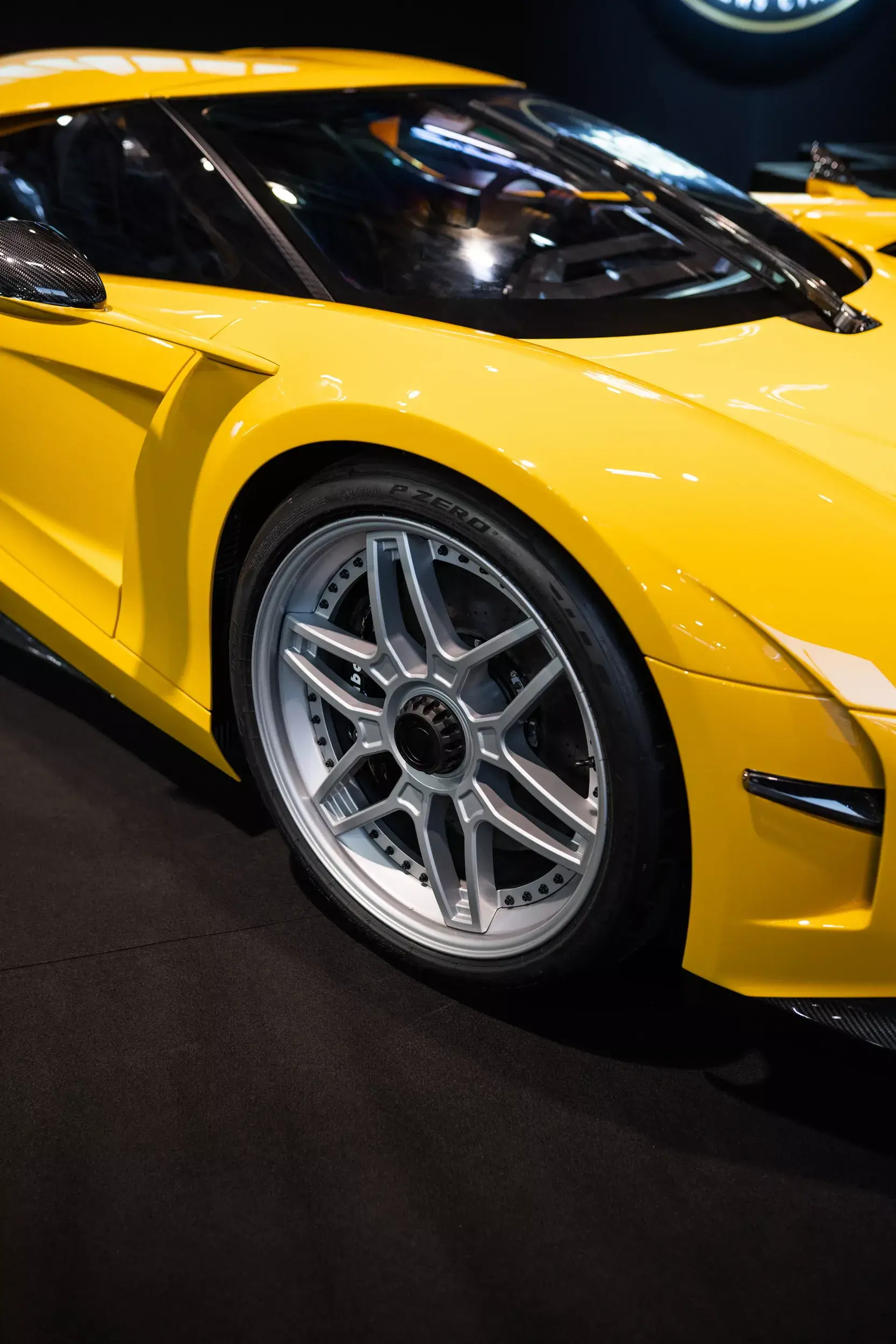
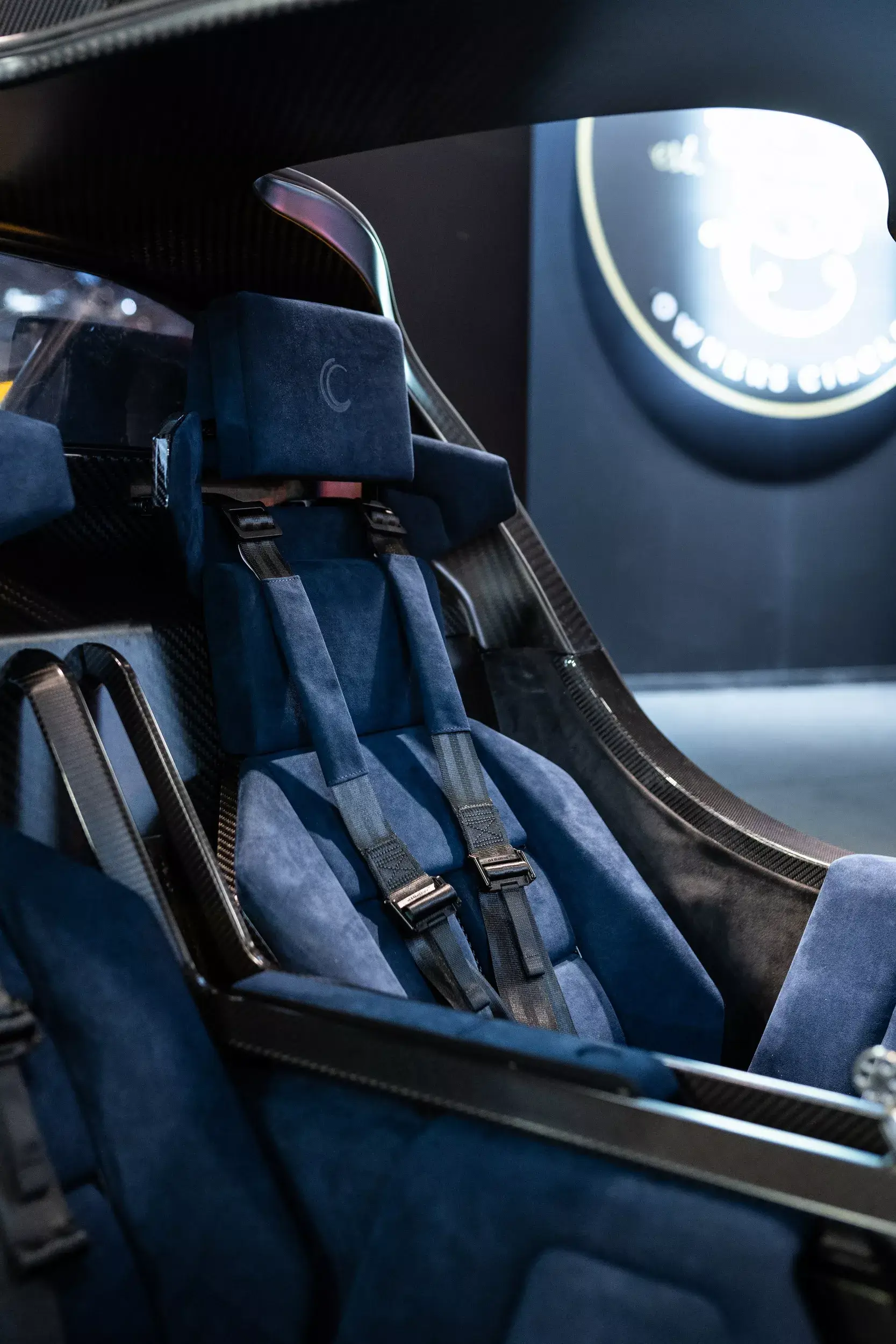
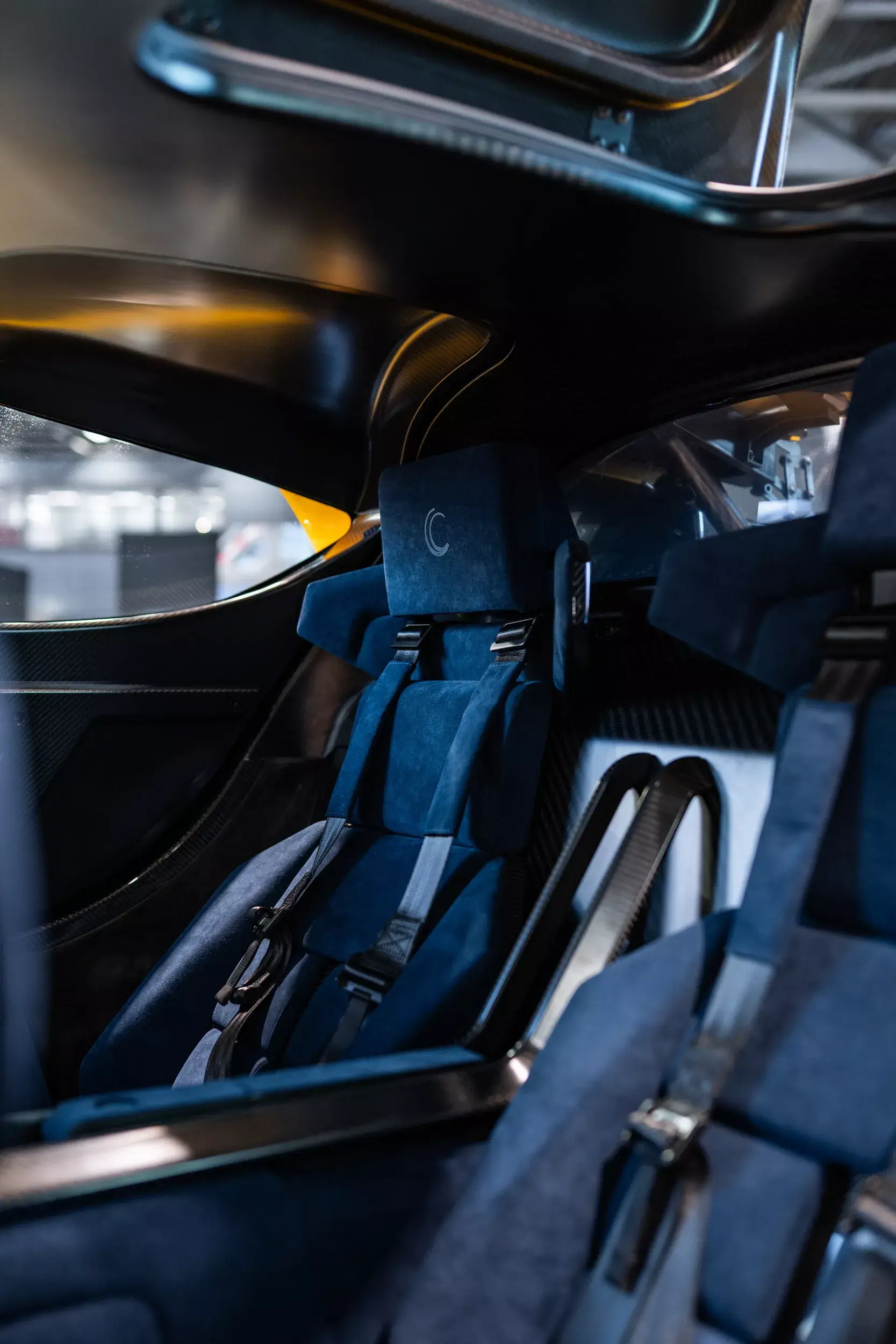
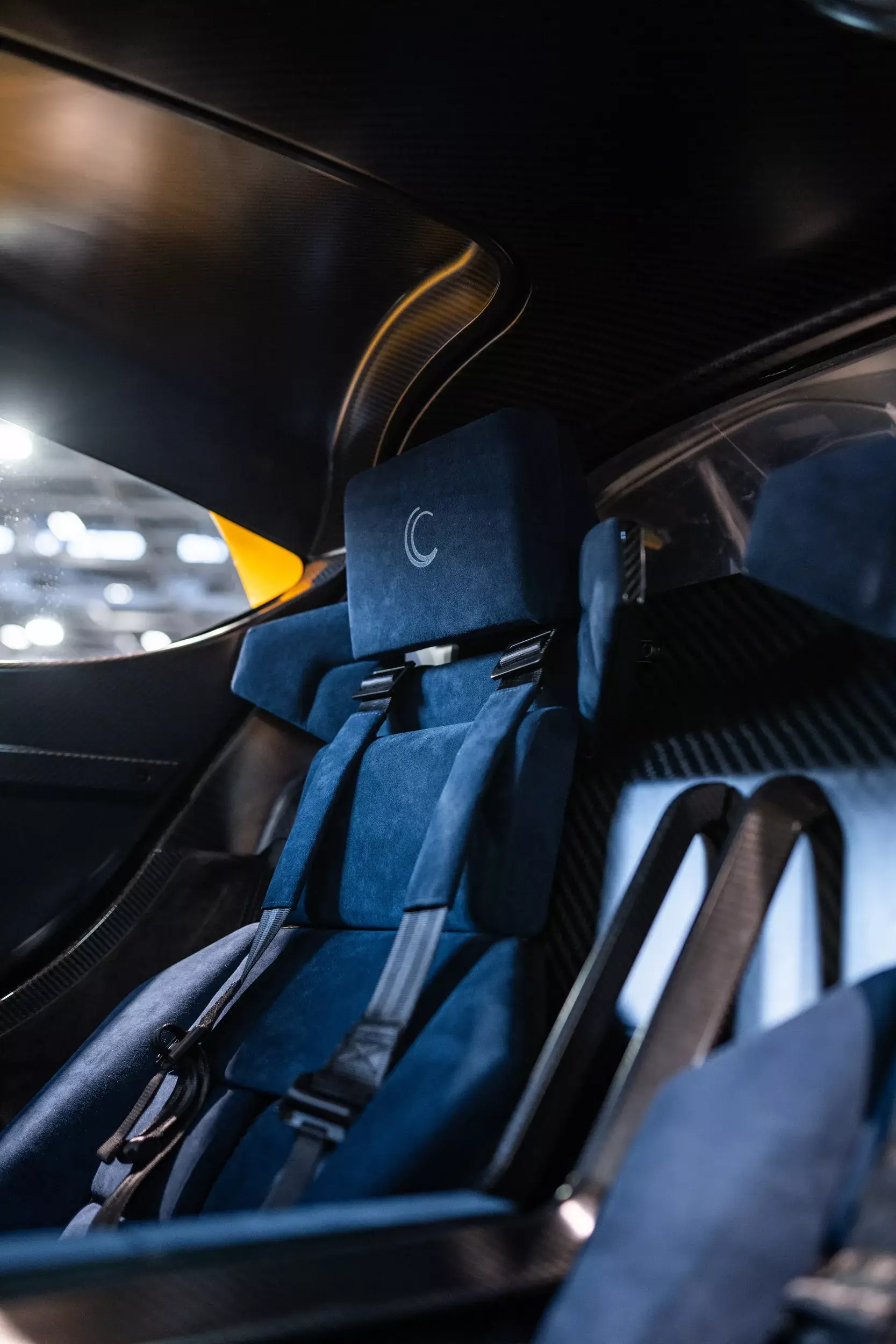
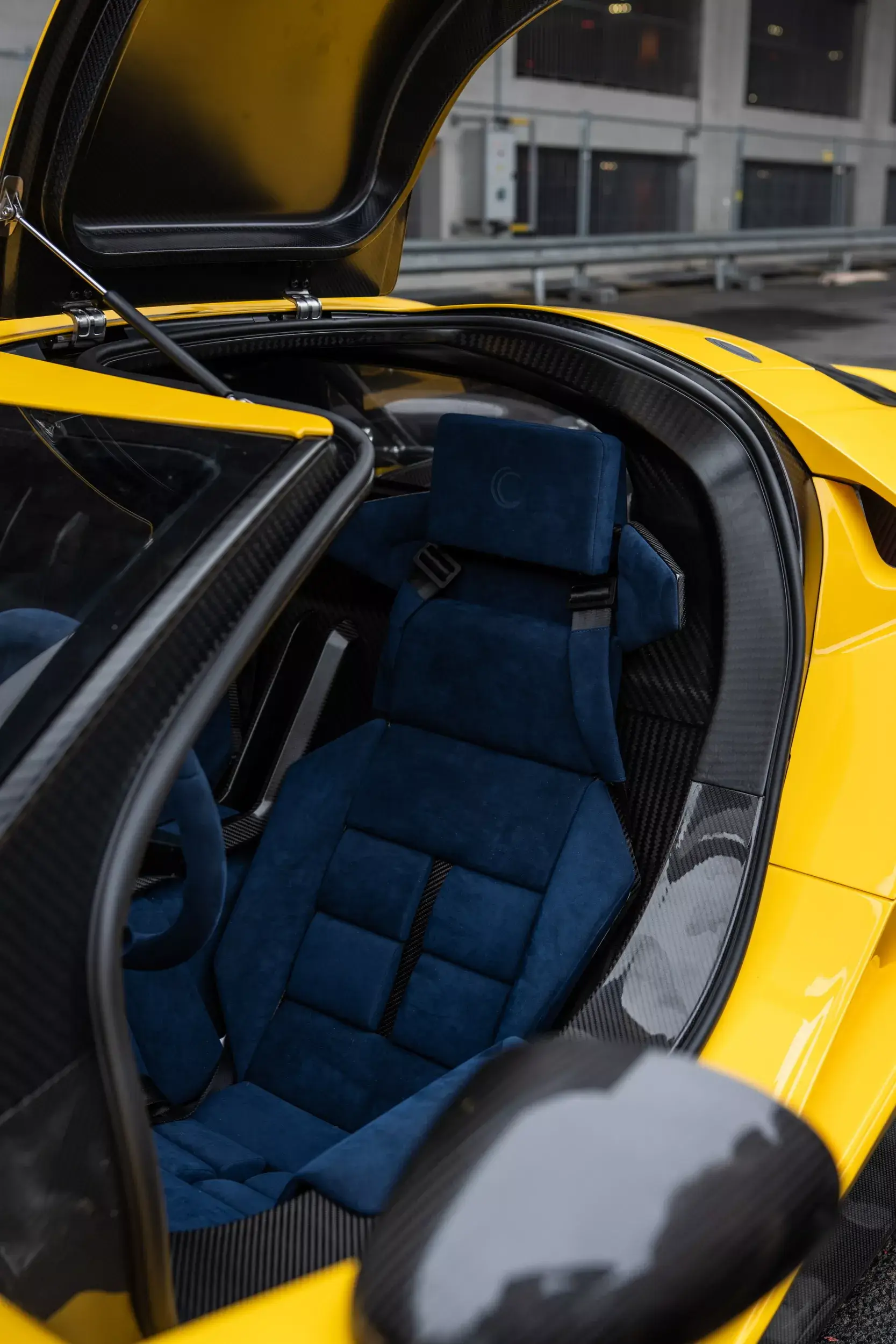
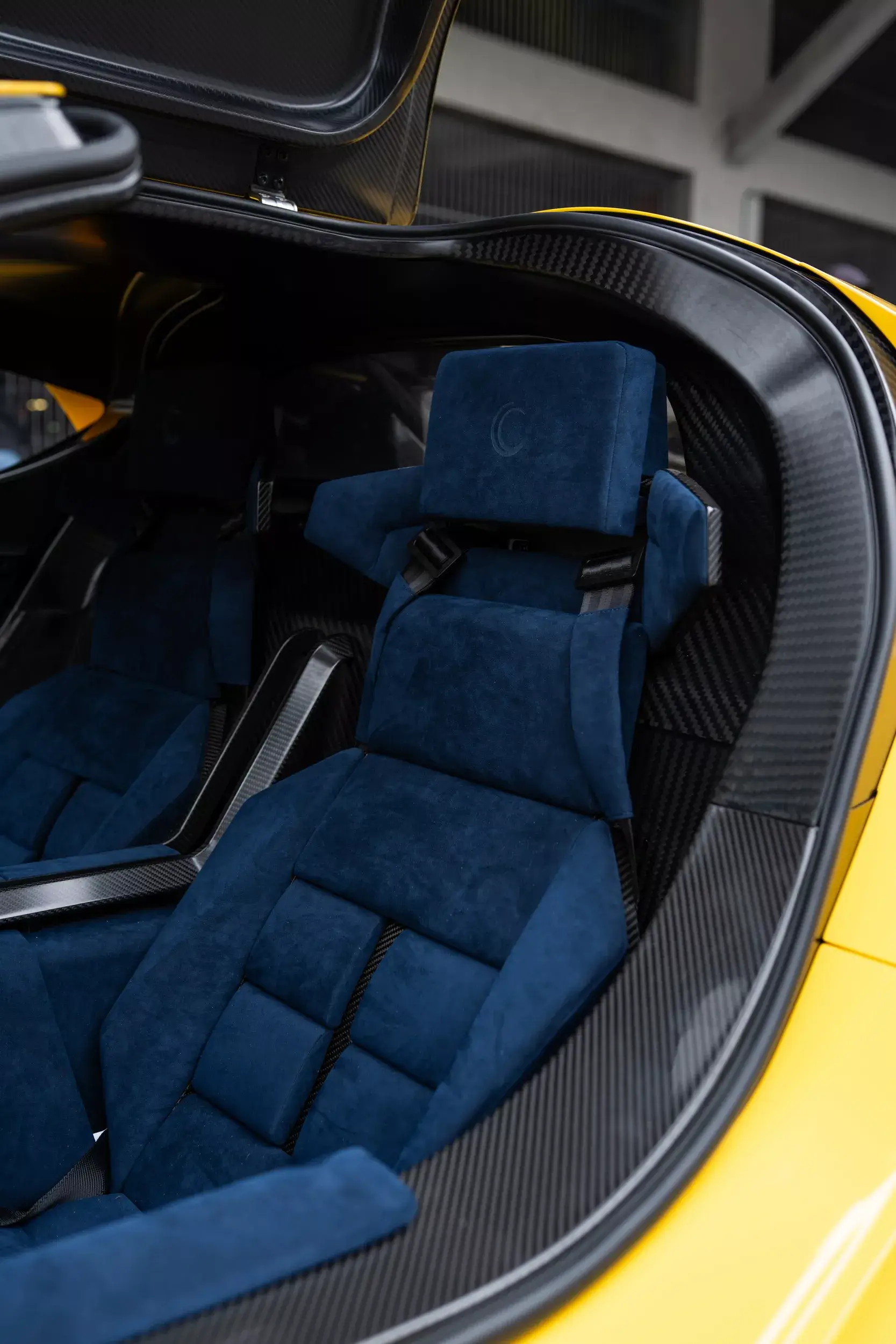
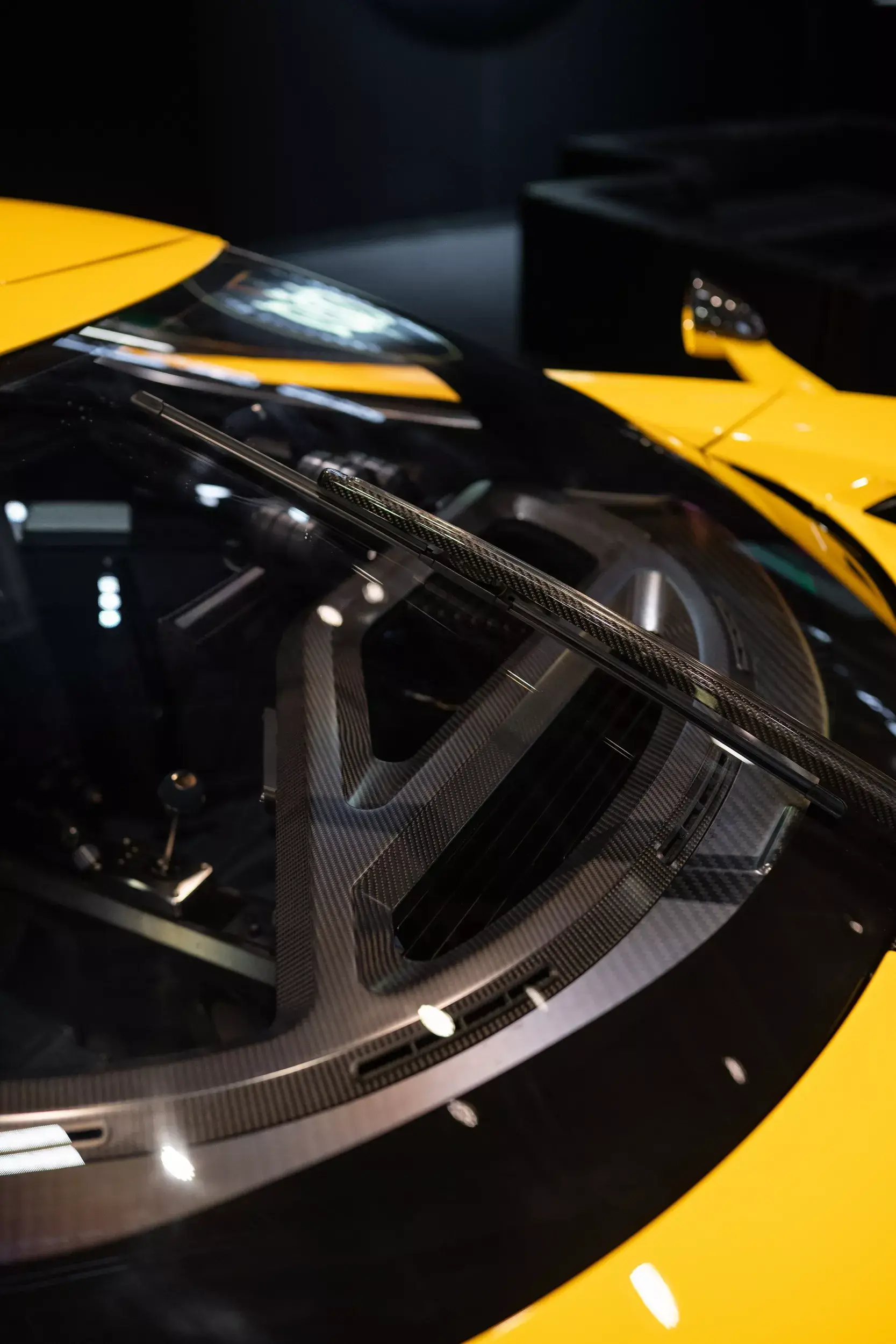
The rear flying buttresses, inspired by legends like the Ford GT, integrate full-width taillights that span the entire width, creating a futuristic-retro look. The structure is a carbon fiber monocoque, light and rigid, keeping the dry weight below 1,200 kg. Prototypes vary in eye-catching colors: the 01 in Knokke Green with a brown interior, and the 02 (exhibited at Retromobile) in Giallo Sole yellow with blue suede.
This aerodynamics is not just aesthetic; it generates substantial downforce without exaggerated spoilers, optimizing airflow for speeds exceeding 360 km/h. In a market saturated with digital hypercars, the Capricorn shines through its organic silhouette, reminiscent of American muscle cars from the 60s fused with European supercars. For fans of extreme customization, it rivals projects like the Koenigsegg Jesko tuned by Mansory, but prioritizes original purity.
| Metric | Value |
|---|---|
| Acceleration 0-100 km/h | < 3 seconds |
| Top speed | 360 km/h |
| Dry weight | < 1,200 kg |
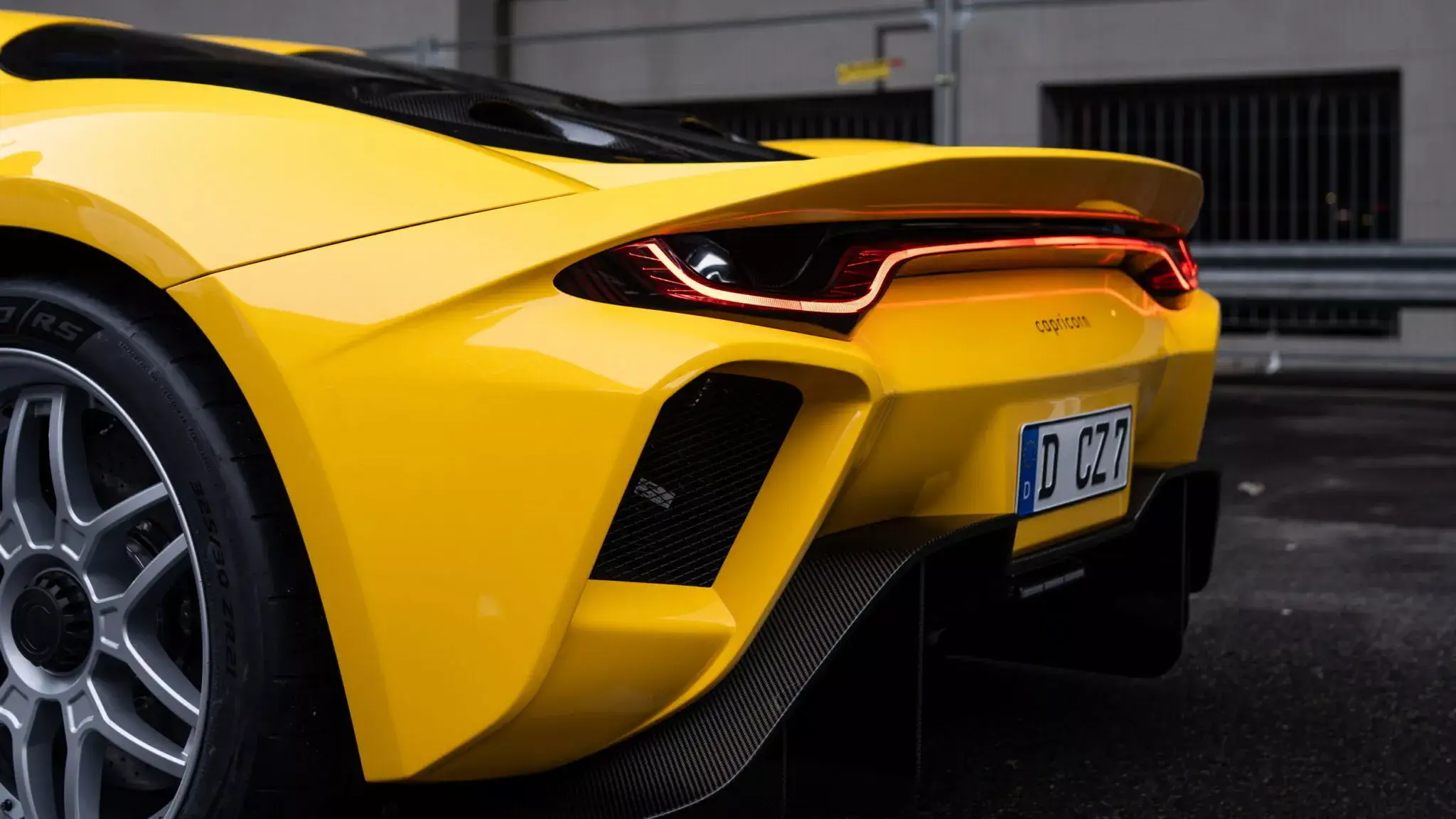
Raw Performance and Analog Interior: 888 HP Supercharged V8 with Manual Gearbox
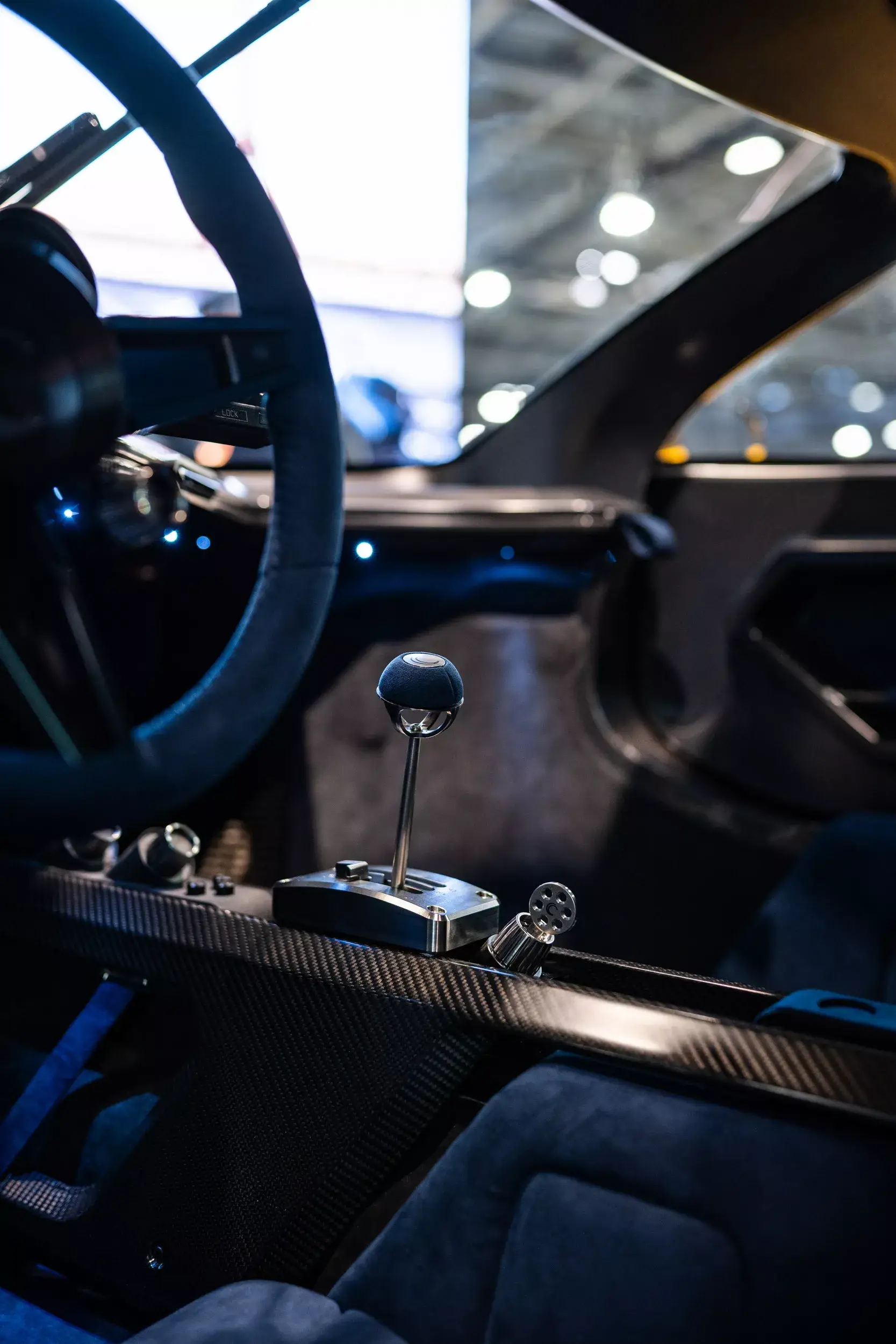
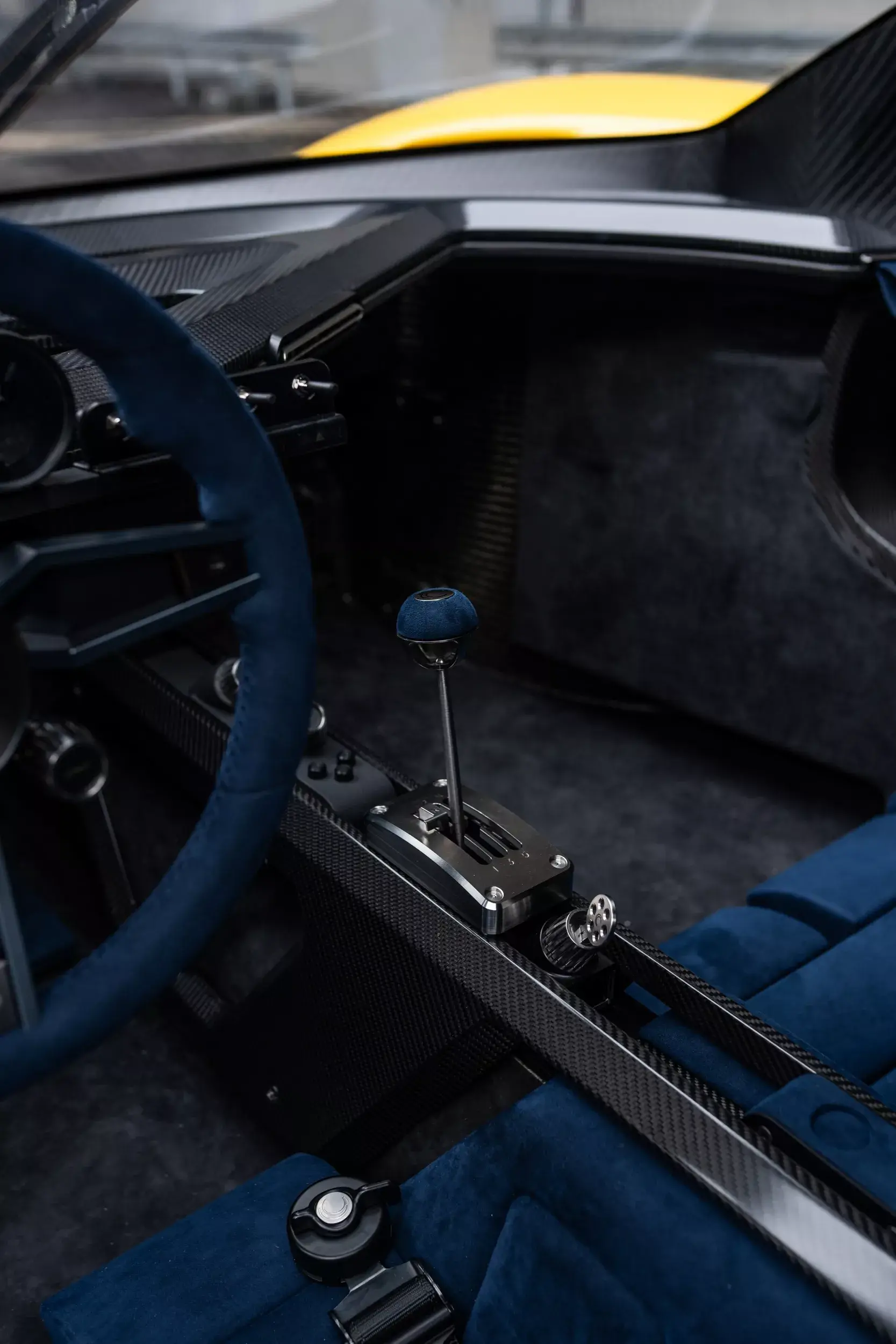
The engine is the star: a 5.2-liter supercharged V8 of American origin, reworked by Capricorn to deliver 888 hp (900 PS) and 1,000 Nm of torque. Mid-mounted, it sends power to the rear wheels via a five-speed manual transmission with a gated shifter—that beloved H-pattern lever purists adore. No dual-clutch or PDK; here, every shift is a tactile experience.
The promised performance is insane: 0-100 km/h in under 3 seconds, top speed of 360 km/h. The carbon chassis absorbs irregularities without compromising rigidity, ideal for track days. Inside, the “stunningly analog” philosophy reigns: physical gauges, a traditional round steering wheel with rotary knobs, no flattened steering wheels or digital clusters. Premium materials include suede, exposed carbon, and ergonomic bucket seats, creating an intimate cockpit for driver and passenger.
This approach contrasts sharply with the excessive digitalization of rivals. While many opt for 50-inch screens, the Capricorn celebrates the mechanical, similar to the spirit of projects like the Singer DLS Turbo based on a classic Porsche. For endurance, its technical foundation echoes the Red Bull RB17, but accessible to a select group off-track. And like the Bugatti F.K.P. Hommage, it celebrates mechanical legacies in a limited edition.
What makes the Capricorn go viral? Its rarity drives resale value—imagine a used unit worth double at auction. For automotive SEO, searches for “manual hypercars 2026” or “new Zagato models” explode, positioning it as a must-know. Capricorn engineers emphasize durability: extensive testing on prototypes guarantees reliability, even with the supercharger screaming at 7,000 rpm.
In summary, the Capricorn 01 Zagato does not follow trends; it creates them. With DNA from Le Mans, F1, and WRC, it redefines analog luxury for a generation that values tactile emotion over pixels. If you dream of the next garage icon, 2026 will be the year to wait—or to reserve the last available slot.