
Want to know why the BYD SONG ULTRA EV is Tesla’s nightmare? Aggressive design, LiDAR, and 0-100 in 4.9s. Check out all the technical details!
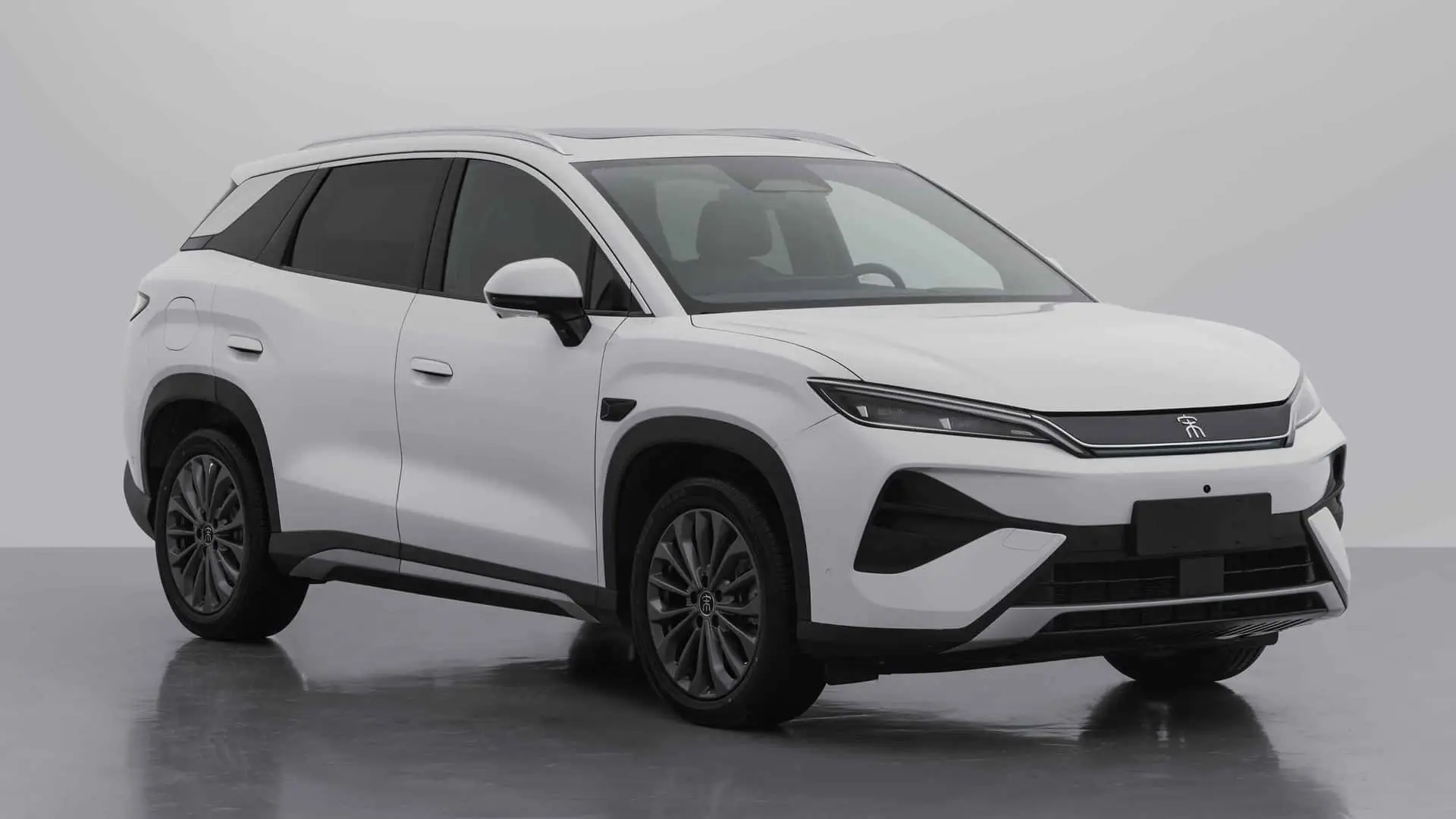
Aggressive Design and Cutting-Edge Technology in the BYD Song Ultra EV
The BYD Song Ultra EV arrives with a visual identity that screams modernity and sportiness, adopting the brand’s new Loong Face language. This imposing front end, with sharp lines on the bumper and slim LED headlights, conveys an aggressive street presence, perfect for those looking for an SUV that doesn’t go unnoticed. With generous dimensions – about 4.85 meters long and a 2.84-meter wheelbase – it offers ample interior space for families or urban adventures, without sacrificing aerodynamics.
Details such as retractable door handles embedded in the bodywork optimize the drag coefficient, contributing to superior energy efficiency. But the real highlight lies in the option for LiDAR on the roof, a high-precision laser sensor that elevates the level of autonomous driving. This feature, common in premium models, allows for advanced ADAS systems, such as 360-degree pedestrian detection and autonomous highway navigation. Compared to rivals like the 2027 VOLVO EX60, which focuses on extreme range, the Song Ultra EV prioritizes assisted performance, positioning BYD as a pioneer in technological accessibility.
- Loong Face: Minimalist front grille with subtle chrome elements.
- Optimized Aerodynamics: Turbine-design alloy wheels for better airflow.
- Premium Interior: Dashboard with panoramic dual screens and soft-touch materials, inspired by accessible luxury.
This aesthetic evolution marks BYD’s transition from “value-for-money” vehicles to premium options, aligning with the global trend of electric SUVs with a strong visual appeal, similar to what we see in models like the WULING XINGGUANG 560.
Impressive Power and Efficiency with Blade Battery
At the heart of the BYD Song Ultra EV is the high-performance electric powertrain, available in two versions: entry-level with around 320 hp and top-of-the-line with an impressive 362 hp. This power allows for a top speed of 210 km/h, figures that rival combustion-engine sports SUVs, but with the instant torque typical of electrics. The 0 to 100 km/h acceleration is expected to be under 5 seconds in the top version, making it ideal for safe overtaking on busy Chinese roads.
Efficiency comes from the iconic LFP Blade Battery (Lithium Iron Phosphate), BYD’s proprietary technology known for superior thermal safety—it resists punctures without fire—and a lifespan of up to 1 million km. Although the exact capacity is still secret, competitive range above 500 km on the CLTC cycle (Chinese standard) is expected, surpassing many competitors in cost per kilometer driven. Fast charging should support 30% to 80% in under 30 minutes with 150 kW stations.
| Version | Power | Top Speed | Battery |
|---|---|---|---|
| Entry | 320 hp | 210 km/h | Blade LFP |
| Performance | 362 hp | 210 km/h | Blade LFP |
This configuration not only ensures performance but also sustainability, with zero emissions and easy battery recycling. For EV enthusiasts, it’s a step ahead compared to hybrids in the Song line itself, echoing innovations like those seen in the KIA NIRO facelift, but with a Chinese focus on massive scale.
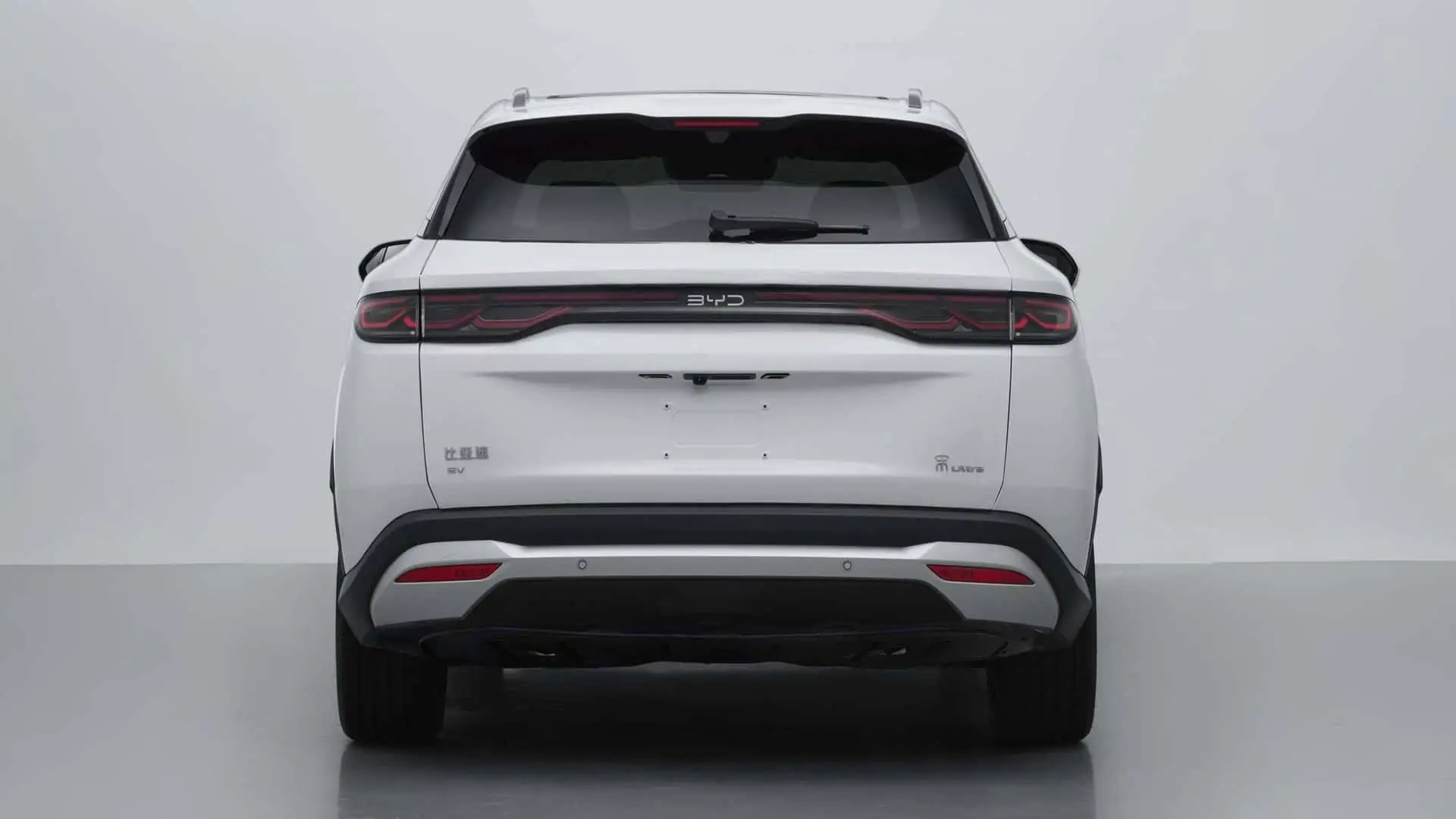
BYD’s Strategy: From China to the World with the Song Family
The BYD Song Ultra EV is not an isolated launch, but the pinnacle of the diversified platform strategy of the Dynasty family. Previously focused on plug-in hybrids like the Song Plus and Song L, the line now embraces pure EVs across various segments: from value-for-money to premium performance. This allows BYD to capture 20-30% of the Chinese mid-size SUV market, where demand for electric vehicles grows 50% annually.
“The Song Ultra EV tests technologies like LiDAR at full scale, paving the way for global exports.” – Automotive market analysts.
In Brazil and Europe, although no date is confirmed, the model signals BYD’s expansion beyond hatchbacks like the Dolphin and Seal. Its emphasis on electric performance may challenge the Tesla Model Y and local rivals, especially with estimated prices below R$ 250,000 in China (equivalent). Diversification by powertrain – EV, PHEV, gasoline – reflects the maturity of the brand, which surpassed Volkswagen in Chinese sales in 2023.
Global prospects are optimistic: with the Blade Battery approved in rigorous international tests, the Song Ultra EV could arrive in 2025-2026, driven by BYD’s vertical supply chain. It exemplifies how Chinese automakers are redefining affordable EVs, similar to the rise of models like the Hybrid RENAULT DUSTER 2026 in India. Keep an eye out: this SUV could be BYD’s next global hit, combining raw power, cutting-edge tech, and unbeatable pricing.
While we await official pricing and real-world tests, the BYD Song Ultra EV is already sparking debates about the future of electric mid-size SUVs. Its arrival reinforces Chinese leadership in sustainable mobility, inviting consumers to rethink what they expect from a family EV.