Discover the Helix engines weighing just 66kg that deliver 1000 HP in the MCMURTRY SPÉIRLING. The revolution of electric hypercars has arrived in full force now.
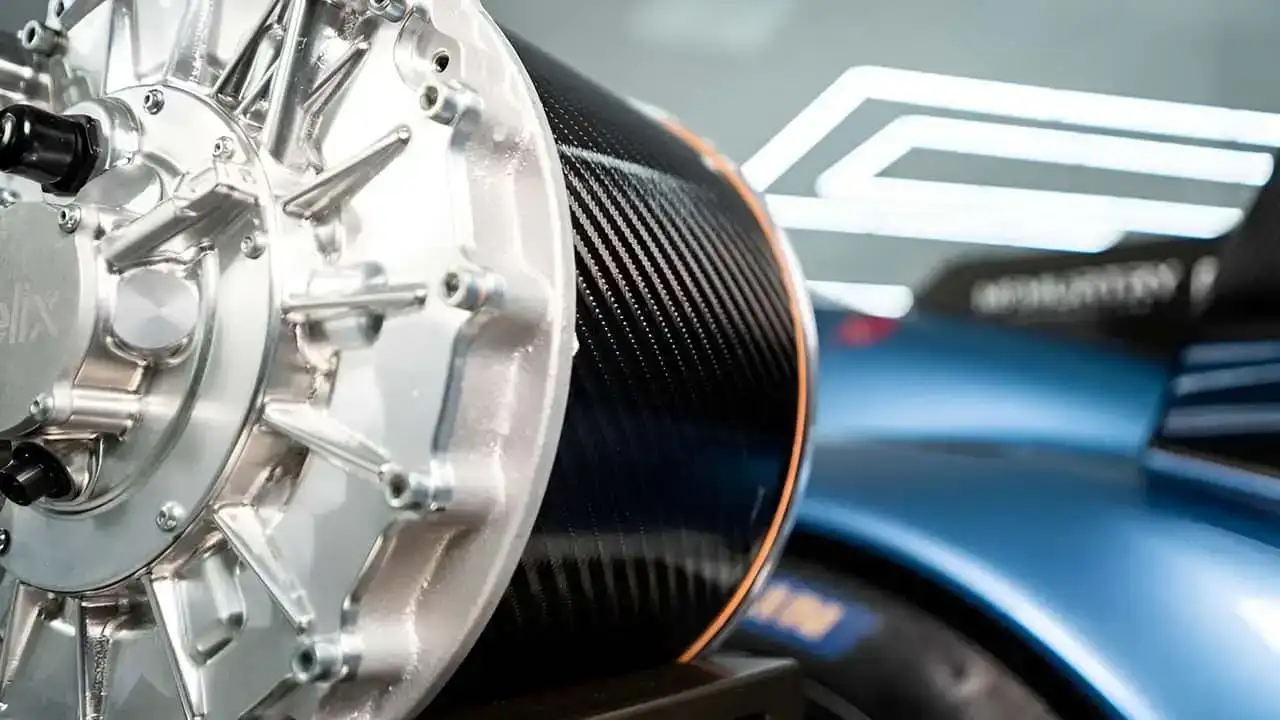
The Helix SPX242-94 Motors: Compact, Lightweight, and Brutally Powerful
At the heart of the McMurtry Spéirling are the two Helix SPX242-94 motors, mounted on the rear axle, representing the pinnacle of British electrical engineering. Each unit weighs an impressive 33 kg, totaling just 66 kg for the entire powertrain – a feat comparable to Formula 1 component lightweight, but with torque and power for real track use.
The combined power reaches approximately 1,000 hp, with each motor delivering around 500 Nm of torque. This power density is achieved thanks to an architecture optimized for high RPMs, allowing the Spéirling to extract maximum performance without sacrificing agility. Unlike conventional electric motors, Helix prioritizes thermal efficiency and compactness, ideal for hypercars where every gram counts.
| Specification | Details |
|---|---|
| Configuration | Two motors on the rear axle |
| Motor weight | 33 kg |
| Torque per motor | ~500 Nm |
| Total power | ~1,000 hp |
| Main focus | Power density and thermal efficiency |
This lightness transforms the vehicle’s dynamics: with optimized weight distribution, the Spéirling maintains perfect balance in extreme corners. To put it in perspective, compare it with other performance electric cars like the MG MG4 EV XPOWER, which impresses with 435 hp in a compact hatch, but the Spéirling elevates the bar to exclusive hypercars.
Helix engineering goes beyond numbers: the design allows for extremely high RPMs without overheating, thanks to advanced materials and innovative cooling systems. This not only maximizes continuous power delivery on long tracks but also paves the way for future applications in more accessible production vehicles.
Extreme Performance and the Revolutionary Active Suction System
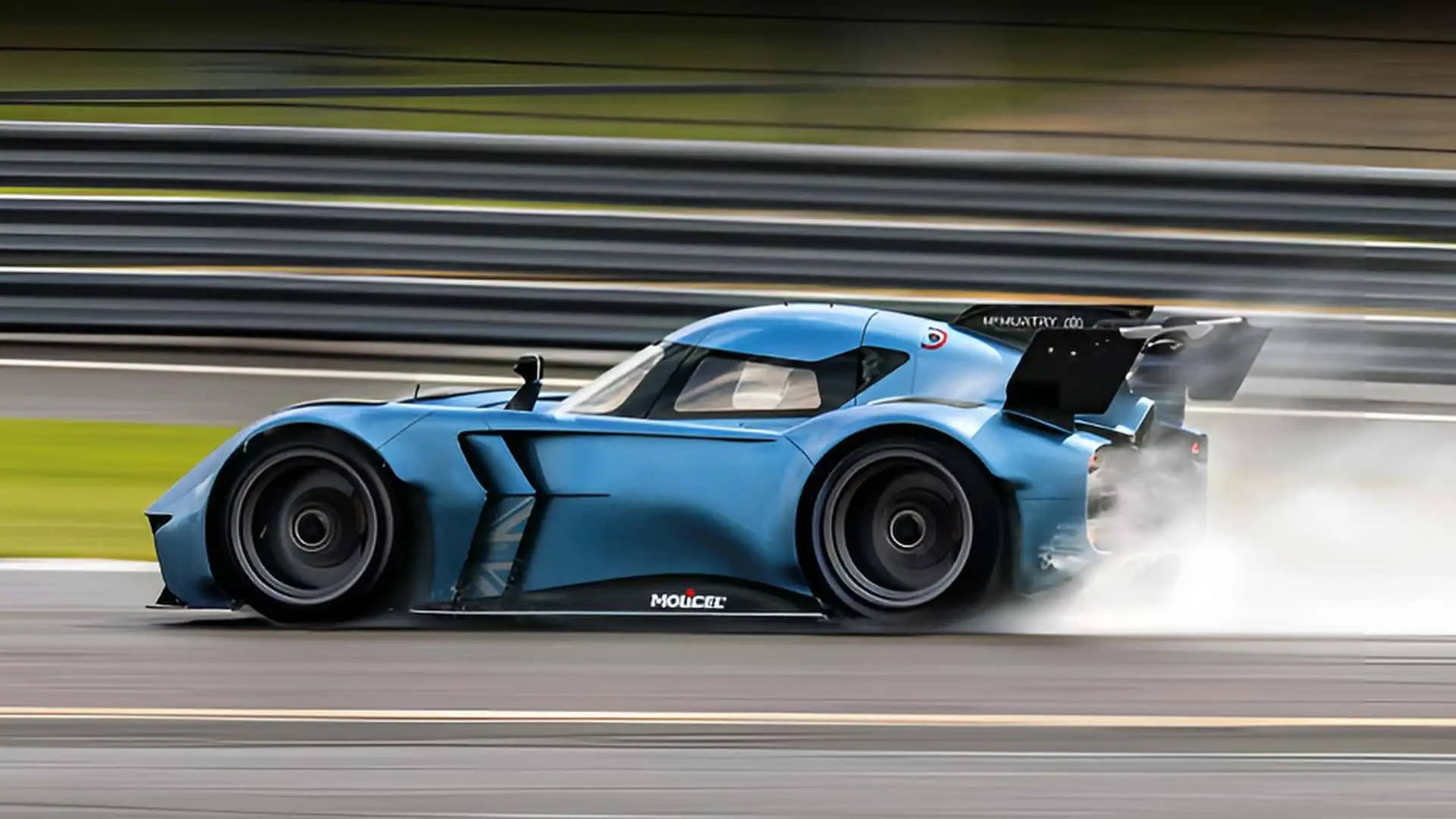
The real show of the McMurtry Spéirling begins with acceleration: 0 to 96 km/h in 1.5 seconds, a time that surpasses even the most agile combustion supercars. This brutality is amplified by the active suction system at the rear, a patented technology that generates mechanical downforce independent of speed.
Unlike passive aerobrakes, which need high speed to operate, the Spéirling’s suction system uses electric fans to create a vacuum under the car, producing massive downforce even at 0 km/h. This means instant grip in corner exits and mountain climbs, where the vehicle has already broken records at events like Goodwood and Pikes Peak.
- Initial acceleration: 0-96 km/h in 1.5s – faster than a PORSCHE MACAN GTS ELECTRIC.
- Downforce: Up to 2,000 kg at low speeds, revolutionizing active aerodynamics.
- Records: Fastest in mountain climbs and closed circuits.
- Silence: Electric power without the roar, focusing on purity of performance.
In real tests, this combination allows the Spéirling to stick to the track like a magnet, surpassing physical limits that other electric hypercars, such as the AUDI S6 E-TRON with its 543 hp, still struggle to reach. The active suction is not a gimmick: it’s engineering that mitigates the typical understeer of rear-wheel electric drive, making the car predictable and addictive in expert hands.
Furthermore, the seamless integration between motors and aerodynamics results in surprising efficiency for a hypercar – sufficient range for full track sessions without constant recharges, a key advantage in a segment obsessed with brute power.
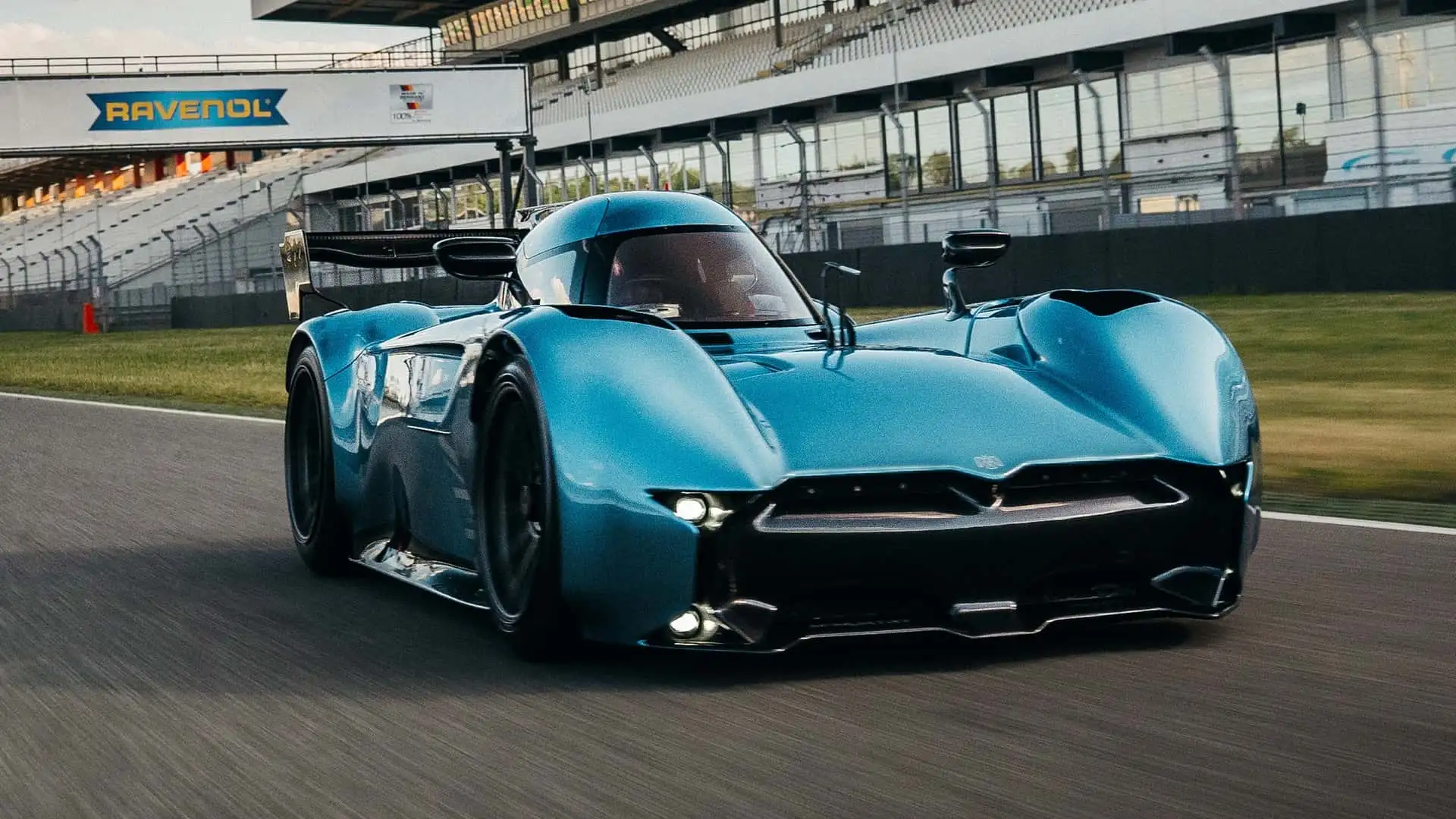
Strategic Impact: From Laboratory to Revolution in Electric Sports Cars
Produced in ultra-limited quantities, the McMurtry Spéirling is not aimed at mass sales but serves as a technology showcase for McMurtry Automotive and Helix. Its legacy lies in knowledge transfer: lightweight, dense motors like the SPX242-94 can inspire future performance EVs, similar to what we see in ZEKR 8X with its 1,381 hp hybrids.
“The Spéirling proves that electric vehicles can be not only efficient and silent but brutally fast and agile, challenging the paradigm that electric power equals excessive weight.” – Helix Engineers.
In the industry, this project counters narratives focused solely on range and cost. It highlights radical engineering: weight reduction in electrical components (66 kg total in the motors) and active aerodynamics position the Spéirling as a pioneer. Expect echoes in street hypercars and even sporty SUVs, where low-speed downforce can increase safety and driving enjoyment.
Compared to rivals like Rimac or Pininfarina, the Spéirling stands out for its technical accessibility – it doesn’t rely on massive batteries but on pure optimization. Its strategic role accelerates EV adoption in professional racing tracks, influencing regulations and future designs.
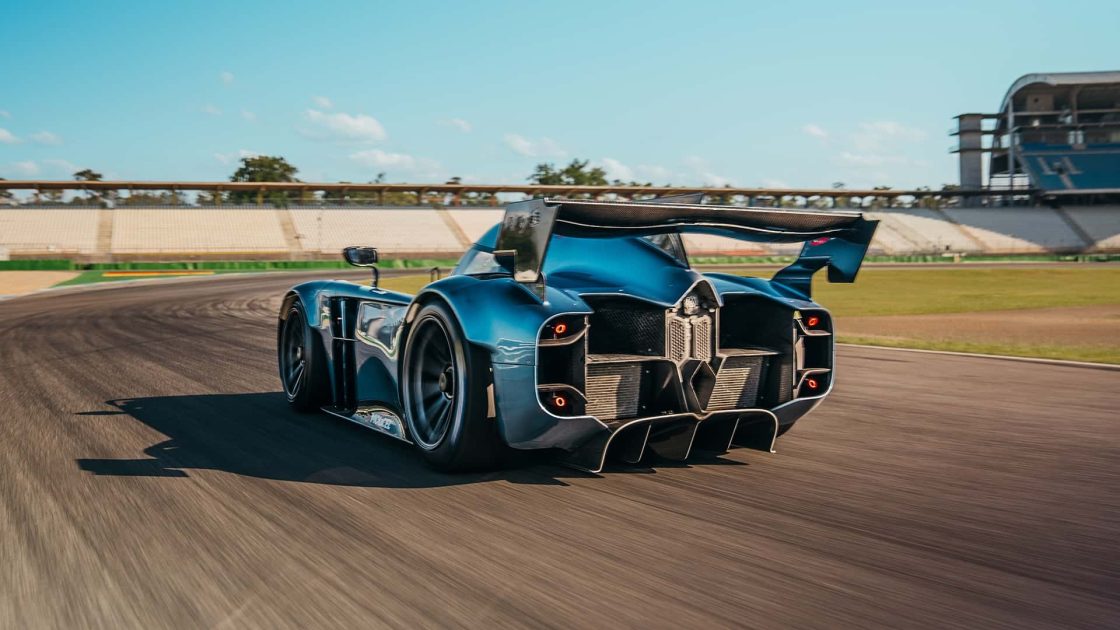
For enthusiasts, the Spéirling is a reminder: electrification does not tame performance; it amplifies it. With record-breaking runs and patented innovations, this British hypercar is already shaping the future of global electric sports cars, proving that the future is light, fast, and addictive.
While mainstream manufacturers advance with models like the TOYOTA C-HR 2026 electric, projects like the Spéirling push the boundaries, ensuring that the electric era is as exciting as the era of classic internal combustion engines.