
Ignoring maintenance seems like “smart saving”… until the day your car decides to charge you with interest, a tow truck, and a bill that hurts more than any service.
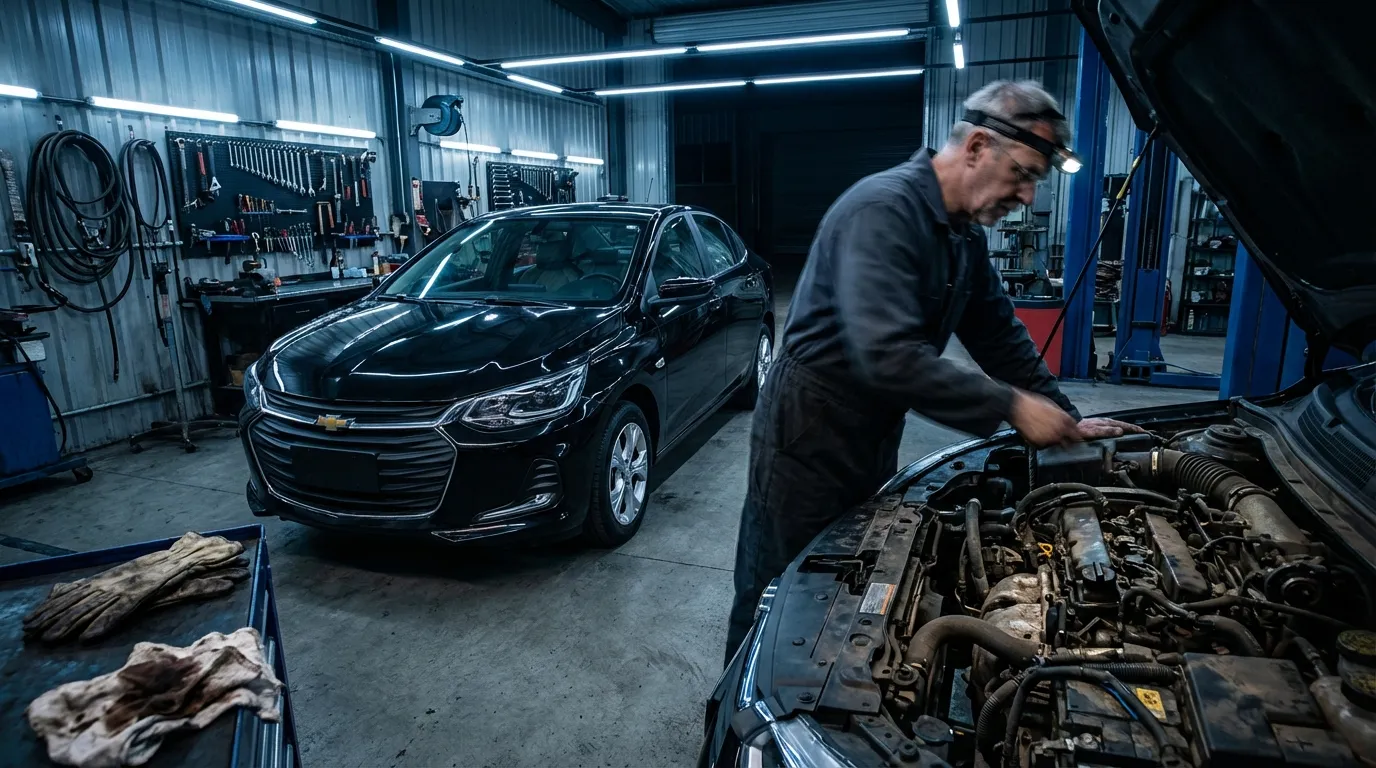
The Maintenance Mistakes That Most Enrich Workshops (And How You Can Cut Them Off at the Root)
If there is a pattern in cars that “fail out of nowhere,” it almost always lies in repeated details: delayed oil changes, poorly maintained tires, forgotten fluids, ignored dashboard warning lights, and noises treated as background music. The predictable result: cheap repairs turn into major repairs, and major repairs become “I almost lost the car.”
Next, you will see the most common mistakes that drain money, reduce safety, and lower resale value. And, most importantly, what simple actions you can take to avoid them.
1) Stretching Oil Change Intervals: Saving That Turns Into Internal Wear and Sludge
Engine oil is not just “a liquid that stays there.” It lubricates, helps cool the engine, and keeps impurities in suspension for the filter to catch. When you frequently go past the recommended interval, the oil loses its protective capacity and can form sludge that clogs internal passages.
In practice: old oil accelerates wear, increases fuel consumption, worsens performance, and paves the way for costly repairs (from the cylinder head to the engine).
How to Avoid Without “Obsessing”: Follow the owner’s manual and adapt based on your usage. If you drive a lot in heavy traffic, make short trips, experience extreme heat or dust, or use the car for work, the engine operates under severe conditions. This usually requires more conservative intervals.
Golden Tip: If you tend to over-inflate your tires based on the sidewall writing, be cautious: the sidewall is not the correct reference for your specific vehicle. Understand the risk here: Why Inflating Your Tire to the Sidewall PSI Is a Bad Idea for Optimal Safety.
2) Tires: Incorrect Pressure and Lack of Rotation Drain Money (and Increase Risk)
Tires do not “wear out all at once.” They degrade gradually, and by the time you realize it, you are paying twice: in fuel consumption and premature replacement costs.
- Low Pressure: The tire flexes too much, overheats, wears excessively on the edges, and can increase the risk of bulges or blowouts.
- Too High Pressure: It wears down in the center tread, worsens ride comfort, and can reduce grip in certain conditions.
- No Rotation: Front tires (on most vehicles) suffer more wear and degrade faster, leading to instability and forcing uneven, costly replacements.
How to Avoid: Check pressure with cold tires (preferably in the morning) and adhere to the vehicle’s placard (located on the driver’s door jamb, fuel filler door, or manual). Rotate tires at recommended intervals. And don’t rely solely on the “eye”: a low tire sometimes still looks normal.
Want to go beyond the basics and understand a detail many people don’t even imagine? See how the industry evolved to reduce risks and improve reliability: Why Tires Abandoned Inner Tubes for Tubeless Technology: The Revolution That Saved Drivers.
3) “Lifetime Fluid” Is a Risky Phrase Outside of Marketing
Some manufacturers promote the idea of fluids designed to last “for a lifetime.” The problem is: whose lifetime? Often, this “lifetime” aligns with the warranty period or an overly optimistic usage horizon.
In real-world driving, fluids degrade due to:
- Temperature (heating and cooling cycles)
- Oxidation (loss of protective properties)
- Contamination (particles, moisture, and residues)
The main forgotten fluids that often turn into nightmares:
- Transmission Fluid: Degraded fluid increases wear, heat, and can cause shifting issues.
- Brake Fluid: Absorbs moisture over time, losing its resistance to heat, and actively promoting corrosion within the system.
- Coolant (Antifreeze/Coolant): Ages, can become acidic, and attack internal cooling system components.
How to Avoid: Use the manual as your primary reference and perform periodic inspections. For newly purchased used cars, it’s worth establishing a “baseline”: check and renew essential fluids if necessary to start with a fresh, safe maintenance record.
4) Ignoring Dashboard Lights: The Most Expensive Way to Say “No Time Now”
A lit warning light on the dashboard is neither decoration nor “sensor fuss.” It is an early warning system. The trick to smart maintenance is simple: resolve the issue while it is still small.
- Check Engine Light: It could indicate something minor, but it can also signal faults that destroy the catalytic converter and significantly increase fuel consumption.
- ABS Light: Sometimes it’s just a faulty sensor, but driving without ABS assistance drastically changes emergency braking behavior.
- TPMS (Tire Pressure Monitoring System): Often indicates low pressure. Ignoring it can lead to destroyed tires and real danger.
How to Avoid: When a light illuminates, read the diagnostic code using a scanner (at a shop, auto electrician, or with your own reliable scanner) and prioritize fixing it. Even if the car seems to be “running fine,” you may be accumulating severe, hidden damage.
5) Brakes Squealing and Squeaking: When Cheap Parts Lead to Rotor, Caliper, and Scare Costs
Brake pads are designed to wear out. Many modern cars feature wear indicators that beep or squeal when the pads are nearing their limit. This sound is a direct warning: “Replace now and pay less.”
When ignored, the wear can reach the metal-on-metal stage, which destroys the brake rotor, increases braking distances, and can cause caliper overheating. The repair bill rises dramatically, and safety plummets.
If you want to skip the overkill and understand when it makes sense to replace only the front pads versus all four, review this straightforward guide: Replacing All Four Brake Pads or Just the Front Ones? Discover if It’s an Overreaction from Auto Repair Shops.
How to Avoid: Don’t wait until the noise becomes excessive. Inspect brakes at every service appointment, and pay attention to vibration upon braking, a soft pedal feel, persistent noises, or the car pulling to one side.
6) Timing Belt (or Chain): The Invisible Item That Can Destroy the Engine
If your engine uses a timing belt, it has a defined service life based on mileage or time. When a timing belt breaks, the resulting damage can be catastrophic, especially in “interference” engines (where pistons and valves can collide).
How to Avoid: Consult the manual and verify the vehicle’s service history. For a used car lacking documentation, treat the timing belt replacement as a critical, pending issue. Don’t forget the “correct combo”: replace the belt, tensioners, and often the water pump simultaneously (depending on the engine design).
| Item | What Many Do | What Works Best |
|---|---|---|
| Timing Belt | “It’s working, I’ll check later” | Replace strictly by mileage/interval and with the correct service kit |
| Brake Fluid | Forget about it for years | Renew periodically to prevent moisture absorption and corrosion |
| Tires | Replace only when completely bald | Maintain proper pressure, regular rotation, and alignment when necessary |
7) Small Leaks and Aged Hoses: The Beginnings of Overheating
A small fluid leak rarely stays small for long. A loose clamp, a dried-out hose, or a radiator with micro-cracks can quickly lead to severe overheating. Overheating is one of the fastest routes to blown head gaskets, warped components, and extremely costly damage.
How to Avoid: Regularly check fluid reservoir levels, look for puddles or stains on the ground beneath the car, and monitor for unusual smells (sweet smells indicate coolant; burnt oil smells indicate leaks dripping onto hot engine parts). Request a visual inspection of hoses during all services and do not delay replacing cracked or brittle hoses.
8) Overly Cheap Parts and “Any” Fluid: The False Economy That Causes Rework
There are excellent aftermarket parts available. And then there are parts that are “too cheap to be true.” The problem is that safety and durability components suffer significantly when the purchasing decision is based solely on the lowest possible price.
- Poor Quality Filters: Filter less effectively, clog quickly, and can compromise the protection of vital systems.
- Generic Brake Pads: May squeal constantly, crumble under stress, lose stopping efficiency, and rapidly damage the brake rotor.
- Off-Specification Fluids: Can cause erratic system behavior, noise, accelerated wear, and premature failures across multiple components.
And there’s a silent scam many discover too late: counterfeit parts. If you want to understand this risk in depth (and how to identify fakes), here is a warning worth every minute of your time: Fake Spark Plugs: The Invisible Scam That Can Destroy Your Engine and Empty Your Wallet.
How to Avoid: Purchase parts from trusted, established suppliers, demand proper receipts, use recognized and specified brands, and strictly adhere to the manual’s specifications (viscosity, standards, DOT ratings, etc.). “Almost the same” is a phrase that almost always leads to a high repair bill later.
9) Driving with Low Oil or Coolant Levels: The Shortcut That Kills the Engine
If the oil pressure light illuminates, or the engine temperature gauge spikes, continuing to drive “just home” can instantly turn a minor leak into a completely seized, lost engine. Without oil, there is zero protective film between moving parts. Without cooling, temperatures skyrocket, leading to warping and catastrophic failure.
The tow truck may seem expensive today. But it is almost always the cheapest option the day the red warning light appears.
How to Avoid: Make it a habit to check fluid levels (oil and coolant) regularly, and treat any change in vehicle behavior seriously: fluctuating temperature, rapid overheating, smoke from the engine bay, strong smells, or sudden loss of power.
10) “DIY” Without Proper Tools and Procedures: When Fixing Turns Into a Worse Problem
Performing maintenance yourself can certainly save money. However, there is a clear dividing line between simple upkeep and repairs that require specific torque settings, the correct specialized tools, and established procedures.
- Oil drain plug over-tightened (stripping the threads)
- Ignition coil installed crookedly, damaging the spark plug well thread
- Auxiliary belt mounted incorrectly, leading to premature failure of the water pump or alternator
How to Avoid: Only attempt DIY work on procedures you fully master, using technical manuals and appropriate tools (especially a calibrated torque wrench). Do not improvise. If you have genuine doubts about a complex task, paying for a professional diagnosis is often cheaper than paying to fix a mistake.
11) Ignoring Recalls and Technical Campaigns: Leaving Free Repairs on the Table
There is a category of maintenance that many owners neglect out of sheer carelessness: recalls and technical service campaigns. Recalls concern critical safety or emissions items and are legally required to be performed free of charge by the manufacturer. Even minor campaigns and software updates can prevent recurring failures.
How to Avoid: Check your vehicle’s Chassis Number (VIN) through official manufacturer channels and do not treat recall notices as junk mail or spam. Sometimes, they represent a potentially costly repair being offered completely free.
12) Not Keeping a Maintenance History: You Lose Money on Resale (Even with a Great Car)
Your car might be in excellent mechanical condition, but without proof, the market perception often becomes: “Was this car properly maintained?” Perception directly influences the selling price. Invoices, service stamps, and an organized history build buyer confidence and justify a higher asking price.
How to Avoid: Keep every maintenance record, whether physical or digital. If you use a vehicle management app, even better. If you bought used, invest in a pre-purchase or post-purchase inspection to establish a clear baseline of what has been done and what is still pending.
If you want a quick, actionable checklist to keep top of mind, here it is:
- Oil and filter changed strictly on schedule
- Tires maintained at proper pressure and rotation up to date
- Fluids inspected according to specifications (avoiding “universal” products)
- Dashboard warning lights addressed immediately
- Brakes serviced before prolonged warning noises appear
- Timing belt replaced by documented interval, not guesswork
- Leaks fixed while they are still small issues
- Parts sourced only from trusted suppliers (actively avoiding counterfeits)
- Recalls verified and addressed
- Maintenance history meticulously preserved
Ultimately, the secret to avoiding financing the next major repair bill for the workshop isn’t paranoia: it’s consistency. The car rewards routine maintenance with predictability, and it punishes neglect with expensive surprises.