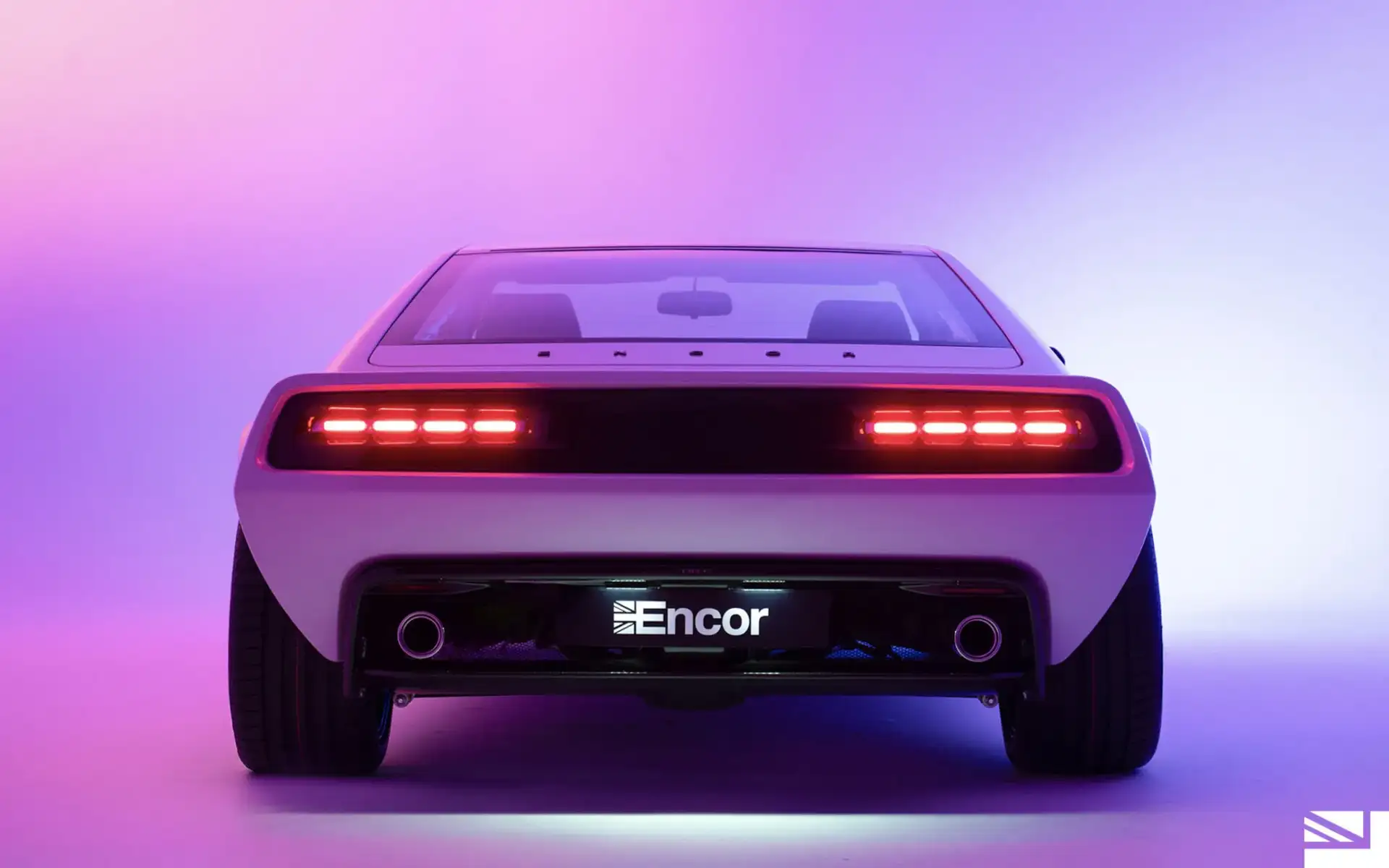
Tradition beats trends in LOTUS ESPRIT with 400 HP, manual gearbox and a $570,000 price. Discover what makes it special now!
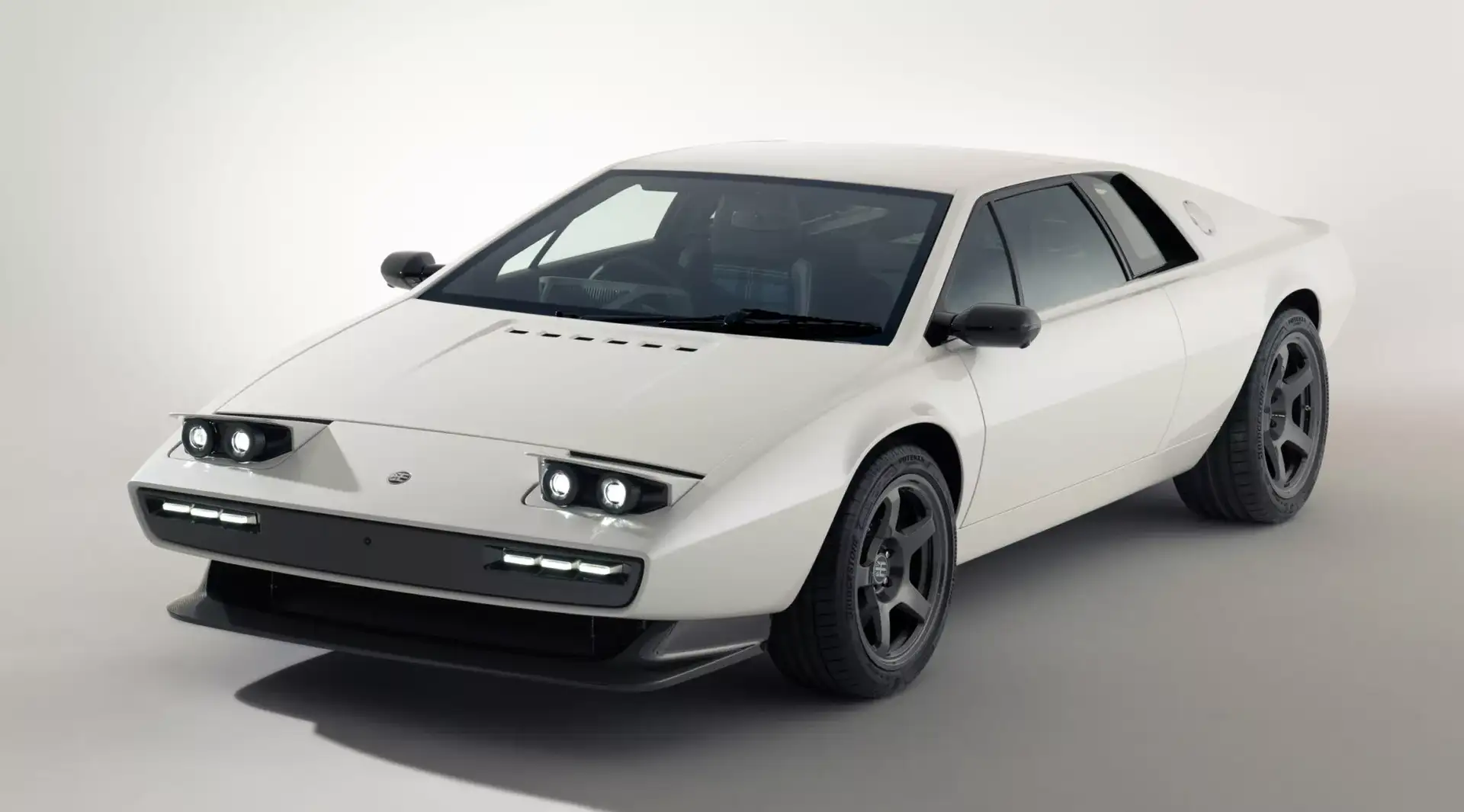
Some cars chase lap times, others chase software updates, but Encor’s reborn Lotus Esprit is chasing something much rarer mechanical drama, raw feedback, and the kind of V8 soundtrack many modern supercars have traded away.
Why The Encor Lotus Esprit Is Getting So Much Attention
The headline alone is enough to ignite debate across the enthusiast world. Encor’s reimagined Lotus Esprit starts at £430,000, roughly $570,000, and that figure does not even include the donor car. For that money, a buyer could walk into a Ferrari showroom and come dangerously close to taking home two new front-engined Italian grand tourers. Yet price is only part of the story. What makes this project irresistible to collectors and analog driving purists is that Encor has not simply restored an old Lotus. It has rebuilt the Esprit into something that tries to preserve the soul of the original while fixing many of the weaknesses that came with 1970s and 1990s engineering.
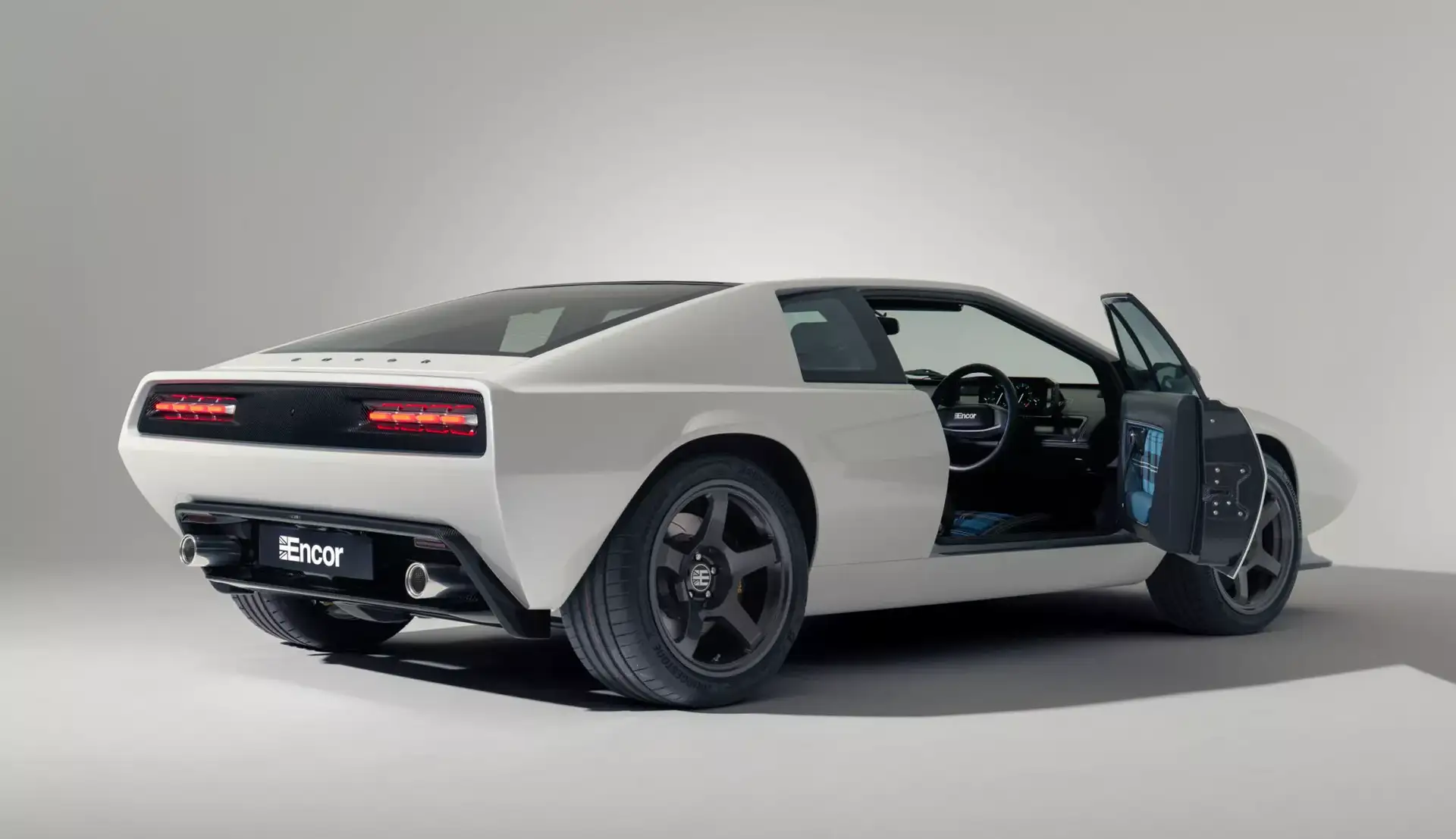
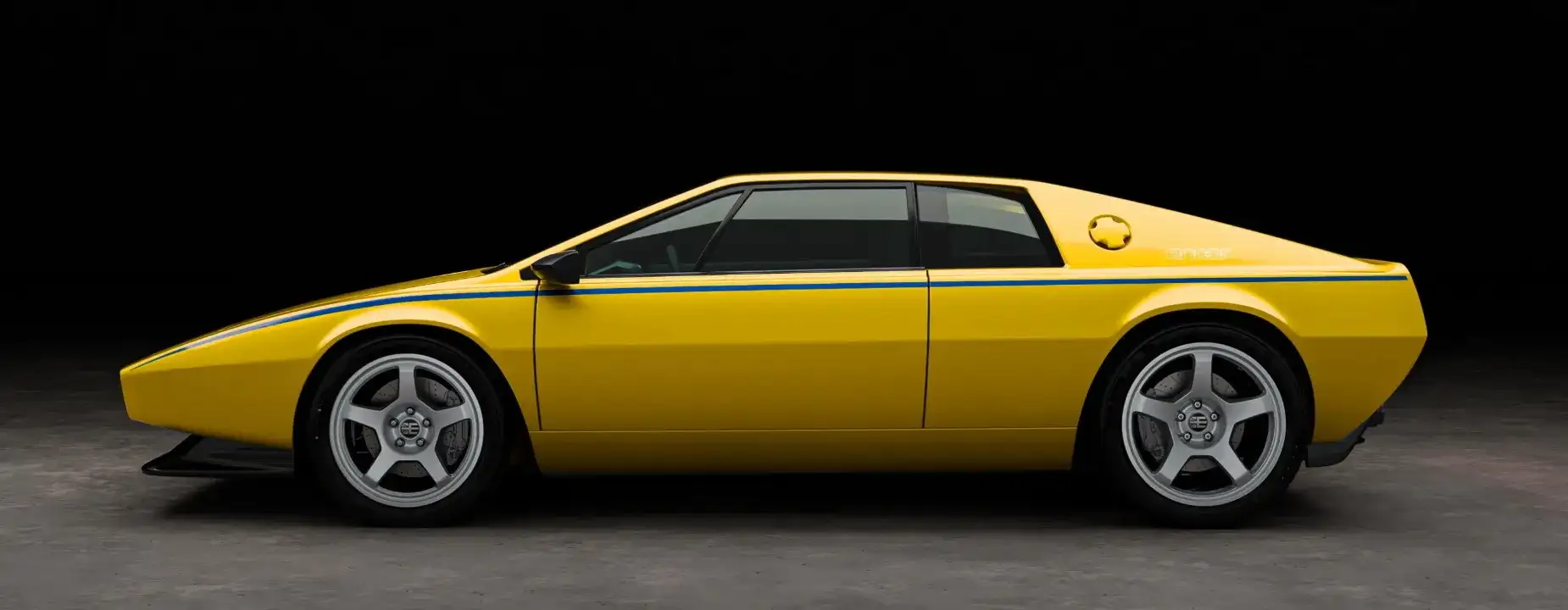
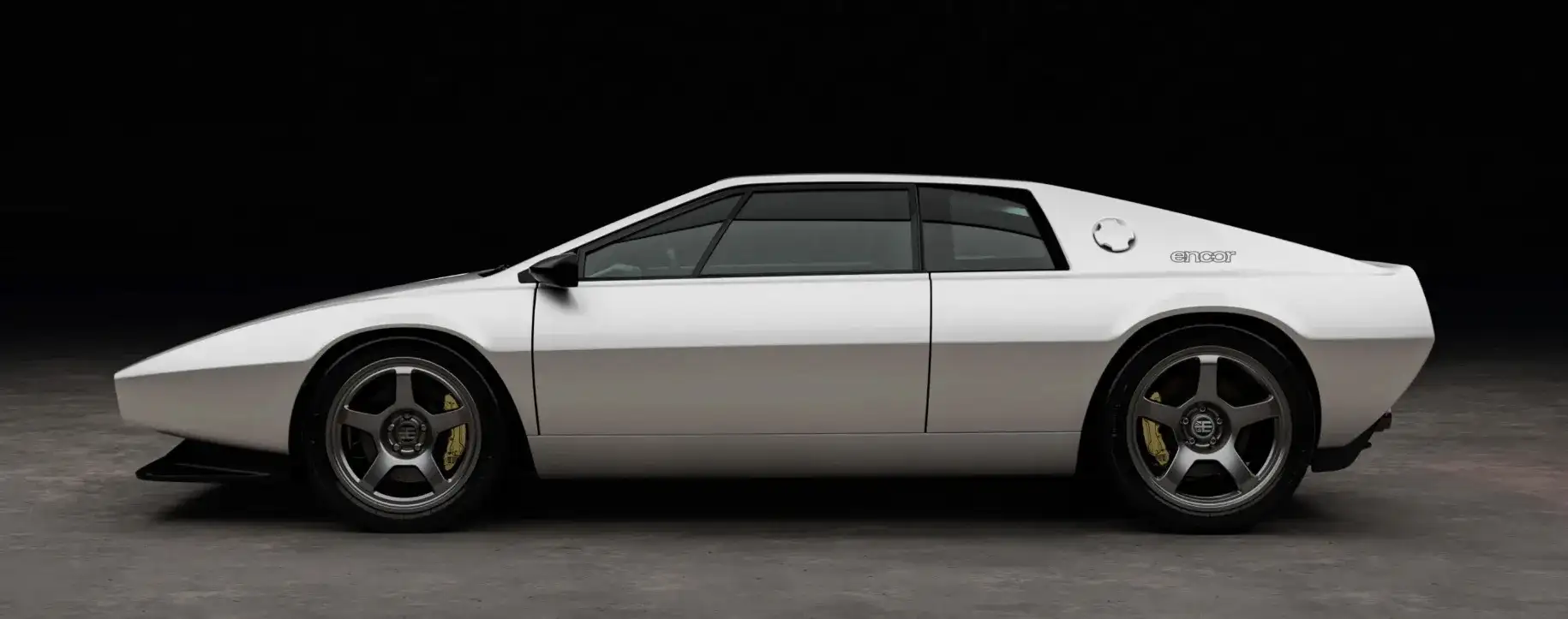
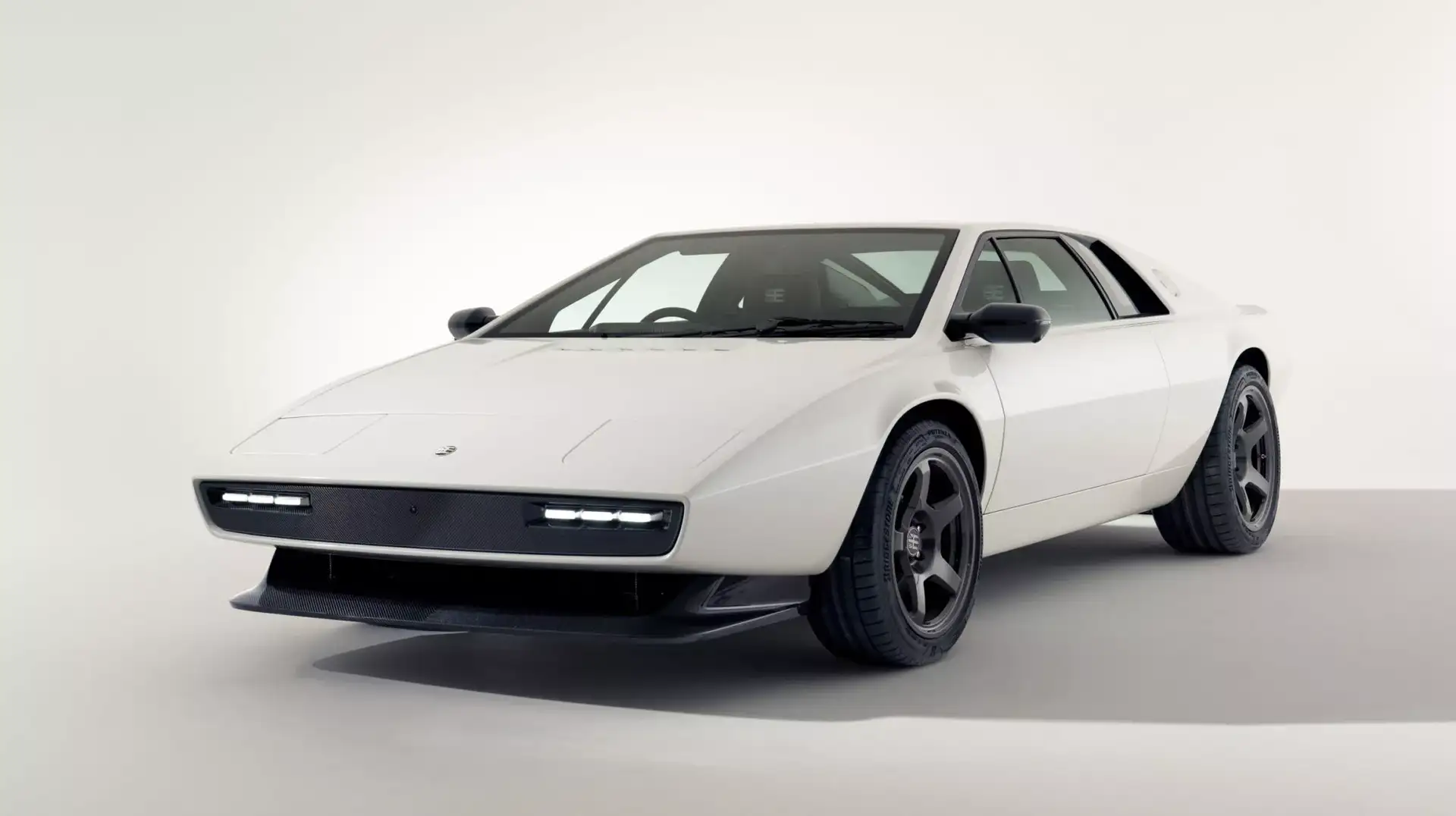
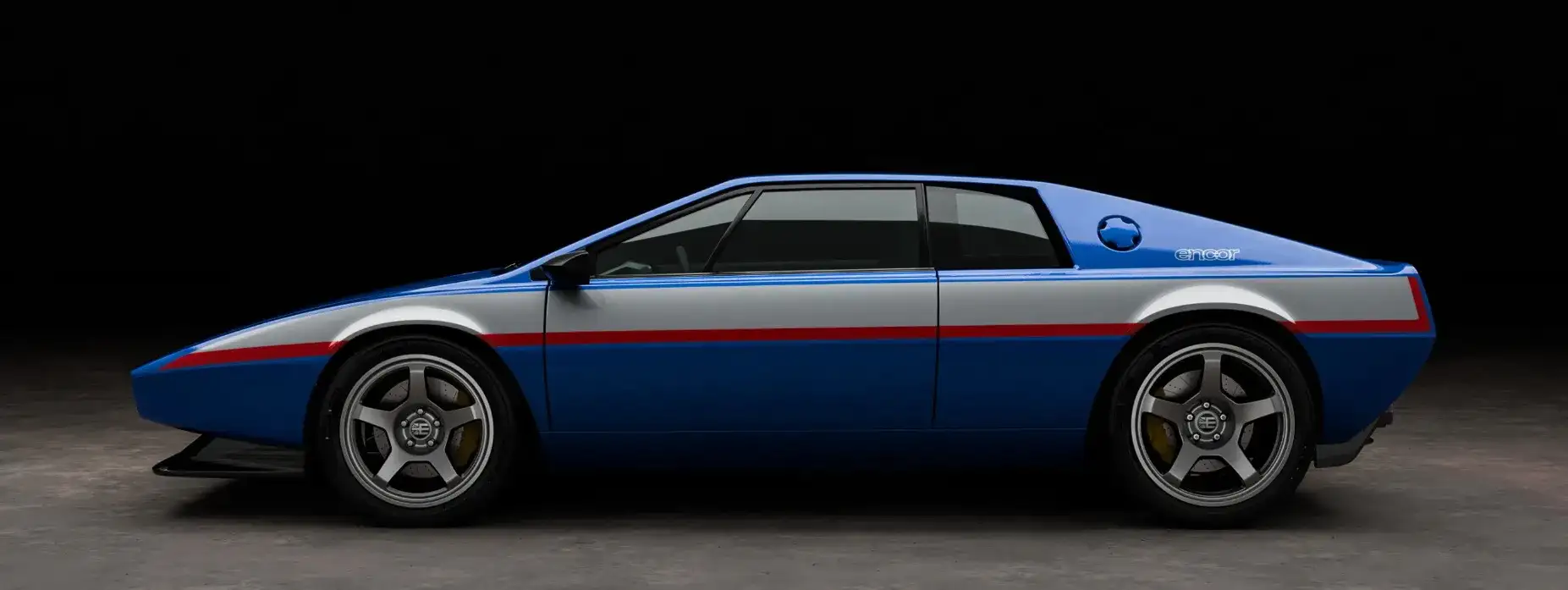
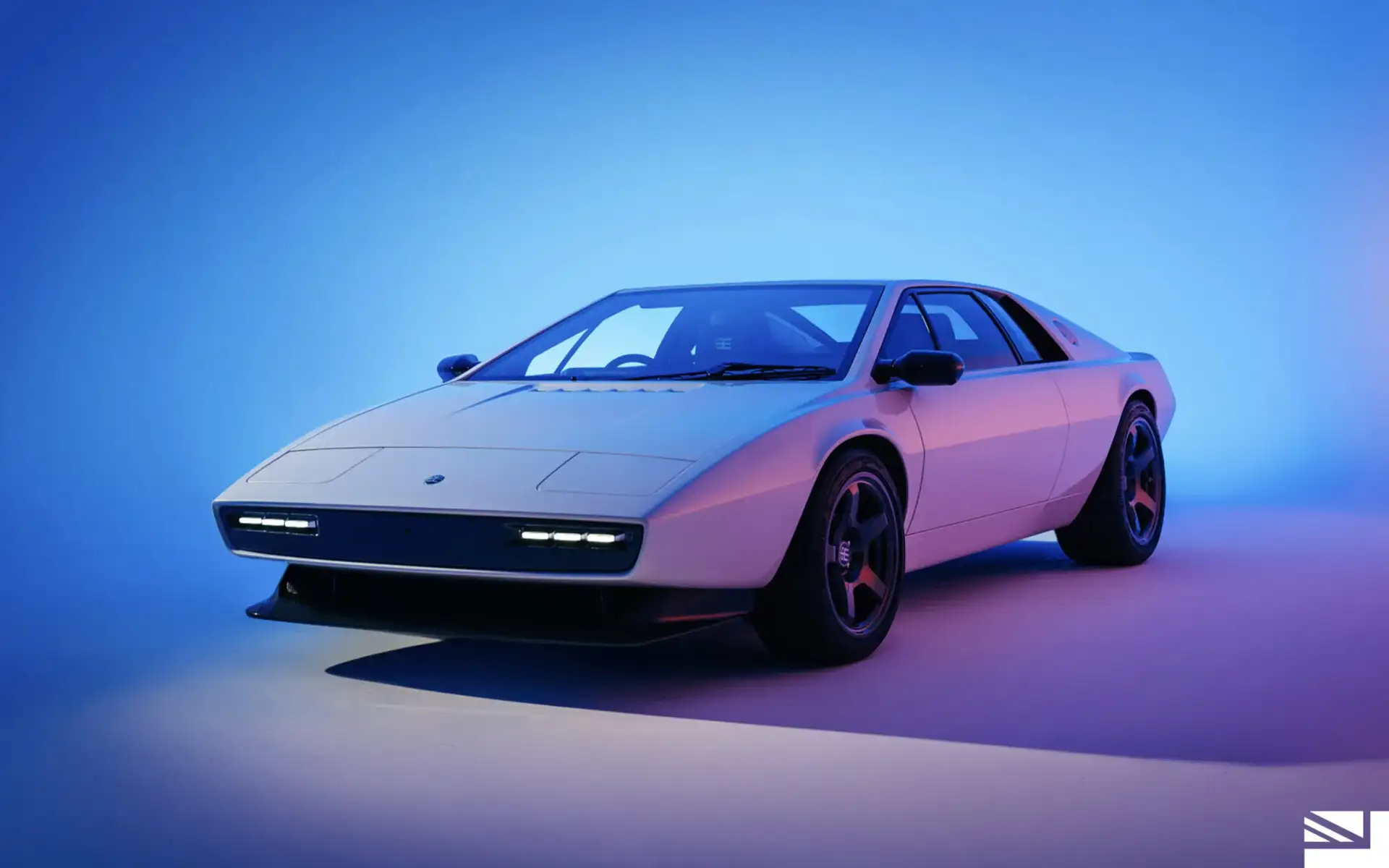
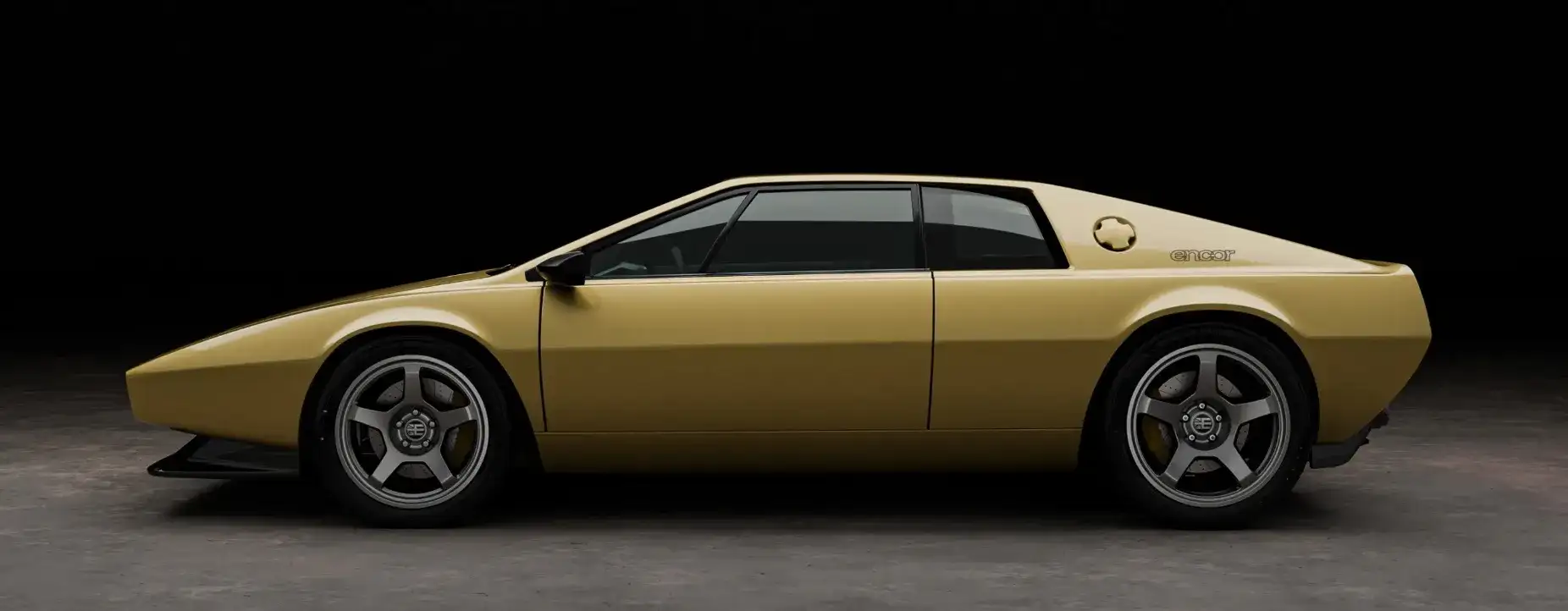
Officially called the Encor Series 1, the car borrows its visual identity from the iconic 1975 Lotus Esprit S1, the razor-edged Giugiaro masterpiece that became a cultural icon thanks to its Bond-era fame and unmistakable wedge silhouette. But beneath that familiar shape lies a much more capable foundation. Instead of using the fragile underpinnings of the original S1, Encor bases the build on the Lotus Esprit Series 4 V8 chassis, introduced in the 1990s. That decision changes everything.
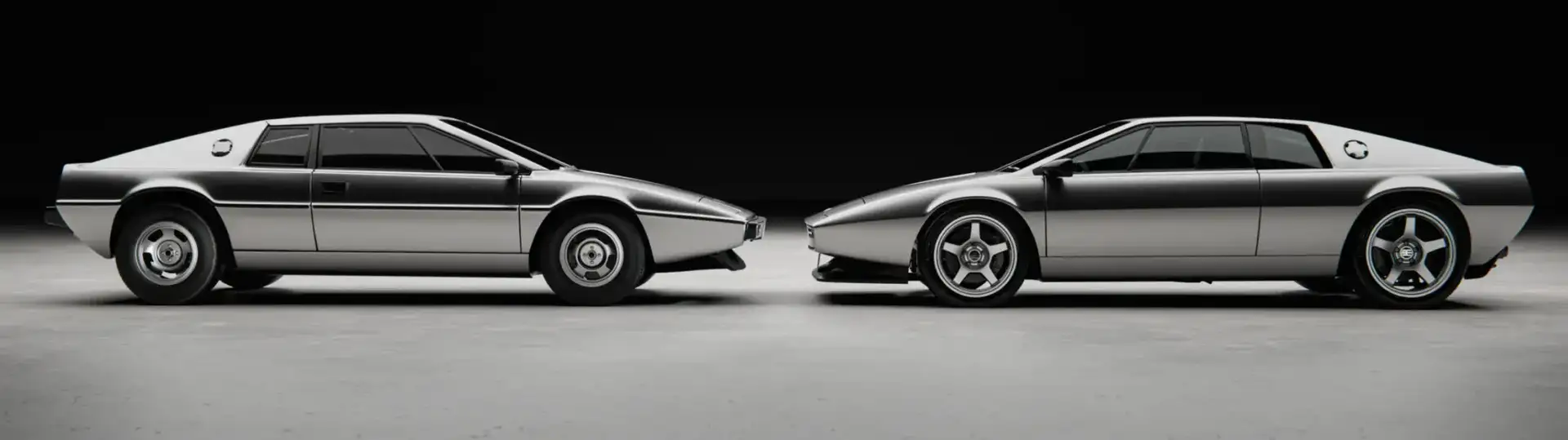
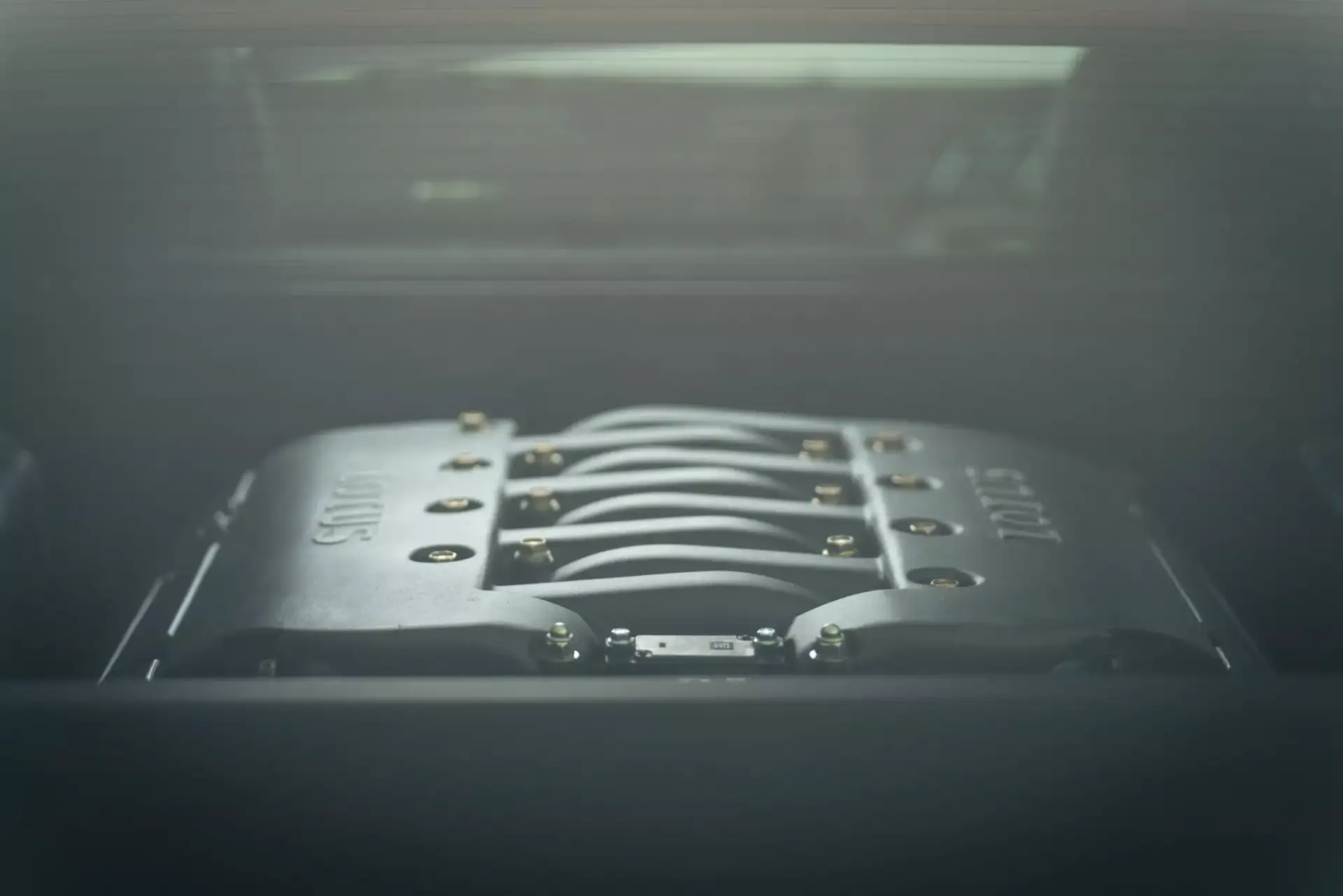
It means the car starts with a stronger platform, improved structural engineering, and access to the legendary Lotus Type 918 3.5-liter twin-turbo V8. Enthusiasts who know the Esprit lineage understand why this matters. The early four-cylinder Esprits were light and charismatic, but they never had the deep reserve of performance or refinement expected from a true exotic. The later V8 Esprit finally gave Lotus the powertrain many believed the car always deserved.
Encor’s version then takes that concept further. The upgraded V8 gets new turbochargers, revised pistons, upgraded injectors, a modern ECU, and electronic throttle control. Final output is quoted at 400 hp at 6,200 rpm and 474 Nm of torque at 5,000 rpm. On paper, those numbers may not seem outrageous in an era where even heavy luxury EVs casually blast past 500 hp. But numbers alone miss the point. This is a 1,200 kg machine with hydraulic steering, rear-wheel drive, and a proper manual gearbox. In a market obsessed with touchscreen interfaces and artificial driving modes, that recipe feels almost rebellious.
That same craving for old-school driver engagement is why niche machines like this continue to go viral. Readers who enjoy mechanically focused performance stories will also appreciate how brands are still finding value in pure engineering, whether in off-road form like the Jeep Wrangler Rubicon 2026 and its old-school hardware advantage or in track-focused road cars that still prioritize feel over software.
The Sound, The Manual Gearbox, And The Details That Make It Different
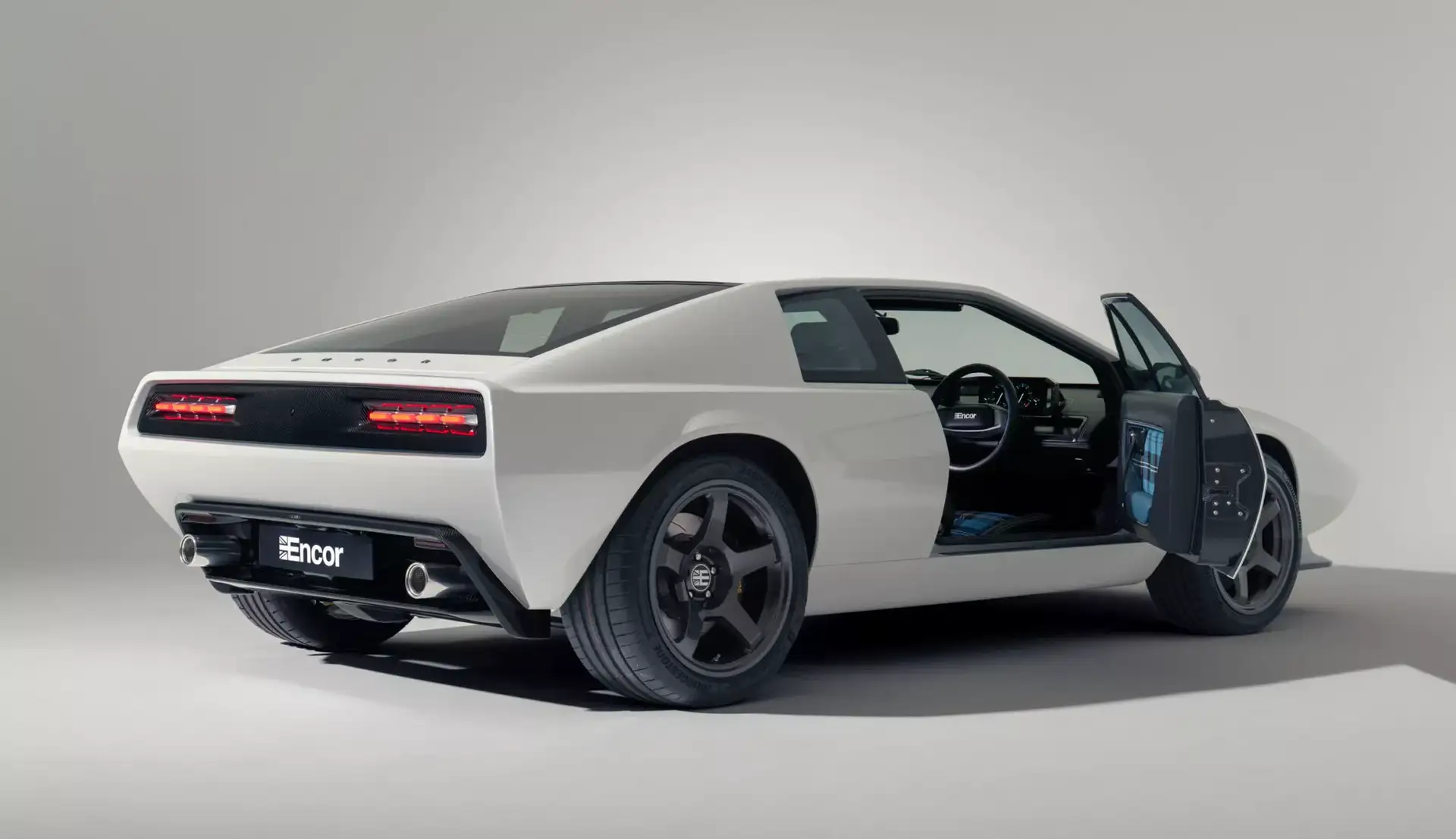
If there is one reason this Encor Lotus Esprit has exploded across enthusiast circles, it is the sound. Even though the Type 918 remains a twin-turbocharged V8, clips released by Encor suggest a tone that is deeper, cleaner, and more naturally aspirated in character than many buyers would expect. That matters because modern turbocharged performance cars often deliver huge power but a filtered soundtrack. The Encor car seems to head in the opposite direction, aiming for a full-bodied V8 burble at low revs and a hard-edged mechanical howl higher up.
This is one of the biggest reasons some enthusiasts are already making bold claims that it sounds better than certain modern Ferraris. That is subjective, of course, but the claim is not entirely irrational. Today’s performance market increasingly balances emissions regulations, turbo efficiency, hybrid integration, and synthetic sound enhancement. Encor’s Esprit instead appears focused on preserving the emotional layer many high-end cars have softened.
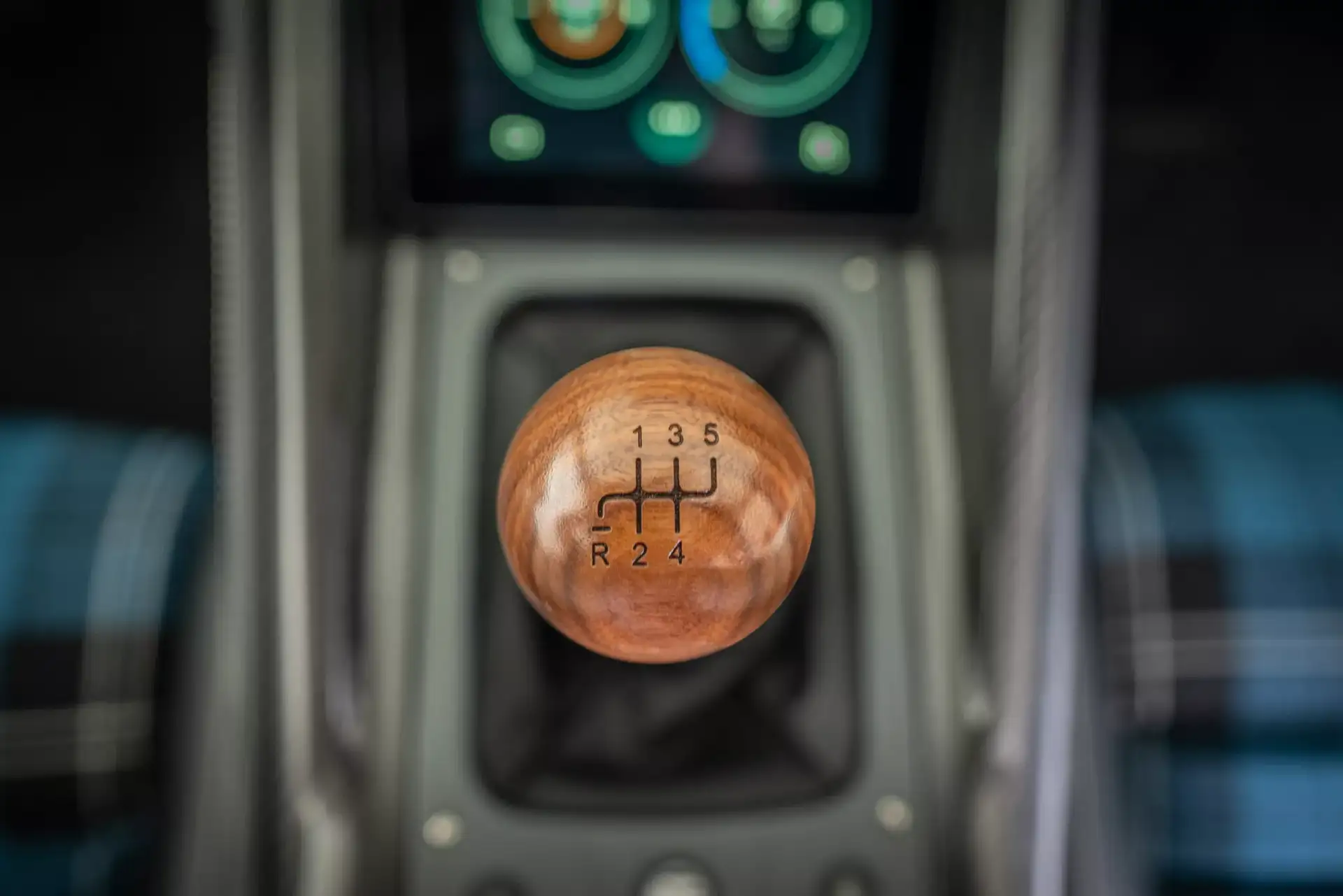
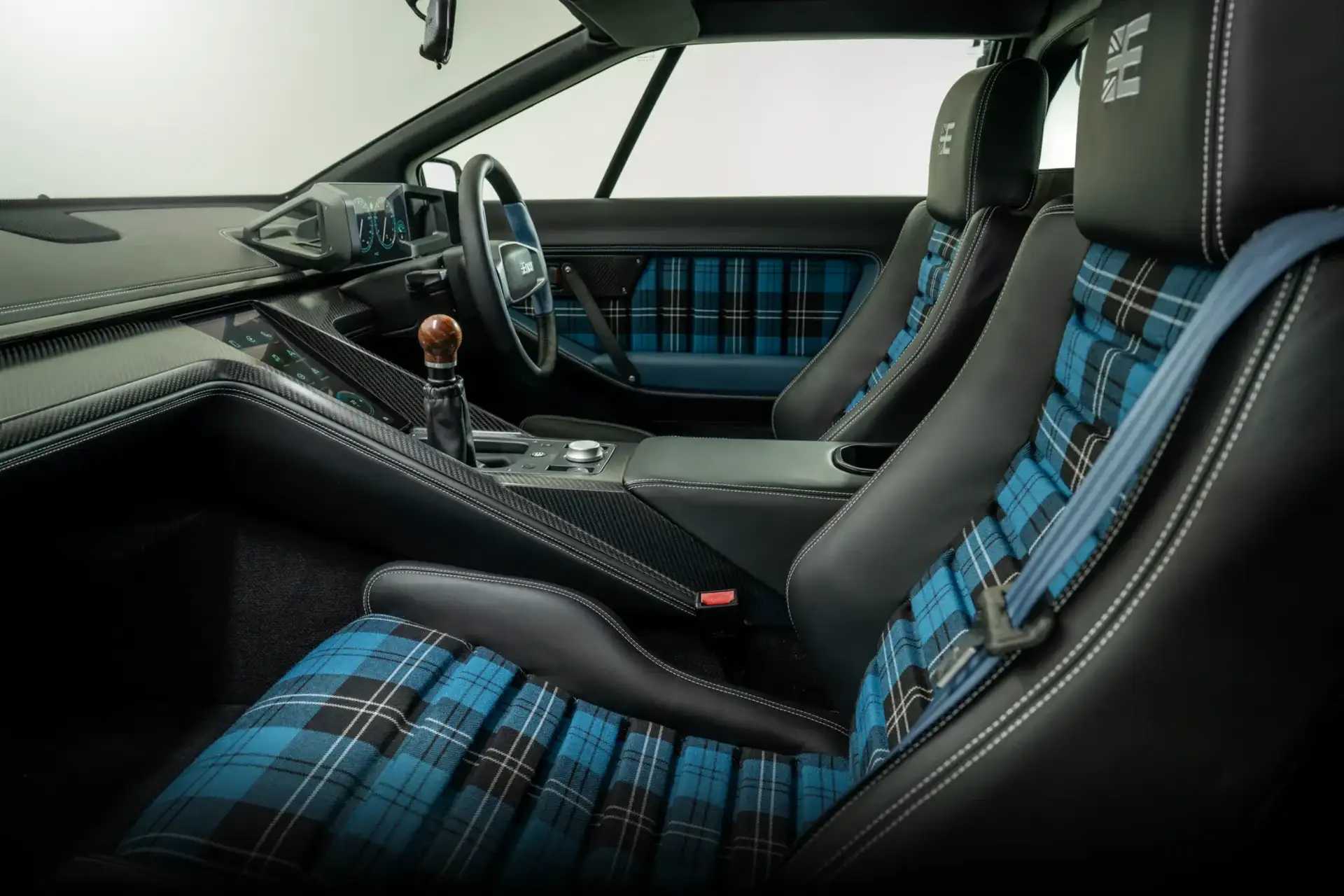
Then there is the transmission. Rather than fitting a paddle-shift dual-clutch setup to chase acceleration headlines, Encor keeps a five-speed manual gearbox. It has been heavily reworked for strength and durability, using parts of the original casing while modernizing internal components. That choice instantly changes the character of the car. Buyers are not being offered convenience; they are being offered participation.
Performance is still serious. Encor claims 0 to 60 mph in 4.0 seconds and a top speed of 175 mph or about 281 km/h. Those figures place it firmly in fast-road and junior-supercar territory, but again, the real appeal is how that speed is delivered. In a lightweight chassis with hydraulic steering and a limited-slip differential, 400 hp feels vivid, not diluted.
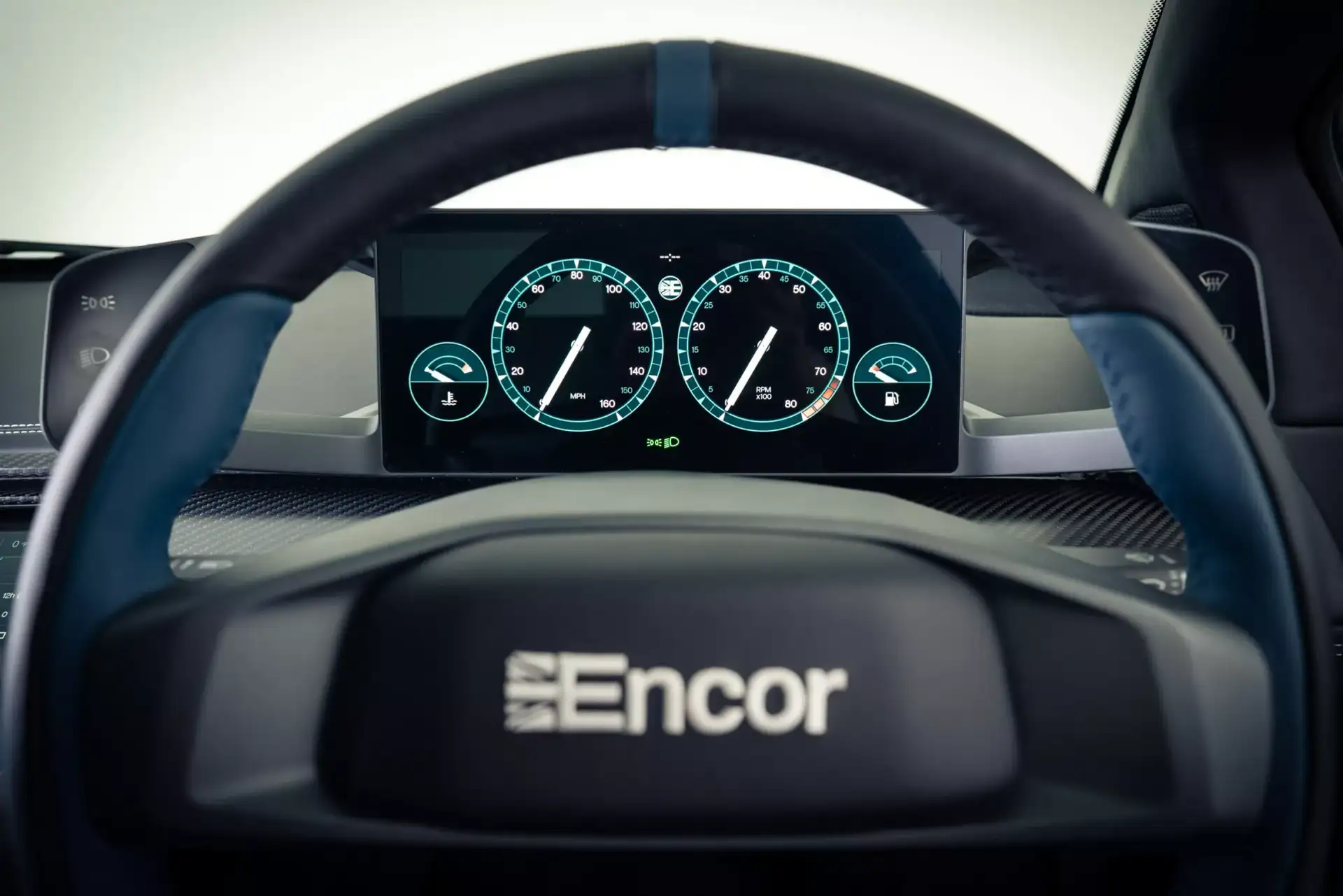
The suspension package has also been updated with new dampers, revised anti-roll bars, and stronger braking hardware from AP Racing. An electronic parking brake joins the package, but the driving fundamentals remain analog where it matters most. Steering assistance is still hydraulic rather than fully electric, a critical distinction for experienced drivers who understand how much modern electric power steering can isolate road feel.
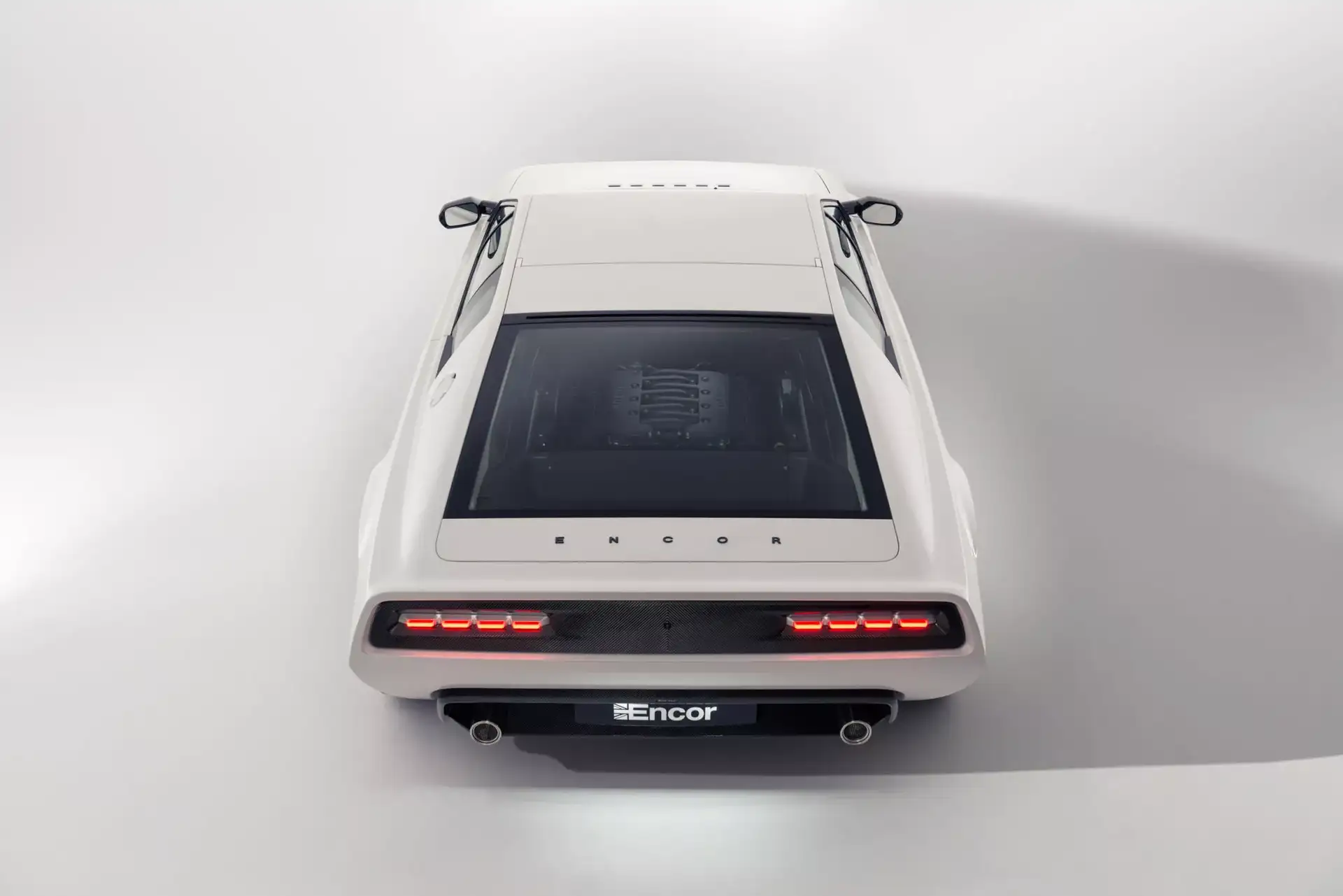
To keep weight under control, Encor fits lightweight carbon fiber bodywork. The result is a wet weight of around 2,645 lb, which translates to roughly 1,200 kg. That gives the Series 1 a power-to-weight ratio of approximately 333 hp per tonne, enough to make it feel urgent without relying on giant horsepower numbers.
For readers interested in how forced induction shapes both character and cost, it is worth comparing this project with the broader realities of turbocharged ownership in articles like this breakdown of turbocharger vs supercharger hidden costs. In Encor’s case, the turbos are not just about output; they are part of a carefully curated sensory experience.
Key Technical Specifications
| Specification | Encor Series 1 |
|---|---|
| Base Platform | Lotus Esprit Series 4 V8 chassis |
| Engine | 3.5-liter twin-turbo V8 Lotus Type 918 |
| Power | 400 hp at 6,200 rpm |
| Torque | 474 Nm at 5,000 rpm |
| Transmission | 5-speed manual |
| Drive Layout | Rear-wheel drive |
| 0-60 mph | 4.0 seconds |
| Top Speed | 175 mph / 281 km/h |
| Weight | 1,200 kg / 2,645 lb |
| Production | 50 units |
| Starting Price | £430,000 / about $570,000 excluding donor car |
Is It Worth More Than Two Ferraris Or Is That Missing The Point?
This is where the conversation gets interesting. On a spreadsheet, the Encor Lotus Esprit seems irrational. At roughly $570,000 before the donor car, buyers are entering territory occupied by established supercar brands with factory support, stronger resale visibility, and often much faster performance. A Ferrari Roma, for example, starts at a much lower figure in the United States. Even some limited-production exotics from larger manufacturers begin to look like relative bargains.
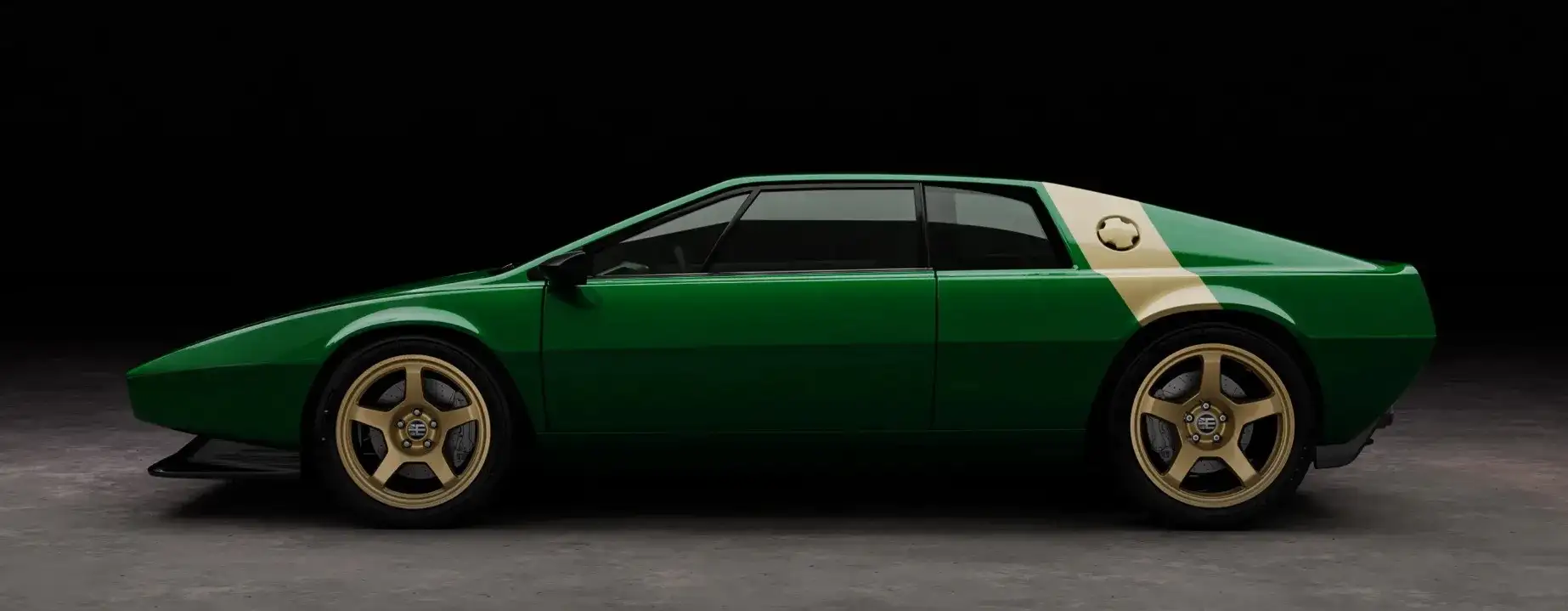
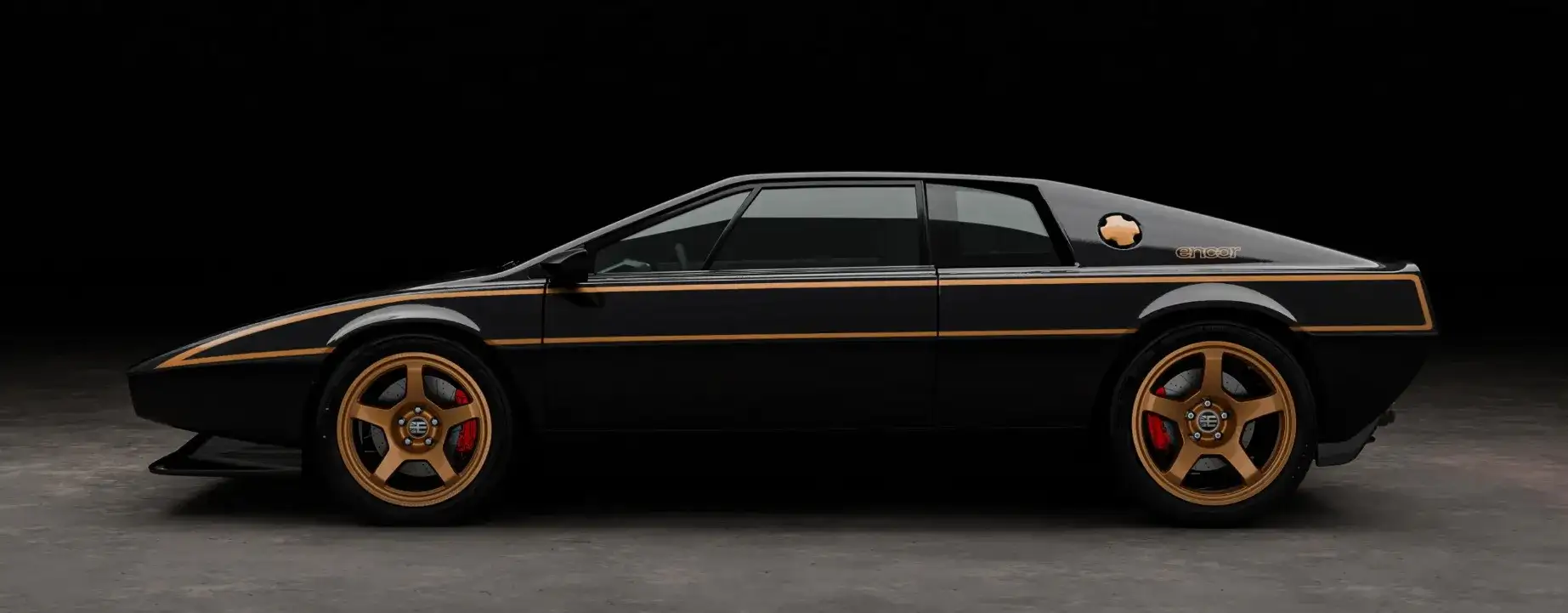
But restomod economics have never been about rationality alone. Buyers in this segment are not simply purchasing speed per dollar. They are paying for scarcity, design legacy, craftsmanship, and curation. Encor is building only 50 cars, and each one is positioned as a highly personalized reinterpretation of a legendary shape. In this context, the Esprit is competing less with mass-produced modern Ferraris and more with ultra-exclusive reengineered icons from companies that turn classics into boutique collectibles.
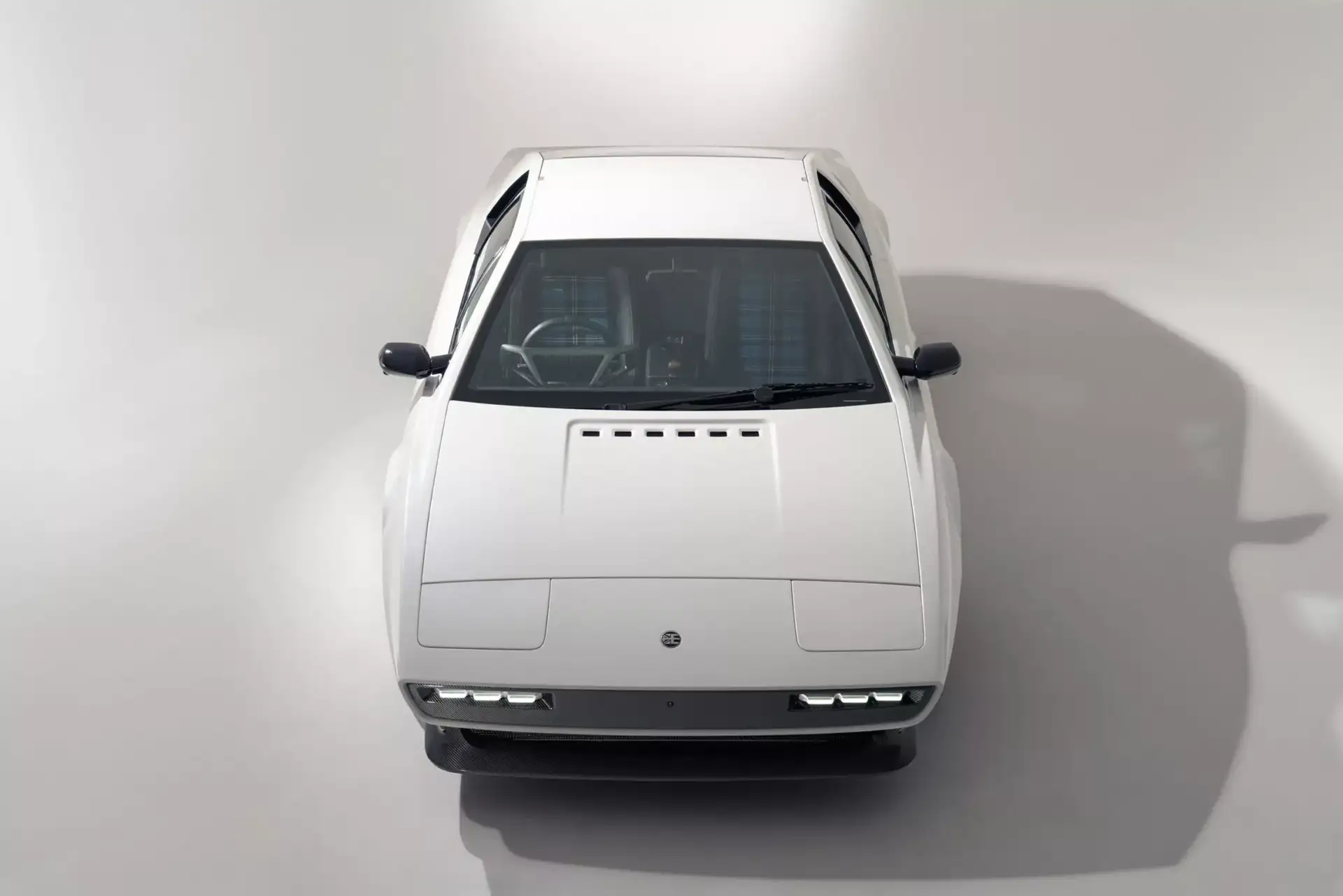
The value proposition becomes easier to understand when viewed through the lens of emotion. The original Esprit has always had one of the strongest silhouettes in sports car history, but ownership was often accompanied by compromises in reliability, ergonomics, and outright performance. Encor’s formula attempts to preserve the visual purity while upgrading the hardware enough to make the car feel truly special in a modern context.
That strategy mirrors what makes some of today’s most discussed enthusiast cars so compelling. People are no longer interested only in objective speed. They want character, story, and a driving experience that feels difficult to replicate. That is the same emotional territory occupied by low-volume heroes and analog holdouts, from the Gordon Murray T.33 with its naturally aspirated V12 obsession to modern manual performance cars that stubbornly refuse to disappear.
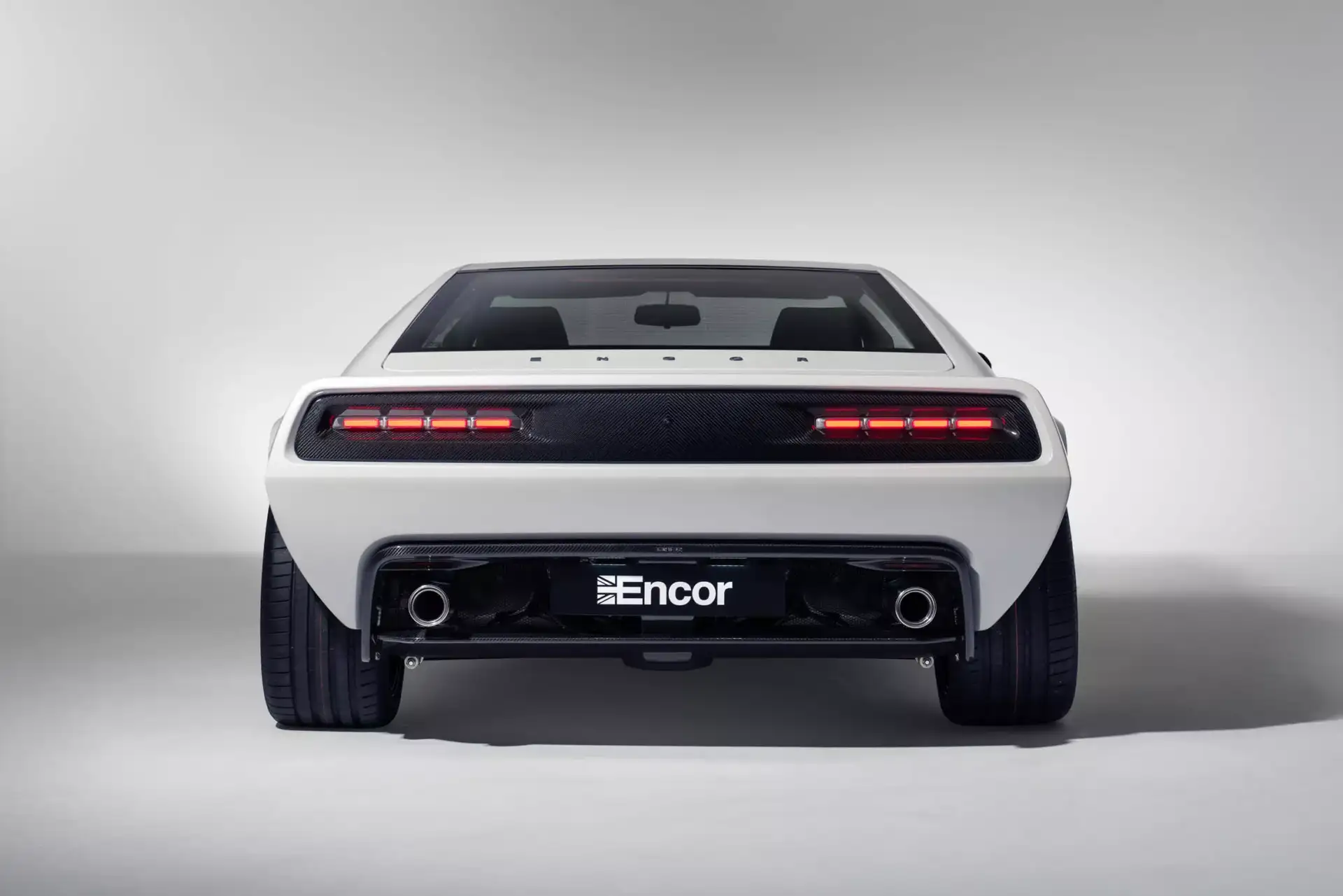
There is also the matter of design integrity. Encor has resisted the temptation to over-style the Esprit. The body appears contemporary, but the Giugiaro-inspired wedge remains the star. That restraint is important. Too many reimagined classics chase shock value with oversized intakes, exaggerated aero, or interiors packed with gimmicks. The Series 1 looks like a respectful evolution rather than a social-media caricature.
Of course, there are legitimate questions buyers should ask:
- What donor car is required, and how difficult is it to source a proper Series 4 V8 Esprit?
- How extensive is the refurbishment of aging chassis and driveline components?
- What level of after-sales support and parts availability will Encor provide?
- How much customization is included in the base price?
- Will long-term collectability justify the entry cost?
Those questions matter because donor-based builds always carry complexity. In fact, understanding how much drivetrain engineering affects long-term ownership is part of what separates emotional buying from smart collecting. Anyone fascinated by old-meets-new mechanical solutions may also enjoy this deep dive into a hidden transmission concept that shaped modern cars, because projects like Encor’s rely on exactly this kind of engineering reinterpretation.
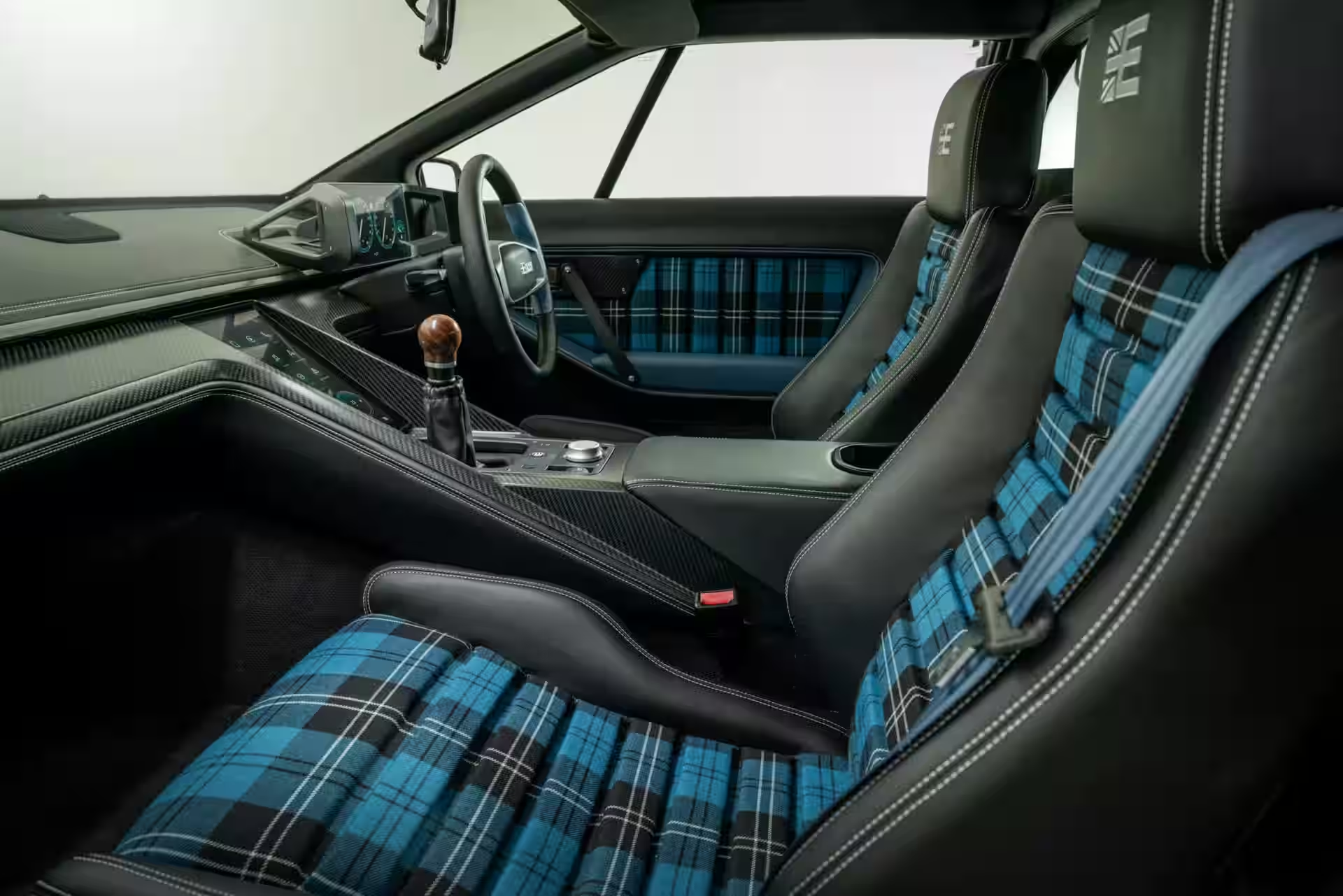
Ultimately, the reborn Esprit is not really trying to beat Ferrari at Ferrari’s own game. It is offering something many modern exotics no longer prioritize: lightness, steering feel, manual interaction, restrained dimensions, and a V8 soundtrack that feels mechanical instead of manufactured. That alone gives it a clear identity in a market overflowing with digitally enhanced speed.
And if the sound really is as intoxicating in person as early clips suggest, Encor may have found a niche that wealthy enthusiasts increasingly crave. Not the fastest car. Not the most advanced car. Not the most rational car. Just one of the few new builds that still understands why the old idea of a driver’s car became sacred in the first place.
That is also why comparisons with current halo machines are unavoidable. Enthusiasts who follow emotional performance cars over pure numbers have already seen this pattern with machines such as the Aston Martin Valhalla and its road-friendly supercar balancing act. The difference is that Encor’s Esprit leans much harder into analog purity, and for the right buyer, that may be worth every painful dollar.
“The Encor Series 1 is expensive enough to start arguments, rare enough to attract collectors, and analog enough to make modern supercars feel strangely overprocessed.”
In a world where performance cars are becoming quicker, quieter, heavier, and more software-driven, the Encor Lotus Esprit stands out by doing something almost radical. It remembers that for many enthusiasts, the most addictive part of a supercar is not just speed. It is the sound, the shift, the steering, and the sensation that a machine is speaking directly through your hands and feet.