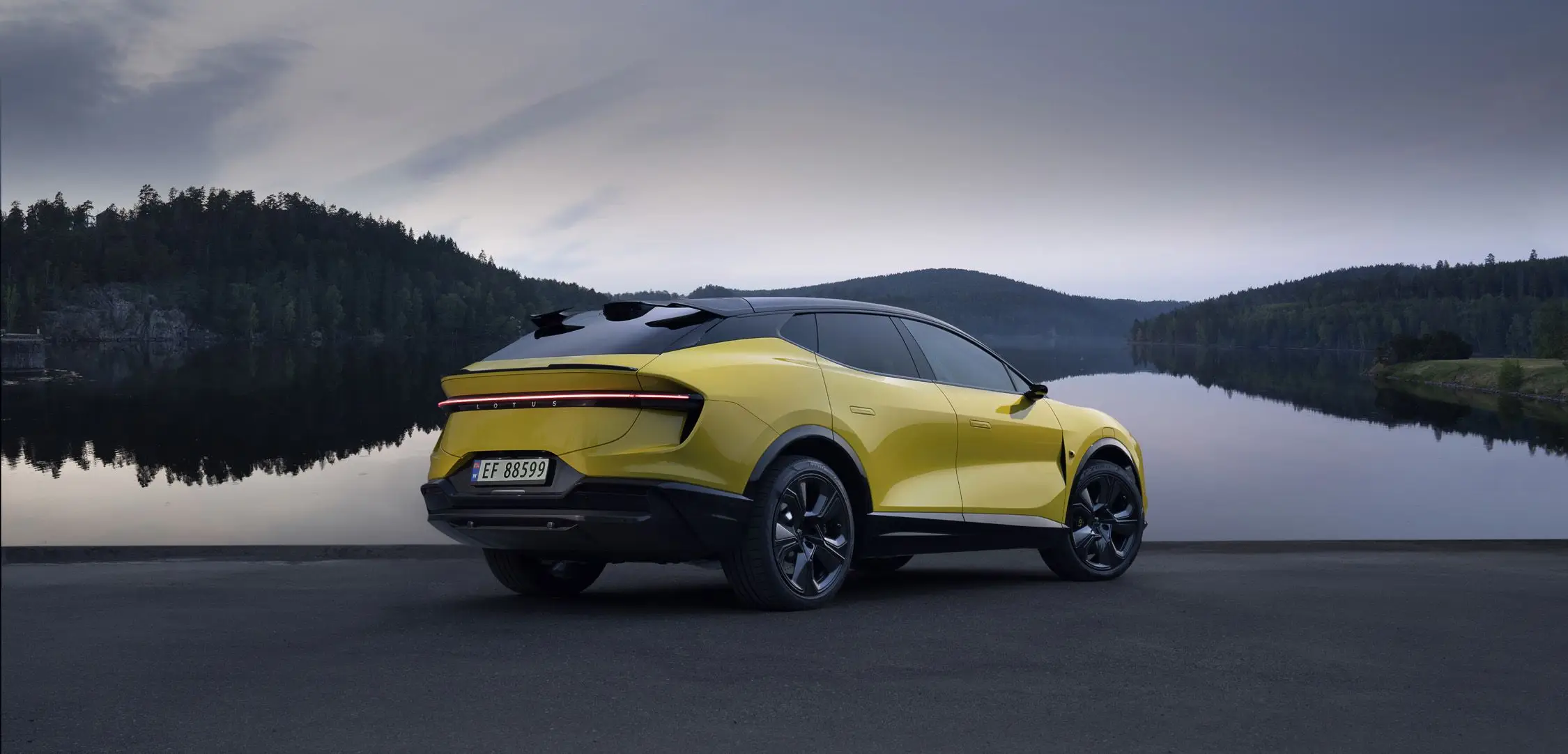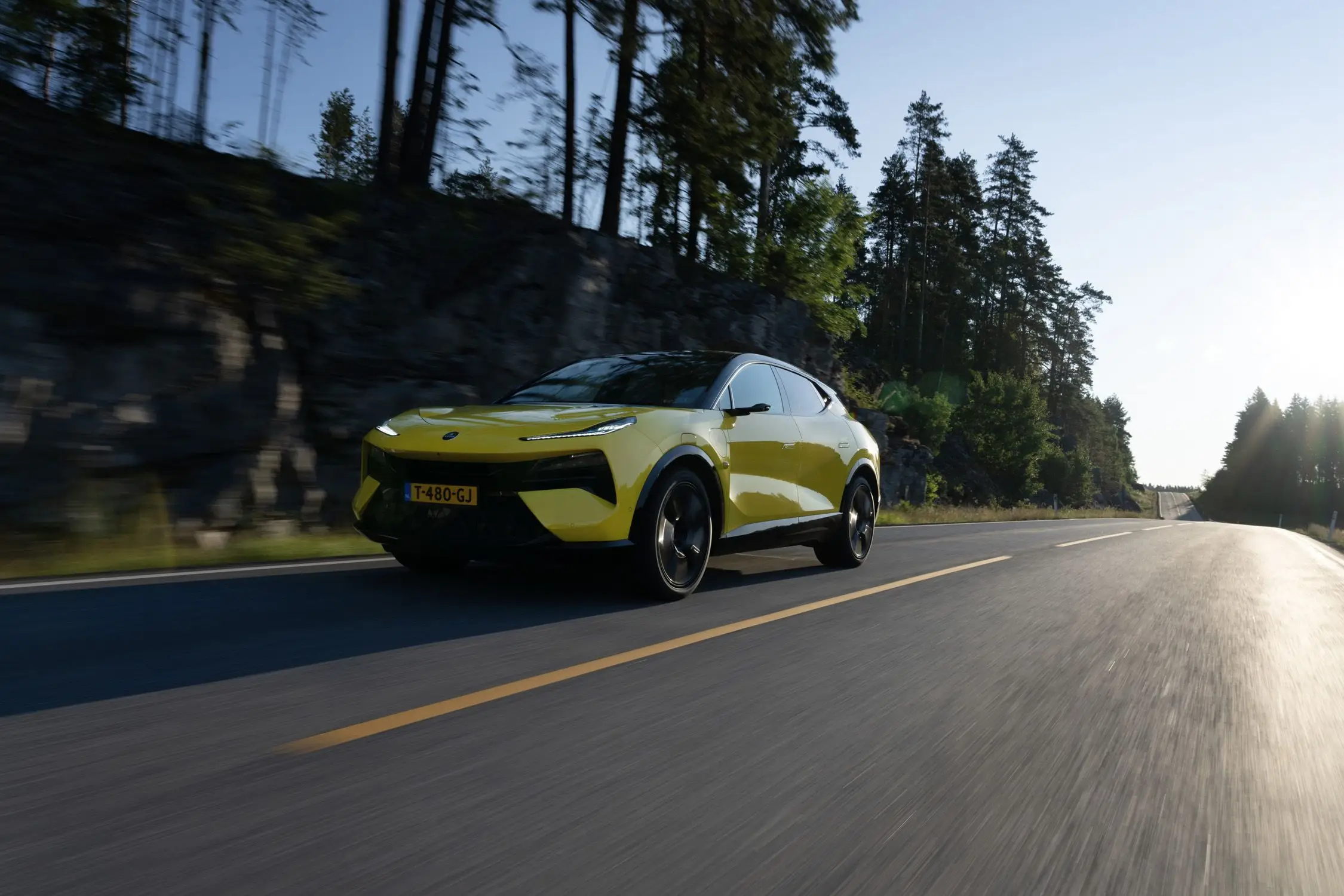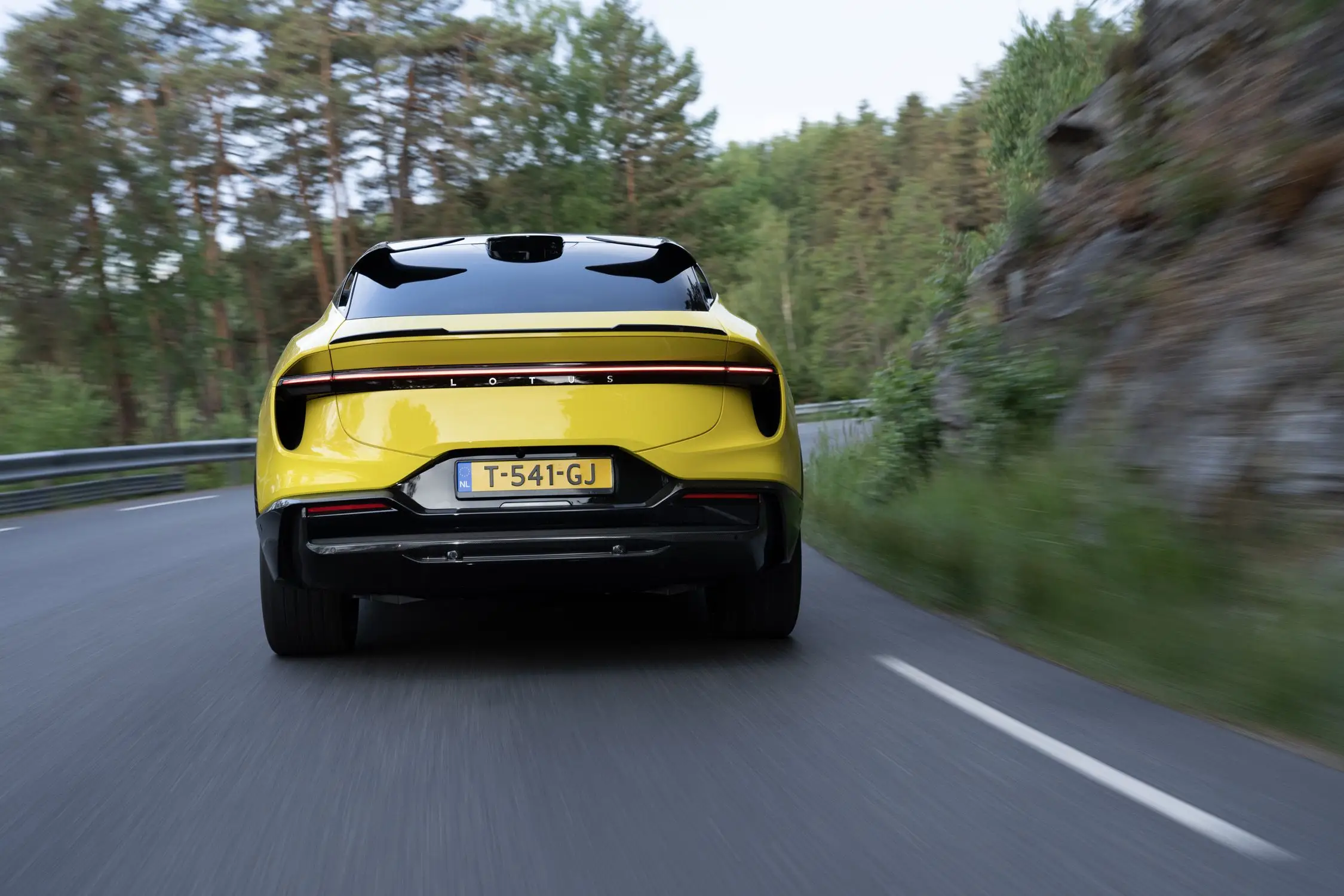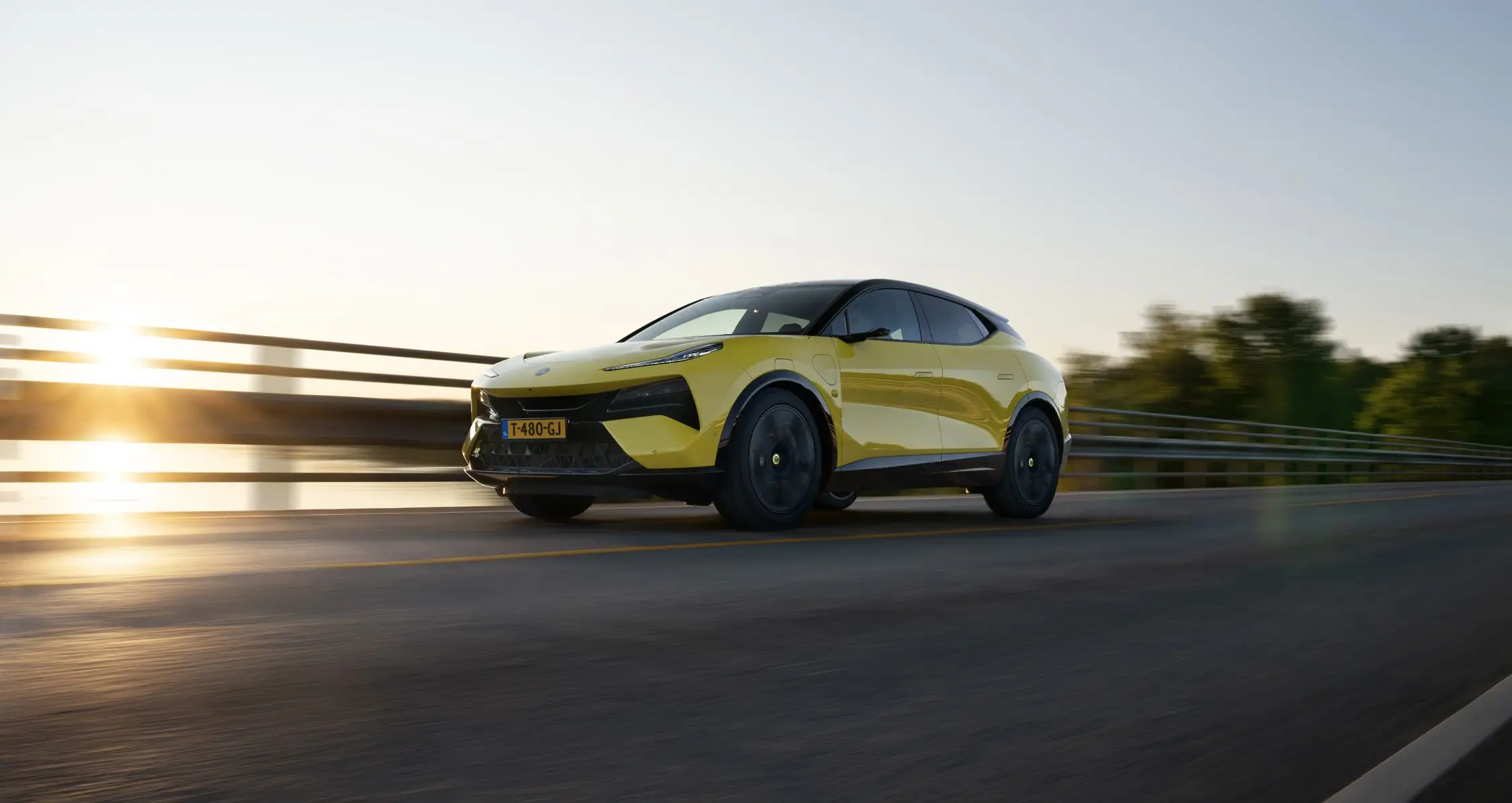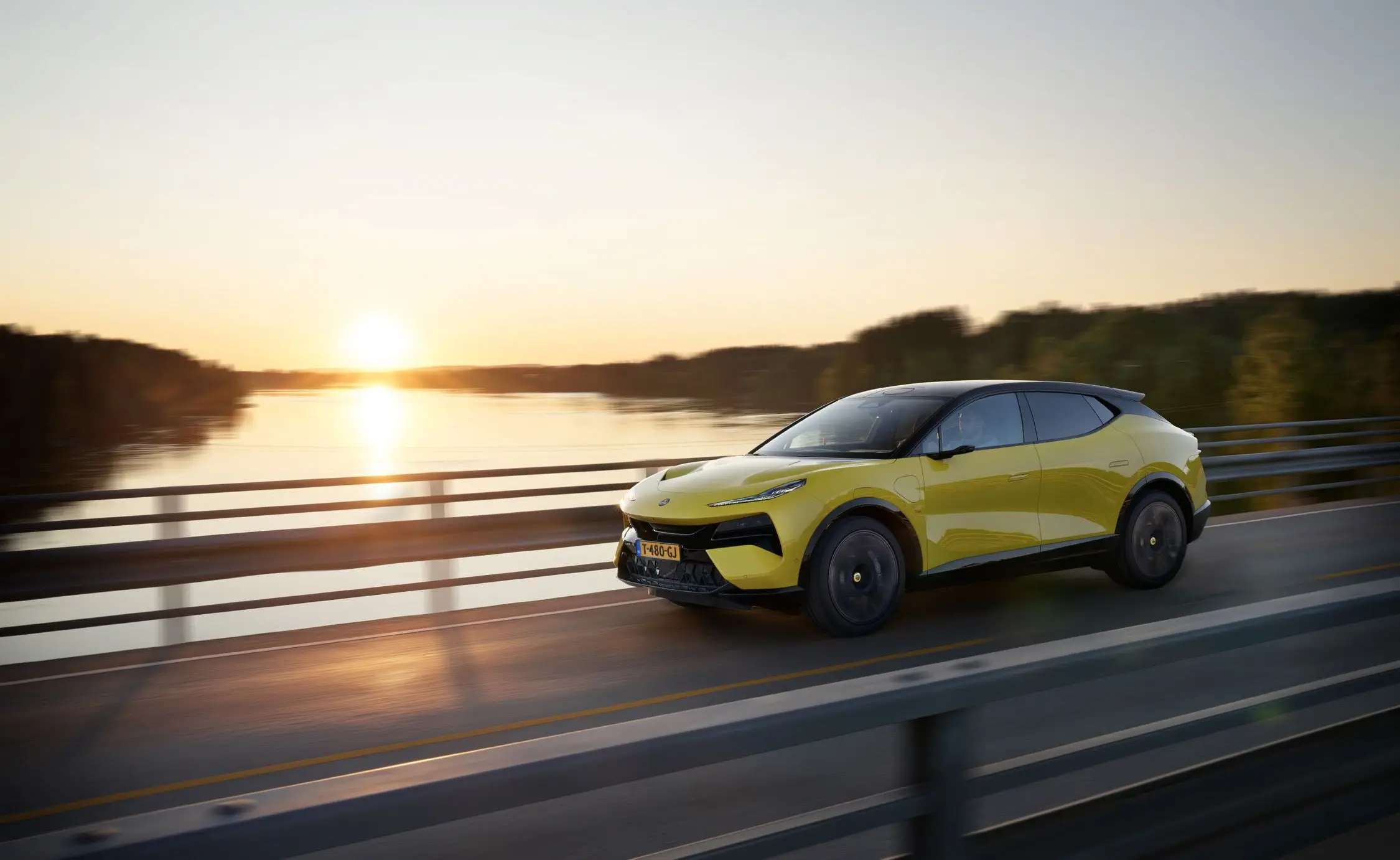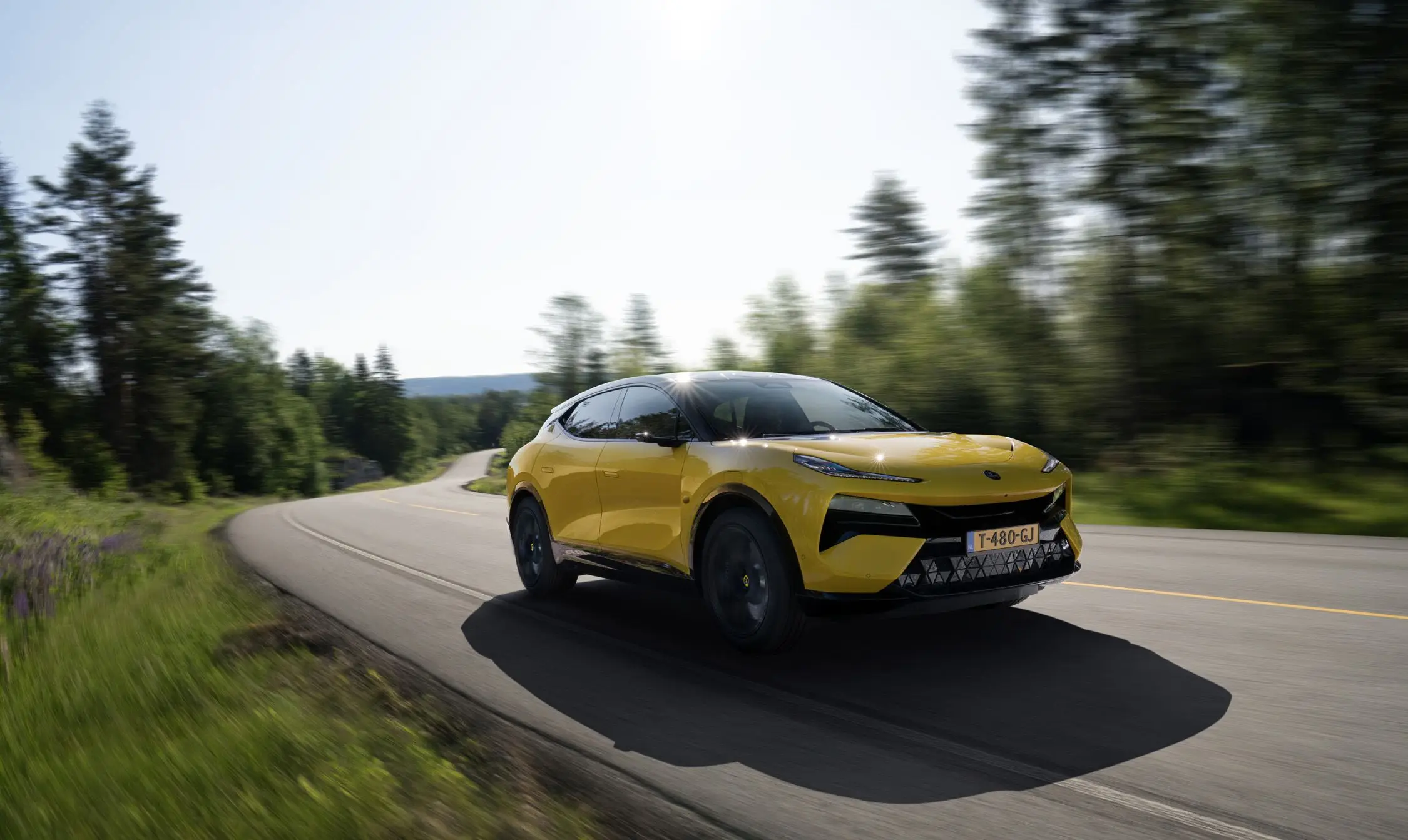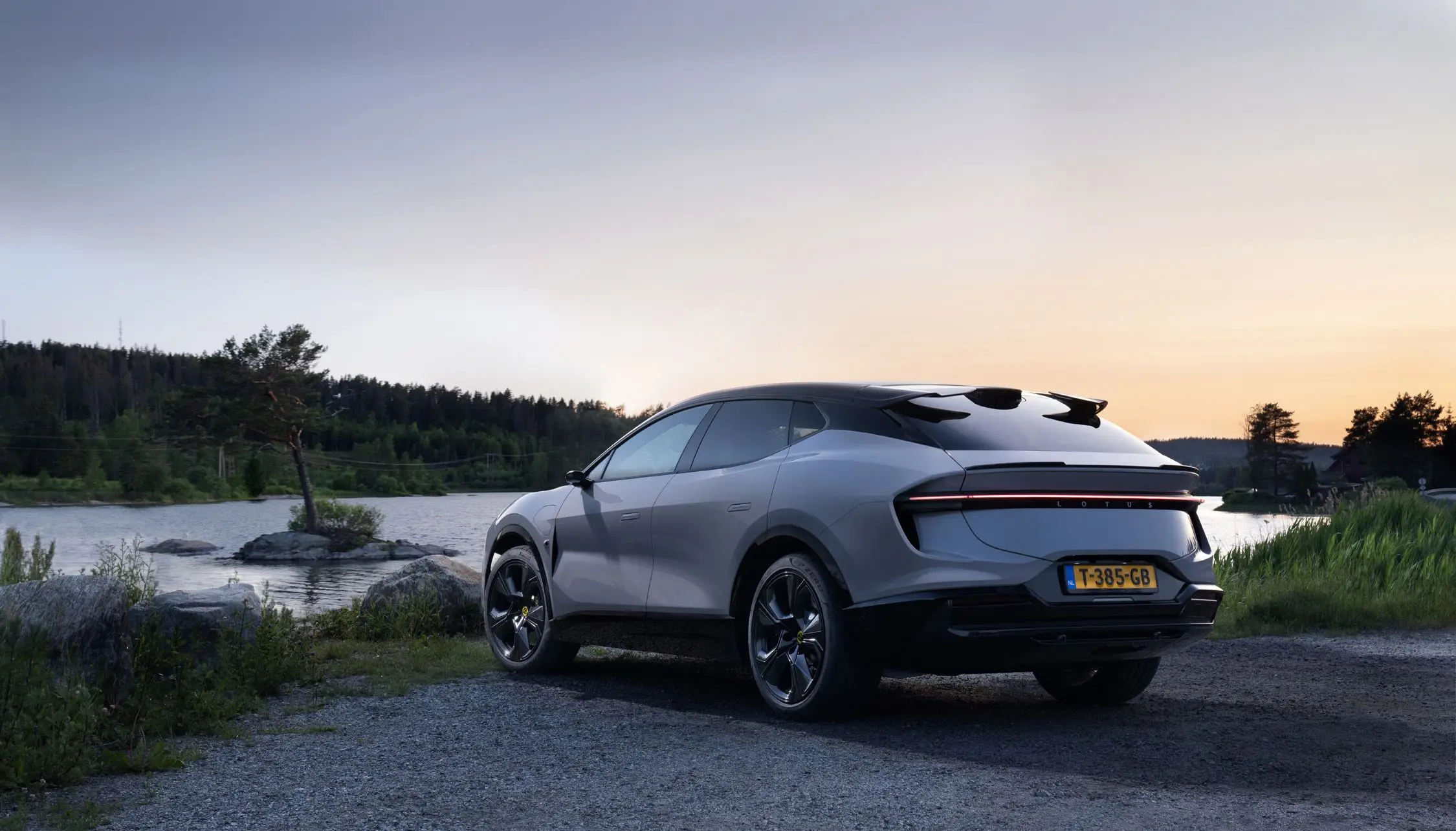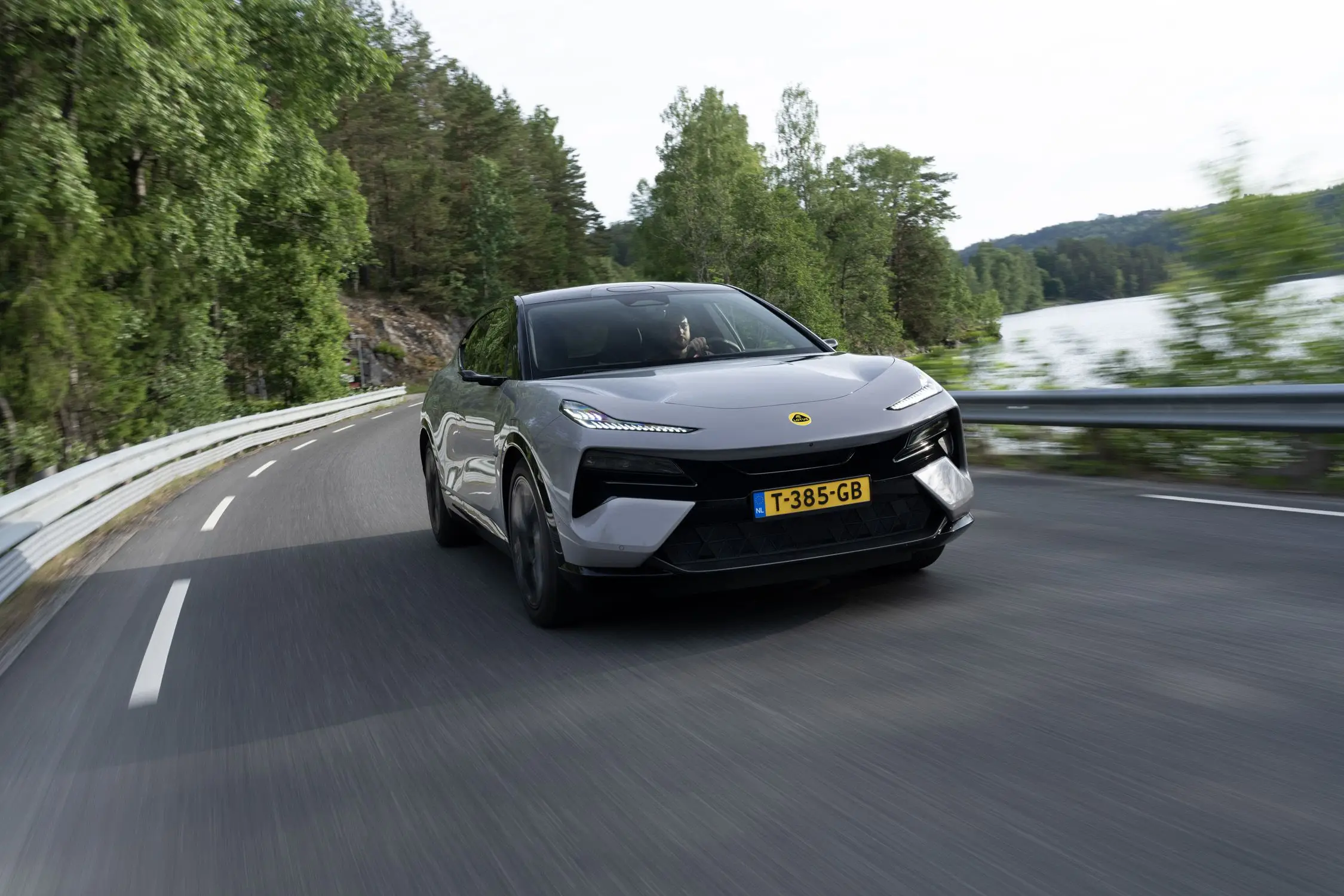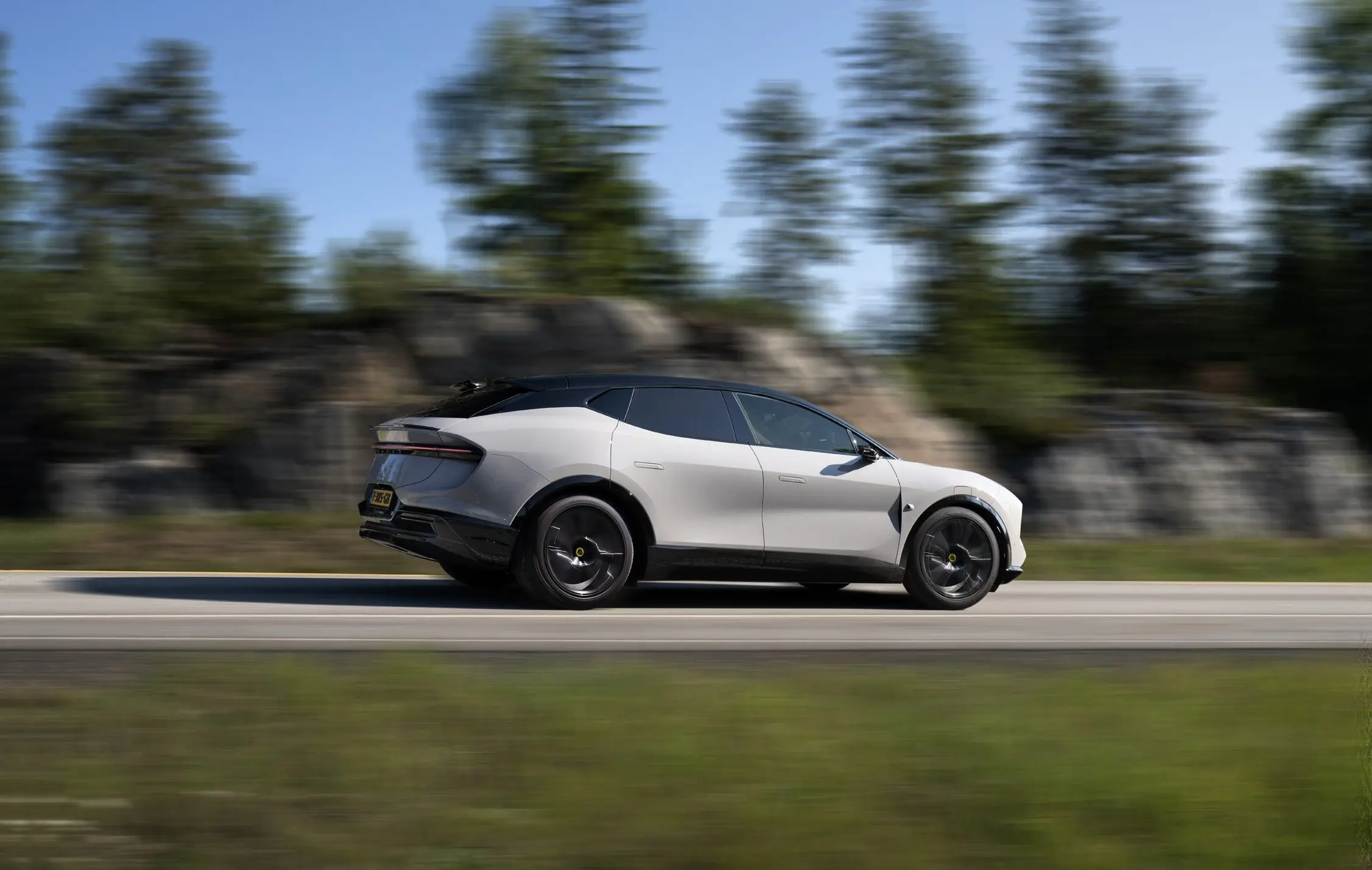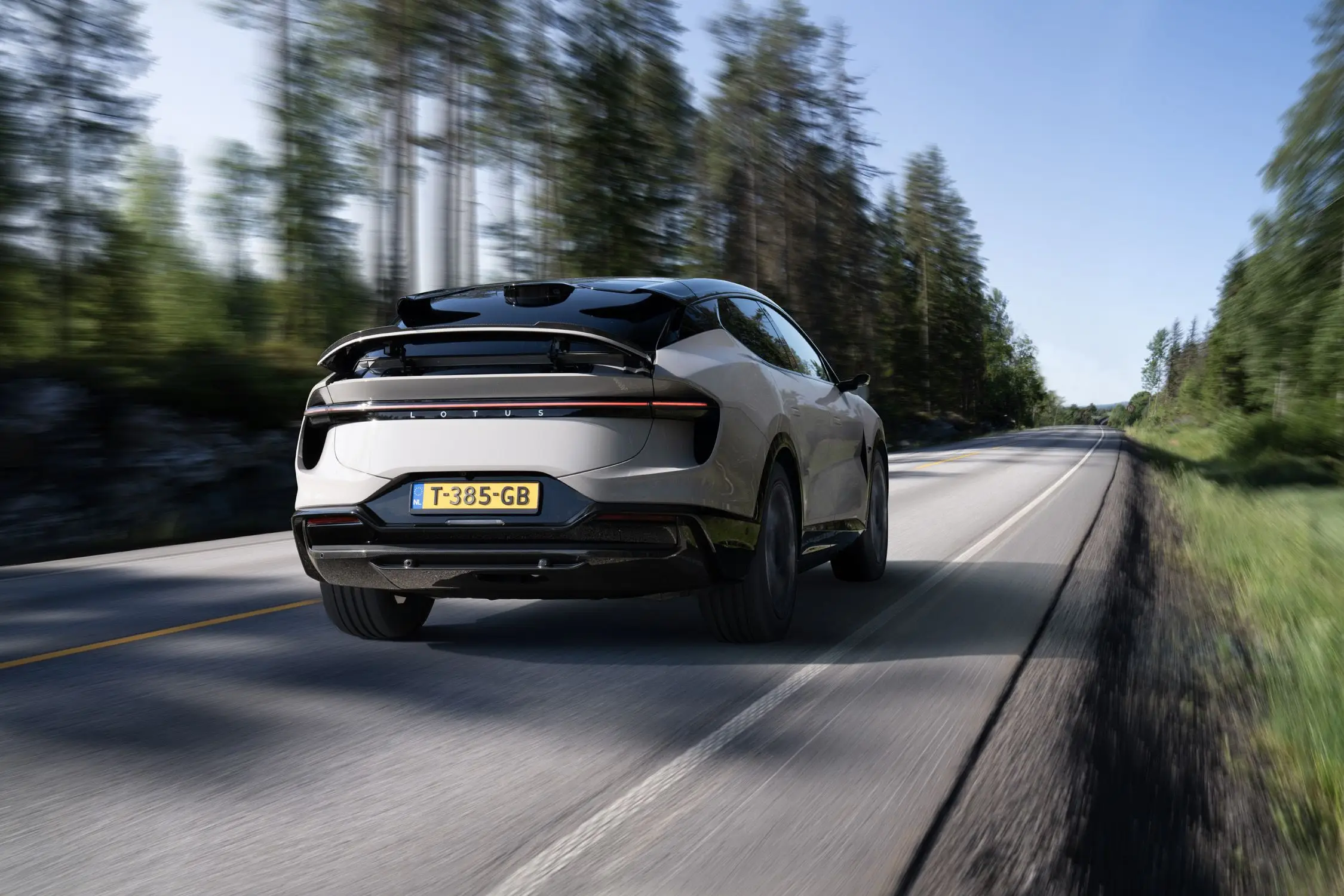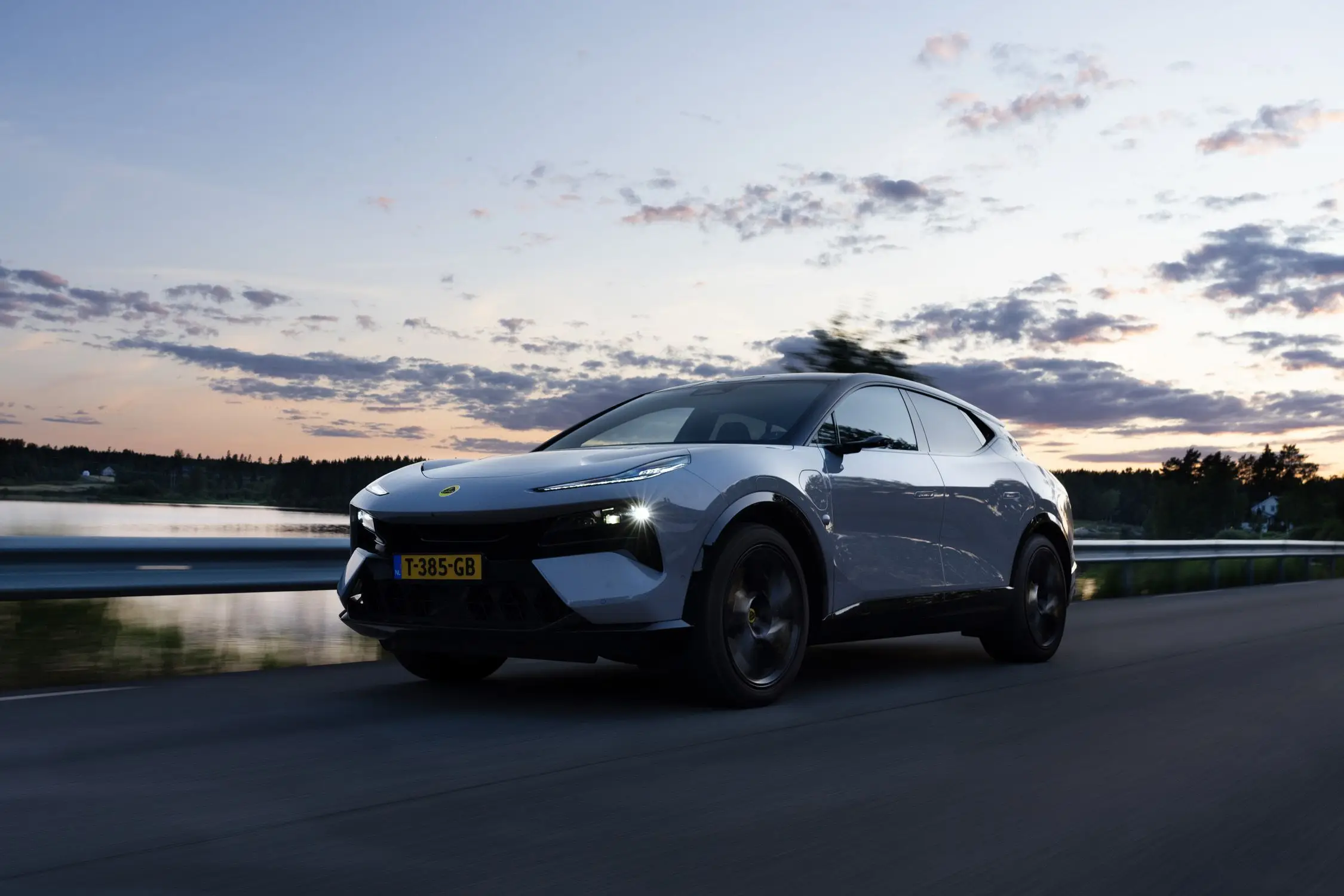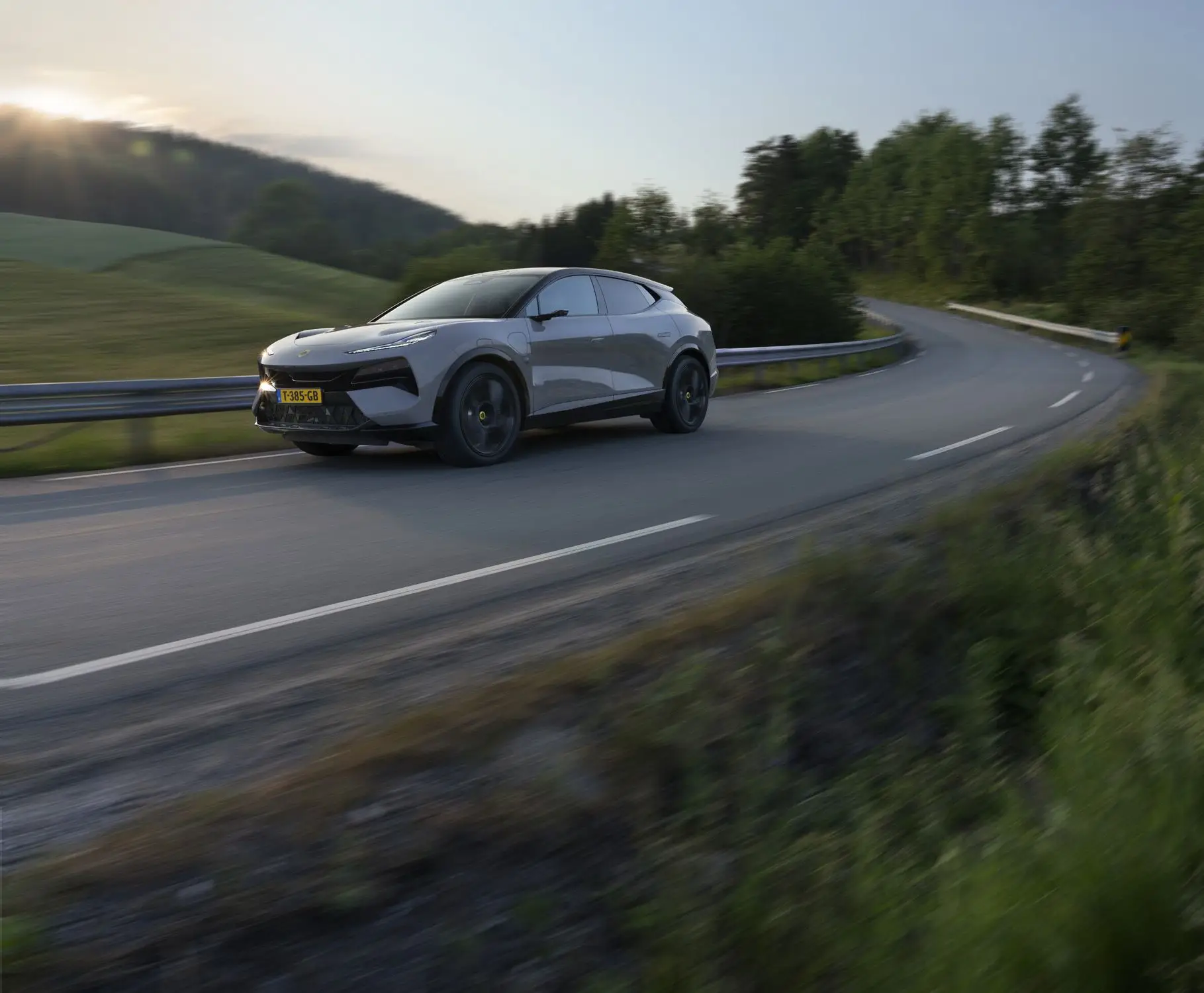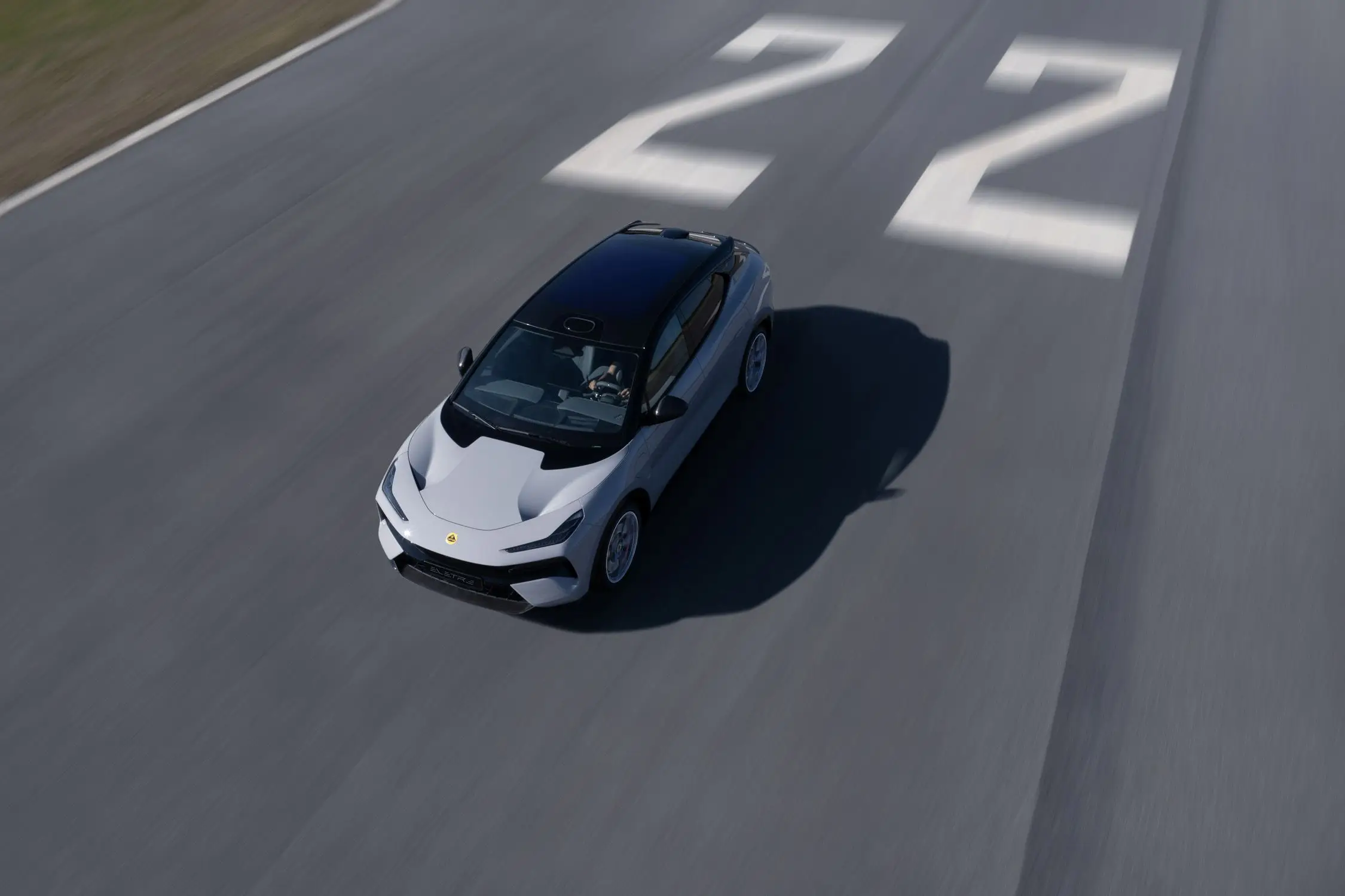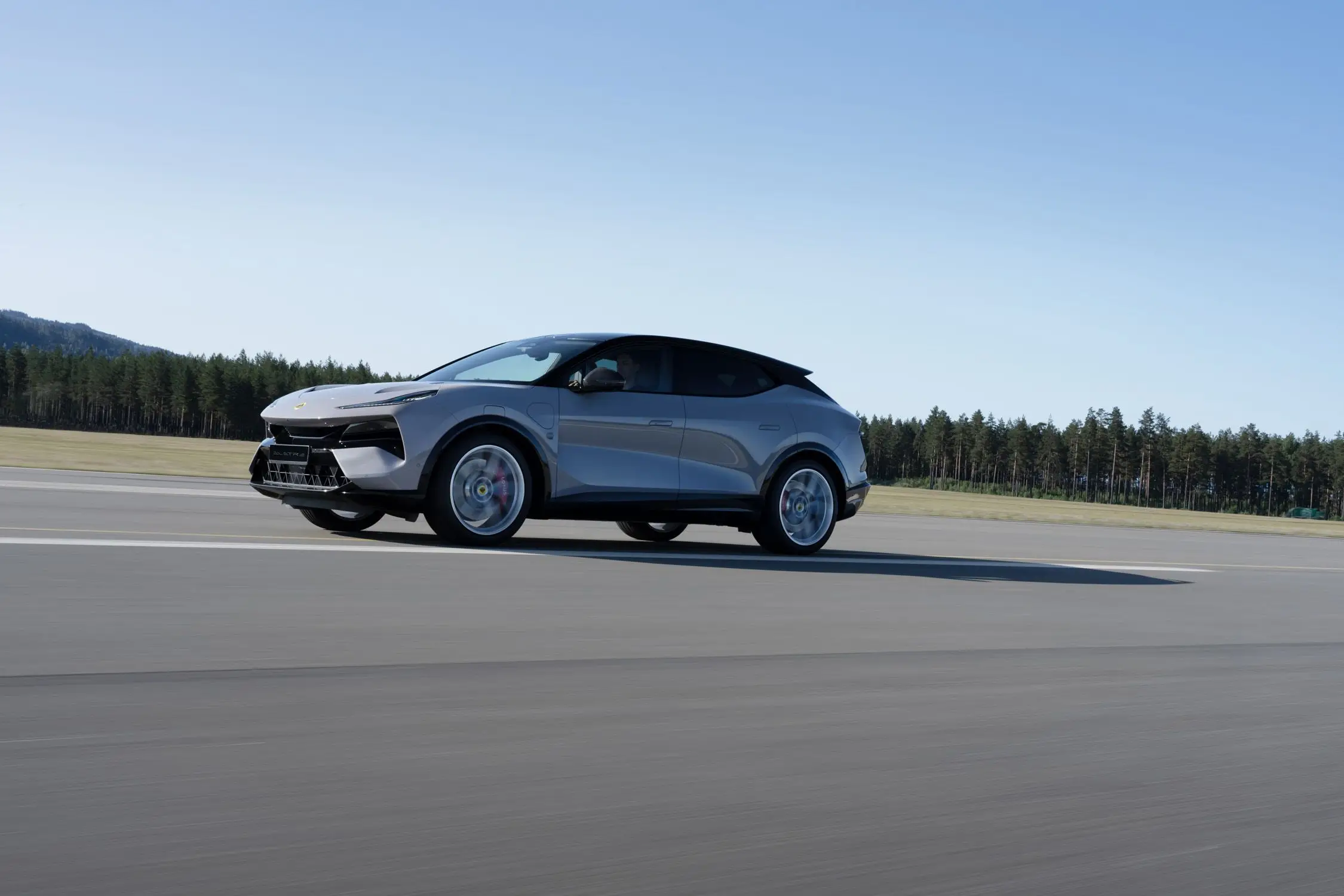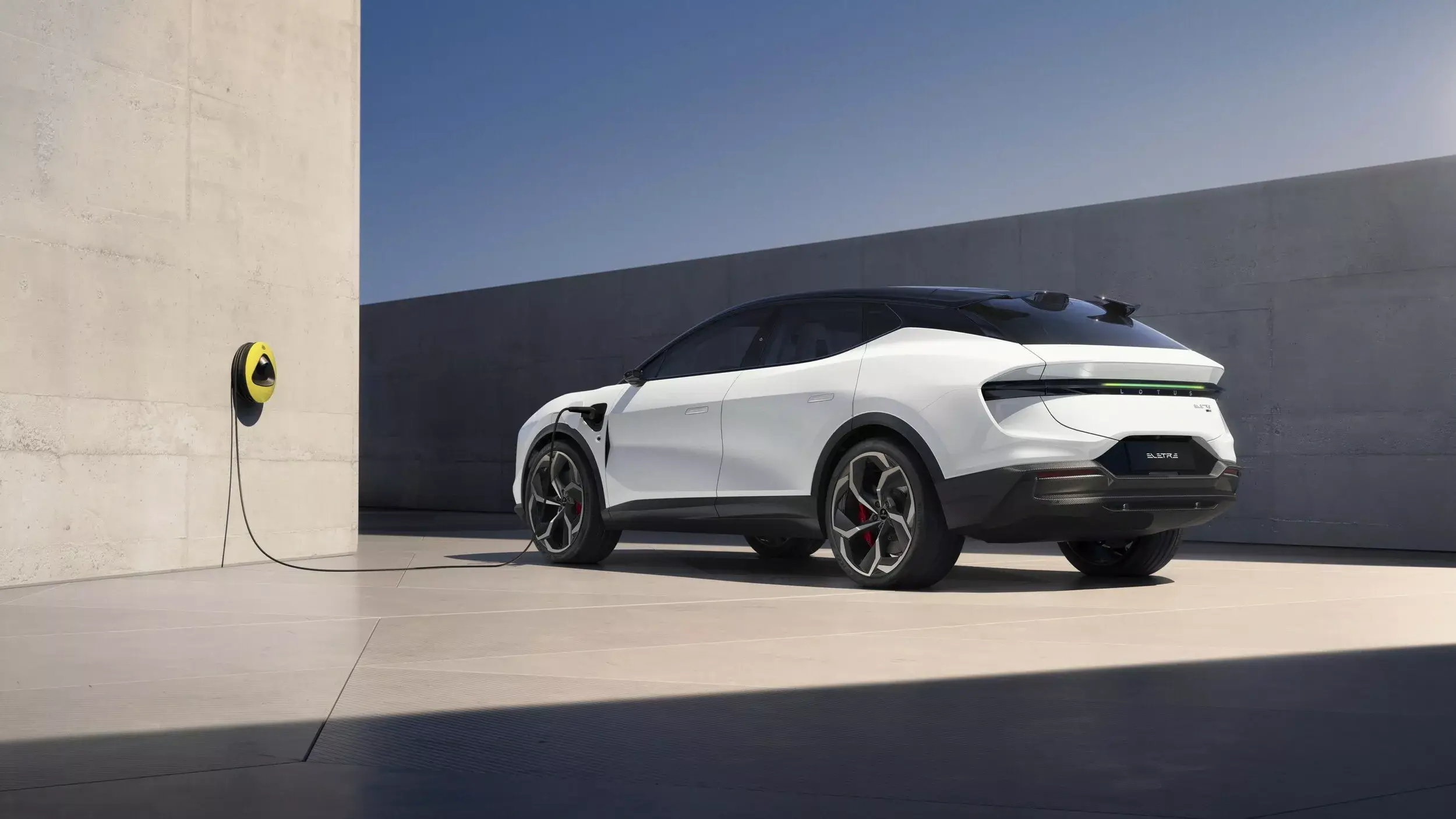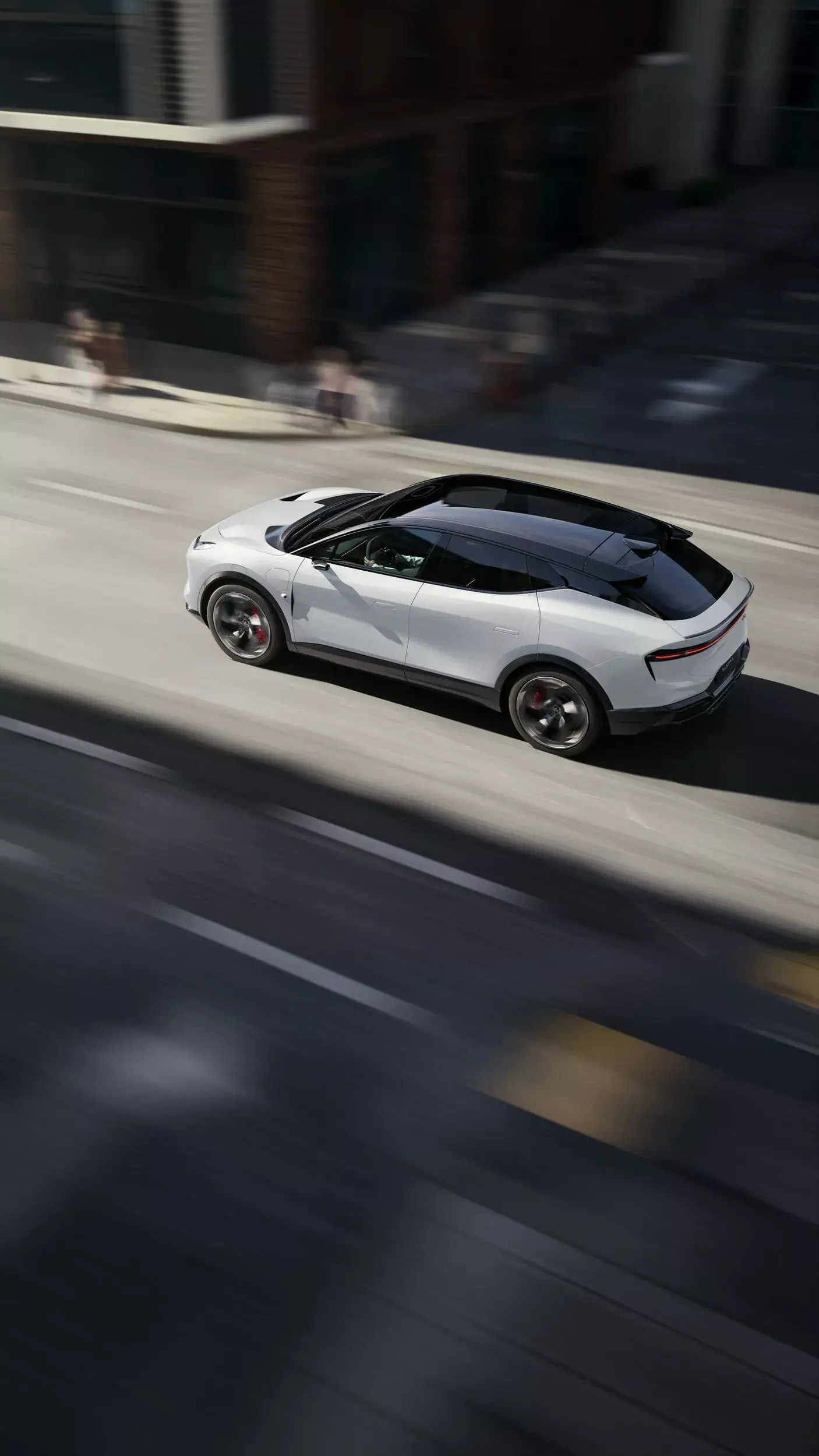
Lotus has broken its 100% electric promise. The Eletre SUV now features an internal combustion engine, a 900V system, and becomes the most powerful in the brand’s history.
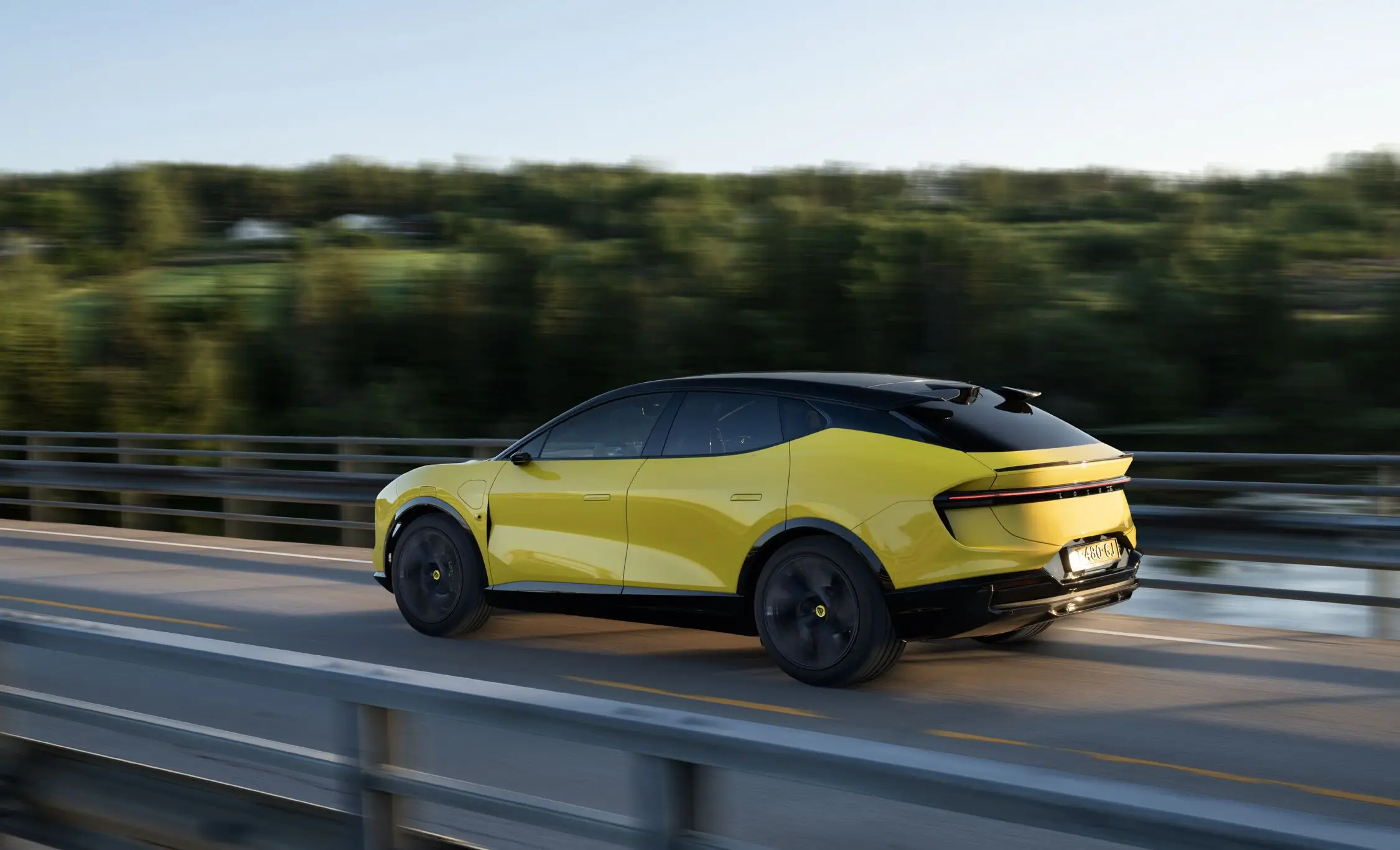
The automotive world has just witnessed one of the most dramatic turnarounds in recent years. The iconic British brand Lotus, which swore up and down that its future would be exclusively electric until 2028, has now reversed course. In a strategic move blending financial survival with pure engineering brutality, the automaker “planted” a gasoline engine inside its flagship SUV, creating the new Lotus Eletre plug-in hybrid (PHEV). This decision not only challenges the company’s previous narrative but also creates a power monster that surpasses even the purely electric version.
The End of the Fully Electric Promise
Market reality is relentless, and even ultra-luxury brands are not immune. With a sharp 40% drop in global sales and an accumulated operating loss of US$ 357 million, Lotus realized that betting everything solely on Battery Electric Vehicles (BEVs) was a risky move. The response is the model oddly dubbed “Lotus For Me” (a name likely to change before reaching Western markets), which debuted in China.
The major news is hidden under the hood: a 2.0-liter turbocharged four-cylinder engine. This powertrain is not a ground-up invention but rather an engineering piece borrowed from Zeekr, a sister brand under the Geely umbrella. Unlike some range extenders that only generate energy, this engine can drive the front wheels or act as a potent generator for the battery.
This paradigm shift reflects a larger industry movement. We are seeing giants rethinking their strategies, similar to the Porsche crisis and sales collapse that forced a portfolio reevaluation. Lotus needed a product that caters to markets where charging infrastructure remains nascent, such as parts of Europe and the Middle East.

Technical Specifications: A 952 Horsepower Monster
If you thought adding a combustion engine would be a performance step backward, think again. The new Lotus Eletre PHEV is, in fact, the most powerful version of this SUV ever made. The combination of the 279-horsepower gasoline engine with electric motors results in an insane combined output of 952 horsepower. To put this in perspective, it surpasses the previous flagship, the purely electric Eletre R, which delivers 918 hp.
This configuration allows the luxury SUV, weighing nearly 2,600 kg (5,732 lbs), to accelerate from 0 to 100 km/h (0-62 mph) in just 3.3 seconds. We are talking about hypercar territory, where hybrid engineering is utilized for extreme performance—a philosophy very similar to what we recently observed in the Lamborghini Temerario with 907 hybrid horsepower.
Another technical highlight is the electrical architecture. Although the battery capacity has been reduced from 107 kWh (in the EV version) to 70 kWh in the hybrid version, the technology has taken a leap. The system now operates at 900 Volts (above the 800V of the EV), enabling ultra-fast charging above 400 kW. This means that, even with a smaller battery, charging times are minimal, recovering from 30% to 80% in about 8 minutes.
Range and Market Strategy
In pure electric mode, the “Lotus For Me” promises around 350 km on the Chinese cycle (CLTC), which should translate to roughly 240 km (150 miles) in more realistic cycles like EPA or WLTP. This might seem limited compared to a dedicated EV, but the presence of a fuel tank completely eliminates range anxiety, allowing long trips without mandated charging stops.
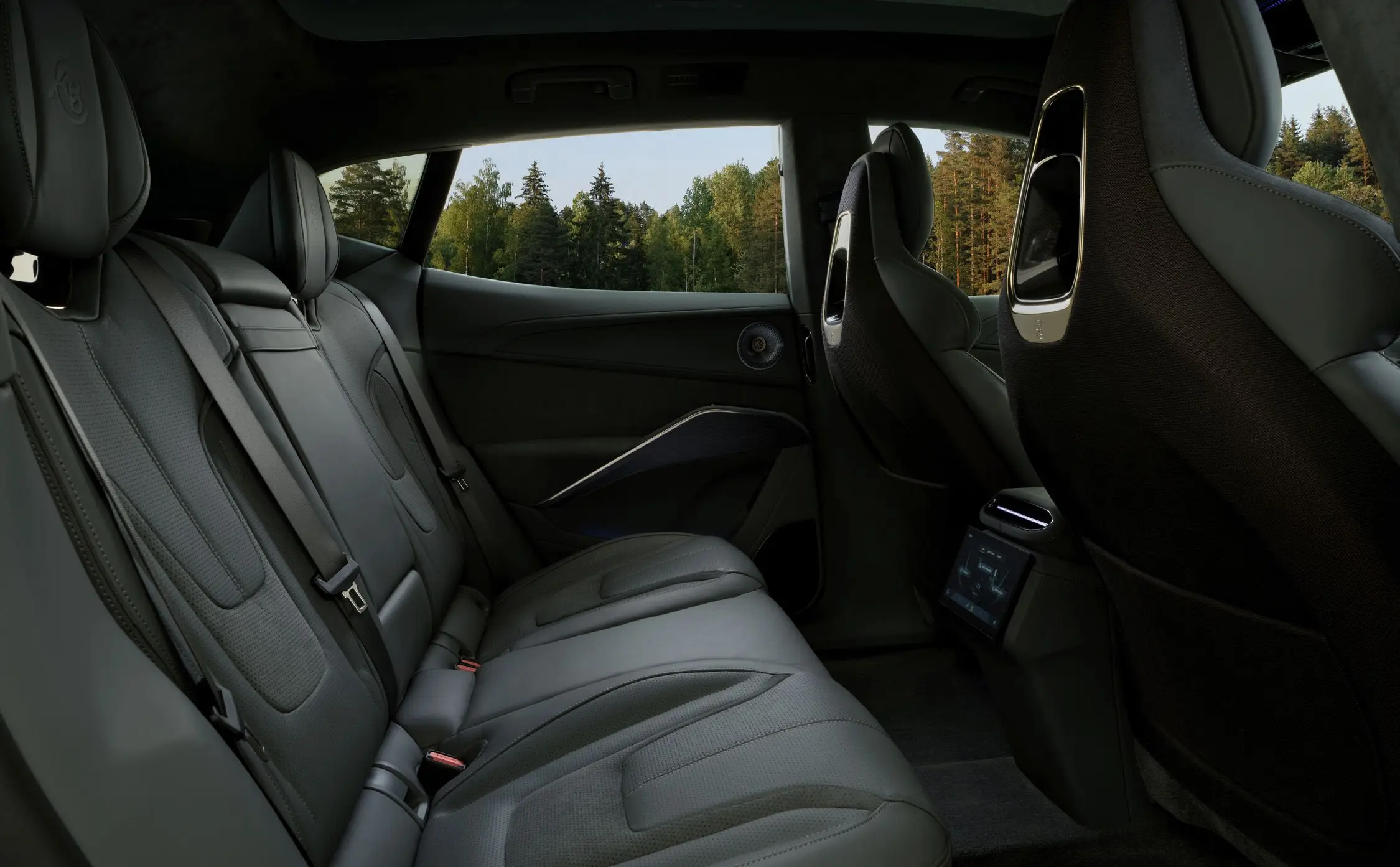
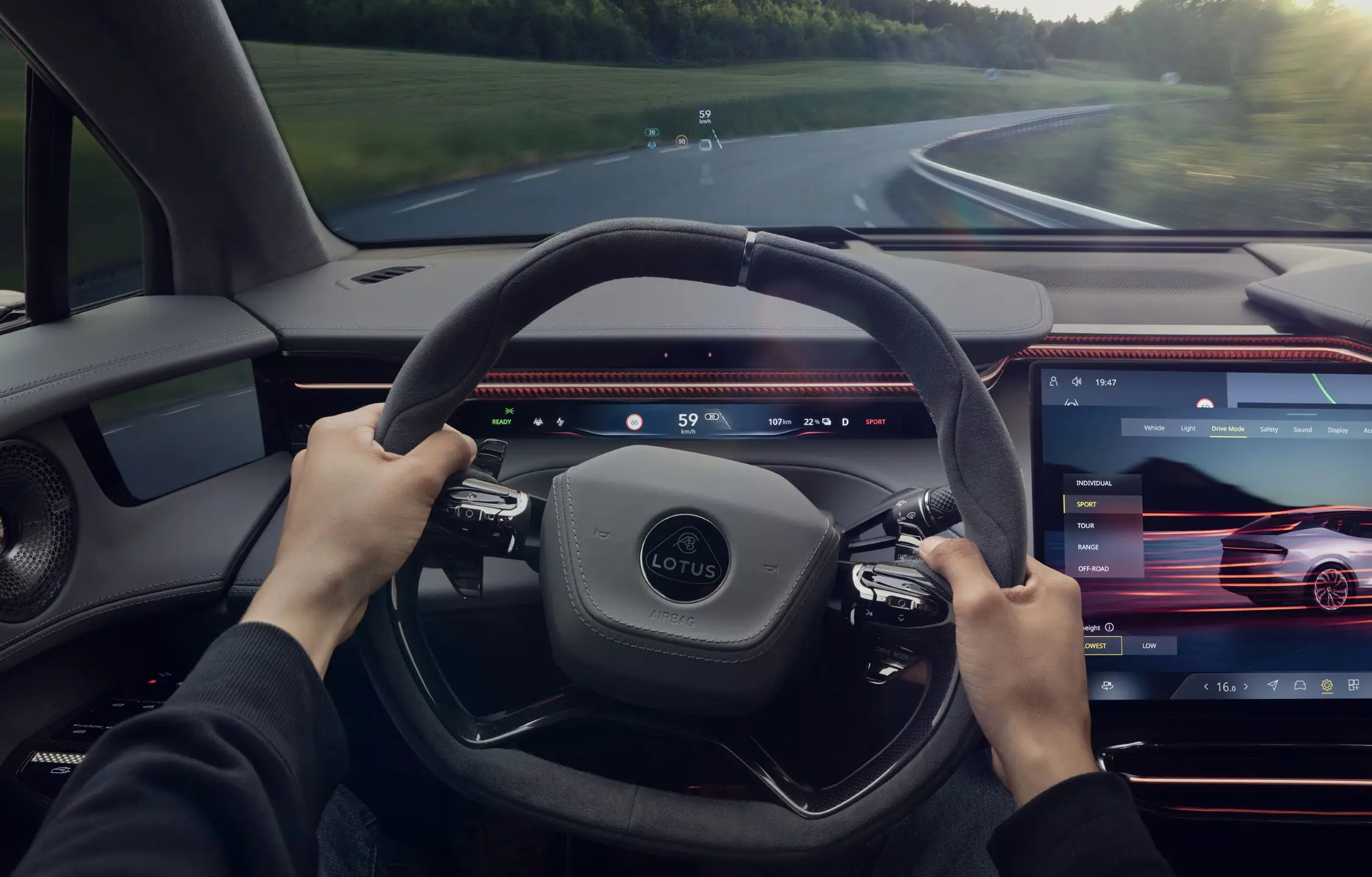
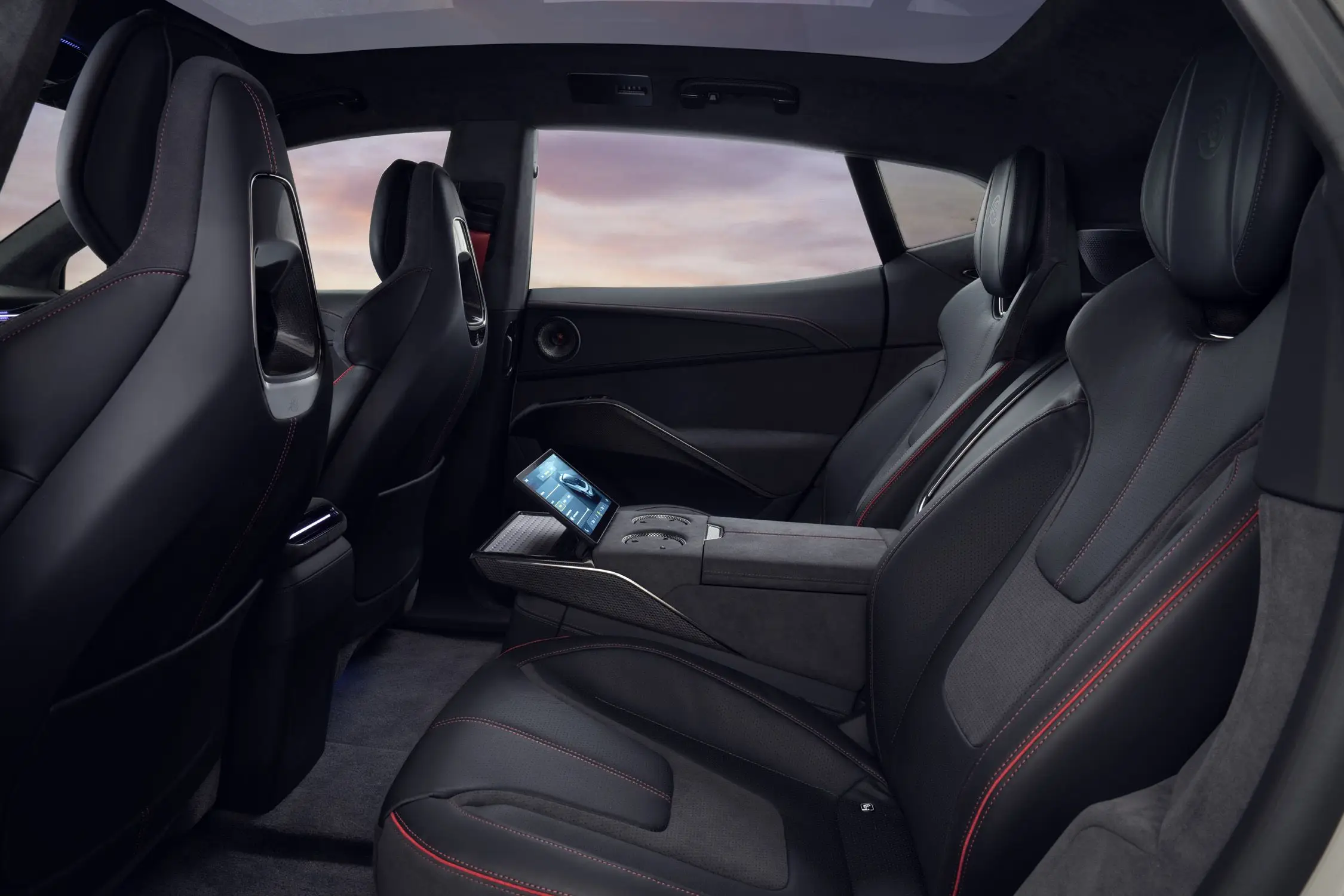
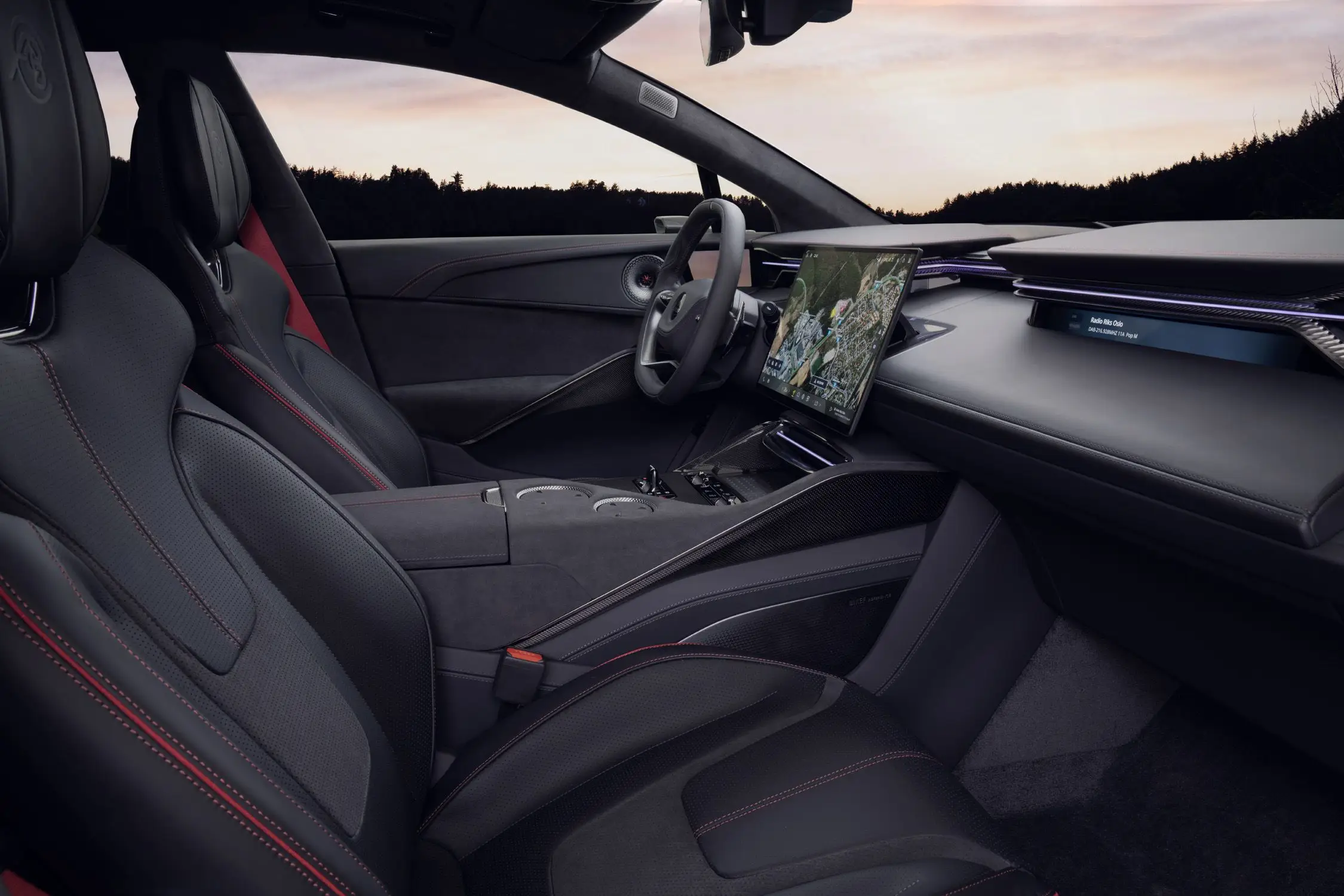
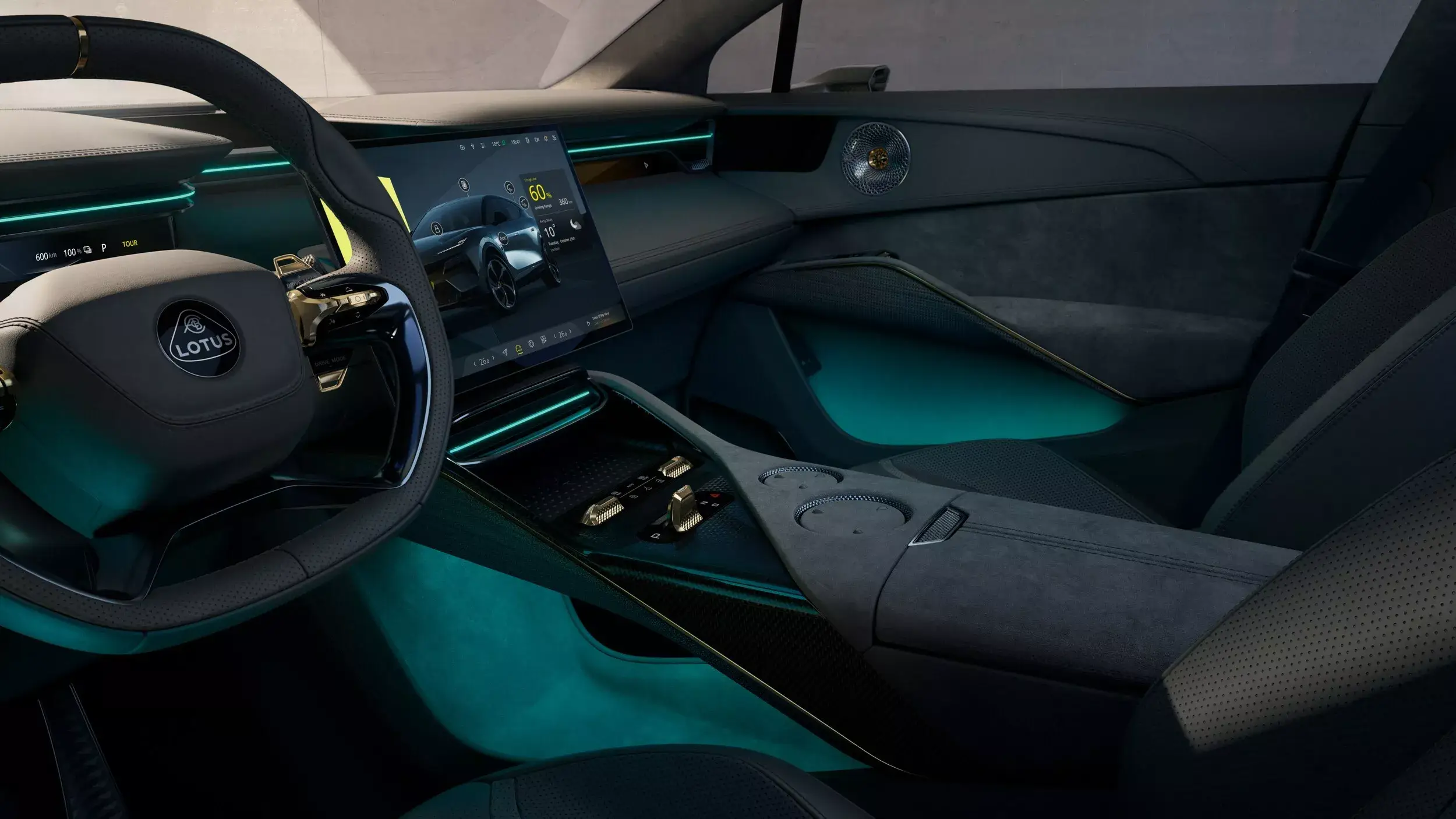
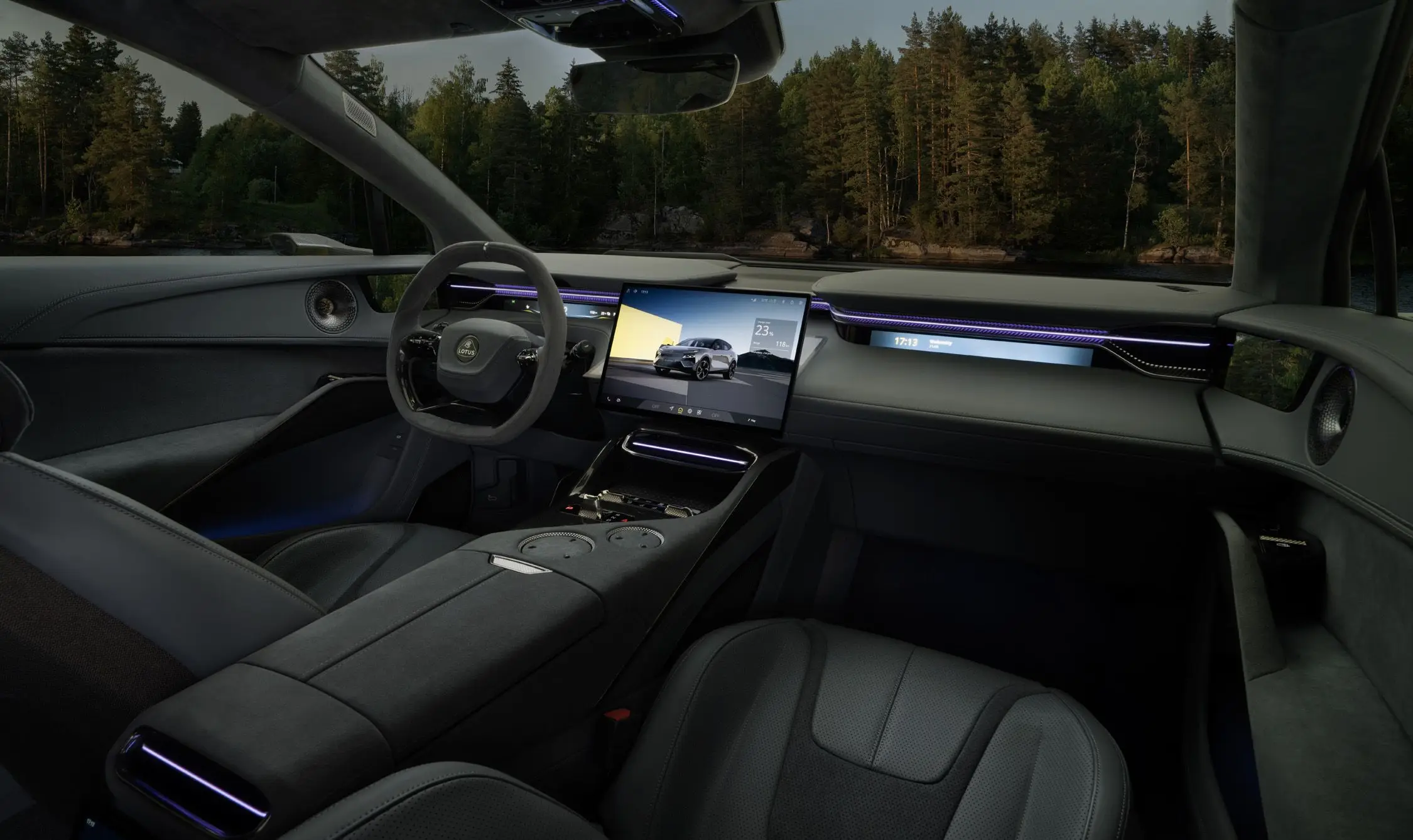
Visually, the changes are subtle. A slightly larger front grille for cooling the internal combustion engine and new badging on the rear are the only clues that this vehicle utilizes gasoline. Inside, luxury and technology continue to dominate, competing directly with the most modern offerings, such as innovations seen in the interior of the new Mercedes-Benz GLB and its Superscreen.
Lotus’s strategy is clear: survival and expansion. By introducing a plug-in hybrid, the brand opens itself to consumers who love performance but are not yet ready to abandon the gas station. It’s a direct competition with ultra-performance SUVs that still roar with engine sound—a niche where even legendary wagons like the Audi RS6 Avant Performance continue to reign.
The launch in Europe is scheduled for the second half of 2026, and it is almost certain that the “For Me” name will be replaced by something more conventional, such as “Eletre Hybrid” or “Performance PHEV.” What is clear is that the electric transition is not a straight line, and technological flexibility may be the key to saving historic brands from financial extinction.