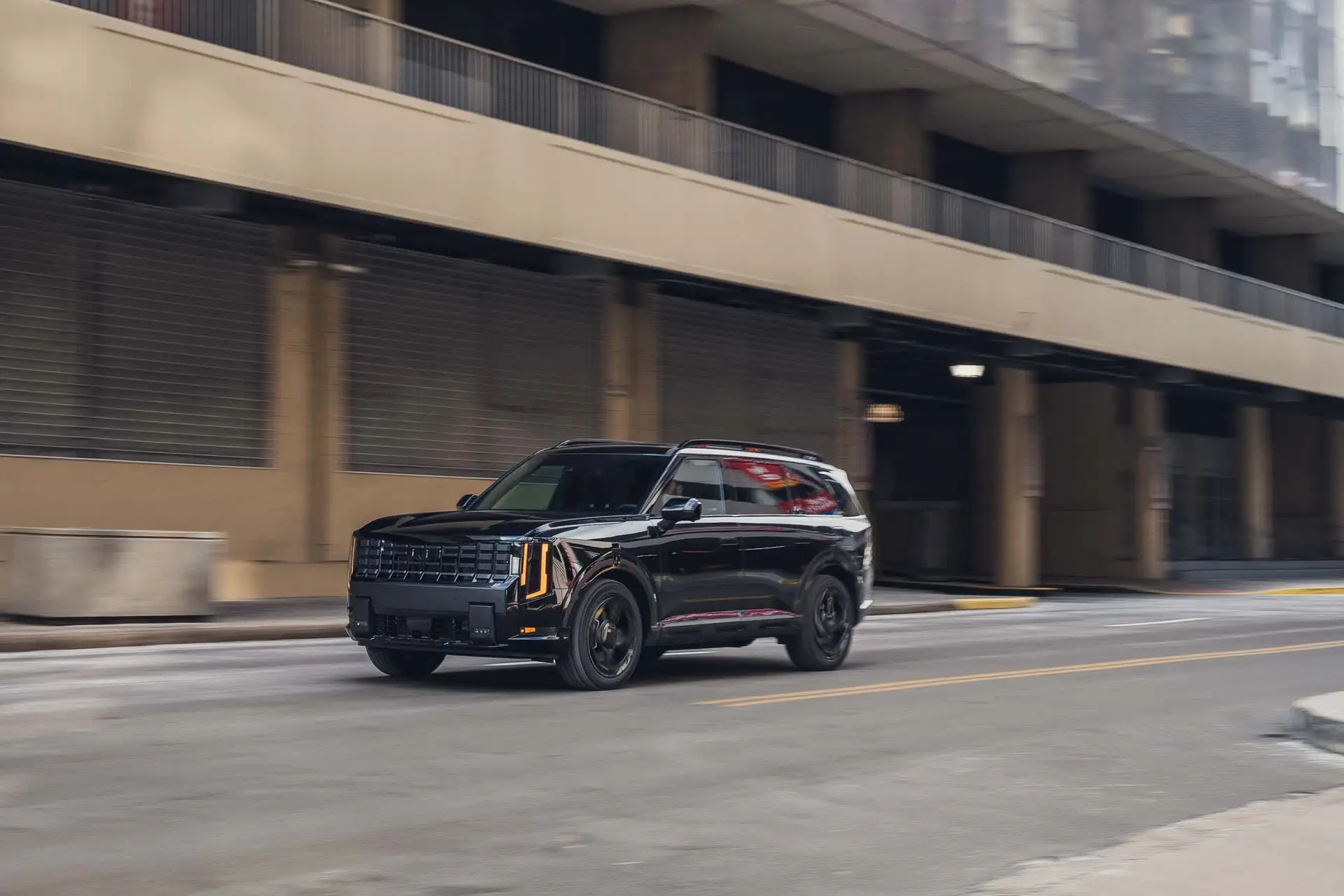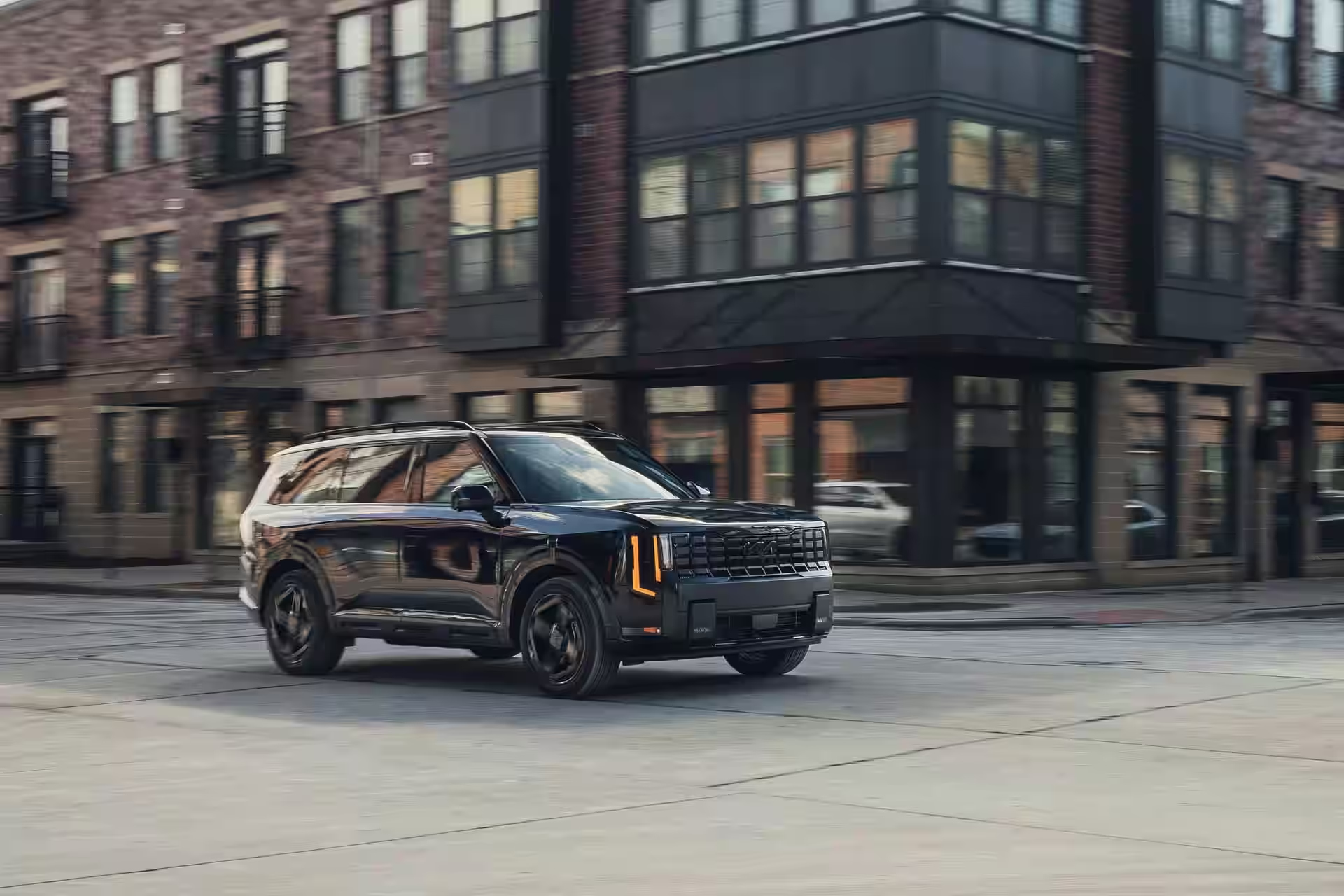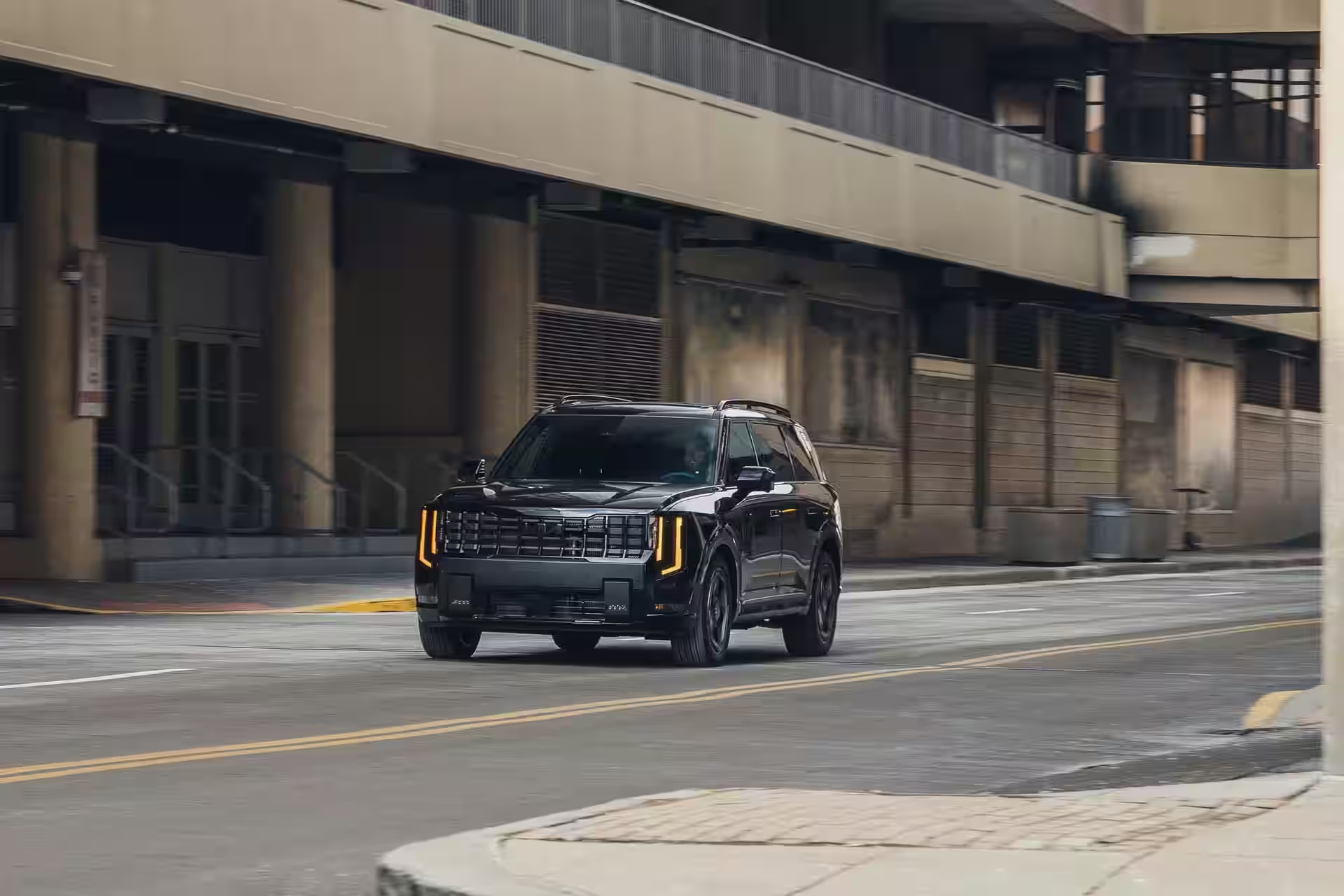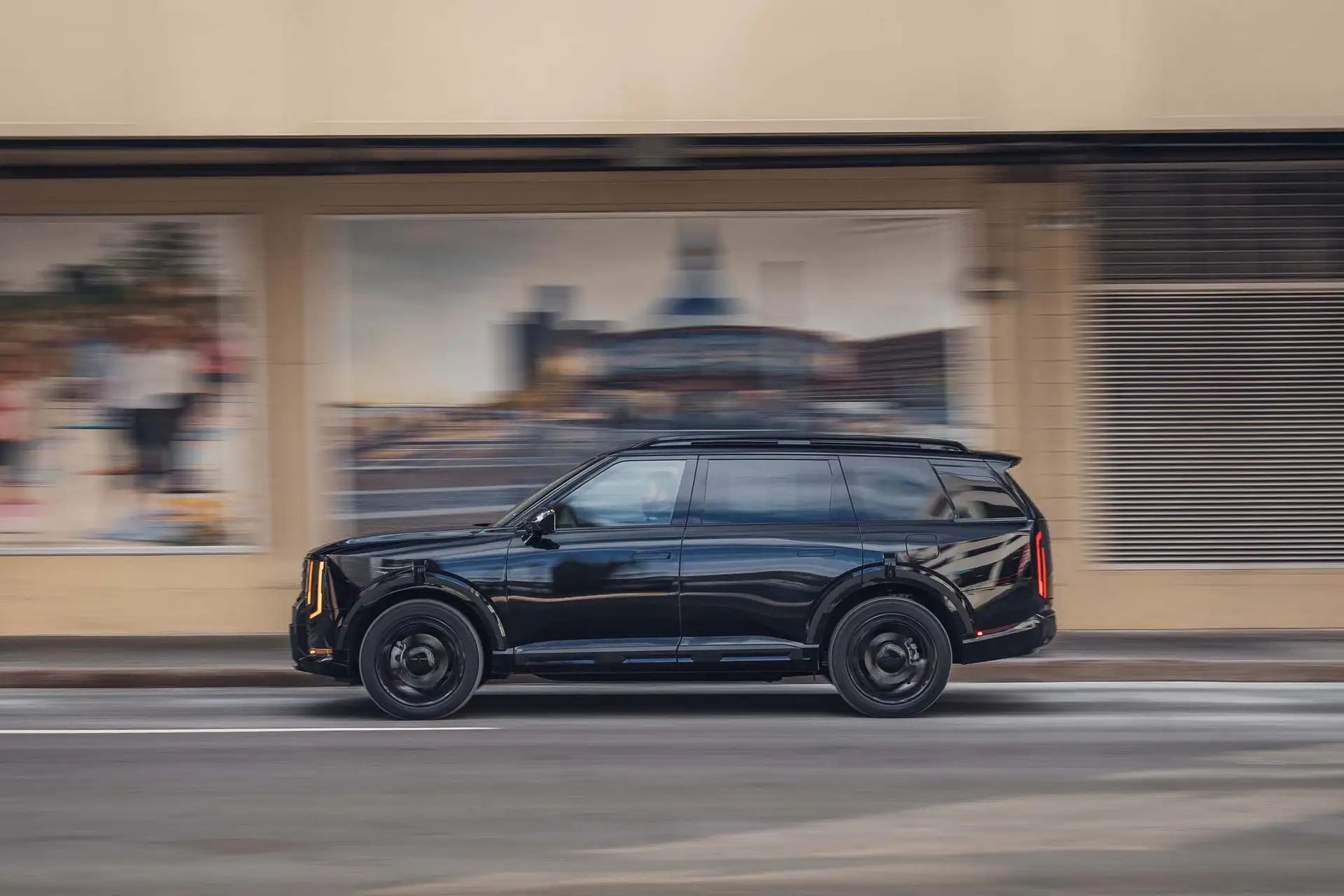
KIA TELLURIDE 2027 has dropped the V6 for a nimbler turbo engine. Discover how the extra torque changed the award-winning SUV. Check out the details here!
When a vehicle wins the Car and Driver 10Best award six years in a row, any change to the formula becomes a high-stakes gamble. The Kia Telluride 2027 arrives as the second generation of one of the most celebrated SUVs of the last decade, and the question echoing among enthusiasts and families is simple: does the sequel honor the original?
Why Kia Took a Big Risk with the Turbo Engine
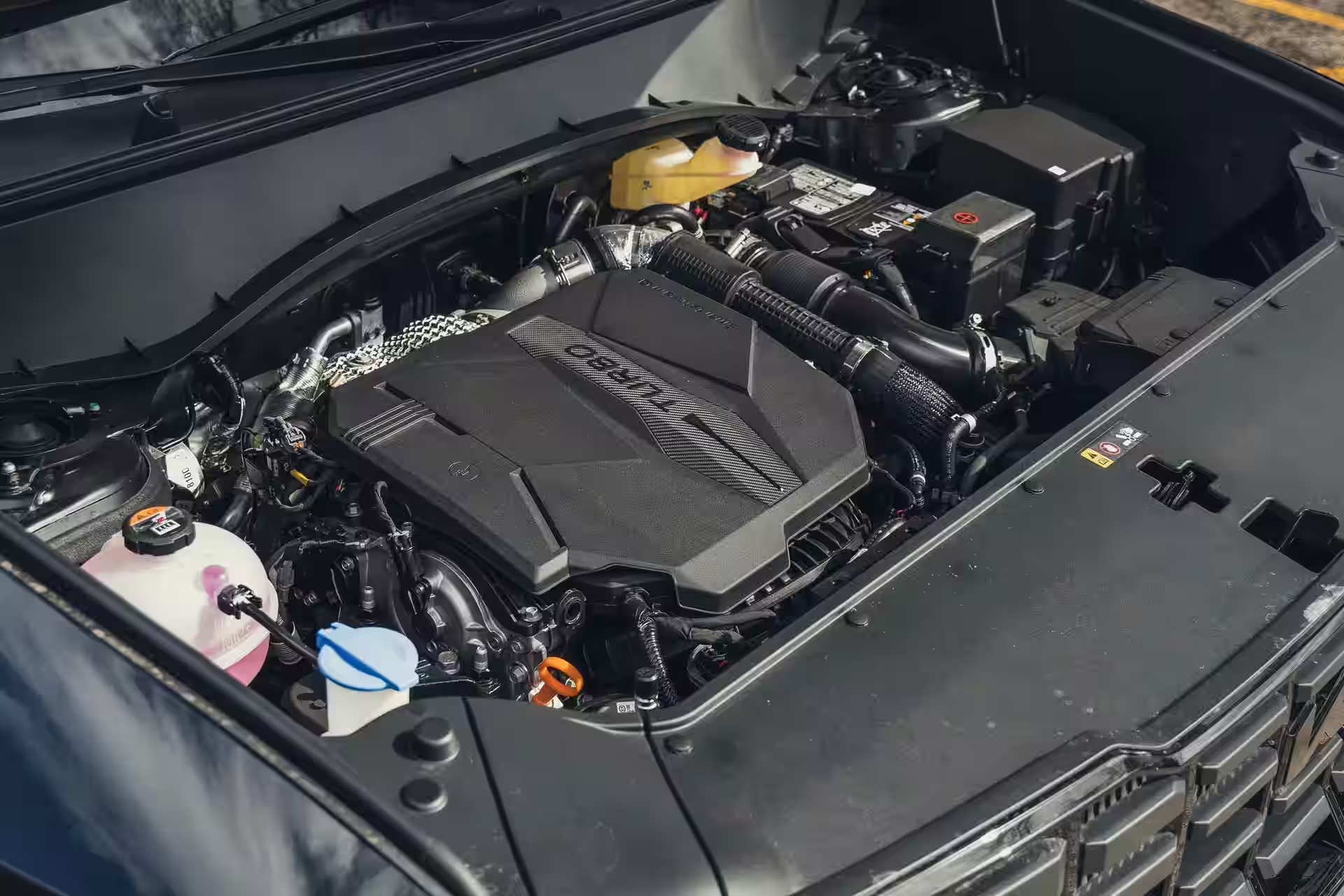
The most controversial decision of the new generation is under the hood. Kia abandoned the acclaimed 3.8-liter V6 with 291 hp in favor of a 2.5-liter four-cylinder turbo. The swap looks like a numerical regression — down by 17 horsepower — but hides a torque play that completely changes the SUV’s behavior.
With 311 lb-ft (421 Nm) of torque available from 1,700 rpm, the new engine delivers 49 lb-ft more than the old V6. In practice, this means instant responses in city traffic and safer overtaking on single-lane roads. The eight-speed automatic transmission, inherited from the previous generation, retains the smoothness owners were already familiar with.
The performance numbers, however, tell a more complex story. The 2027 AWD Telluride accelerates from 0 to 60 mph in 7.4 seconds — 0.7 seconds slower than the 2023 model tested by the American publication. The reason? The weight. At 4,800 lbs (2,177 kg), the new generation carries 308 lbs (140 kg) more, a direct consequence of the larger platform and structural reinforcement.
Interestingly, the same turbo engine in the 2026 Hyundai Palisade — Telluride’s mechanical sibling — was replaced by a 3.5-liter V6 with 287 hp that disappoints in torque. The result is a stark performance difference: the Palisade takes 8.0 seconds to reach 60 mph, while the Kia remains more agile. For those looking for a family SUV without sacrificing driving pleasure, this divergence between the sister brands may decide the choice.
The Hybrid That Promises to Revolutionize the Category
Kia has saved its most ambitious card for the top of the line. The 2027 Telluride Hybrid, not yet tested by the specialized press, promises 329 hp of combined power and fuel consumption of 35 mpg (6.7 l/100km) in the city — numbers that would place the SUV in the territory of economical compact sedans.
The expectation around the hybrid version is so high that it already fuels comparisons with the 2027 Toyota Highlander, another three-row giant betting on electrification. The price difference, however, is substantial: the Kia hybrid costs $2,700 more than the turbo version and is not available in the entry-level trims.
The Growth That Divides Opinions
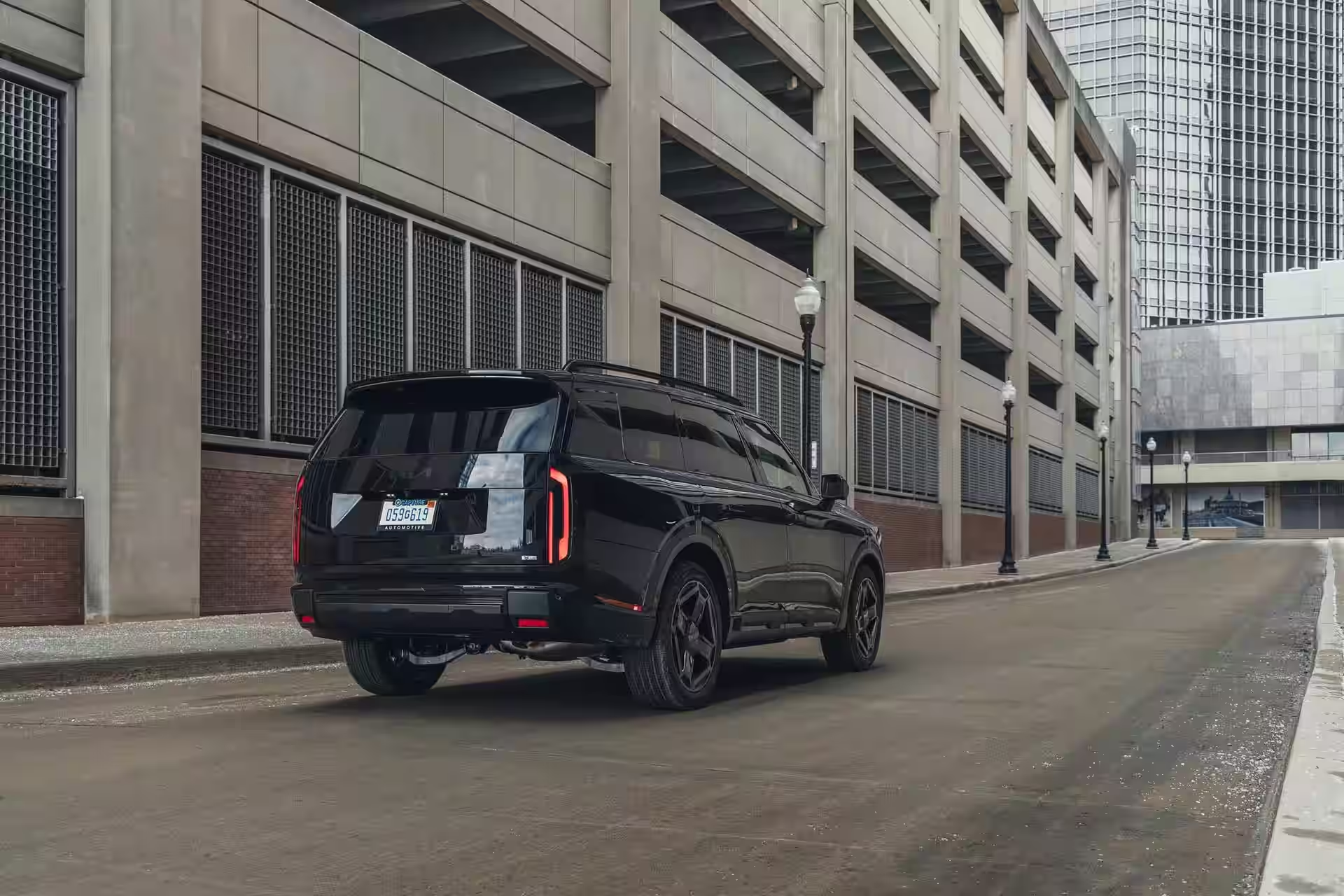
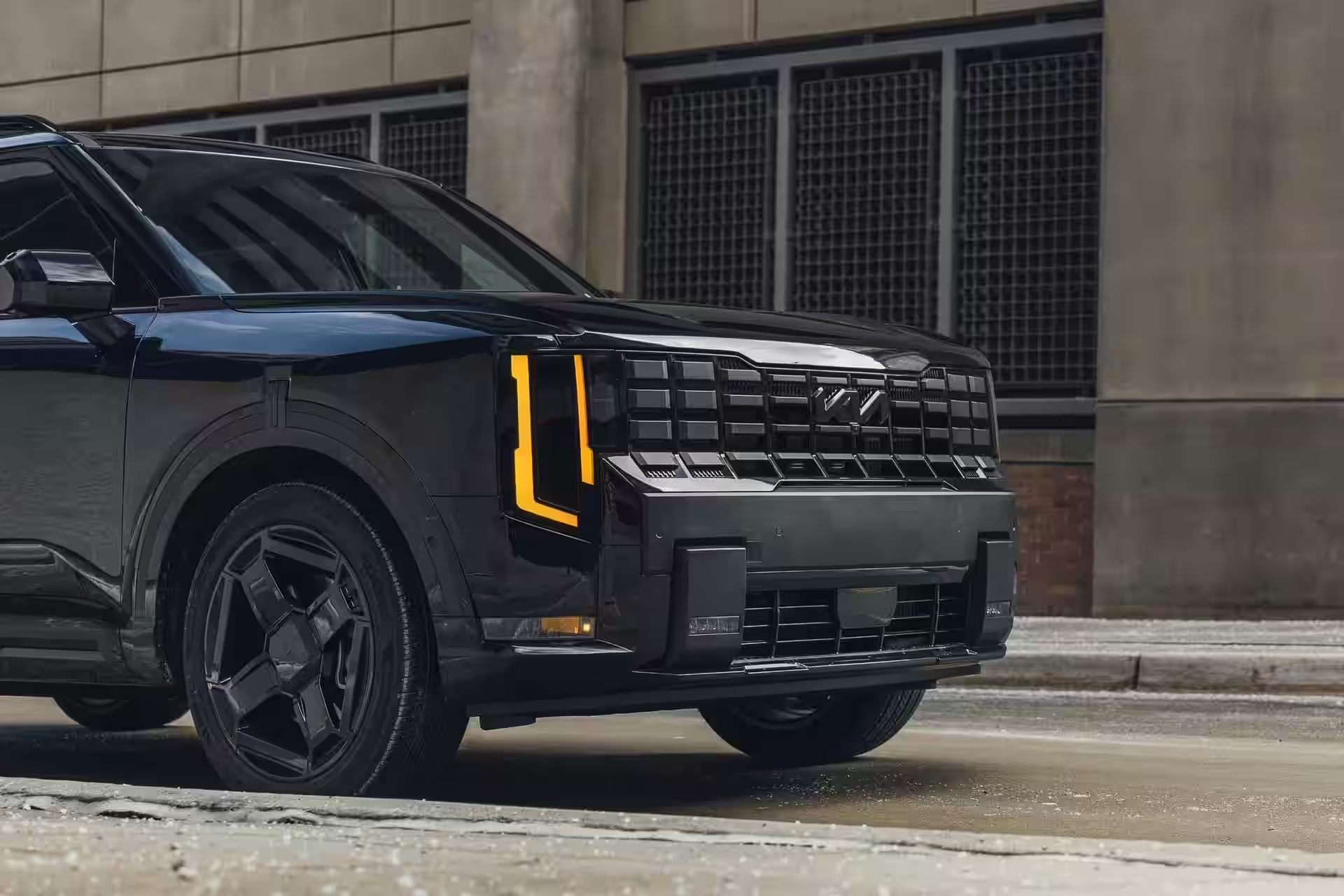
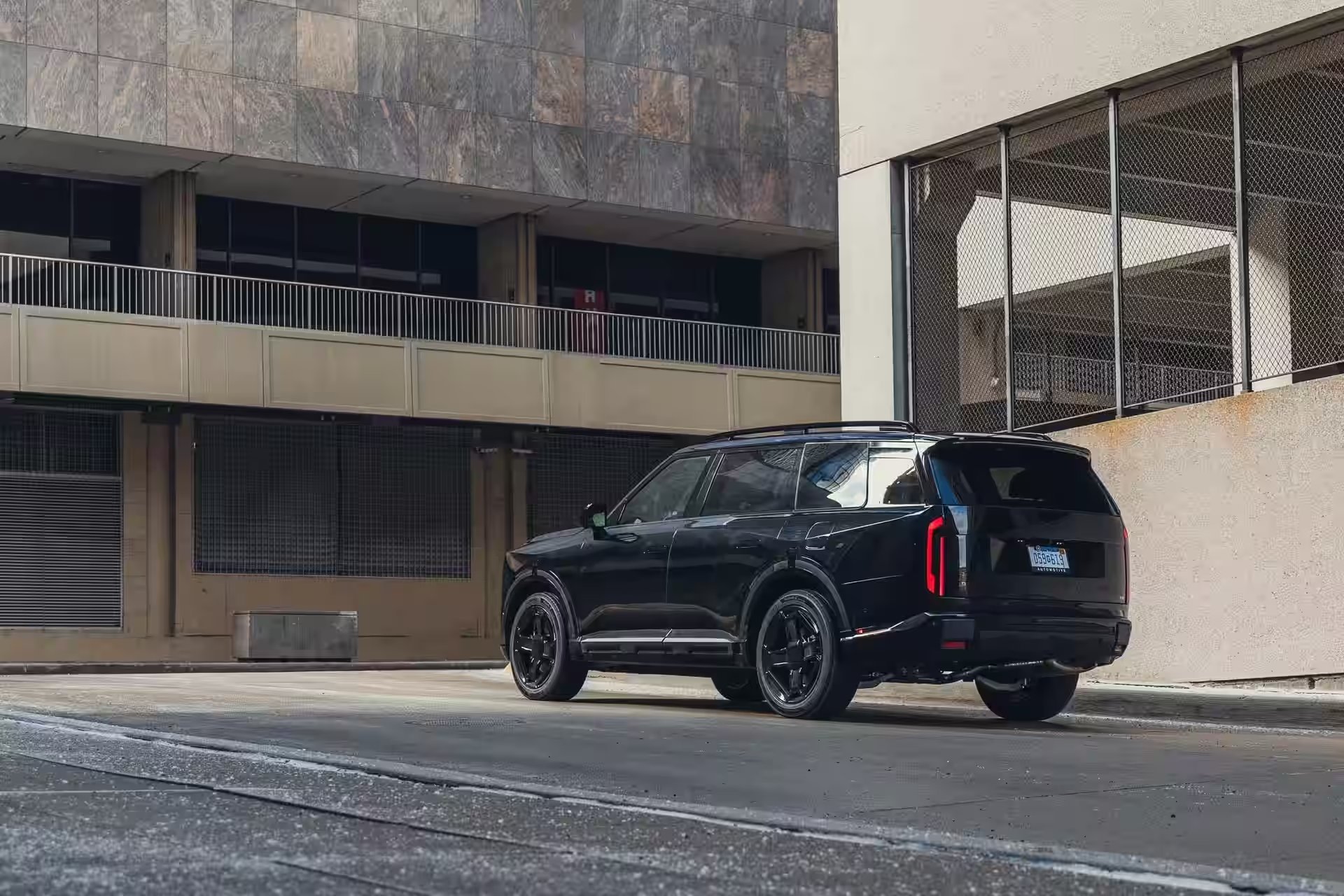
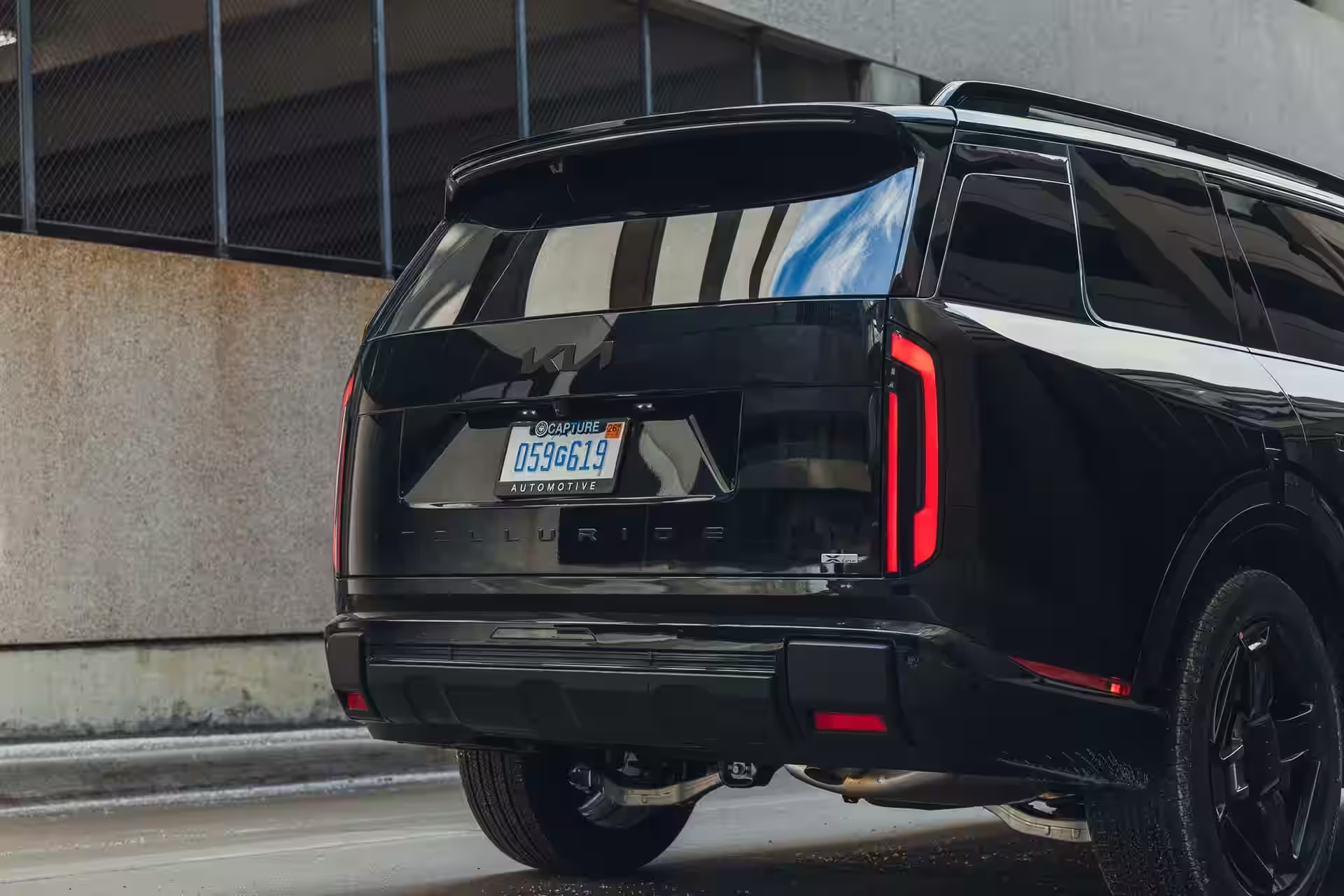
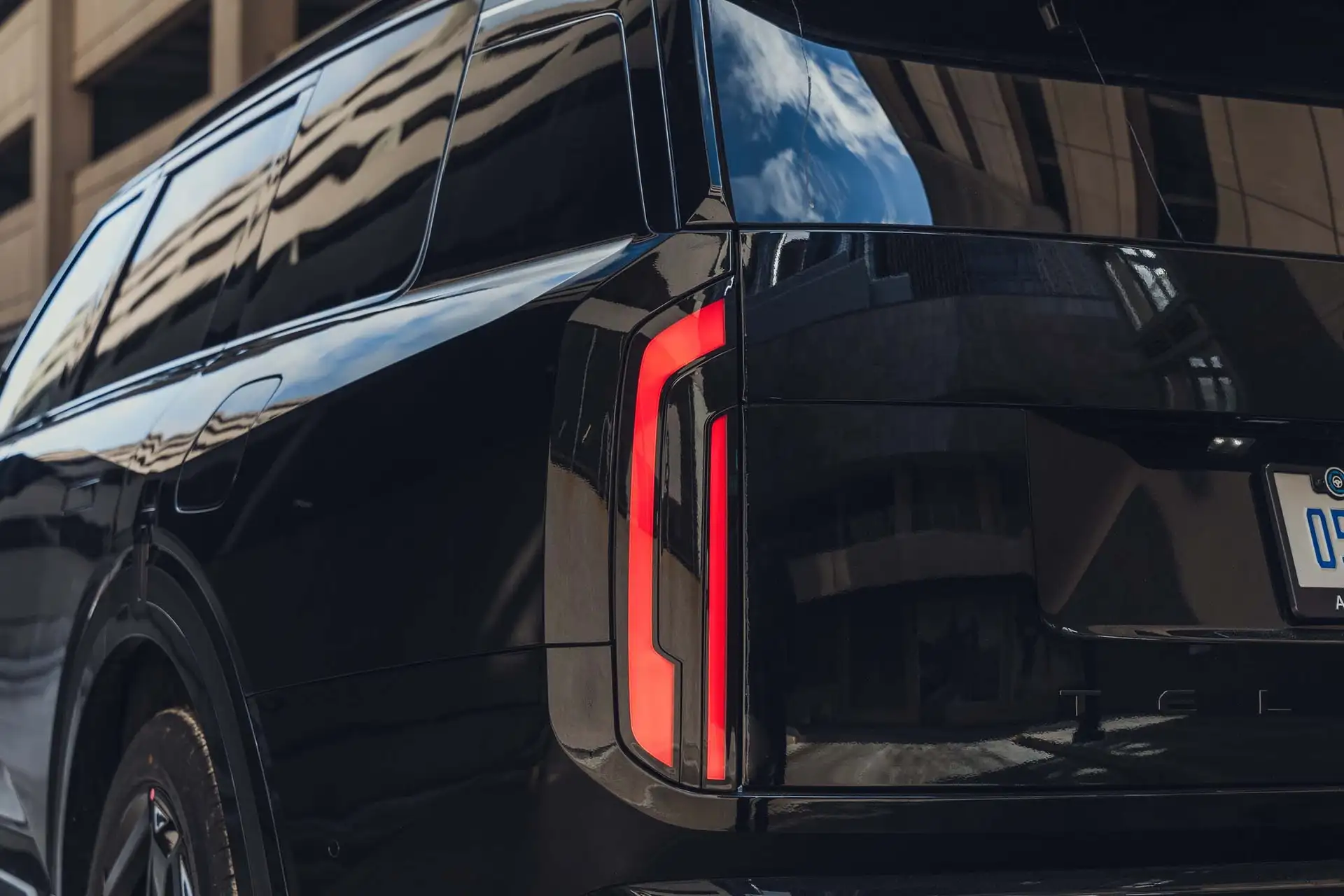
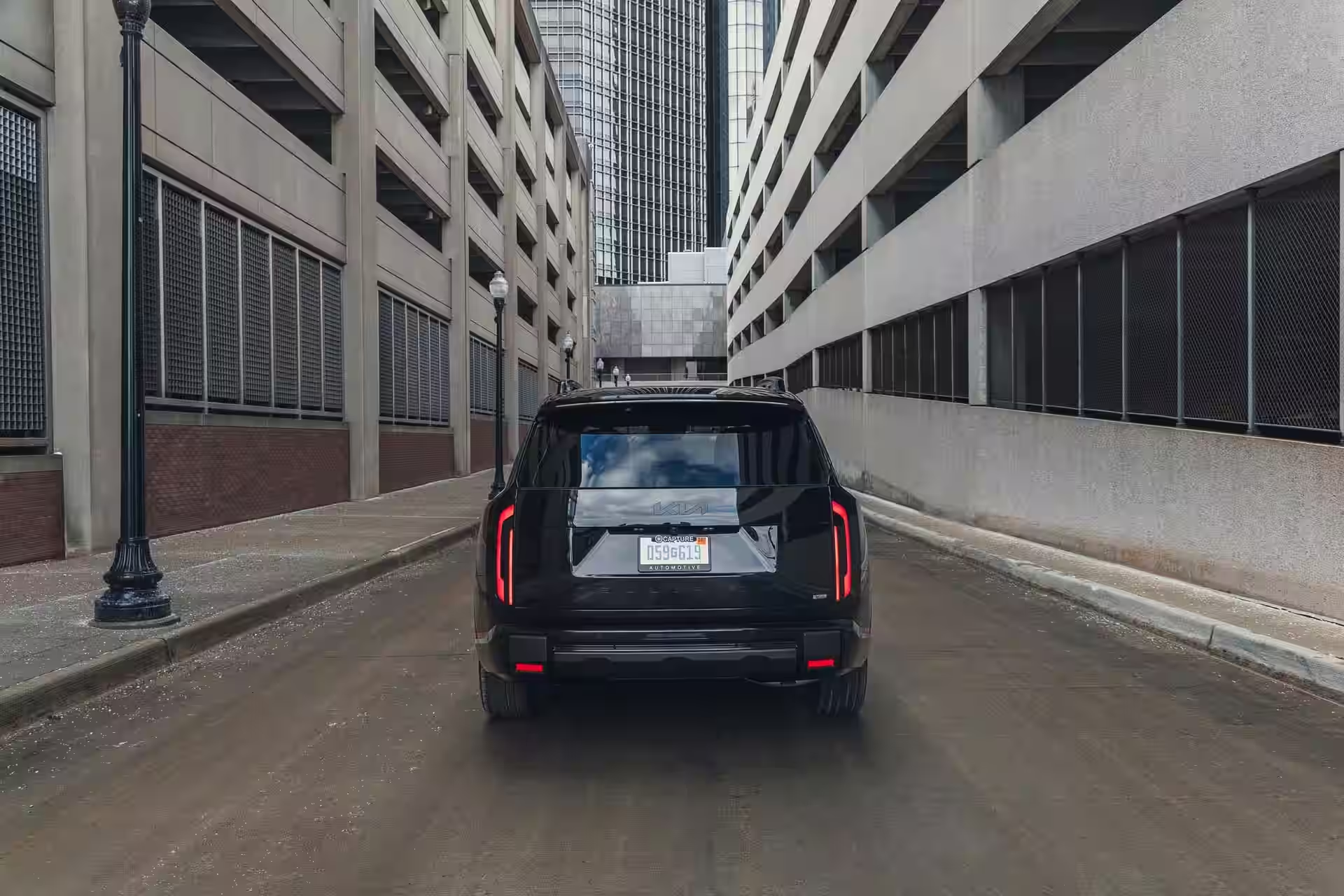
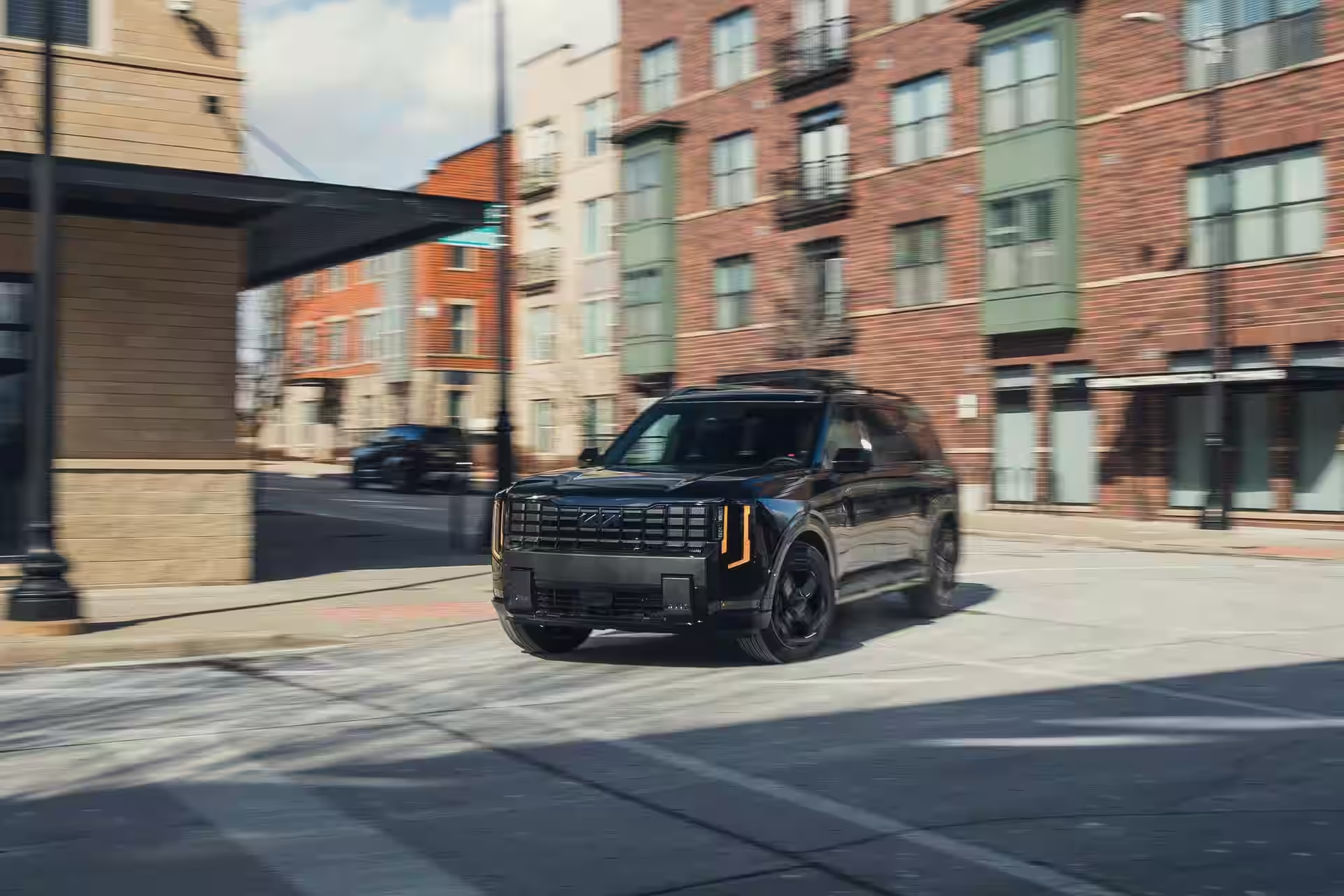
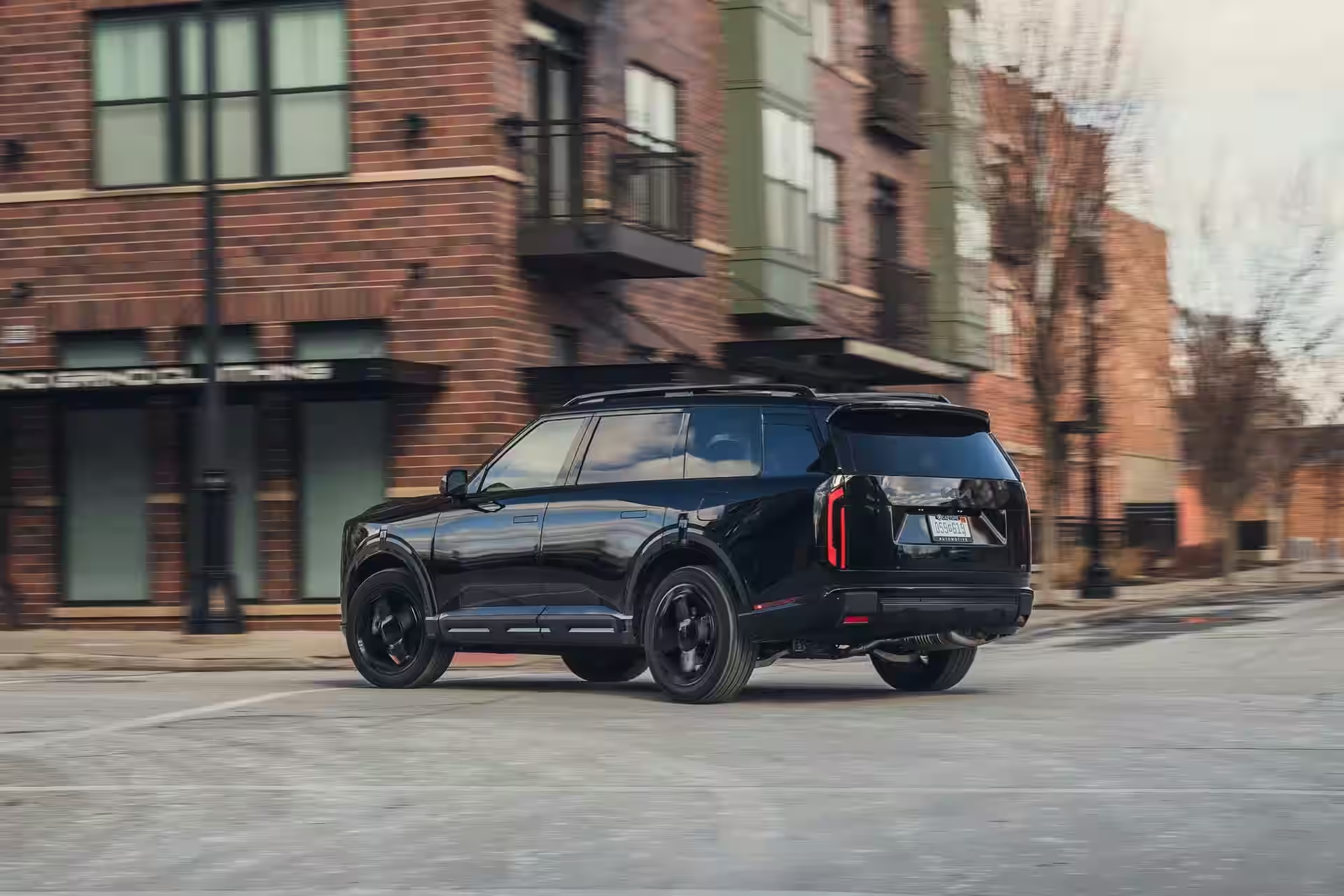
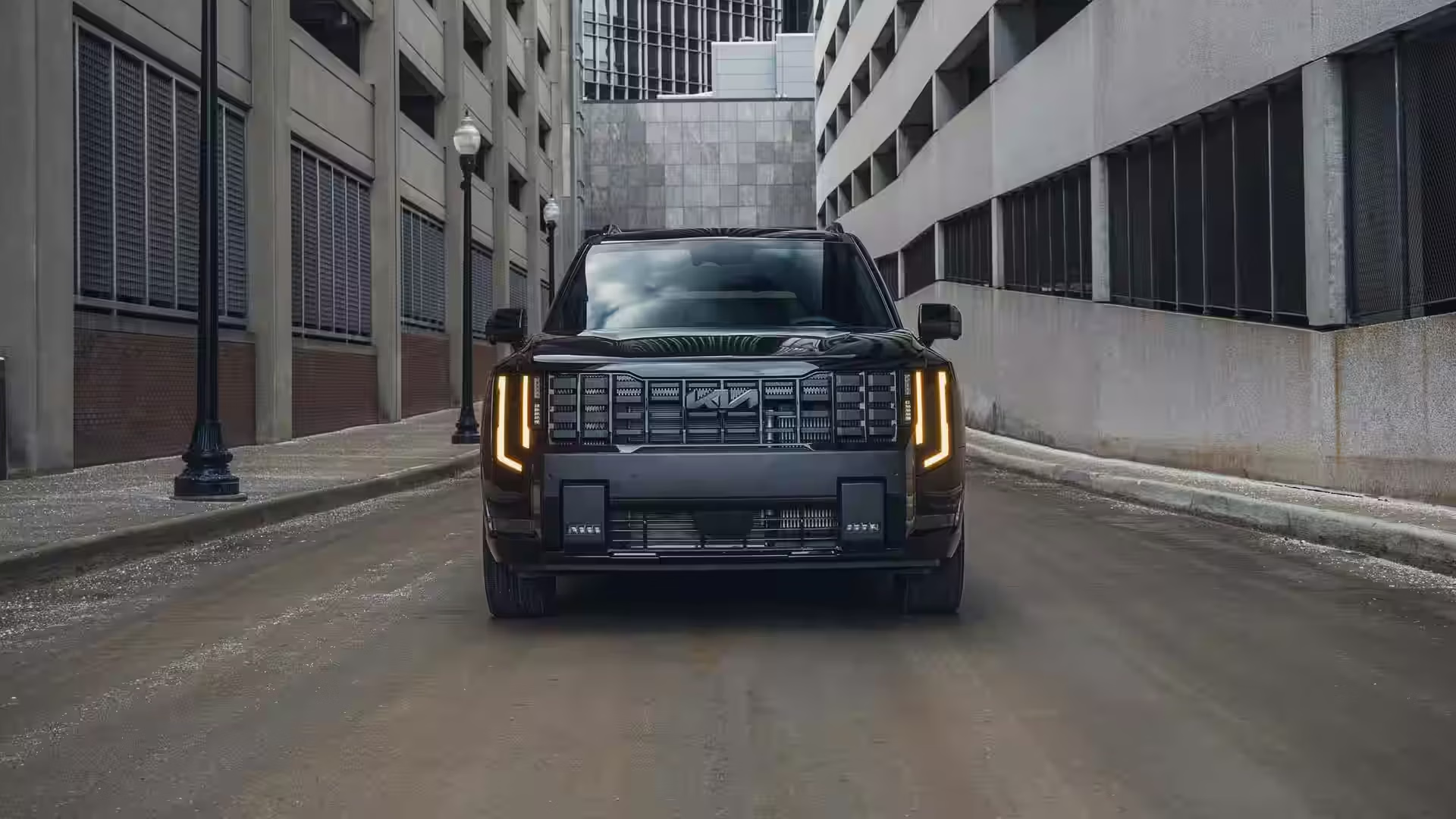
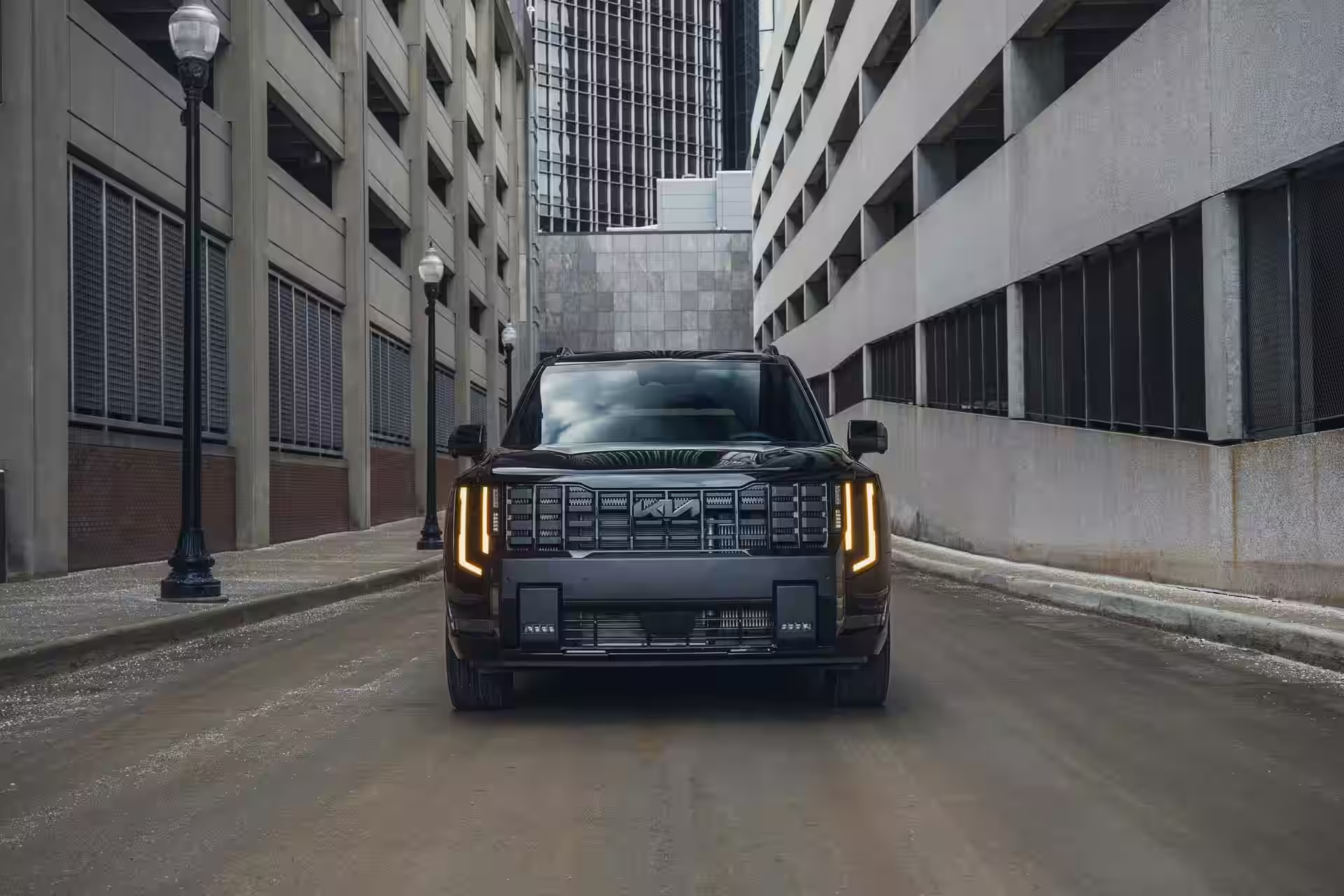
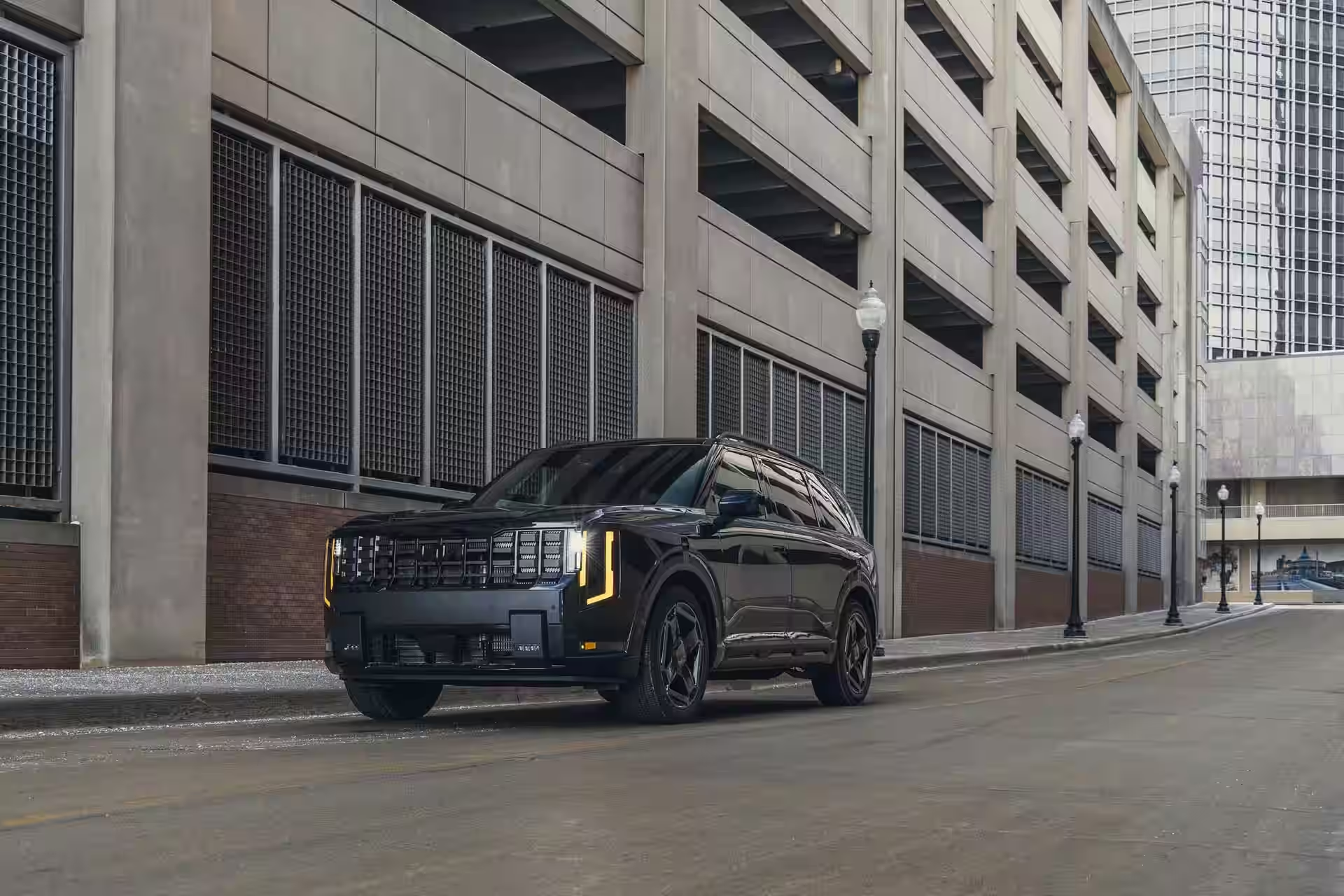
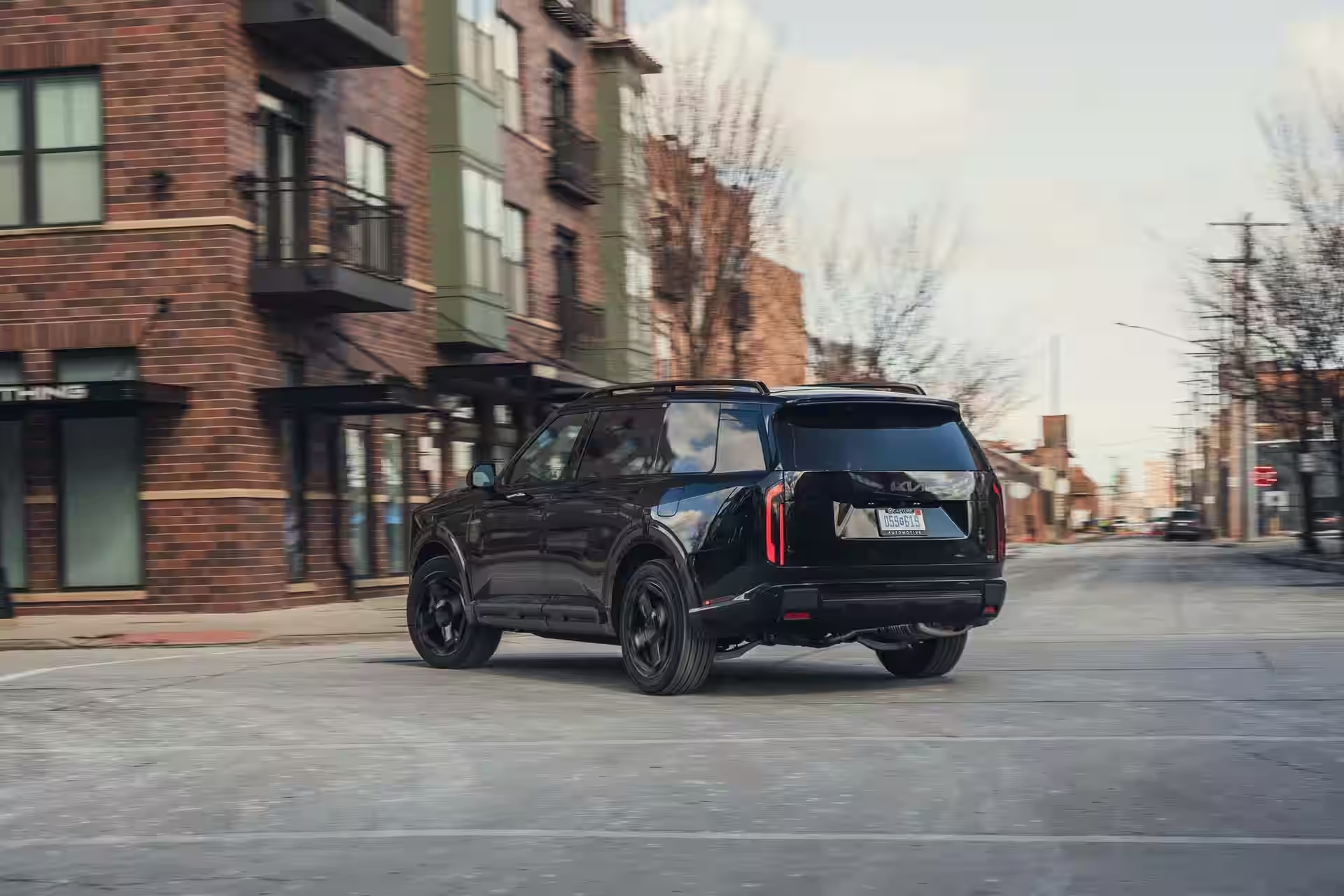
The second generation Telluride refuses to be discreet. With 5,060 mm in length and a 2,969 mm wheelbase, the SUV has grown 58 mm in length and 69 mm in wheelbase. On the road, this expansion translates into a dominant presence — some reviewers detected inspirations from the Range Rover in the rear and the Kia EV9 electric in the sculpted side lines.
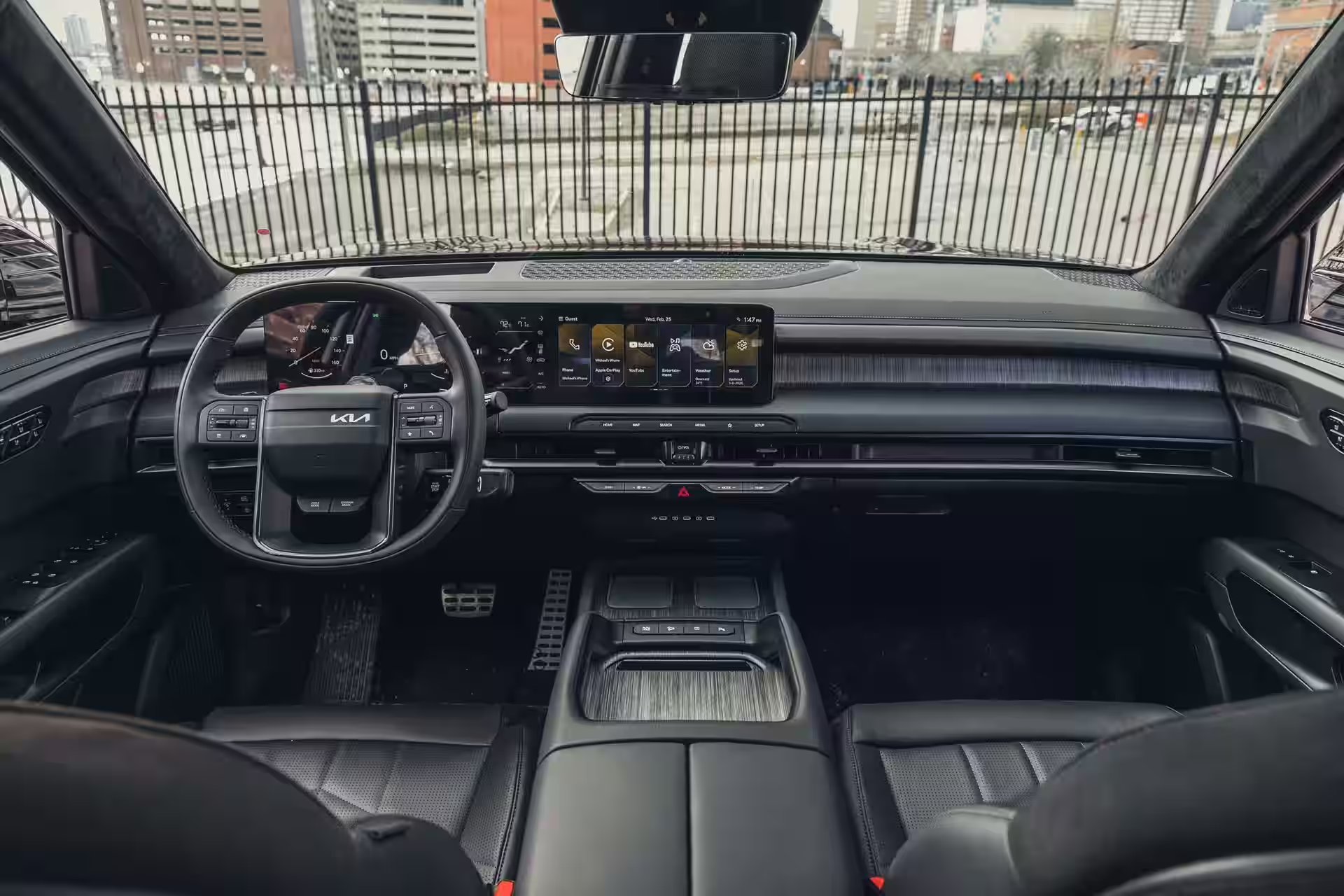
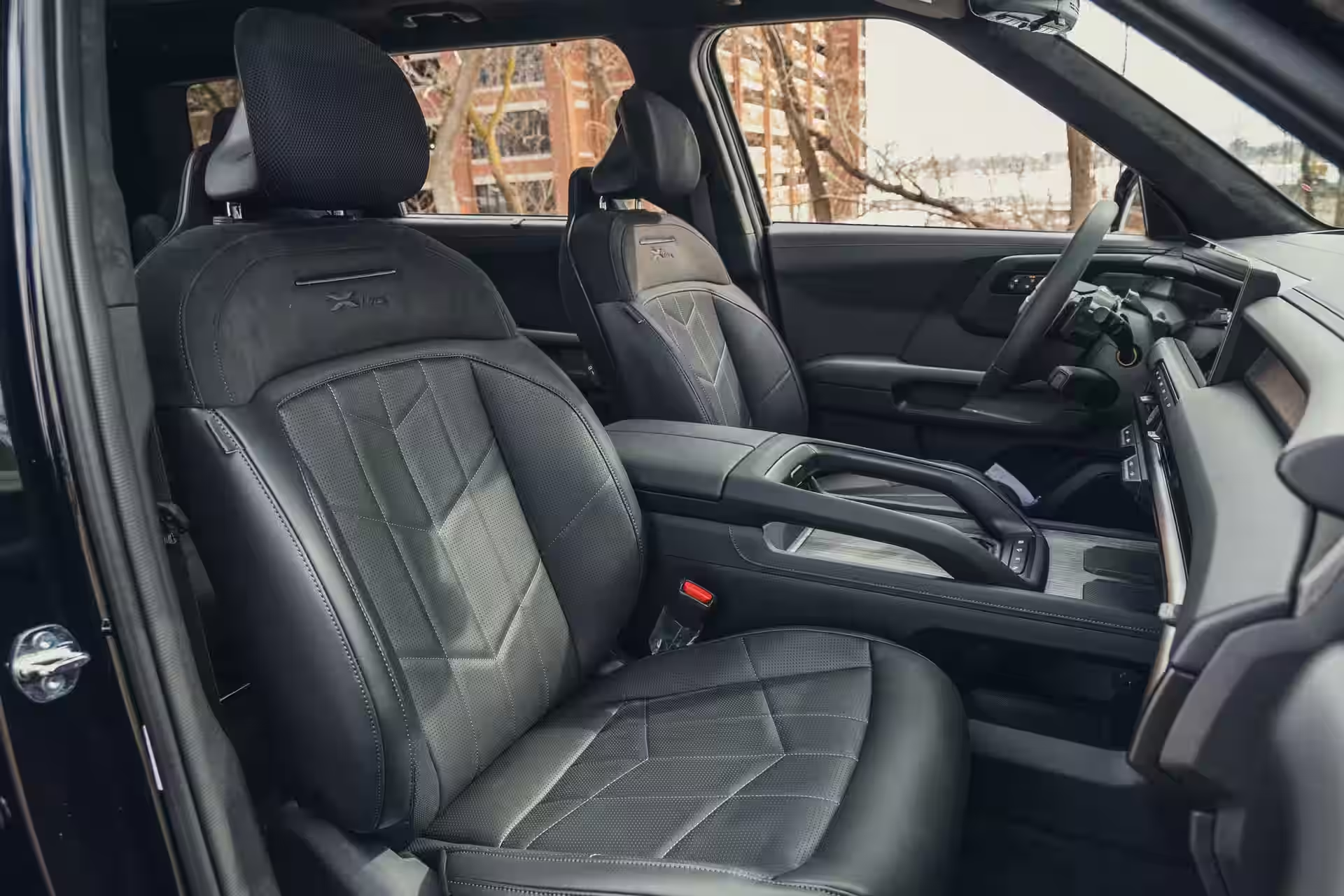
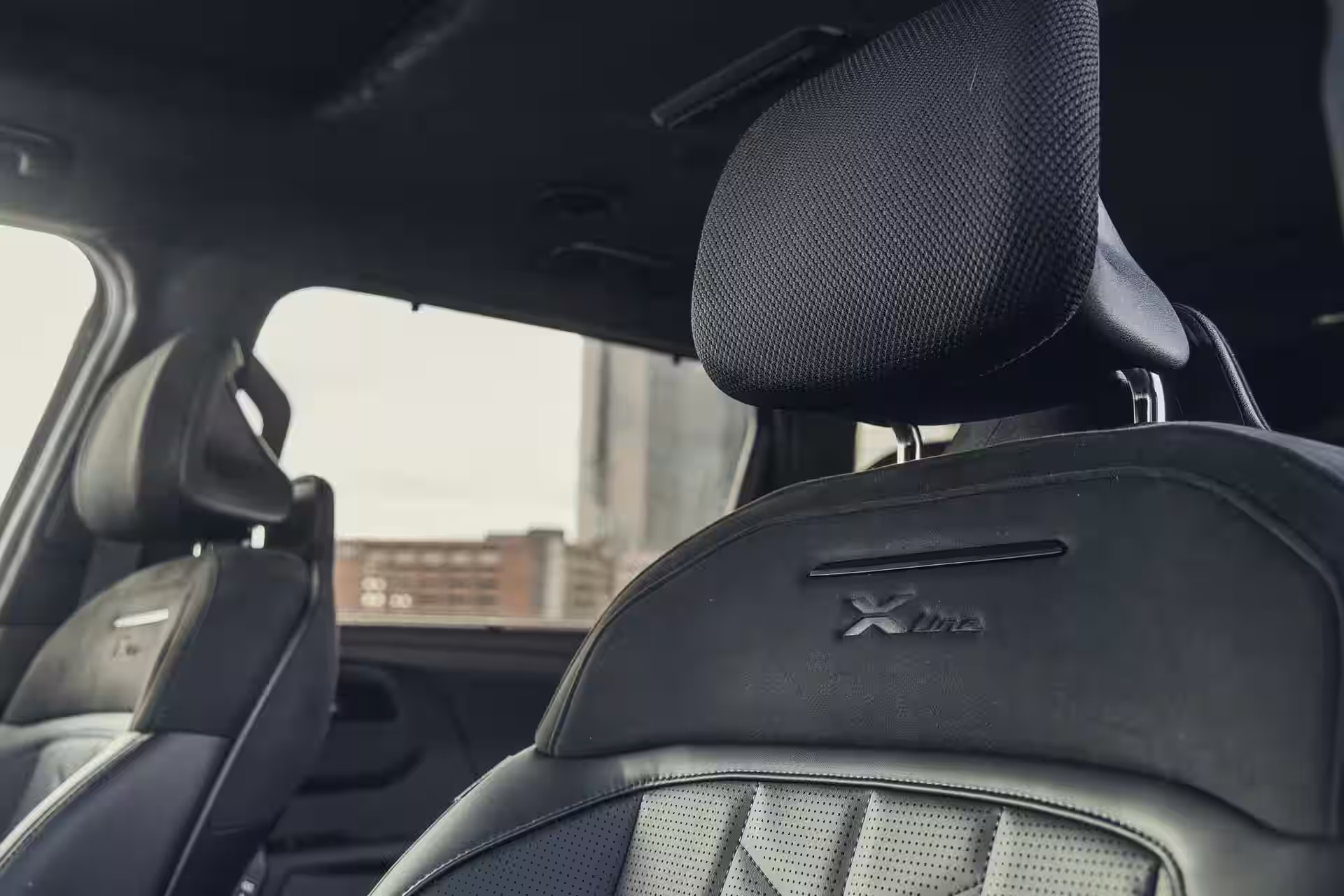
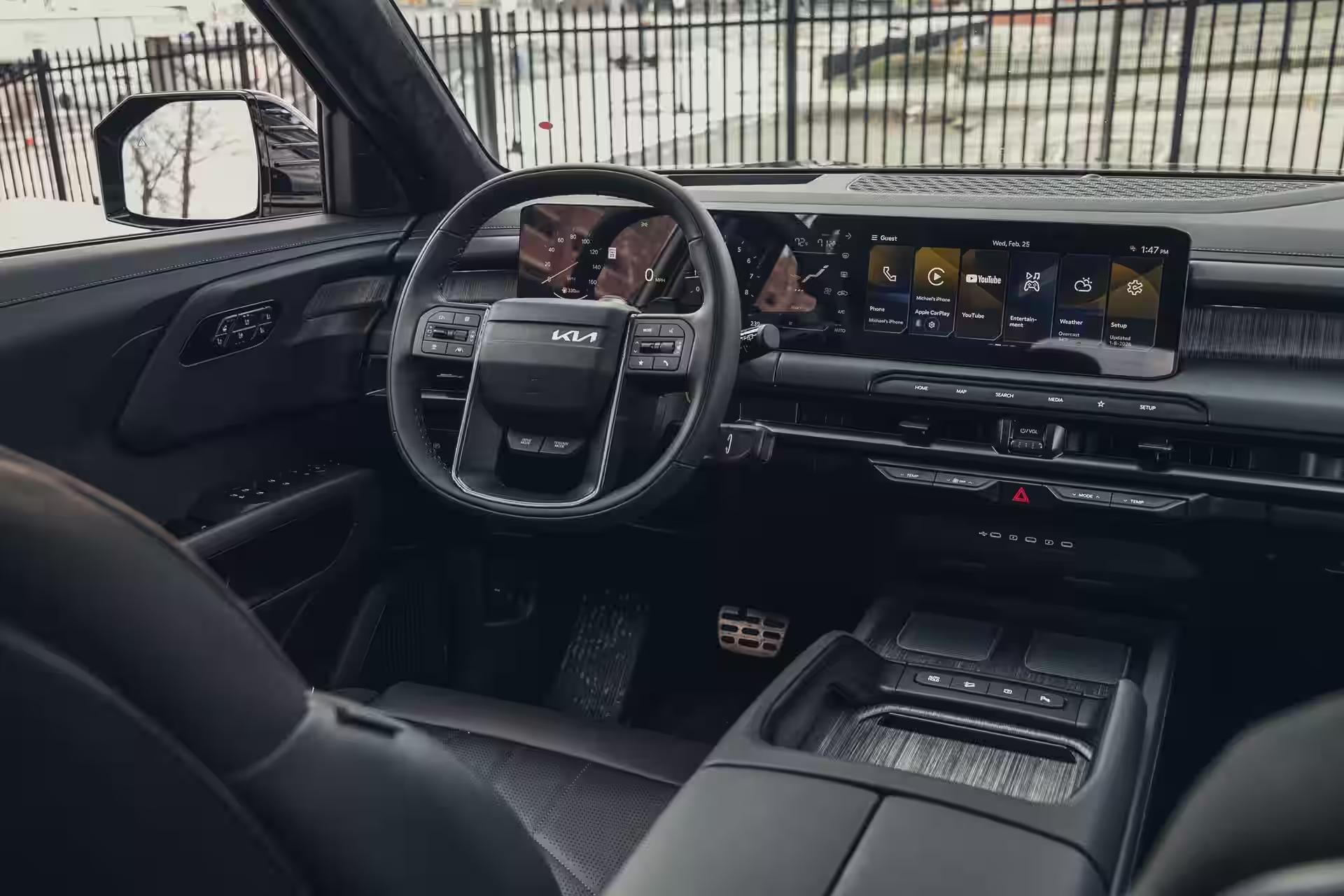
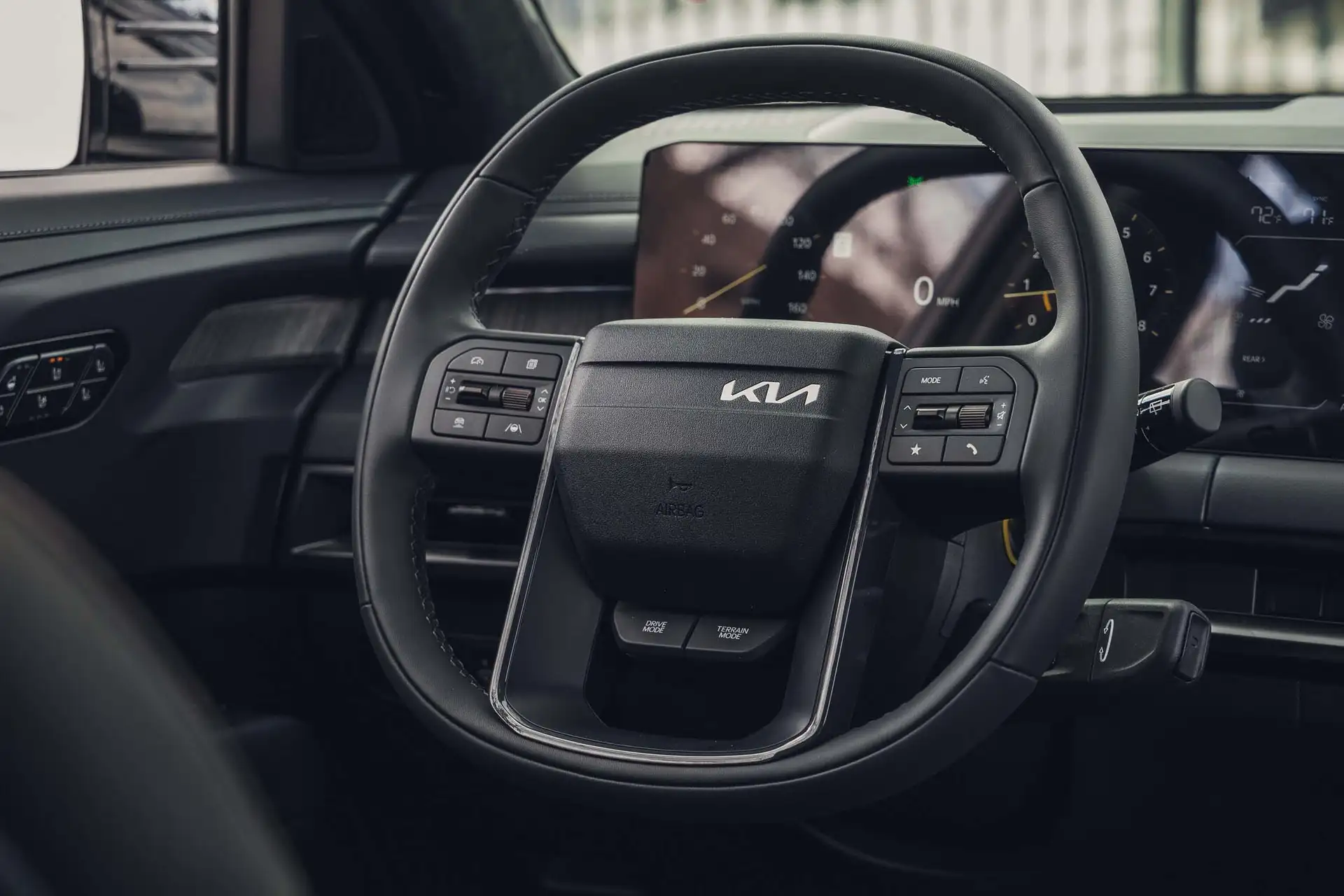
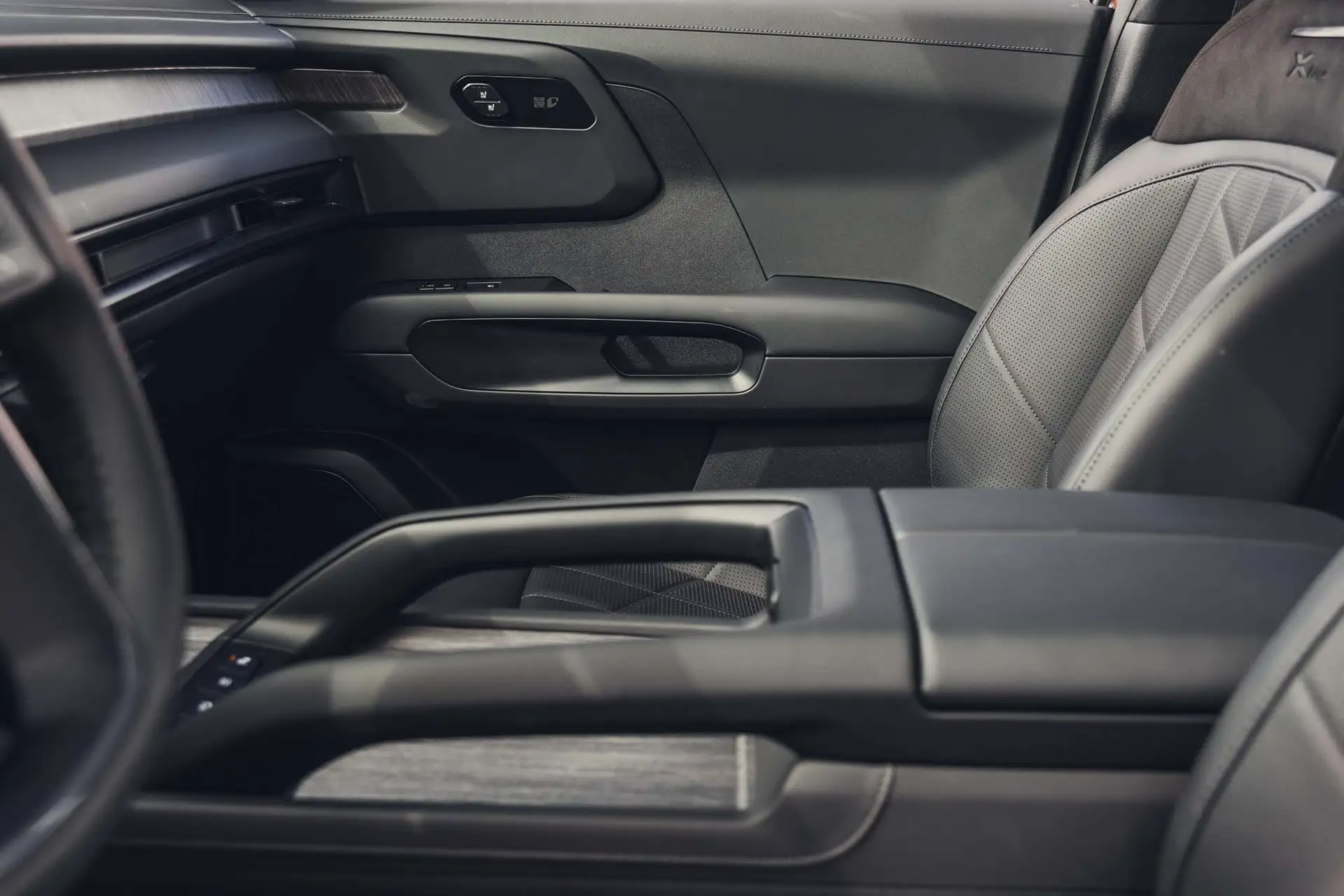
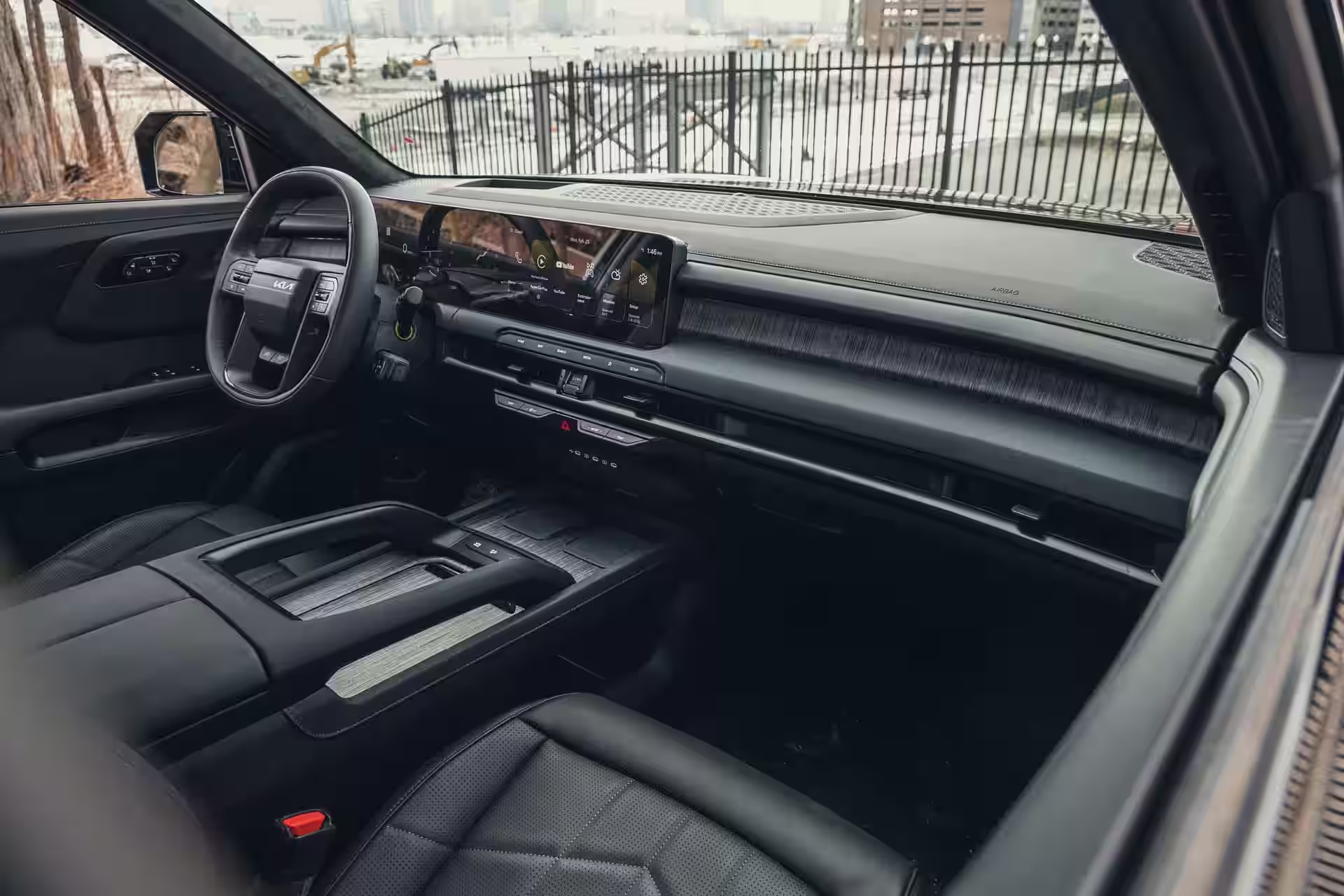
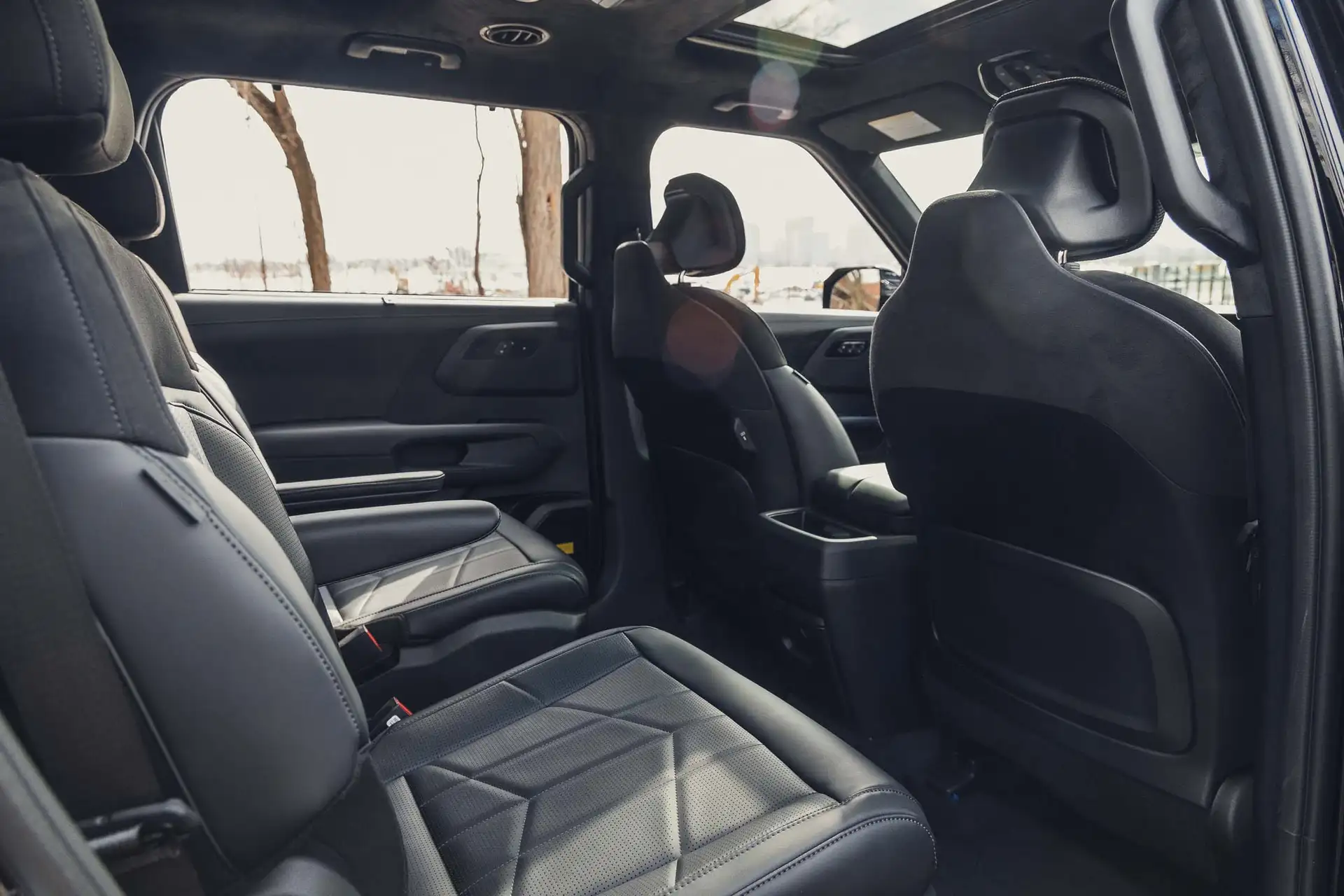
The interior, however, sparked debate among brand enthusiasts. The EV9-inspired minimalism replaced chrome details and wood with smooth surfaces and simplified controls. Microsuede finishes on the higher trims maintain sophistication, but the all-black configuration of the tested vehicle was described as “charcoal austerity” by a first-generation owner.
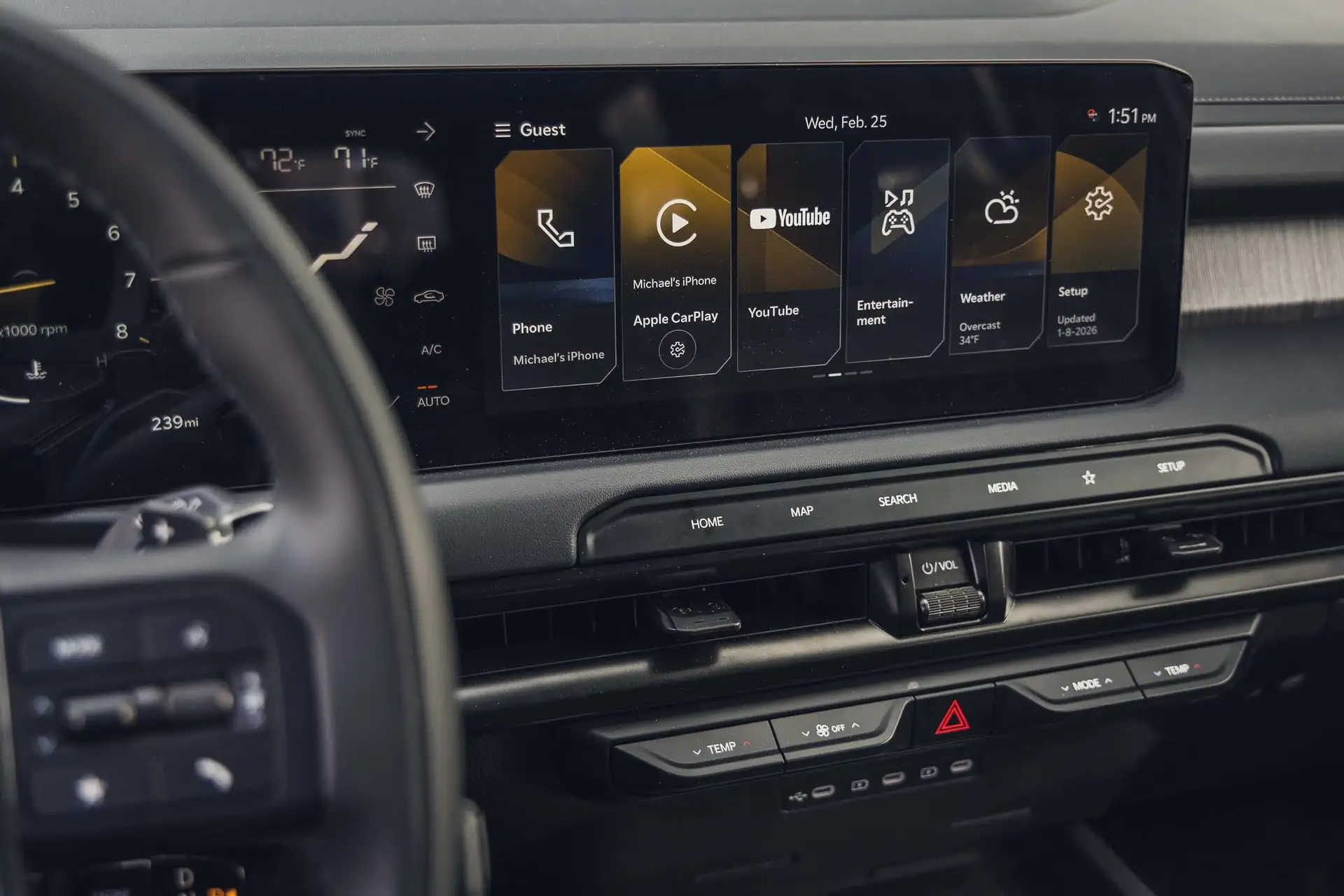
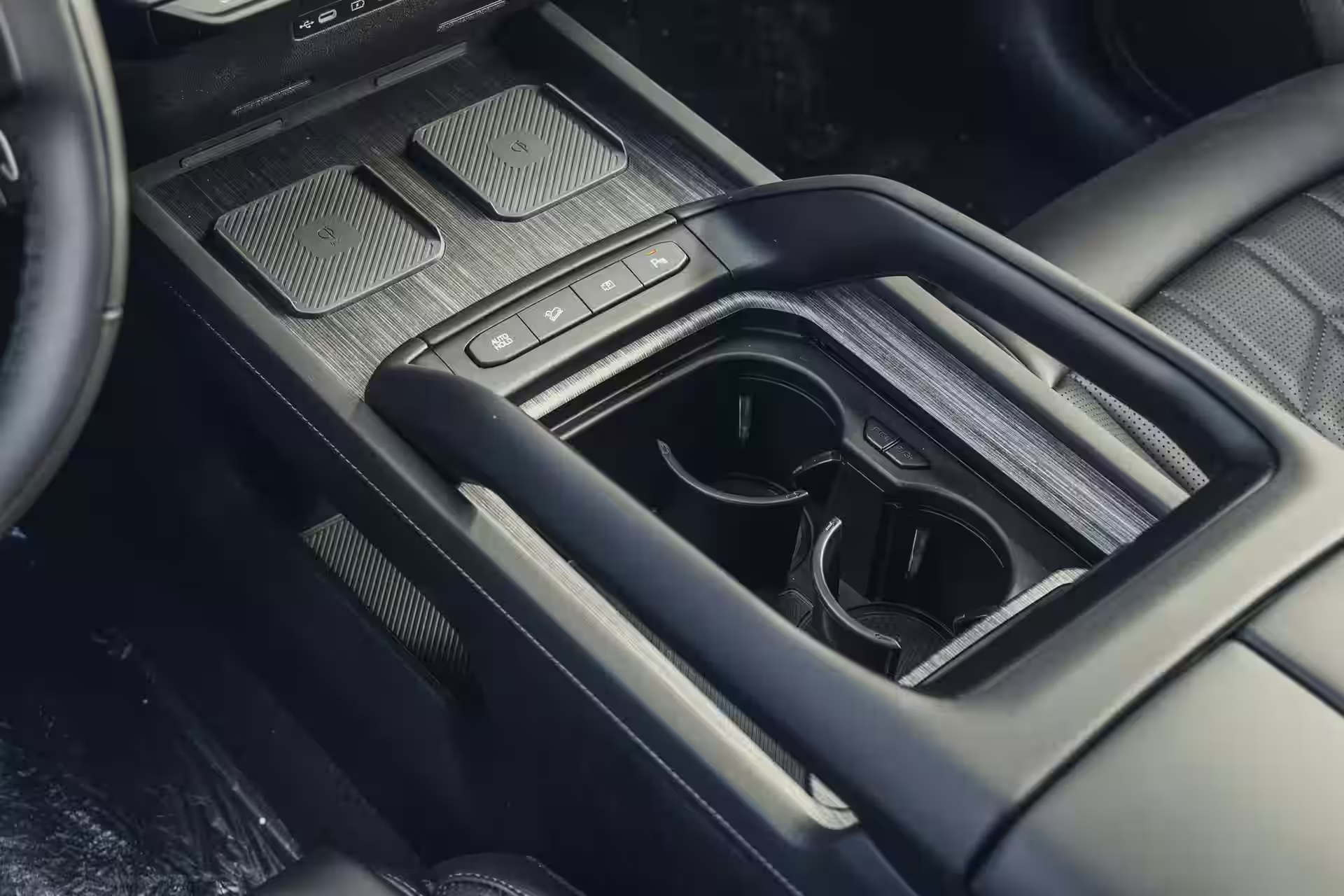
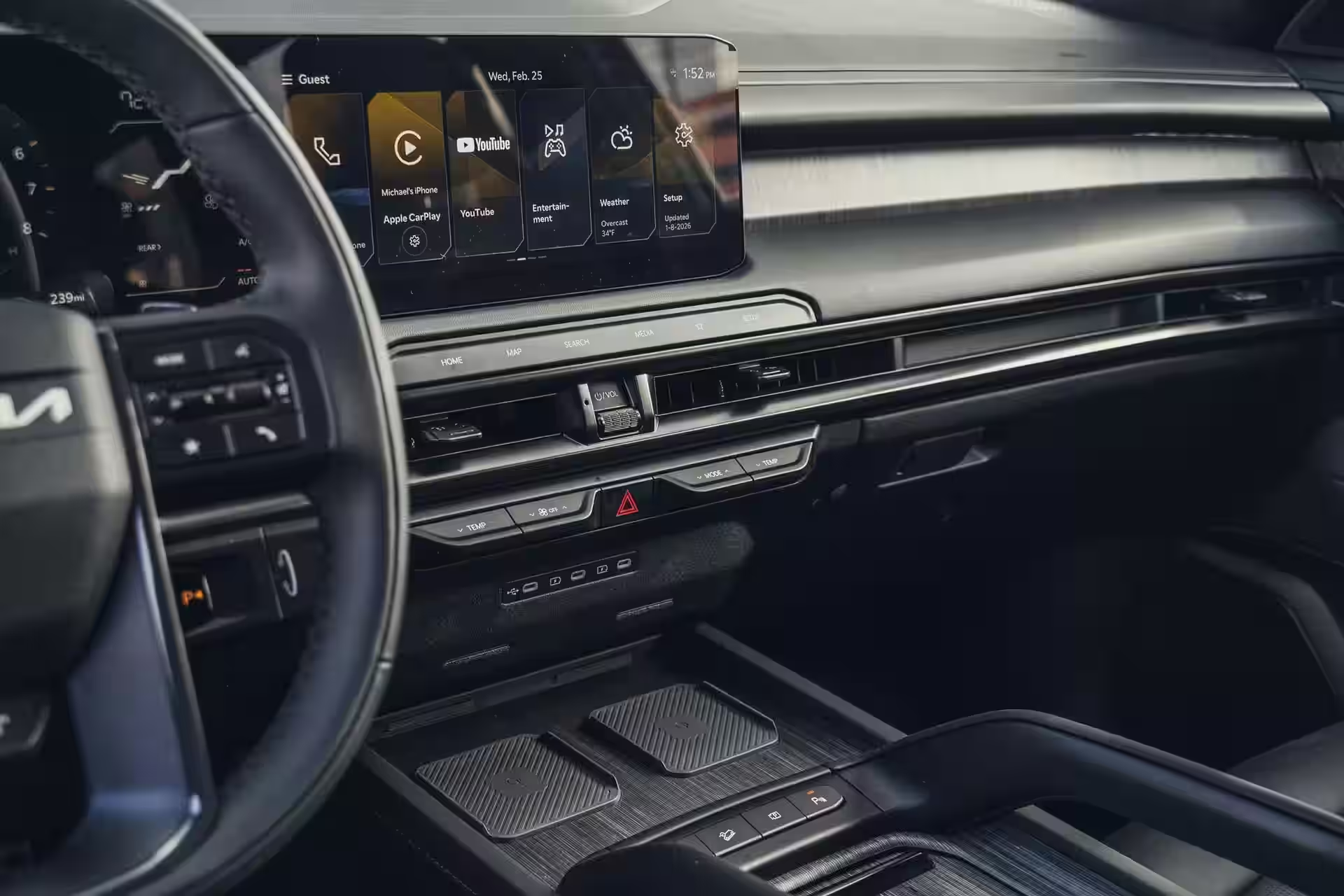
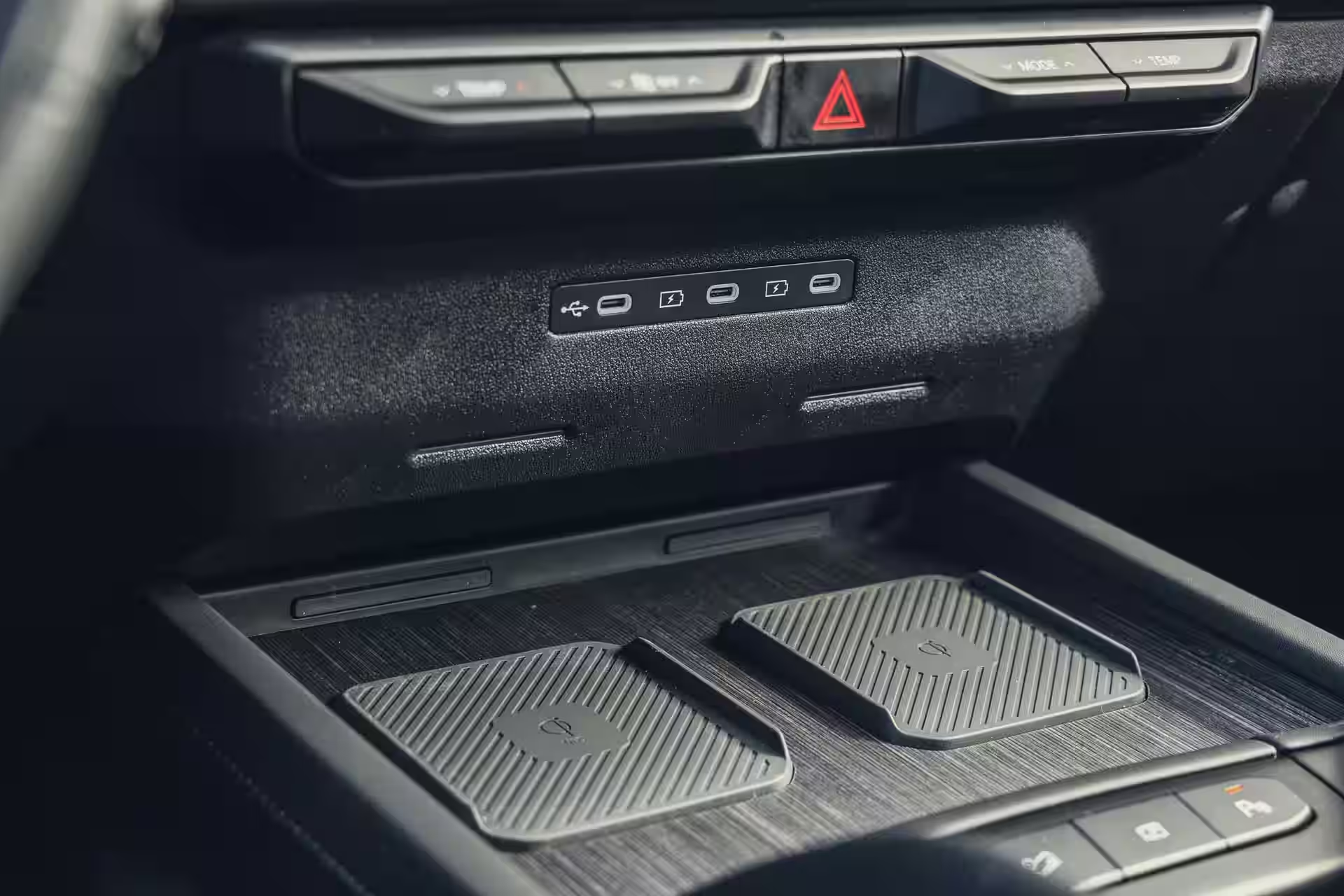
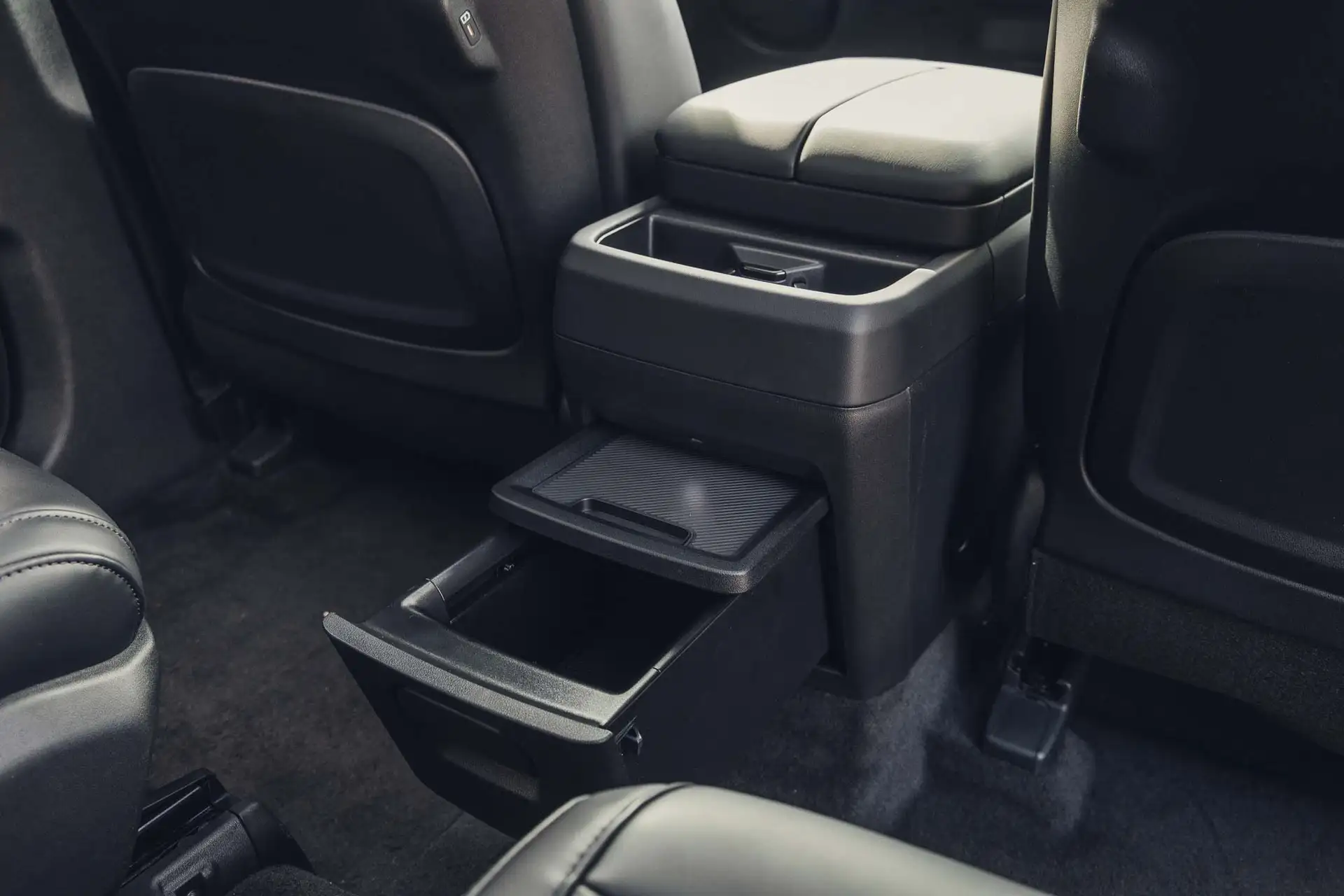
Ergonomics, fortunately, did not suffer from the obsession with the screen. Kia kept physical buttons for essential functions — air conditioning, audio volume, navigation shortcuts — while repositioning the gear lever to the steering column. The result is a more functional center console, with two wireless chargers and multi-level storage compartments.
Technology That Understands the Driver
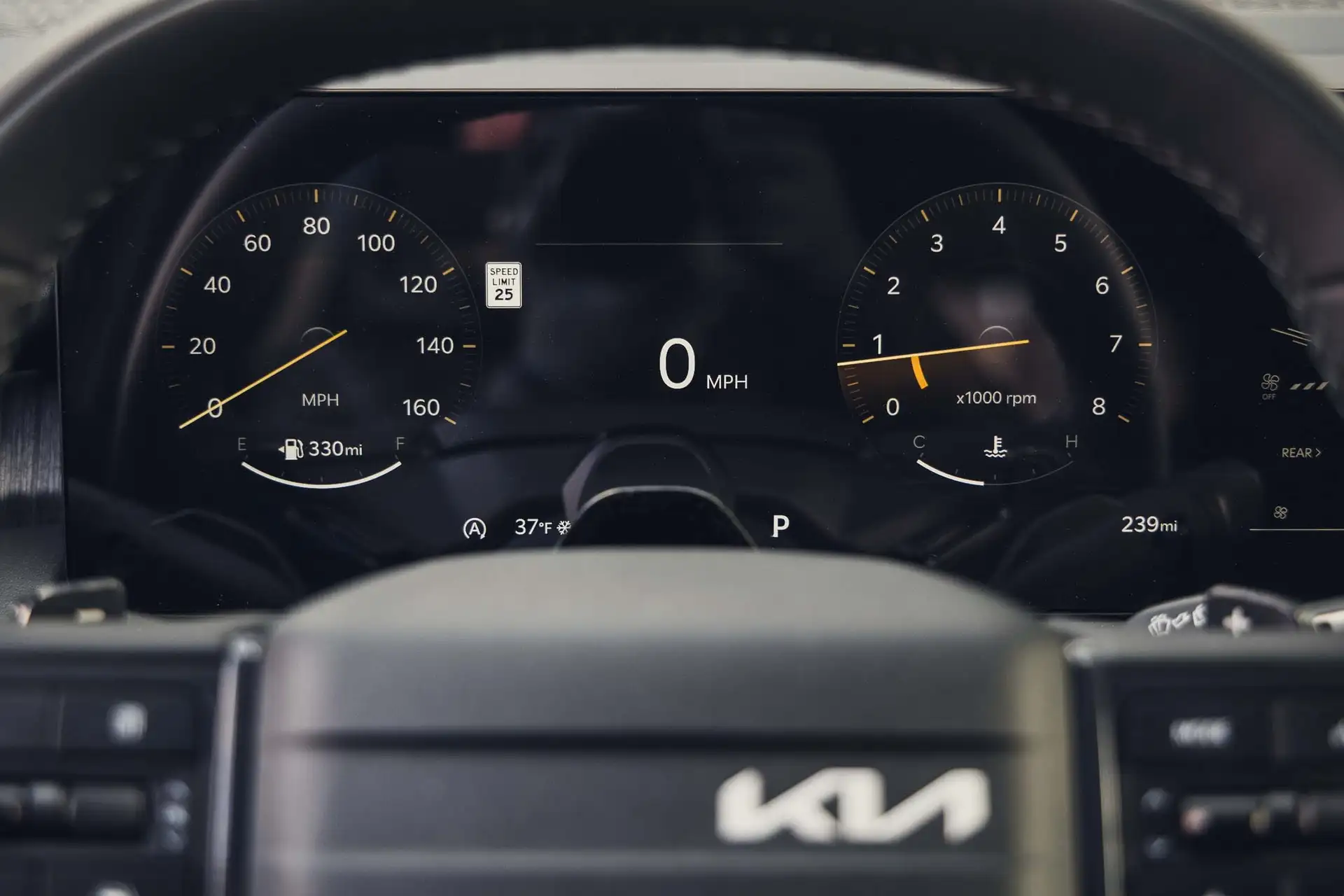
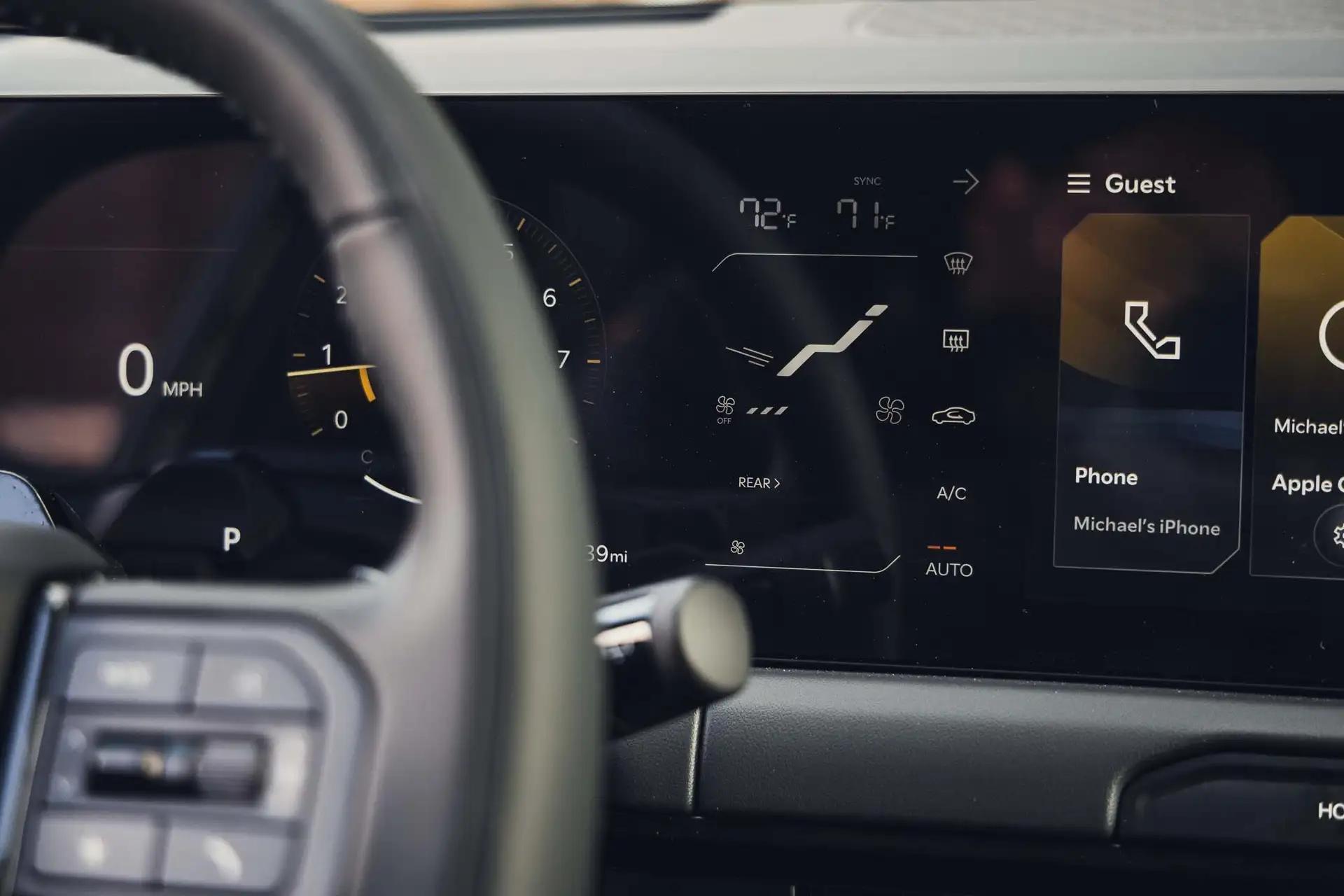
The unified digital dashboard dominates the cockpit: two 12.3-inch screens — one for instruments, the other for entertainment — form a visually striking set. The AI-updated voice assistant recognizes natural commands, and new features like video streaming and customization with NBA team logos turn the SUV into a mobile living room.
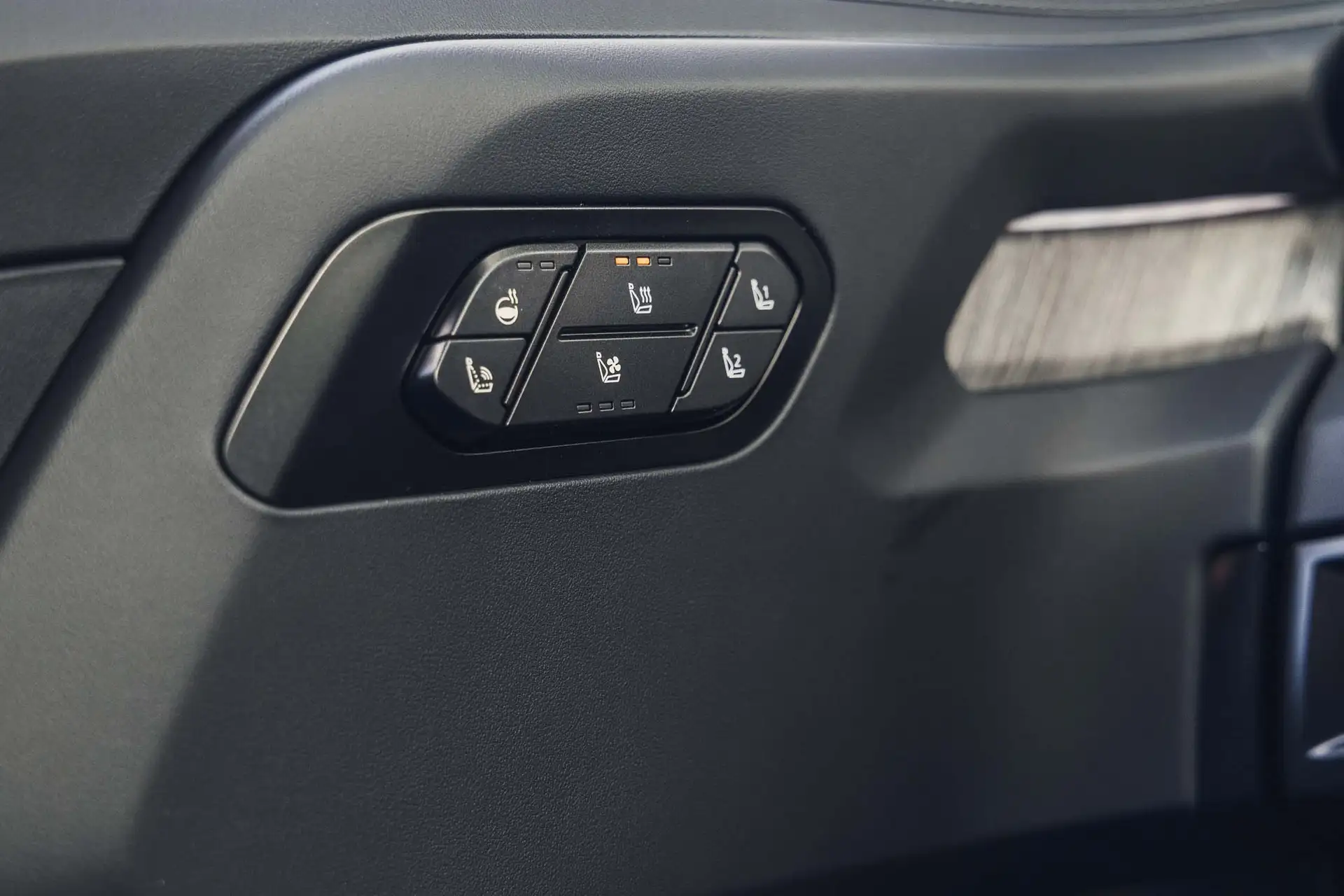
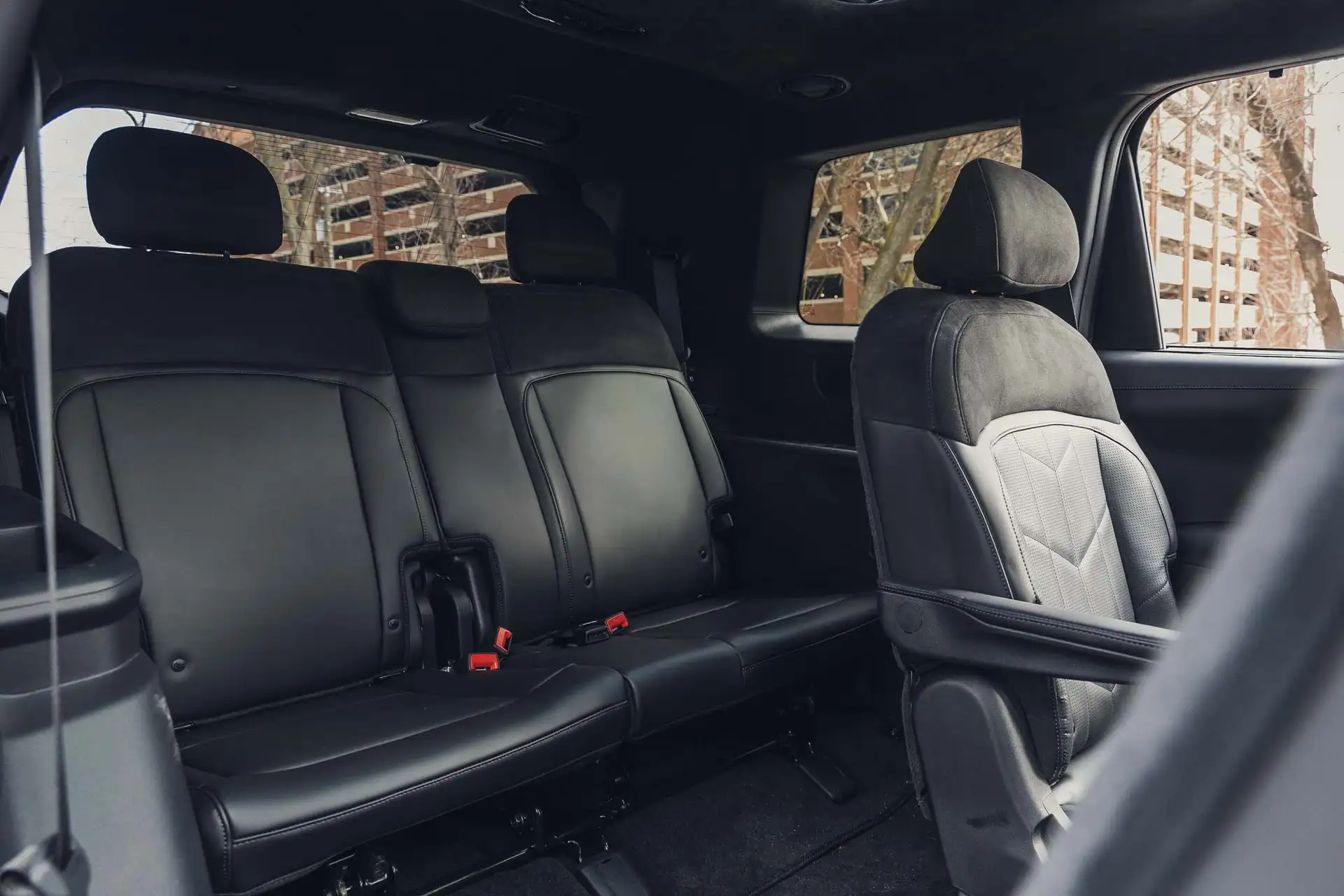
Among the available luxury equipment are a 14-speaker Meridian sound system, a 12-inch head-up display, and massage for the driver in the heated front seats. The third row, historically the Achilles’ heel of three-row SUVs, gained heated outer seats — comfort previously reserved for premium minivans.
Space and Practicality: The Truth About the Trunk
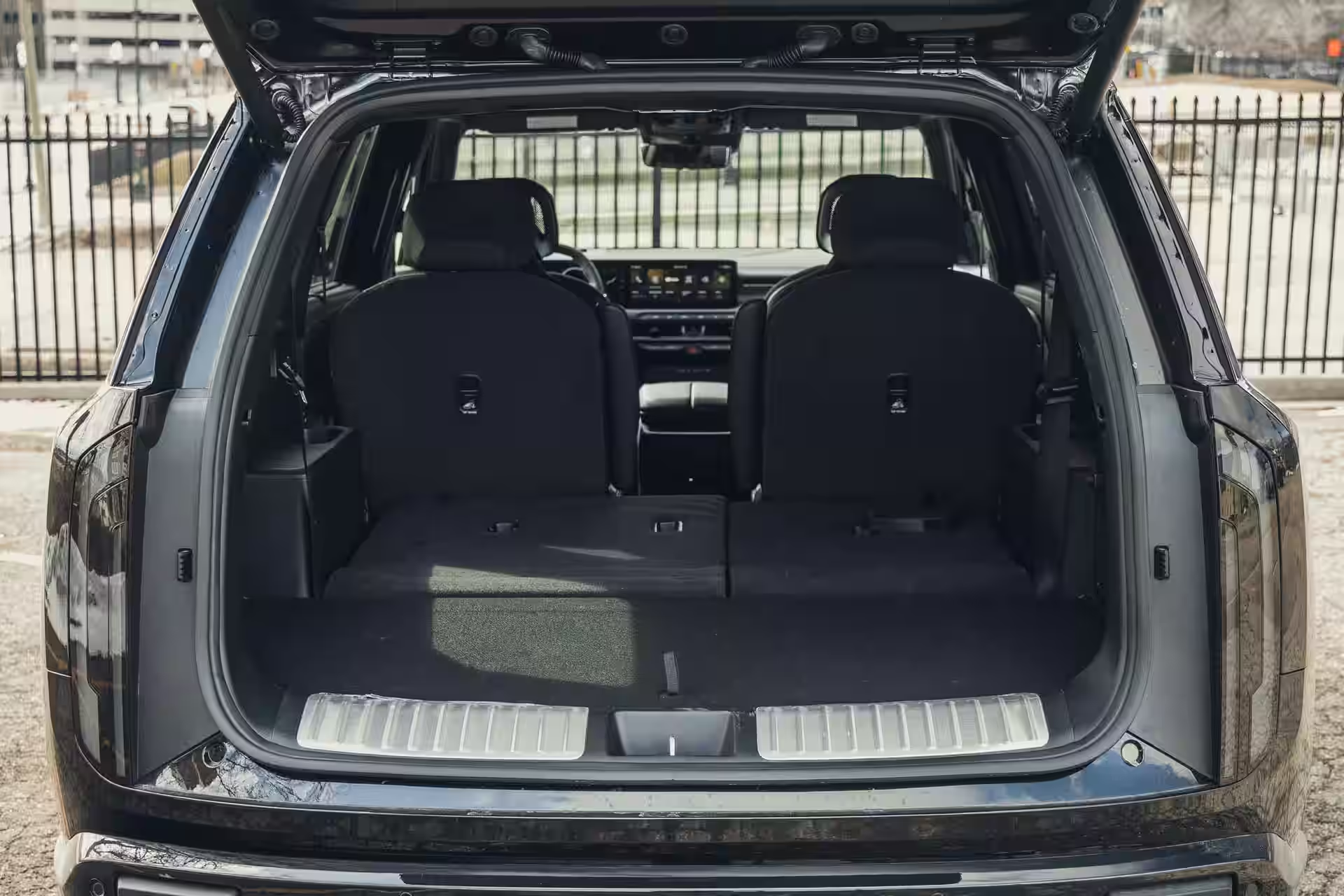
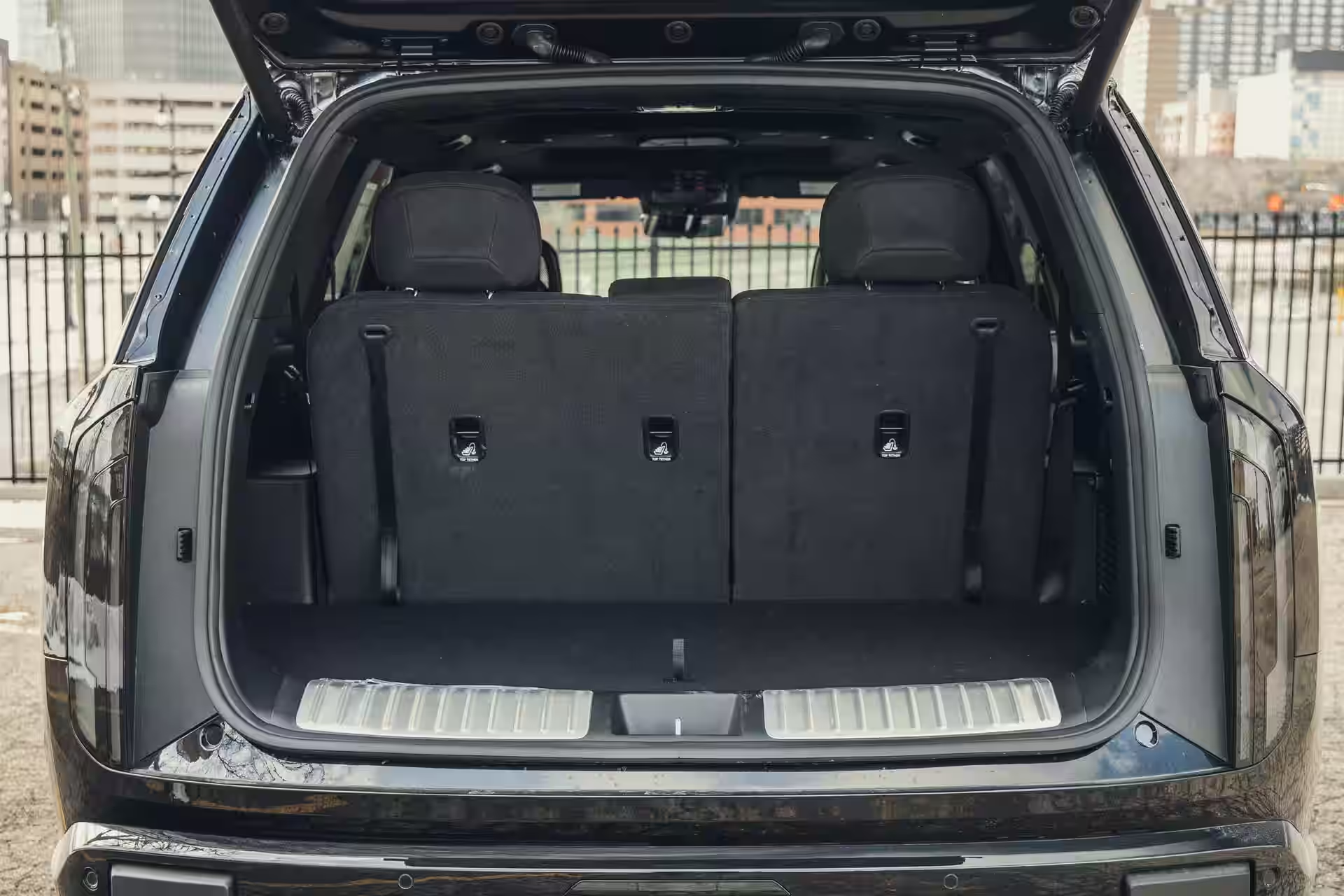
Here lies the “secret” the title promises. Despite the exterior growth, the cargo space behind the third row shrank in a practical test: five standard suitcases compared to six in the previous generation. The explanation is in the angle of the rear seatback, redesigned for greater passenger comfort.
The trade-off comes when the seats are folded down. With the third row lowered, the new Telluride holds 19 suitcases — one more than before. With everything flat, it’s 39 units, three more than the previous model. For families who travel light daily but carry equipment on trips, this space redistribution makes practical sense.
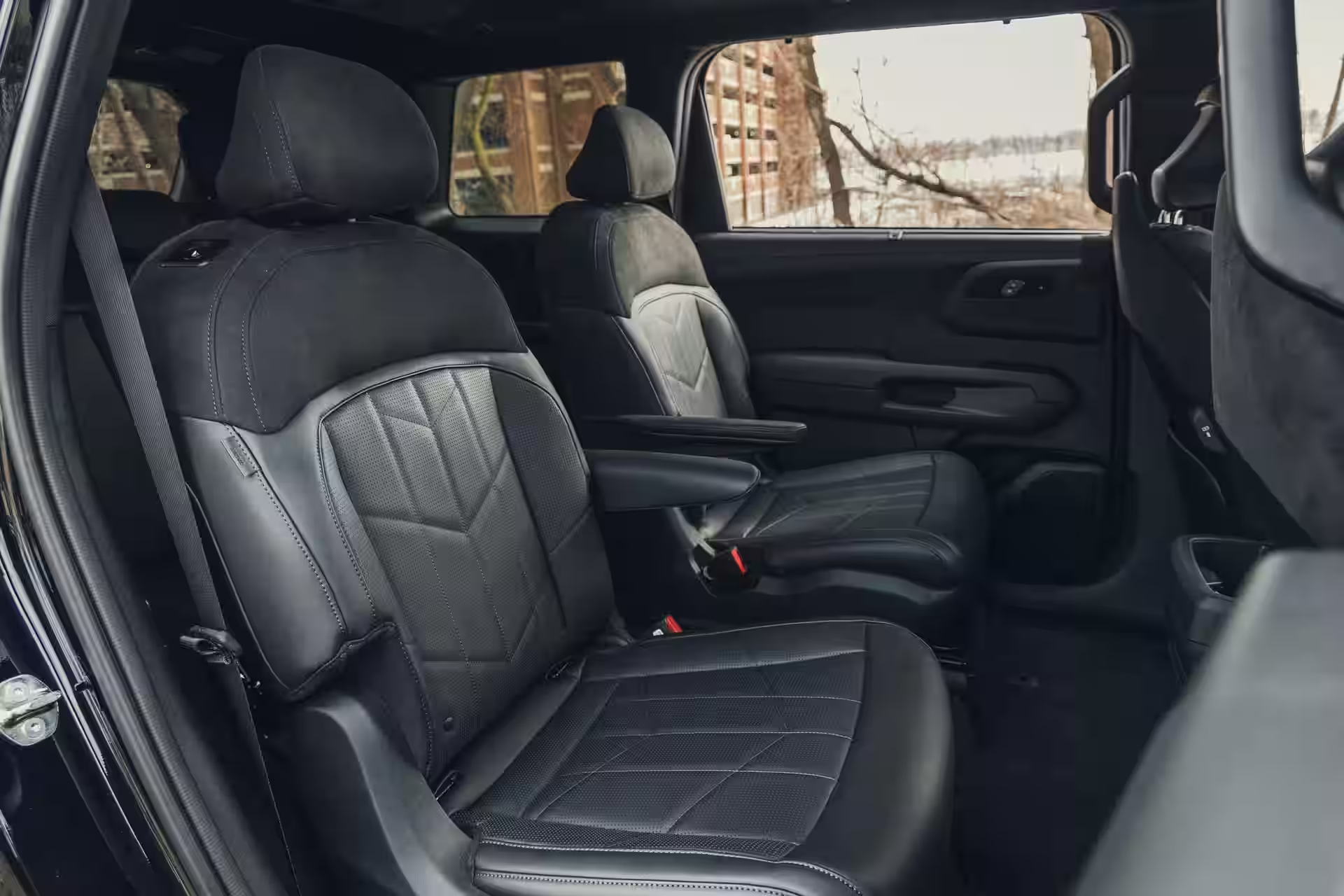
Passenger space improved in almost every metric. Passengers 6 feet tall cross their legs comfortably in the second row, and access to the third row was made easier by seats that slide and recline with one touch. Although still seated near the floor, the third row now accommodates adults without claustrophobia.
Ride Refinement That Surprises
Acoustic insulation received special attention. 66 decibels at 70 mph represent a one-decibel reduction compared to the previous generation — a figure that seems modest but translates into more relaxed conversations and reduced fatigue on long trips. The characteristic hum of the four-cylinder engine under strong acceleration is the only reminder of the architecture swap.
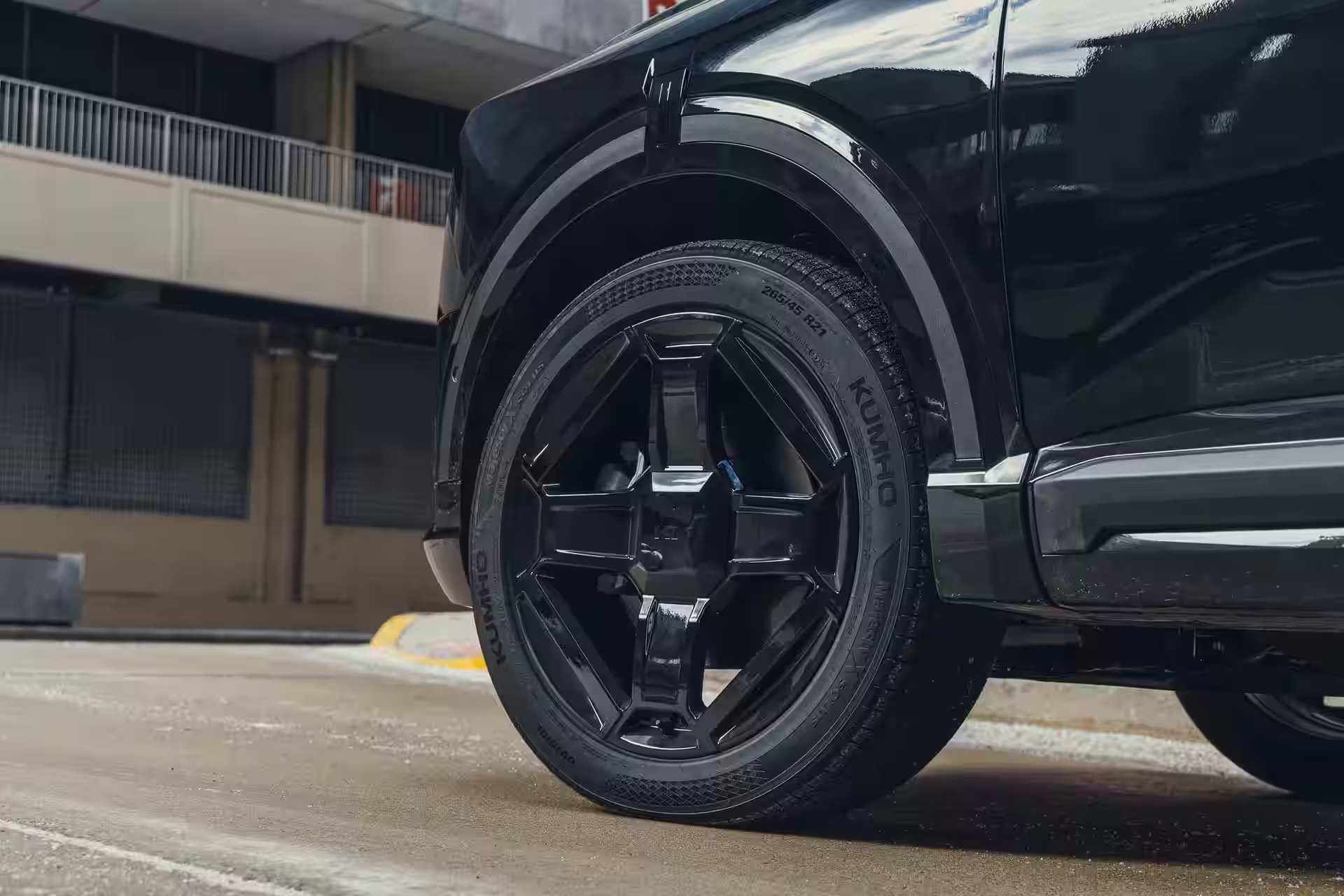
The suspension, even with the 21-inch wheels from the X-Line package, absorbs bumps with composure worthy of German SUVs. The steering, now with an assist motor mounted directly on the rack instead of the column, gained precision without sacrificing lightness in parking. The updated brakes stopped the SUV from 70 mph in 51.8 meters — six meters less than the previous model.
Prices and Versions: The Real Test
The appreciation of the Telluride is undeniable. The entry-level LX front-wheel drive model starts at US$ 40,735 — nearly US$ 3,000 more than in 2025. At the top of the line, the tested X-Line SX Prestige AWD reaches US$ 56,435 before options.
For context, this pricing positions the 2027 Telluride in the territory of the 2027 Nissan Armada and the 2026 Honda Pilot — rivals that have also recently refreshed their offerings. The difference is that Kia maintains the 10-year or 100,000-mile warranty, one of the most generous in the American market.
The absence of a hybrid in the entry-level versions is a questionable strategy. Consumption-conscious families need to spend at least US$ 50,000 to access the technology, while competitors like the Toyota Highlander offer a more democratic hybridization.
Telluride vs Palisade: The Sisters’ War
Never have the Hyundai-Kia sister platforms been so distinct. The 2026 Hyundai Palisade has embraced an almost Genesis-level sophistication in its higher trims, with premium materials and an atmosphere of understated luxury. The Telluride, on the other hand, has cultivated a more rugged aesthetic, with four-spoke off-road style wheels and sharper lines.
The choice between the two depends on the buyer’s profile. Those who prioritize base engine performance and bold visual appeal will find a partner in the Telluride. Those seeking interior refinement and a more restrained luxury experience may surrender to the Palisade’s charm. The good news is that both have raised the category’s standard — the consumer is the real winner.
The 2027 Telluride is not a revolution. It’s a calculated evolution that preserves the traits that made the original a success — smart packaging, refined driving dynamics, and flawless overall execution — while modernizing where necessary. Switching from the V6 to a turbo engine may cause some initial nostalgia, but the everyday torque gain compensates for the theoretical power loss.
For families needing three rows without sacrificing driving enjoyment, the Korean SUV maintains its place among the world’s best. The remaining question is whether the higher price will open the door for competitors like the 2026 Mazda CX-5 or even the 2027 Kia Carnival — the minivan with an SUV look that offers superior space for a similar price.