
Several major auto stories are converging at once, and the biggest one may be the future Kia pickup truck. North America is getting a body-on-frame Kia with hybrid and range-extended versions by 2030, while Scout’s SUV and pickup timeline is sliding further into the next decade. At the same time, Tesla is reportedly working on a smaller, cheaper EV, proving the market is not slowing down in any direction.
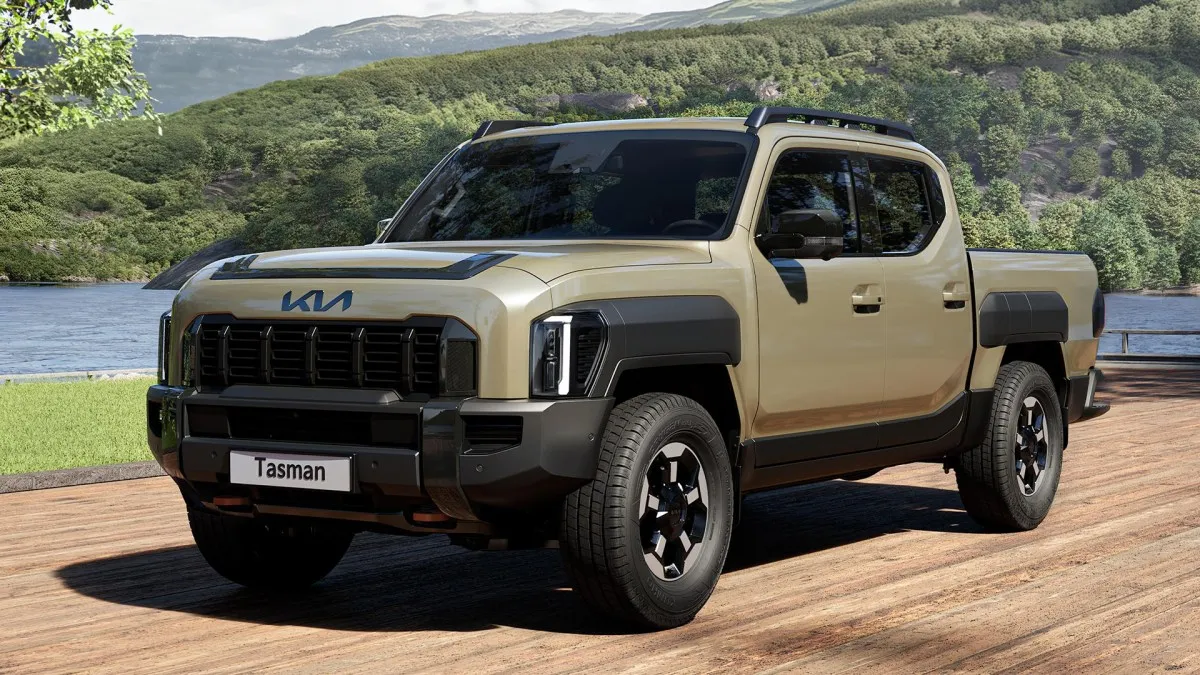
Kia Pickup Truck Could Rewrite The Midsize Truck Playbook
Kia’s investor-day announcement matters because it points to a serious change in strategy. A body-on-frame platform means this won’t be a soft crossover with a cargo bed bolted on. It will target buyers who expect real towing credibility, stronger off-road hardware, and the durability that comes with a truck-first structure.
The most interesting part is the powertrain mix. Hybrid and range-extended variants suggest Kia wants to meet two different needs at once: better efficiency for daily use and enough low-end torque for work or recreation. That also lines up with the growing demand for electrified trucks that can handle long commutes without the anxiety of a fully battery-electric setup.
Why this matters: a body-on-frame Kia truck would put the brand into direct competition with some of the most watched midsize and lifestyle pickups in North America.
If Kia and Hyundai truly twin this architecture, the shared strategy could accelerate development and make pricing more competitive. That is exactly the kind of move that can reshape a segment. For readers following the broader shift in electrified utility vehicles, our coverage of the Hyundai Boulder 2028 shows how closely the rugged truck race is heating up.
Scout Delays And Tesla’s Cheaper EV Change The Pressure
Scout’s latest production forecast is a reminder that even highly anticipated launches can slip. The Traveler SUV is now reportedly expected to begin production in September 2028, while the Terra pickup is pushed to March 2030. That kind of delay can change consumer expectations, dealer planning, and even how rivals position their own launches.
Meanwhile, Tesla’s reported work on a smaller and cheaper EV keeps pressure on the market from the opposite side. A lower-cost Tesla would widen the brand’s reach and intensify the fight for value-conscious buyers who still want software, range, and charging access. The effect could be felt across compact EVs, crossovers, and fleet-focused models.
This is also where the broader EV landscape gets interesting. If you want to see how brands are already racing to offer more range and more tech for less money, the Geely Galaxy A7 EV and the XPENG Mona L03 SUV are strong examples of the pricing war already underway.
What To Watch Next In Trucks, EVs, And Daily Drivers
- Kia’s truck strategy is now official in direction, even if details remain limited.
- Hybrid and range-extended powertrains suggest flexibility rather than a one-size-fits-all launch.
- Scout’s delays give competitors more time to respond before those vehicles reach showrooms.
- Tesla’s cheaper EV could reset expectations for entry-level electric mobility.
- The market is splitting into rugged electrified trucks, value EVs, and tech-heavy daily drivers.
For now, the smartest takeaway is simple: the next wave of vehicle competition is not just about horsepower or range. It is about timing, pricing, and whether brands can deliver something that feels useful on day one. That is why even a practical daily driver like the Toyota Corolla Cross Hybrid matters in the same conversation as future trucks and EVs. The buyers deciding between efficiency, utility, and technology are shaping the industry faster than ever.