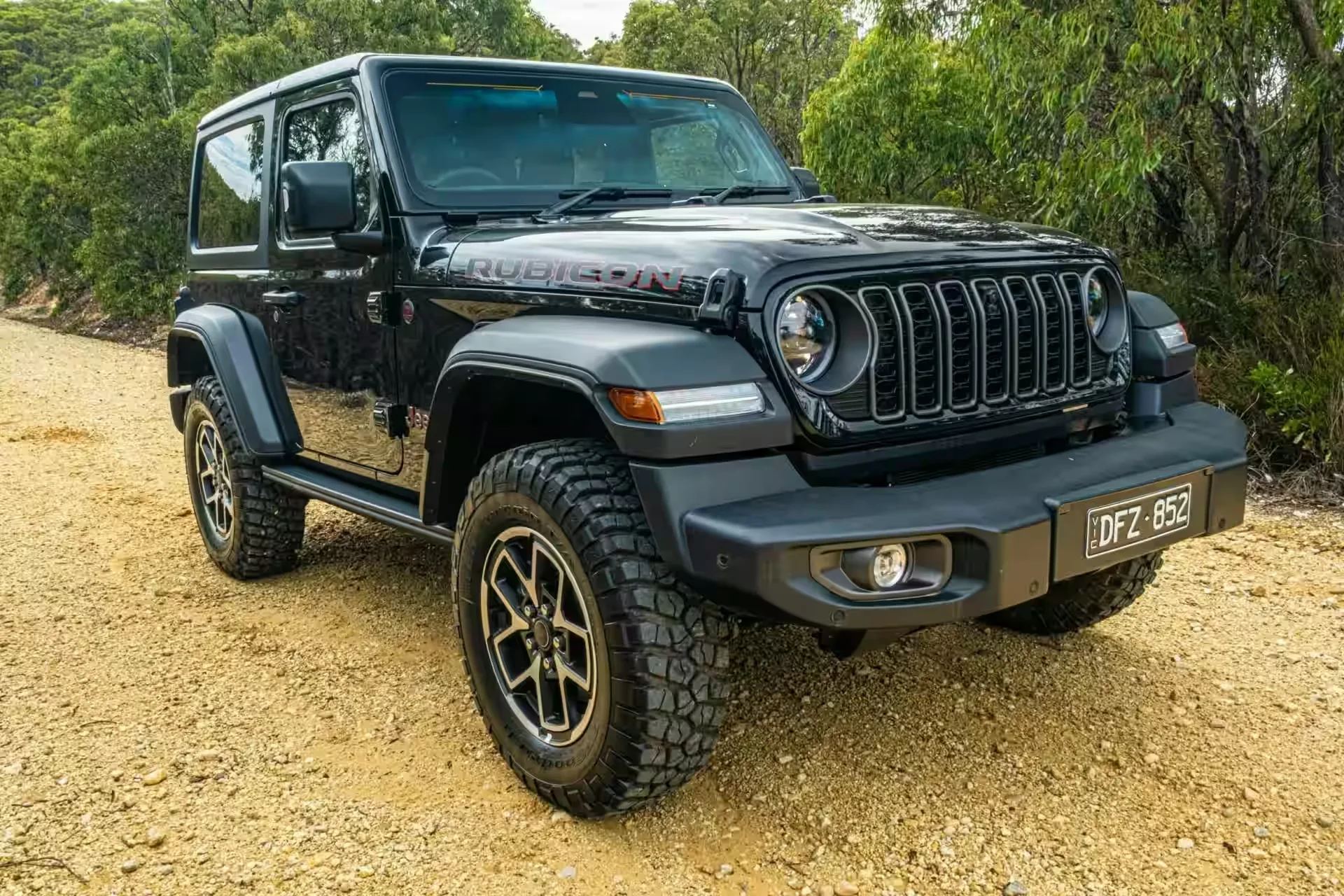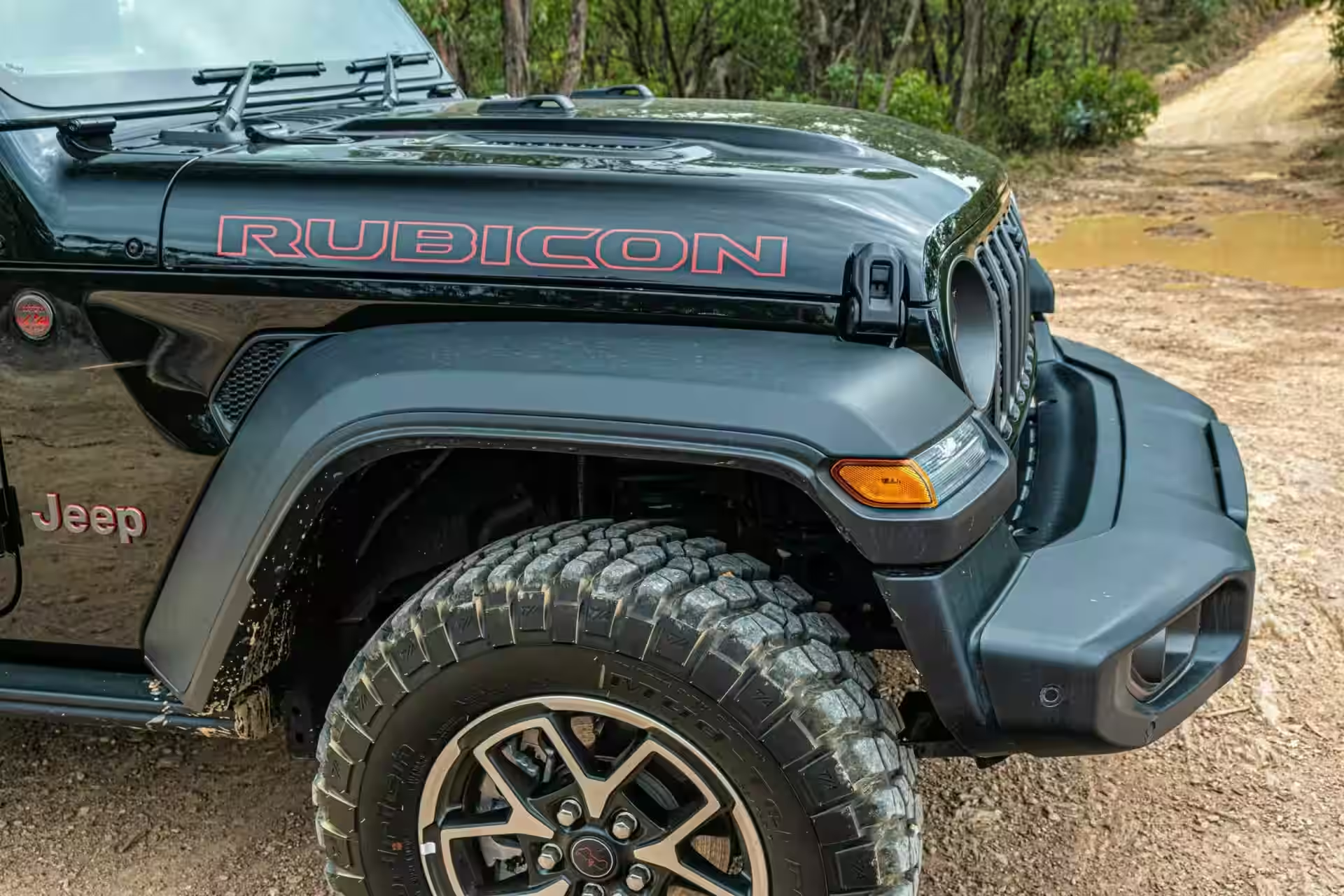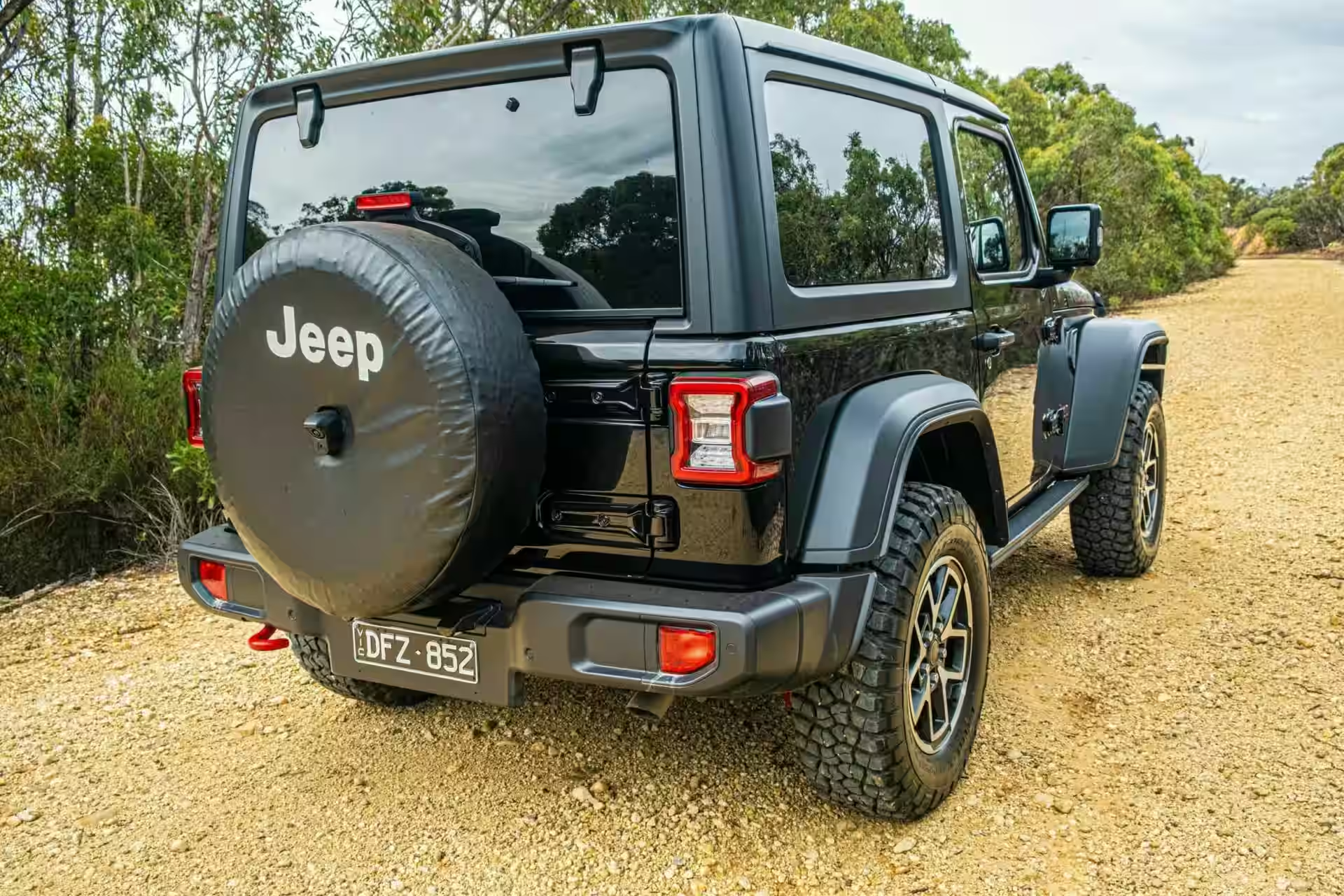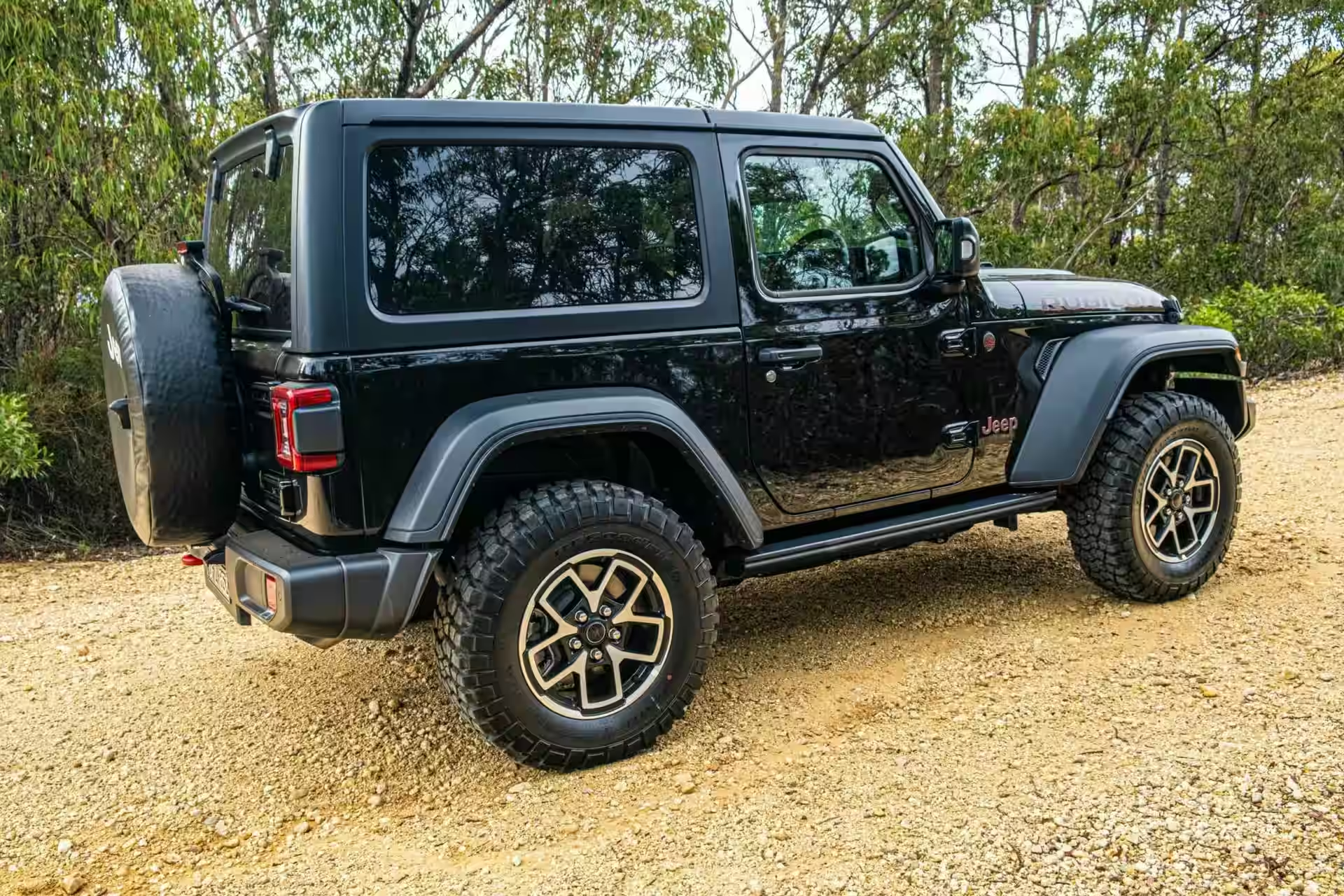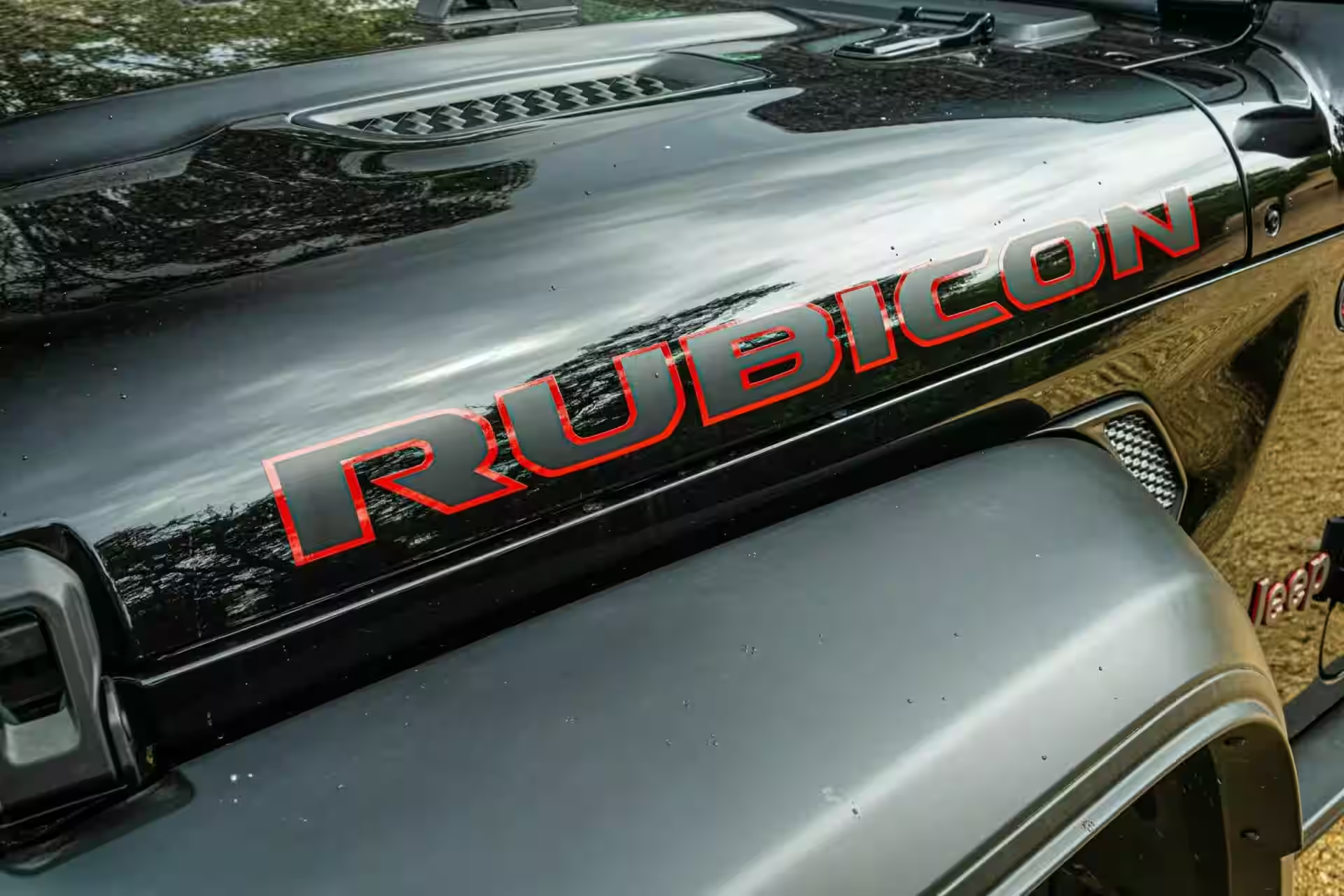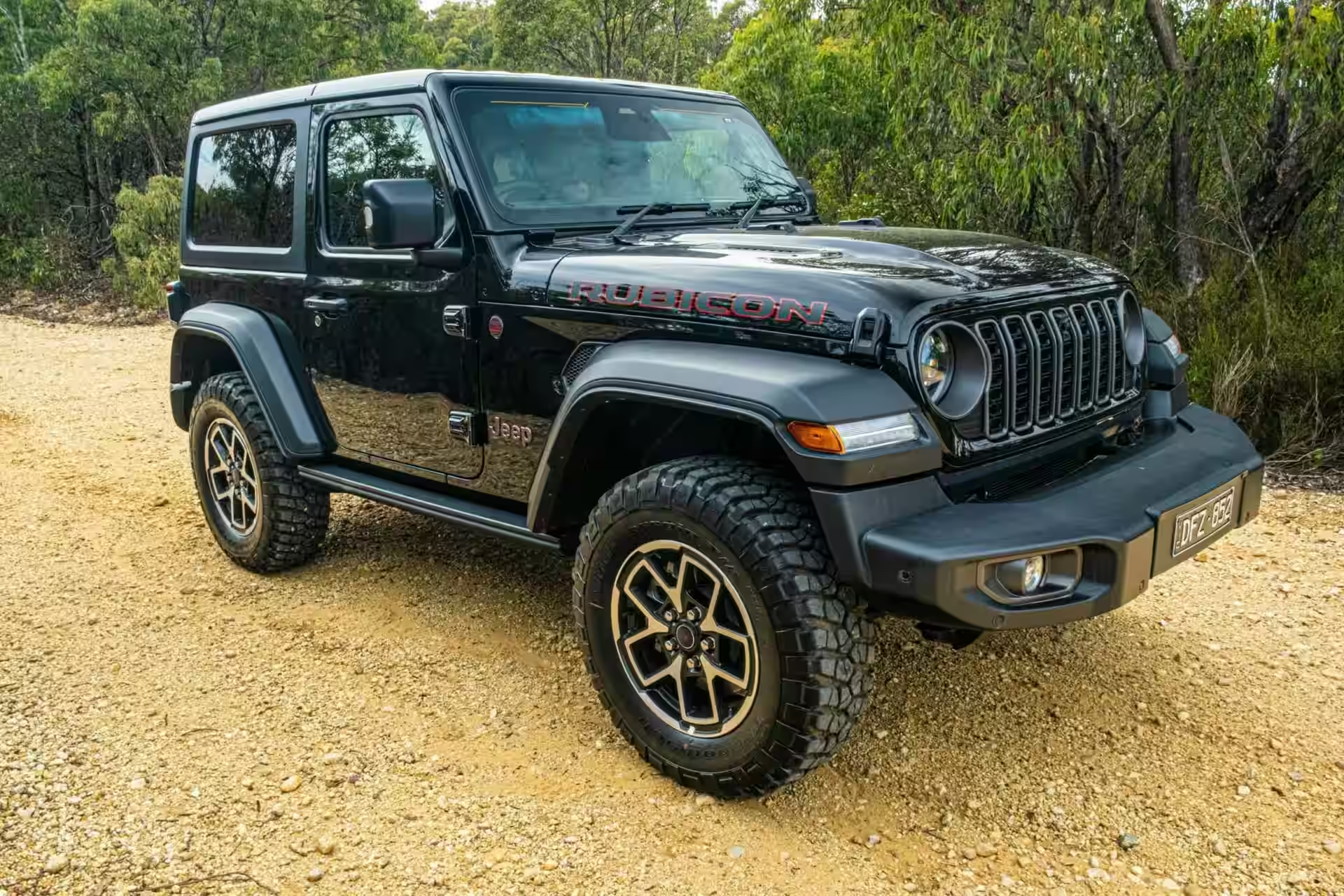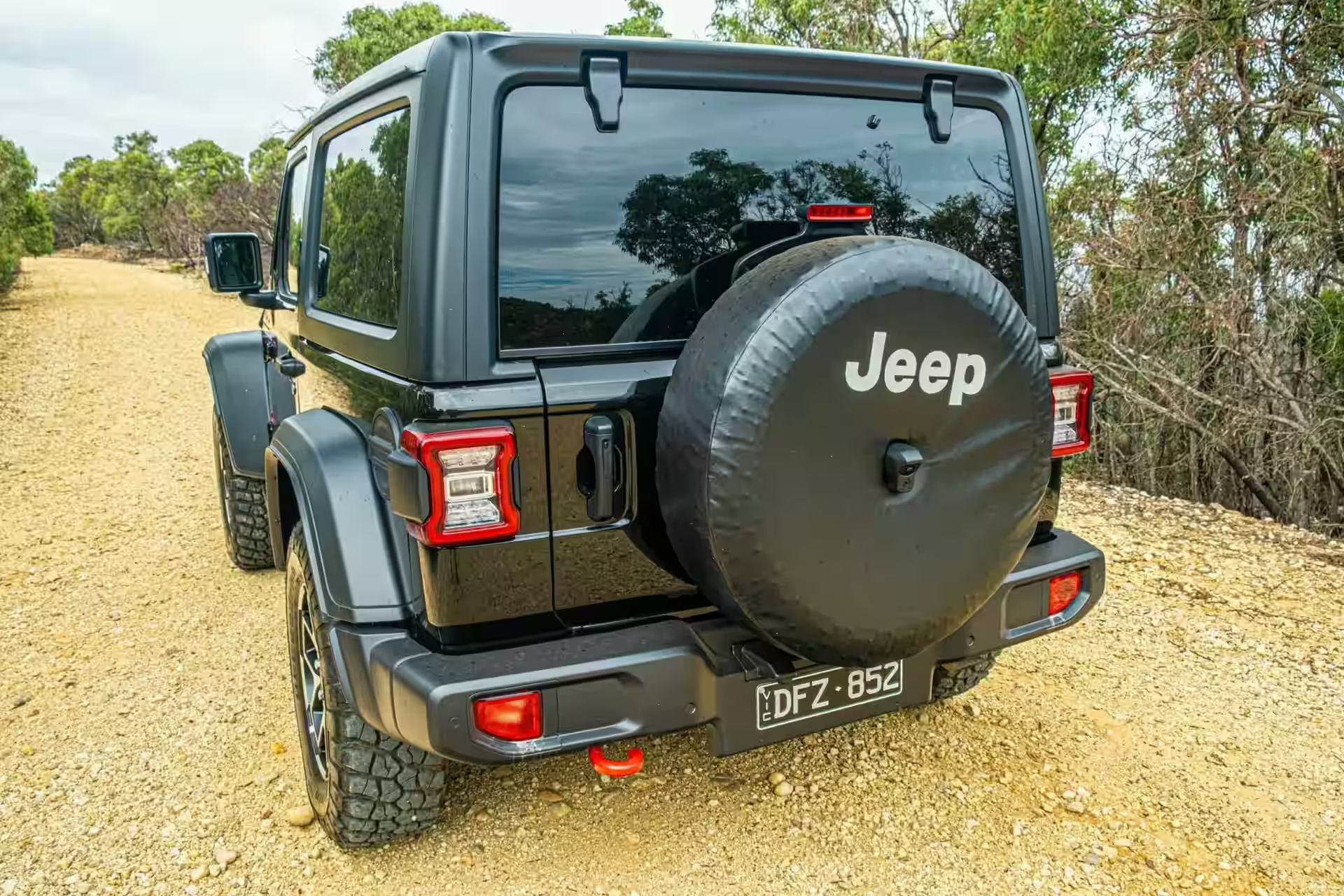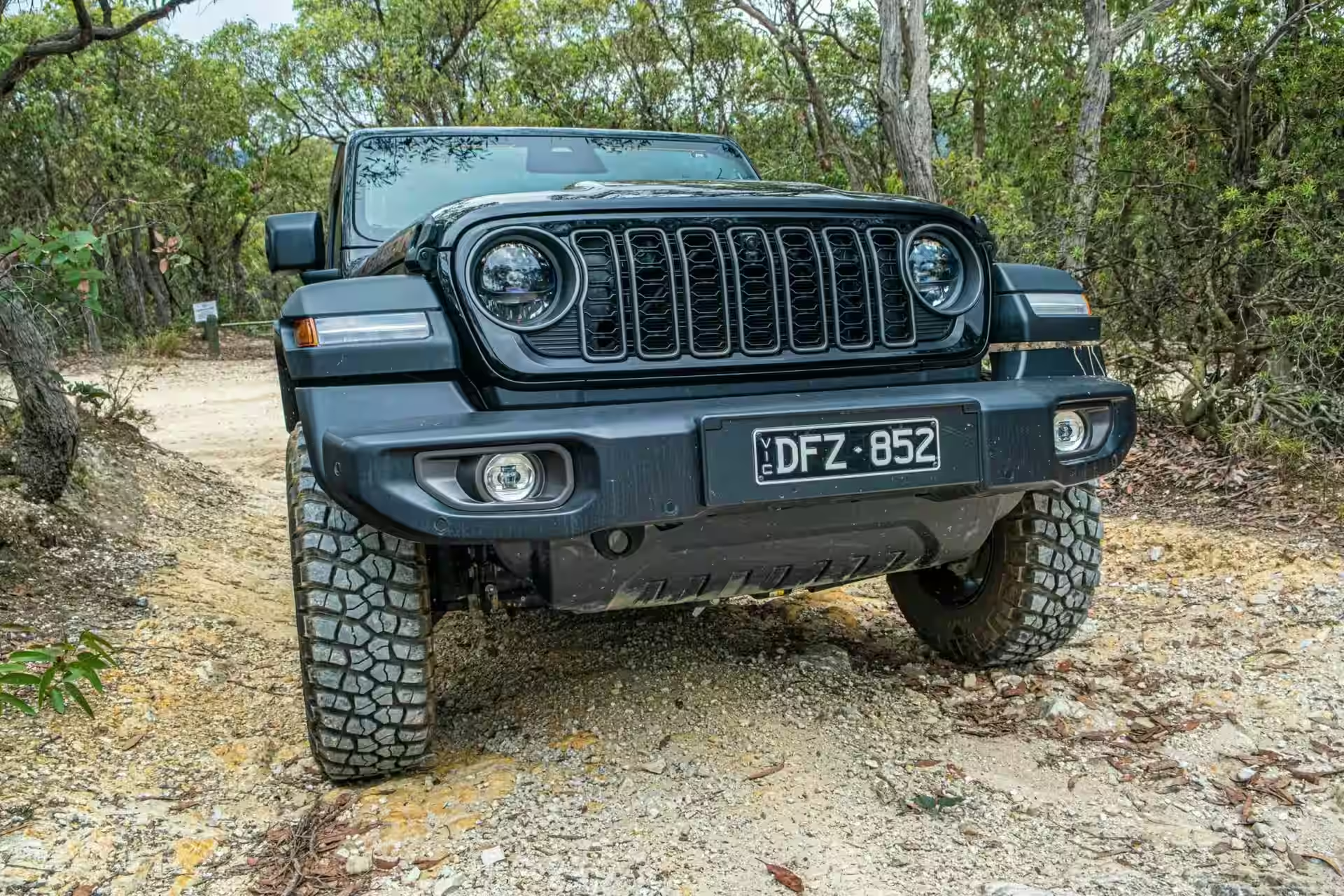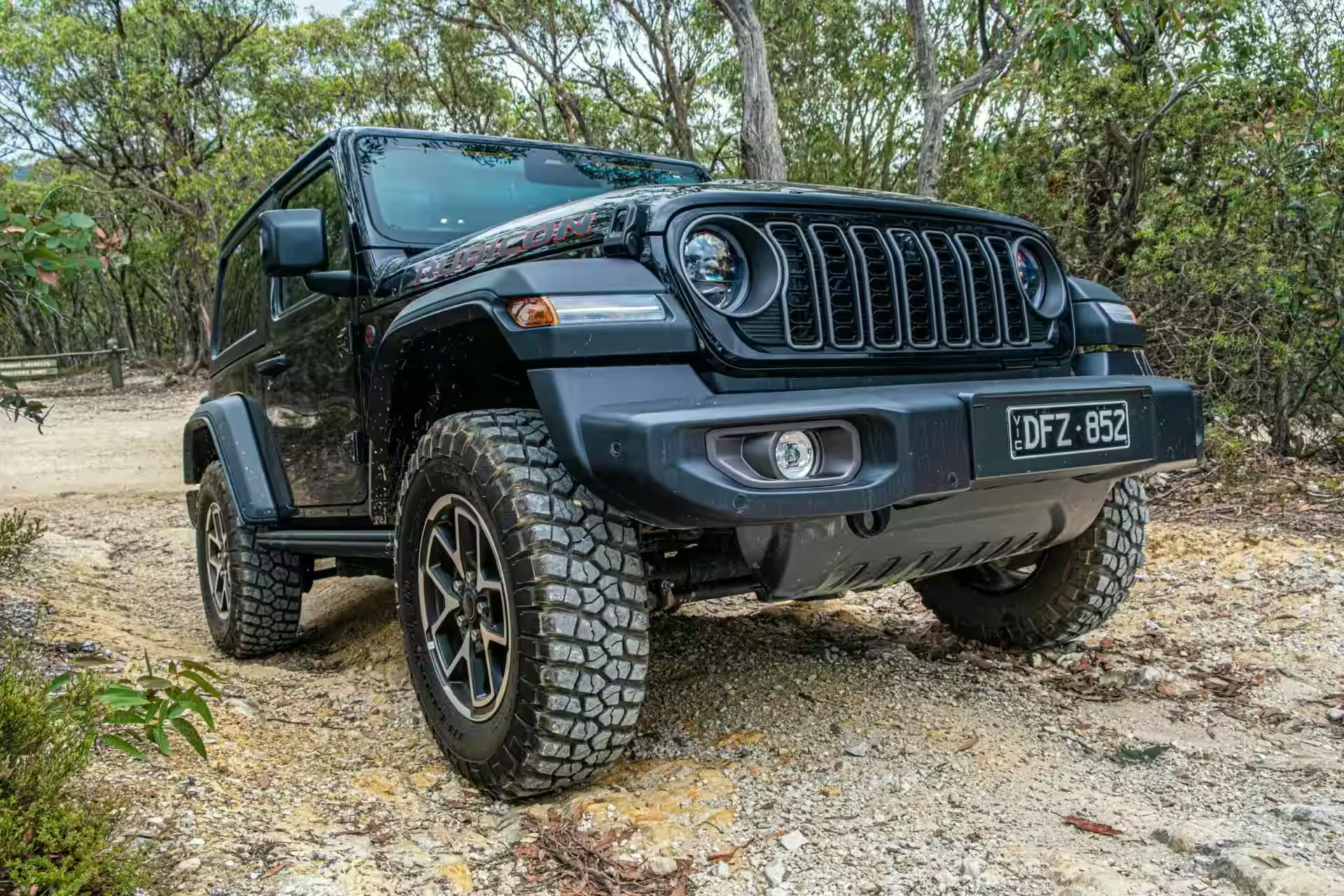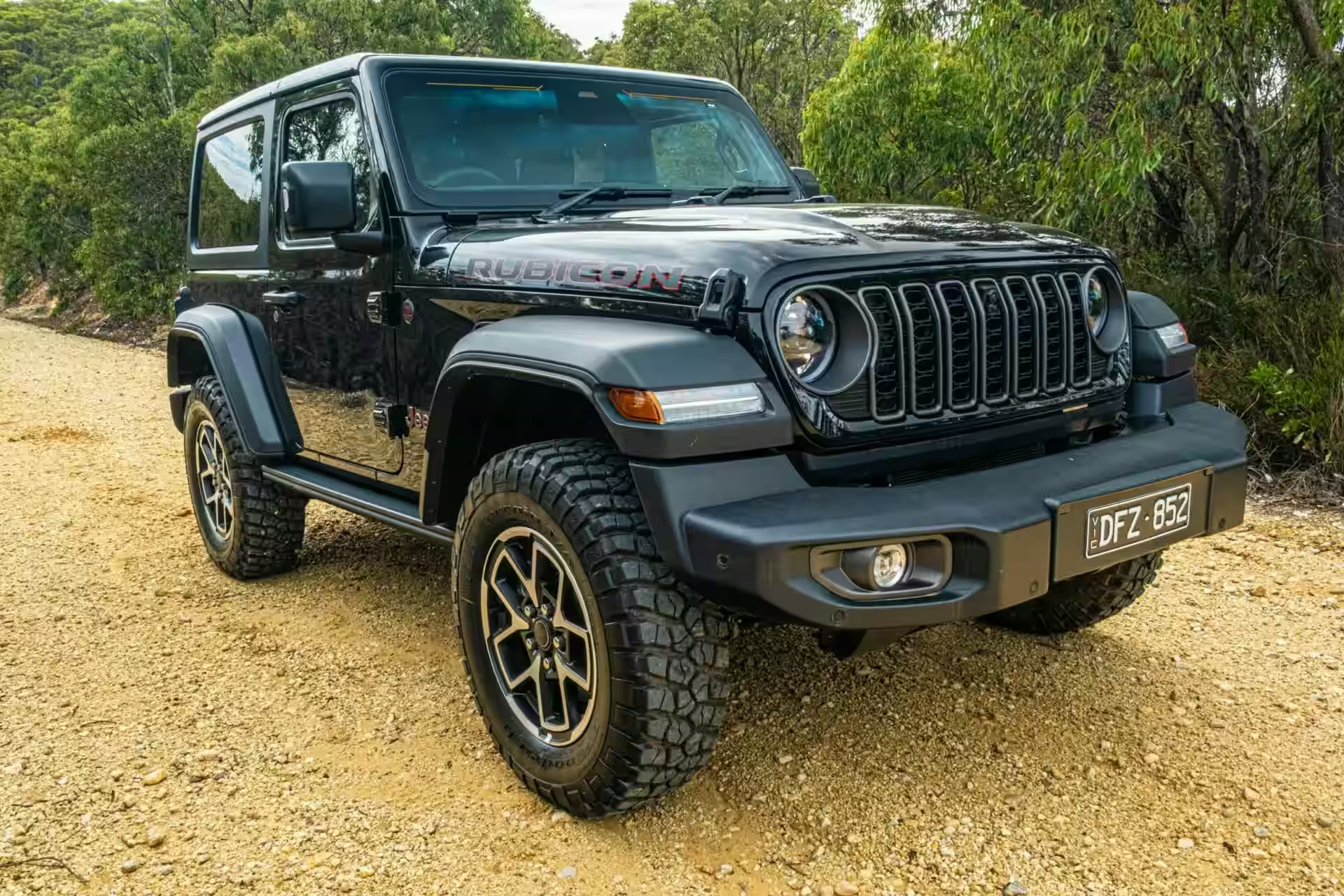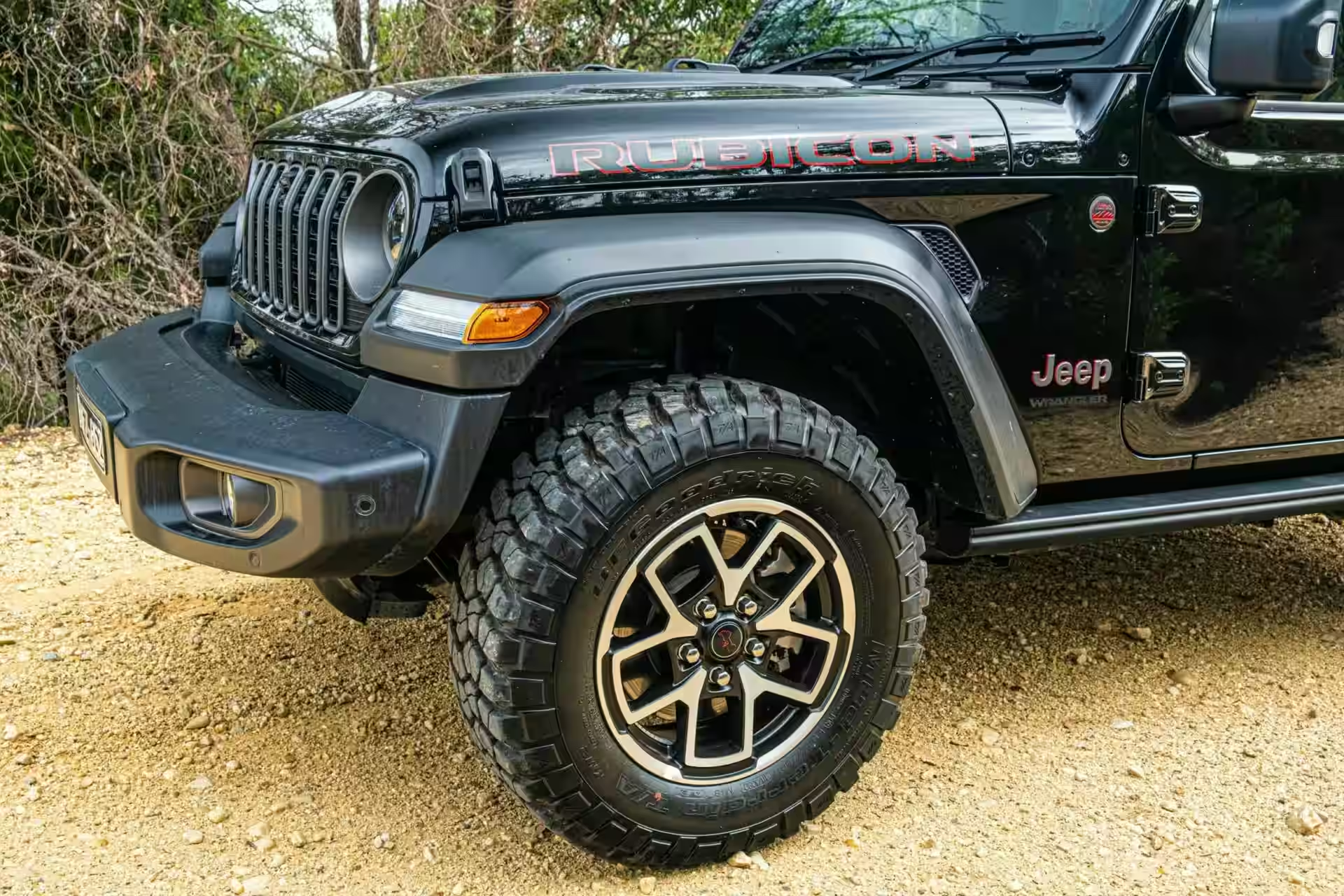
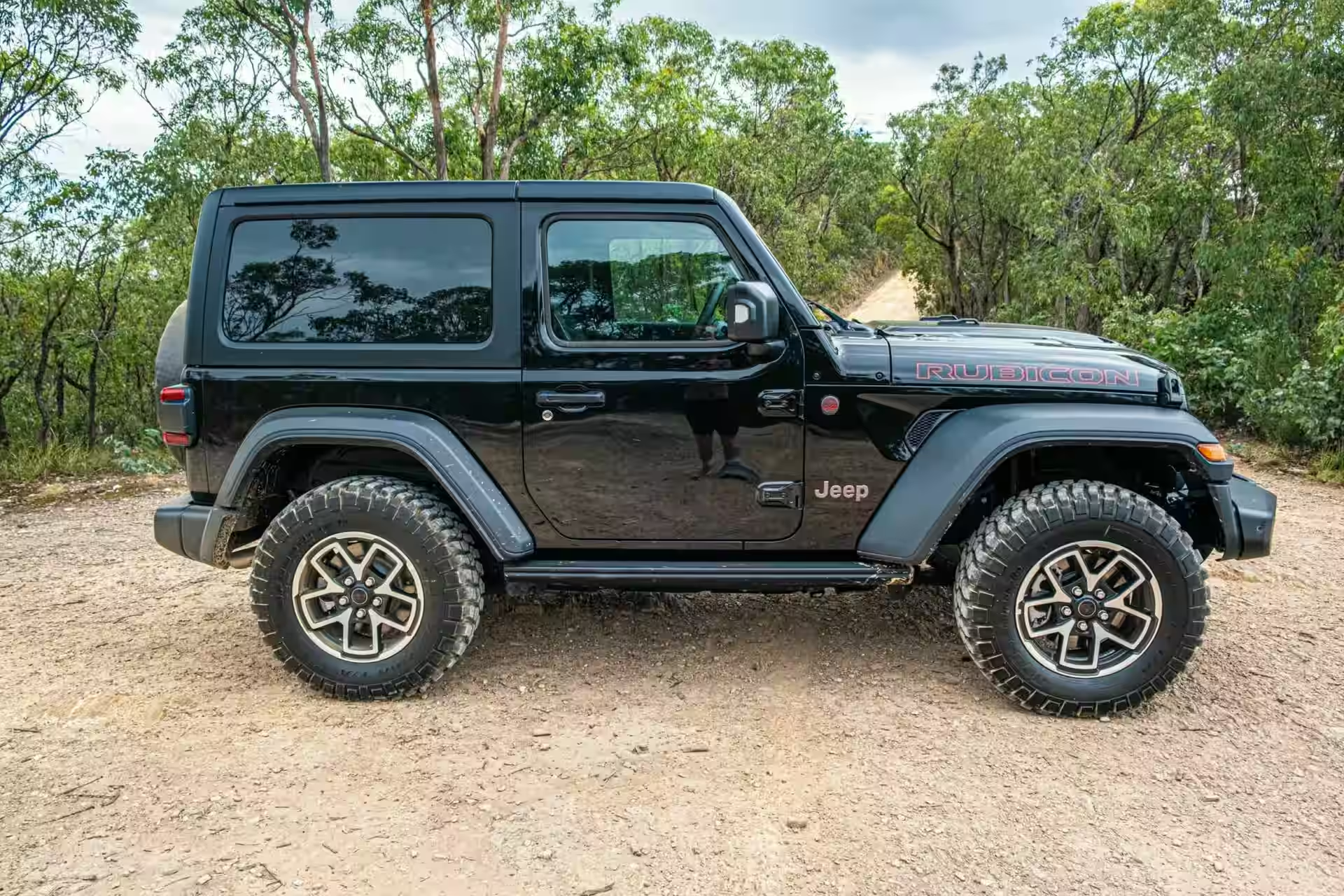
The 2026 Jeep Wrangler Rubicon is a rolling argument against the idea that every new SUV must become softer, quieter, bigger, and more digital to stay relevant.
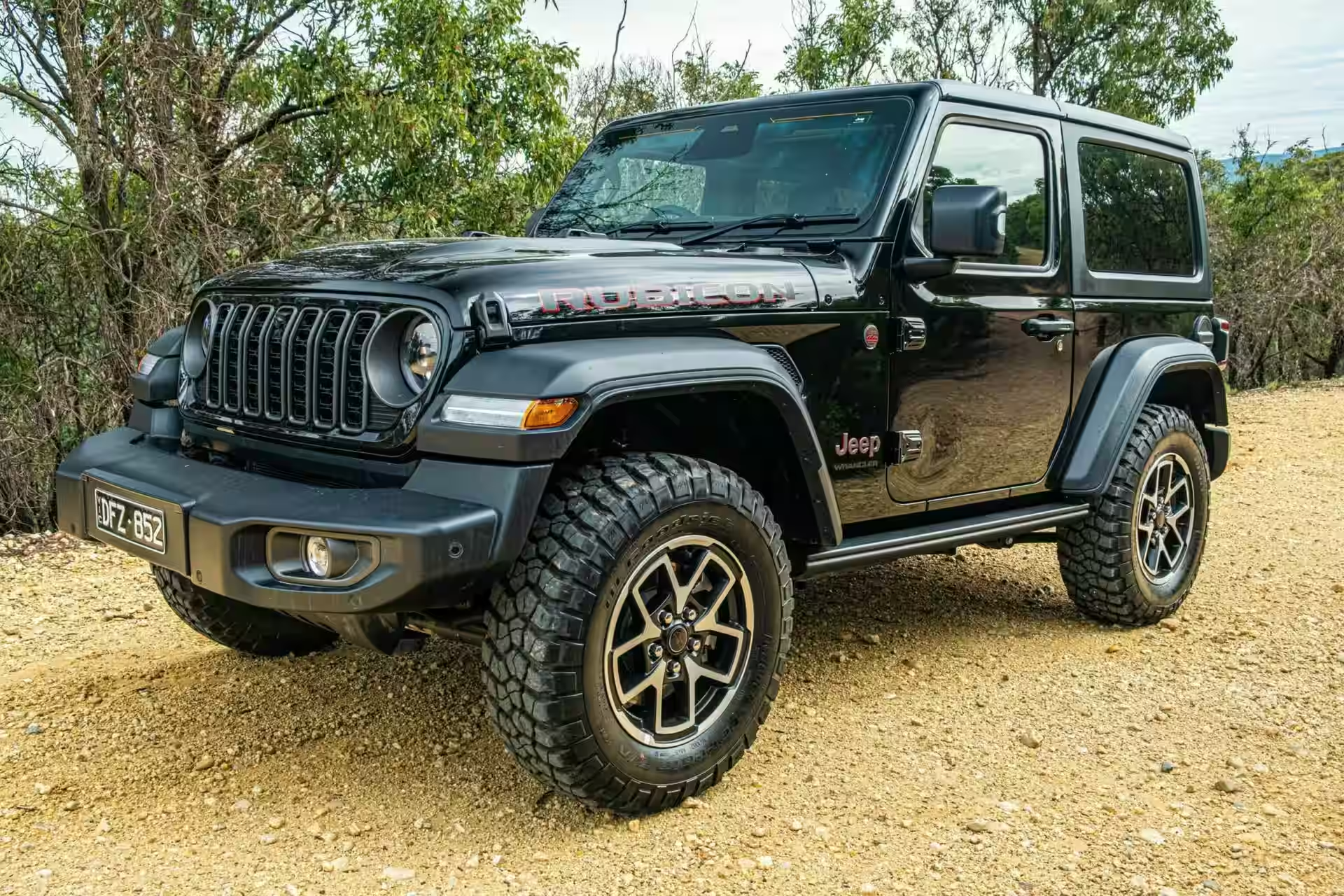
Why The 2026 Jeep Wrangler Rubicon Still Matters In A World Full Of Better SUVs
There is a reason the Jeep Wrangler keeps surviving every industry reset. Crossovers became mainstream. Screens took over cabins. Electrification changed product plans across the globe. Yet the Wrangler keeps showing up with removable doors, a fold-down windshield heritage, solid axles, chunky tires, exposed hinges, and a personality that refuses to act civilized.
That stubbornness is either its biggest flaw or its greatest strength, depending on what you want from an SUV.
From a pure daily-driver perspective, there are many vehicles that outperform it. They are quieter, roomier, easier to park, more fuel-efficient, and often far more comfortable on long highway trips. If your shopping list starts with family practicality, soft-riding suspension, advanced driver assistance, and silent cabins, the Wrangler is not the rational answer.
But the Wrangler was never built to win a rationality contest.
The 2026 Jeep Wrangler Rubicon exists because a certain type of buyer still wants a machine that feels mechanical, purposeful, and honest. It does not try to disguise its off-road hardware under sleek lifestyle styling. It does not pretend to be a luxury SUV first and a trail tool second. It is still one of the last mainstream 4x4s that feels engineered around terrain rather than around touchscreen theater.
That makes it wildly relevant in 2026, especially as the market fills up with SUVs that look rugged but panic the moment the pavement ends.
In Rubicon trim, the Wrangler doubles down on that mission. This is the hardcore factory version for buyers who want locking differentials, serious articulation, body-on-frame durability, and the kind of geometry that can embarrass vehicles costing far more. In a world where many automakers are chasing software-defined luxury, the Wrangler Rubicon remains defiantly hardware-defined.
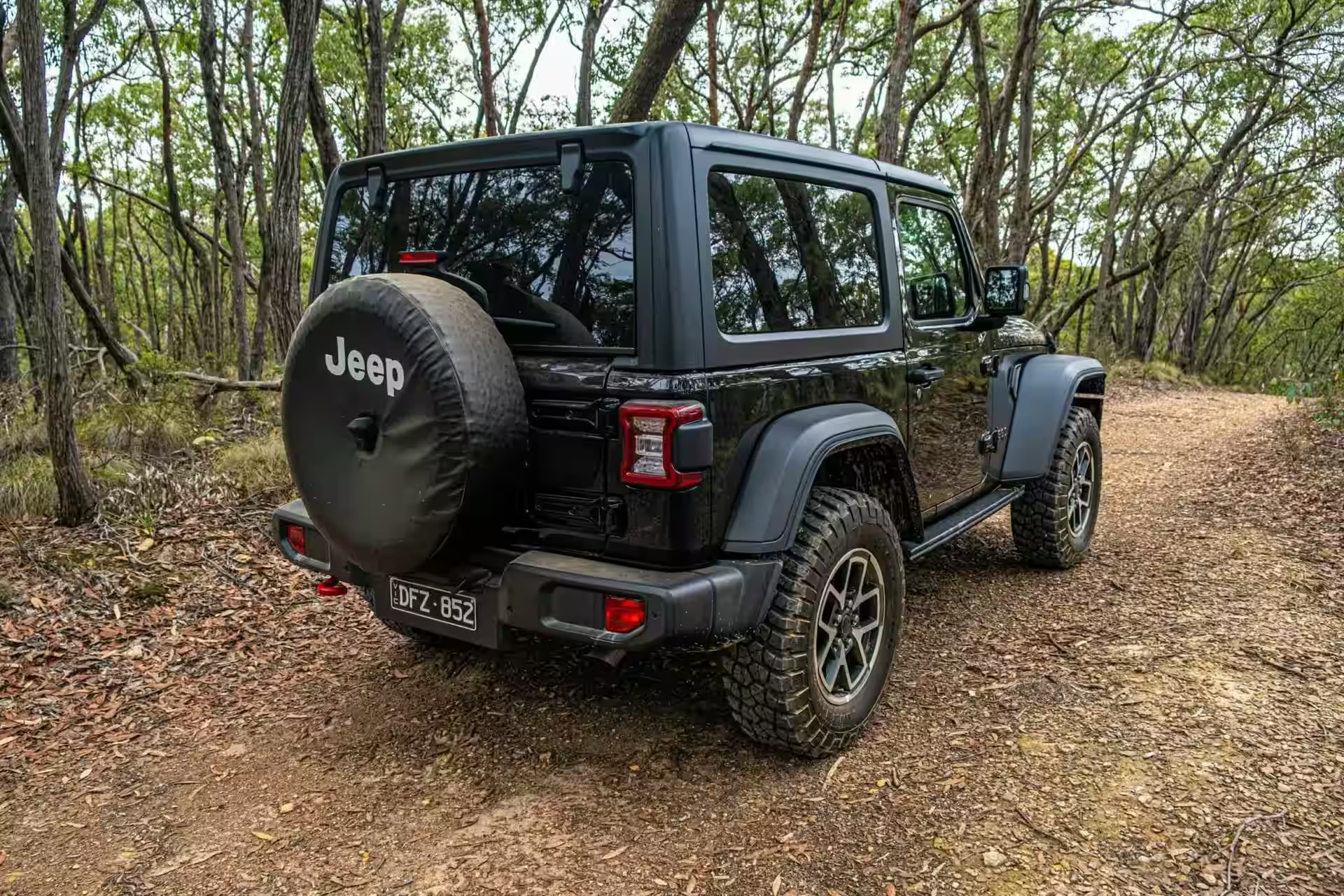
That contrast is exactly what makes it compelling.
Interestingly, while the market moves toward giant curved displays and minimal physical controls, the Wrangler proves there is still demand for tactile usability. That same debate is now surfacing in premium cars too, as seen in this look at how Mercedes is bringing physical buttons back. Jeep never really left that philosophy behind, and in the Wrangler, that old-school approach feels less nostalgic and more practical.
The current-generation JL Wrangler has been around since the 2018 model year, which means by modern standards it is no longer fresh. Yet age has not killed its appeal. In fact, the opposite may be true. While many rivals evolve into broader, more compromised products, the Wrangler’s long-running formula has become more distinct with time.
That distinctiveness matters because the 2026 Wrangler Rubicon is not just another SUV review subject. It is a benchmark for authenticity. If you want to know whether old-school 4×4 engineering still has a place in a hyper-connected era, this Jeep answers with mud on its tires and very little interest in your digital lifestyle.
Quick specs for the 2026 Jeep Wrangler Rubicon 2-Door
| Engine | 2.0-liter turbocharged inline-four |
| Power | 268 hp |
| Torque | 295 lb-ft (400 Nm) |
| Transmission | 8-speed automatic |
| Drivetrain | 4WD with low range |
| Wheelbase | 96.8 in (2,459 mm) |
| Length | 166.8 in (4,236 mm) |
| Curb Weight | 4,453 lb (2,020 kg) |
| Estimated 0-62 mph | About 7.0 seconds |
| Tested Fuel Economy | 18.6 mpg US (12.6 l/100 km) |
For buyers trying to compare it with other rugged utility vehicles, the most important thing to understand is this: the Wrangler Rubicon is less about polish and more about capability density. Almost everything you notice, from the stance to the steering feel, is a byproduct of that decision.
- Major strengths include elite off-road capability, authentic 4×4 hardware, excellent visibility of the vehicle’s corners, compact 2-door maneuverability, and a more refined turbo engine than before.
- Main weaknesses include limited cargo space, noisy highway manners, vague steering on-road, mediocre front seat comfort, and a price that pushes into premium territory.
That trade-off defines the Wrangler experience. It is not a Swiss Army knife trying to do everything well. It is a specialized tool that has become good enough at daily life to keep buyers loyal, even when almost every competitor does suburban duty better.
The Turbo Four Changes The Character More Than The Spec Sheet Suggests
One of the biggest stories for the 2026 Jeep Wrangler Rubicon is not visible from the outside. In markets where the naturally aspirated 3.6-liter Pentastar V6 used to carry the lineup, the newer 2.0-liter turbocharged four-cylinder has now become the key powertrain choice.
On paper, the change sounds simple. Horsepower drops slightly versus the old V6, but torque rises. In reality, the effect on the driving experience is more nuanced.
The 2.0-liter turbo makes 268 hp and 295 lb-ft, which is enough to give the Wrangler respectable real-world performance. The eight-speed automatic helps keep it in the sweet spot, and once moving, the power delivery feels stronger and smoother than some traditionalists may expect. This engine does not turn the Wrangler into a fast SUV, but it does make it feel more modern in traffic and more relaxed at speed.
The biggest difference is refinement. Compared with the old Pentastar, the turbo-four is quieter, cleaner in operation, and less dramatic in its mechanical soundtrack. Some buyers will miss the old V6’s more muscular character, especially at low revs. Others will welcome the calmer, less gruff personality of the turbo engine.
There is a trade-off, though. The V6 often felt more naturally immediate off idle. The turbo-four can require a little more throttle and a little more revs before it fully wakes up. Once it does, however, it pulls with enough confidence to suit the Wrangler’s mission. Lift off the throttle after a hard run and there is even a faint turbo whoosh that adds a layer of character, just not the classic kind Jeep loyalists may expect.
For readers curious about forced induction and why turbocharged engines can feel so different from naturally aspirated alternatives, this deep dive into turbocharger vs supercharger ownership realities helps explain the engineering trade-offs that now shape vehicles like the Wrangler.
Fuel economy is also part of the story, though perhaps not the victory some buyers might hope for. Official efficiency figures suggest a meaningful improvement over the old V6, but real-world consumption can still be heavy, especially when the vehicle is driven the way a Rubicon practically invites you to drive it. Mud-terrain tires, bluff aerodynamics, body-on-frame mass, and genuine off-road testing are not friends of impressive MPG results.
In mixed real-world use, especially if trails are involved, expect fuel economy to look ordinary rather than revolutionary. This is still a tall, brick-like off-roader with removable body sections and serious drivetrain hardware. There is only so much a turbocharged four-cylinder can do against physics.
Still, the engine swap improves the Wrangler in one critical way: it makes the vehicle feel less old than it is.
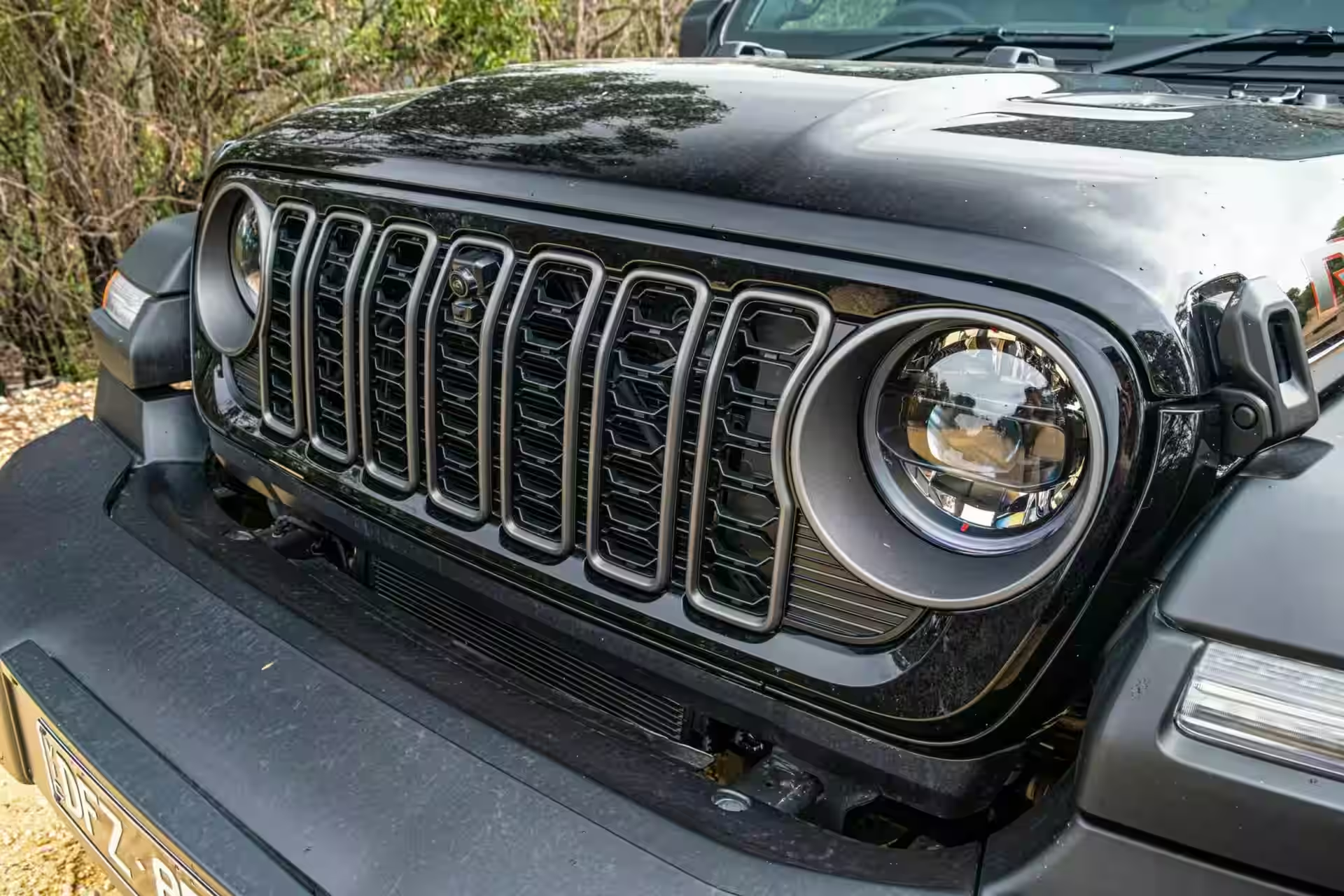
That matters because the rest of the driving experience remains unmistakably Wrangler.
The steering still feels slow and vague around center, especially compared with modern unibody SUVs or crossovers with quick electric racks. The recirculating-ball setup and off-road tire choices mean the first few degrees of wheel movement can feel disconnected. If you are new to the Wrangler, that can be strange at first. If you have lived with serious off-road vehicles before, it will feel familiar.
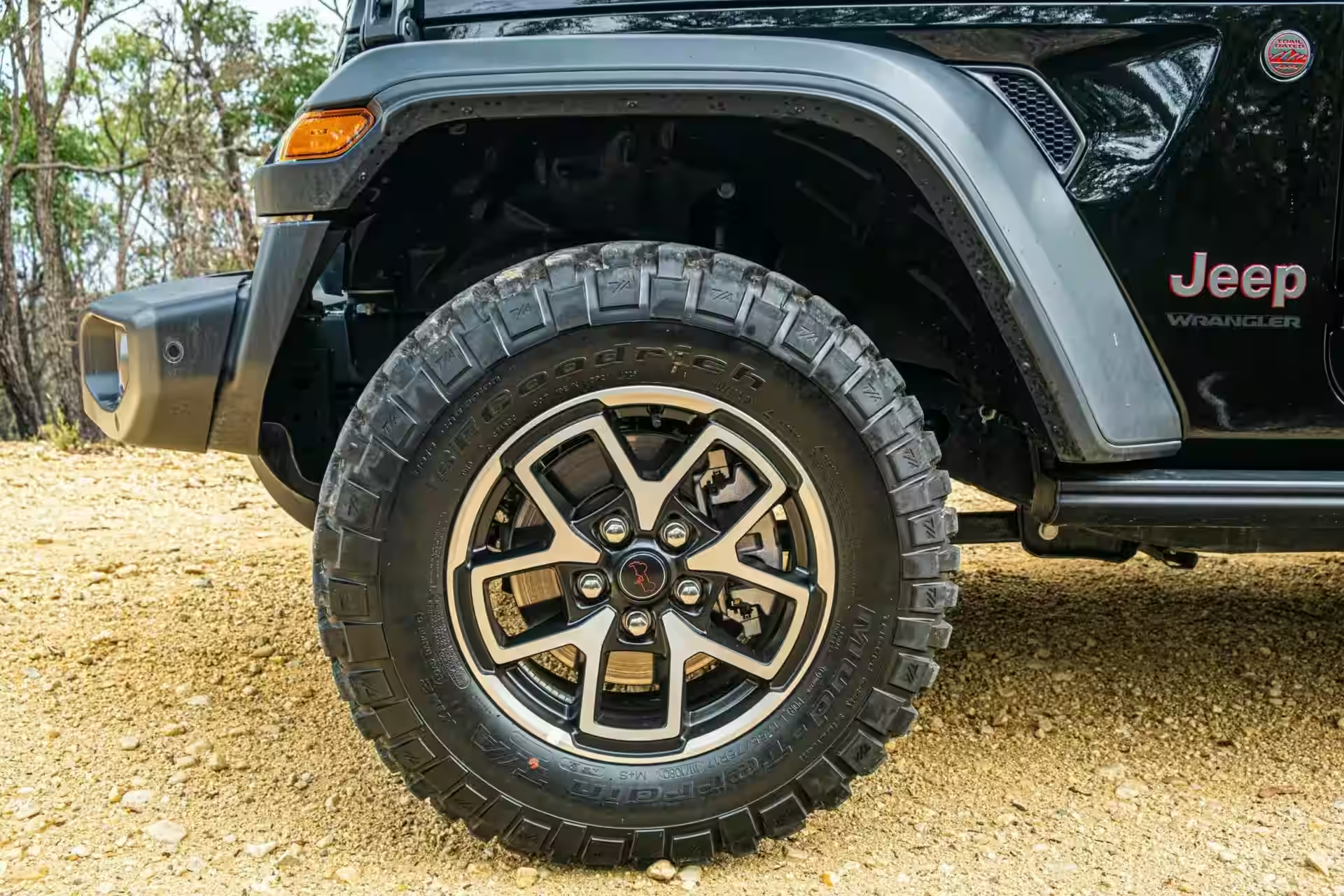
Then there is the ride and noise story. Wind noise is substantial. Tire roar is always present. Highway travel is not serene. But these traits do not come from bad engineering so much as from engineering priorities that point in another direction. A Wrangler Rubicon is designed to deal with rocks, washouts, mud, axle articulation, and severe approach angles. Silence was never going to top that list.
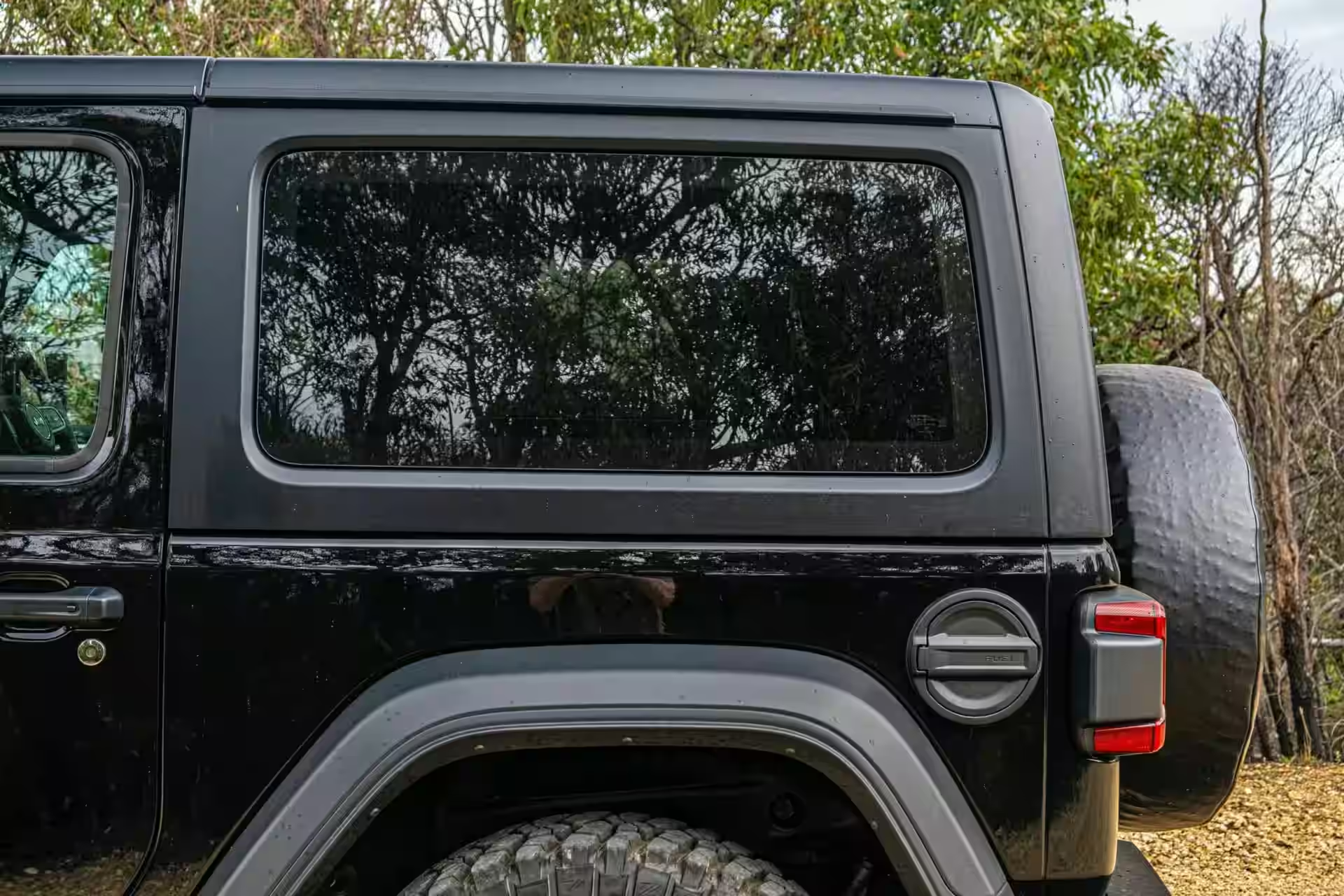
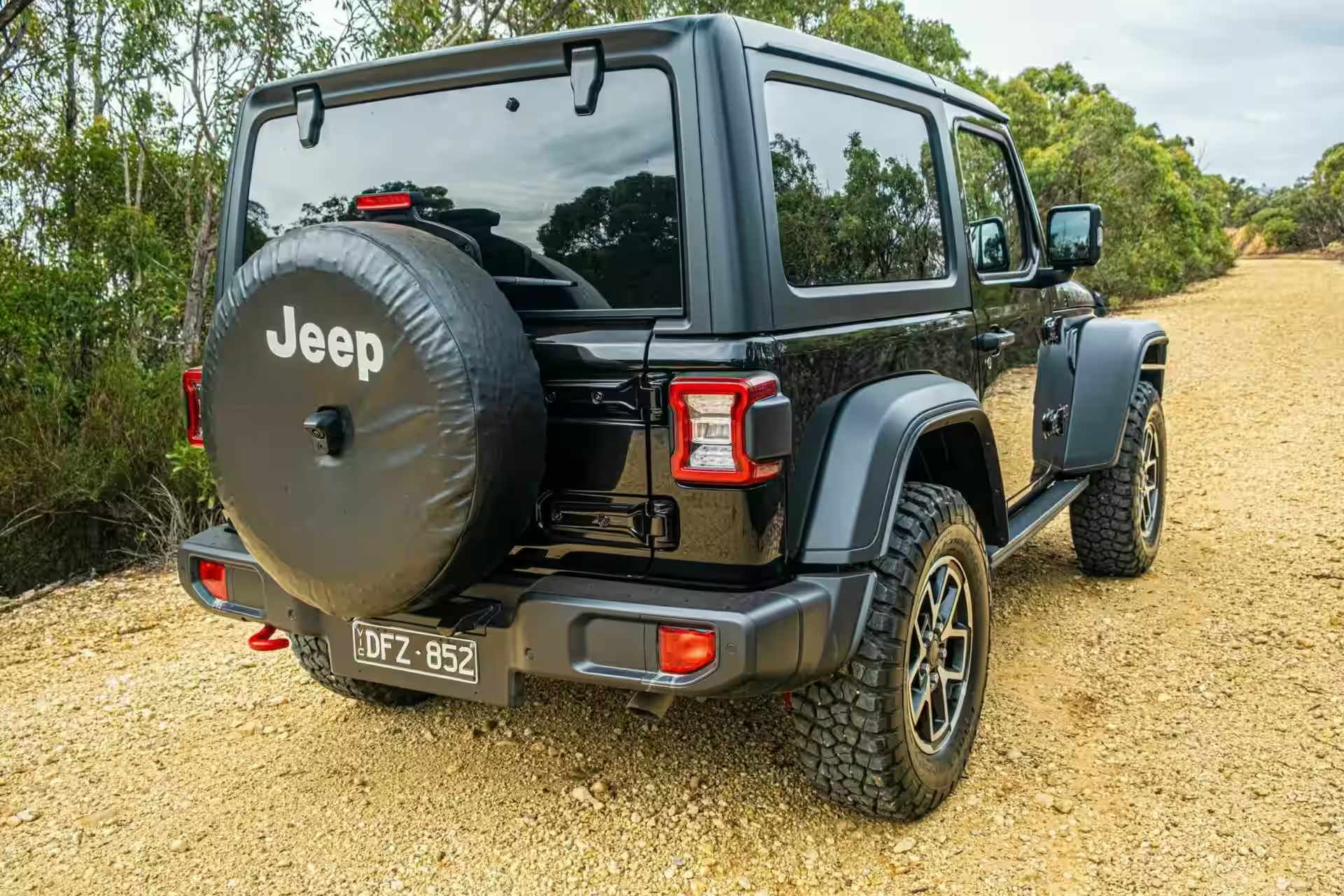
The short-wheelbase 2-door adds another layer of personality. It feels more eager to rotate in tight spaces and more nimble on narrow trails than the four-door Unlimited. It also has a better turning circle than many larger SUVs, which is a practical advantage in cities and on switchback trails alike. On the other hand, the 2-door layout naturally brings compromises in rear access and cargo volume.
Those compromises are worth dwelling on because they separate Wrangler fantasy from Wrangler ownership reality.
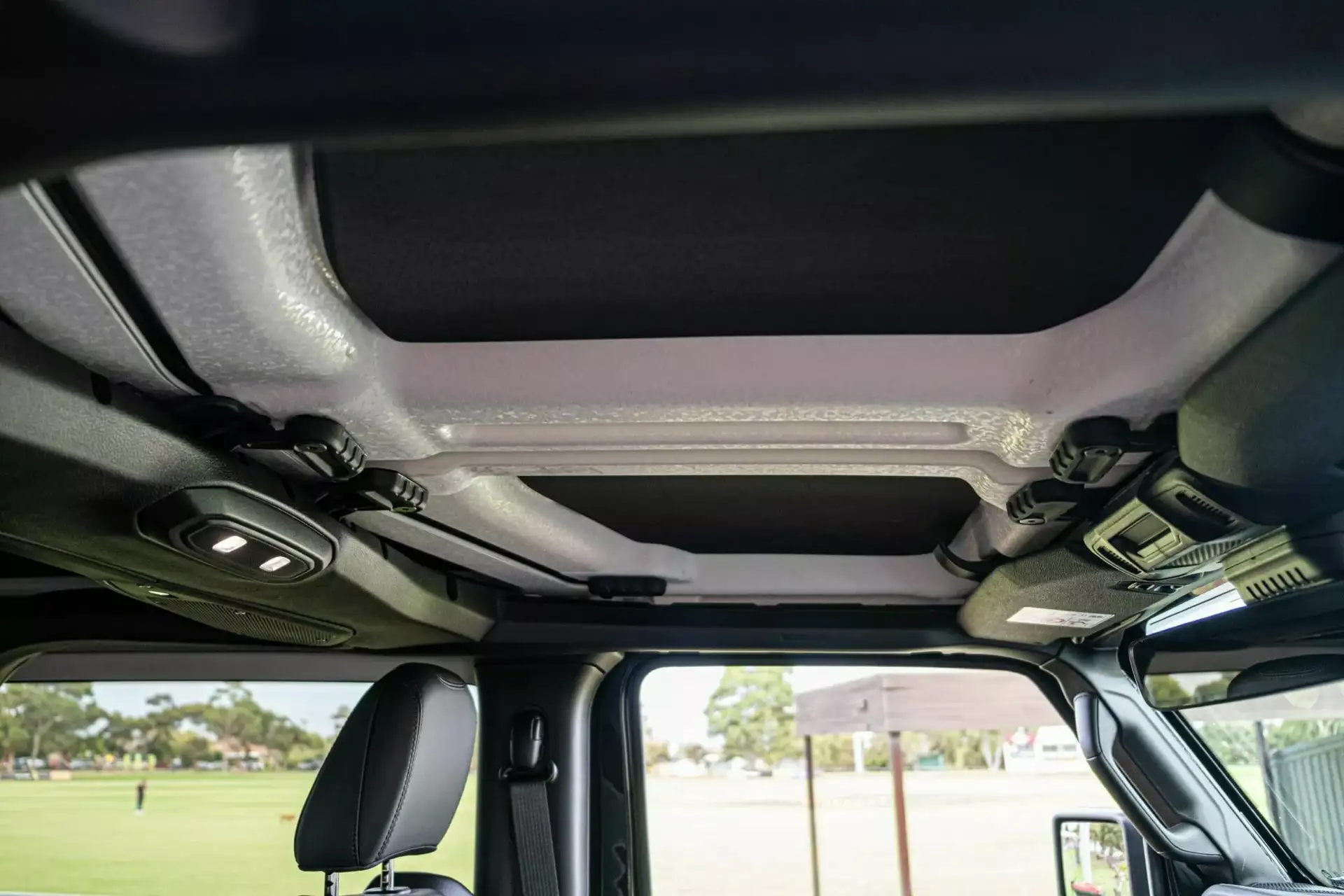
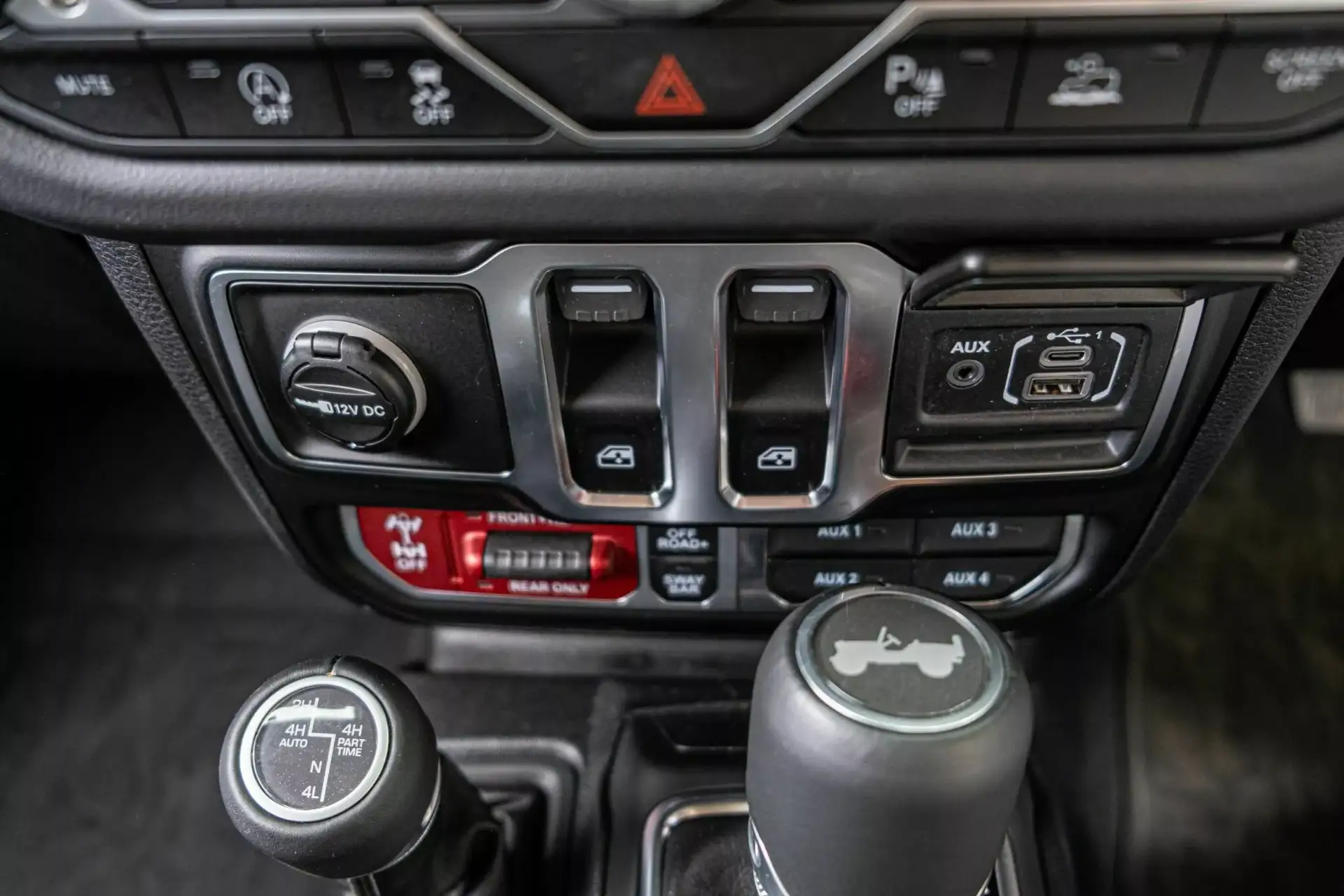
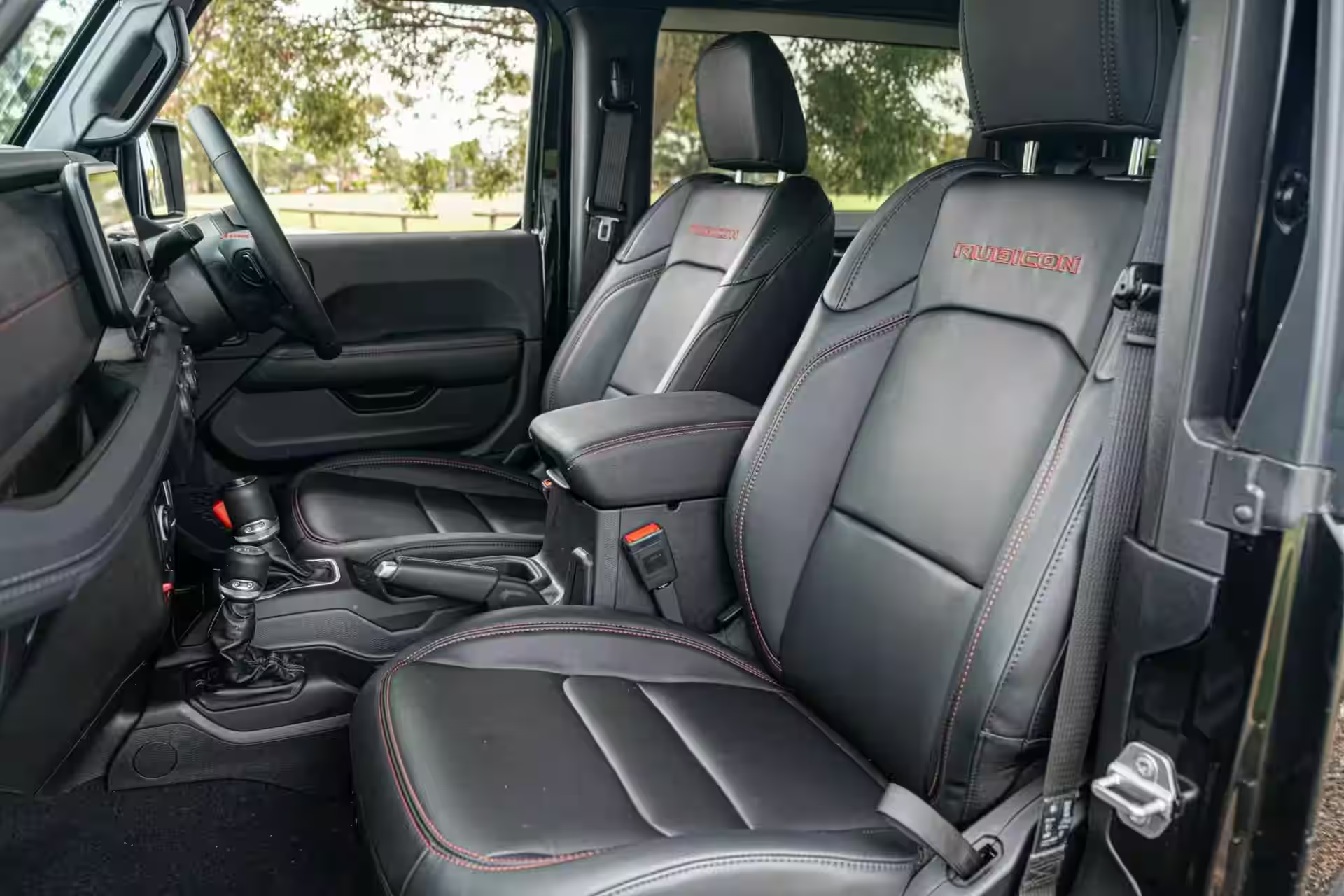
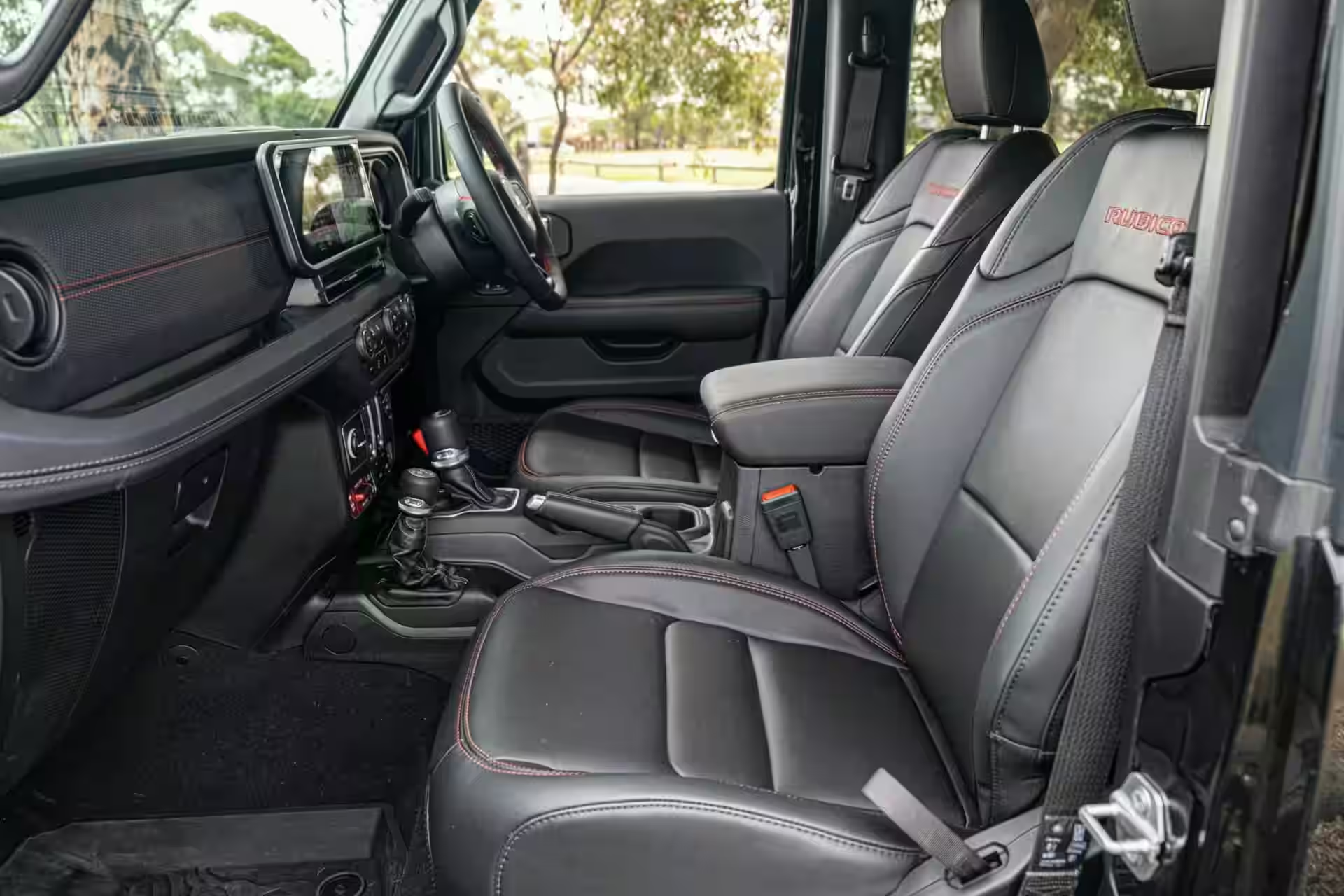
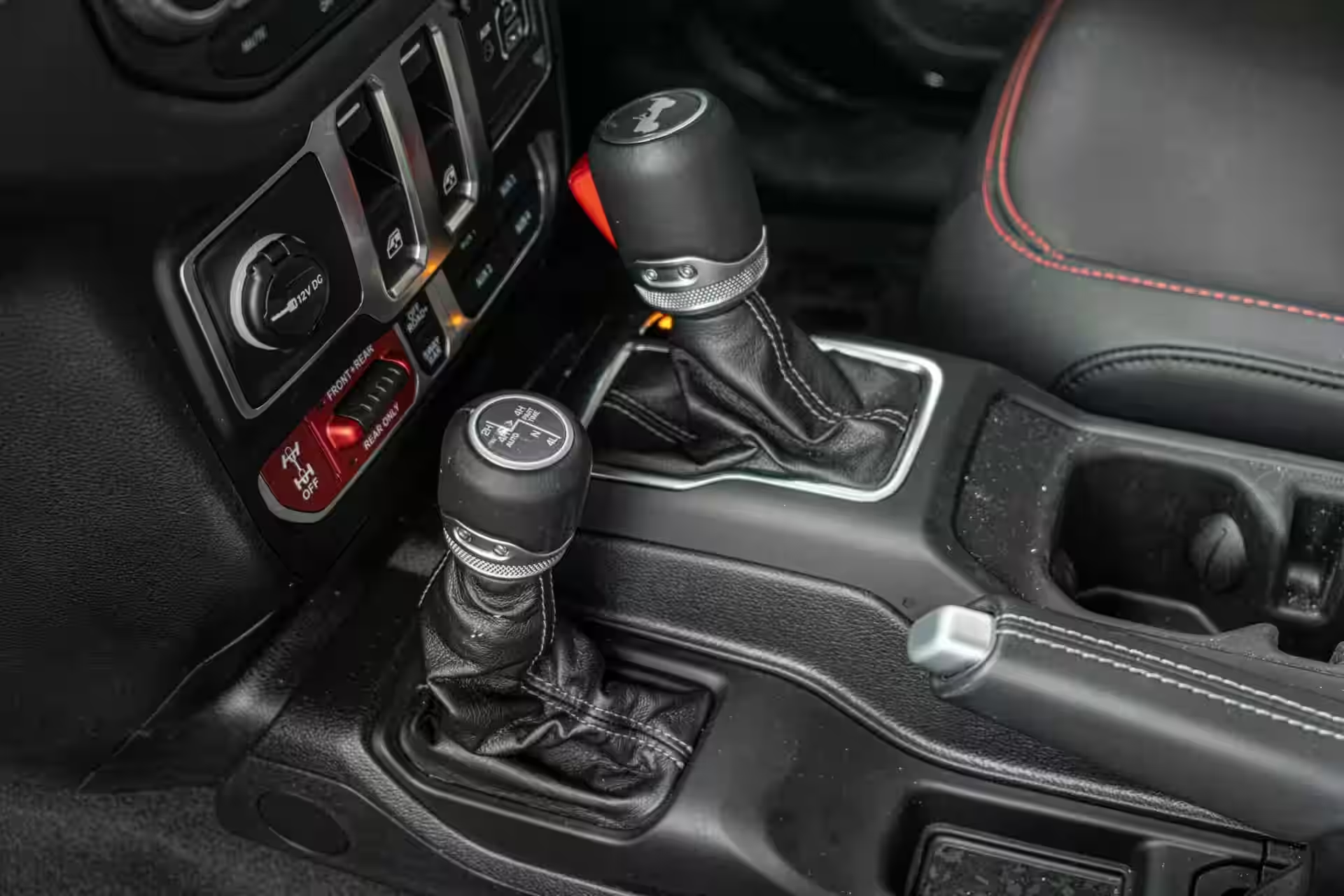
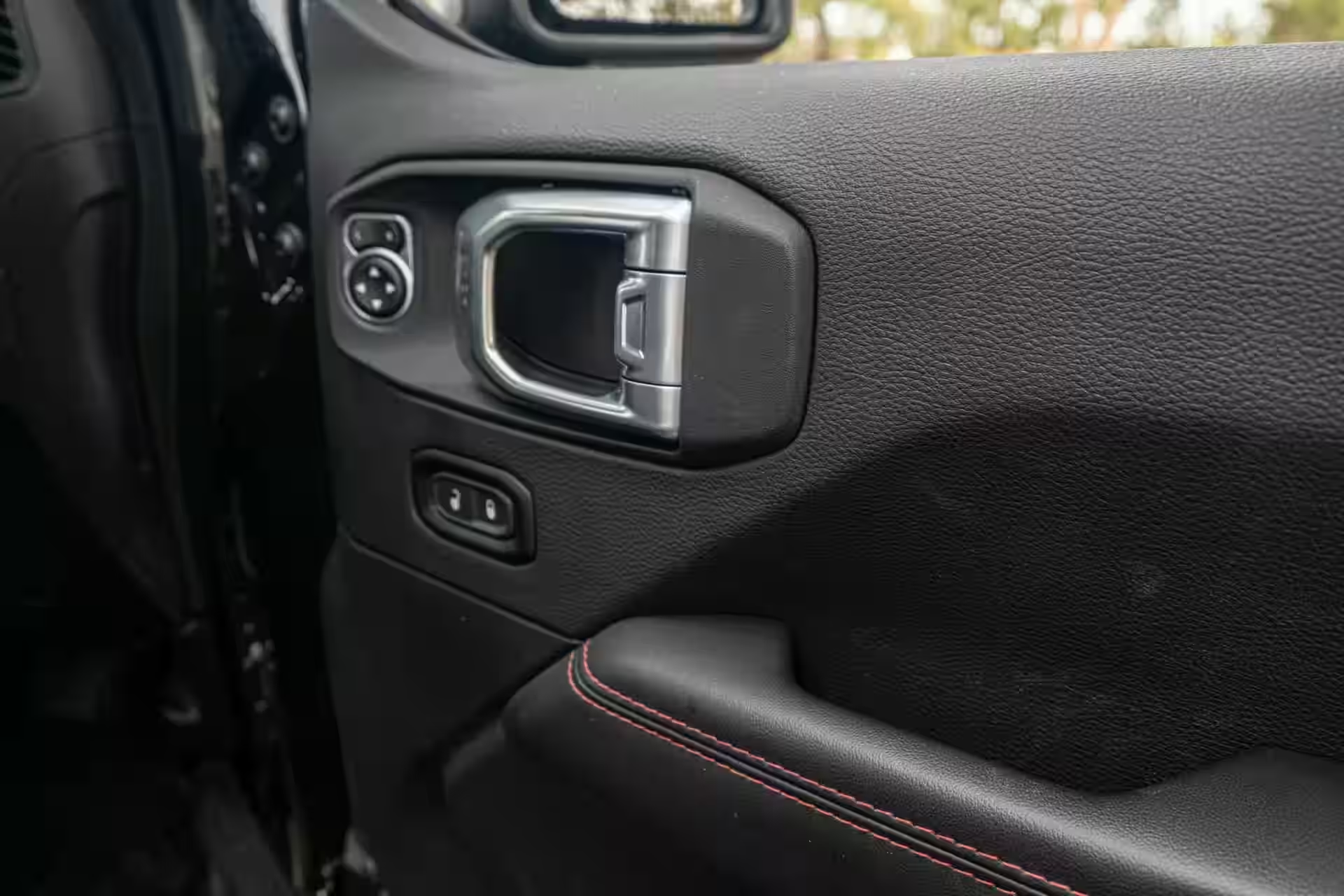
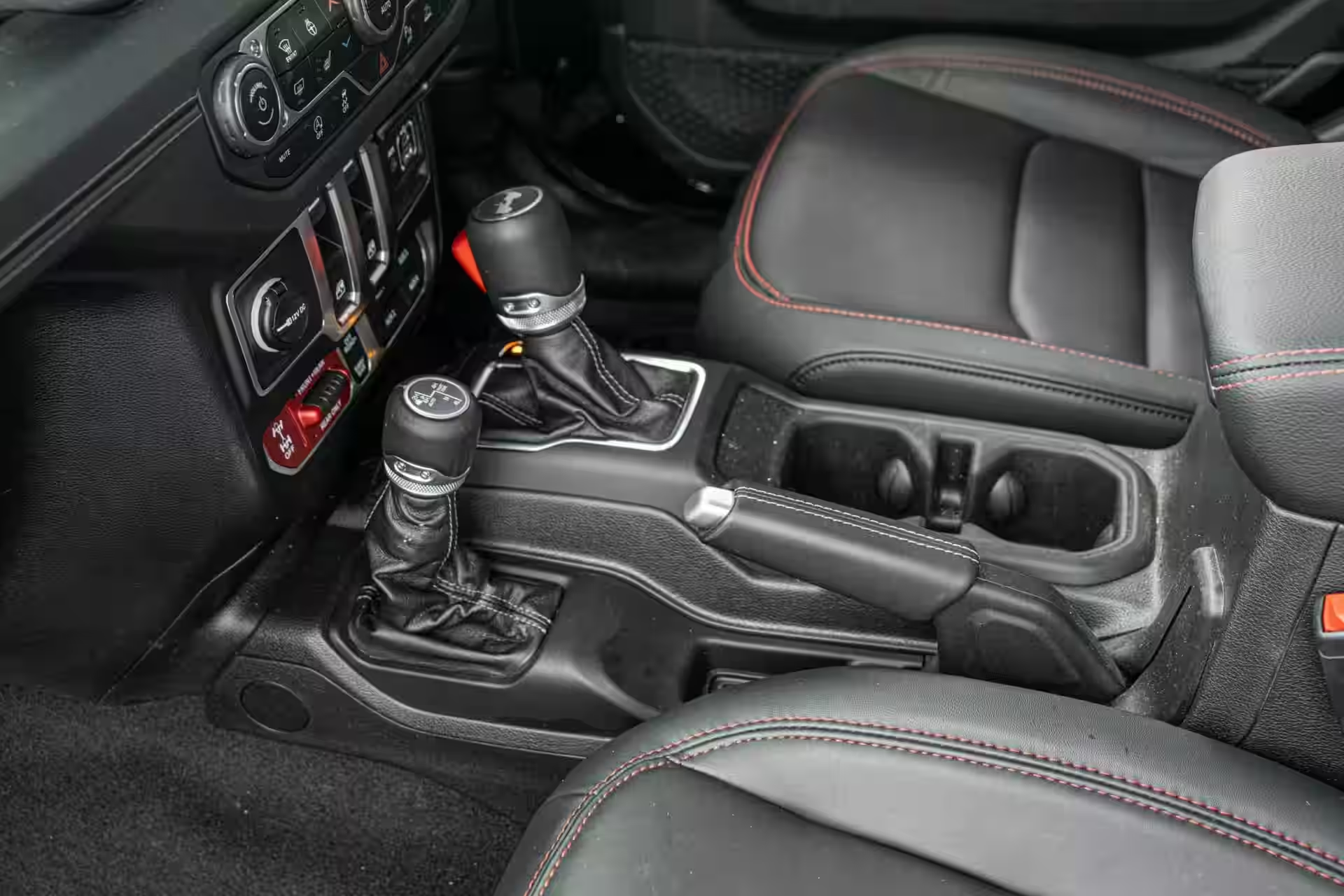
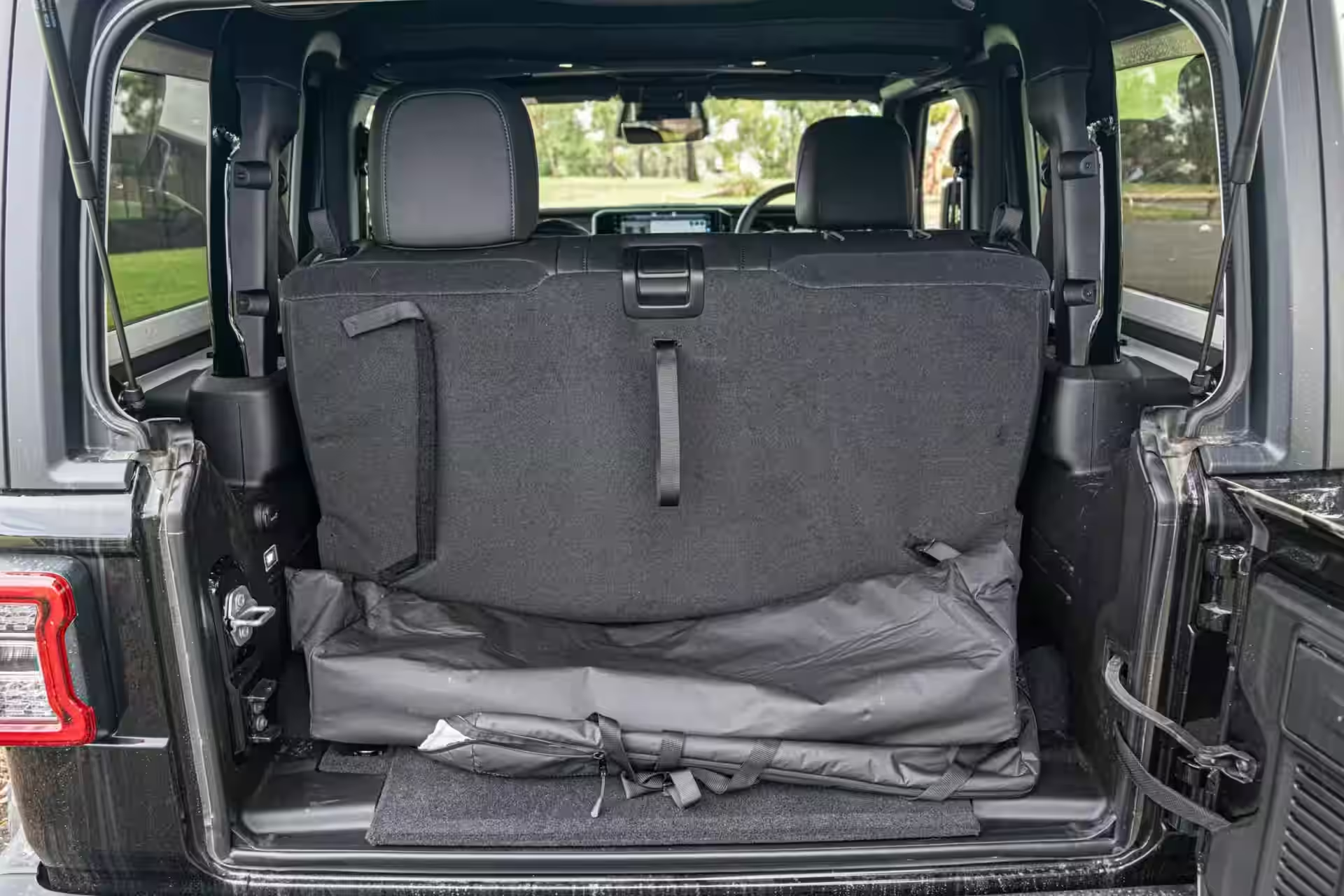
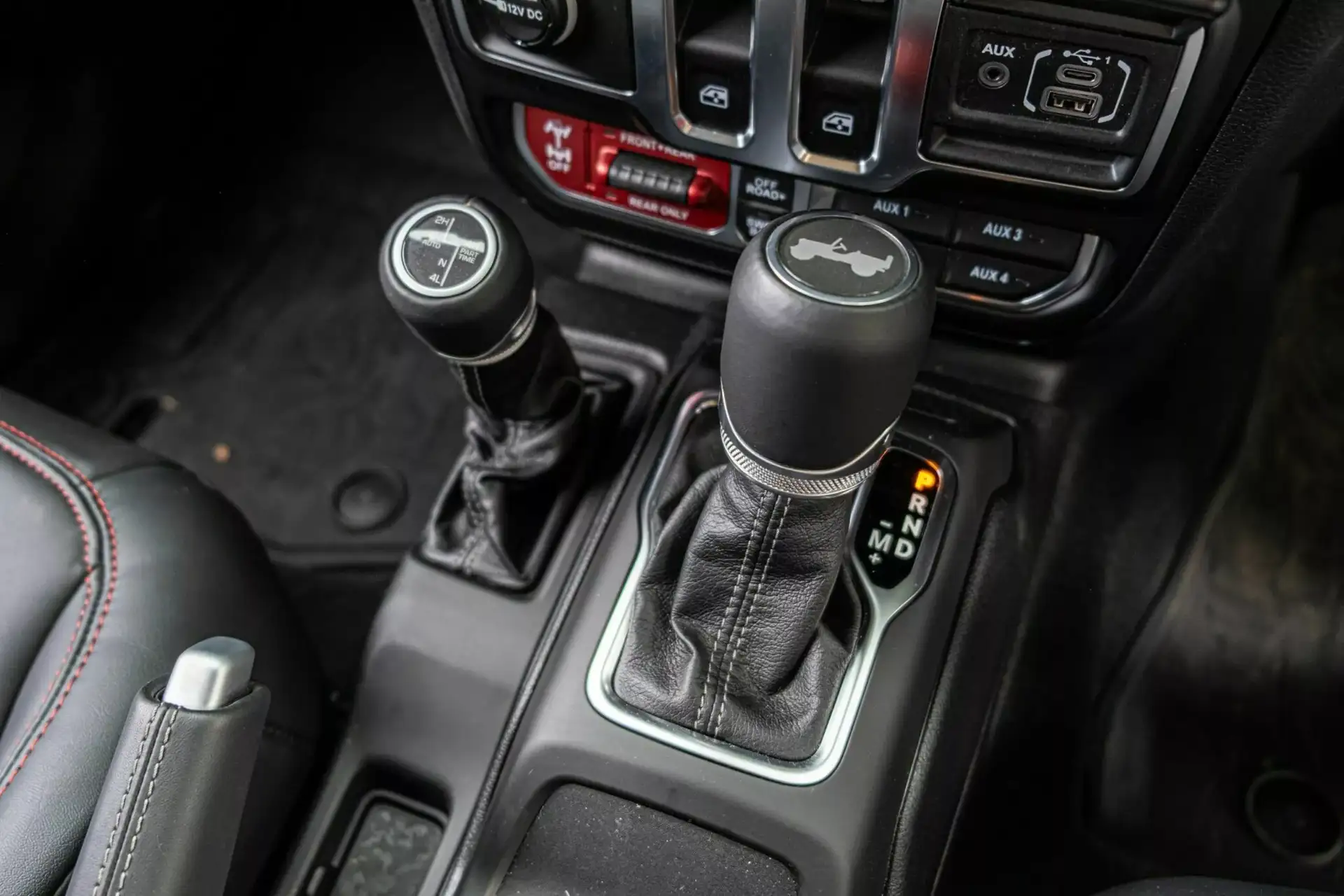
The cargo area behind the rear seats is small by SUV standards. Tall drivers may find entry and exit awkward. The front seats are not especially supportive. There is no proper dead pedal for the left foot, which sounds trivial until you spend hours behind the wheel and start hunting for somewhere natural to brace yourself. The centrally located window switches make sense once you remember the doors are removable, but they still feel odd to first-time users.
Yet this is exactly how the Wrangler keeps filtering its audience. It is not trying to remove every quirk. It is asking whether you can live with them in exchange for something most rivals no longer offer.
Inside The Cabin, On The Trail, And In The Real World Where The Rubicon Makes Sense
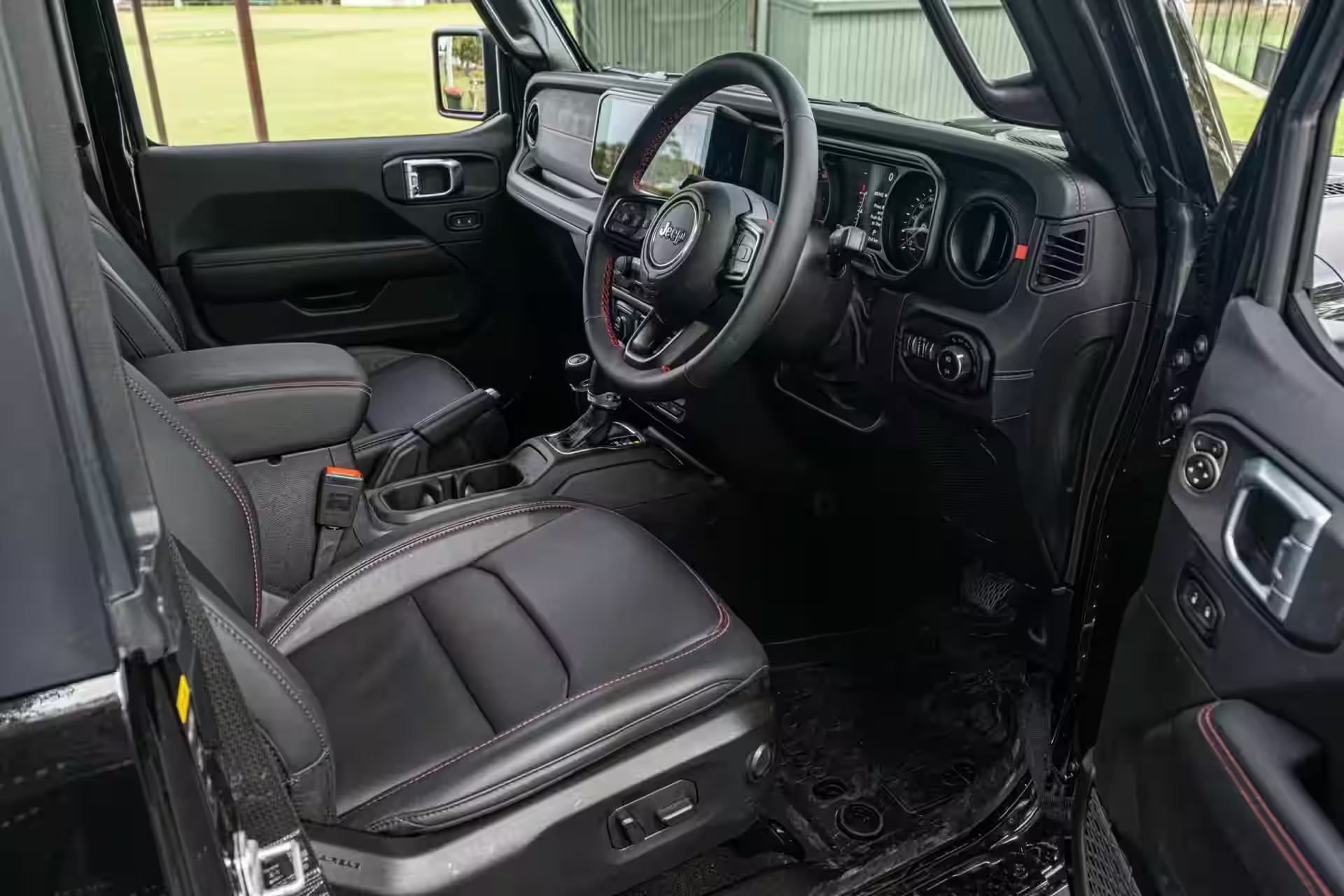
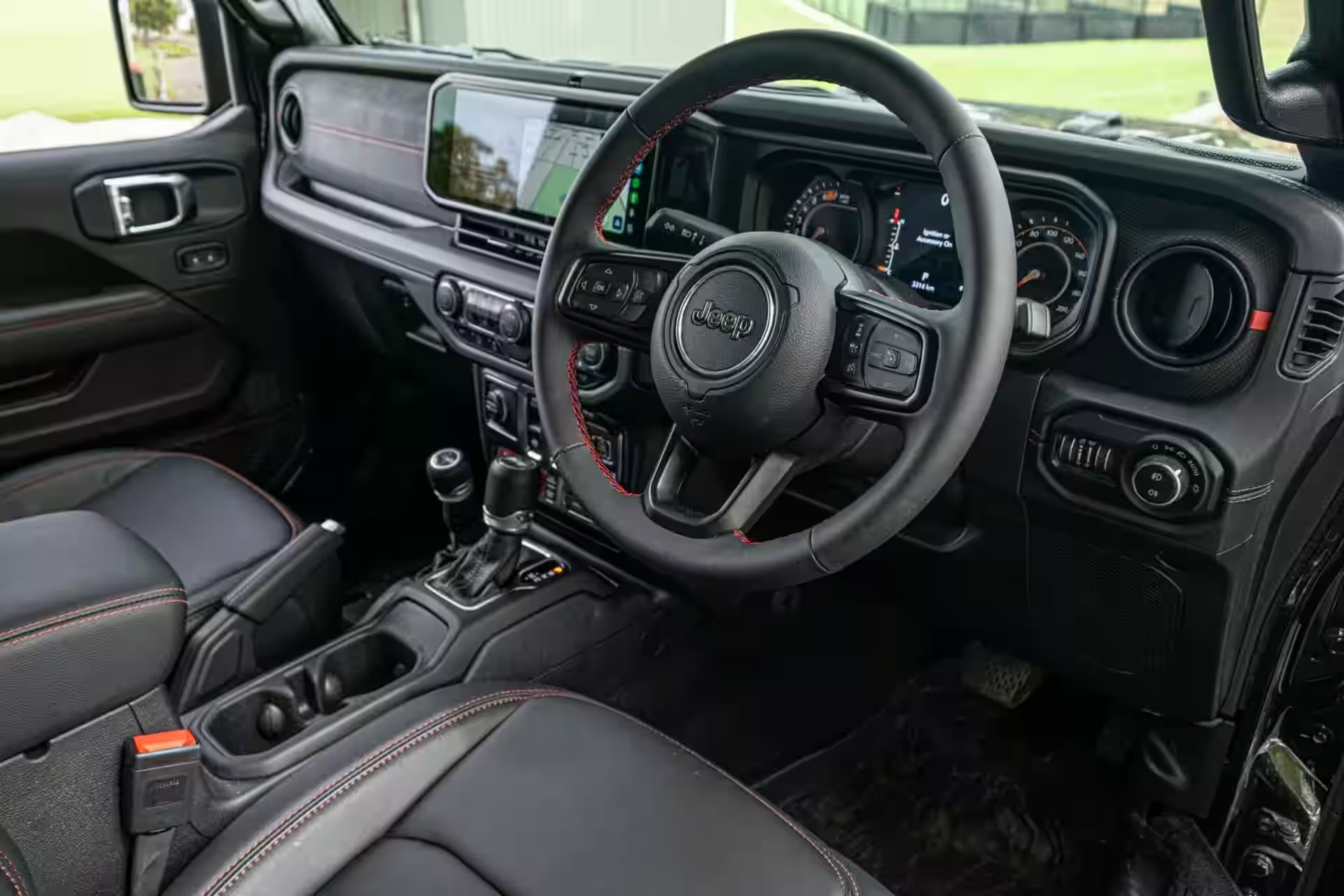
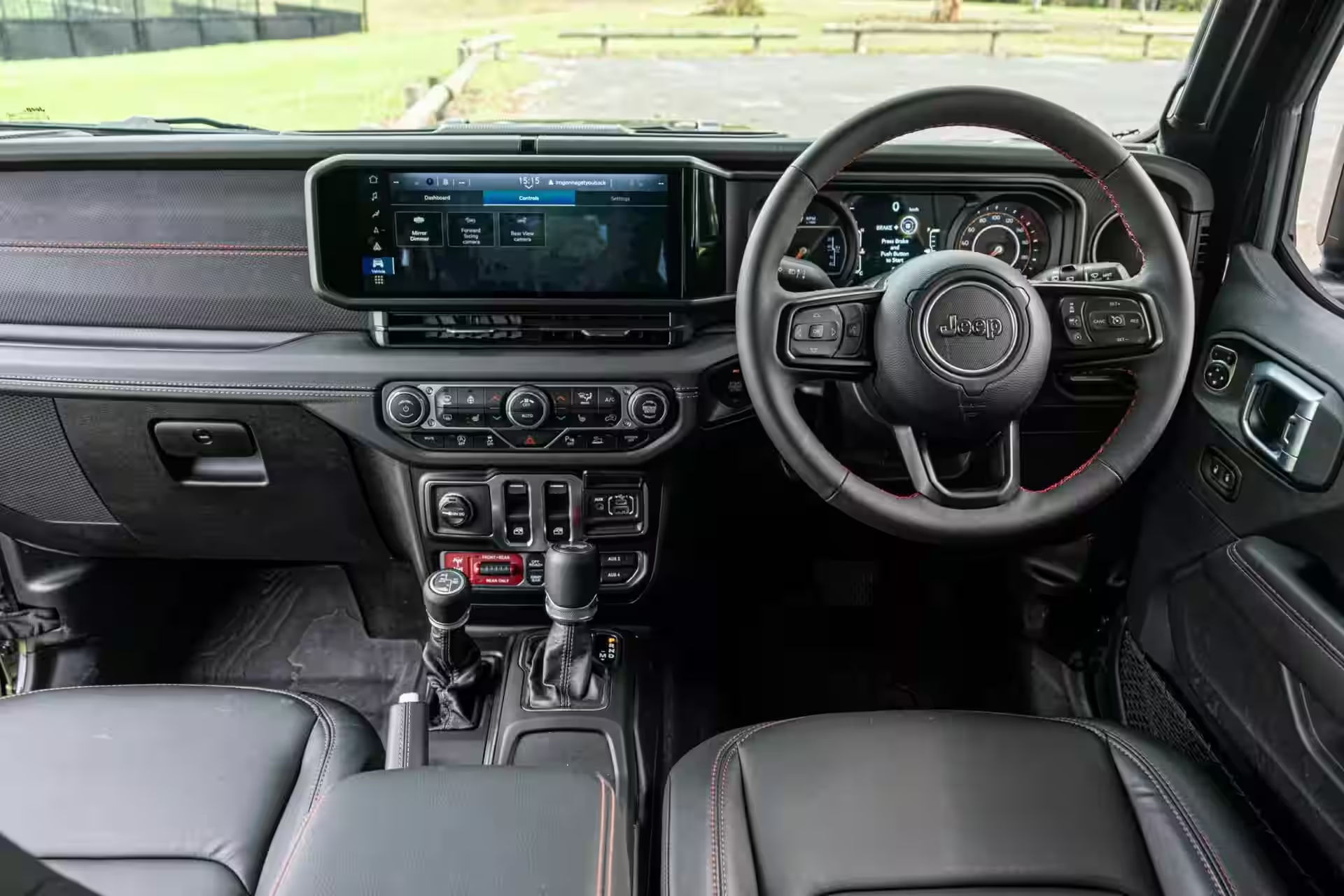
Open the door of the 2026 Jeep Wrangler Rubicon and the first surprise is that the cabin does not feel as outdated as skeptics expect. Yes, the Wrangler traces its roots to a much older philosophy. Yes, the upright glass, exposed fasteners, and hard-edged shapes still lean utilitarian. But Jeep has gradually improved the places owners touch, see, and use every day.
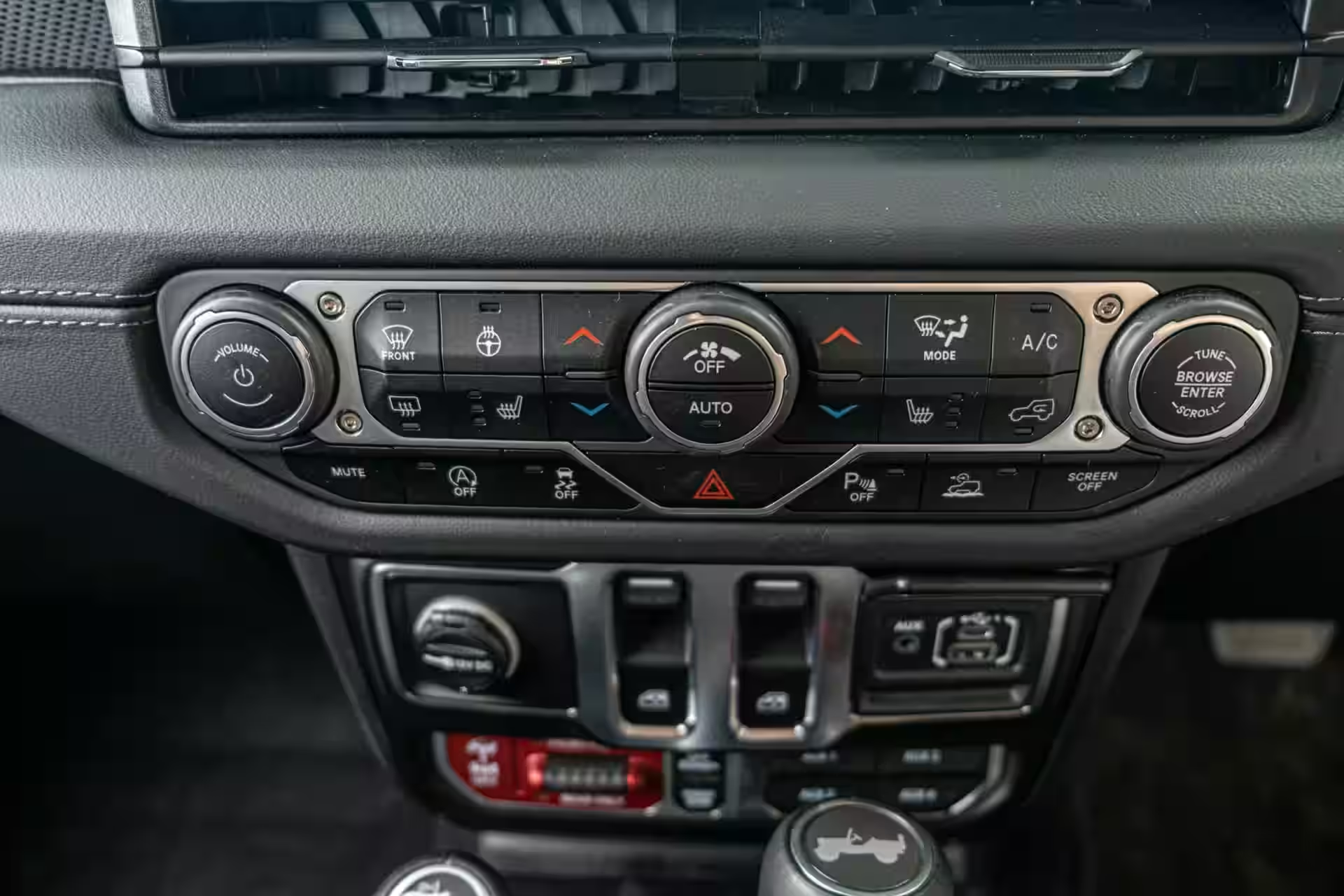
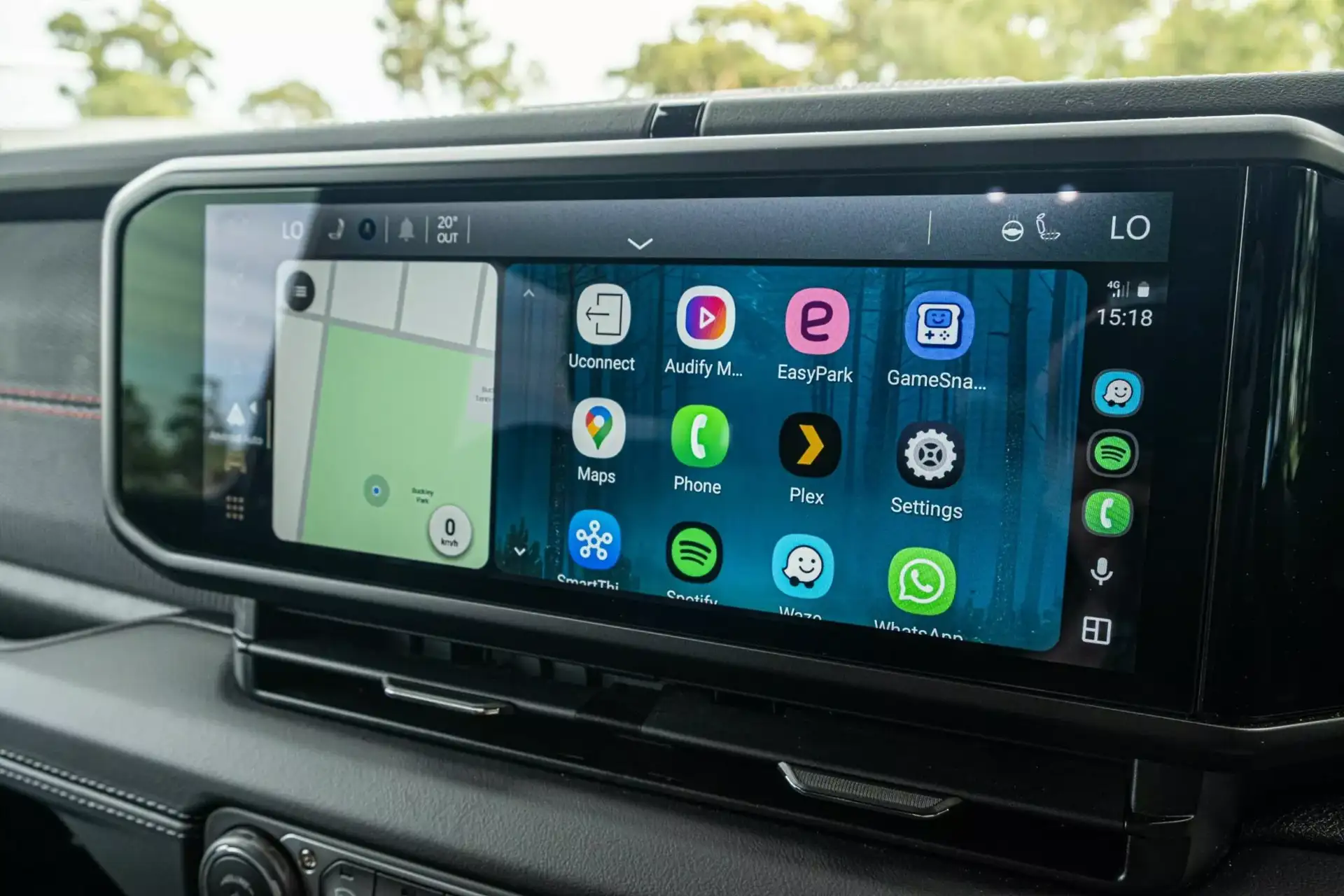
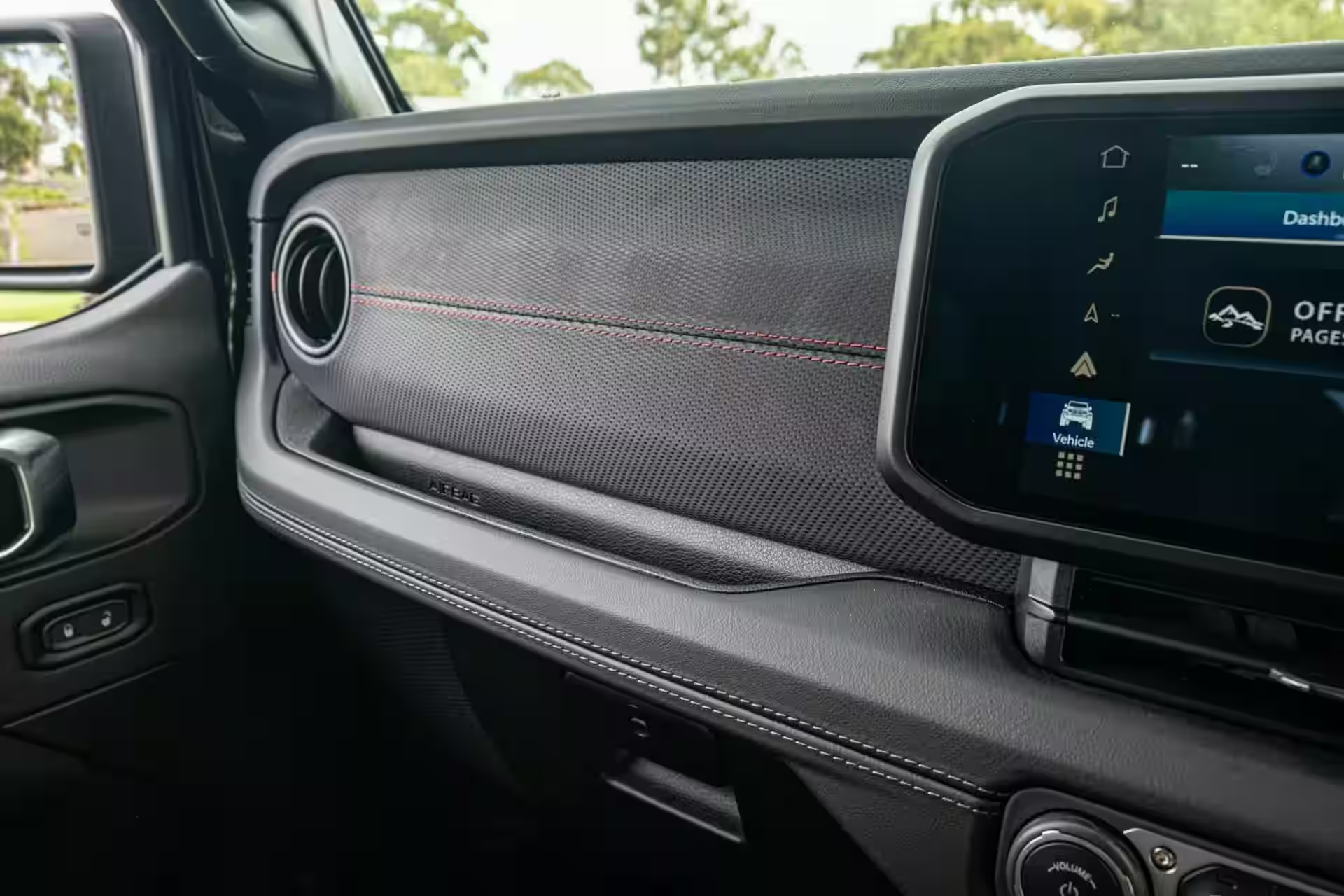
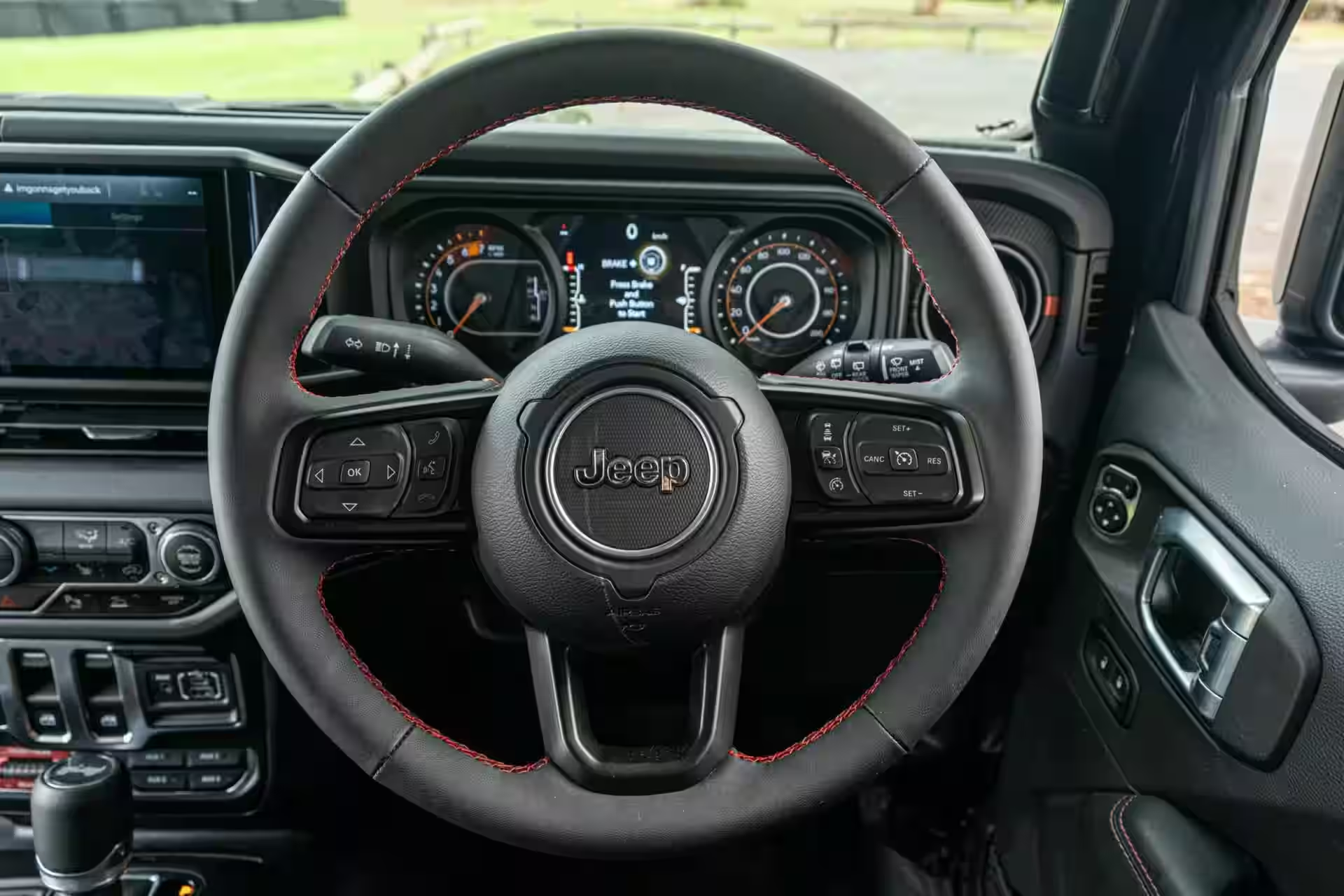
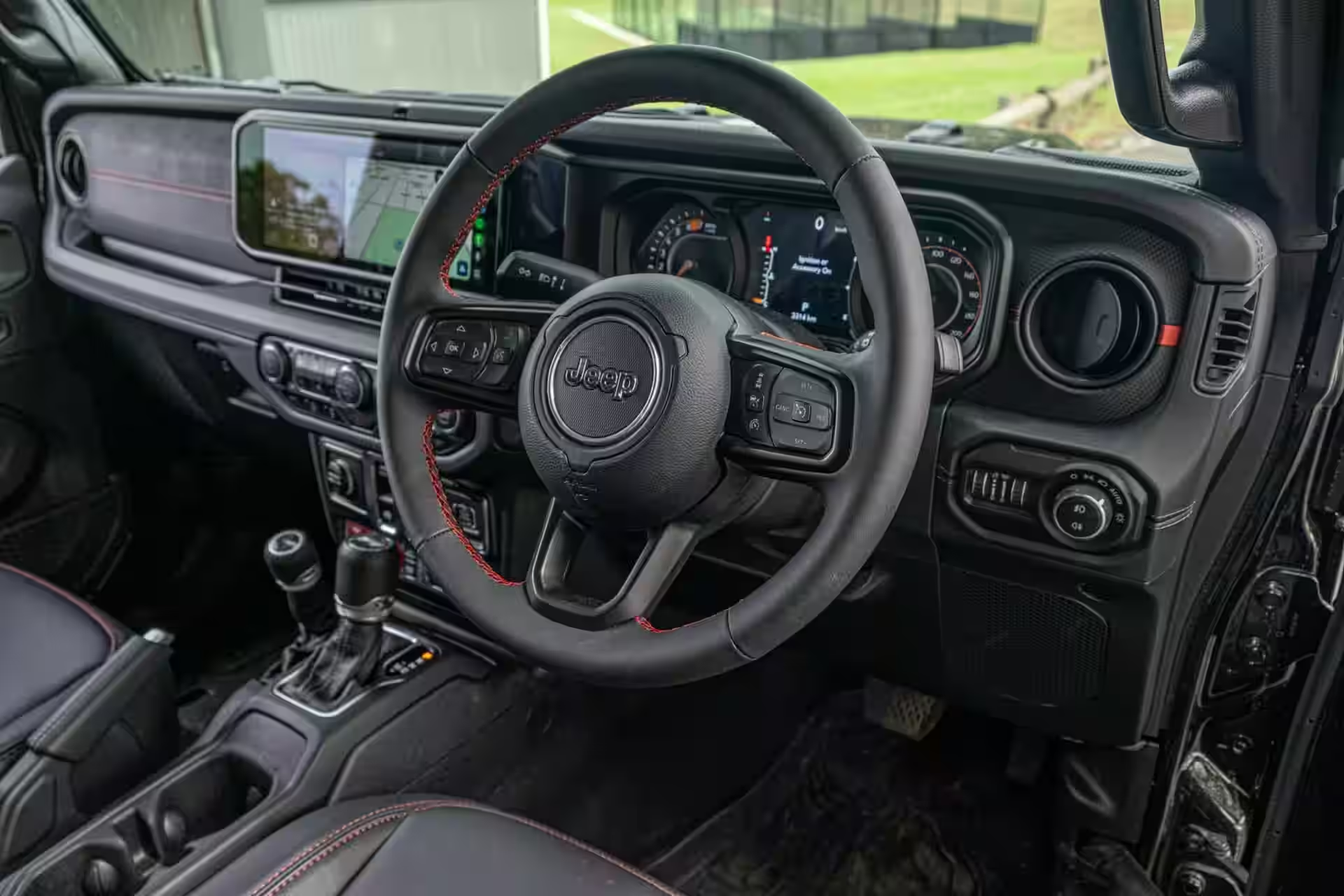
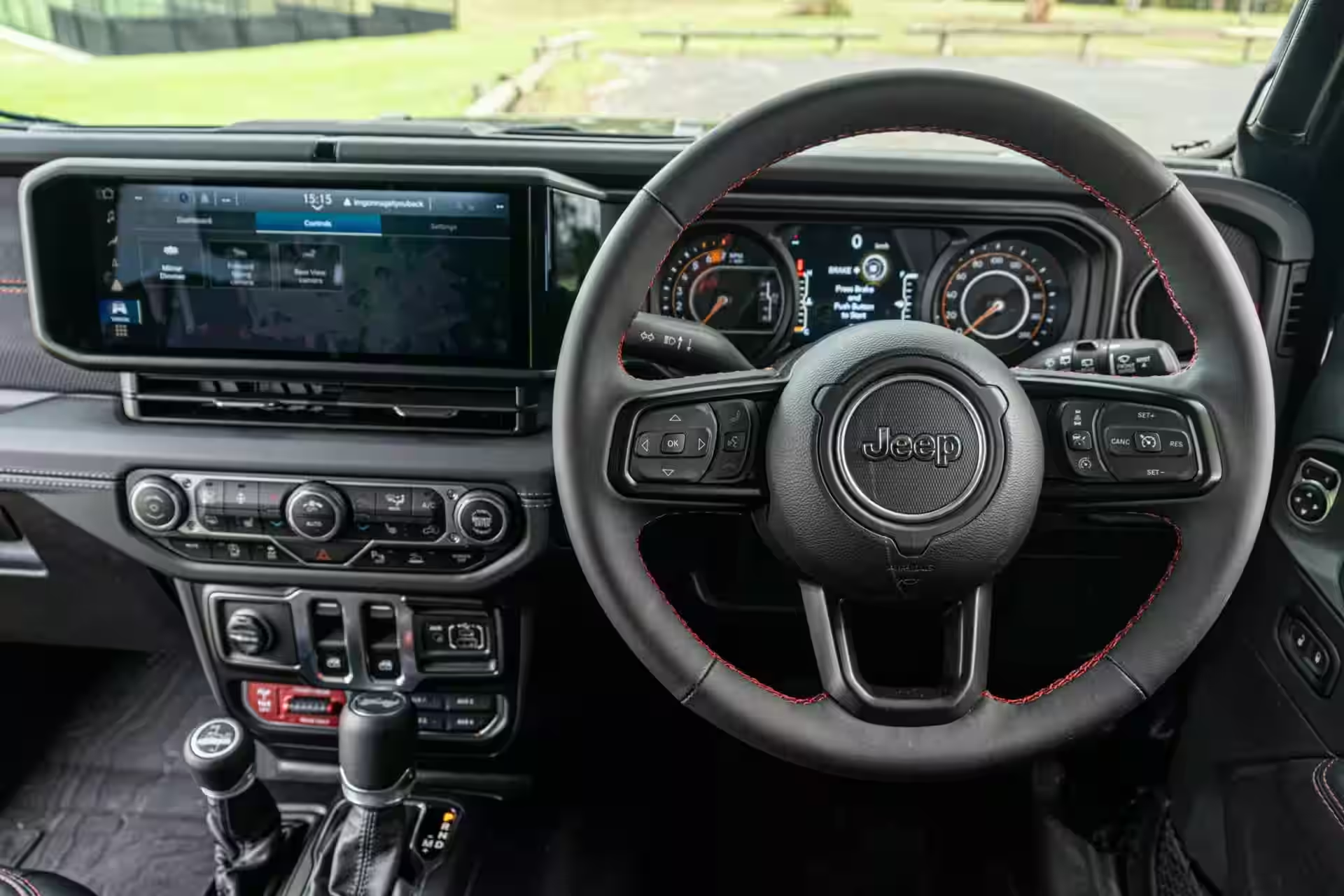
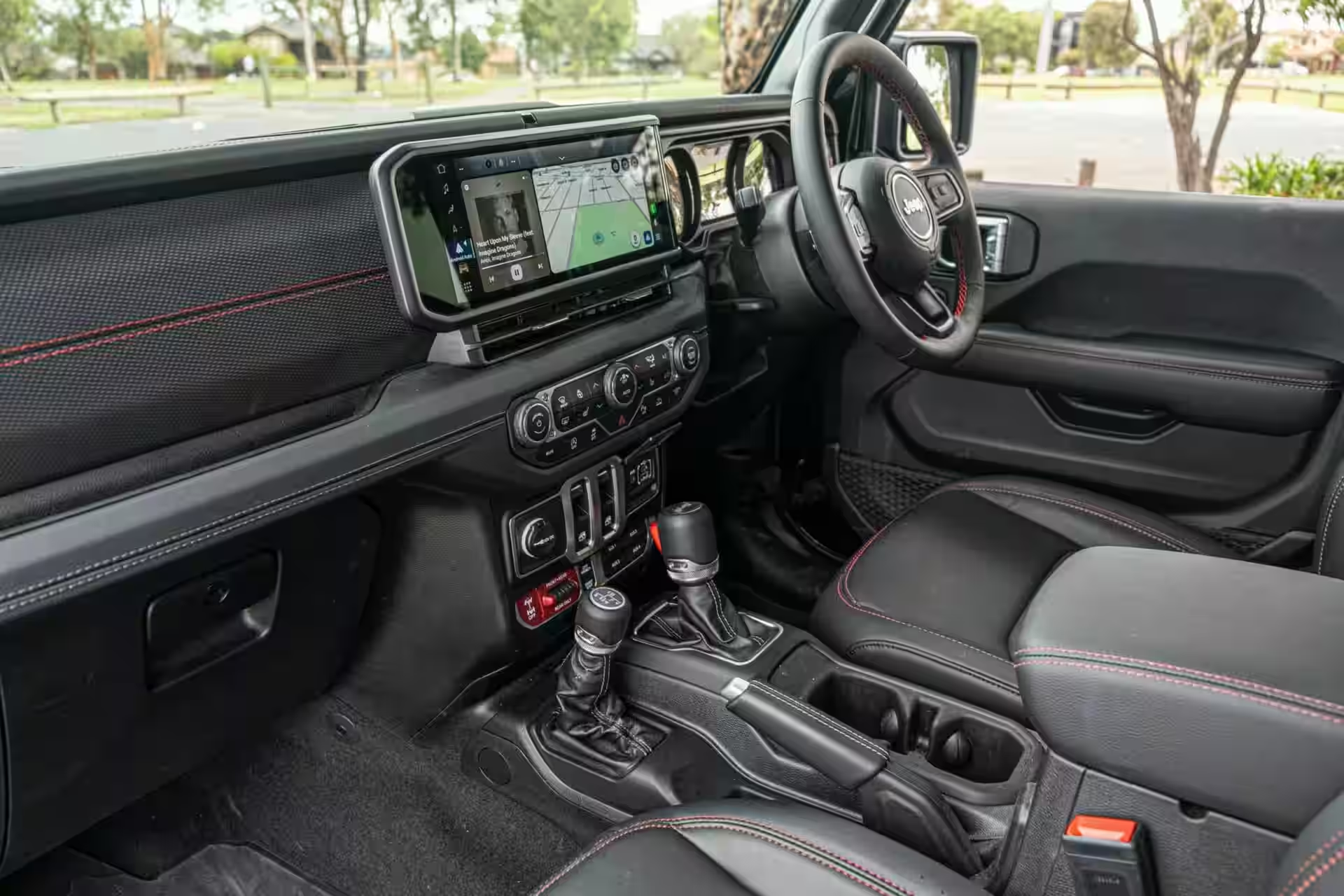
The current 12.3-inch infotainment system gives the dashboard a more modern anchor point without turning the Wrangler into a tech experiment. Uconnect 5 remains one of the better mainstream infotainment systems for clarity and ease of use, and wireless Apple CarPlay plus Android Auto help cover the basics buyers now expect. More importantly, Jeep did not erase physical functionality in the process.
That is a major win.
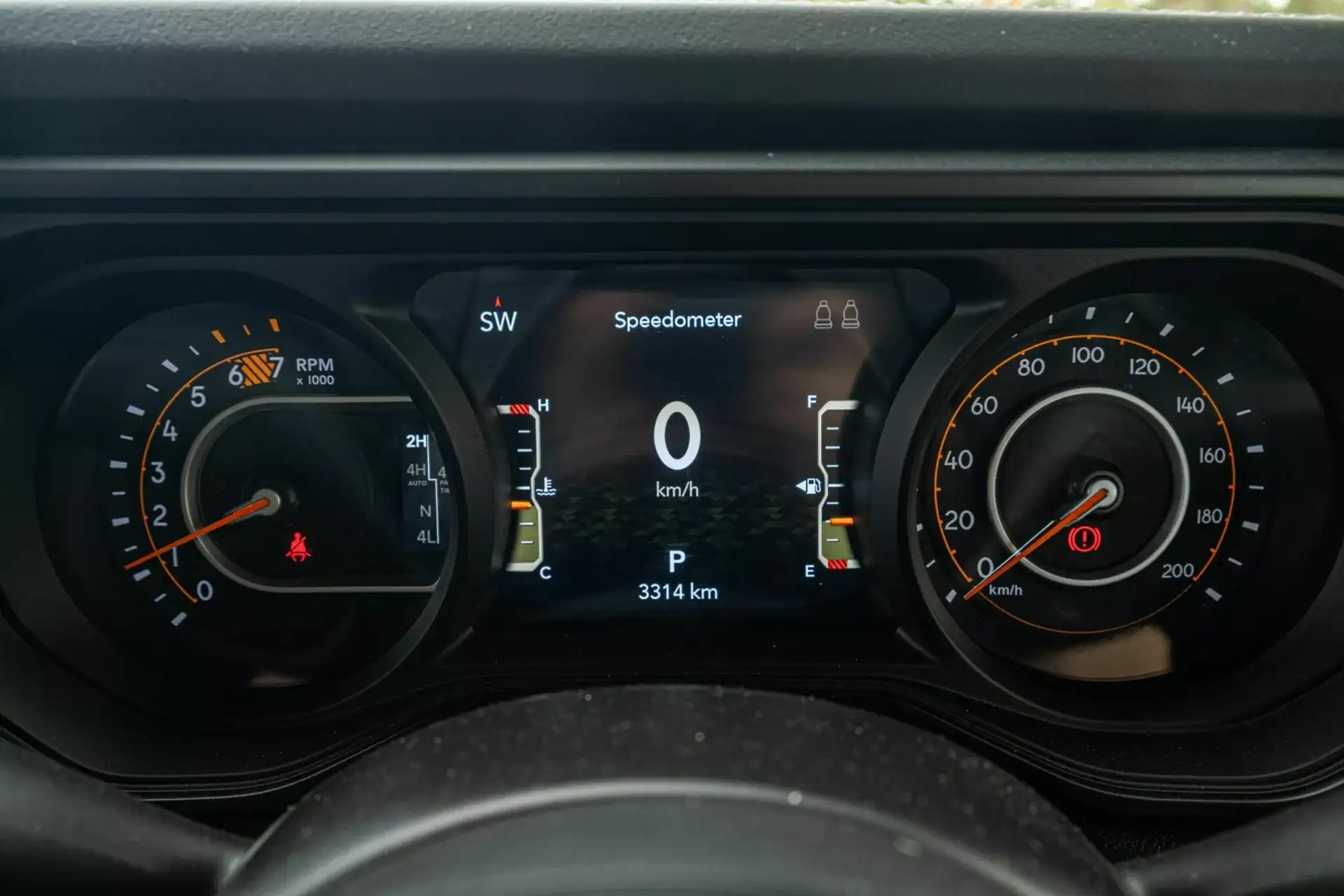
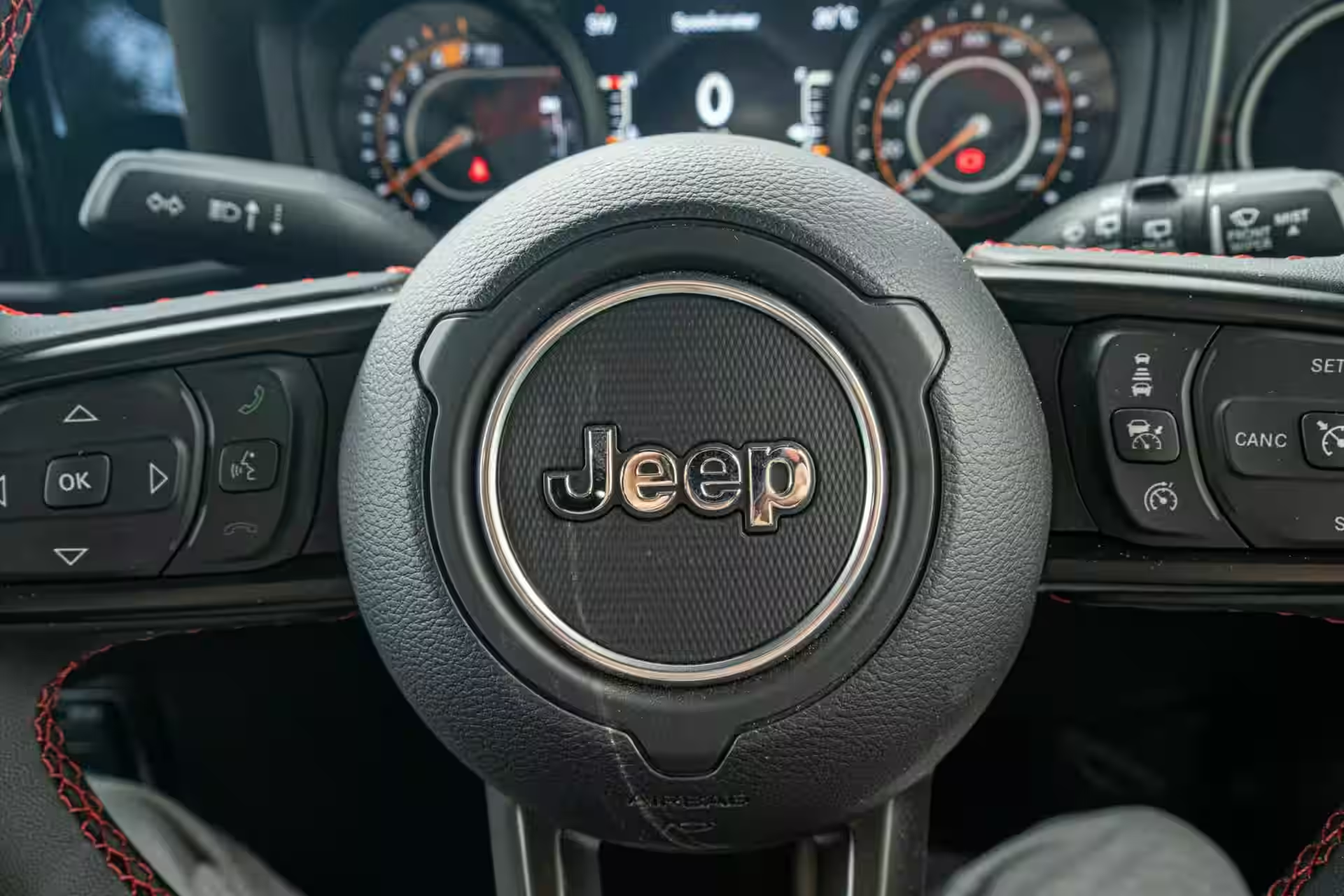
In a time when many automakers bury routine tasks under layers of menus and glossy black touch surfaces, the Wrangler still offers a dashboard that can be used without visual overthinking. Real buttons, real switchgear, and an instrument layout that blends digital information with classic readability make this interior more user-friendly than some newer, flashier cabins.
The balance feels deliberate rather than cheap. It also reflects a broader consumer shift. Not every buyer wants a vehicle that resembles a rolling tablet. Some want clarity, durability, and controls that make sense while bouncing over rough surfaces. The Wrangler delivers that with more confidence than many rivals.
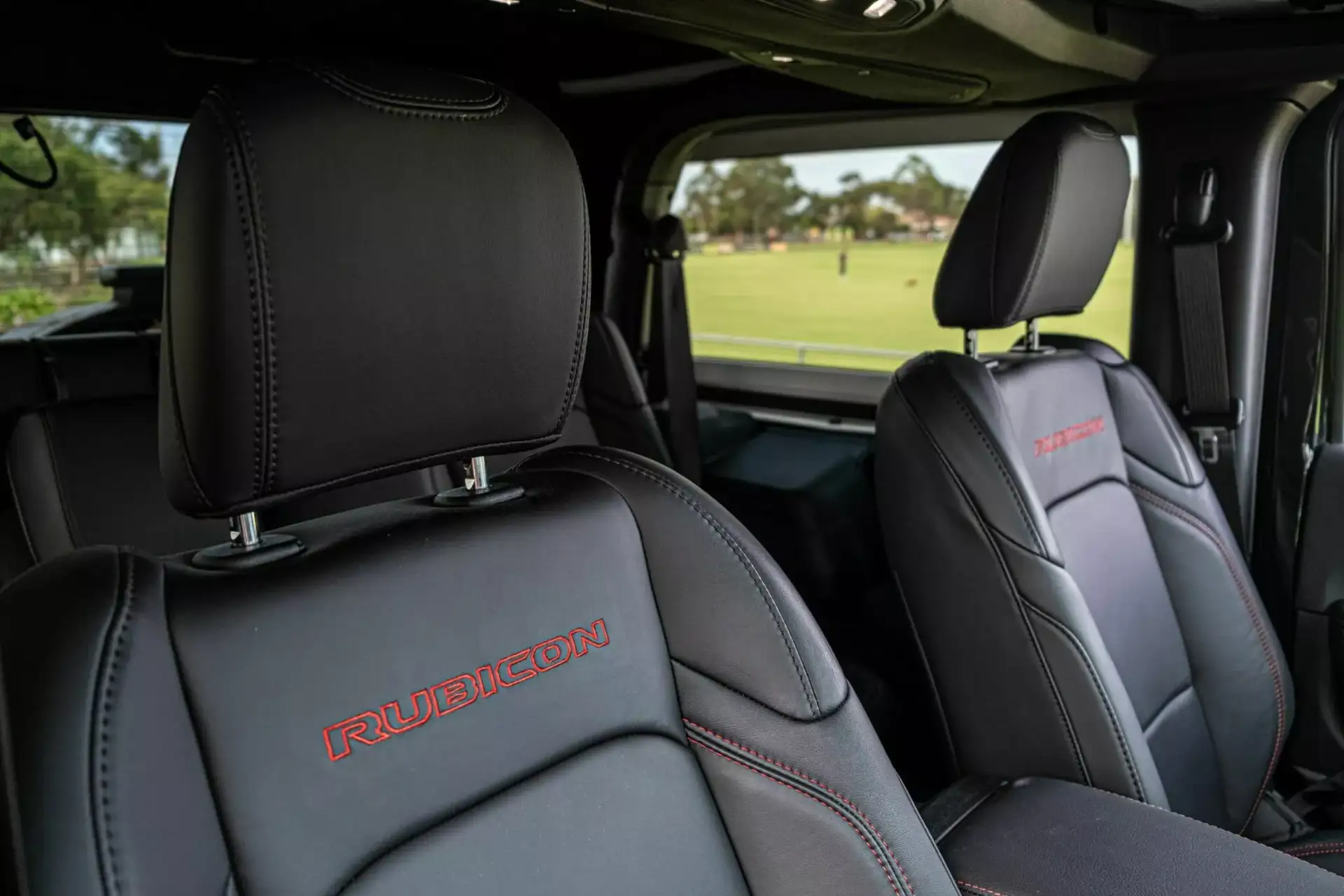
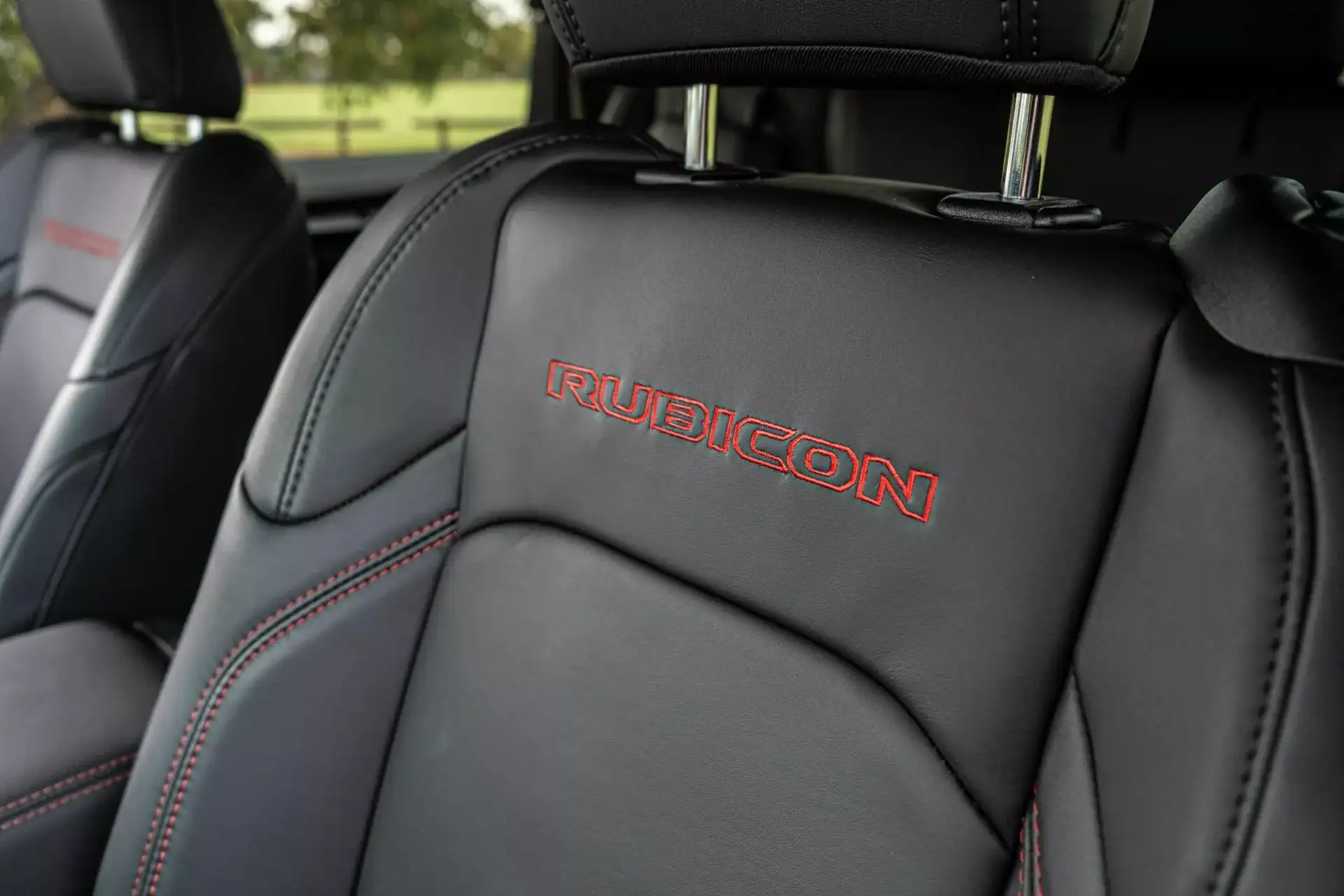
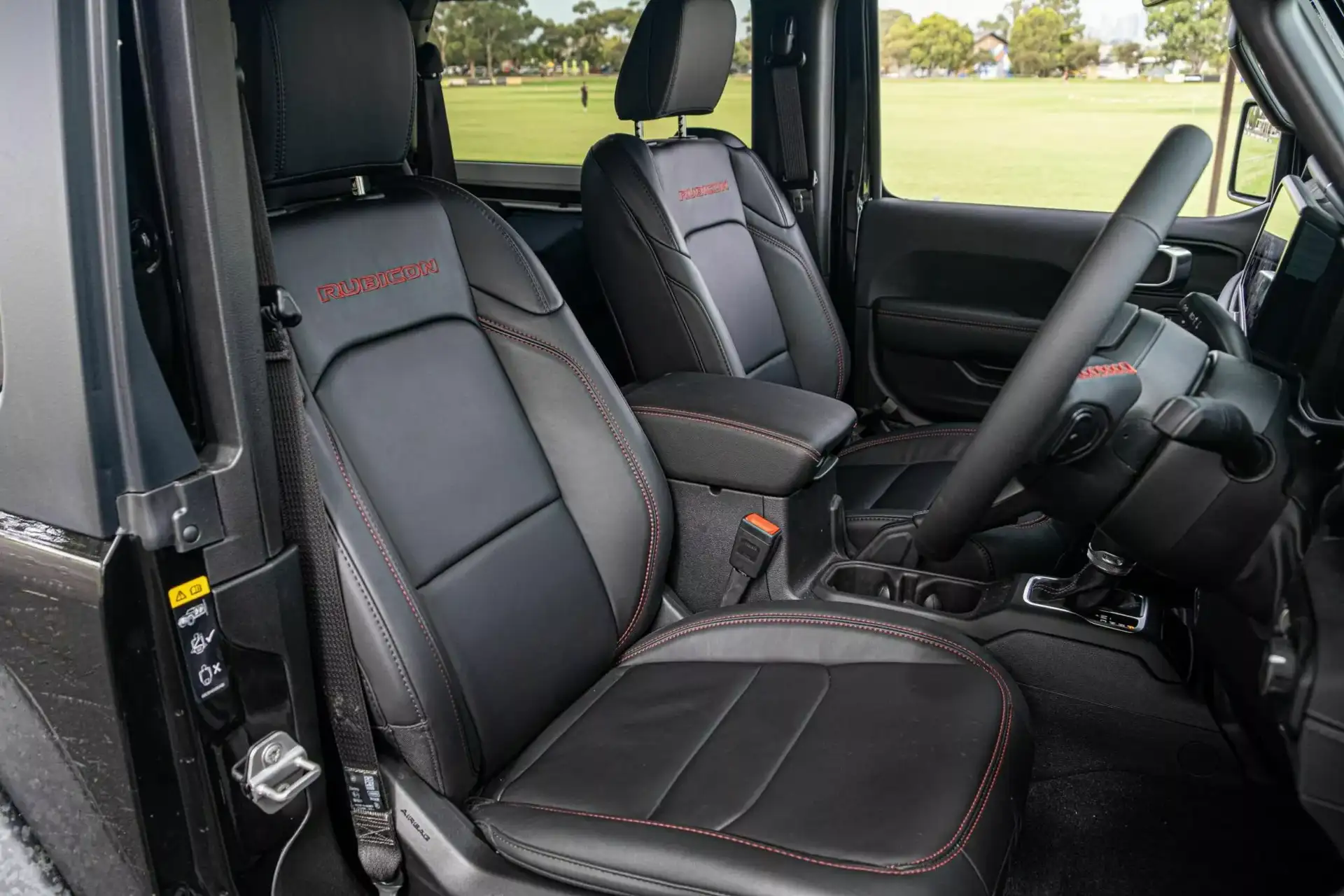
Material quality is better than its reputation suggests, particularly in upper trims like the Rubicon. Soft-touch surfaces, leather trim, contrast stitching, and generally solid fit make the interior feel more premium than the Jeep’s bare-bones image implies. It is not luxury-SUV plush, but neither is it the hollow, bargain-bin cabin some critics imagine.
Still, premium pricing raises expectations, and that is where some cracks appear.
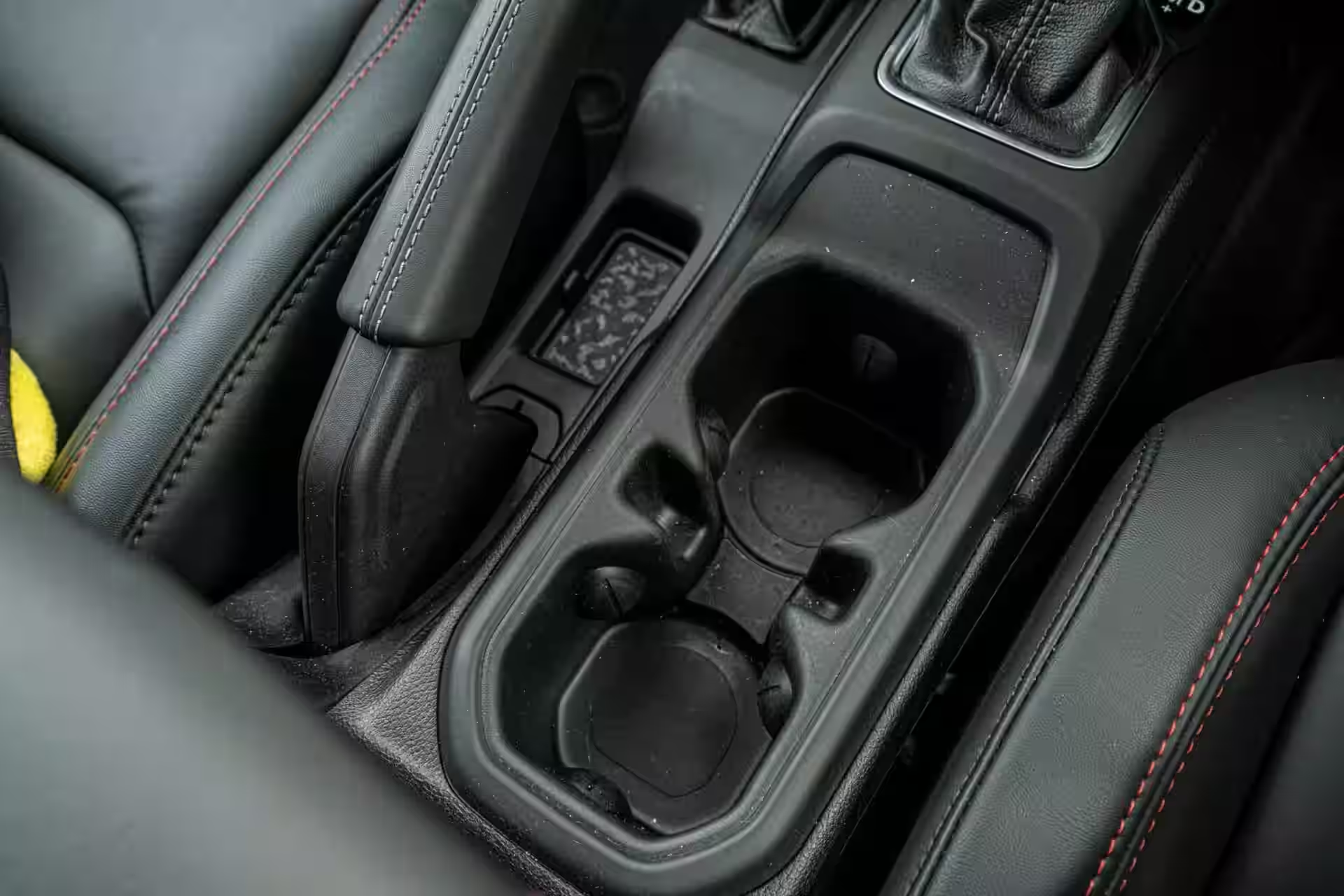
For a vehicle that can climb beyond the price territory of many refined midsize SUVs, a few missing conveniences stand out. A wireless phone charger would not be too much to ask. The front seats need more support and better long-distance comfort. Storage solutions are adequate rather than clever. And while rear-seat room in the 2-door is better than expected once passengers get there, access remains awkward.
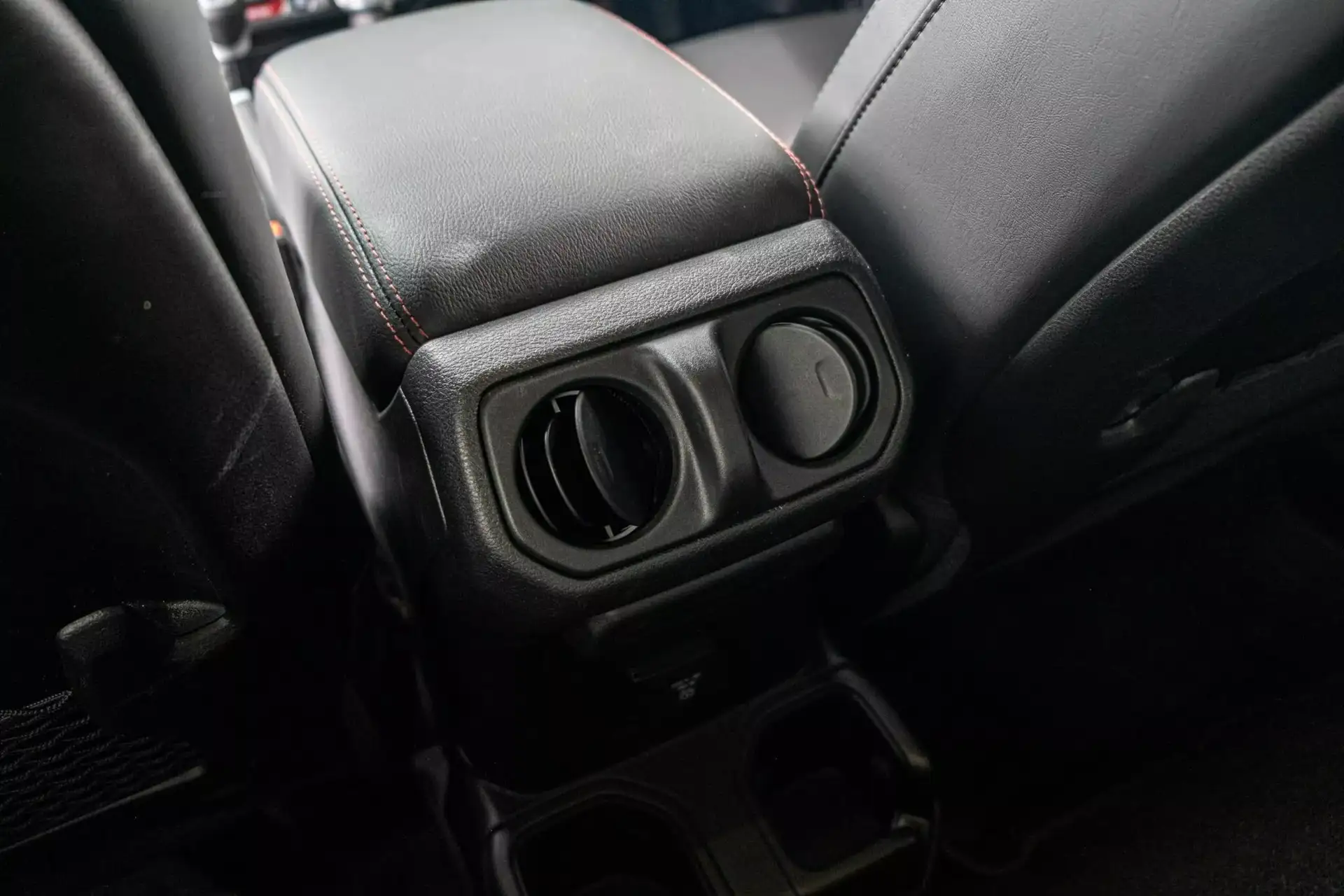
That last point matters if you are considering the 2-door Rubicon as anything more than a lifestyle machine. It can handle more than two people, but it does not pretend to do so elegantly. The four-door Unlimited is the obvious answer for families and frequent rear passengers. The 2-door exists for buyers who value proportion, trail agility, and icon status over day-to-day practicality.
And make no mistake, the proportions are a huge part of the appeal.
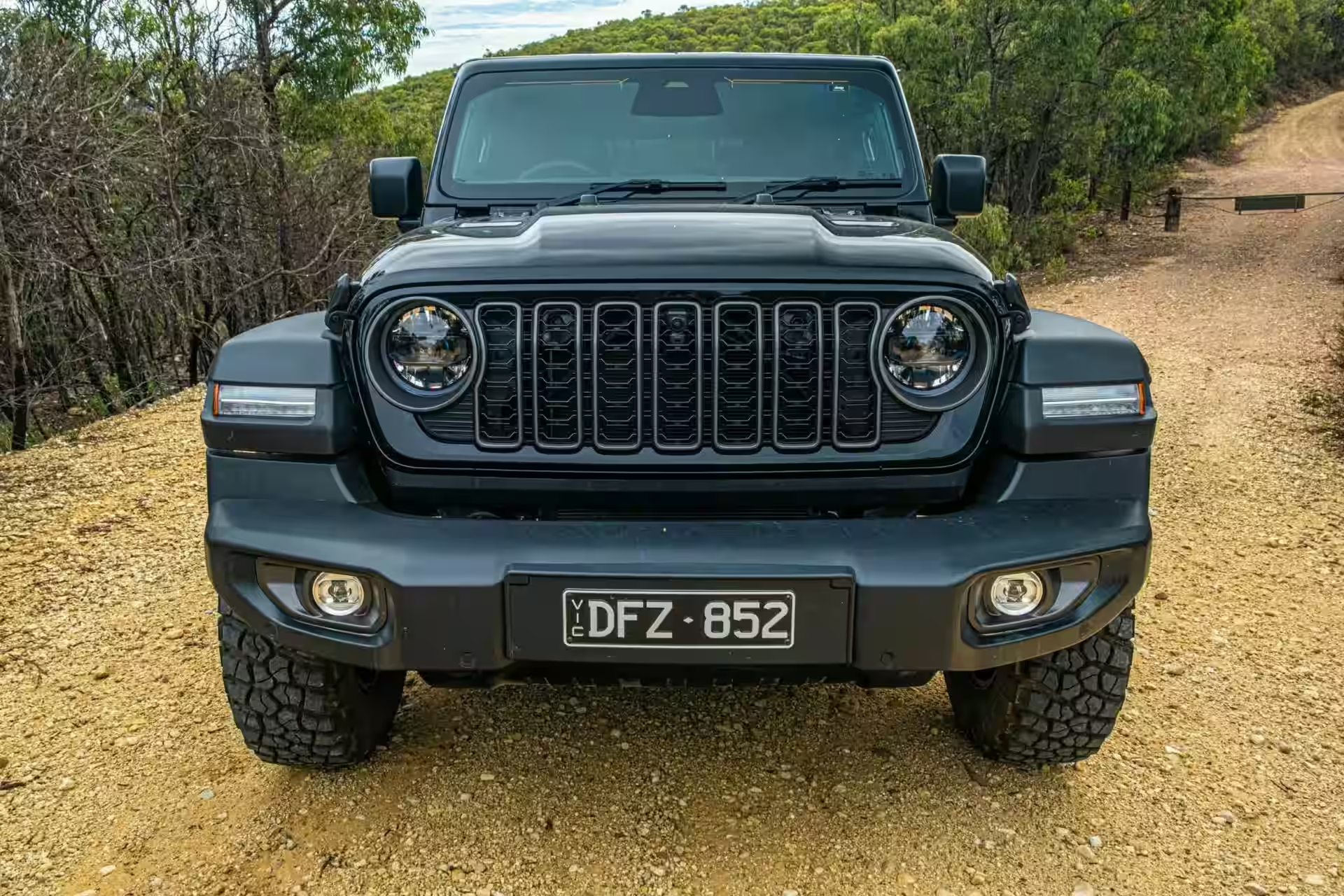
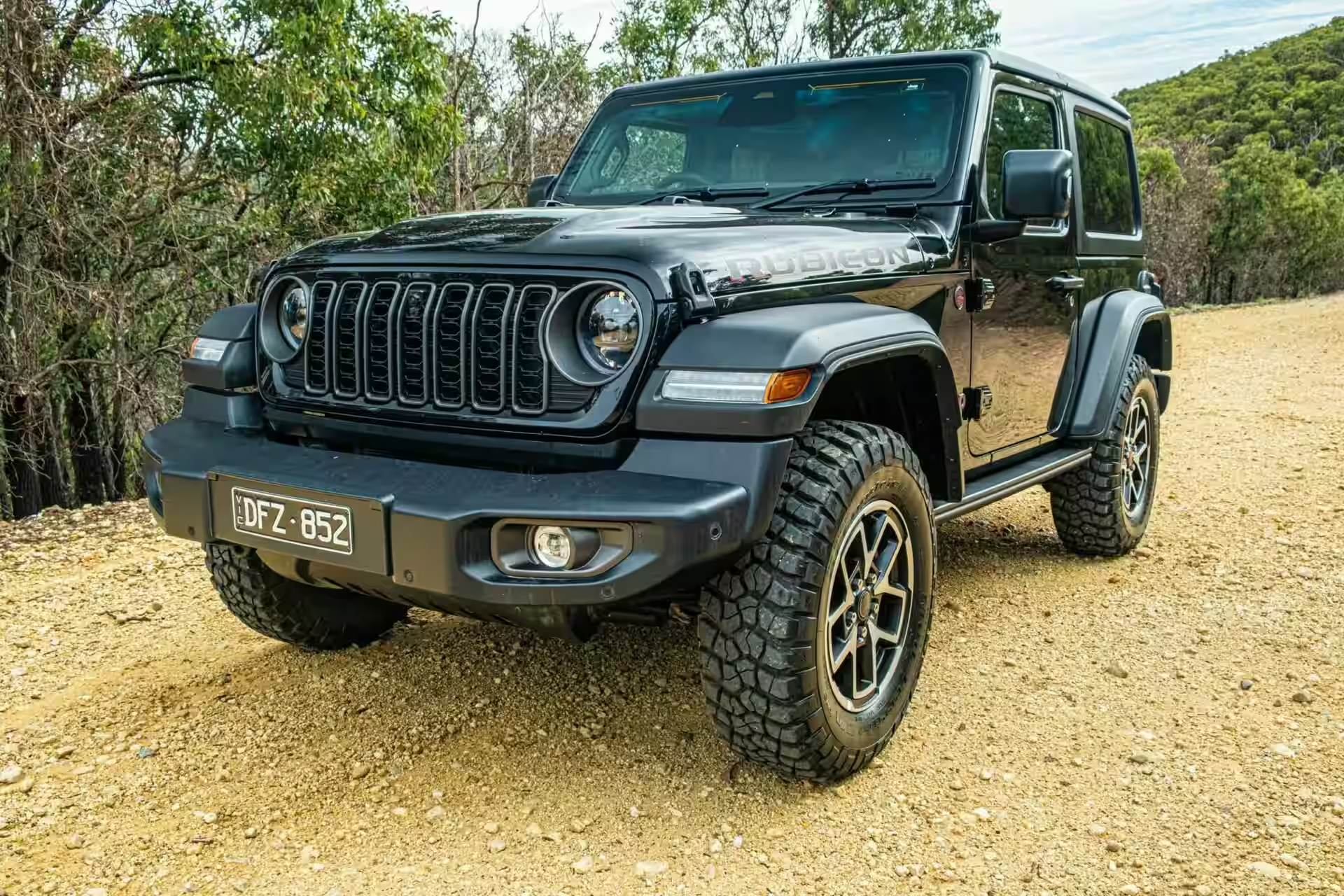
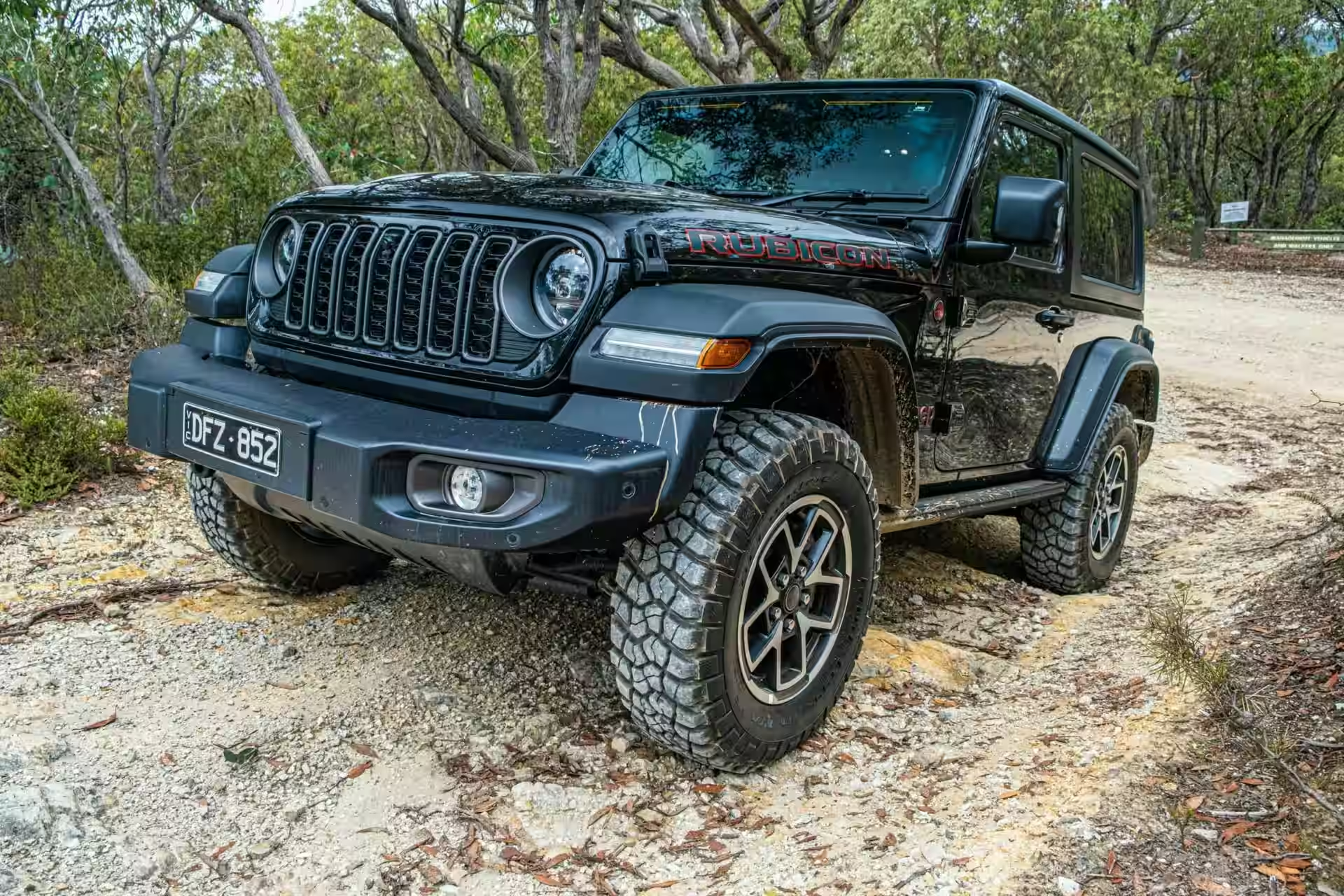
The two-door Wrangler Rubicon looks right in a way many modern SUVs never quite manage. Short overhangs, a compact body, upright stance, and visibly functional hardware give it an authenticity that is impossible to fake. Some concept-like SUVs try to emulate this flavor. The Wrangler still owns it.
That visual honesty becomes even more meaningful off-road, where the Rubicon continues to justify its legend.
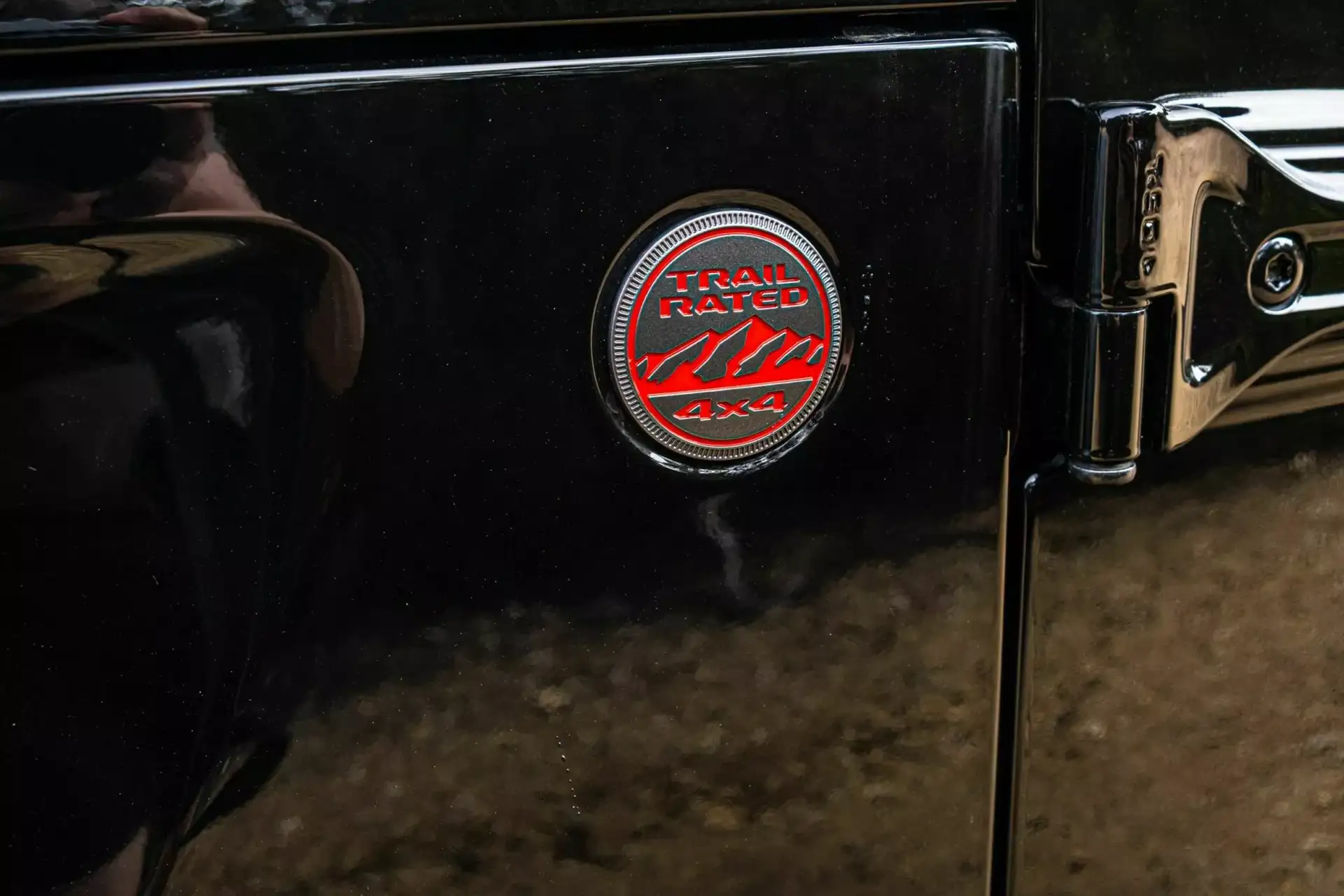
Factory off-road equipment includes heavy-duty Dana axles, front and rear locking differentials, an electronic sway-bar disconnect, skid plates, off-road tires, and low-range gearing. That hardware is not decorative. It is the reason the Wrangler remains one of the first names serious trail drivers mention when capability matters more than comfort metrics.
What makes the Rubicon so effective off-road?
- Solid axles provide durability and articulation that are still highly valued in difficult terrain.
- Locking differentials help maintain traction when one or more wheels lose grip.
- Sway-bar disconnect improves wheel travel over uneven surfaces.
- Compact 2-door dimensions make it easier to thread through tight trails and technical obstacles.
- Body-on-frame construction prioritizes ruggedness and repairability in heavy-duty use.
Real-world trail performance reinforces the spec sheet. On muddy routes, gravel tracks, and steep rocky sections, the Wrangler Rubicon often handles obstacles with an ease that feels almost casual. In many situations, drivers do not even need to deploy the full arsenal of low range and differential locks. That is the mark of a genuinely capable platform, not one that depends on marketing language to sound adventurous.
This is where the Wrangler still humiliates many “adventure” SUVs. Plenty of vehicles can handle snow, dirt roads, and the occasional campsite. The Rubicon is built for the terrain that makes those vehicles turn around.
Its closest philosophical rivals are few. Ford’s Bronco is the obvious one, and it deserves to be taken seriously. Elsewhere, some future products may try to capture similar energy, like Hyundai’s push toward Bronco-style rugged territory, but the Wrangler remains the incumbent icon because it has decades of credibility and a massive aftermarket ecosystem backing it.
That ecosystem is another hidden advantage. Buying a Wrangler is not just buying a vehicle. It is entering one of the most established enthusiast communities in the automotive world. From lift kits and steel bumpers to roof solutions, lighting, recovery gear, overland accessories, and trail clubs, no other mainstream SUV enjoys quite the same culture of modification and shared ownership identity.
For many buyers, that matters almost as much as the vehicle itself.
The downside, of course, is that all this capability and image no longer come cheap. In many markets, the Rubicon sits at a price point that invites hard questions. Should buyers spend this much money on something with noisy road manners, average fuel economy, awkward ergonomics, and limited cargo room in 2-door form?
If judged purely by the standards of mainstream SUV value, the answer is often no.
If judged by the standards of off-road authenticity, emotional appeal, customization potential, and trail readiness, the answer changes fast.
That tension is exactly why the 2026 Jeep Wrangler Rubicon remains such a fascinating product. It is objectively compromised in obvious ways. Yet those same compromises are often direct consequences of the traits enthusiasts love most.
Its doors come off, so some switch placement becomes unconventional. Its tires are serious, so road noise rises. Its wheel travel and hardware are trail-focused, so the steering and ride feel less polished than crossover buyers expect. It is not flawed by accident. It is specialized by intent.
In that sense, the Wrangler belongs in a shrinking category of vehicles that still feel like they were designed by engineers with a clear mission rather than by committees chasing broad-market neutrality. You can say something similar about other purpose-built machines across the industry, even in totally different segments, like the Toyota Tundra TRD Performance and its unapologetically loud, muscular approach. These vehicles are not trying to please everybody, and that is exactly what gives them identity.
There is also a deeper market lesson here. As EVs, hybrids, autonomous systems, and luxury software layers become the dominant conversation, products like the Wrangler remind us that many buyers still want something analog enough to feel connected, but modern enough to live with. That middle ground may be narrower than before, yet it remains powerful.
The 2026 Rubicon hits that middle ground better than you might expect. It has a large enough screen to feel current, enough connectivity to avoid feeling obsolete, and enough refinement from the turbo-four to soften its rough edges. But it never crosses the line into feeling sanitized.
That may be the secret to its longevity.
Everyone else may have built a better SUV in the broadest possible sense. Better family haulers exist. Better luxury cruisers exist. Better commuter tools definitely exist. But Jeep keeps building a better Wrangler, and for a loyal slice of the market, that is the only metric that counts.
If your idea of the perfect SUV includes serene highway comfort, huge cargo room, and polished urban manners, keep shopping. If your idea of the perfect SUV starts with locking diffs, removable doors, compact dimensions, trail credibility, and a shape that still means something, the 2026 Jeep Wrangler Rubicon remains one of the most honest vehicles on sale.
And honesty, in today’s SUV market, is a rare luxury.
2026 Jeep Wrangler Rubicon at a glance
Best for buyers who prioritize off-road capability, heritage, customization potential, and authentic 4×4 engineering over everyday refinement.
Less ideal for commuters seeking quiet cabins, premium seat comfort, maximum cargo utility, or crossover-like steering precision.
Biggest upgrade the 2.0-liter turbo engine adds welcome smoothness and better modern drivability.
Biggest compromise it still asks premium money for an experience that remains noisy, quirky, and unapologetically specialized.
The final truth about the 2026 Jeep Wrangler Rubicon is not that it beats every SUV. It does not. The truth is more interesting than that. It resists becoming like every other SUV, and in doing so, it protects a kind of vehicle experience that much of the market has already abandoned.
That alone makes it worth paying attention to.