
Tradition vs strategy! INDIAN MOTORCYCLE 125TH ANNIVERSARY EDITION brings 111 hp and PowerPlus 112. Check it all out.
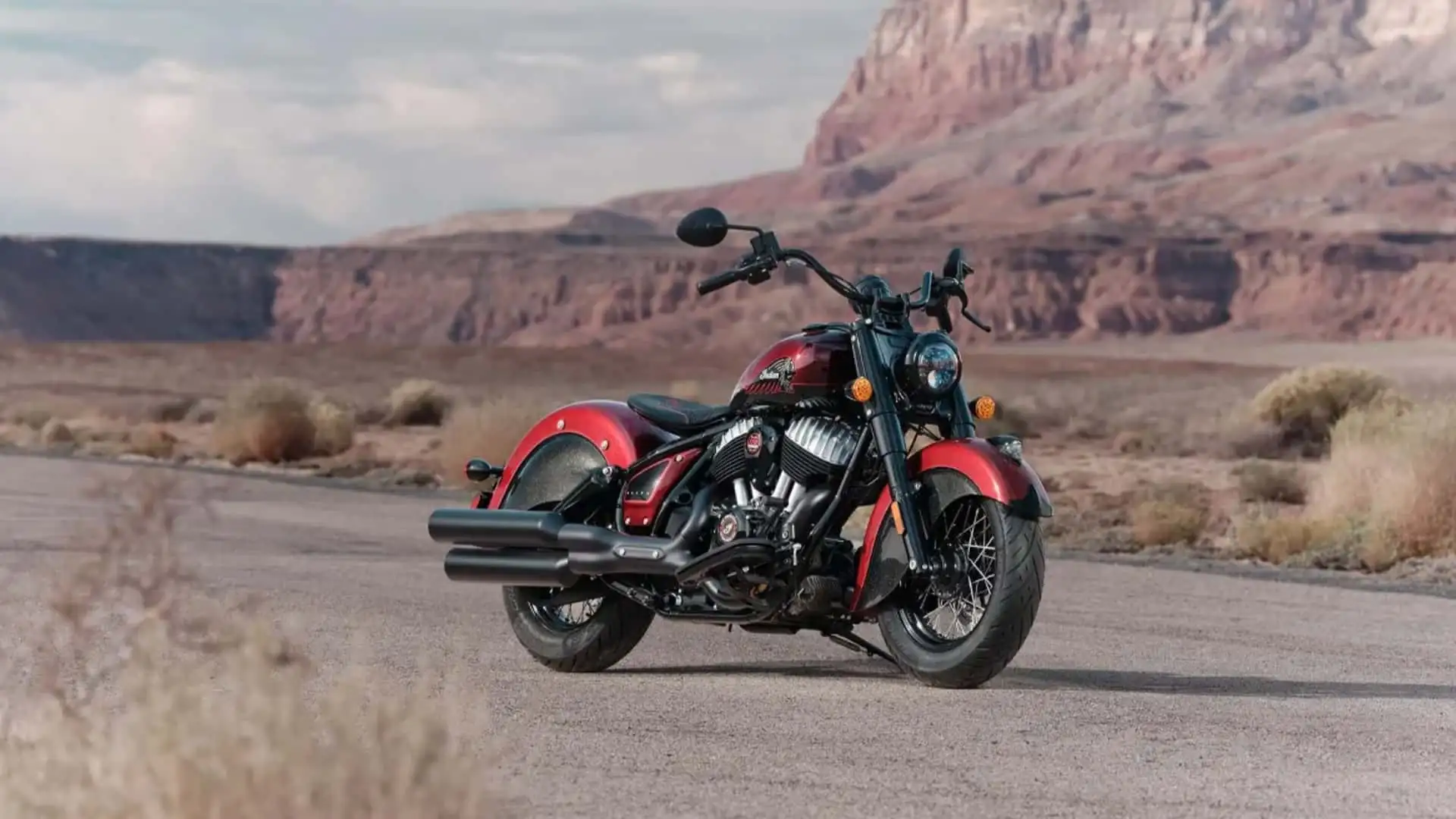
Indian Motorcycle 125th Anniversary Edition: what really changes (besides the visual impact)
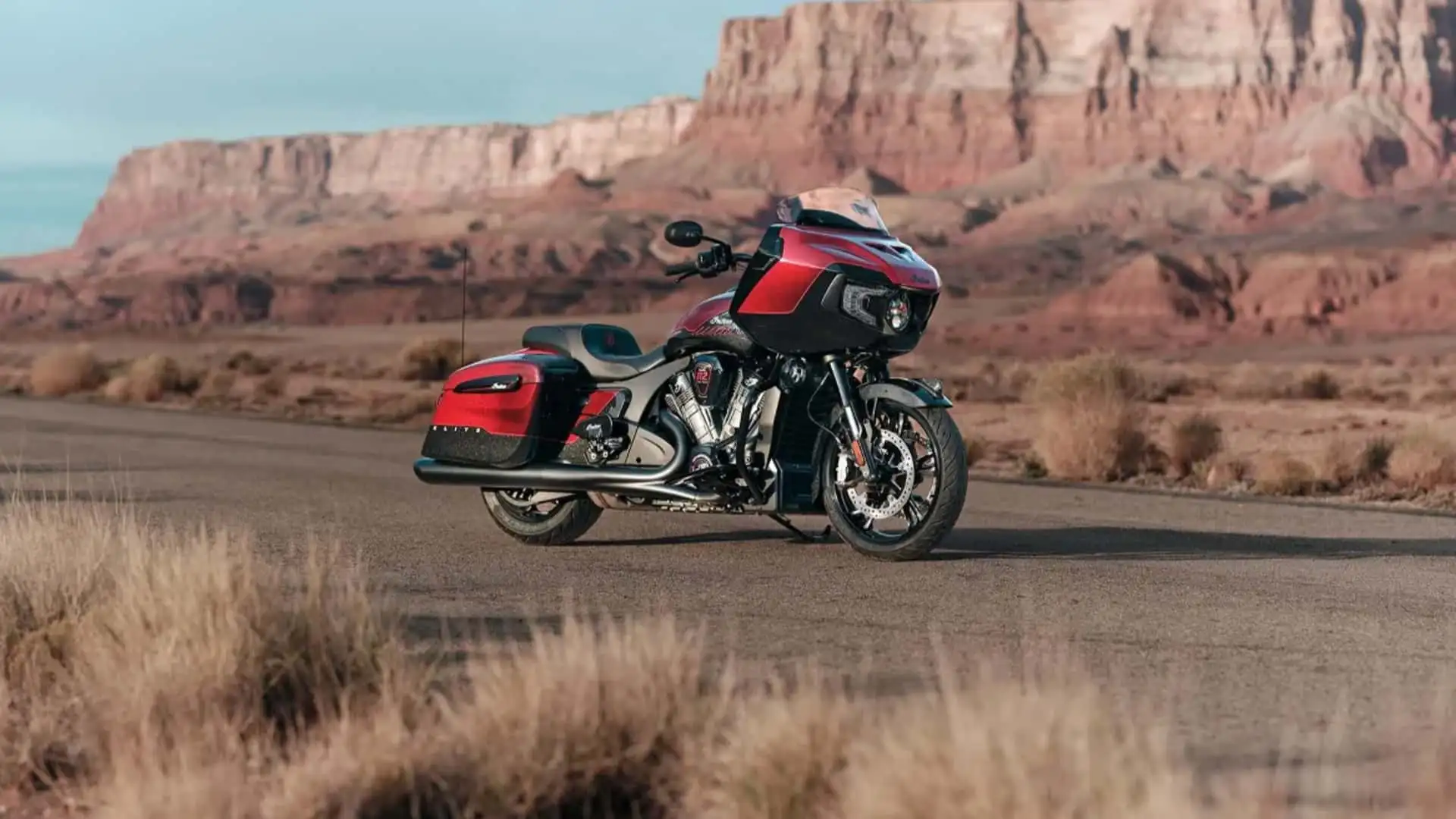
The name is long, the date is huge, and the appeal is straightforward: the Indian Motorcycle 125th Anniversary Edition arrives as a limited series spanning four essential families of the brand, with total focus on identity. The official proposal revolves around a special red and black “crystal” effect paint, handmade details (including pinstriping), commemorative emblems, and a top-tier finish package.
In terms of positioning, this approach is almost surgical: instead of altering platform, geometry, or engine architecture, Indian turns the anniversary into a highly desirable collectible product. This is a common move for major anniversaries, but here it gains an extra layer of context: the brand enters 2026 under a new corporate phase, making this edition sound like a “transition milestone” as much as a historical tribute.
The central discussion is simple: Did 125 years deserve just a “premium war paint” or a mechanical release that kicks the door down?
The detail many overlook is that, even being a “paint” edition, the choice of models and engines sends a technical message: Indian places its two pillars of personality side by side.
- Thunderstroke (air-cooled): the V-Twin with classic look and “roots cruiser” torque delivery.
- PowerPlus (liquid-cooled): the modern performance base for baggers, with racing DNA and strong high-end power.
In other words: the celebration seems aesthetic, but it’s also a strategic showcase of the portfolio Indian wants to sustain in the coming decade.
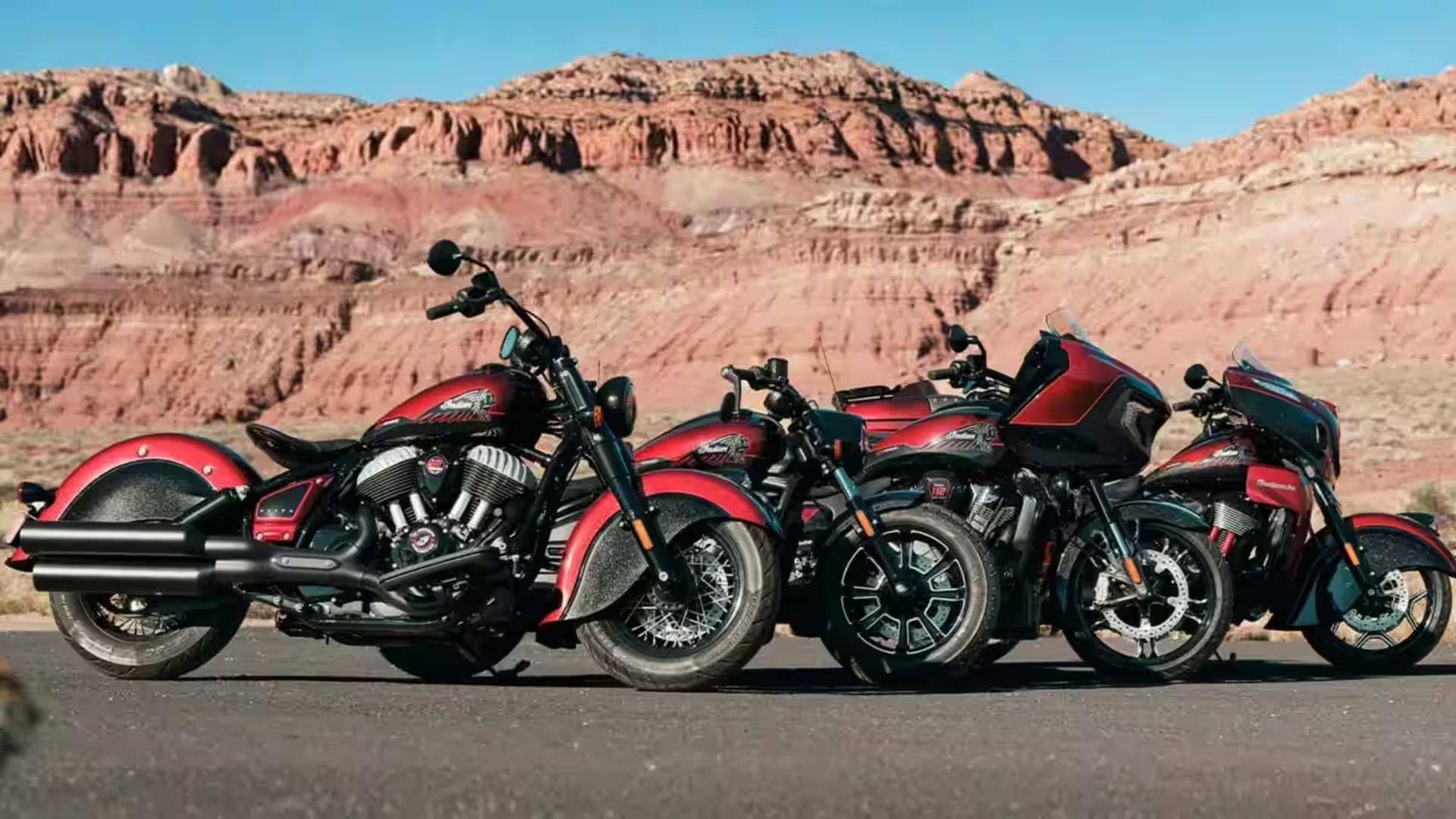
What are the 4 models in the 125th Anniversary line (and why they were chosen)
Indian didn’t choose randomly. The four models cover four well-defined buyer profiles: classic custom, premium entry-level bobber, performance bagger, and luxury touring. In practice, it’s the celebration trying to “capture” every kind of brand fan.
- Indian Chief Vintage 125th Anniversary: a love letter to the old-school look, with relaxed posture and traditional finish.
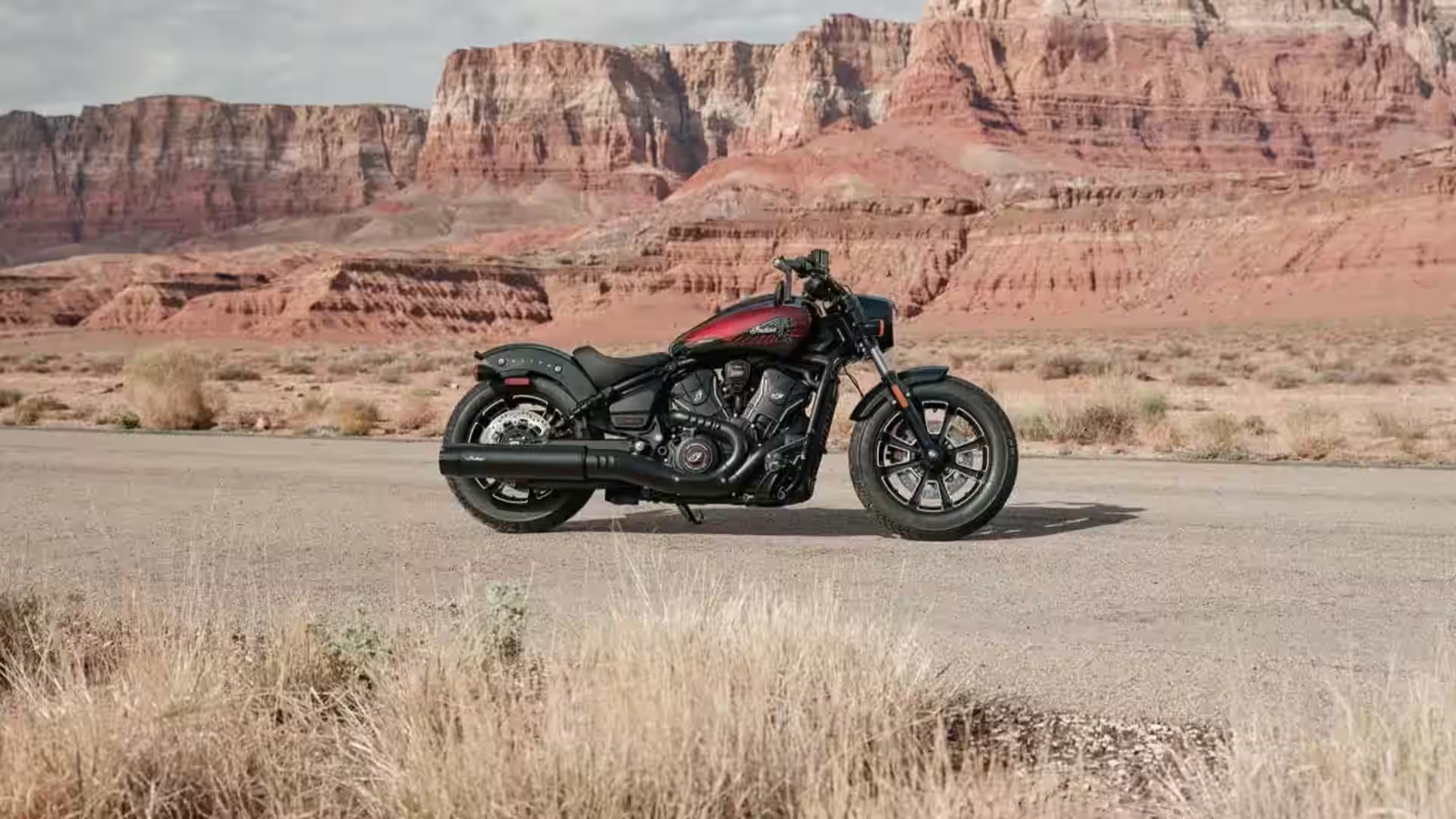
- Indian Scout Bobber 125th Anniversary: the more aggressive, urban entry point where aesthetics weigh as much as the engine.
- Indian Challenger 125th Anniversary: the bagger carrying the performance and competition narrative.
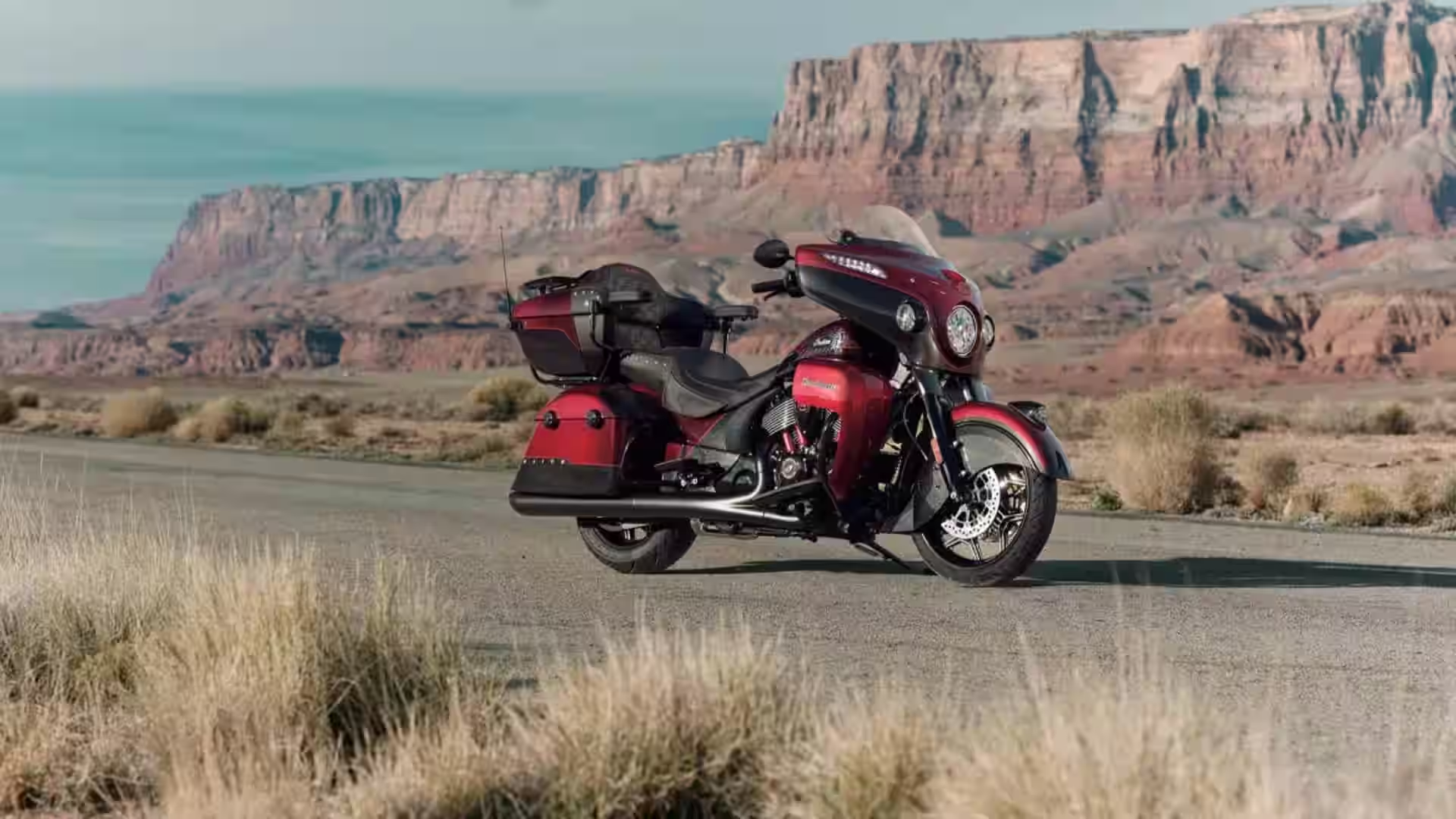
- Indian Roadmaster 125th Anniversary: the top of touring comfort, for those who buy travel and presence.
This choice also avoids a common problem in commemorative editions: creating something “pretty” but disconnected from what actually sells. Here, Indian celebrates exactly what supports the brand in the real world.
Essential technical sheet (official data important to understand the appeal)
The edition is commemorative, but the bikes remain “real motorcycles.” The mechanical setup stays aligned with what Indian already offers in the corresponding lines — and this is part of the point: it’s not a prototype showcase; it’s a product showcase.
| Model | Engine / Platform | Technical Highlight (official) | What this means in practice |
|---|---|---|---|
| Scout Bobber 125th Anniversary | SpeedPlus 1250 | 111 hp at 7,250 rpm (higher performance tune) | More “sporty” delivery in the cruiser universe, with livelier revs and response. |
| Challenger 125th Anniversary | PowerPlus 112 (liquid-cooled V-Twin) | High-performance base used in the brand’s competition narrative | Consistent power on trips and roll-ons, with a modern bagger feel. |
| Chief Vintage 125th Anniversary | Thunderstroke 116 (air-cooled V-Twin) | Classic architecture focused on torque and presence | “Mechanical charm” and traditional feel, with distinctive pulse and sound. |
| Roadmaster 125th Anniversary | Thunderstroke 116 | Touring focused on comfort + premium package | A platform made for heavy riding, with refinement and road presence. |
Important E-E-A-T note: the 111 hp power cited for the Scout Bobber in this edition refers to the higher performance tune associated with the latest Scout family (SpeedPlus 1250). For complete numbers on torque, weight, ratios, and market-specific packages, confirmation should be made on the local Indian spec sheet, as variations due to homologation and emissions are common.
Now comes the part that really fuels the debate: if Indian has a modern platform, competition base, and engine power, why “only” paint? The answer may be less emotional and more commercial.
“Only paint” or calculated move? The anniversary as a product of desire
A limited edition doesn’t need to be a new engine to be effective. For collectors and brand fans, what matters is: rarity, finish, history, and narrative. And in this, Indian is an expert, because it has an asset few brands can simulate: a legacy prior to the consolidation of the American V-Twin as a dominant culture.
Moreover, on historic anniversaries, brands often avoid touching engineering for three reasons:
- Industrial risk: creating a factory “hot-rod” version requires validation, parts stock, logistics, and warranty.
- Positioning risk: a radical edition can overshadow the regular line or “cannibalize” existing versions.
- Margin and predictability: a premium aesthetic edition has controllable costs and a more flexible final price.
The point is that, on the enthusiast side, there’s a hunger for truly different editions — especially after performance culture started influencing even traditional segments again. The same phenomenon appears in cars and even exotic three-wheelers: see how the idea of a “factory-ready” edition is gaining strength in other niches in the Polaris world, for example, in this attention-grabbing click: POLARIS SLINGSHOT SIGNATURE EDITION 2026: Why Spend Fortunes on Customization When This Limited Edition Already Delivers the Exotic!.
The “detail” that almost no one verbalizes is that Indian seems to be doing two things at once:
“It sells legacy with a collectible edition and, simultaneously, reinforces that its current platforms (Thunderstroke and PowerPlus) are the foundation of the immediate future.”
This gives freedom for something more aggressive to show up later, without “spending” the anniversary on a risky bet. For those who follow the market, this kind of timeline is common: first comes the image edition (high margin, low risk), then comes the performance edition (halo product, media buzz).
What fans wanted to see (and why it makes technical sense)
Within enthusiast logic, 125 years demanded at least one model “without the handbrake on.” And it’s not just whimsy: there’s a technical and narrative basis for this, especially on two fronts.
- Factory “Performance Edition” Scout Bobber
The 1250 engine already has an official 111 hp in this tune, so the natural provocation would be a version with a complete package: more adjustable suspension, higher-spec brakes, sportier ergonomics, adjustable levers, and tune focused on response. - Competition-inspired Challenger (track-ready homologated bagger)
The appeal of the PowerPlus 112 calls for a direct link to racing. An edition focused on weight reduction, firmer setup, and premium components would be the literal translation of track marketing to the street.
This “need” for more technical versions is not exclusive to V-Twin fans. It exists across the whole two-wheeled market: the audience wants history, but also wants engineering. Ducati, for example, lives this balance in a different usage proposal and terrain — and it’s worth comparing how a brand pushes narrative and technical sheet at the same time here: DUCATI DESERTX V2 2026: V2 890cc, 110 hp, and real focus on chassis.
When consumers start seeing “limited edition” as a synonym for decal and paint, the magic loses strength. That’s why, even though Indian made a technically sophisticated and visually flawless paint job, the question remains: is this enough for a number like 125?
Is it worth it? Who the Indian 125th Anniversary Edition makes the most sense for
If you are considering an Indian 125th Anniversary Edition, the first step is to understand that it was not created to be the best cost-benefit. It was created to be the version you buy once and don’t sell (or sell for more), because it has context, finish, and “embedded history.”
It tends to make more sense for three profiles:
- Collector: seeking a limited series, authenticity, and potential for value appreciation.
- Brand fan: wants the Indian “with anniversary signature,” without giving up usability.
- Premium buyer: wants something ready, exclusive, and with immediate presence, without entering the endless customization cycle.
For the profile dreaming of “125 years = a truly special machine,” it might be best to closely watch the market and compare with those purposely trying to be more aggressive in product concept — including the debate about special anniversary editions in other segments. An interesting parallel (which rides the same logic of “commemorative edition with upgrades”) is here: SKODA FABIA RS RALLY2 Special 125 Years Edition: when the anniversary becomes a technical upgrade.
In the end, Indian seems to have preferred a celebration that “stamps” continuity: it went through collapses, returns, and leadership changes, and chose to celebrate with a line that reinforces what is already strong. The paint is the visible lure. The real message is in the platform selection and timing: when a brand decides to be conservative on an anniversary, sometimes it’s because it’s saving the loud part for later.