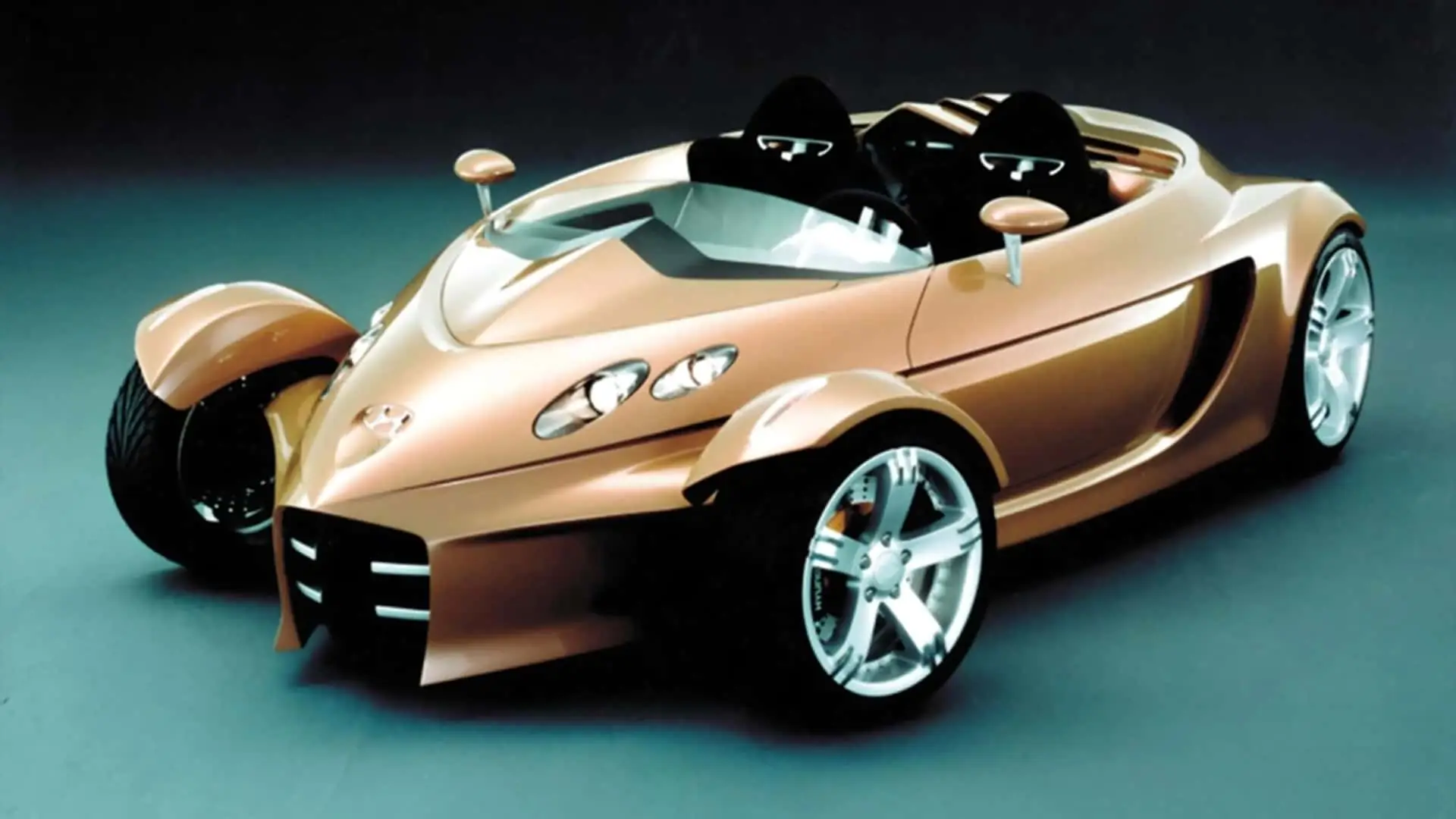
In 2000, Hyundai introduced a project to the world that would symbolize its shift towards innovation: the Hyundai Neos. More than just a concept car, the Neos represented the promise of a new era, based on bold design and advanced technology, positioning the Korean brand at a level of global competitiveness previously unseen.

The Context and Origin of the Hyundai Neos
The Hyundai Neos was unveiled at the Paris Motor Show, one of the most prestigious and influential events in the automotive industry. Its name, which means “new” in Greek, perfectly reflected Hyundai’s innovative approach at that time. Inspired by classic American hot rods, especially the iconic Plymouth Prowler, the Neos brought a radical and unprecedented visual identity to the South Korean manufacturer.
Unlike the traditional volume models Hyundai produced until the late 1990s, the Neos represented a style and technology exercise aimed at presenting a Hyundai ready to challenge paradigms, both in terms of design and technical performance.
Design and Technology: A Revolutionary Combination
| Specification | Detail |
|---|---|
| Engine | 2.0 DOHC Beta, 250 hp |
| Transmission | 6-speed semi-automatic |
| Body | Aluminum, carbon fiber, and lightweight plastics |
| Layout | Open two-seater |
| Doors | Vertical opening |
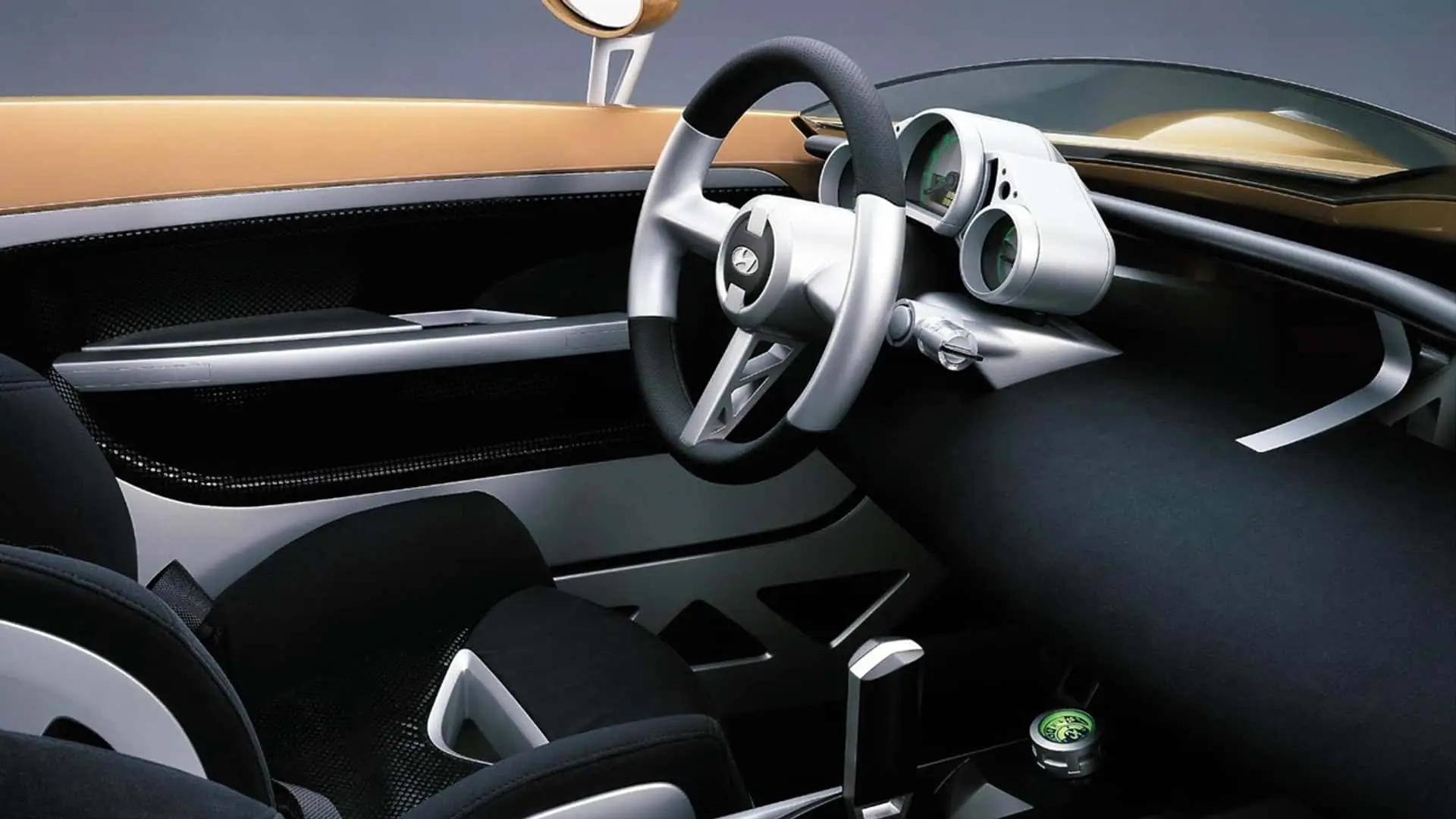
| Technology | Electronic card access and ignition system |
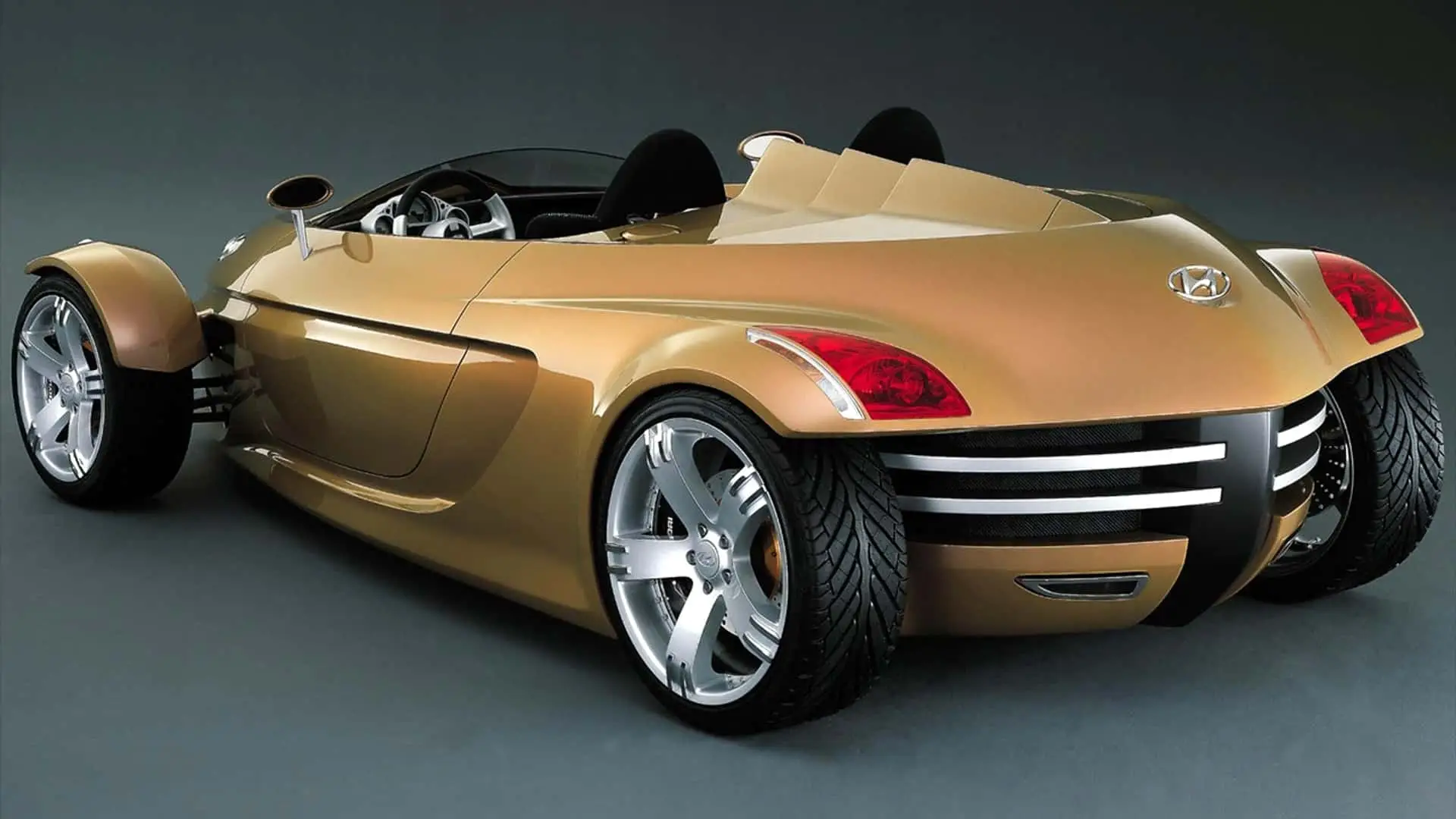
The Hyundai Neos concept stood out for its bold design. The lightweight body combined aluminum and carbon fiber, technologies that, in 2000, were still underexplored by mass manufacturers. Its vertical opening doors not only offered a unique look but also conveyed a futuristic and theatrical aspect to the driver’s interaction with the vehicle.
Another high-tech feature was the electronic card ignition system, an advanced method for the time that signaled a coming era without the need for traditional physical keys. The hot rod aesthetic, with intentionally exposed mechanical parts, demonstrated courage and a clear purpose: showcasing mechanics as part of the vehicle’s visual expression.
Legacy and Influence in the Korean and Global Automotive Markets
Although the Hyundai Neos never went into mass production, its impact was felt far beyond showrooms and launch events. It marked a turning point for Hyundai, which from then on began to heavily invest in innovation and design, elevating its reputation and directly competing with industry giants.
This project paved the way for the arrival of more modern and technologically advanced Hyundai vehicles, featuring models with aggressive designs and powerful engines, suitable for both Asian and Western markets. For those seeking innovation and interested in future trends in engines and design, check out the new Peugeot 408 2026 or follow the exciting launch of the Dodge Charger Daytona EV 2027.
The Hyundai Neos also anticipated elements that would become standard in high-tech vehicles, from access systems to lightweight material integration for enhanced performance. The inspiration came from a passion for sports cars and Hyundai’s need to differentiate itself from the perception of a conventional manufacturer, gaining technological and emotional credibility.
If you enjoy exploring automotive engineering behind-the-scenes and the evolution of engines, don’t miss analyses like why cars replaced distributors with ignition coils and curiosities about the secret of twin ignition in 4-cylinder engines.
Thus, the Hyundai Neos remains a symbol of how Korean automakers transformed from traditional manufacturers to global innovators, setting trends in both design and technology.