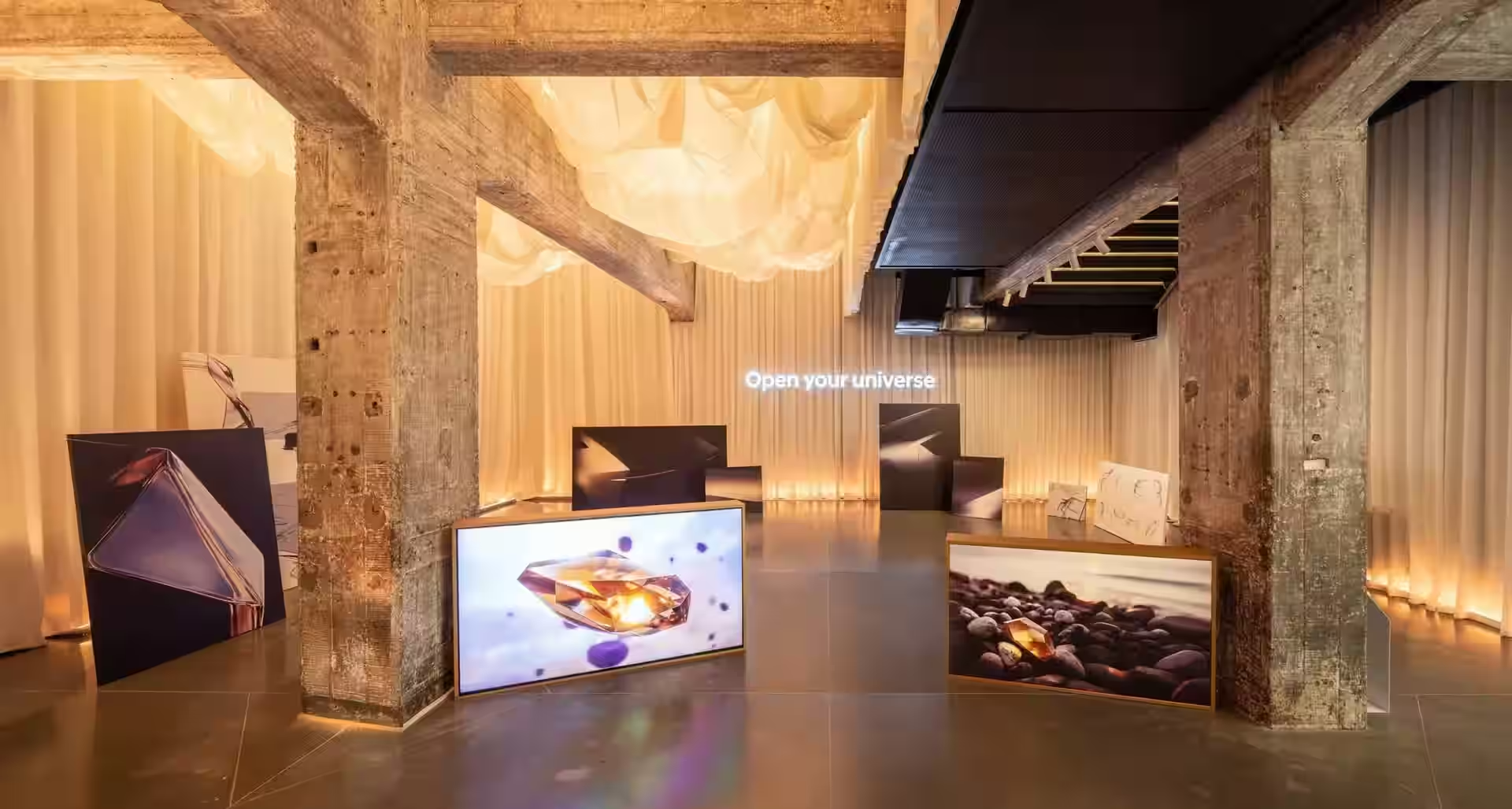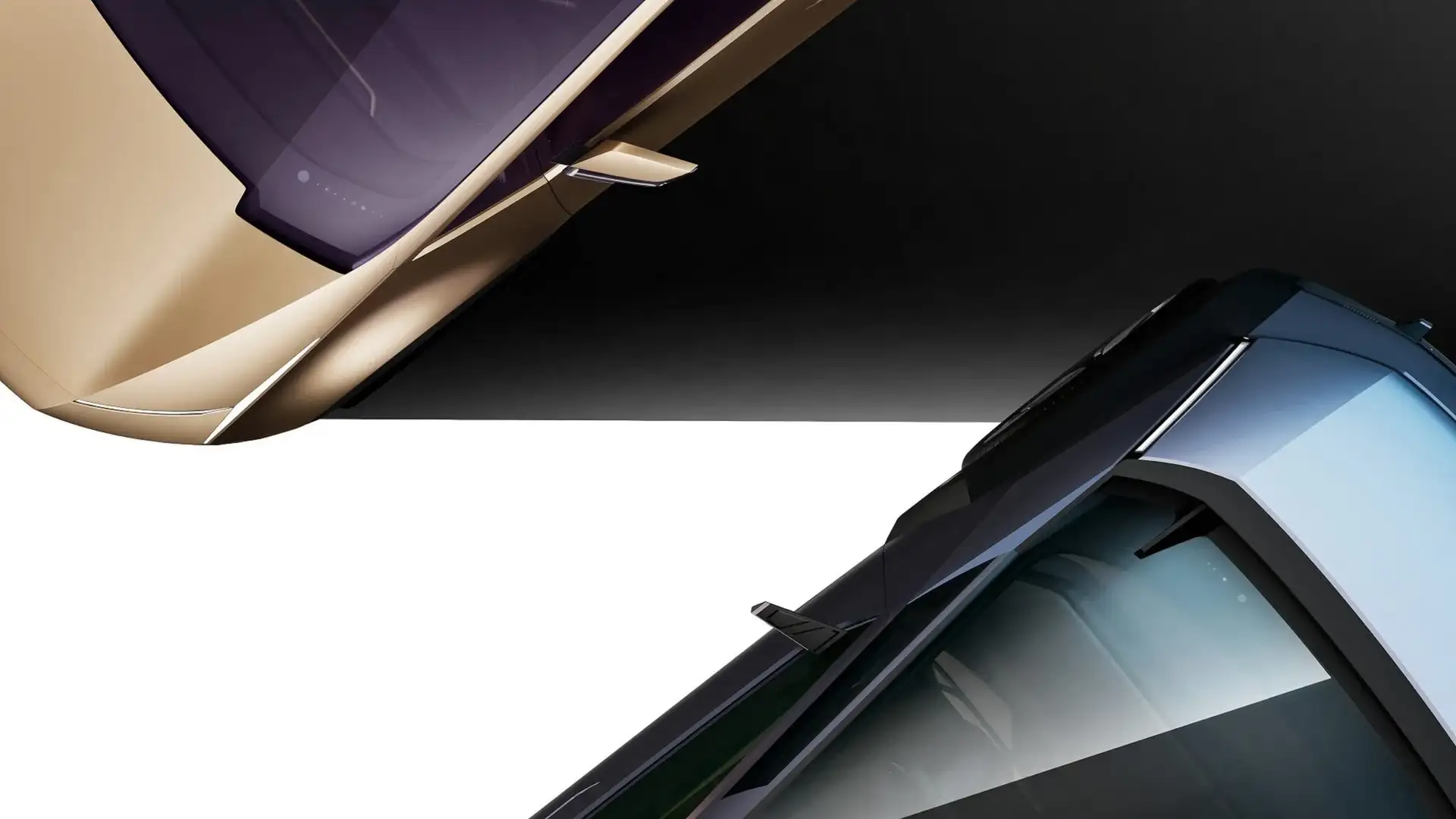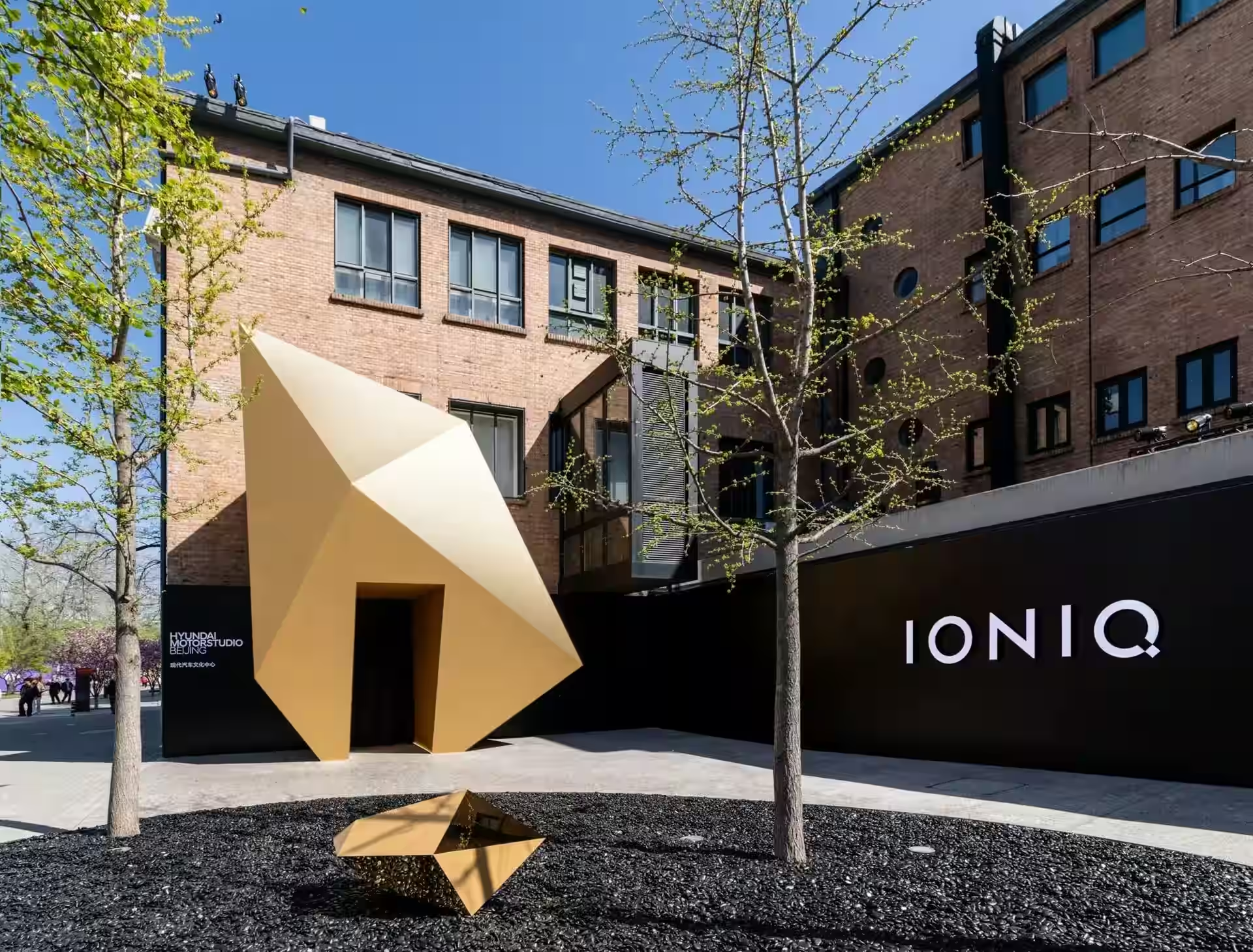
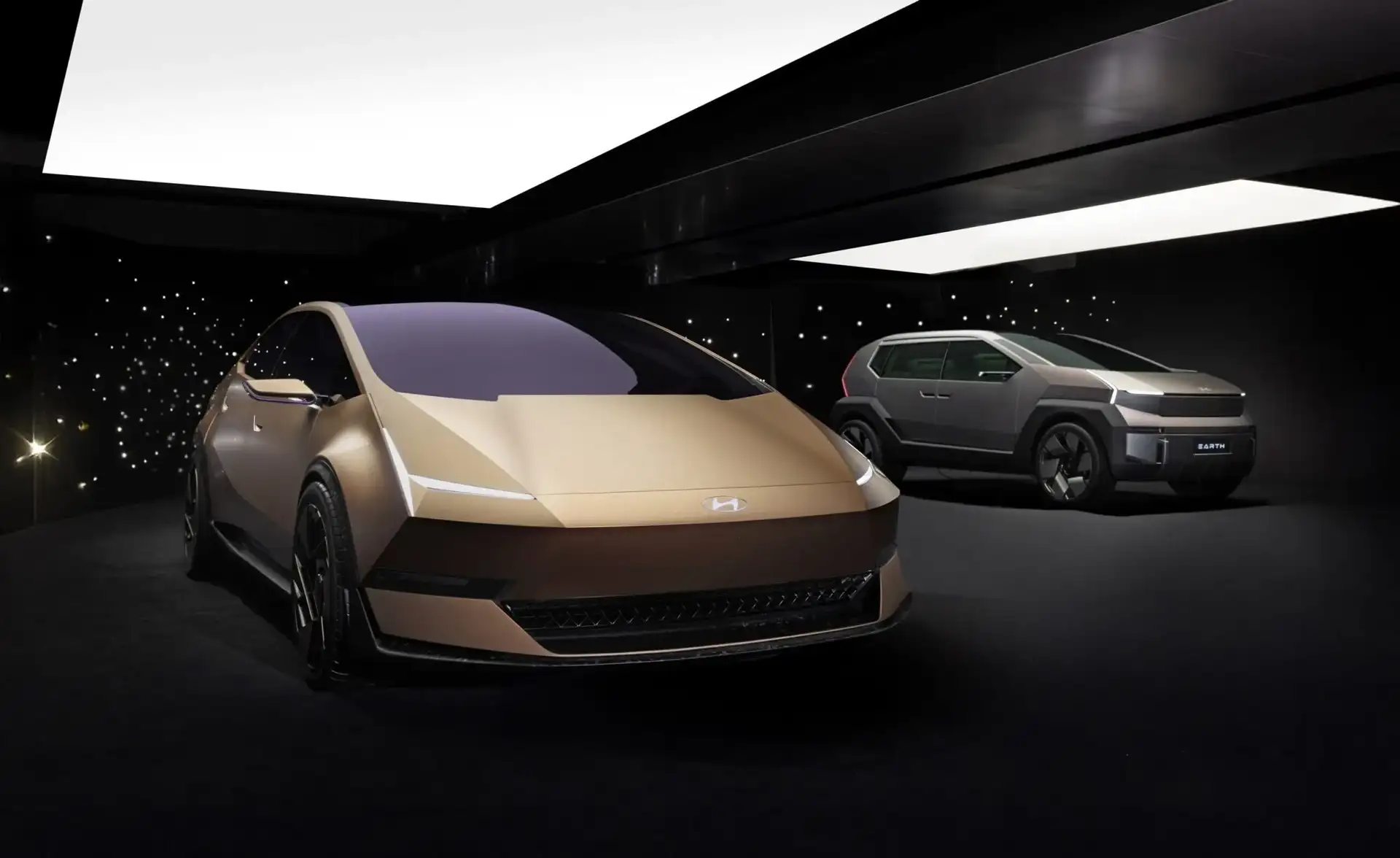
Hyundai is making one of its boldest China moves yet, and it is doing it with a pair of concept vehicles that look nothing like safe placeholders. The new Ioniq Venus and Ioniq Earth are not just design studies; they are a signal that Hyundai wants its EV strategy in China to feel local, ambitious, and far less generic.
Why Hyundai Is Reframing Ioniq For China
For years, Ioniq has been Hyundai’s premium EV identity in global markets. In China, however, the brand is taking a different path. Instead of simply importing familiar models, Hyundai is using the Ioniq name to build a China-specific future around planet-themed concepts and a wider mobility vision.
That matters because China is now the world’s most competitive EV battlefield. Local buyers expect advanced cabin technology, distinctive design, and a fast pace of product development. Hyundai appears to be responding by positioning Ioniq as more than a car line. The company says the nameplate will evolve into a broader mobility ecosystem tailored to Chinese customers, which is a strong clue that software, connectivity, and user experience will matter as much as range or horsepower.
This strategy also reflects the pressure on global brands to adapt quickly. In a market where XPENG’s pricing war and models like the GAC AION RT Super are rewriting expectations, Hyundai clearly knows that standing still is not an option.
Venus And Earth Bring Radical Design Cues
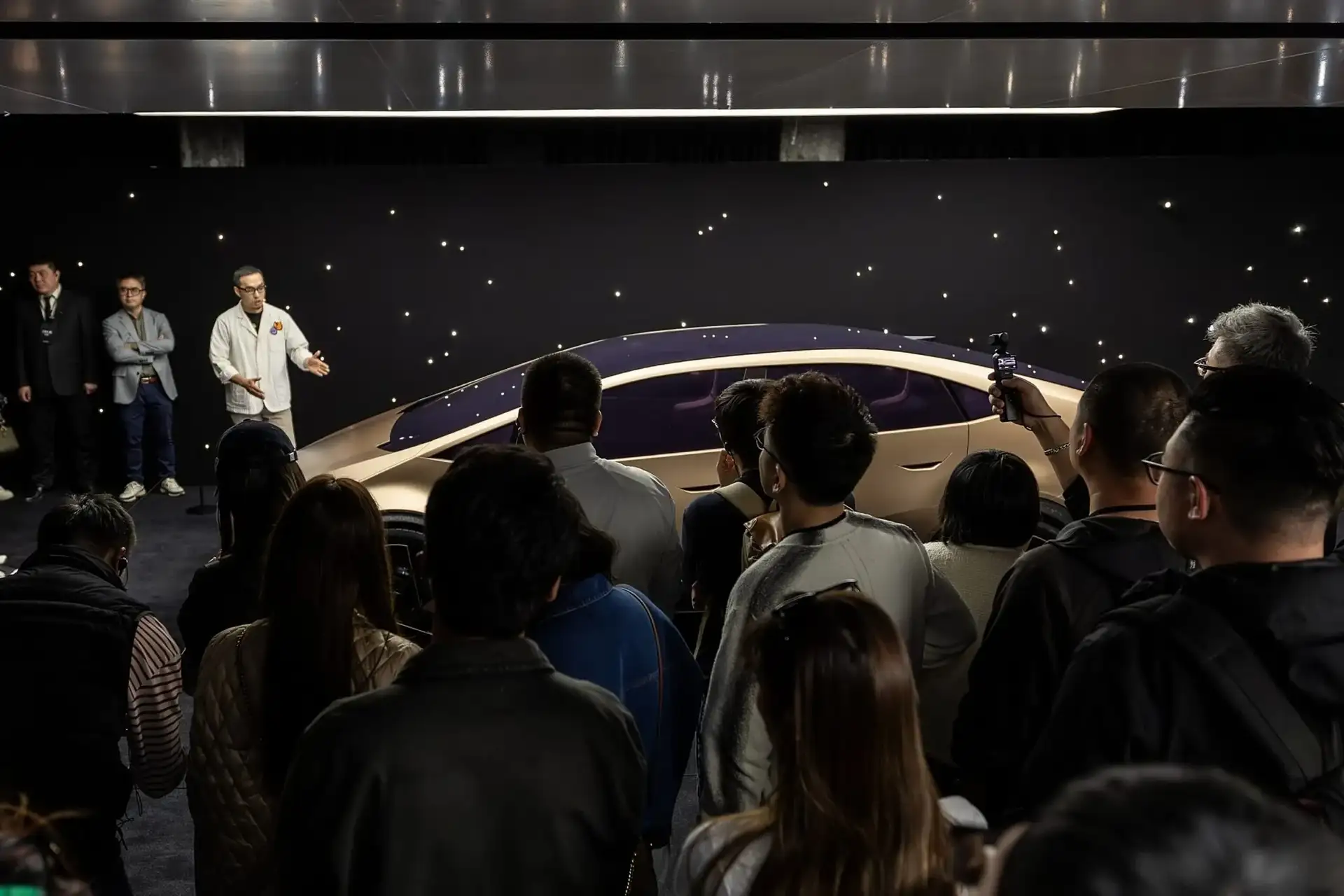
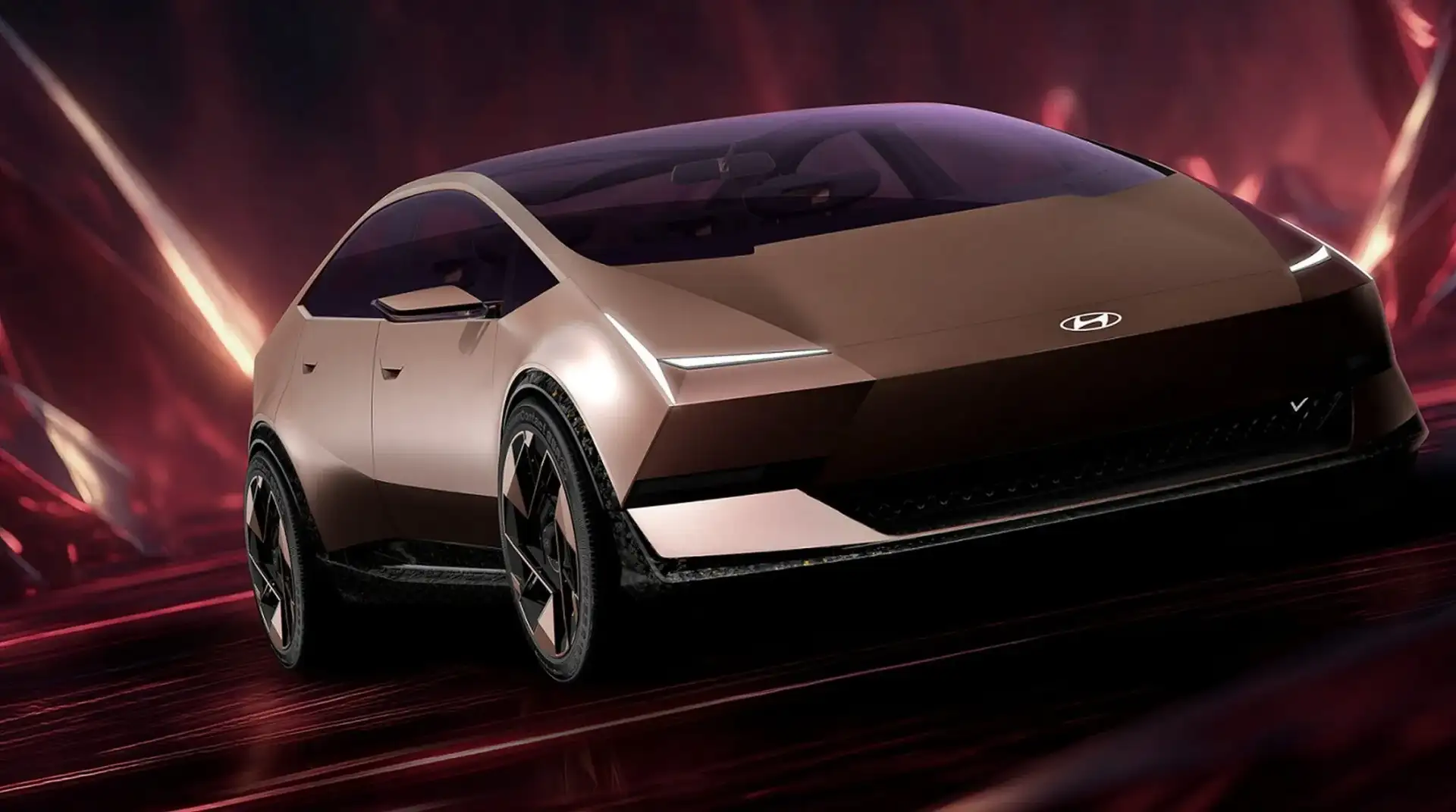
The Venus is the more surprising of the two. Hyundai describes it as a concept sedan, but its proportions lean high and dramatic rather than low and traditional. The front end is aggressive, with slim LED lighting and a large grille treatment that gives it a futuristic, almost interstellar personality. Hyundai has painted it in a rich Radiant Gold finish, reinforcing the premium message.
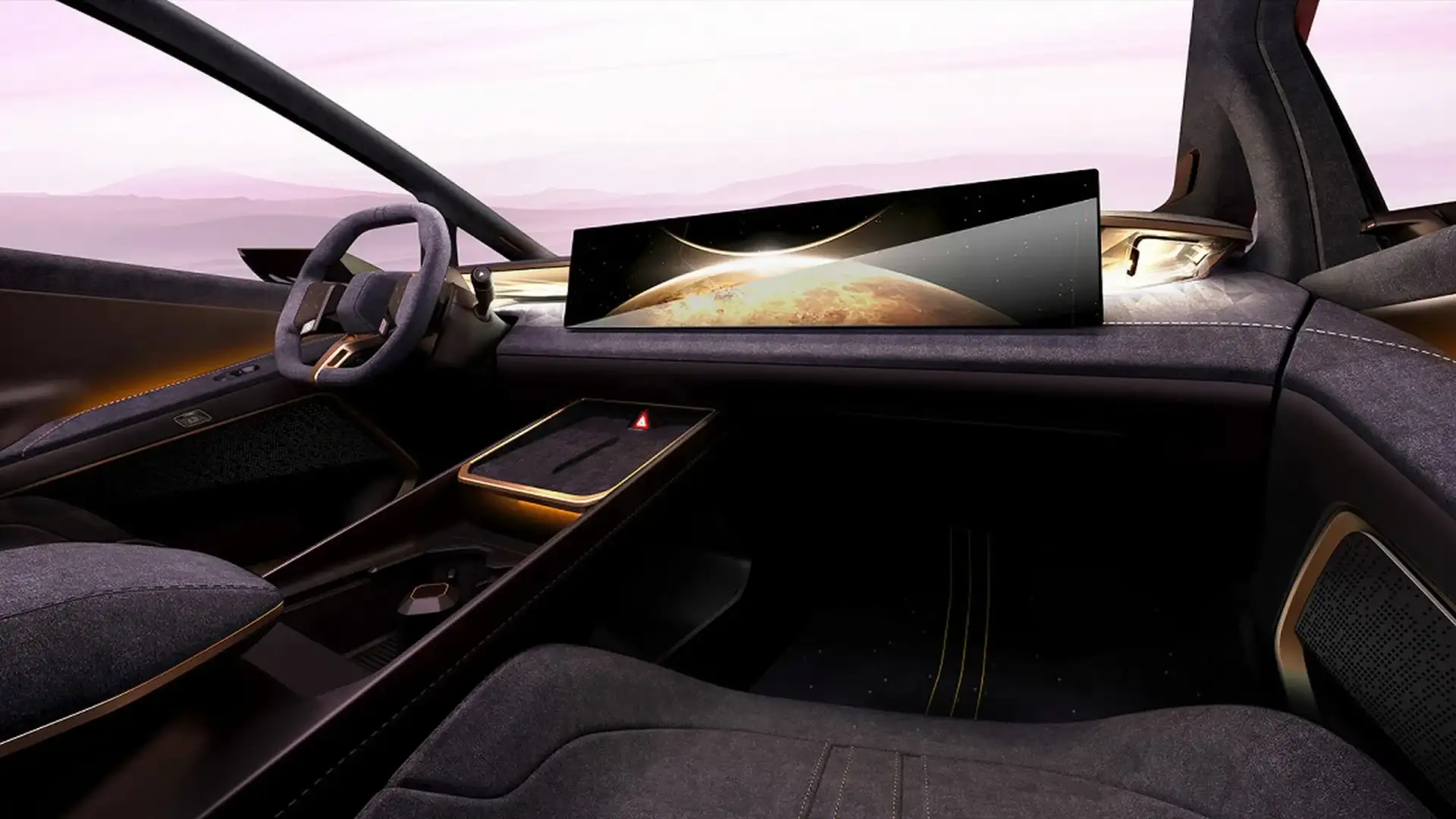
Inside, the Venus is even more striking. Gold accents dominate the cabin, and the dashboard features a panoramic screen layout that stretches across the front passenger area. That kind of display architecture is increasingly common in China-focused EVs, where large-screen interfaces have become a major selling point. Hyundai is clearly watching what works in the local market and using those cues to shape its next production direction.
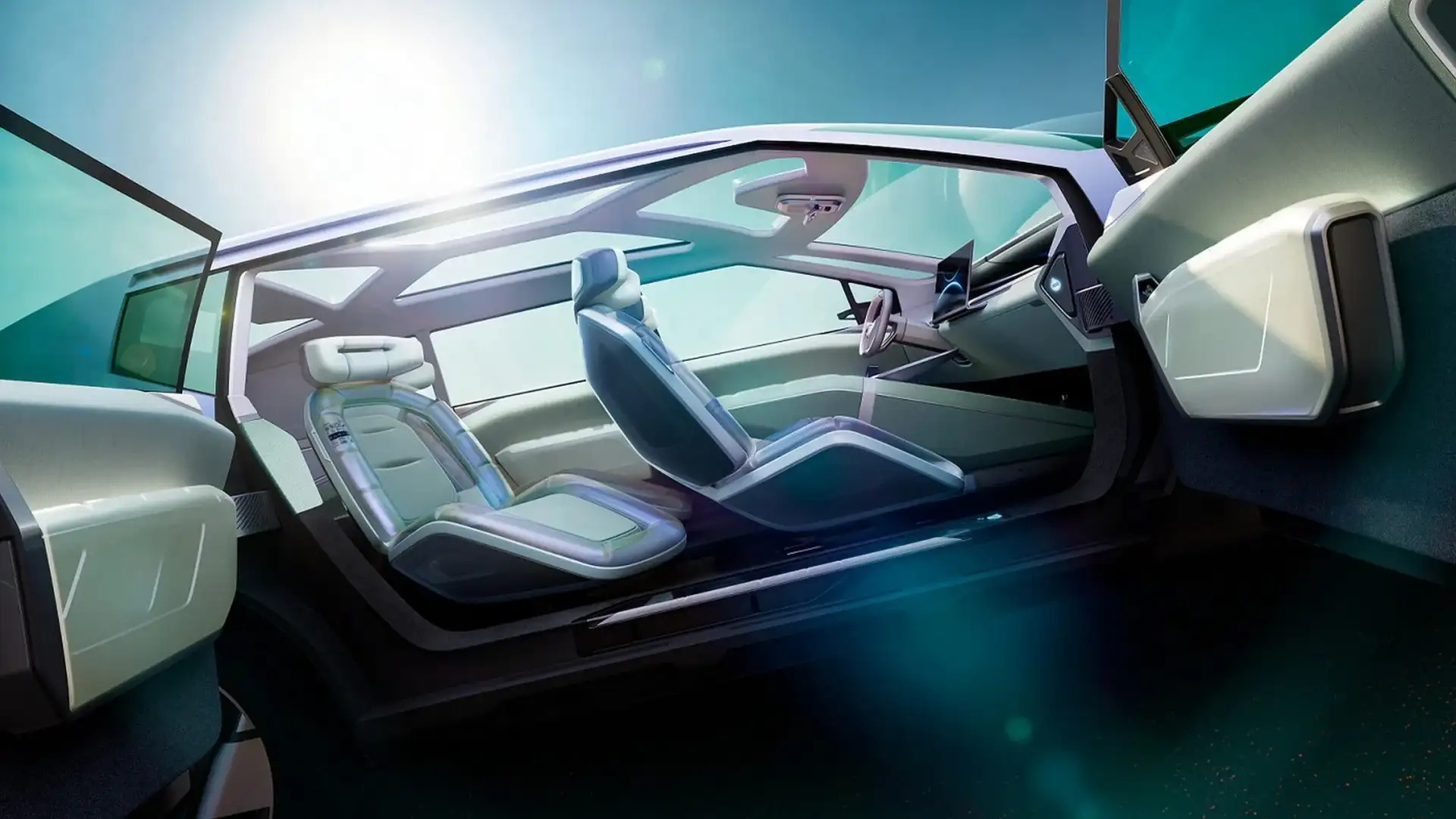
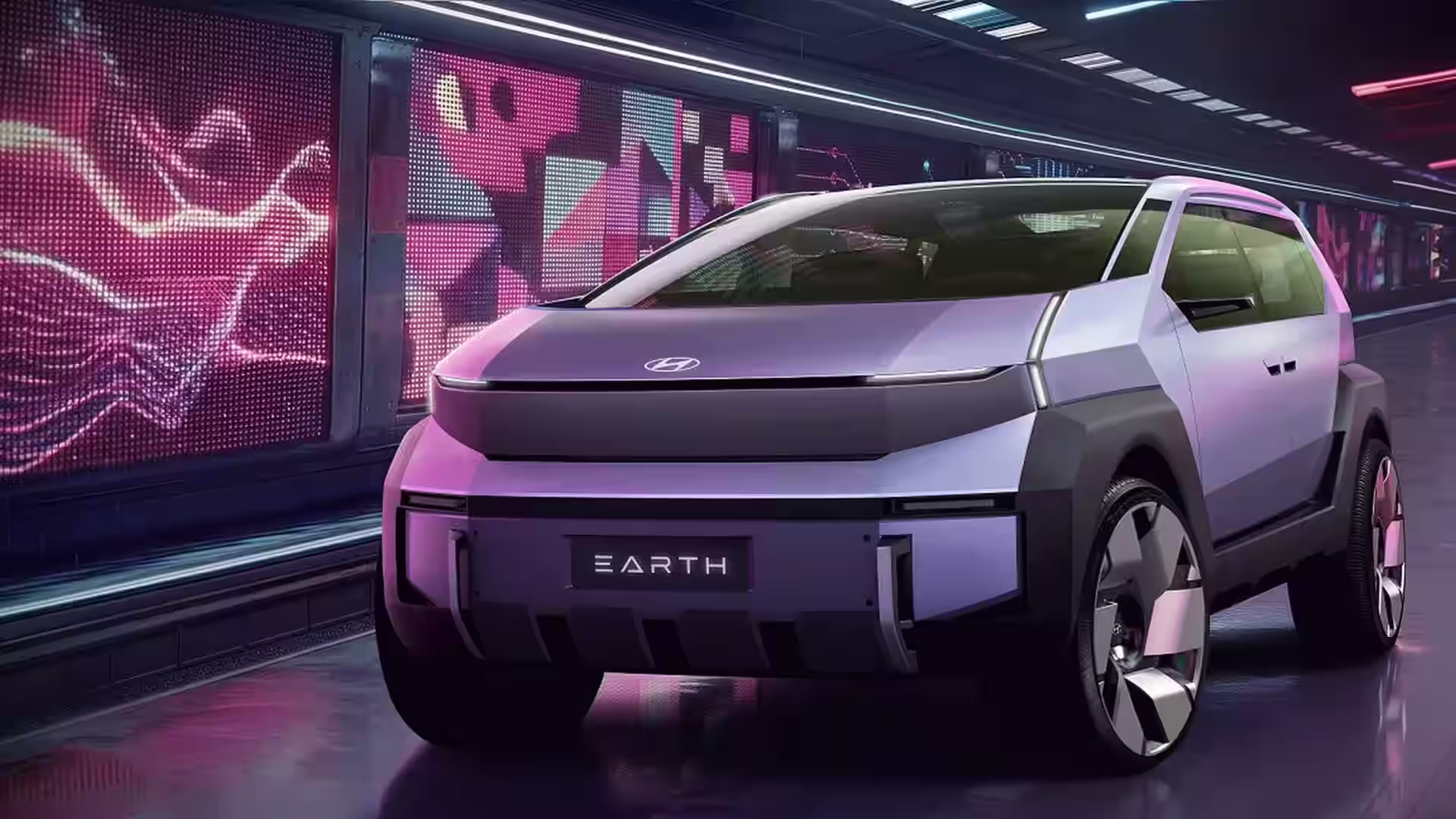
The Earth SUV pushes the concept further. Finished in a color Hyundai calls Aurora Shield, it combines a rugged stance with a bolder face and more adventurous detailing. The interior brings suicide rear doors, a tablet-like central touchscreen, and seats with air-filled modules, all of which suggest that Hyundai wants to create a cabin experience that feels futuristic without abandoning practicality.
Key takeaway: Hyundai is not trying to copy its Western Ioniq models for China. It is building a separate identity with concept cars designed to influence a new generation of EVs.
What Production Models Could Borrow From These Concepts
Hyundai says the Venus and Earth act as design barometers for future production cars. That wording is important. It suggests these concepts are not final previews, but they likely preview major styling and cabin decisions that will carry into showroom models.
- Cabin technology could include wider screen integration and more passenger-focused interfaces.
- Design language may shift toward cleaner surfaces, stronger lighting signatures, and more sculpted front ends.
- Smart cabin features are likely to become a bigger priority, especially in response to Chinese customer expectations.
- Local-market personalization may define the entire Ioniq lineup in China, rather than a single global template.
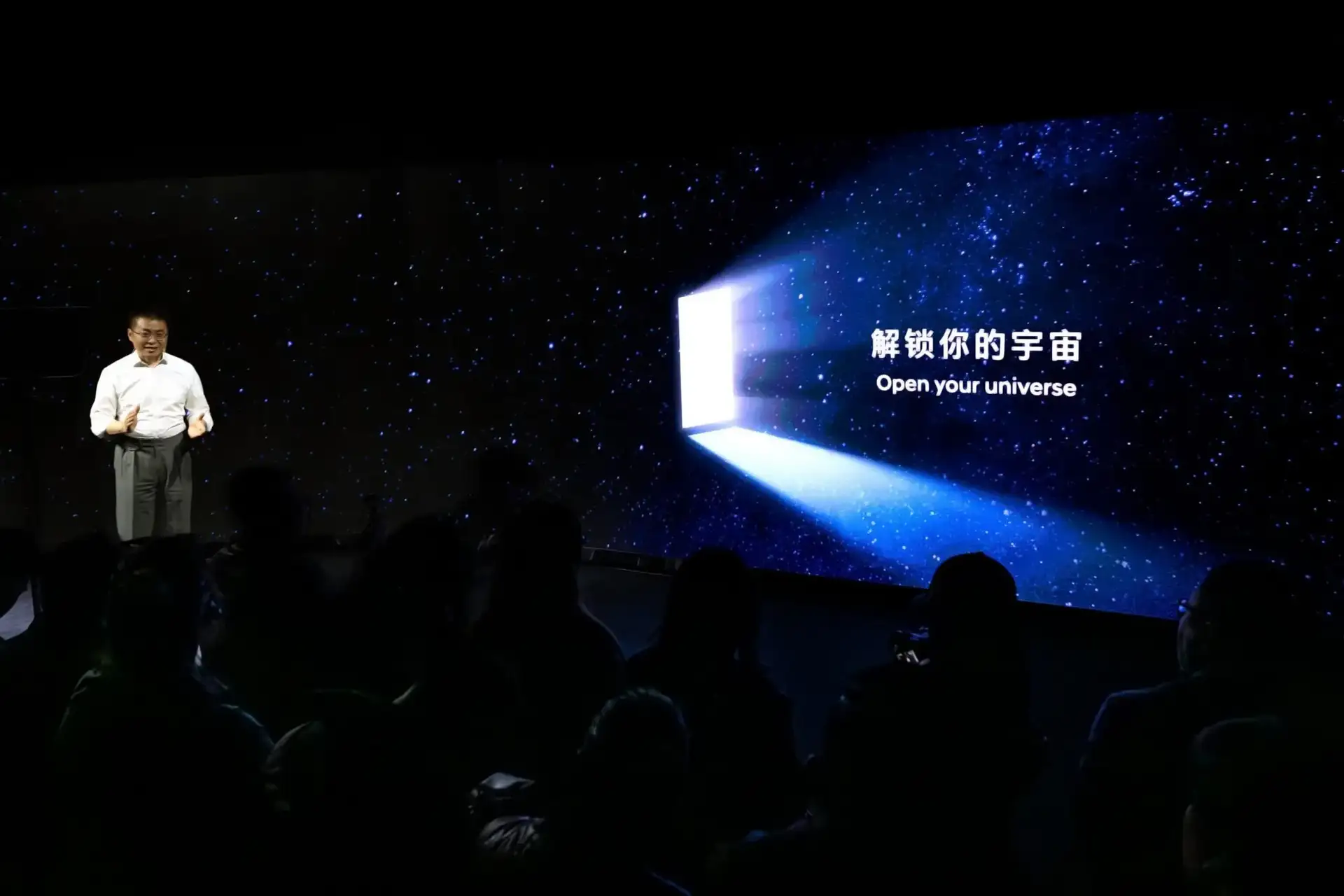
Hyundai Beijing Motor Company president Li Fenggang said the brand will continue presenting products shaped by deep insight into Chinese consumers, while staying true to Ioniq’s safety and quality principles. That combination is important because it shows Hyundai is not chasing novelty alone. It wants production vehicles that feel advanced but still credible in terms of engineering and reliability.
If you follow the broader EV shift in Asia, this is the same competitive logic behind launches like the BYD Seal 06 GT and Seal 06 DM-i Wagon and the increasingly premium push from models such as the BMW X7 2027: the cabin is now part of the brand battle, not just an afterthought.
Hyundai has not announced an official launch date for its first China-only Ioniq production model, but the timing of these concepts suggests the wait should not be long. If the final cars preserve even part of the Venus and Earth DNA, Hyundai could enter a much more emotionally driven chapter in China, one that blends design theater, digital convenience, and regional strategy.
For a brand that has already proven it can make a serious EV statement with vehicles like the Ioniq 5 in global markets, China may become the place where Ioniq evolves into something far more ambitious. And if Hyundai gets this formula right, the planet-name strategy could become one of the smartest branding moves in the current EV race.