
Tradition meets safety in HONDA SUPER CUB 2026 with new CBS brakes, 109cc efficiency and fresh colors. Discover what changed today!
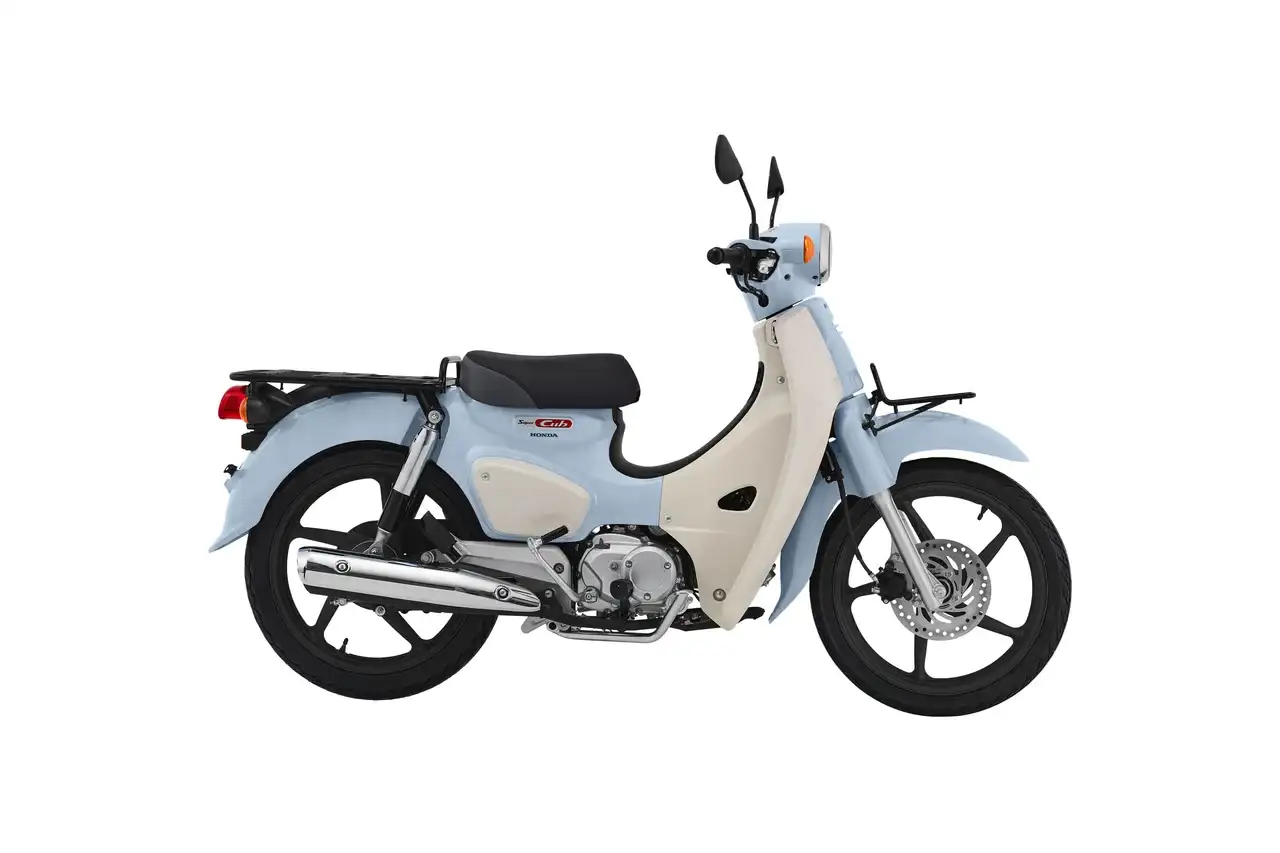
The world’s best-known small motorcycle just got smarter. Honda has revealed the 2026 Super Cub with a meaningful safety upgrade, new trim choices, and the same low-cost urban DNA that helped turn this machine into a two-wheel icon across more than 160 countries.
Why The HONDA SUPER CUB 2026 Still Matters In A Market Obsessed With Bigger Machines
The HONDA SUPER CUB 2026 is not trying to be flashy, overpowered, or digitally overloaded. That is exactly why it keeps winning. For commuters, delivery riders, first-time riders, and urban mobility fans, the Super Cub remains one of the most relevant motorcycles on sale.
Honda says the Super Cub has now passed 100 million units in cumulative global production, a number almost no other motor vehicle nameplate can match. That figure alone gives the bike serious historical weight, but the real reason it still matters is simple: it delivers a combination of durability, low running costs, easy operation, and classic styling that modern city riders still want.
Its design remains faithful to the formula that made the Cub famous. The body line flows in a gentle S-shape from the front leg shield to the rear carrier, while the underbone frame keeps the step-through layout practical for everyday use. Honda also maintains a low 740 mm seat height, which helps shorter riders, newer riders, and anyone who wants stress-free mounting and dismounting in traffic.
That “newtro” balance of old-school silhouette and modern details continues to be one of the Cub’s biggest strengths. The bike uses a round LED headlight for improved visibility, paired with classic round indicators that preserve the instantly recognizable look. In a world where many commuter machines are becoming anonymous appliances, the Super Cub still feels like a product with identity.
Readers following Honda’s recent motorcycle moves may also want to see how the brand is evolving its larger adventure line with the Honda XL750 Transalp 2026 and its value-focused E-Clutch update, because it shows Honda is refining practicality across very different segments.
What Changed On The 2026 Model And Why CBS Is The Real Headline
The key upgrade for the new model year is the addition of CBS, or Combined Brake System. On a bike like the Super Cub, this is more than a brochure feature. It directly affects everyday safety, especially in stop-and-go urban environments where sudden braking, slick intersections, and distracted traffic are all part of the ride.
With CBS, braking force is distributed between the front and rear wheels more effectively during operation, helping the motorcycle remain more stable and predictable in common street conditions. On lightweight commuter motorcycles, confidence under braking often matters far more than headline top speed. Honda clearly understands that.
That safety focus mirrors a broader industry trend. Urban two-wheelers are becoming more sophisticated without abandoning their accessibility. A good example from another corner of the scooter world is the Yamaha Tricity 300 Airbag, which shows how safety tech is becoming a stronger selling point even in practical mobility-focused models.
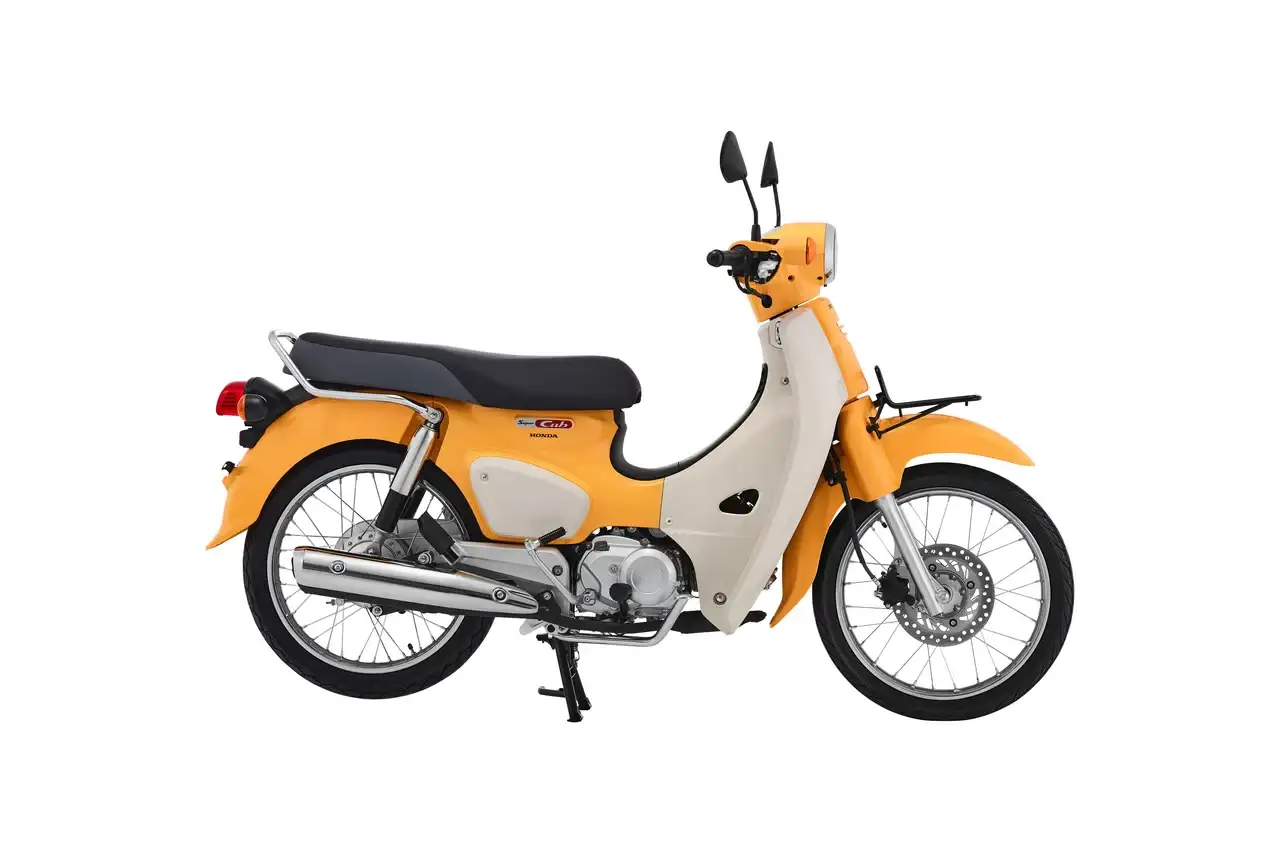
For 2026, Honda is also widening the bike’s visual appeal through new color options. The cast wheel trim now comes in three colors, including black, blue, and yellow. Honda will also launch a spoke wheel trim aimed at riders who want an even more classic look. That version adds a double seat for two-up riding and leans harder into retro charm while preserving daily usability.
Here is a quick breakdown of the newly announced variants:
| Trim | Wheel Type | Key Feature | Colors | Price |
|---|---|---|---|---|
| Super Cub Cast Wheel | Cast | CBS, practical urban spec | Black, Blue, Yellow | KRW 2.85 million |
| Super Cub Spoke Wheel | Spoke | Double seat, classic style | Green, Yellow | KRW 2.78 million |
Using a rough exchange estimate, those prices place the bike in a very accessible range for an authentic Honda commuter with global pedigree.
Engine, Fuel Economy, And The Reason This 109cc Honda Keeps Outselling Expectations
At the heart of the HONDA SUPER CUB 2026 is a 109 cc air-cooled four-stroke single-cylinder engine, paired with Honda’s well-known automatic centrifugal 4-speed transmission. This setup is a major part of the Cub’s appeal. Riders get the involvement of a geared transmission without the intimidation or fatigue of a manual clutch.
The engine is designed less for drama and more for consistency. Honda emphasizes quiet operation, long-term durability, and reduced vibration, especially during steady cruising. Fuel delivery is managed by the brand’s PGM-FI electronic fuel injection system, which constantly optimizes the air-fuel mix for cleaner and more efficient performance.
The headline efficiency figure is especially important. Honda quotes 66.5 km/L at a constant 60 km/h, which converts to roughly 156 mpg US under that test condition. Real-world results will vary, of course, but even with normal city riding, the Super Cub remains one of the most frugal gasoline motorcycles in its class.
- Engine 109 cc air-cooled 4-stroke single
- Transmission 4-speed semi-automatic centrifugal system
- Fuel System PGM-FI electronic fuel injection
- Seat Height 740 mm
- Braking Highlight Combined Brake System on 2026 model
- Efficiency Claim 66.5 km/L at 60 km/h constant speed
This is where the Super Cub separates itself from many trendy urban machines. It is not just cheap to buy and easy to ride. It is also engineered around mechanical simplicity and operating economy. For riders comparing practical two-wheelers, that matters as much as styling.
If you are looking at the broader urban mobility space, it is worth comparing this formula with machines that take a more scooter-like route, such as the Suzuki Burgman Street’s smarter daily-use approach, or with Honda’s own more premium crossover concept in the Honda X-ADV 2026 and its transmission-driven buying dilemma.
For many riders, the Super Cub is not an emotional second bike. It is the bike that quietly does everything they actually need.
That may be the biggest reason the 2026 update is significant. Honda did not ruin the formula by overcomplicating it. Instead, it made the Cub safer, kept it efficient, and expanded the trim range without losing the machine’s core identity. In a segment where authenticity and cost-of-ownership still drive real purchase decisions, that is a move with more impact than it first appears.