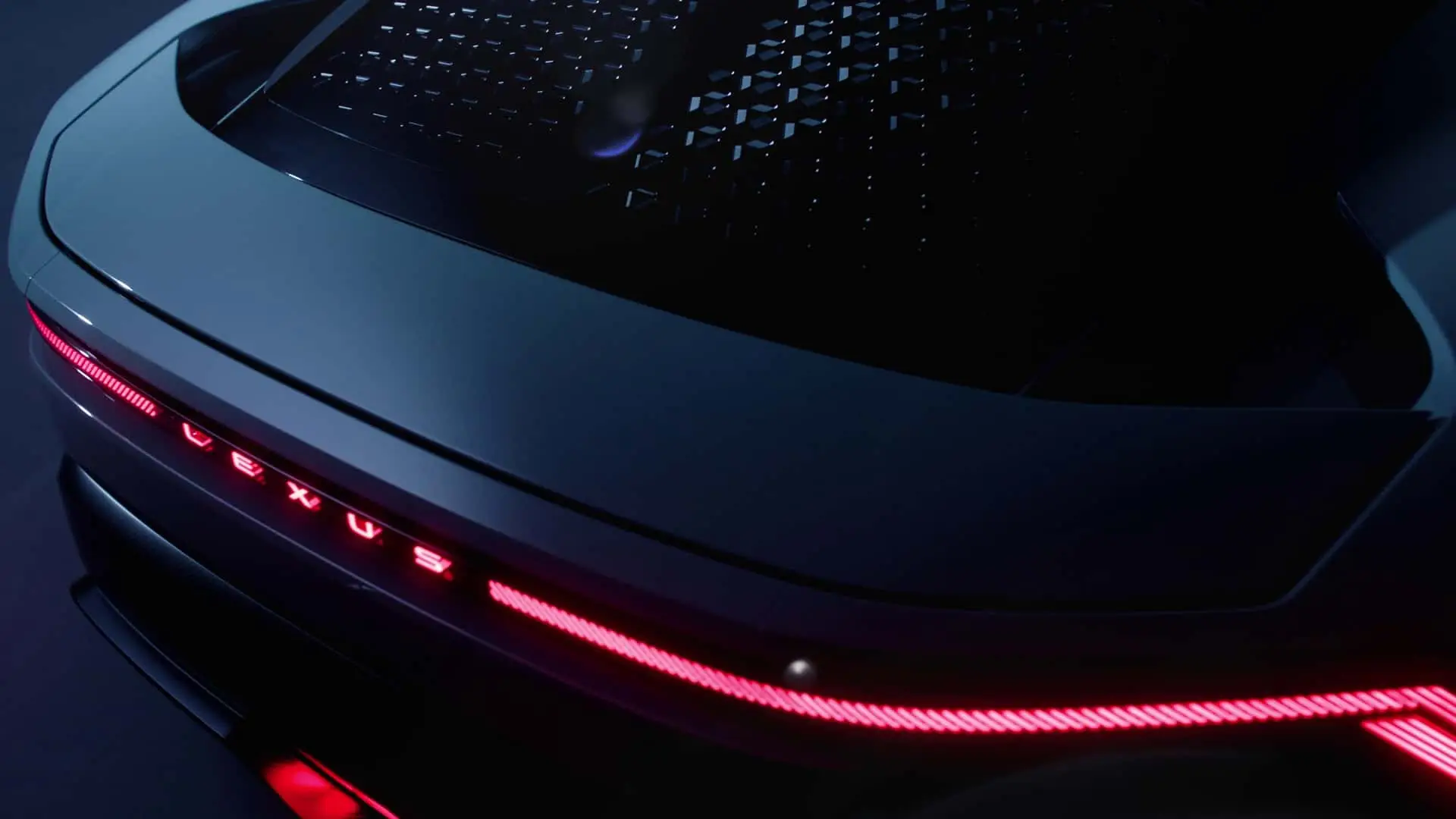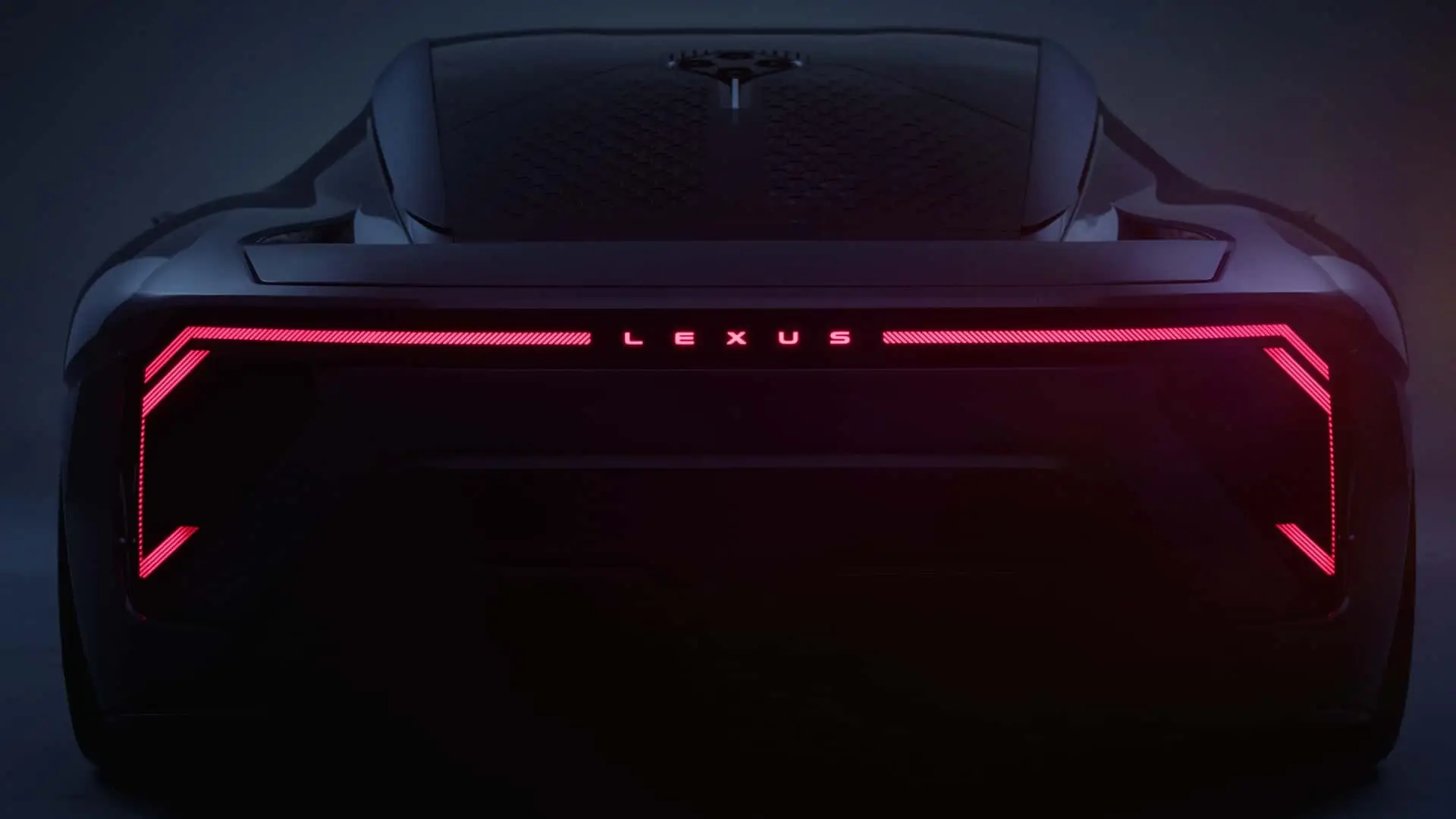
It is wider, longer, and brutally fast. Check out the technical specifications of the car that puts Lexus in the fight against the European elite.
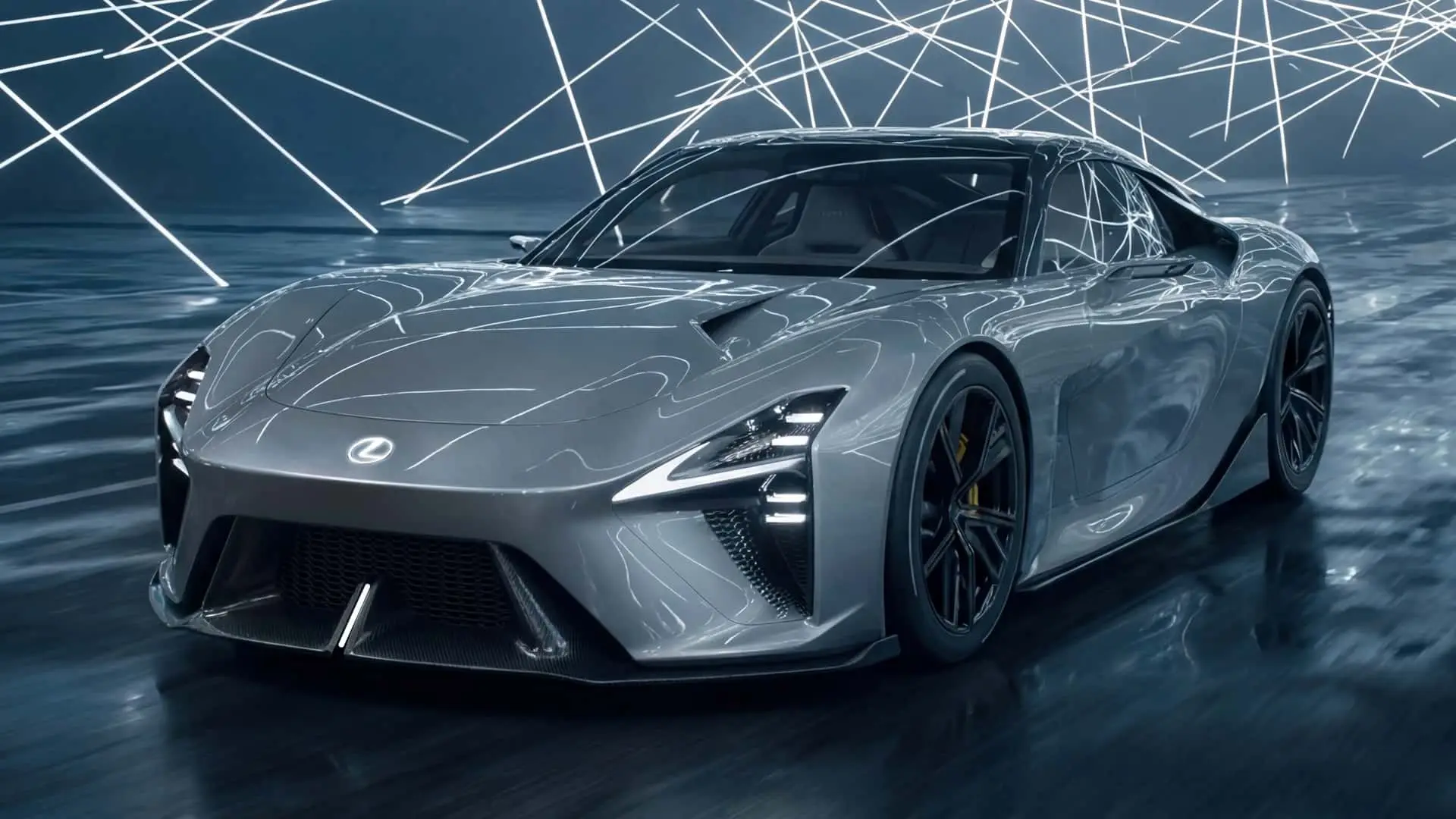
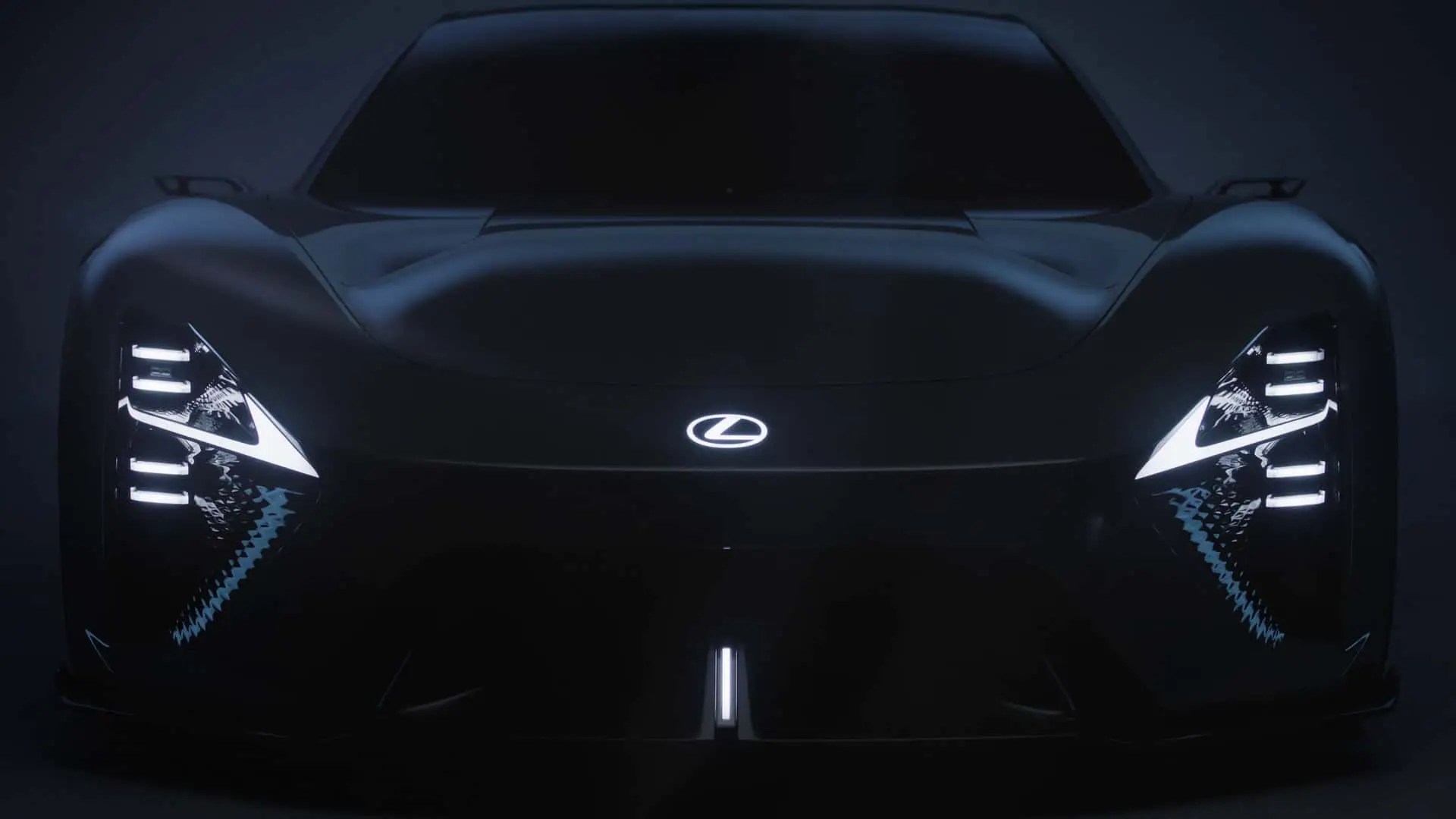
Prepare your heart and, perhaps, get ready to miss the sound. The automotive world has just received confirmation that many feared and others awaited: the legend is back, but its soul has changed completely. Lexus has officialized the return of the most powerful acronym in its history with the Lexus LFA Concept, a vehicle that promises to redefine what we understand as Japanese performance, abandoning the high-pitched scream of the combustion engine to embrace the brutal silence of electricity. If the original LFA was a mechanical symphony, the new generation promises to be a digital thunderbolt.
The End of an Era and the Beginning of the Silent Revolution
The reveal of the LFA Concept, previously camouflaged under the generic name “Sport Concept,” marks a definitive turning point for Lexus. For years, purists speculated about a successor dubbed “LFR,” expecting a hybrid that would keep alive the legacy of high-revving engines. However, official confirmation debunked those theories: the new flagship will be a pure Electric Vehicle (EV).
For enthusiasts who idolize the original model, this news comes with a bittersweet taste. The first-generation LFA was not just fast; it was a sensory experience, famous for its V-10 engine developed with musical help from Yamaha, capable of reaching 9,500 RPM. The decision to eliminate the internal combustion engine is bold and risky.
However, Lexus justifies this radical change by affirming that the “LFA” acronym has never been about a specific type of engine, but about technological frontiers. In a statement, the brand emphasized that the name symbolizes a vehicle that incorporates cutting-edge technologies to be preserved and passed down to future generations. Still, it’s impossible not to feel nostalgia when recalling past acoustic engineering. To better understand what we are losing (and what has been immortalized), it’s worth revisiting the Pros And Cons Of V10 Engines: The Irresistible Sound Of The Lexus LFA That Wins Hearts, an essential read to grasp the significance of this transition.
Brothers in Blood, Different Hearts: The Toyota GR GT Connection
One of the most fascinating aspects of developing the new LFA is its direct kinship with Toyota’s new supercar, the GR GT, and its track version, the GR GT3. Although they share the same structural DNA, their propulsion philosophies have taken opposite paths, creating an intriguing internal rivalry.
While Lexus bets everything on full electrification, Toyota opted to equip the GR GT with a hybrid V-8 twin-turbo powertrain. Both vehicles are built on an unprecedented aluminum architecture, designed for extreme lightness and higher torsional rigidity. Toyota revealed the use of four “megacastings” (large castings) that support the suspension, a modern technique to reduce complexity and increase chassis strength.
This choice of materials is crucial in ultra-high-performance cars. The engineering behind these alloys determines not just weight but durability under extreme stress. It’s a battle similar to discussions about internal components of powerful engines, as analyzed in Aluminum Pistons Vs Cast Iron: Which Dominates In The Wild Lamborghini And High-Performance Engines?. In the case of the electric LFA, aluminum’s rigidity will be vital to offset the weight of the batteries and ensure the sharp driving dynamics the brand promises.
Design and Dimensions: The Evolution of the Supercar
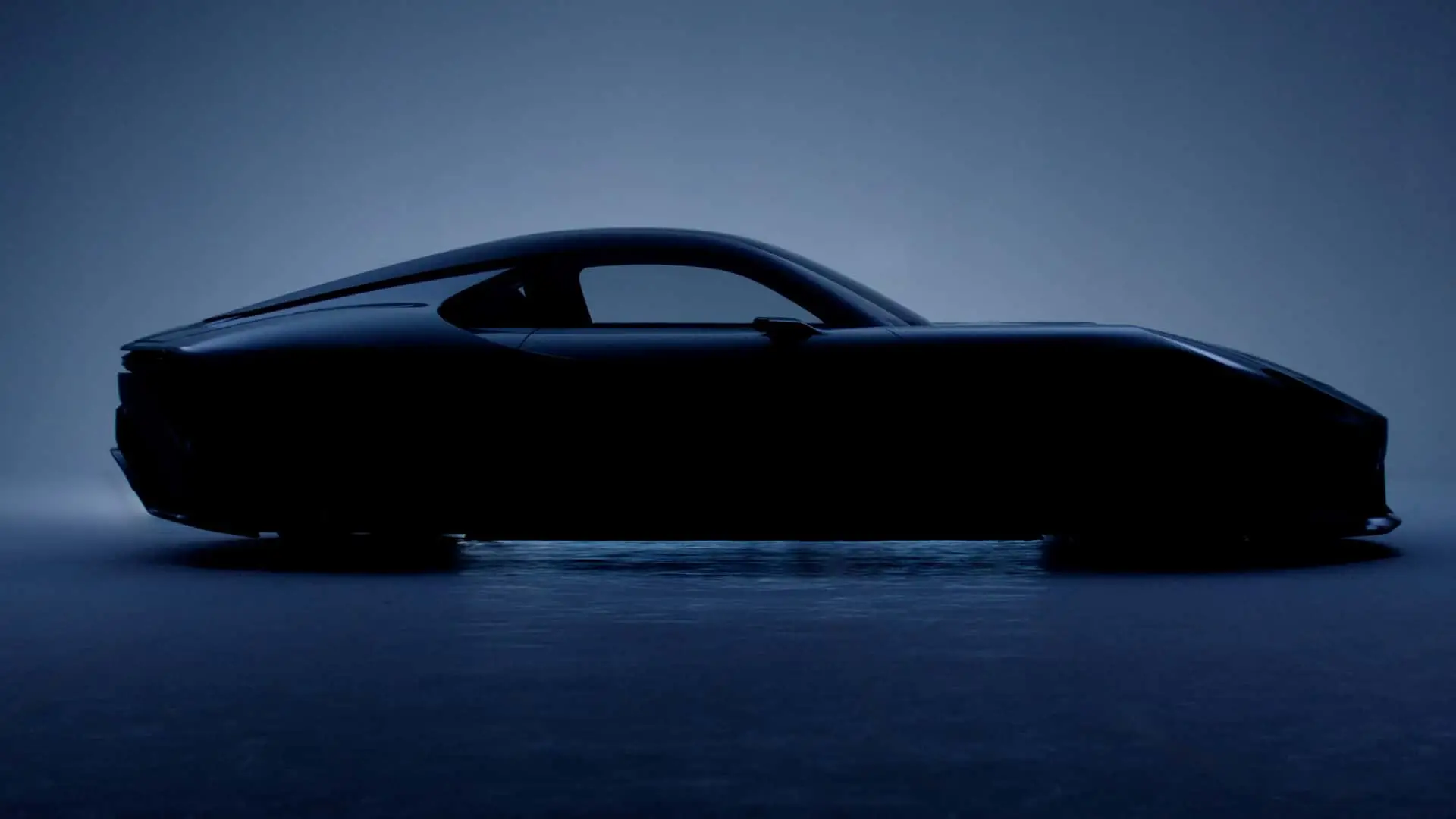
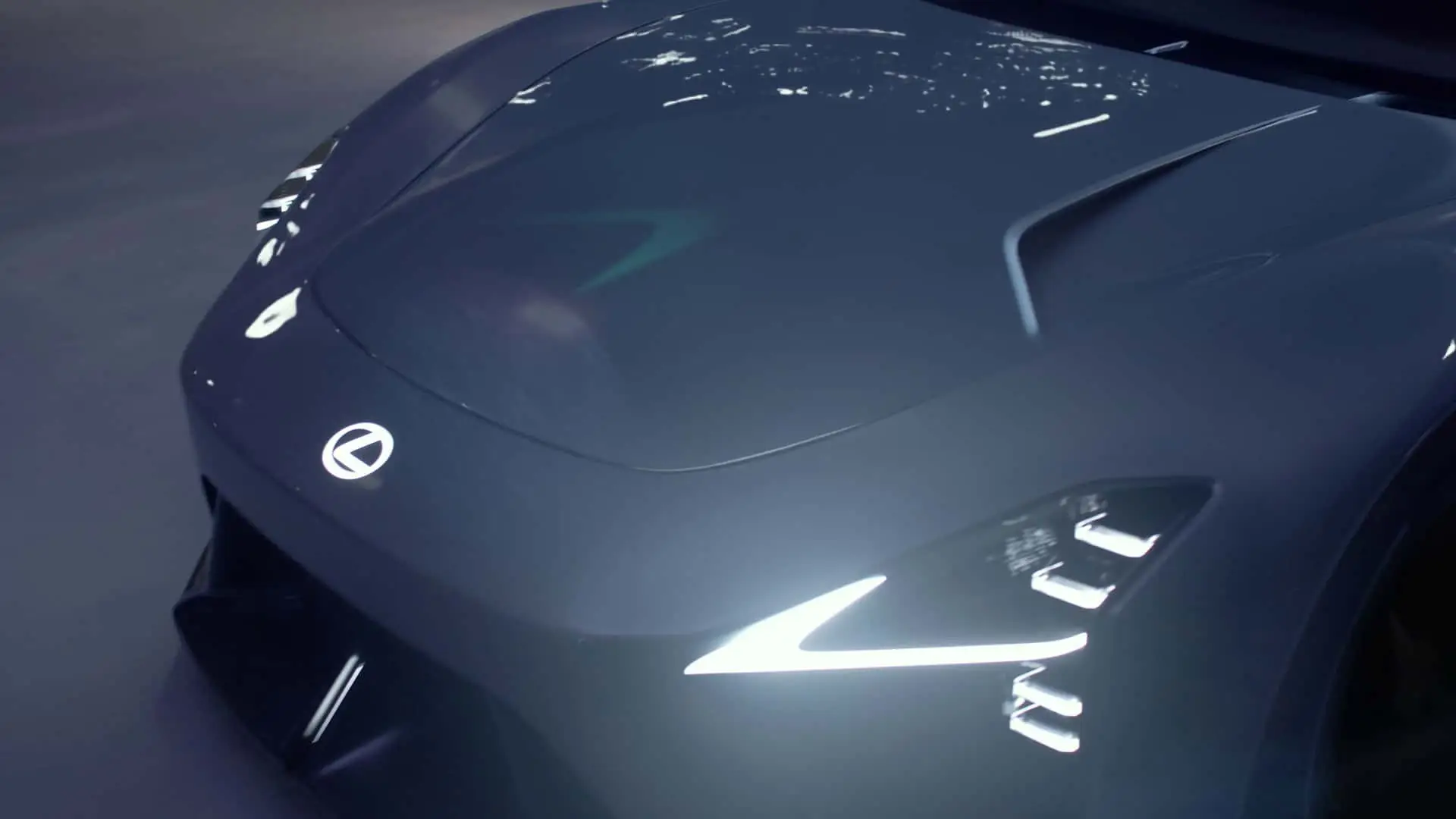
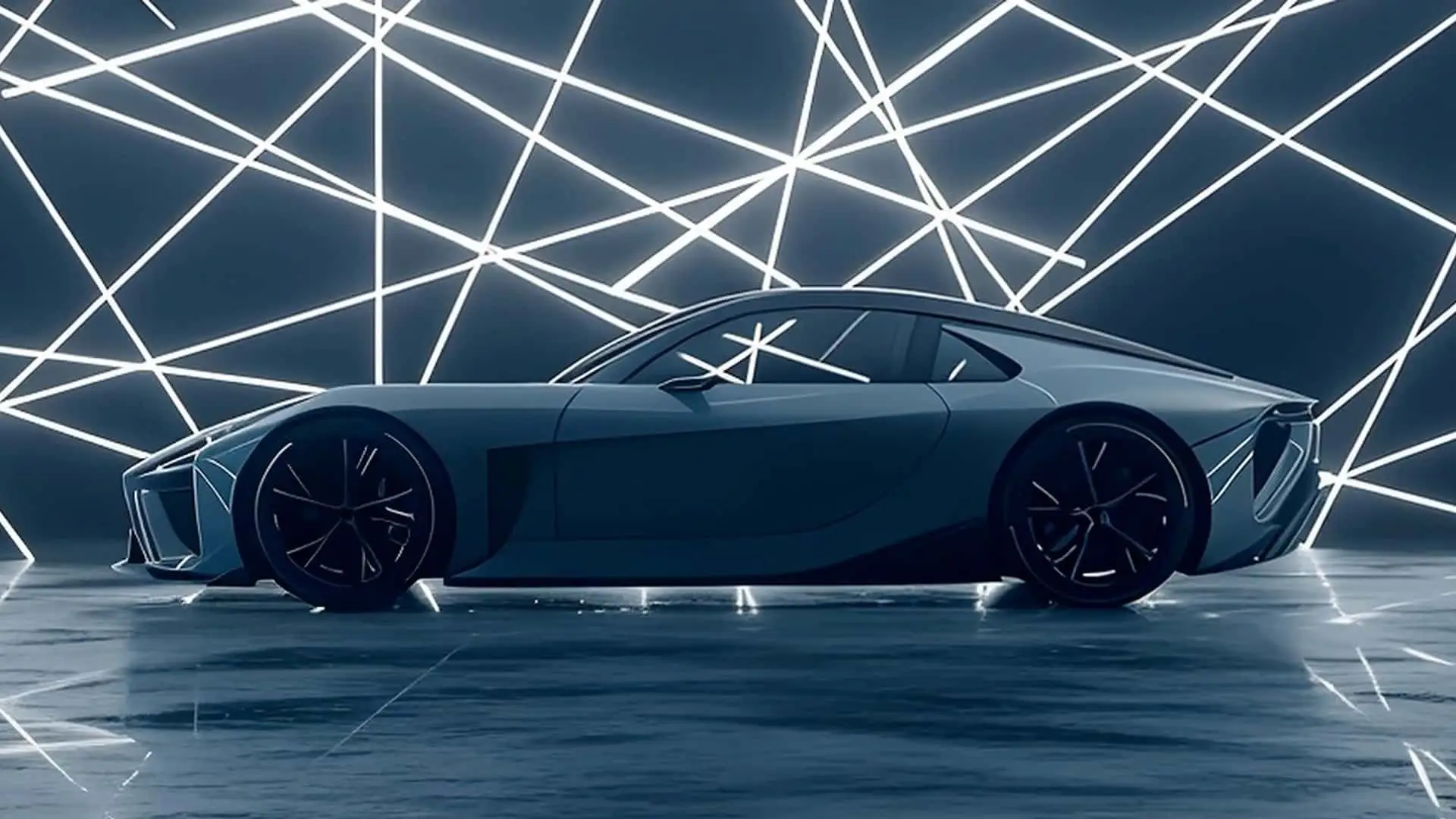
Visually, the LFA Concept maintains the classic “long hood and short rear” silhouette, a proportion that evokes past grand tourers, even without a massive engine in front. The design is a direct evolution of what was seen at Monterey Car Week and the Tokyo Motor Show, suggesting the production version will be very faithful to the concept.
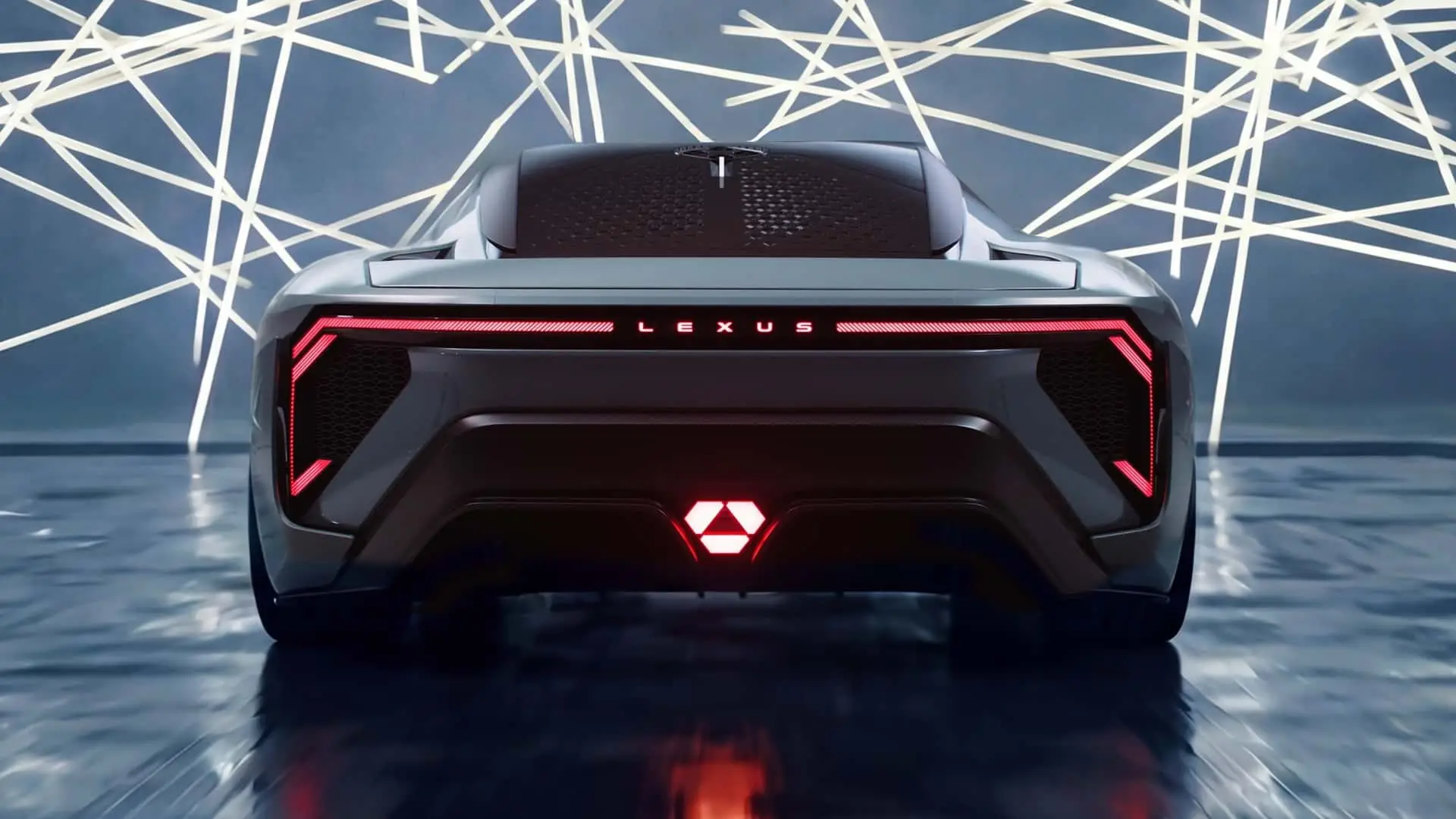
What stands out, however, is the physical growth of the car. The new LFA is significantly larger than its predecessor, reflecting modern safety and aerodynamics trends, as well as the need to accommodate the battery pack in the floor.
| Dimension | New LFA Concept (Estimated) | Original LFA (V10) | Difference |
|---|---|---|---|
| Length | 4,690 mm (185.6 inches) | 4,505 mm (177.4 inches) | + 185 mm (+ 8.2 inches) |
| Width | 2,040 mm (80.3 inches) | 1,895 mm (74.6 inches) | + 145 mm (+ 5.7 inches) |
| Wheelbase | 2,725 mm (107.3 inches) | 2,605 mm (102.6 inches) | + 120 mm (+ 4.7 inches) |
With over two meters in width, the new LFA will have an imposing road presence. The focus on a low center of gravity is obsessive, a natural advantage of electric cars due to battery placement. Lexus promises this will translate into a cornering dynamic that lives up to the name, despite the likely increase in weight compared to the original carbon fiber model.
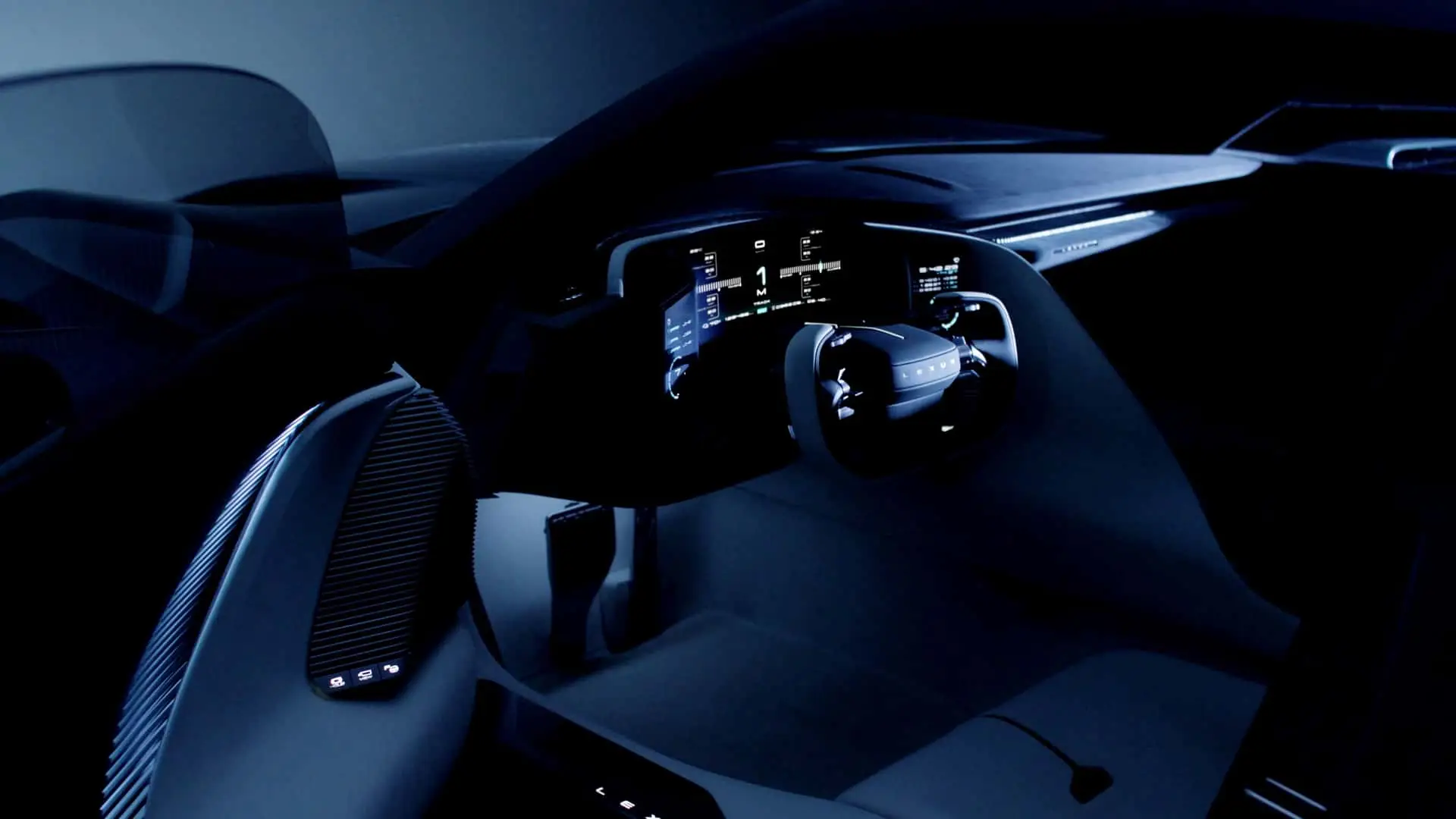
The Cockpit of the Future: Total Immersion and the Controversial “Yoke”
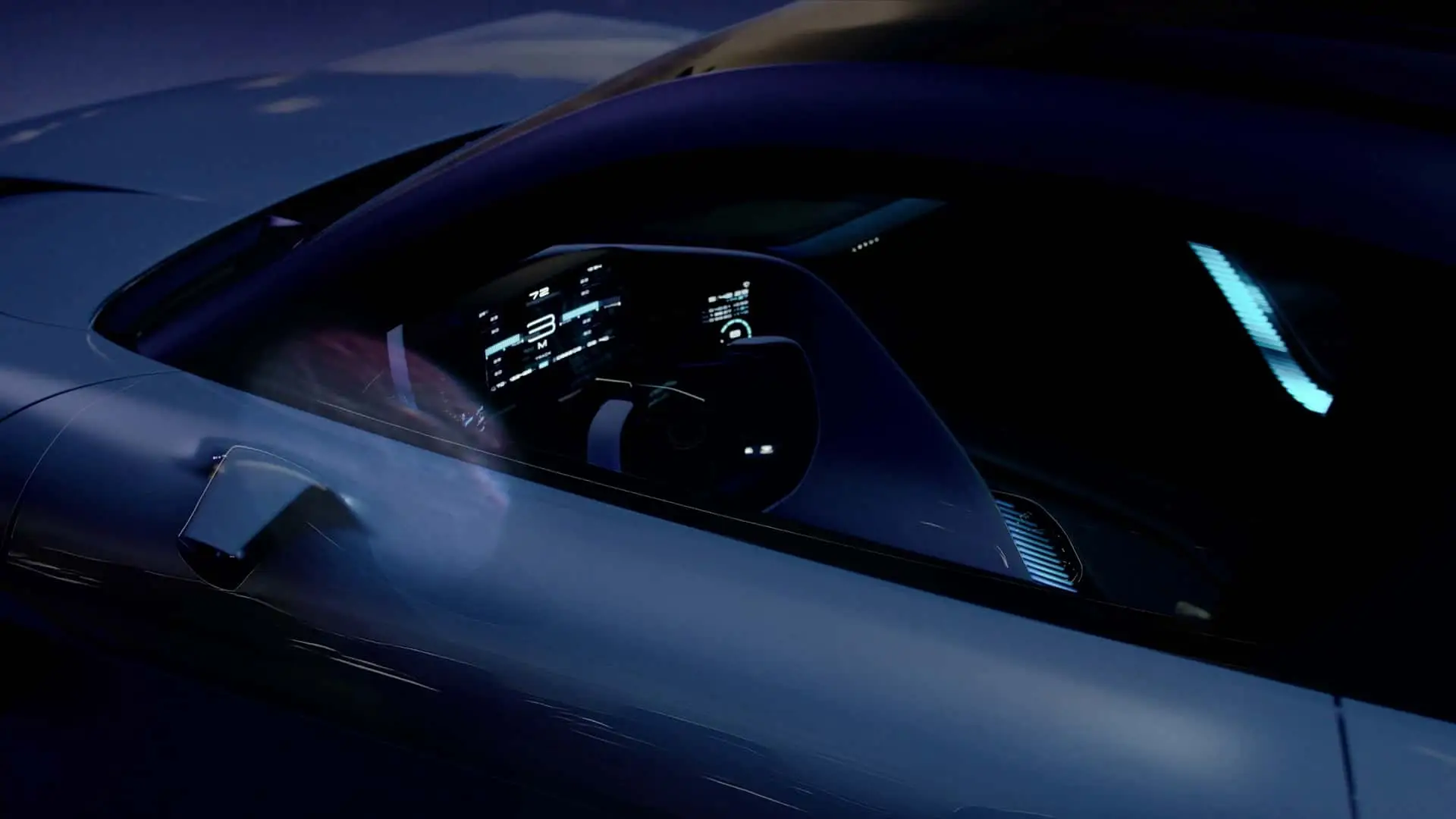
When opening the doors, the LFA Concept reveals an interior that breaks with the brand’s usual conservatism. The philosophy is “total focus on the driver.” Forget the giant entertainment screens that dominate most modern car dashboards. Here, the priority is driving experience.
The driver is enveloped by an aggressive cockpit, where all vital information is displayed on a digital screen directly ahead, eliminating peripheral distractions. It’s a minimalist approach that contrasts with market trends, such as those seen in other futuristic concepts where visual technology dominates, as in Goodbye Giant Grills: BMW iX3 2027 Abandons Traditional Dashboard and Bets on Panoramic Projection. Lexus prefers to keep the driver’s eyes on the road.
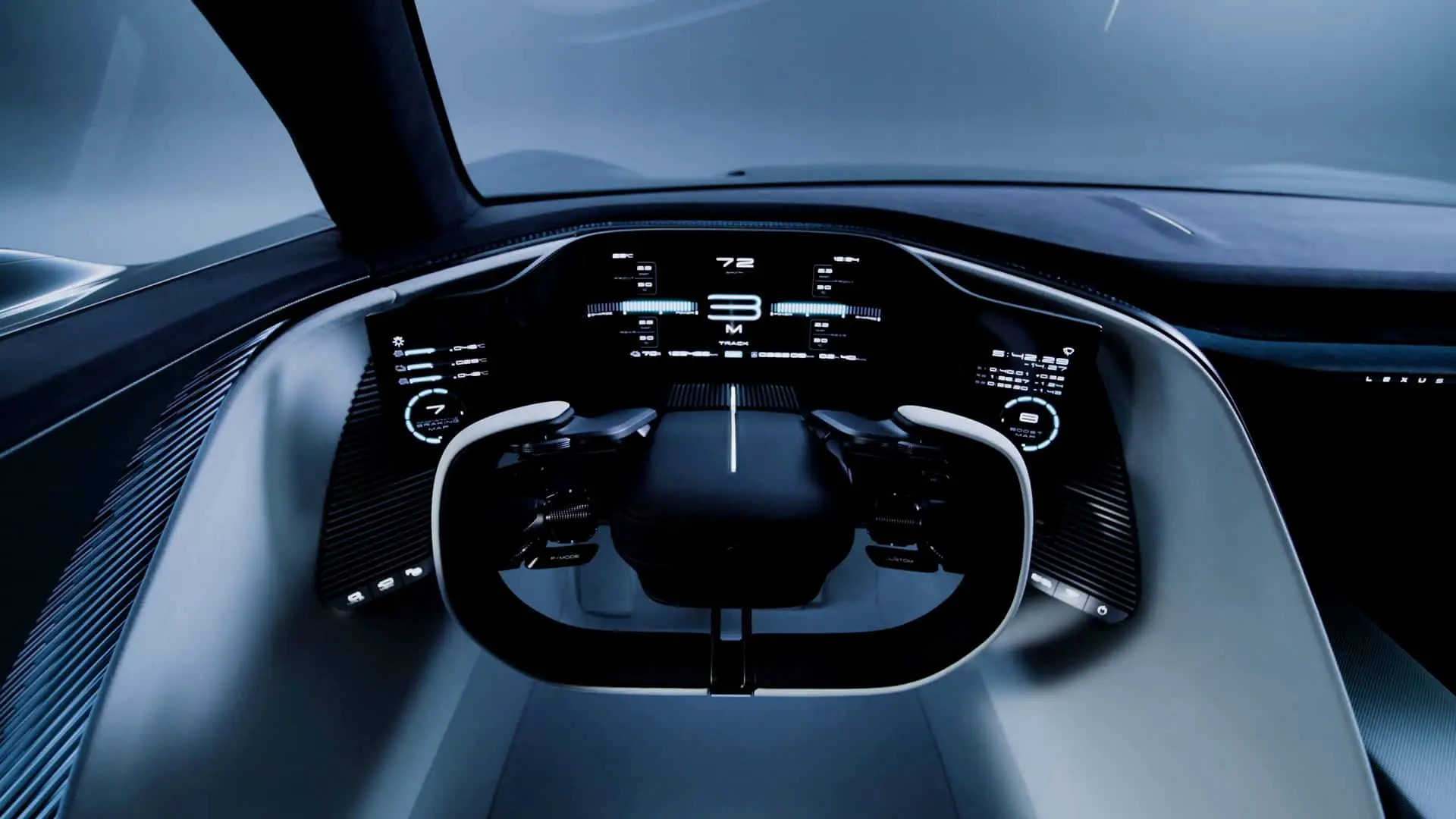
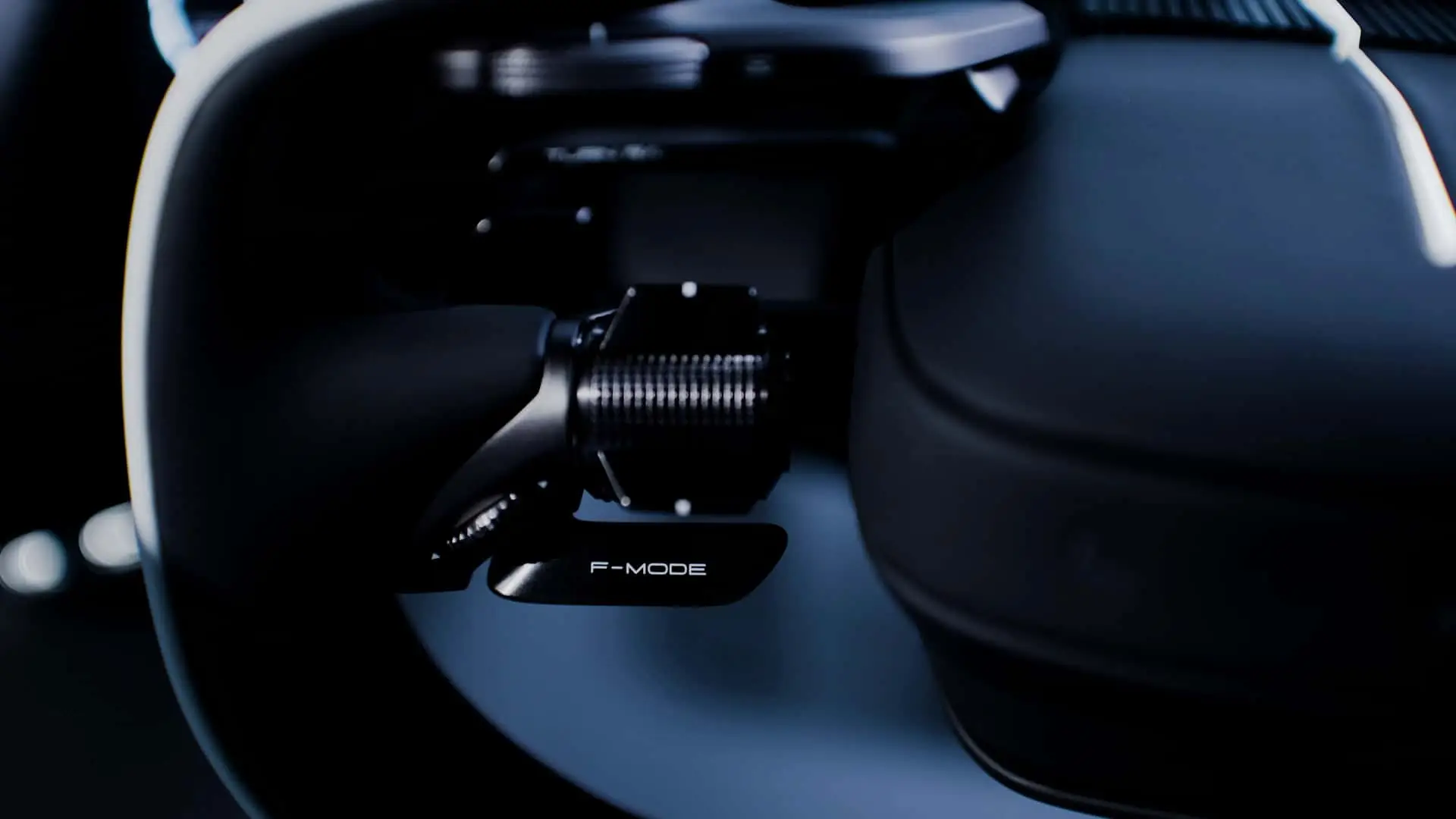
The most controversial detail, however, is the “yoke” steering wheel. Unlike traditional round steering wheels, this rectangular shape with an open top suggests the use of a steer-by-wire system, allowing for variable steering ratio. This would eliminate the need to cross arms in tight turns, making driving more akin to a Formula 1 car. Rotational controls and “paddle shifters” (probably to simulate gears or control regenerative braking) complete the ergonomics.
Performance, Price, and the Fear of Batteries
Lexus keeps the power and torque figures under absolute secrecy. We only know that acceleration will be brutal, typical of high-performance EVs, possibly around 2 seconds from 0 to 60 mph. Range is also a mystery, but solid-state batteries are expected to be used, a technology Toyota/Lexus has been promising as the “holy grail” to reduce weight and charging times.
A common concern among electric supercar buyers is the longevity and reliability of the electric system under extreme use. However, recent data suggest these fears may be unfounded, especially with thermal evolution in modern batteries. A recent study shed light on this topic, showing that durability is greater than expected: ELECTRIC VEHICLE: Battery Replacement Rate is Nearly Zero, Study Shows, Debunking The Biggest Myth.
As for the price, prepare your wallet. The new LFA is positioned as an aspirational flagship. Expectations are that it will cost “high six figures,” possibly surpassing the $500,000 mark, putting it in direct competition with the European elite. It’s not just a replacement for the discontinued RC and RC F; it’s a statement of power.
Set to launch only “in a few years” (probably around 2028 or 2029), the electric LFA will have the mission of proving that driving thrill does not depend on gasoline burning, but on the connection between man and machine. The question remains whether silence can be as exciting as the scream of the V10.
While Lexus’s electric future unfolds, the hybrid supercar market is also in upheaval, with Italian competitors rewriting the game with insane power levels, as seen in the impressive LAMBORGHINI TEMERARIO: The 907-Horsepower Hybrid Bull That Retired The V10 and Changed the Rules. The battle for performance supremacy in the next decade will undoubtedly be fascinating to watch.