Dashboardless? The interior of the iX3 2027 divides opinions with giant screens and glass projection. Understand this radical change.
The automotive industry thrives on cycles, but rarely do we witness a moment of rupture as clear as the one BMW is about to deliver. The launch of the 2027 BMW iX3 is not merely a model update or the introduction of a new electric variant; it marks the starting point of a complete reinvention of the Bavarian identity. We are talking about the debut of the “Neue Klasse” (New Class) platform, an architecture promising to redefine expectations in performance, efficiency, and, crucially, the interaction between driver and machine. By abandoning conservatism and embracing calculated risks, BMW delivers an SUV that corrects the aesthetic missteps of the recent past while betting on an interior as visionary as it is controversial. Get ready, because your perception of a “Bimmer” is about to change drastically.
The Aesthetic Renaissance: Goodbye Excess, Hello Elegance
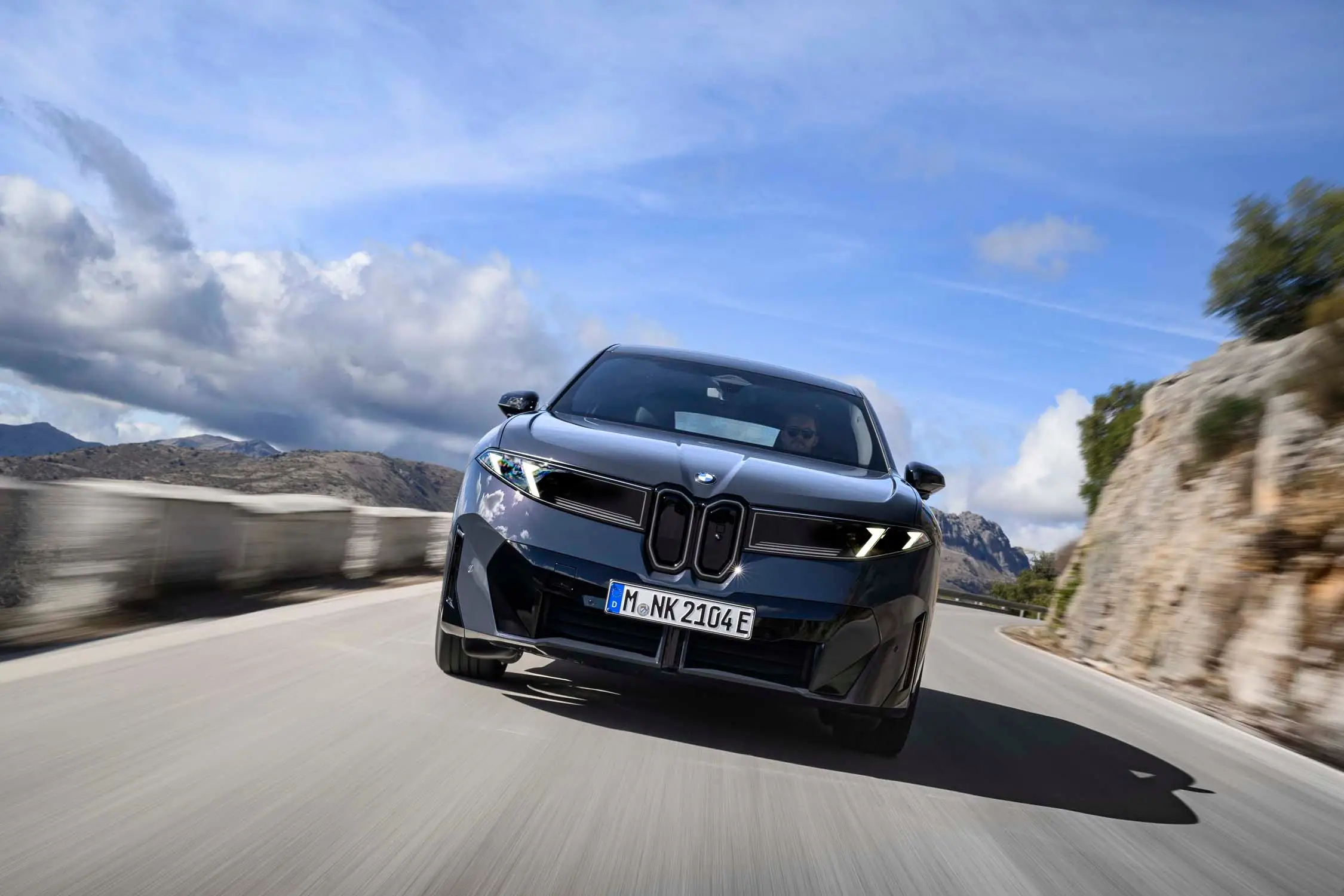
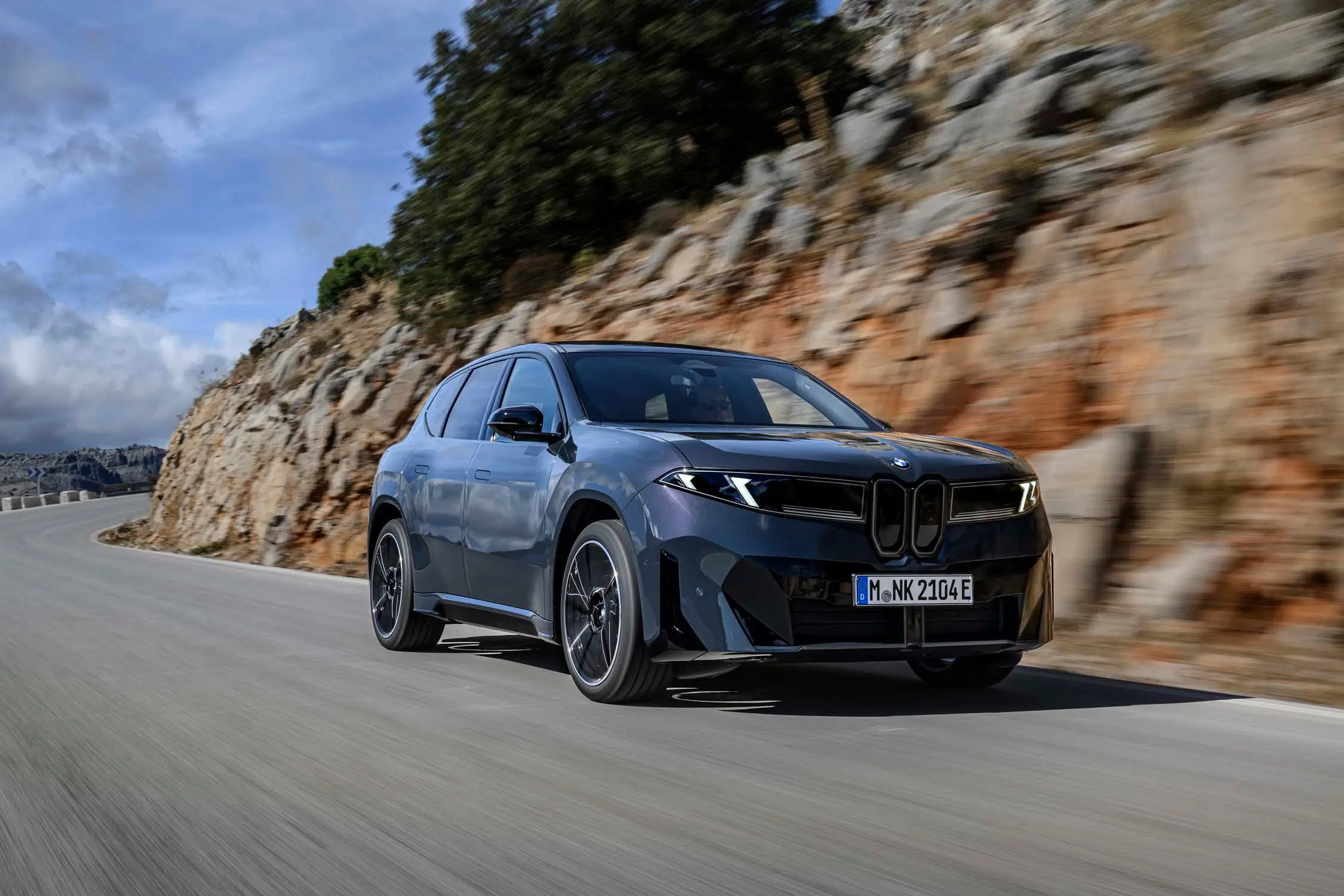
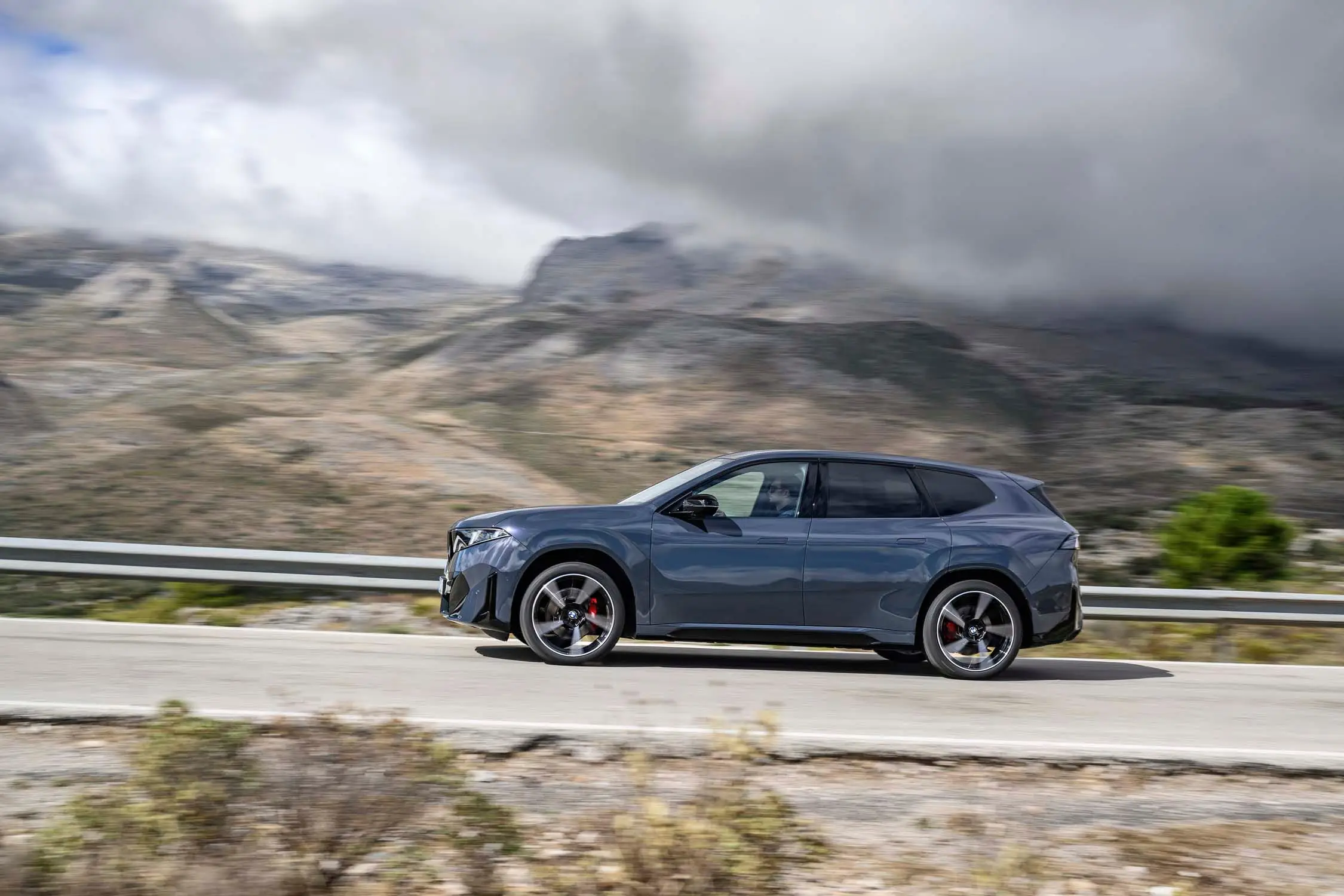
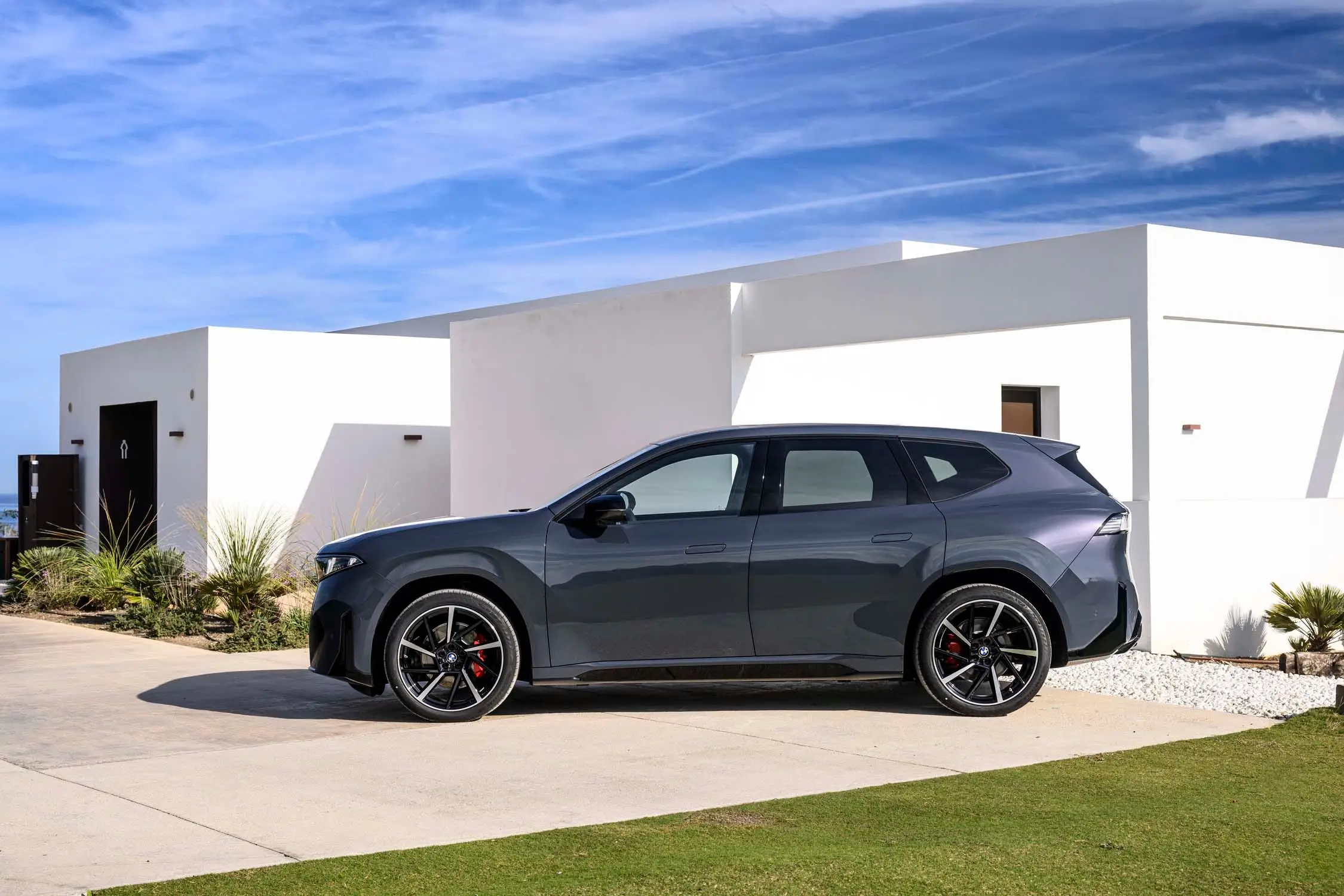
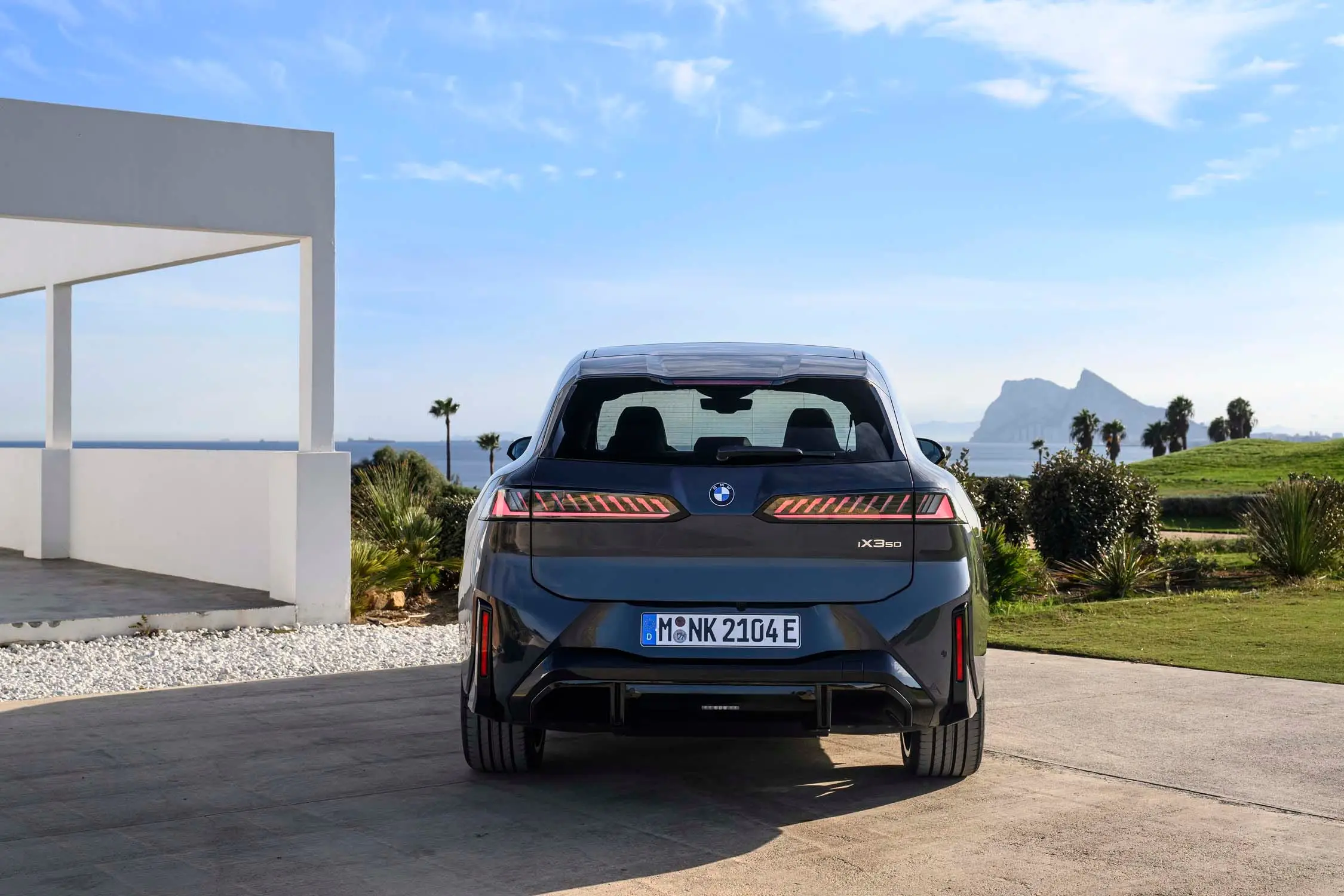
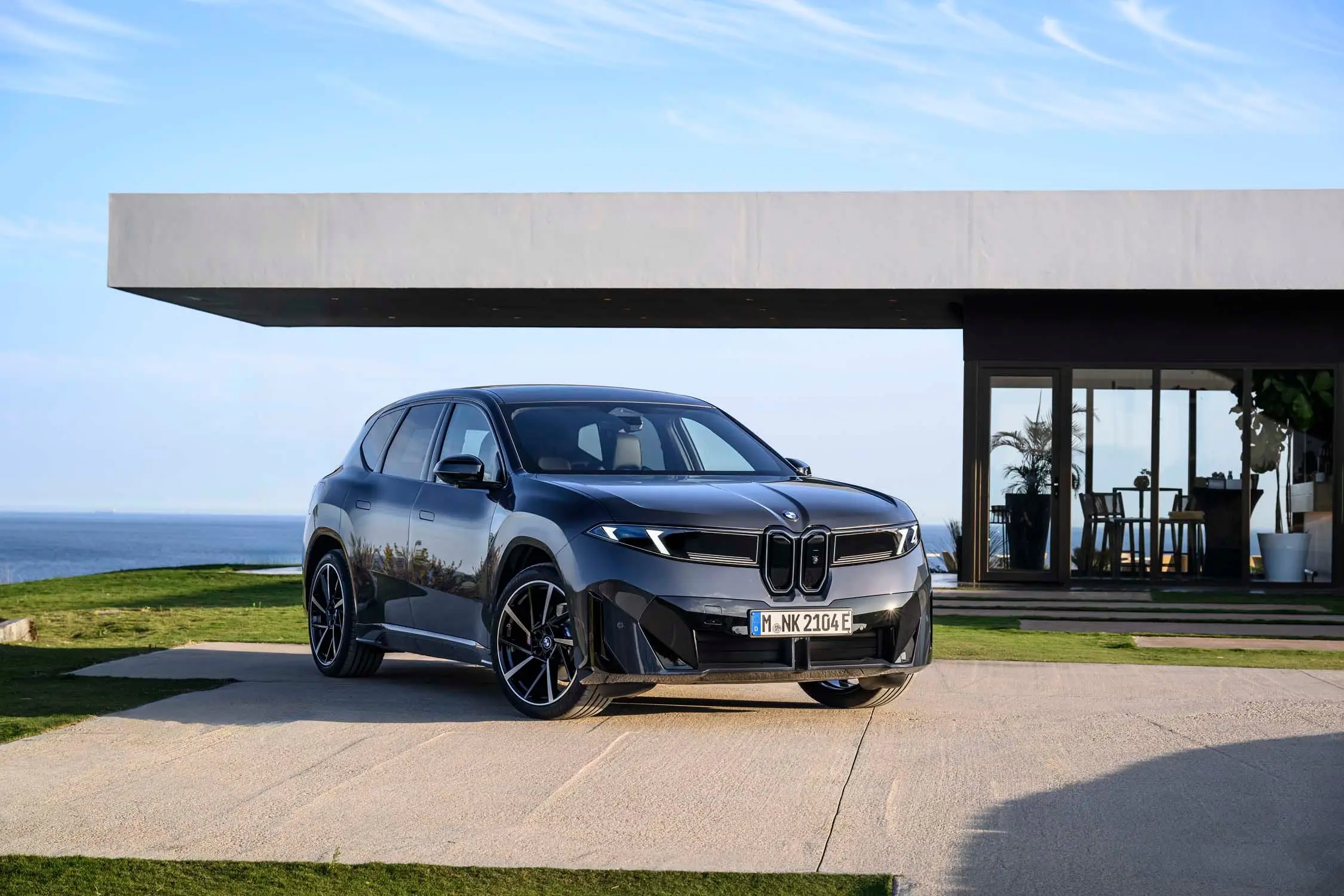
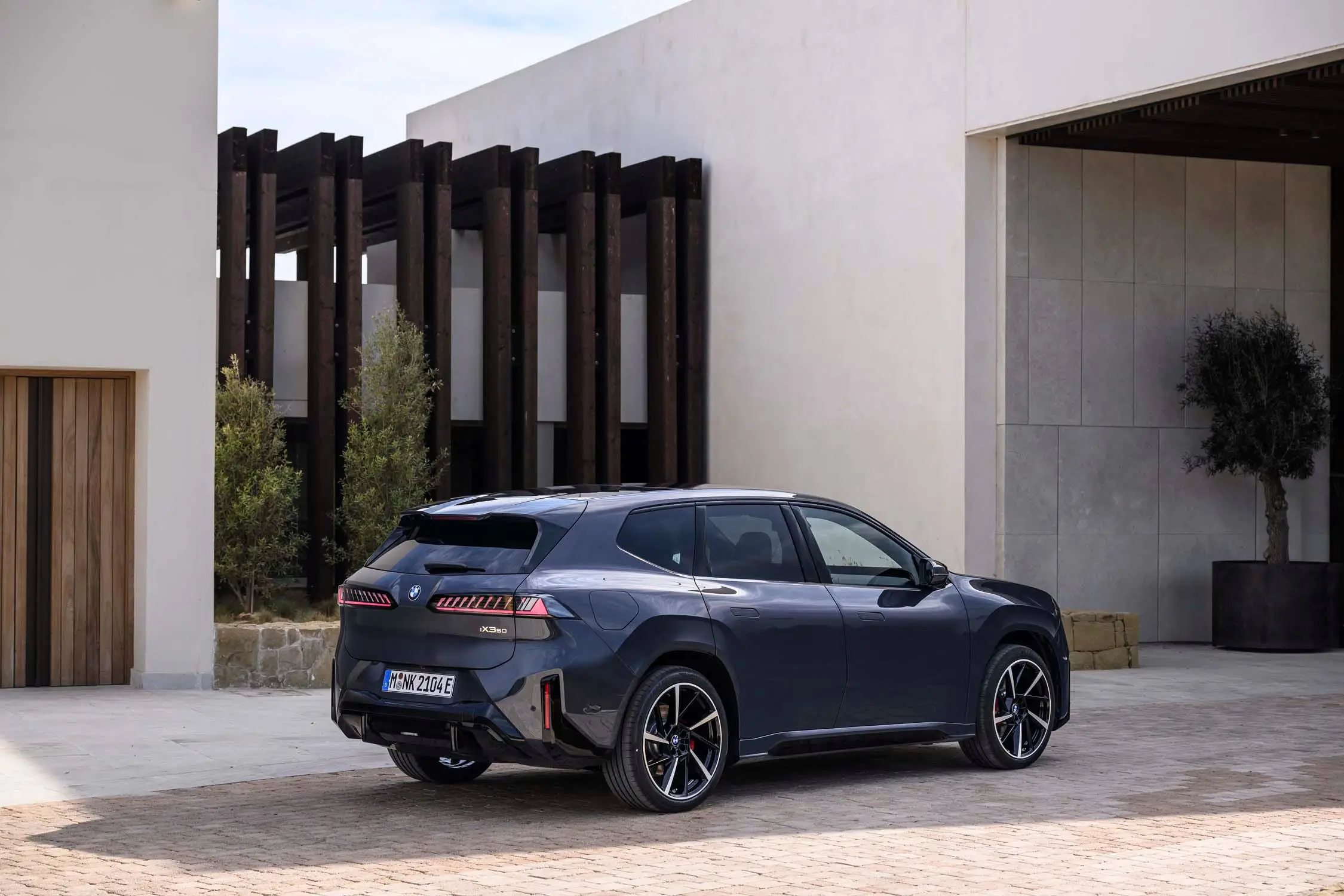
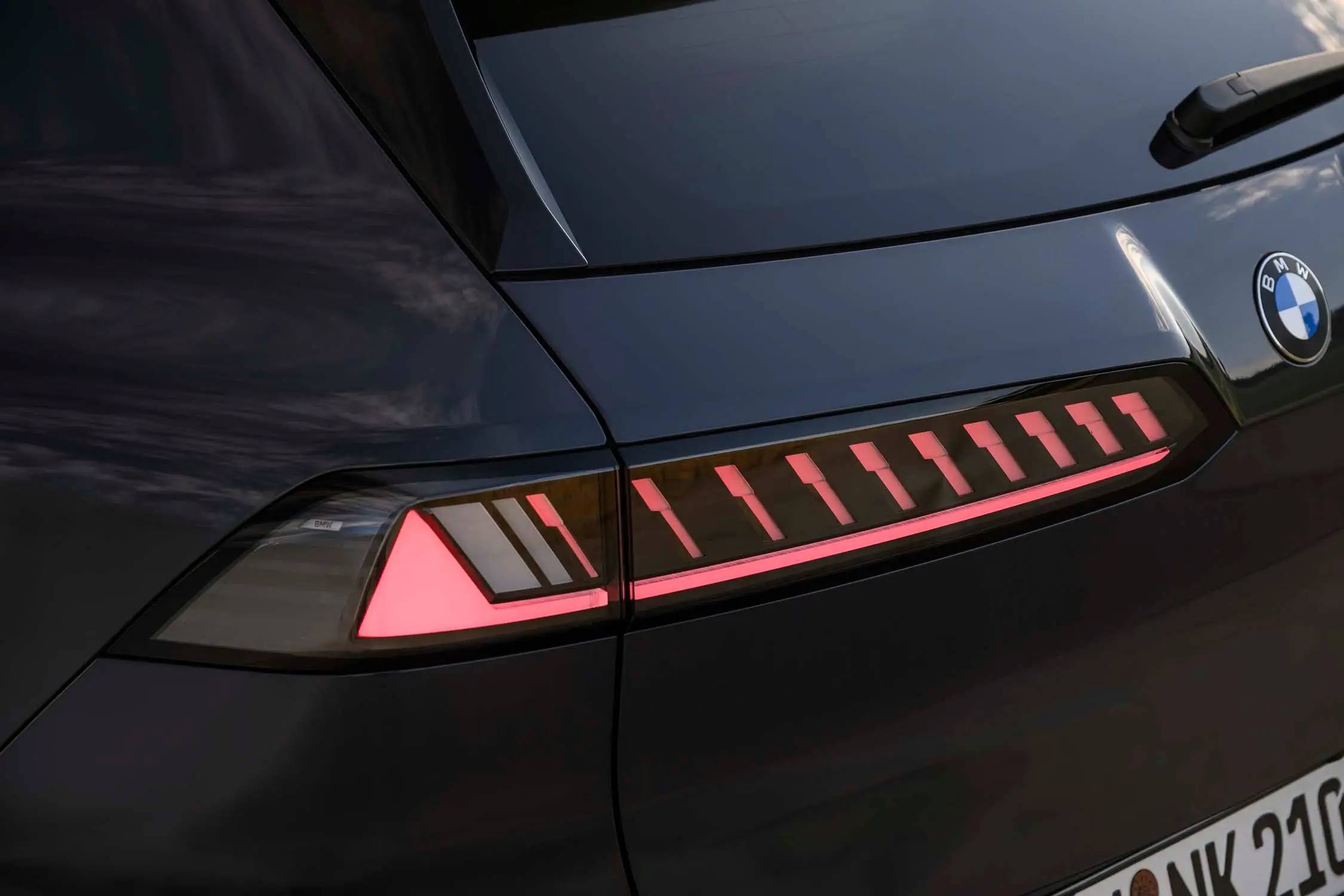
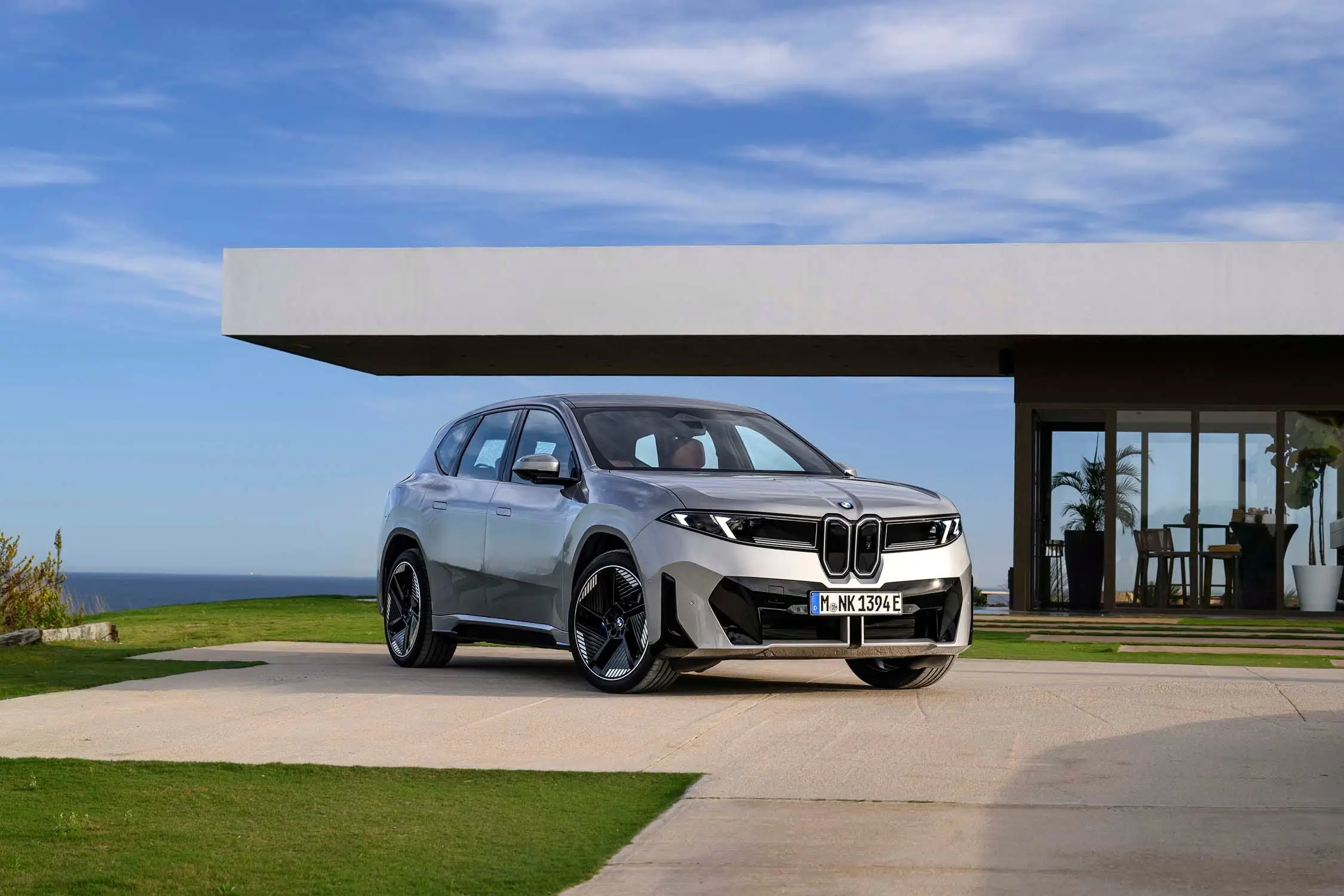
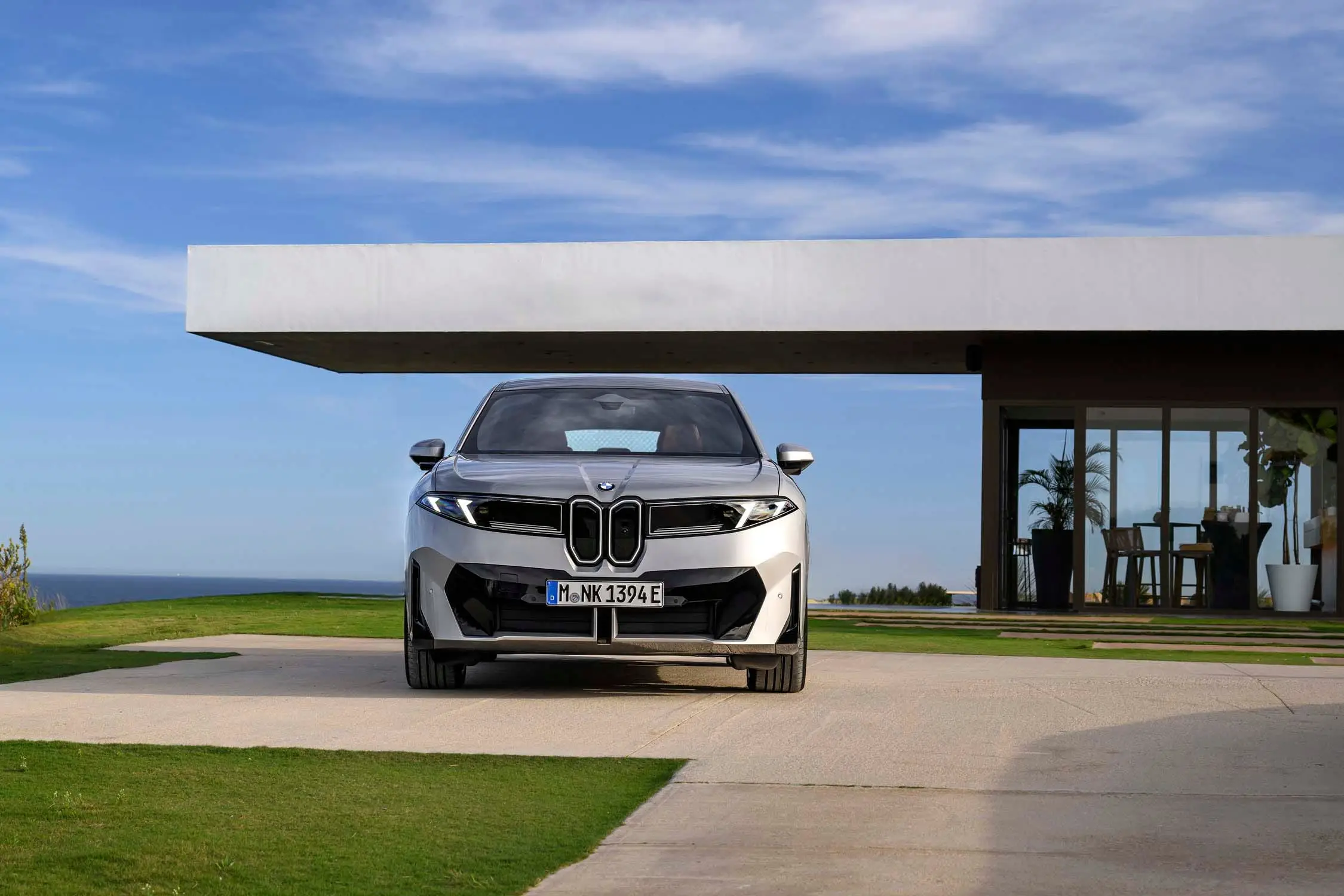
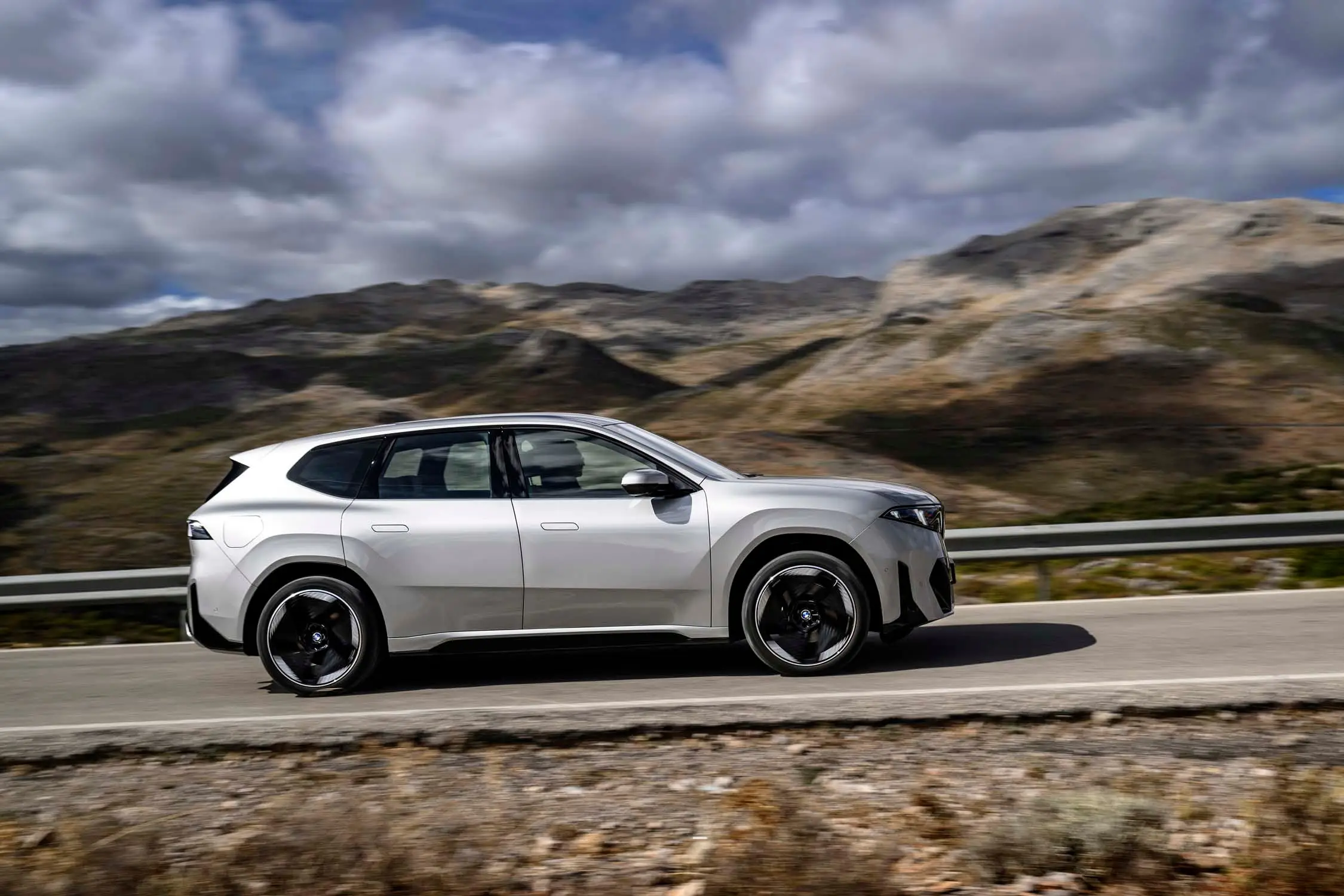
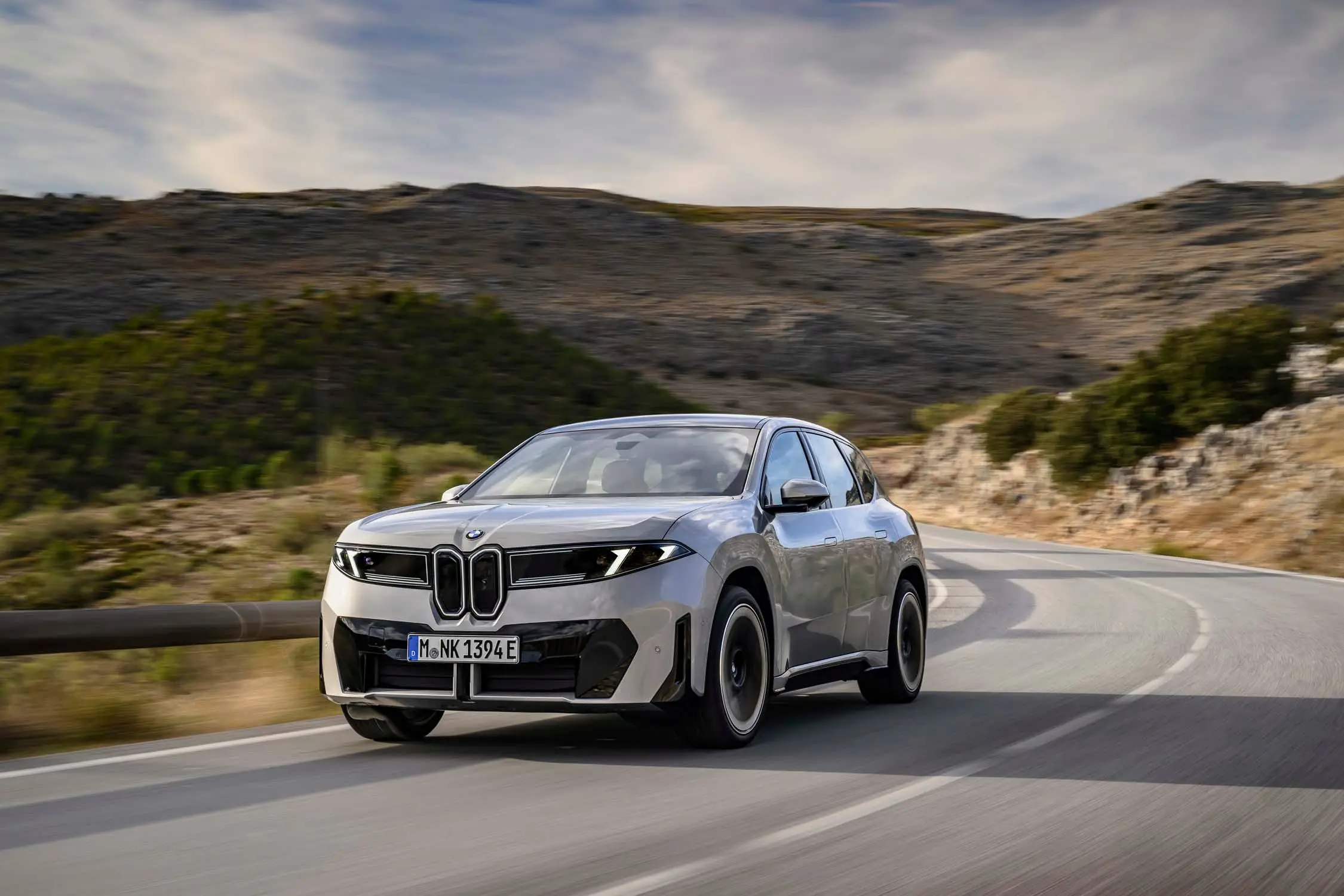
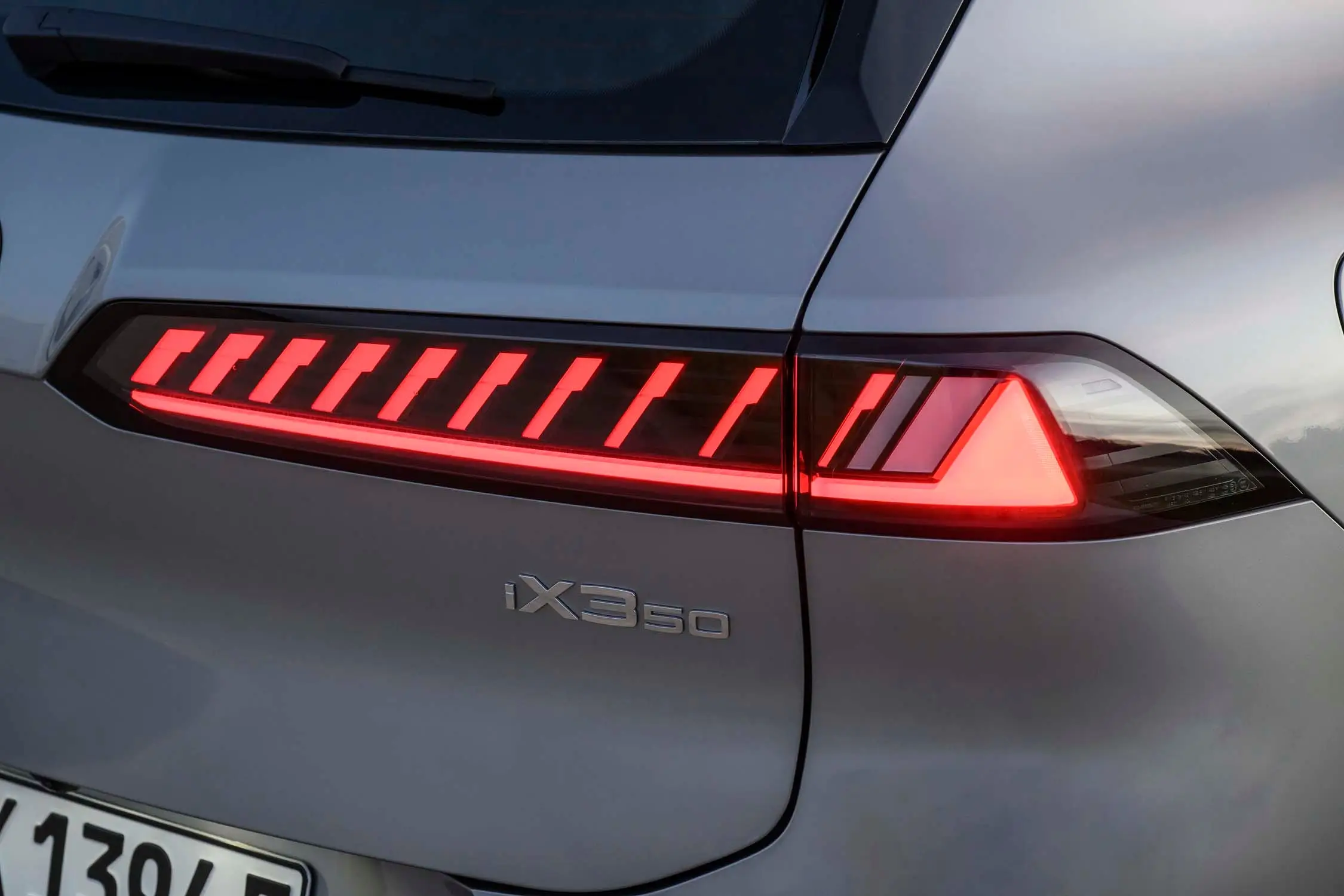
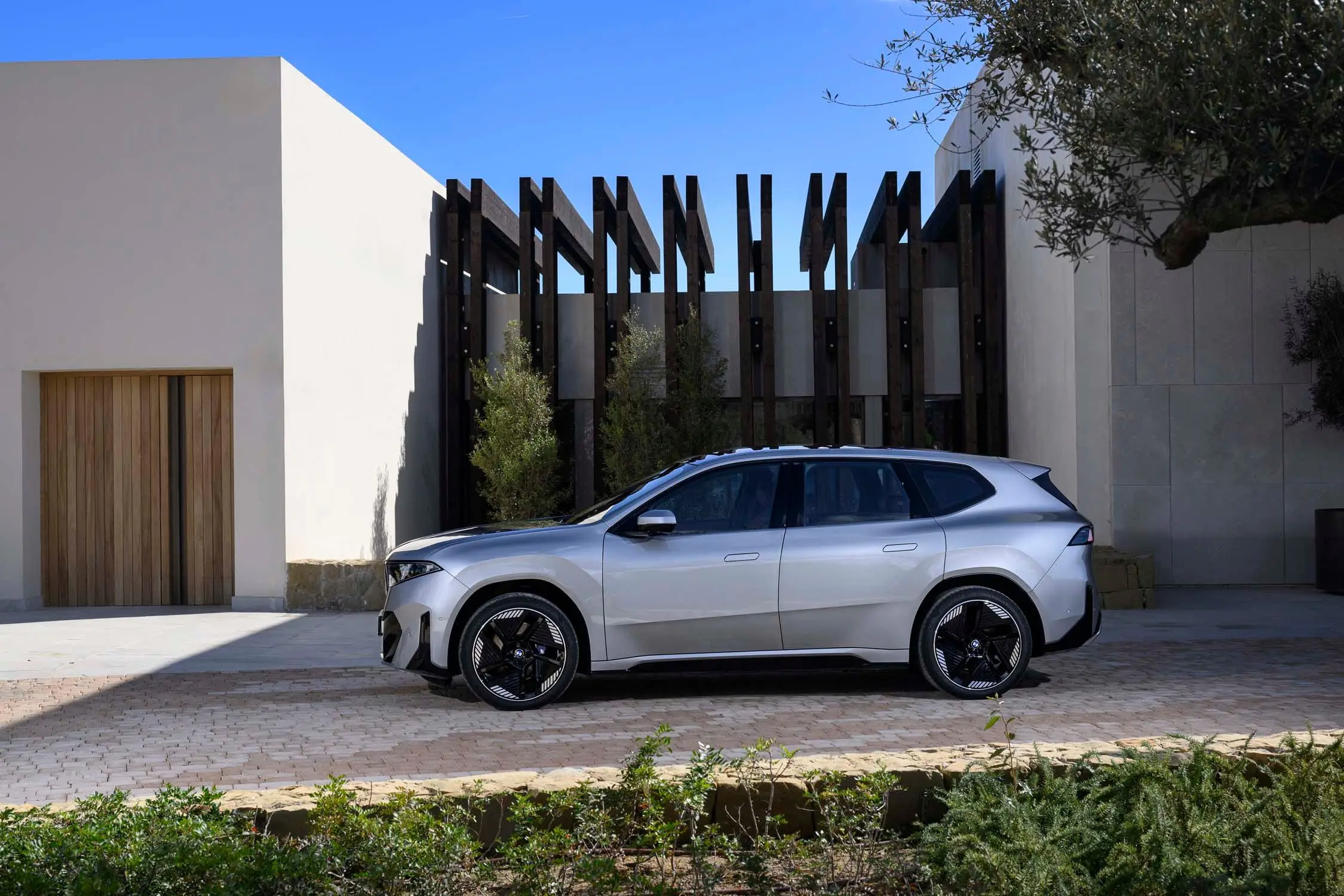
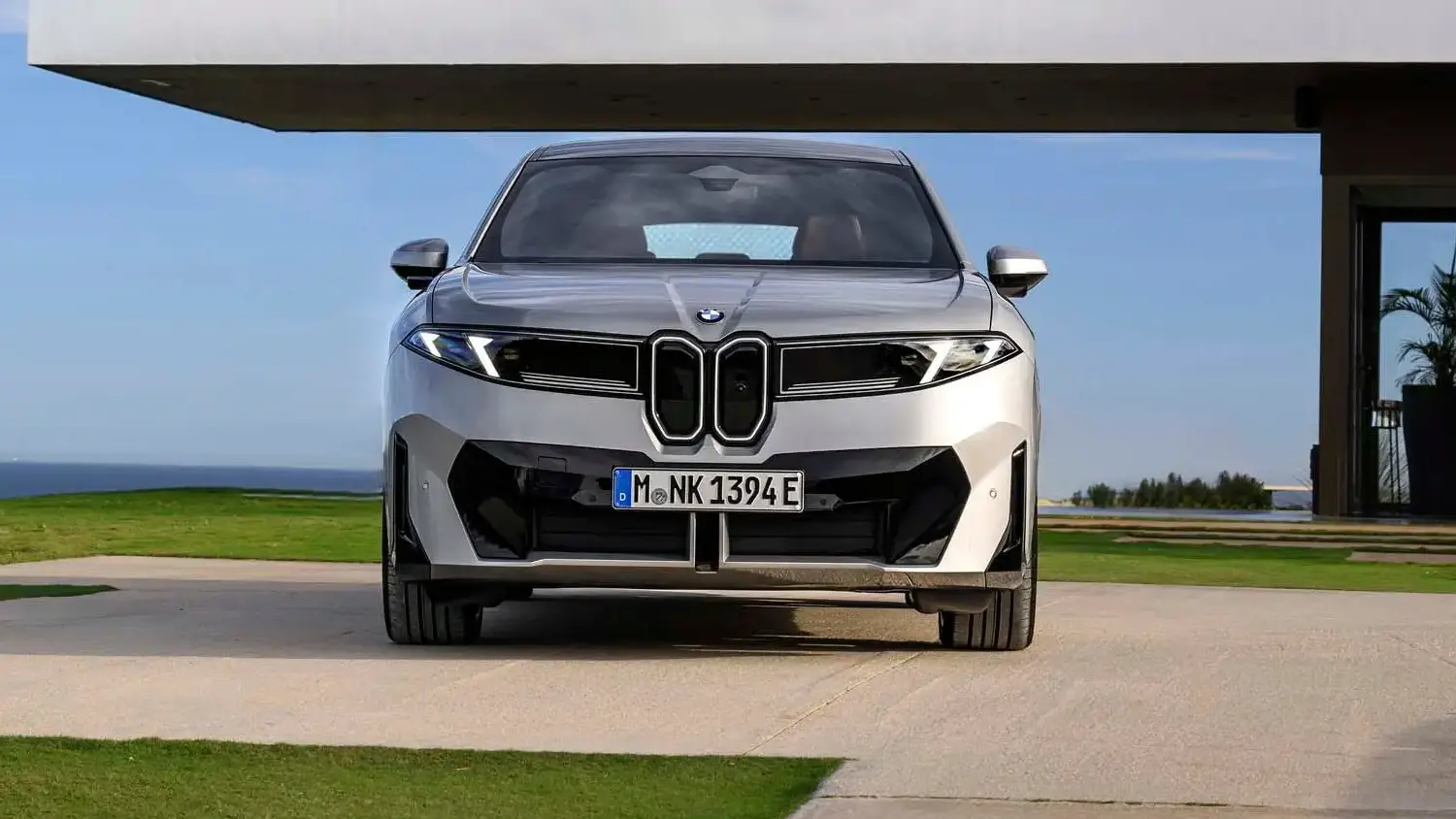
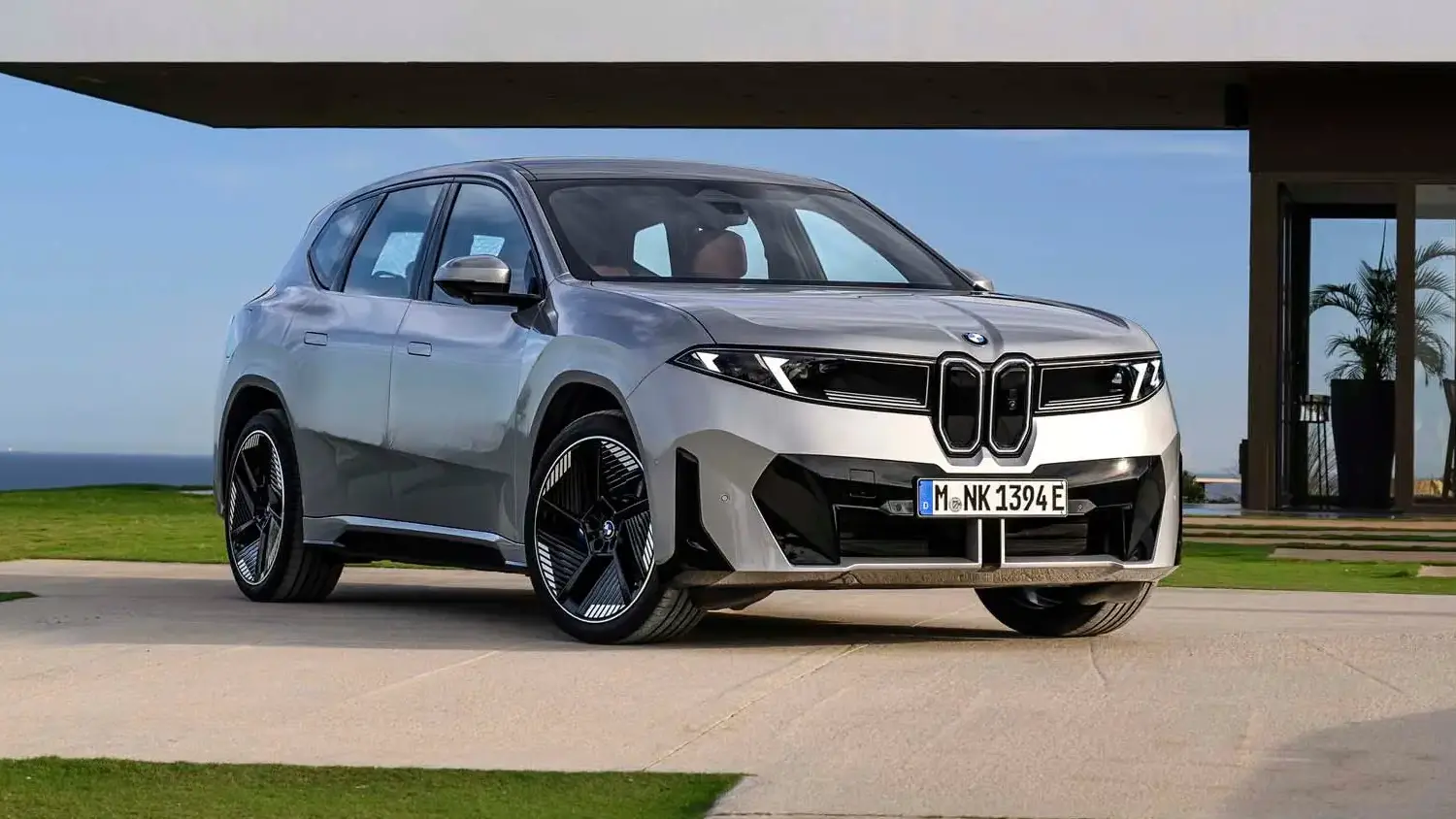
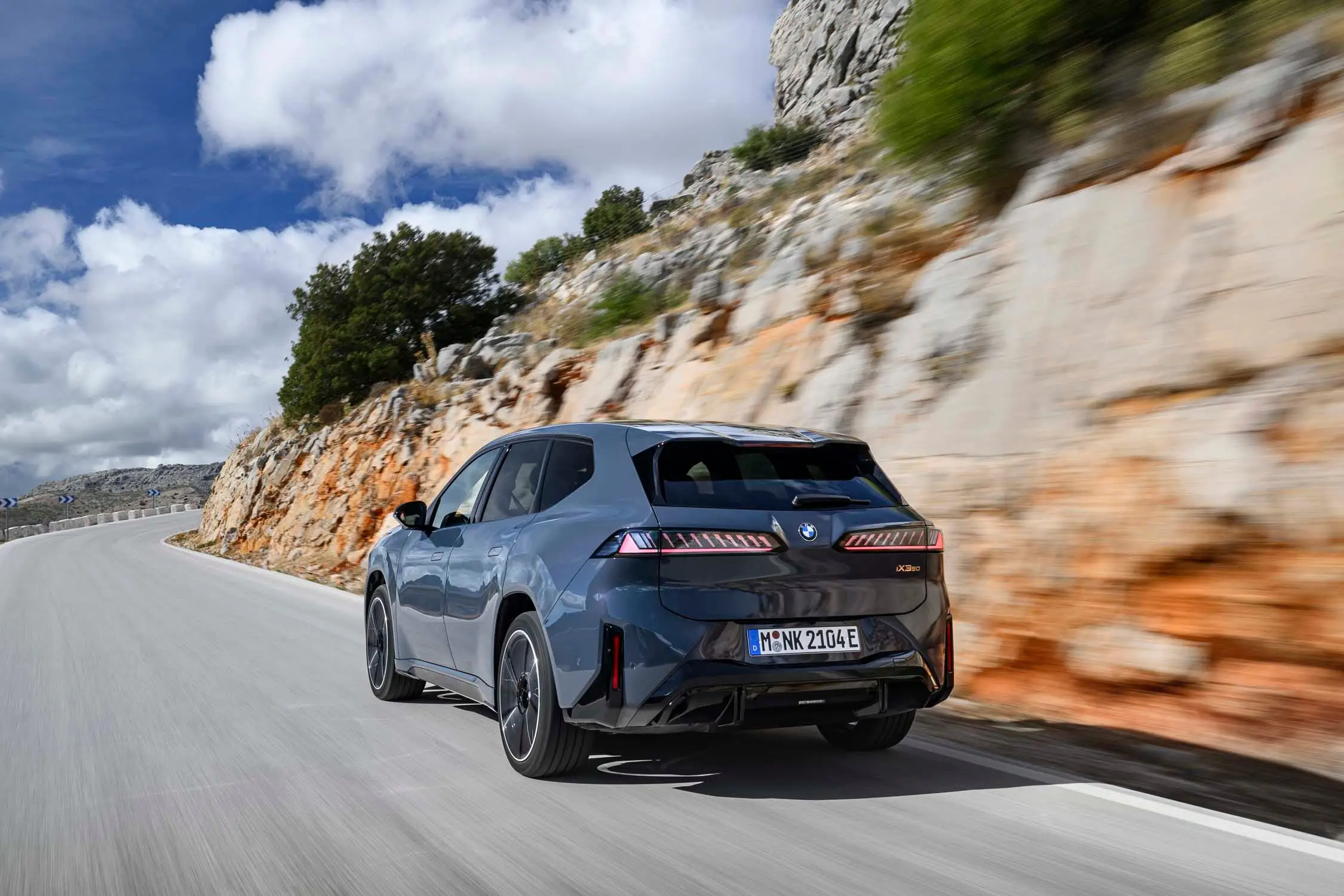
In recent years, BMW’s design language faced intense criticism, polarizing fans and experts with oversized kidney grilles and proportions that challenged traditional taste. The 2027 iX3 arrives as a visual balm, reversing this trend and proving that modernity doesn’t have to be aggressive. The design is hailed as a successful evolution, far more restrained and aligned with the brand’s heritage than the “strange and polarizing” look attributed to the preceding iX model.
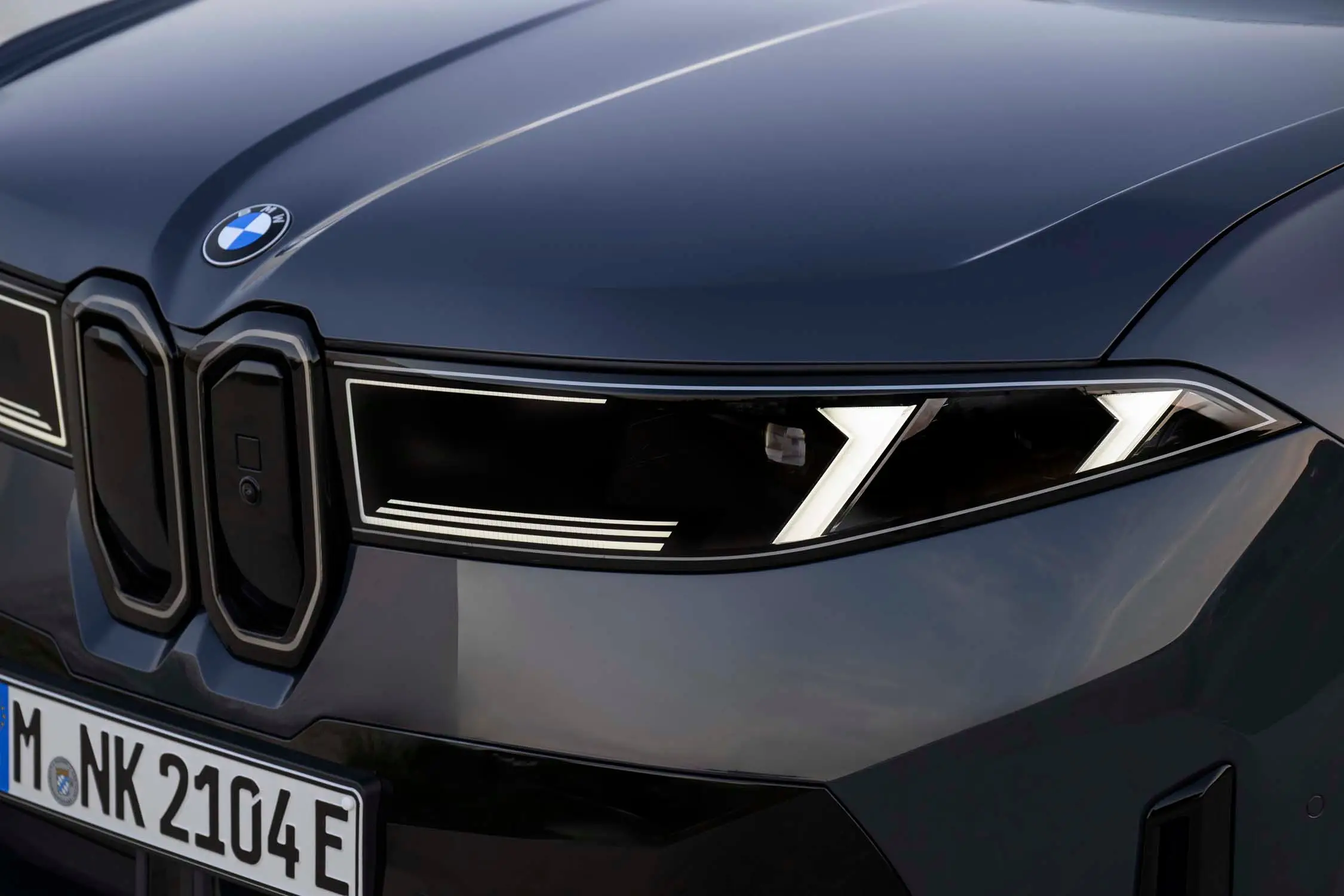
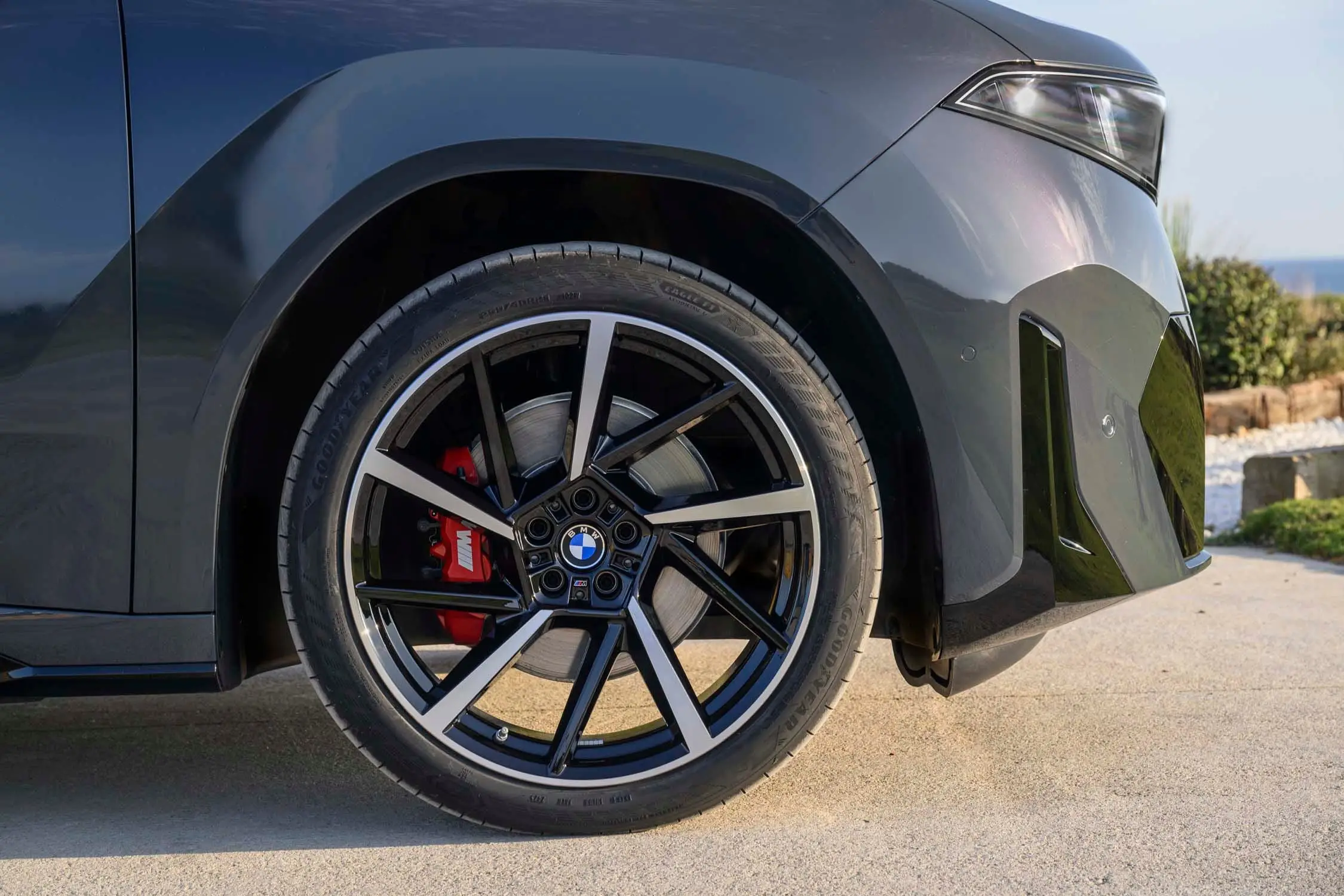
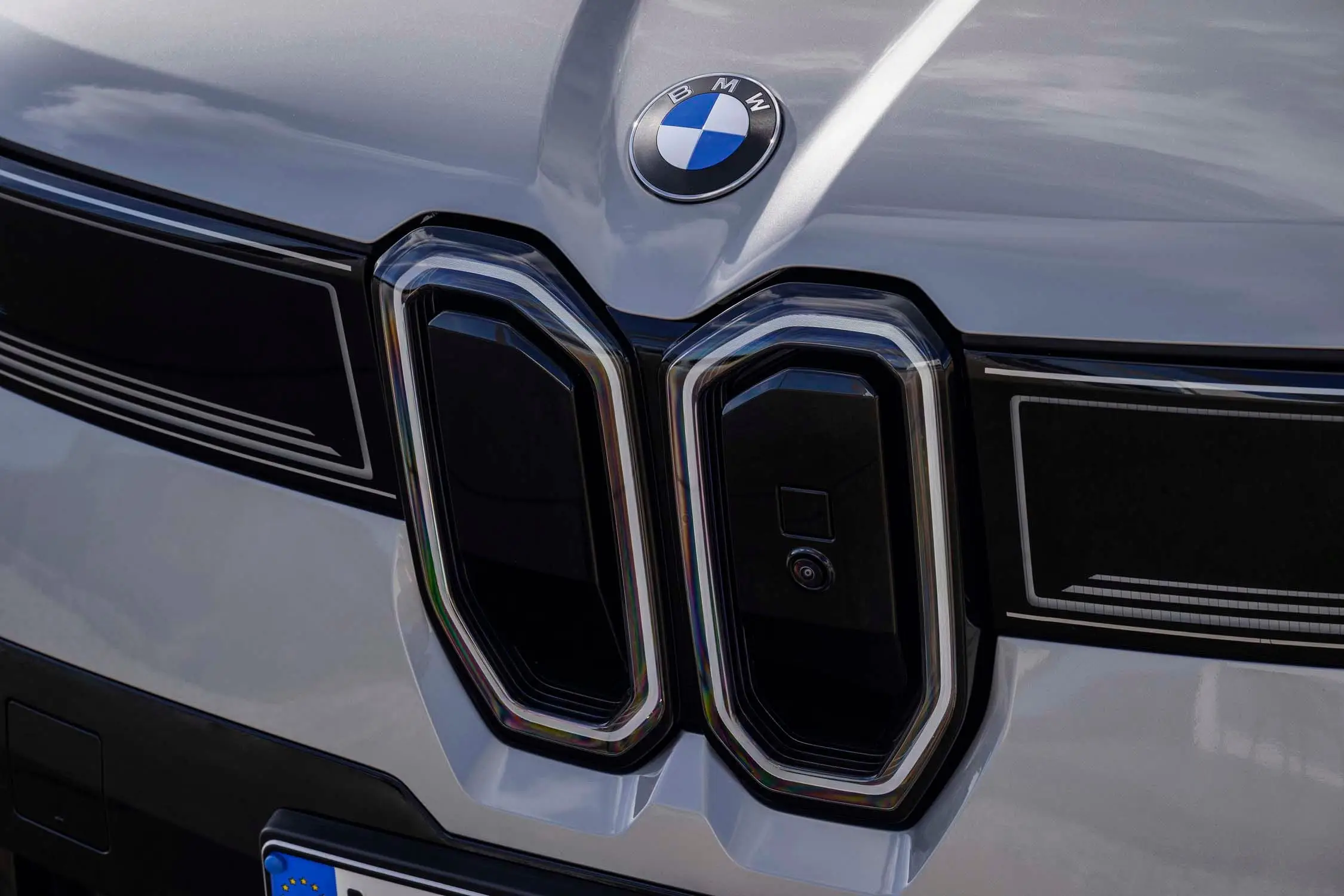
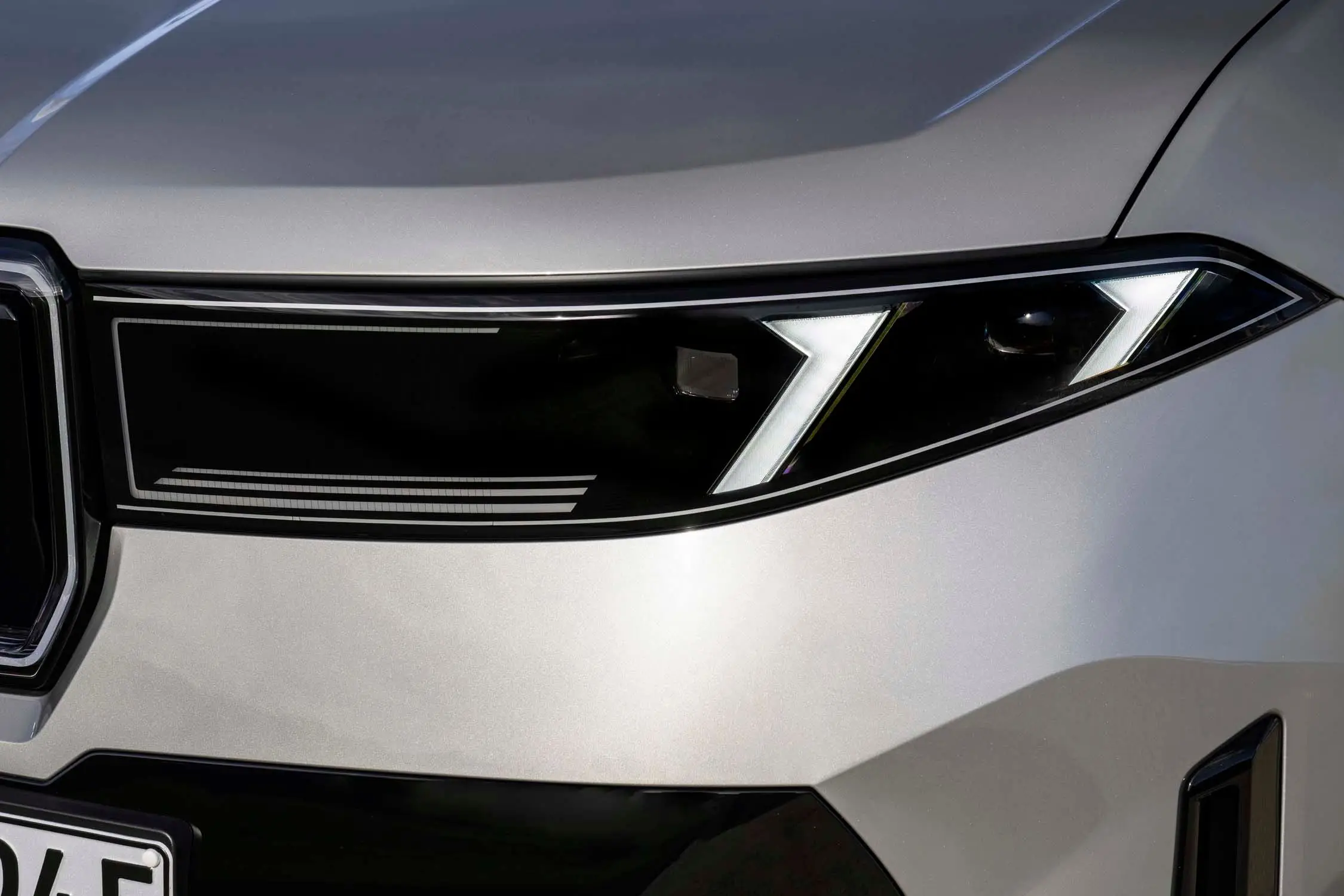
The front fascia of the new iX3 is a triumph of proportion. The classic kidney grille returns in sensible dimensions, now outlined with sophisticated lighting elements instead of excessive chrome, lending a digital and premium aura. The four-element headlights revive the brand’s historic visual signature, executed with a futuristic flair. In terms of size, it grows slightly compared to the current combustion X3: approximately 1 inch longer, maintaining an athletic and robust silhouette.
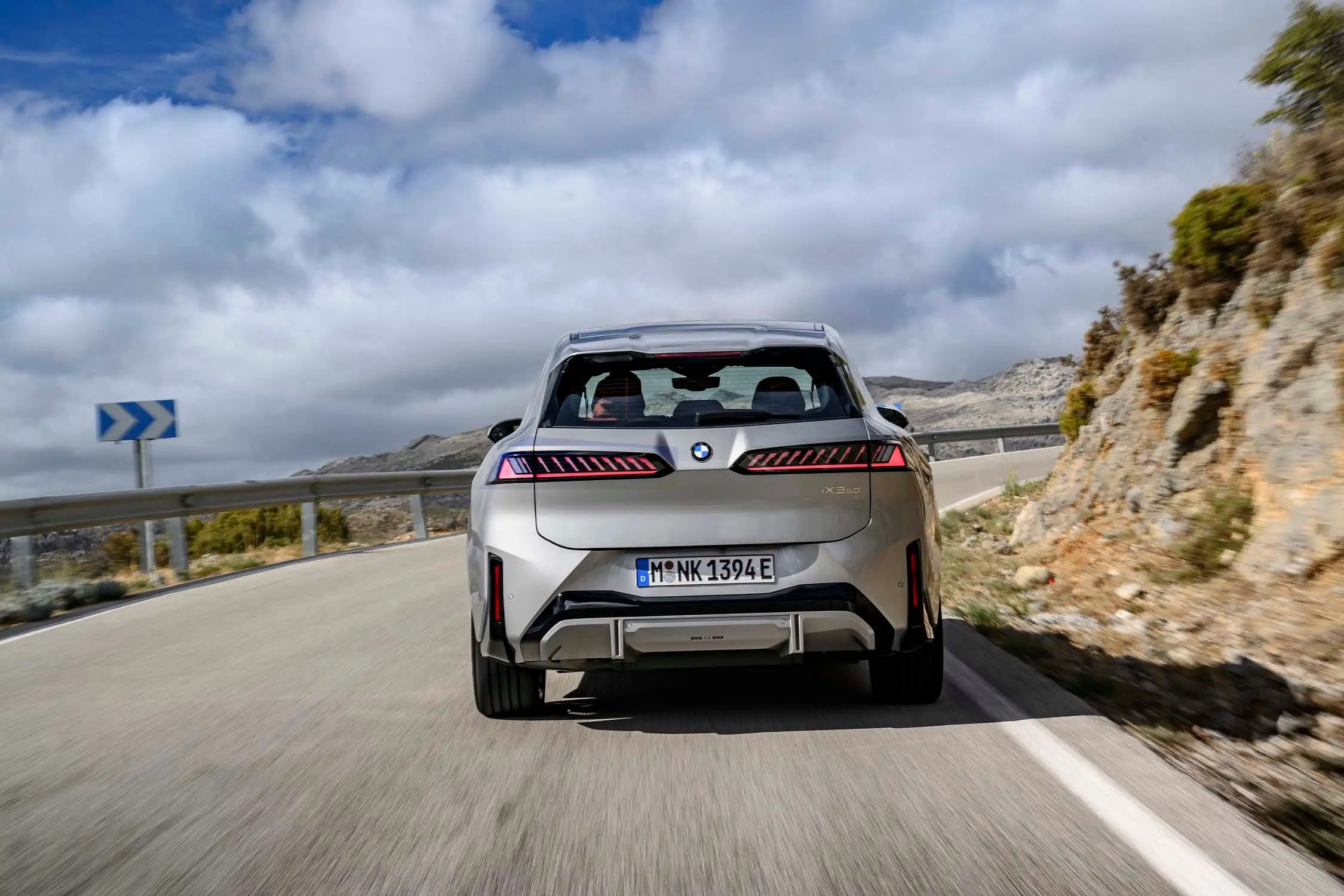
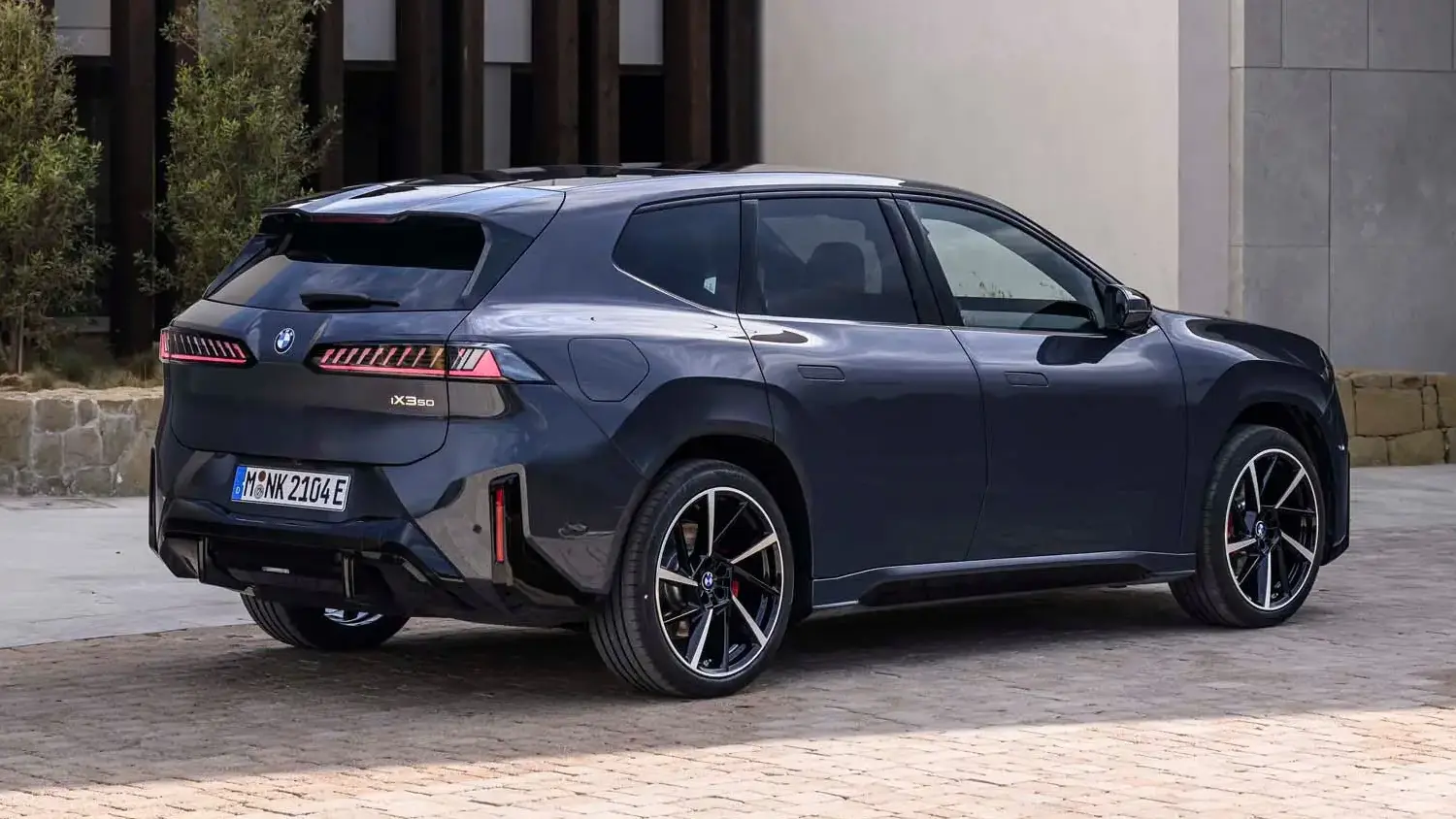
This “boldly different, yet still familiar” approach is crucial for positioning the vehicle in a saturated market of electric SUVs that often resemble anonymous soap dishes. The 2027 iX3 possesses distinct personality; it looks like a genuine BMW, designed for those who appreciate German engineering but demand 21st-century innovation. If you prefer SUVs that command respect without seeking excessive attention, this model promises to be the visual benchmark for the next decade. Luxury Electric SUV USA.
“The design reverses the recent excesses of the brand, resulting in a much more accessible and elegant appearance, radically distancing itself from the controversial choices of the past.”
Under the Hood: The Power of the 800-Volt Architecture
The true revolution of the Neue Klasse happens where the eyes cannot see, but the driver acutely feels. The 2027 BMW iX3 introduces an 800-volt electric architecture, placing the automaker at the forefront of the EV hierarchy alongside competitors like Porsche and Hyundai. This voltage is not just a metric; it is the key to drastically reduced charging times and superior thermal management.
The system’s core is a set of 109 kWh batteries utilizing new cylindrical cells. These cells boast 20% higher energy density than previous prismatic cells, allowing more energy storage within the same physical volume. The practical outcome? An EPA-estimated range of up to 400 miles (644 km). Under the more optimistic WLTP cycle, figures range between 679 and 805 km, effectively eliminating “range anxiety” for the majority of users in the North American market.
Ultra-Fast Charging: No More Waiting
For long-distance travelers, charging capability is as critical as total range. Thanks to the 800-volt architecture, the iX3 supports DC charging rates up to 400 kW. This is roughly double the speed of current BMW EVs. Imagine recovering hundreds of miles of range in the time it takes to grab a coffee and stretch your legs.
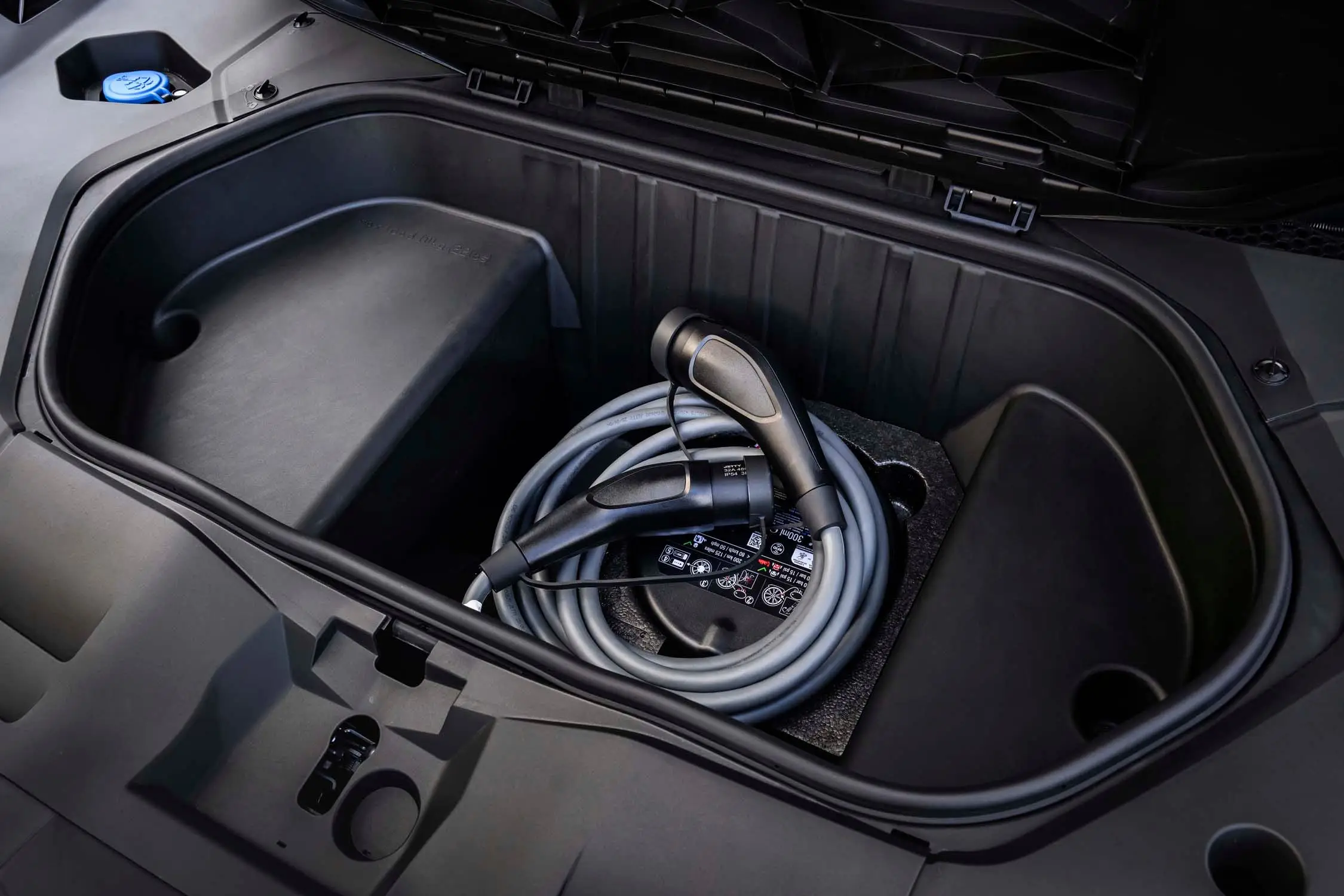
Furthermore, BMW has adopted the NACS standard for the US market, ensuring seamless access to the vast Tesla Supercharger network, while maintaining CCS compatibility via an adapter. The technology also supports bidirectional charging (V2L and V2H), allowing the car to power your home or electronic devices during emergencies. This advancement in battery durability and technology reinforces recent studies showing that battery replacement rates in modern EVs are nearly zero, debunking one of the biggest myths about long-term electric ownership.
A Visionary Interior (and the Controversies It Brings)
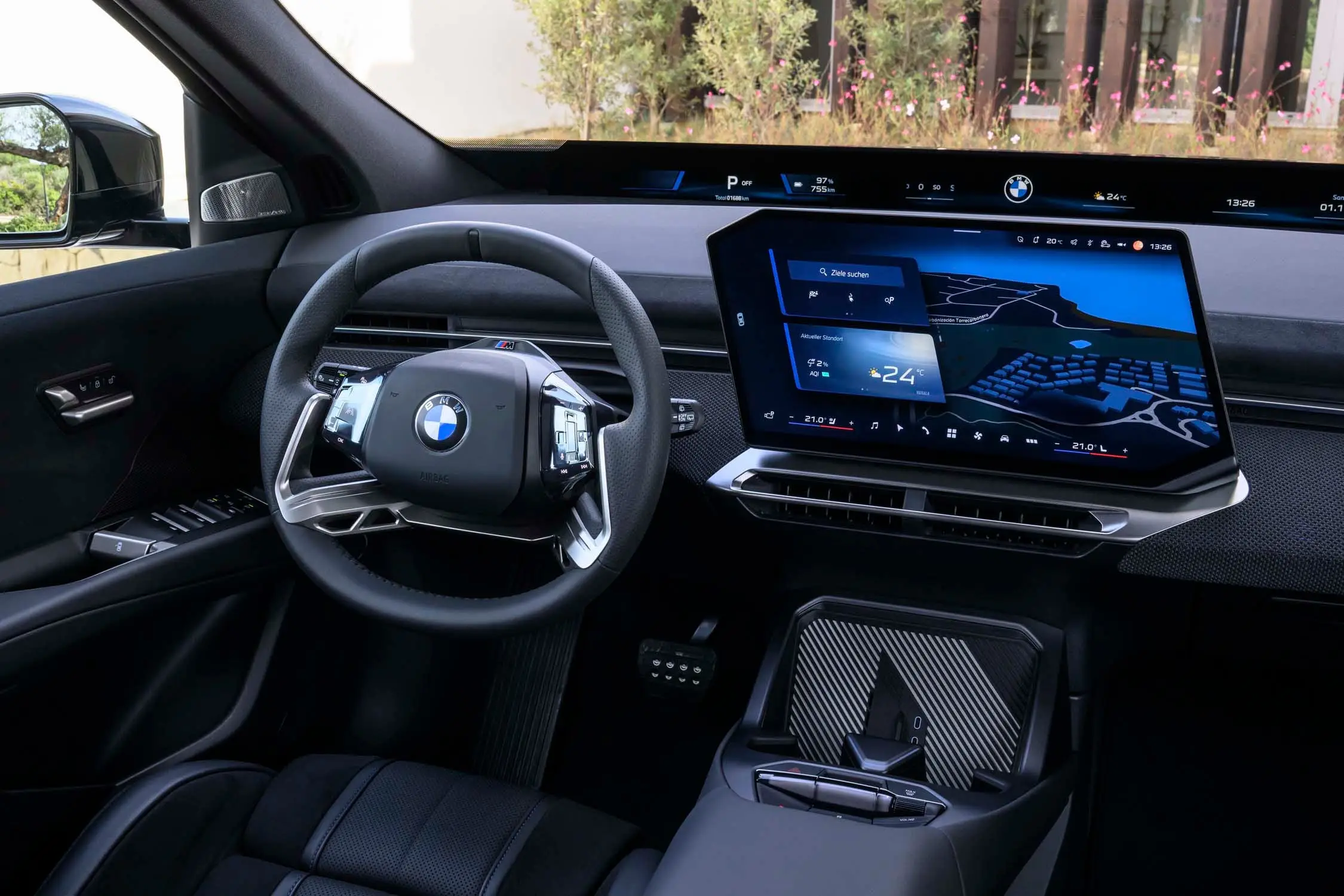
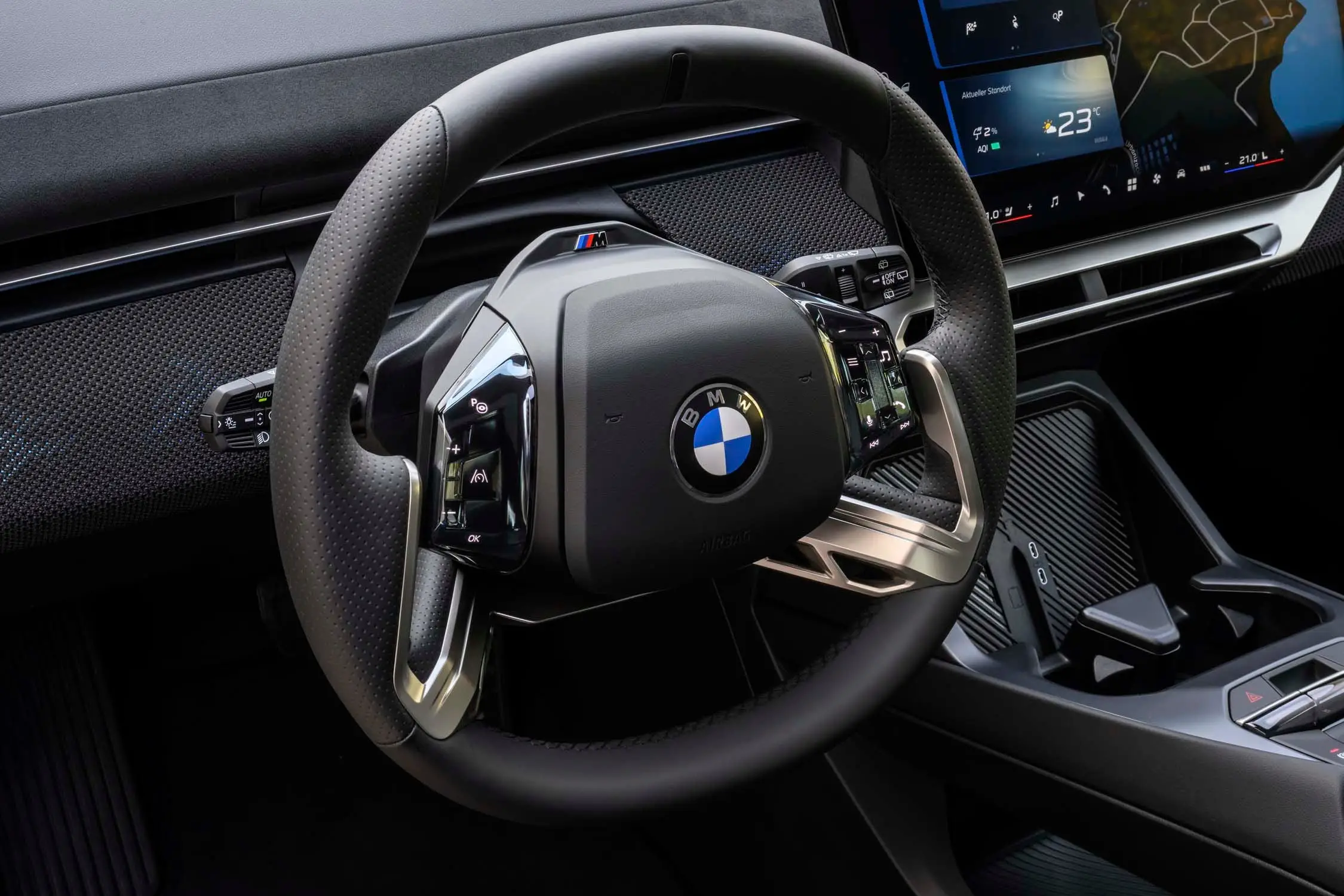
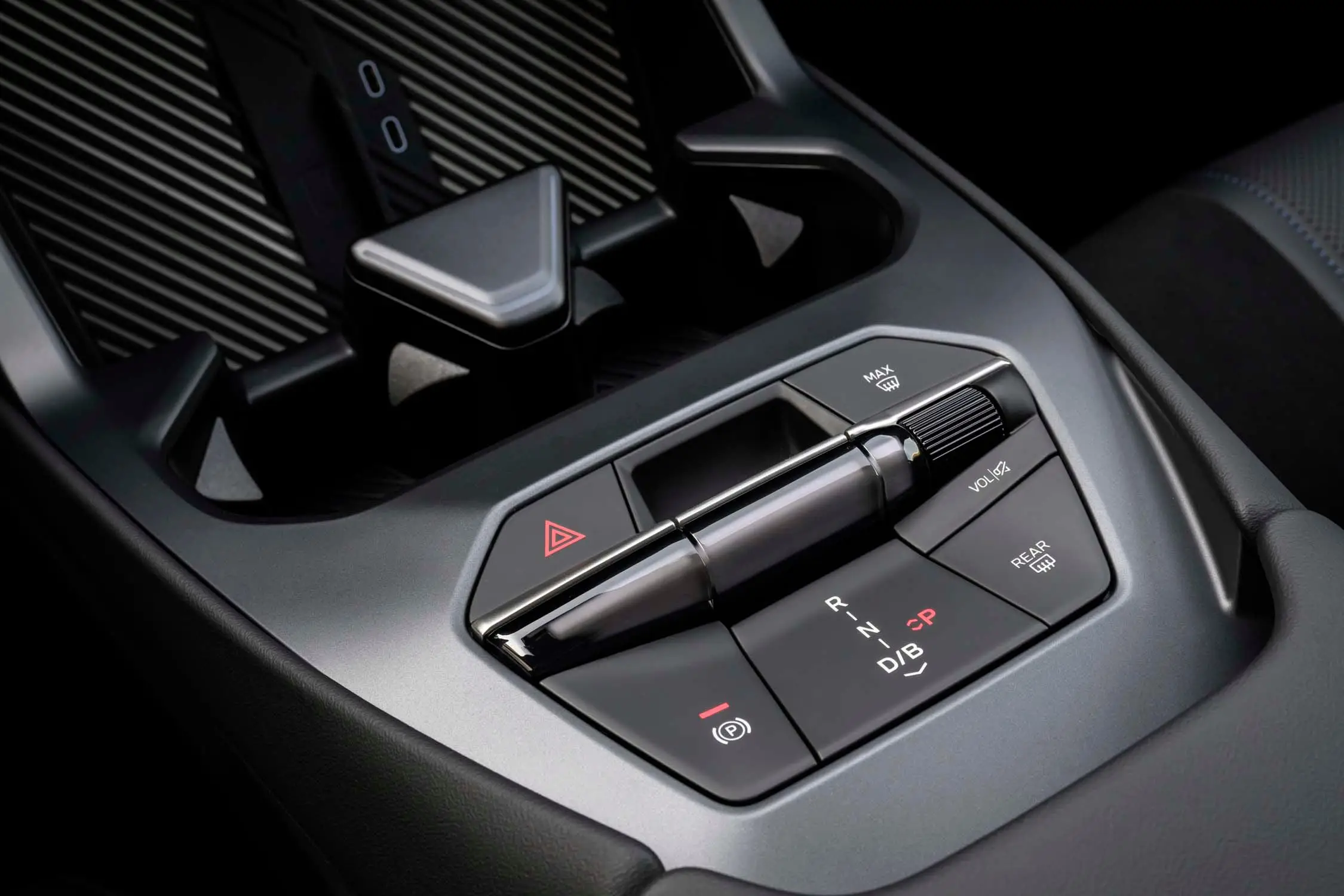
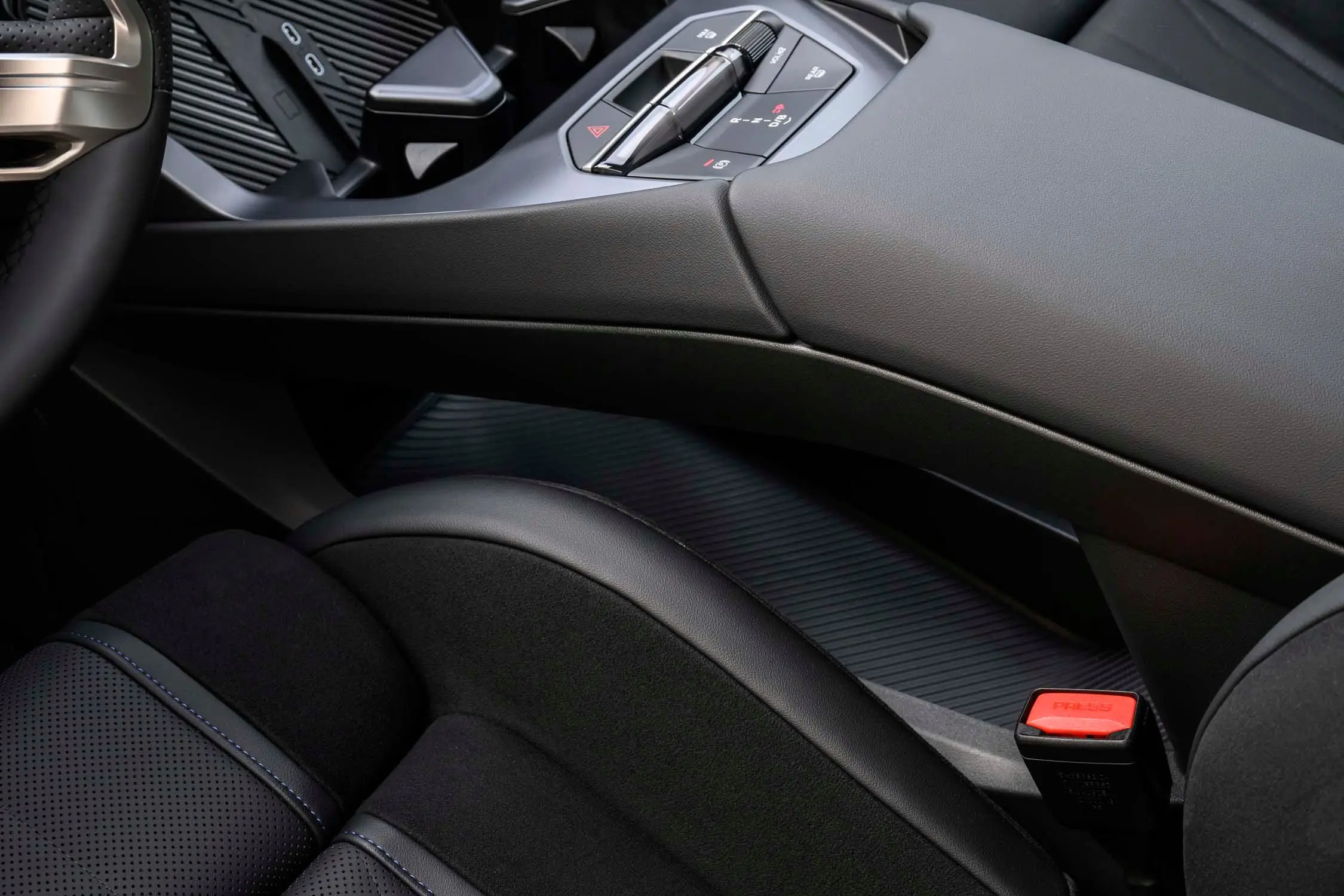
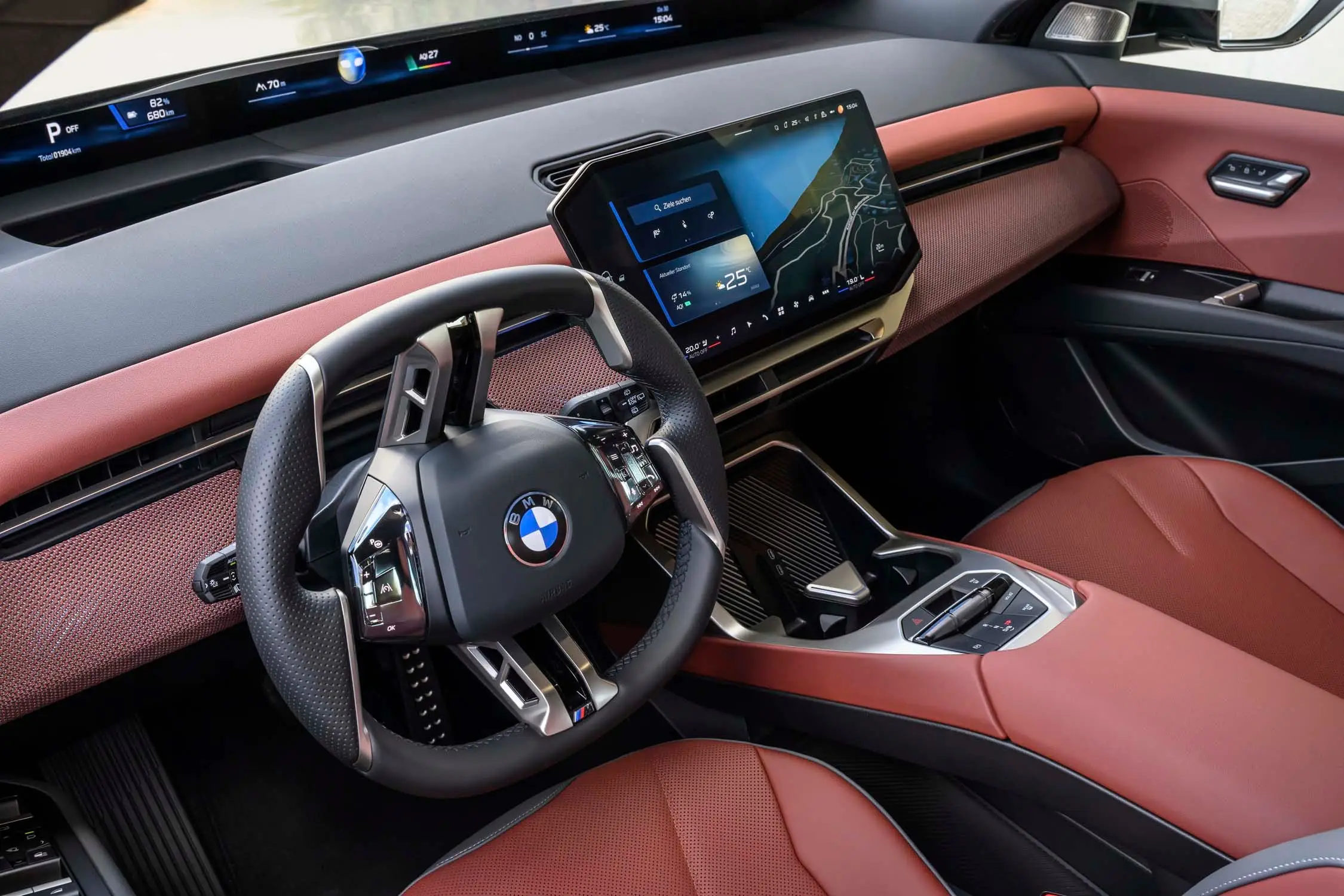
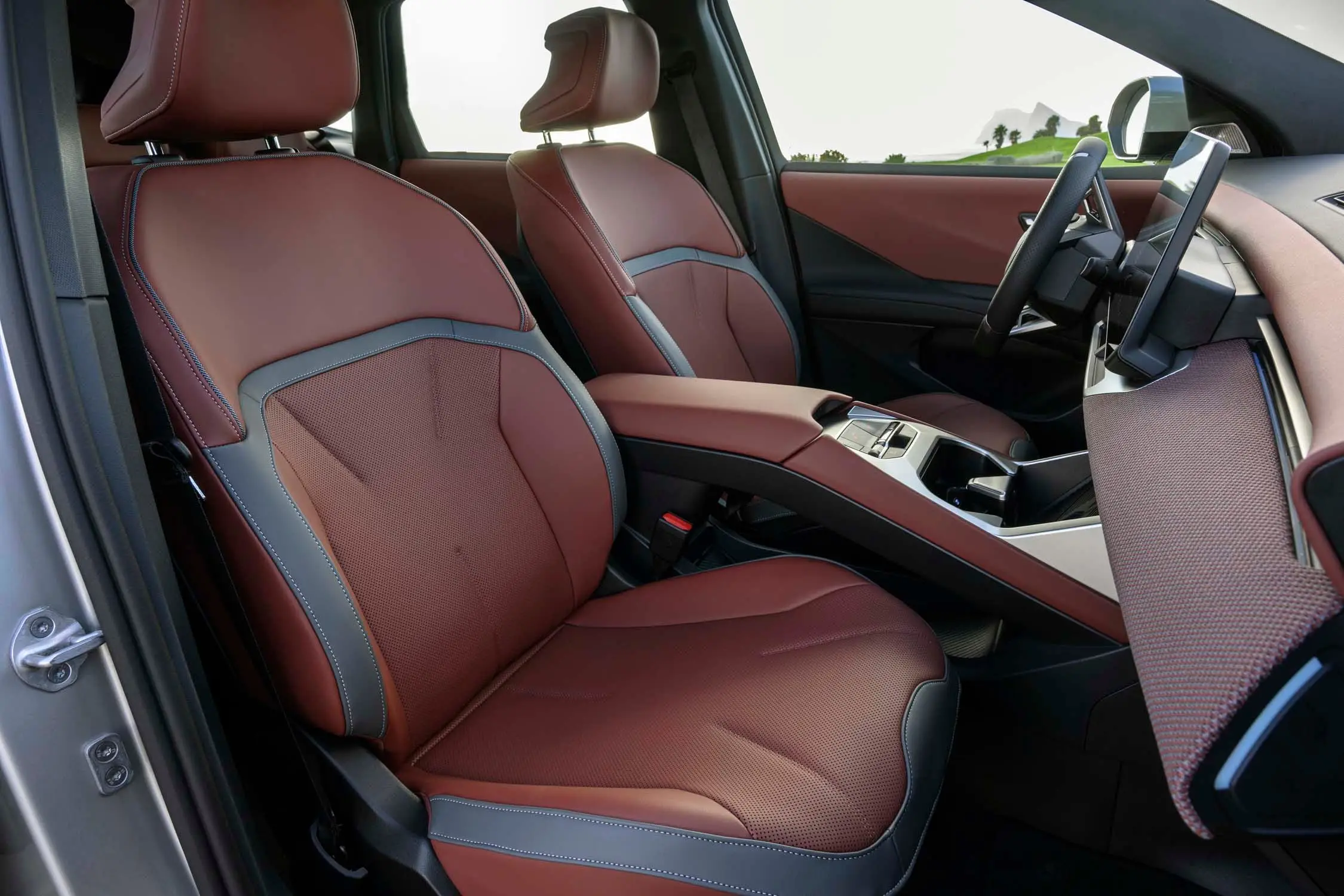
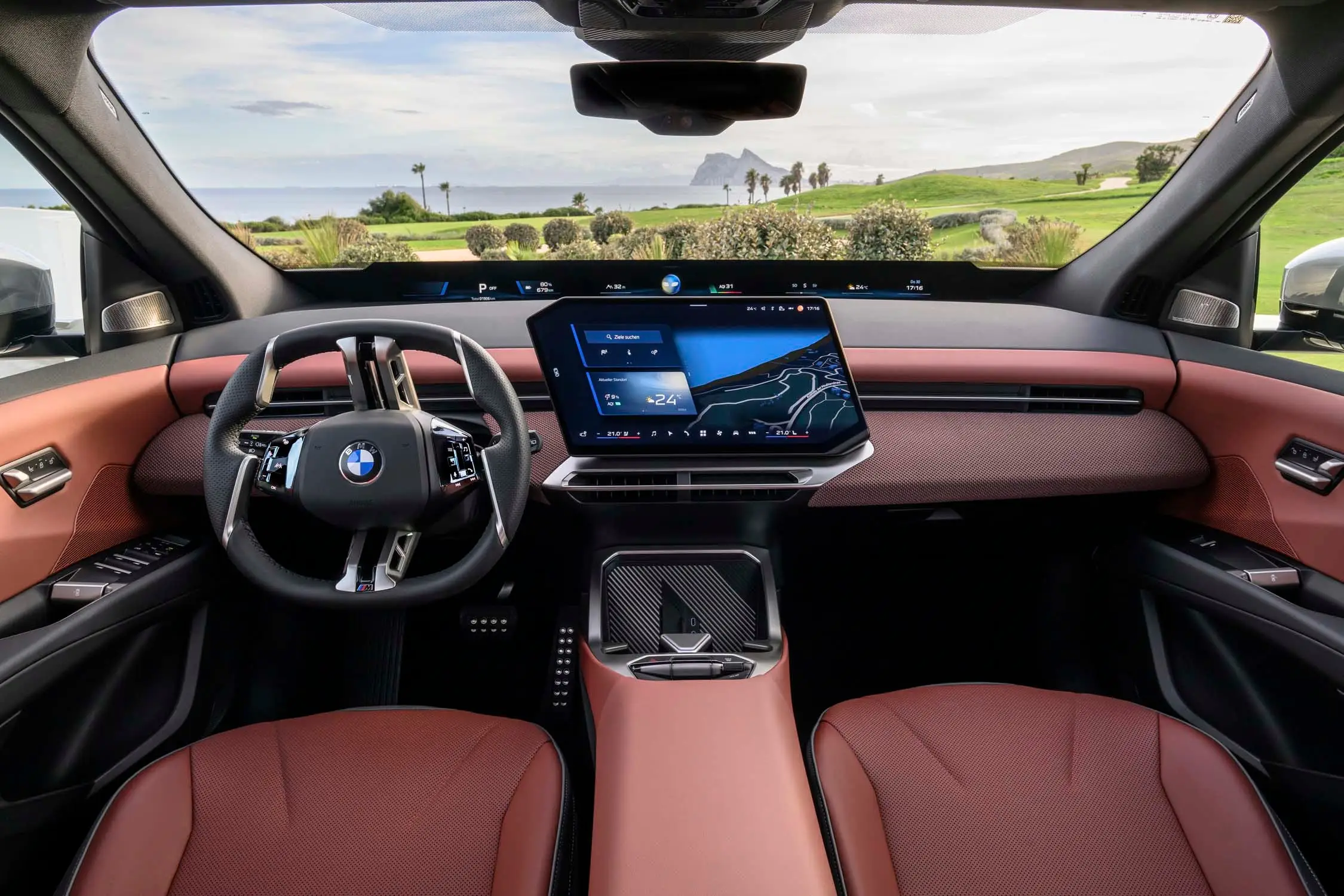
If the exterior appeases purists, the interior of the 2027 iX3 will ignite spirited debates. BMW has decided to completely eliminate the traditional instrument cluster behind the steering wheel. Yes, you read that correctly: there are no physical gauges or dedicated display for the speedometer and tachometer in the conventional location.
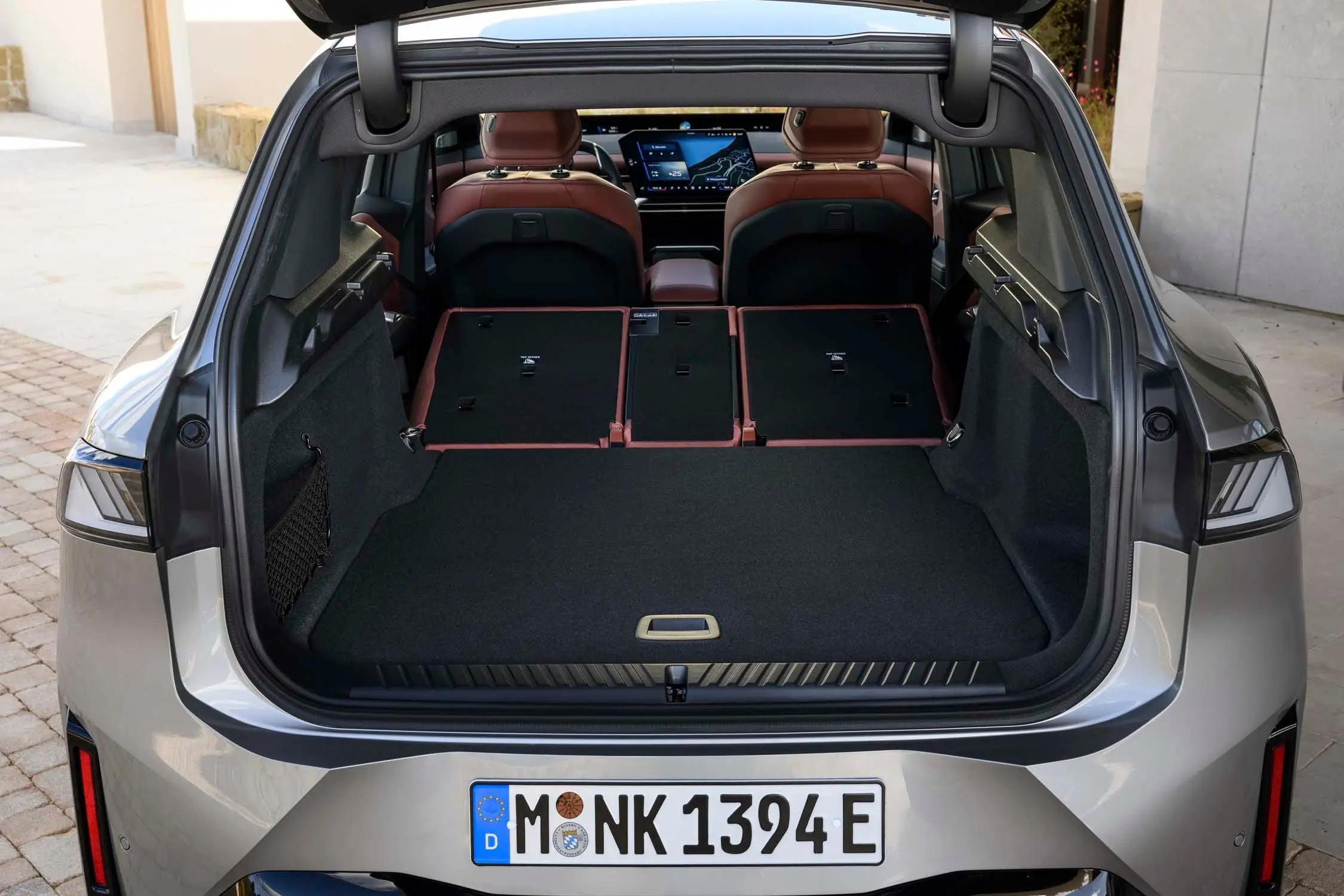
In their stead emerges the BMW Panoramic Vision, a high-definition projection strip extending across the entire base of the windshield. Essential data, such as speed and navigation prompts, are projected directly into the driver’s line of sight, while the remainder of the area displays contextual and entertainment information. Complementing this projection is a massive 17.9-inch rectangular display that serves as the vehicle’s central hub.
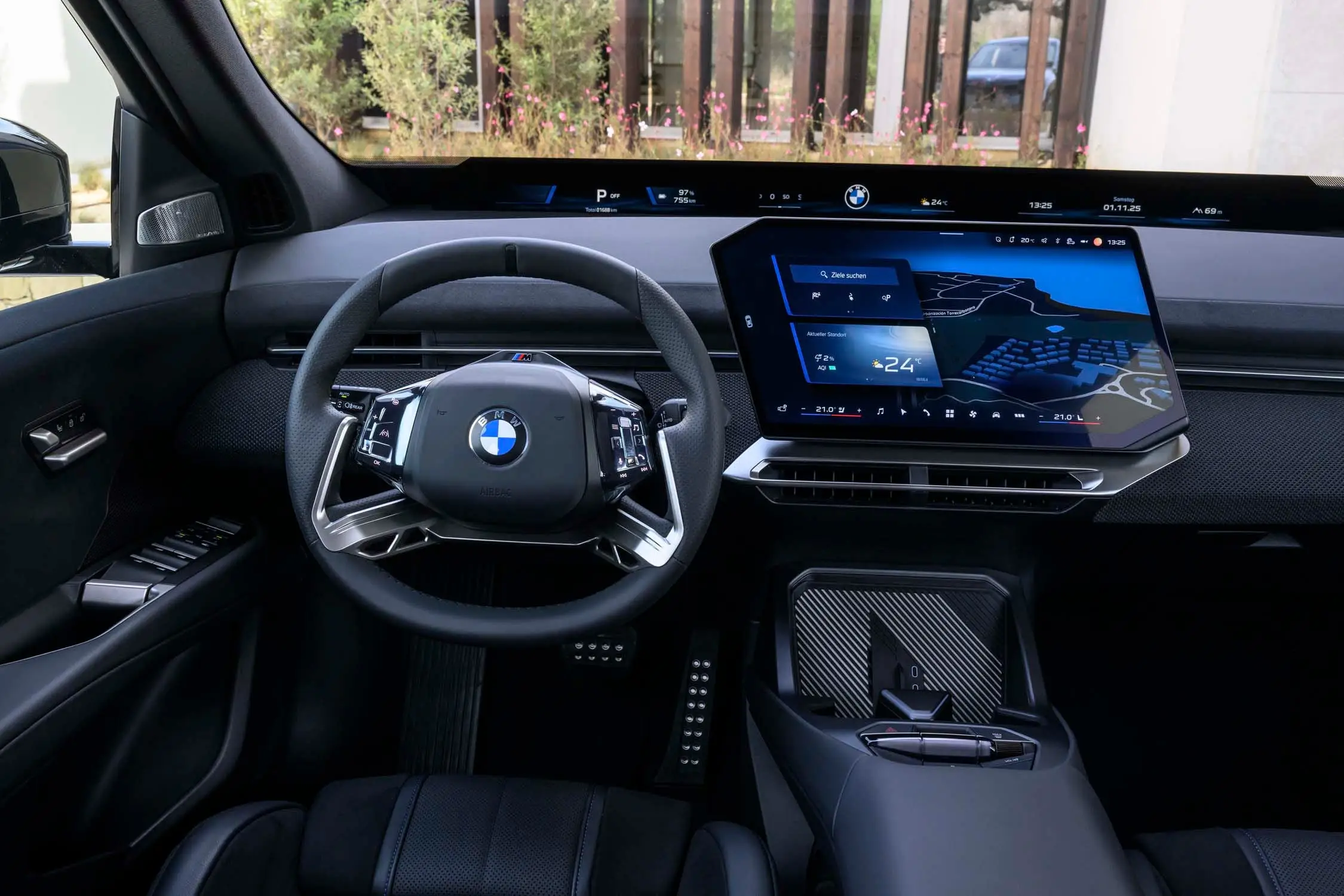
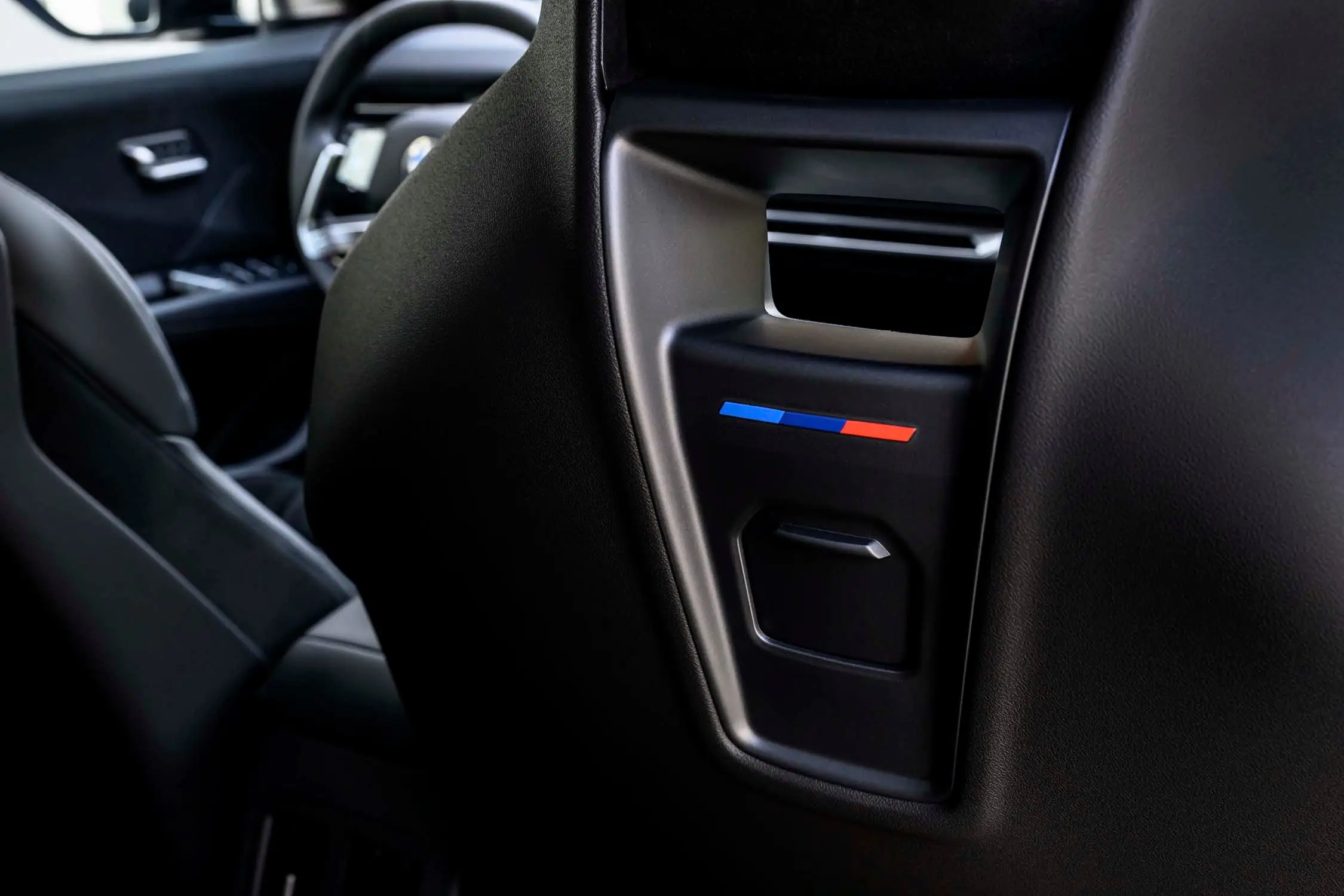
The technological boldness is fascinating, enabling video streaming and gaming via AirConsole while the car is stationary, transforming the vehicle into an entertainment center. However, ergonomics have suffered in the pursuit of minimalism. Critical functions, such as controlling the HVAC vents, are now operated exclusively via the touchscreen. Critics describe this decision as “particularly absurd,” as it forces the driver to divert focus from the road for simple tasks. This trend toward total digitalization is also evident in competitors, such as the interior revealed for the new Mercedes-Benz GLB EV, which relies on enormous screens, suggesting this path is irreversible for the German luxury sector.
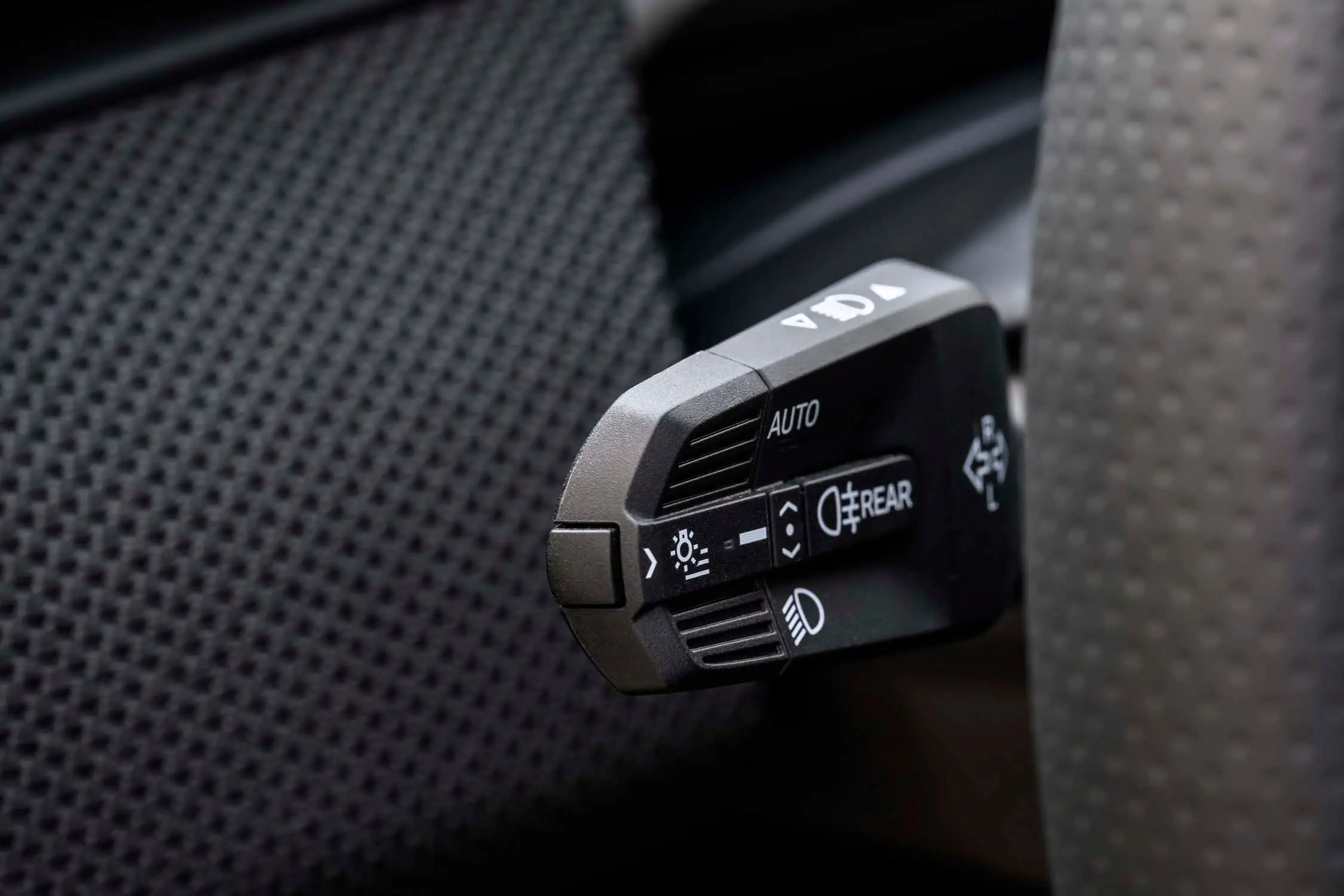
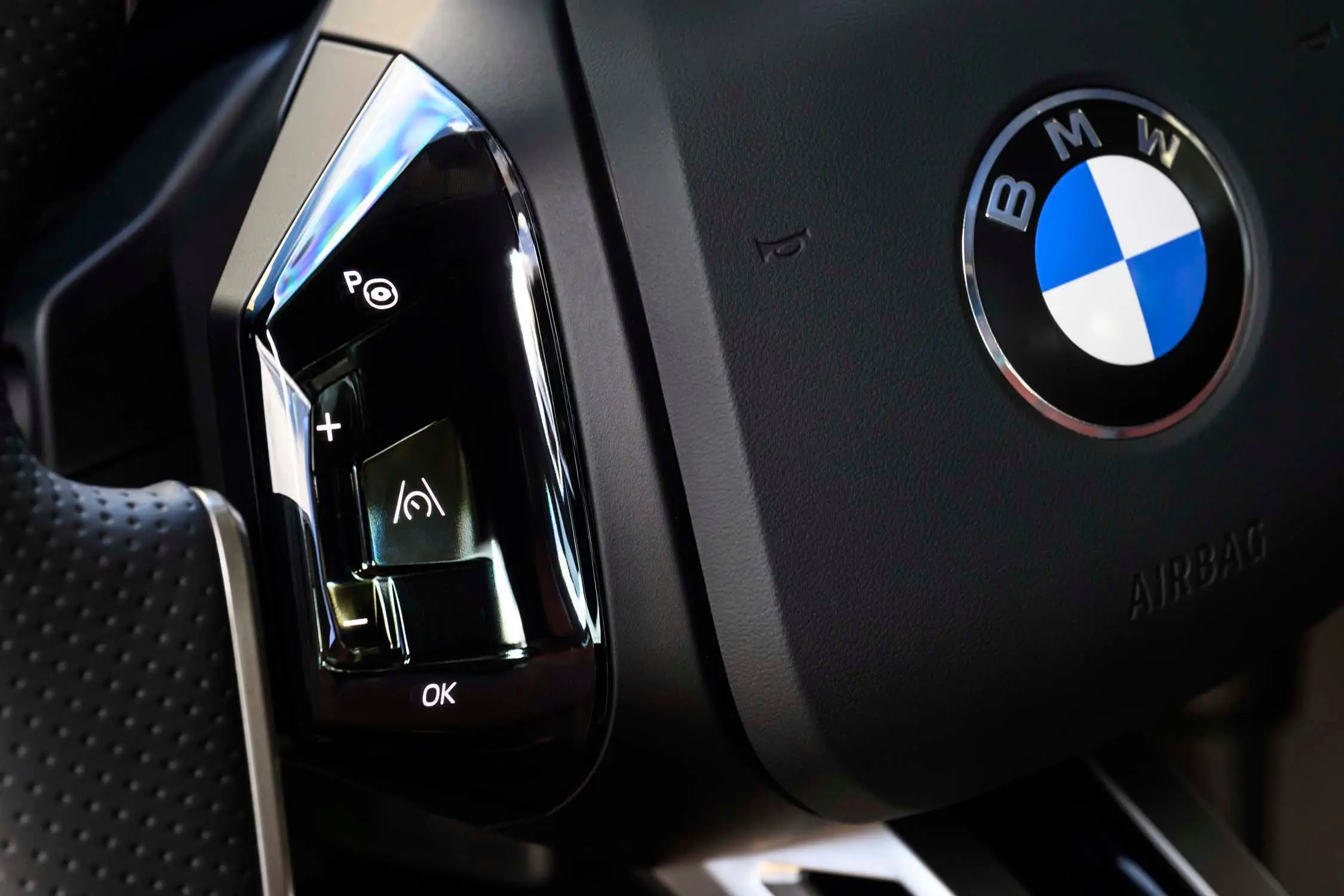
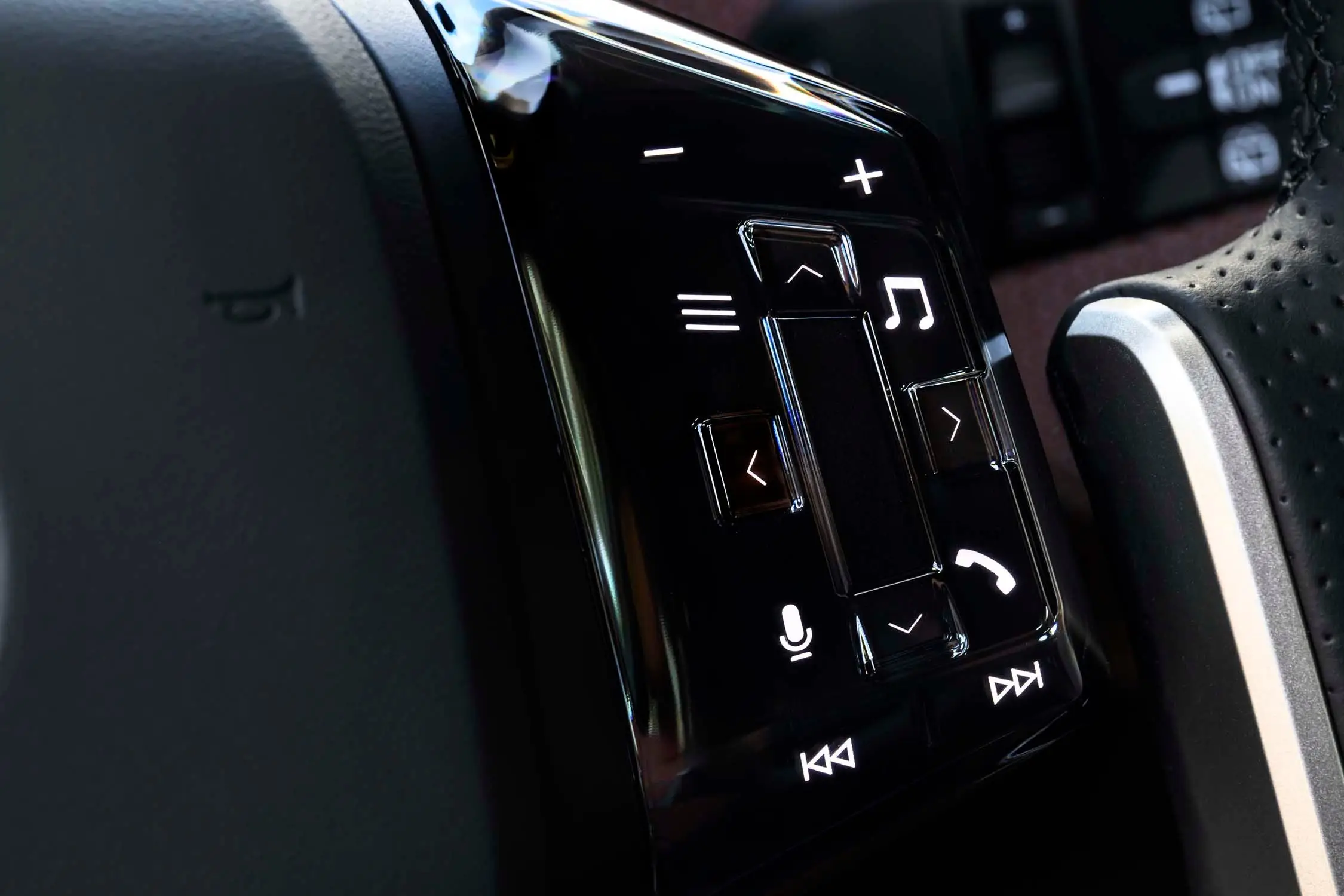
Another controversial element is the steering wheel. The standard design is squared, featuring upper and lower spokes but lacking side spokes, which might disrupt the muscle memory of drivers accustomed to supporting their hands in various positions. Fortunately, many essential physical controls, like turn signals and wipers, have been retained, avoiding the total digitization error seen in some rival brands.
Performance and Dynamics: Did the BMW DNA Survive?
The paramount question for any brand enthusiast remains: “Does it drive like a BMW?”. For the 2027 iX3, the answer is a resounding “yes,” albeit with notable qualifications. Equipped with a dual-motor (xDrive) system, the model delivers a combined output of 463 hp and instant torque measuring 476 lb-ft (645 Nm). Acceleration from 0 to 60 mph (0 to 97 km/h) is achieved in an agile 4.2 seconds—a figure that, while conservative compared to ultra-high-performance EVs, is more than adequate to keep occupants firmly planted during overtakes.
The chassis is the highlight of the experience. The Neue Klasse platform facilitates near-perfect weight distribution and torsional rigidity, resulting in exceptional handling behavior. The car dives into corners eagerly, supported by a rear-biased torque split that appeals to driving enthusiasts. The braking system is another strong point, integrating energy regeneration with mechanical friction so seamlessly that the transition is imperceptible—a rare feat in EVs.
The “Achilles’ Heel”: Steering Feel
However, not everything is flawless. The electric steering is criticized for being excessively assisted and uncommunicative. Even in Sport mode, the steering wheel fails to relay crucial feedback regarding the interaction between the tires and the asphalt, creating a disconnection that frustrates those seeking a more organic driving experience. Additionally, the passive suspension (lacking electronic adjustment in the base trim) may exhibit noticeable longitudinal pitch on uneven roads.
For speed enthusiasts and technology aficionados, comparisons are inevitable. While BMW prioritizes balance, other brands focus on brute acceleration. For instance, the upcoming 2026 Porsche Cayenne Electric promises to defy physics with even greater power, putting pressure on the BMW M division to swiftly deliver a high-performance version of the iX3 post-launch.
| Specification | Details (BMW iX3 50 xDrive 2027) |
|---|---|
| Estimated Base Price | US$ 60,000 |
| Combined Power | 463 hp (approx. 470 cv) |
| Torque | 476 lb-ft (645 Nm) |
| Battery | 109 kWh (Cylindrical Cells) |
| Estimated Range (EPA) | 400 miles (644 km) |
| Max Charging (DC) | 400 kW |
| 0-60 mph | Approx. 4.2 seconds |
Driving Technology and Autonomous Future
The Neue Klasse wouldn’t earn its moniker without significant strides in driver assistance. The iX3 is engineered for advanced levels of automated driving. Although BMW’s core philosophy remains “Sheer Driving Pleasure,” the reality of modern traffic necessitates robust support systems.
The integration of advanced sensors and the processing power of the new electronic architecture allow the car to perceive the environment with unparalleled accuracy. This positions BMW in direct competition with technology giants entering the automotive sector. Xiaomi, for example, revolutionized its SU7 model with AI that learns to drive autonomously, and BMW must demonstrate that its proprietary technology is as capable and safe as solutions emerging from Silicon Valley or China.
The 2027 BMW iX3 is, unequivocally, one of the most significant launches of the decade for the German marque. It signifies the definitive transition from internal combustion legacy to a native electric future. Featuring a design that respects heritage, an 800V architecture that resolves practical charging hurdles, and enviable chassis dynamics, it possesses all the ingredients for a sales triumph in the Luxury Electric SUV segment.
The acknowledged drawbacks, such as the numb steering feel and reliance on touchscreen controls for climate functions, are irritating but unlikely to overshadow the technical brilliance of the overall package. This vehicle proves that BMW retains the acumen to engineer machines drivers genuinely desire, even if we must relearn how to interact with them. The contest for the top spot in the luxury electric SUV category will be fierce, especially with the emergence of capable rivals like the 2026 Lucid Gravity, which offers three rows and a competitive starting price. Nevertheless, with the Neue Klasse, BMW appears to have charted the course to navigate this new automotive world confidently and authoritatively.