
Imagine driving without unnecessary stops at empty red lights: this reality is closer thanks to technology that uses GPS to make traffic smooth and efficient.
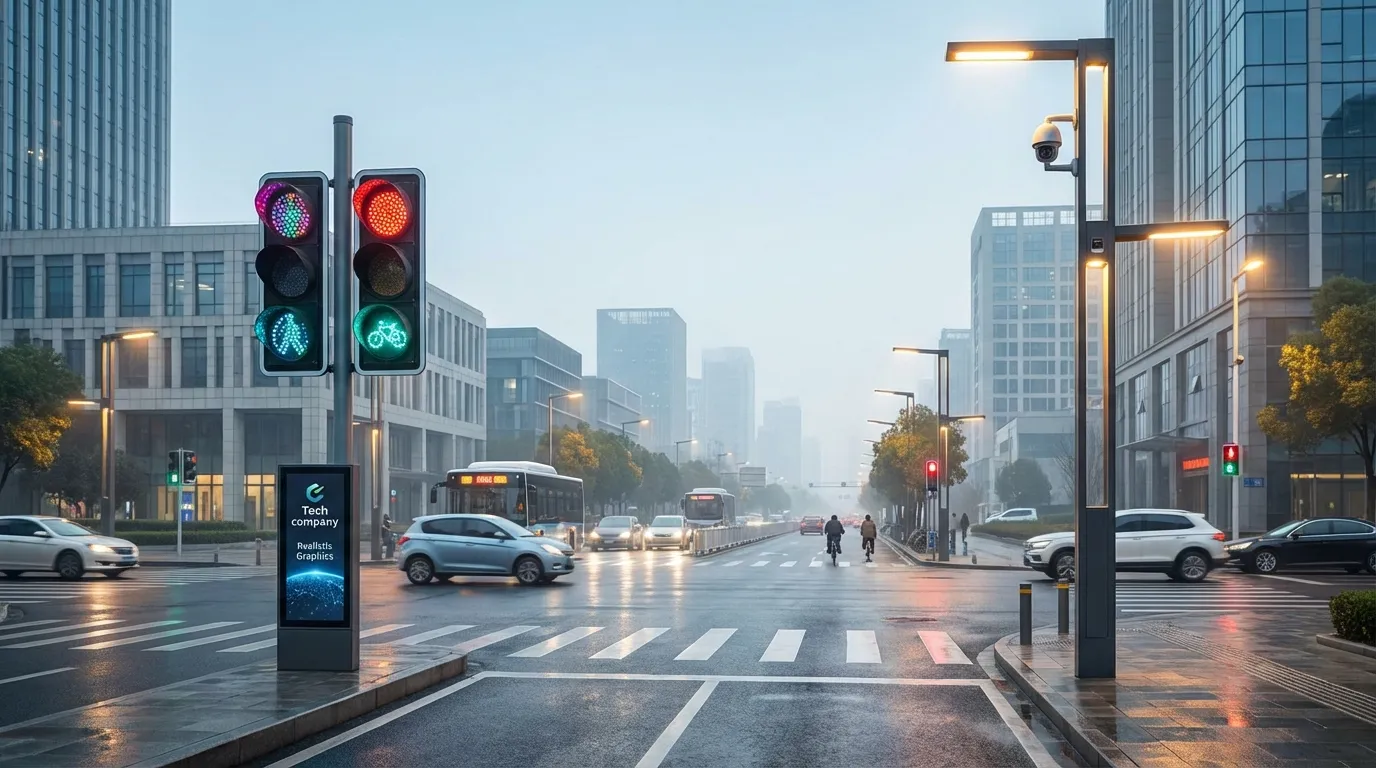
The GPS Data Revolution: Just 5% of Cars Are Enough to Change Everything
Developed by researchers from The University of Michigan, this innovation eliminates the need for expensive sensors or cameras at every intersection. Instead, the system analyzes anonymized GPS data from only 5% of the vehicles passing through a location. This data comes from popular navigation apps like Waze and Google Maps, used by millions daily.
Why is so little enough? Because traffic follows predictable statistical patterns. With a minimal sample, AI algorithms adjust traffic light cycles in real-time, prioritizing the actual flow of cars. This solves the classic smart city problem: collecting data without invading privacy or spending fortunes. In Oakland County, Michigan, with over 1,400 signalized intersections, implementation was tested without costly construction.
For SUV drivers like the Nissan Qashqai E-Power 2025, which excel in urban trips, this means more efficient routes, saving hybrid battery during idle stops.
Low Cost and Continuous Monitoring: Goodbye Obsolete Fixed Traffic Lights
Traditional traffic lights operate on fixed cycles, manually updated every few years, ignoring rush hour peaks or unexpected events. Loop detectors or cameras cost thousands each, making large networks unfeasible. The GPS solution changes that: 24/7 monitoring without new hardware.
“This revolutionizes traffic management,” states Craig Bryson, senior manager at the Oakland County Road Commission (RCOC).
Trials in Birmingham and on highways like Eight Mile Road proved viability. Funded by $1.45 million from the US Department of Transportation, the project now advances with the startup Connected Traffic Intelligence, seeking global expansion. In Brazil, where chaotic traffic drains hours daily, this tech could integrate with local apps, benefiting owners of electric cars in high demand.
- Key advantages: Zero physical installation.
- Scalable: Works in any city with ubiquitous GPS coverage.
- Privacy: Data is aggregated and anonymized.
Real Results: 30% Fewer Stops, Increased Safety, and Fuel Savings
In real tests, the system cut 20-30% of unnecessary stops and delays. For the average driver, this translates to minutes saved per trip, less fuel burned, and reduced stress. In urban corridors, traffic flow predictability improved, ideal for vehicles like the Toyota Camry V6 on congested highways.
But it goes beyond speed: safety increases. Frustration from long waits leads to speeding through yellow/red lights, common during rush hour. Bryson explains: “Reducing waiting times lowers risks, as less irritated drivers respect signals.” Studies confirm: fewer accidents at optimized intersections.
| Benefit | Observed Reduction |
|---|---|
| Unnecessary stops | 20-30% |
| Total delays | 20-30% |
| Accident risk | Potential decrease due to reduced driver frustration |
Expansion depends on partnerships for data access, but the potential is enormous. Cities like São Paulo or Rio could adopt it, integrating with the rising fleet of autonomous vehicles, such as the Amazon Zoox robotaxi fleet. This technology proves that existing data can solve urban problems without reinventing infrastructure. Your next trip could be transformed by something already on your phone.
With searches for “smart traffic lights Brazil” trending, this innovation positions the future of traffic as accessible and impactful, saving valuable time for everyone behind the wheel.