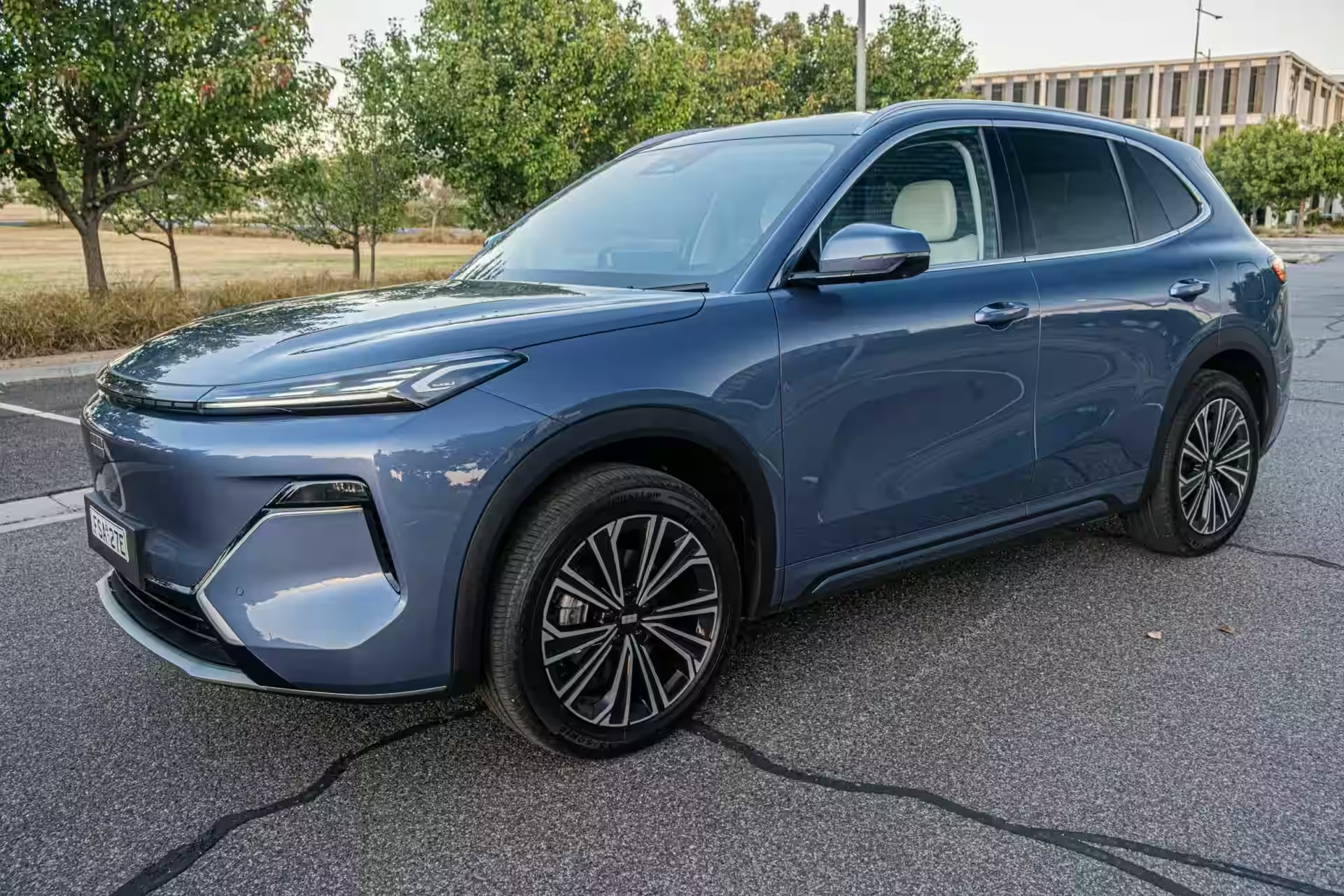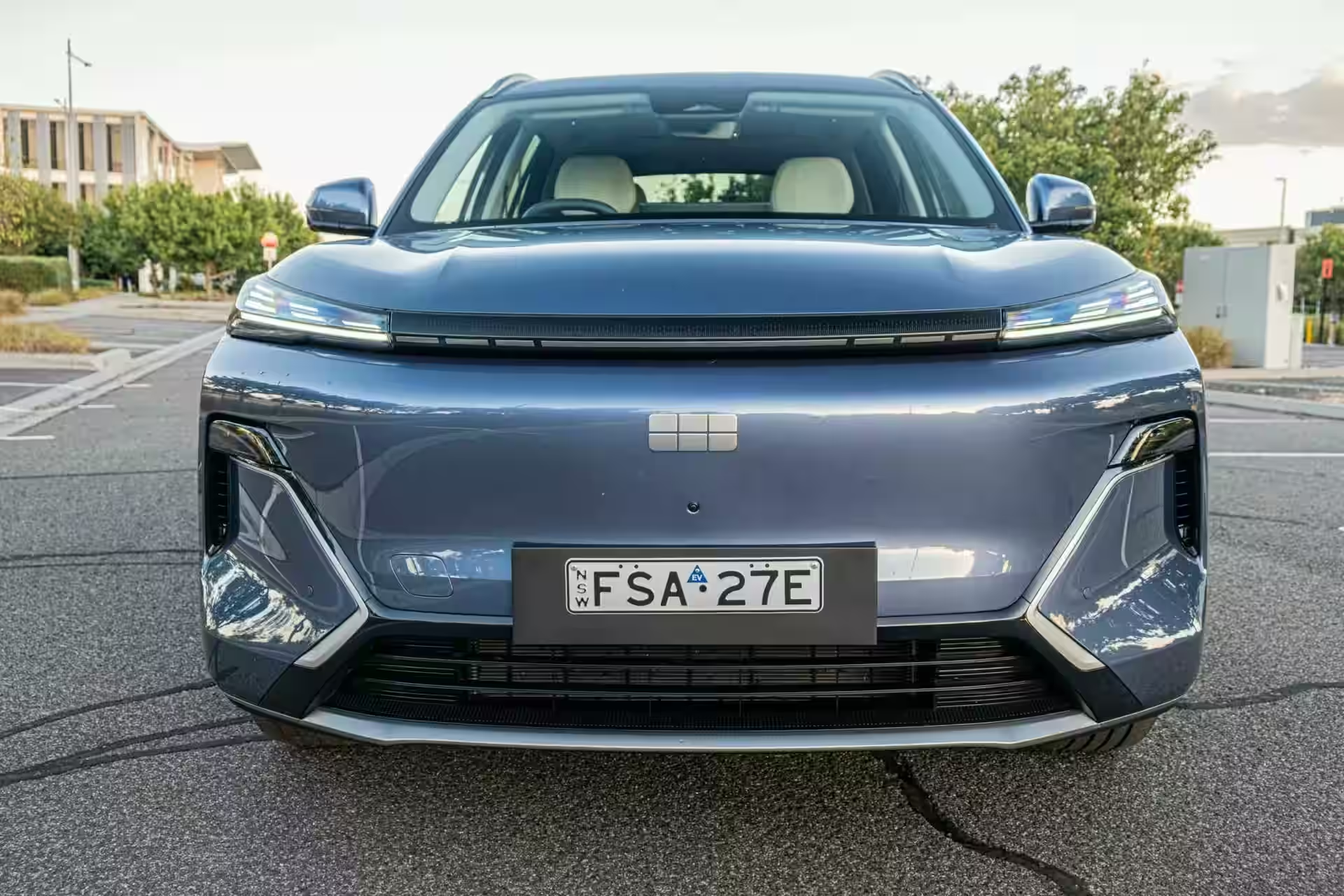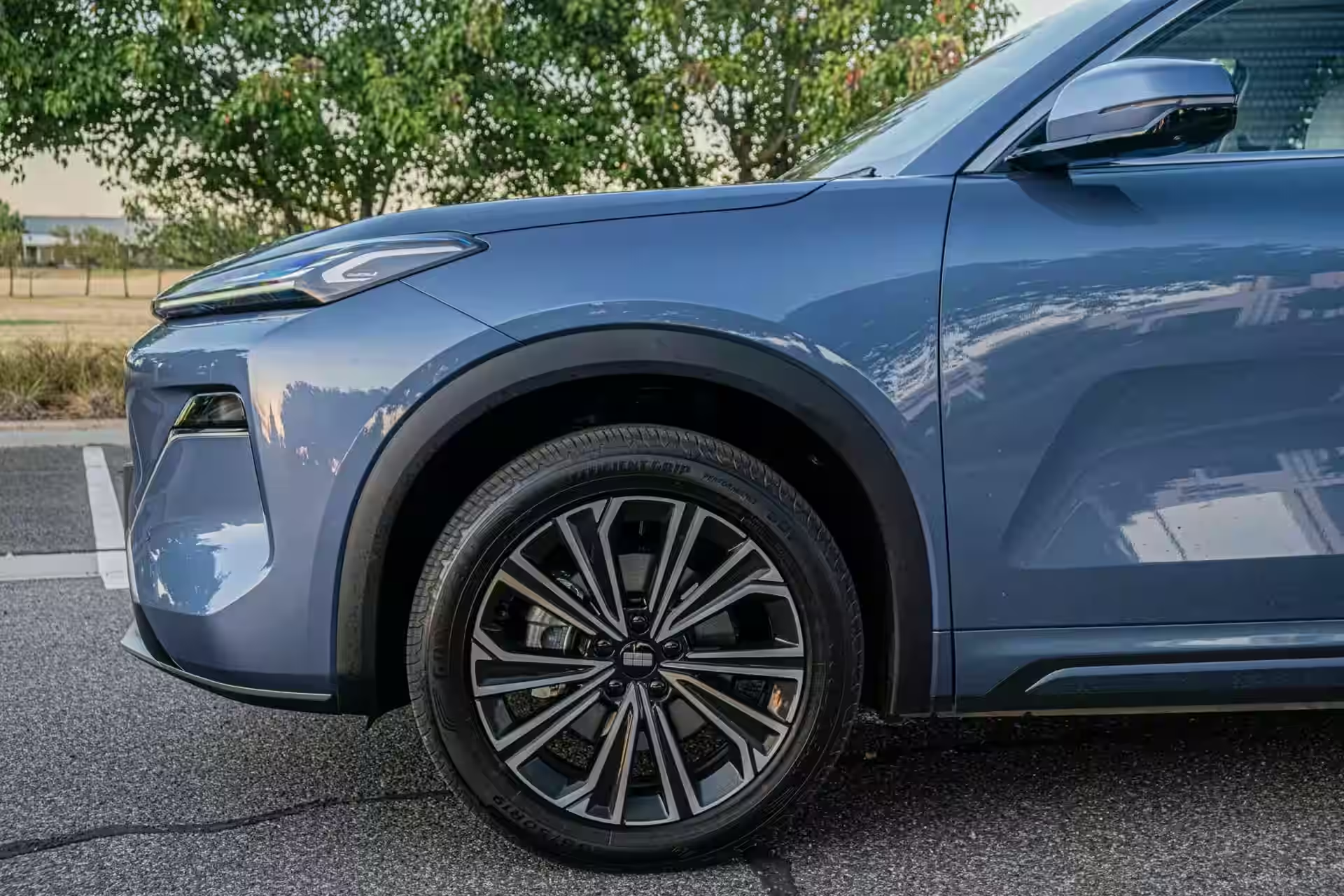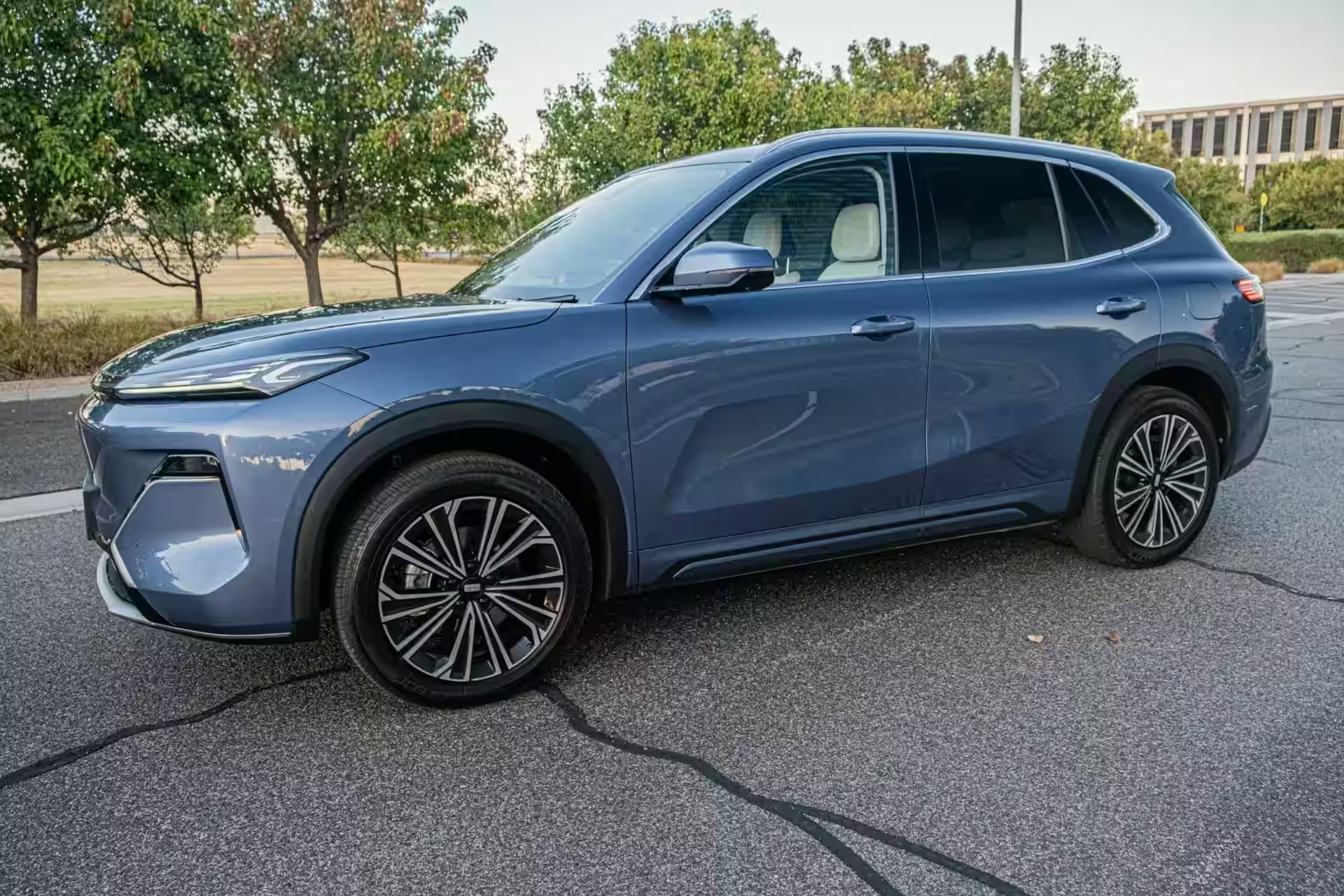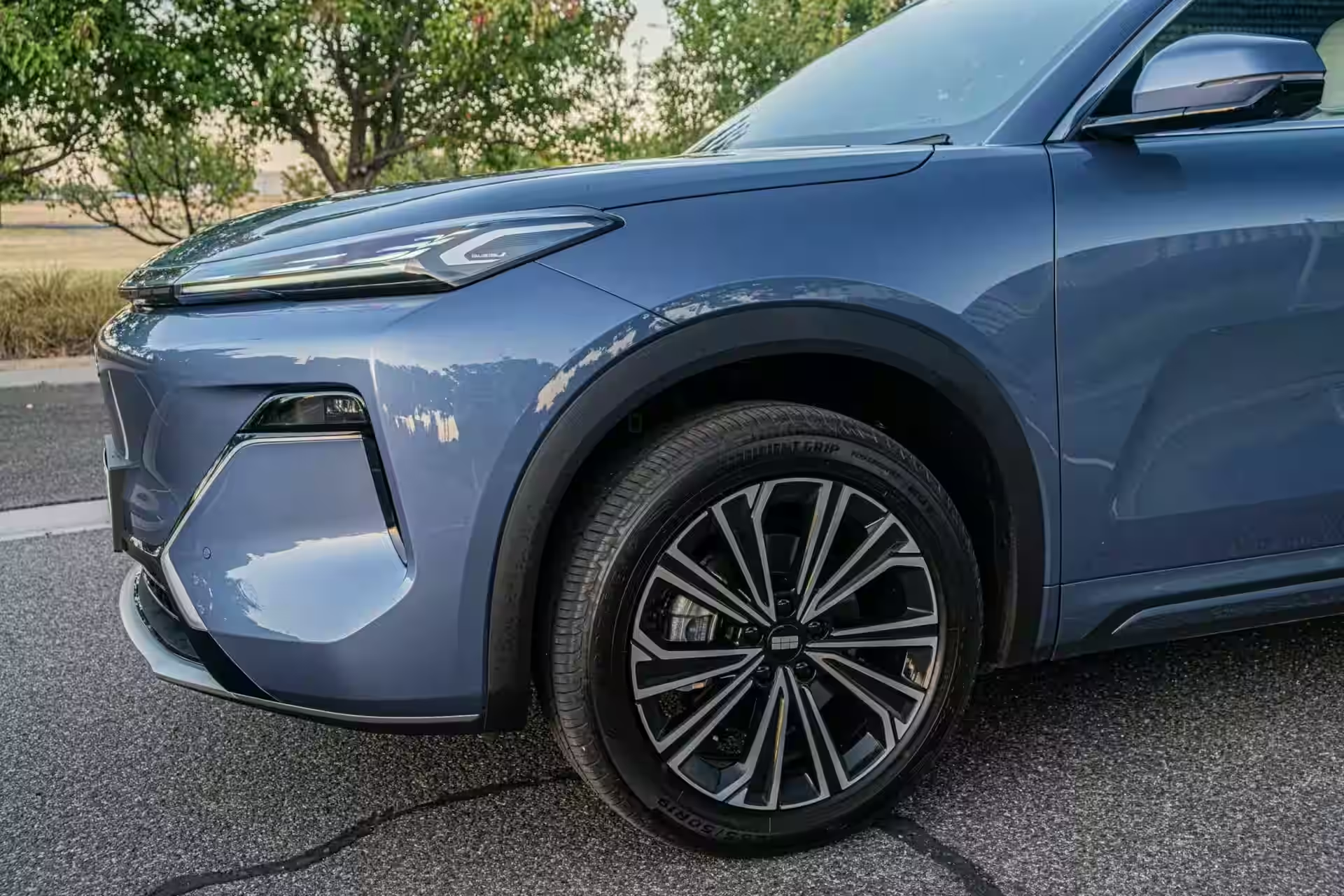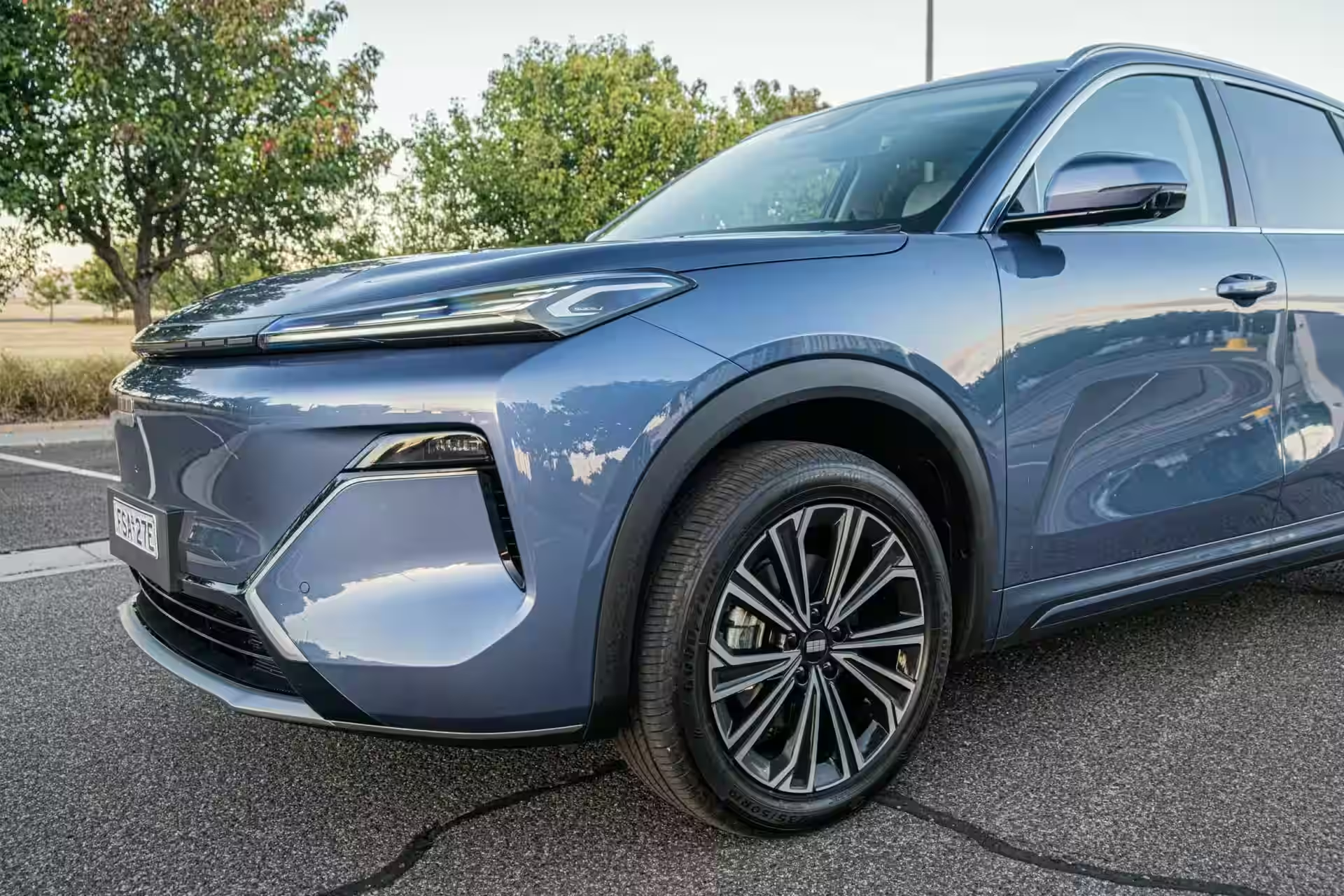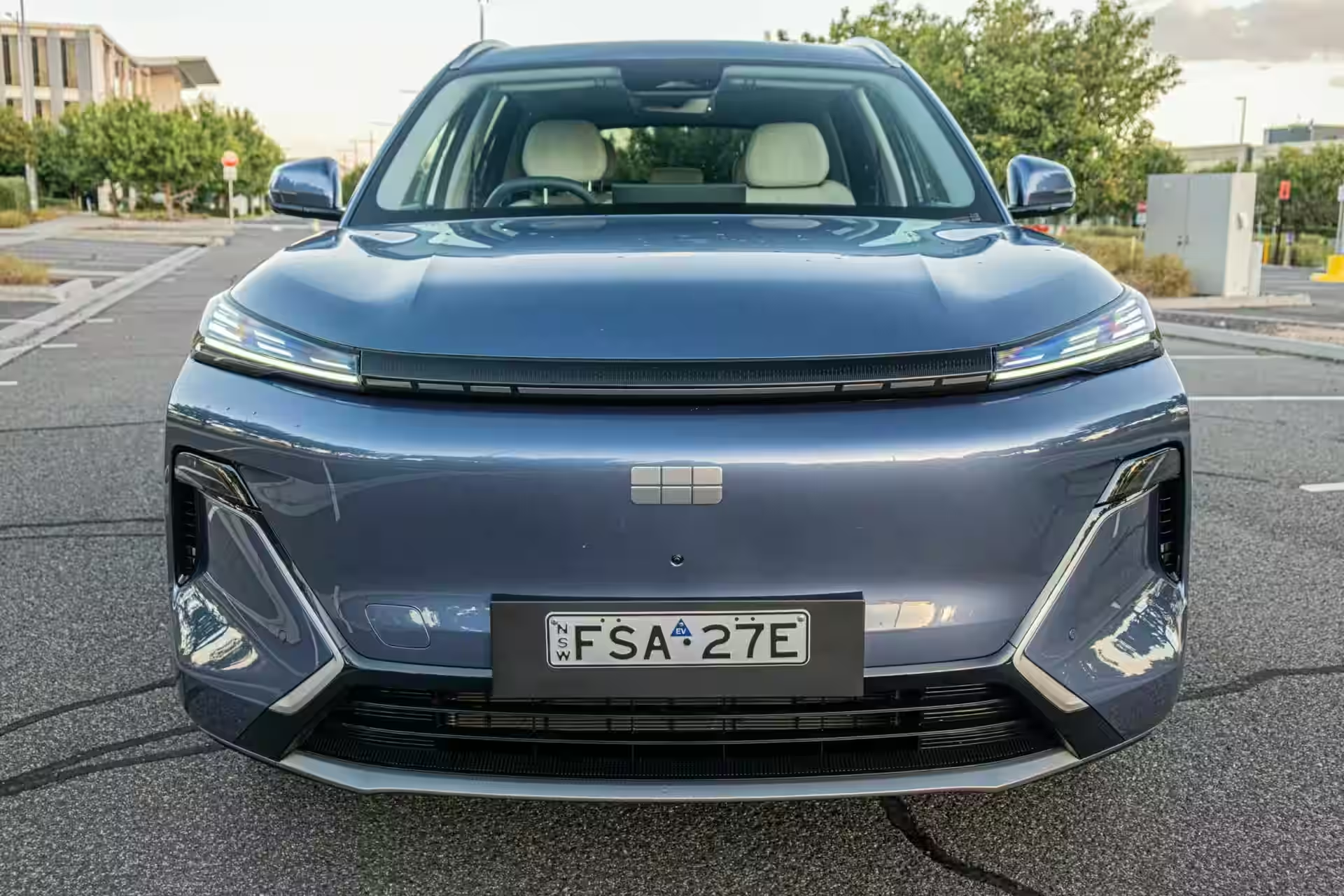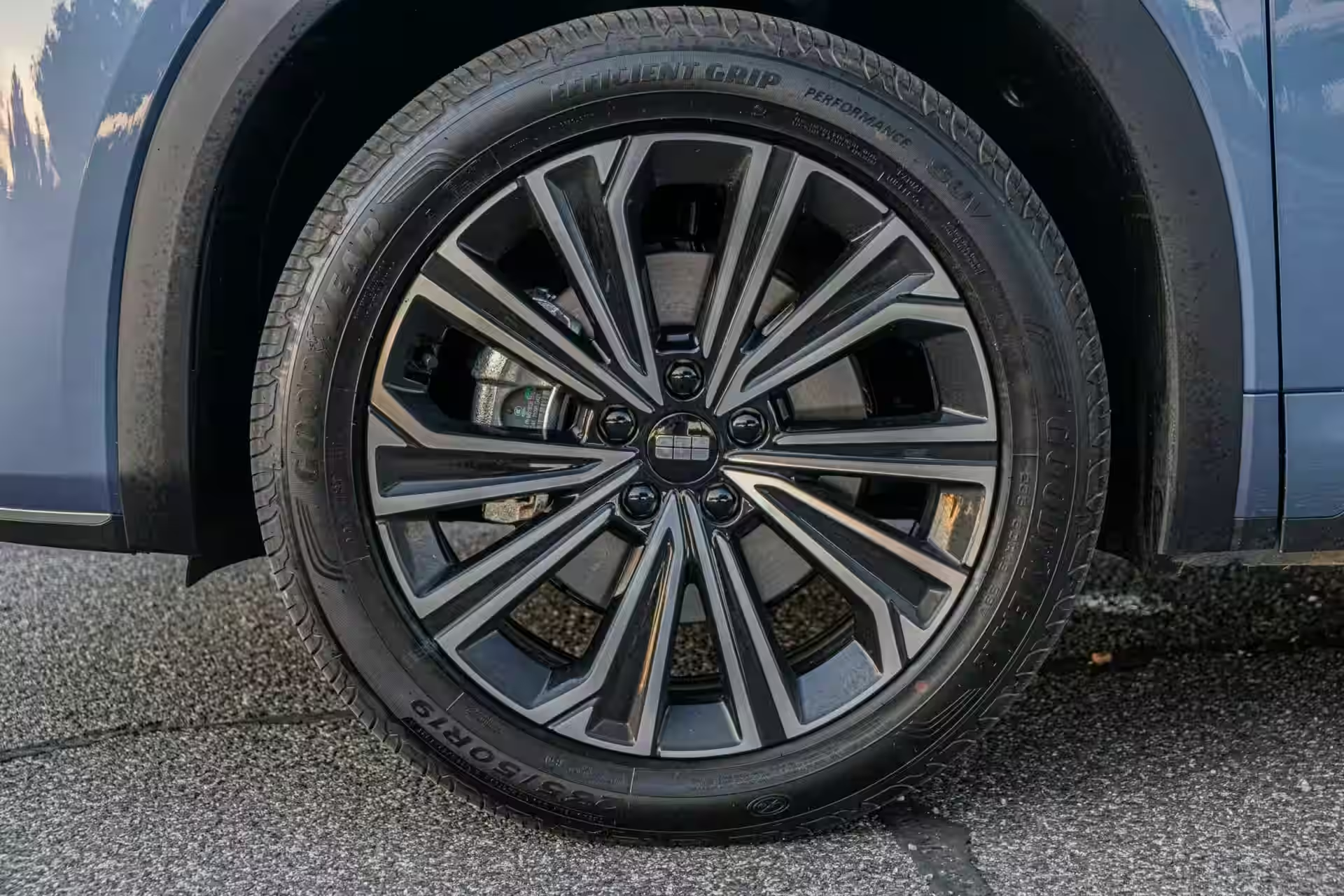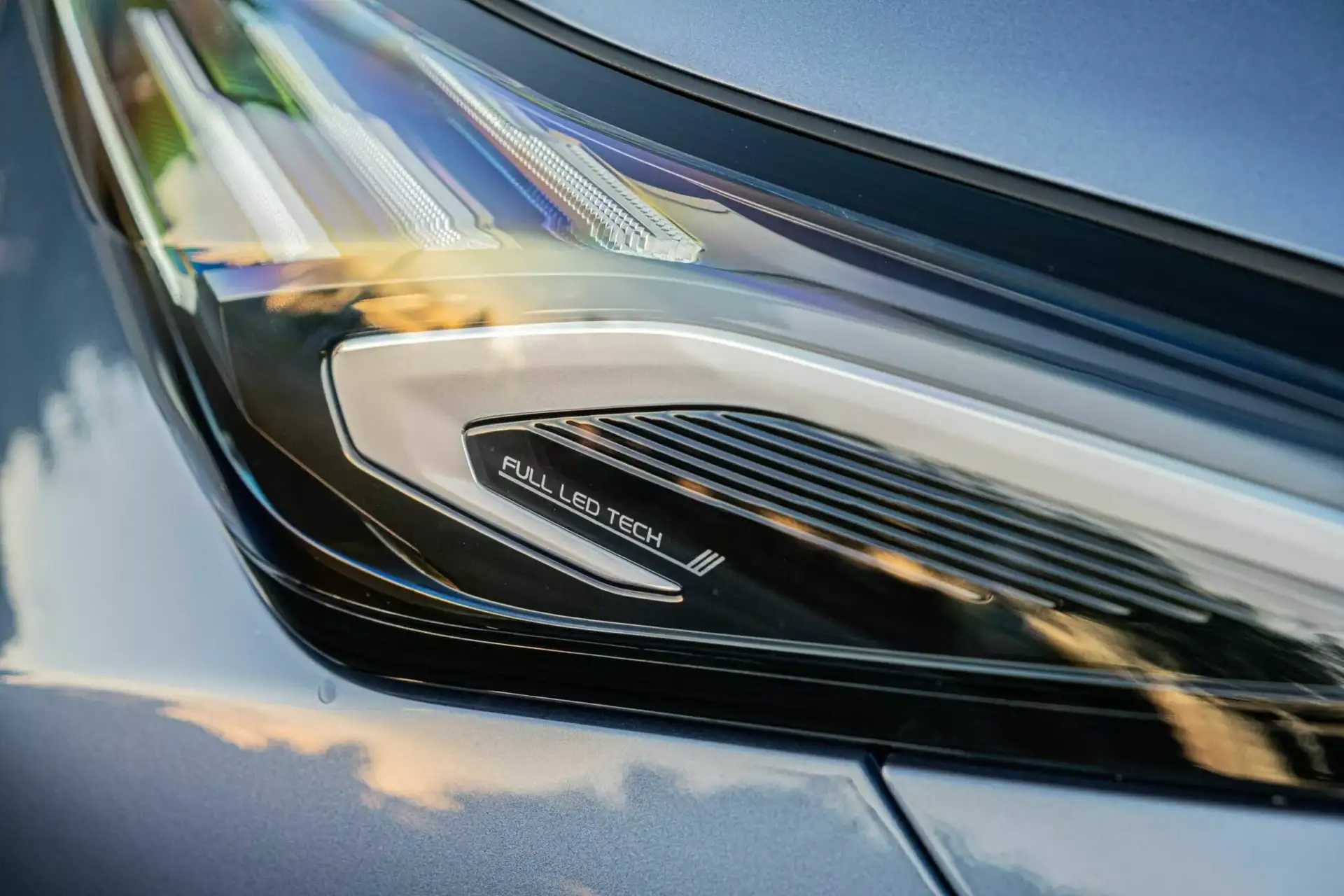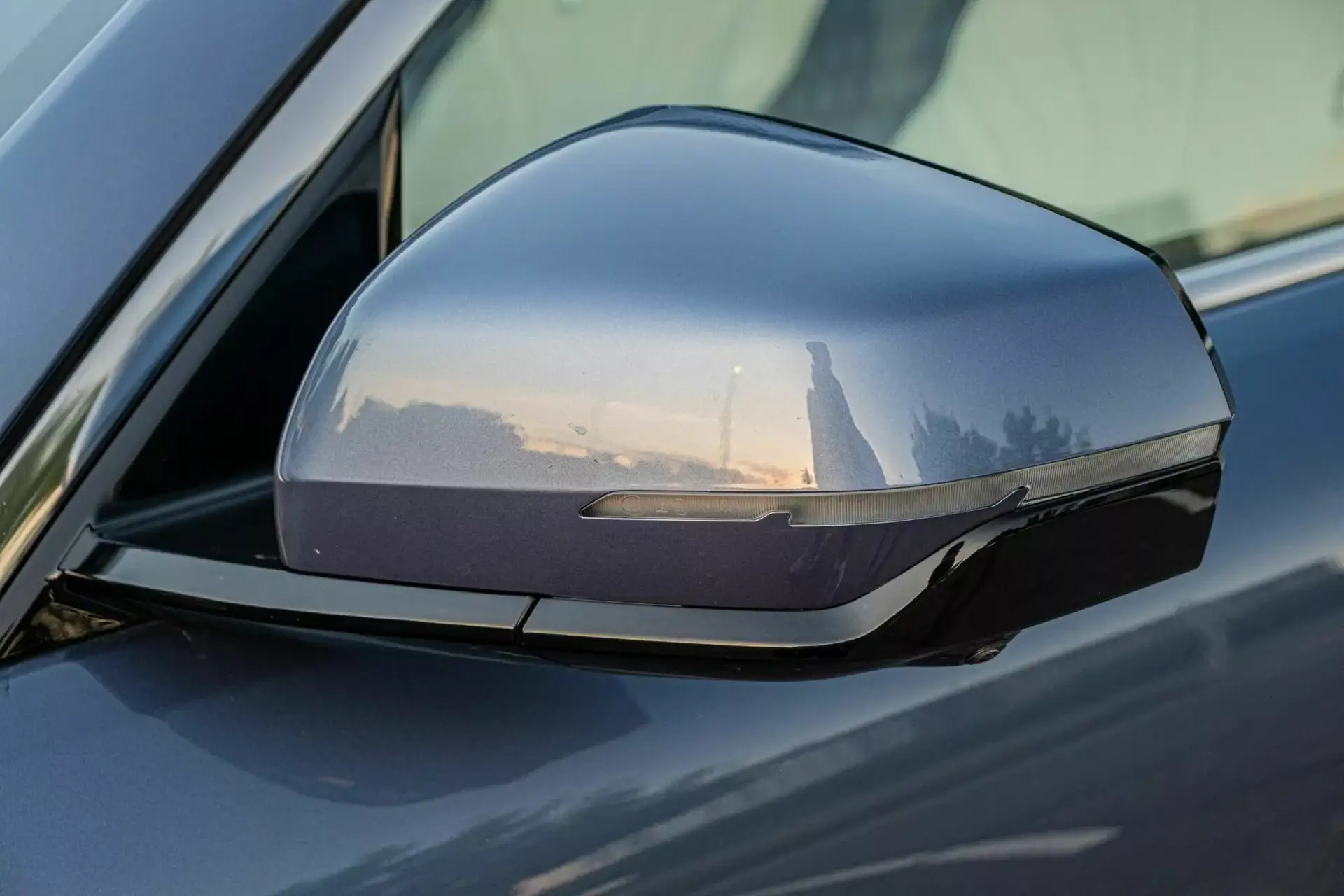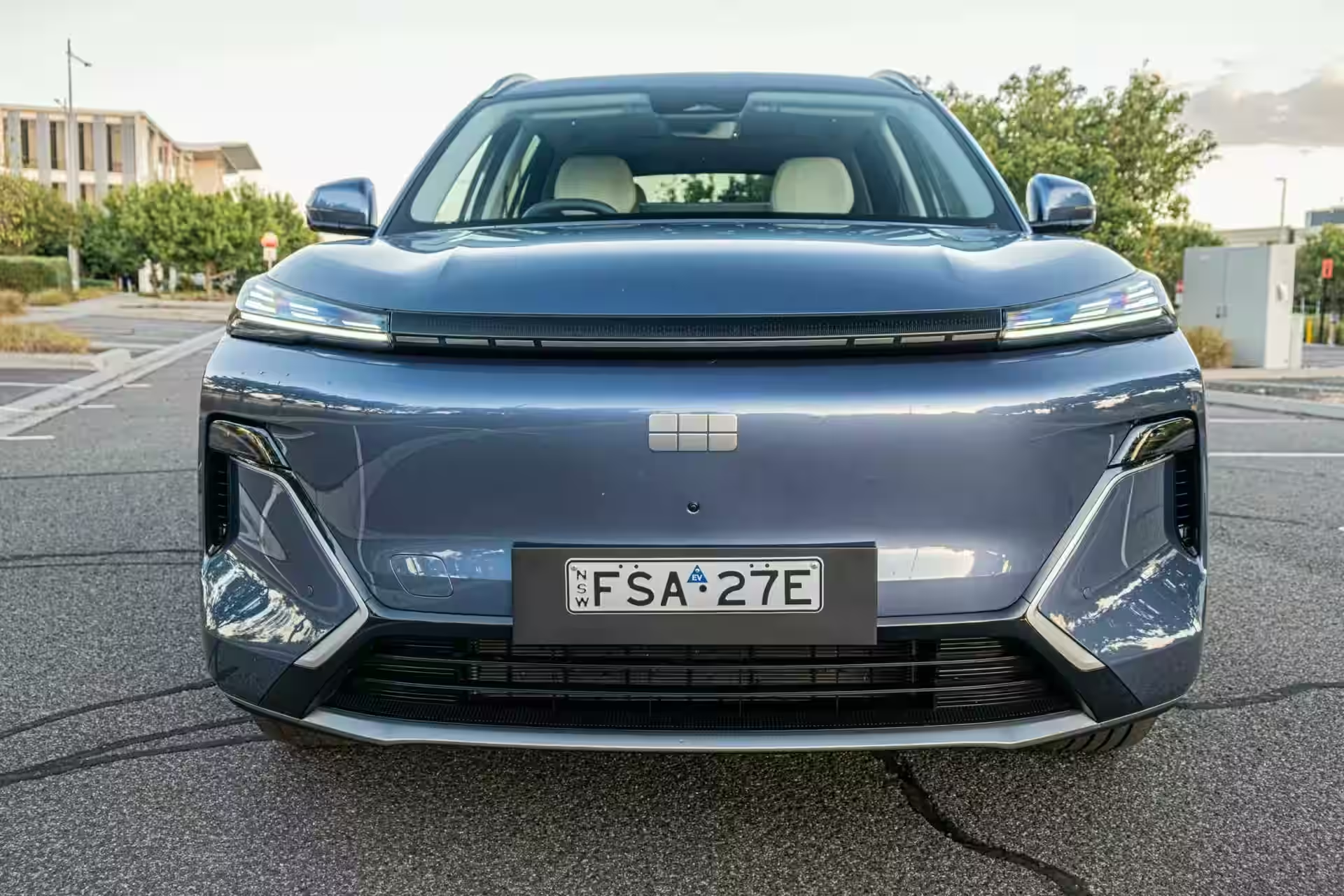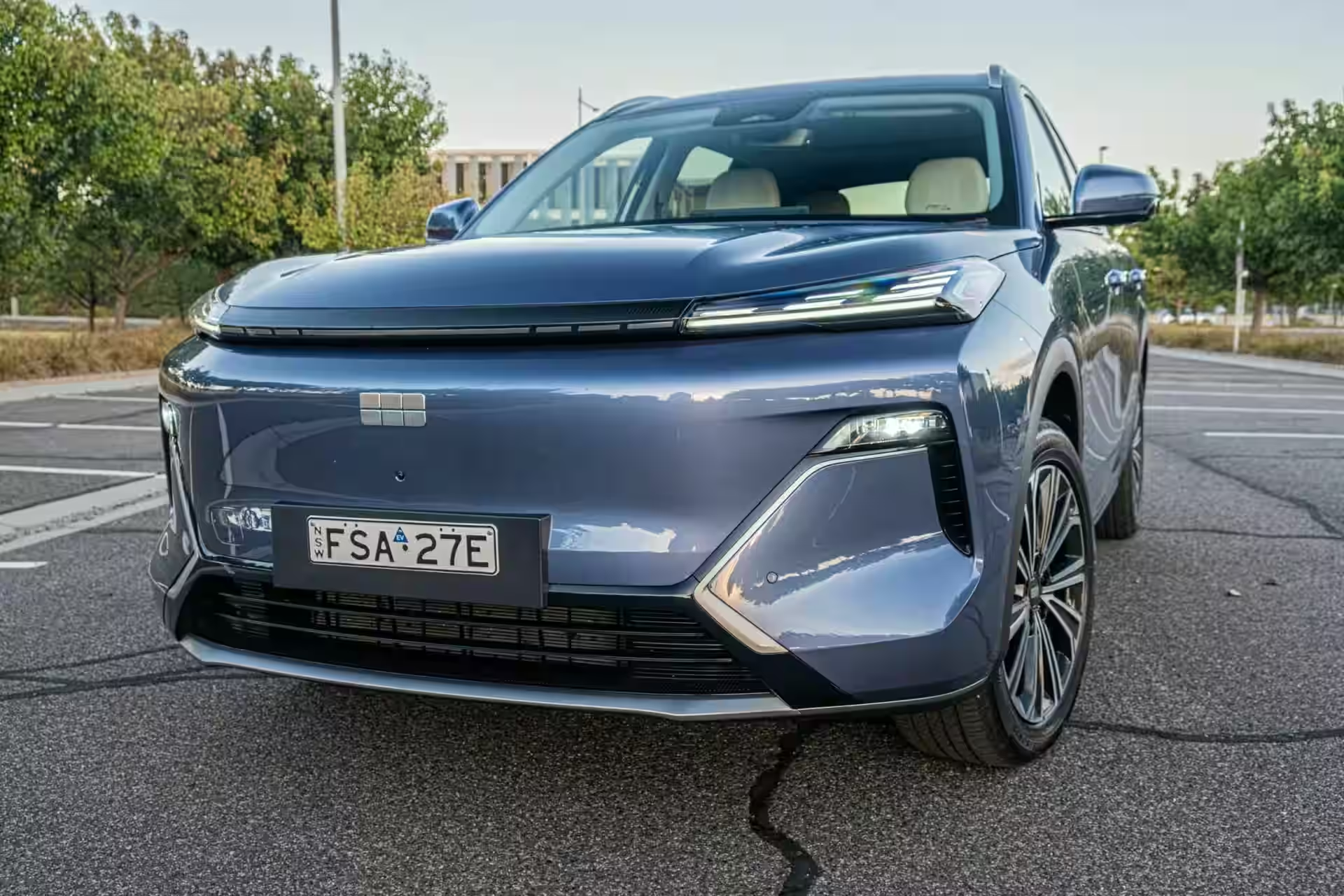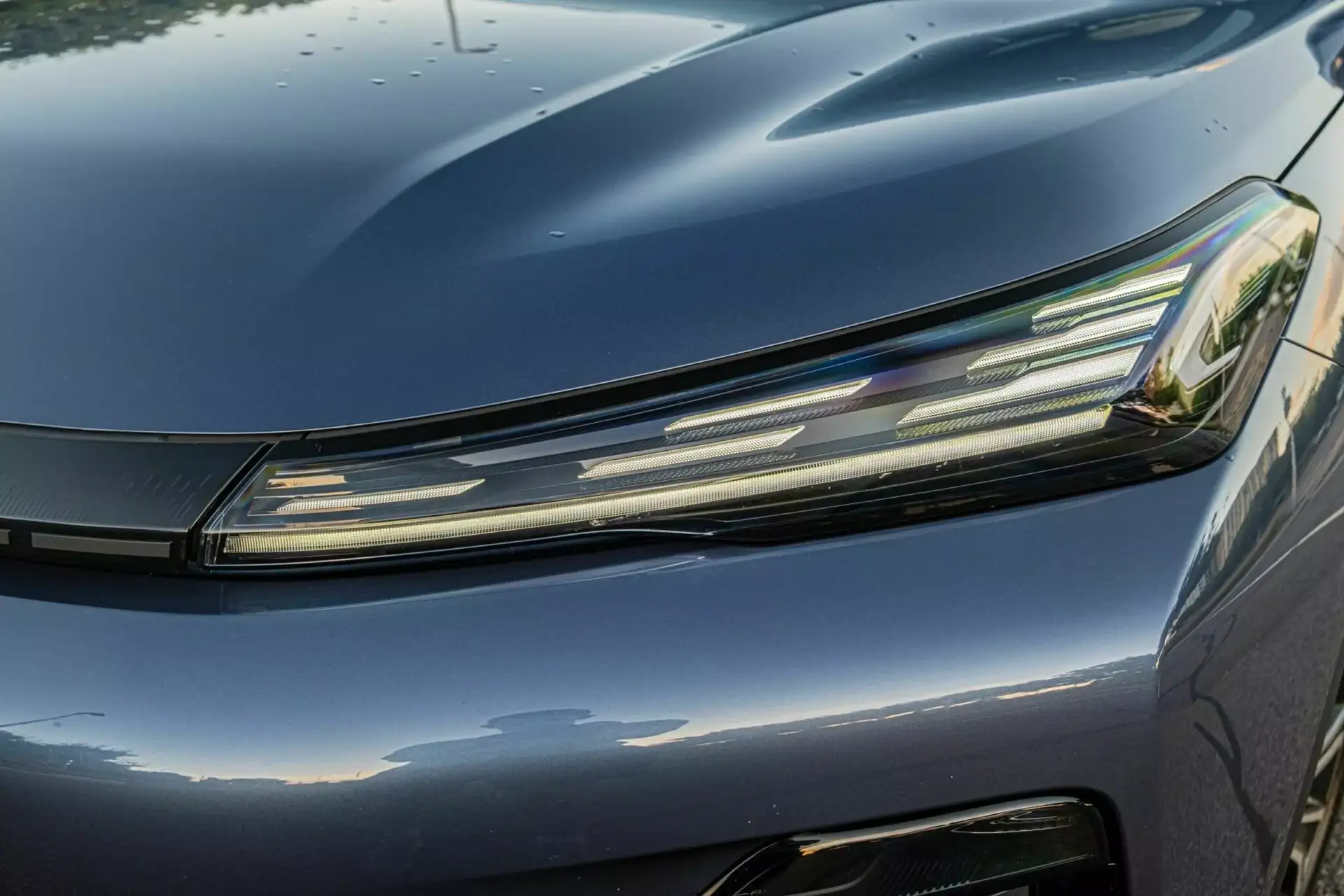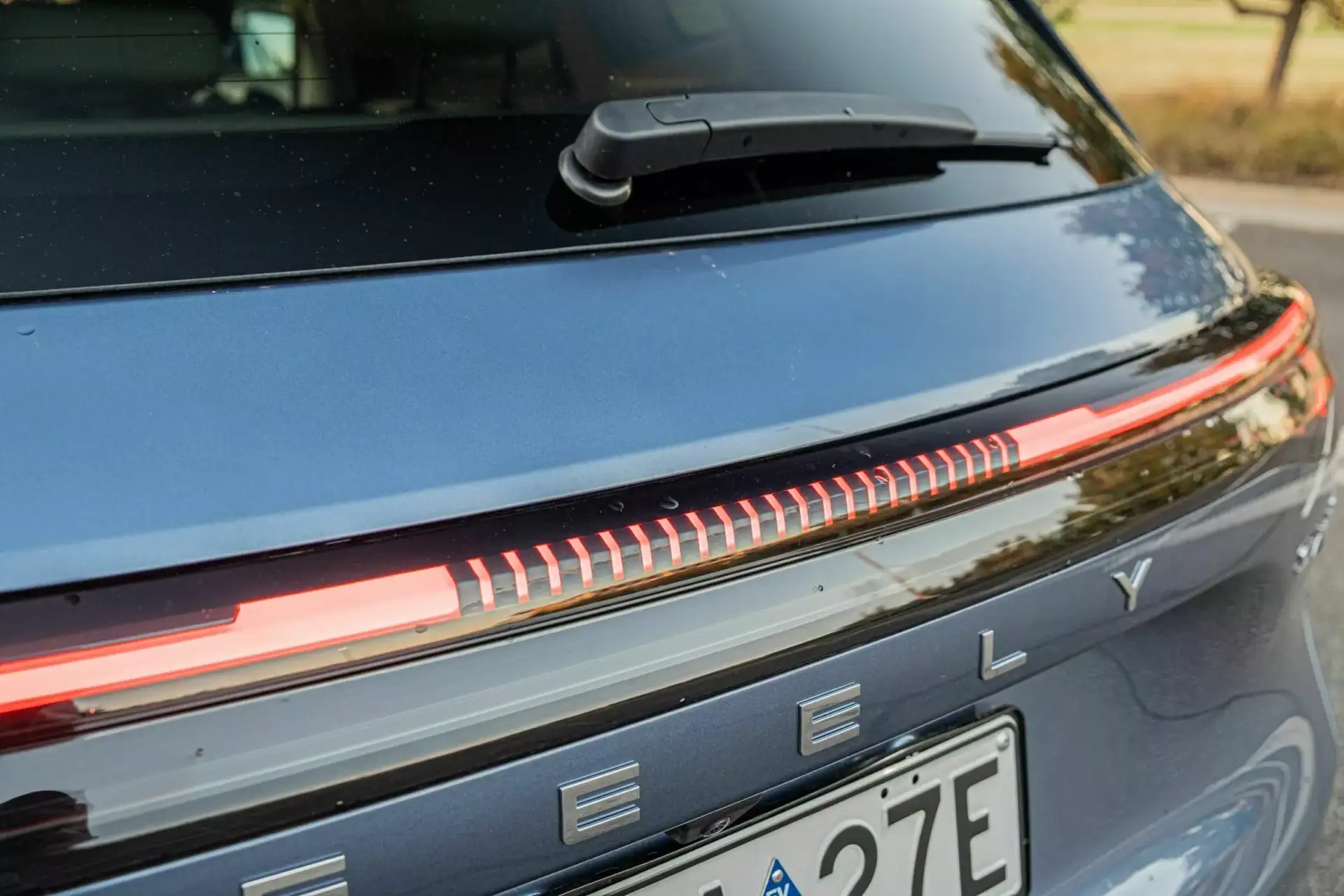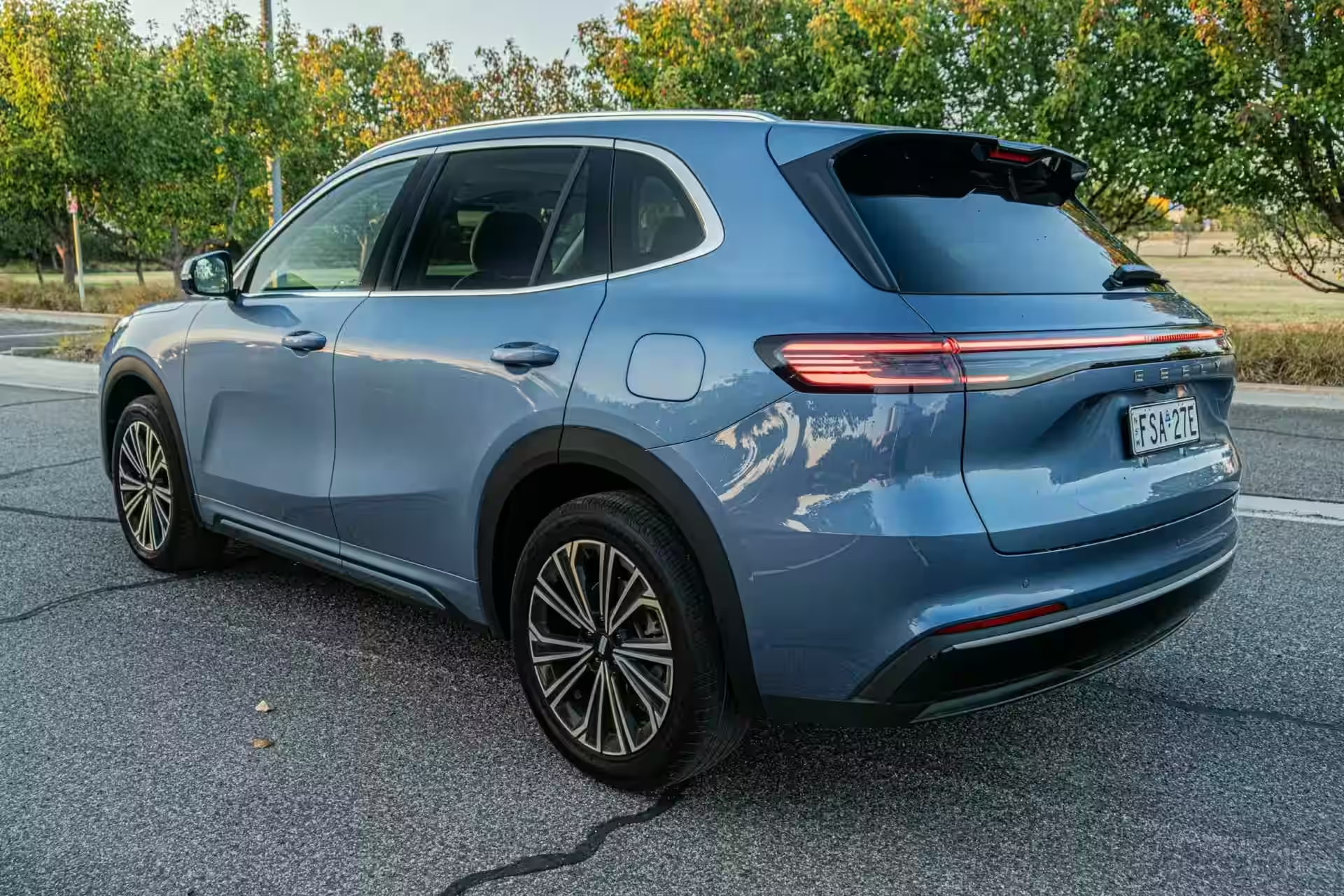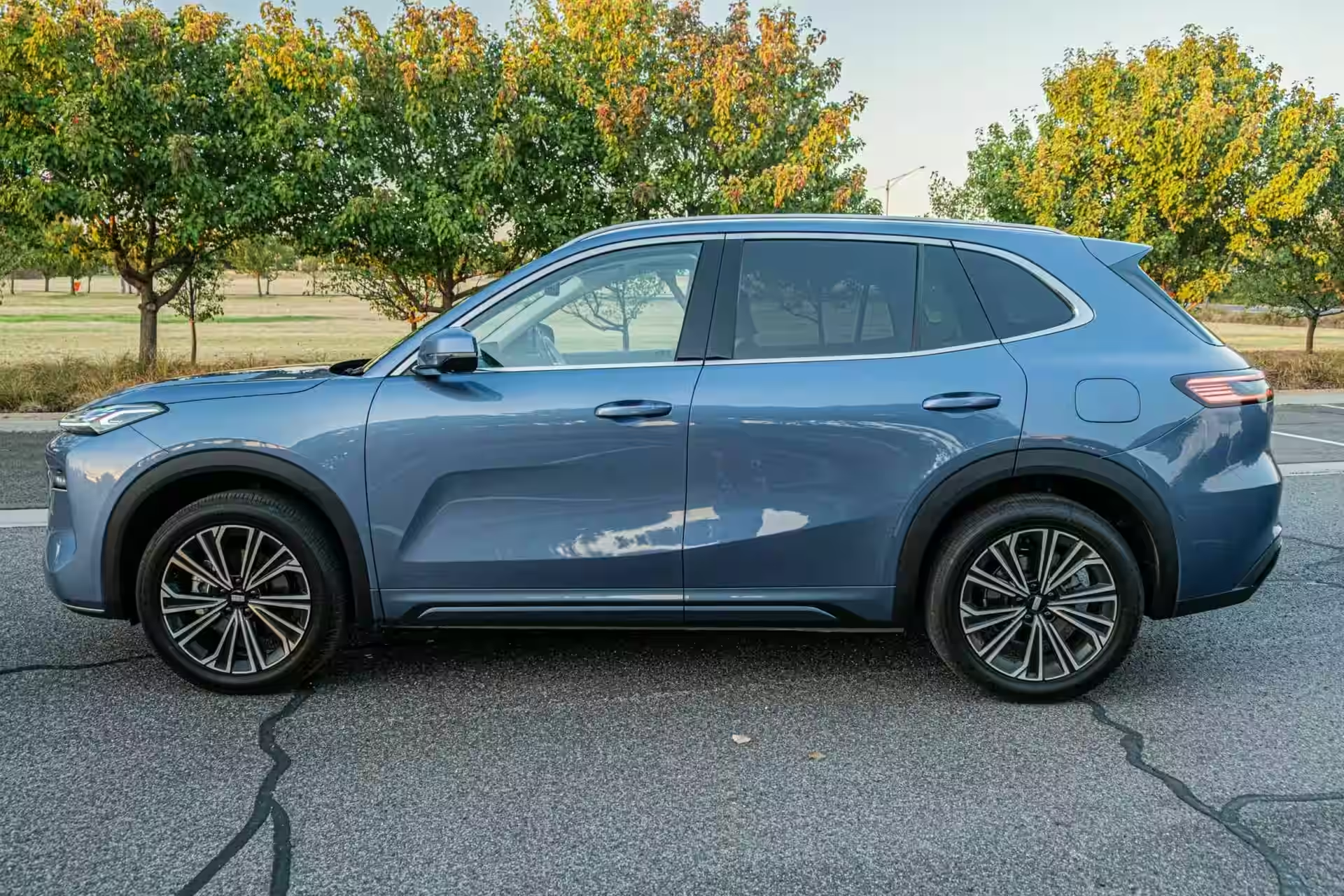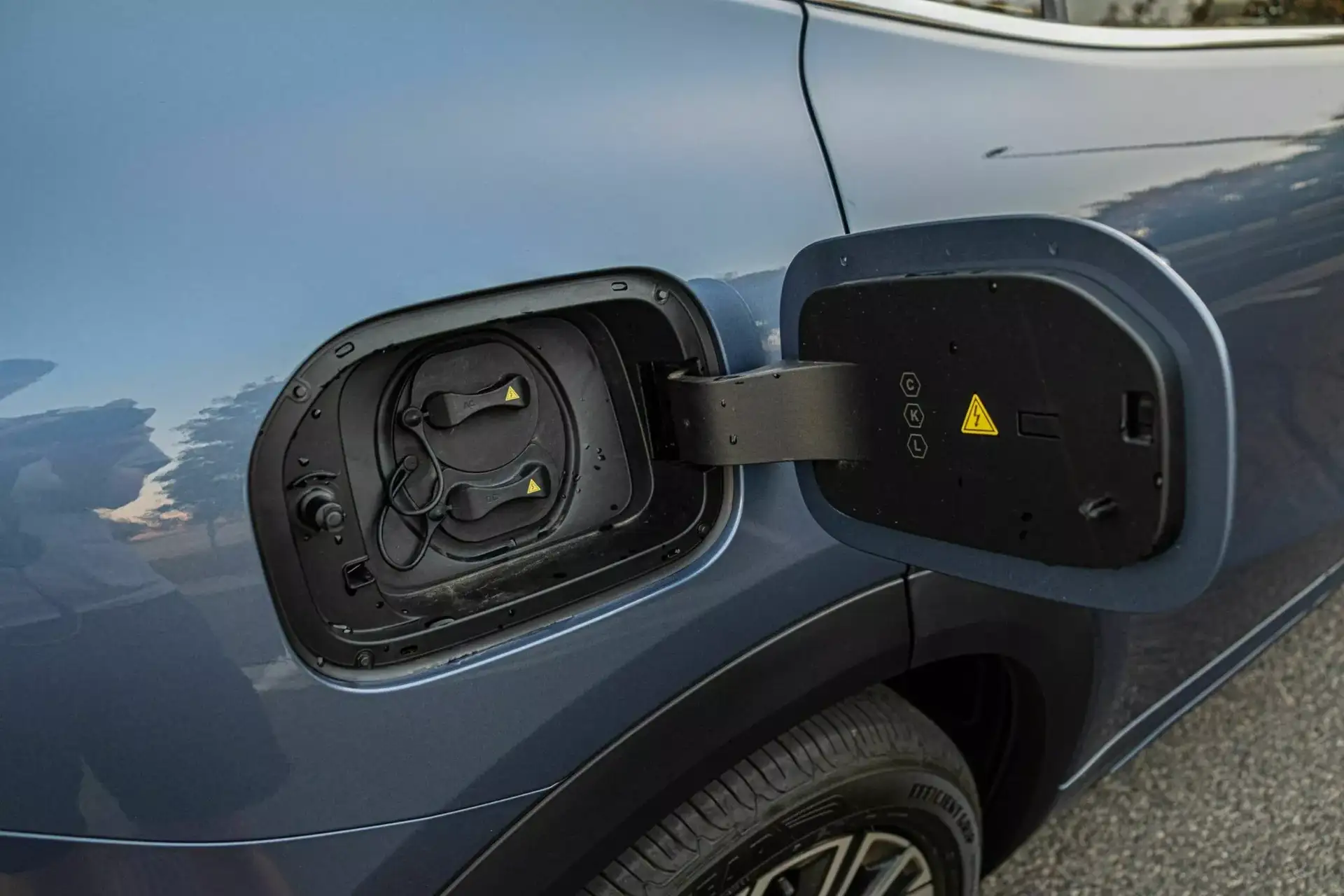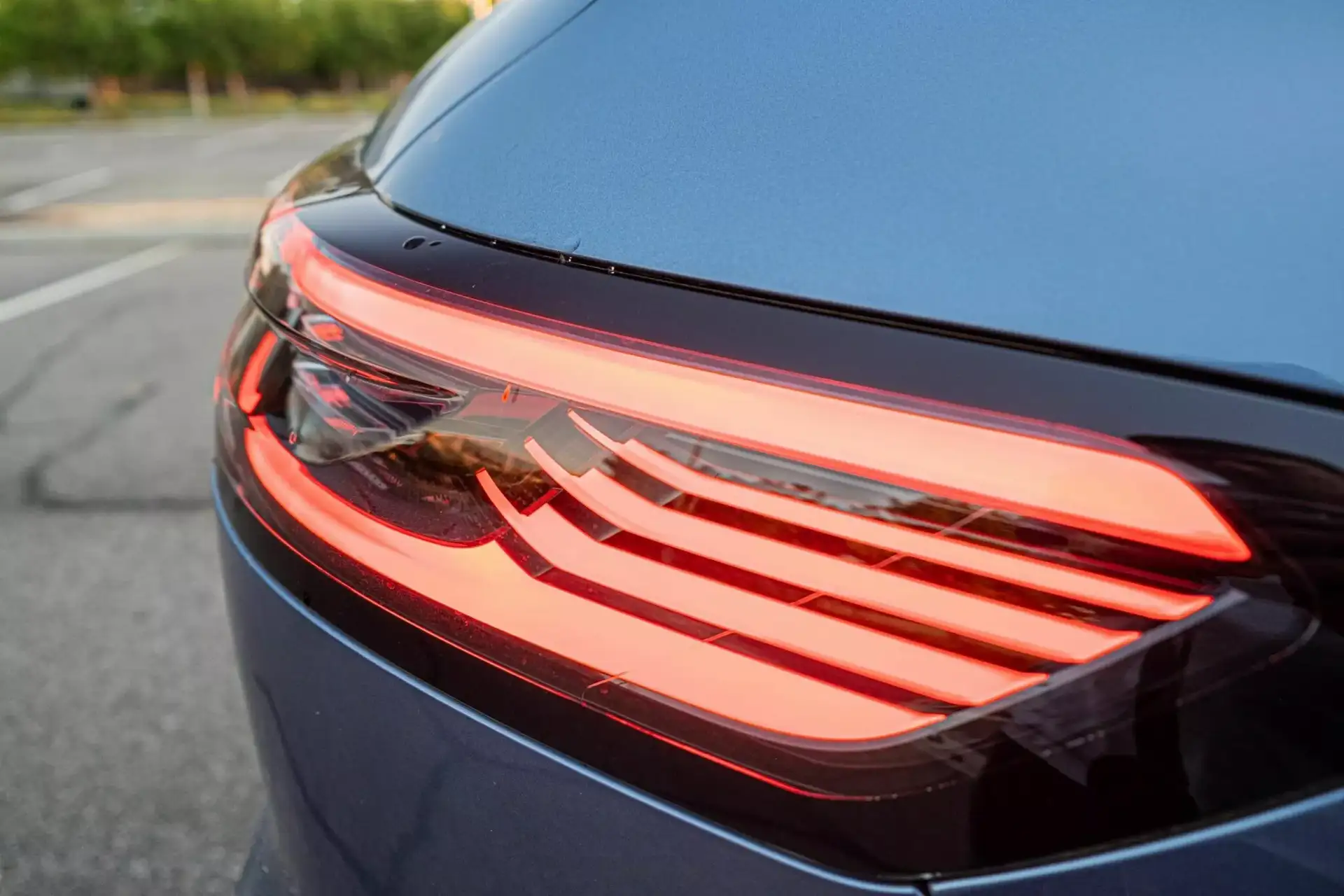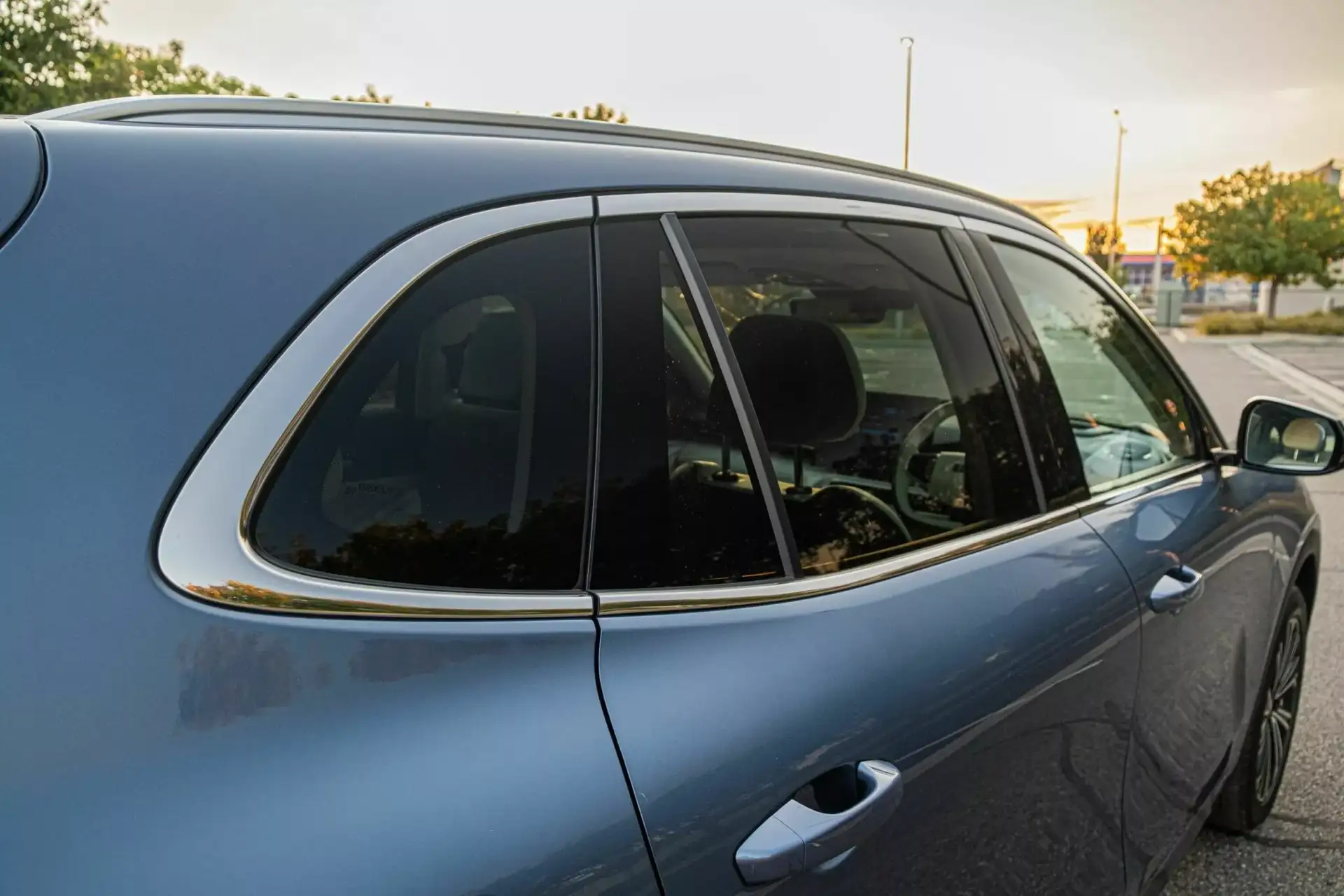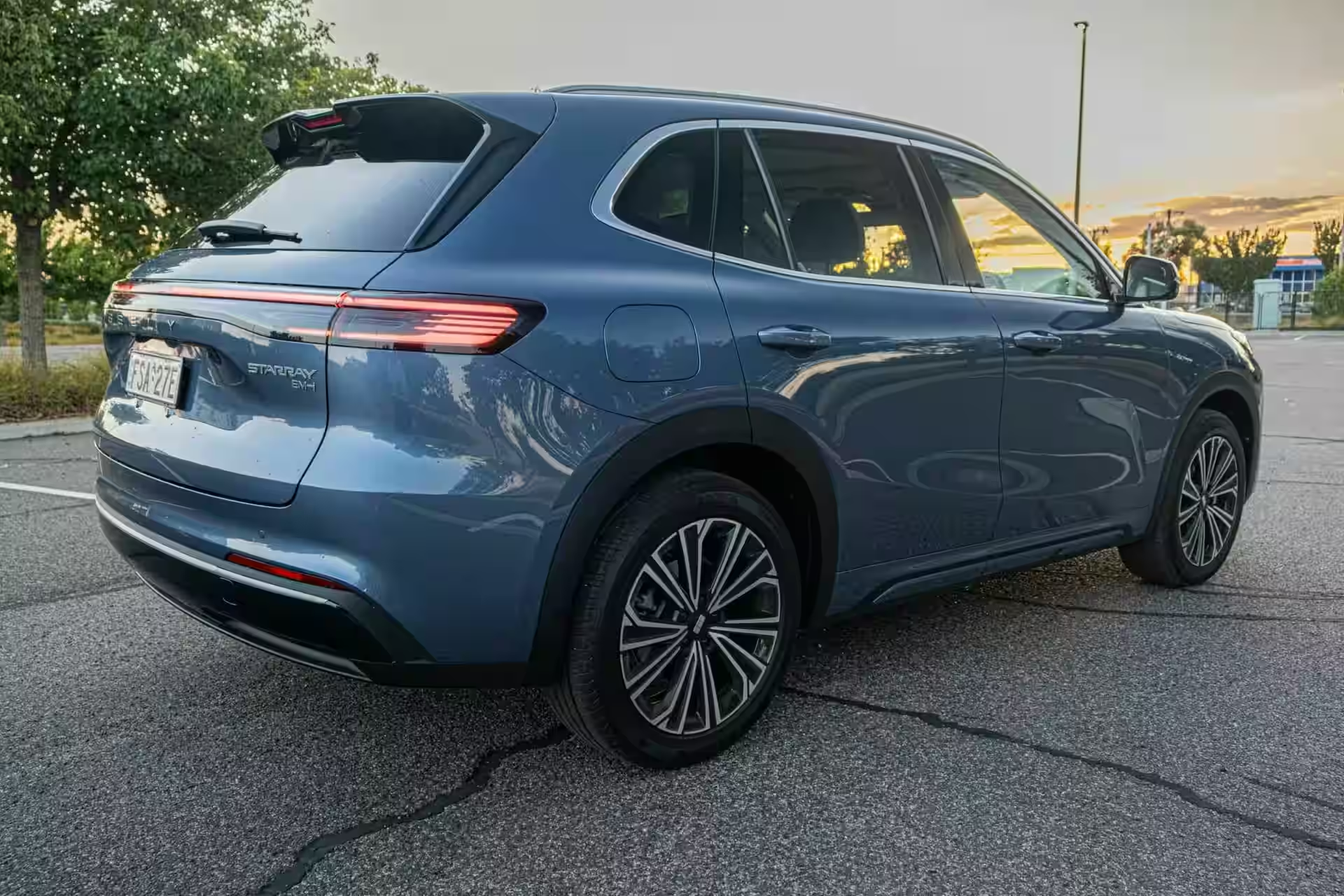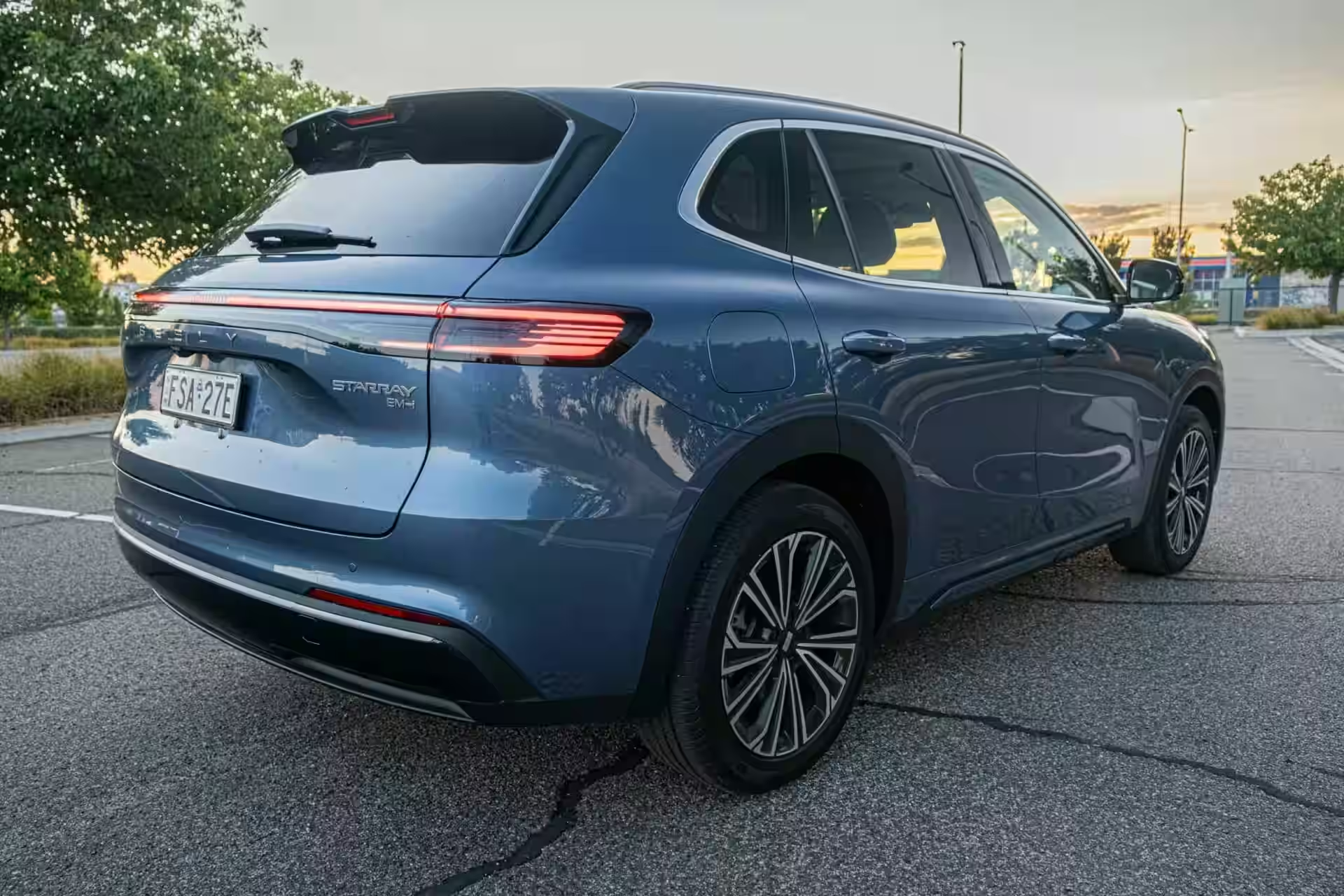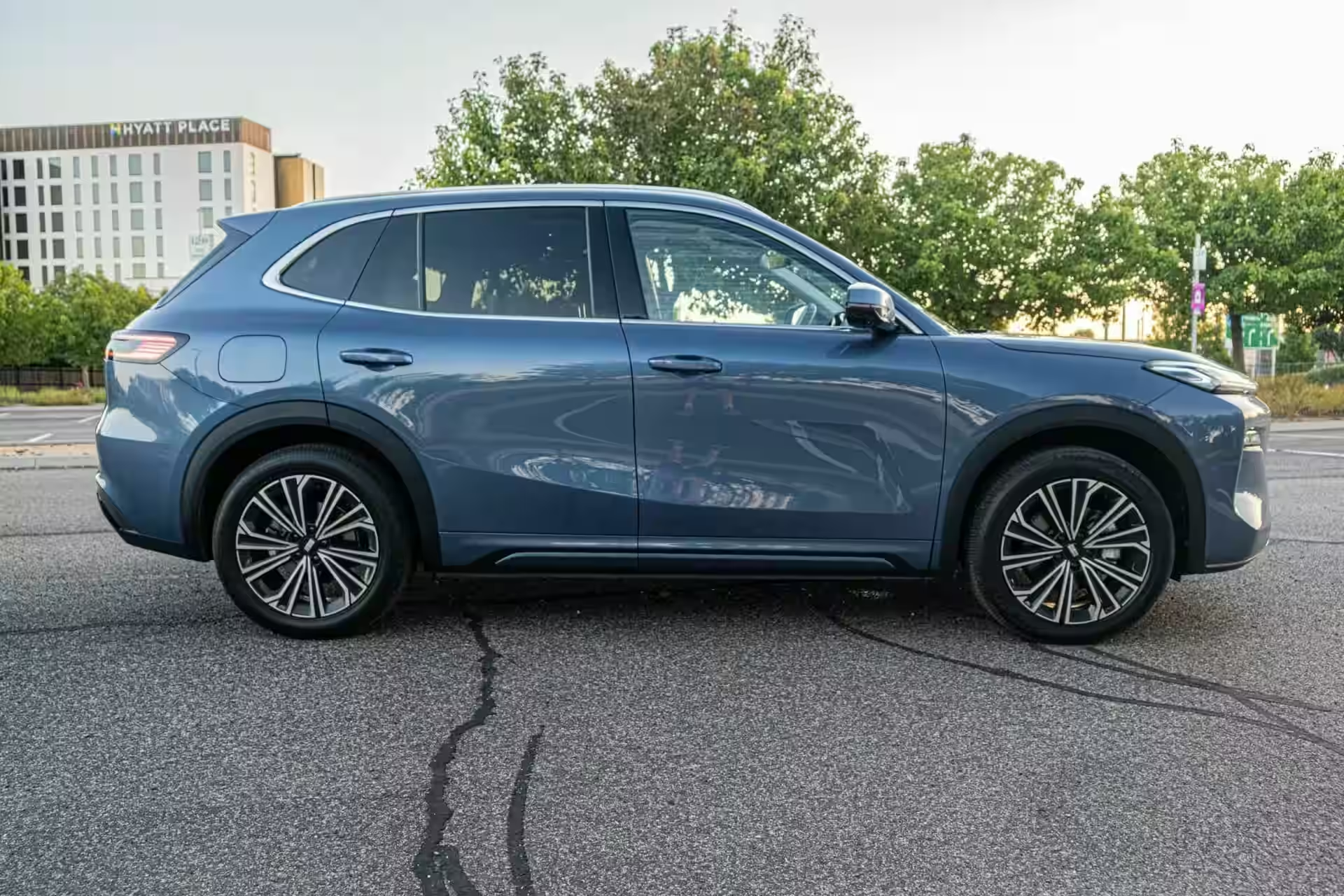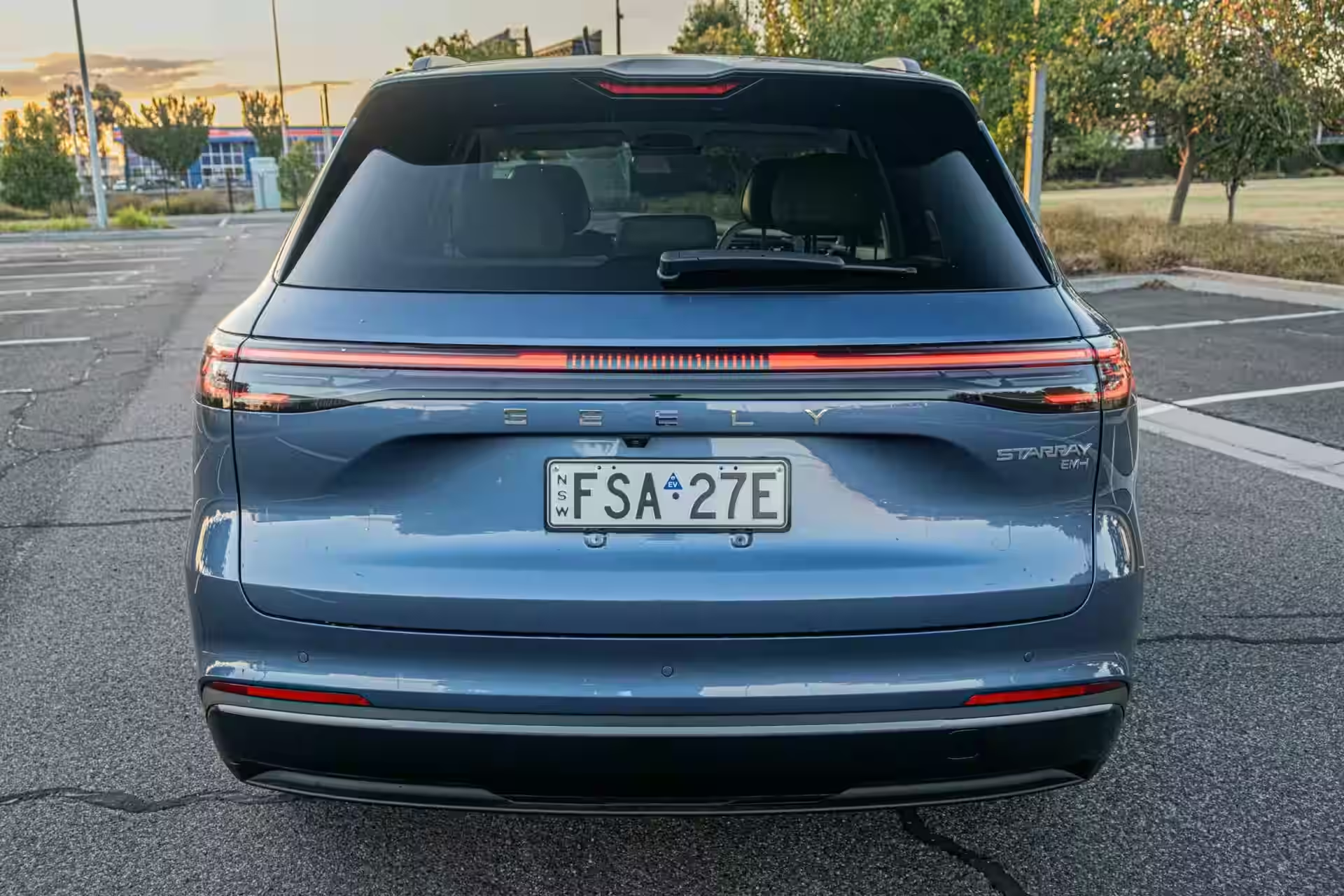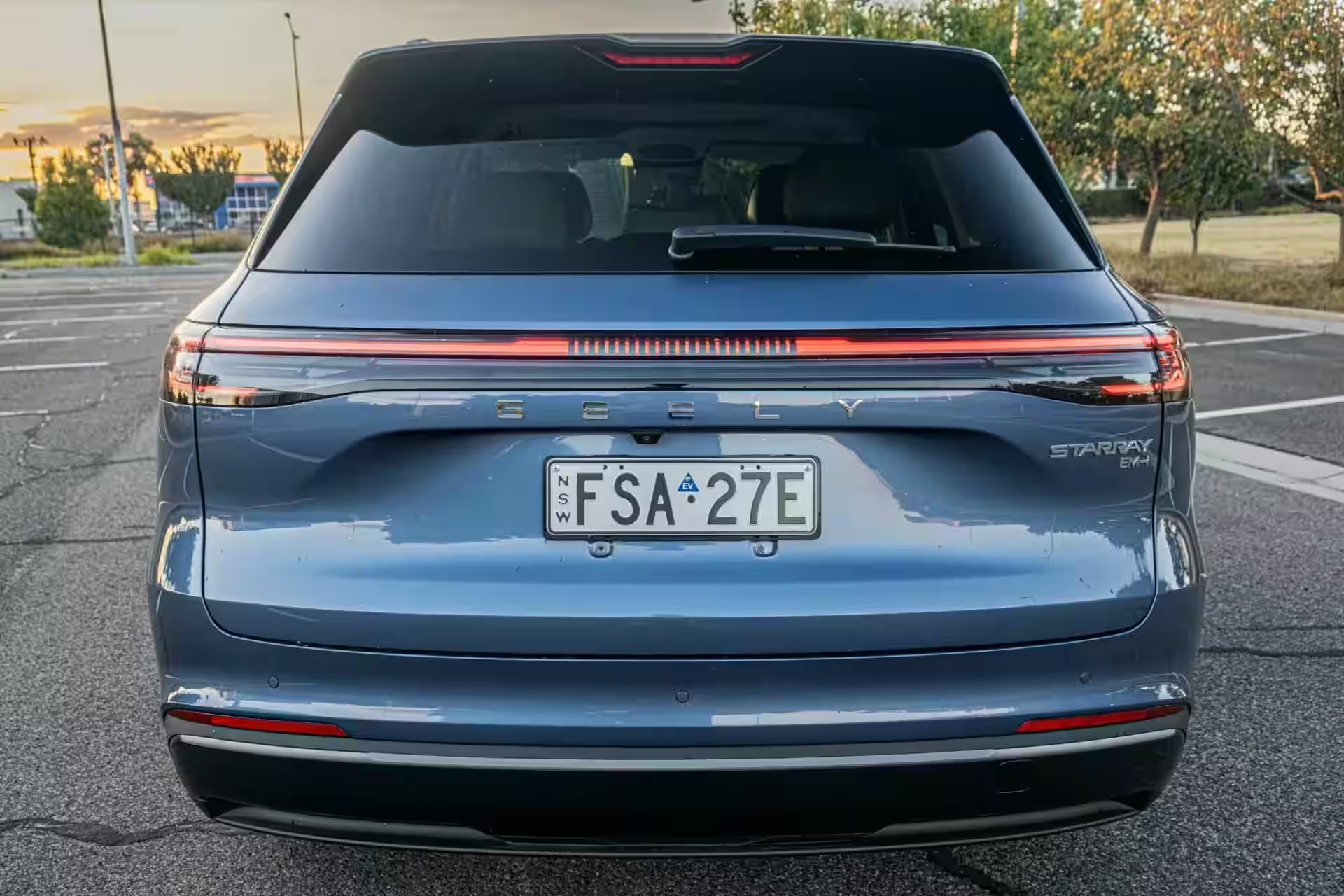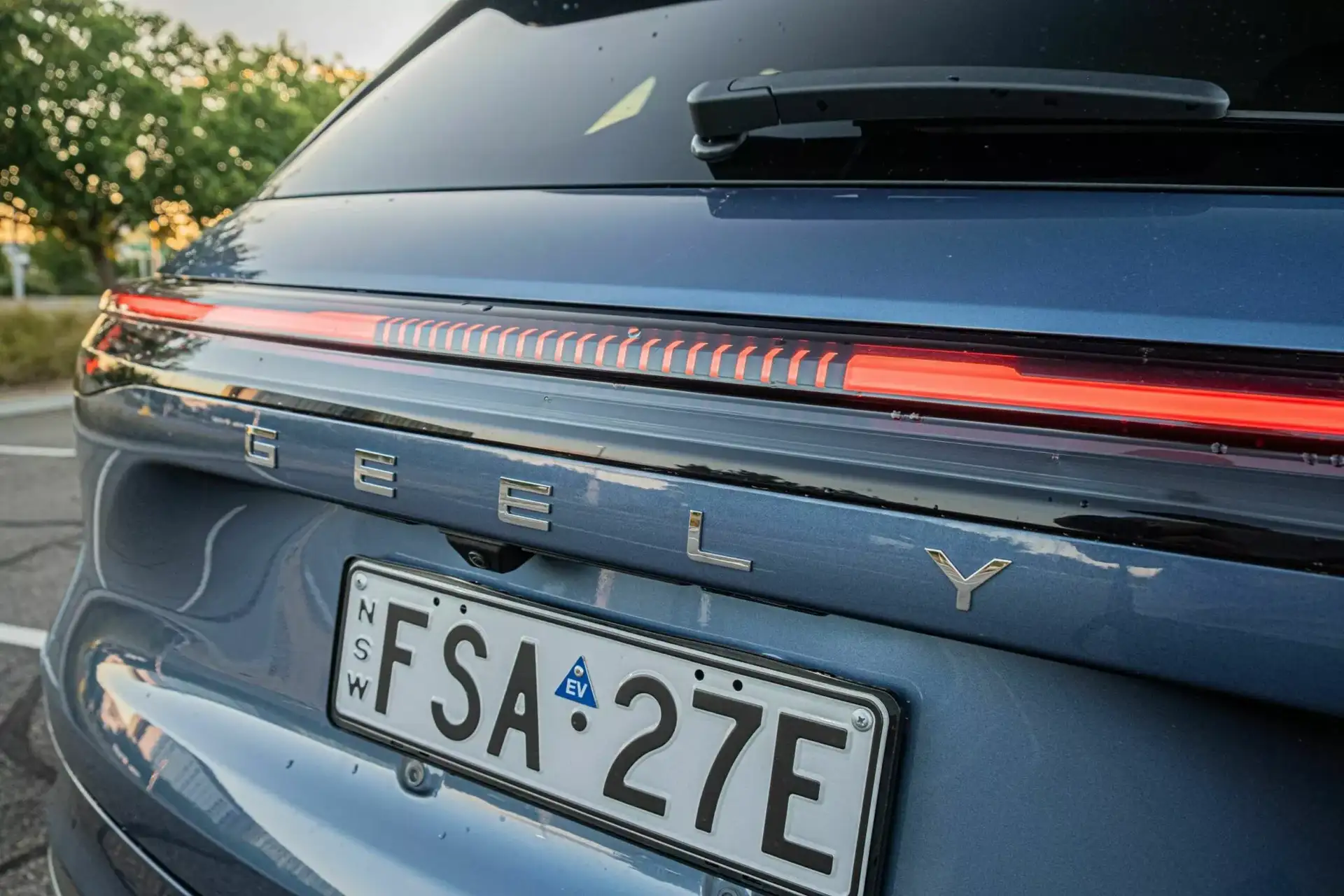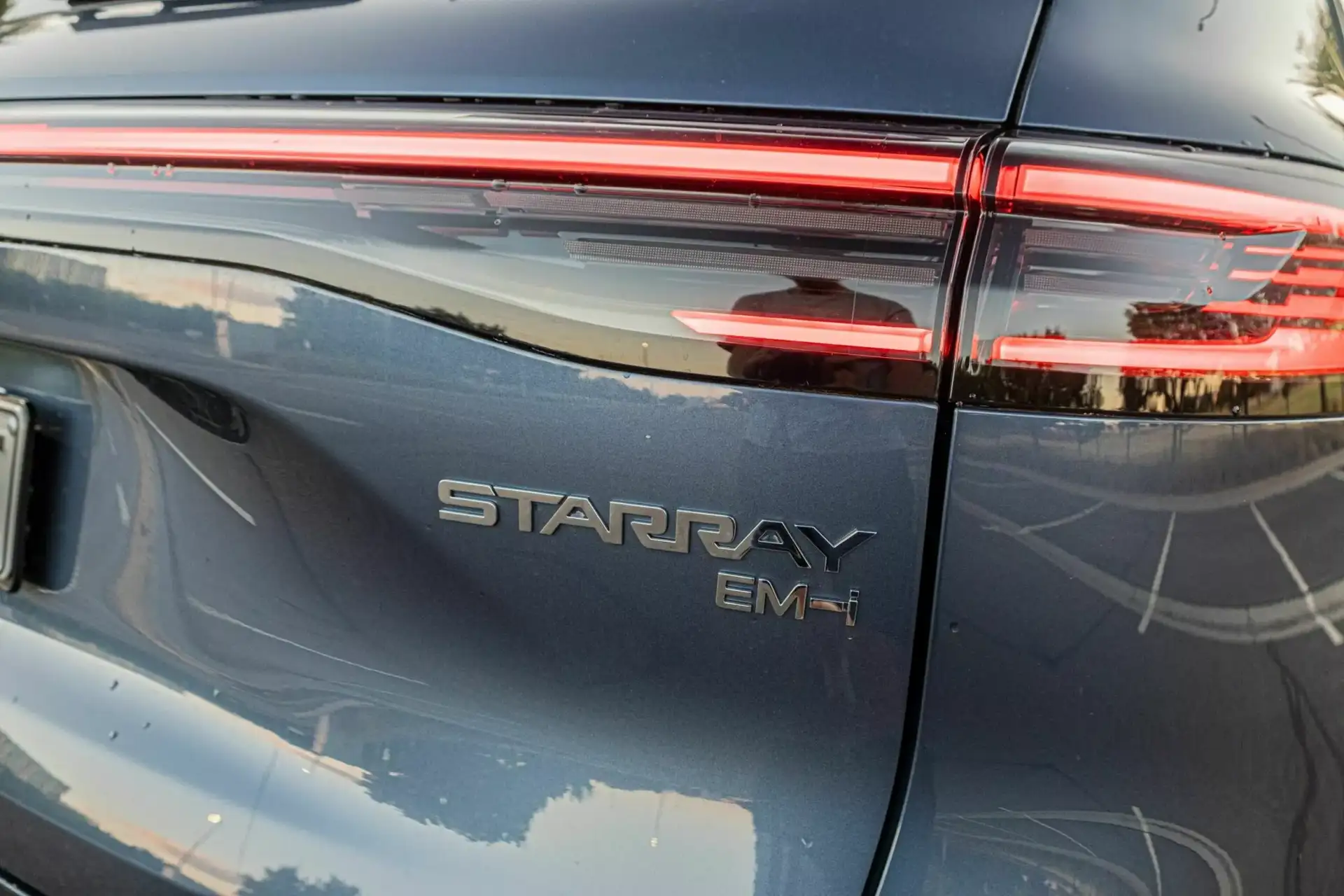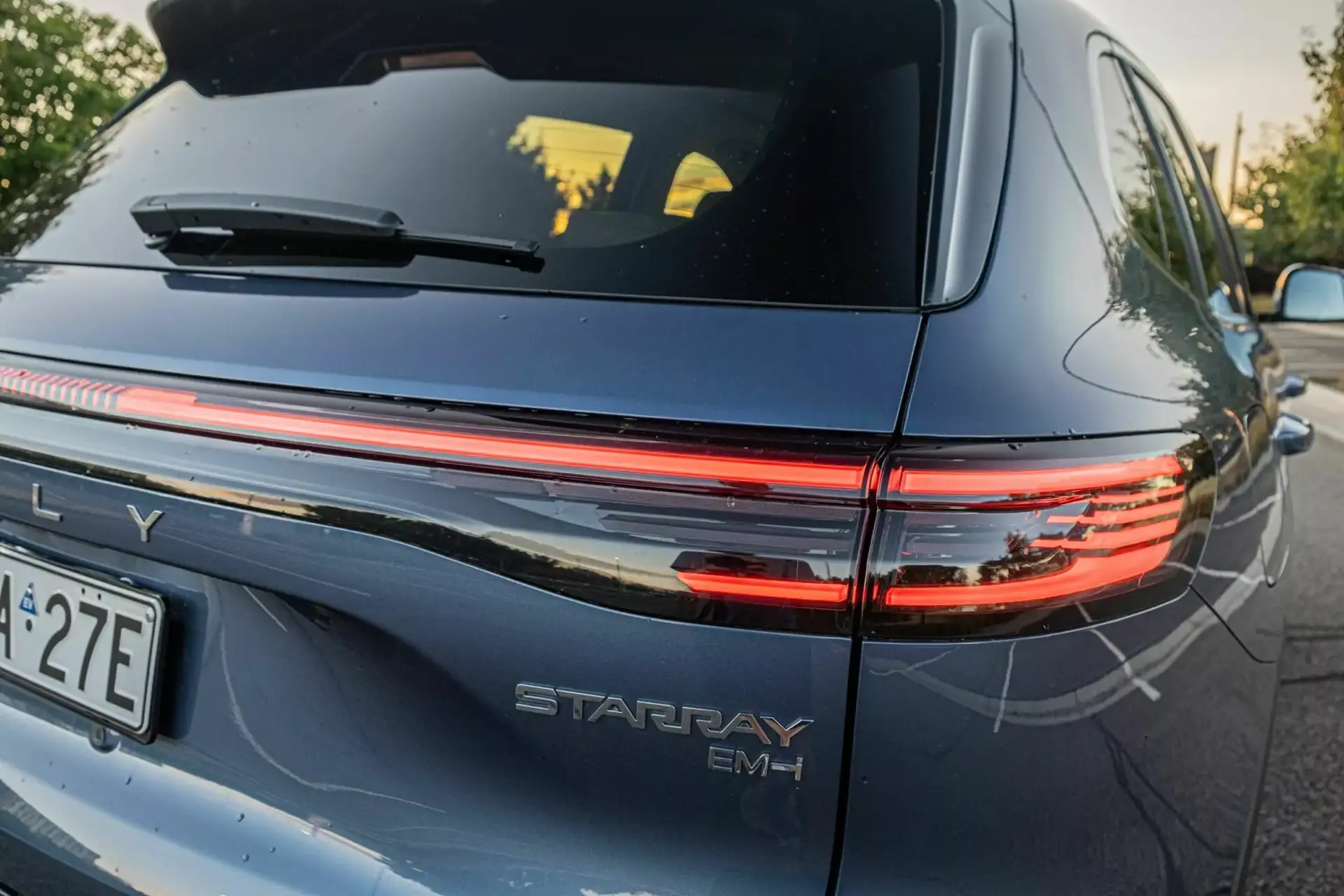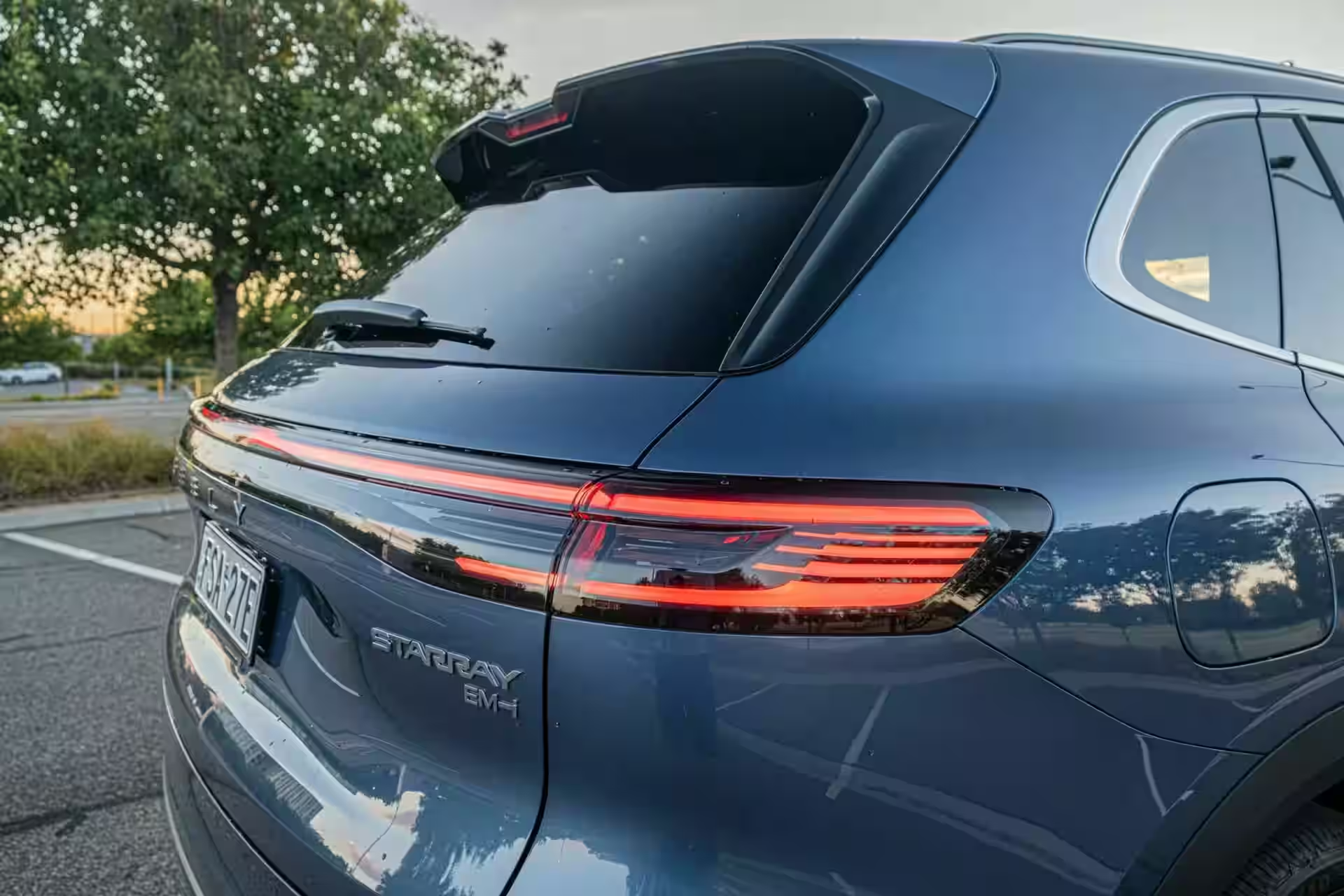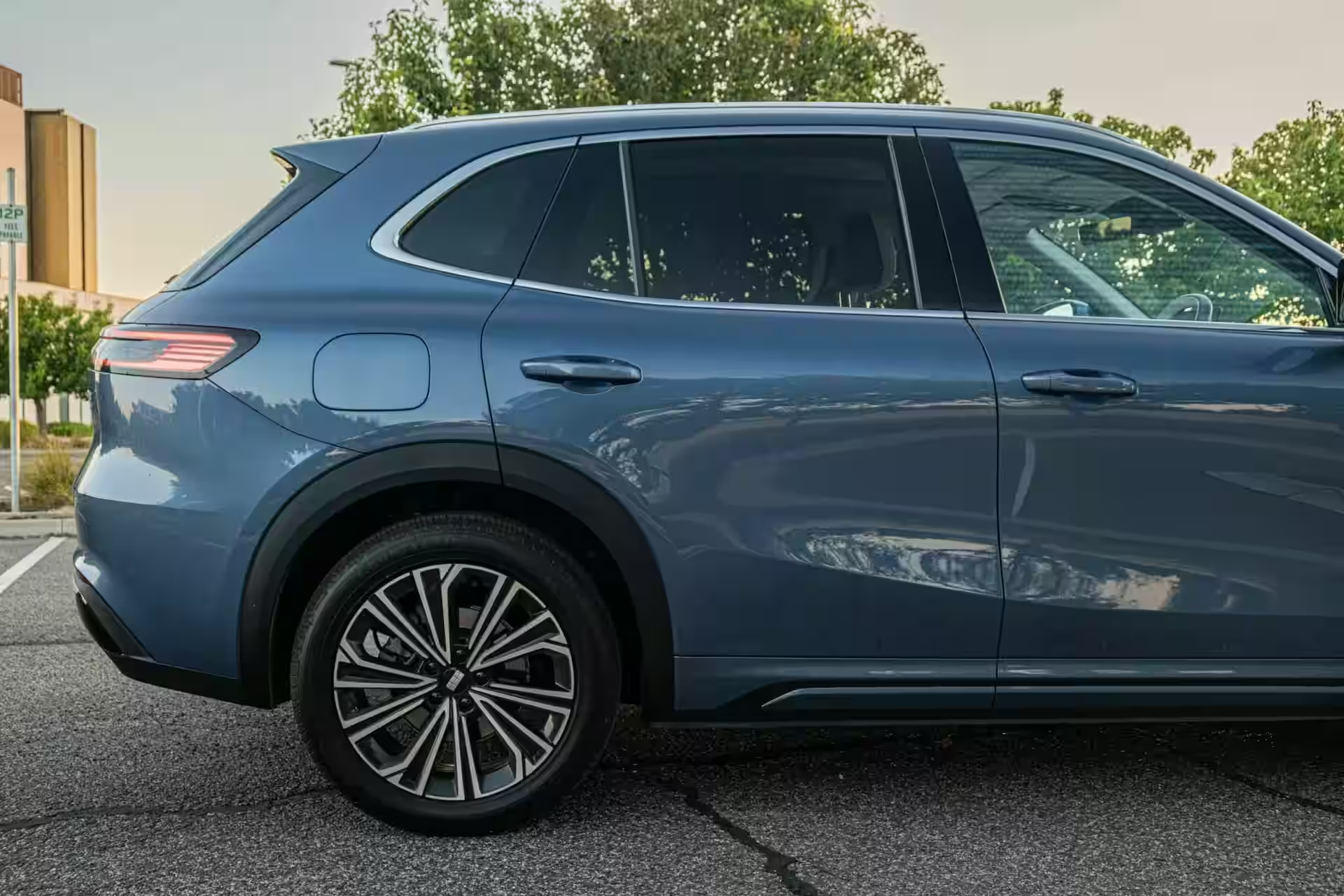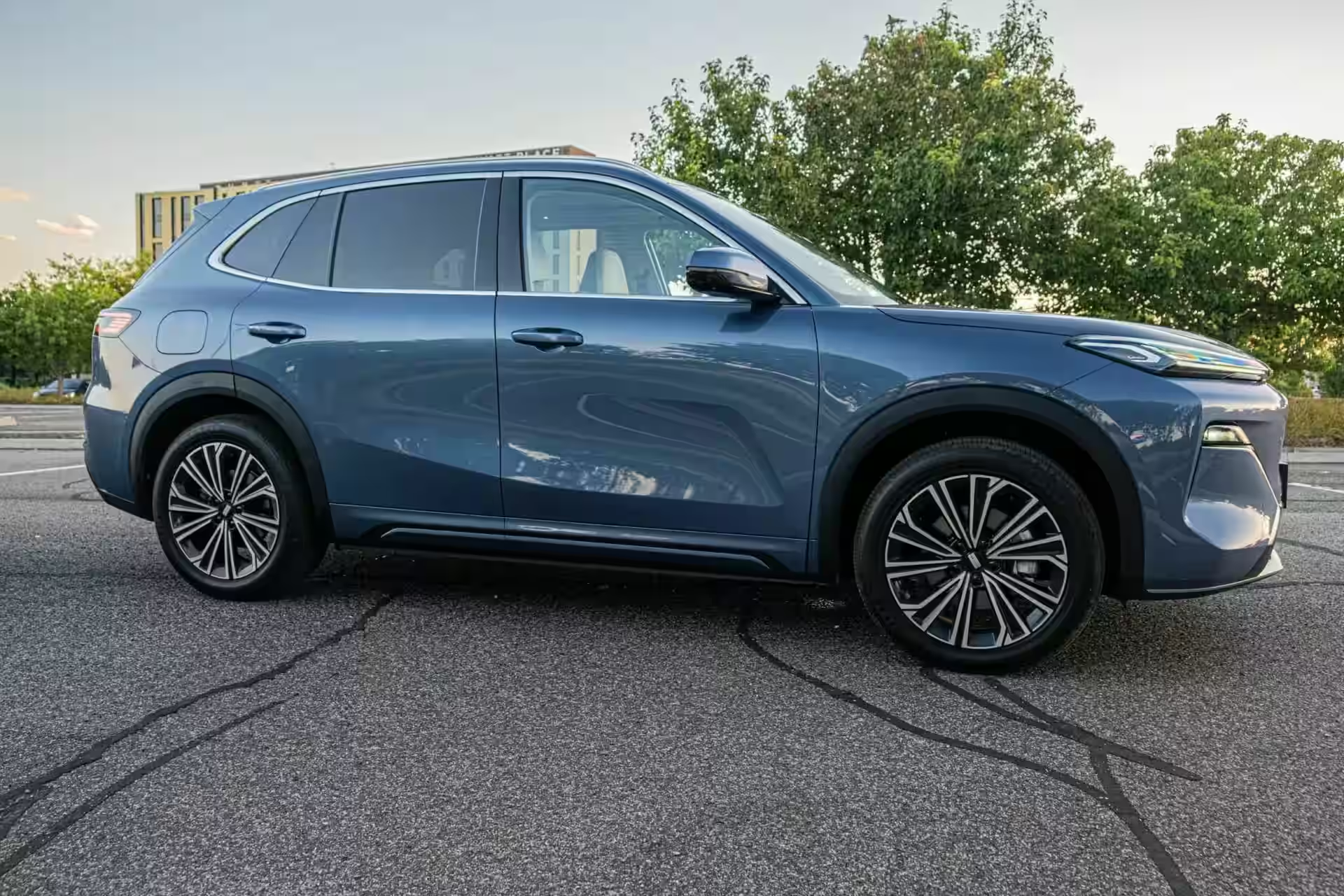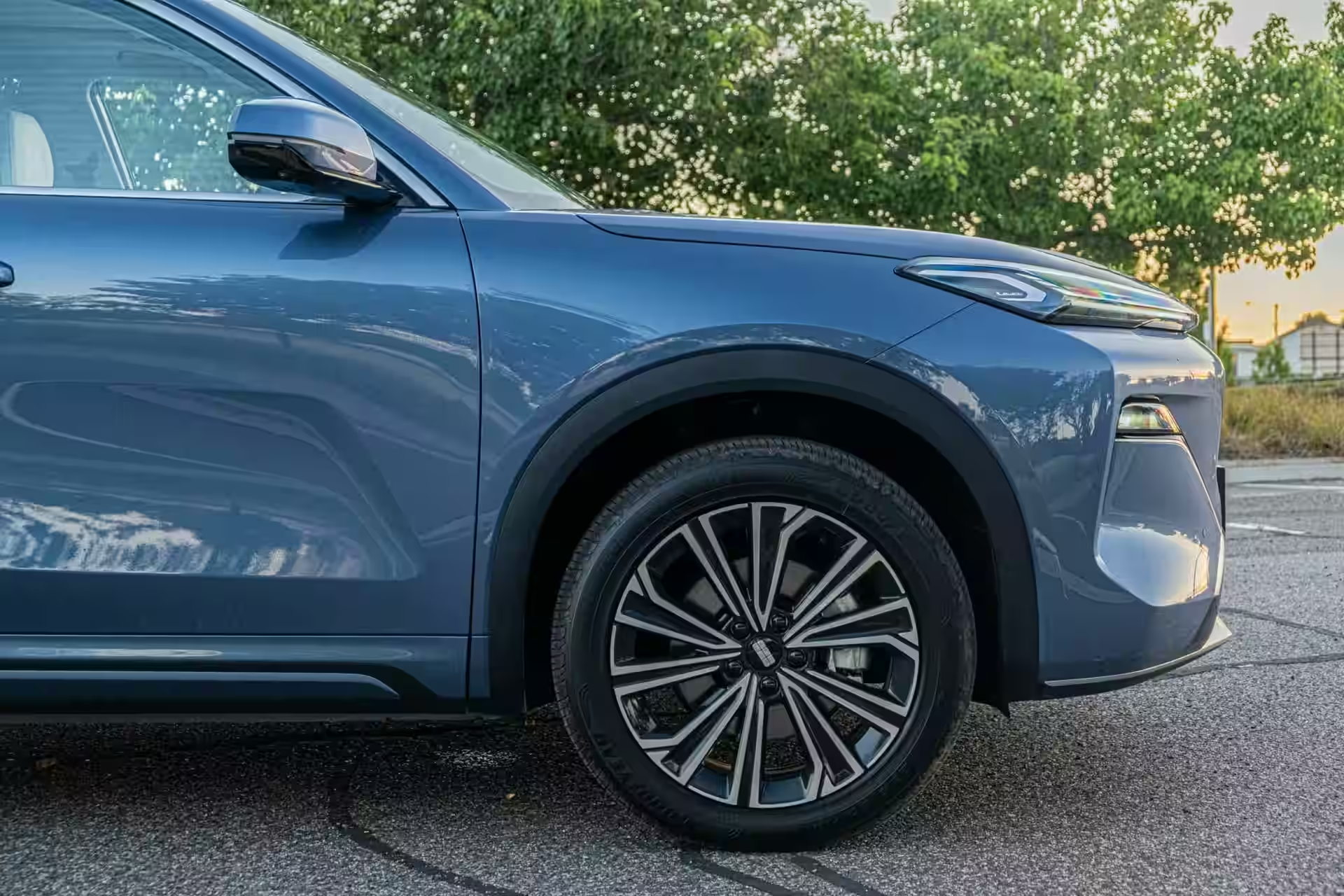
Low price vs premium feel in the GEELY STARRAY EM-i 2026 with 259 hp and up to 83 km electric range. Check the strengths and warnings.
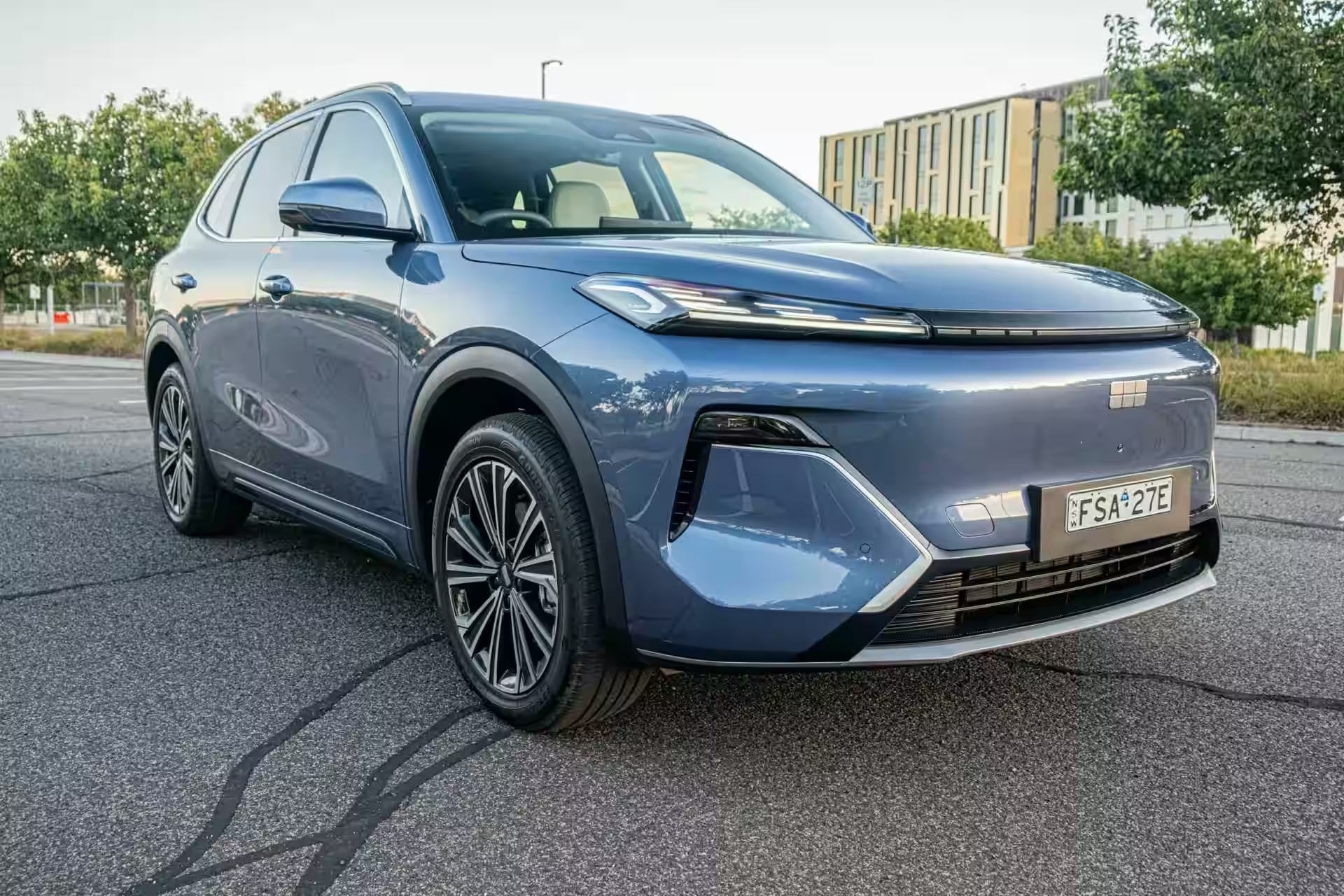
Geely Starray EM-i 2026 In Numbers And In The Real World
Before talking about finishes and screens, it’s worth understanding why this SUV became a hot topic. Geely stopped being a “Chinese promise” a long time ago and today is a global group with heavy-hitting brands (like Volvo and Polestar). This context matters because warranty, scale, and software update capability come with the purchase package of a modern plug-in hybrid.
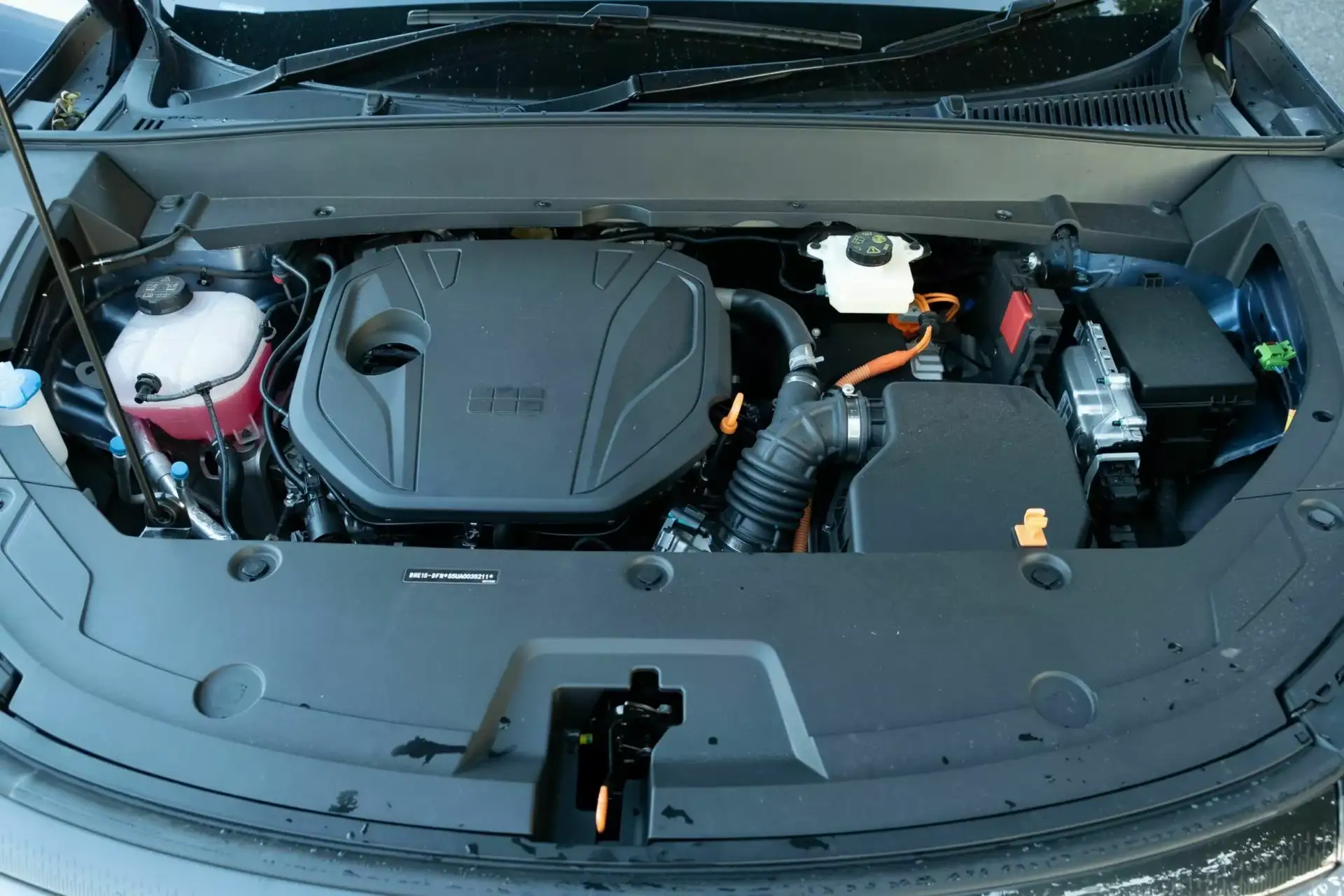
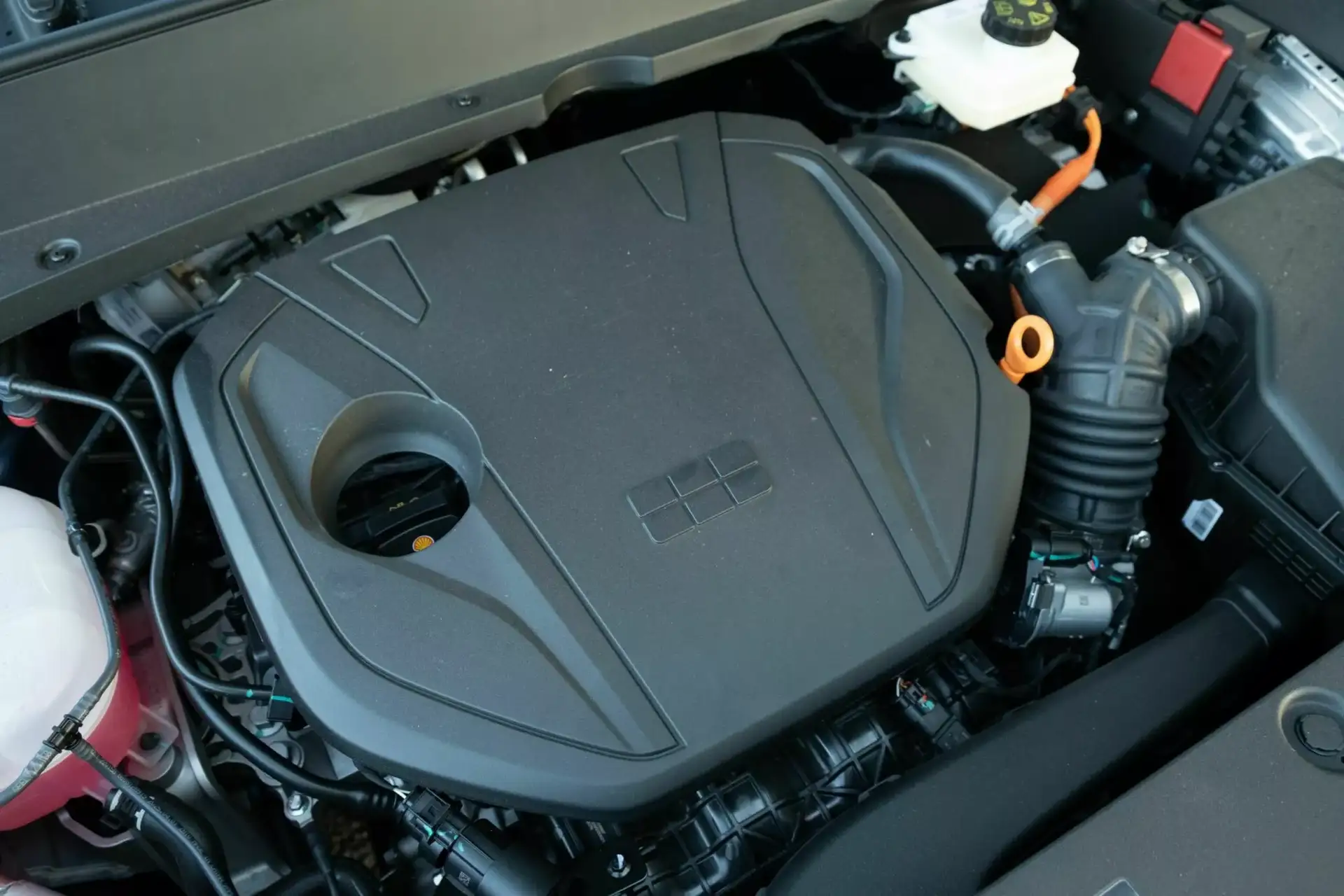
The Starray EM-i is a mid-size PHEV SUV (plug-in hybrid) with a powertrain designed for those who want to drive mostly on electric for the day, but without the anxiety of relying exclusively on charging.
| Item | Geely Starray EM-i 2026 (key specs) |
|---|---|
| Powertrain | 1.5 gasoline 4-cylinder + 1 electric motor |
| Battery | 18.4 kWh (lithium-ion) |
| Combined power | 259 hp (193 kW) |
| Electric torque | 262 Nm |
| 0 to 60 mph | approx. 8.0 s |
| Electric range (claimed) | up to 83 km (cycle reported in launch market) |
| Fuel consumption (gasoline use reported) | approx. 5.1 L/100 km |
| Dimensions (L x W x H) | 4,740 x 1,905 x 1,685 mm |
| Wheelbase | 2,755 mm |
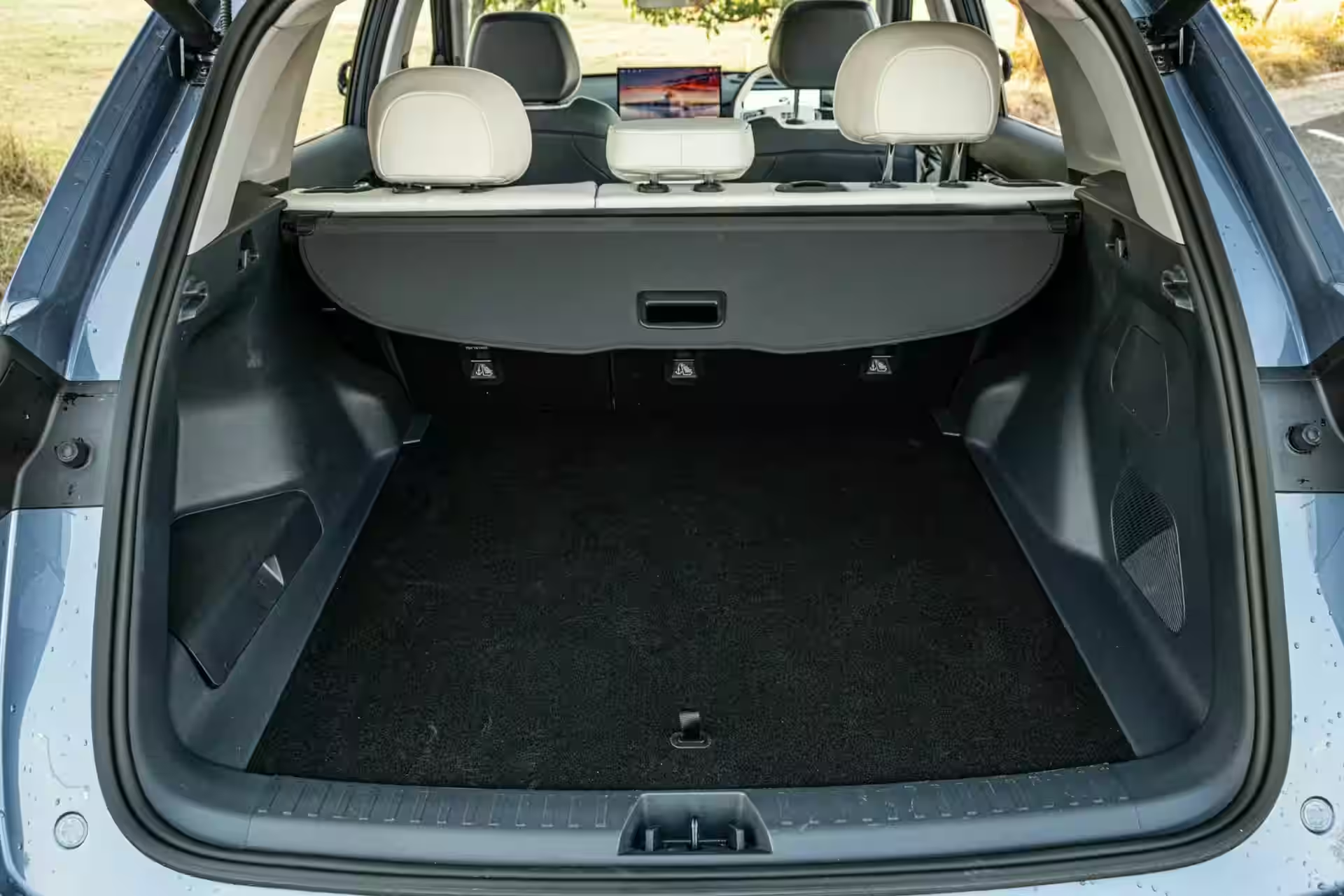
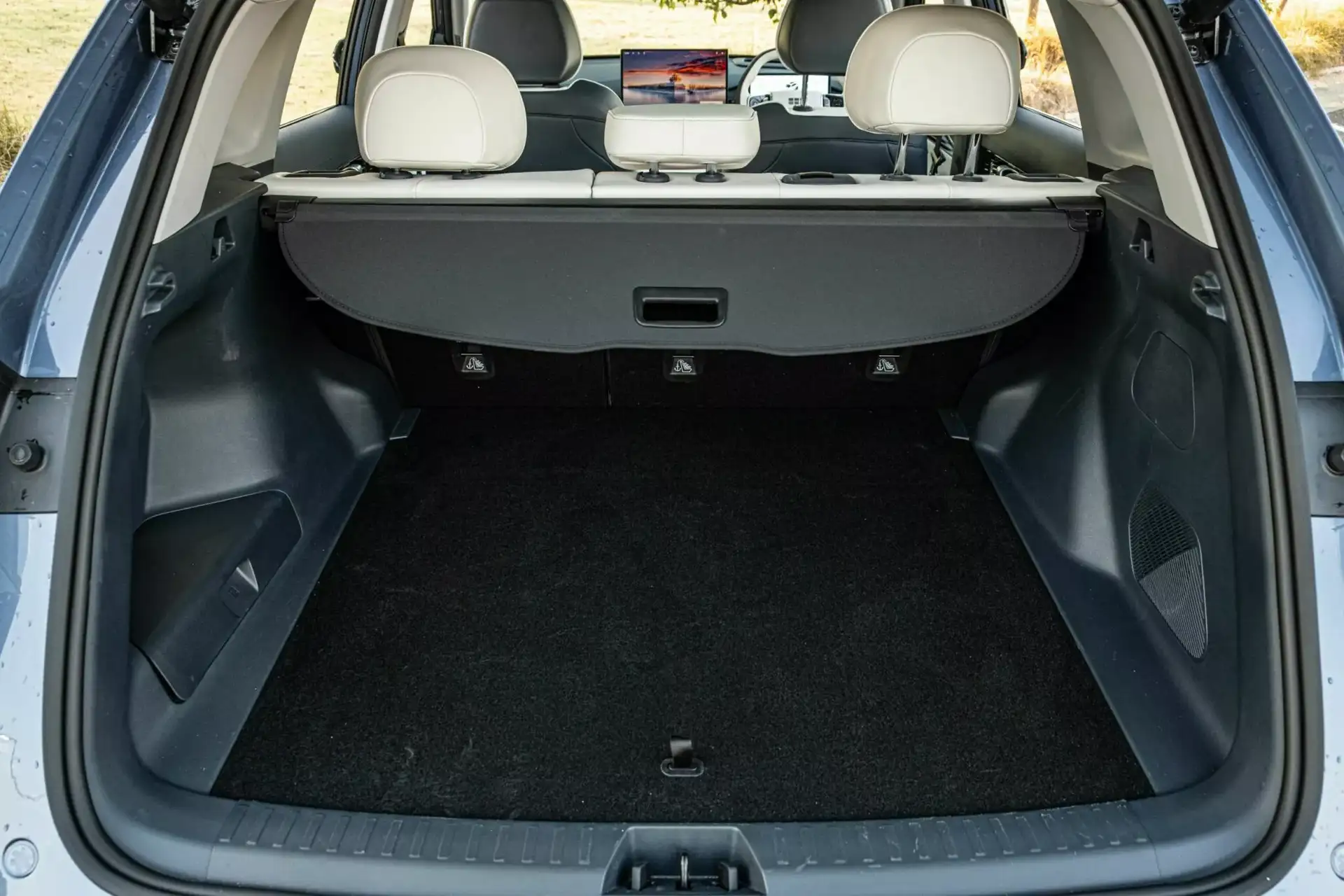
| Trunk space | 428 L (up to 2,065 L with seats folded) |
| Drivetrain | Front-wheel drive (FWD) |
| Warranty (evaluated market) | 7 years, unlimited mileage |
The key point is that the Starray EM-i was positioned, in the market where it debuted, with a price below direct rivals and even basic combustion SUVs. In practice, this creates a rare scenario: the buyer walks into the dealership to “save money” and leaves comparing it to premium models.
If you’re following the wave of SUVs forcing traditional brands to adjust prices and features, it’s worth cross-referencing this with another emblematic market case: the Nissan Armada 2027 that’s making American rivals rethink their prices. The logic is similar, but here applied to the world of “affordable” electrified vehicles.
How It Drives When The Battery Is Charged
A plug-in hybrid only makes sense when it delivers two things at once: silence/smoothness in electric mode and smooth transition when the gasoline engine kicks in. And this is where the Starray EM-i creates the feeling of a “higher-class car”.
- Driving on electric becomes the standard for urban trips, with observed electric consumption around 16 kWh/100 km in real-world testing reported.
- The combustion engine joins in without drama at higher speeds and when you demand more from the accelerator, keeping cabin noise perception low.
- There are driving modes (EV, hybrid, and power focus), plus options to adjust brake regeneration.
It’s not the type of PHEV that tries to sell sportiness at any cost. The choice here is serenity. And that aligns with what many people really want from a mid-size family SUV.
Is Front-Wheel Drive A Flaw Or An Advantage?
In a world where many electrified vehicles use rear-wheel or all-wheel drive, the Starray EM-i’s front-wheel drive seems conservative. But for the average buyer, it delivers two very objective benefits:
- Predictable behavior and easy to understand in daily use.
- Cost and simplicity potentially better than complex AWD systems.
The downside is that, in stronger exits from tight corners (or on ramps/garage entries where the wheel “relieves”), there may be occasional wheel spin on the front. It’s not a “problem,” but it’s a clear signature of the design.
If your priority is all-wheel drive for adventures and rough surfaces, it might make sense to compare with different proposals. An example of an electrified vehicle with a very specific appeal is the Subaru Crosstrek Hybrid 2027 with standard AWD, which is born with a different focus.
The Interior That Makes The Price Seem “Wrong”
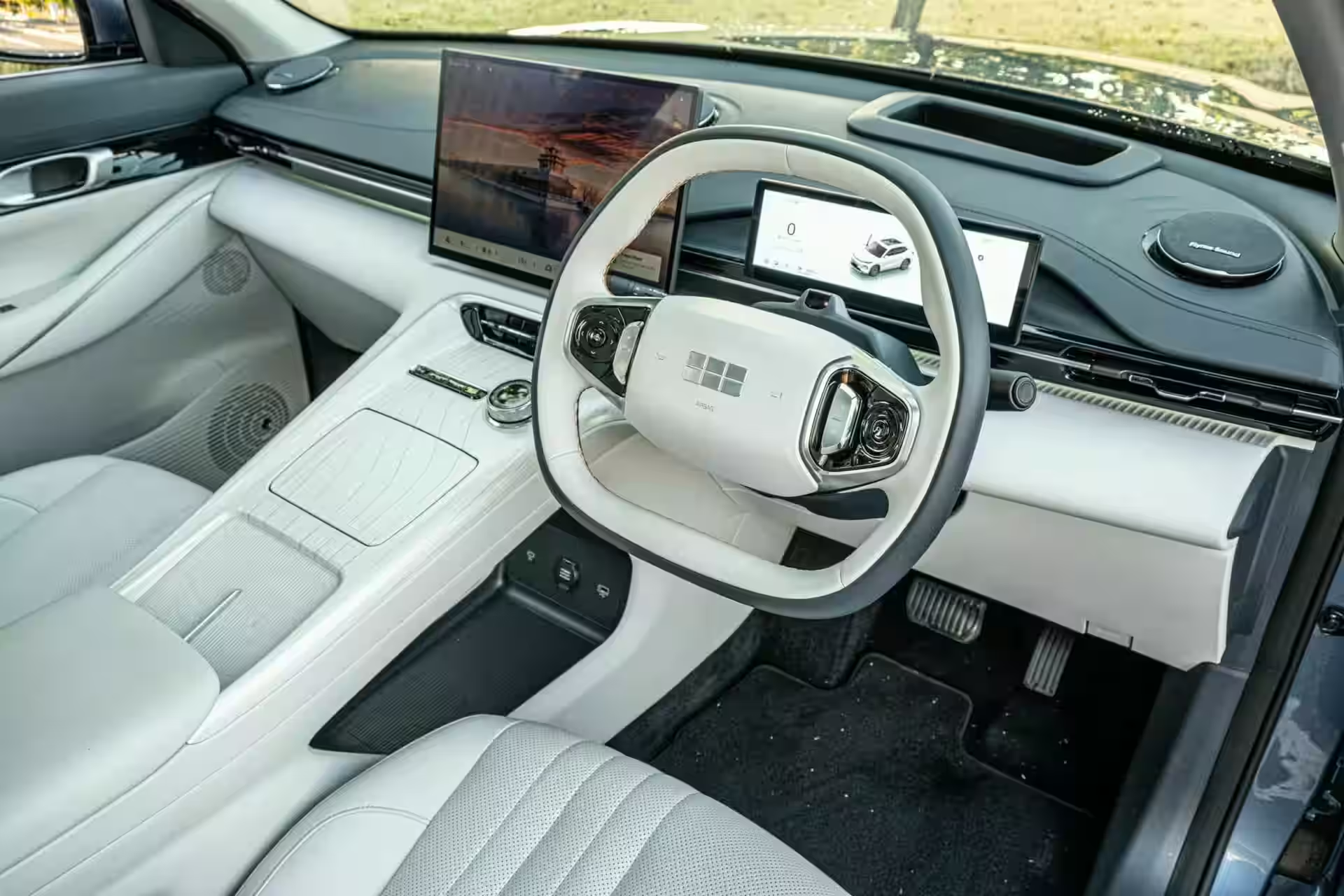
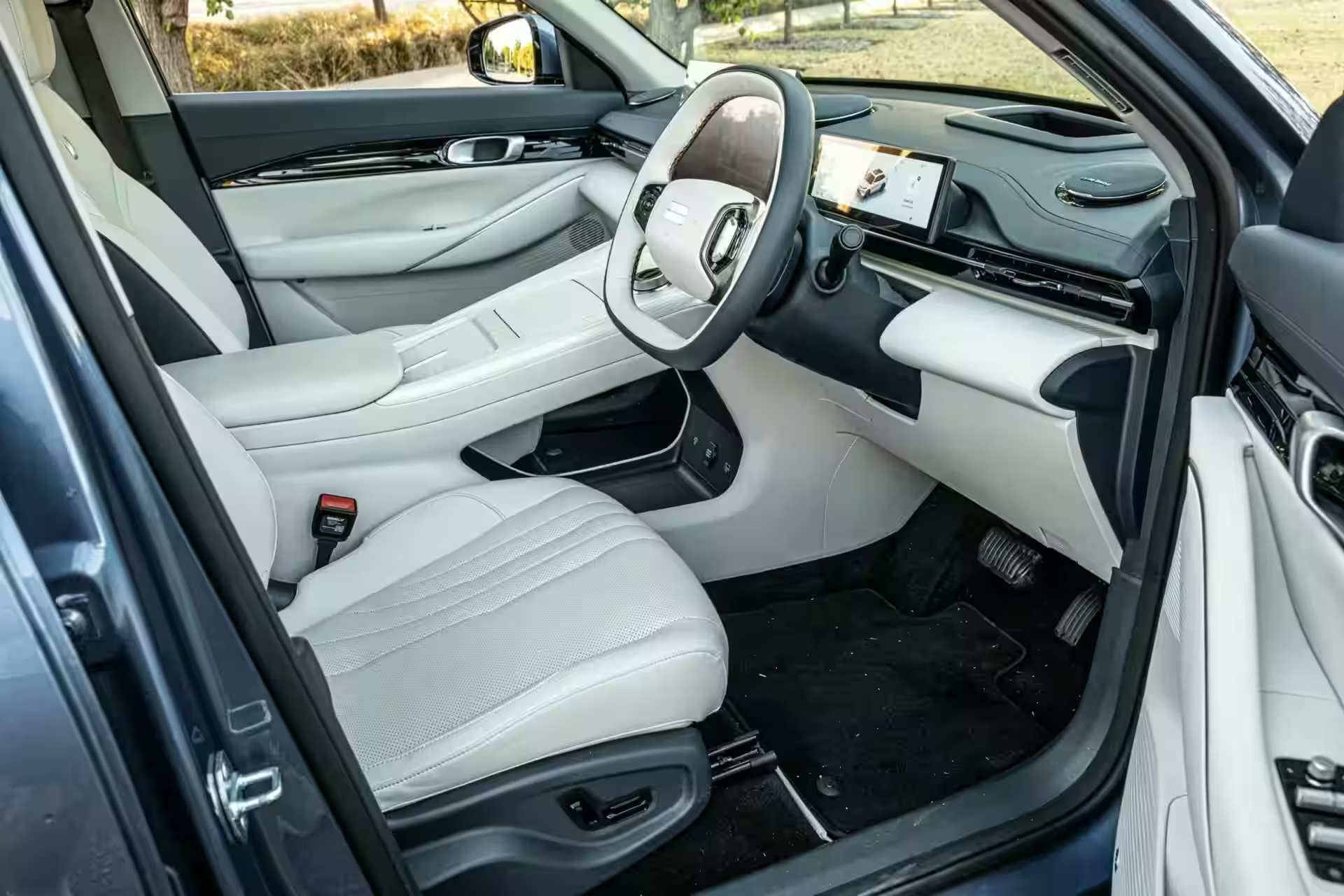
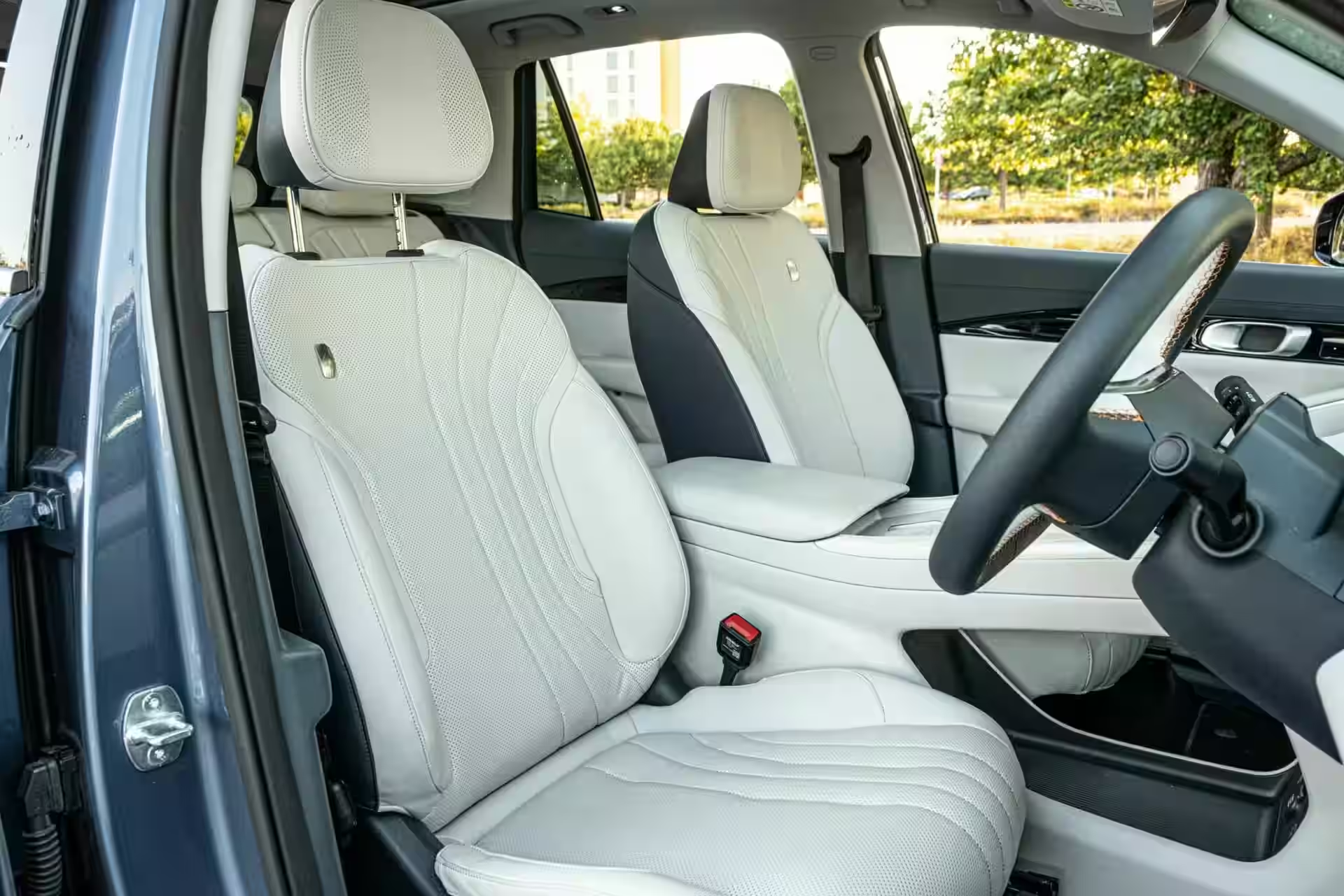
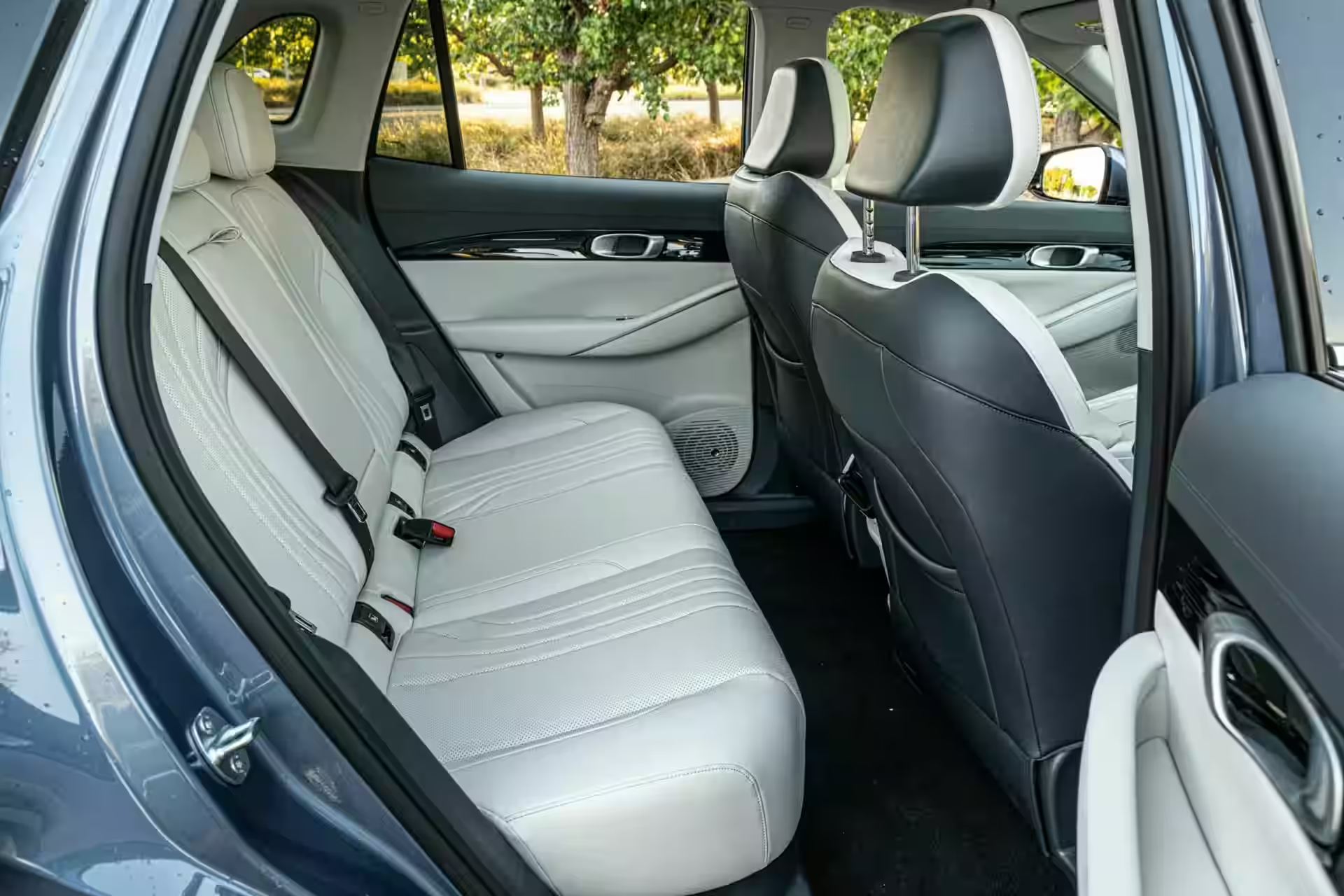
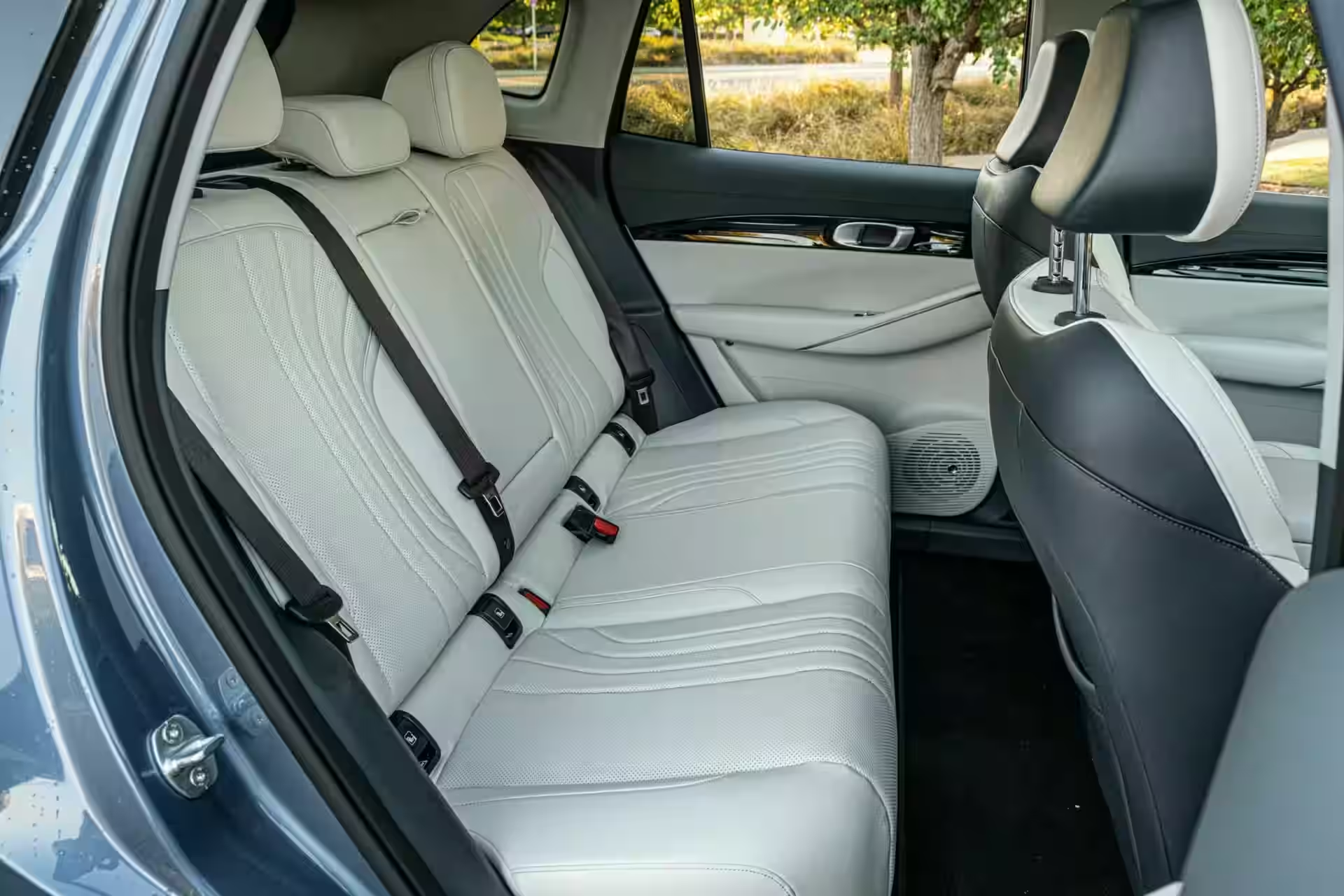
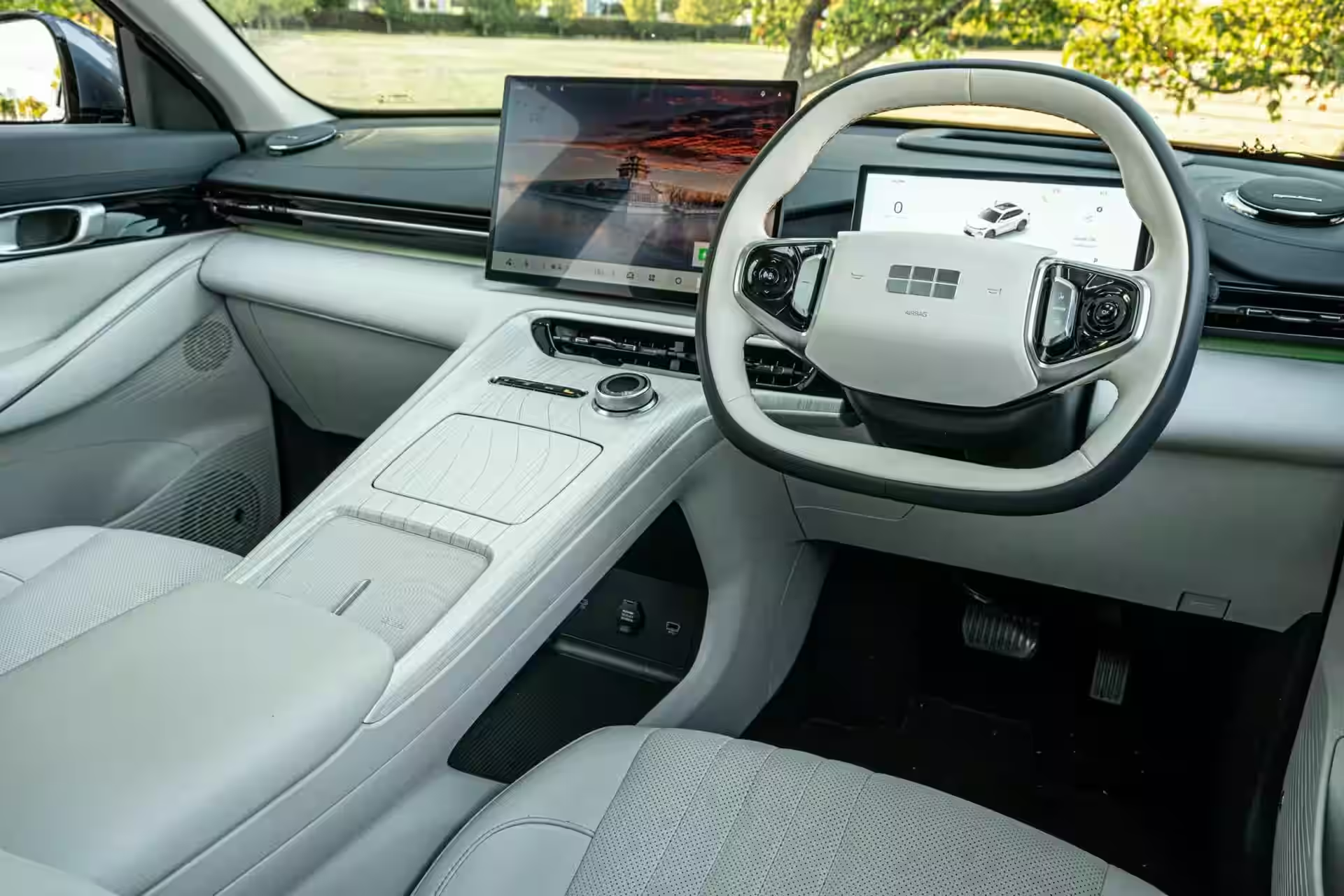
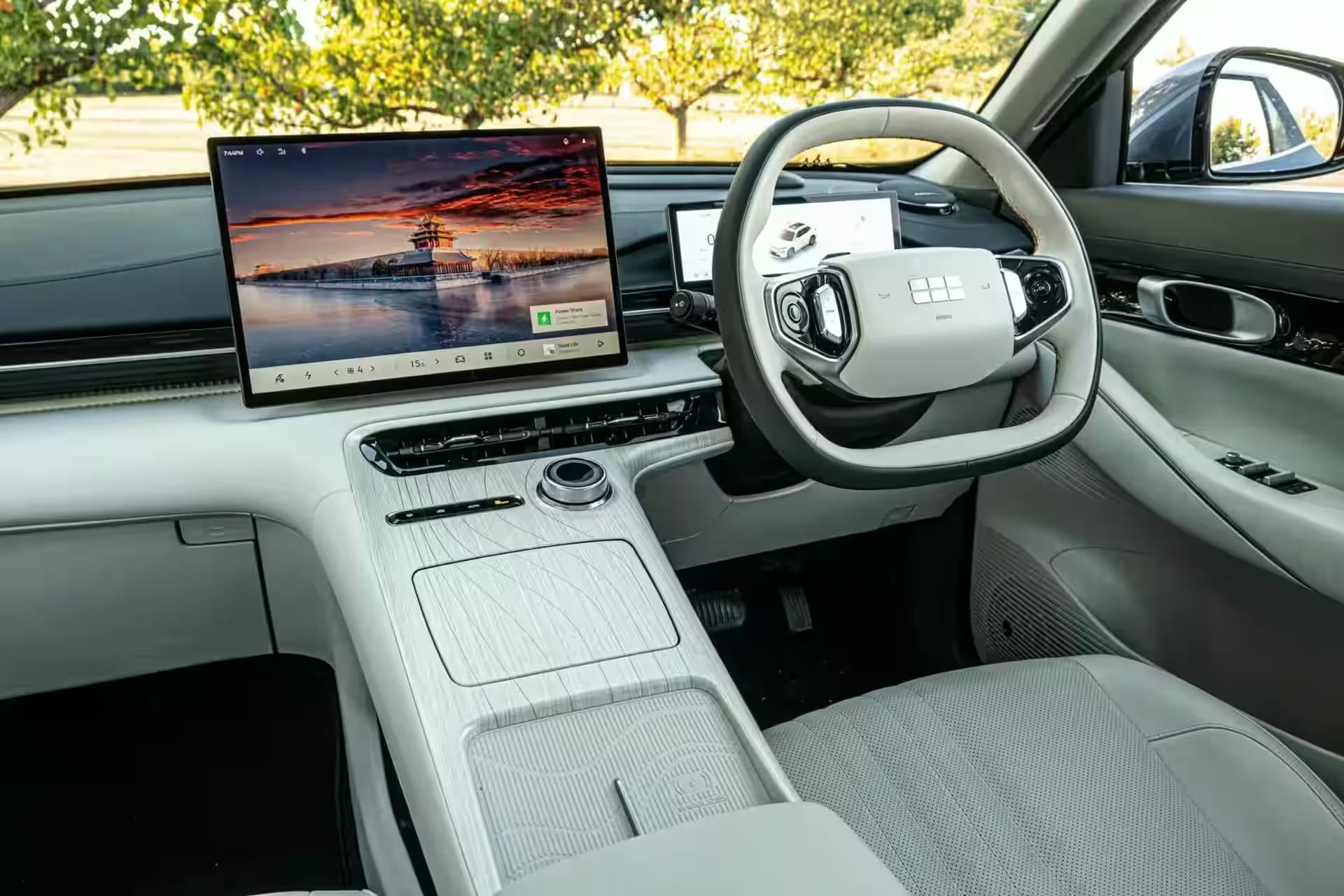
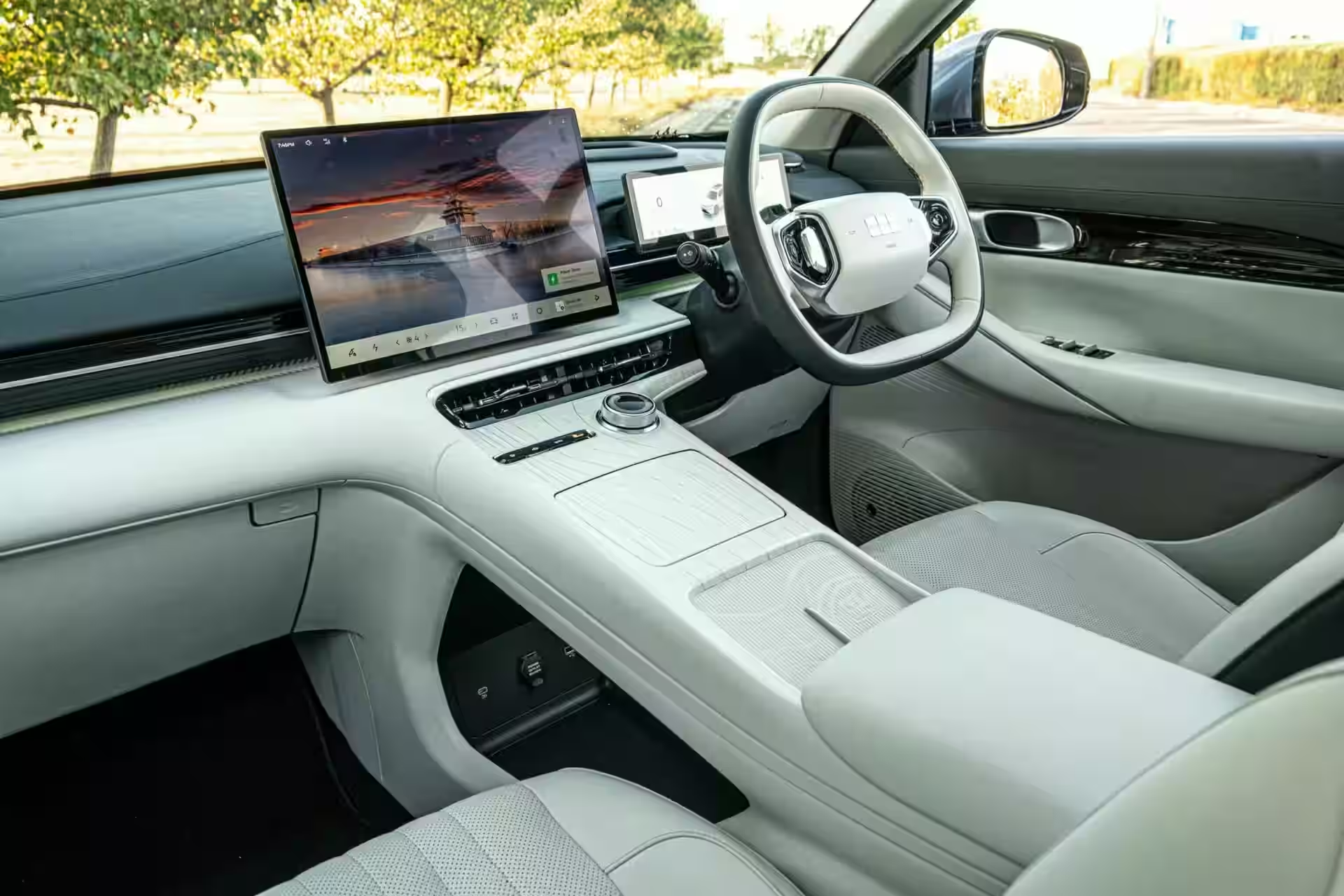
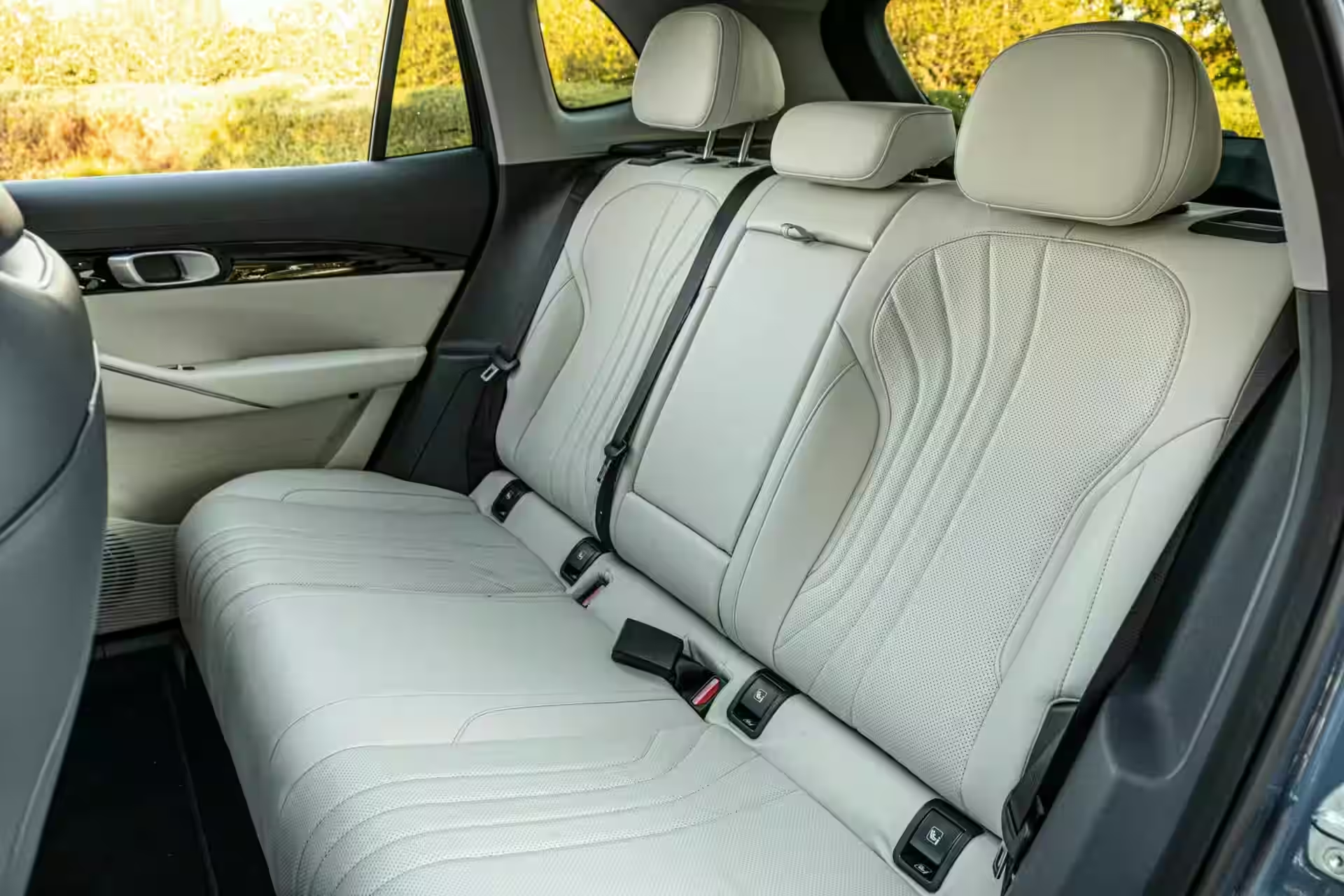
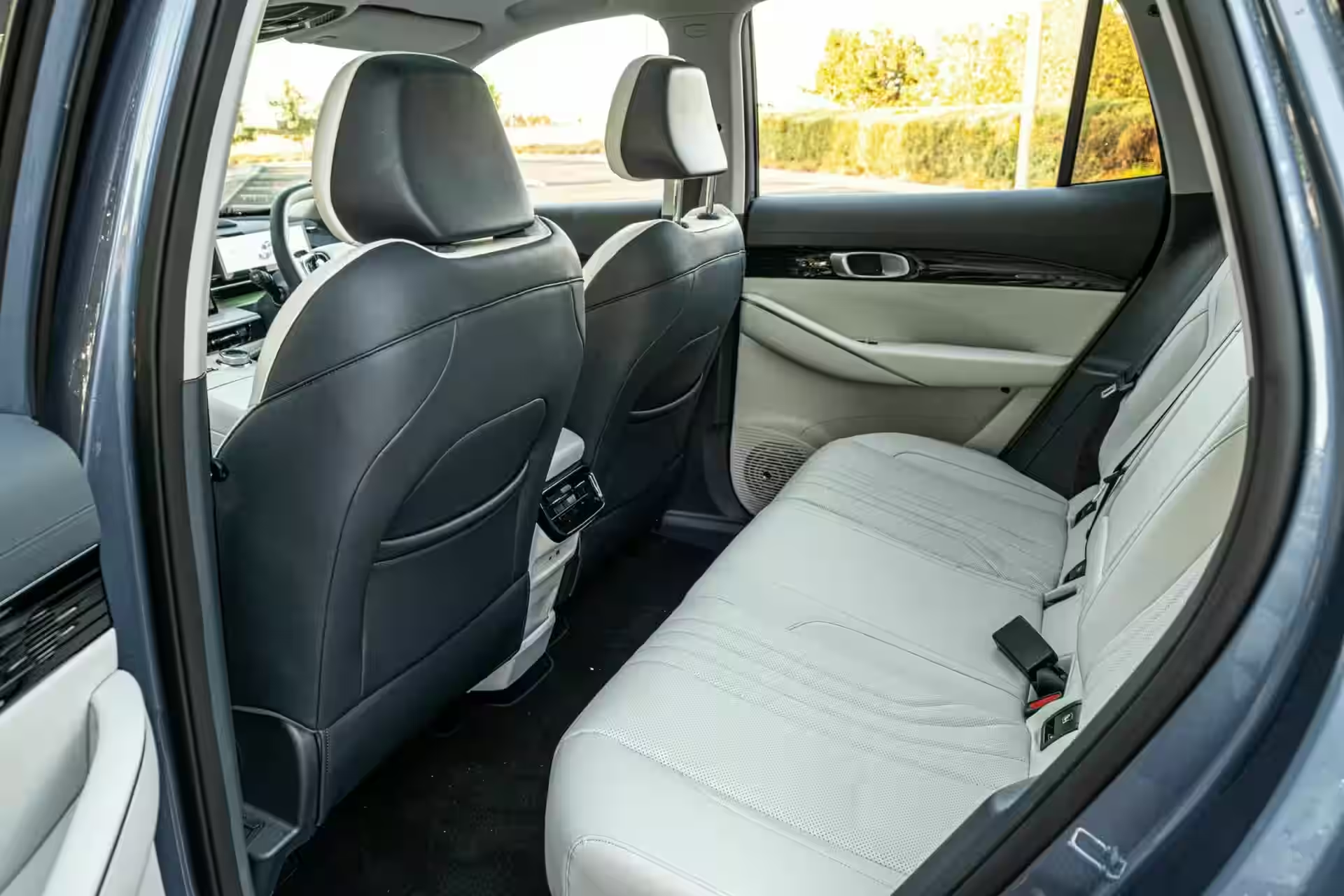
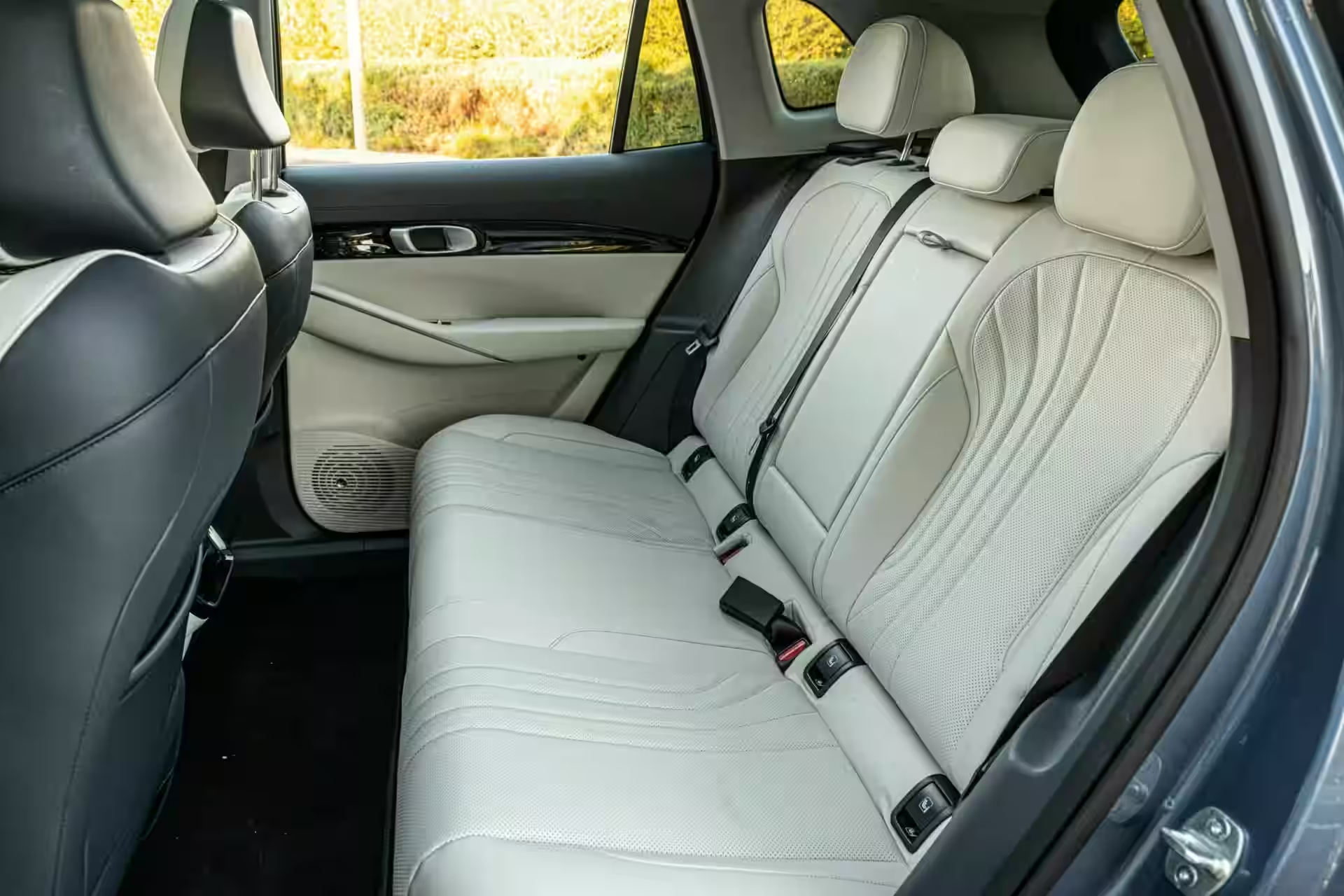
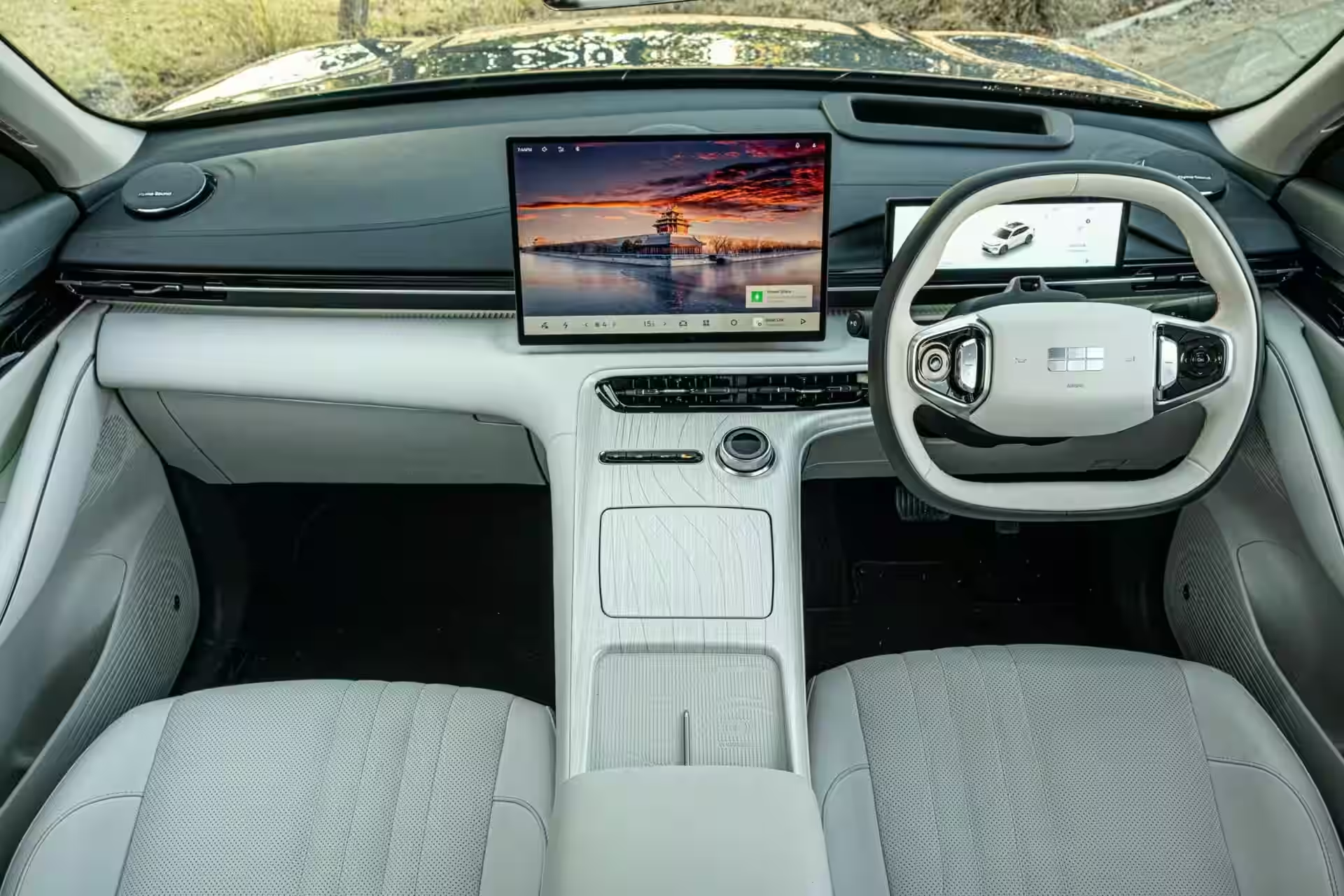
If there’s a reason the Starray EM-i goes viral in short videos and social media posts, it’s the “this doesn’t seem to cost what it does” effect. The cabin goes all-in on what really impacts perception:
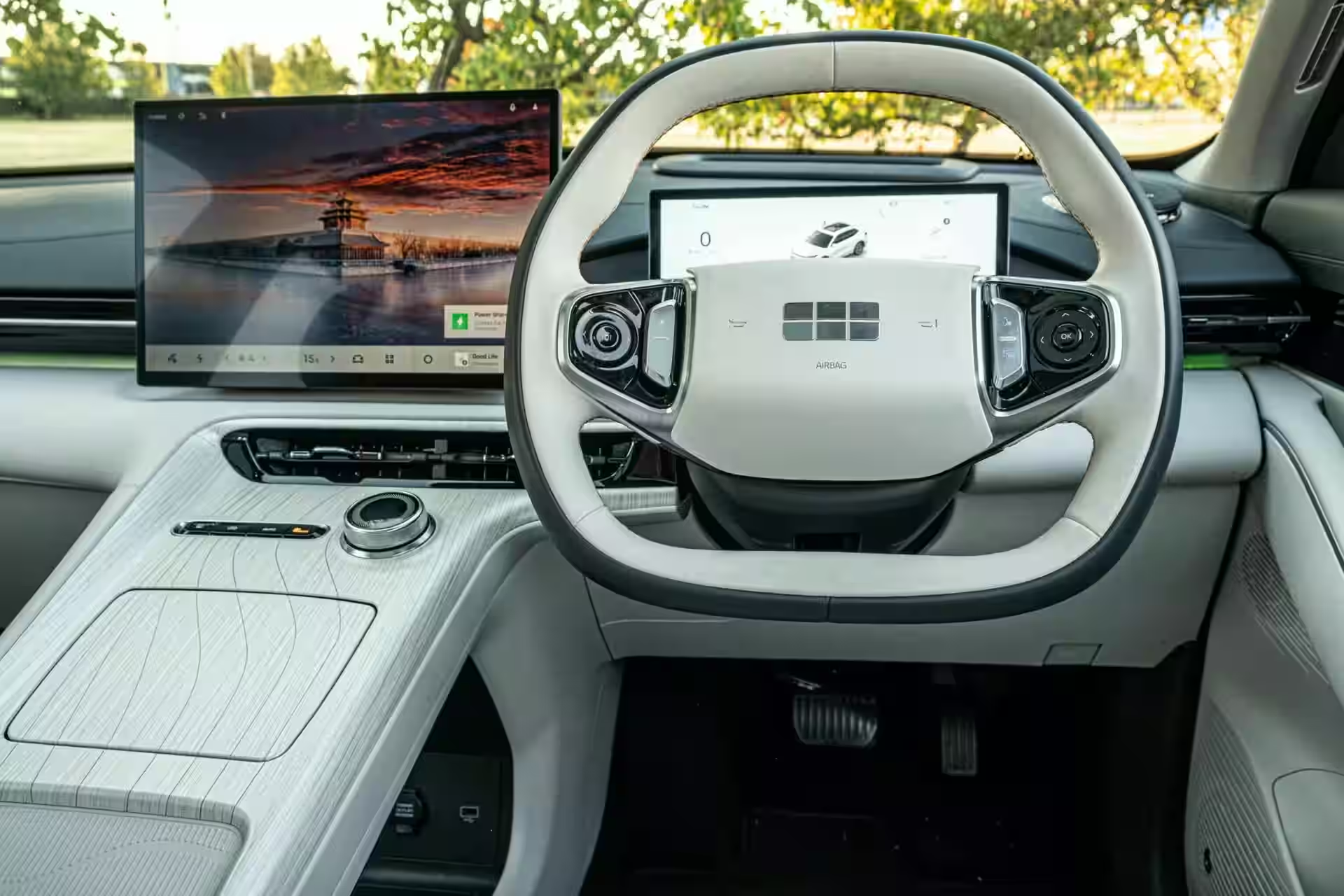
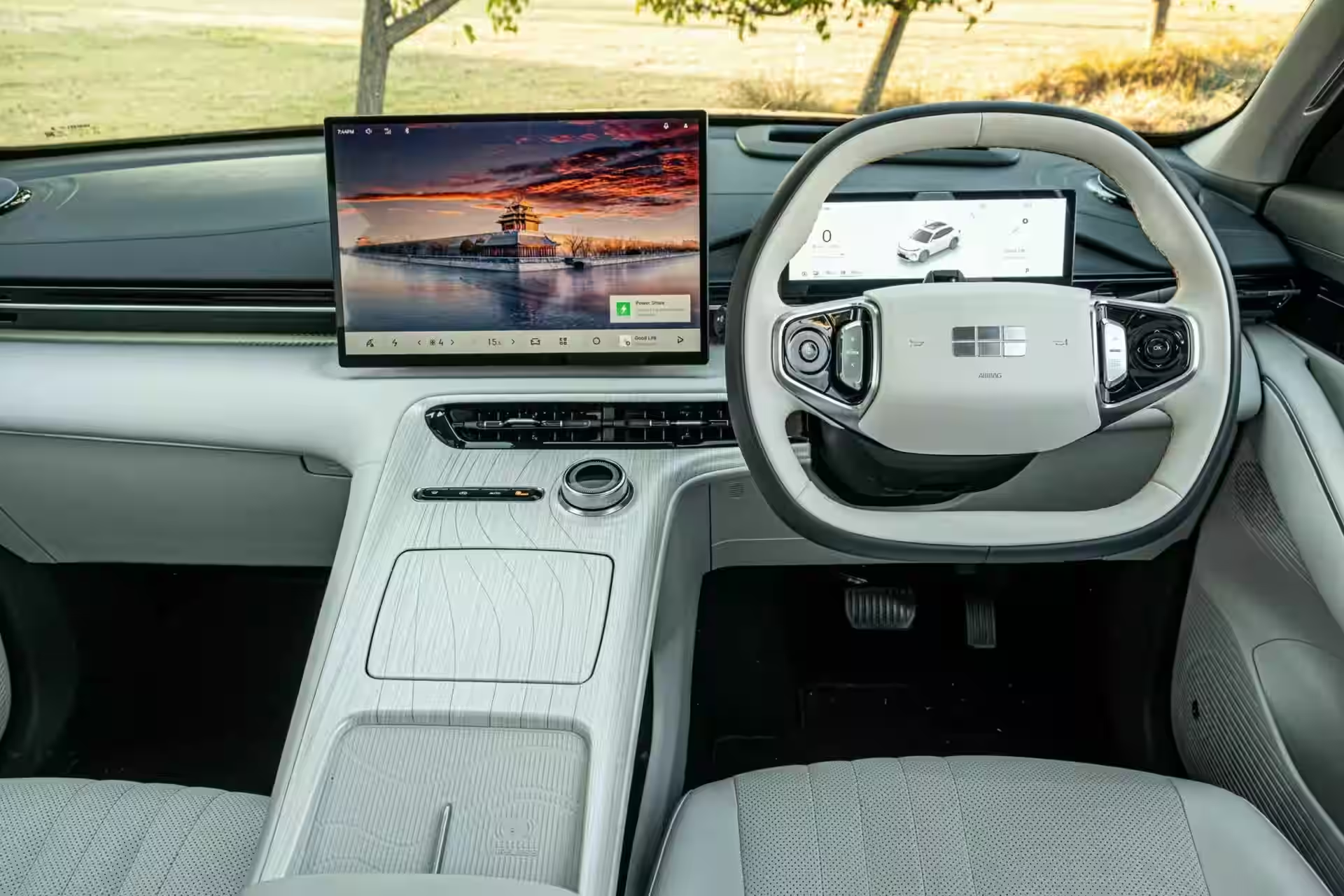
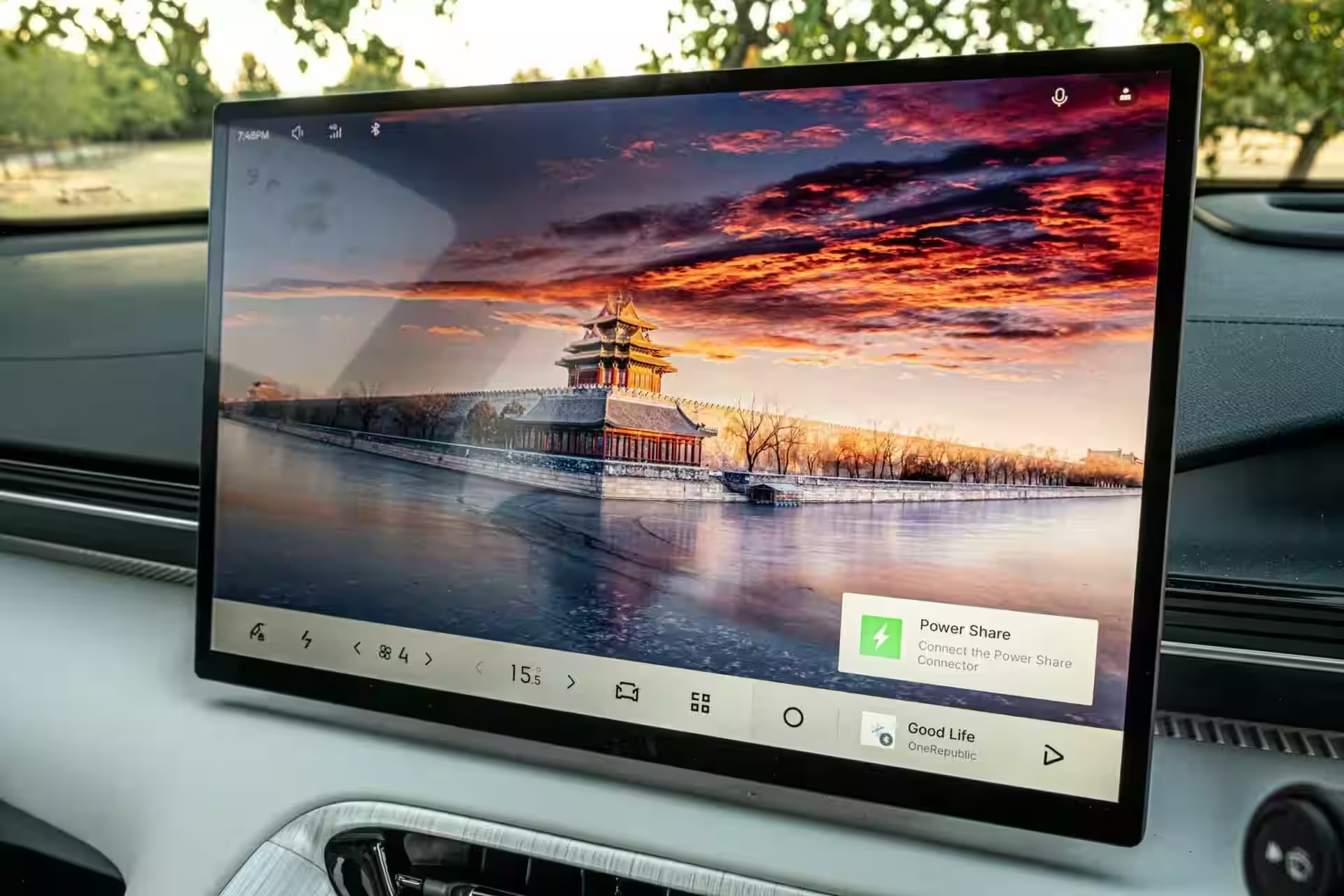
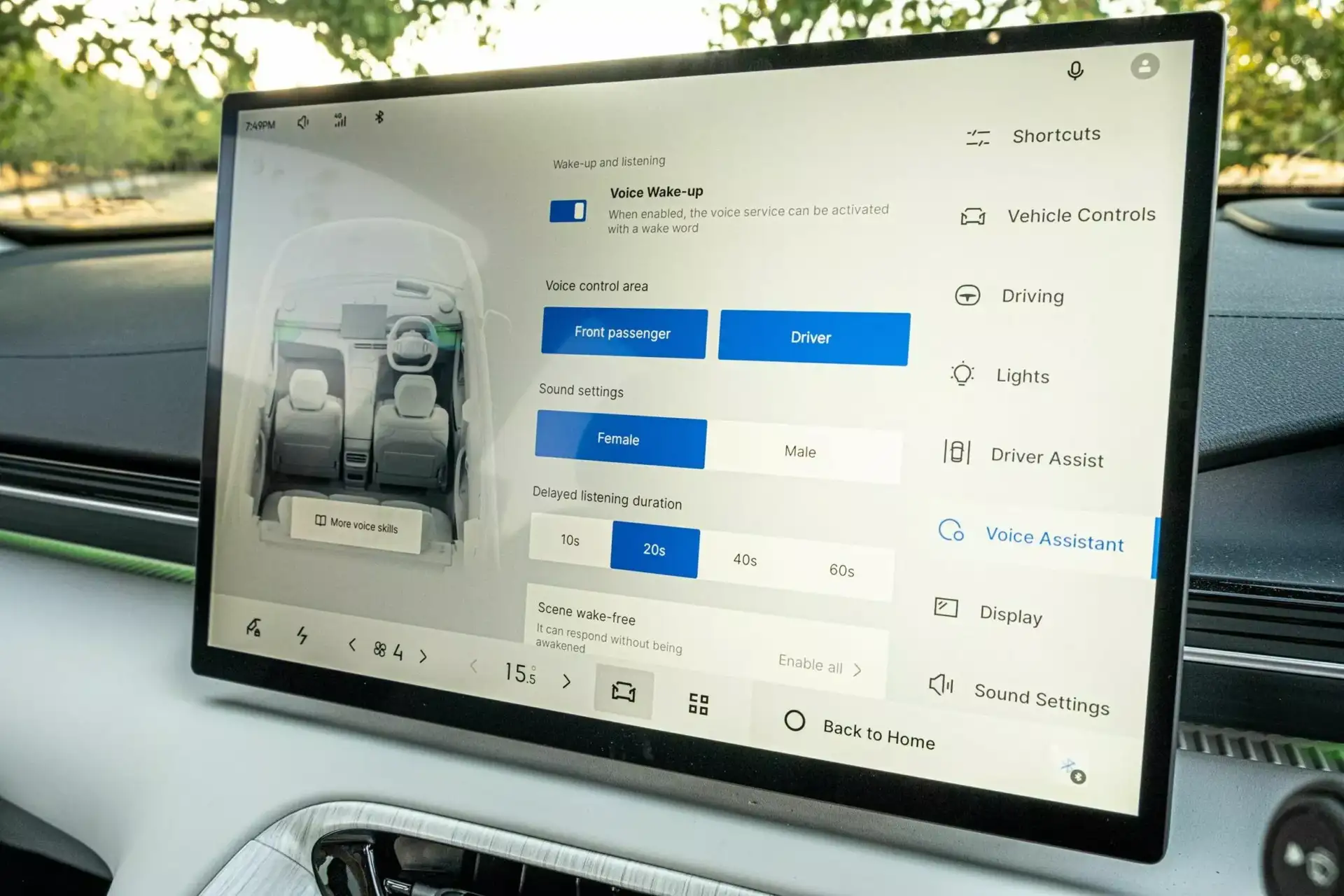
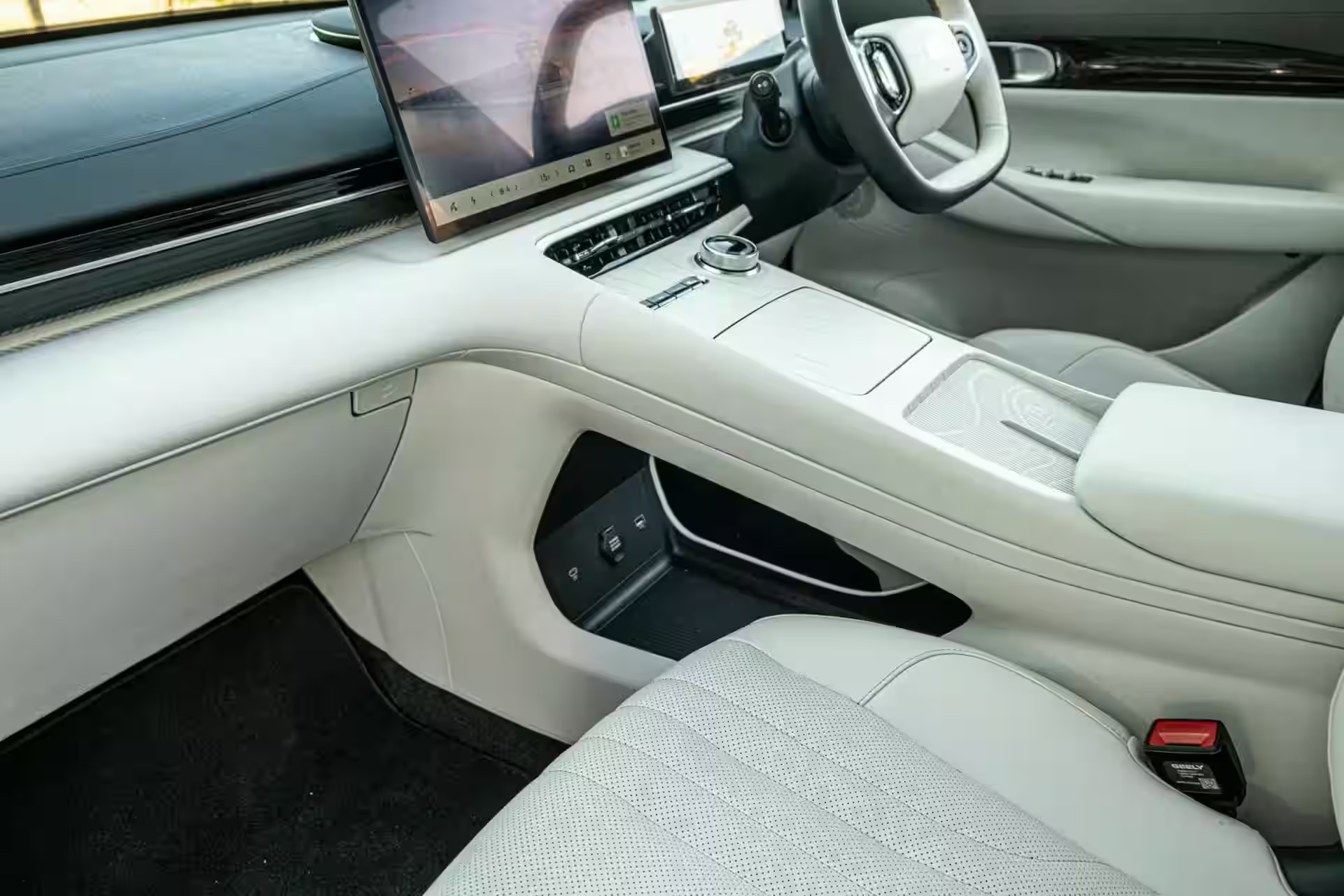
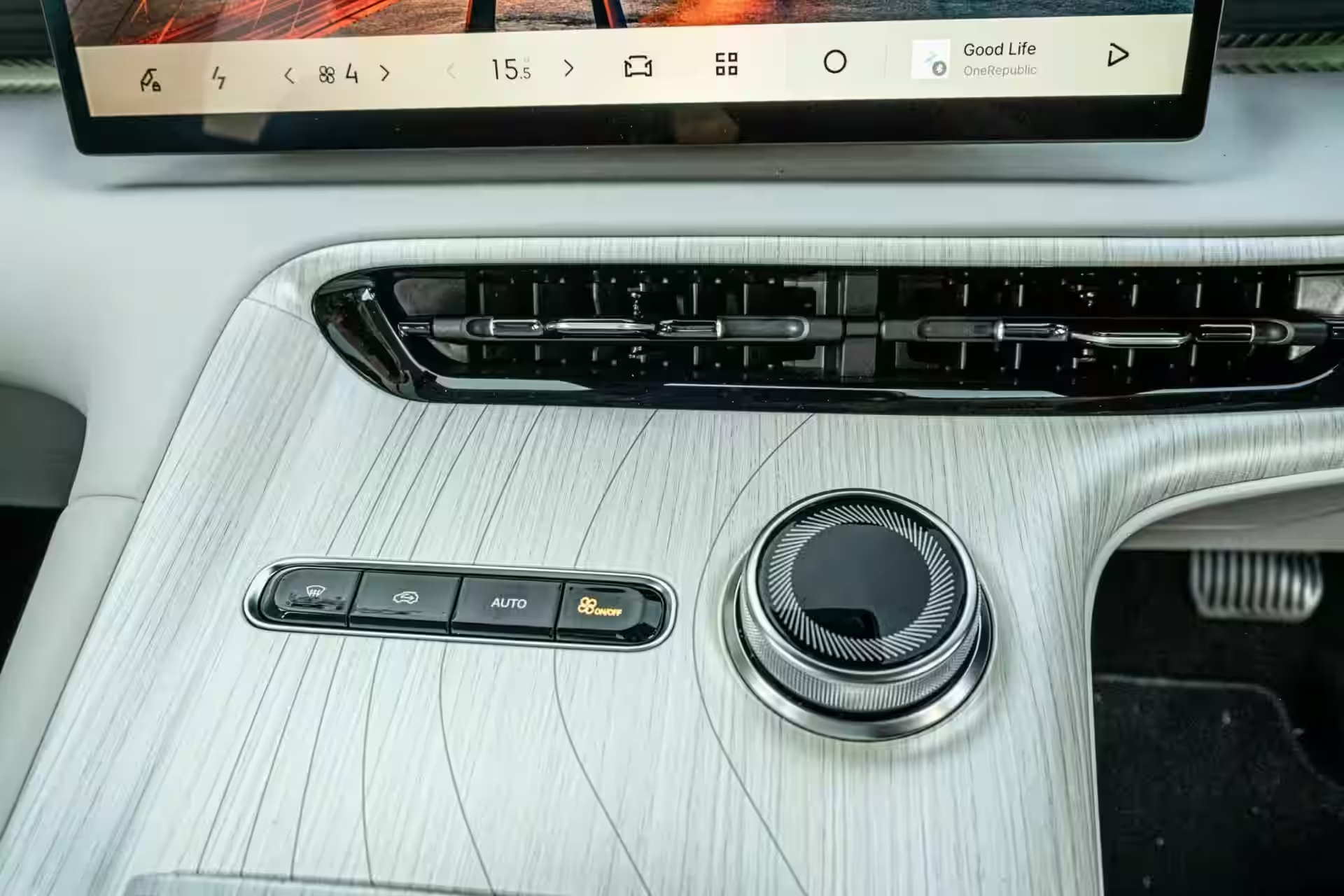
- Central screen large at 15.4 inches, with good resolution and easy-to-read interface.
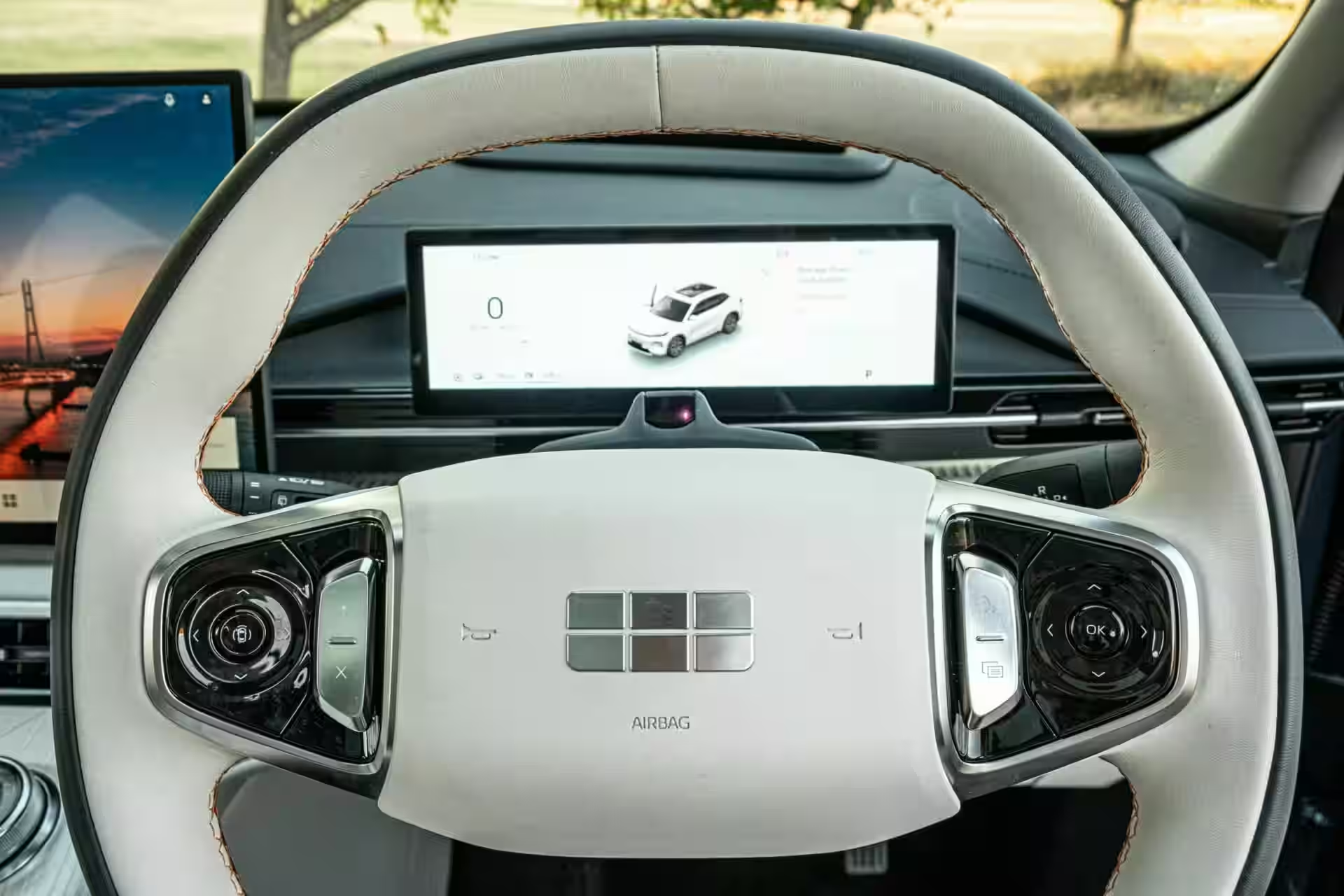
- Instrument cluster digital at 10.2 inches (clear and bright, but with little customization).
- Head-up display large (in top version), which helps reduce distractions.
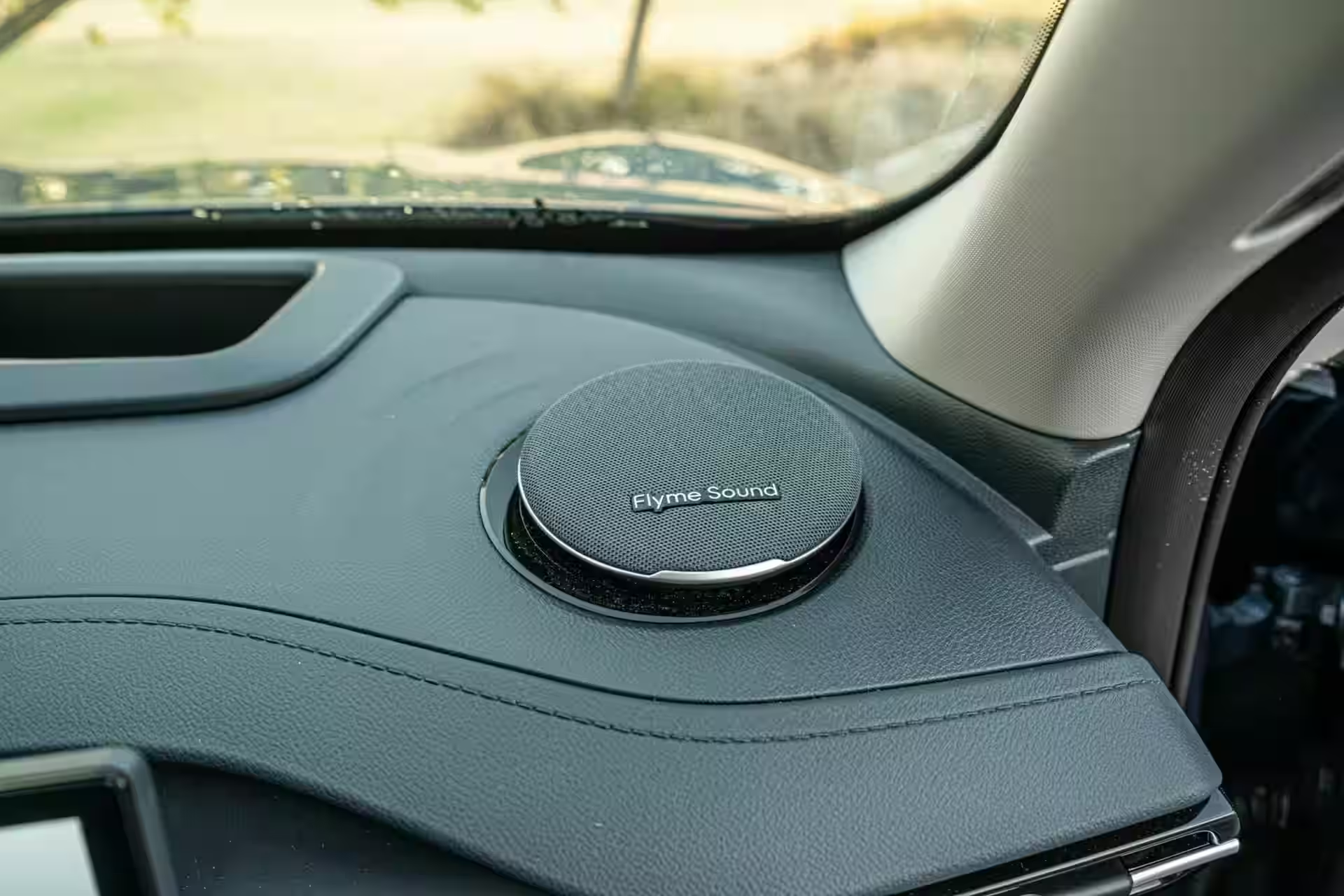
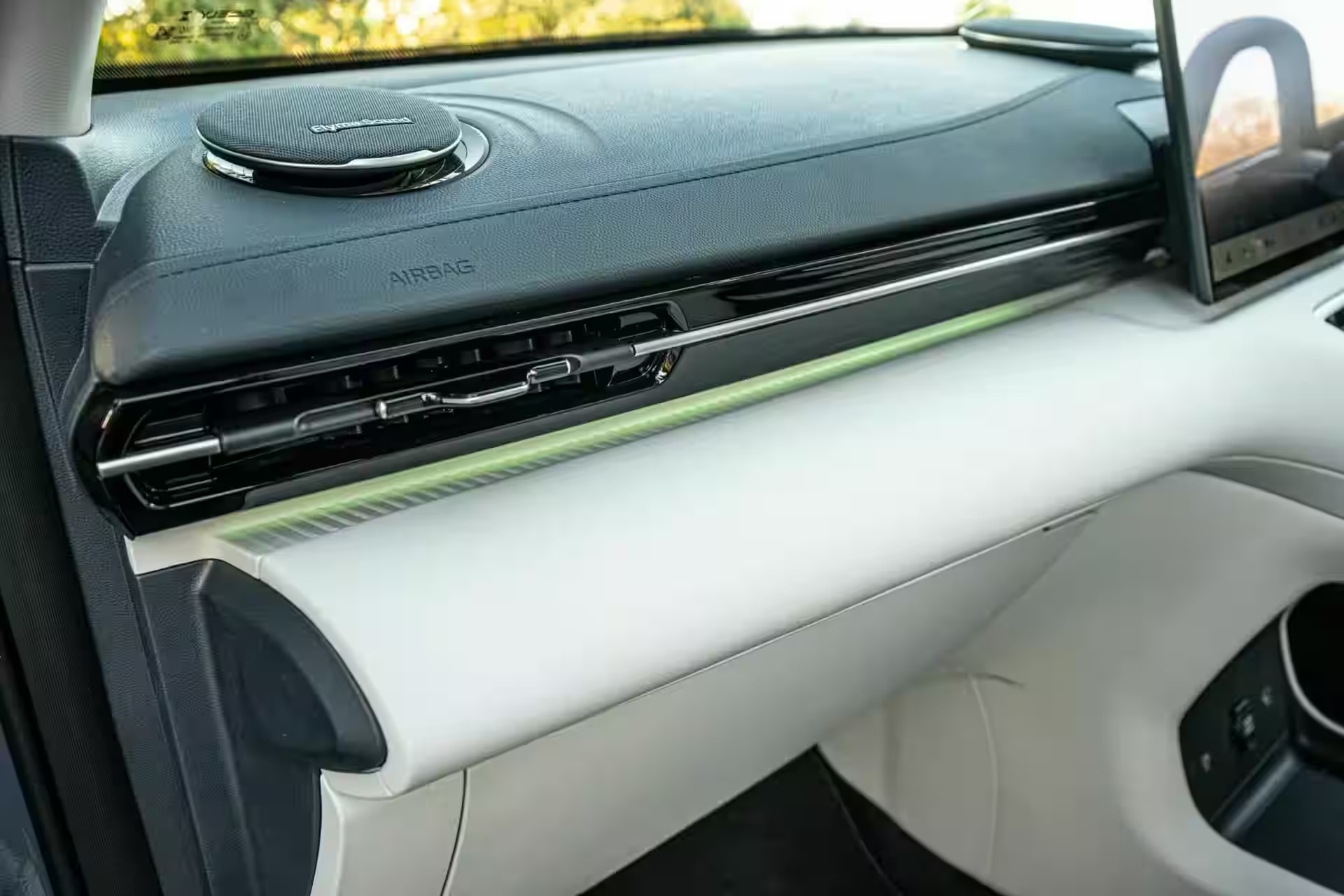
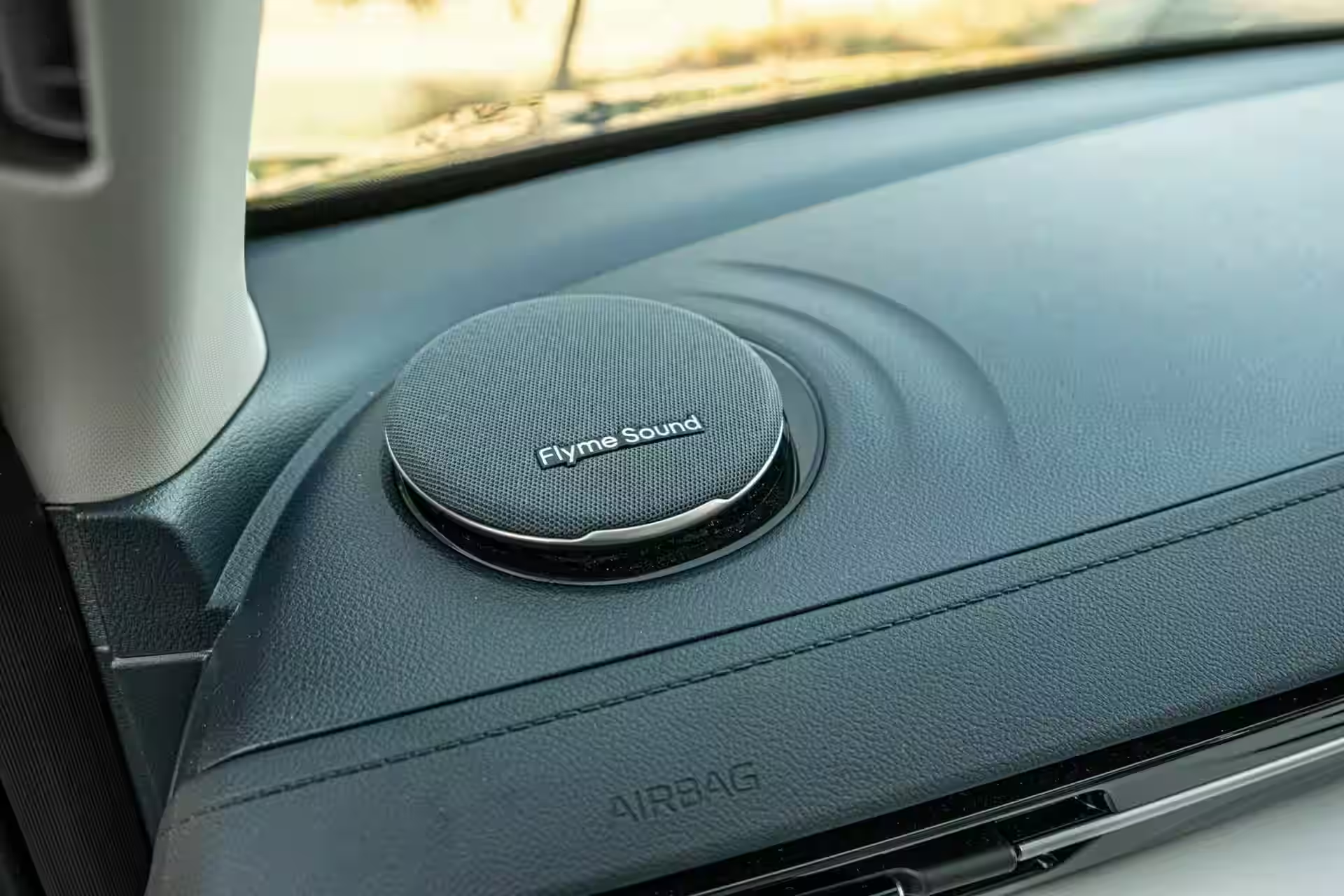
- Premium sound with 16 speakers and up to 1,000 W (depending on version), a type of “luxury” noticeable in 30 seconds.
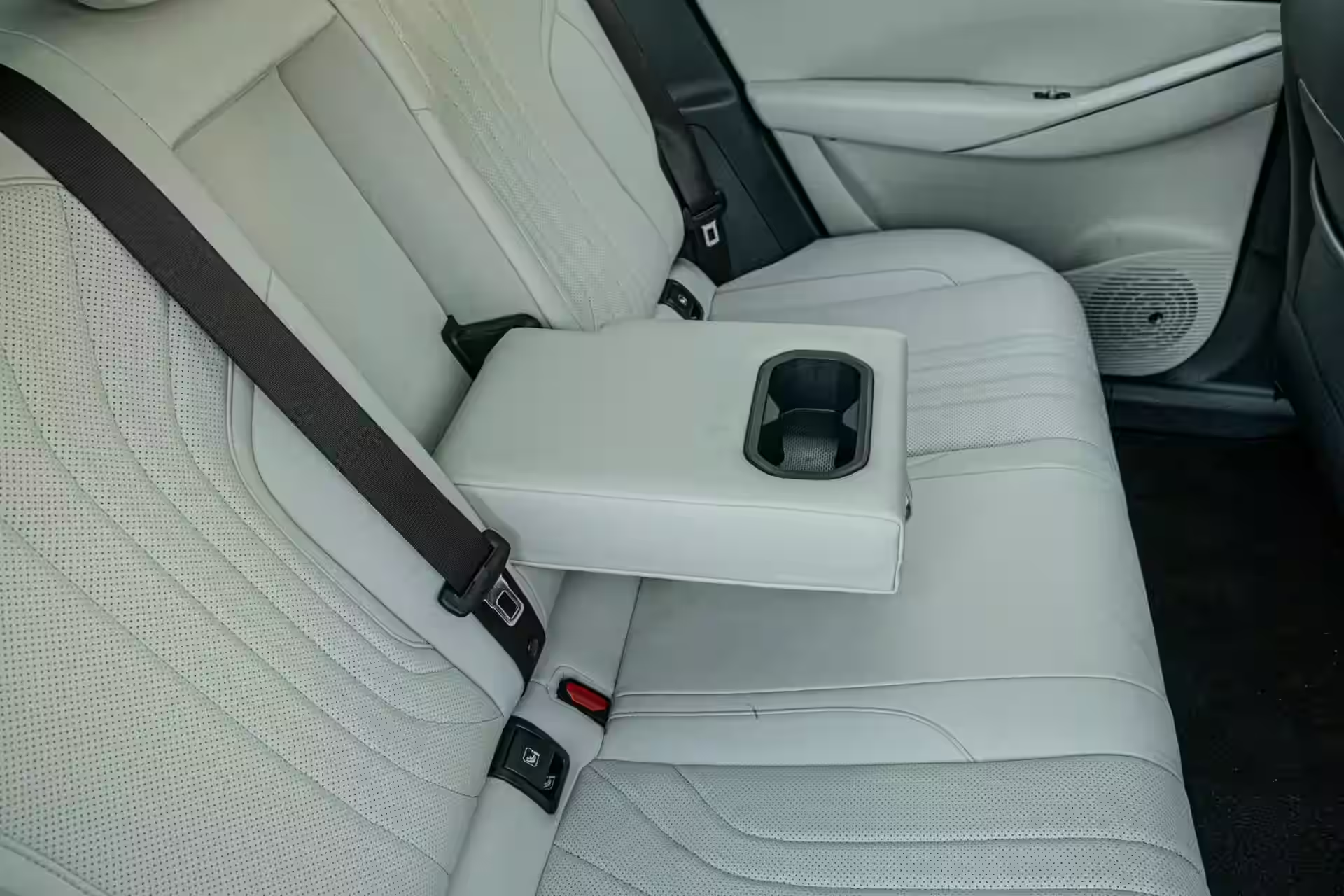
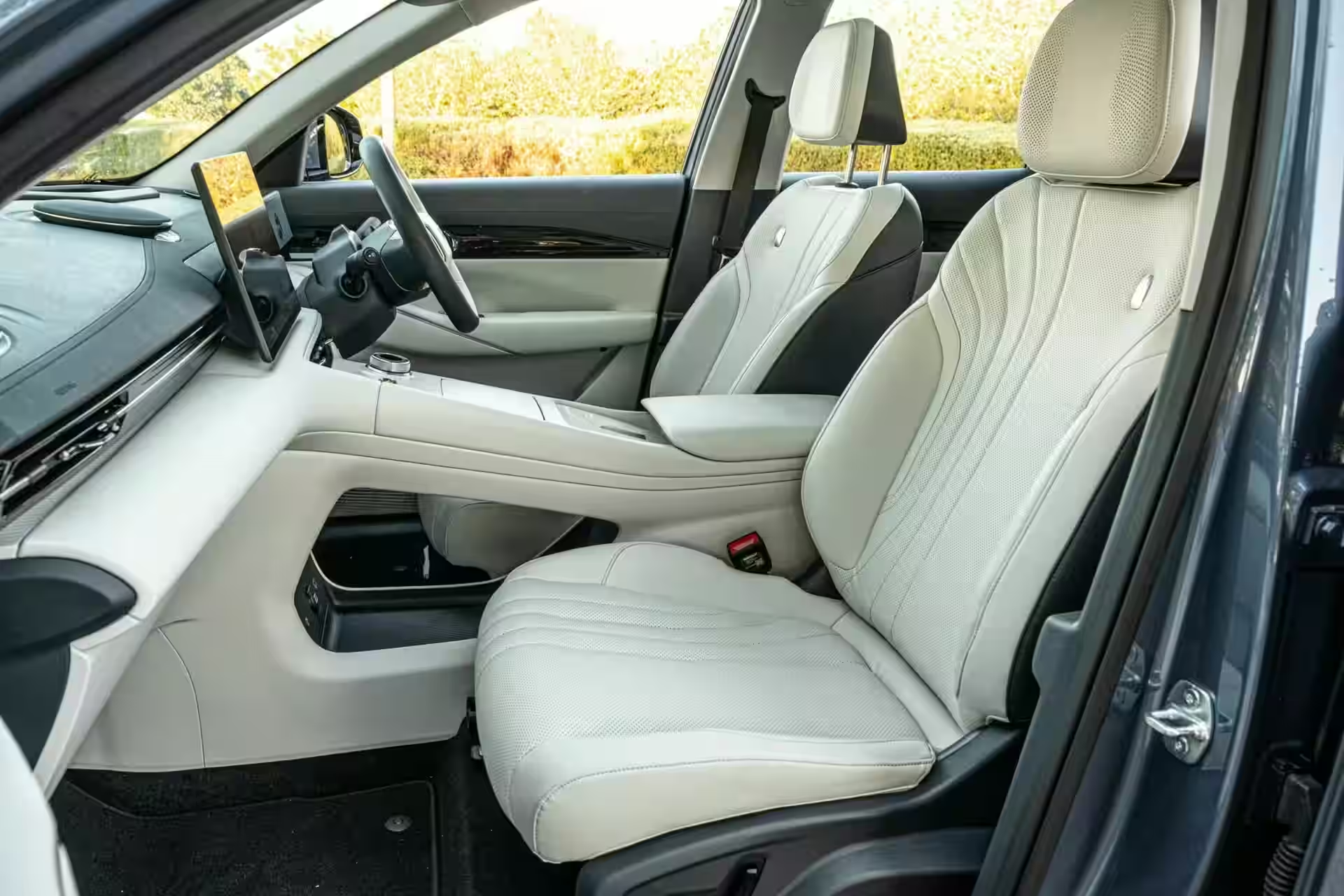
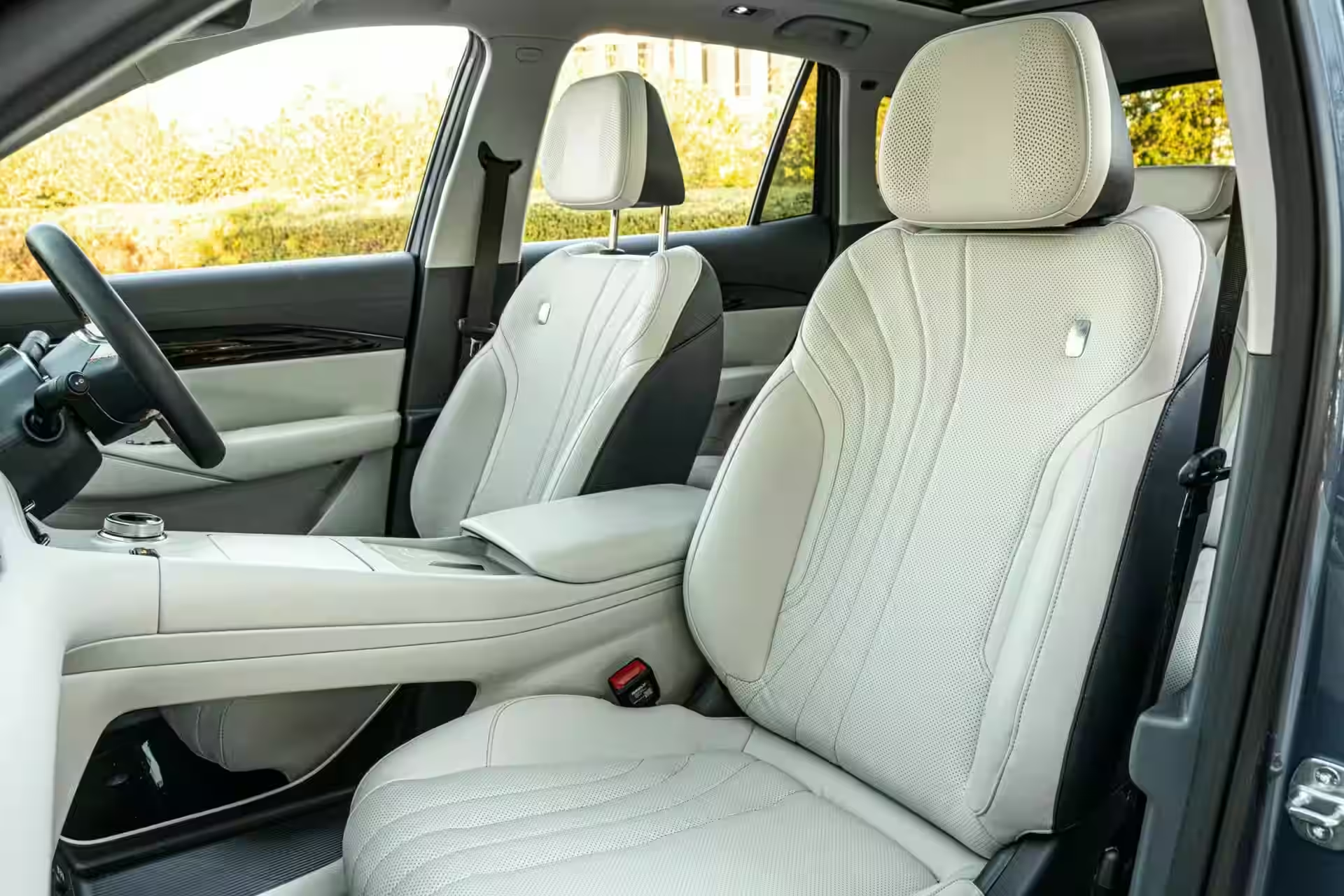
- Front seats heated and ventilated, a feature that usually appears in more expensive cars.
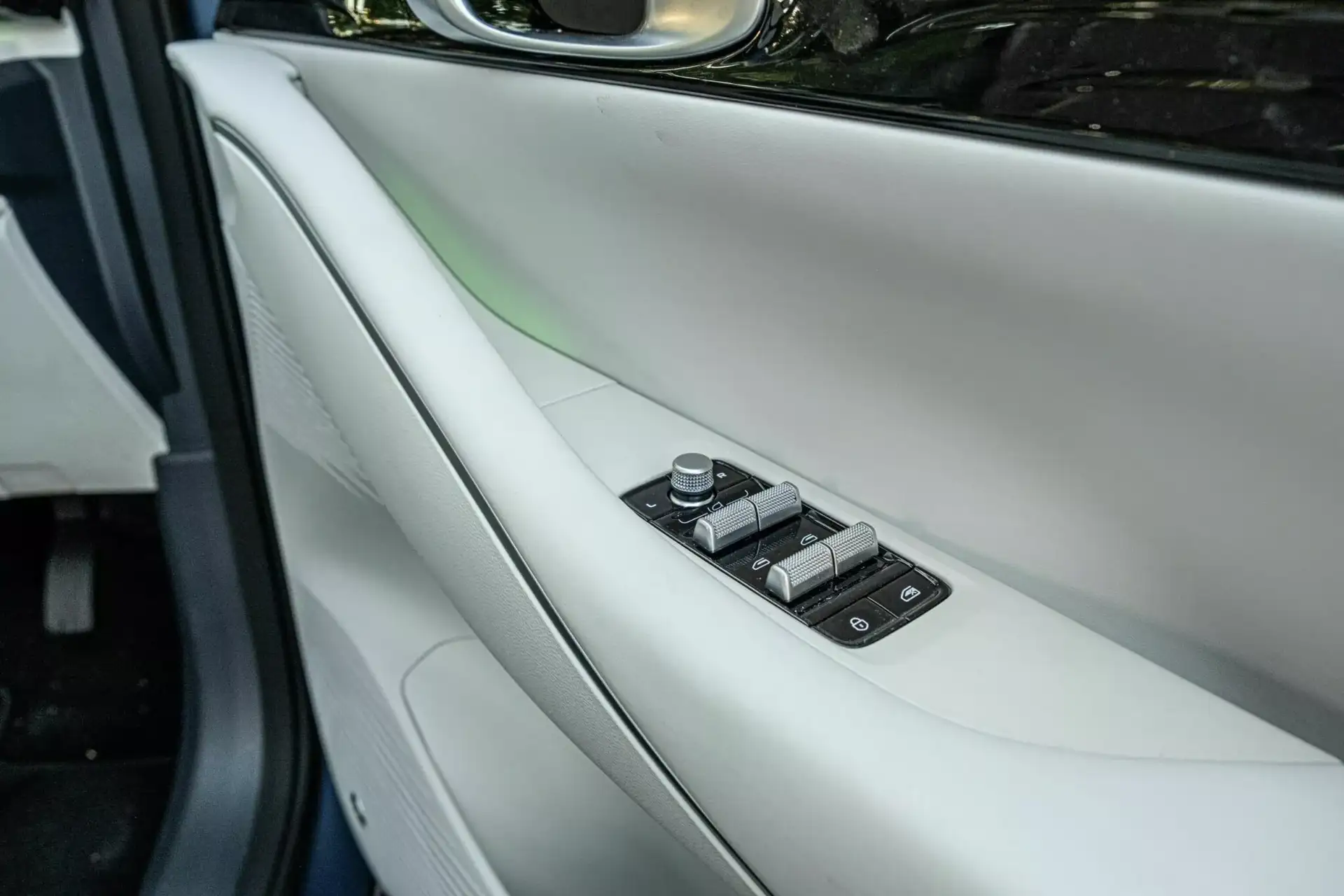
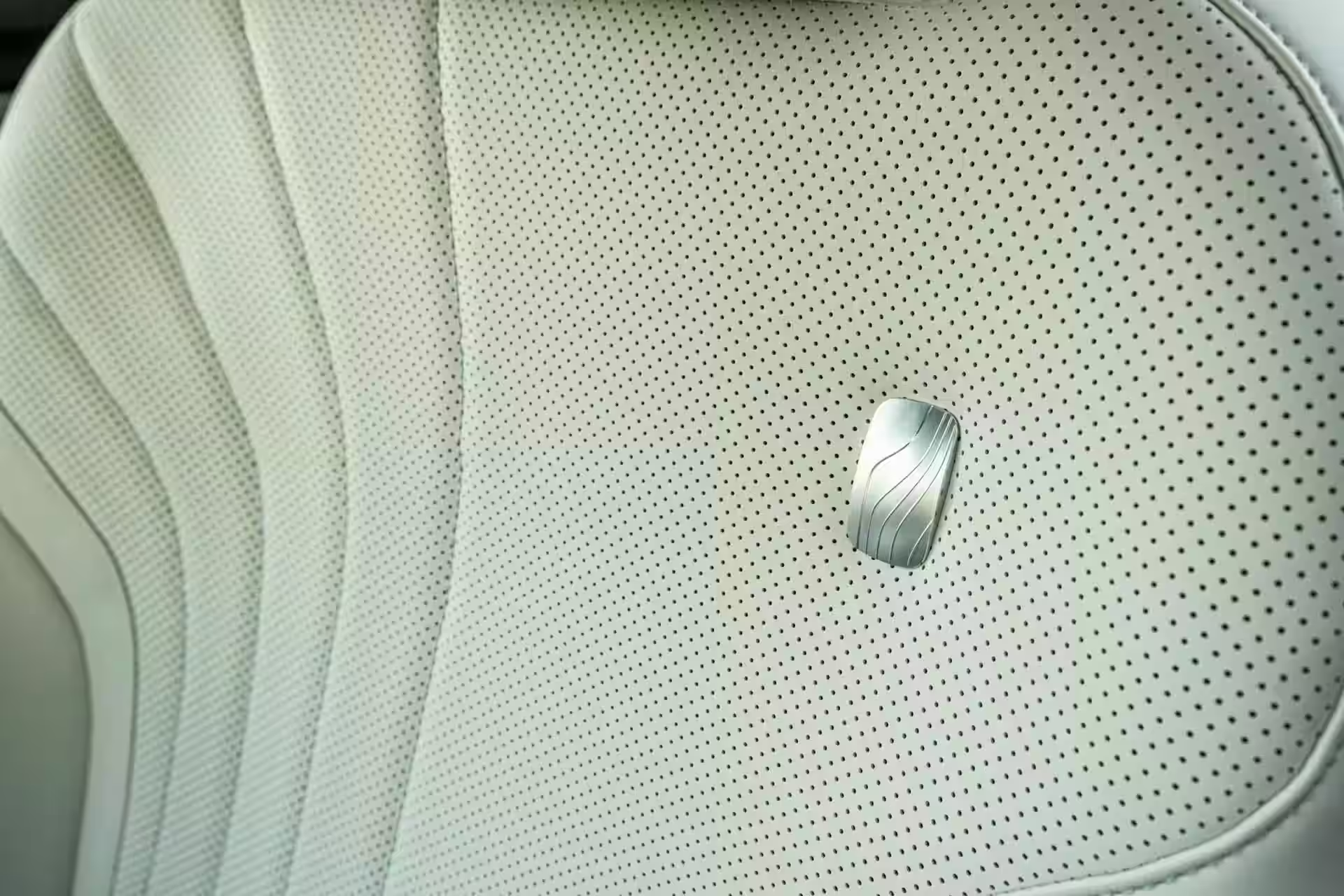
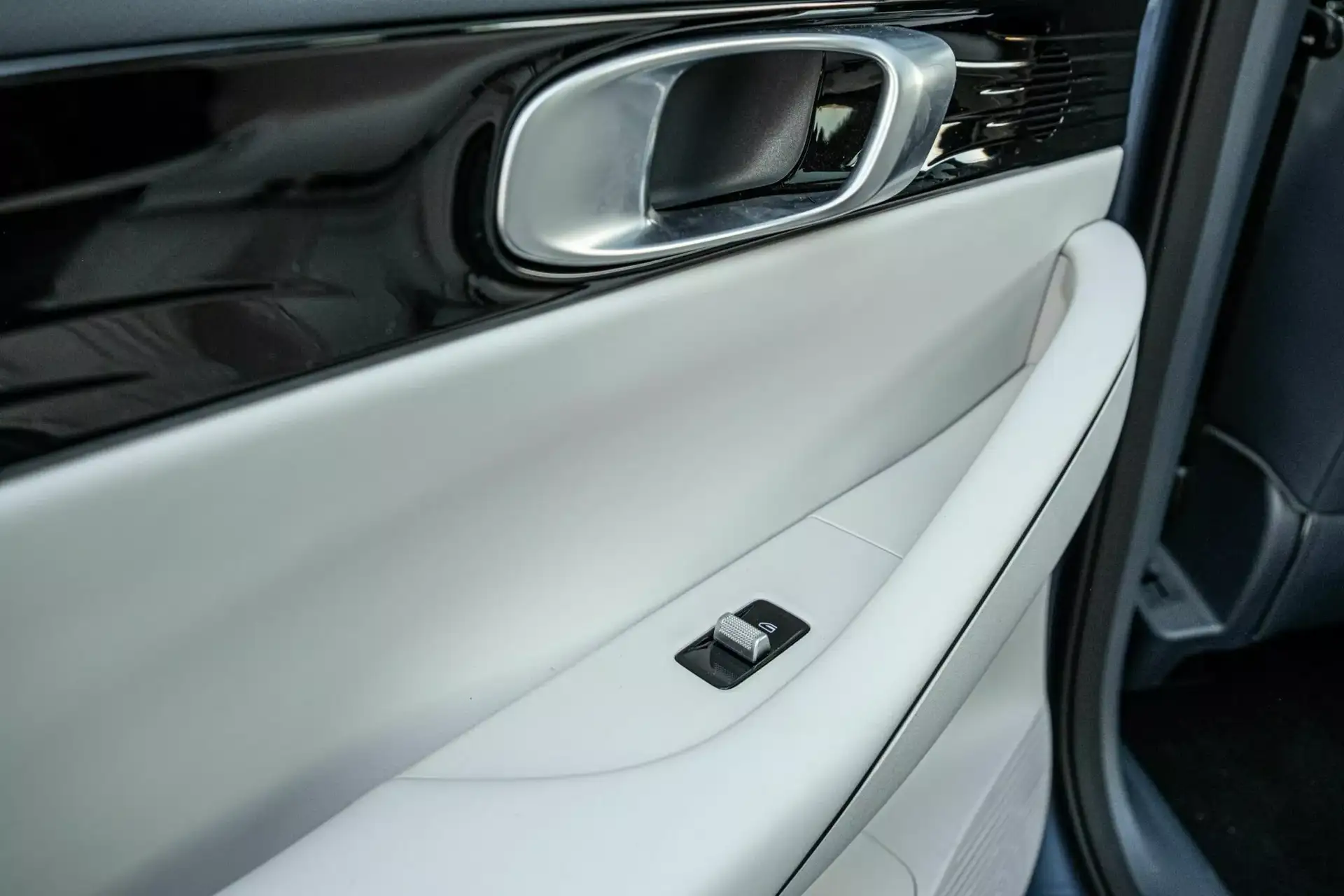
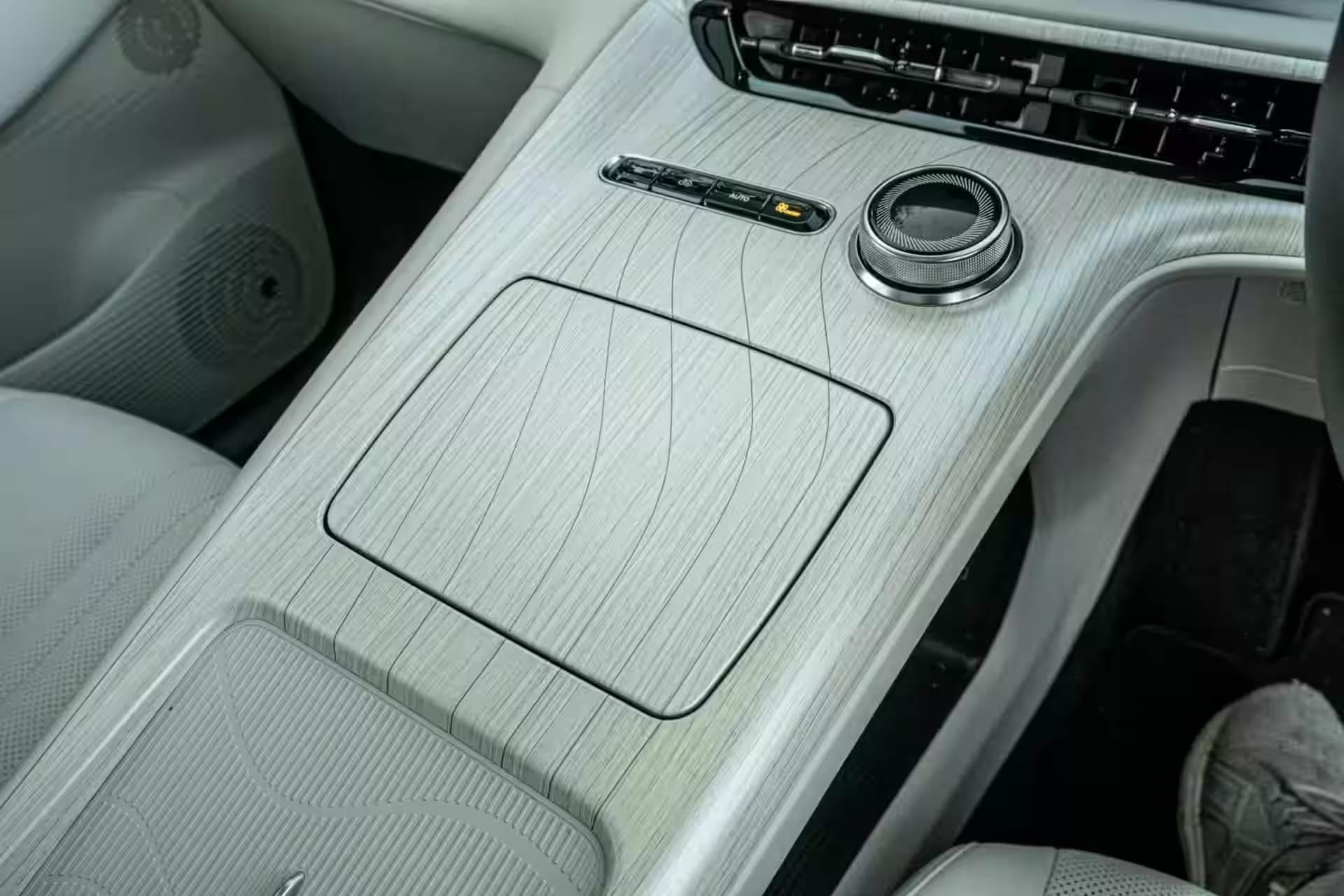
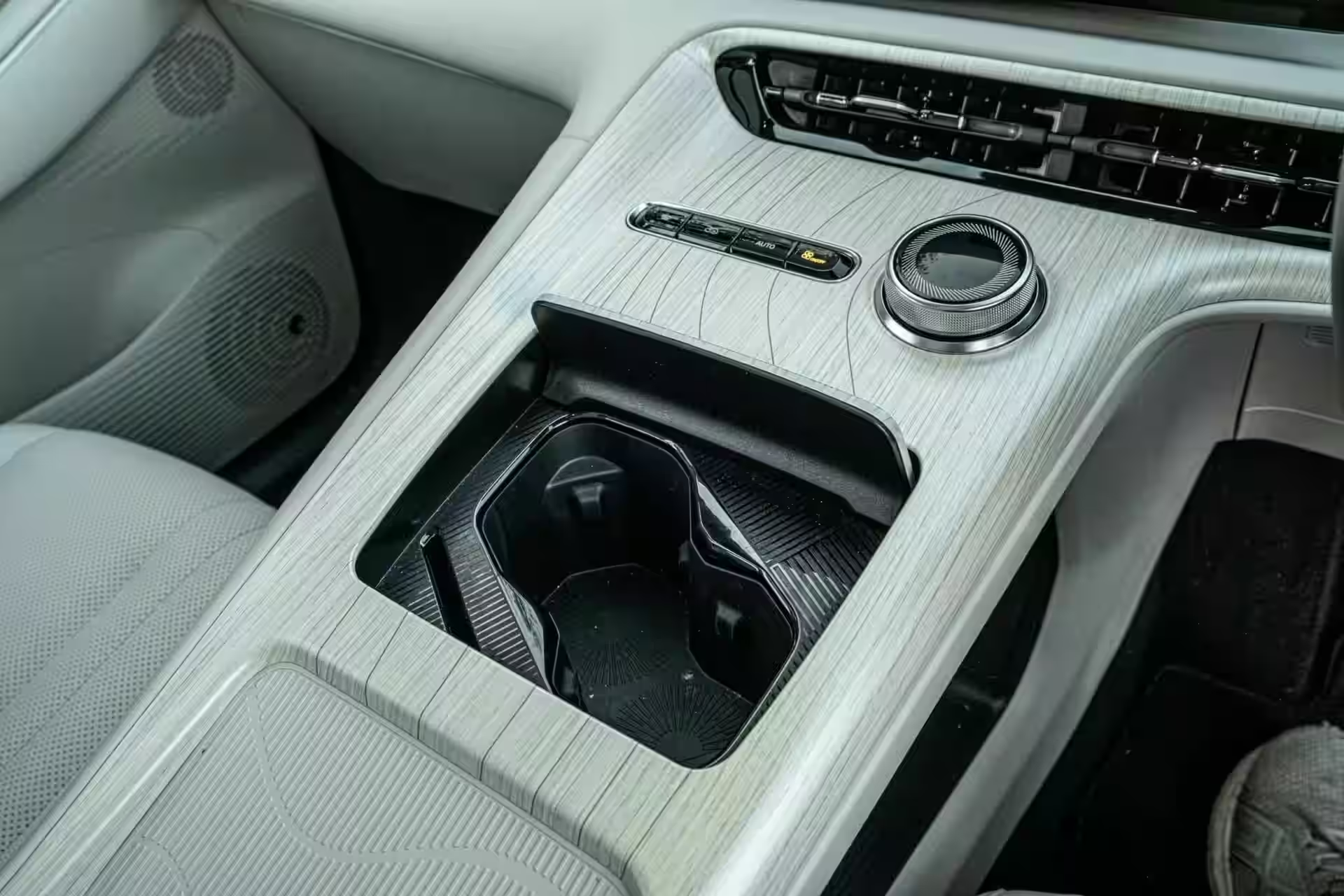
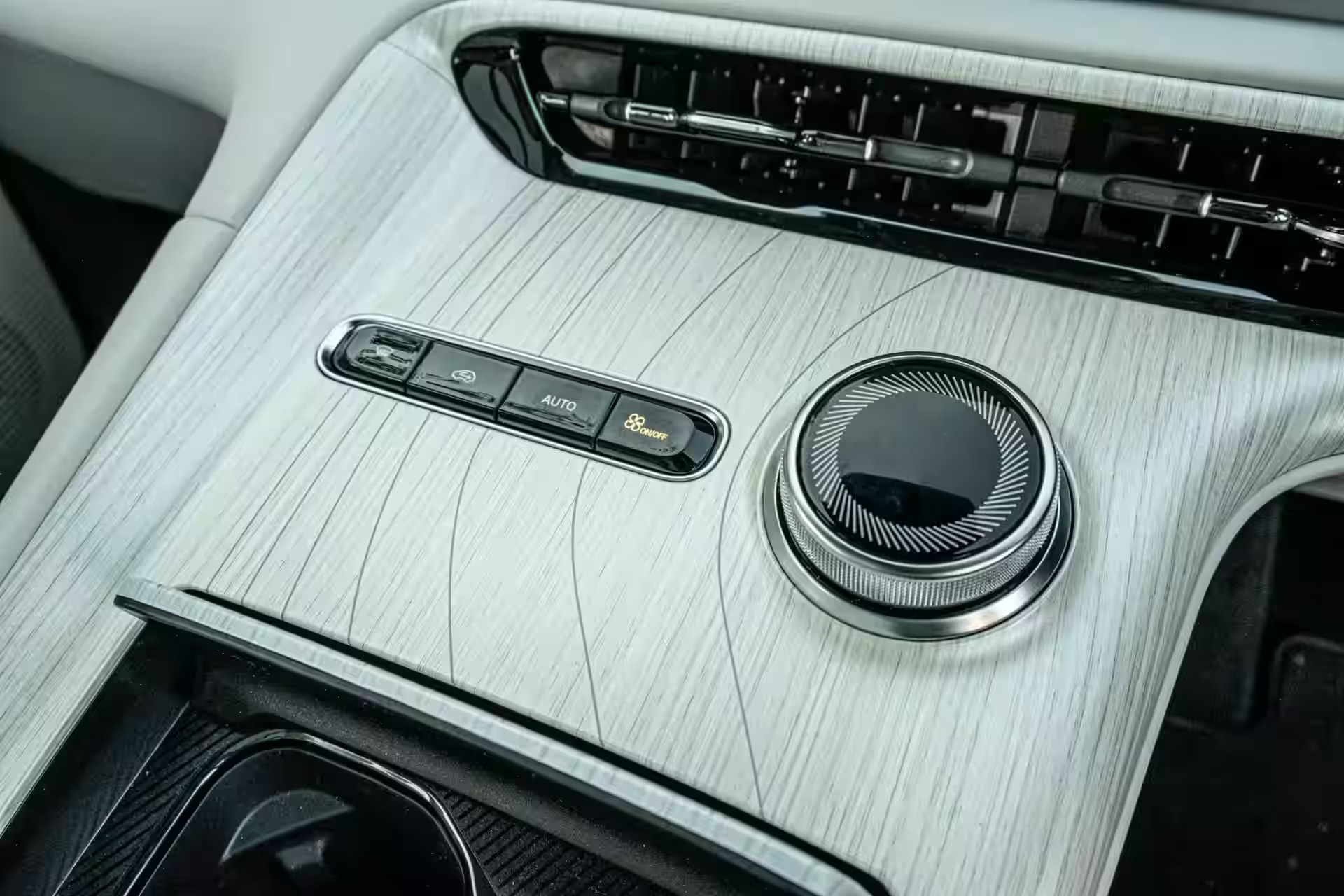
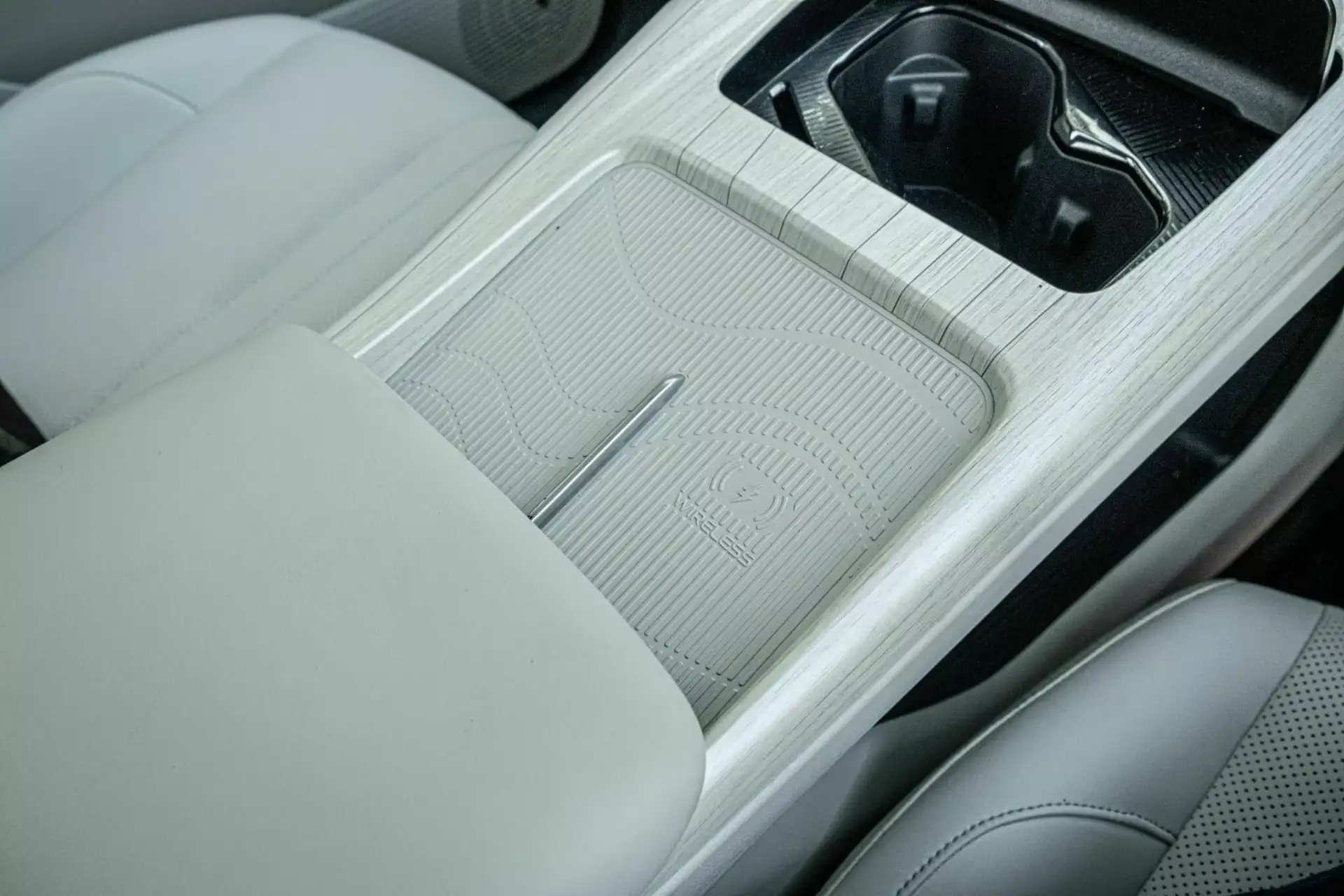
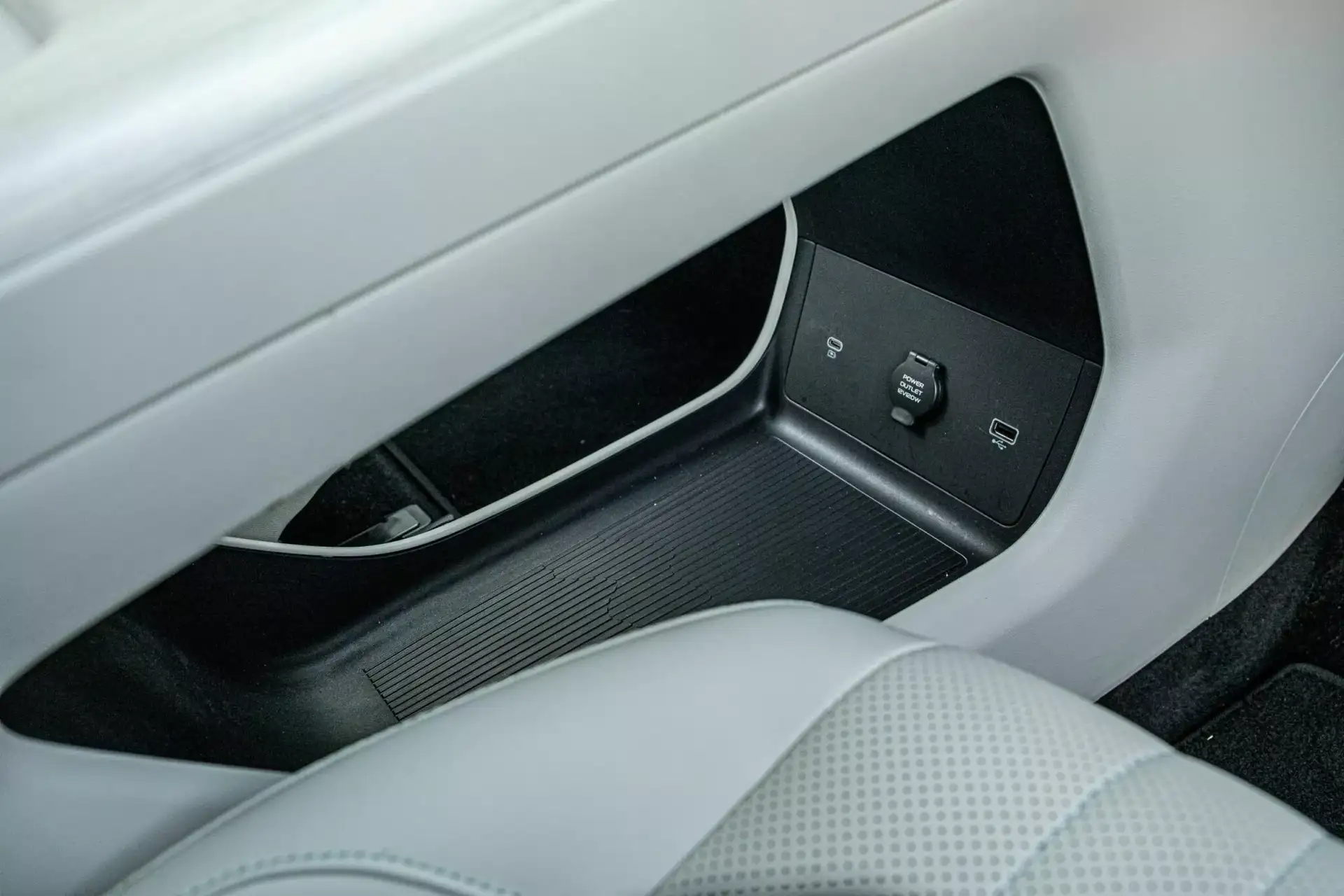
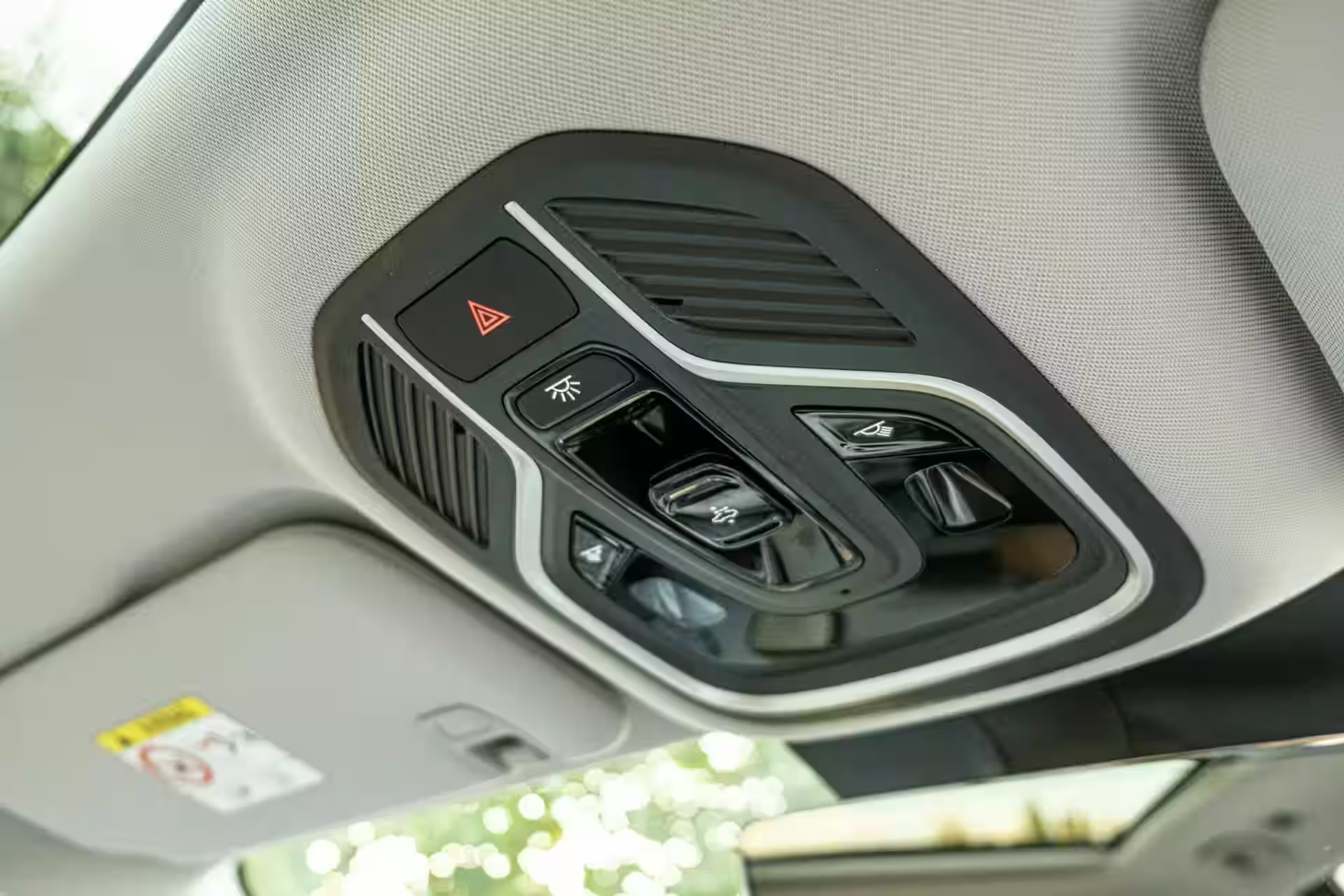
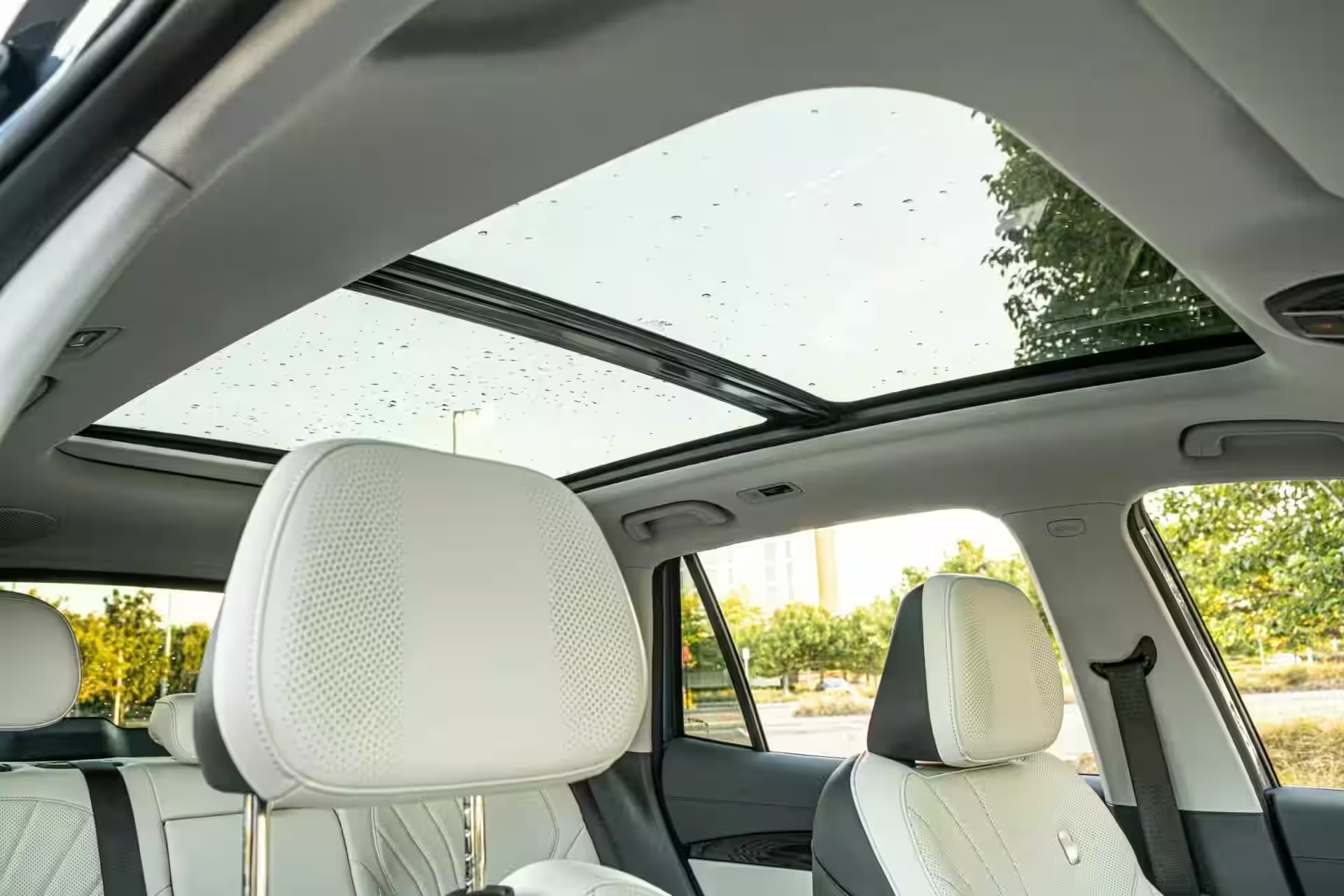
But the detail that ties the experience together is the tactile feel: well-resolved finishes, absence of that excess of easily scratched glossy black plastic, and a console with a more sophisticated look. Add a panoramic roof with sliding curtain (a feature many people ask for and don’t always find) and you have the recipe for a “disguised expensive car”.
By the way, if you like analyzing how automakers are betting on large screens as a competitive weapon, you can compare philosophies with the GMC Terrain 2027 that delivers a 15-inch screen and exposes a dilemma. In the Geely, the screen impresses, but the challenge is in the accompanying software and alerts.
The Sensitive Point Of The Infotainment And Software
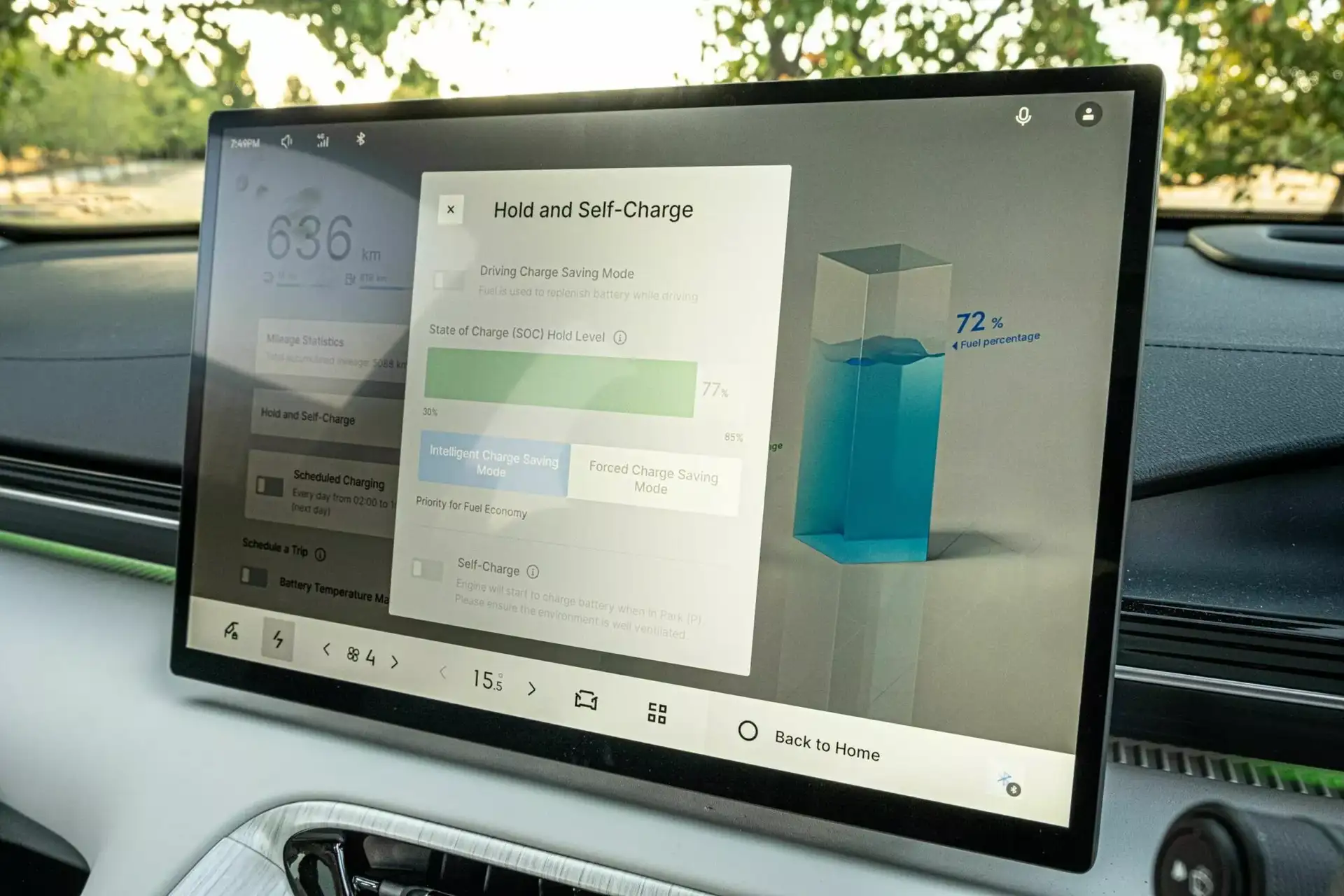
The Starray EM-i’s digital experience is good, but not perfect. It nails visual ergonomics (large, legible icons) and some useful shortcuts, like quick ventilation adjustments. However, there are three criticisms that come up frequently in real-world use:
- Boot-up time for the multimedia system that can take a few seconds.
- Excess menus for functions that should be more direct.
- Smartphone integration that can vary by market and OTA updates, requiring buyer attention when closing the deal.
In practice, this means one thing: the Starray EM-i impresses quickly on a test drive, but the owner will only love (or get irritated) after a week adjusting preferences and figuring out where the controls are.
Comfort, Consumption And The “Enemy” Almost No One Expects
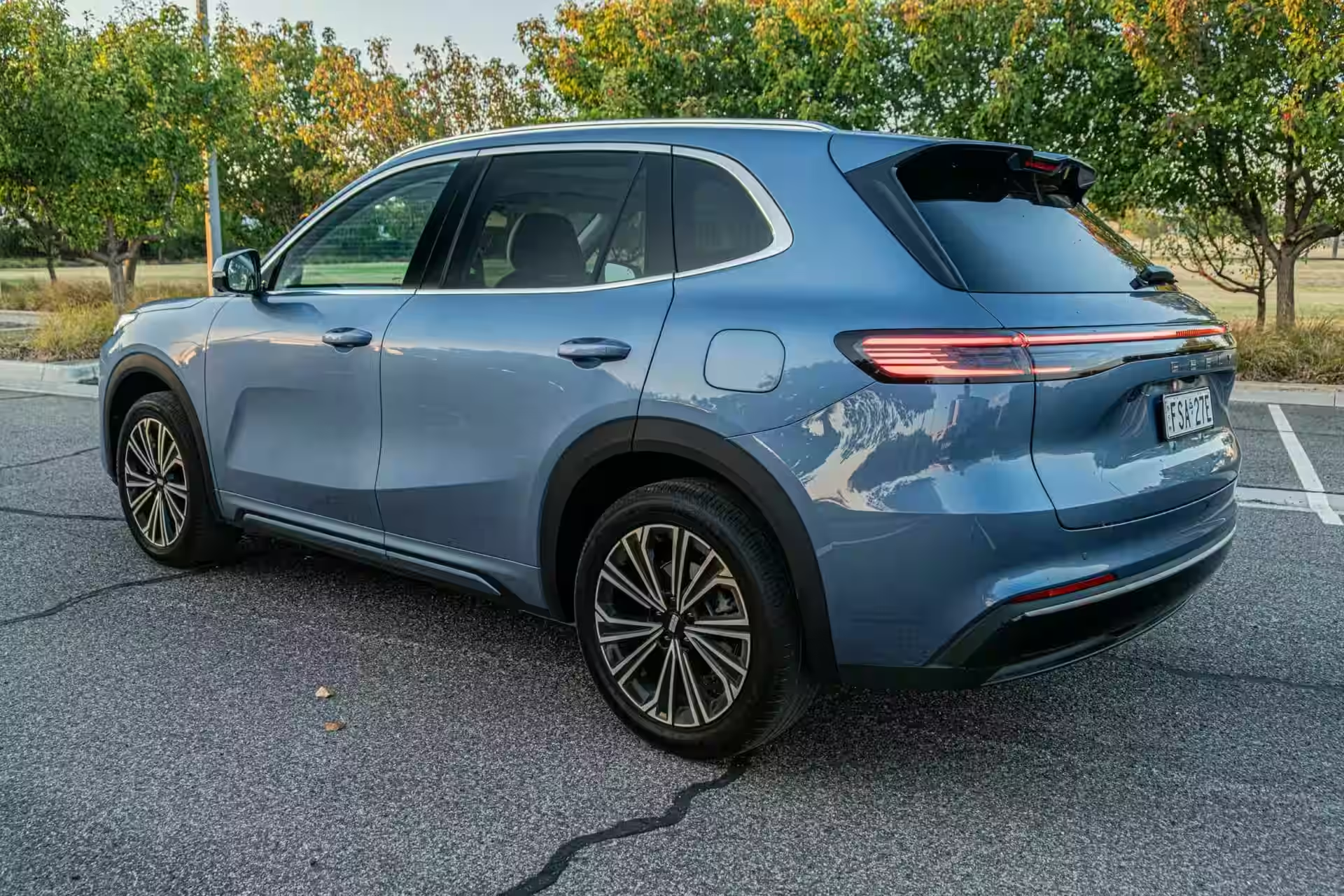
The Starray EM-i was tuned for comfort. And that shows in the suspension choice: it handles irregularities and speed bumps with above-average softness compared to firmer electrified vehicles. The side effect is that, after a larger obstacle, the body may take a bit longer to settle.
In daily life, it’s the kind of compromise that pleases families and those dealing with traffic. It also helps that the steering is light in comfort mode, making parking and tight-street maneuvers easier.
Consumption And Total Range, What To Expect
A PHEV should never be judged by just one number. It’s a “two-world” car, and the result depends on your profile:
- Those who charge at home and drive moderate urban distances tend to use the car as electric most of the time.
- Those who don’t recharge frequently carry more weight (battery) and may lose the big plug-in advantage.
The Starray EM-i promises up to 83 km electric range in the cycle reported for the launch market, and a combined range that can approach 943 km under specific conditions. In real-world use, the most relevant is that it manages to be efficient in hybrid mode with averages around 5.1 L/100 km, putting pressure on “non-plug-in” hybrids.
Speaking of efficiency and what batteries can change in the coming years, it makes sense to look at what’s coming in technology: solid-state batteries promising 80% charge in 4.5 minutes. It’s not reality for most PHEVs today, but it shows how fast the perception of “electric convenience” can change.
The Real Achilles’ Heel Is The Alerts
The most controversial item in the Starray EM-i isn’t the engine or finishes. It’s the assistance and alert layer, which can be good in theory and tiresome in practice.
- Speed alert that triggers with minimal tolerance, generating sound warnings for small variations.
- Driver monitoring overly sensitive, accusing distraction on quick glances and even reacting to yawns.
- Disabling functions may require several menu steps, which weighs on daily routine.
This doesn’t ruin the product, but it changes the recommendation: long test drive and full attention to ADAS configuration before deciding. For some, it’ll be “okay.” For others, it could be a real reason to walk away.
The Geely Starray EM-i 2026 stands out for delivering superior cabin and comfort to the price, with a smooth and efficient PHEV powertrain, but demands patience with alerts and menus.
For those considering a mid-size SUV now, the Starray EM-i enters the radar as a cost-benefit alternative with a premium look. And if you like seeing how other brands are redesigning SUVs to fight for space and tech, check out the Mazda CX-5 2026 that grew and became the CX-50’s biggest enemy, because the segment war is no longer just about engines and trunk space—it’s about software, experience, and quality perception.