GAC Aion just turned a familiar EV question into a much bigger one: why pay more upfront when the battery can be rented, swapped, and upgraded through a growing network?
The RT Super Brings Battery Swap Into The Mainstream
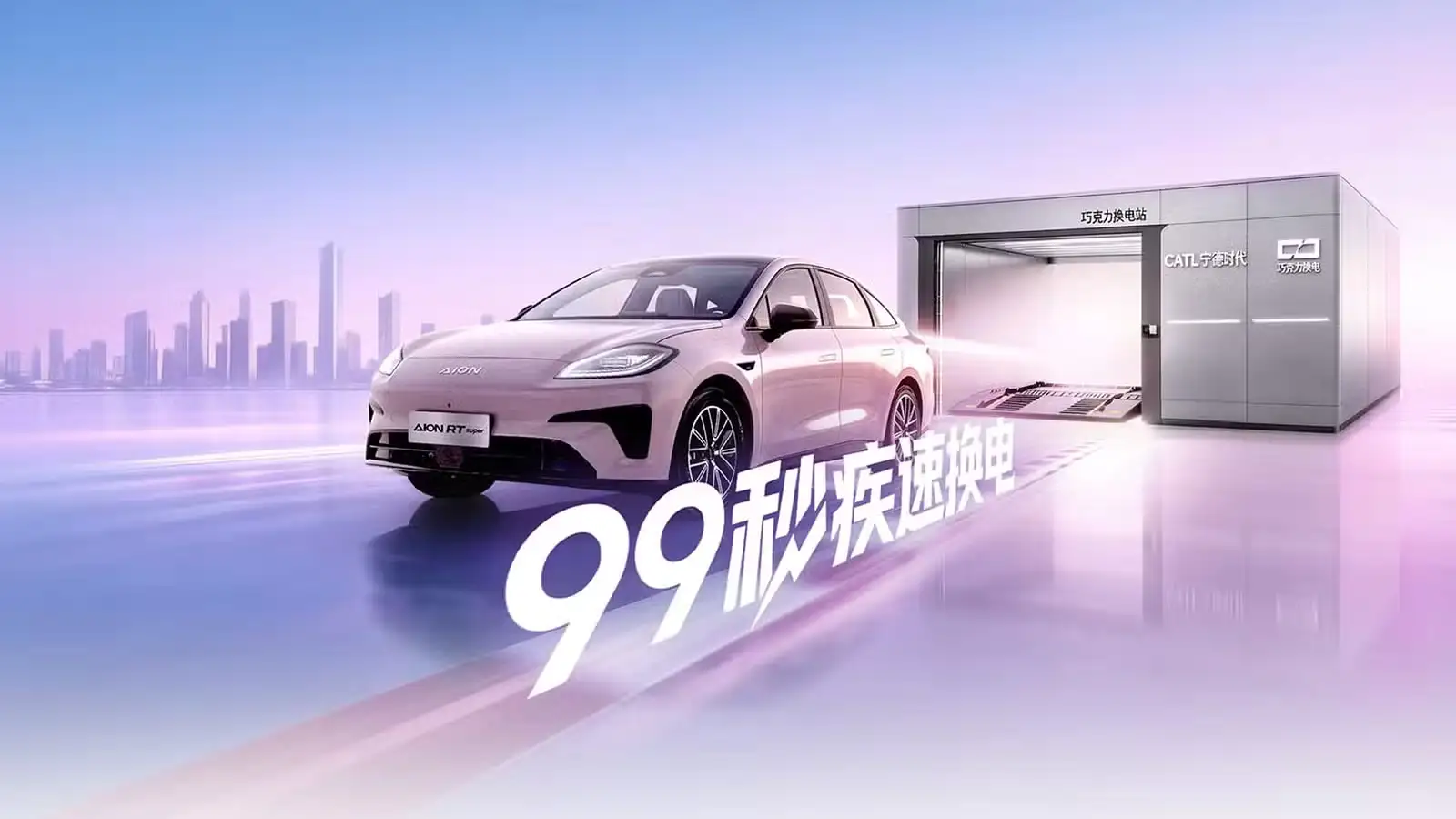
The new GAC Aion RT Super is built around CATL’s Choco-SEB battery swap system, and that is the headline. Instead of forcing buyers to purchase the battery pack with the car, GAC Aion is separating the vehicle body from the energy source to cut the entry price dramatically. Under the rental scheme, pricing starts at 88,800 yuan , or roughly $13,000, which is aggressively positioned for a mid-size electric sedan.
This strategy is a major departure from the traditional EV ownership model and even differs from brands that still offer both purchase paths. In this case, the battery-rental structure is the core of the product, not a side option. That makes the RT Super especially relevant in China, where battery swap infrastructure is becoming one of the most closely watched battlegrounds in electric mobility.
If you follow China’s fast-moving EV market, this launch sits in the same conversation as other disruptive products such as the BYD Seal 06 GT and Seal 06 DM-i Wagon, where technology and pricing are being used as weapons.
What The RT Super Actually Offers
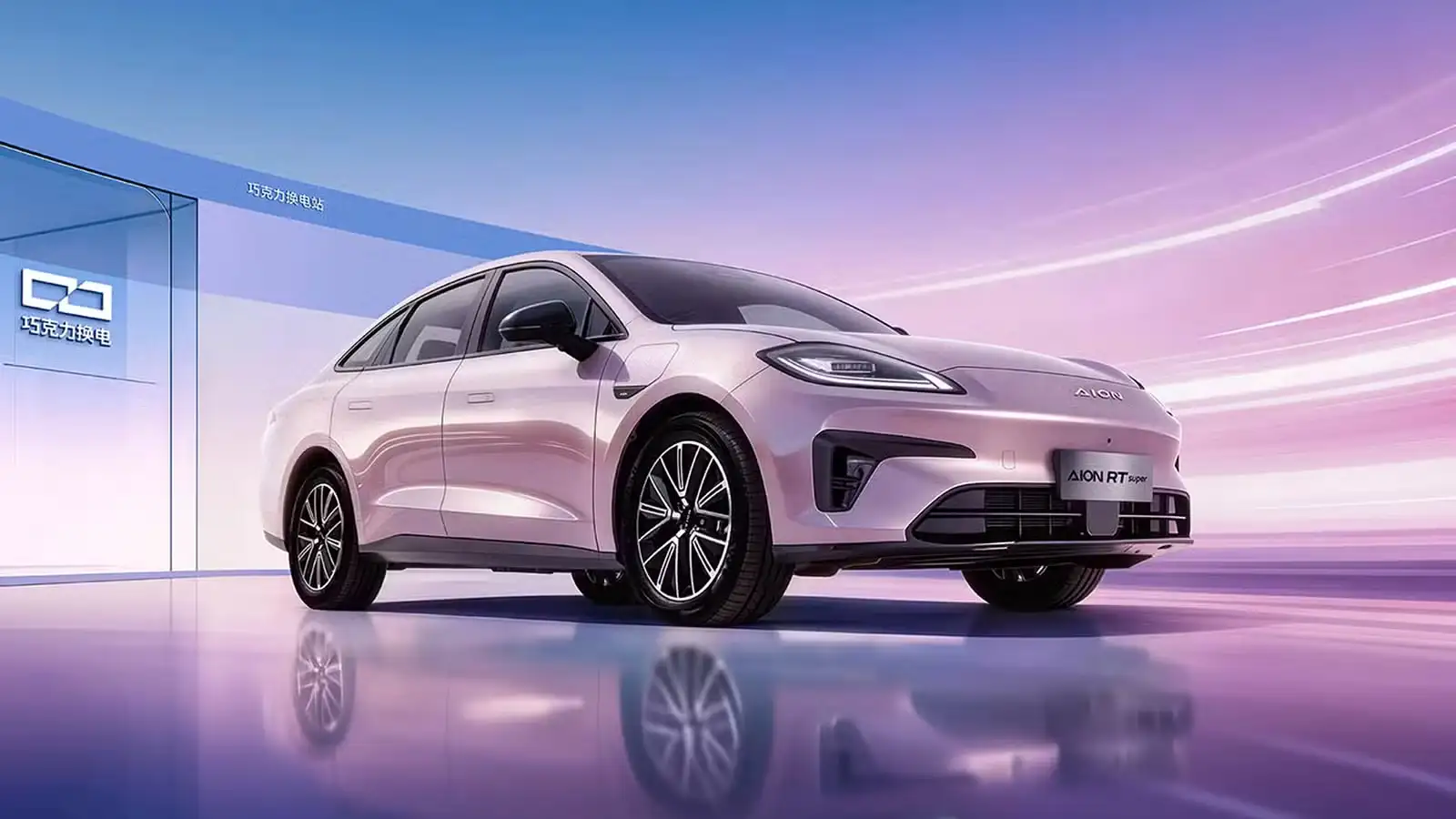
- Battery: 54 kWh CATL pack
- Range: 505 km
- Swap time: 99 seconds in CATL’s network
- Fast charging: 30% to 80% in 26 minutes
- Motor output: 150 kW, about 201 hp
- 0 to 100 km/h: 7.5 seconds
Those numbers place the RT Super squarely in the real-world EV sweet spot. It is not chasing supercar acceleration, but it does promise enough punch for daily use while keeping range respectable. The sedan measures 4,865 mm long, 1,875 mm wide, and 1,520 mm tall, with a 2,775 mm wheelbase, which gives it the proportions of a practical family car rather than a tiny commuter EV.
Inside, GAC Aion uses the ADiGO 6.0 smart cockpit and integrates Huawei HiCar 4.0, a combination that should resonate with buyers who expect their car to feel like a connected device. The brand is also adding incentives such as a lifetime warranty and lifetime data traffic to sharpen the value argument even further.
For readers tracking battery innovation beyond China, the RT Super arrives at the same time that models like the MG4 Urban with semi-solid-state battery tech are pushing a different kind of range and charging race.
Why This Launch Matters For The EV Market
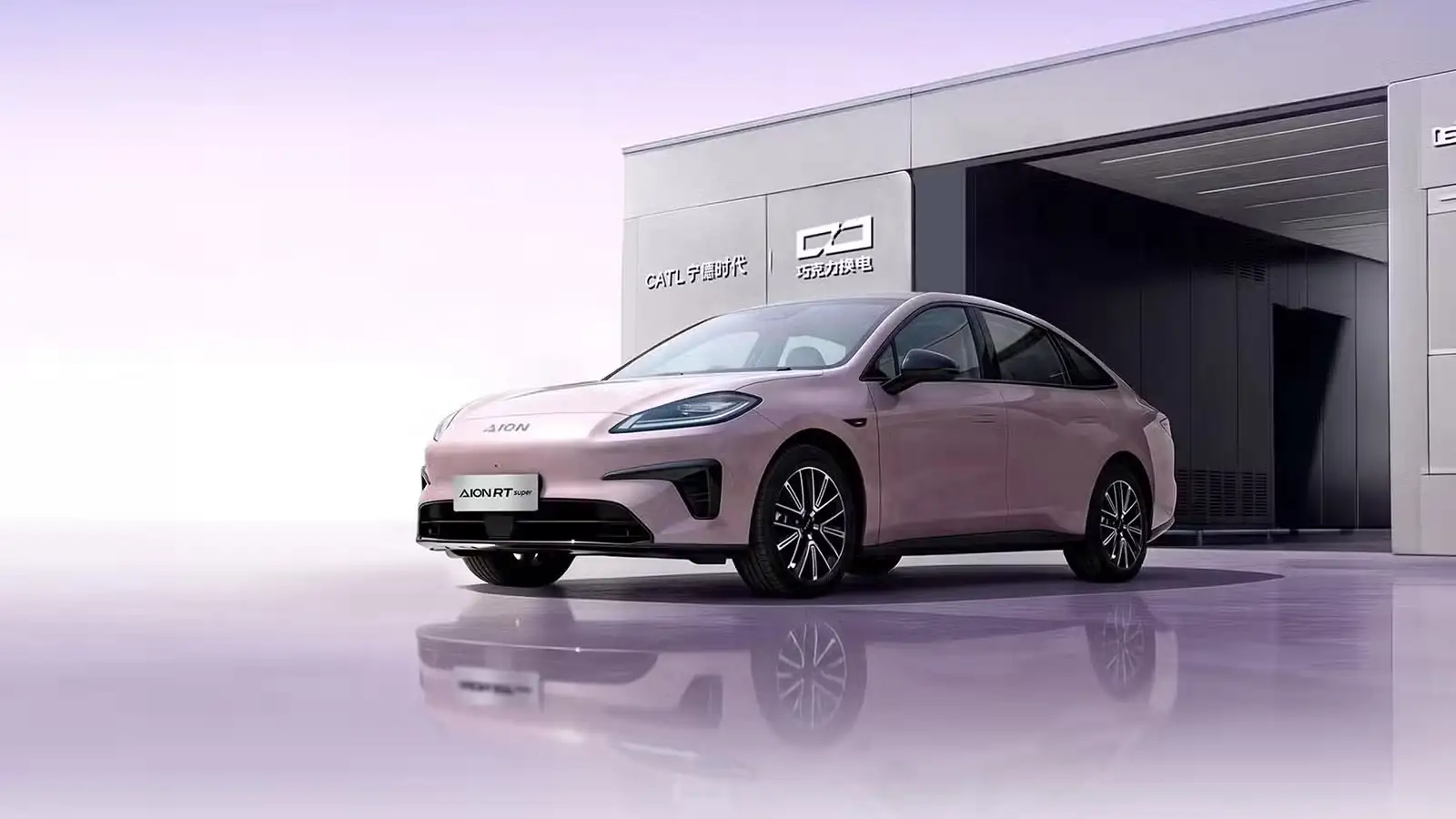
The bigger story is not just the car. It is the ecosystem. CATL says it wants to build more than 3,000 Choco swap stations by the end of 2026, with a longer-term target of 30,000 stations nationwide. That scale matters because battery swap only works if the network is wide, reliable, and easy to access.
“If battery swap becomes fast, common, and affordable, EV ownership could start to feel more like using a service than buying a fixed battery asset.”
That is why the RT Super is such an important launch. It shows that battery swap is no longer just a niche idea associated with a few premium brands. It is moving into the mass-market conversation, and other automakers are watching closely. Reports already suggest more models based on CATL’s swap solution are on the way, including future entries from BAIC’s Arcfox.
For enthusiasts following China’s rapid EV arms race, this feels like the same kind of market shake-up seen in launches such as the Leapmotor B10 Flex REEV and the Geely Galaxy A7 EV, where price, efficiency, and tech stack are redefining expectations.
Bottom line: the GAC Aion RT Super is not just another electric sedan. It is a clear signal that battery swapping, lower entry pricing, and connected-car features may become one of the most influential formulas in the next wave of EV competition.