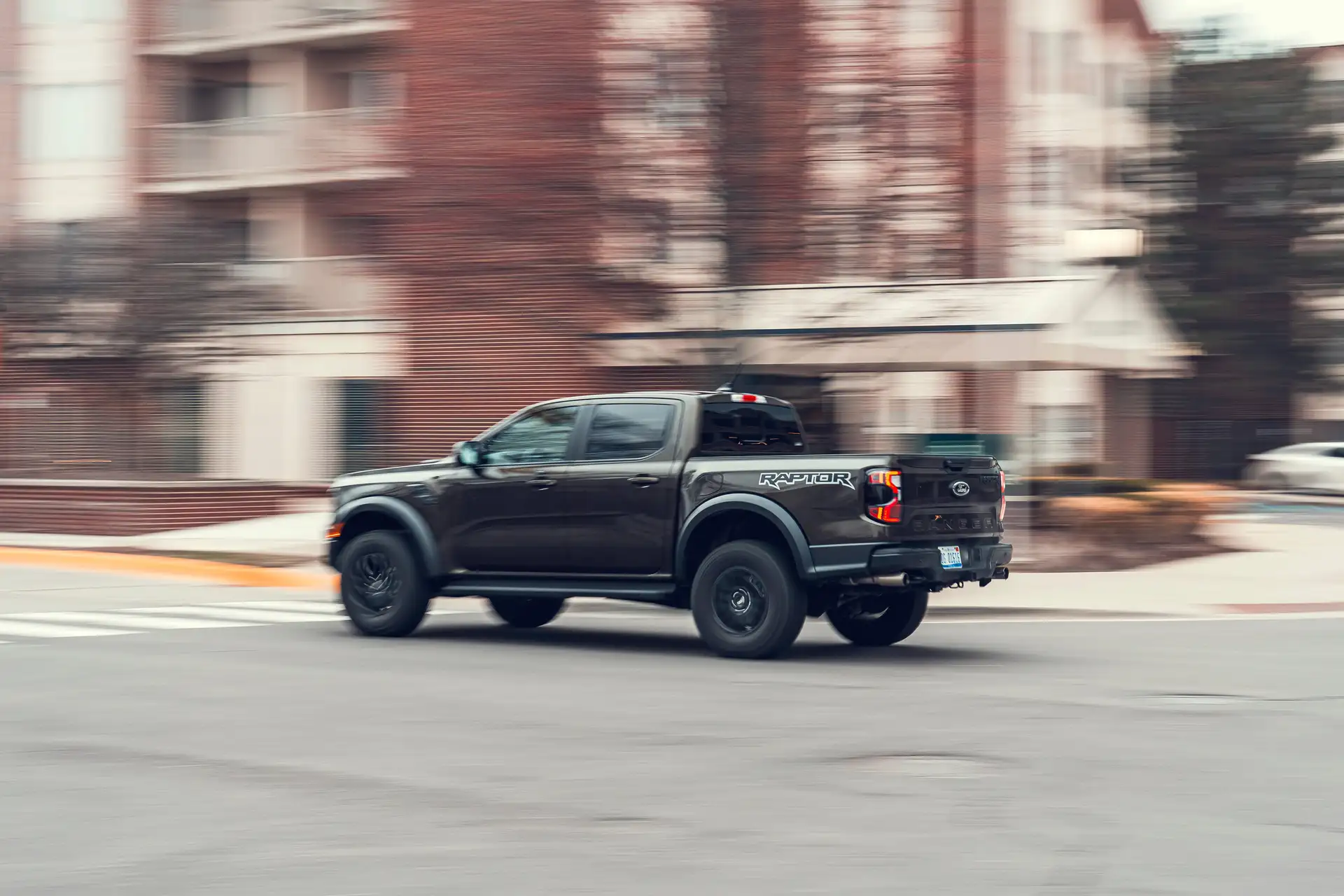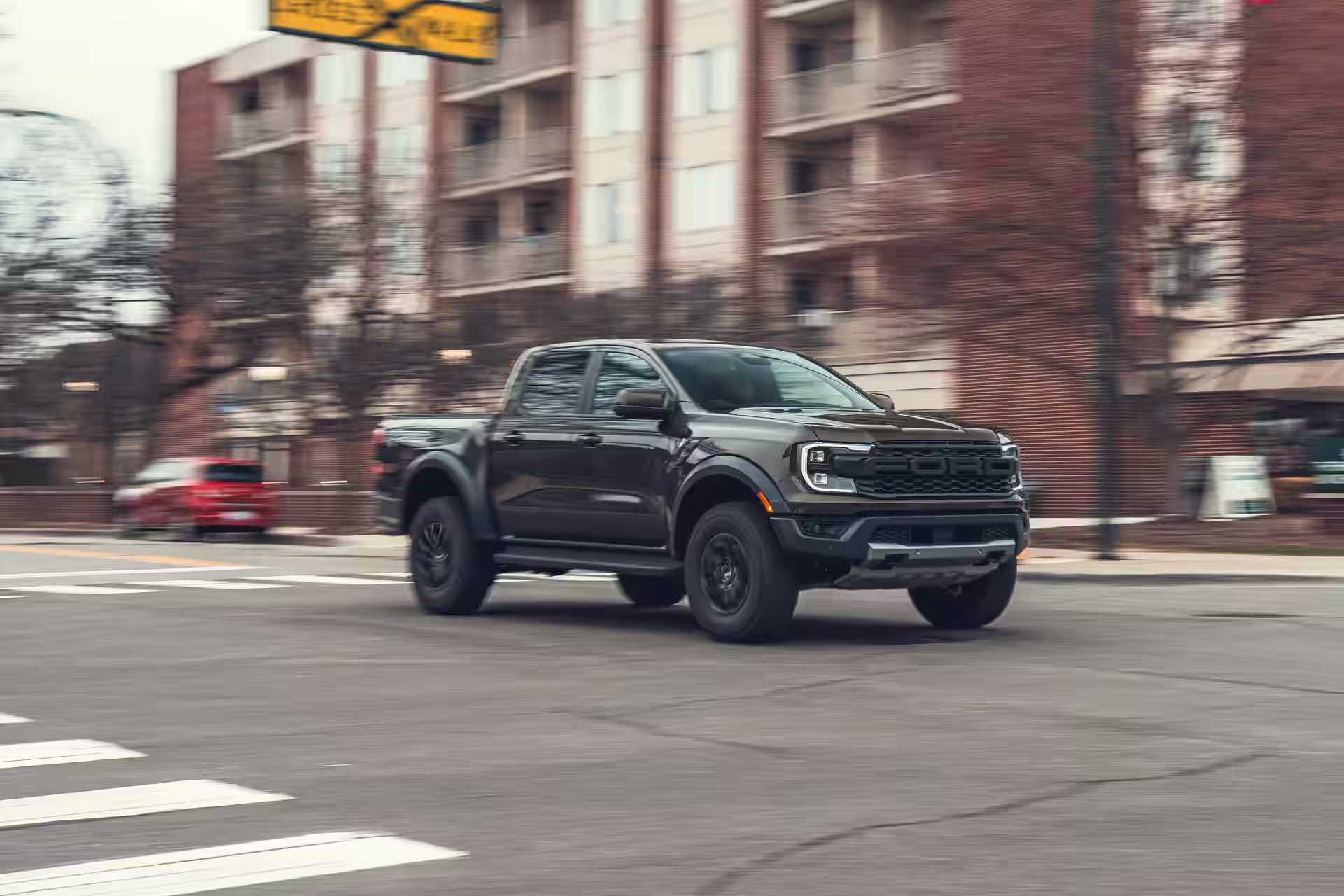
FORD RANGER RAPTOR packs 405HP and hits 60mph in 5.2s. Fox shocks, 33-inch tires, and real off-road hardware reshape the midsize game. See why!
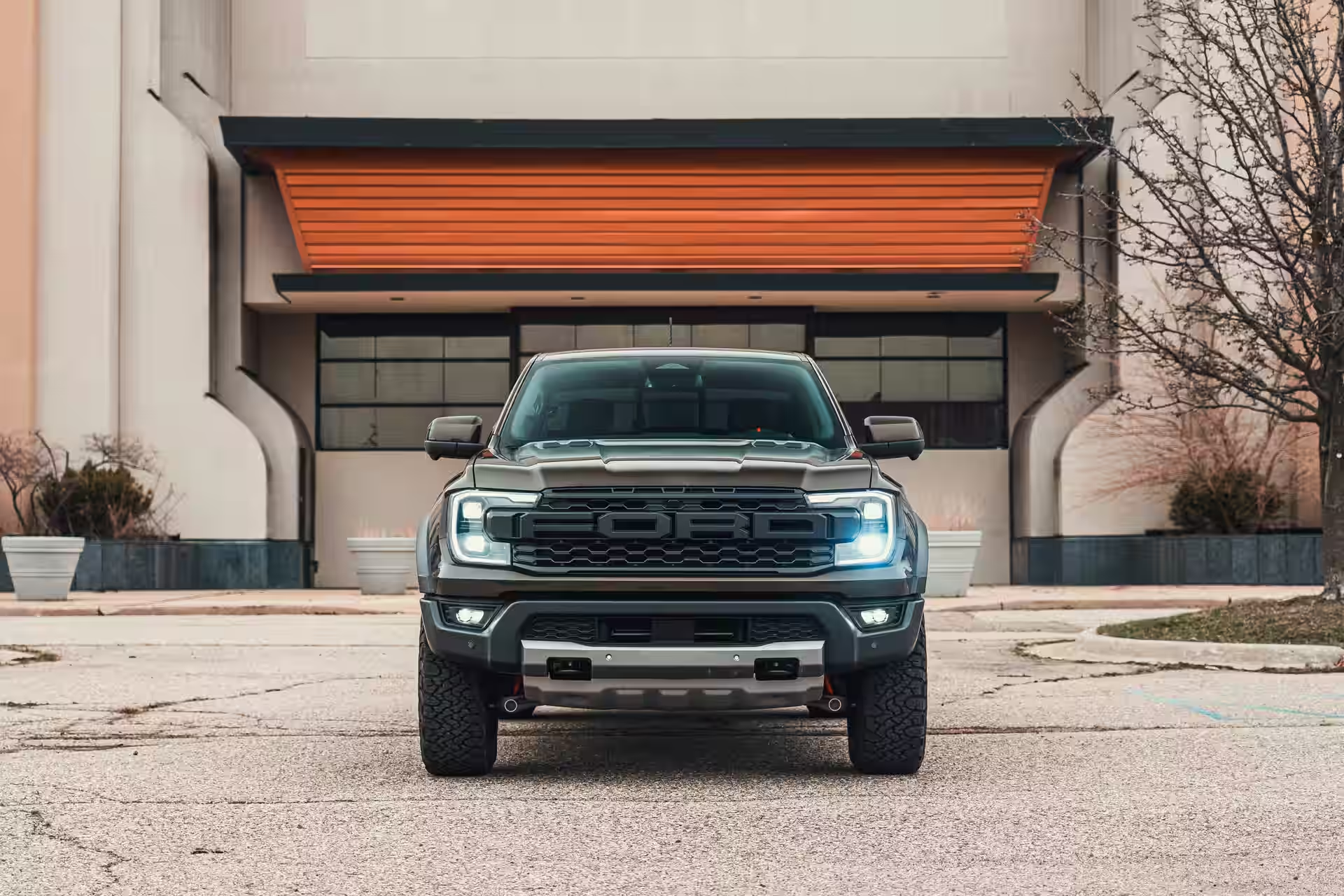
The 2026 Ford Ranger Raptor is not just a smaller F-150 Raptor. It is a sharper, more usable, and in many ways smarter performance truck that turns the midsize pickup segment into a real battlefield.
Why The 2026 Ford Ranger Raptor Matters More Than Most New Trucks
There are fast trucks, there are off-road trucks, and then there are trucks engineered to do both without feeling compromised every time the pavement ends. The 2026 Ford Ranger Raptor lands in that rare third category. It arrives with the same spirit that made the full-size Raptor a cultural icon, but it packages that formula in a size and price bracket that is far more realistic for many buyers.
That is exactly why this truck is attracting so much attention in search trends tied to terms like best midsize off-road truck, Ford Ranger Raptor review, Ranger Raptor vs Tacoma TRD Pro, and daily drivable Baja truck. It is not just an enthusiast fantasy anymore. It is a serious alternative for people who want one vehicle to handle commuting, hardware-store runs, road trips, muddy trails, sand, snow, and the occasional excuse to aim at the horizon with more confidence than common sense.
Ford’s recipe remains familiar but highly effective. Start with a midsize pickup platform. Widen the stance. Reinforce the suspension. Add a twin-turbo V6. Fit proper all-terrain rubber. Install electronically locking differentials. Tune the chassis for actual high-speed off-road use instead of just posing in dealer lots. Then, critically, avoid bloating the price into luxury-truck territory.
The result is a truck with a base price of $58,965, which positions it below several high-profile rivals while delivering performance that, on paper and in testing, makes the segment look a little uncomfortable. At roughly $60,415 as equipped in this configuration, the Ranger Raptor undercuts a full-size F-150 Raptor by a massive margin and still brings real halo-model credibility.
That price-value argument becomes stronger when you look at the direct alternatives. The Toyota Tacoma TRD Pro has a powerful brand image and a loyal following, but it starts significantly higher. Chevrolet’s Colorado ZR2 remains a very capable truck, especially for technical trails, yet its four-cylinder powertrain simply does not create the same emotional response or straight-line thrust. If your use case combines off-road fun with everyday livability, the Ranger Raptor starts looking like the segment’s pressure point.
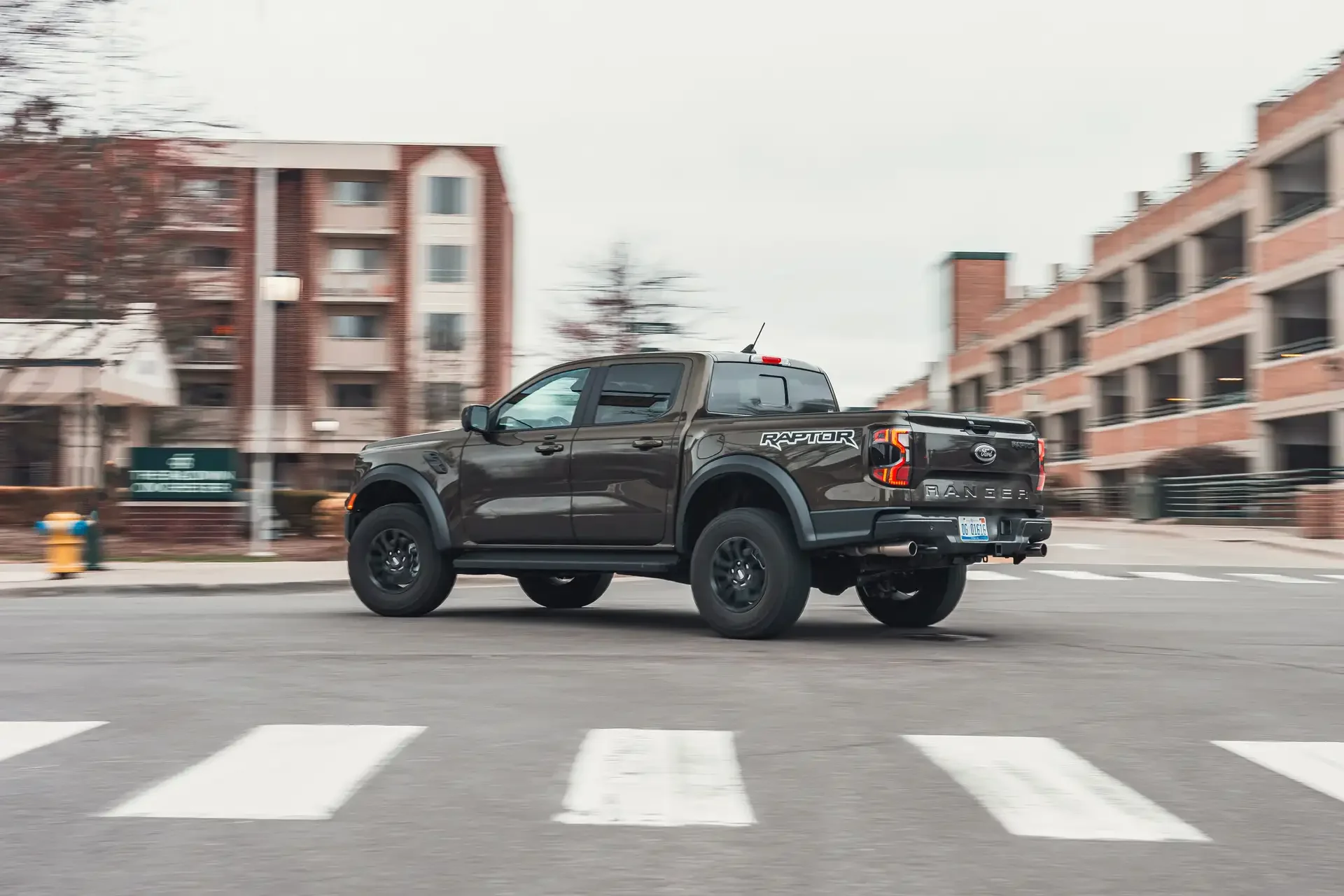
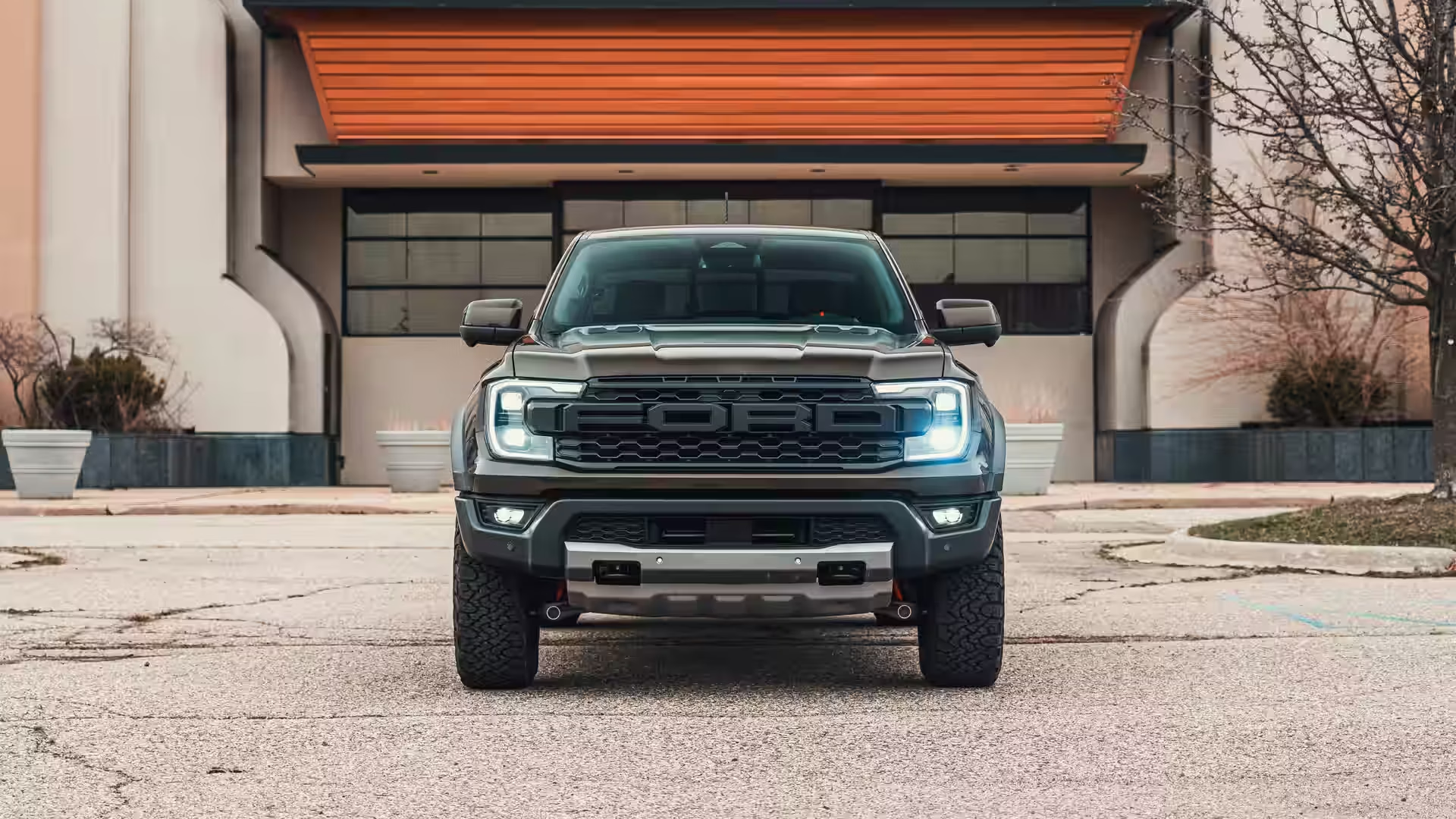
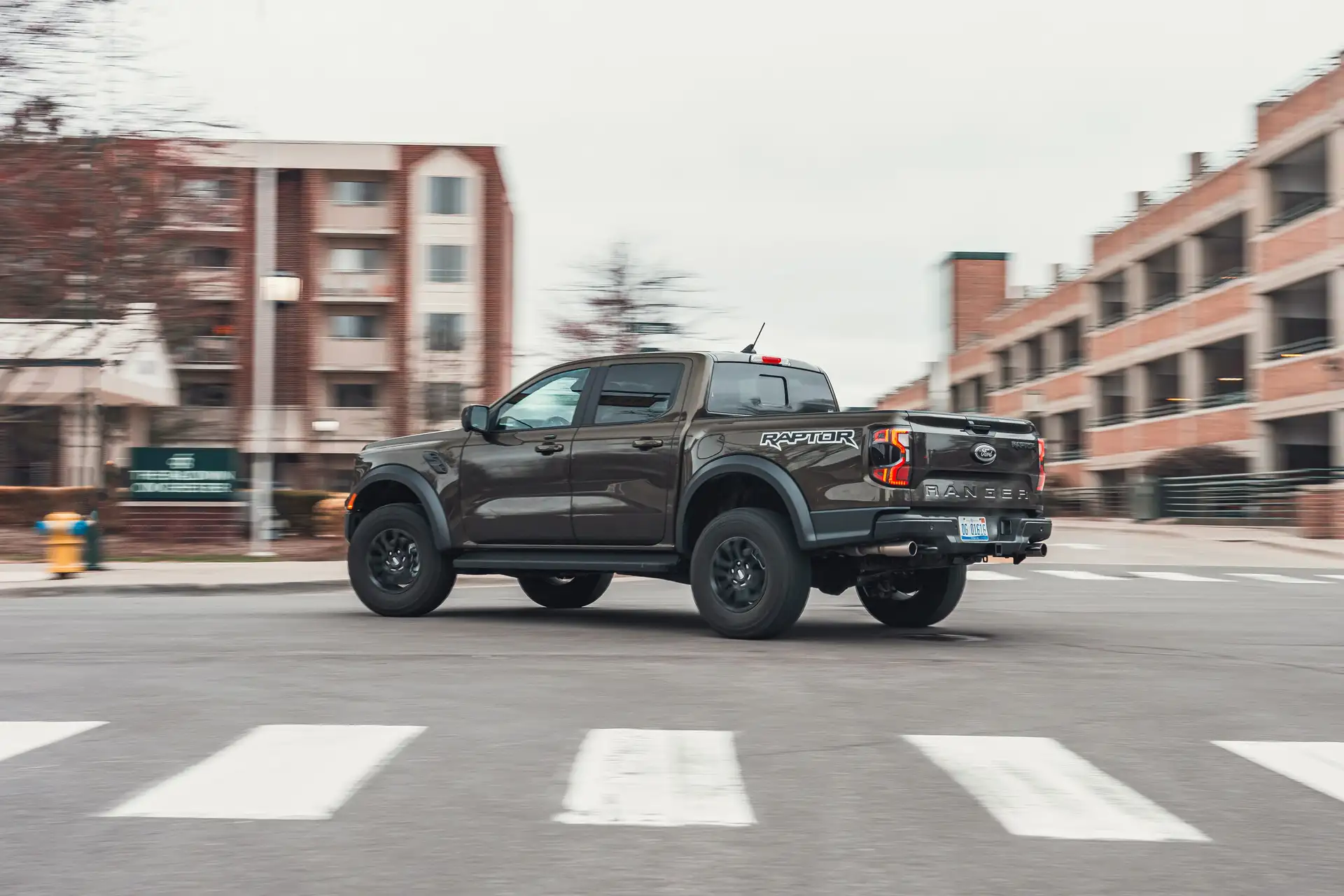
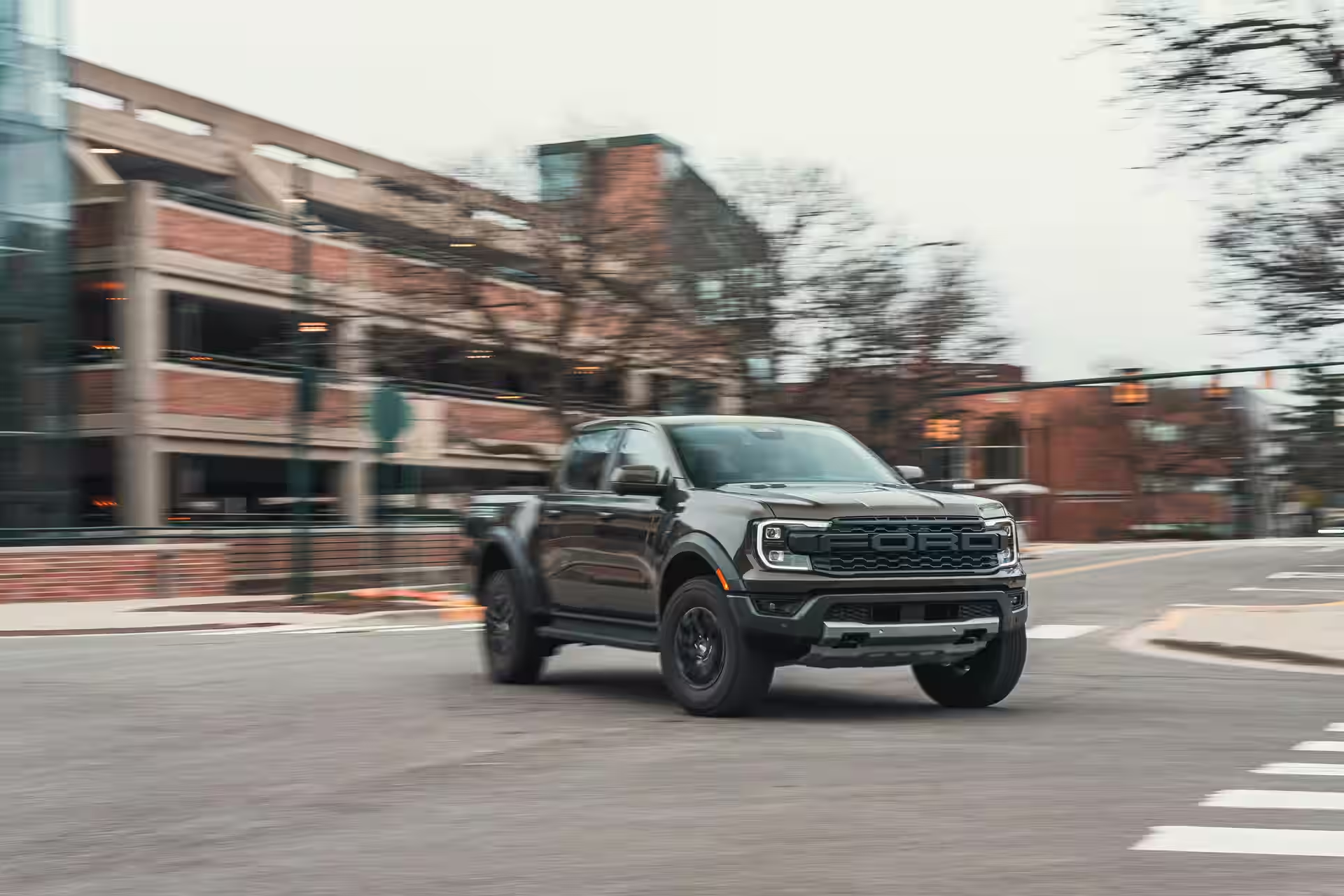
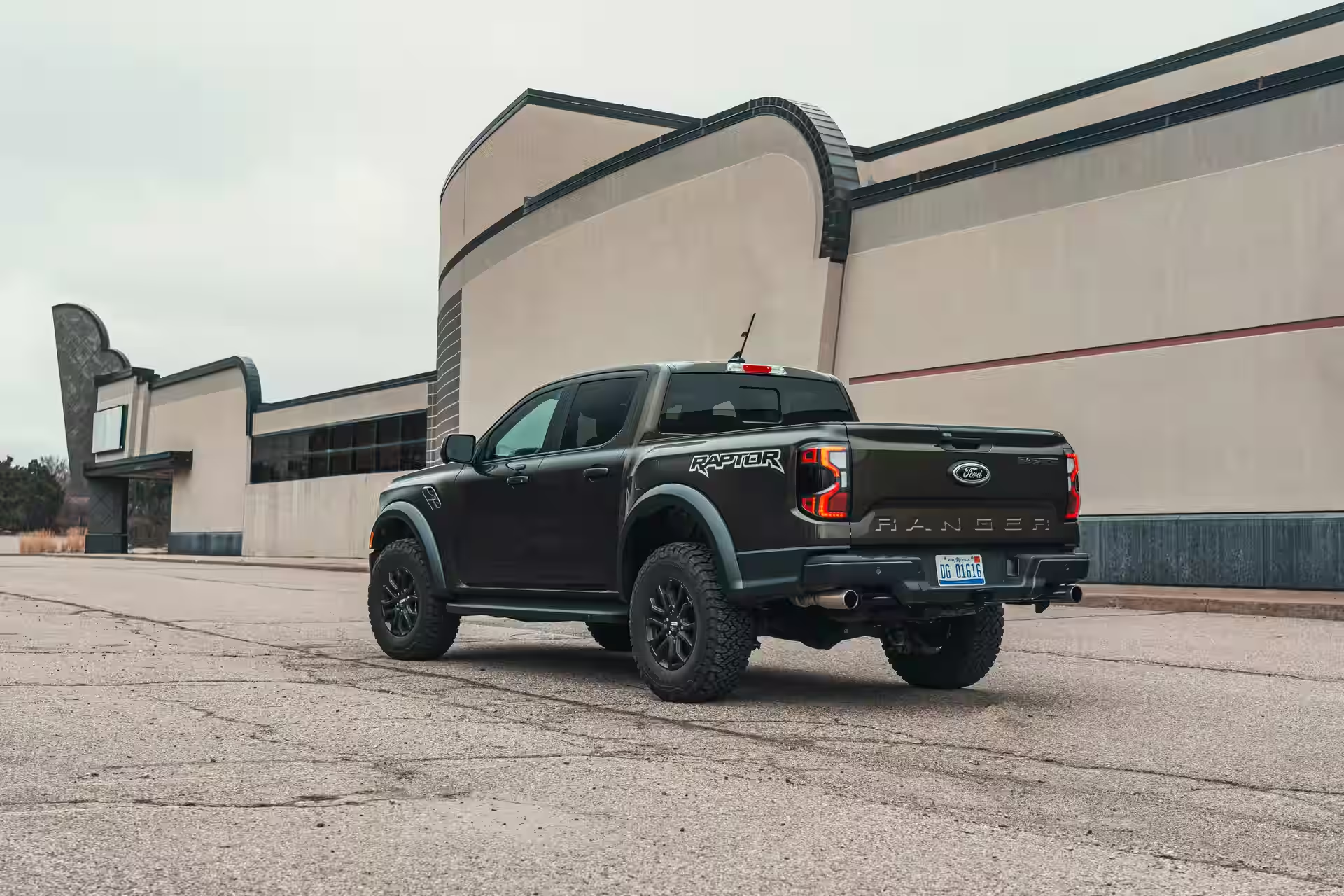
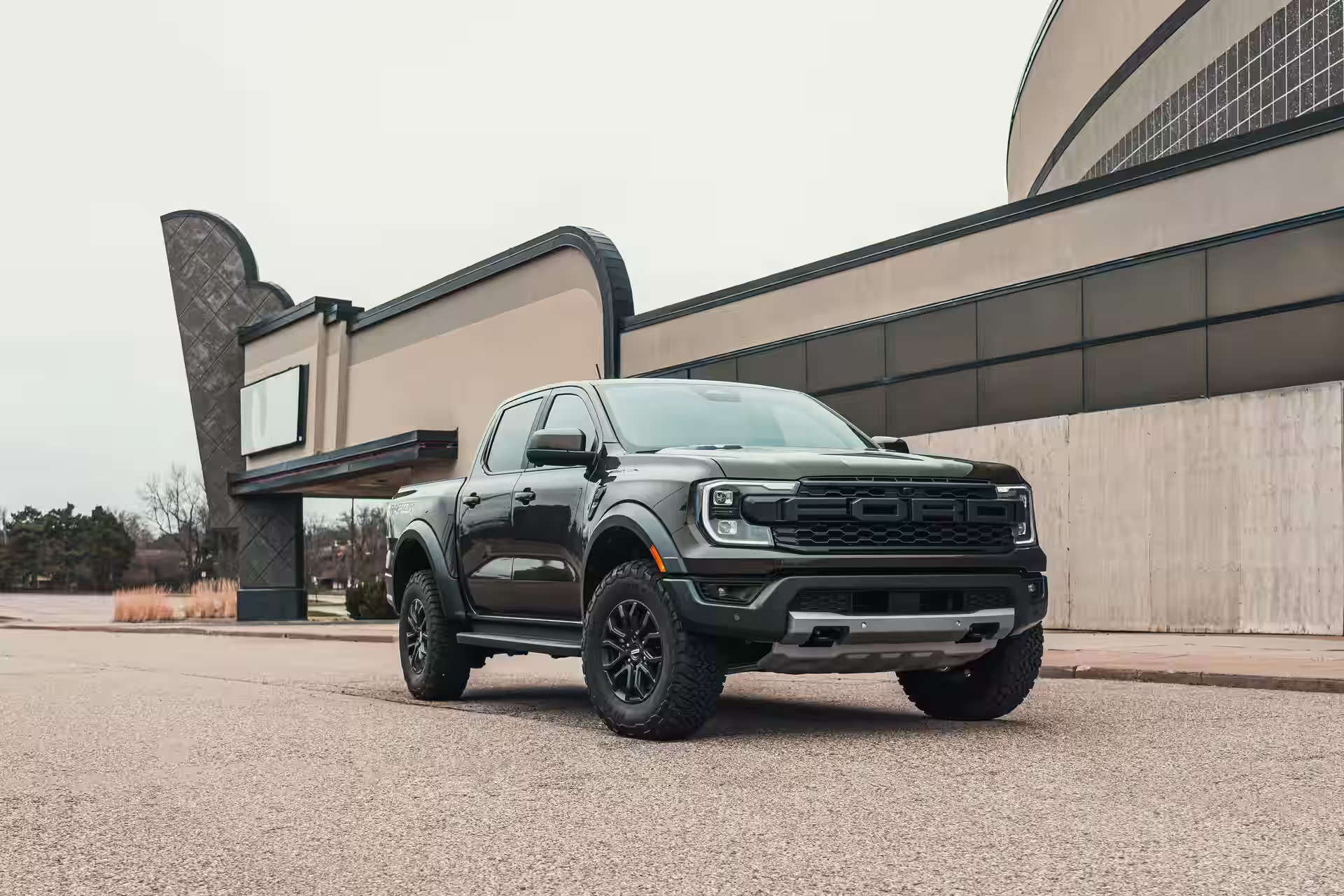
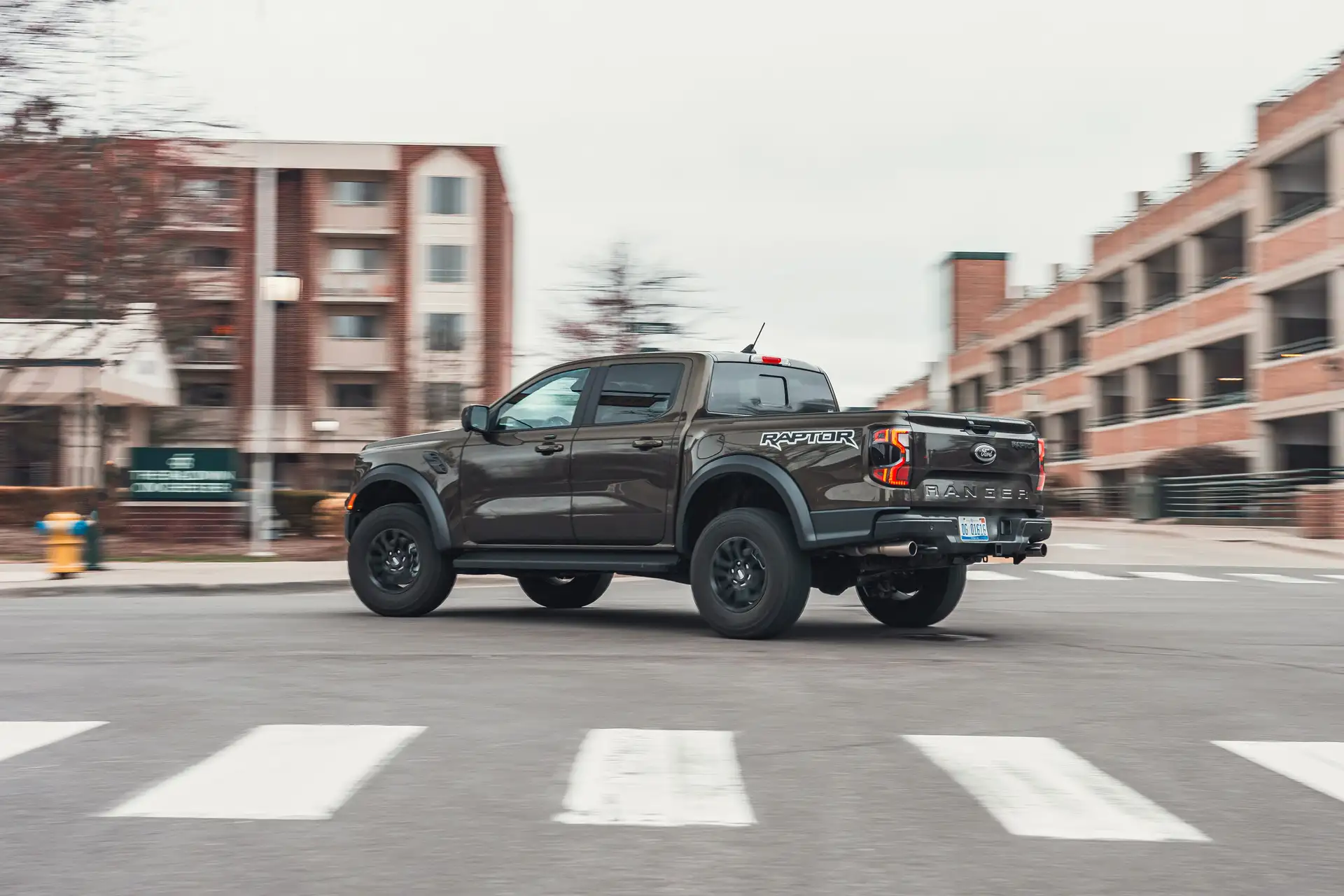
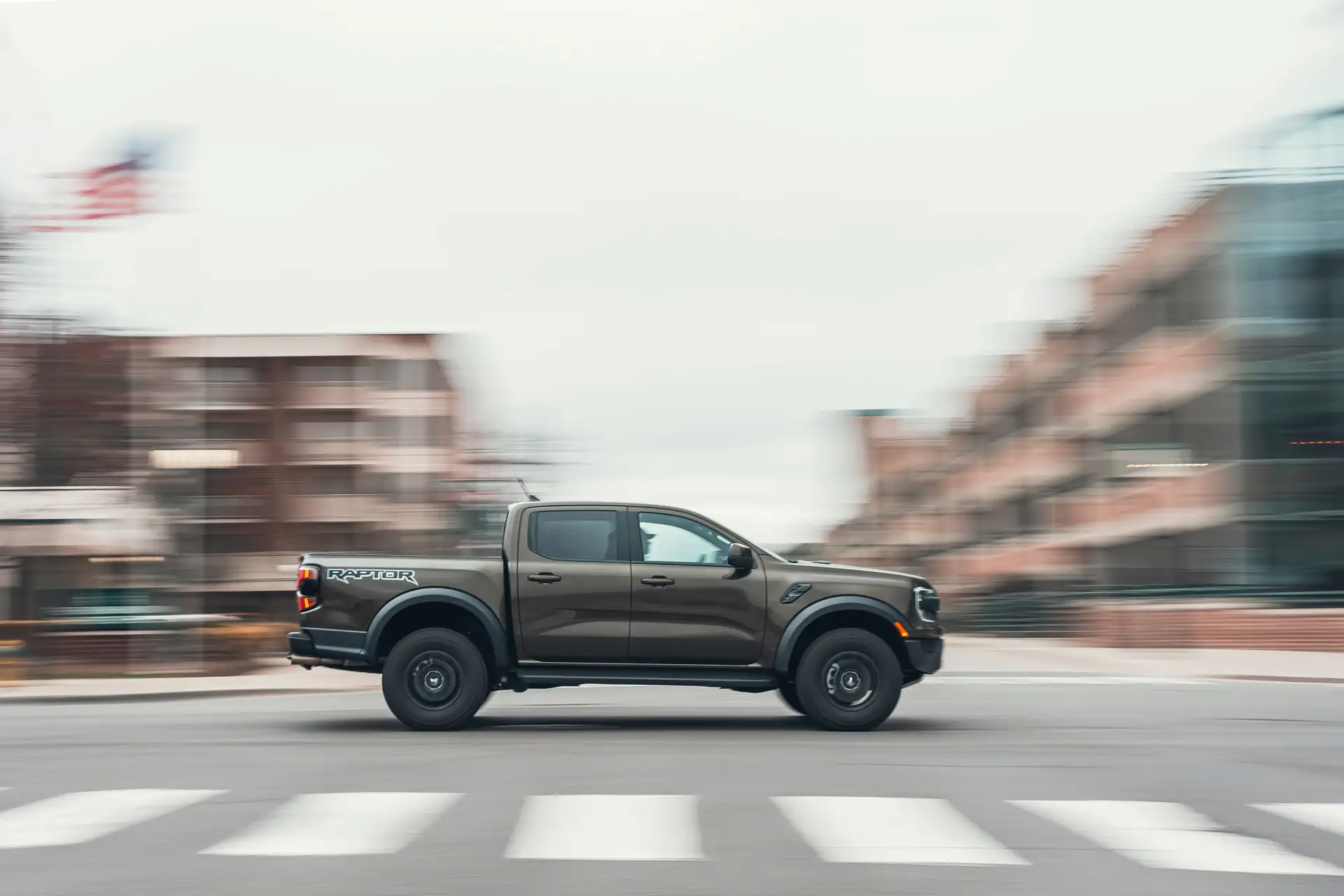
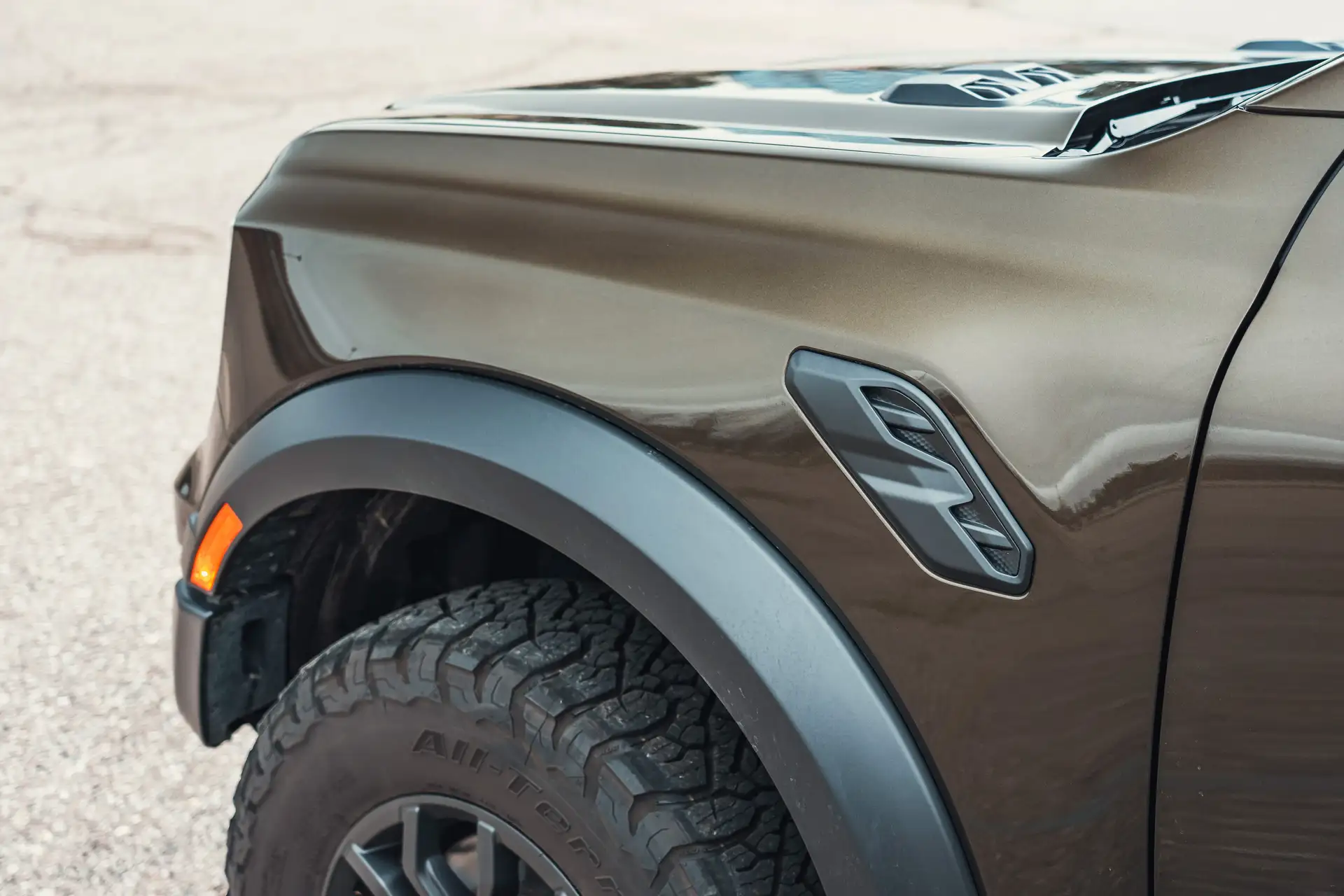
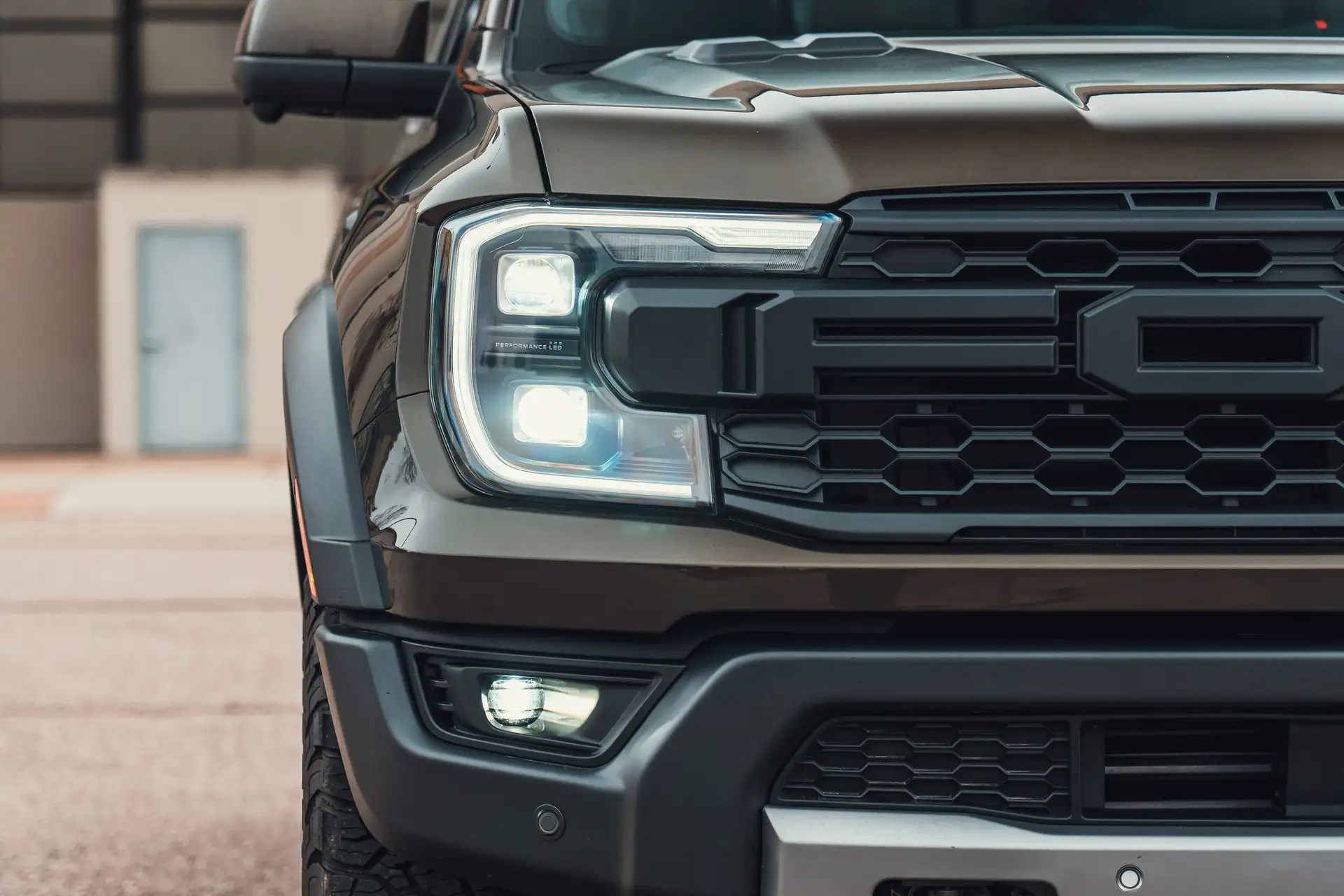
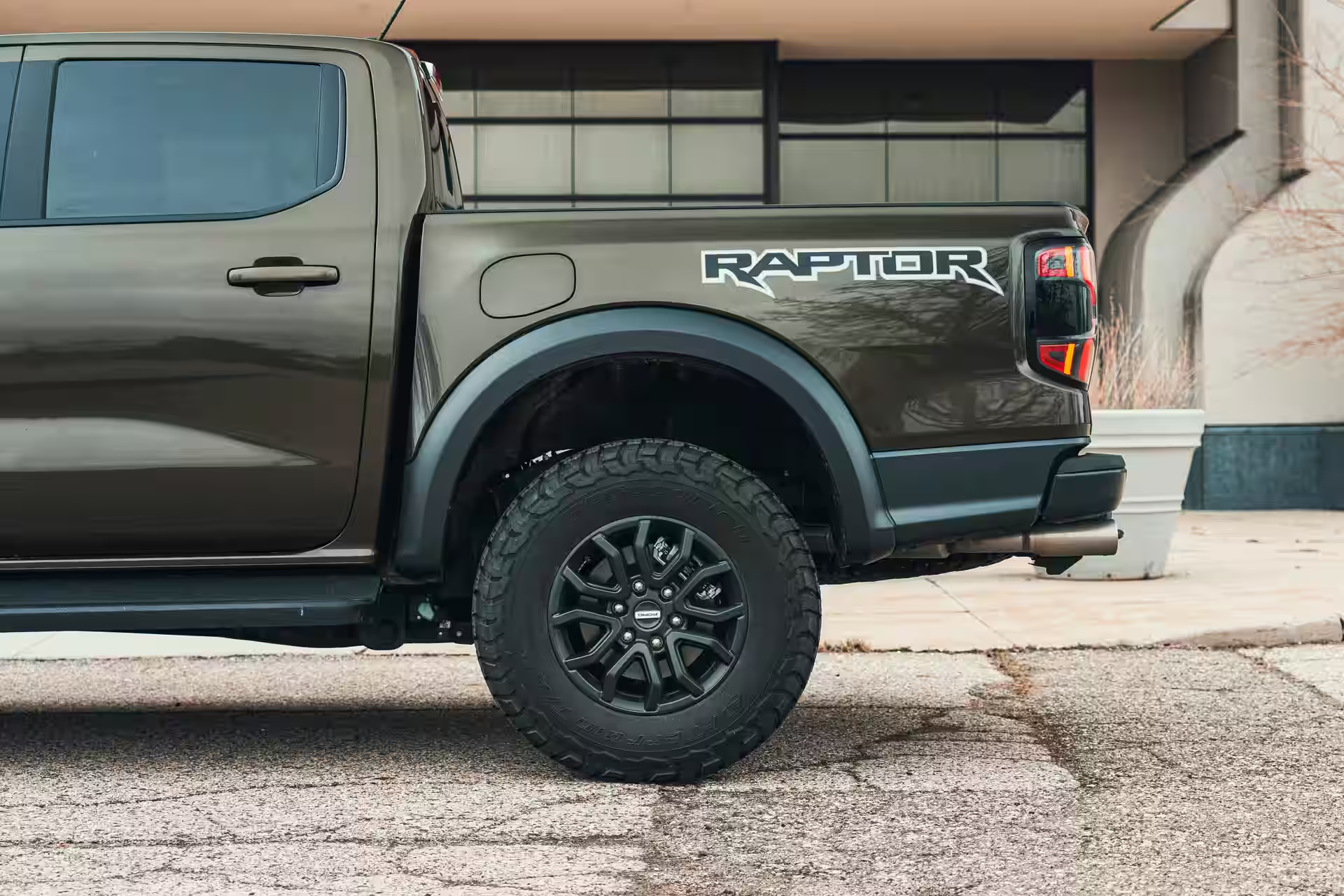
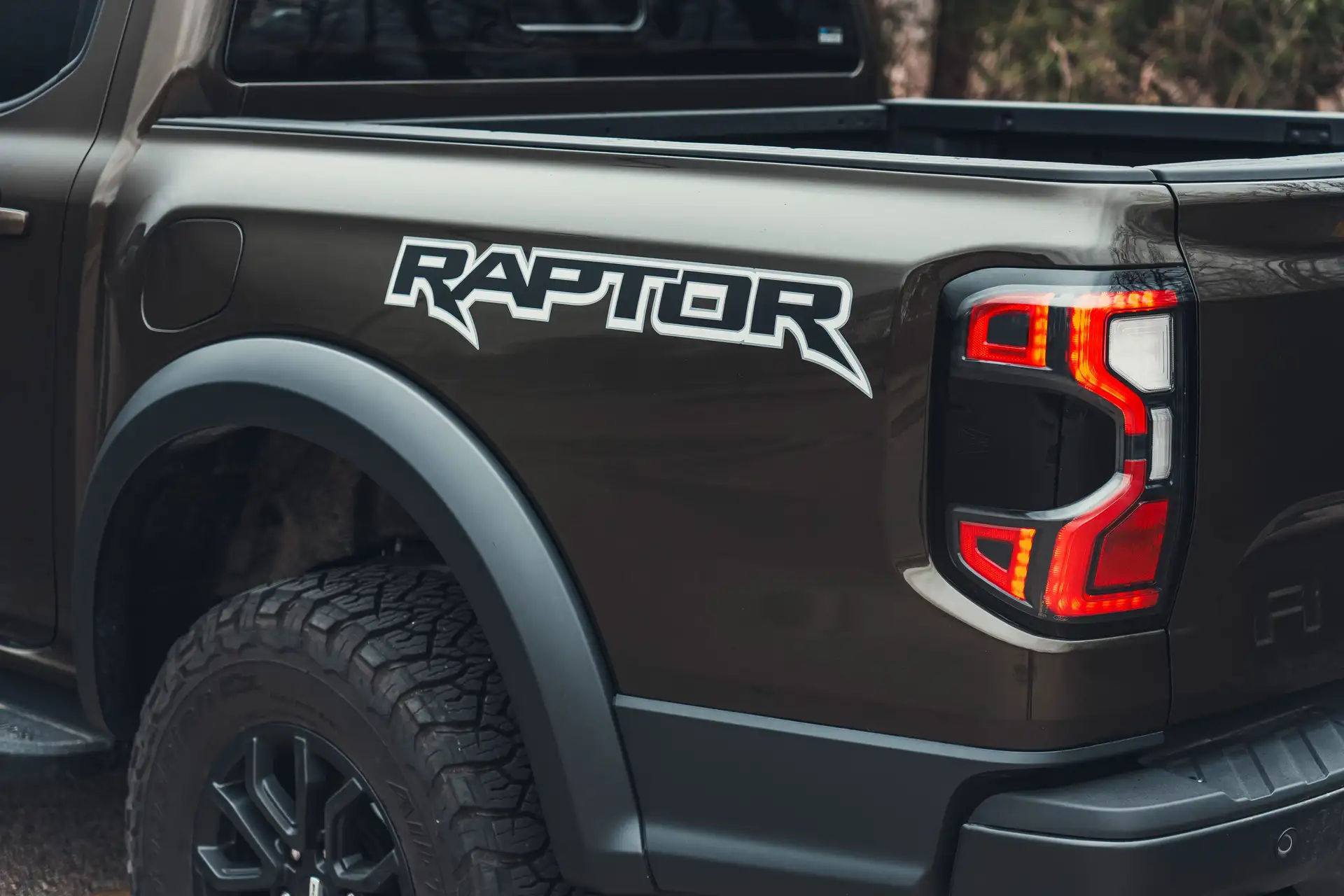
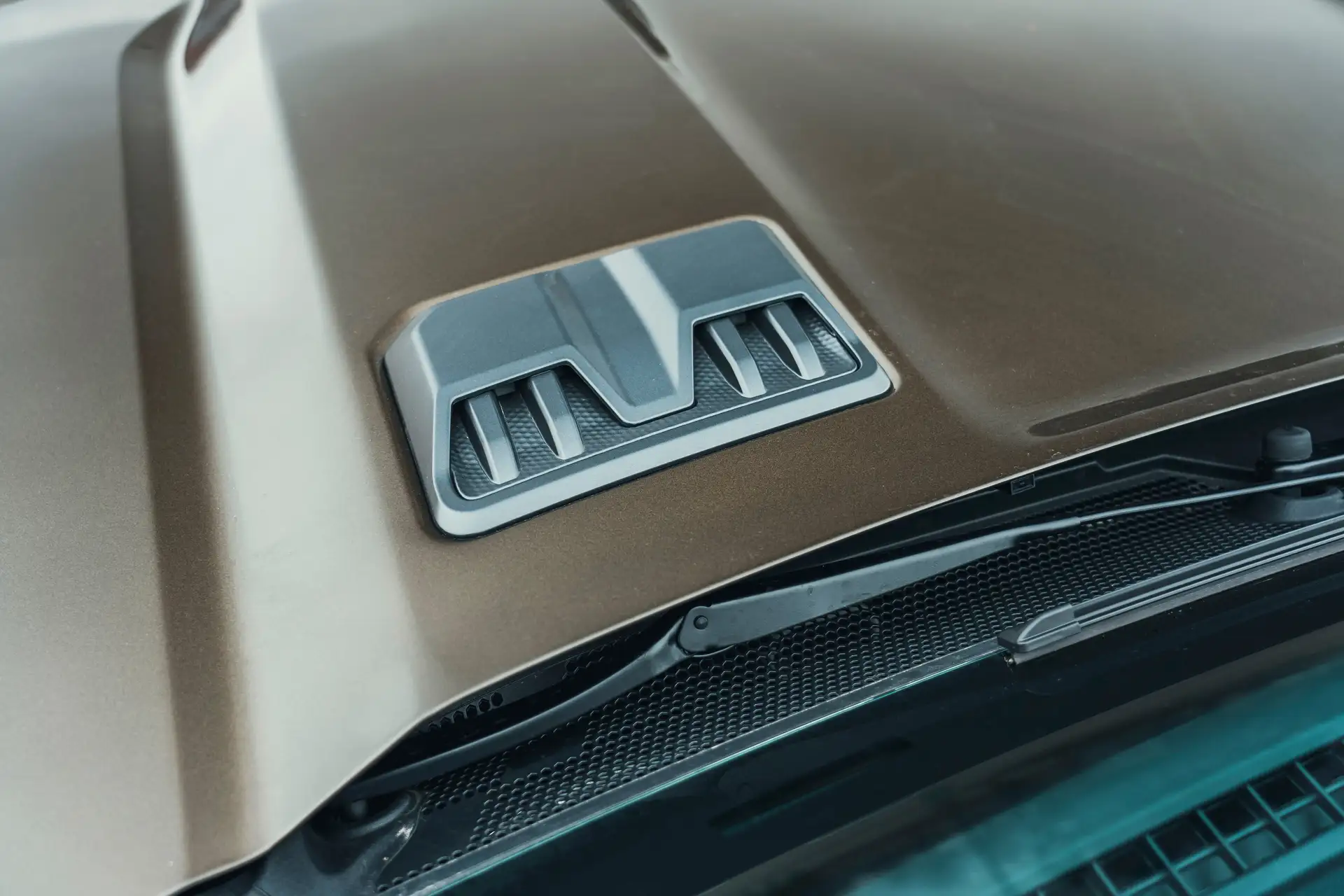
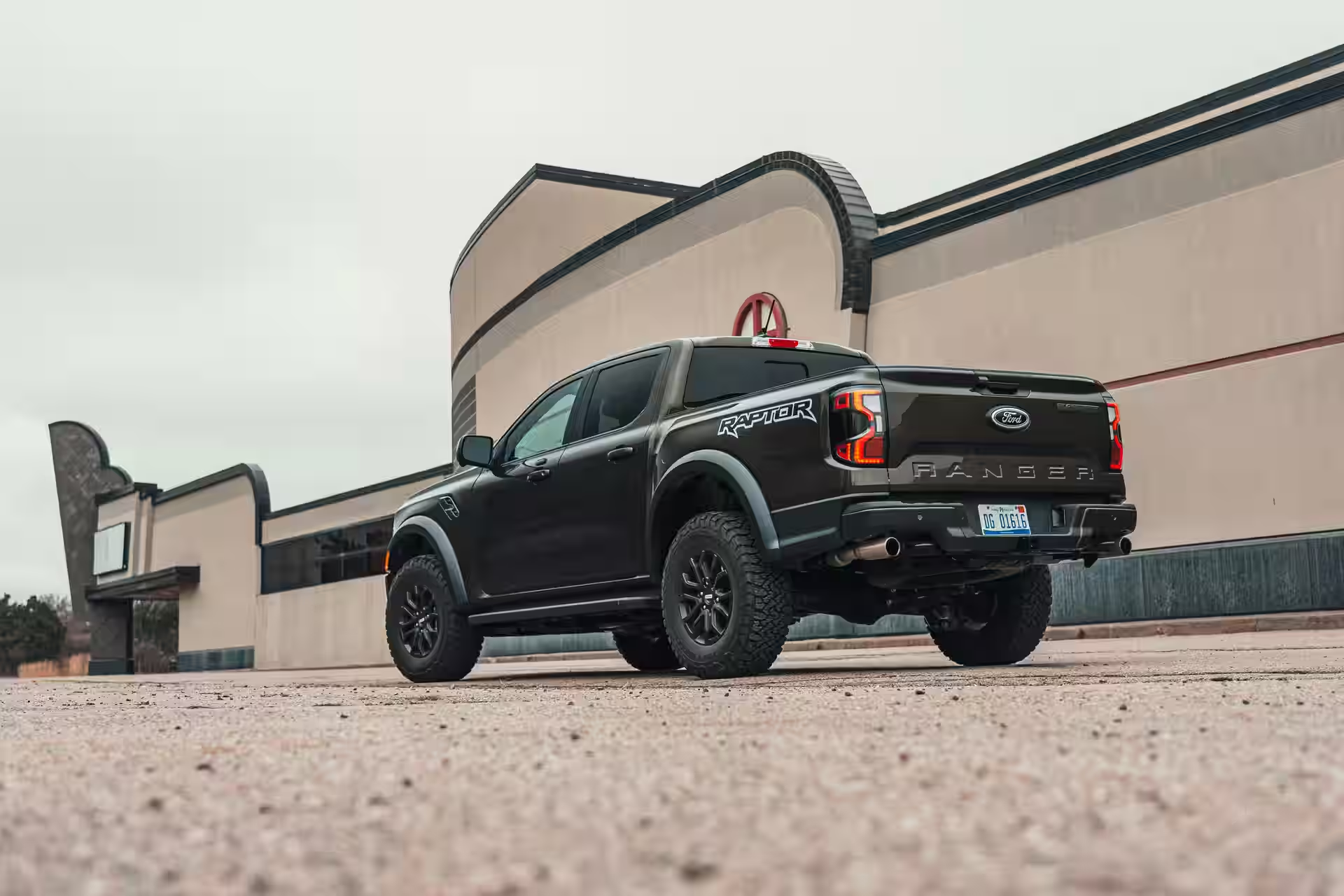
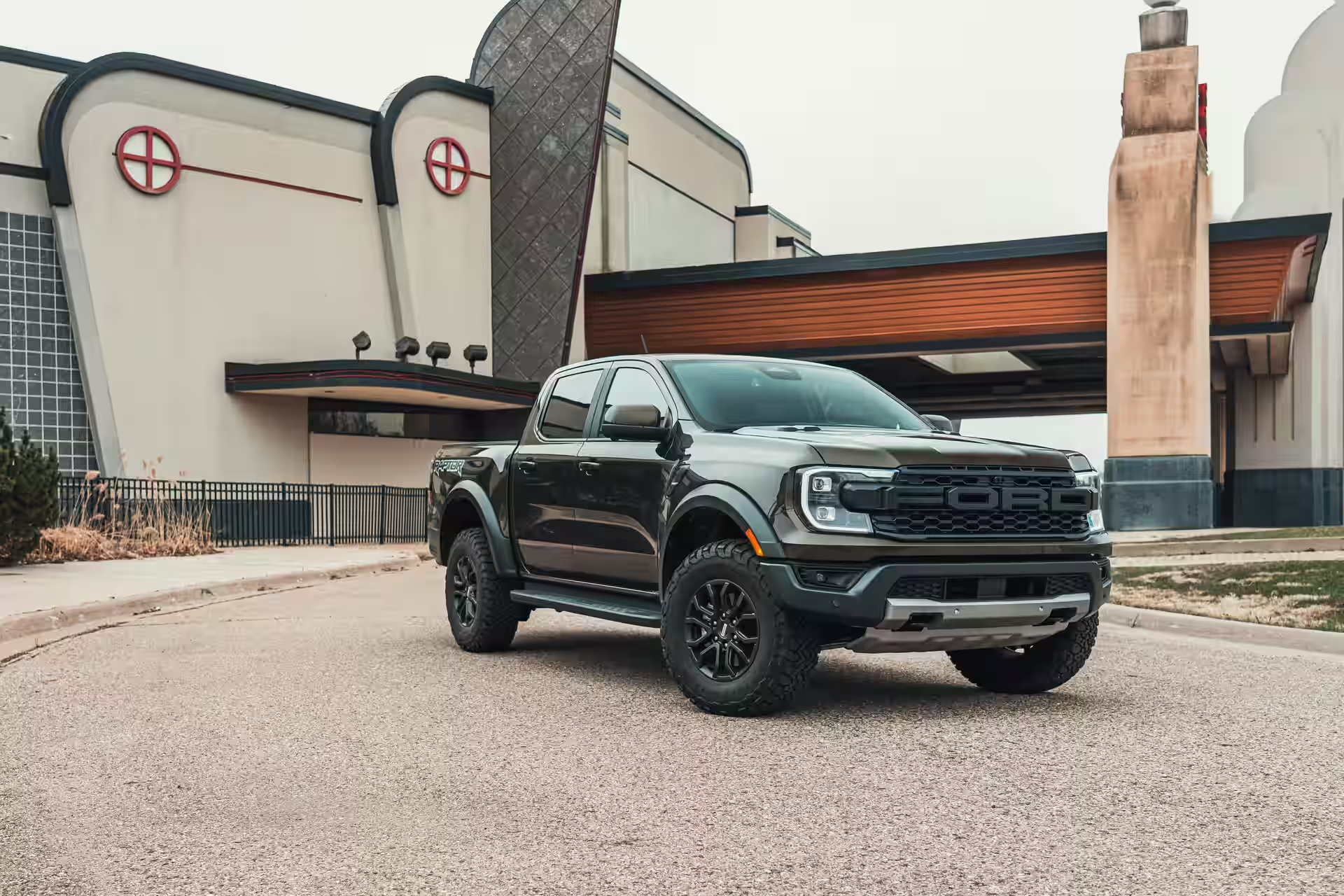
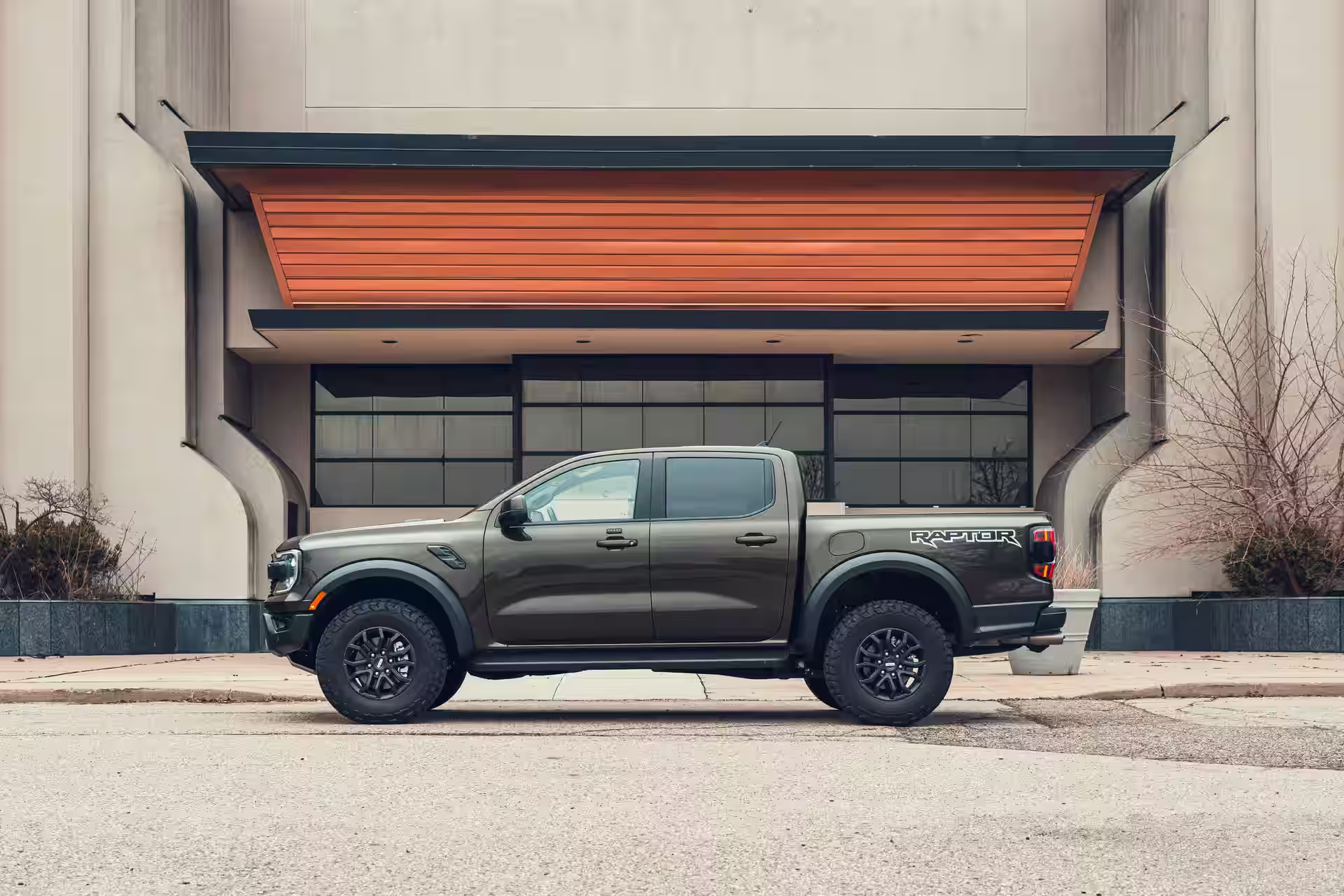
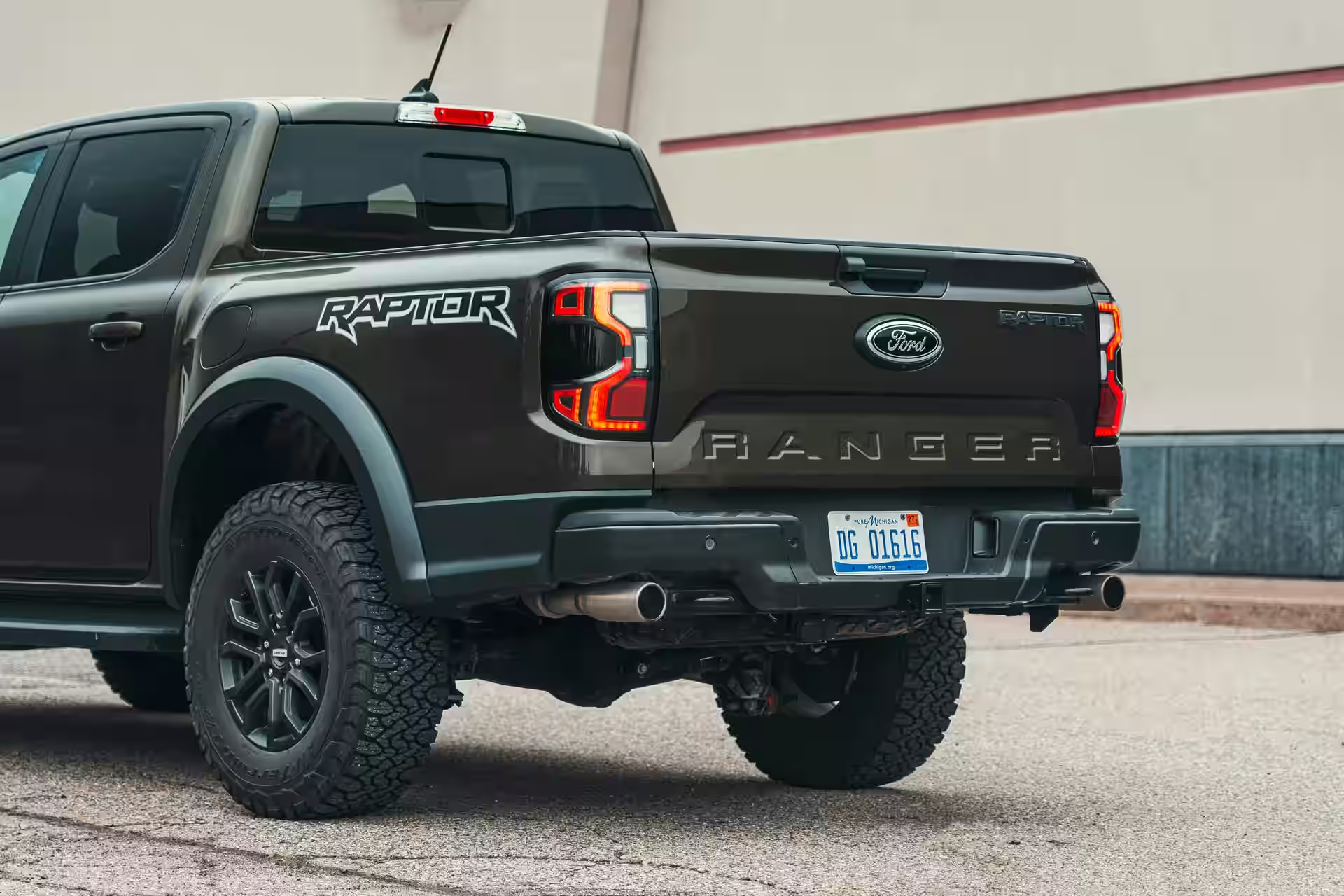
And yes, image matters. The Ranger Raptor looks exactly like what buyers in this niche want. It has flared bodywork, muscular proportions, aggressive bumpers, a broad stance, and the kind of factory-built attitude usually associated with far more expensive trucks. In Shelter Green Metallic, it avoids the cartoonish look some off-road specials drift into. It has presence without screaming for attention.
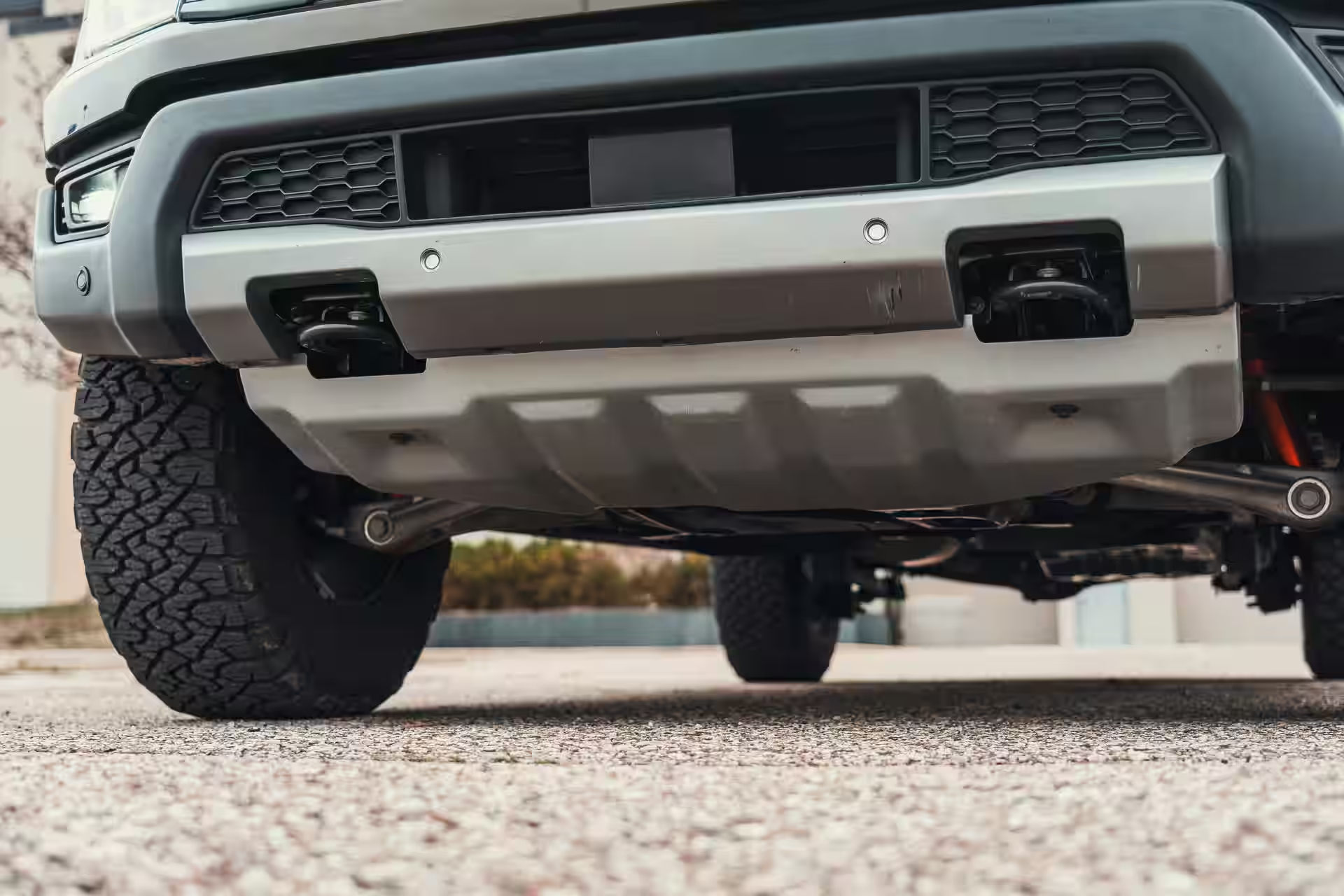
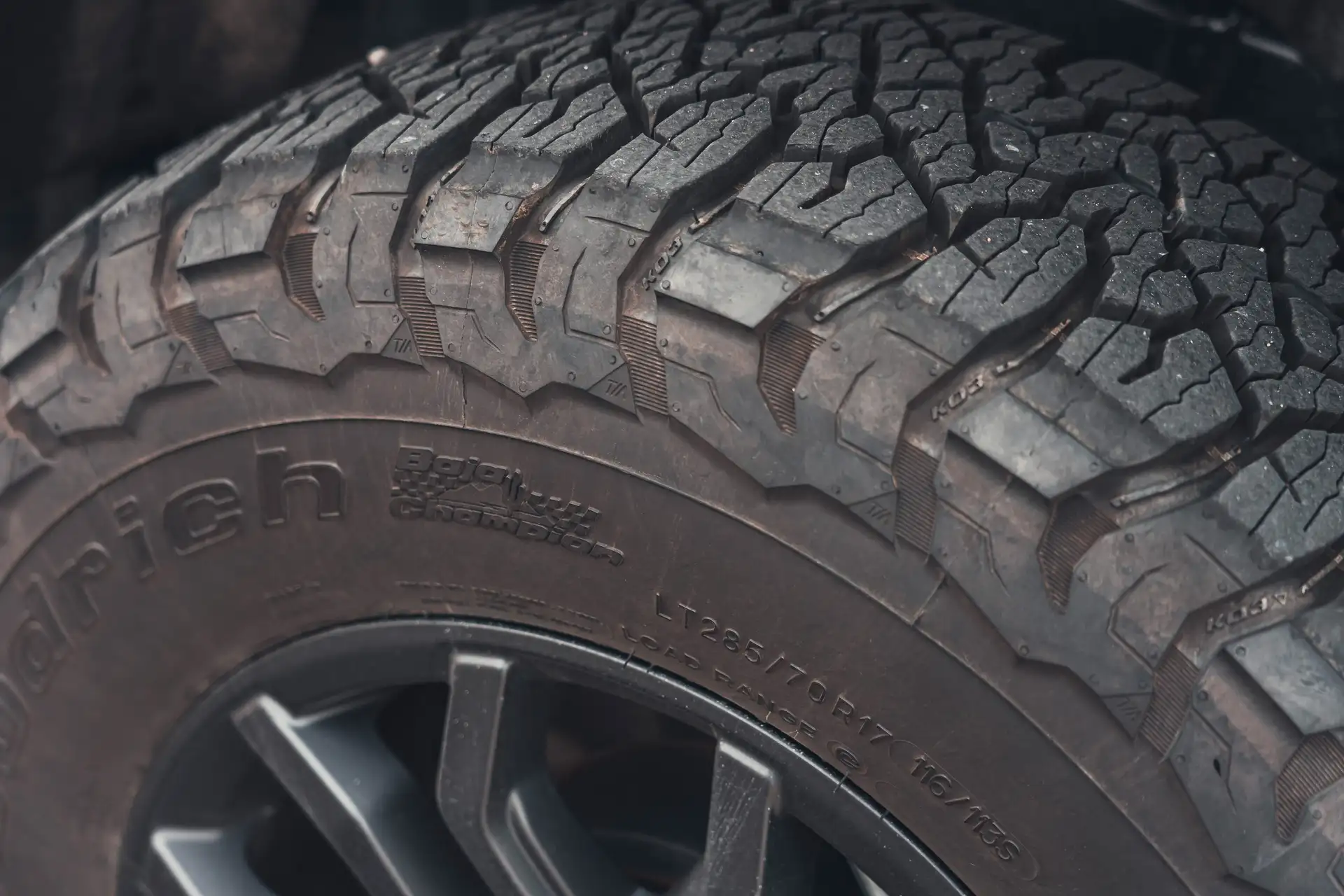
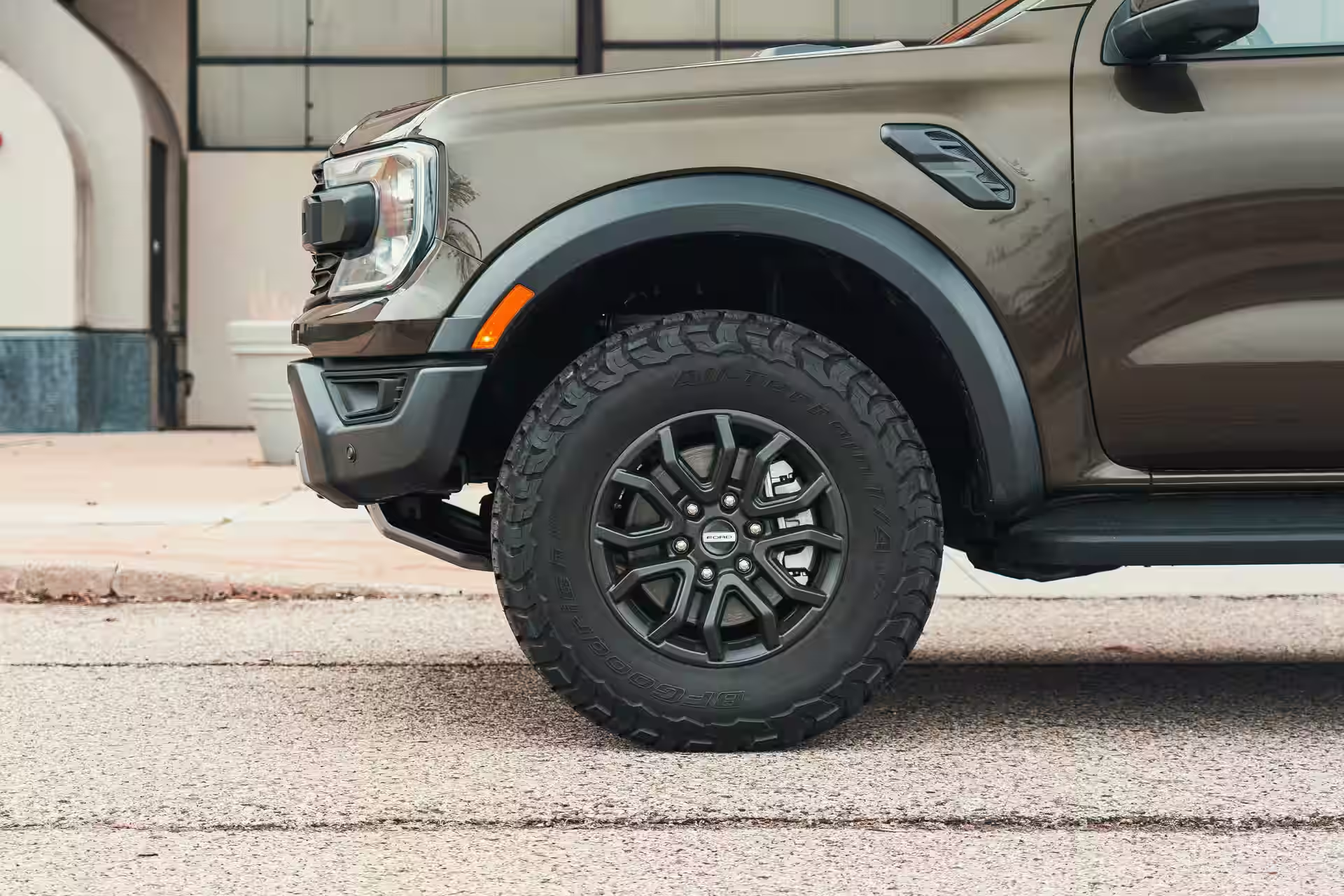
That subtle confidence also separates it from the all-show crowd. The truck’s shape is not decoration. The wider tracks are there to support the hardware and the 33-inch BFGoodrich All-Terrain T/A KO3 tires. The underbody protection is there because the truck is expected to hit terrain hard enough to need it. The suspension is not lifted for aesthetics. It is designed to absorb punishment.
If you have been following the broader truck market, this is part of a larger shift. Buyers no longer want a pickup that is merely practical. They want one that has identity. That is why stories about machines like the Toyota Tundra 2026 TRD Performance generate so much noise online. But the Ranger Raptor attacks the same emotional nerve with a more compact footprint and a much easier day-to-day ownership proposition.
Dimensionally, this matters more than spec sheets suggest. The Ranger Raptor is about 210.9 inches long, with a 128.7-inch wheelbase and a width of 79.8 inches. That means it feels substantial but not excessive. It is still garage-friendly in many homes where a full-size performance truck becomes an exercise in folding mirrors and measuring clearances. In crowded parking lots and urban traffic, that smaller footprint becomes a real lifestyle advantage, not just a technical footnote.
It is one of the few trucks that genuinely earns the idea of being a “right-sized” performance pickup. That phrase gets overused, but here it actually applies.
405 HP, Fox Live Valve Shocks, And Hardware That Makes The Specs Feel Real
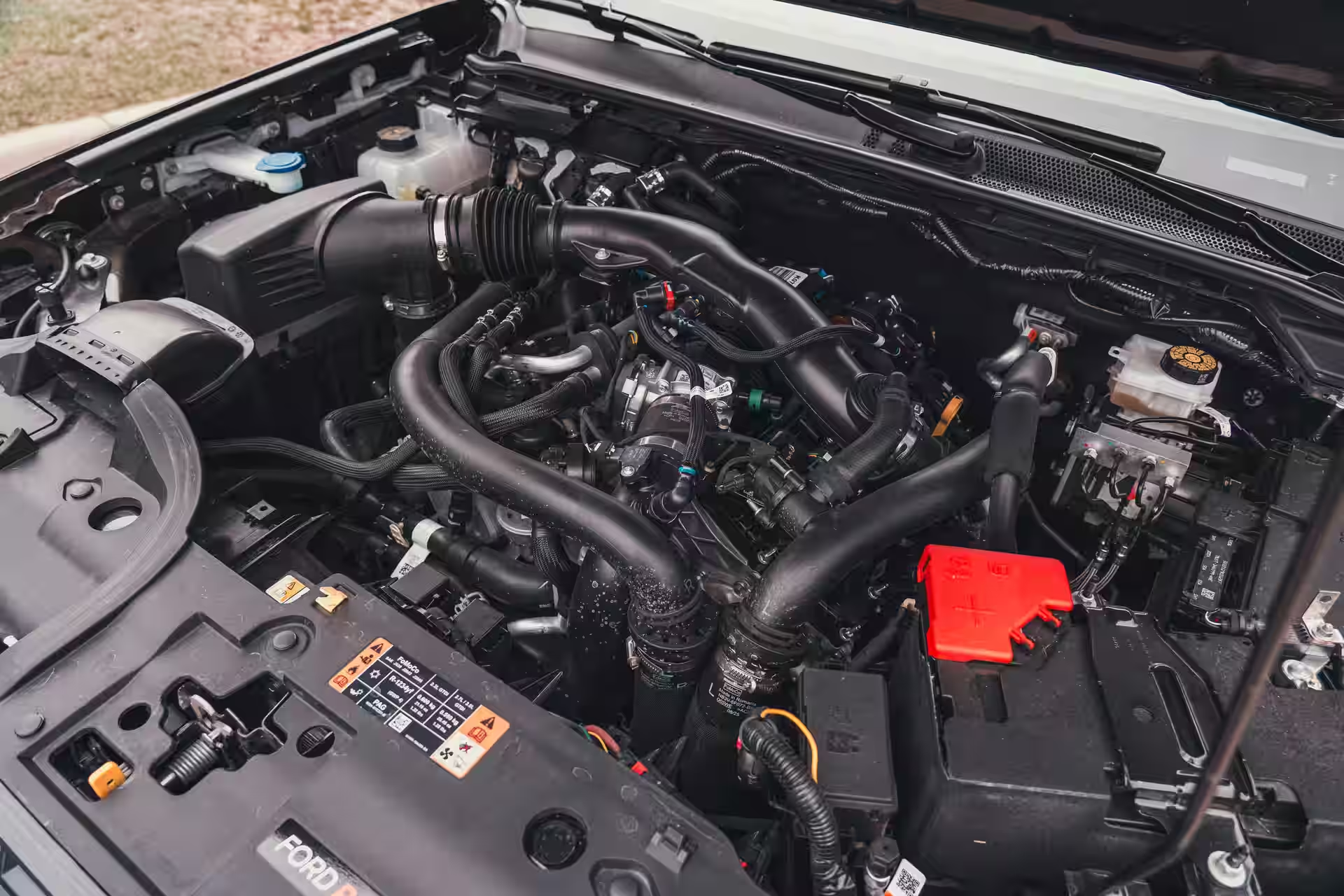
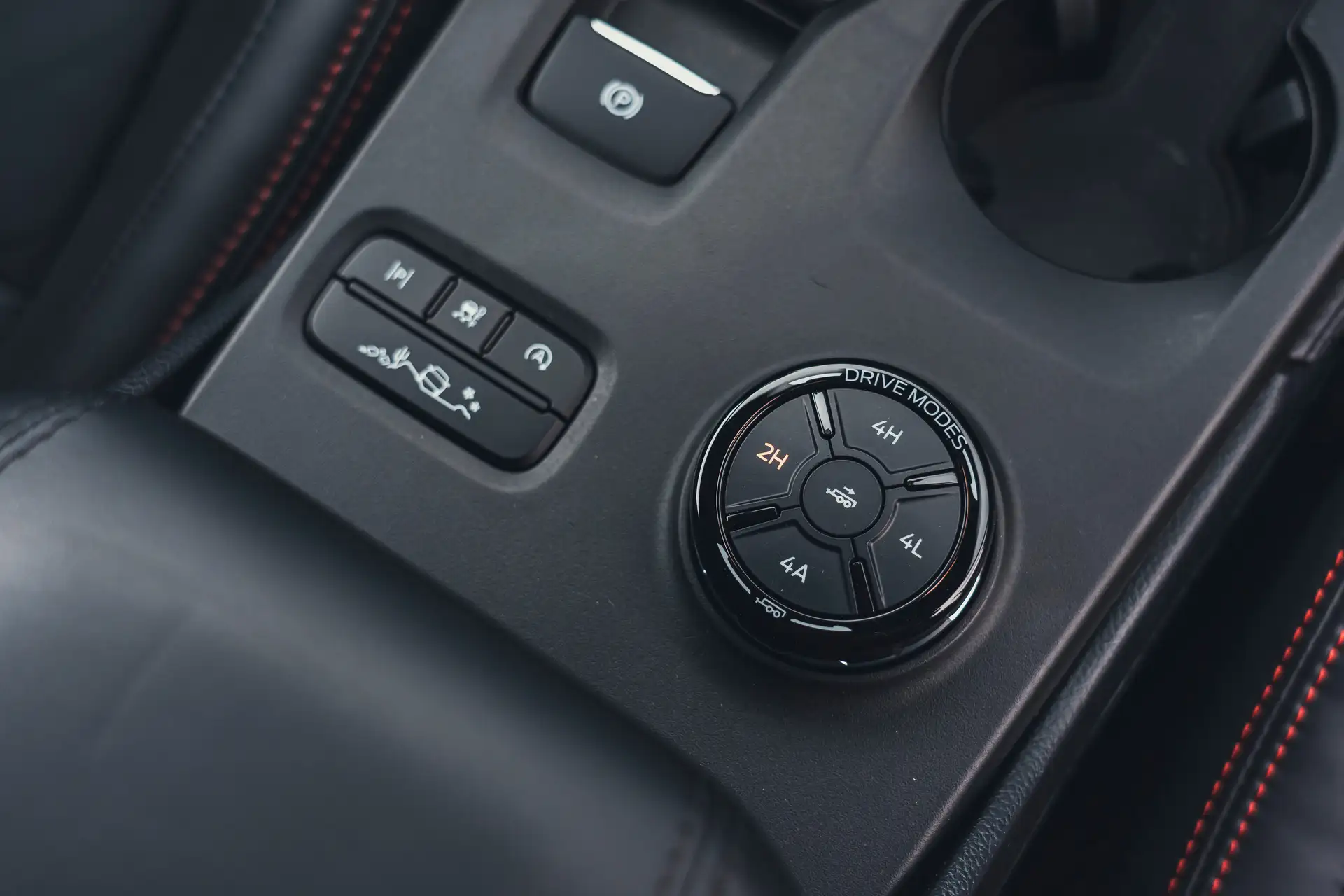
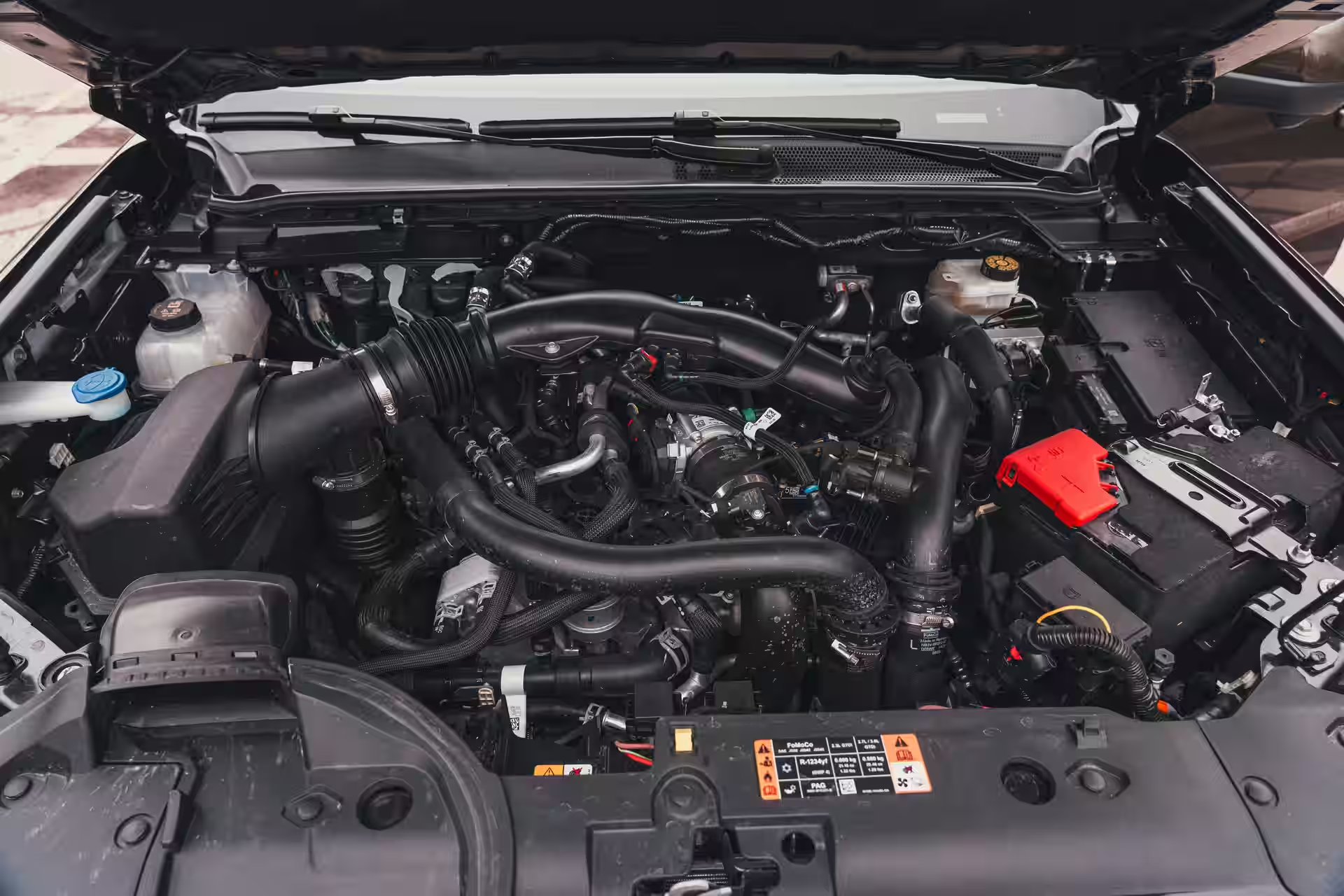
The reason the Ranger Raptor works is that Ford did not build a trim package. It built a system. At the center is a 3.0-liter twin-turbocharged EcoBoost V6 producing 405 horsepower and 430 lb-ft of torque. It is paired with a 10-speed automatic transmission and a sophisticated four-wheel-drive setup, giving the truck the power delivery and flexibility to feel quick both on-road and in loose terrain.
Official and instrumented performance numbers explain why this truck has become such a search magnet. The Ranger Raptor can hit 60 mph in 5.2 seconds and cover the quarter-mile in 13.9 seconds at 98 mph. For a 5,358-pound midsize pickup on chunky all-terrain tires, that is genuinely serious performance. It is fast enough to move from novelty to legitimacy.
But raw acceleration is only part of the story. The truck’s real personality comes from its suspension design. Up front, the Ranger Raptor uses 2.5-inch Fox Live Valve adaptive dampers with forged aluminum control arms and long-travel geometry tuned for impact absorption. At the rear, piggyback-reservoir Fox shocks help manage repeated heat load when the truck is driven aggressively over rough surfaces. Ford also replaced the standard Ranger’s rear leaf-spring arrangement with coil springs and a Watt’s linkage, a major engineering decision that improves axle control and helps explain why this truck feels so composed over broken terrain.
That is the difference between an off-road package and a performance off-road platform. The Ranger Raptor was designed to be driven quickly where most pickups become nervous, bouncy, or simply overwhelmed.
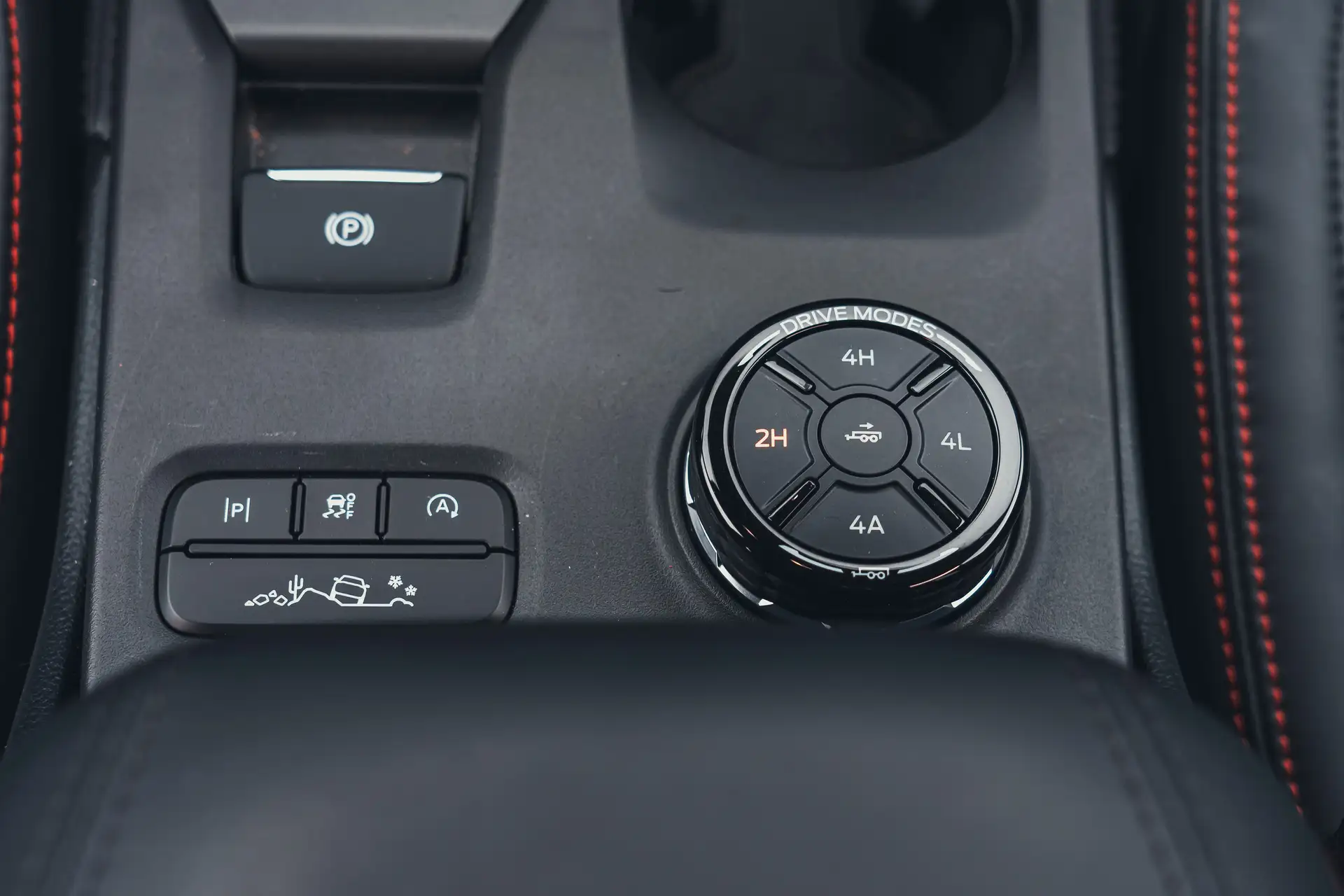
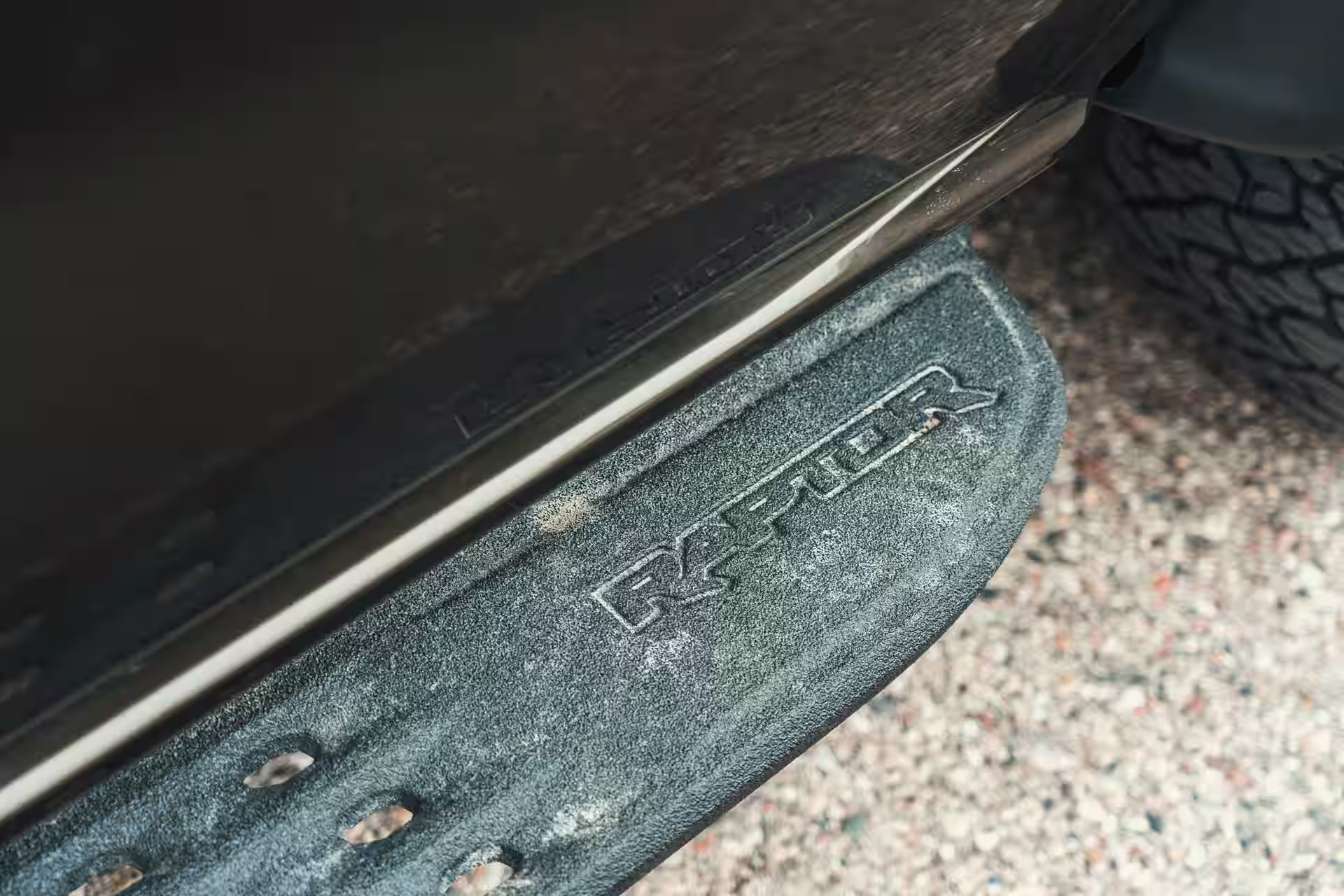
The truck also includes the hard parts serious off-road users expect. A fully boxed ladder frame, front and rear electronically locking differentials, steel bumpers, and substantial underbody protection turn the truck into more than a marketing exercise. On technical terrain, those items are not bragging rights. They are survival tools.
The 33-inch BFGoodrich KO3 tires deserve special mention because they shape the whole truck’s behavior. They bring grip, durability, and off-road confidence, but they also explain some of the Ranger Raptor’s less glamorous numbers. On a skidpad, it manages around 0.68 g, and its 70-to-0 mph braking distance of 222 feet is long compared with road-focused performance vehicles. That is not a flaw so much as a reminder of the mission. This truck was optimized to charge into rough ground, not set lap records on slick pavement.
Even so, everyday driving is one of the truck’s most impressive achievements. The adaptive suspension allows it to absorb potholes, expansion joints, and broken city streets with a softness many body-on-frame pickups struggle to deliver. That quality matters in real ownership because very few Ranger Raptors will spend every weekend at full Baja pace. Most will spend plenty of time in traffic, school pickup lines, suburban errands, and highway cruising. The impressive part is that this truck does not punish you for that.
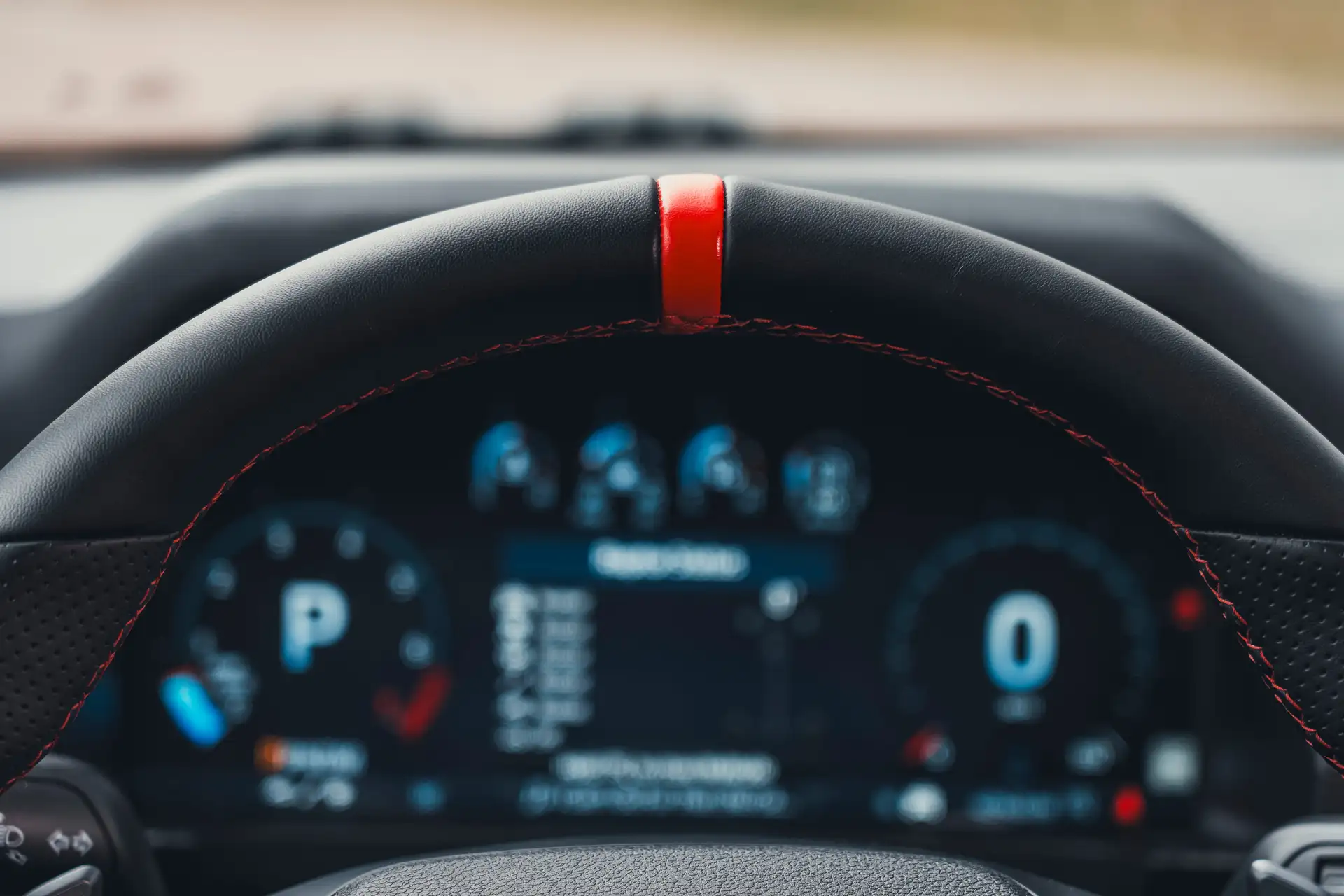
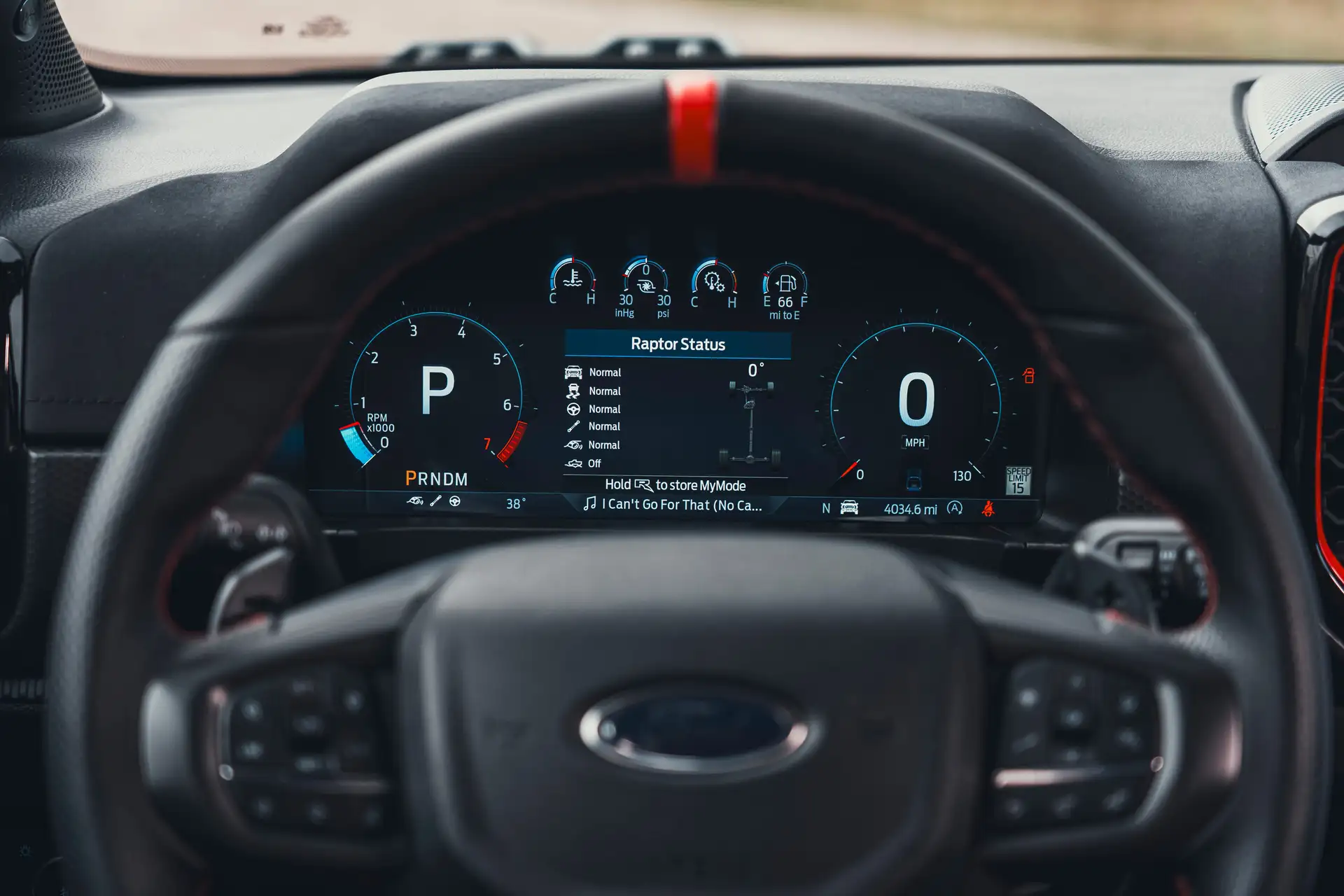
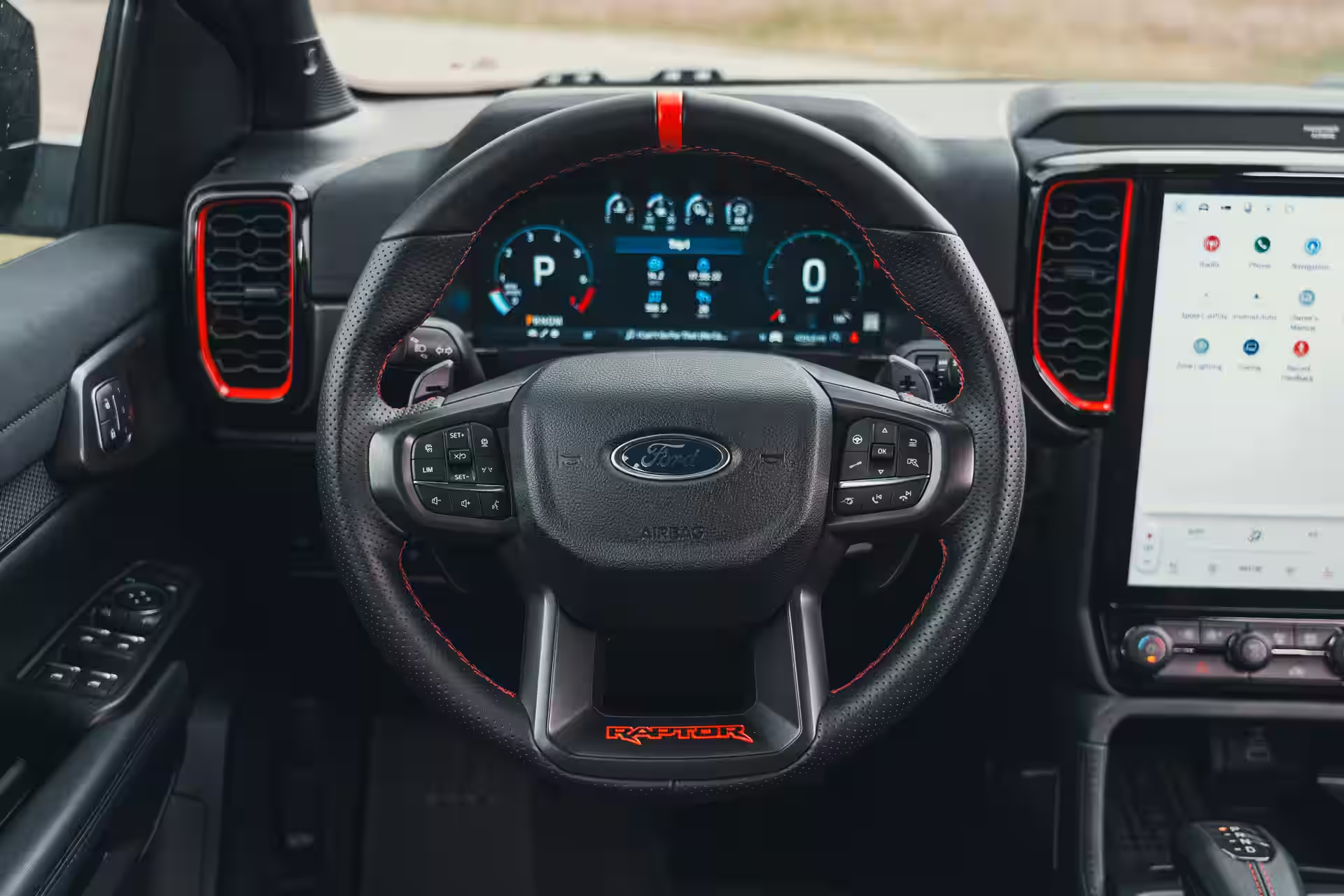
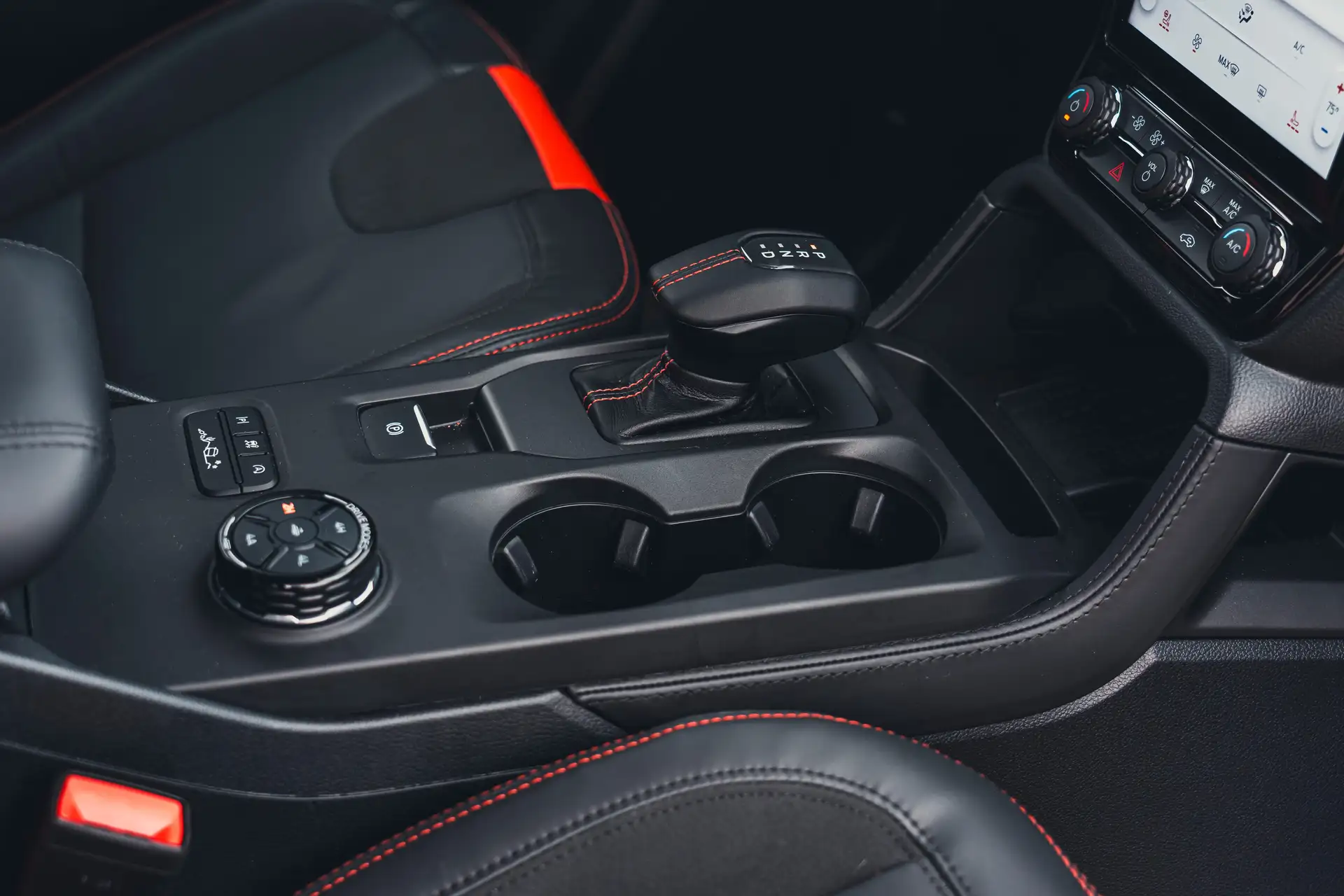
Ford also deserves credit for giving the driver meaningful control over the experience. Steering feel, damping, powertrain behavior, and exhaust sound can be adjusted individually, and the dedicated R mode allows a saved setup to be recalled quickly from the steering wheel. That is a small but important feature. It means the truck can shift from civilized daily use to aggressive play with very little friction.
The steering-wheel-mounted paddle shifters are another unusual touch in this class. In many trucks, they feel decorative. Here they make sense because the powertrain is responsive enough, and the truck is performance-minded enough, for manual gear control to matter. It is an enthusiast detail in a category that often assumes buyers only care about image.
Of course, there is a cost to all this fun, and it arrives every time you visit a gas pump. EPA estimates sit at 17 mpg combined, with 16 mpg city and 18 mpg highway. Real-world observed fuel economy around 14 mpg is entirely plausible if you drive the truck as intended. With a 20.3-gallon fuel tank, realistic range can feel limited, especially if you are pushing hard or spending time off-road. This is not the truck you buy to hypermile. It is the truck you buy because emotion still beats efficiency in at least one corner of your garage plan.
For readers interested in Ford’s wider performance story, it is worth seeing how power claims and real-world output can diverge in enthusiast circles, as shown in this Ford Mustang Dark Horse deep dive. In the Ranger Raptor’s case, the numbers and the feel align in a way that builds trust quickly.
Is The Ranger Raptor Better Than Tacoma TRD Pro, Colorado ZR2, And Even Bigger Trucks For Real Life?
This is where the Ranger Raptor gets truly interesting, because the answer depends on what “better” means to you. If your goal is maximum towing, a full-size truck still makes more sense. If your goal is pure rock-crawling at low speeds, there are rivals with very specialized strengths. But if you want the most complete blend of speed, off-road capability, daily comfort, usable size, and factory engineering credibility, the Ranger Raptor makes an exceptionally strong case.
Against the Toyota Tacoma TRD Pro, Ford’s truck feels more like a performance machine and less like a rugged lifestyle accessory. The Ranger Raptor’s V6 punch is a major differentiator, and its suspension tuning gives it a more playful, more aggressive character at speed. The Tacoma has a strong reliability reputation and excellent resale expectations, but the Ranger Raptor feels more purpose-built for the kind of driving its buyers fantasize about.
Against the Chevrolet Colorado ZR2, the Ranger Raptor wins on engine charisma and high-speed desert-style capability. The ZR2 remains a smart and highly competent truck, especially for buyers who prioritize technical trail work and a lower initial price. But the Ford’s broader envelope and stronger straight-line performance make it the more emotionally compelling option.
Interestingly, the Ranger Raptor may be most dangerous to larger trucks, including Ford’s own. Plenty of buyers admire the F-150 Raptor, but not everyone wants the size, the price, or the parking challenges. The midsize Raptor delivers enough of the same atmosphere that many shoppers may decide the smaller truck is actually the smarter one. In a world where vehicles keep growing, downsizing without losing excitement feels almost radical.
That same logic is why practical-yet-bold vehicles are becoming such hot editorial and search topics. You can see the same market hunger in stories like the Ram ProMaster City 2027 analysis, where size and usability matter just as much as specs. The Ranger Raptor simply applies that idea to a much more exciting format.
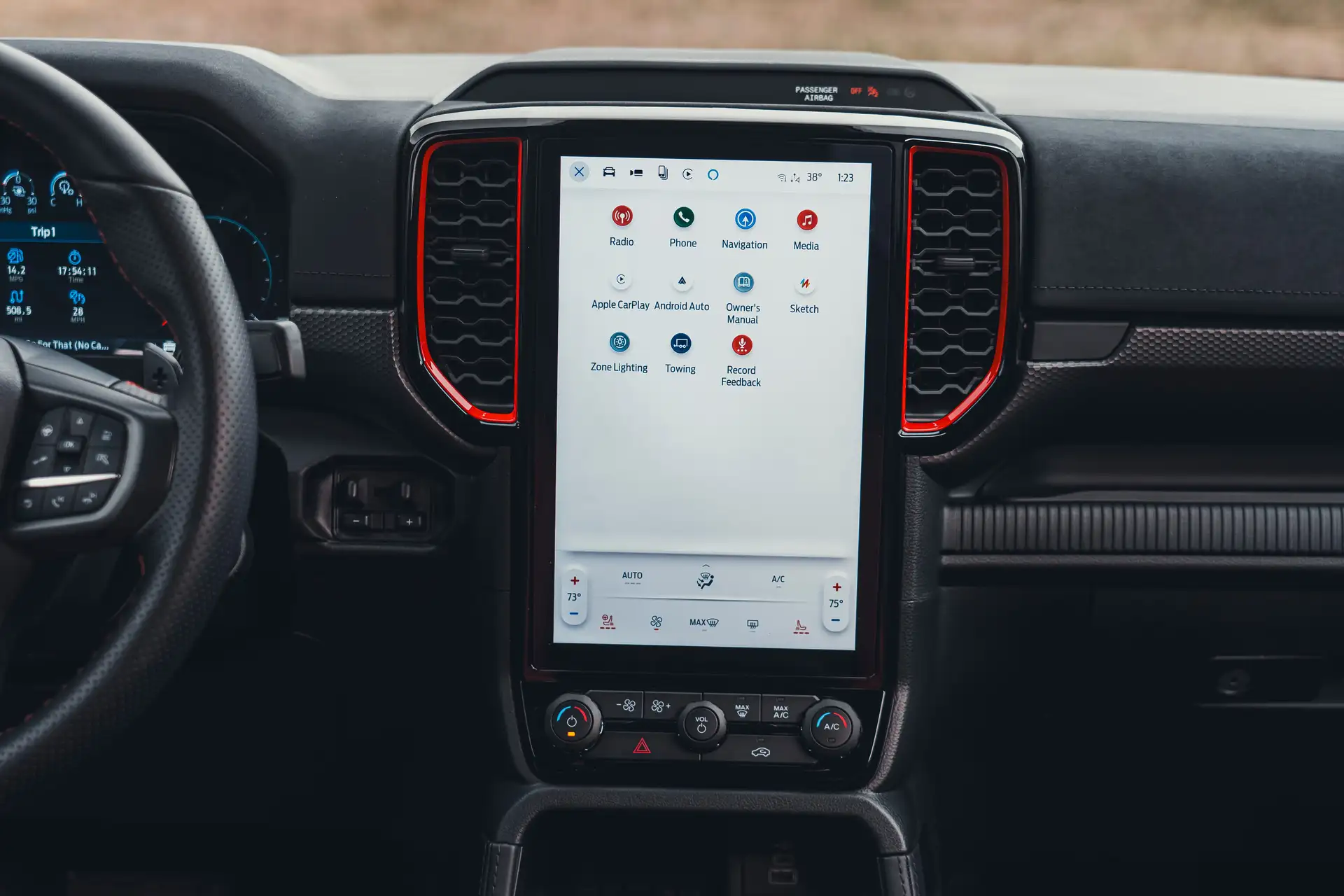
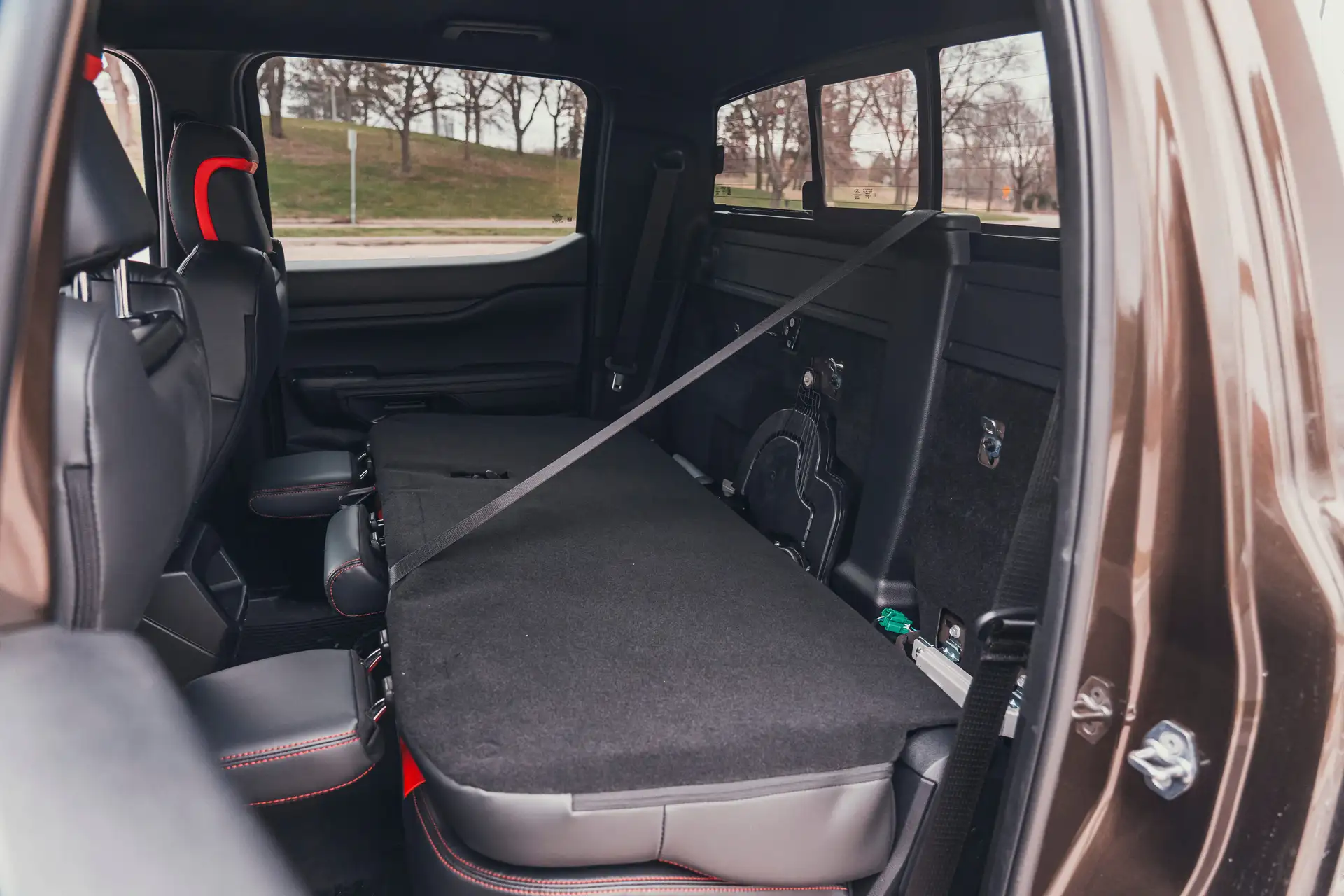
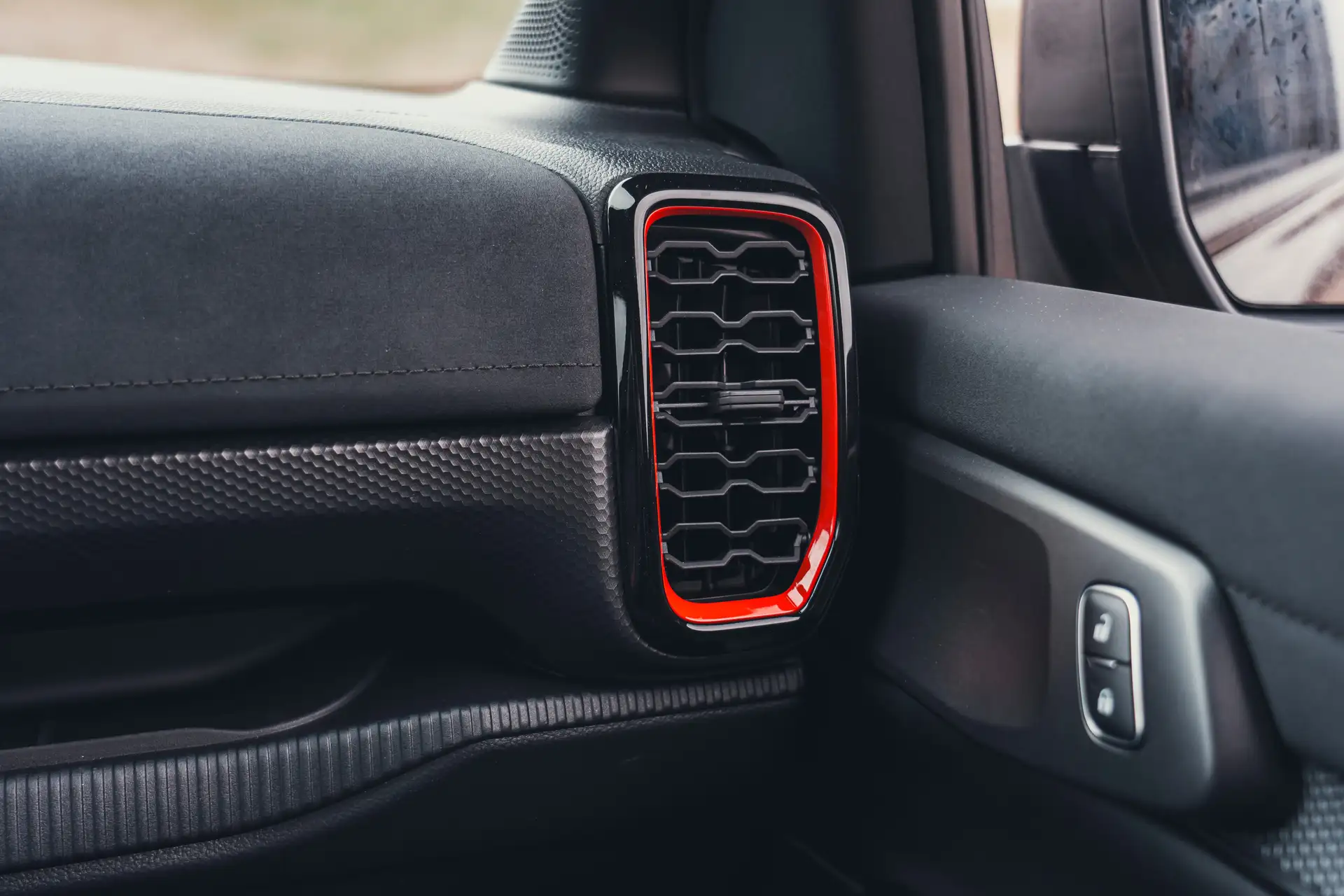
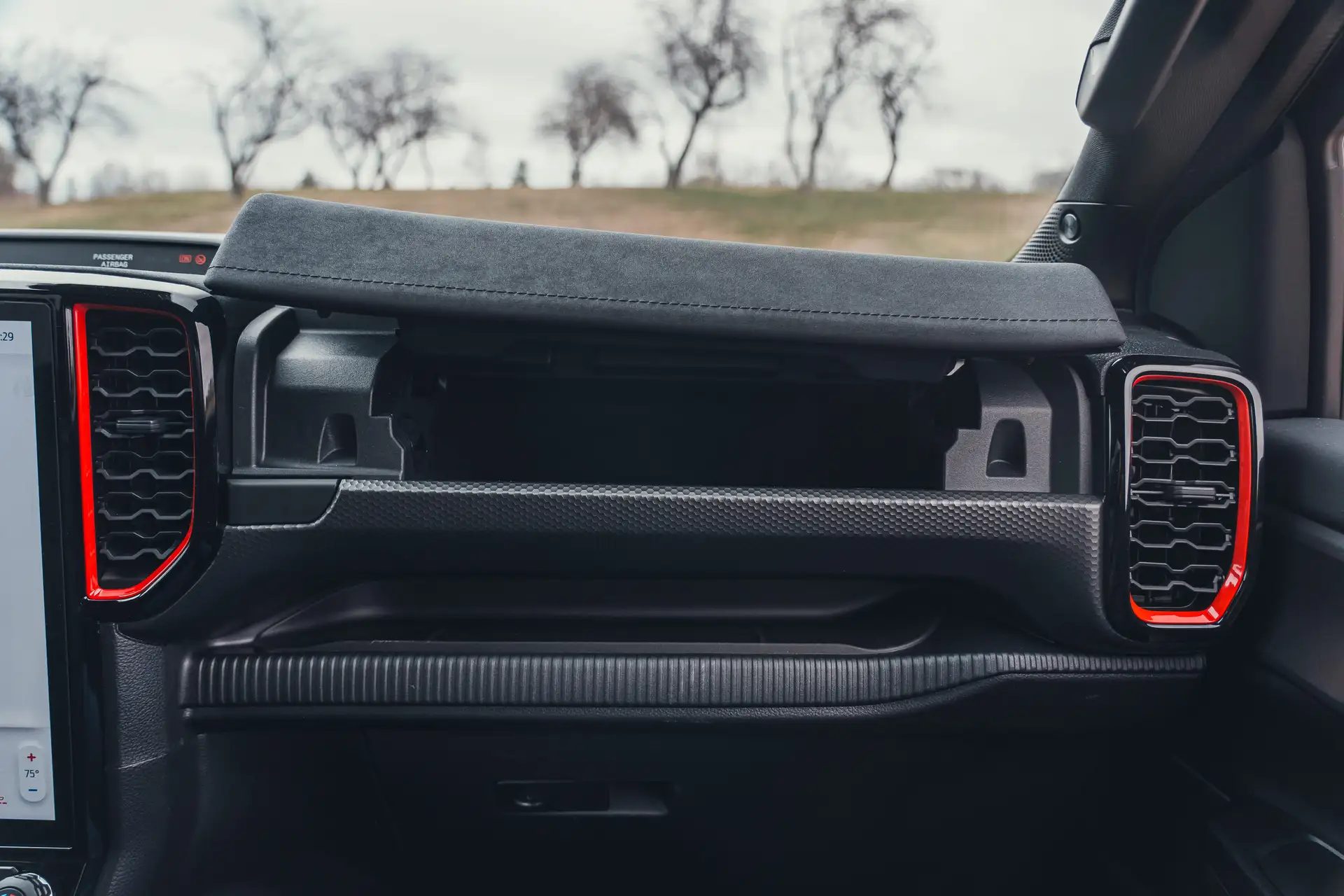
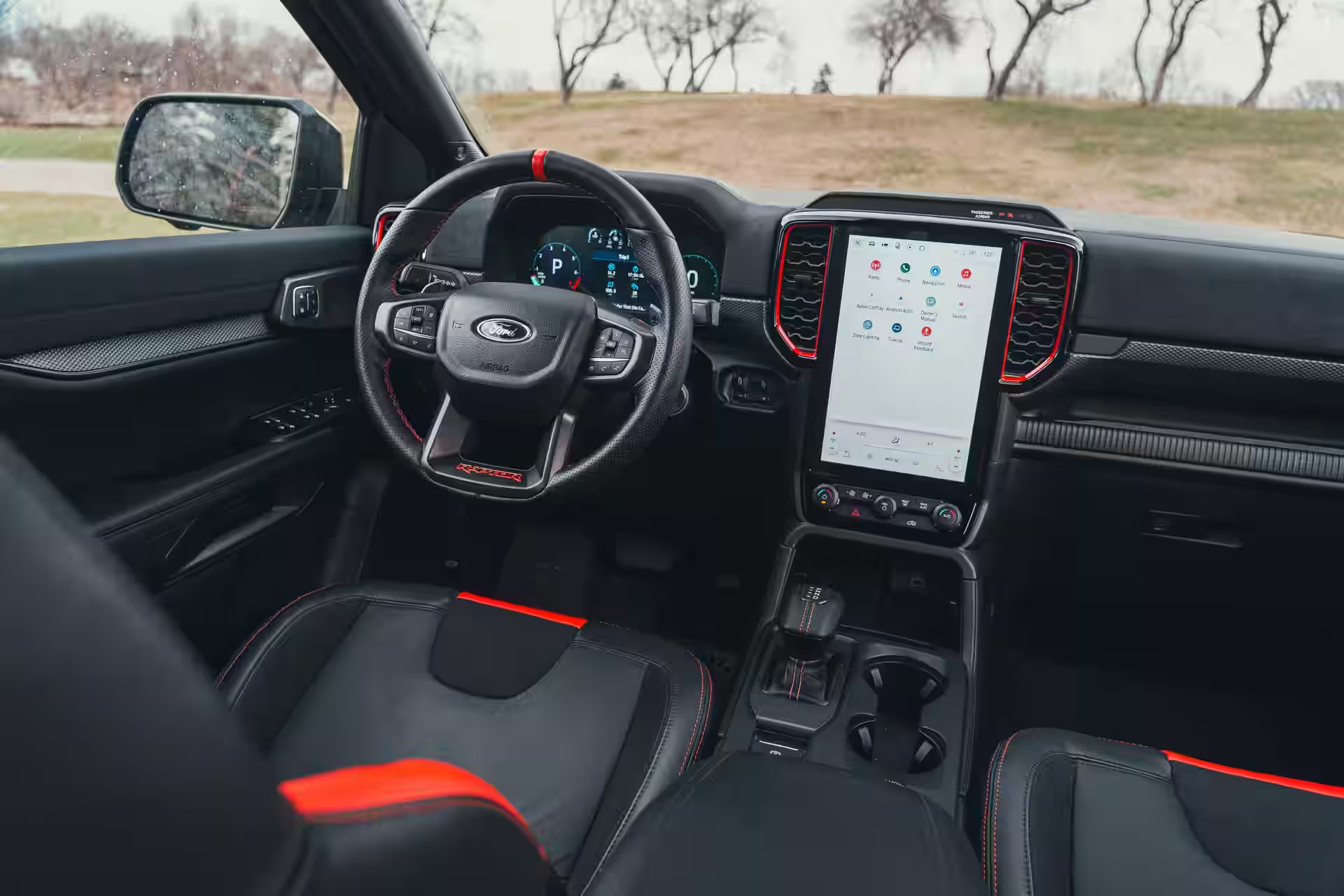
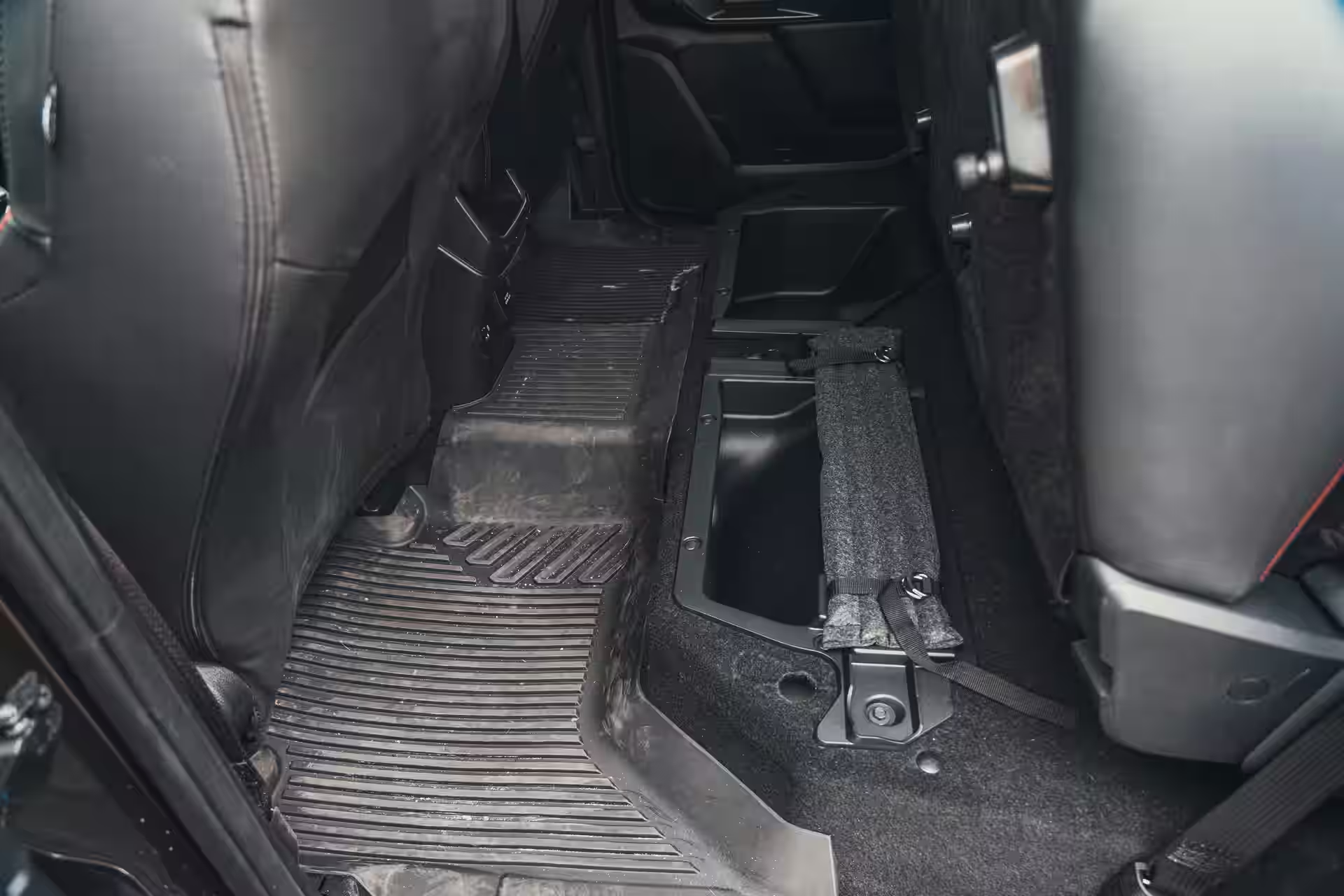
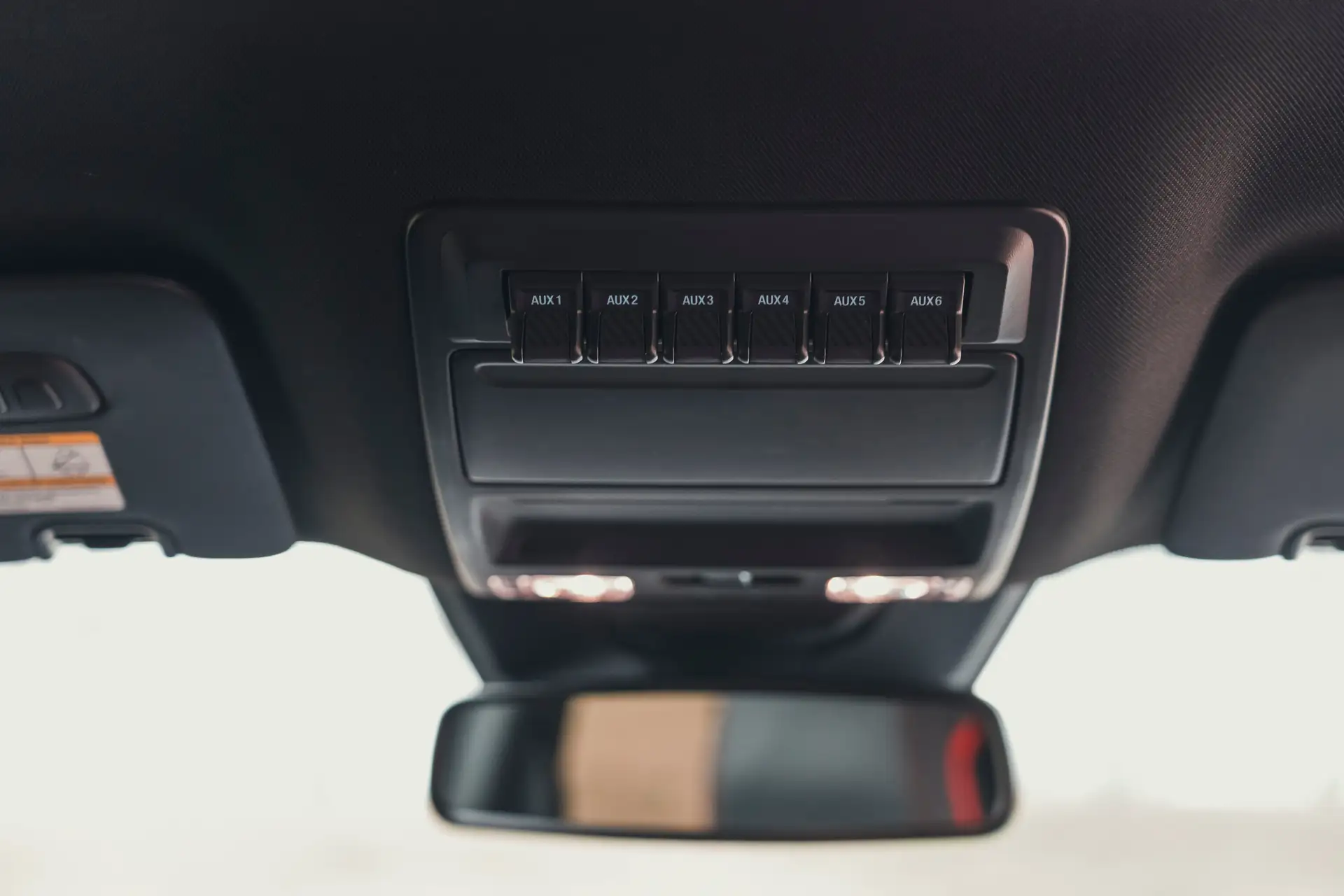
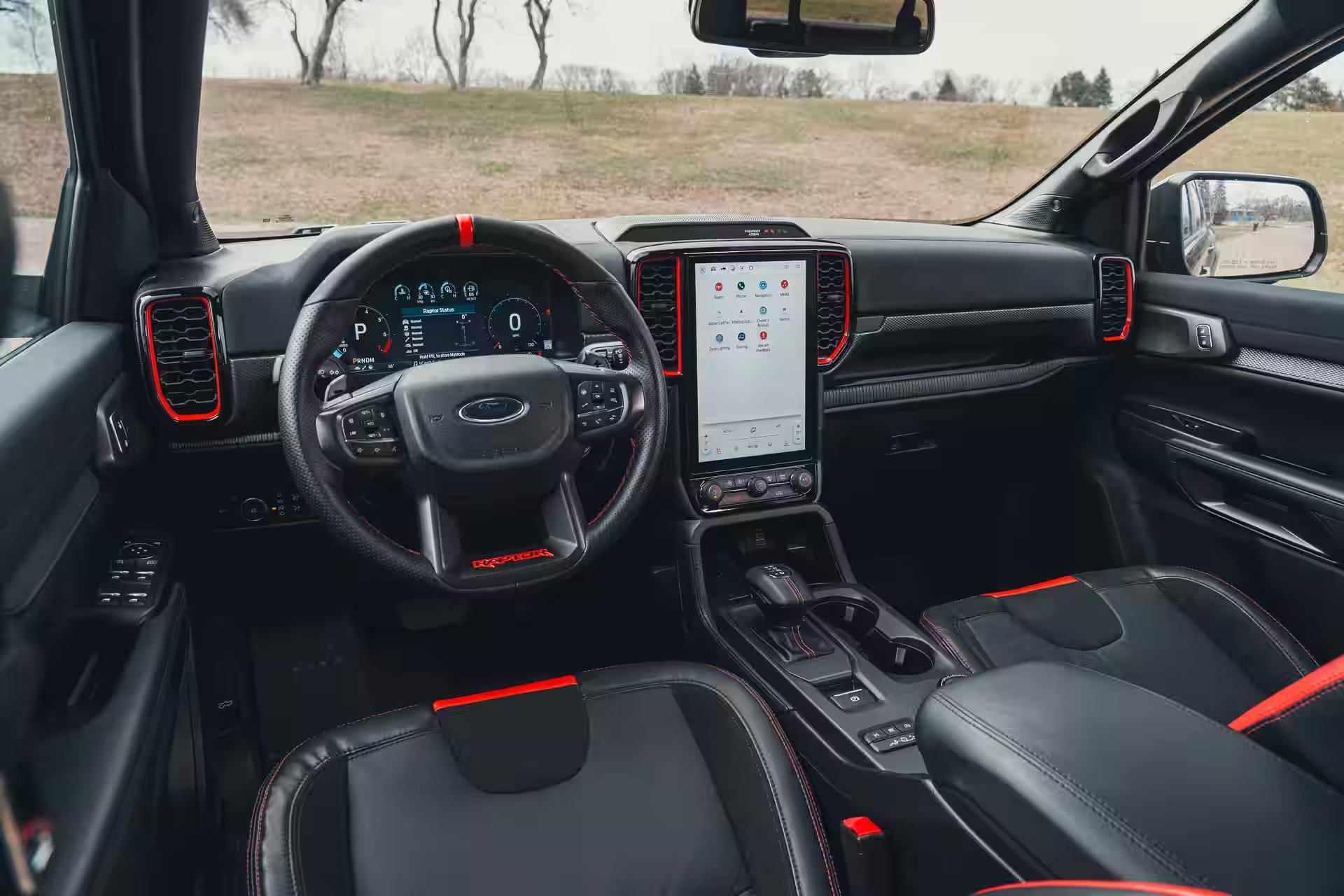
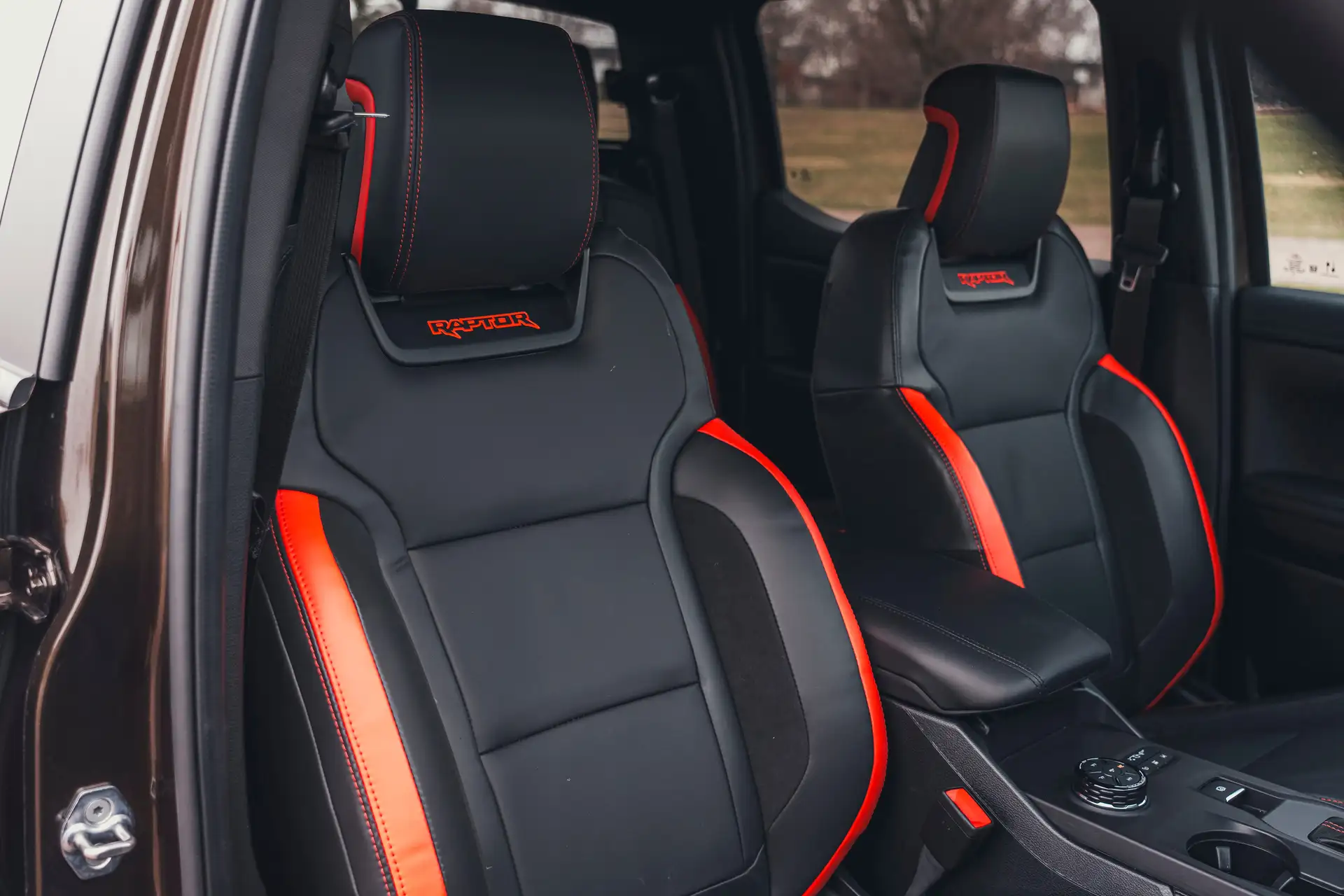
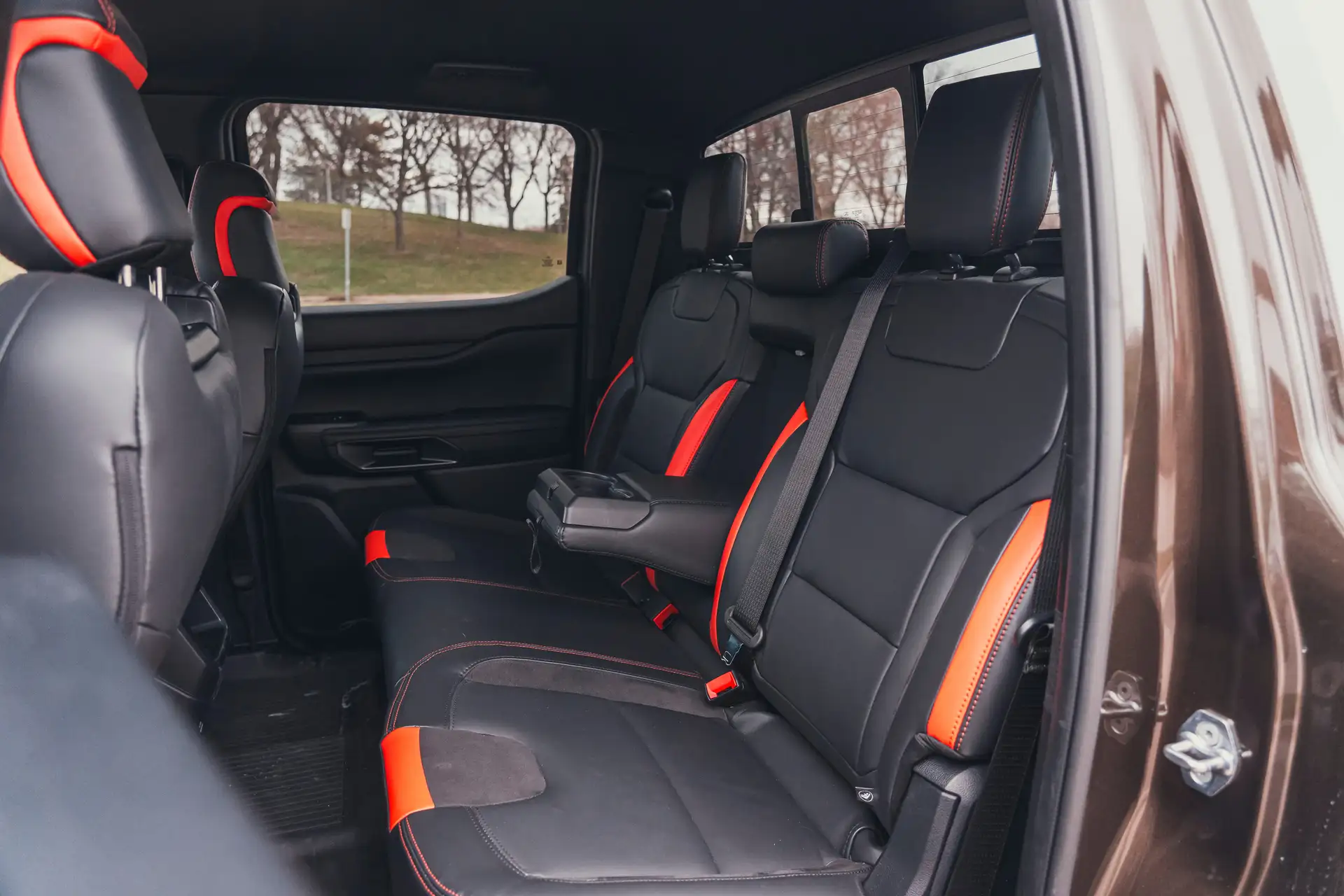
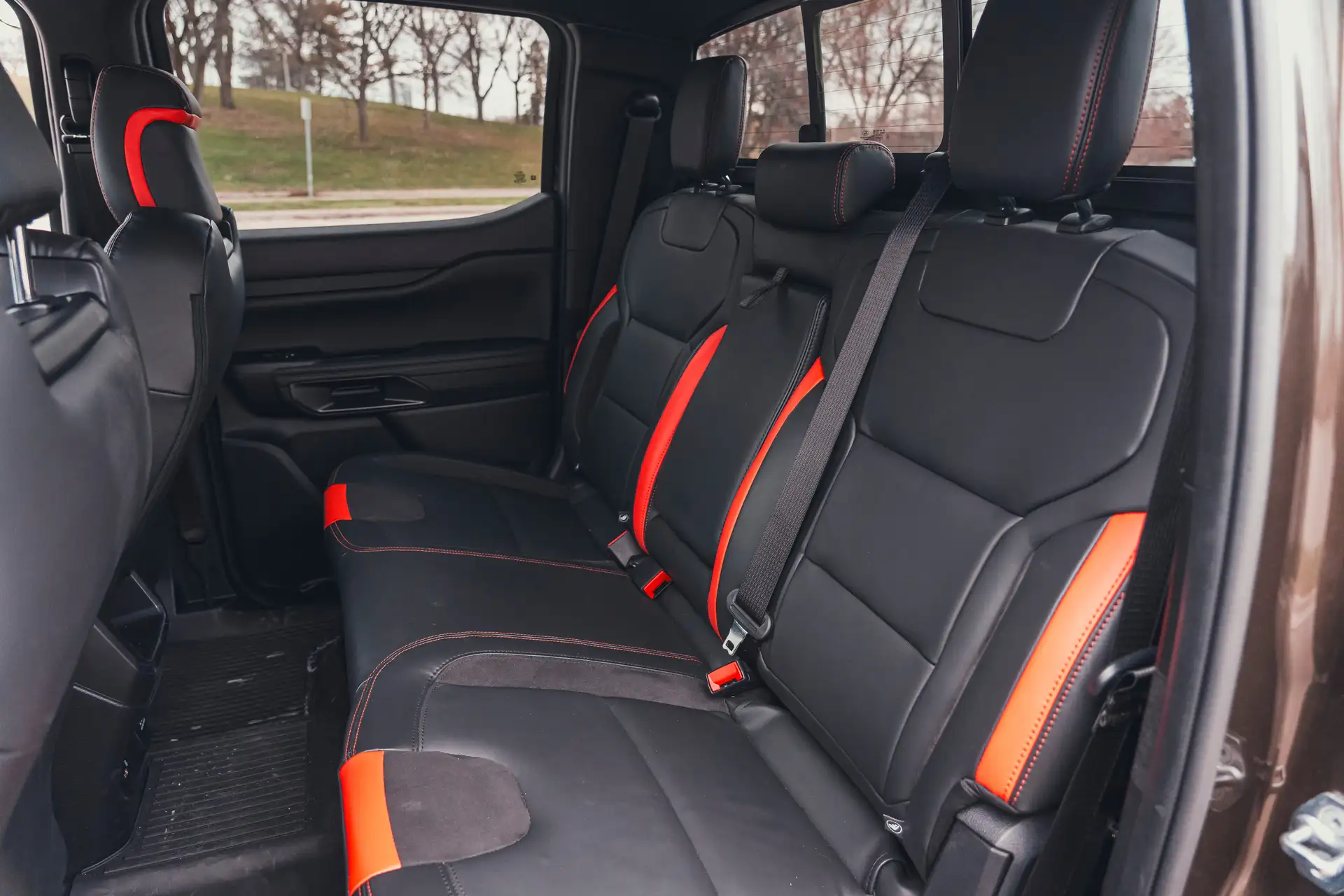
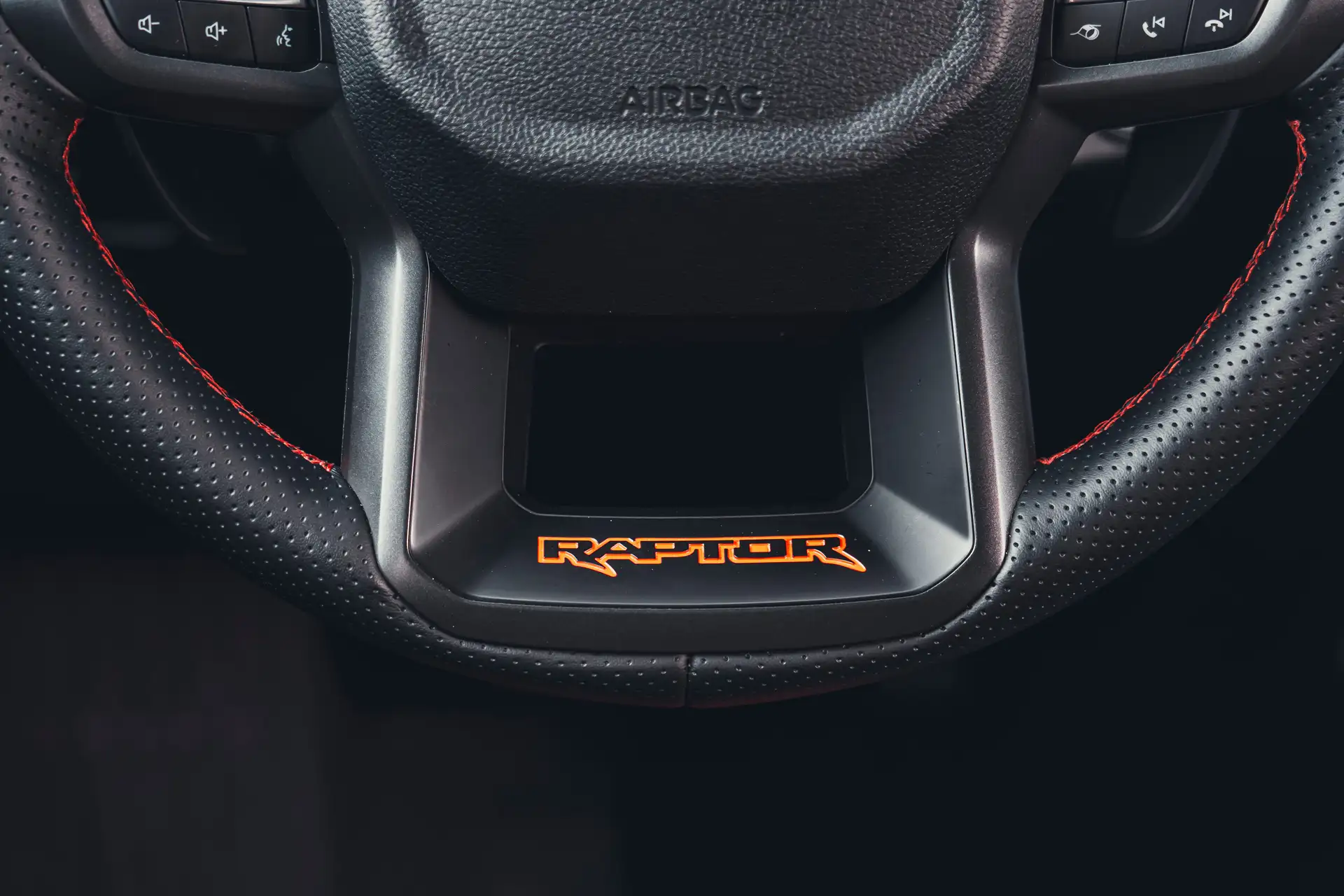
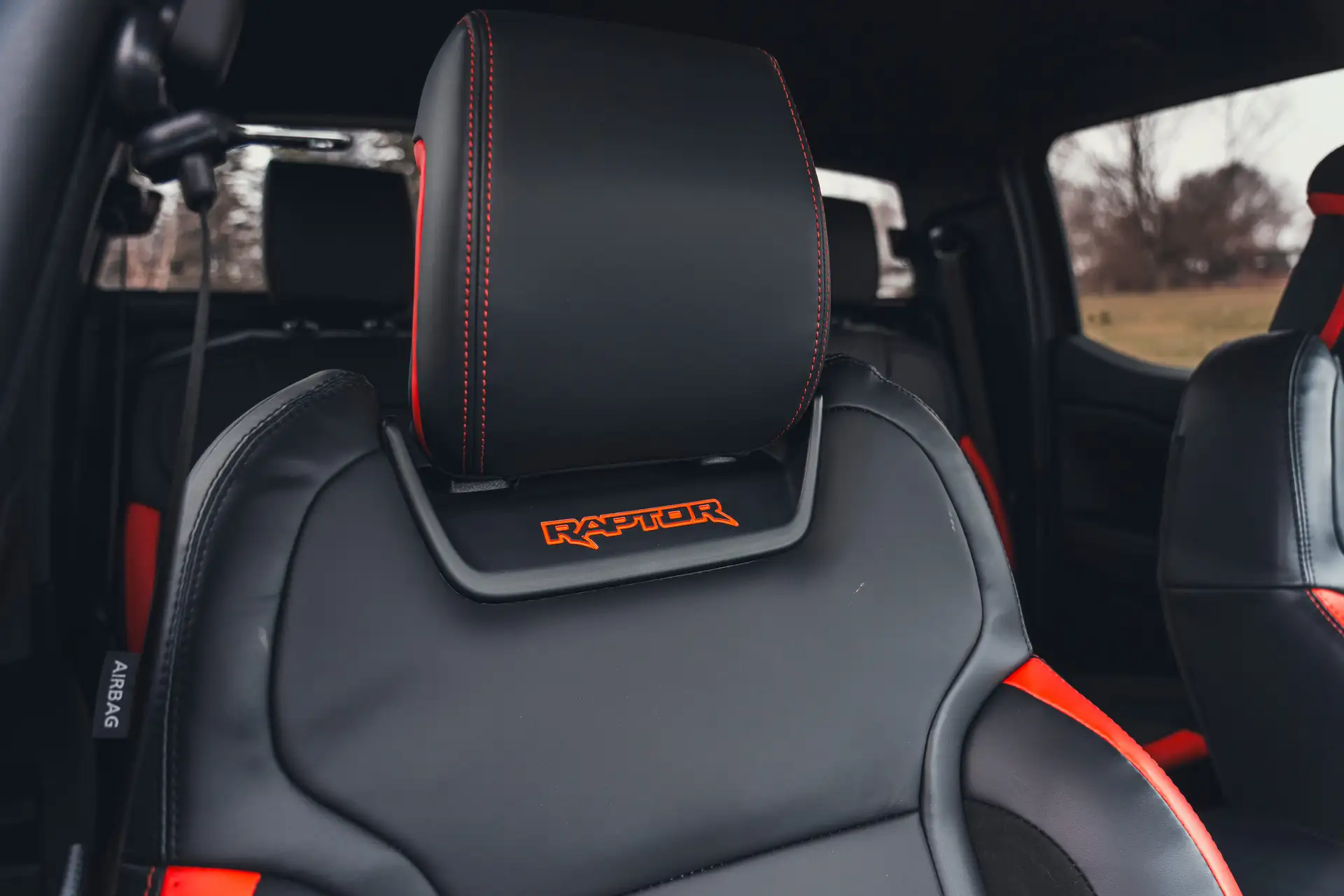
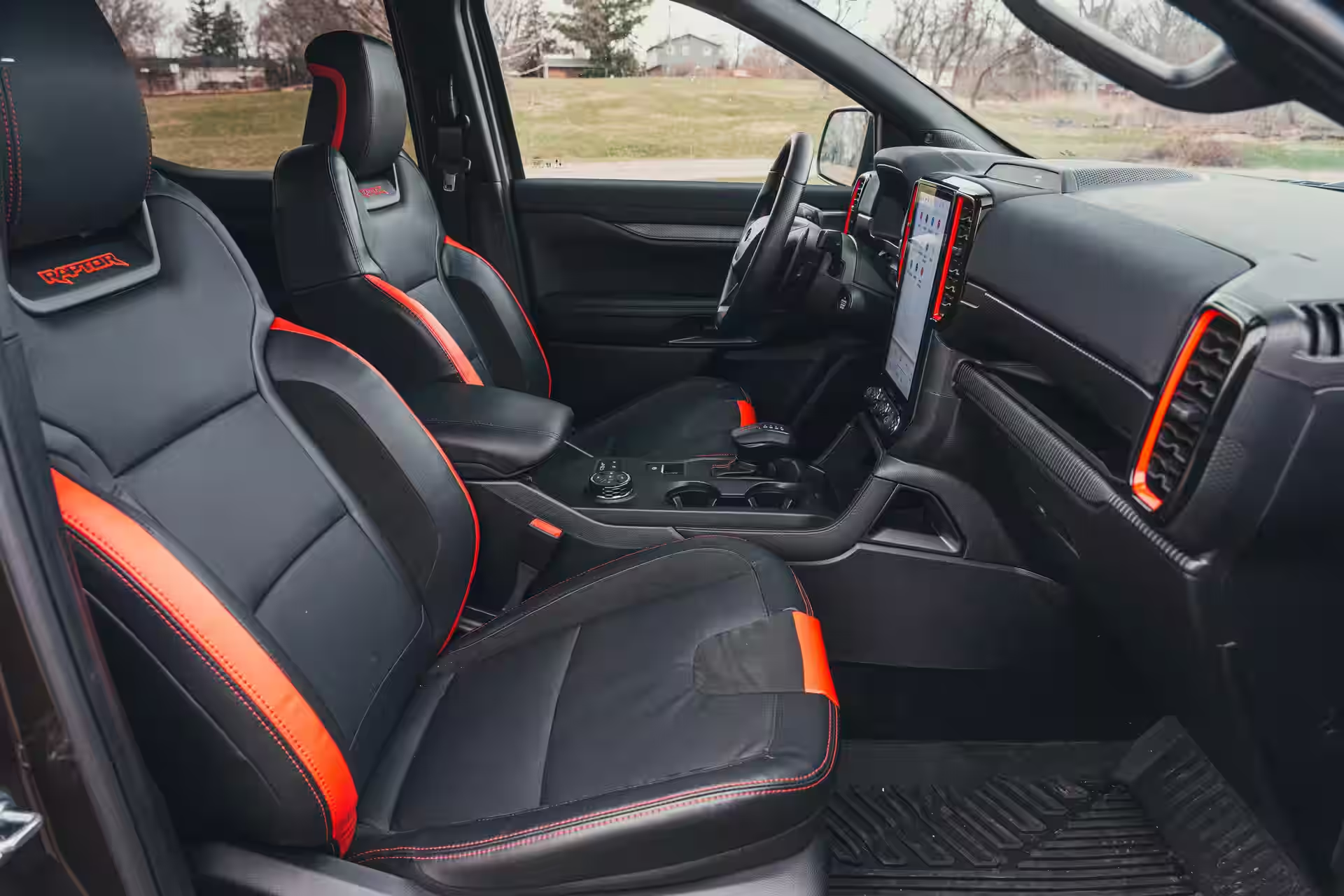
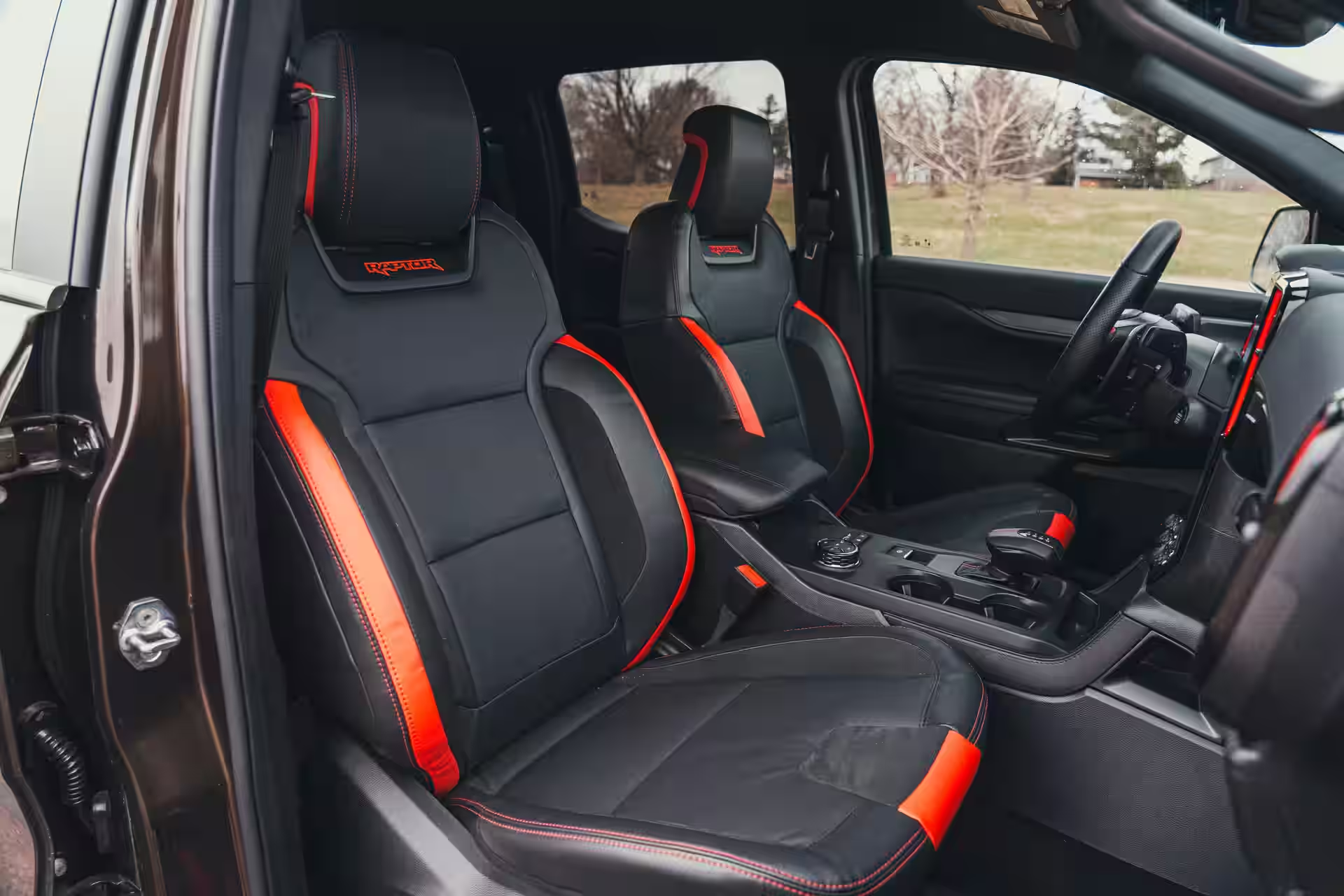
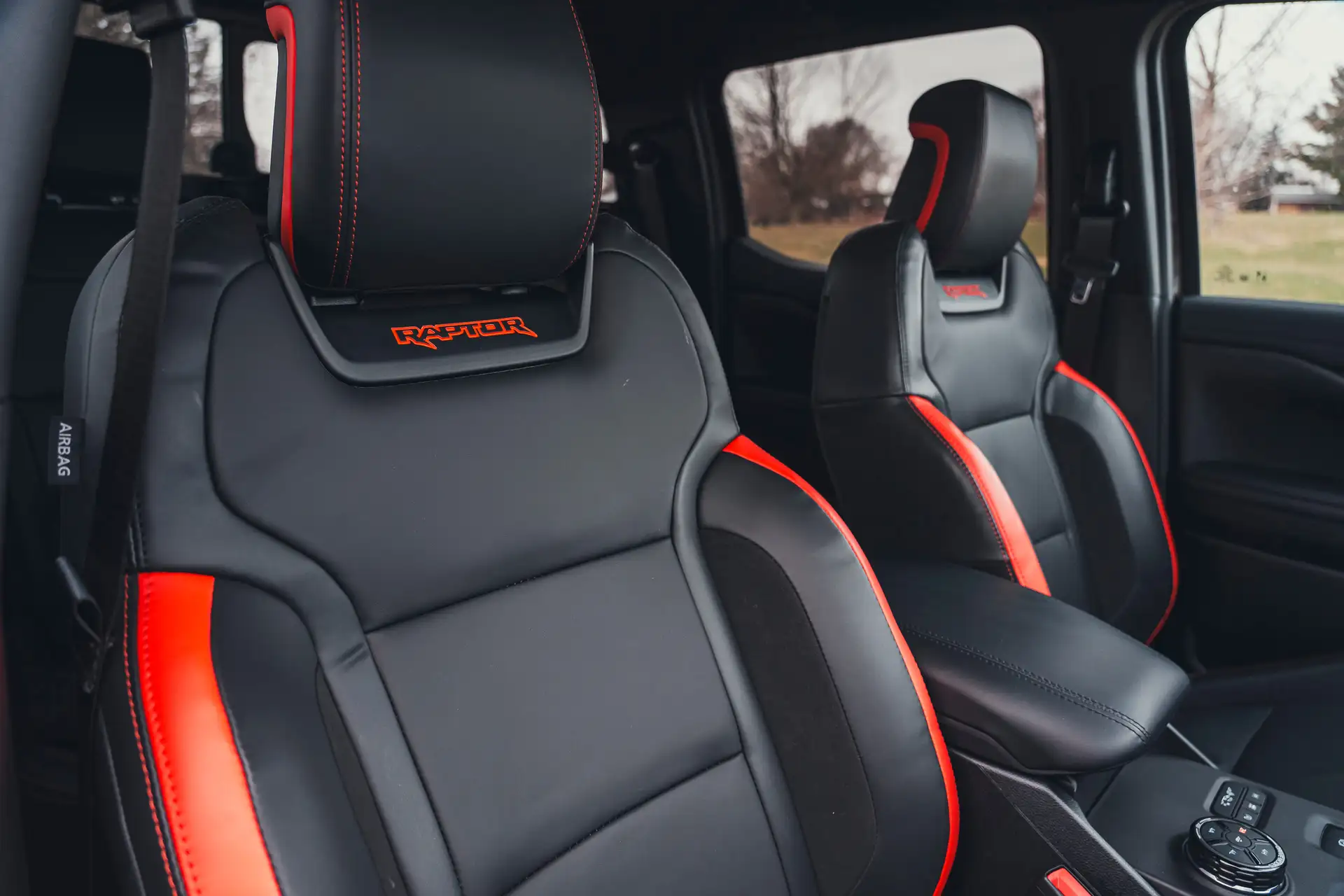
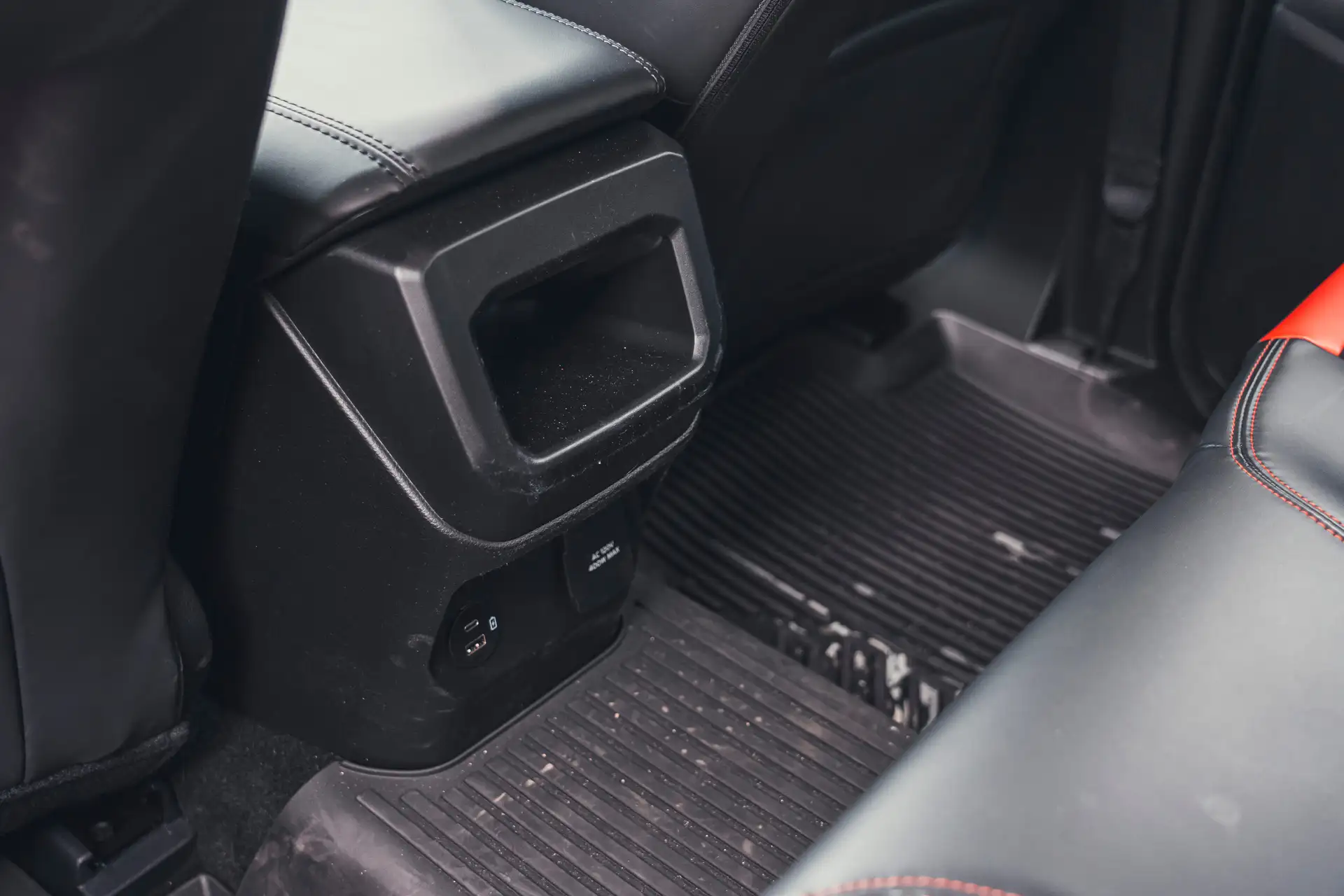
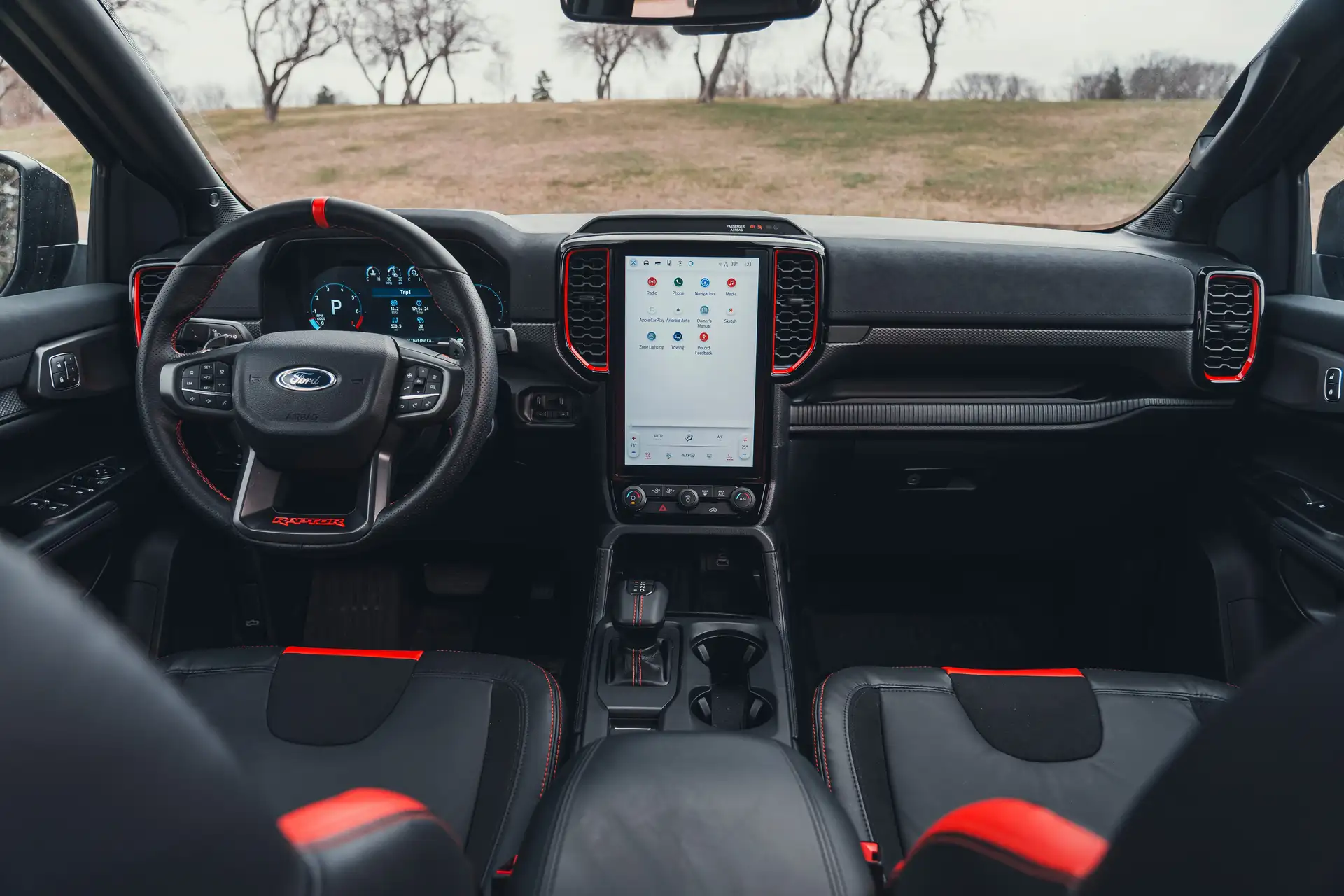
Inside, the truck continues the balancing act. It is not a luxury pickup in the old-school chrome-and-cowhide sense, but it feels modern, durable, and intentionally sporty. The cabin supports five passengers, and the front seating area offers enough space to make long trips comfortable. Ford’s tech interface is familiar and easy to use, and the Raptor-specific steering wheel, controls, and displays reinforce that this is not a standard Ranger with stickers.
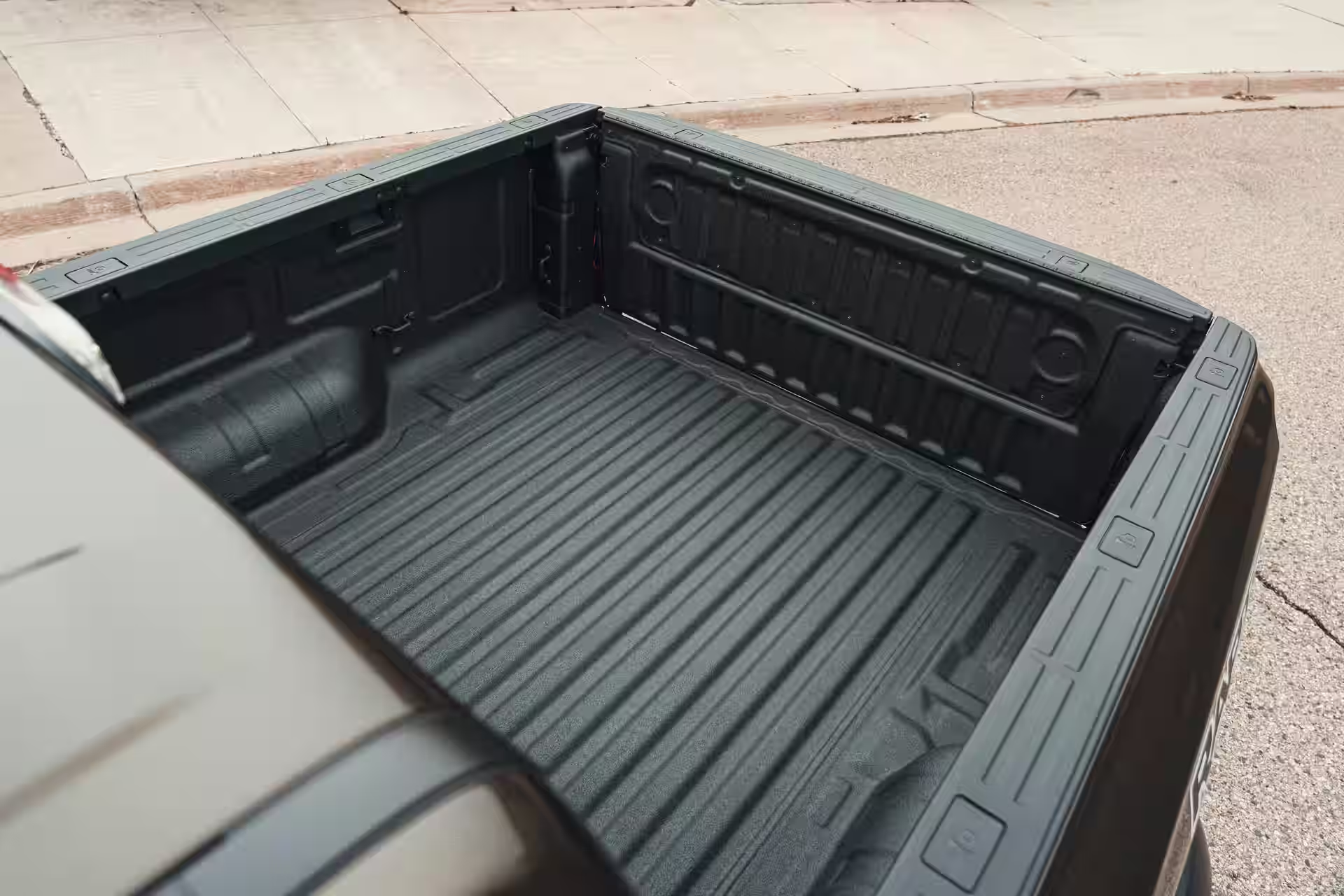
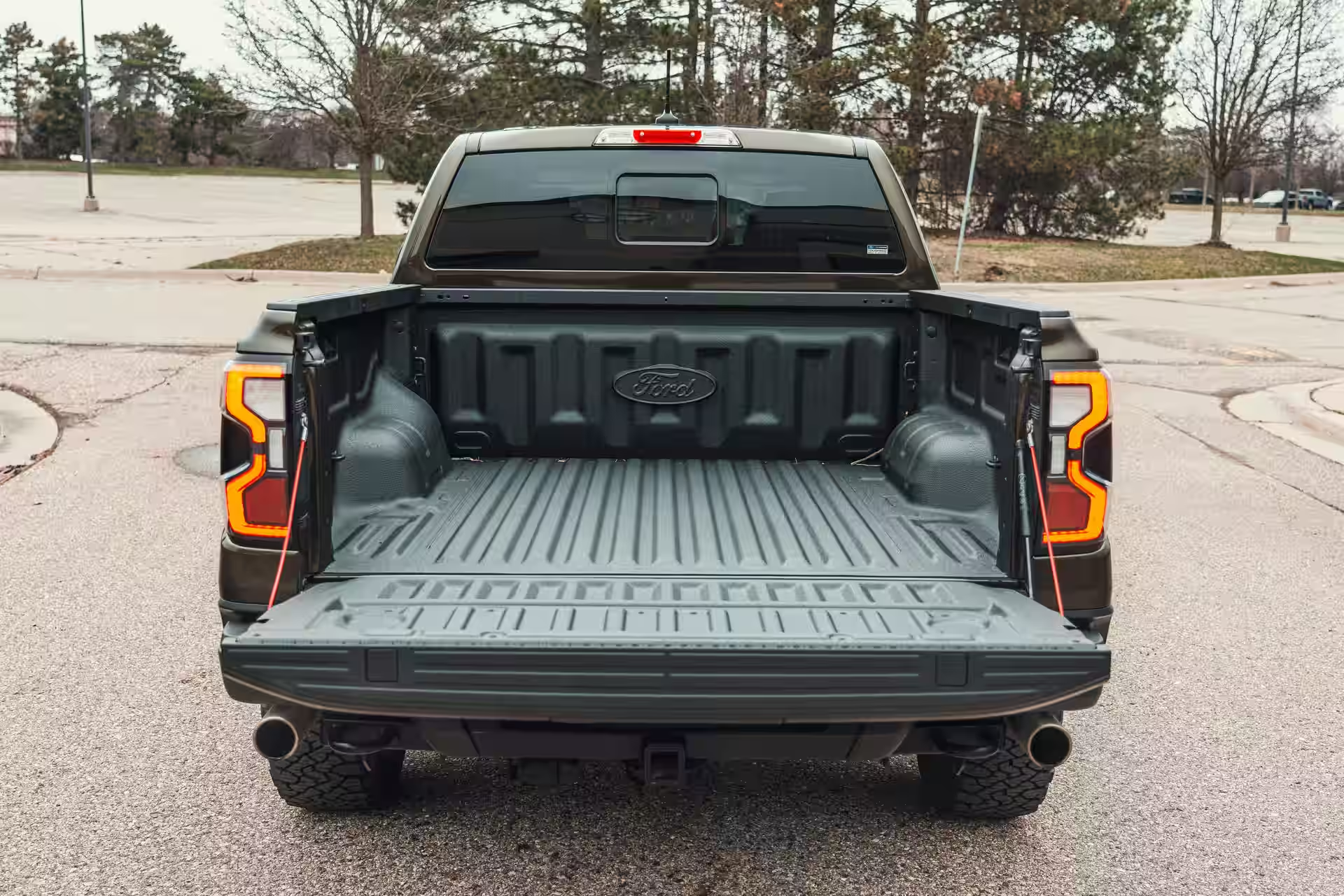
The five-foot bed also matters more than buyers often admit. A performance truck that cannot do truck things quickly becomes a toy with registration plates. The Ranger Raptor still hauls mulch, tools, camping gear, dirt bikes, and weekend project supplies. That practical side gives it credibility. It can play on dunes and still make itself useful on Monday morning.
There is also a psychological advantage to the Ranger Raptor’s format. It feels approachable. Big trucks can intimidate owners into driving around their capabilities or avoiding tight urban environments entirely. The Ranger Raptor invites more use because it feels manageable. Owners are more likely to take it on errands, road trips, and spontaneous detours. That matters because the best enthusiast vehicle is often the one you actually use the most.
For off-road fans comparing machines beyond the pickup world, it is also worth seeing how old-school rugged hardware still commands respect in vehicles like the Jeep Wrangler Rubicon 2026. The Ranger Raptor takes a different path, leaning into speed and suspension sophistication rather than pure mechanical simplicity, but both represent how much buyers still crave authentic capability.
One area where buyers should remain realistic is ownership cost beyond the sticker price. Fuel economy is the obvious one, but tire replacement, potential off-road wear, and the temptation to add accessories can all raise the total bill. Many owners will likely upgrade wheels, lighting, skid protection, recovery gear, or software tuning. And because the truck is so capable out of the box, it invites experimentation. That is part of the appeal, but it is still part of the budget.
There is also the question of reliability and long-term durability, which matters a lot in a truck built to take abuse. Ford backs the Ranger Raptor with a 3-year/36,000-mile basic warranty and a 5-year/60,000-mile powertrain warranty. Those figures are competitive, though not extraordinary. What matters more is how the hardware holds up under repeated real-world punishment. The signs are promising because so much of the suspension and chassis package was clearly engineered with abuse in mind, not simply weekend posing.
Enthusiasts will also keep an eye on Ford Performance upgrades, especially tuning options that can reportedly push output even closer to full-size Raptor territory. That creates an intriguing ownership arc. Unlike some niche trucks that peak on day one, the Ranger Raptor feels like it has room to grow with the owner.
And that may be the truck’s biggest strength. It does not feel like a compromised “junior” version of anything. It feels like a pickup that hit the sweet spot modern buyers have been searching for: enough power to thrill, enough suspension to absorb real punishment, enough practicality to justify daily use, and enough factory engineering depth to avoid feeling like a social media trend on wheels.
For readers tracking where rugged enthusiast vehicles are heading next, even concept-level ideas such as the Hyundai Boulder 2028 push into off-road territory show that the market has clearly noticed what vehicles like the Ranger Raptor are doing right.
Key 2026 Ford Ranger Raptor Specifications
| Engine | 3.0-liter twin-turbocharged V6 |
| Power | 405 hp |
| Torque | 430 lb-ft |
| Transmission | 10-speed automatic |
| 0-60 mph | 5.2 seconds |
| Quarter-Mile | 13.9 seconds at 98 mph |
| Tires | 33-inch BFGoodrich All-Terrain T/A KO3 |
| Wheelbase | 128.7 inches |
| Length | 210.9 inches |
| Width | 79.8 inches |
| Curb Weight | 5,358 lb |
| EPA Fuel Economy | 17 mpg combined |
| Base Price | $58,965 |
What stands out most for buyers searching this segment?
- It is genuinely fast for a midsize off-road pickup.
- It is easier to live with than a full-size desert truck.
- It has real hardware, not cosmetic adventure branding.
- It stays useful as a daily driver and work-capable pickup.
- It undercuts major rivals while feeling more special than many of them.
Bottom line: the 2026 Ford Ranger Raptor may be the most convincing answer yet to a question the truck market has been circling for years. How much off-road performance can buyers realistically use, afford, park, and enjoy every day? In this case, the answer looks a lot like 405 horsepower, Fox shocks, 33-inch tires, and a midsize body that finally makes extreme capability feel usable instead of excessive.