The 2027 Ferrari Amalfi debuts with a 631 hp twin-turbo V8, “fluid” design, and a more ergonomic interior. See the price, performance, and full details.
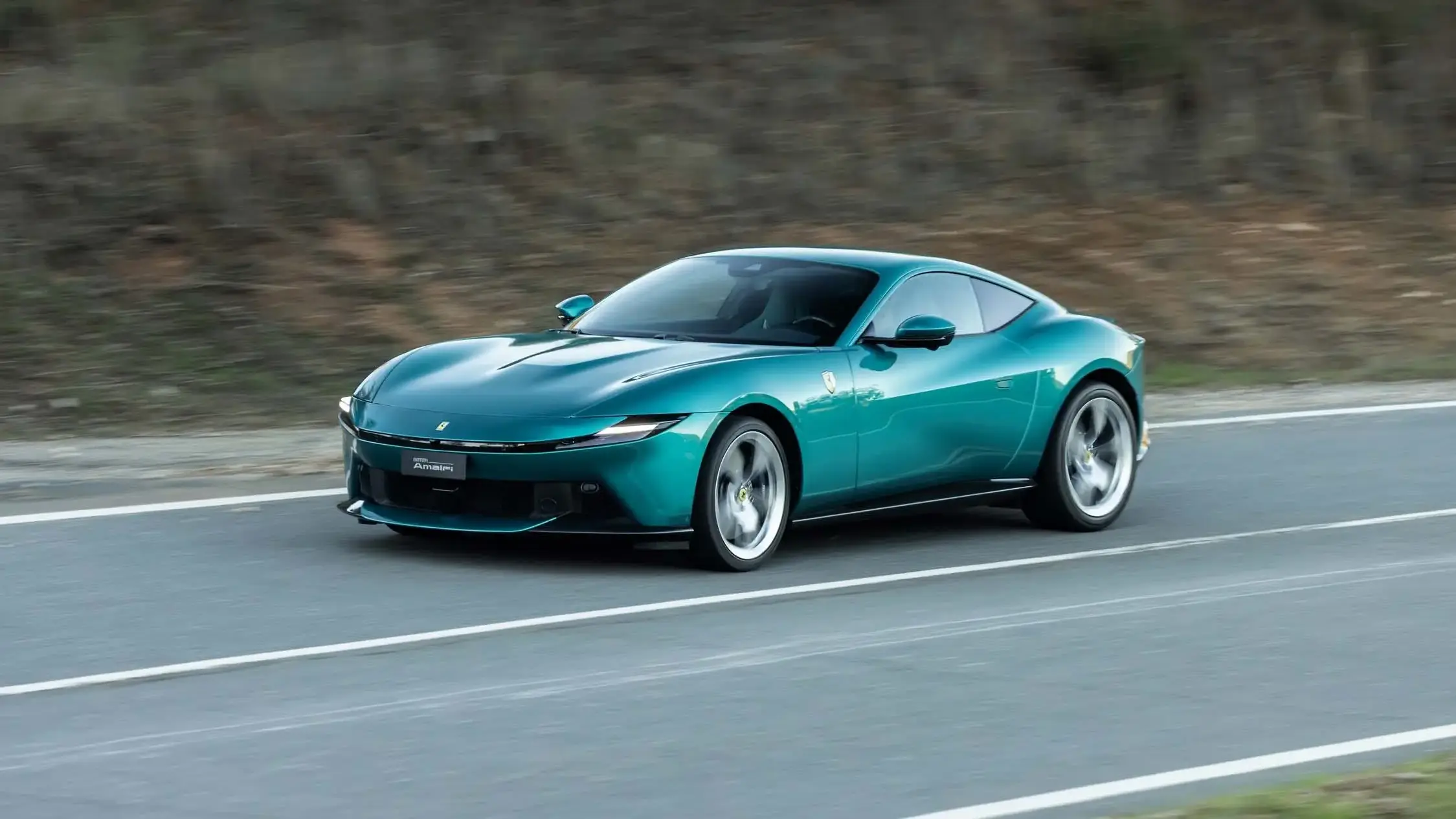
The 2027 Ferrari Amalfi arrives with a rare proposition for 2027: being a Ferrari that doesn’t need to “shout” to dominate the environment, yet still delivers supercar numbers and sensations.
What Is The 2027 Ferrari Amalfi (And Why Does It Matter Now)
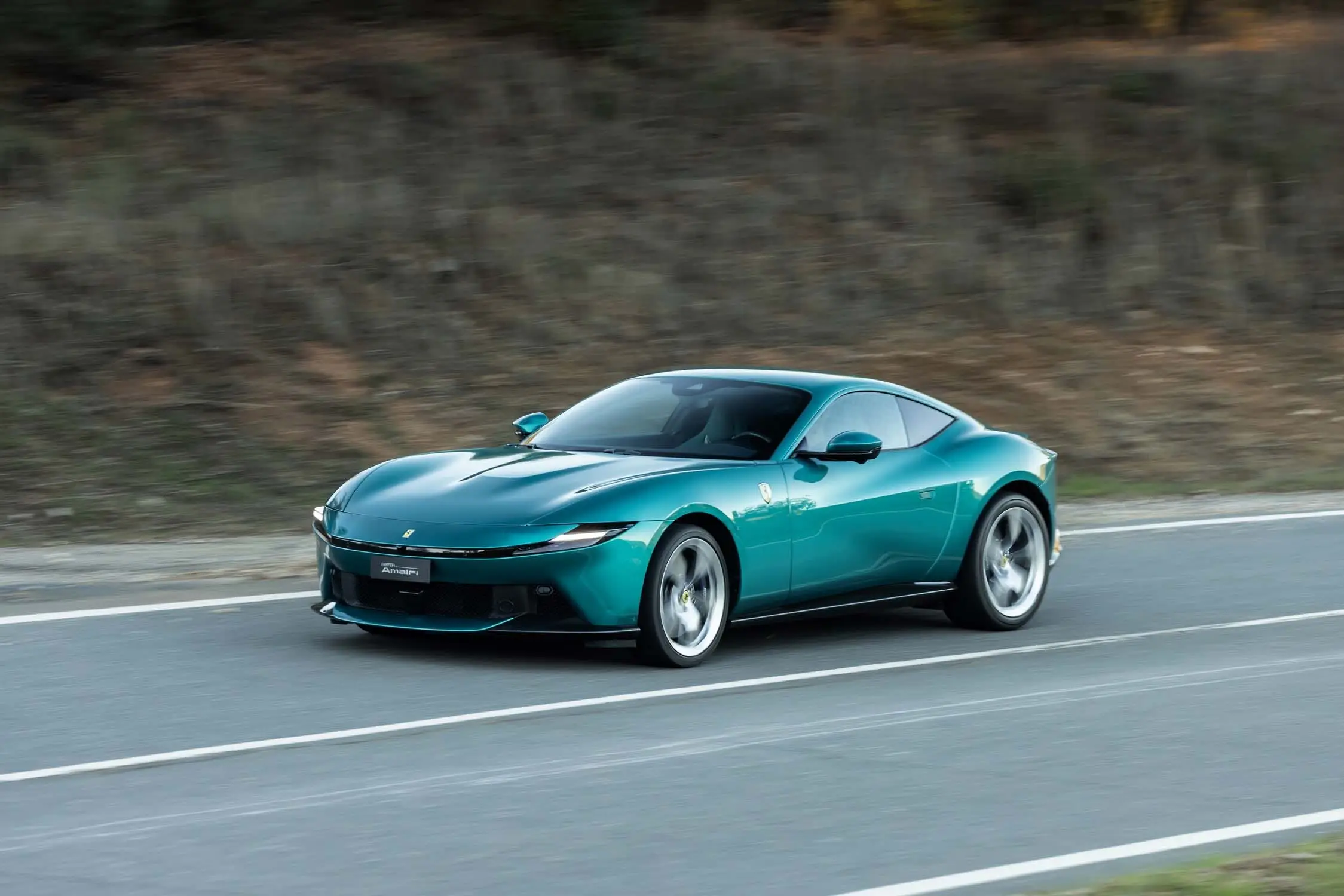
To understand the Amalfi, you must accept one fact: it wasn’t born to be the brand’s “most extreme” model. It was born to be the most usable without ceasing to be a Ferrari. In other words, the 2027 Amalfi assumes the role of the spiritual and commercial successor to the Ferrari Roma, maintaining the 2+2 coupe recipe with a front engine and rear-wheel drive, but refining what the public truly demands in a modern grand tourer: real comfort, smart ergonomics, stability at any pace, and a design that ages well.
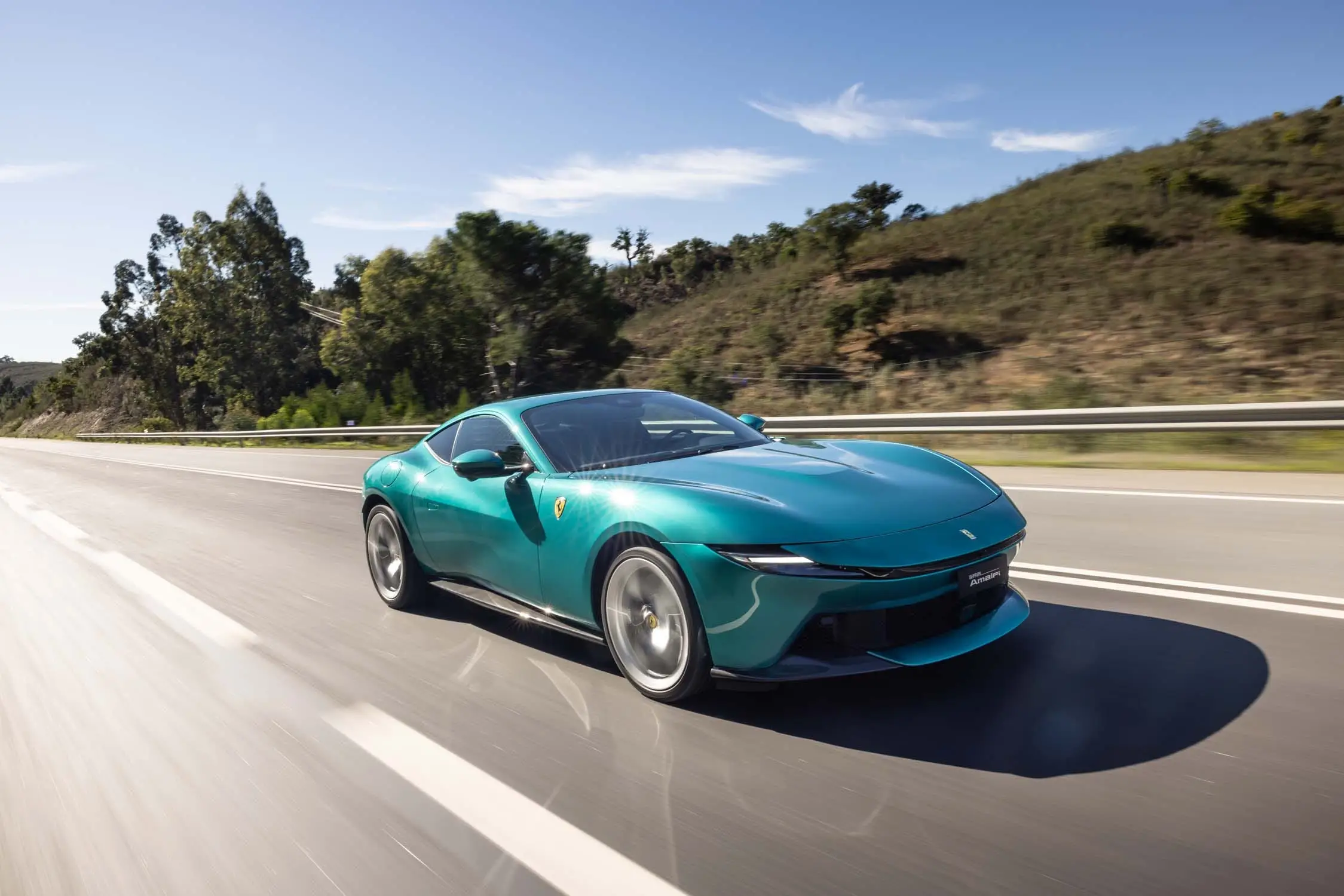
The guiding concept of the car is fluidity. Not as a marketing slogan, but as the connecting thread of everything: from the exterior surfaces (which seem to “flow” over the bodywork) to the way steering, suspension, and electronics combine to make the car easy when you want tranquility and heroic when you decide to push it.
This places the Amalfi in a strategic position: it is Ferrari’s “entry-level model,” but with a base price around US$ 266,810. That is, entry-level only within Ferrari’s own logic. In the real market, it competes for desire, not for value for money.
If you appreciate the engineering behind performance, it’s also worth understanding how the choice of transmission influences this experience. To compare philosophies and impacts on your wallet and driving, this guide is a dangerous click away: Difference Between Single-Clutch and Dual-Clutch Gearboxes: Understand What Changes in the Car and Your Pocket.
Key Highlights of the 2027 Amalfi in One Sentence
- Sculptural design with discreet integration of functional elements (lights, air intakes, etc.).
- 3.9L twin-turbo V8 engine with 631 hp and strong torque available at low, usable RPMs.
- Light and precise steering, offering agility without making the car nervous.
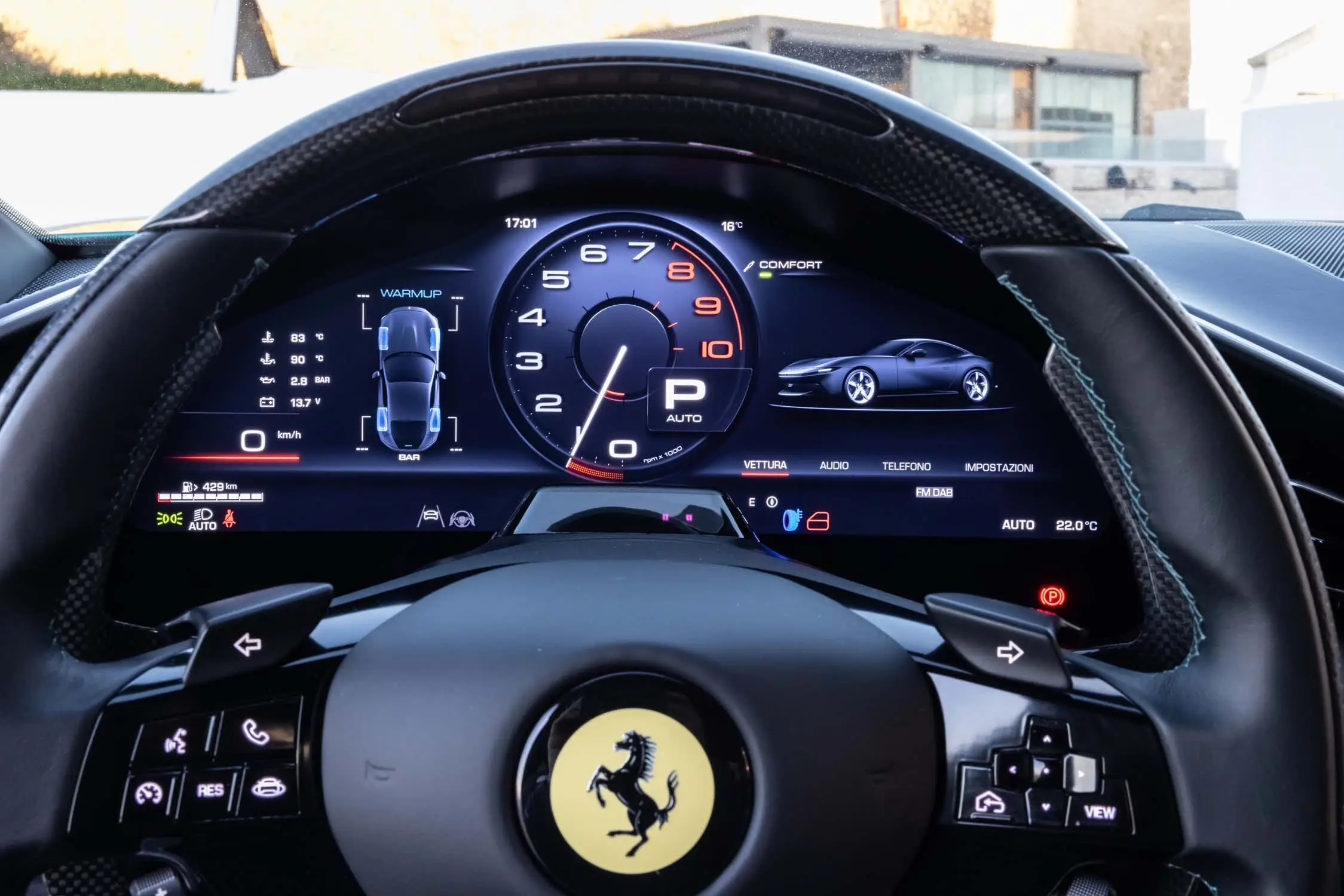
- Redesigned interior, featuring the return of physical buttons on the steering wheel for critical functions.
- Mature driving electronics, allowing control and fun with an “invisible” layer of safety.
Design: When Sculpture Overcomes Graphics
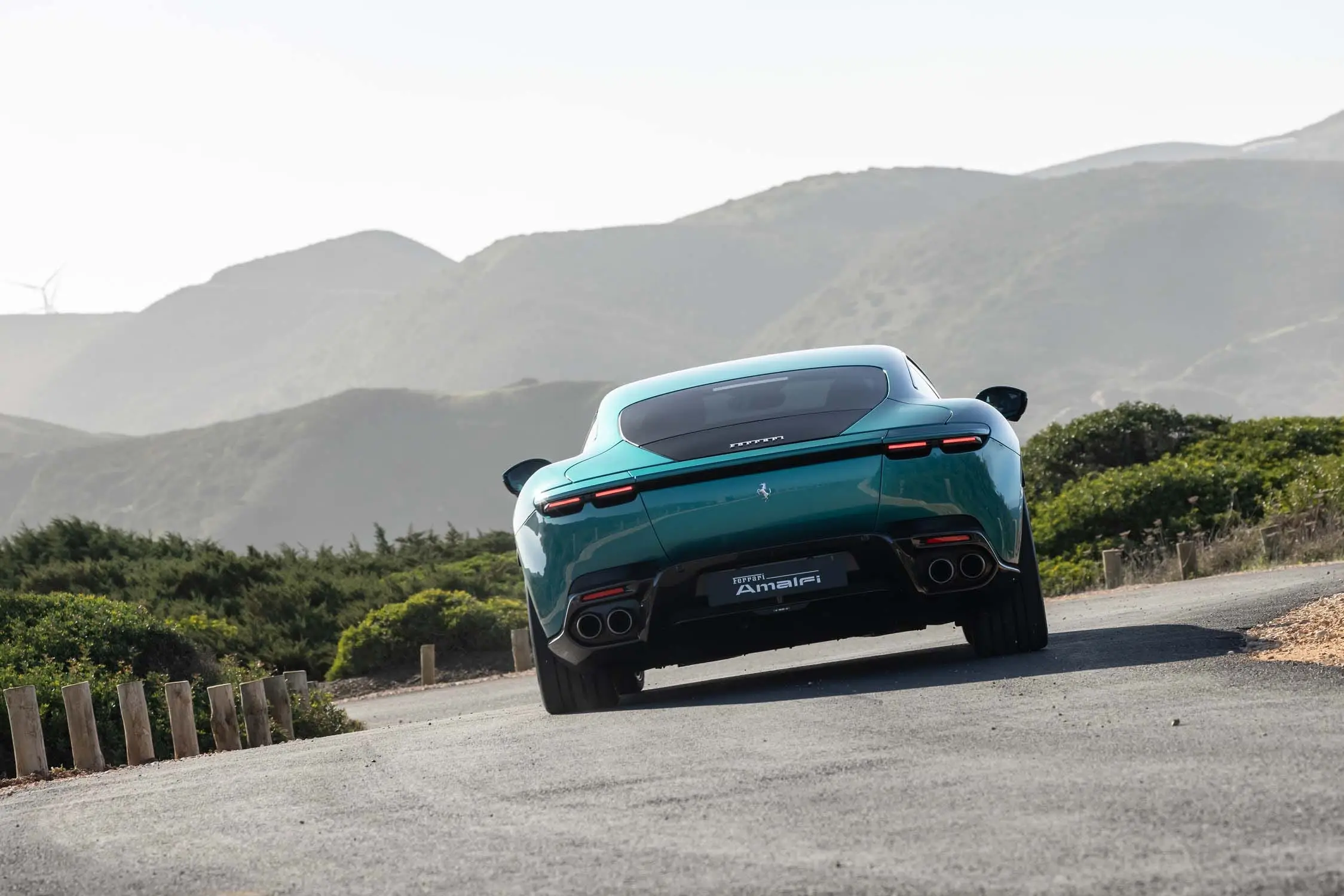
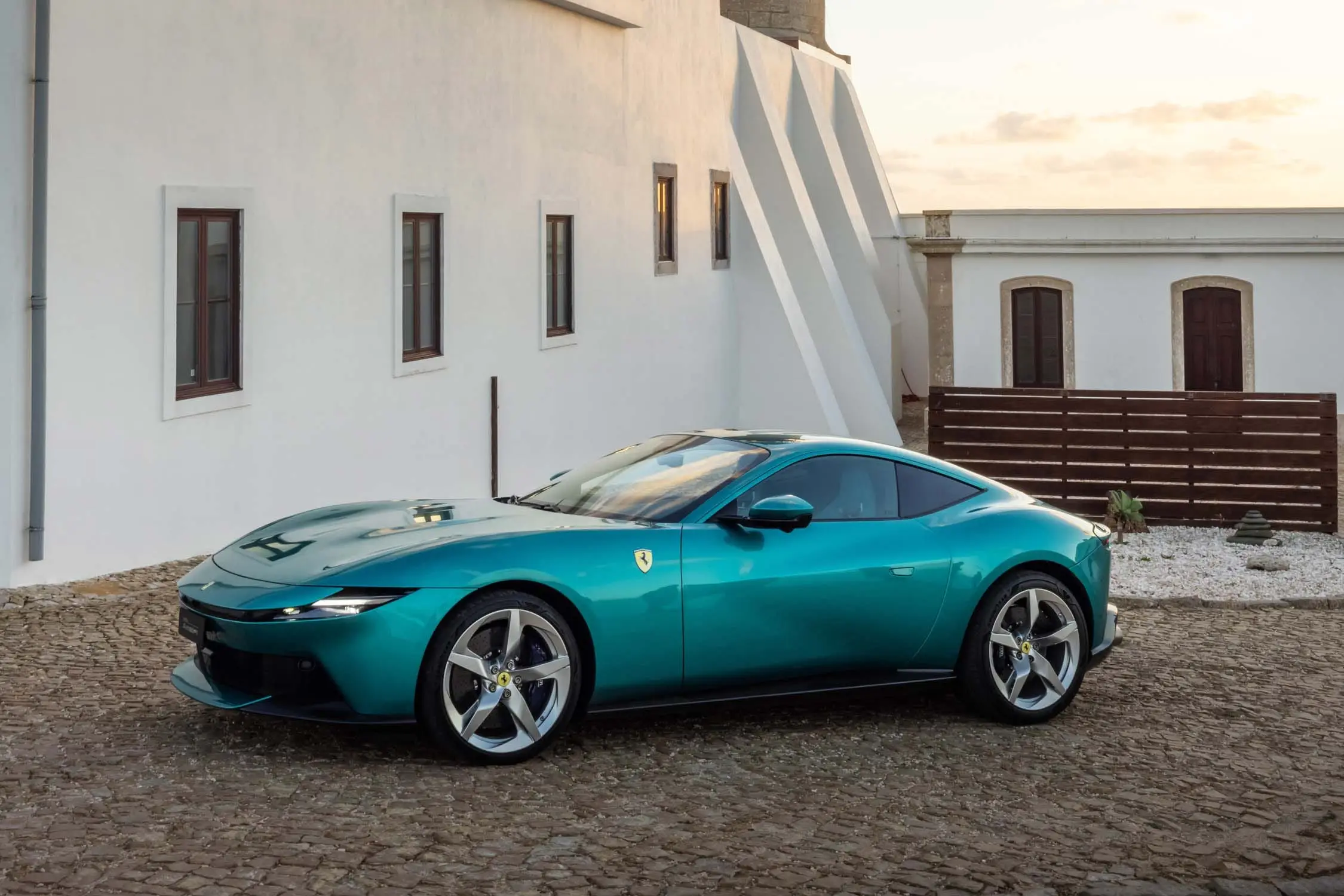
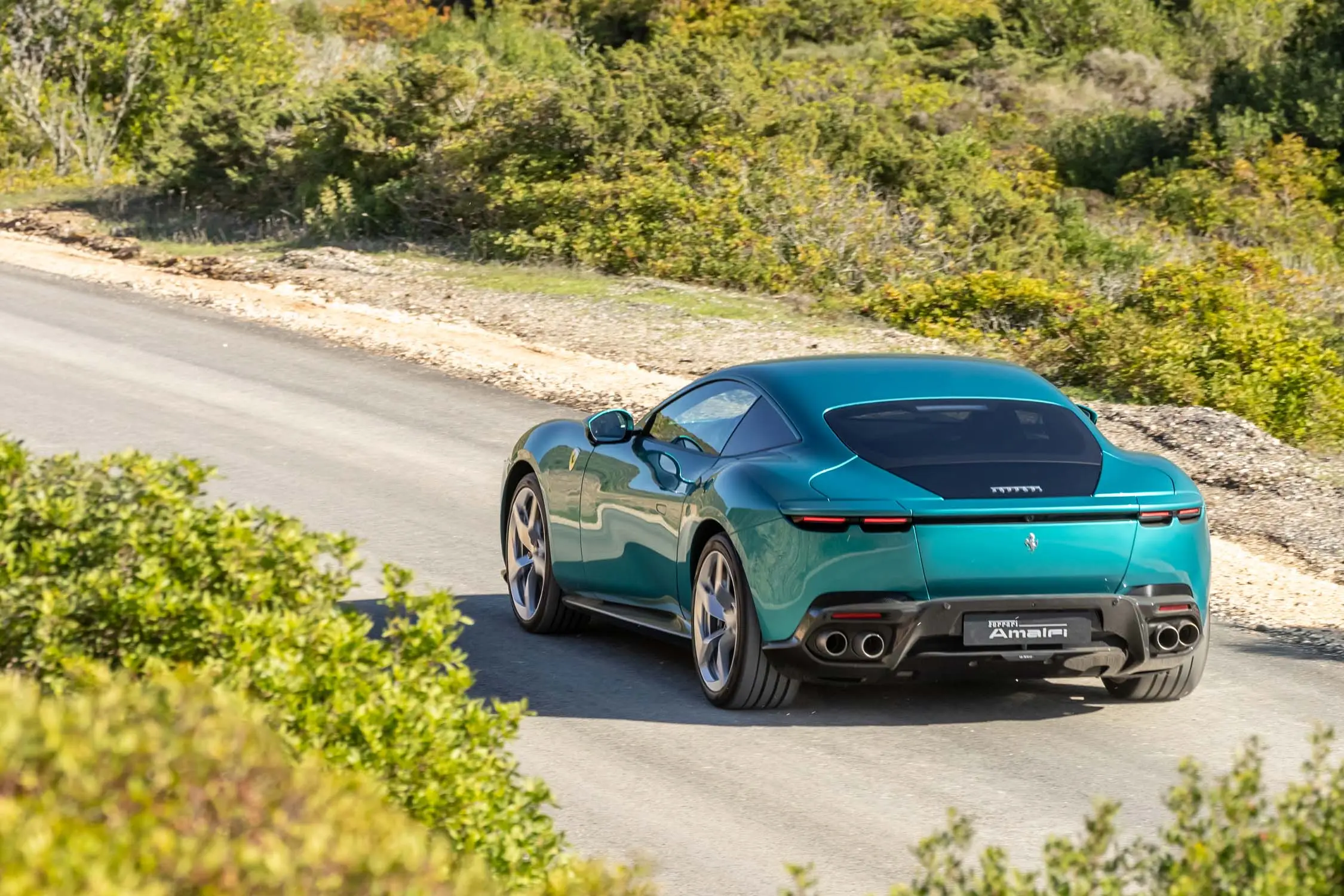
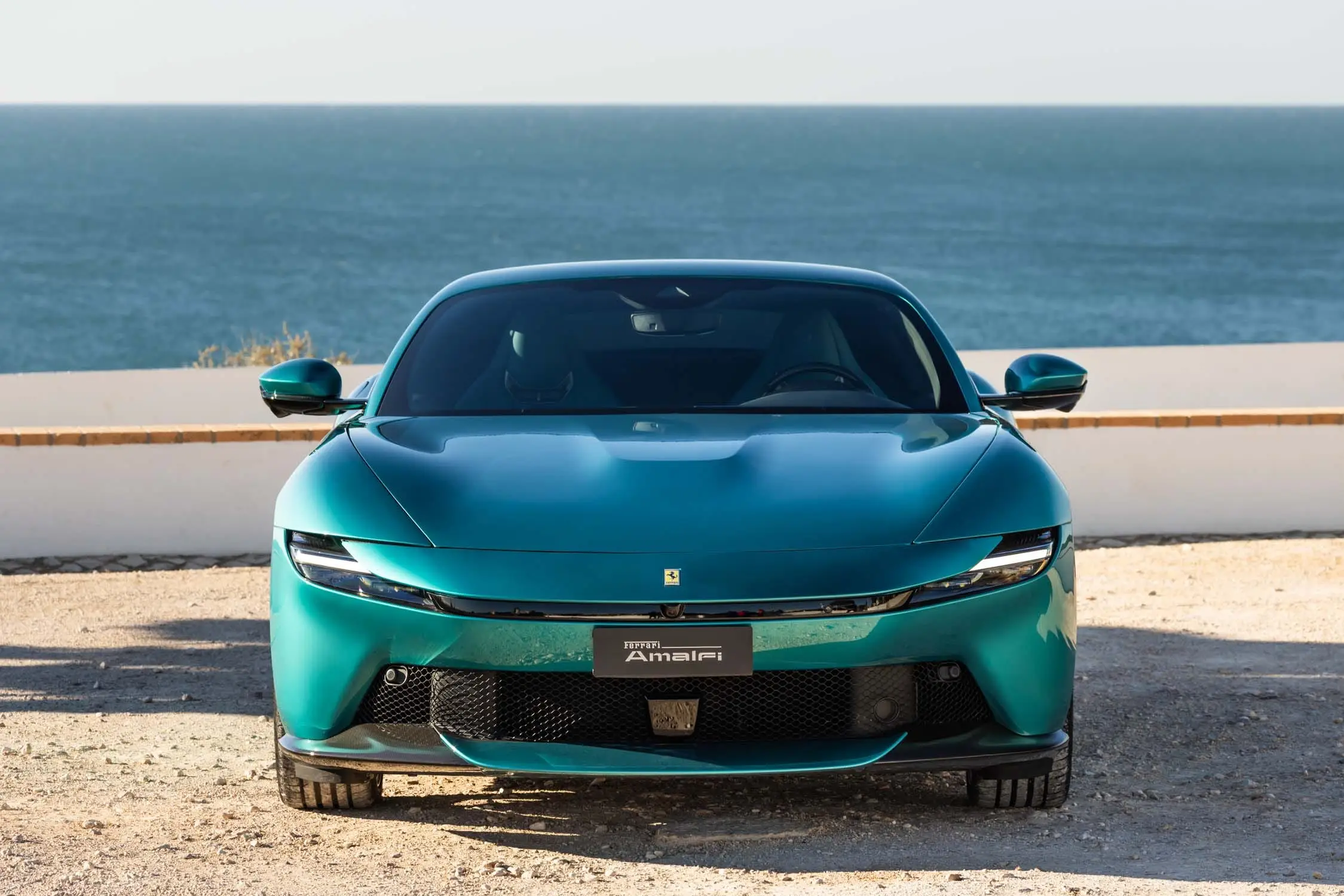
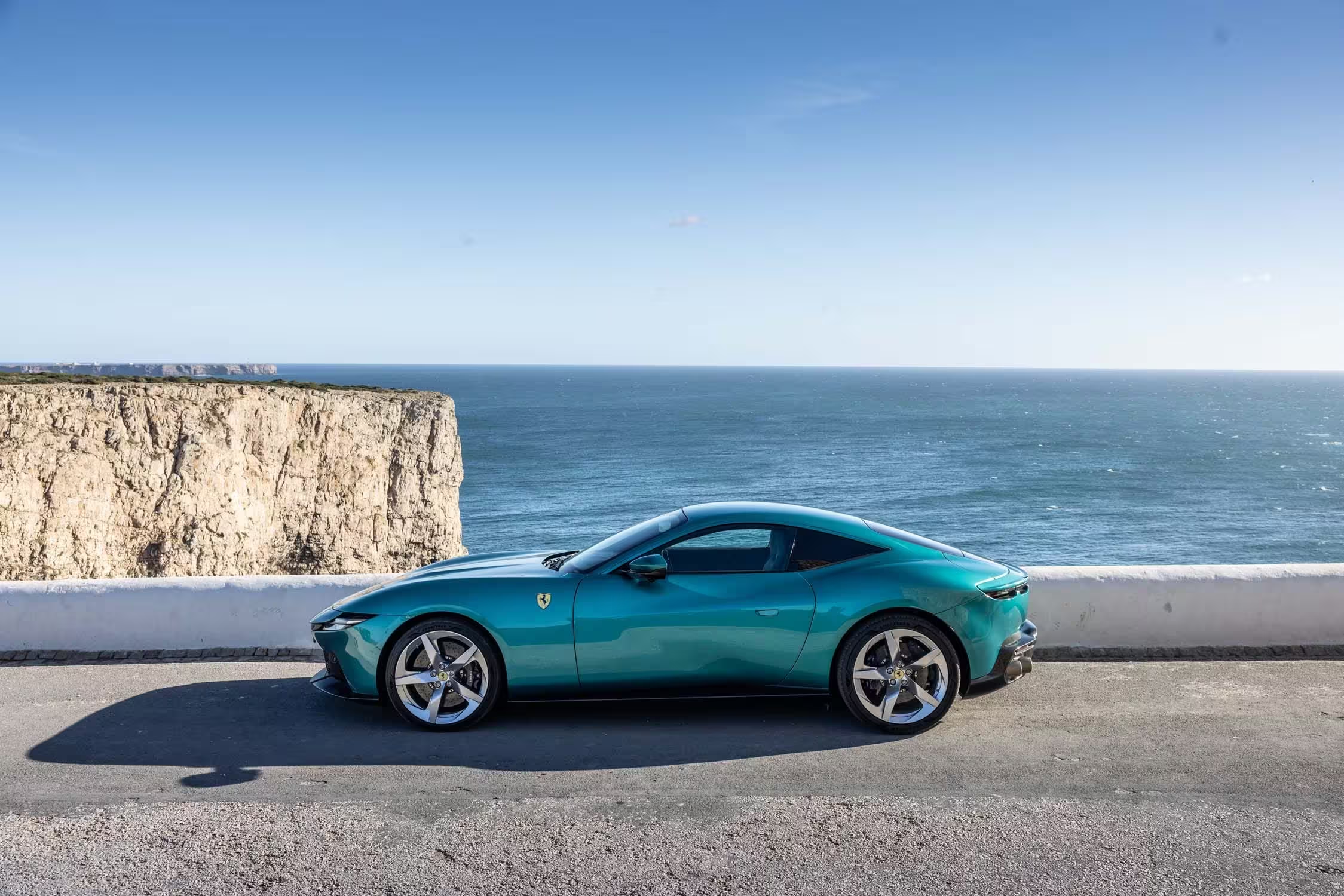
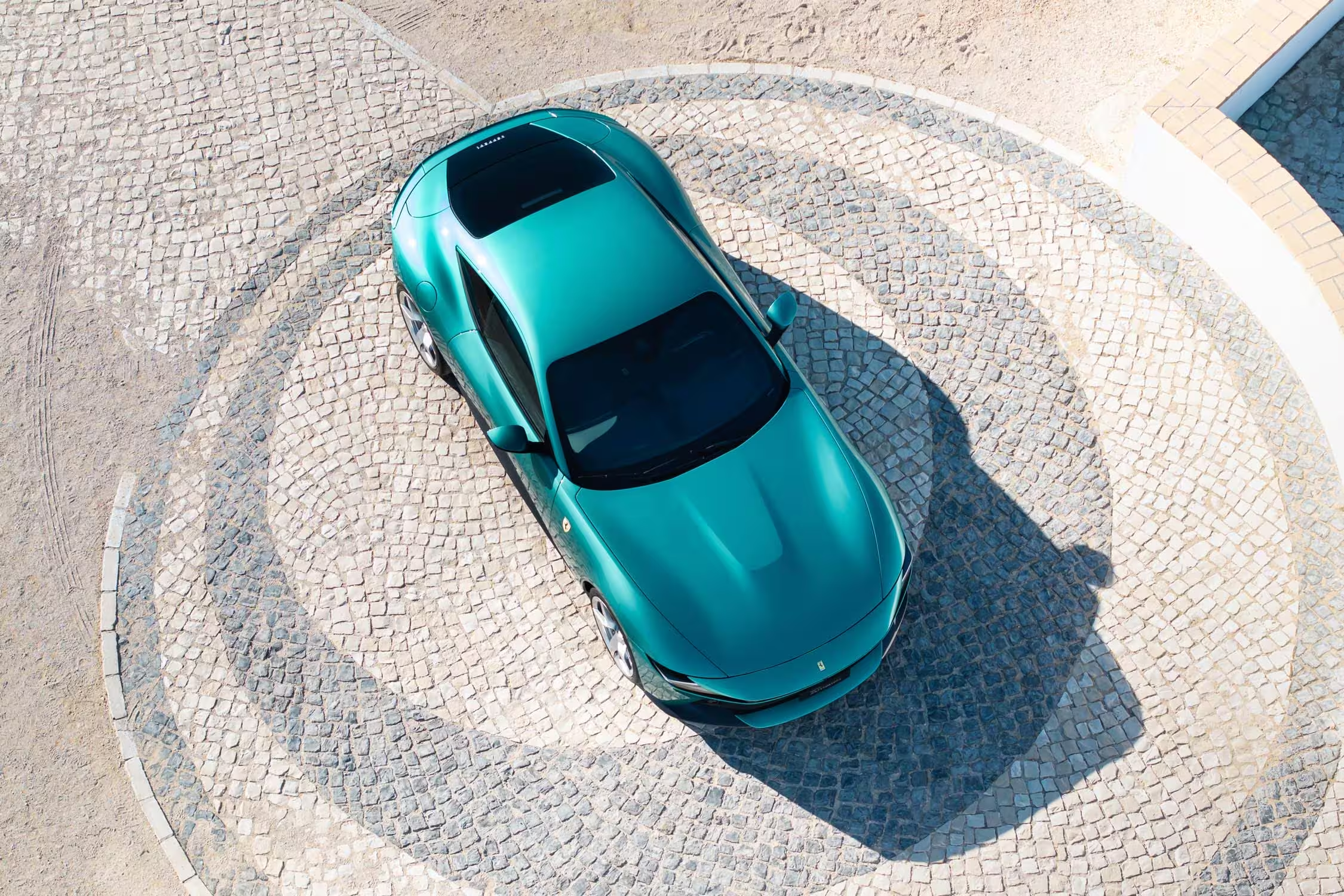
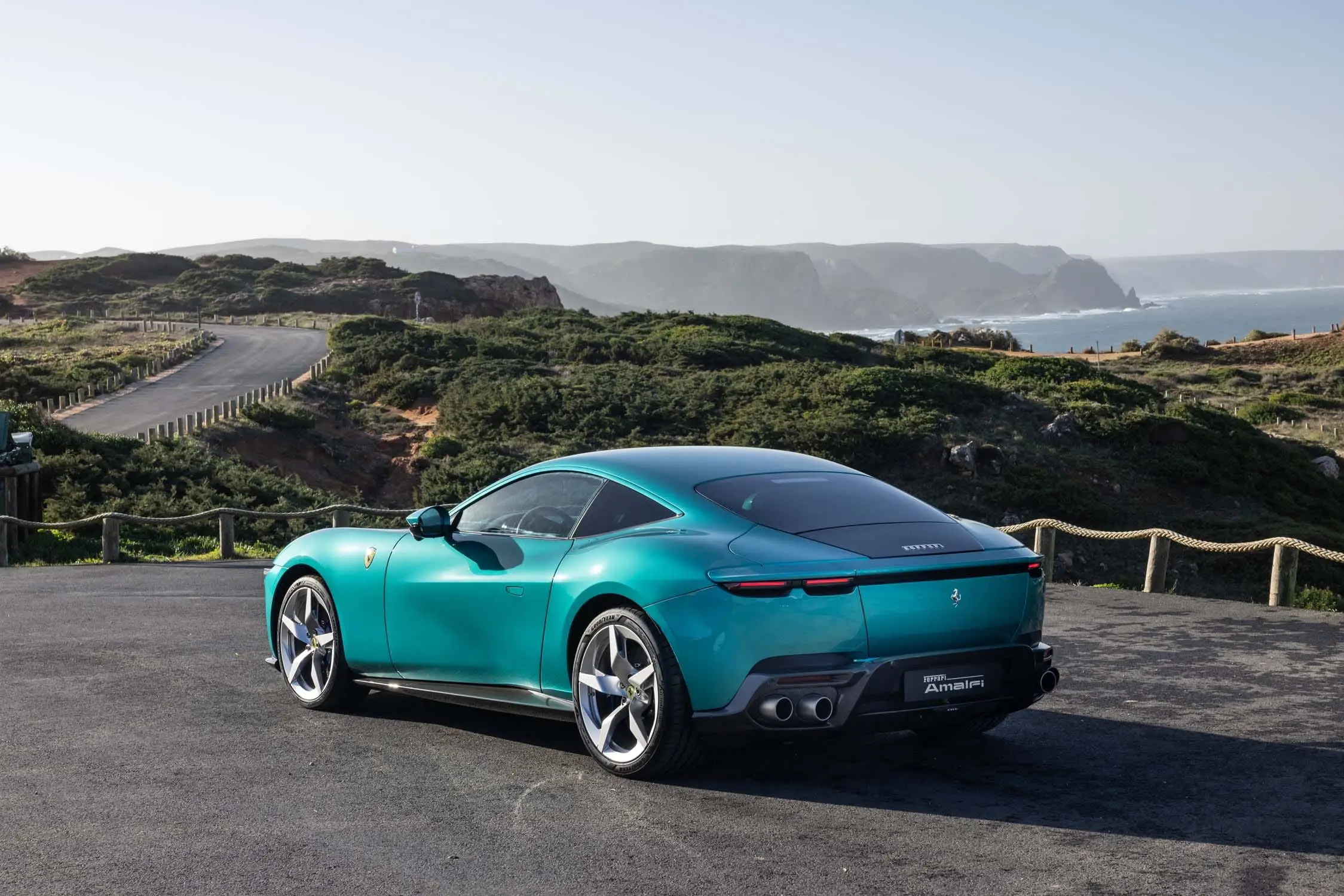
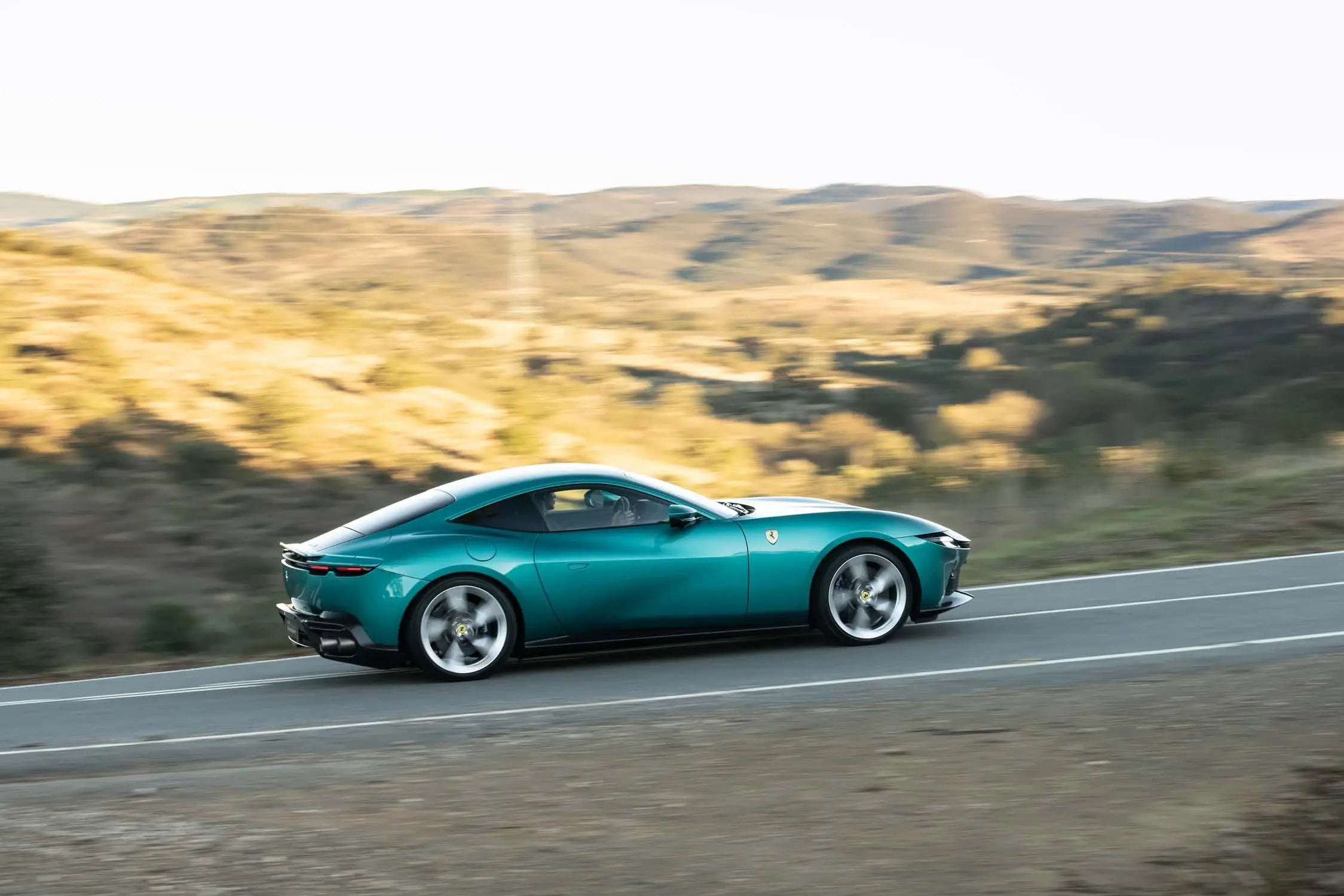
The 2027 Ferrari Amalfi is the kind of car that seems designed “with squinted eyes”: fewer shouting lines, fewer gratuitous cutouts, more volume. Ferrari treated the exterior like a moving sculpture, prioritizing a clean, sensual base shape before inserting mandatory elements. The result is bodywork that communicates speed without relying on visual tricks.
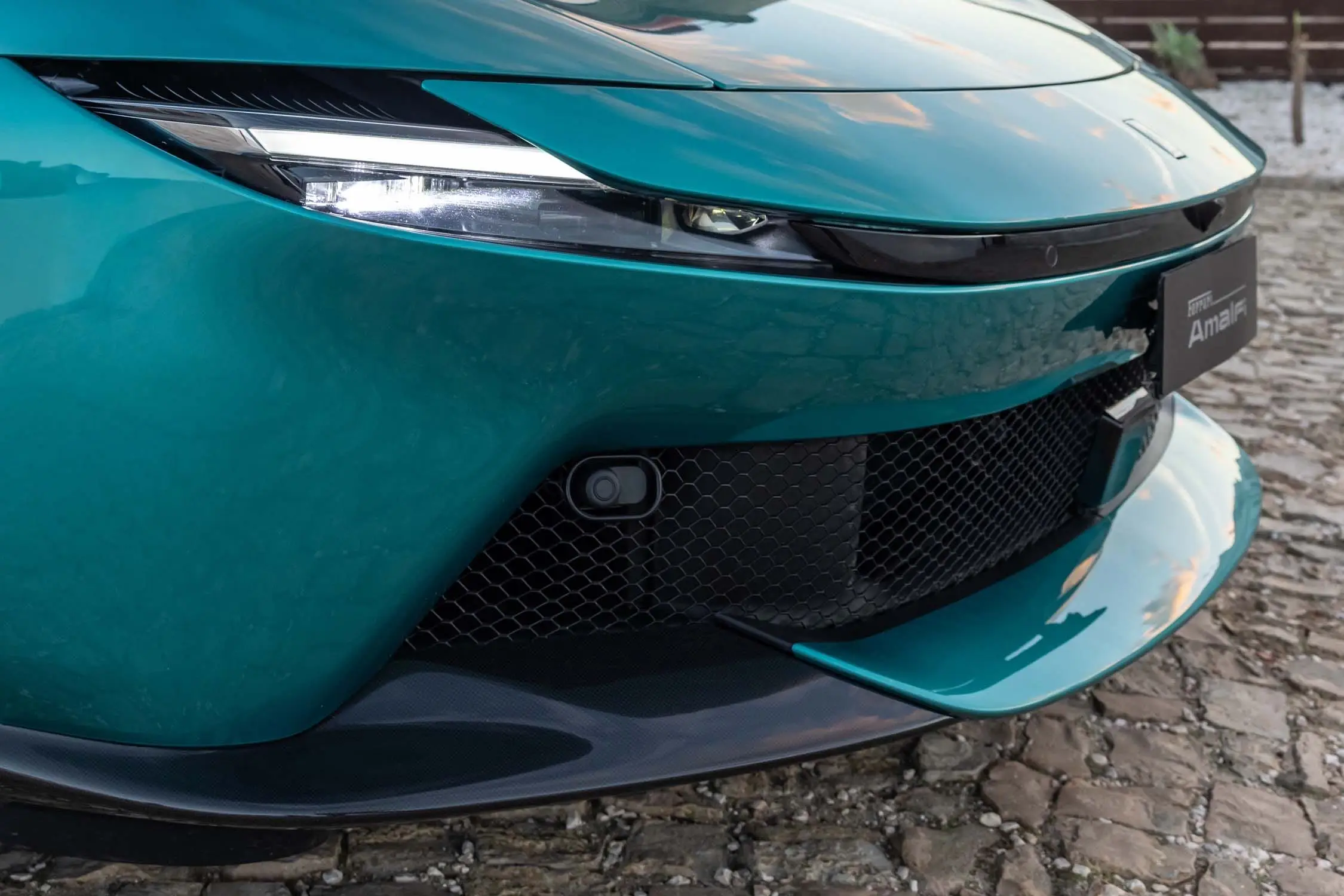
The philosophy can be summarized by the idea of pure form. First comes the aerodynamic and emotional “mass” of the car; then come the headlights, air intakes and vents, sensors, and regulatory details. This explains why the Amalfi seems more “whole” than many modern sports cars: nothing looks pasted on, nothing seems like a concession.
“In this car, sculpture is more important than graphics.”
This choice is more than aesthetic: it creates a Ferrari that doesn’t rely on trends (like exaggerated grilles or flashy light signatures) to be recognized. In terms of perceived value, this tends to age better in the collective imagination and often in the collector’s market.
Details That Show This Philosophy In Practice
- Subtle integration of air intakes and vents, without “tearing” the bodywork.
- Continuous surfaces that lead the eye from the hood to the rear organically.
- Classic GT proportions: long hood, set-back cabin, and low stance, with a strong presence without exaggerated aggression.
There is an interesting parallel with the current discussion about automotive visual identity: many brands are “shouting” for attention with enormous front elements. If you want to understand this cultural shift in design (and why some brands are pulling back), this content fits like a glove: Goodbye Giant Grilles: 2027 BMW iX3 Drops Traditional Dashboard and Bets on Panoramic Projection.
Engine, Transmission, and Performance: The Twin-Turbo V8 That Delivers Without Scandal
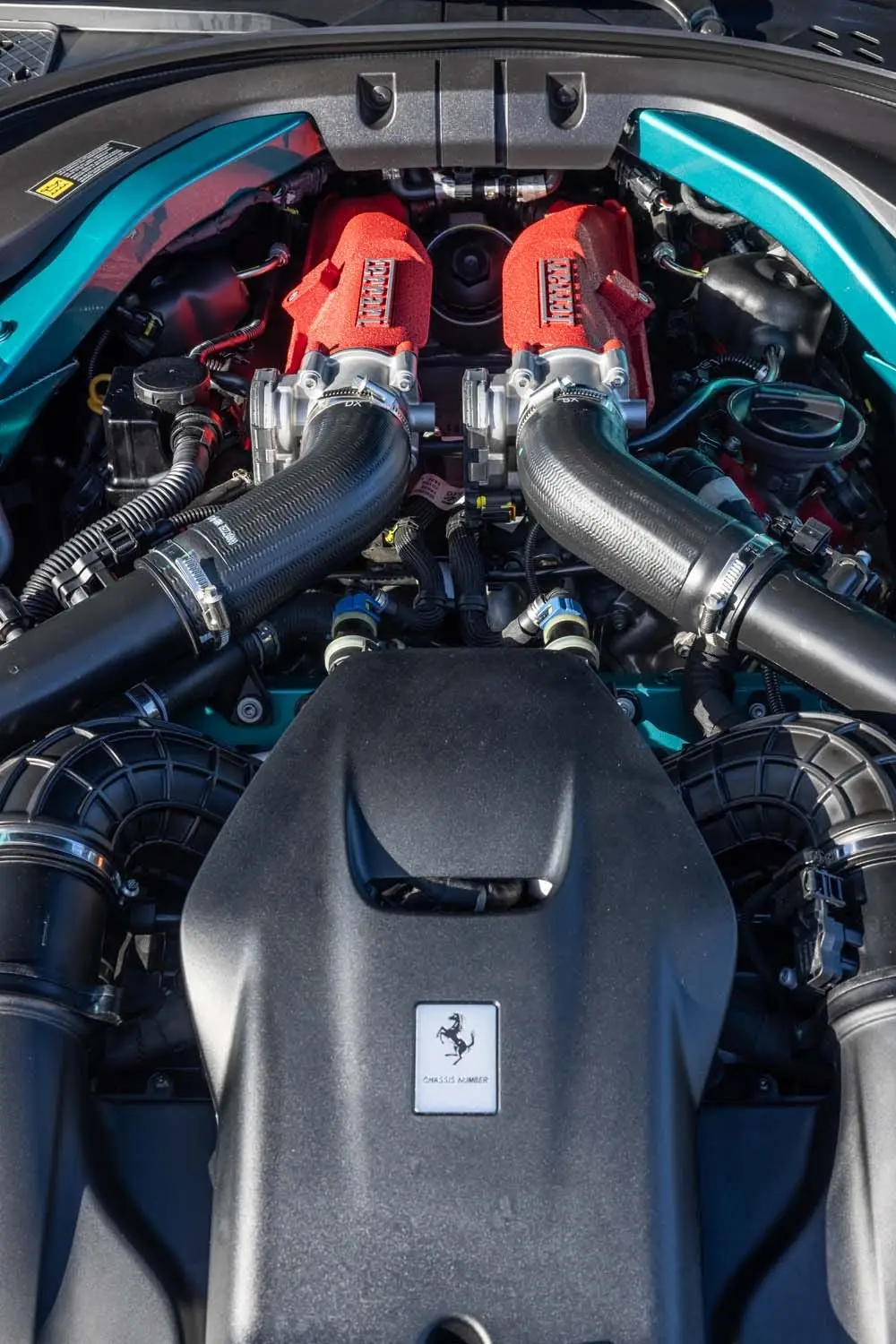
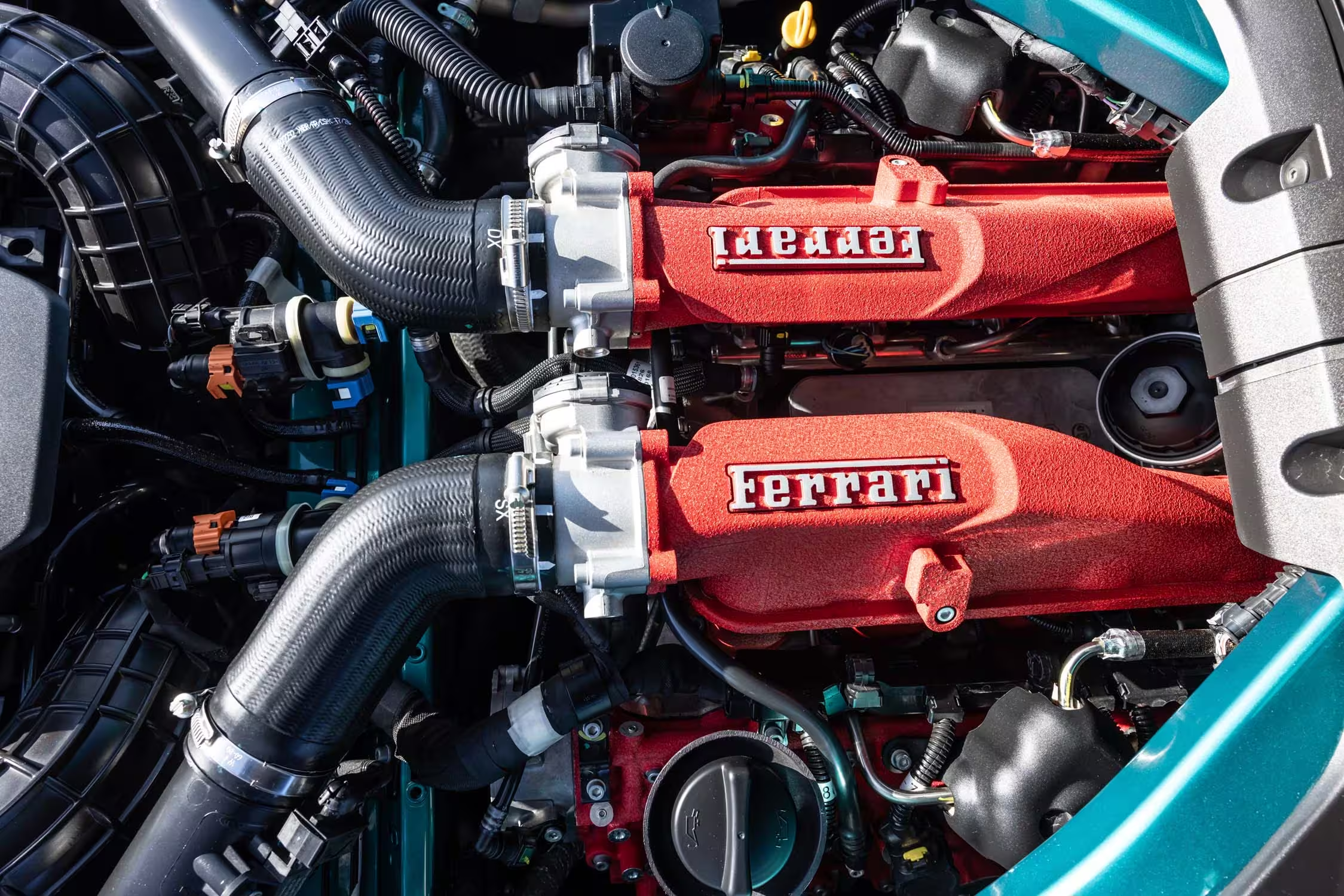
The heart of the 2027 Ferrari Amalfi is a 3.9L twin-turbo V8, an architecture already proven by the brand in different calibrations. Here, the proposal is clear: lots of power, lots of response, but with an output that matches a sophisticated coupe. It yields 631 hp and robust torque in the usable range, which matters more in the real world than peak power at impractical RPMs.
In practice, this means the Amalfi doesn’t demand that you “prove” anything to anyone. It pulls strongly at low RPMs, gains speed easily in the mid-range, and when it passes a certain point, it changes personality: the sound becomes fuller, and the car starts to behave like a real Ferrari, with that surge that seems endless.
Numbers That Place the Amalfi in Supercar Territory
- Power: 631 hp at 7,500 rpm
- Torque: 759 Nm (560 lb-ft) starting from 3,000 rpm
- 0 to 100 km/h (0-62 mph): approximately 3.3 s (disclosed estimate)
- Top Speed: approximately 320 km/h (199 mph)
The transmission is an 8-speed dual-clutch automatic, the type that alternates brutality and delicacy with startling ease. In relaxed driving, it acts as if it wants to “disappear”: smooth shifts, low RPMs, progressiveness. When you ask for performance, the response is immediate, with precise downshifts and a feeling of mechanical connection.
If you enjoy engine comparisons and famous “families,” there is a similar fascination in the American universe with Hellcat culture. For those who like lists, numbers, and trivia, this link usually hooks you for too long: All Production Cars with the Hellcat Engine: Complete List, Power, and Trivia.
Sound: Discreet When Necessary, Addictive When You Allow It
One of the smartest points about the Amalfi is the sound signature. At low RPMs, it doesn’t try to be theatrical. This aligns with the GT proposal: you can travel, converse, listen to music, drive through the city without seeming like you are at an event. But when the revs climb, the V8 reveals a rawer layer, with a tone that reminds you there is still combustion and emotional engineering there.
This balance speaks directly to a market phenomenon: many people are rediscovering gasoline engines, either for pleasure or pragmatism. This topic has become a real debate (and not just nostalgia): More Buyers Are Abandoning Electric Cars and Returning to Gasoline.
Behind the Wheel: The “Fluidity” You Feel in the Steering, Chassis, and Electronics
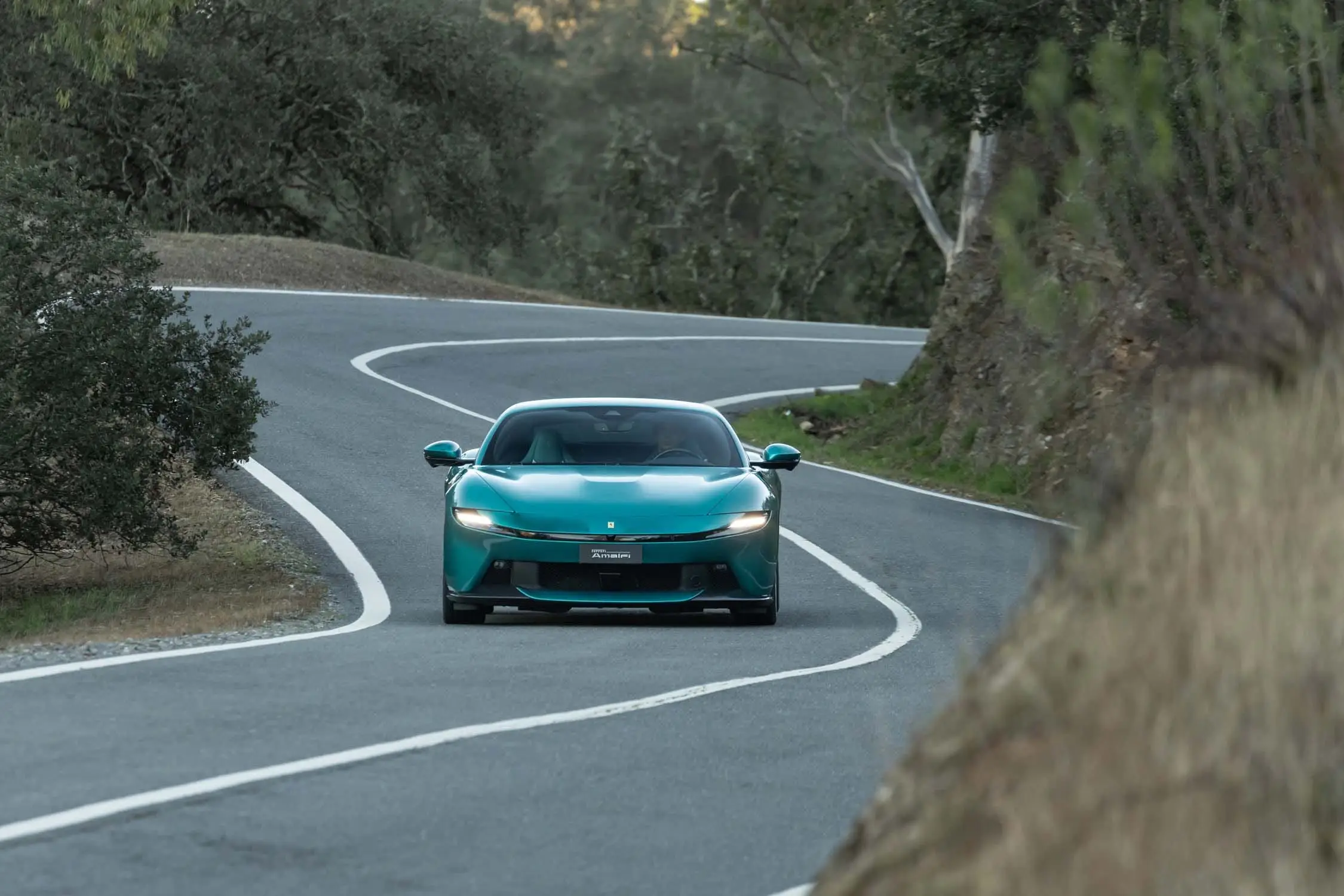
This is where the 2027 Ferrari Amalfi separates itself from the cliché “it’s fast and done.” The experience was designed to be natural. The steering is described as extremely light, yet with above-standard precision and feedback. This is a rare combination: many light-steering cars feel like video games; many communicative cars require effort. The Amalfi tries to deliver both.
The practical effect is a car that enters corners with small steering movements, as if the body anticipates your intention. On the highway, the same quick response doesn’t turn into instability: the setup feels settled, requiring minimal corrections on long journeys. This is the soul of a well-resolved grand tourer: tiring little and delivering a lot.
Adaptive Suspension: Unashamed Comfort, Sport Without Punishment
The stiff chassis works with magnetorheological adaptive dampers, capable of varying stiffness in real time. The result is a wide operating range:
- Comfort Mode: Absorbs irregularities with surprising ease for a low, high-performance coupe.
- Sport/Race Modes: The car becomes firmer and more immediate, but without falling into “punitive discomfort.”
- Poor Road Function: Even in more aggressive modes, it’s possible to soften the dampers to deal with broken asphalt.
This versatility has a direct impact in countries with uneven pavement and unpredictable potholes (yes, we are talking about Brazil too, even if the Amalfi is extremely rare there). Ferrari seems to have understood something simple: there’s no point in having track performance if the car turns into hell in the real world.
Slip Control and Active Aerodynamics: Fun with a Safety Net
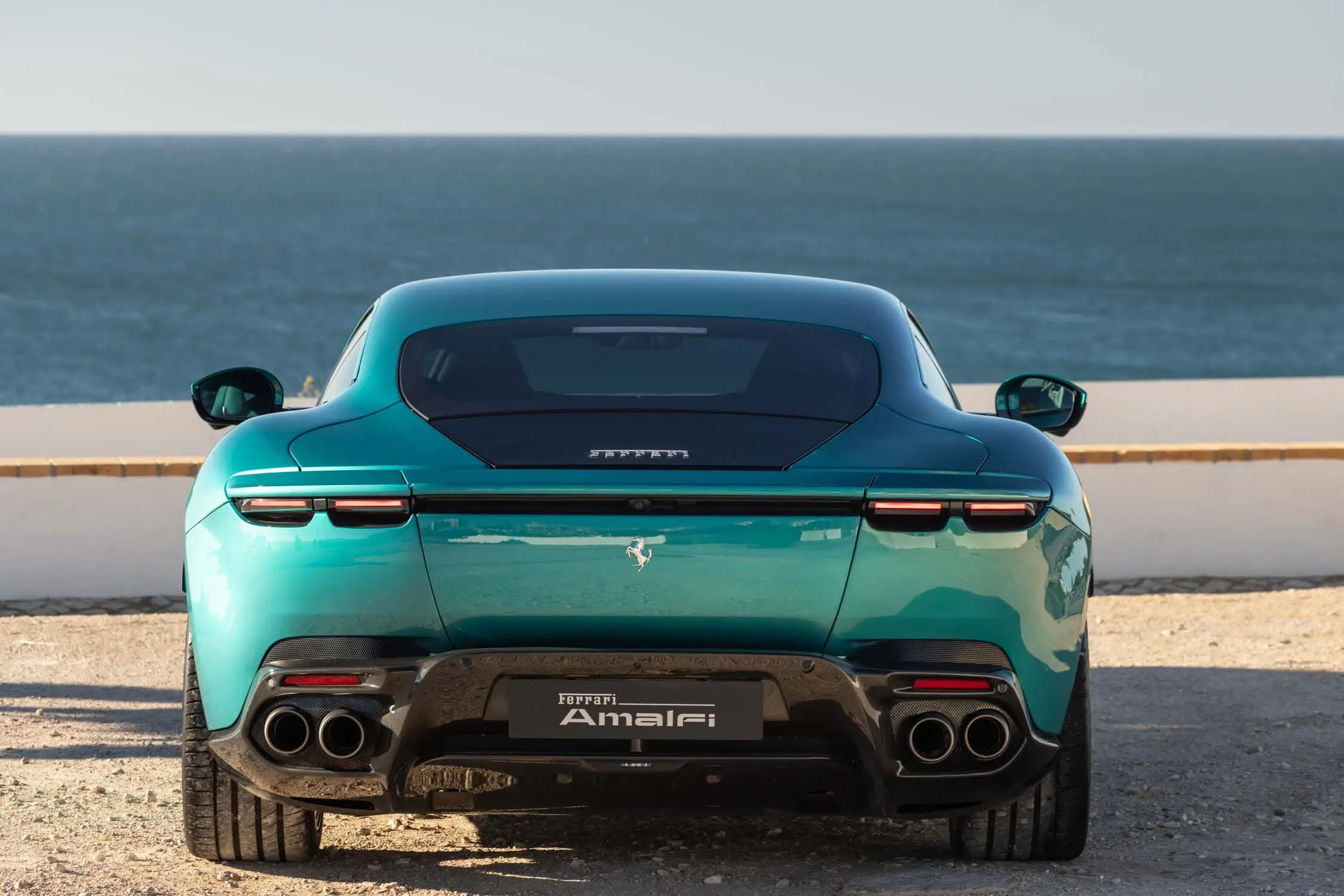
Another key point is how Ferrari uses electronics to enhance confidence, not to “anesthetize” the car. The side slip control system (a kind of “conductor” that coordinates traction, stability, and torque) allows the rear end to move when you want it to, without turning it into a scare.
Add to this an active rear spoiler with automatic positions, adjusting the balance between efficiency and stability according to speed and situation. The effect is that type of control that feels like magic: the car “plants” when needed and feels loose when you are looking for fun.
Brake-by-Wire and Carbon-Ceramic Brakes: Firm Pedal, Immediate Response
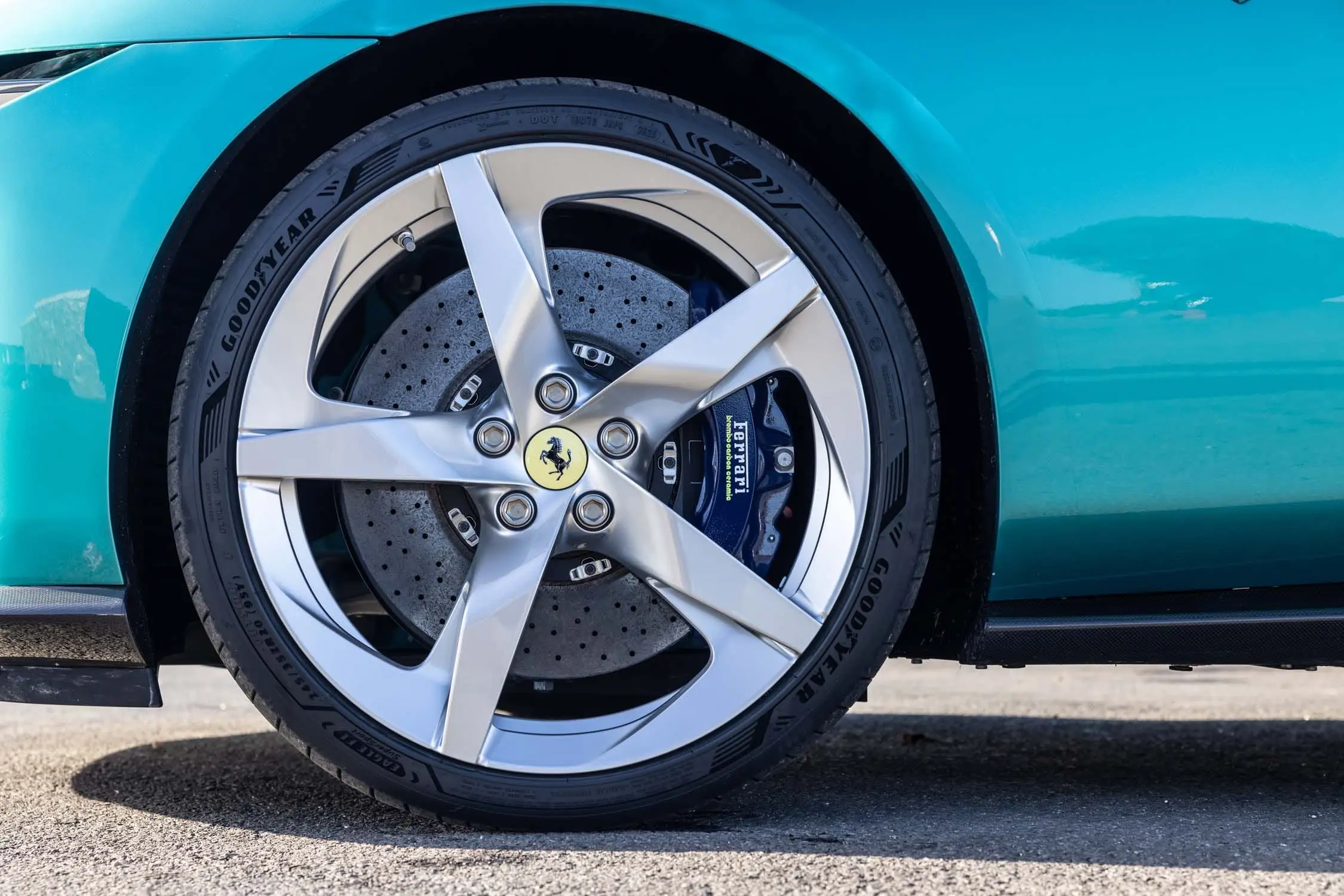
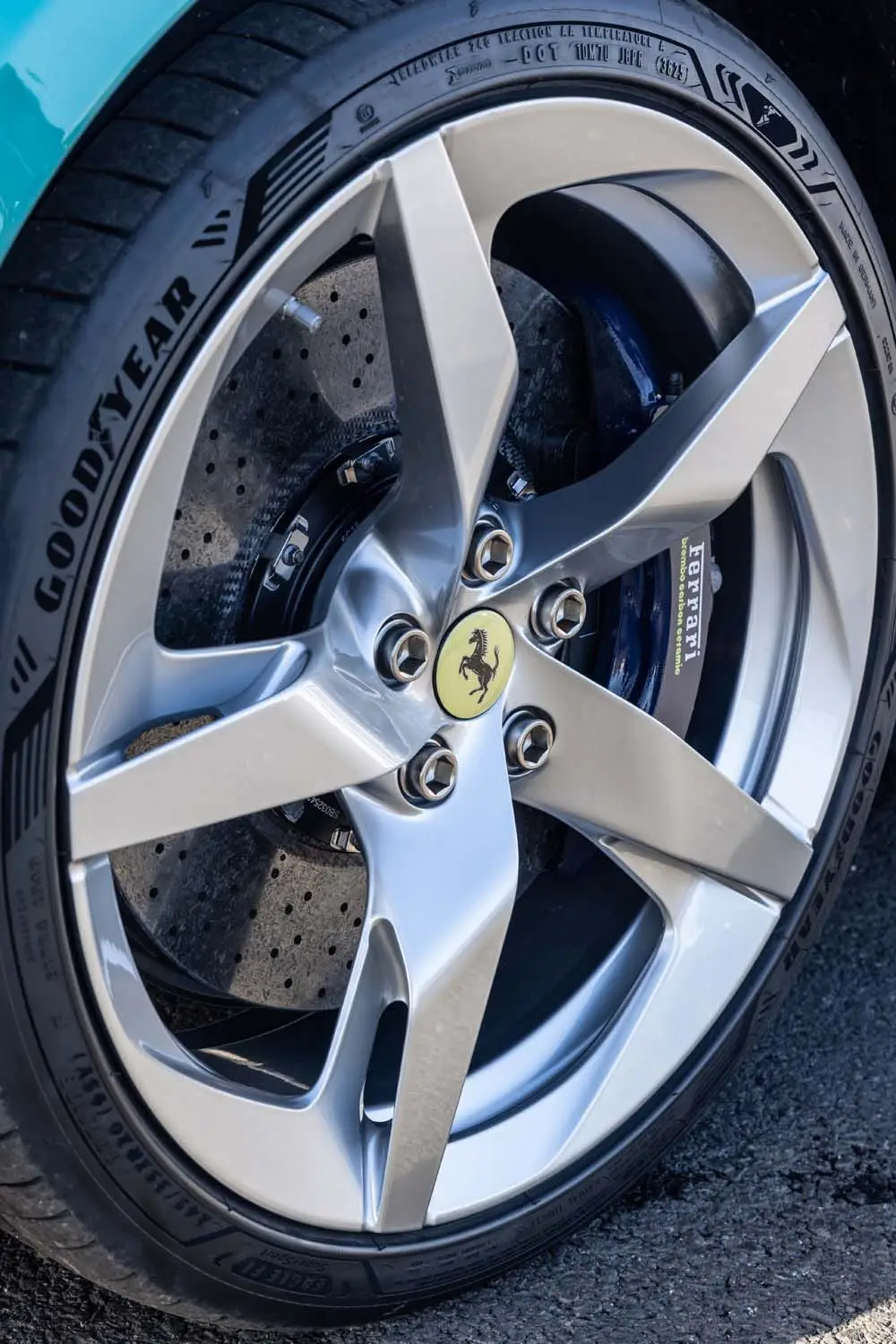
The Amalfi uses a brake-by-wire system with standard carbon-ceramic discs. The pedal is purposely firm and short-travel, which might surprise those coming from more common cars. But this precise tuning is exactly what provides confidence in fast driving: you press less, the car brakes more, and repeatability under load is much higher.
If you want to connect this topic to the real world (and understand how maintenance choices can become pitfalls), this article usually opens the eyes of those who think brakes are “just about changing pads”: Replace All Four Brake Pads or Just the Front Ones? Find Out If It’s an Exaggeration by Repair Shops.
Interior and Ergonomics: Ferrari Listened to the Driver Again
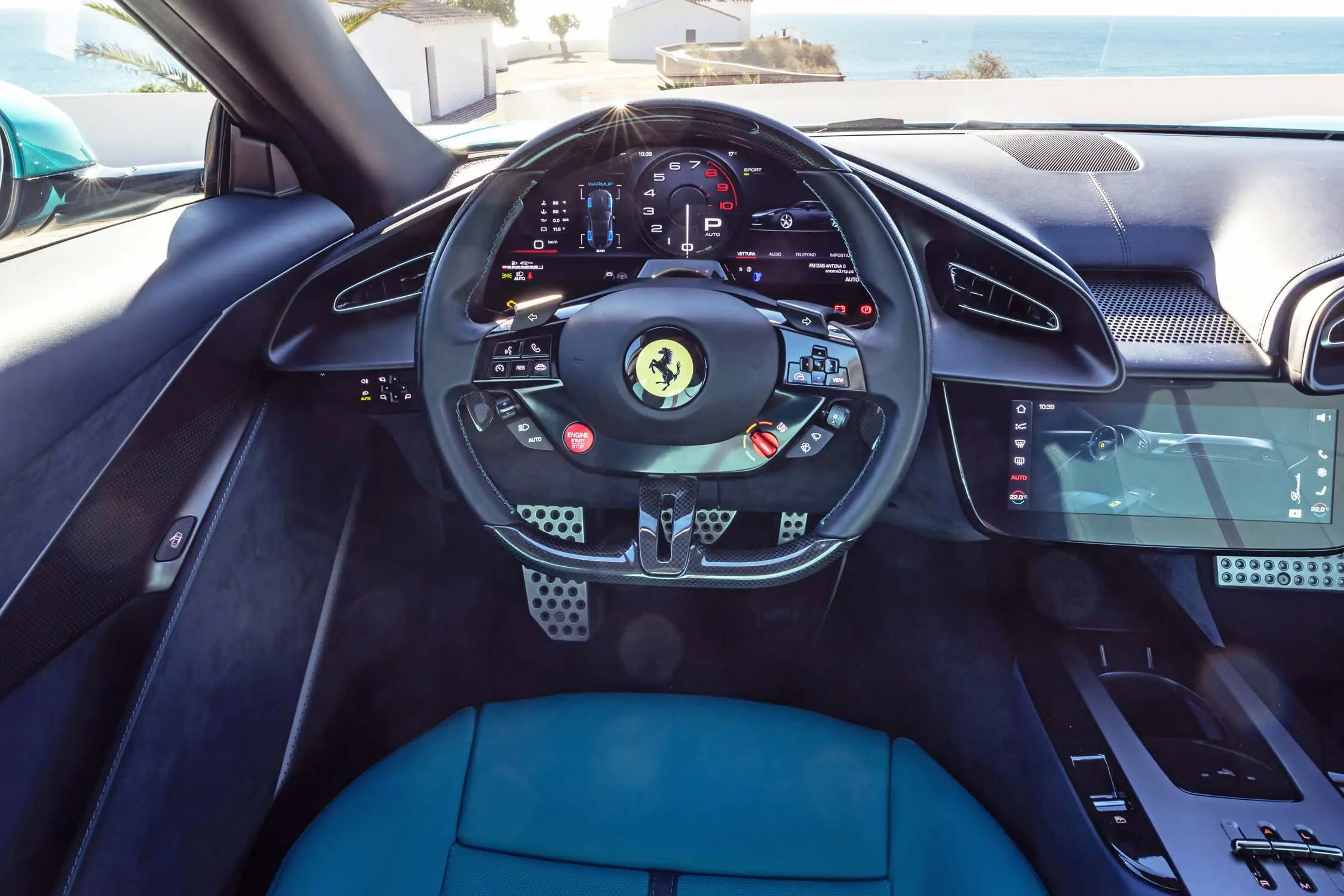
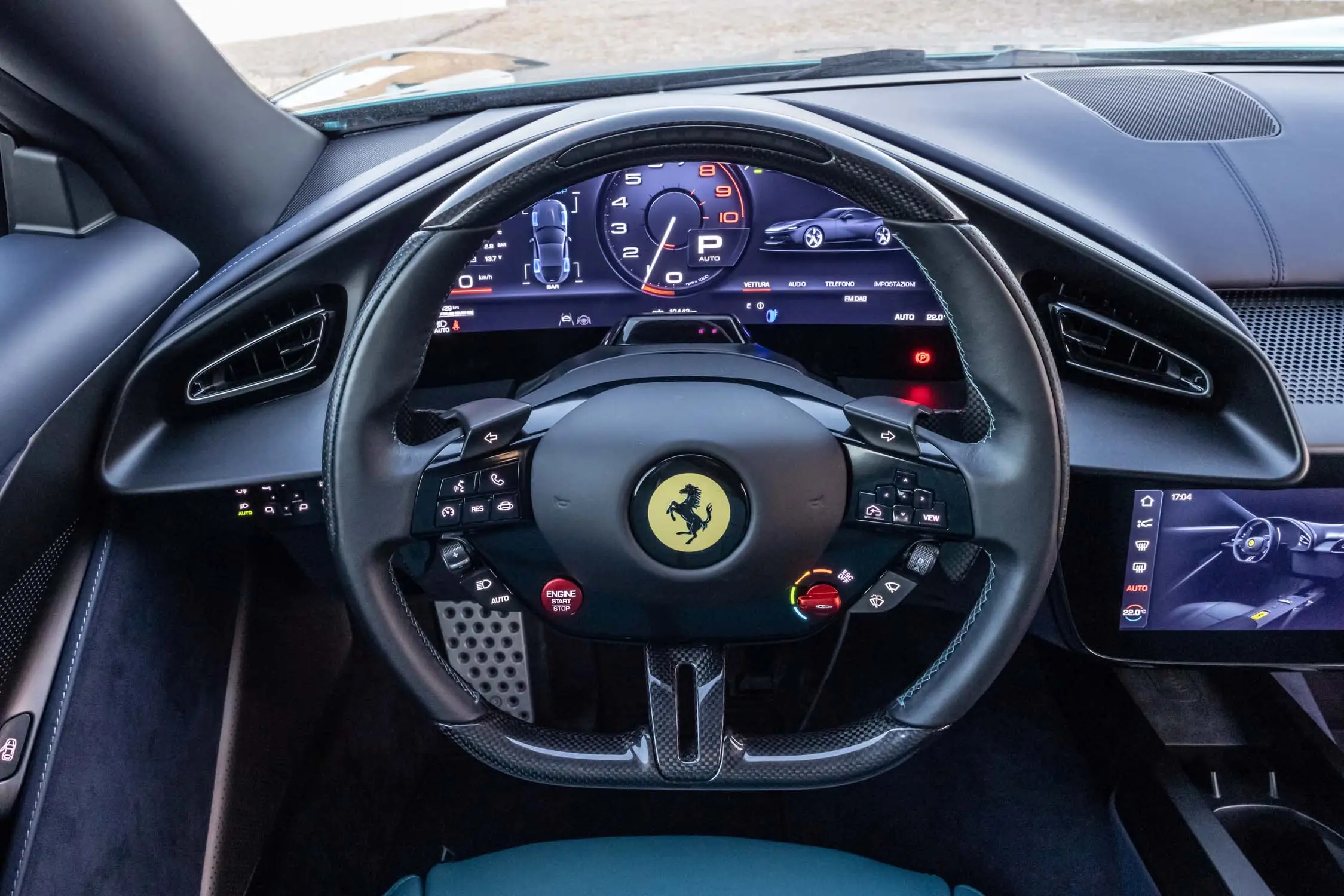
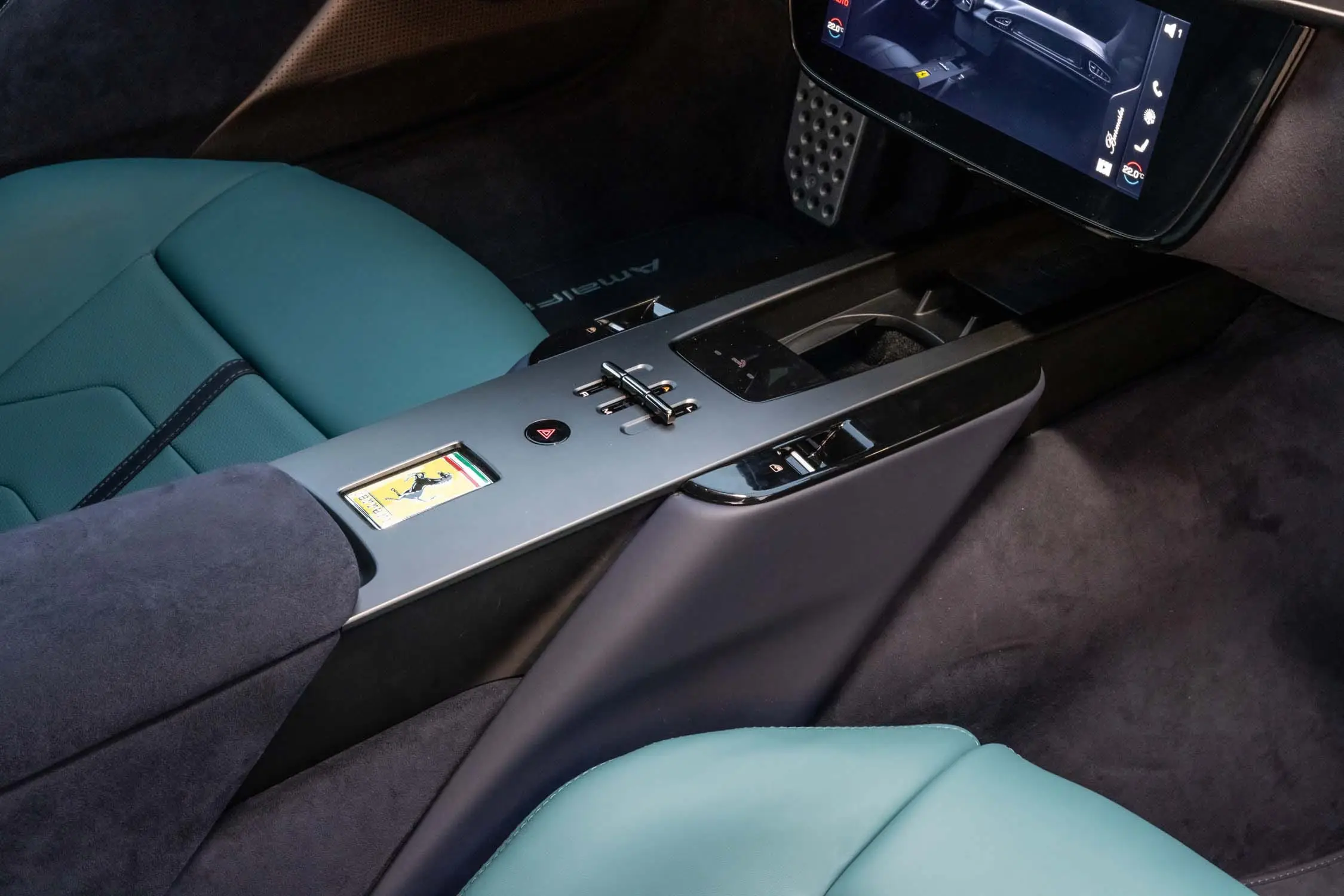
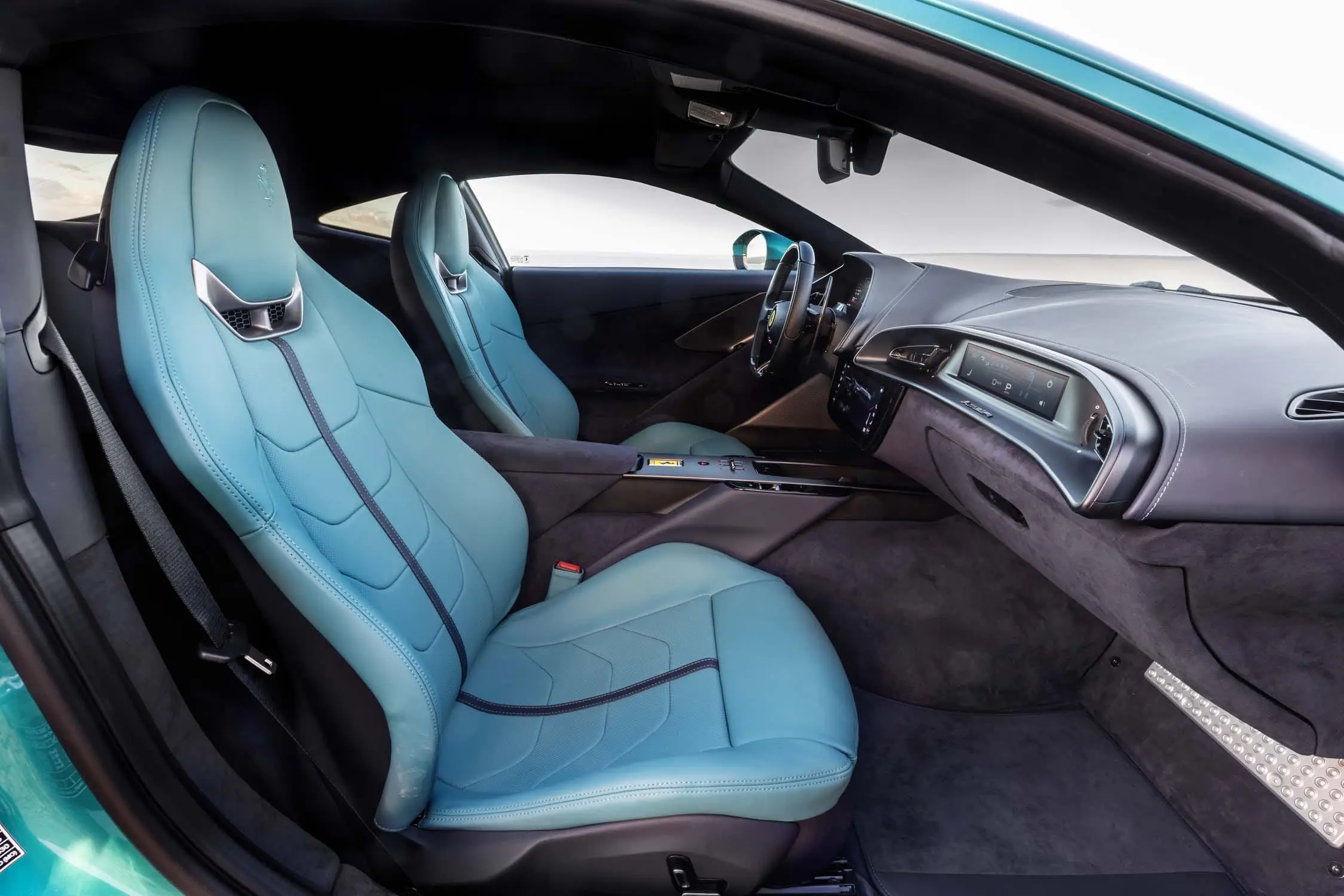
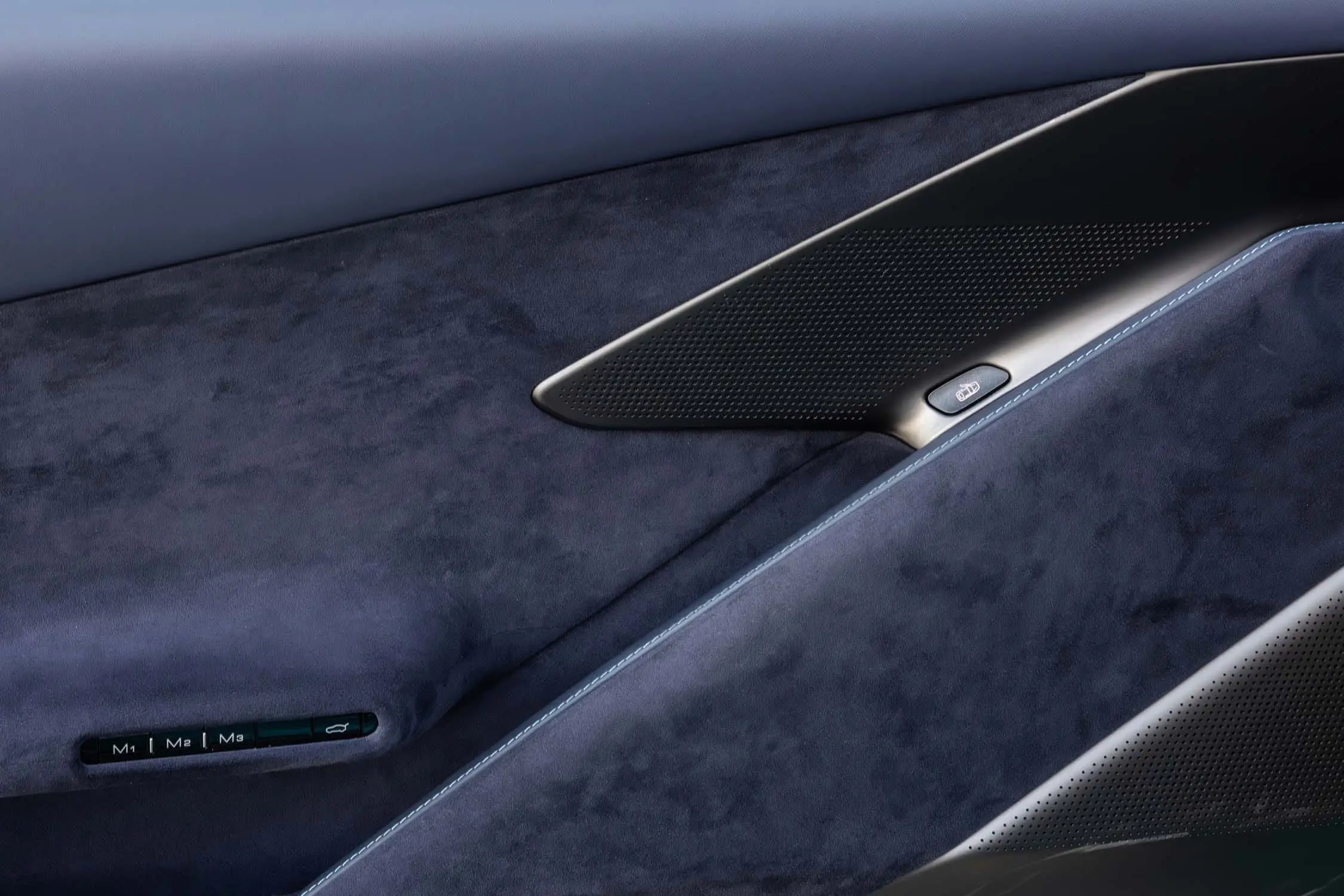
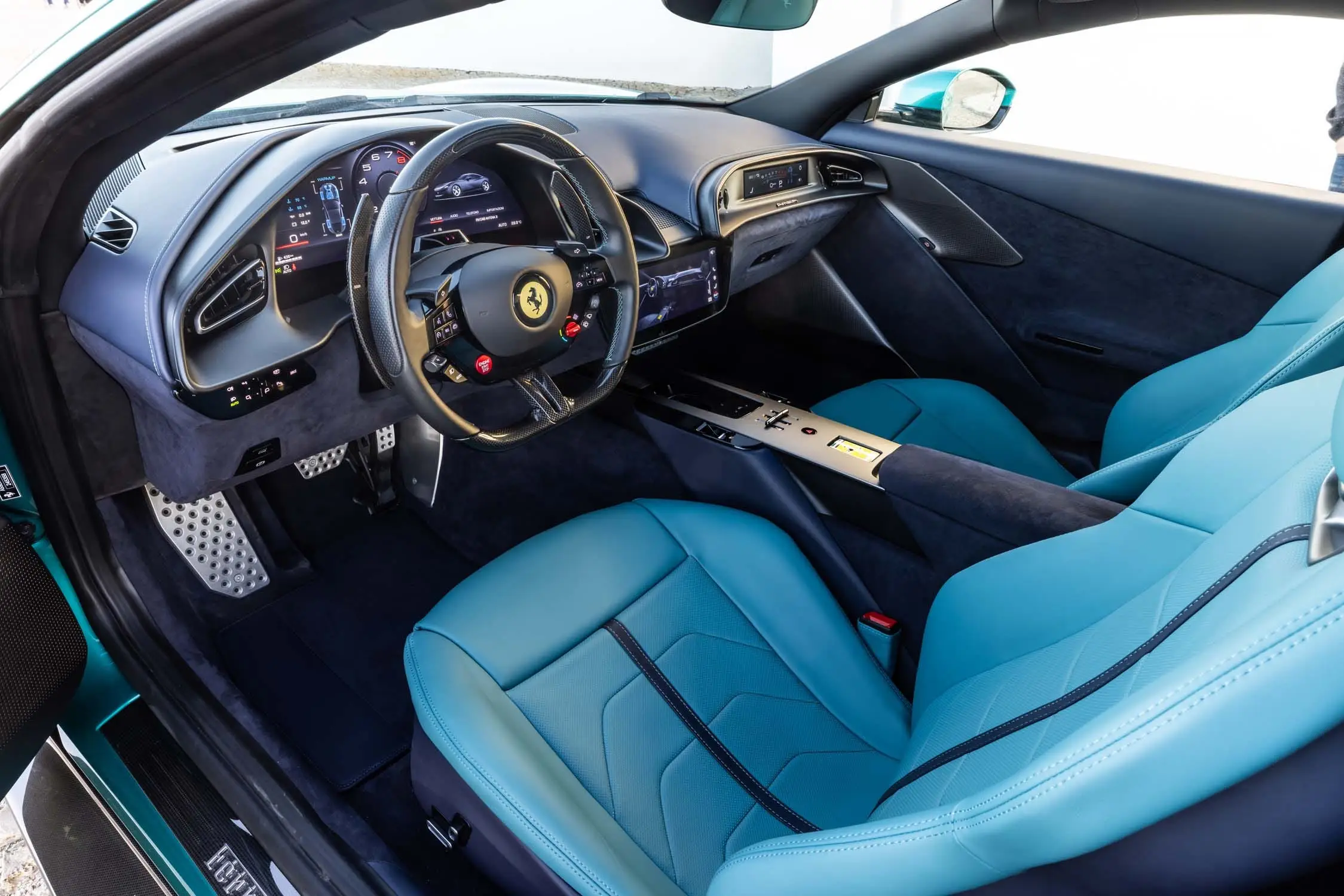
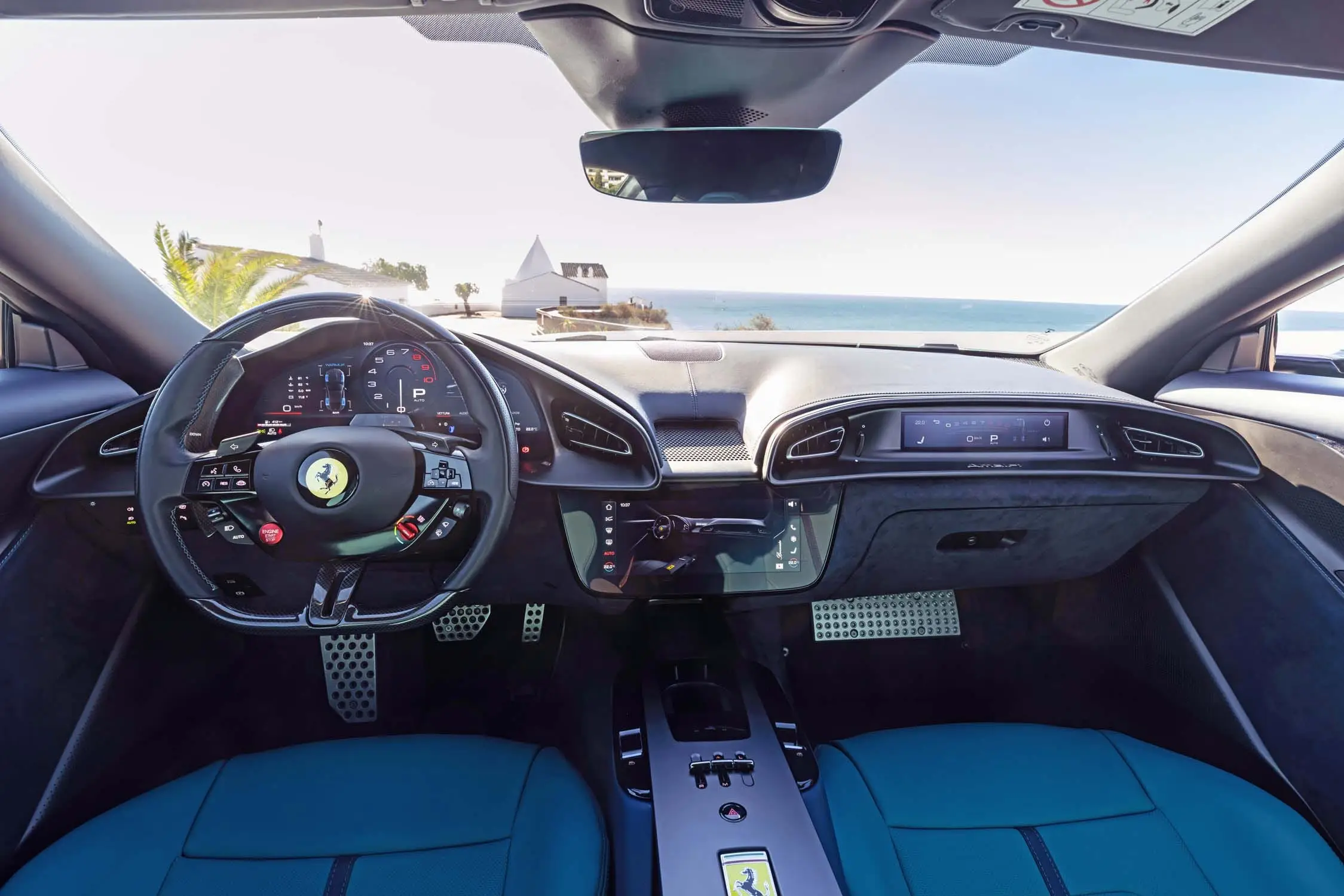
If there is one area where the 2027 Ferrari Amalfi seems to respond directly to the world, it’s the cabin. Ferrari did what many brands resist doing: it admitted that some tactile/haptic controls were worse and brought back physical buttons on the steering wheel for essential functions.
This changes more than it seems. In a car with such fast responses, taking your eyes off the road to confirm a touch on a smooth surface is a real problem. Physical buttons offer immediate tactile reference. And when it comes to starting the engine, switching modes, and adjusting important settings, this type of ergonomics is priceless.
What Changed In The Cabin (And Why It Matters)
- Steering wheel with physical controls for critical functions, including engine start and mode selector.
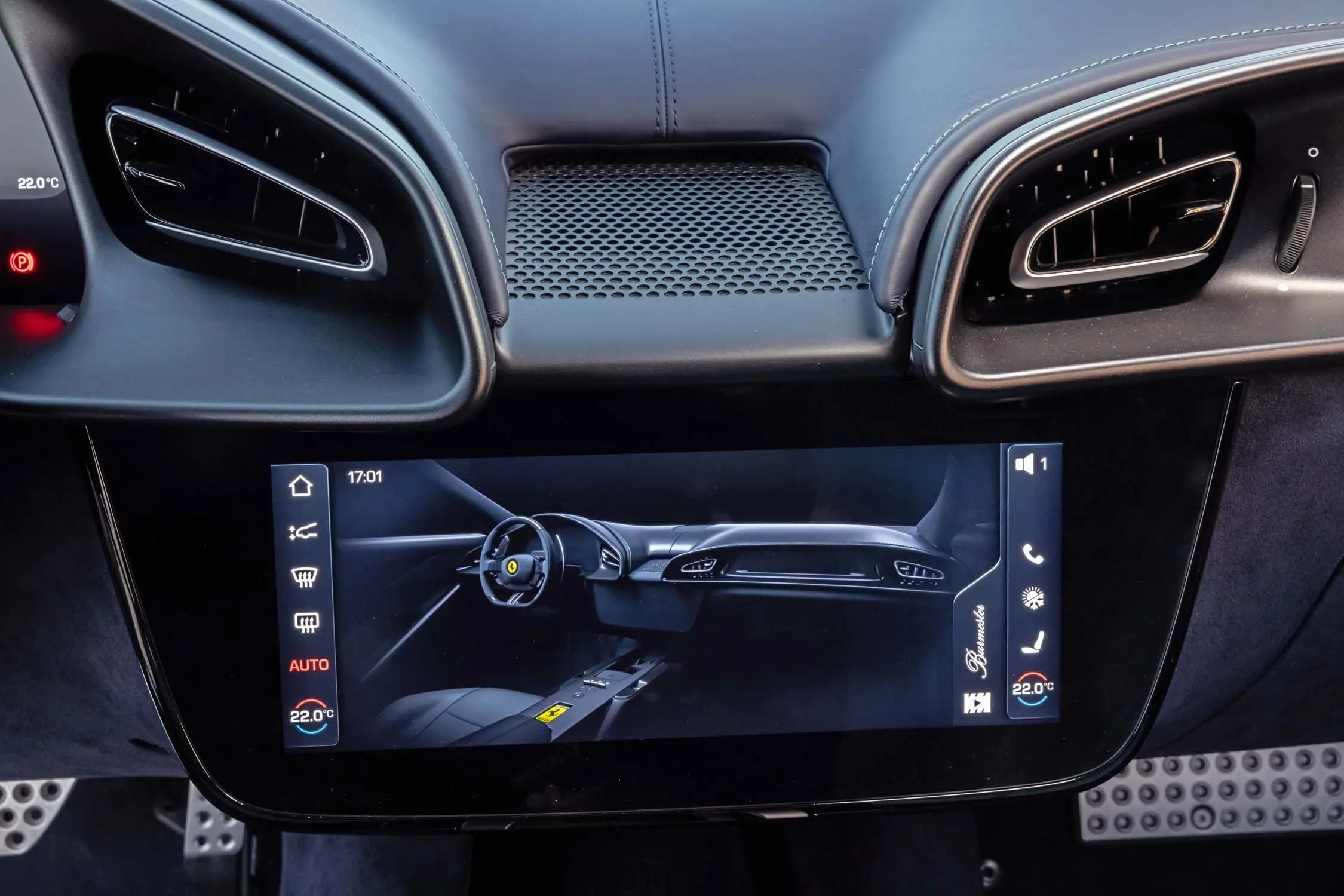
- Center screen with horizontal layout, positioned lower to reduce distraction and enhance materials.
- Lowered center console, creating a feeling of a more open and less “cramped” cabin.
Not Everything Is Perfect (And It’s Good To Know Before Falling In Love)
- Climate control on the screen: There is still reliance on the touchscreen for some adjustments, which is not always ideal.
- Seats: Could offer more lateral support for those who want to explore the sportiest mode frequently.
- Massage: Function considered weak for the price point and proposal.
Even so, the balance is clear: the Amalfi comes closer to a usable modern GT and moves away from that old idea that Ferrari needs to be difficult to be special.
Technical Specifications (Summary Table)
| Configuration | 2-door coupe, 2+2, front engine, rear-wheel drive |
| Base Price (US) | US$ 266,810 |
| Engine | 3.9L twin-turbo V8, direct injection, aluminum |
| Power | 631 hp @ 7,500 rpm |
| Torque | 759 Nm @ 3,000 rpm |
| Transmission | Dual-clutch, 8-speed |
| 0-100 km/h (0-62 mph) | ≈ 3.3 s |
| Top Speed | ≈ 320 km/h (199 mph) |
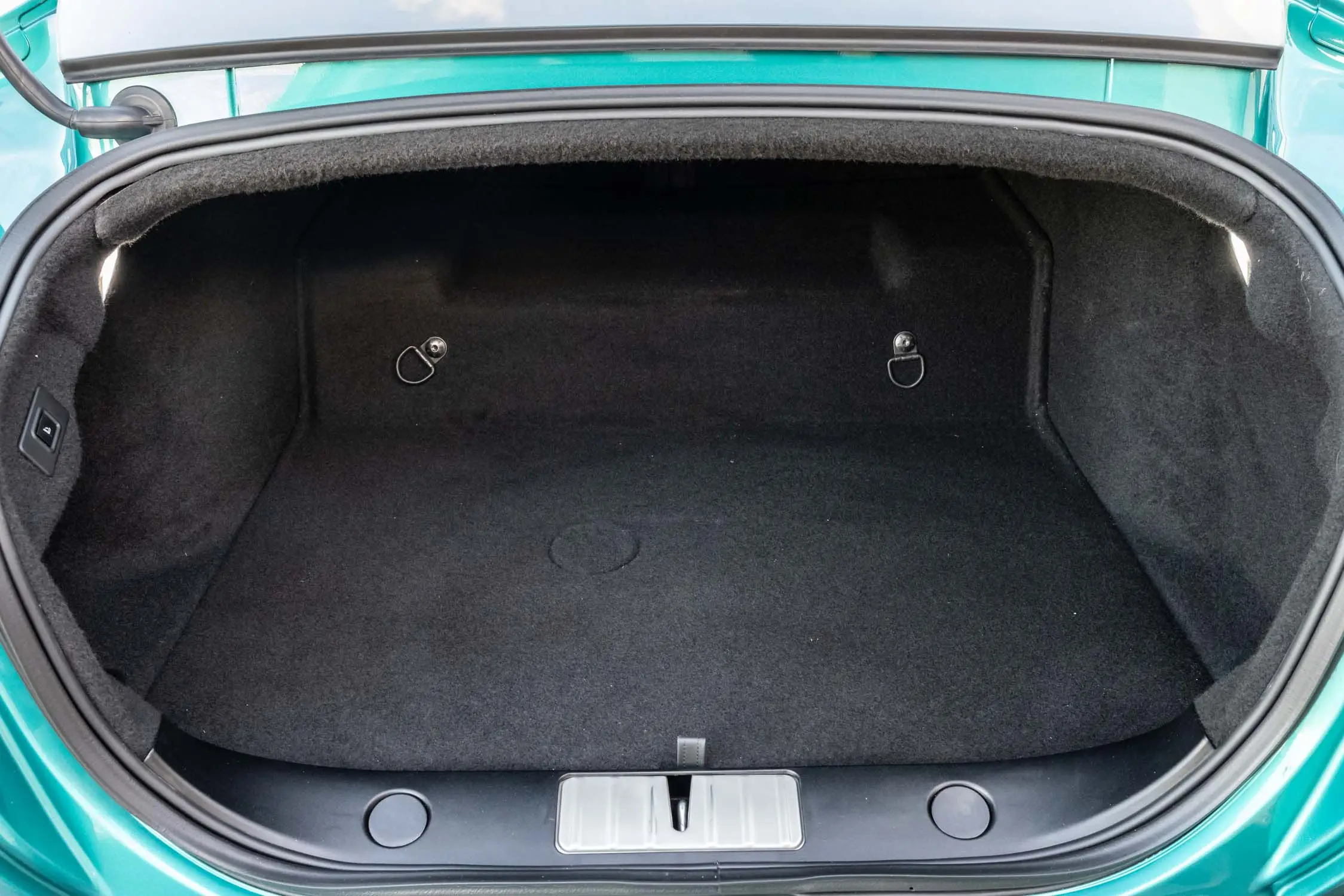
| Trunk Capacity | 283 liters |
Who The 2027 Ferrari Amalfi Is For
- For those who want a Ferrari to use, not just admire.
- For those who prefer aesthetic sophistication over forced aggression.
- For those who like high performance but demand stability, comfort, and ergonomics.
- For those who understand that “entry-level model” at Ferrari means entry to the ecosystem, not a simple car.
The 2027 Ferrari Amalfi is, essentially, Ferrari trying to prove a difficult thesis: a coupe can be beautiful, fast, technological, and comfortable at the same time, as long as engineering works toward fluidity and not spectacle. And perhaps that is exactly why it draws so much attention: it has impact without needing to raise its voice.