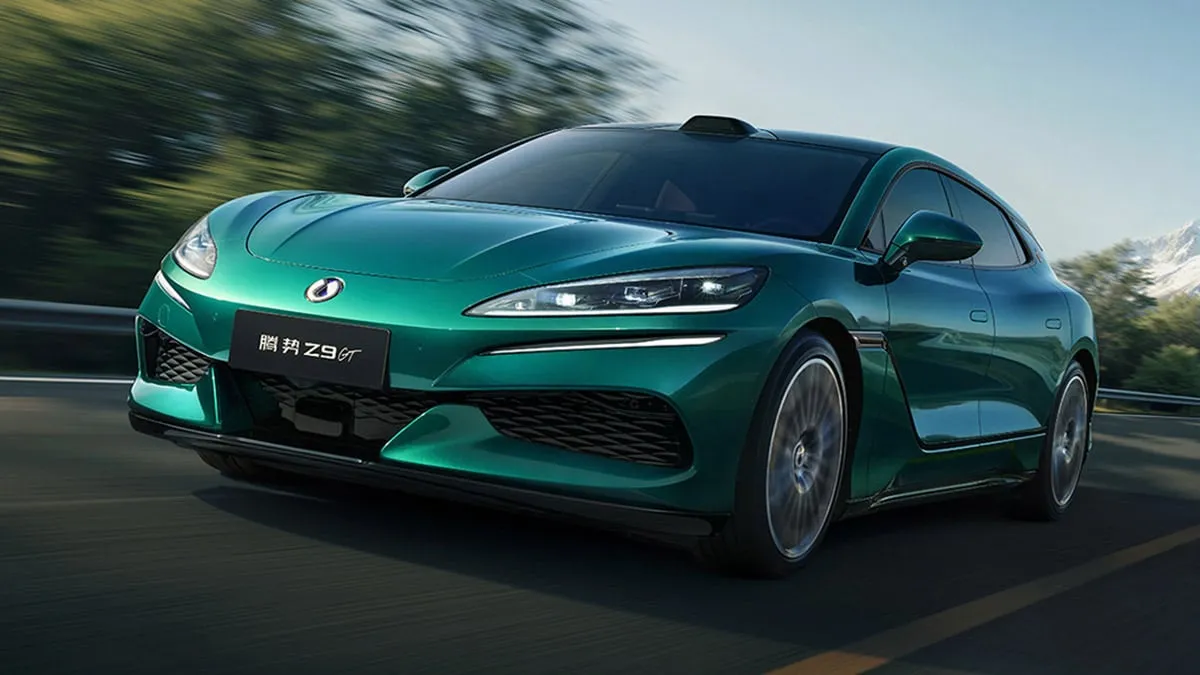
The Denza Z9 EV is not just another Chinese electric sedan. It is BYD’s latest statement piece for the premium market, and the numbers alone are enough to make rivals pay attention.
A Flagship Sedan Built To Flex
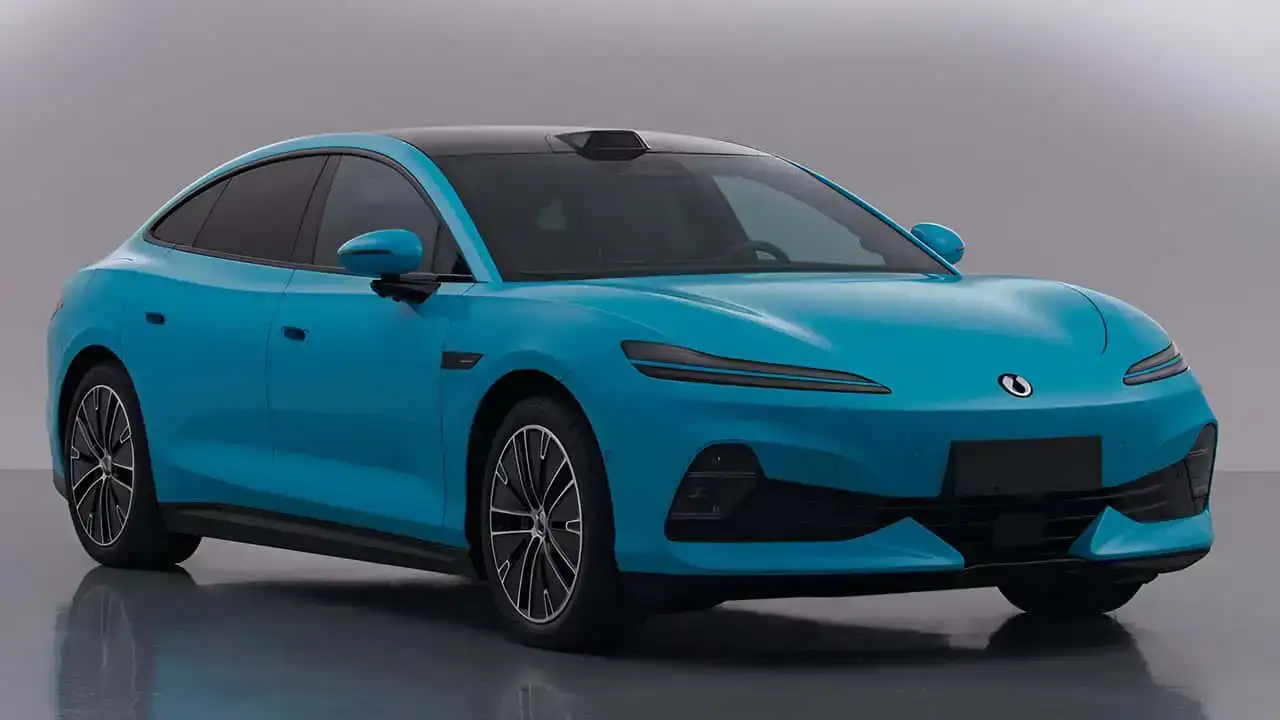
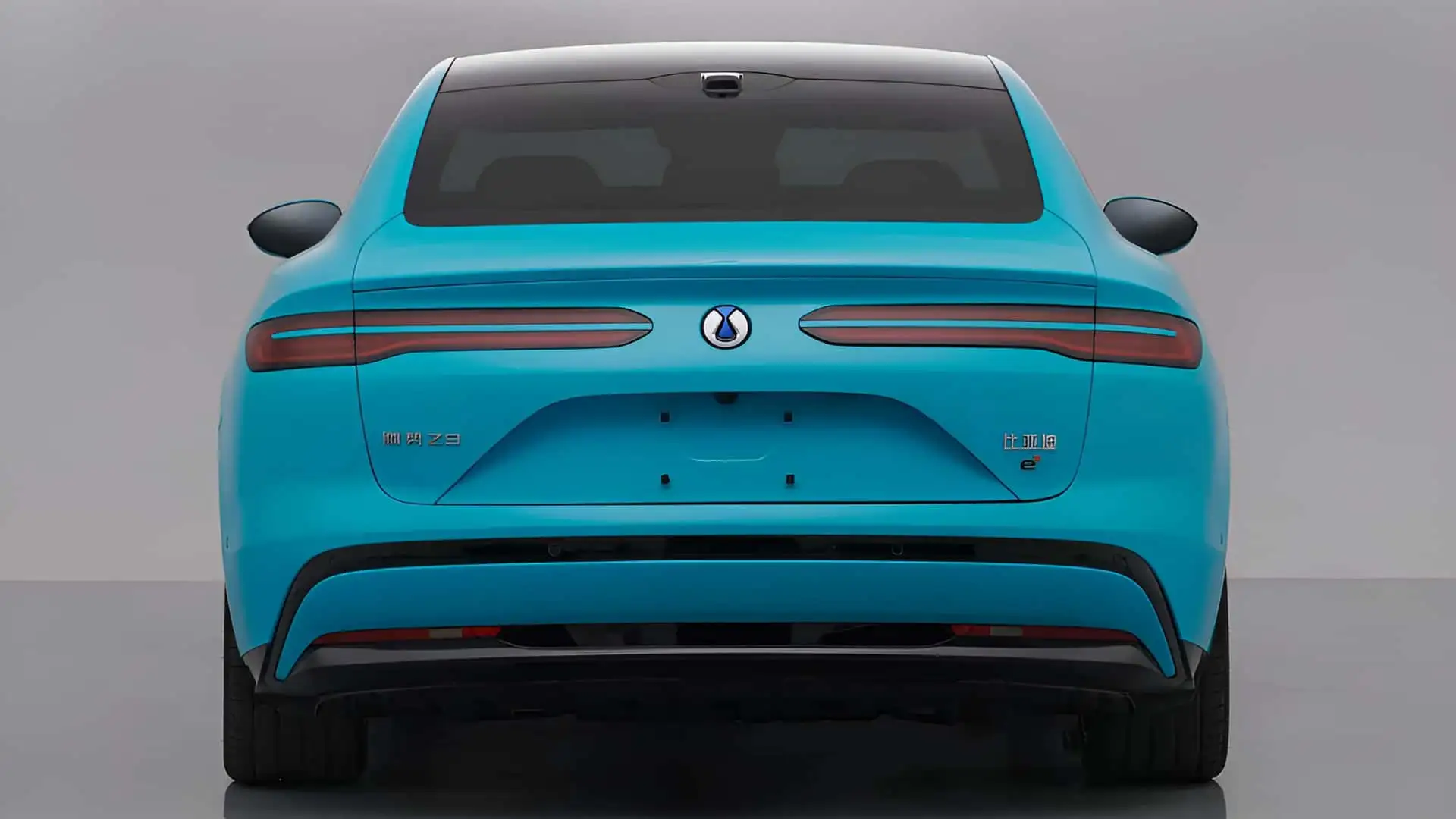
Fresh registration data from China confirms that the Denza Z9 EV is headed straight for the top end of the electric-car conversation. With a long-wheelbase executive-sedan footprint, it measures about 5.09 meters in length and rides on a 3.02-meter wheelbase, giving it the proportions expected from a true luxury four-door.
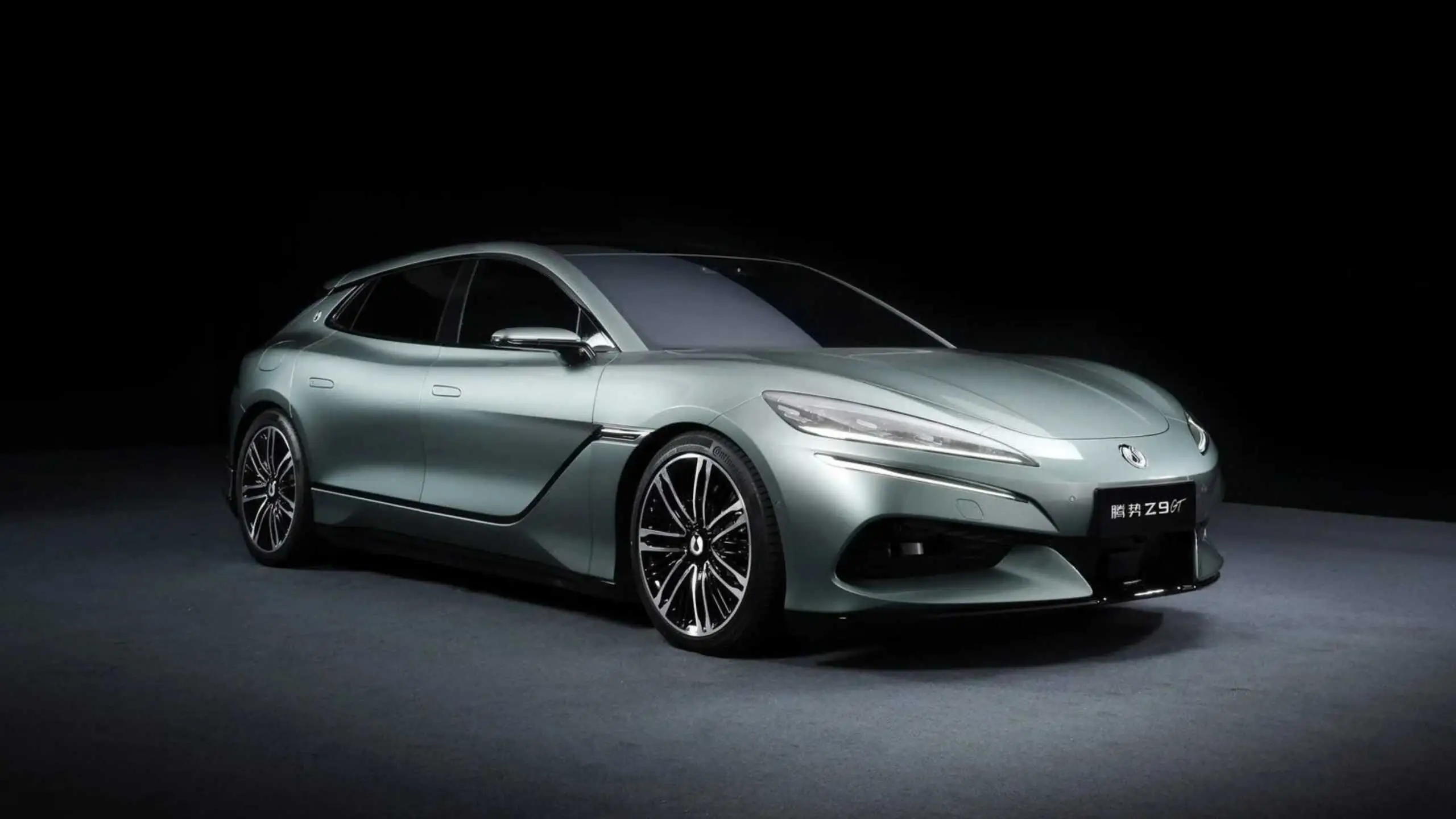
Unlike the more dramatic Z9 GT, this sedan keeps a classic three-box profile, but the engineering underneath is anything but conservative. The design goal is clear: combine premium comfort, high-speed stability, and the kind of performance usually reserved for performance EVs with much shorter range ambitions.
Up To 1,328 HP And 168 MPH
The base version uses a rear electric motor rated at 370 kW, which converts to roughly 496 horsepower. Even this entry setup is strong enough to deliver a top speed of 250 km/h or about 155 mph.
The headline, however, is the tri-motor flagship. It pairs one front motor with two rear motors for a combined output of 990 kW, equal to 1,328 horsepower. That setup pushes the top speed to 270 km/h, or roughly 168 mph, placing it deep into super-sedan territory.
If that sounds extreme, it is. And it is also part of a broader trend in China’s EV market, where brands are racing to prove that electric luxury can be fast, efficient, and technically dominant at the same time. For readers tracking similar moves, the upcoming BYD Yangwang U8L shows how aggressively the company is pushing premium positioning.
Range, Batteries, And BYD’s Vertical Strategy
What makes the Z9 even more interesting is that it is not only about speed. Recent reports point to a 122.5 kWh battery pack and a claimed range that can exceed 1,000 km in CLTC testing. That Chinese cycle is more optimistic than WLTP or EPA, but the number still signals serious long-distance potential.
The battery chemistry is also important. The Z9 uses LFP batteries developed in-house by BYD, reinforcing the company’s vertically integrated strategy. That means more control over cost, supply, durability, and production scale, which has become one of BYD’s most powerful competitive advantages globally.
This is the same ecosystem logic that has helped the brand expand into multiple segments, from affordable EVs to premium products such as the Denza D9 DM-i. The Z9 EV sits at the sharp end of that strategy, acting as a rolling showcase for everything BYD wants the world to associate with Denza: technology, range, and status.
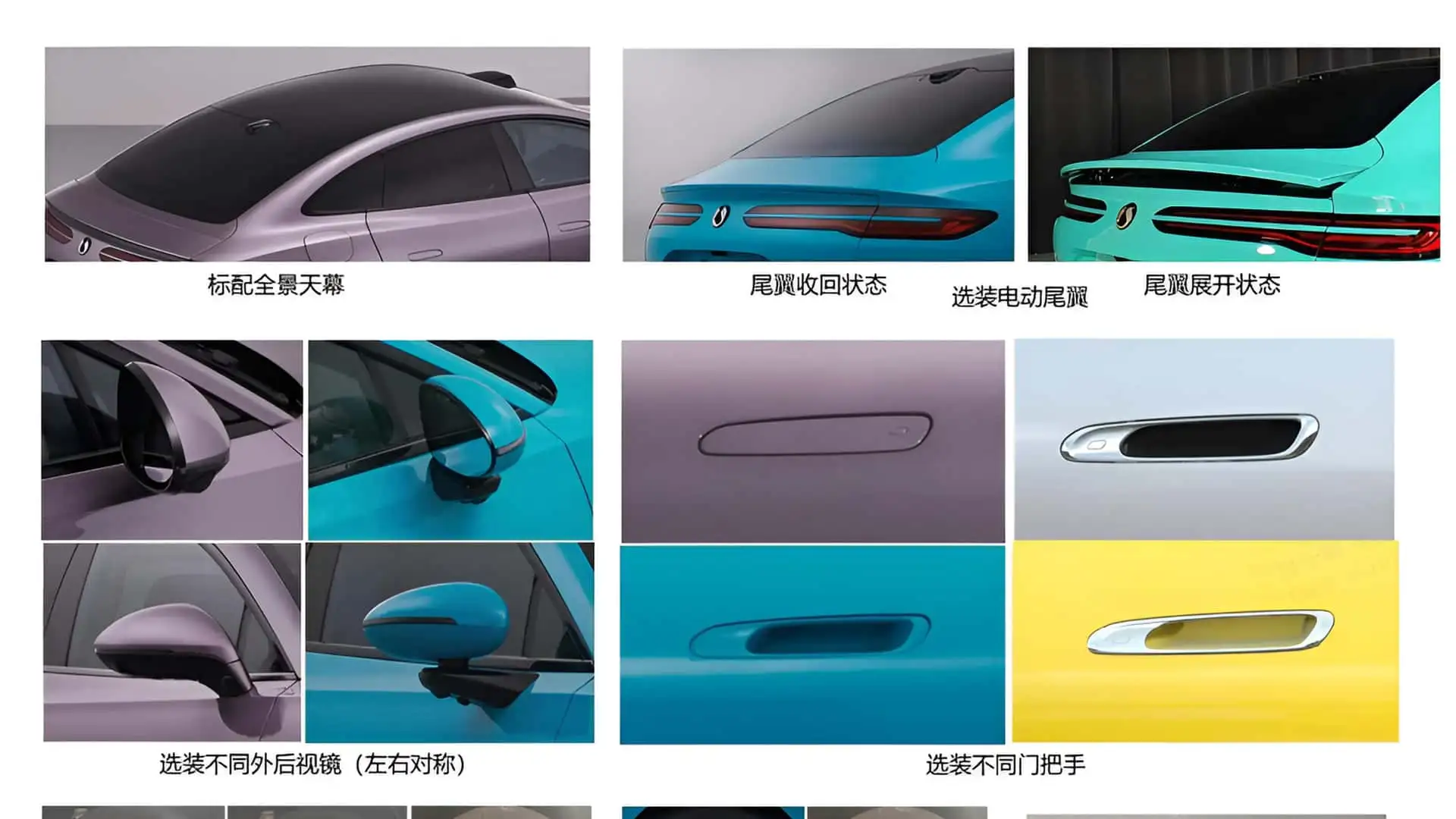
Why The Denza Z9 EV Matters Outside China
For markets like Brazil and Europe, the Denza Z9 EV matters because it reveals the direction premium EVs are heading. It is no longer enough to offer luxury and silence. The new benchmark includes big-battery efficiency, extreme horsepower, fast charging potential, and software-rich cabins that can compete with established German brands.
That is why the Z9 should not be read as a niche halo car. It is a signal. BYD is using Denza to test how far it can push performance and prestige before expanding the brand more aggressively worldwide. With the company already building momentum in international markets, the Z9 becomes a powerful symbol of what comes next.
And if you want a sense of how crowded this battle is becoming, compare it with the likes of the Mercedes-Benz CLA-Class EV or the Cadillac OPTIQ 2027. The premium EV arms race is no longer about who electrifies first. It is about who packages power, range, and desirability most convincingly.