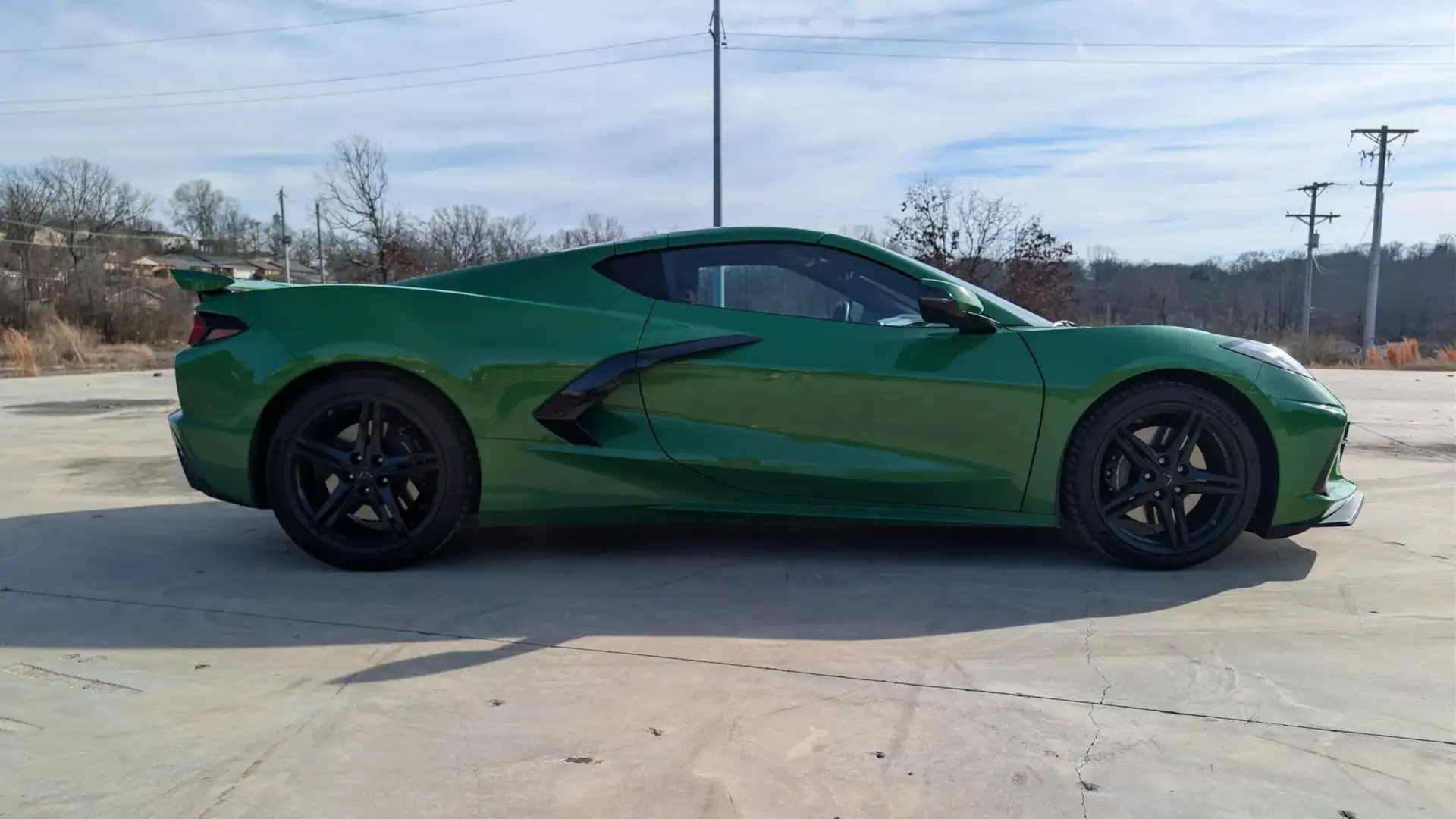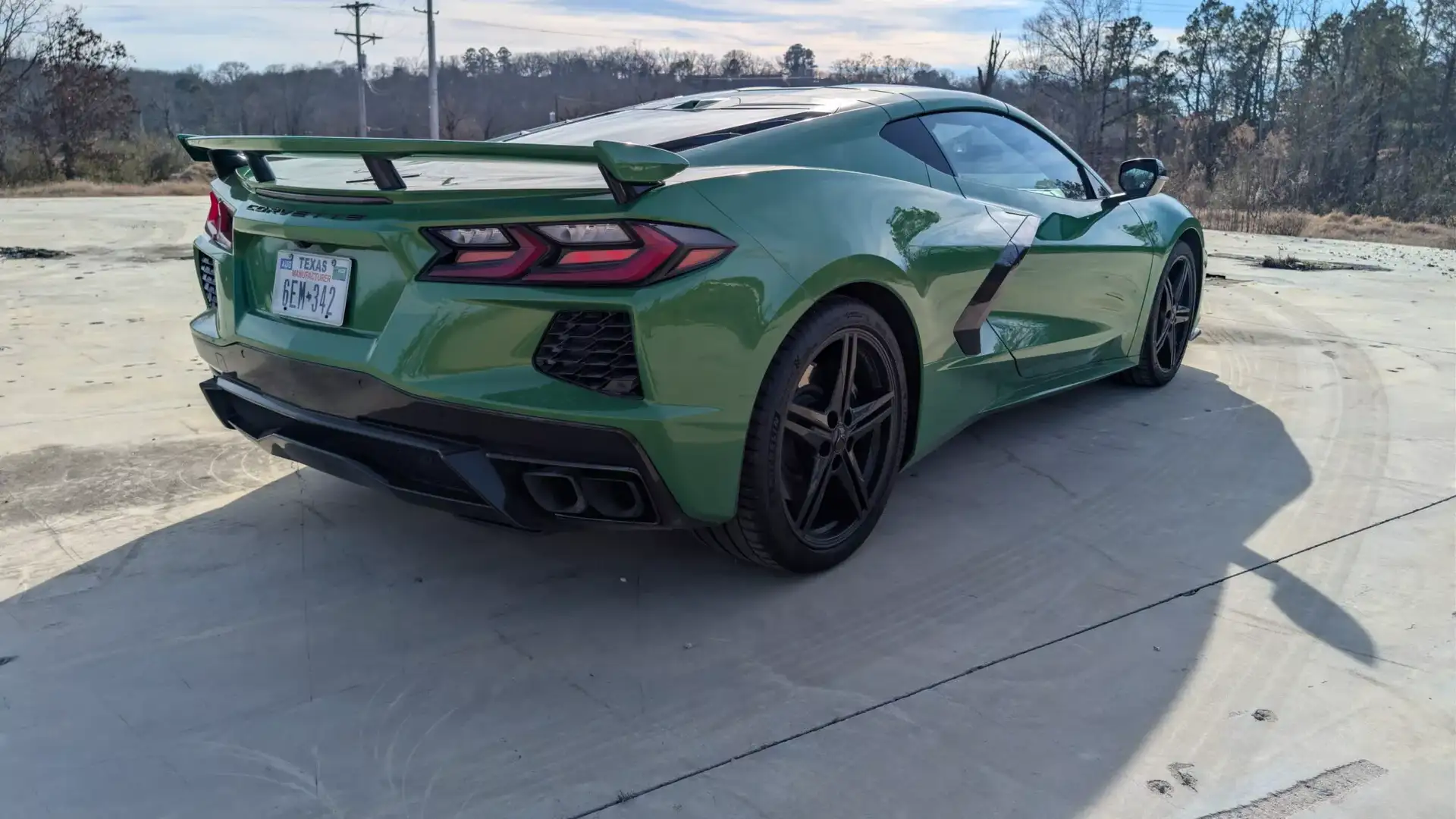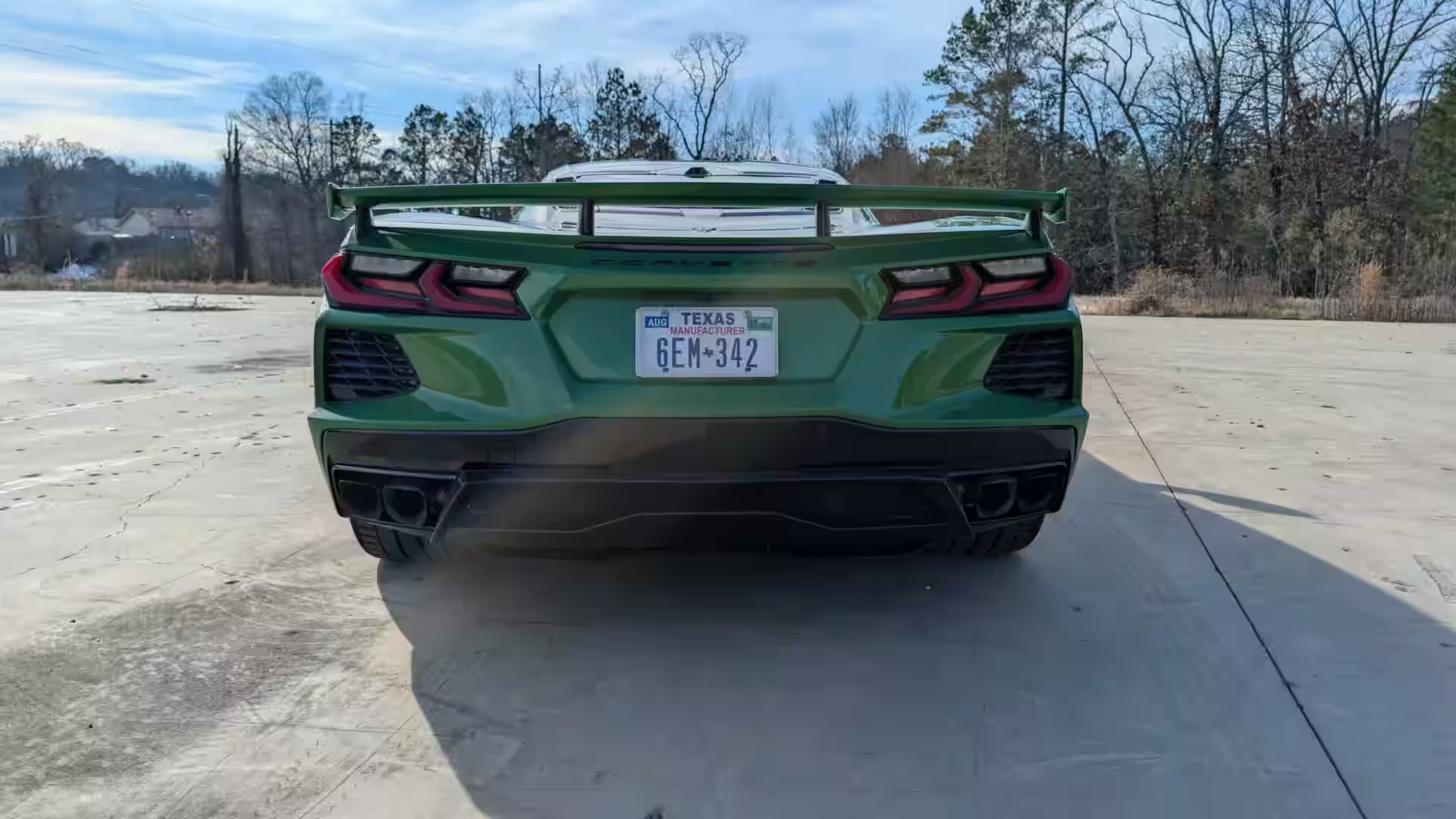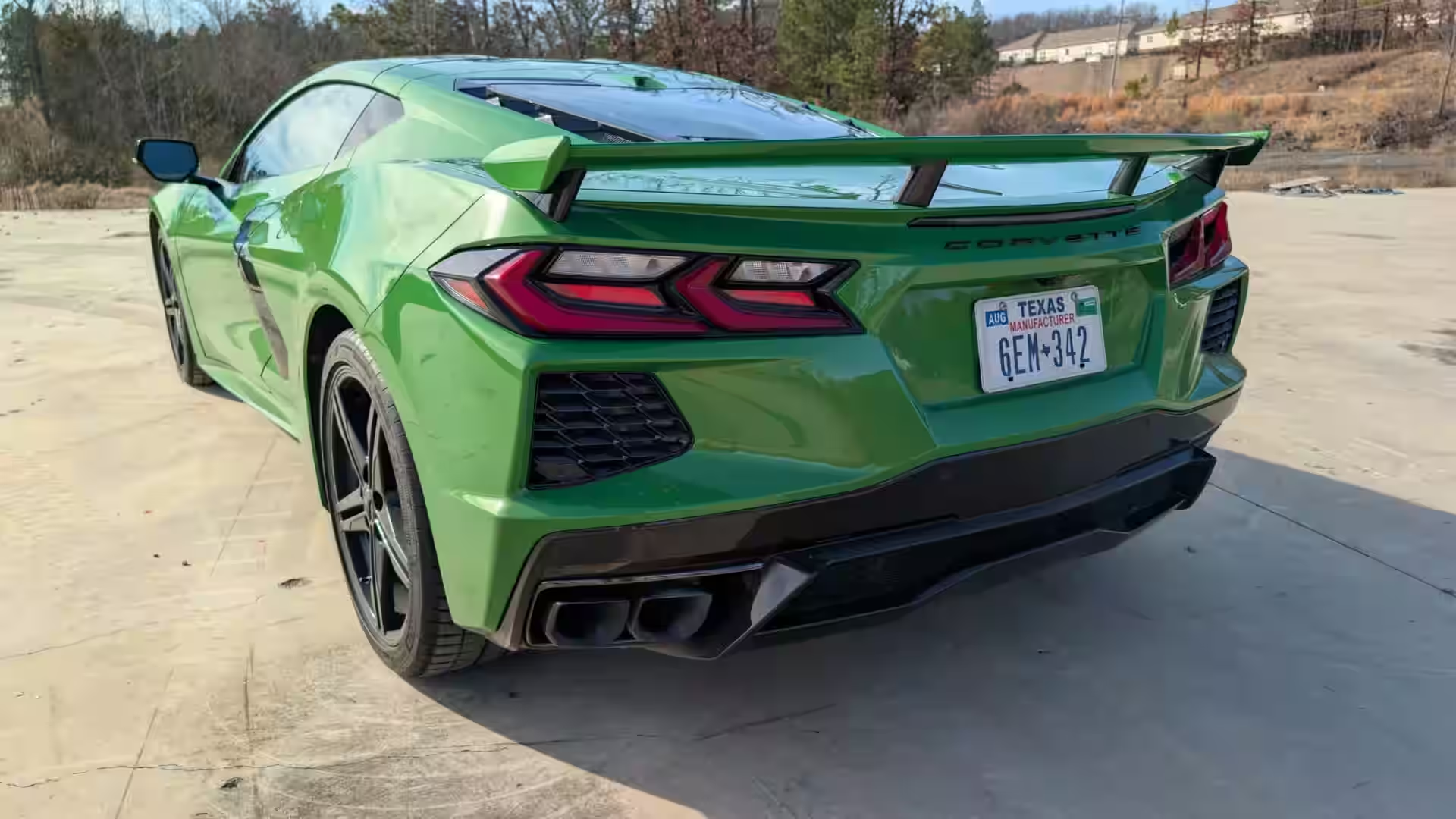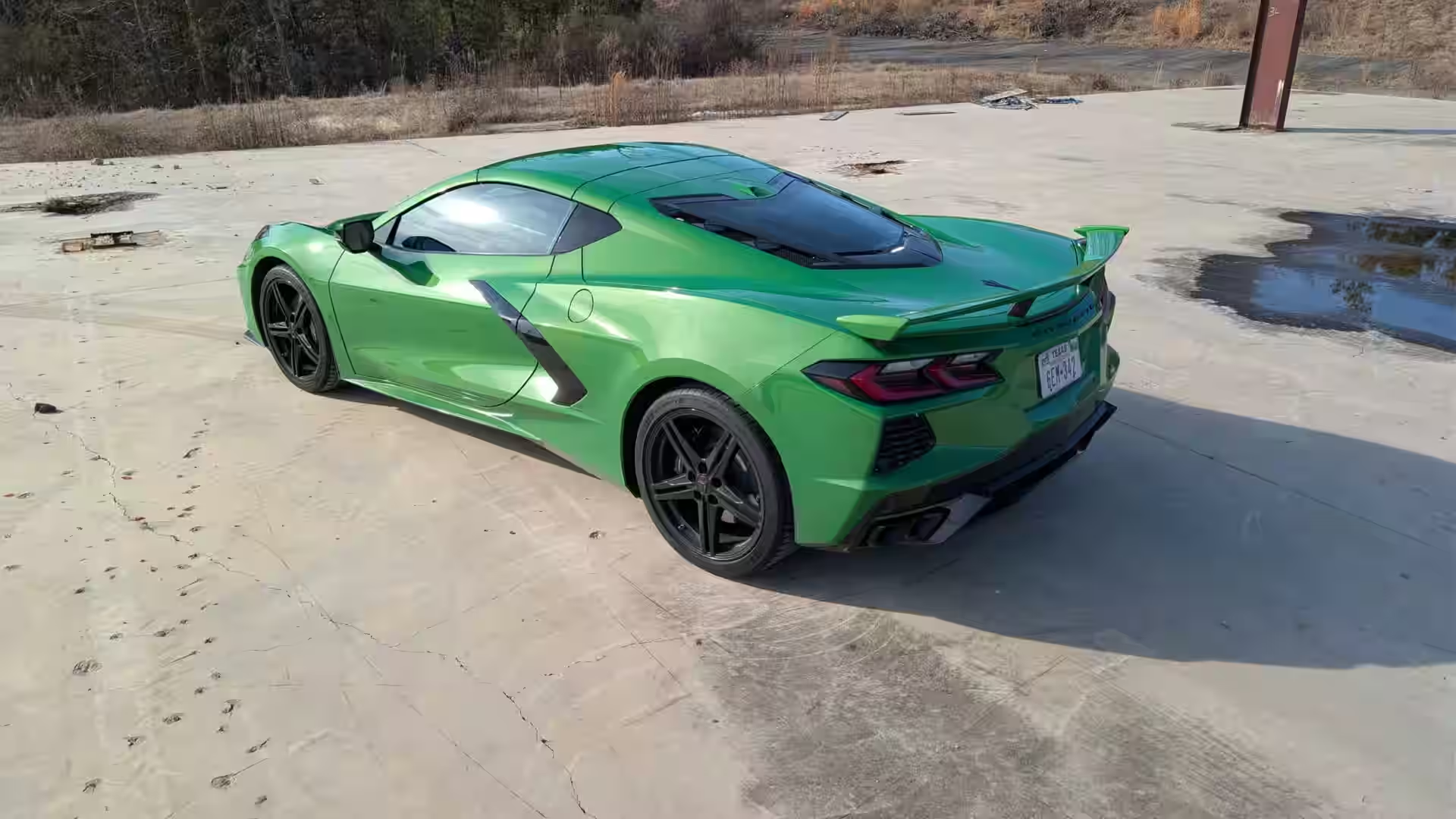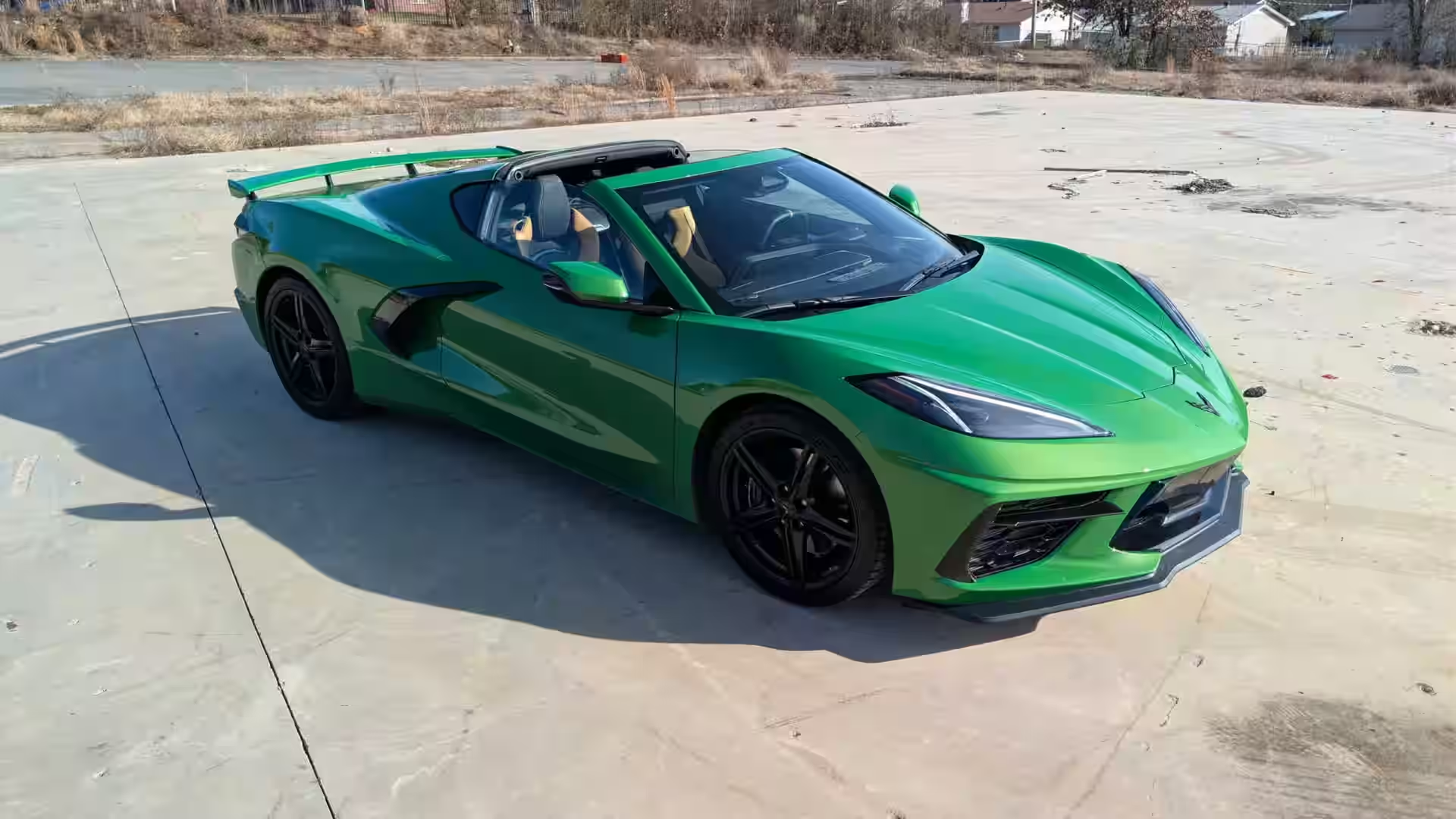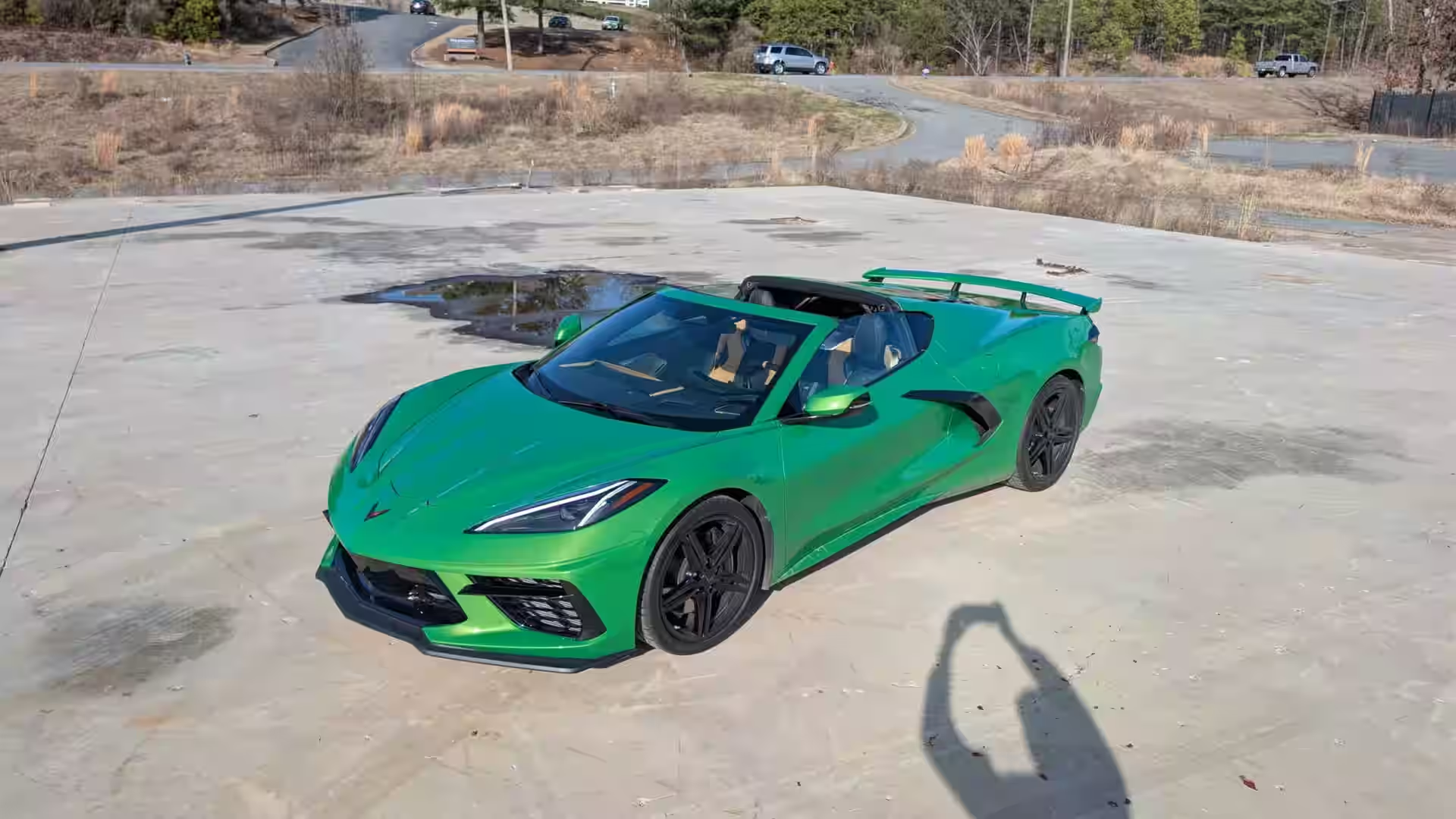
CHEVROLET CORVETTE STINGRAY Z51 2026 challenges Europeans with a 495 HP V8. See why this C8 is the ultimate supercar for everyday use.
The “Just Right Corvette” Exists And It Lives In The Z51 Package
For years, the market followed a predictable script. The “entry-level” version of the sports car serves as a showcase, while the real desire is reserved for the more expensive, more powerful, and rarer badges. However, the Corvette C8 broke the script by swapping the front engine for a mid-rear layout and, in the process, changed the standard for what “achievable” performance means.
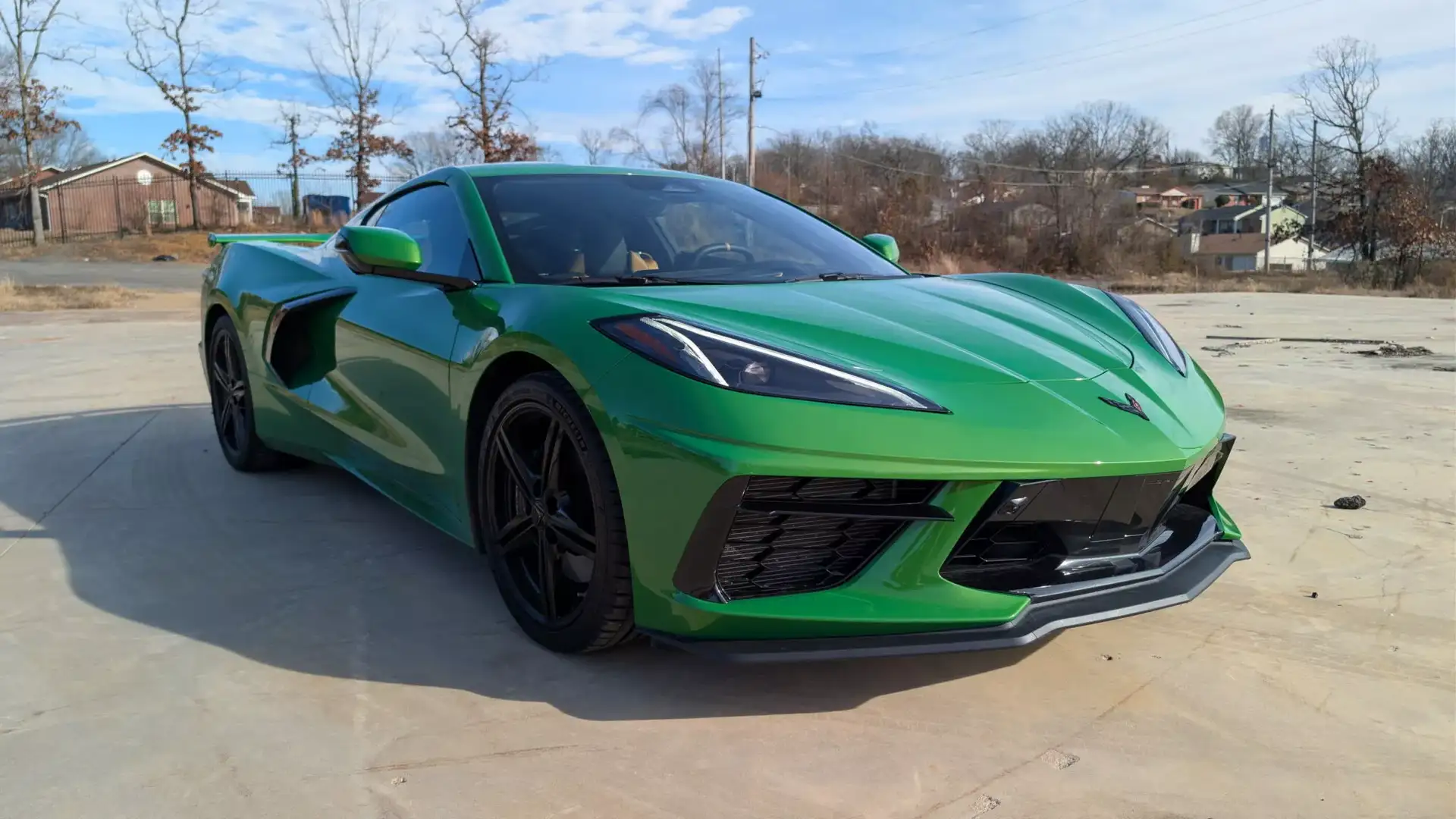
In 2026, the Stingray remains the “base” in the name, but not in ambition. With the Z51 package, it becomes a project with a clear mission: to deliver the core experience of the modern Corvette, with supercar performance, but without punishing you in daily use or pushing you into the price territory of halo models.
For those researching the Corvette Stingray Z51 2026, the main numbers are the starting point, not the whole story. Still, it’s worth laying the cards on the table with what’s official from the factory to set the context for the battle:
| Model | Chevrolet Corvette Stingray Z51 2026 (C8) |
| Engine | 6.2L naturally aspirated V8 (LT2 family) |
| Power | 495 hp (with Z51 performance exhaust) |
| Torque | 637 Nm |
| Drive | Rear-wheel drive (RWD) |
| Transmission | 8-speed dual-clutch automatic |
| 0 to 60 mph (0-96 km/h) | up to 2.9 s (ideal conditions, widely reported figure for a well-equipped C8 Stingray) |
| Starting price (USA) | US$ 77,100 (excluding destination, reported price for 2026) |
Now comes the part that matters for SEO and real life: what the Z51 package changes in practice and why it turns the Stingray into a “one-owner car” (one that works for almost everything).
In short, the Z51 is a package that tweaks the car where it counts for the driver: revised rear axle ratio, Michelin tires with a more serious profile, larger brakes, sportier tuned exhaust, enhanced cooling system, limited-slip electronic differential, and aerodynamics with a functional rear spoiler. In many cars, this would be marketing fluff. In the Corvette, it’s a personality shift.
And if you’re following the performance escalation of the more extreme models, it’s worth looking at the family with a bit of skepticism. Halos exist to crush numbers and headlines but also to pull the public’s imagination. The point is that, in this “high tide” effect, the Stingray rises along with them.
By the way, if you want to understand how the Corvette name became global news in track performance, this link is a perfect shortcut to the context of the psychological war against Europe CHEVROLET CORVETTE ZR1 humiliates supercars with a historic record and changes the game.
Design And Cabin Of The 2026 C8 Where The “Supercar” Stops Being Fantasy
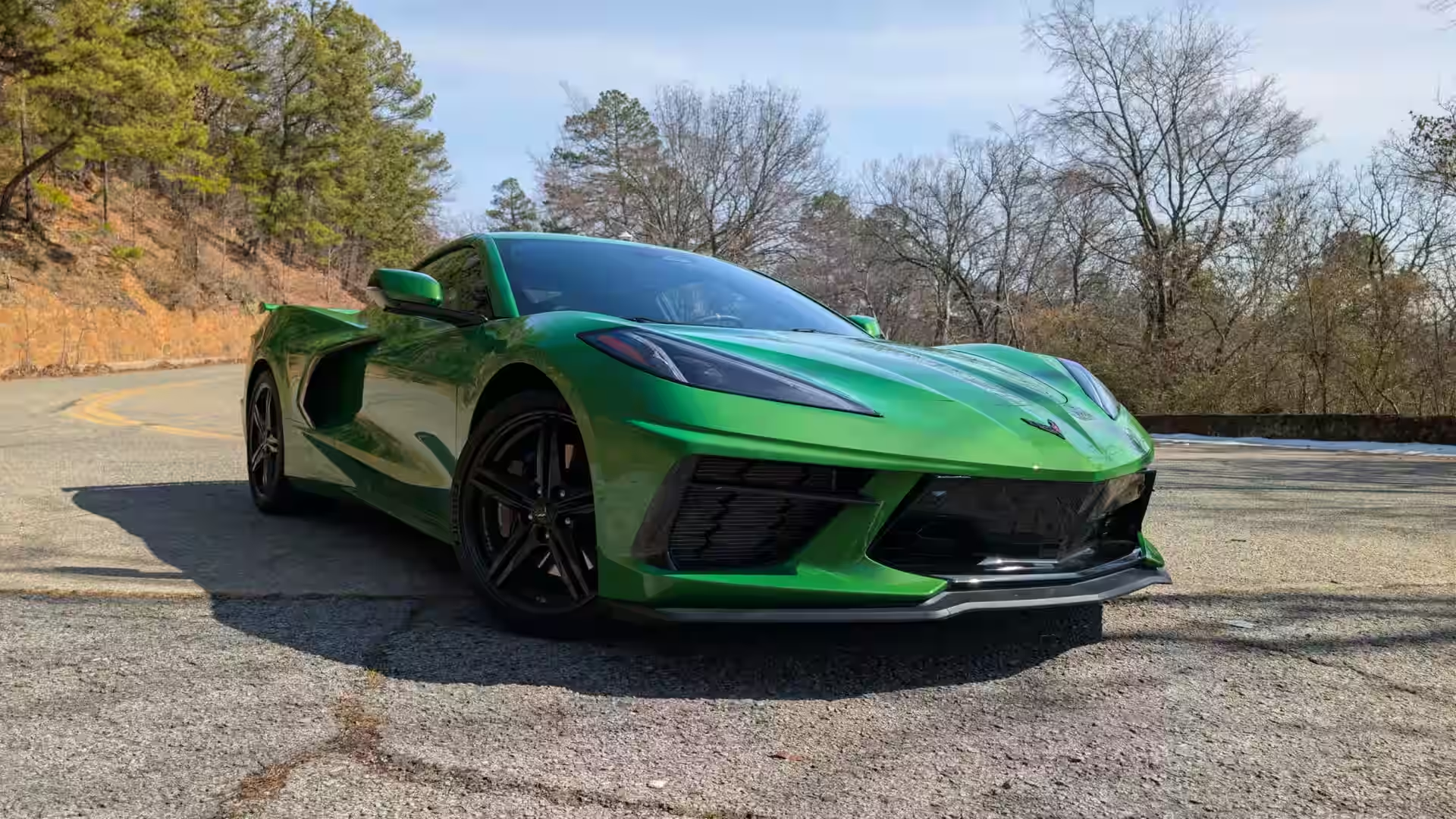
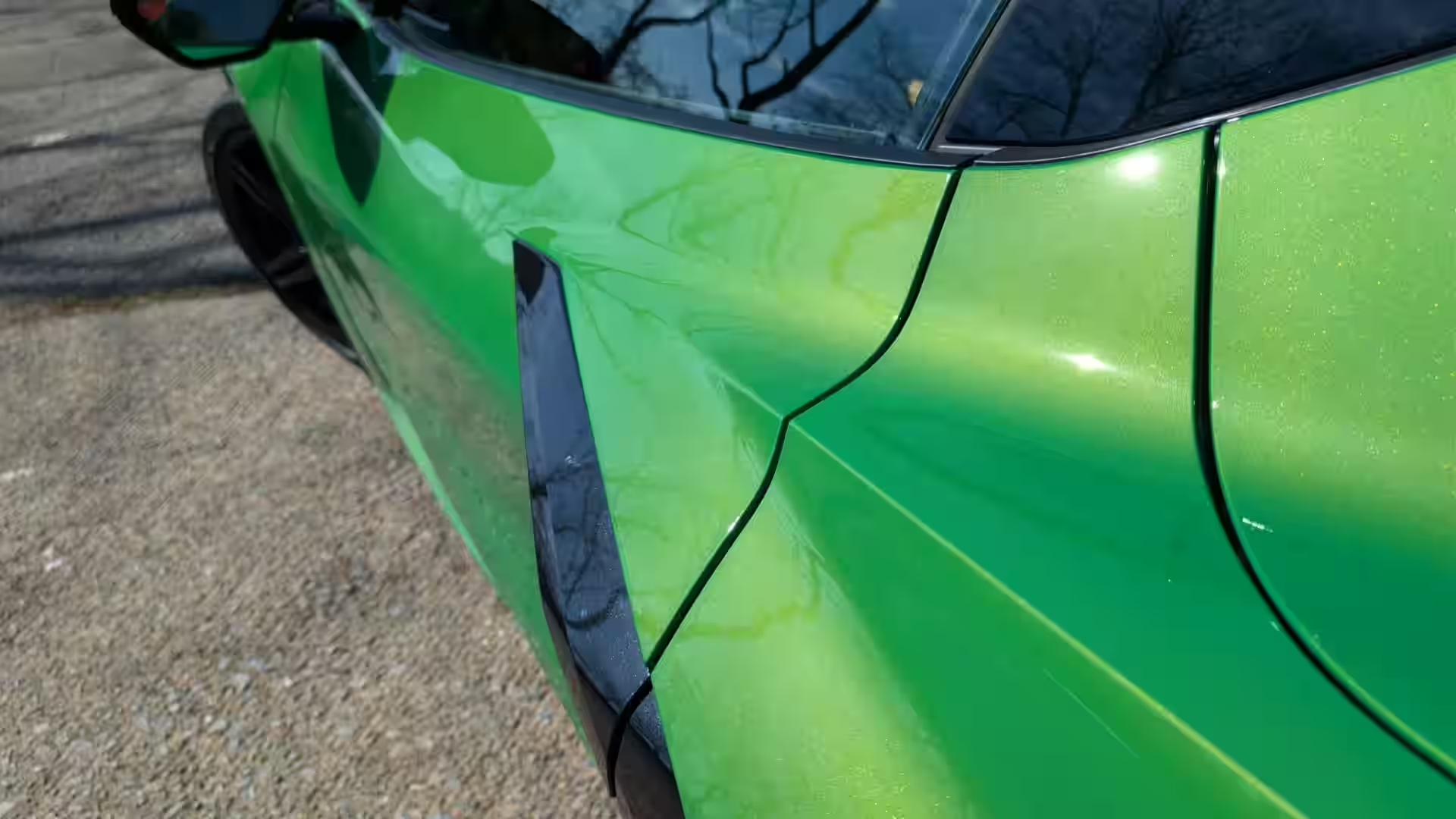
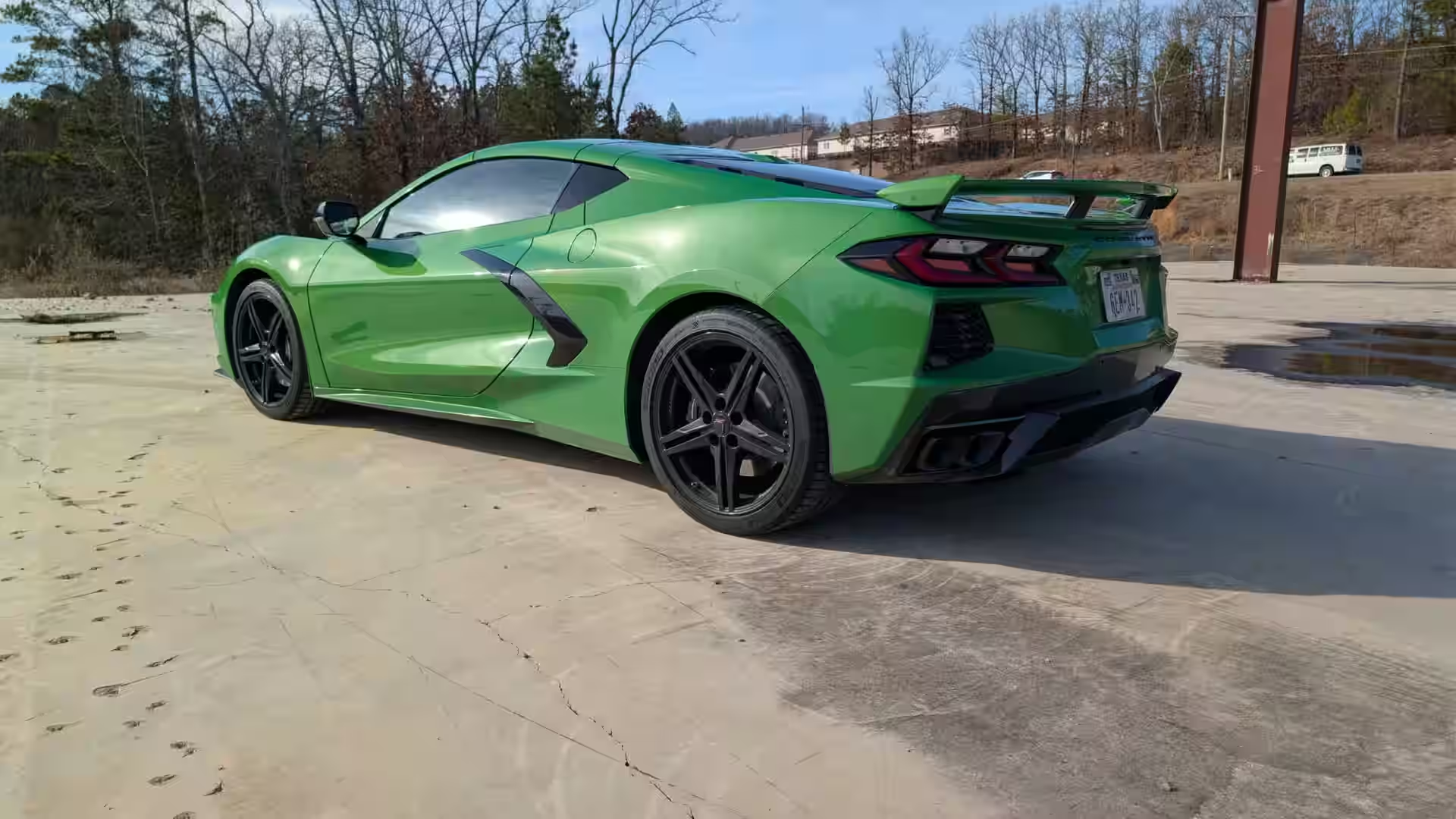
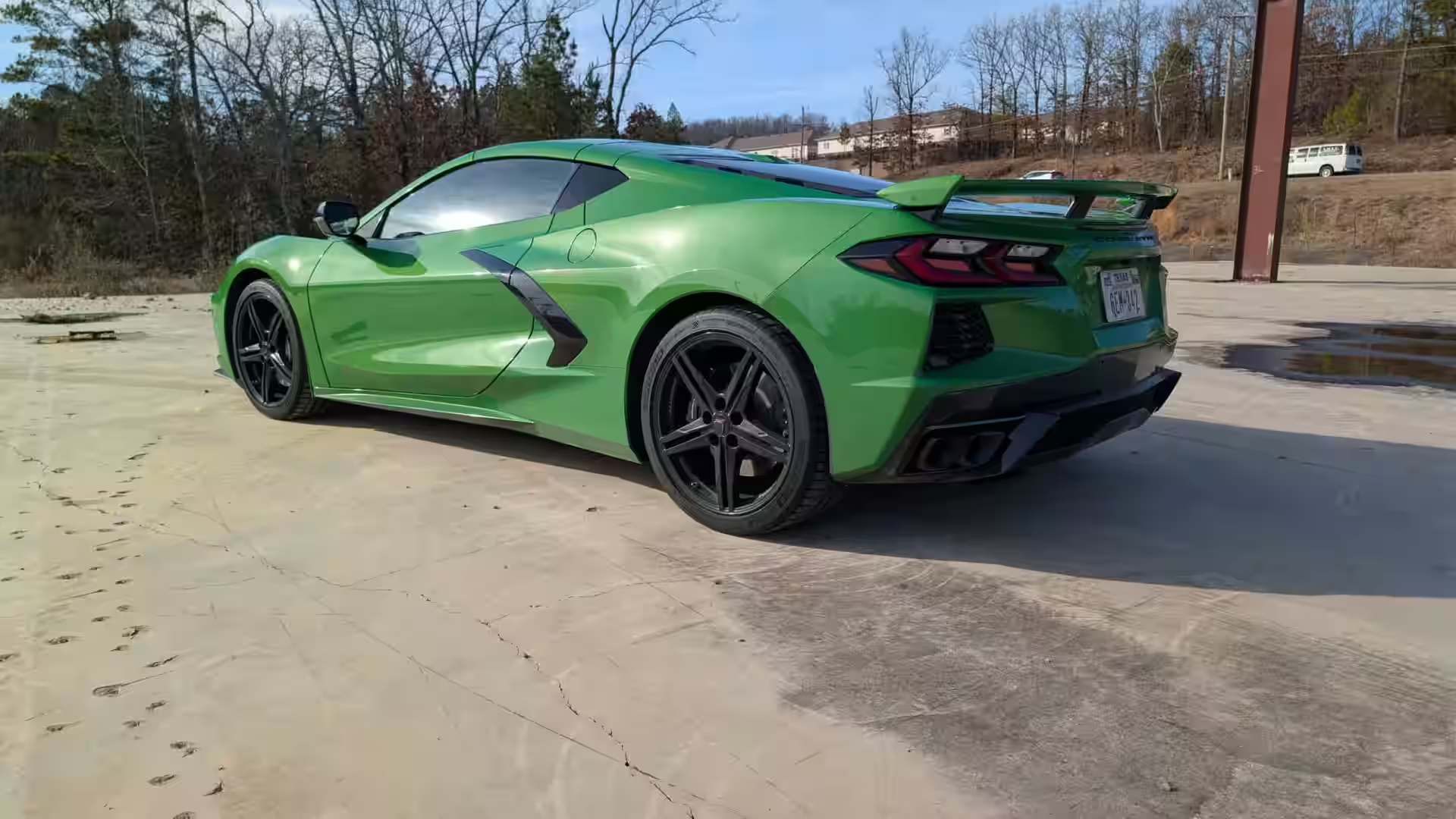
The Corvette C8 has a rare trick: it doesn’t just “look” mid-rear engine, it is. And that changes everything. Proportion can’t be faked. The air intakes have a purpose, the rear shoulders are wide because they need to be, and the low front end is not for show.
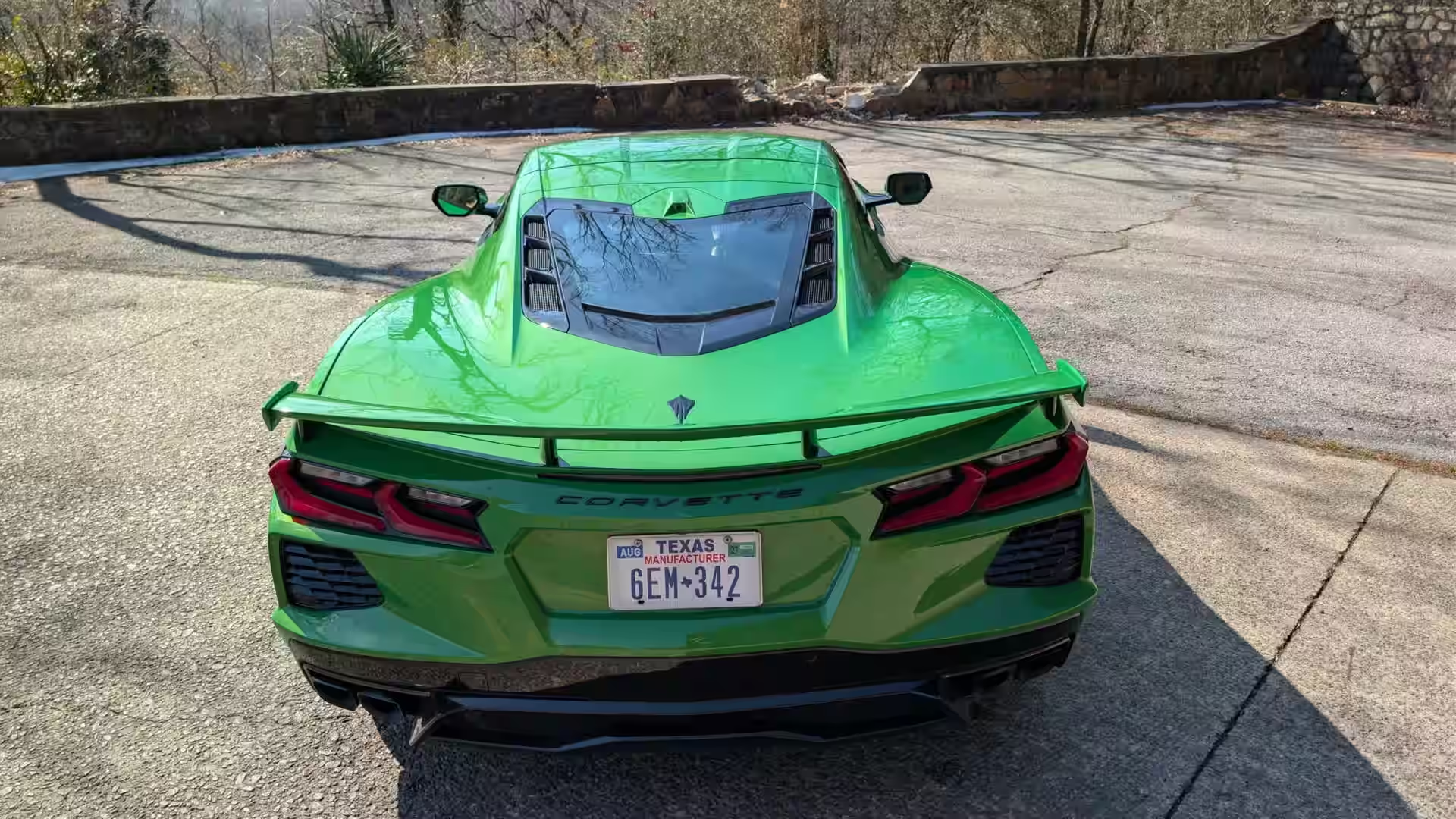
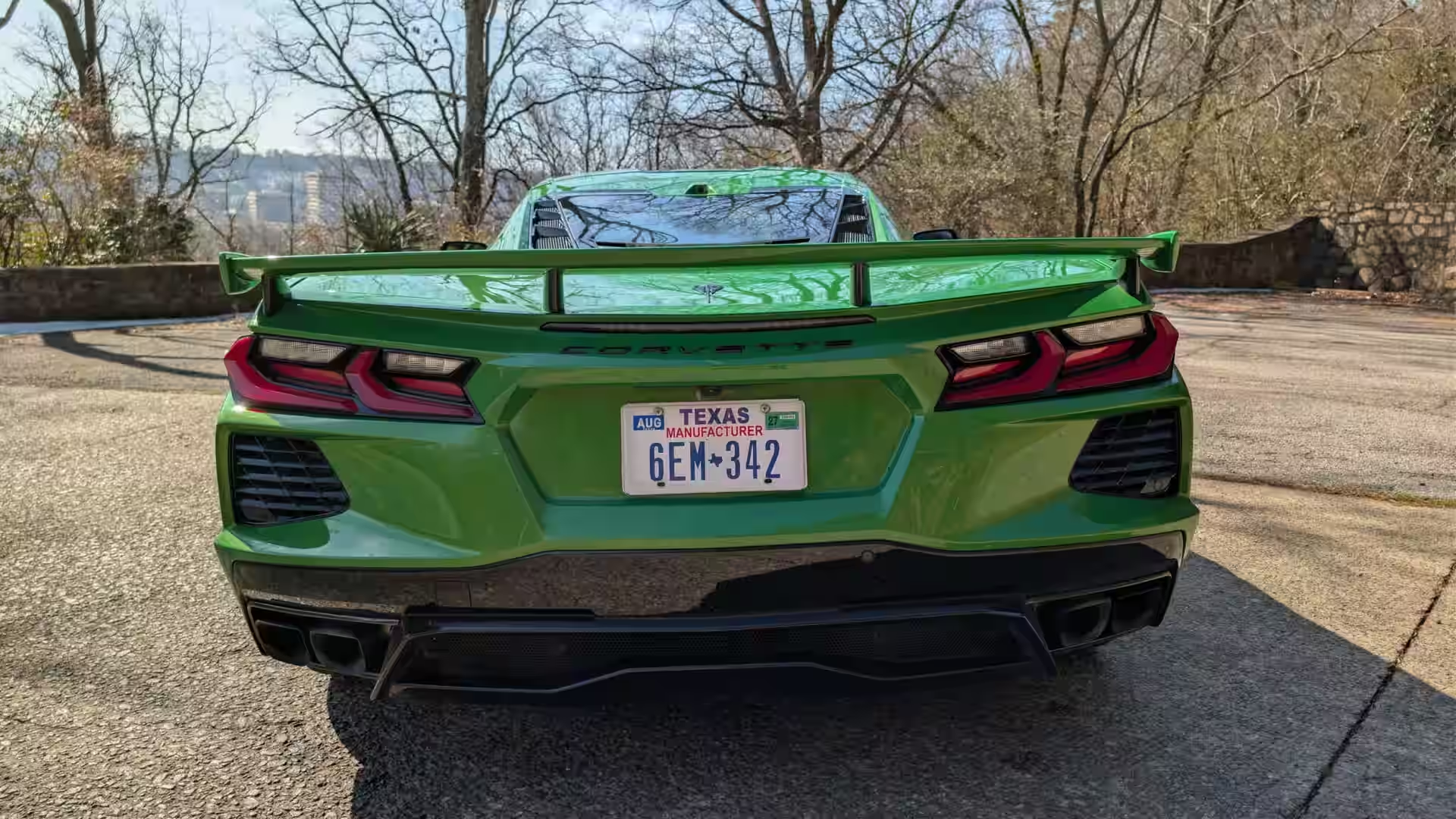
In the 2026 Stingray Z51, the look communicates a message that usually costs much more in the exotic car world: function before pose. The extra aerodynamics of the package, including the spoiler, aren’t there for parking lot photos. They serve to stabilize at high speed, provide predictability in fast corners, and keep the car “planted” when you start to really push it.
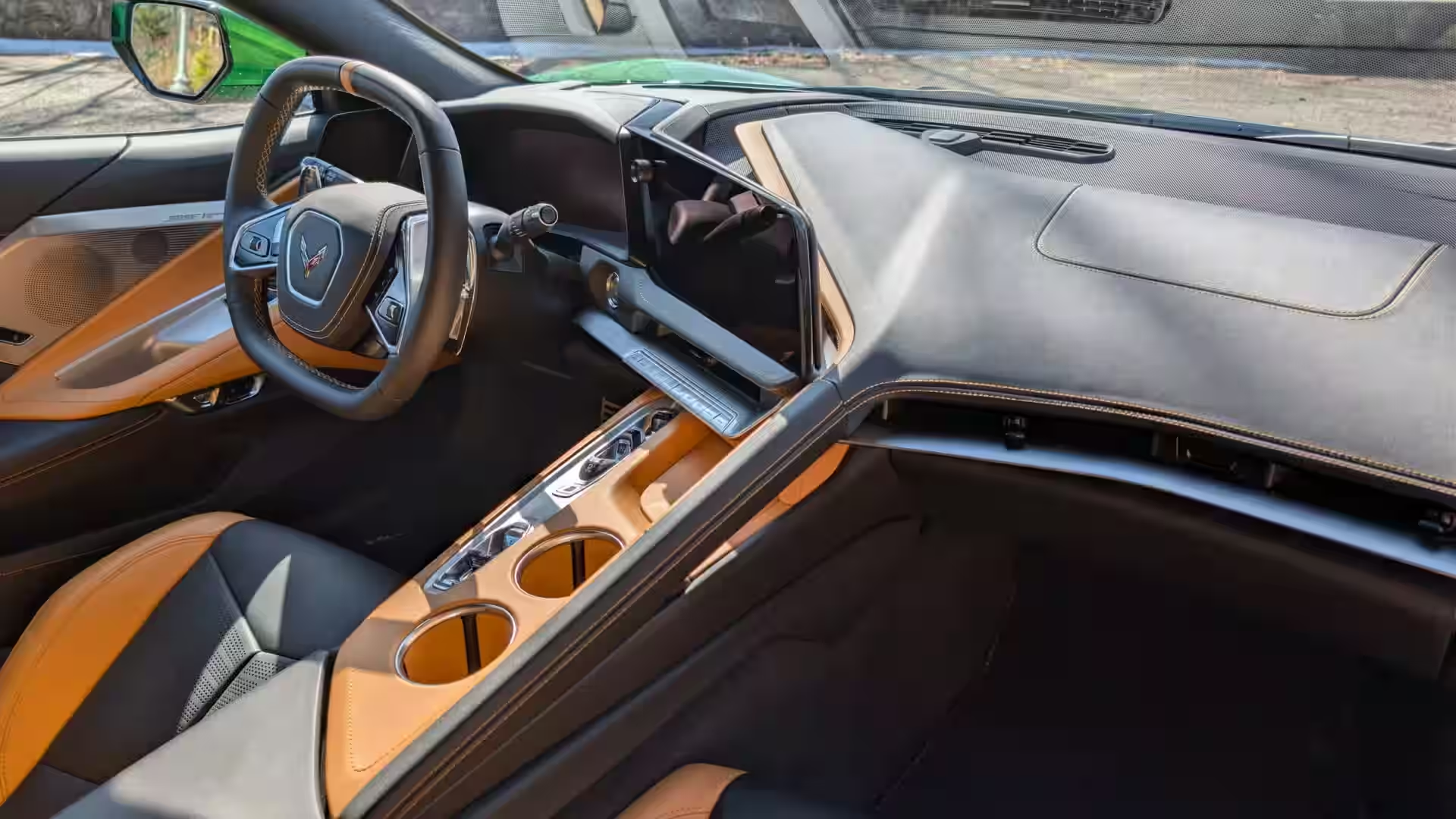
But the big turnaround of the 2026 model is in the place where you feel the car all the time: the cabin. Chevrolet revised one of the most controversial points of the C8’s interior, that “wall” of buttons that separated driver and passenger. The result is a cleaner and more intuitive layout, with a modern car feel without giving up physical controls where it makes sense.
Ergonomics, driving position, and the “cost” of the mid-engine
The Corvette C8 puts you in a low, stretched posture, almost like a prototype. This increases the cockpit feeling and helps fit you in the car as if you were a piece of the whole. But there is a cost: vertical space is limited. If you are taller, you will notice that the roof (especially with a helmet on a track day) can become an issue.
This is one of those E-E-A-T points worth clarifying: it’s not a “hidden defect,” it’s a direct consequence of a low sports car with structure, a targa, and supercar proportions. If you buy the architecture, you buy the full package.
Infotainment and physical controls where the Corvette gets it right in real life
The multimedia system is one of the highlights because it respects the basics: sharp screen, quick response, logical menus, and useful information. The instrument panel is configurable and, for those who like data, there are readings that reinforce the “fighter jet” feeling without becoming mere decoration.
And there is a small but revealing detail: an integrated phone holder on the console. It seems trivial until you drive a high-performance car daily and realize that “where to put the phone” becomes part of the ritual. Combined with wireless chargers, the Corvette makes it clear that it doesn’t want to be just the Saturday car. It wants to be the car you use.
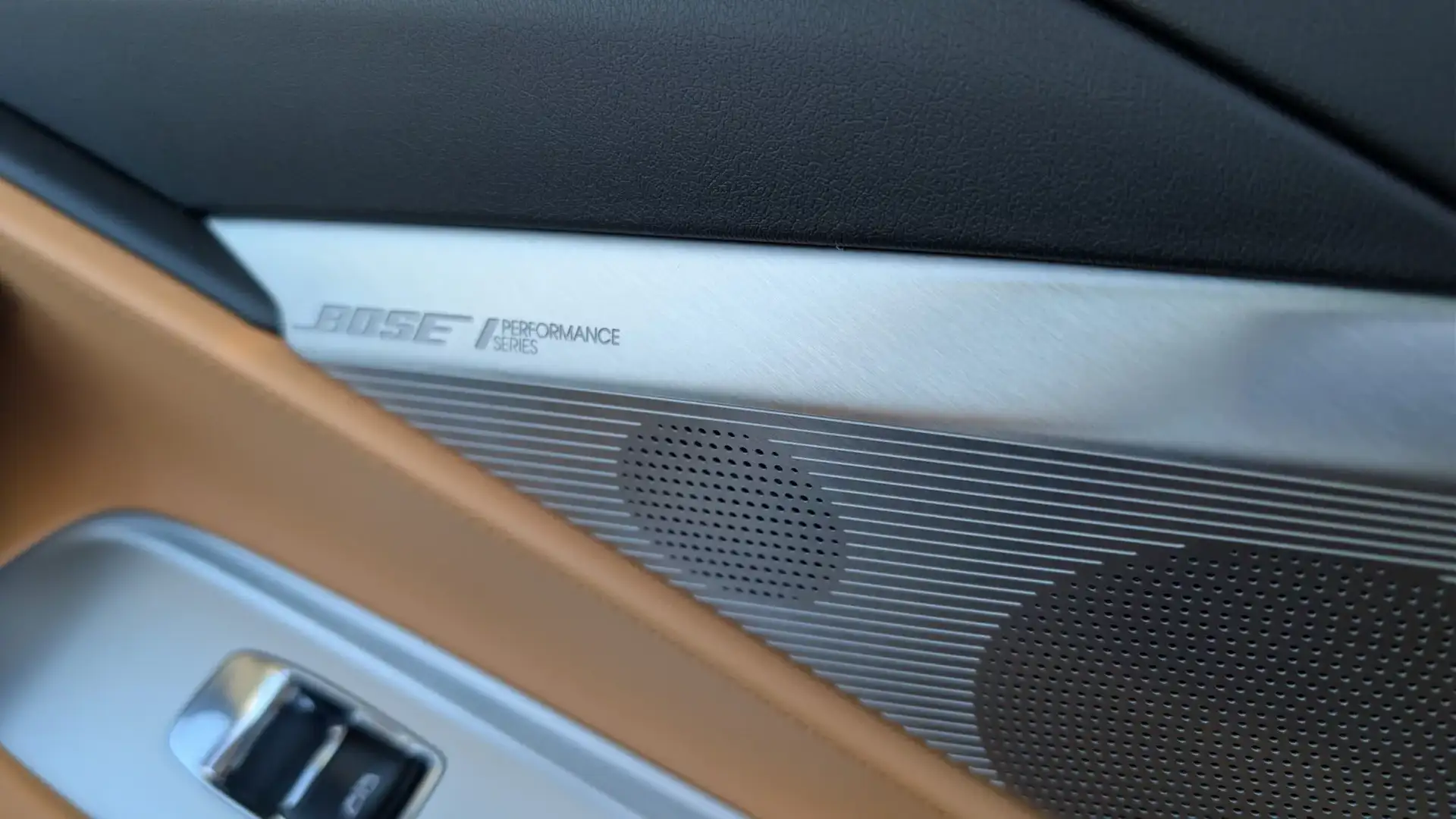
Not everything is perfect: some buttons and controls have that shared-part feel with simpler Chevrolet models. Does that bother you? For those expecting European craftsmanship, it might. For those who prioritize performance per dollar, it tends to be irrelevant.
If this talk about “being truly premium” catches you, it’s worth mentally comparing it with a sedan that plays in a different luxury and technology league but charges accordingly. The contrast is great to understand where the money goes in each proposal AMG S63 E Performance 2026 shows the ultimate anti-stress feature and the detail that commands a high price.
Behind the Wheel of the 2026 Corvette Stingray Z51 The Car That Transforms Without Causing Drama
The reason so many people search for “2026 Corvette Stingray Z51 review” isn’t the specs sheet. It’s the promise: a car that drives like a supercar and still fits into your routine. And this is where the Stingray Z51 becomes a serious case, because it changes its mood without demanding that you change your life.
Touring in the city and the reality of daily use
In its most civilized mode, the Corvette impresses with its ability to absorb irregularities without feeling like a “broken” stiff car. The suspension setup is competent, and when the car is equipped with magnetic ride control (Magnetic Ride Control), the transition between comfort and firmness becomes even more convincing.
This matters more than it seems. Many people romanticize track days but live in the real world: bad roads, speed bumps, parking ramps, and traffic. A sports car that punishes you in these scenarios becomes an object of desire, not of use. The Stingray Z51 manages to be usable without being “mild.”
Some units may have a front-axle lift, which helps with more aggressive entries. But the frequently reported experience is that the Corvette doesn’t require this feature all the time, which says a lot about the height balance and geometry for a low car.
Flooring the naturally aspirated V8 delivers what a turbo can’t copy
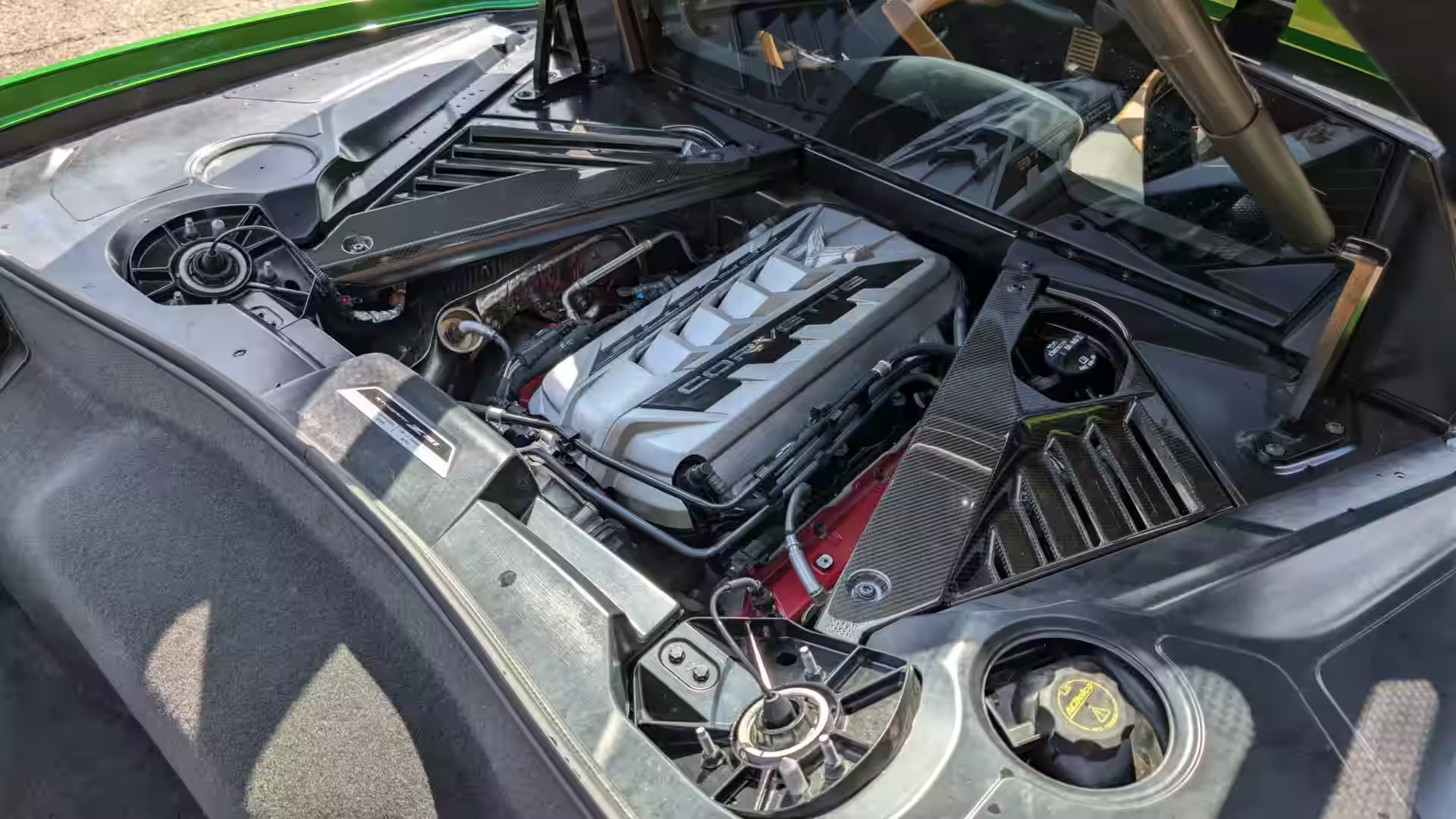
The Corvette’s 6.2L naturally aspirated V8 doesn’t try to impress you with artificial numbers. It does something else, harder these days: it delivers power linearly, with immediate response and a clean mechanical feel, almost “honest.” In an age of ubiquitous turbochargers, this has become an emotional luxury.
With 495 hp and 637 Nm, the Stingray Z51 has the strength to put you into another reality of speed with ease. Under ideal conditions, 0 to 60 mph can be achieved in 2.9 seconds with the right setup. Under normal conditions, the truth is that traction and temperature determine the result. The car has enough power to command respect from the pavement, and a little wheel spin can appear when you try to replicate the brochure numbers.
But the right question is not “what is the perfect 0 to 60 mph time.” The question is: does the car deliver repeatability and confidence? And here the Z51 package shines, because brakes, tires, differential, and cooling don’t appear on social media posts but decide your day when you start pushing hard.
Steering, transmission, and the most controversial point for purists
The C8’s steering is praised for effectively communicating the tire’s contact with the road. You feel progression, understand the front of the car, and gain confidence to carry speed through corners. The setup feels “tight,” without that strong sporty sensation that turns to jelly when pushed.
The 8-speed dual-clutch transmission is quick when you’re really accelerating, especially in more aggressive driving. In traffic, the typical behavior of this type of transmission can occur: occasional gear hunting, slight indecisions at low speed. It’s not something that ruins the experience, but it exists.
And then we arrive at the topic that sparks endless discussion in forums: there is no manual transmission. For some, that’s an automatic “no”. For others, it’s the price of extracting consistent performance in a modern package. The irony is that the Stingray is precisely the version where a manual would make the most emotional sense, because it is the Corvette meant to be driven for pleasure, not to chase absolute straight-line records.
Drift, track, and the secret of the Stingray Z51 to humble more expensive cars
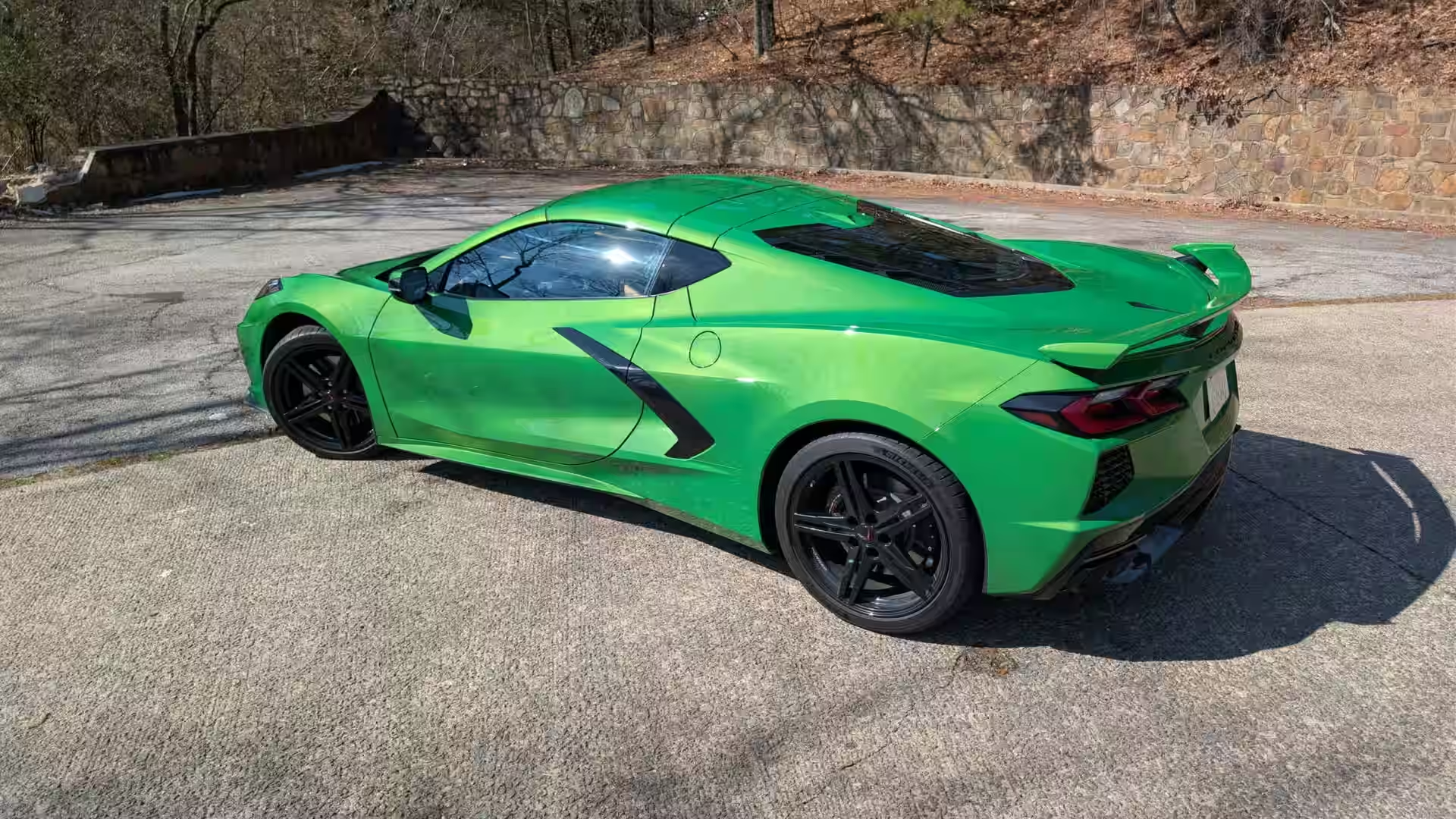
A truly well-sorted sports car needs to be predictable when you do something wrong. The Stingray Z51 manages to rotate controllably when provoked, and sticks when you want to be clean and fast.
On the track, many people forget the basics: lap time is not just power. It’s brakes that hold up, the right tire, temperature under control, an efficient differential, and a chassis that communicates with the driver. The Z51 exists for that. And that’s why it can, in the right hands, lead cars much more expensive in scenarios where the limit isn’t just the engine.
This discussion of “downforce and physics” is getting hotter in the performance world. If you enjoy the extreme side of engineering, it’s worth reading about a car that took the topic to the absolute limit MCMURTRY SPÉIRLING and its 2000 kg of downforce that rewrite the rules.
Fuel consumption, range, and the “unglamorous” part that defines the happy owner
The 2026 Corvette Stingray Z51 has an estimated fuel economy of 16 mpg in the city, 25 mpg on the highway, and 19 mpg combined. Converting to a format more familiar to many people in Brazil, this is approximately 6.8 km/l (city), 10.6 km/l (highway), and 8.1 km/l (combined), varying with fuel, weather, tires, and driving style.
The point isn’t to sell the Corvette as economical. It’s to show that, for a naturally aspirated V8 with nearly 500 hp, the numbers are less “absurd” than popular imagination suggests. And that supports the main argument of this article: the Stingray Z51 isn’t just fast, it’s viable.
Trunk, frunk, and why the C8 handles daily routine better than many people think
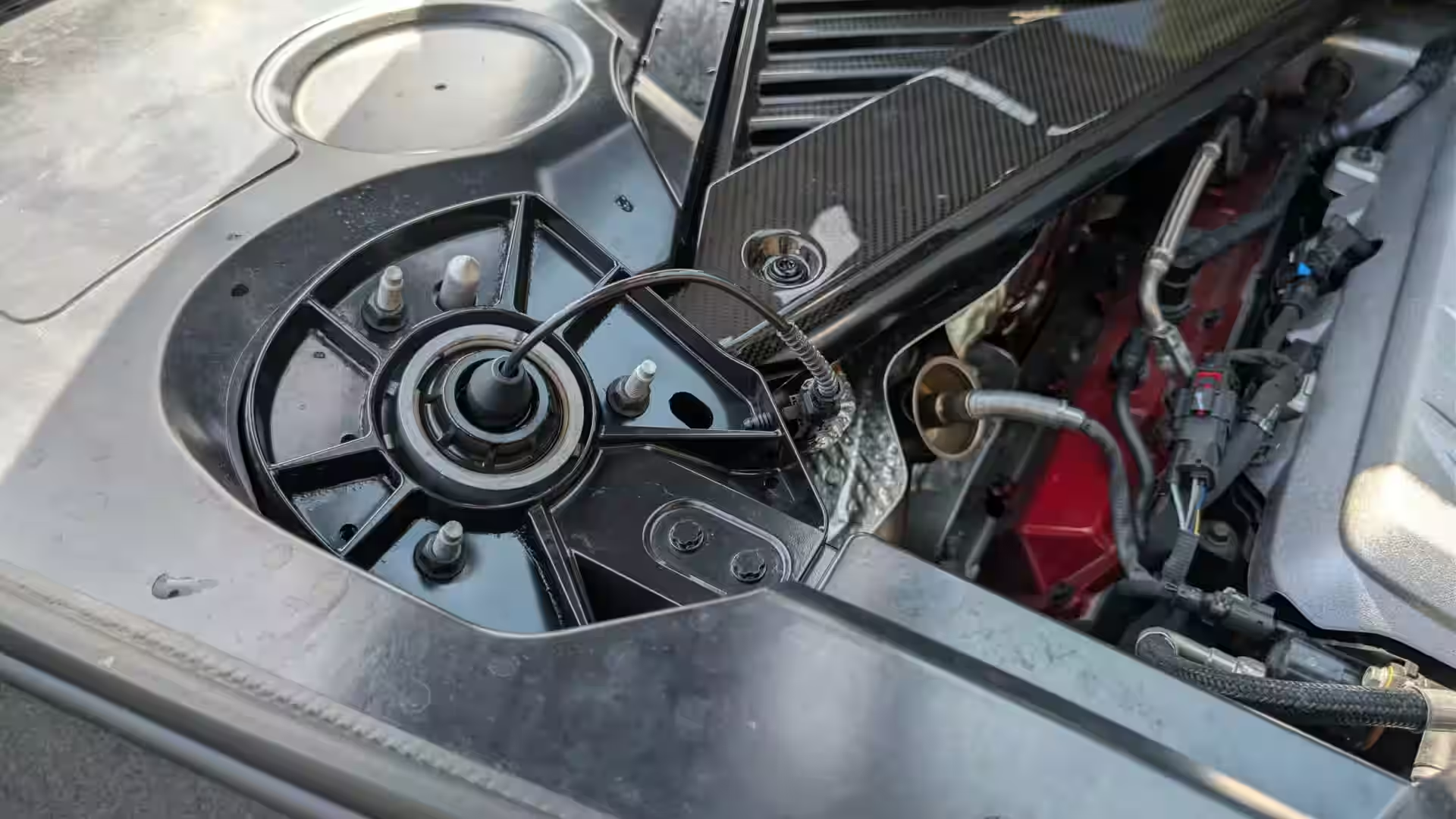
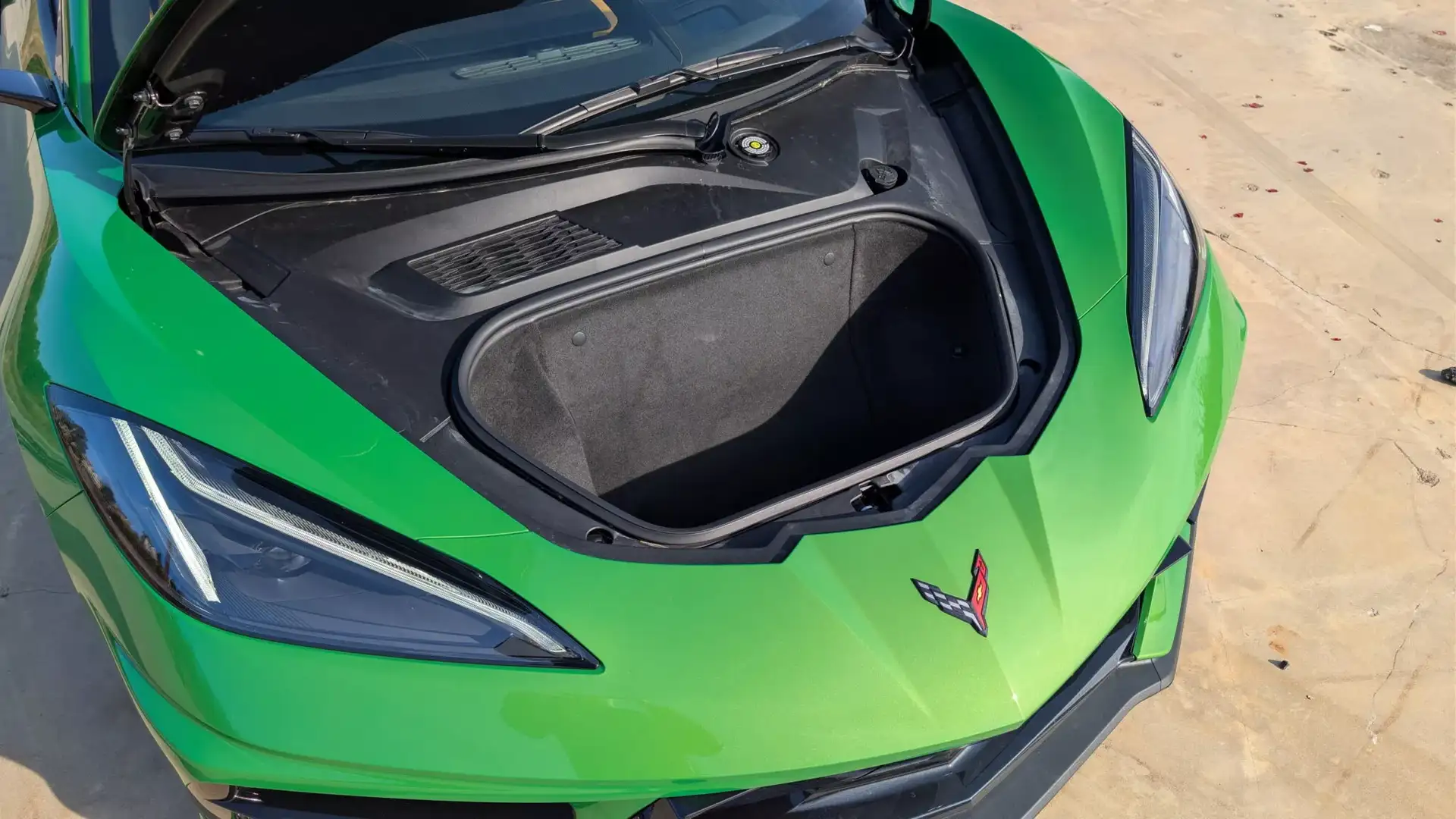
The C8 has two cargo compartments: a rear one and a front one (the famous frunk). This changes the experience. You can do shopping, carry backpacks, work items, and even sports equipment with less hassle than many “2+2” coupes that promise practicality but fail to deliver.
The targa roof, another Corvette symbol, can be stored relatively easily in the rear area, freeing up the front compartment for smaller items. This kind of solution is what separates the sports car you admire from the sports car you actually use.
For those who enjoy automotive technology applied to everyday life, there is a world of “no hype” details that make a difference, such as climate control and physical buttons. In fact, understanding what truly changes comfort and efficiency involves much less sexy things than power car air conditioning does more than just cool the air and this even affects consumption and fatigue.
Direct Competitors and Why a “Fair” Comparison Doesn’t Always Favor Rivals
When someone searches for “Corvette Stingray competitor cars,” they usually end up with a list that mixes different concepts. The Stingray is mid-rear engine, naturally aspirated V8, dual-clutch, and comes with an optional track package. Few deliver this combo in the same price range.
- BMW Z4 and Toyota GR Supra tend to be cheaper in base versions and use turbo six-cylinder engines in many configurations. They are fun, but the proposal is different: more GT, less “mini supercar.”
- Nissan Z in spicier versions has charisma and style, but in the overall package (performance, usability, special feel, and track capability), it usually falls behind the Corvette.
- Porsche 718 is the closest rival in philosophy in terms of precision and balance. However, in power and impact per dollar, the Corvette creates a gap that’s hard to ignore.
There is still an inevitable cultural comparison: the eternal fight between American icons. And if you’re trying to understand where the Stingray fits in this “pantheon,” it makes sense to look at the other great asphalt myth trying to rewrite its own narrative Mustang Dark Horse SC 2026 wants to take on Porsche and Ferrari and this changes the debate.
What no one tells you before buying a Corvette C8 Stingray Z51
To truly deliver E-E-A-T, it’s worth organizing the “cons” that appear when the excitement fades and ownership begins. Some points are inherent to the design, others are preferences:
- Interior height and visibility may not please very tall drivers or those who prefer an “airy” car feeling. It’s a cockpit, not a living room.
- Absence of a manual is an engineering and market decision, but it affects the purist audience’s heart.
- Some shared controls with cheaper GM cars exist and are noticeable to the touch. The good news is that this usually means simpler maintenance and replacement.
- Real performance depends on conditions. Cold tires, bad asphalt, and unfavorable weather change acceleration and traction. It’s not a “defect,” it’s physics.
Who the 2026 Stingray Z51 makes more sense for than a Z06, E-Ray, or ZR1
If you’re the type who wants the strongest version “just because,” nothing here will stop you. But the Stingray Z51 speaks to a specific type of enthusiast, and that type is more common than it seems:
- Those who want a car to truly drive, without needing a long track and endless straight to justify absurd power.
- Those who want to use the car on trips, daily routines, shopping, and real life, without feeling like they are “breaking” a delicate toy.
- Those who value balance between engine, brakes, chassis, and usability, and understand that 90% of the fun lies in how the car delivers, not just in the final number.
- Those who want the mid-rear DNA and supercar aesthetics with a more rational total cost within the sports car universe.
The Stingray Z51 is the Corvette that focuses on the everyday driver with track ambitions, not on the collector of impossible numbers.
In the end, the CHEVROLET CORVETTE STINGRAY Z51 2026 is an exercise in automotive maturity: it delivers a supercar-level dose high enough to satisfy almost anyone, and in return asks for something that doesn’t show up on the spec sheet, but appears every day in the garage: the will to drive.