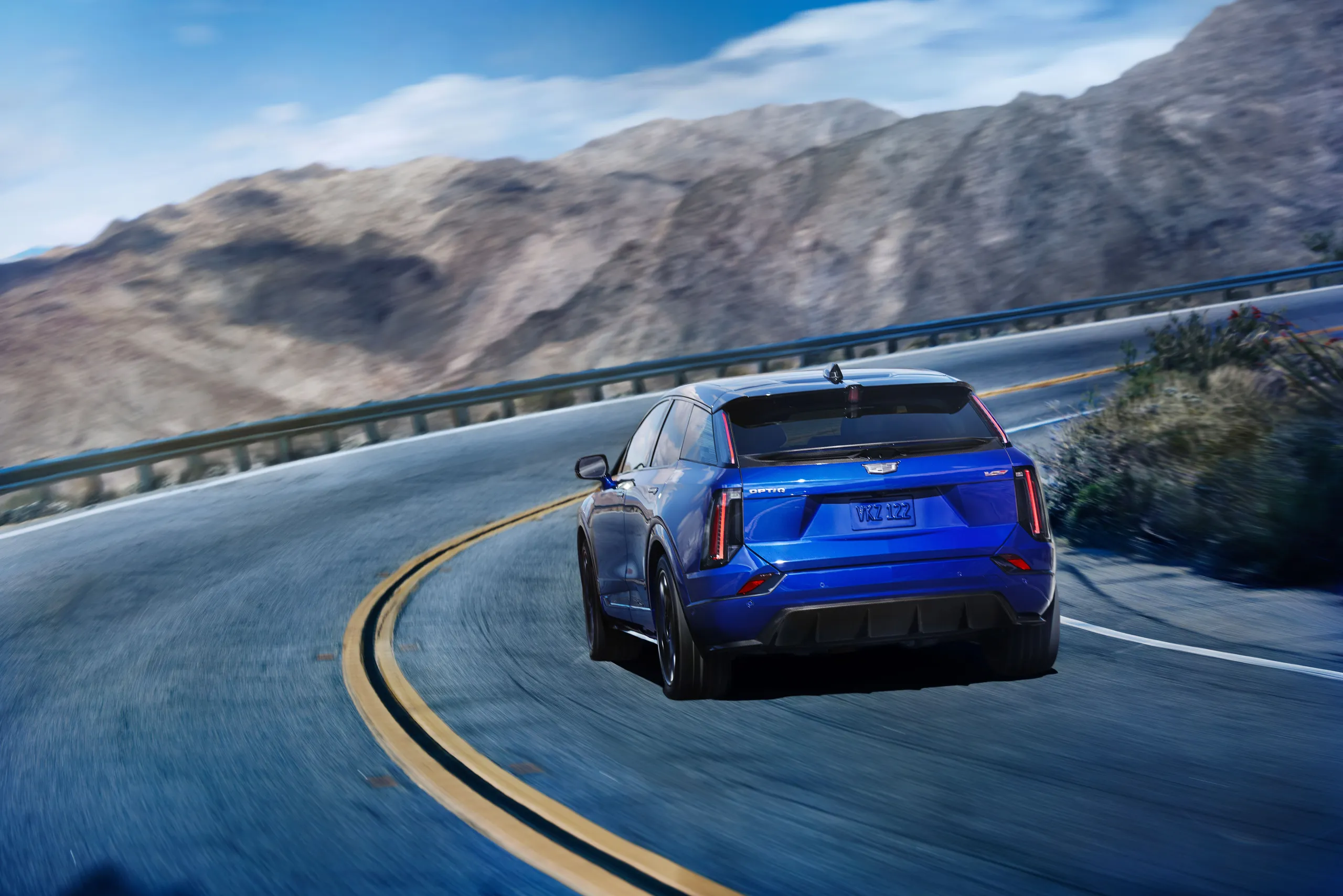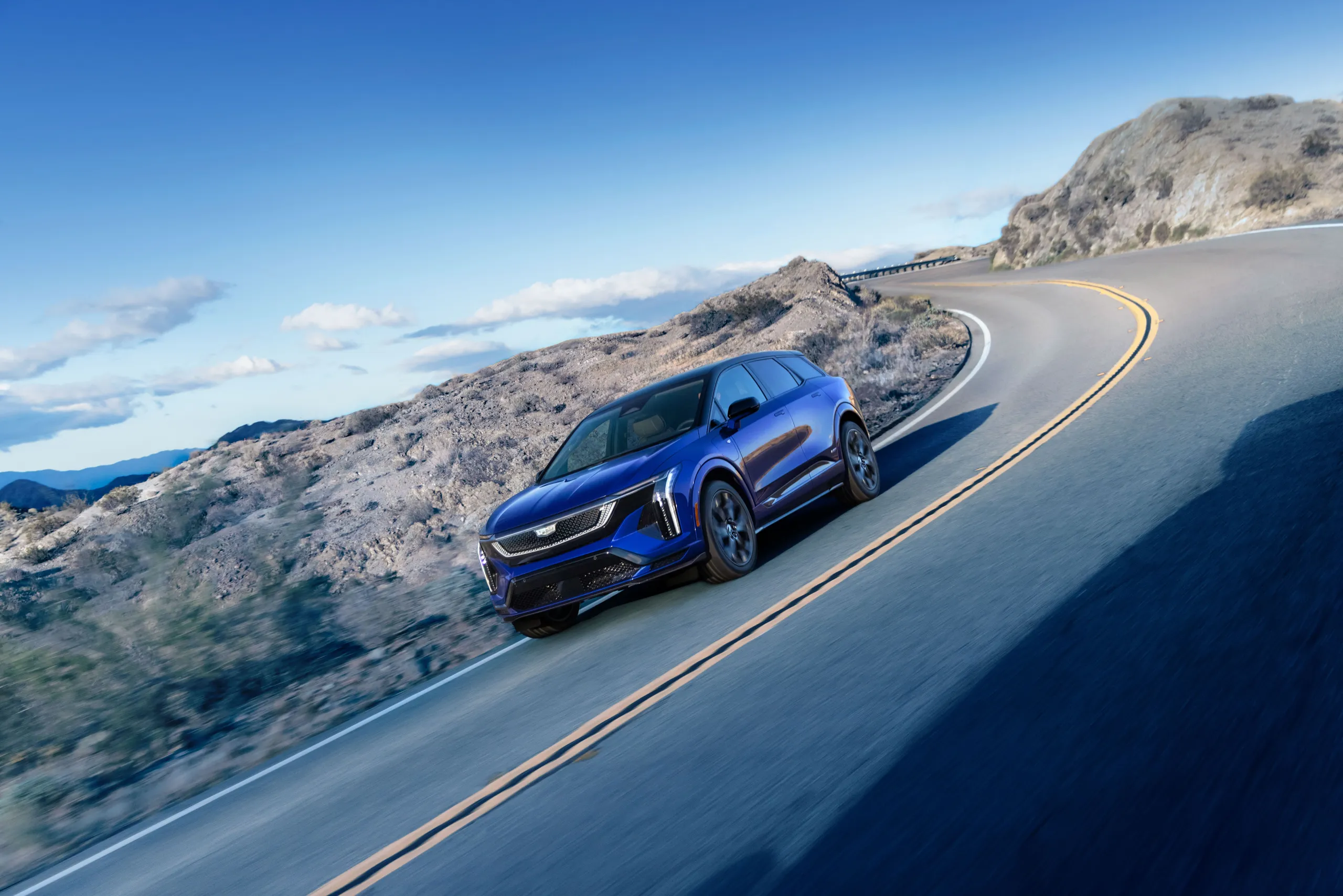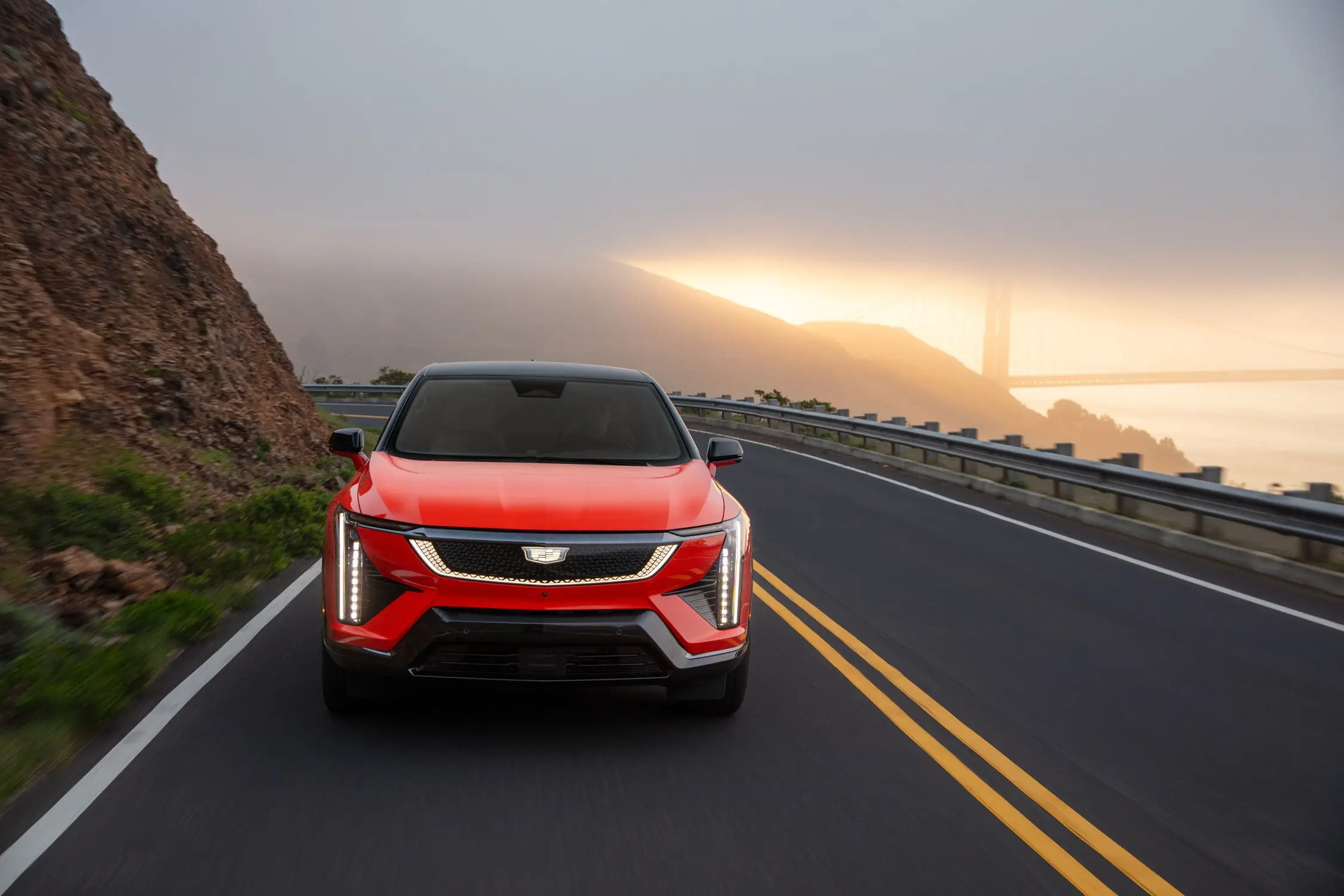
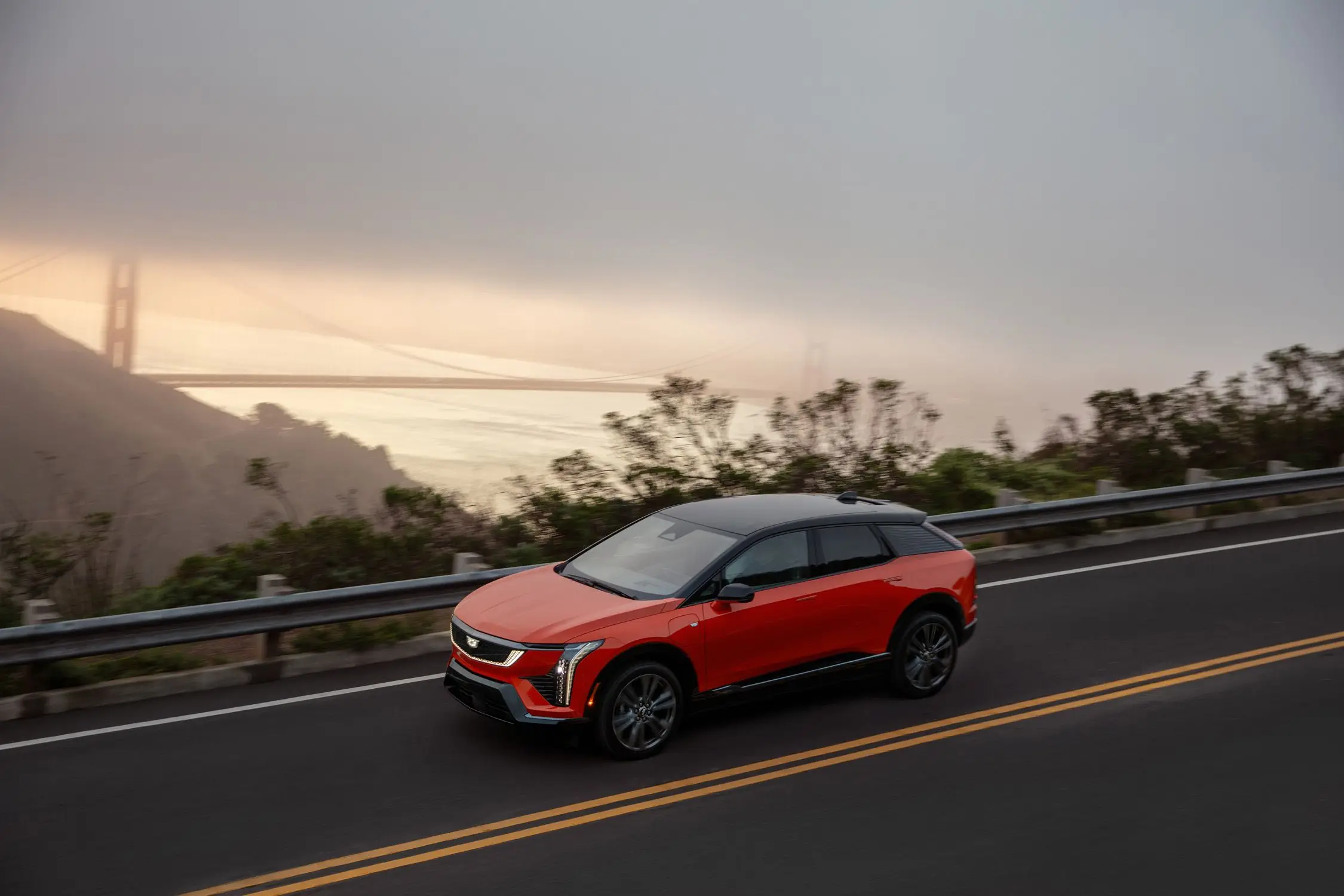
The 2027 Cadillac Optiq is not just another compact electric SUV. It is Cadillac’s strongest argument yet that luxury EVs can be stylish, quick, genuinely comfortable, and still practical enough for everyday use.
Why the 2027 Cadillac Optiq Stands Out
Cadillac has quietly built one of the most interesting electric lineups in the premium market, and the Optiq sits right at the sweet spot. It is the brand’s smallest EV, but size does not tell the whole story. In fact, this is the model that may convert the most skeptical buyers because it blends premium design, strong range, a refined ride, and standard driver-assist technology in a package that feels more expensive than its price suggests.
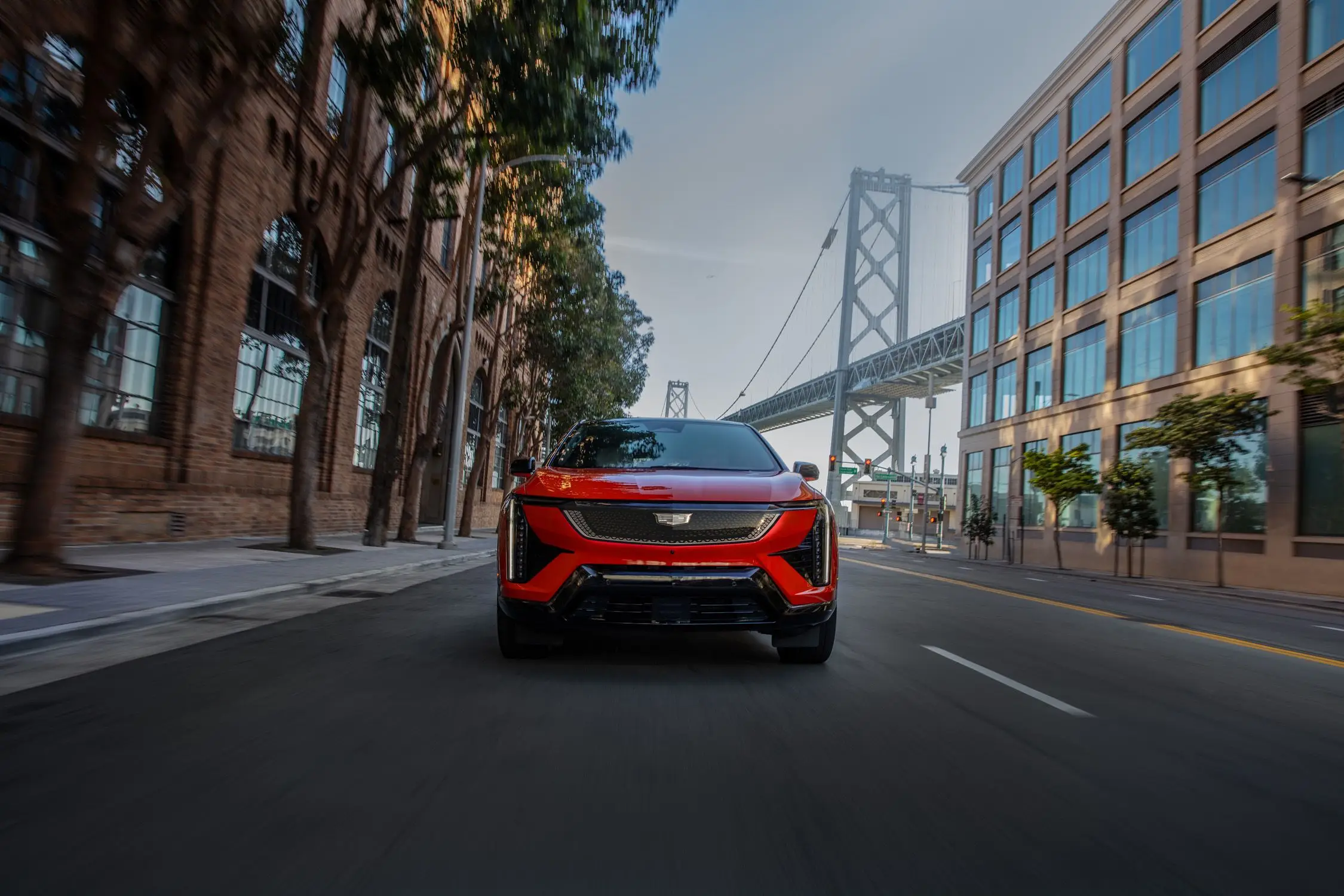
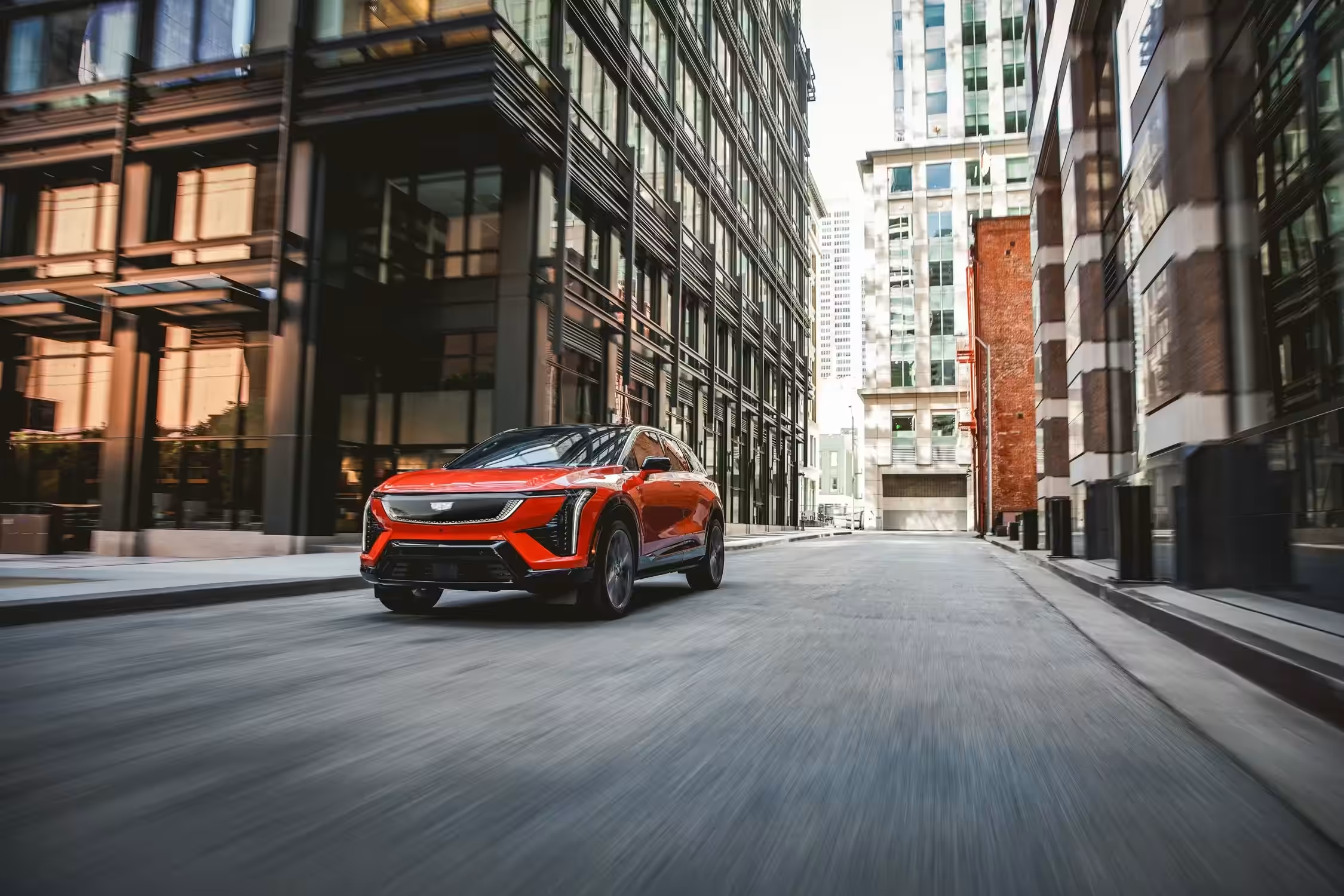
Under the skin, the Optiq shares architecture with the Chevrolet Equinox EV, but the execution is far more upscale. Cadillac gave it distinctive bodywork, a more polished interior, and the kind of cabin presentation shoppers expect from a luxury badge. That matters, because in the premium EV segment, perceived quality is often as important as raw specs.
Pricing is expected to start around $53,000 and climb to roughly $70,000 for the V-Series model. That puts the Optiq directly in the zone where buyers compare it with rivals like the Genesis GV60, Tesla Model Y, Audi Q4 e-tron, and BMW iX1-style alternatives in global markets. For shoppers who want a compact luxury EV without jumping into full-size SUV pricing, the Optiq lands in a very relevant place.
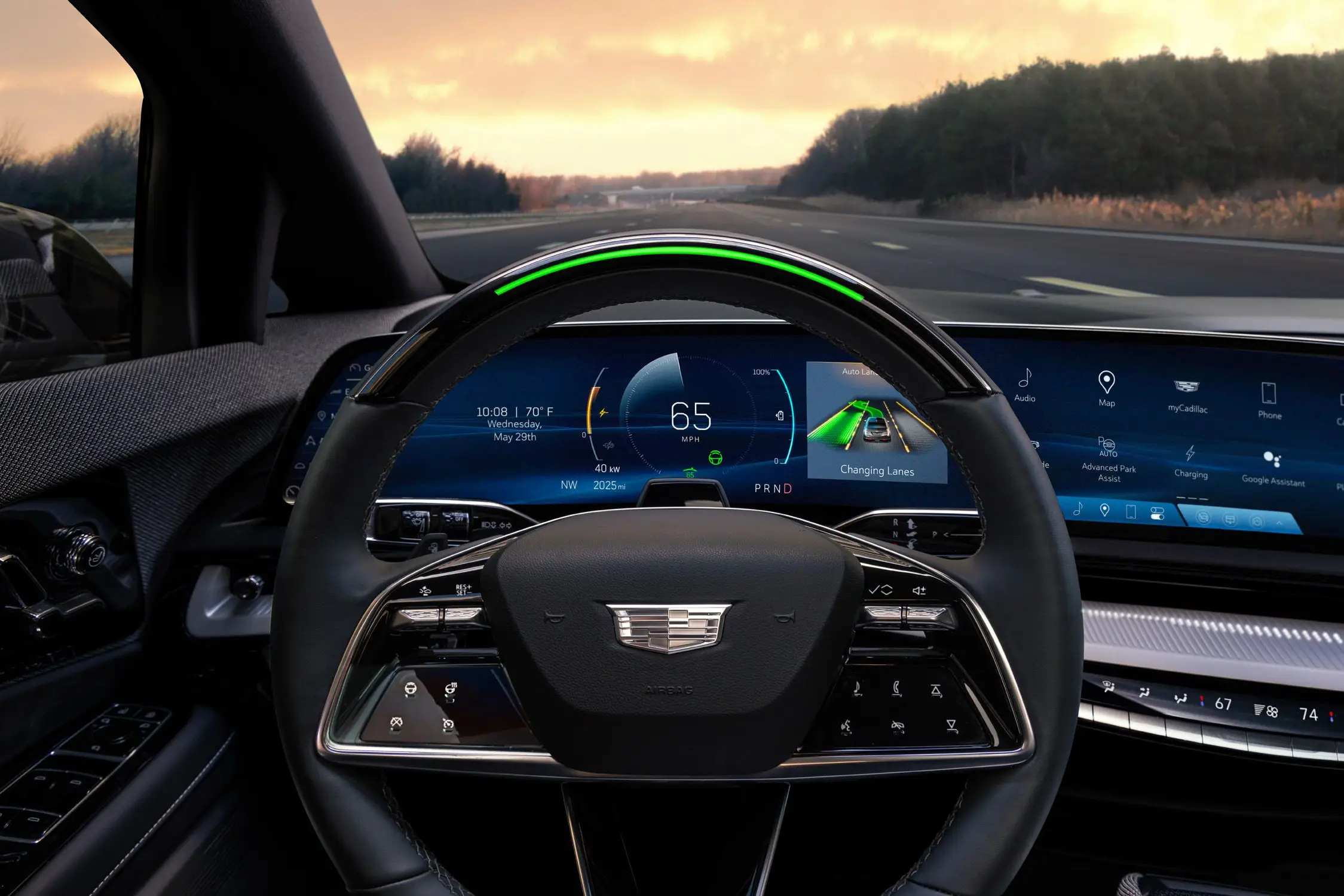
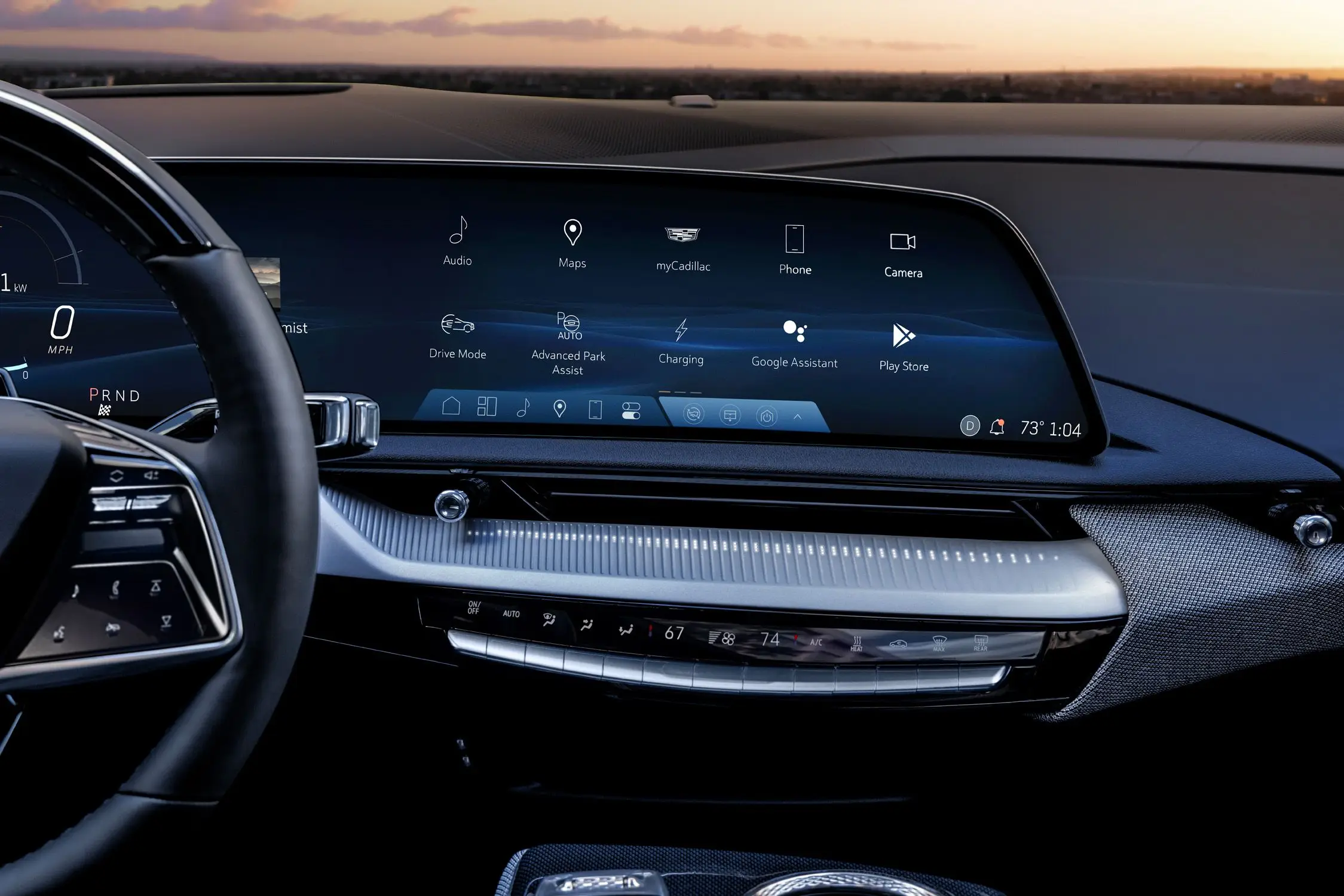
What makes the 2027 model especially compelling is that Cadillac does not force buyers to give up the essentials. Even the standard trims include desirable features such as Super Cruise hands-free driving, an AKG audio system, Google-based navigation, and a large curved display that dominates the dashboard. That mix of convenience and tech is exactly what many luxury EV customers are searching for right now.
Power, Range, and the Real-World EV Appeal
The 2027 Cadillac Optiq is offered in three major powertrain flavors, and each one serves a different type of buyer:
- Rear-wheel drive with a single motor producing 315 hp
- Dual-motor all-wheel drive with 440 hp
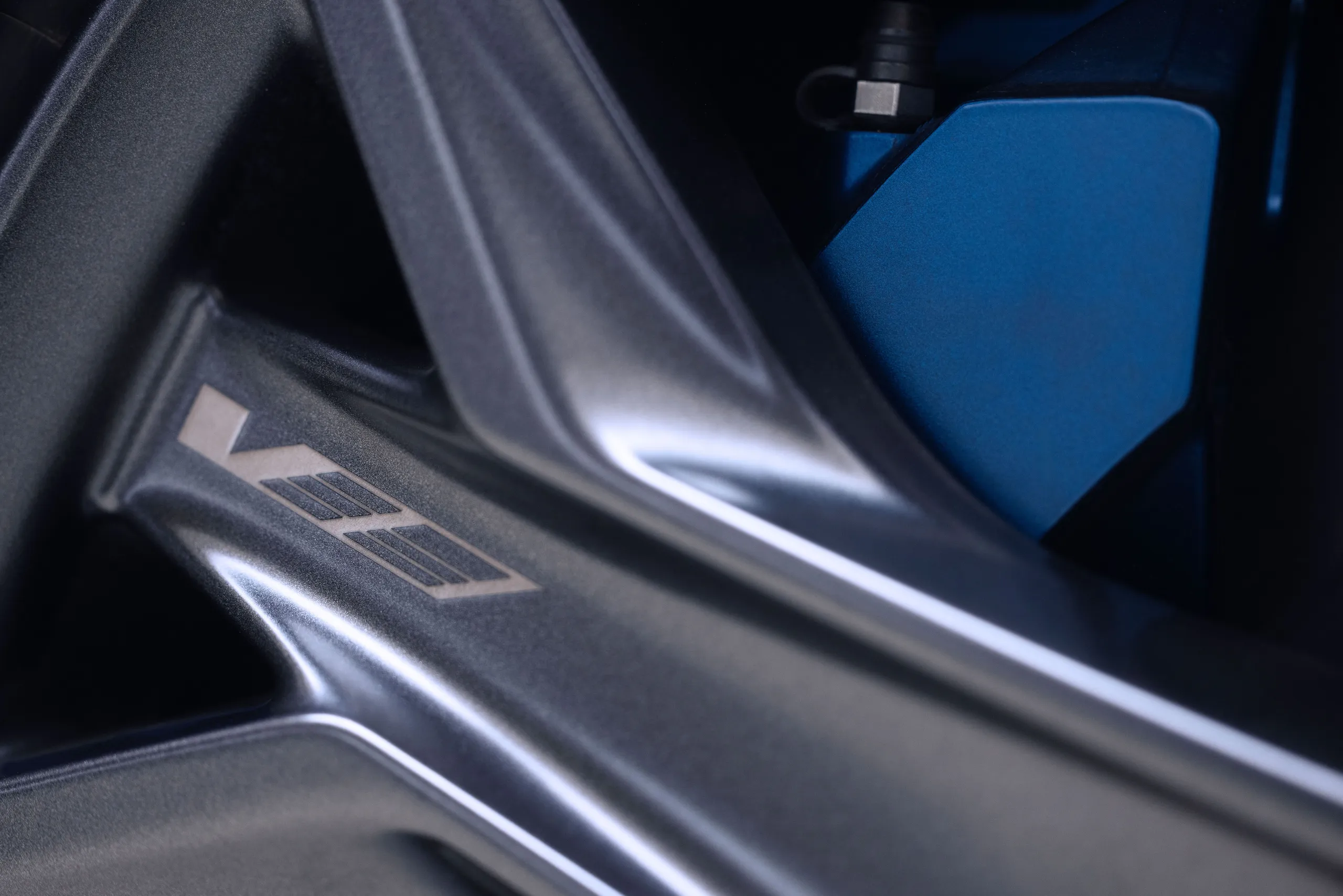
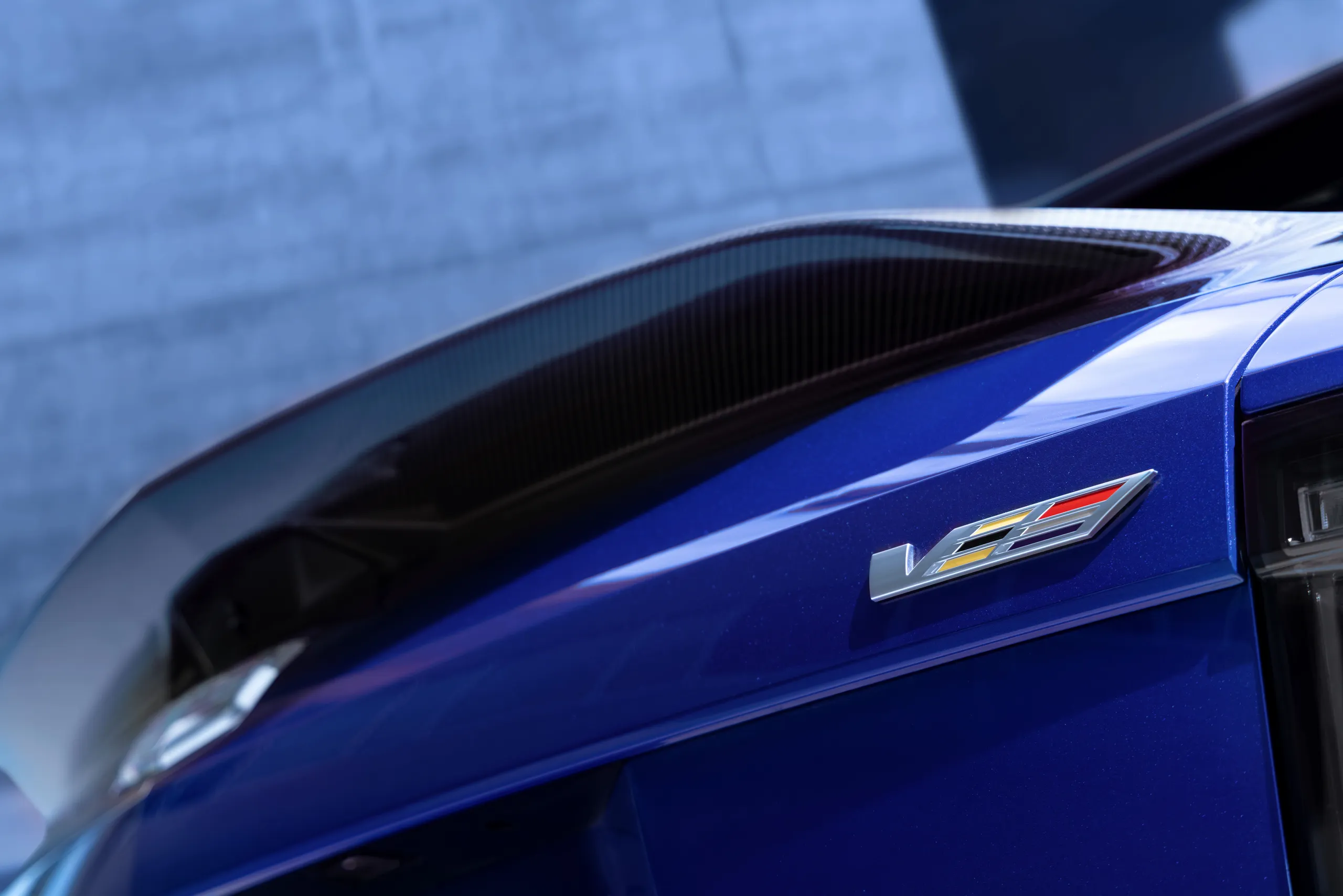
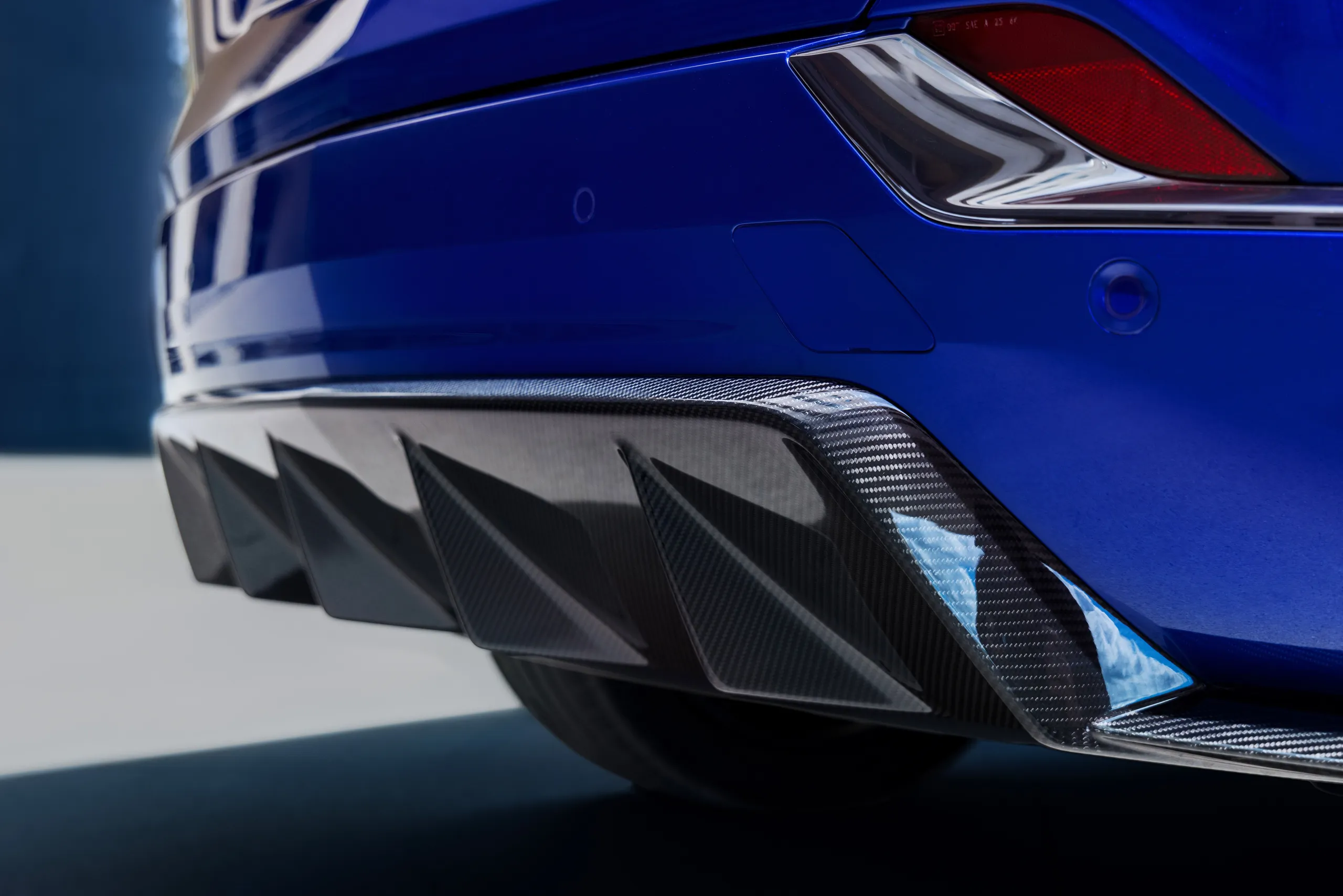
- Optiq-V with 519 hp for performance-focused drivers
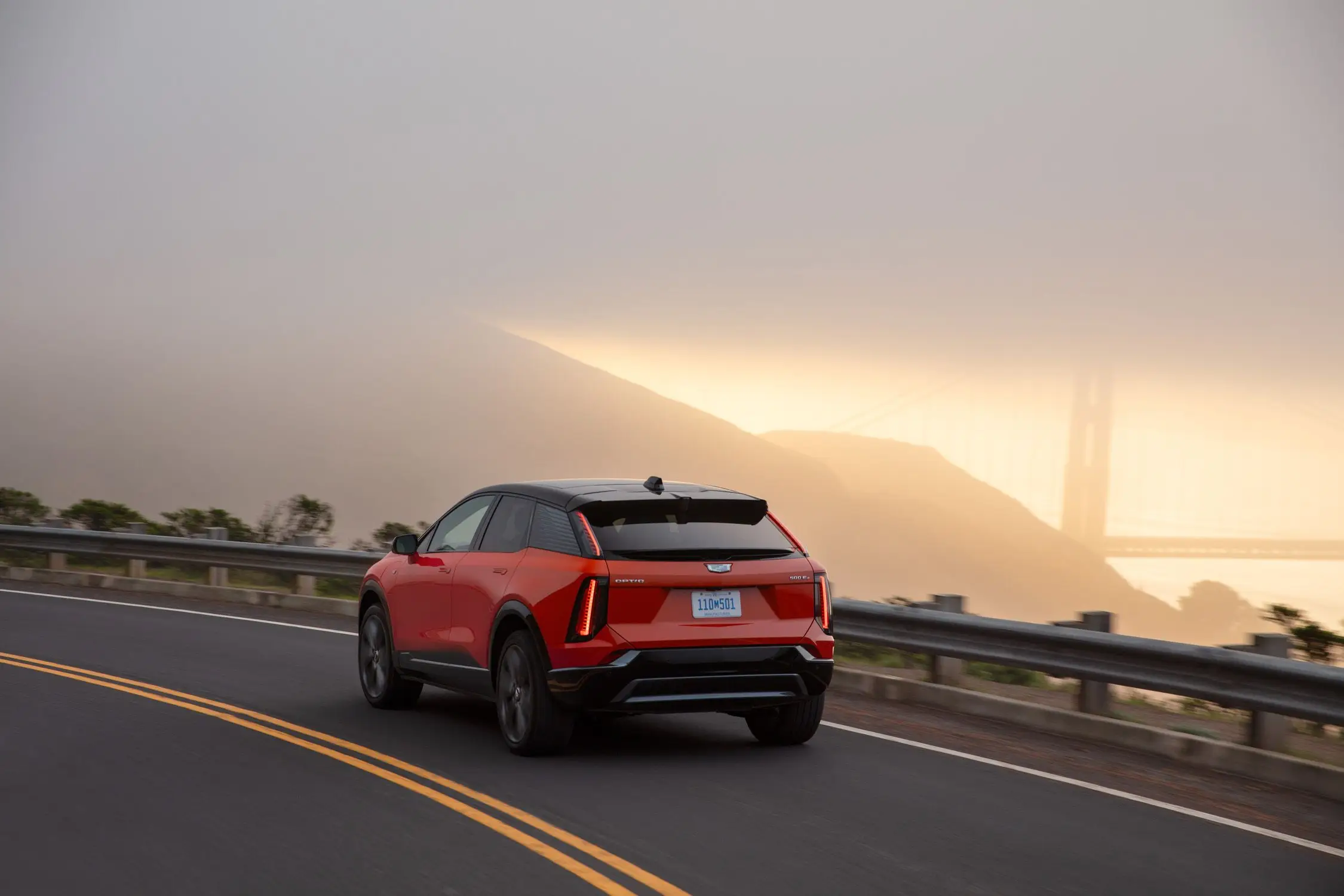
That base rear-drive setup is especially important because it delivers the best range. Cadillac estimates up to 317 miles per charge for the single-motor version, while the dual-motor model is rated at around 303 miles. The Optiq-V gives up some range in exchange for speed, coming in between 250 and 278 miles depending on configuration.
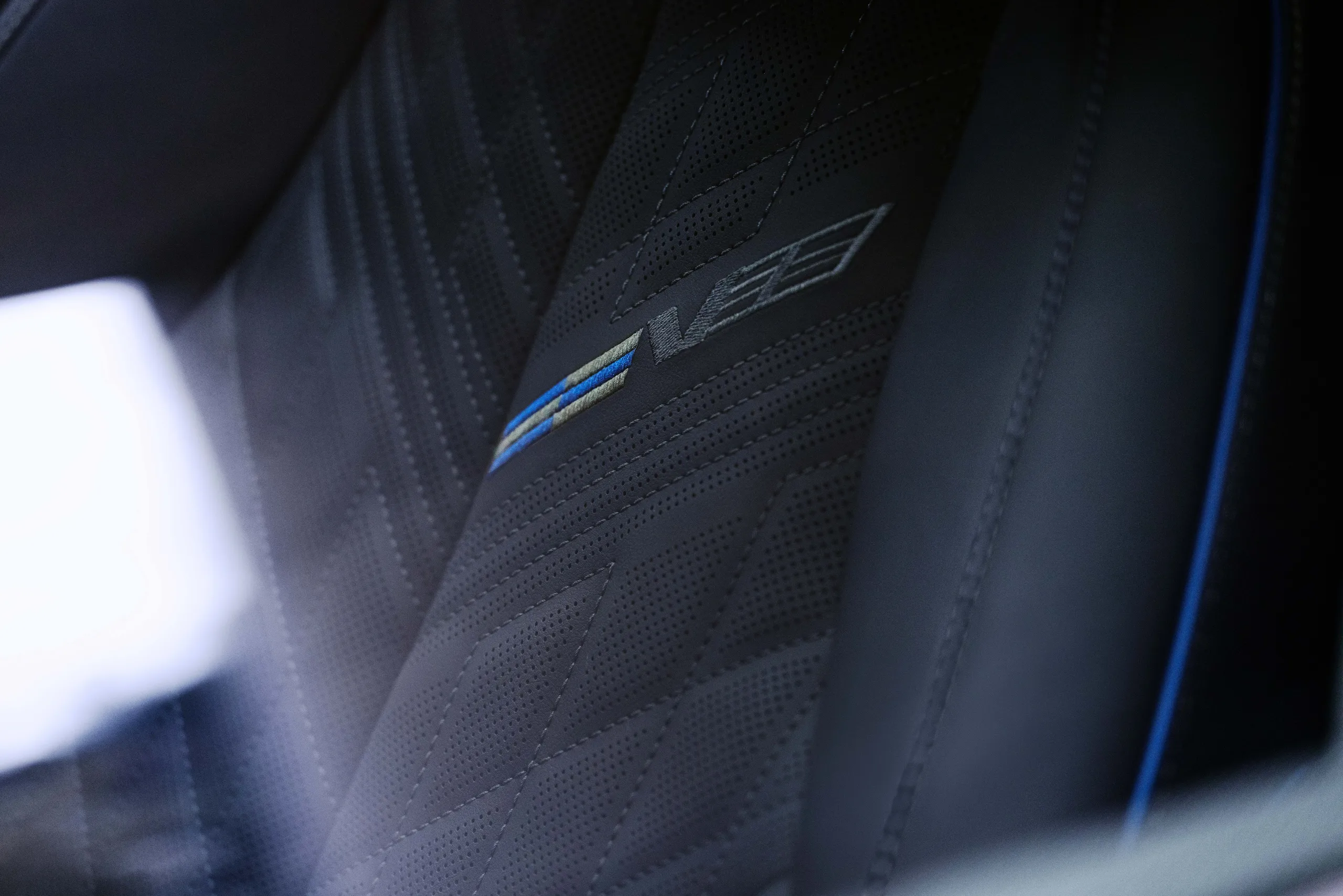
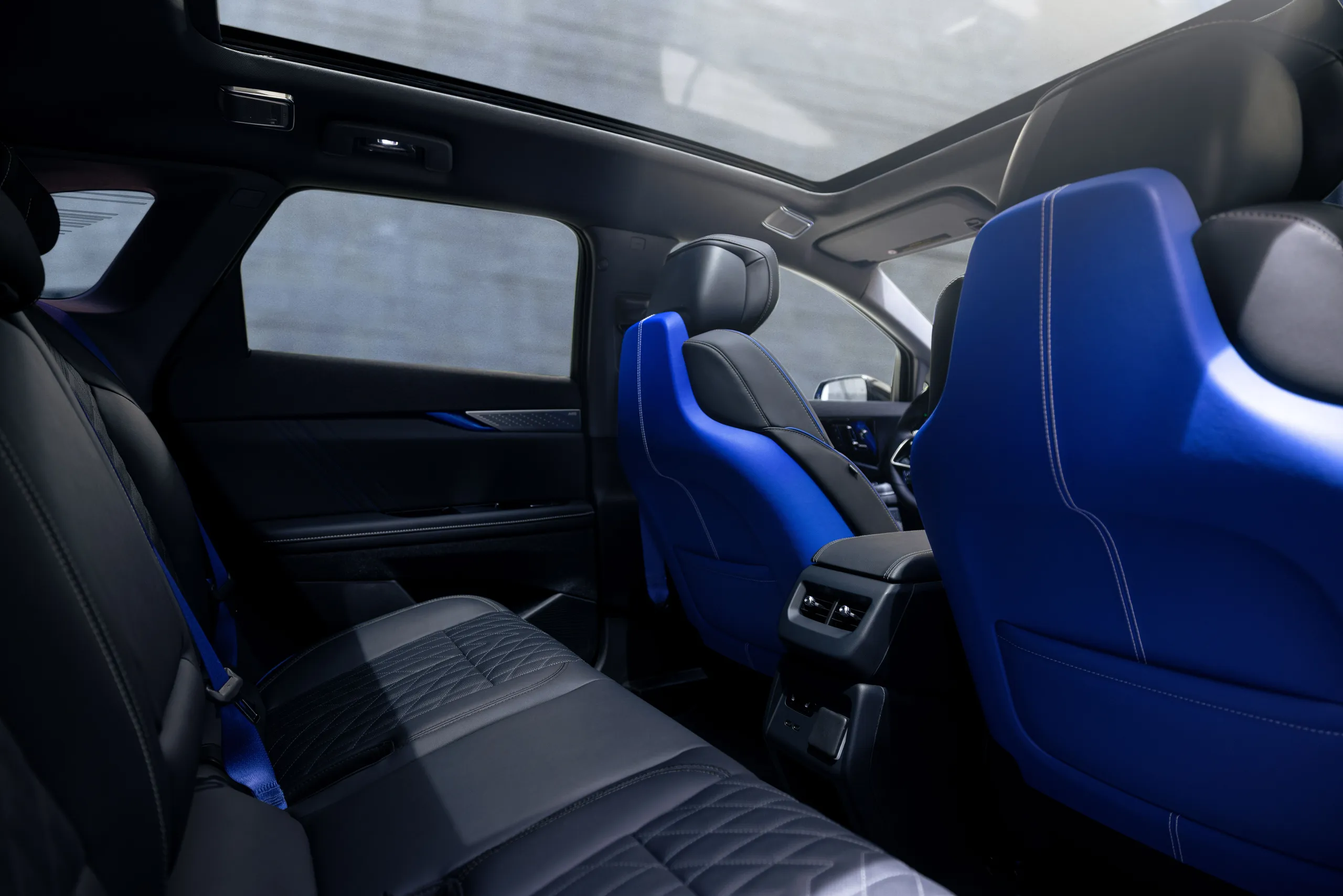
For many buyers, that is the key decision. The V-Series model is the emotional choice, but the standard Optiq is the smarter one if daily range matters more than outright acceleration. That is why the Premium Luxury trim is such an attractive recommendation. It adds a power liftgate, quilted upholstery, front massaging seats with heating and ventilation, heated rear seats, a color head-up display, ambient lighting, and a 360-degree camera system. In other words, it feels like the point where the Optiq becomes fully “luxury” instead of merely “well equipped.”
Performance is respectable across the board. The dual-motor Optiq tested by Car and Driver reached 60 mph in 4.3 seconds, which is quick enough to feel genuinely fast in traffic and on highway merges. Cadillac says the Optiq-V should drop that figure to around 3.5 seconds, putting it into serious performance-EV territory.
The chassis tuning is one of the biggest reasons this SUV has earned strong attention. Cadillac used dual-valve dampers to strike a balance between body control and ride comfort, and that philosophy shows up in the way the Optiq behaves on the road. It corners with confidence, but it does not punish passengers over rough pavement. Steering is nicely weighted, and the vehicle feels more composed than many rivals that chase sporty handling at the expense of everyday livability.
That makes the Optiq an appealing alternative to louder, harsher EVs that try too hard to impress on paper. It is quick enough, but more importantly, it is calm, settled, and polished in a way luxury buyers will notice immediately.
If you are following the wider electric-SUV market, this formula is part of a trend we have also seen in models like the BYD Seal 06 GT and Seal 06 DM-i Wagon and the Kia EV3 2027, where compact EVs are becoming far more serious about tech, comfort, and real usability.
Interior Tech, Safety, and the Main Trade-Offs
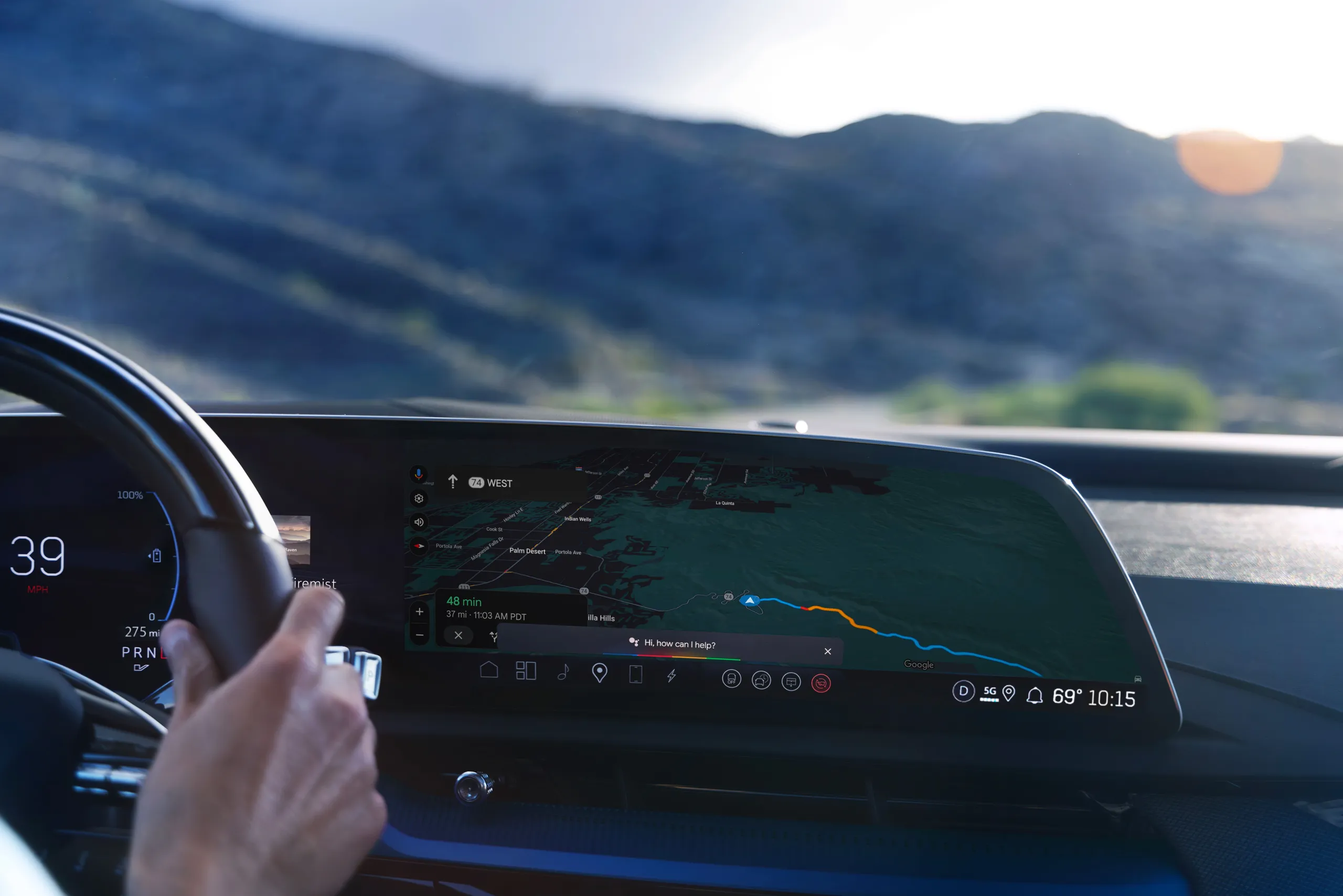
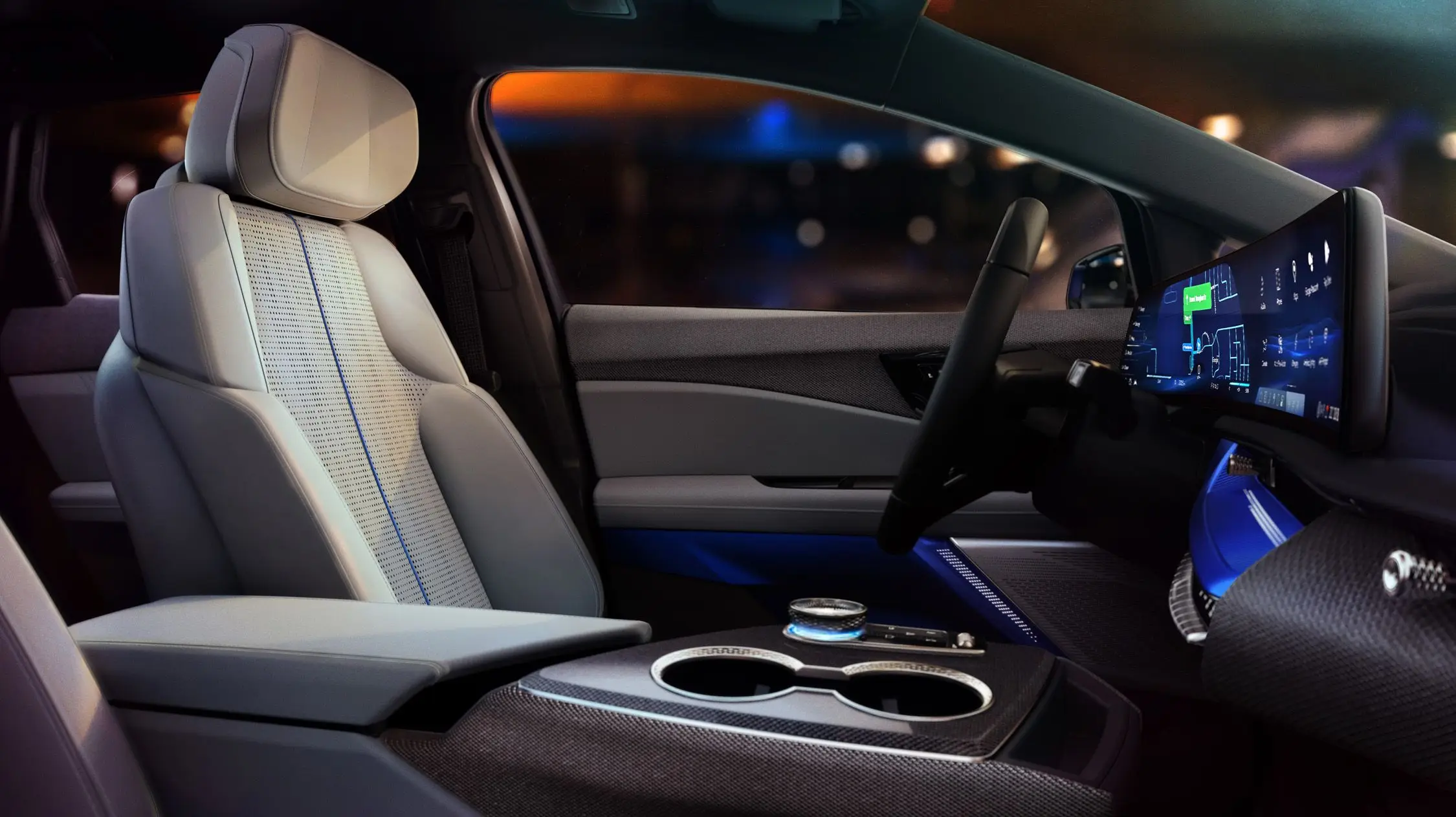
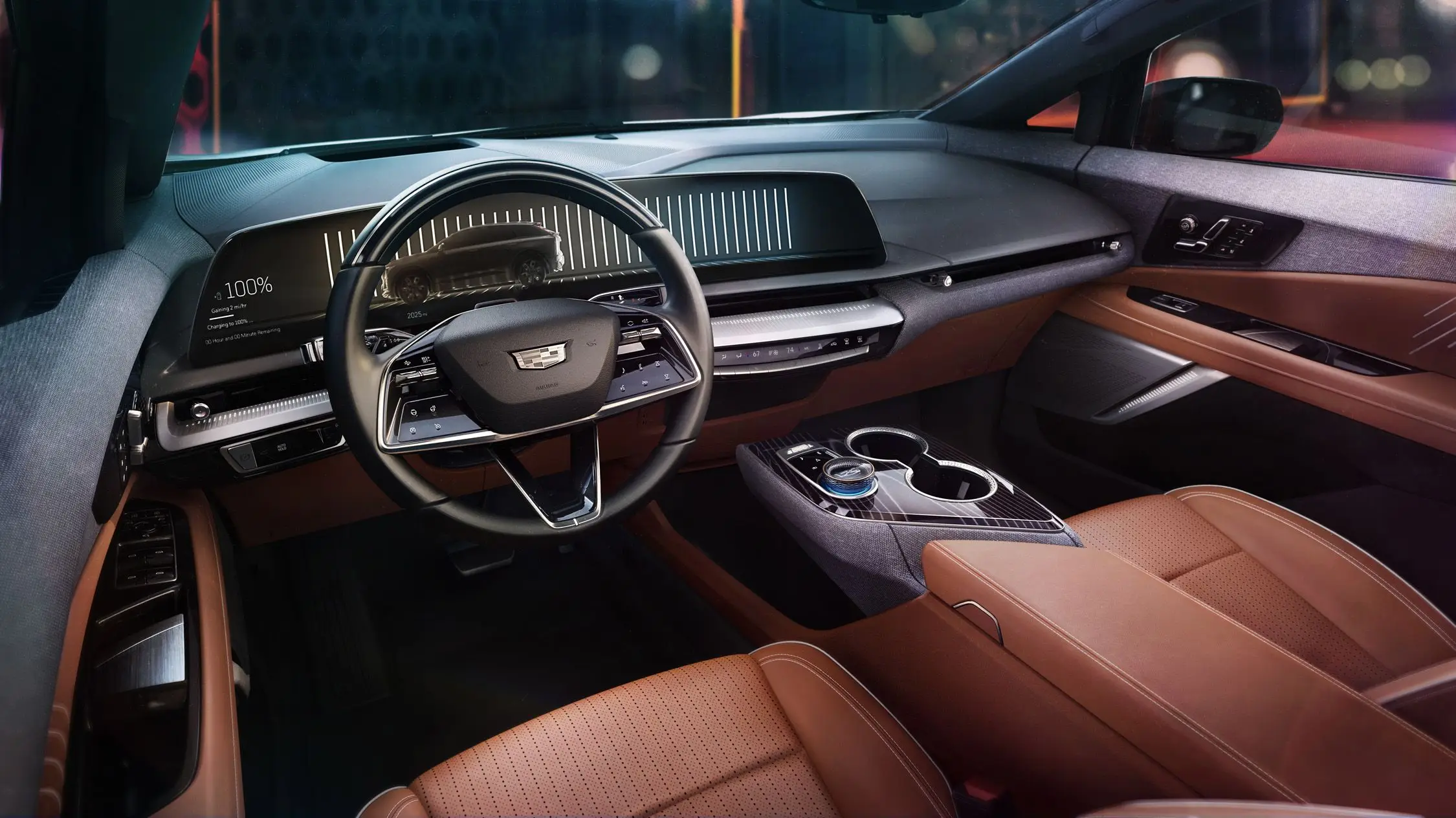
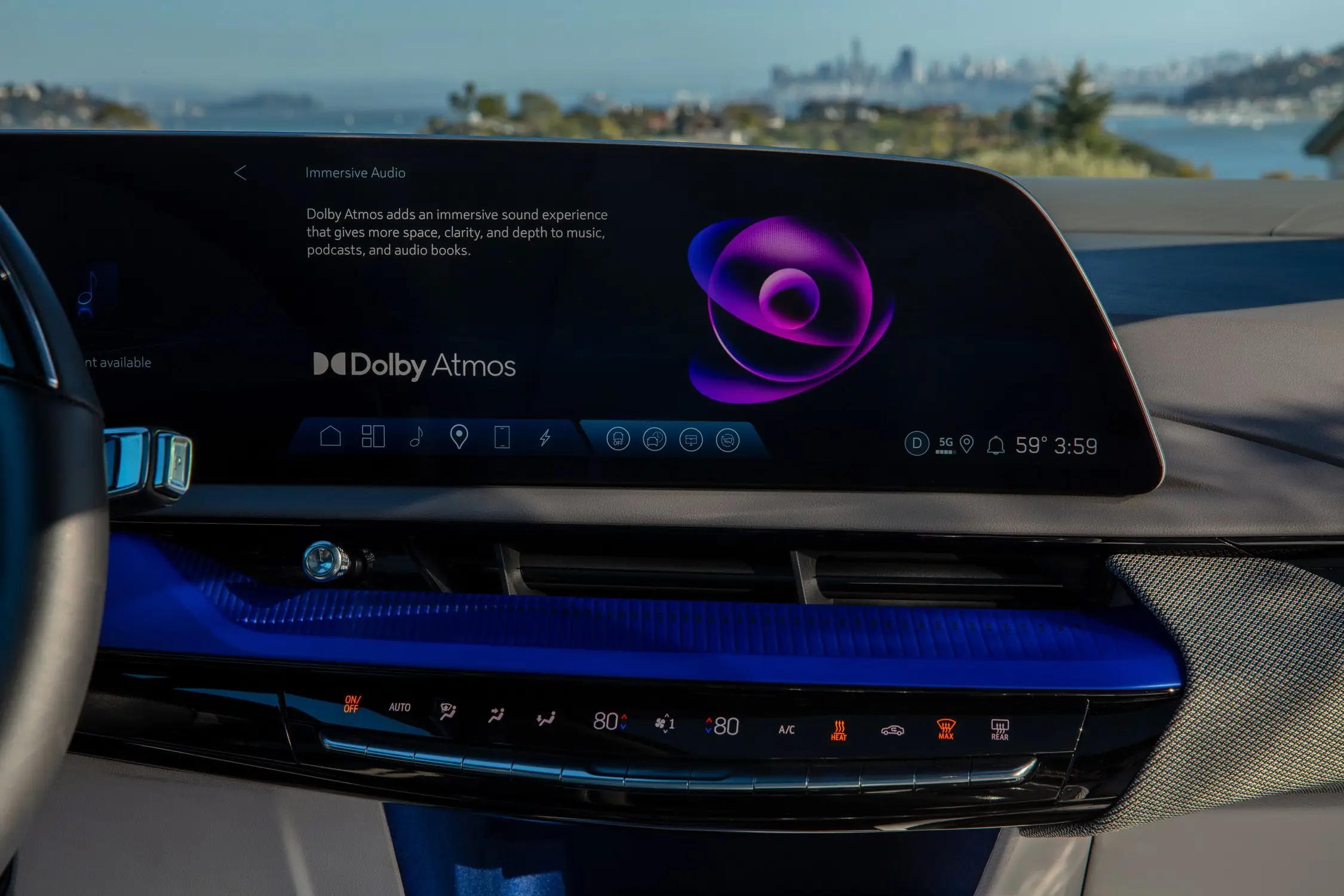
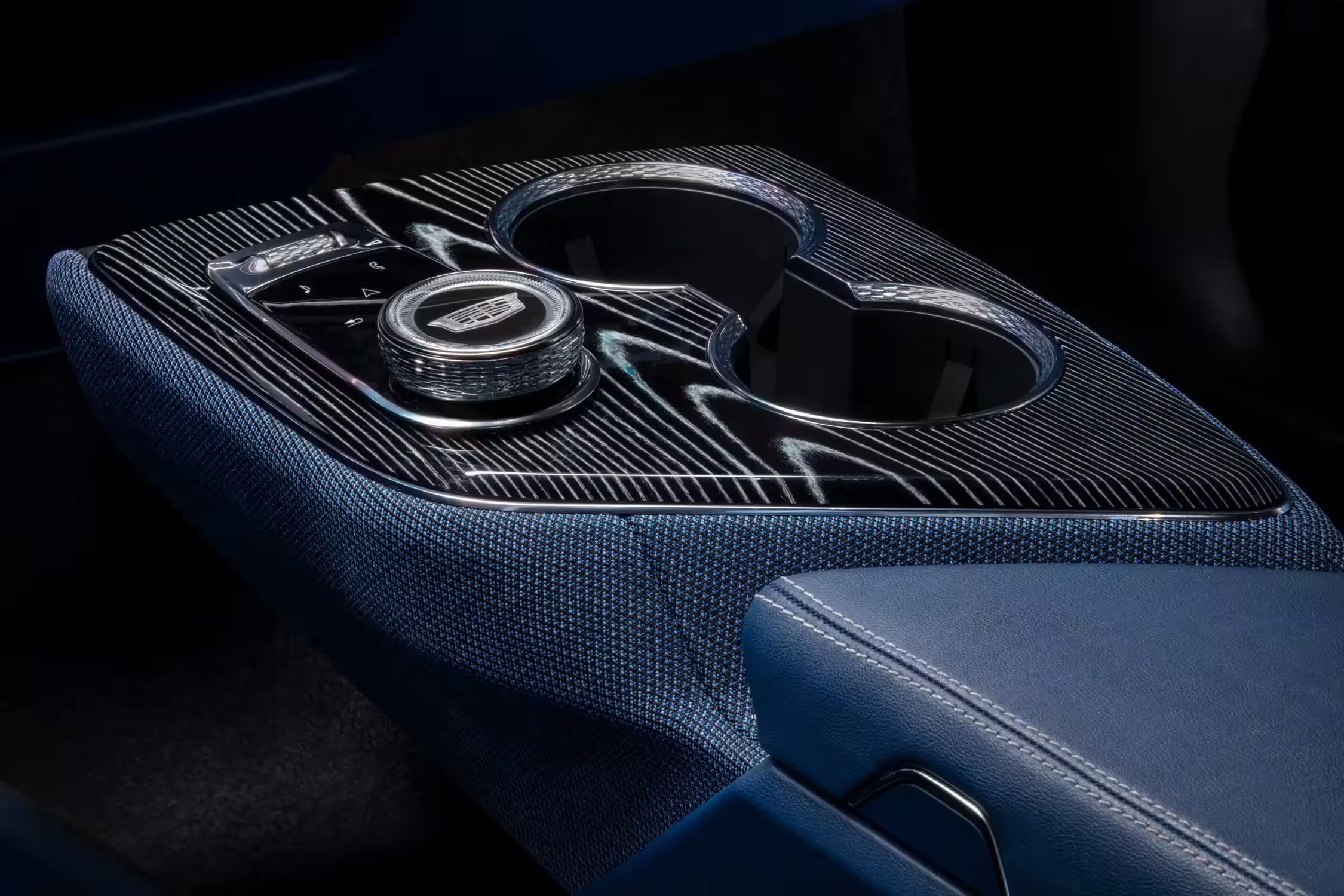
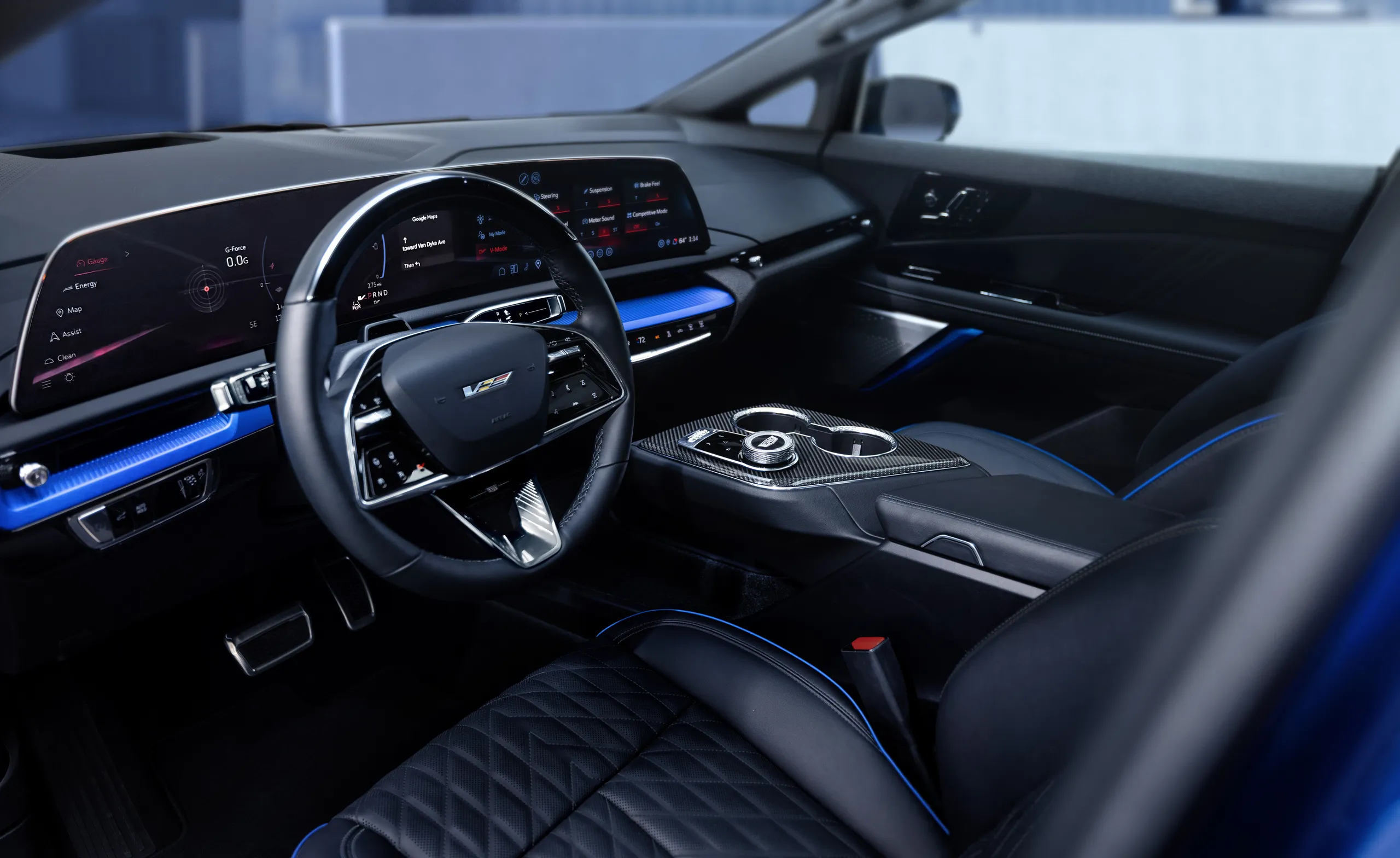
Inside, the Optiq leans heavily into a modern luxury feel without becoming cold or sterile. Cadillac used recycled materials, textured trim, and a floating center console to create a cabin that feels deliberate rather than over-designed. The centerpiece is a 33-inch curved display that merges the digital instrument cluster and infotainment screen into one seamless panel.
That screen is one of the Optiq’s most important selling points. It gives the cabin a futuristic look, but more importantly, it works well. Graphics are crisp, menus are responsive, and the system avoids the awkward lag that still plagues some premium infotainment setups. Standard Google Maps integration and a Wi-Fi hotspot make it easy to live with every day.
There is, however, one notable omission: Apple CarPlay and Android Auto are not available. For some buyers, that will be a dealbreaker. For others, Cadillac’s built-in Google ecosystem may be enough to offset the loss. This is one of the most controversial design choices in the car, and it is likely to remain a major talking point among shoppers comparing the Optiq with competitors.
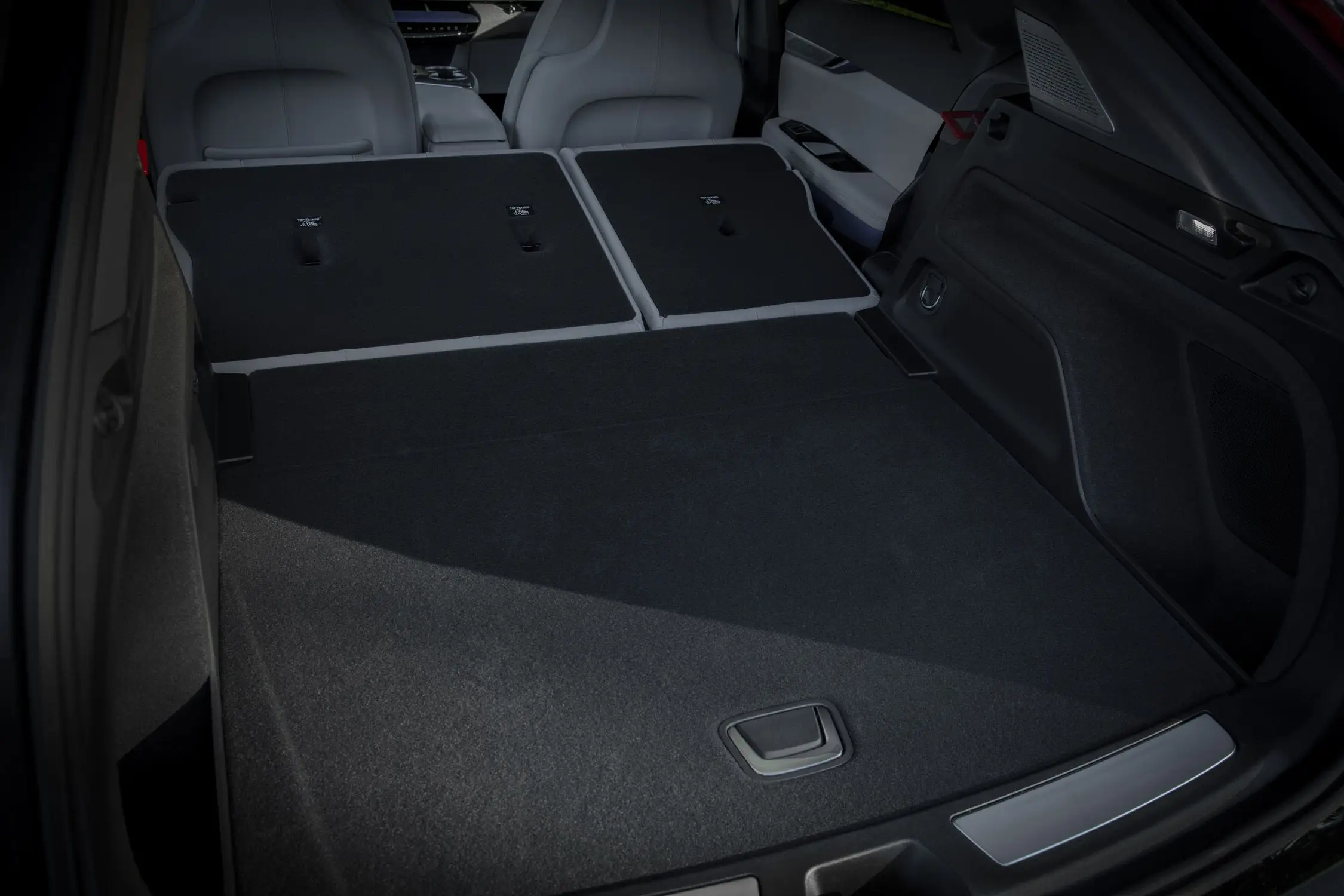
Passenger space is another strength. The second row is comfortable enough for adults, which makes the Optiq a legitimate road-trip SUV rather than just a city commuter. Cargo volume is listed at 26 cubic feet behind the rear seats, which is usable but not class-leading. The sloping rear design steals some luggage room, so buyers who prioritize maximum cargo flexibility may want to step up to Cadillac’s larger Lyriq or even the three-row Vistiq.
That packaging compromise is worth noting. The Optiq is not trying to be the biggest SUV in the segment; it is trying to be the one that feels best to own. That is a subtle but important difference.
Cadillac also includes a full suite of safety and driver-assistance features as standard, including automated emergency braking, lane-keeping assist, adaptive cruise control, and hands-free driving via Super Cruise. In a segment where some brands still charge extra for semi-autonomous convenience, this is a serious value advantage.
For readers tracking how luxury brands are using design and technology to stand out, this is similar in spirit to the distinctiveness seen in the Mercedes-Maybach S-Class 2027 and the tech-driven rethink of the BMW X7 2027. Luxury in 2027 is no longer only about leather and horsepower. It is about software, interface, and how a vehicle makes daily driving easier.
| 2027 Cadillac Optiq Key Specs | Details |
|---|---|
| Base Power | 315 hp single motor |
| AWD Power | 440 hp dual motor |
| Optiq-V Power | 519 hp dual motor |
| Estimated Range | 250 to 317 miles |
| Battery | 85.0 kWh |
| 0-60 mph | 4.3 seconds tested, 3.5 seconds estimated for V-Series |
| Cargo Space | 26 cubic feet |
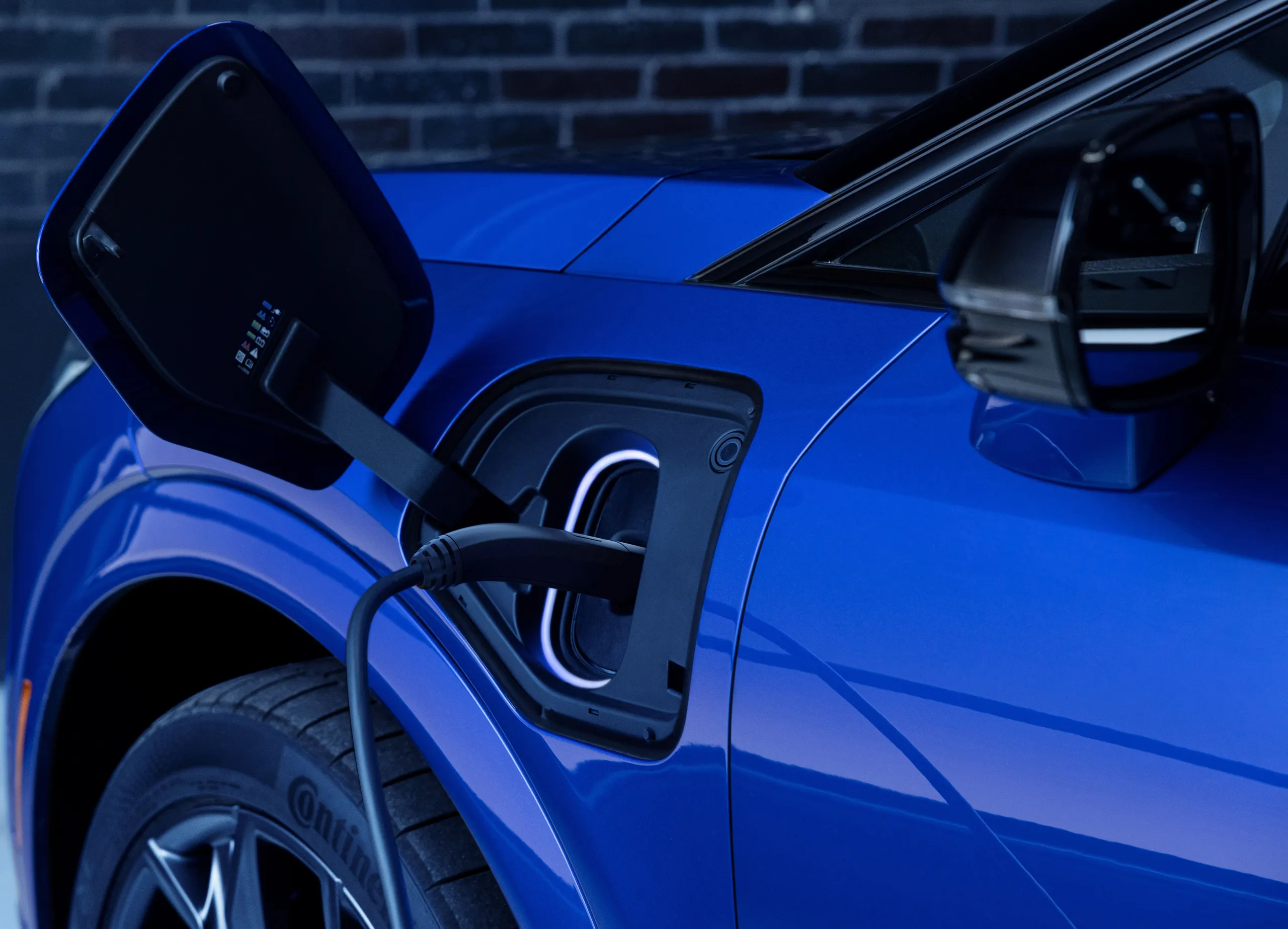
| Charging | Up to 79 miles in 10 minutes claimed |
The deeper lesson here is that Cadillac is no longer treating electric vehicles like compliance products or science experiments. The Optiq is a legitimate premium SUV with a clear identity, strong road manners, and enough range to work in the real world. That is exactly why it could become one of the most important Cadillac EVs yet.
There is still room for debate, especially around the missing smartphone mirroring and the reduced cargo area from the coupe-like roofline. But the overall package is hard to dismiss. If your priorities are luxury feel, long range, comfortable ride quality, and advanced driving tech, the 2027 Cadillac Optiq is one of the most balanced answers in the segment.
The real question is not whether the Optiq is good. The question is whether buyers will choose the smart, well-rounded standard model or chase the temptation of the faster V-Series. And that decision may say more about the future of luxury EVs than Cadillac itself.