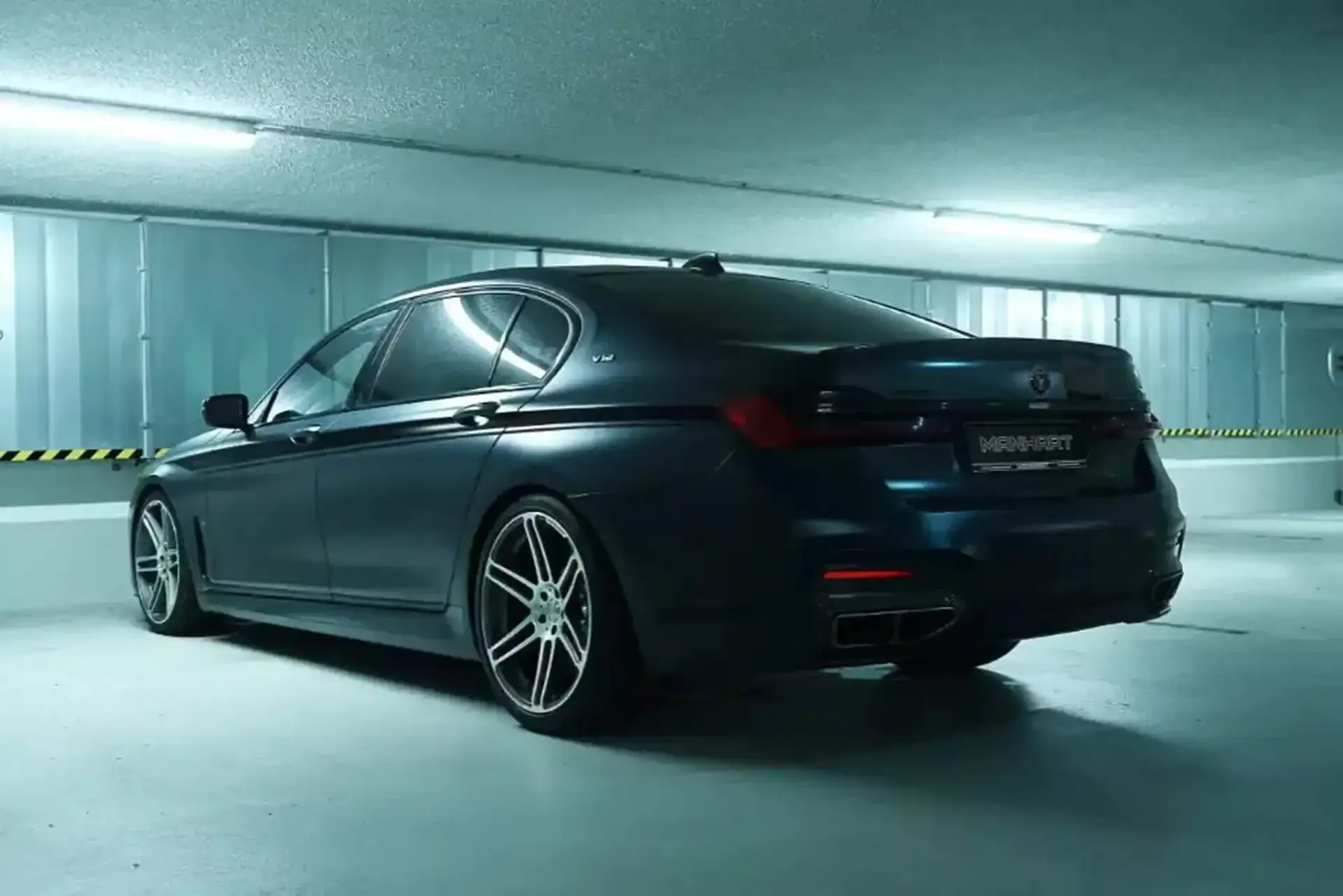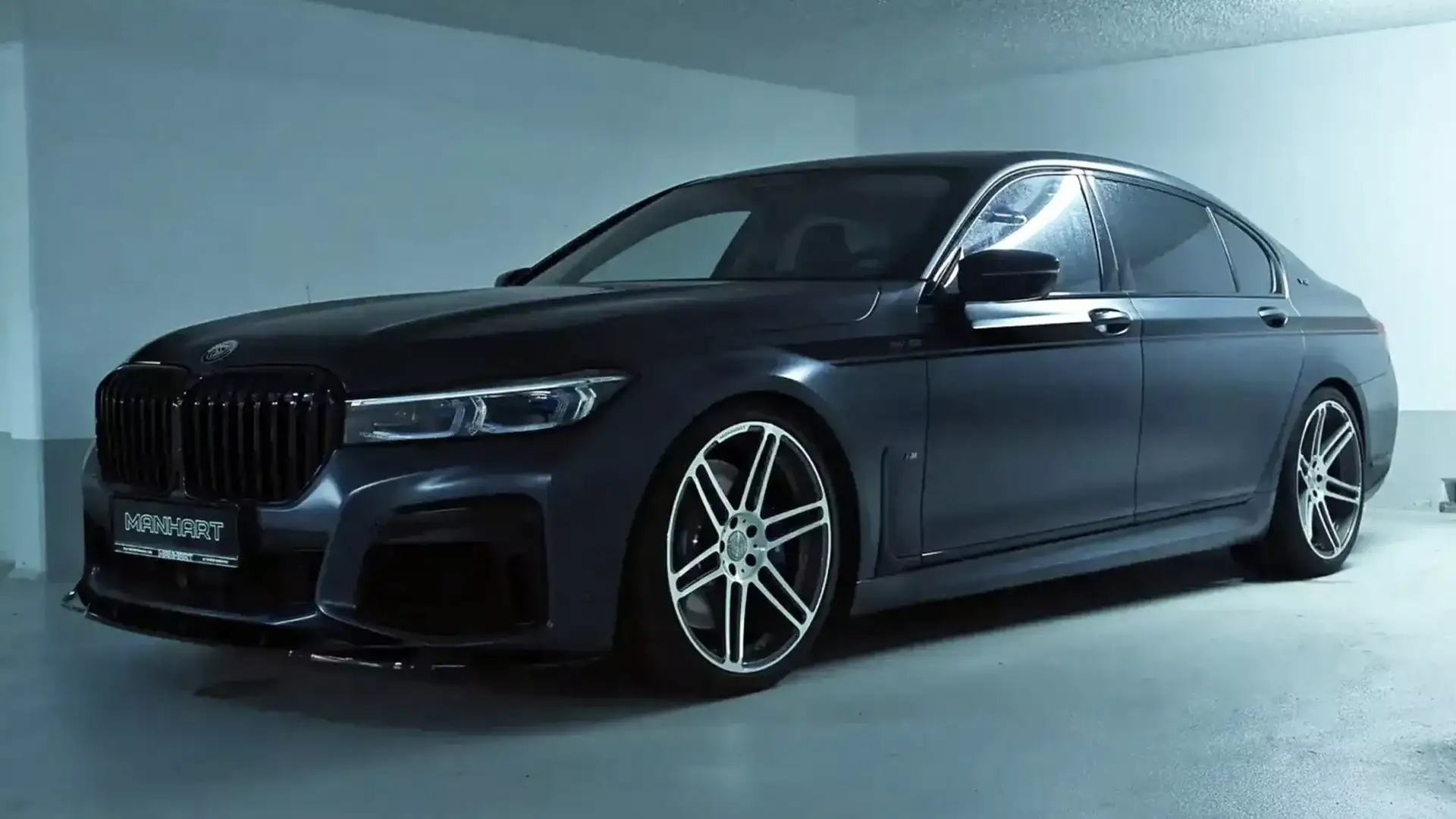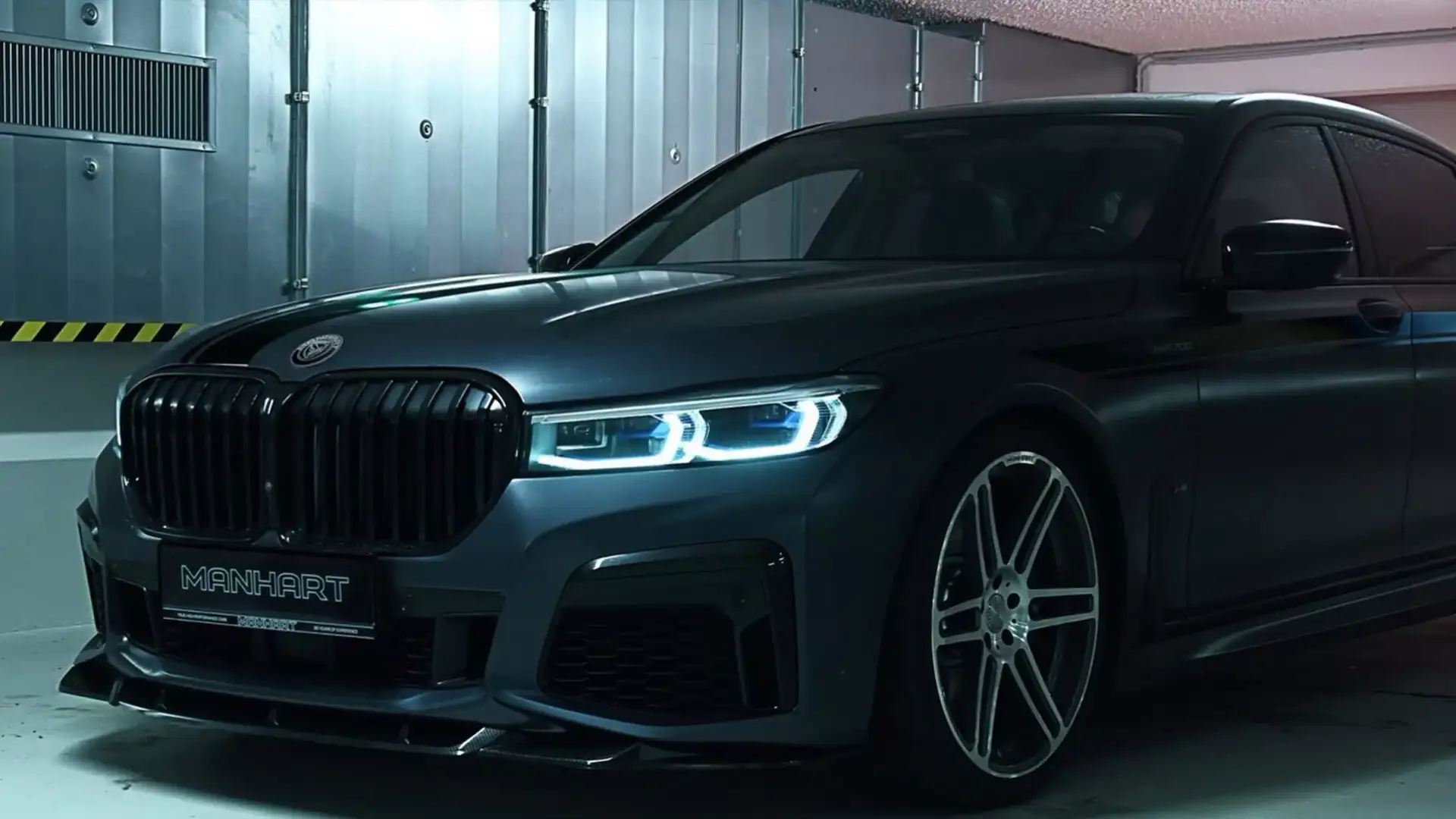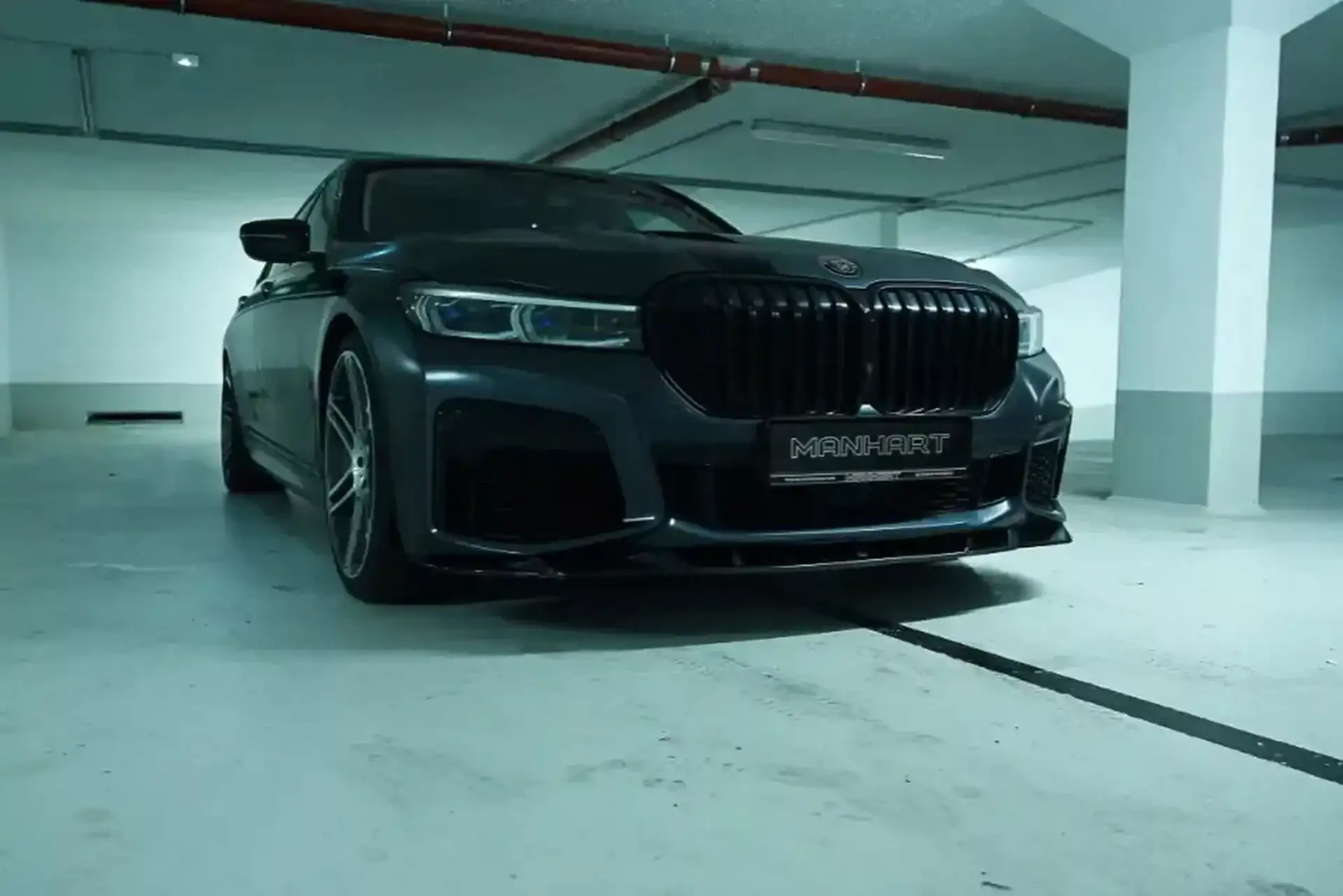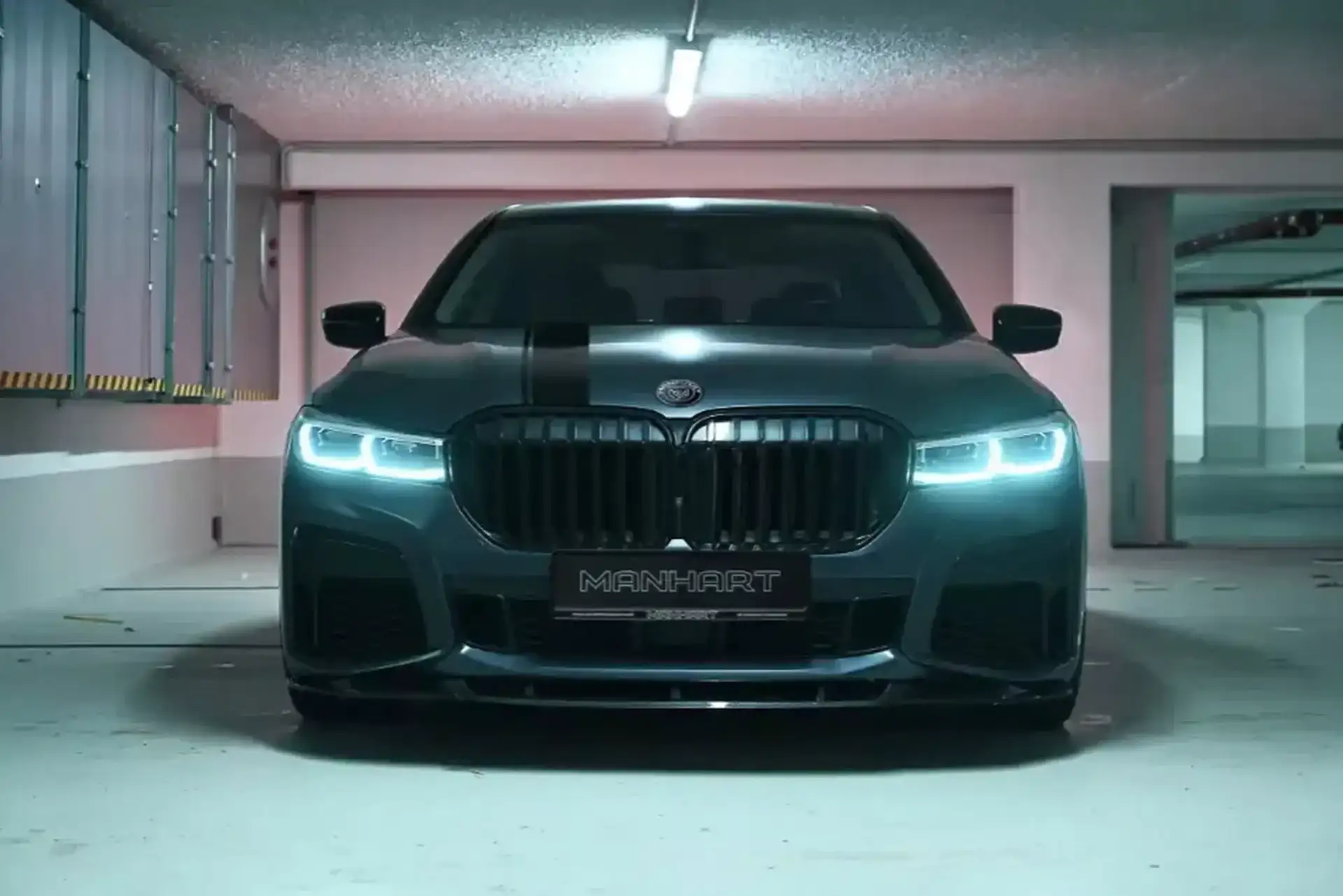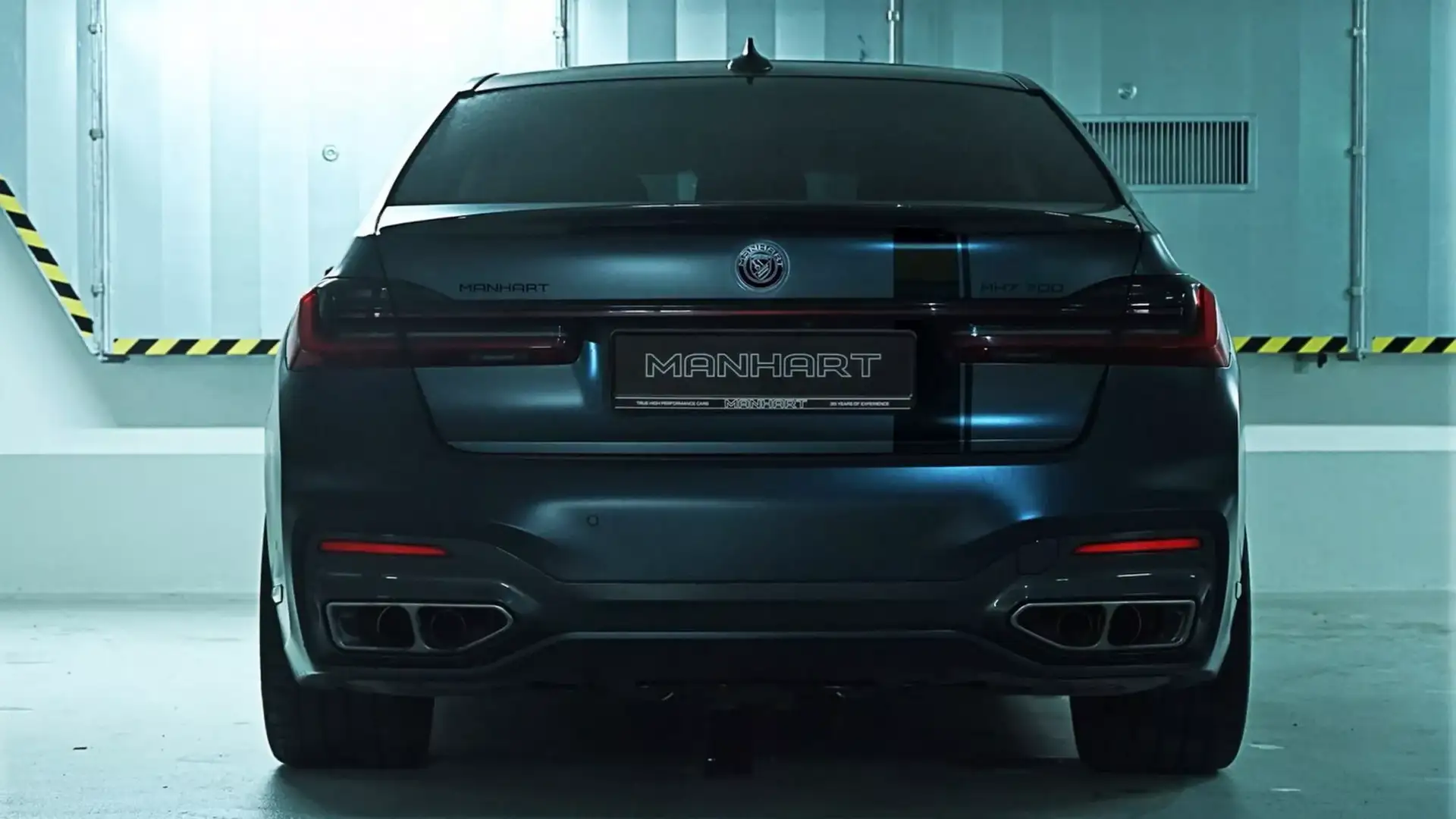
BMW M760LI MANHART MH7 700 challenges the electric era with 1,050 Nm of torque and exclusive looks. See the details of this epic farewell to the V12.
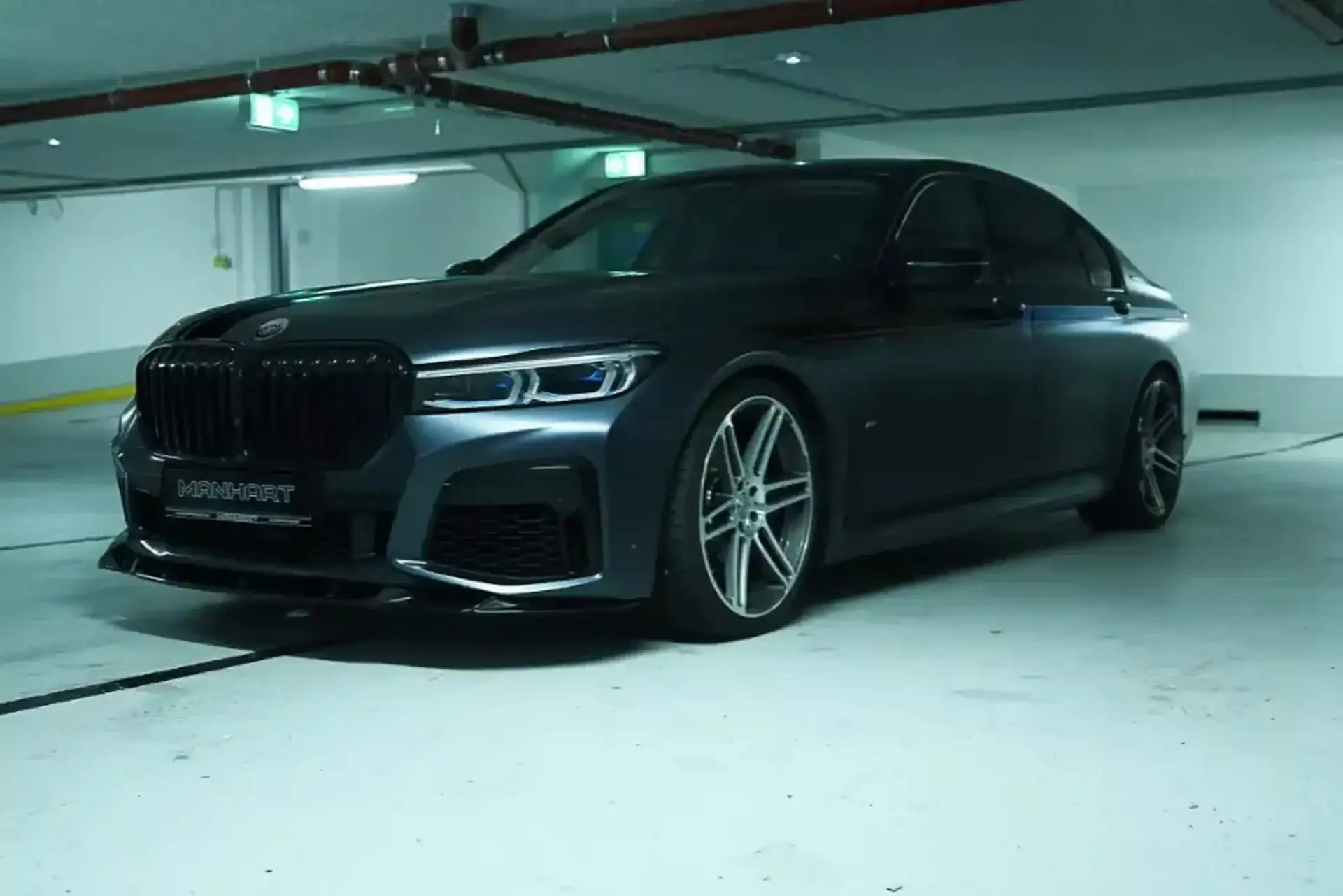
BMW M760Li Manhart MH7 700 What Changes When a Luxury V12 Gets 701 HP
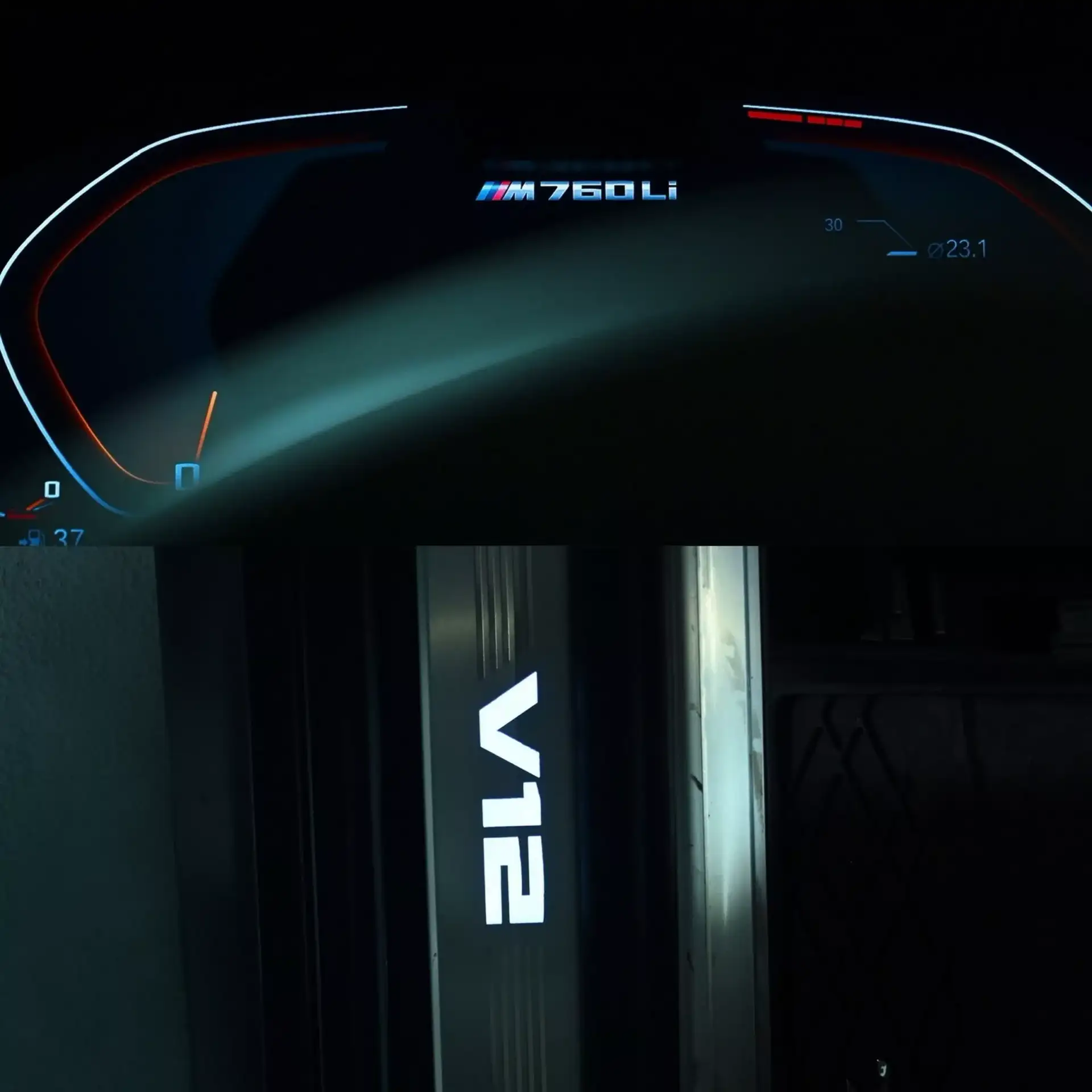
The BMW M760Li (G11/G12 generation) has always been a kind of “final boss” of the 7 Series: the top of the top, with a 6.6-liter twin-turbo V12 engine (code S63? No, N74) and the rare goal of delivering silence, smoothness, and absurd power without needing to look like a track car. But this combination became a collector’s item overnight. The reason is simple and official: BMW discontinued the V12 in the 7 Series in key markets, following the trend of downsizing and electrification.
It is precisely in this gap that Manhart enters, a German tuner known for projects that mix pragmatic engineering with discreet aesthetics (but nothing shy). In the Manhart MH7 700 package, the recipe does not try to reinvent the car: it amplifies what the M760Li already had most valuable. The declared result by the tuner: 701 hp (523 kW) and 1,050 Nm of torque.
To put it in factory terms, the original BMW M760Li xDrive was discontinued with about 601 hp and 800 Nm (variations may occur by year/market). The official benchmark acceleration for the model was 0 to 100 km/h in 3.7 seconds, with a top speed that could reach 305 km/h when equipped with the M Driver’s Package. Manhart hasn’t released new times, but the logic is straightforward: with 100 more hp and 250 more Nm, the dynamic “ceiling” changes levels, especially in overtaking and high speeds.
A V12 in 2026 is not just powertrain. It is a mechanical manifesto, and the MH7 700 treats it as a priority.
This discussion gets even more interesting when you compare it with the new generation 7 Series (G70), which took on a much more polarizing technological and design stance. By the way, if you like the idea of OEM performance focused on aerodynamics and control, it’s worth seeing how BMW itself plays with this in the BMW M2 Track Kit M Performance, which goes in the opposite direction of the “V12 luxury”, but makes it clear how the brand is recalibrating what it calls sportiness.
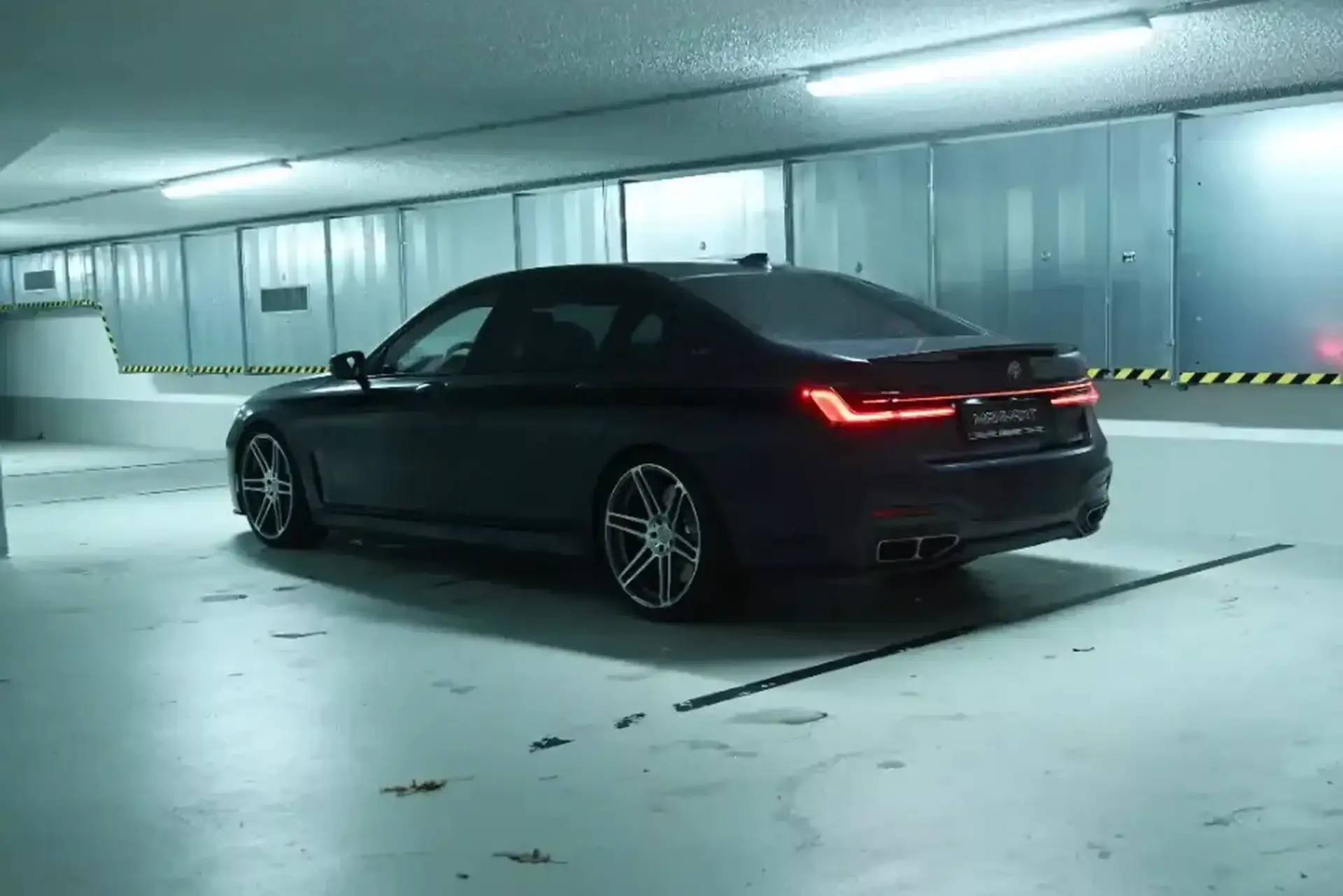
Comparative Technical Sheet Of The Original M760Li Vs Manhart MH7 700
| Item | BMW M760Li xDrive (original) | Manhart MH7 700 |
|---|---|---|
| Engine | V12 6.6 biturbo (N74) | V12 6.6 biturbo with Manhart upgrades |
| Power | approx. 601 hp | 701 hp |
| Torque | approx. 800 Nm | 1,050 Nm |
| 0 to 100 km/h | 3.7 s (factory reference) | not disclosed by the tuner |
| Top speed | up to 305 km/h with M Driver’s Package | not disclosed |
E-E-A-T Note The Manhart package numbers were released by the tuner itself. Data for the original M760Li may vary by year and market, but the N74 base engine and the 0 to 100 km/h in 3.7 s are widely referenced in the model’s specifications.
The Secret Lies In The Exhaust And Electronics Because 1,050 Nm Is Not “Just A Map”
Modern biturbo V12 tuning is rarely “magic,” but it’s also not trivial. In the MH7 700, Manhart combines two classic approaches:
- Turbo upgrade (the tuner mentions their own “Turbo upgrade”), allowing higher airflow and pressure potential safely under specific conditions.
- Additional electronic module (MHtronik Powerbox), adjusting power and torque delivery parameters.
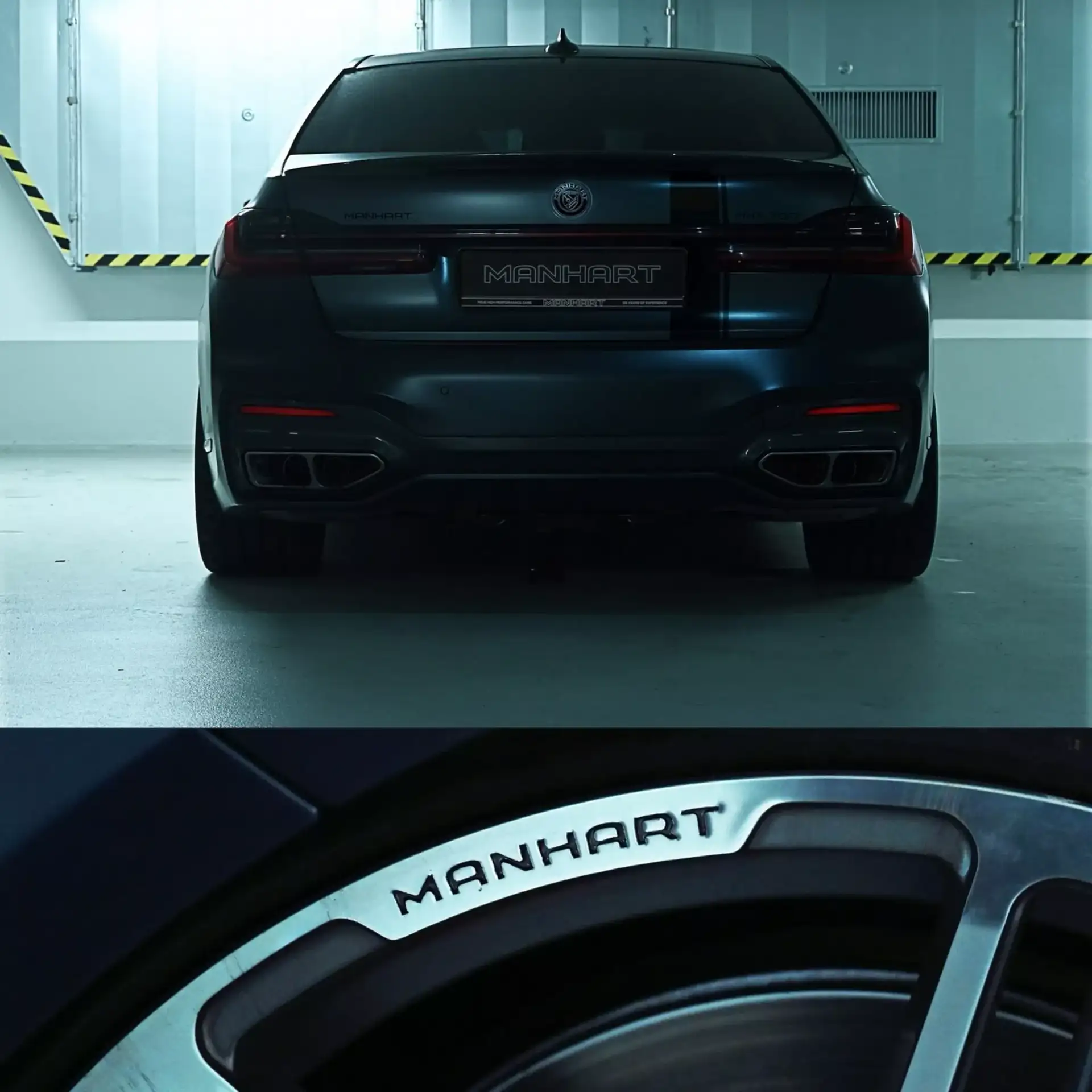
But the third element is what transforms the experience and explains why this type of car becomes legendary: the stainless steel exhaust system with valves, accompanied by sport downpipes and 200-cell HJS catalysts. In plain language, this improves flow, alters backpressure, and changes the V12’s “tone.” And, in a luxury sedan, the contrast is the point.
The valved exhaust is the kind of detail that speaks to two audiences at the same time:
- For those who want to keep the car civilized and comfortable for daily driving with the valves closed.
- For those who want the full soundtrack during strong accelerations, especially on the highway.
There is a little-discussed but crucial side here: 1,050 Nm is enough torque to expose bottlenecks outside the engine, such as thermal management, traction, transmission limits, and low-end delivery strategy. That’s why in serious projects, what defines whether the car “runs strong” or “runs strong for a short time” is the quality of the whole package.
If you like this applied engineering and efficiency discussion, but from another perspective, you can cross it with a theme that is changing the game of modern performance: recharge and energy density. This advancement clearly appears in solid-state batteries with 80% charge in 4.5 minutes, which help explain why the industry is pushing electrification so much even in luxury segments.
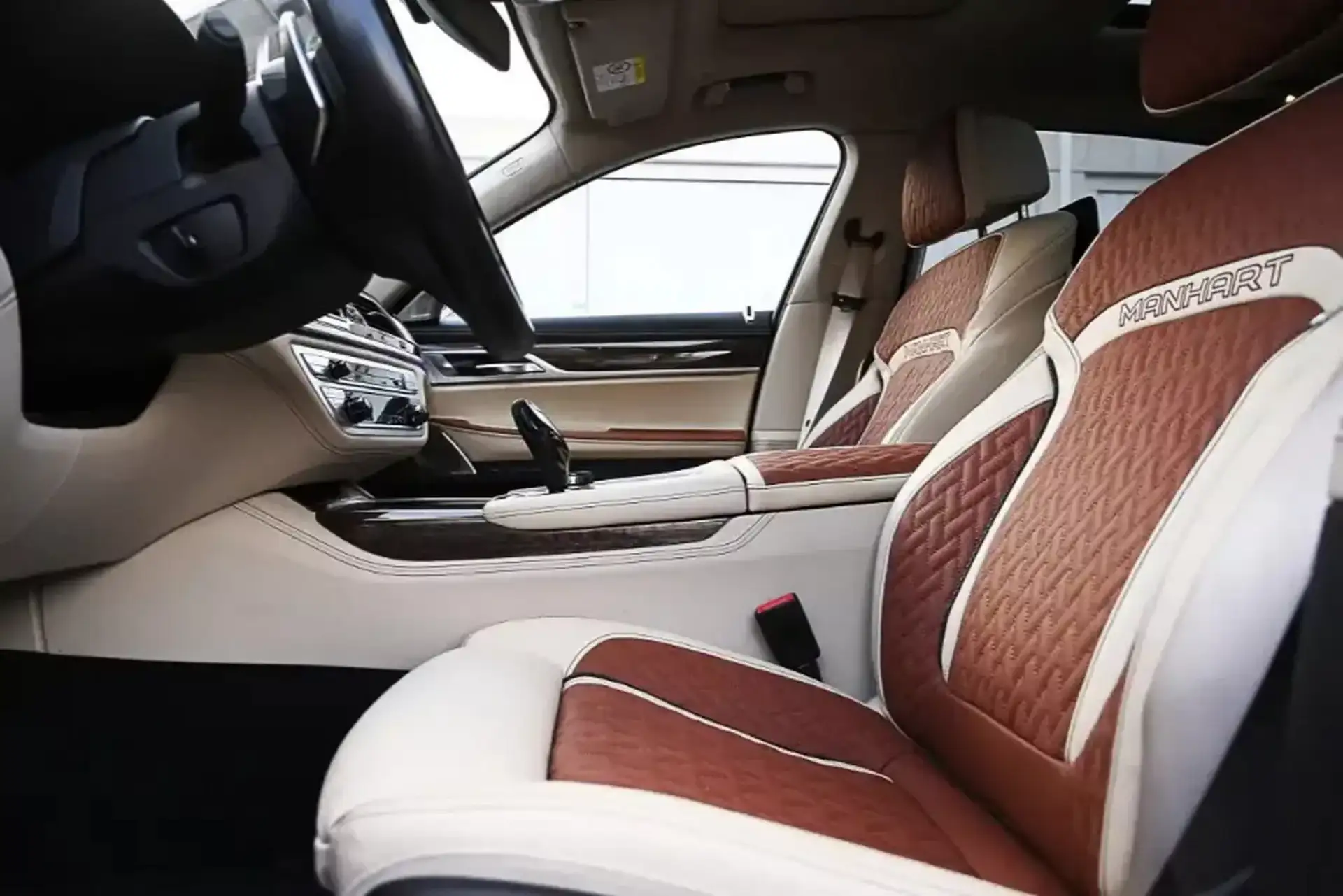
Discreet Exterior Look, Strong Interior Customization, And What This Says About Status Today
One point that makes the BMW 7 Series G11/G12 age well is its proportion. Especially in the facelift (post-2019), the car delivers presence without needing exaggerated effects. Manhart seems to have understood that, in this kind of project, excess ruins the message.
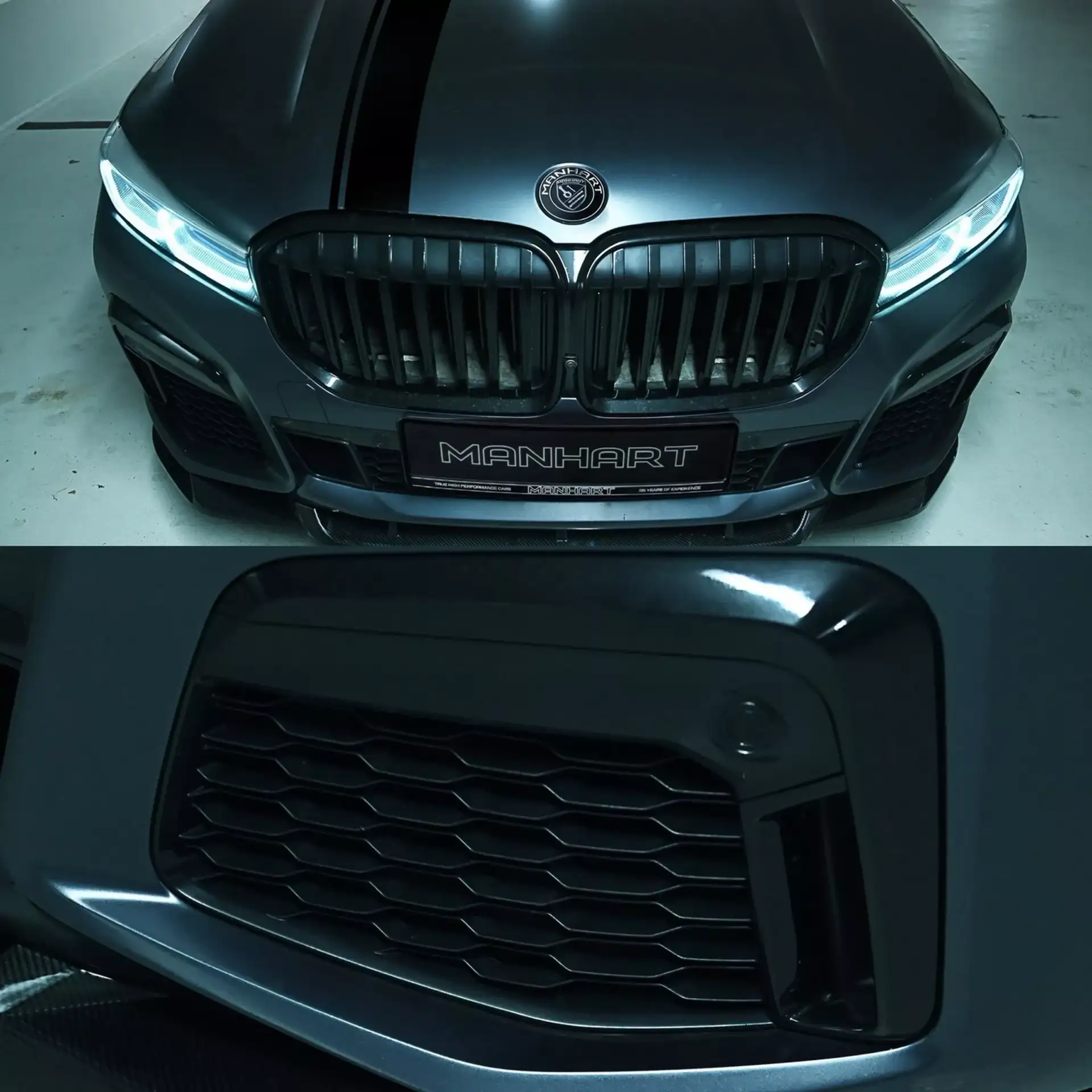
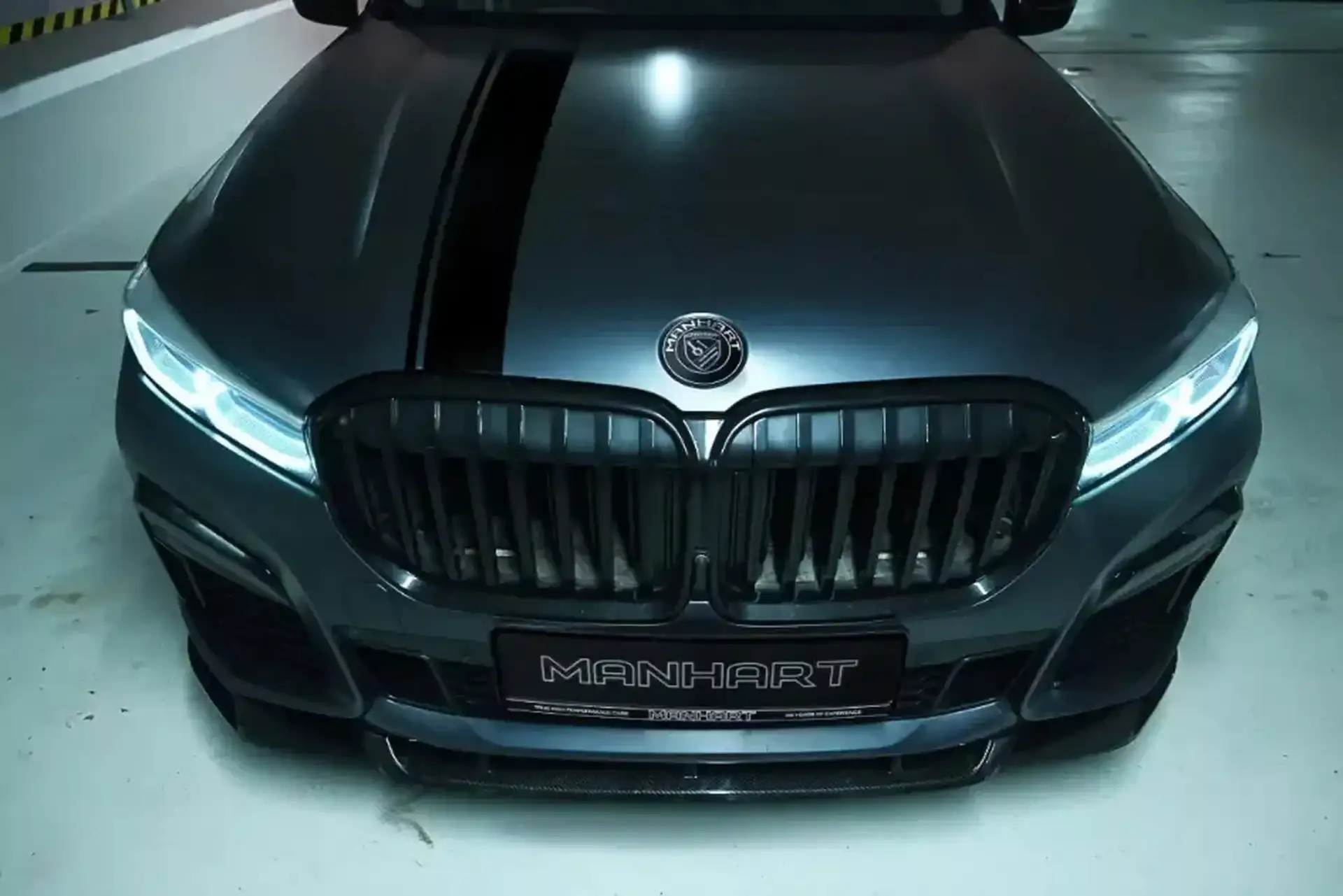
On the outside, the package is “fine tuning,” with carbon fiber parts where it makes visual and aerodynamic sense:
- Front carbon splitter
- Carbon mirror caps
- Rear lip spoiler
- Optional glossy black decal (for those who want to highlight the package)
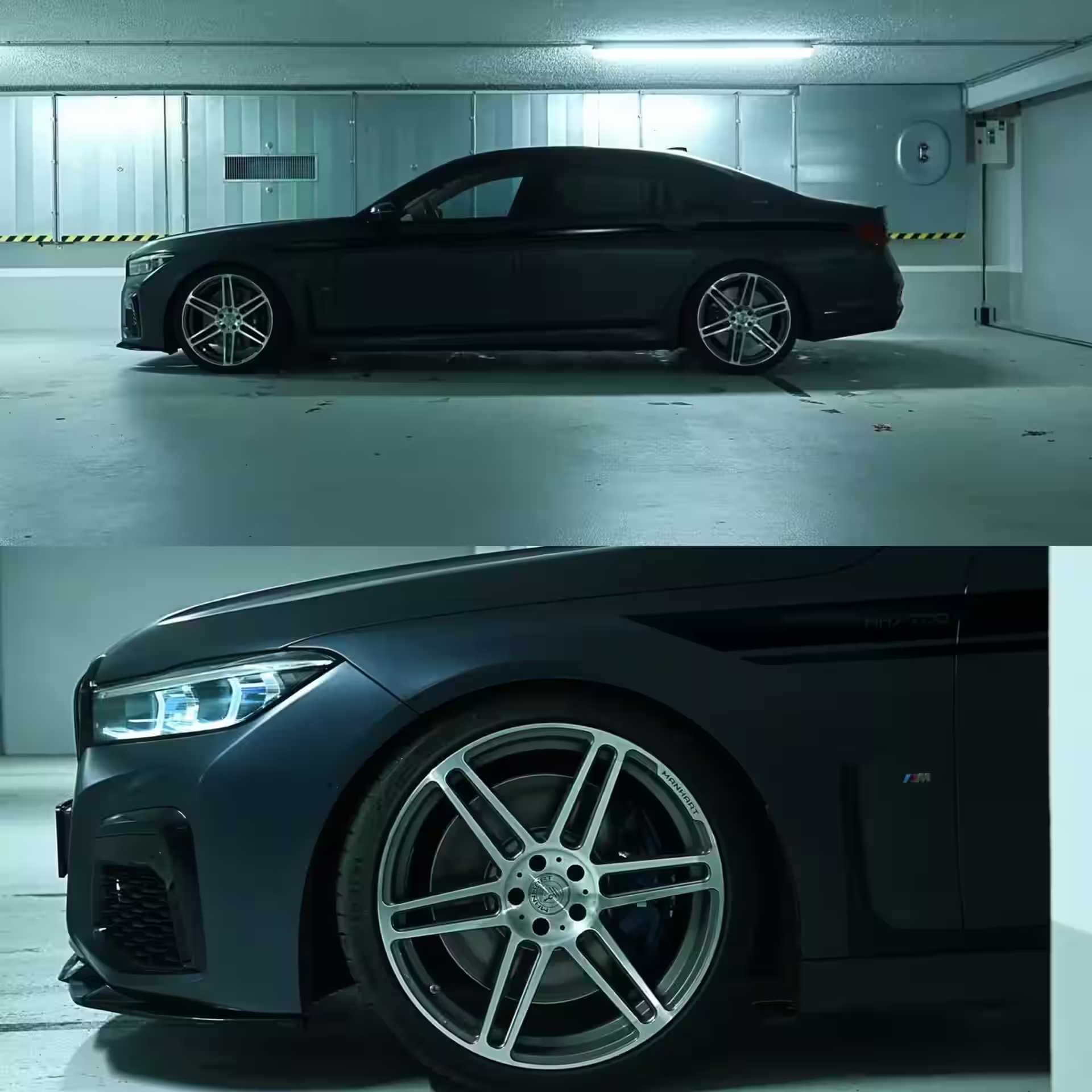
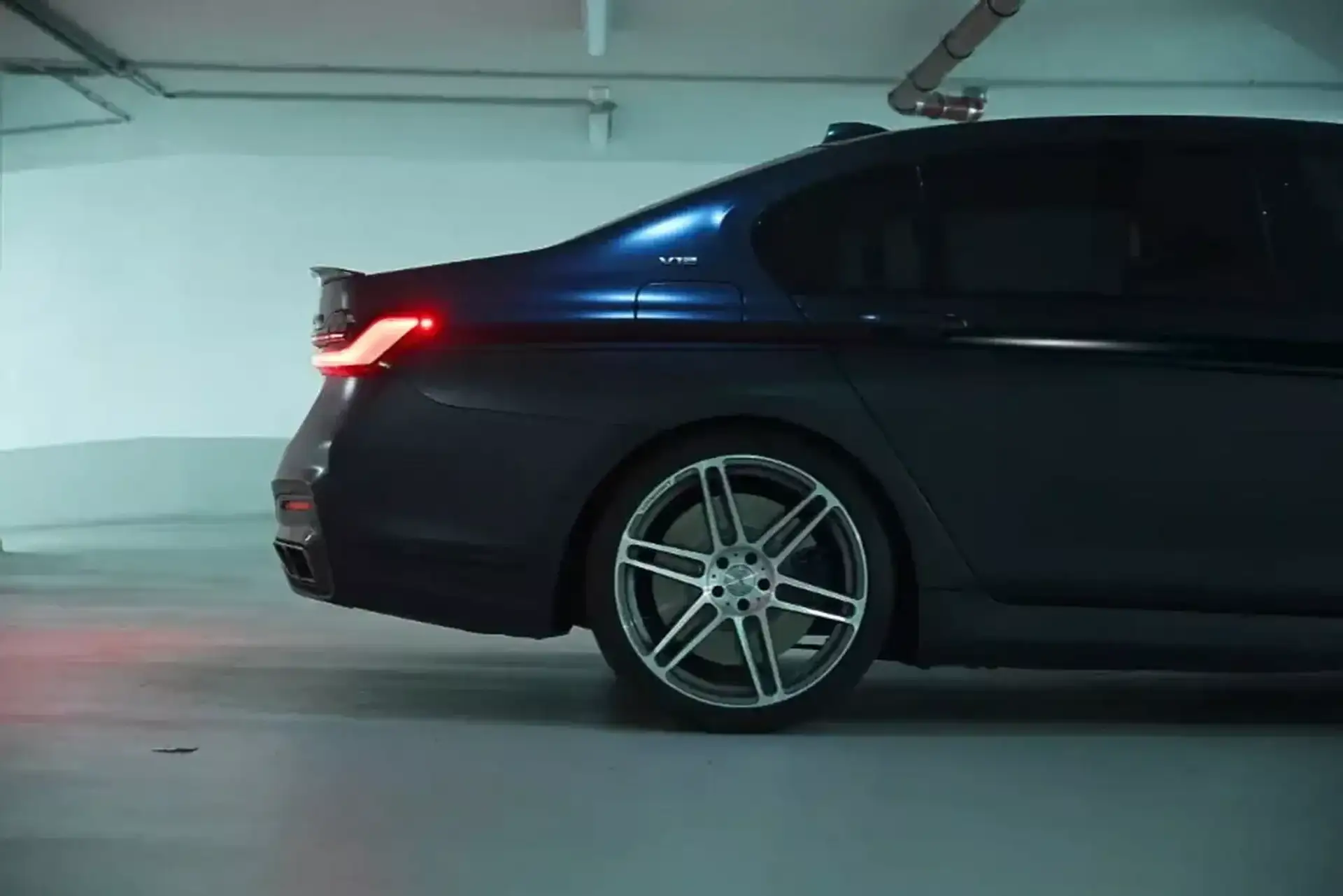
The stance also changes with a simple yet effective adjustment: the original air suspension is lowered via new coupling rods/links. The goal is to reduce height, improve aesthetics, and give a settled feel without deep reengineering of the system.
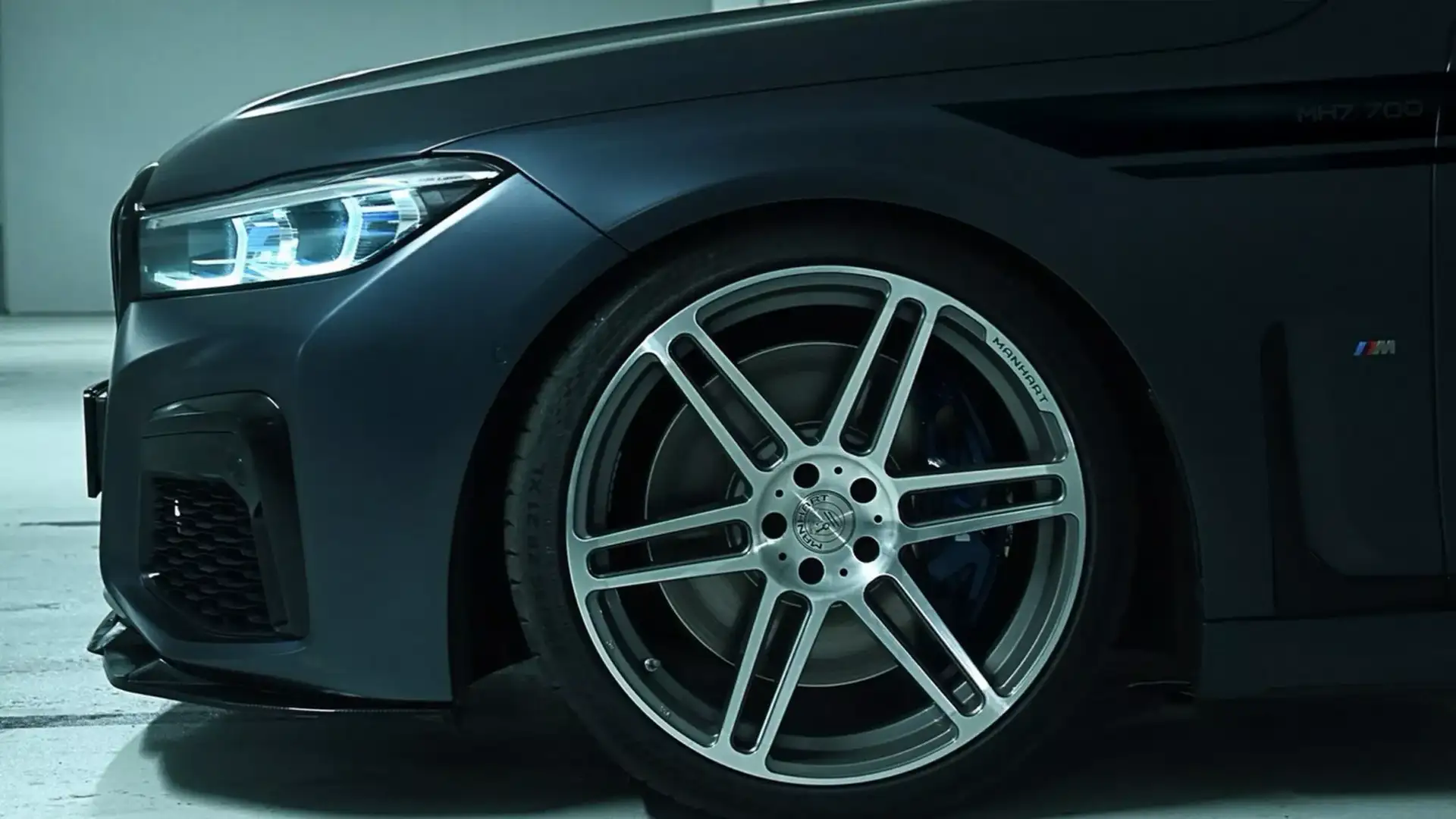
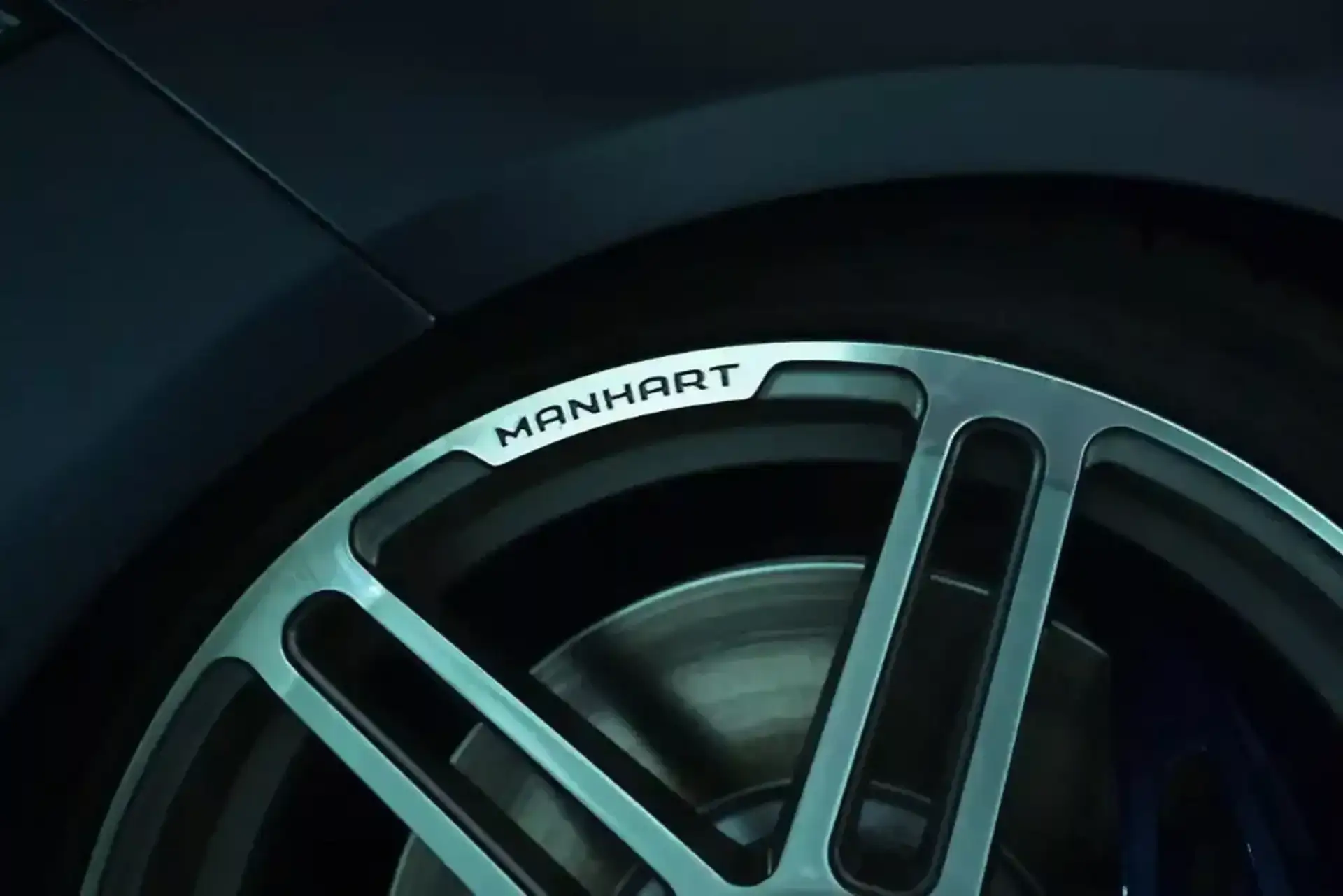
The chosen wheels are a central part of the Manhart “signature”: 21 inches, Concave One model, forged, with a six double-spoke design. Here’s an important detail for those considering real use: forged wheels tend to offer a good stiffness-to-weight ratio, but the 21” setup demands attention to tires, profile, and comfort on rough surfaces. If you want to better understand how material and process affect real life, this guide is a must-click Magnesium vs. Forged Aluminum Wheels for daily use.
Custom Luxury Interior E-E-A-T Isn’t a Screen, It’s Finishing
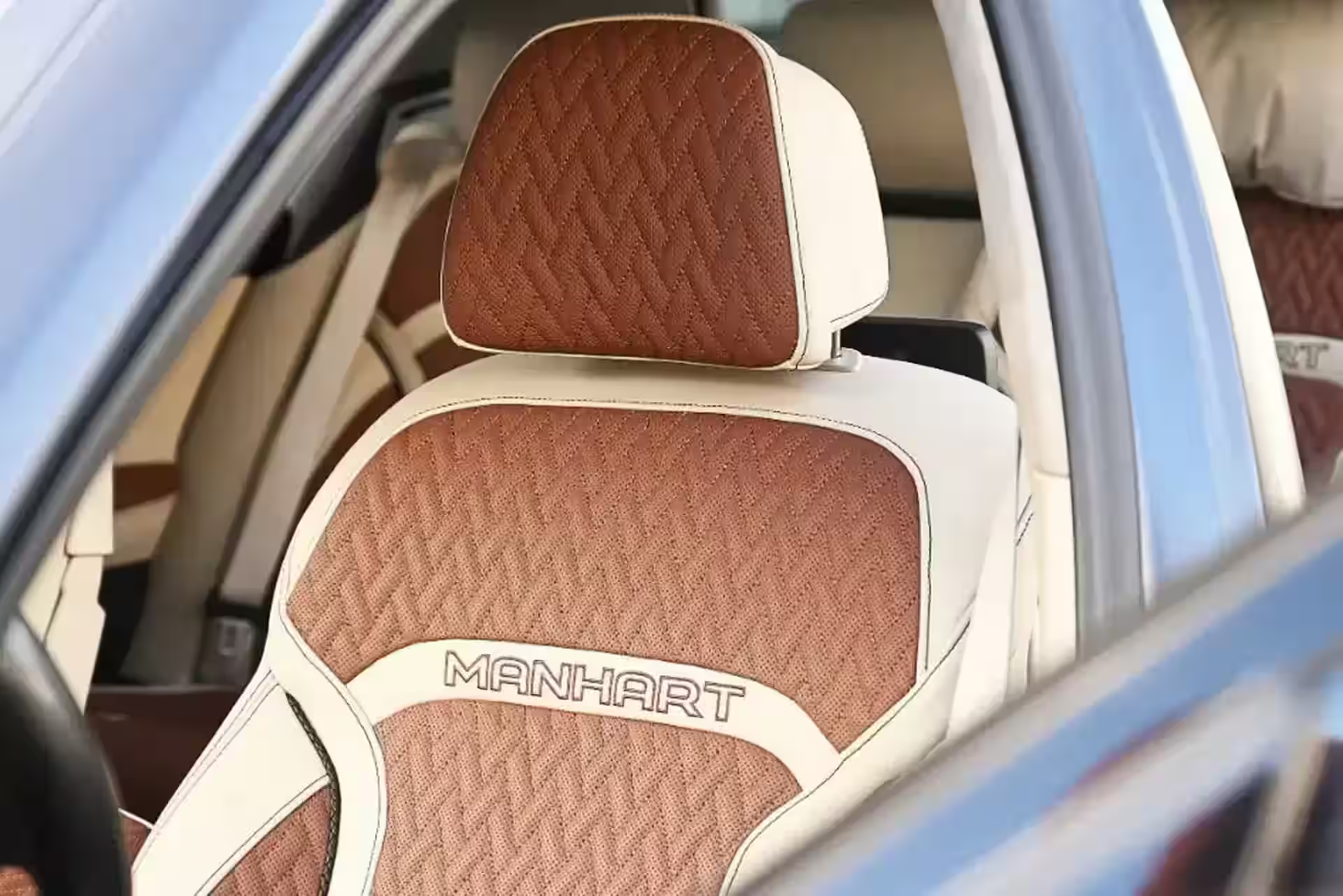
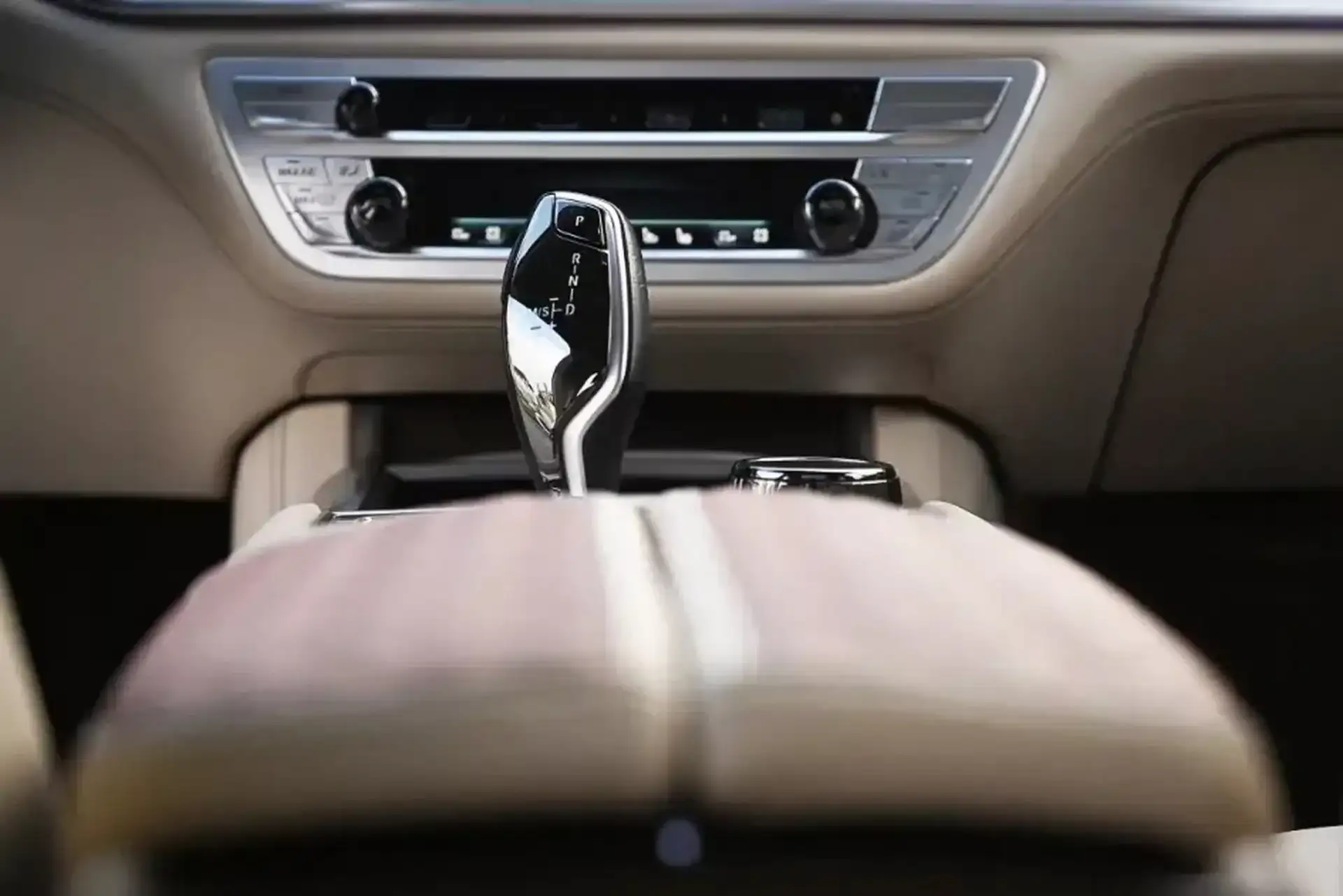
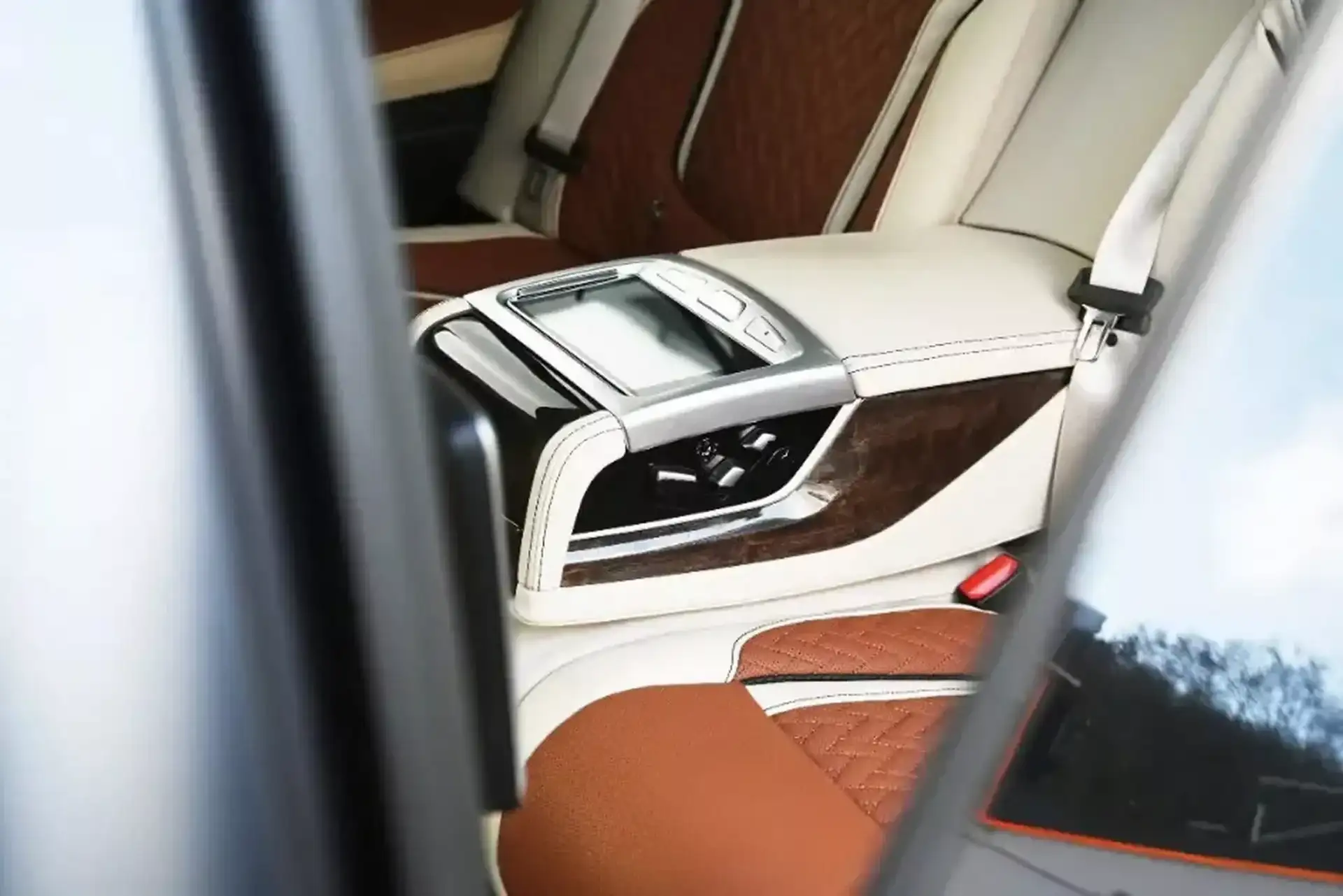
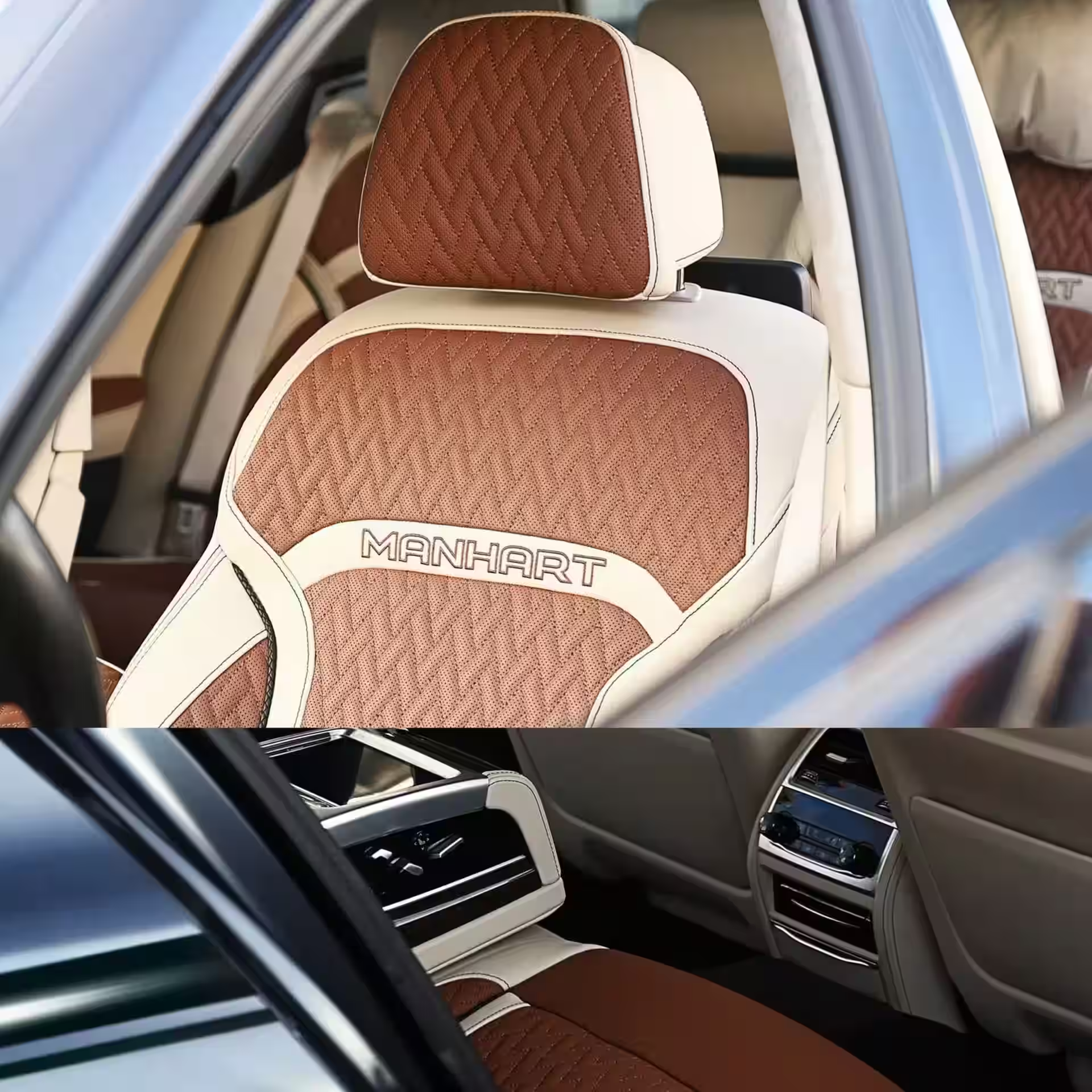
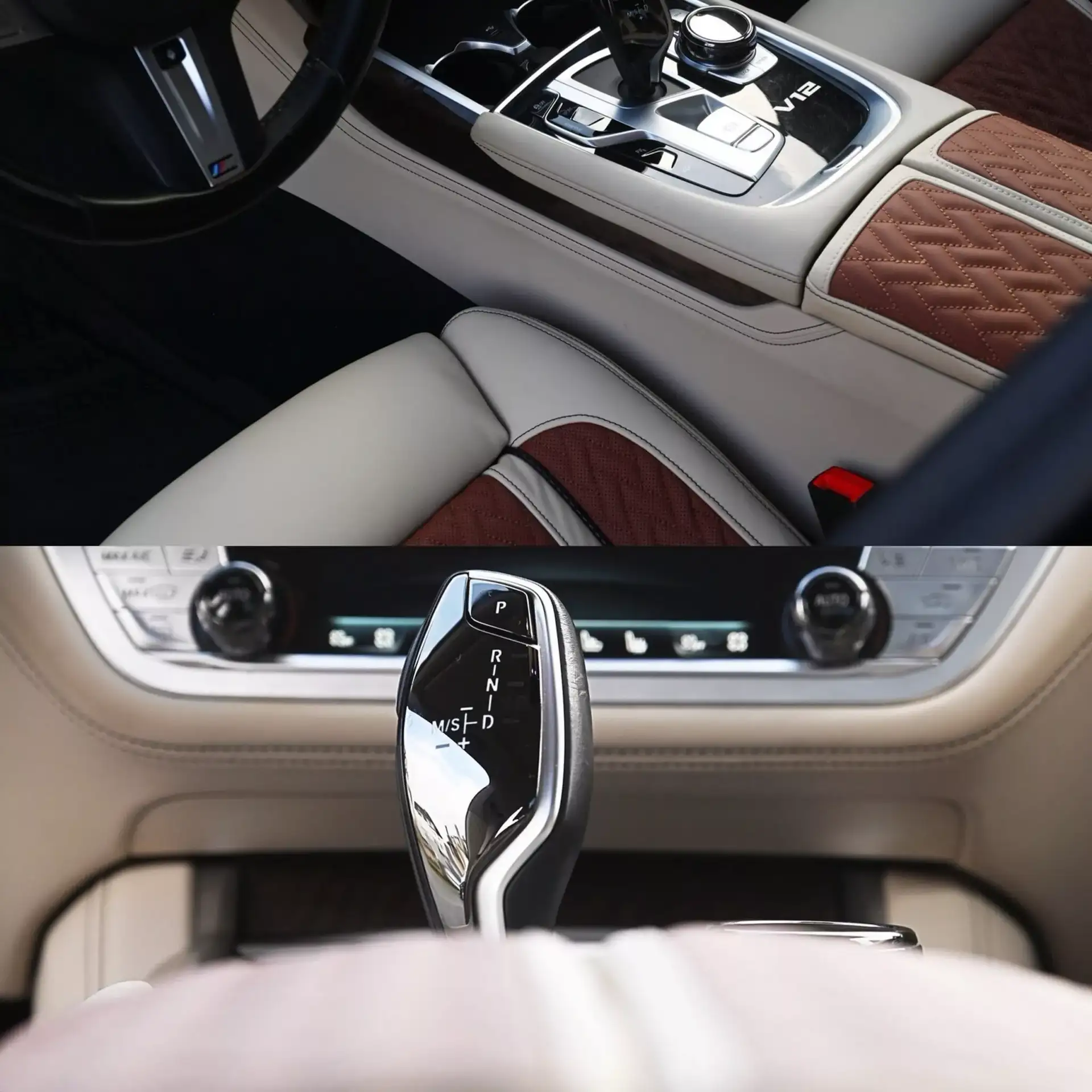
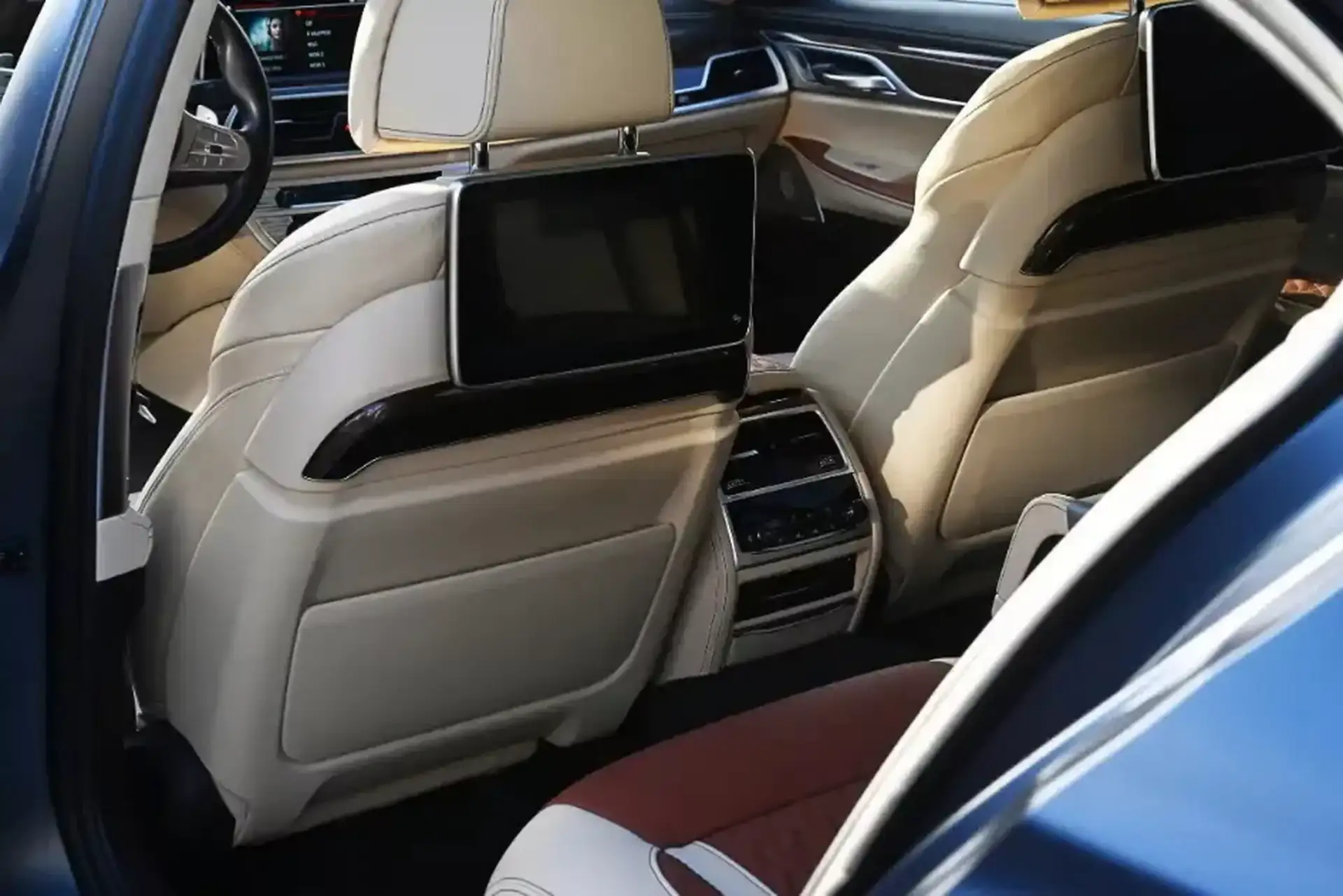
While the body tries to maintain elegance, the interior goes into the territory of “made for a specific owner”. The MH7 700 can feature brown and beige leather, with detailed stitching and embroidered logos, as well as custom floor mats. This matters because the 7 Series, by definition, is a car where perceived value comes from touch, smell, and finishing as much as from the technical sheet.
This type of customization also aligns with a larger trend in the segment: the return of luxury as a silent experience, rather than luxury as ostentation. And, ironically, this is happening just as giant screens have become the “standard.” If you want to compare top-line philosophies with different engines and proposals, it’s worth reading the review of the 2026 Mercedes-AMG S63 E Performance, which represents the hybrid high-performance era applied to luxury.
Price, Conversion, and The Real Dilemma For Those Who Have an M760Li in the Garage
Manhart does not publicly set a single price for the complete MH7 700 package. Instead, it follows a common model among premium tuners: components can be purchased separately, and the “fixed” budget depends on configuration, availability, and the customer’s goal.
For those who already own an M760Li, an interesting and very current dilemma arises:
- Preserve originality thinking about collectability, rarity, and historical value of the last “classic” V12 Series 7.
- Embrace customization to turn the car into an even rarer piece, but with a more personal profile and possibly more complex to resell.
This dilemma is not exclusive to BMW. It is happening throughout the industry with the end of iconic engines. A direct parallel is the gradual farewell to large architectures, as seen in the “Farewell W12” movement in luxury brands. To understand this domino effect, it makes sense to cross-reference with Farewell W12, hello hybrid V8 in the Bentley Continental GT S, because it exposes the same conflict, just with a different engineering school.
In the end, the BMW M760Li Manhart MH7 700 does not try to prove that it is “better” than the new 7 Series in technology, screens, or driver assistance. It proves something else: that there was a type of large sedan that the industry is ending, and that, when someone decides to take one last step before extinction, the result becomes more than a tune. It becomes a statement.