BMW M2 CUP BRAZIL debuts in 2026 with a grid limited to 18 identical cars, a 2.0 Turbo engine with 313 HP, and a top speed above 270 km/h.
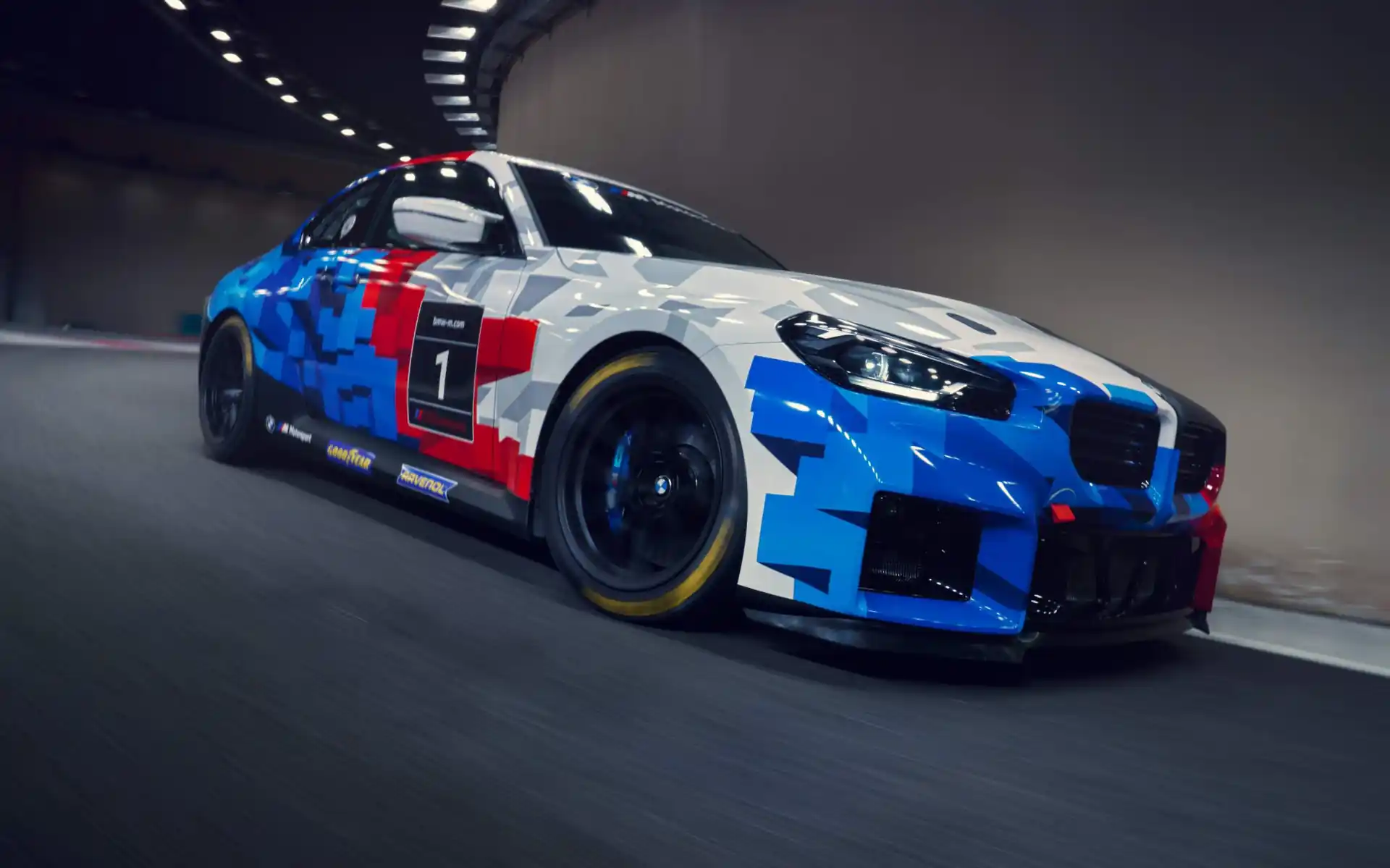
BMW has just designed a new chapter for Brazilian motorsport. And this time, it’s not about another street model with absurd power and an inaccessible price. The Bavarian manufacturer officially announced the BMW M2 CUP Brazil, a one-make championship debuting in 2026 with a bold proposal: to put amateur drivers and enthusiasts to compete in genuine race machines, homologated by the BMW M Motorsport division, with identical technical specifications and thrilling 30-minute races.
What Makes the BMW M2 CUP Brazil Different from Everything We’ve Ever Seen
While traditional categories require millions in investments and huge teams, the BMW M2 CUP Brazil arrives with a lean and democratic formula. The grid will be limited to only 18 cars — all identical, all equipped with the BMW M2 Racing, a competition version unveiled internationally in 2025.
The technical structure is deliberately simplified. The 2.0 TwinPower Turbo engine delivers 313 hp (308 HP) and pushes the coupe beyond 270 km/h. There are no variations in engine, suspension, or aerodynamics among competitors. Victory depends solely on the driver’s skill — a rarity in championships where budget often outweighs talent.
The strategic partnership with Endurance Brasil is another differentiator. By sharing infrastructure and dates with already established endurance races, the category ensures a professional calendar without the astronomical costs of independent operation. The official opening takes place on May 23, 2026, at the Interlagos Circuit, with seven rounds scheduled throughout the season.
The Car That Will Define the New Standard of National Competition
The BMW M2 Racing is not a homemade conversion of a street model. Developed by BMW M Motorsport, the project prioritizes mechanical robustness and simplified maintenance — essential features for private teams operating with controlled budgets.
The chassis is derived from the current generation of the BMW M2 production model but undergoes extensive structural modifications. Roll cages, an automatic extinguisher system, safety fuel tank, and track-adjustable suspension transform the coupe into a homologated competition weapon. The result is a machine that retains the brand’s essence — precise handling, pure rear-wheel drive — without the comfort compromises required for urban use.
For enthusiasts who want to experience M performance in a controlled environment, it’s worth checking how BMW already offers preparation packages for mixed use. The BMW M2 Track Kit M Performance demonstrates the brand’s philosophy of combining race DNA with street viability — an approach that also permeates the development of the M2 Racing.
Augusto Farfus and the Legitimacy of a Serious Championship
The choice of Augusto Farfus as the official spokesperson is no coincidence. The Brazilian driver with an established career in BMW’s international program brings experience in elite touring and endurance categories — including the DTM and the 24 Hours of Le Mans. His active participation in the development of BMW M Motorsport models gives technical credibility to the initiative.
“The category was designed to bring together drivers of different experience levels,” explains the organization. The proposal includes everyone from executives who want to realize the dream of competing to young people seeking an entryway to professional careers. The sprint format — two 30-minute races per round — guarantees constant intensity and multiple scoring opportunities.
BMW’s strategy with the M2 CUP Brasil aligns with larger market movements. While the brand expands its performance ecosystem, it also invests in radical electrification. The recent announcement of the BMW i3 2026 with the Neue Klasse platform demonstrates how the manufacturer balances sporting heritage with a sustainable future — a duality also reflected in maintaining pure combustion categories for talent development.
For those questioning the investment in racing during an energy transition moment, the answer lies in grassroots development. One-make categories like the M2 CUP Brasil act as skill laboratories, where drivers develop technical sensitivity transferable to any platform — be it gasoline, electricity, or hydrogen powered.
The expectation is that the category will significantly increase the presence of one-make championships in the country, a segment historically underrepresented in the national calendar. With identical cars, predictable costs, and a professional structure, the BMW M2 CUP Brazil can finally democratize access to high-level competition — without sacrificing the excitement that has driven motorsport since its origins.