
Did you know that washing your car incorrectly can cost thousands of dollars? Discover the 10 silent factors that ruin AUTOMOTIVE PAINTING and how to protect your investment today.
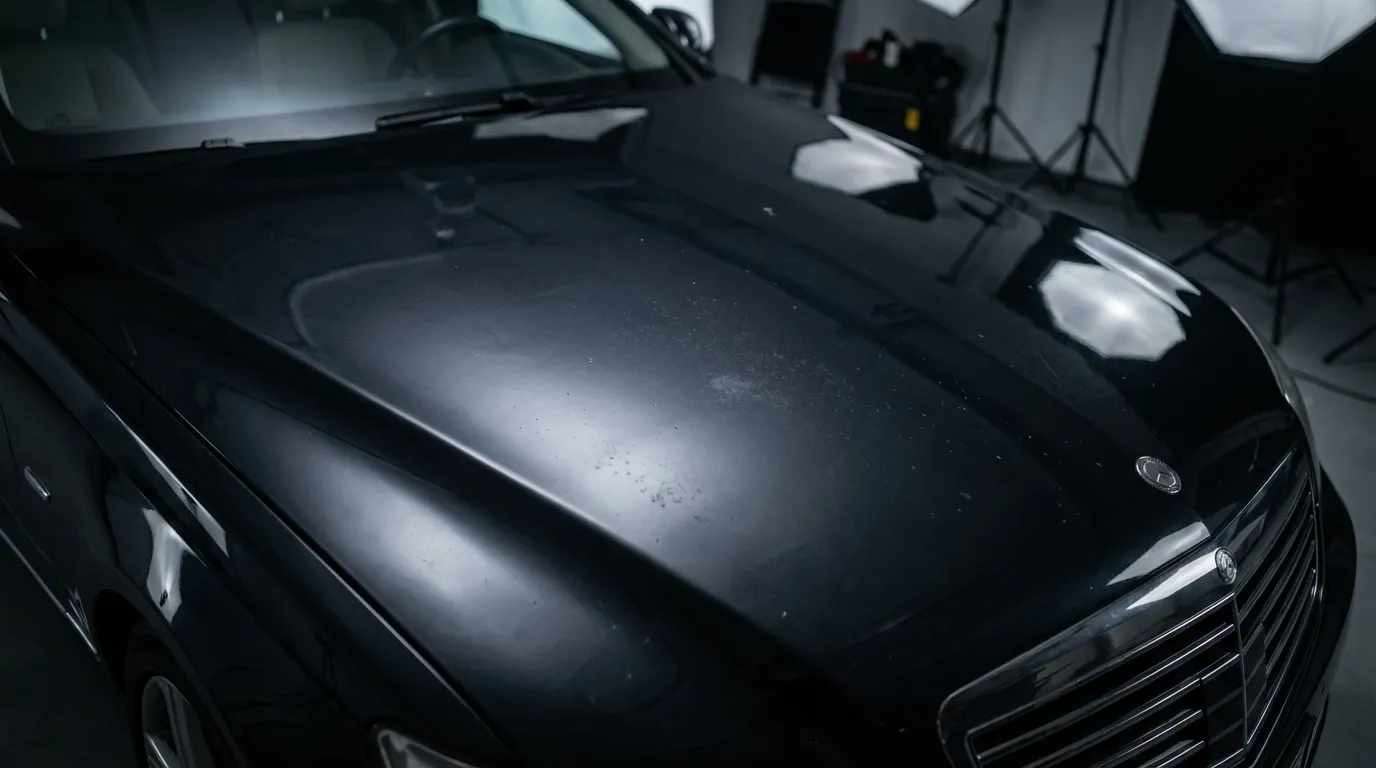
The majority of vehicle owners believe that damaged paint is the result of a dramatic accident, such as an out-of-control shopping cart on a windy day or a parking lot collision. However, the reality is much more insidious and silent. Paint degradation rarely happens overnight; it’s a slow process of fading, oxidation, and micro-scratches that occurs right under your nose. When you finally realize the deep shine of your car has disappeared, it’s usually too late for a simple fix. Modern paint is technologically advanced but also thinner and more environmentally regulated, which reduces its margin for abuse. Below, we delve deeply into the ten factors that are currently conspiring to turn your vehicle’s shiny finish into a dull, lifeless surface.
1. UV Radiation: The Silent Oven
The sun is undoubtedly the number one enemy of long-term automotive aesthetics. It’s not just about heat but also ultraviolet (UV) radiation. Think of your car’s paint like human skin; without protection, it burns. UV radiation breaks down the molecular bonds of the varnish (the clear layer that adds gloss and protection), making it brittle and opaque.
The process begins with a loss of shine and progresses to oxidation, the whitish, rough appearance seen on older cars left exposed outdoors. Dark and red colors are notoriously more susceptible because they absorb more light and heat spectra. Excessive heat also expands the paint’s pores, allowing contaminants to penetrate deeper. Even ultra-luxury and exclusive vehicles, like the ROLLS-ROYCE PHANTOM with Rolex wheels rewriting luxury rules, are not immune to basic physics if not properly protected with high-quality waxes or ceramic coatings. The only real defense here is a sacrificial barrier (wax/sealant) and, of course, shade.
2. Bird Droppings and Insects: Pure Acid
It may seem like just nasty dirt, but chemically, bird droppings are uric acid bombs. The biological structure of these droppings is designed to be corrosive. When a bird “baptizes” your hood, the acid immediately begins to corrode the varnish. The problem worsens with the heating and cooling cycle: during the day, the paint heats and expands, absorbing the acid; at night, it cools and contracts, trapping corrosion in the lower layers.
The same applies to crushed insects on the front of the vehicle after a trip. Their bodily fluids are acidic, and if left to dry, they harden like cement. Trying to remove them dry is a fatal mistake that results in deep scratches. The correct technique involves the “immersion method”: soaking a microfiber towel in water over the dirt for a few minutes to soften the residues before gently removing them.
3. Tree Sap: Nature’s Glue
Parking under a tree may seem like a good idea to escape the sun but can expose your car to sap. Tree sap, especially from pines, is made up of sugars and resins that, when cured in the sun, become incredibly hard and sticky. It not only sits on the surface but fuses with it.
Many drivers try to scrape hardened sap with their fingernails or abrasive sponges, which inevitably strips the varnish along with the resin. Safe removal requires specific chemicals (tar and sap removers) or isopropyl alcohol, applied with surgical patience. Ignoring the sap creates permanent textured spots that ruin the light reflection on the paint.
4. Incorrect Washing: The Biggest Cause of Damage
Here lies the cruel irony: most paint damage is caused by owners trying to take care of their cars. The technical term is “swirl marks.” They are caused by rubbing dirt and sand against the paint. Using the same sponge for the wheels (which are full of brake dust) and for the body is a cardinal sin in detailing.
Moreover, automatic roll car washes are paint-sanding machines. The bristles accumulate debris from thousands of previous cars and whip your varnish forcefully. Even rugged trucks designed for heavy-duty work, like the new NISSAN FRONTIER PRO-4X R 2026 with Roush suspension and extreme off-road capacity, will have a dull, scratched finish if subjected to aggressive repeats. The correct method involves the “two-bucket” technique (one with shampoo, another with clean water to rinse the glove) and high GSM microfiber cloths.
5. Household Cleaning Products
Dish detergent is designed to remove animal fats from plates and pans. When applied to a car, it does exactly that: removes any oil, wax, or sealant protecting the paint, leaving the varnish “naked” and dried out. Multi-purpose kitchen cleaners, ammonia-based glass cleaners, and sponges (the green side) are devastating. They can stain plastics, dry out rubbers, and irreversibly scratch surfaces. Always use automotive shampoos with a neutral pH that lubricate the surface to prevent friction.
6. Industrial Contamination and Brake Dust
If you run your hand over your car’s paint after washing and it feels like sandpaper, your car is contaminated. Ferrous particles (from train tracks, industries, and the brakes of the cars ahead) fly through the air and embed in the varnish. With humidity, these metal particles rust inside your paint, creating tiny orange spots.
In dense cities, this “industrial fallout” is unavoidable. Compact and agile cars in urban traffic, like sporty Fiat models, suffer greatly from it. Enthusiasts even debate whether the FIAT ABARTH revives gasoline models? Owners demand impossible tuning on Italian EVs, but regardless of engine type, the paint suffers the same in the concrete jungle. The solution is the use of “Clay Bar” for physical decontamination and specialty products that remove ferrous particles.
7. Car Fluids
Preventive maintenance is vital, but accidents happen. Brake fluid, for example, is extremely aggressive; it acts as an almost instant paint remover. If spilled and not cleaned within seconds, it causes the paint to bubble and peel down to the metal. Gasoline is also a solvent. That drop of fuel leaking at the pump dissolves the wax and, over time, stains the varnish around the filler neck.
Many enthusiasts who perform maintenance at home, such as changing spark plugs, often touch the body with dirty hands or chemicals. It’s important to know what you’re doing, both mechanically and externally, to avoid common myths, like the myths about spark plugs in the TOYOTA CAMRY V6 you need to stop believing, which often lead to disastrous DIY procedures. Always rinse the area with plenty of water immediately after any chemical spill.
8. Road Debris and “Road Rash”
Highways are battlefields. Stones, gravel, and sand are hurled at high speeds against the front of your car. These impacts cause chips that penetrate the varnish, paint, and primer, exposing bare metal. Once metal is exposed to moisture and oxygen, rust begins to form and spread beneath healthy paint, creating bubbles.
The lower parts of doors and bumpers are the most affected. Today, the only real protection against this physical abrasion is PPF (Paint Protection Film), a transparent polyurethane sheet that absorbs impacts.
9. Thermal Expansion Cycles
Physics is relentless. Materials expand with heat and contract with cold. Your car is a sandwich of metal, primer, paint, and varnish. Each has a different coefficient of expansion. Over years of exposure to scorching summers and harsh winters, these layers suffer mechanical fatigue. This can lead to microfractures that eventually cause varnish failure (peeling), especially on the roof and hood. Keeping the car in a garage or using breathable covers helps mitigate these extreme temperature oscillations.
10. Technology and “Human Touch”
Finally, we are the problem. Rings, zippers, bags, backpacks, and even touching the car to take photos cause scratches. The area around door handles is always a map of scratches caused by nails and keys. Furthermore, with the advent of cars filled with sensors and cameras, cleaning requires even more care to avoid obstructing or scratching the lenses that assist autonomous driving.
Technology advances rapidly, and modern cars like XIAOMI just revolutionized the XIAOMI SU7 with the new HAD Enhanced: AI that learns to drive itself feature new formulations and integrated sensors that require specific cleaning products that do not leave residues interfering with technology. Therefore, human care must evolve alongside the complexity of vehicles.
Expert Tip: Prevention is always cheaper than correction. A biweekly washing routine with the right products and an application of wax or sealant every three months can double your car’s aesthetic lifespan.
Understanding these ten enemies is the first step to keeping your vehicle looking new for much longer. The paint isn’t just cosmetic; it’s the skin that protects your investment’s structure from the elements. Treat it with respect, use the correct technique, and your car will reward you by maintaining resale value and turning heads wherever you go.