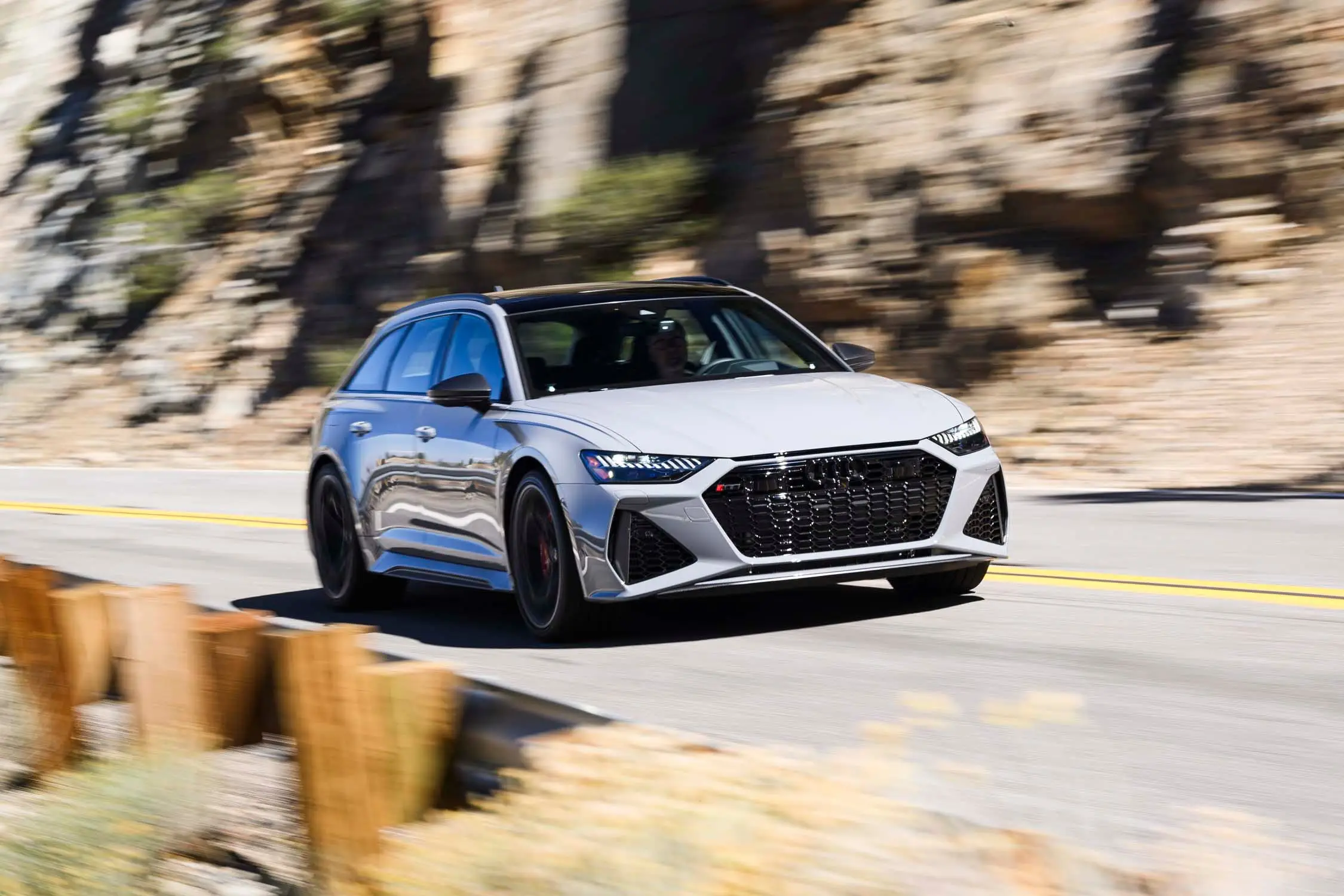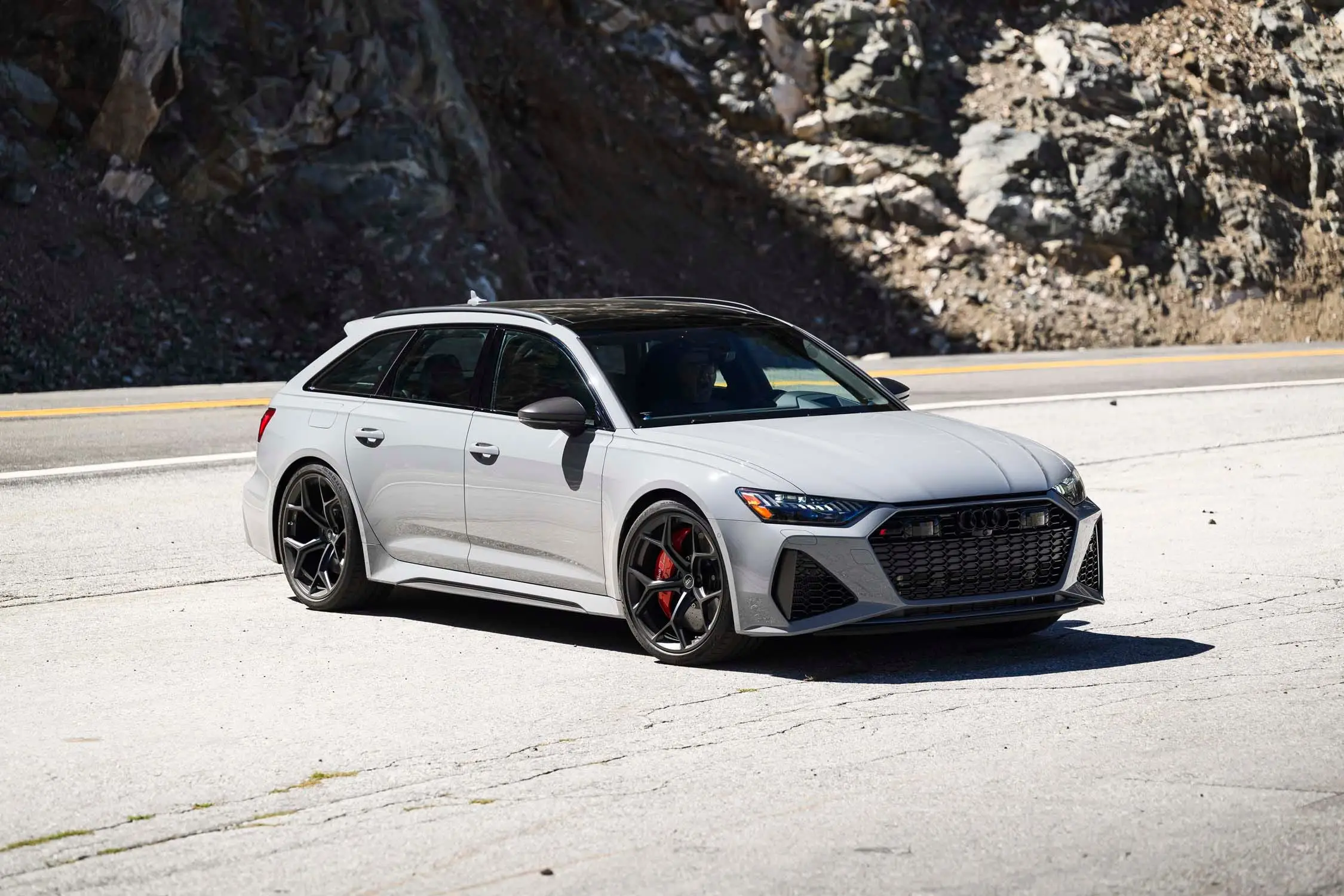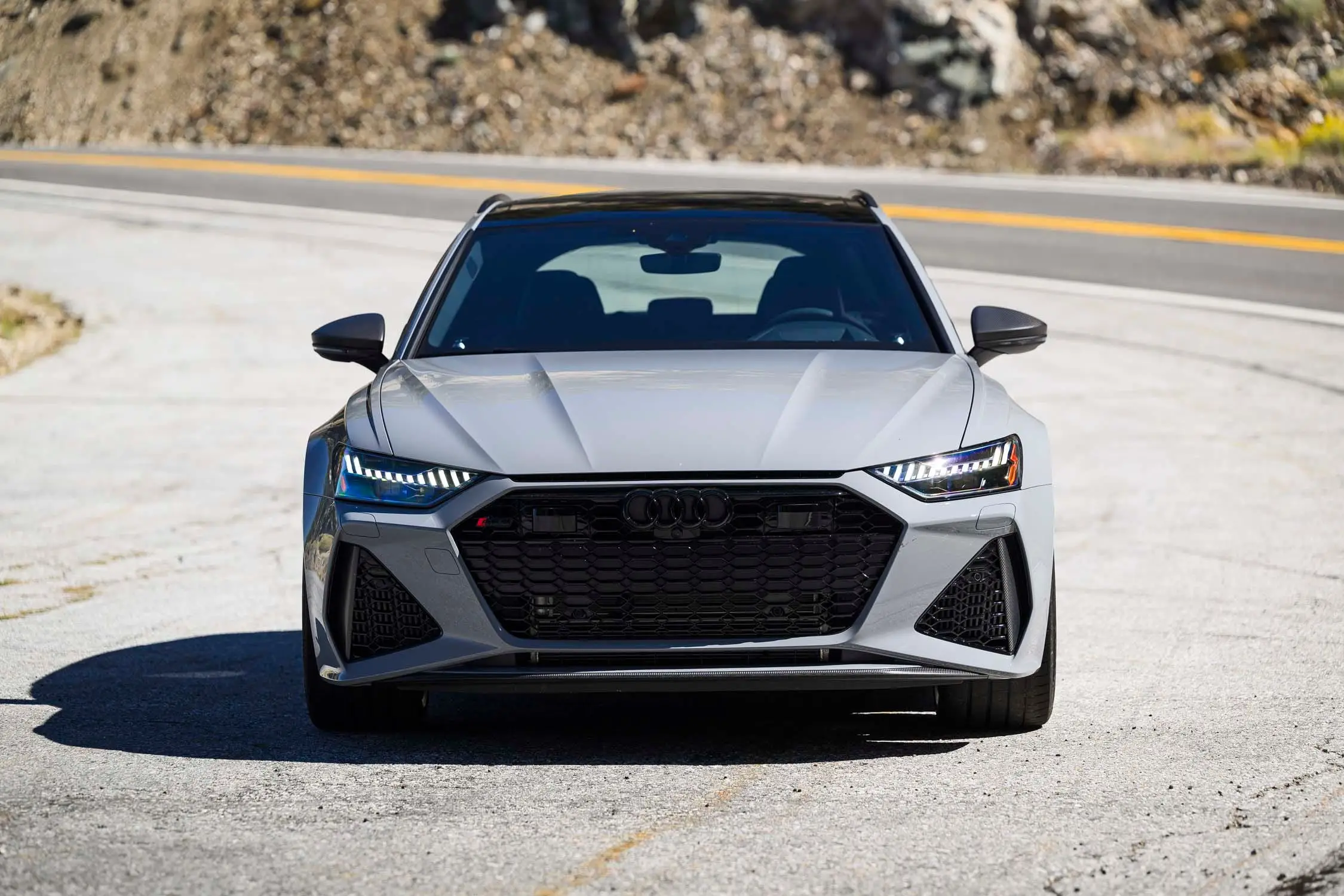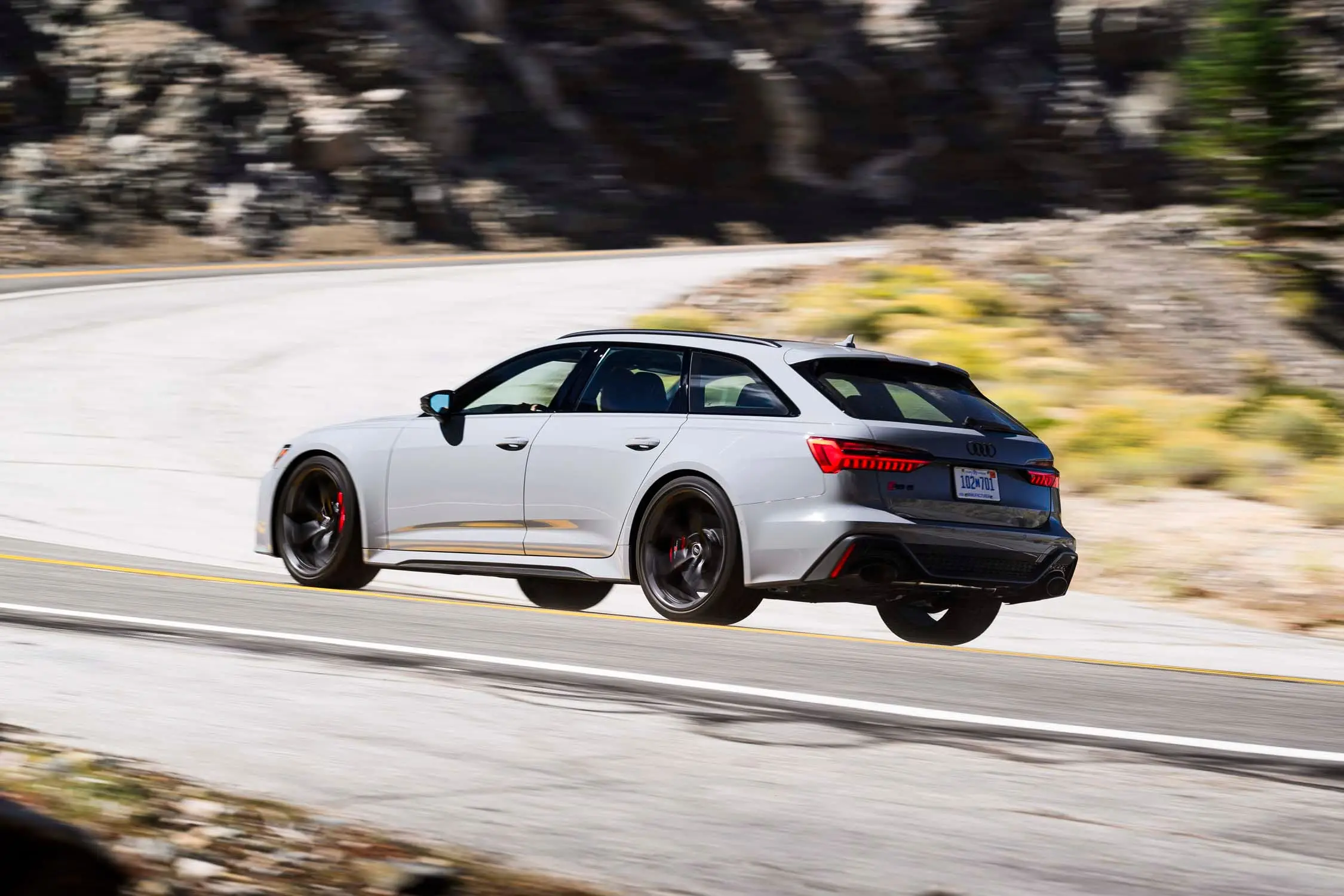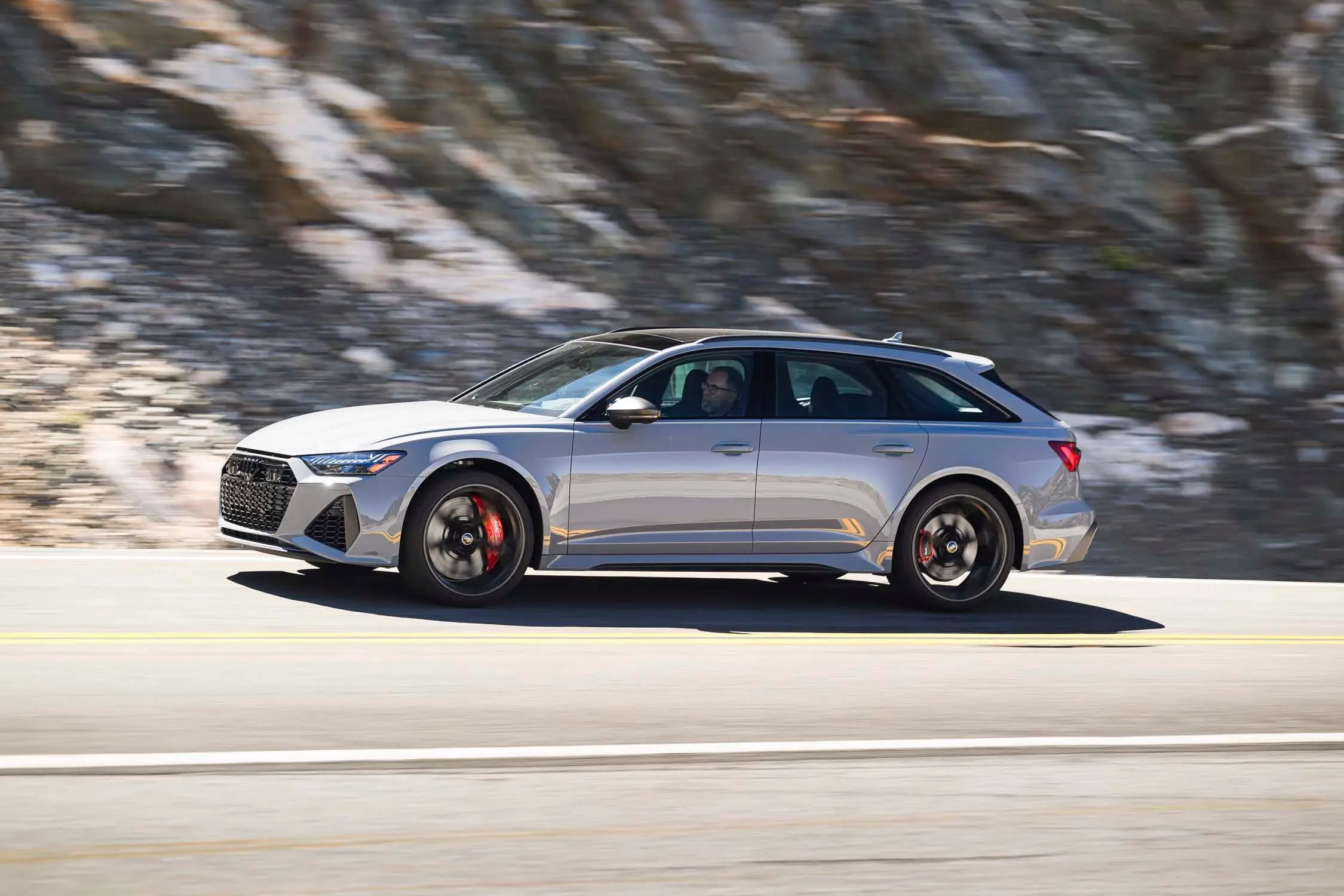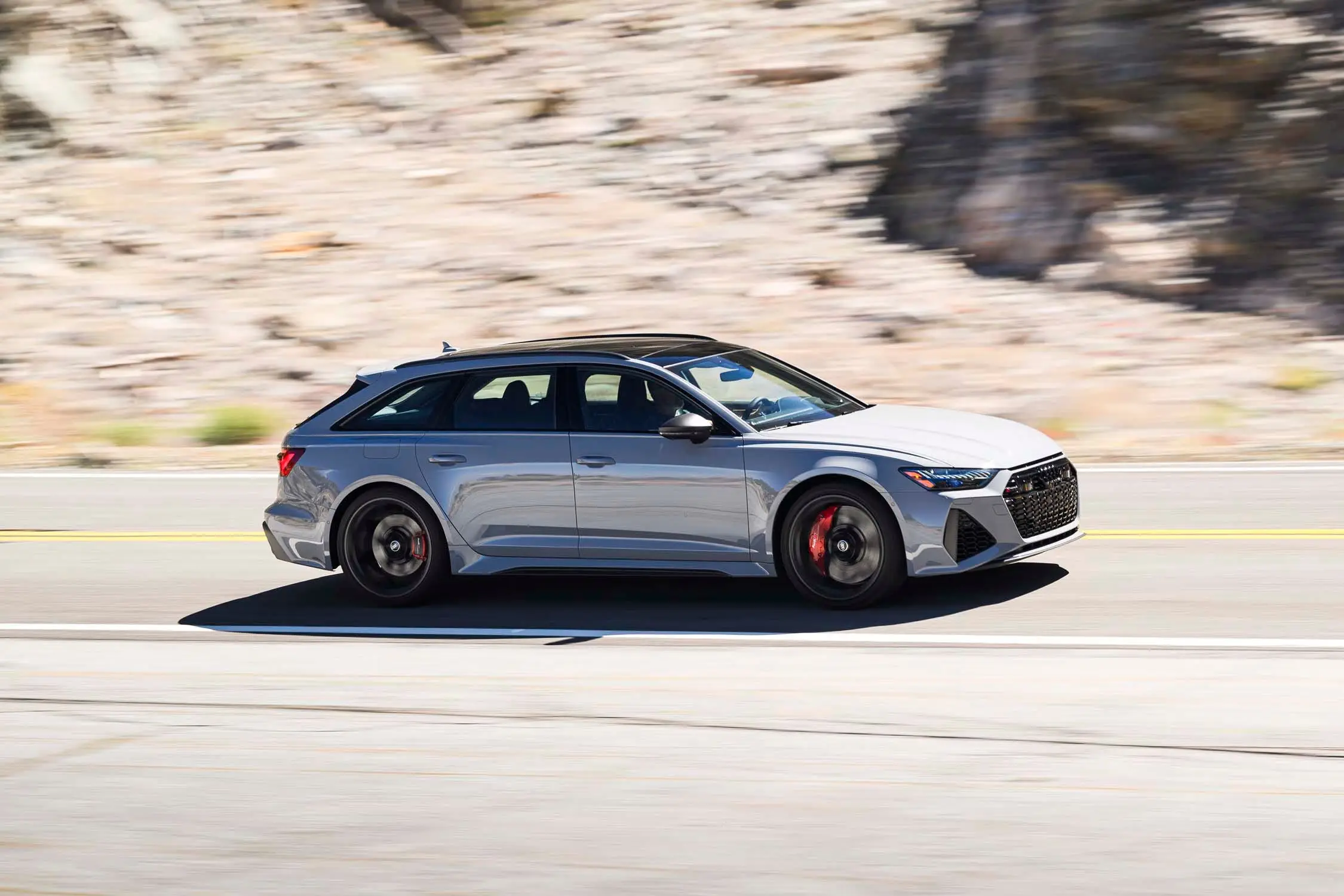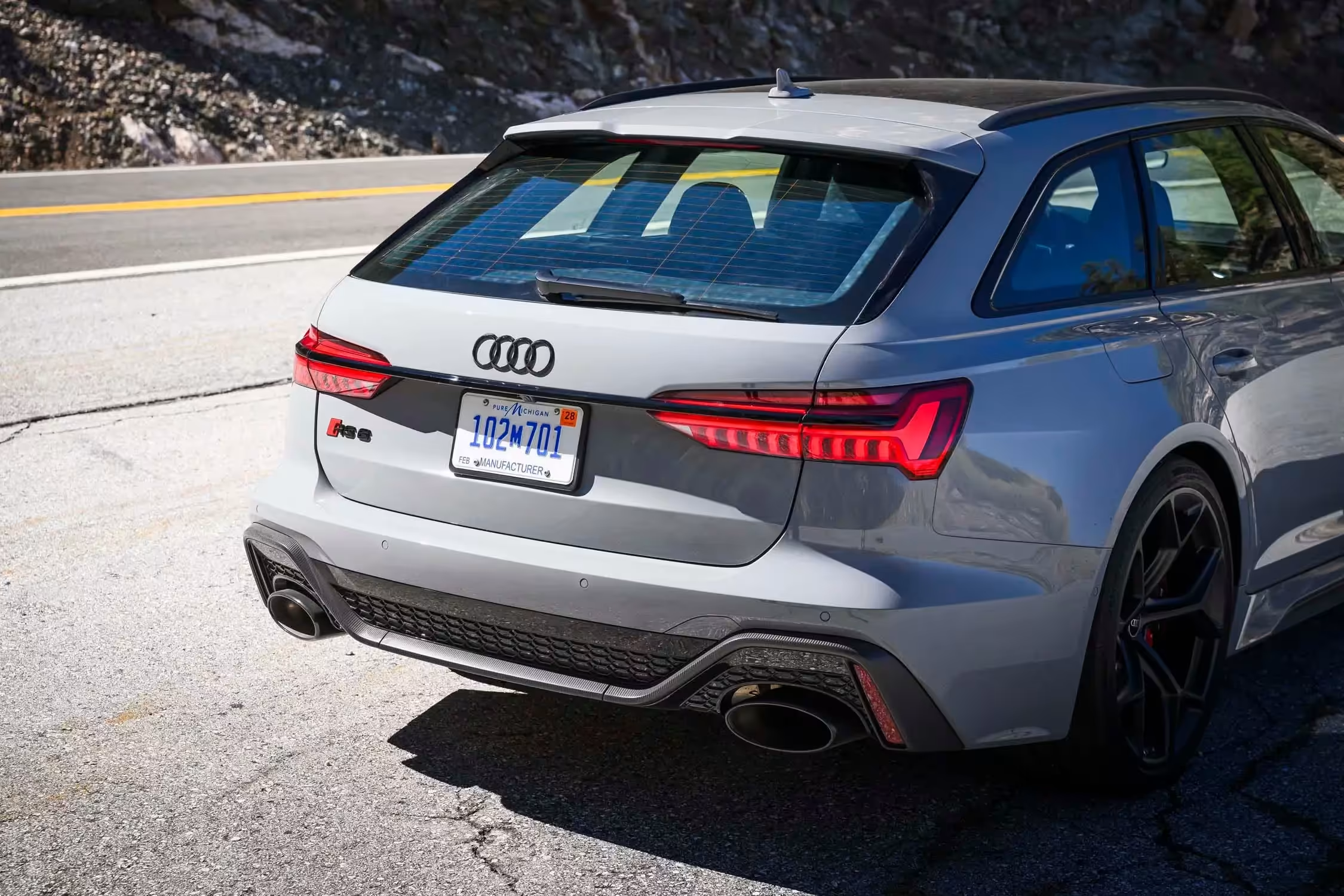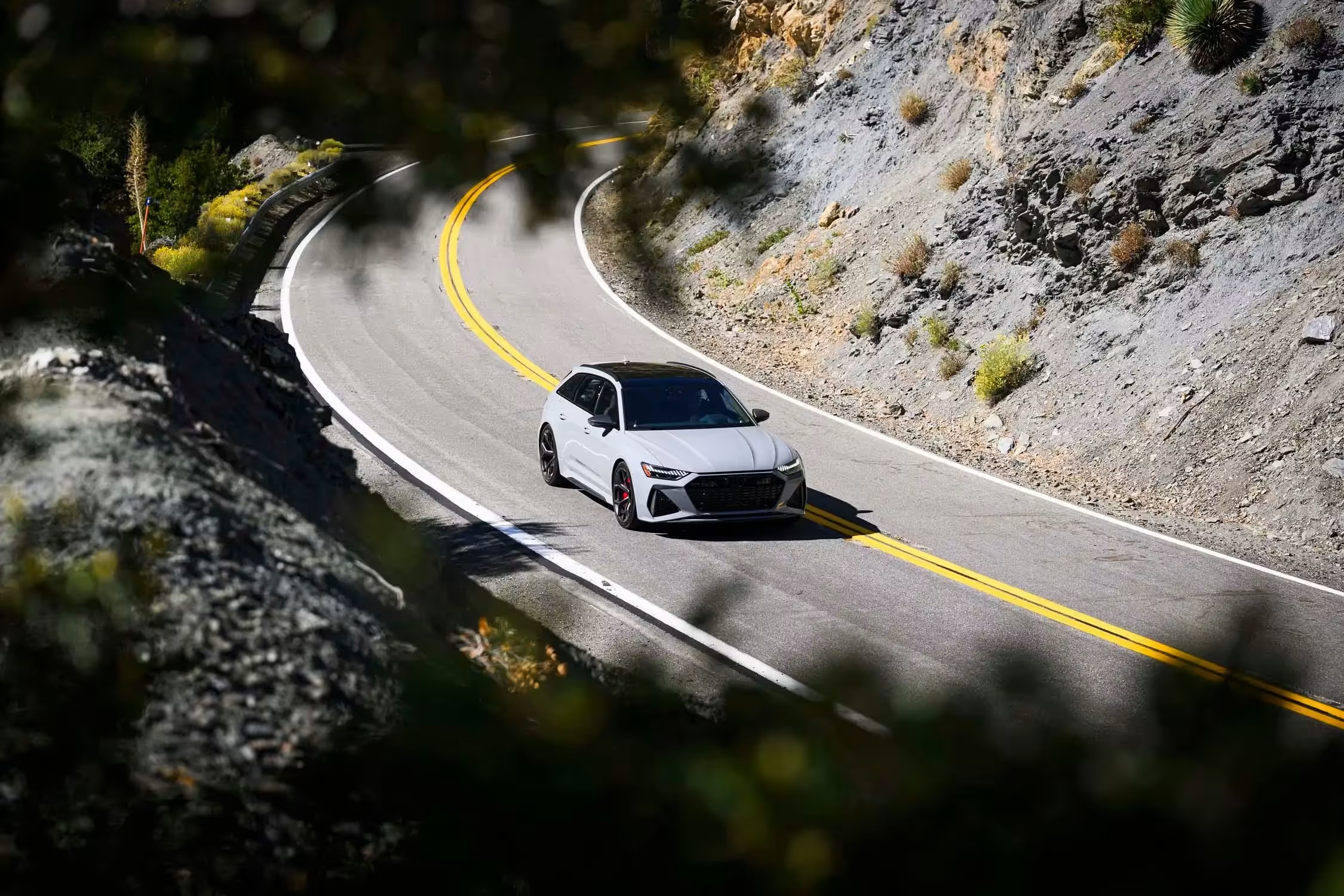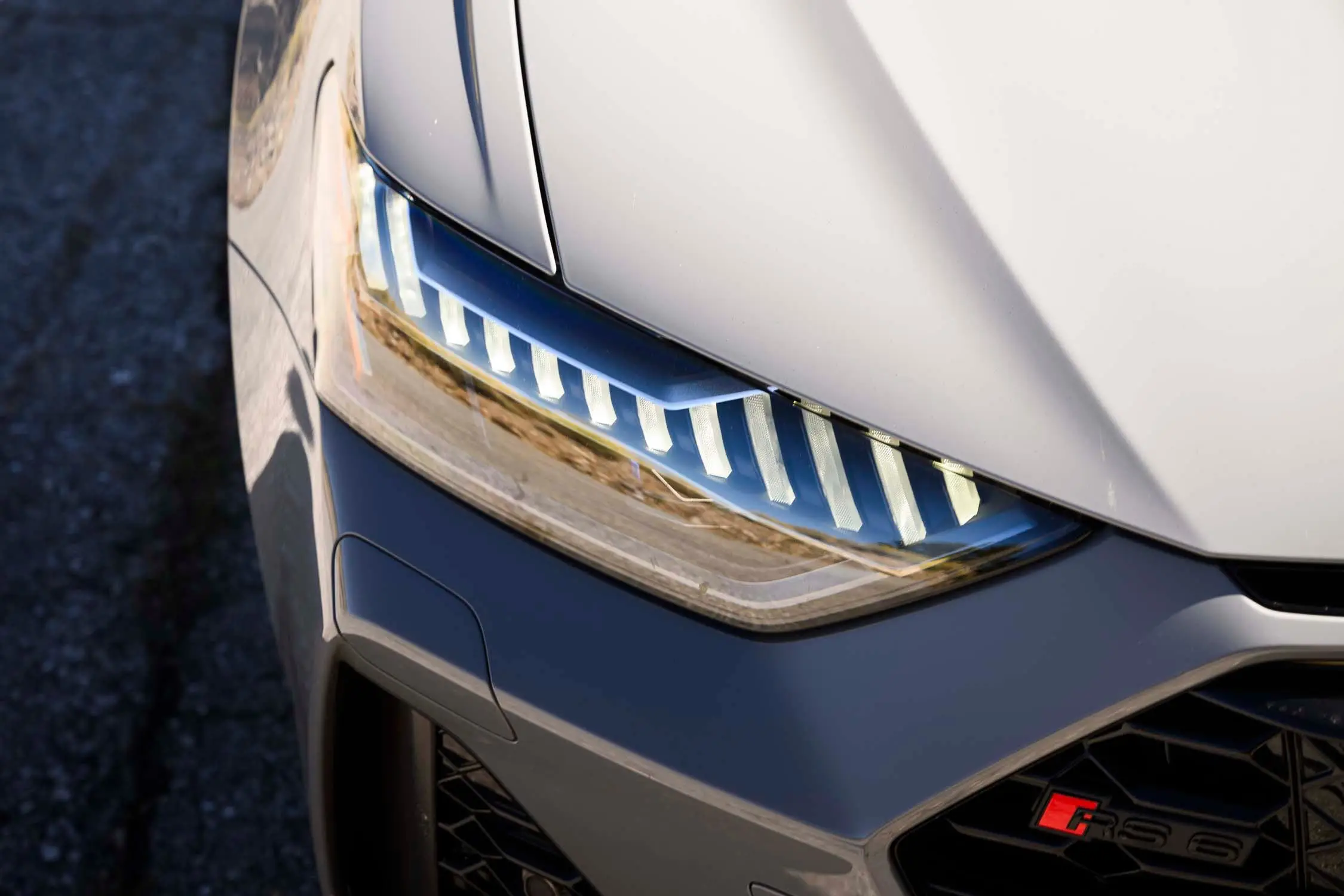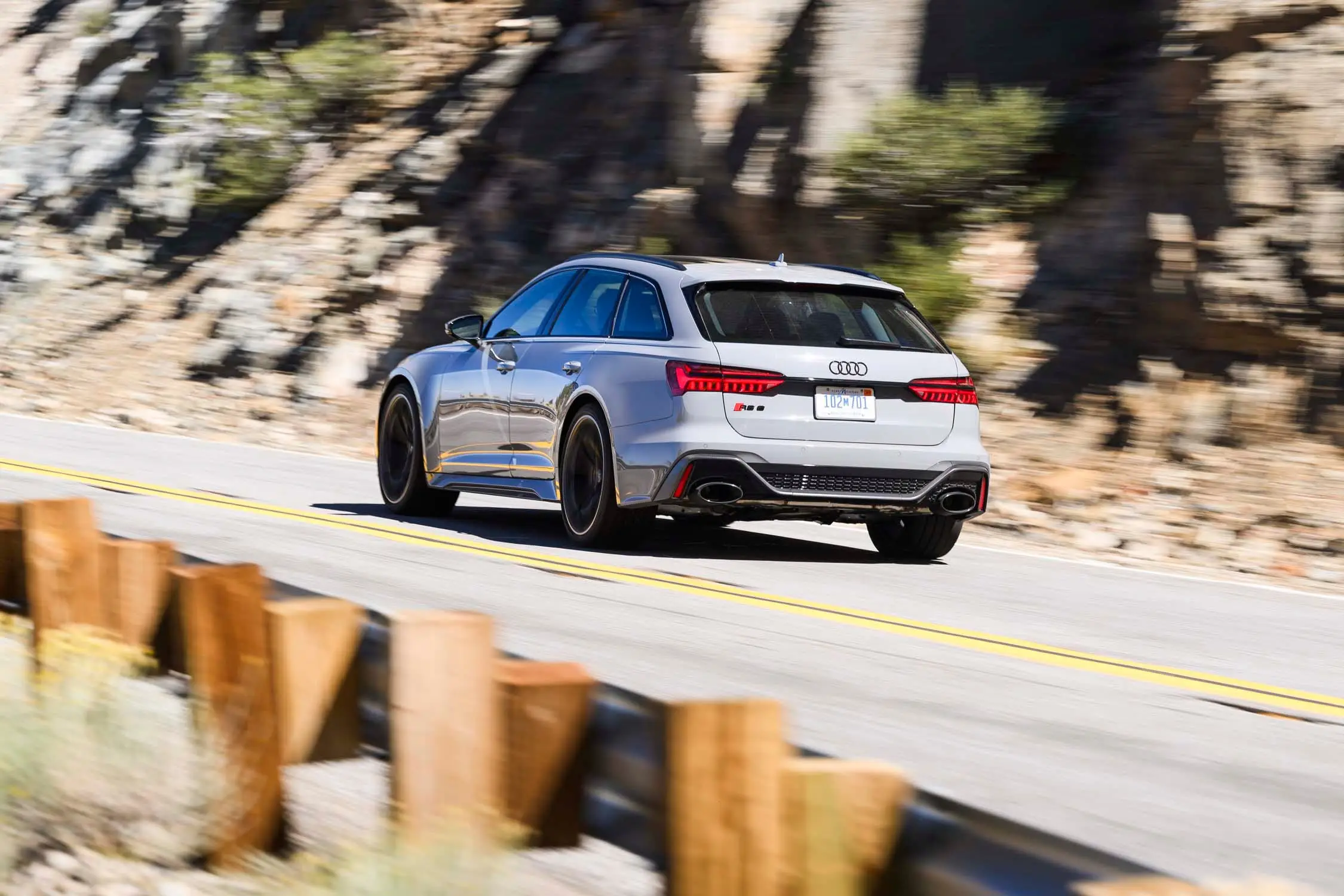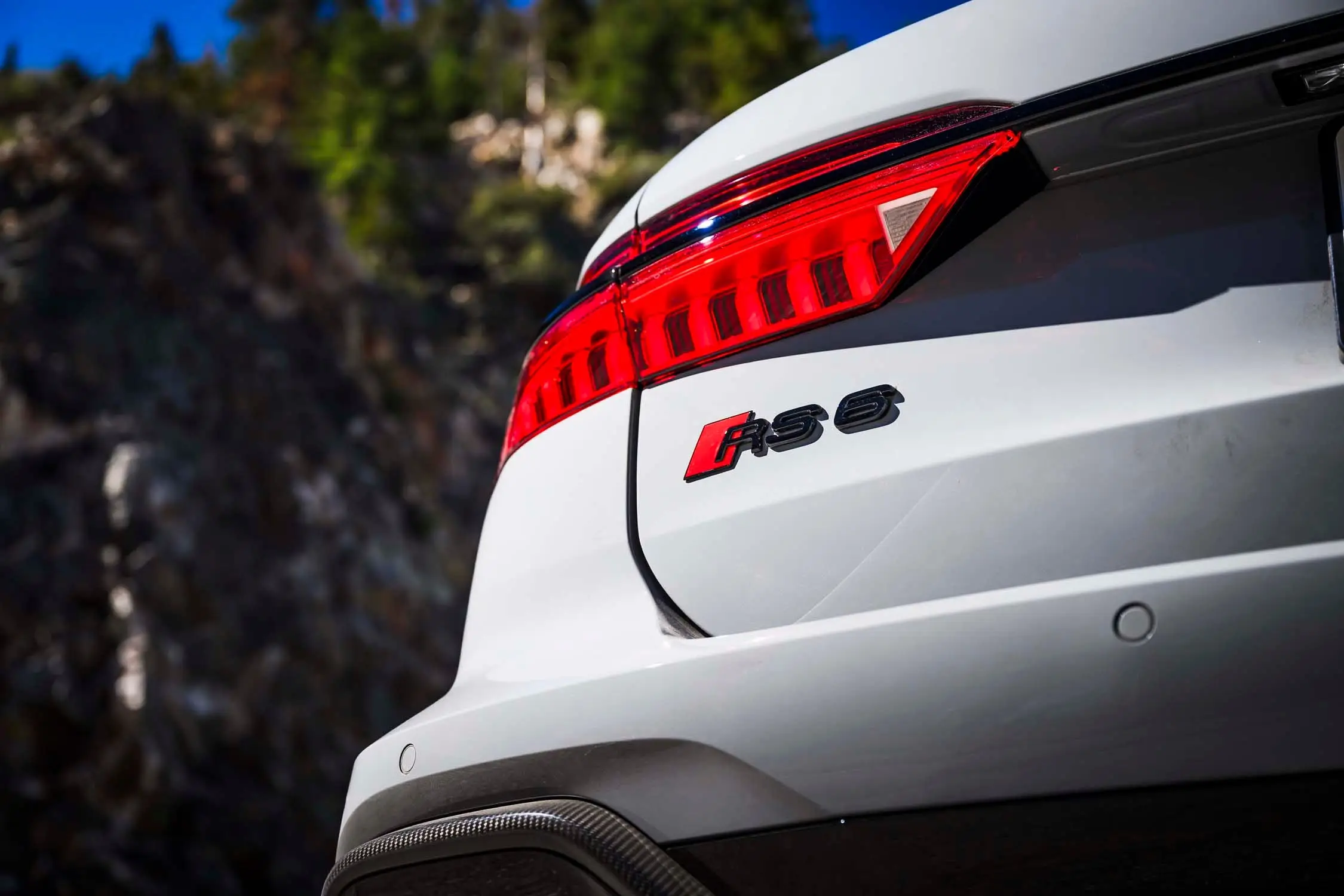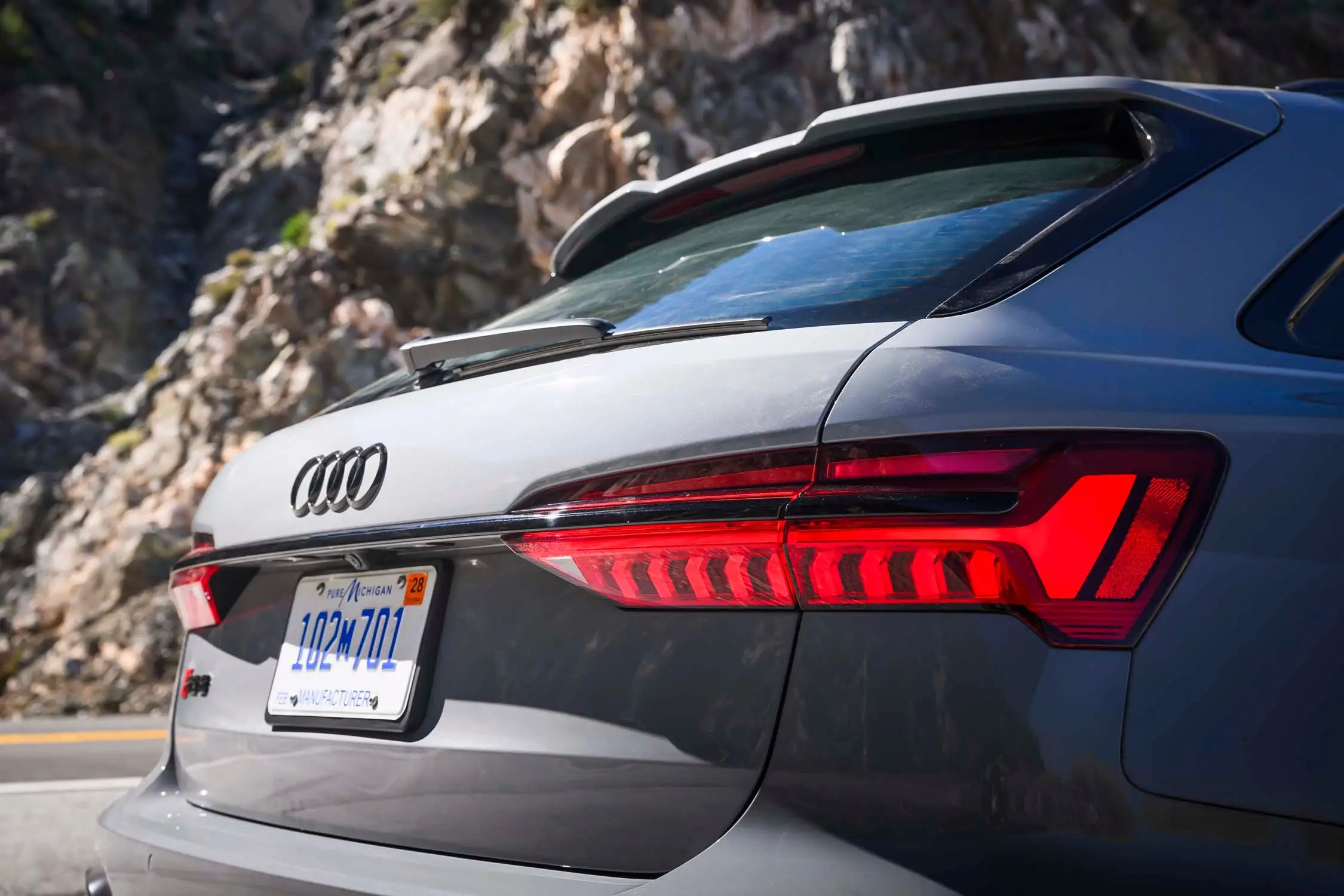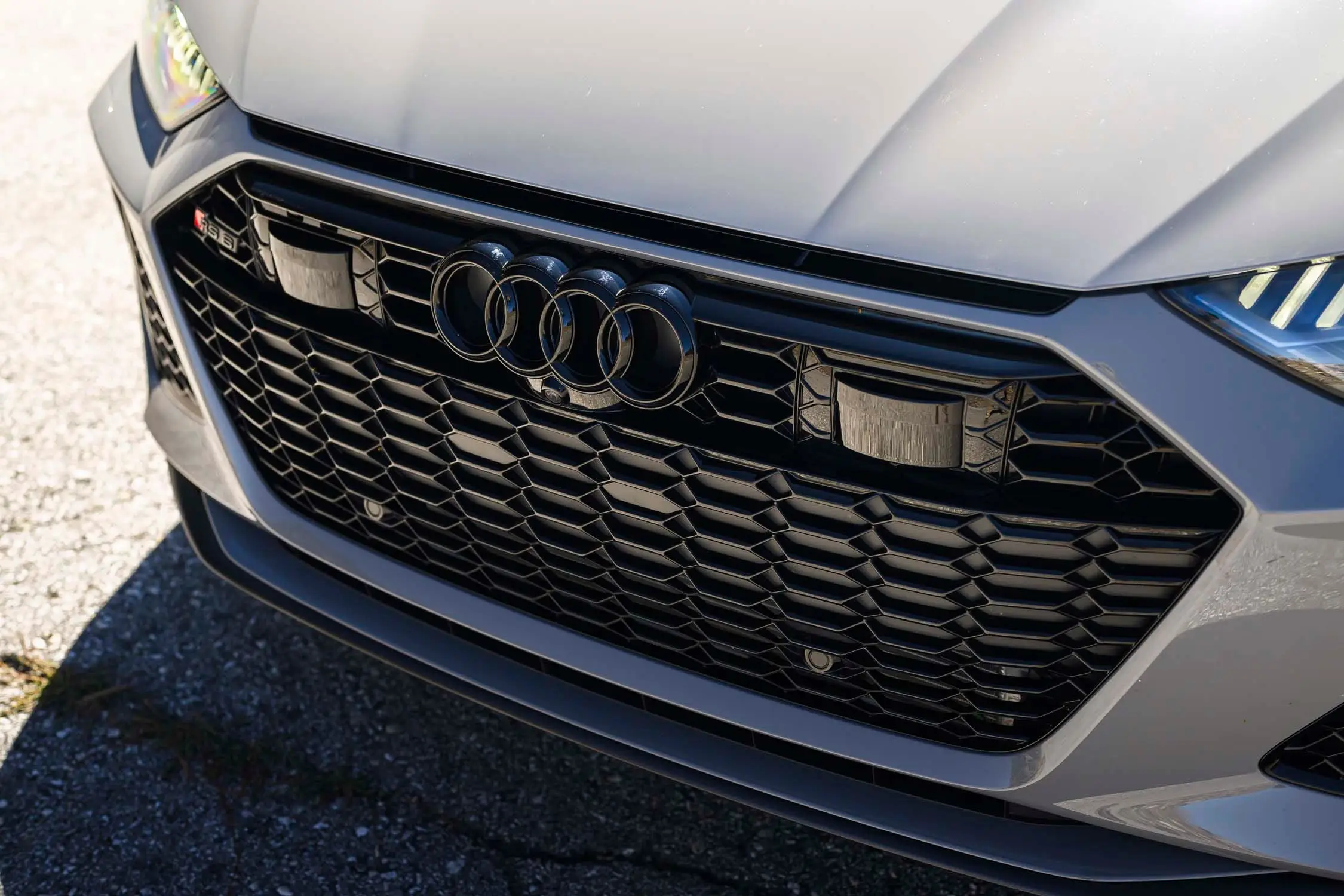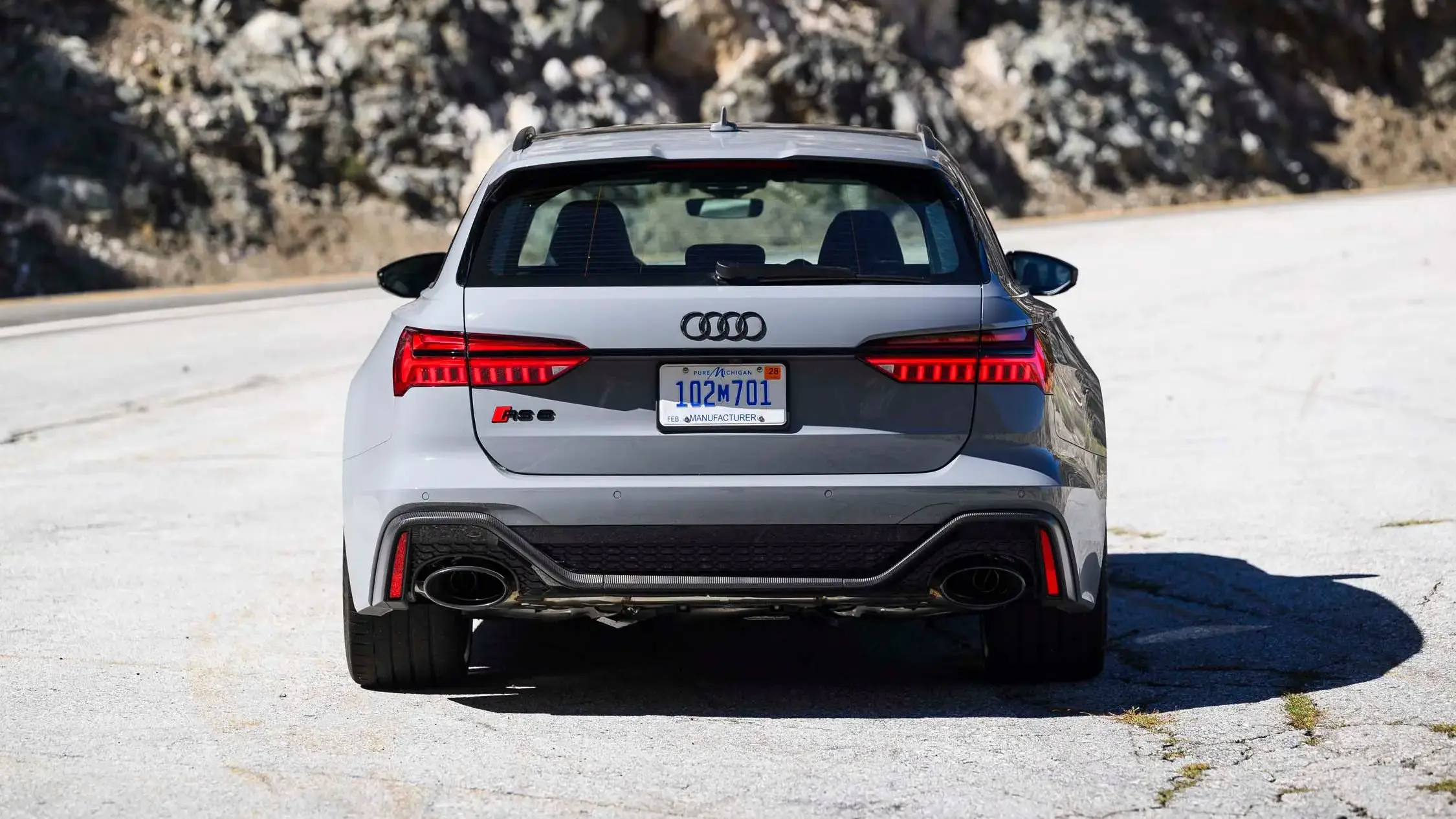
With 621 hp and track-ready dynamics, the 2026 Audi RS6 Avant Performance proves that station wagons still reign supreme over any modern SUV.
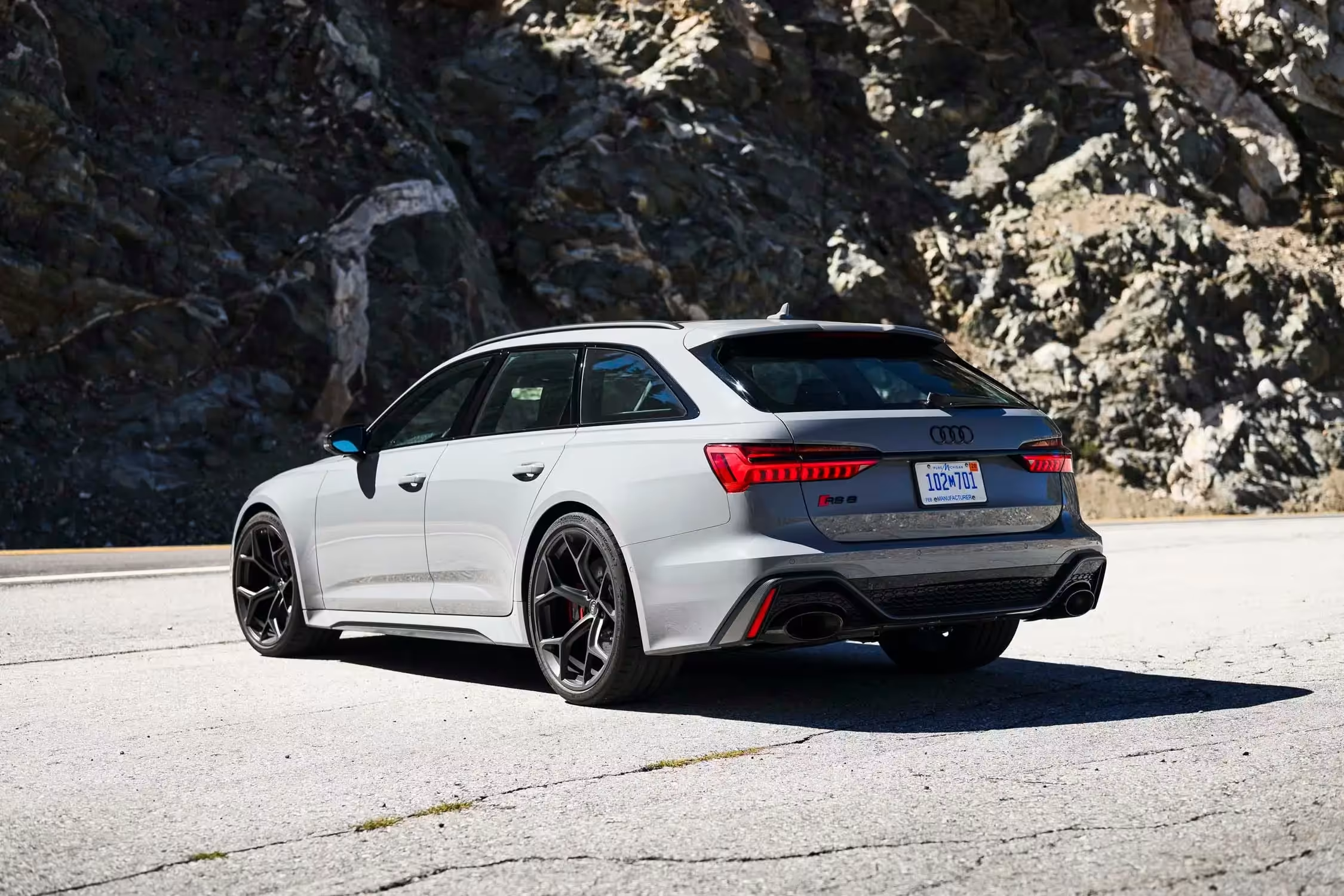
In an automotive world increasingly dominated by tall, heavy, and electrified SUVs, the 2026 AUDI RS6 AVANT PERFORMANCE emerges not just as a vehicle, but as a statement of principles. It is the physical and mechanical resistance against the notion that a family car must sacrifice the soul of driving in the name of a “high driving position.” This is not merely a means to drop the kids off at school; it is a disguised terrestrial ballistic missile capable of generating G-forces that challenge human anatomy while hauling the week’s groceries in the trunk. We are looking at perhaps the final archetype of the combustion high-performance wagon, refined to the absolute limit of technical perfection.
Pure Engineering: The V8 Heart and Supercar Dynamics
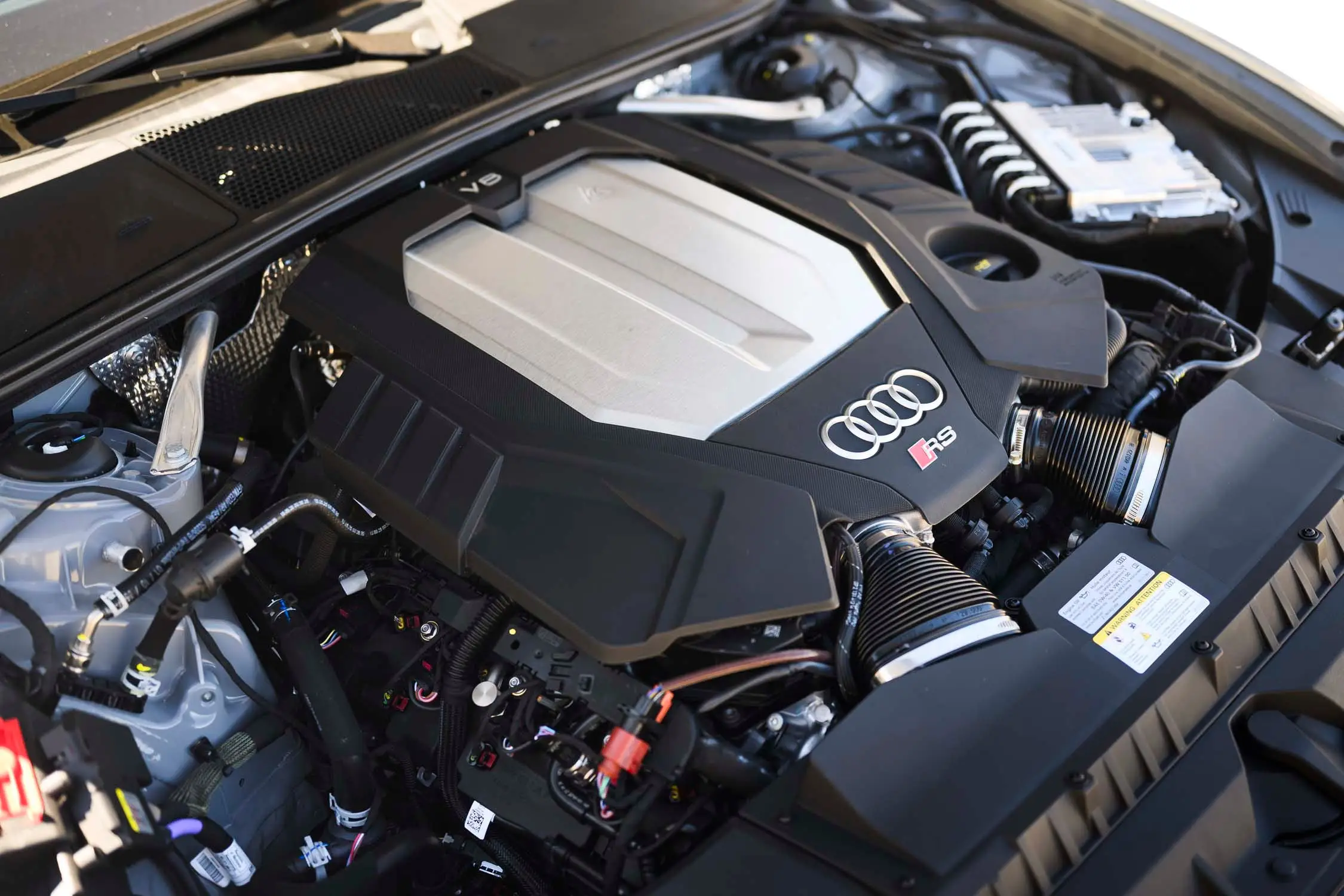
What defines the character of the 2026 RS6 Avant Performance lies beneath the long, sculpted hood. We are talking about a masterpiece of German engineering: a 4.0-liter, DOHC, 32-valve twin-turbo V8 engine. In an era where downsizing is the norm, Audi maintains classic brutality, delivering 621 horsepower at 6,000 rpm and a staggering 627 lb-ft of torque available as low as 2,300 rpm.
This power plant isn’t just for paper statistics. It translates into acceleration that borders on teleportation. Instrumented testing revealed a 0 to 60 mph time of just 3.2 seconds. To put that in perspective, that was a time that, a decade ago, belonged exclusively to the elite of two-seater supercars. But the magic of the 2026 model isn’t just straight-line brute force; it’s how it manages that force.
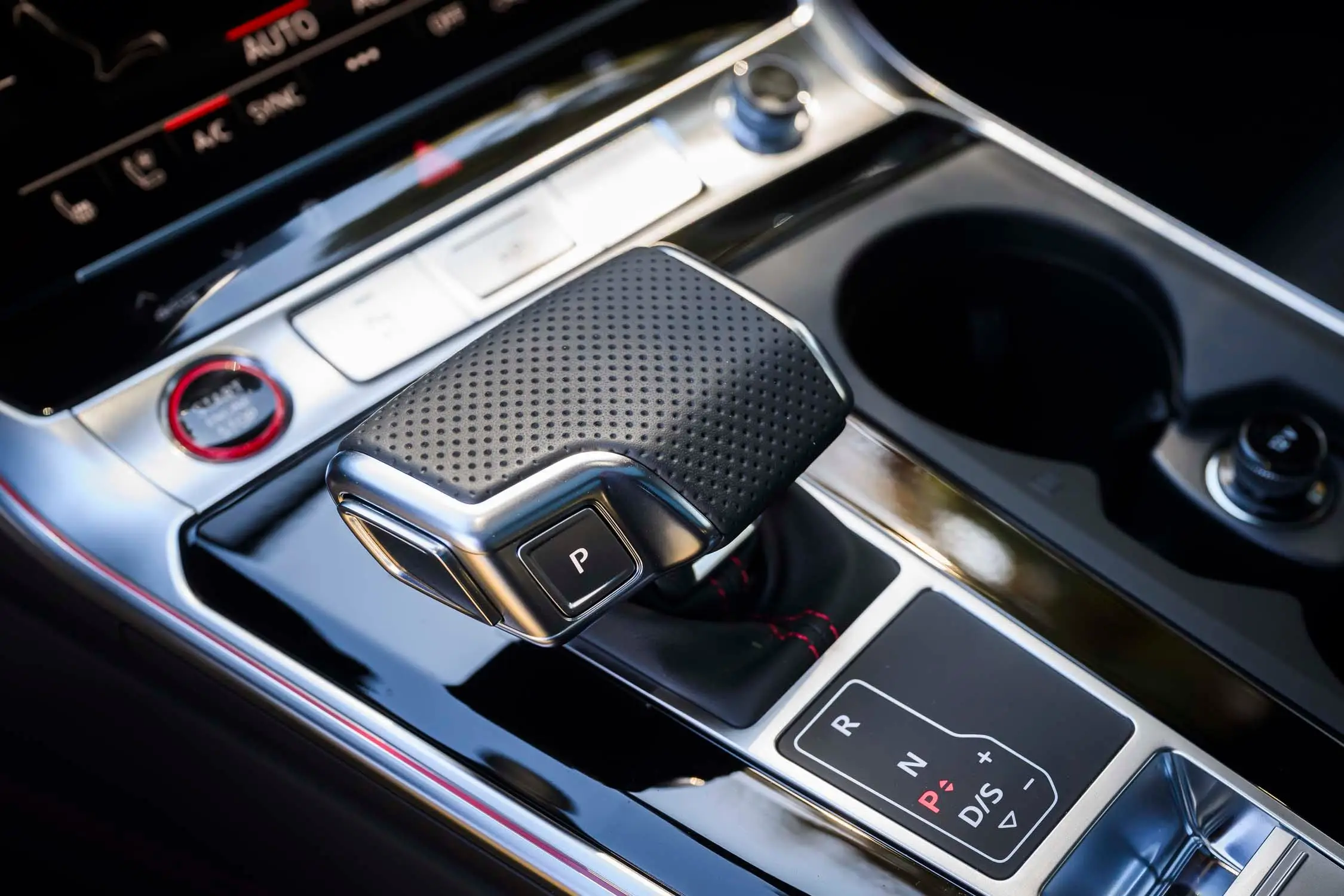
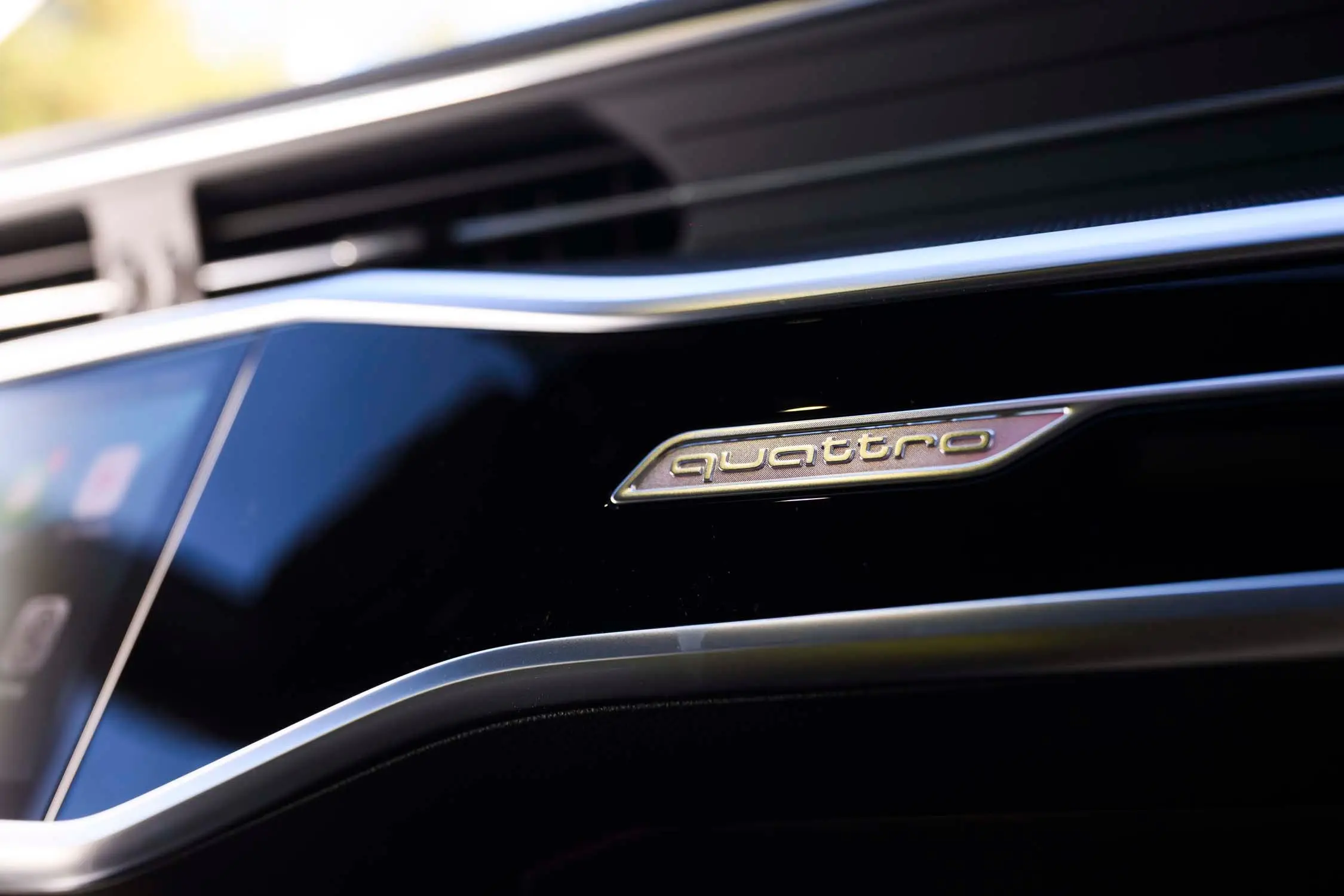
Unlike many competitors burdened by excessive weight, the RS6 utilizes a surgically calibrated 8-speed automatic transmission and a re-engineered Quattro all-wheel-drive system. The center differential is now lighter and more compact, working in harmony with a torque-vectoring rear differential. The result? The dreaded understeer (the tendency of the car to plow straight in corners), common in heavy front-engine vehicles, has been virtually eradicated.
Understanding the significance of this engine configuration is crucial. While many brands shift to smaller engines, understanding why four-cylinder turbo engines replaced V6s and V8s in most mainstream cars makes us appreciate the existence of this twin-turbo V8 in the RS6 even more. It is an endangered species roaring louder than ever.
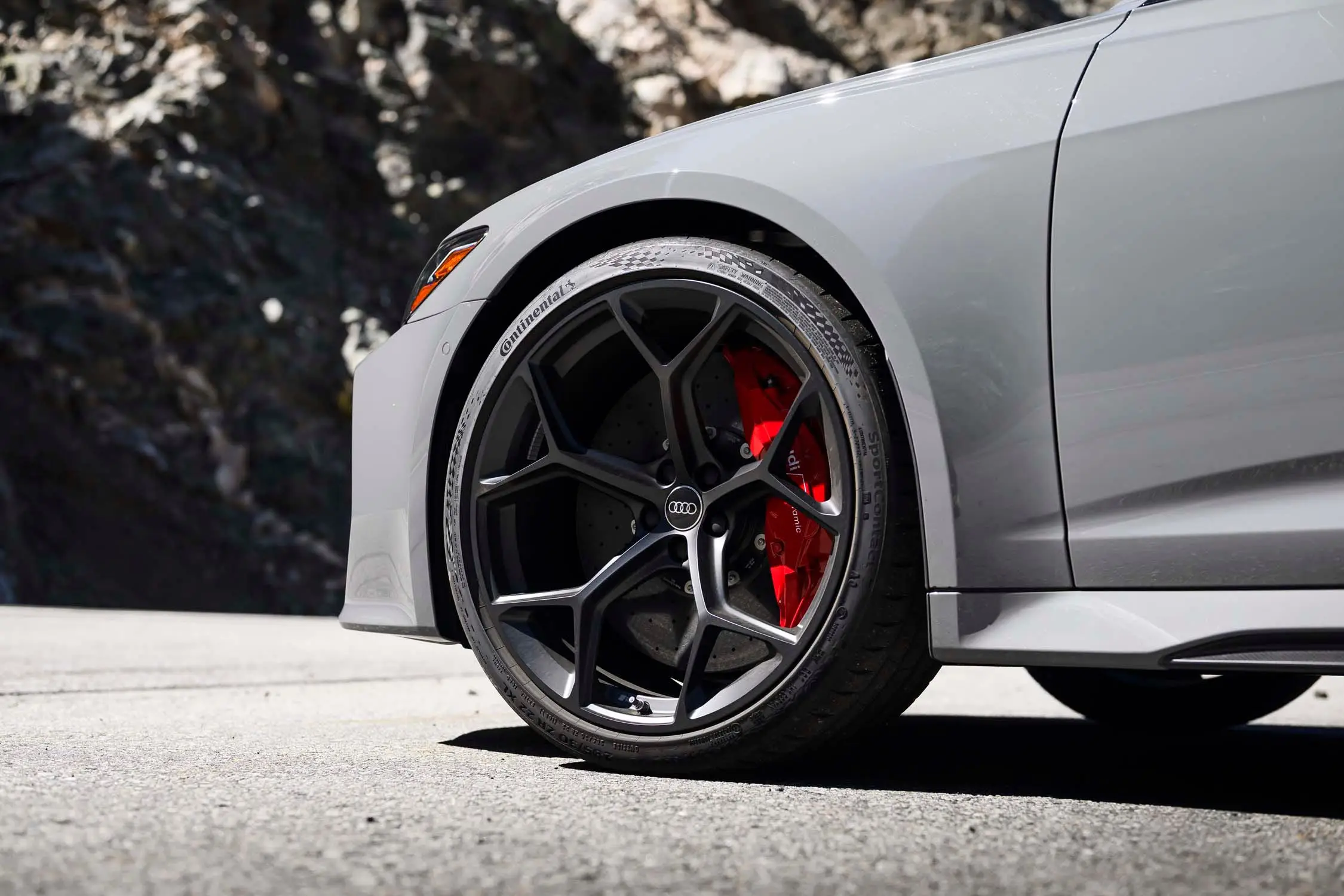
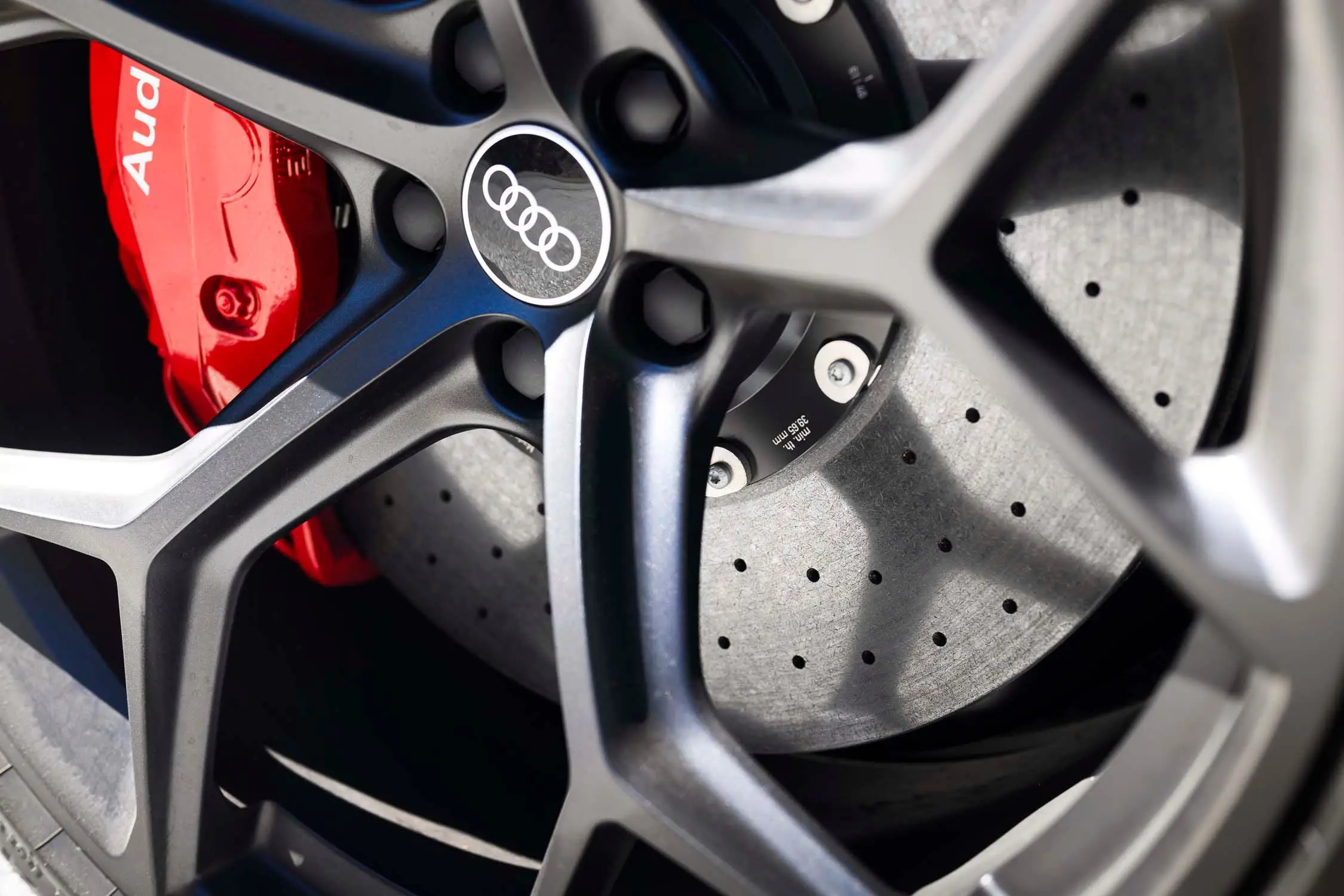
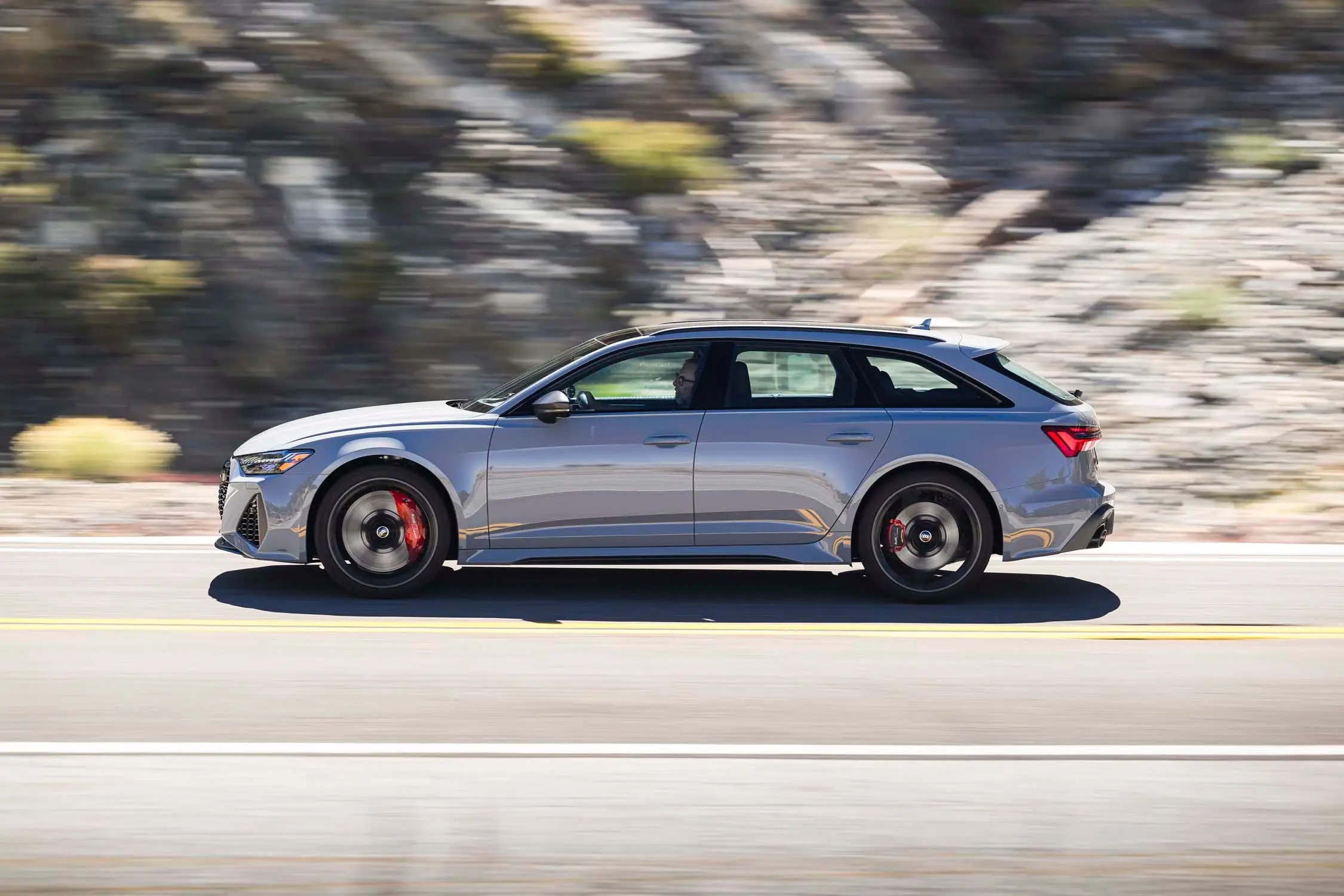
Another technical highlight is the “rubber.” Audi equipped the 2026 model with massive 285/30-ZR22 Continental SportContact 7 tires on all four wheels. By abandoning the staggered setup (or conservative staggered fitment) with narrower tires in the front, Audi has sublimely balanced the chassis. This allowed the car to achieve 1.00 g of lateral grip on the skidpad. For a nearly 2.2-ton family vehicle, this defies the laws of physics.
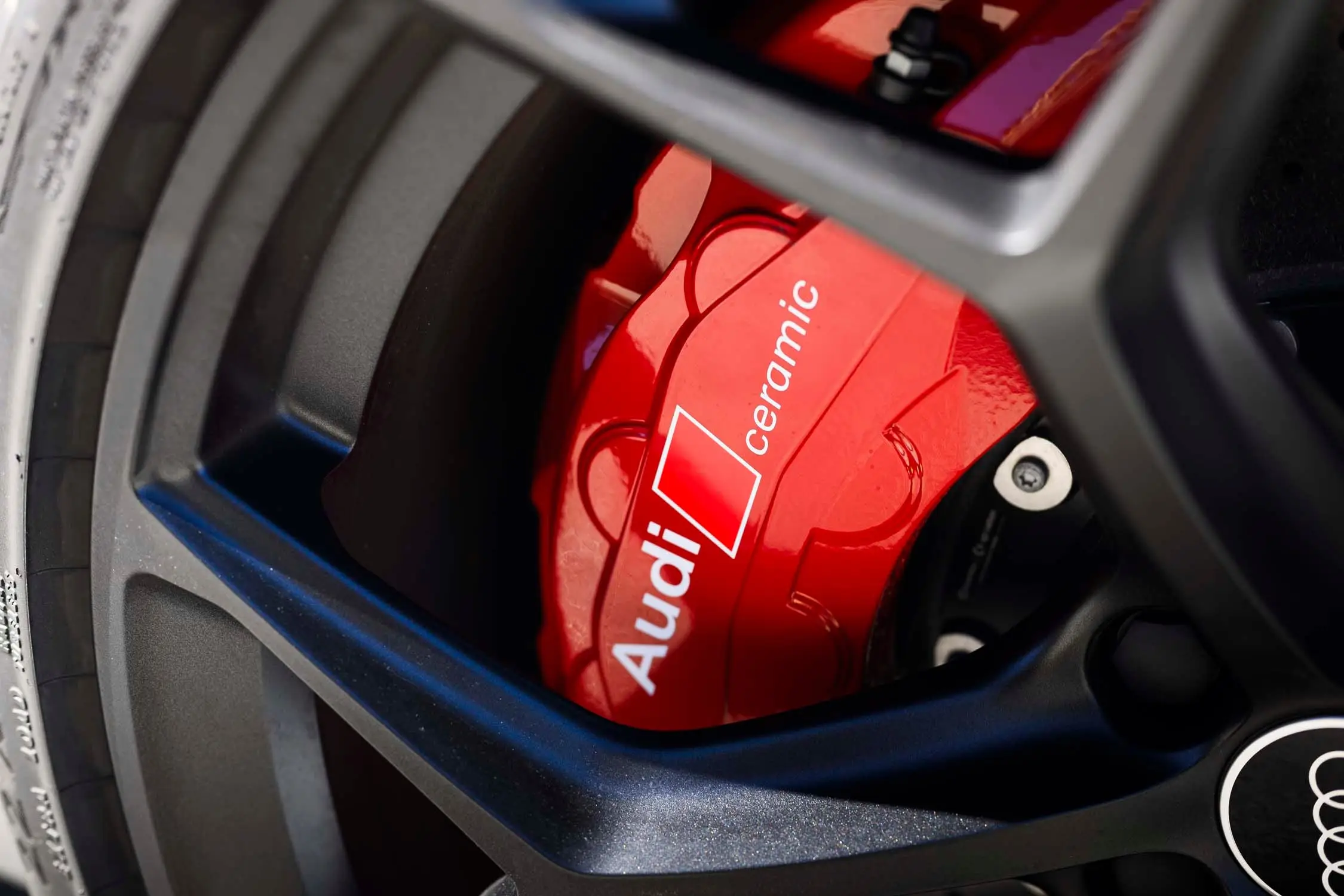
Even more impressive is the stopping power. Hauling down from 70 mph (112 km/h) in just 140 feet (42.6 meters) is a phenomenal mark, significantly bettering the 2021 model. The optional carbon-ceramic brakes aren’t just an aesthetic luxury; they offer a fade resistance that would allow the owner to take this car to a track day and drive home without losing pedal efficiency.
The Comparative Verdict: Audi RS6 vs. The World (and the BMW M5)
To grasp the magnitude of the 2026 RS6 Avant Performance, one must place it side-by-side with its rivals and its own history. The evolution from the 2021 model is palpable, not just in numbers, but in the tactile feel of the steering. The response is more immediate, the four-wheel steering virtually shortens the wheelbase, and the car feels like it “shrinks” around the driver as speed increases.
The most inevitable comparison, however, is with the new BMW M5 Touring. BMW opted for a different path, embracing plug-in hybridization to boost power to 717 horsepower. On paper, the BMW wins on raw power. In practice, the story is different. The hybrid system added massive weight to the M5 Touring, making it, in the words of critics, “large and bloated.” The RS6, remaining purely combustion-powered (with light assistance), stays lighter (4,857 lbs vs. the BMW’s approximately 5,481 lbs) and, consequently, more agile and enjoyable on winding roads.
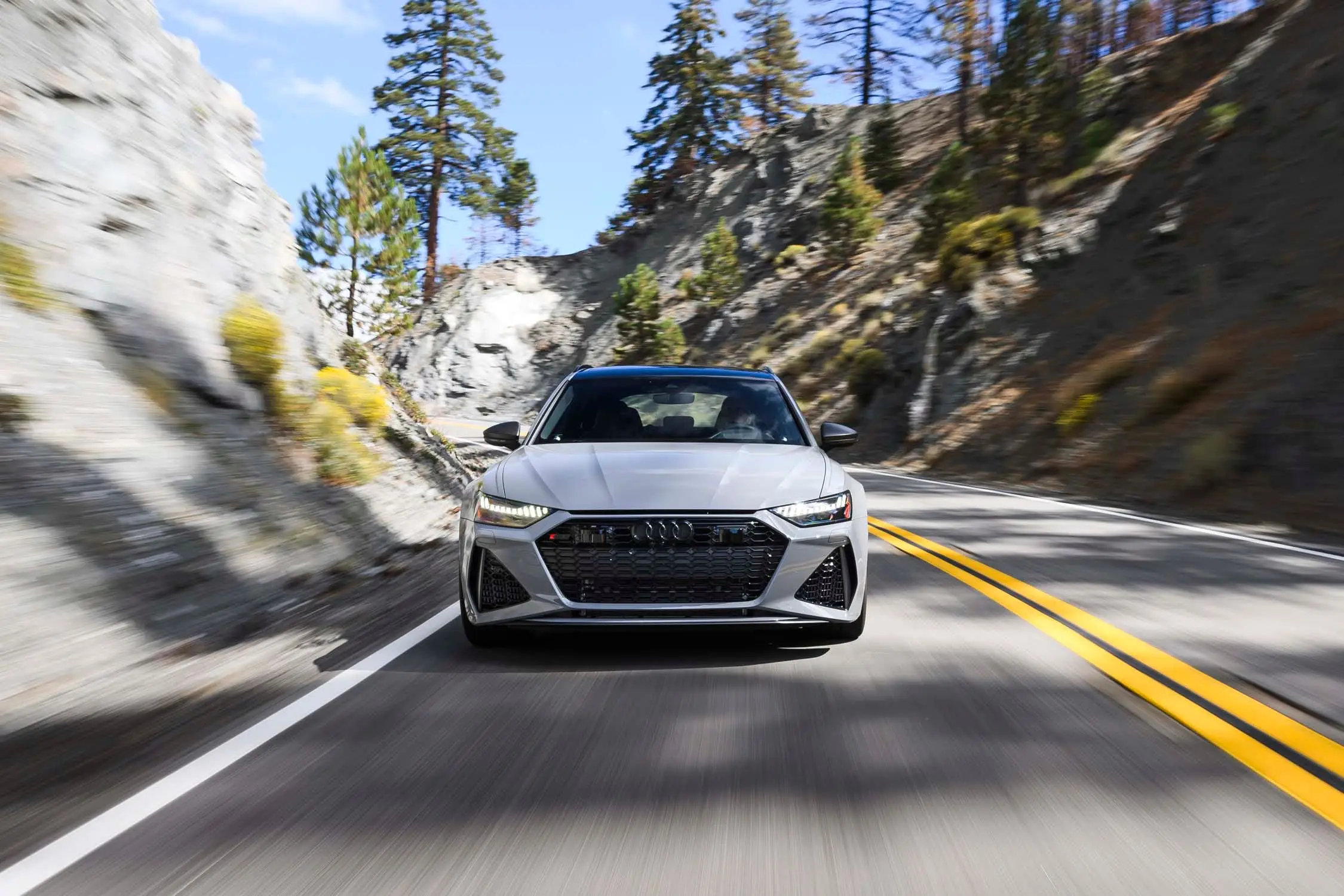
While the BMW might launch faster in an infinite straight line, the Audi dominates cornering dynamics and driver connection. It is the difference between a surgical instrument and a sledgehammer. Furthermore, for those who think 621 horsepower is still insufficient, the tuning market for this platform is insane, as evidenced by the monstrous MTM RS6 Pangaea GT with its 1,100 CV, which showcases the true potential hidden in this V8 block.
Below is a direct comparison of the performance data that separates the boys from the men:
| Metric | 2026 Audi RS6 Avant Perf. | BMW M5 Touring (Hybrid) |
|---|---|---|
| Horsepower | 621 hp | 717 hp |
| 0-60 mph | 3.2 sec | 3.1 sec |
| Weight | ~4,850 lbs | ~5,481 lbs |
| Lateral Grip | 1.00 g | 0.92 g |
| Philosophy | Mechanical Agility | Hybrid Brute Force |
This table reveals the hidden truth: power is nothing without control (and without lightness). The RS6 sacrifices tenths of a second in a straight line to deliver a superior driving experience in 90% of real-world situations. It proves that the obsession with spec sheet numbers often masks the reality of driving a heavy “tank.”
The superiority of the “wagon” format over SUVs is also evident here. An equivalent SUV would require much stiffer suspension to control body roll due to the high center of gravity, compromising comfort. The RS6, being low, maintains ride comfort even on 22-inch wheels. It is a lesson the market seems to have forgotten, preferring models like the 2026 Porsche Cayenne Electric, which, despite being technologically impressive, will never possess the dynamic elegance of a well-sorted wagon.
Real Life: Luxury, Technology, and the Price of Exclusivity
One doesn’t buy a wagon just to set Nürburgring lap times; one buys it to live with it. And this is where the RS6 Avant Performance shines with its own light, albeit with some shadows cast by the age of the platform.
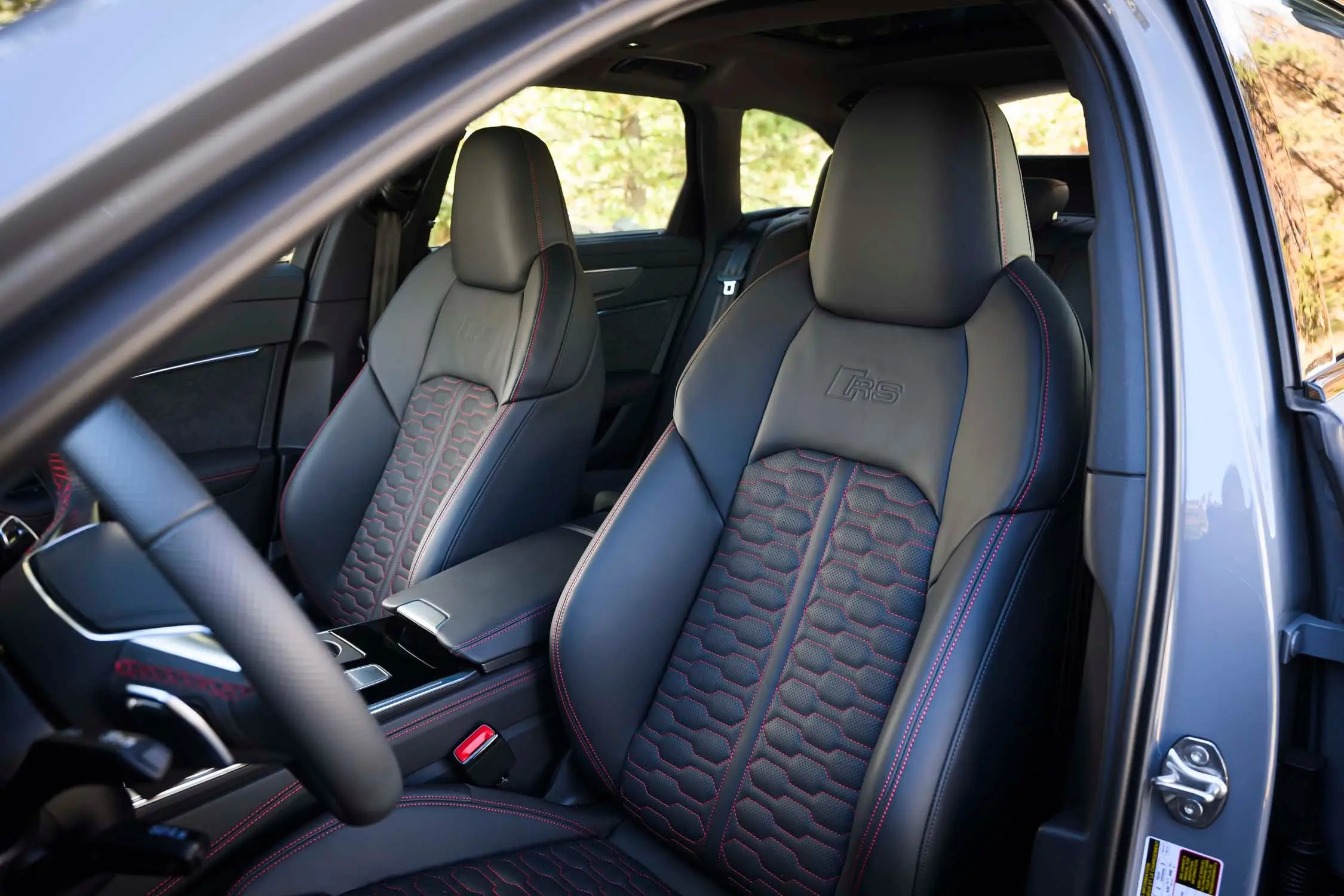
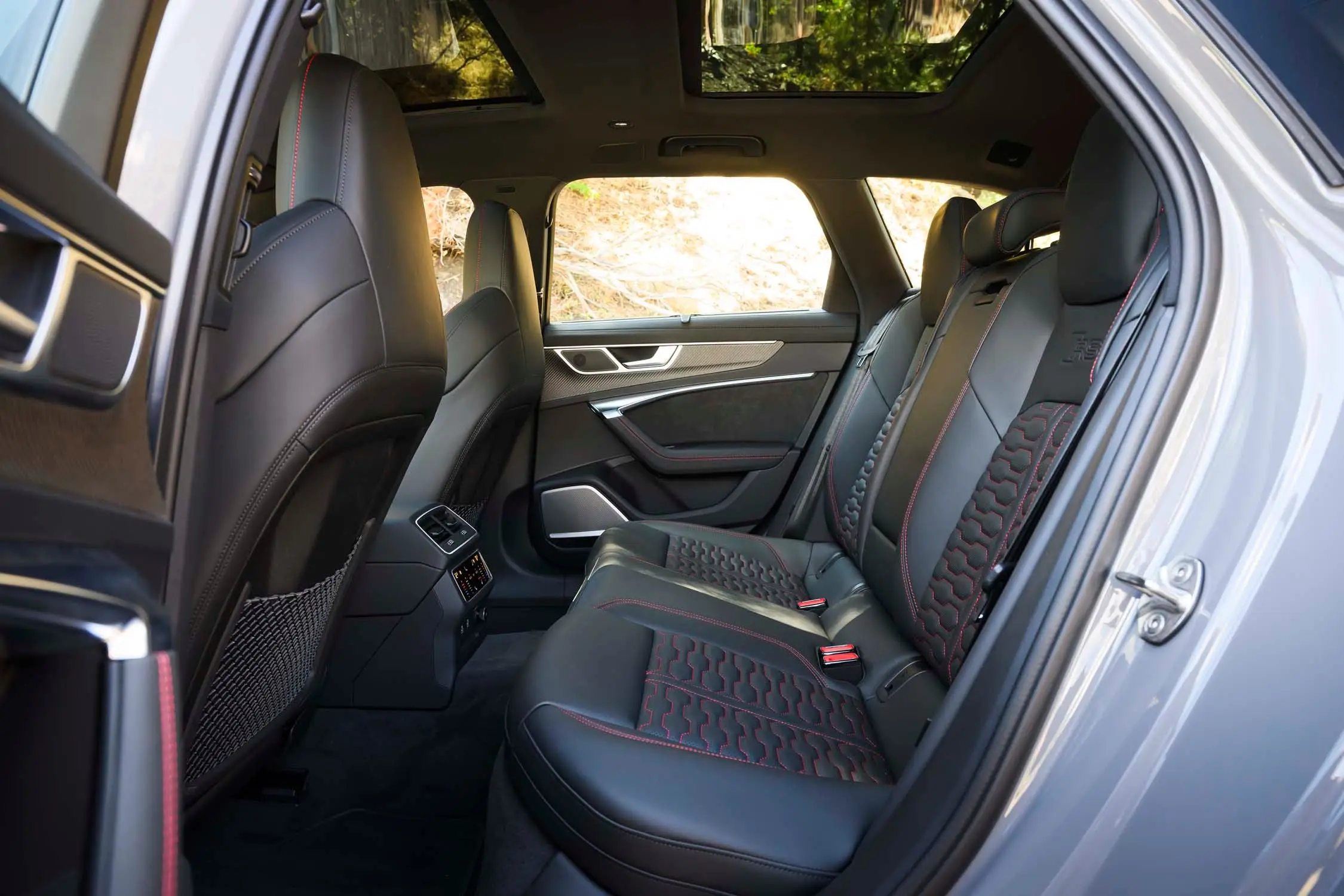
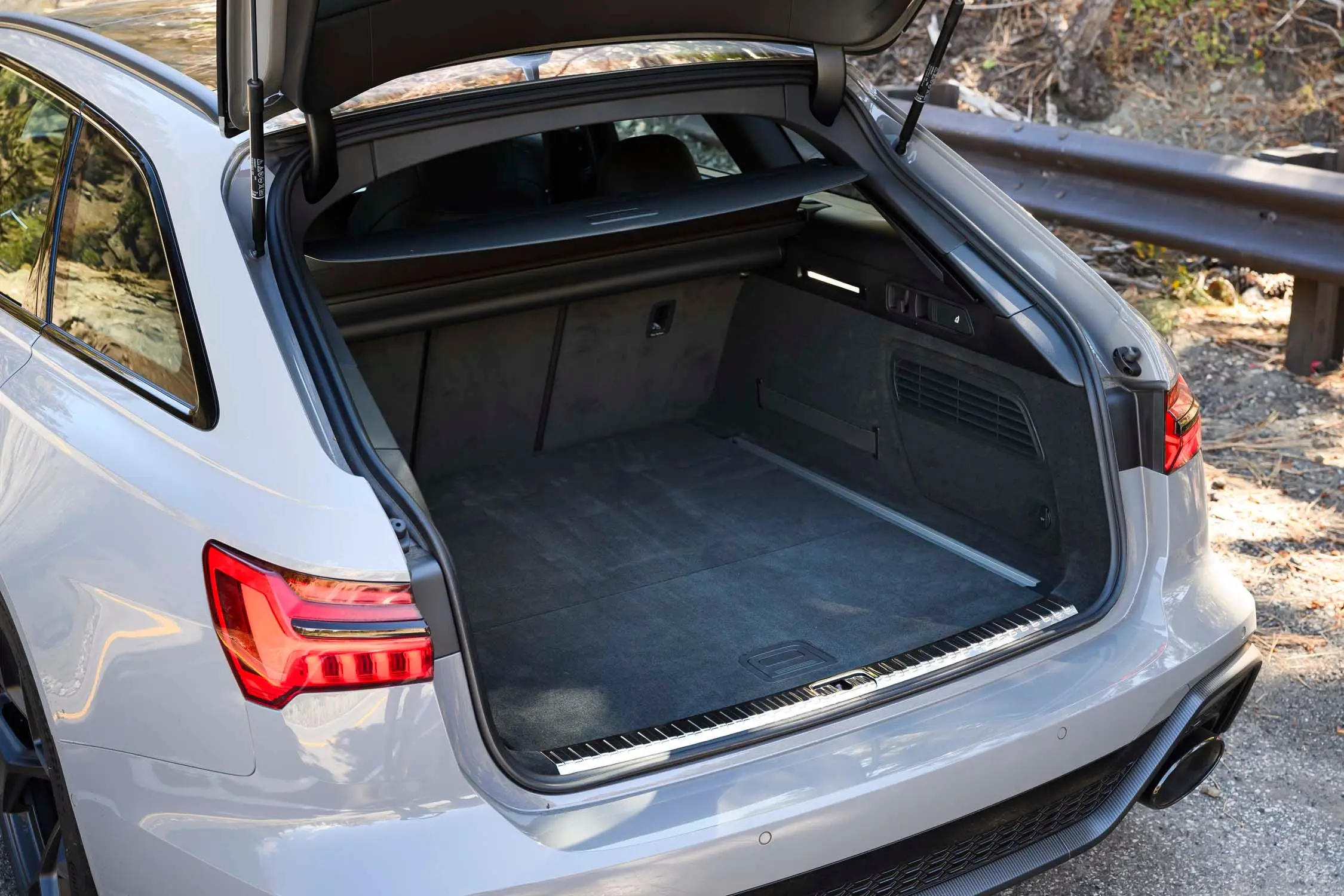
Practicality is undeniable. With 30 cubic feet of space behind the rear seats (expandable to 70 cubic feet), it swallows luggage, sports gear, or groceries with ease. The low load height (only 24 inches off the ground) is a relief for the back, something owners of giant SUVs will never admit to envying. Acoustic insulation is superb, and the comfort of the seats allows for continent-crossing journeys without fatigue.
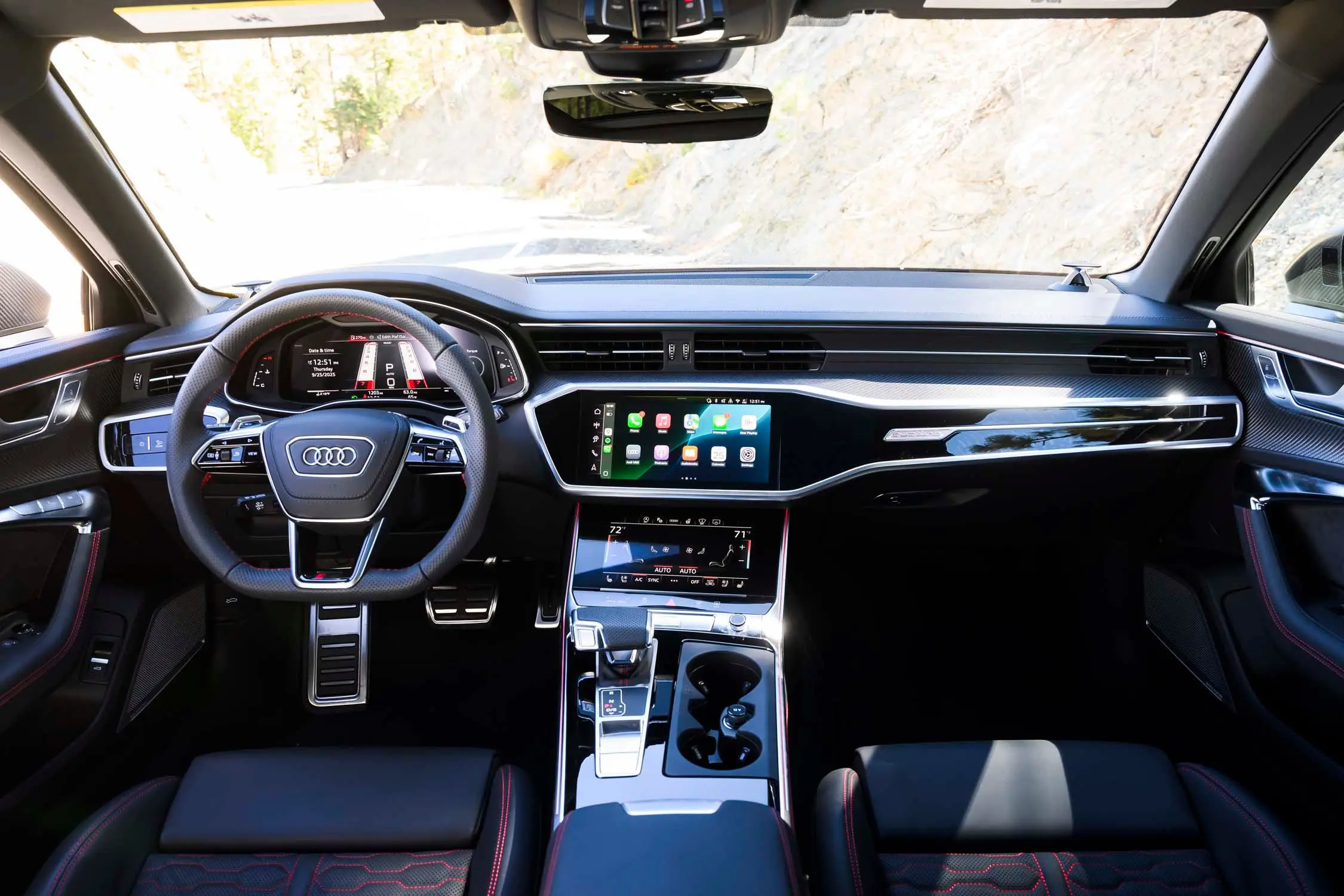
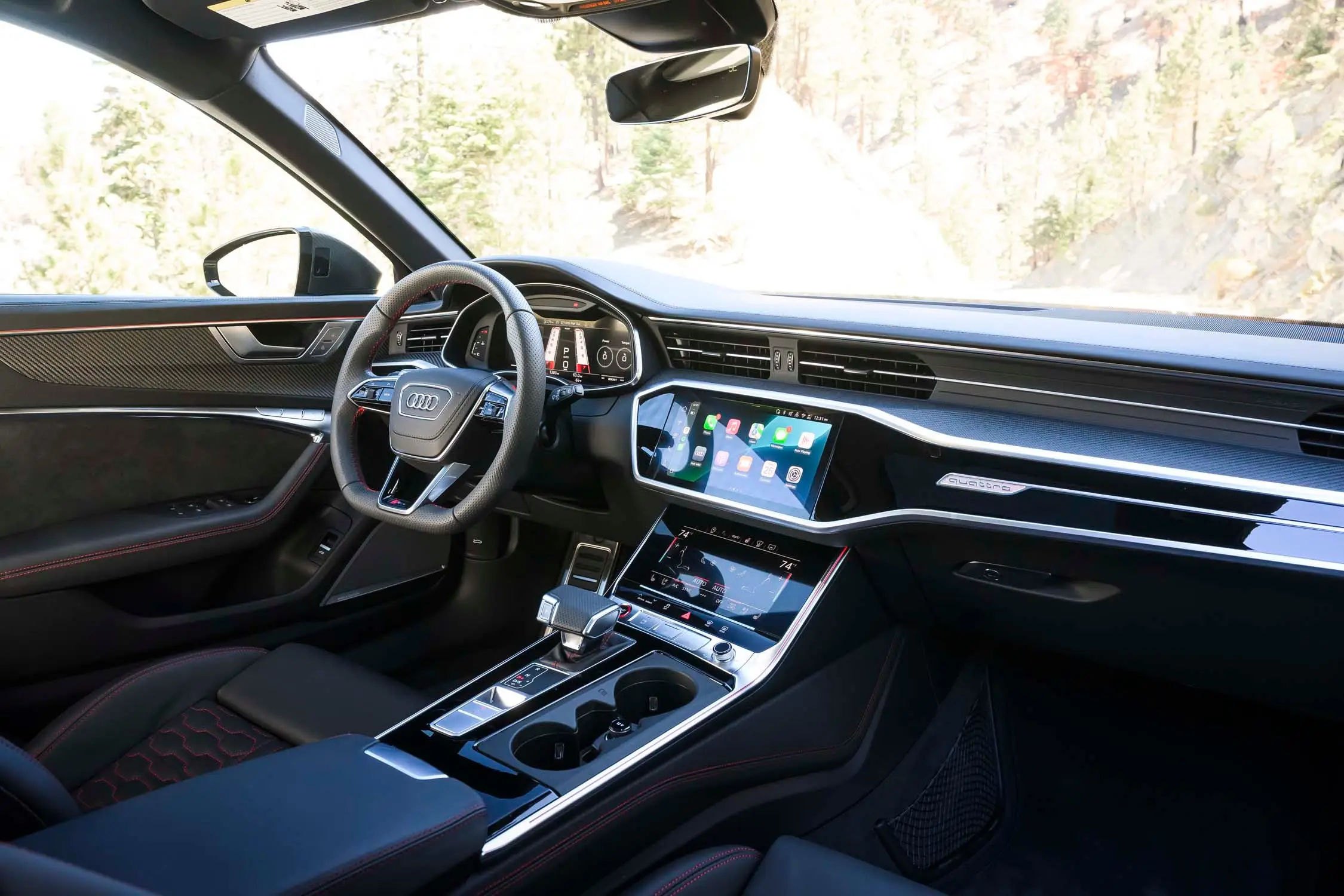
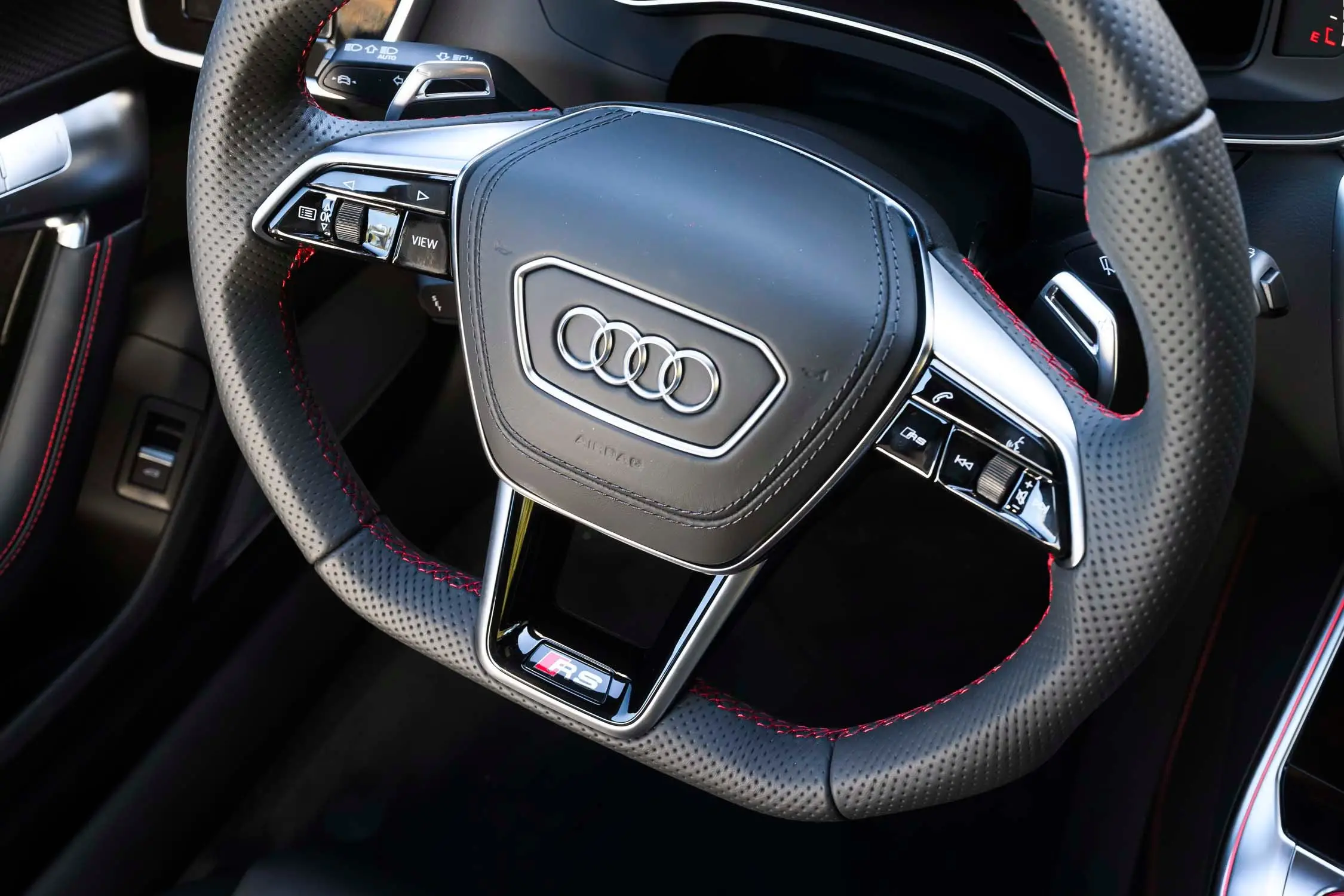
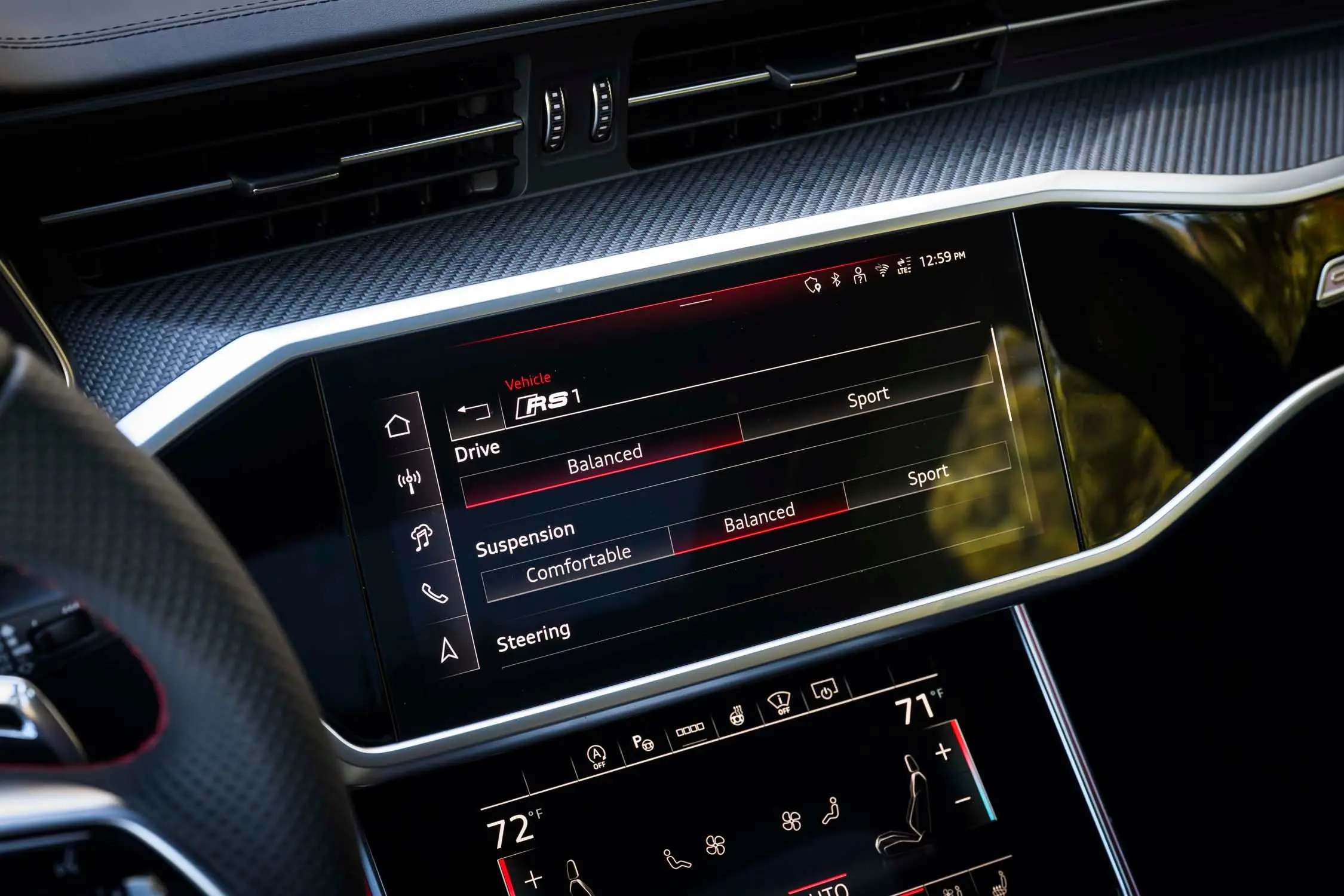
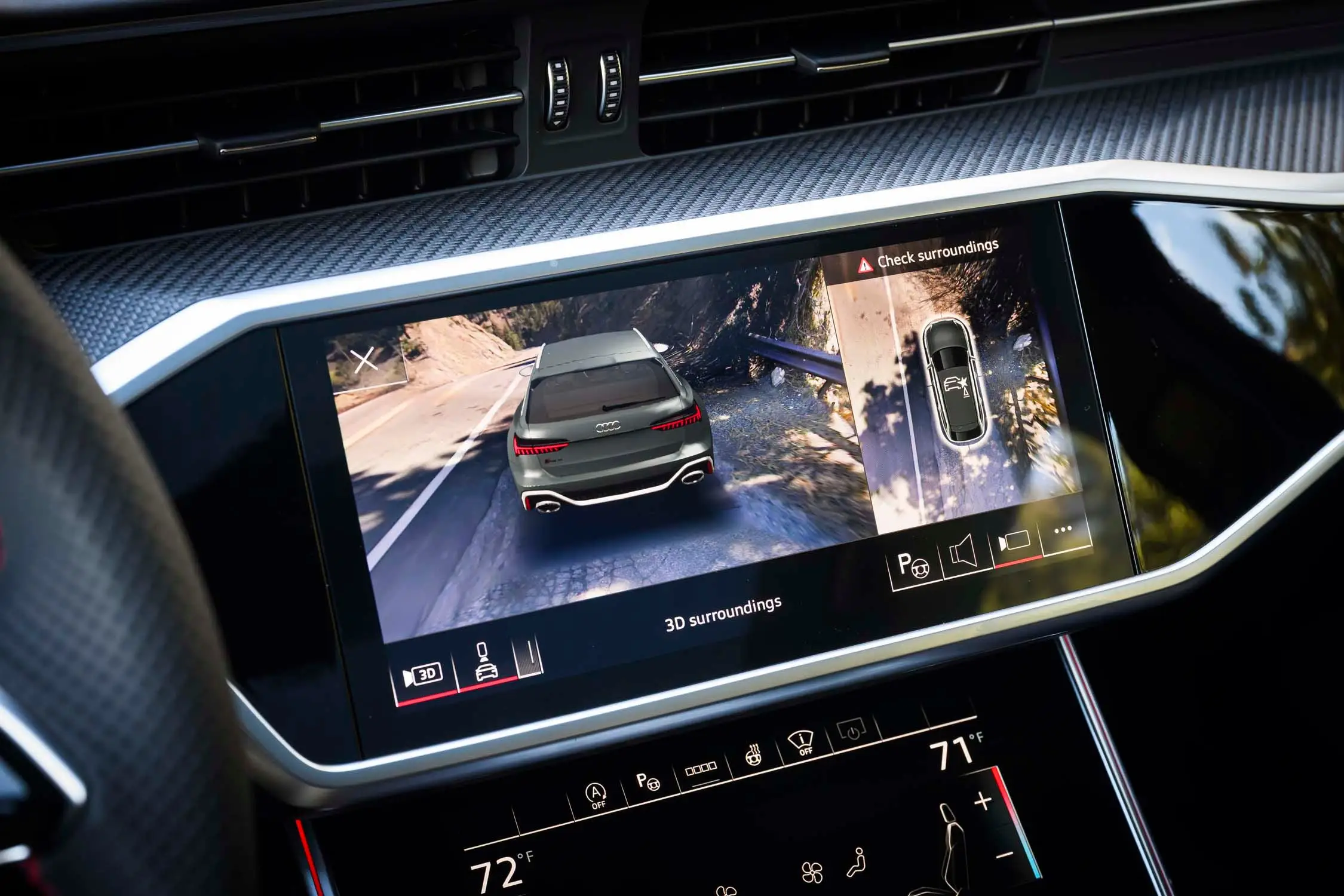
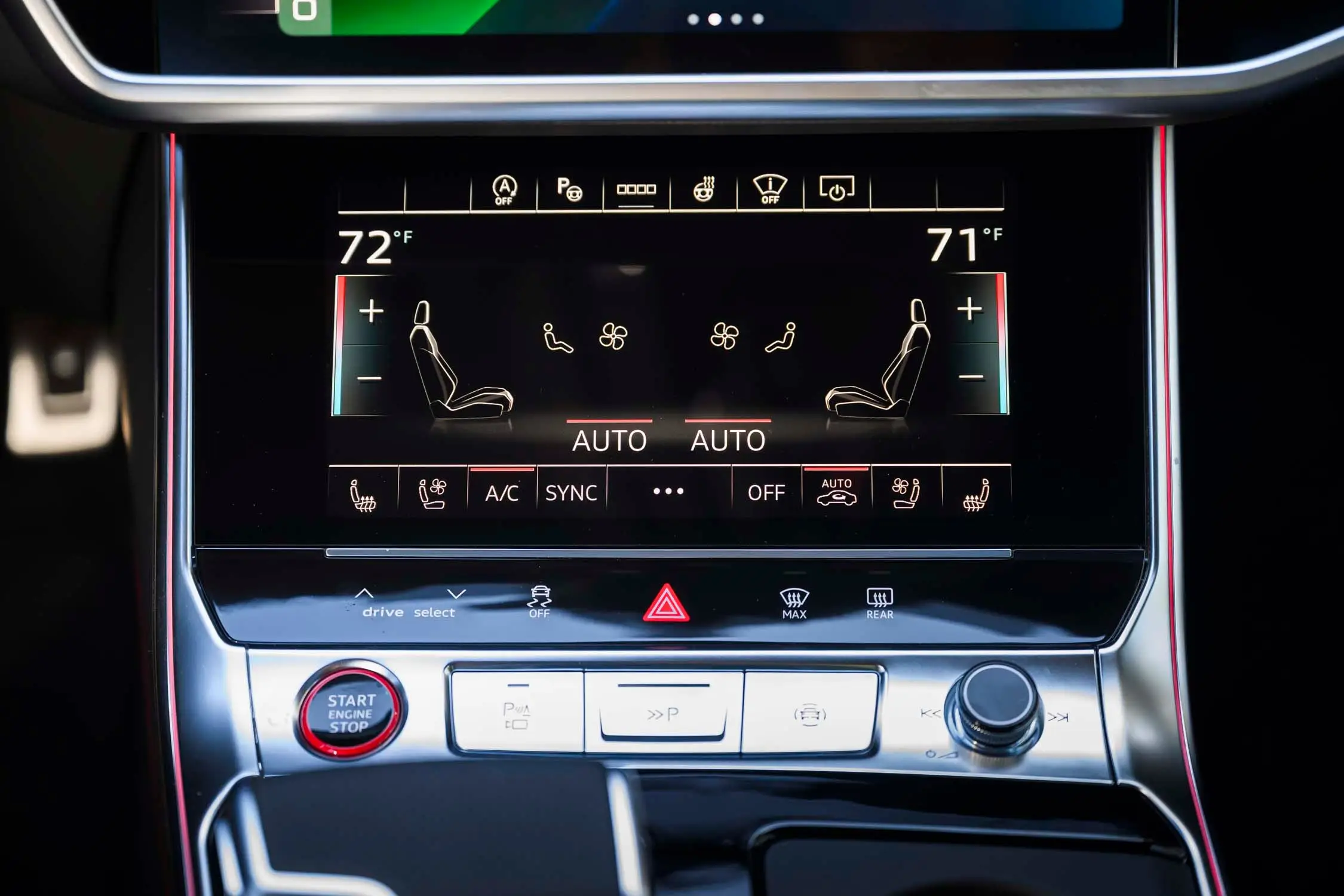
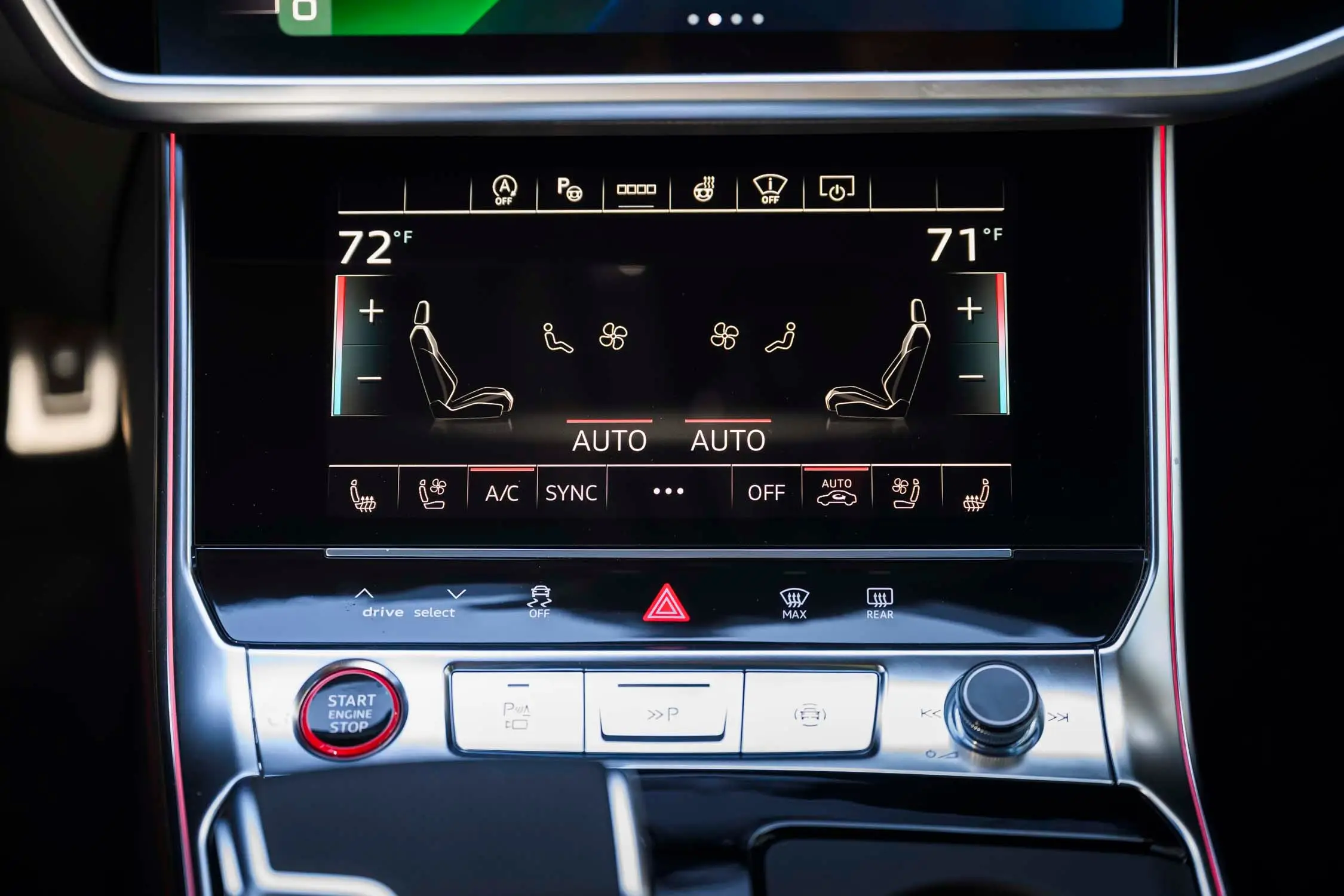
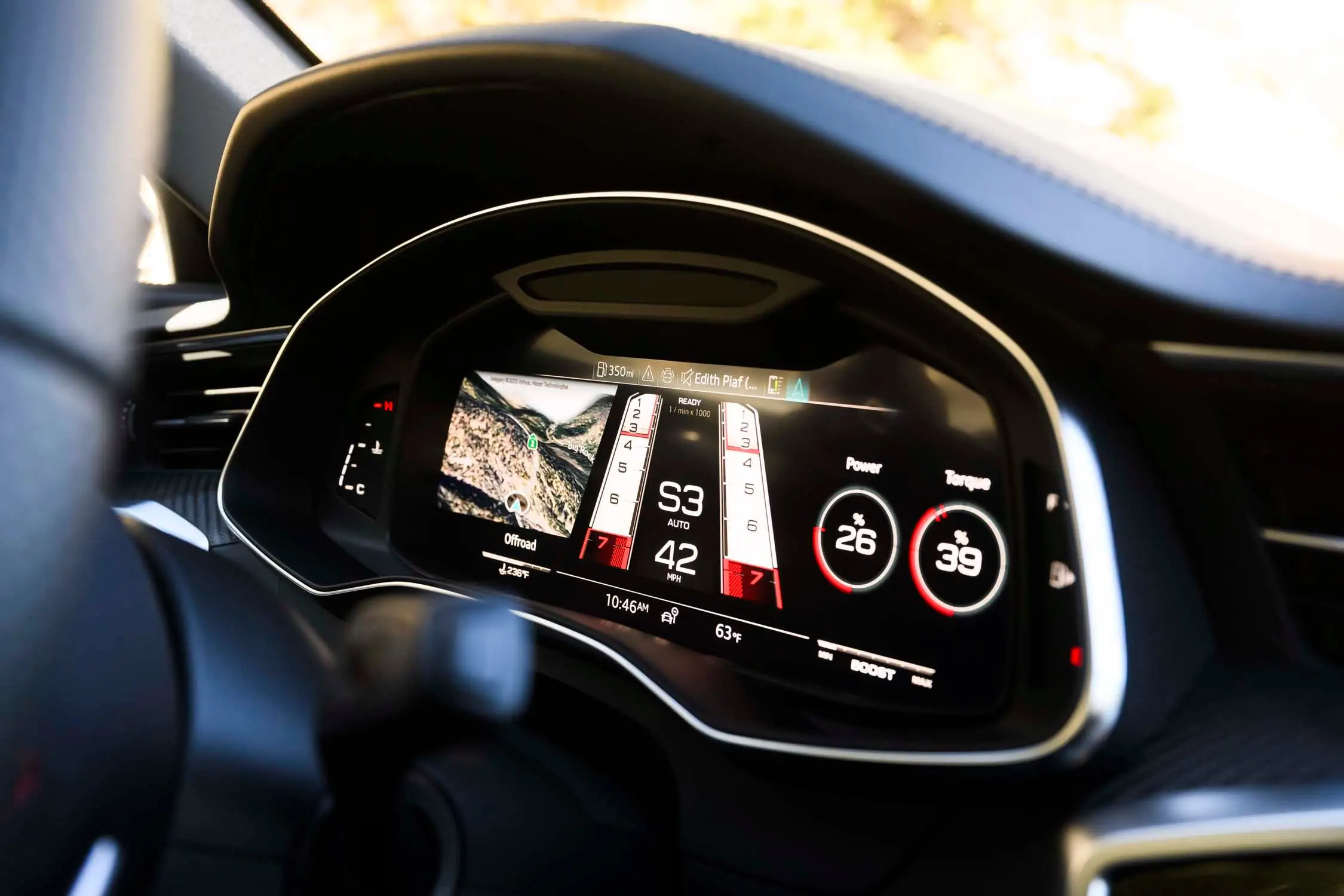
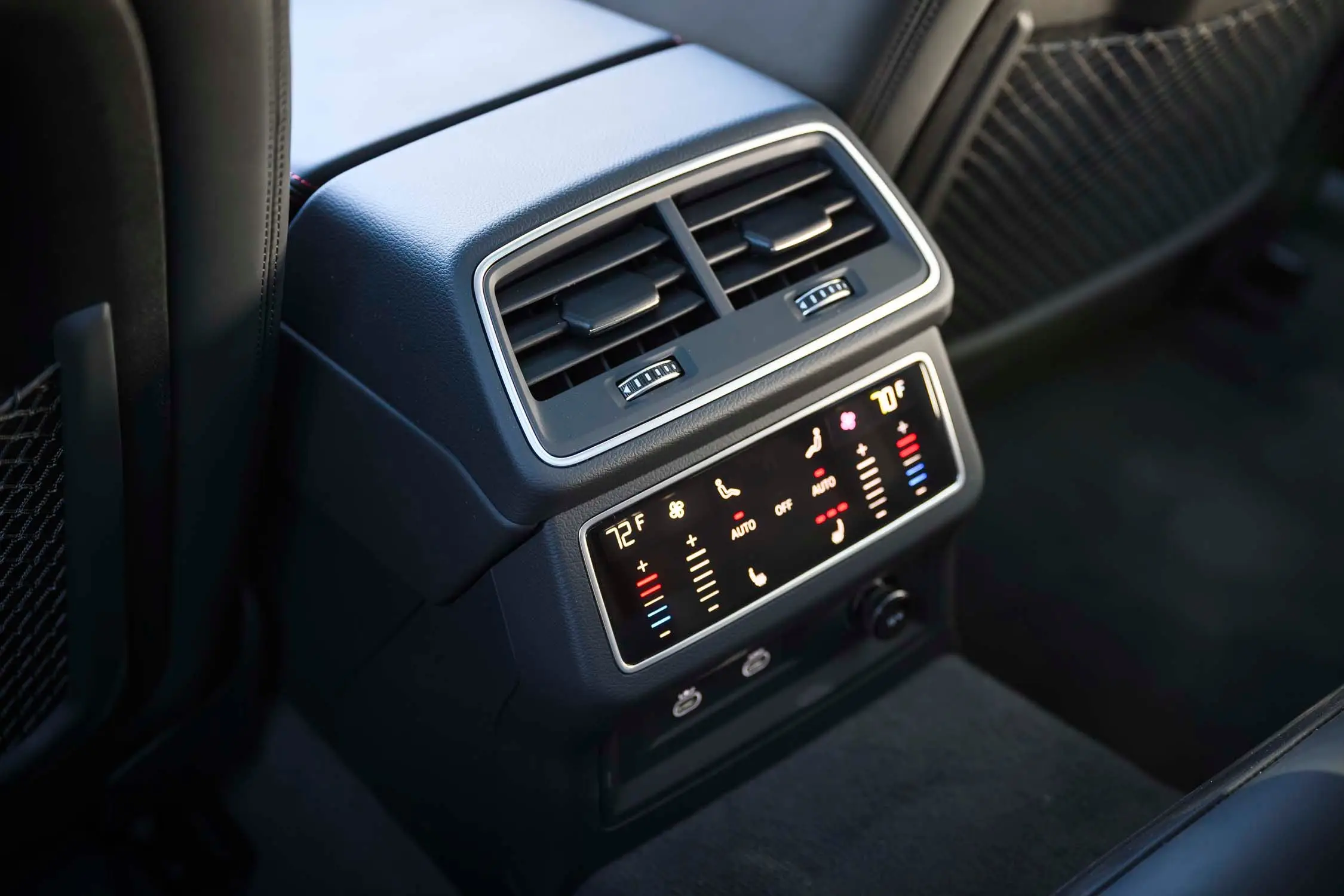
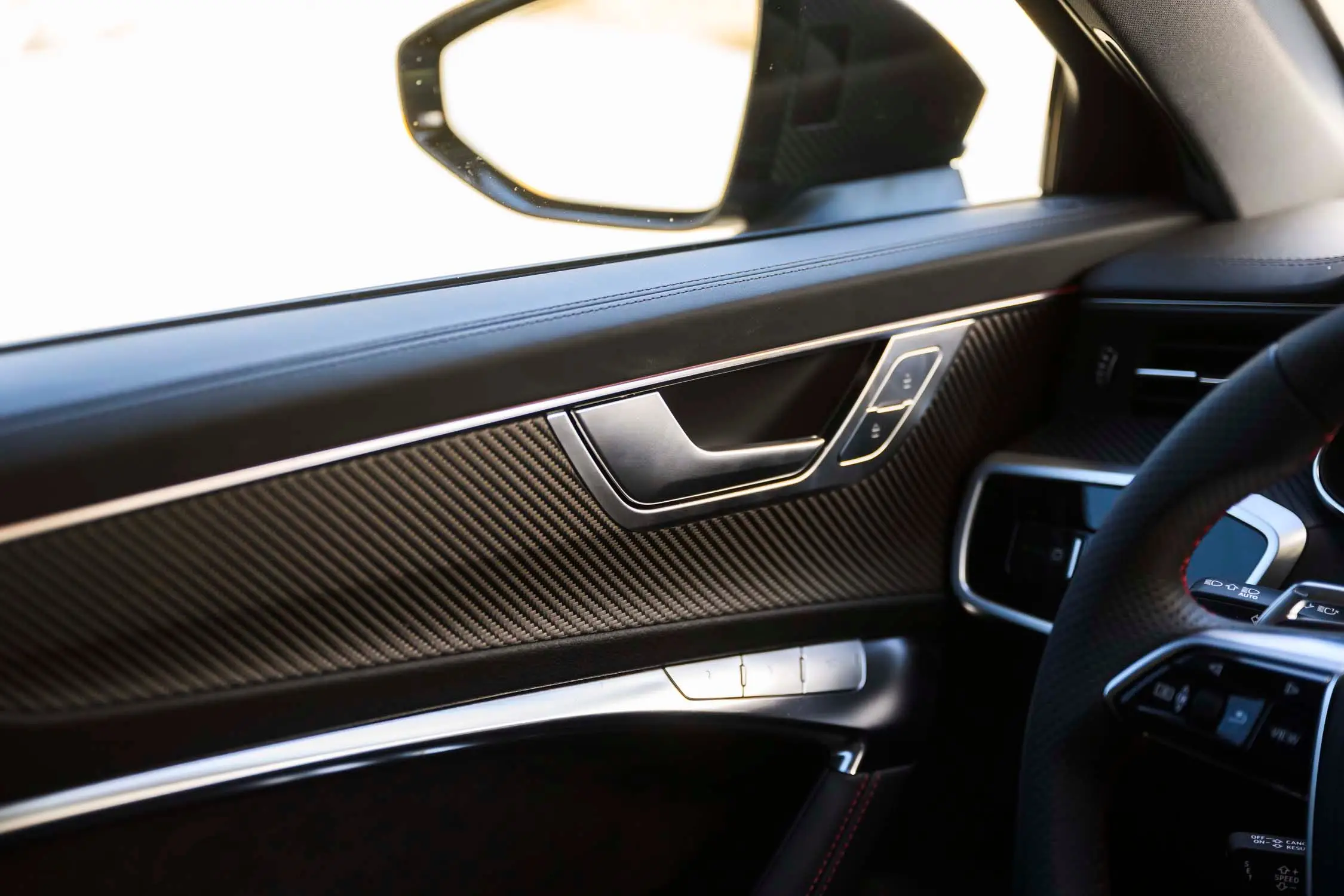
However, the interior shows signs of aging. Audi heavily invested in touchscreens and “piano black” surfaces a few years ago, and that exacts its toll now. Fingerprints are constant, and the interface, while robust, lacks the physical intuition of real buttons. A specific and valid criticism falls on night driving: dimming the brightness of the light show emanating from the instrument cluster, the multimedia screen, and the climate control panel is a Herculean task, described by experts as a “sanity test.”
Despite this, there are welcome touches of modernity, such as the introduction of the sound system with Dolby Atmos support, turning the cabin into a concert hall. But perhaps the interior styling could have followed the aggressive line seen in futuristic renderings, like that of the Audi E5 Sportback RS Widebody, suggesting where the brand’s design language might (and should) go.
And then, we arrive at the elephant in the room: the price. With a starting MSRP of $133,295 and easily reaching $161,300 (nearly $1 million USD in direct conversion, before Brazilian import taxes which would double that figure), the RS6 Avant Performance resides in the territory of the “unobtainable” for the vast majority. It is an object of desire, a modern pin-up for enthusiasts who, in real life, end up driving Kias or Toyotas.
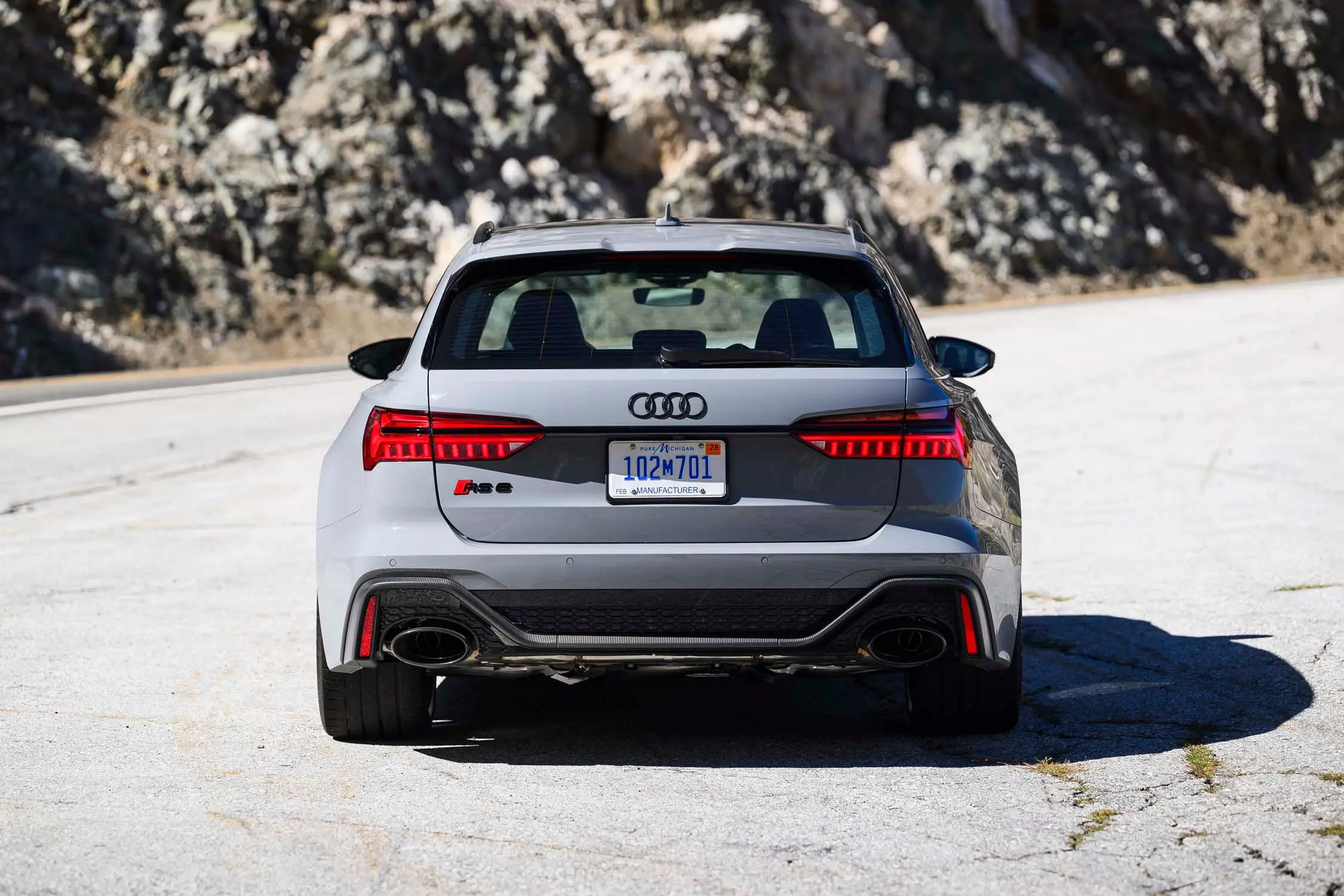
The options are expensive but transformative. The carbon-ceramic brake package costs the price of a used economy car ($9,000), but it is essential for stopping this beast repeatedly. The optional lightweight wheels reduce unsprung mass, improving suspension response—a concept in physics that makes all the difference, similar to the impact of high-tech tires on motorcycles, as seen with the Bridgestone Battlax RS12, where the rubber and wheel weight define everything.
The 2026 Audi RS6 Avant Performance closes the argument. It’s not just better than an SUV; it is the pinnacle of what an all-capable car should be. It quickens the pulse, calms the family, and devours asphalt with competence that borders on arrogance. It is the car for those who refuse to accept that family life must be boring. If you have the means, no garage is complete without it. If you don’t, it remains the definitive poster on the wall of your automotive imagination.