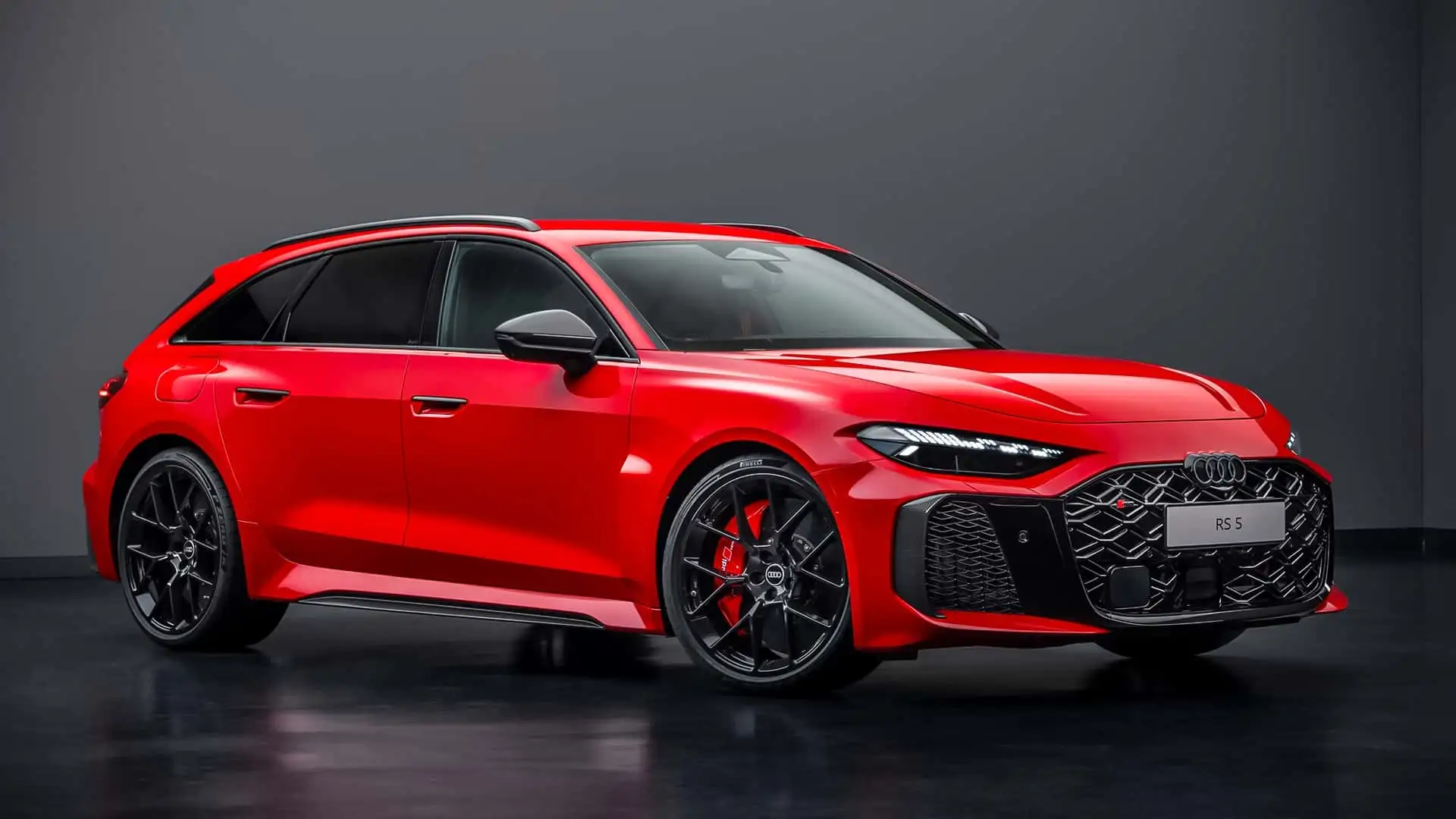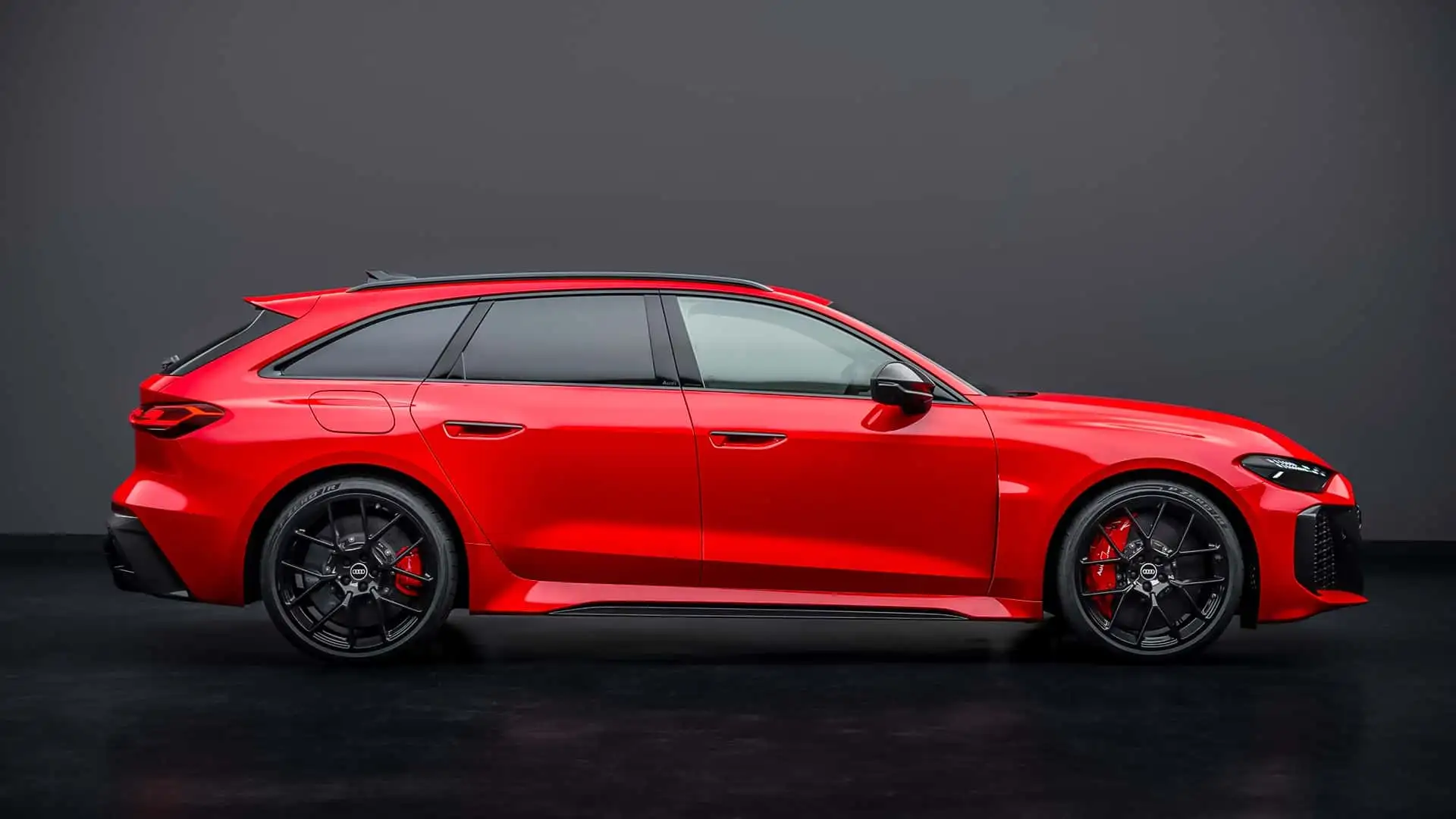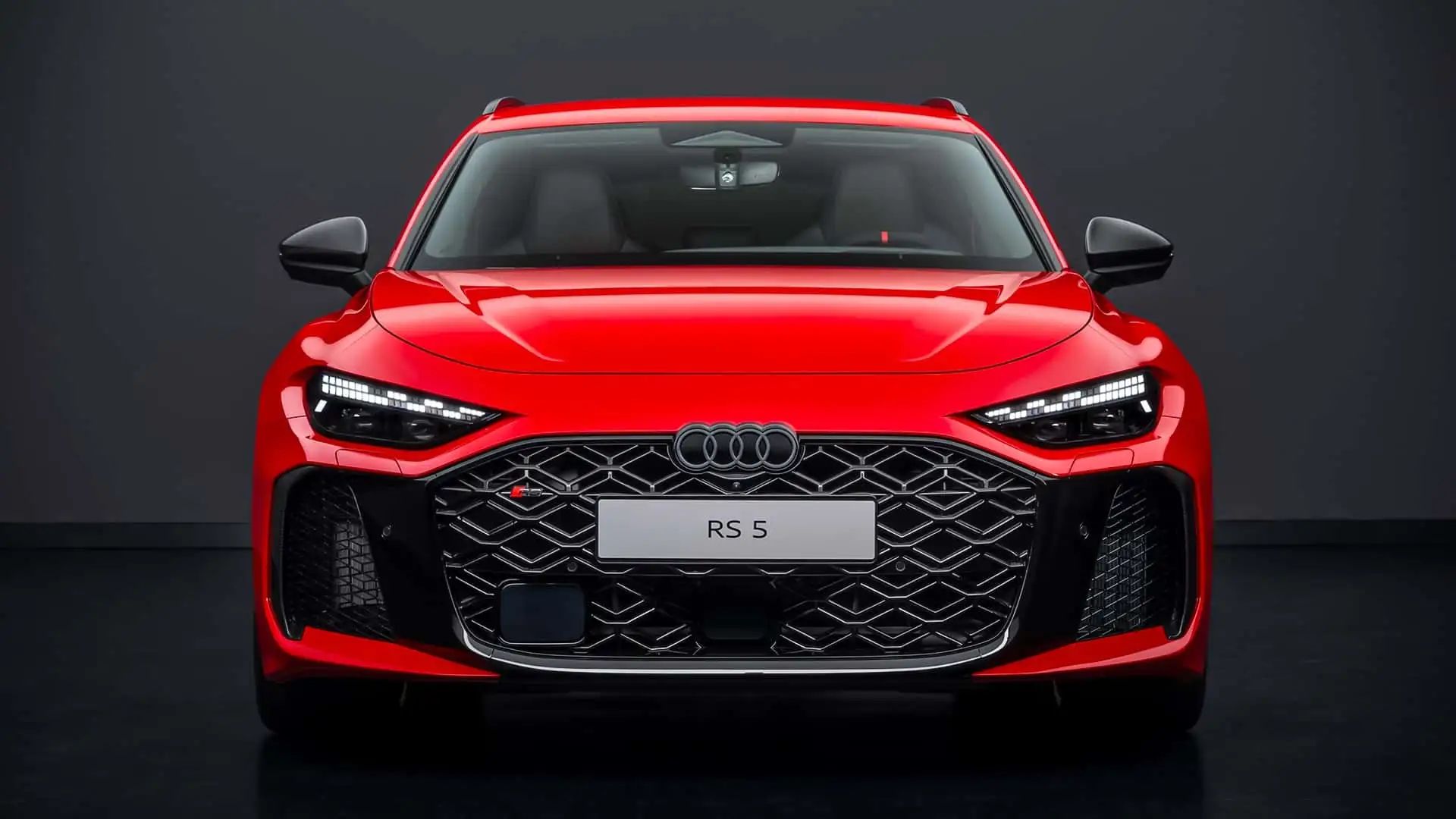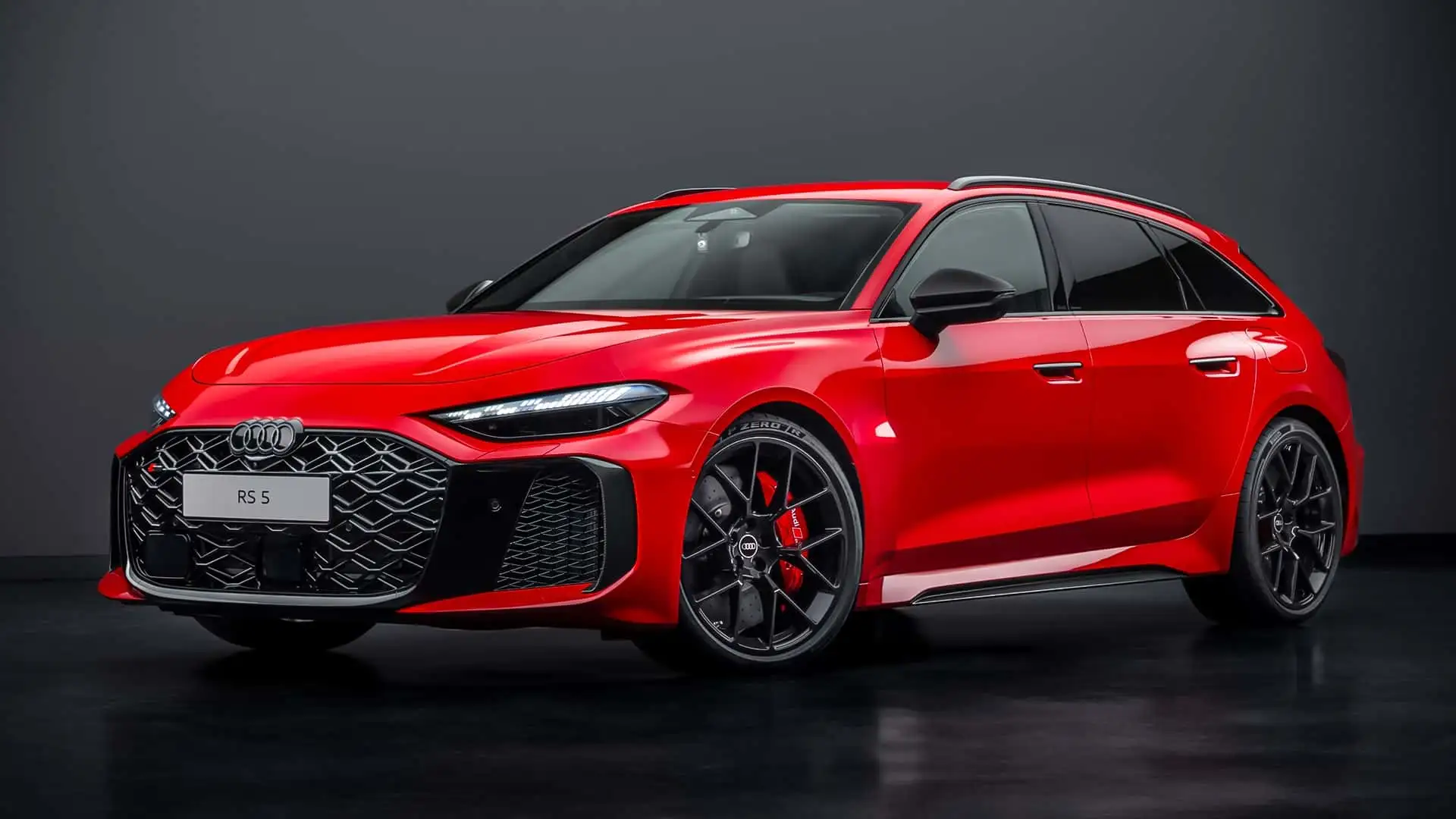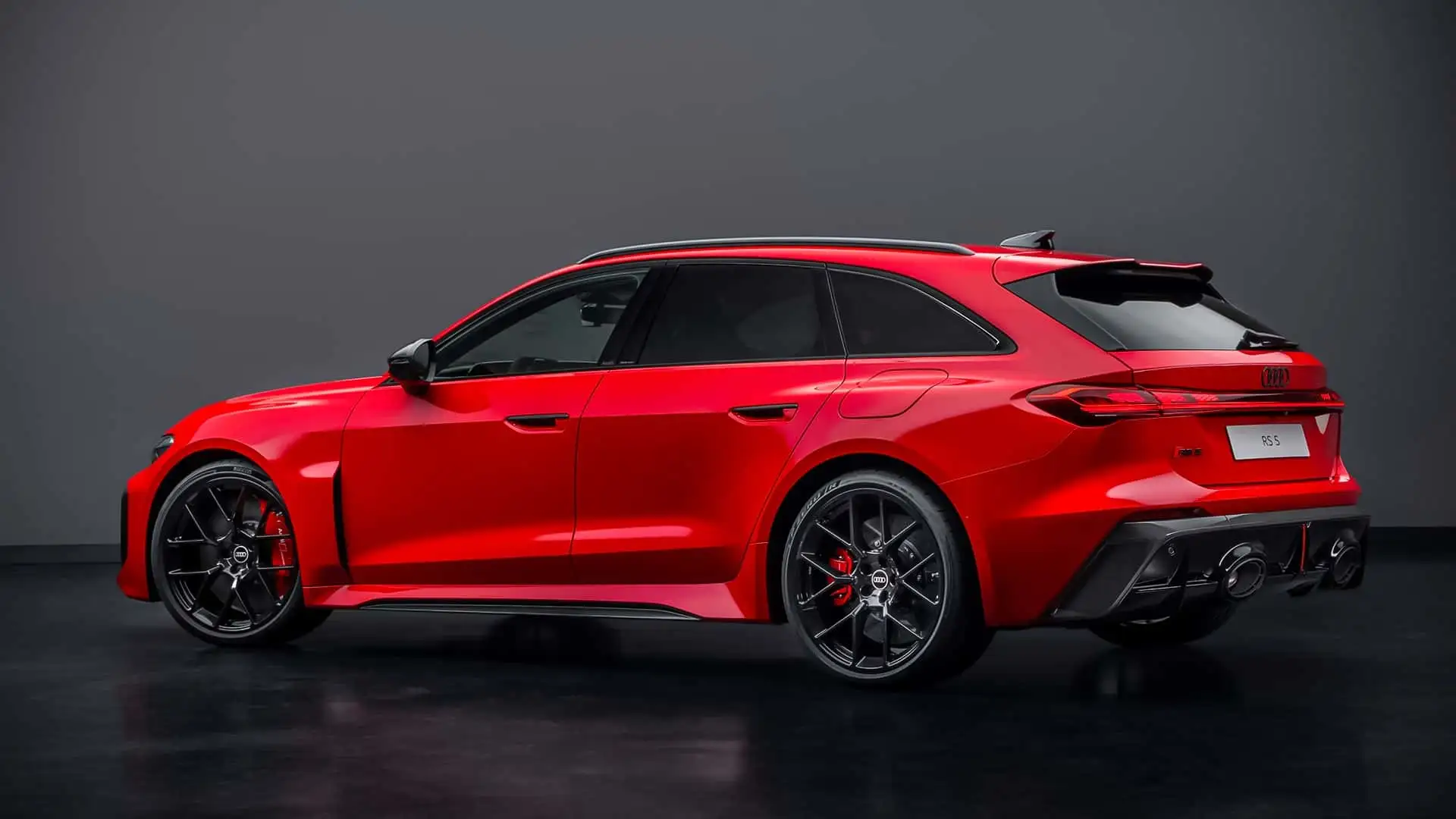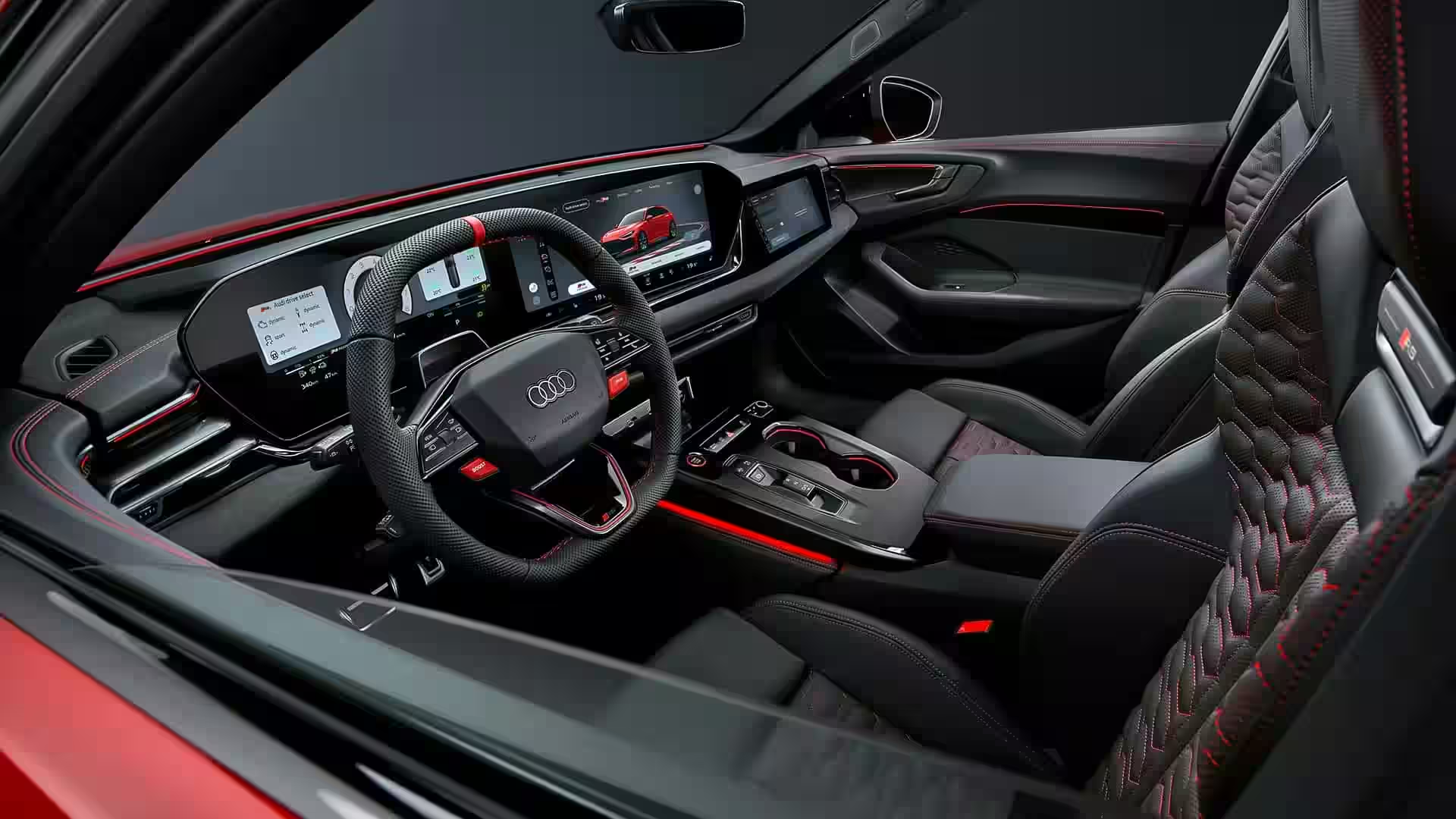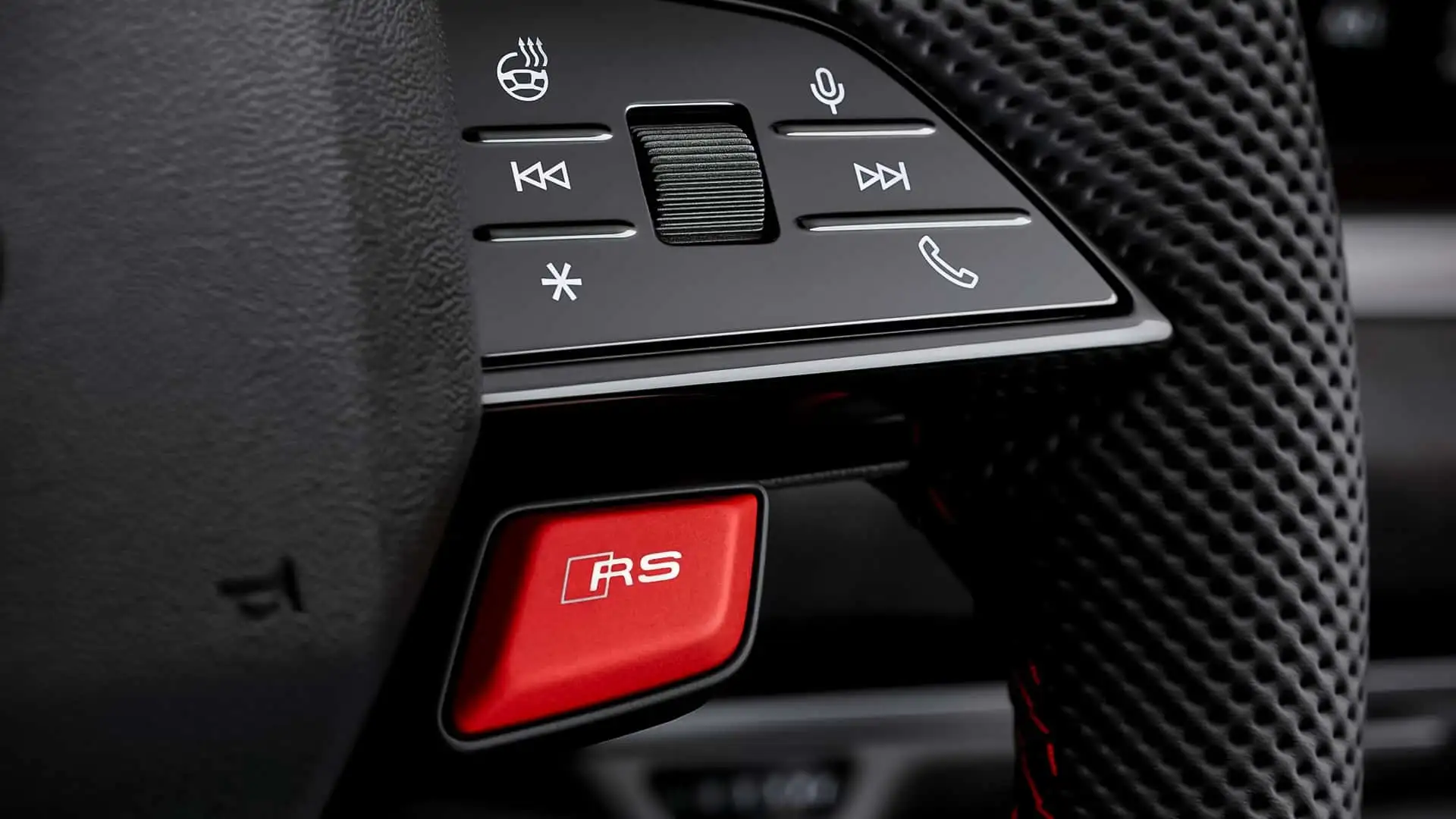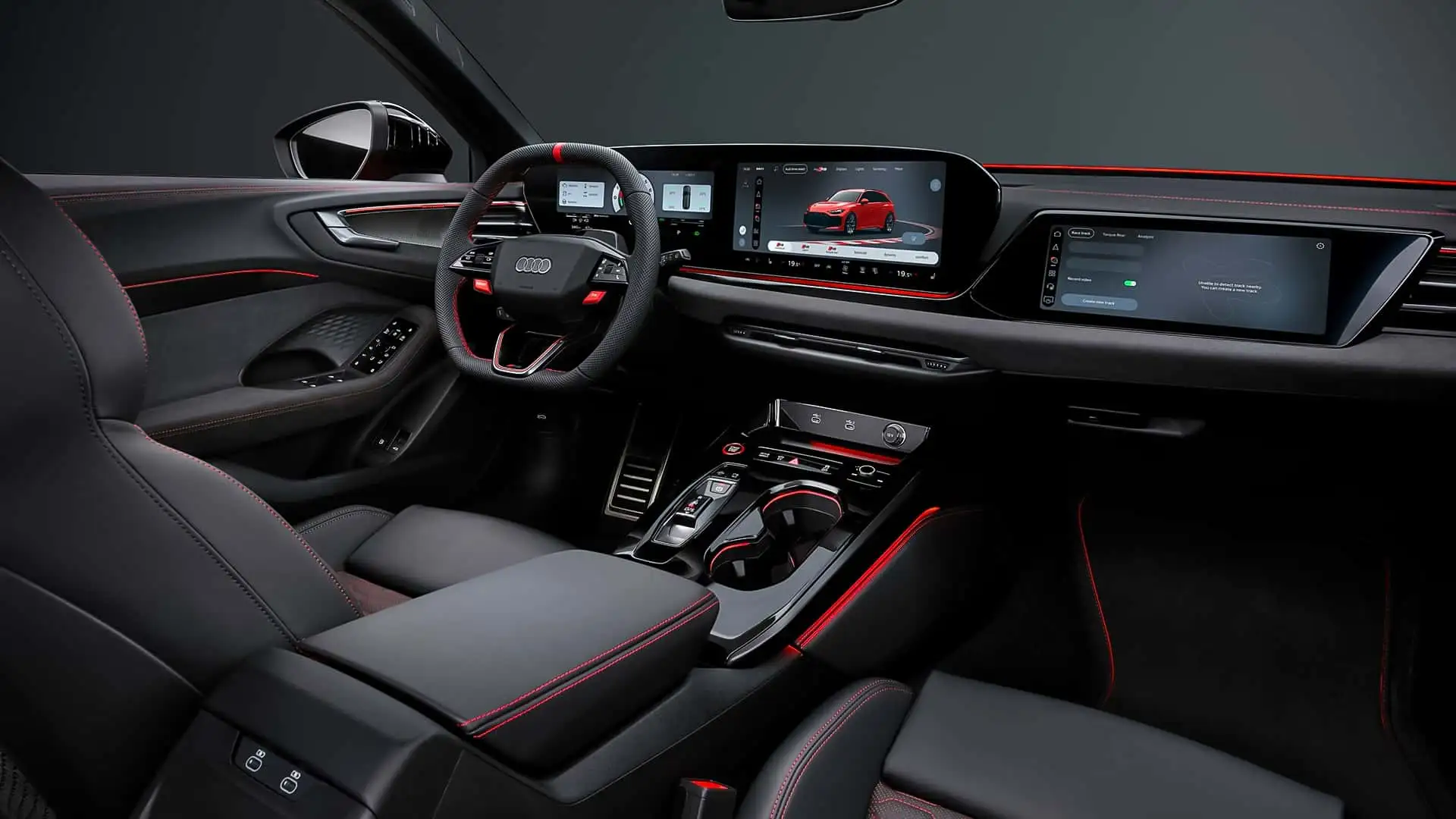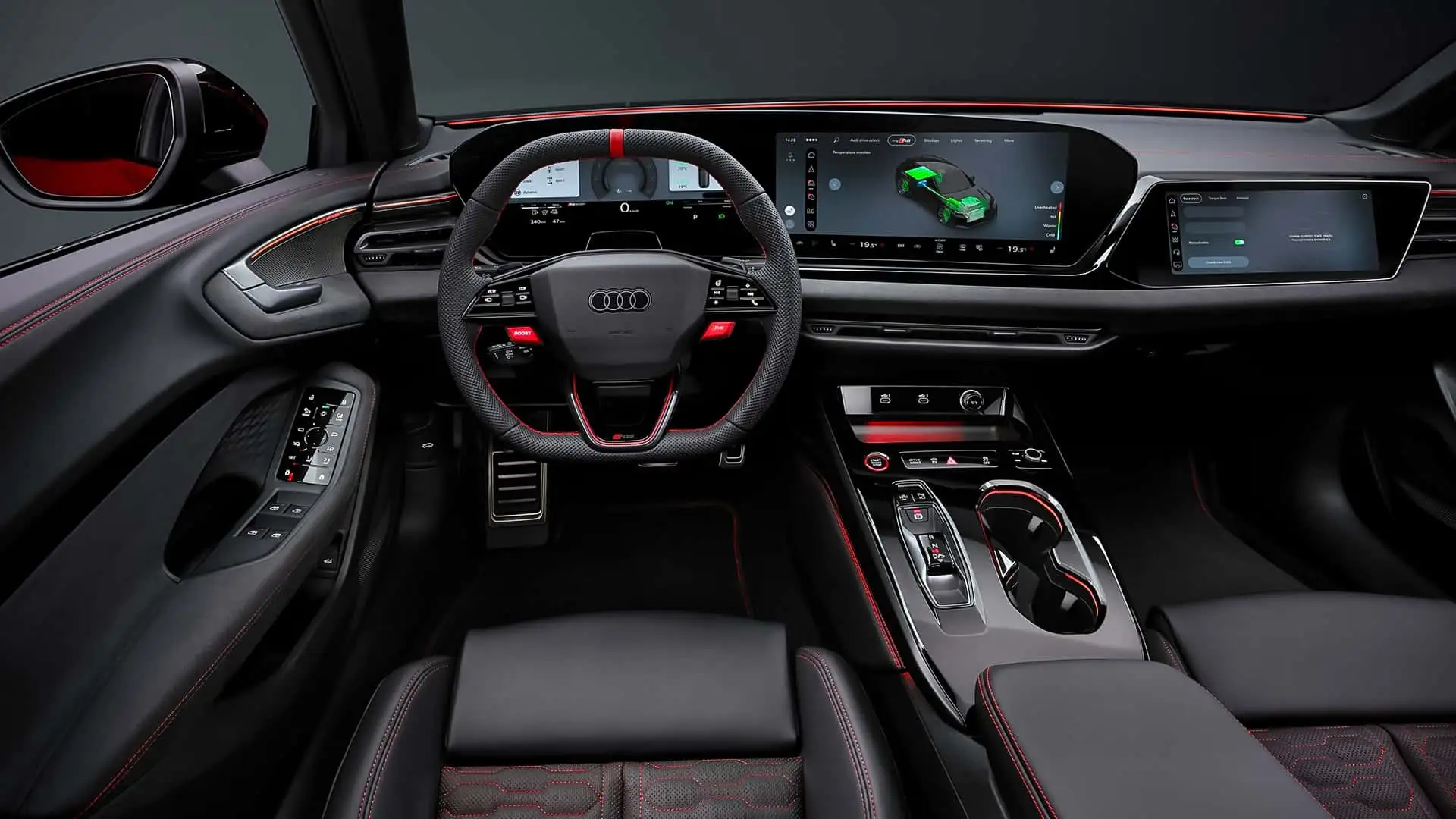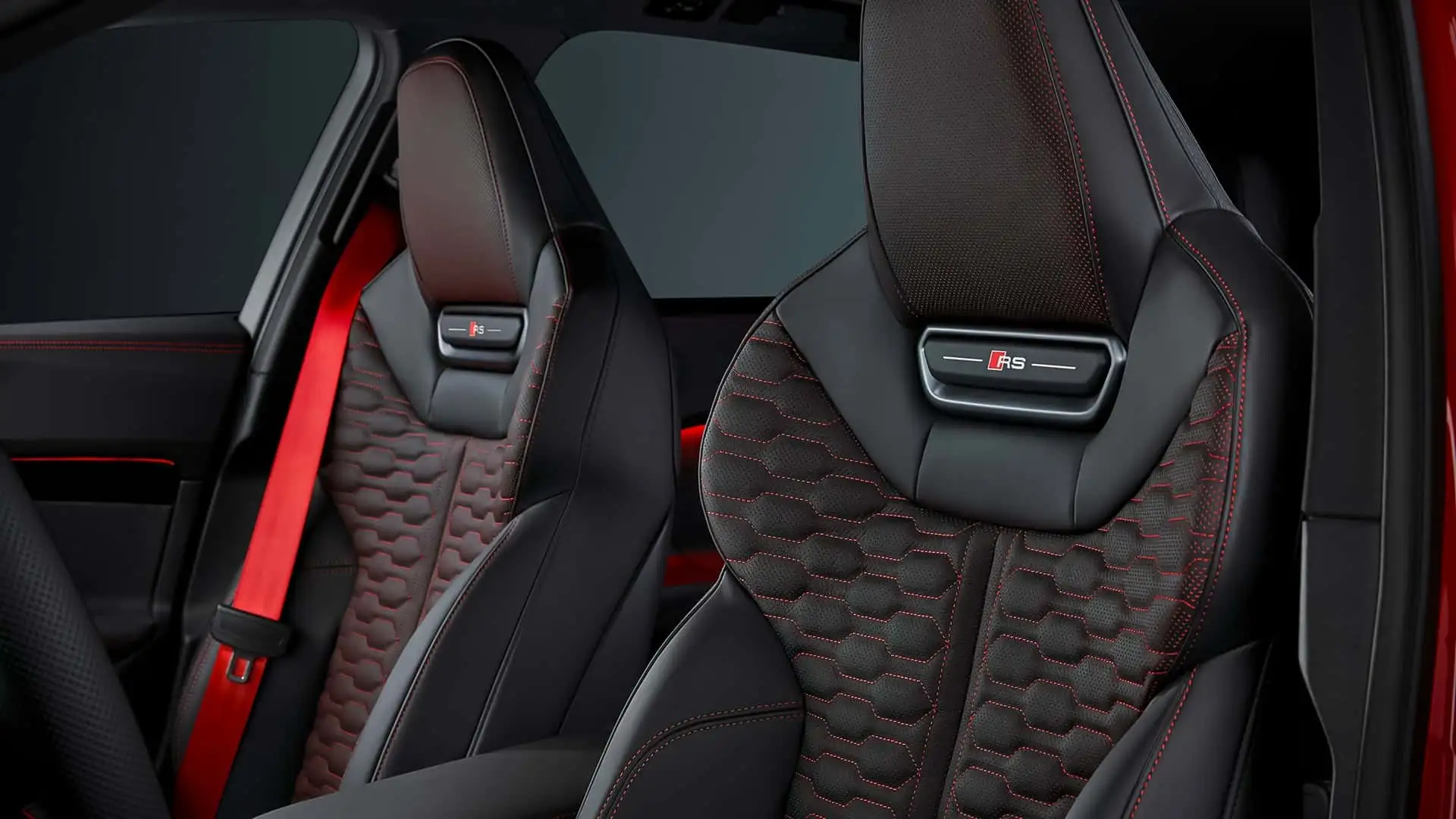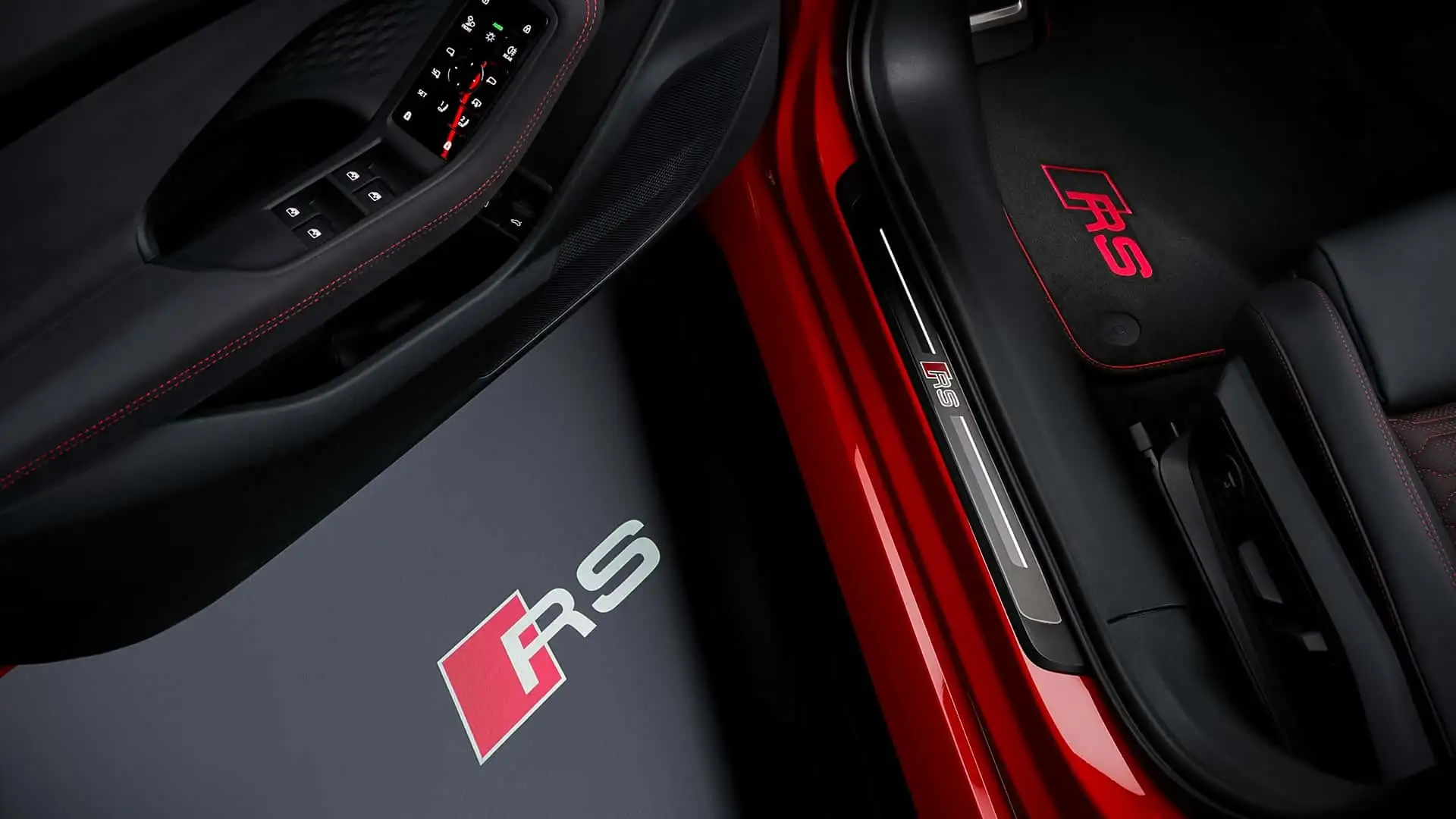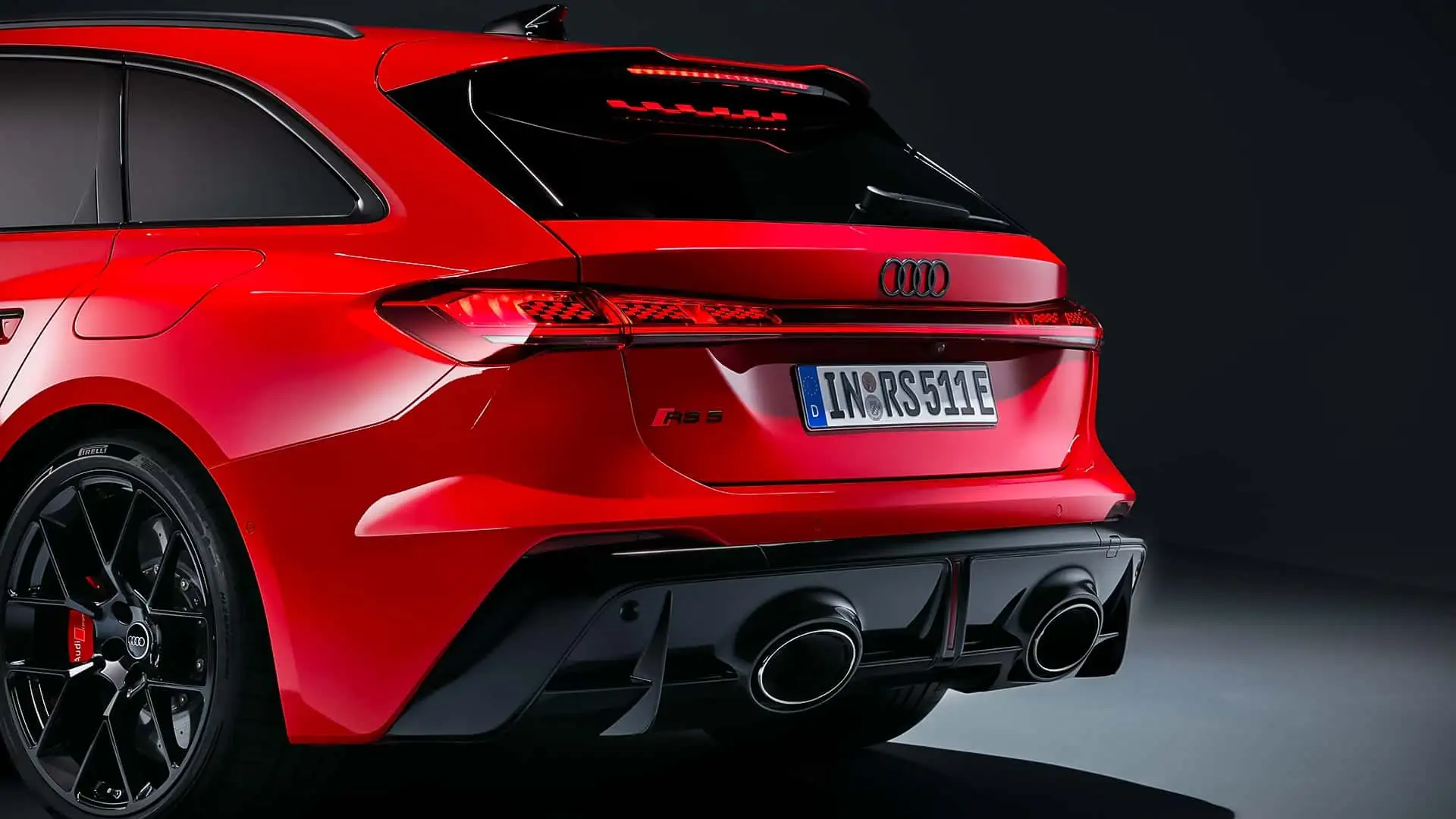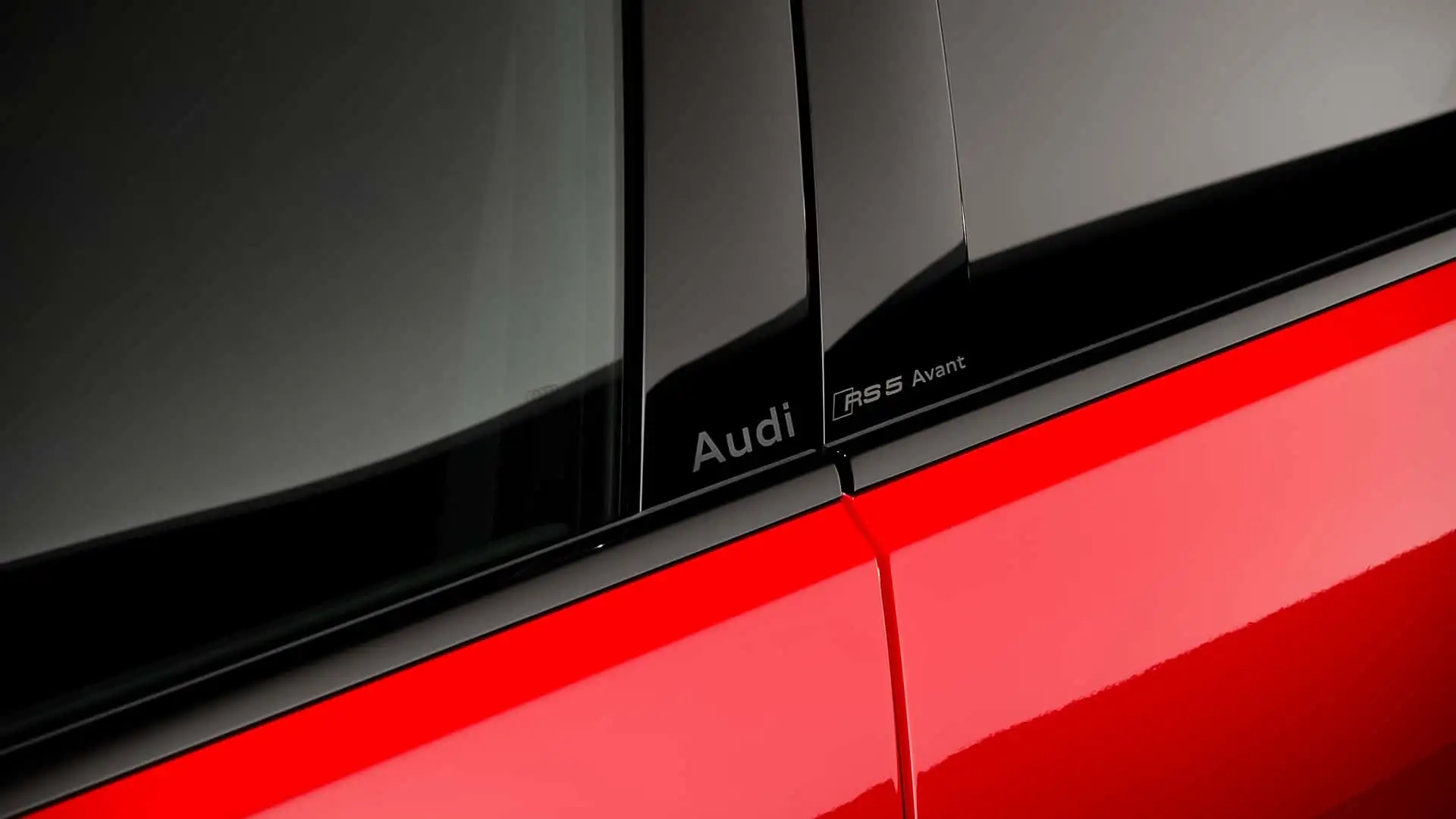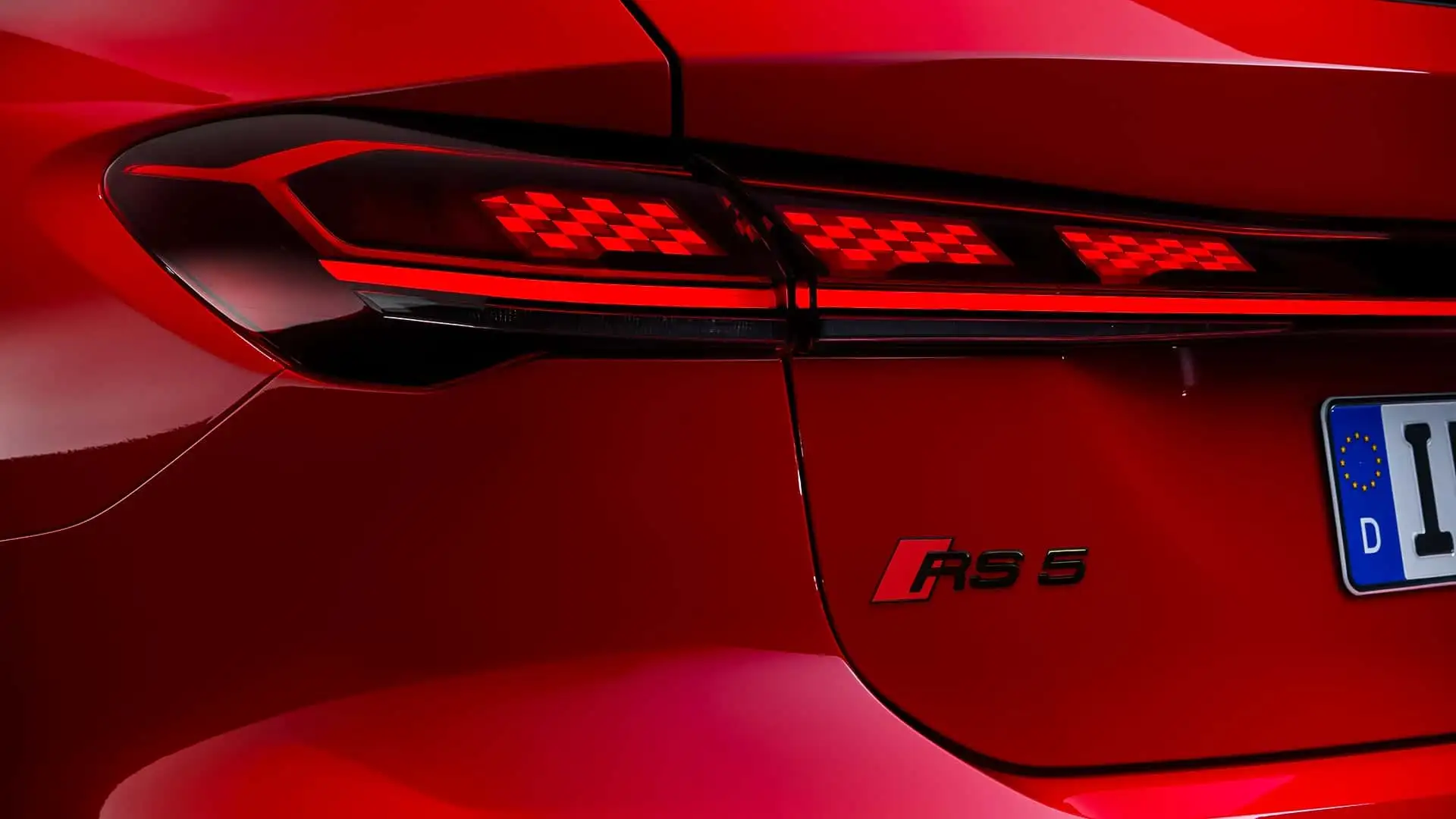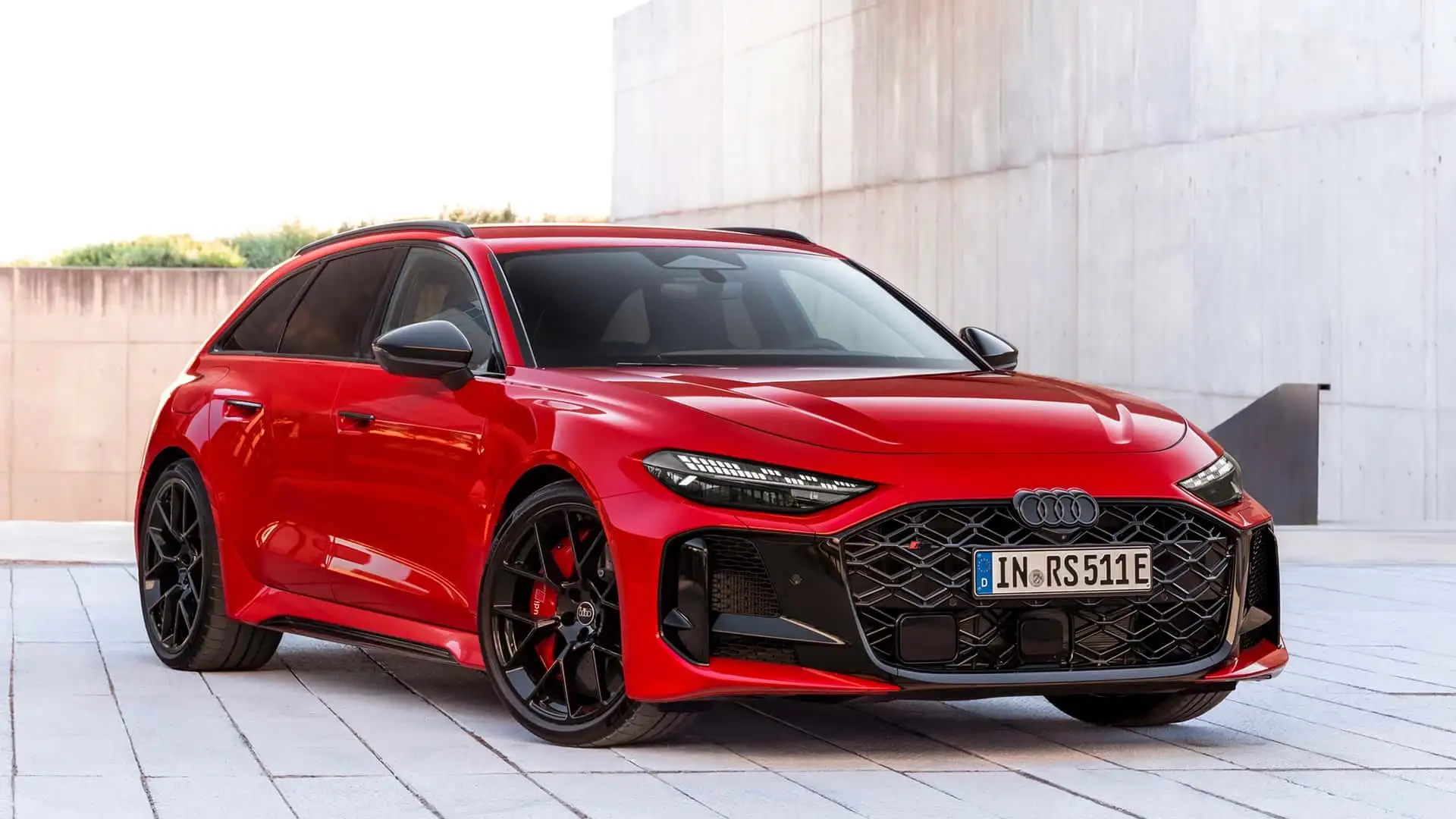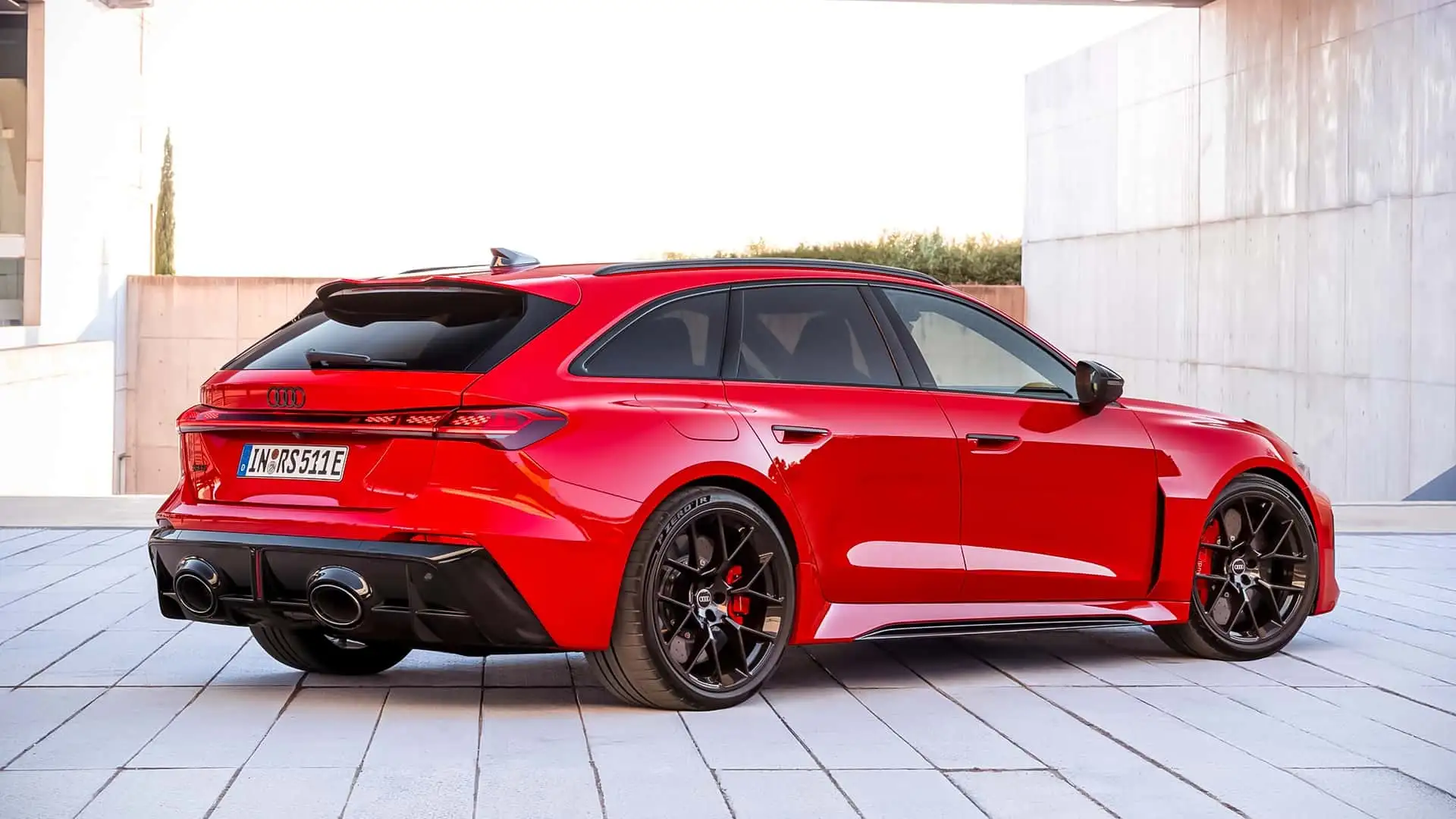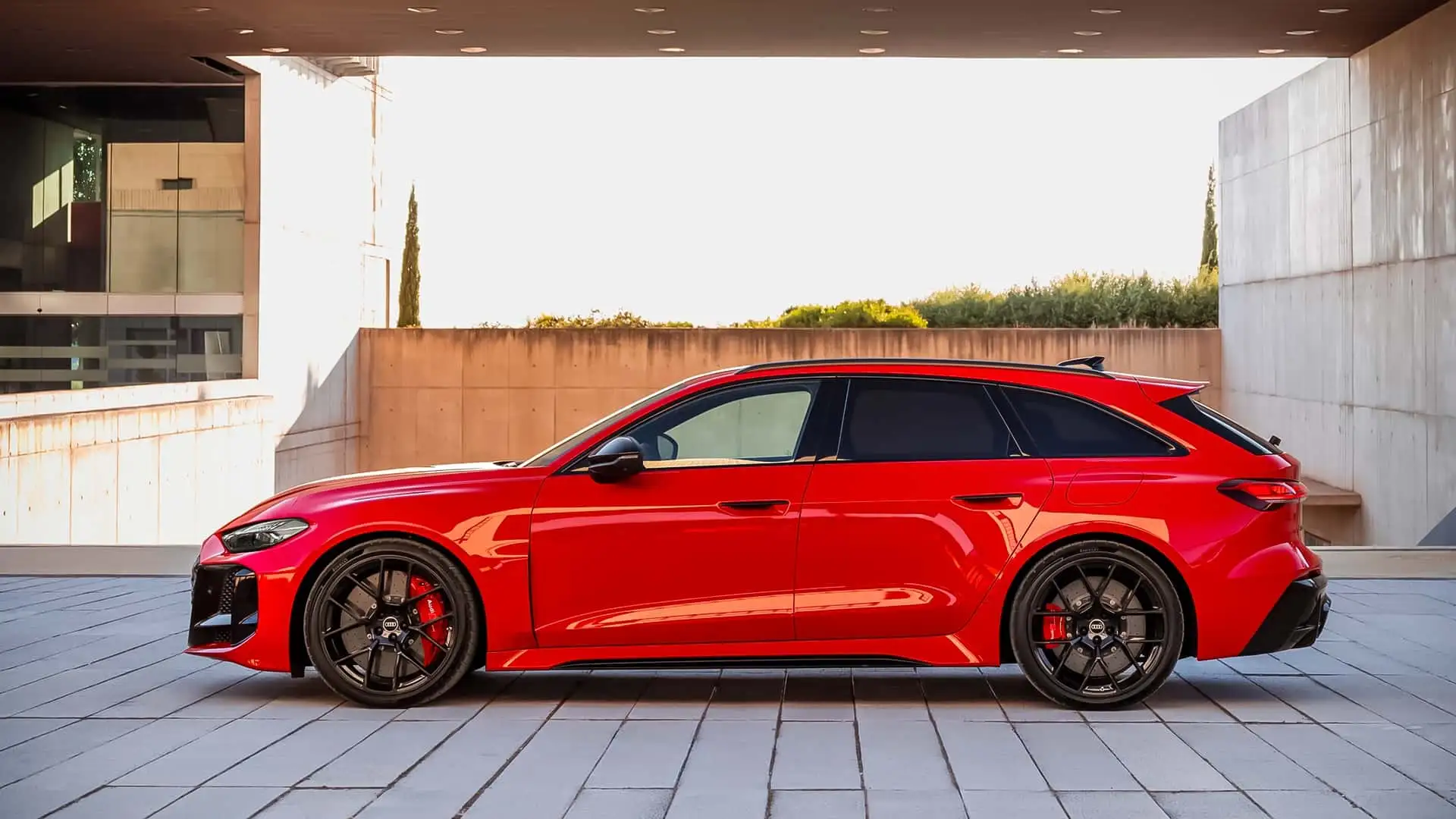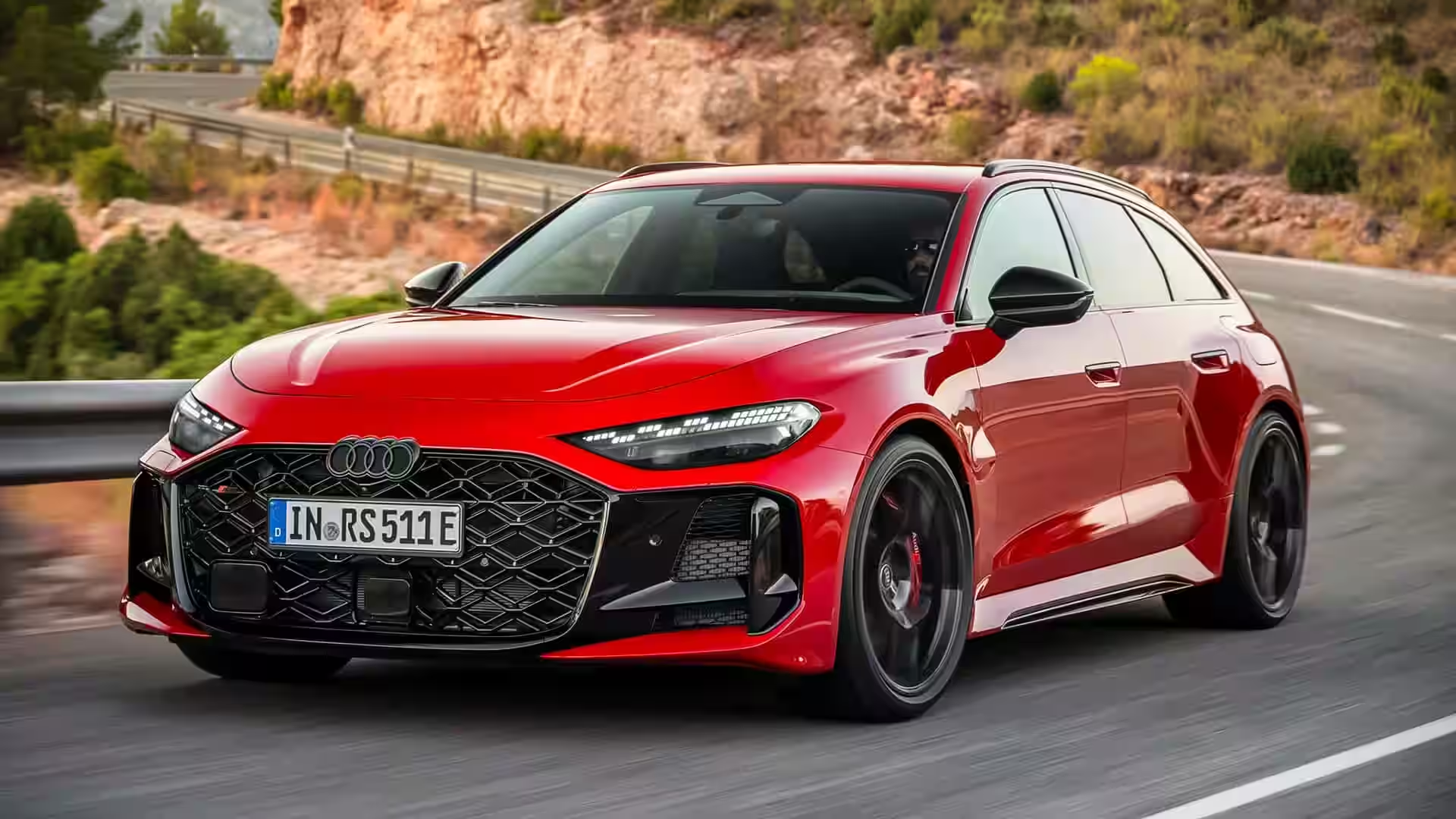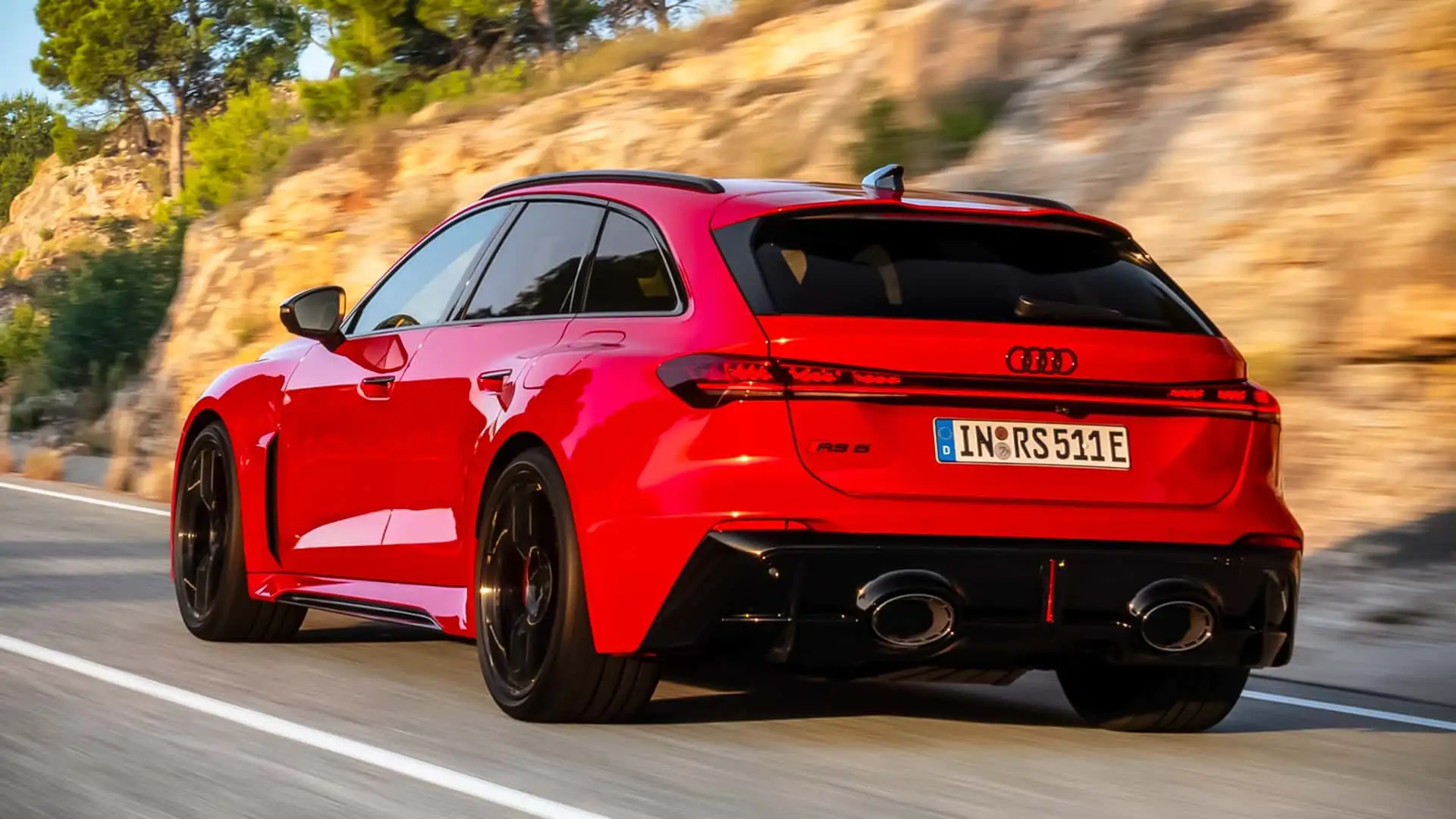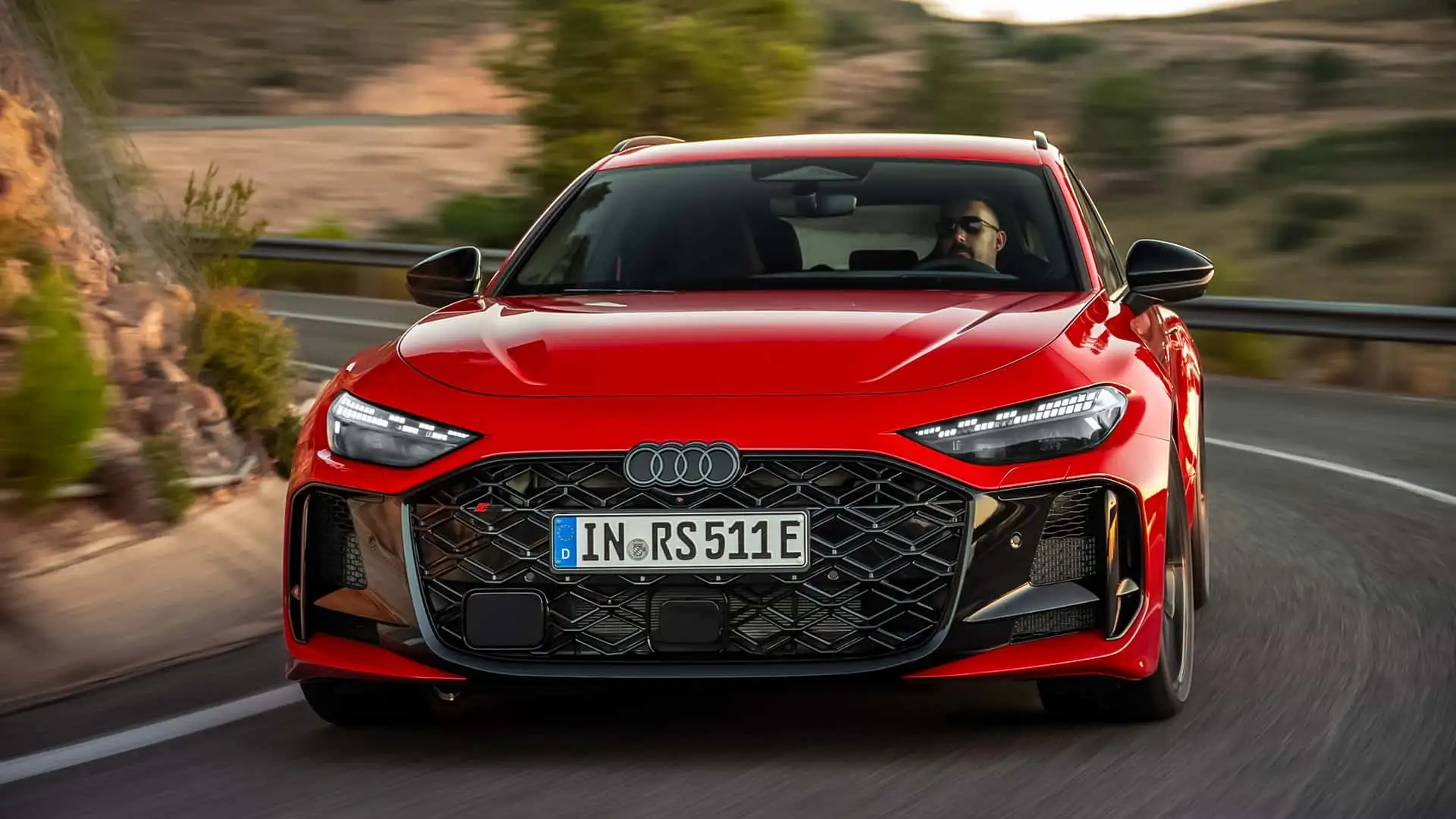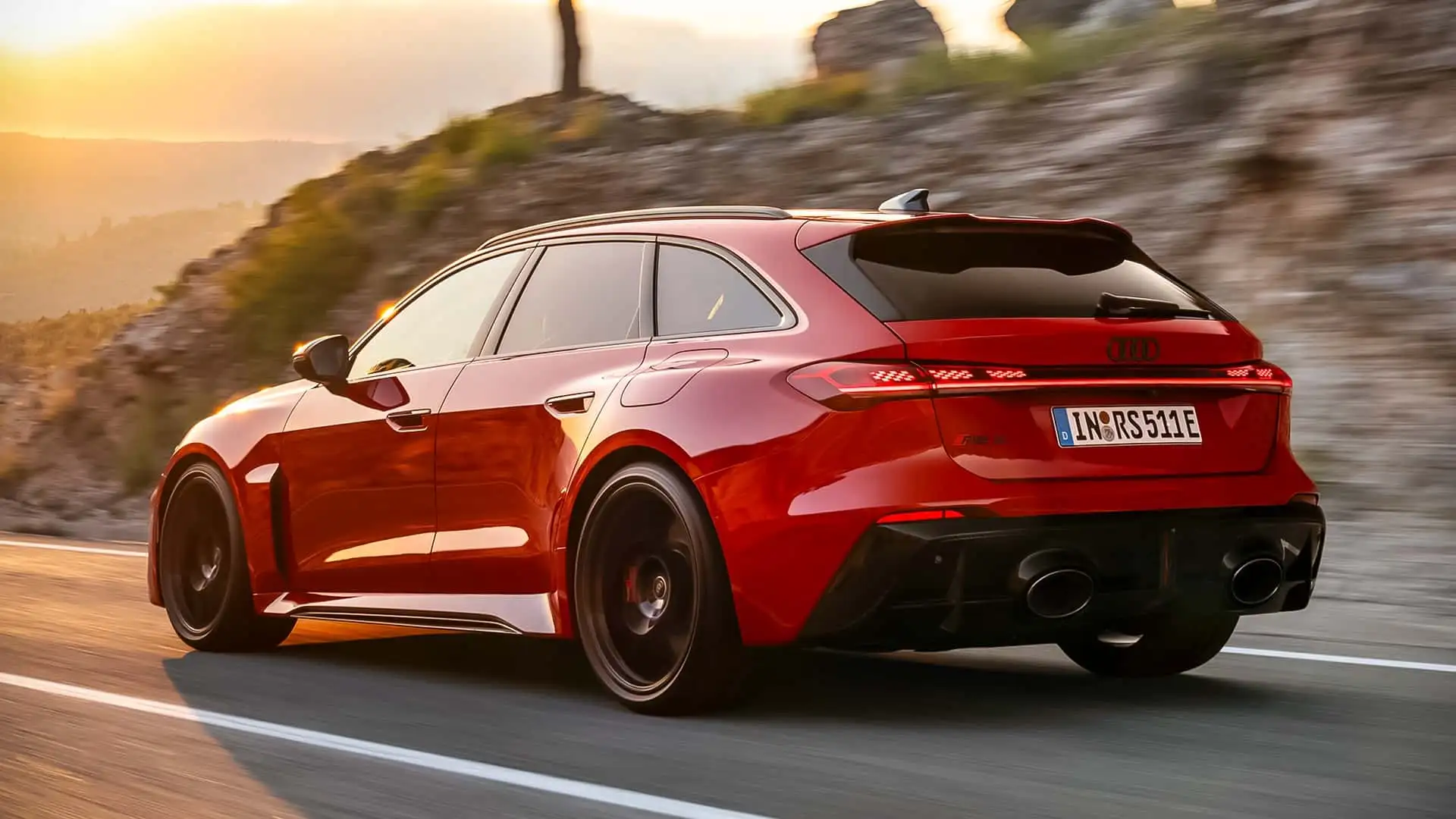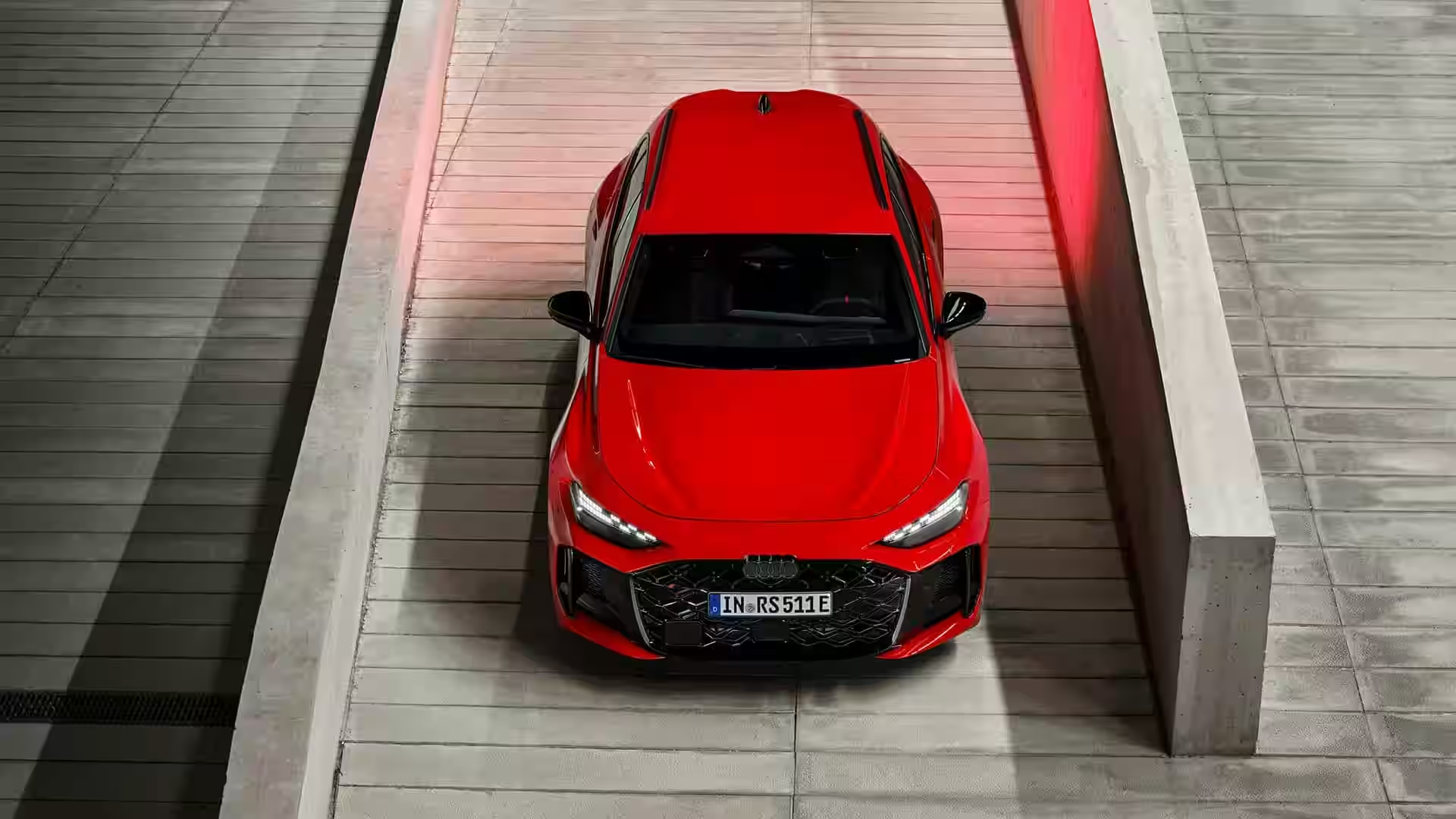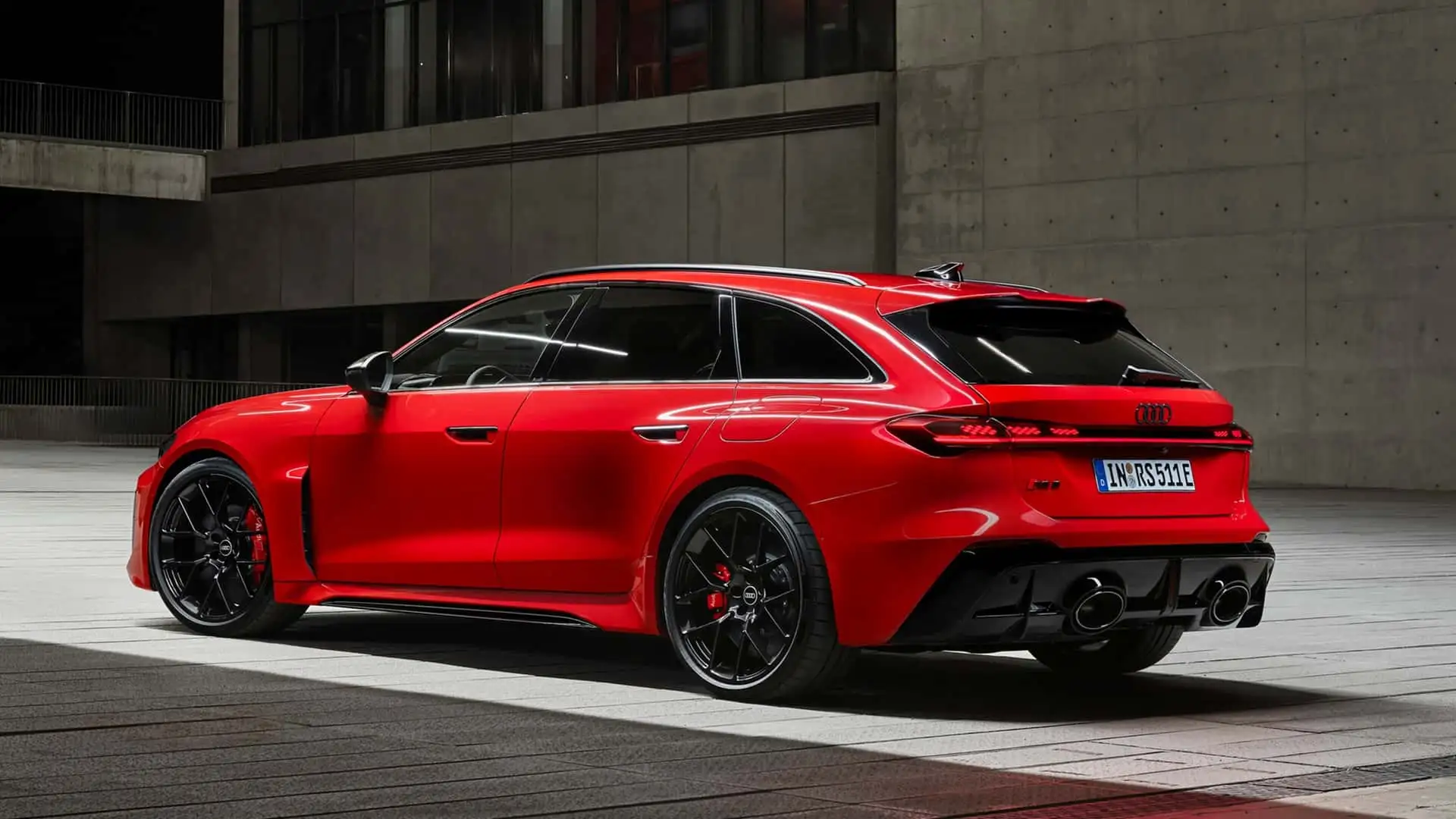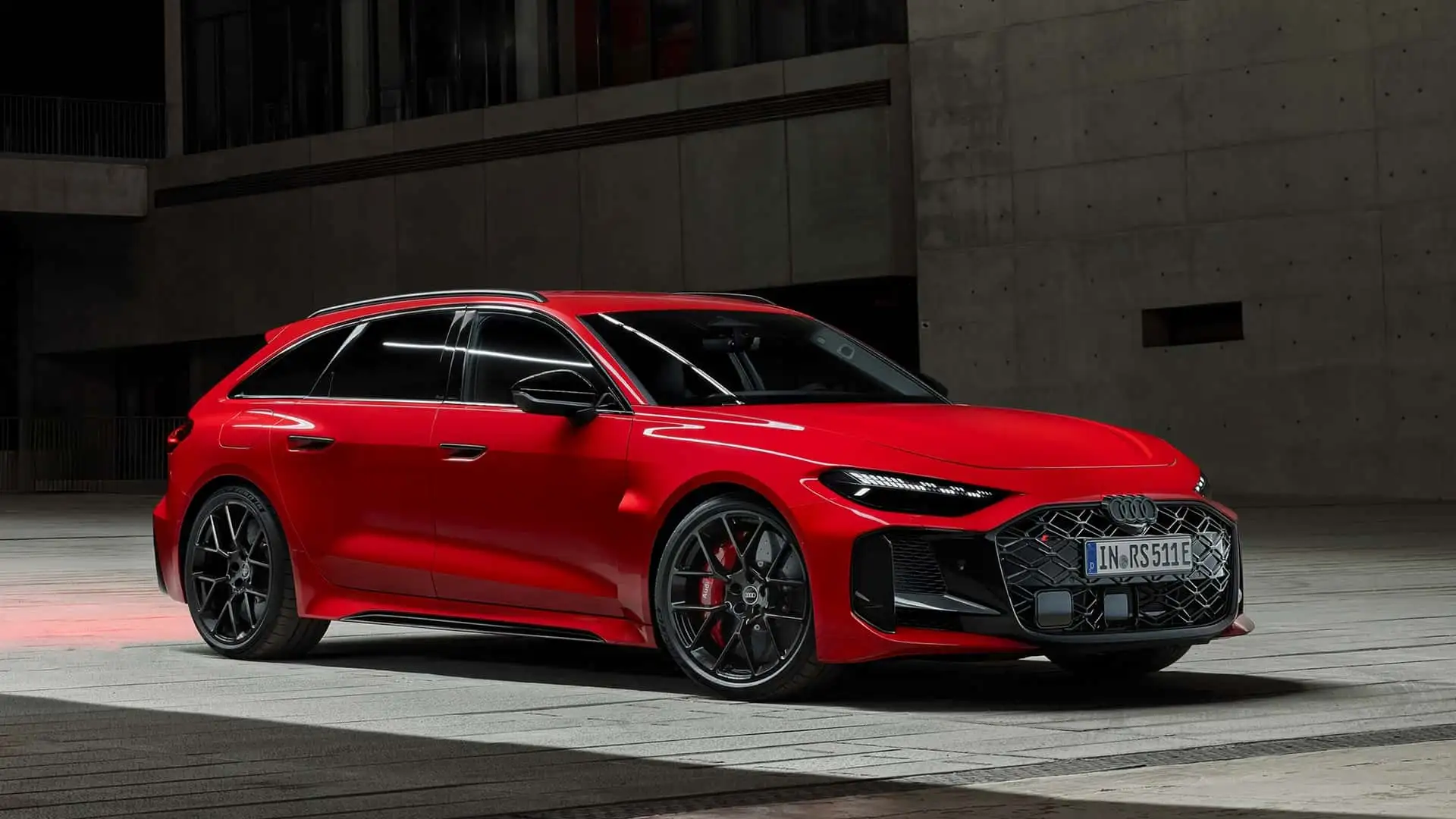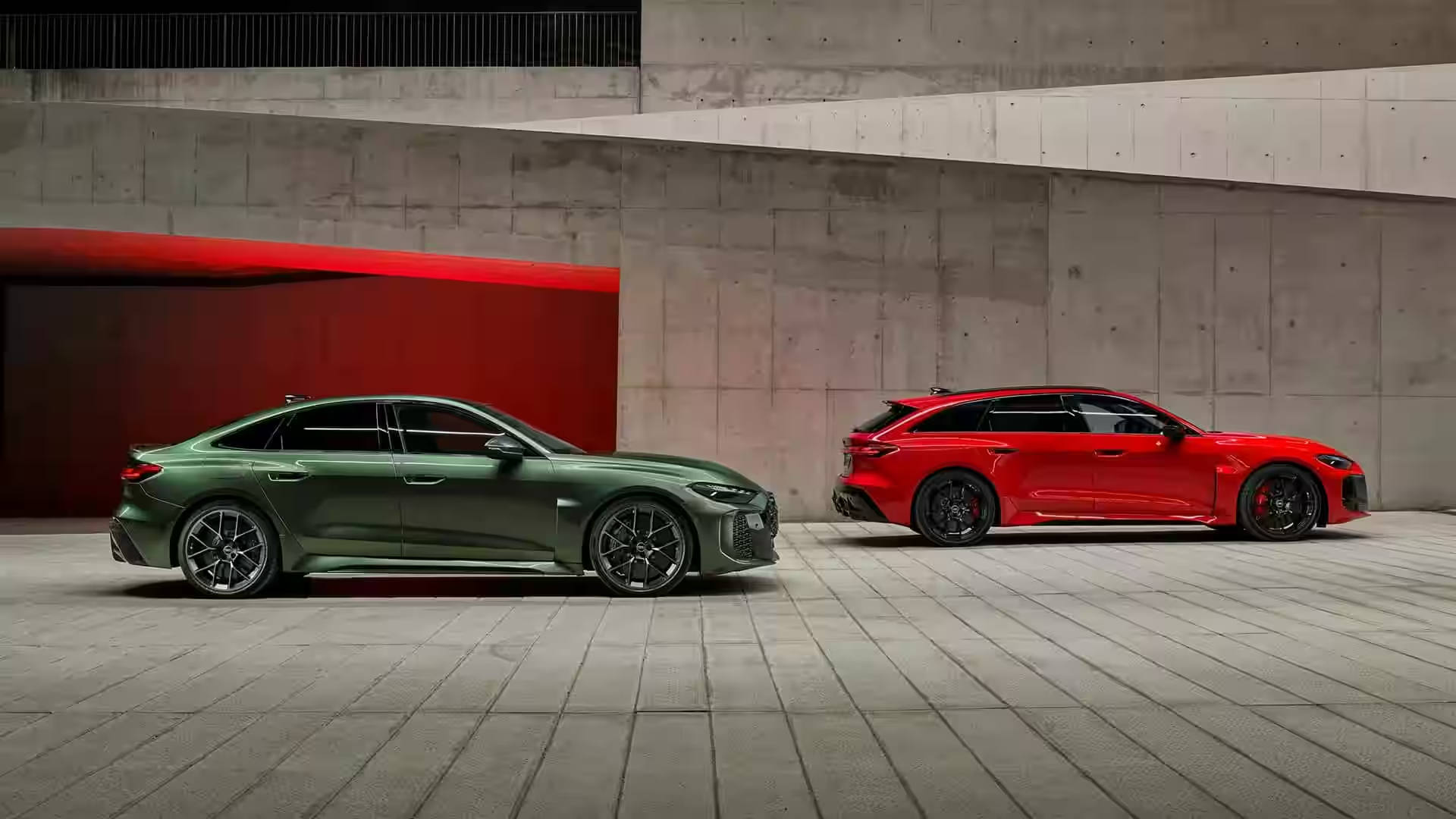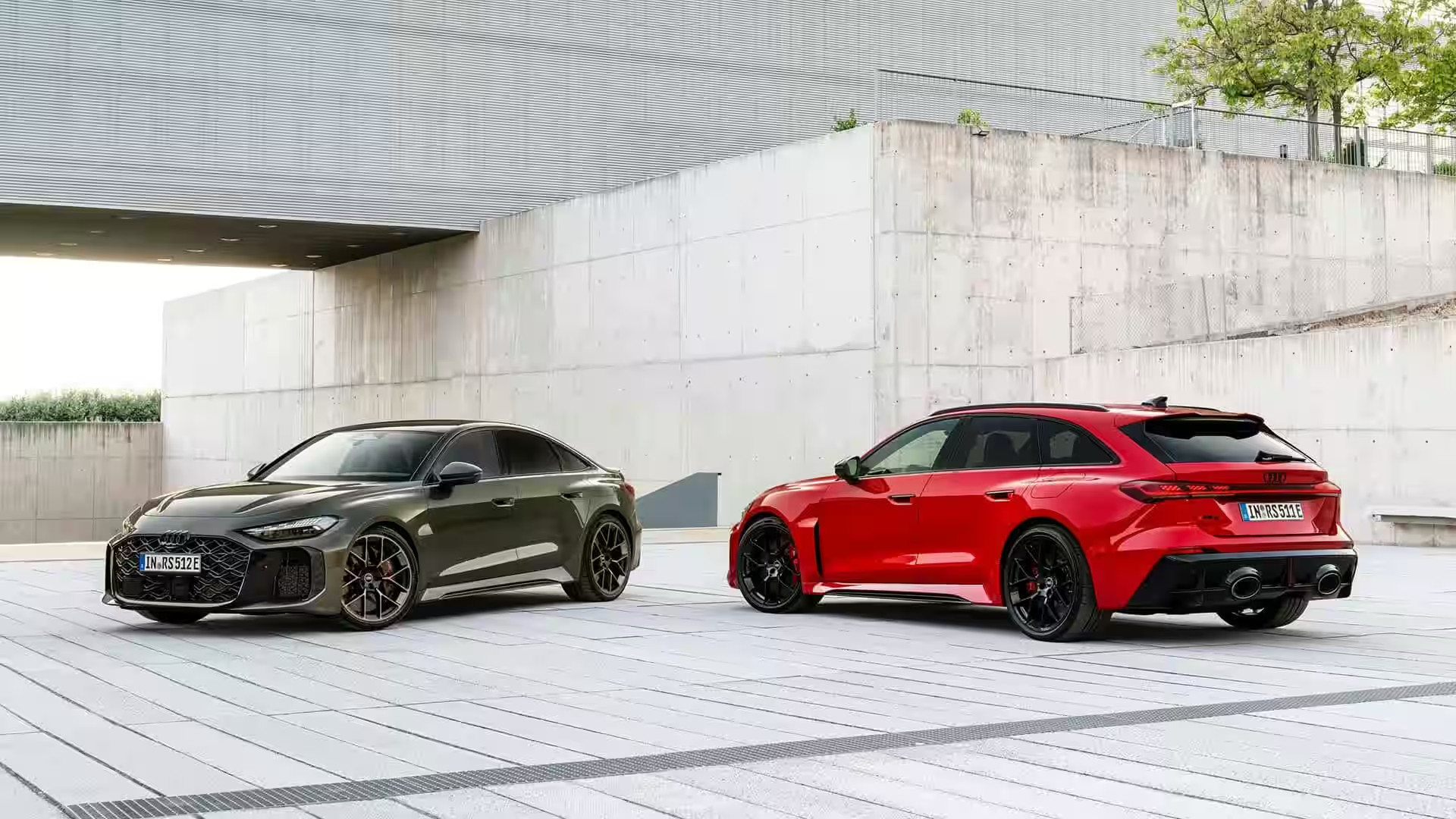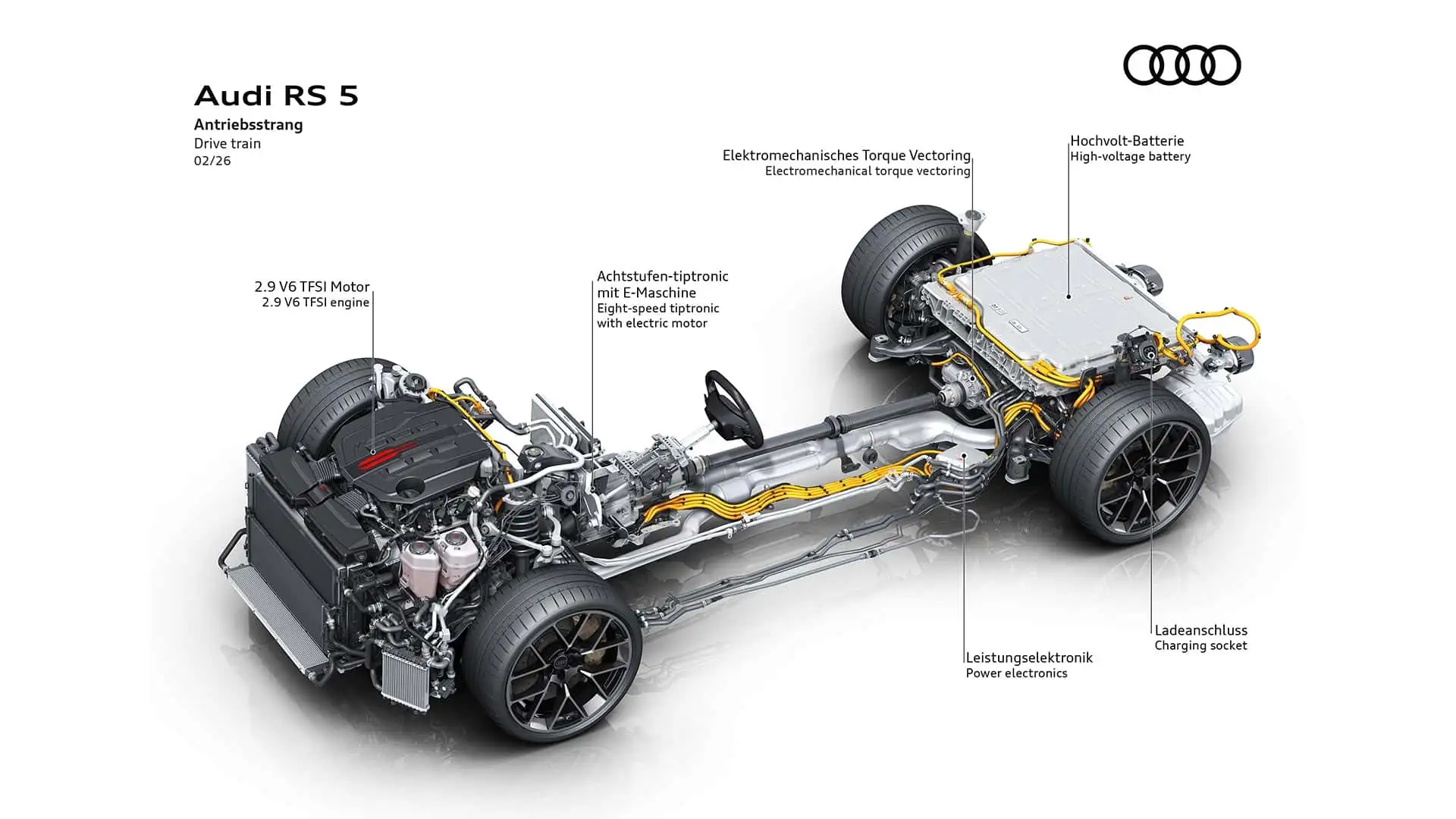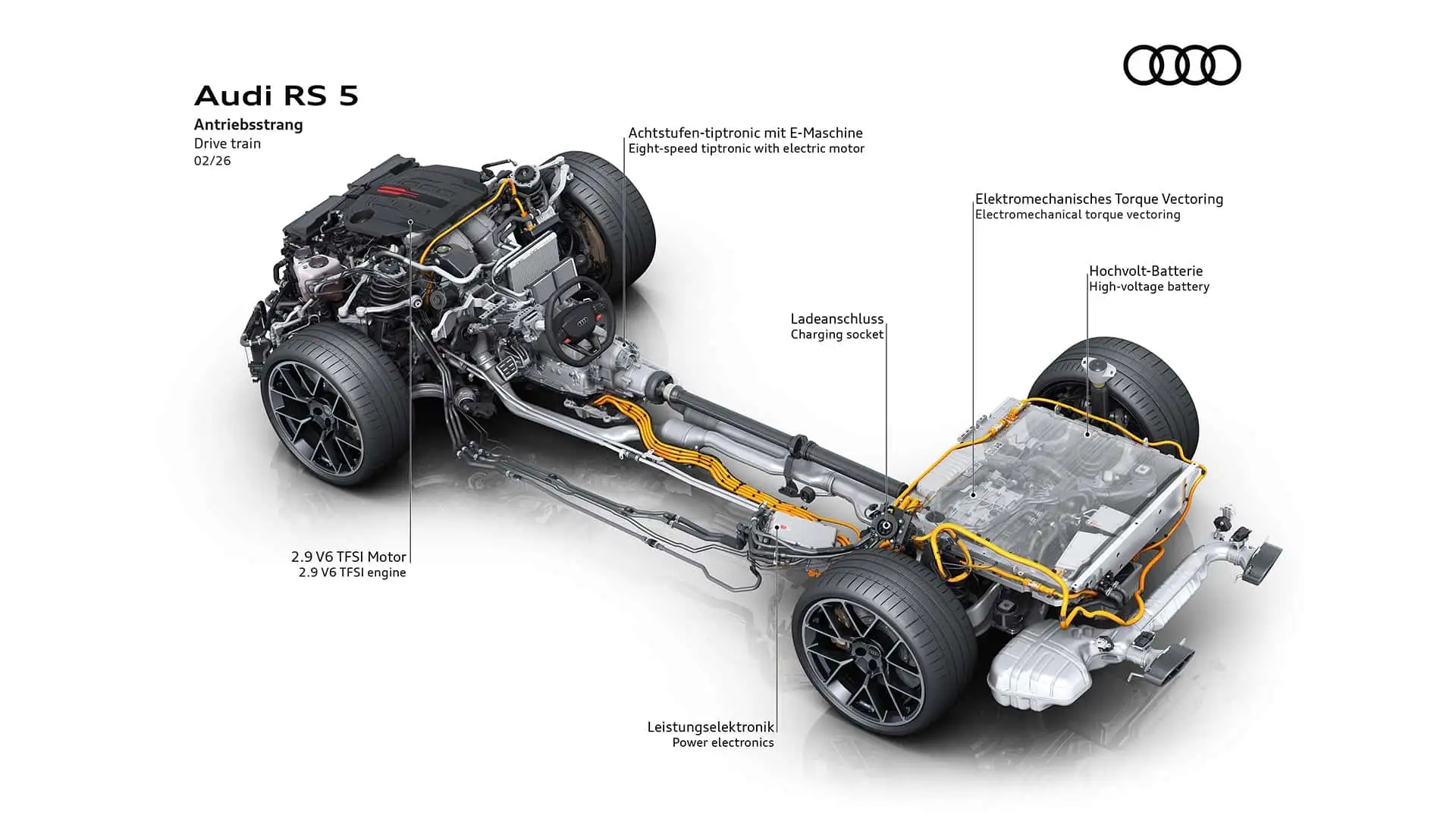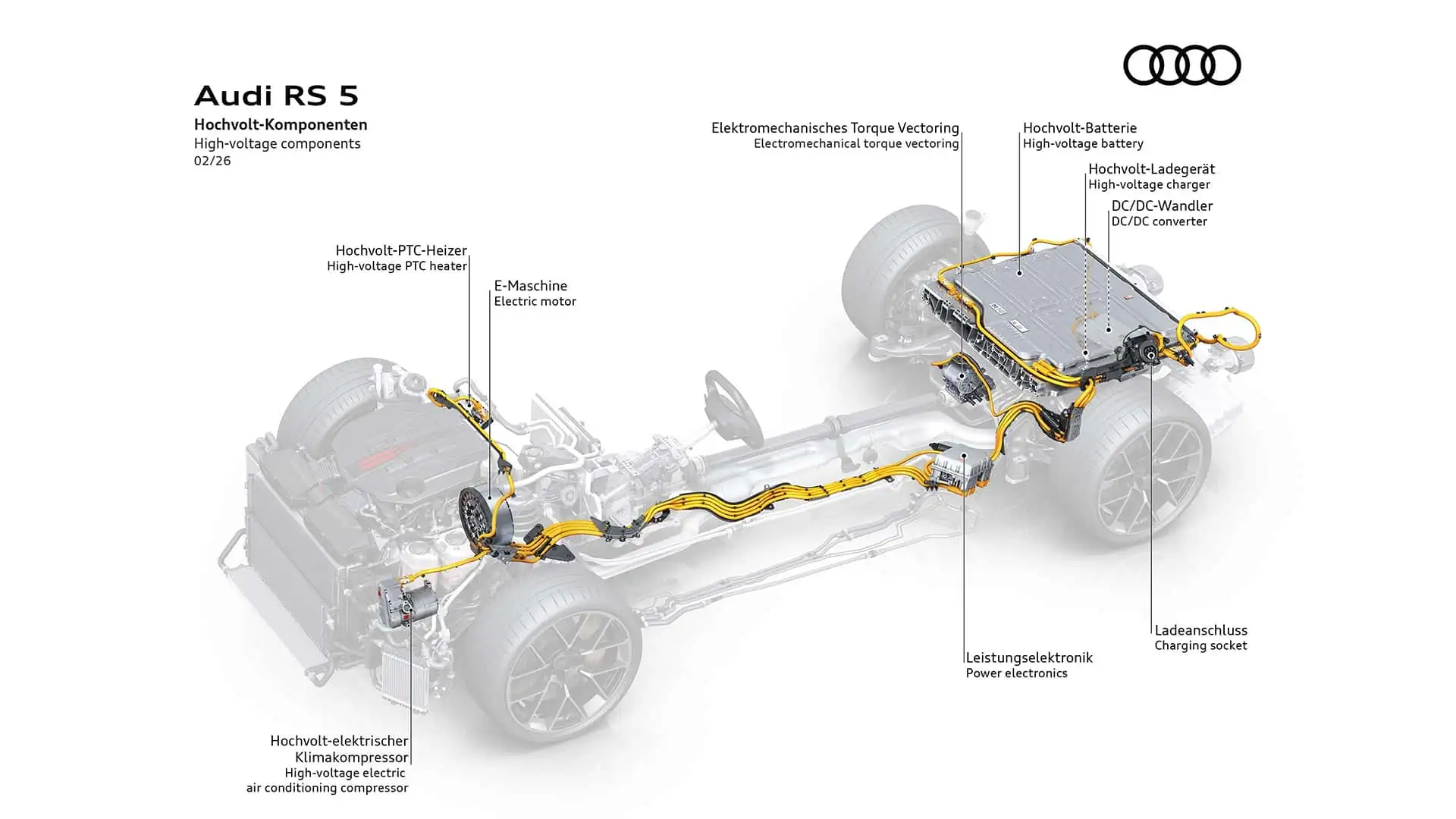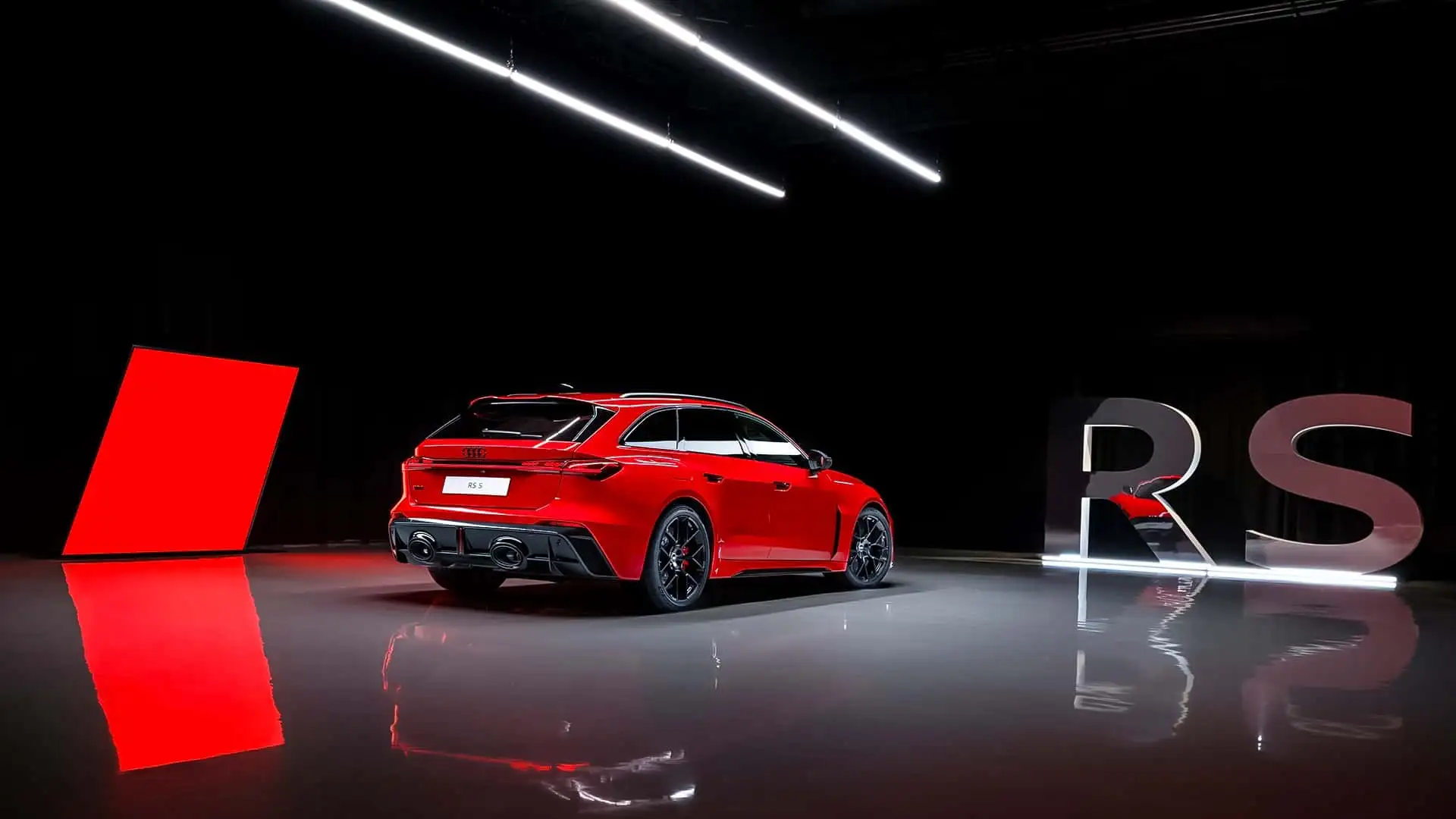
Heavier than its predecessor, the new AUDI RS5 AVANT 2026 embraces hybridization to keep the sporty spirit alive. Check it out!
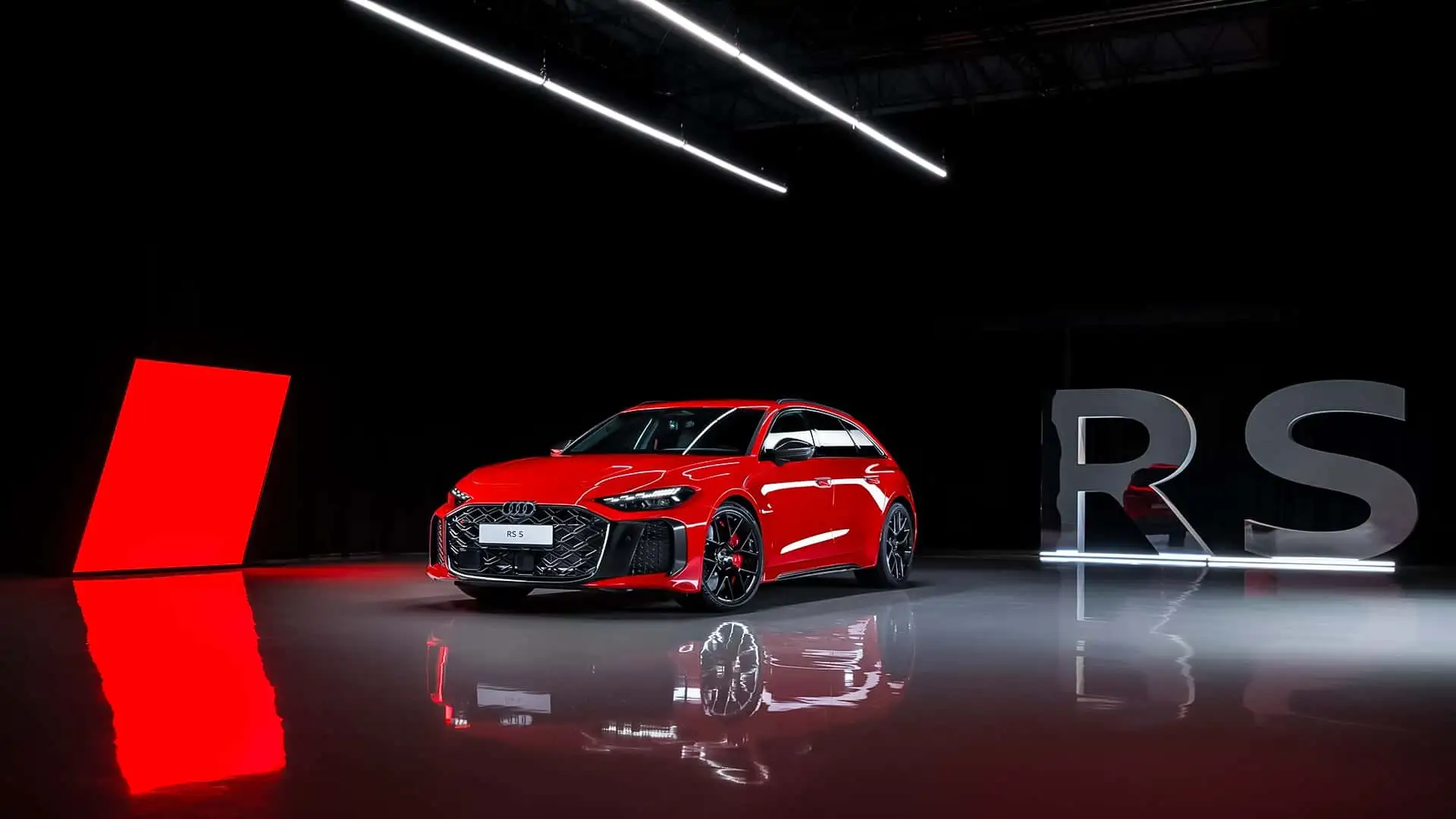
The Weight Paradox: Why Did the RS5 Avant Weigh So Much?
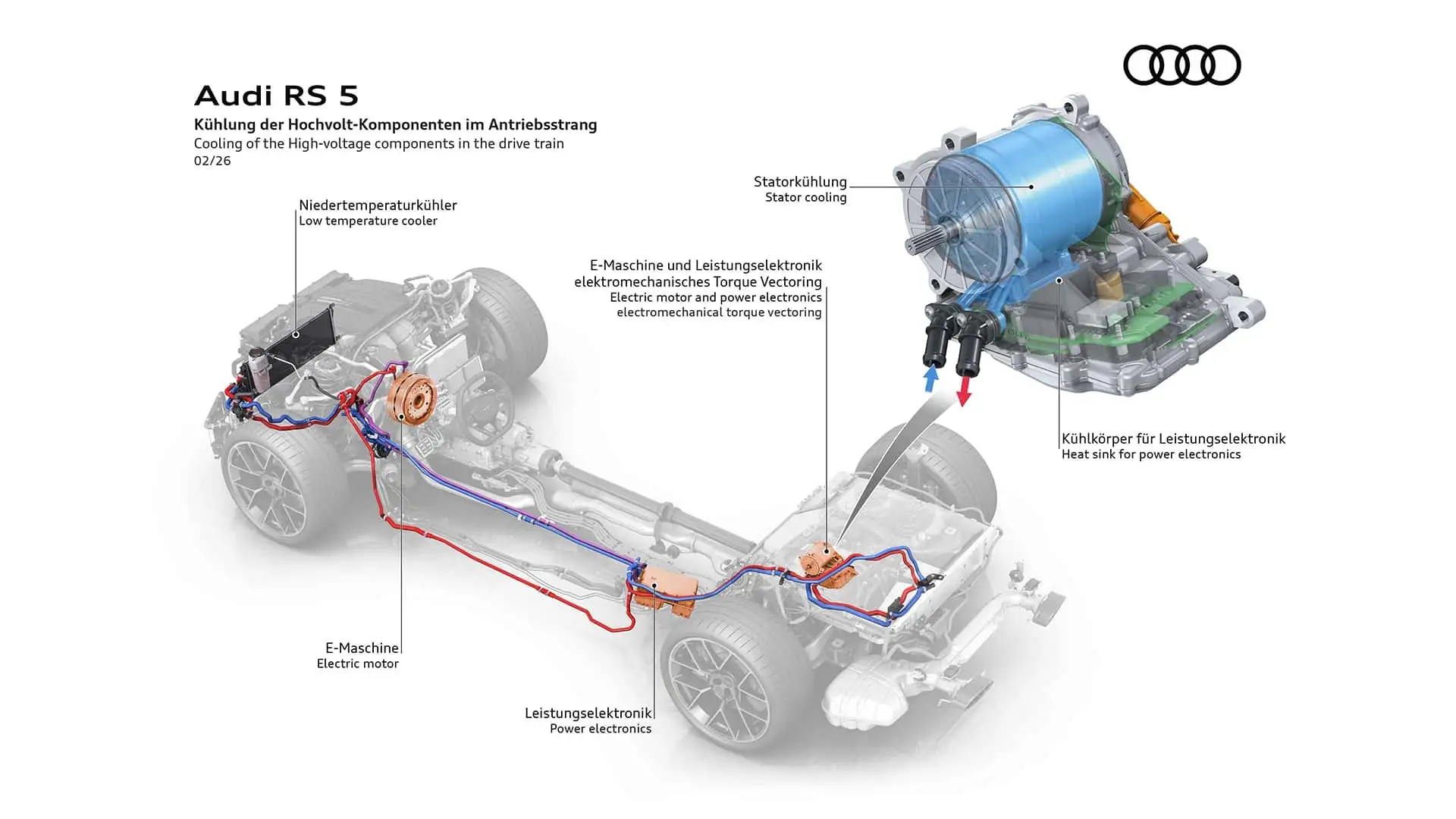
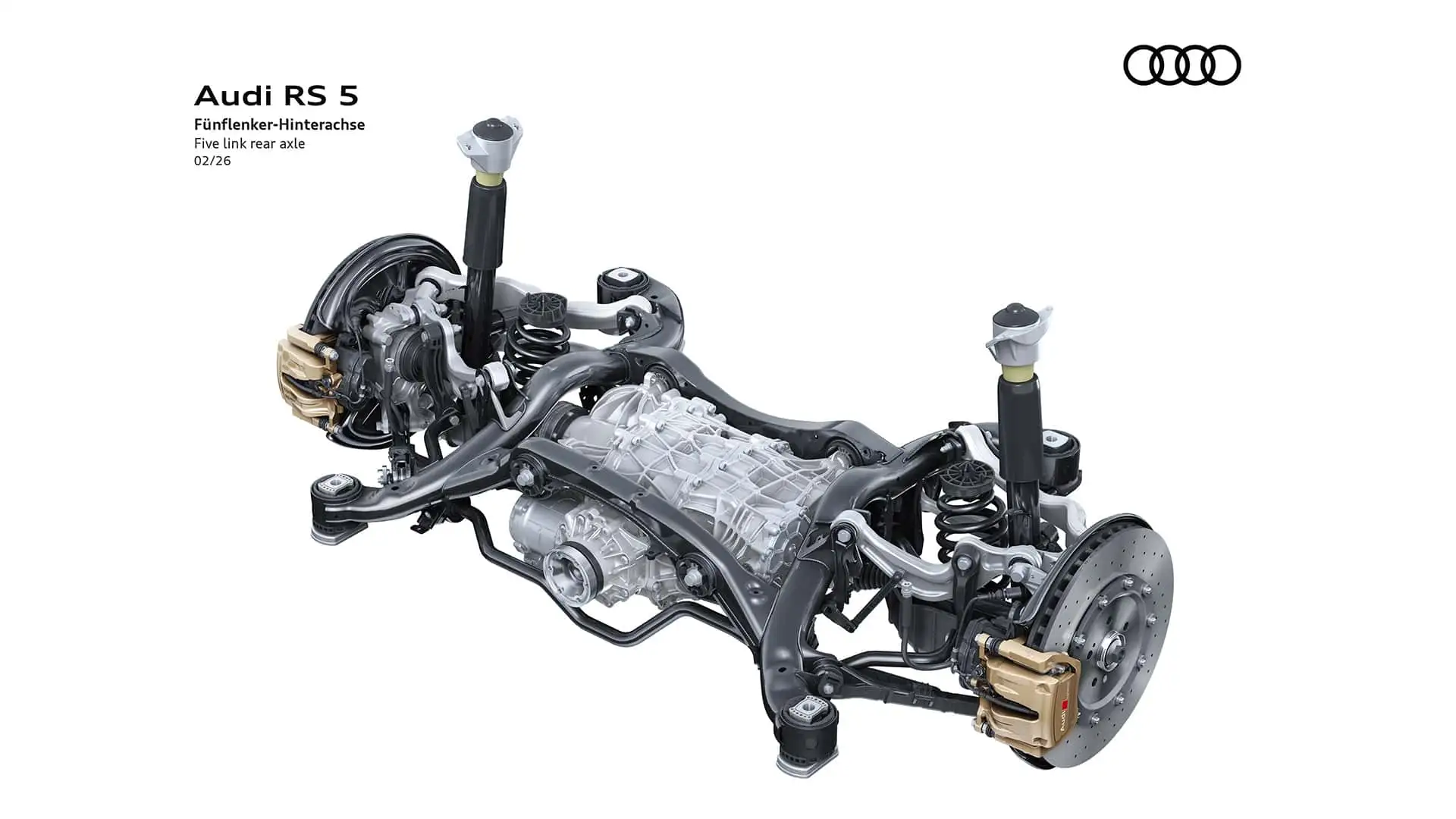
In the sports car universe, lightness has always been associated with driving pleasure. However, the AUDI RS5 AVANT 2026 breaks this rule with a total weight of an impressive 2,370 kg – or 2,445 kg in the European cycle, including the driver. This 550 kg jump compared to the previous RS4 Avant is no accident: it’s the 22 kWh lithium-ion battery and the PHEV system that set the rules.
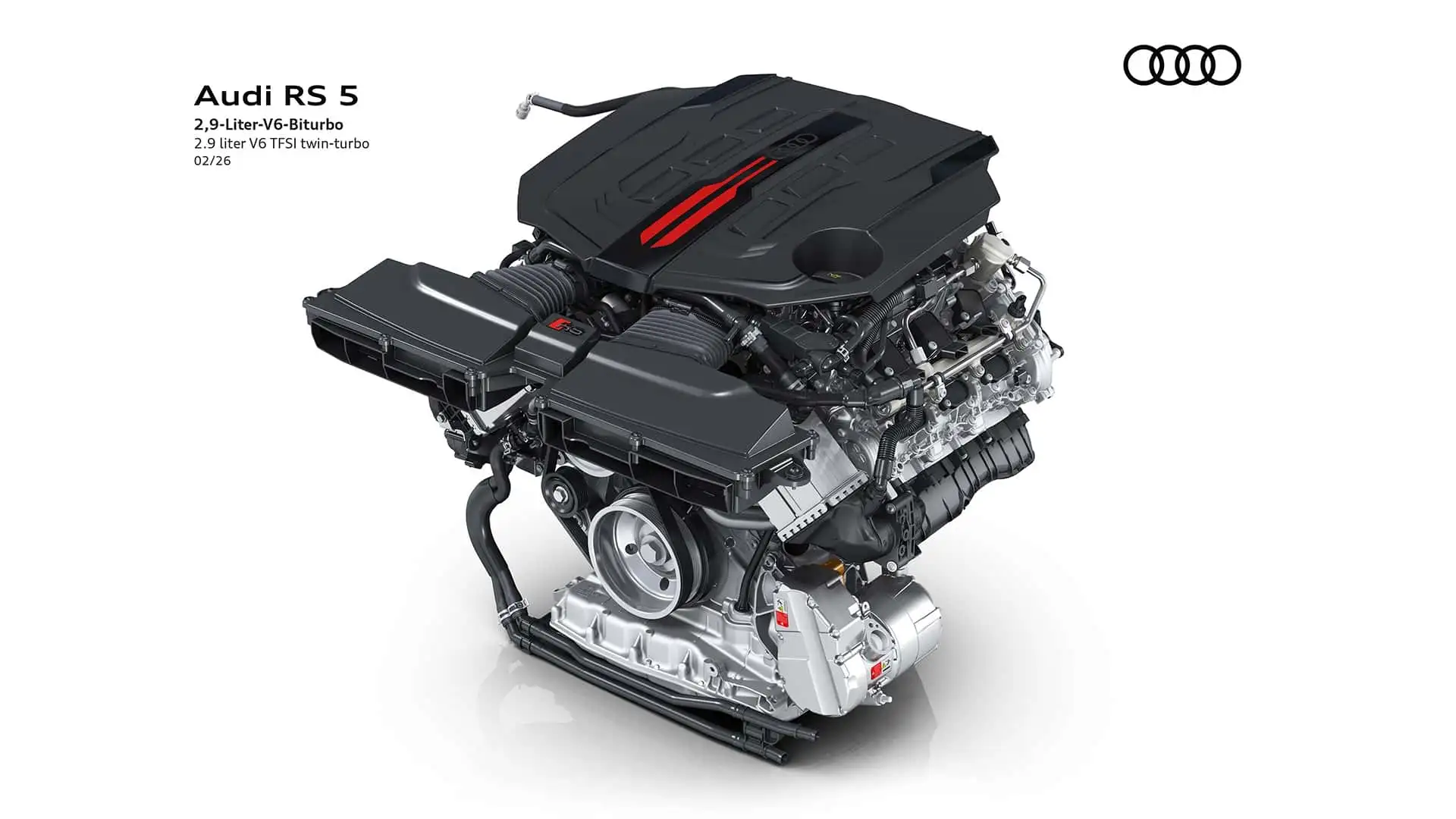
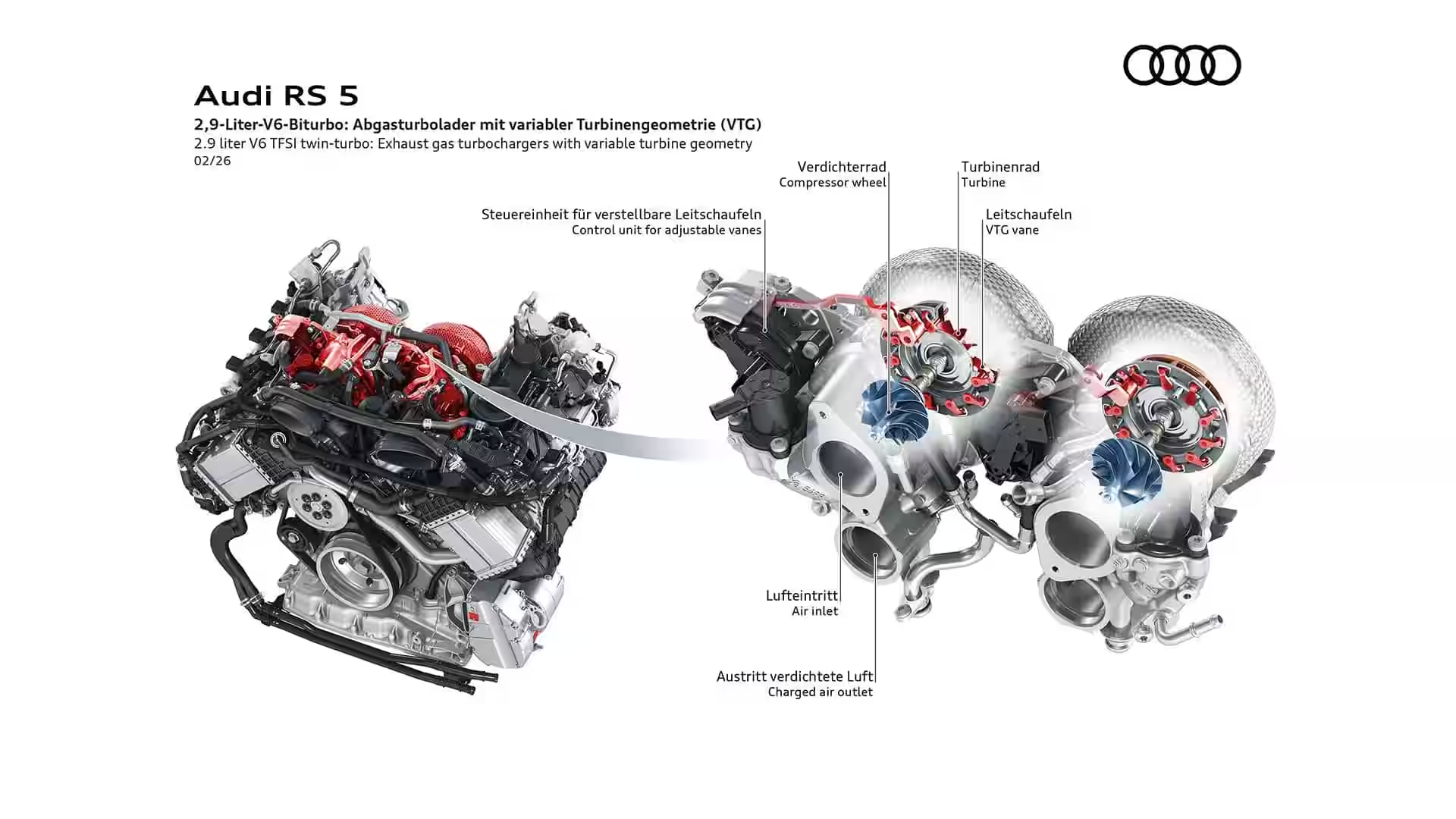
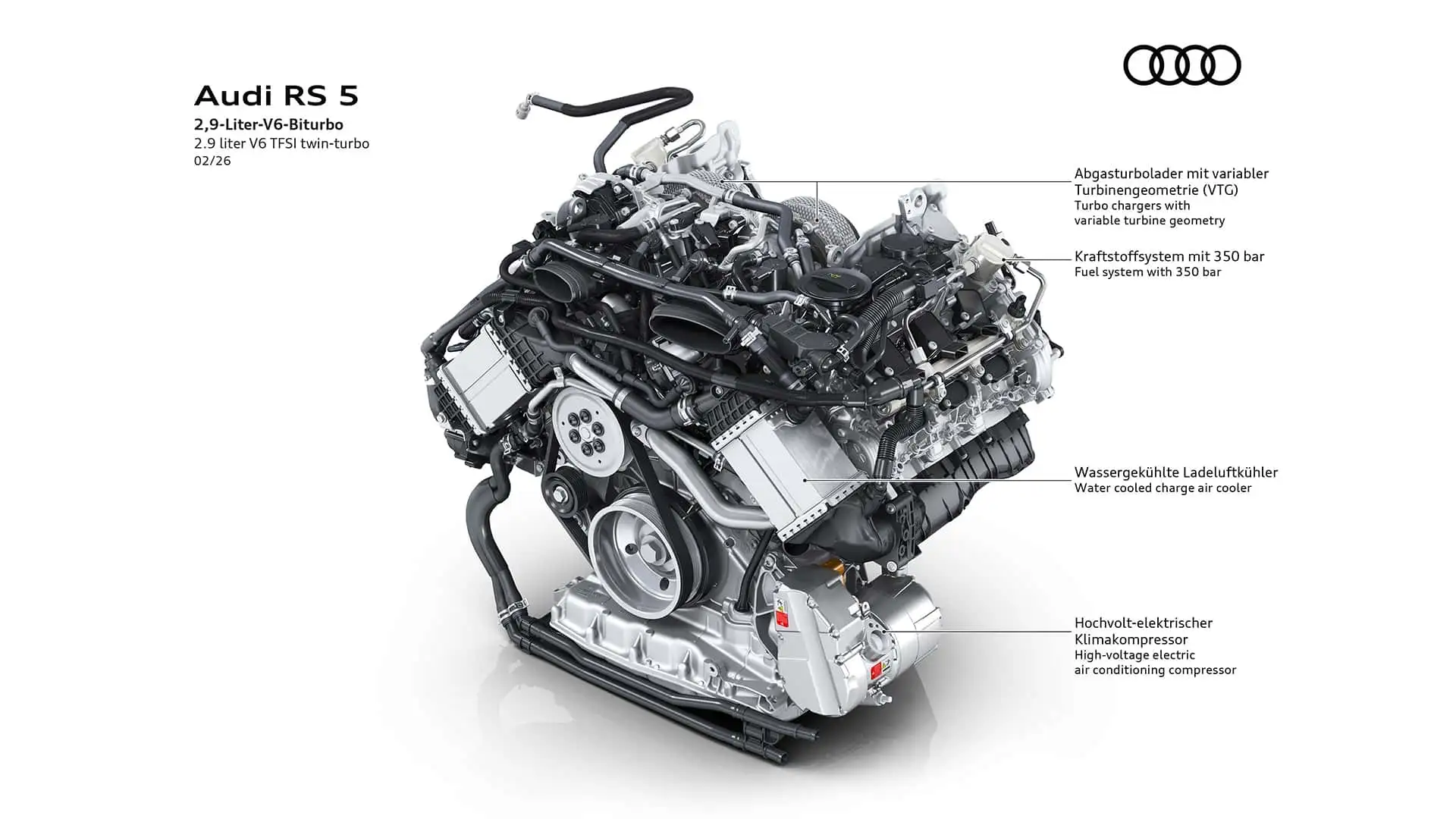
Imagine this: excess weight is equivalent to a whole Caterham, the minimalist racing car. Worse, the V6 RS5 now rivals in mass the current BMW M5, a much larger sedan with a V8. Audi engineers chose to keep the 2.9 V6 twin-turbo engine boosted to 510 hp, revised with Miller cycle for 20% greater efficiency at high load. Materials like carbon and aluminum could lighten the burden, but their cost makes them impractical for mass production.
- Mass increase: +550 kg vs. previous generation.
- Dry weight: 2,370 kg (DIN) / 2,445 kg (EU).
- Insane comparison: Almost equal to the BMW M5 despite different categories.
- Root cause: PHEV battery for EU CO2 targets.
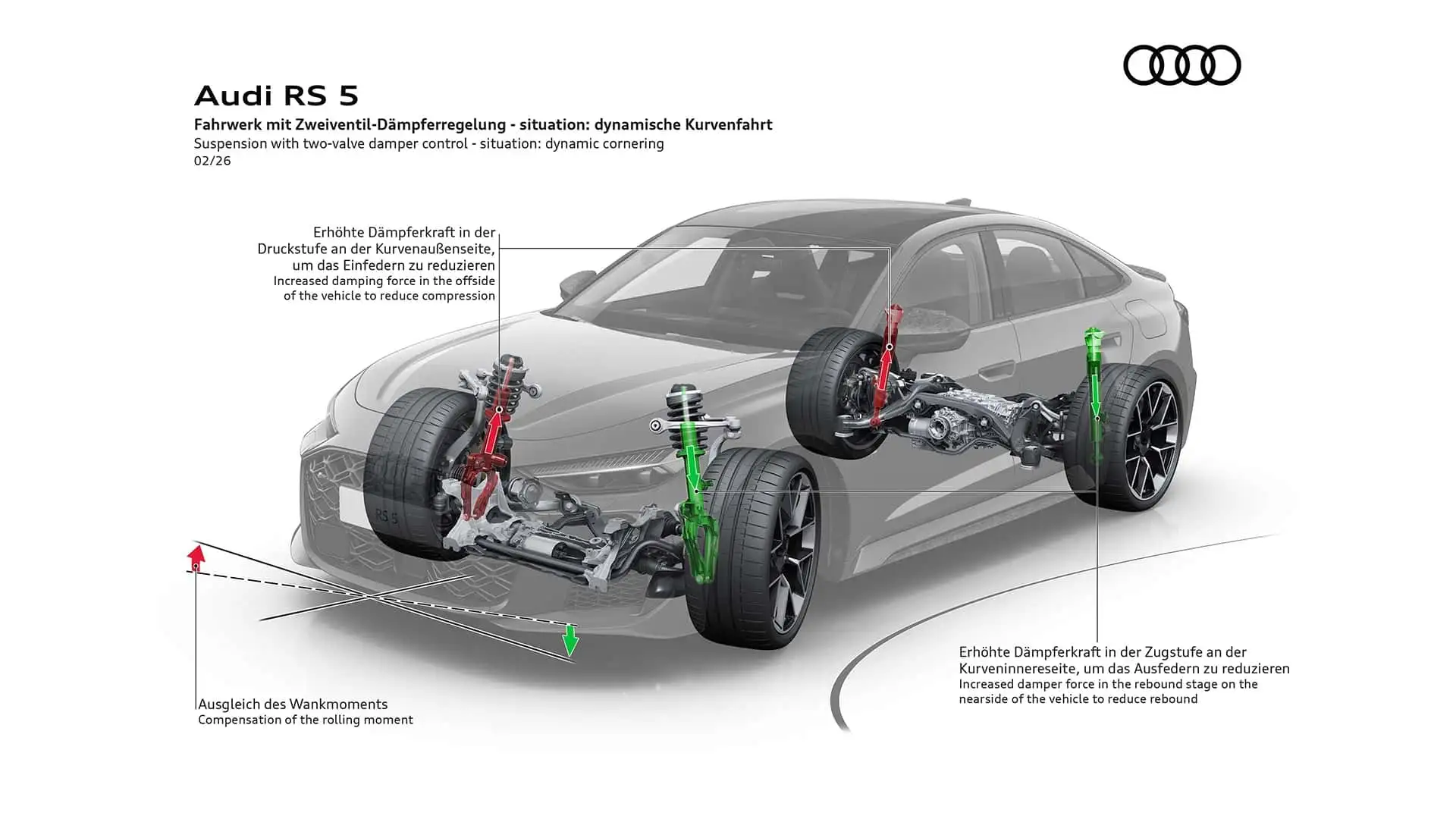
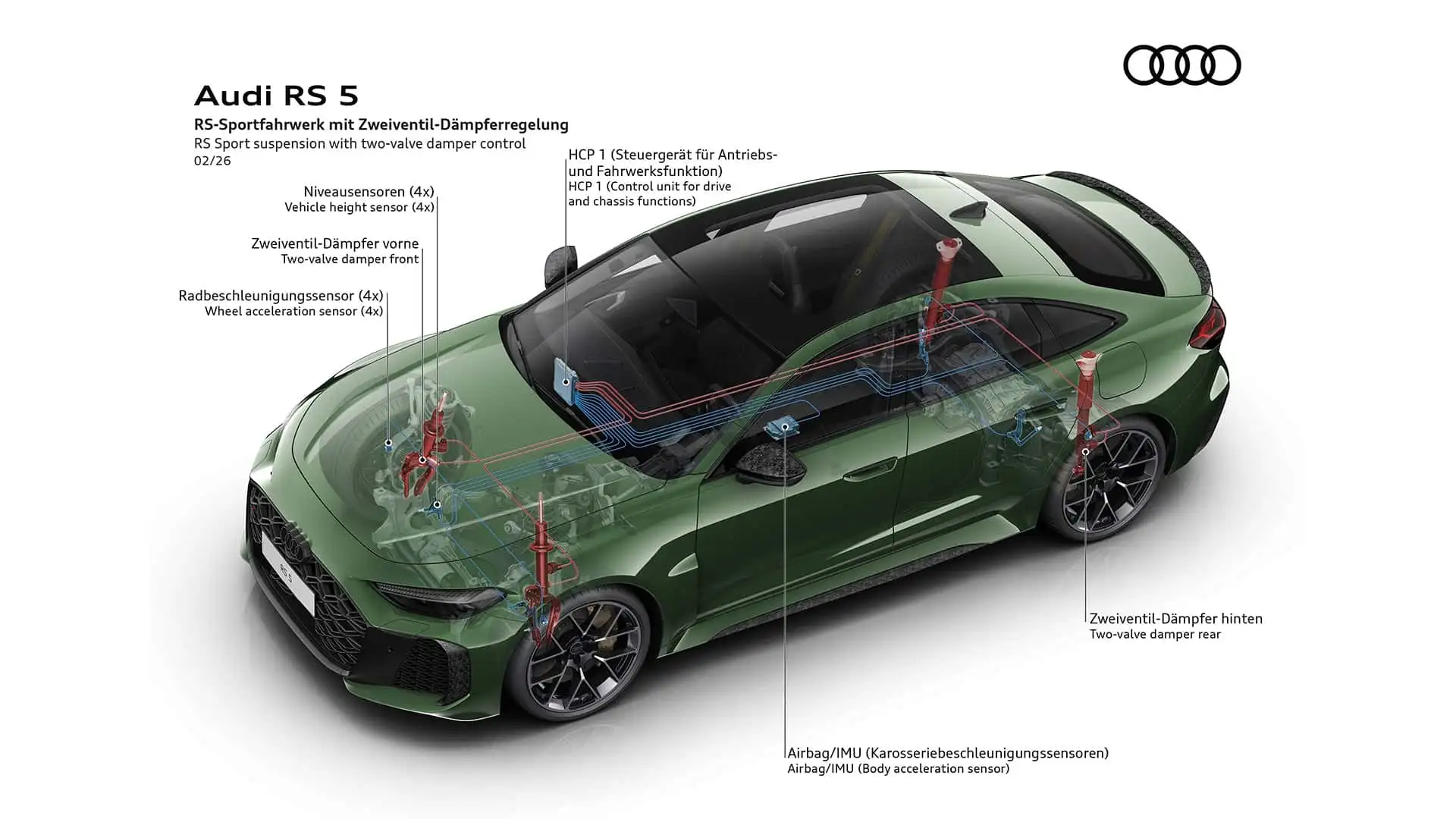
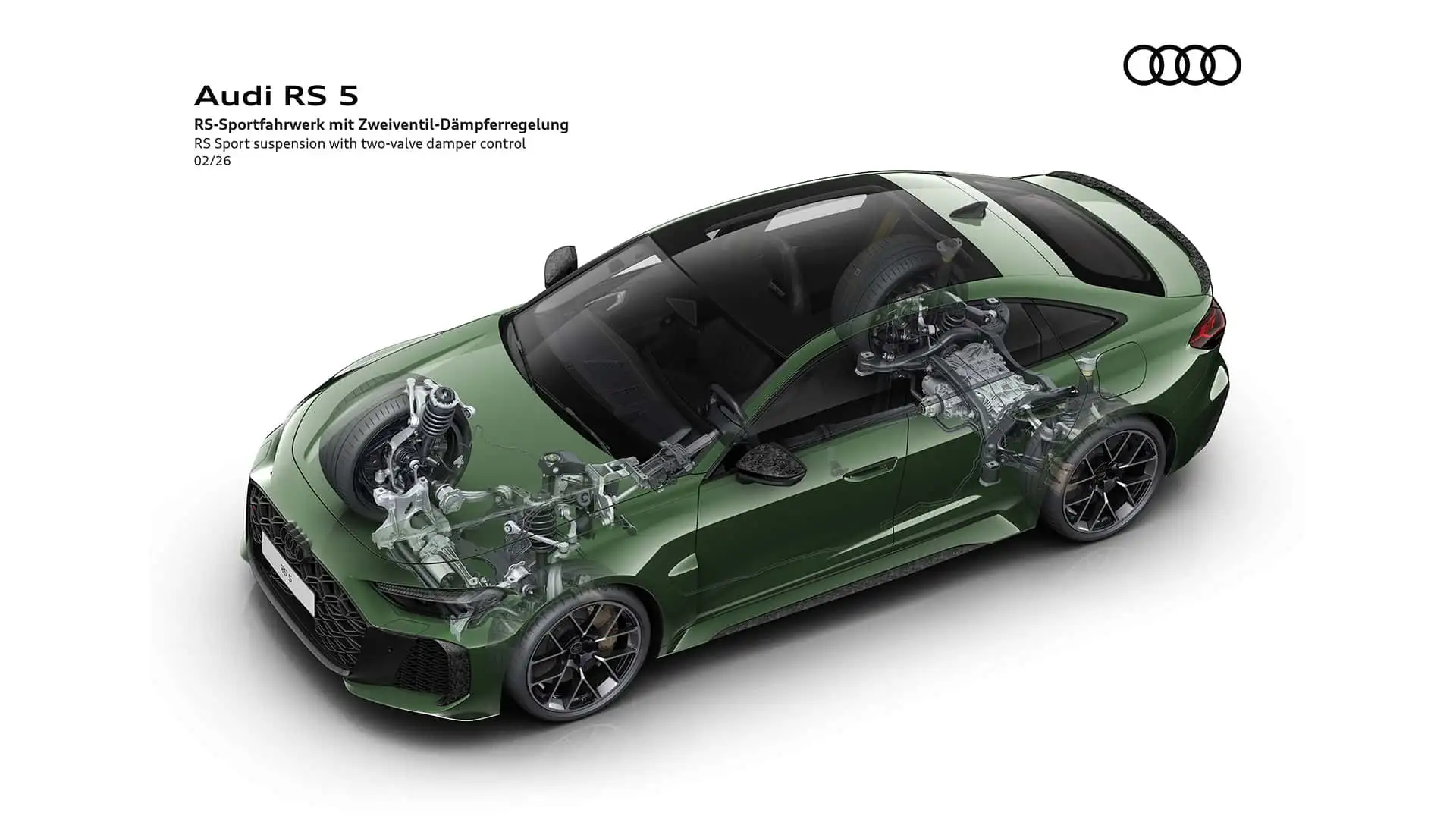
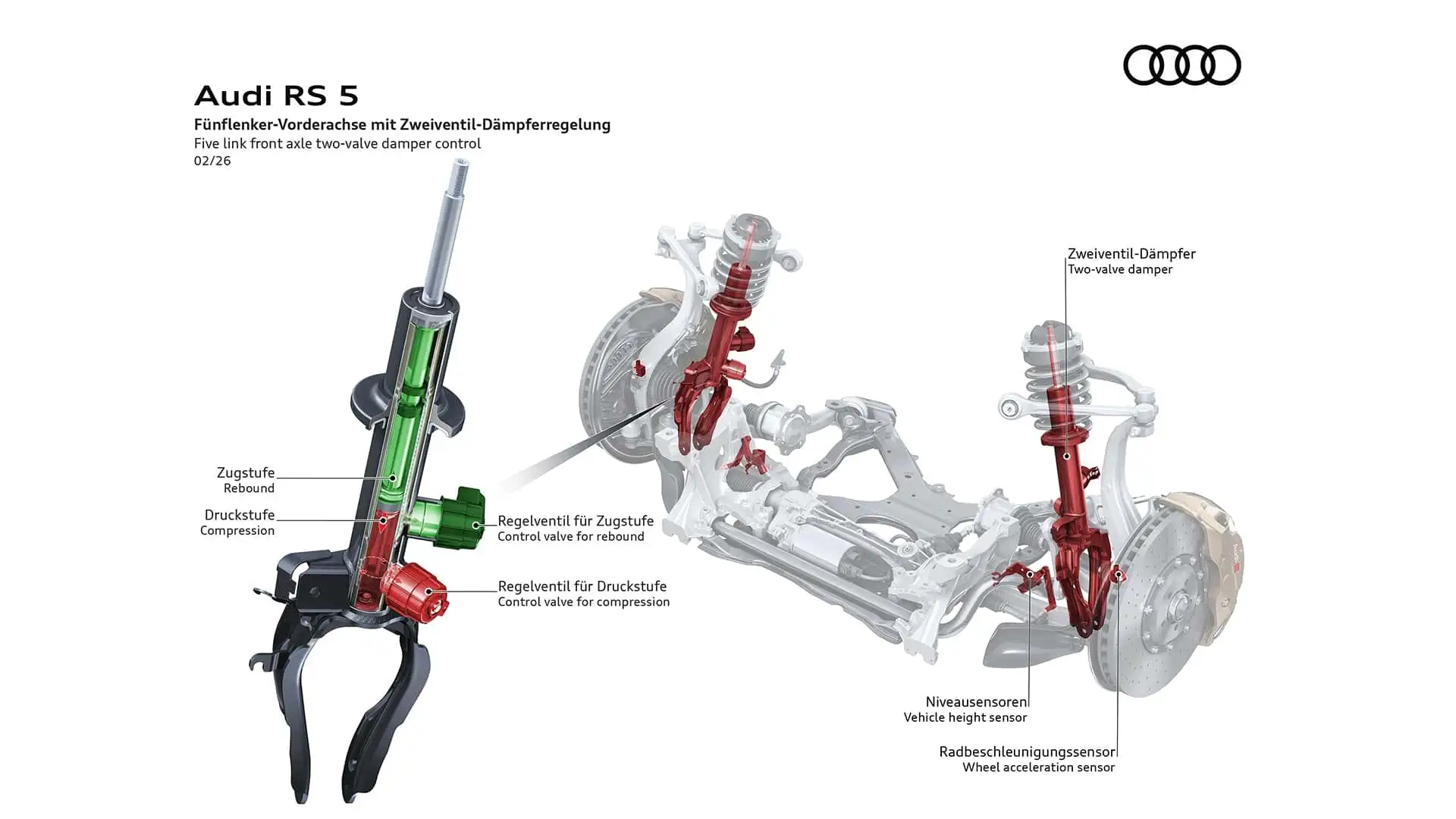
This strategy isn’t exclusive to Audi. Rival brands face the same “swelling.” The MERCEDE”S-AMG GLC53 2027 uses six-cylinder hybrids with 443 hp, while BMW forces a V8 PHEV in the M5 to preserve its iconic sound. The result? Heavier sports cars, but still agile thanks to quattro traction and adaptive suspensions.
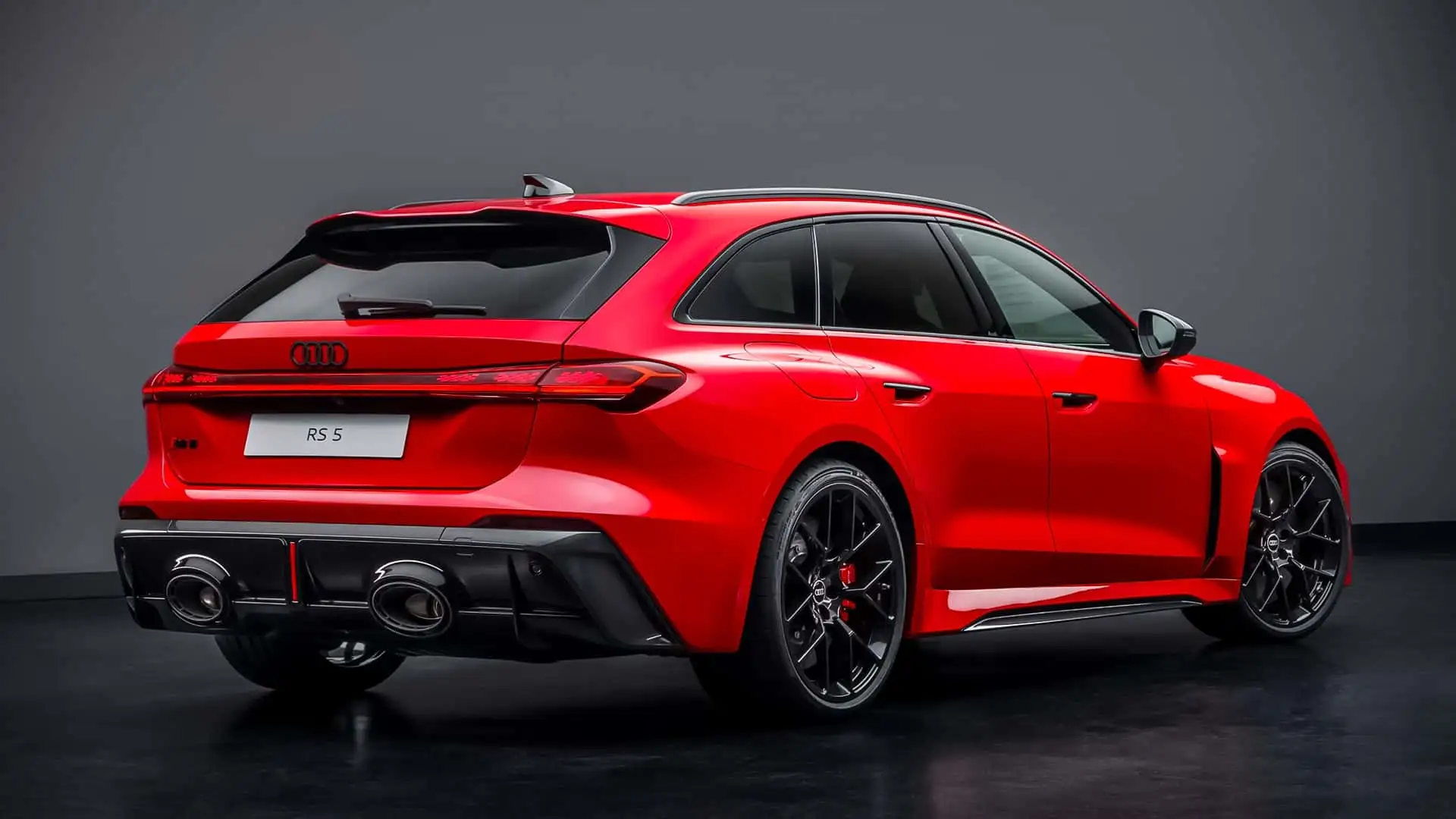
The Euro 7 Pressure: Regulations That Redefine the Industry
The Euro 7 regulation, scheduled for November 2026, is unforgiving. It mandates real-world emissions (RDE) tests in urban traffic, including brake and tire particles – a first. Manufacturers need to cut emissions by 55% by 2030 and 90% by mid-decade compared to 2021. Without hybridization, a 625 hp V6 would drop to a mere 500 hp in pure combustion mode.
| Standard | Main Impact | Impact on Sports Cars |
|---|---|---|
| Current Euro 6 | Laboratory tests | Powerful engines still viable |
| Euro 7 (2026) | RDE + tire/brake emissions | Heavy electrification required |
| EU CO2 goals | Reduction of 90% by 2035 | End of pure V6/V8 without PHEV |
This pressure already signals the end of legends. Audi confirmed the farewell to the five-cylinder 2.5 engine in the RS3 – technically adaptable but too costly. For more on this rare extinction, check our analysis at Why Five-Cylinder Engines Are So Rare. The successor to the RS6 Avant is expected to inherit a shared V8 PHEV with Porsche and Lamborghini, perpetuating the “necessary evil.”
Comparing strategies: Mercedes attempted a 4-cylinder PHEV on the C63 AMG (2,217 kg), but the weak sound was rejected by the public, leading to discontinuation. BMW keeps a V8 in the M5/XM, reducing pure combustion power. Audi strikes a balance: preserved V6 + electric for 86 km of range.
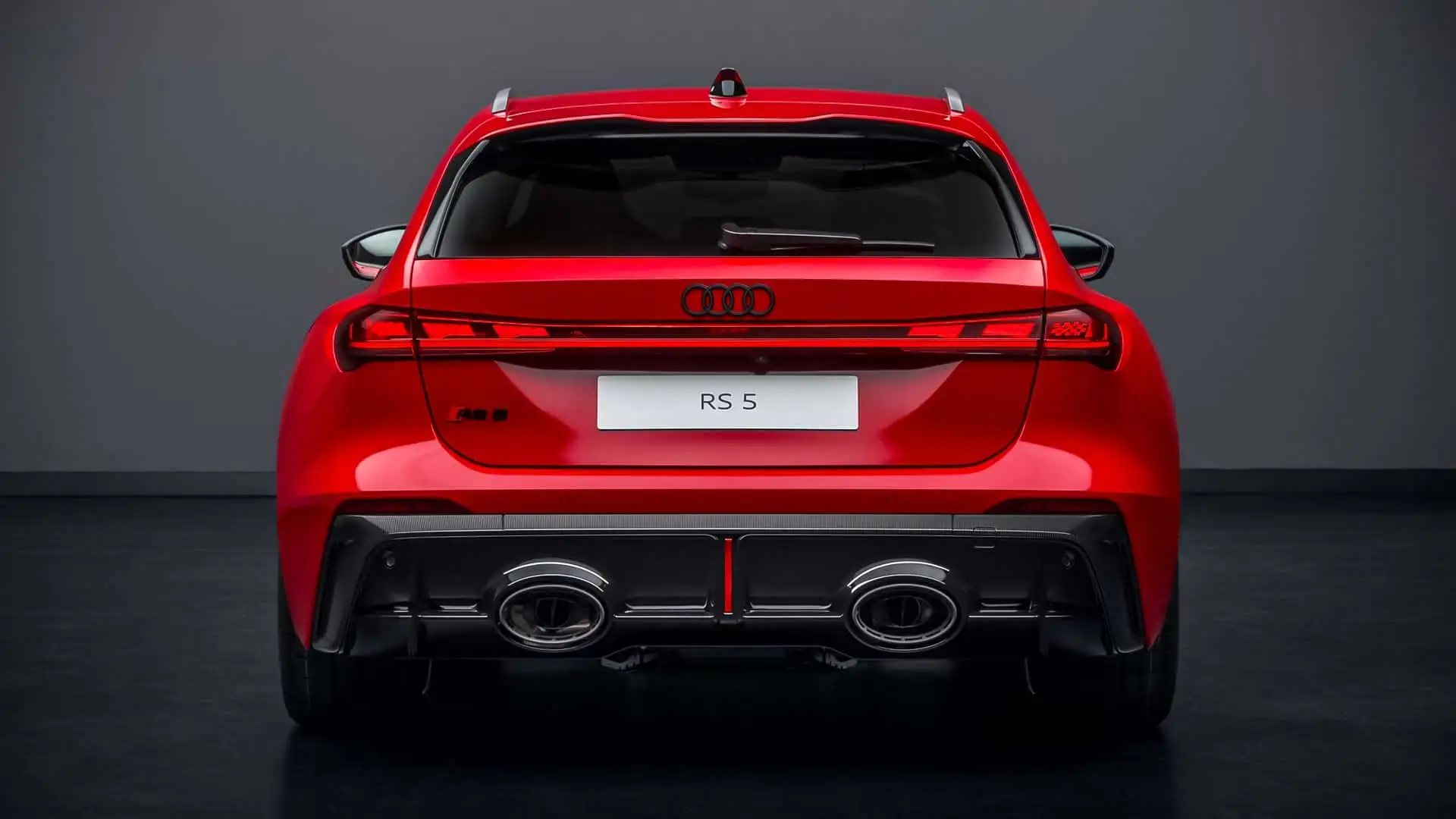
Real Performance: Efficiency Gains, Agility in Tests
Despite the weight, the AUDI RS5 AVANT 2026 impresses. Emissions drop to 88 g/km (vs. 219 g/km before), hybrid consumption is at 3.9 l/100 km (vs. 9.7 l). In pure gasoline mode, 9.6 l/100 km – almost the same as the old one, thanks to the Miller cycle that closes valves early, optimizing high rpm.
“The PHEV doesn’t take away the fun: the instant torque of electric motors adds to the 510 hp of the V6, promising 0-100 km/h in under 4 seconds.” – Audi Engineers.
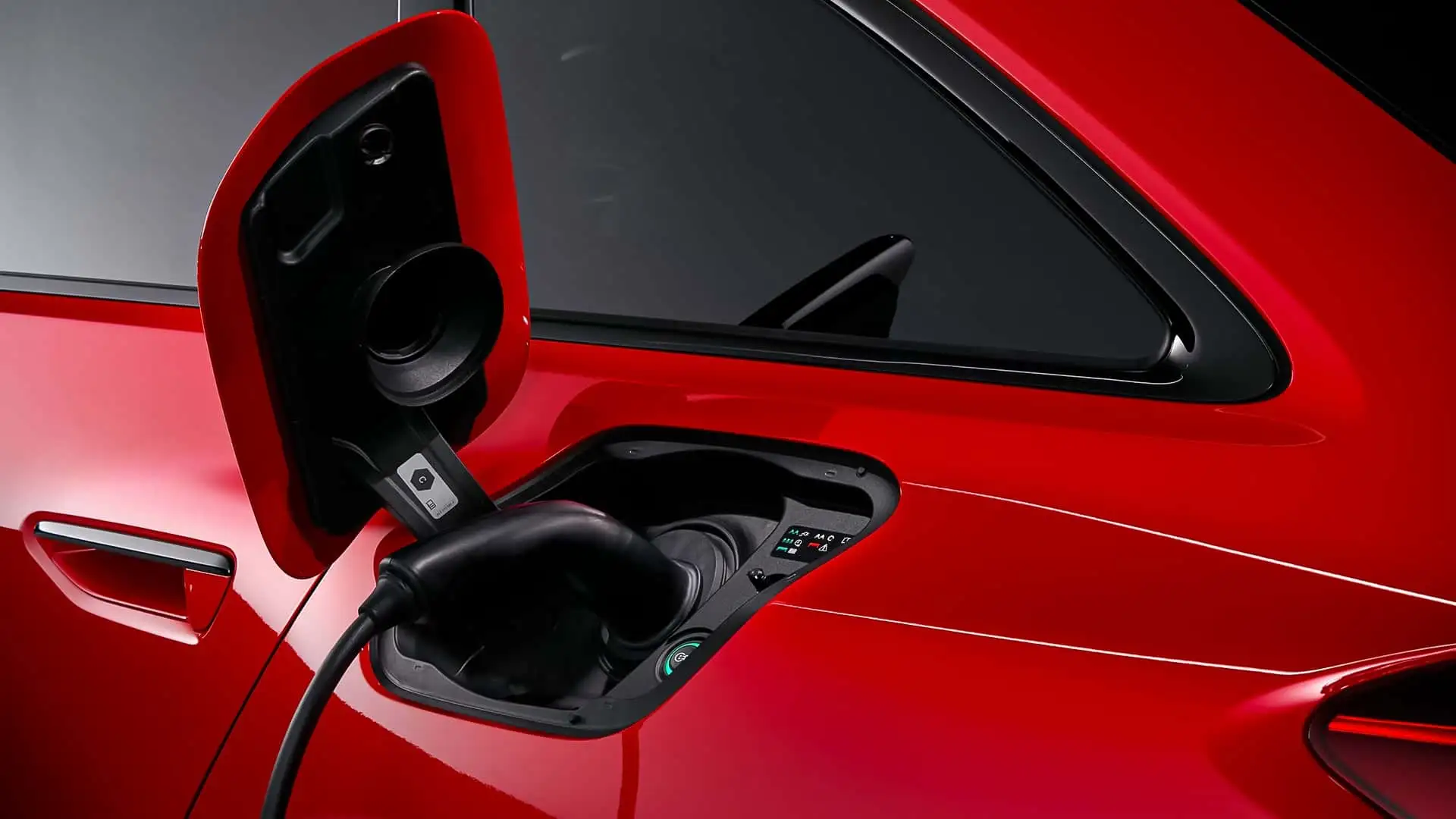
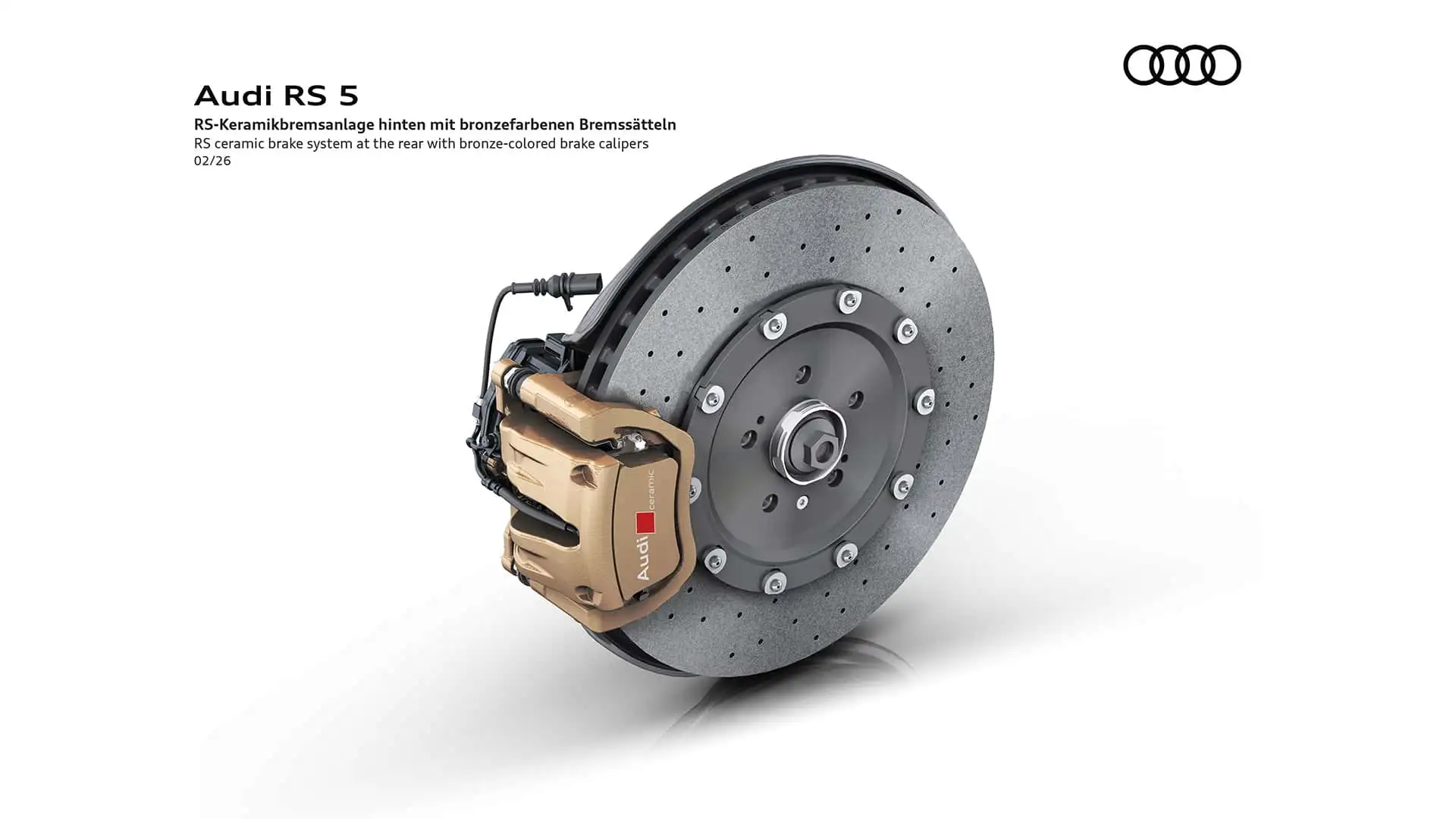
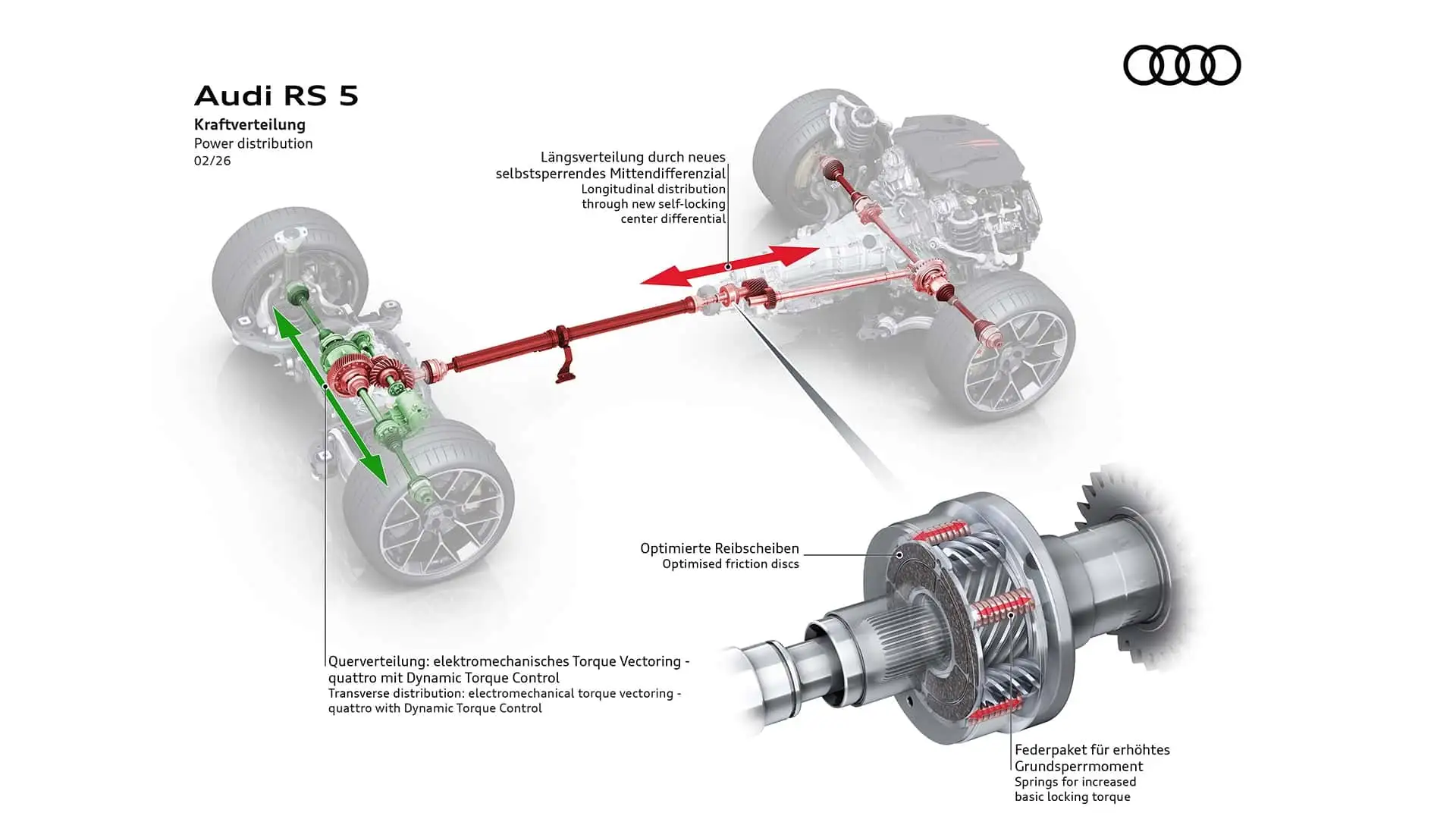
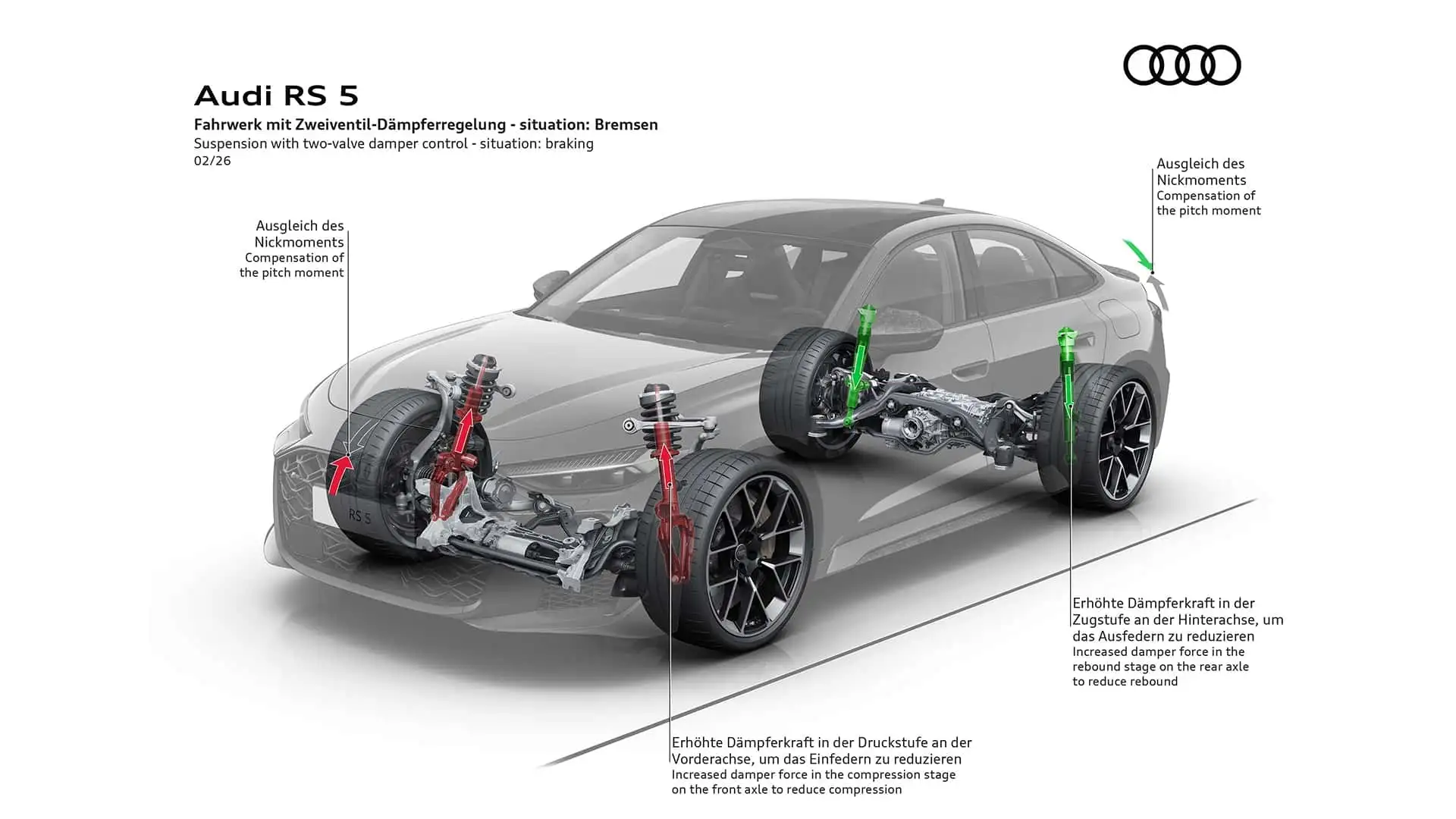
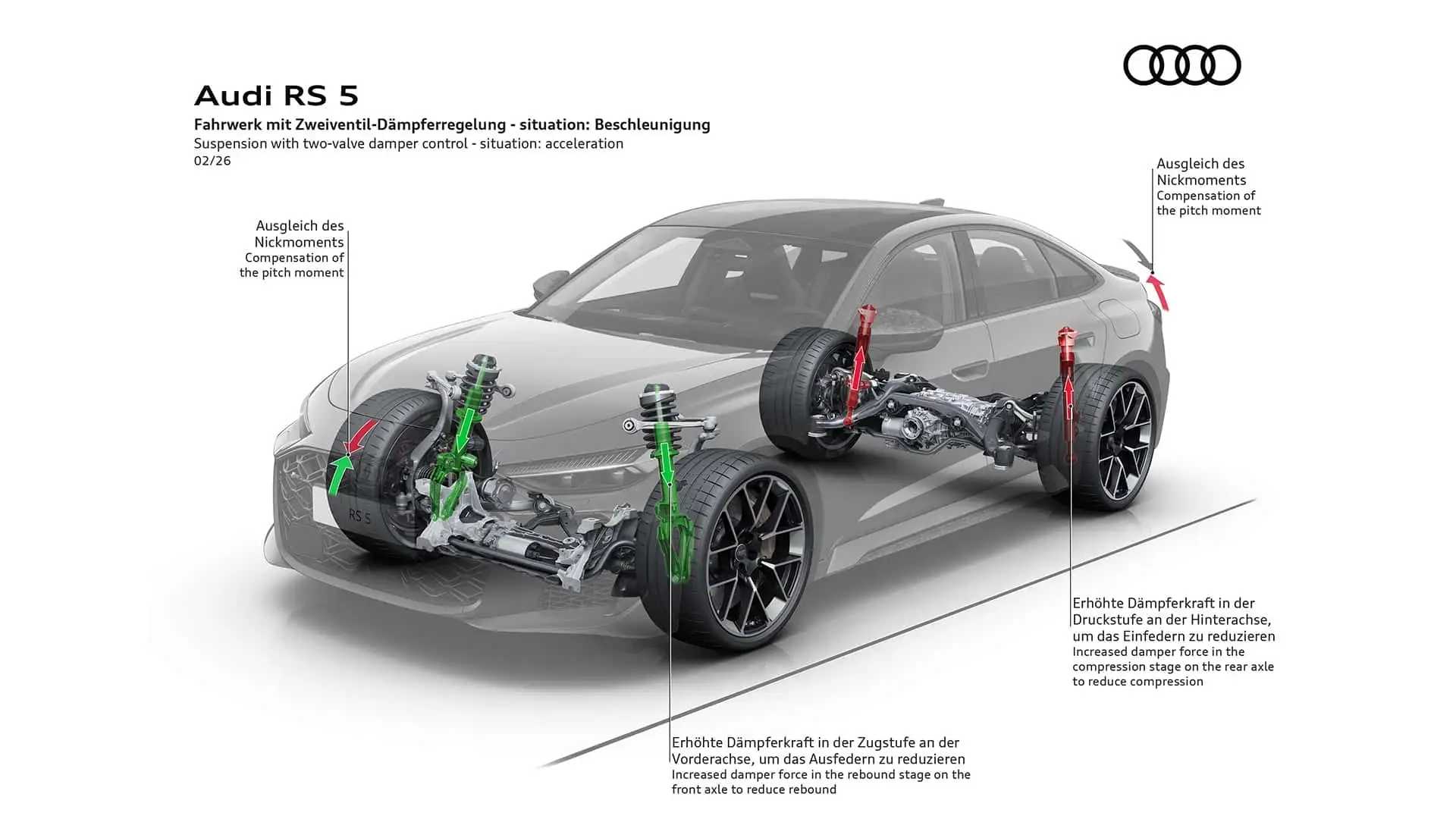
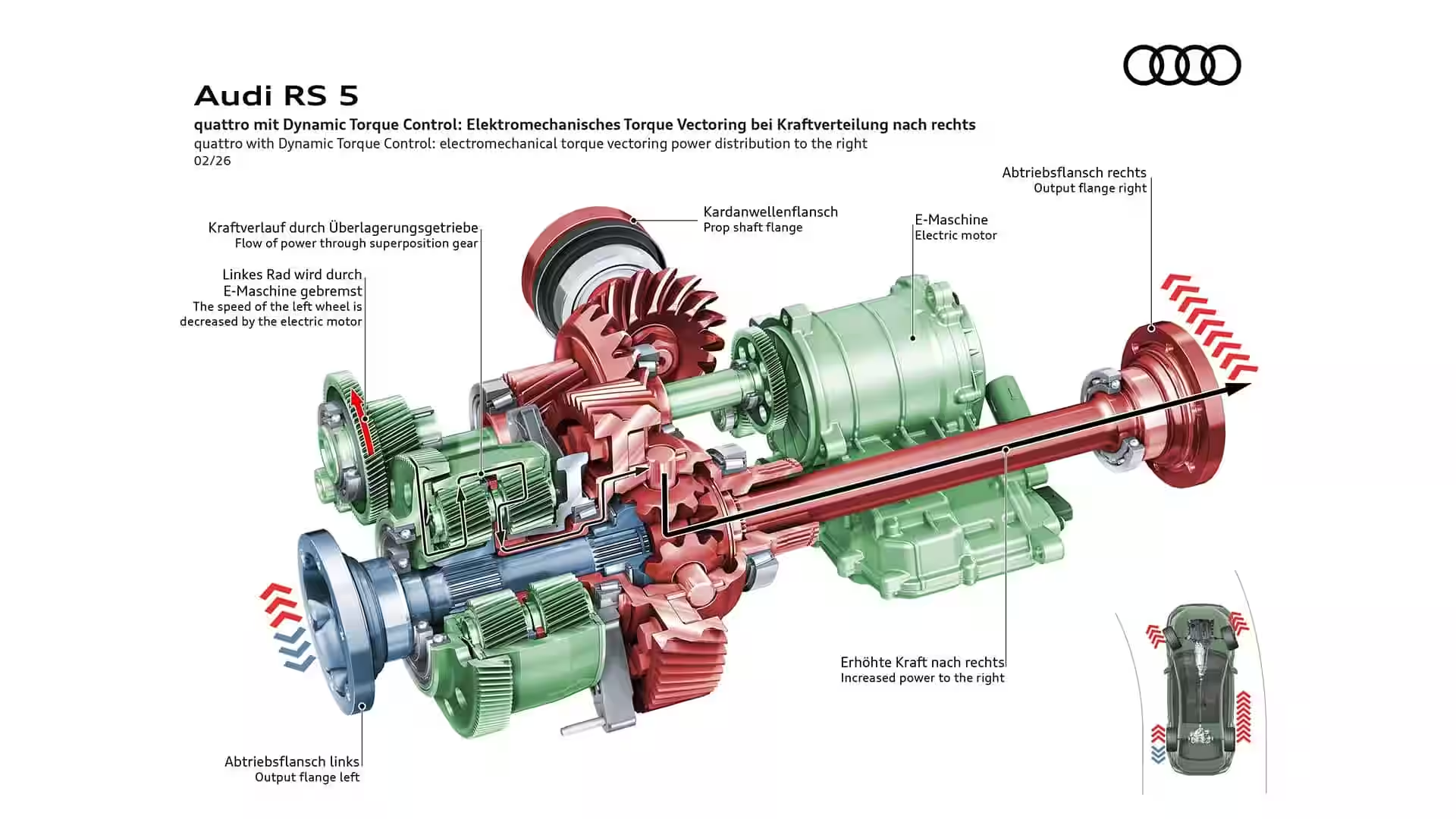
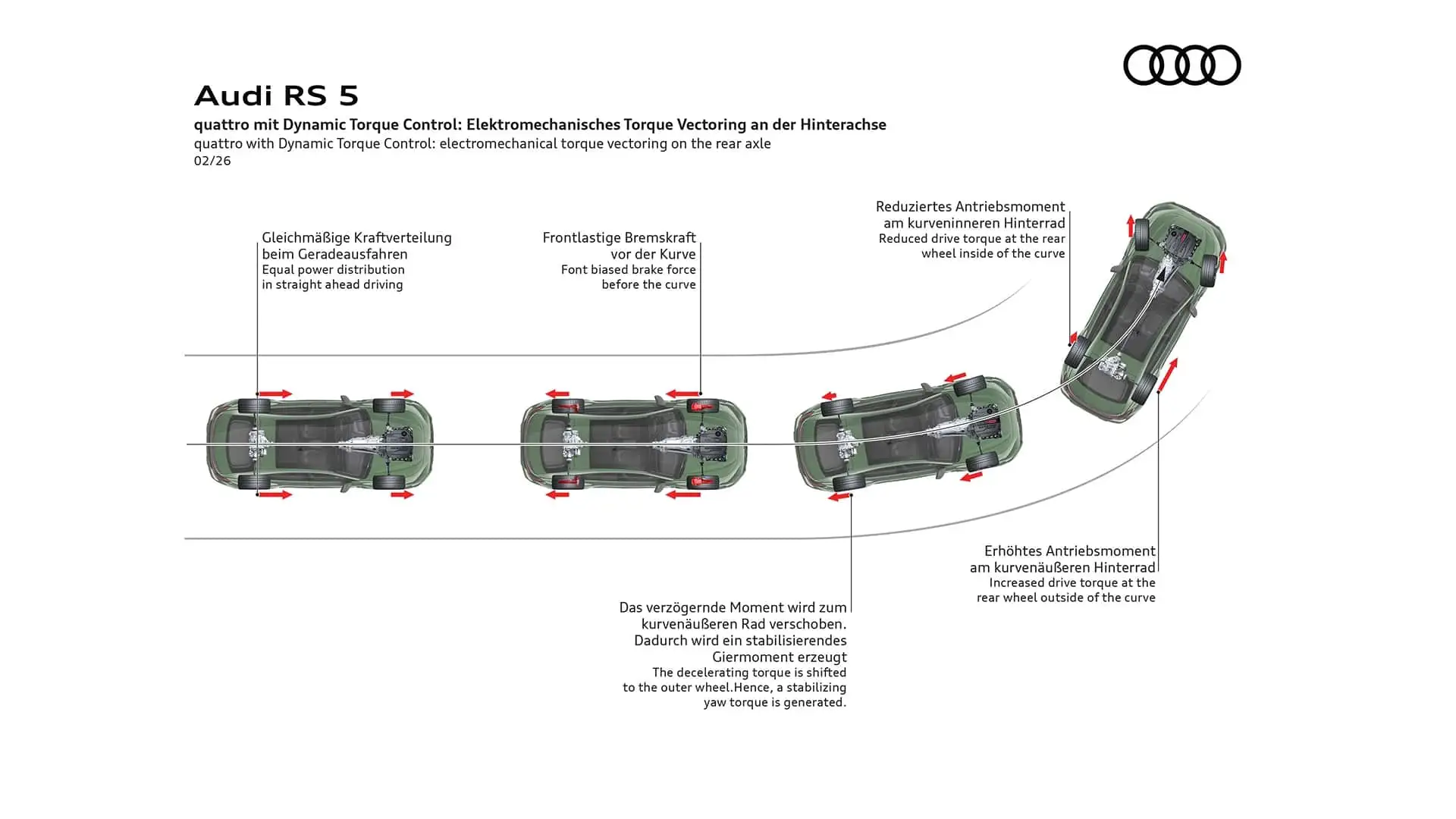
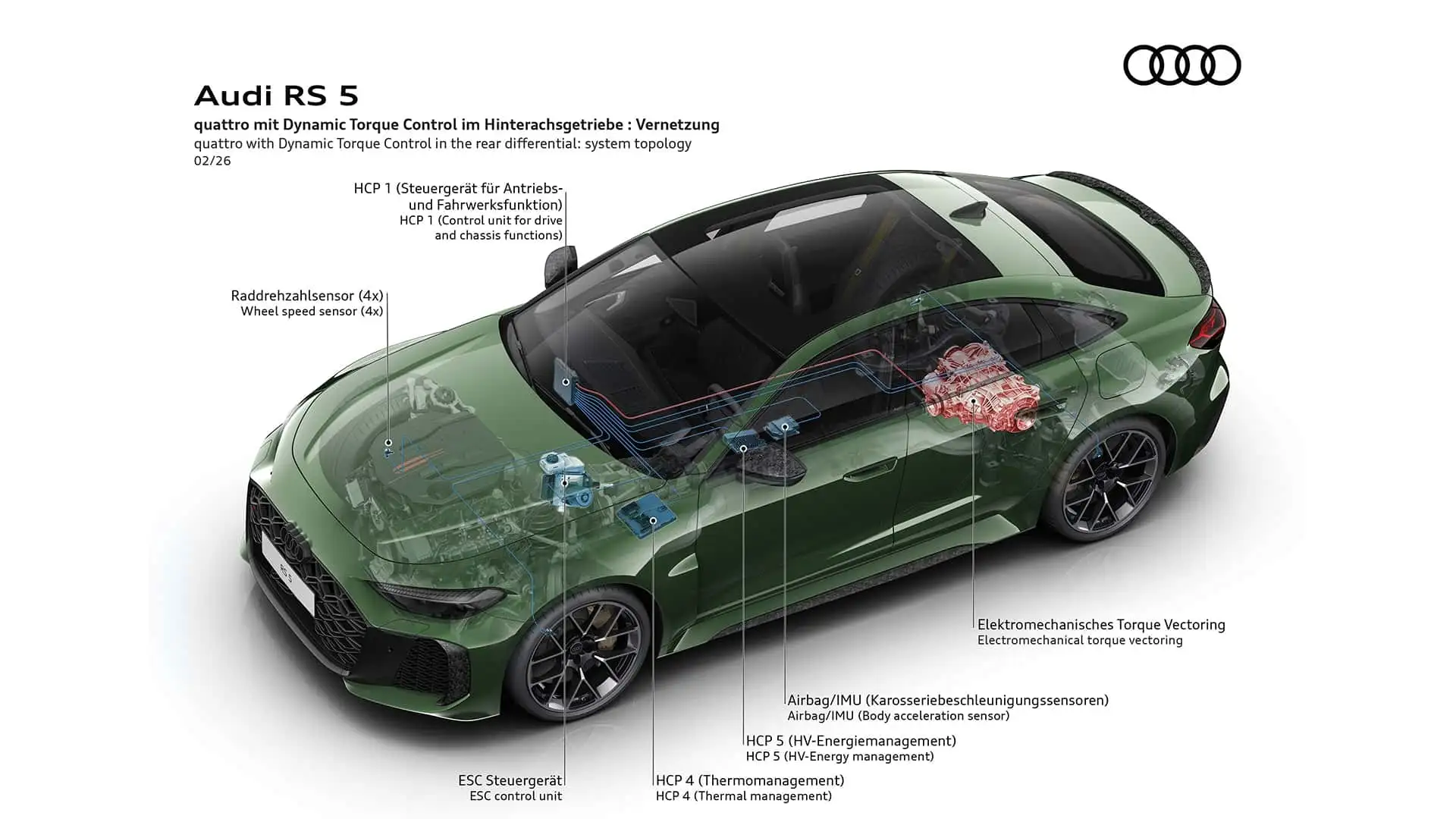
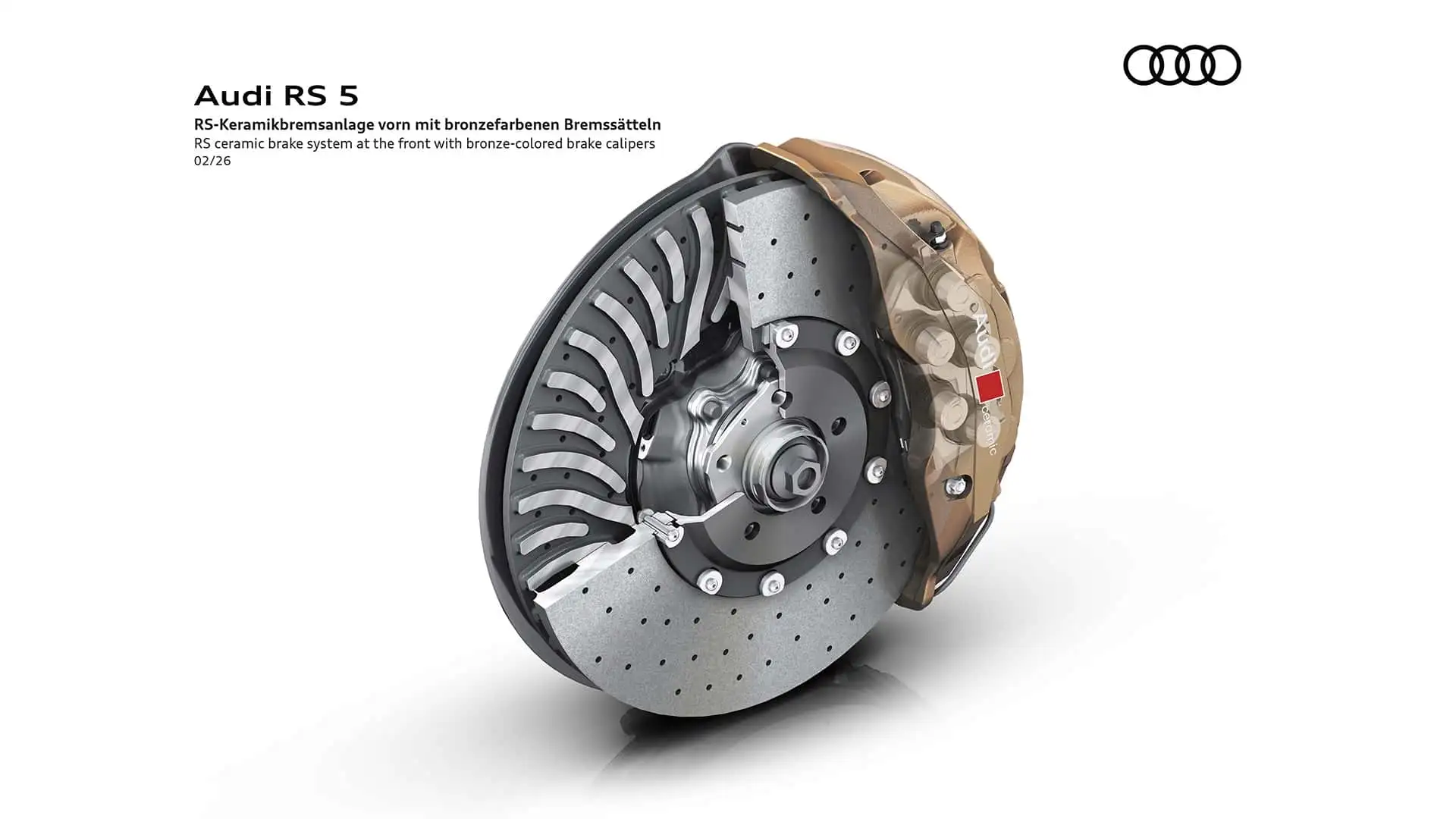
The 22 kWh liquid battery allows for 86 km solely on electricity, ideal for daily use. Quattro traction and carbon-ceramic brakes (optional) mitigate the weight on track. See how this compares to battery advancements in the DONUT LAB Solid-State Batteries, which charge 80% in just 4.5 minutes – the near future for PHEVs.
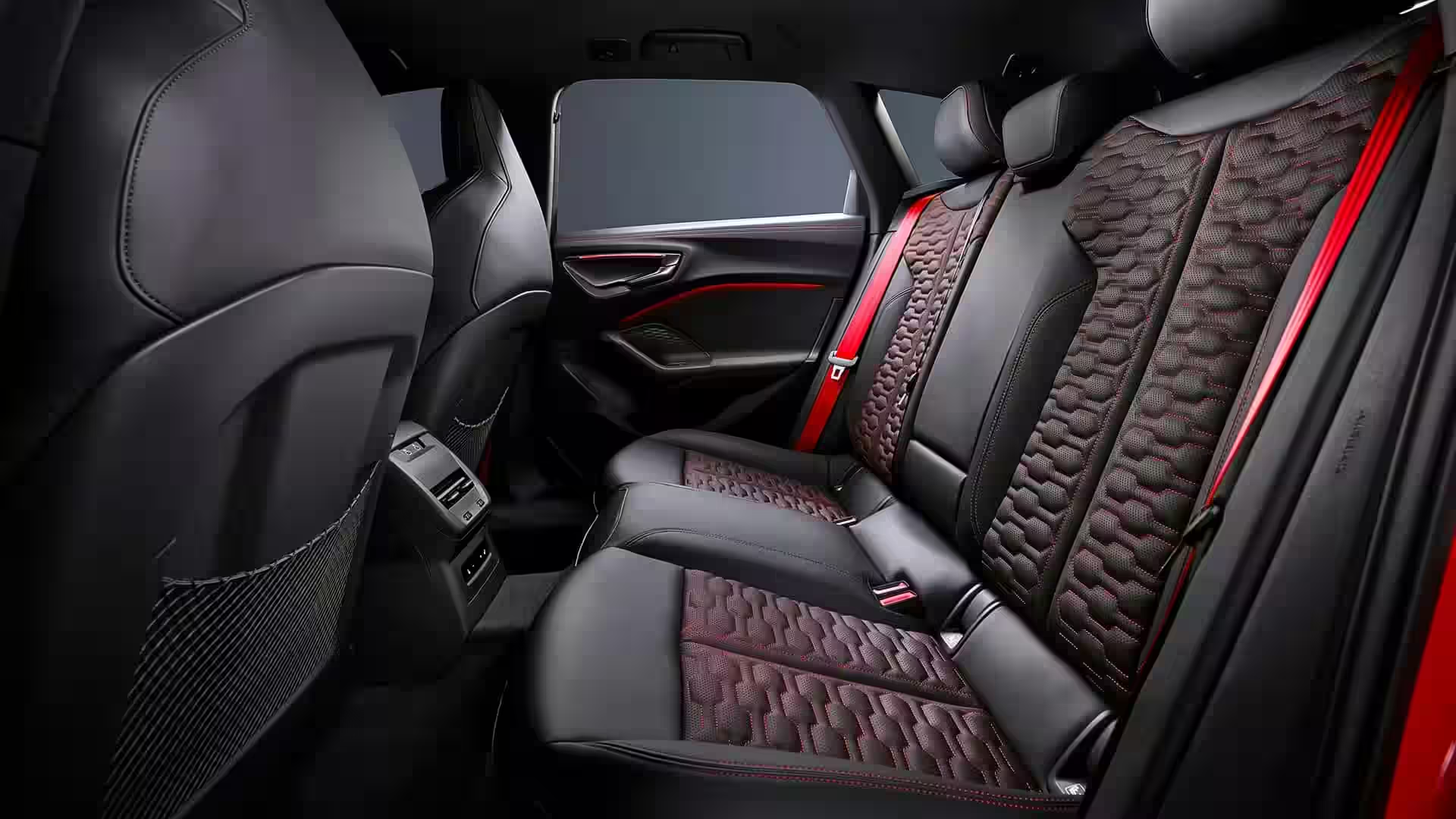
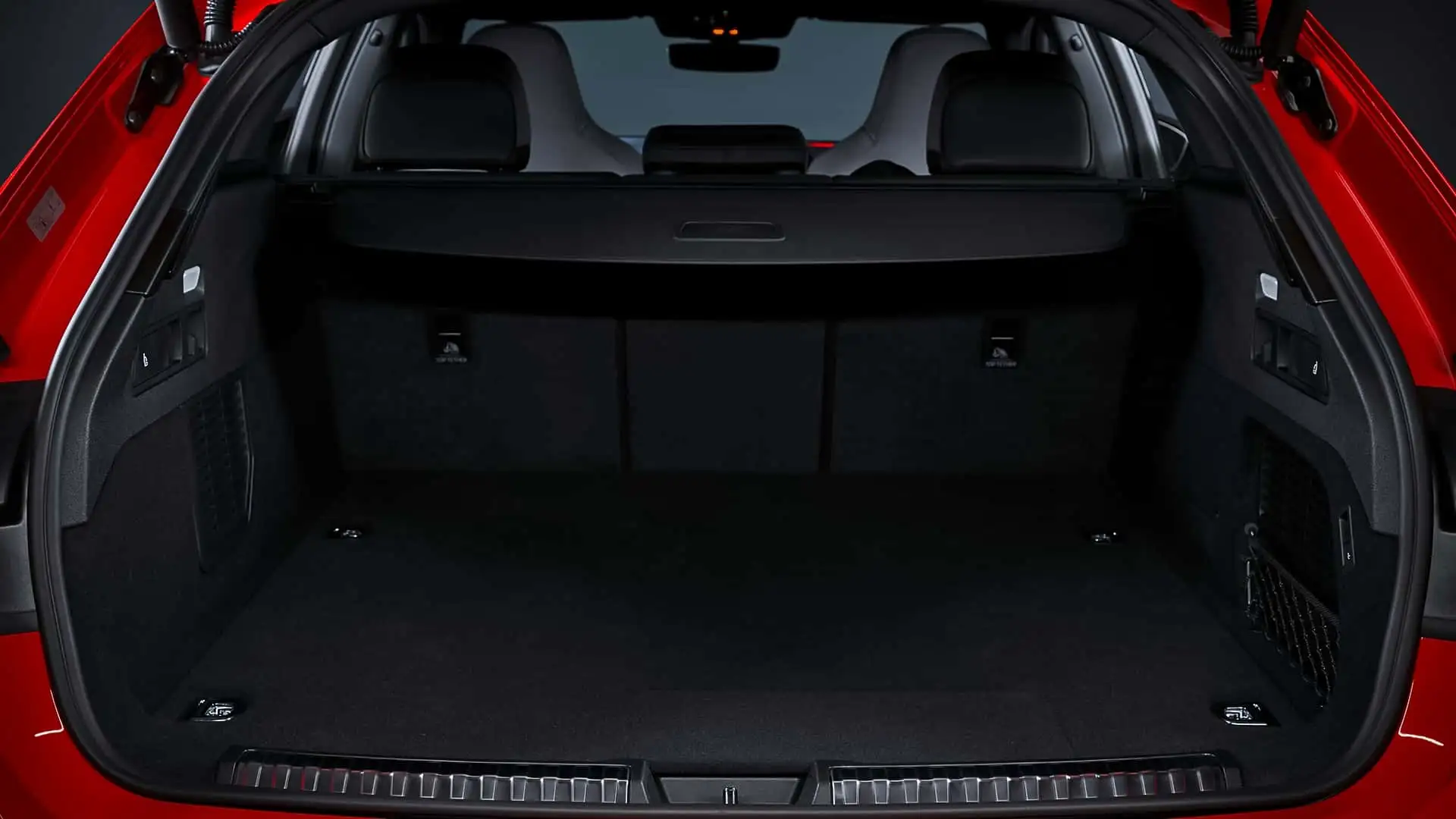
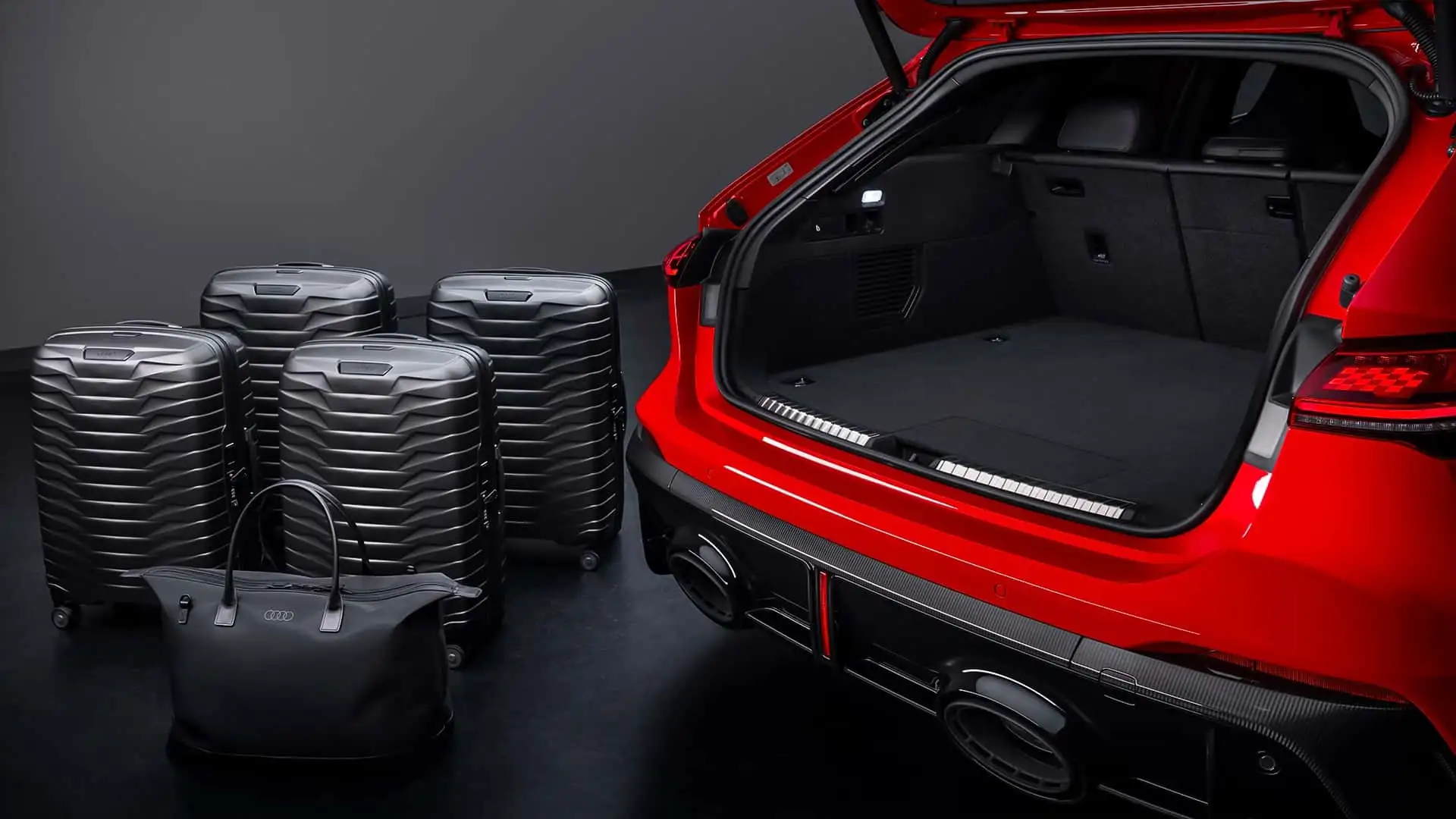
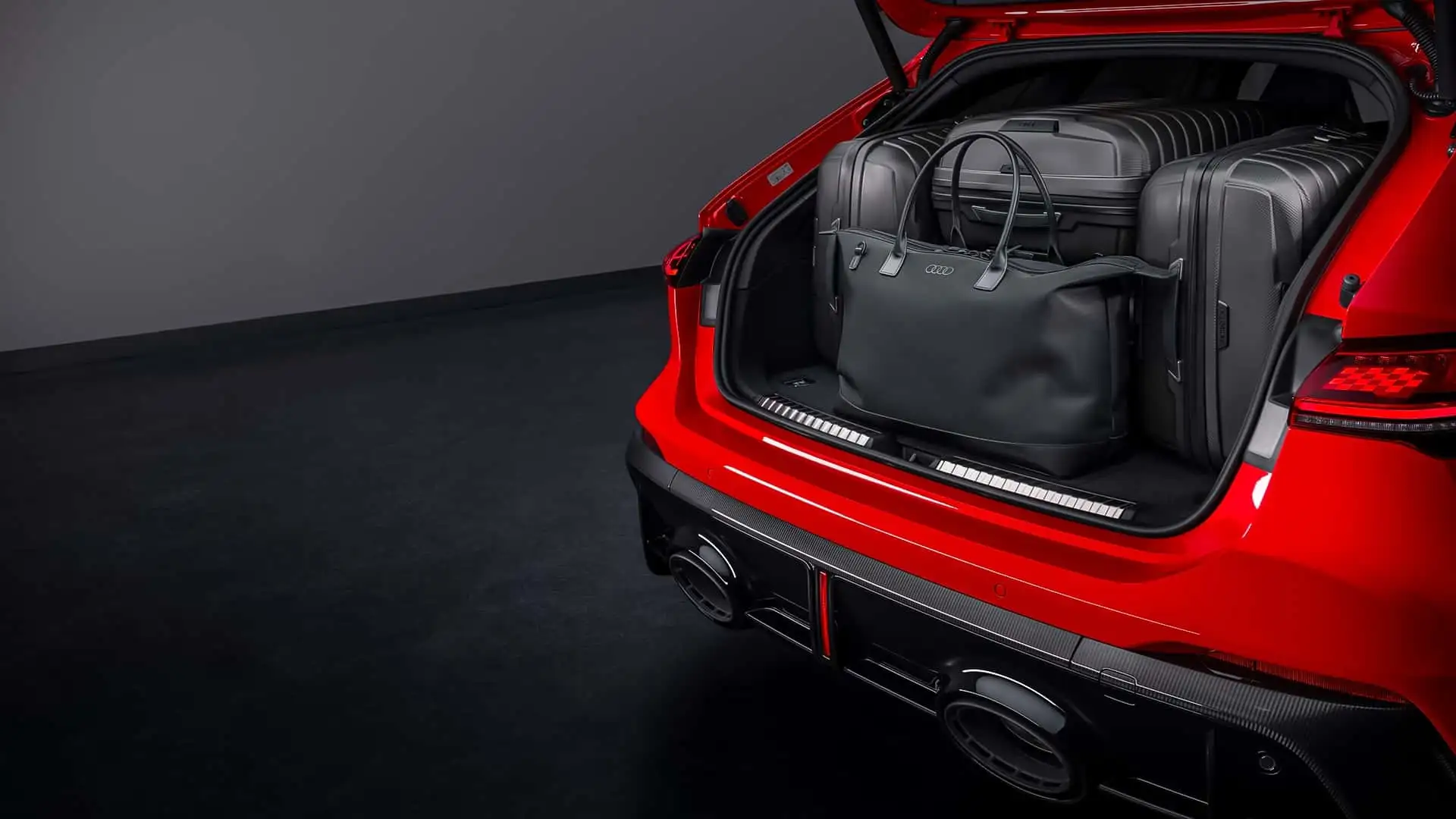
For Audi enthusiasts, the AUDI RS5 2027 expands this lineup with an aggressive widebody. Rivals like ZEKR 8X go further with 1,381 hp hybrids, but the RS5 focuses on family usability: large trunk, 5 seats, and tech such as a head-up display.
In summary, the weight gain is the price for the longevity of multi-cylinder engines. Initial tests show that the RS5 Avant maintains the RS soul: guttural V6 sound, brutal acceleration, and now, green efficiency. For the next RS6, expect more of the same – hybrid V8 to challenge the impossible. This transition doesn’t end the sports car era; it reinvents it.
As batteries evolve, as seen in the new AUDI Q5 DIESEL 2026, the RS5 proves: performance and regulations can coexist. Stay tuned for real-world performance updates on the track.