Audi does not enter F1 to play around. Understand the bold plan for 2026, the 50% electric engine, and the goal of winning the title by 2030. Audi F1 2026.
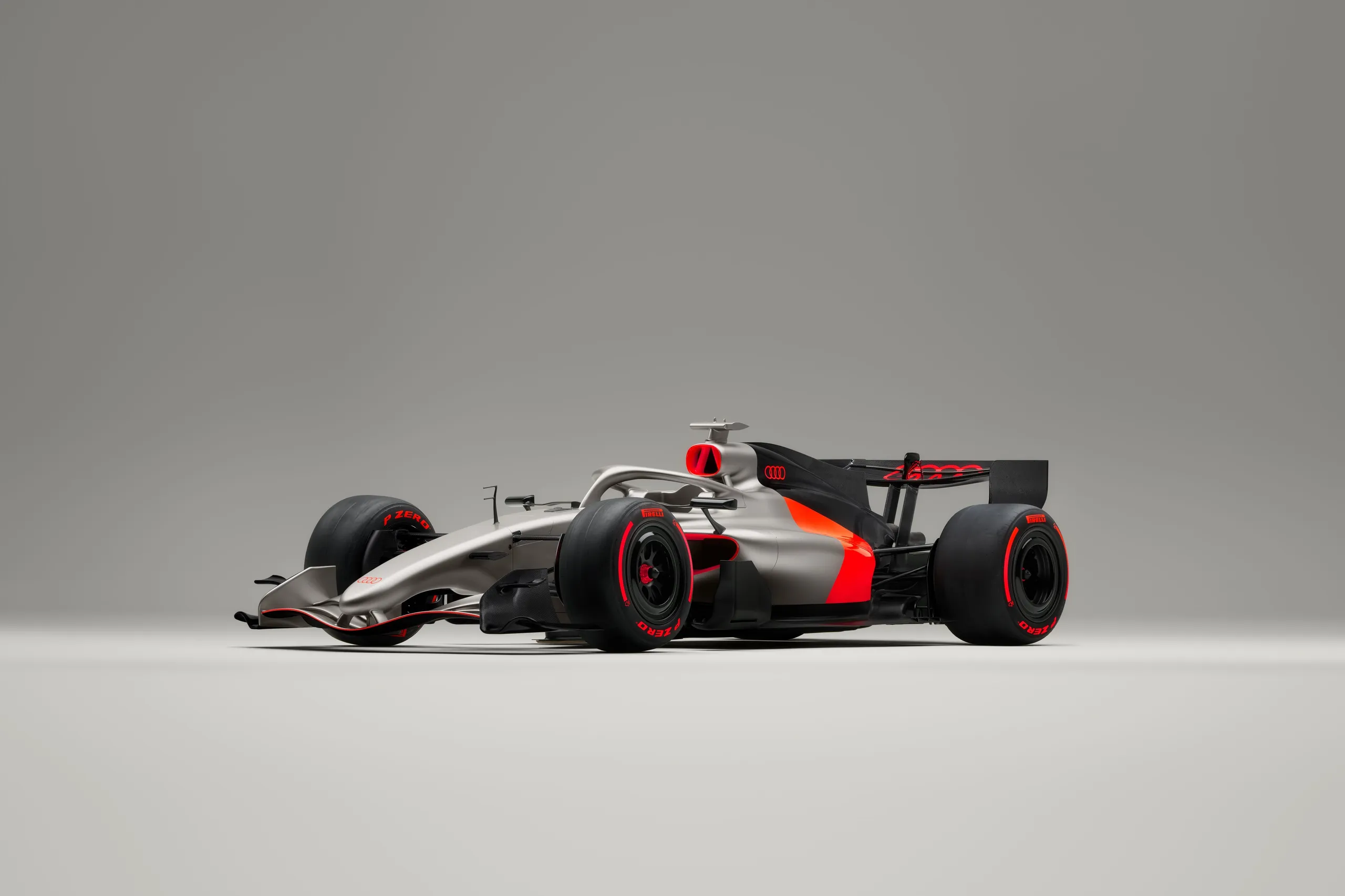
Formula 1 is about to witness an engineering and ambition shake-up. Audi’s entry into the category starting in the 2026 season is not just the return of a legendary racing brand; it is a technological declaration of war against established powers like Mercedes, Red Bull, and Ferrari. The Ingolstadt giant is not just coming to participate; it is coming to rewrite the rules, betting everything on a radical regulation change, maximizing F1 2026 regulations.
The 2026 Reset: Why Audi Chose This Moment for Formula 1 Entry
The choice of 2026 as Audi’s entry point into F1 is purely strategic. The new regulatory cycle promises to level the playing field, invalidating much of the legacy engine technology that current teams dominated in the hybrid V6 era. This represents an optimized entry point for Audi’s German engineering prowess.
Electric Dominance and Sustainable Fuels Strategy
The main catalyst for Audi’s entry is the new powertrain architecture. For the first time, the electric motor (MGU-K) will contribute approximately 50% of the total engine power. This represents a monumental shift from the current 20% and aligns F1 directly with Audi’s global electrification strategy, where it already demonstrates excellence in high-performance road models. If you doubt the brand’s innovative power, you need to see the technical sheet of the Audi E5 Sportback, with incredible autonomy numbers.
Beyond electrification, the mandatory use of 100% sustainable fuels and new active aerodynamics rules (which require smaller, more efficient cars) create a scenario where the team that learns the fastest wins the Audi F1 performance race.
“We are not entering Formula 1 just to be there. We want to win… By 2030, we aim to fight for the World Championship title.” – Gernot Döllner, CEO of Audi.
This long-term vision, aiming for supremacy by 2030, is what supports the colossal investment in engineering and infrastructure, divided into a binational project focused on German speed and precision.
Many purists debate the relevance of smaller engines, but the truth is that the focus on efficiency and electric torque is already the new reality. To better understand the evolution of high-performance engines, analyze why turbo 4-cylinder engines replaced V6/V8 in production cars.
The Strategic Axis: Neuburg, Hinwil, and Leading Power
Audi is not building its team from scratch but optimizing a solid base. The strategic partnership with Sauber (acquired by Audi) establishes a clear division of responsibilities for the Audi F1 Team 2026.
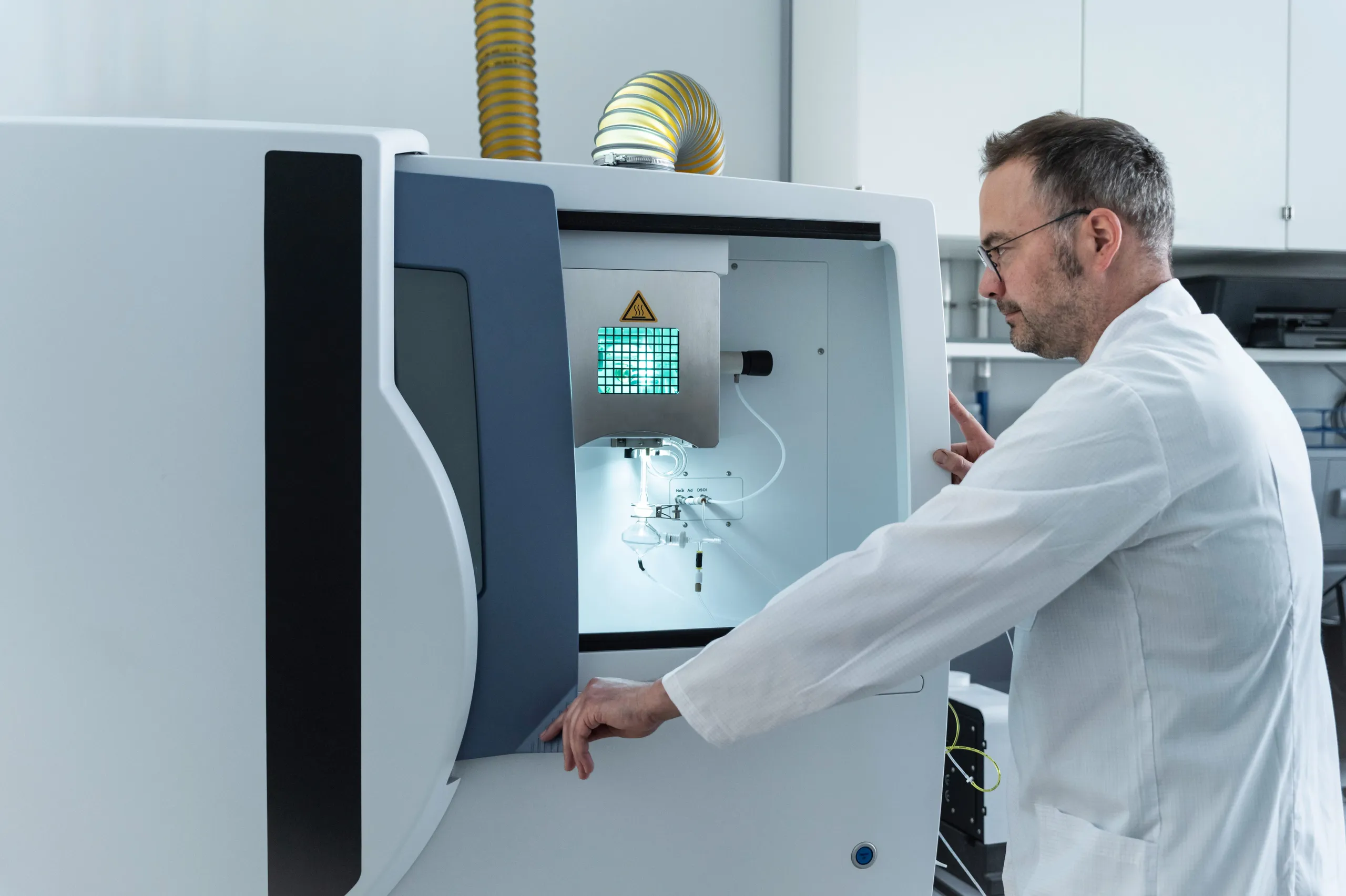
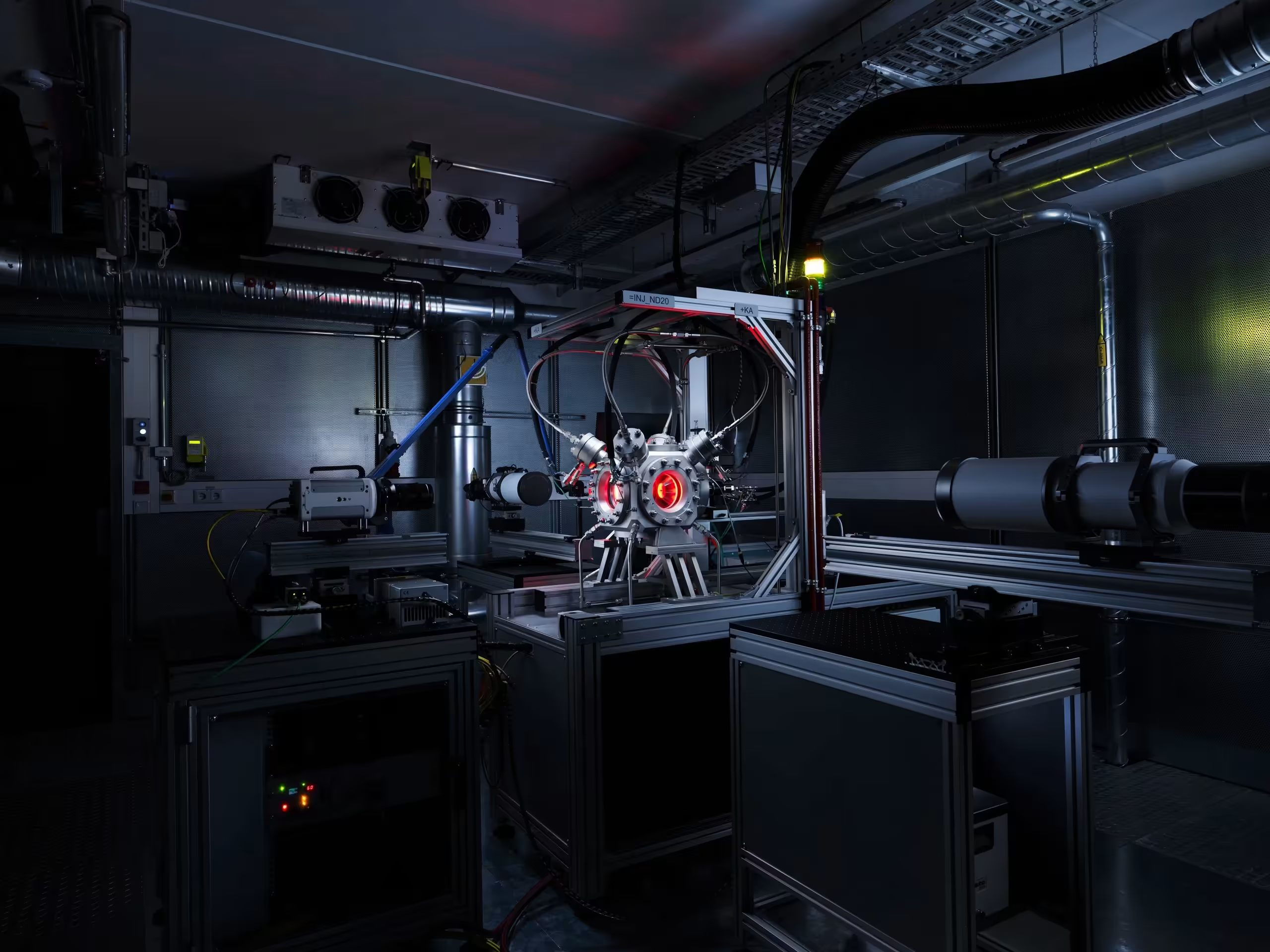
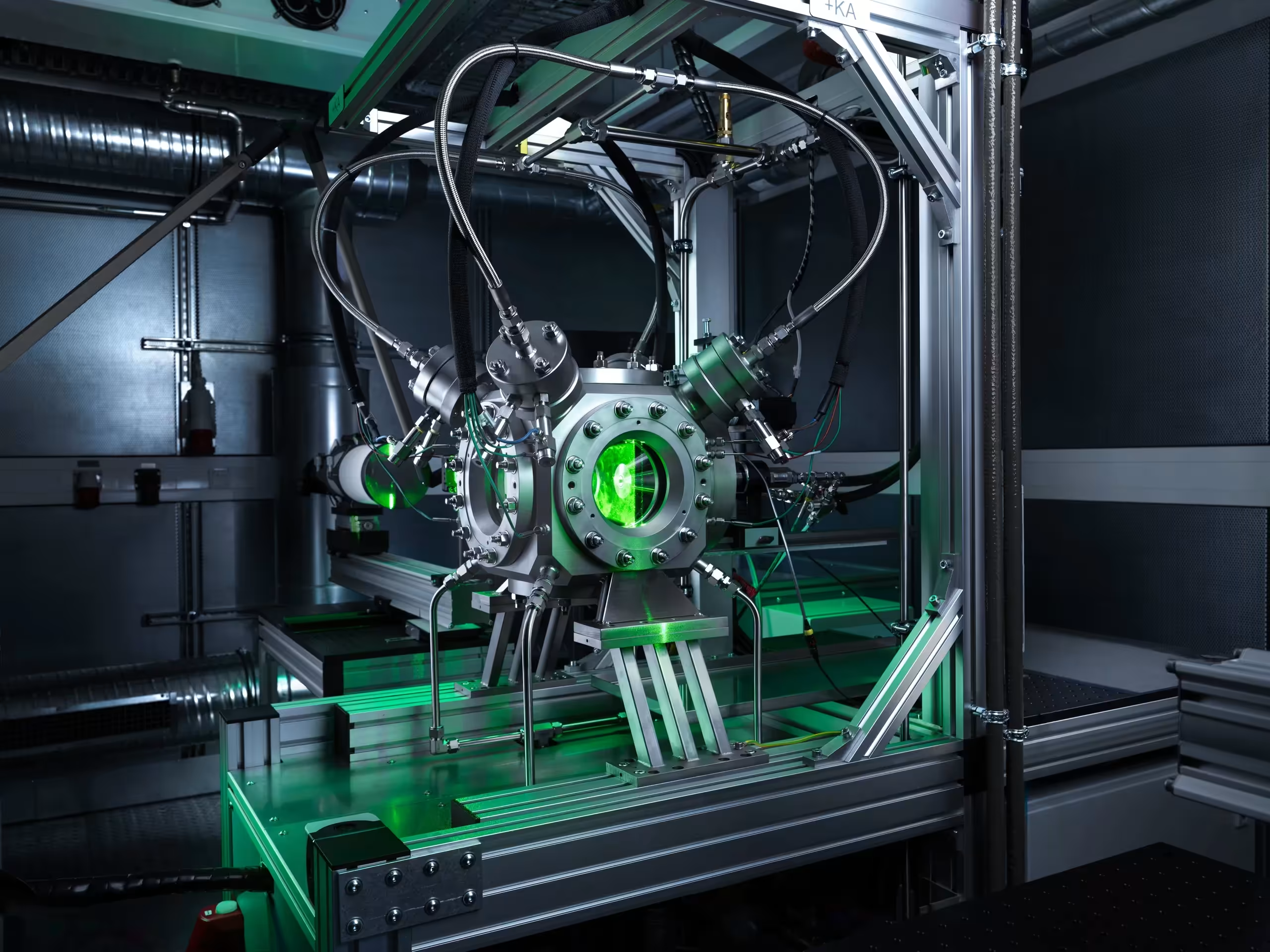
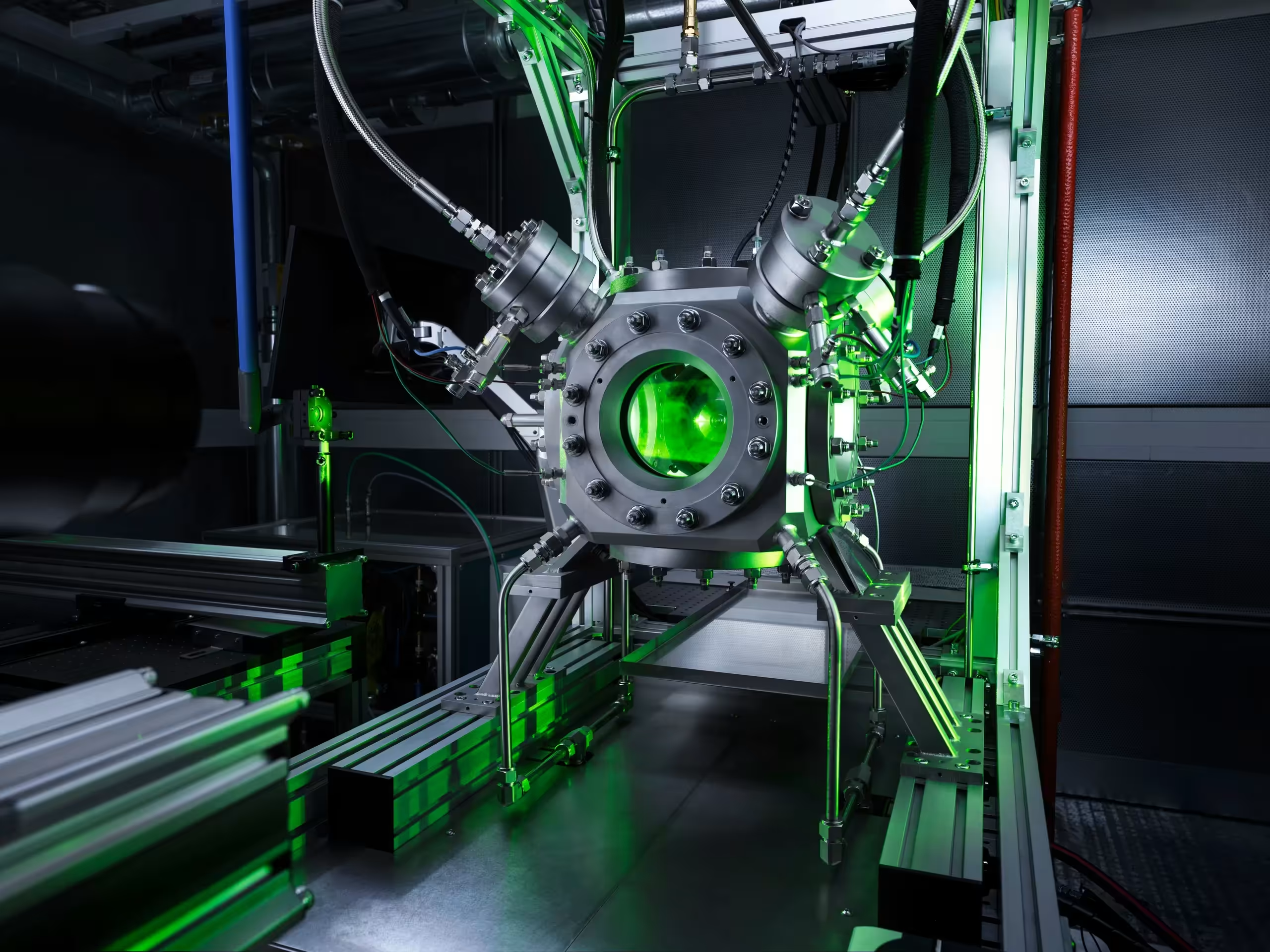
- Neuburg an der Donau, Germany (GEO): The technological heart. This is the development and assembly center for the new hybrid V6 engine. Facilities have been radically renovated, operating at a feverish pace. CTO Stefan Dreyer revealed the intensity of the work: “Our engineers were working with helmets and safety vests, carrying cylinder heads upstairs because we still didn’t have working lifts.”
- Hinwil, Switzerland (GEO): The race operations and chassis center. Sauber’s expertise and wind tunnel are crucial for building the R26 car.
Mattia Binotto and Ambition (E-E-A-T) for F1 World Championship
To lead a project of this magnitude, Audi sought names that had already proven their worth at the top of the sport. The presence of Mattia Binotto (former Ferrari chief) as Head of F1 Project and Jonathan Wheatley (former Red Bull) leading the team is no coincidence; it is a direct investment in experience and authority (E-E-A-T).
Binotto, well-versed in managing large projects and historic rivalries, declared that this is “the most exciting project in motorsport.” His previous experience with V8 and V6 engines qualifies him for the challenge of developing the new power unit, even as the focus shifts to 50% electric.
The driver selection also reinforces the plan: Nico Hülkenberg and Brazilian talent Gabriel Bortoleto offer a combination of German experience and fresh blood for the 2026 Audi F1 lineup.
The R26: Bold Design and the “Zero Fault Rate” Challenge
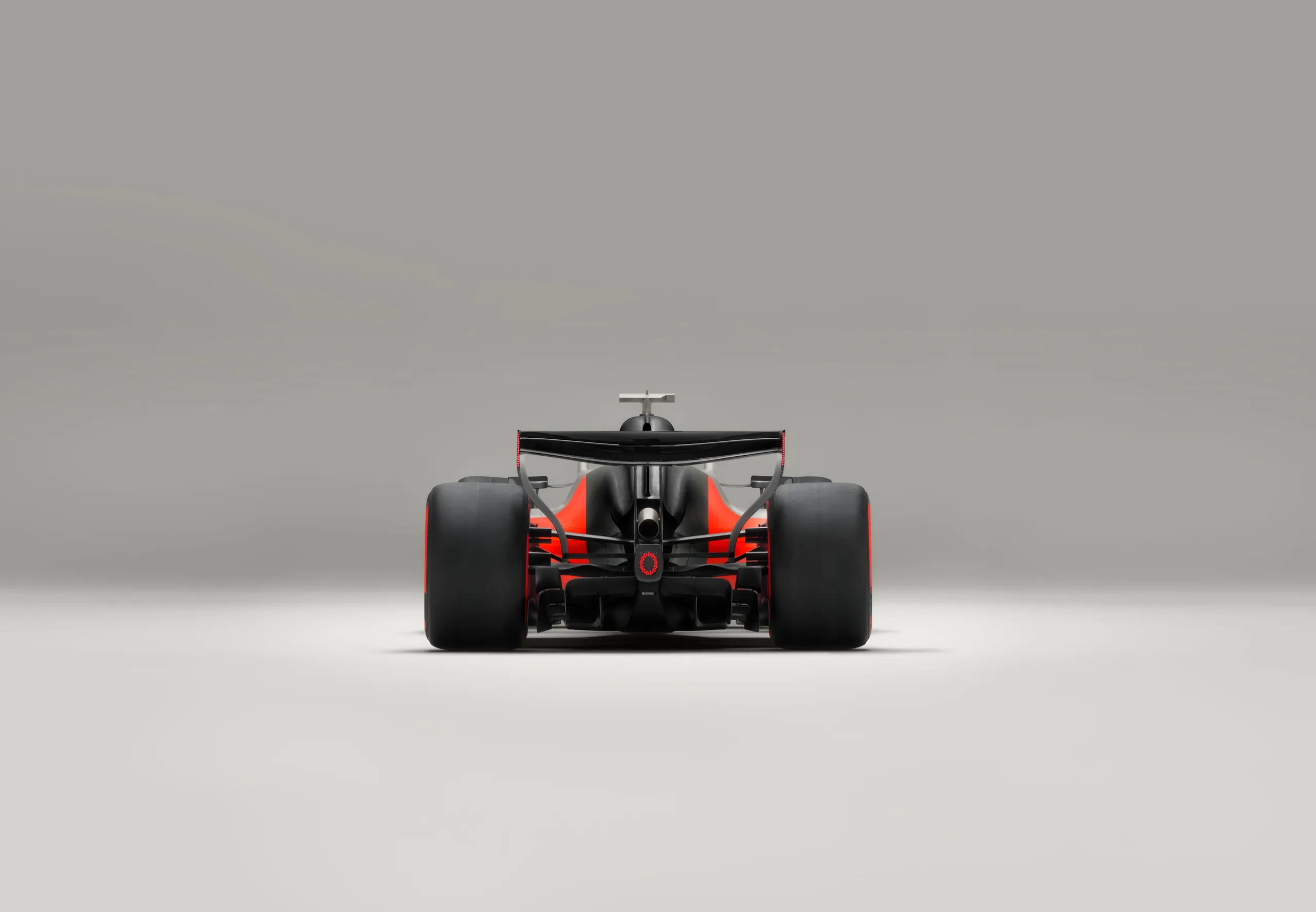
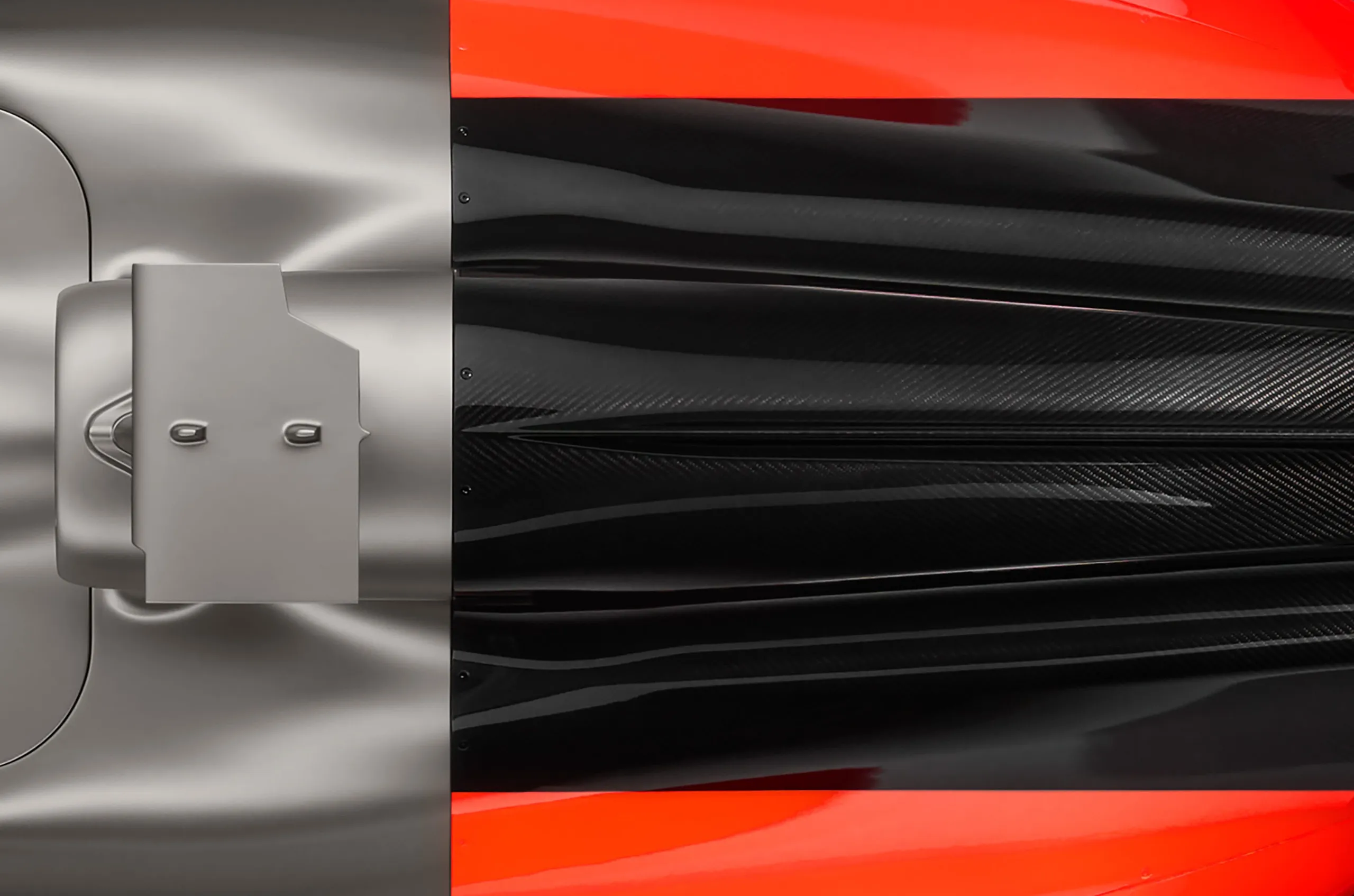
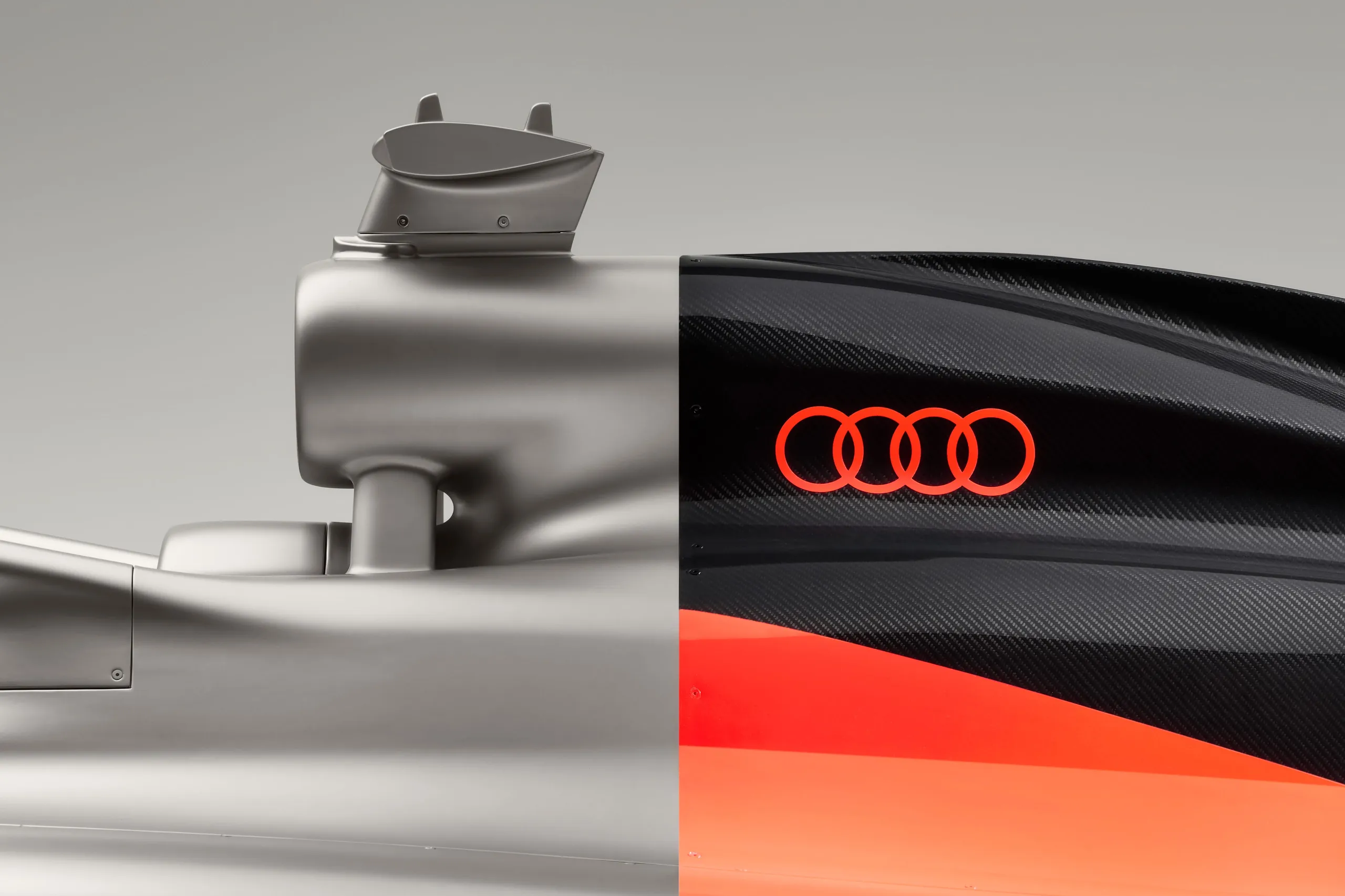
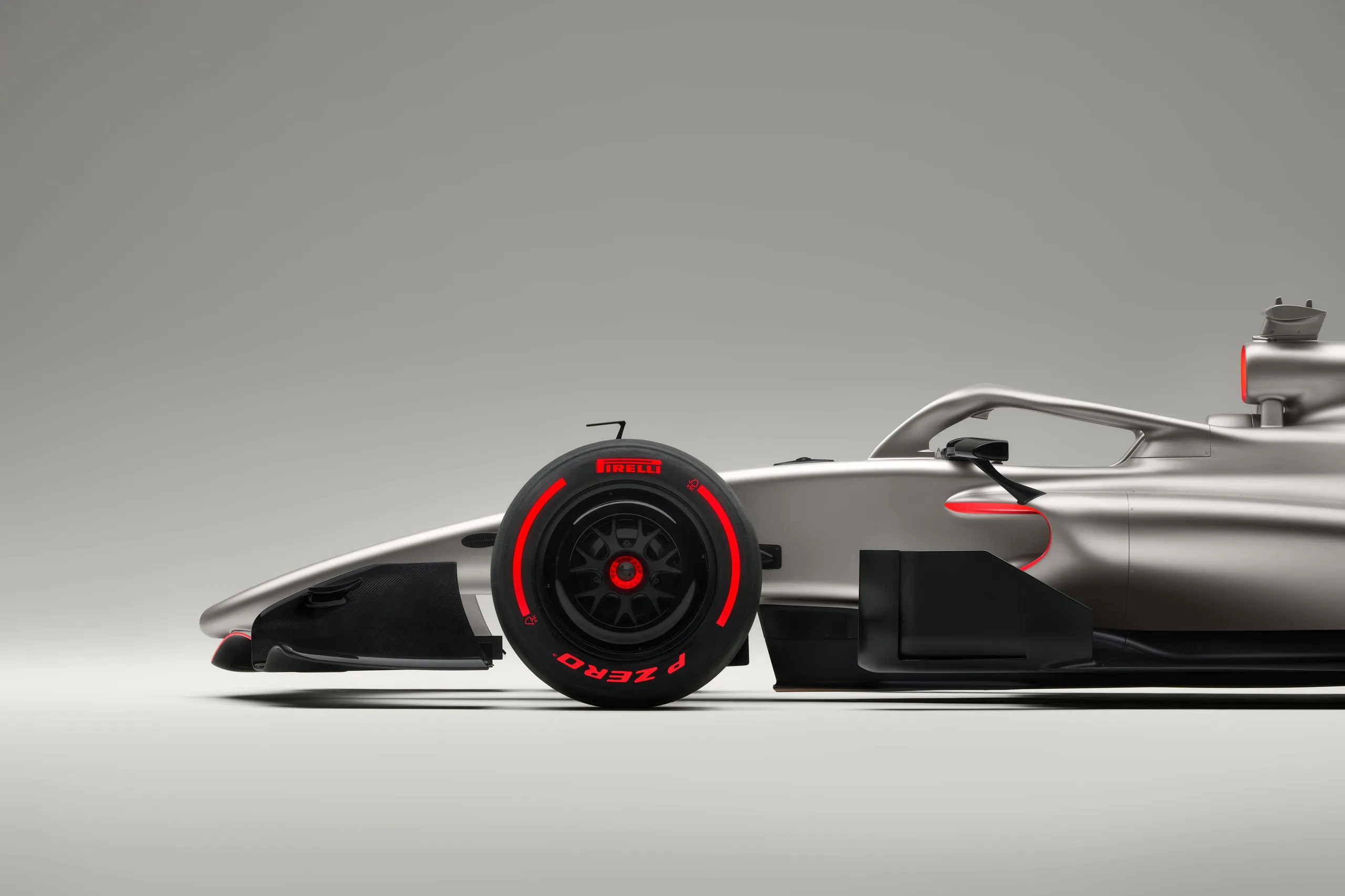
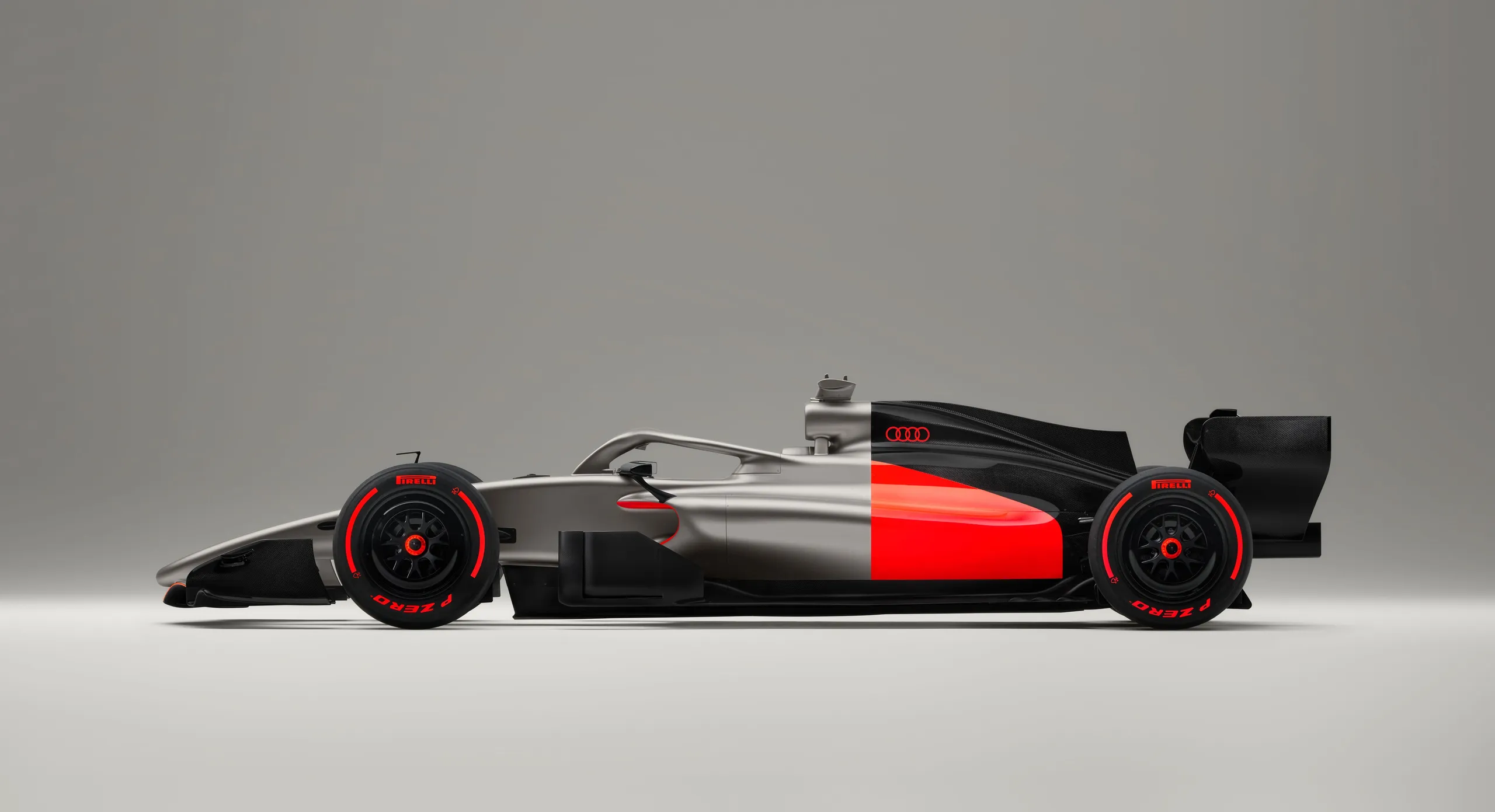
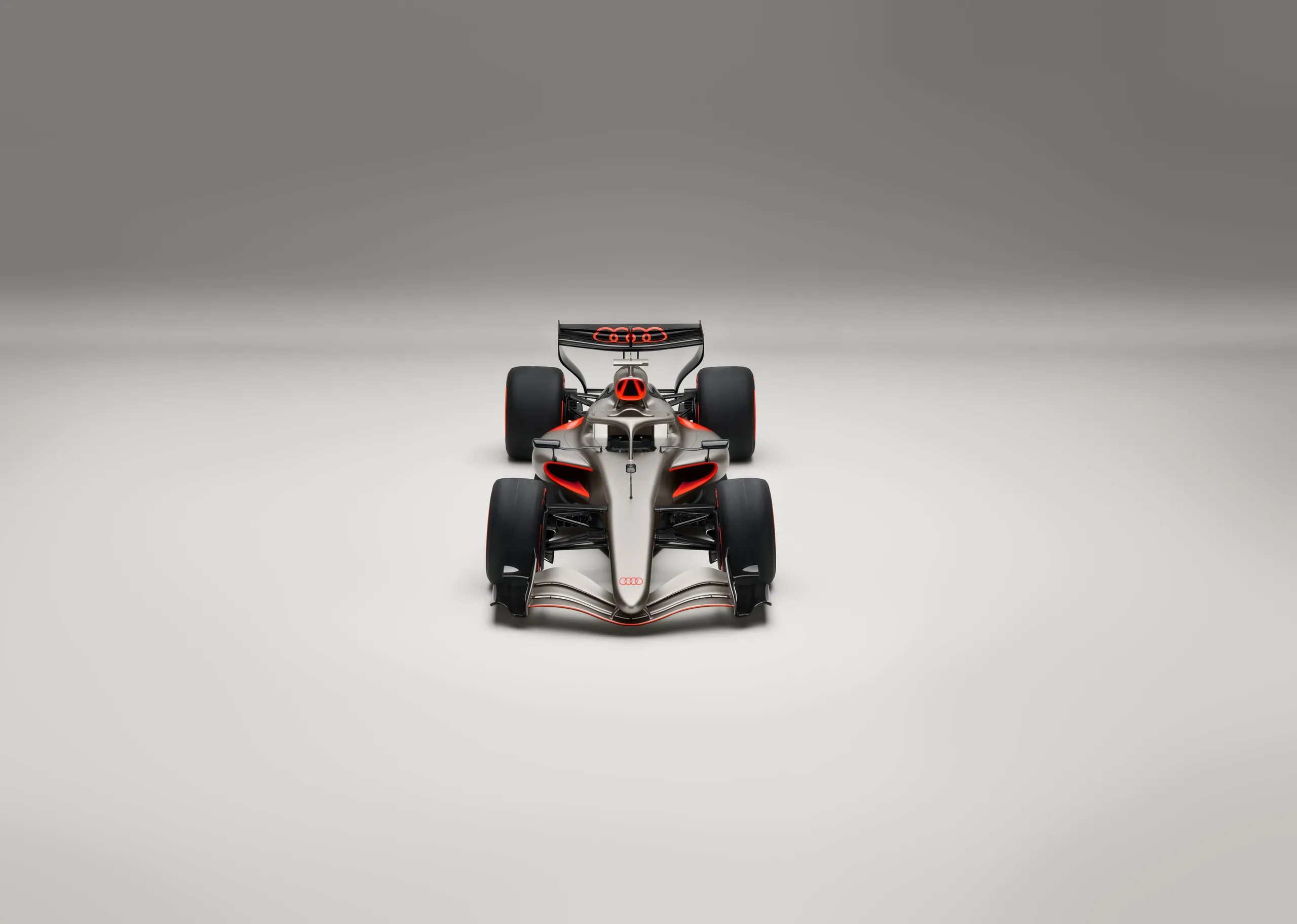
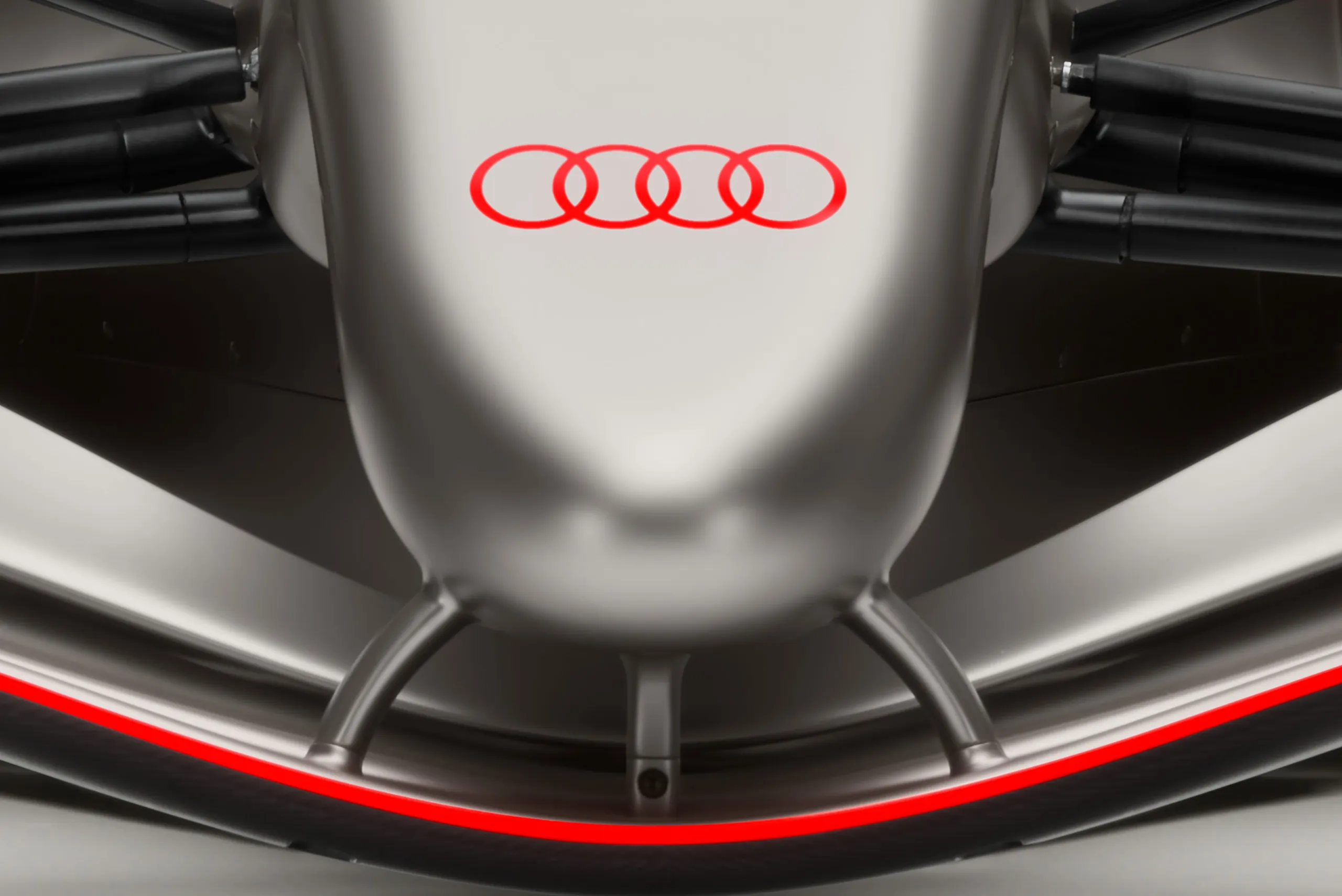
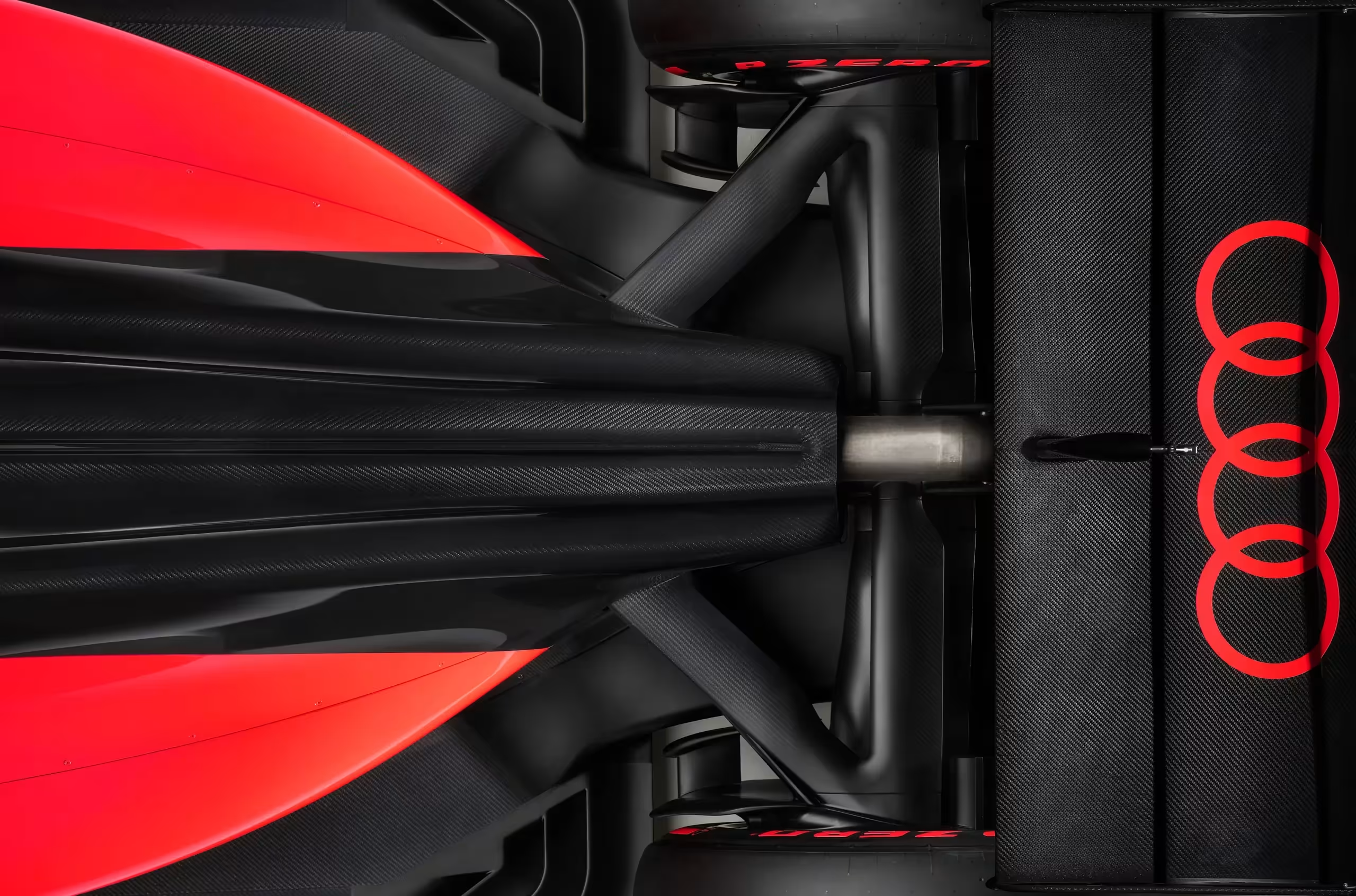
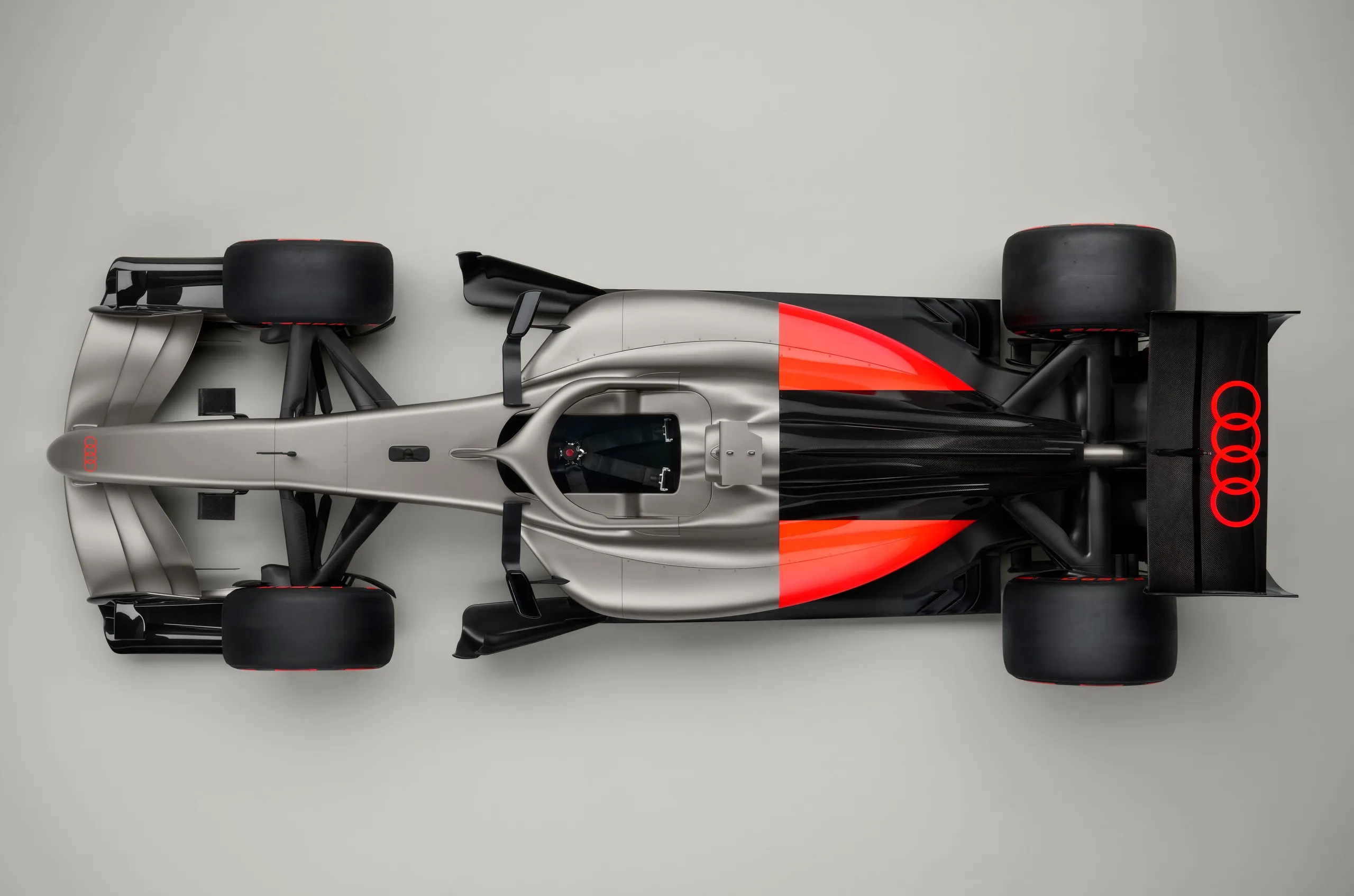
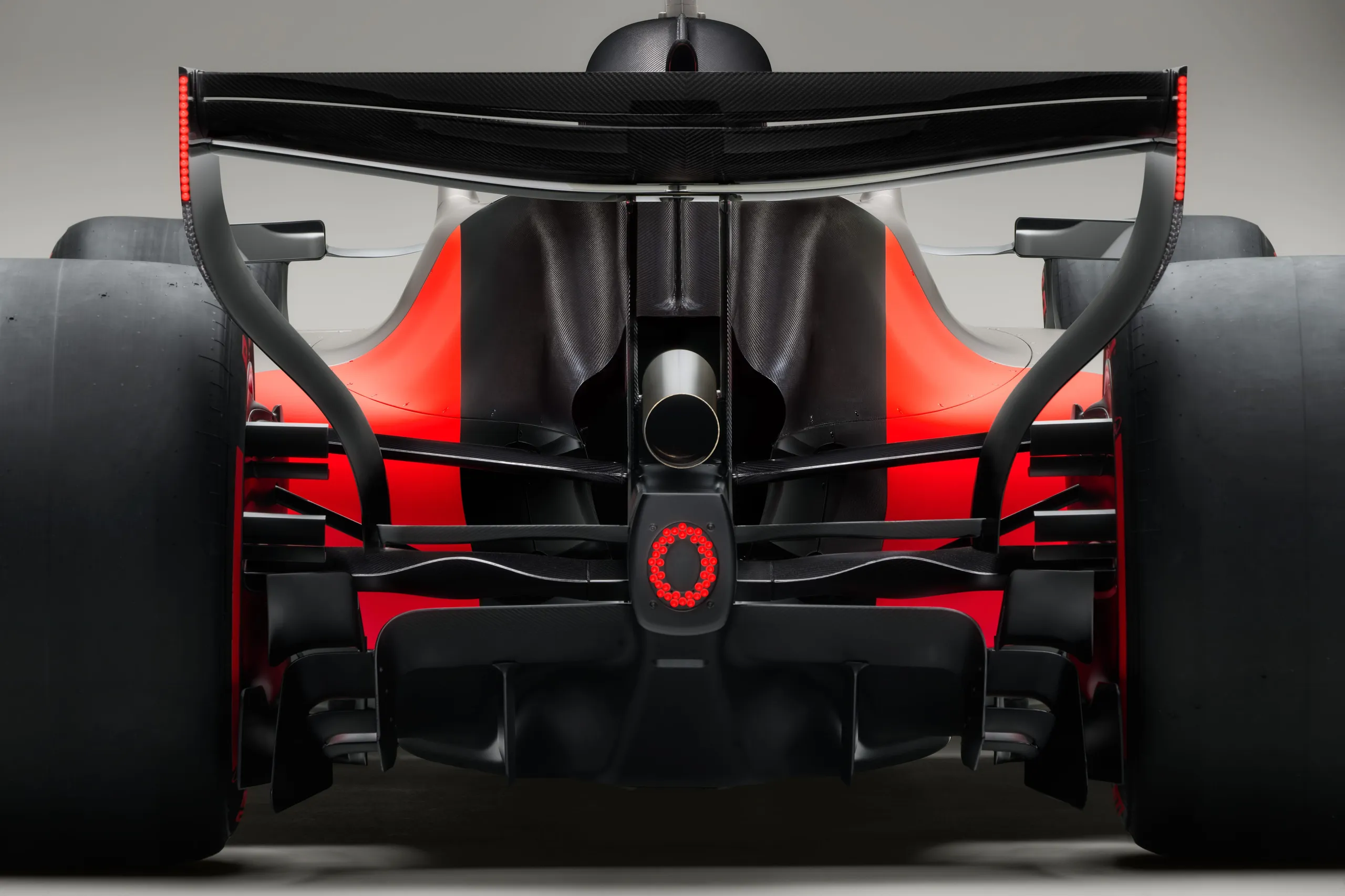
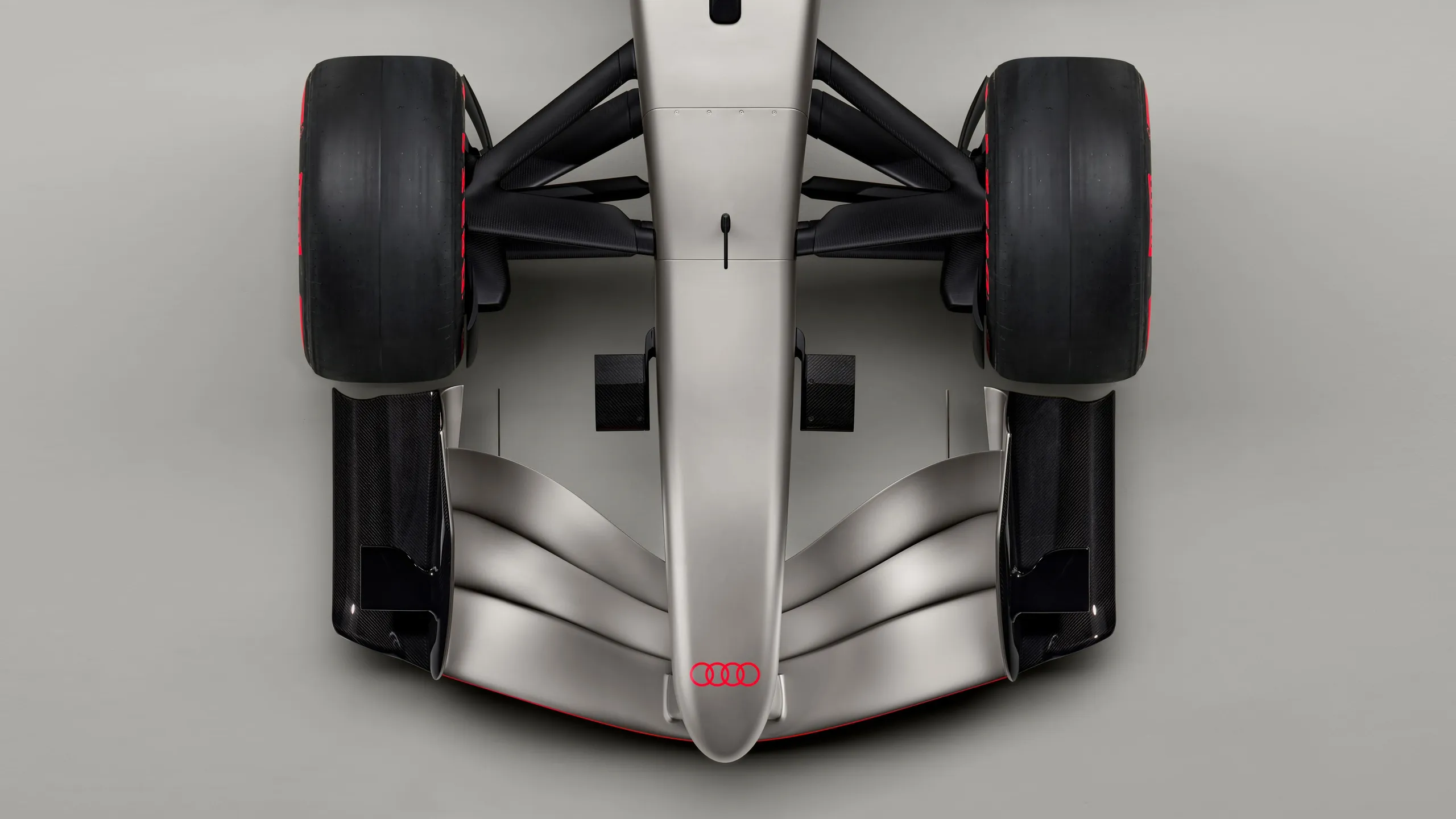
The concept car R26, previewing the team’s visual identity, has already made an impact. With a color scheme blending matte titanium silver (a tribute to the legendary Auto Union cars of the 1930s) and vibrant “Lava Red,” Audi aims to have “the most impressive car on the grid,” according to Creative Director Massimo Frascella.
The hardest aspect is not the design but the precision required. Quality control chief Klaus Spang mentioned the goal of achieving a “zero failure rate” in components measured with tolerances of 0.8 microns. In an environment where part development takes days rather than months, the pressure on Audi F1 R26 development is extreme.
The advanced engineering that allows Audi to venture into such precisions is the same that breaks barriers in the German luxury tuning market, showing that the focus on power never disappears, whether on track or the street. If you want to see Audi power at its extreme, check out how Mansory took the Audi RS Q8 to an insane 986 hp.
The schedule is relentless: the first engine “Fire-Up” is imminent, and the car is expected to hit the track in early 2026. Audi believes that embracing the regulation changes for 2026 – especially the strong electric component and sustainable fuels (a trend that even Porsche is exploring with V18 engines under development, according to rumors, as in this W-18 engine patent) – guarantees shortcuts to competitiveness that would otherwise take decades in a stable regulatory scenario.
The ambition to fight for the title by 2030 is not just a slogan; it is a delivery deadline imposed by German engineering culture itself. F1 will be the fastest and most brutal testing laboratory in Audi’s history, driving the brand to become “leaner, faster, and more innovative” in the future of motorsports.