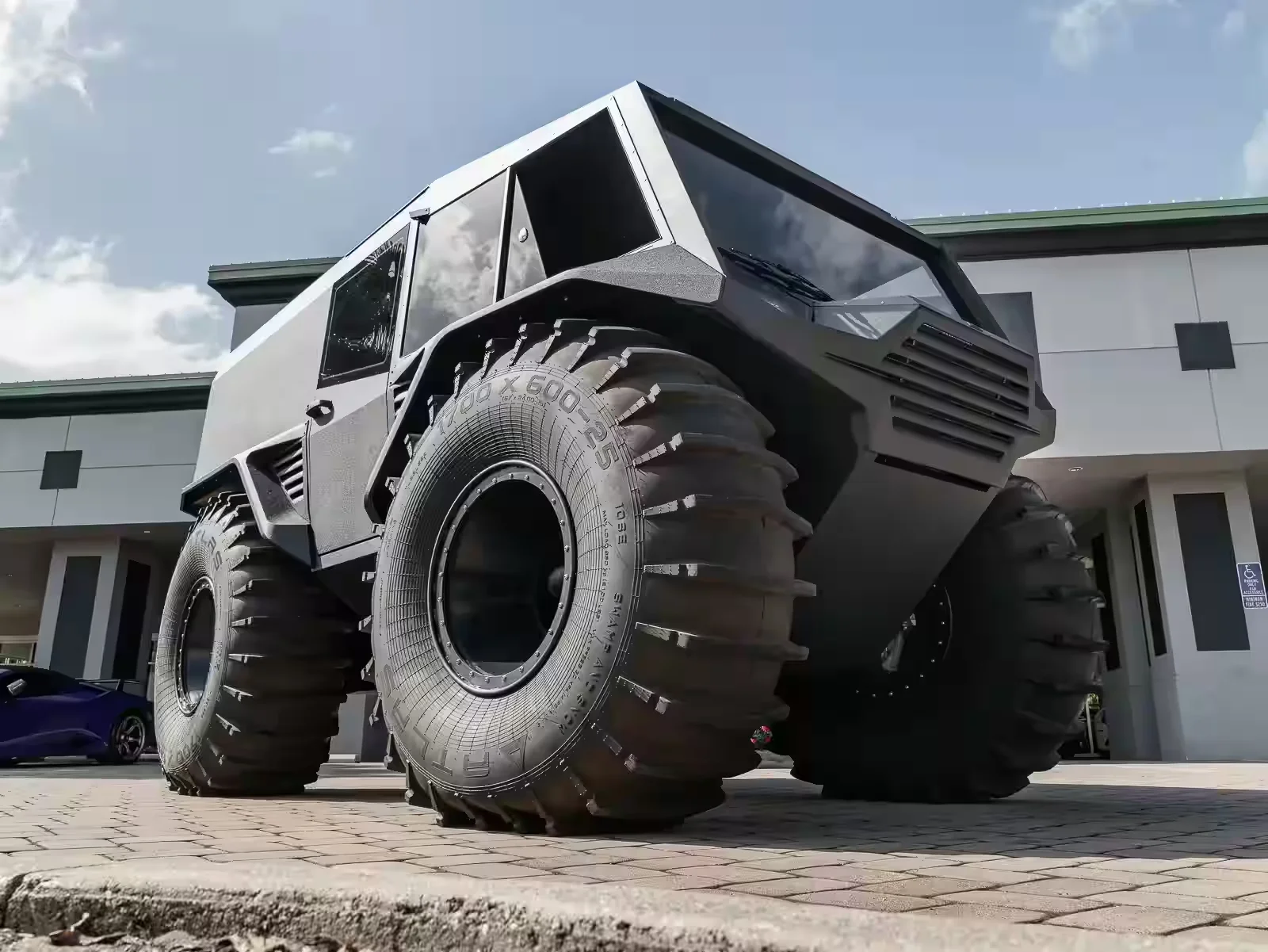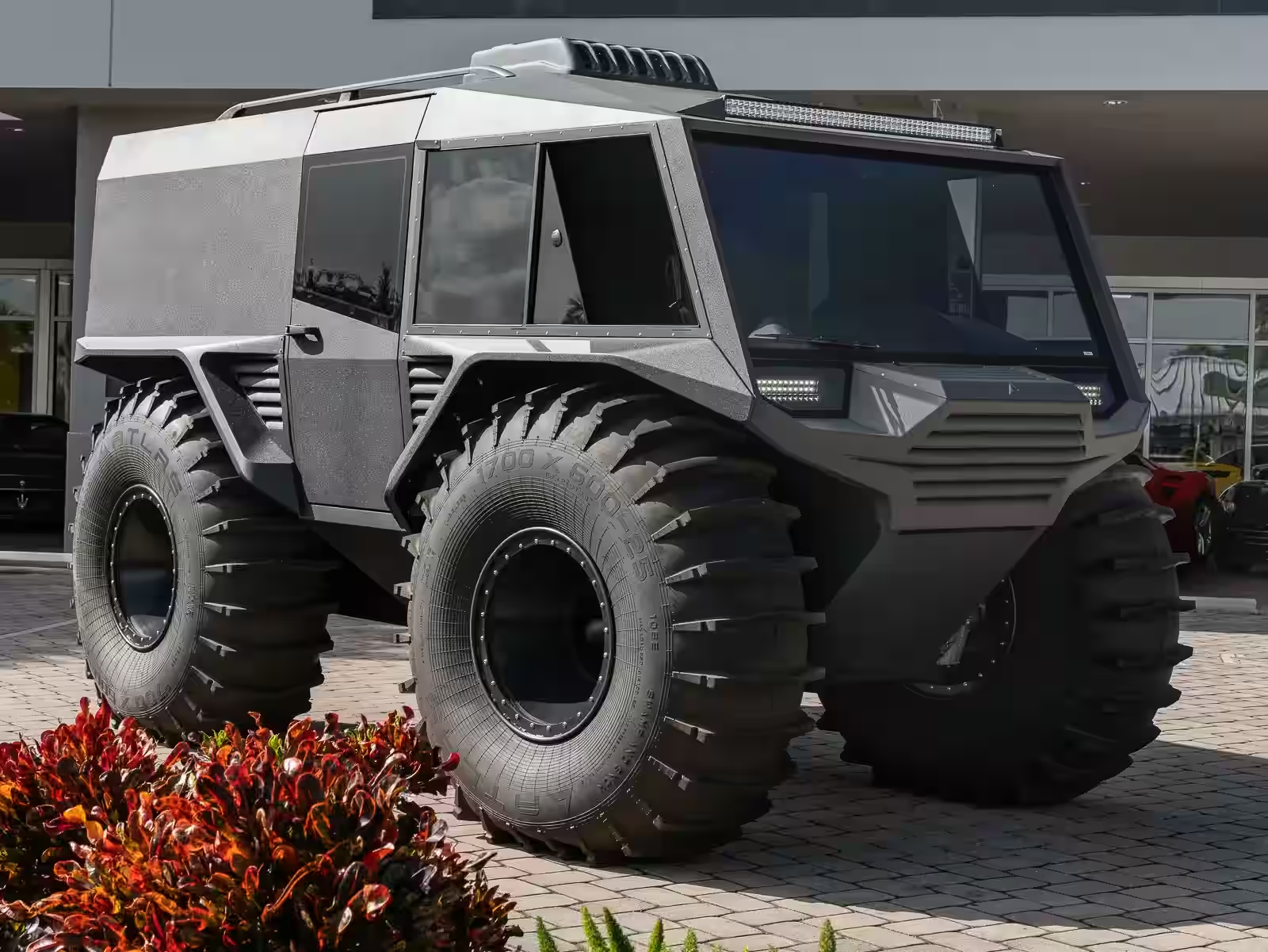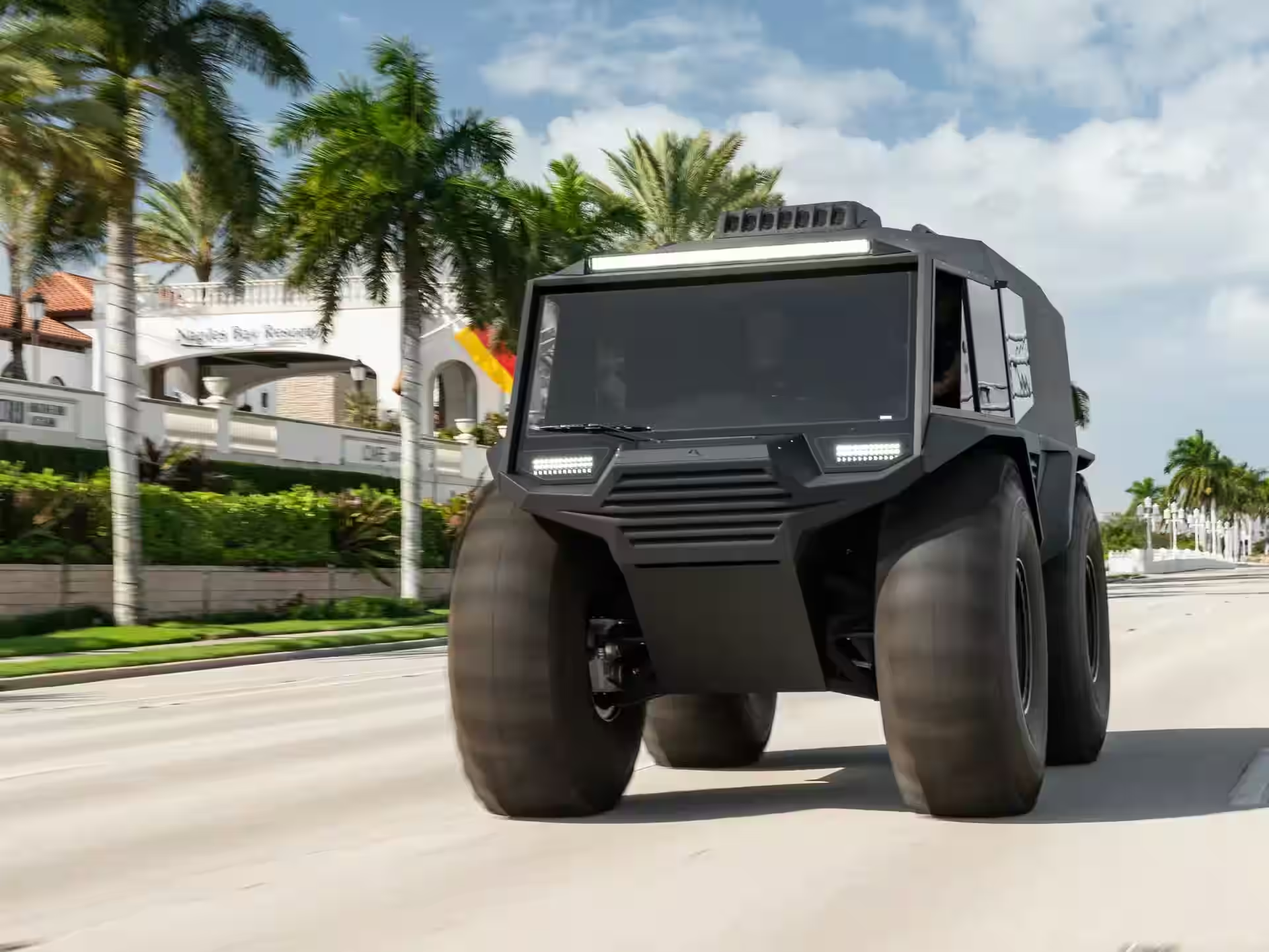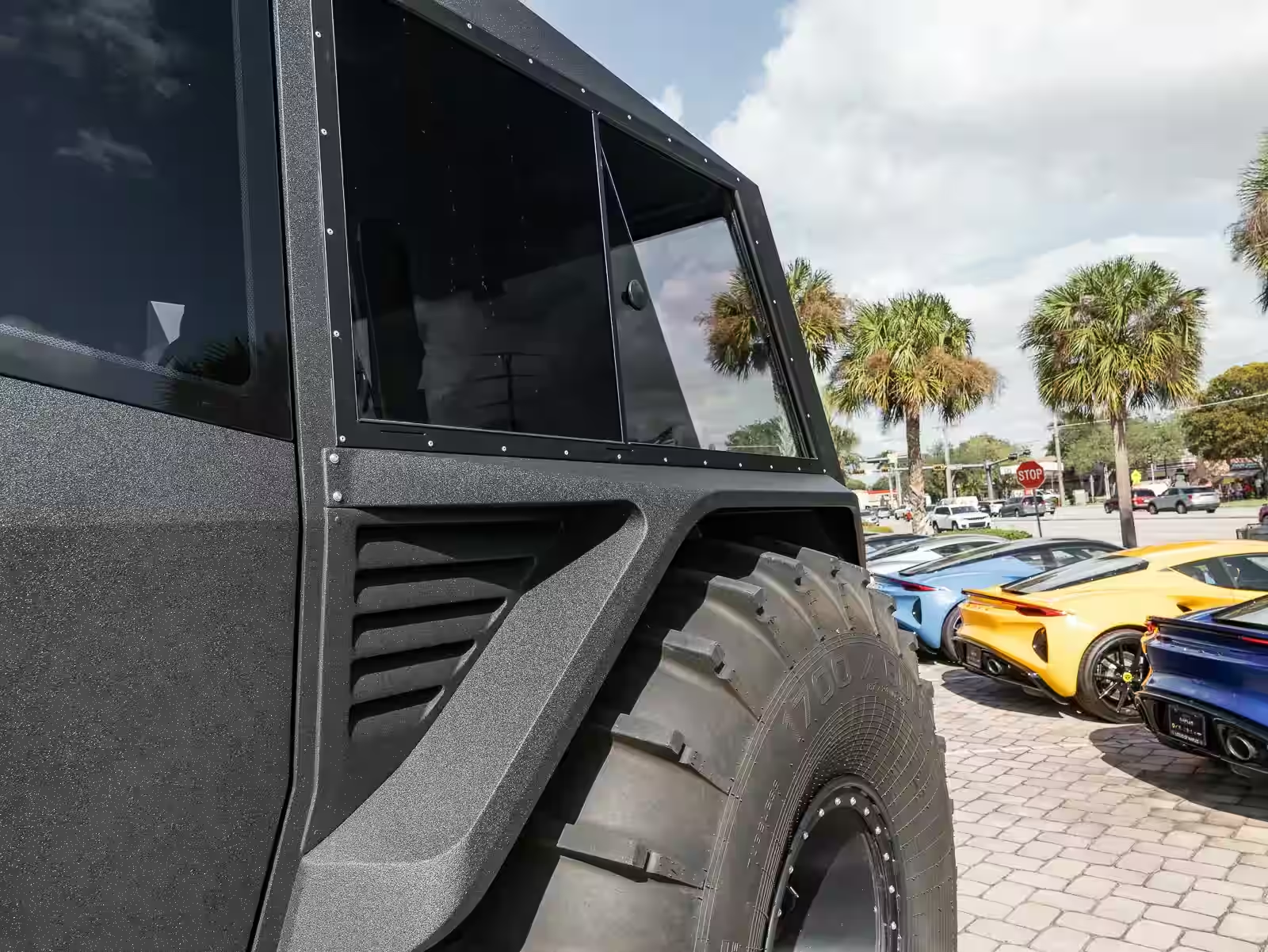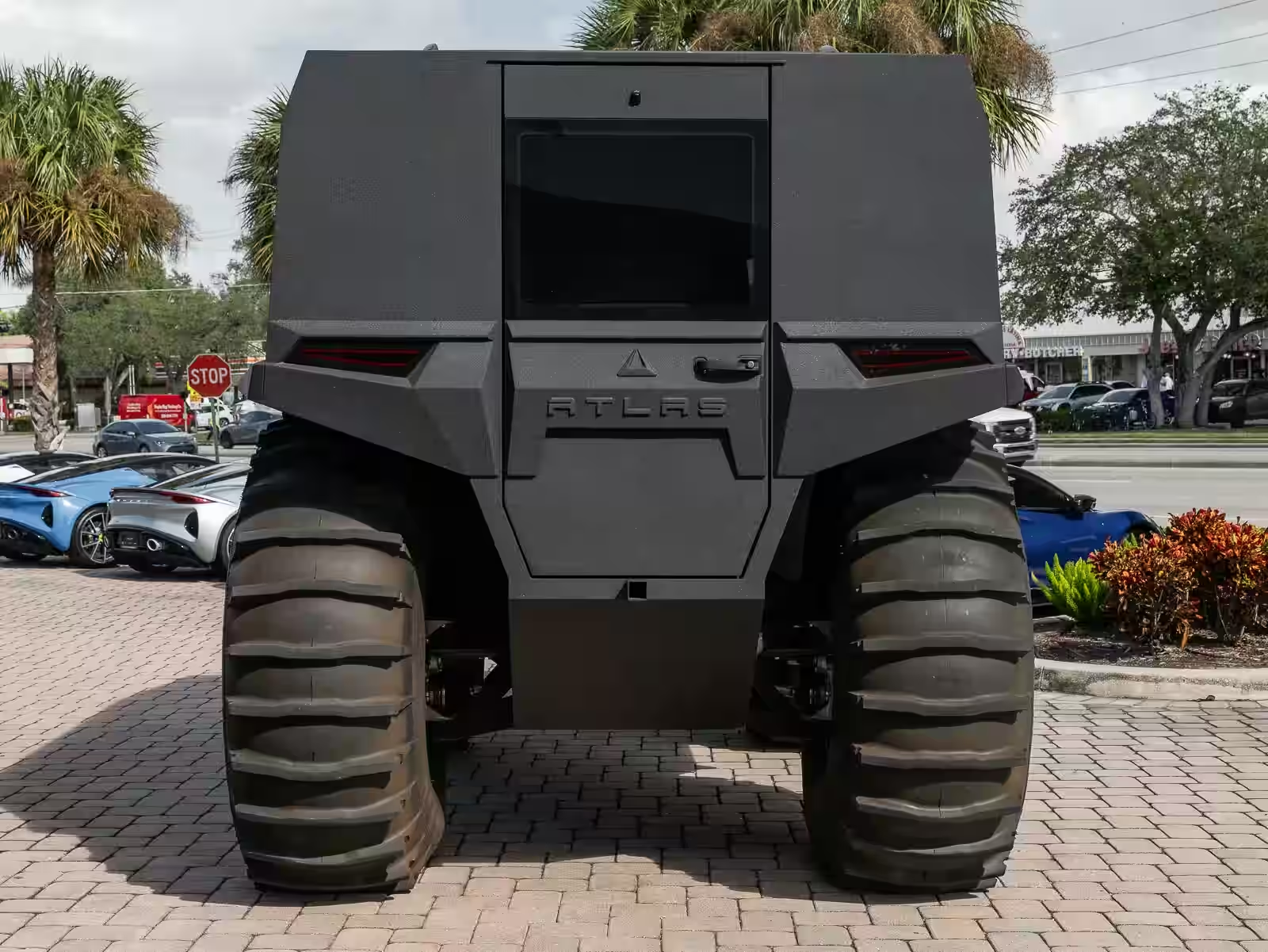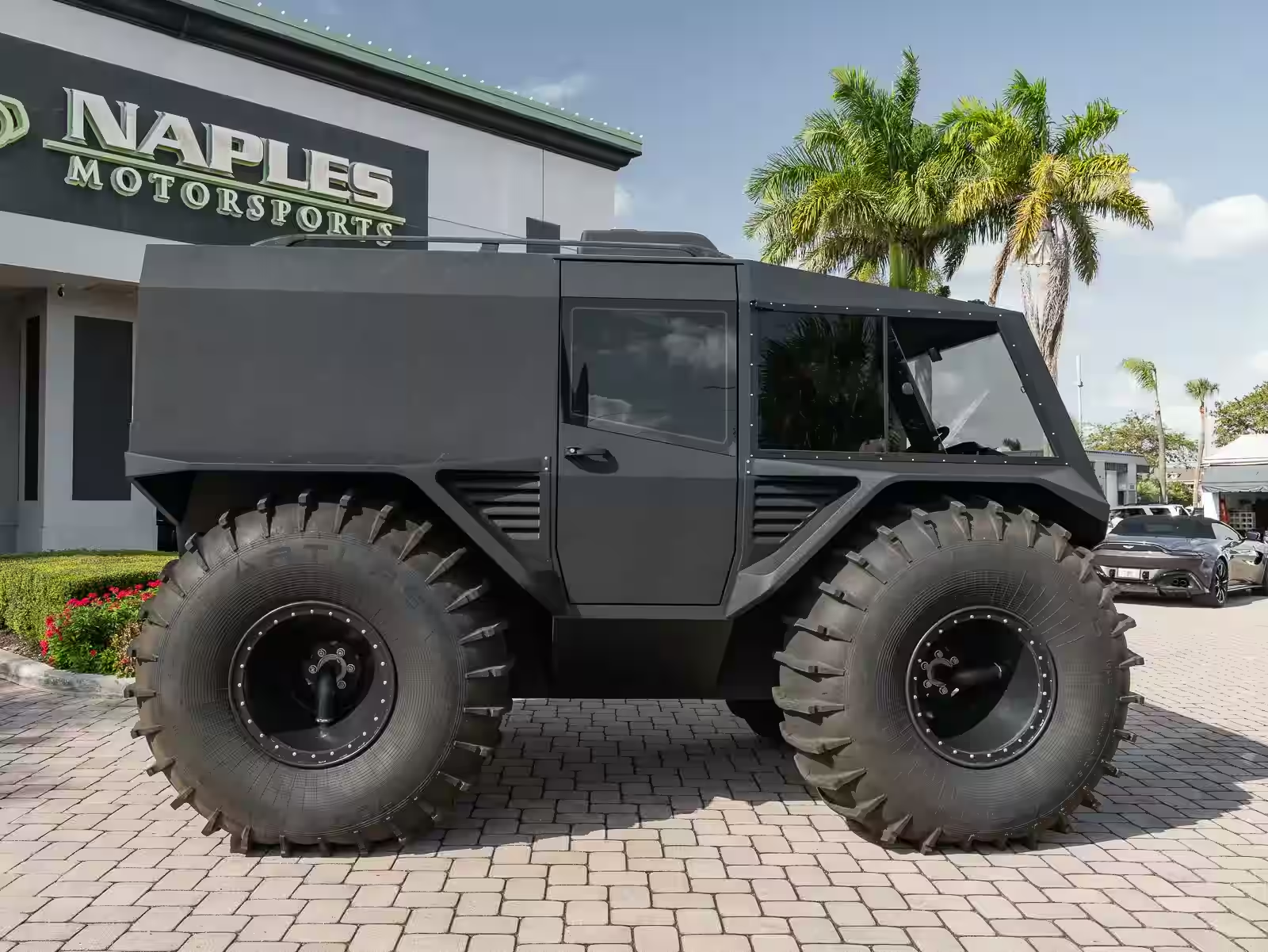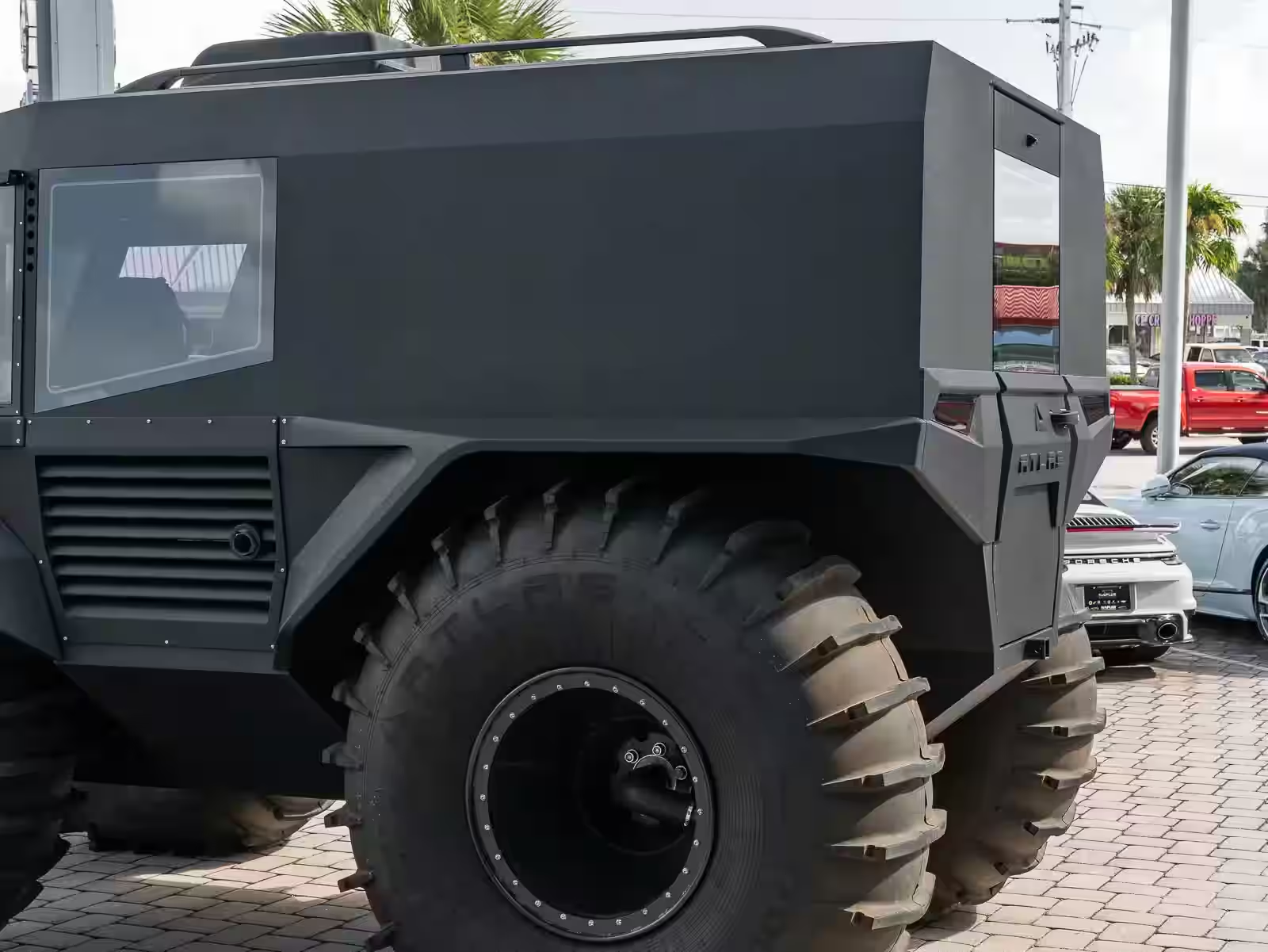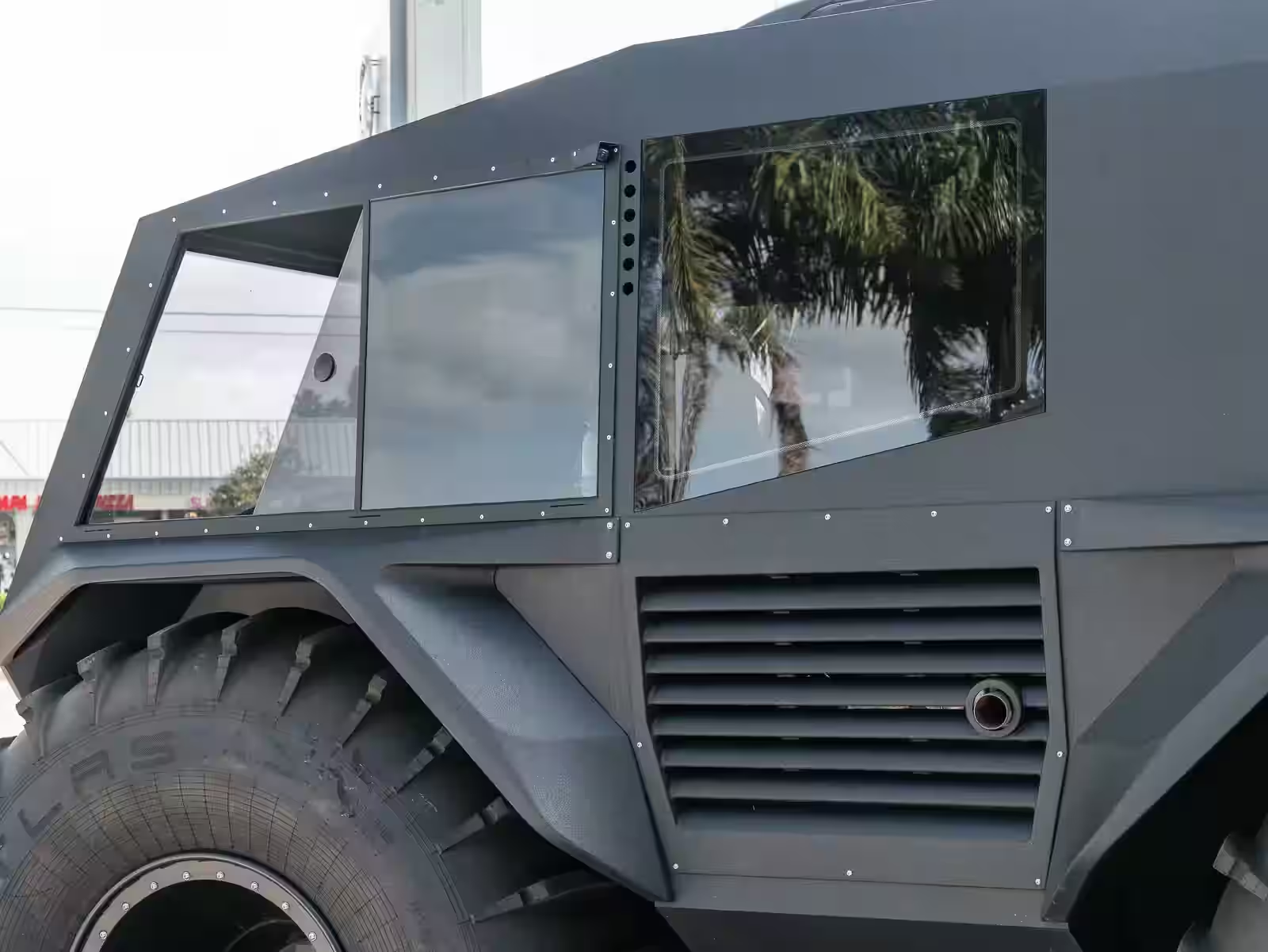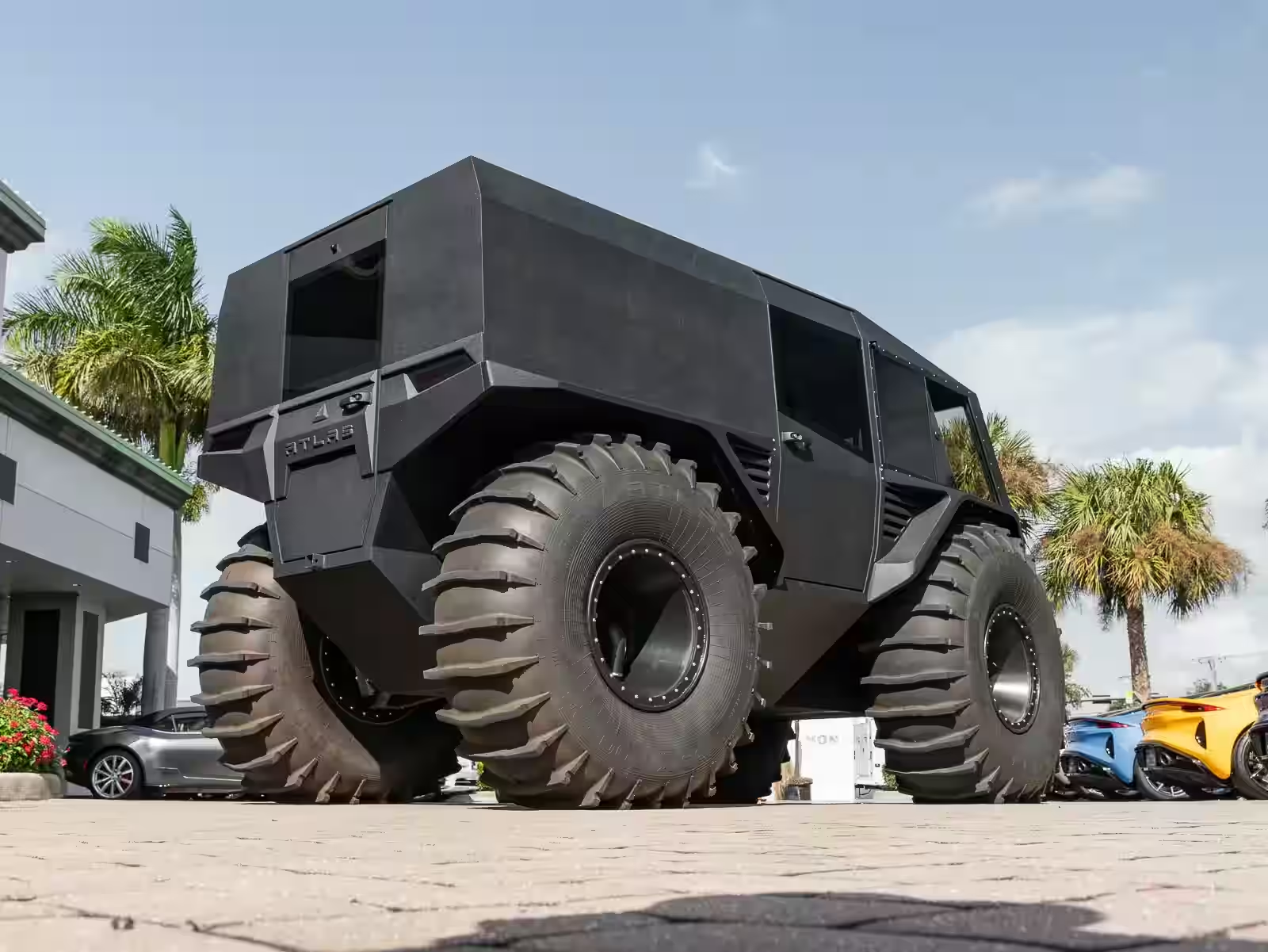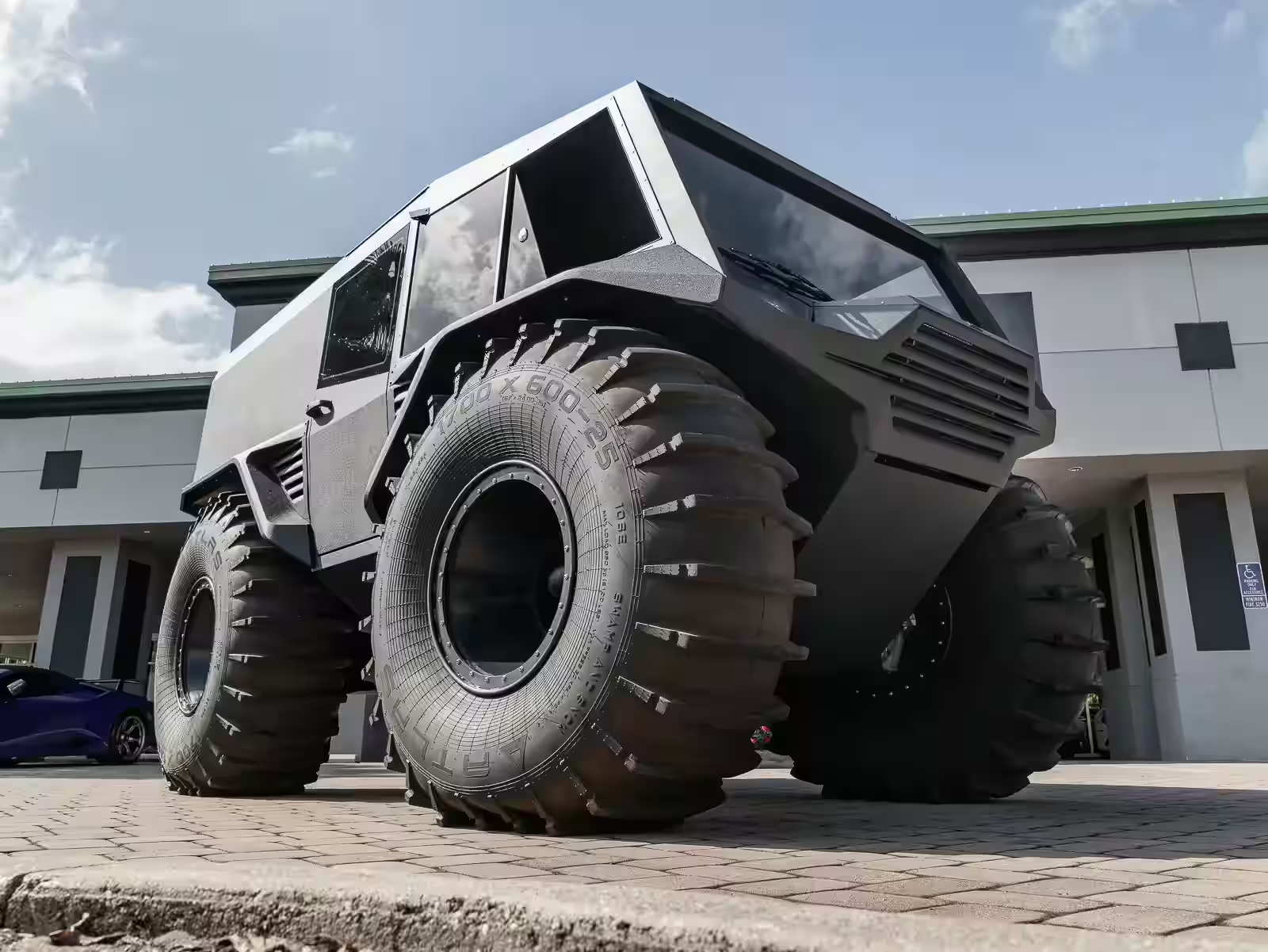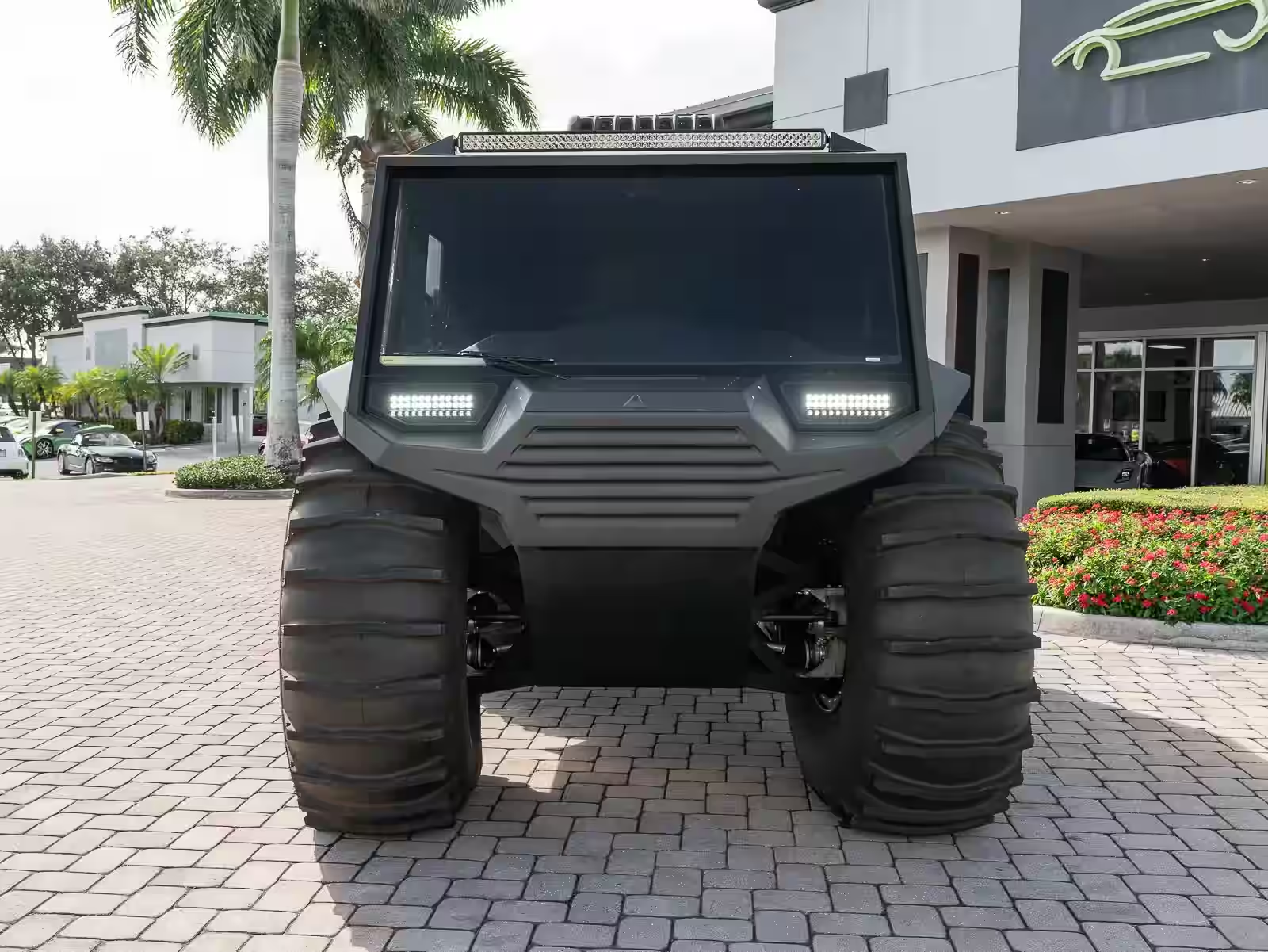
Built to crawl over rocks, float across rivers, and carry six people into terrain most SUVs would never attempt, the Ukrainian-made Atlas looked ready for anything, except a tough auction reserve.
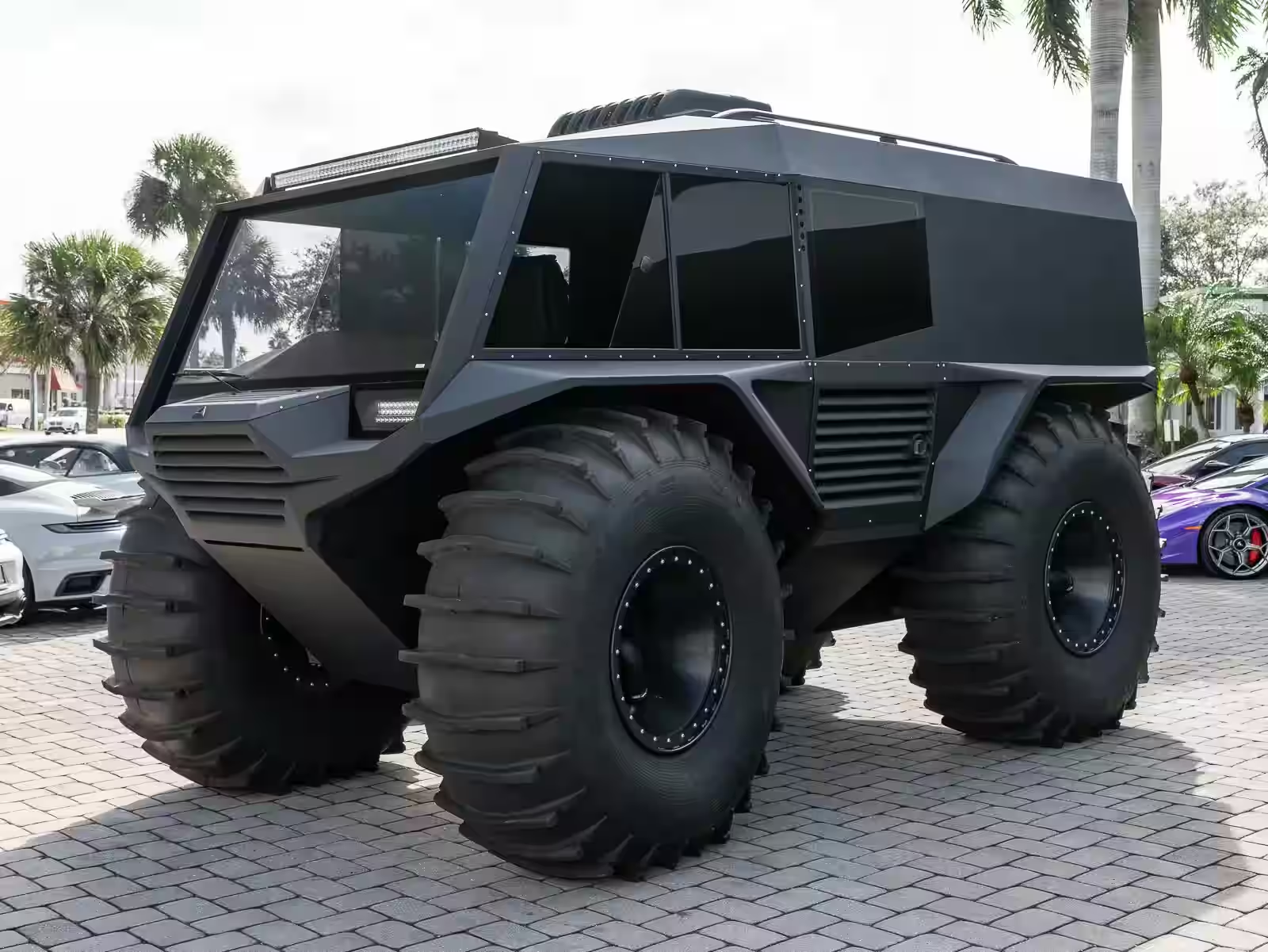
The Atlas amphibious all-terrain vehicle is one of those machines that instantly grabs attention because it seems to ignore the normal limits of automotive design. It is not a conventional SUV, not a side-by-side, and not a military truck either. Instead, it sits in a rare niche occupied by extreme amphibious off-roaders such as the Sherp, promising the ability to drive over mud, boulders, swampy ground, snow, and even water. Yet despite that headline-grabbing capability, a recent Bring a Trailer listing ended without a sale after bidding reportedly stopped at $120,000.
That result says a lot about the strange space this vehicle occupies. The Atlas is fascinating, highly specialized, and visually dramatic, but buyers at this price point tend to ask difficult questions about legality, reliability, serviceability, and long-term value. For enthusiasts who love rugged machines, it lands somewhere between a collector curiosity and a serious expedition tool.
What Makes The Atlas So Different
The Atlas was built in Ukraine in 2024 and later exported to the United States, where it was offered from Florida. Its biggest party trick is simple to describe but hard to execute in the real world: it is fully amphibious. On land, the vehicle can reach about 37 mph or 60 km/h. In water, it can move at roughly 4.3 mph or 7 km/h, with its oversized tires helping provide both flotation and propulsion.
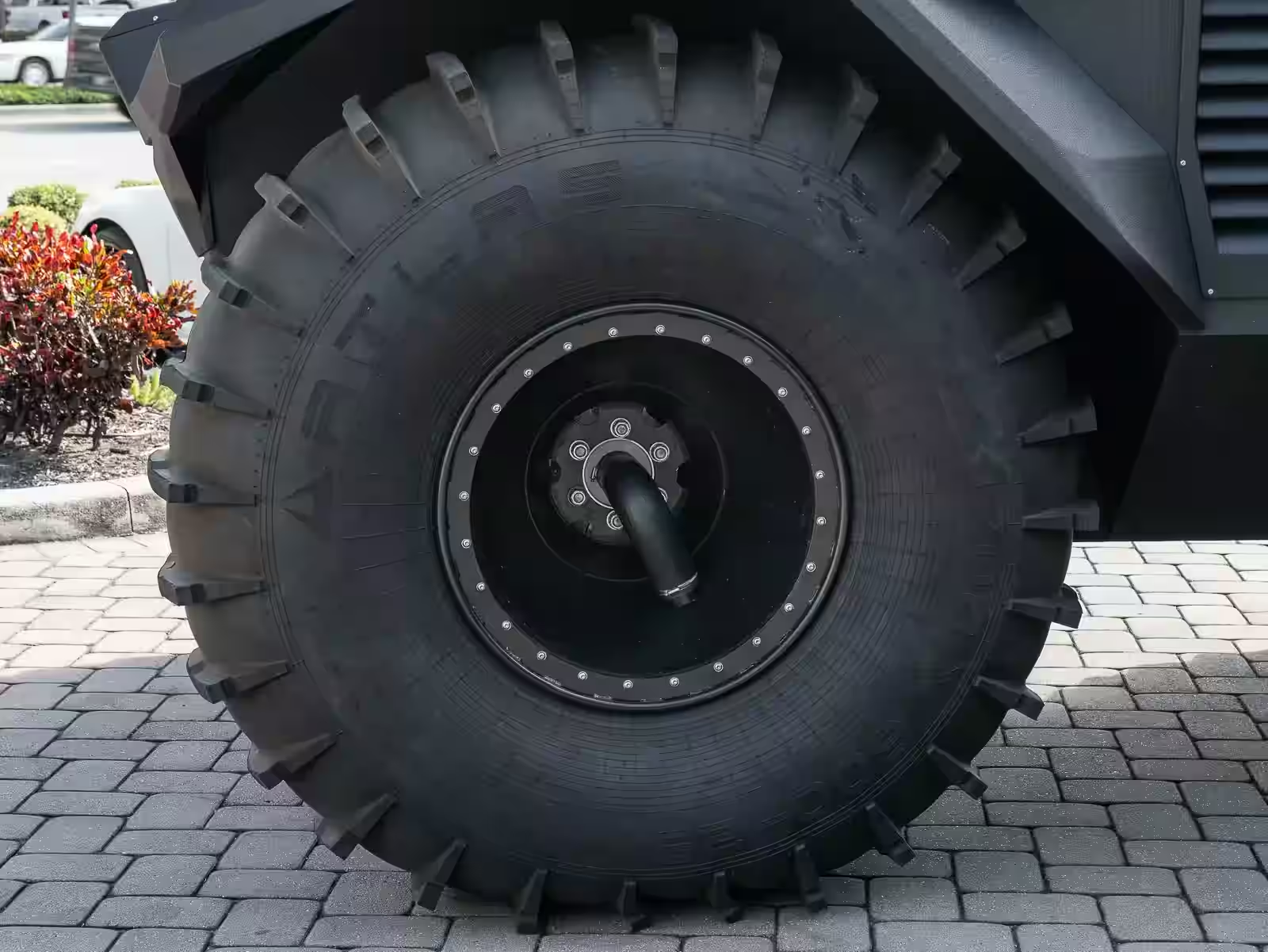
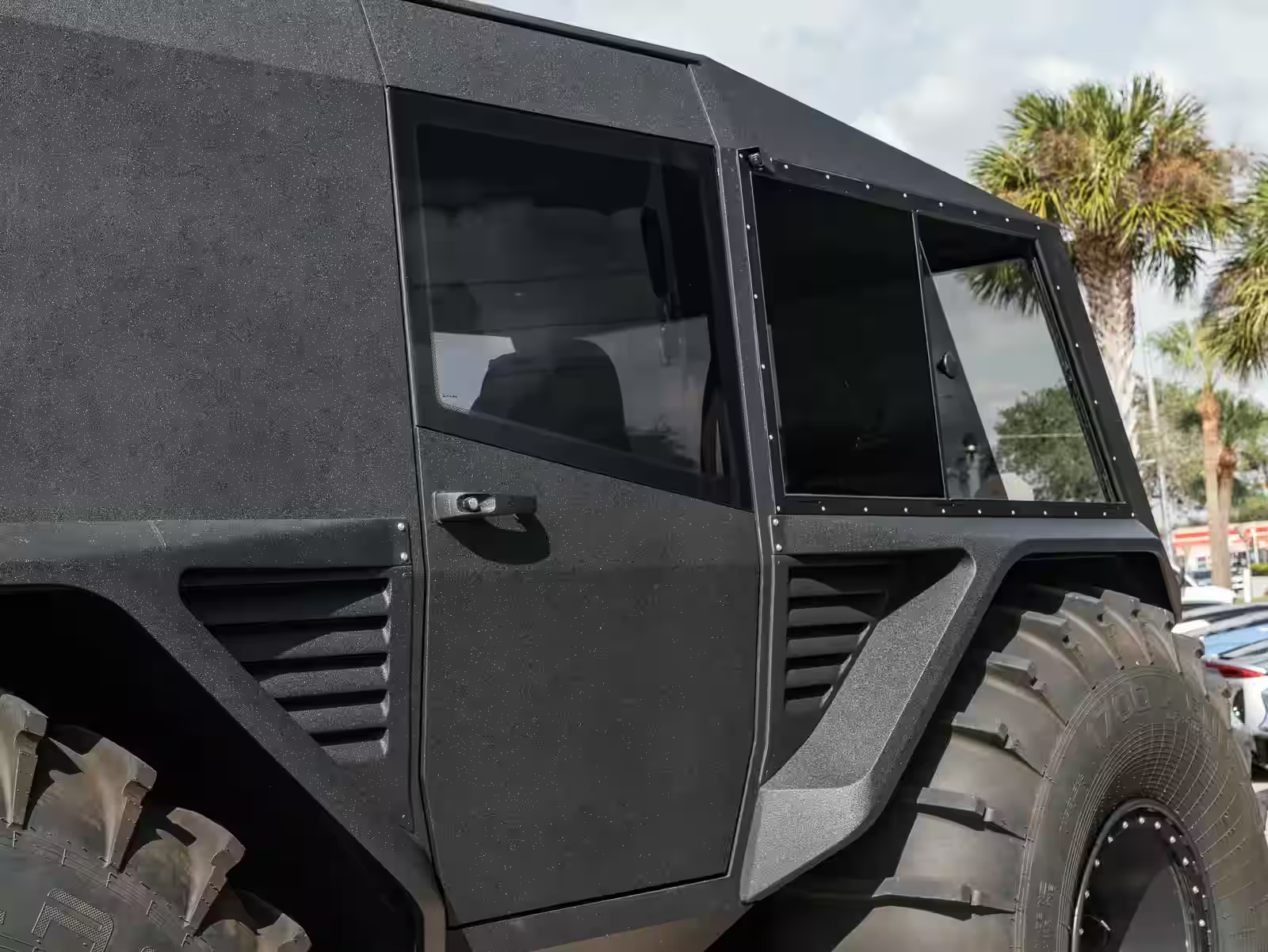
Those huge low-pressure tires are central to the entire concept. Mounted on 25-inch wheels, they give the Atlas its aggressive cartoonish stance, but they are not just for style. They spread the vehicle’s weight over soft surfaces and help it stay afloat. The setup also allows the Atlas to clamber over rough obstacles that would stop most production 4x4s.
Mechanical simplicity appears to be part of the appeal. Power comes from Renault’s well-known 1.5-liter K9K turbodiesel four-cylinder engine, rated here at 90 hp and 220 Nm of torque. That may sound modest, but torque delivery and low-speed control matter more than top-end power in a machine designed for technical terrain. The engine is paired with a five-speed manual transmission, sending power to all four wheels.
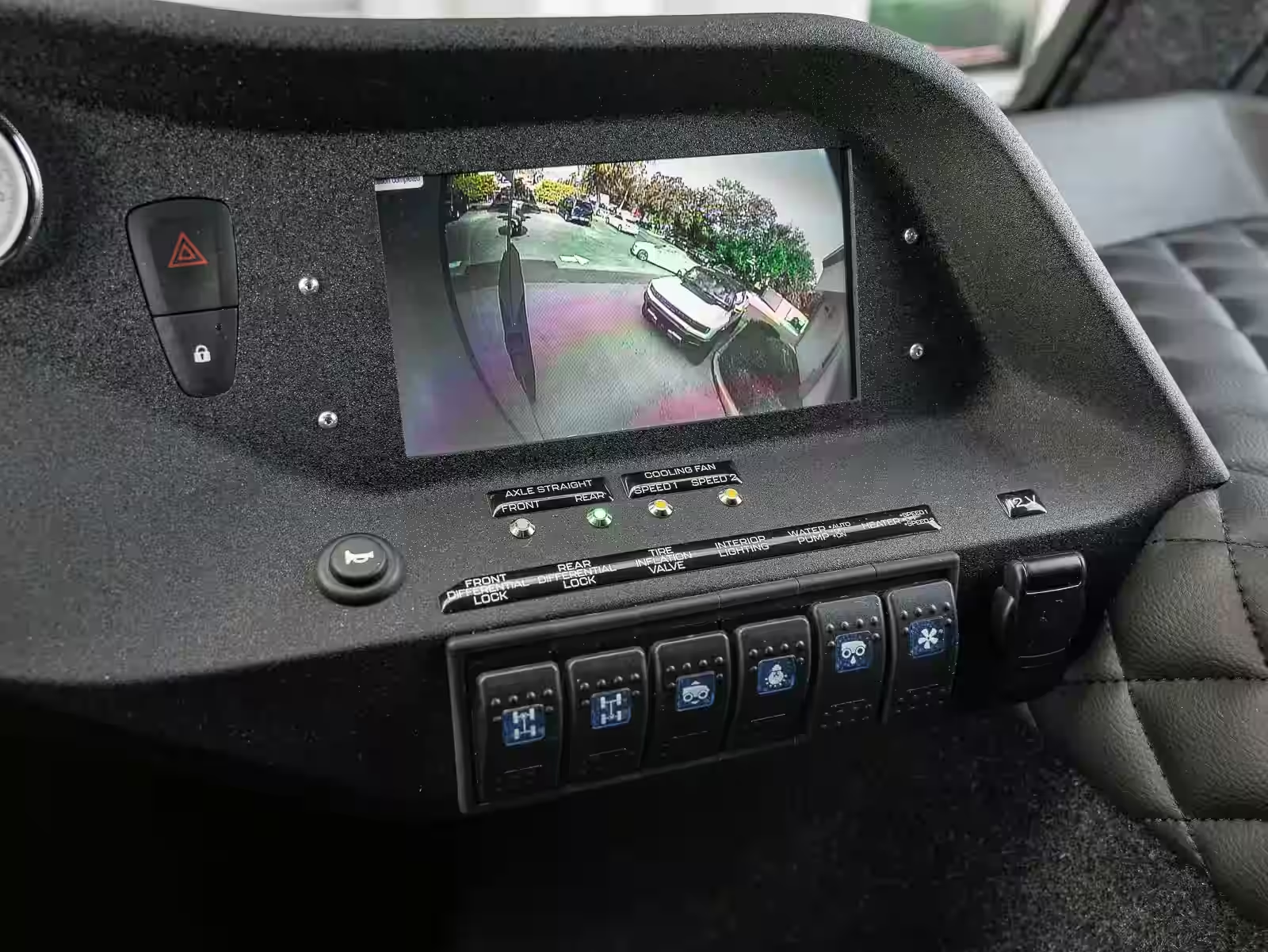
For hardcore off-road use, the Atlas also includes equipment that serious trail drivers will appreciate:
- Locking front differential
- Locking rear differential
- Automatic tire inflation system
- Water pump controls
- 100-liter fuel tank for long-range travel
That combination gives it genuine expedition credibility. In spirit, it is much closer to a purpose-built overland machine than a lifestyle toy. If you are interested in more traditional high-performance off-road hardware, the Ford Ranger Raptor’s sweet spot between Baja madness and daily usability shows just how different the Atlas really is.
The Cabin Is More Practical Than You Might Expect
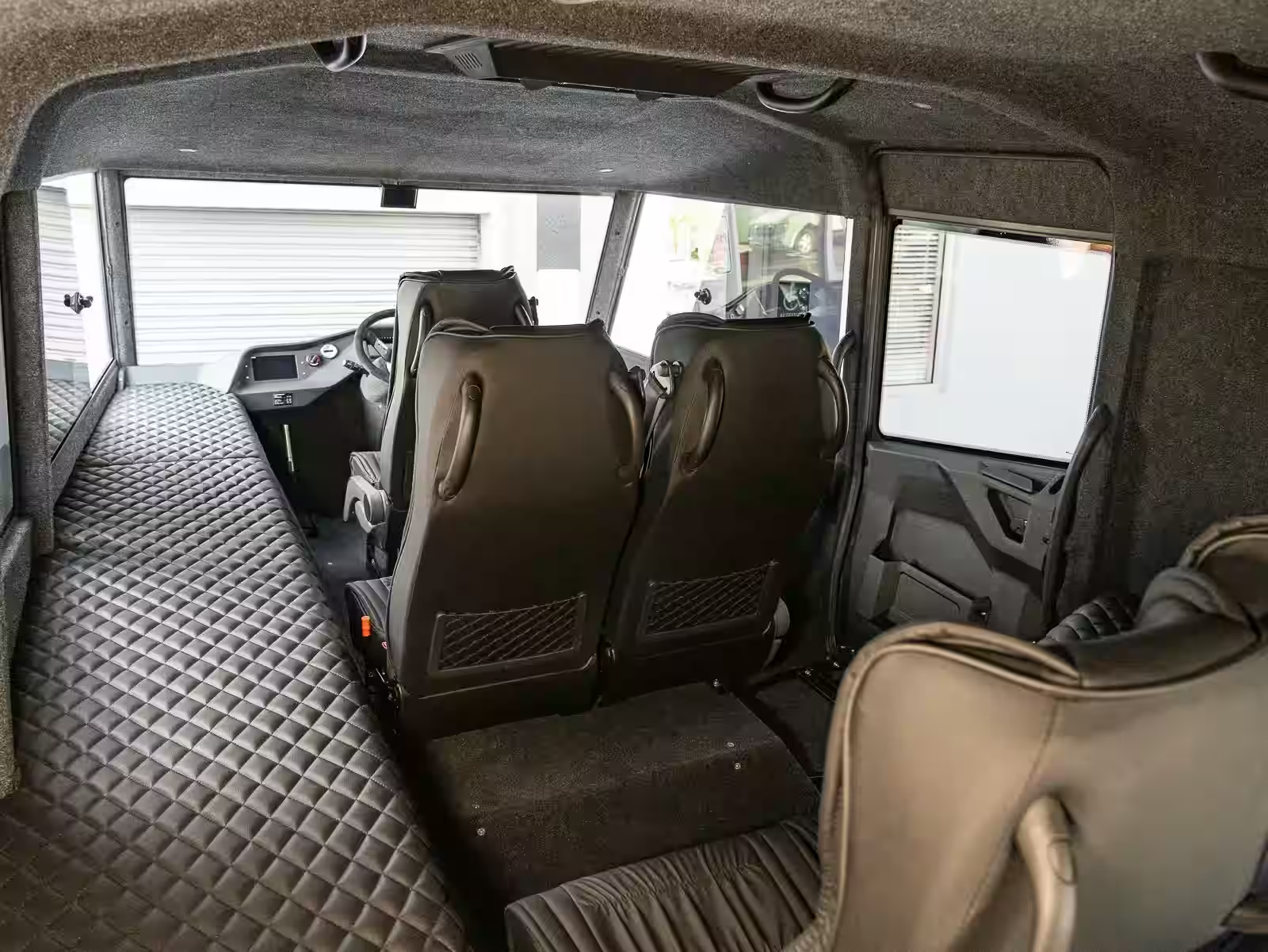
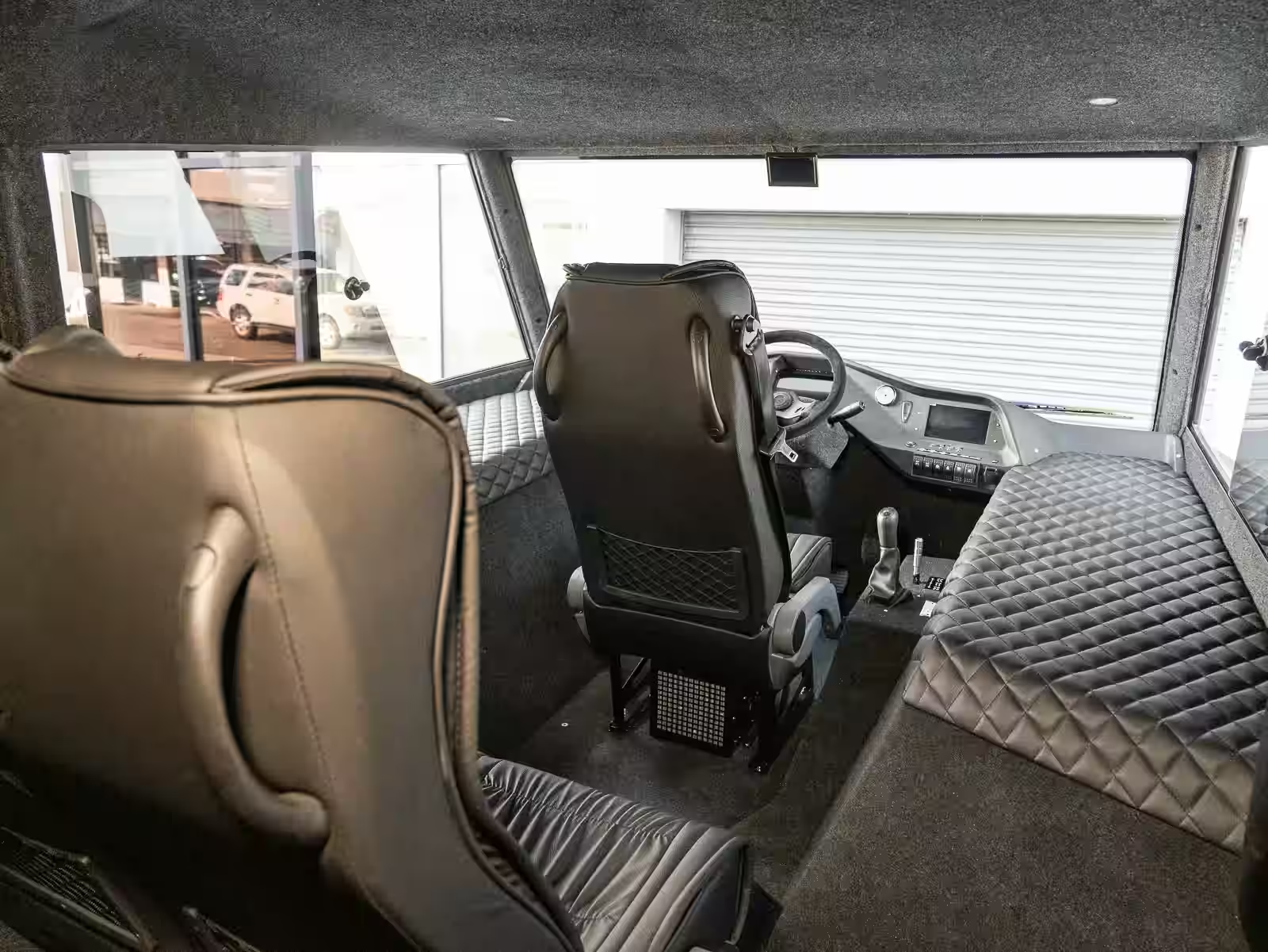
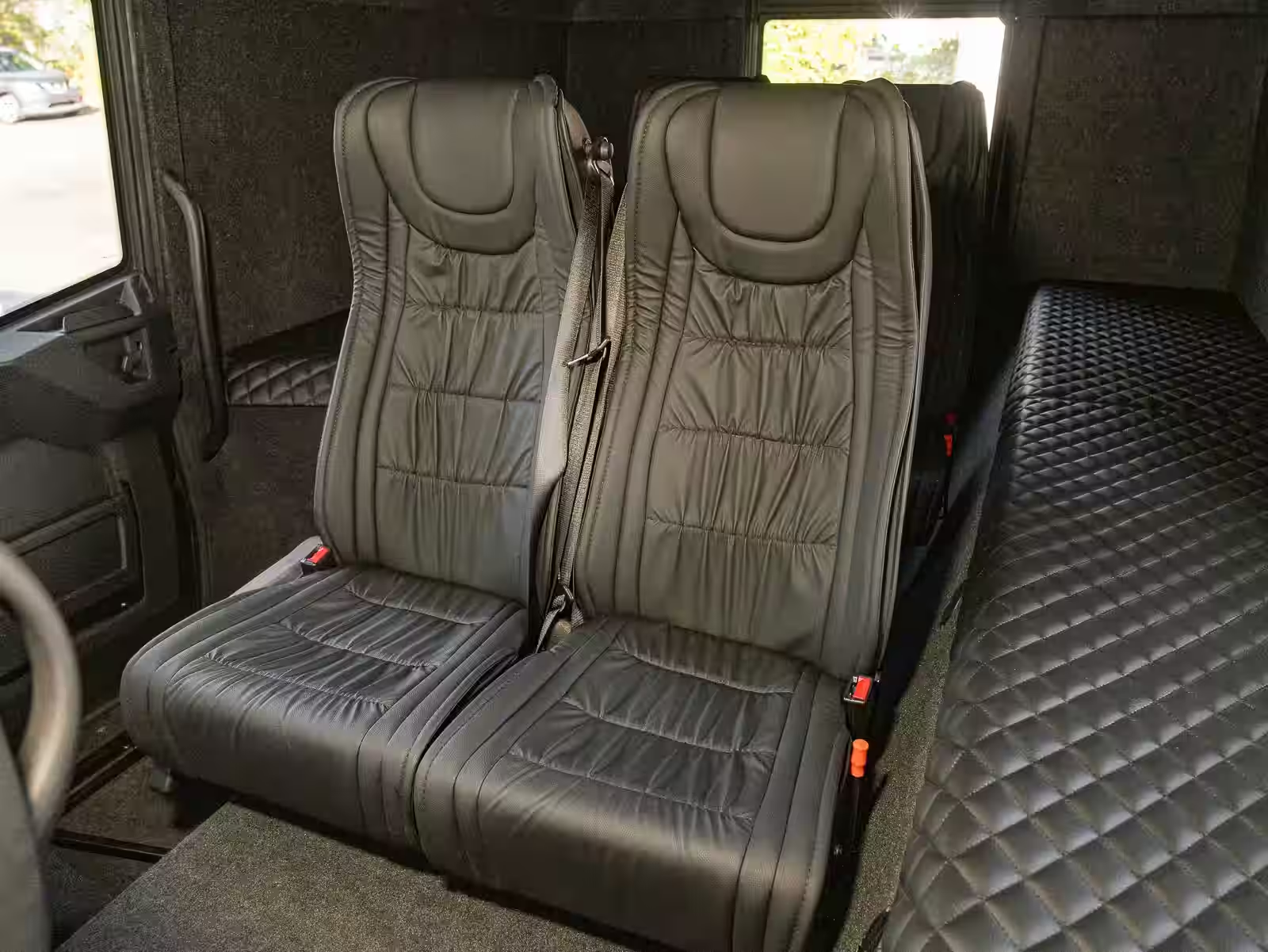
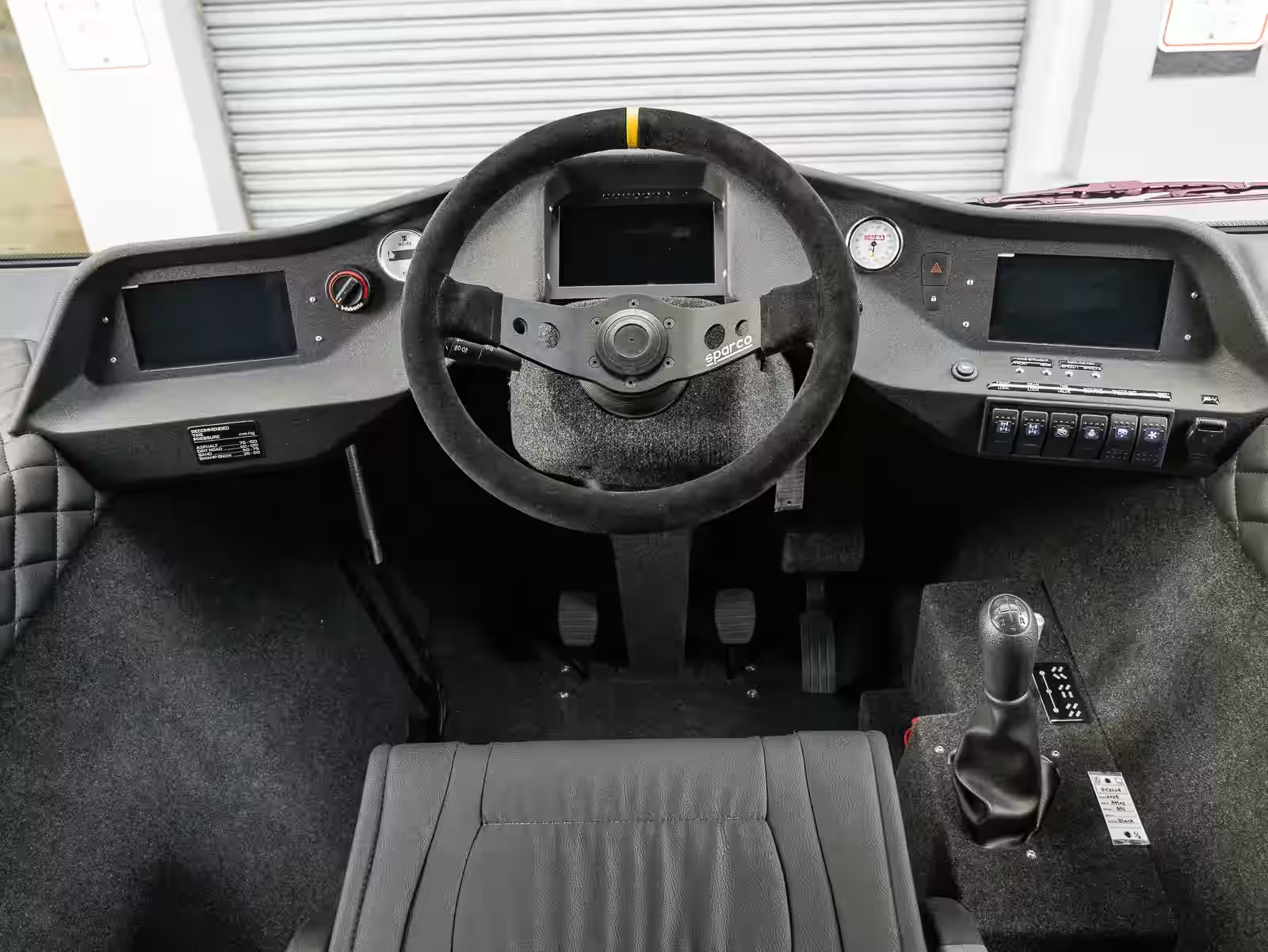
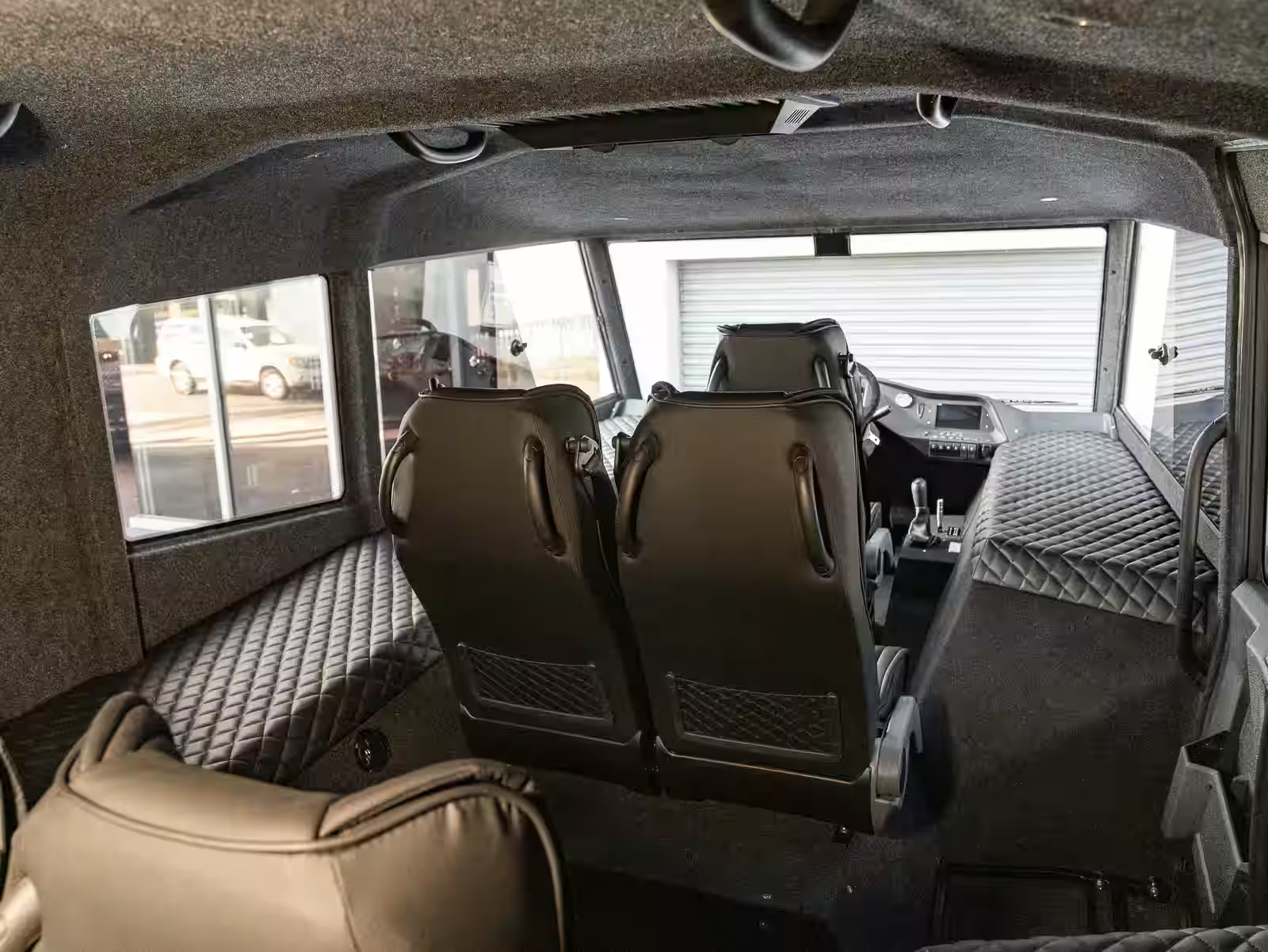
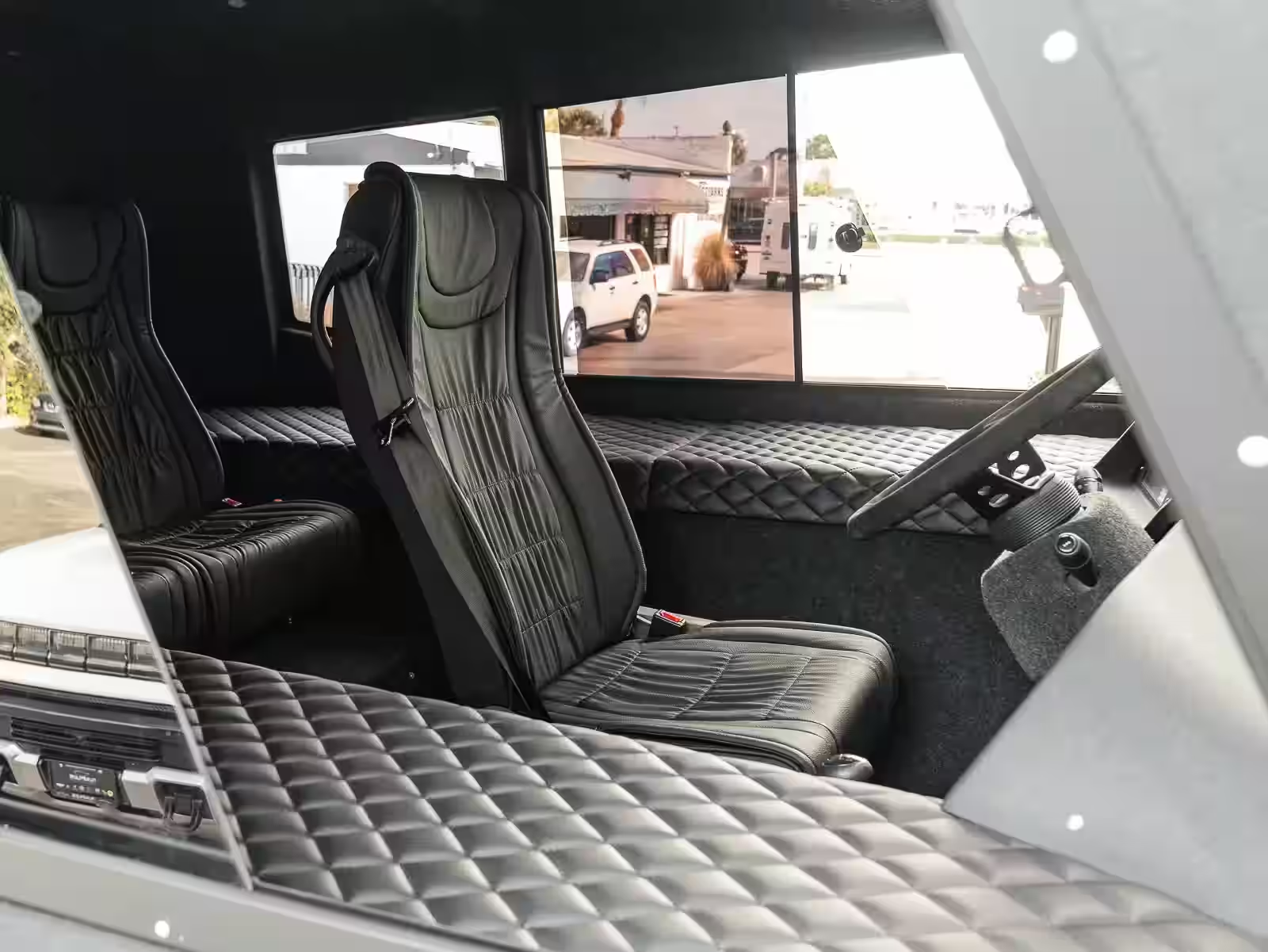
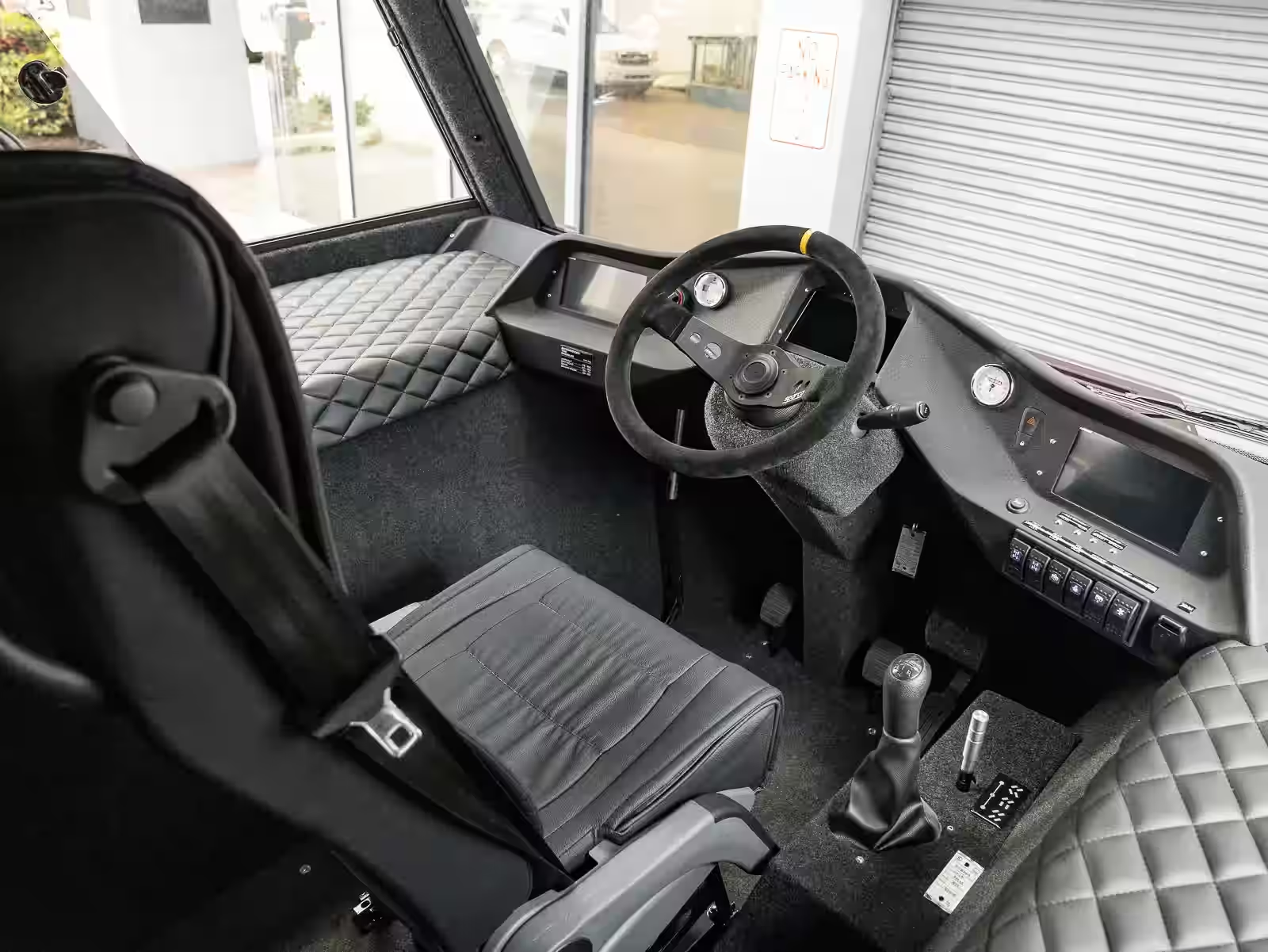
While the outside looks extreme, the cabin layout is actually one of the Atlas’s most interesting features. It offers three rows of seating for six occupants, with a centrally mounted driver’s seat that reinforces the vehicle’s utilitarian mission. Bench seating and exposed controls make it feel more like specialized equipment than a polished luxury product.
That interior packaging matters because the Atlas is clearly meant to carry people and gear into places where normal vehicles struggle. It is less about speed and more about access. In that sense, it shares the same terrain-first mindset seen in machines designed for genuinely hostile routes. The philosophy is not far removed from what makes the Jeep Wrangler Rubicon such a benchmark for old-school off-road engineering, even if the Atlas takes the formula far beyond what any road-legal SUV can do.
There is, however, an important catch. The Atlas is not road-legal in the United States. For many buyers, that instantly narrows the use case. A six-seat amphibious ATV may sound thrilling, but if it cannot legally drive on public roads, ownership becomes much more complicated. It turns into a transport-and-trailer machine, something you use on private land, specialized events, or remote recreational sites.
Why A $120,000 Bid Was Not Enough
At first glance, it might seem surprising that such a rare and capable vehicle failed to meet reserve at $120,000. But when you break the market down, the result makes sense.
First, the Atlas comes from a little-known manufacturer. In niche vehicles, brand trust matters almost as much as capability. Buyers spending six figures want reassurance about parts, technical support, service documentation, and resale value. A Renault K9K diesel may be widely used globally, but the vehicle wrapped around it is still something of an unknown quantity.
Second, vehicles like this can be difficult to price because they do not fit neatly into any one category. They are not collectible classics, not road-registered exotics, and not mainstream utility vehicles. They sit in a narrow enthusiast market where demand is real but limited.
Third, buyers may compare the Atlas not only with amphibious rivals but also with other high-dollar adventure machines. For the price of this unsold example, some would rather buy a highly modified overland truck, a premium side-by-side, or a road-legal off-roader plus a dedicated trailer setup. Even rugged two-wheel alternatives, like the Royal Enfield Himalayan built for the world’s toughest terrain, highlight how broad the adventure market has become.
The Atlas may be able to conquer rivers and rocks, but the real obstacle was always going to be buyer confidence at a six-figure price.
To put its appeal into perspective, here is how the Atlas stacks up in key areas:
| Specification | ATLAS |
|---|---|
| Origin | Ukraine |
| Build Year | 2024 |
| Engine | 1.5-liter Renault K9K turbodiesel |
| Power | 90 hp |
| Torque | 220 Nm |
| Transmission | 5-speed manual |
| Seating | 6 occupants |
| Top Speed on Land | 37 mph |
| Speed on Water | 4.3 mph |
| Fuel Tank | 100 liters |
There is also a broader lesson here about online auctions. Rare machines often generate huge attention, but attention does not always convert into completed sales. Enthusiasts love spectacle, especially when a vehicle looks ready for an apocalypse scenario, but actual bidders become more conservative when the reserve climbs. That same tension between hype, engineering, and market reality is part of why unusual vehicle stories travel so well online, whether it is a giant amphibious crawler or something more conventional with cult appeal like the Hyundai Boulder aiming straight at Bronco territory.
For now, the Atlas remains one of the wildest off-road auction stories of the year. It has the hardware, the visual drama, and the niche utility to become a cult favorite. But until a buyer decides that its river-crossing, rock-climbing, six-seat formula is worth the asking money, this amphibious beast will remain a reminder that capability alone does not always close the deal.