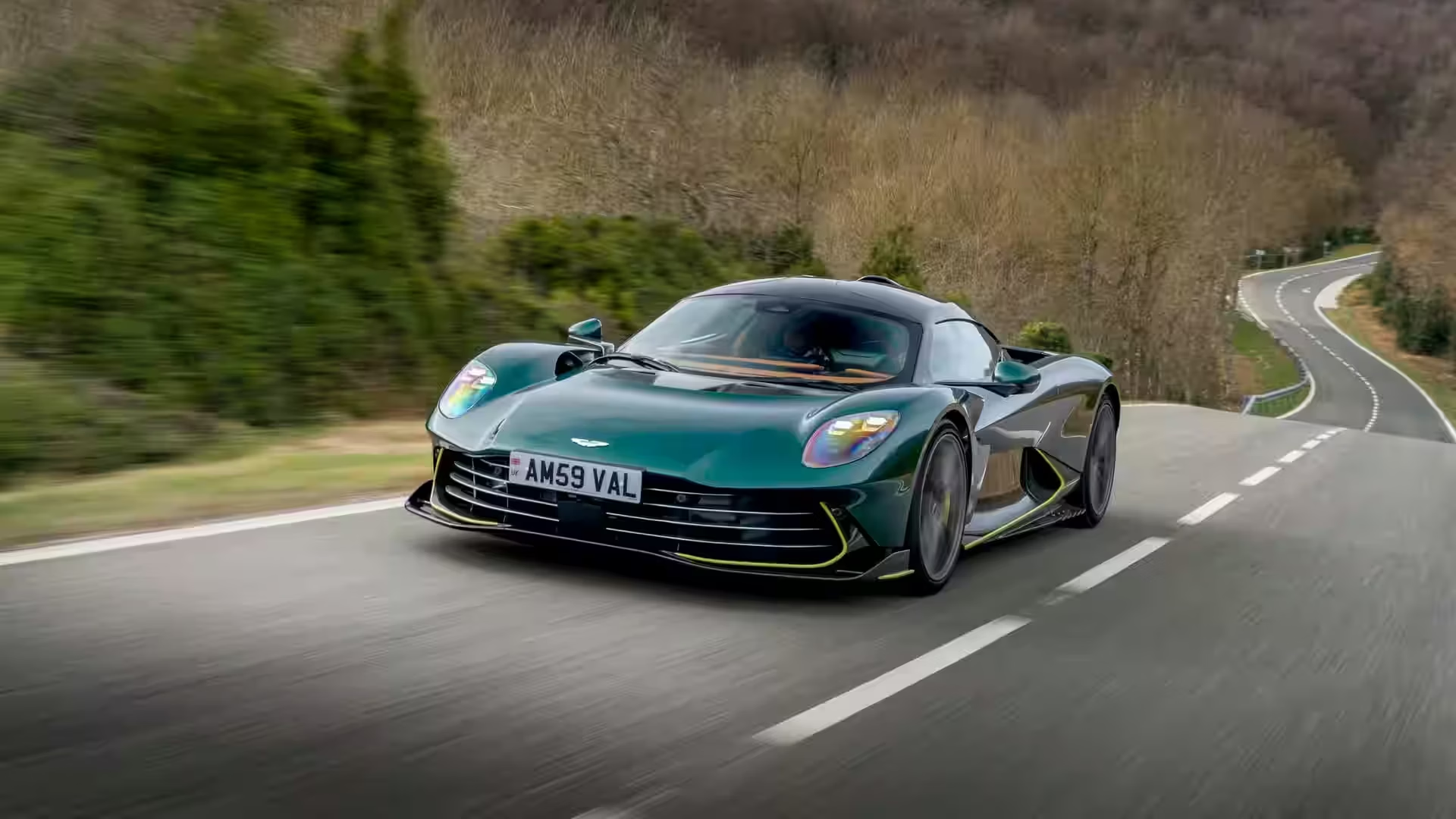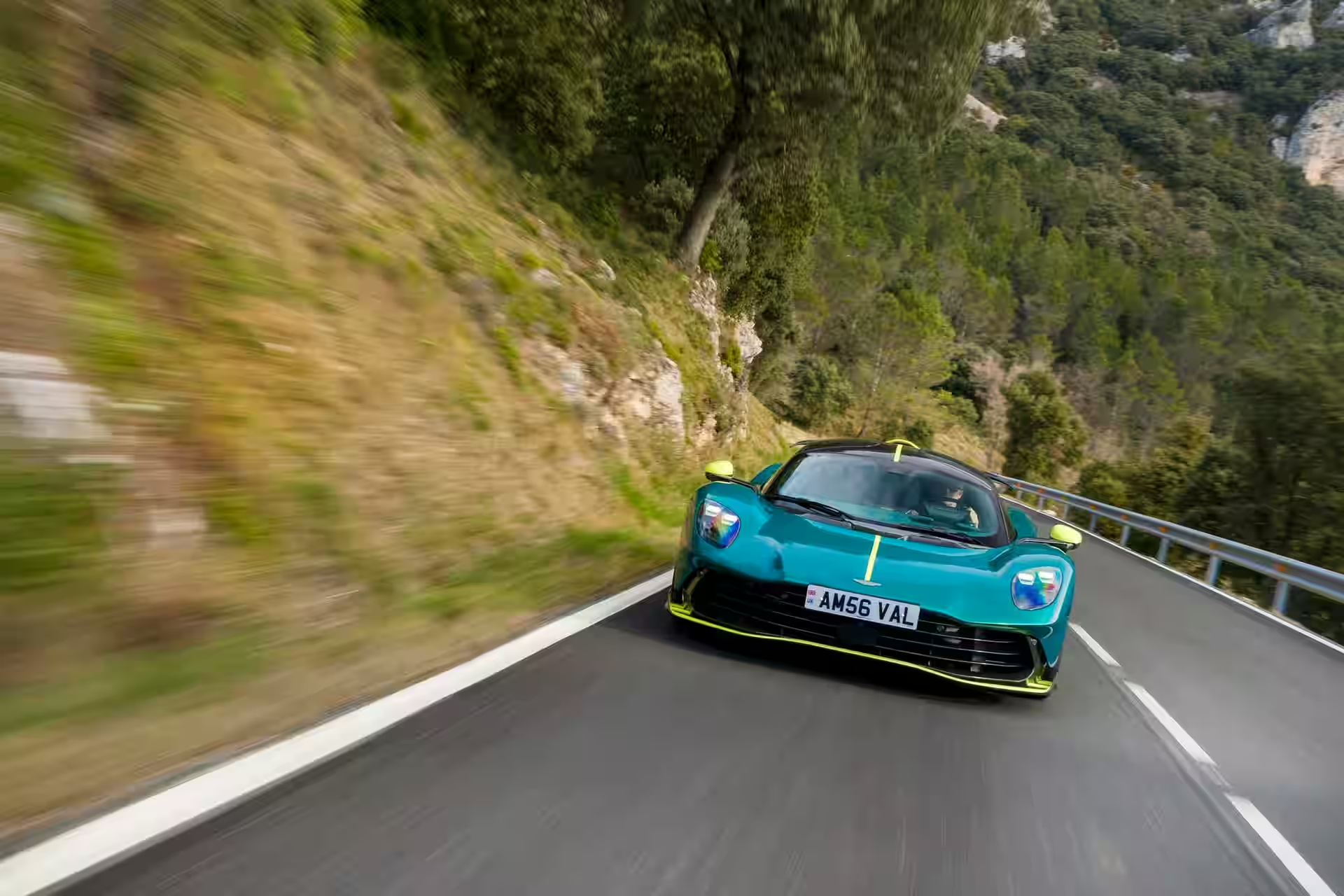
With 1064 hp, the ASTON MARTIN VALHALLA redefines hybrid speed without losing its mechanical soul. Discover the details of this $1M monster.
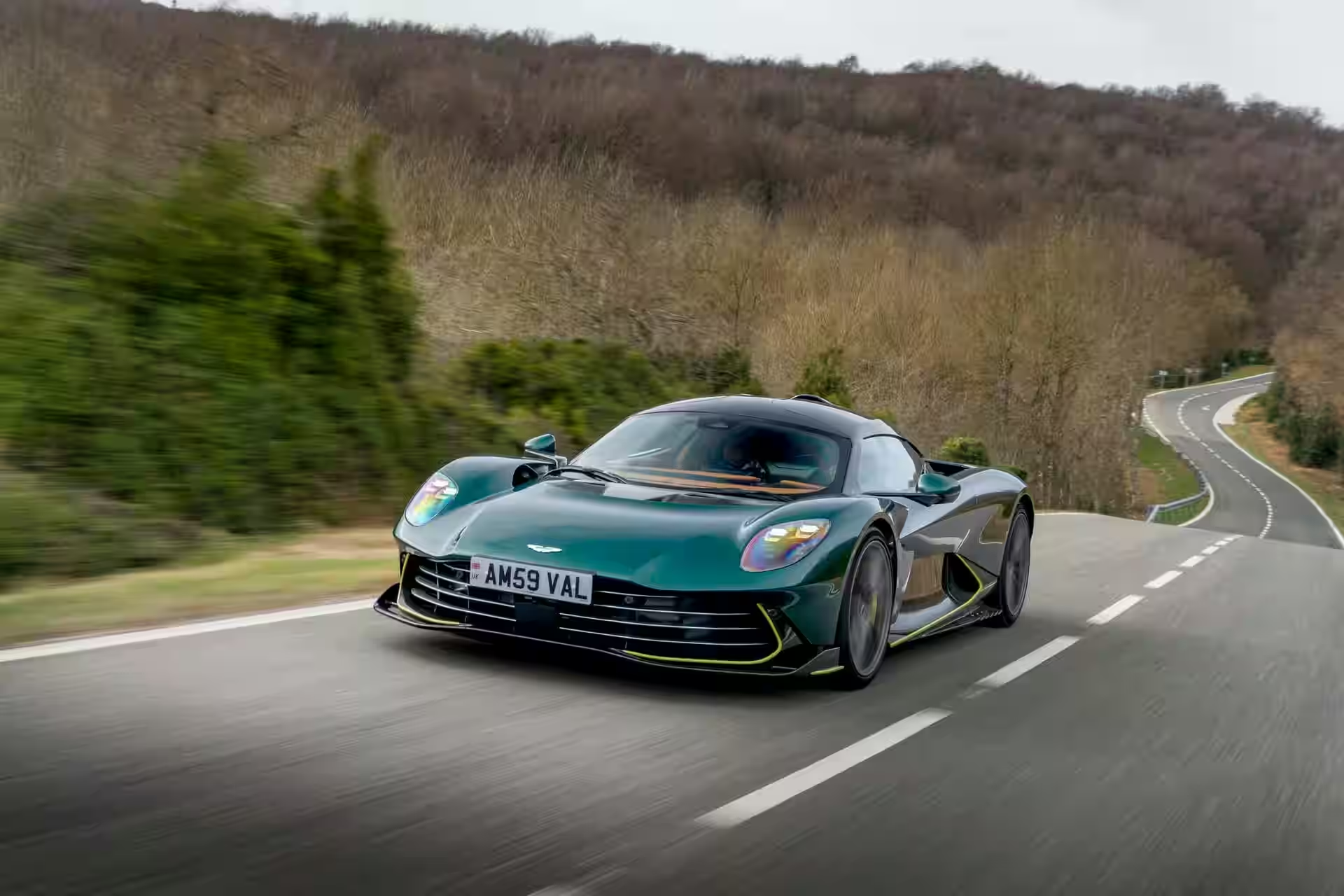
The 2026 Aston Martin Valhalla arrives with numbers that sound almost absurd, yet its biggest trick is not speed alone. It is how this 1064-hp hybrid hypercar manages to feel alive, usable, and genuinely engaging instead of turning the driver into a passenger of pure software.
A Hypercar Built To Attack Ferrari, McLaren, And Lamborghini On Different Terms
The 2026 Aston Martin Valhalla enters one of the most brutal battlegrounds in the automotive world. This is the arena where every tenth of a second matters, every airflow channel has a purpose, and every rival claims motorsport DNA. On paper, the Valhalla has the credentials to fight anyone.
- Combined output: 1064 hp
- Combined torque: 811 lb-ft
- Top speed: 217 mph
- 0-60 mph: estimated 2.1 seconds
- Quarter mile: estimated 9.5 seconds
- Battery: 6-kWh lithium-ion pack
- Production: 999 units
- Base price: US$1,051,700
Those headline figures place the Valhalla directly into the conversation with the most advanced road-legal machines on earth. But reducing this car to acceleration data misses the point. Aston Martin did not simply build a rolling specification sheet. It built a machine that tries to preserve something many modern hypercars quietly lose once engineering complexity takes over.
That missing ingredient is feel.
There are quicker ways to shock a driver. There are louder ways to signal intent. There are even more outrageous designs aimed at social media virality. Yet the Valhalla’s identity is centered on something harder to fake: natural communication between the car and the human behind the wheel.
That matters because the segment is shifting. Hybridization, active aero, torque vectoring, brake-by-wire systems, software-managed damping, and multi-motor power delivery can create astonishing speed, but they can also produce a digital layer between the driver and the road. Aston Martin appears to have recognized that danger early.
Instead of making the Valhalla feel like an engineering thesis with a steering wheel, the brand shaped it into a hypercar that flows. In that sense, it sits in a fascinating middle ground between old-school mechanical theater and the electrified future. If you have been watching the rise of extreme hybrid exotics such as the Lamborghini Revuelto Novitec with more than 1,048 hp, the Valhalla shows a different philosophy. It is less about domination through spectacle and more about domination through coherence.
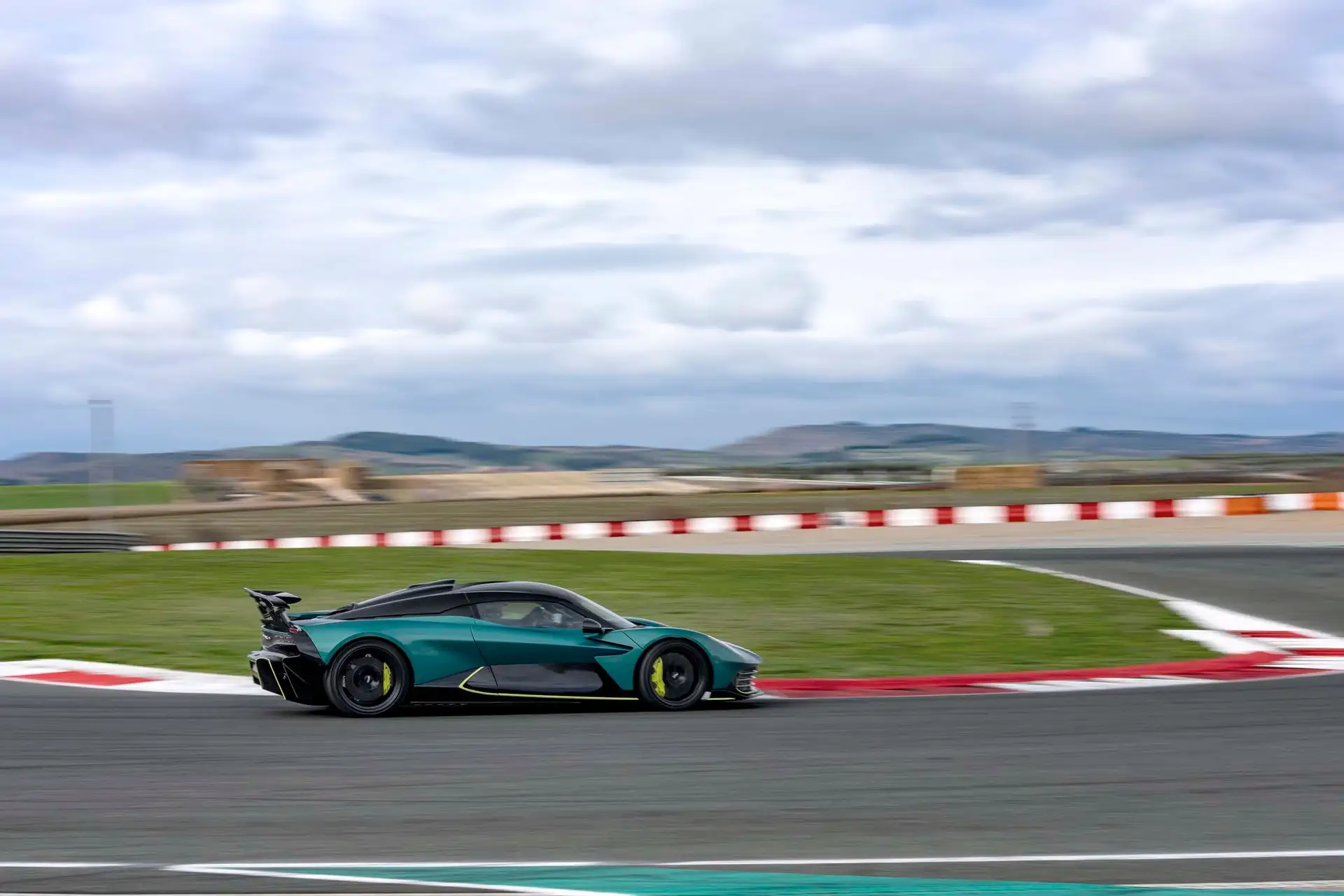
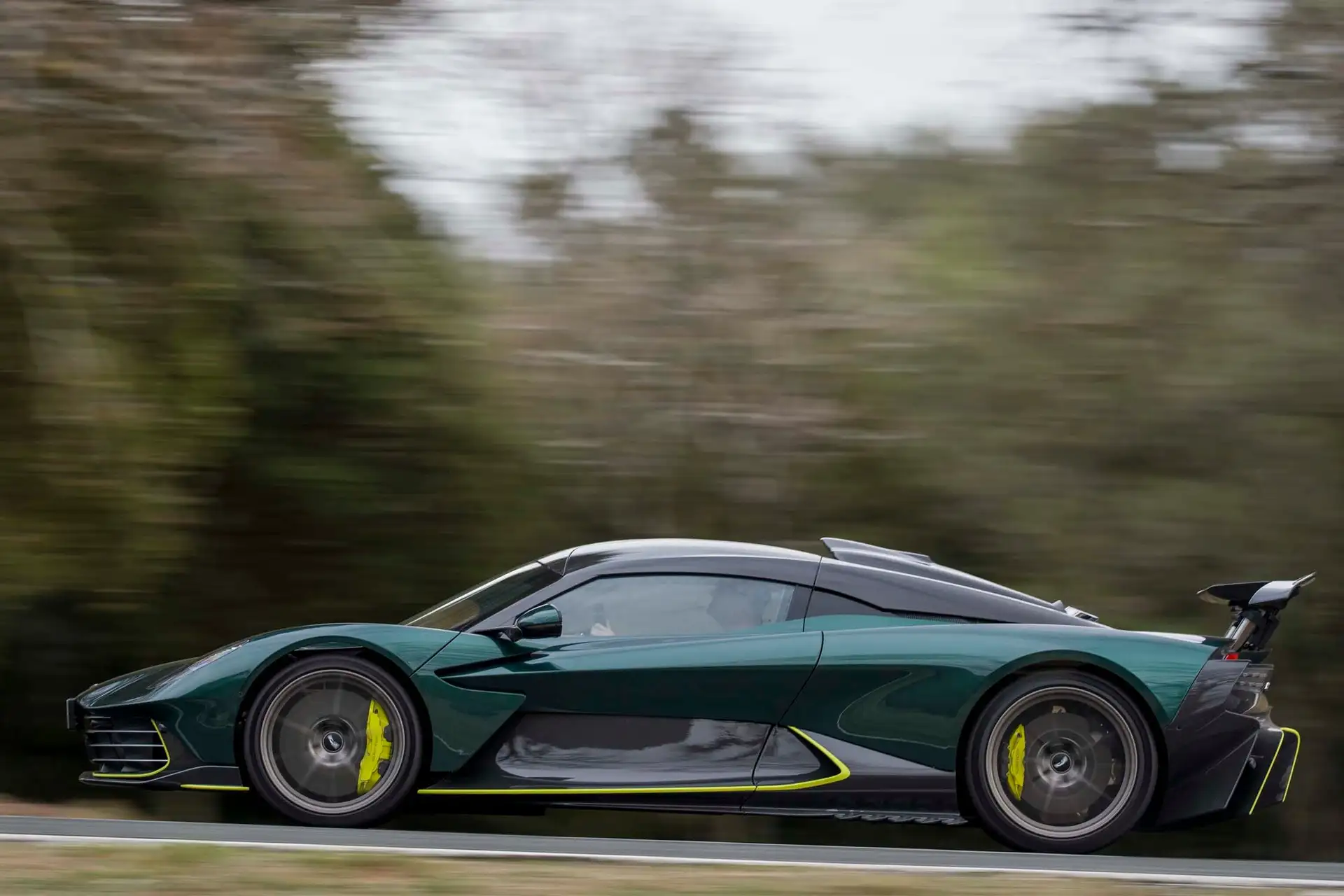
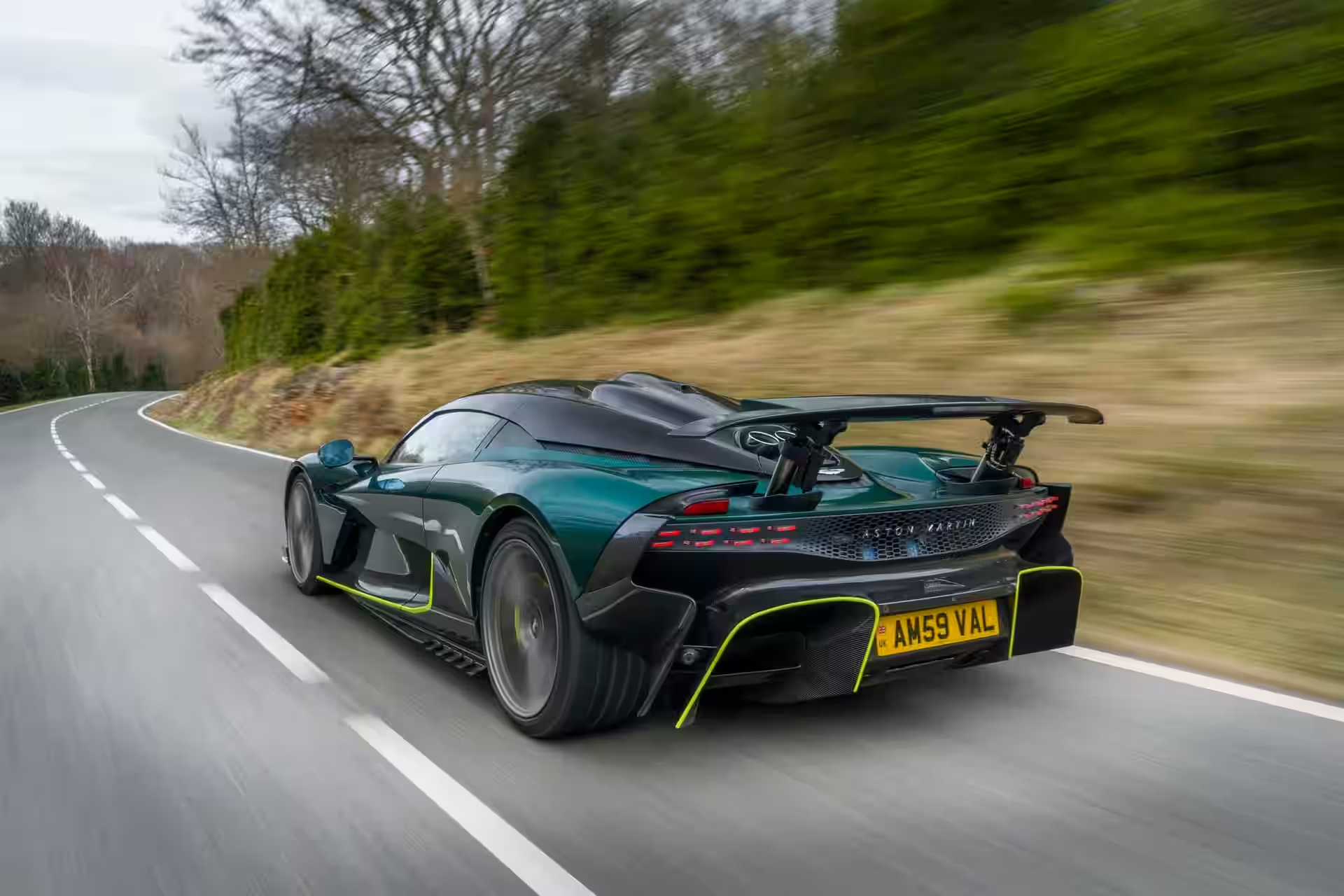
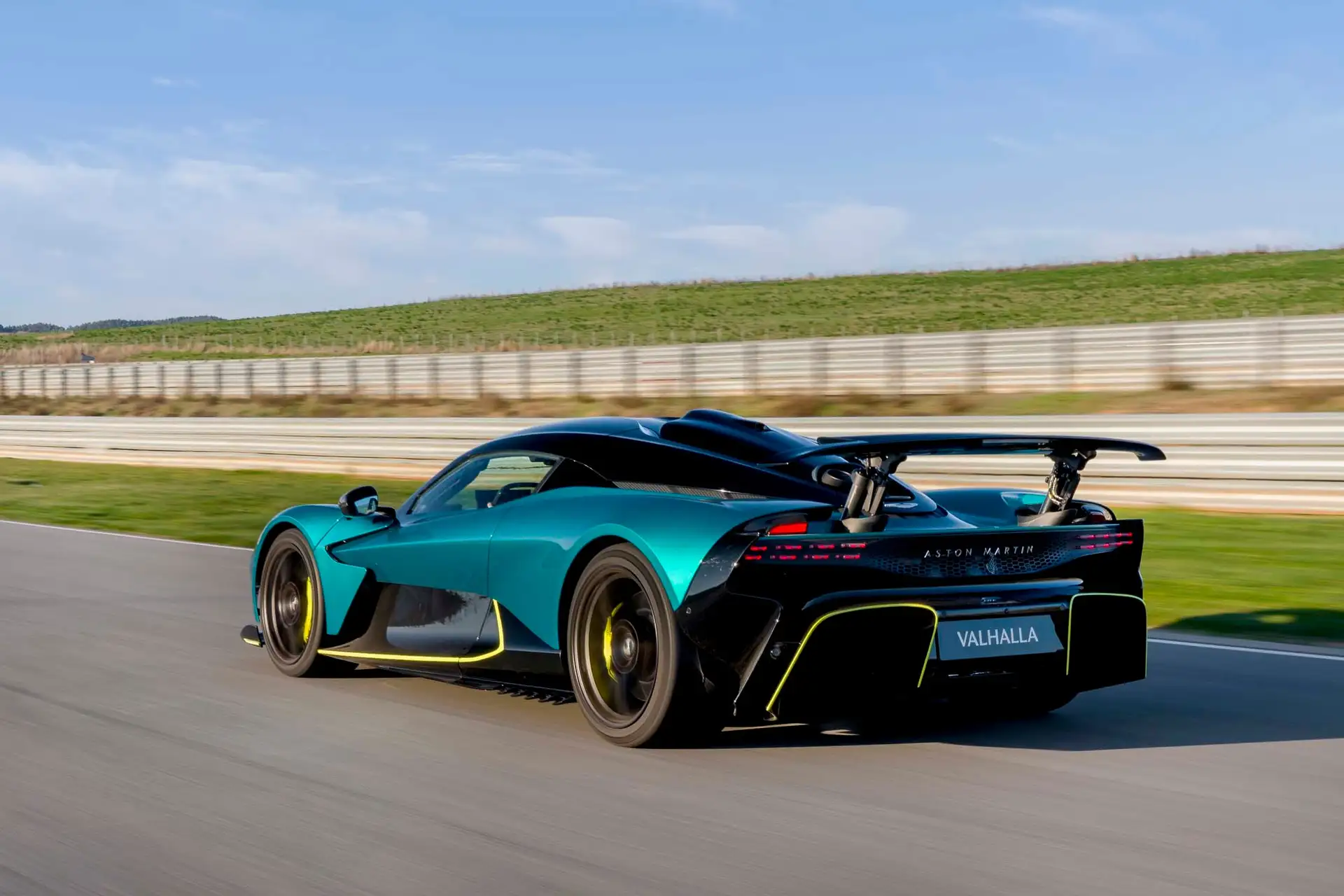
The proportions make the mission obvious. This is a mid-engine two-seater wrapped around a carbon-fiber structure, with aerodynamic channels and a cockpit that looks heavily informed by endurance racing and Formula 1 packaging. Its silhouette is low, cab-forward, and tightly drawn, but not as visually chaotic as some rivals. There is aggression here, yes, though it is delivered with Aston Martin’s usual sense of proportion.
That restraint is useful in SEO terms because many readers search for “Aston Martin Valhalla specs,” “Aston Martin Valhalla horsepower,” “Aston Martin Valhalla top speed,” and “Aston Martin Valhalla price,” but the real story goes deeper than any one of those queries. This car is important because it reveals where the hypercar market is going next: not merely faster, but smarter about balancing brutality with usability.
The Powertrain Is Wild, But The Real Engineering Trick Is How Calmly It Delivers Everything
At the center of the Valhalla is a 4.0-liter twin-turbocharged flat-plane-crank V8. Its origins trace back to AMG architecture, but Aston Martin heavily reworked it for this application. Output rises to 817 hp from the combustion engine alone, which is already enough to embarrass most supercars before the electric side even joins the conversation.
Then comes the hybrid system.
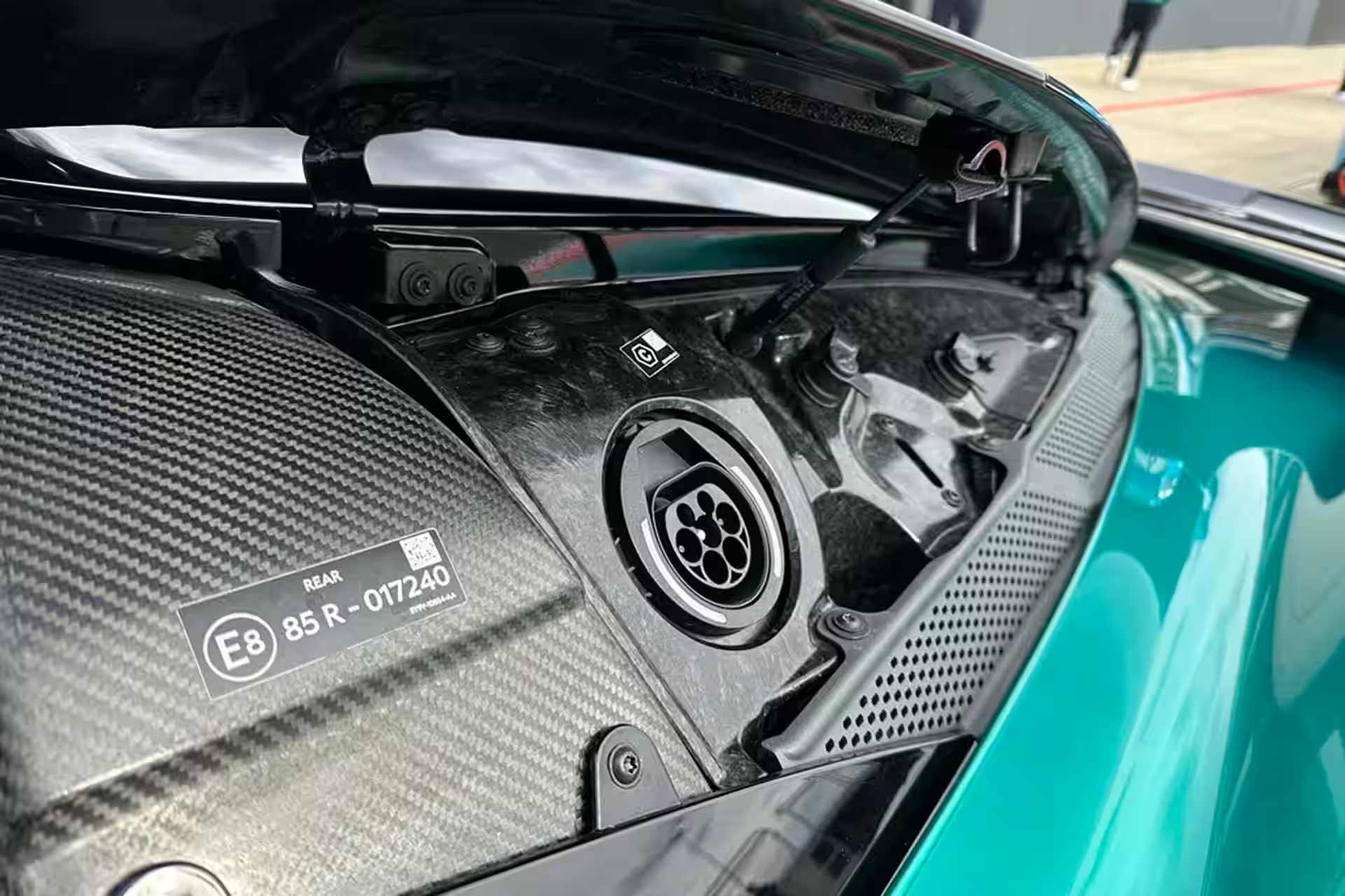
The Valhalla uses three electric motors. Two are mounted on the front axle, while one is integrated into the 8-speed dual-clutch transmission at the rear. Together, they help deliver the full 1064-hp system output and enable a clever range of behaviors depending on the drive mode.
| Powertrain Element | Key Data |
|---|---|
| V8 Engine | 4.0-liter twin-turbo flat-plane-crank, 817 hp, 632 lb-ft |
| Front Electric Motors | 2 AC motors, 161 hp each |
| Rear Electric Motor | 1 AC motor, 201 hp |
| Battery Pack | 6-kWh lithium-ion |
| Transmission | 8-speed dual-clutch automatic plus front direct drive |
What makes this setup so interesting is that Aston Martin did not tune it for exaggerated electric theatrics. Many electrified performance cars deliver a dramatic low-speed shove that feels impressive in a short test drive but artificial over time. The Valhalla reportedly avoids that sensation. The electric assistance blends into the overall power delivery rather than screaming for attention.
This matters because power is no longer rare in the elite performance segment. The challenge now is how that power reaches the road. In the Valhalla, the front motors are designed to spin at very high rpm and continue contributing deep into the speed range, rather than acting like a simple launch-control gimmick. That allows Aston Martin to use electric torque vectoring not just for aggression, but for subtlety.
In other words, the front axle can help rotate, stabilize, and deploy power without corrupting steering feel. That is a very difficult calibration target. It is one reason this car is being discussed with such seriousness among enthusiasts who care about more than just dyno-sheet bragging rights.
There is another layer of intrigue here. In EV mode and reverse, the Valhalla becomes front-wheel drive. That sounds almost comedic in a million-dollar Aston Martin, but it also demonstrates how flexible the platform really is. The brand claims a modest electric-only range of about 6 miles, which is not intended to transform daily efficiency. Instead, it provides low-speed silent operation, urban maneuverability, and regulatory usefulness without compromising the supercar mission.
The hybrid layout also tells us where ultra-high-performance road cars are heading. If you want another glimpse of how electrification is reshaping emotional performance machines, the debate around the Porsche 911 Turbo S versus Ferrari SF90 shows how raw numbers alone no longer settle the argument. Character and execution matter more than ever.
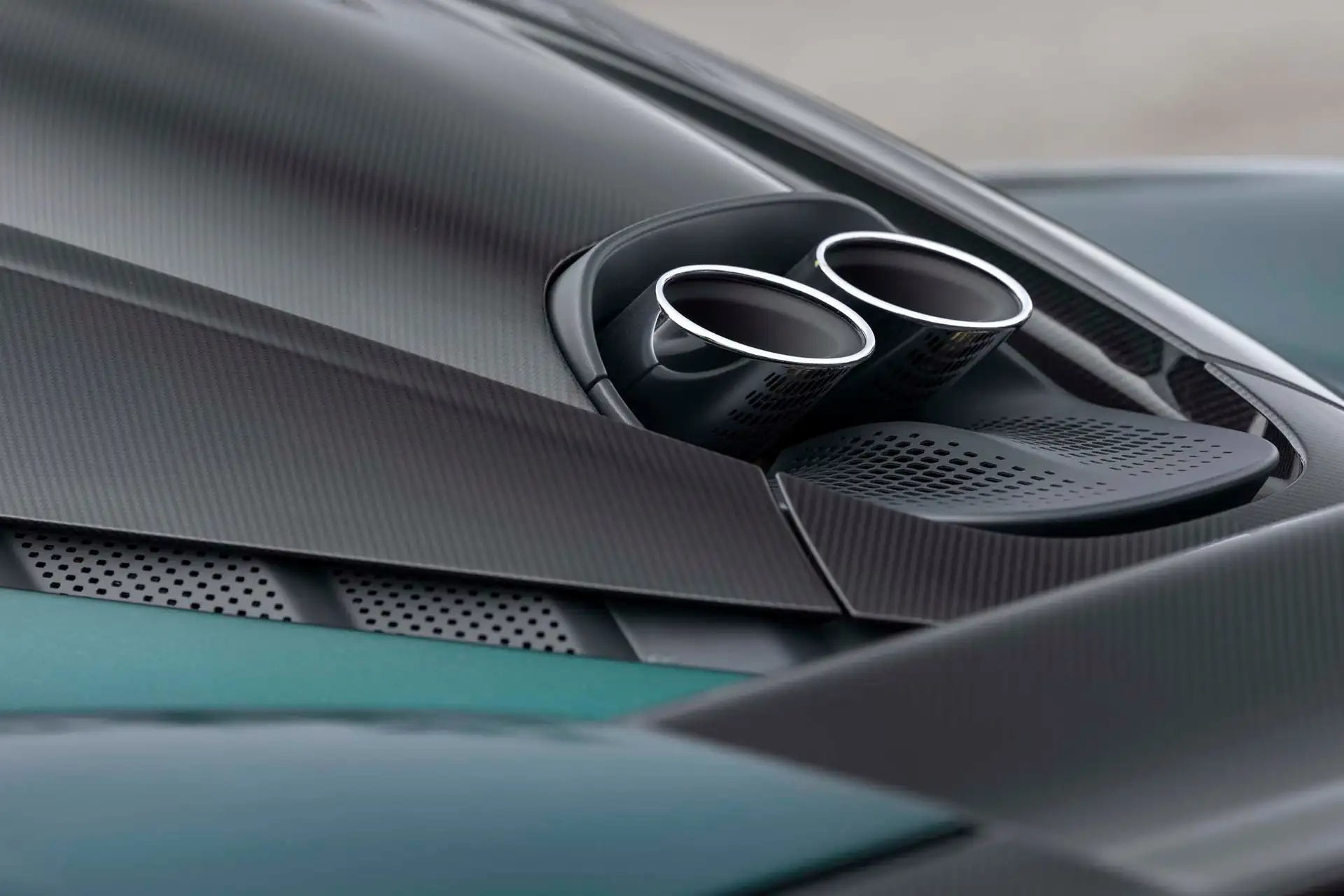
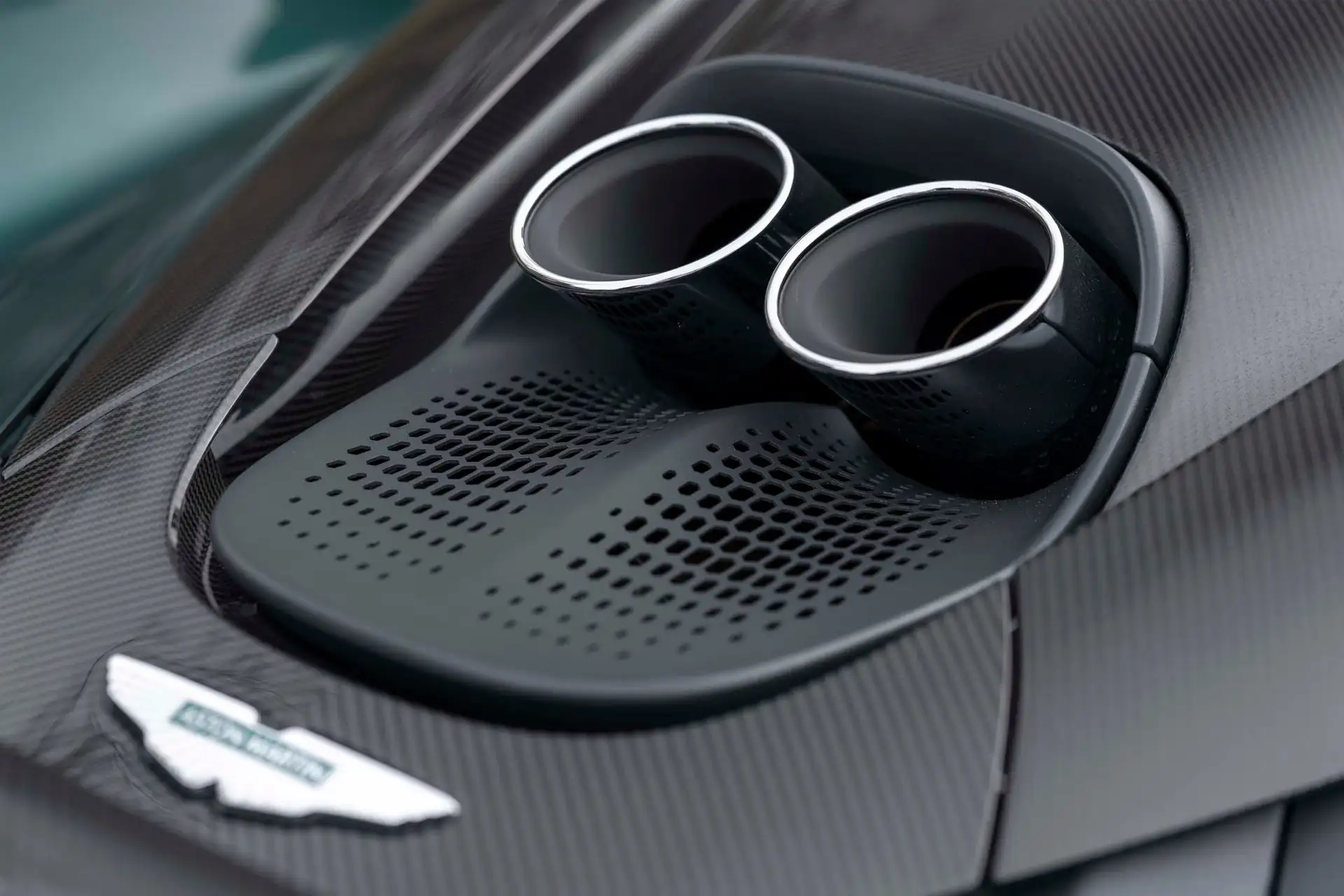
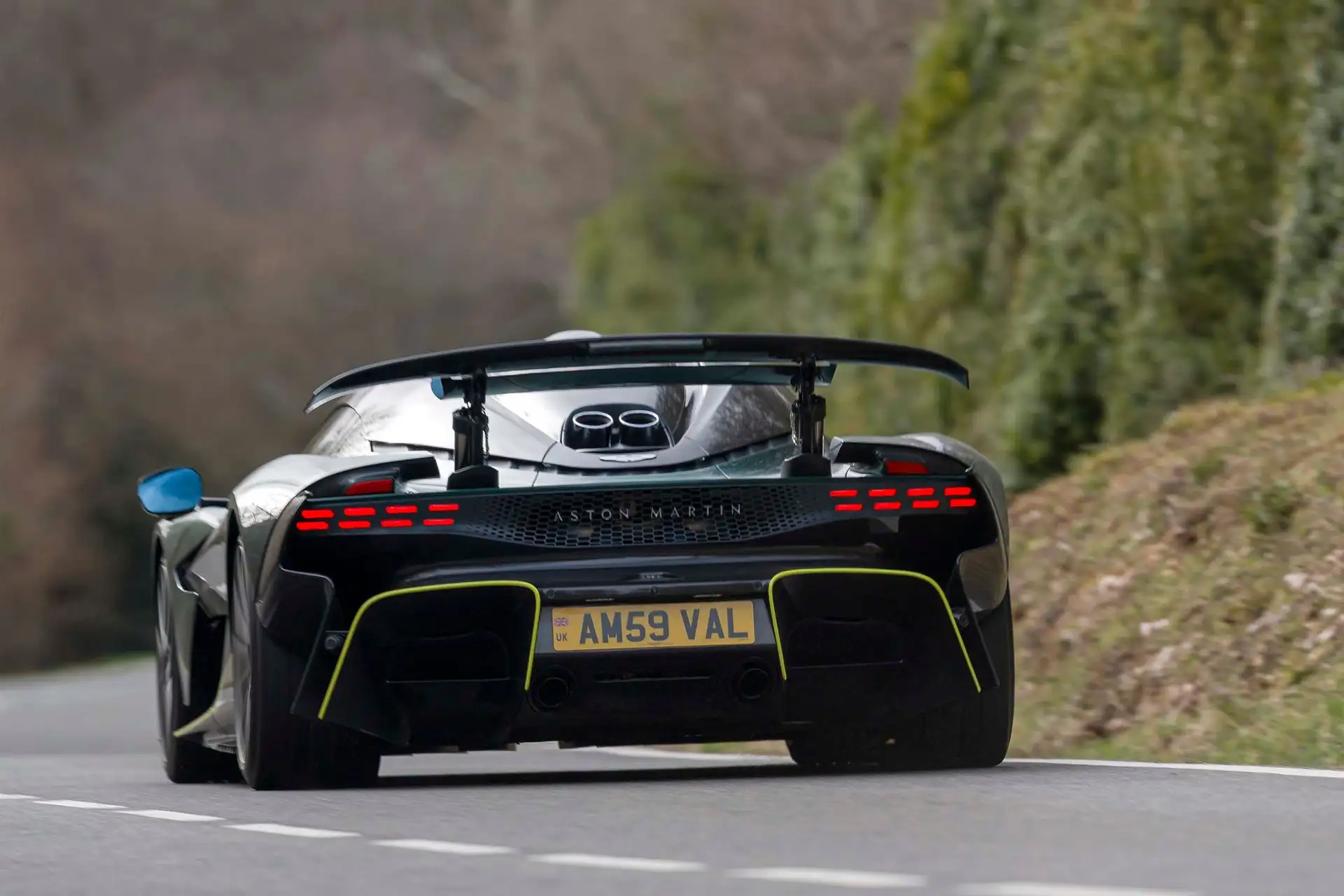
And then there is the sound. A flat-plane V8 has a naturally exotic texture, and in the Valhalla it should deliver a sharper, more urgent character than a traditional cross-plane super-V8. The roof-mounted intake snorkel is not just visual drama. It reinforces the race-bred intent of the car while feeding the engine in a way that emphasizes the sense of inhaling the atmosphere at full load.
The most compelling part of the Valhalla is not that it is powerful. It is that such a complex machine reportedly behaves with unusual naturalness.
That single trait may become the difference between a future collectible and a short-lived technical curiosity.
Why The Valhalla May Be More Dangerous To Rivals On The Road Than On The Track
Hypercars are often sold on racetrack imagery but used mostly as garage sculpture, investment assets, or ultra-low-mileage weekend trophies. The Aston Martin Valhalla appears to challenge that pattern. Not because it is less extreme, but because it is more approachable than expected.
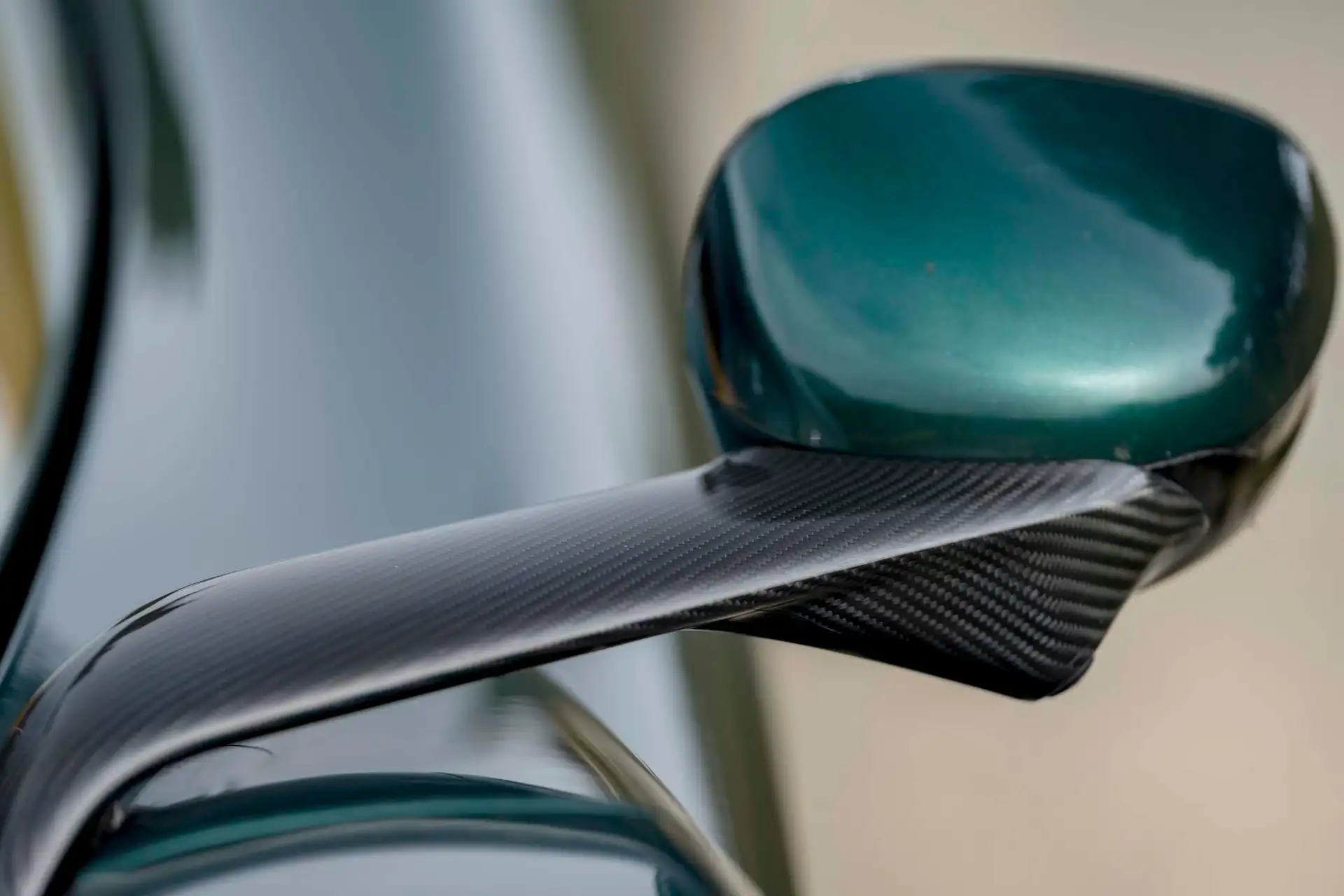
The chassis centers on a carbon-fiber tub whose lower section was shaped with direct involvement from Aston Martin’s Formula 1 operation in Silverstone. Despite the complexity of the powertrain and aero systems, curb weight is estimated around 4000 pounds, which is not featherweight by old hypercar standards but quite competitive considering the hardware on board.
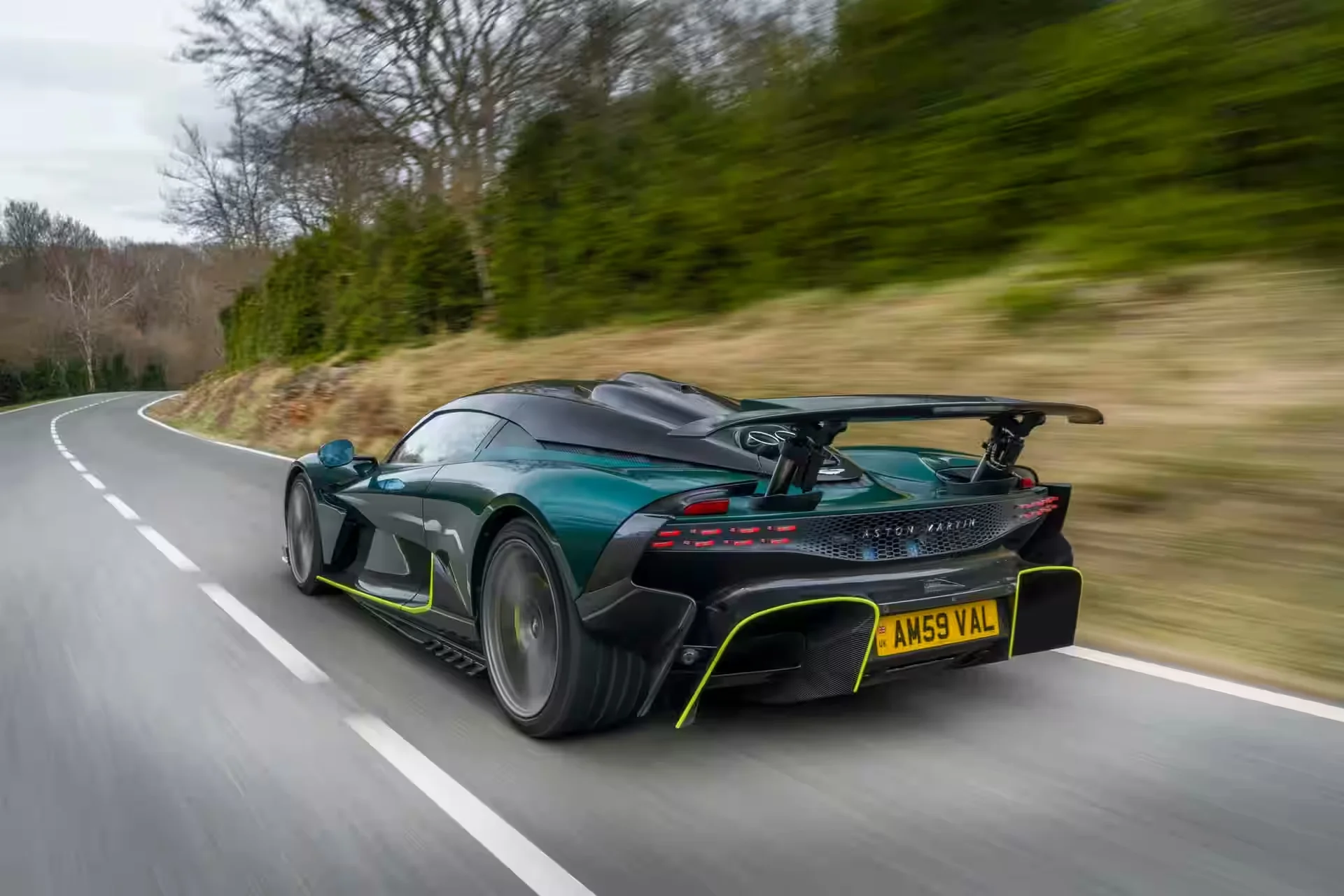
Active aerodynamics are central to the package. The rear wing deploys in Race mode while moving and works alongside active front aero to generate up to 1345 pounds of downforce at 149 mph. The clever part is what happens after that. Rather than continuing to pile on downforce as speed rises, the system trims aerodynamic load to maintain a stable target all the way toward the 217-mph limit.
That decision has major consequences for real-world livability.
If a car is engineered to carry huge aero loads at very high speed, spring rates, tire choices, and low-speed compliance often suffer. Aston Martin instead chose a more balanced window, which helps explain why early impressions describe the Valhalla as compliant and comfortable on normal roads. For a hypercar buyer, that may be more valuable than another spectacular Nürburgring-ready compromise.
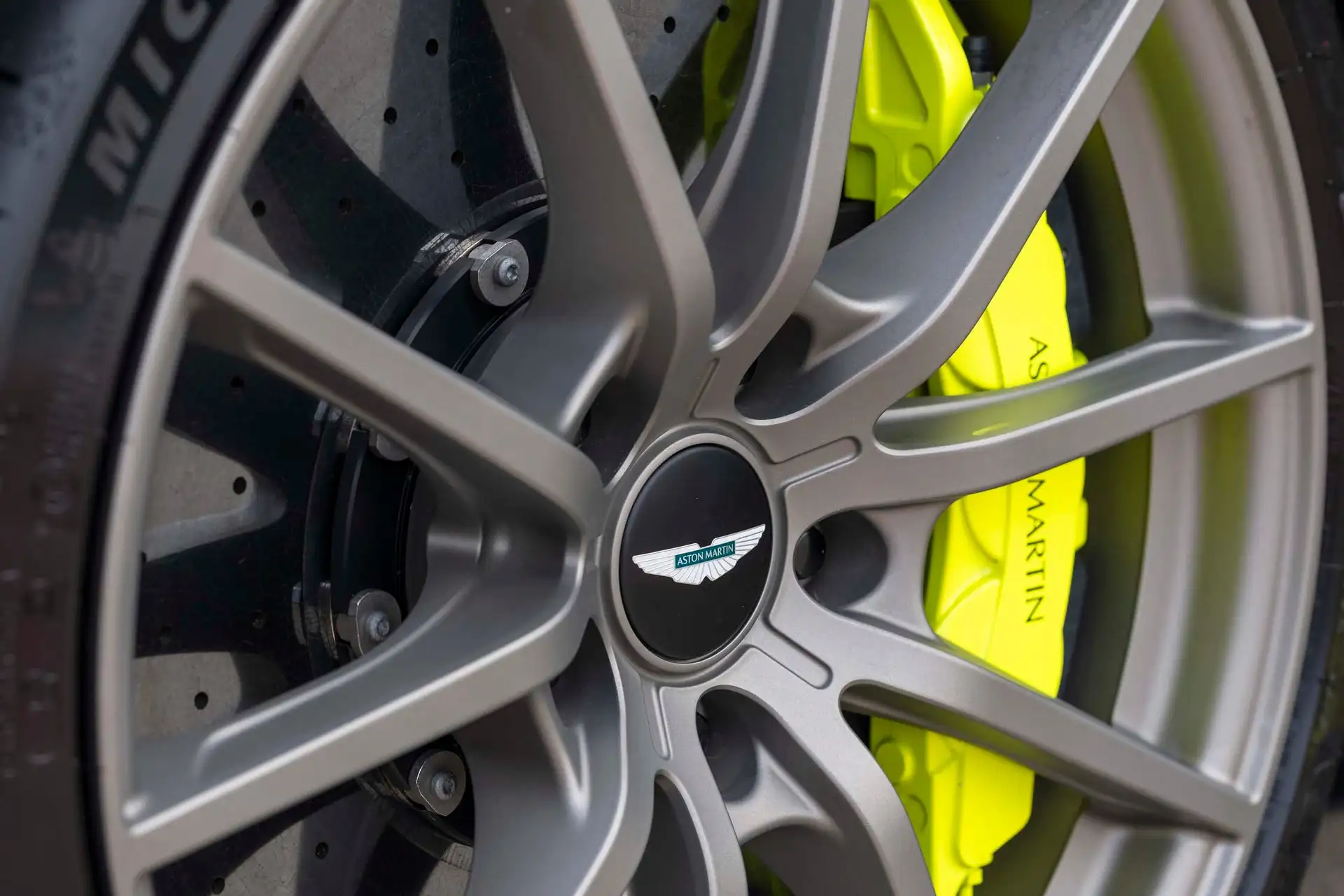
The Michelin tire strategy reinforces that dual-purpose mindset, with Aston-specific compounds available in either Pilot Sport S5 or the more track-focused Pilot Sport Cup 2. Even wheel choice affects feel, according to Aston Martin, which claims the optional magnesium wheels alter steering feedback compared with standard aluminum units. That level of tuning obsession signals a brand trying to preserve analog sensations inside an aggressively digital machine.
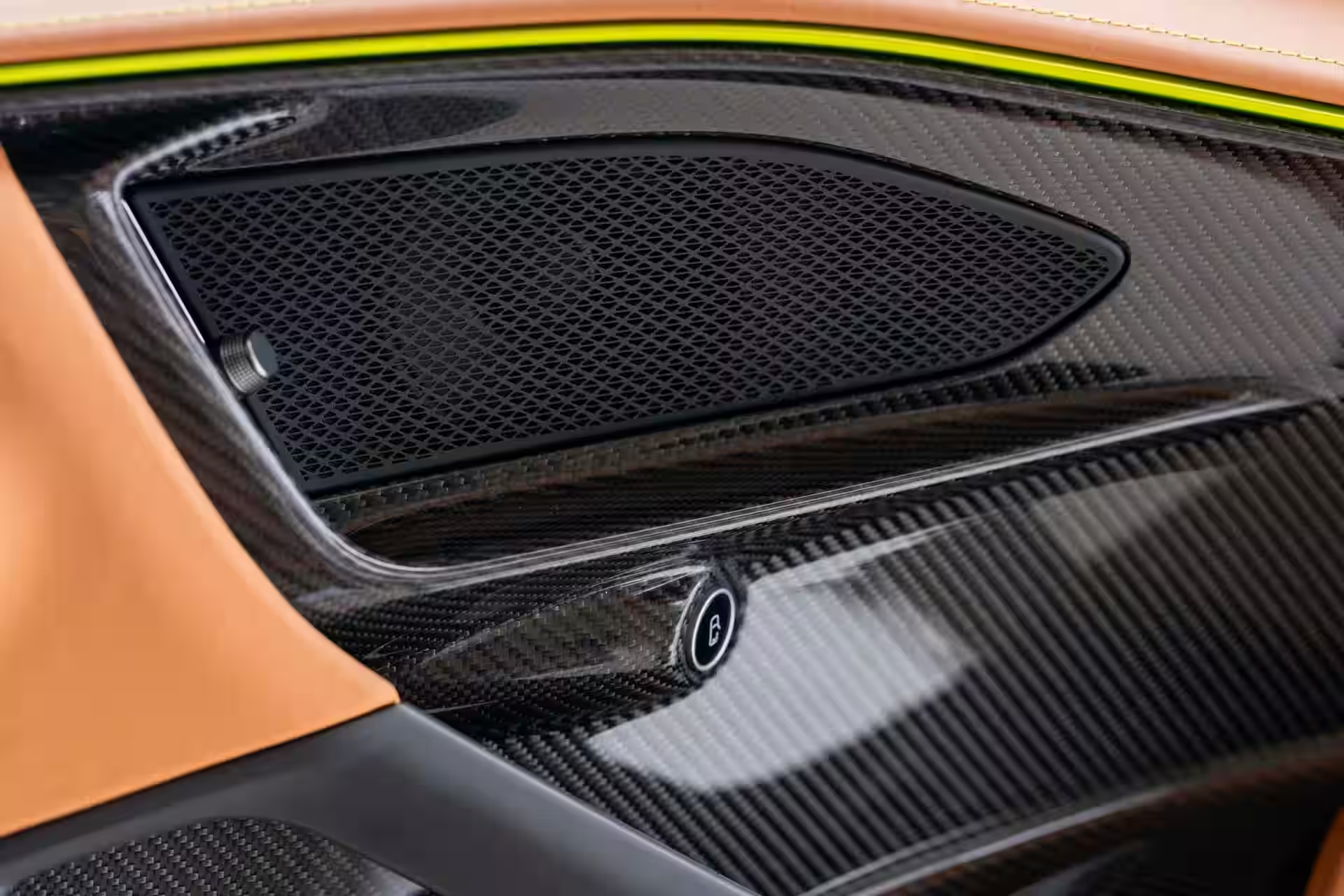
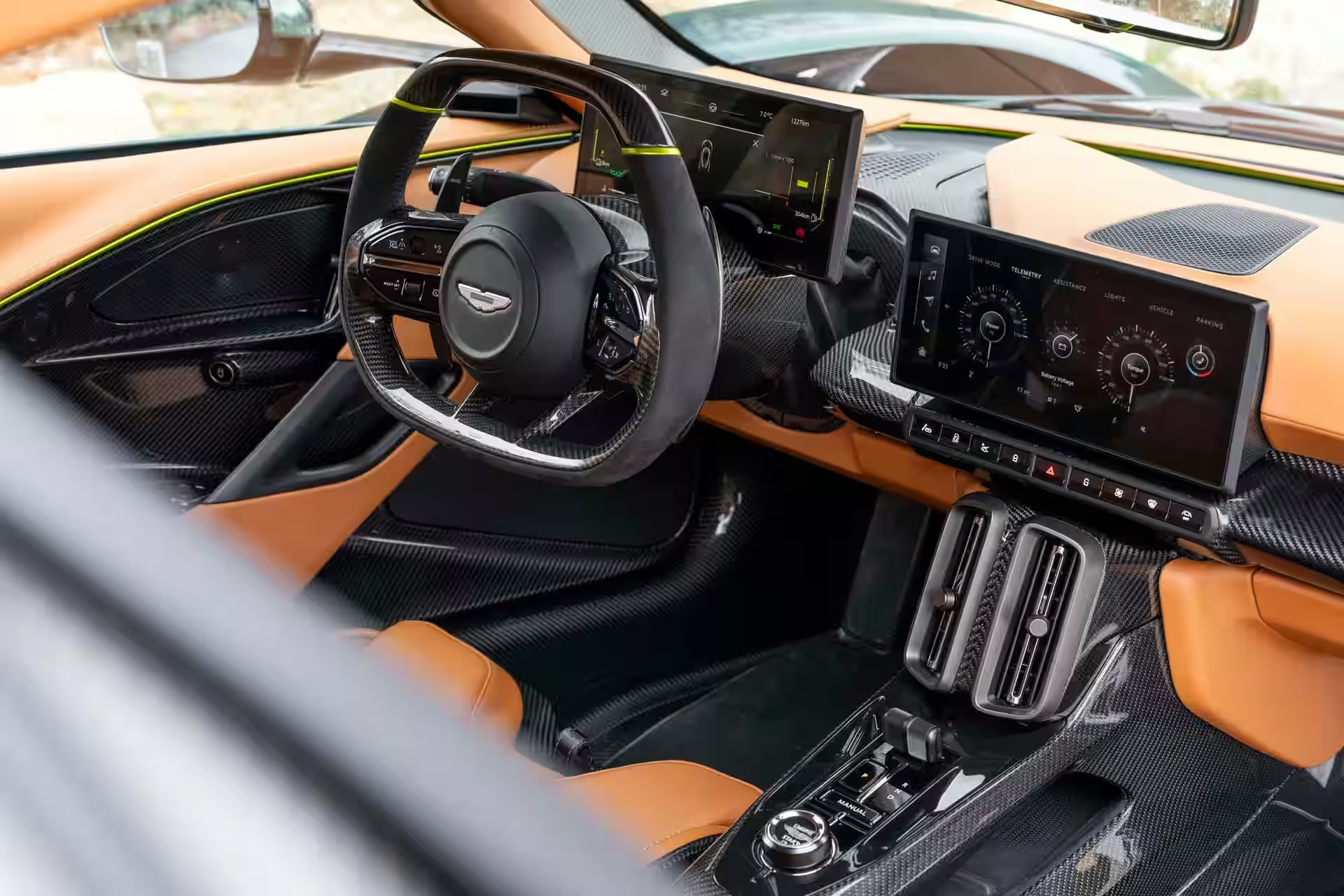
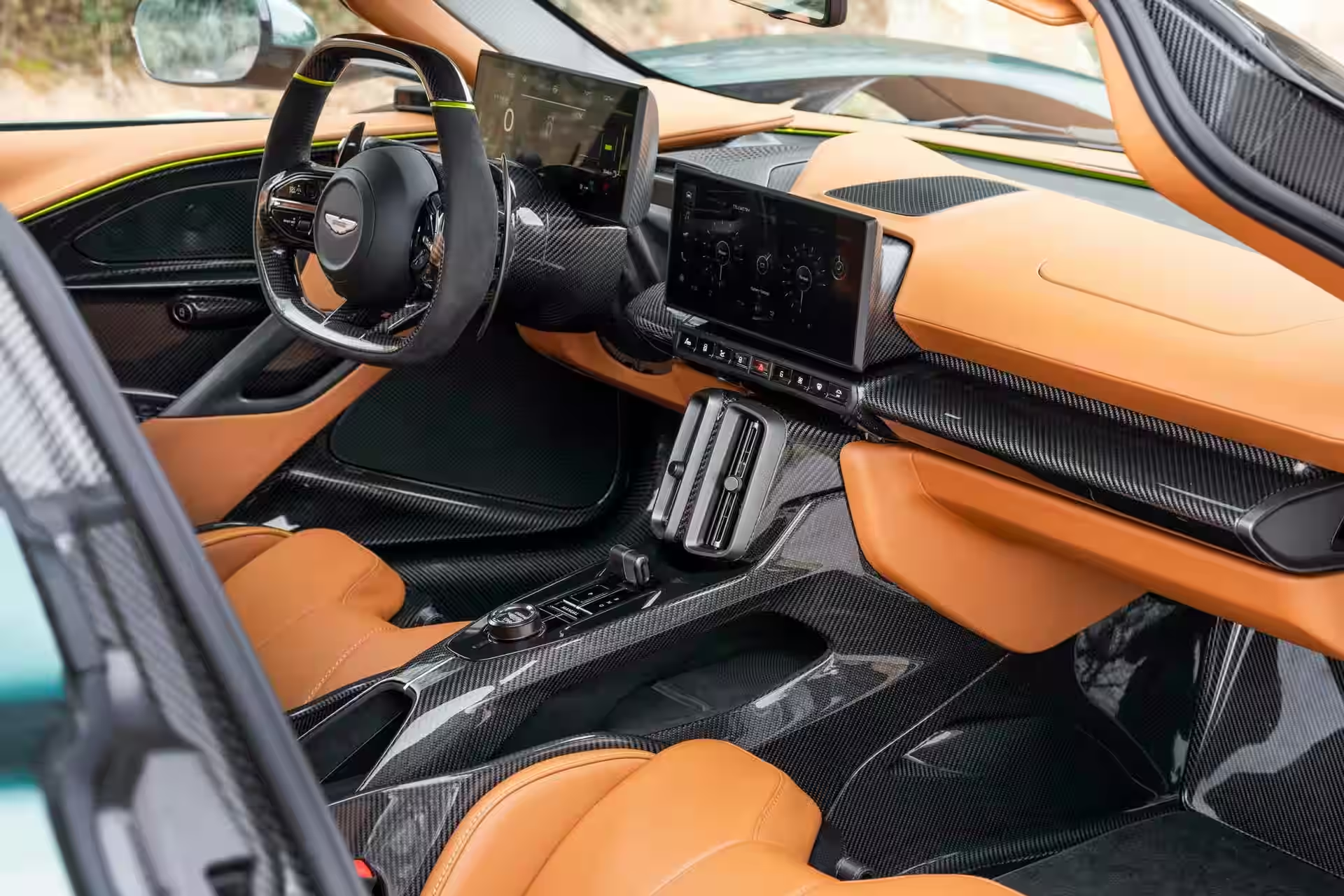
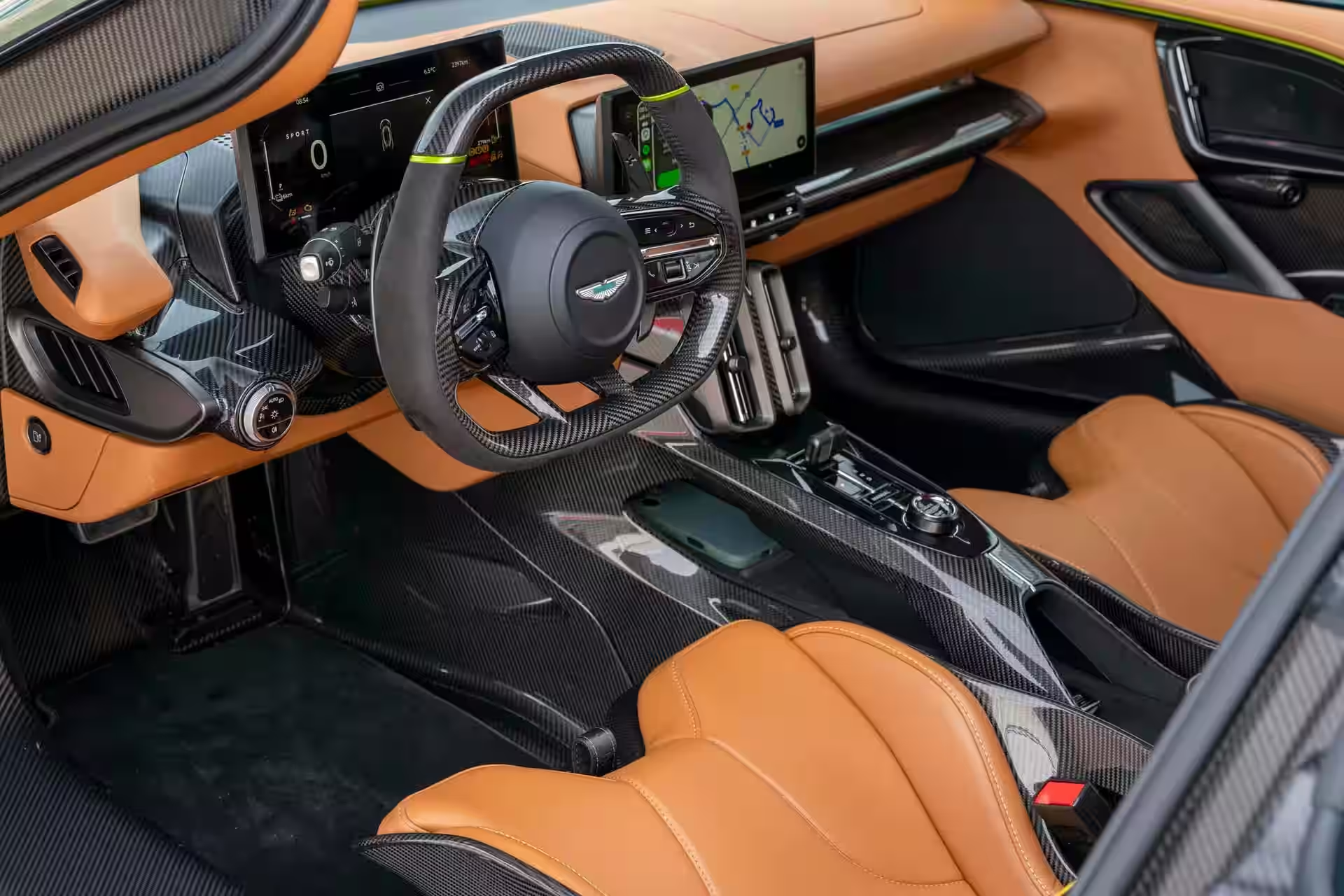
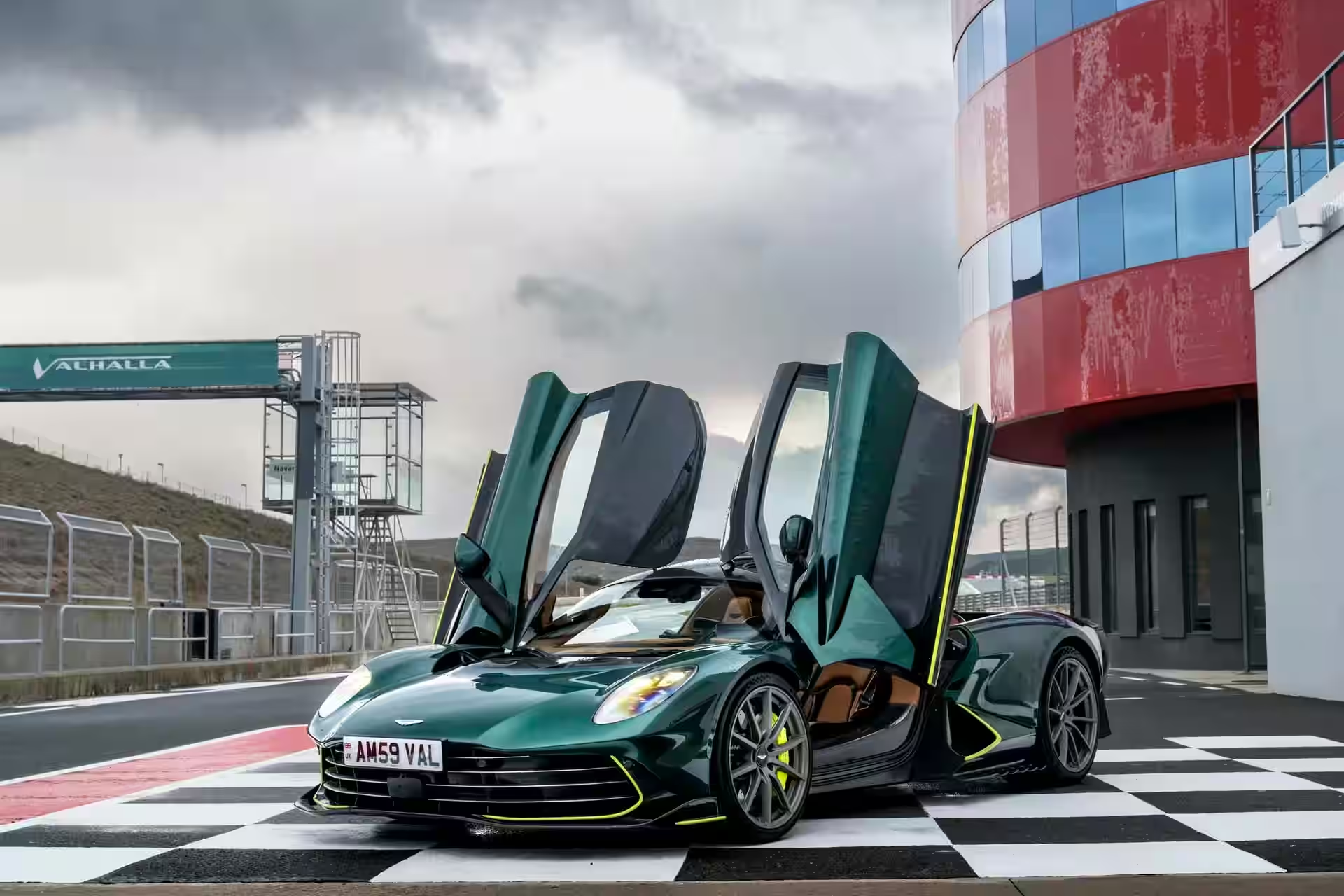
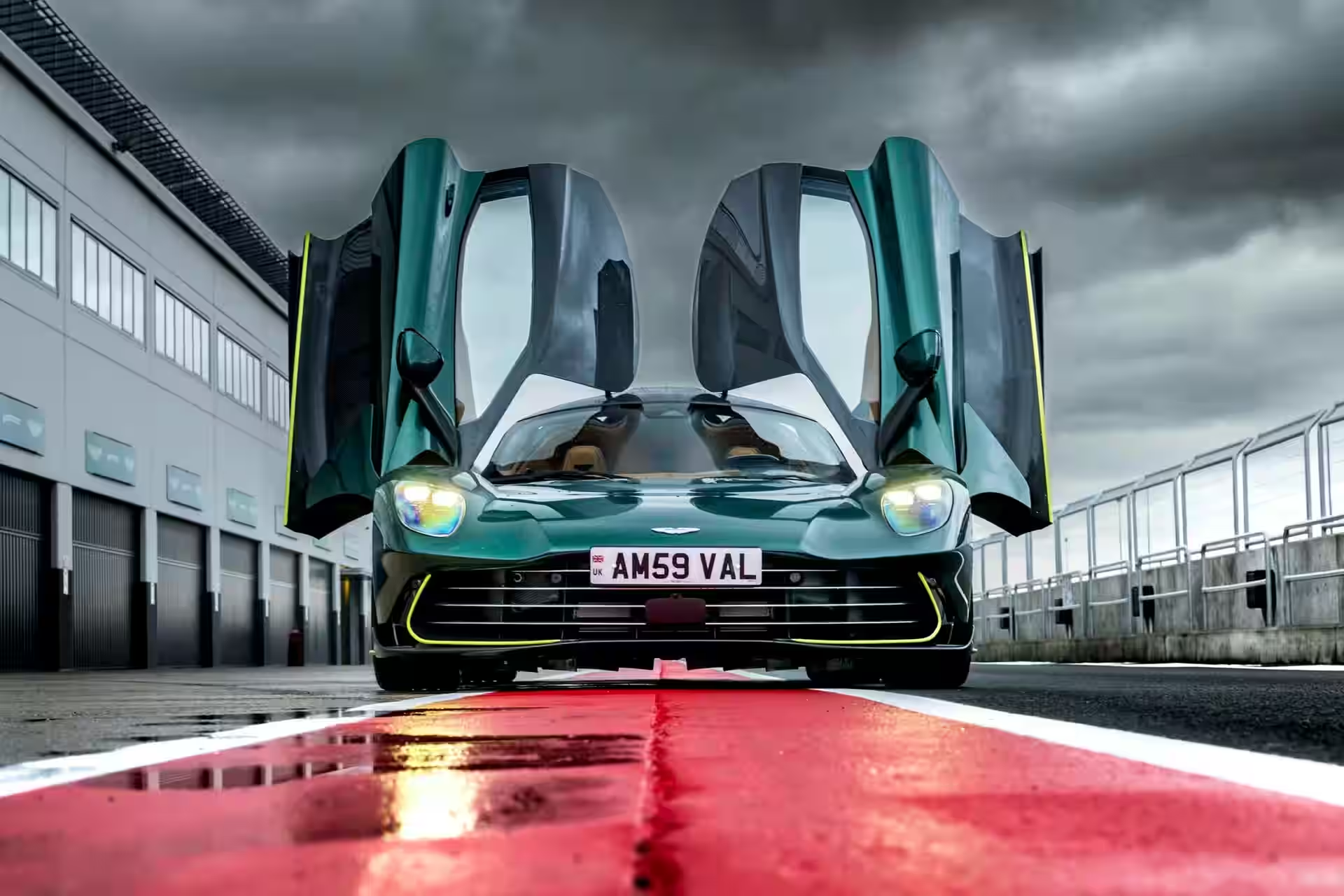
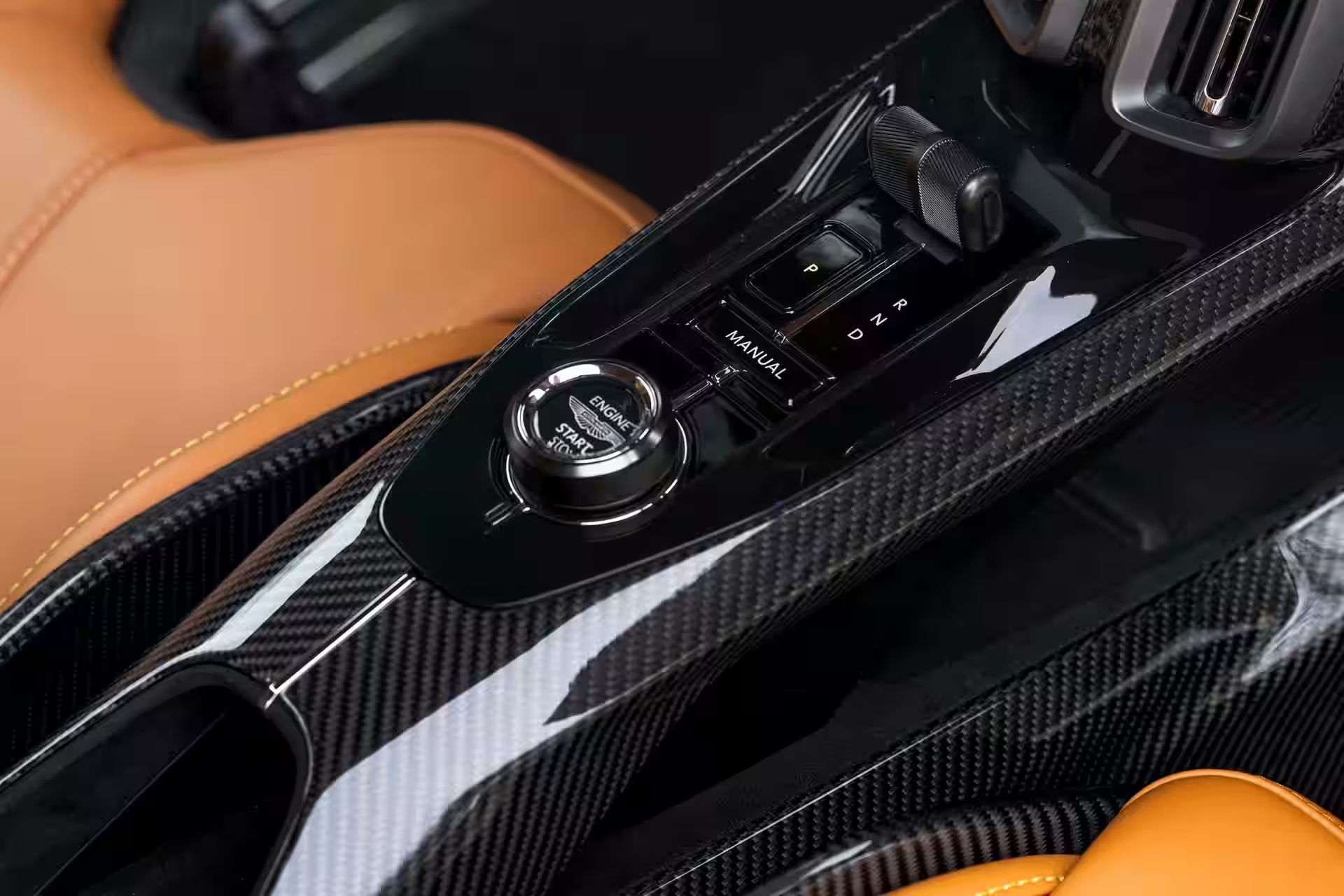
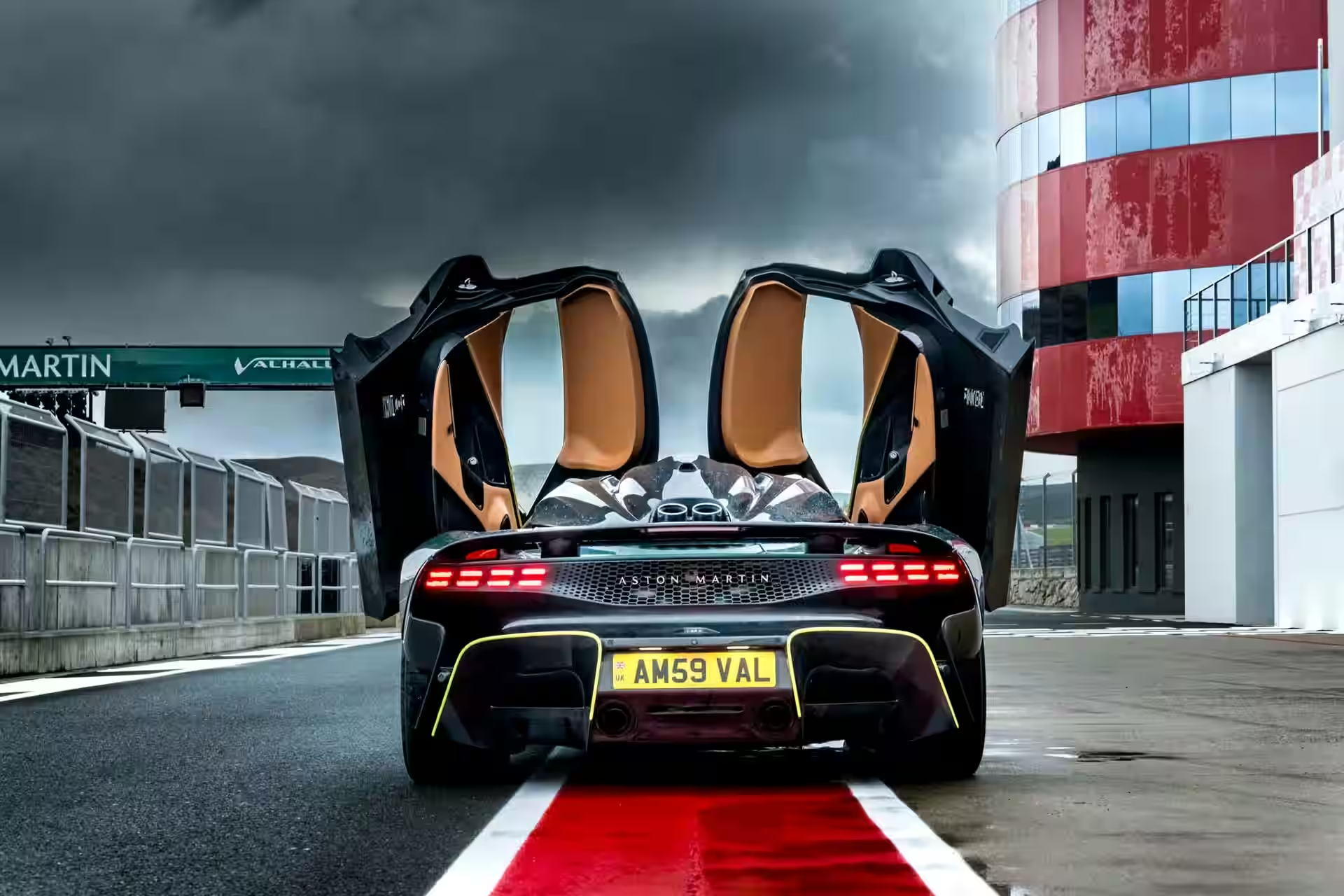
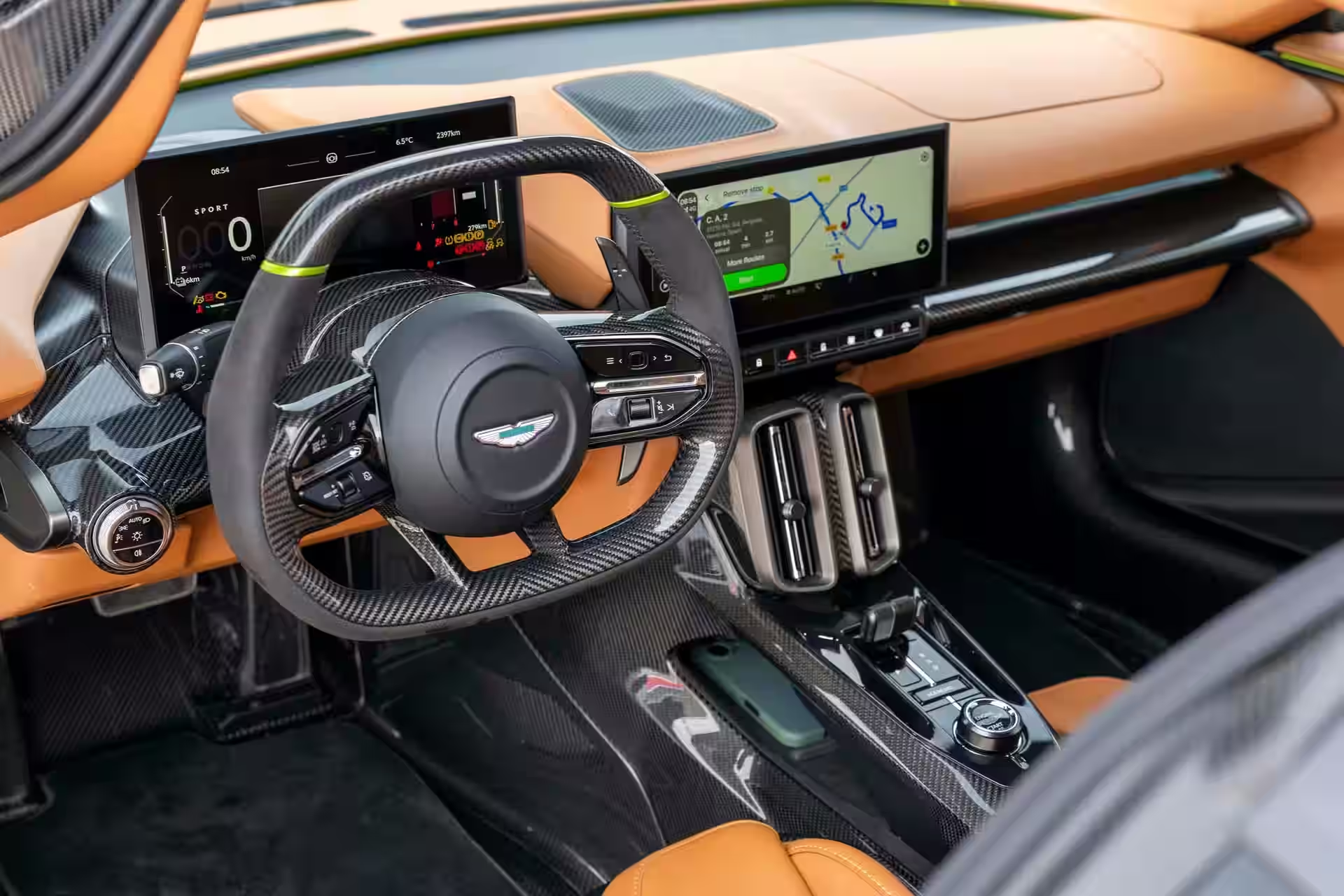
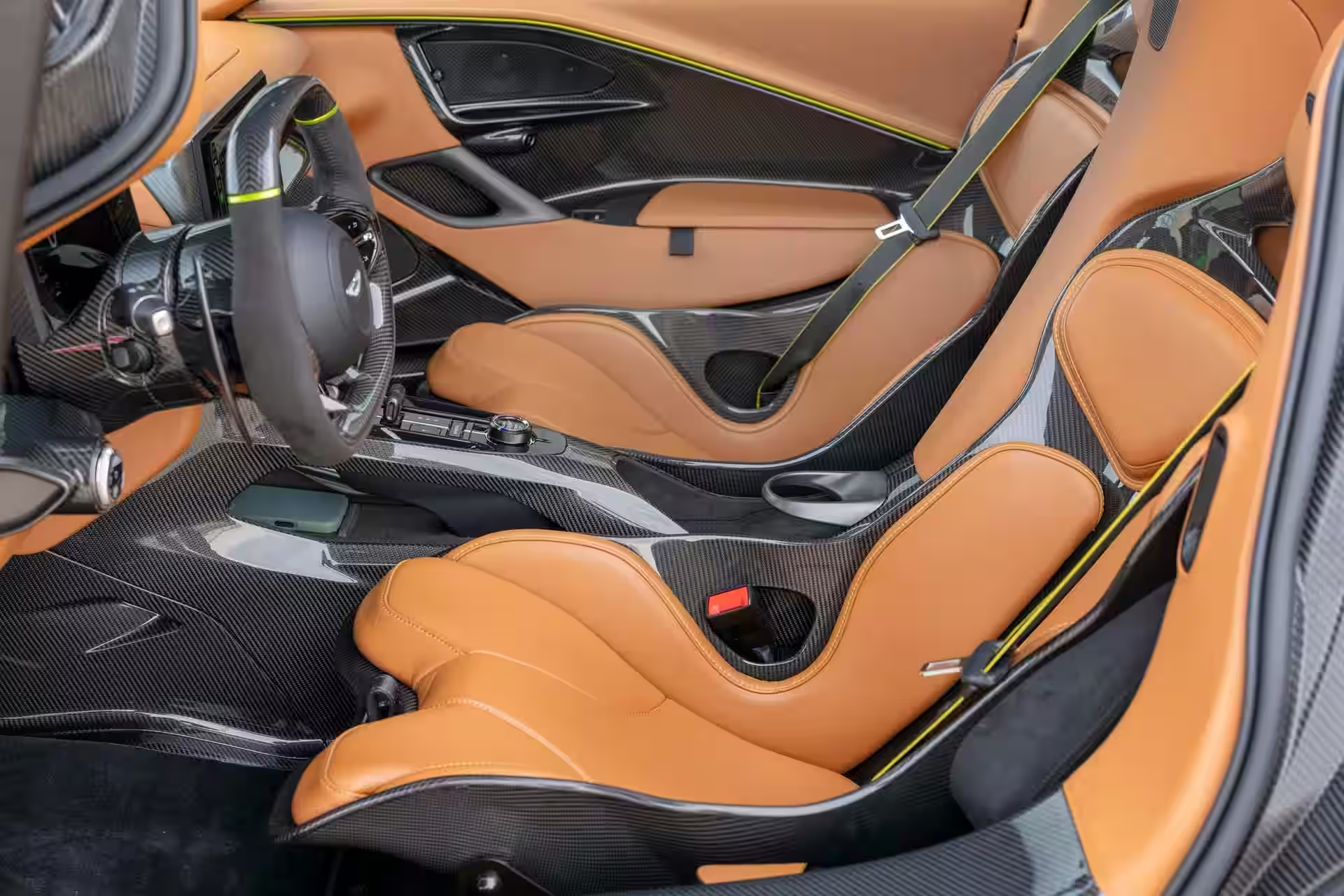
Inside, the cabin follows the “function first, drama second” rule. Dihedral doors cut into the roofline to ease entry, and once seated, occupants find an extremely low hip point that reinforces the race-car illusion. Yet forward visibility is better than many exotic cars thanks to the suspension packaging. There is no rear window, however, and cargo space is essentially nonexistent.
So no, this is not practical in any normal sense. But among hypercars, practicality is relative. The fact that it includes a front-axle lift system, street-friendly ride quality, and enough civility for meaningful road use gives it a broader operating envelope than some rivals. That flexibility could make it more dangerous in the market than a pure track monster, because owners may actually want to drive it.
That matters for residual value, collector status, and long-term reputation. Cars become legends not only because of what they can do, but because of how often people dare to experience them. We have seen this tension before with icons whose market values evolved dramatically over time, as highlighted by the changing collector perspective around the Jaguar XJ220 and its 213-mph legacy.
The Valhalla also enters a market obsessed with “F1 technology for the road,” a phrase so overused that it often means very little. Here, the claim carries more weight. Aston Martin’s current Formula 1 visibility, engineering crossover, carbon architecture input, and aerodynamic philosophy give the car a more credible motorsport connection than many marketing-driven special editions.
Still, buyers should keep perspective. A six-mile EV range is symbolic, not transformative. A 4000-pound curb weight is still substantial. And a price above US$1 million means this car exists in a realm where emotional irrationality is part of the business model. Yet in a segment where excess is expected, the Valhalla’s restraint may actually be its sharpest weapon.
It does not seem desperate to prove itself at every moment. It simply arrives with the stance of a machine that knows exactly what it is.
That confidence could make it one of the most complete hypercars of its era. Not the loudest. Not the most theatrical. Possibly not even the most extreme in one isolated metric. But perhaps one of the most satisfying to own, drive, and understand.
For enthusiasts tracking the future of elite performance, that is the real headline. The 2026 Aston Martin Valhalla suggests the next great hypercar arms race will not be won by raw horsepower alone. It will be won by the brand that remembers the driver still wants to feel something.
And if this shift toward usable extremity fascinates you, it is worth comparing the Valhalla’s philosophy with machines that chase purity or aero obsession from different angles, like the Gordon Murray T.50s Niki Lauda or the SSC Tuatara Striker. They chase speed in different dialects. The Aston Martin Valhalla may be the one speaking the most fluent language of all.