ALPINE A110 2027 breaks the promise of full electrification. New APP platform hides a secret that changes everything for lightweight sports car fans. Discover now.
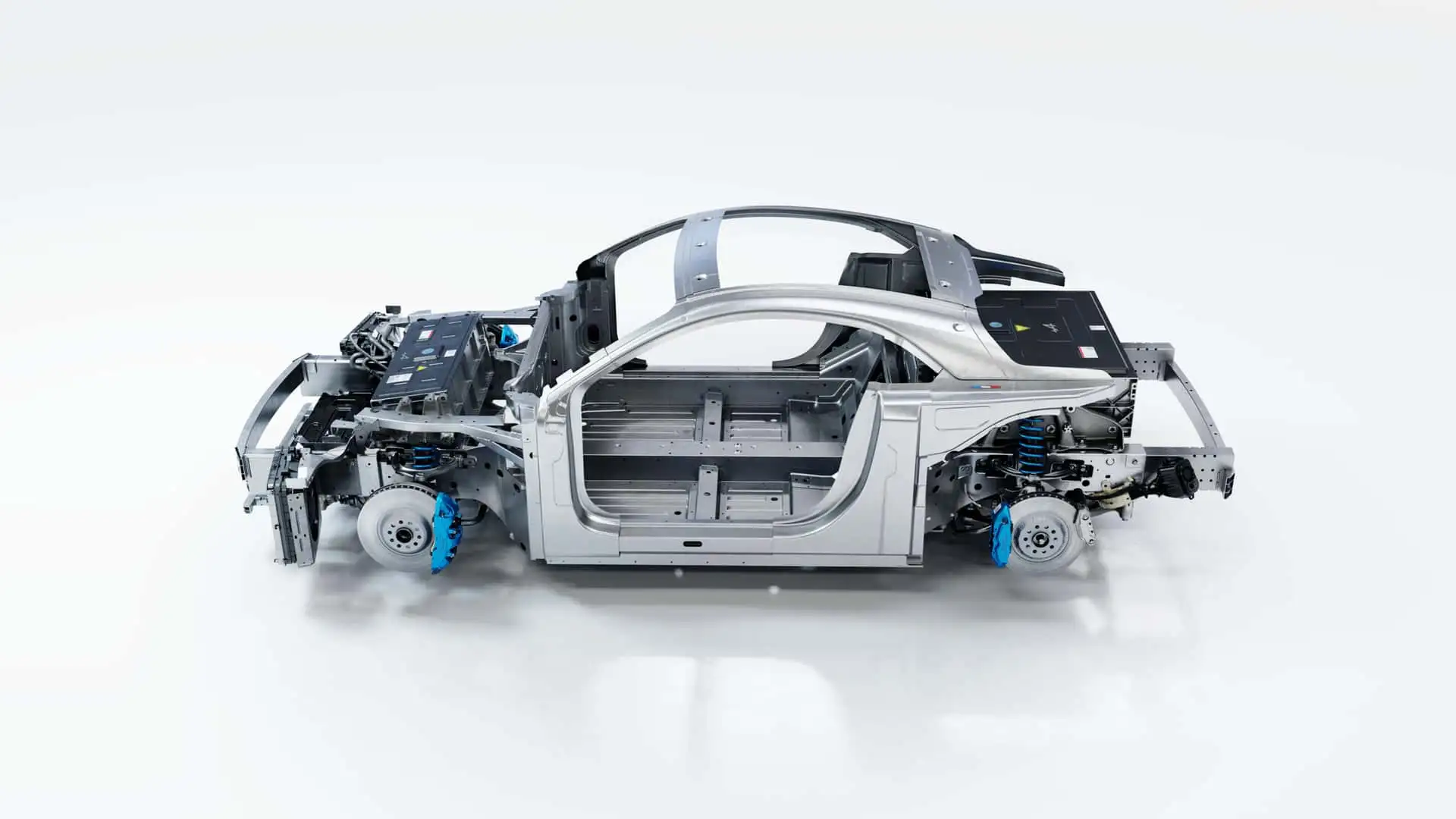
The promise was categorical: the next generation of the ALPINE A110 would be 100% electric, period. But in a twist that exposes the complexity of the global energy transition, the French brand has just admitted what enthusiasts had suspected for months. The new platform that will support the icon of alpine curves was designed from the start to house something the industry tries to bury: the good old combustion engine.
The Necessary Lie That Lasted Too Long
For years, Alpine hammered the same narrative. Full electrification, end of the line for thermal engines, goodbye to the era of guttural roars. The strategy made sense on paper: the brand needed a sustainability story to justify its global expansion under the umbrella of Renault Group and its “futuREady” plan.
But numbers don’t lie. While Alpine celebrated its “record” of 10,970 units sold in 2024 — triple-digit growth, yes, but a volume that a single Porsche factory surpasses in weeks — reality was knocking at the door. Forced electrification of niche sports cars is proving to be a financial misstep.
The proof? Porsche itself, the absolute reference in the segment, continues to postpone the launch of the electric 718. Each month of delay means one more month of sales for the six-cylinder boxer, which customers really want to buy. Alpine, apparently, learned the lesson before making the mistake.
The APP Platform: Dual-Face Engineering
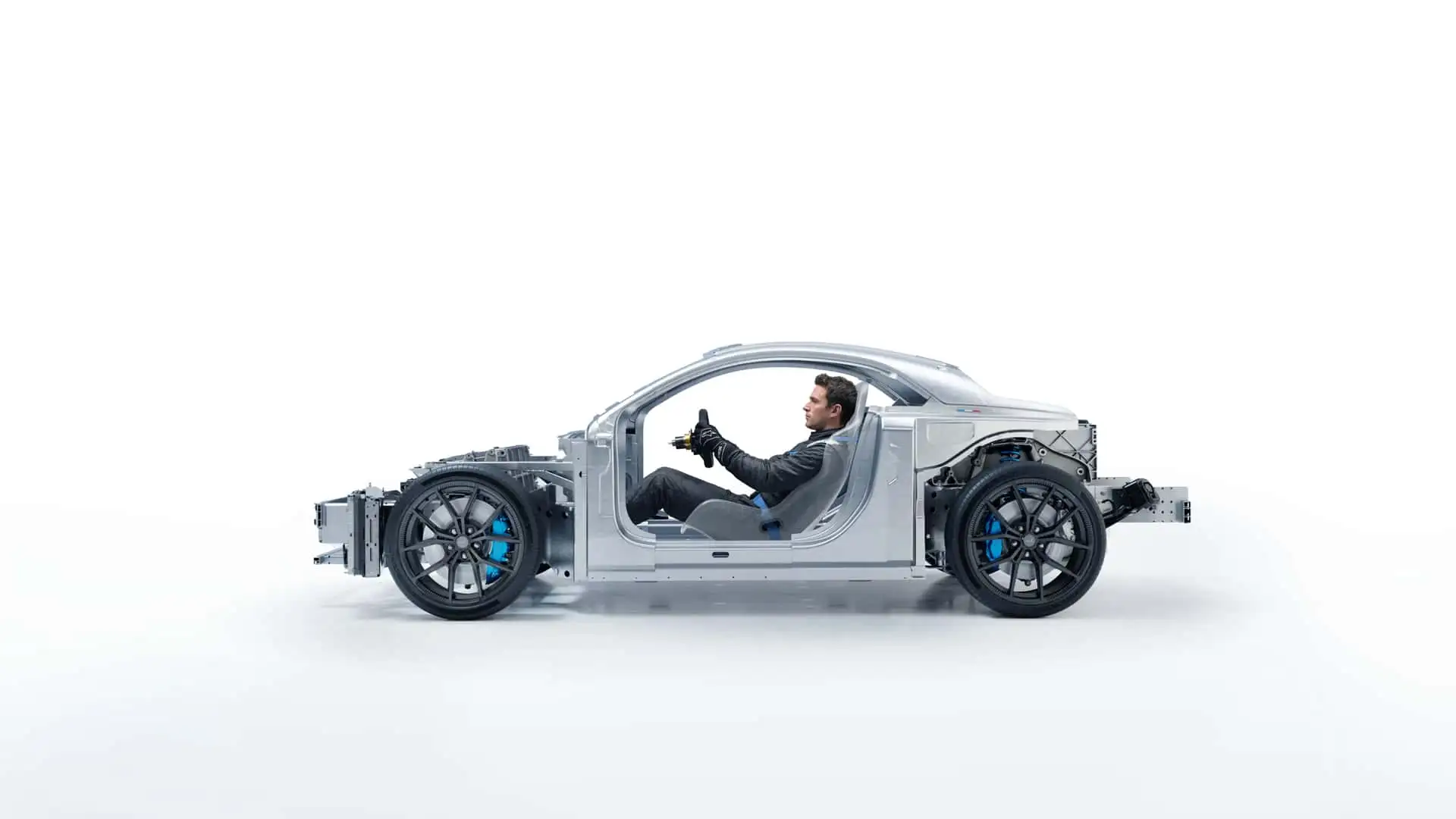
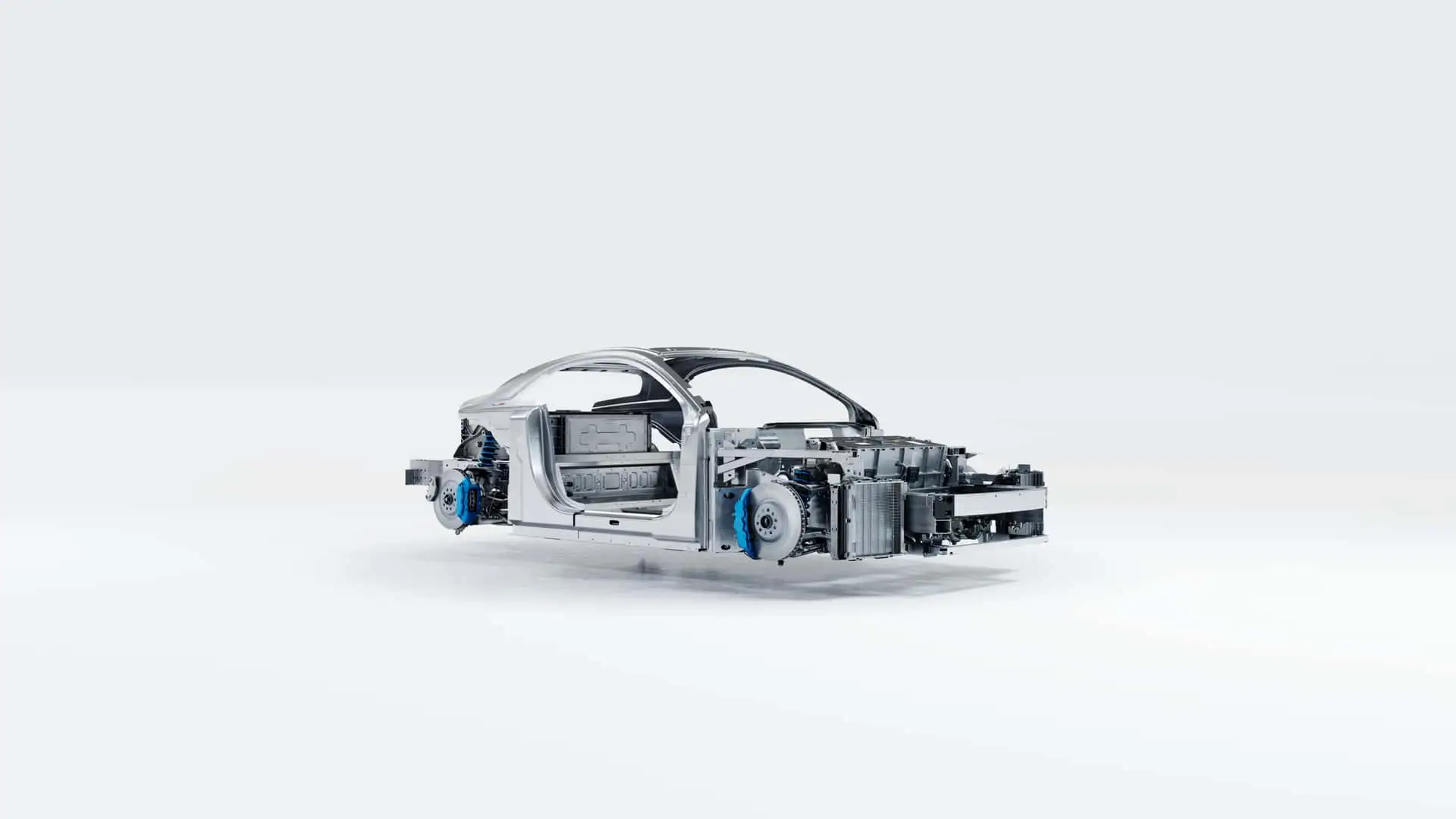
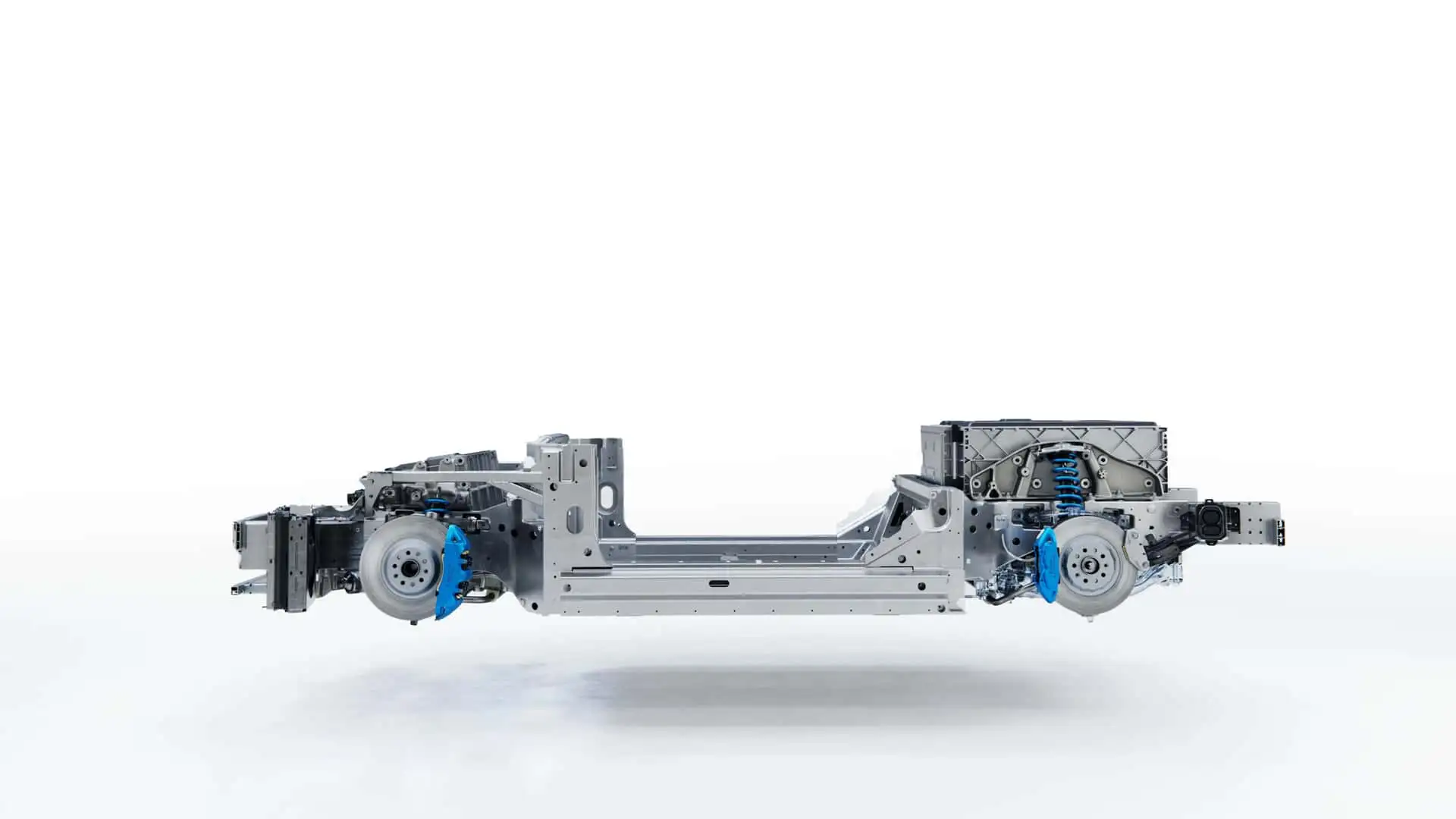
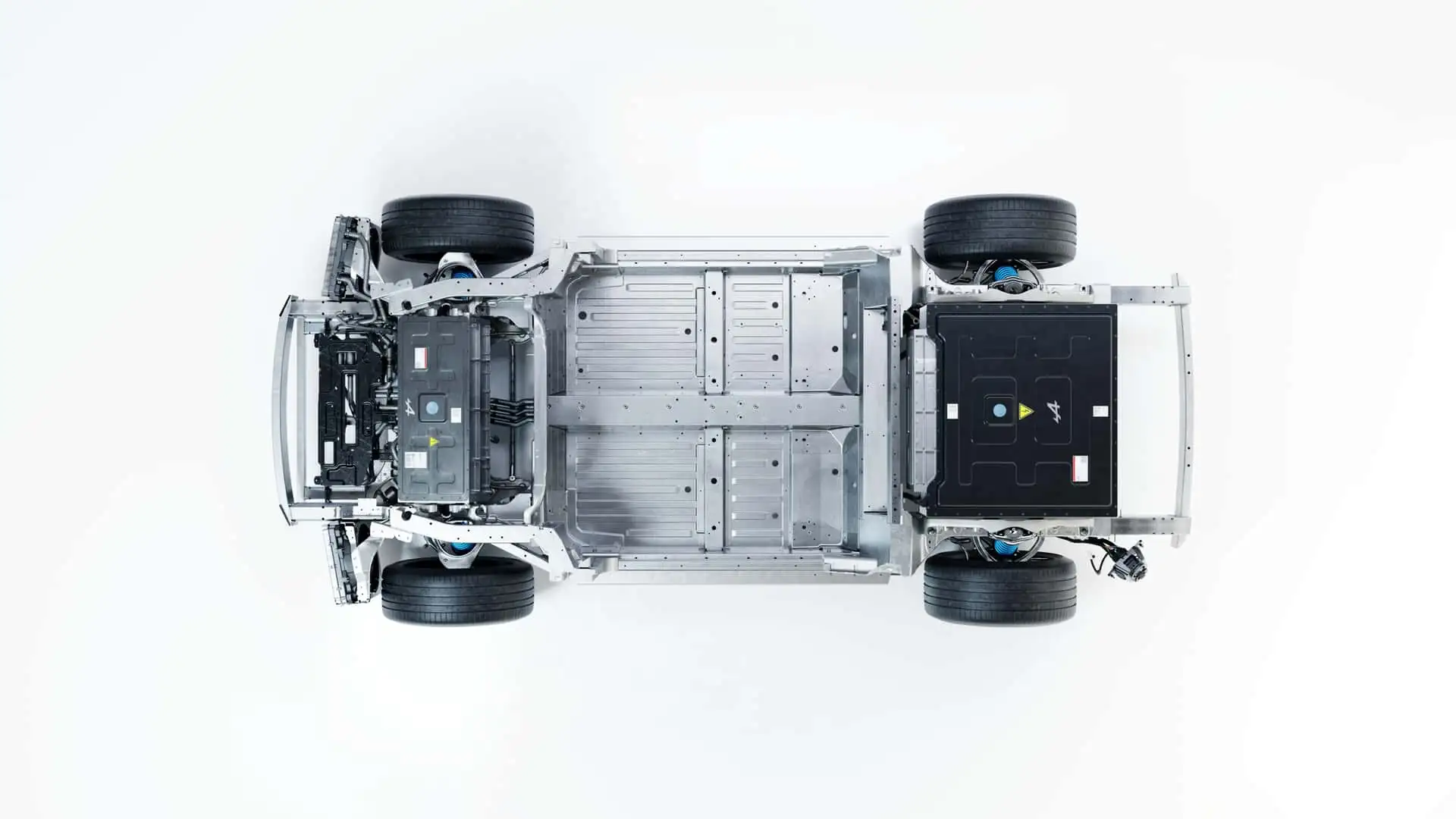
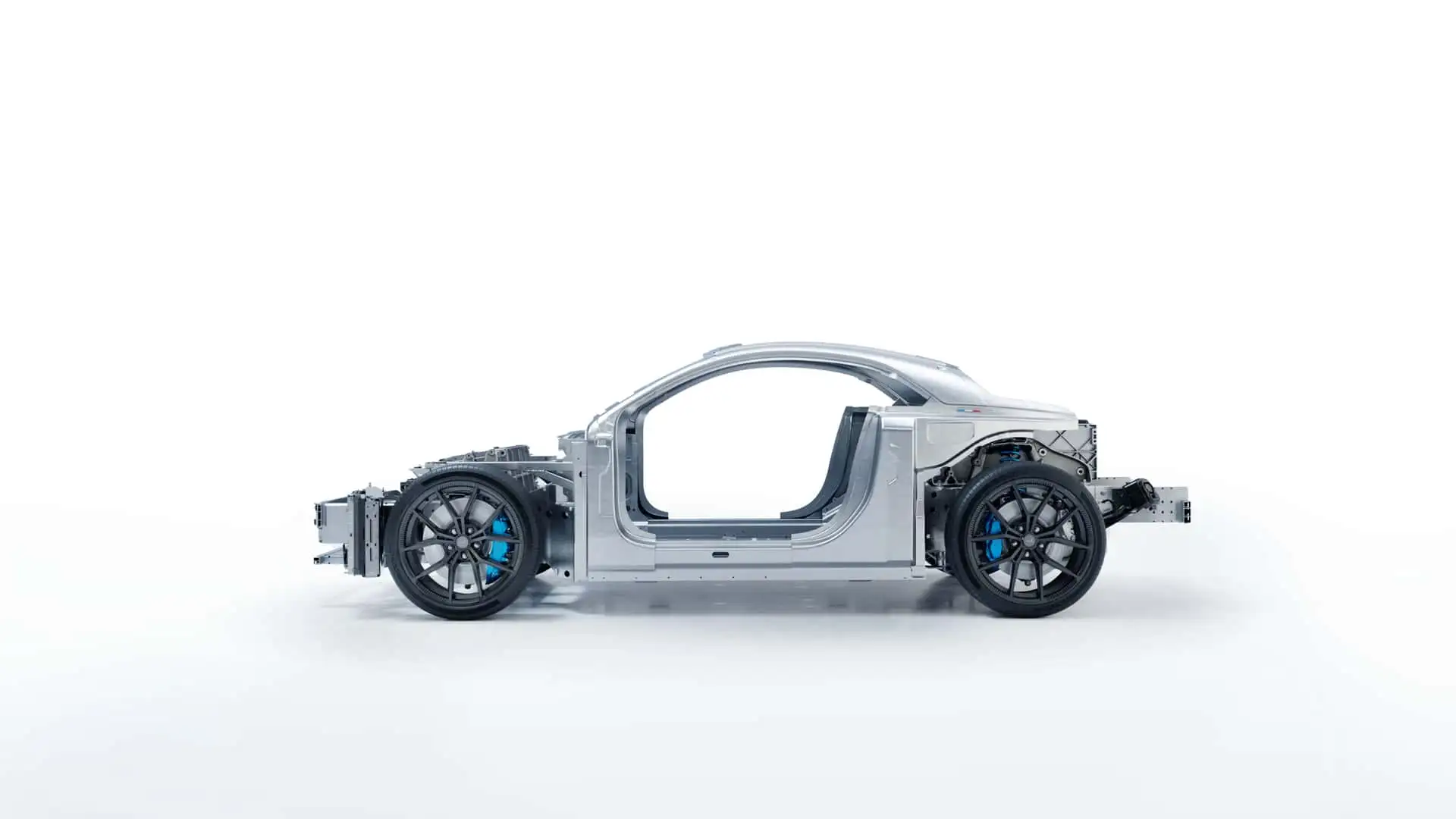
The heart of this shift in approach is the Alpine Performance Platform (APP), a modular aluminum architecture that the brand developed in-house. Technically ambitious, it promises to carry Alpine’s trademark agility into the electric era without sacrificing featherweight performance.
The engineering is sophisticated: two separate batteries strategically positioned to achieve a 40:60 weight distribution, an 800-volt architecture with Cell-to-Pack technology, a 3-in-1 electric rear axle with dual motors and silicon carbide (SiC) inverters. The Alpine Dynamic Model (ADM ECU) centralizes control of everything, from thermal management to active aerodynamics.
But the game-changing detail came from the mouth of Philippe Krief, Alpine’s CEO, in an interview with Autocar:
“And before you ask, yes, the platform was designed to accommodate a combustion engine.”
This seemingly casual statement dismantles years of official communication. The APP is not an adapted electric platform. It is a multi-energy platform from conception, something the entire industry tries to hide for image reasons.
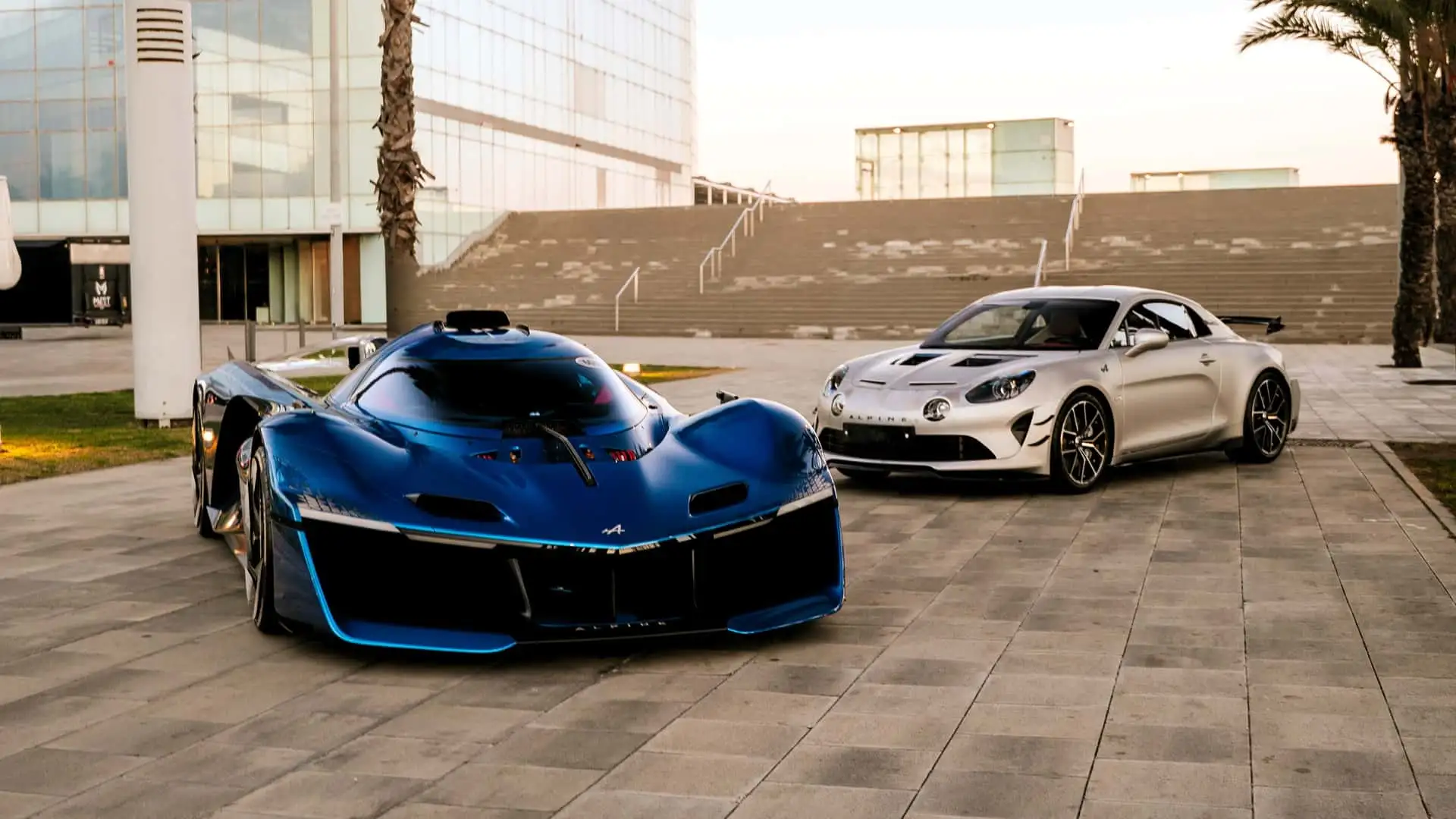
The irony? The same platform already debuted on the spectacular Renault 5 Turbo 3E, proof that French engineering still knows how to create excitement on wheels.
Variants, Production, and the Future No One Expected
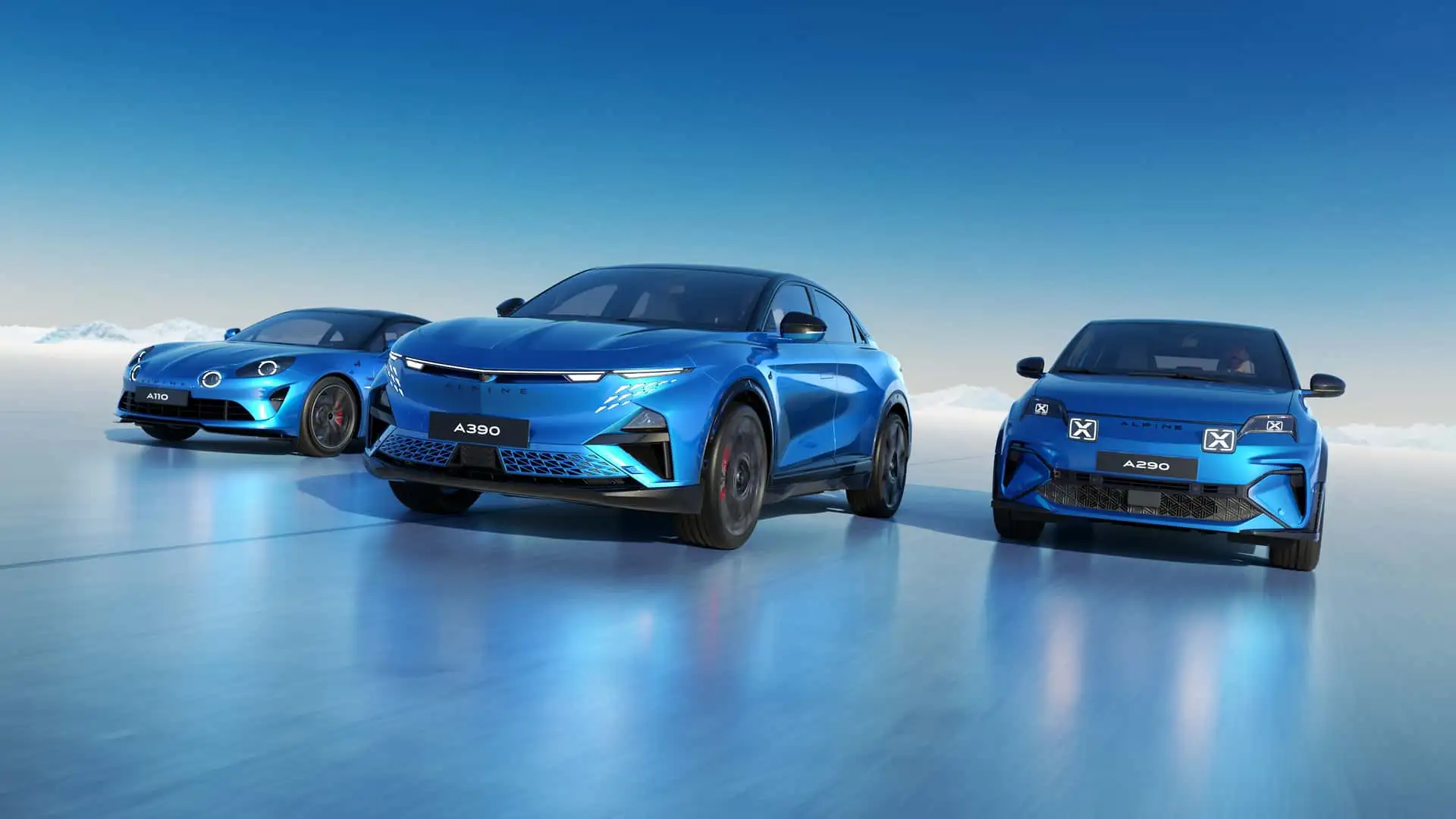
The new generation of the A110 will arrive in three body configurations: the classic coupe, a roofless spider for purists, and a surprising 2+2 version that expands versatility without betraying the essence.
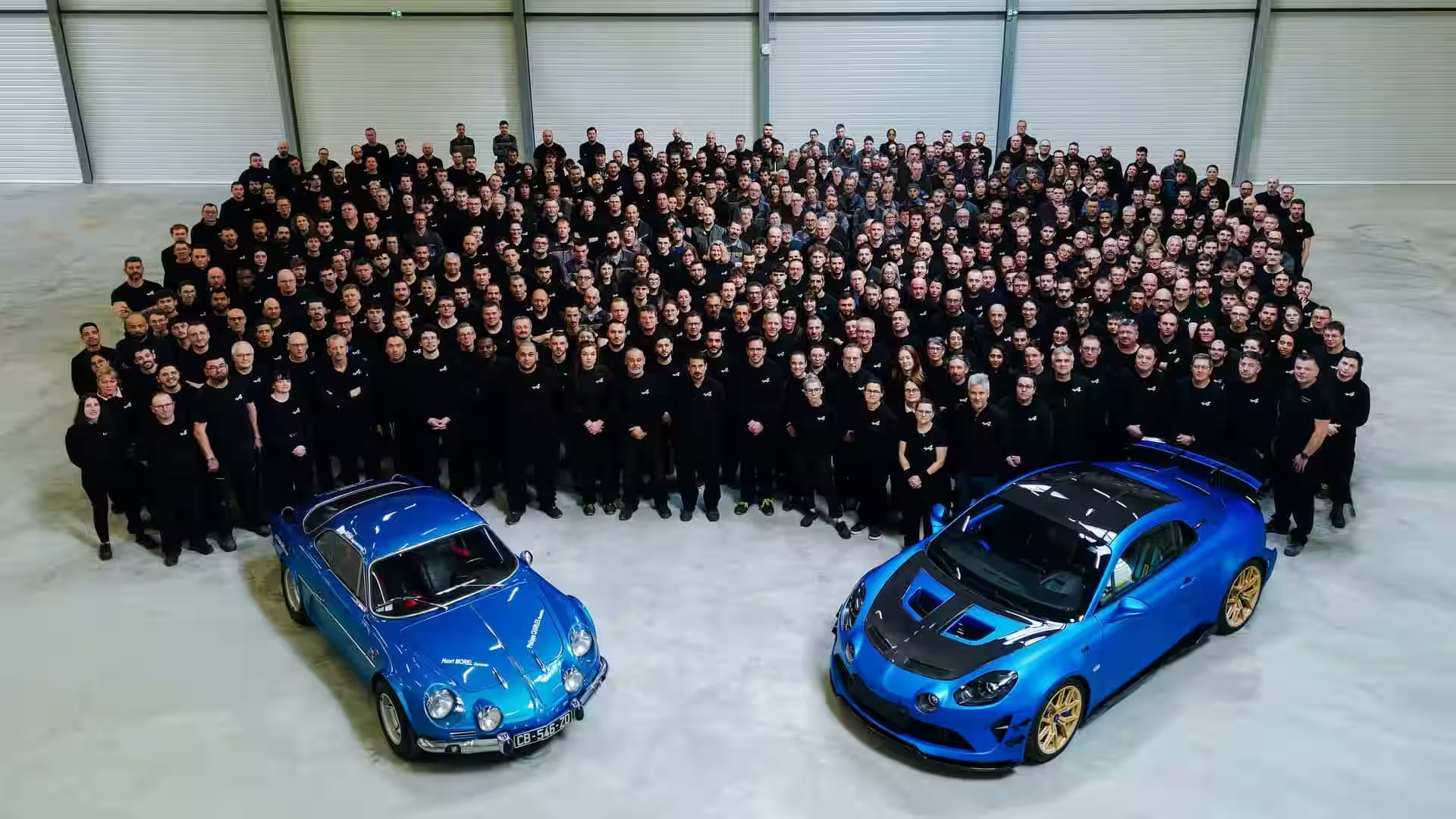
Production remains in Dieppe, at the legendary Manufacture Alpine Dieppe Jean Rédélé, preserving the brand’s industrial heritage and artisanal savoir-faire. It is a bold bet in times of decentralized manufacturing but reinforces Alpine’s premium positioning.
What has not been confirmed — and here lies the great unknown — is which internal combustion engine might power the APP. Speculations point to evolutions of the current Renault 1.8 turbo, possibly with mild hybridization to meet regulations. Another, more daring hypothesis would be a partnership with Mercedes-AMG to use their four-cylinder engines, given Renault’s link to the German star.
What we know is that the final decision will depend on regulations, costs, and — above all — customer desire. If Porsche has already backed down on its electric strategy with the Cayenne, why wouldn’t Alpine do the same in an even more emotional segment?
The brand’s commercial strategy is also evolving. In addition to the traditional Alpine Stores, the Ateliers Alpine in Paris, Barcelona, and soon London and Milan offer immersive experiences with gastronomy and simulators. The La Piste Bleue center in Le Mans completes the brand ecosystem, connecting customers to Alpine’s competitive heritage.
For those closely following the energy transition, the A110 case is a clear signal: the death of the combustion engine was prematurely announced. Niche brands, especially, cannot afford to ignore what their customers truly want. And on mountain curves, where every kilogram and every tenth of a second counts, electrification still needs to prove it can replace — not just complement — the purist experience of a lightweight sports car.
The question that remains is: when Alpine finally unveils the A110 with a combustion engine, will it be seen as a betrayal of the ecological promise or as a victory for enthusiasts? In the sports car market, the answer is usually dictated by sales — not press releases.