
The roar is unmistakable, but the badge isn’t Ferrari. Check out 7 legendary models that use Maranello engineering under the hood now.
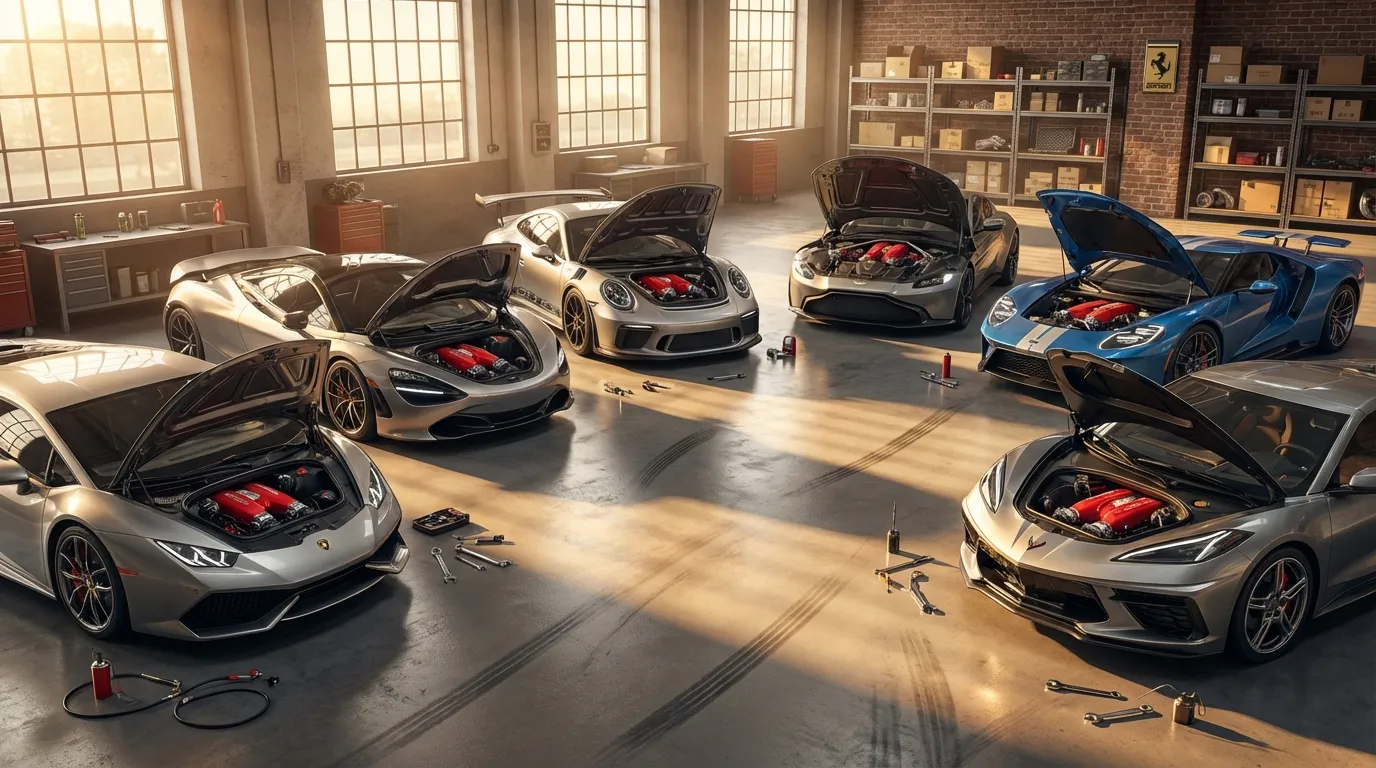
There is a type of automotive pleasure that doesn’t depend on the badge on the hood: it’s the sound, the rev, and the response of a Ferrari engine. And yes, there are “side doors” to this—cars that aren’t Ferraris but carry Maranello DNA under the hood.
Why Do Cars With Ferrari Engines Exist That Aren’t Ferraris?
When someone searches for “Ferrari engine cars” or “non-Ferrari cars with Ferrari engines,” they usually want two things: history and feeling. The truth is that, at different times, Ferrari ceded (or adapted) engines for other projects for very pragmatic reasons:
- Homologation and Racing: Producing a minimum number of engines to compete.
- Industrial Synergy: Italian groups sharing engineering (especially when Fiat, Lancia, Alfa, and Maserati orbited the same corporate universe).
- “Halo Cars”: Showcase models designed to reposition a brand with a spectacular impact.
“Not every car with a Ferrari soul bears the Prancing Horse. Sometimes, the magic is where you least expect it: in a boxy sedan, a used ‘cheap’ GT, or a rare coupe that almost nobody recognizes.”
And there is a modern context behind this fascination: many people have returned to valuing internal combustion engines “with personality” in an era of electrification. If you want to understand this cultural shift, it’s worth reading More Buyers Are Ditching Electric Cars For Gasoline Vehicles — the background explains why the demand for special engines is exploding.
Next up are the 7 legendary cars with Ferrari engines (that aren’t Ferraris) — some relatively “affordable” in the used market (with many caveats), others absolutely collectible.
The 7 Cars With Ferrari Engines (That Aren’t Ferraris)
1) Alfa Romeo 8C Competizione (The “Disguised Ferrari” That Rebooted Alfa)
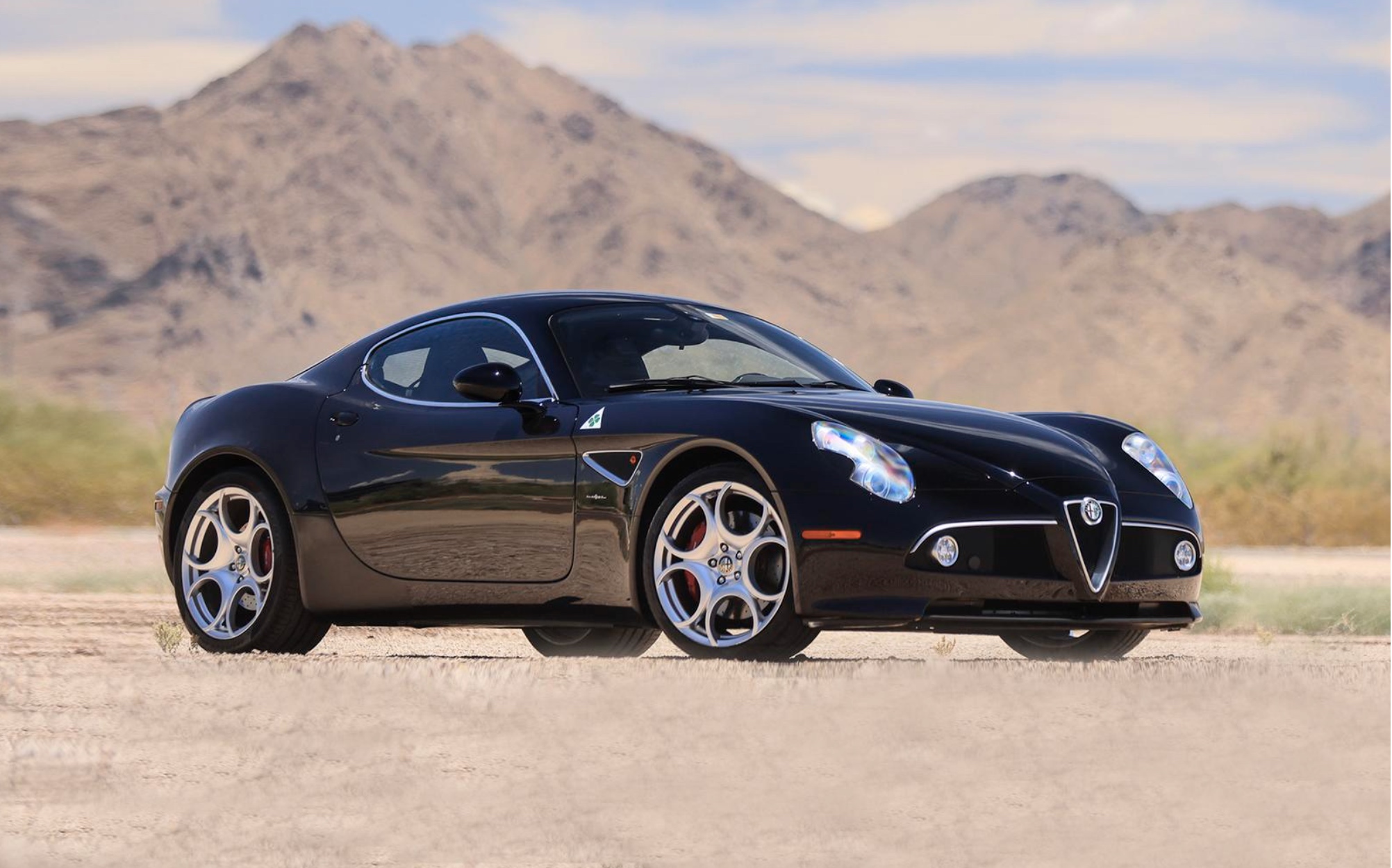
The Alfa Romeo 8C became an object of desire for two simple reasons: brutal design and an engine directly related to Ferrari/Maserati. It uses a V8 from the F136 family, developed within the Italian performance ecosystem and featuring an auditory signature that many describe as “Ferrari enough to give you chills.”
- Why it matters: It’s a halo car; it wasn’t built for high volume, it was built to reignite the brand.
- Driving experience: Visceral, loud, dramatic. It’s not the most practical car in the world, but that was exactly the point.
- What to watch for: Maintenance, history, and specific components of a low-production car.
2) Maserati Quattroporte V8 (Select Years) — The Executive Sedan With Supercar Pulse

Few things are as deliciously wrong as a large sedan with a pedigreed Ferrari V8 singing loudly. In certain generations and years, the Maserati Quattroporte brought this combination: luxury, presence, and an engine that doesn’t match discretion (which is precisely why it works).
It falls into the “if you know, you know” category: on the outside, it might pass as just another premium sedan; inside, the experience is a mix of comfort and mechanical theater.
Survival Tip: Don’t fall for the “too cheap” trap. Italian GTs and sedans can become bargains to buy and nightmares to maintain. Before getting carried away, read Maintenance Mistakes That Are Making Your Mechanic Rich And Putting Your Safety At Risk — this is the kind of content that separates dreams from bankruptcy.
3) Maserati GranTurismo / GranCabrio V8 (Select Years) — The Ferrari Sound For Those Who Live On The Road

If your real world is more about “travel, highway, and city” than “quick laps,” the Maserati GranTurismo (and the GranCabrio) is one of the most alluring shortcuts to the Italian V8 experience.
- What it delivers: Strong acceleration, epic roar, classic GT stance.
- What it isn’t: Light and surgical like a purely track-focused car.
- Common pitfall: Buying based on price and ignoring the cost of keeping everything “just right.”
And since we are talking about mechanical refinement, there is an engineering detail that many overlook when evaluating engines: internal technologies that affect noise, durability, and maintenance. If you like to dive into the “how it works,” check out Hydraulic Lifters: Why Some Engines Use This Technology And How It Makes Your Car Quieter.
4) Lancia Thema 8.32 — The Boxy Sedan Hiding A V8 With Ferrari Blood

If there is one car that defines the expression “wolf in sheep’s clothing,” it is the Lancia Thema 8.32. Outside, it has that 80s executive aesthetic: straight lines, serious air, interior with wood and leather. Underneath, a V8 derived from the Ferrari 308.
In theory, it was genius: a fast and elegant sedan with a dream engine. In practice, it was also… peculiar. After all, we are talking about a car with a front-wheel-drive architecture handling a large, heavy engine. Result: behavior that demands respect and a level of “personality” that modern cars try to erase.
| What makes the Thema 8.32 special | What makes it difficult |
|---|---|
| Incredible exclusivity and history | Parts, fine tuning, and specialized maintenance |
| Rare analog experience | “Old school” dynamics that demand skill |
5) Fiat Dino Coupé/Spider — The Perfect Deal: Ferrari Needed Engines, Fiat Needed Desire
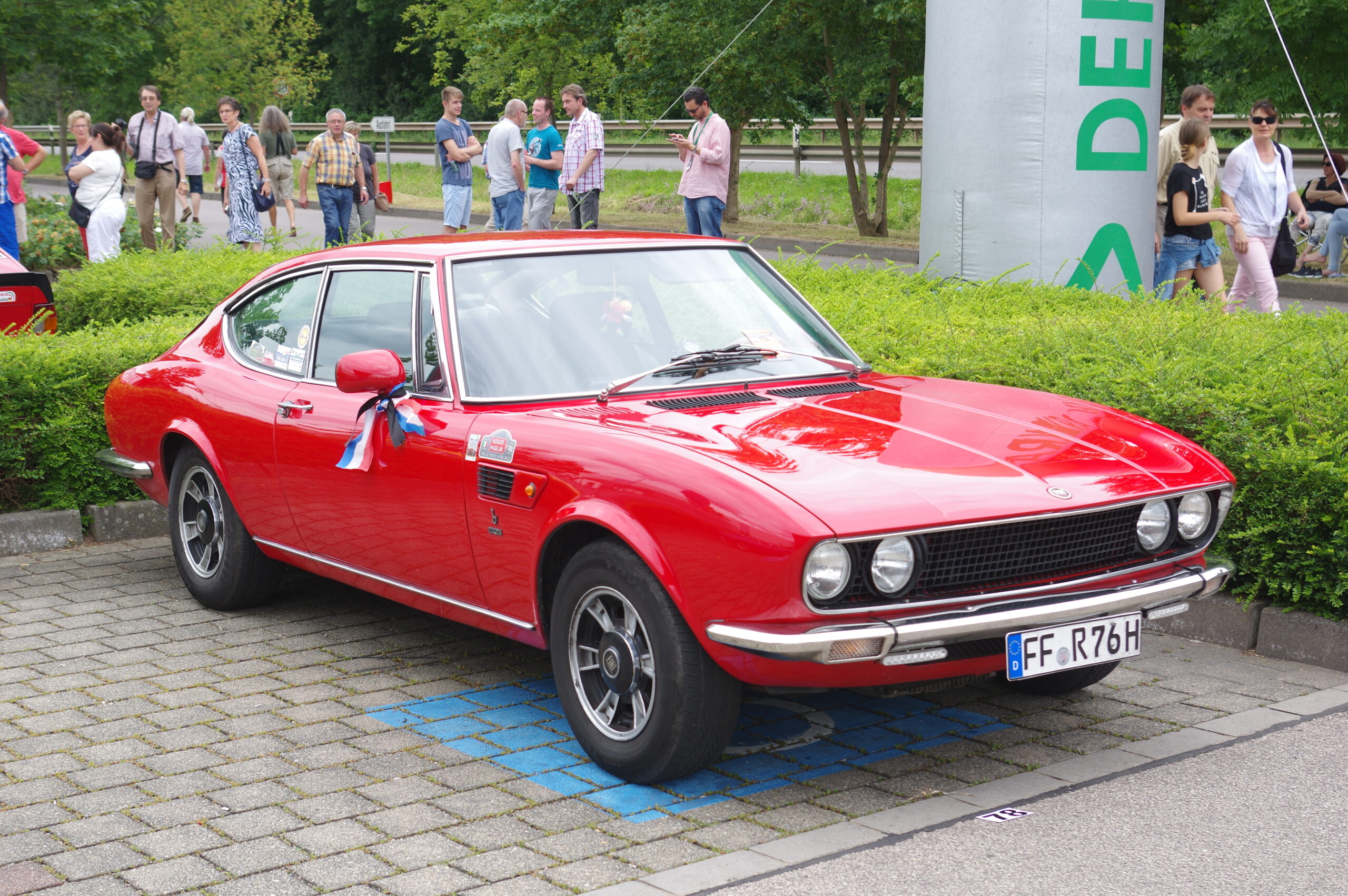
The Fiat Dino is a lesson in pragmatism that became a legend. Ferrari needed to produce enough engines to meet competition requirements (homologation), and Fiat wanted an aspirational sports car. The solution: put a Dino V6 (with Ferrari engineering) into a Fiat car.
The result was much more than a “corporate patch job.” The Dino became a kind of time capsule: steering, response, and sound of an engine built to rev and excite. And the cultural detail is delightful: it carries the name “Dino” as a tribute to Alfredo “Dino” Ferrari.
Why is it so sought after today? Because it’s a way to own an authentic piece of Ferrari history in a more “invisible” package — and invisible here is relative, as the car is beautiful.
6) Lancia Stratos HF — The Rally Monster With A Dino Engine (And Icon Status)
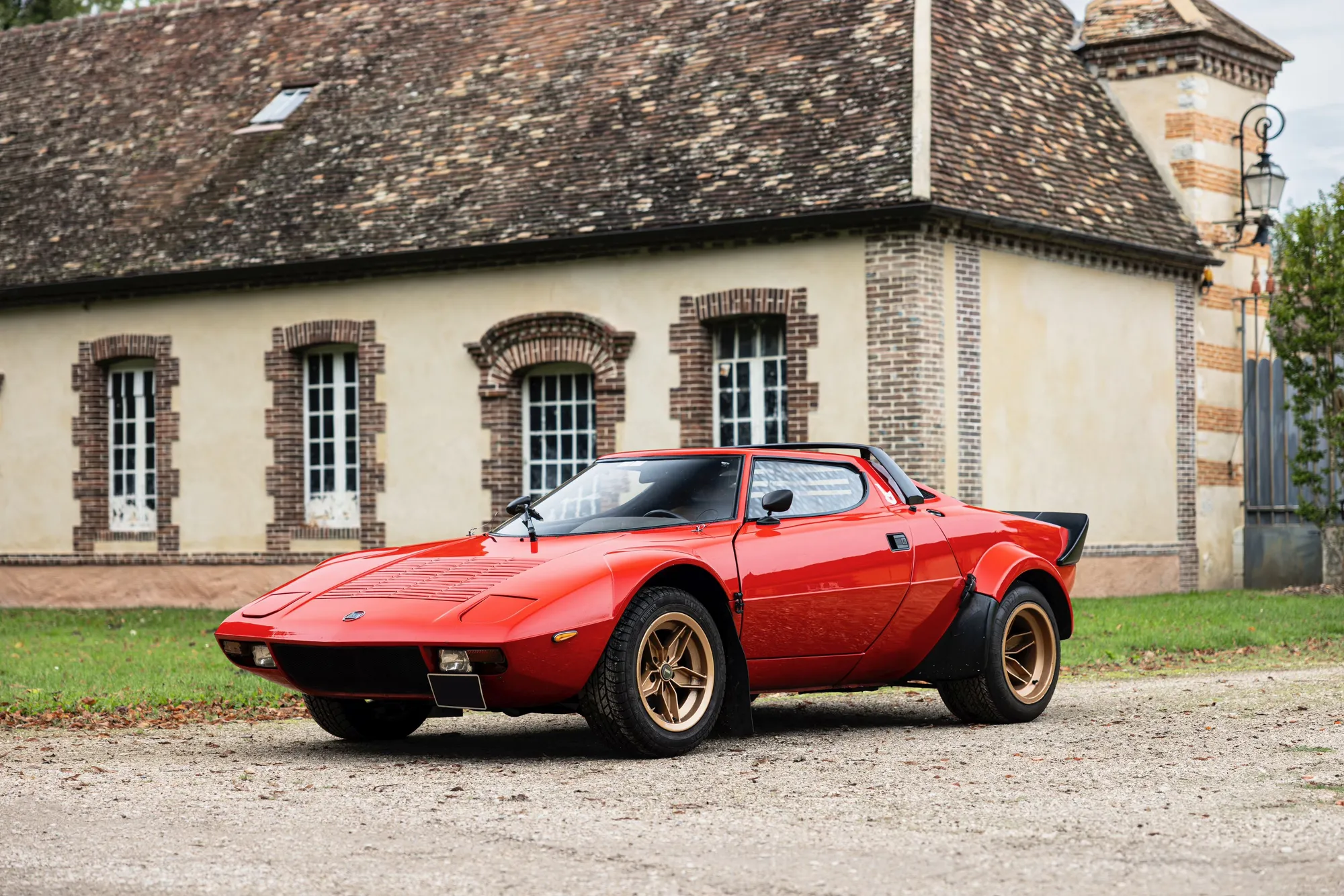
The Lancia Stratos is not just a car with a Ferrari engine: it is a symbol of an era when engineering was made to win, not to please emissions algorithms.
It uses the same Dino V6 and combines it with a very short, light, and aggressive body — a true “homologation special” with a concept car look. The Stratos was built for rally, and that changes everything: driving position, visibility, strange ergonomics, and a total focus on performance.
- Charisma: Very high, almost irrational.
- Rarity: Also very high, which drives up prices and makes finding correct cars difficult.
- Experience: “Pure” in the most literal sense; do not expect modern concessions.
7) ASA 1000 GT — The “Mini Ferrari” That Almost Nobody Knows
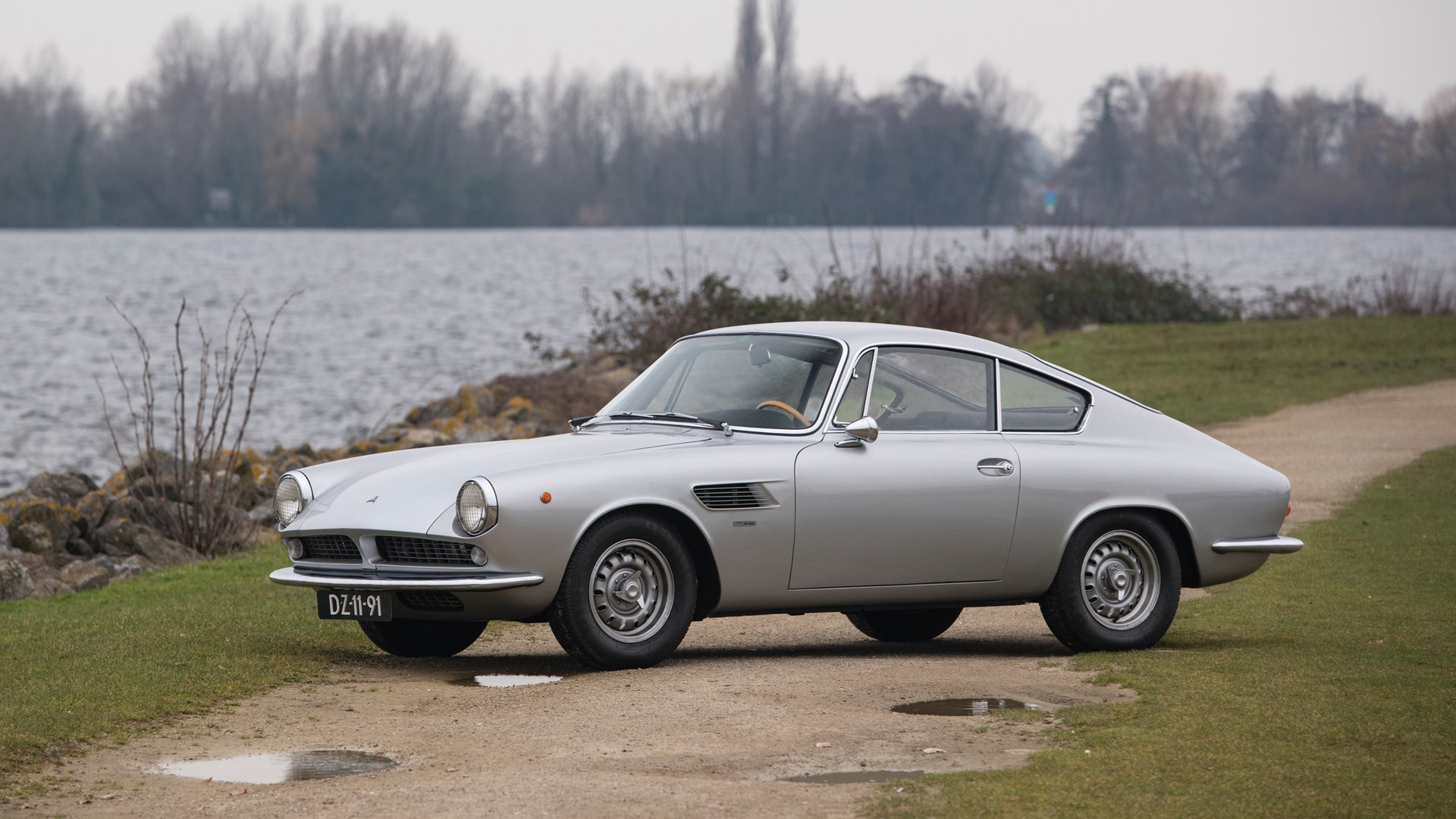
The ASA 1000 GT is the secret card on this list. A micro-GT Italian from the 1960s, with a design associated with legendary studios and, most importantly, a small engine derived from the Ferrari architecture (an idea to “downsize” the V12 concept into something compact).
It is absurdly rare, which is why it seldom appears in generic lists. But for collectors, this type of car has a special appeal: it doesn’t try to be “the fastest,” it tries to be a lost chapter of Italian engineering.
Important detail: Do not confuse “derived Ferrari engine” with “simple maintenance.” On the contrary — obscure cars usually require more research, more patience, and the right specialists.
How To Buy A Car With A Ferrari Engine Without Falling Into Traps
If your research here has buying intent (or at least a plan to dream), a few rules help avoid regret:
- Prioritize Provenance: Service history and known specialists are worth more than low mileage.
- Understand the Parts Ecosystem: Some components are shared; others are exclusive and expensive.
- Get a Pre-Purchase Inspection (PPI) with Experts: A standard inspection won’t catch the peculiarities of exotic Italian cars.
- Have a “Maintenance Fund”: The car might be affordable, but the maintenance rarely is.
And since special cars require special care, a “silly” detail that becomes a headache in any car (especially when you want to preserve the interior and trim) is visibility. If you’re dealing with glass fogged up inside and don’t know why, check out Why Car Glass Fogs Up Inside And How To Remove The Greasy Film Without Damaging Any Surface — it seems simple, but it changes the driving experience.
Finally, a warning that few people associate with “exotic cars”: tires. In high-performance cars (or heavy and powerful ones), incorrect inflation changes handling, wear, and even safety. If you think “filling up to the tire’s PSI” is always correct, you are probably getting it badly wrong — and this becomes even more serious in nervous cars. Read Why Overinflating Your BMW X5 Tire To The PSI Is A Bad Idea: The Truth That Can Save Your Car.
For those seeking a “Ferrari” experience without paying the price (and without entering the closed club of allocations and lists), these seven models prove one thing: Italy always found a way to hide magic where no one was looking — whether in an elegant GT, an unlikely sedan, or a rare classic that seems like a well-kept secret.