MAZDA2 and CX-3 stay alive abroad. New-generation plans point to post-2027 arrivals with compact roots and concept-led design. See what changed.
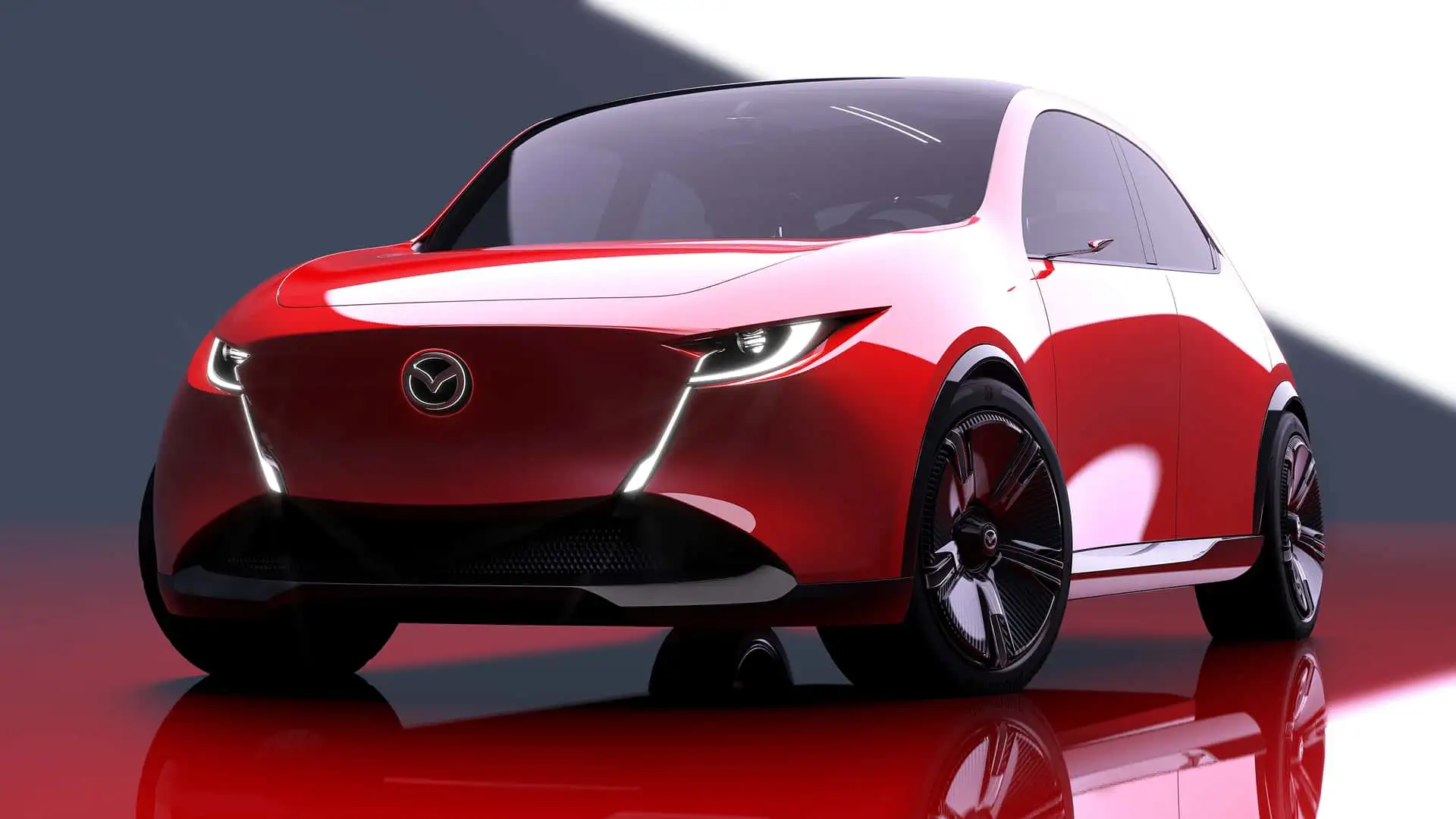
Mazda is not giving up on affordable small cars just because bigger SUVs dominate headlines. In a market increasingly obsessed with size, screens, and high price tags, the Japanese brand is quietly preparing a new chapter for the Mazda2 and CX-3 in selected regions.
Mazda Will Keep Its Cheapest Cars Alive In Some Markets
The biggest takeaway is simple: the Mazda2 hatchback and Mazda CX-3 compact SUV are not dead globally. While both models disappeared from the United States years ago, Mazda continues to sell them in overseas markets where smaller vehicles still make strong business sense. Now, company leadership has indicated that next-generation versions are in the plan, even if buyers may need patience.
According to statements made by Mazda’s Australian leadership, both entry-level models remain important enough to receive full replacements rather than being quietly phased out. That matters because the global industry has spent the last several years squeezing low-margin compact cars out of lineups in favor of larger and more profitable crossovers.
For Mazda, this decision says a lot about brand strategy. The company may be leaning harder into premium touches, better interiors, and cleaner design, but it still appears to understand one crucial reality: many markets still need lighter, cheaper, city-friendly vehicles.
The expected timing suggests these new compact Mazda models are unlikely to arrive before 2027, as the brand prioritizes major global products first.
That delay is not entirely surprising. Automakers are under pressure to split research and development budgets across combustion engines, hybrids, EVs, software upgrades, emissions compliance, and safety demands. In other words, every new small car has to fight for investment. Mazda seems willing to keep fighting for these two.
What The Next Mazda2 And CX-3 Could Look Like
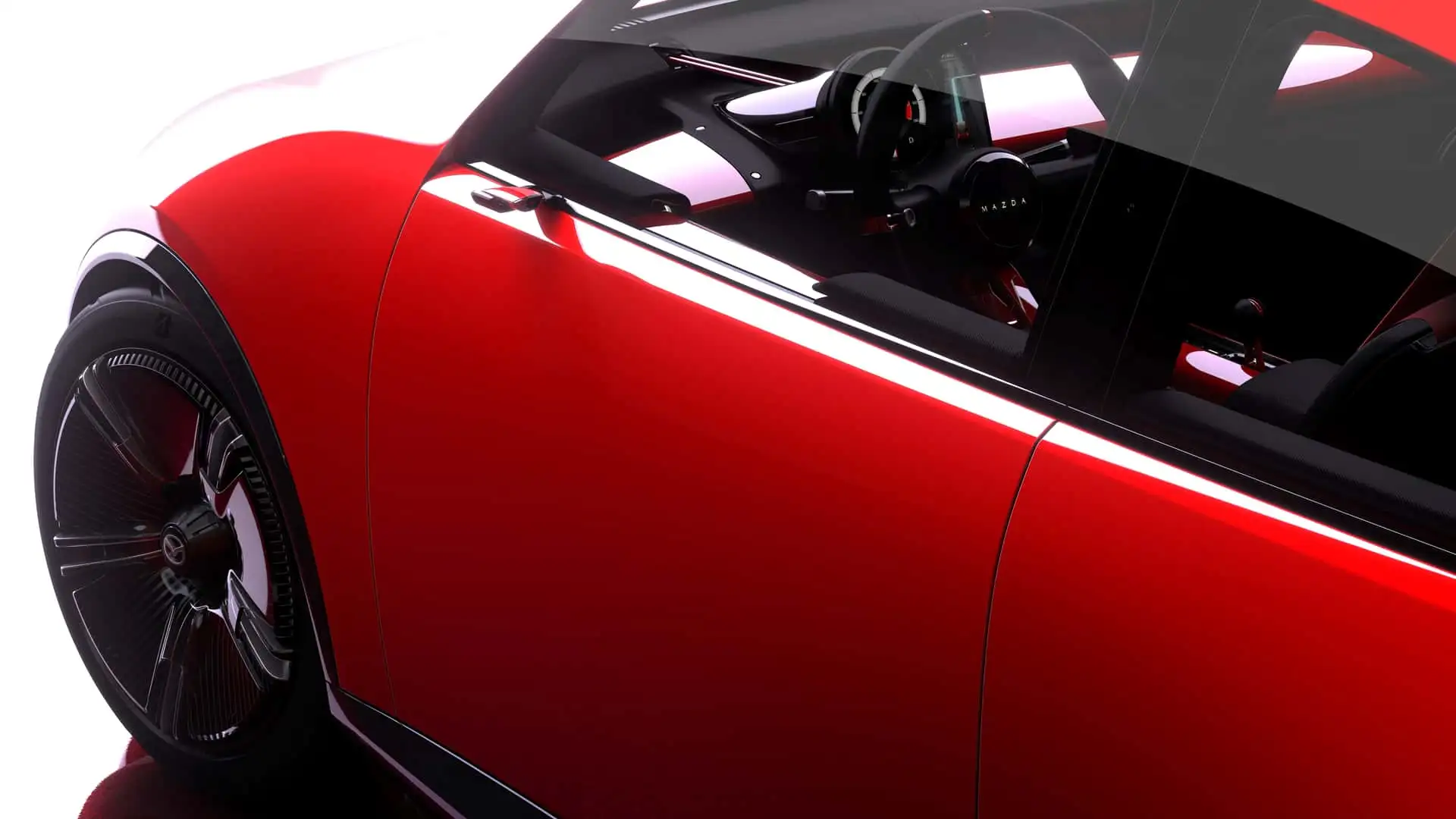
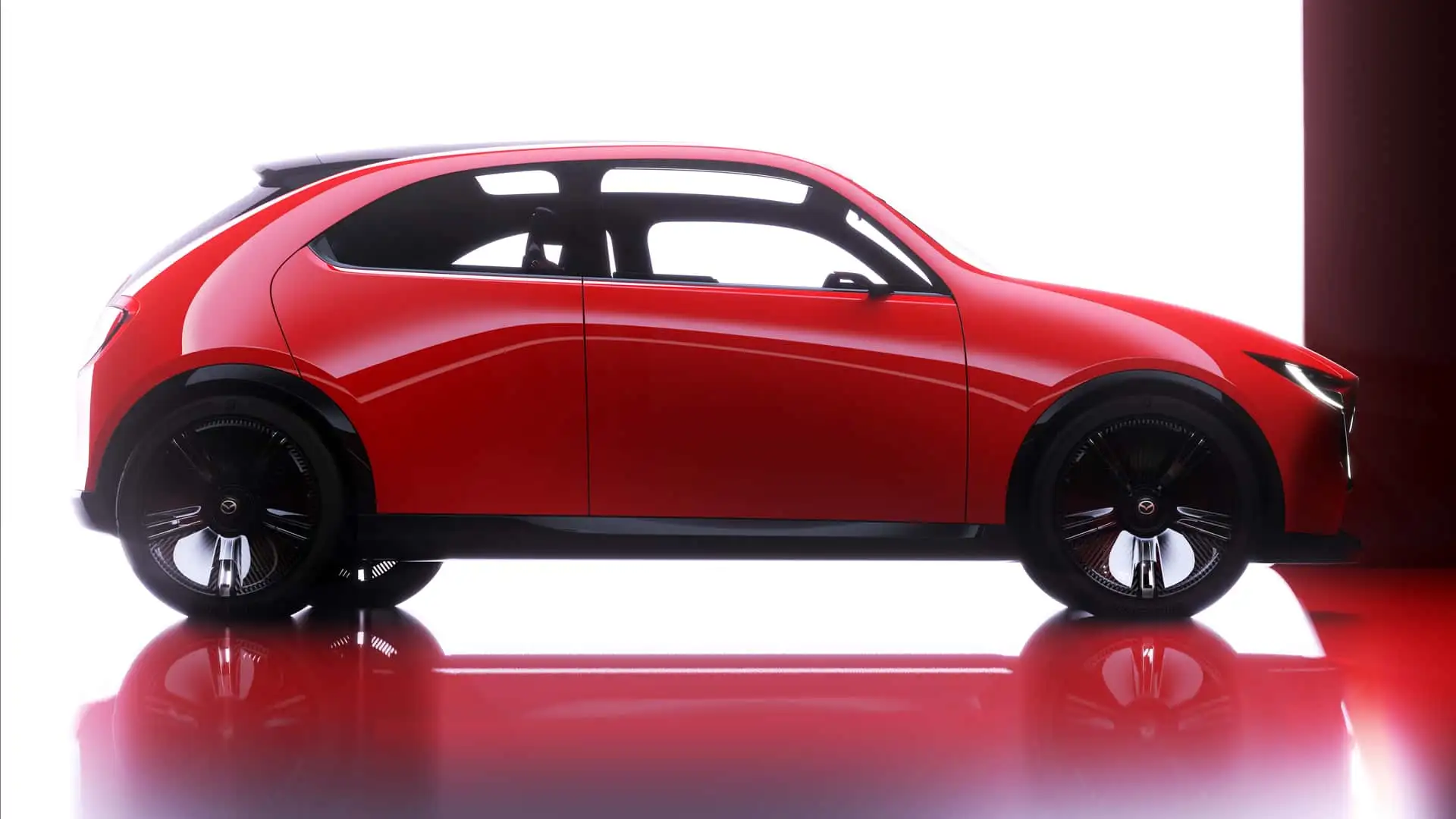
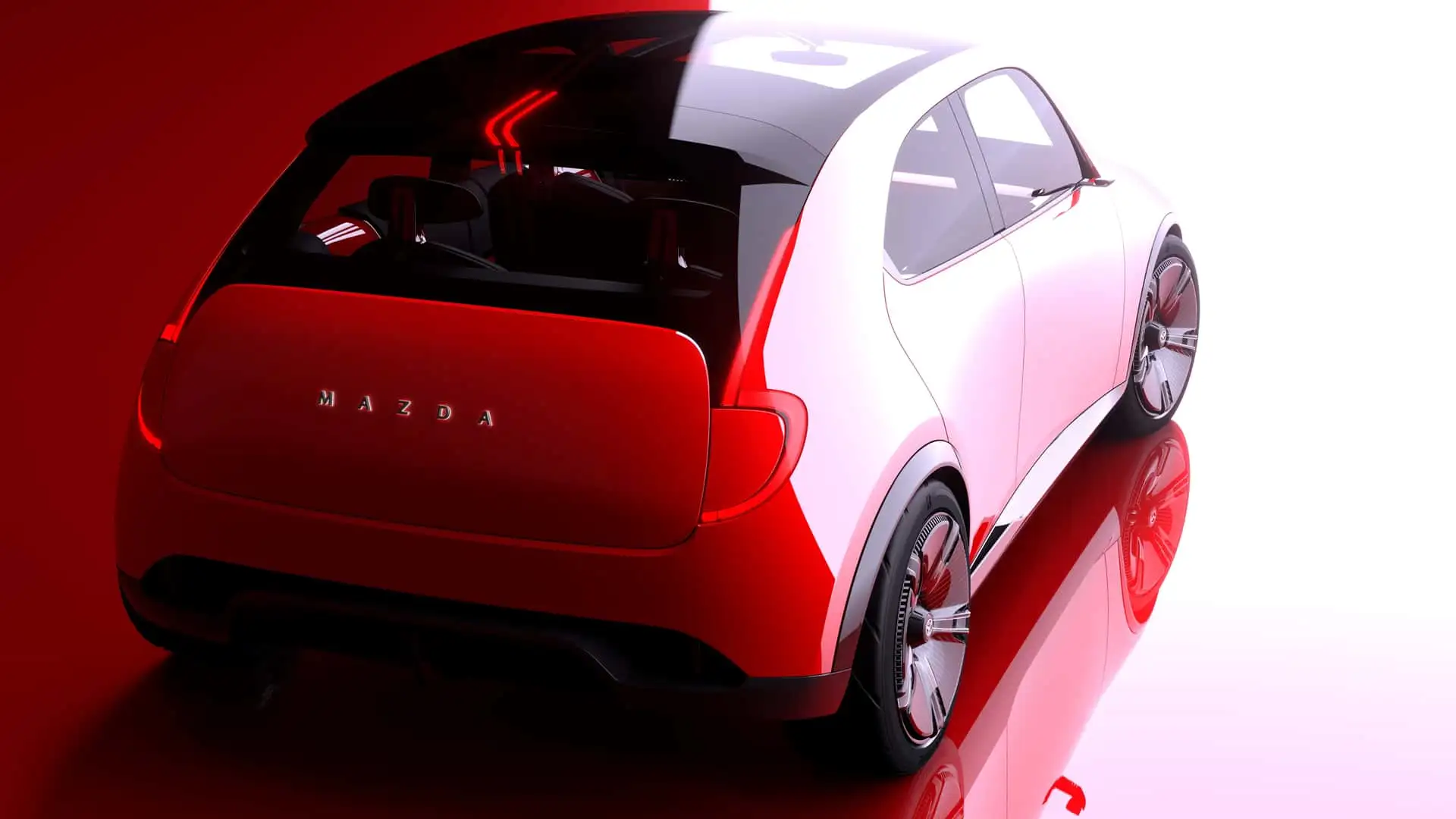
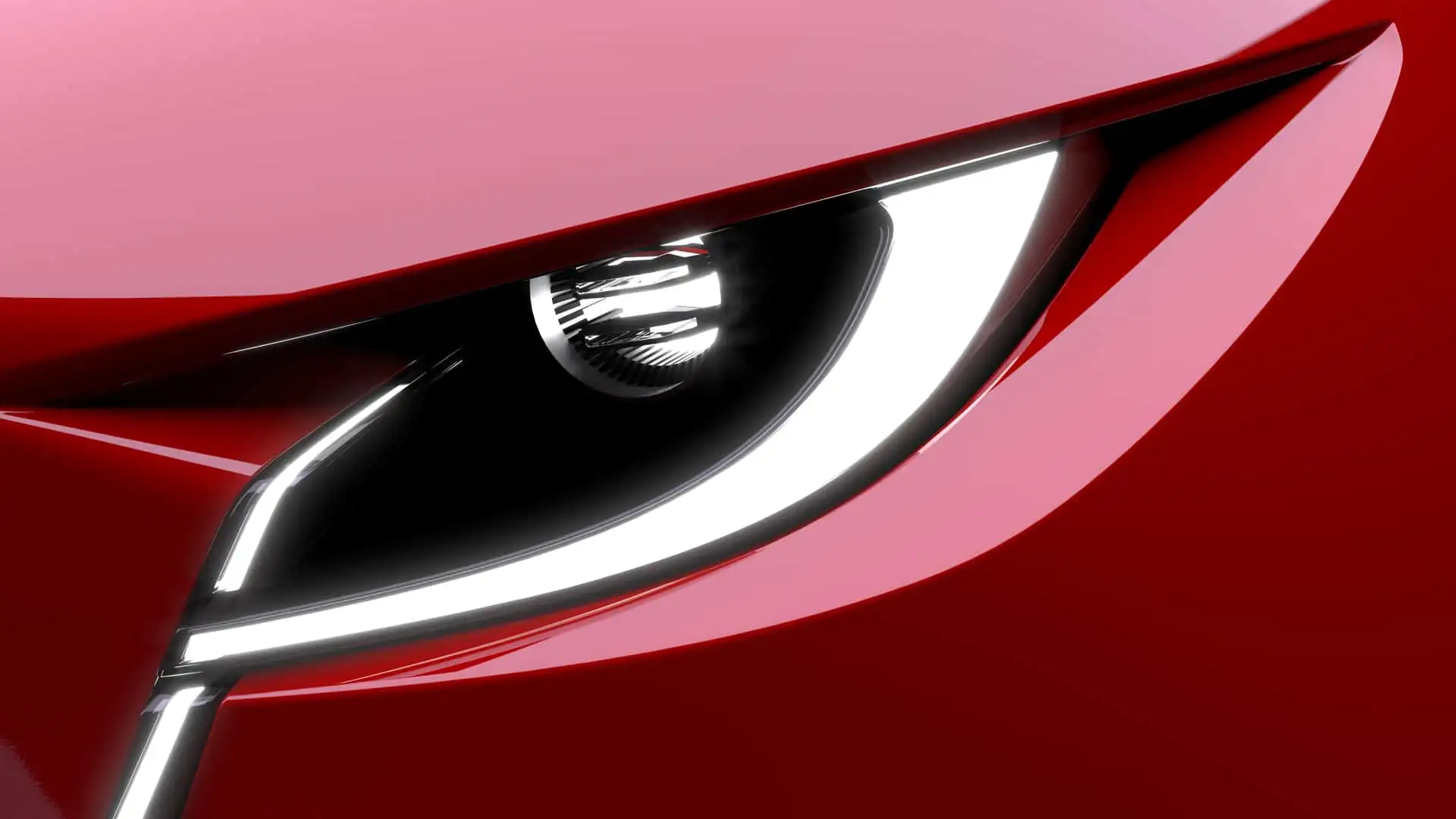
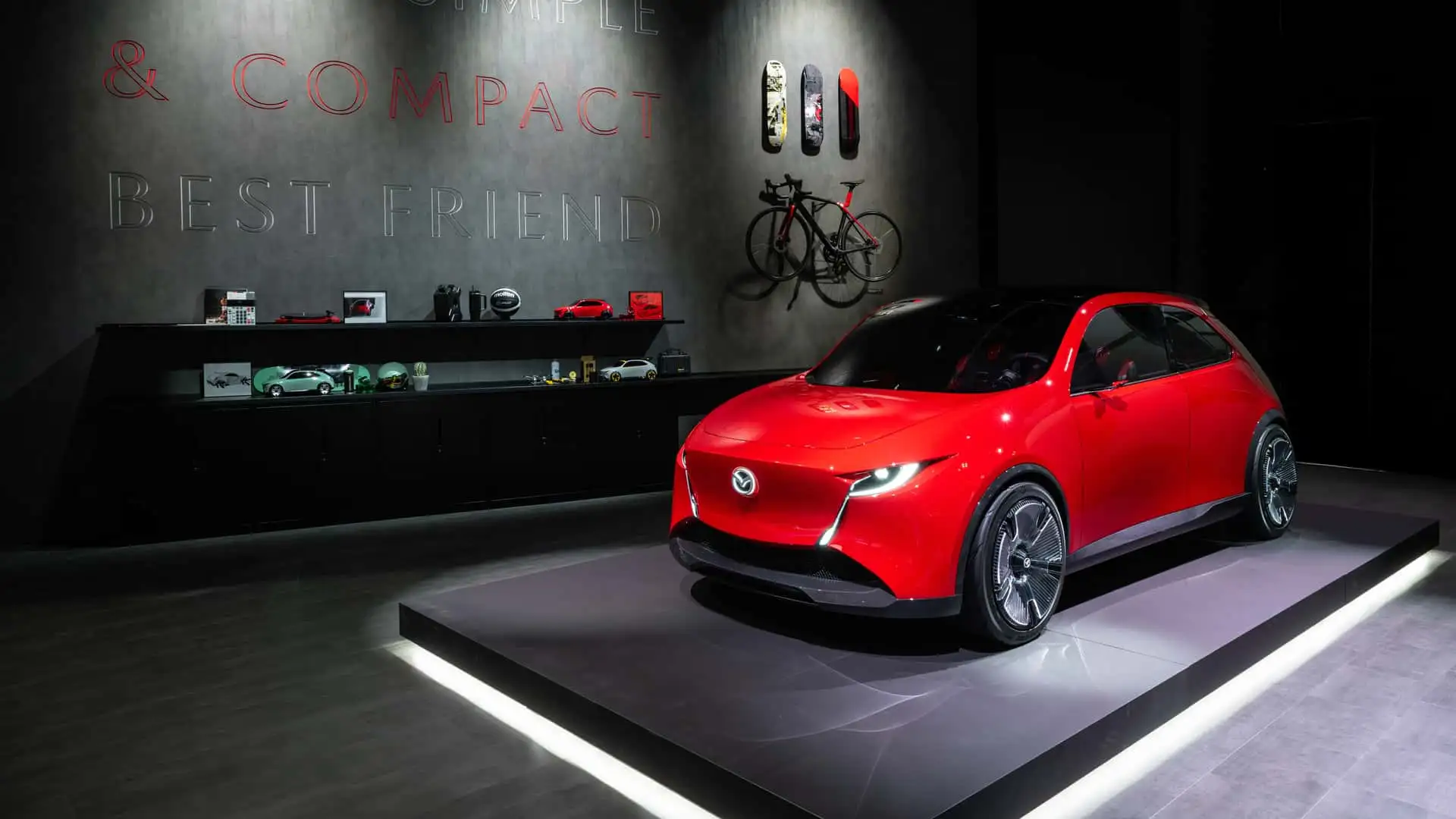
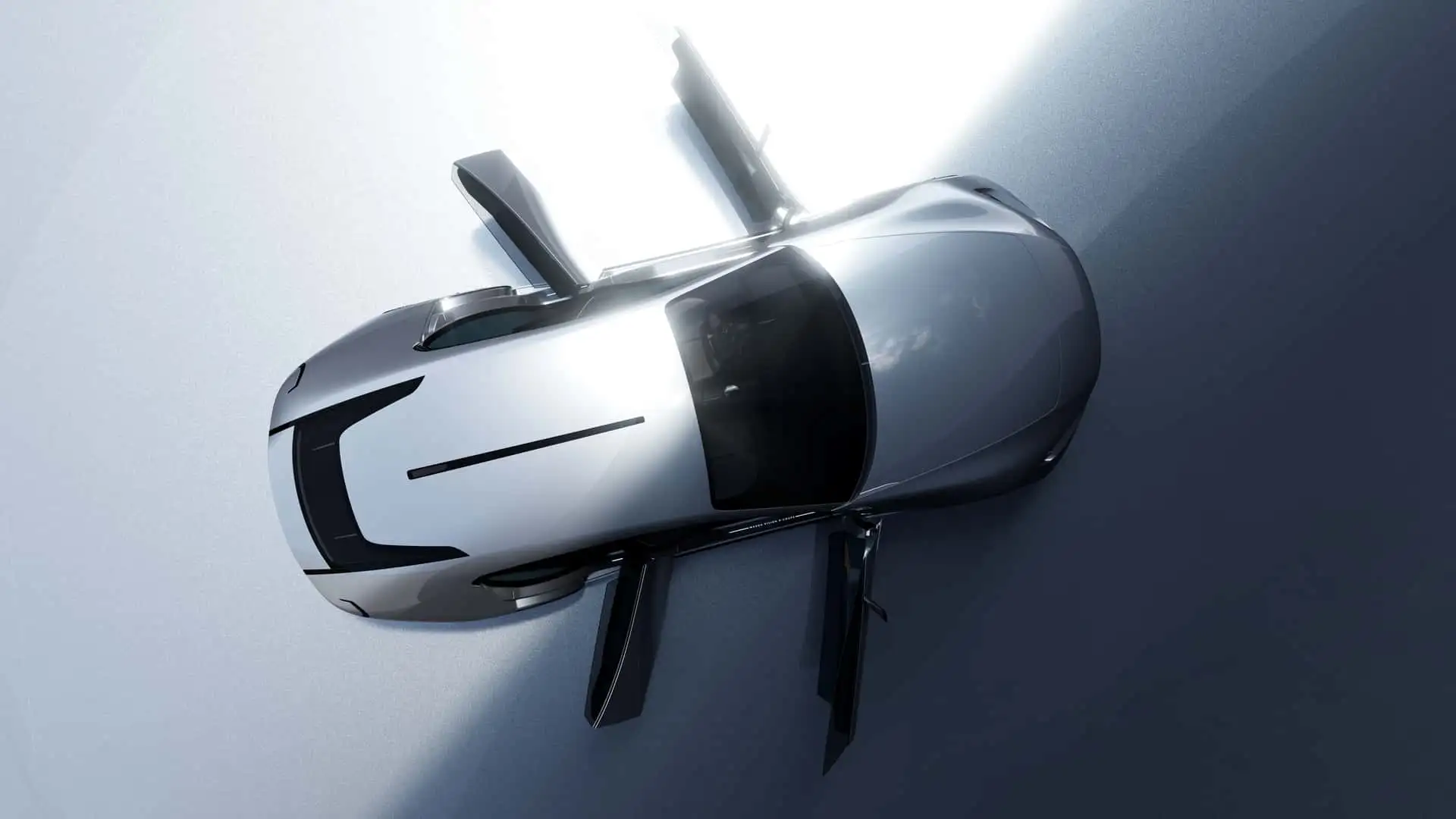
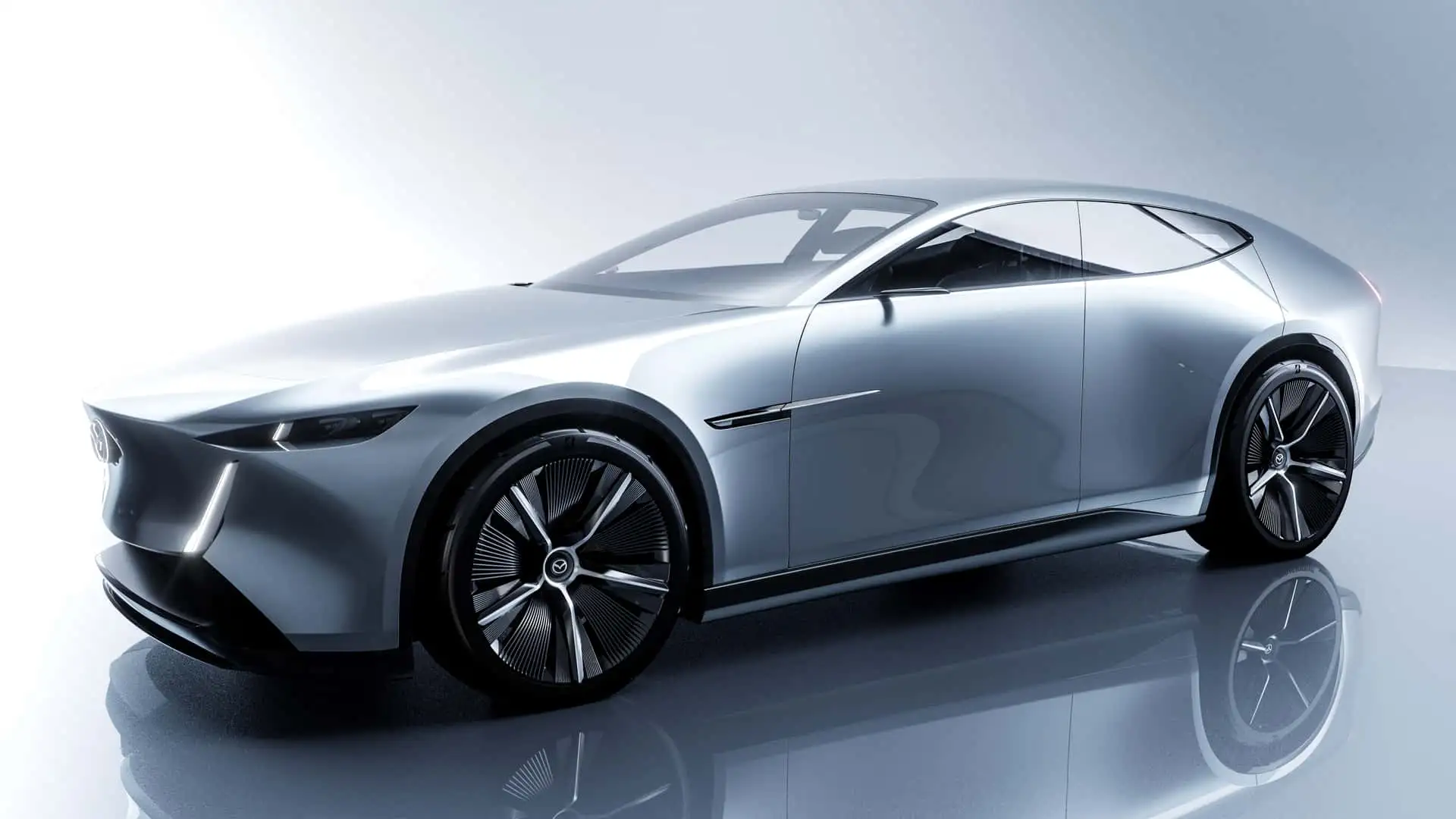
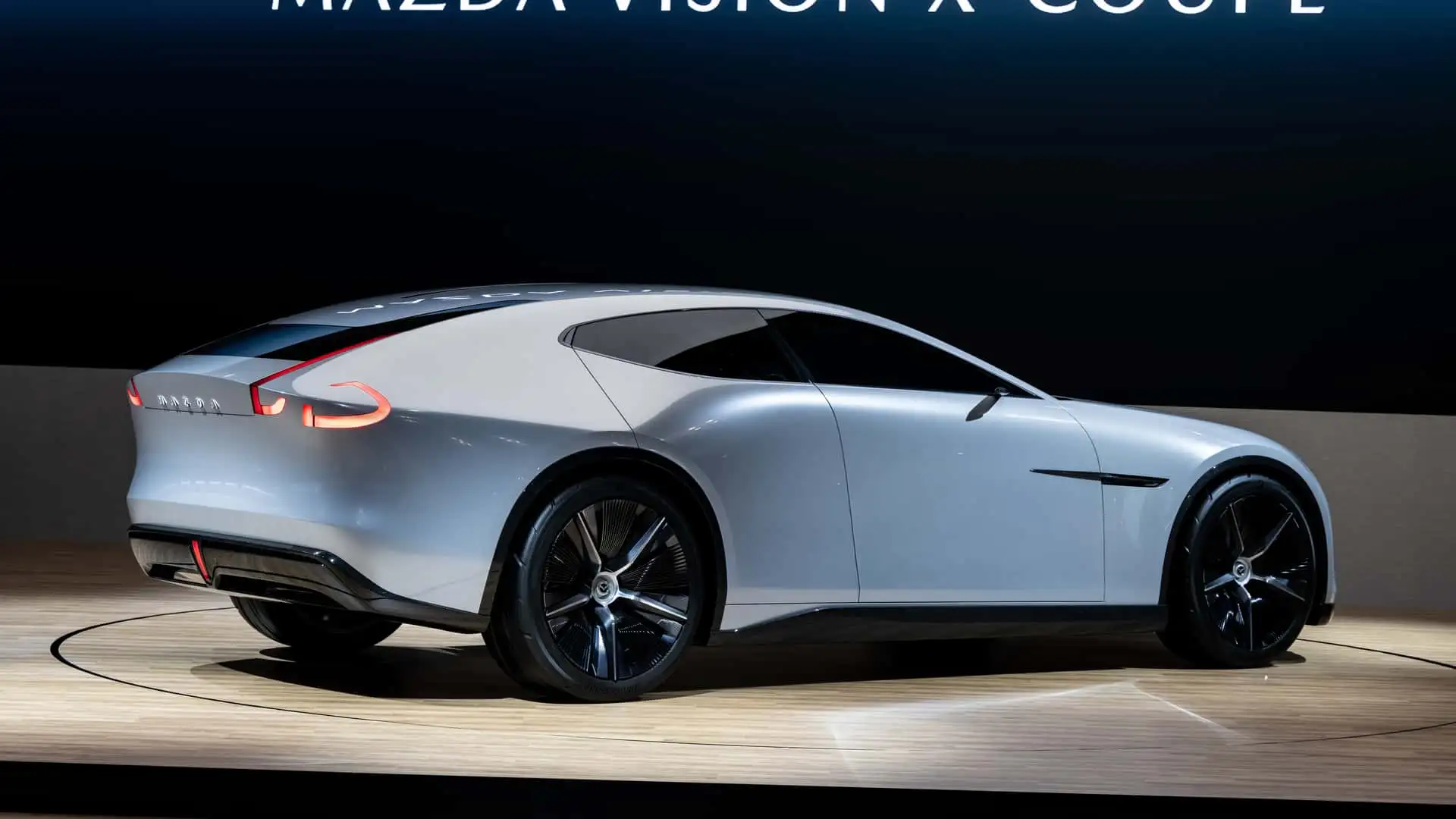
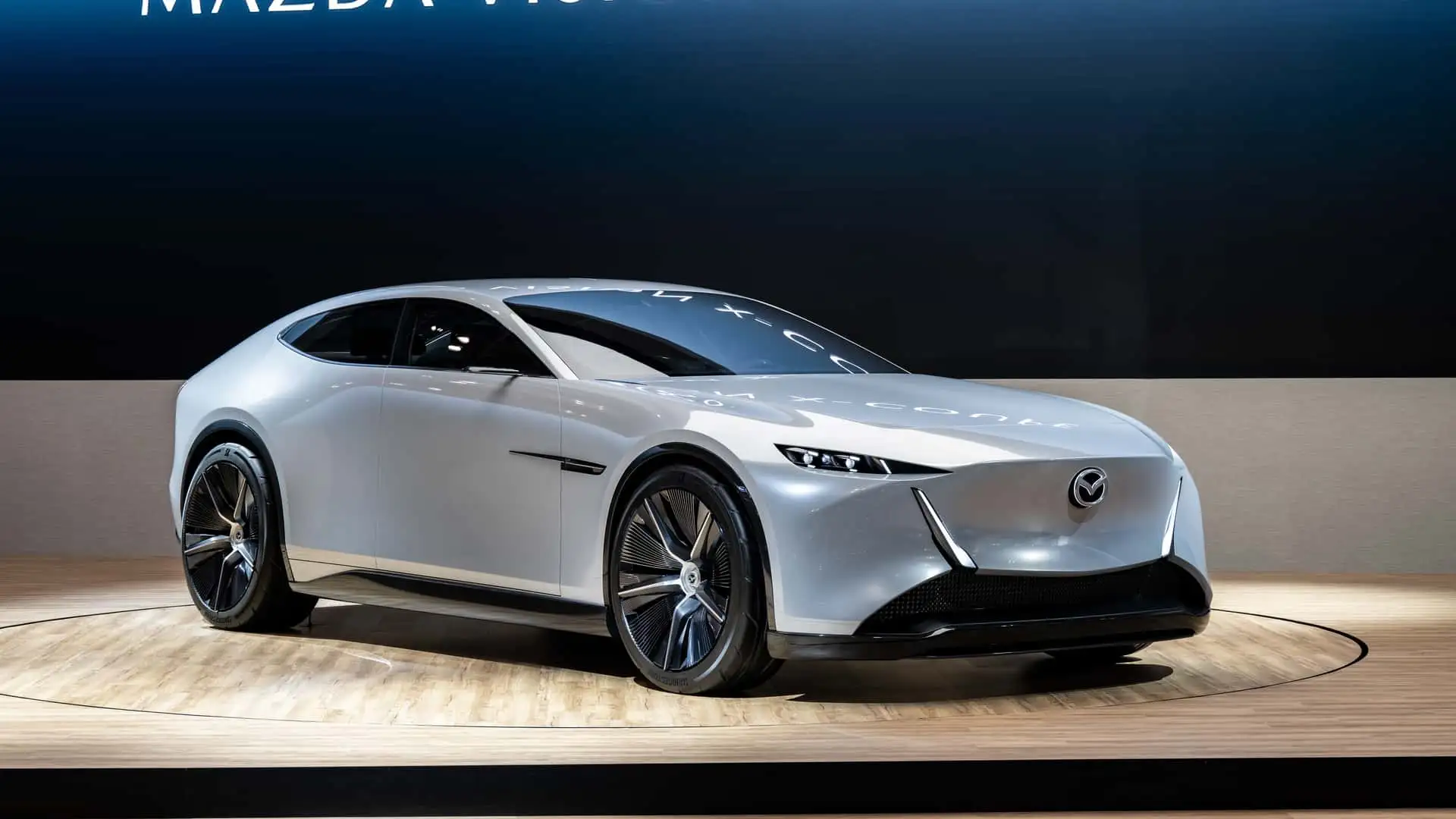
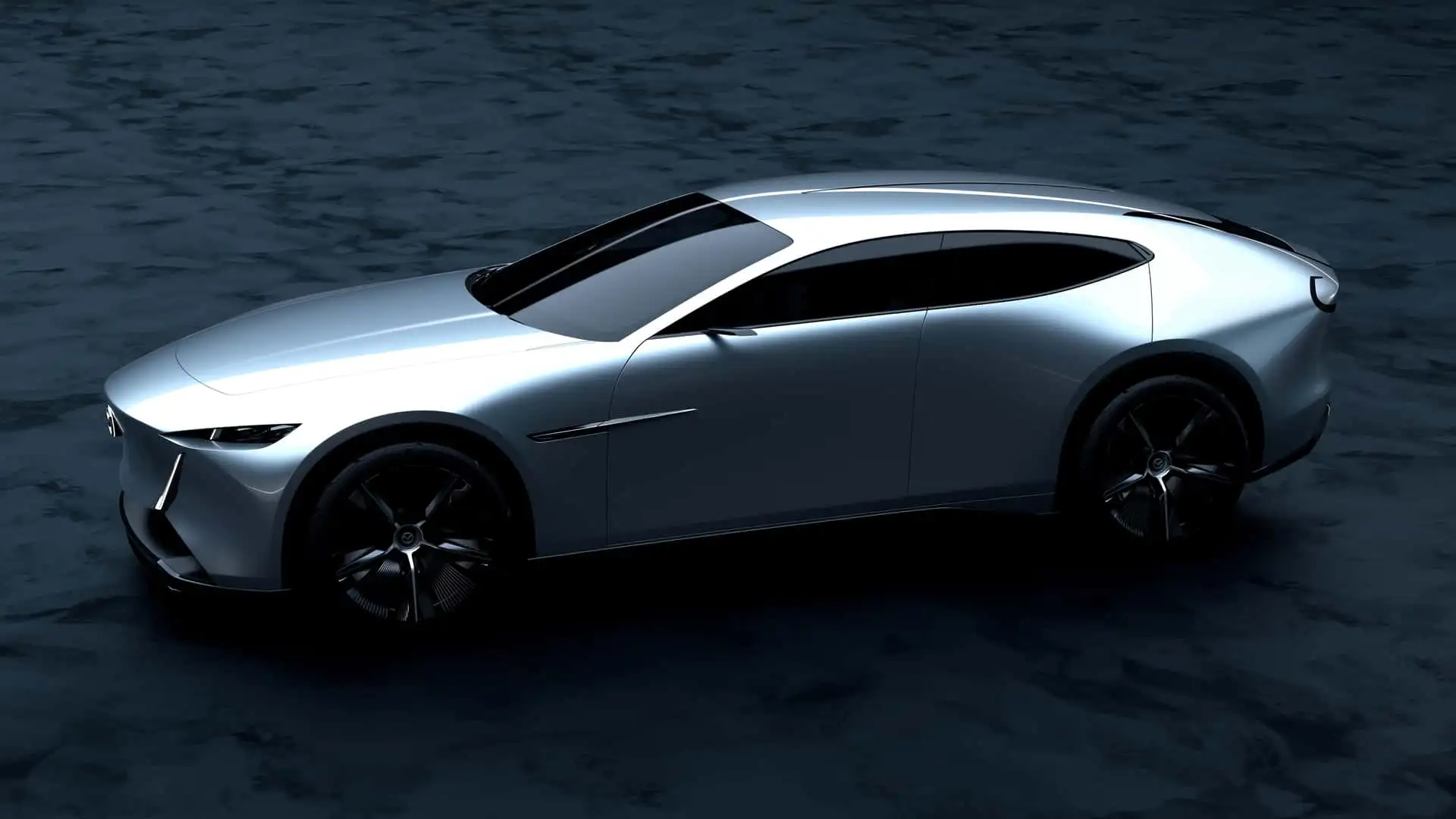
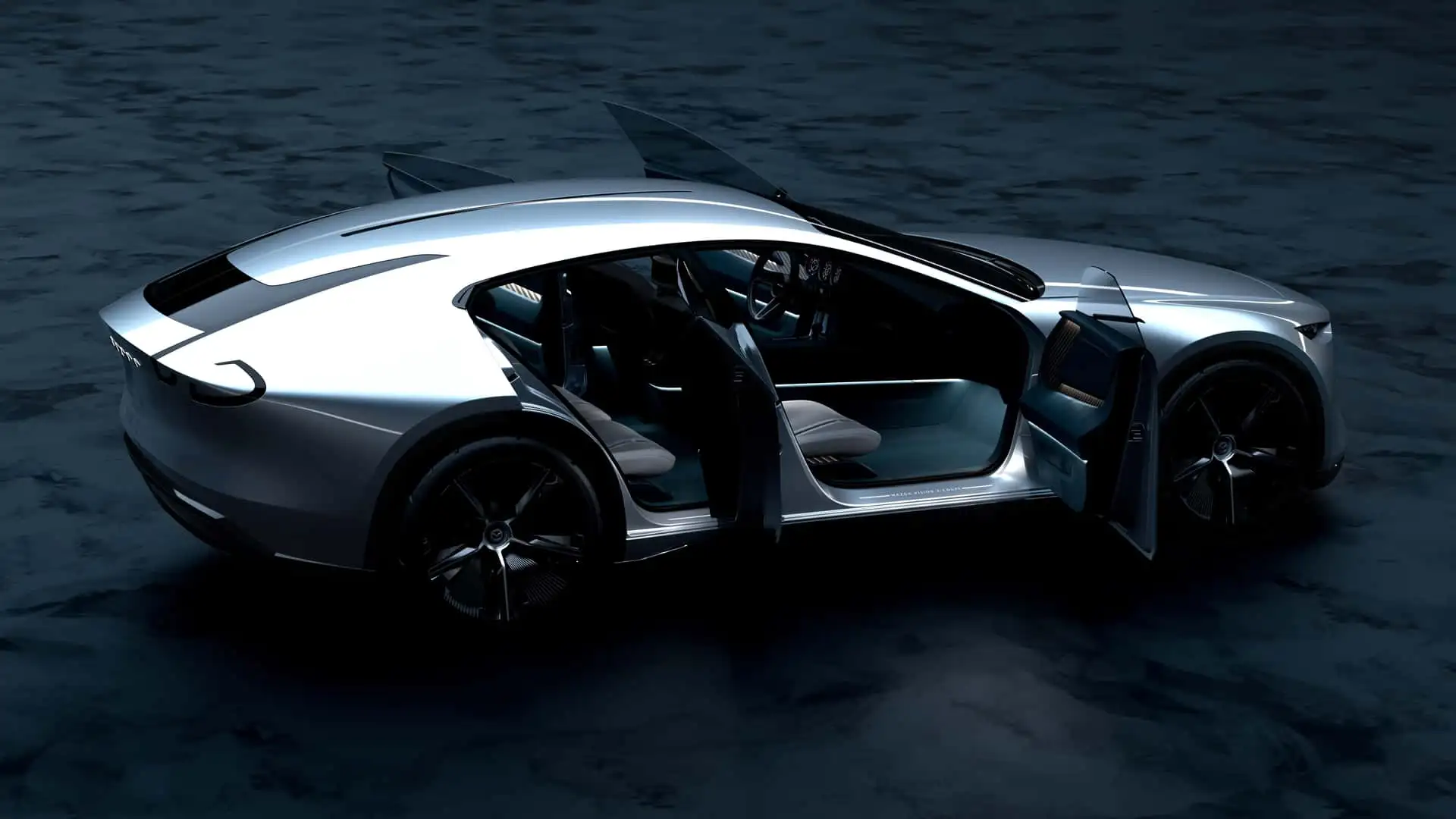
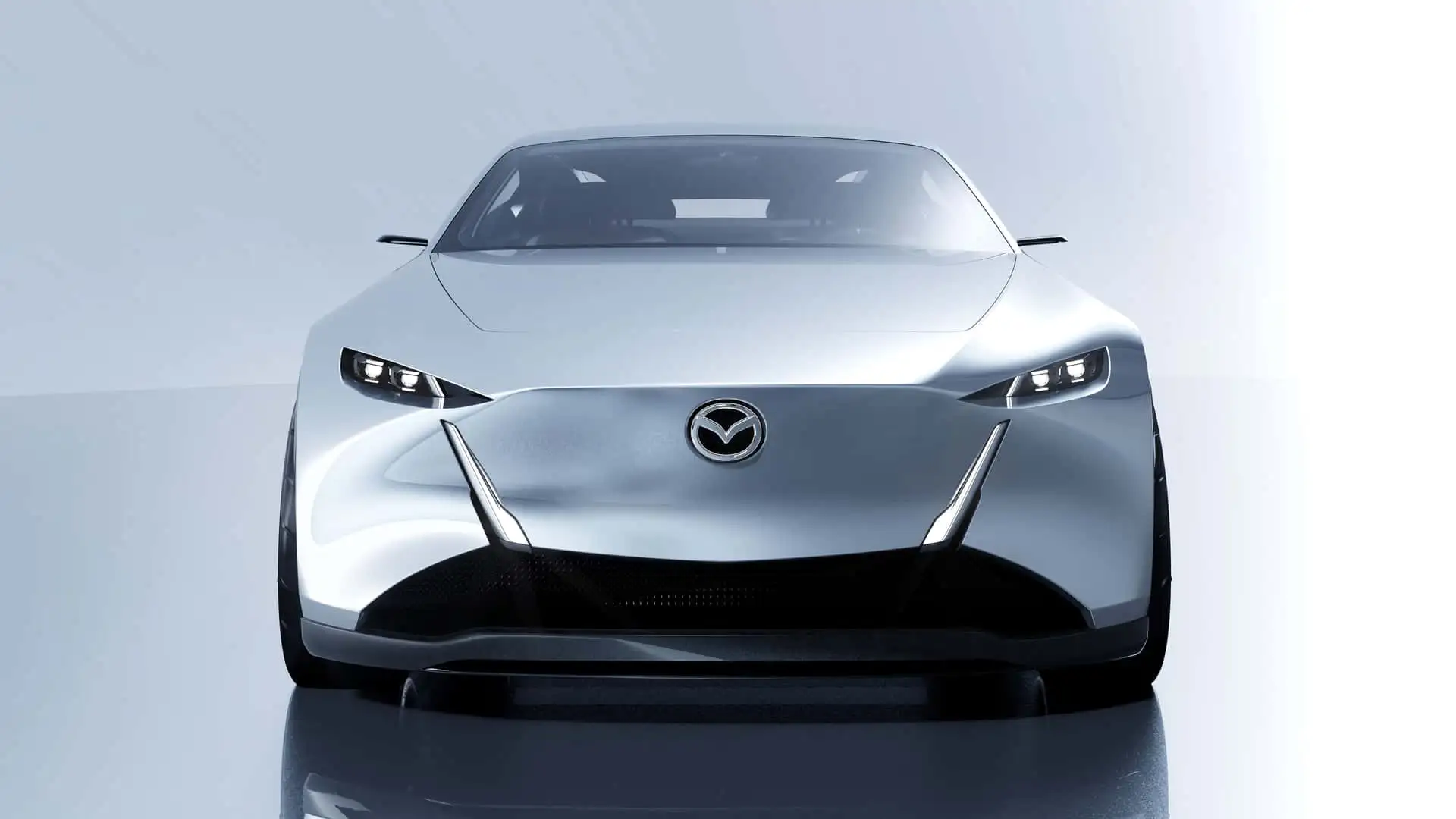
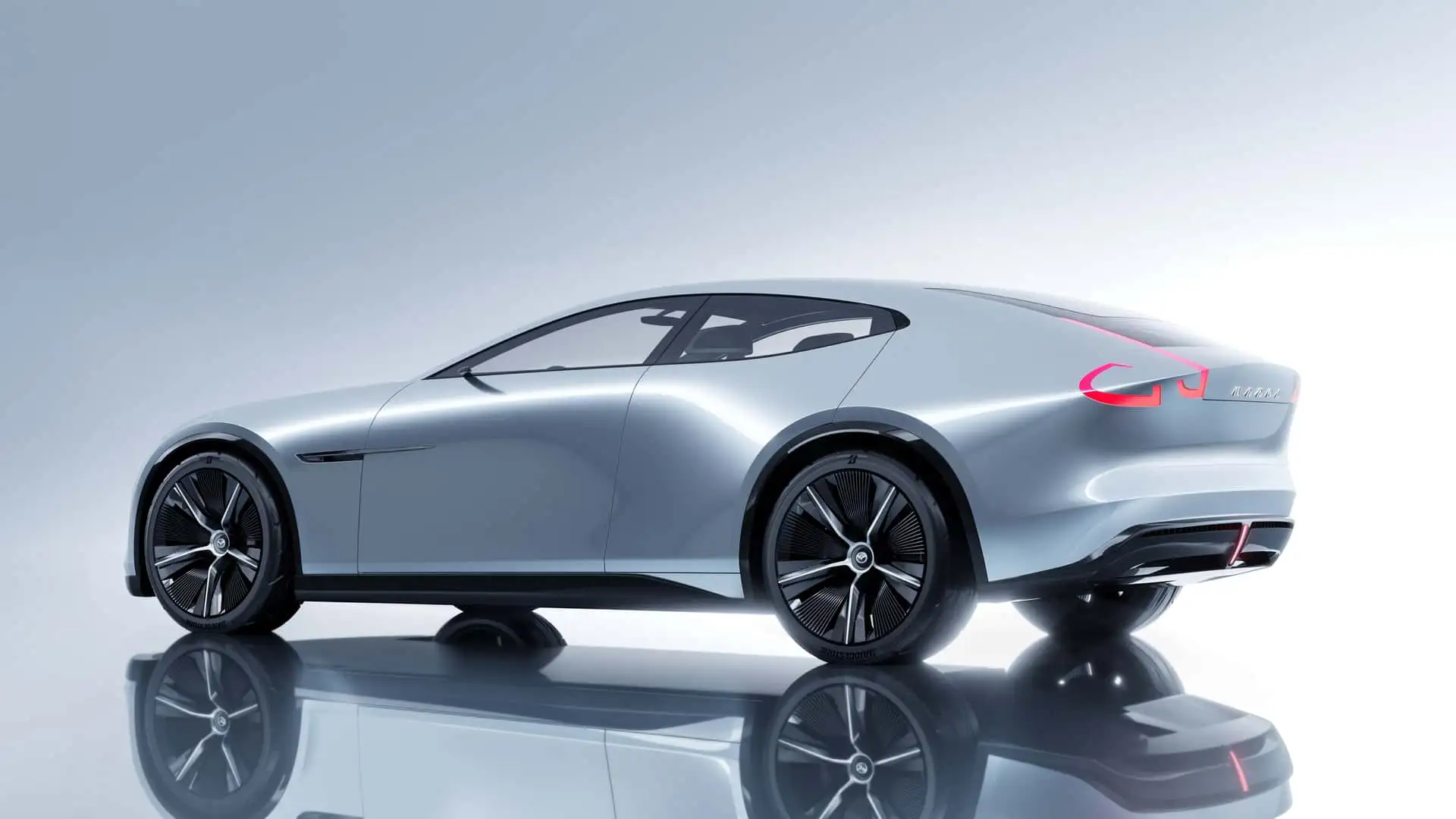
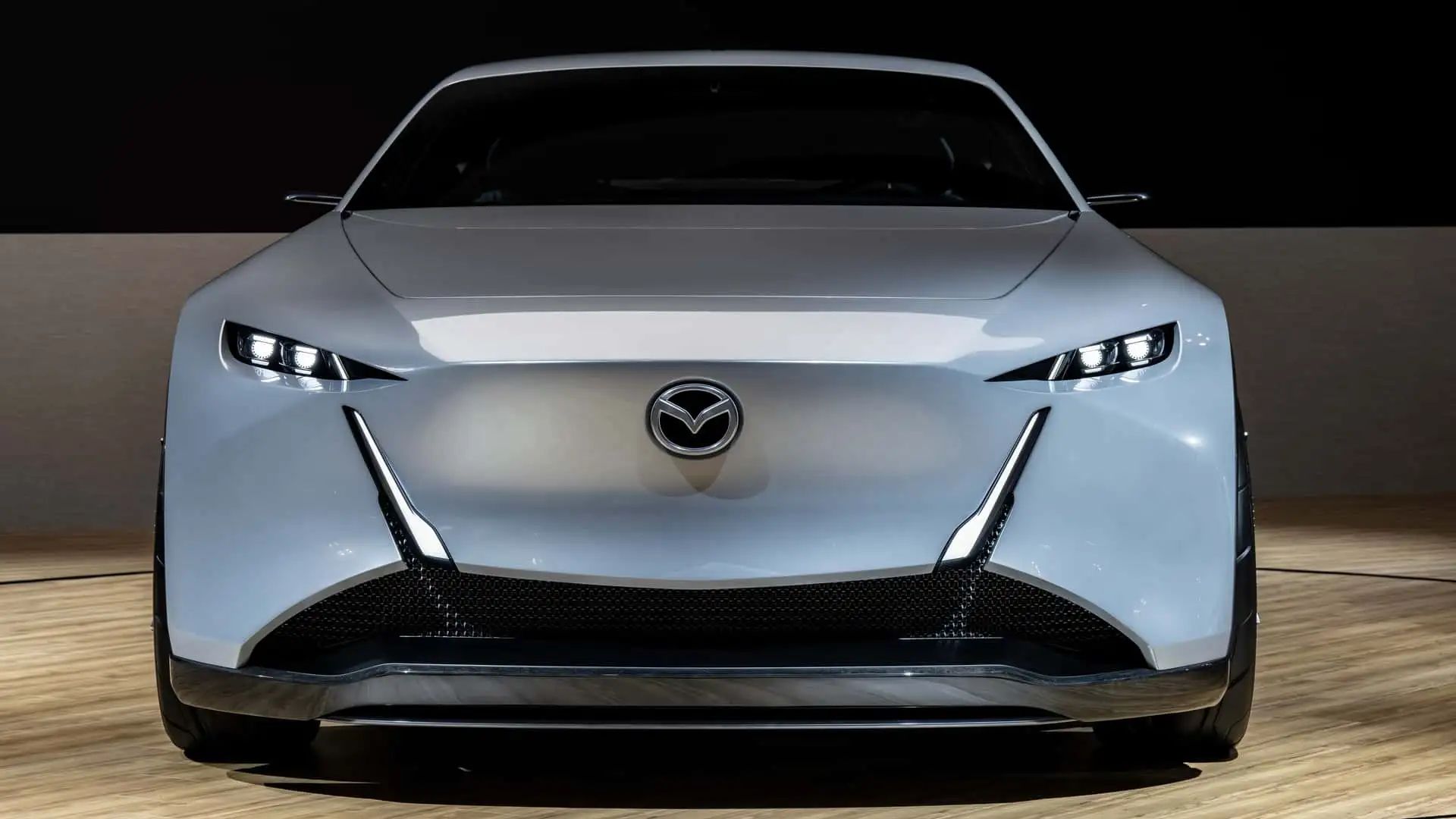
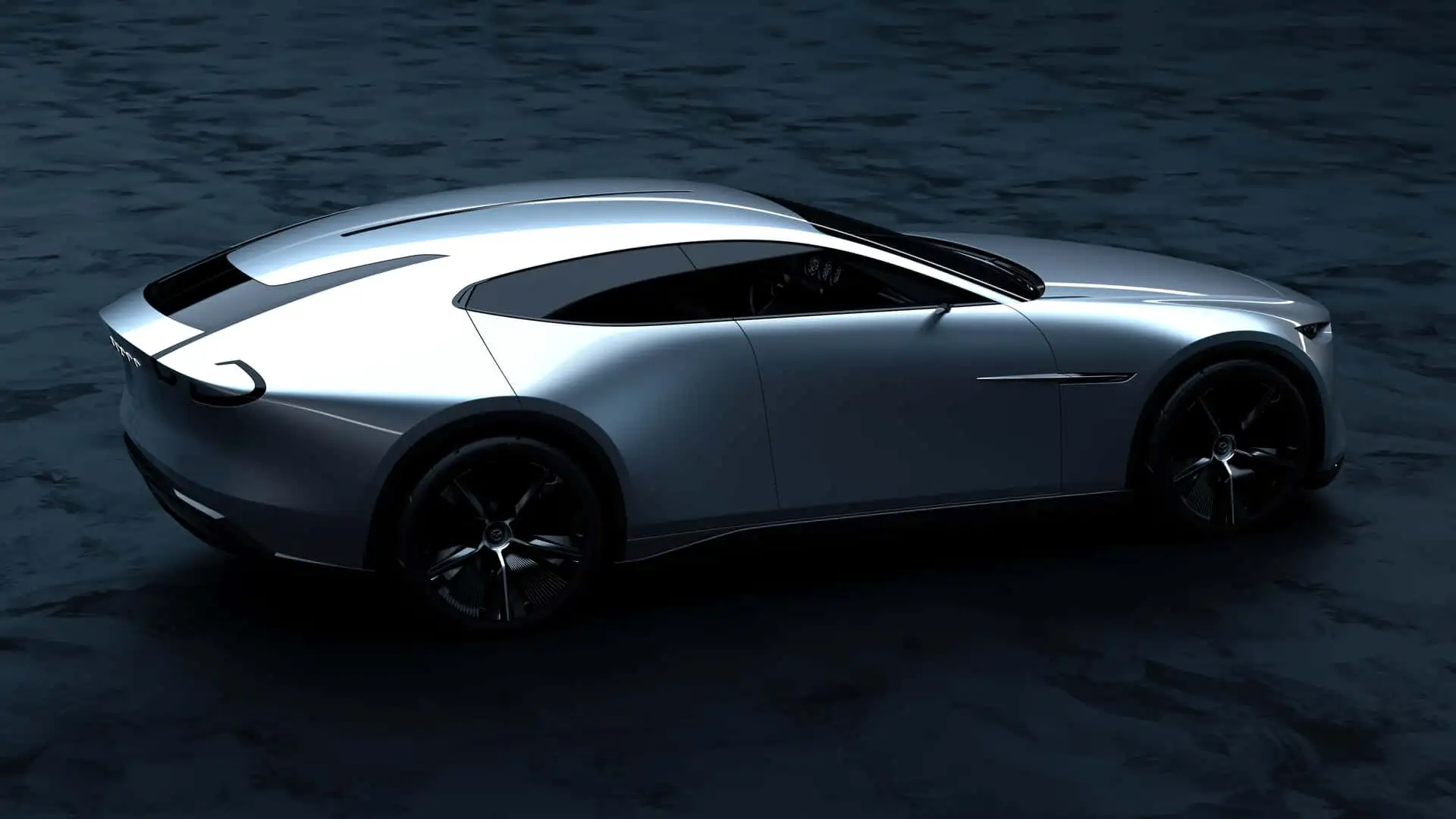
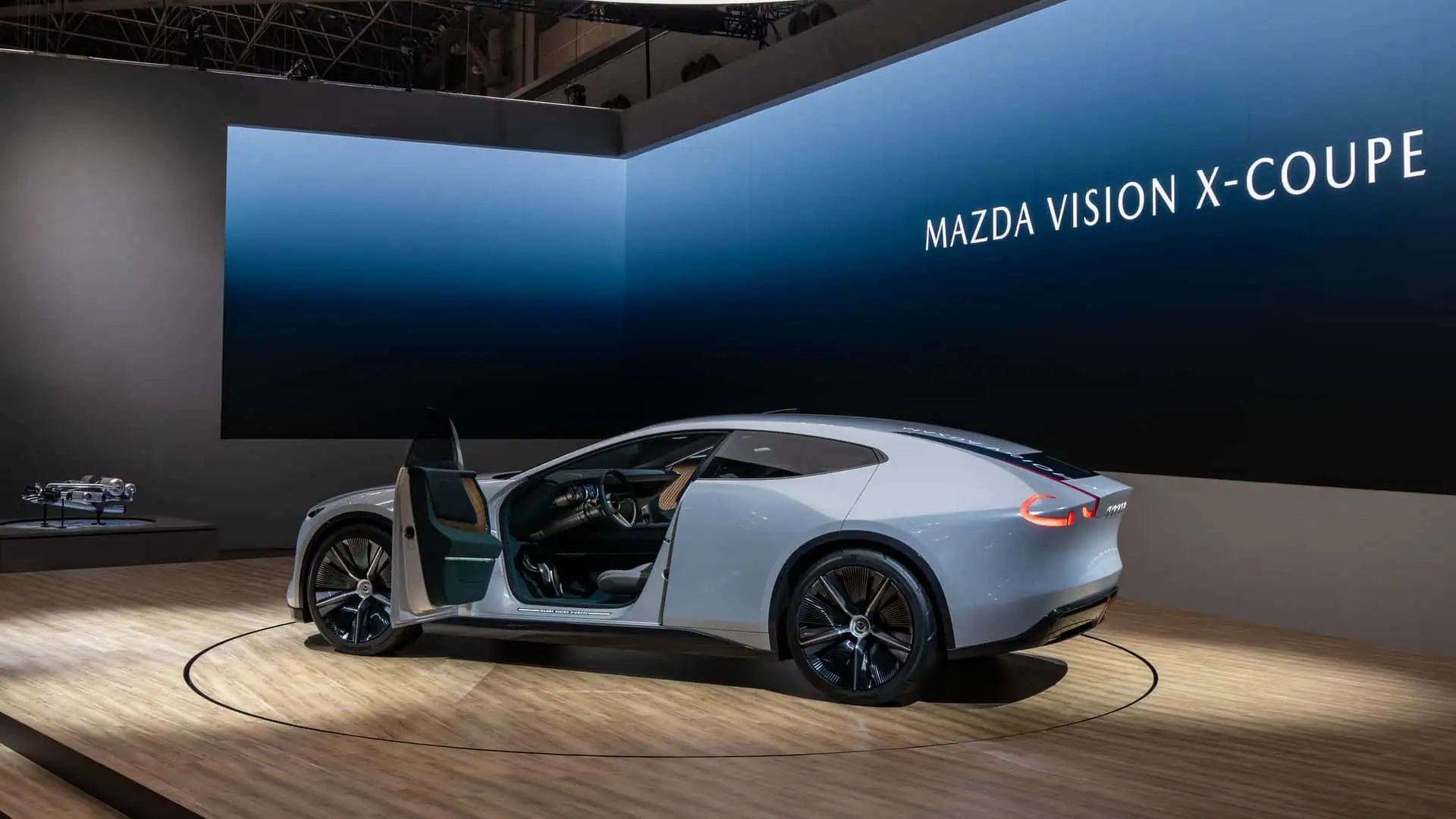
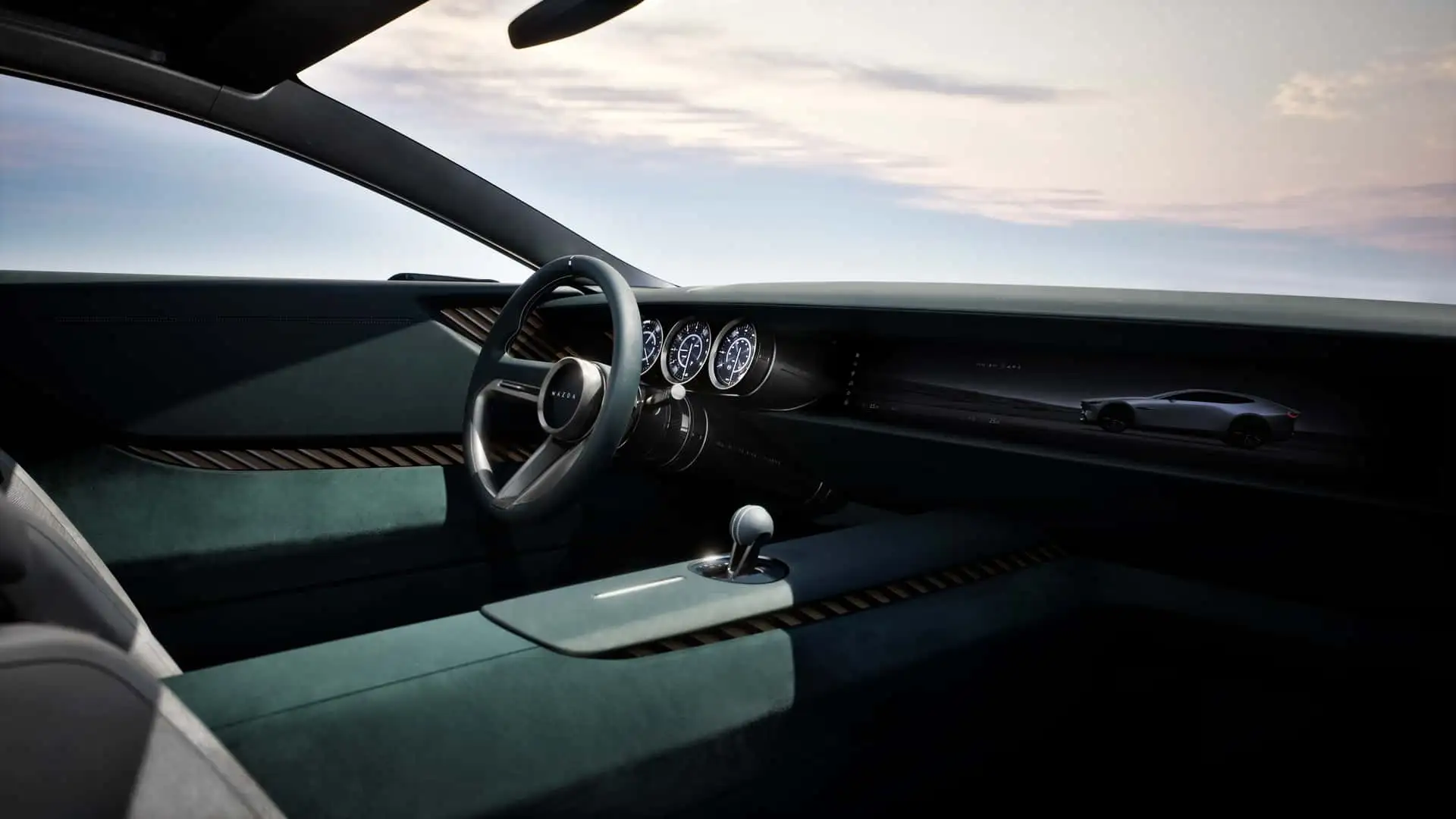
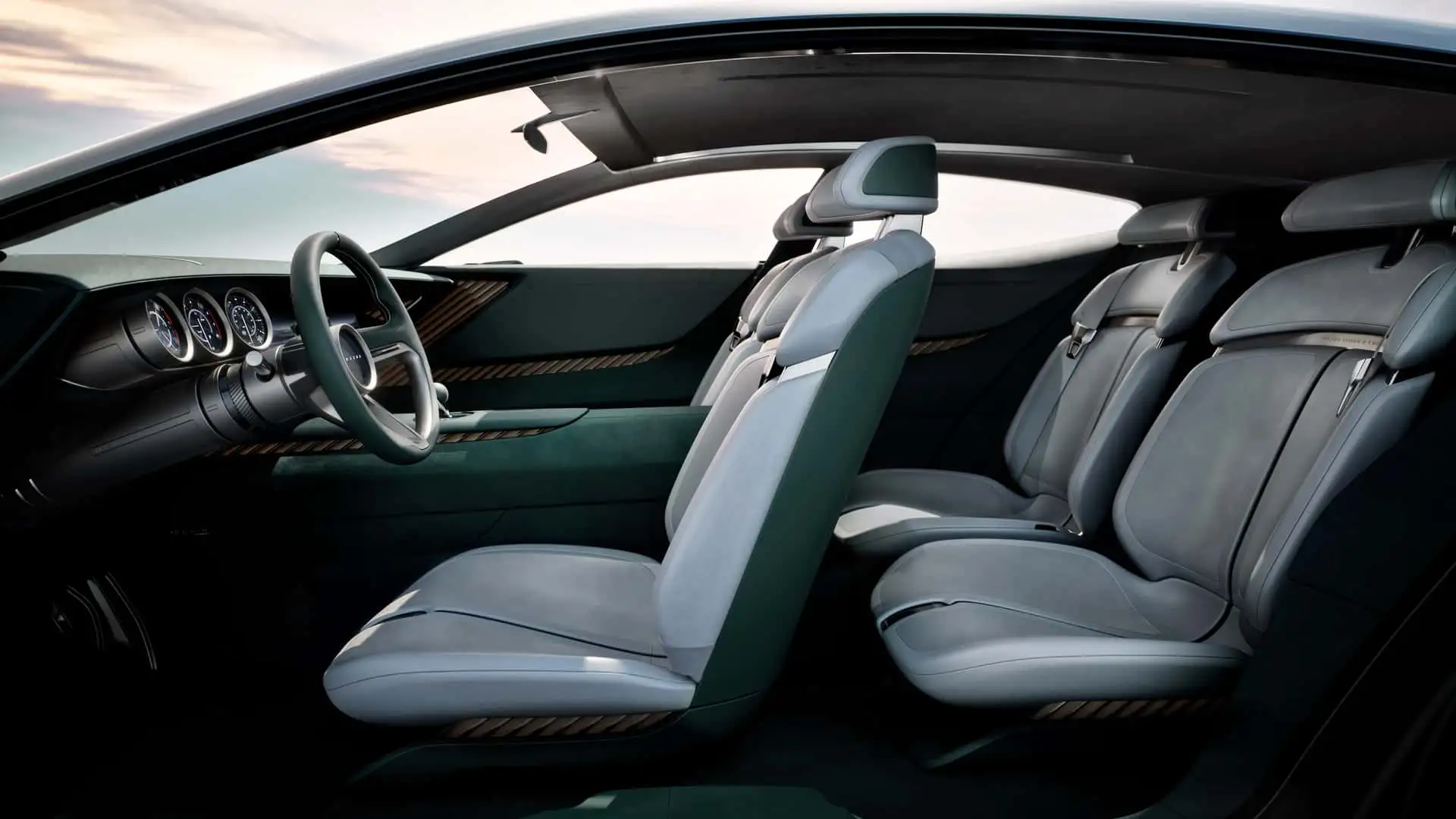
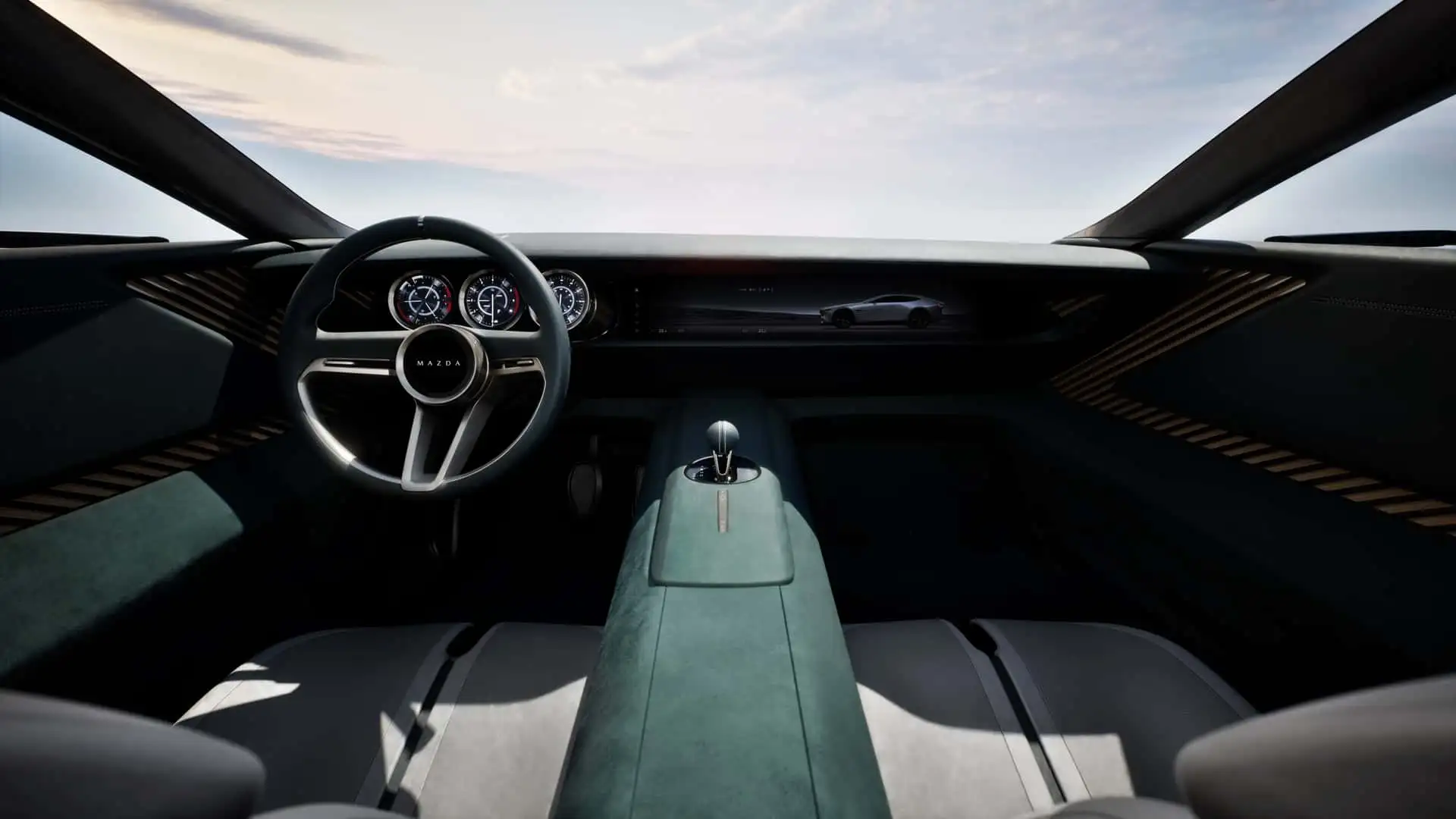
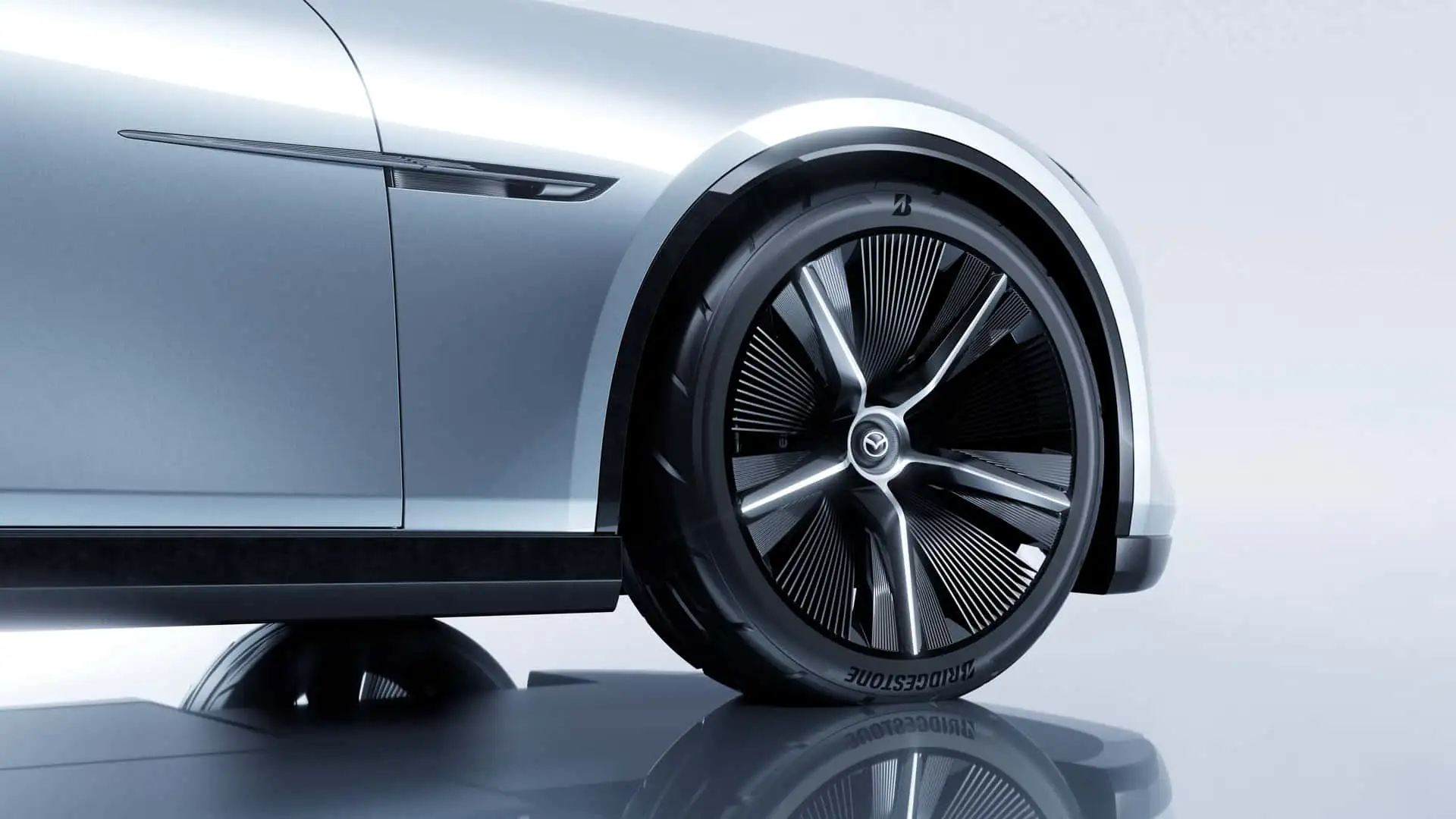
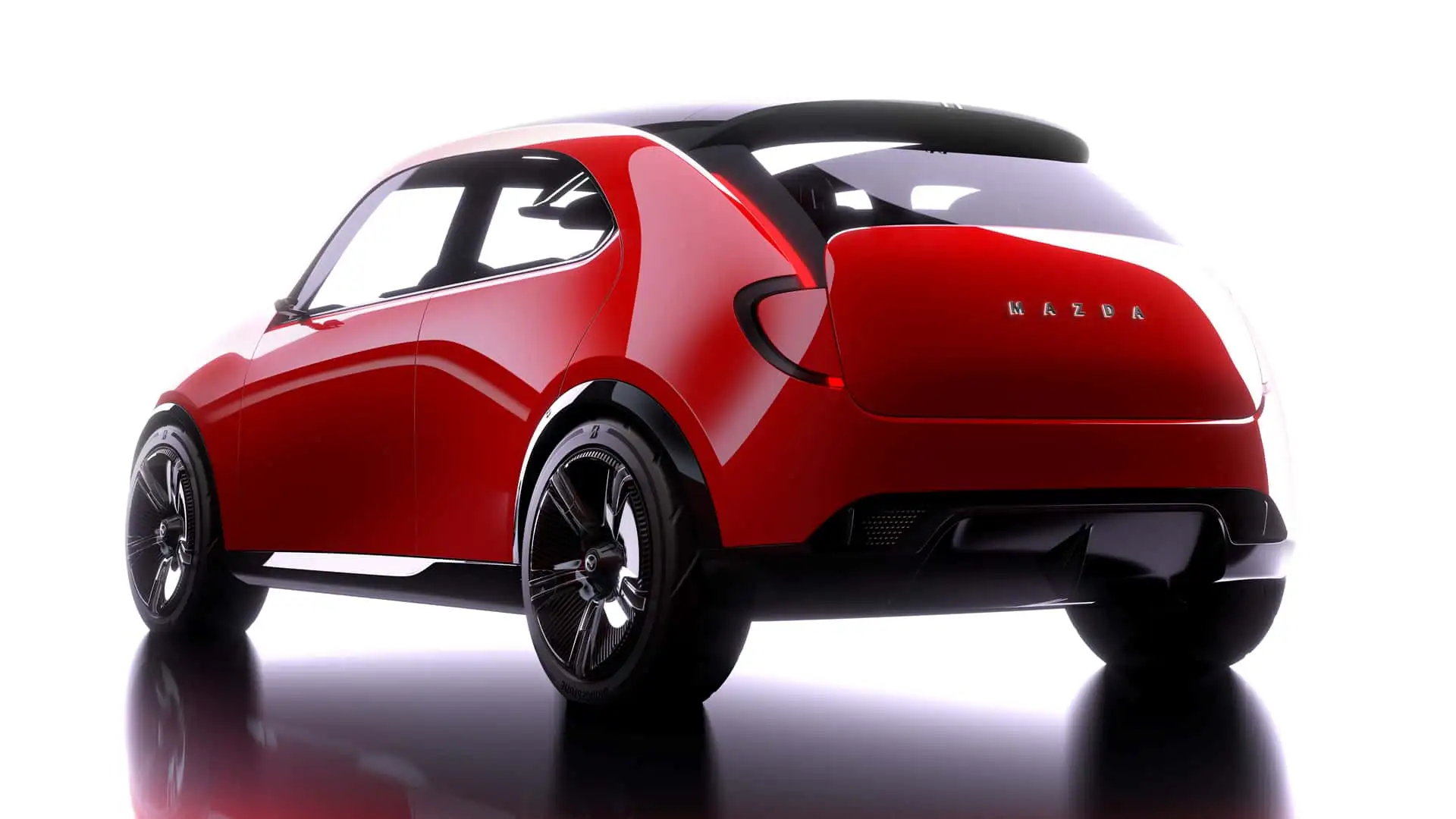
The strongest clue about the future direction of these compact models comes from Mazda’s design language and concept work. The likely inspiration is the Mazda Vision X-Compact, a five-door hatchback concept that previewed a sharper evolution of the brand’s Kodo styling philosophy.
That is important because the current Mazda2 and CX-3 have long been praised for looking more upscale than most rivals. A next-generation redesign influenced by that concept could push them even further away from basic economy-car territory.
- Sleeker bodywork with a more mature premium look
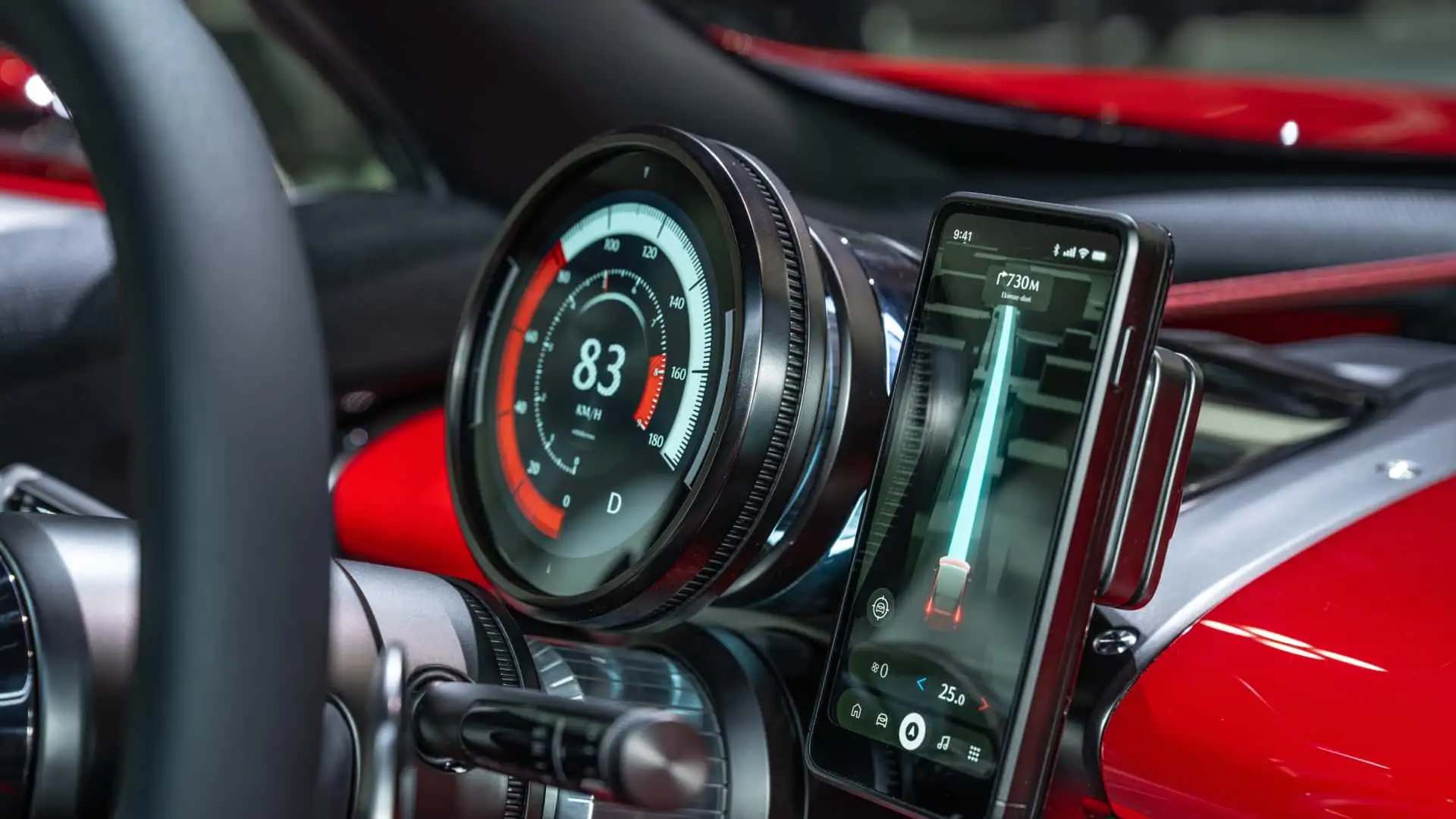
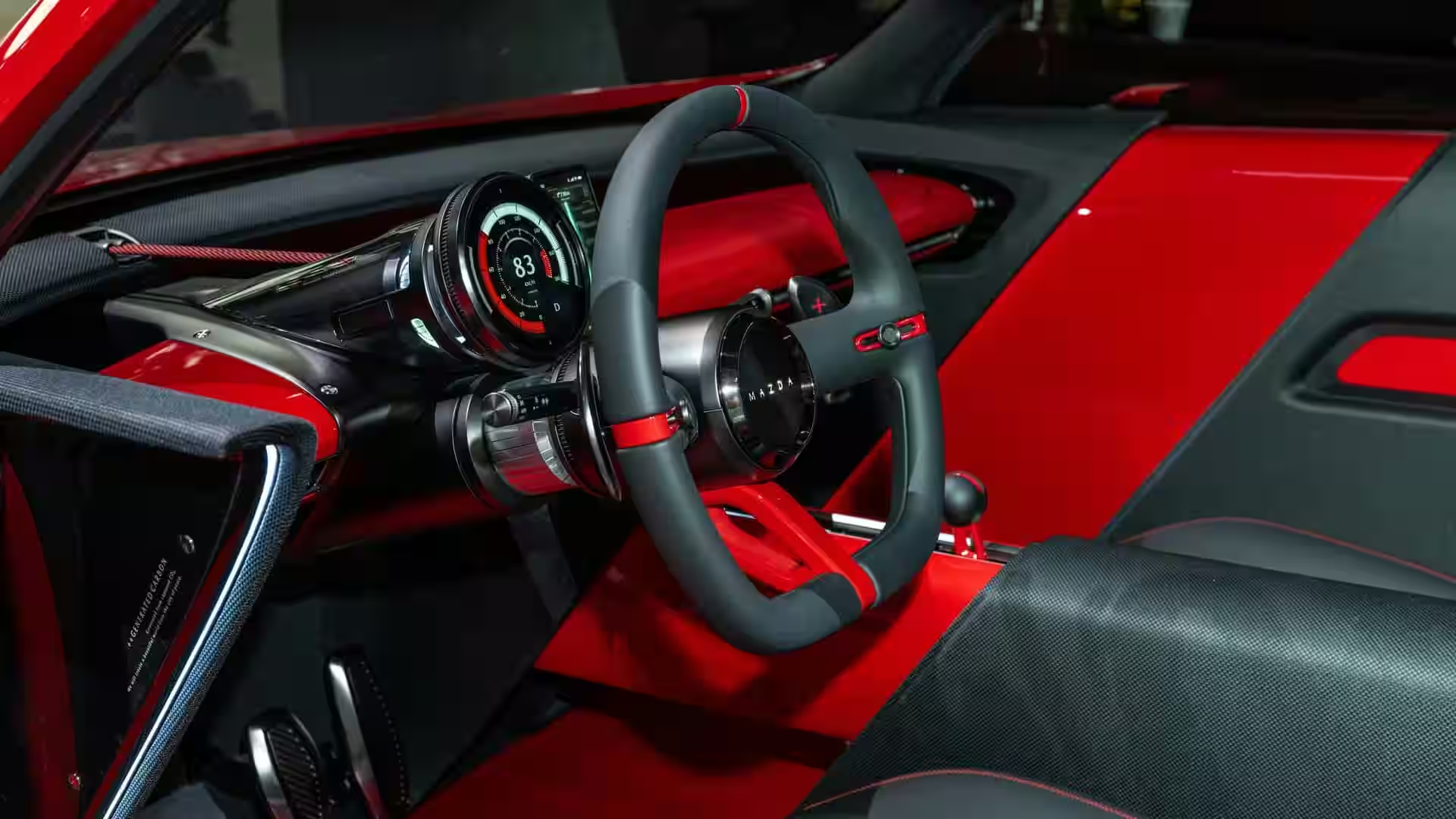
- Driver-focused cockpit rather than oversized tablet-style screens
- Shared underpinnings to control costs across hatchback and SUV versions
- Urban-friendly dimensions for crowded cities and tighter parking spaces
That last point may be the most important. In many countries, compact dimensions are not a compromise. They are an advantage. Smaller roads, denser urban centers, fuel prices, and taxation systems make vehicles like the Mazda2 and CX-3 more logical than the oversized crossover formula seen in North America.
This strategy also places Mazda in an interesting position against emerging value-focused rivals. As Chinese brands push affordable innovation harder, the compact segment is becoming more competitive, not less. That trend can already be seen in stories like the CHERY QQ3 2026 that exploded with 22,000 orders in just two hours, proving budget-minded buyers are still a powerful force when the formula is right.
Why These Small Mazda Models Still Matter
From an industry perspective, Mazda’s move is more significant than it first appears. Keeping the Mazda2 and CX-3 alive is not only about preserving cheap cars. It is about keeping an entry point into the brand.
Affordable models serve multiple purposes:
| Why They Matter | Impact On Mazda |
|---|---|
| Lower price of entry | Helps attract younger and first-time buyers |
| Smaller footprint | Fits dense urban markets better than larger SUVs |
| Platform efficiency | Allows shared development between hatchback and crossover |
| Brand loyalty | Creates future customers for larger Mazda models |
This is especially relevant at a time when automakers are under pressure to move upscale. Once brands abandon the bottom of the market, they often lose buyers permanently to rivals. Mazda appears determined not to hand that entire space away.
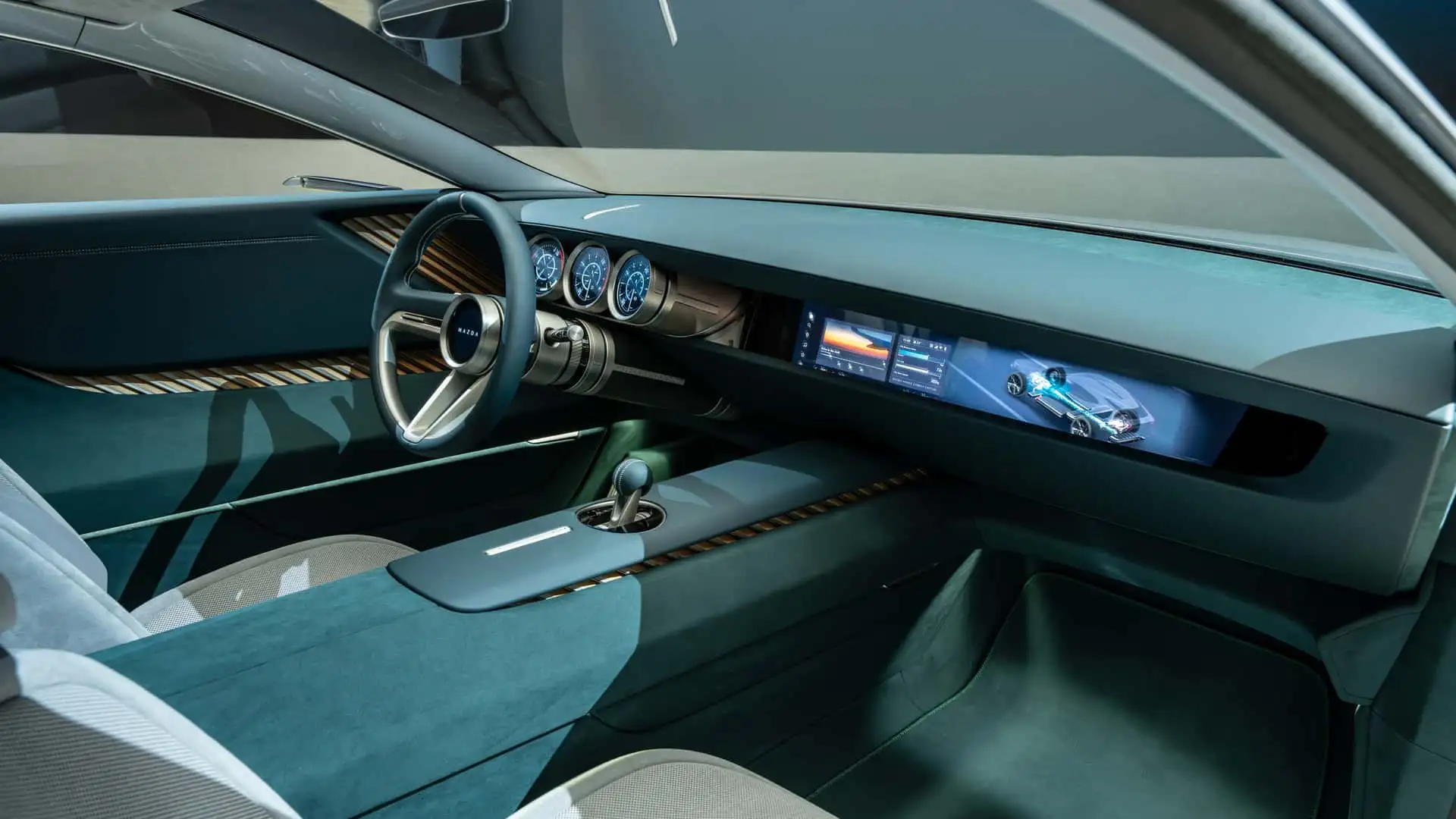
There is also a design and usability angle here that deserves attention. Not every buyer wants a giant infotainment screen or a bulky family SUV. In fact, resistance to screen-heavy cabins is growing. That makes Mazda’s more restrained interior approach look smart, especially as other brands push in the opposite direction. We have already seen how interior philosophy is becoming a major talking point in pieces like the MERCEDES-BENZ S-CLASS 2026 bringing physical buttons back and the DS 3 Maison Sarah Lavoine rejecting giant screens for style.
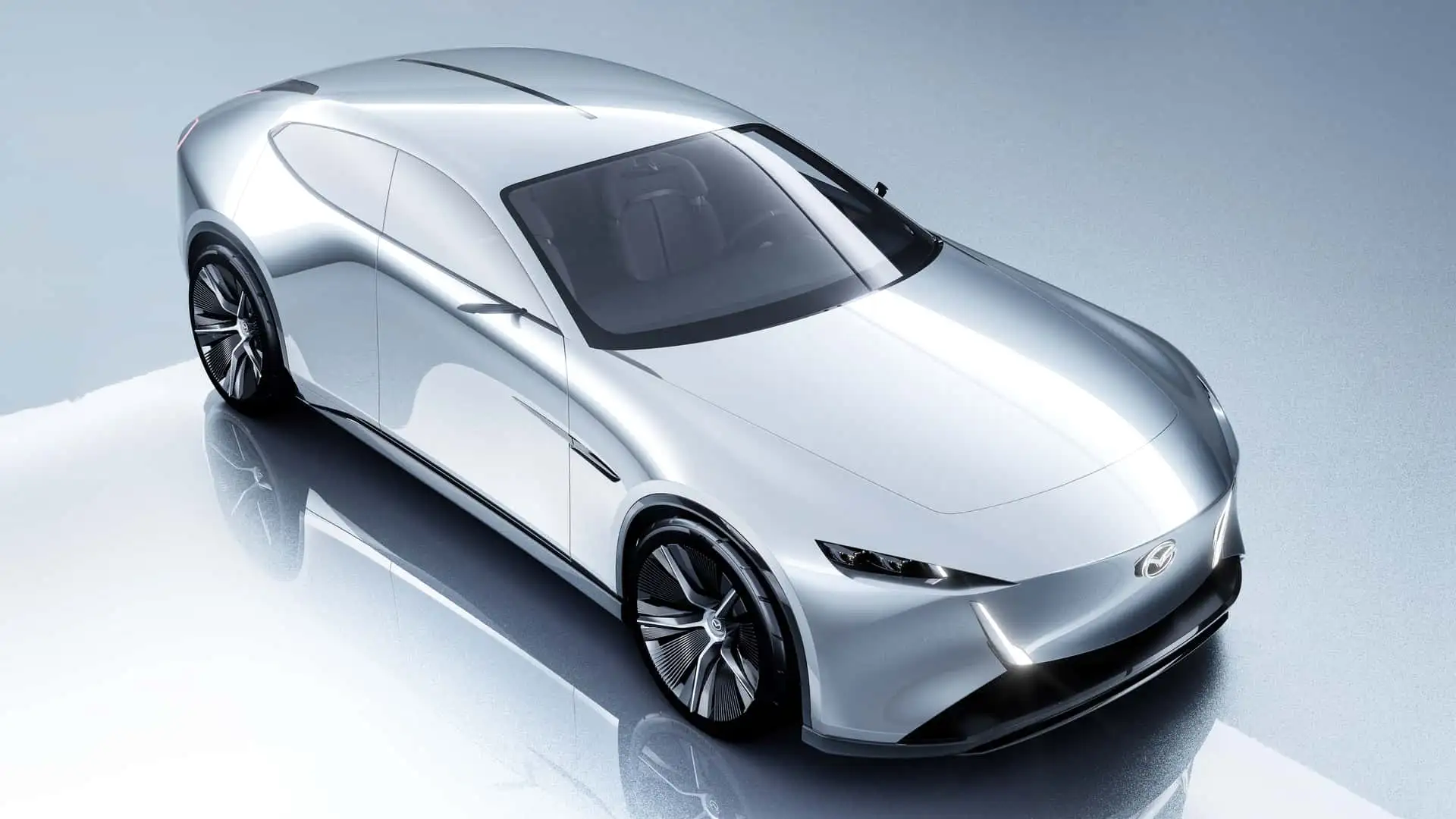
Even more interesting is the segment overlap. The CX-3 may be small, but its role remains highly strategic. It sits in the exact space where affordability, design, and practicality intersect. That category is still alive worldwide, even as newer products like the KIA SELTOS 2027 with its hybrid twist show how fiercely contested compact SUVs have become.
For now, American buyers will likely remain on the outside looking in. Mazda has shown no sign that either model will return to the US. The reason is brutally practical: compact hatchbacks and subcompact crossovers have struggled there unless they offer extremely low prices, electrification, or standout branding.
Still, outside the US bubble, the logic is clear. The future Mazda2 and CX-3 are expected to carry forward the brand’s reputation for sharp styling, engaging road manners, and above-class cabin quality in a more efficient and modern package.
That makes this story bigger than two small cars. It is really about whether mainstream brands still believe affordable, well-designed compact vehicles deserve a future. Mazda’s answer, at least for some markets, appears to be yes.