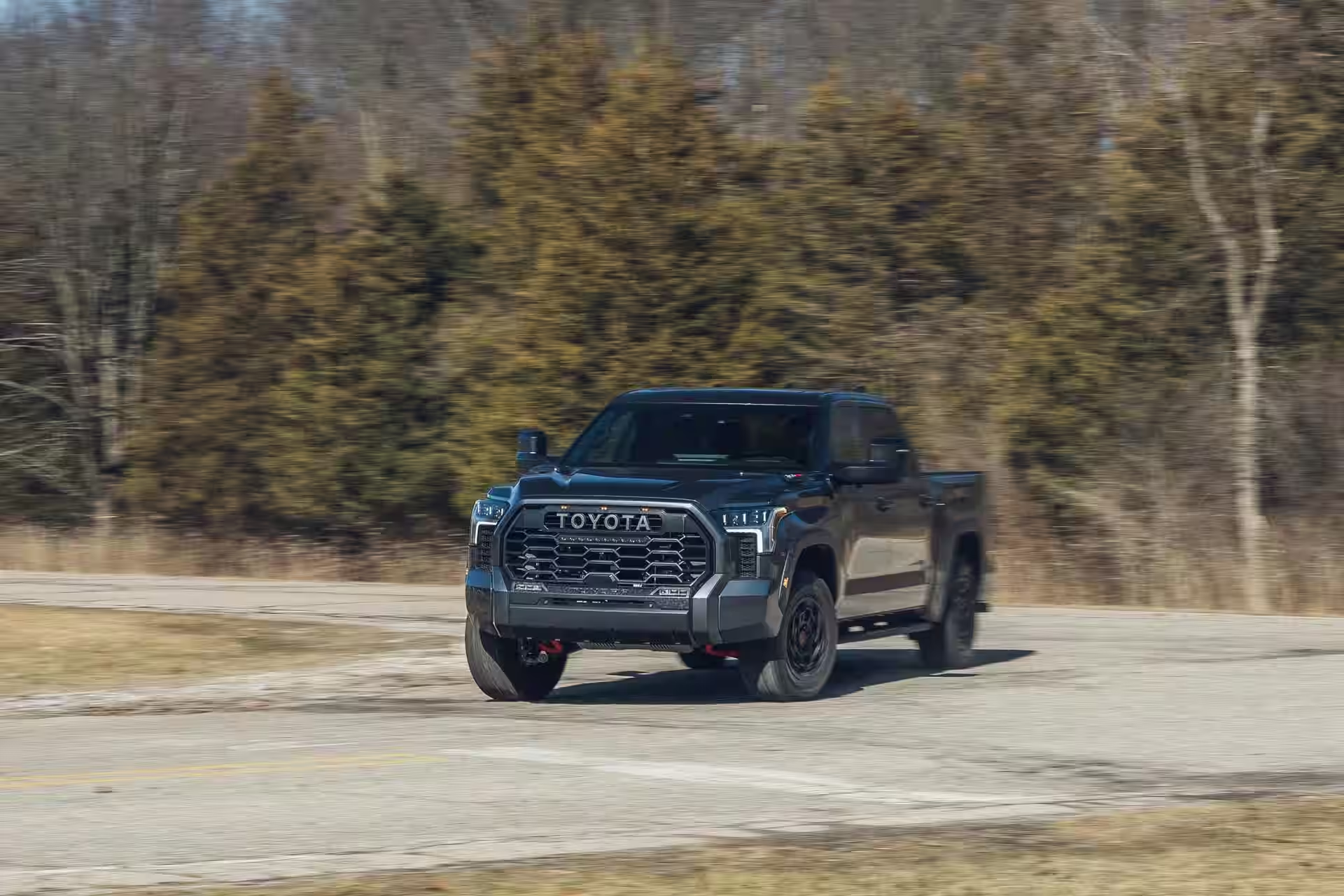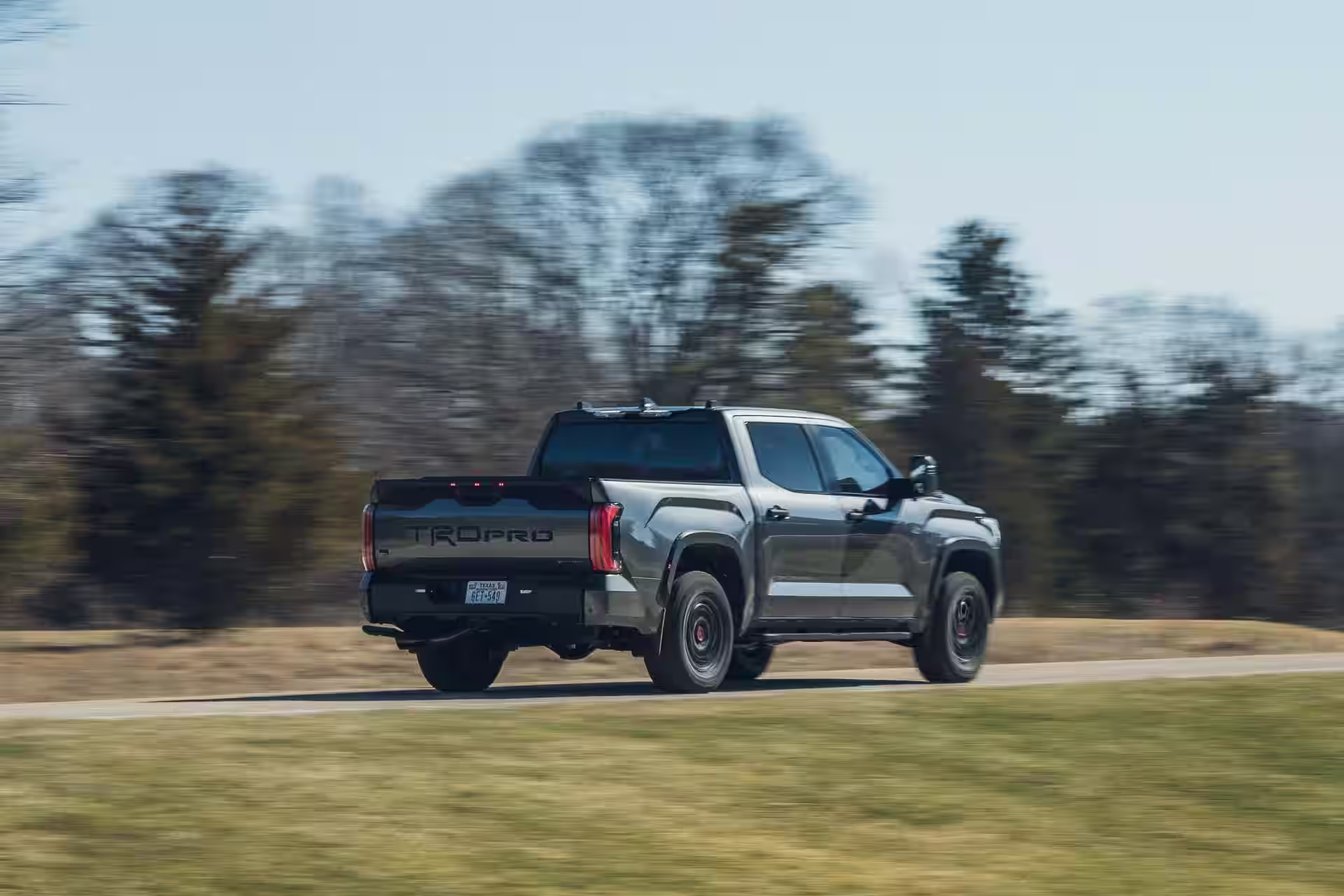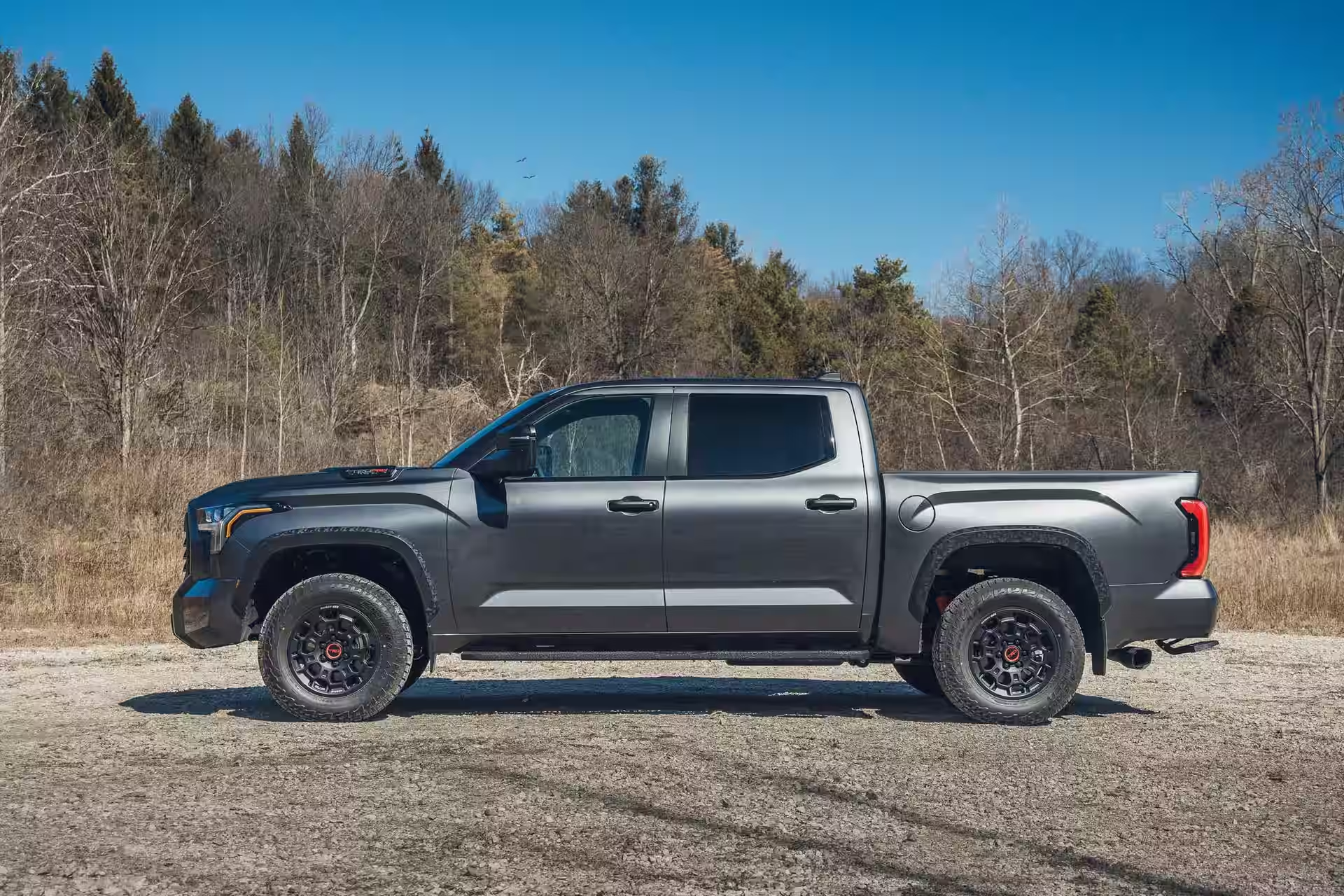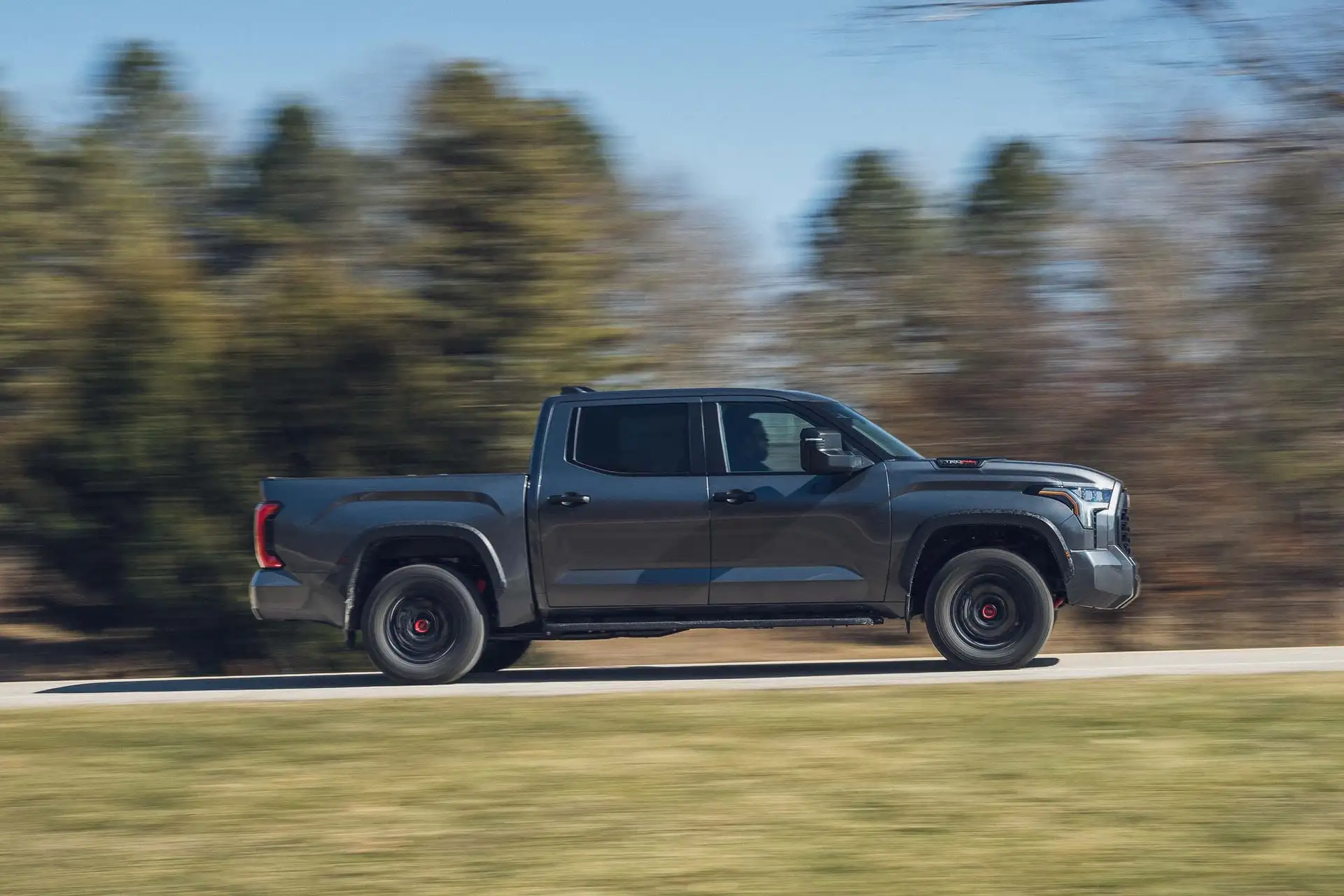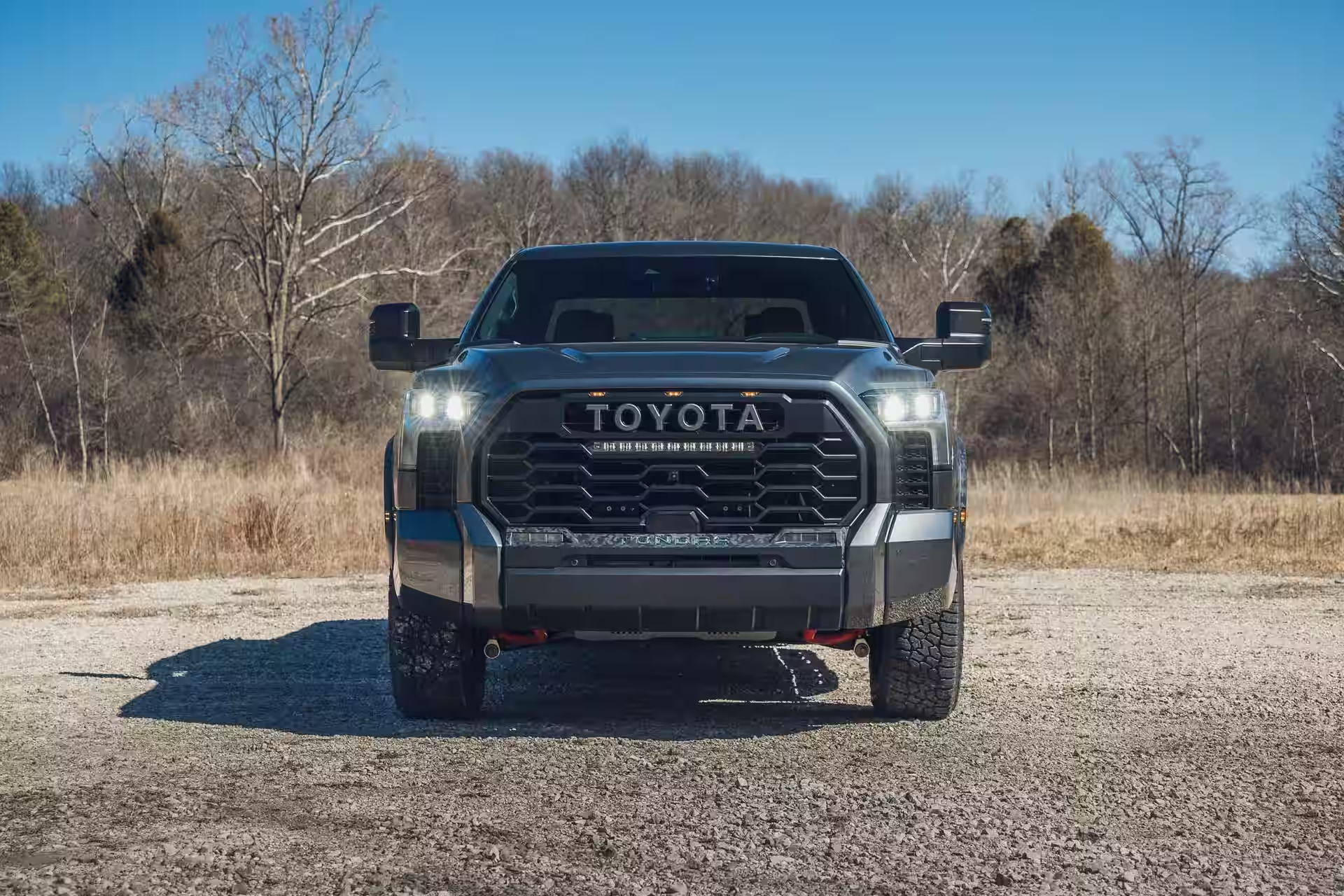
Power vs comfort in TOYOTA TUNDRA 2026 466 hp, premium-fuel-only tuning and a louder exhaust raise one big question. Discover more!
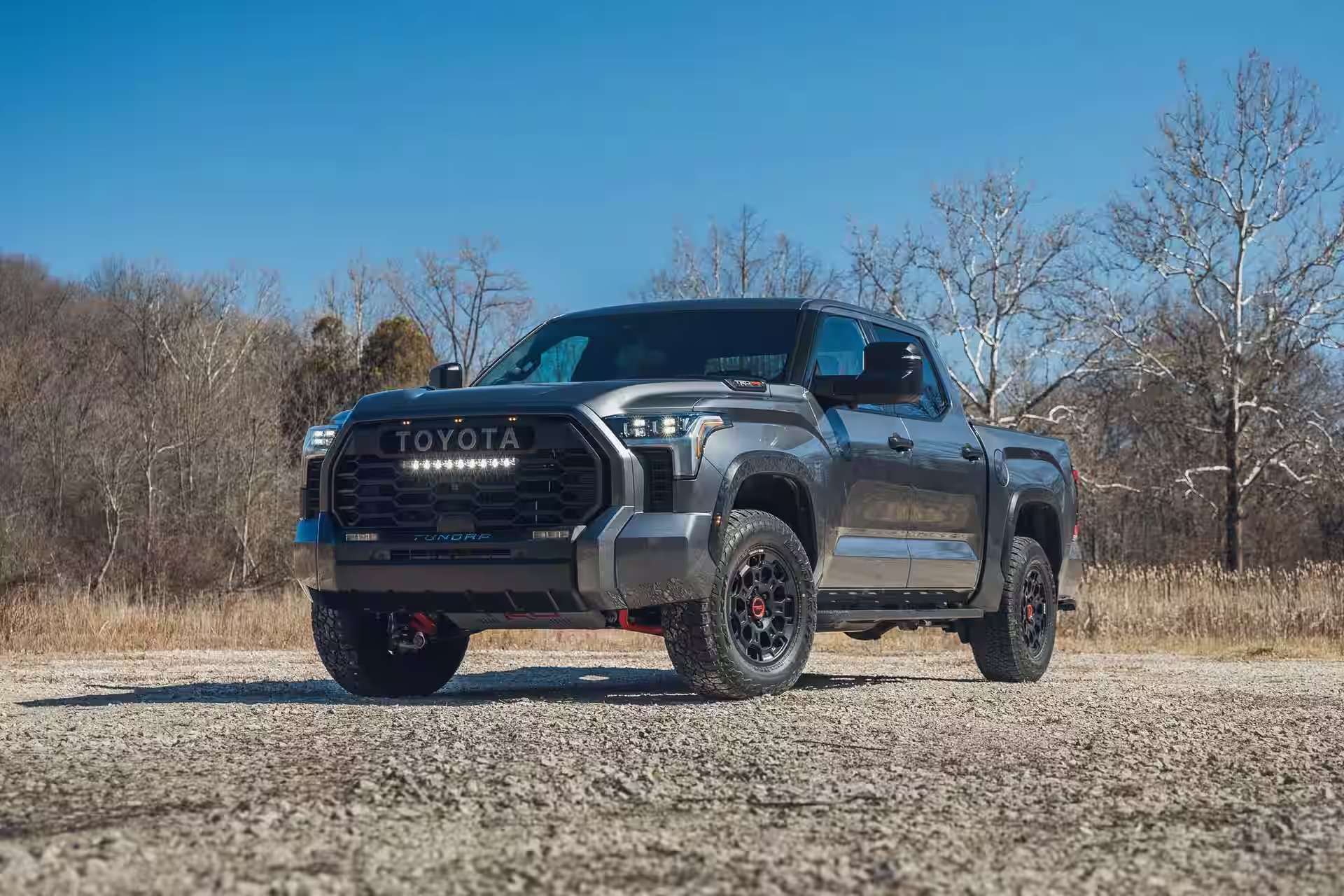
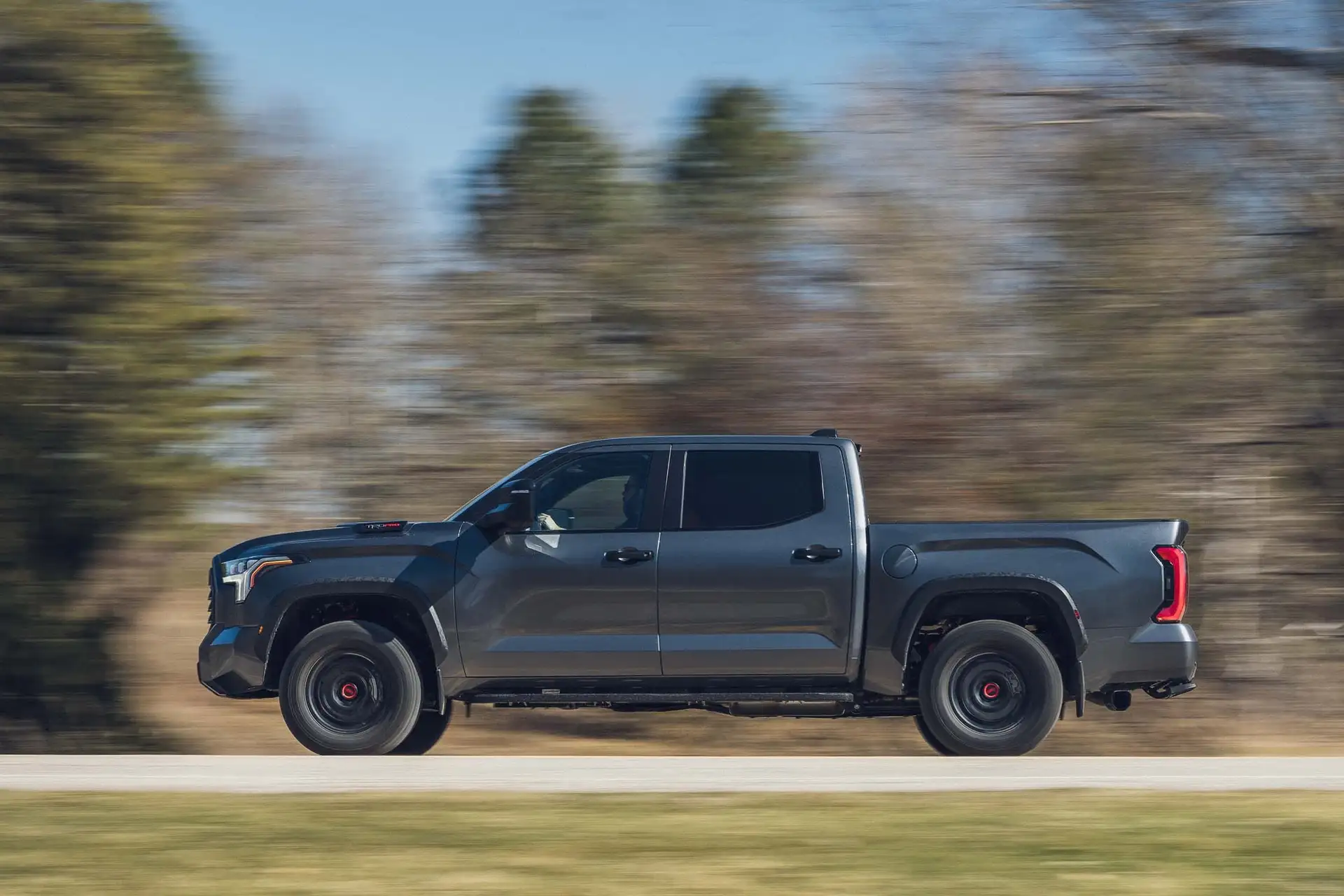
The 2026 Toyota Tundra TRD Performance promises exactly what many truck buyers say they want: more power, more attitude, and a sharper edge. But once the extra horsepower arrives, so does something else that is much harder to ignore on a long drive.
What Changes On The 2026 Toyota Tundra With TRD Performance
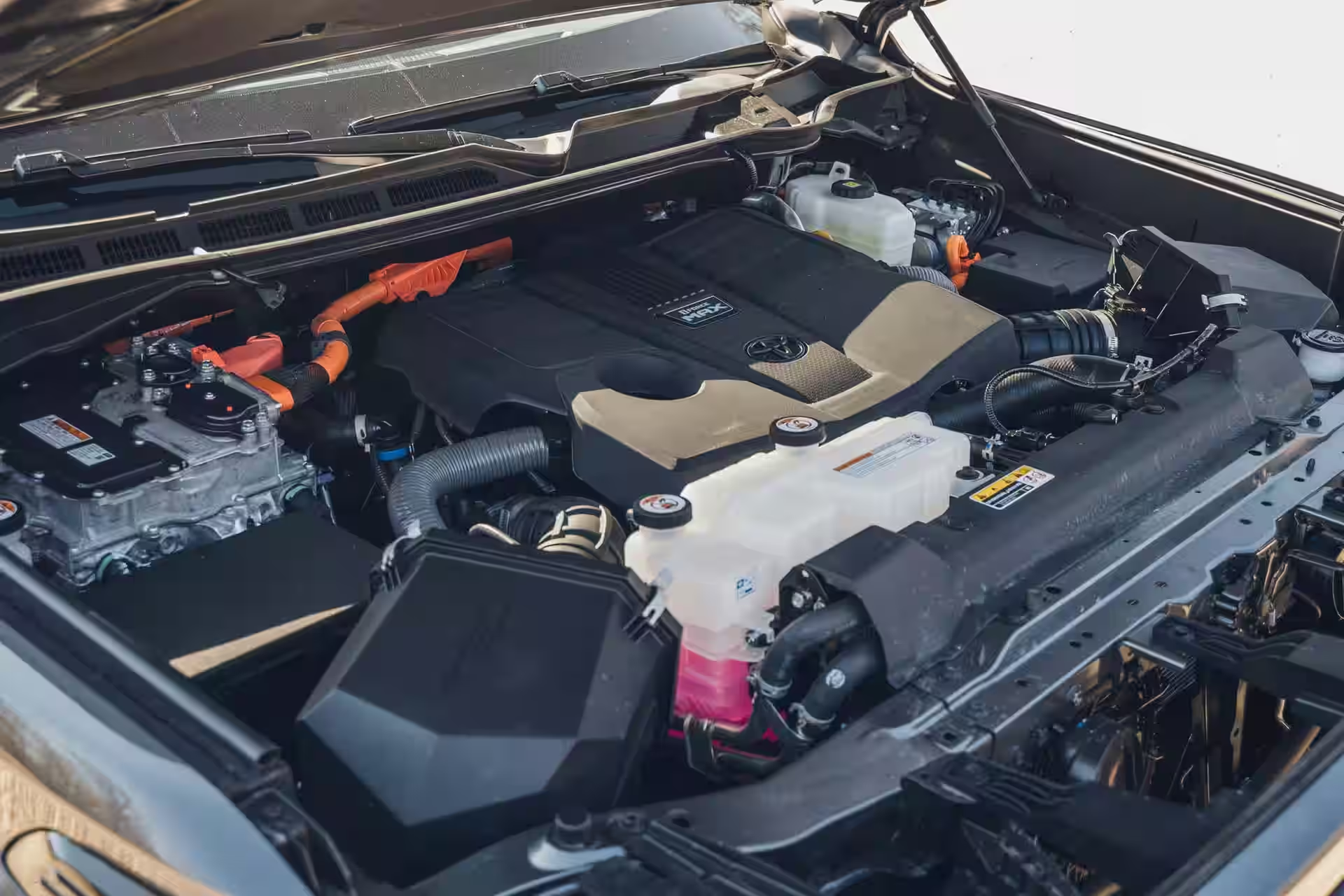
Toyota did not turn this upgrade into a giant marketing circus, but the numbers matter. The 2026 Toyota Tundra TRD Performance adds meaningful output to the brand’s twin-turbocharged 3.4-liter V6 setup through a revised engine calibration, freer-breathing intake hardware, and a TRD cat-back exhaust system.
On hybrid Tundra models equipped with the i-FORCE MAX powertrain, combined output rises to 466 horsepower while torque remains at a stout 583 lb-ft or approximately 790 Nm. That makes this factory-backed setup one of the most interesting performance upgrades in the modern full-size truck market, especially for buyers who want extra pace without stepping into risky aftermarket tuning.
For non-hybrid Tundra versions, Toyota also offers the package with a similar goal, delivering a smaller but still noticeable horsepower increase. In both cases, the strategy is clear: improve airflow, sharpen response, and give the truck a more aggressive character without changing the basic architecture of the engine.
The key hardware includes:
- Revised TRD engine calibration designed to extract more output from the 3.4-liter twin-turbo V6
- Dual TRD-branded air intakes to improve breathing
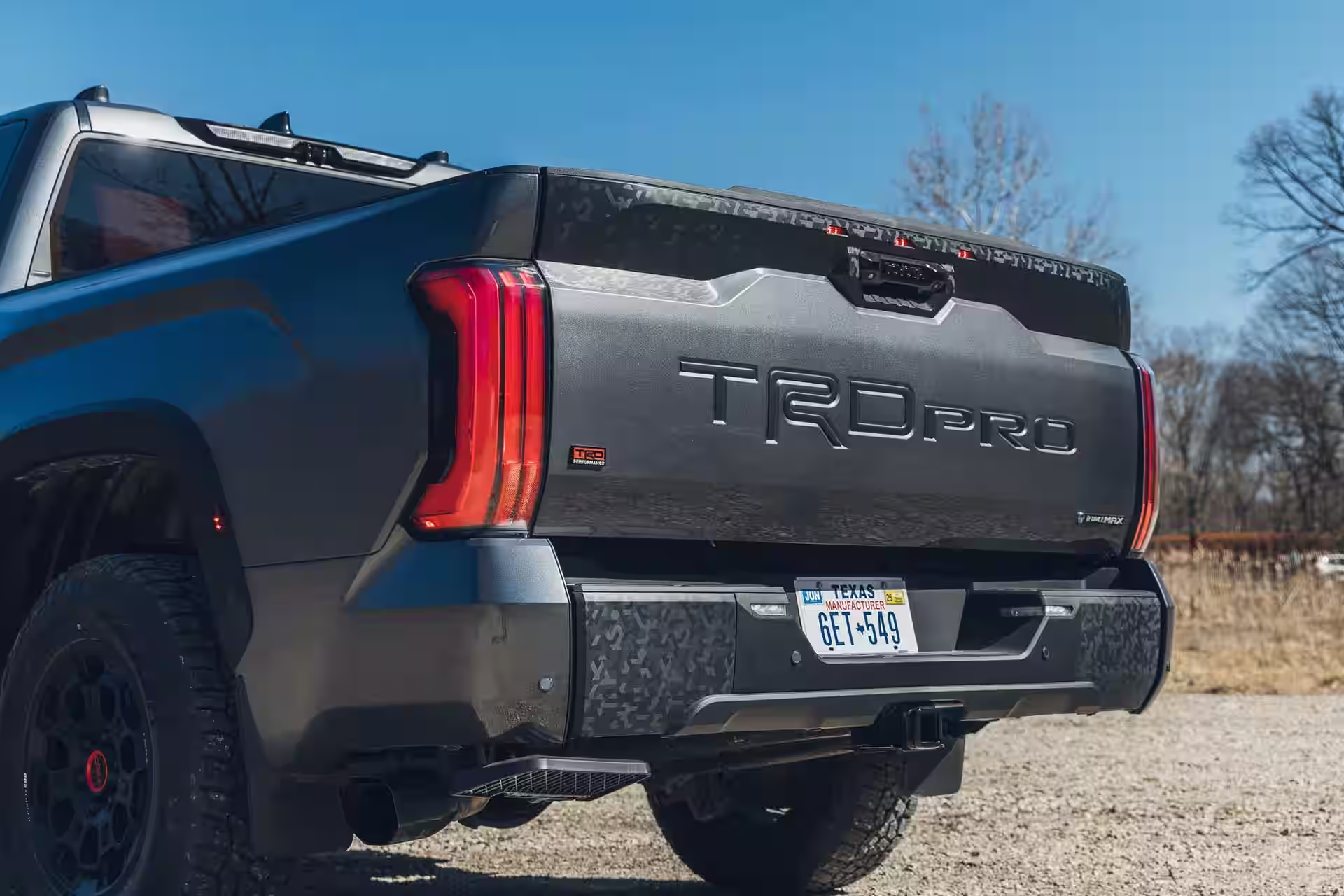
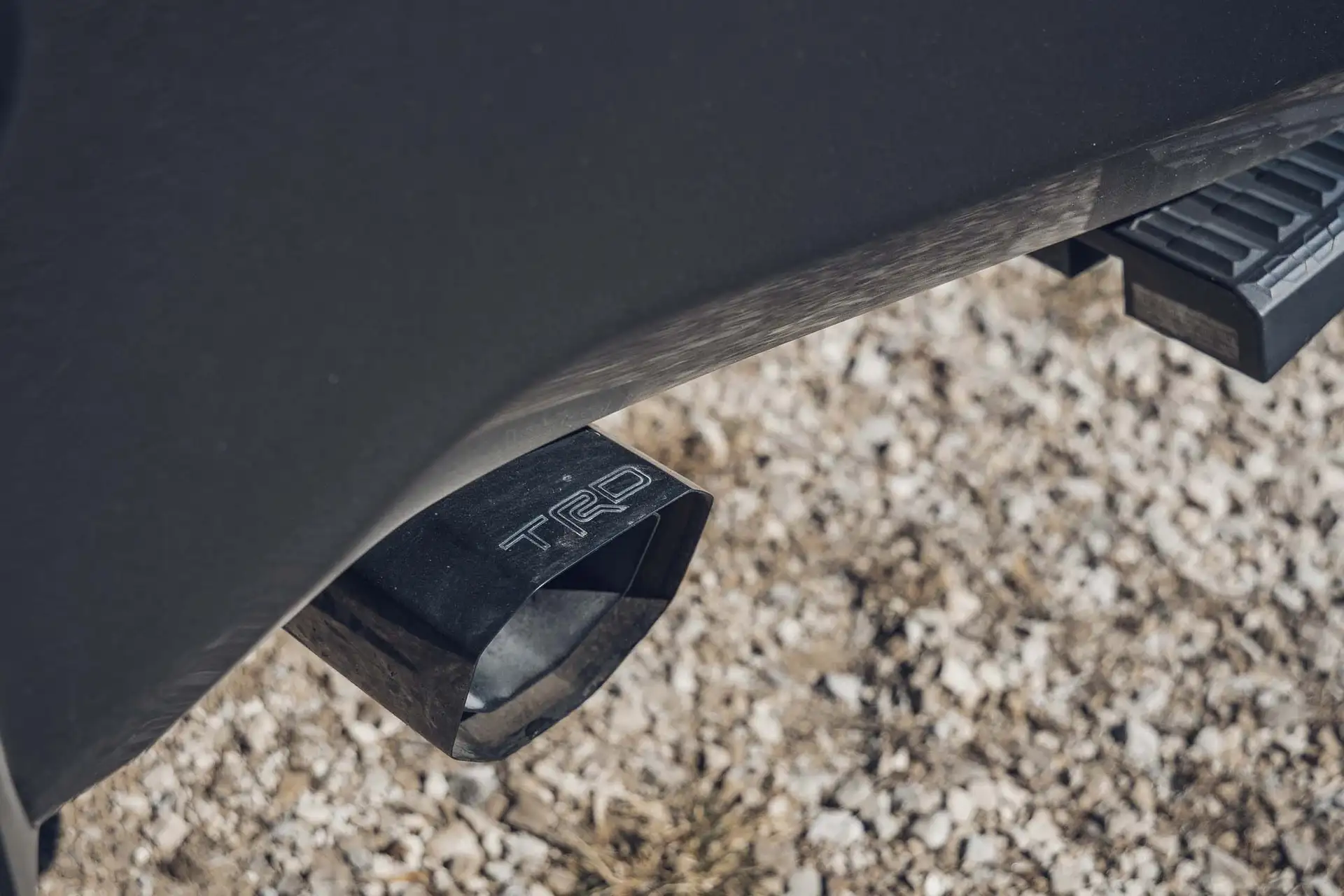
- TRD cat-back exhaust system for reduced restriction and a stronger sound profile
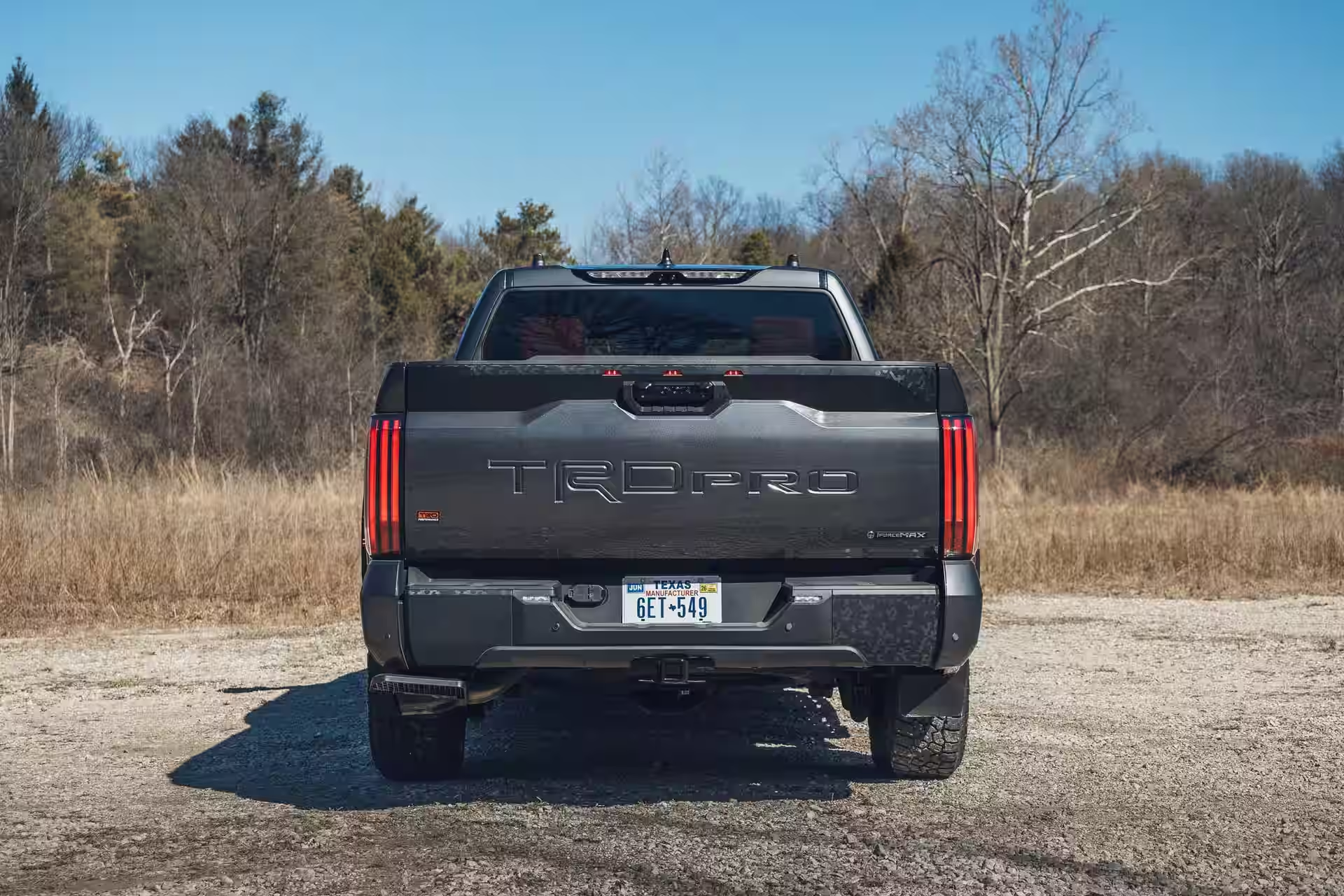
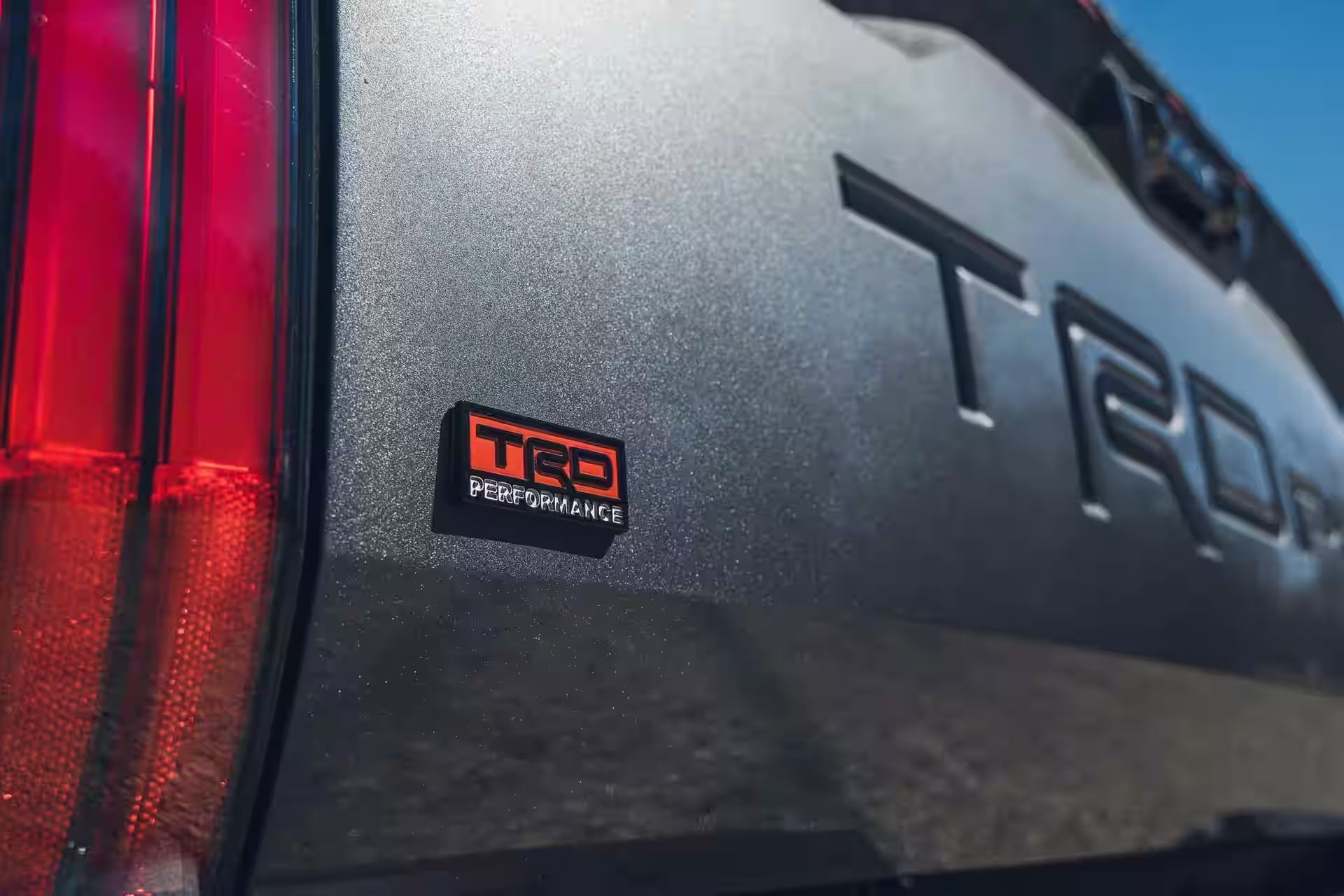
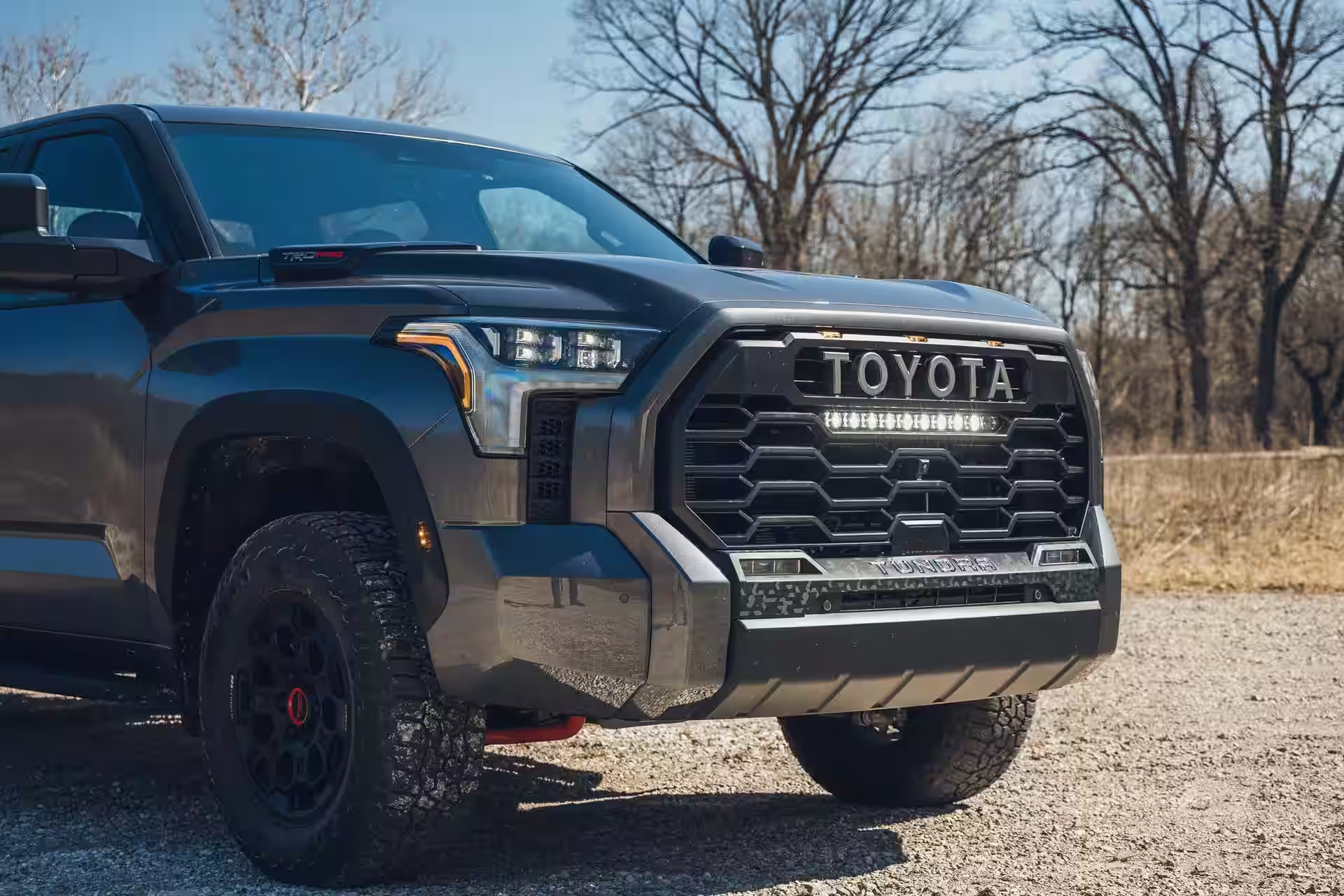
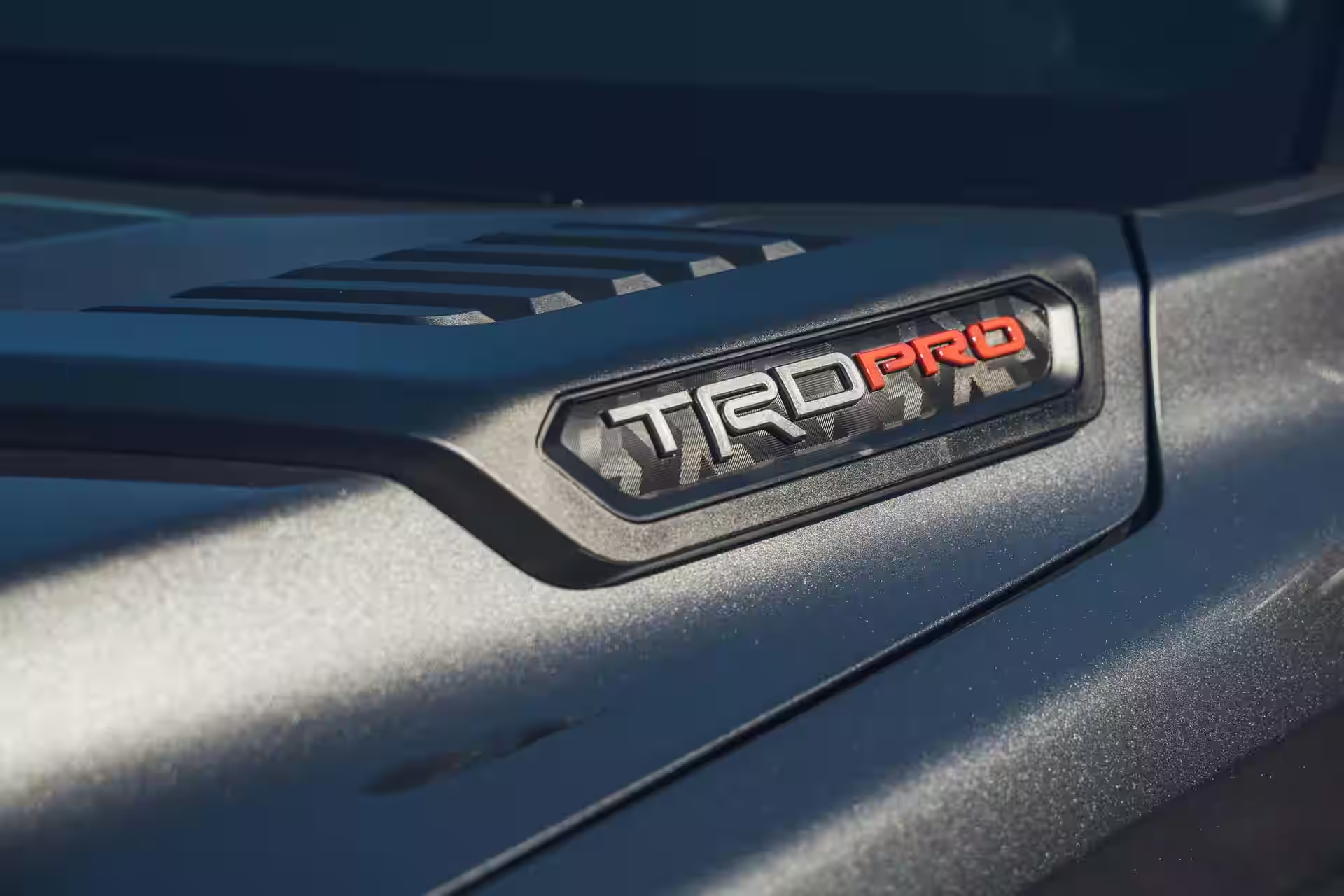
- TRD Performance badging with subtle exterior identification
This matters because the Tundra is now competing in a segment where buyers increasingly expect factory performance upgrades, not just appearance packages. Ford has spent years building excitement around Raptor-style trucks, Ram has leaned hard into torque and special editions, and Chevrolet keeps pushing its off-road image. Toyota’s answer here is not a ground-up monster truck. It is something more targeted and, in some ways, more realistic for everyday buyers.
That also fits the wider shift happening across the industry, where even rugged family vehicles are blending power with new technology. If you have been watching how brands are mixing utility, electrification, and identity, pieces like the Kia Seltos 2027 hybrid twist and the Volkswagen Atlas 2027 power upgrade show just how quickly expectations are evolving.
Factory Numbers That Actually Move The Needle
More power is only half the story. What buyers really want to know is whether the truck feels quicker, stronger, and more responsive in the real world. On paper, the answer is yes.
| Specification | 2026 Toyota Tundra TRD Pro With TRD Performance |
|---|---|
| Engine | 3.4-liter twin-turbocharged V6 hybrid |
| Combined Power | 466 hp |
| Combined Torque | 583 lb-ft / 790 Nm |
| Transmission | 10-speed automatic |
| 0-60 mph | 5.6 seconds |
| Quarter-Mile | 14.2 seconds at 97 mph |
| Top Speed | 107 mph |
| Observed Fuel Economy | 15 mpg |
| Package Price | US$2,999 |
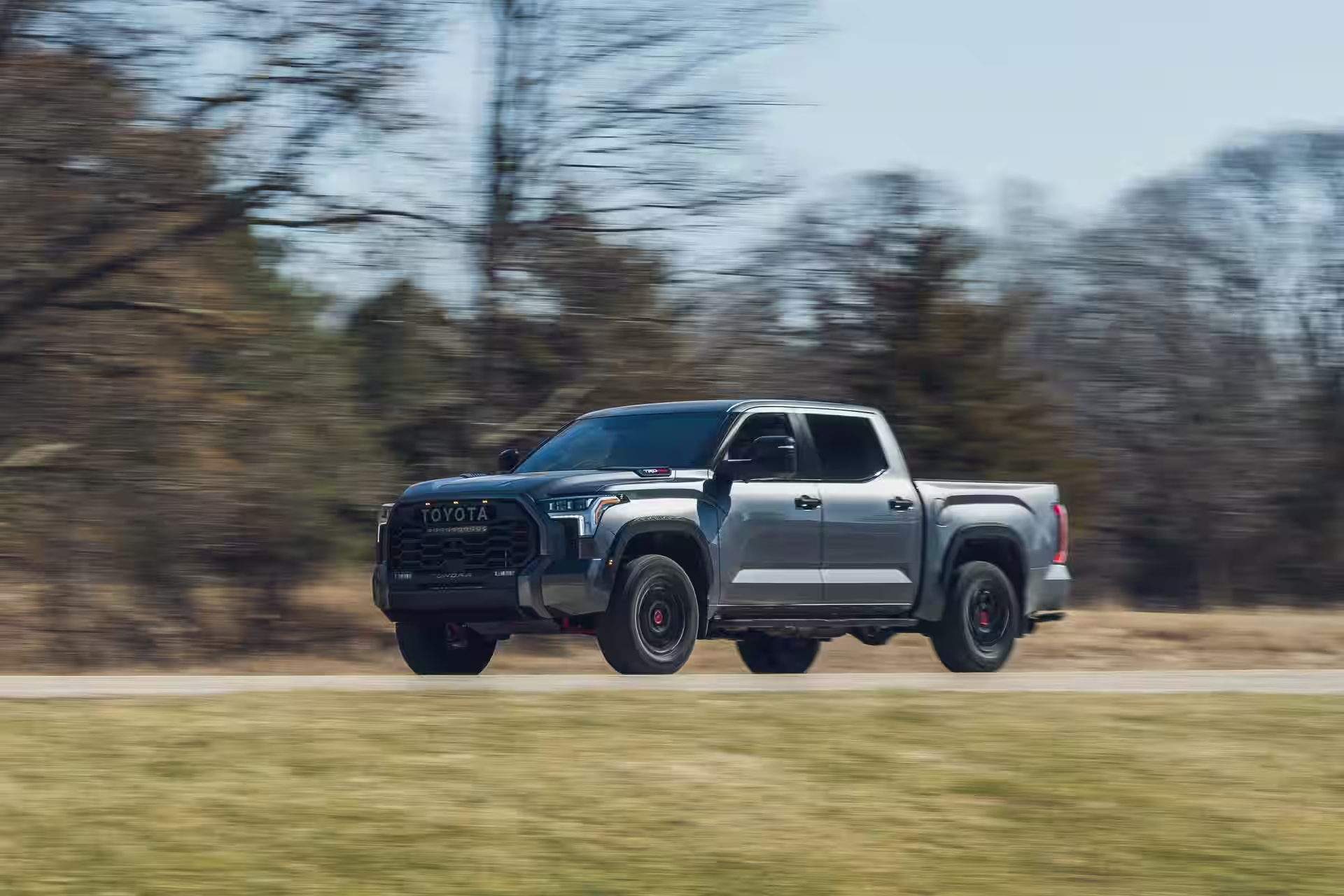
Those numbers show that the TRD package is not merely cosmetic. The truck gains measurable speed in acceleration testing, especially in rolling-start situations where torque delivery and airflow improvements matter most. In practical terms, that means stronger merging, easier passing, and a pickup that feels more eager when the road opens up.
Still, this is not a complete transformation of the Tundra’s personality. It is better understood as a sharpened version of the existing truck, not a radically reengineered one. Buyers hoping for a massive leap that rivals the wildest aftermarket builds may find the gains modest. Buyers wanting a warranty-friendly factory upgrade will see the appeal immediately.
The Real Trade-Off Is Not Price, It Is Sound
Here is where the 2026 Toyota Tundra TRD Performance gets complicated. The extra horsepower is welcome. The louder exhaust, however, may divide owners much more than Toyota expects.
There is a major difference between a performance exhaust that sounds rich, mechanical, and satisfying, and one that simply fills the cabin with more volume. In this Tundra, the added sound does not always translate into added emotion. Under hard throttle, the truck gets louder, but at cruising speeds the tone can become intrusive.
That matters because a full-size pickup is not a weekend toy for most owners. It is a commuter, a road-trip machine, a tow vehicle, a family hauler, and often an all-in-one daily tool. If the exhaust note becomes tiring after an hour on the highway, that changes the value equation fast.
“More power is easy to sell. More cabin drone is much harder to justify when a truck is expected to do everything.”
According to test observations tied to this package, highway cruising noise rises enough to become noticeable inside the cabin. For some drivers, that will feel sporty. For others, it will feel like the truck is always trying too hard. This is especially relevant on premium trims, where buyers are spending luxury-level money and may expect refinement alongside performance.
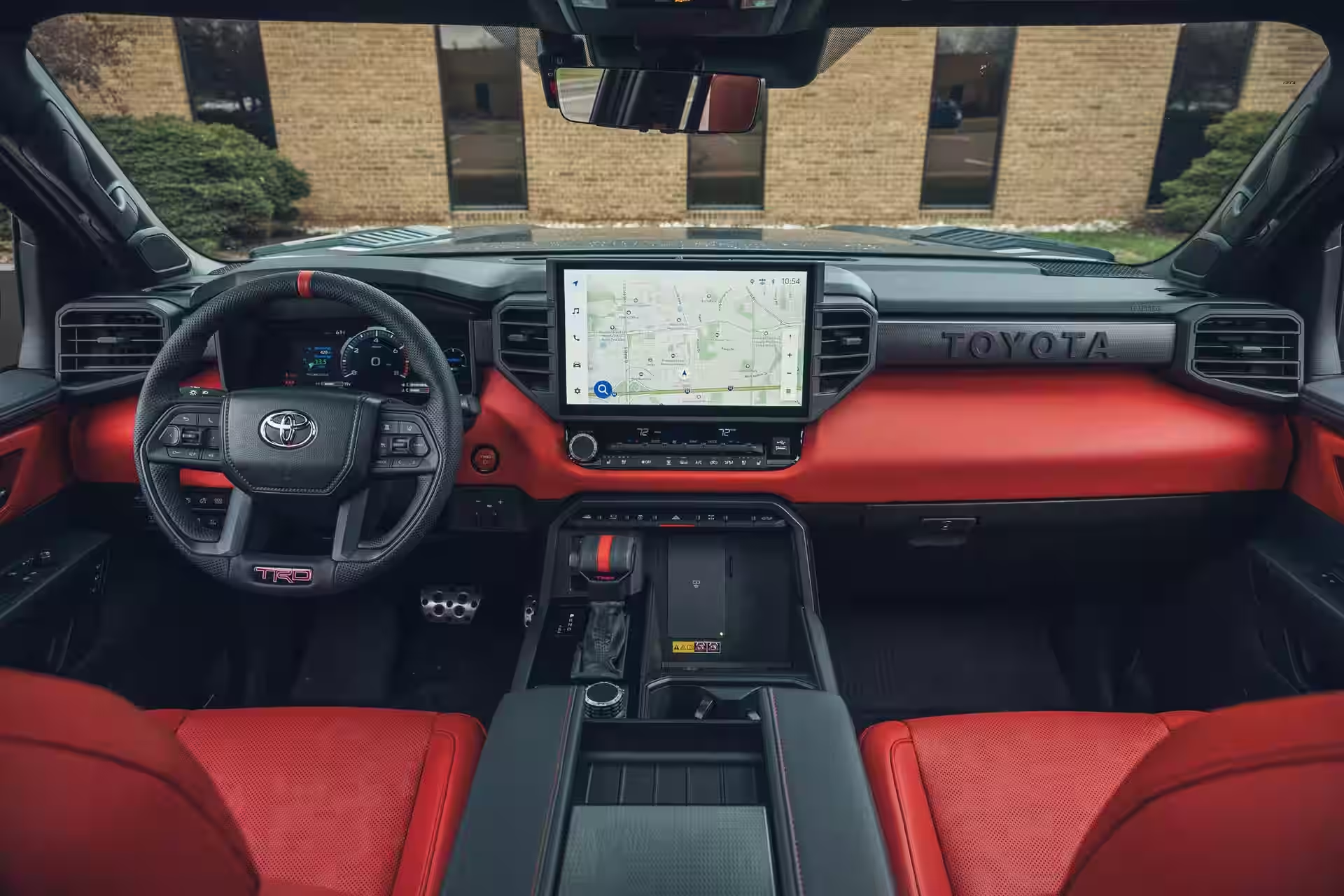
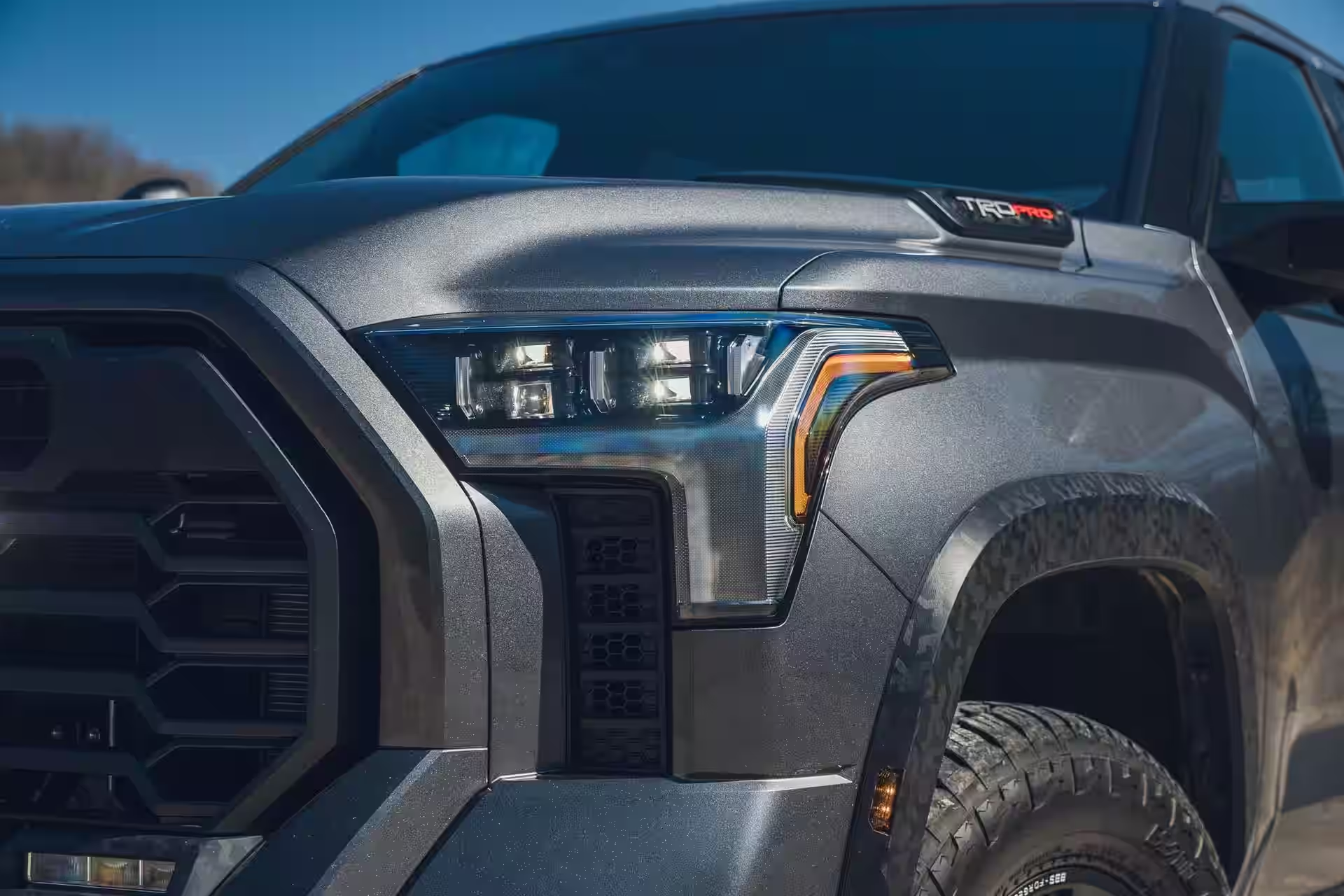
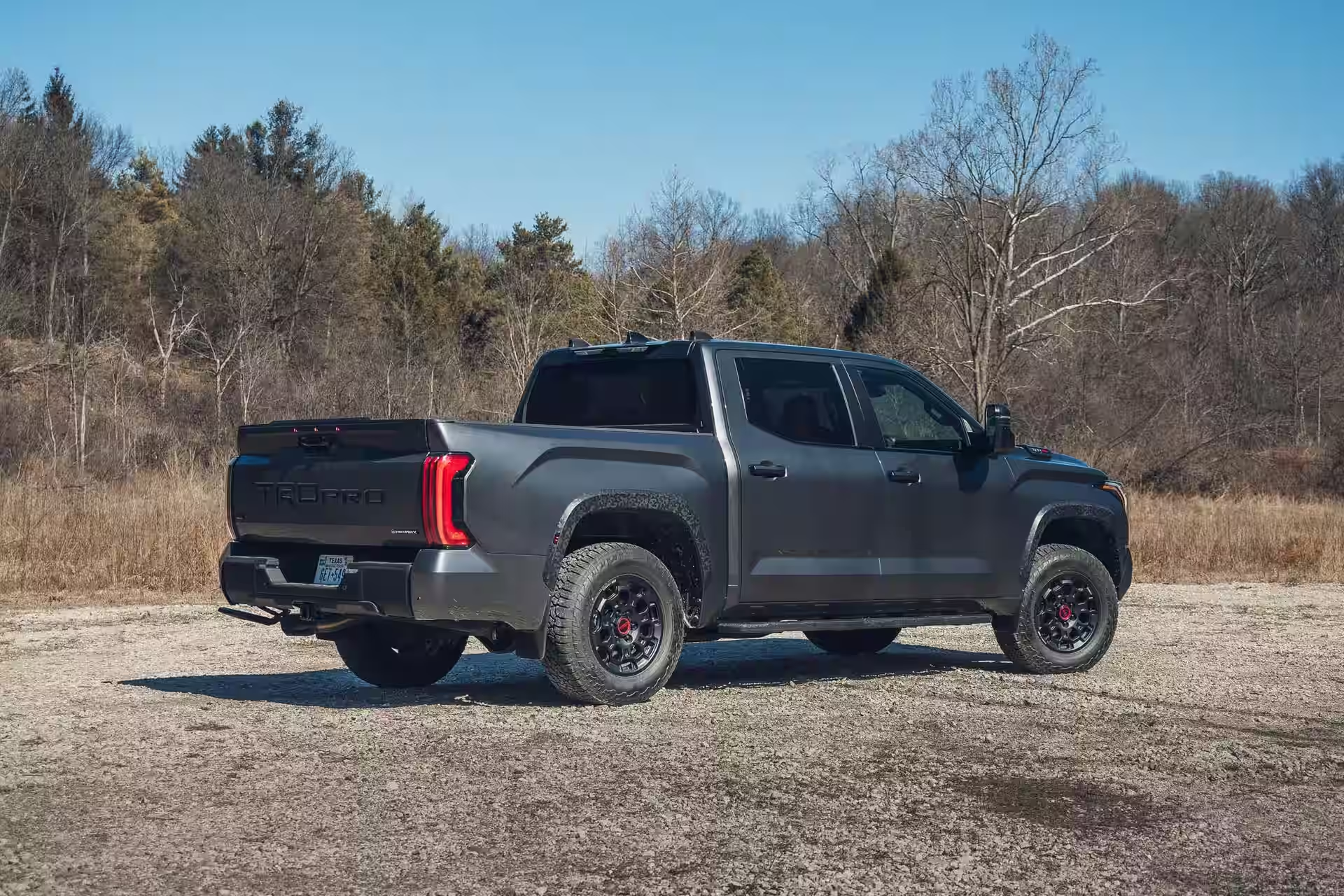
The irony is that the Tundra already has visual confidence. The TRD Pro trim does not need help looking tough. The TRD Performance package is subtle from the outside, with only a small badge and the revised exhaust tip really giving the game away. In theory, that stealth approach is attractive. In practice, the truck may reveal itself more through noise than through appearance.
There is another detail worth considering: premium fuel is required with this setup. That means the ownership cost increase is not limited to the initial package price. Anyone shopping in this category should calculate the long-term fuel premium, especially if the truck will be driven frequently or used for towing.
If you are already following Toyota’s broader product strategy, this tension between branding, efficiency, and identity also appears in smaller details across the lineup, as seen in Toyota’s quiet hybrid badge rethink on the Camry.
Performance Without Total Refinement
The powertrain itself remains a strong point. Toyota’s hybridized twin-turbo V6 delivers serious torque, and the broad shove of acceleration suits a large truck well. The problem is that the TRD Performance package does not solve some of the Tundra’s more familiar dynamic weaknesses.
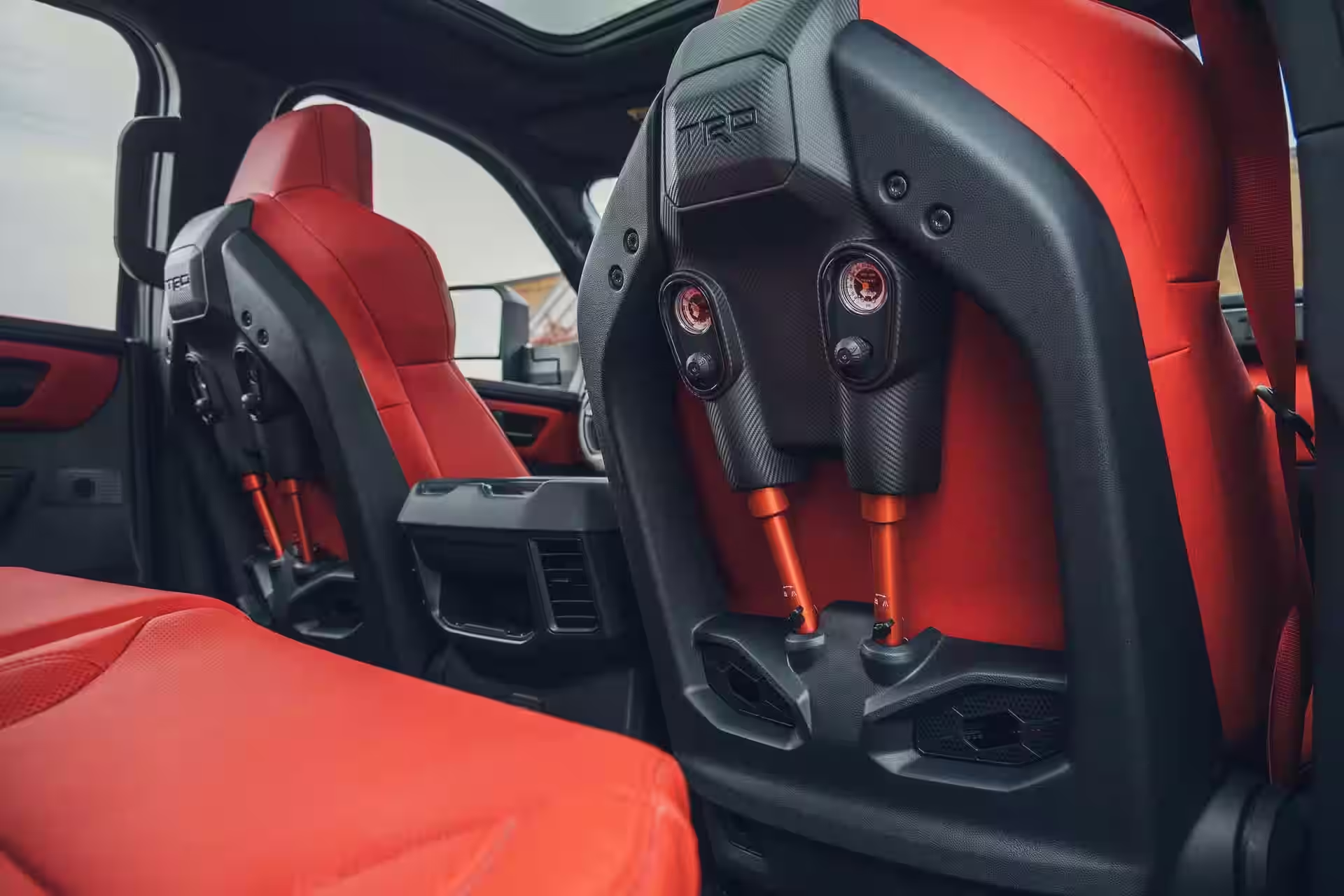
The 10-speed automatic transmission can still feel busy and occasionally clumsy. Under light throttle, it tends to cycle through gears in a way that draws attention to itself. Under heavy throttle, it shifts quickly but not always smoothly. In a segment where rivals continue refining both drivability and calibration, that remains an area where Toyota does not fully dominate.
This becomes more important when buyers cross-shop the Tundra with domestic full-size pickups. While Toyota’s reliability reputation remains a major advantage, truck shoppers in this price range are not just buying durability. They are buying feel, sound, smoothness, towing confidence, and day-to-day comfort. In that context, a louder exhaust and unchanged transmission behavior may not be the ideal combination for every customer.
Who Should Actually Buy The TRD Performance Package
The answer depends less on raw specs and more on personality.
If you want a factory-approved Toyota Tundra performance upgrade with stronger acceleration, subtle visual cues, and a more assertive soundtrack, this package makes sense. It also carries the credibility many buyers value from an OEM-backed modification, especially compared with aftermarket tunes that could trigger warranty concerns.
But if your ideal truck blends speed with near-luxury refinement, this package becomes harder to recommend without a test drive. The cabin noise alone will be the deciding factor for many shoppers.
This is the clearest way to think about it:
- Buy it if you want a quicker Tundra, like aggressive sound, and prefer factory-supported upgrades
- Skip it if you prioritize quiet cruising, smoother drivability, or stronger value per dollar
- Test it first if you are unsure whether the exhaust tone feels exciting or exhausting
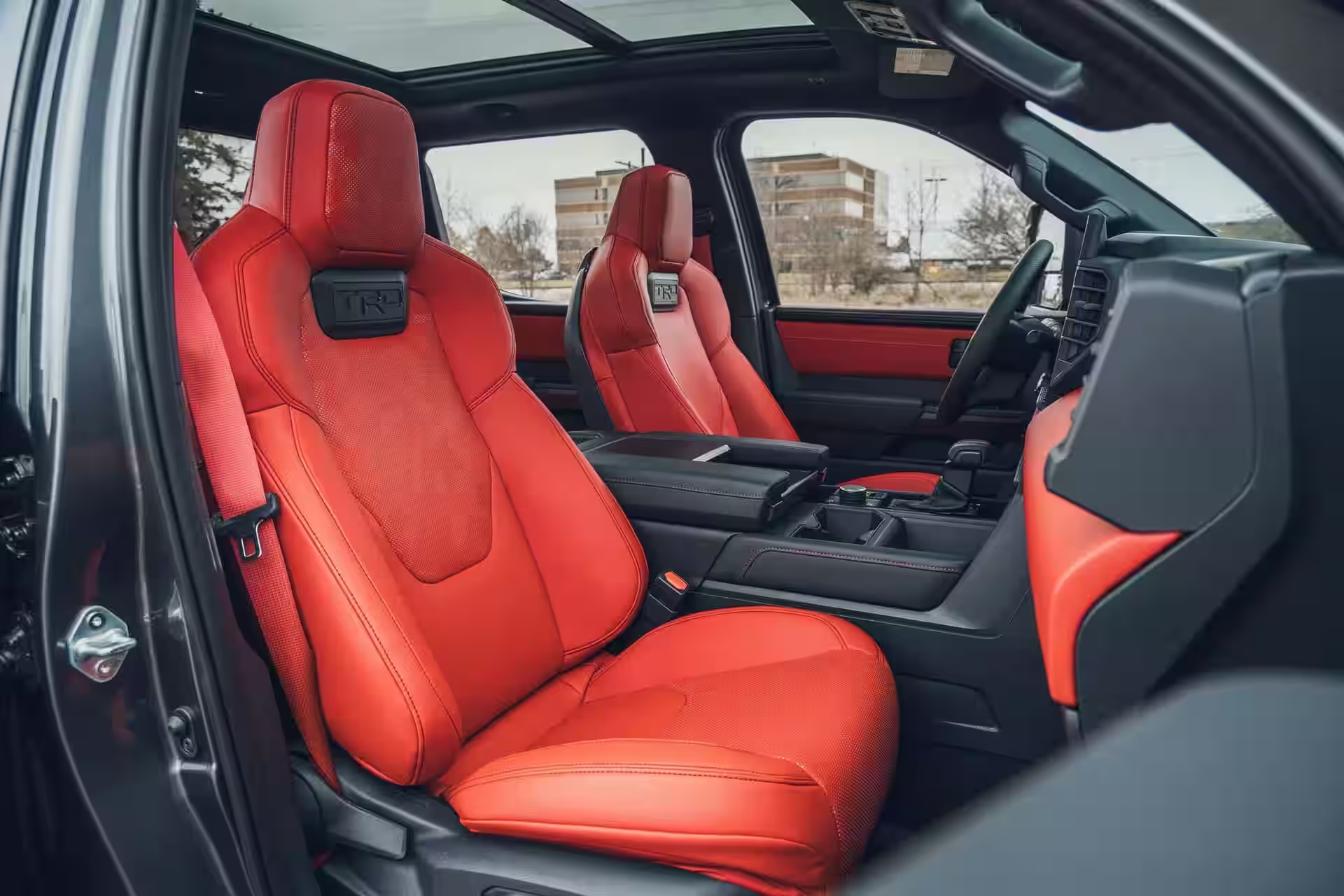
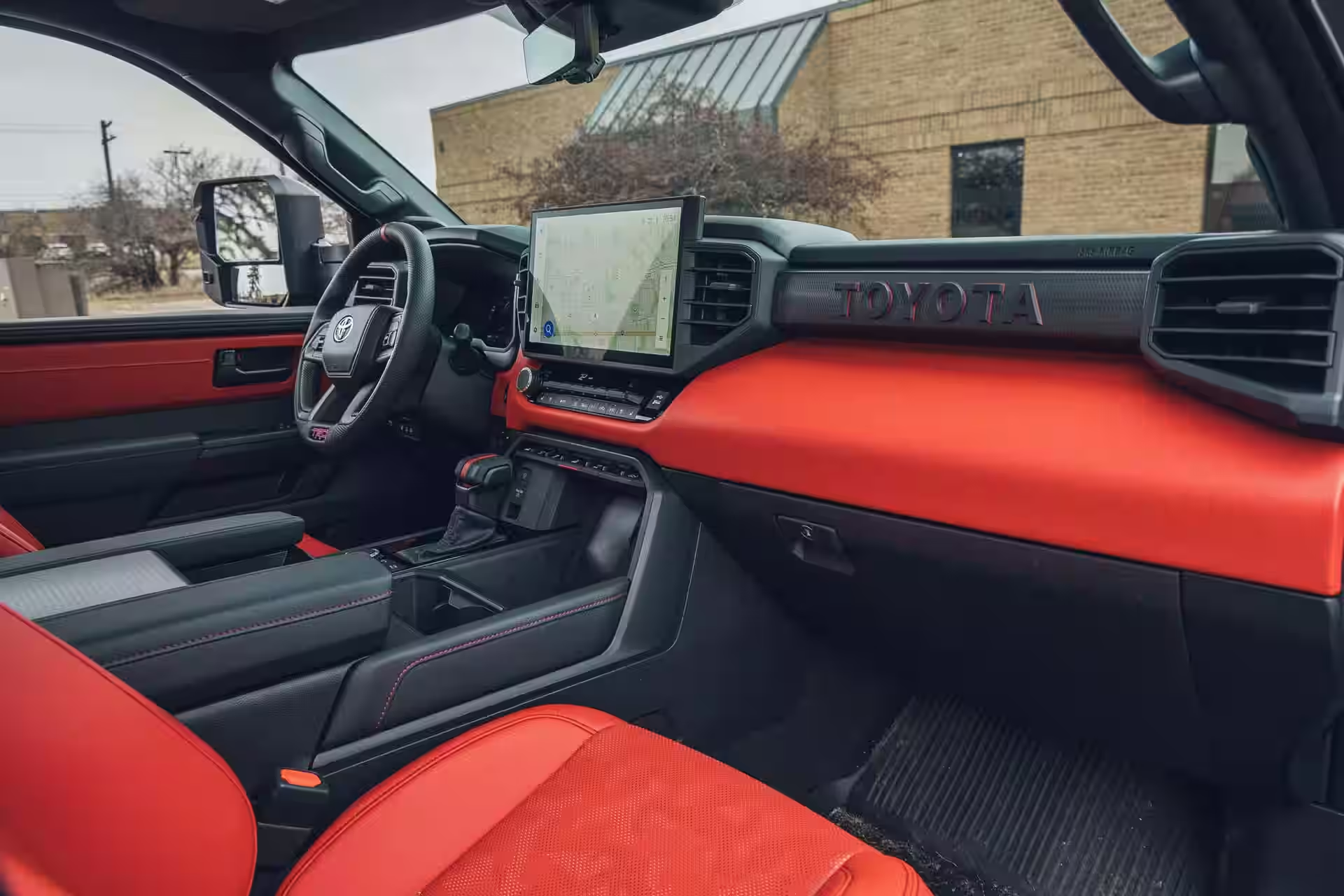
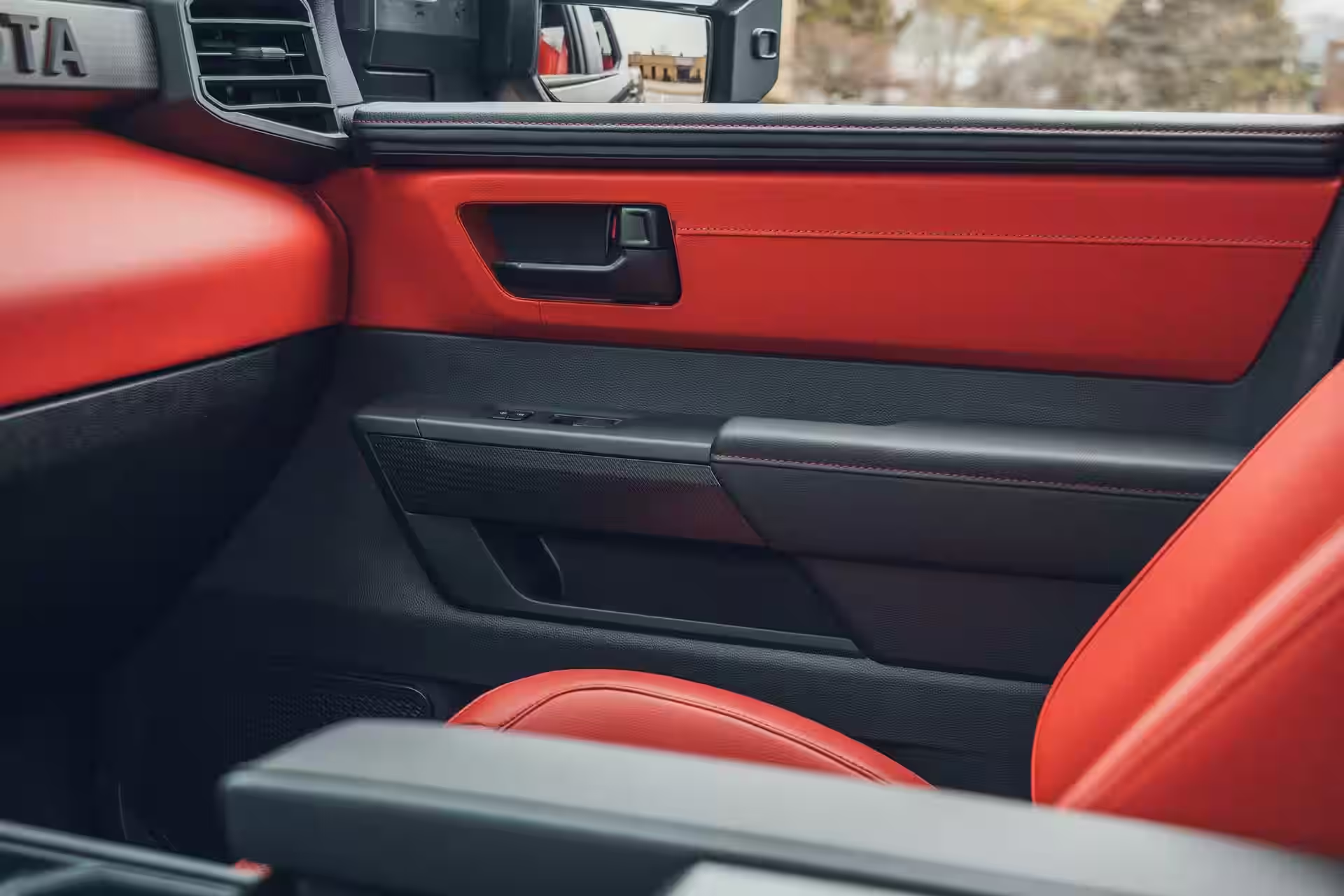
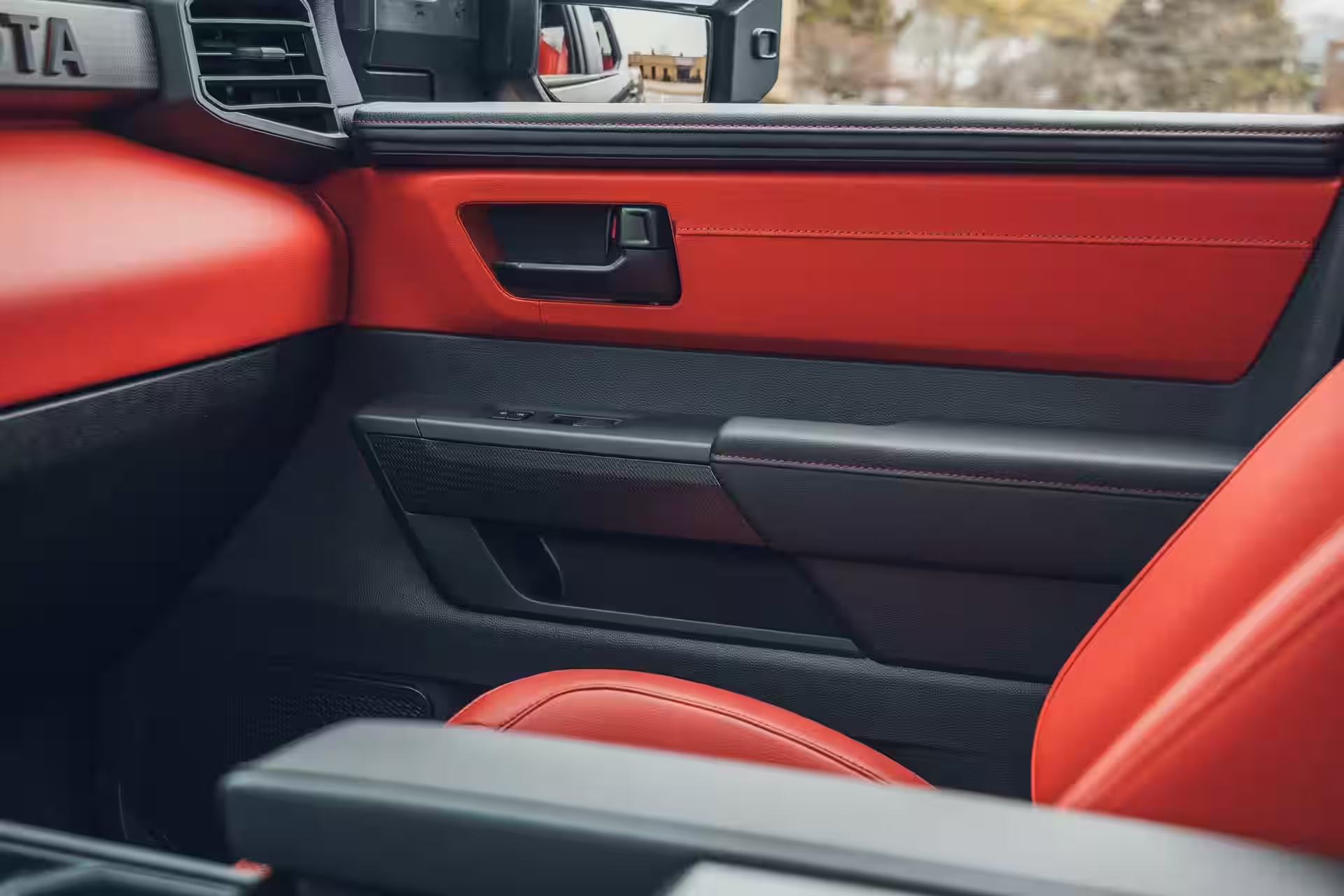
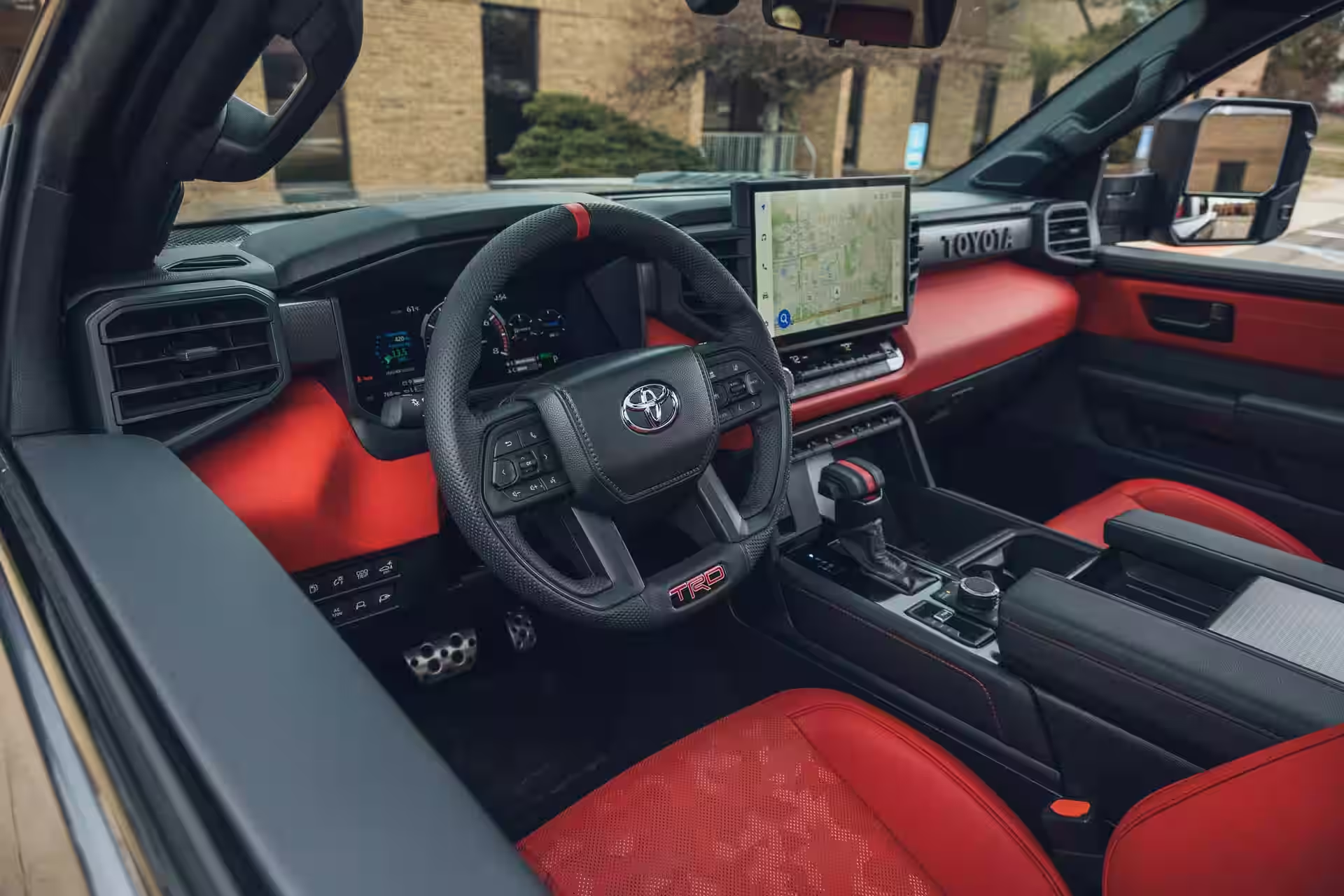
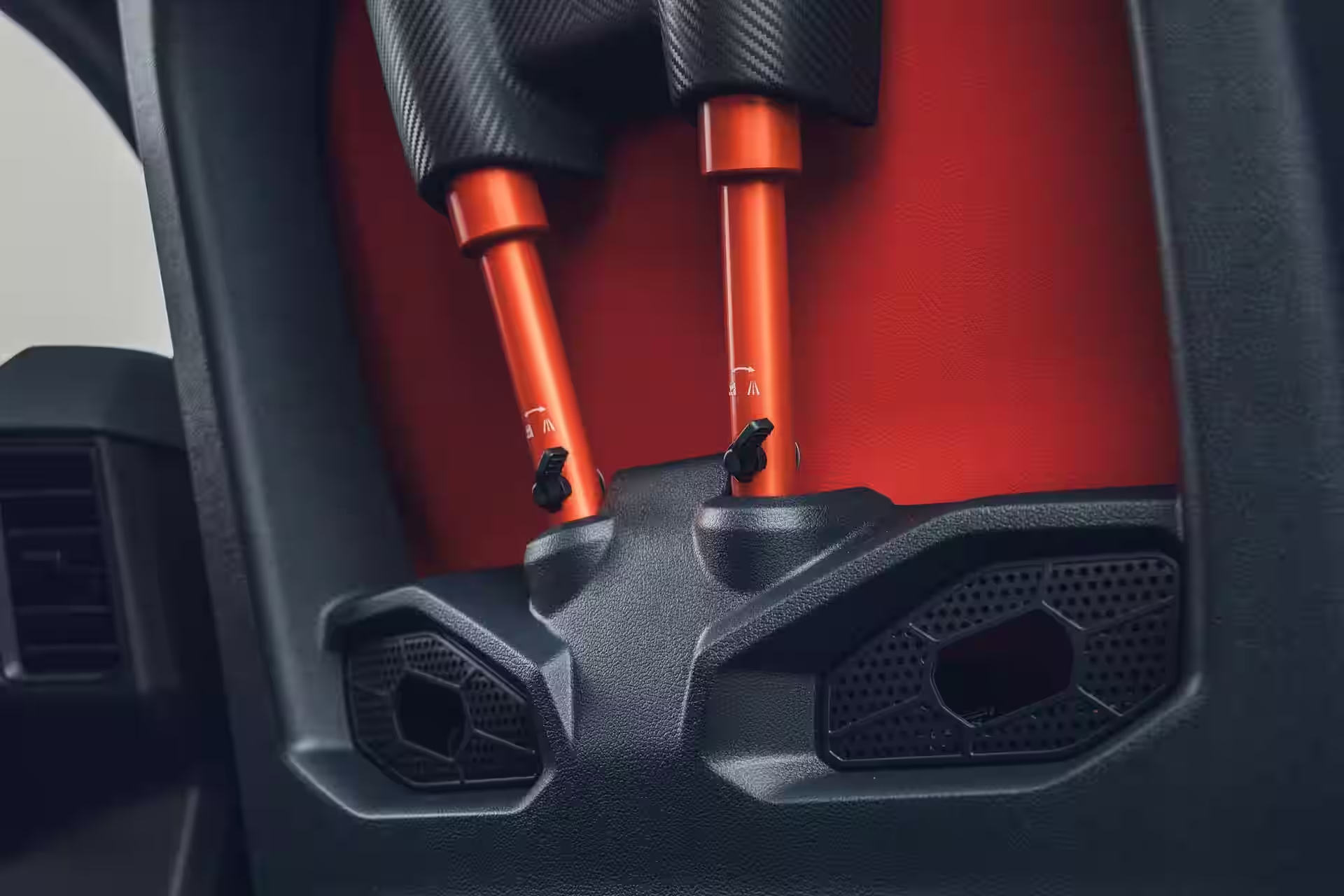
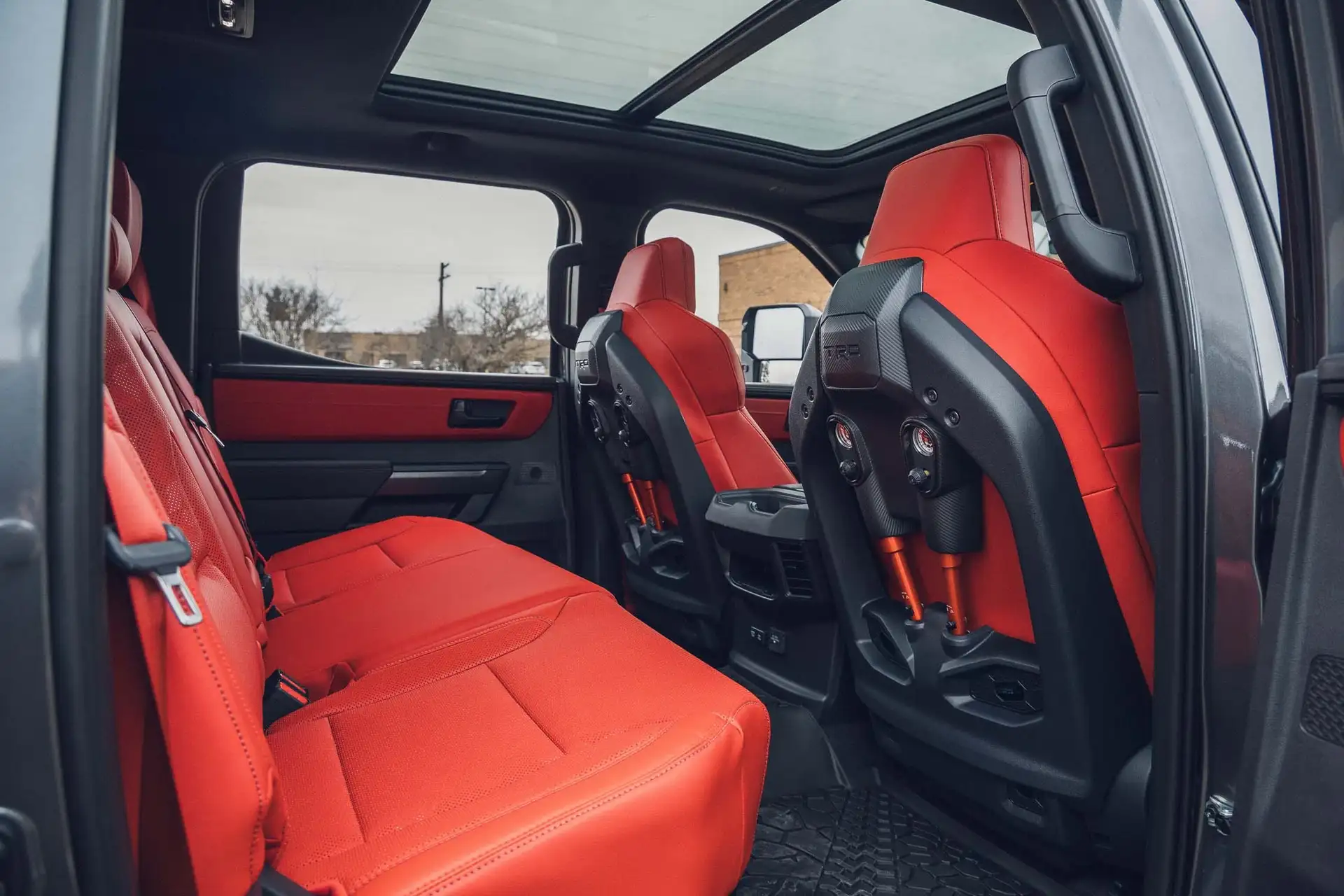
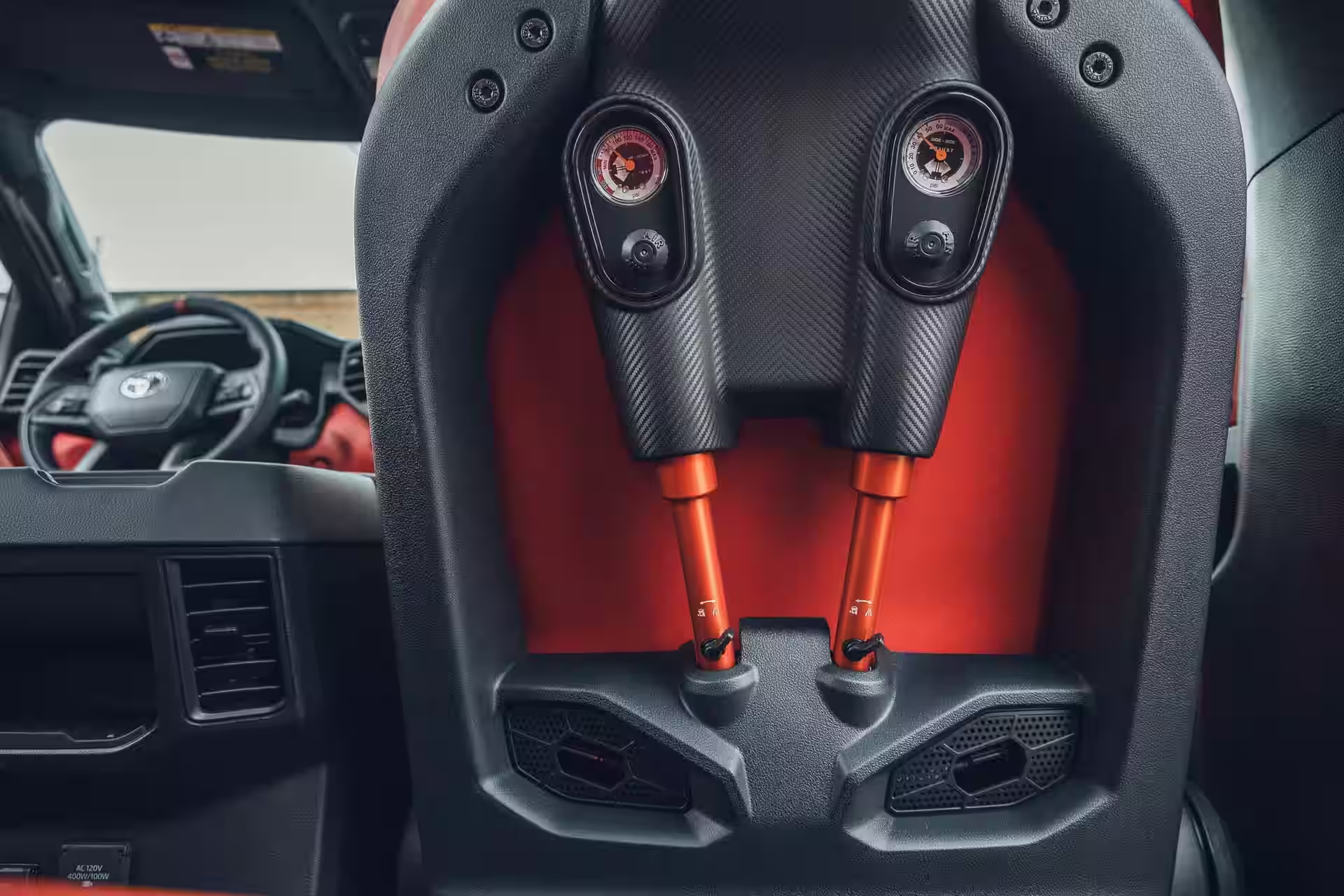
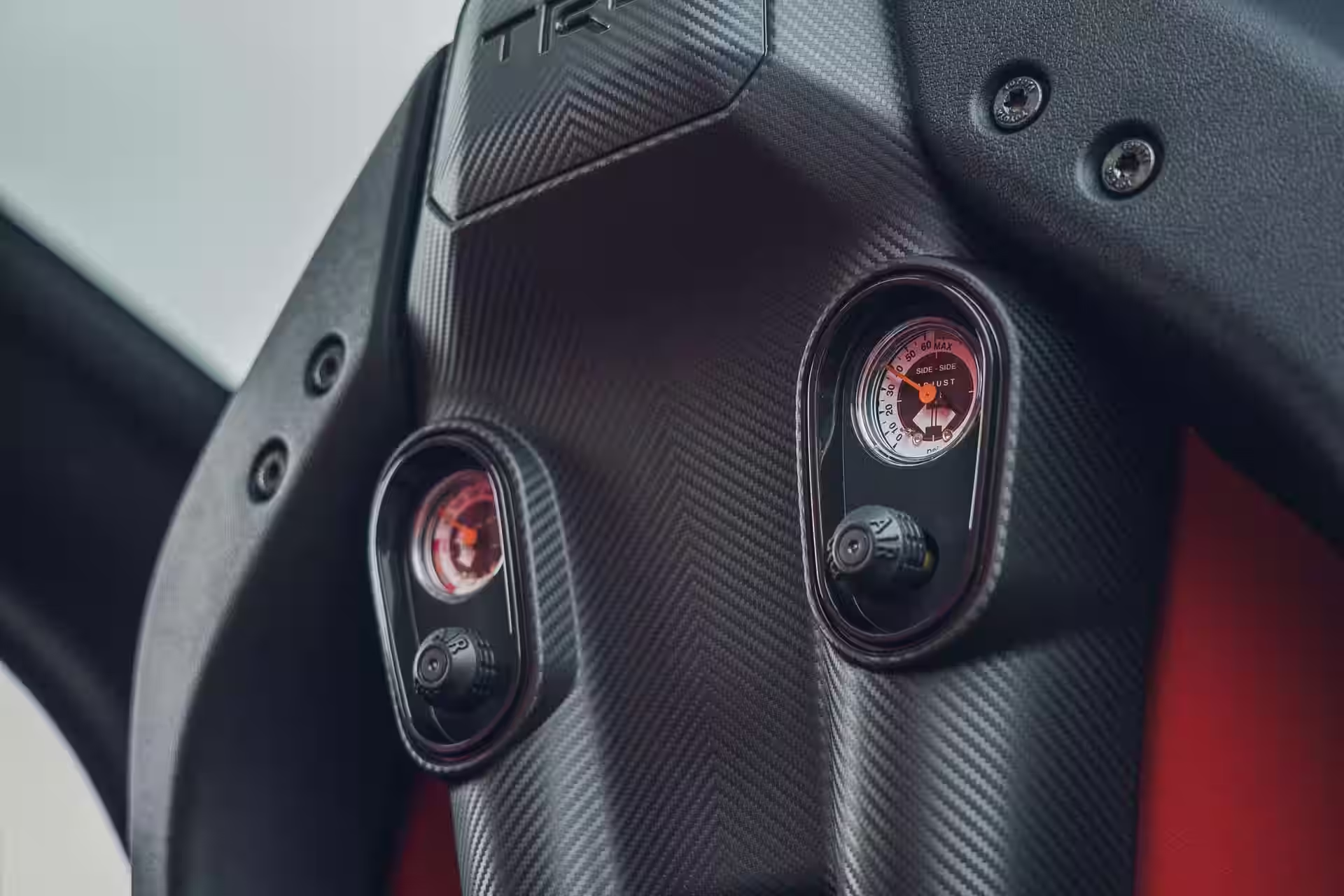
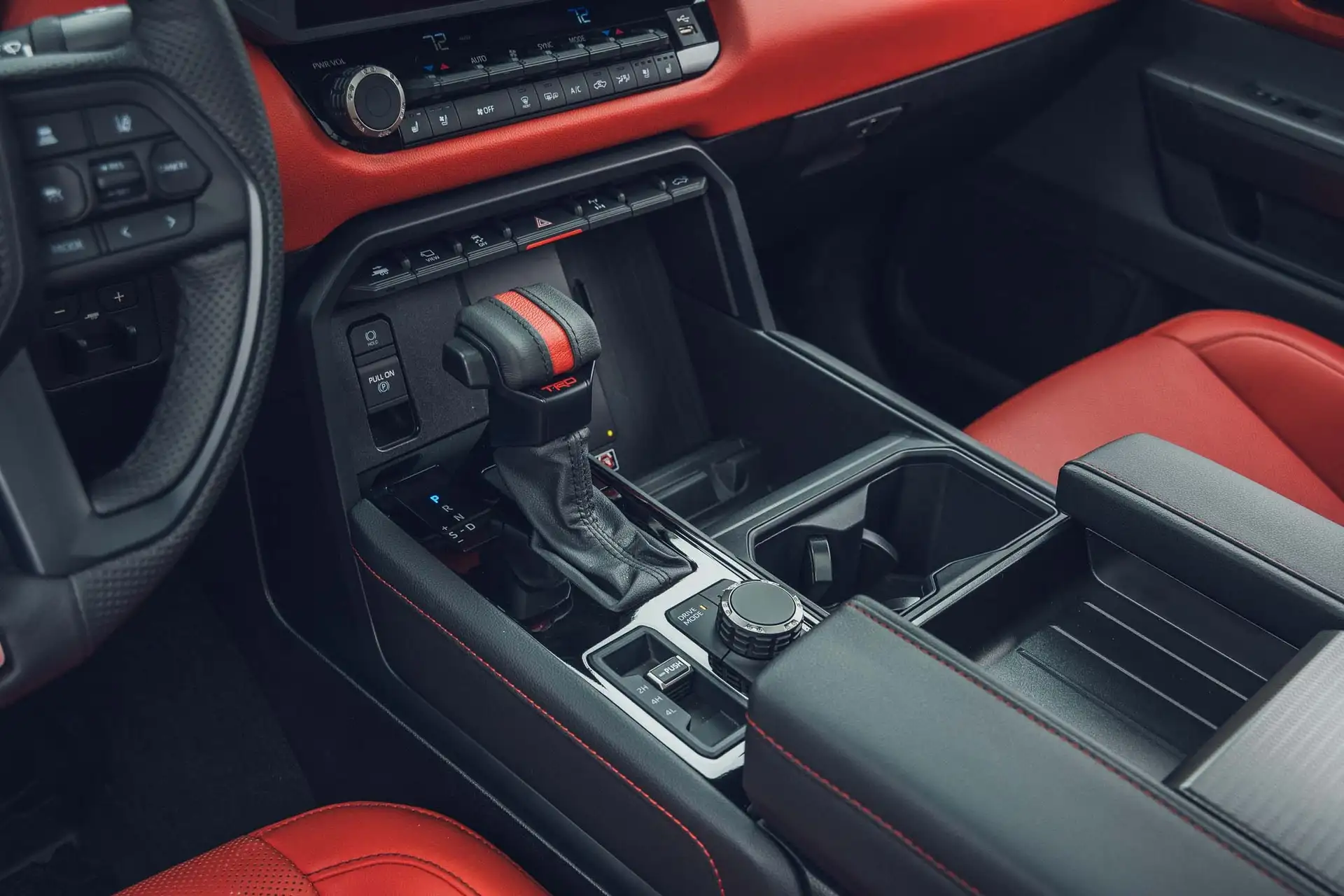
One interesting detail for 2026 is the availability of Toyota’s IsoDynamic front seats on the Tundra. These seats, previously associated with more specialized off-road applications, add a talking point to the truck’s interior and help reinforce the TRD identity. In a spacious CrewMax cab, they are easier to live with than in smaller Toyota trucks, though they still look unconventional enough to spark conversation.
From a market perspective, the Tundra TRD Performance package feels like Toyota testing demand for more serious factory-backed upgrades. If the response is strong, the brand could easily expand this strategy with sharper calibrations, more aggressive off-road tuning, or even more specialized halo trims in the future.
That would make sense in a market where extreme trucks, hybrid torque, and highly personalized image have become central to buyer interest. We are already seeing adventurous formulas spread into other utility segments too, including vehicles like the Hyundai Boulder 2028 off-road push and the Ford Expedition 2027 anniversary edition.
As tested, a Tundra TRD Pro with the TRD Performance package can climb well beyond its base sticker once options are added. That raises a blunt question buyers should ask before signing anything: is the extra noise and modest speed bump worth paying premium-truck money?
For some, absolutely. There is real satisfaction in owning a truck that feels a little rarer, a little sharper, and a little more eager than the one parked next to it. For others, this package may expose a truth that matters more than the horsepower increase: in a modern pickup, the best performance upgrade is only the right one if you still enjoy living with it every day.
2026 Toyota Tundra TRD Performance key takeaway: the added horsepower is real, the factory engineering is credible, and the visual changes stay tastefully subtle. But the louder personality may be the first thing owners notice and the hardest thing to forget.